



2026 Ford Explorer Van
By Lorenzo Bianchi April 14, 2026
Two-seat electric van based on Explorer EV platform.
Rear cabin converted into dedicated cargo space.
Fast charging supports 10–80% in around 25 minutes.
SUV roots, adapted for a different role
The 2026 Ford Explorer Van starts from something familiar, but its purpose is clearly different.
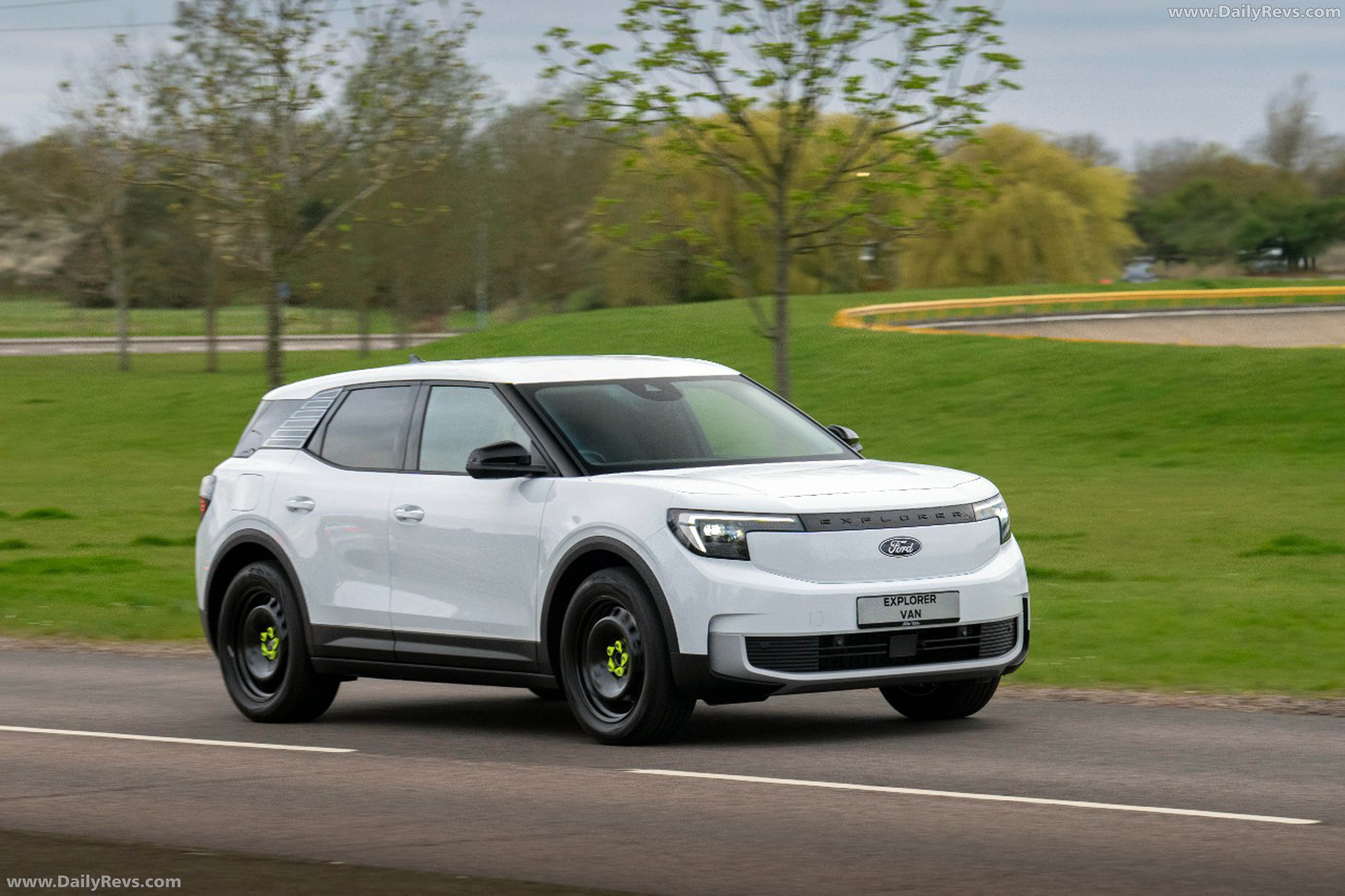
It’s based on the all-electric Explorer SUV, and most of that design carries over. The front end, proportions, and overall stance remain close to the passenger version. It doesn’t look like a traditional van.
That’s intentional. Ford hasn’t tried to reshape it into a boxy commercial vehicle. Instead, the Explorer Van keeps a more lifestyle-oriented appearance, even though it’s built to work.
From the outside, the changes are subtle. The real shift happens once you look past the front row.
Compact proportions suit city use
The Explorer Van sits in a space that isn’t typical for commercial vehicles.
It’s smaller and more contained than most vans, which works in its favour in urban environments. The footprint makes it easier to place in tight streets and parking spaces, something that matters for businesses operating in cities.
The stance still feels balanced, thanks to its SUV origins. It doesn’t carry the visual bulk of larger vans, and that changes how it’s perceived on the road.
There’s also a sense that the design hasn’t been compromised to fit the role. It still looks like a passenger vehicle first, even if its purpose has shifted. [Inference]
Interior transforms into a working space
Inside is where the Explorer Van diverges most clearly from the standard model.
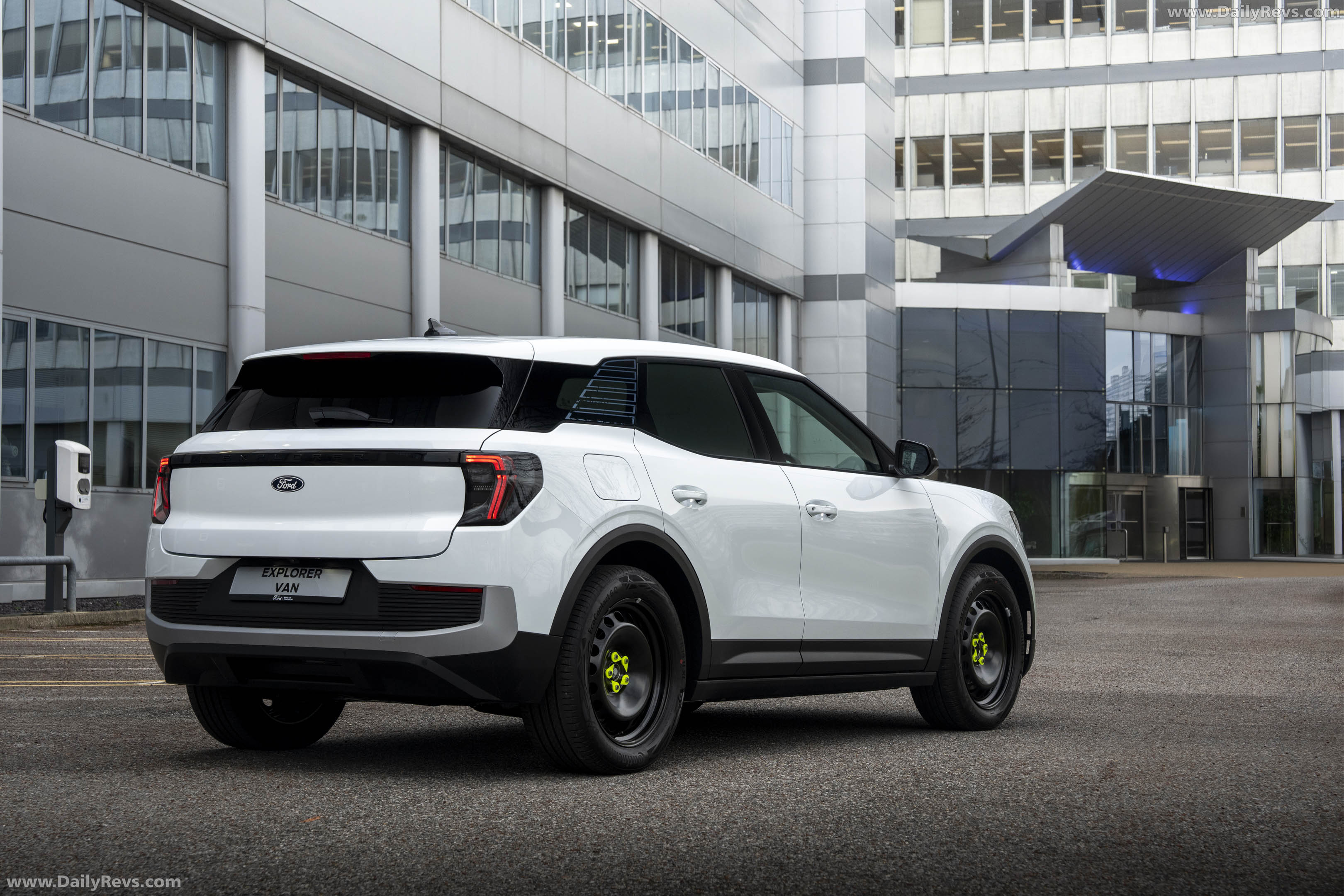
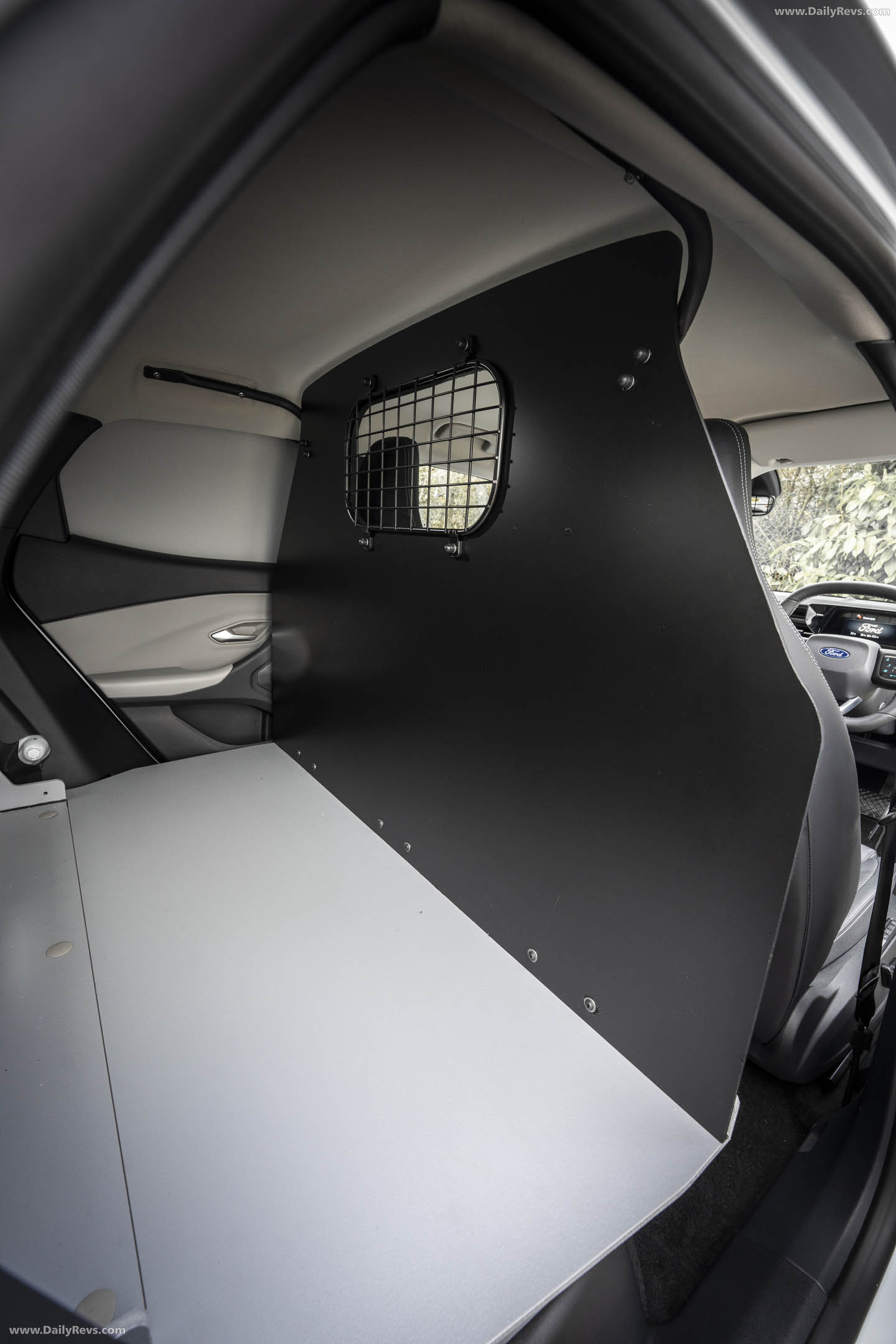
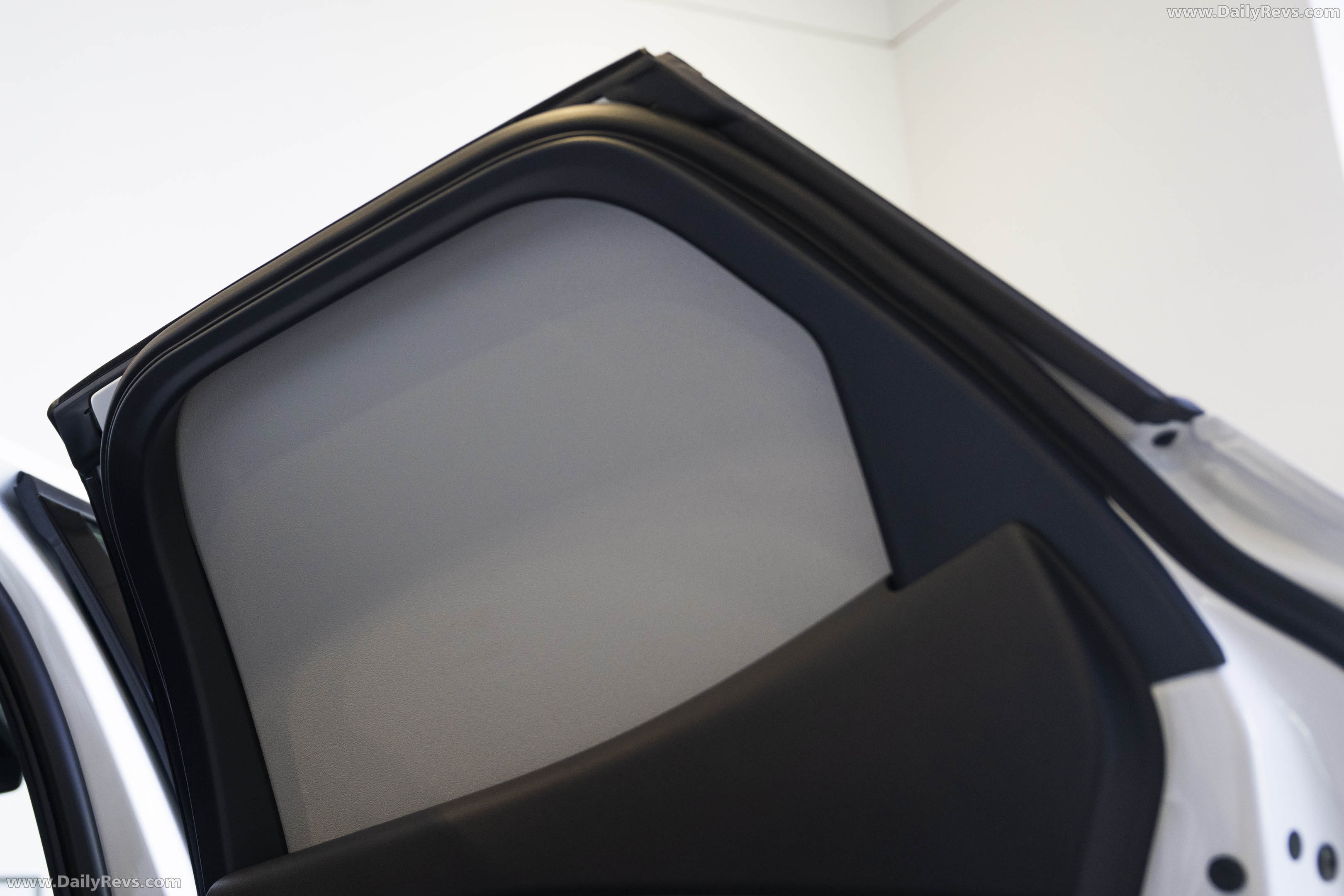
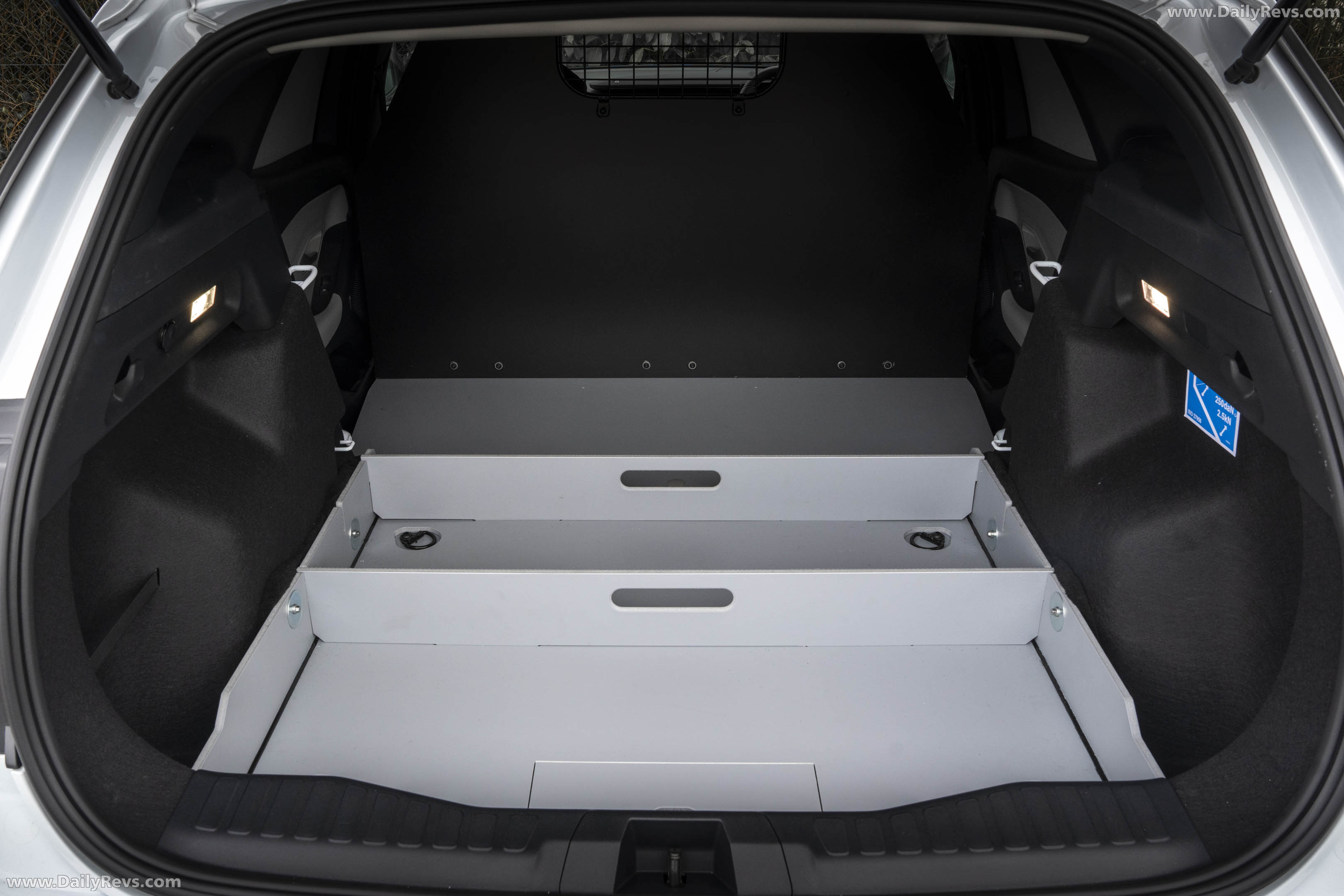
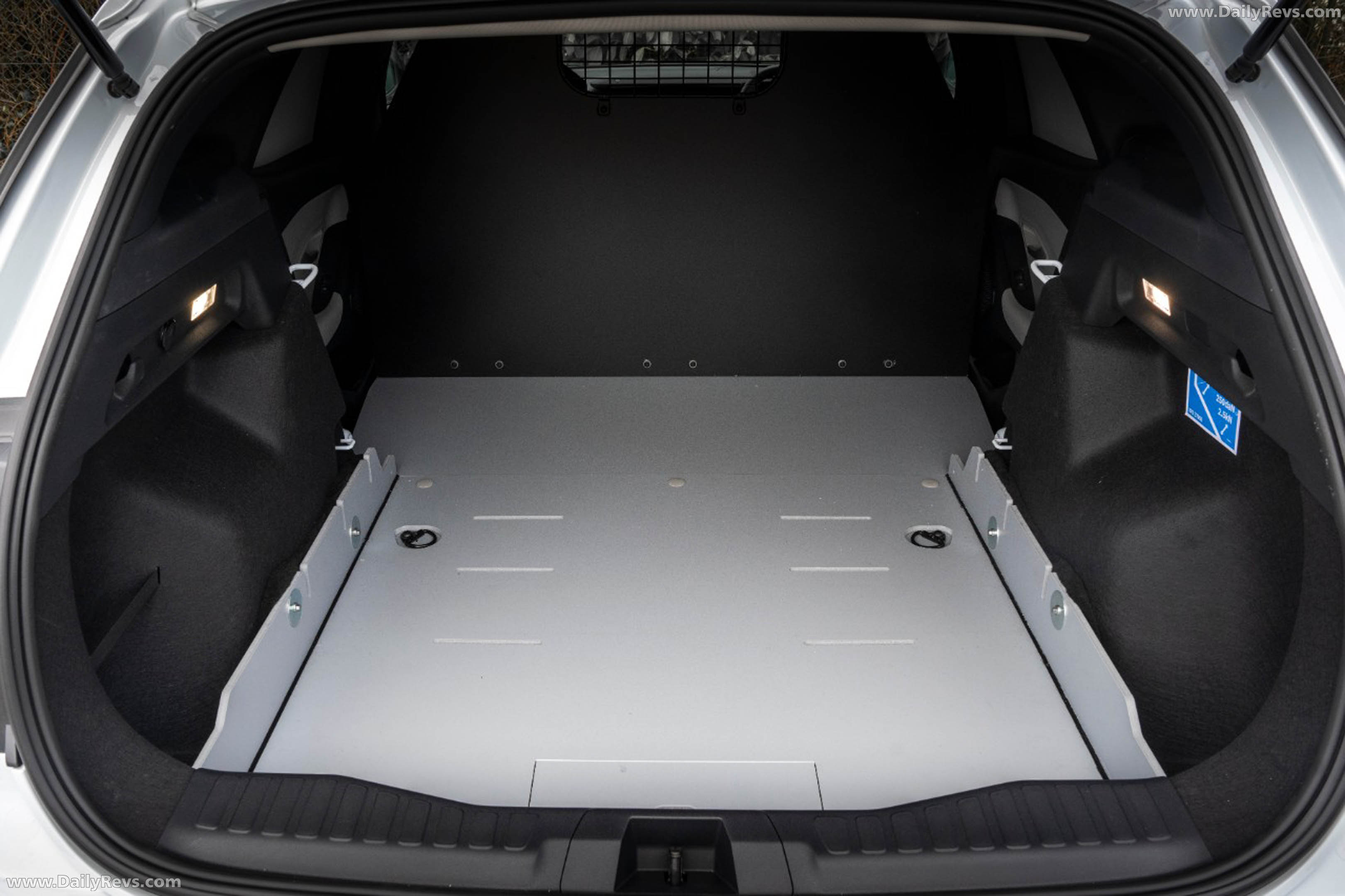
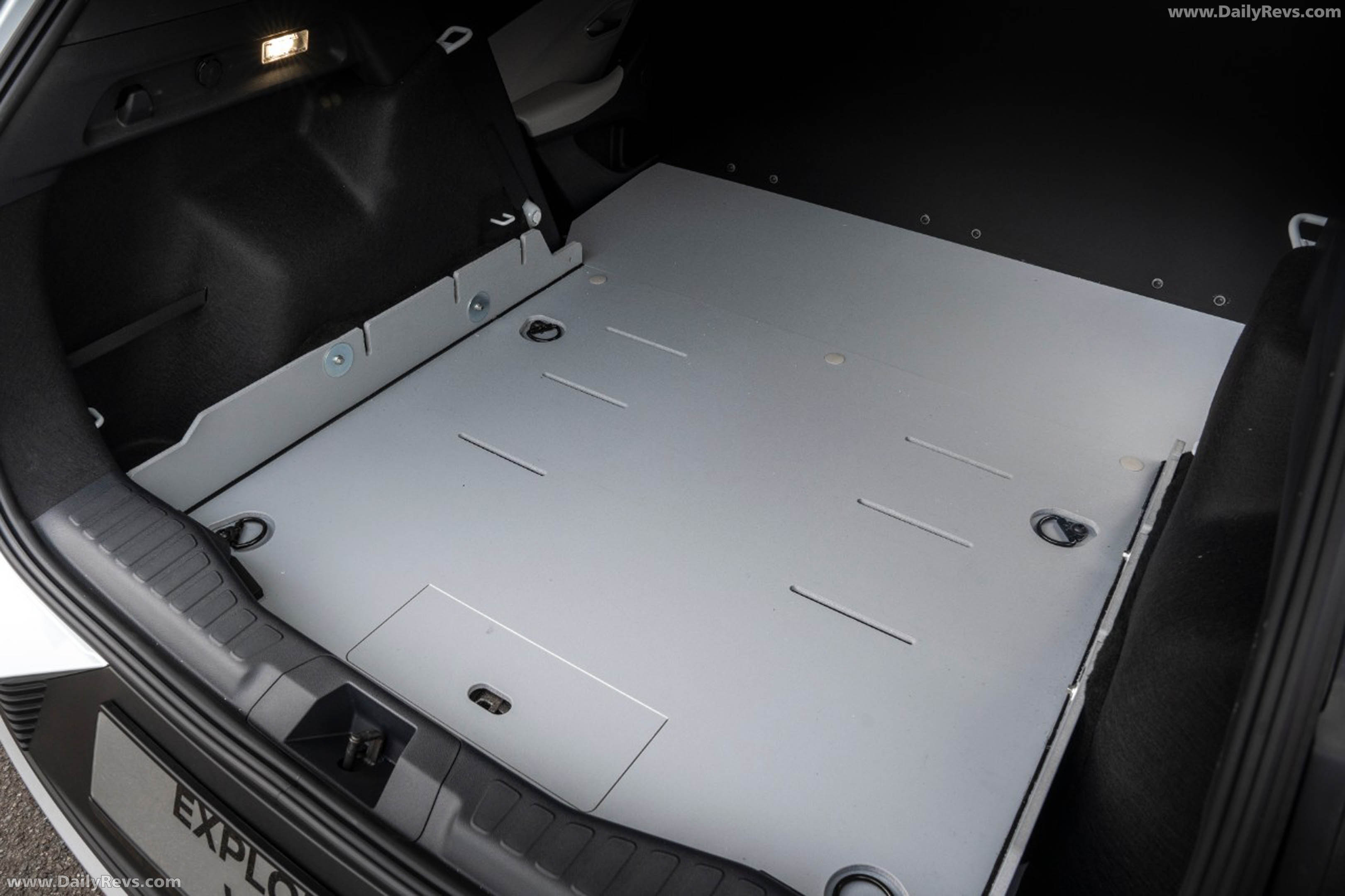
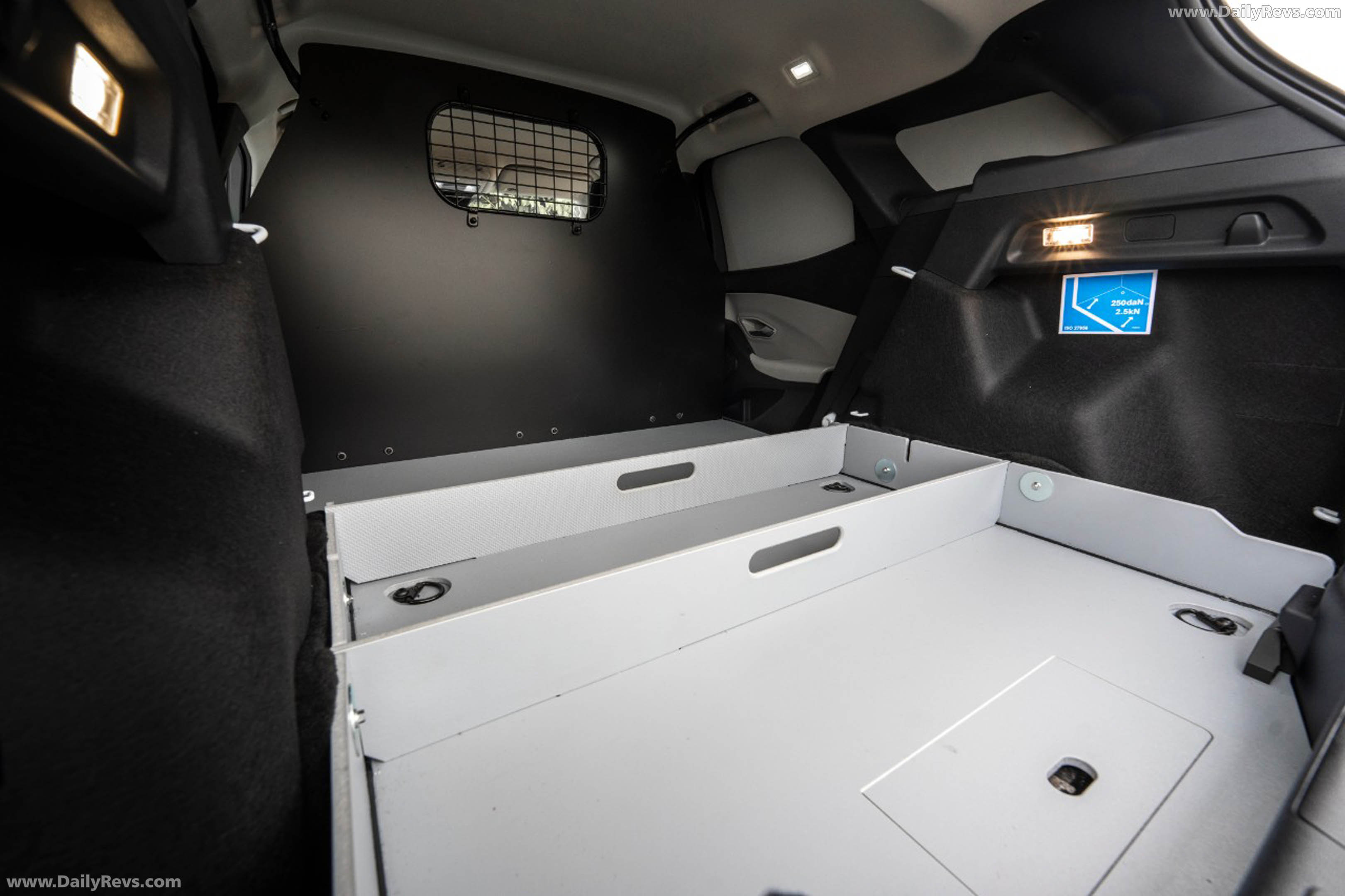
The rear passenger area has been removed entirely. In its place is a dedicated cargo section, separated from the front cabin. It’s a simple change, but it defines the vehicle.
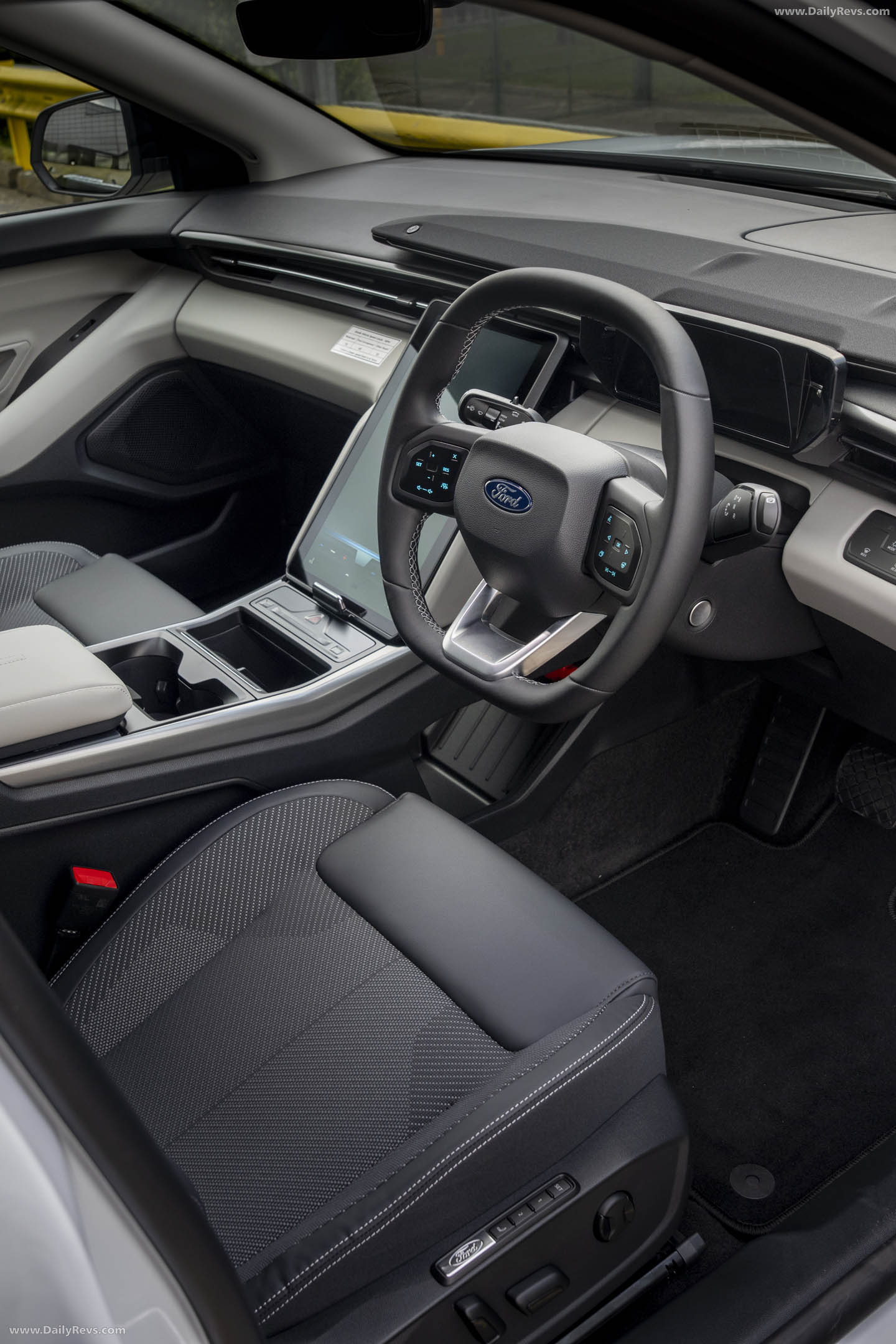
Up front, things remain largely unchanged. The driver and passenger sit in a modern digital cabin, with a large central touchscreen and connected systems carried over from the Explorer EV.
It still feels like a car to drive, not a stripped-out van. That distinction matters, especially for users spending long hours behind the wheel.
Electric platform carries over unchanged
Underneath, the Explorer Van uses the same fully electric platform as the SUV.
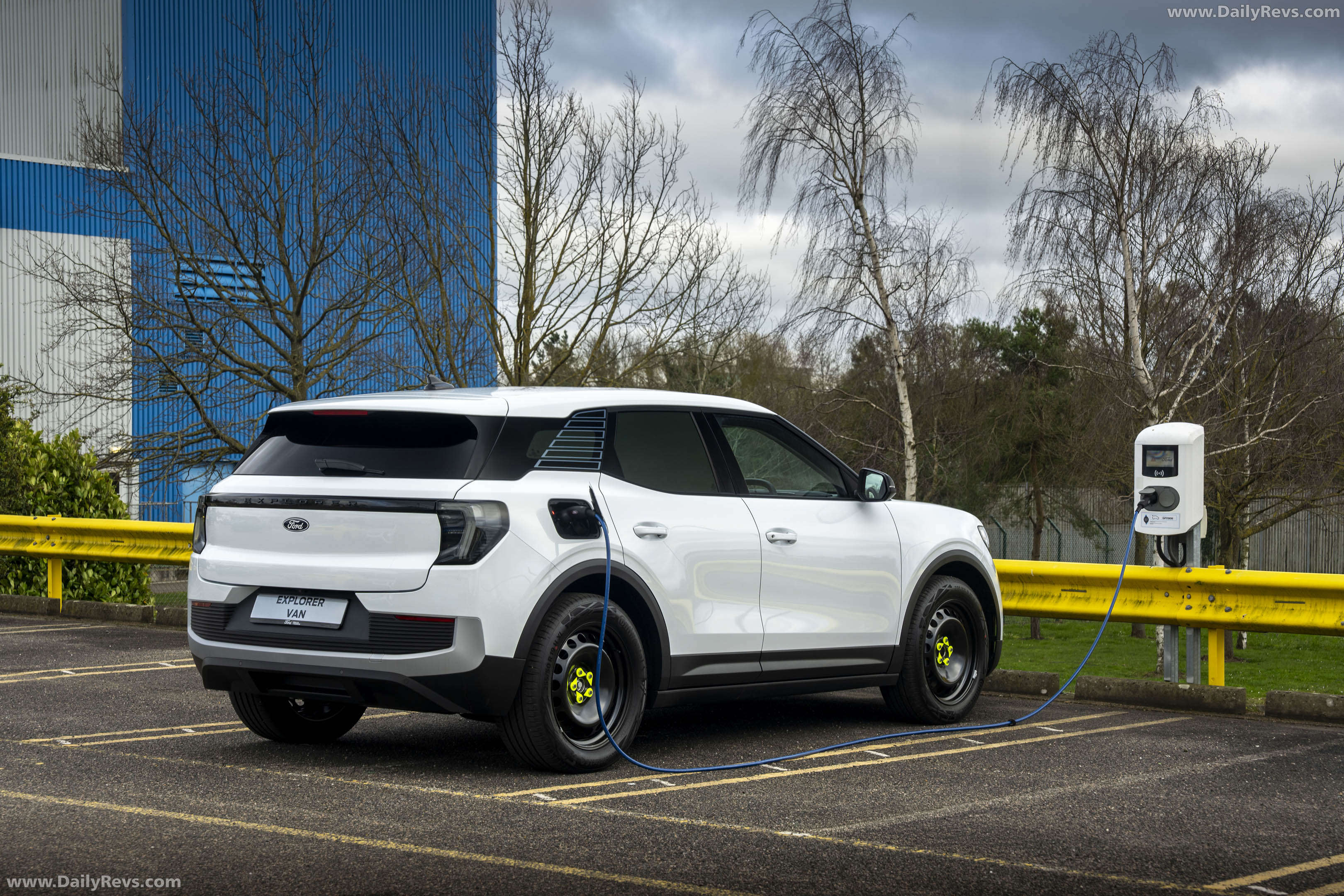
That means zero-emission driving, which is increasingly important for city-based operations. It also supports fast charging, with the ability to go from around 10 to 80 percent in approximately 25 minutes under suitable conditions.
Exact power outputs and range figures haven’t been detailed for the van specifically. [Unverified] But the underlying setup suggests similar performance characteristics to the Explorer EV.
The focus here isn’t speed. It’s efficiency and ease of use across daily routes.
Built for lighter commercial needs
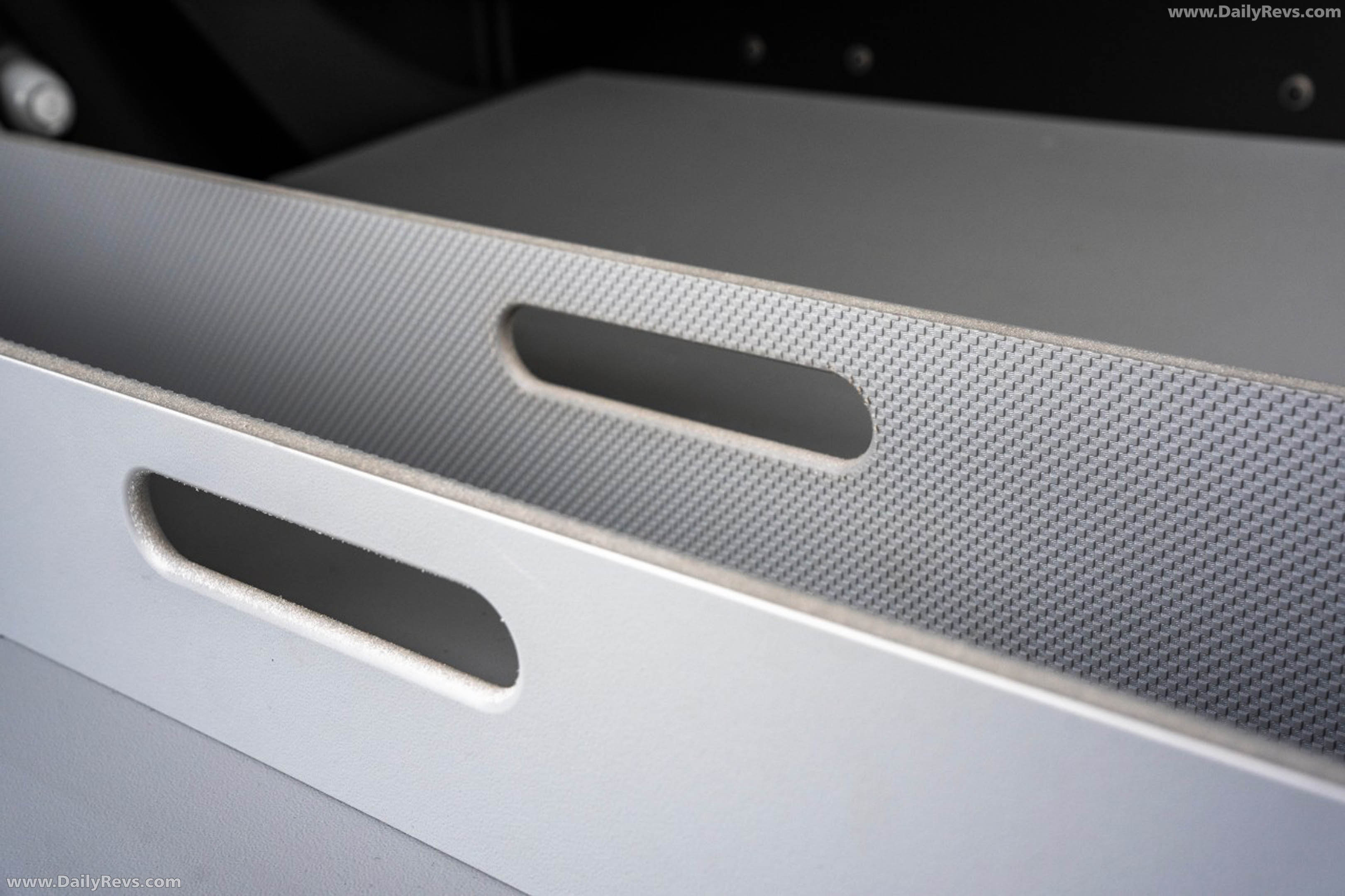
The cargo area has been designed with light commercial use in mind.
It’s not intended for heavy-duty hauling. Instead, it suits smaller deliveries, tools, or equipment that don’t require a full-size van. The separated rear space allows for secure transport without affecting the cabin environment.
For many businesses, that’s enough. Especially those operating in dense urban areas where larger vans can feel excessive.
Driver assistance systems and infotainment features remain in place as well, supporting everyday usability and safety.
Positioned between car and van
The 2026 Ford Explorer Van doesn’t sit neatly into one category.
It’s not a traditional van, and it’s no longer a passenger SUV. It sits somewhere in between, combining elements of both.
For small businesses, fleet operators, and urban professionals, that balance could make sense. A vehicle that’s easier to live with day to day, but still capable of carrying what’s needed.
That, more than anything, seems to be the point.