






2026 Daihatsu Atrai
By Lorenzo Bianchi June 8, 2026
Enhanced Smart Assist improves detection of bicycles, pedestrians, and traffic.
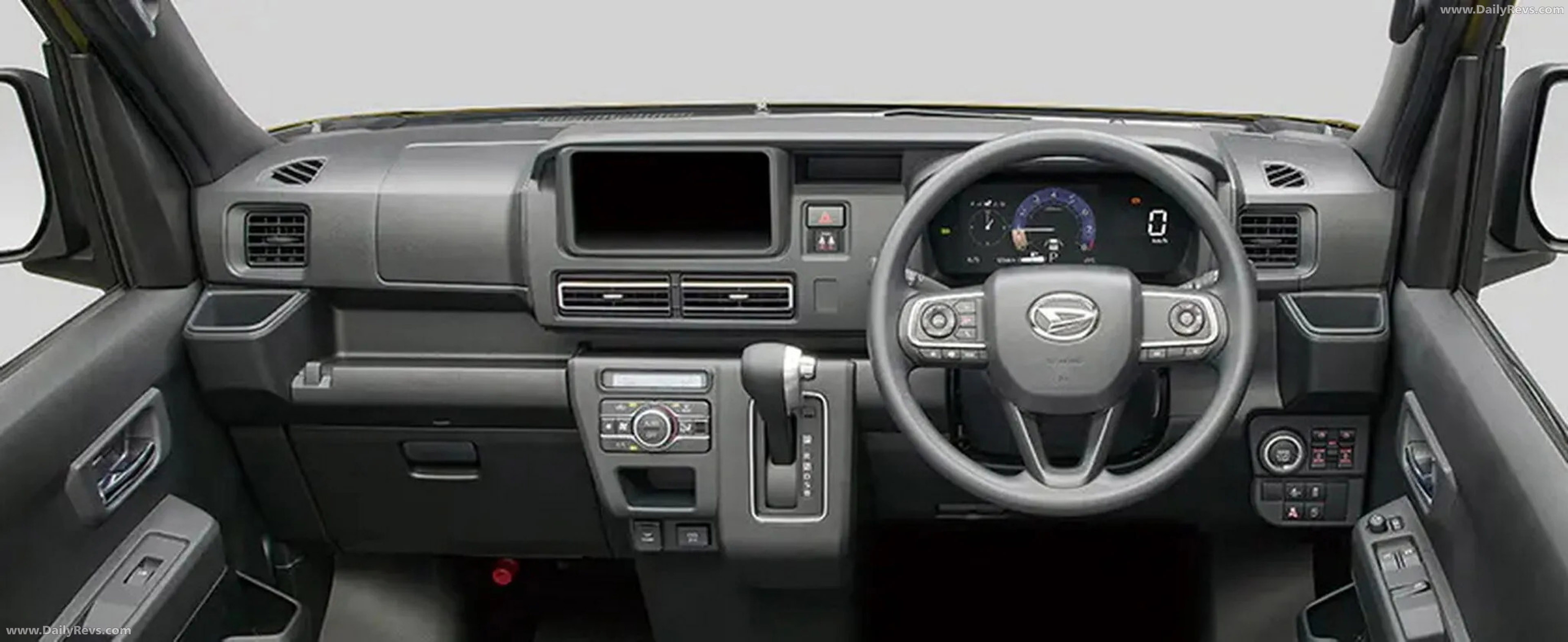
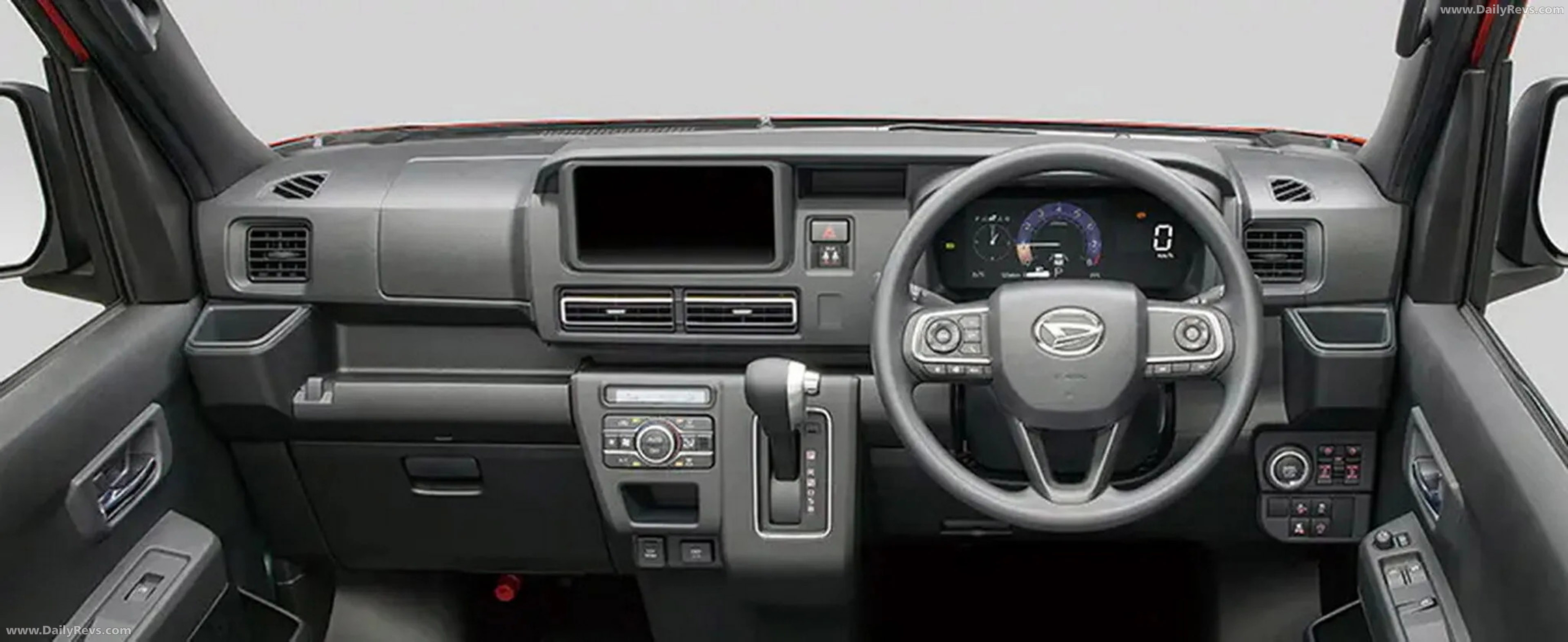
Atrai gains a new Active Multi Information Meter digital instrument cluster.
Turbocharged and naturally aspirated 660cc engines continue with available 4WD.
The Formula Stays Familiar
The Daihatsu Atrai isn't the sort of vehicle that relies on dramatic redesigns to stay relevant.
For many buyers in Japan, that's actually part of the appeal. The Atrai has built its reputation on practicality, compact dimensions, and the ability to do a surprising number of jobs despite fitting within kei-car regulations.
For 2026, Daihatsu has resisted the temptation to change what already works. Instead, the company focused on the areas owners interact with every day, namely safety and onboard technology.
The updates may look modest on paper, but they address some of the key expectations buyers now have in this segment.
No Styling Revolution Required
Anyone familiar with the current Atrai will immediately recognize the new model.
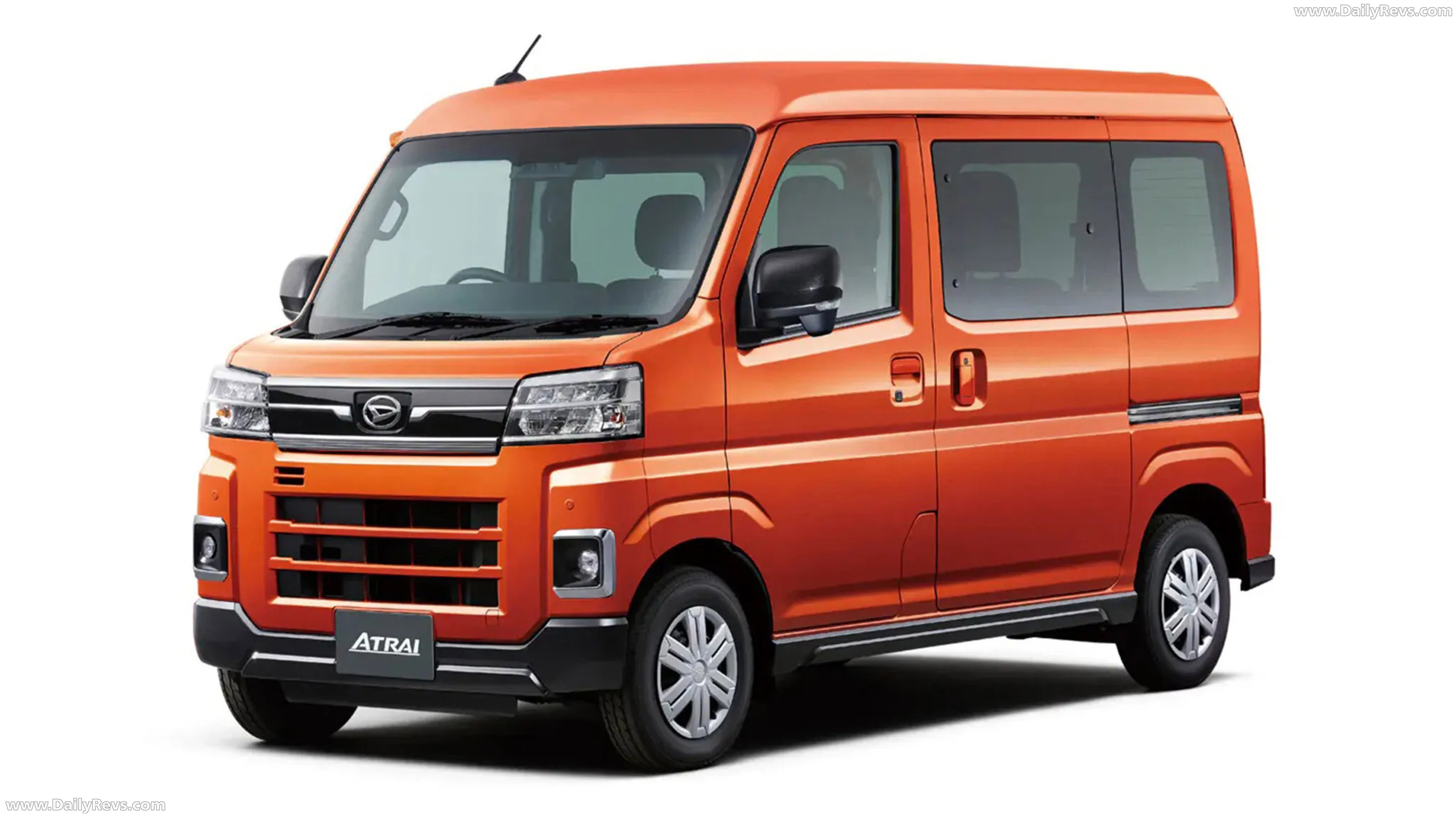
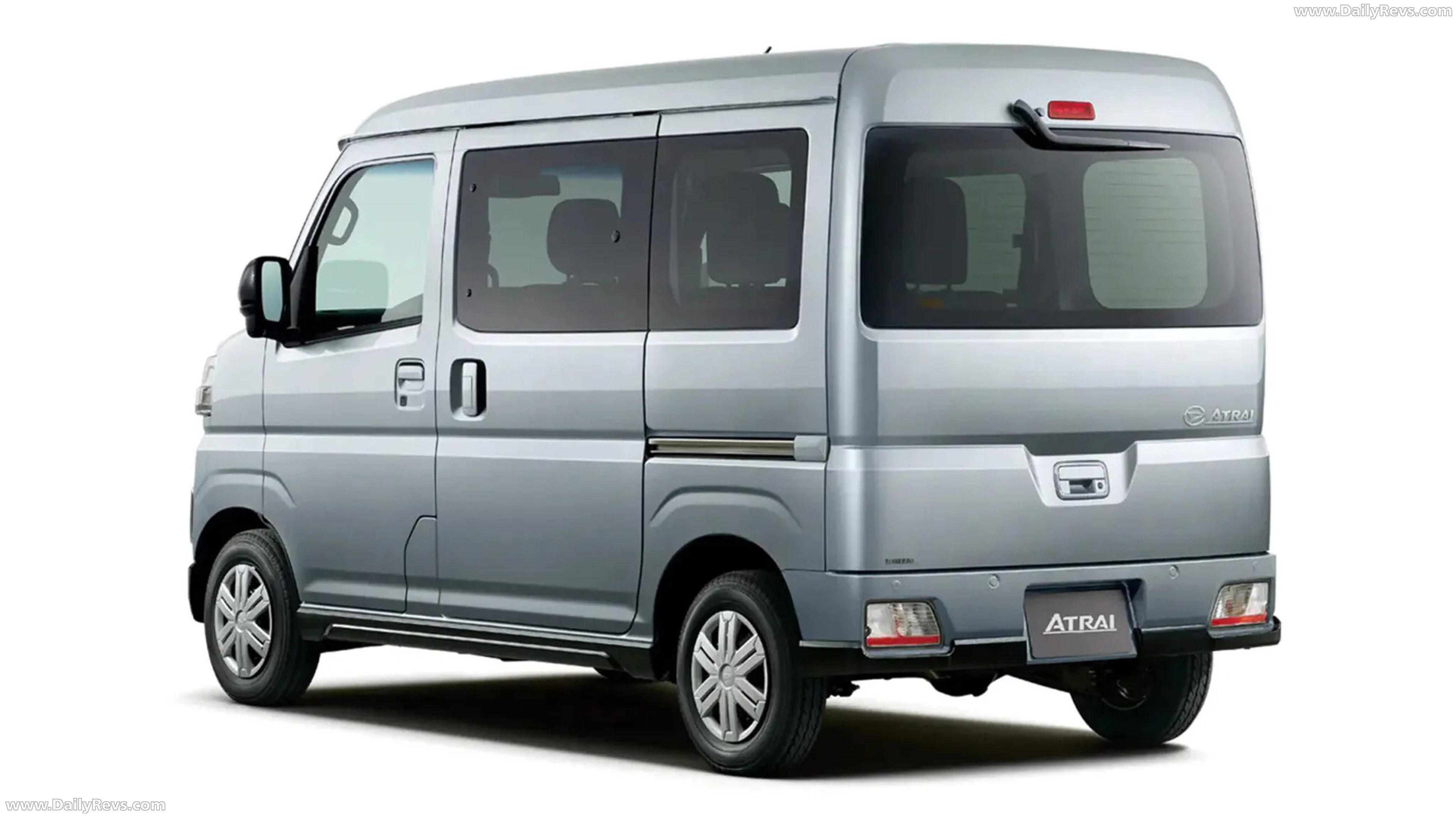
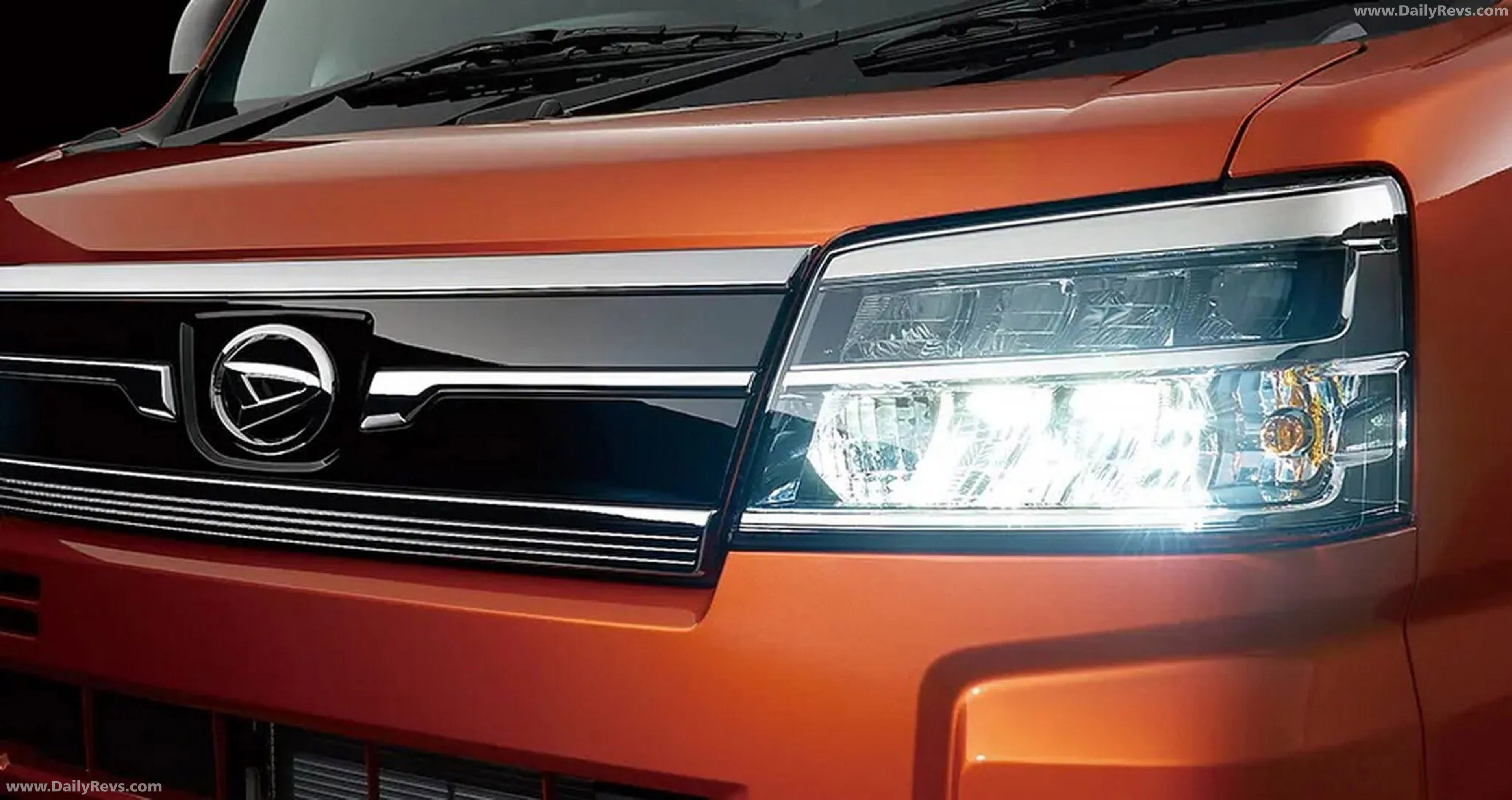
The exterior design carries over unchanged from the existing generation introduced in 2021. The upright windshield, tall roof, and box-shaped body remain exactly as before. It's a shape dictated by function, and one that continues to maximize interior space within kei-car dimensions.
That may not sound exciting, but it reflects how these vehicles are used. The Atrai is designed to navigate crowded urban streets while still carrying passengers, cargo, or weekend equipment with ease.
Daihatsu clearly saw little reason to alter a package that already works.
Safety Takes Center Stage
The biggest change for 2026 is found beneath the surface.
Daihatsu's updated Smart Assist suite gains improved recognition capabilities designed specifically for urban driving conditions. According to the company, the radar and camera systems can now better detect bicycles crossing the road, pedestrians approaching from the opposite direction, and oncoming traffic during right turns at intersections.
Those are exactly the situations kei vans encounter every day in busy Japanese cities.
The update also helps the Atrai remain competitive against recently refreshed rivals such as the Suzuki Every Wagon.
More Technology Inside
The cabin receives one of the most visible upgrades.
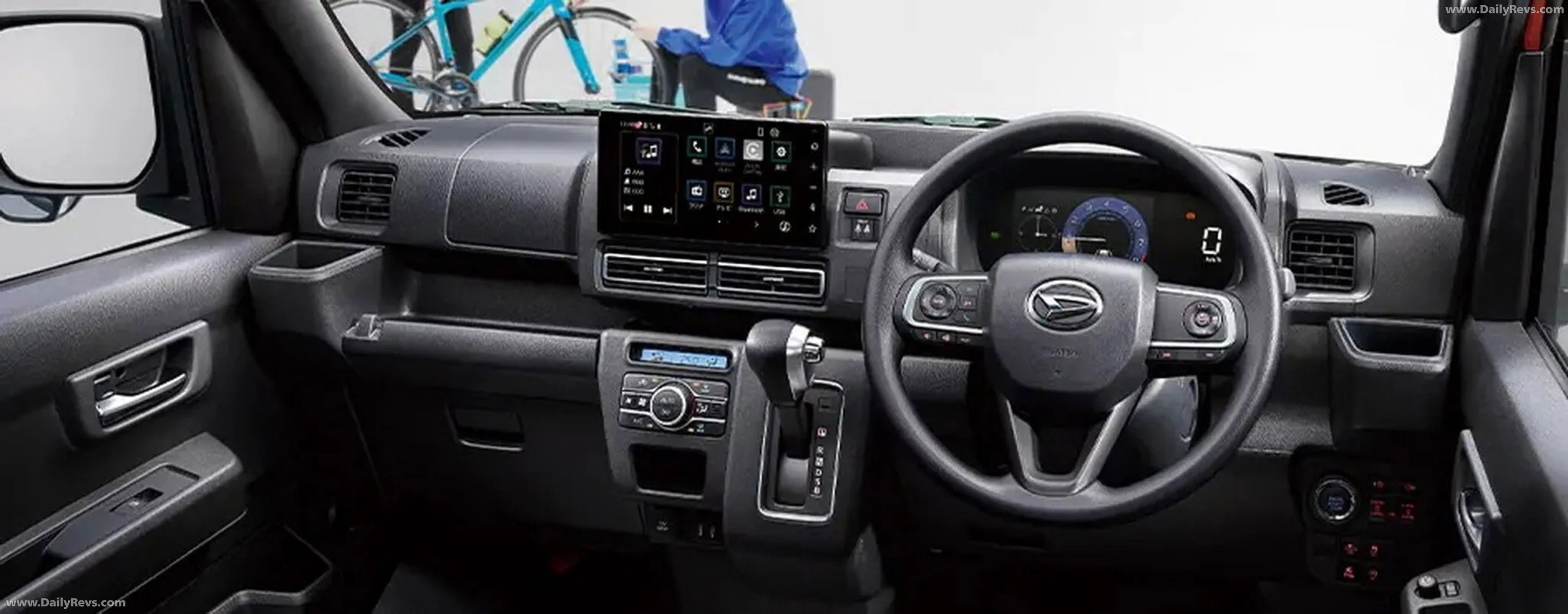
While the related Hijet Cargo continues with traditional analogue gauges, the Atrai adopts a new digital instrument display called the Active Multi Information Meter. It gives the dashboard a more contemporary appearance without fundamentally changing the vehicle's straightforward layout.
Infotainment remains optional rather than standard. Buyers can choose between 6.8-inch and 9-inch displays depending on specification and budget. Various interior accessories are also available, allowing owners to tailor the van to their needs.
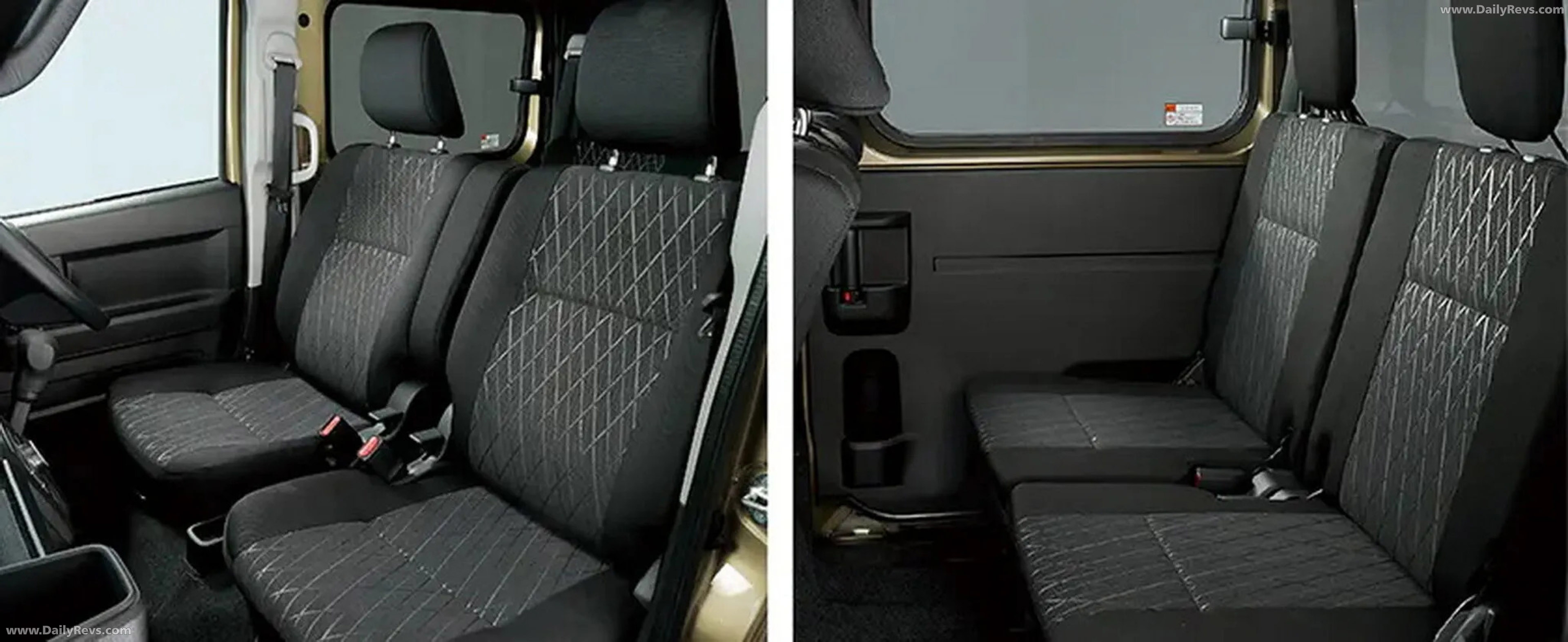
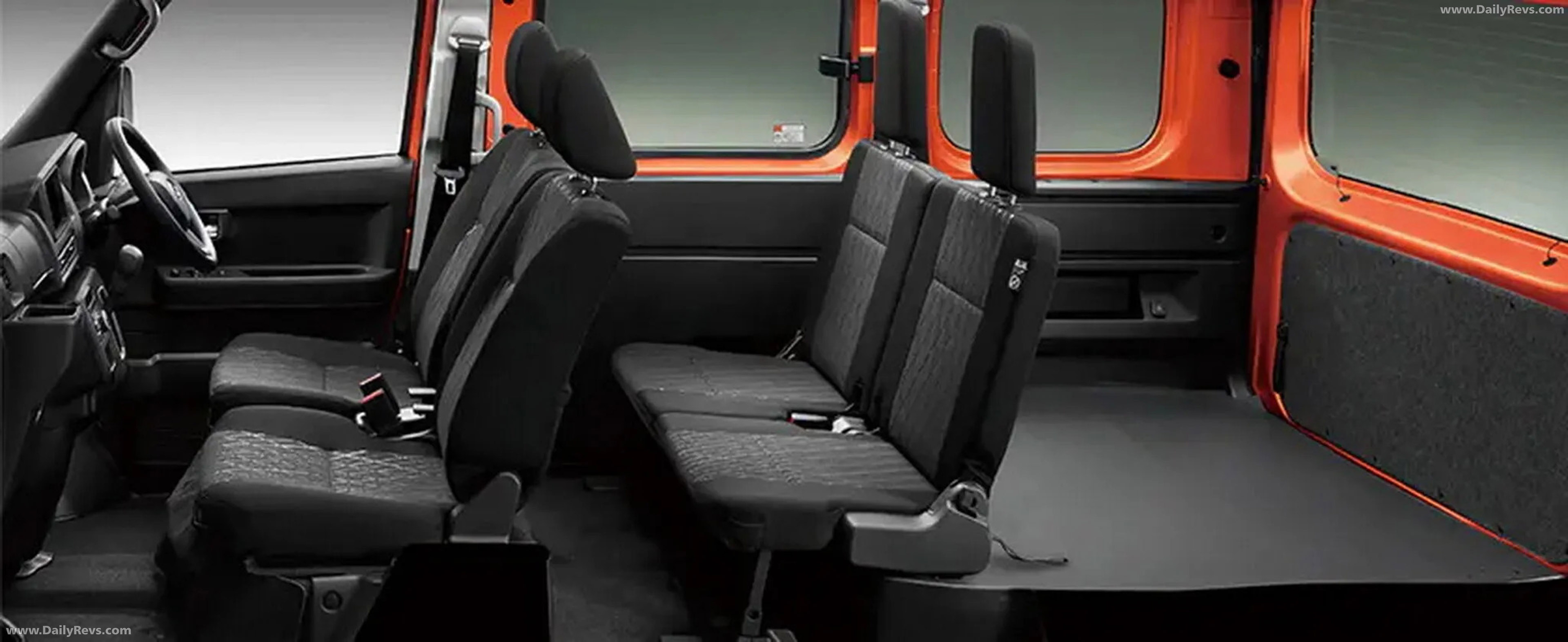
One of the more interesting options continues to be the Deck Van configuration, which combines passenger space with a compact rear cargo bed.
Proven Powertrains Continue
Mechanically, little has changed.
The Atrai remains available with naturally aspirated and turbocharged versions of Daihatsu's mid-mounted 660cc engine. Output stands at 46 horsepower for standard models and 63 horsepower in turbocharged variants.
Depending on trim level, buyers can choose a five-speed manual transmission or a CVT. Rear-wheel drive remains available, while an electronically controlled four-wheel-drive system can be specified for additional capability.
The result is a familiar but carefully updated package. Daihatsu hasn't attempted to reinvent the Atrai. Instead, it has refined the details that matter most to the people who rely on it every day.