

2026 Daihatsu Hijet Cargo
By Lorenzo Bianchi June 8, 2026
Enhanced Smart Assist can now detect bicycles, pedestrians, and oncoming traffic.
More Hijet Cargo variants receive LED headlights as standard equipment.
Naturally aspirated and turbocharged 660cc engines remain available with 2WD or 4WD.
Small Changes for a Familiar Workhorse
The Daihatsu Hijet Cargo isn't the sort of vehicle that changes dramatically from year to year.
In Japan, kei vans like the Hijet are expected to be dependable, affordable, and practical above all else. That's exactly why Daihatsu's latest round of updates focuses less on styling and more on the areas buyers use every day.
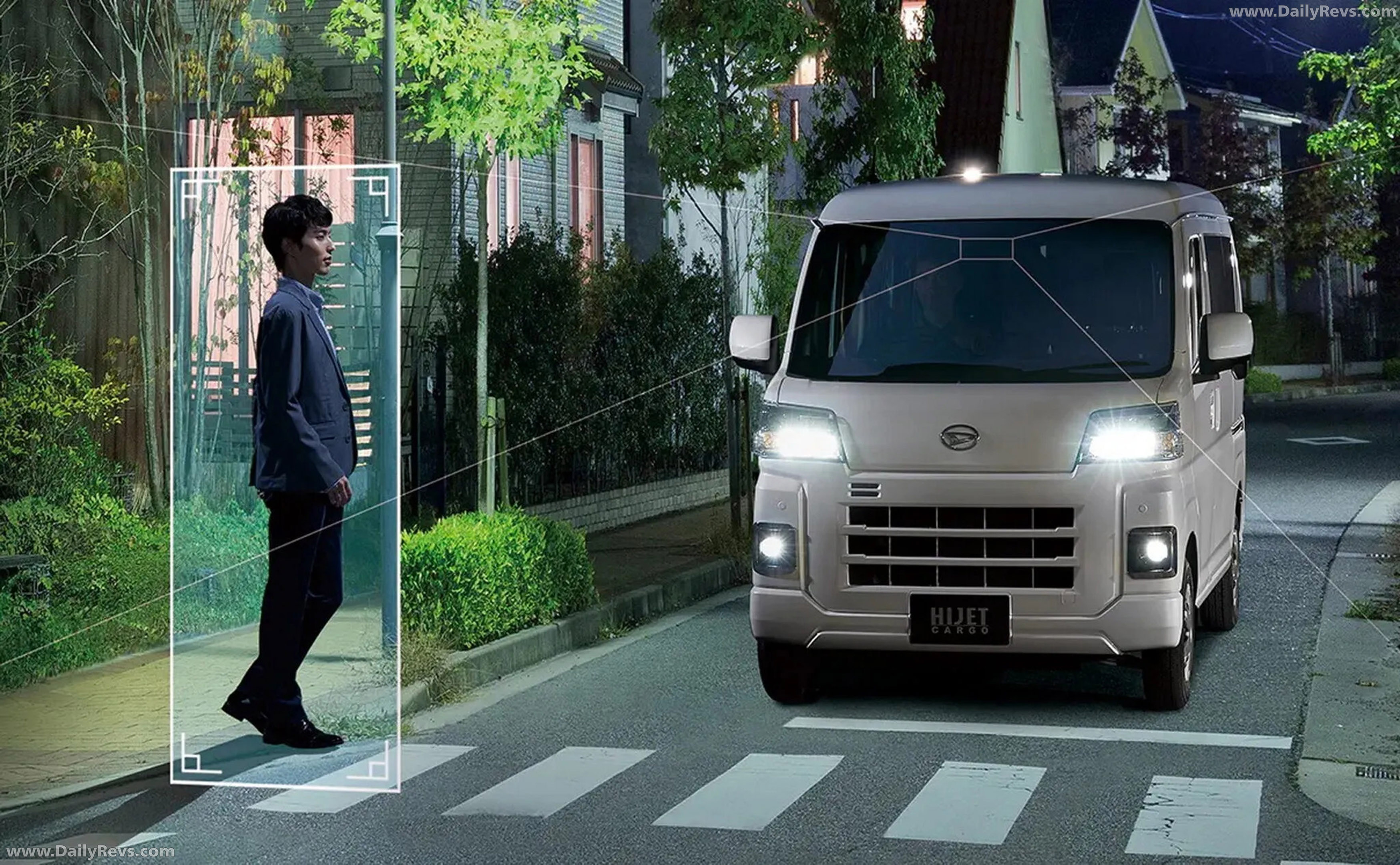
For 2026, the biggest news centers on safety. The Hijet Cargo and its passenger-focused sibling, the Atrai, receive an upgraded version of Daihatsu's Smart Assist driver-assistance system.
The improvements are designed for busy urban environments, where these compact vans spend much of their time.
Exterior Design Remains Unchanged
Anyone expecting a visual redesign may be disappointed.
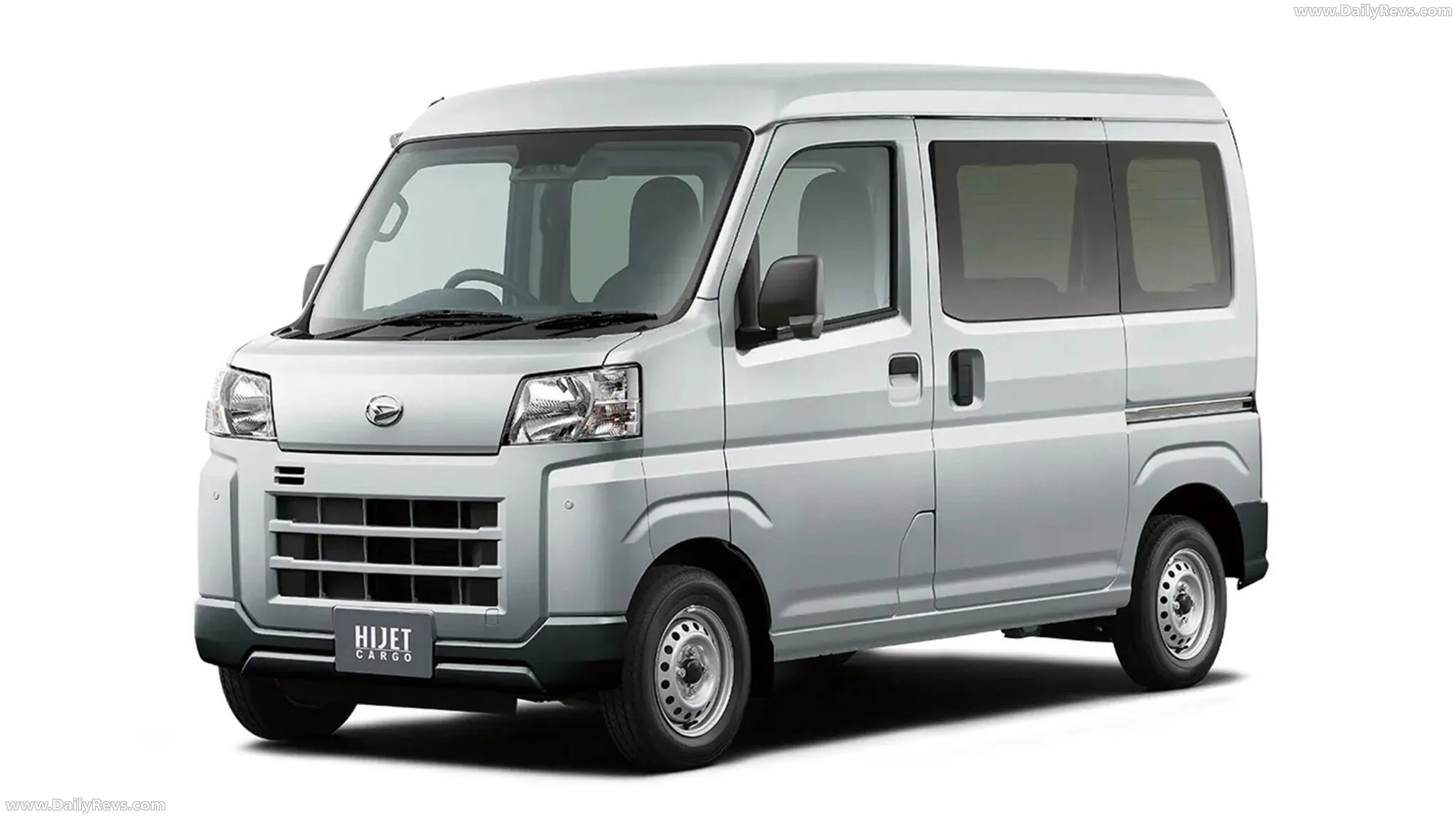
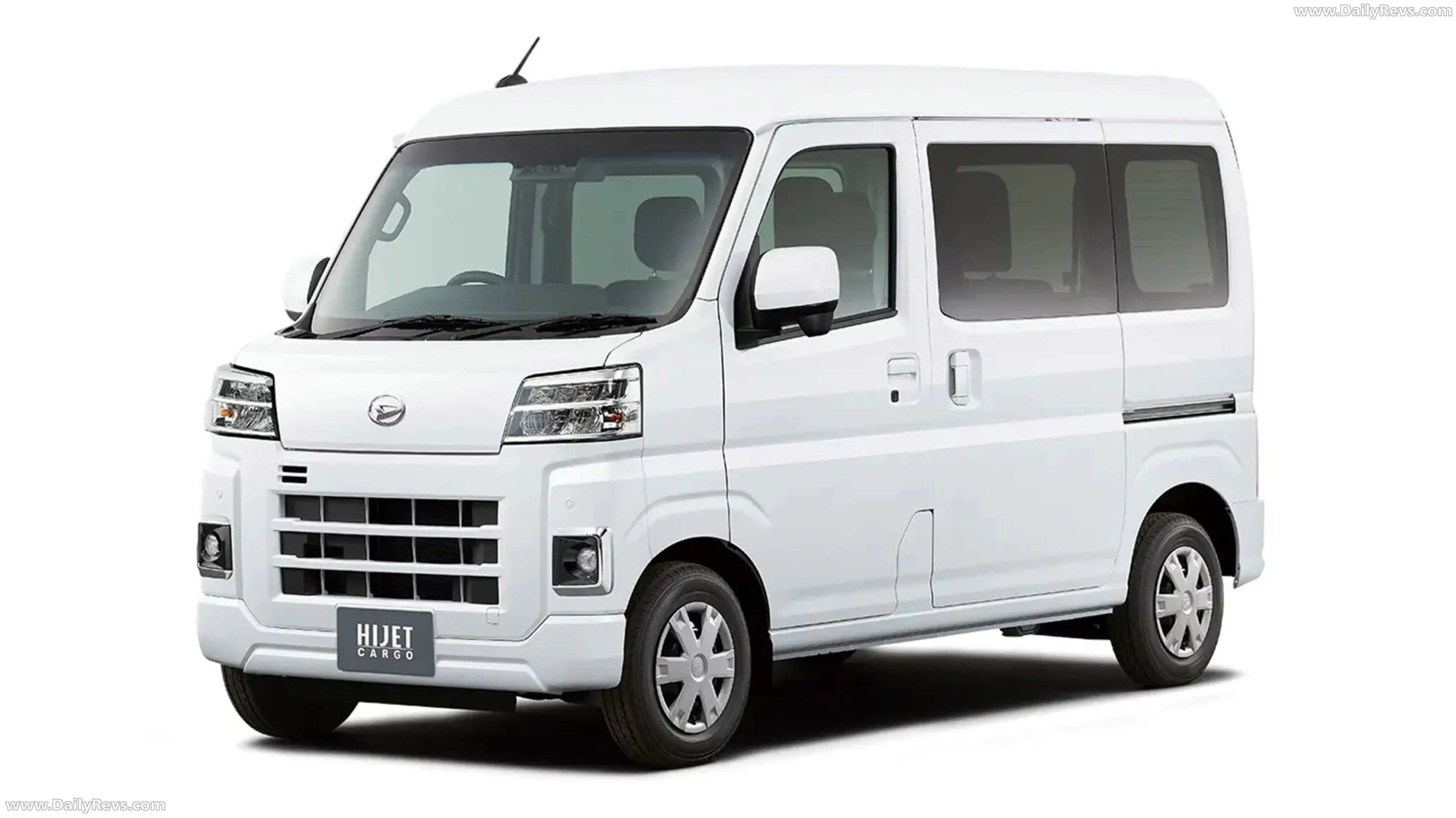
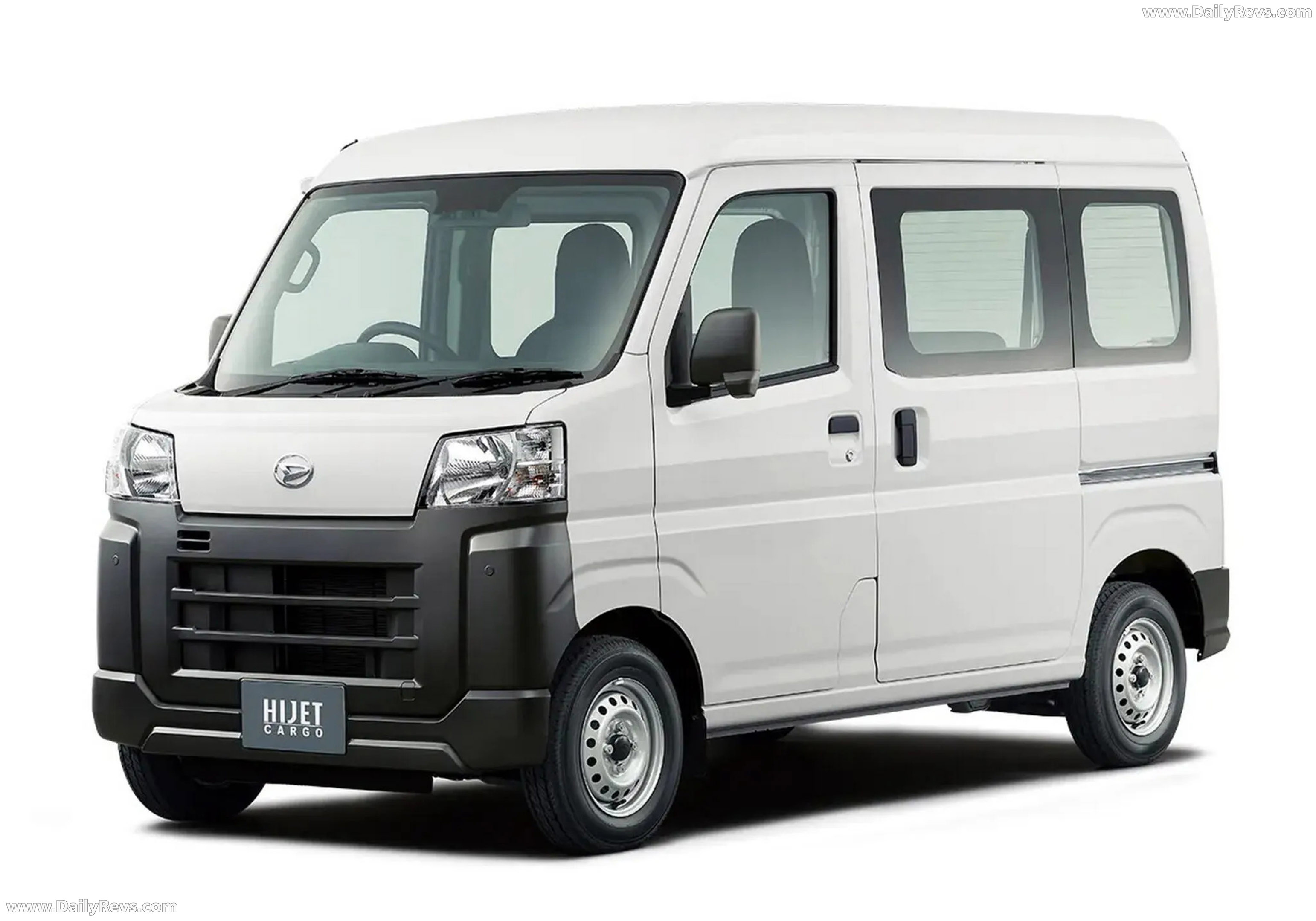
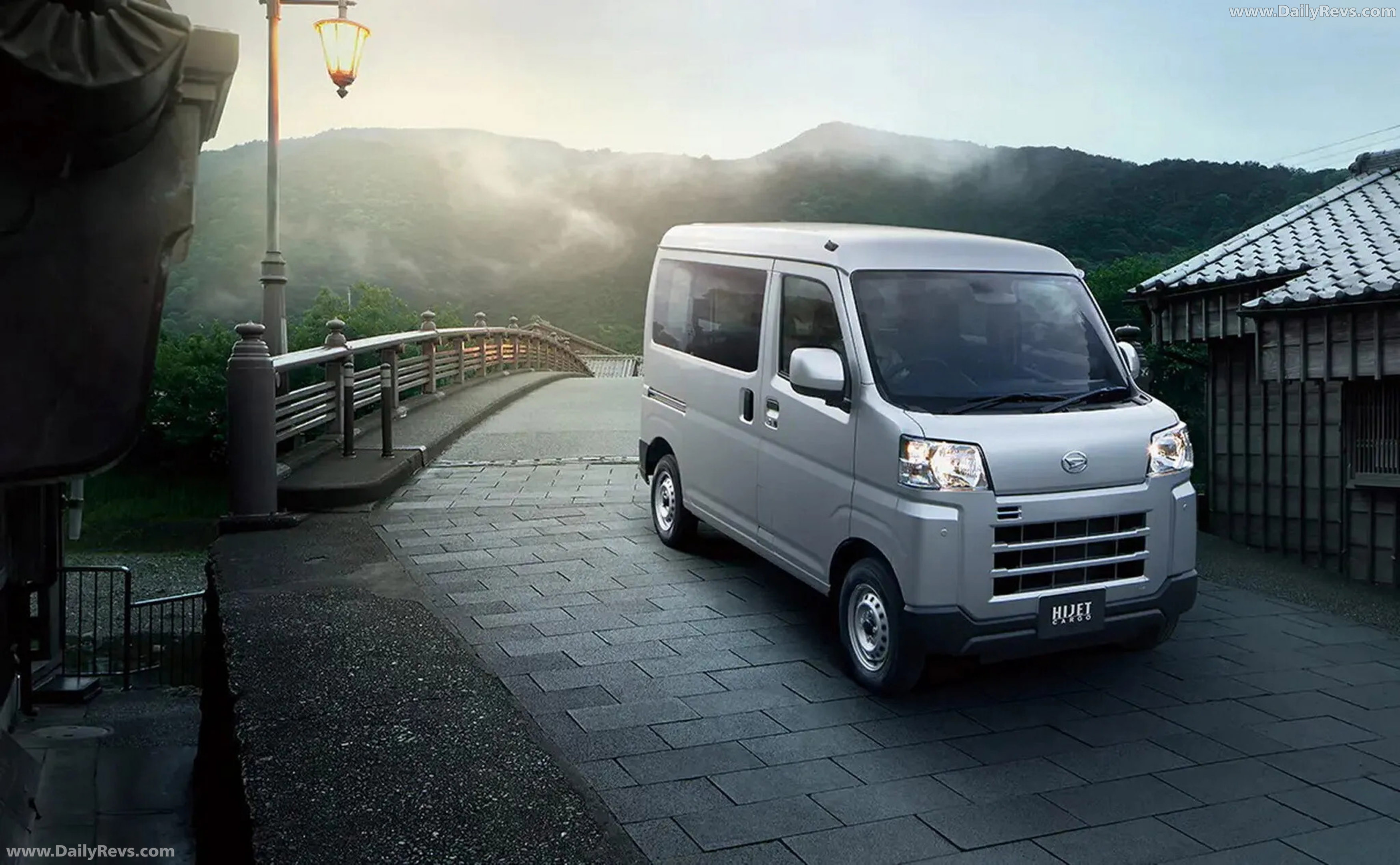
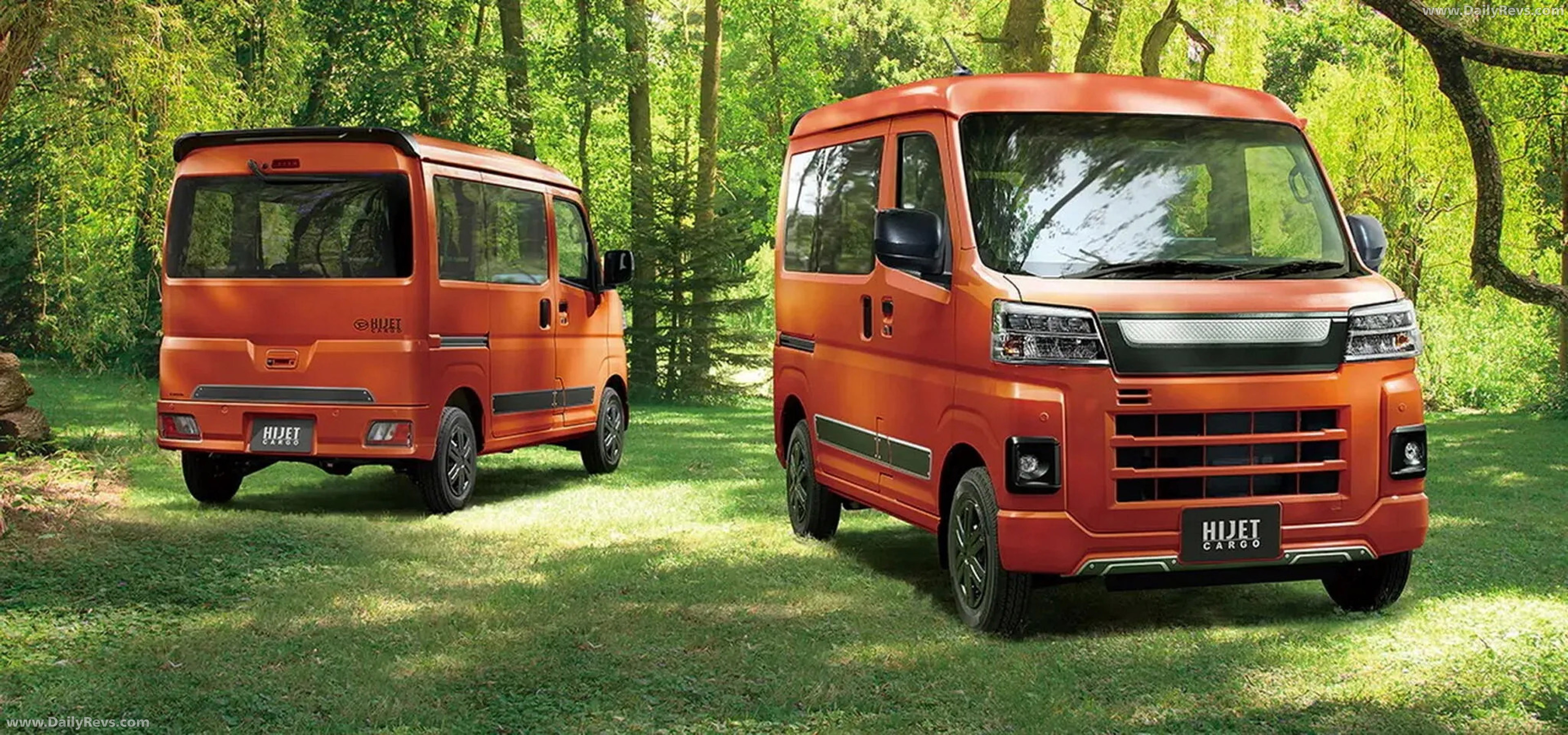
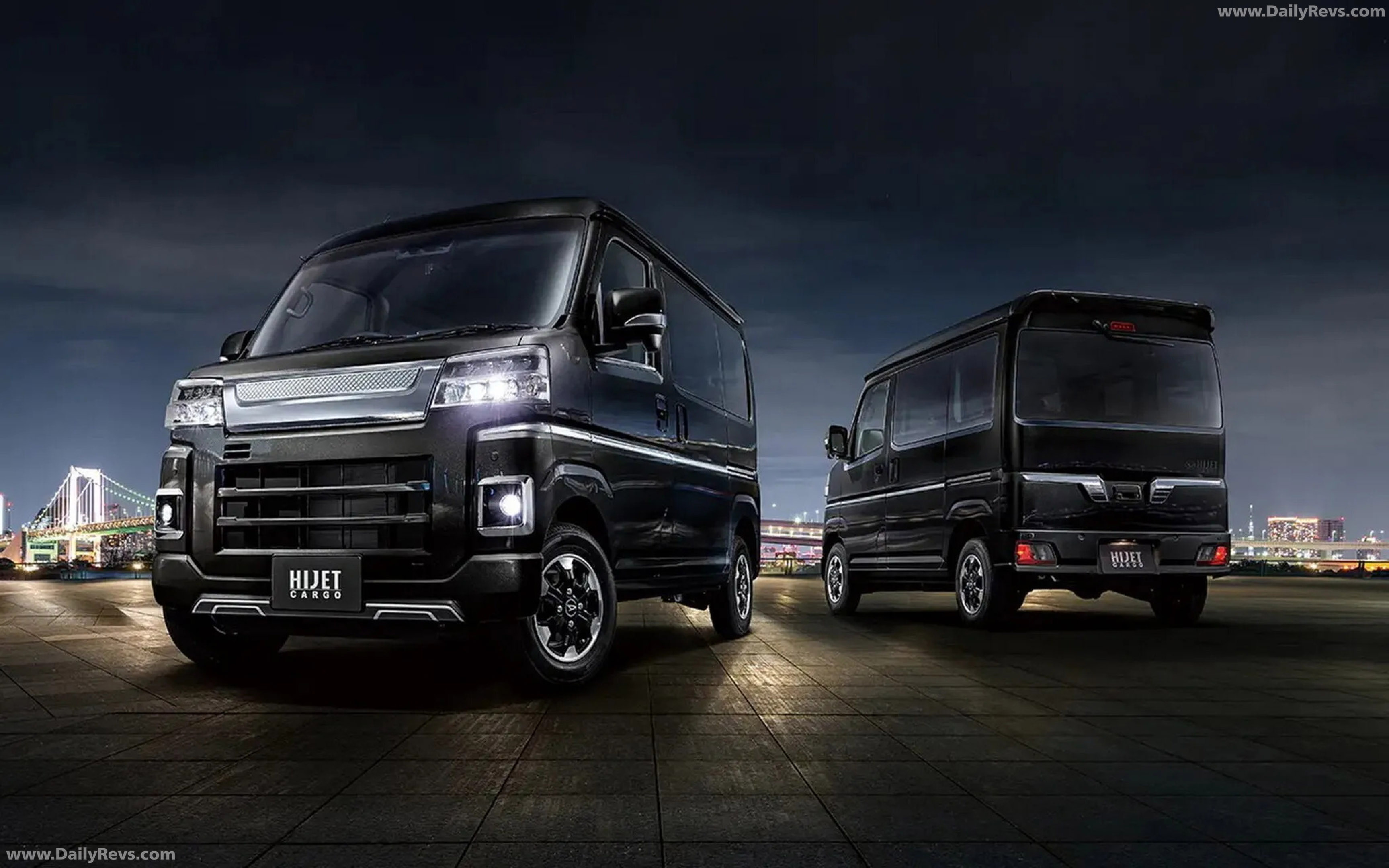
The current-generation Hijet Cargo has only been around since 2021, and Daihatsu has left the exterior largely untouched. The familiar upright body, short nose, and boxy proportions remain exactly as before.
There is one notable upgrade, however.
LED headlights are now fitted to a wider range of Hijet Cargo variants. Previously limited to higher specifications, the lighting package is becoming more accessible across the lineup, replacing halogen units on several trims.
It's a small change, but one that owners who regularly drive at night will likely appreciate.
Safety Technology Takes Priority
The revised Smart Assist package is where most of the engineering effort has been directed.
According to Daihatsu, the updated radar and camera system can now better recognize bicycles crossing the road, pedestrians approaching from the opposite direction, and oncoming traffic during right turns at intersections.
Those may sound like minor additions, but they target exactly the situations encountered daily in dense Japanese cities.
The improvements also help keep the Hijet Cargo compliant with evolving safety regulations while allowing it to remain competitive against rivals such as the recently updated Suzuki Every.
Practicality Still Defines the Cabin
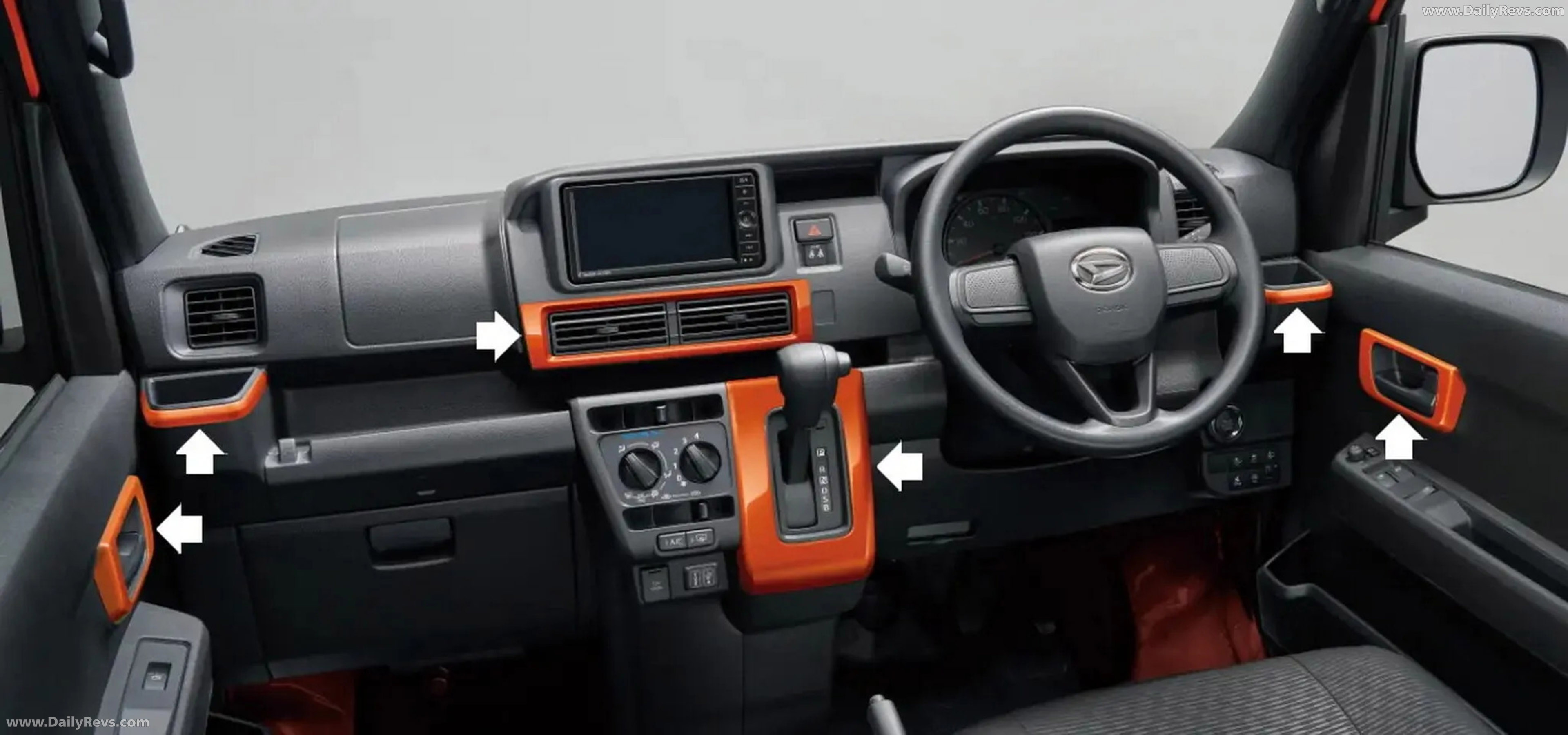
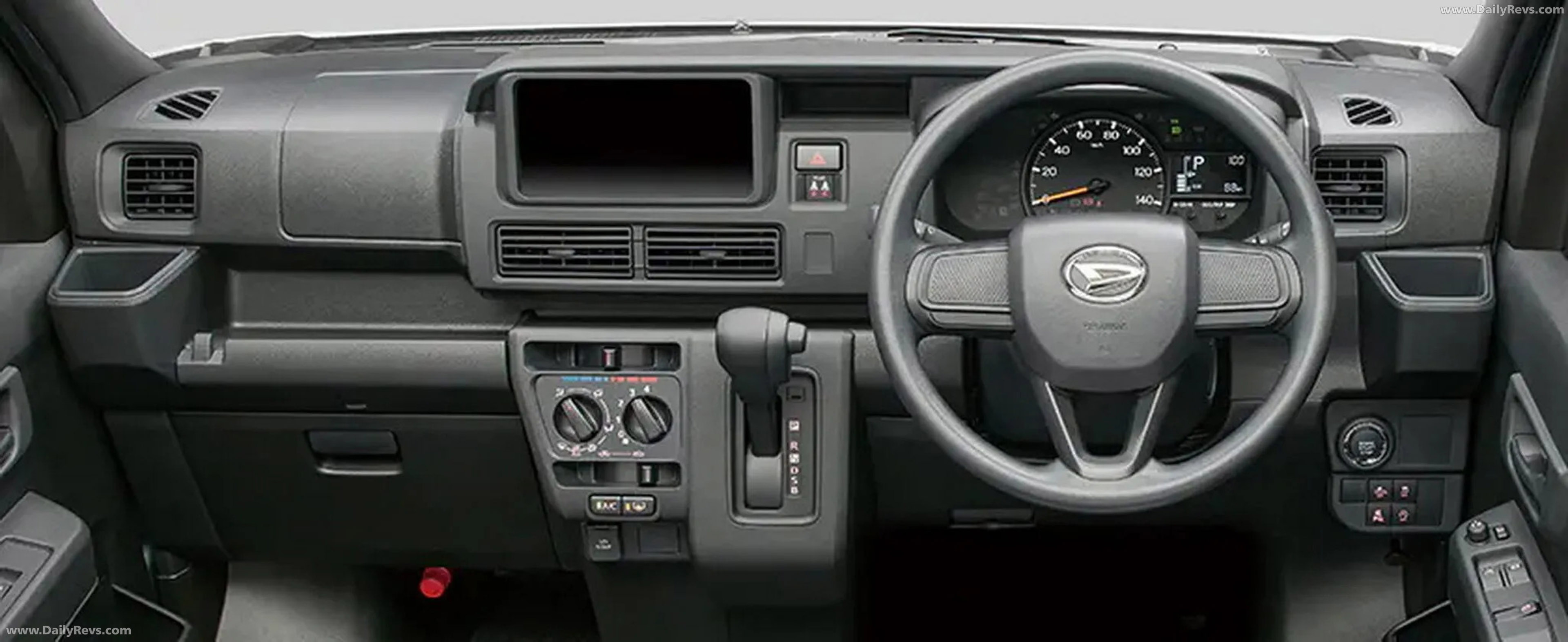
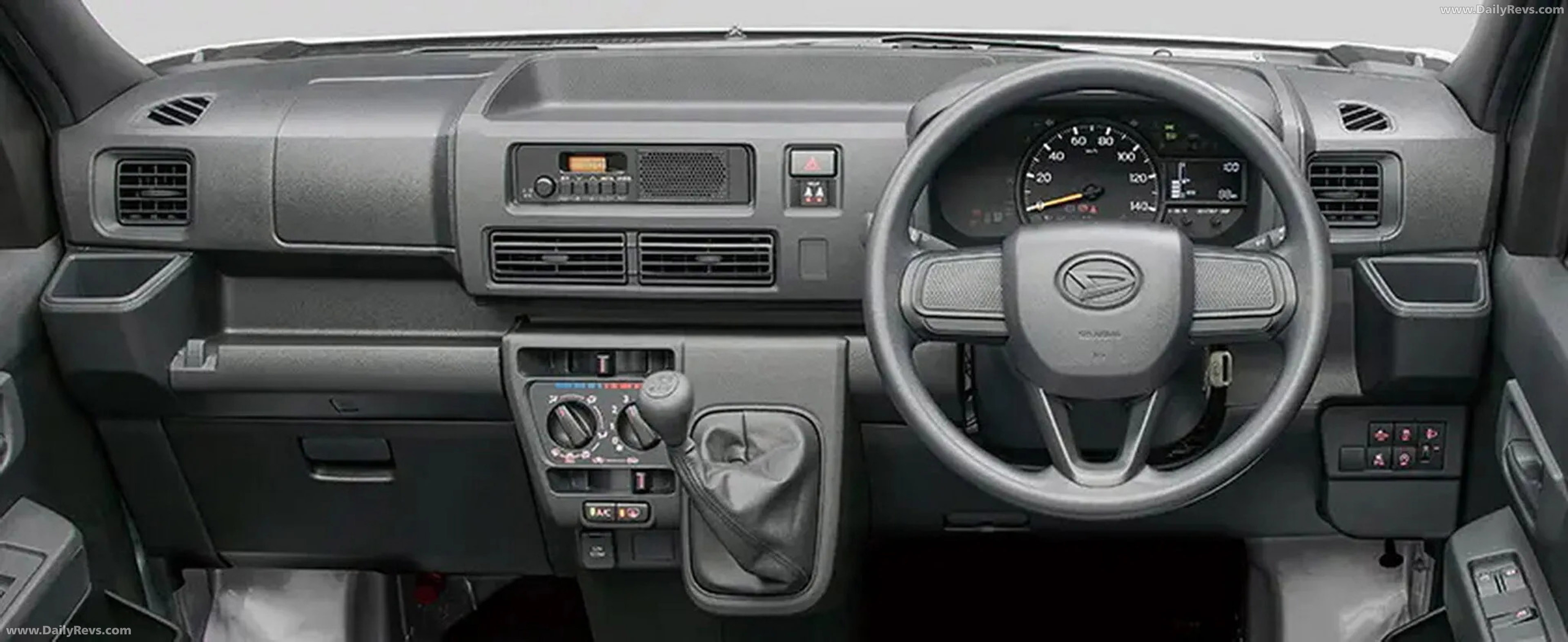
Inside, the Hijet Cargo sticks with a straightforward approach.
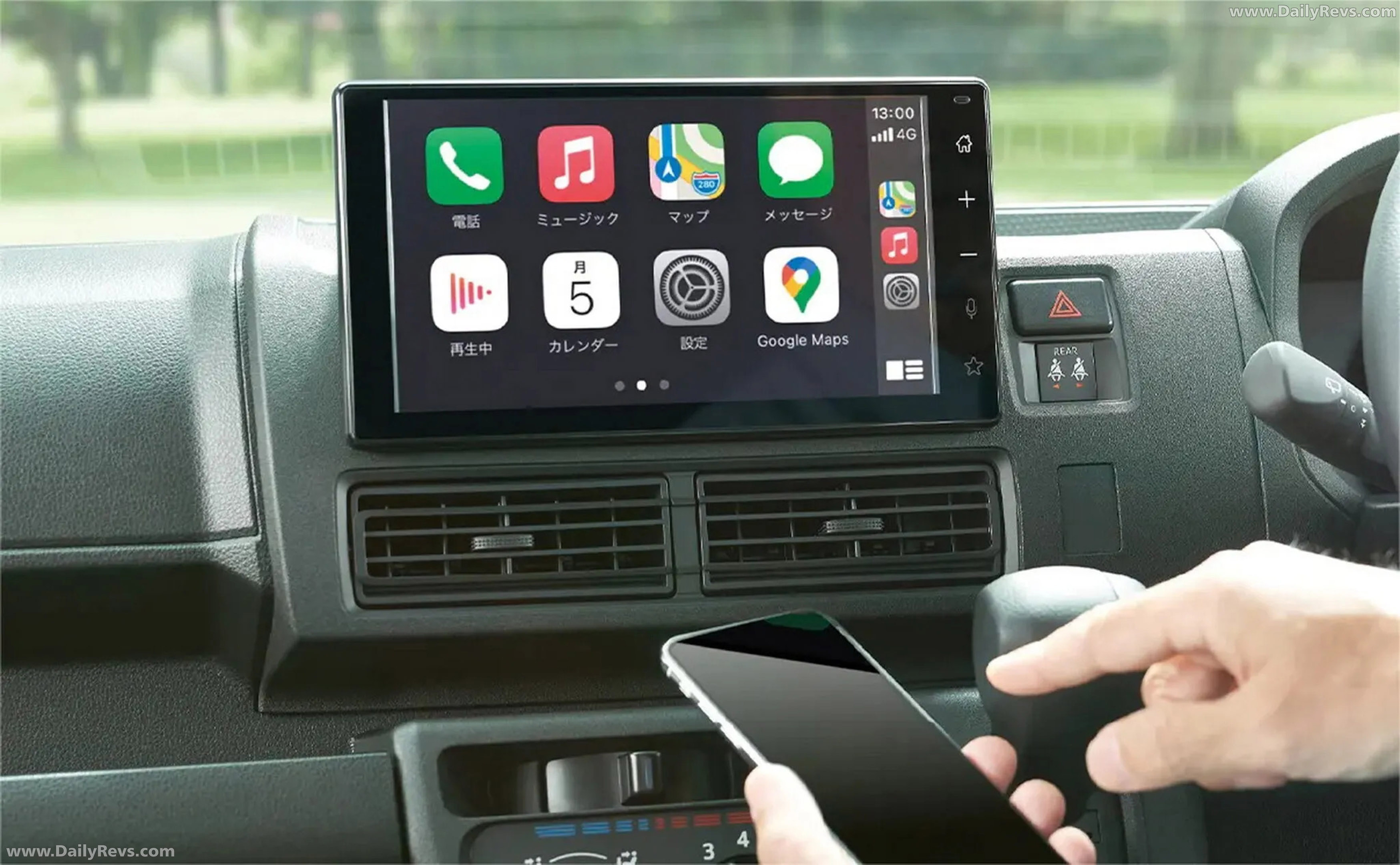
Traditional analogue gauges remain in place, prioritizing simplicity and ease of use. Buyers wanting more technology can add optional 6.8-inch or 9-inch infotainment displays. The related Atrai receives a new digital instrument cluster called the Active Multi Information Meter.
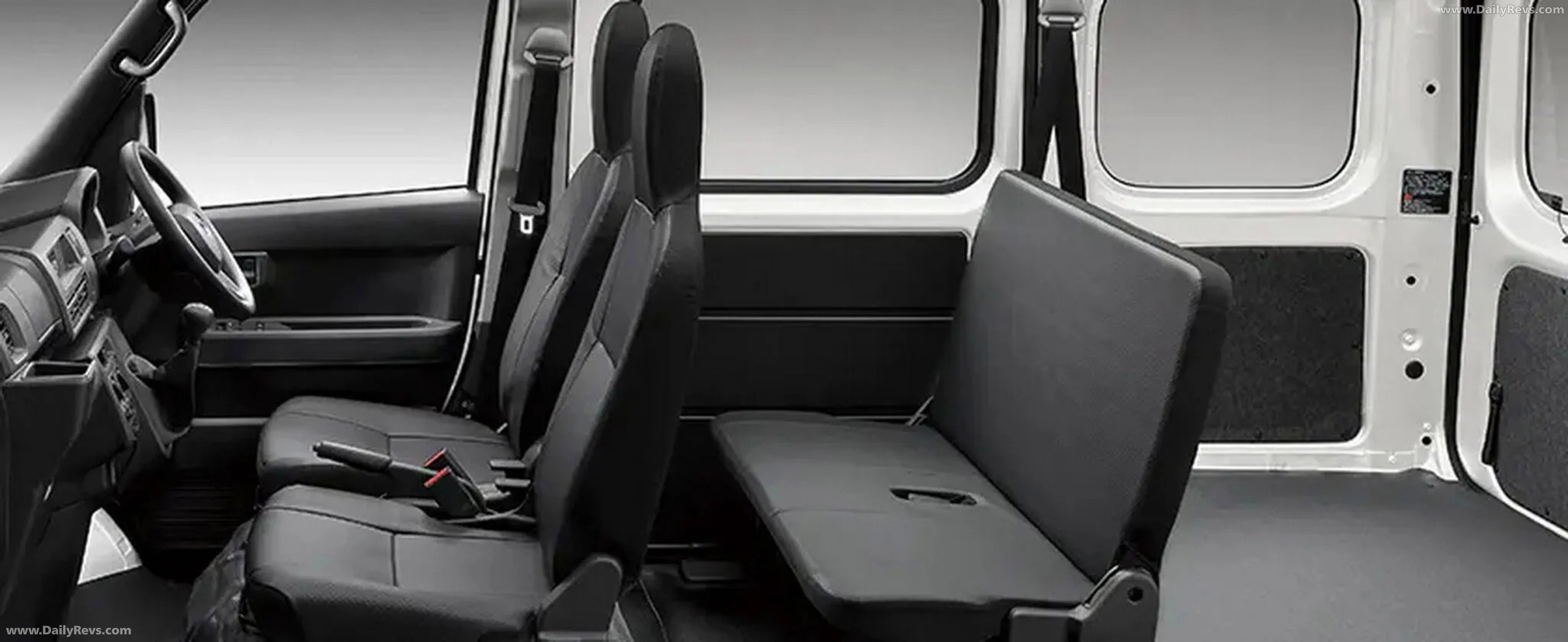
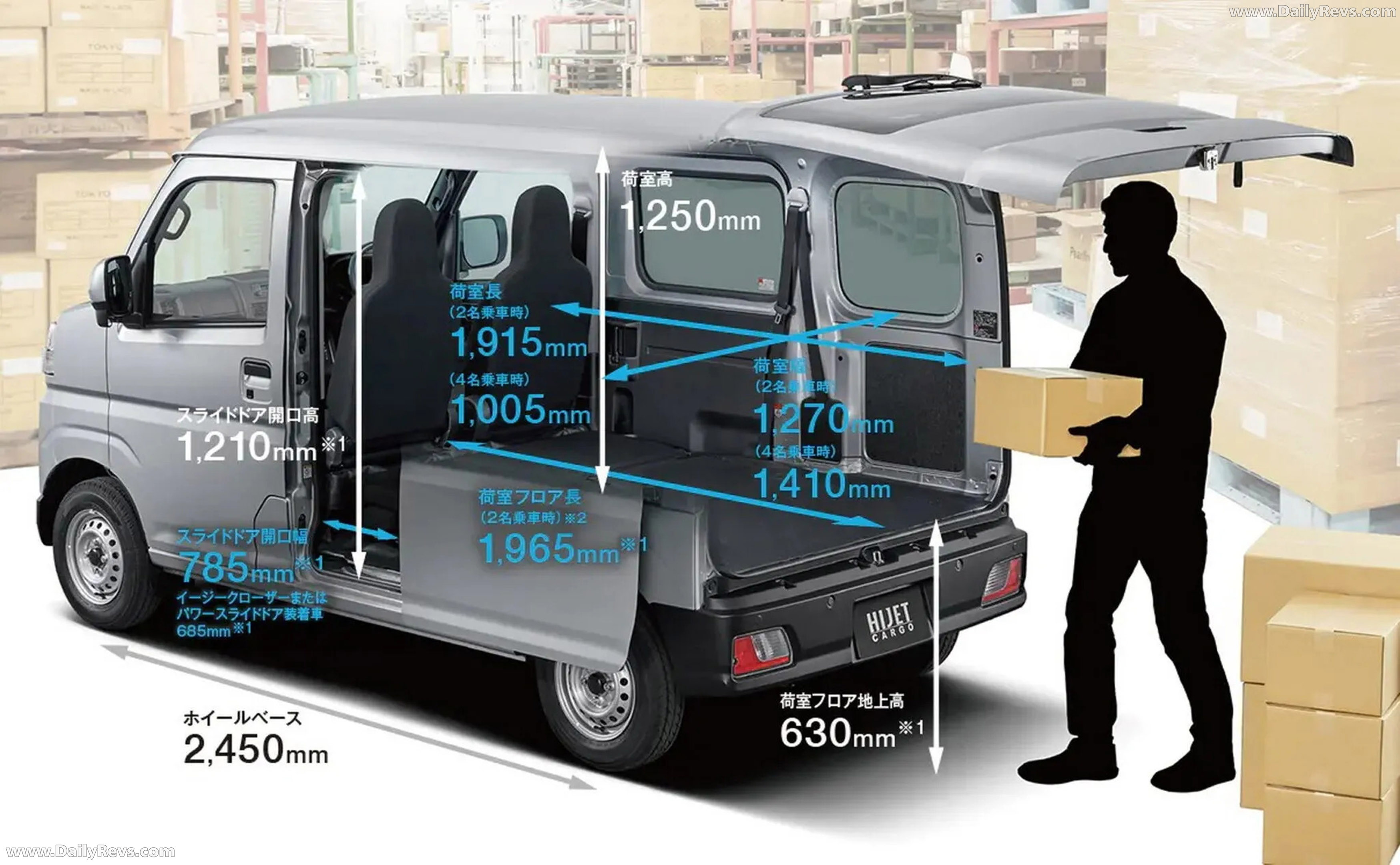
Versatility remains one of the van's strongest points.
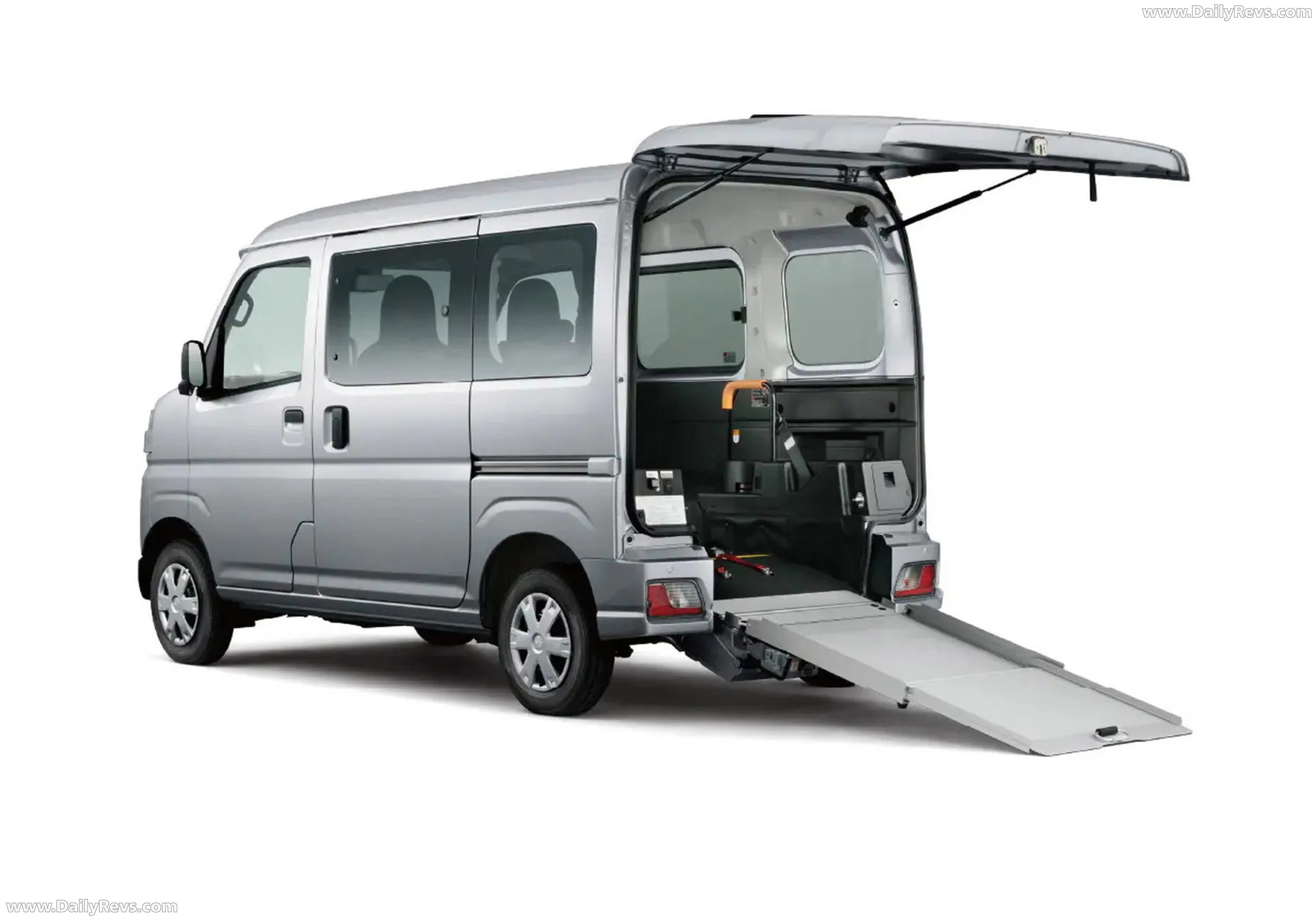
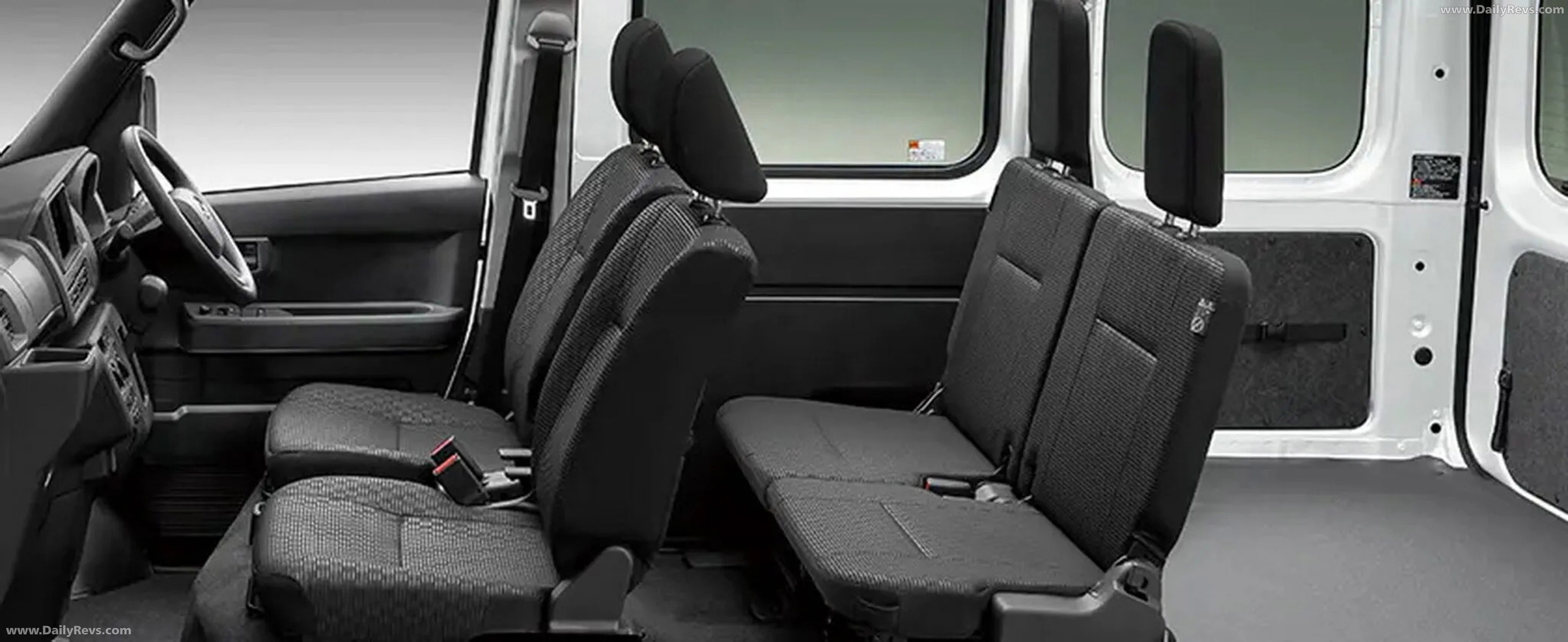
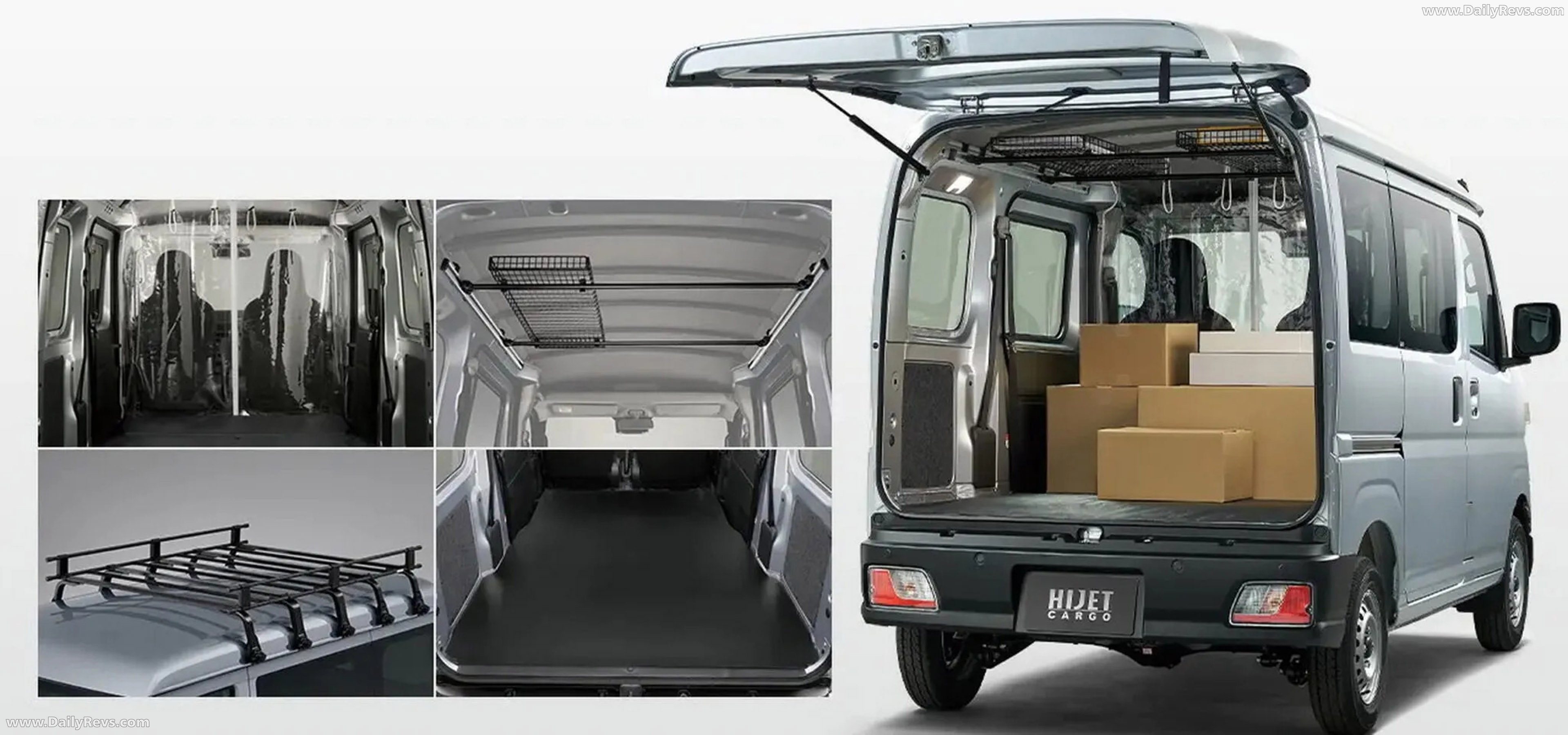
The lineup continues to include two-seat and four-seat versions, a wheelchair-accessible Sloper variant, and the unusual Deck Van, which combines an enclosed cabin with a compact rear cargo bed. Accessory packages can even transform the interior into a small mobile living space.
Proven Kei Van Mechanical Package
Underneath, the formula remains familiar.
Buyers can choose between naturally aspirated and turbocharged versions of Daihatsu's mid-mounted 660cc engine. Output stands at 46 hp for the standard engine and 63 hp for the turbocharged version.
Depending on specification, power is sent through either a five-speed manual gearbox or a CVT. Rear-wheel drive remains standard, while an electronically controlled four-wheel-drive system is available for those needing extra traction.
For many customers, that's exactly what makes the Hijet Cargo appealing. Daihatsu hasn't tried to reinvent its kei van. Instead, it has refined the formula while keeping the practicality that made the model popular in the first place.