2026 Caterham Seven HWM Edition
By Lorenzo Bianchi May 18, 2026
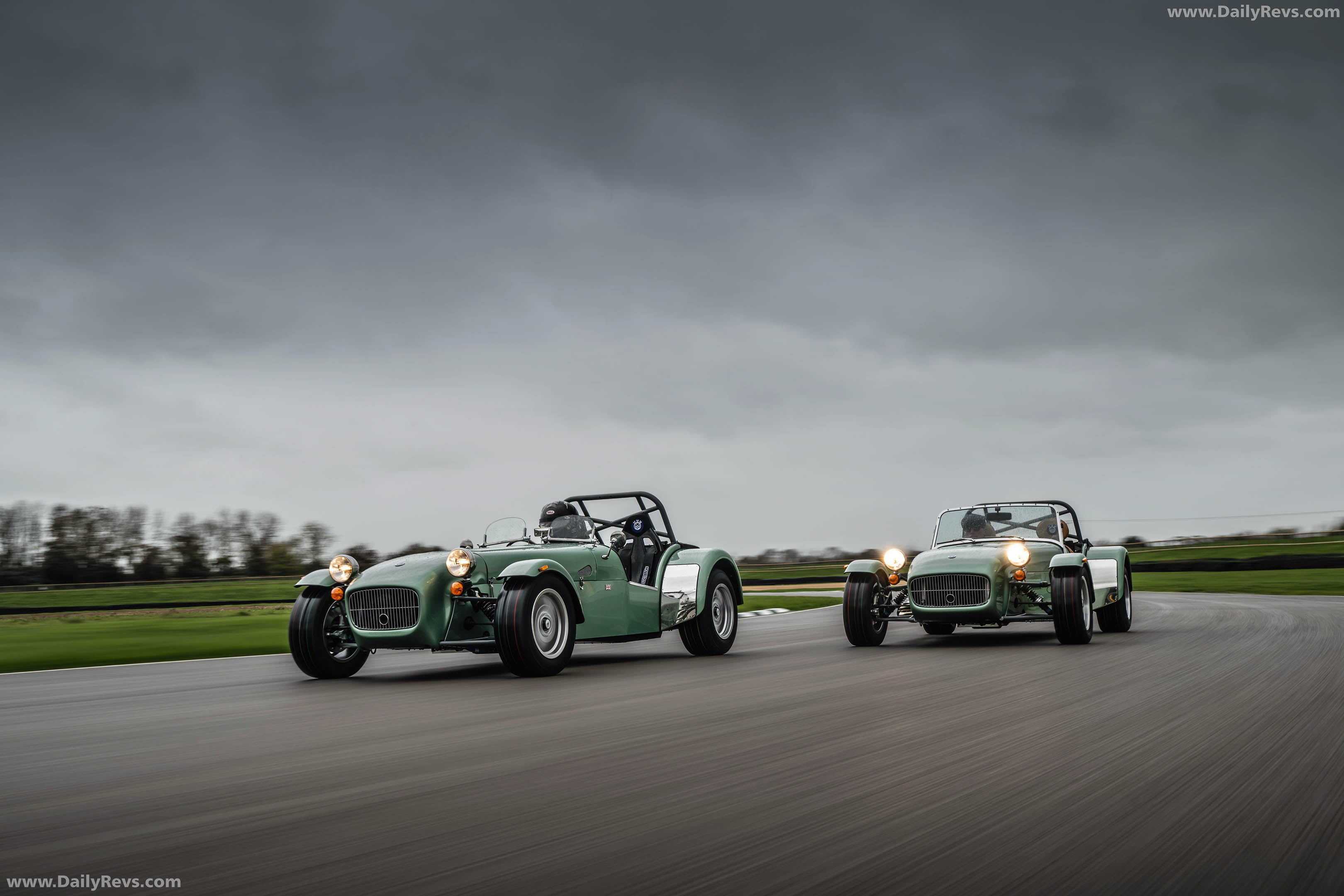
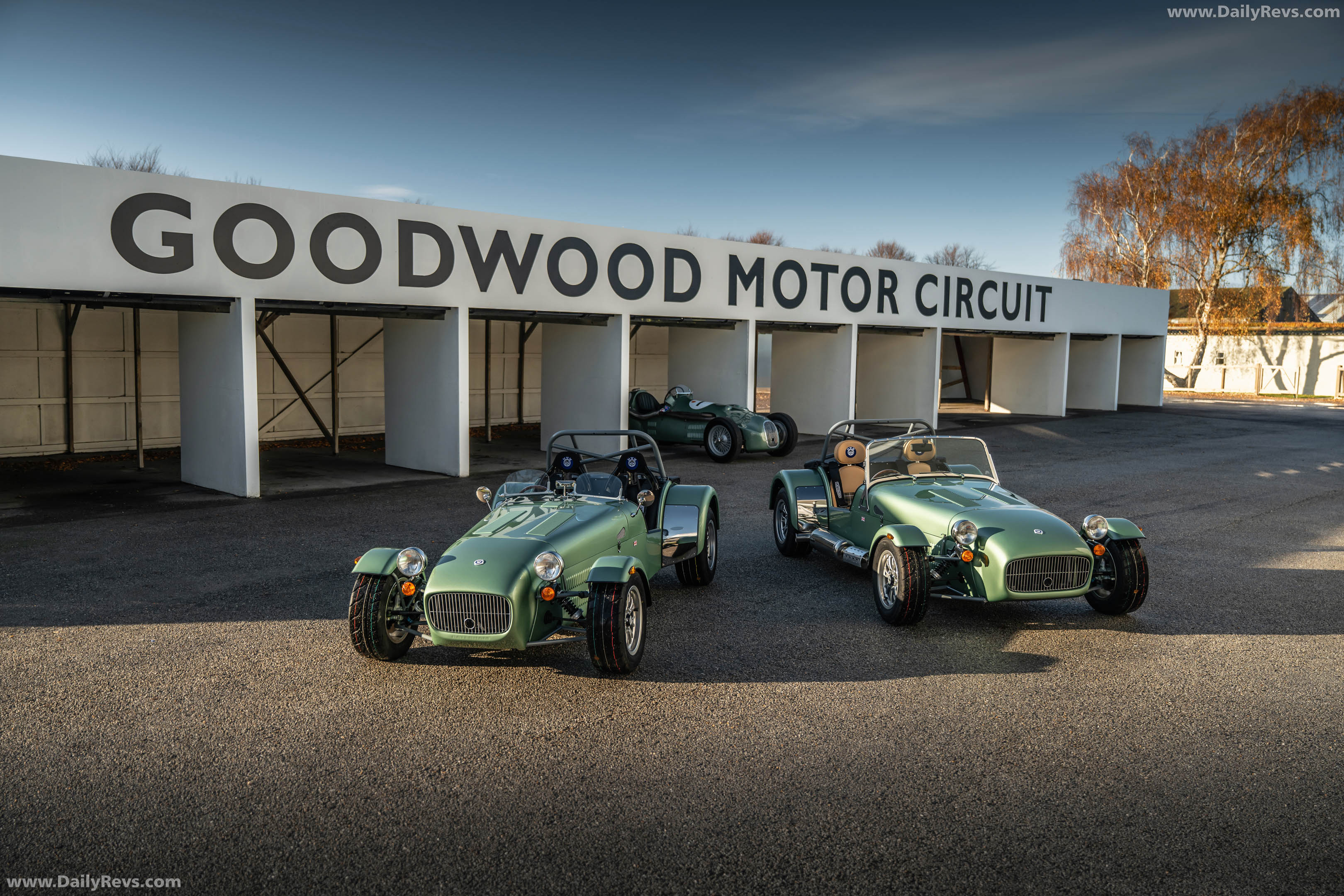
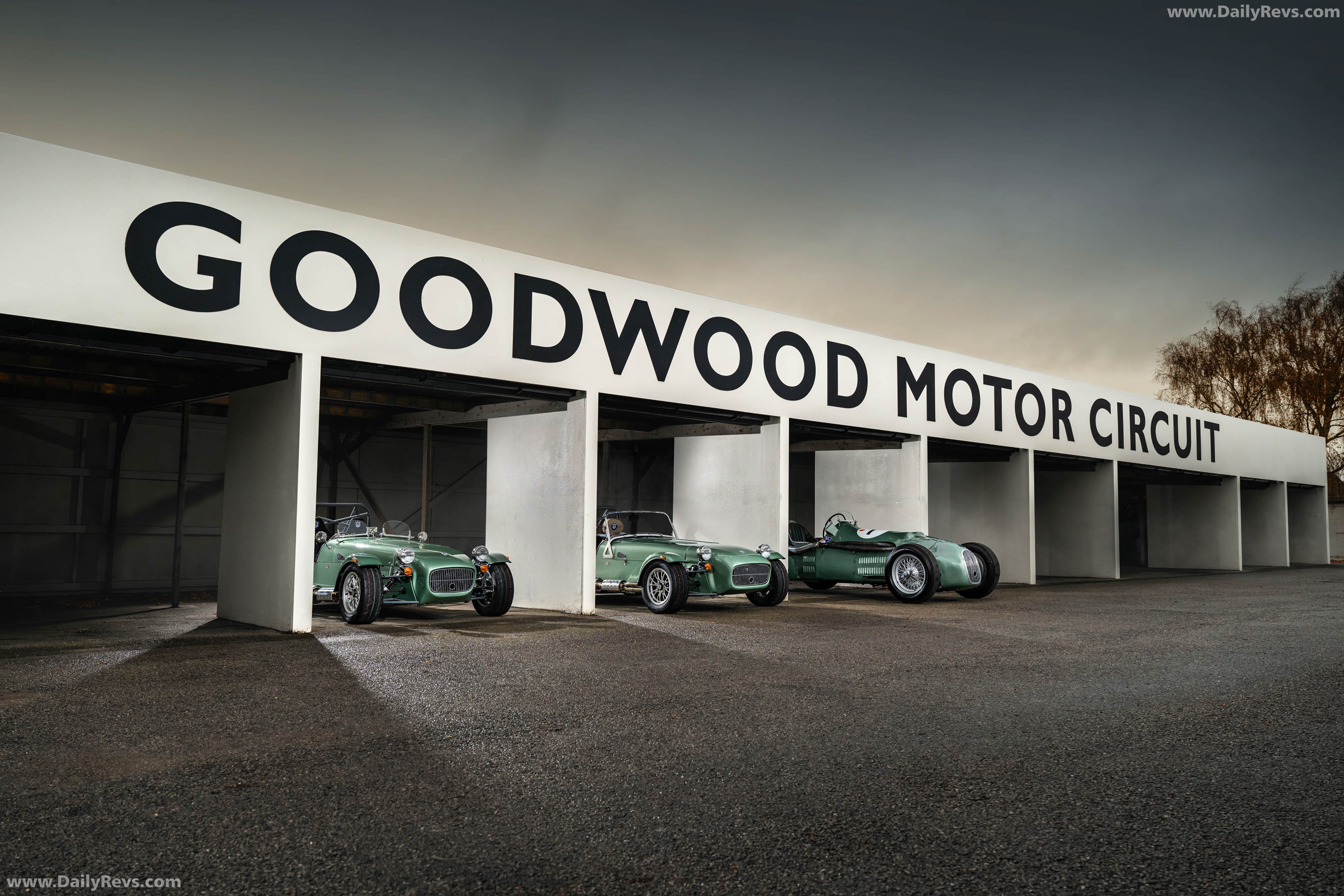
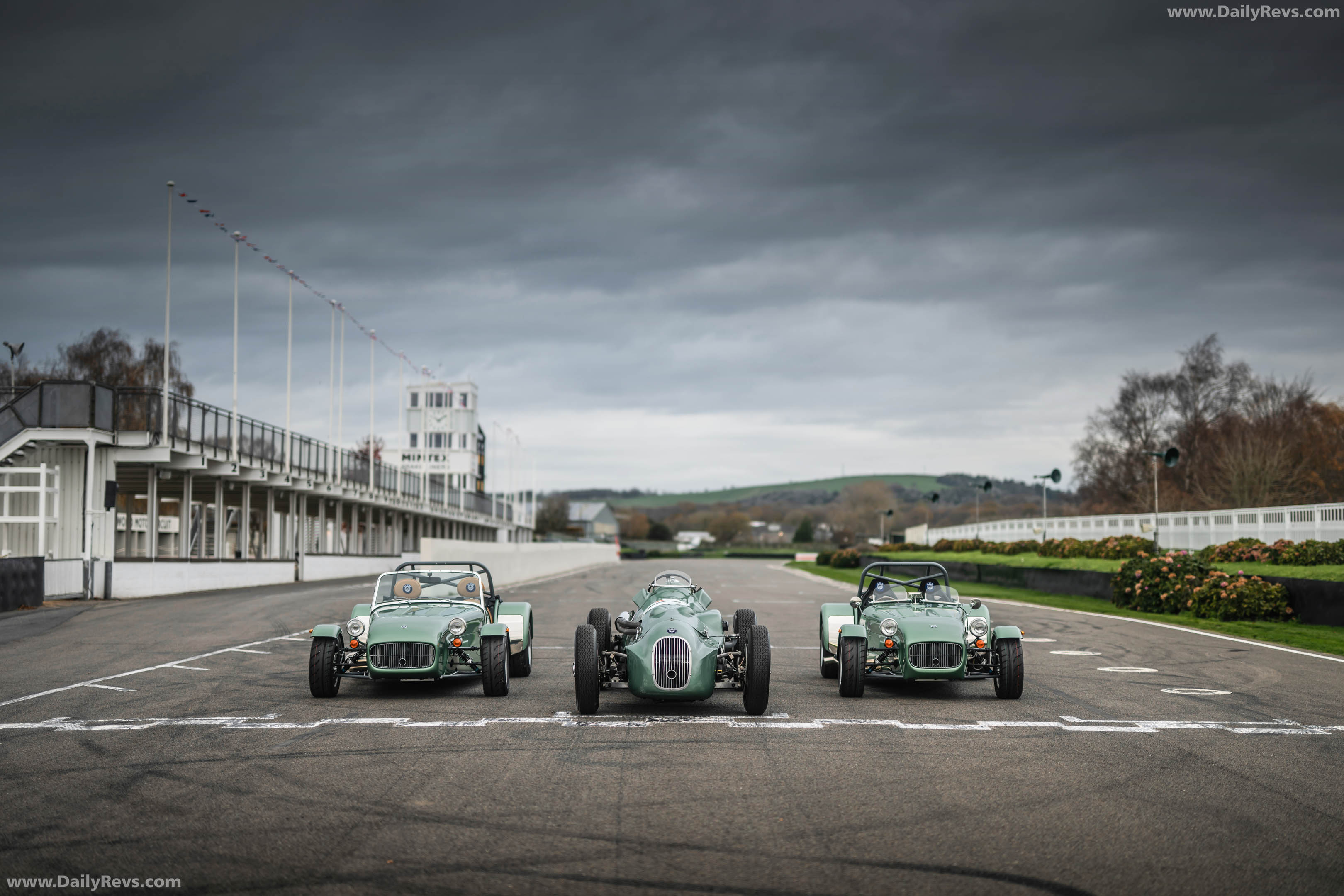
Caterham and HWM will build only 19 examples of the Seven HWM Edition.
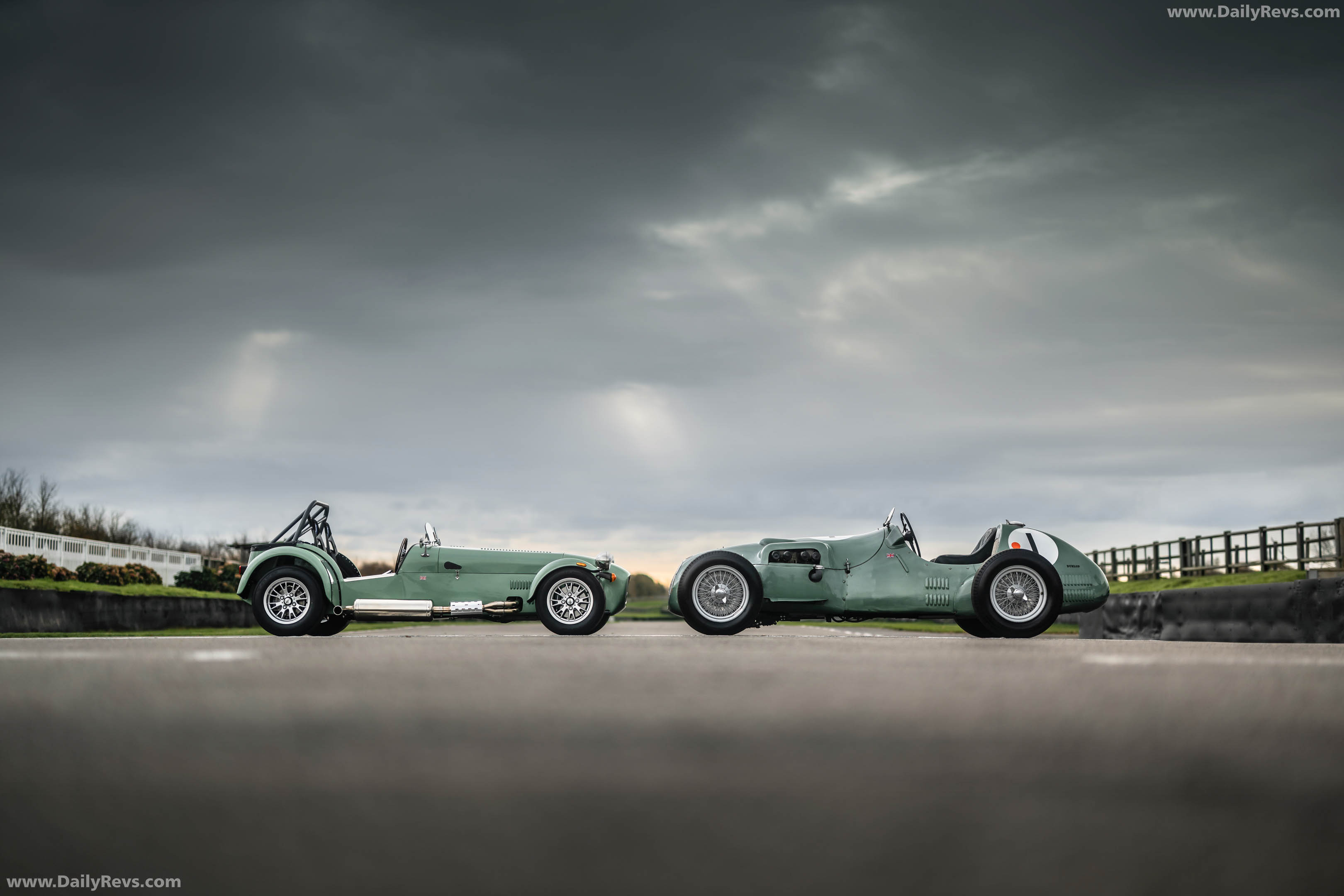
The special edition pays tribute to the 1951 HWM-Alta Grand Prix car driven by Stirling Moss.
Power comes from a naturally aspirated 2.0-liter Ford Duratec engine producing 210 bhp.
Caterham Revisits A Forgotten Piece Of British Racing History
Caterham has built countless limited-edition Sevens over the years, though the new 2026 Seven HWM Edition feels unusually personal. Instead of celebrating lap records or modern motorsport achievements, this car looks much further back.
Specifically, to 1951.
The Seven HWM Edition was developed in partnership with HWM, short for Hersham and Walton Motors, the British racing outfit that became the first British team to score a Grand Prix victory in the post-war era. The edition also honours the legendary HWM-Alta race car, a machine that carried names such as Sir Stirling Moss during one of the most romantic periods of European motorsport.
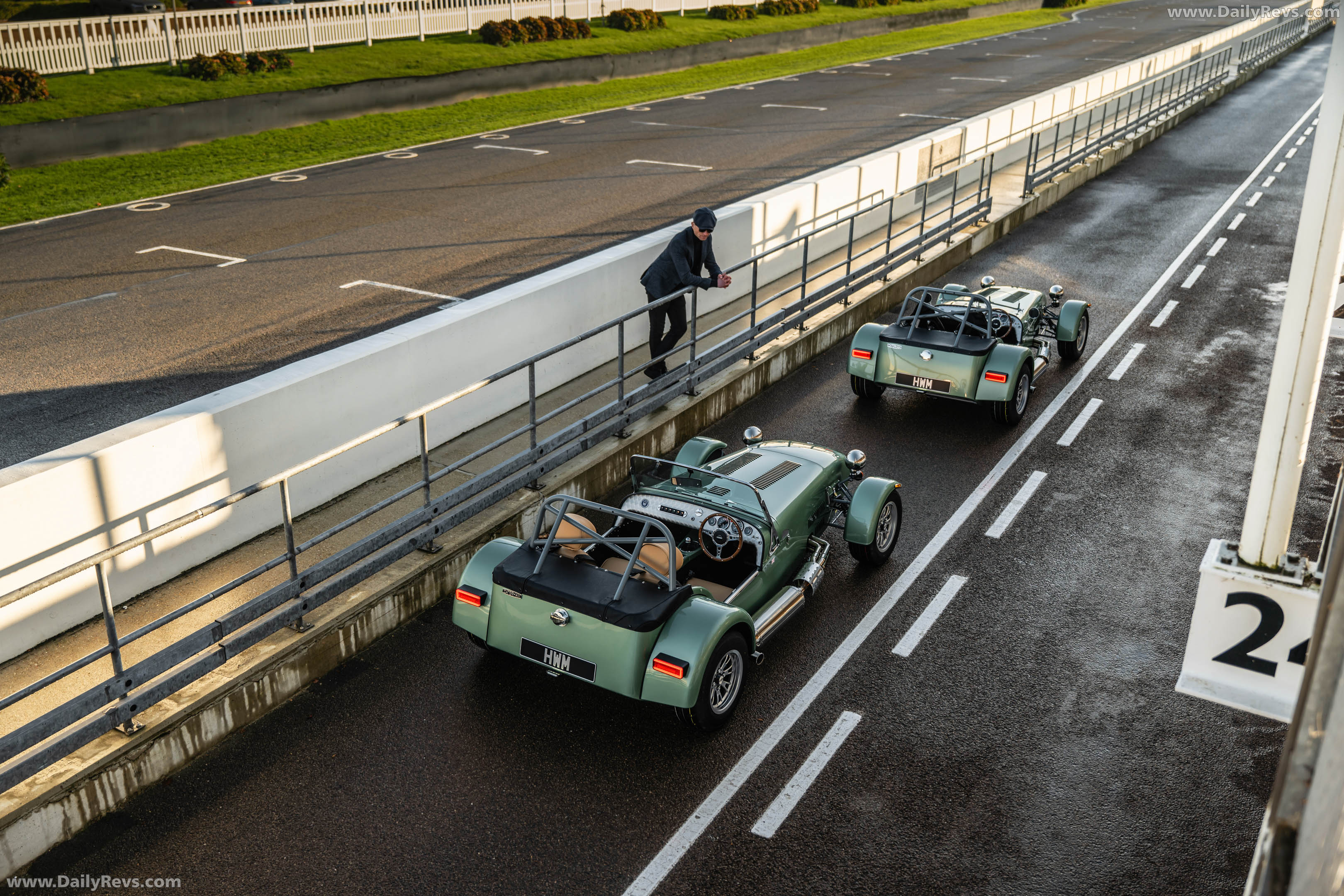
Only 19 examples will be produced in the UK, making it one of the rarest Caterham Sevens in recent memory.
And unlike many heritage-inspired special editions, this one does not rely solely on badges and paintwork.
The Design Feels Deliberately Old School
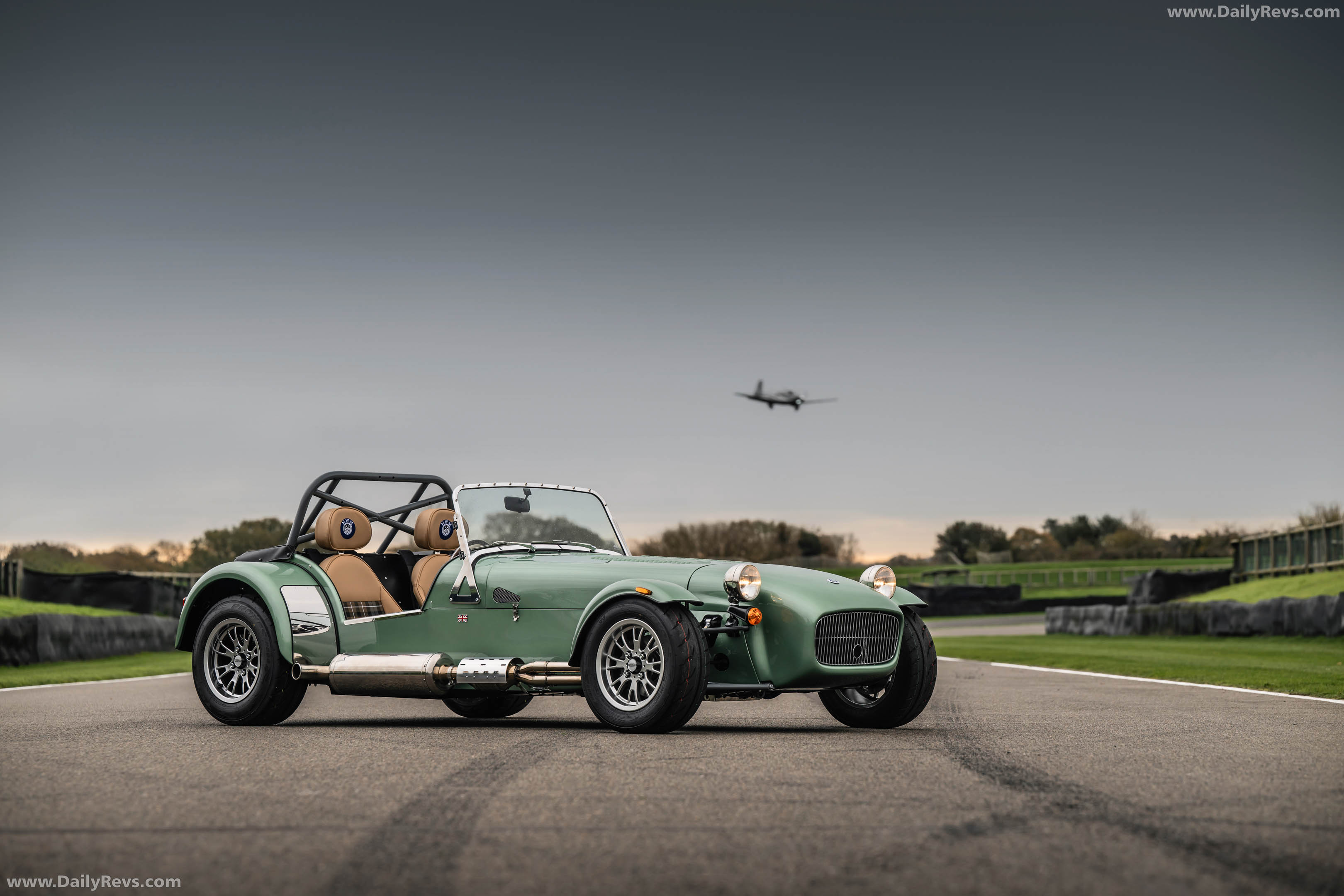
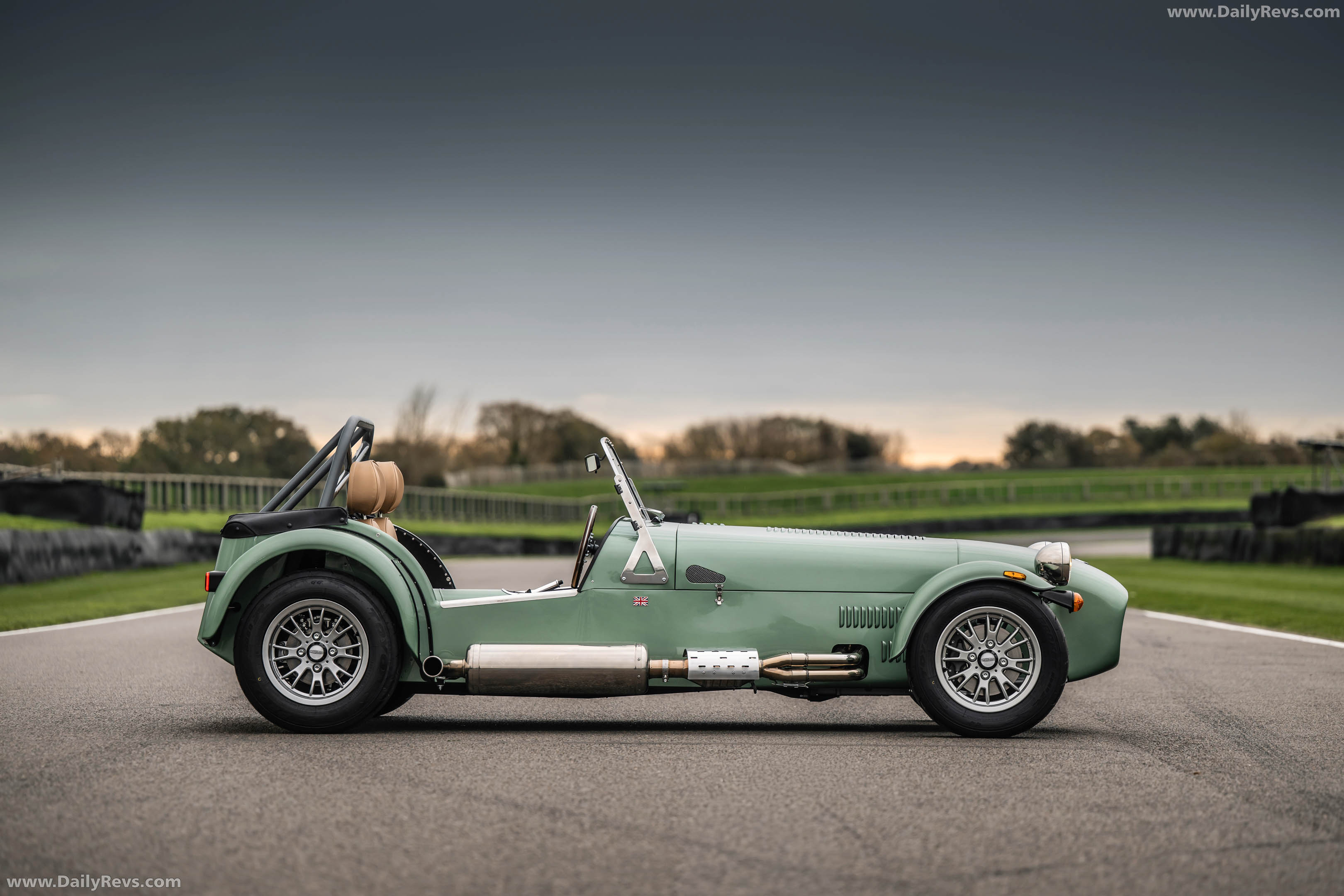
Visually, the Seven HWM Edition leans heavily into period-correct motorsport aesthetics.
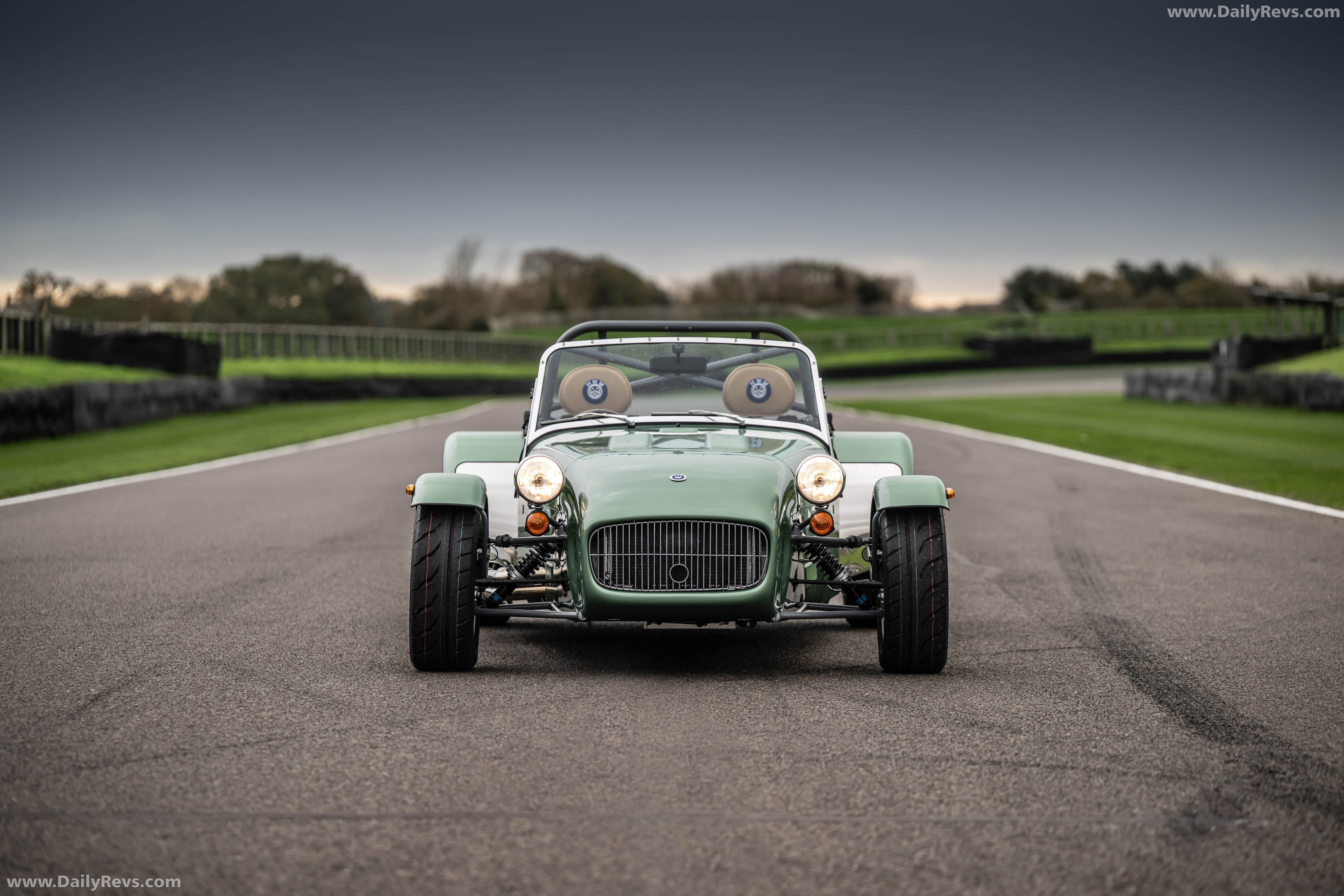
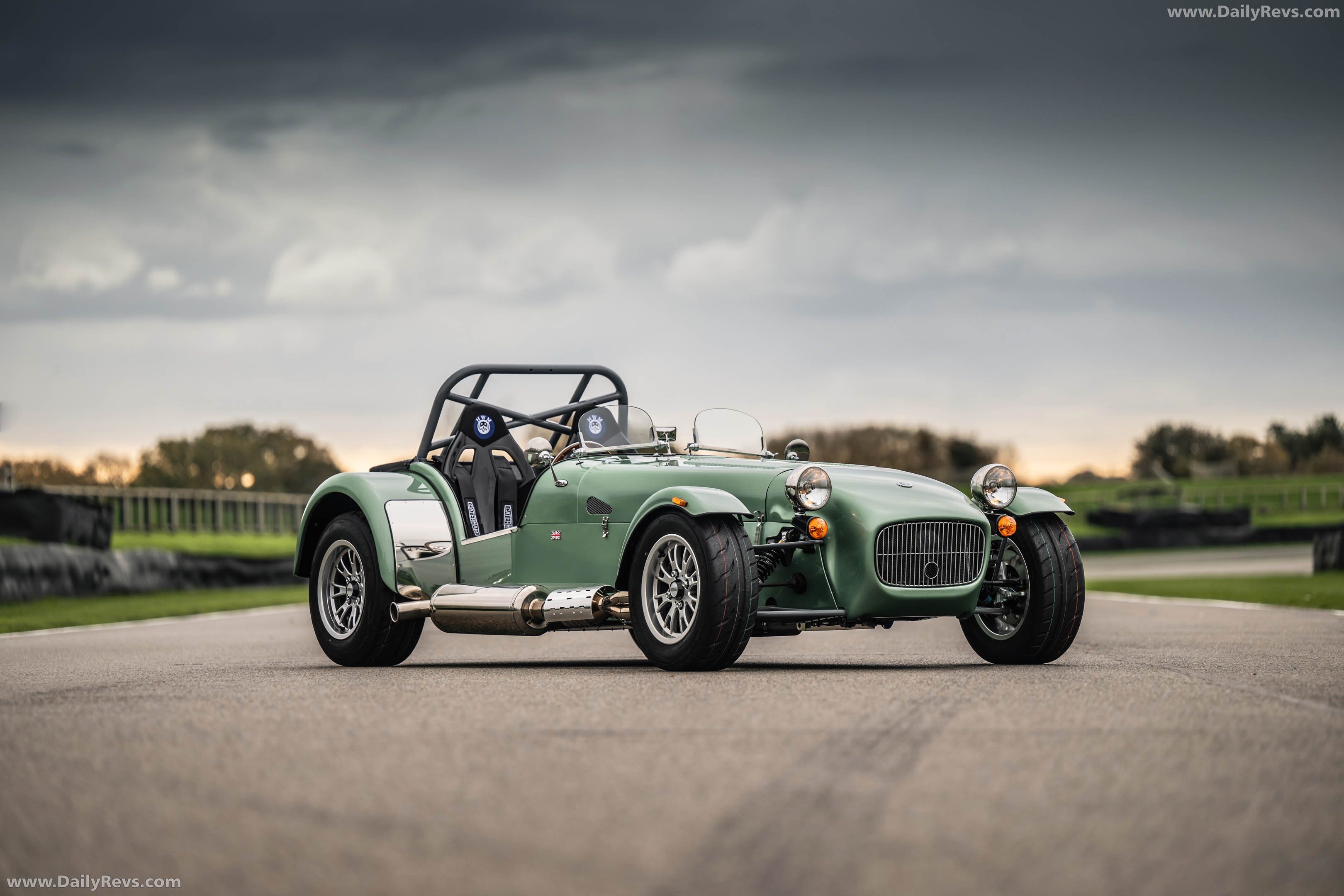
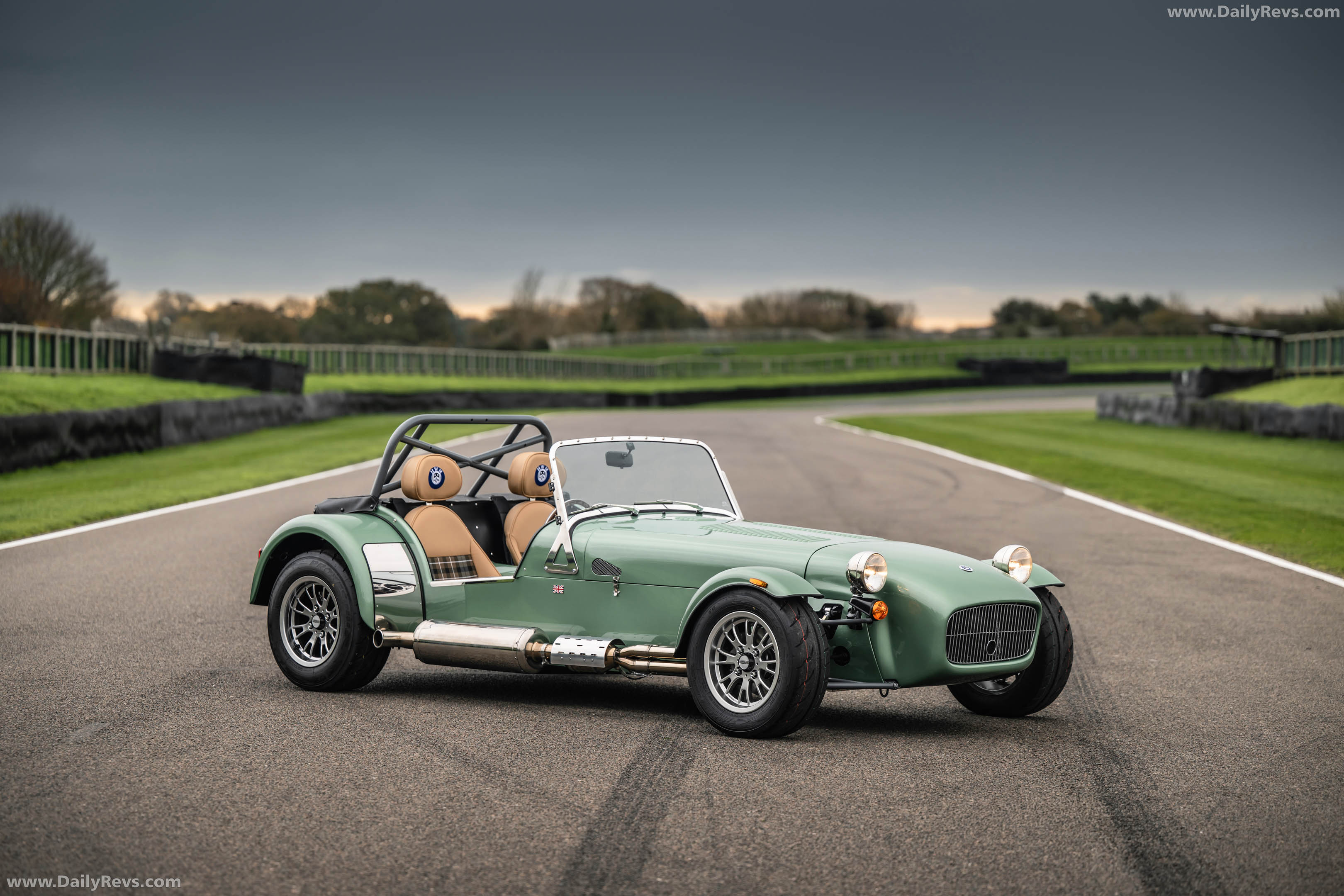
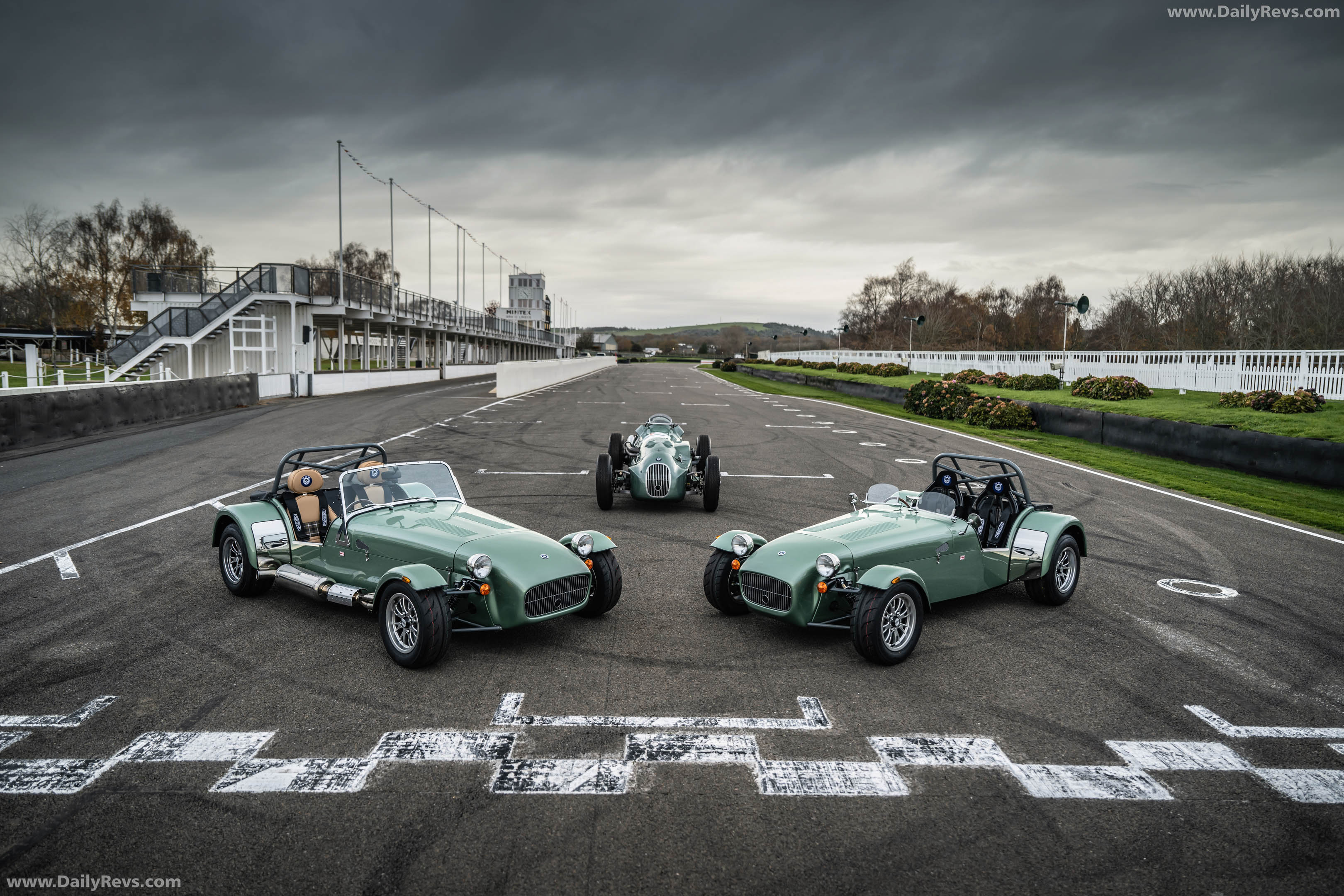
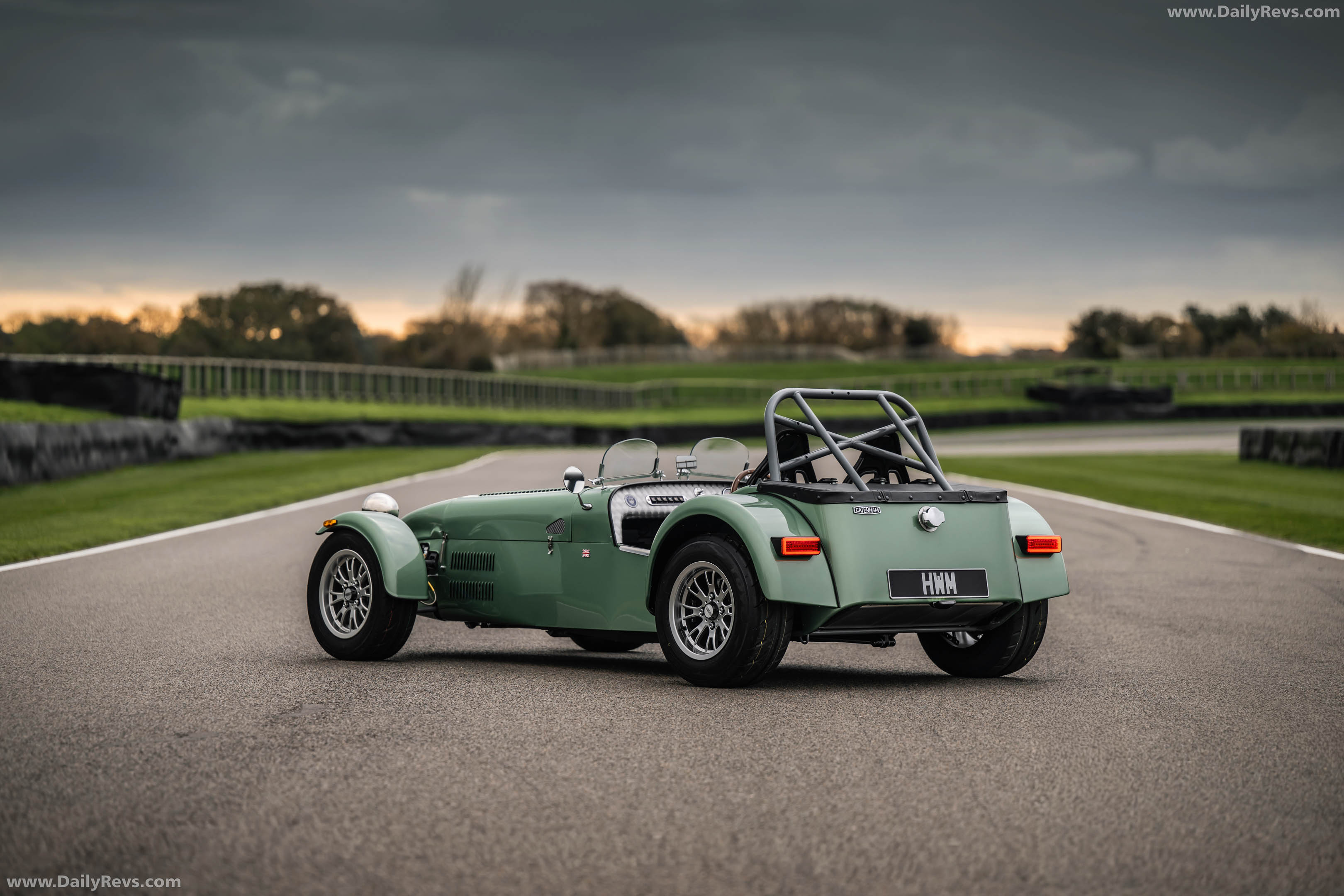
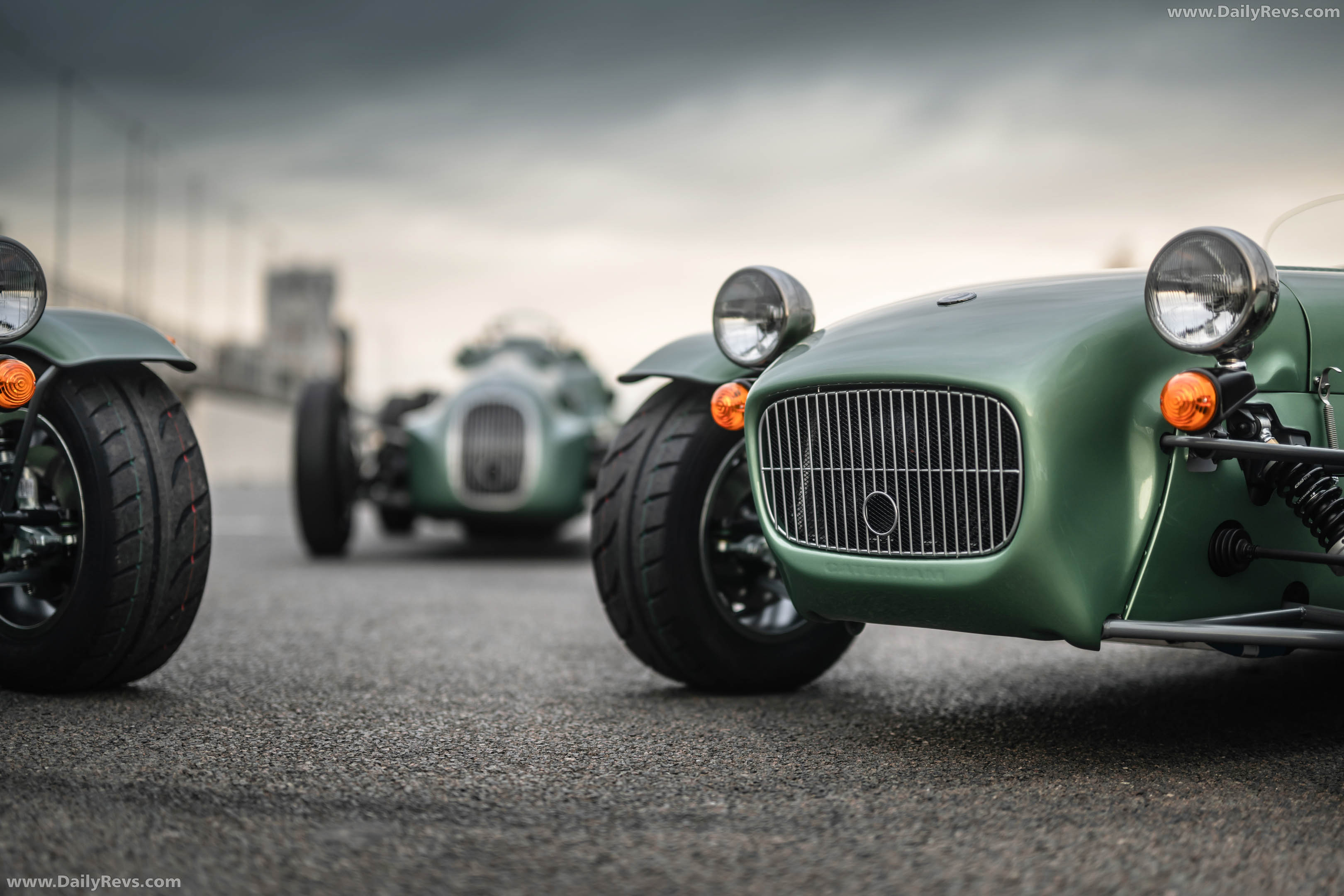
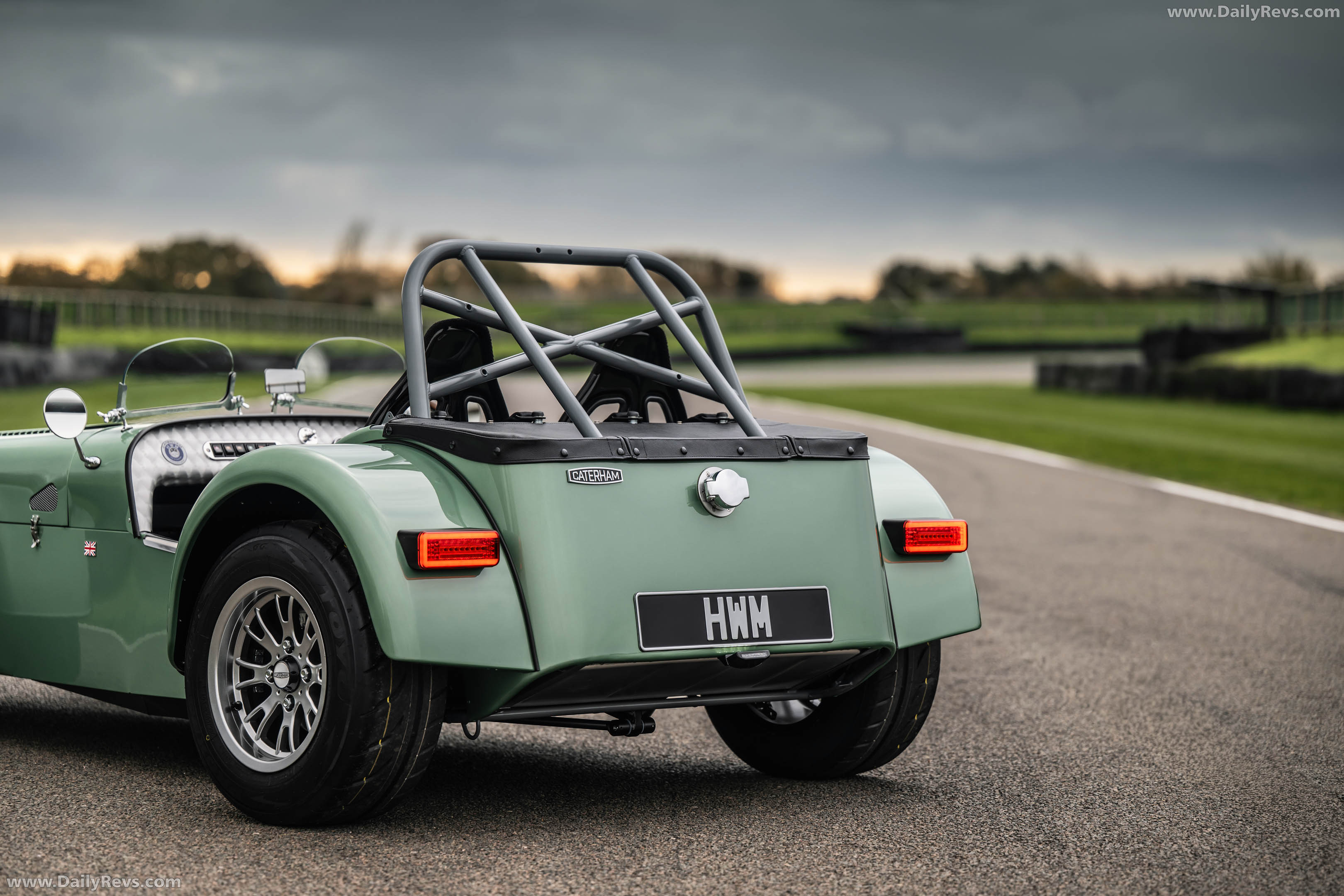
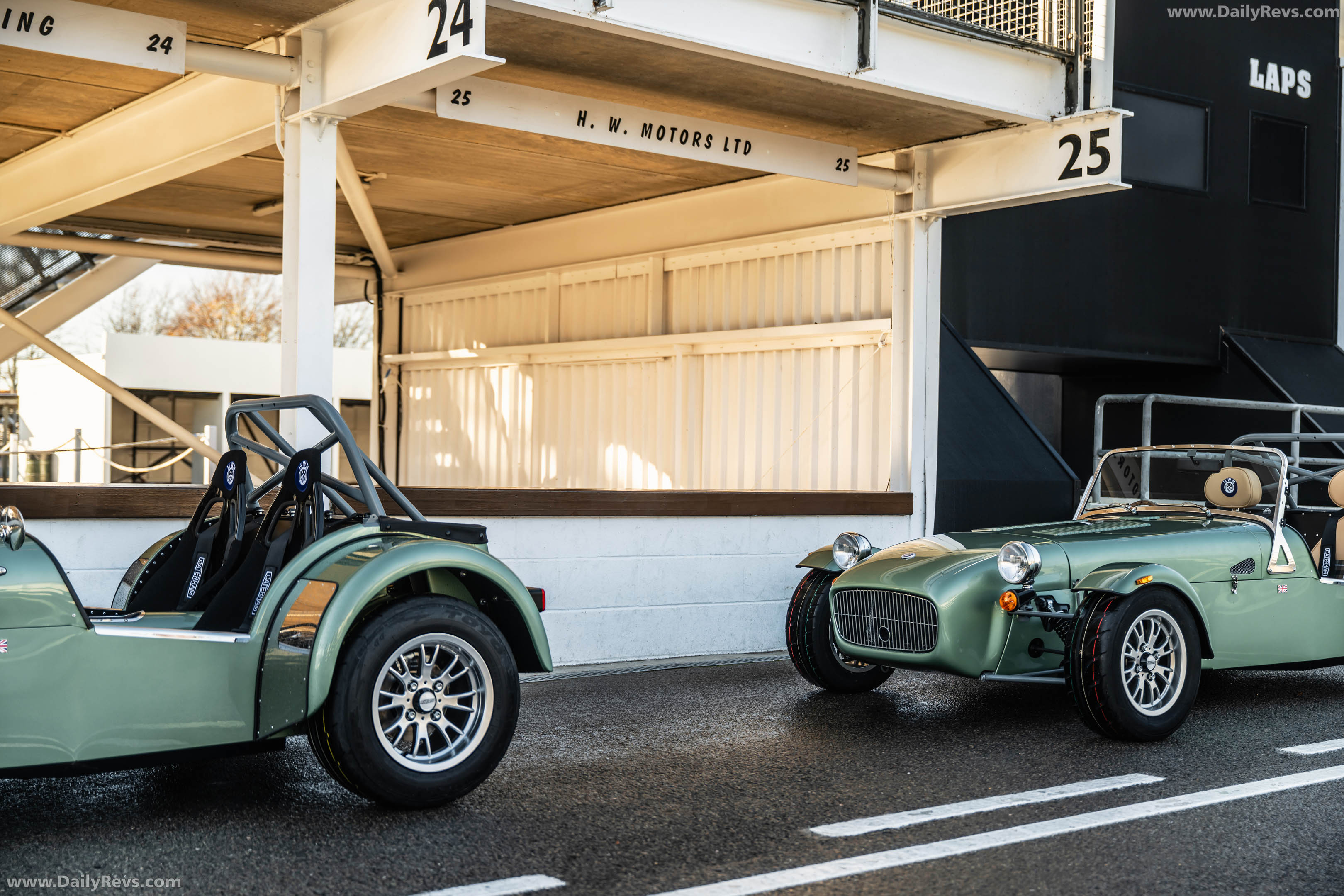
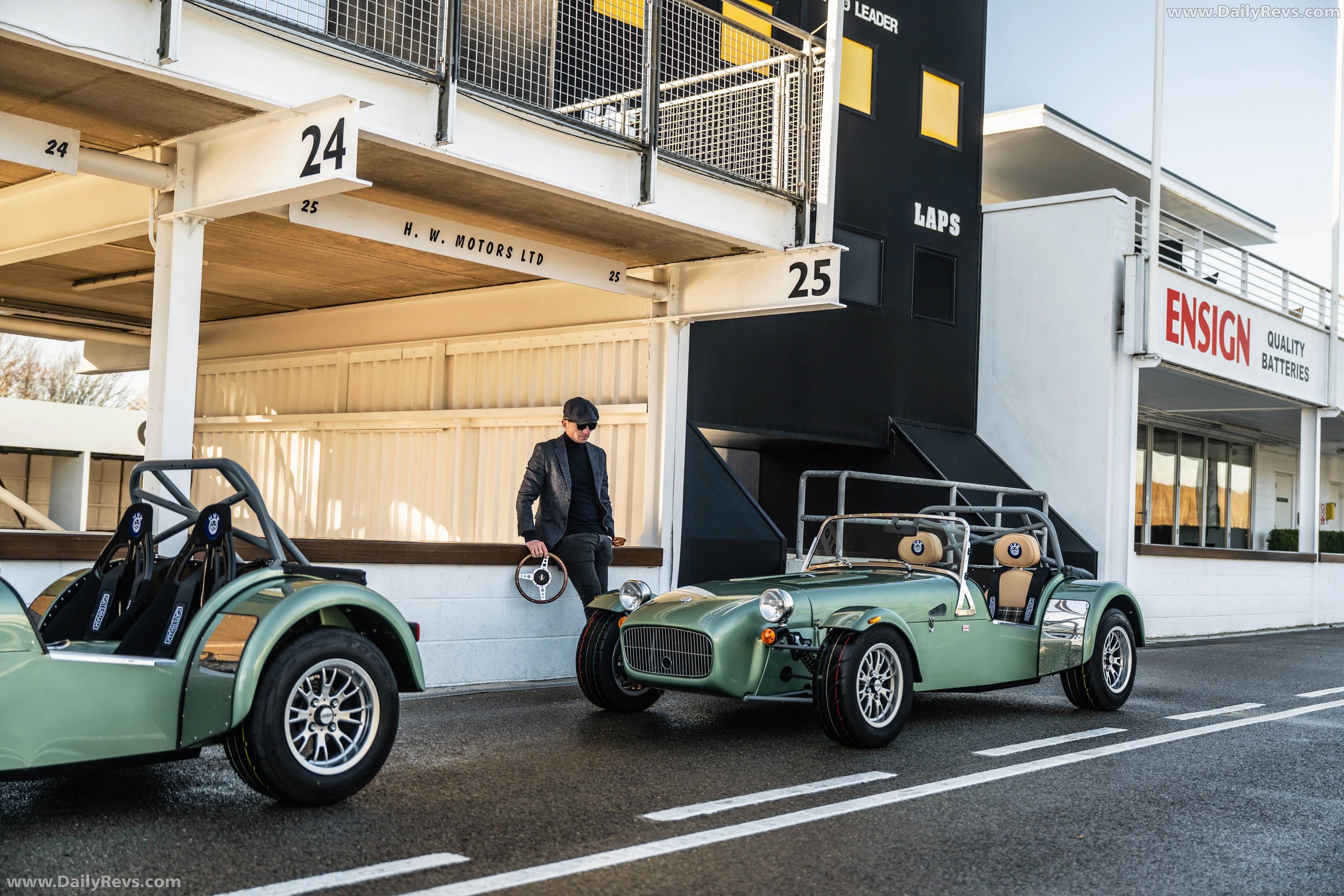
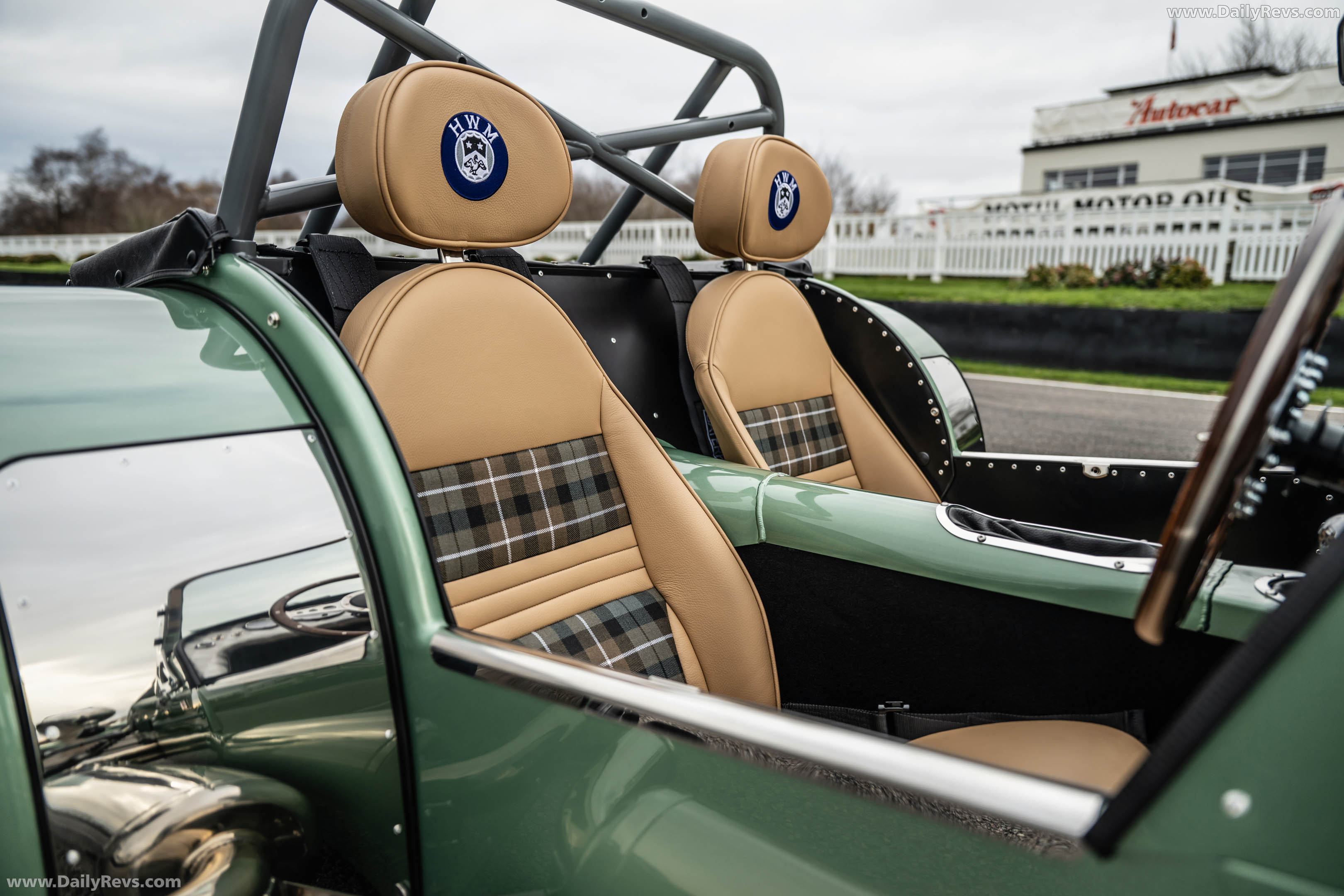
Every car comes finished in HWM Green, a colour digitally scanned directly from the original 1951 HWM-Alta race car. Against that deep green bodywork, Caterham adds Retro Grey finishes across the suspension wishbones, anti-roll bar, headlight brackets, and chassis details.
The combination works remarkably well on the Seven’s minimalist proportions.
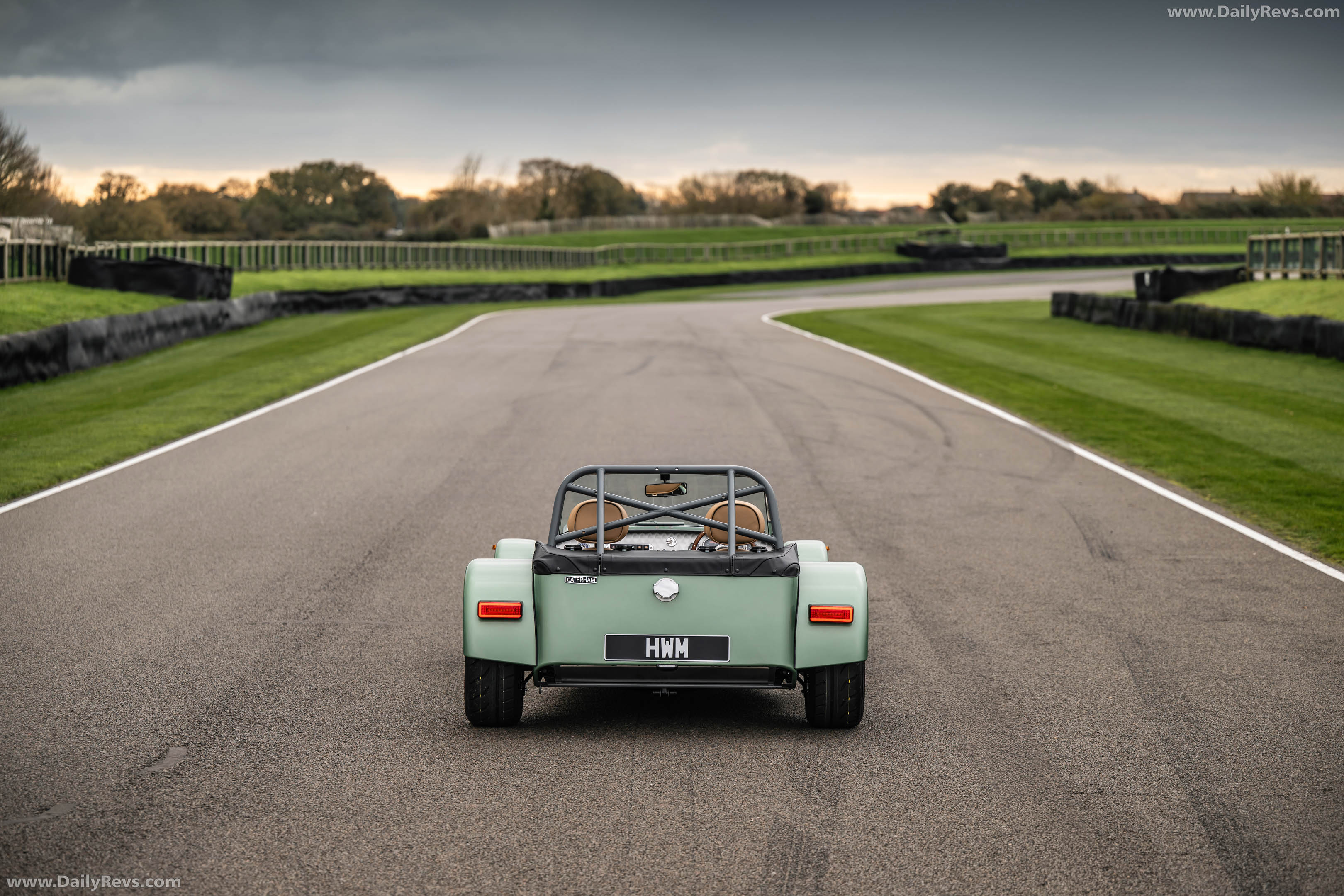
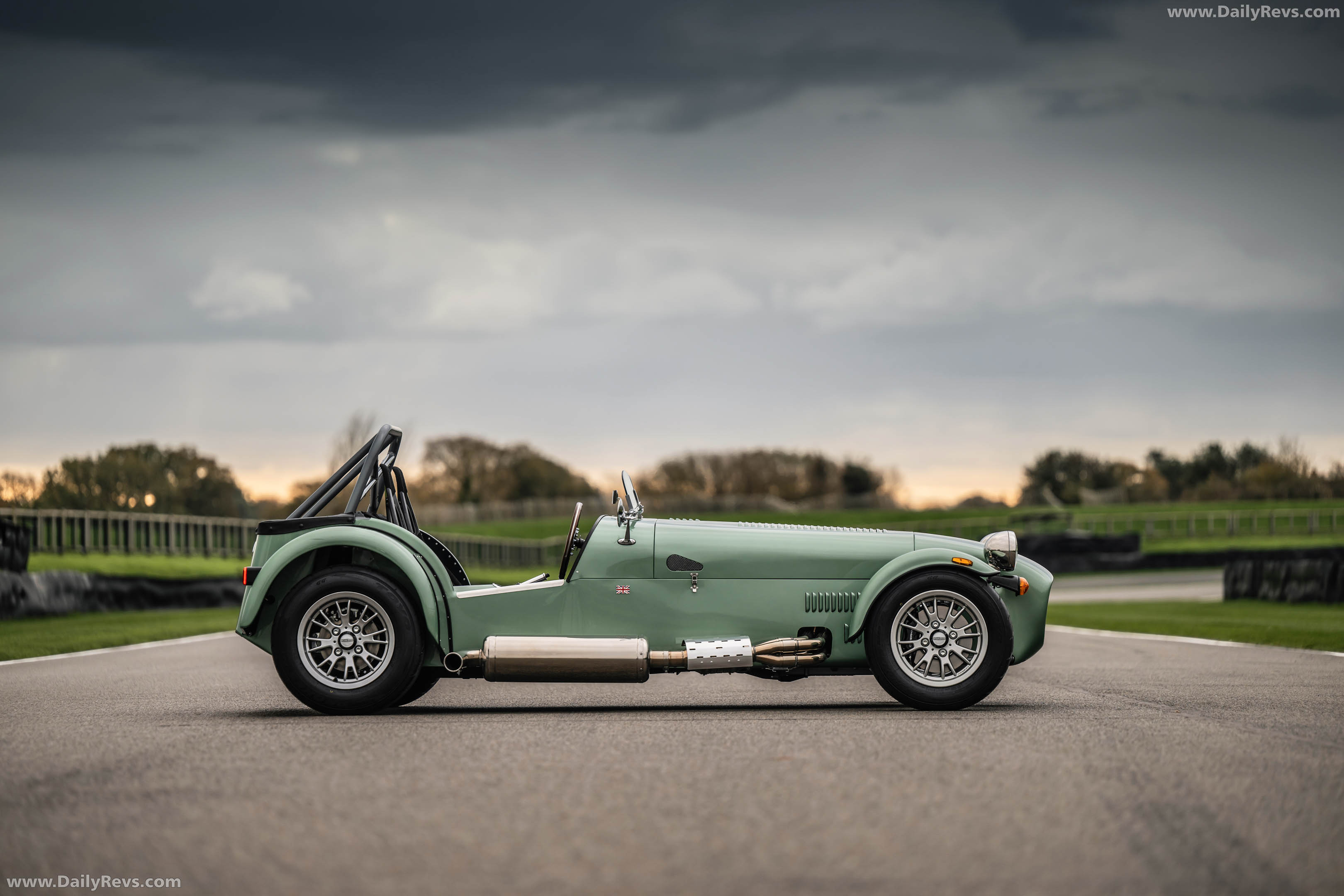
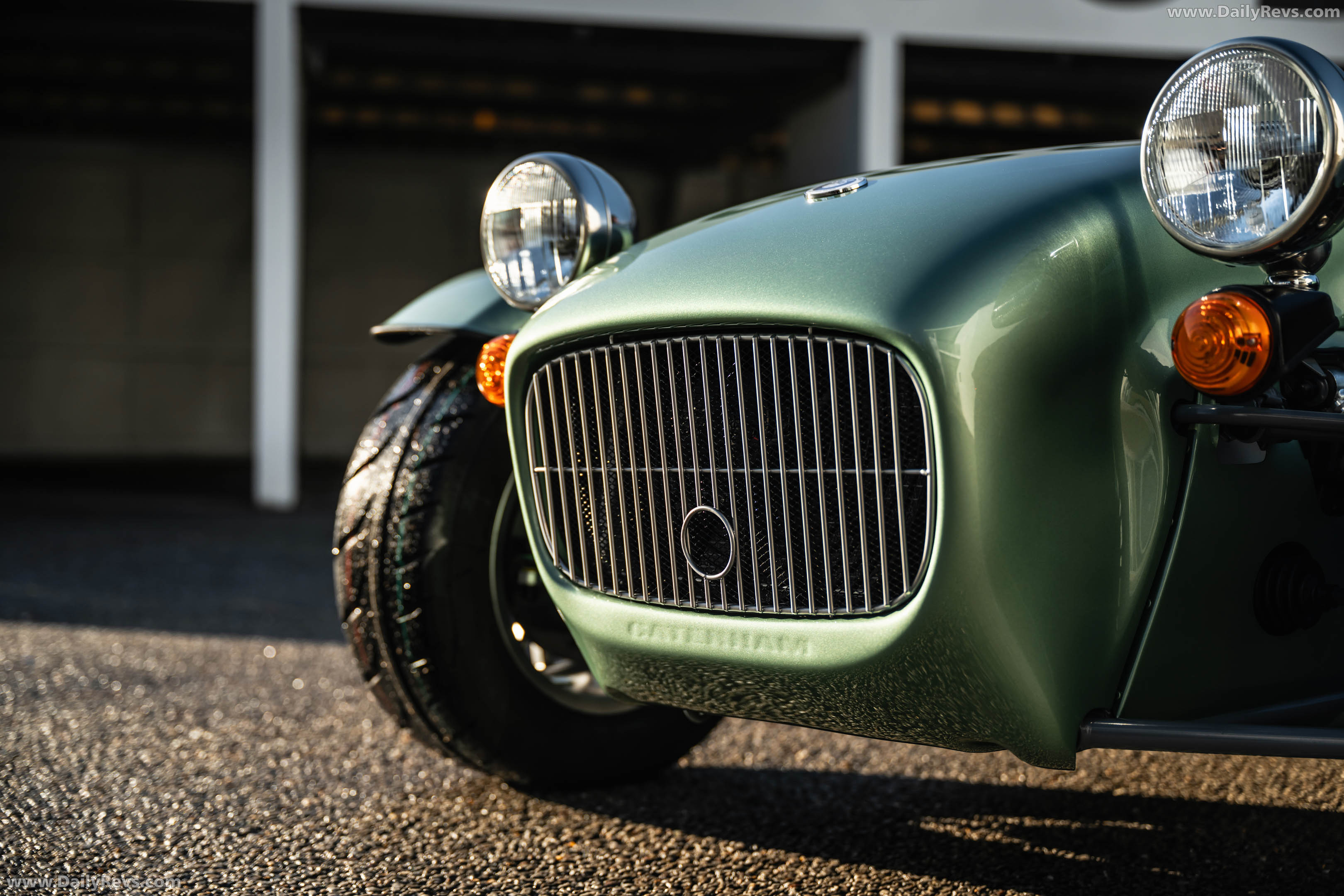
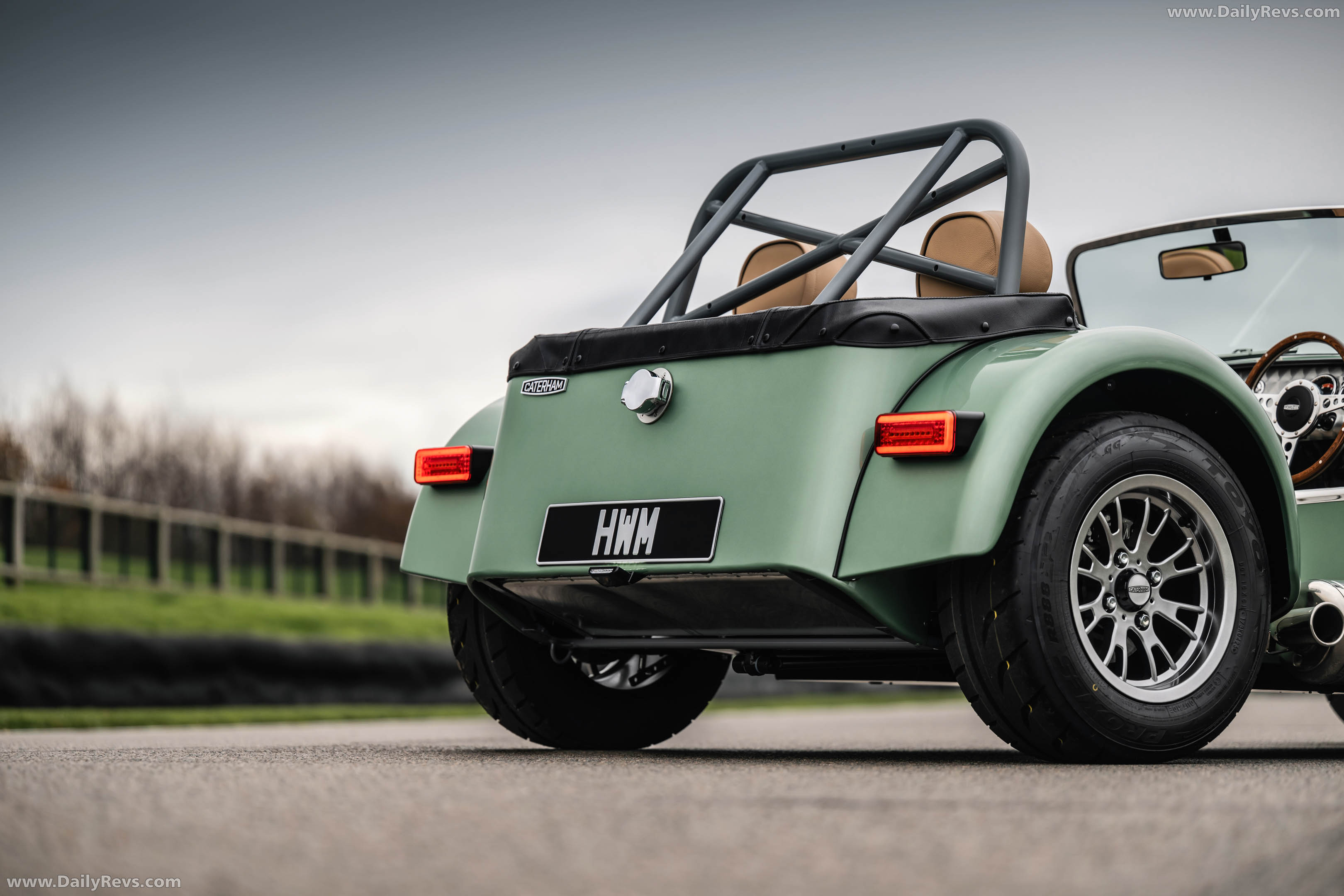
There are also several unique exterior touches exclusive to this edition, including HWM-inspired side panel louvres, a vertical-bar grille with a starter hole, painted headlamp bowls, and a centrally mounted chrome fuel filler cap. Even the nosecone badge is bespoke.
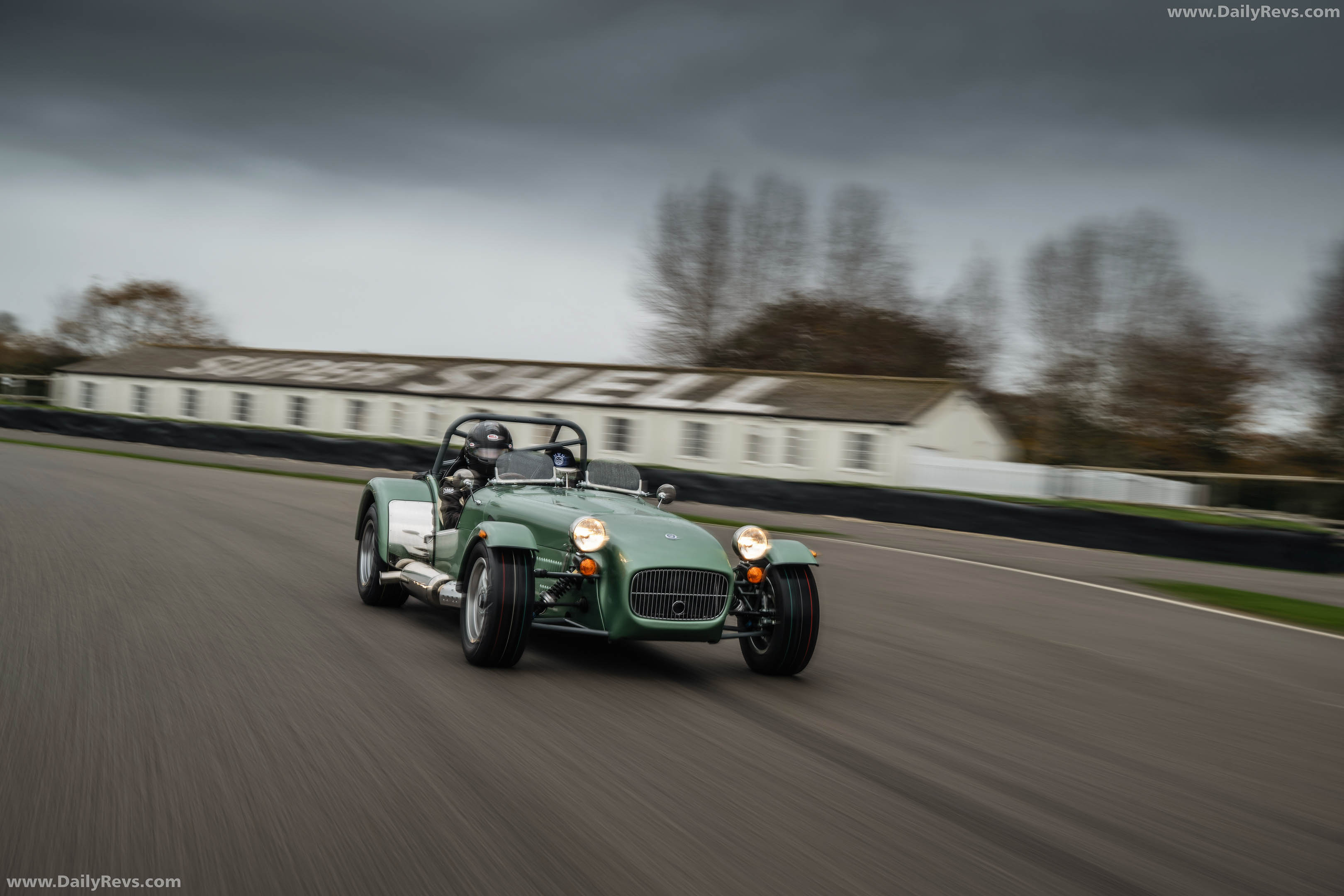
The car itself remains tiny by modern standards. Low-slung body, exposed cycle fenders, narrow cockpit, and wheels pushed right to the corners. The Seven formula still looks wonderfully mechanical decades later.
The Cabin Prioritises Character Over Technology
Inside, Caterham resisted the temptation to modernise the experience too heavily.
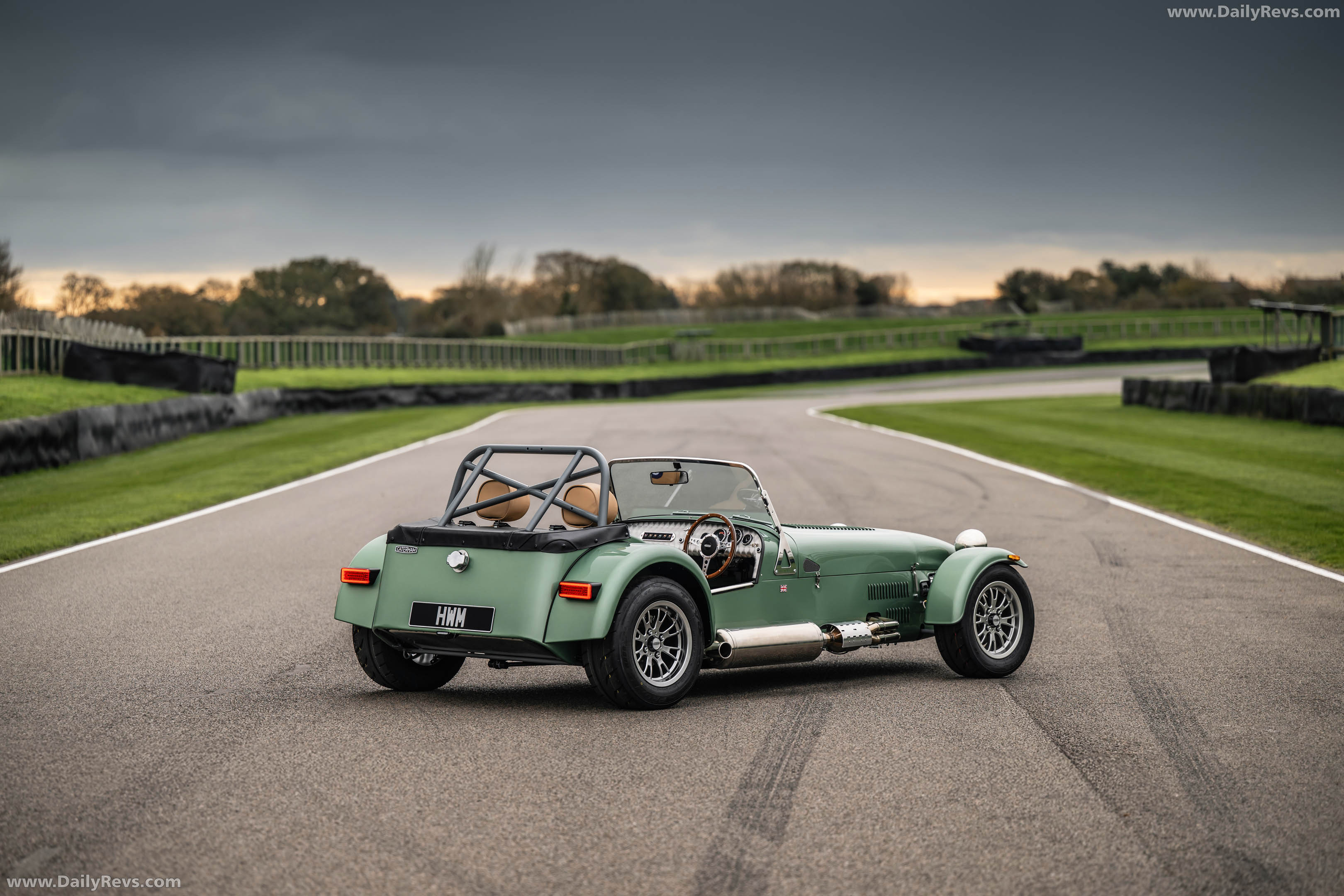
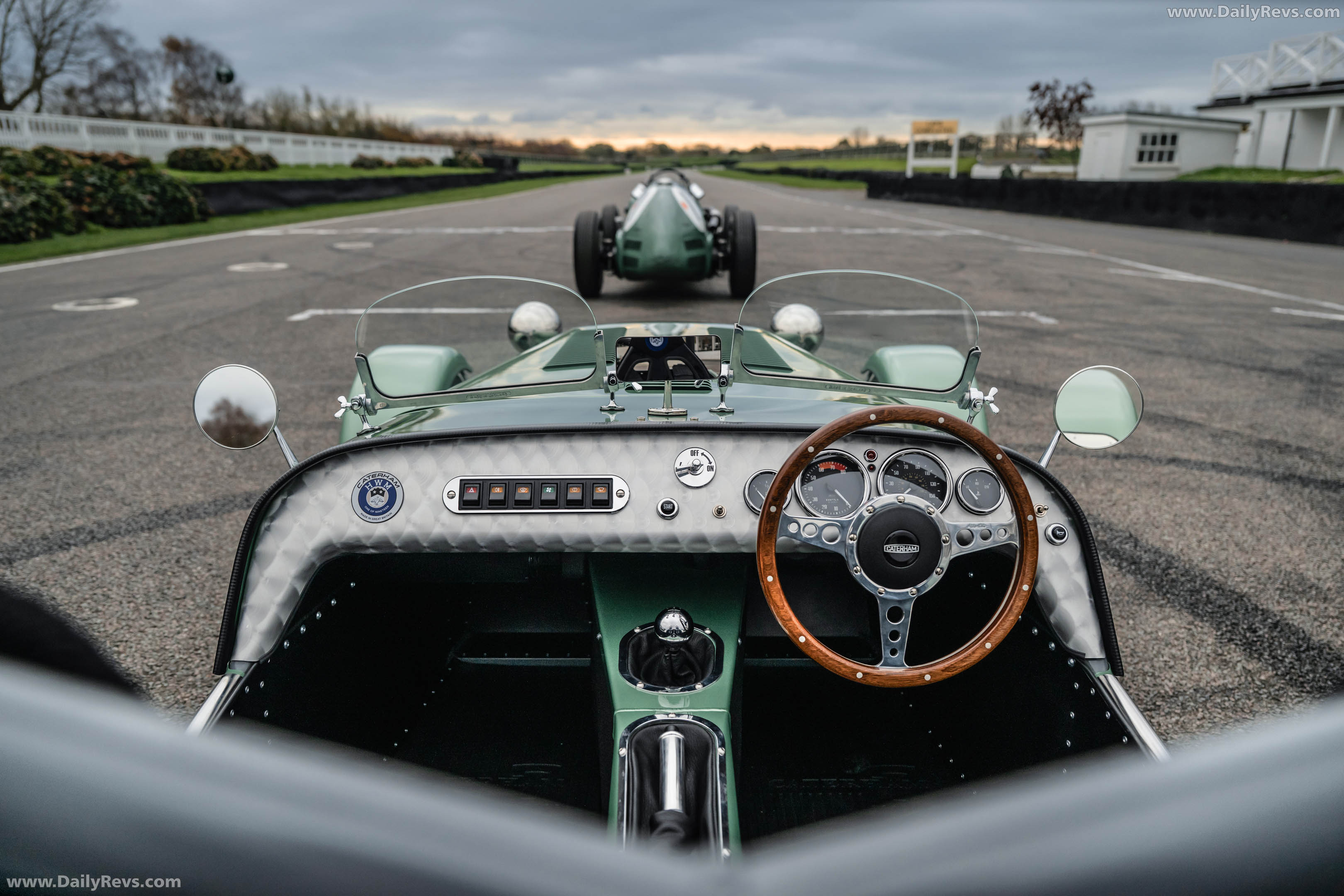
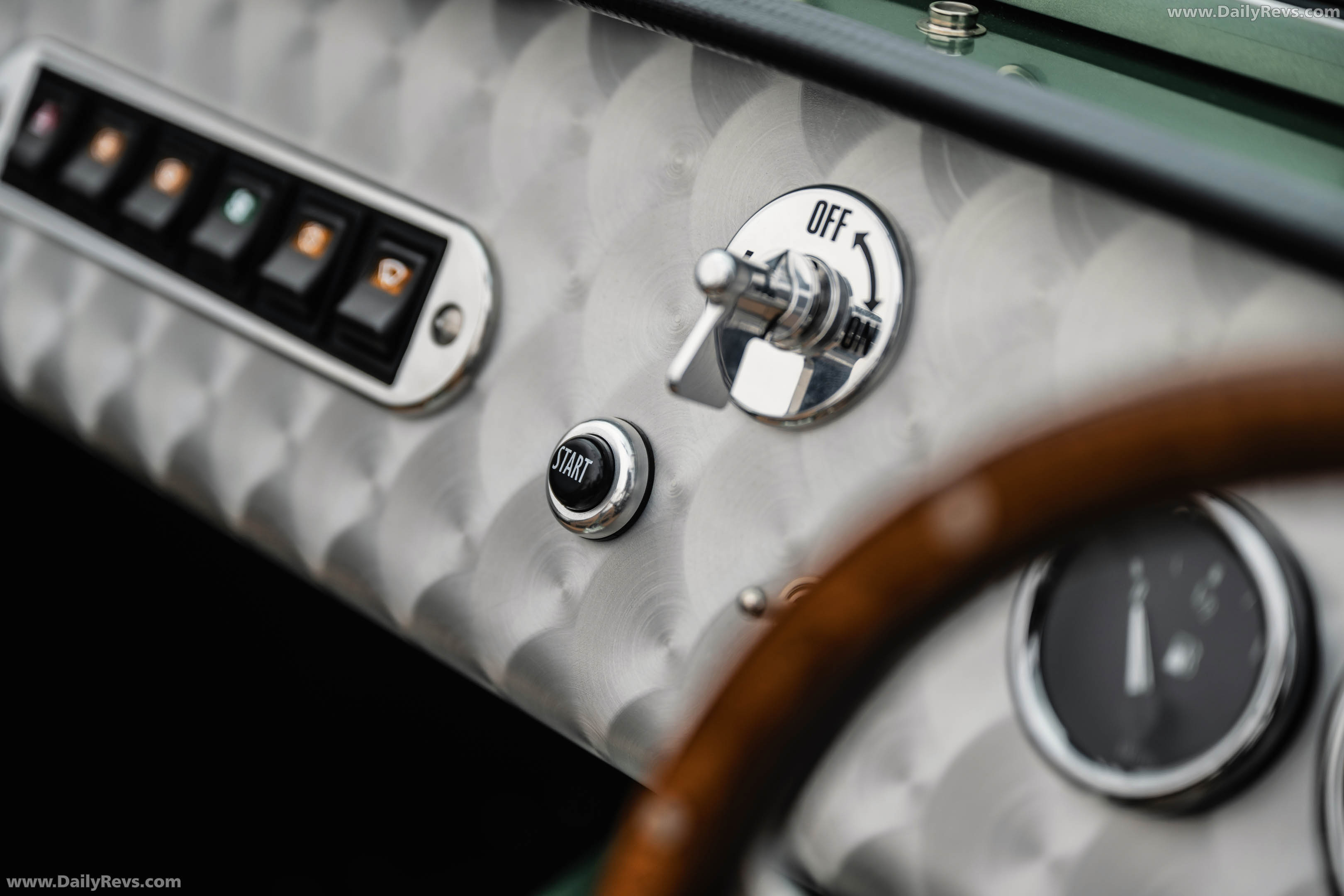
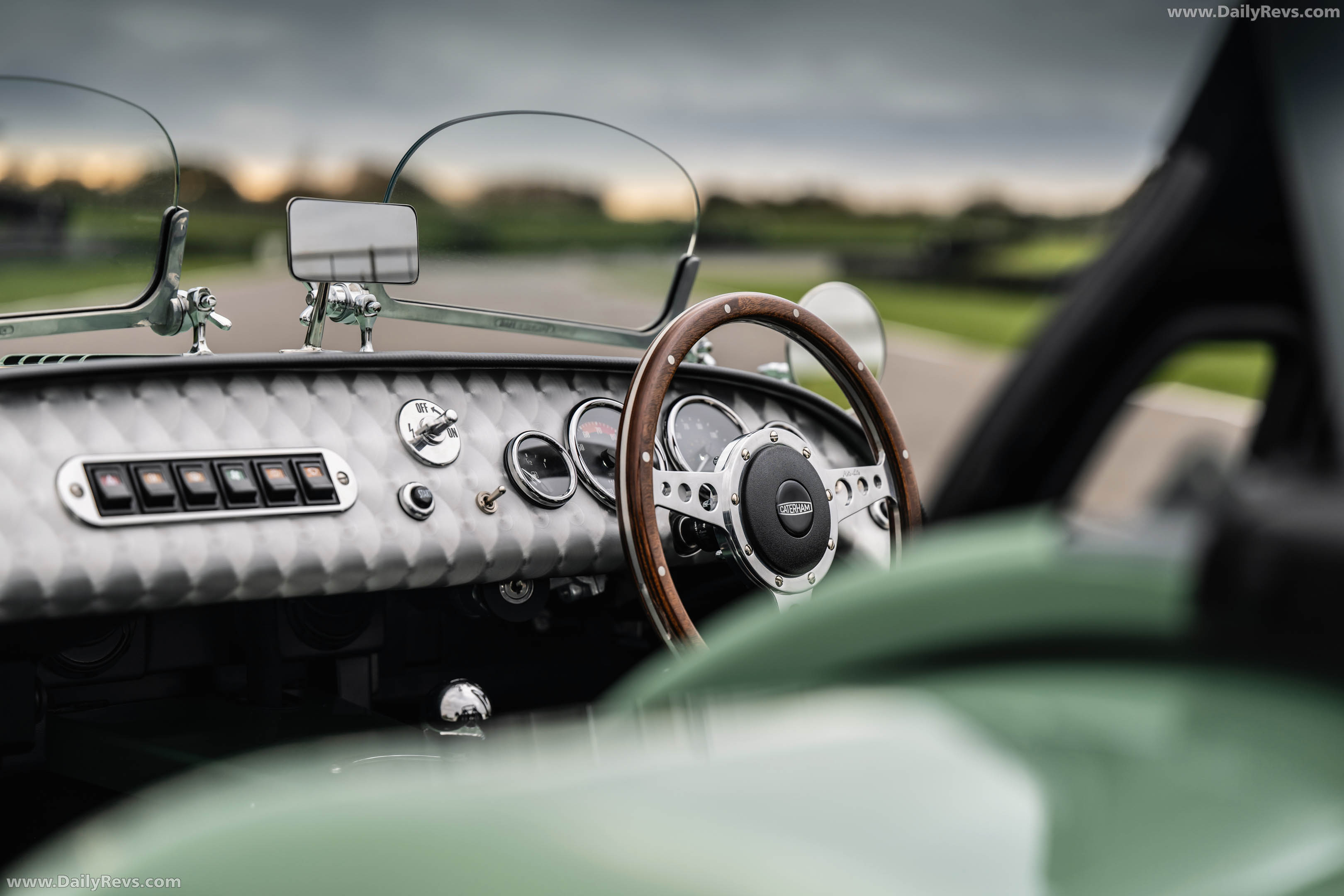
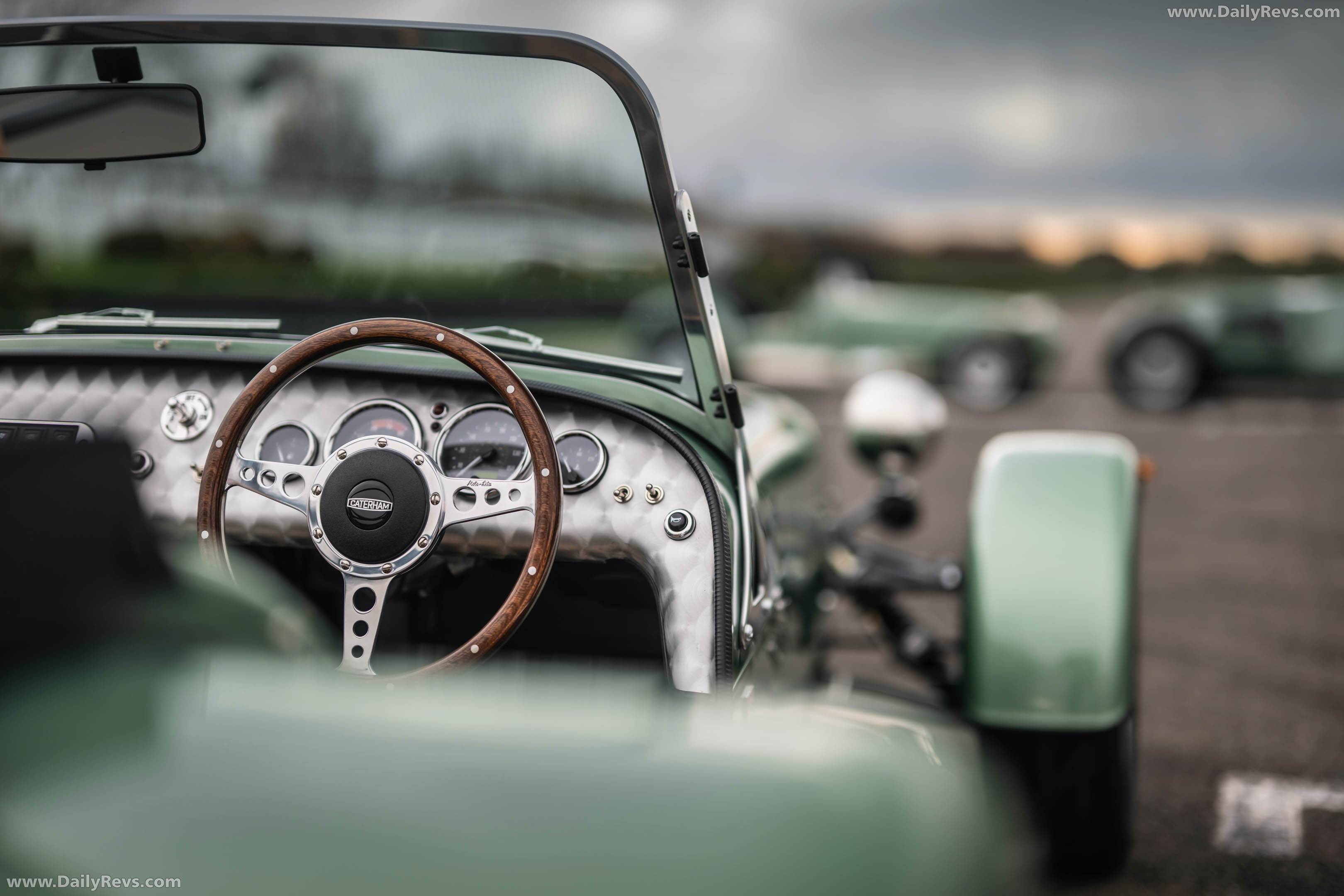
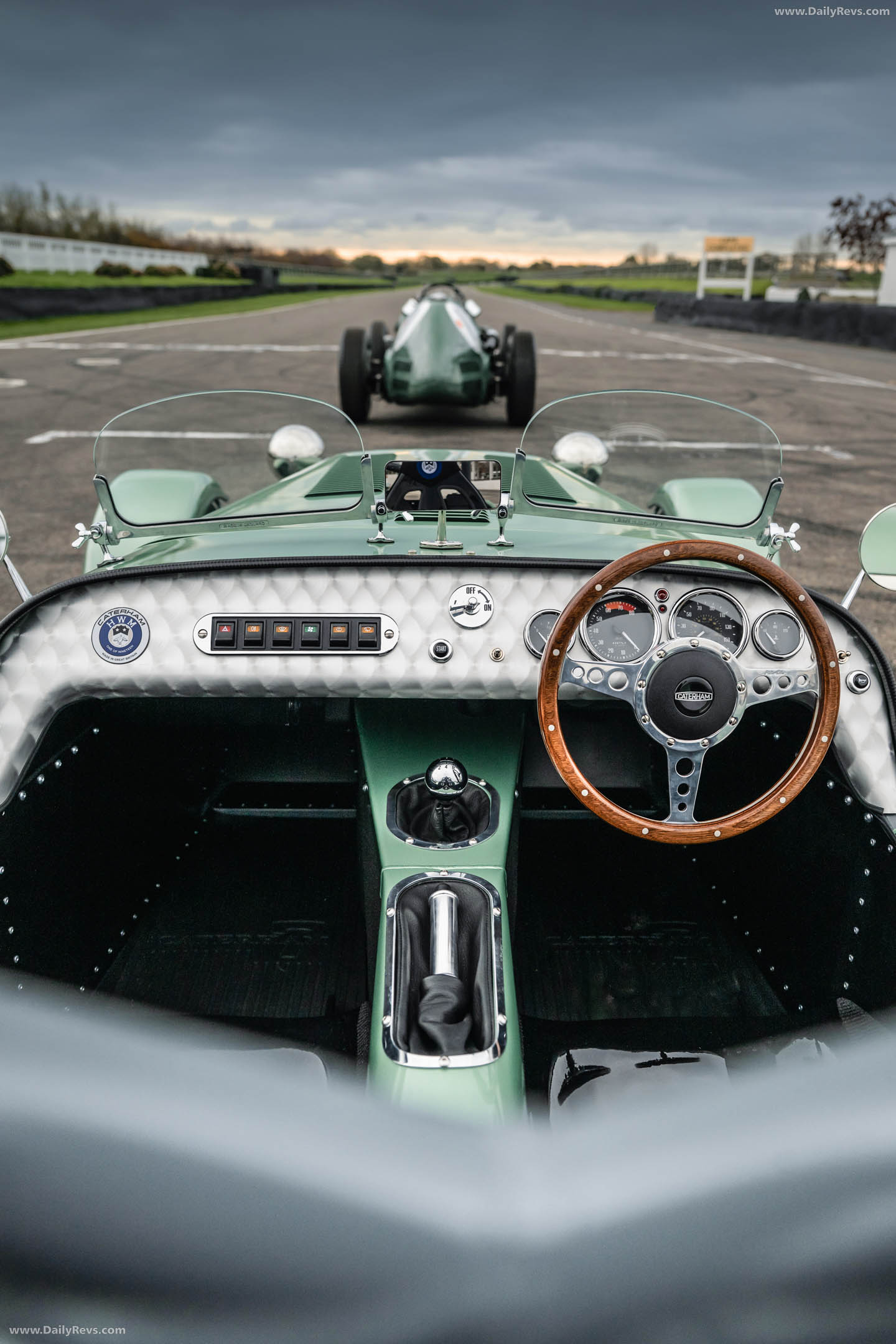
Instead, the HWM Edition adopts a distinctly vintage atmosphere inspired by post-war British race cars. The dashboard uses a hand-turned aluminum SuperSprint design paired with SMITHS chrome dials and a polished wooden Moto-Lita quick-release steering wheel. Chrome-finished switchgear and a solid metal battery cut-off switch continue the retro theme.
Even the transmission tunnel receives body-coloured paintwork.
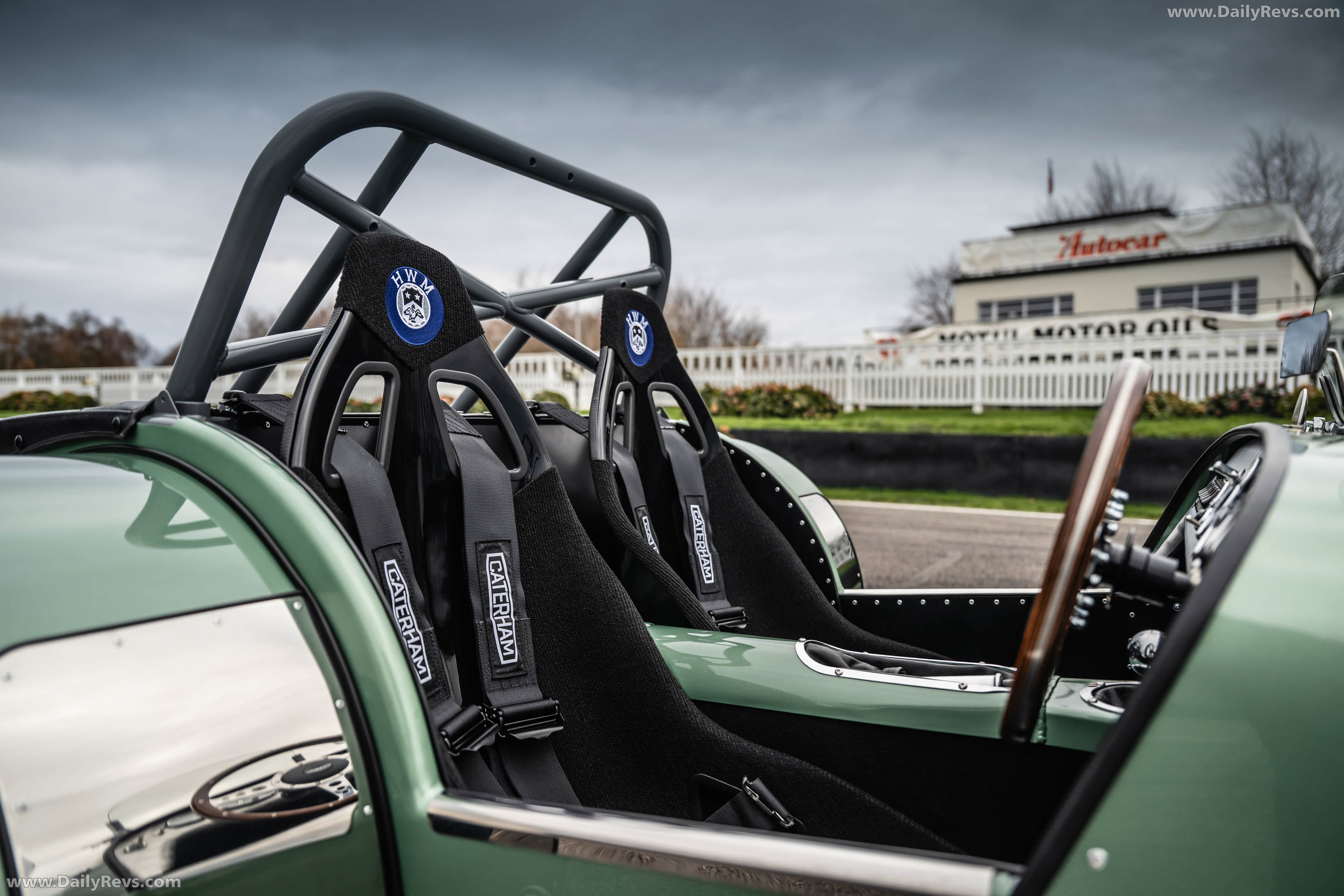
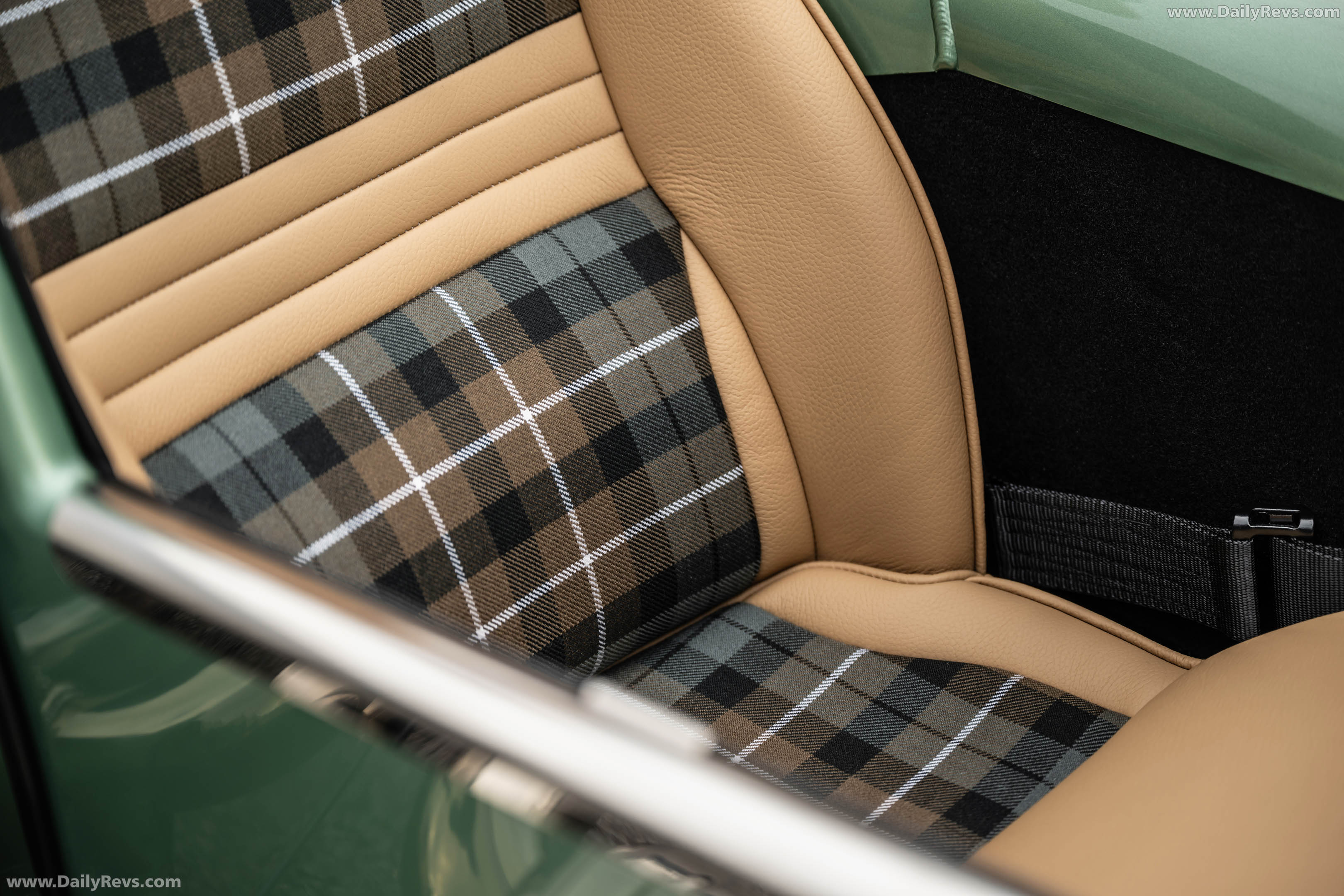
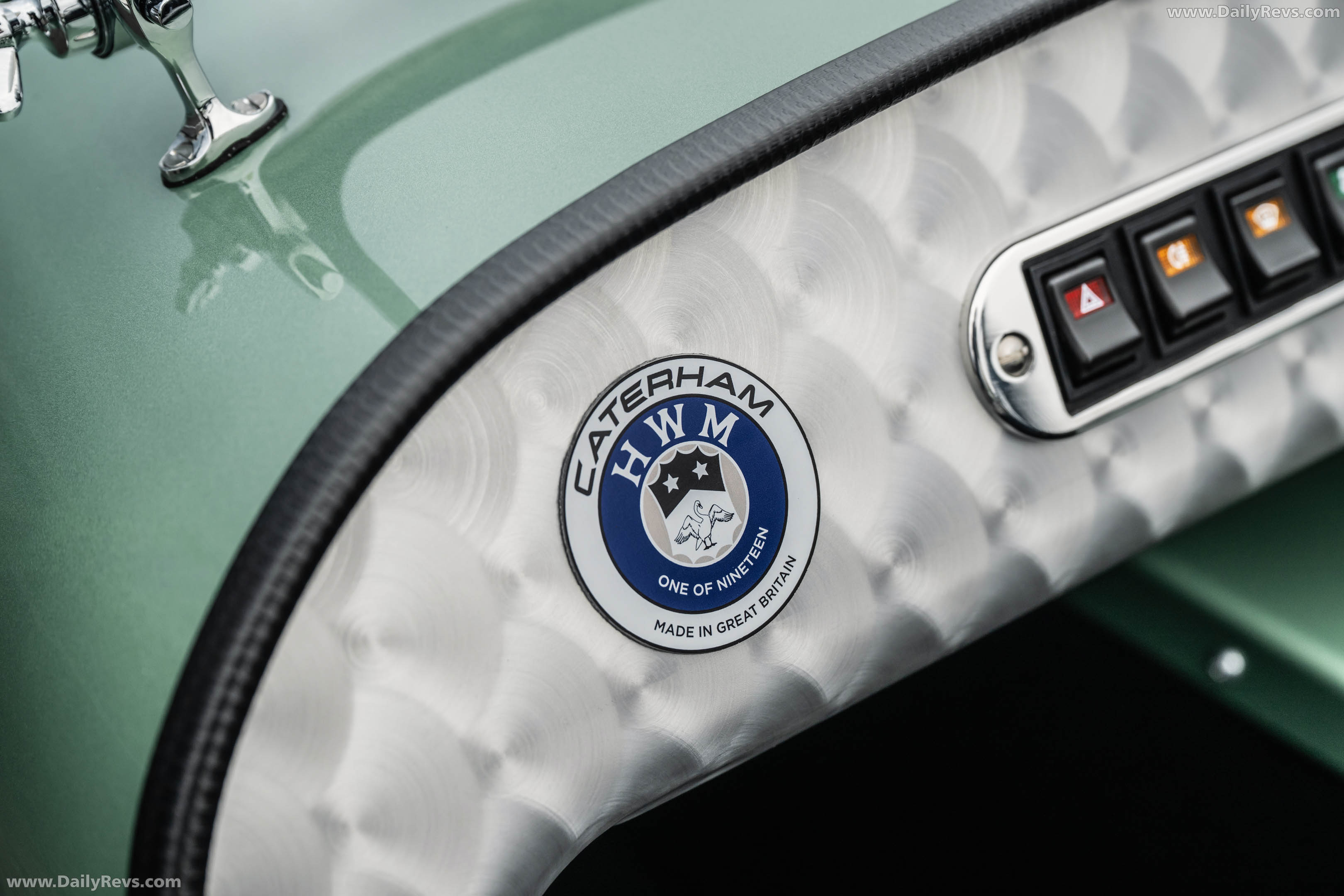
Buyers can choose between leather seats or composite race seats, both featuring embroidered HWM logos integrated into the headrests. Each car also carries an individually numbered “1 of 19” dashboard plaque reminding owners how limited this project really is.
It feels far more handcrafted than most modern sports cars.
Lightweight Performance Still Defines The Experience
Beneath the nostalgic details sits Caterham’s familiar Seven 420 mechanical package.
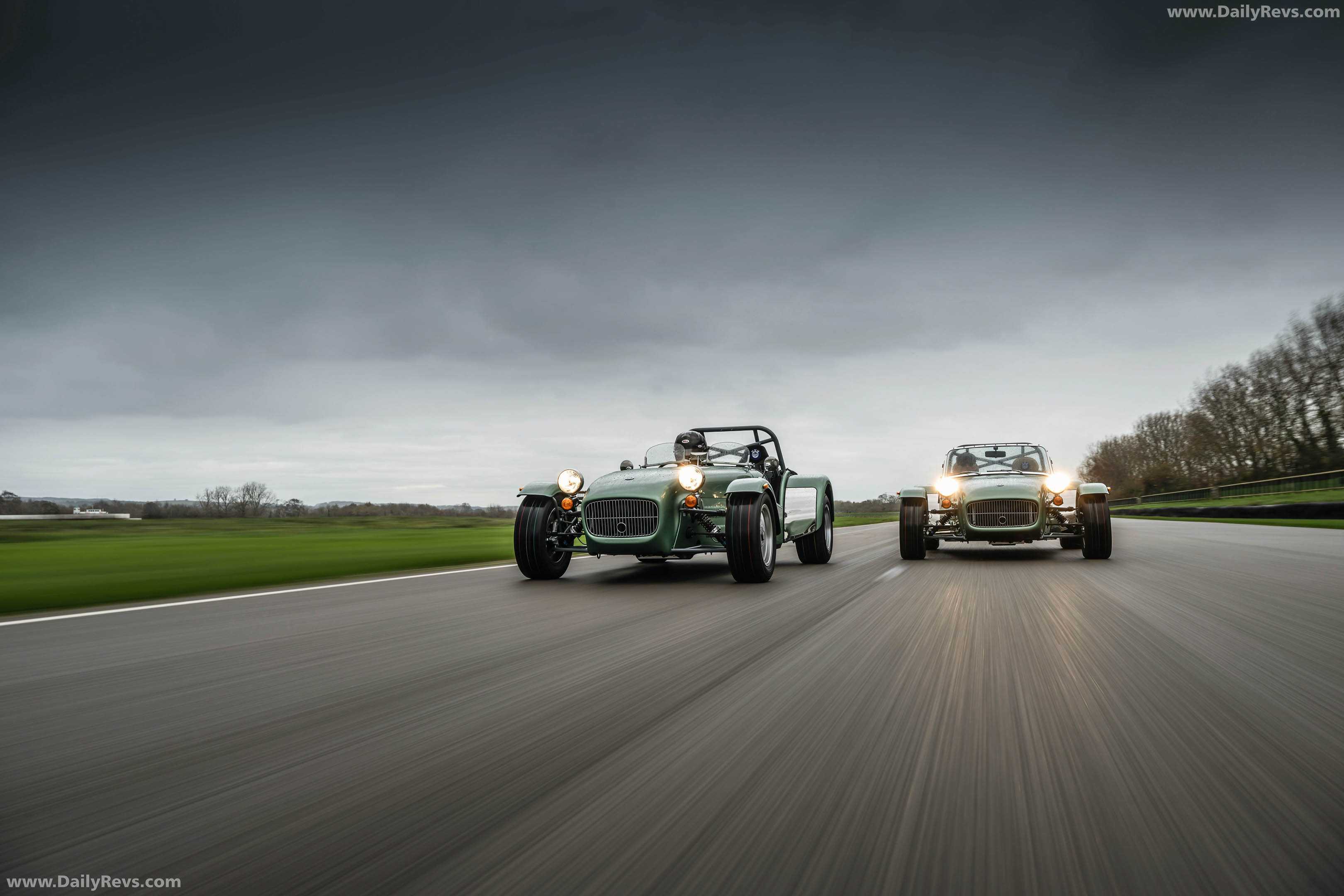
Power comes from a naturally aspirated 2.0-liter Ford Duratec four-cylinder engine producing 210 bhp at 7,600 rpm and 203 Nm of torque. With a curb weight of just 560 kilograms, the Seven HWM Edition delivers a power-to-weight ratio of 375 bhp per tonne.
Performance remains properly serious.
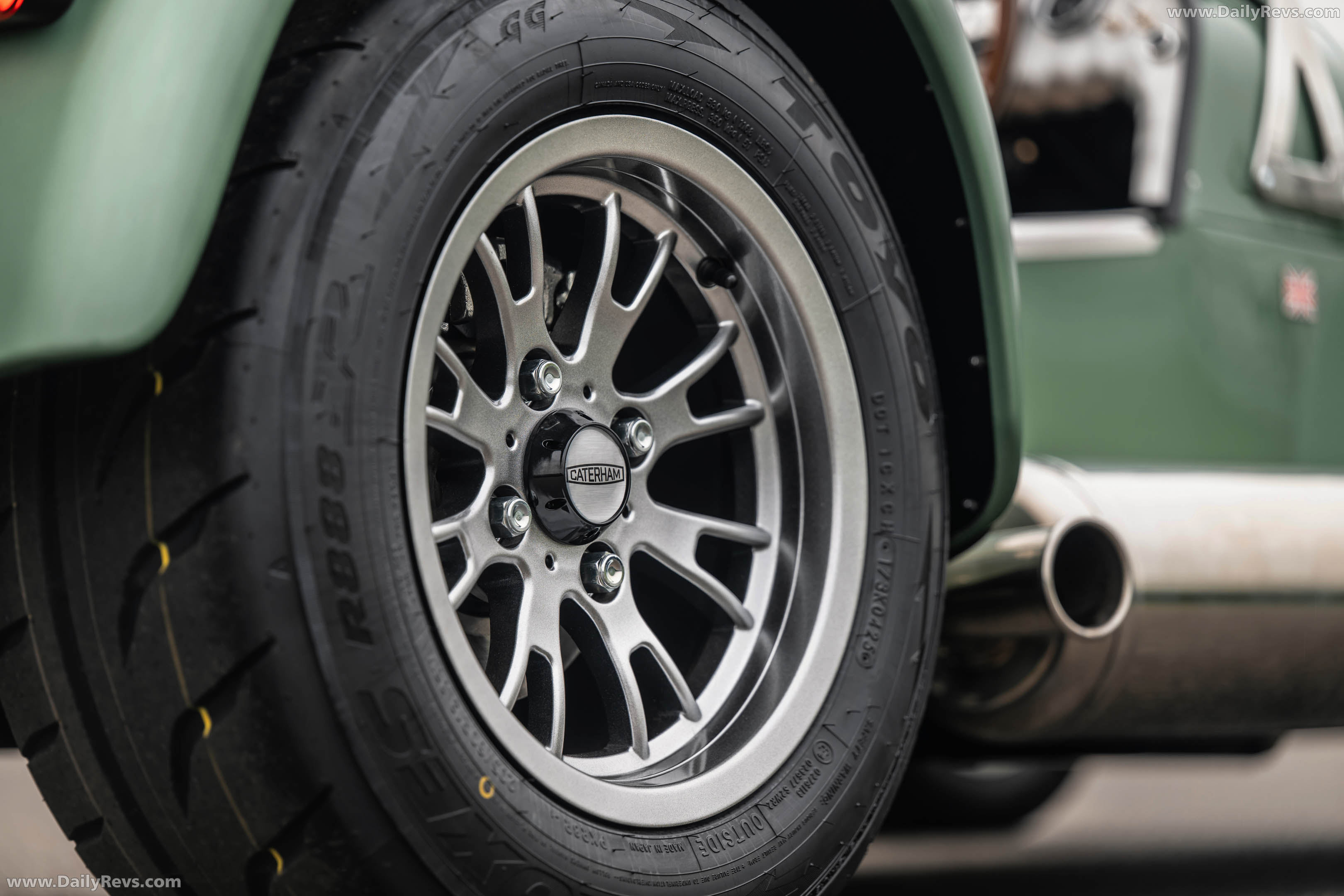
Caterham claims 0-60 mph takes just 3.8 seconds, while top speed reaches 136 mph through a five-speed manual gearbox. Wide-track suspension, De Dion rear suspension, and the Sports Suspension Pack all come standard.
Starting from £57,990, the Seven HWM Edition is clearly aimed at enthusiasts who appreciate racing history as much as raw driving feel. In many ways, it captures something increasingly rare in modern performance cars: simplicity with genuine character attached to it.