


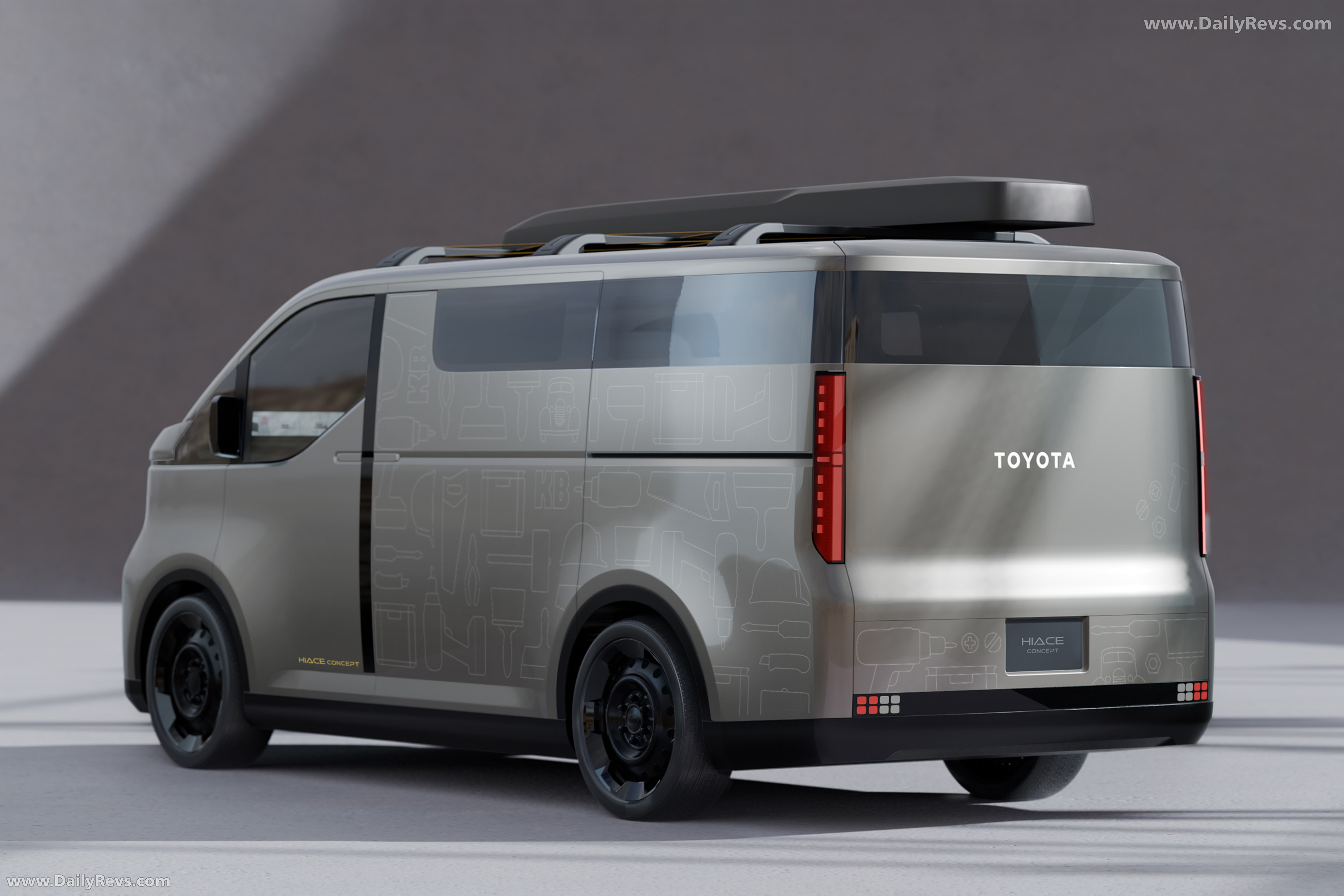
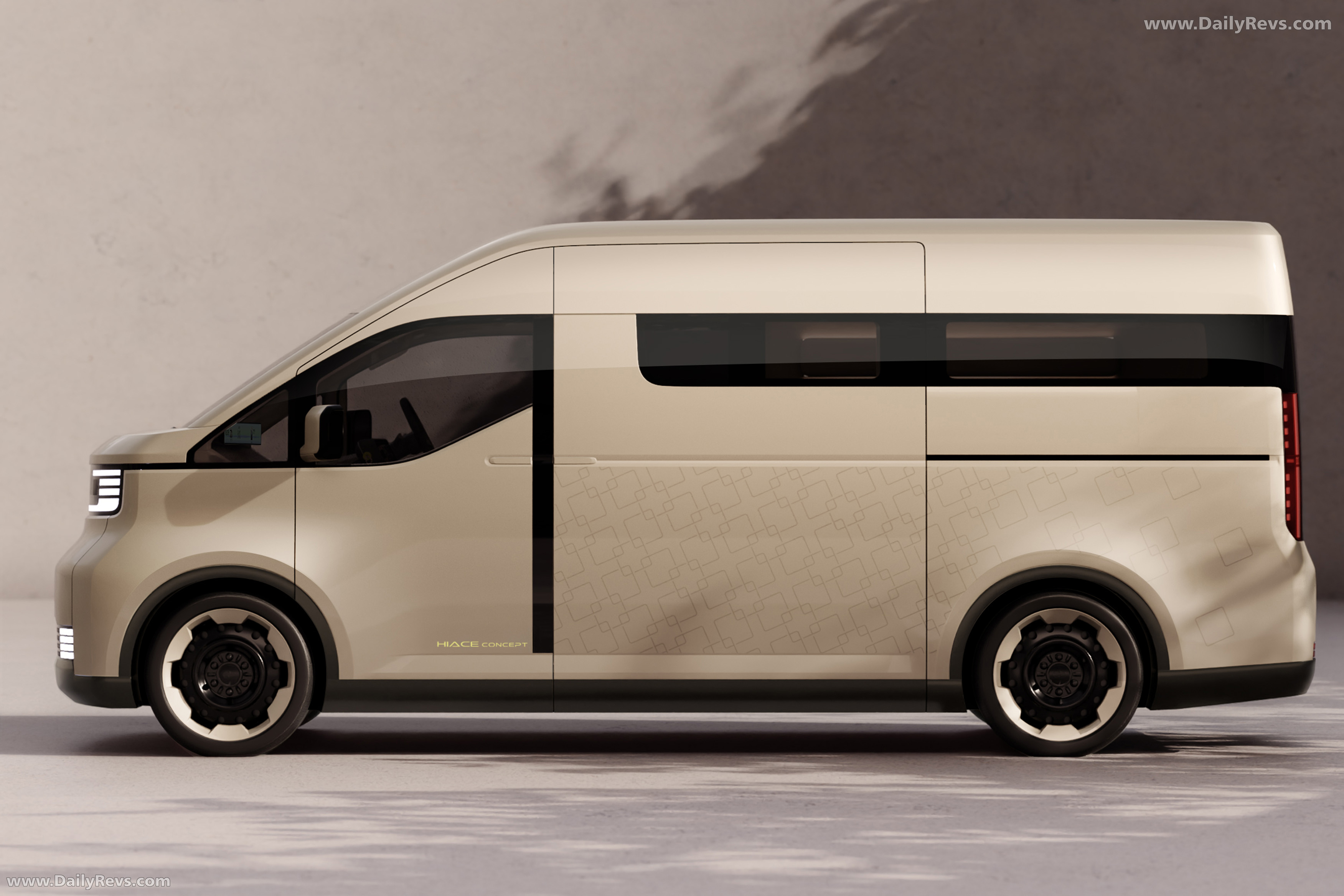
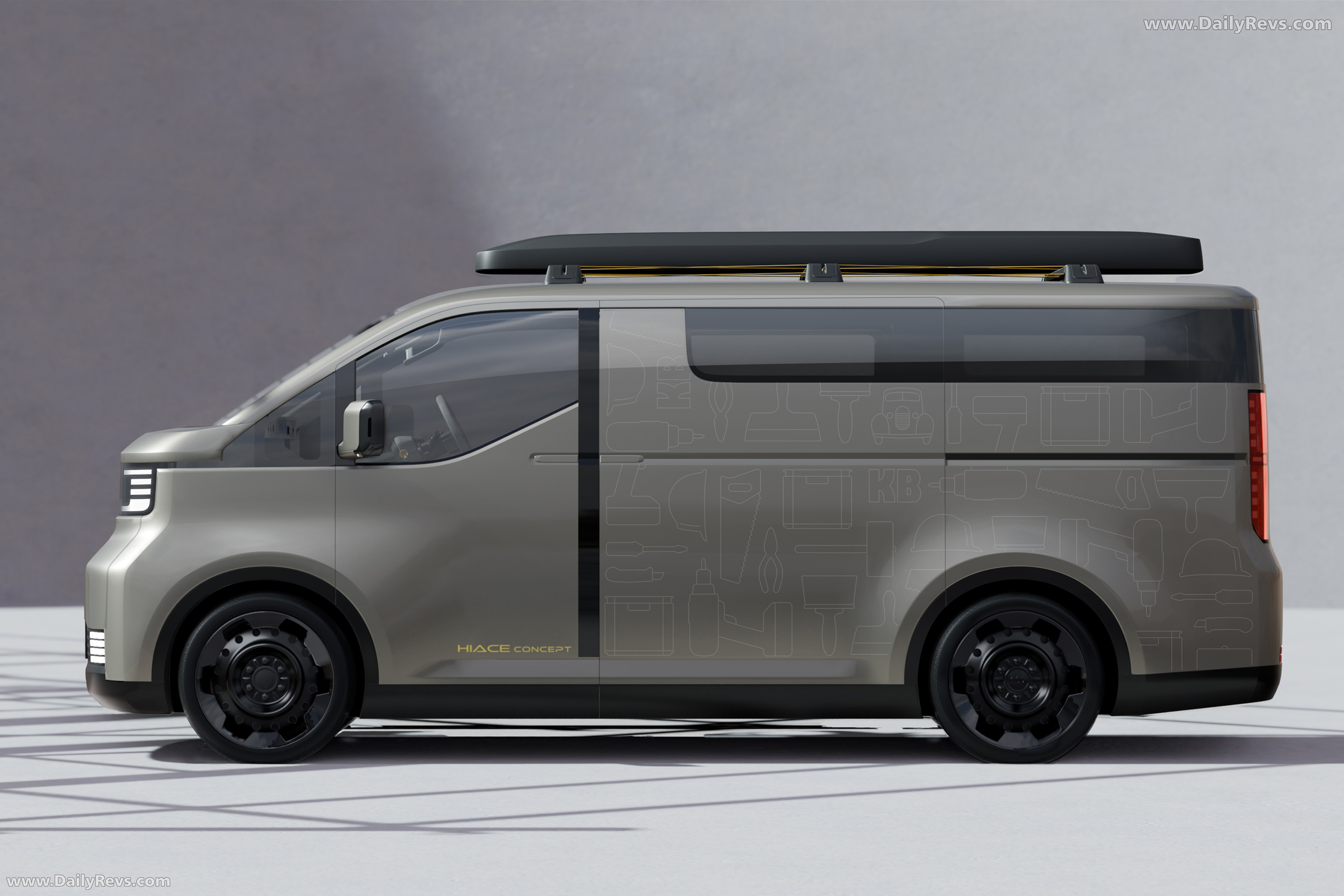
2025 Toyota Hiace Concept
By Lorenzo Bianchi November 3, 2025
The 2025 Toyota Hiace Concept explores Toyota's vision for practical, people-centered "hauling mobility."
Presented with the Kayoibako and IMV Origin concepts at the Japan Mobility Show 2025.
Reflects Toyota’s long-standing commitment to craftsmanship driven by empathy.
Workhorse Reimagined
Toyota’s “Mobility for All” vision came into sharper focus this week with the reveal of the 2025 Toyota Hiace Concept at the Japan Mobility Show. Presented by President Koji Sato during the group’s press briefing, the van concept wasn’t introduced as just another futuristic showpiece — but as part of Toyota’s enduring promise to deliver mobility that supports daily life.
The Hiace nameplate has carried tradesmen, families, and entire small businesses for over half a century. In Tokyo, Toyota made clear that its next chapter would continue that service — only this time, through electrified platforms and adaptive use cases that respond to individual needs rather than predefined roles.
A Modern Interpretation of “Hauling Mobility”
Sato opened his remarks with a nod to the company’s earliest days — the 1930s Type G1 Truck, Toyota’s first foray into commercial vehicles. That spirit, he explained, remains embedded in what the company now calls hauling mobility — the branch of Toyota’s future mobility strategy focused on moving goods and people efficiently while serving local communities.
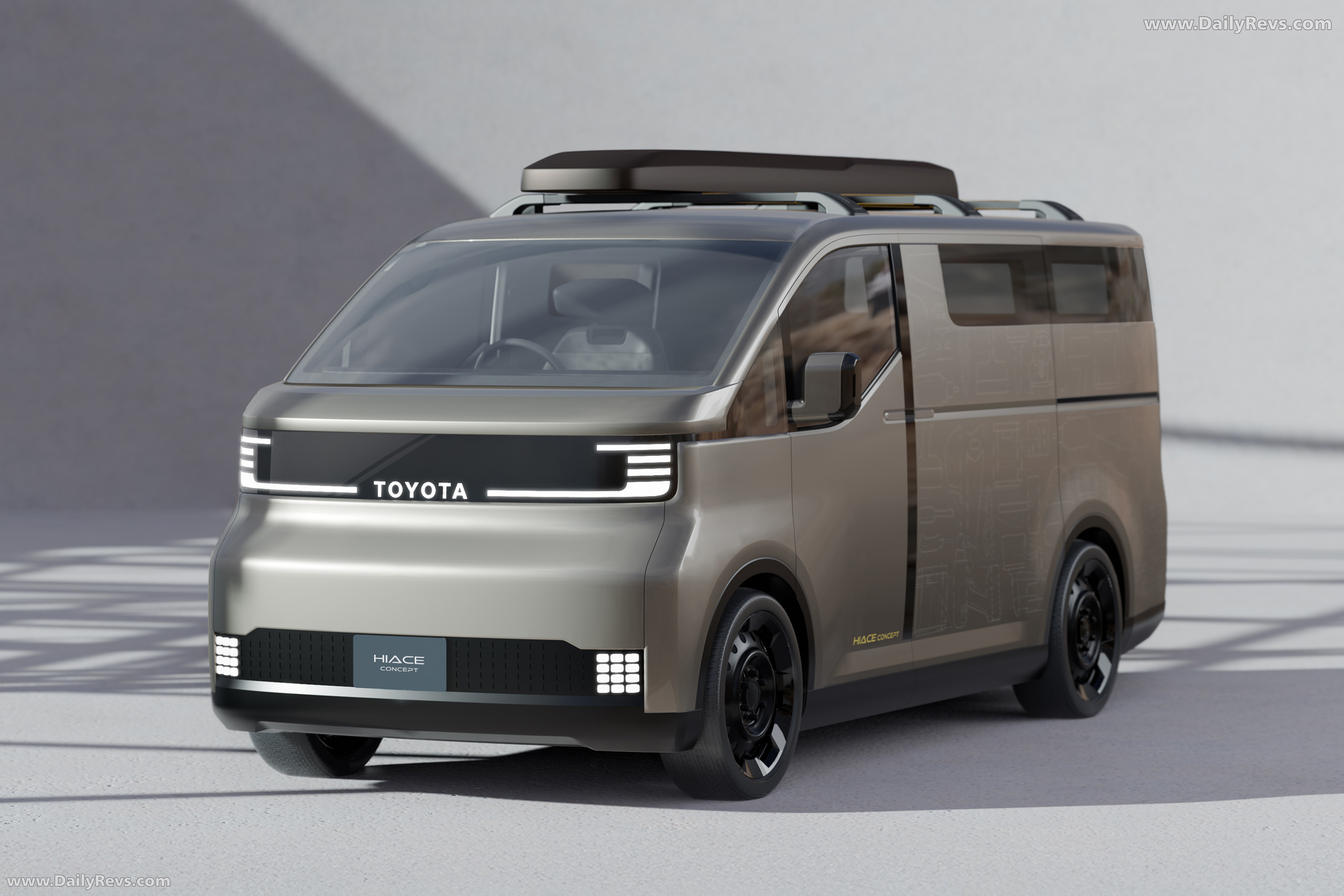
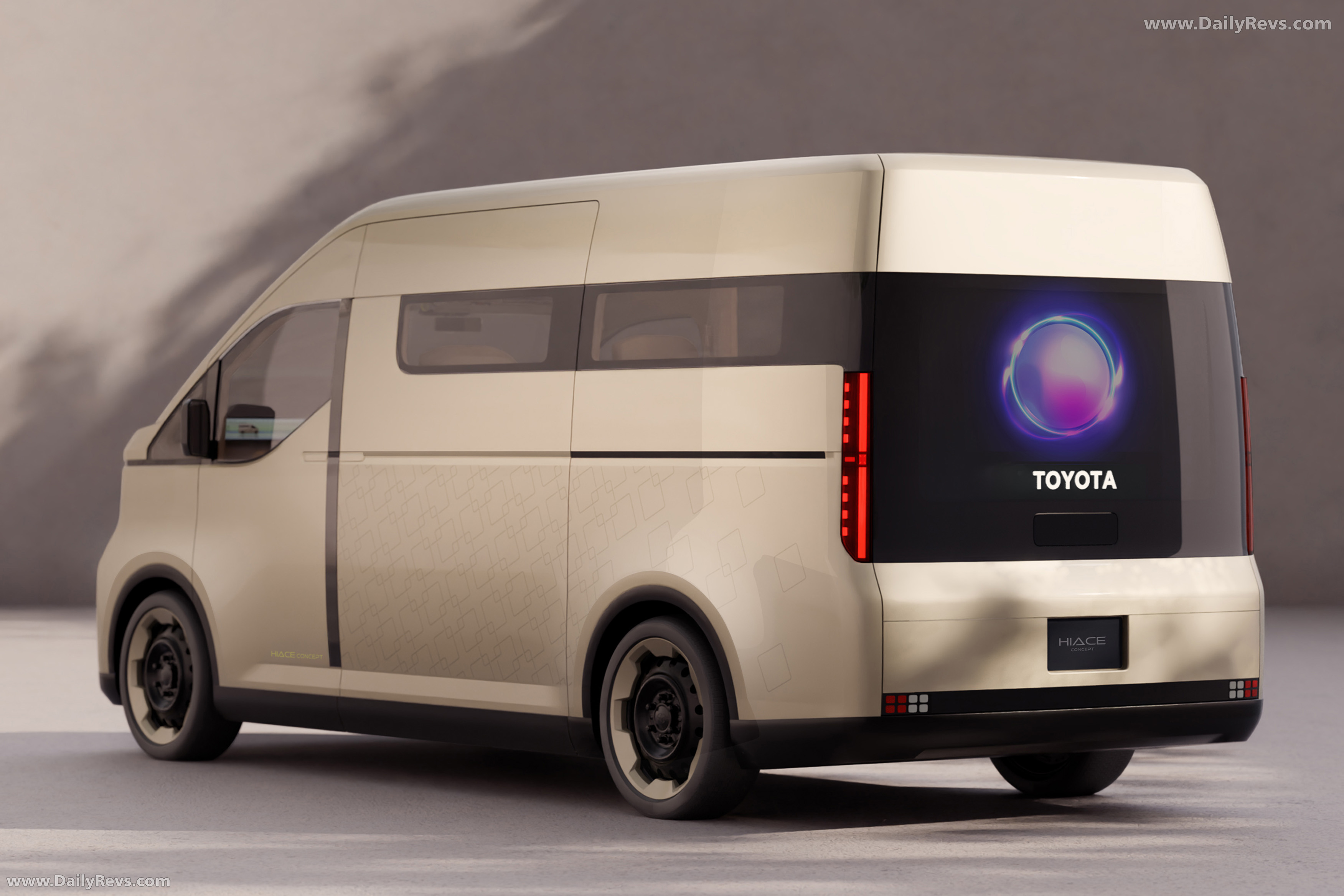
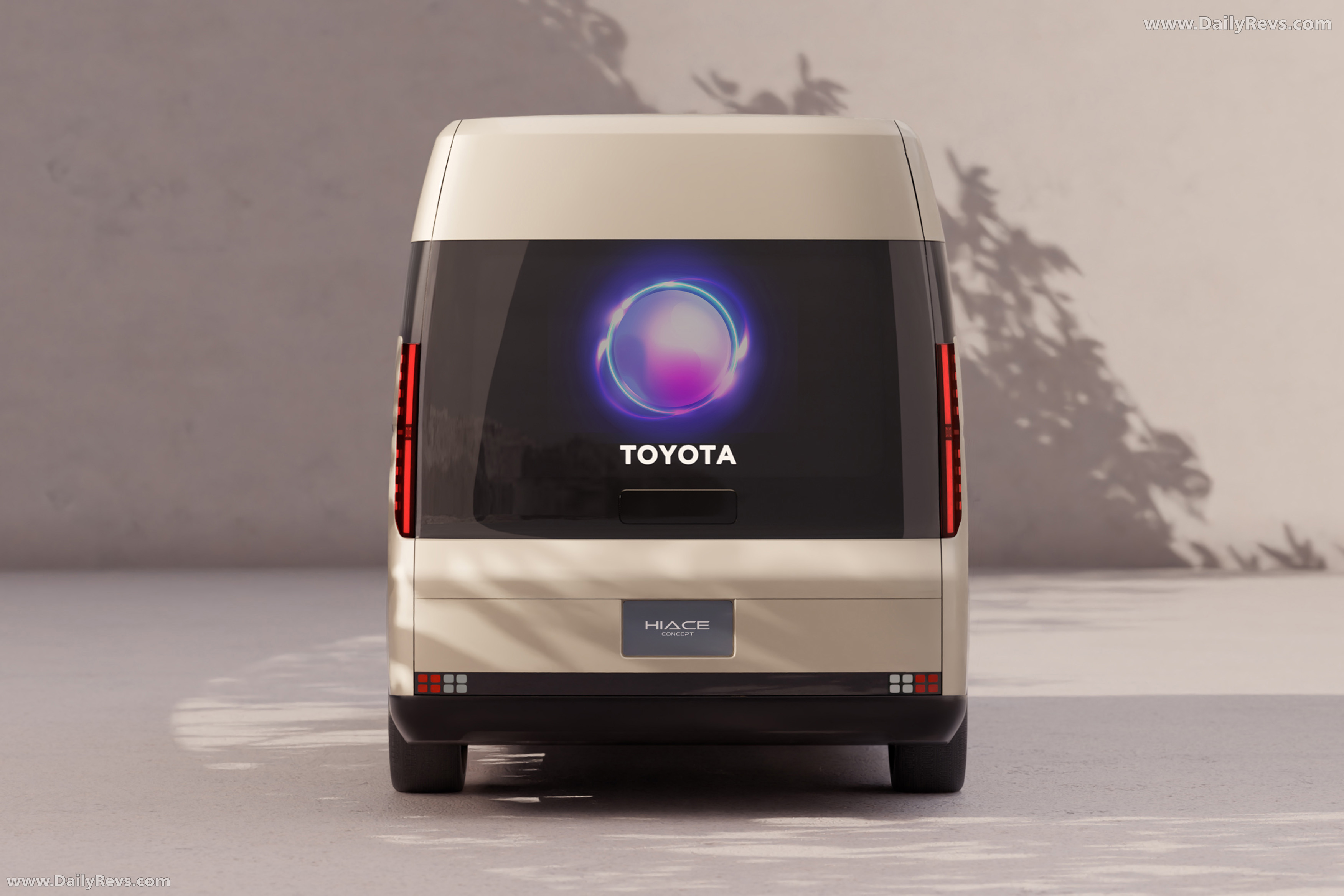
The Hiace Concept follows that lineage. Its upright stance and boxy proportions suggest function first, with a low floor and generous access points hinting at real-world usability.
Though Toyota withheld details about the powertrain , the focus on modularity and electrification was evident throughout the company’s pavilion. The Hiace Concept shared floor space with the compact Kayoibako delivery pod and the open-ended IMV Origin, both illustrating Toyota’s idea that future mobility can be customized — not standardized.
A Philosophy Carried Forward
Sato’s speech traced Toyota’s roots back to founder Kiichiro Toyoda’s principle of genchi genbutsu — “go and see for yourself.” It was the mindset that built the first trucks and continues to guide Toyota’s approach to vehicle development today. “We must not allow life to come to a halt,” he said, framing the Hiace Concept as part of a collective responsibility to keep society moving.
That’s what gives this concept its quiet gravity. It is a continuation of Toyota's core values, which are sincere, pragmatic, and based on service, rather than pursuing luxury or lifestyle.
A Known Shape with a Wider Use
Even though the 2025 Toyota Hiace Concept lacks style and drama, its purpose is obvious. It's a reimagined idea of work in which the most basic tools become crucial. The Hiace appears positioned to continue being what it has always been: dependable, flexible, and distinctly human in intent as Toyota's mobility narrative develops.
Technical Specifications
Design and Form:
- Large, box-style architecture emphasizing interior volume and adaptability.
- Designed around accessibility and functionality rather than ornamentation.
- Visual inspiration drawn from Toyota’s first commercial model, the Type G1 Truck, referencing the company’s historical focus on reliable work vehicles.
- Intended to represent Toyota’s evolution from traditional manufacturing (monozukuri) to mobility craftsmanship centered on user needs.
Purpose and Role:
- Positioned as a next-generation commercial platform aimed at efficient logistics, local transport, and community utility.
- Forms part of Toyota’s broader modular mobility family, alongside the Kayoibako (urban-scale unit) and IMV 0 Origin (open multi-role vehicle).
- Developed to integrate electrified and connected mobility applications in line with Toyota’s Mobility for All principle.
Design Philosophy:
- Created as a functional “mobility enabler,” not a conventional van.
- Reflects Toyota’s ongoing focus on empathy-driven engineering and transport systems that adapt to evolving social infrastructure needs.