2025 Toyota Kayoibako Concept
By Lorenzo Bianchi November 3, 2025
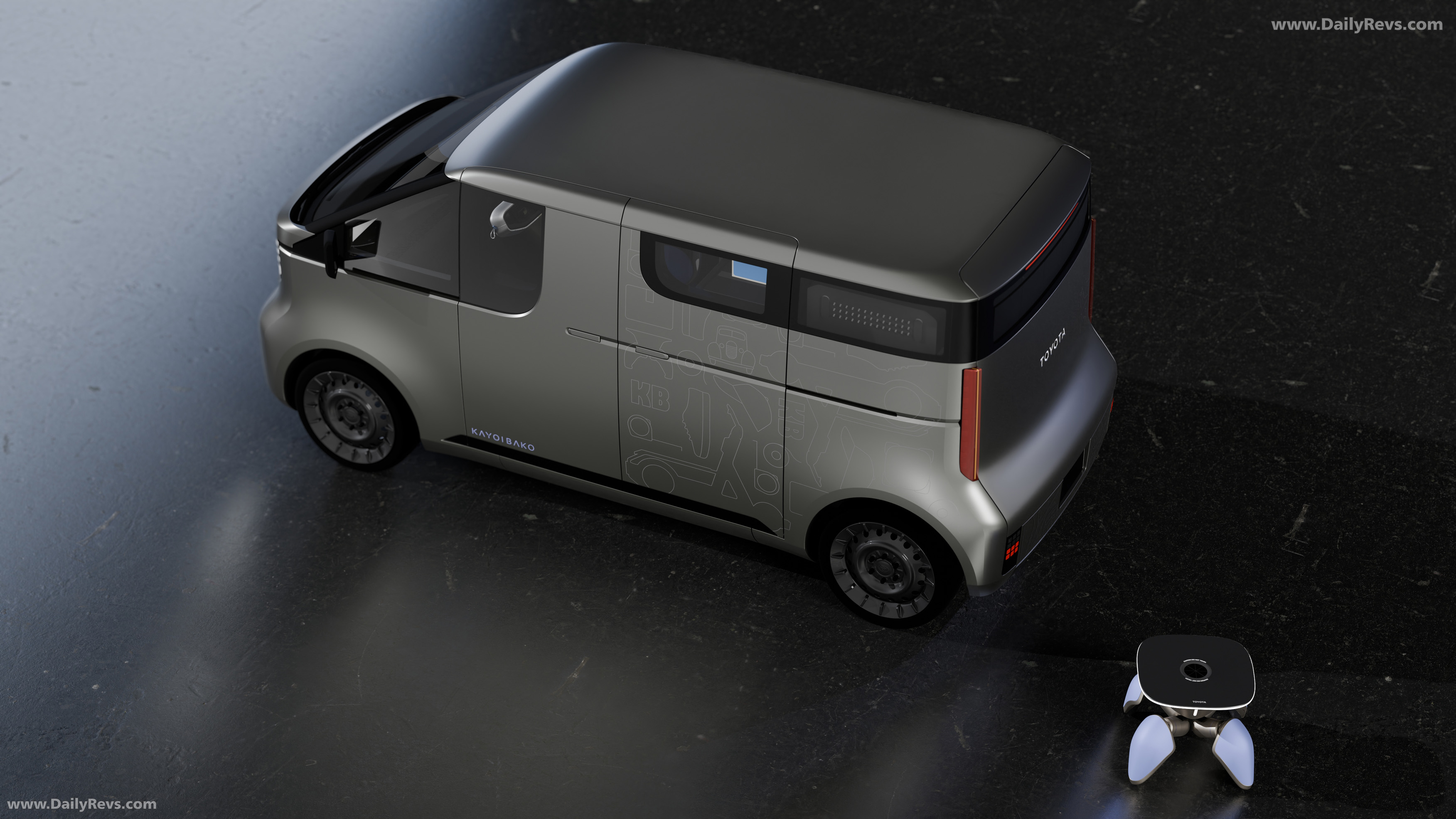
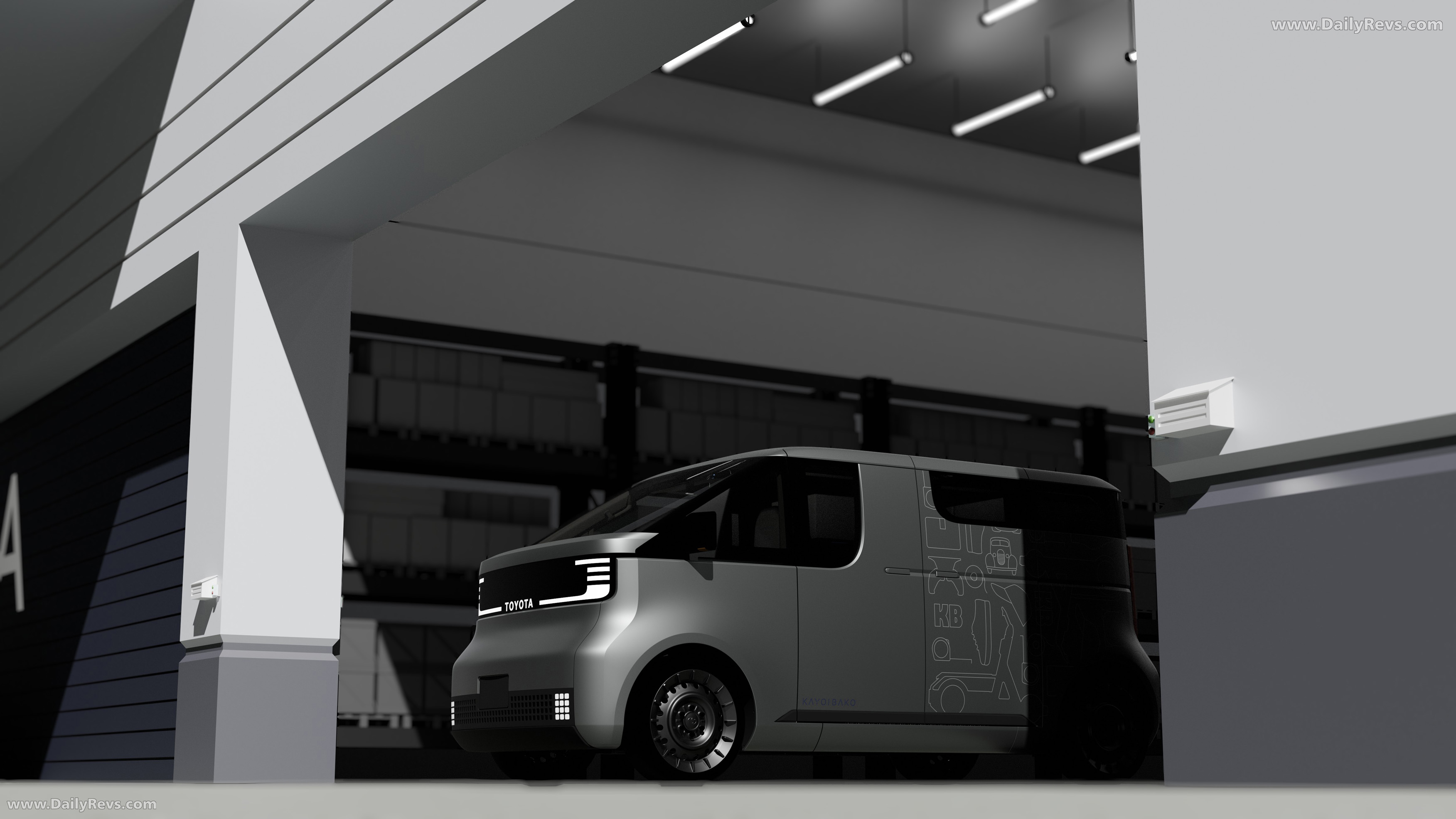
The 2025 Toyota Kayoibako Concept reimagines a car as a multipurpose instrument that can carry goods, move people, and even satisfy local needs in an efficient and quiet manner.
It embodies Toyota's "Mobility for All" philosophy by showing how transportation can adapt to life rather than the other way around.
The idea, developed in partnership with Daihatsu, demonstrates how modular design can transform daily mobility, from community services to city streets.
A New Chapter in Practical Mobility
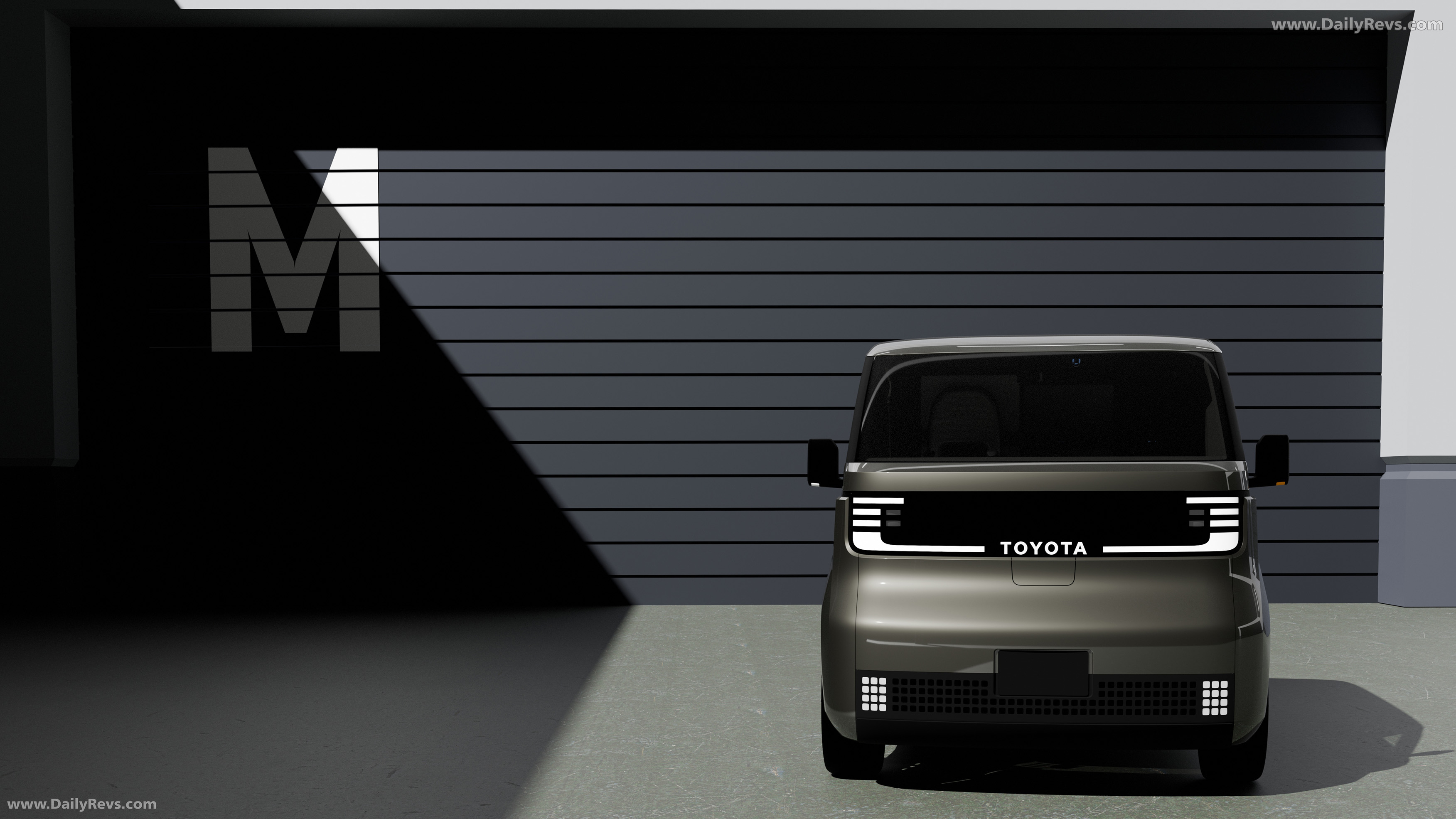
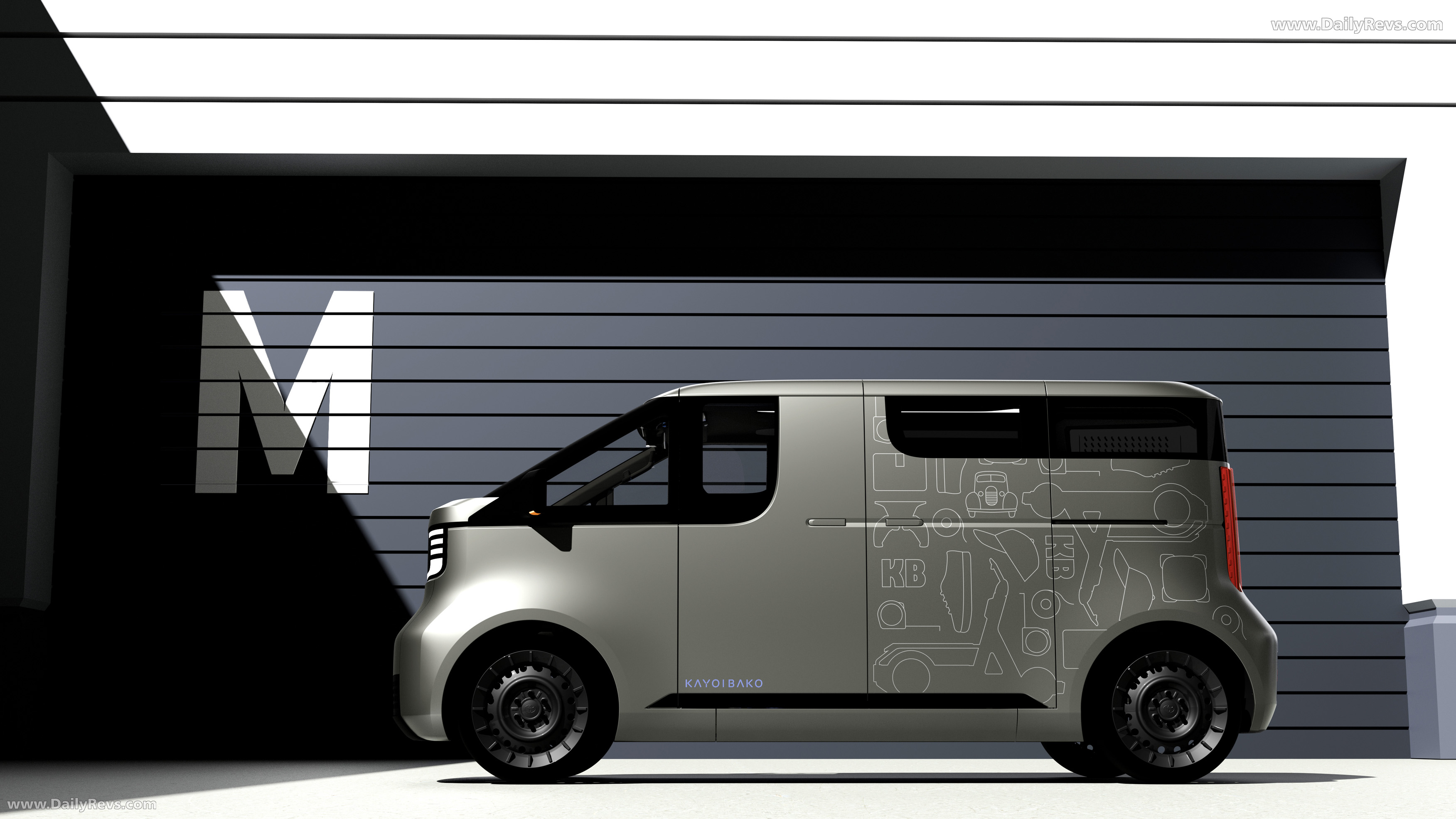
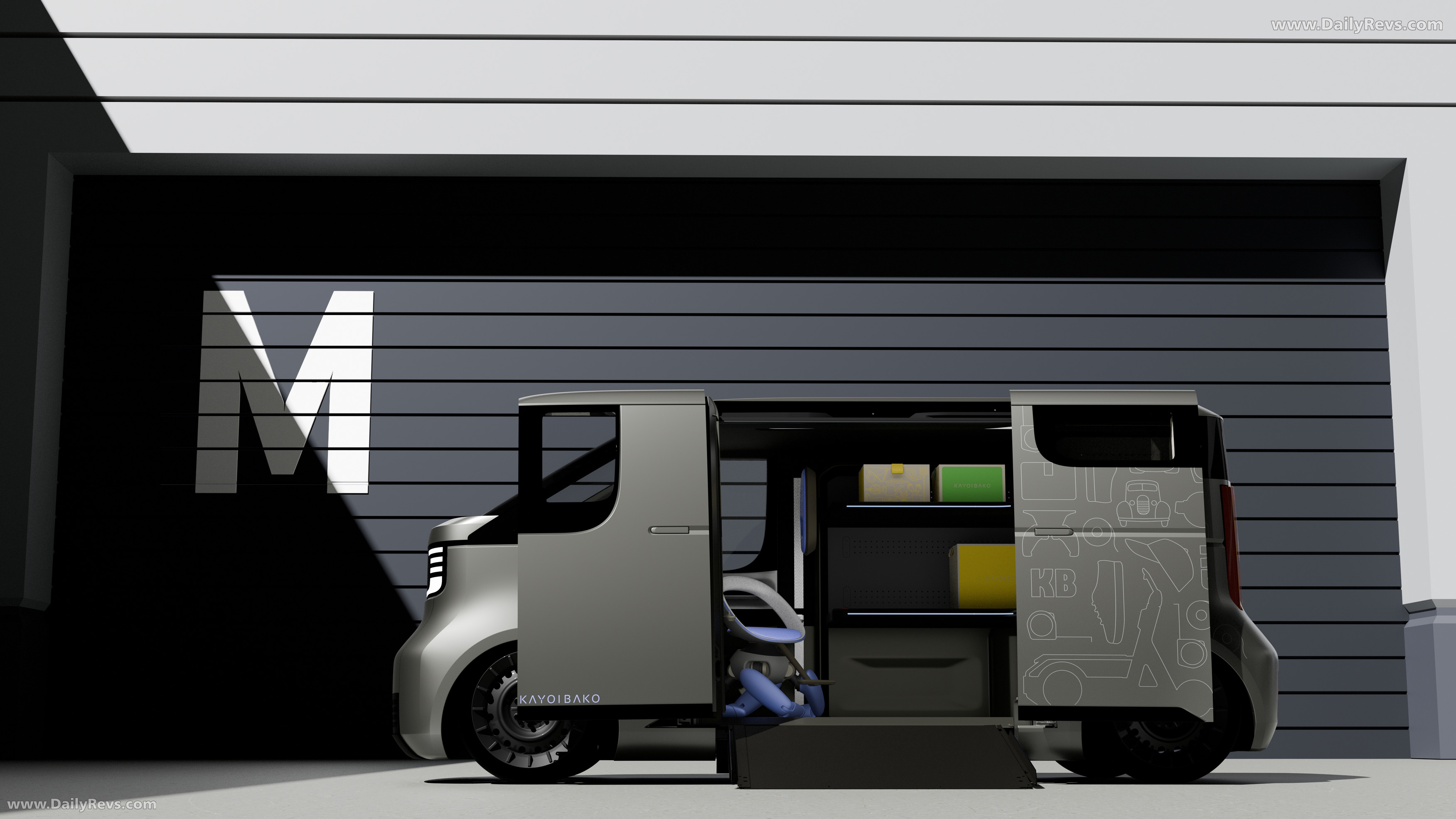
The 2025 Toyota Kayoibako Concept made its debut at the Japan Mobility Show 2025, where President Koji Sato used it to illustrate a broader vision for how mobility might adapt to people rather than the other way around. The name “Kayoibako” translates roughly to “transport box,” but the concept itself represents far more than a literal container on wheels. It’s Toyota’s interpretation of modular efficiency — a platform designed to serve as passenger shuttle, delivery pod, or service vehicle depending on use.
Positioned as a small, box-like mobility unit, the Kayoibako’s focus is on utility and flexibility rather than performance. Its design was introduced during Toyota’s “Mobility for All” presentation, where Sato described mobility as something that could “come to you,” not only something you drive.
Designed Around Modularity
The Kayoibako is as straightforward as its name implies. Toyota likened it to the varying sizes of shipping boxes — from “extra-large to small,” with Daihatsu responsible for compact formats and Toyota handling larger variants.
In photos from the pavilion, the concept sits low to the ground, emphasizing easy loading and unloading. This adaptability demonstrates Toyota's goal of transforming mobility into an accessible utility that complements a range of lifestyles rather than having a single function.
Mobility That Adapts to Need
Toyota described the Kayoibako not as a car in the conventional sense, but as a building block for “hauling mobility.” It extends the same spirit that once defined the brand’s early Type G1 trucks — vehicles that brought mobility to communities in practical, tangible ways.
The Kayoibako aligns with the Toyota Group’s unified philosophy expressed through the event: “Mobility for All,” “Act for Others,” and “To You.” These are more than slogans — they reflect a corporate push toward designing mobility that responds to individual needs, not demographic averages
Beyond the Show Floor
While the Kayoibako Concept remains a design study, its modular premise could find life in real-world logistics, shared mobility, or even disaster response. Toyota has increasingly hinted at mobility platforms that can shift between public and private use, and the Kayoibako seems a practical extension of that ambition.
It’s not an emotional car, nor is it meant to be. Its value lies in how it might connect people and goods — a quiet, almost industrial vision of efficiency, built with empathy and purpose.
In a show crowded with futuristic shapes and dazzling lights, Toyota’s Kayoibako stood out for being humble — and entirely human in intent.
Technical Specifications
Design and Structure:
- Box-type modular concept vehicle designed for multi-purpose mobility.
- Exterior inspired by the idea of standardized transport containers (“boxes”), with scalable size variations.
- Concept positioning divides production roles: Toyota responsible for larger versions, Daihatsu for compact formats.
- Flat body panels and squared proportions emphasize utility, ease of loading, and interior flexibility.
Purpose and Mobility Role:
- Intended to serve both personal and commercial applications — passenger transport, cargo, or last-mile delivery.
- Embodies Toyota’s principle of “Mobility that comes to you,” expanding the meaning of mobility beyond personal transport.
- Represents a continuation of Toyota’s heritage in functional design, tracing back to the early Type G1 Truck, the company’s first commercial vehicle.
Technology and Powertrain:
- Specific drivetrain or power source not disclosed at the briefing.
- Concept aligns with Toyota’s electrification and modular mobility strategy.
Design Philosophy:
- Developed to illustrate Toyota’s evolution toward adaptable, people-focused mobility solutions.
- Highlights collaboration within the Toyota Group, merging Toyota’s large-scale innovation with Daihatsu’s expertise in small-format vehicles.