2014 Maserati Alfieri Concept
By Lorenzo Bianchi August 3, 2014
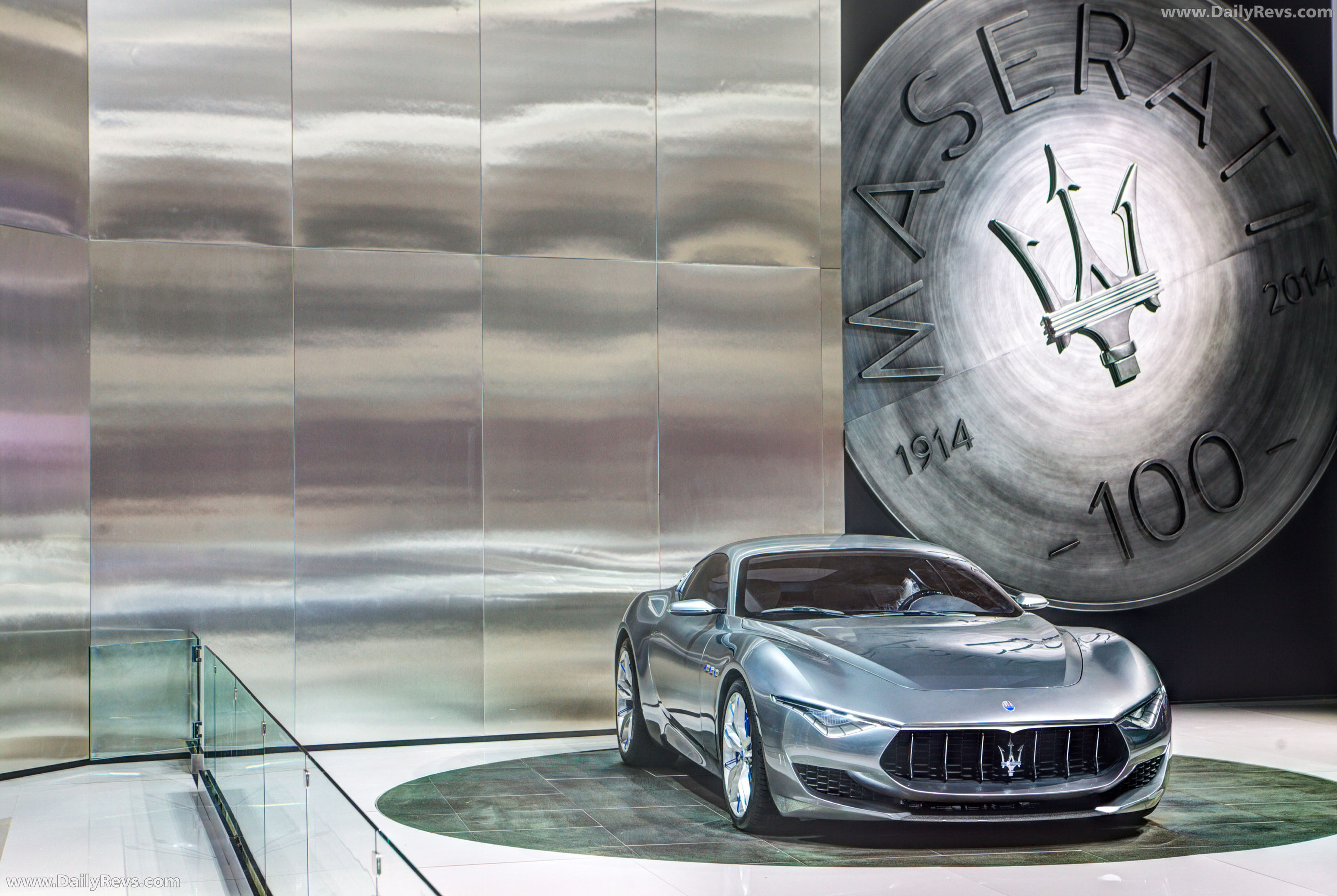
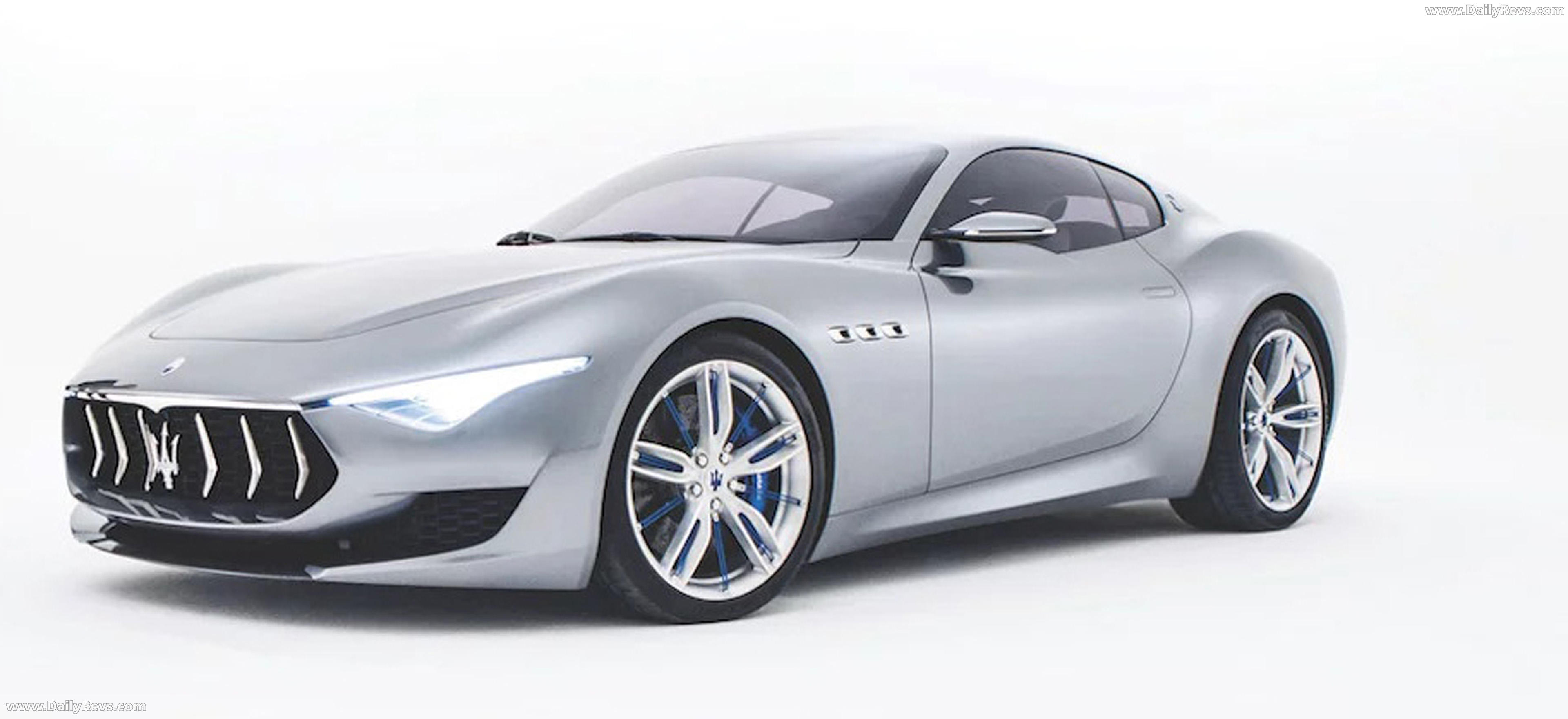
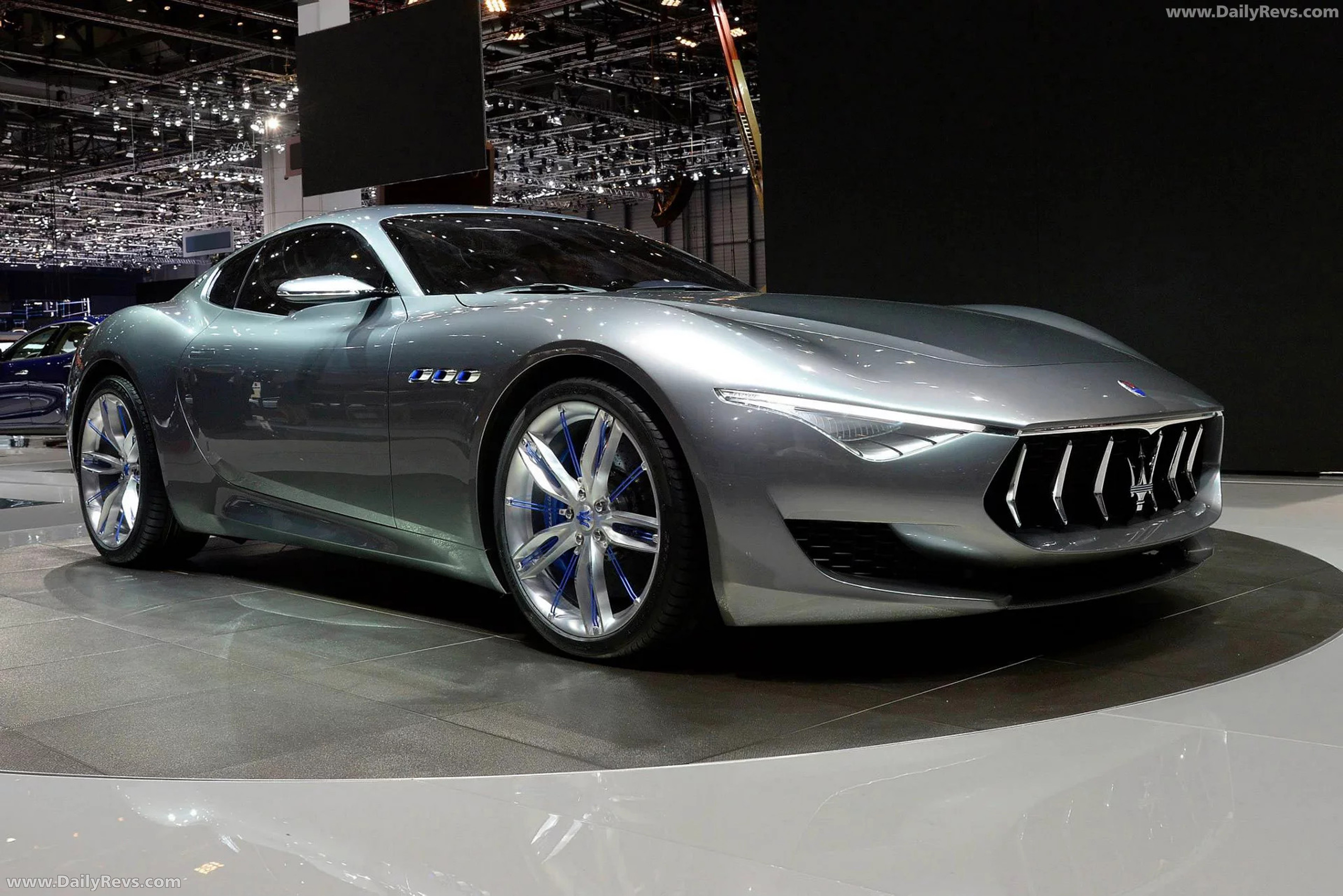
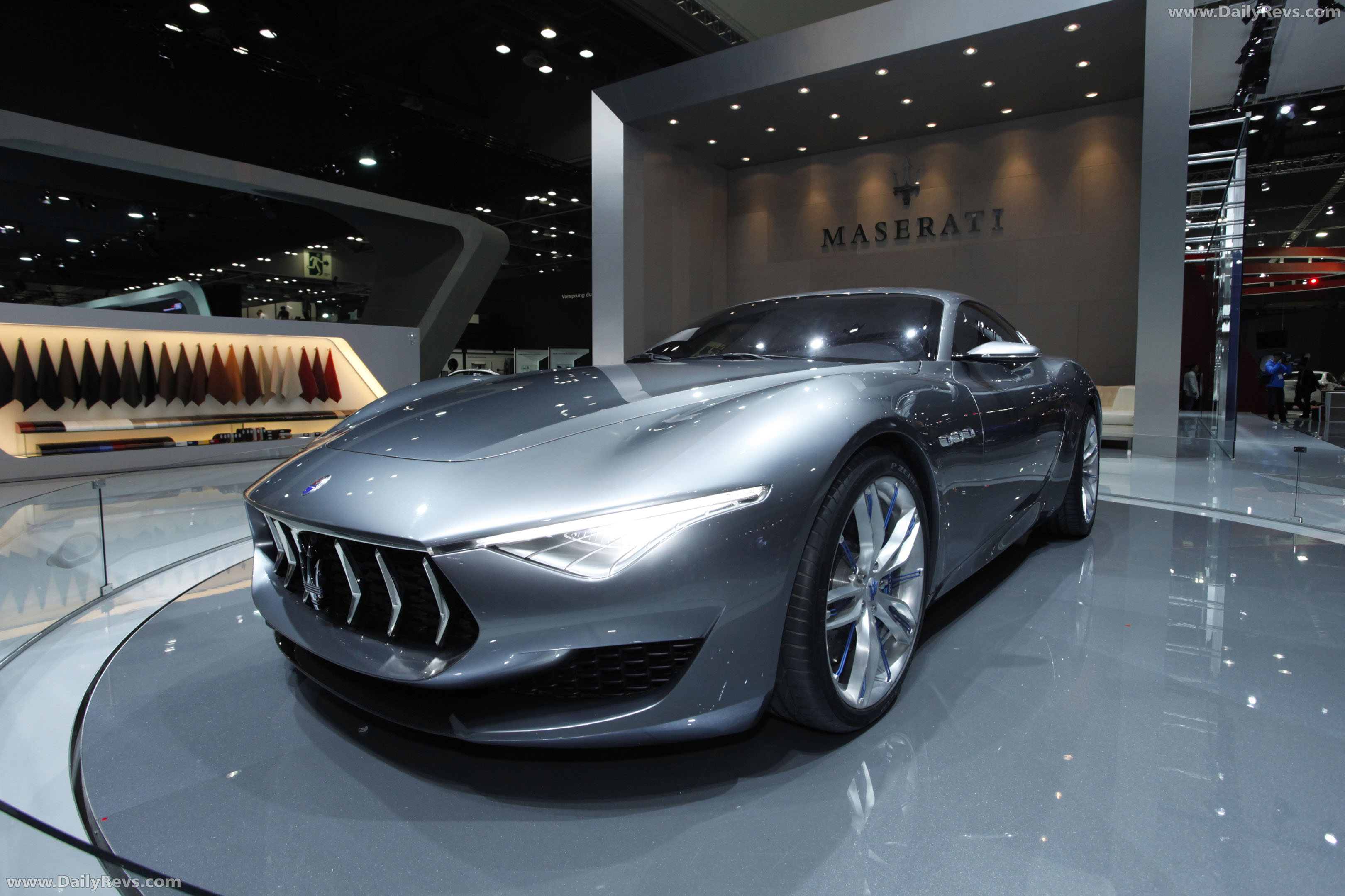
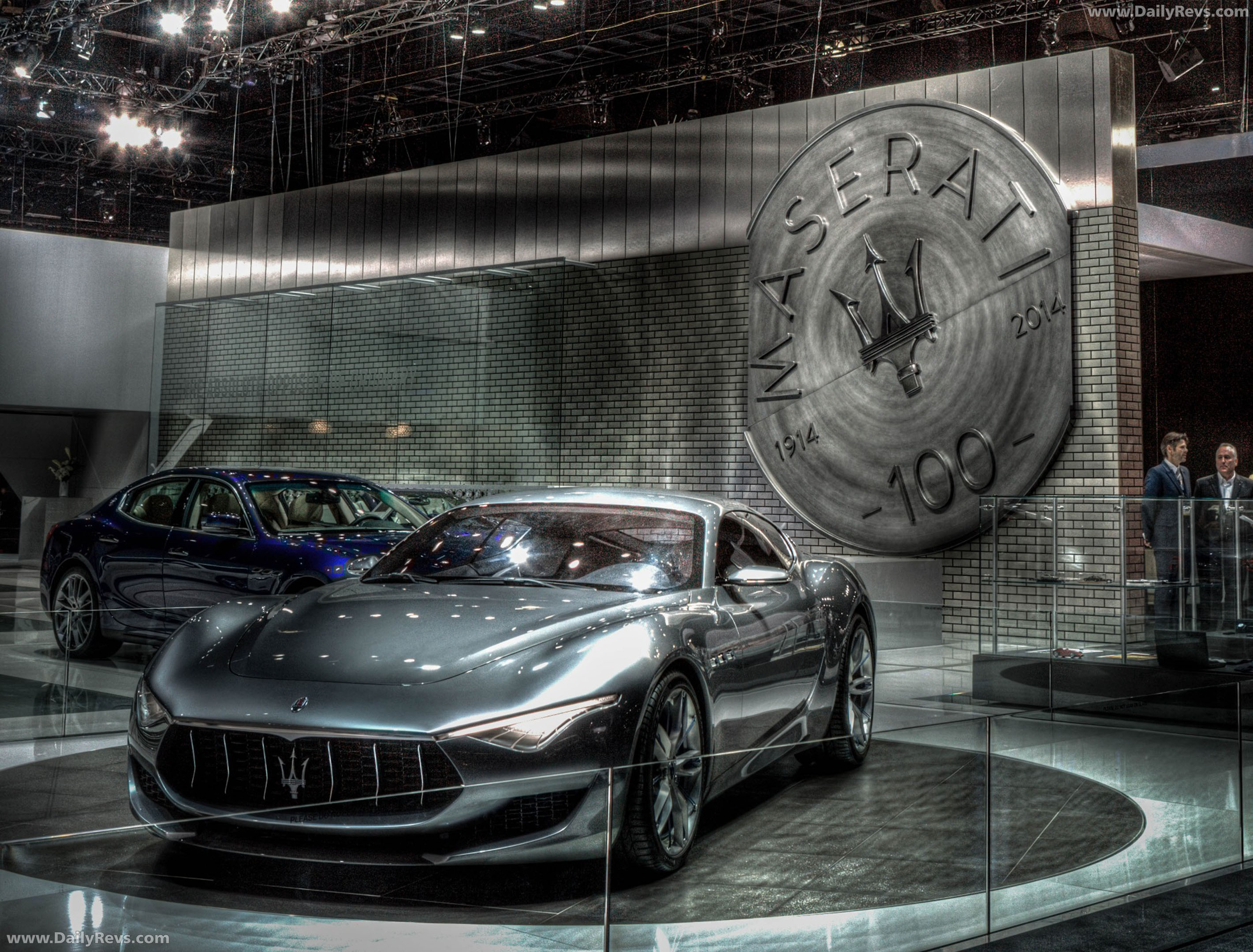
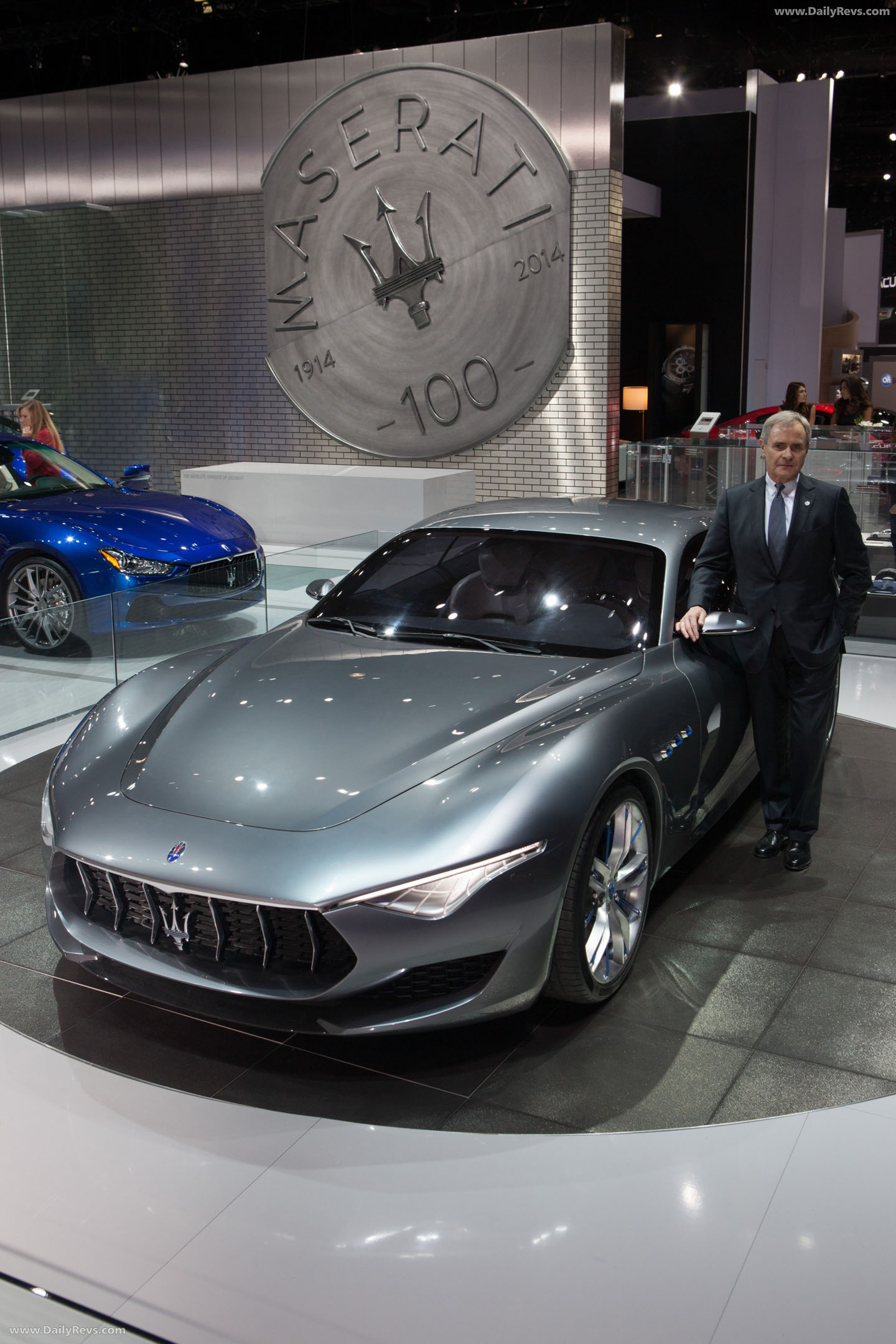
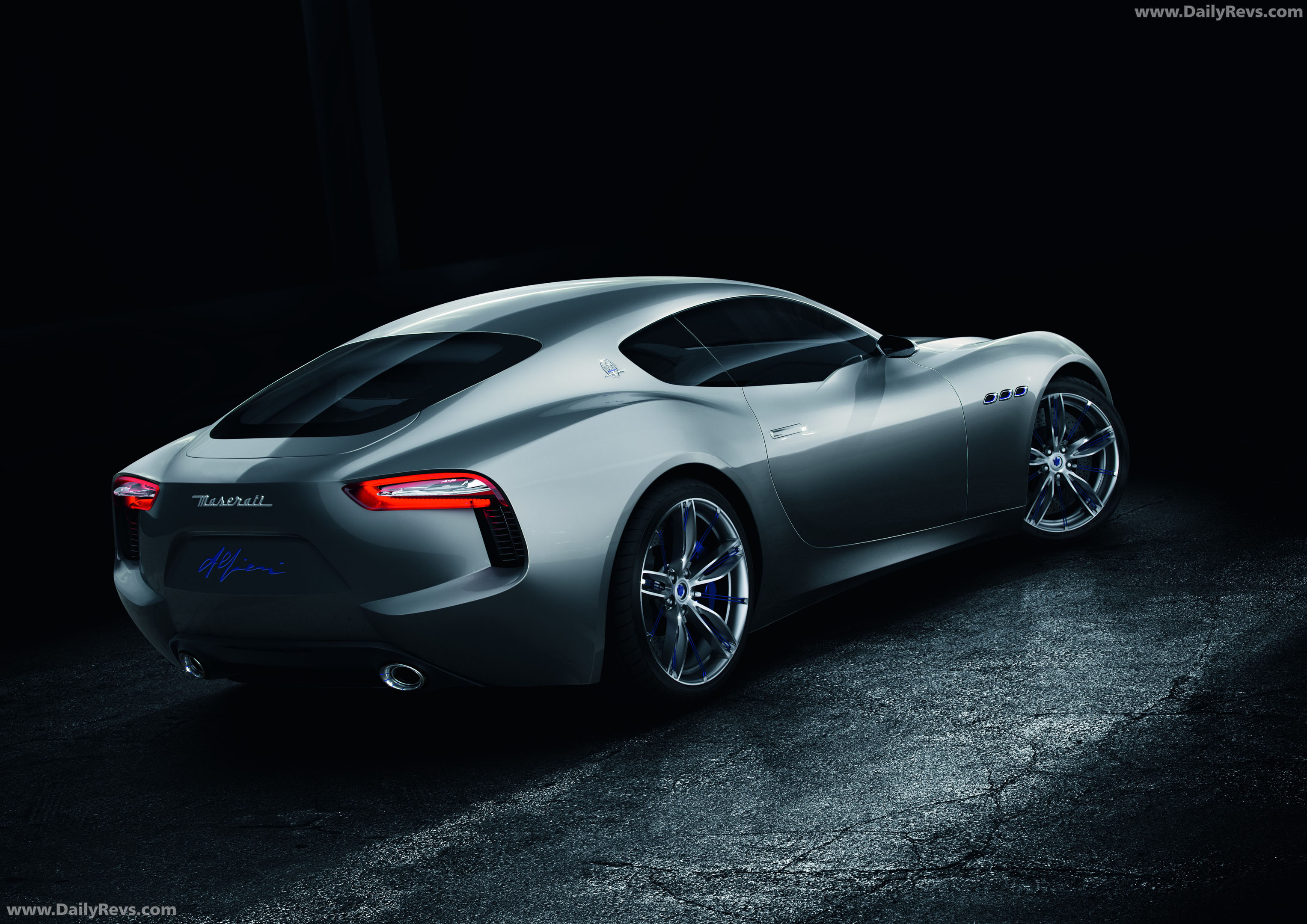
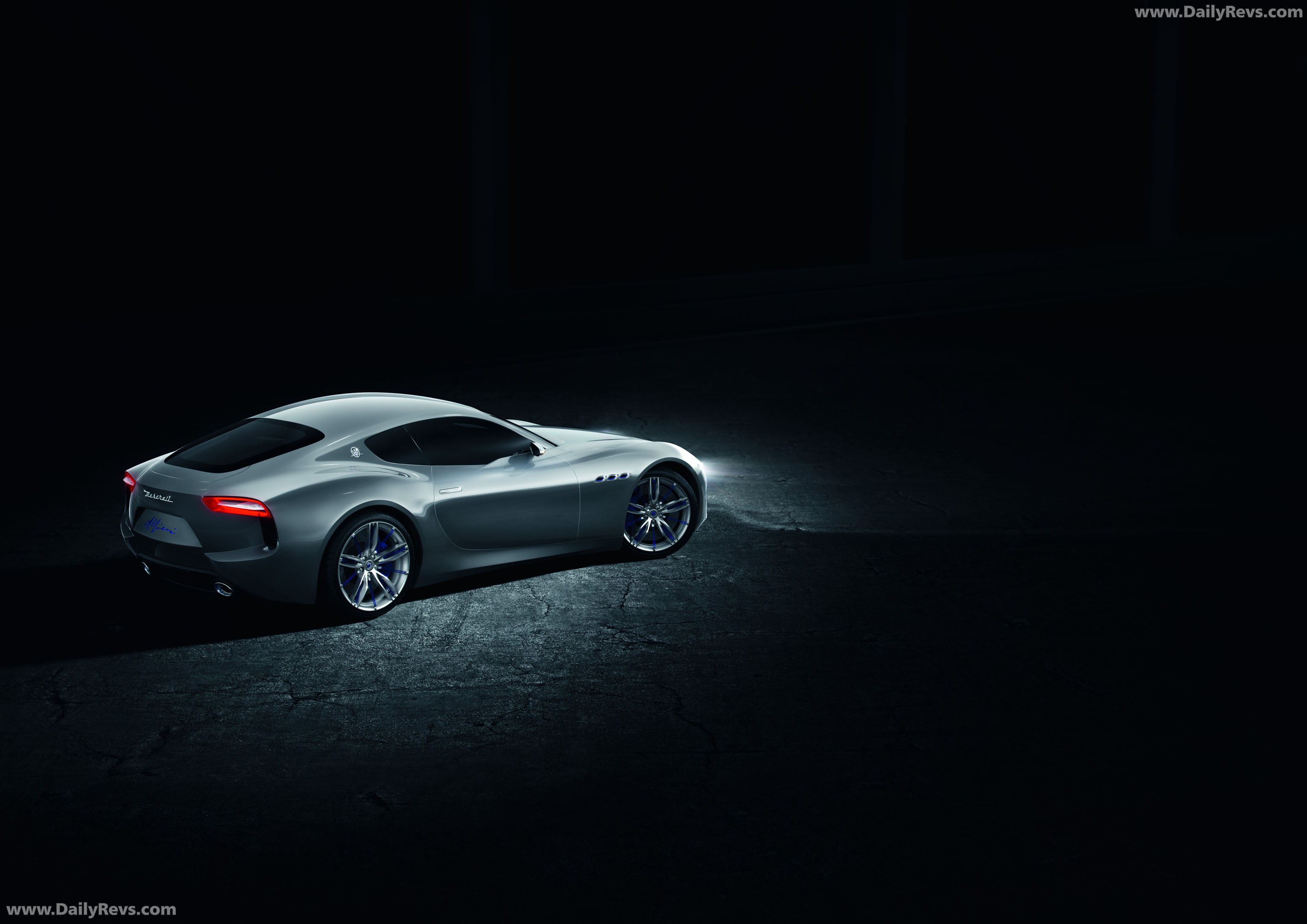
Maserati unveiled the Alfieri Concept at the 2014 Geneva Motor Show to mark the brand's 100th anniversary, built as a fully functional 2+2 prototype.
The car uses a shortened GranTurismo MC Stradale chassis — 24cm less wheelbase — with a 4.7-litre naturally aspirated V8 making 460bhp and 520Nm.
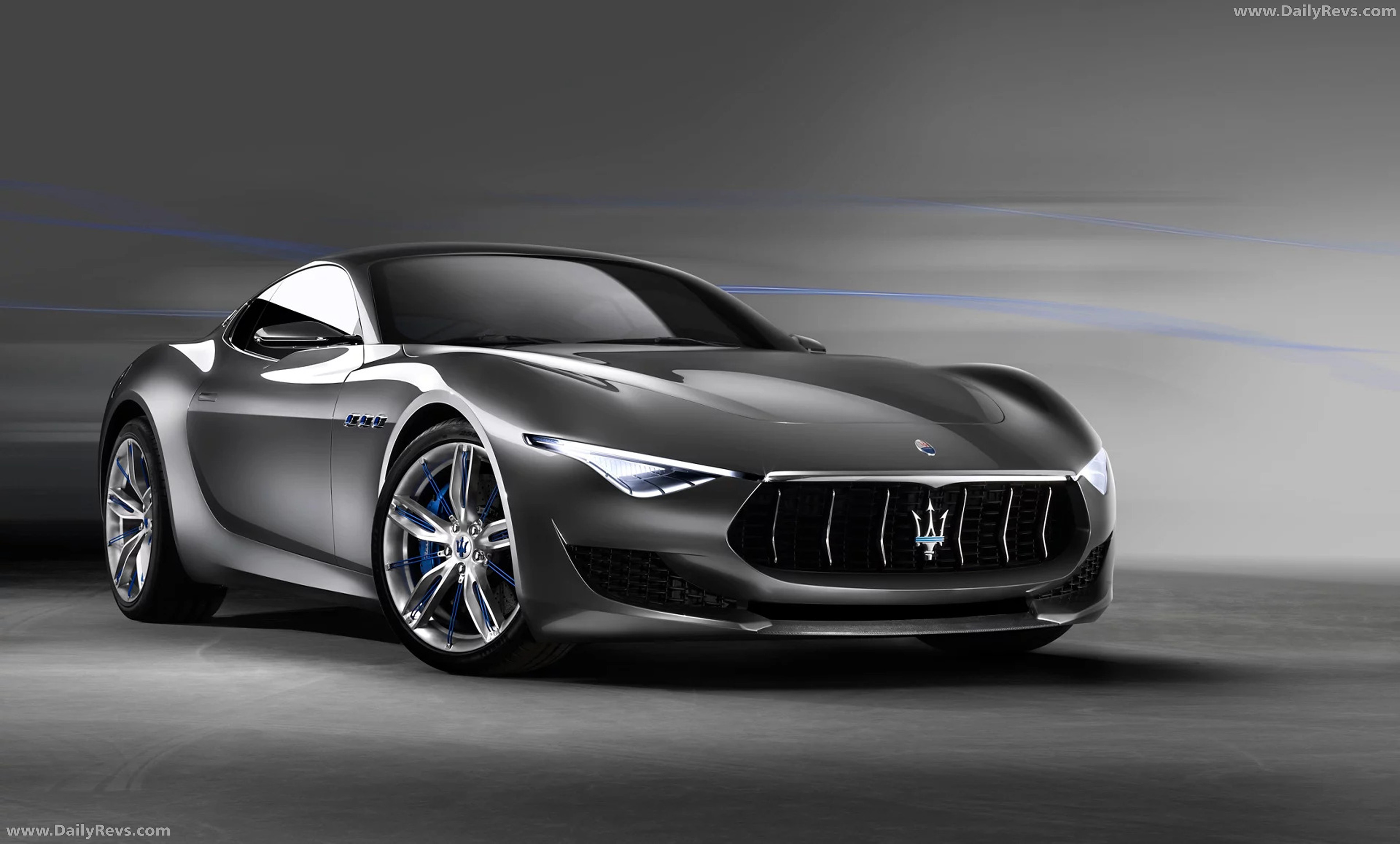
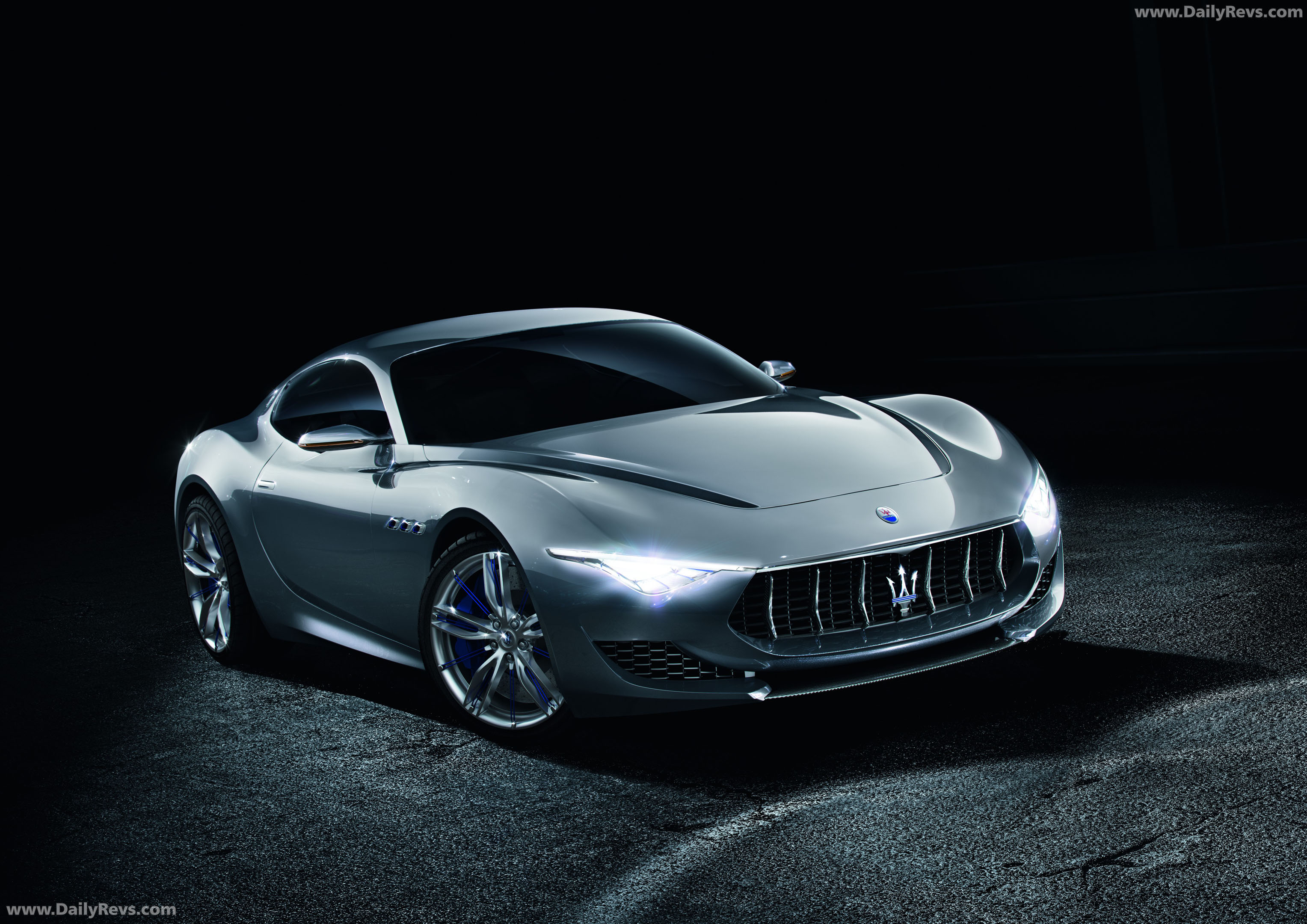
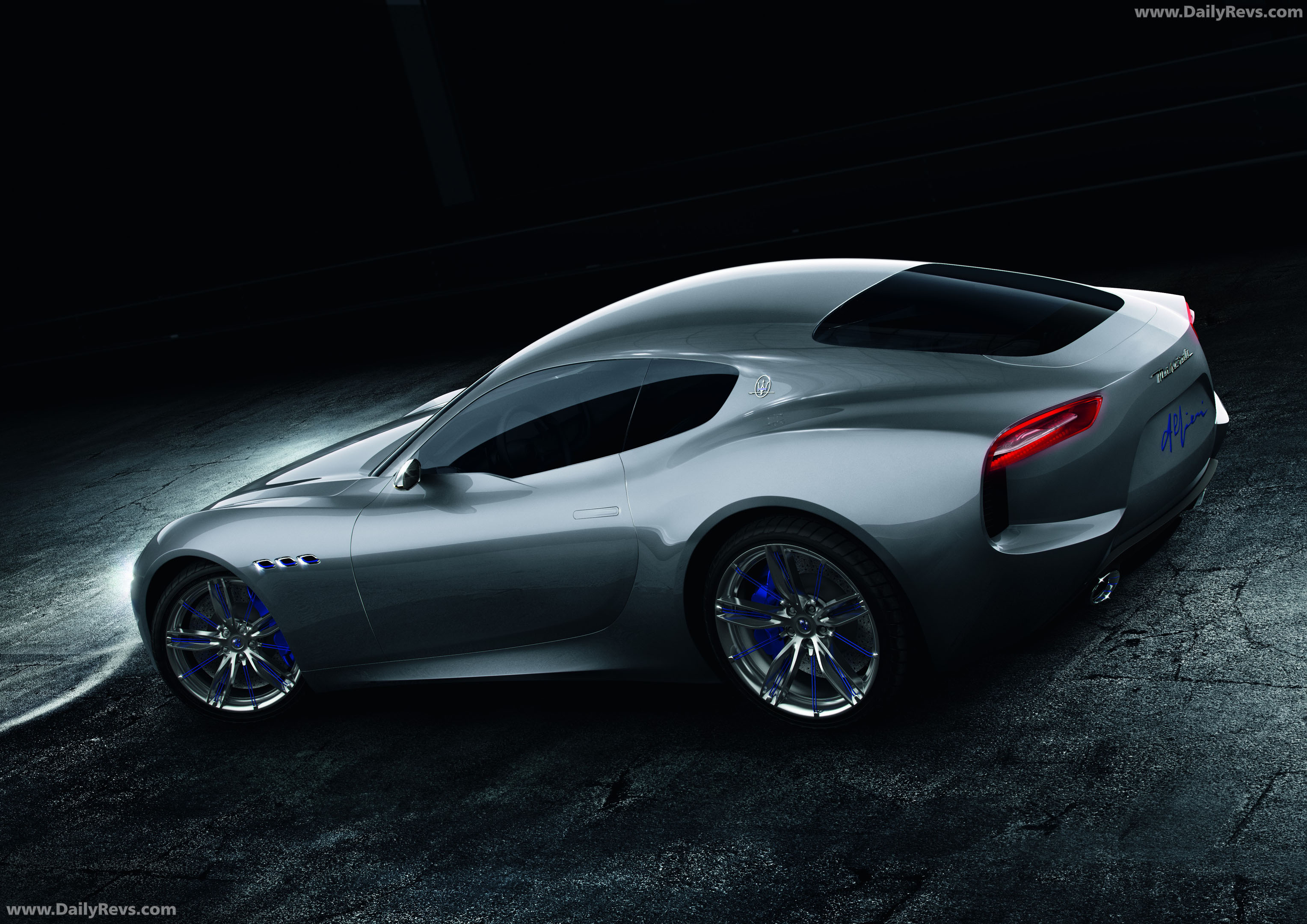
Design cues drew from the 1954 Pininfarina-bodied A6 GCS-53, with forged 20-inch front and 21-inch rear wheels and a "Steel Flair" liquid metal finish.
Maserati marked its 100th anniversary at the 2014 Geneva Motor Show with the Alfieri, a 2+2 concept named after Alfieri Maserati, the engineer who founded the company's original workshop in Bologna a century earlier. Unlike a lot of show-stand concepts, Maserati built this one to be fully functional, and design chief Lorenzo Ramaciotti described it at the time as a bridge between the brand's history and whatever came next.
Exterior Design and Stance
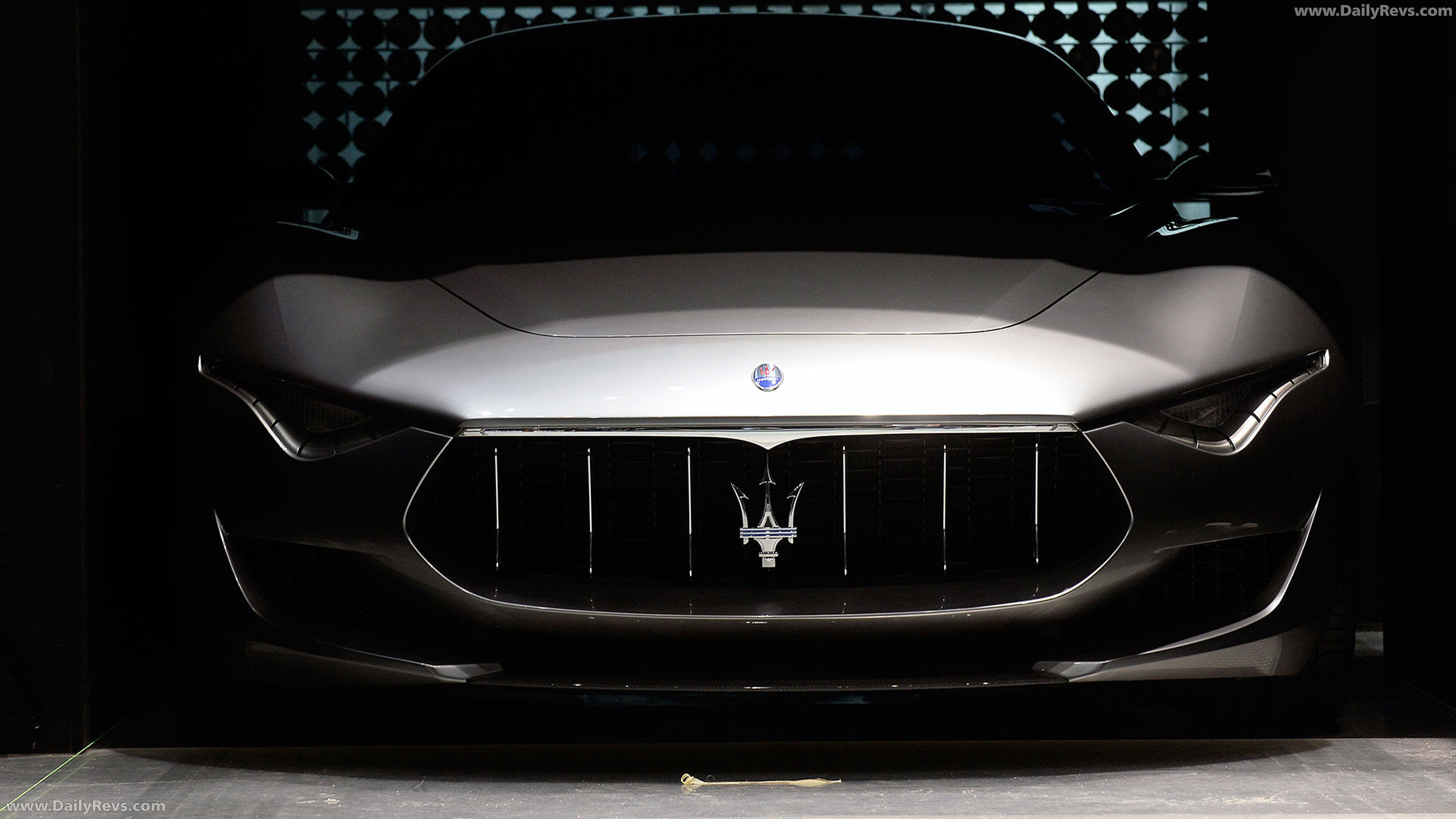
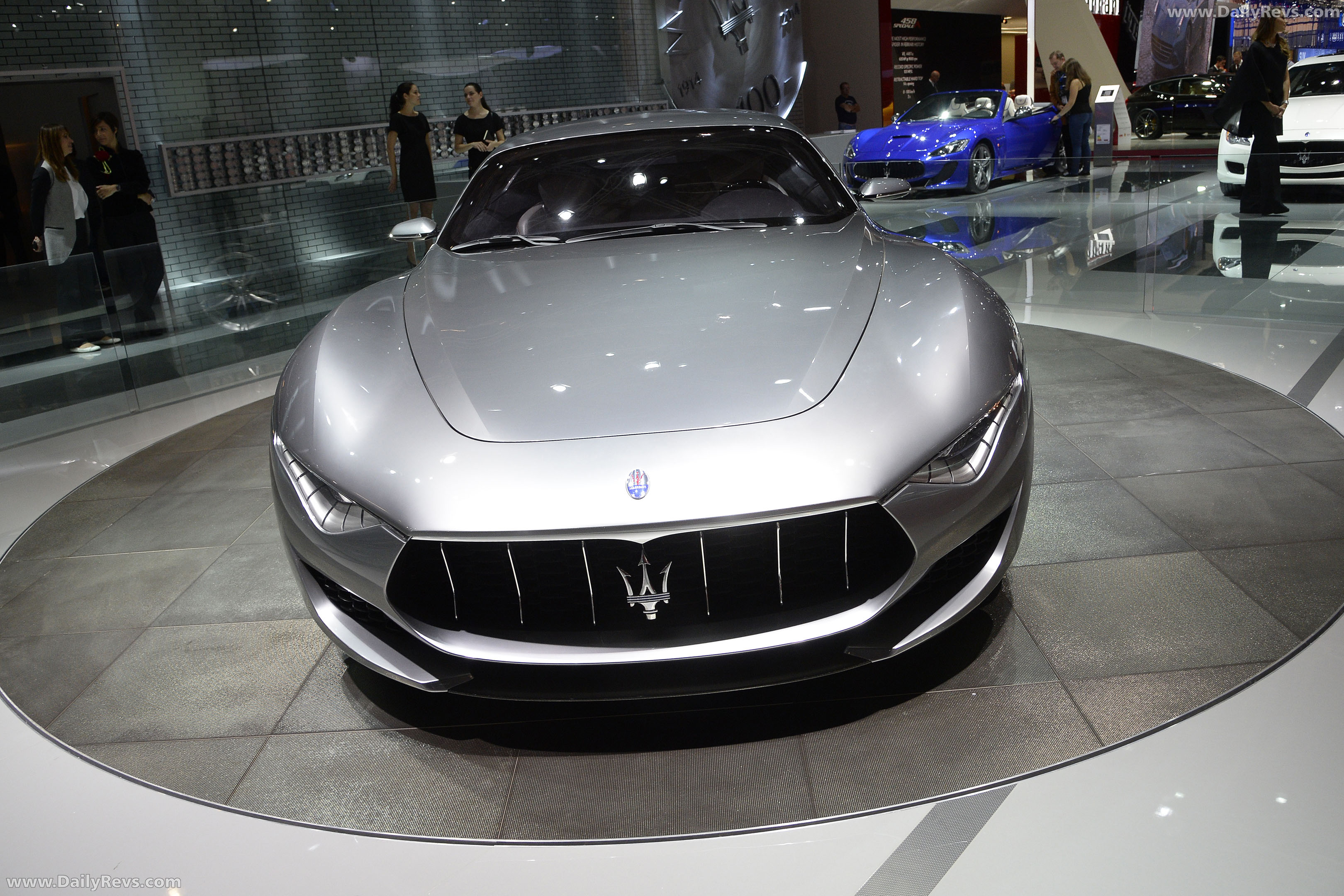
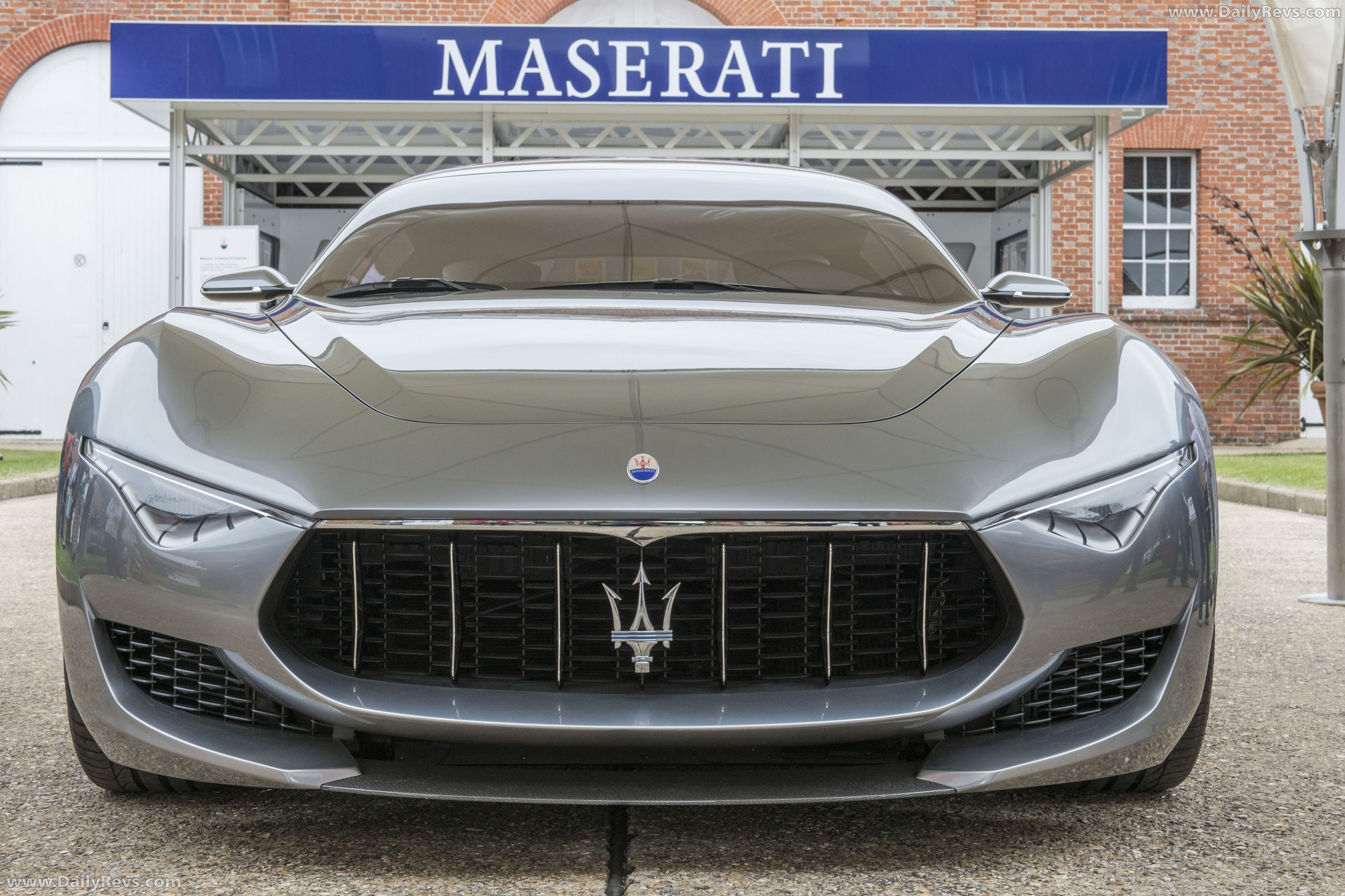
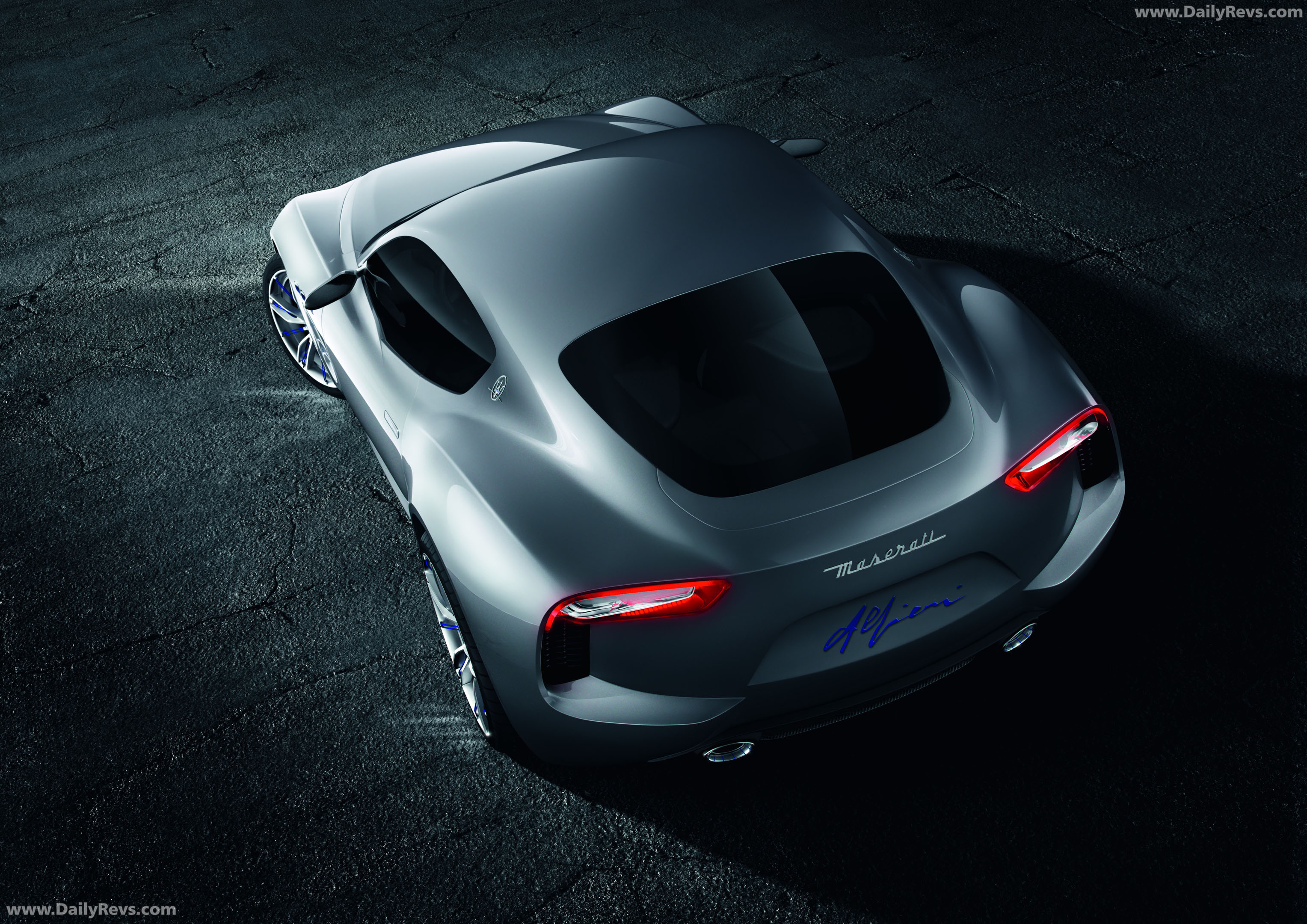
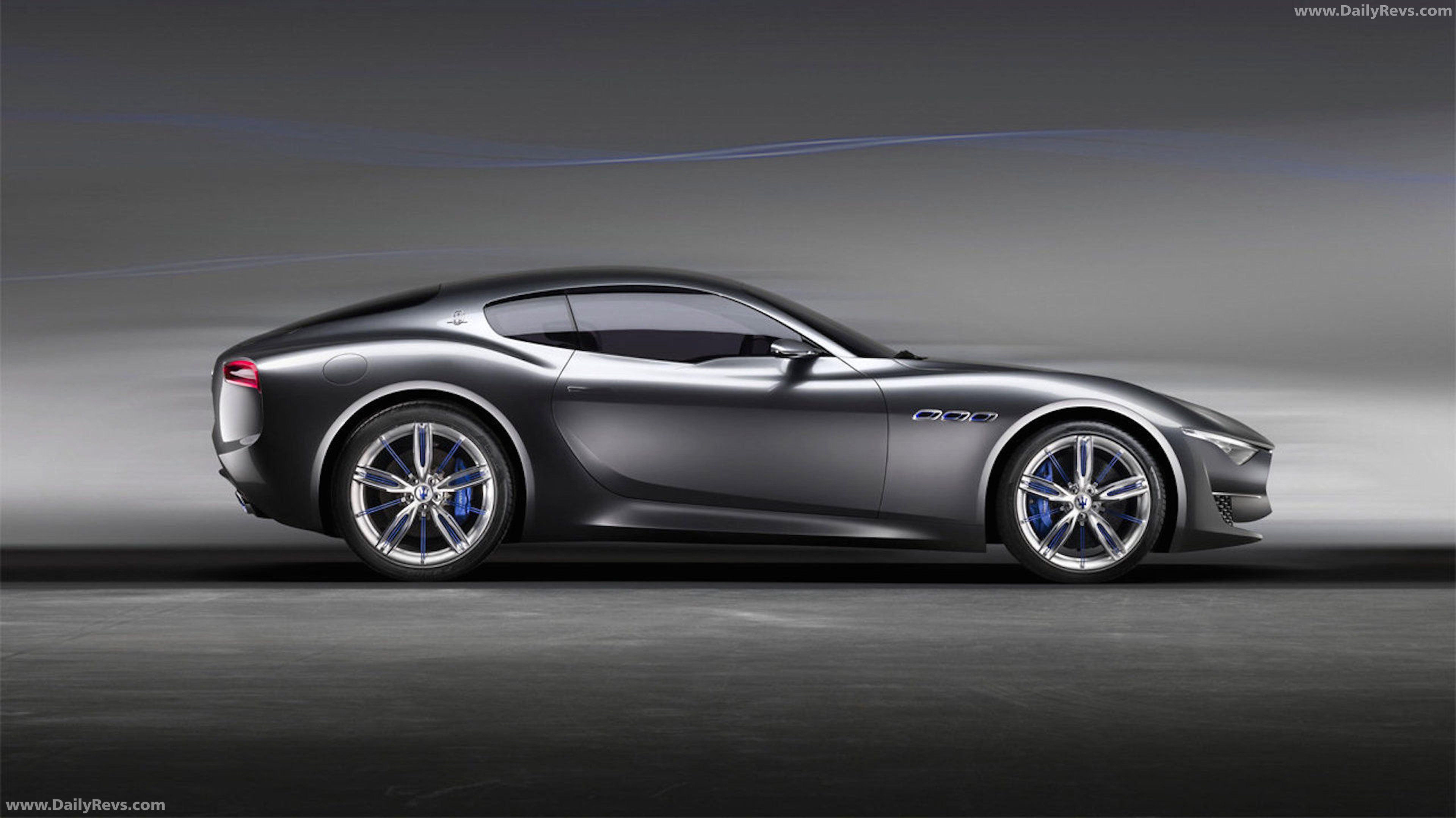
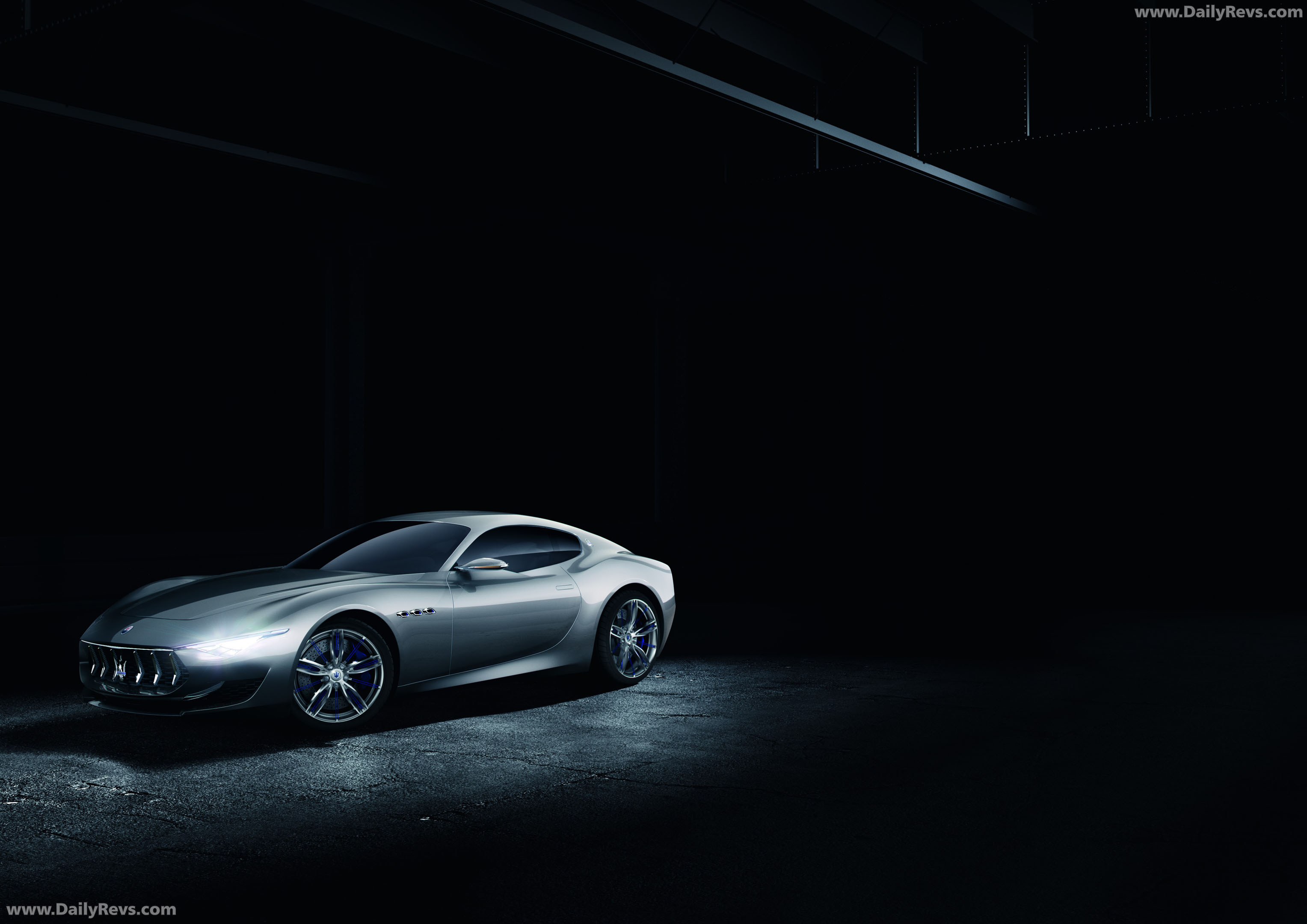
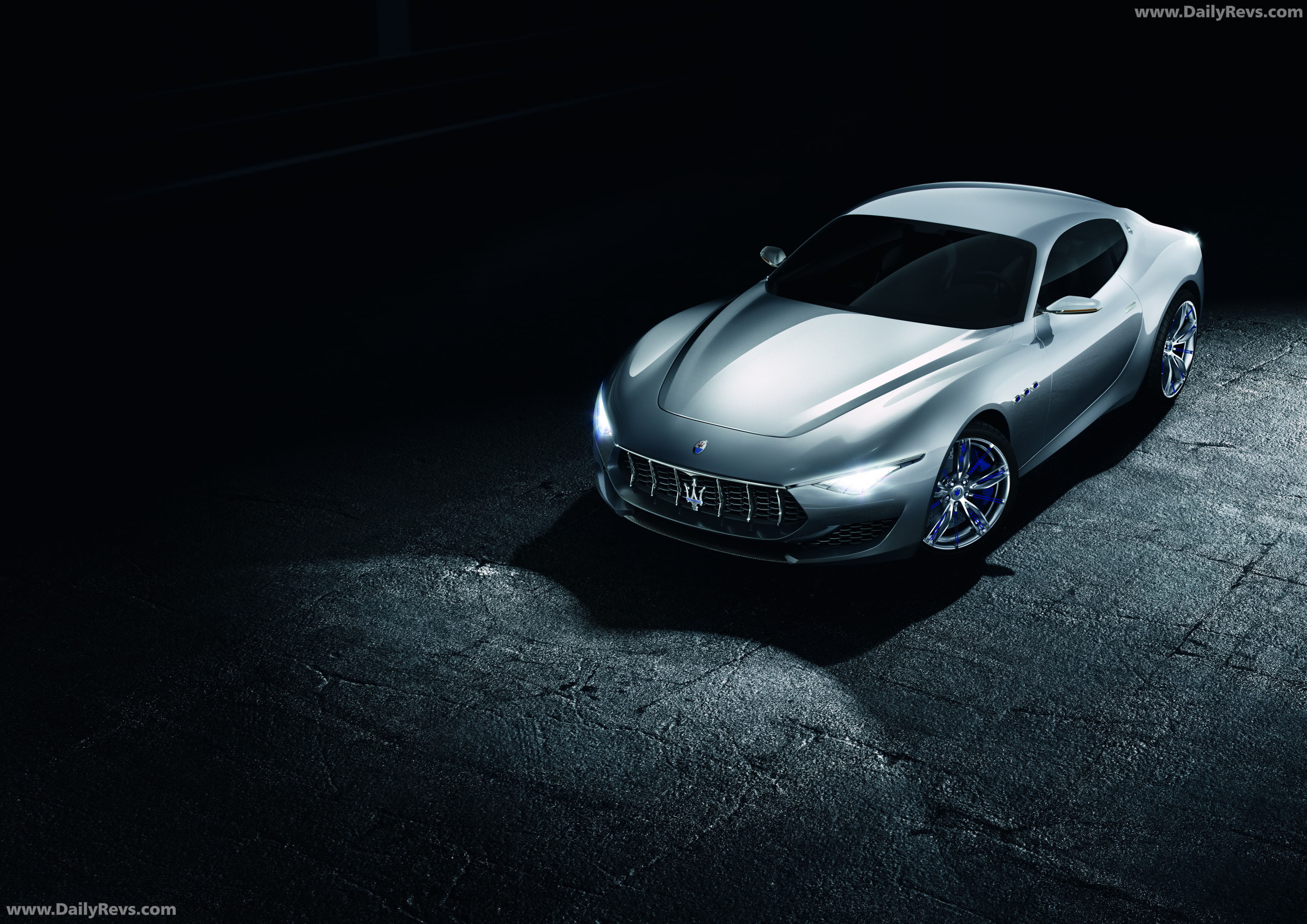
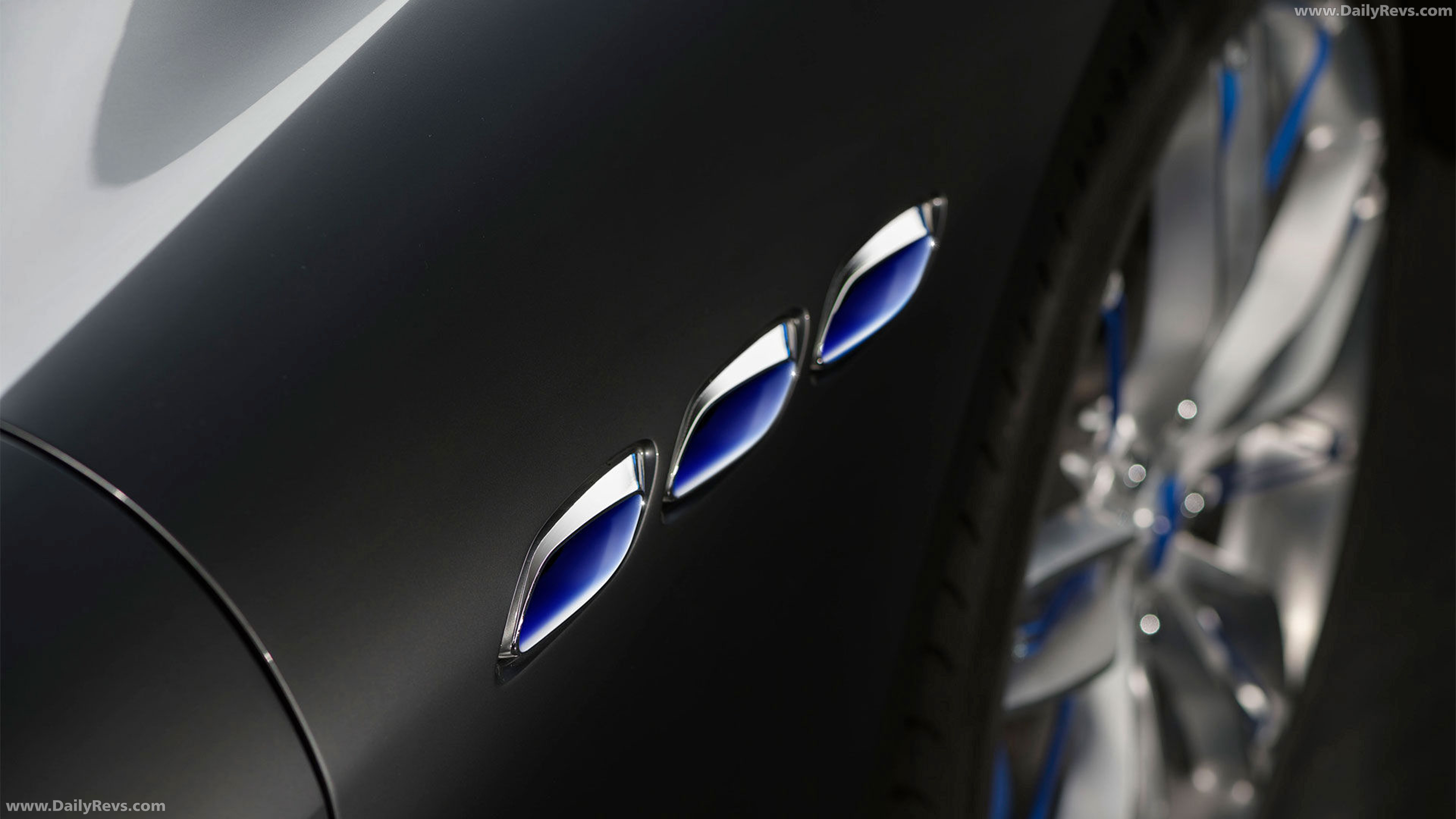
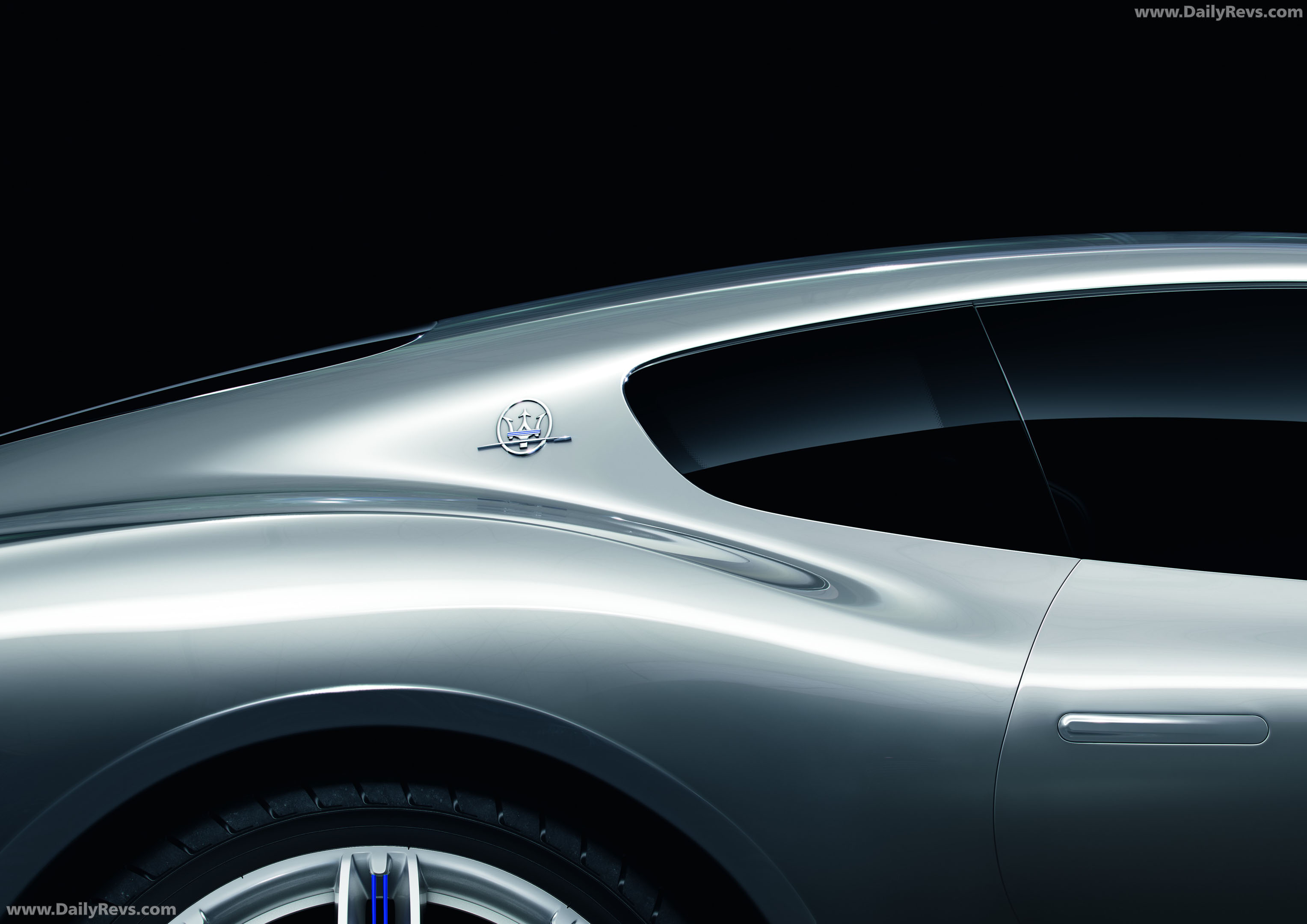
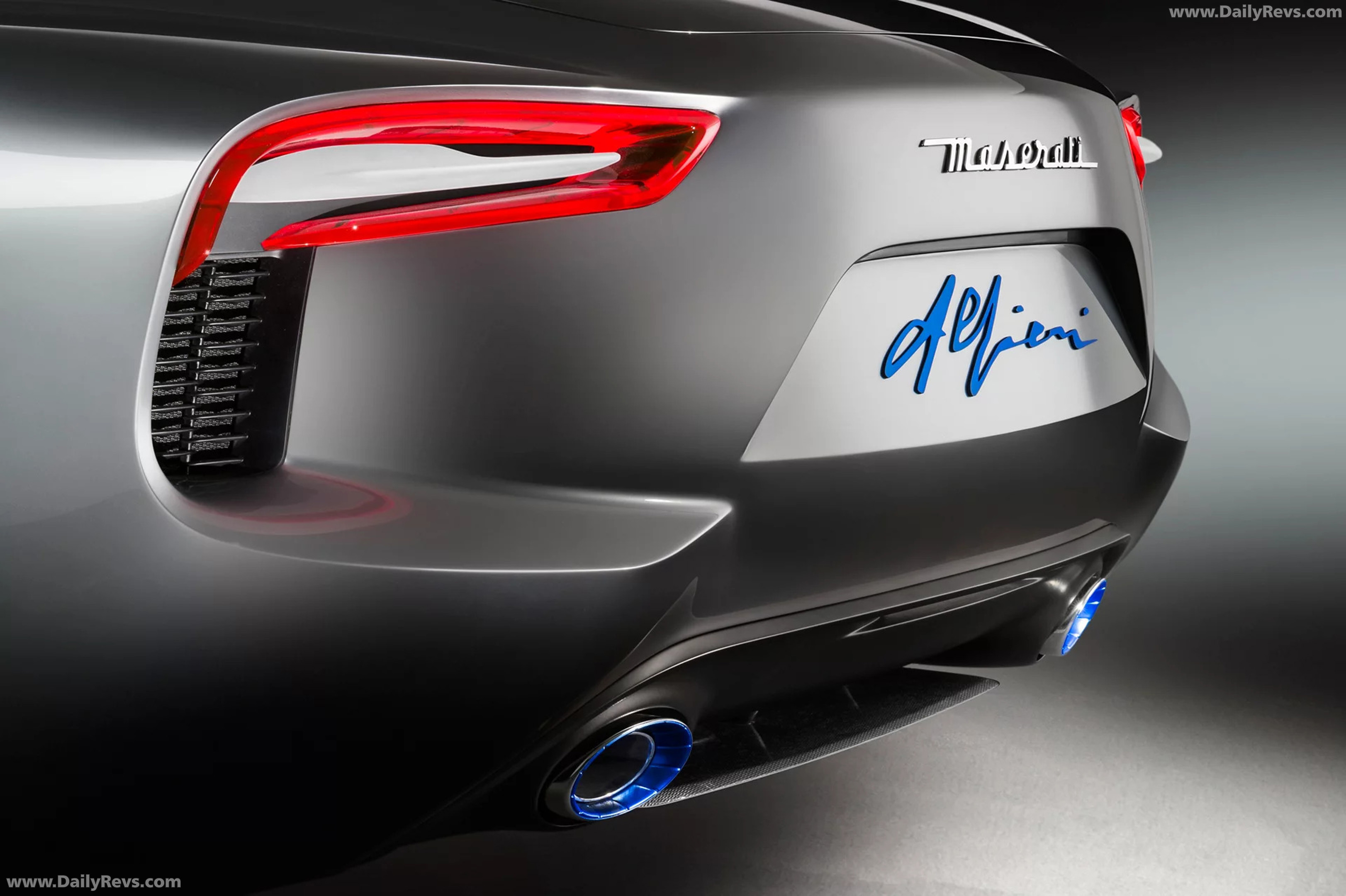
The Alfieri's team, led by Marco Tencone at Maserati's Centro Stile in Turin, pulled inspiration from the 1954 A6 GCS-53, a Pininfarina-bodied racer known for its long bonnet and rear-set cabin. The concept doesn't copy that car's inverted A-pillars directly, but a sculpted line running from bonnet to door tops recreates a similar optical effect, making the windscreen look larger than it is. Up front, a vertically split grille appears to float between LED daytime running lights, while bi-xenon LED headlights sit under a distinctive brow. Twin exhaust tips echo that same design detail out back, below three-dimensional tail lights with red outer sections and white centres.
Proportions and Stance
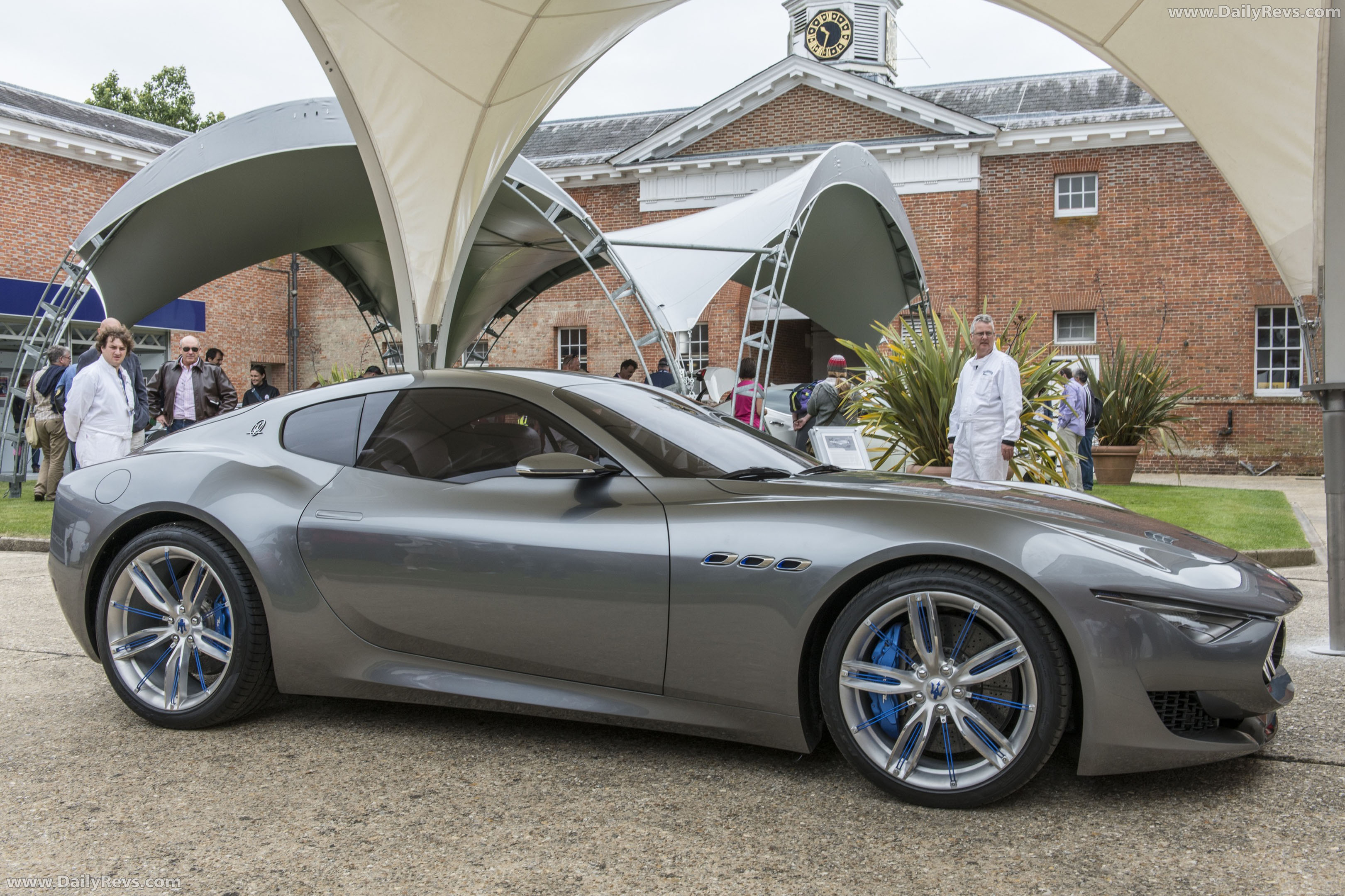
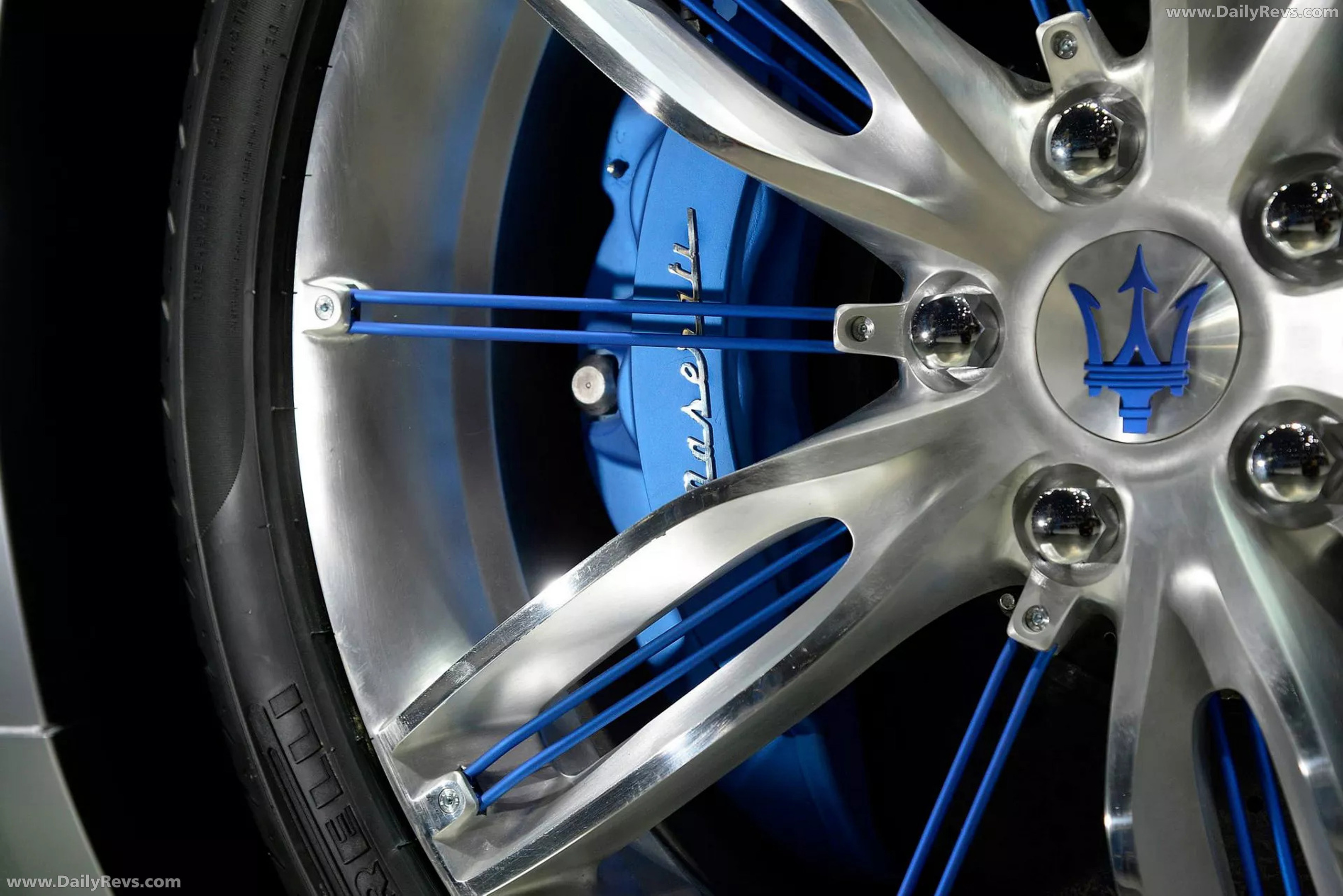
At 4,590mm long on a 2,700mm wheelbase, 1,930mm wide and just 1,280mm tall, the Alfieri sits noticeably lower and tighter than the GranTurismo it's based on — proportions Maserati pitched as pointing toward a future Gran Sport model rather than the brand's four-door saloons. Forged aluminium wheels, 20 inches up front and 21 inches at the rear, carry spoke patterns that nod back to 1950s wire wheels without directly copying them.
Interior Space and Technology
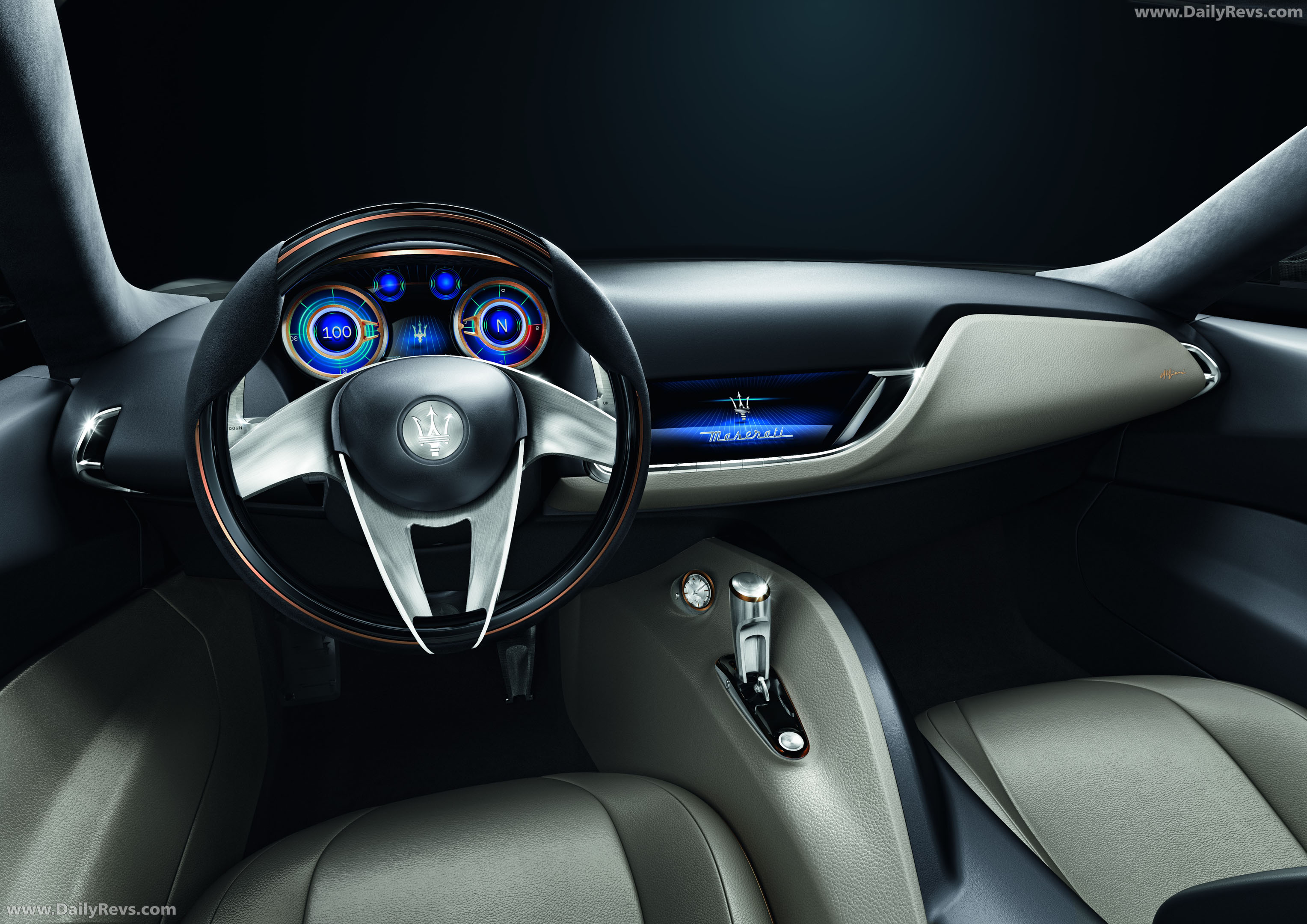
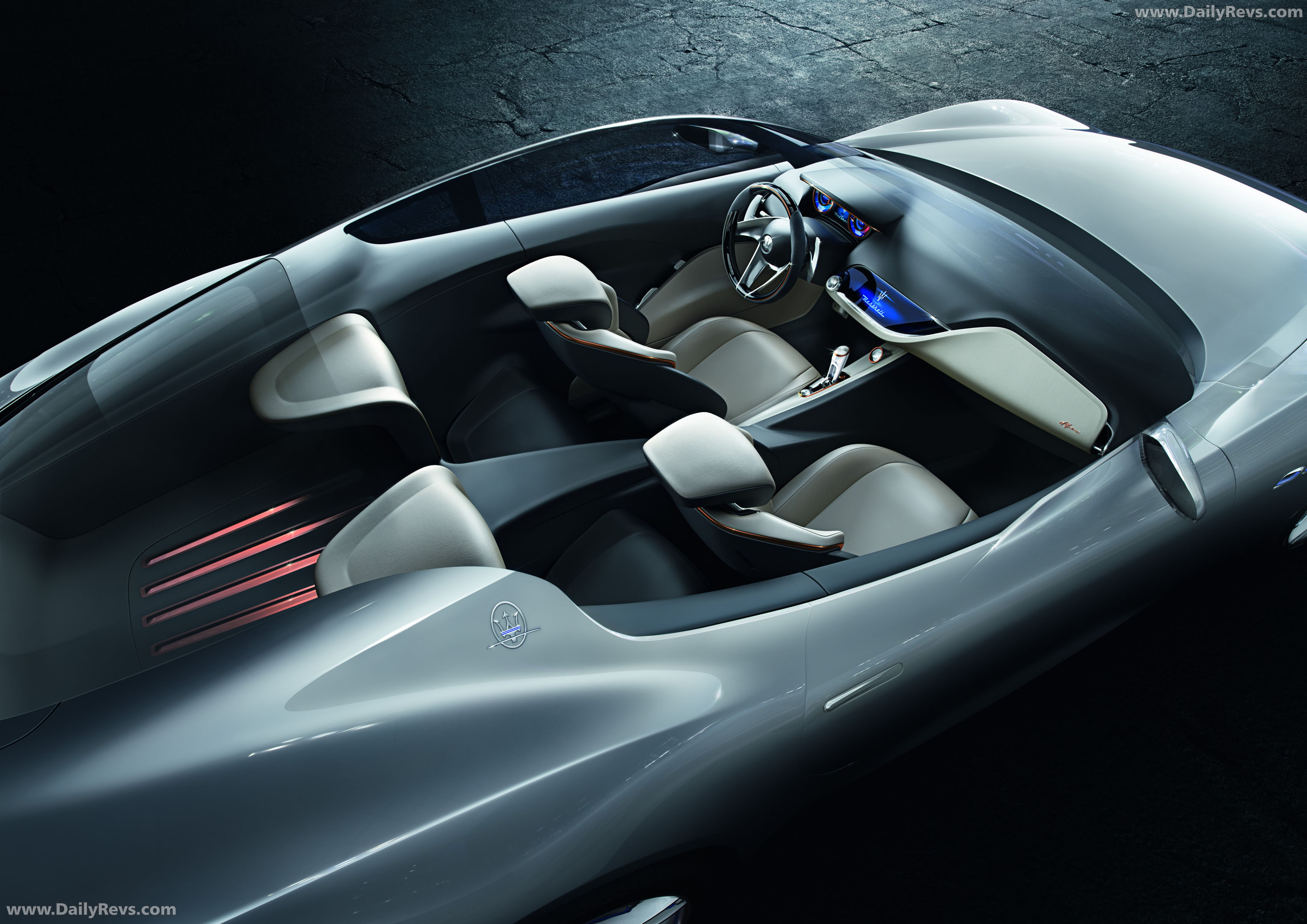
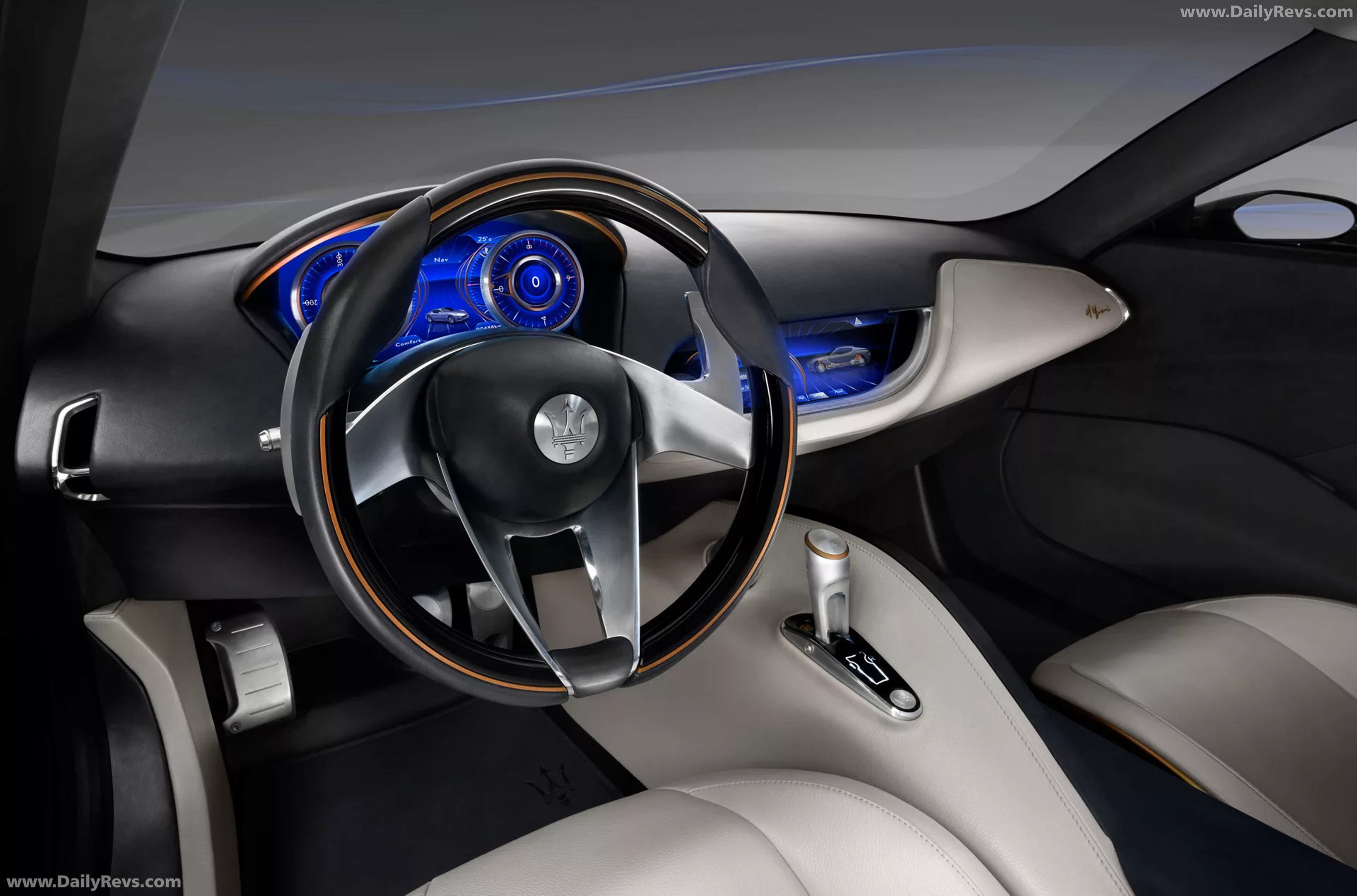
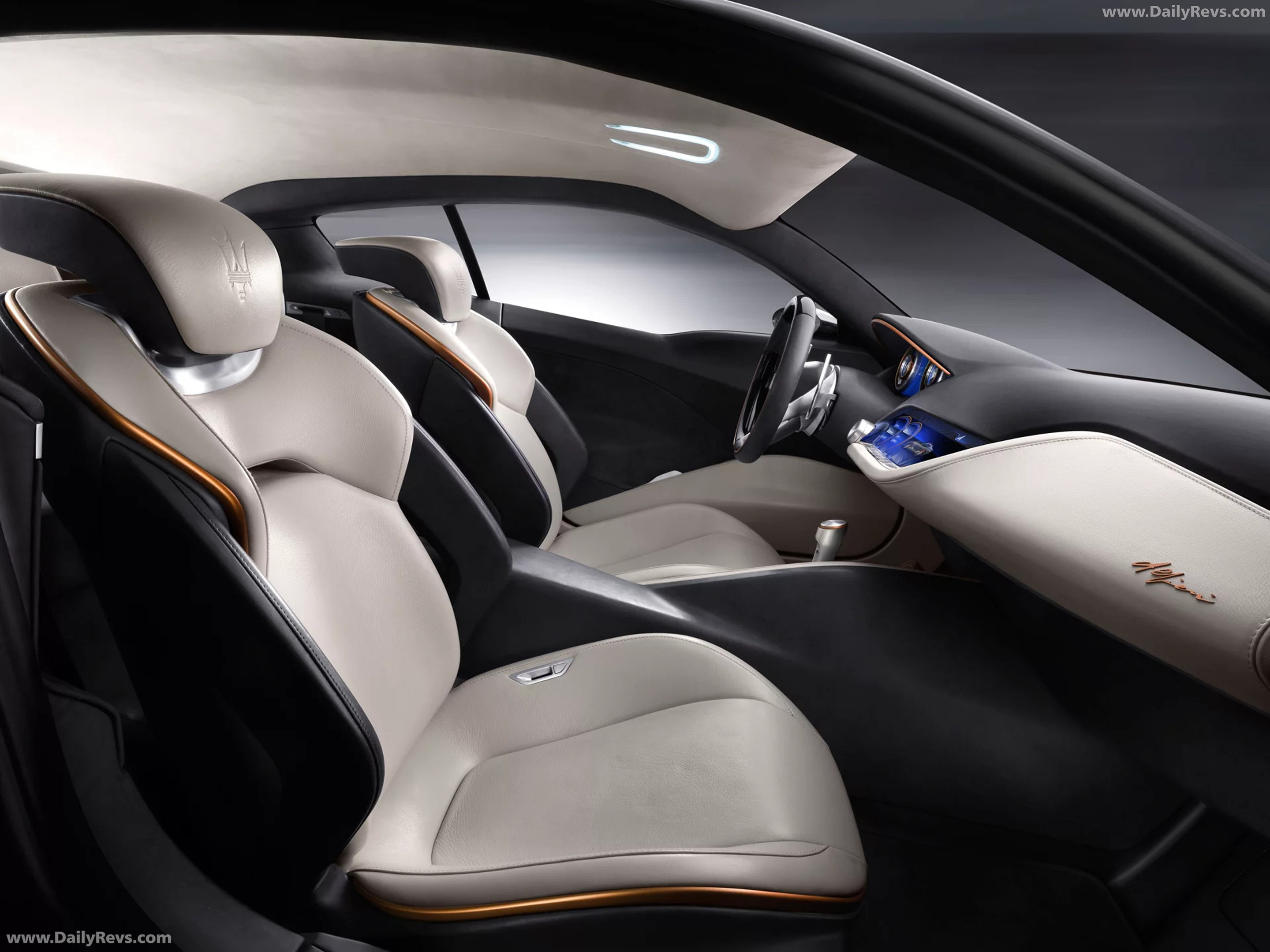
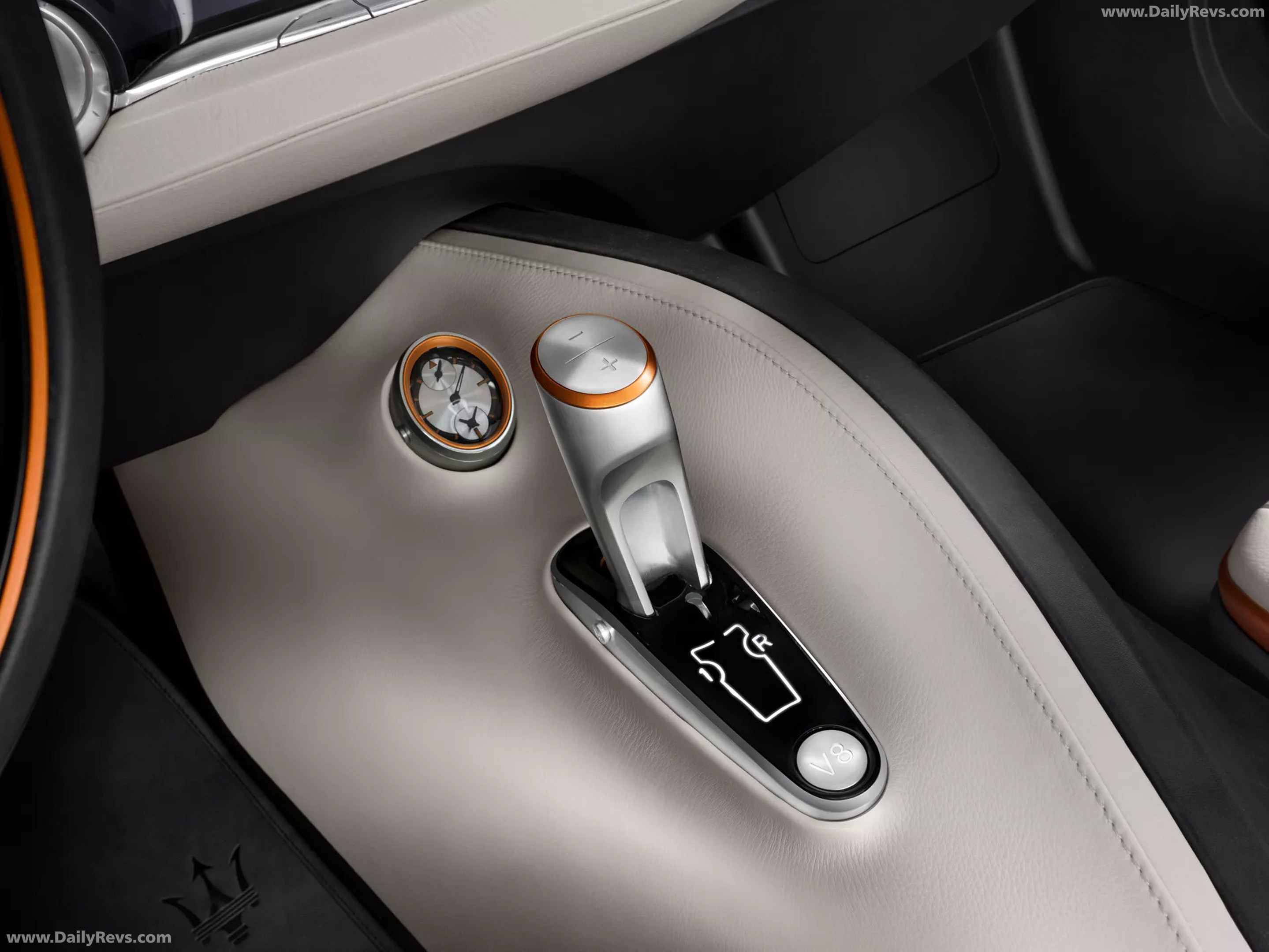
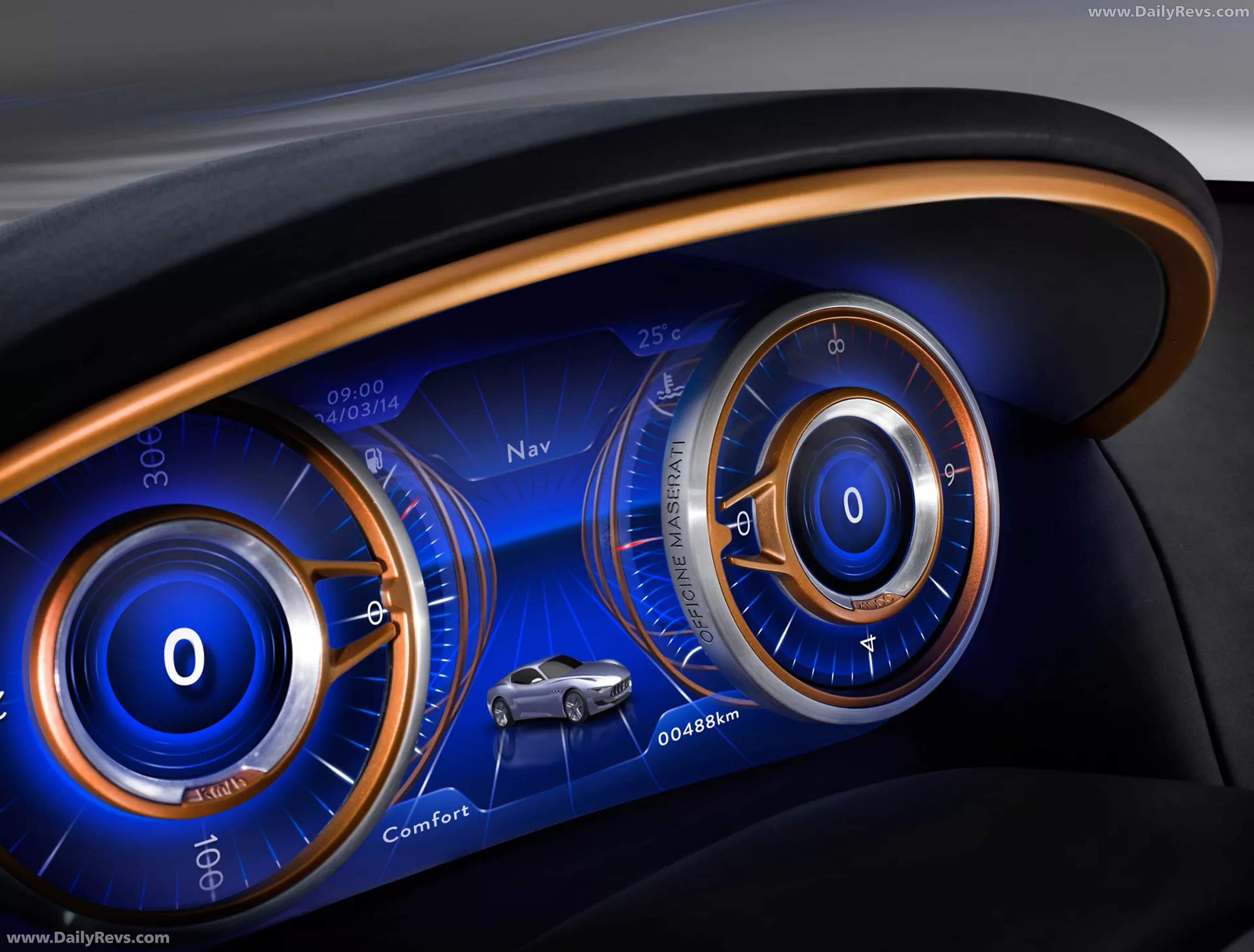
Inside, the cabin takes its cue from the Maserati 5000 GT's suspended dashboard, built here in a two-tone, minimalist layout around a central TFT screen. Rather than analogue dials, the instrument binnacle uses camera-menu-style TFT displays where the numbers rotate around fixed points instead of a needle sweeping across them. Luna white and dark Basalt blue dominate the cabin, with natural aniline leather across the seats, dashboard and console, and copper detailing on milled aluminium components including the gear lever and console clock. The rear seats fold forward 90 degrees to double as a luggage bulkhead behind the 2+2 layout.
Powertrain and Performance
Underneath sits the GranTurismo MC Stradale's transaxle platform, paired with a 4.7-litre naturally aspirated V8 producing 460bhp at 7,000rpm and 520Nm at 4,750rpm. A six-speed electro-actuated MC Shift gearbox mounts with the limited-slip differential at the rear axle, connected to the engine via a rigid torque tube — a layout that biases weight distribution slightly rearward. Carbon-ceramic brakes, also lifted from the MC Stradale, use blue Brembo calipers finished to match the car's Maserati Blue trim details.