

2012 Porsche 918 Spyder Prototype
By Lorenzo Bianchi November 20, 2012
The 918 Spyder prototype delivers over 770 hp via a V8 and two electric motors.
Carbon-fibre chassis with fully adaptive aerodynamics supports efficiency of ~3 l/100 km.
Five selectable hybrid modes and torque-vectoring AWD presage future high-performance architecture.
Hybrid Powertrain Concept and Output
In the 2012 Porsche 918 Spyder prototype, the German marque made a clear statement: performance need not sacrifice efficiency. The car pairs a 4.6-litre naturally aspirated V8 with electric motors—one on the front axle and one integrated with the transmission. Combined output is quoted at some 770 hp (≈574 kW) and around 750 Nm of torque. Porsche specifies a projected 0-100 km/h time of under 3 seconds and a top speed above 325 km/h.
The prototype’s plug-in capability, supported by a lithium-ion battery of about 6.8 kWh, allowed short-distance electric driving and contributed to a projected fuel consumption of approximately 3 l/100 km and CO₂ emissions near 70 g/km.
Design and Chassis Innovation
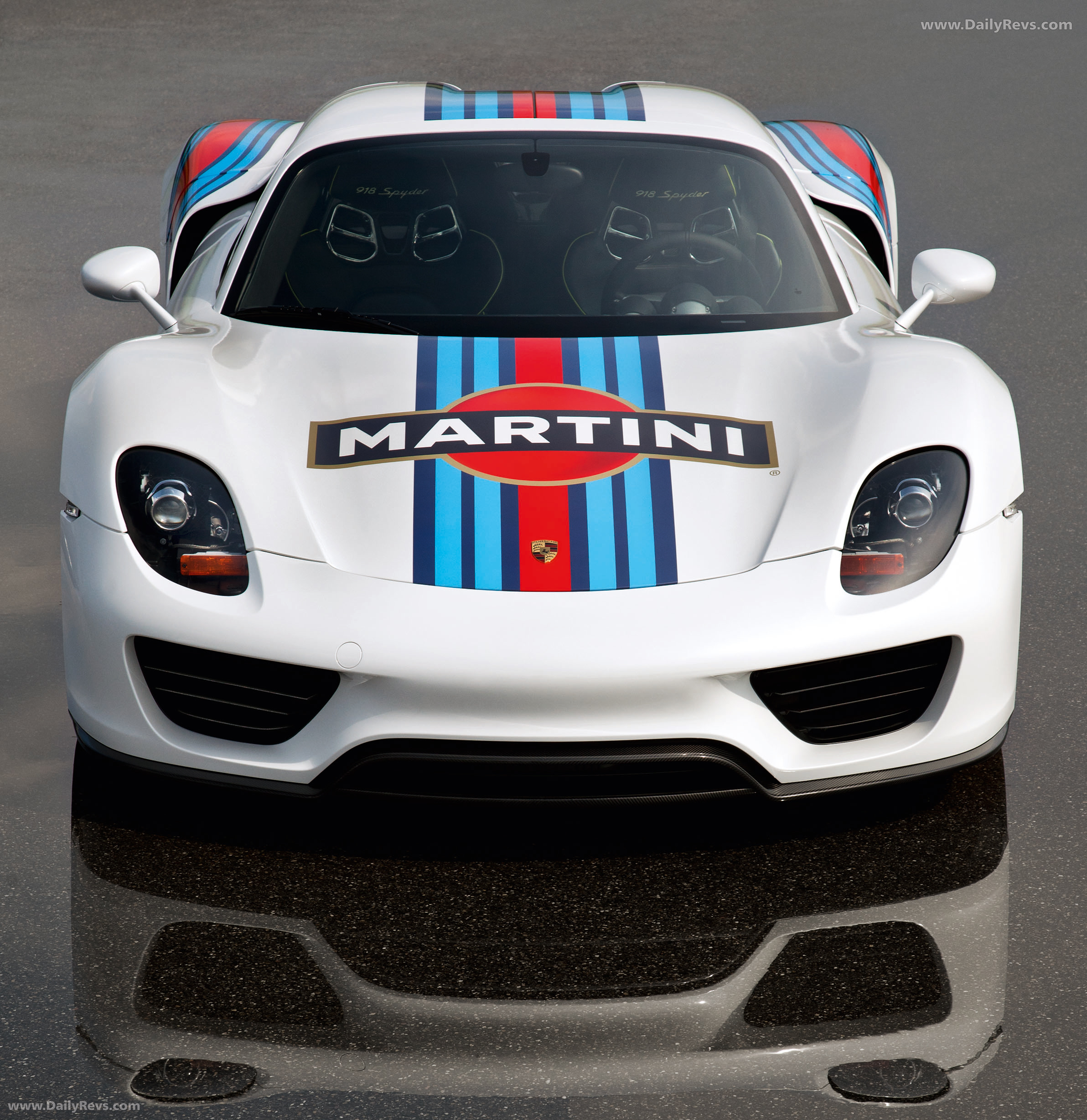
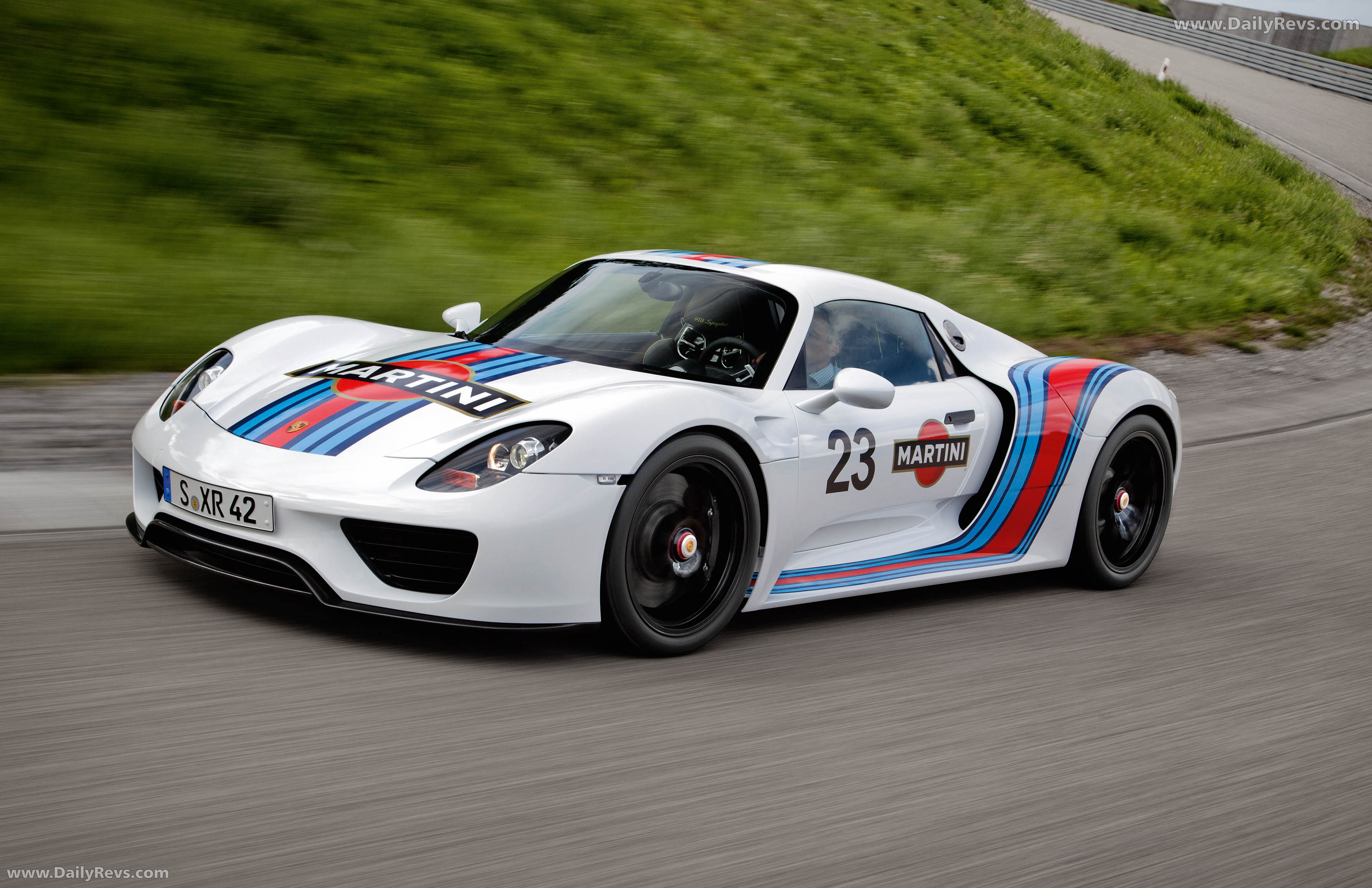
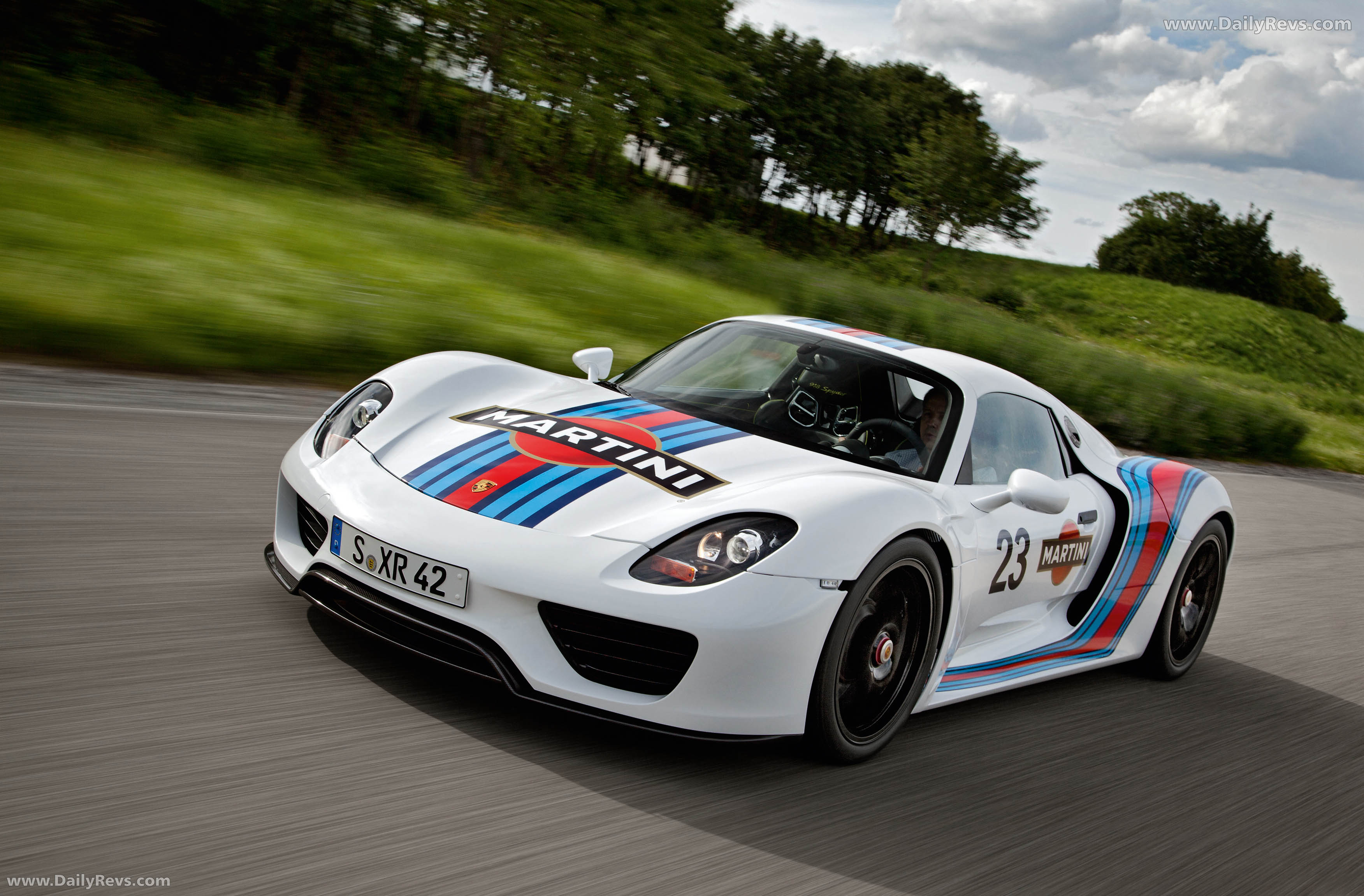
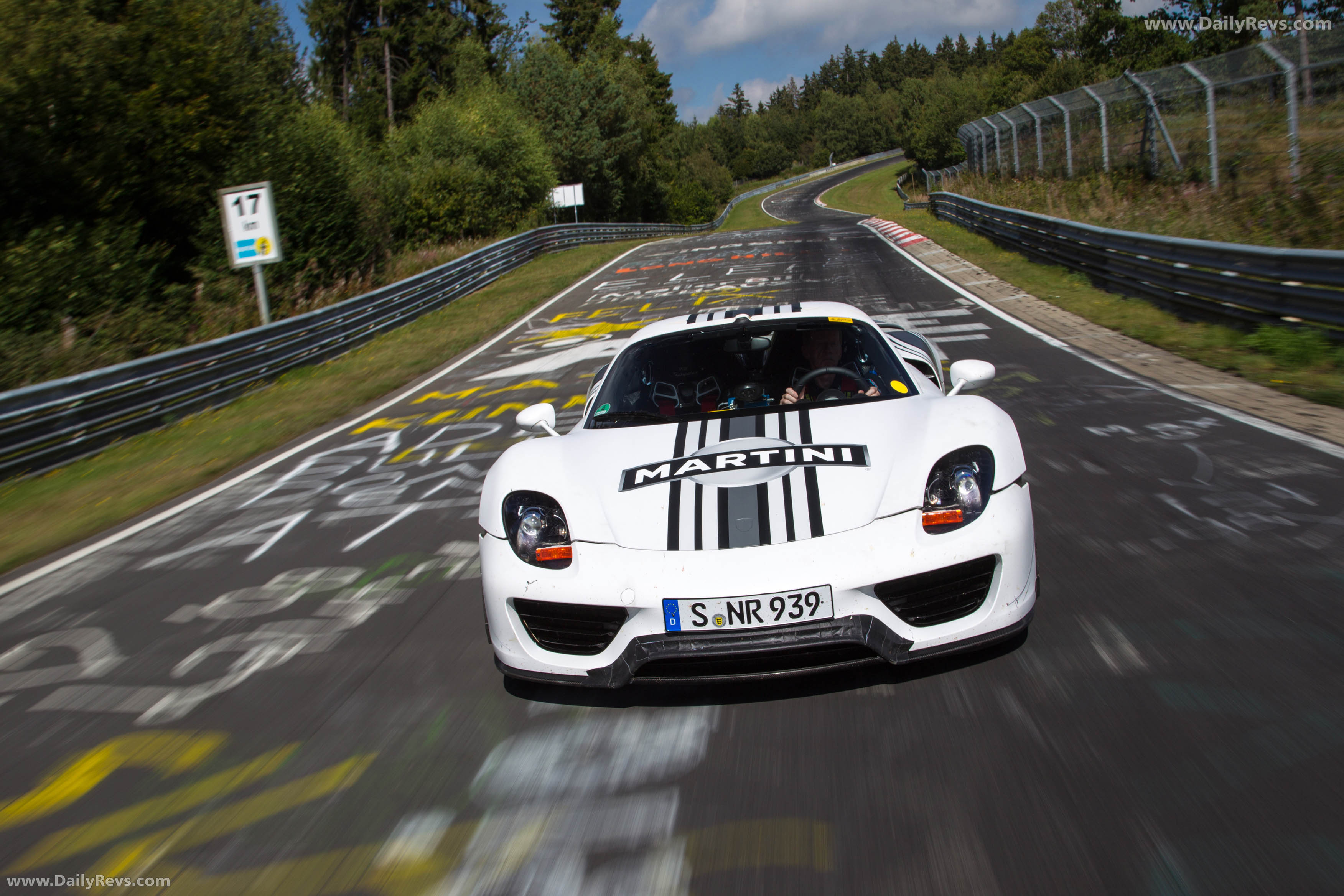
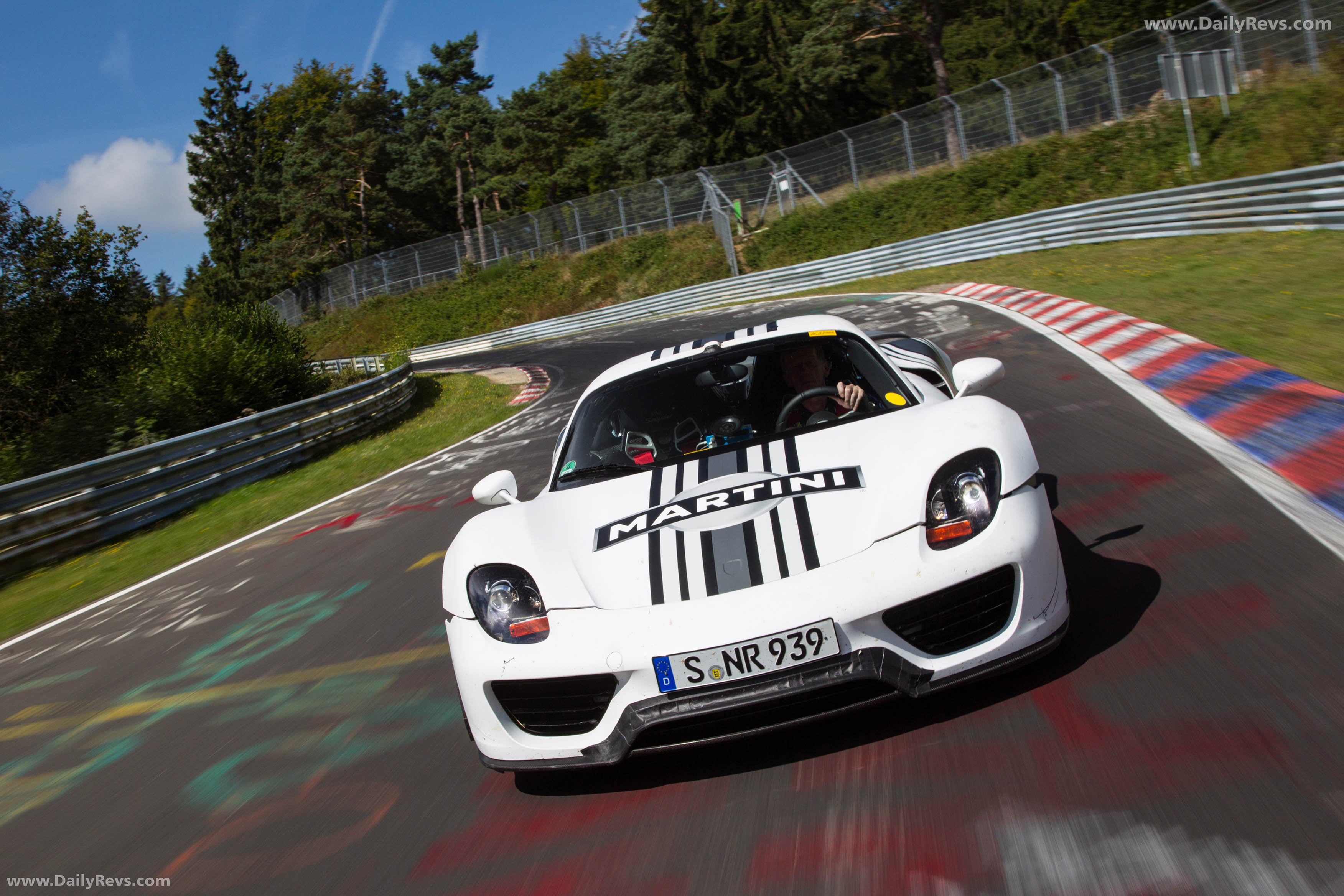
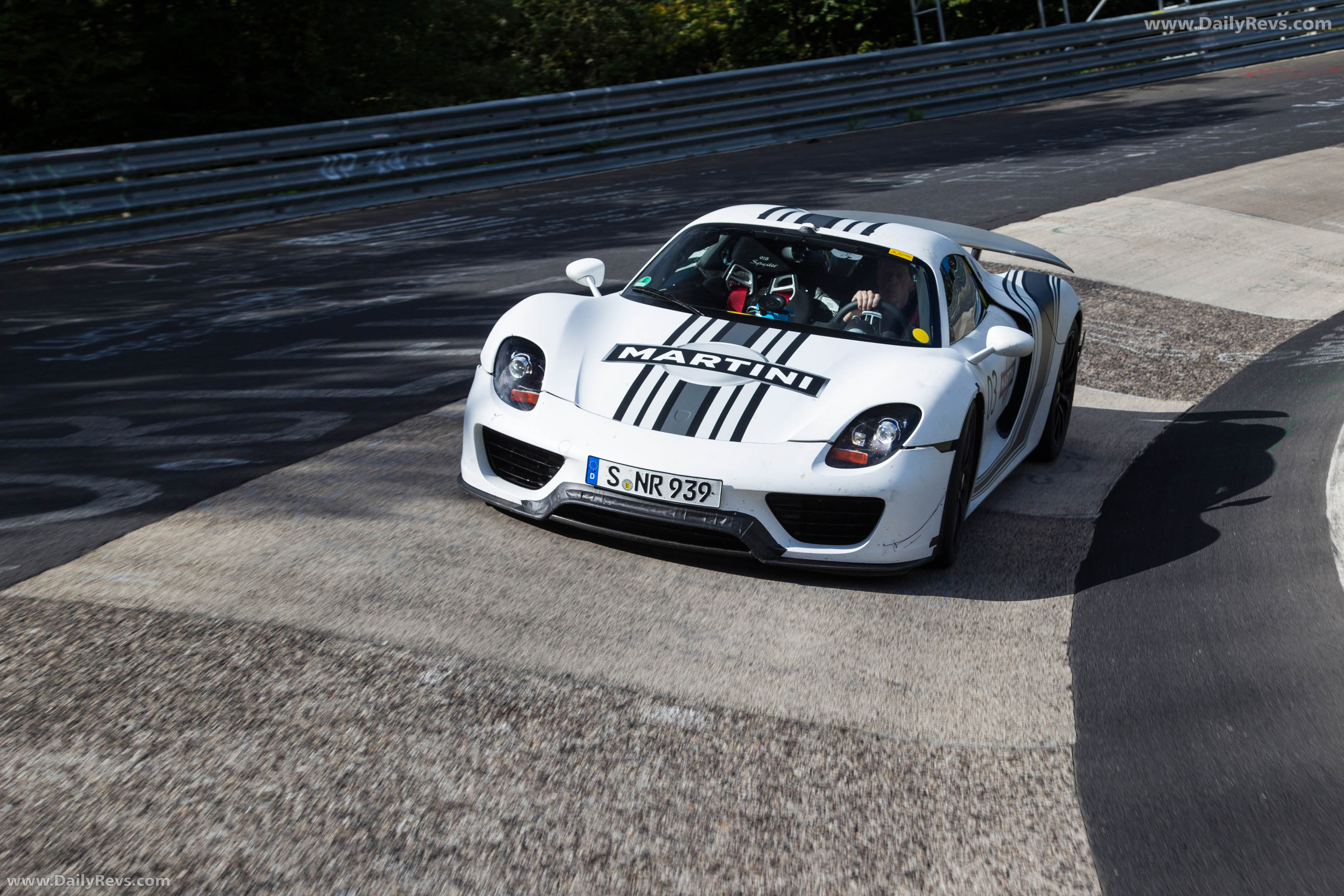
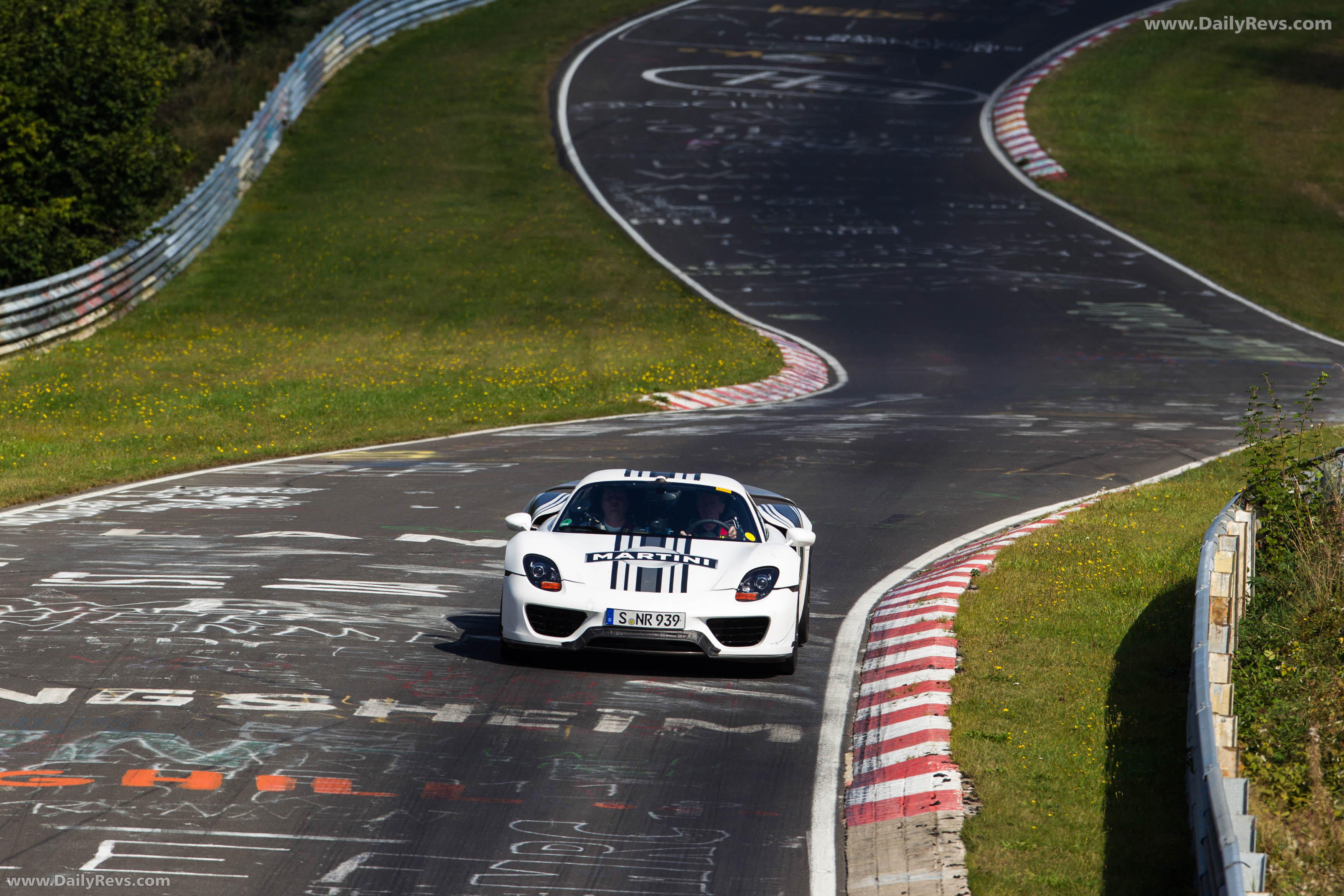
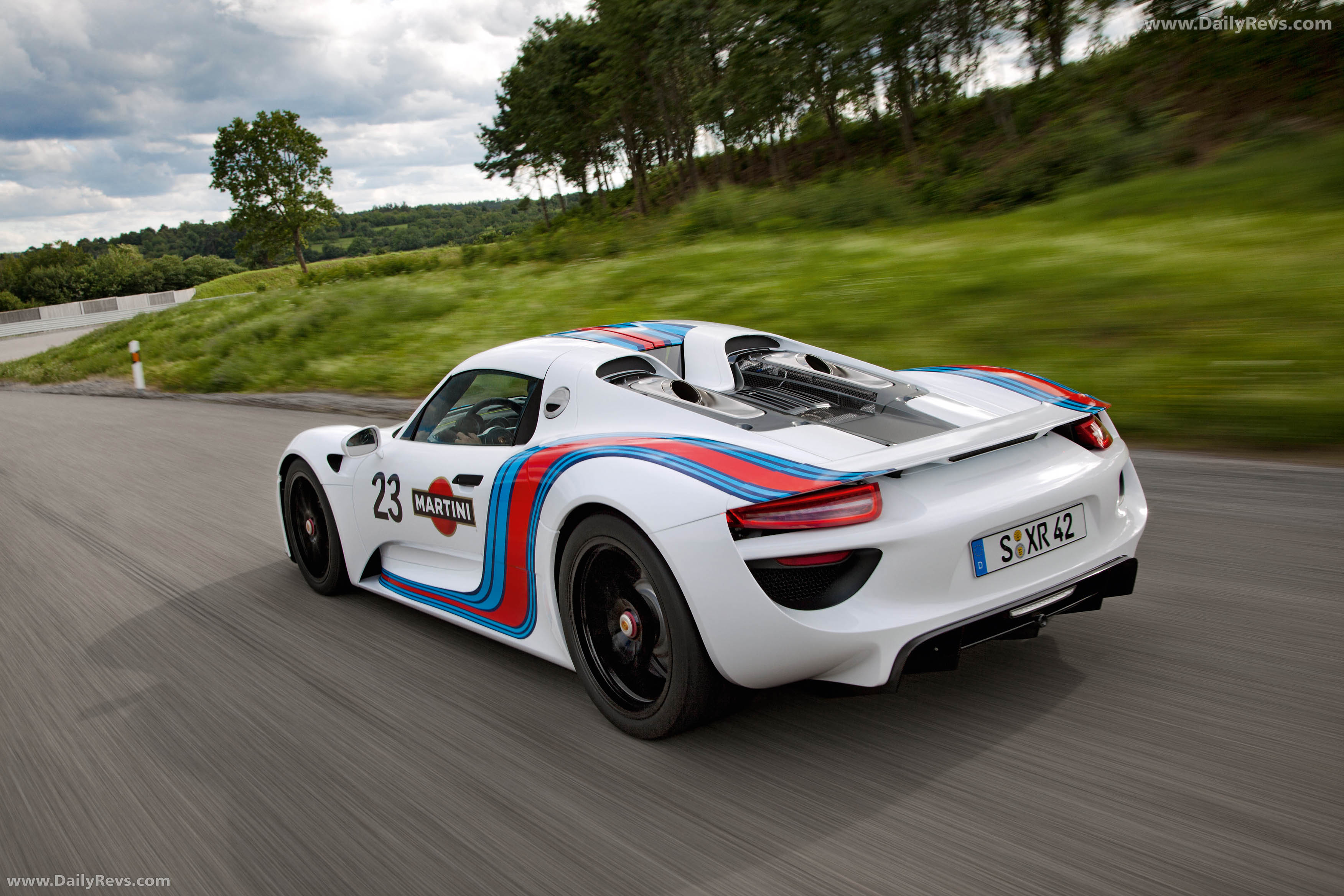
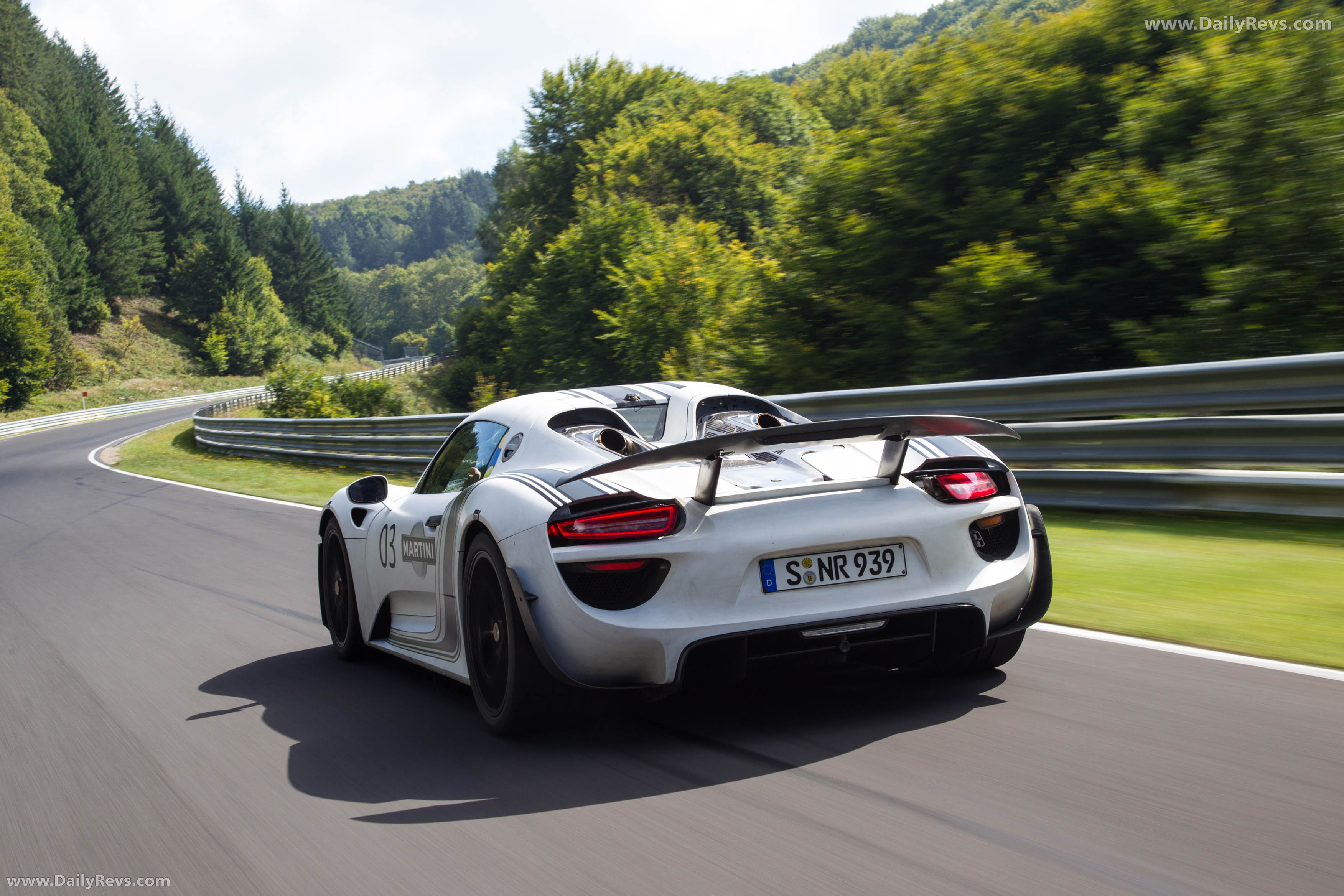
Visually, the 918 Spyder prototype stays recognisably Porsche: mid-engine proportions, low roofline, strong rear haunches. Yet beneath the styling lies serious engineering. The monocoque is built of carbon-fibre-reinforced-plastic (CFRP), keeping mass low and rigidity high. Fully adaptive aerodynamics and upward-exiting “top pipes” exhausts serve both function and form.
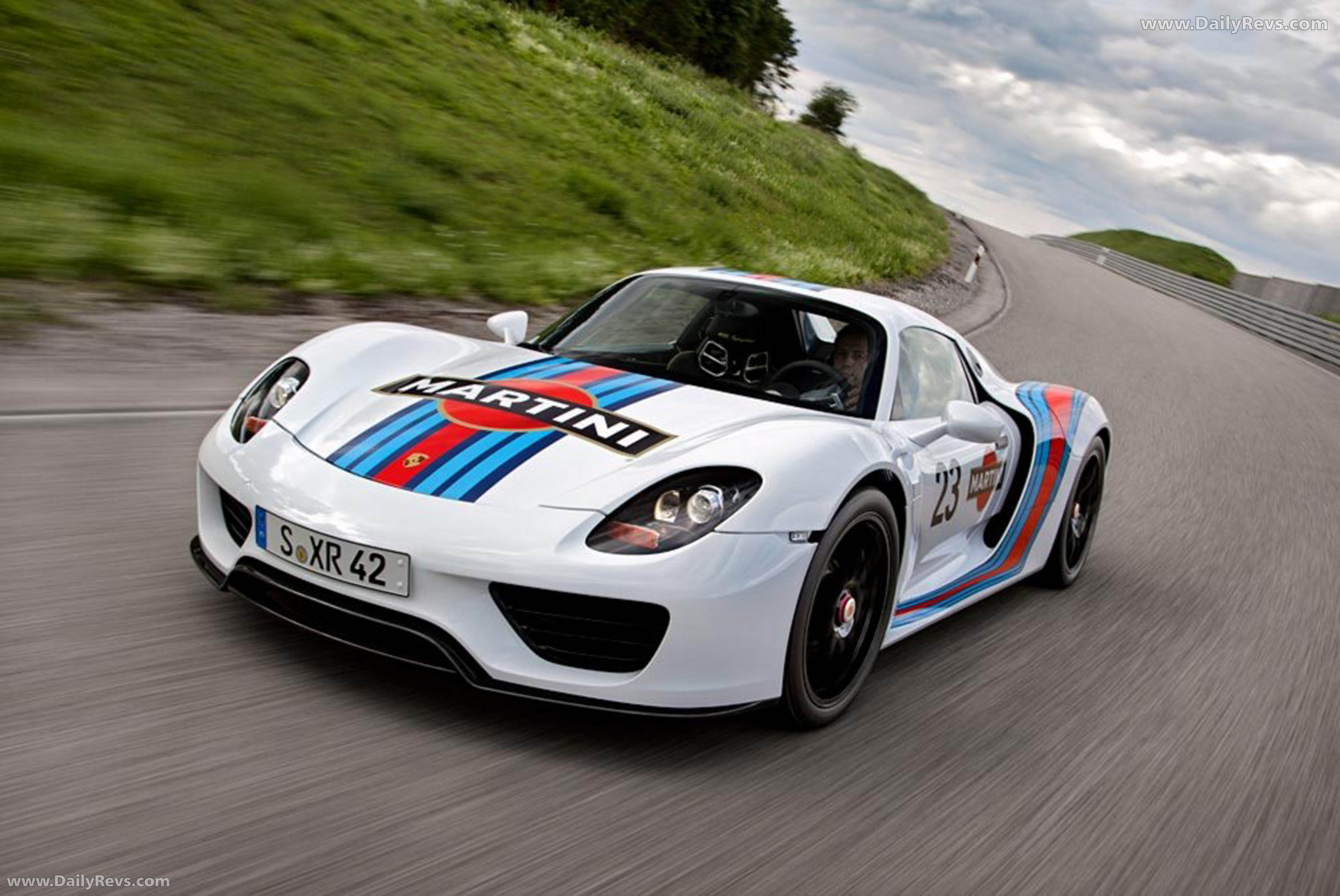
From the front three-quarter view the stance appears wide and aggressive. The wheels sit outboard, accentuating the car’s track focus. The surfaces flow smoothly, with pronounced wheel arches and minimal ornamentation. This visual clarity supports the car’s technical narrative rather than distracting from it.
Driving Technology and Modes
Porsche has indicated the 918 prototype would provide five driving modes via a steering-wheel selector: including an all-electric “E-Drive” mode, hybrid configurations focused on efficiency, and a full “Hot Lap” mode that unlocks maximum system output
All-wheel drive is achieved via the front electric motor and the rear powertrain, giving Porsche the ability to vector torque and manage dynamics in ways not possible with combustion alone. Rear-axle steering, electro-mechanical power steering and lightweight chassis components underline the car’s dynamic ambitions.
Market Position and Segment Context
At its reveal stage, the 918 Spyder prototype did more than preview a new model—it forged a template for what high-performance cars would become. While rivals such as the McLaren P1 and Ferrari LaFerrari emphasise raw combustion or hybrid performance, Porsche’s approach placed efficiency and everyday usability on equal footing with outright speed. In its era this set a distinct path.
The prototype underlines Porsche’s intent: to build a flagship performance car that addresses future regulatory and technological demands without sacrificing the brand’s character. With production 918 Spyder models coming from late 2013, this prototype provided the engineering proof-point for the series variant.