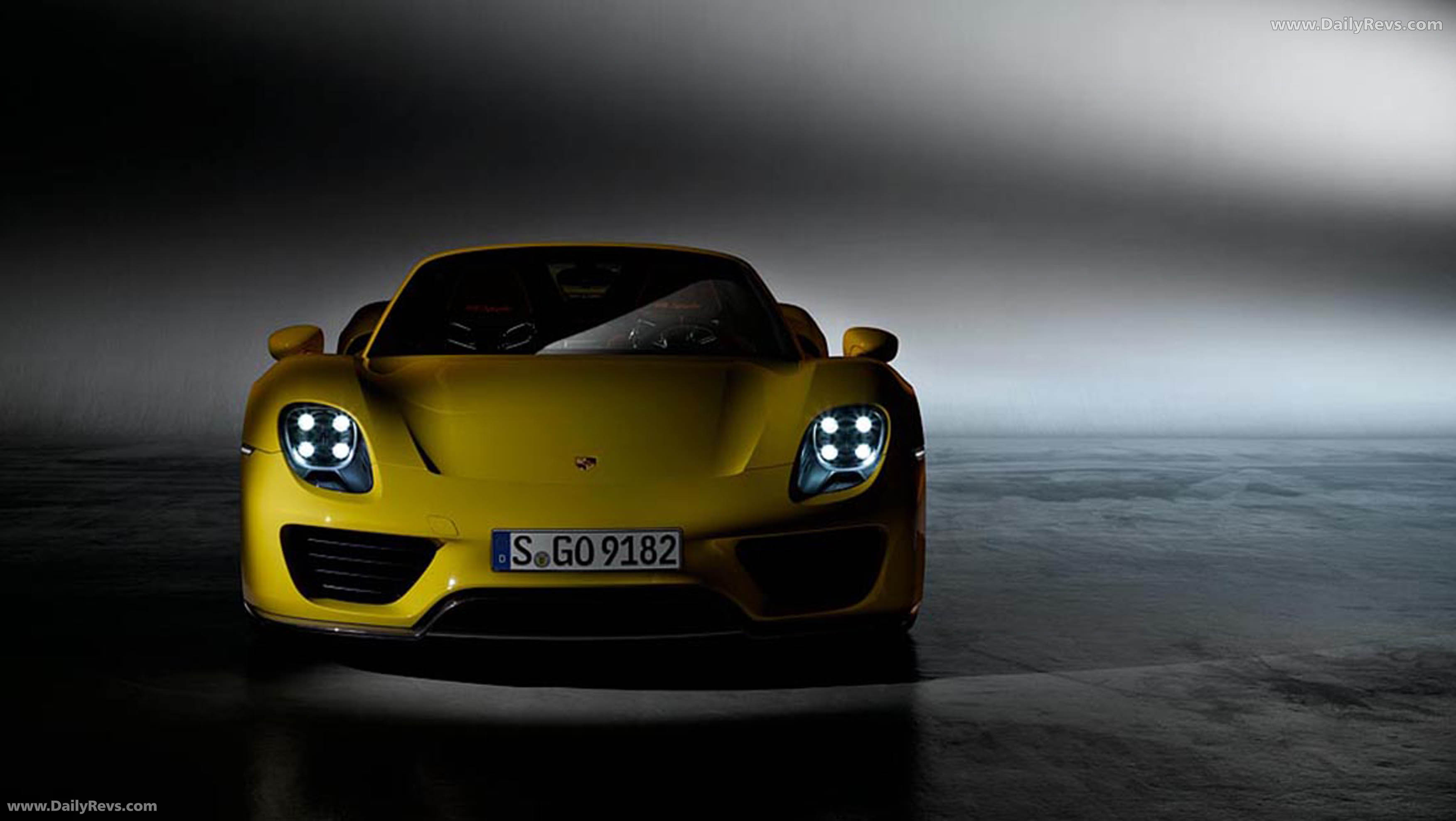
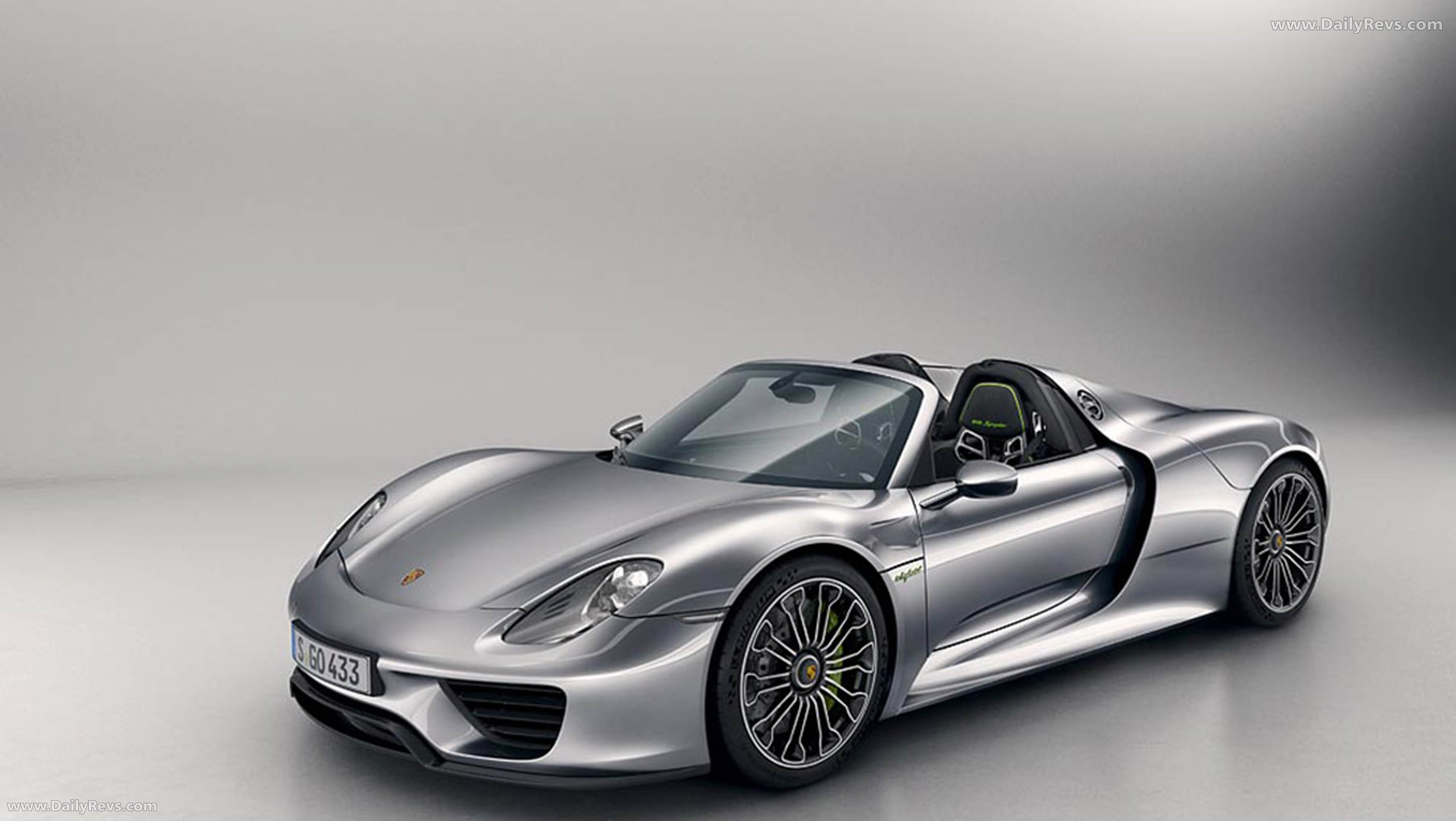
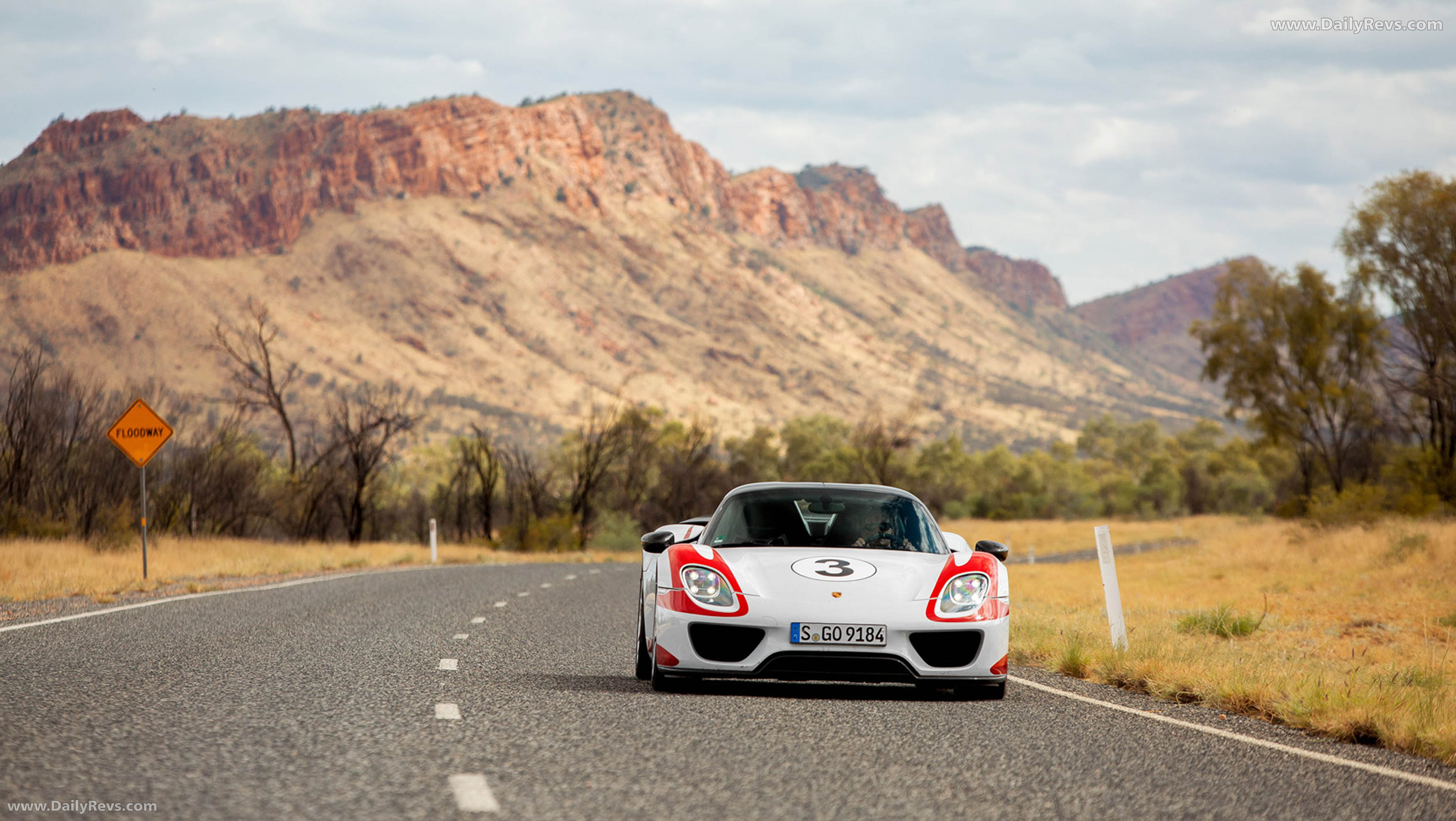
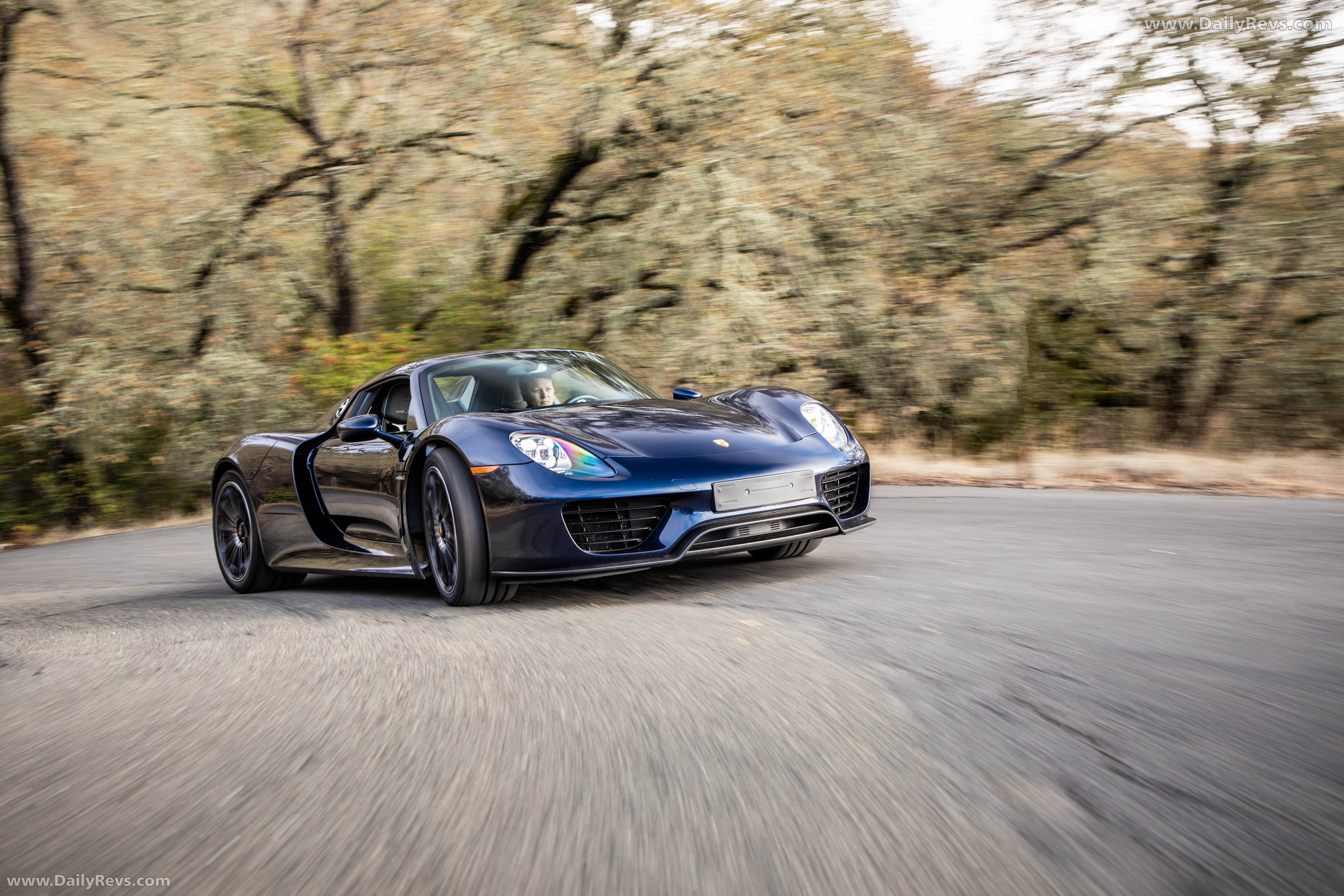
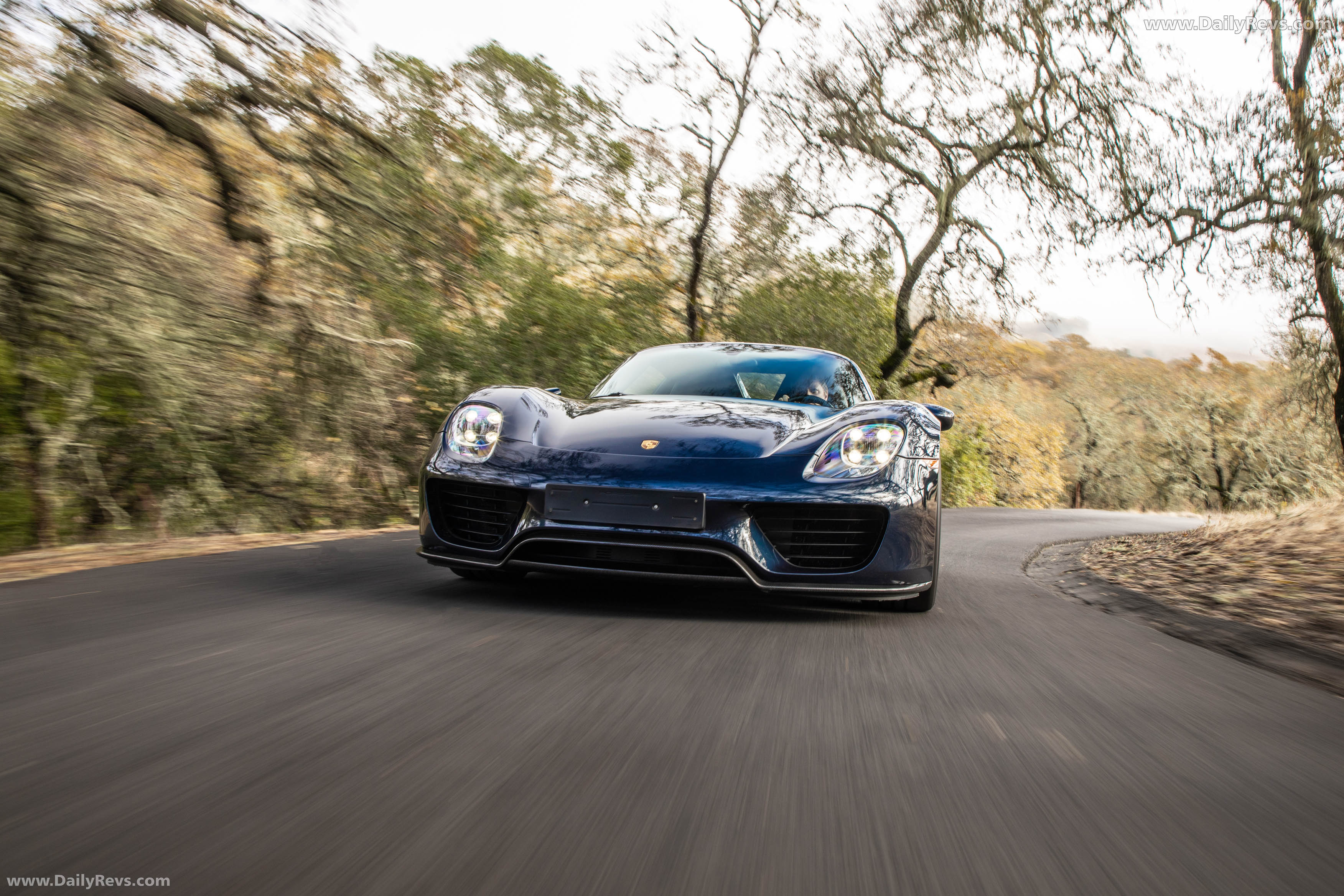
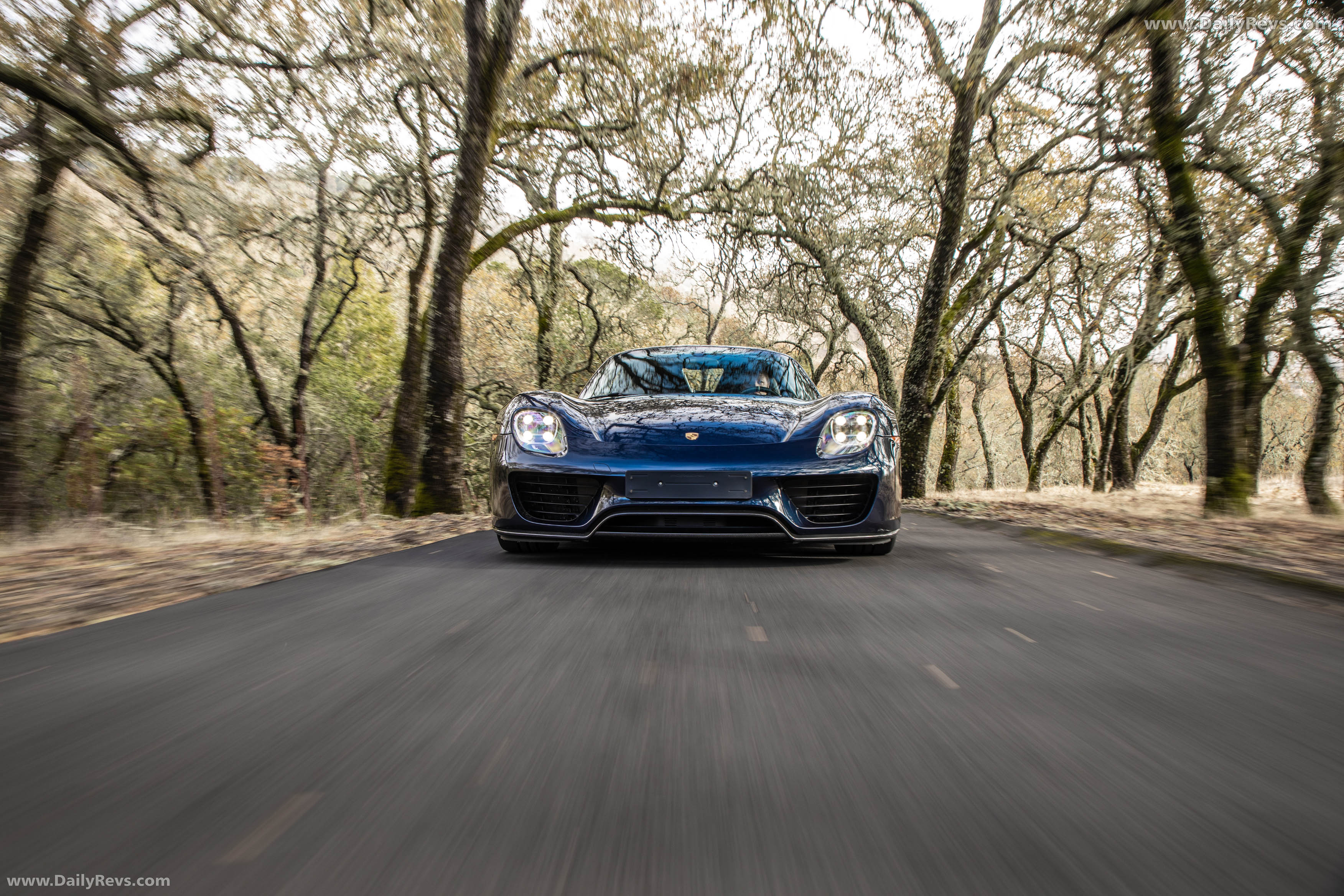
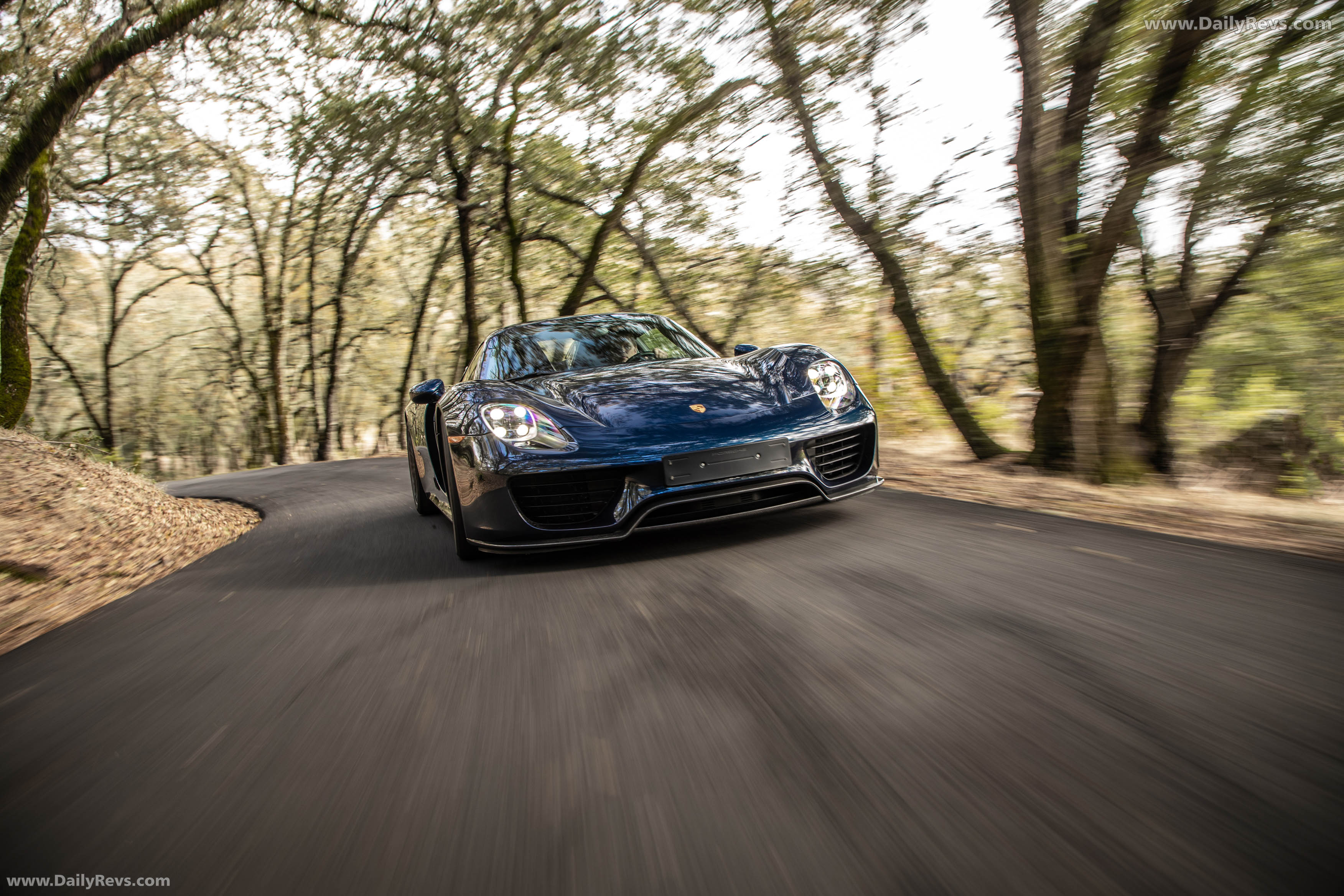
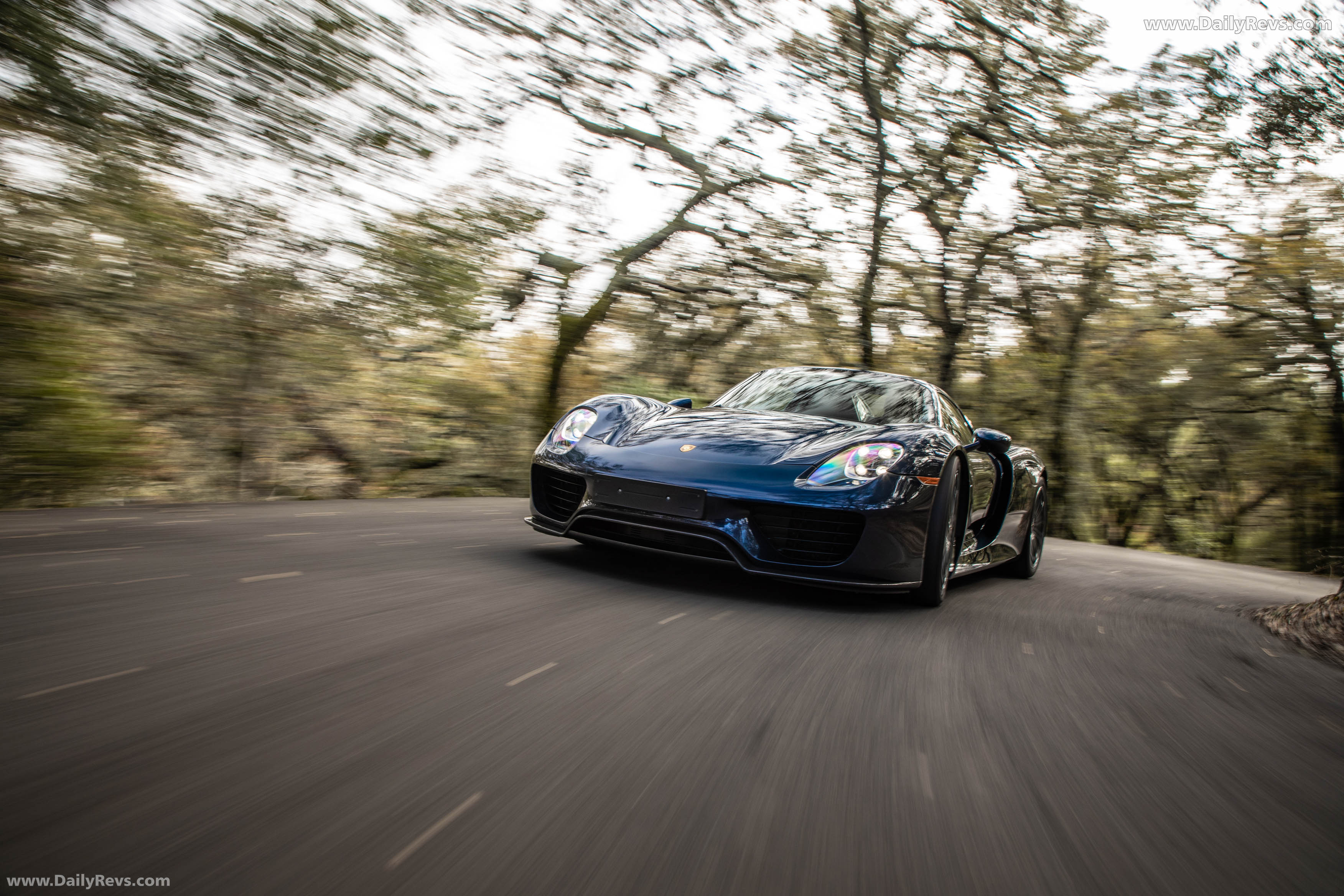
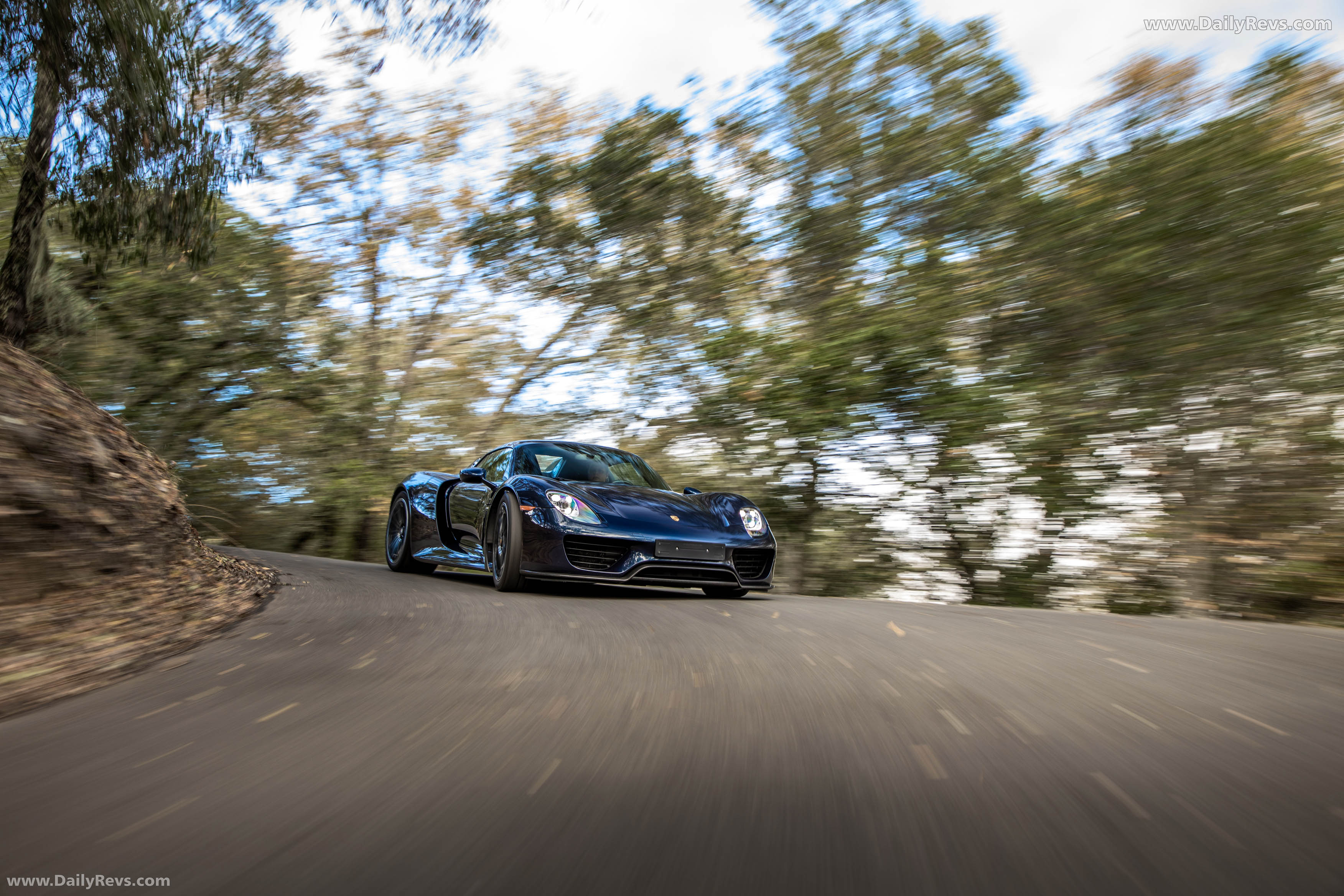
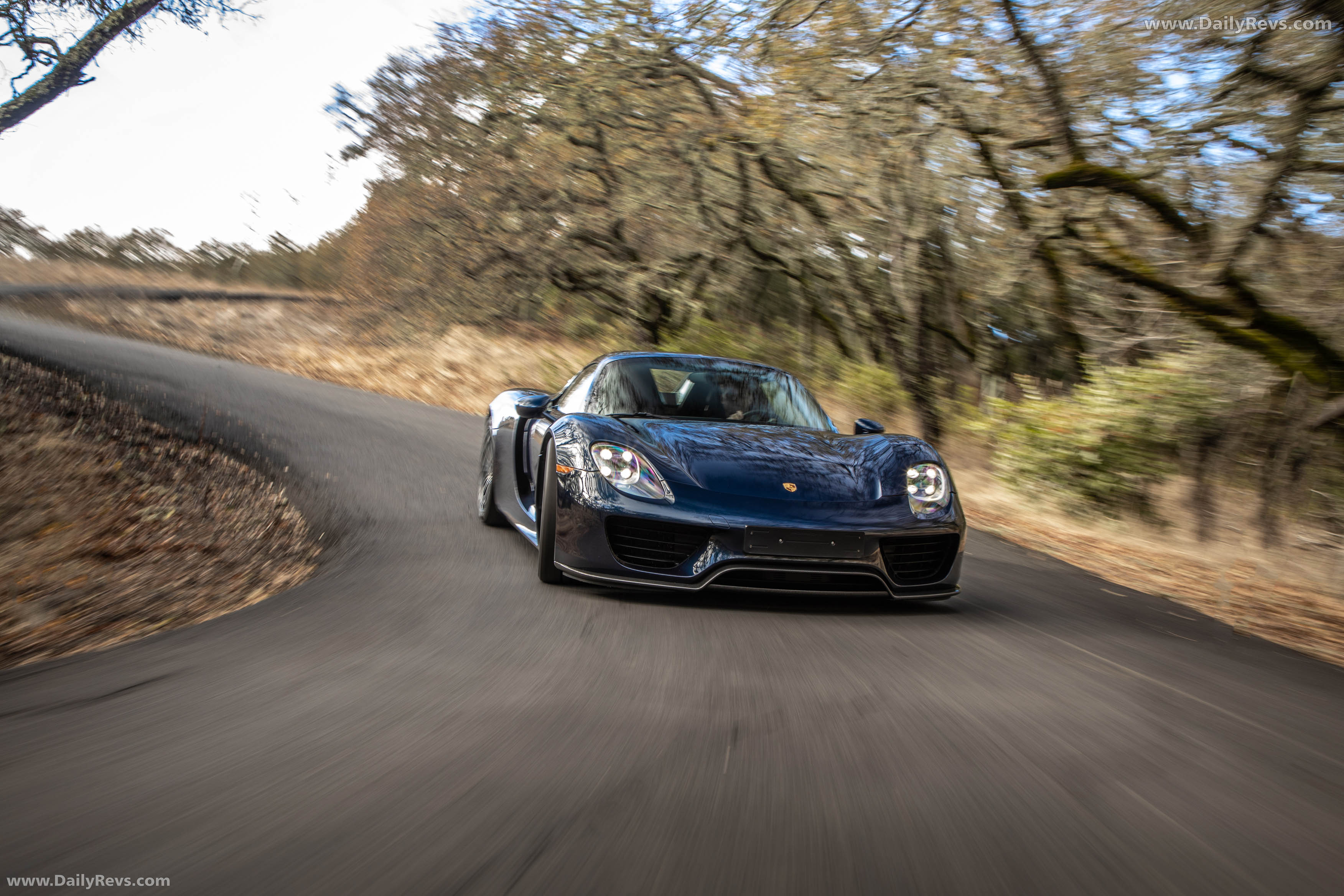
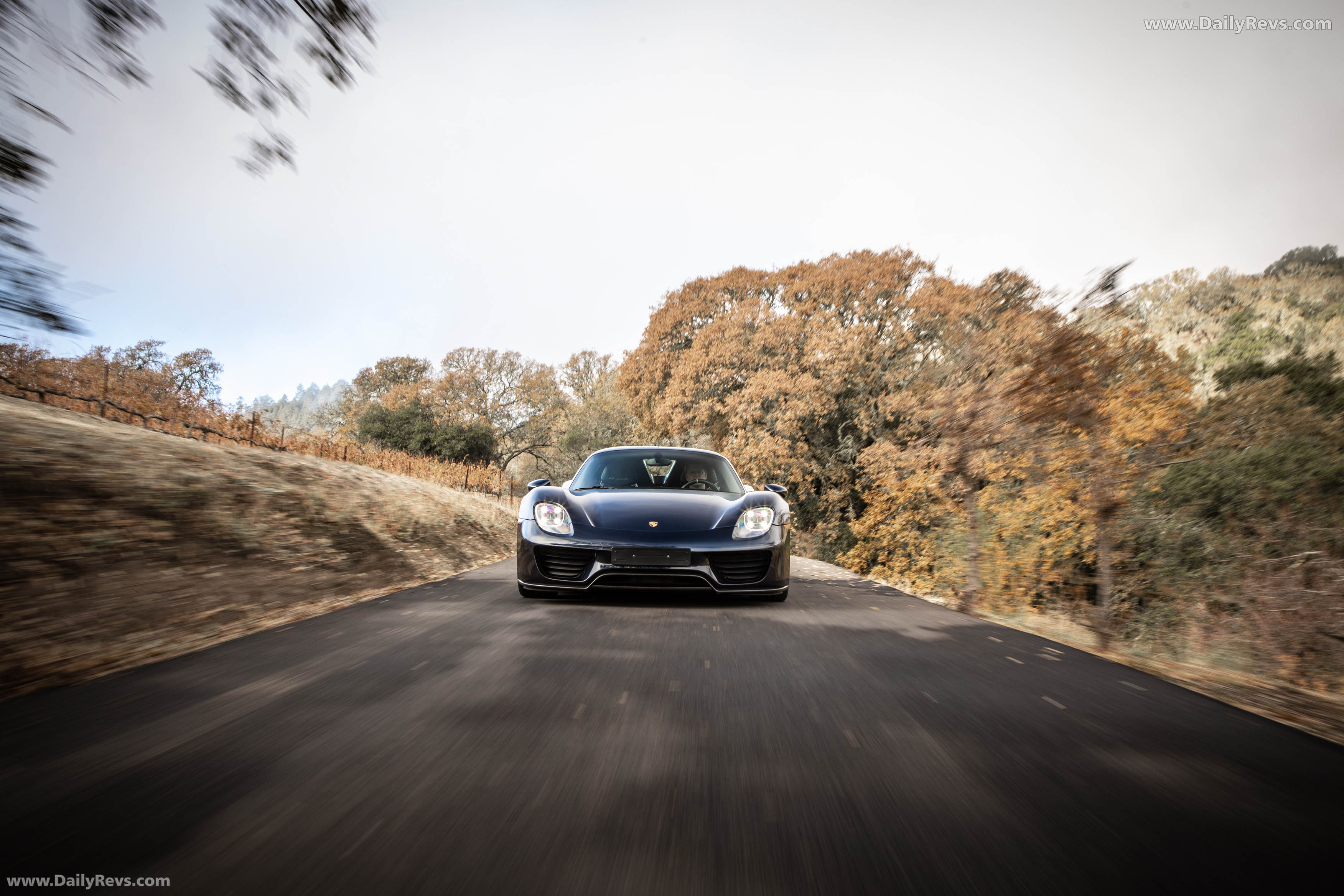
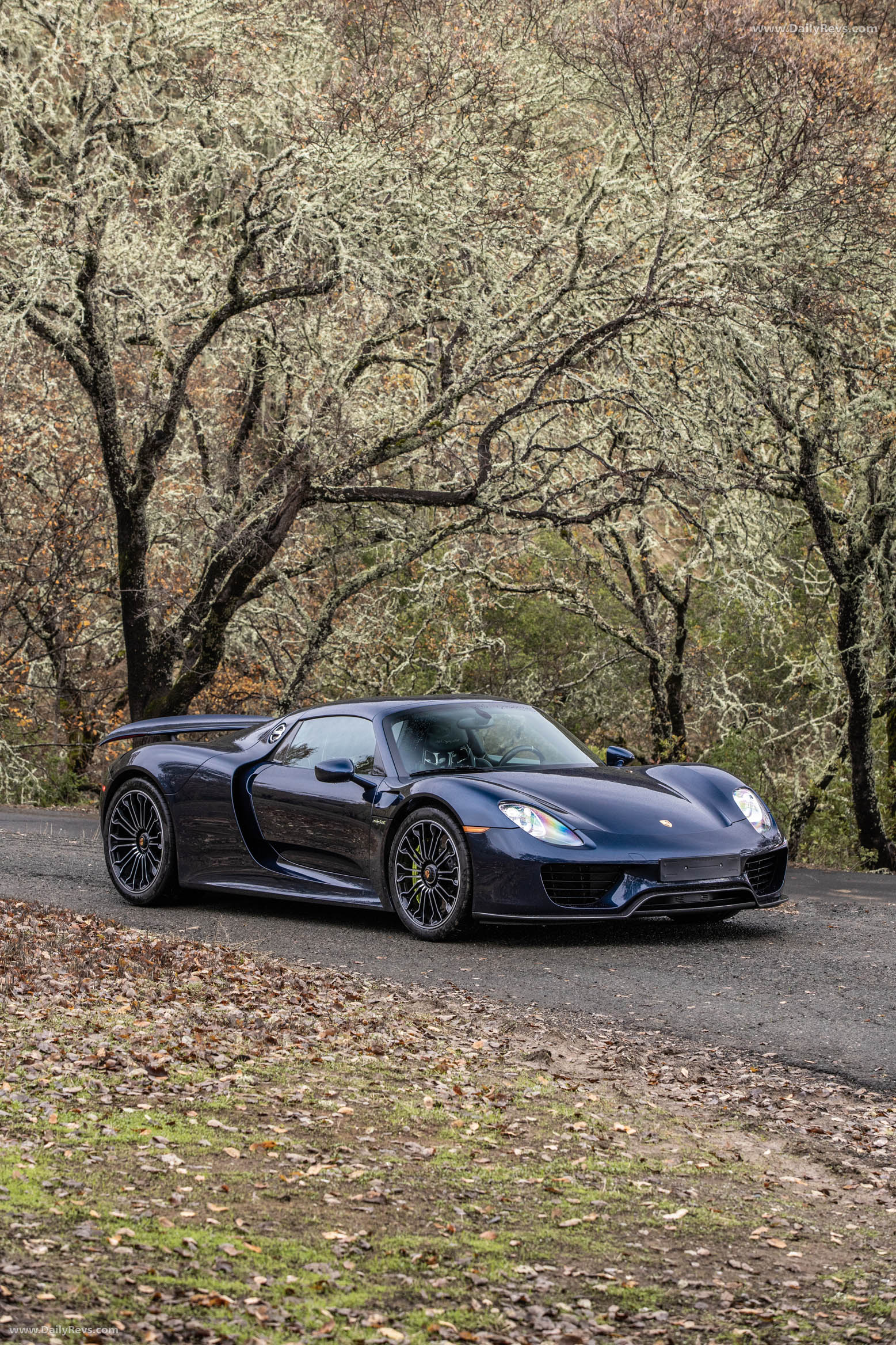
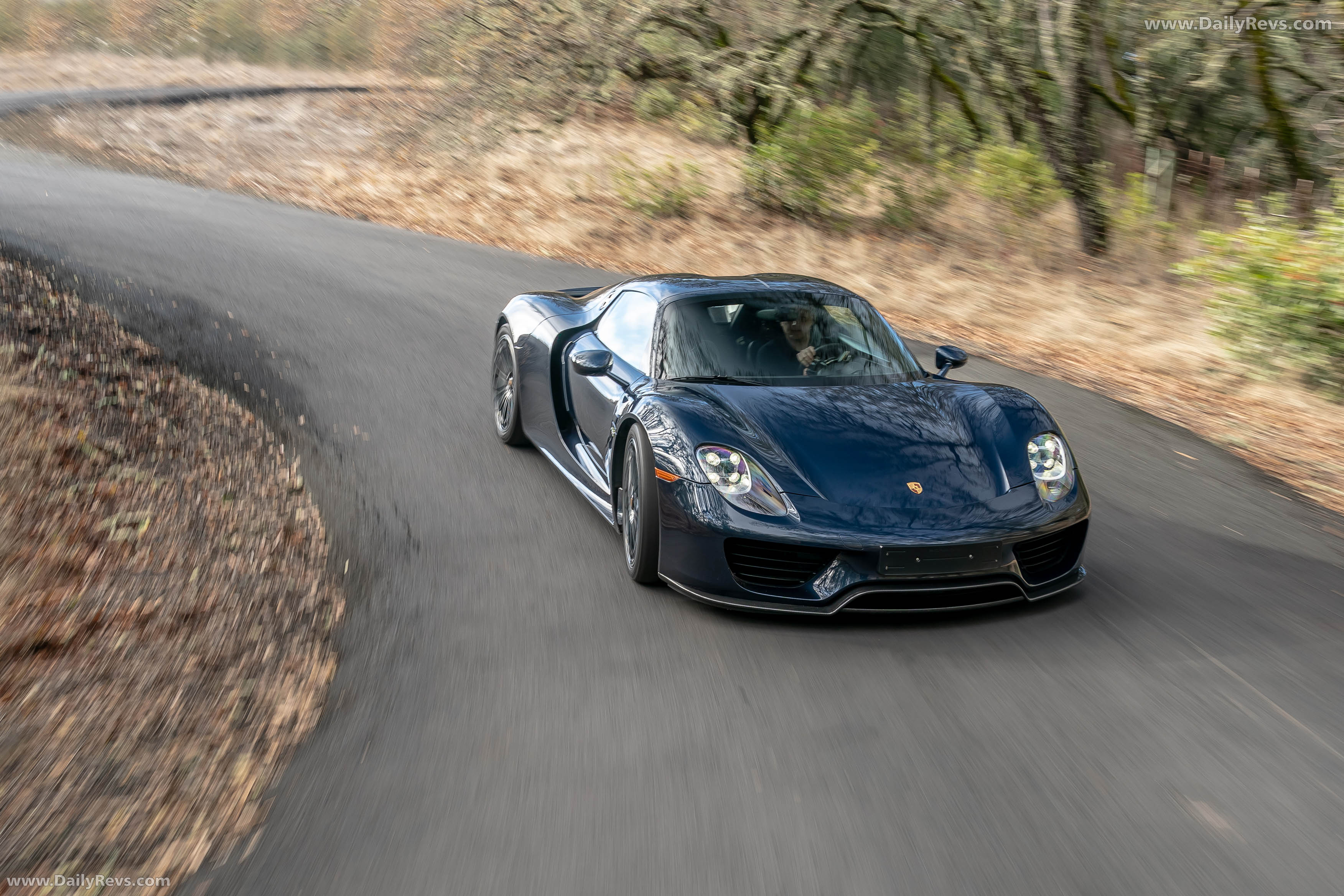
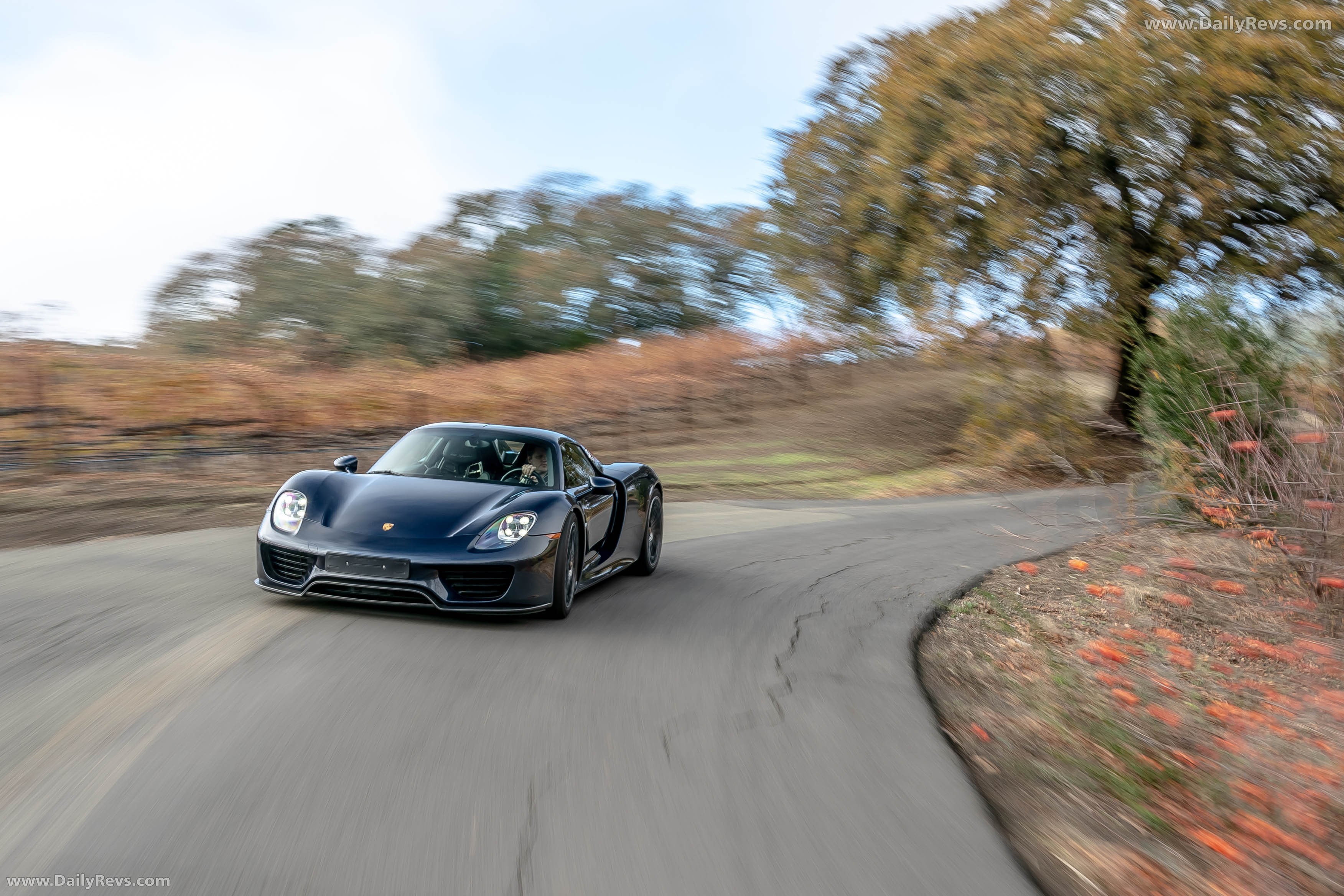
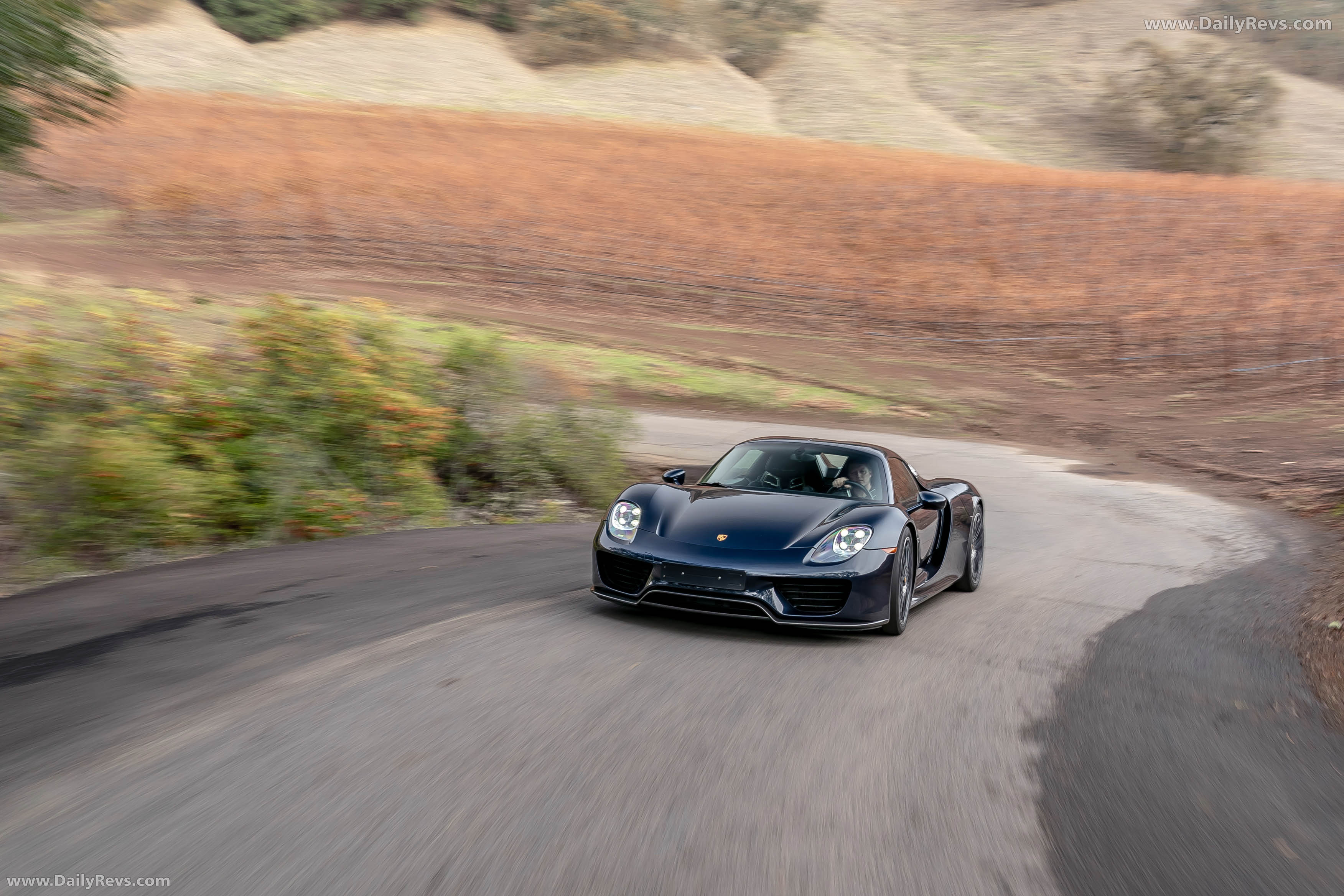
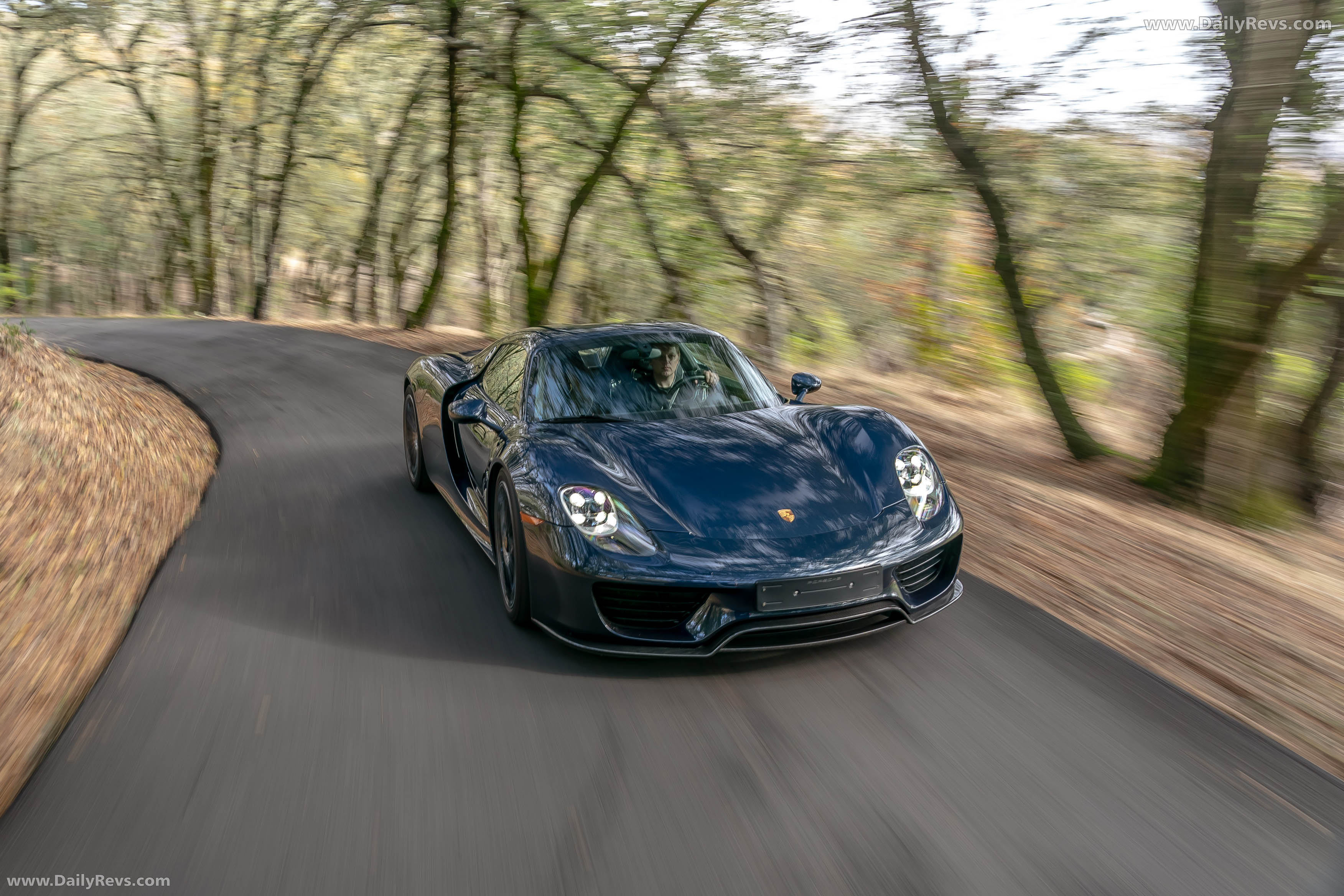
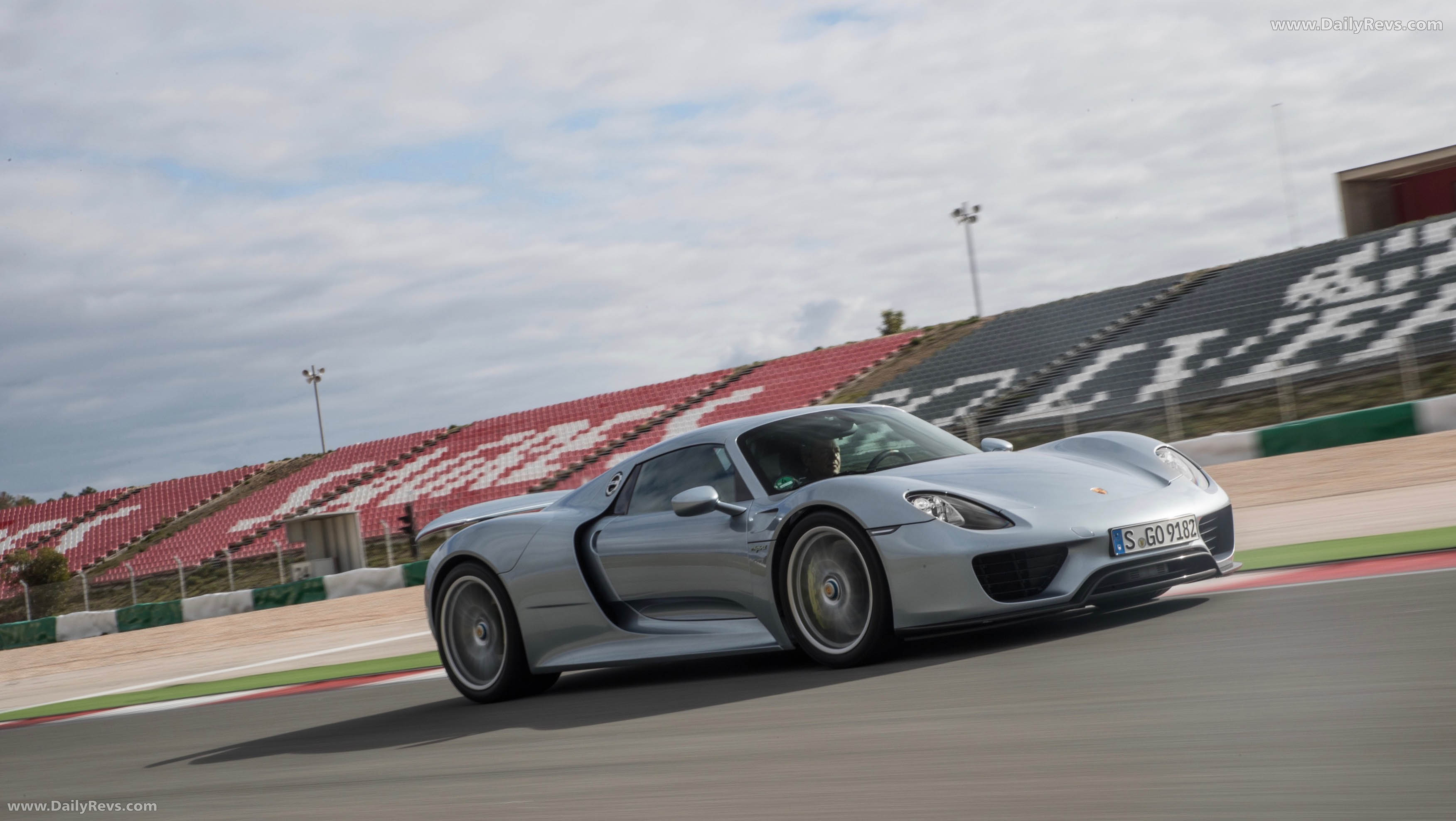
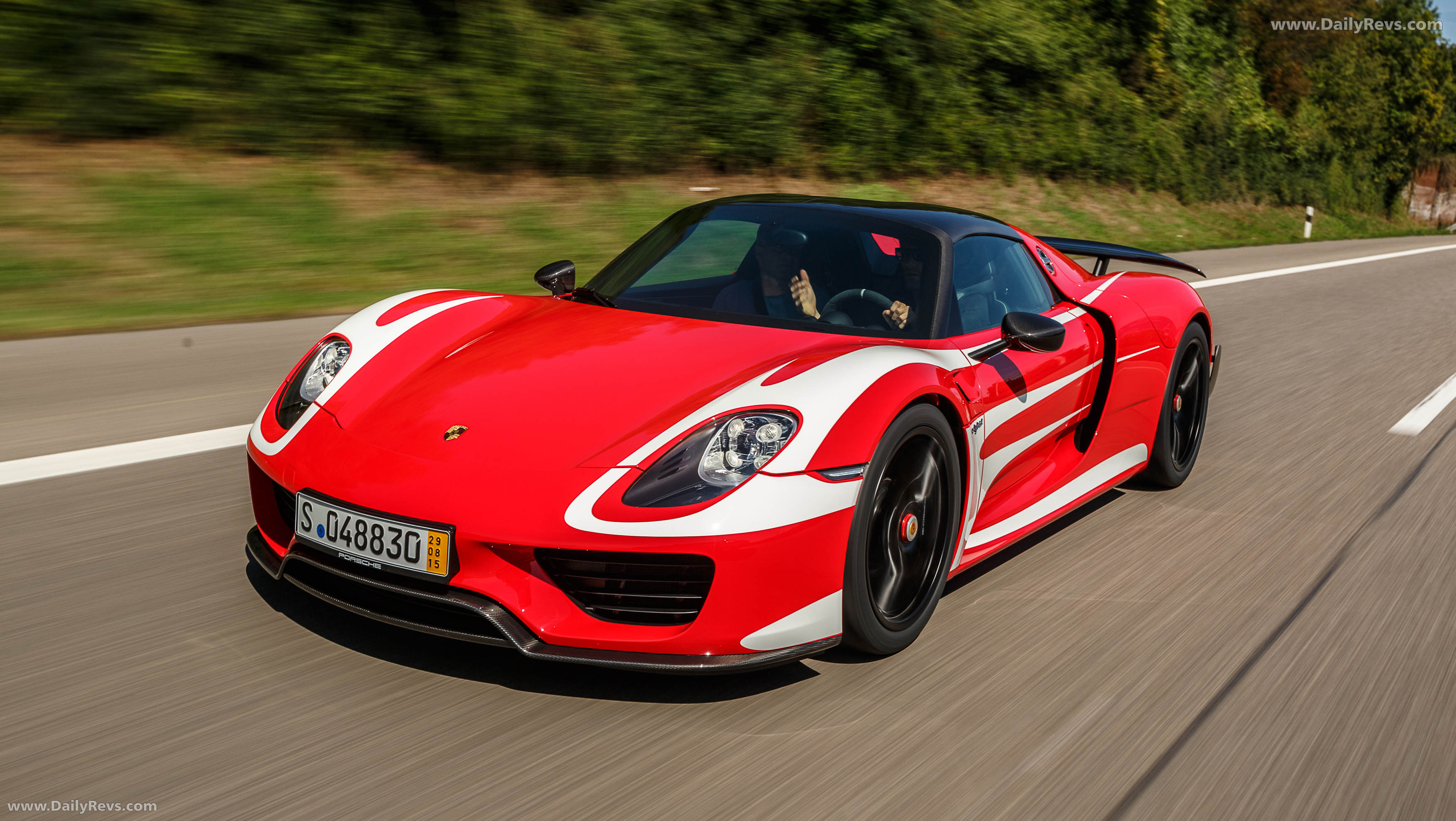
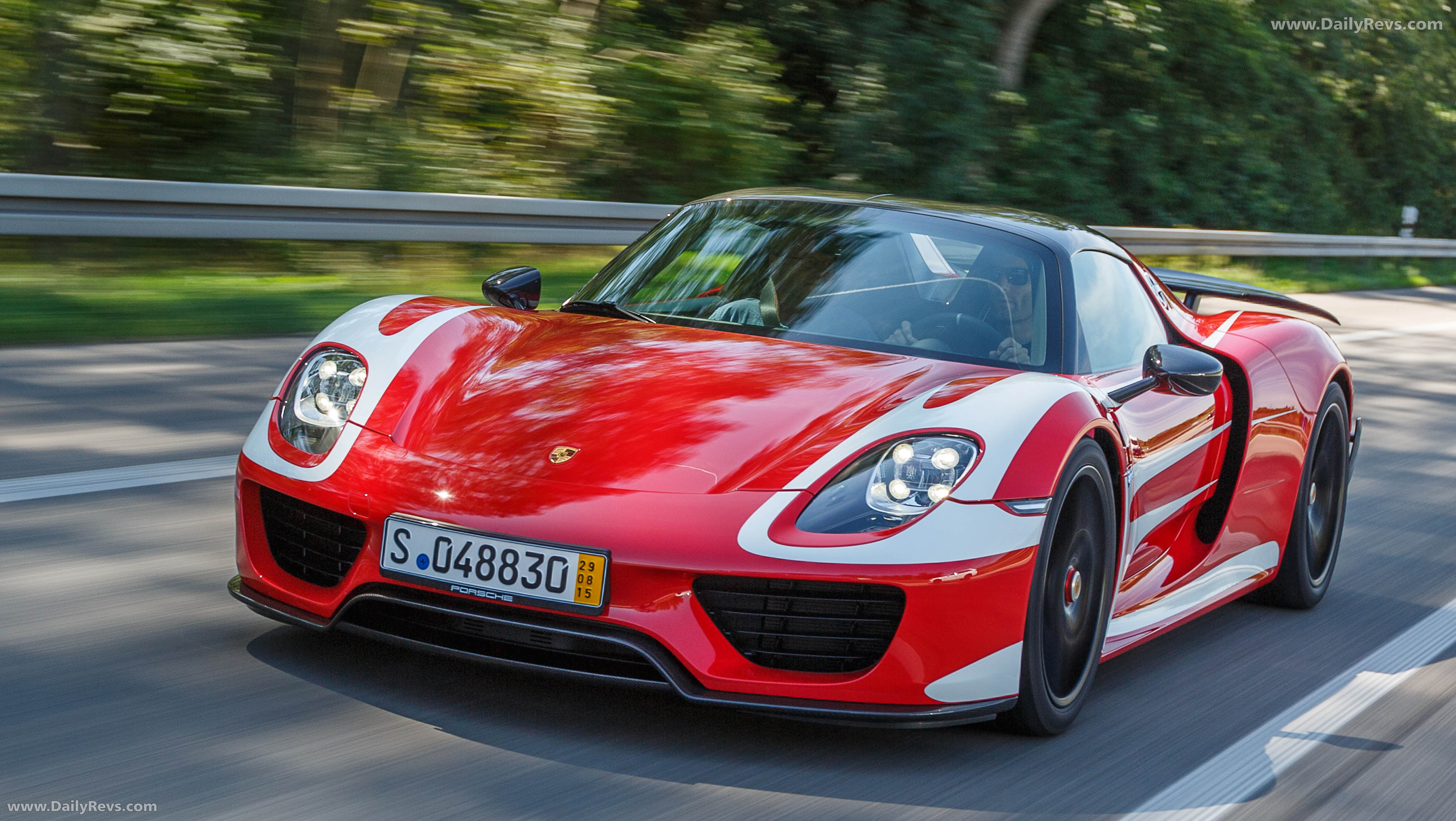
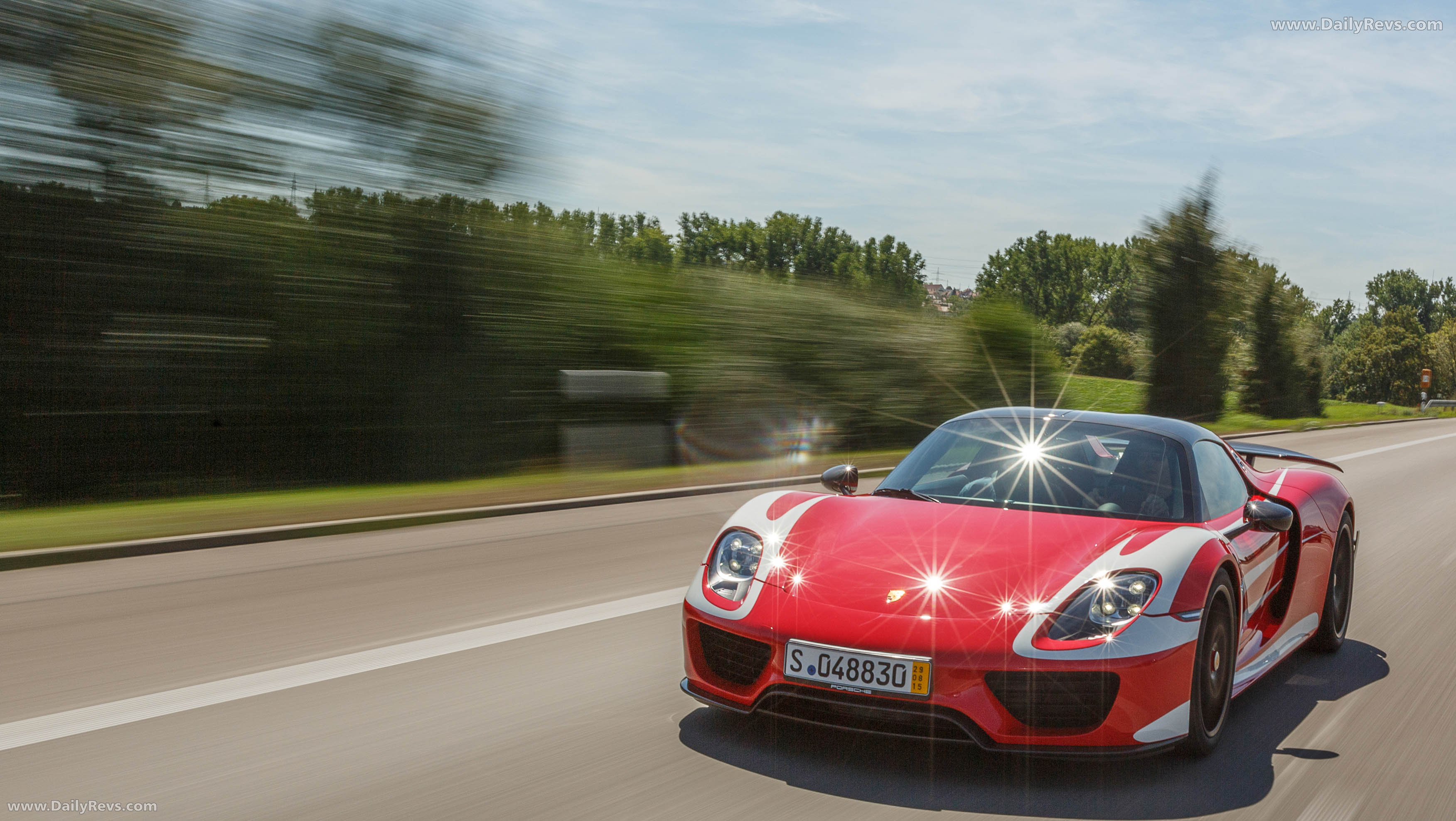
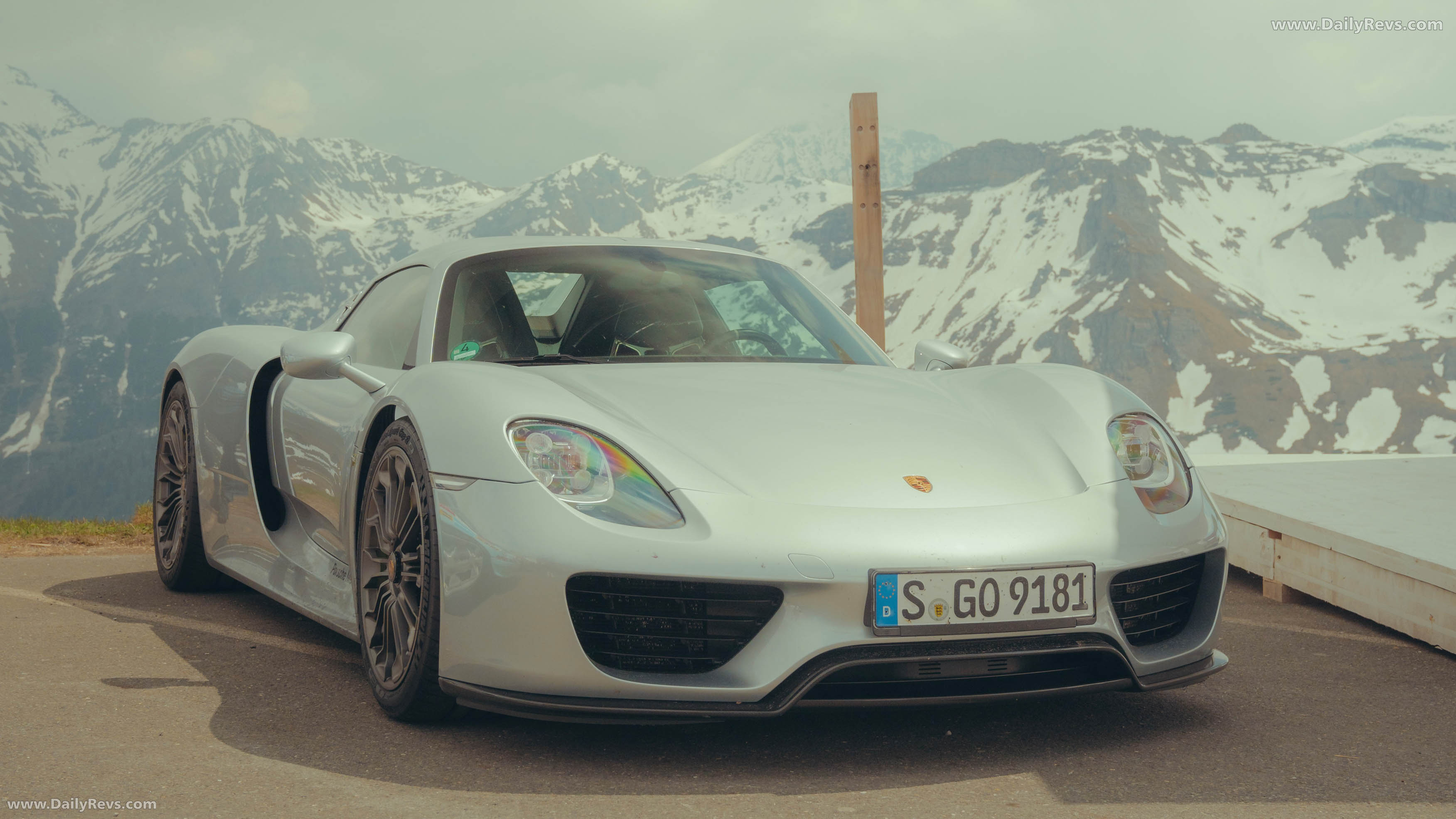
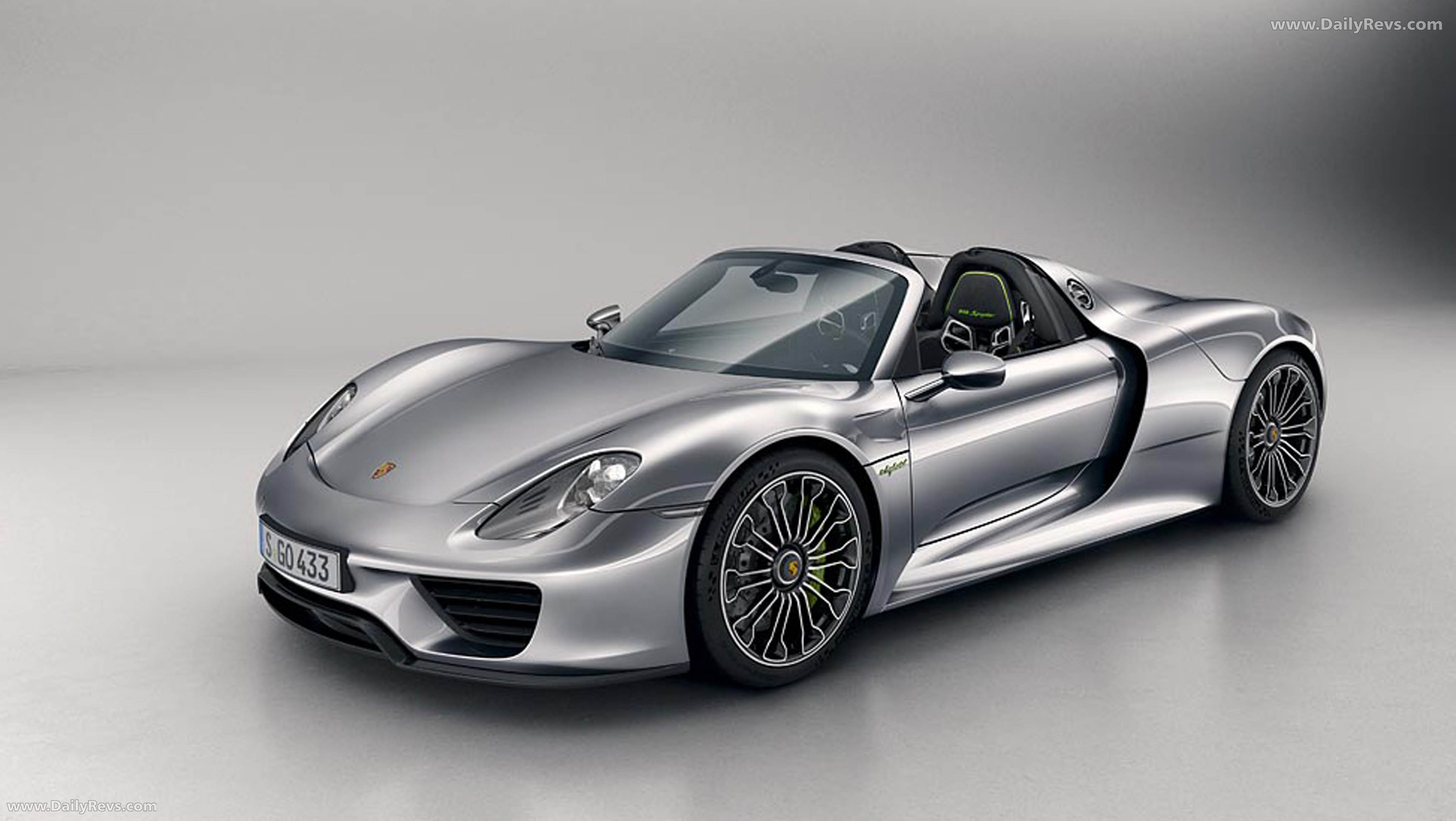
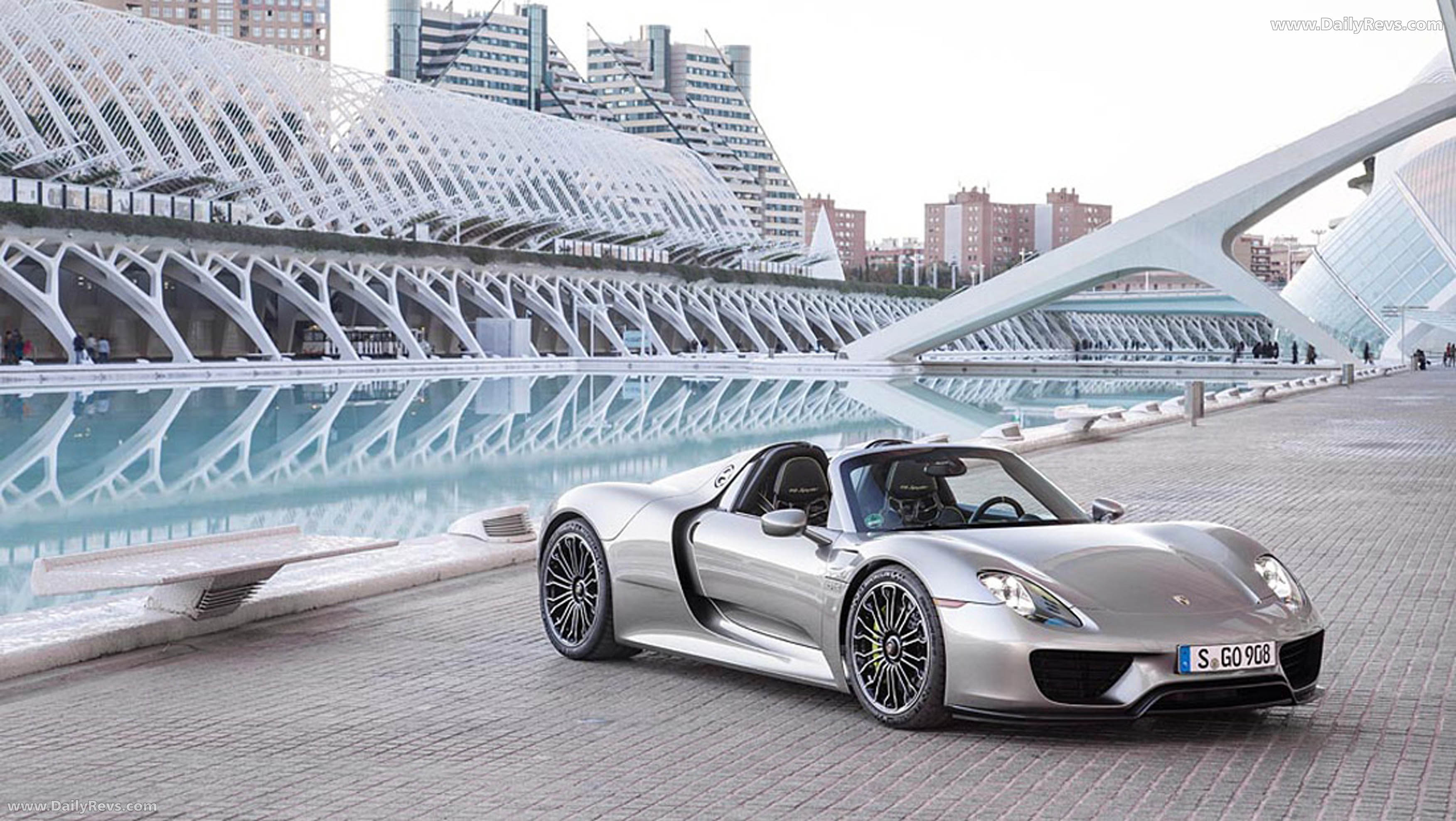
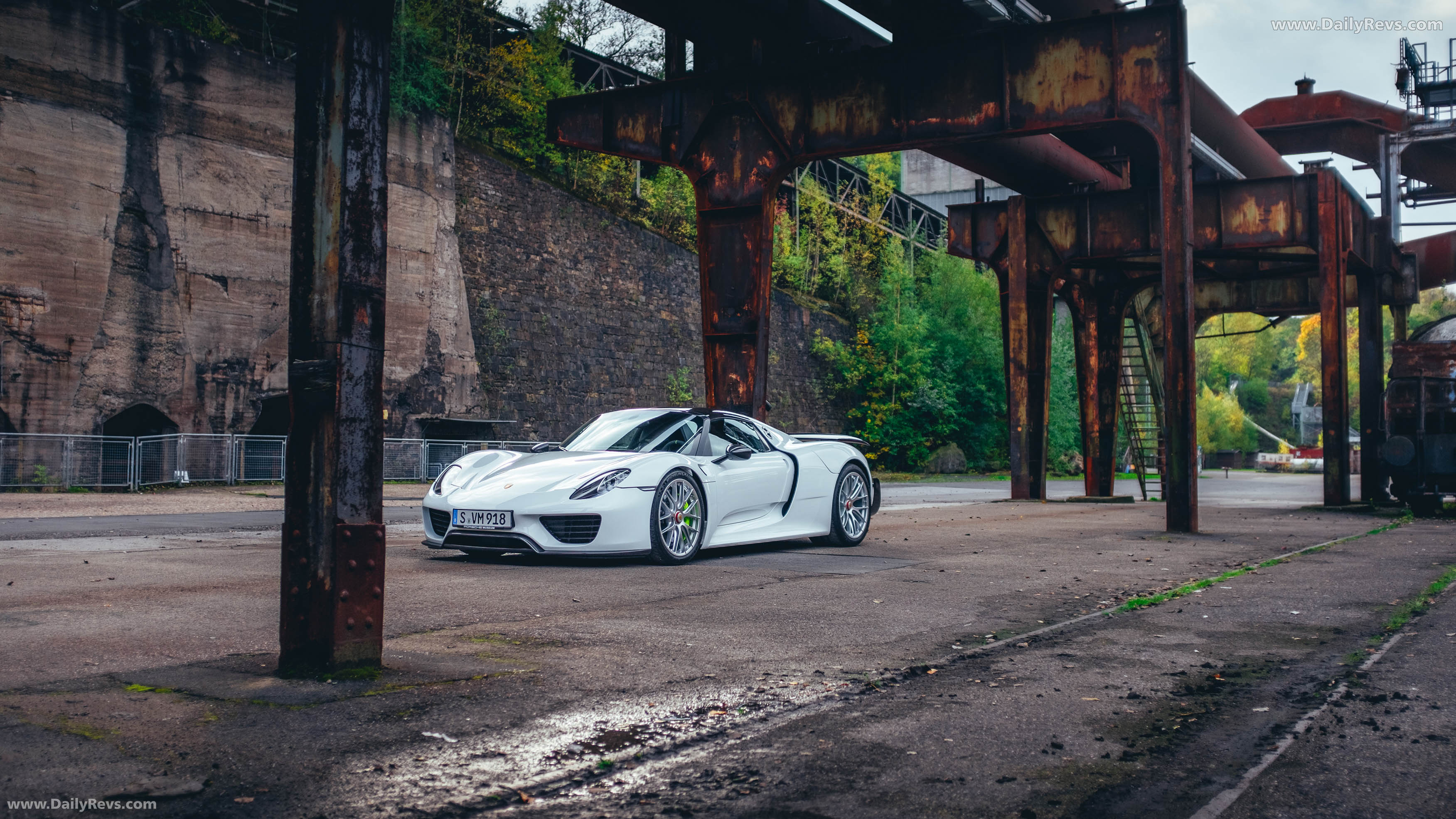
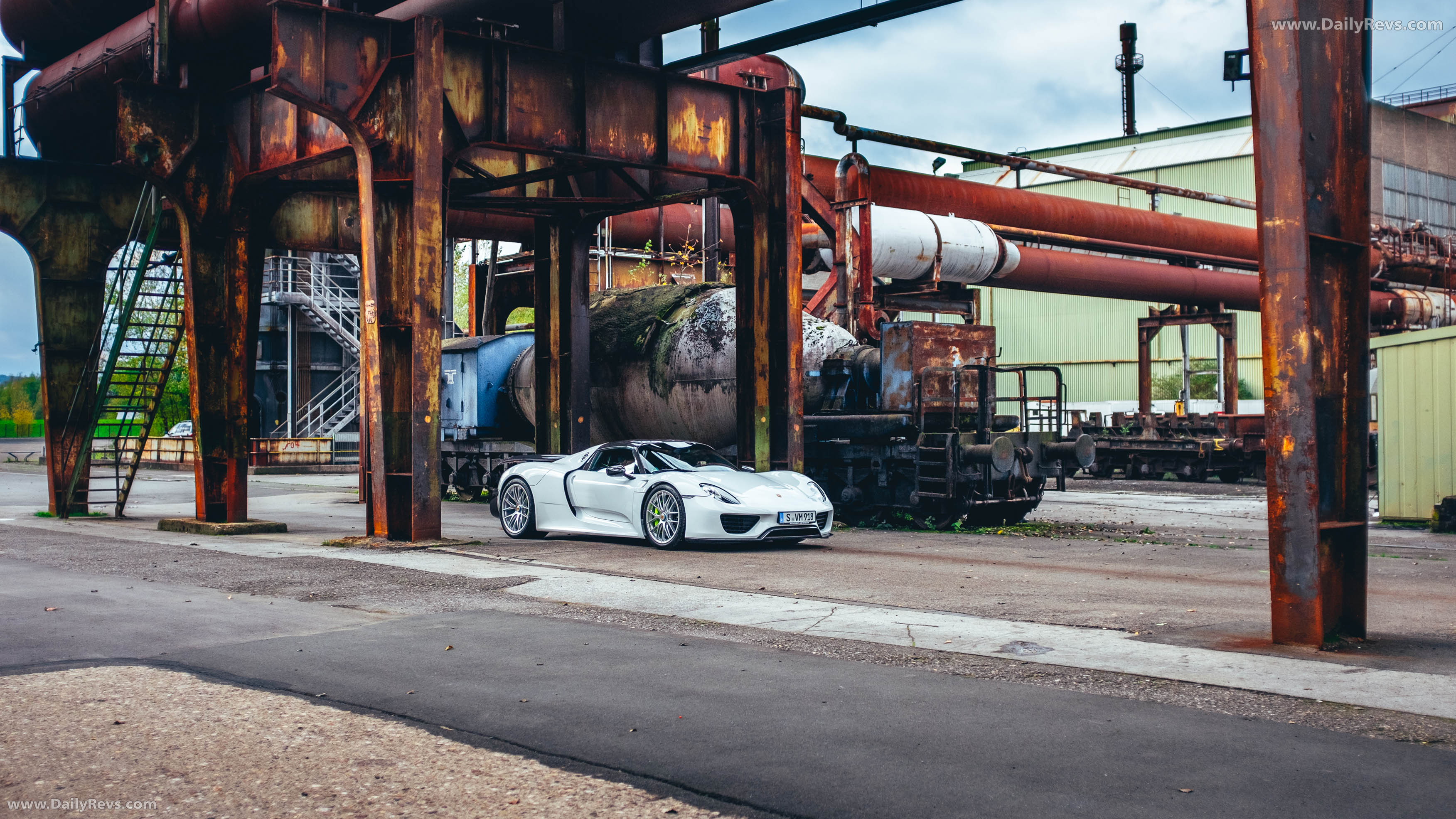
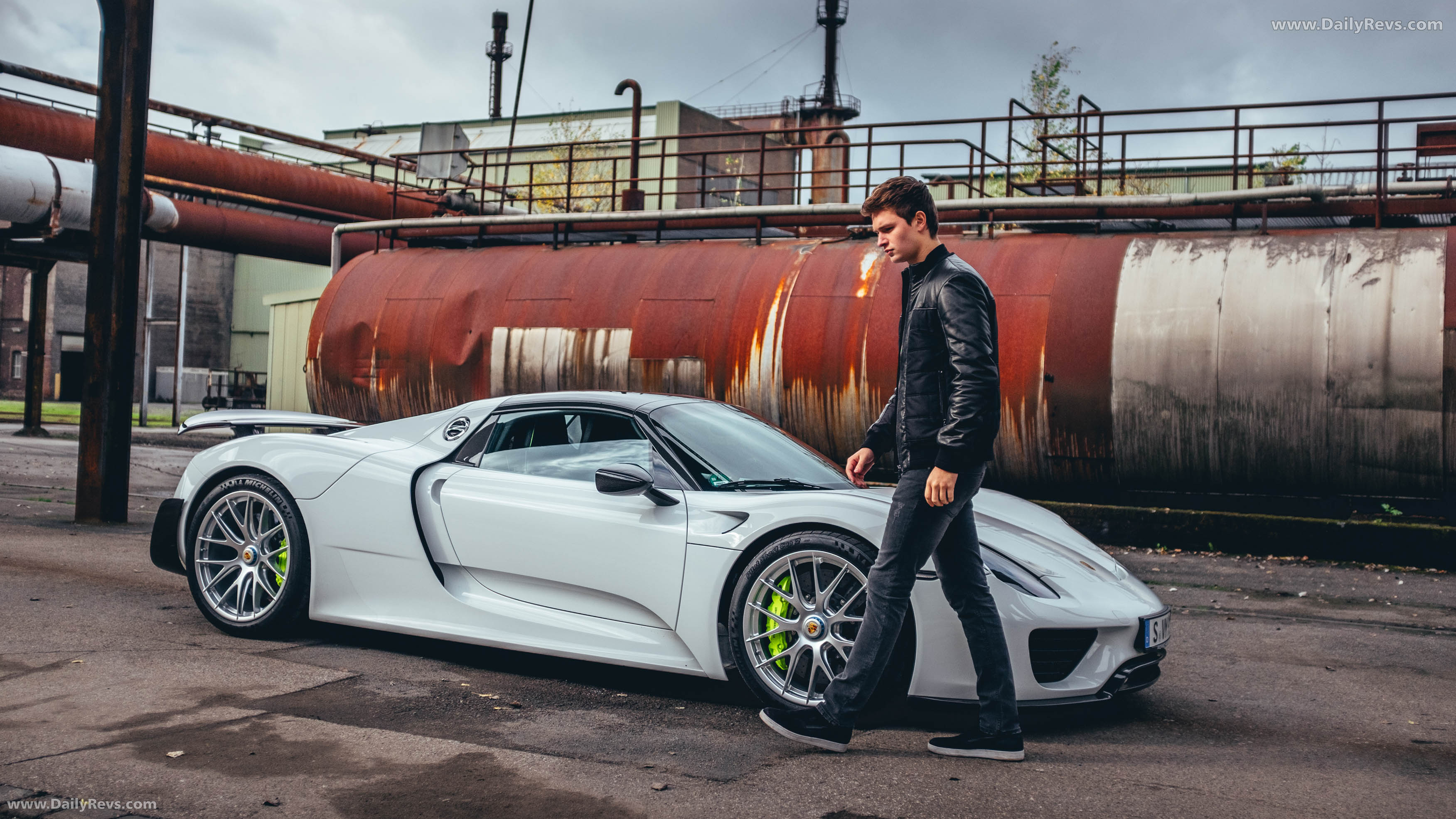
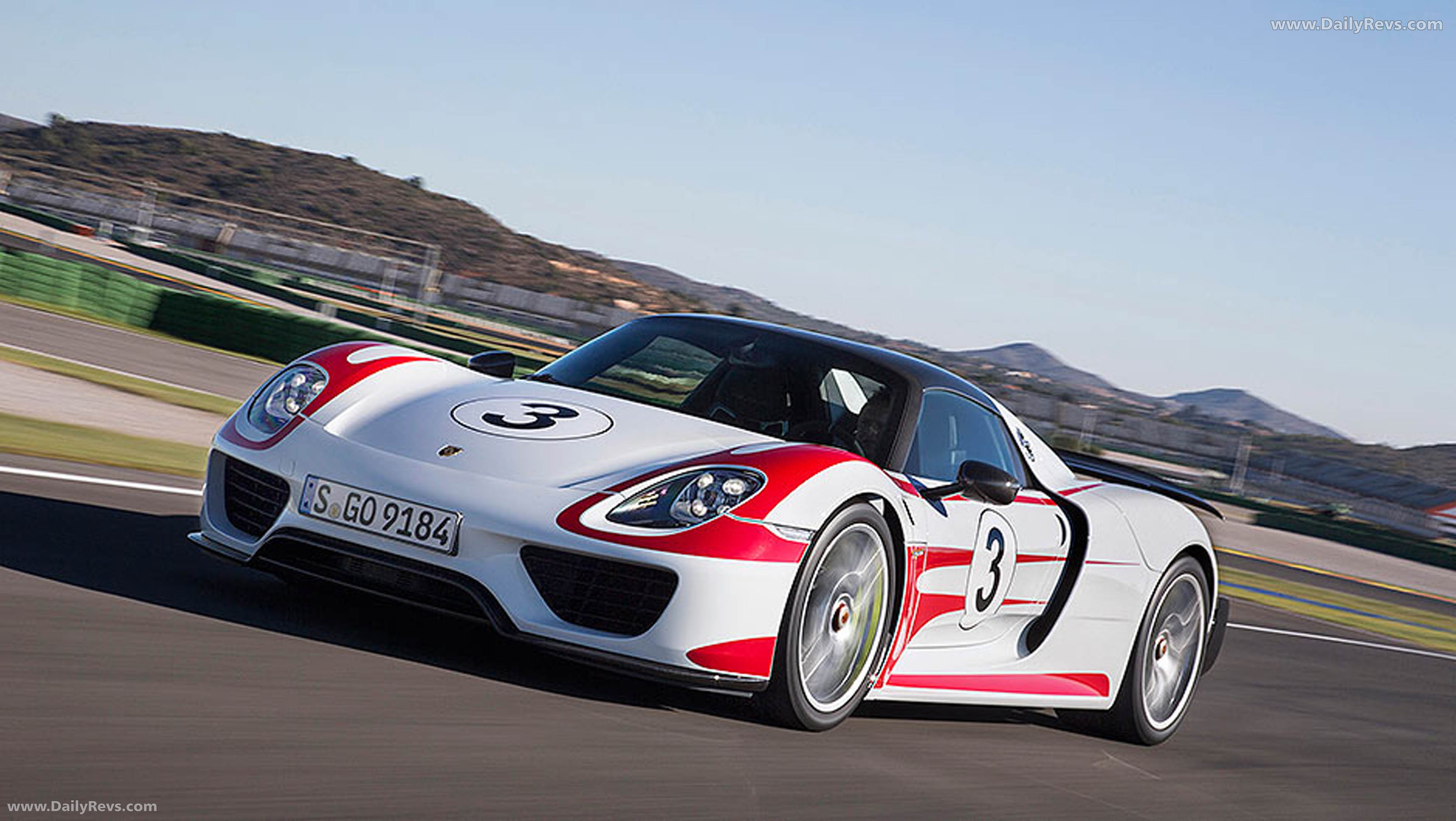
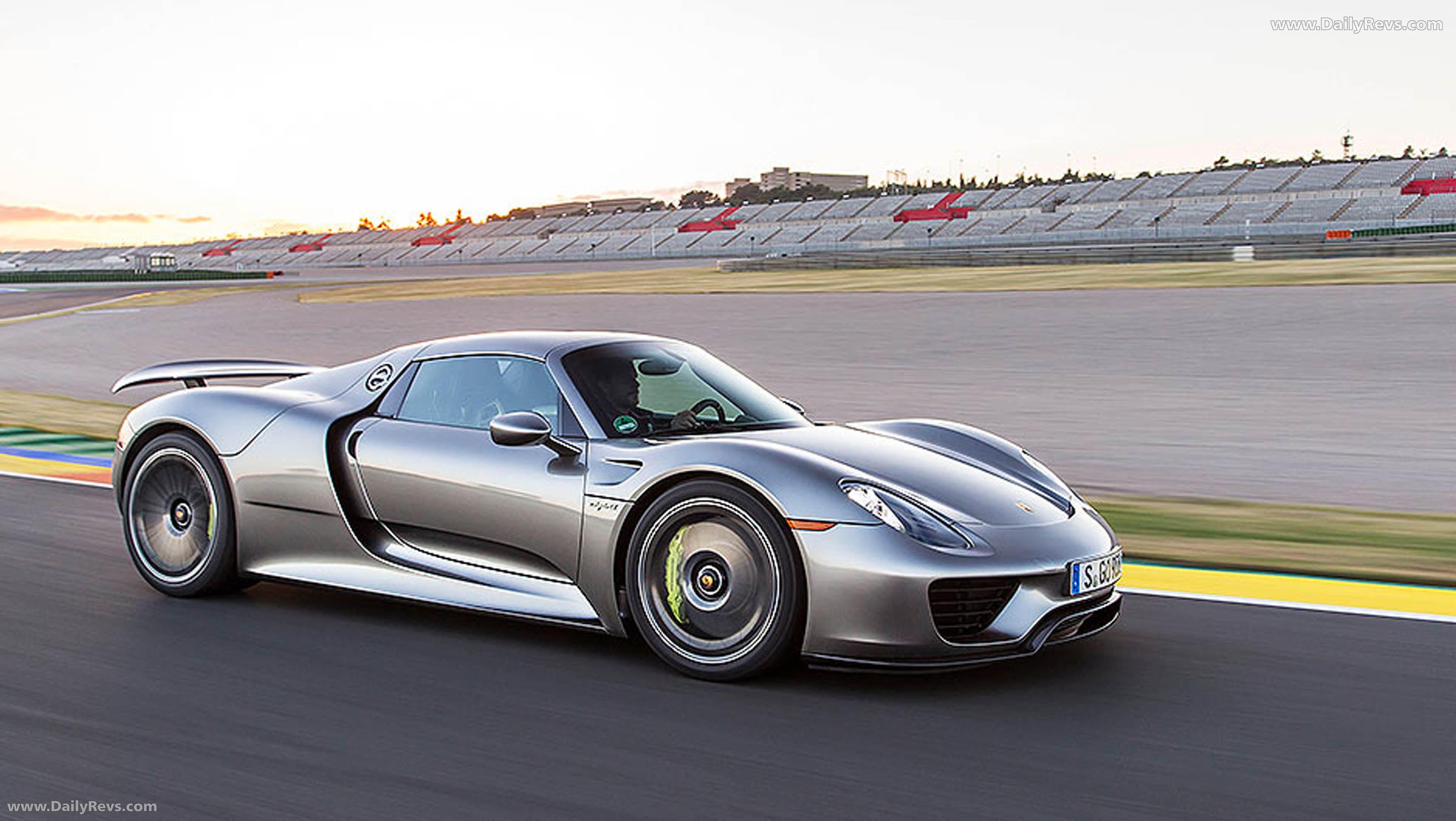
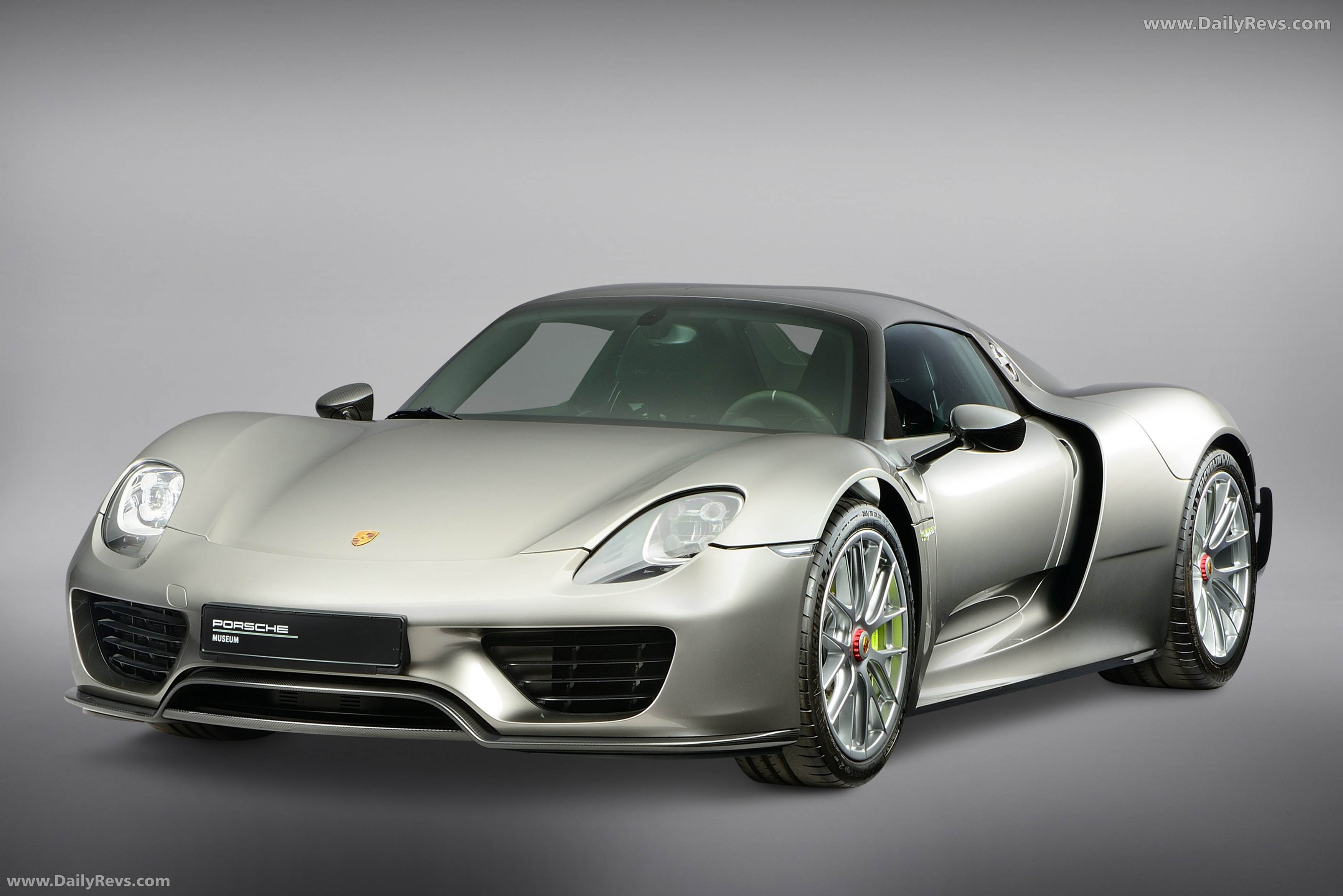
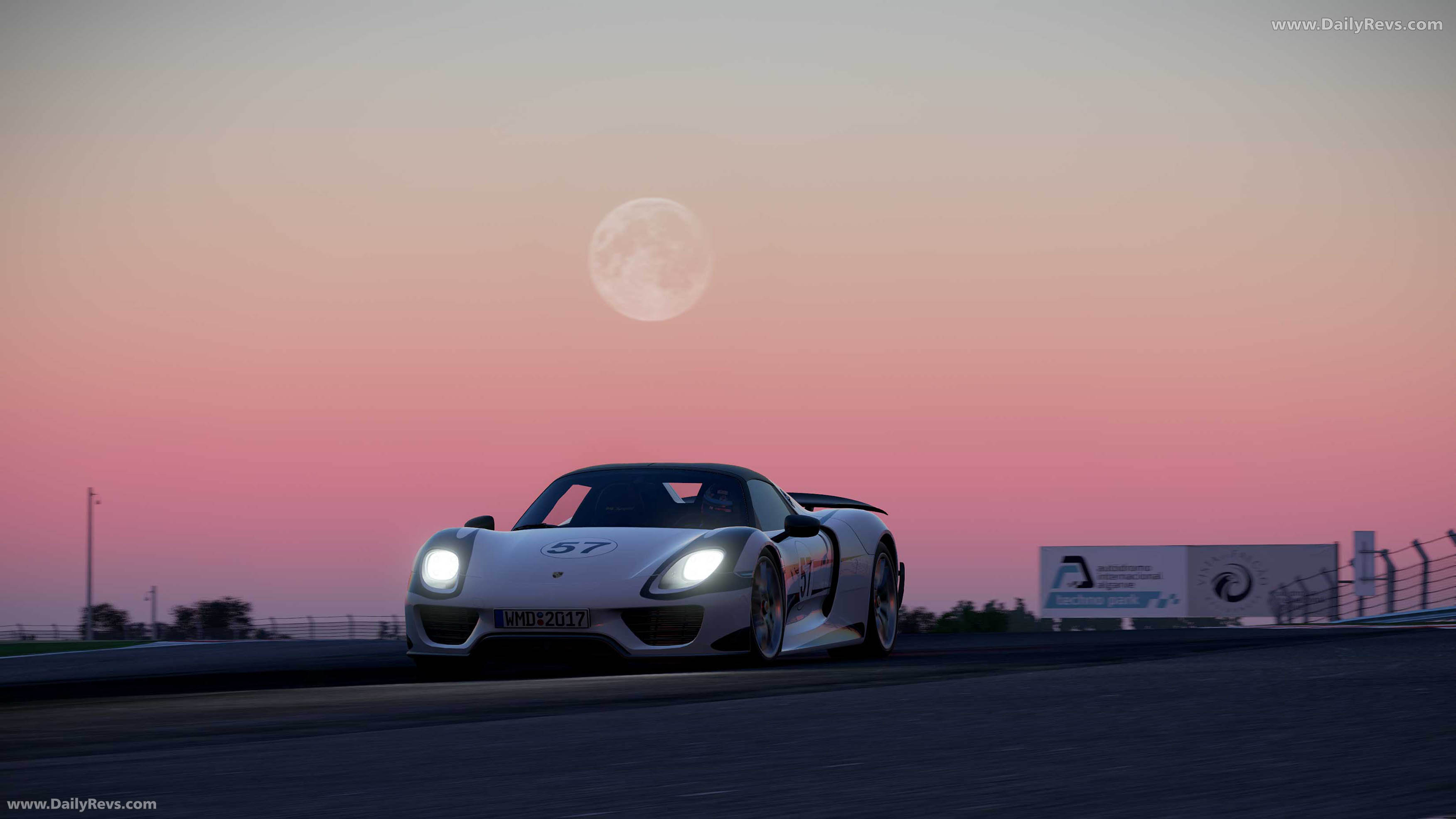
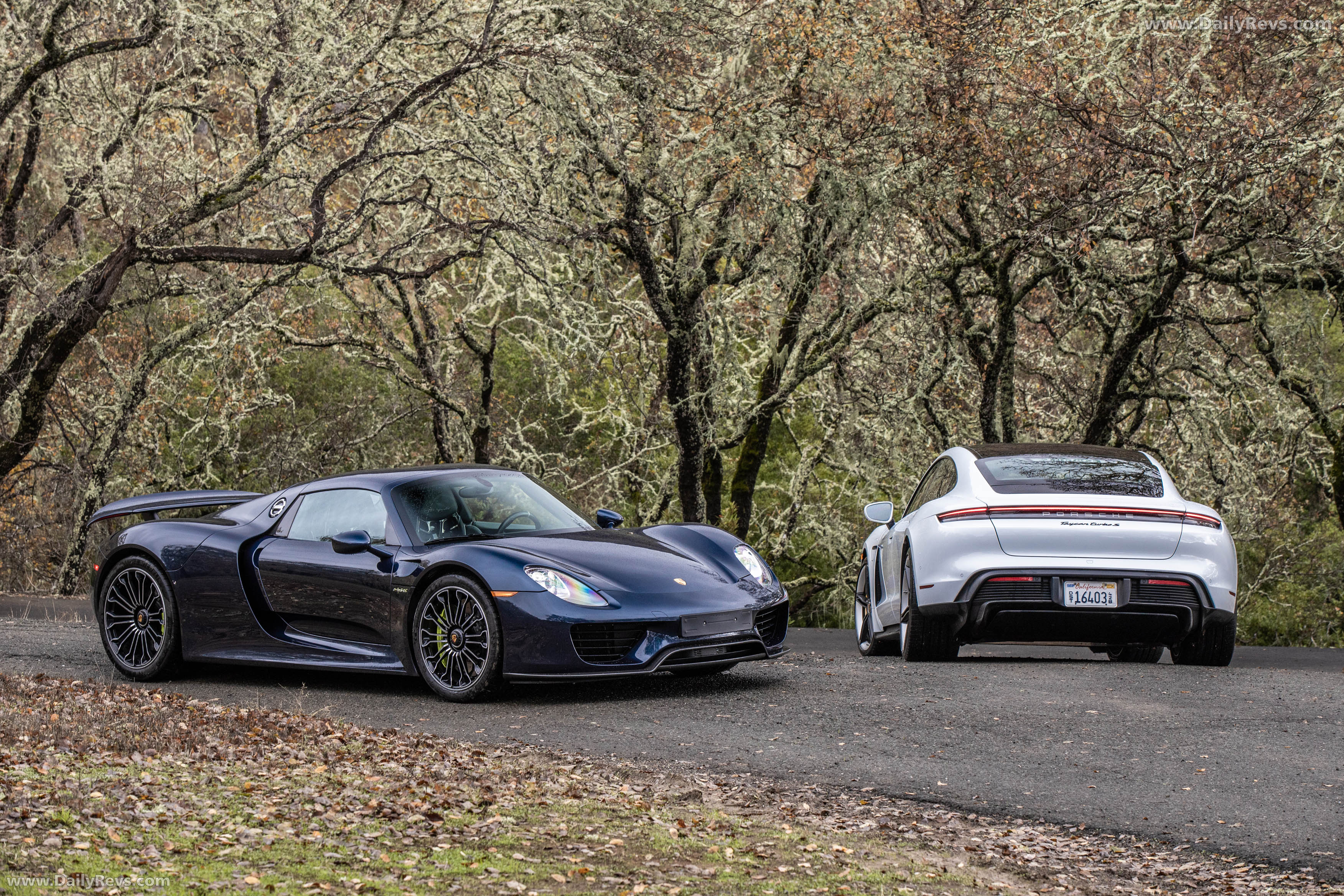
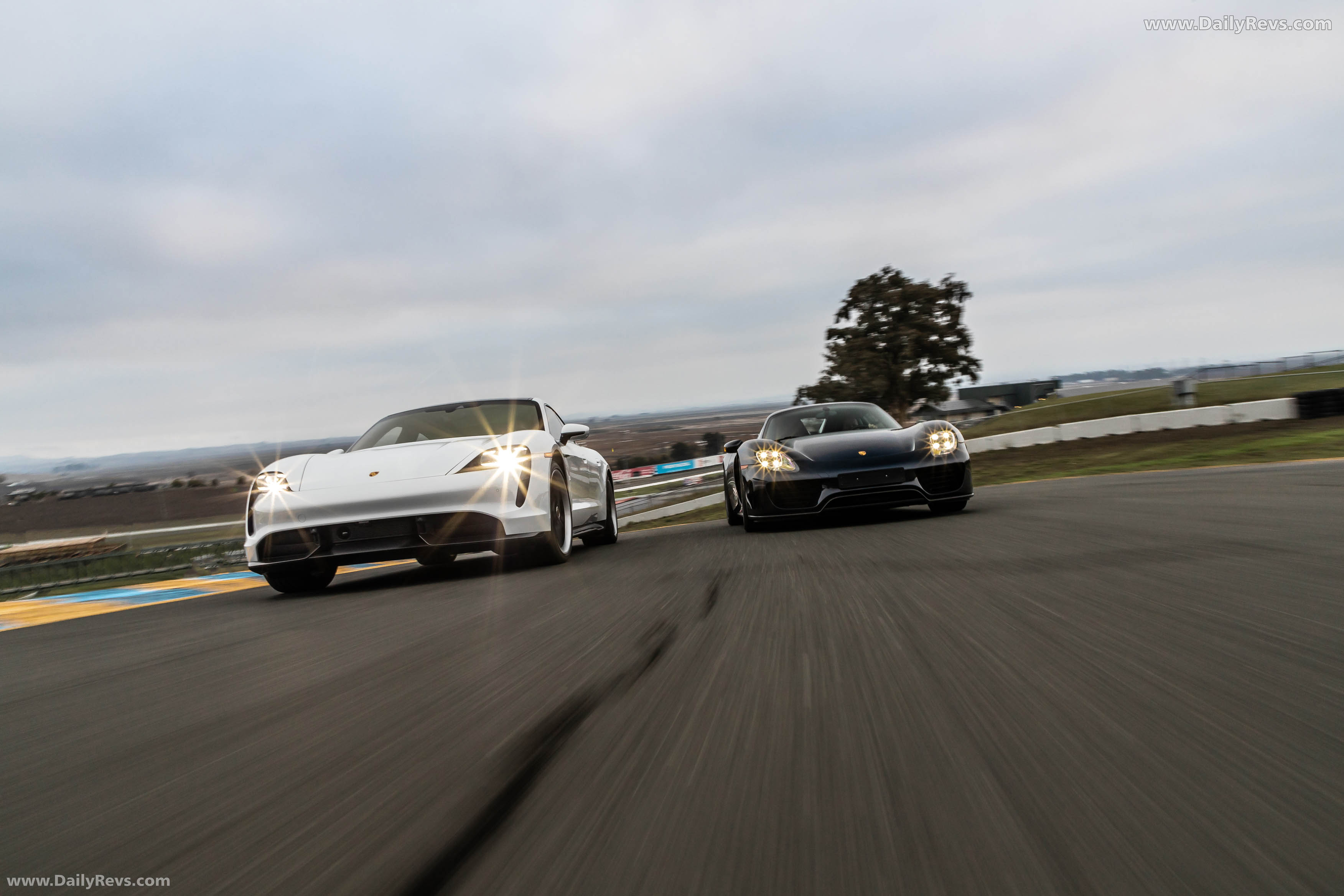
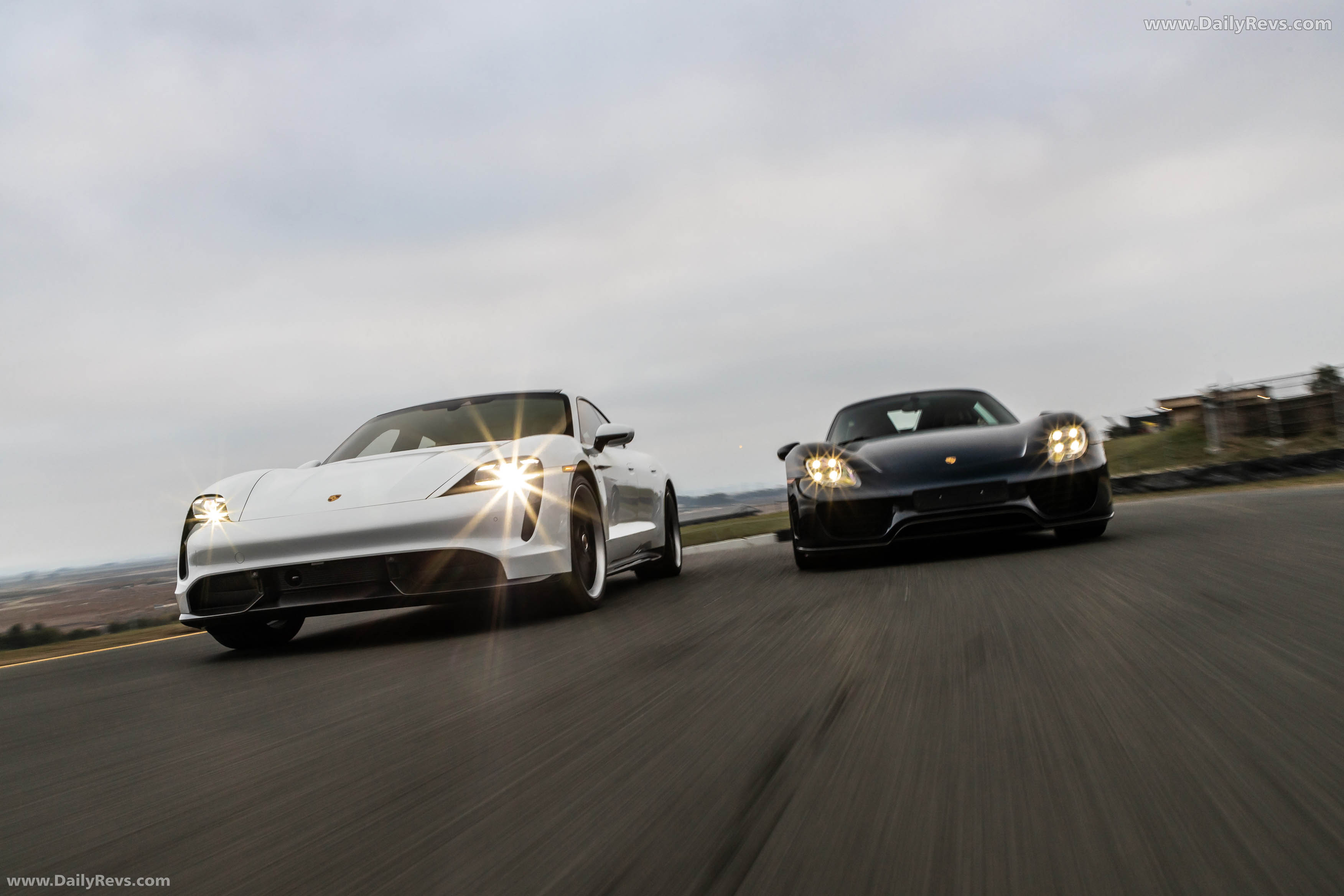
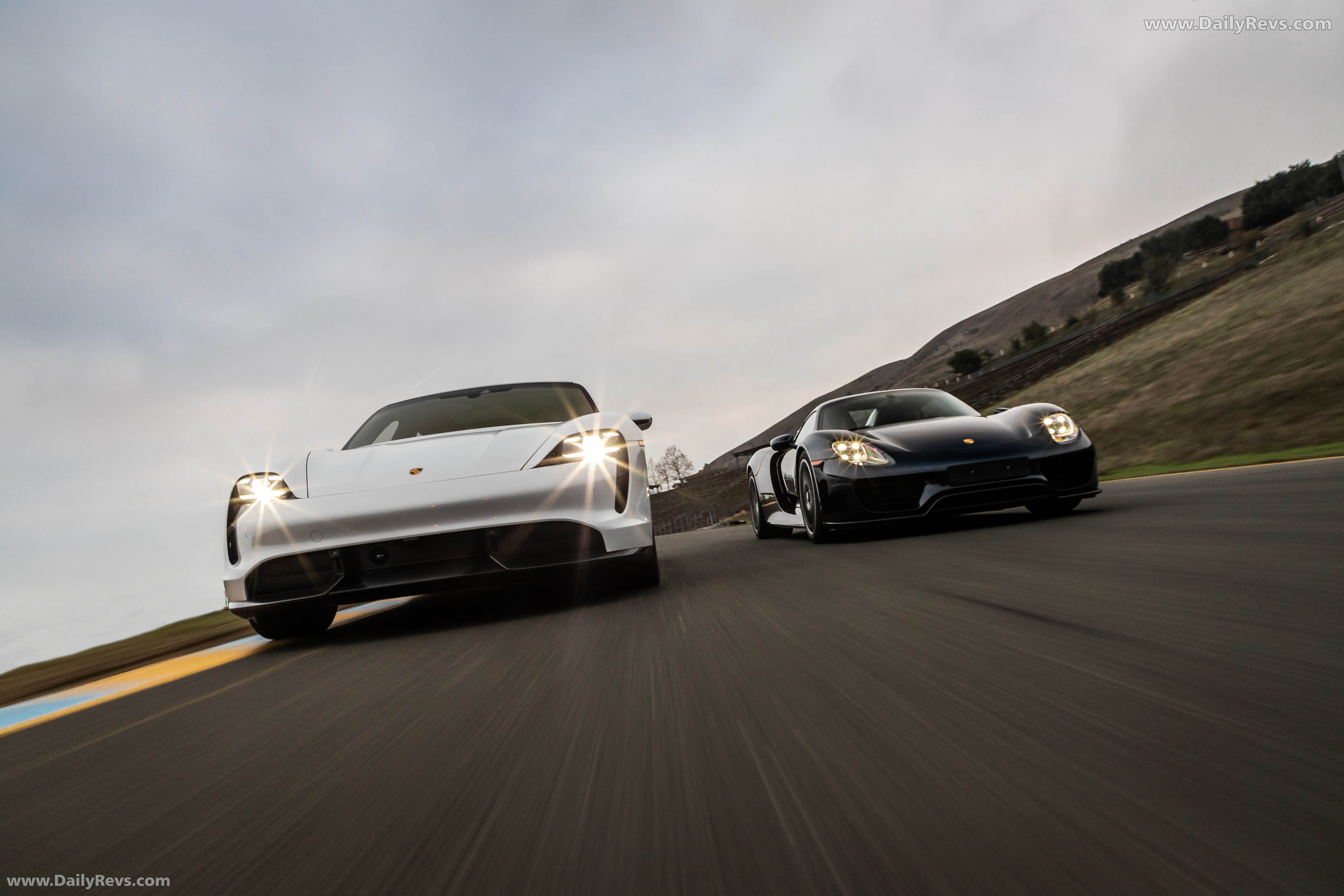
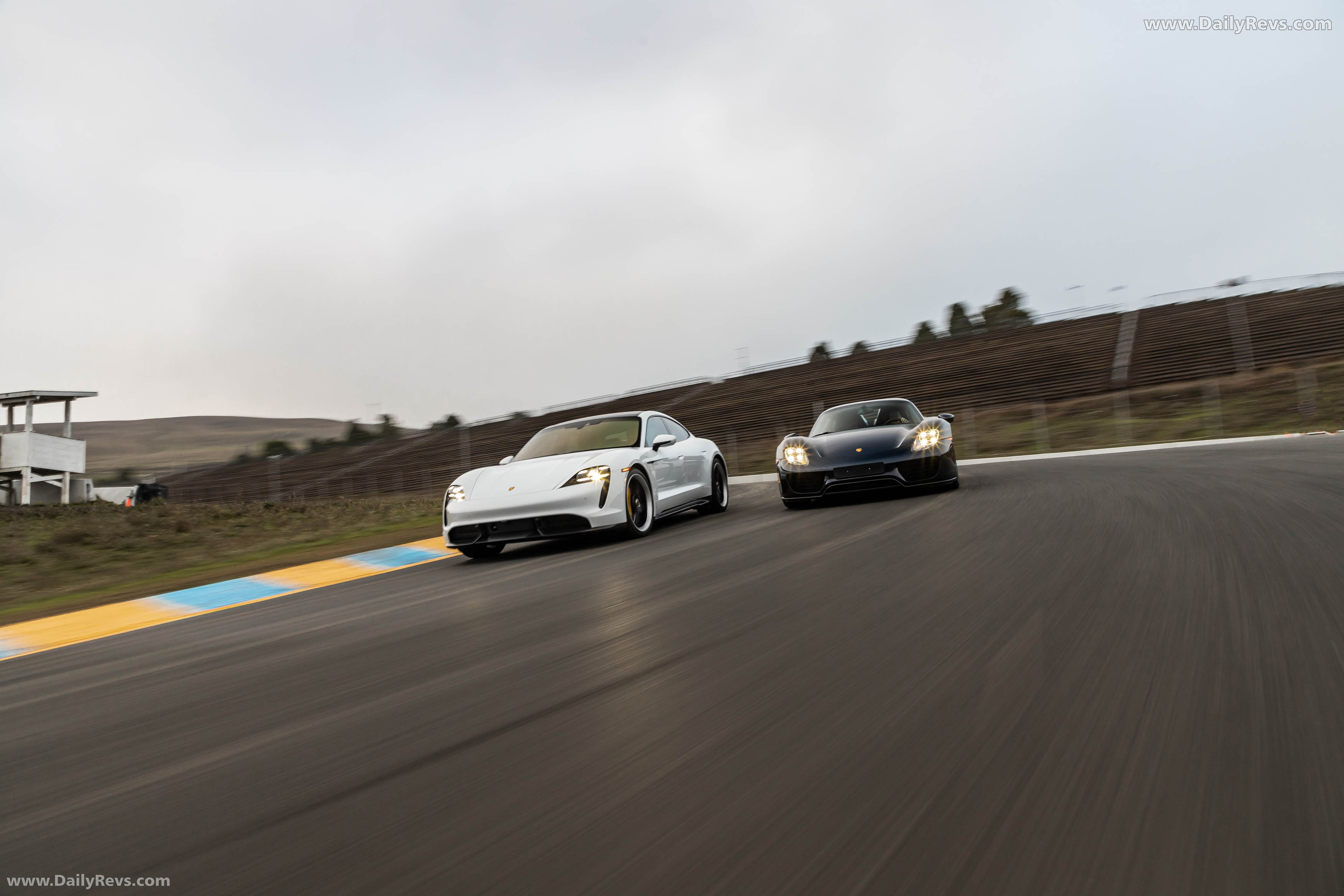
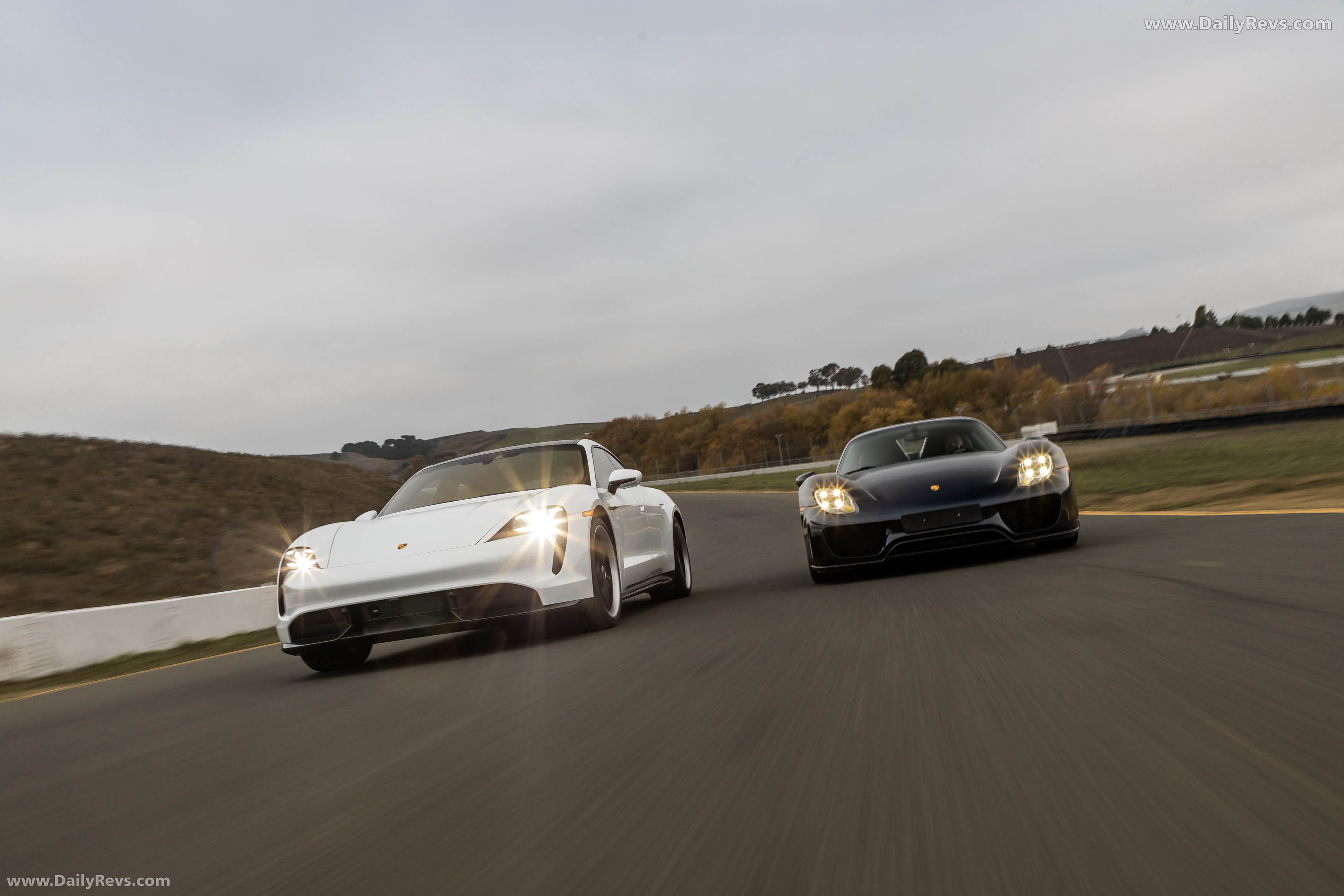
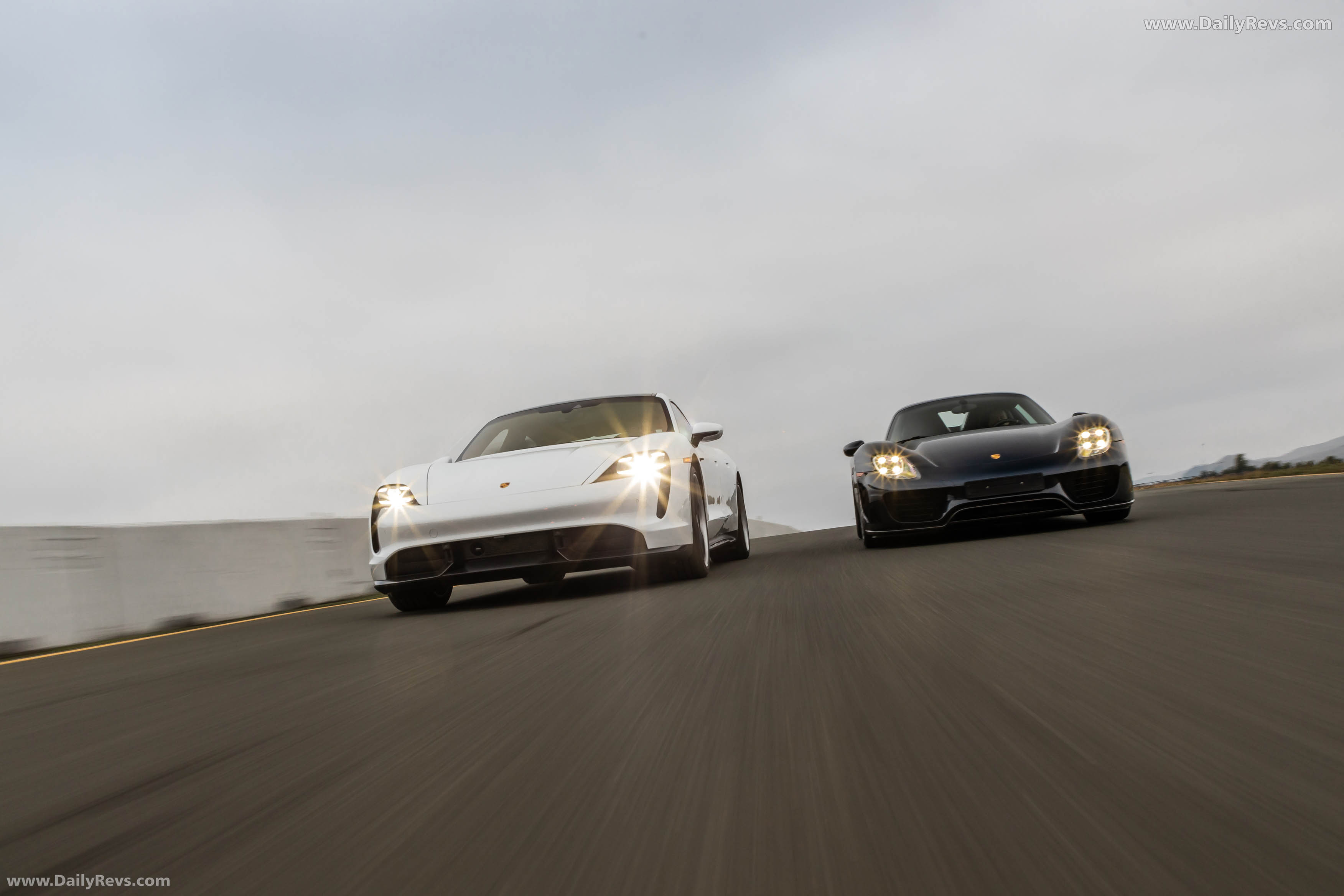
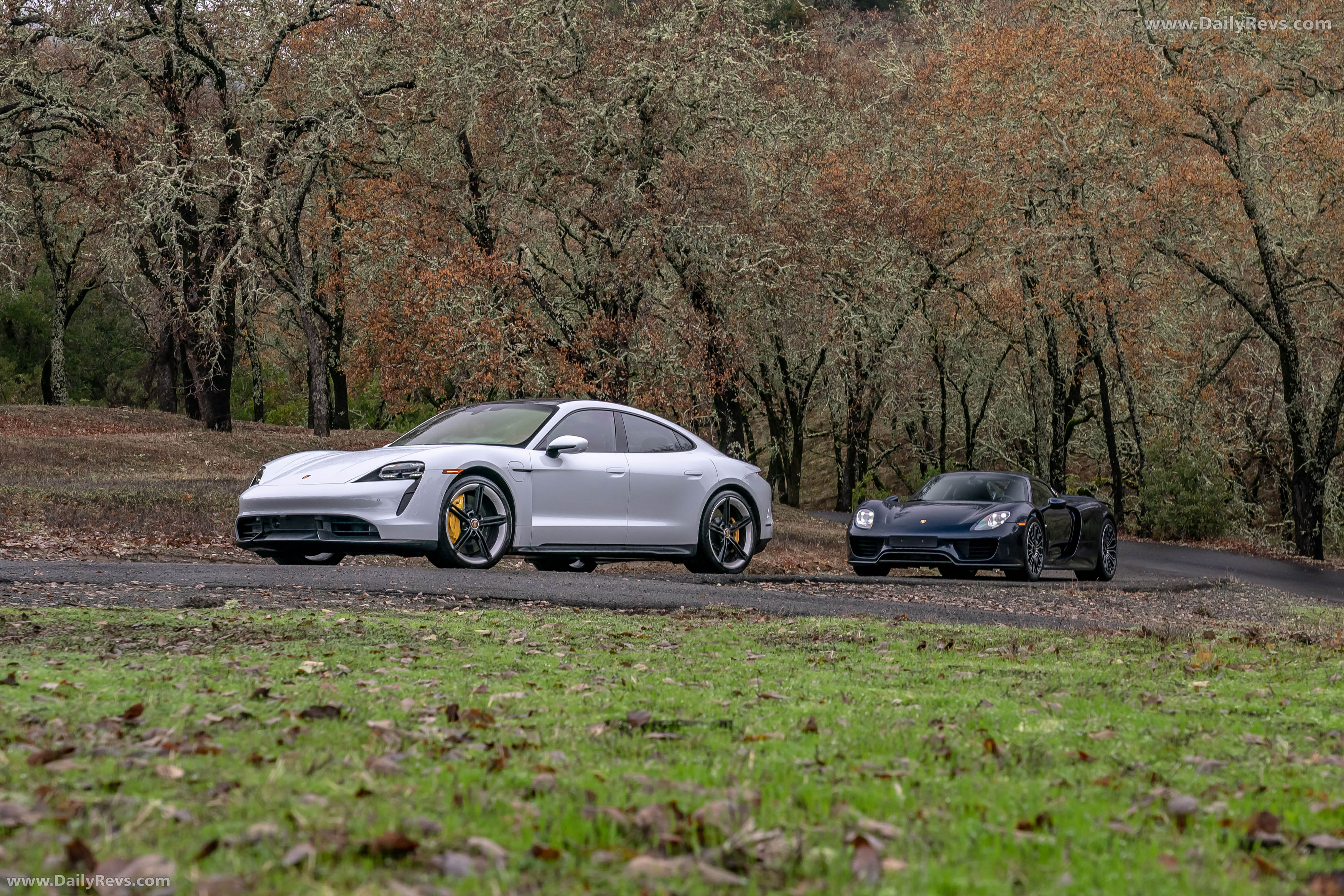
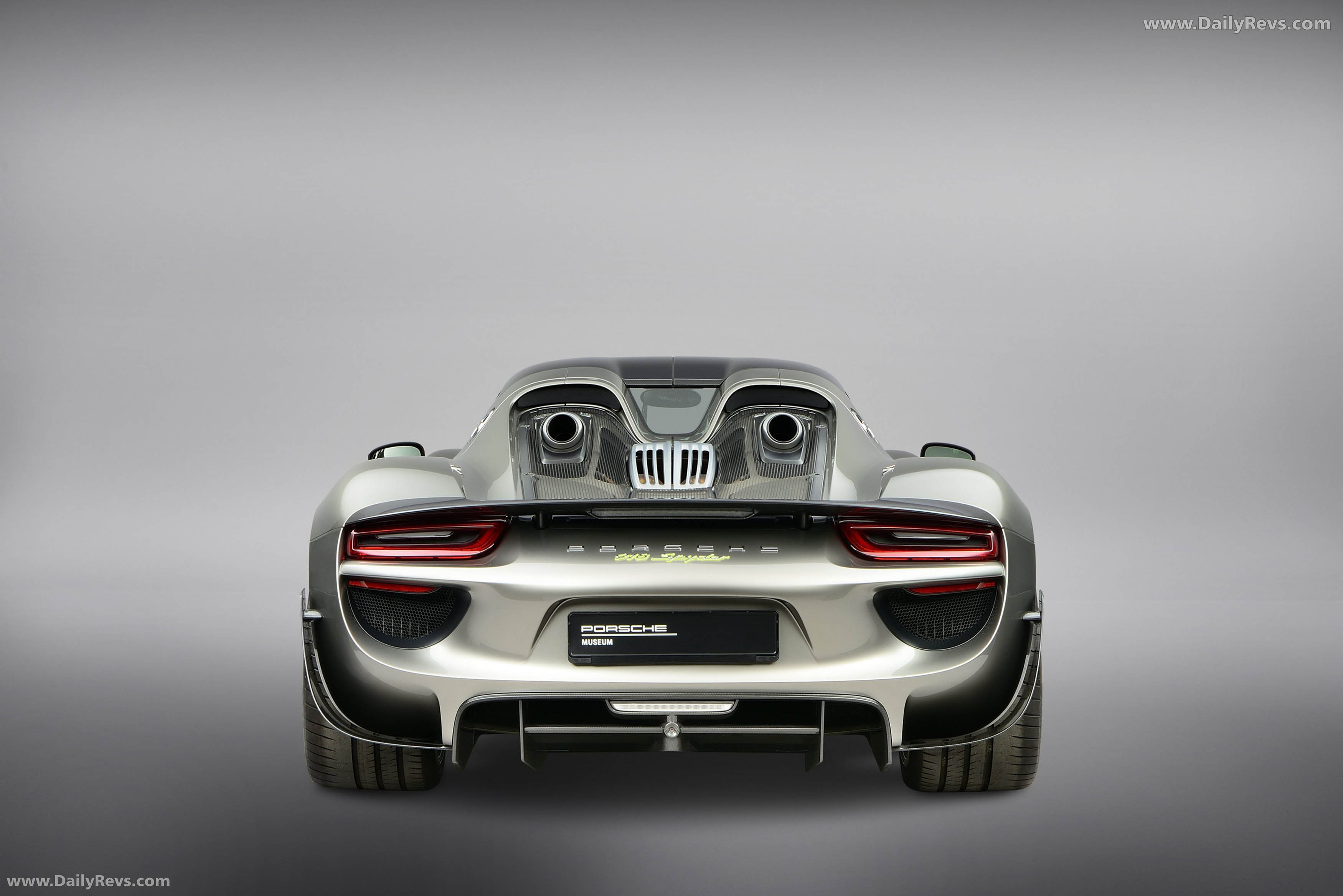
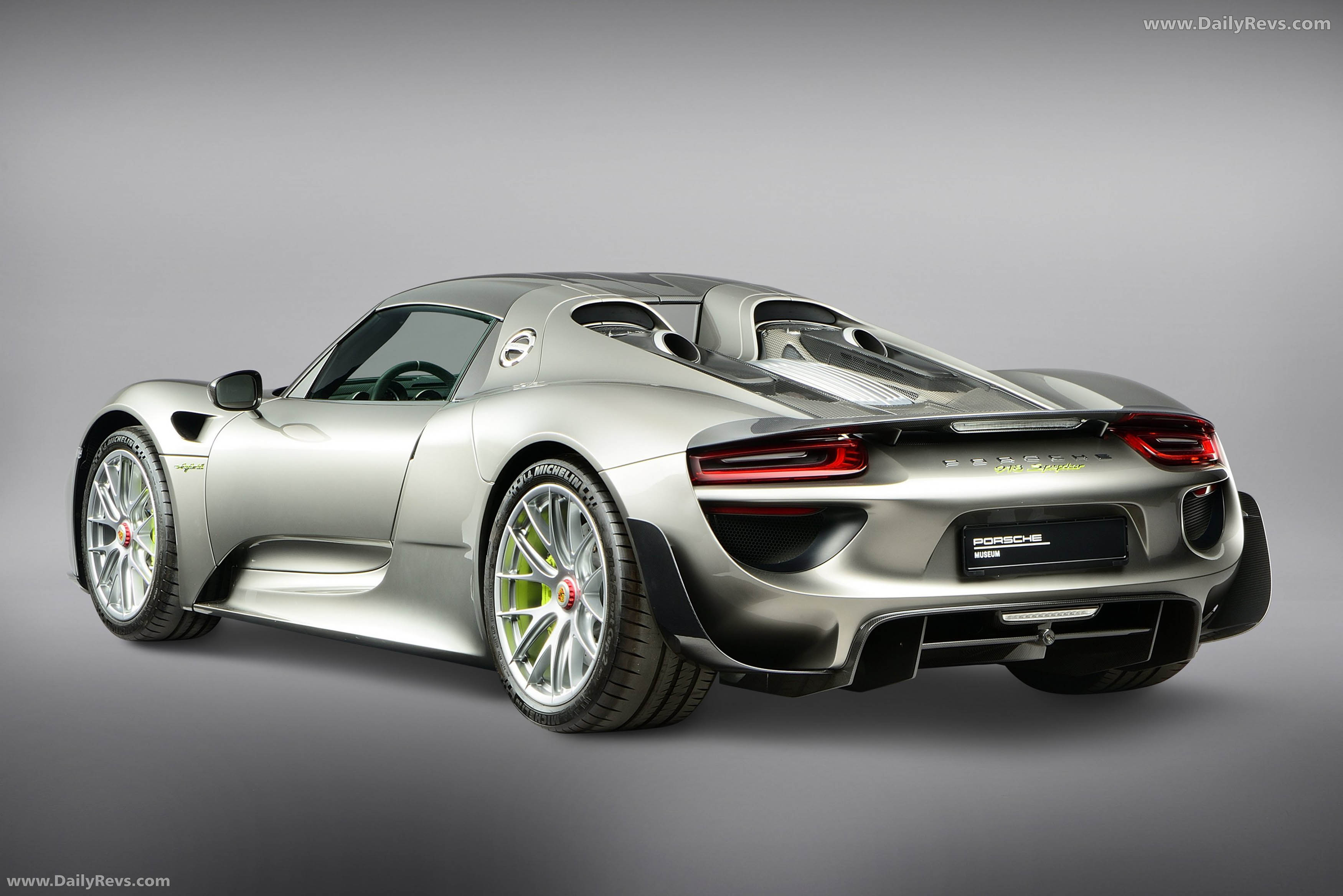
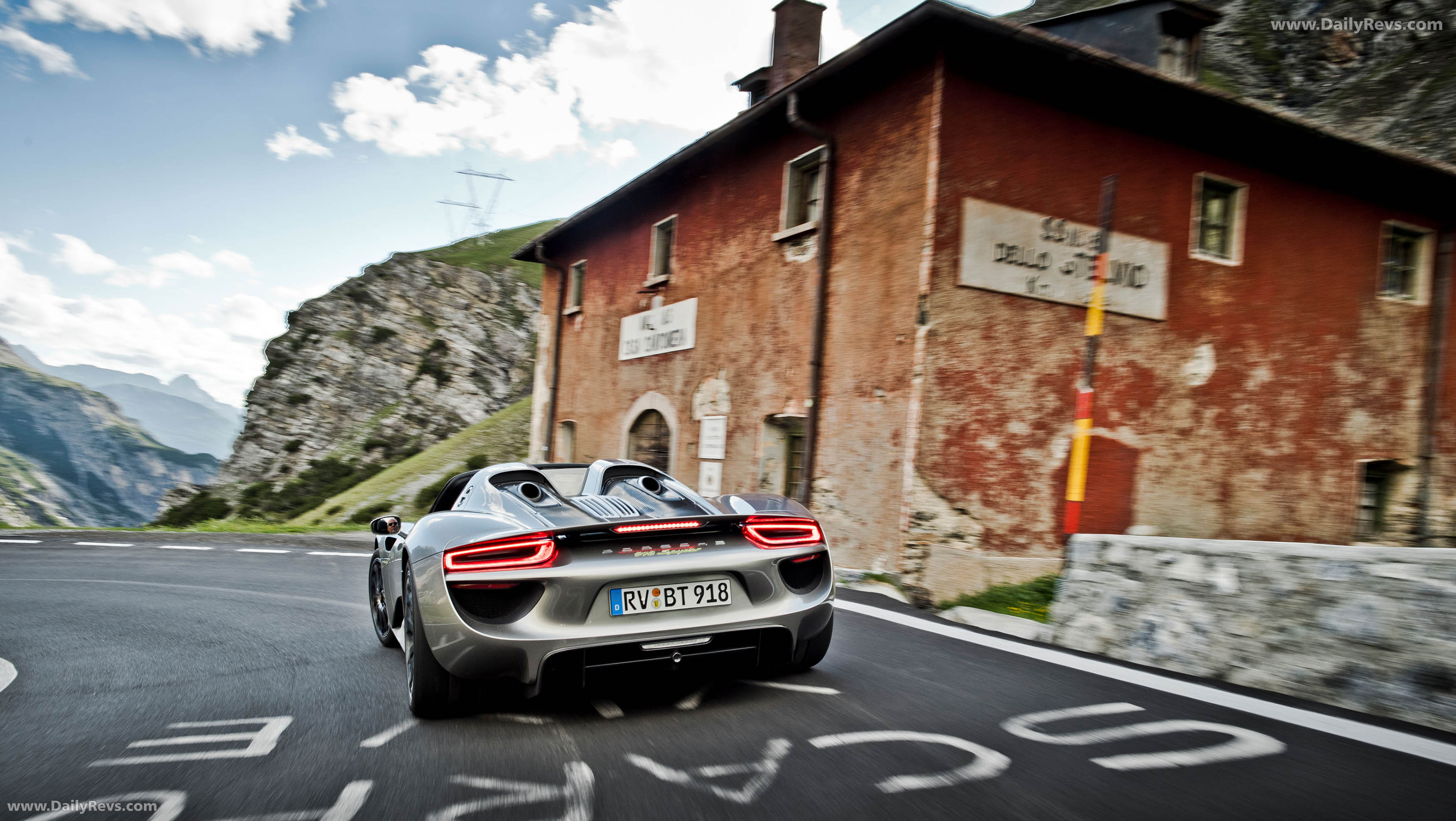
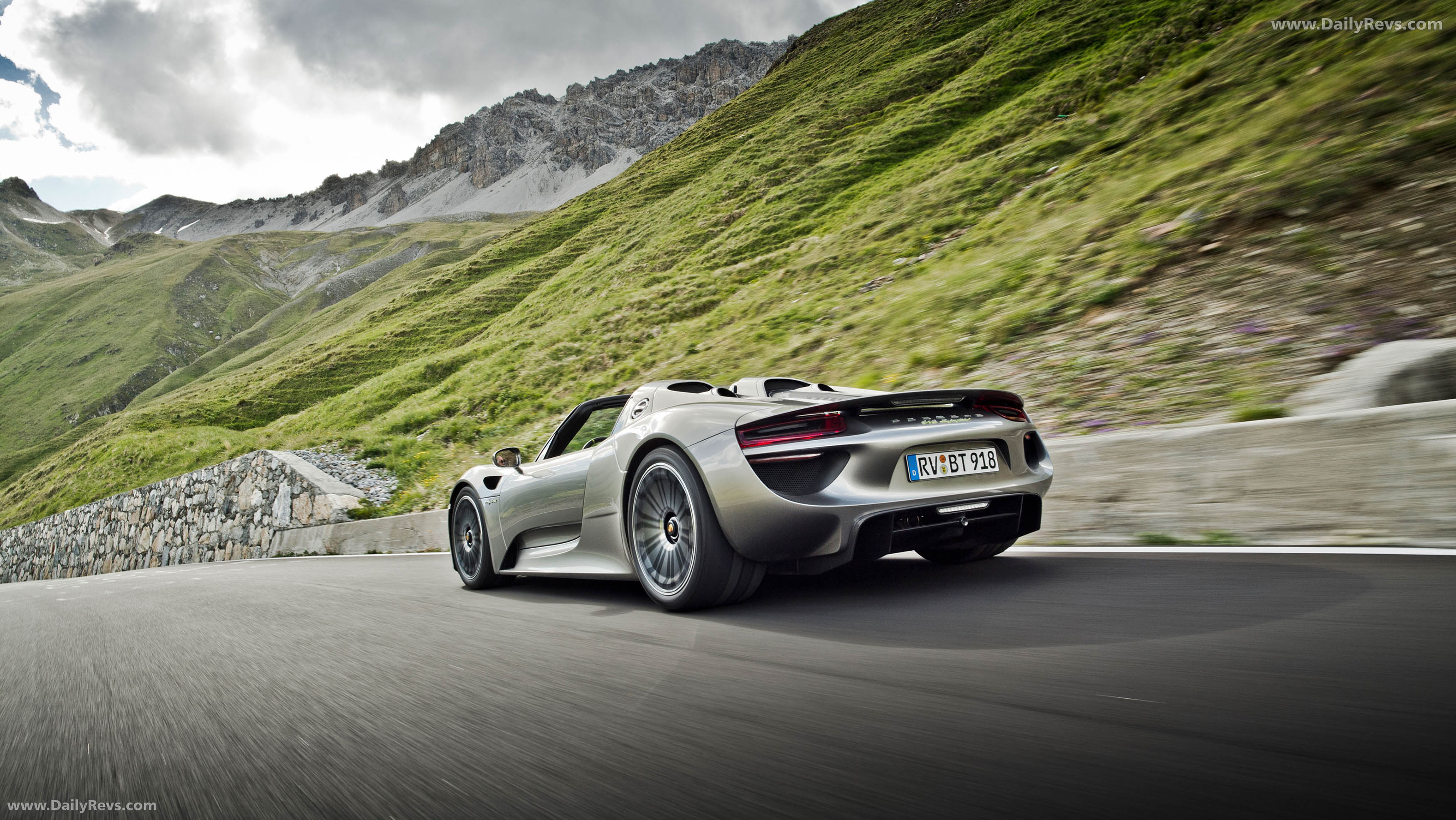
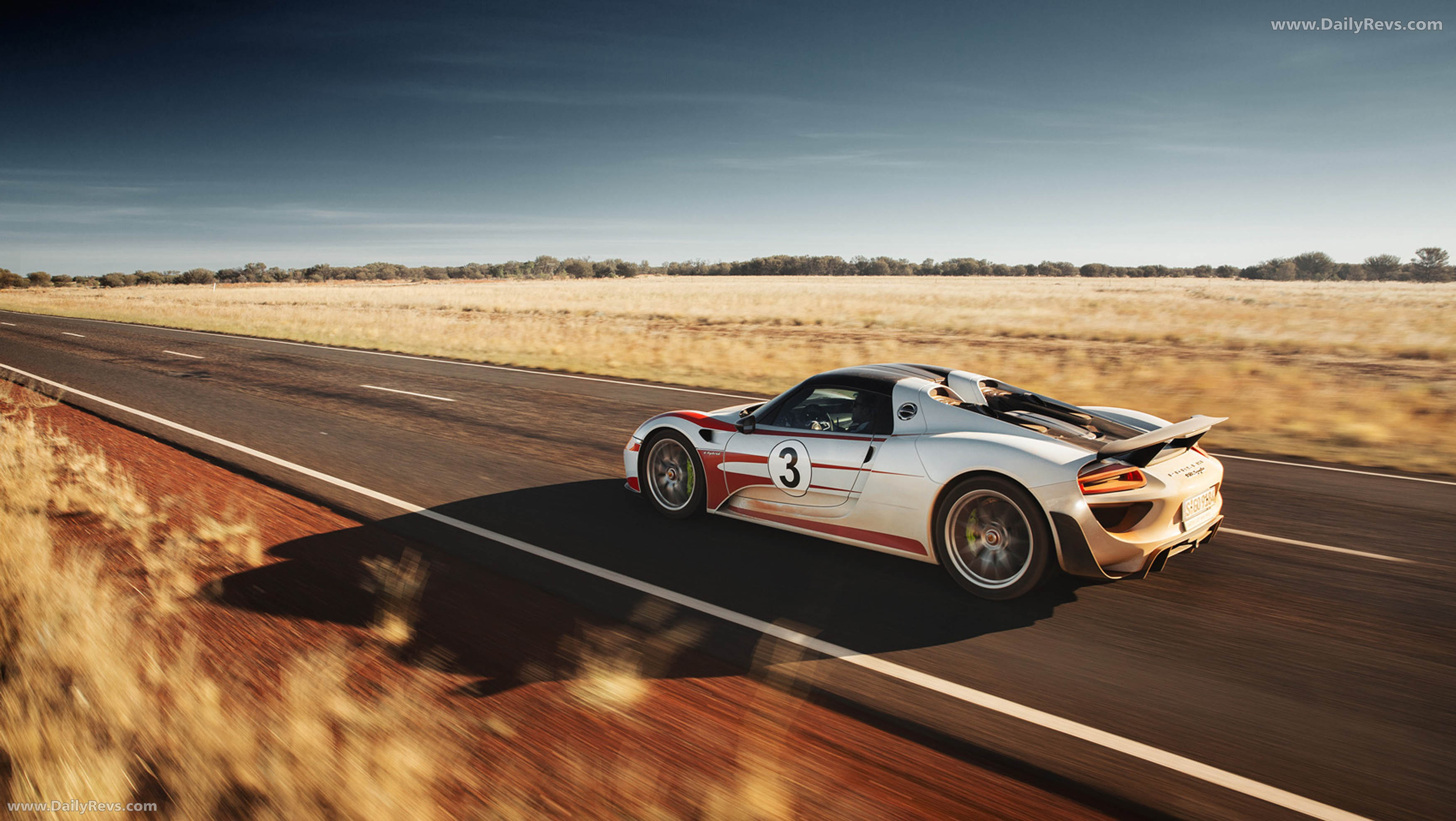
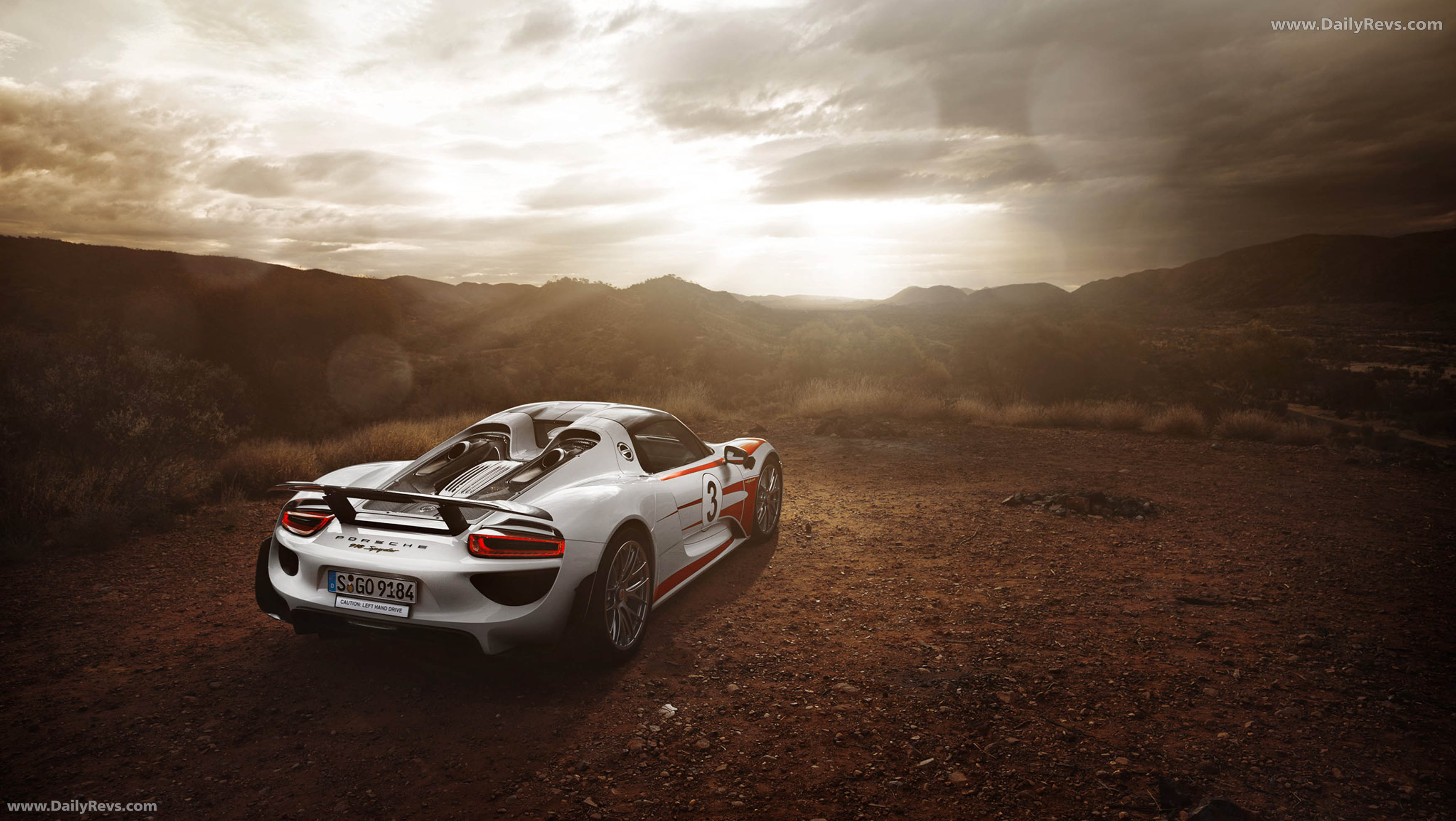
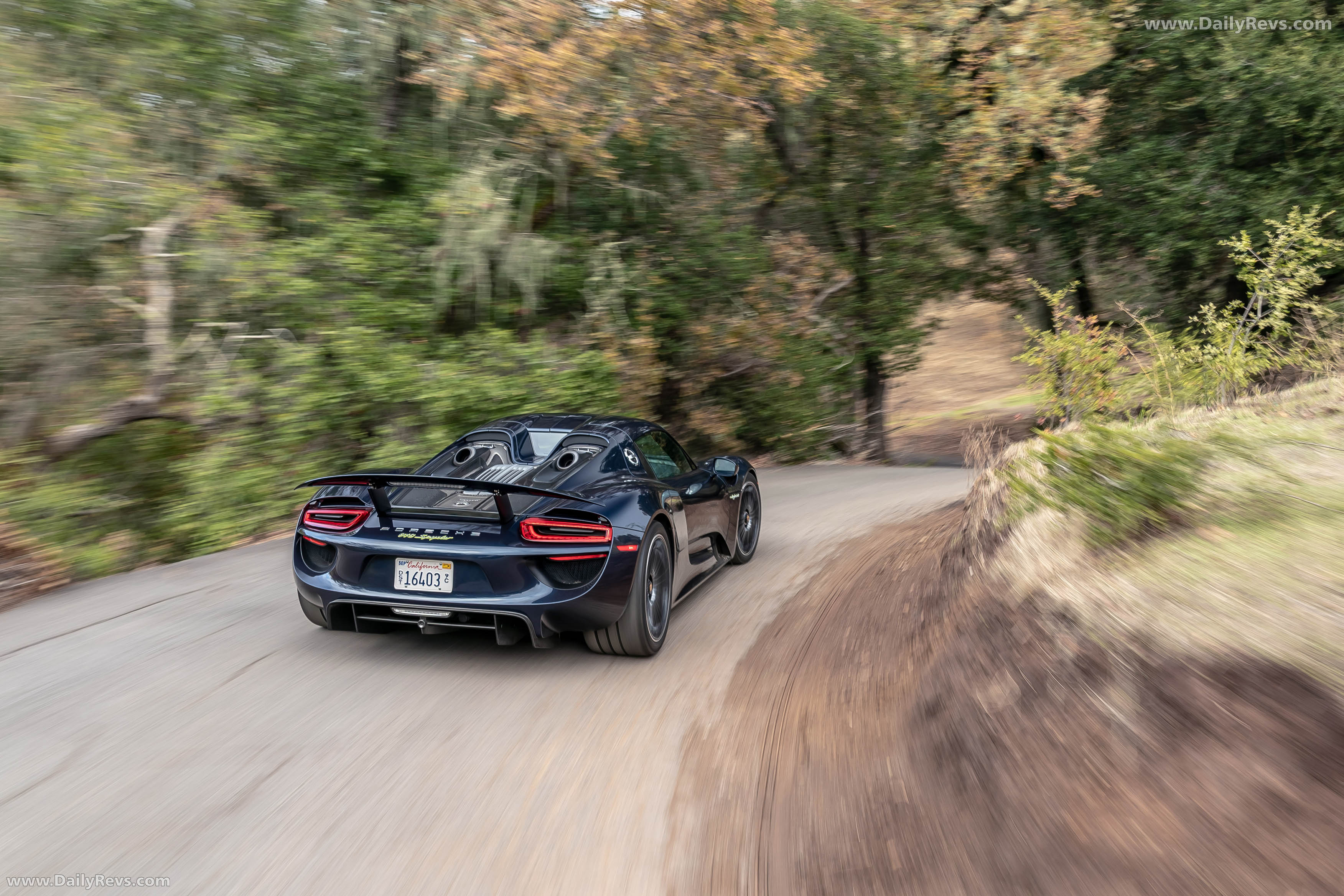
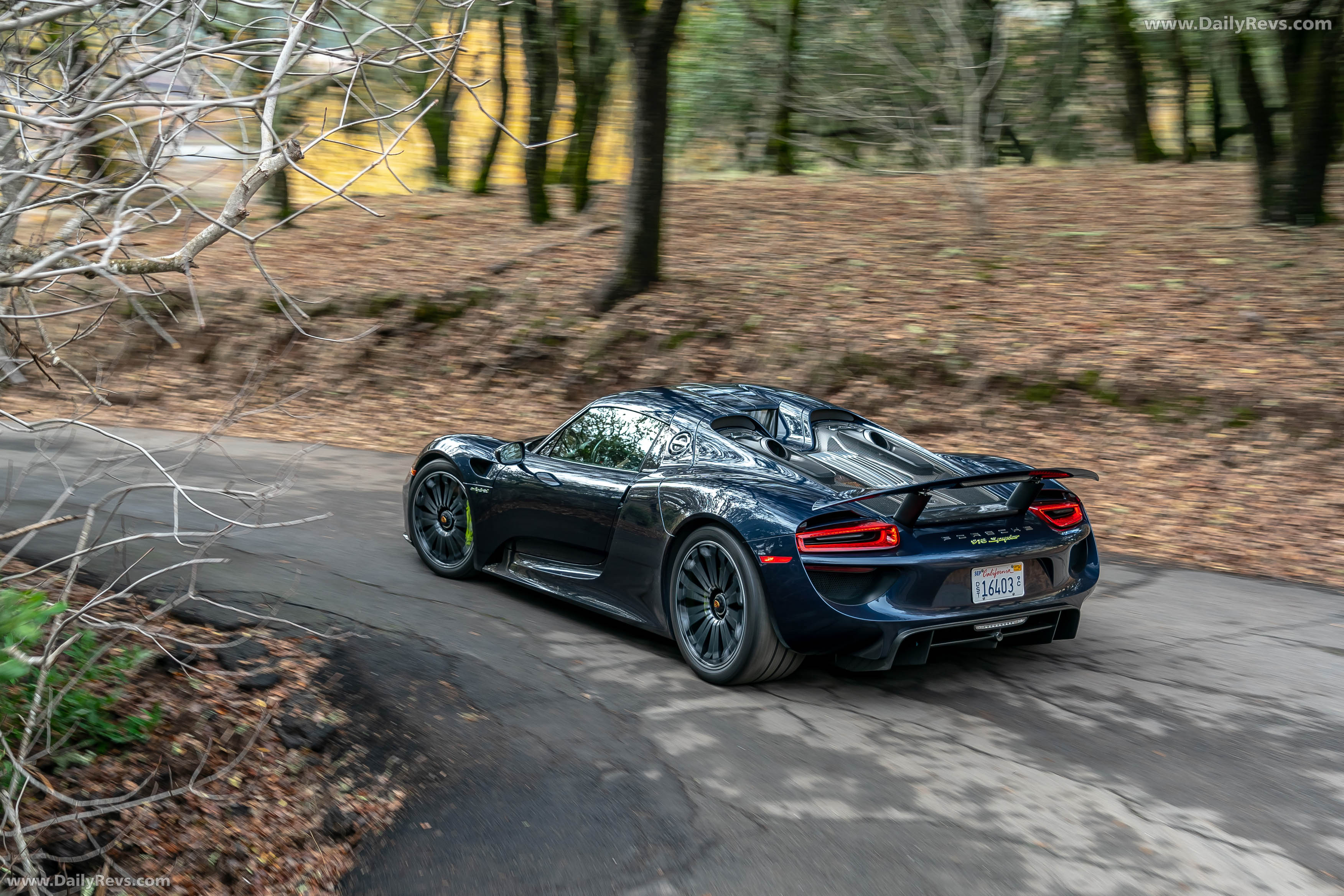
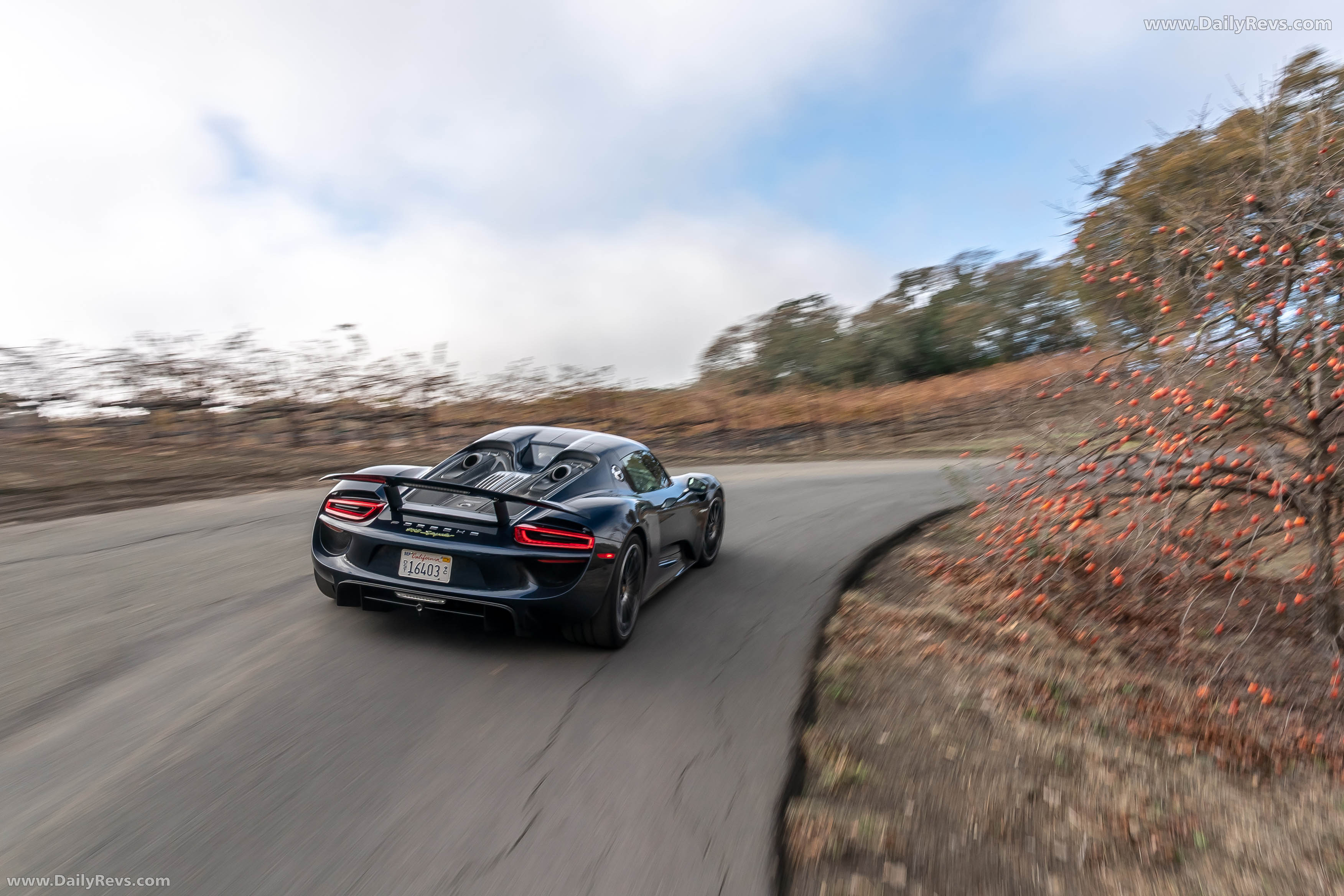
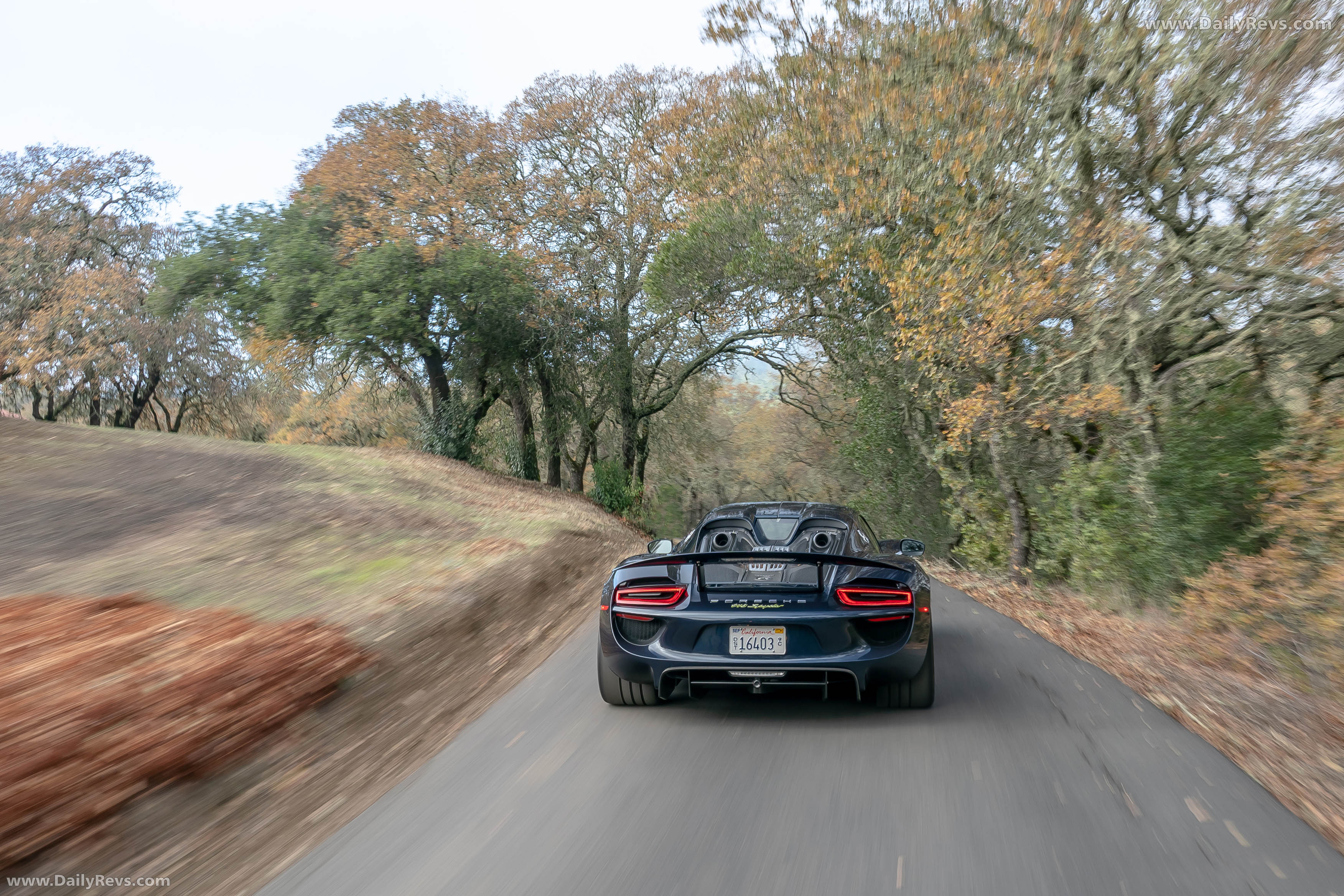
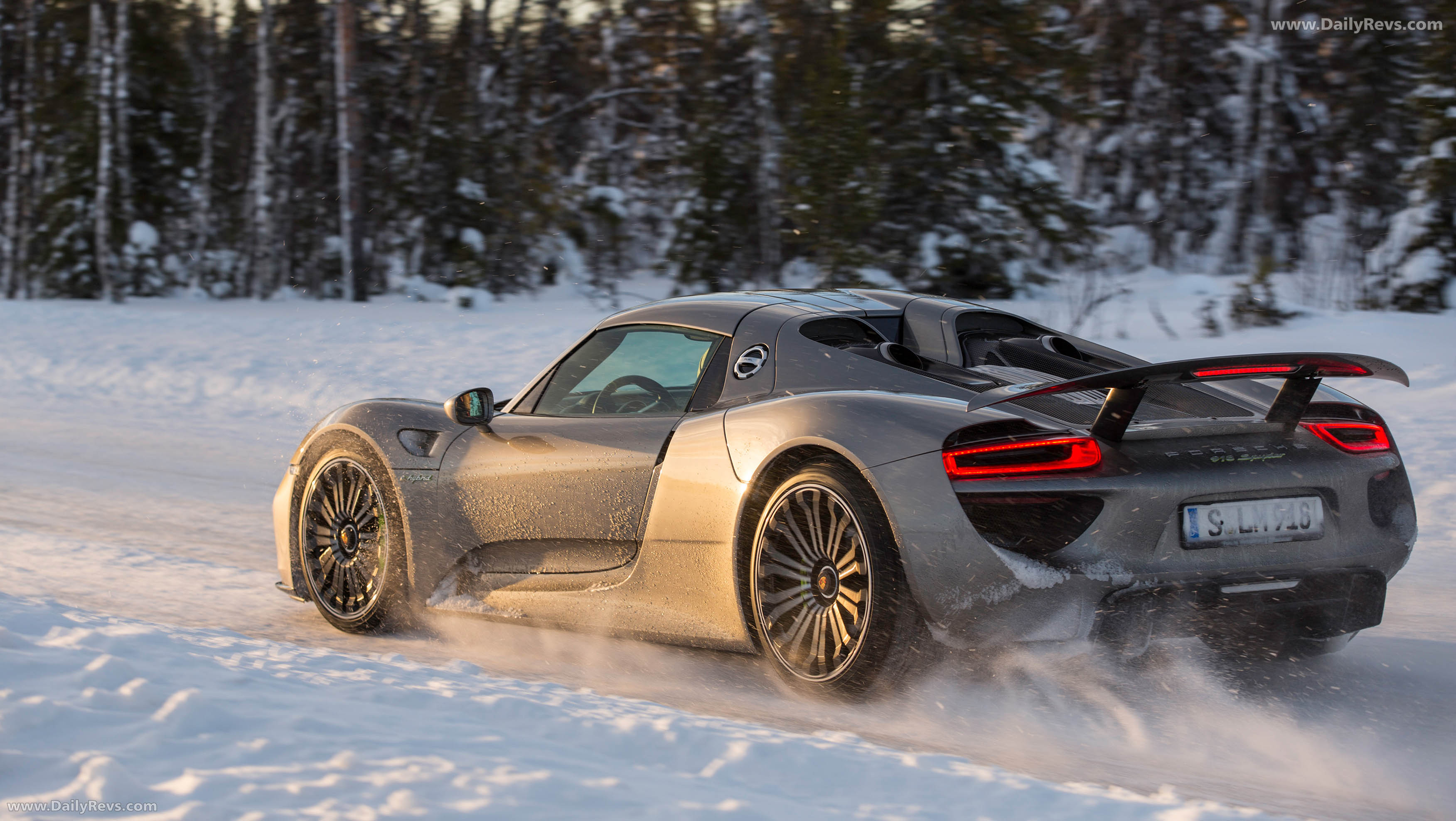
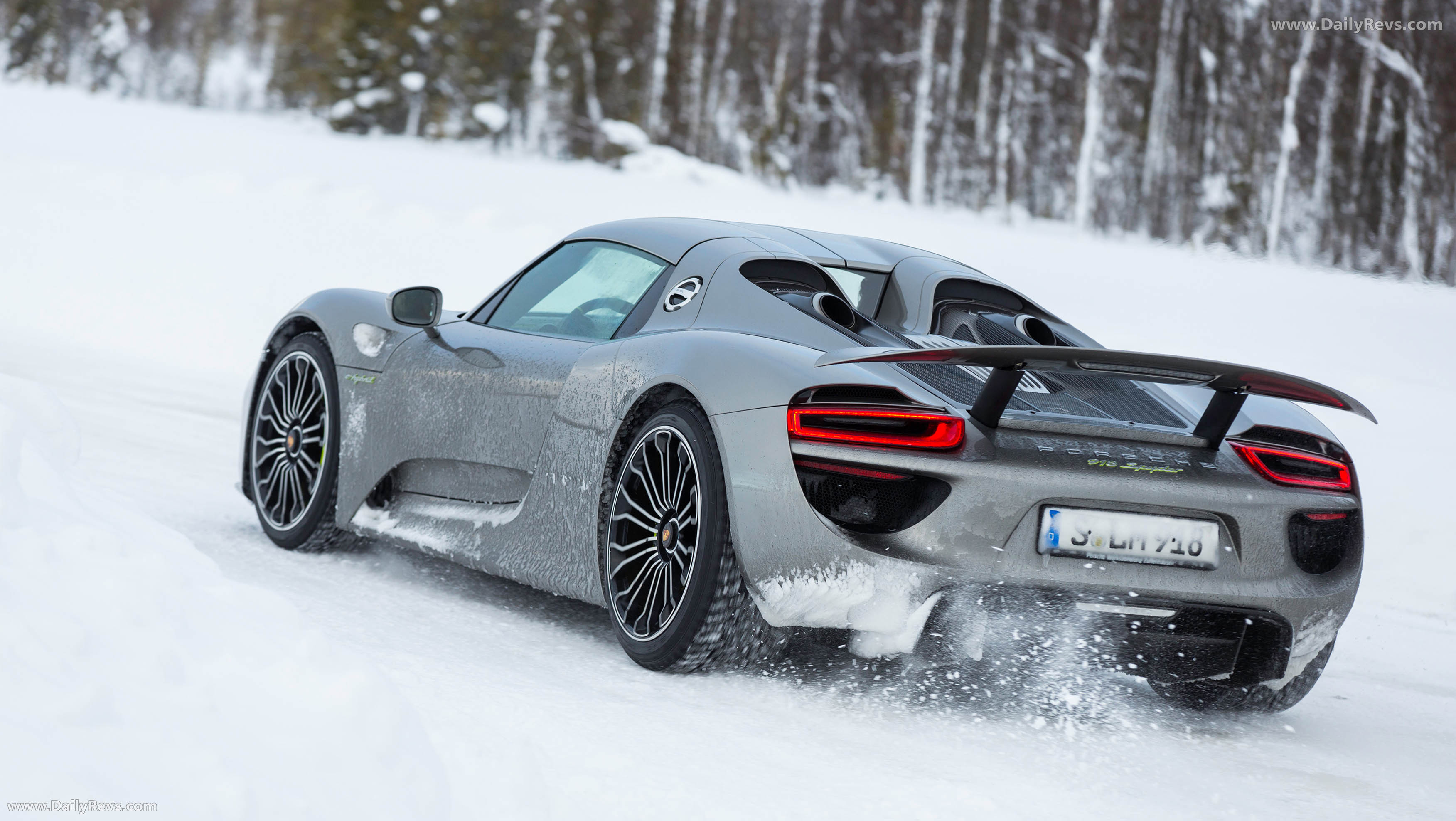
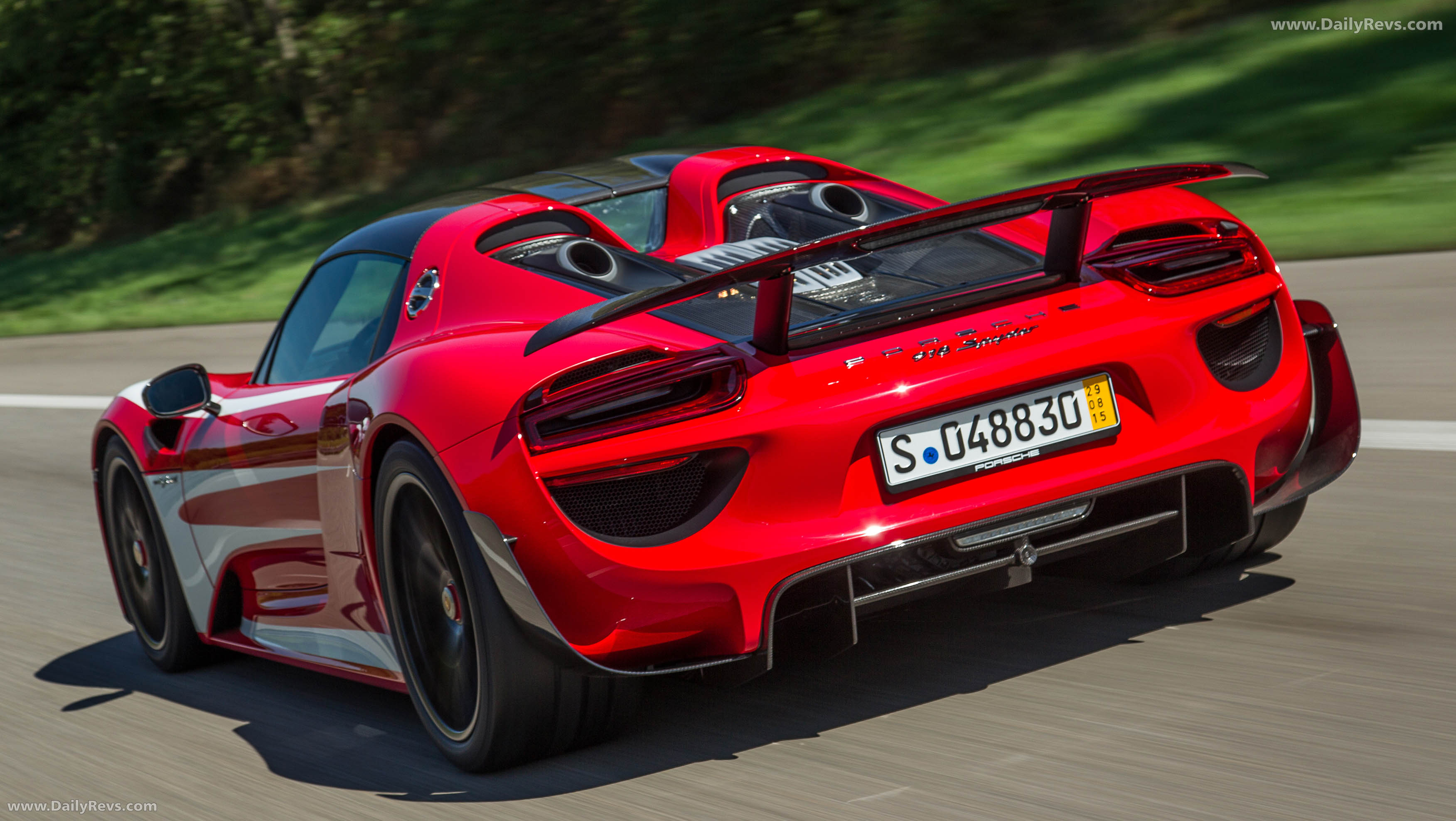
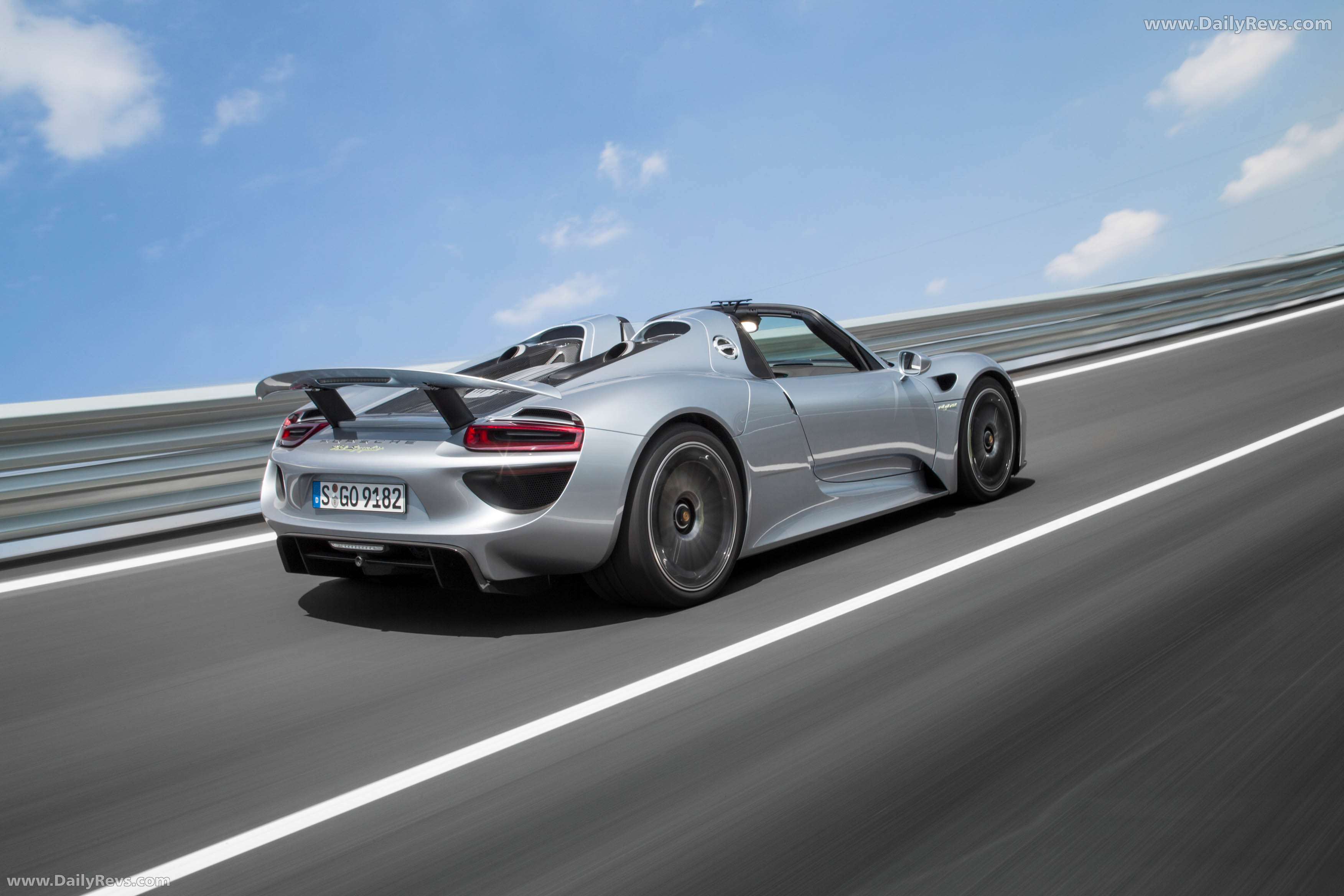
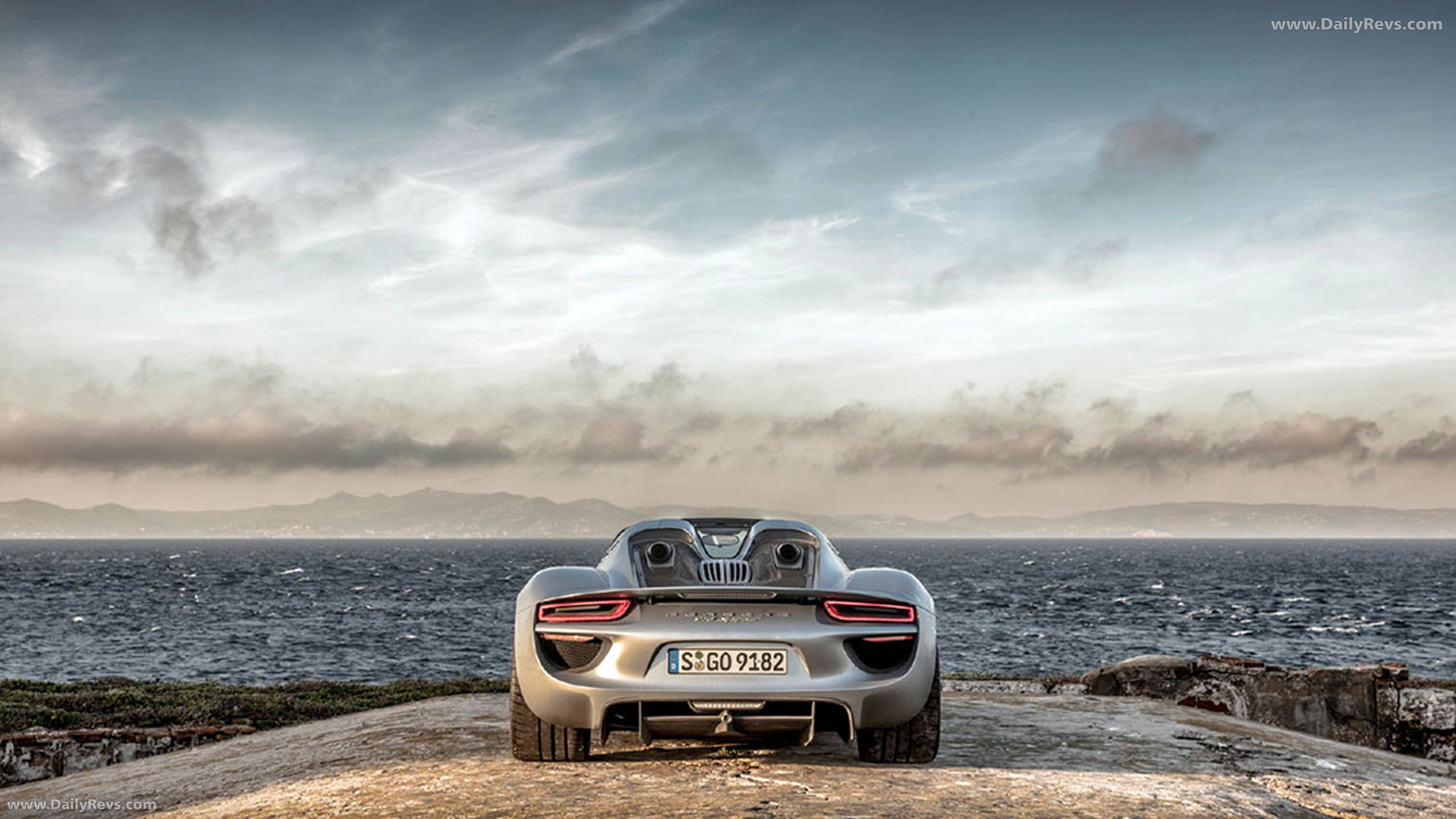
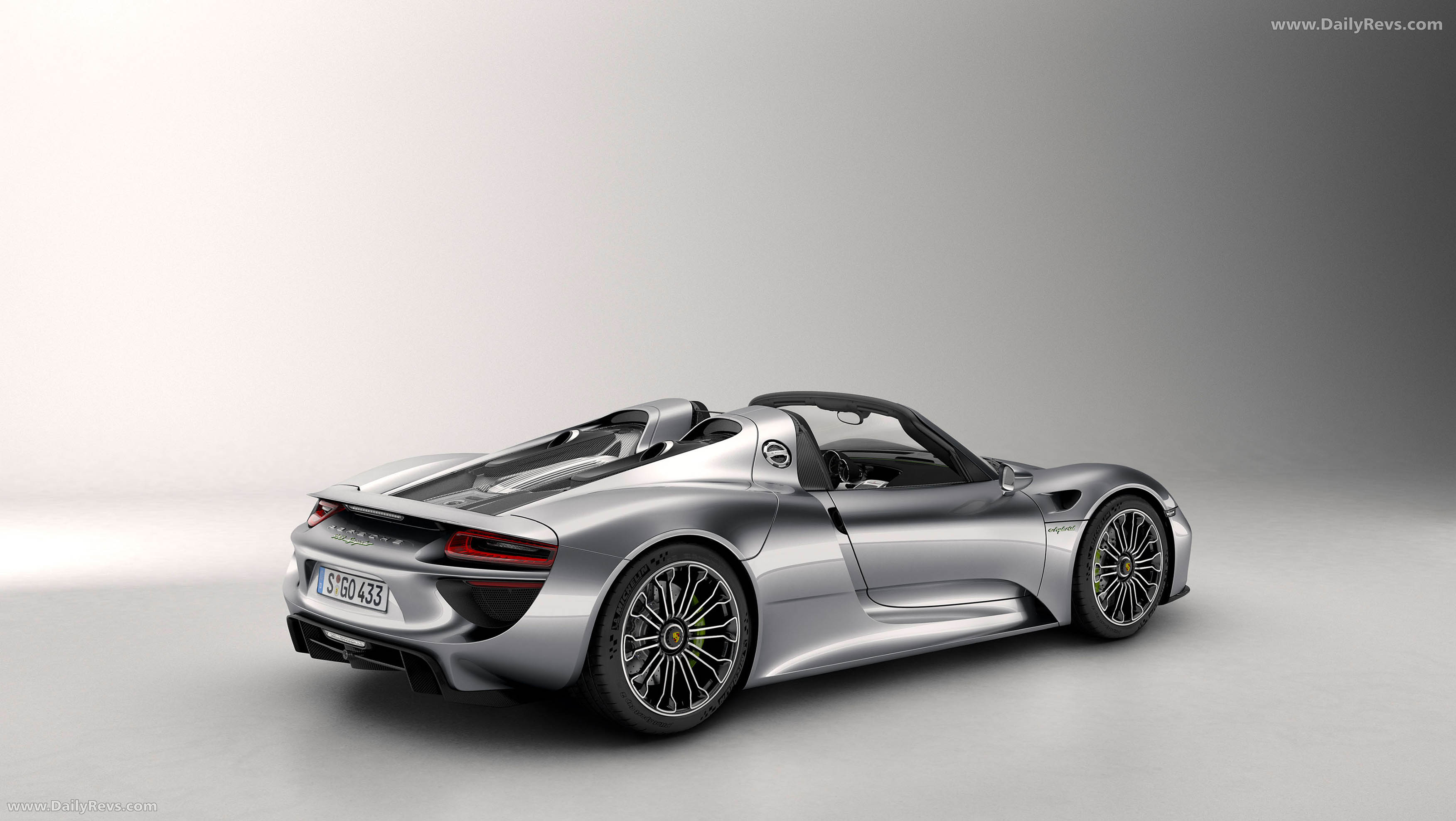
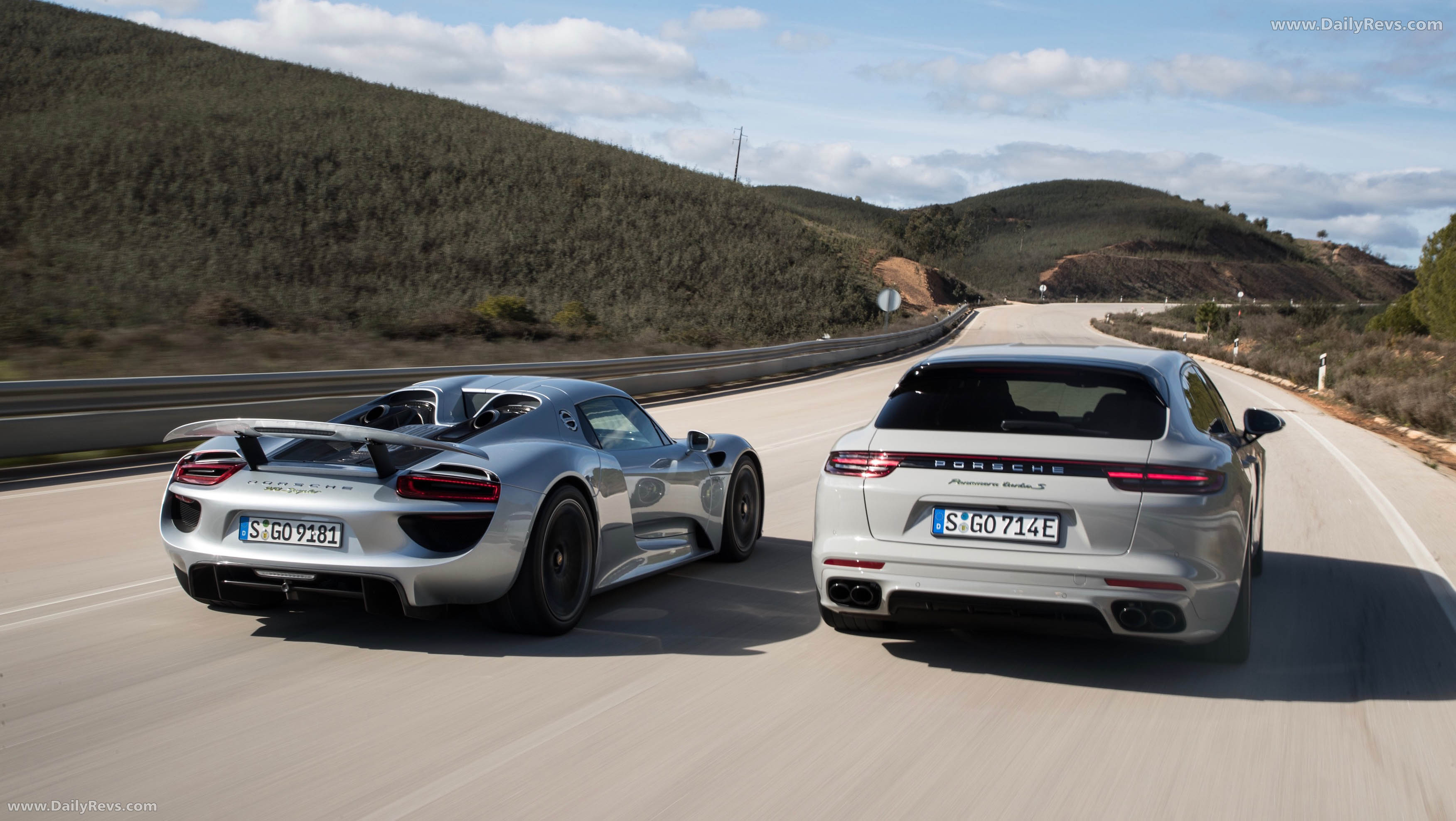
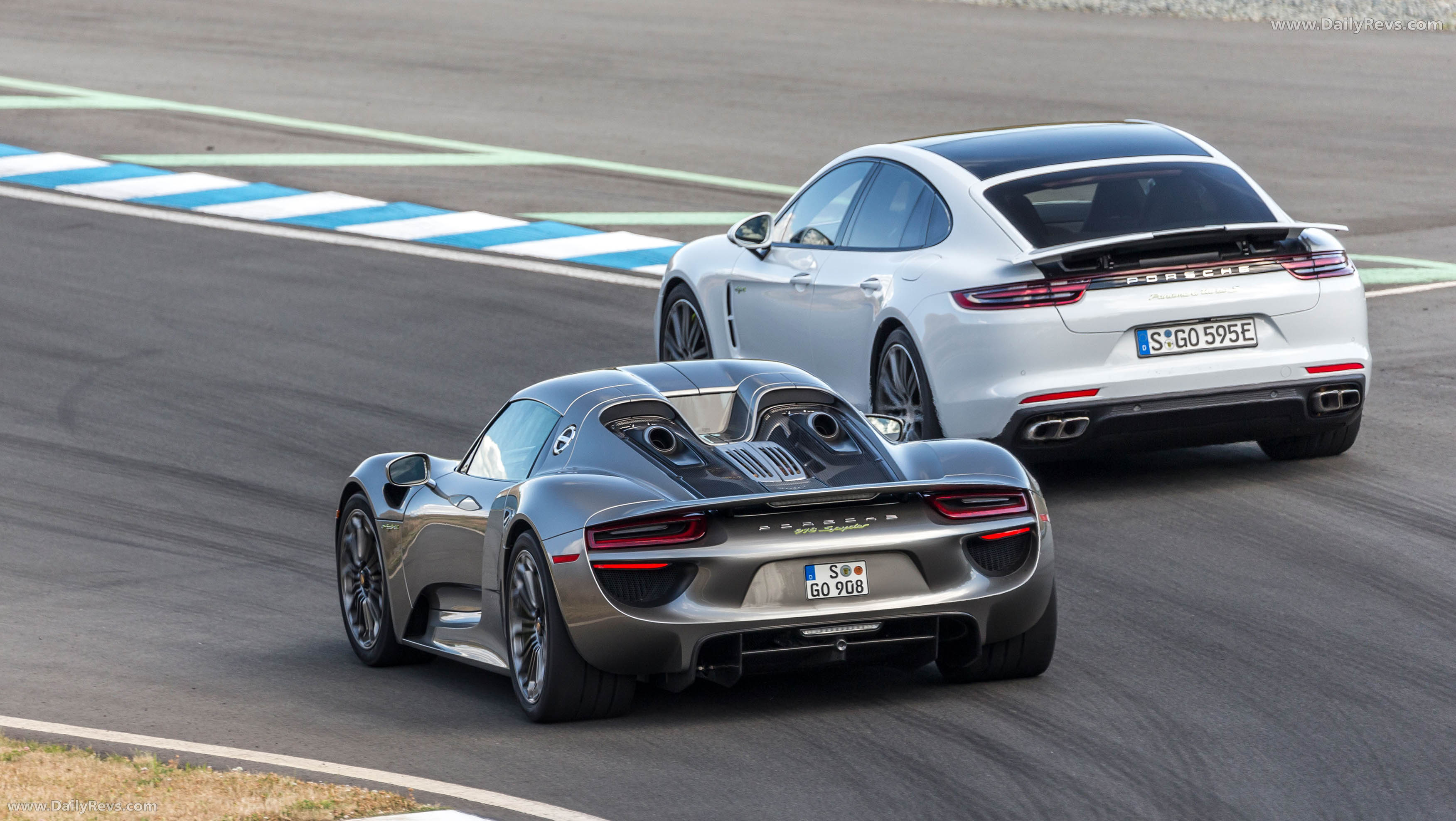
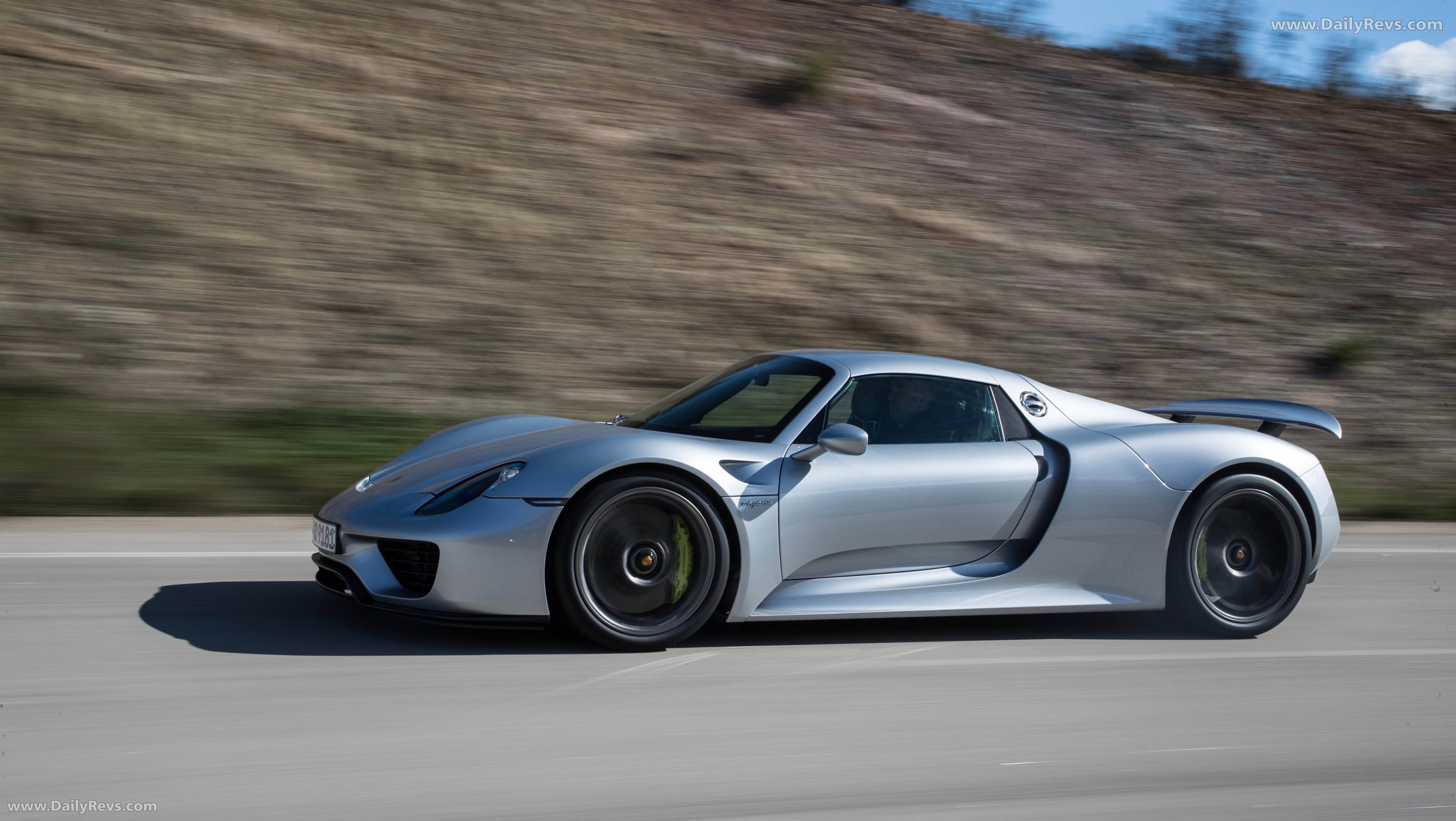
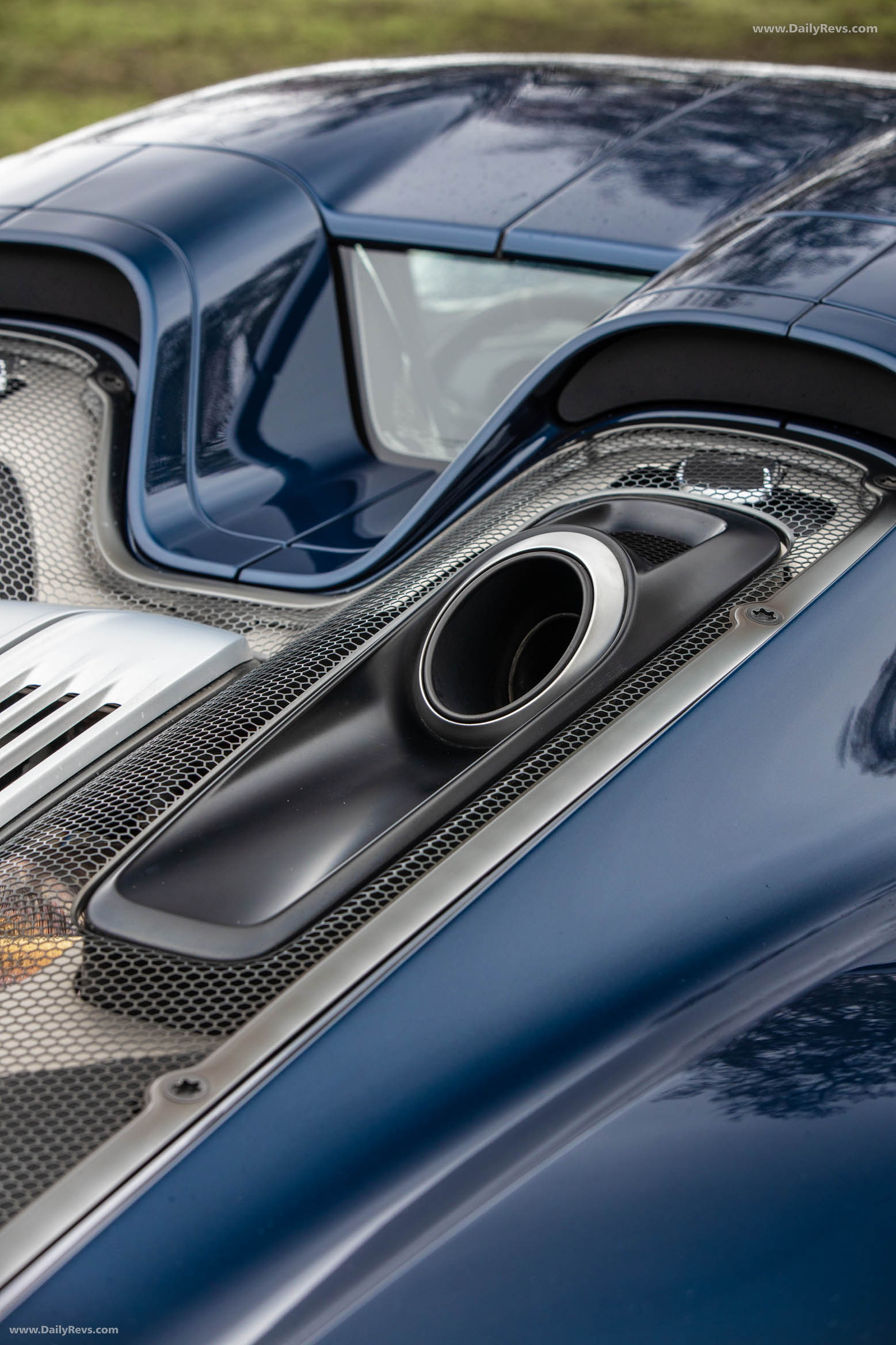
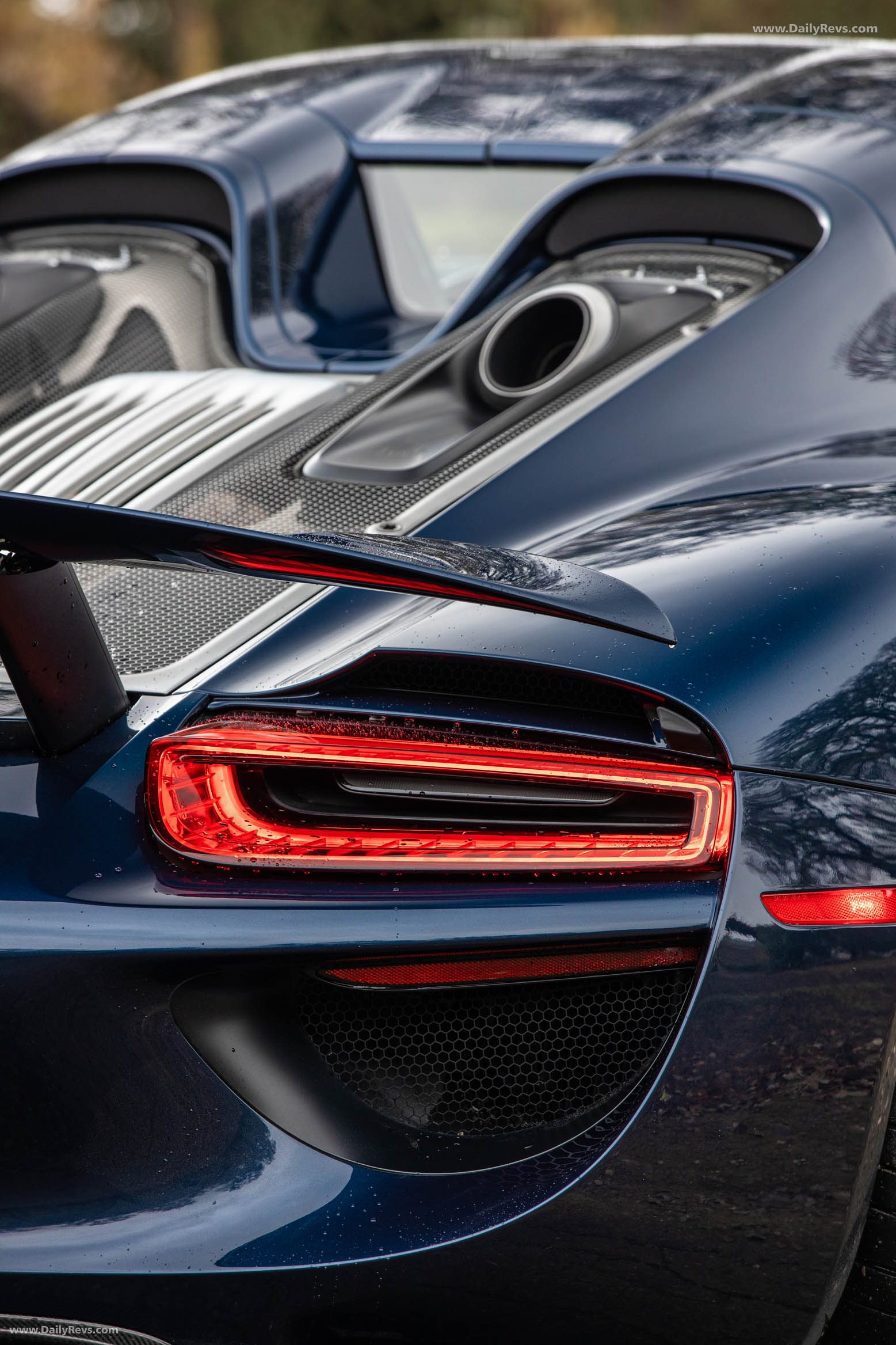
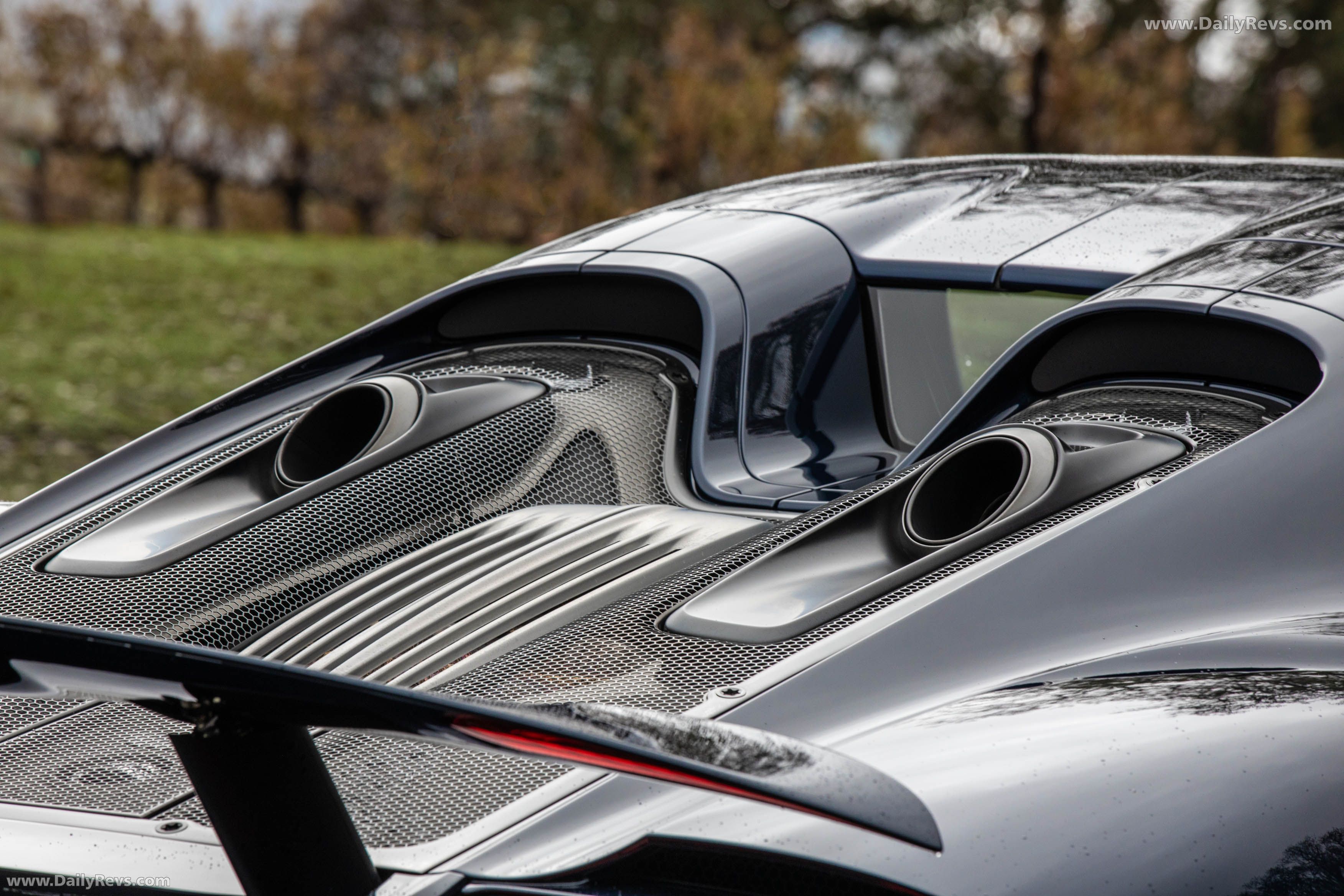
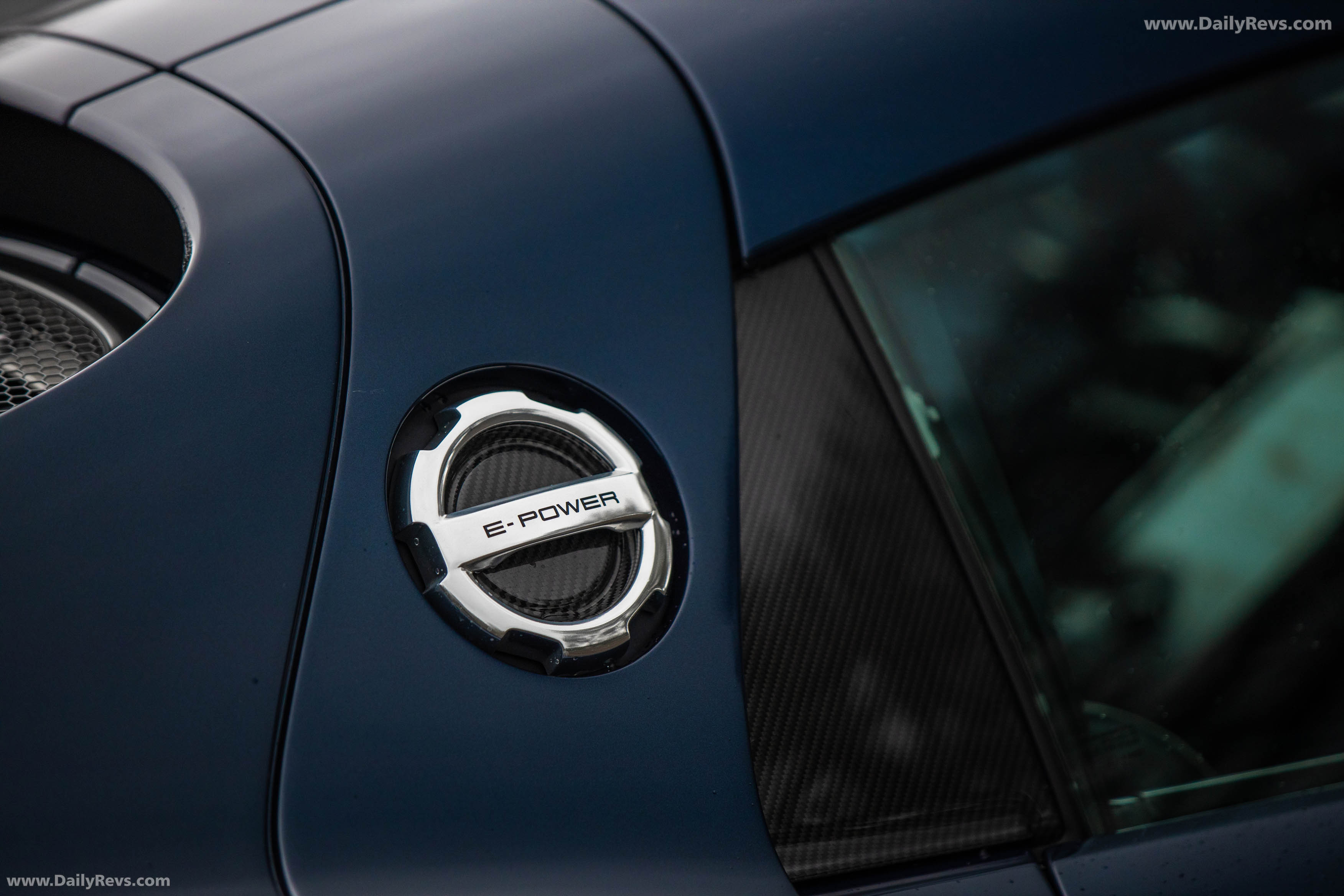
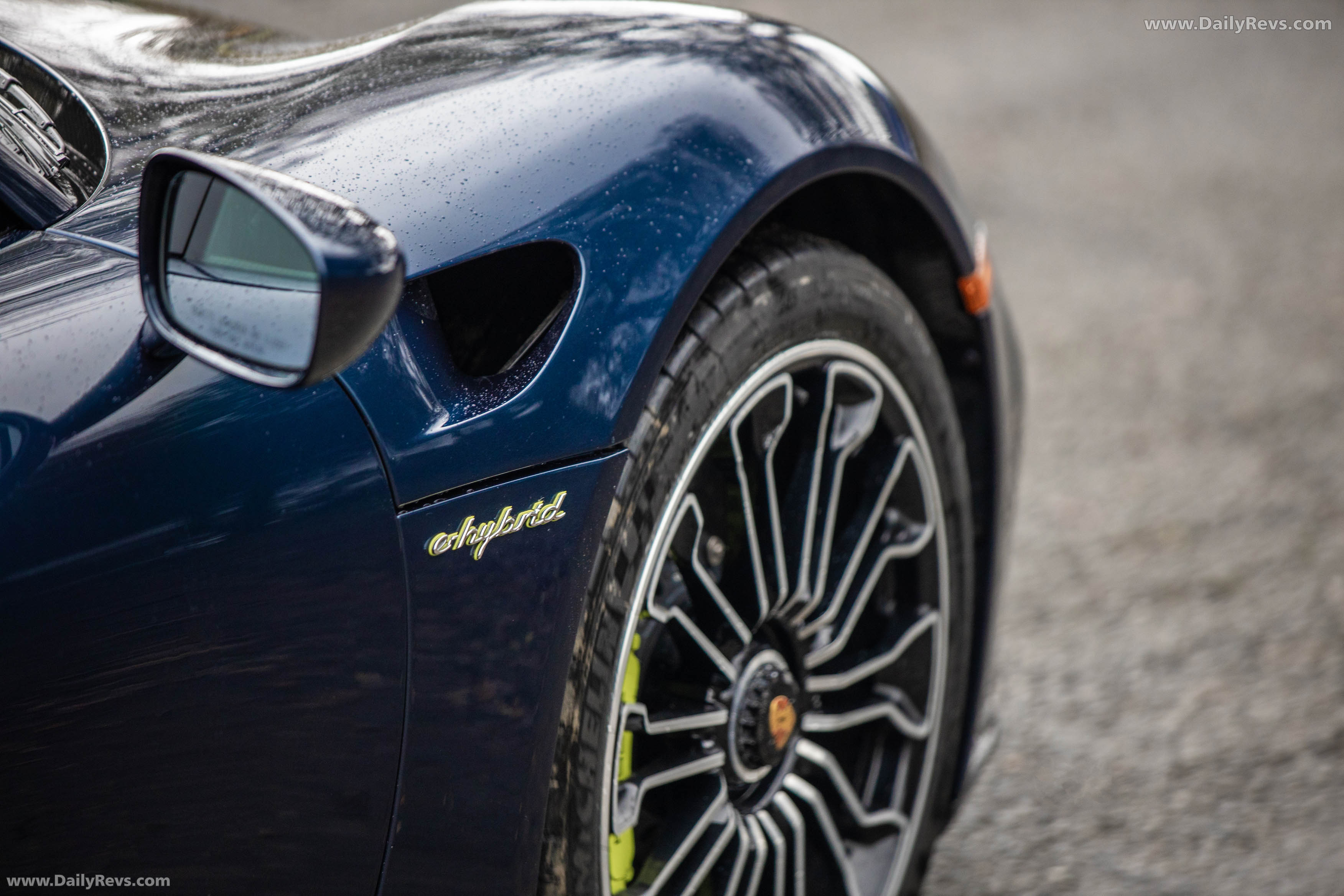
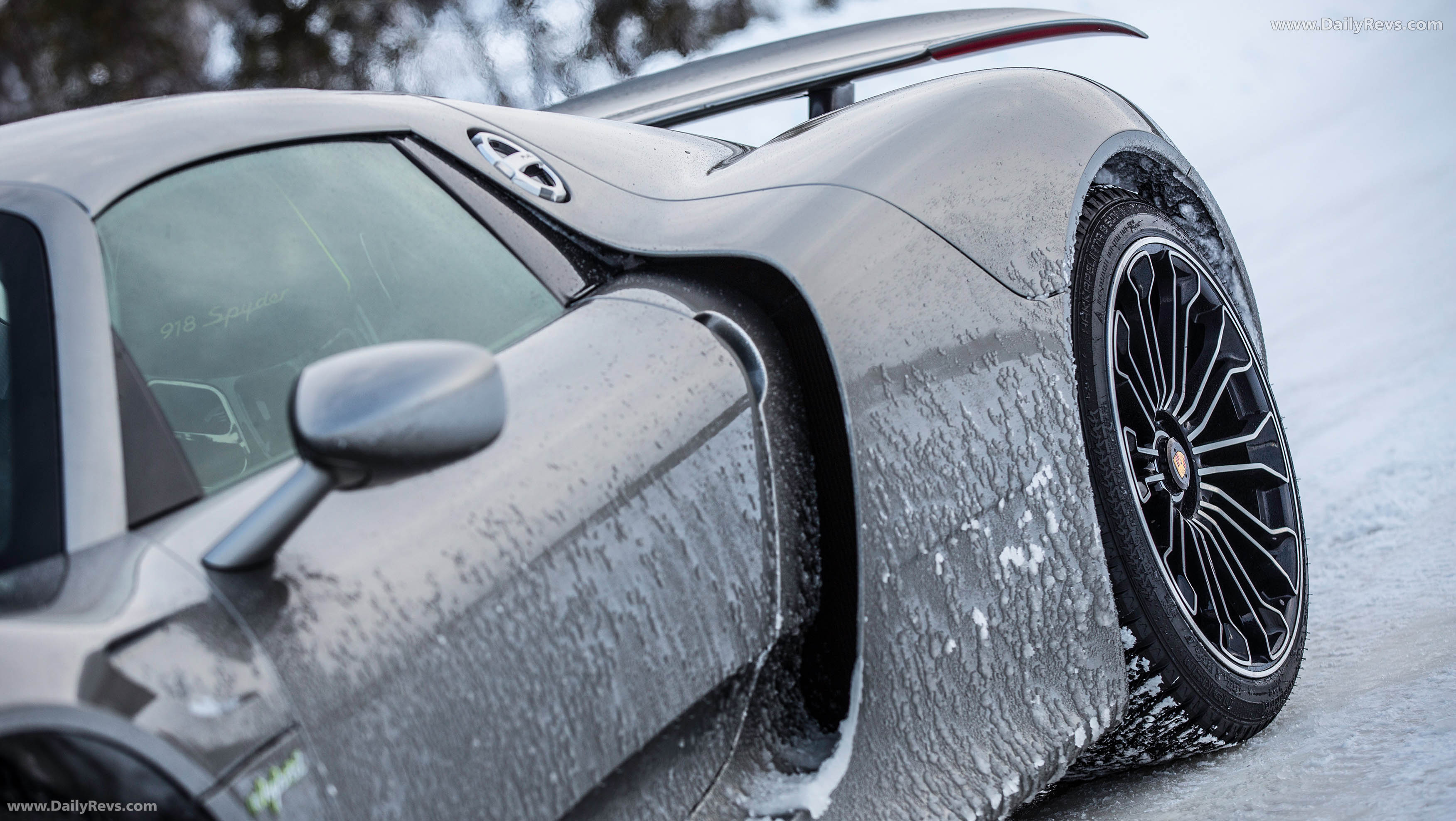
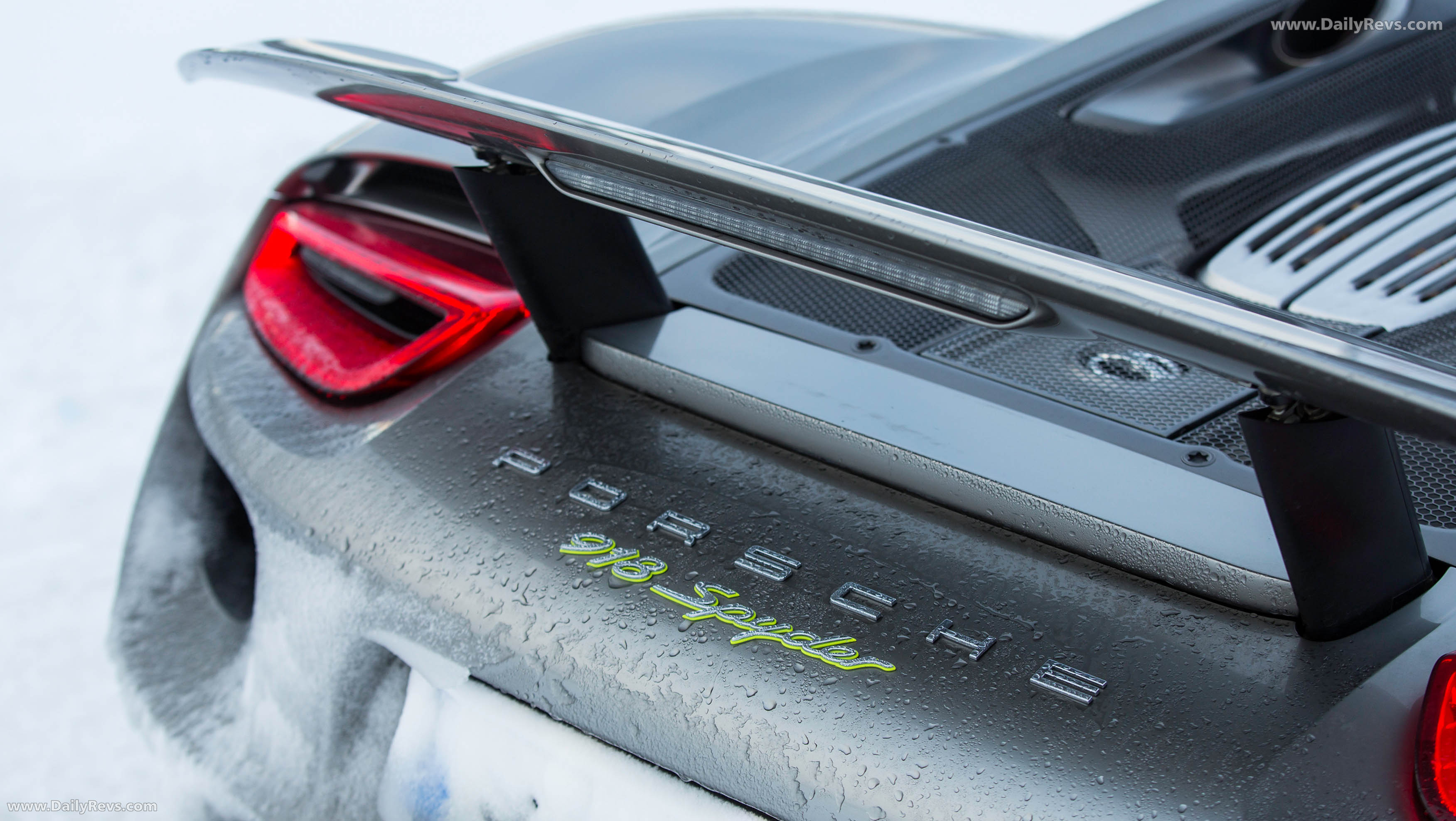
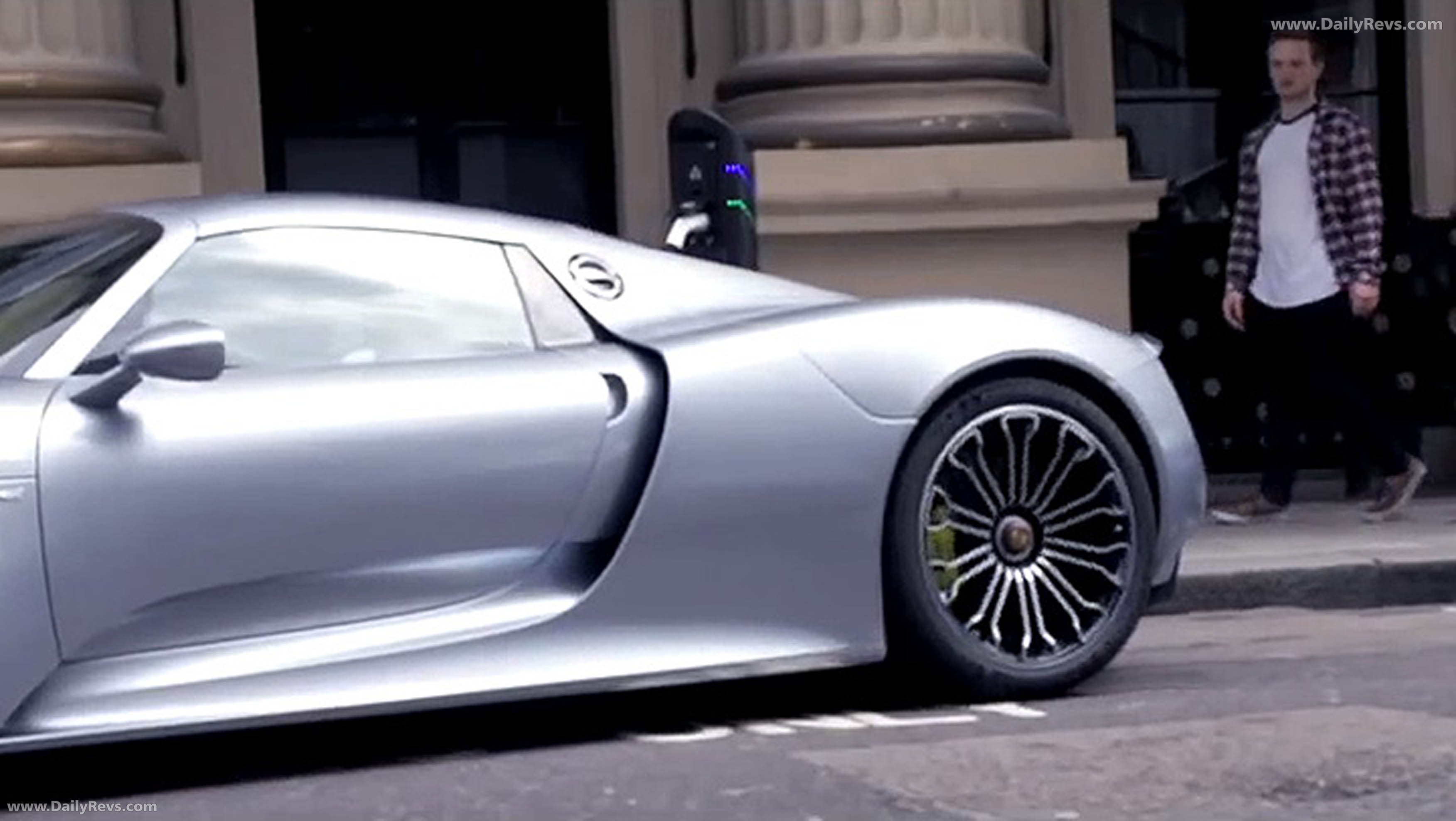
2015 Porsche 918 Spyder
By Lorenzo Bianchi November 20, 2015
The 918 Spyder paired a 887 hp hybrid system with sub-7-minute Nürburgring performance.
Porsche used two electric motors and a V8 to deliver both efficiency and race-car response.
Its plug-in architecture became a blueprint for future high-performance electrification.
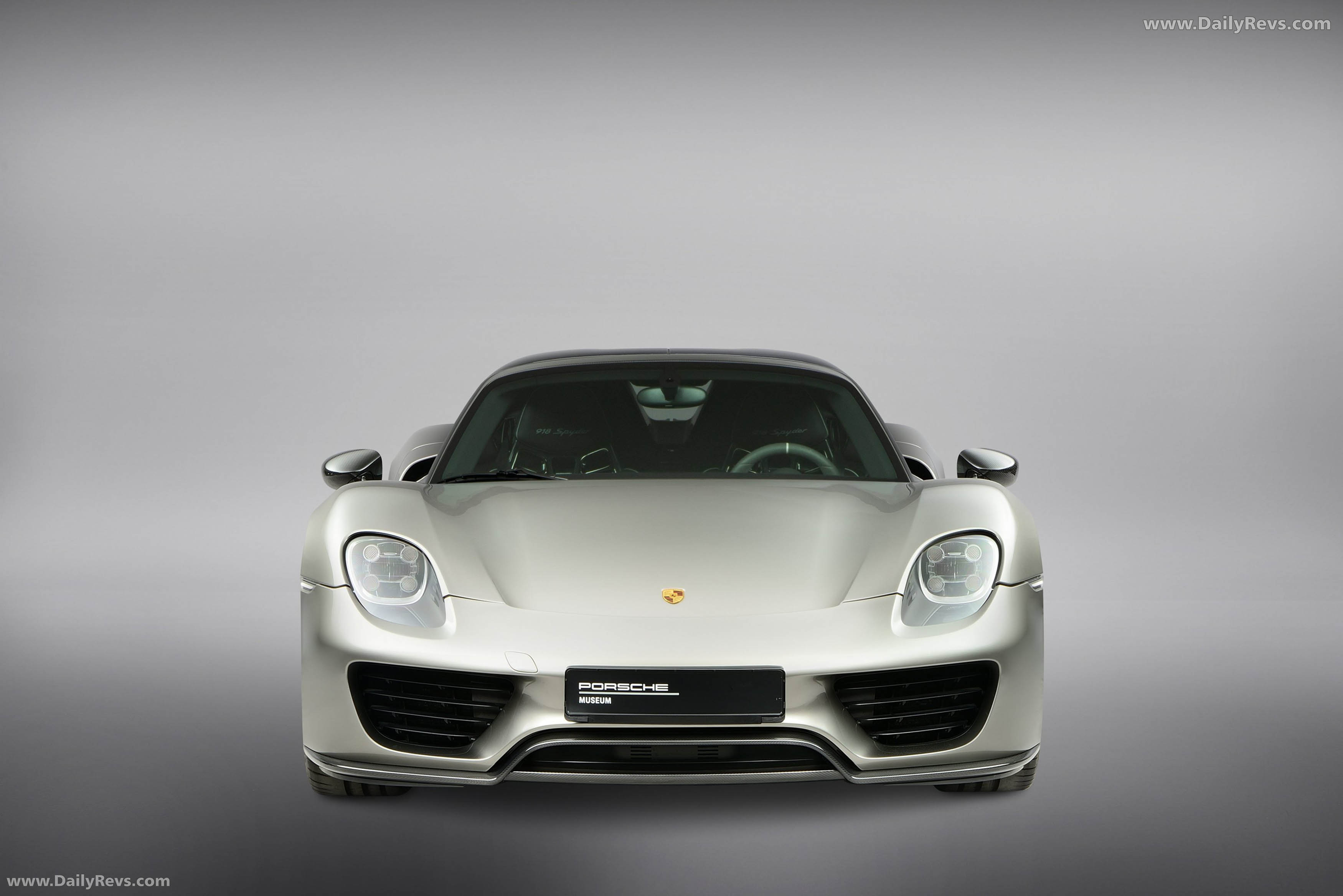
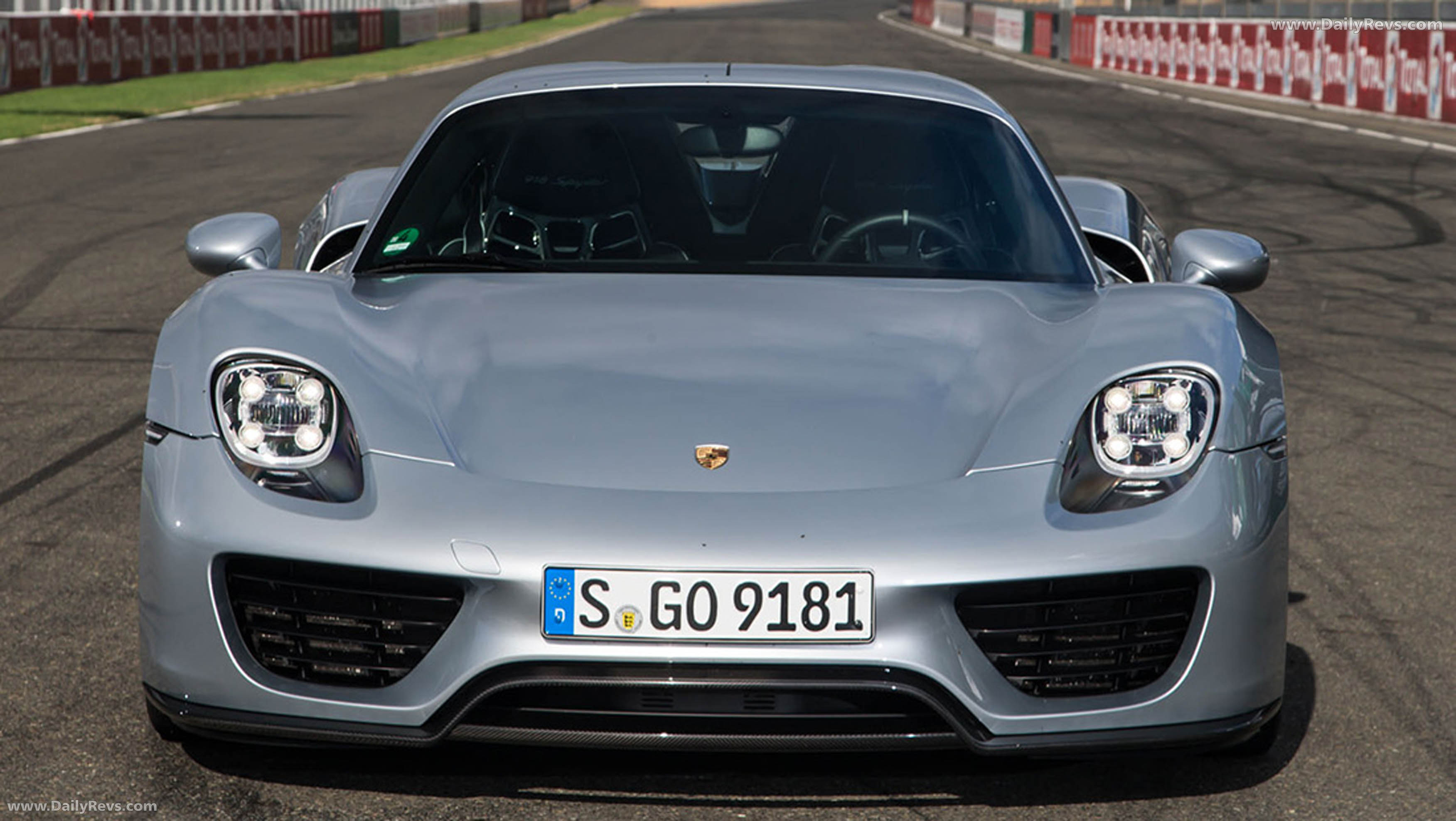
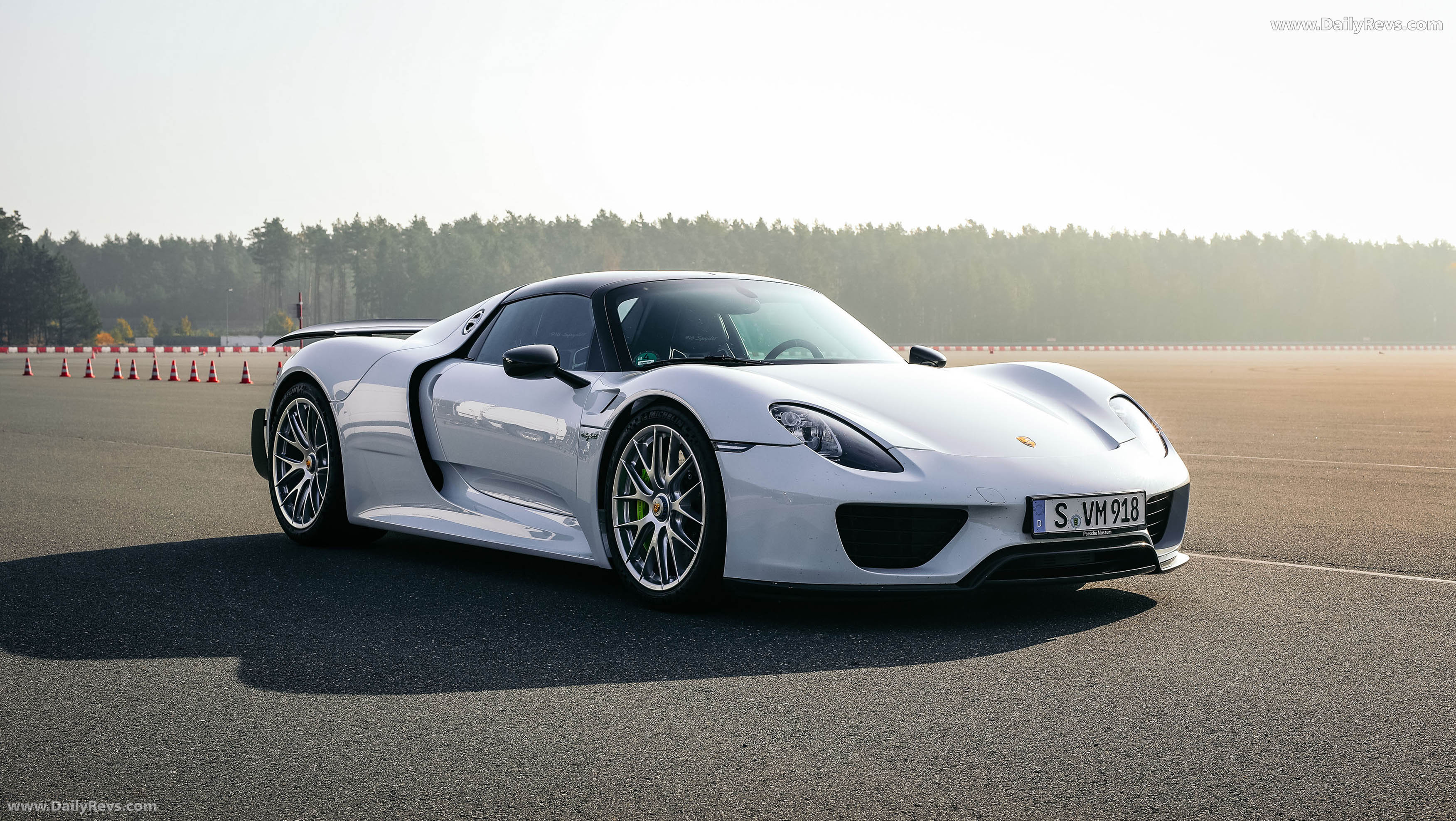
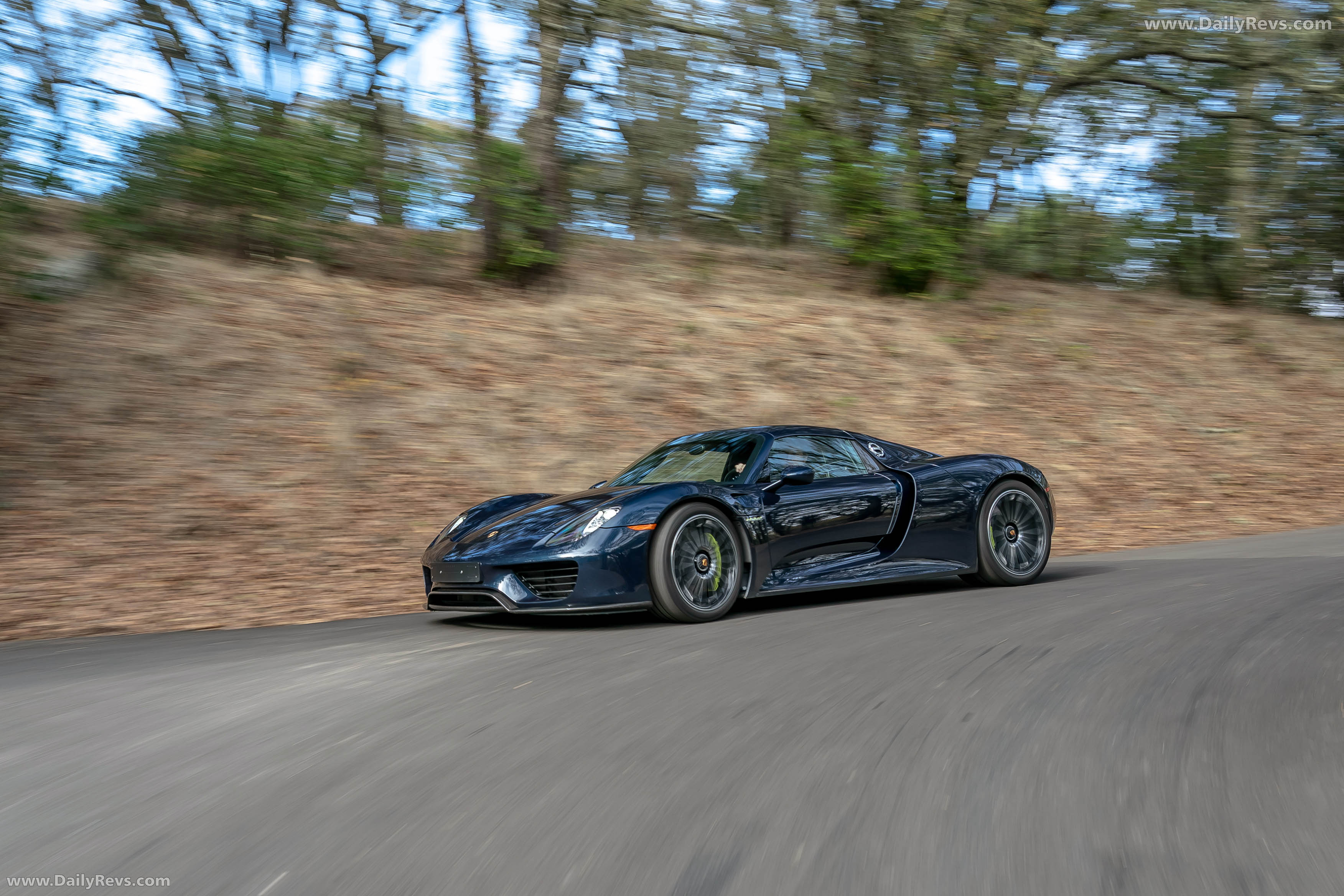
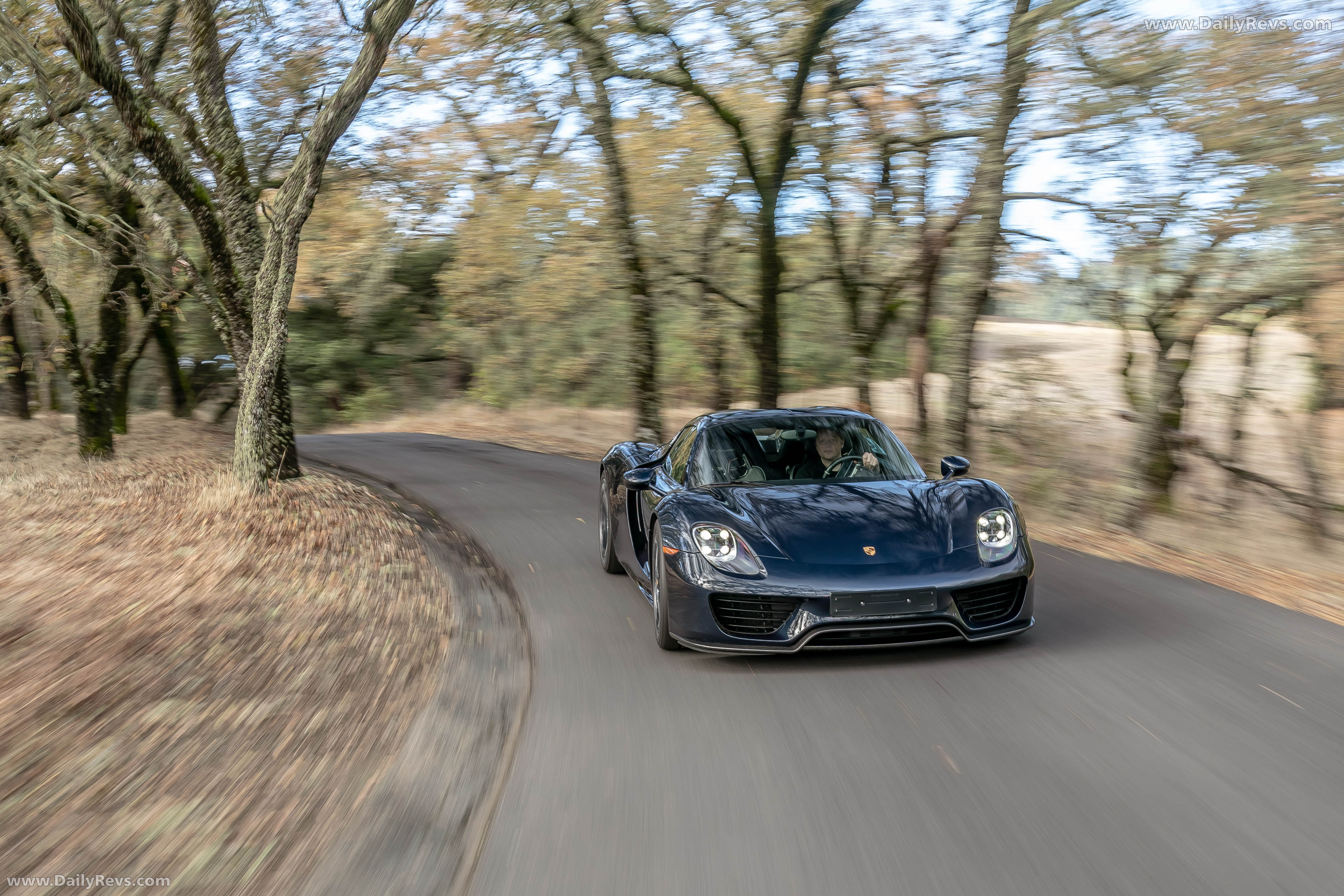
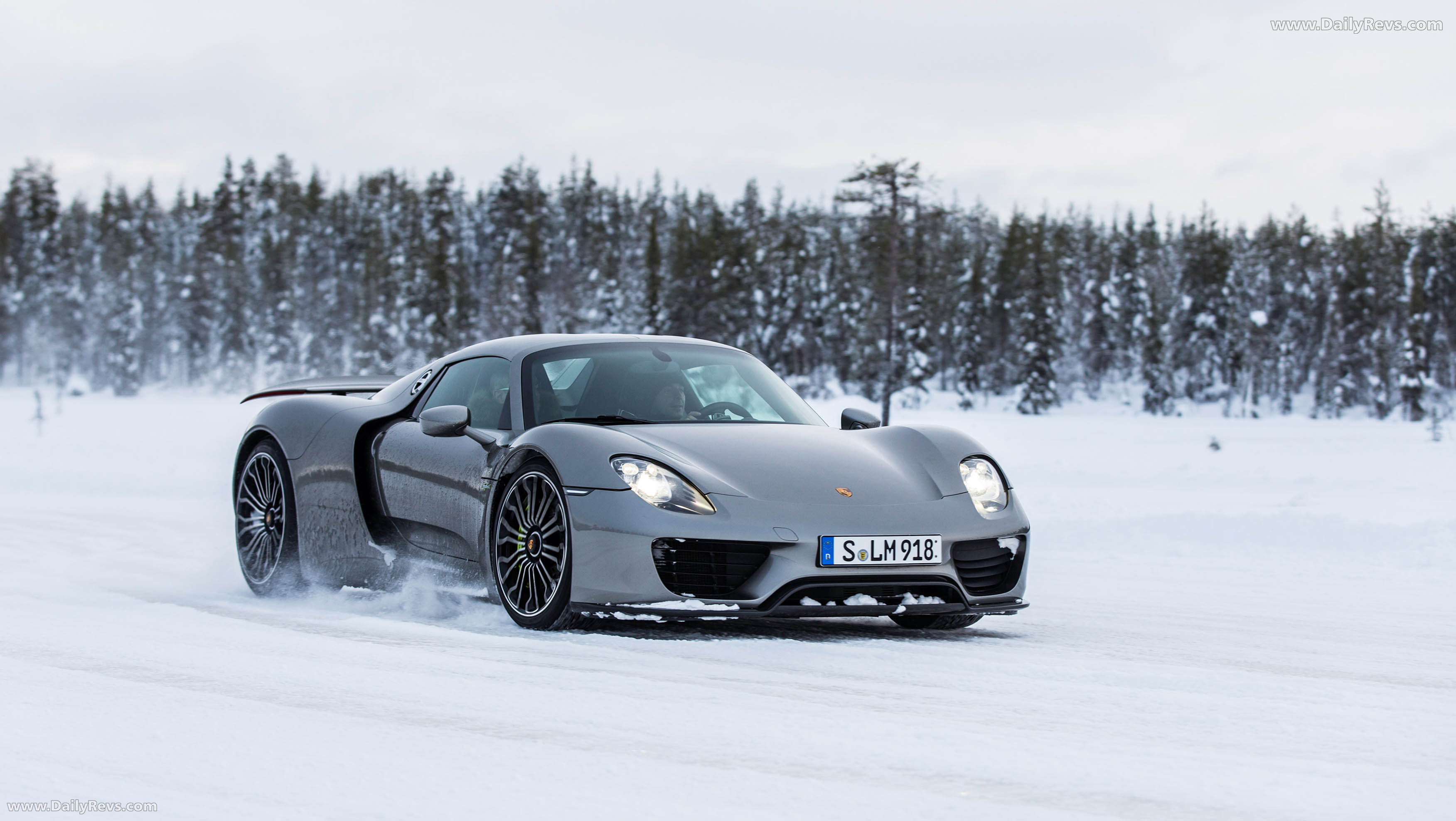
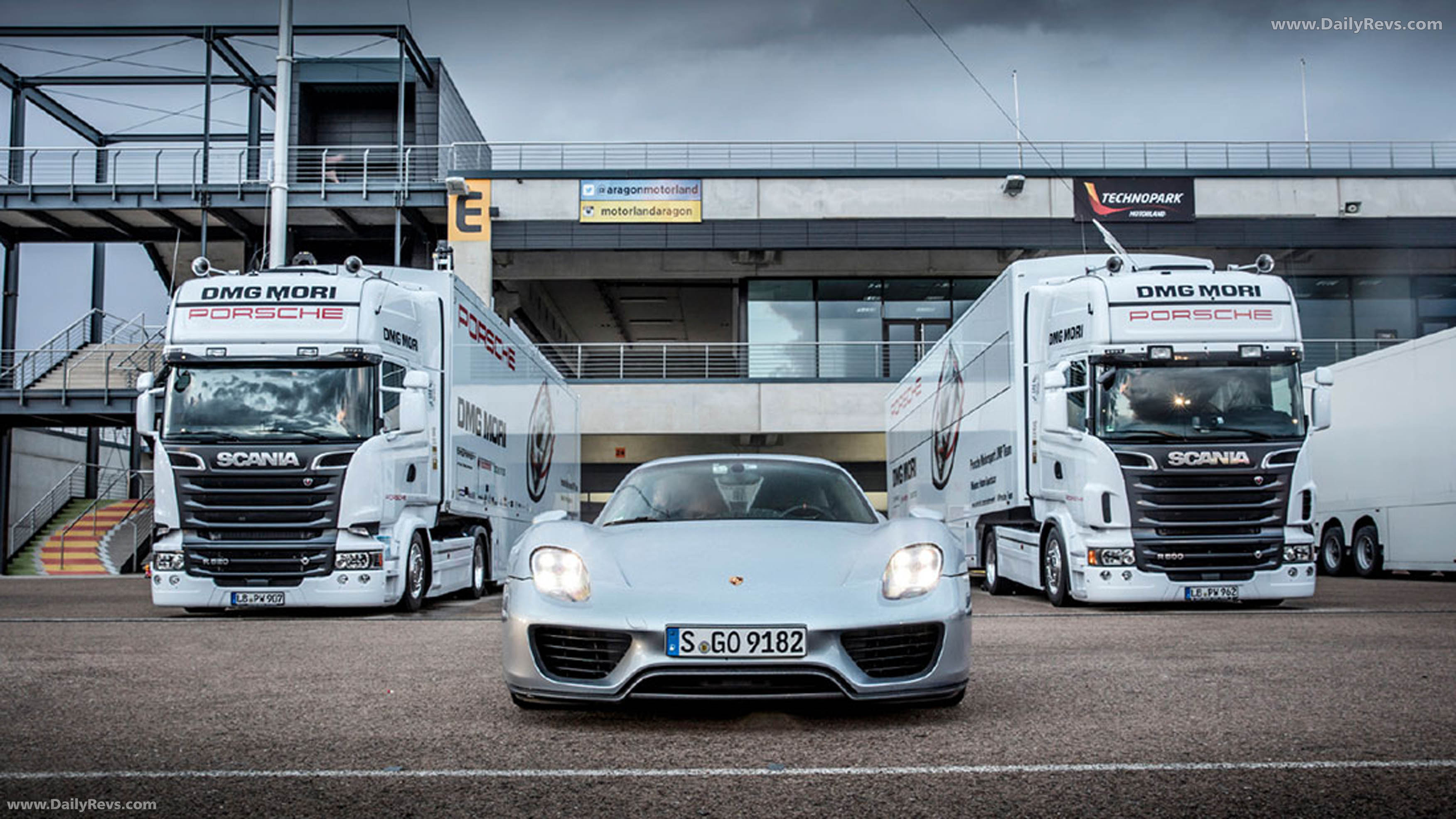
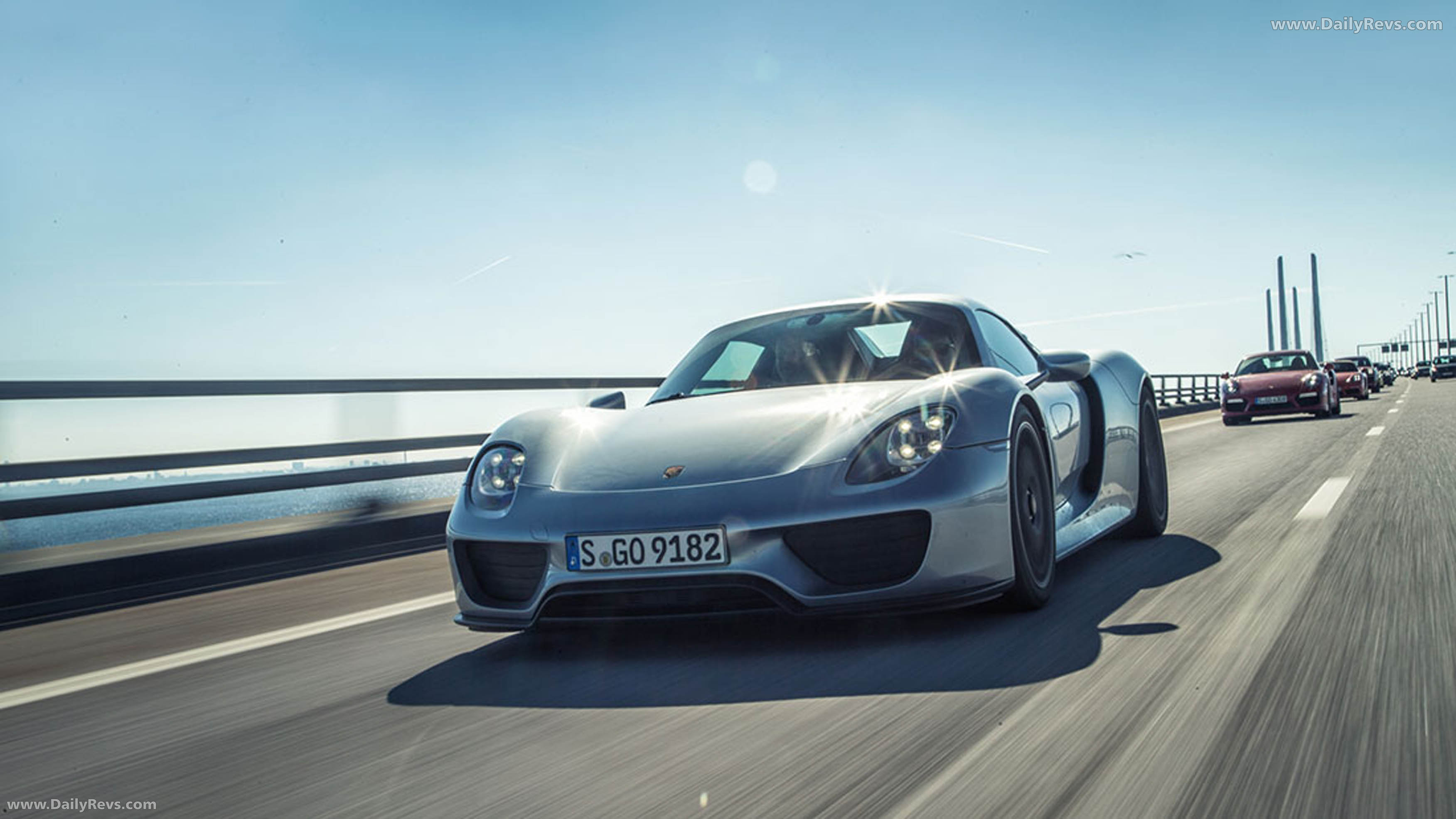
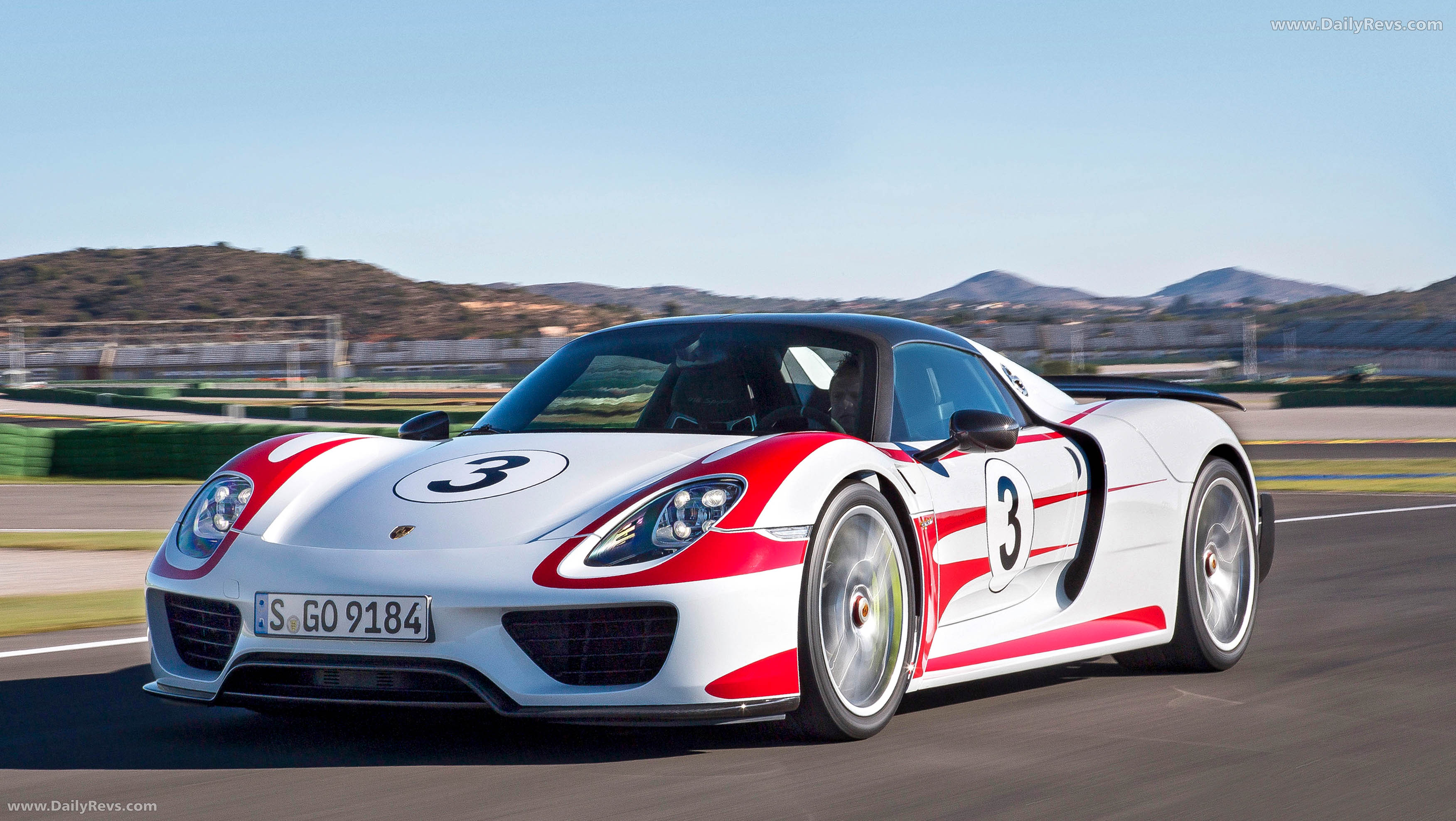
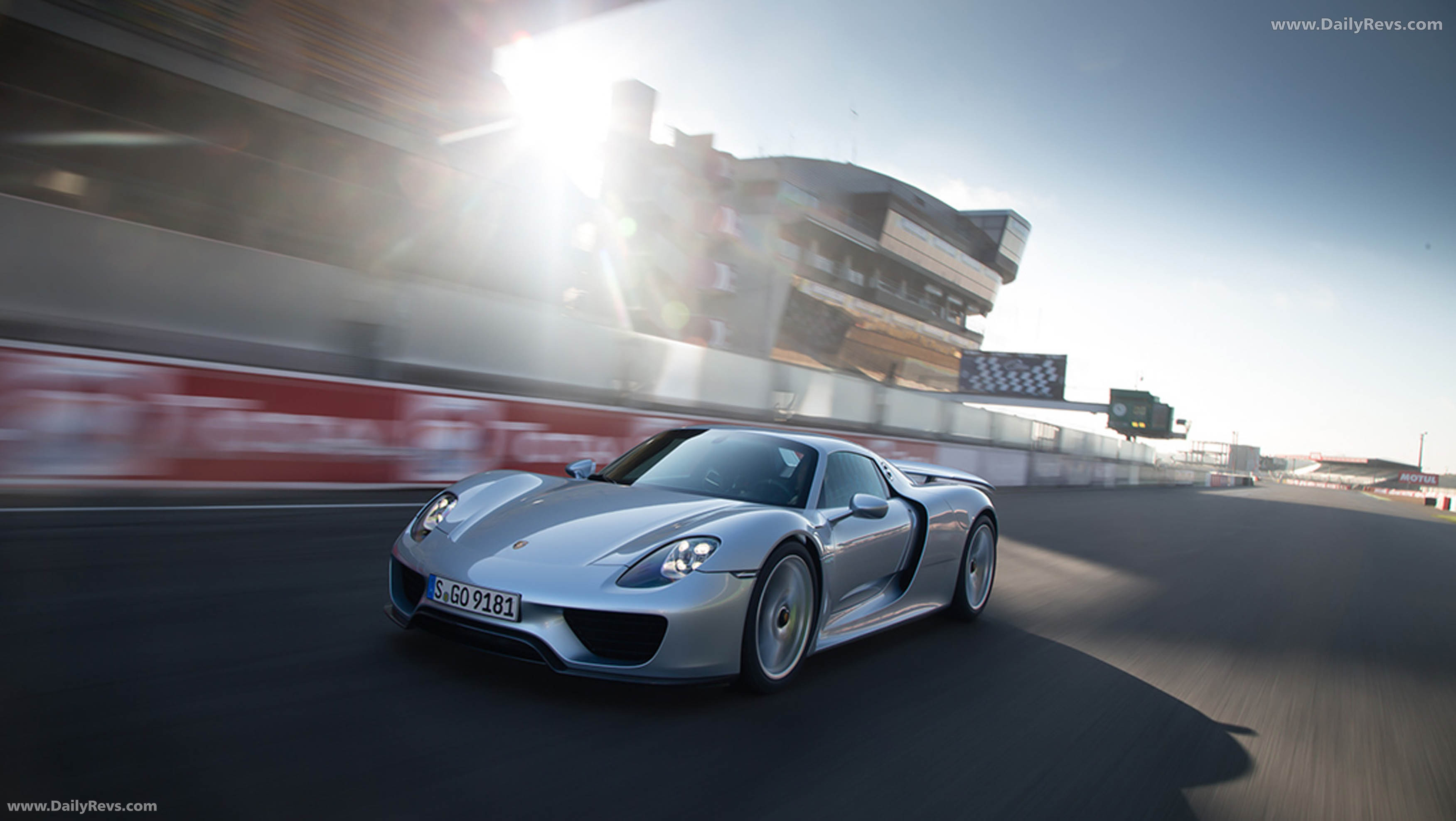
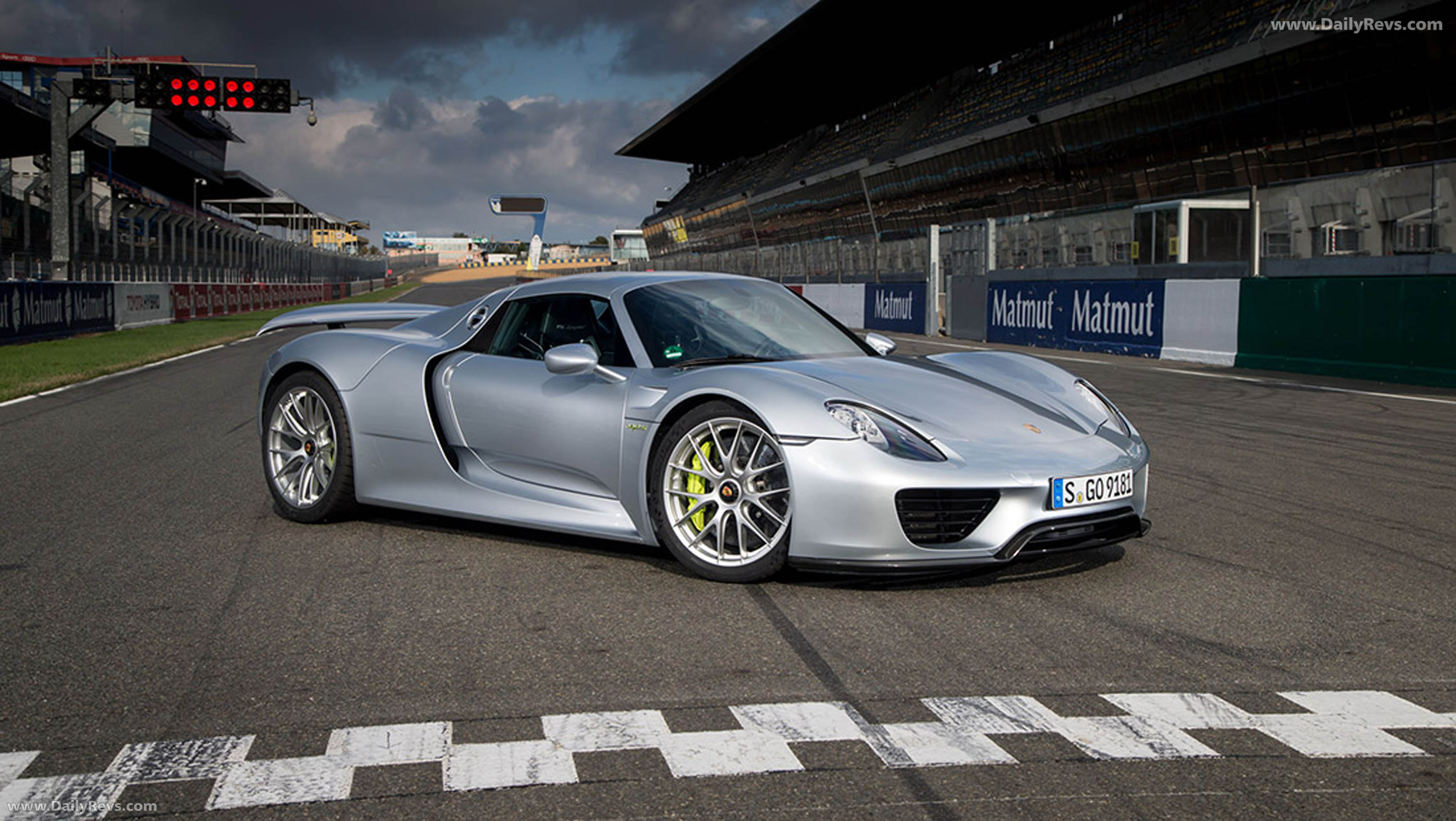
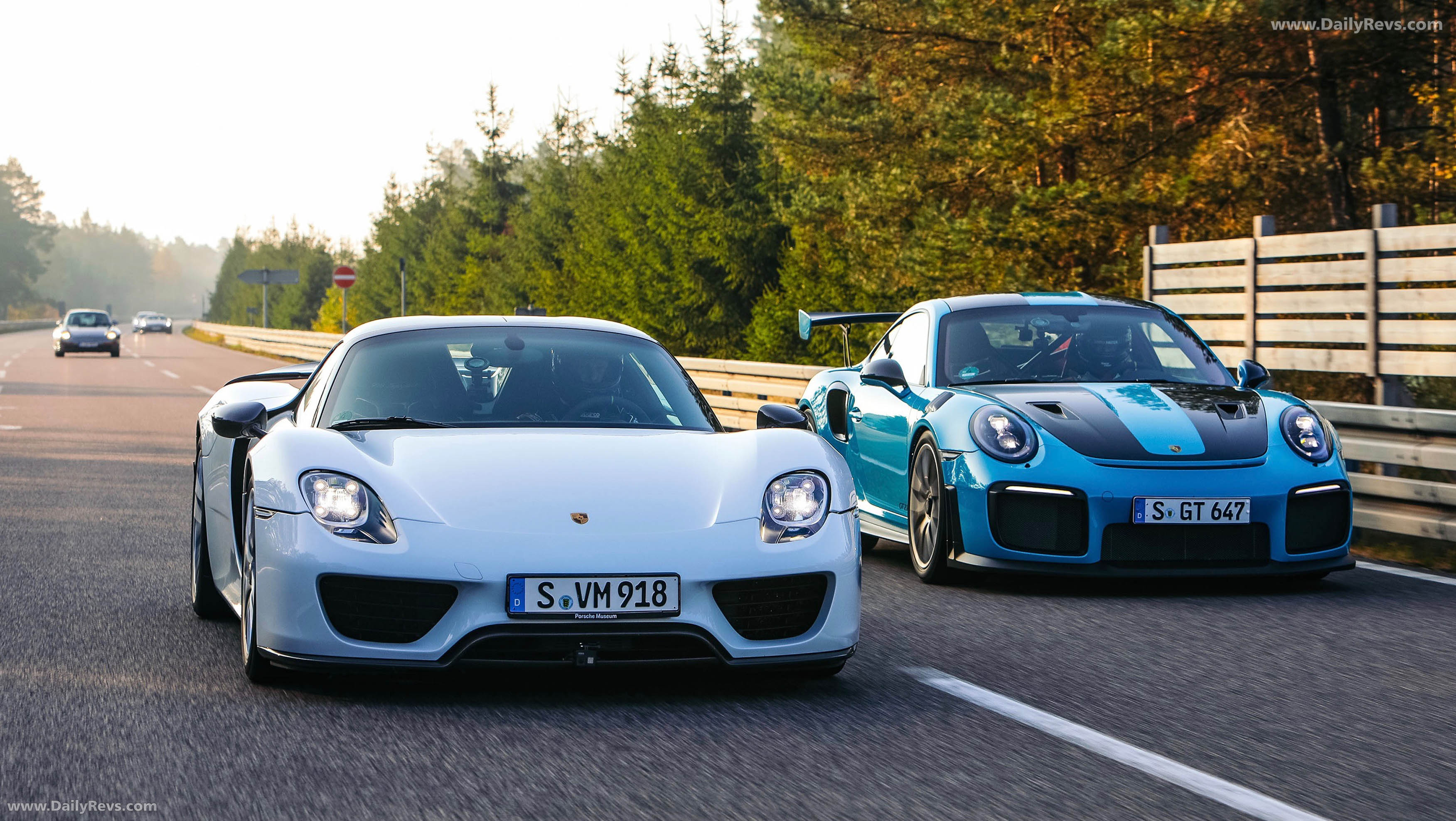
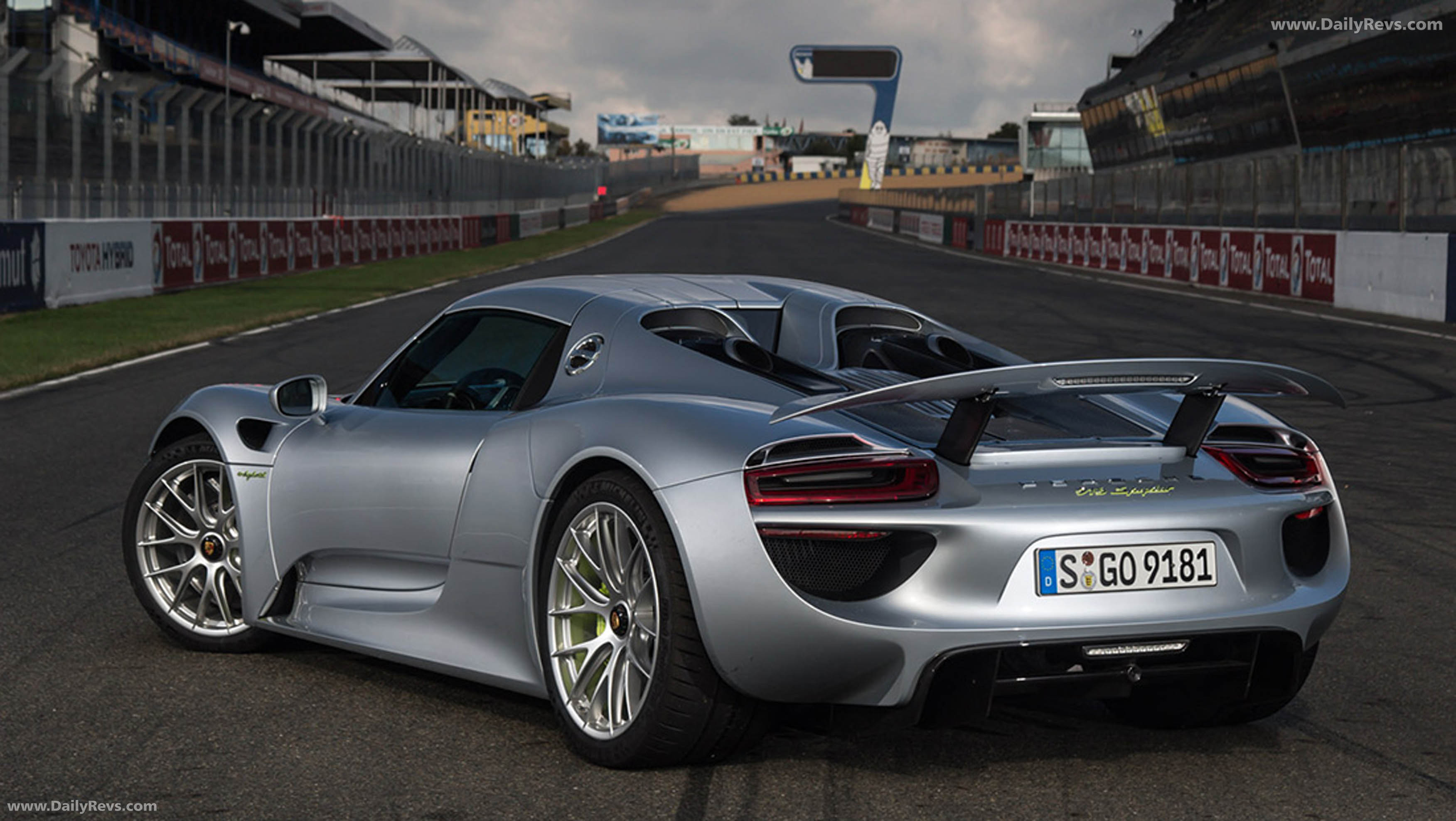
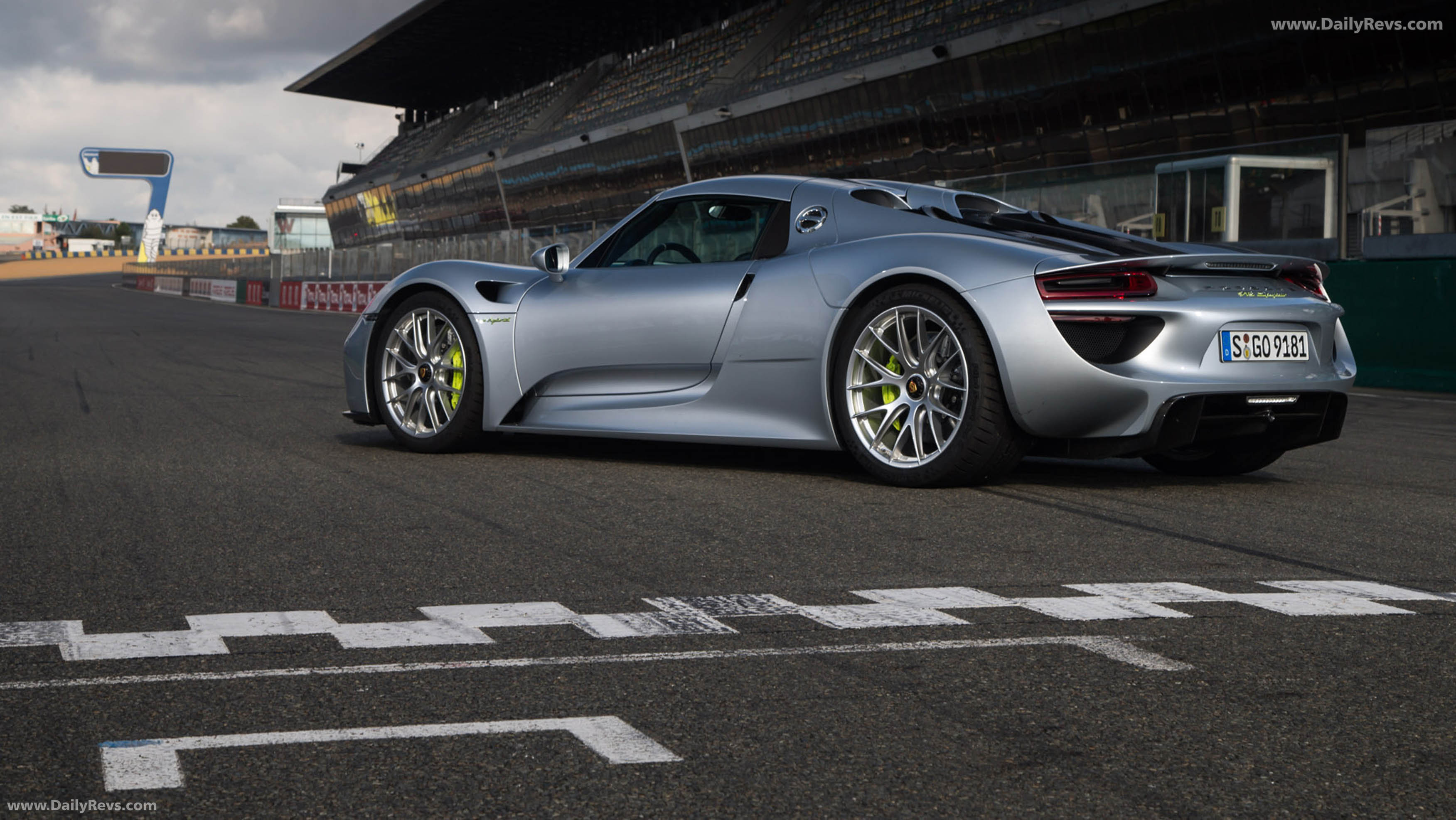
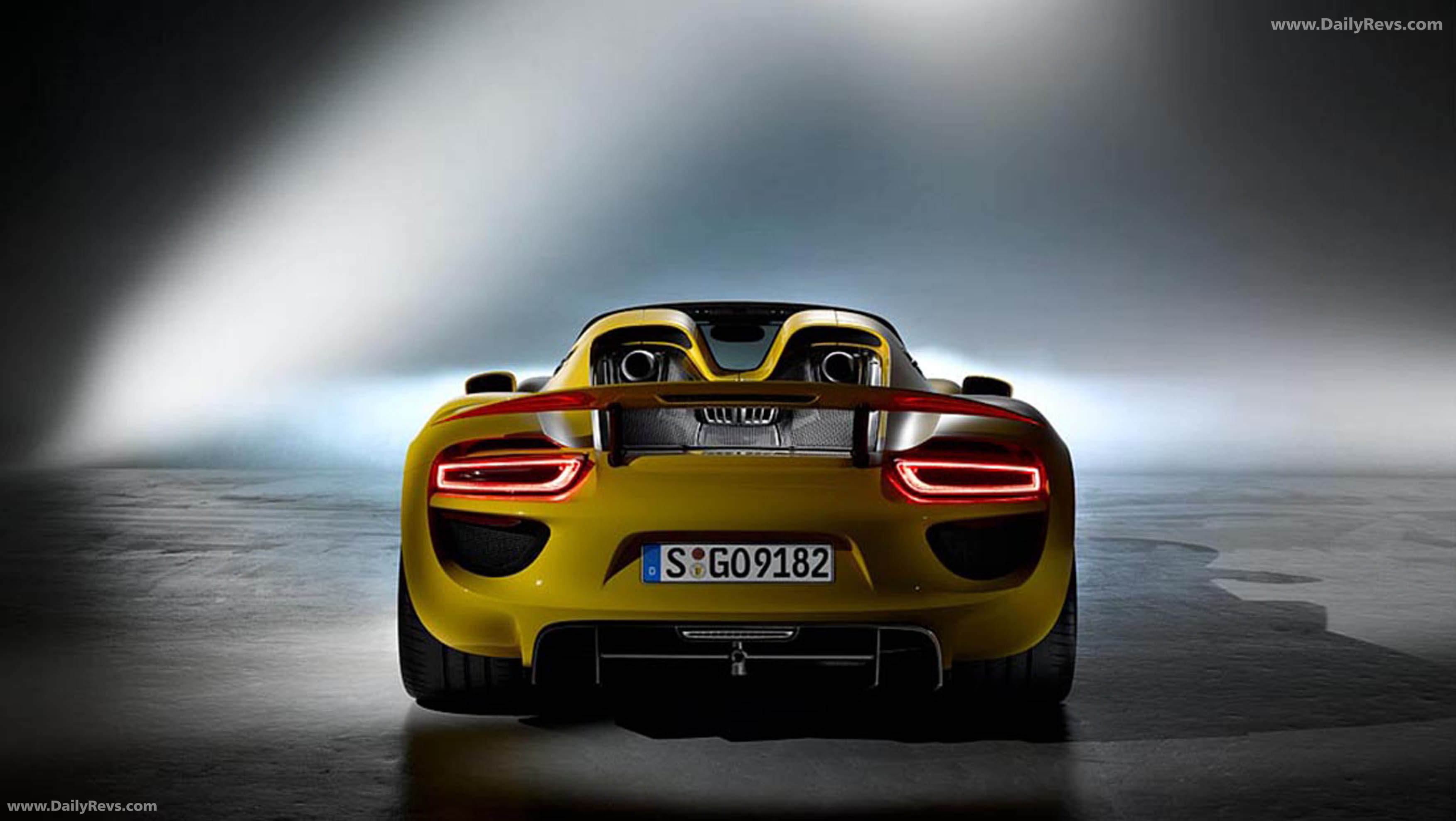
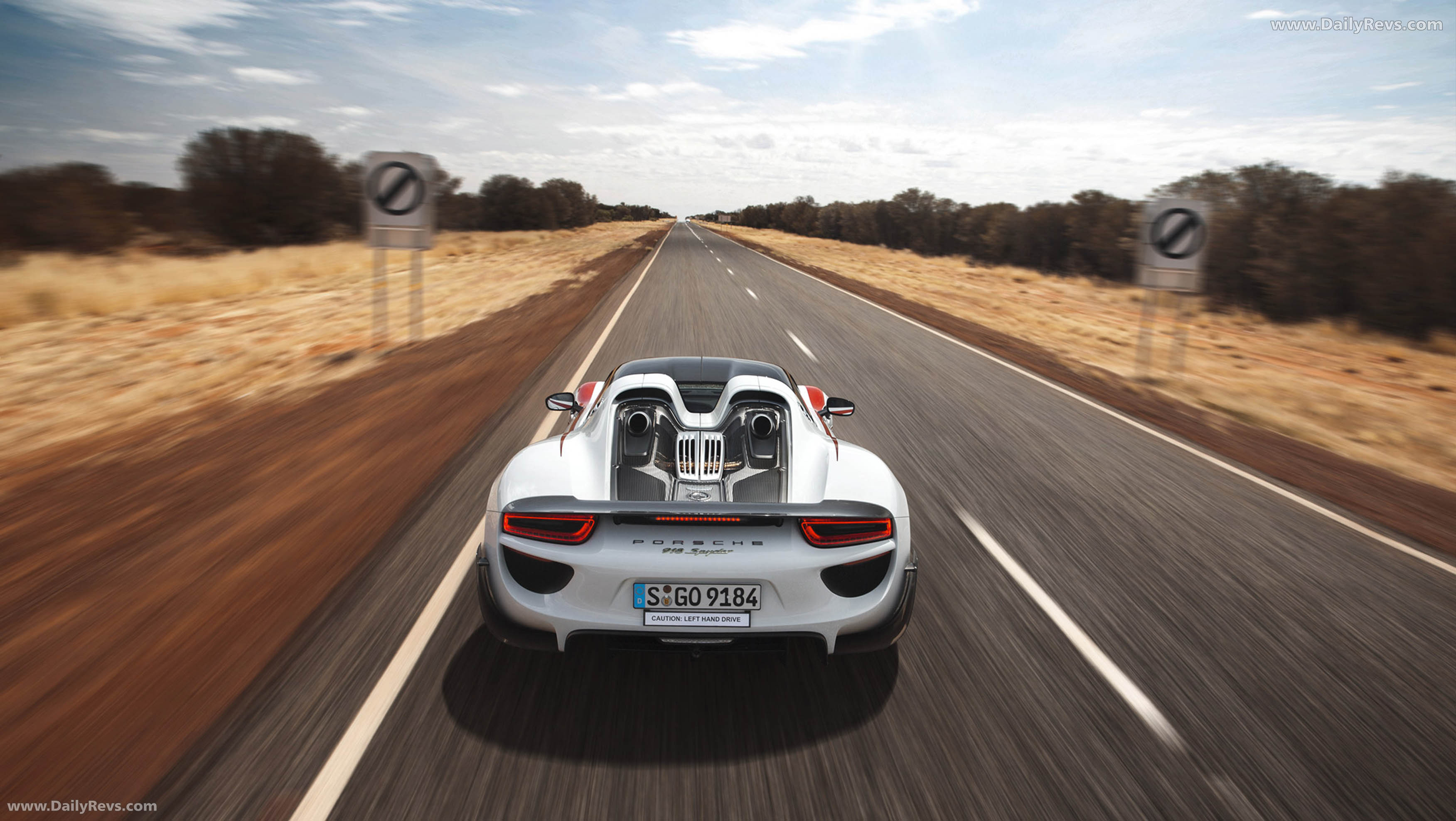
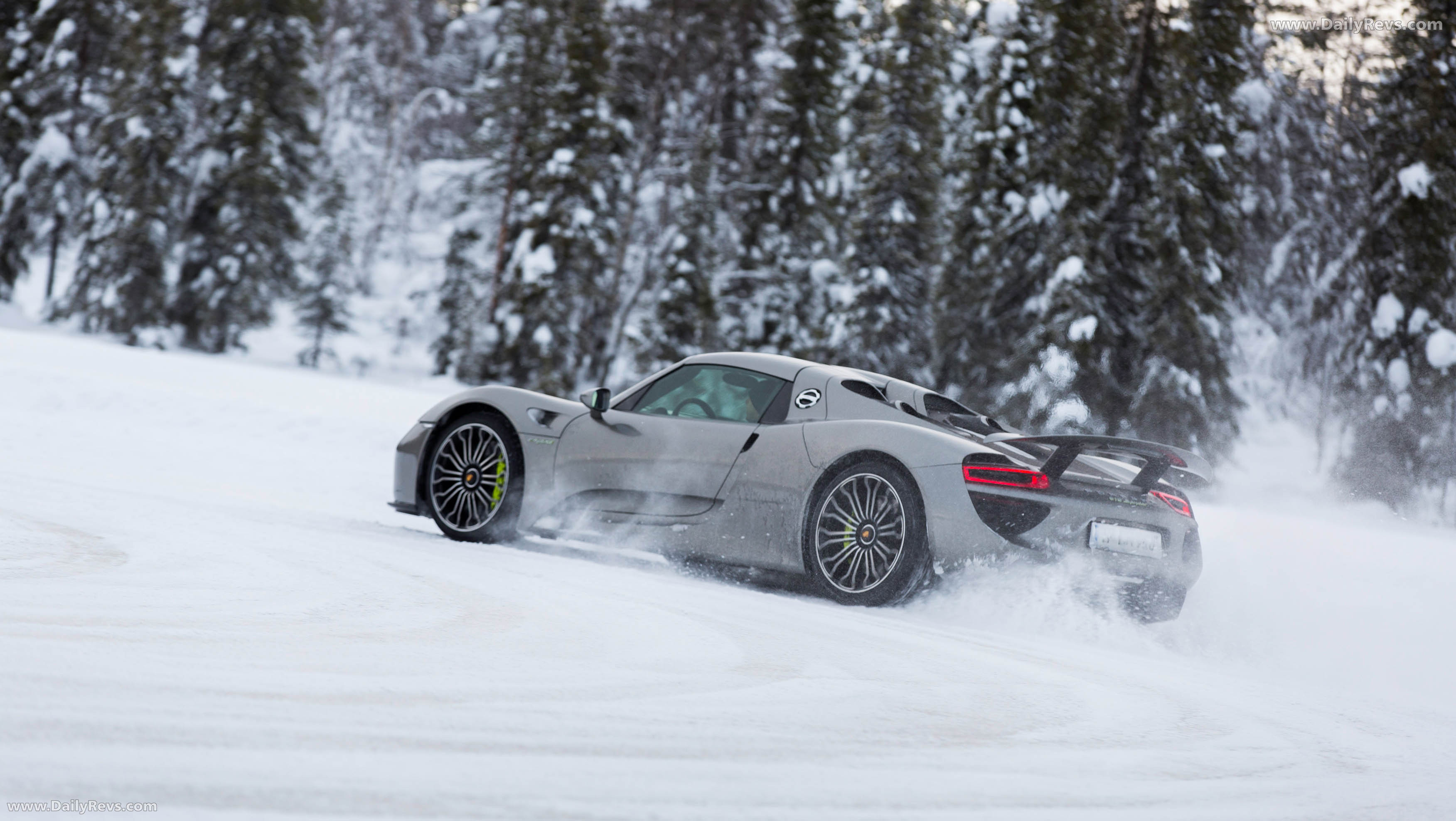
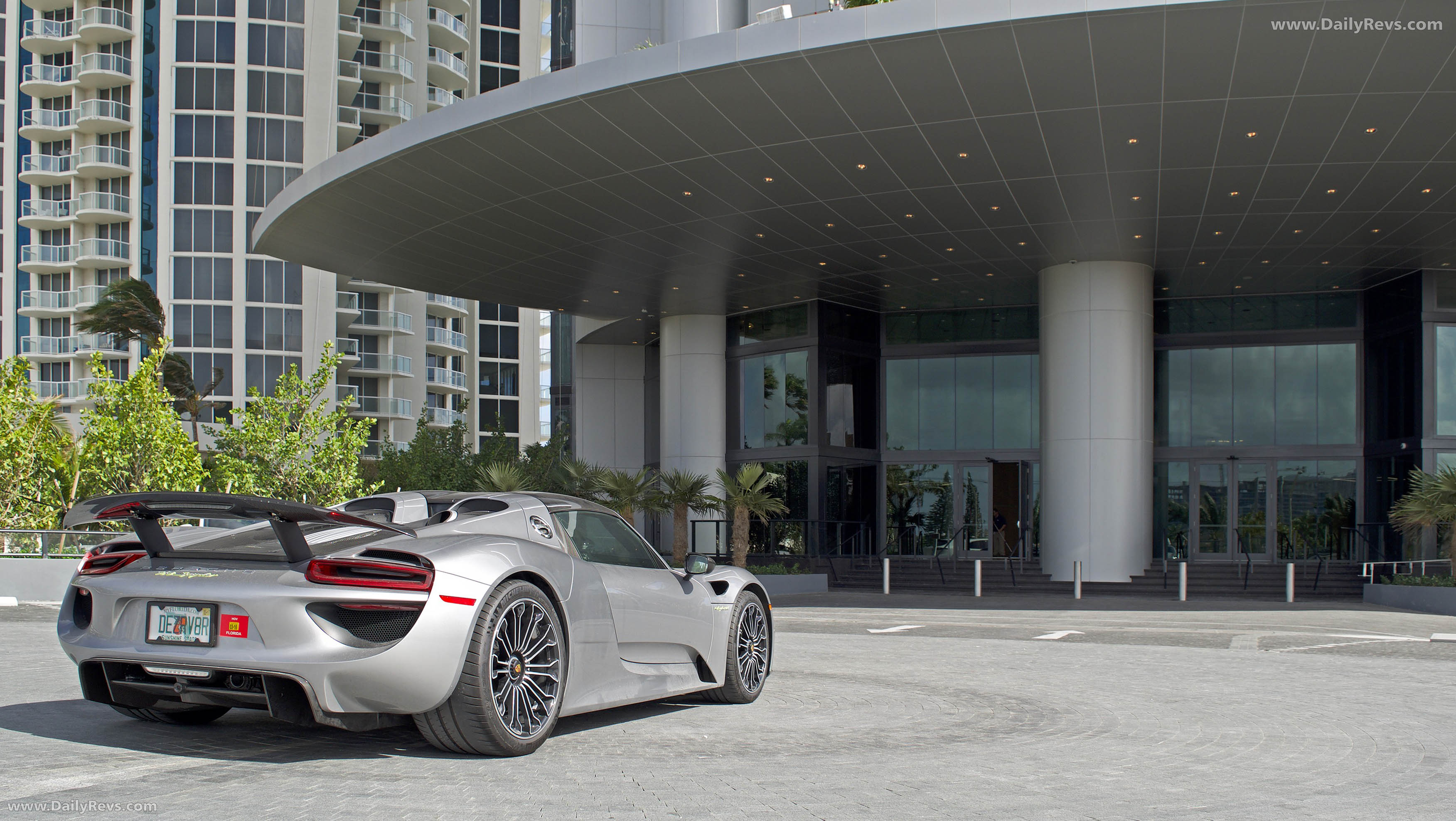
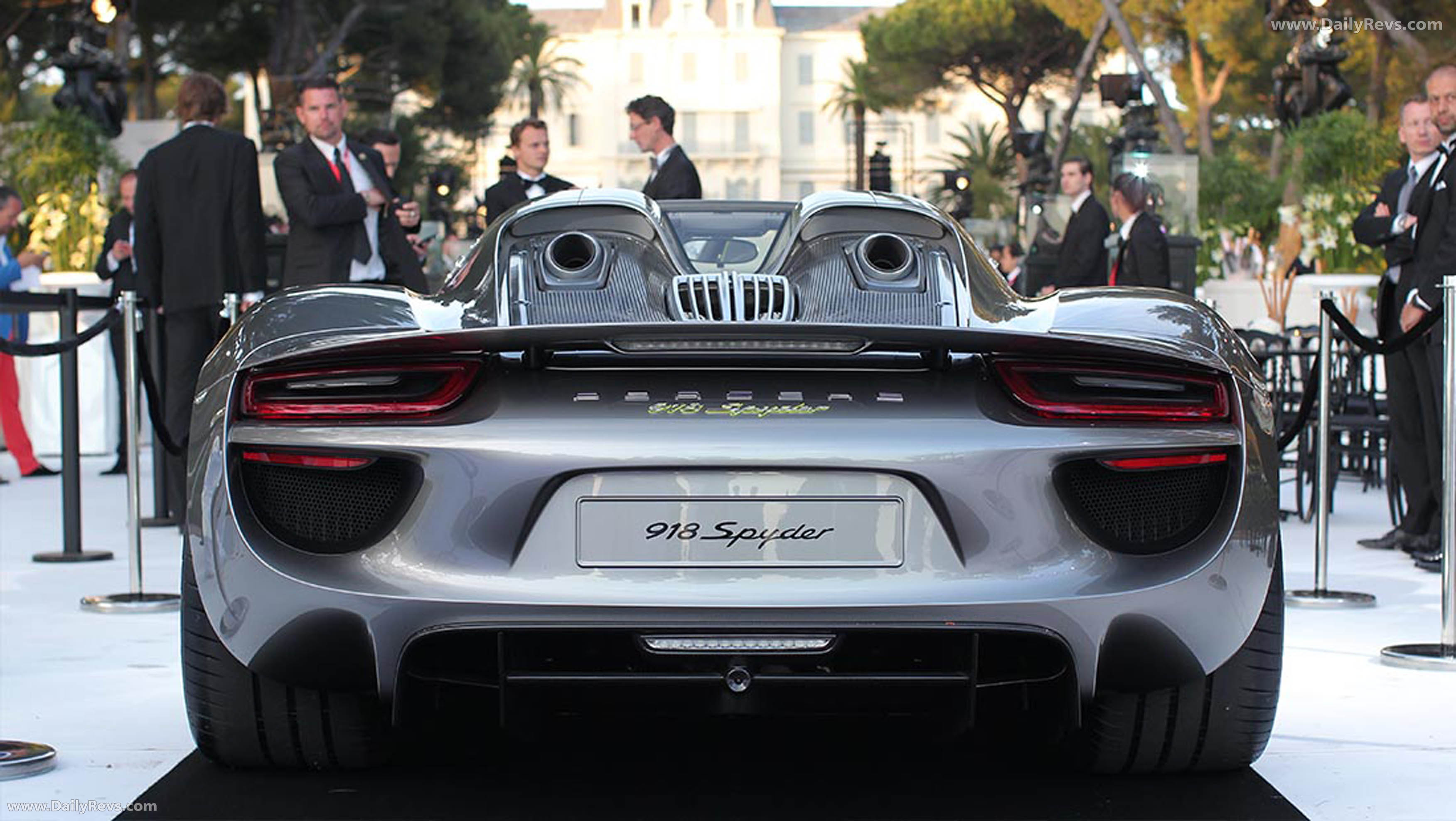
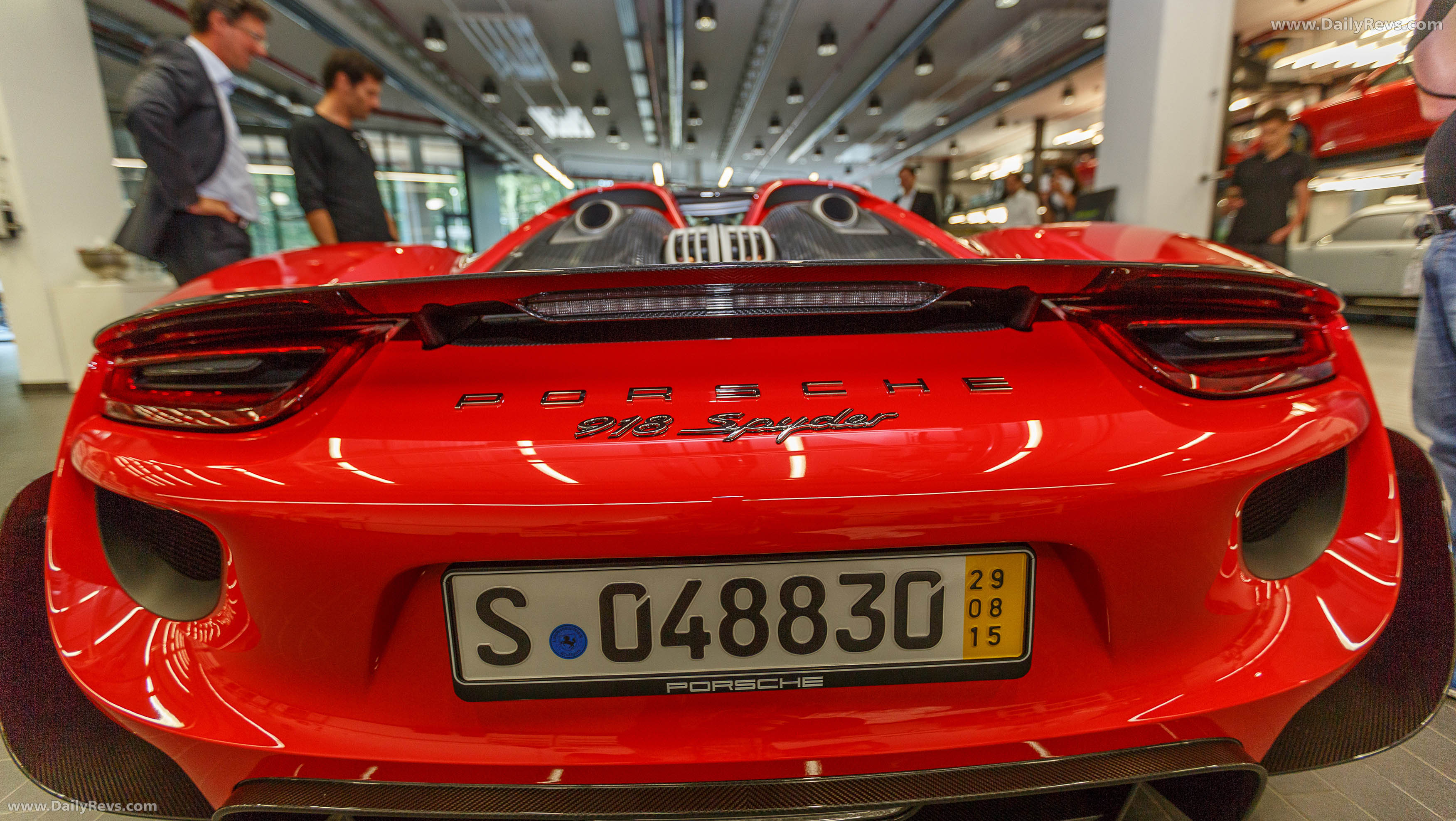
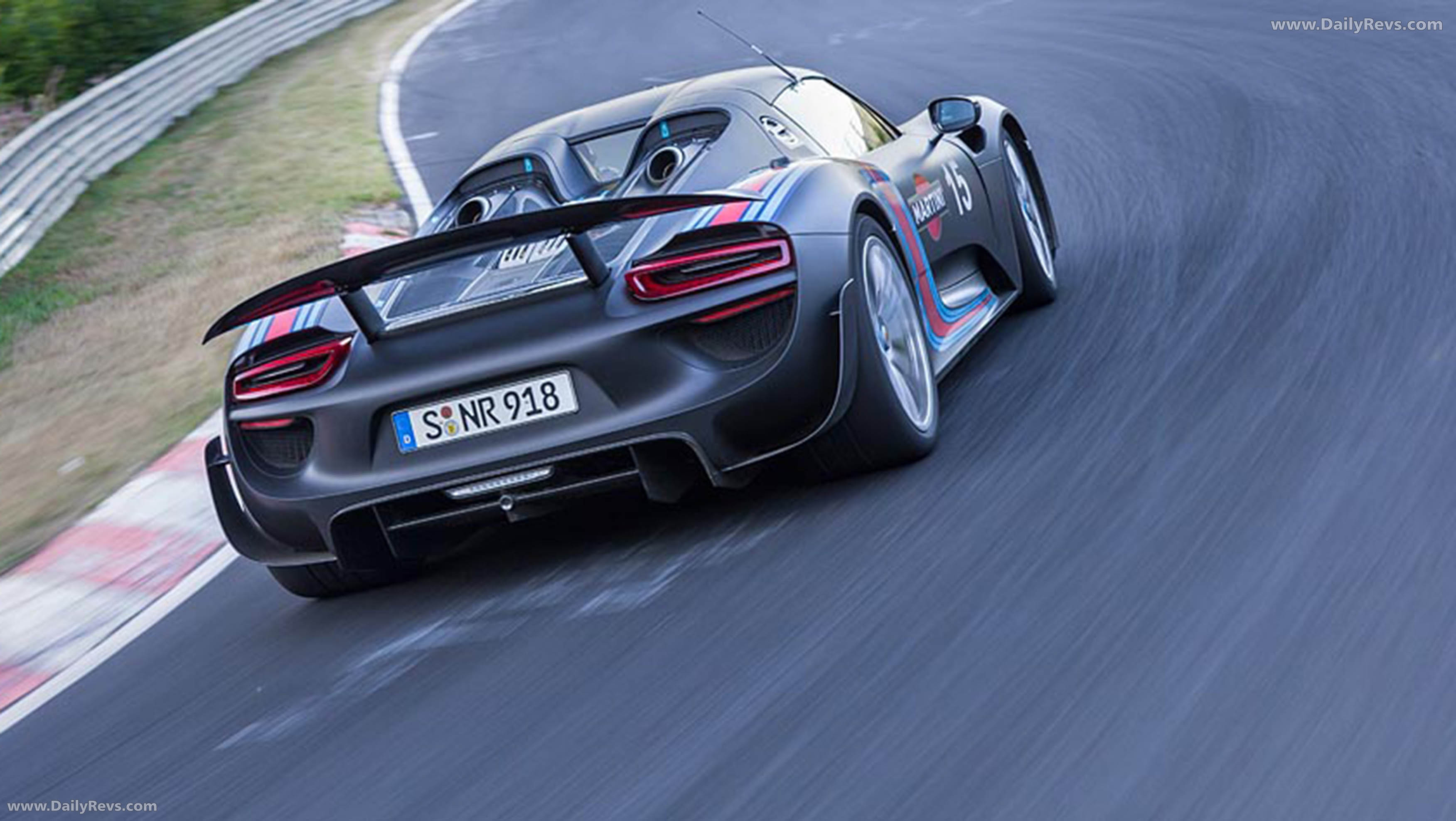
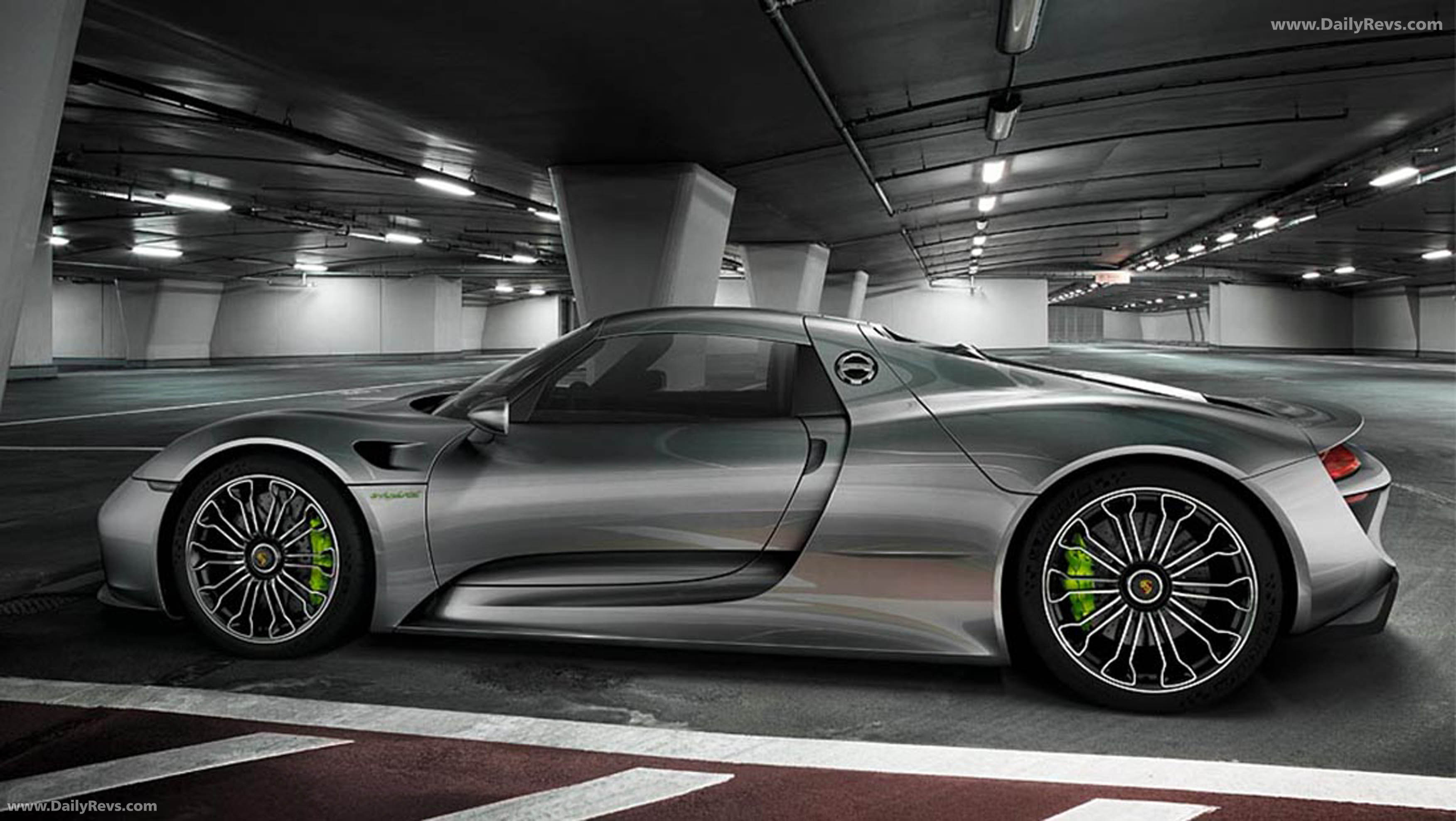
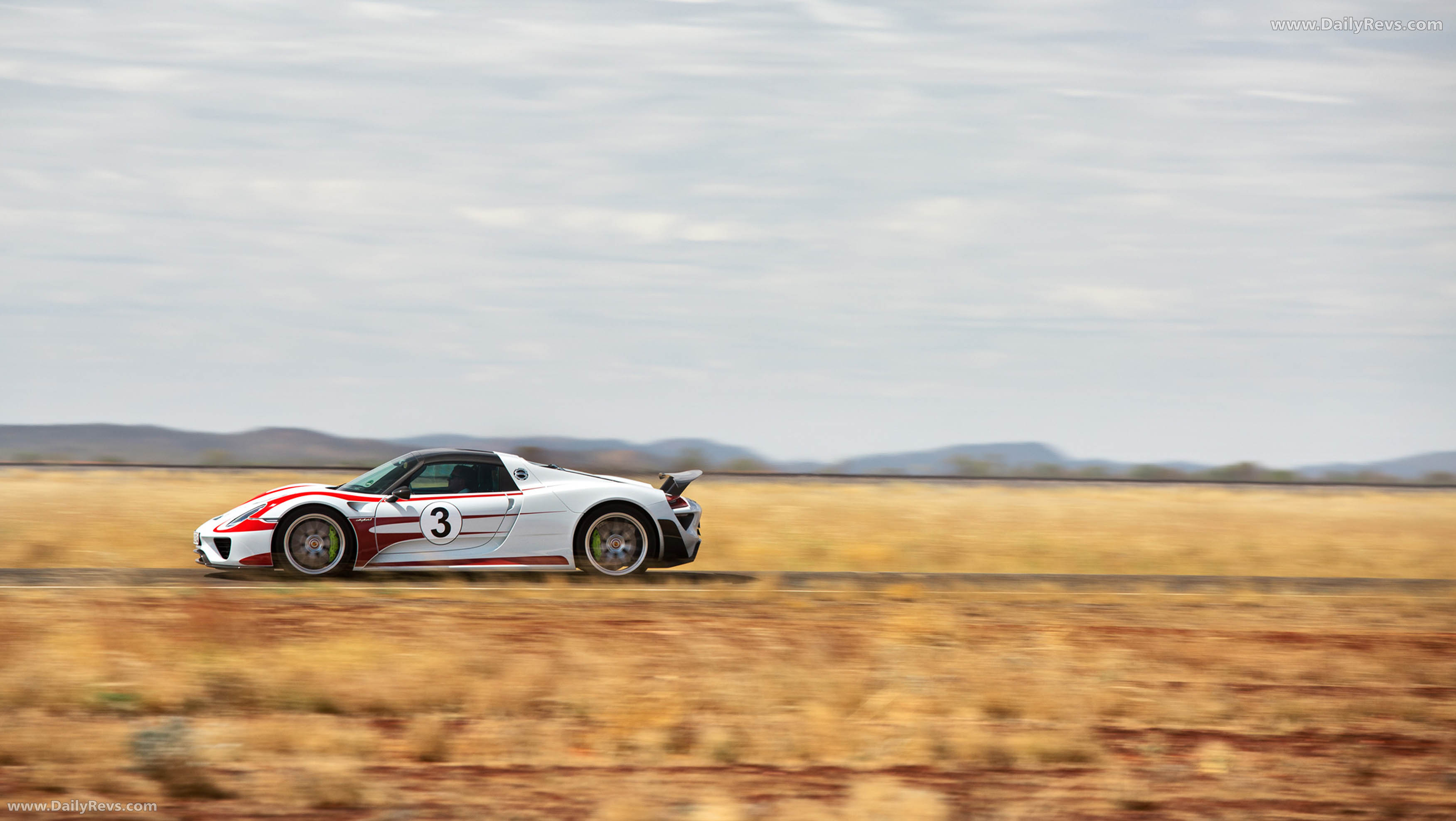
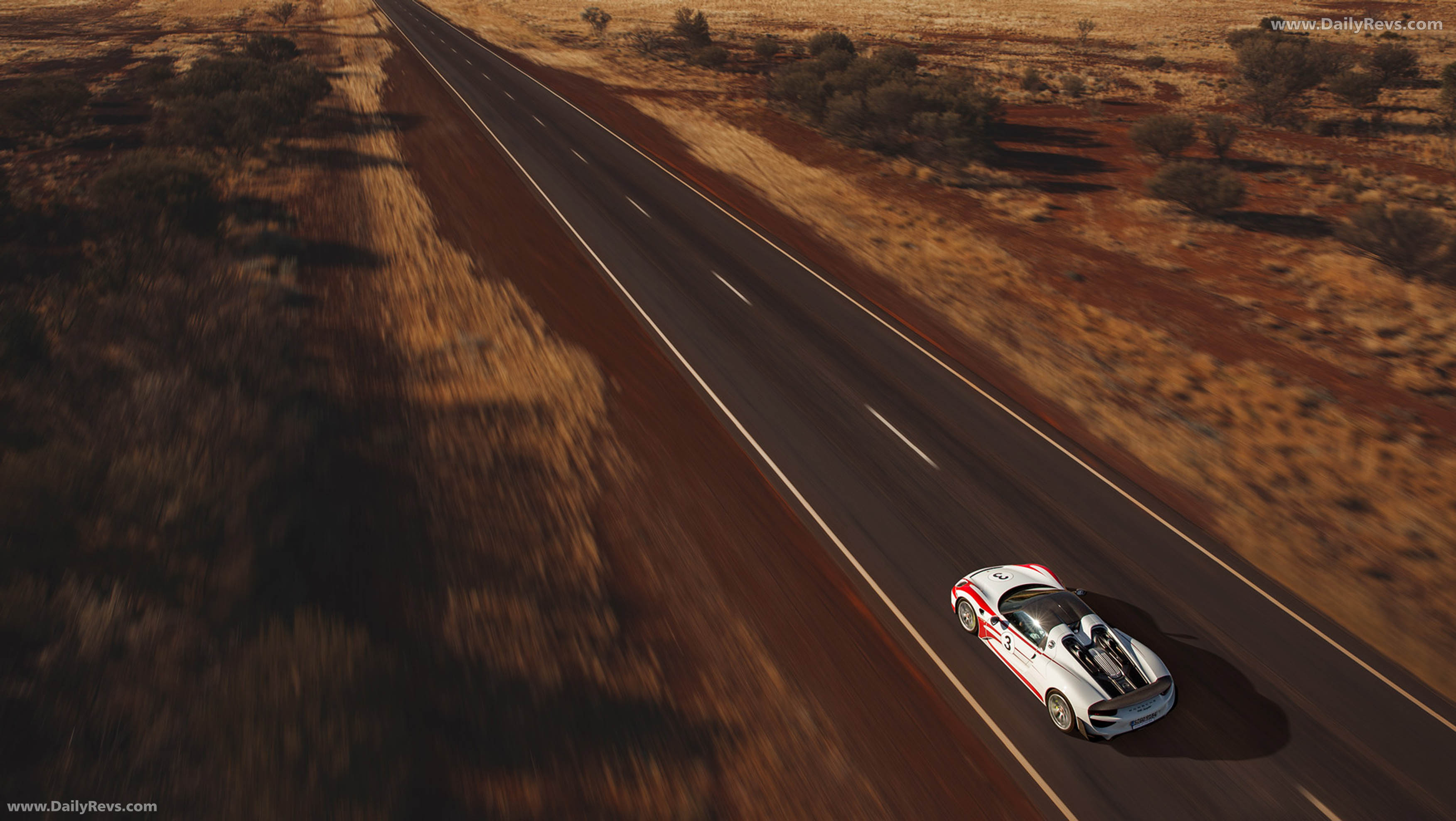
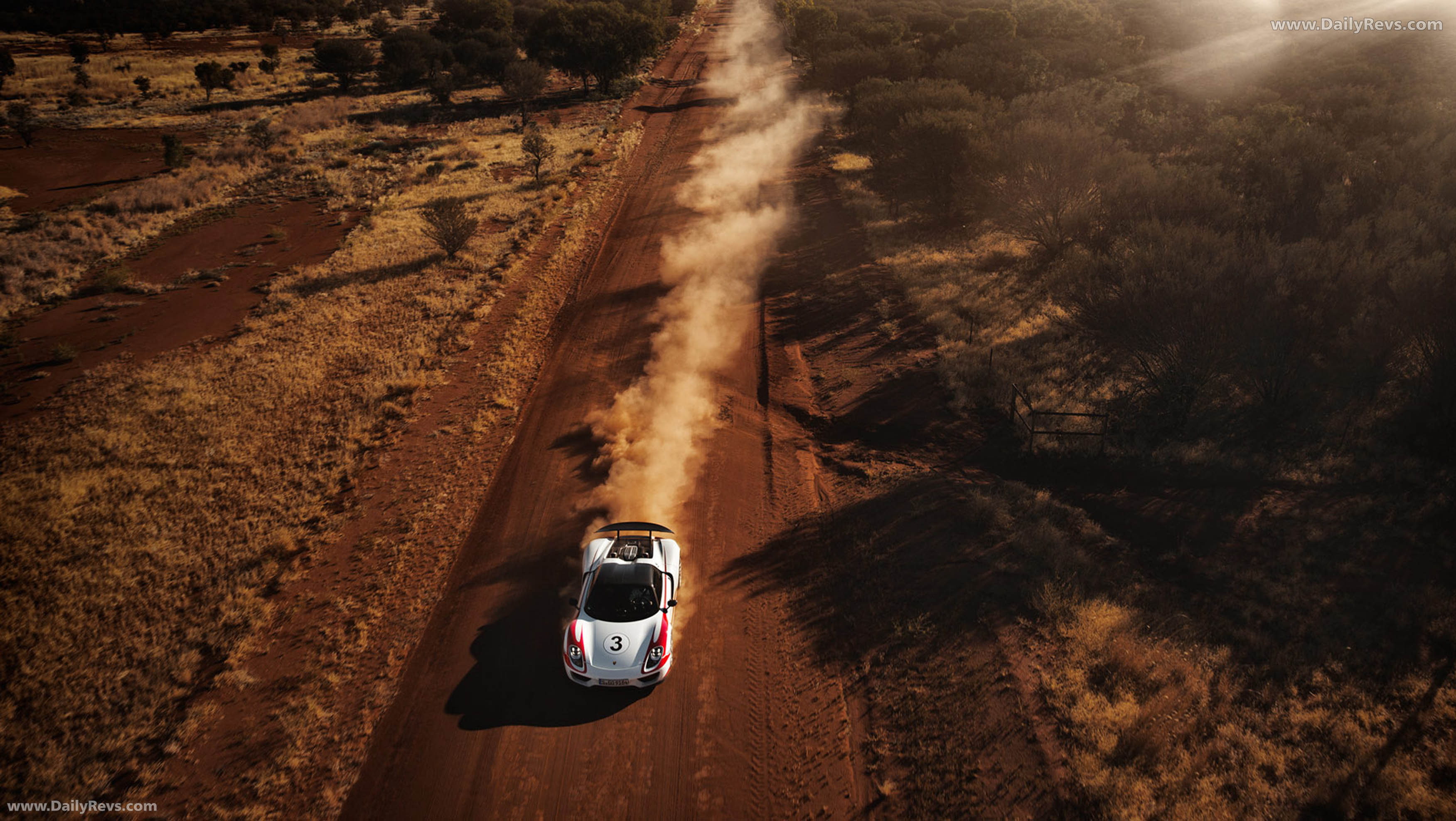
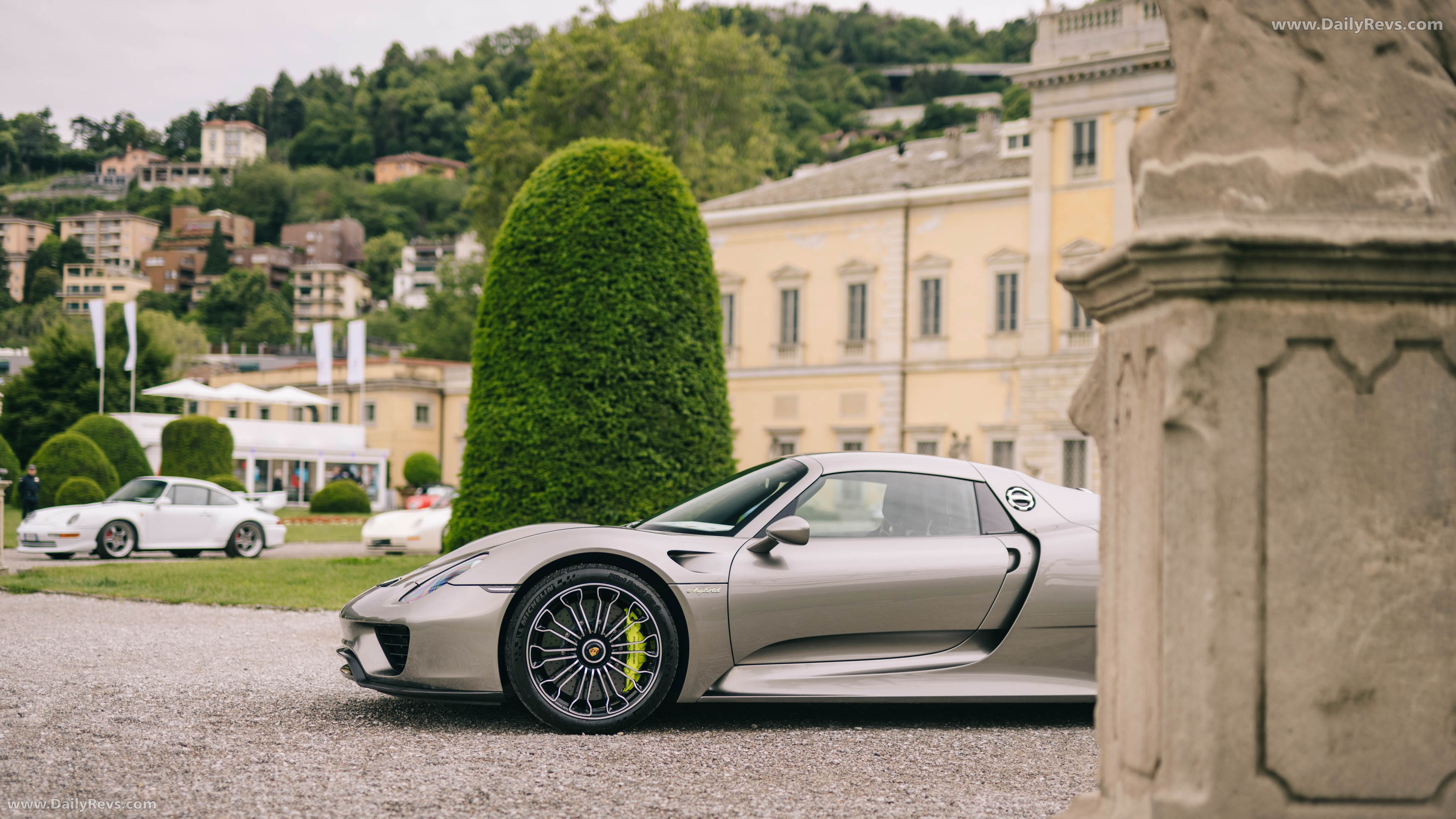
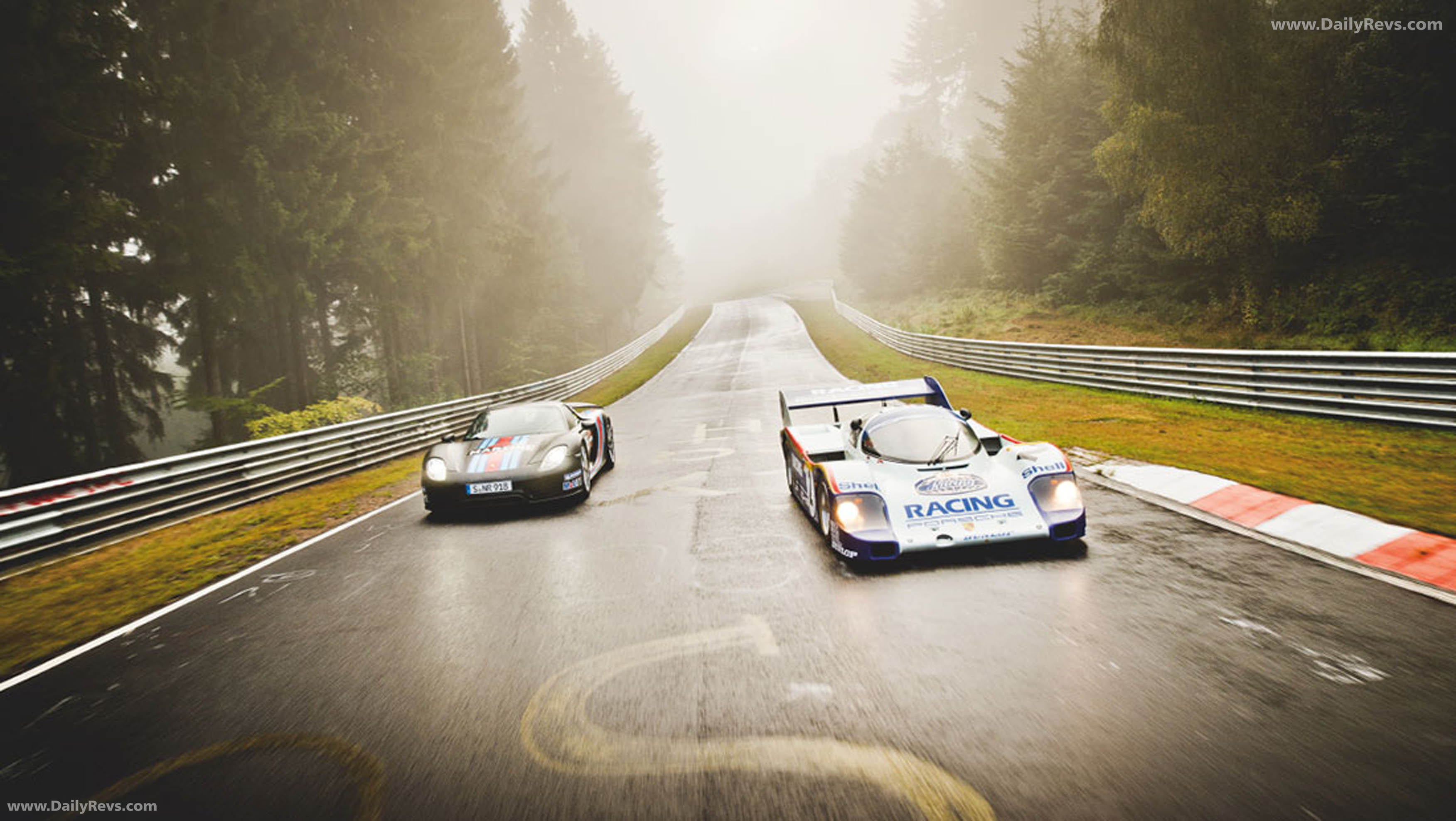
Porsche has long treated its halo cars as a kind of rolling forecast for where high performance is heading, but the 918 Spyder pushed that idea further than anything that came before. Revealed with global road homologation and a Nürburgring Nordschleife lap time of under seven minutes, it marked a moment when hybrid technology shifted from efficiency science project to bona fide motorsport weapon. The headline numbers still read like they’re daring the industry to catch up: a system output of 652 kW (887 hp) and a combined consumption figure as low as 3.0–3.1 l/100 km, depending on configuration. Those aren’t contradictory goals, Porsche insisted — they’re the point.
Hybrid Power as a Performance Tool
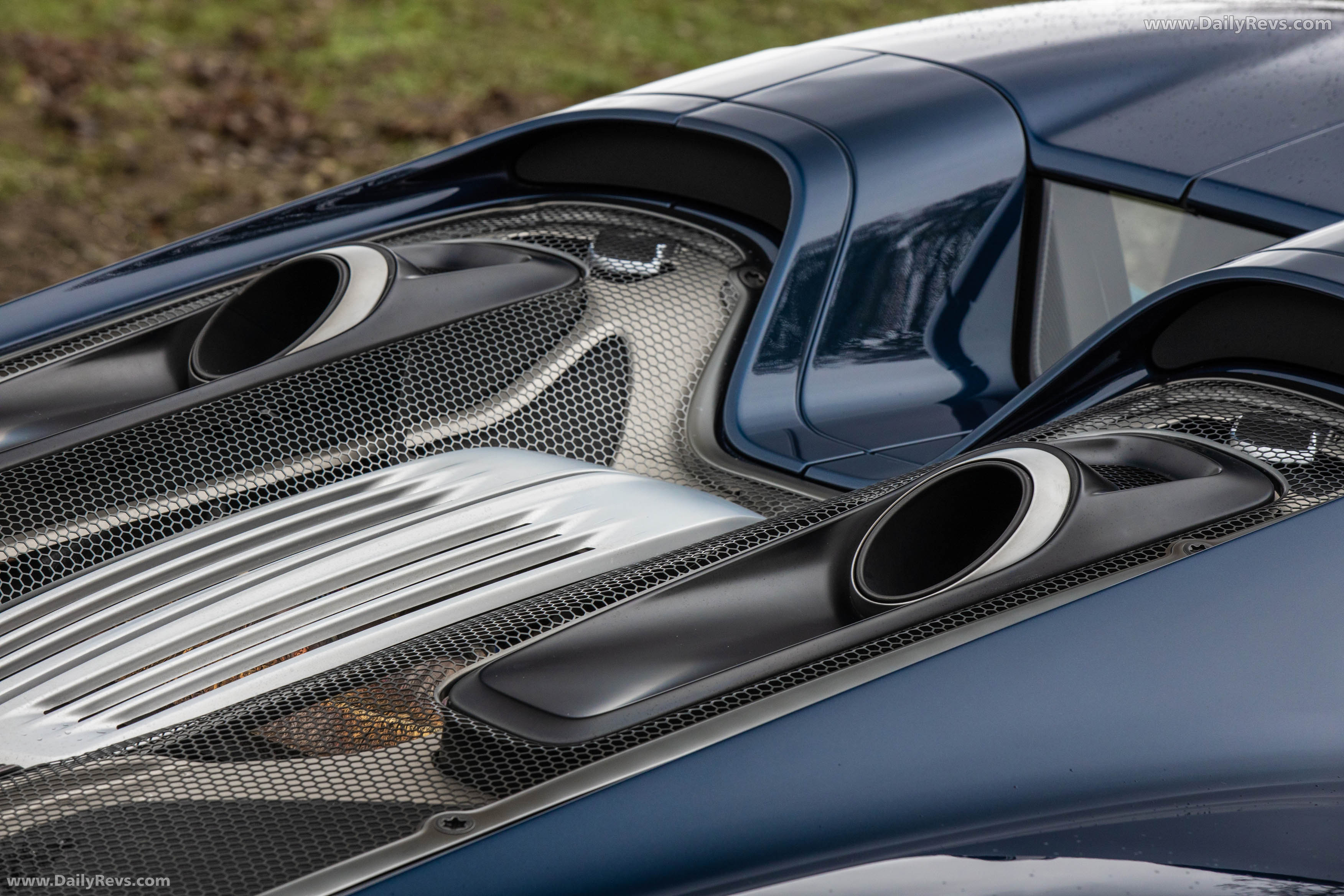
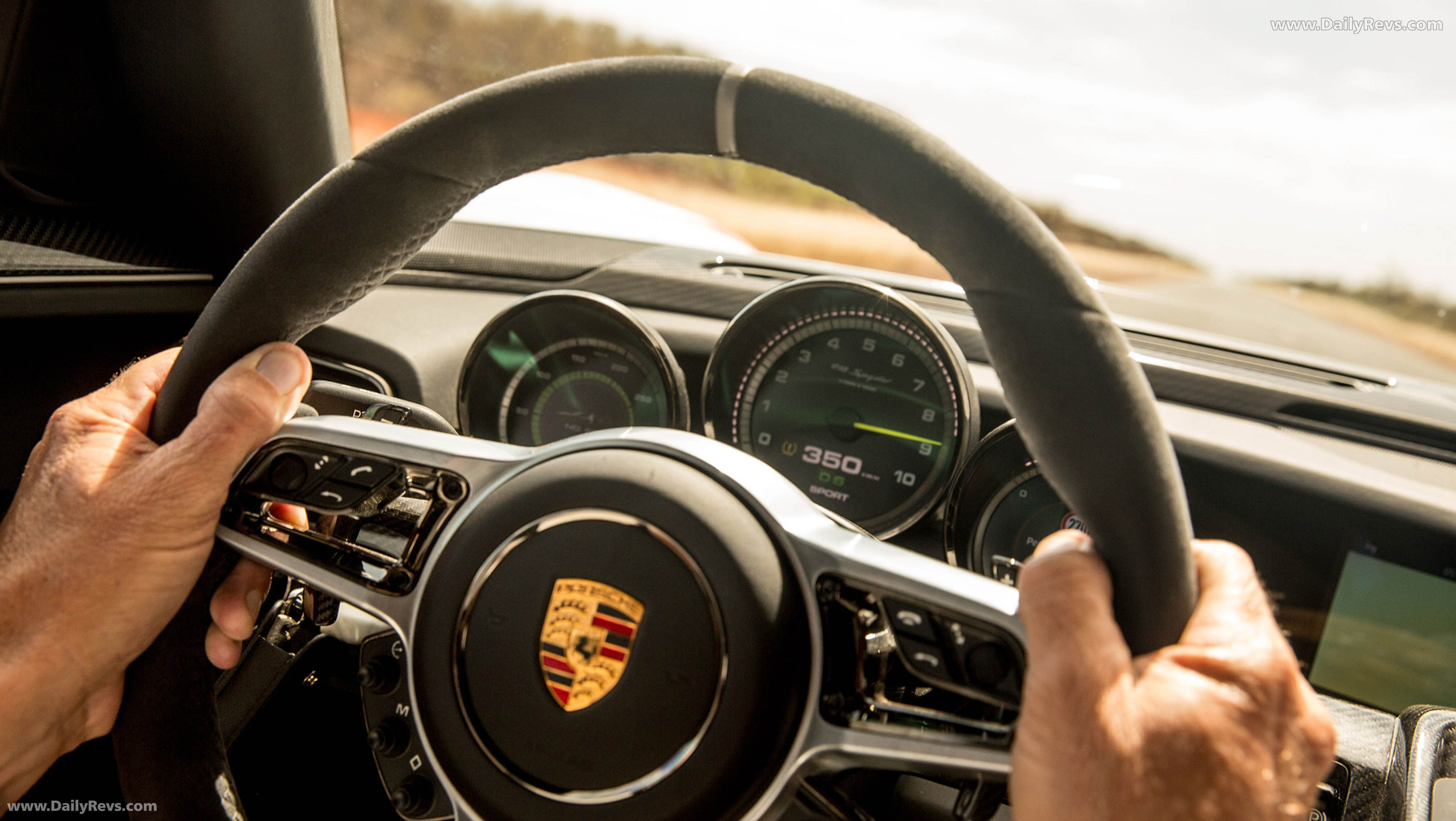
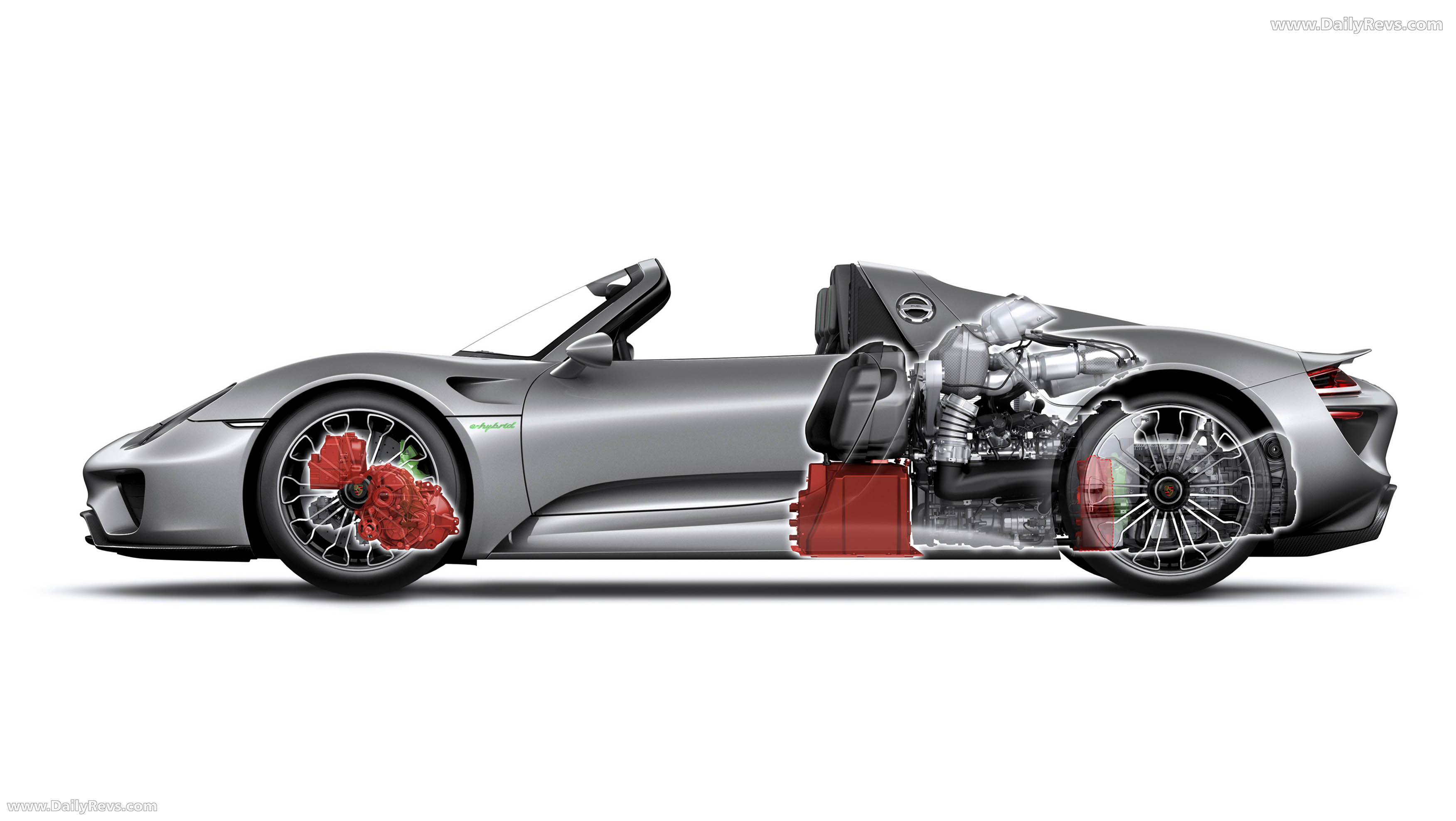
What makes the 918 Spyder such a pivotal car is how deliberately Porsche treated electrification as a means to enhance dynamic performance, not soften it. The plug-in hybrid layout — anchored by a 4.6-liter naturally aspirated V8 producing 447 kW (608 hp) and supported by two electric motors providing another 210 kW (286 hp) — was engineered around driver intent. Five selectable modes allowed everything from more than 30 km of pure-electric range to a full, track-focused configuration that unlocked the car’s most aggressive response.
The result was a machine able to behave with docile precision in daily use, yet erupt into full race-car immediacy with a single deep press of the accelerator. Porsche’s boost strategy made sure the powertrain always delivered maximum output exactly when demanded, rather than relying on fixed deployment windows. It was a distinctly motorsport way of thinking, translated into something customers could drive home.
All-Wheel Drive, Reimagined Through Motorsport
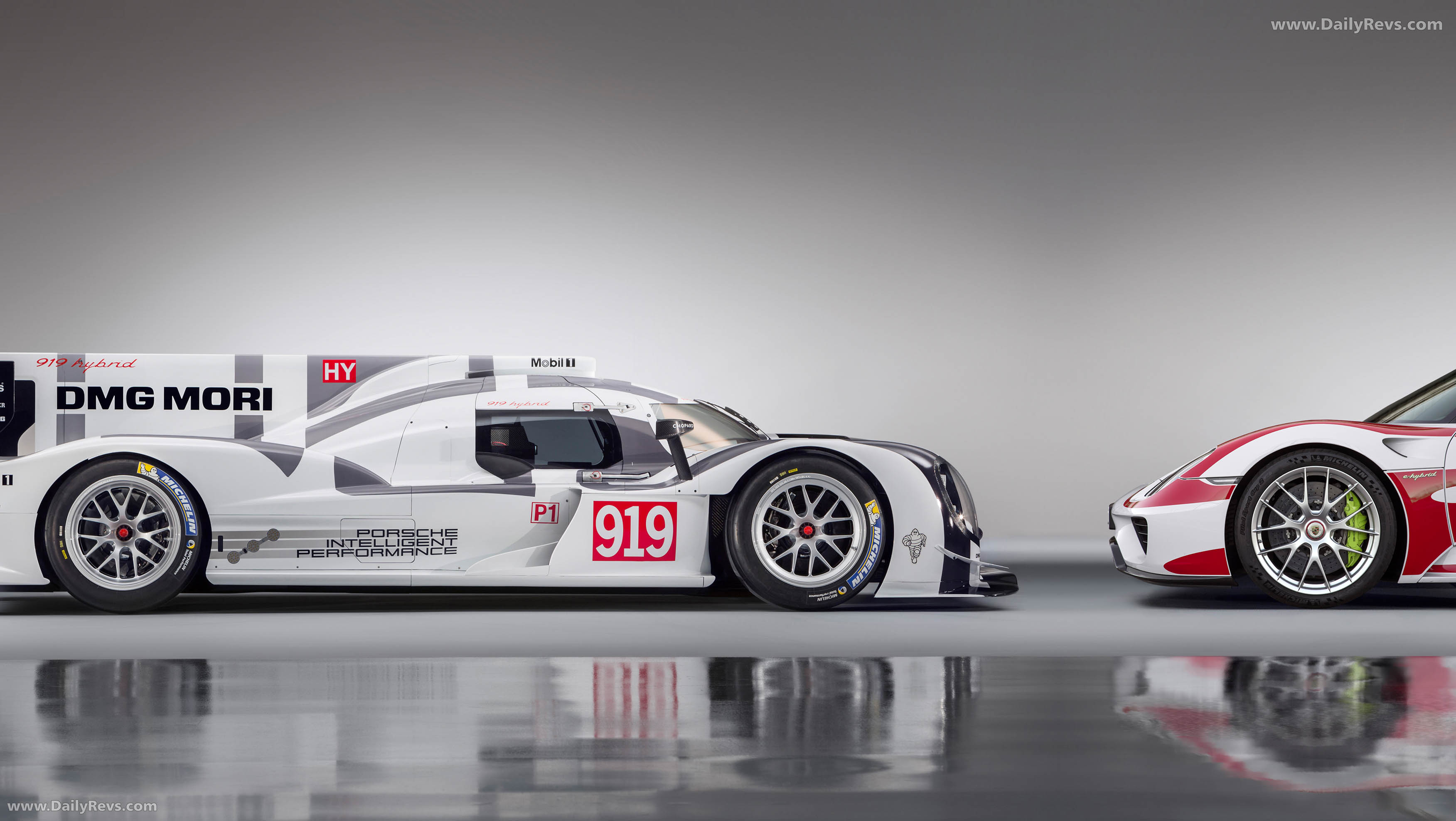
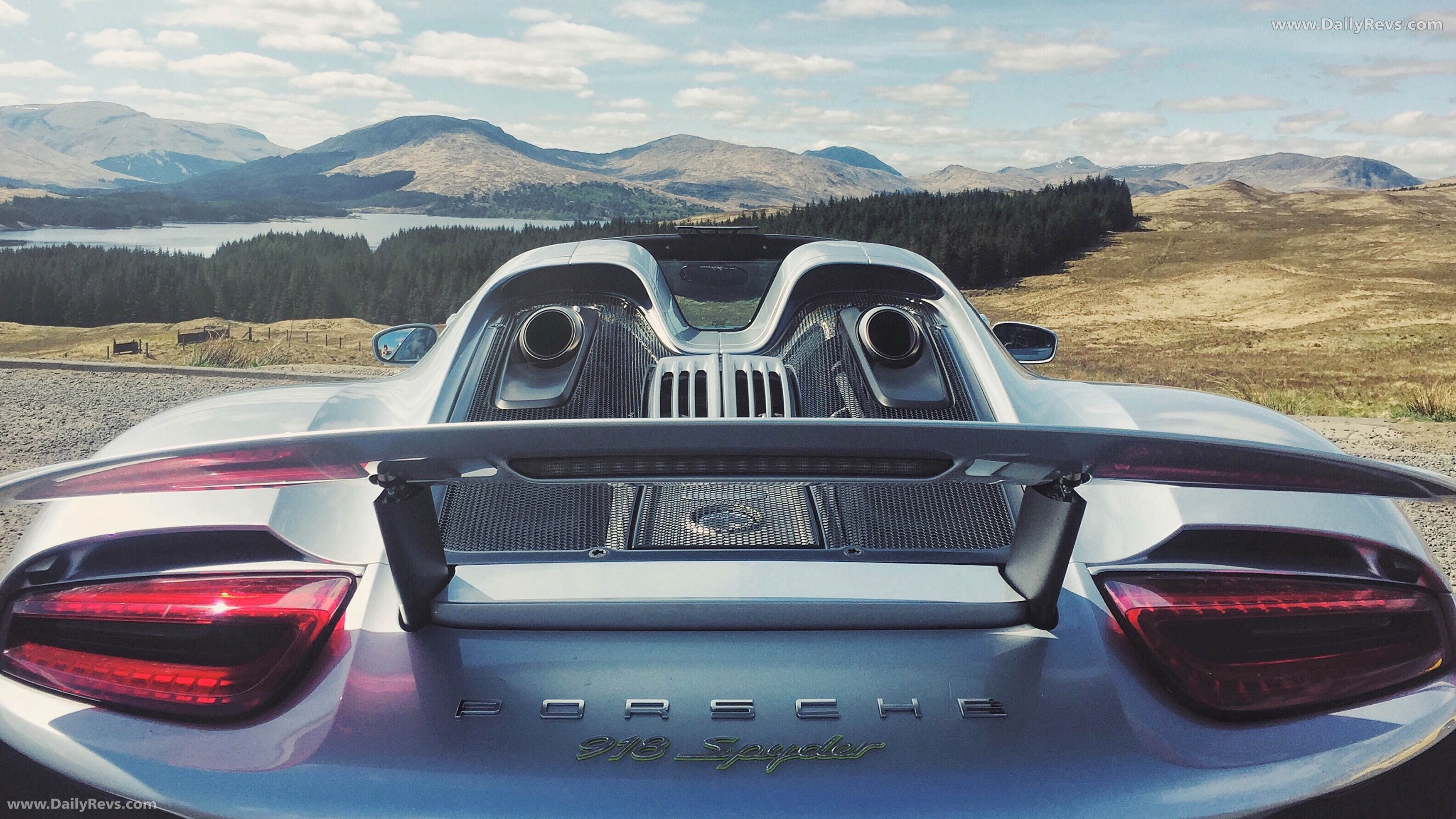
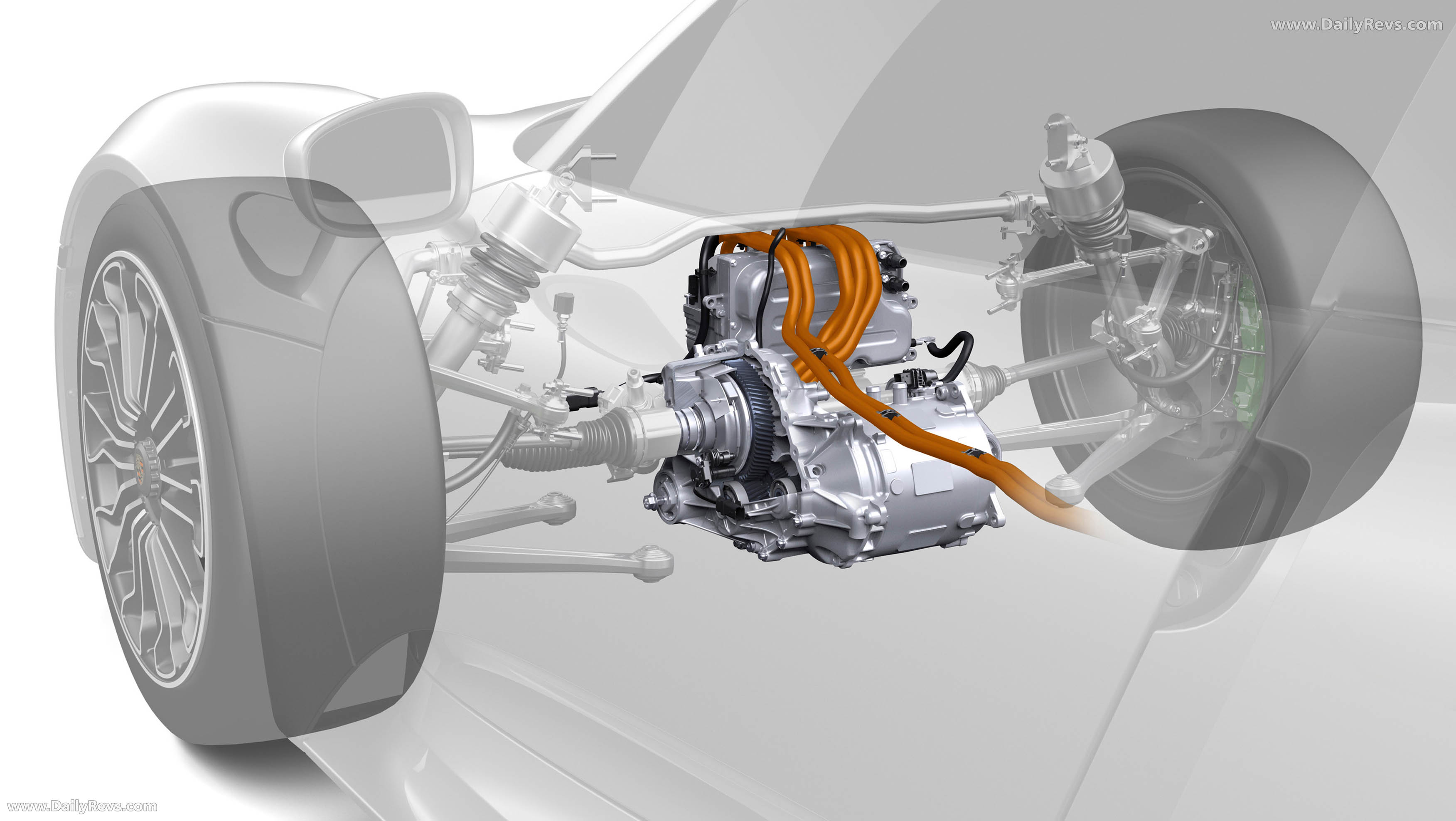
Much of the 918 Spyder’s character came from its uniquely integrated all-wheel-drive system. Porsche placed the V8 and one electric motor on the rear axle, and a second electric motor on the front — a layout derived from experience developing the 911 GT3 R Hybrid race car. This configuration allowed for torque-vectoring strategies not possible with combustion alone, especially in high-speed cornering where stability and rotation had to work together rather than fight each other.
In practice, the system meant the 918 could exit bends with a security margin and speed that felt distinctly futuristic. Even today, it remains clear how much of Porsche’s hybrid development roadmap began here.
A Lineage of Flagship Engineering
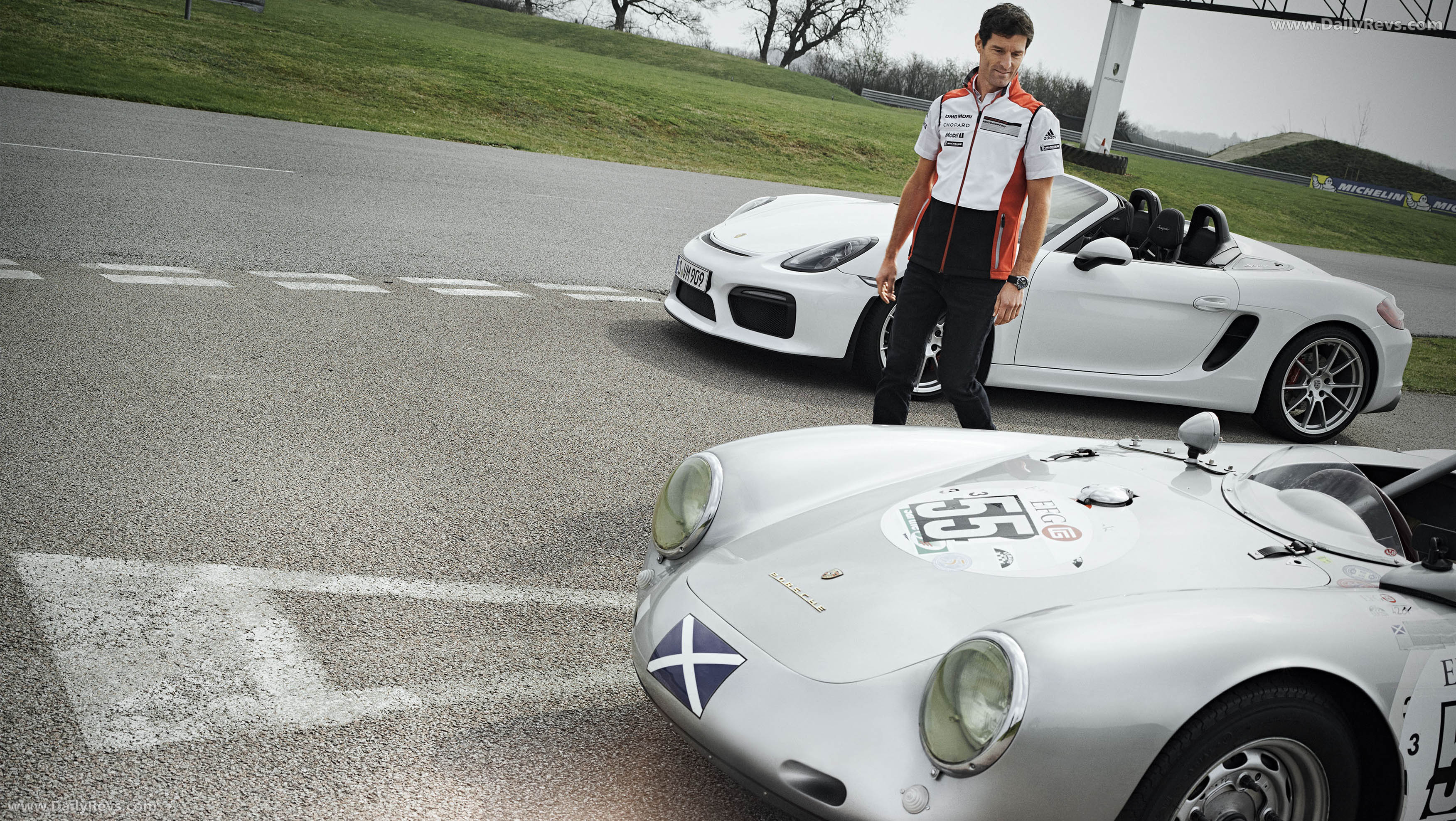
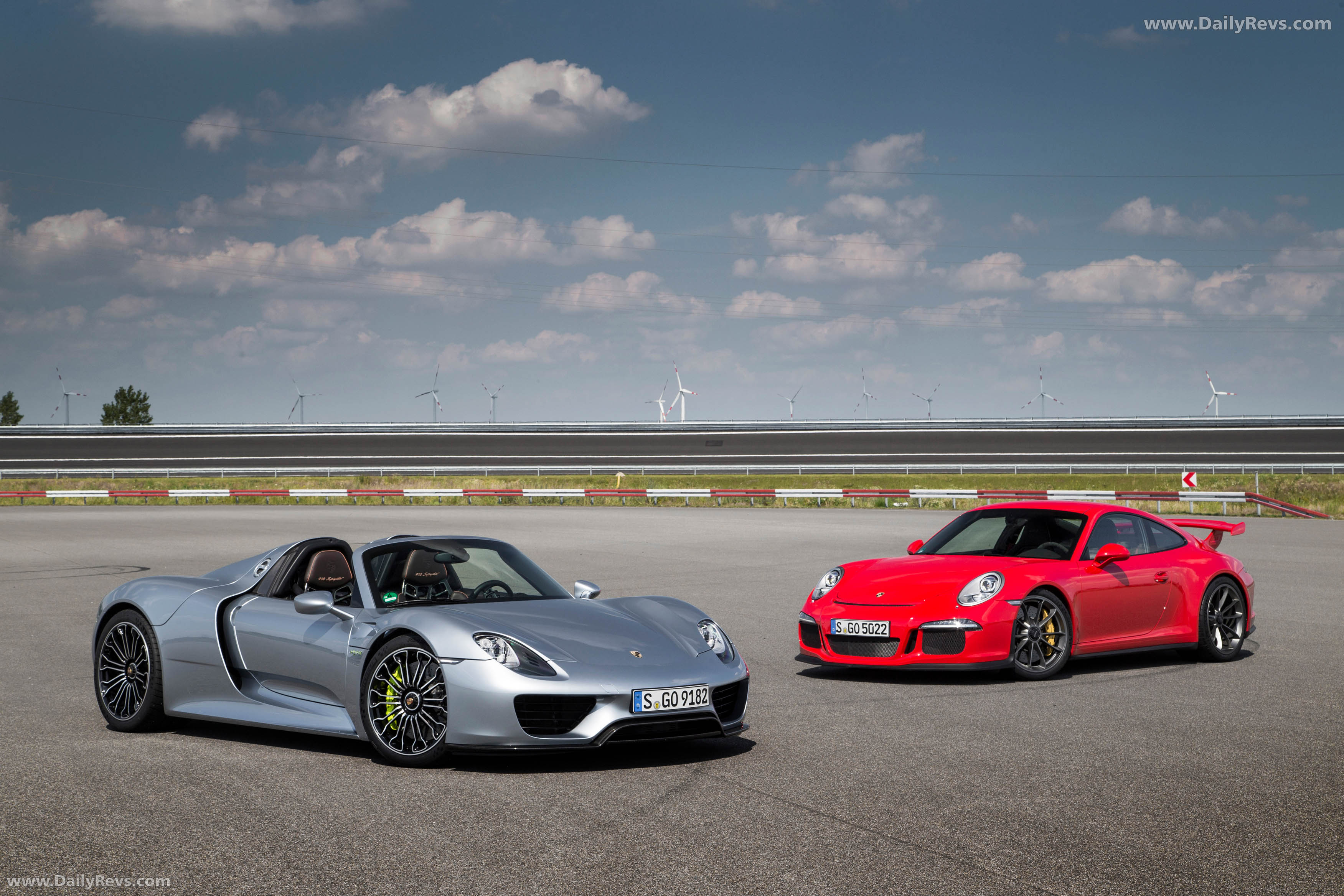
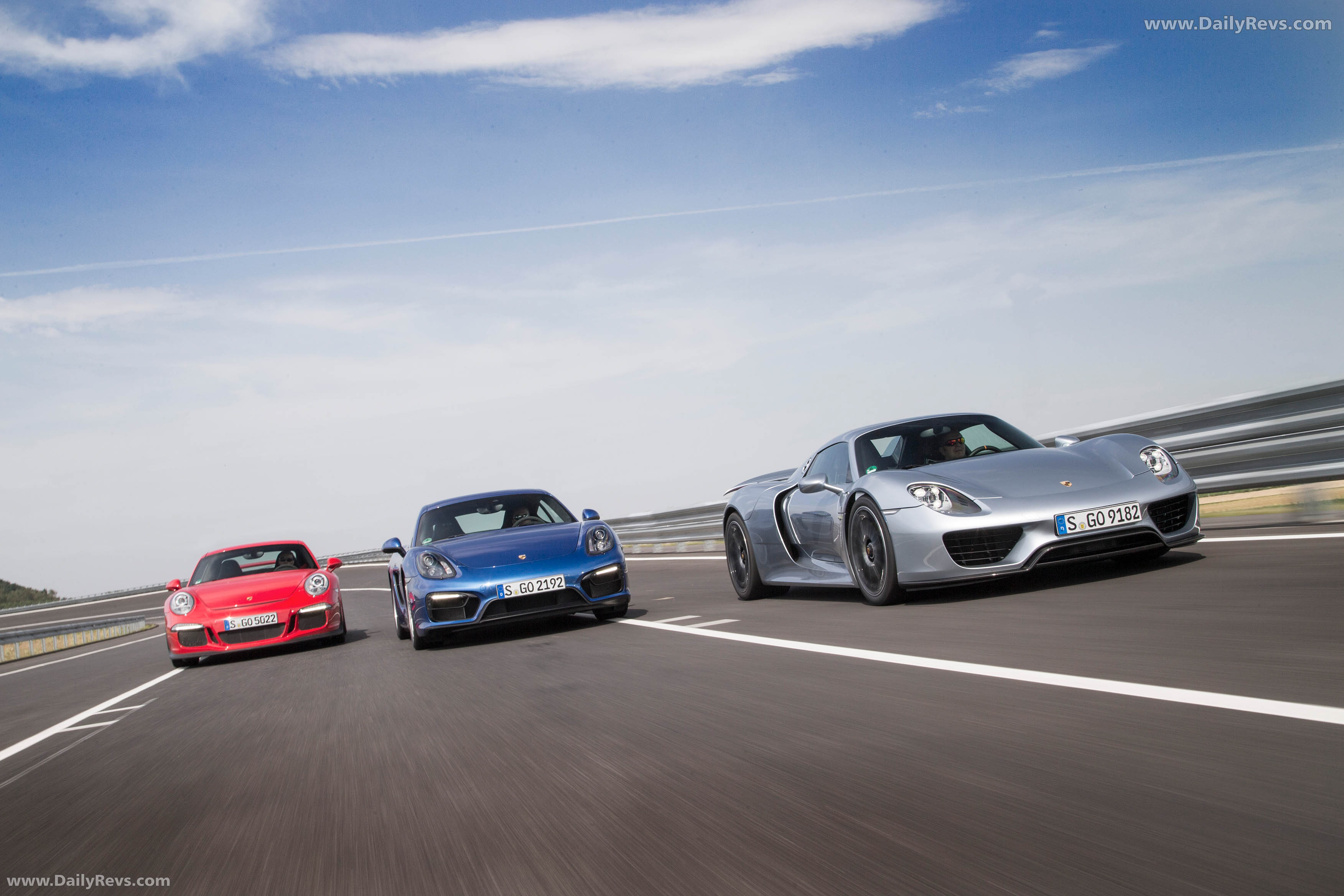
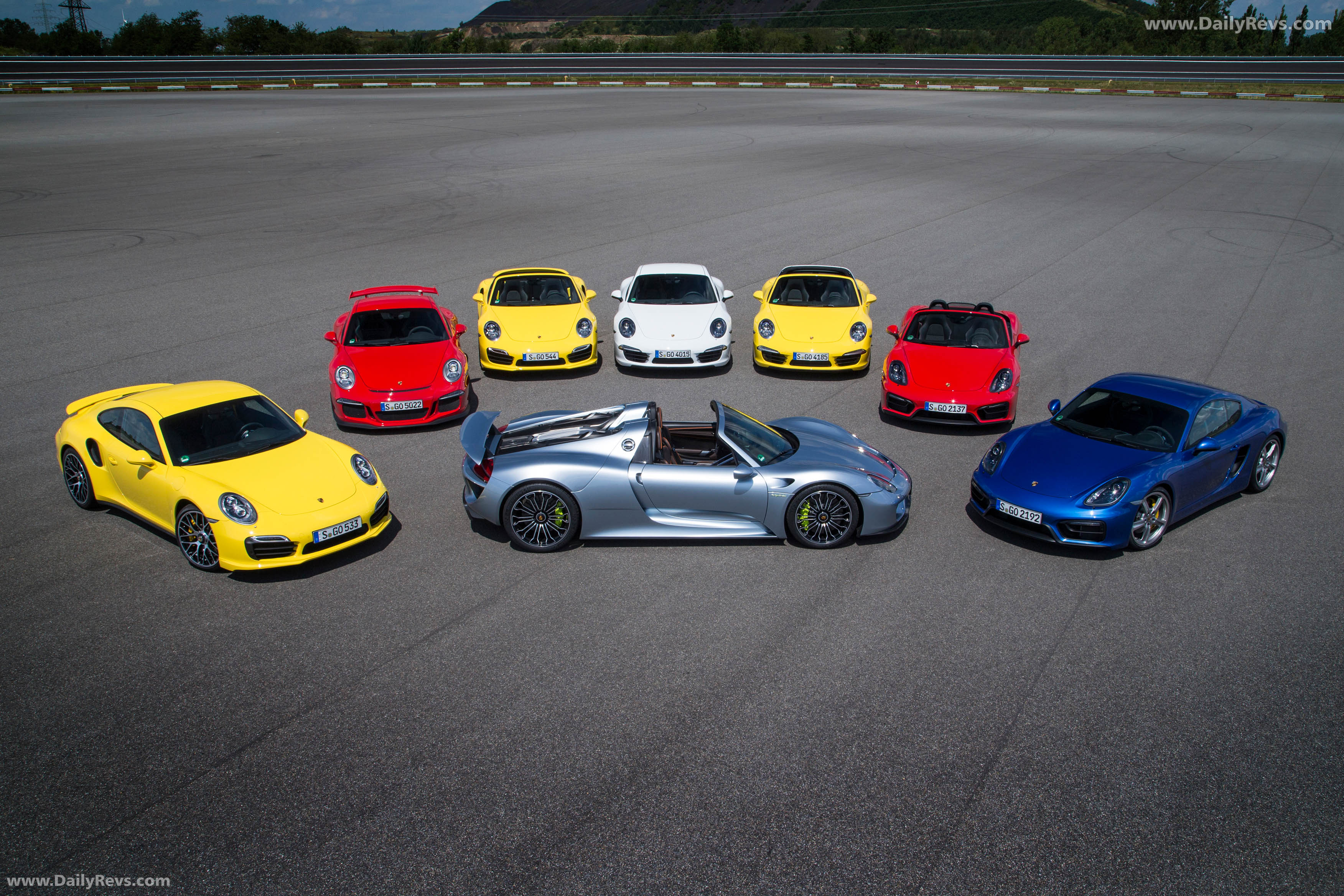
The 918 Spyder didn’t appear out of nowhere. Porsche began series development in 2010 after the Geneva-show concept received a green light. Three years later, the production model arrived as the next chapter in the brand’s lineage of decade-defining supercars — a sequence that includes icons like the 550 Spyder, Carrera GTS, 911 Turbo, 959, 911 GT1 and the Carrera GT. Each served as a benchmark for its era; the 918 was meant to serve as a blueprint for the next one.
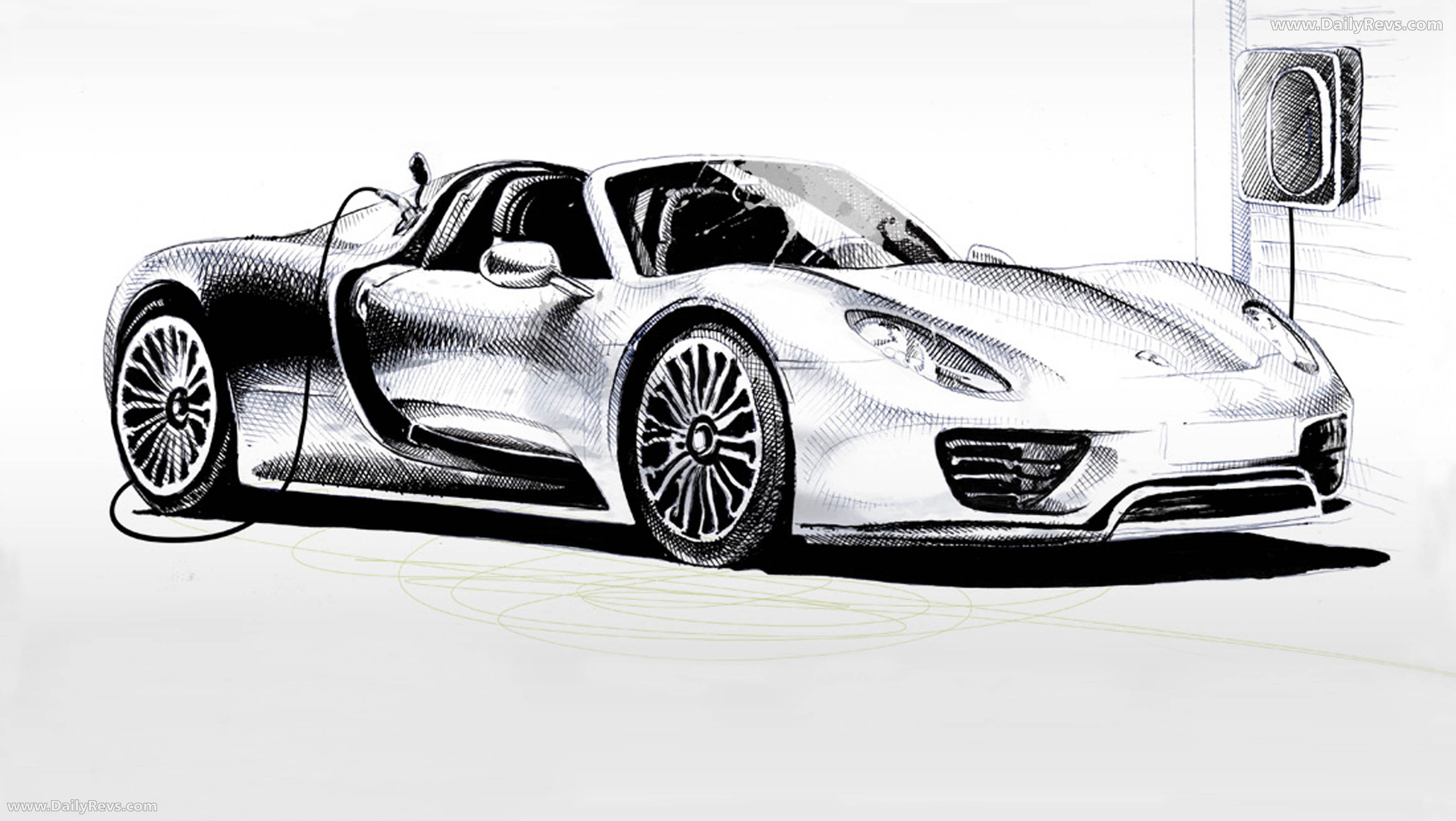
Its low consumption numbers — 3.1 l/100 km for the standard car, 3.0 l/100 km for the Weissach Package variant, with CO₂ emissions at 72–70 g/km — were just as important as its performance. Porsche wasn’t trying to hide the hybrid system; it wanted it front and center.
Legacy
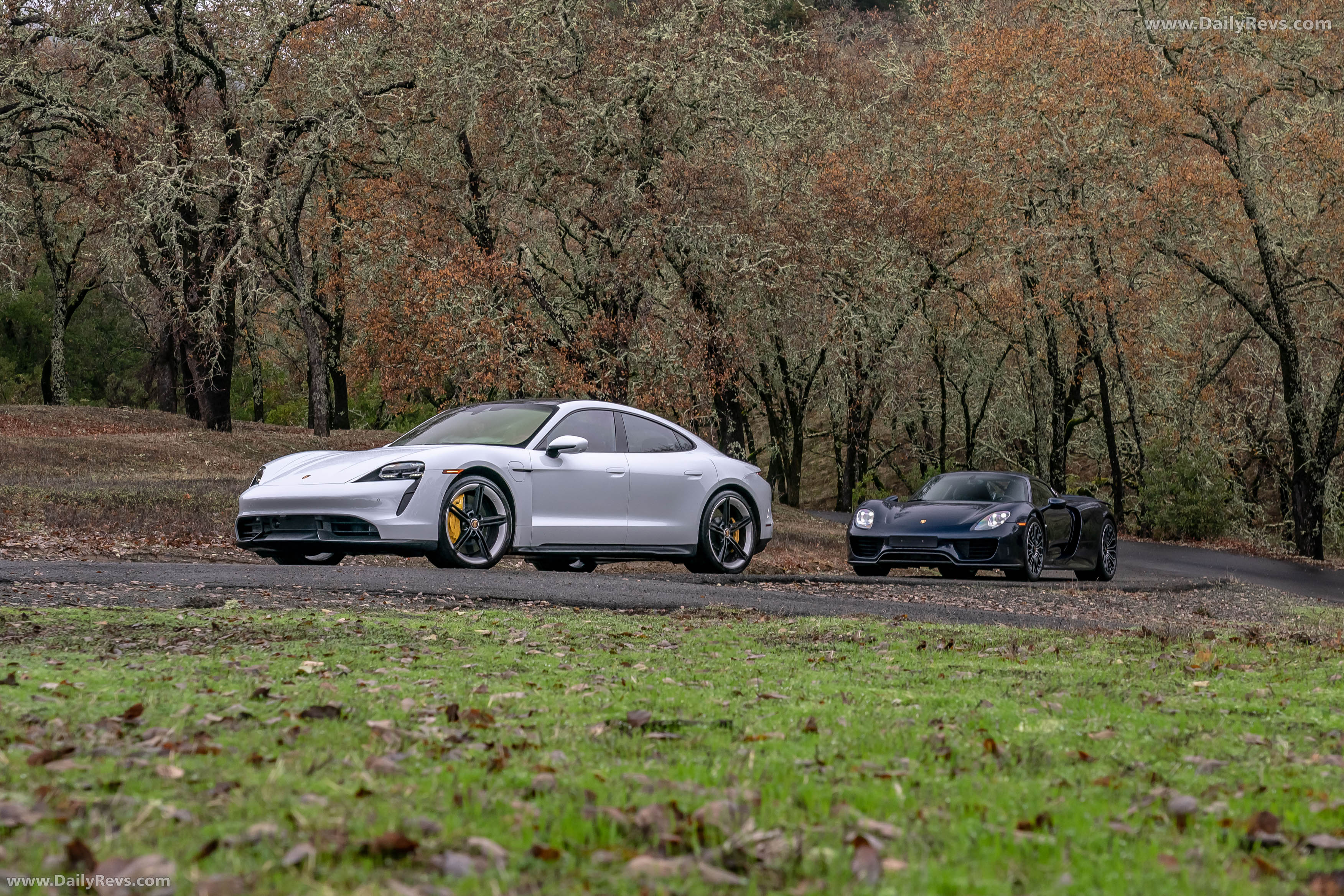
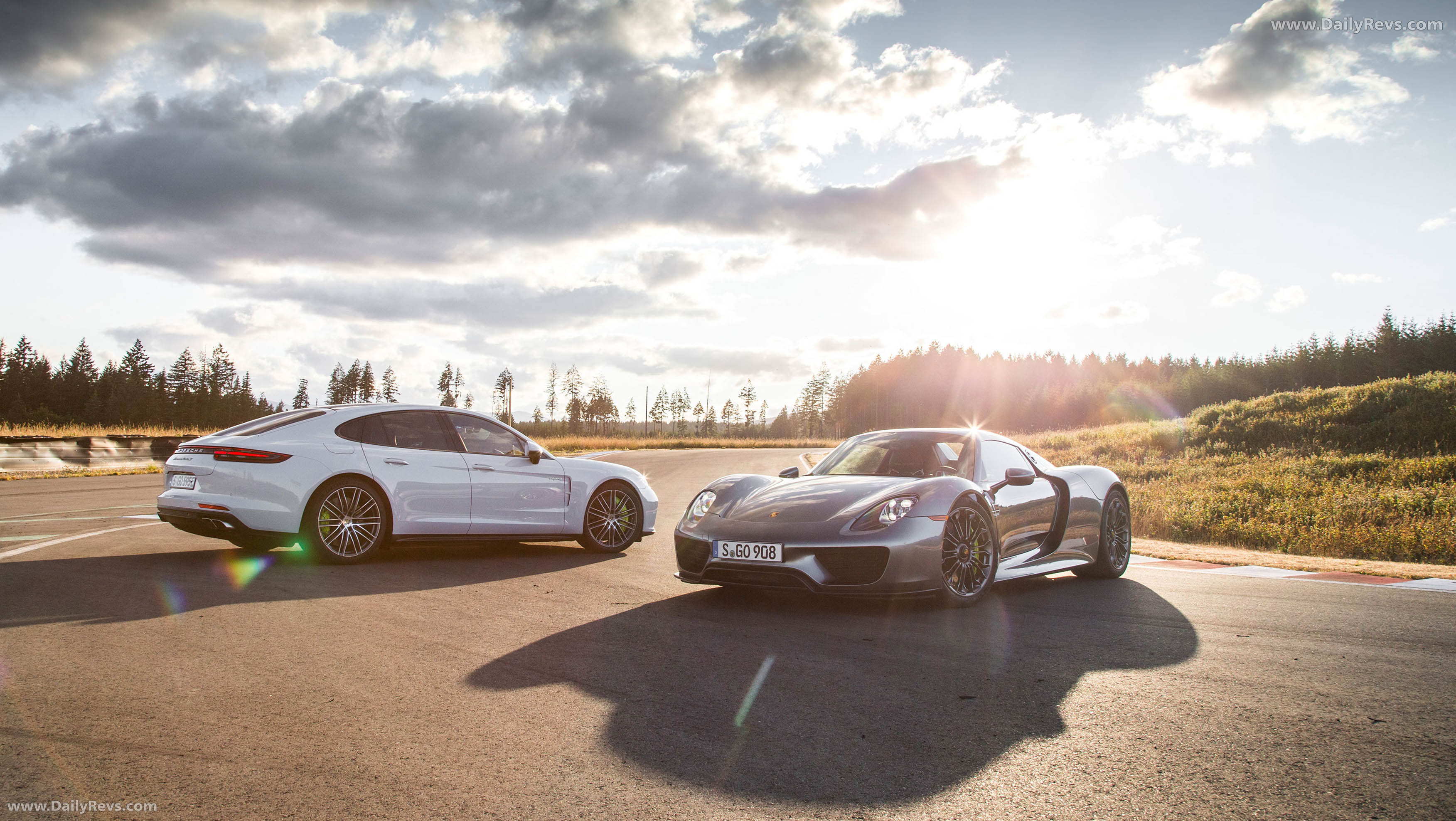
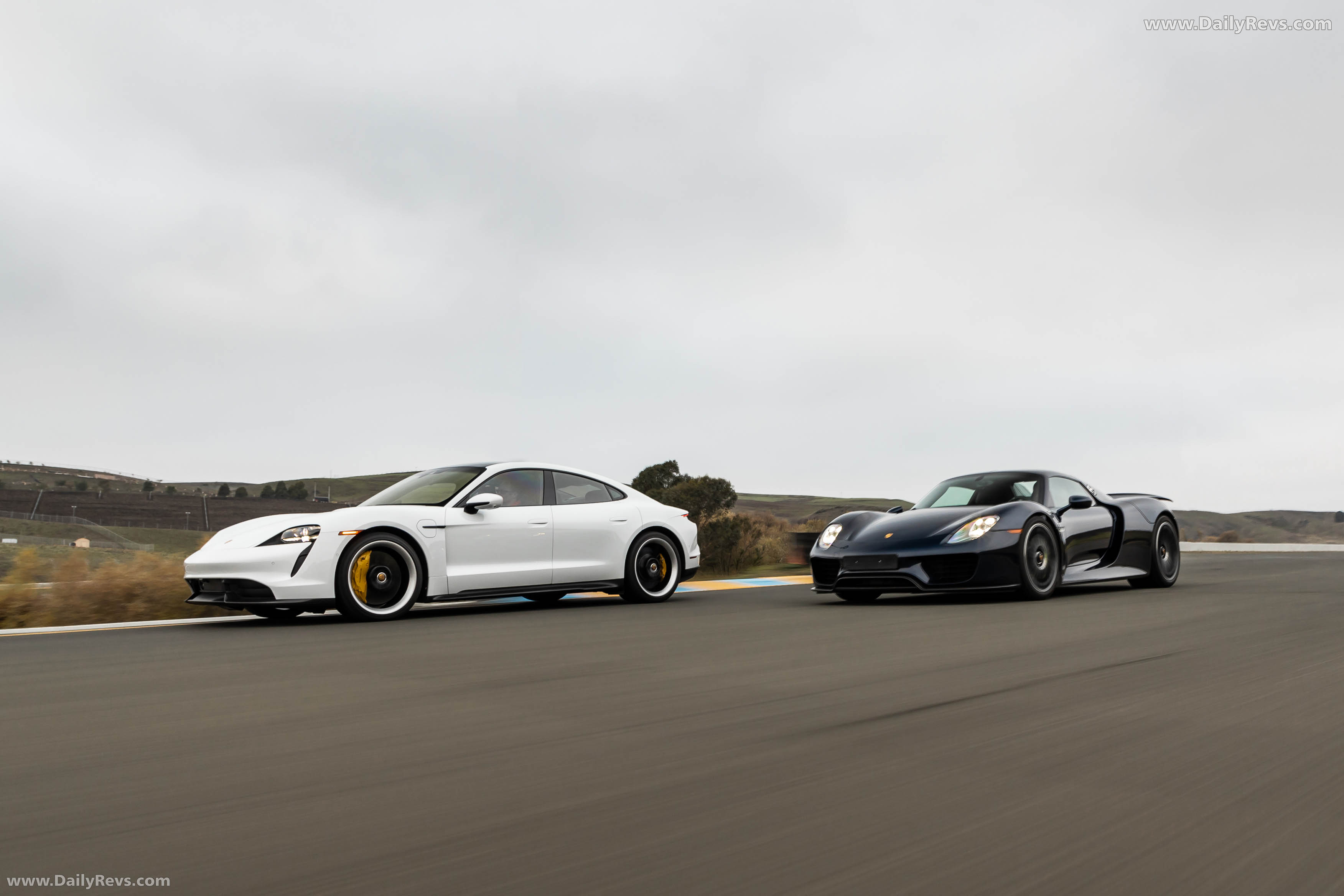
Looking back, the 918 Spyder feels like a car built to shift boundaries rather than simply stretch them. It showed that plug-in hybrid technology could serve enthusiasts, engineers and regulators at the same time — something that seemed improbable before 2013. More importantly, it laid out principles that Porsche still uses as the brand transitions deeper into electrified performance.