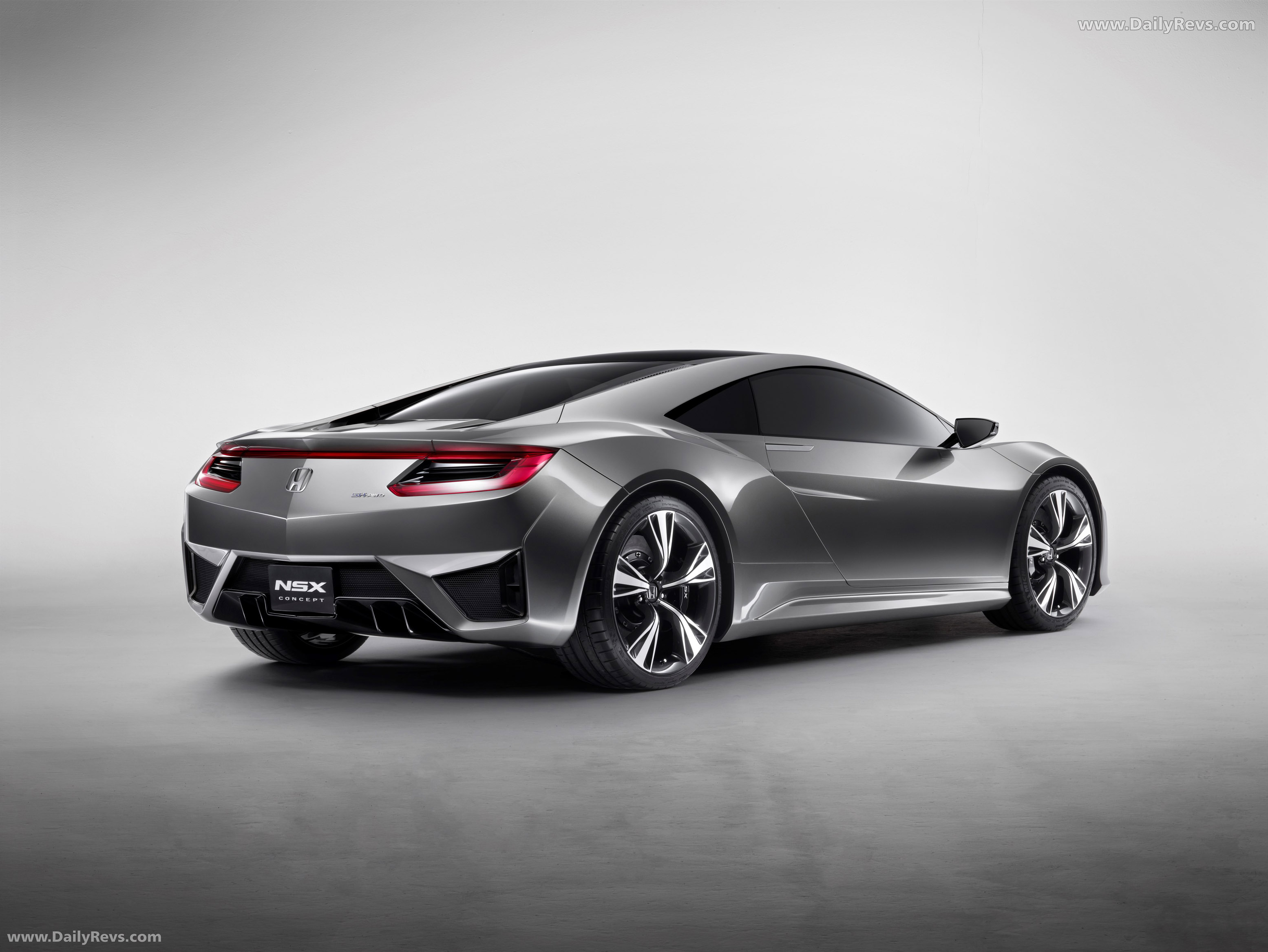
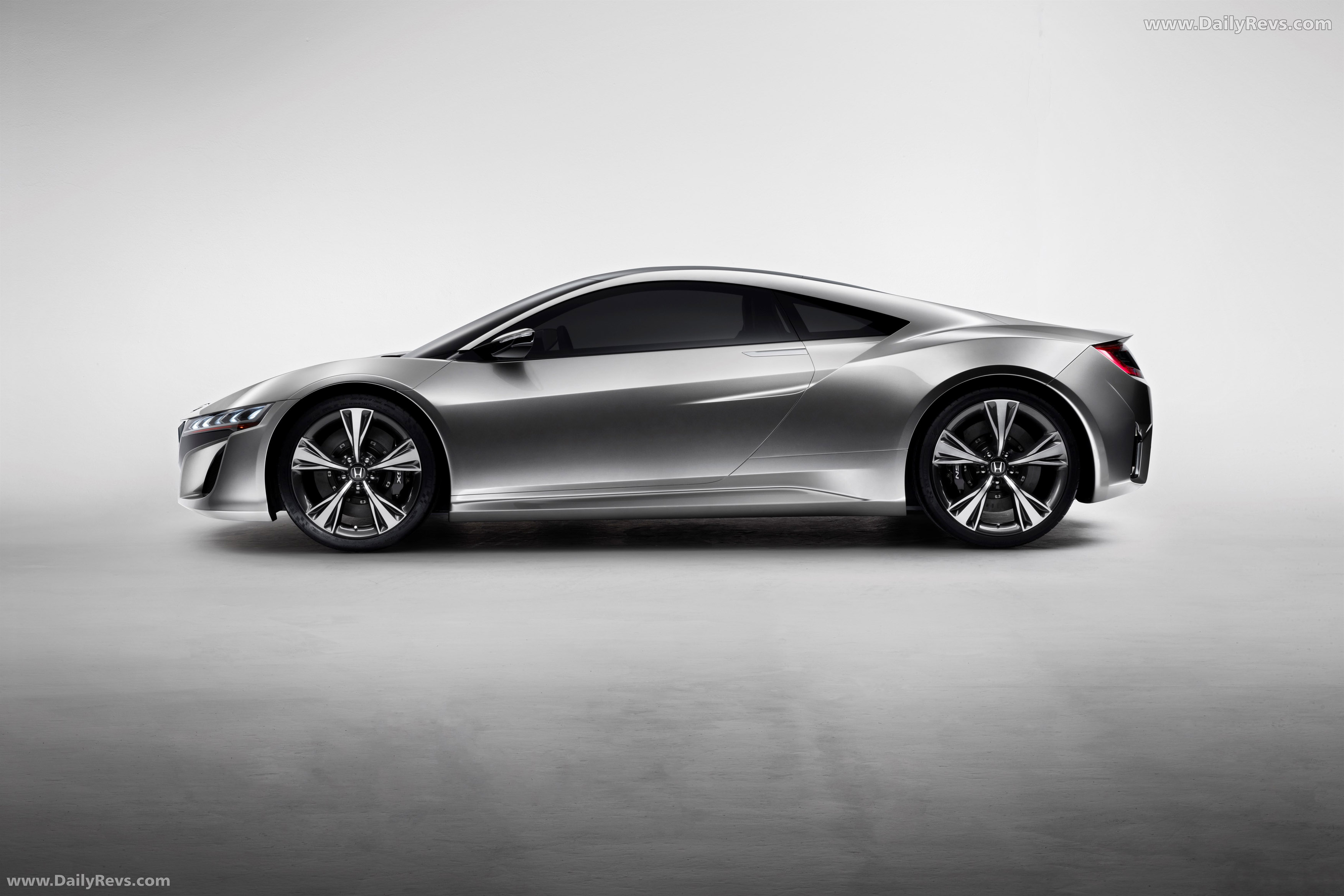
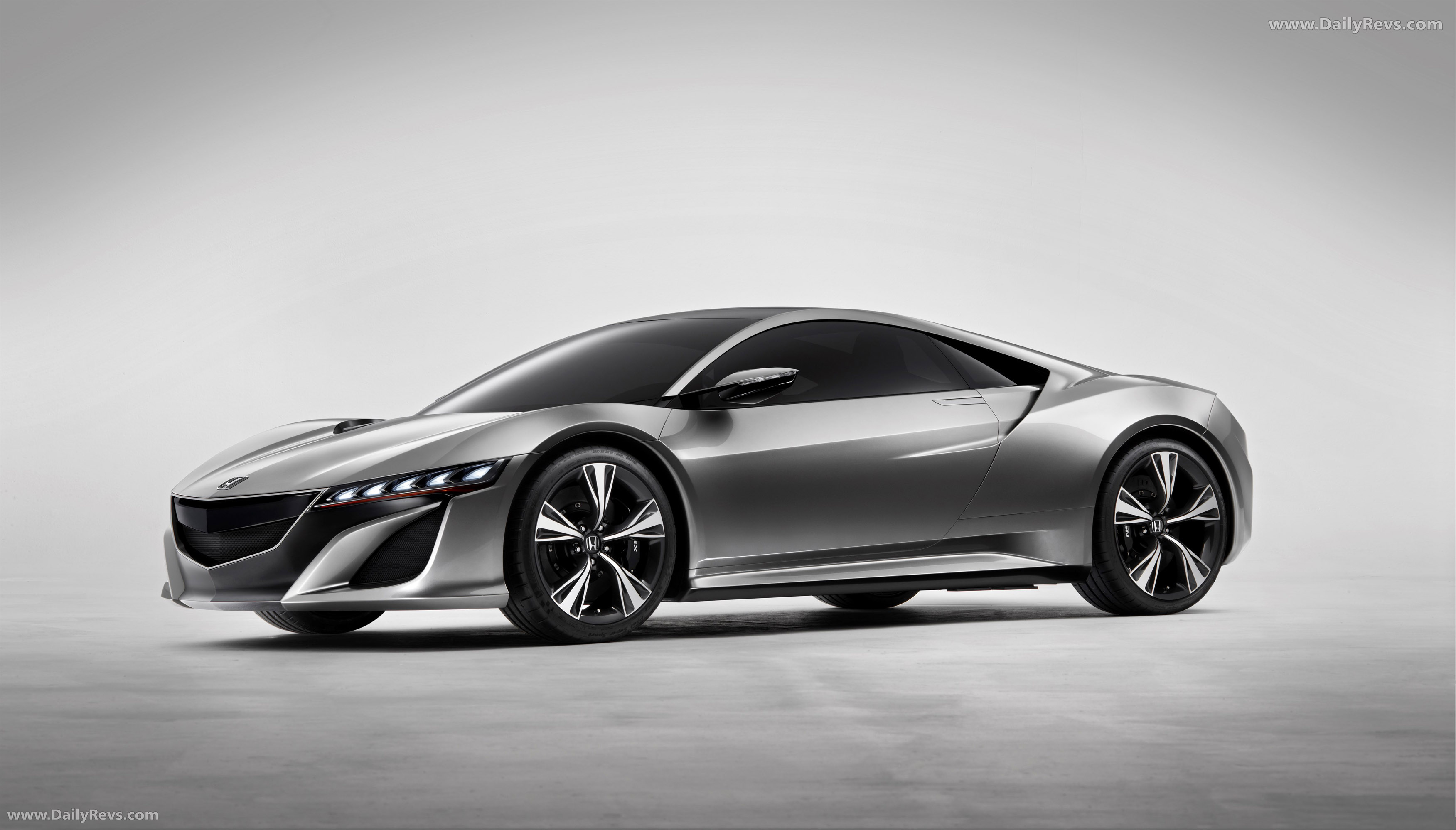
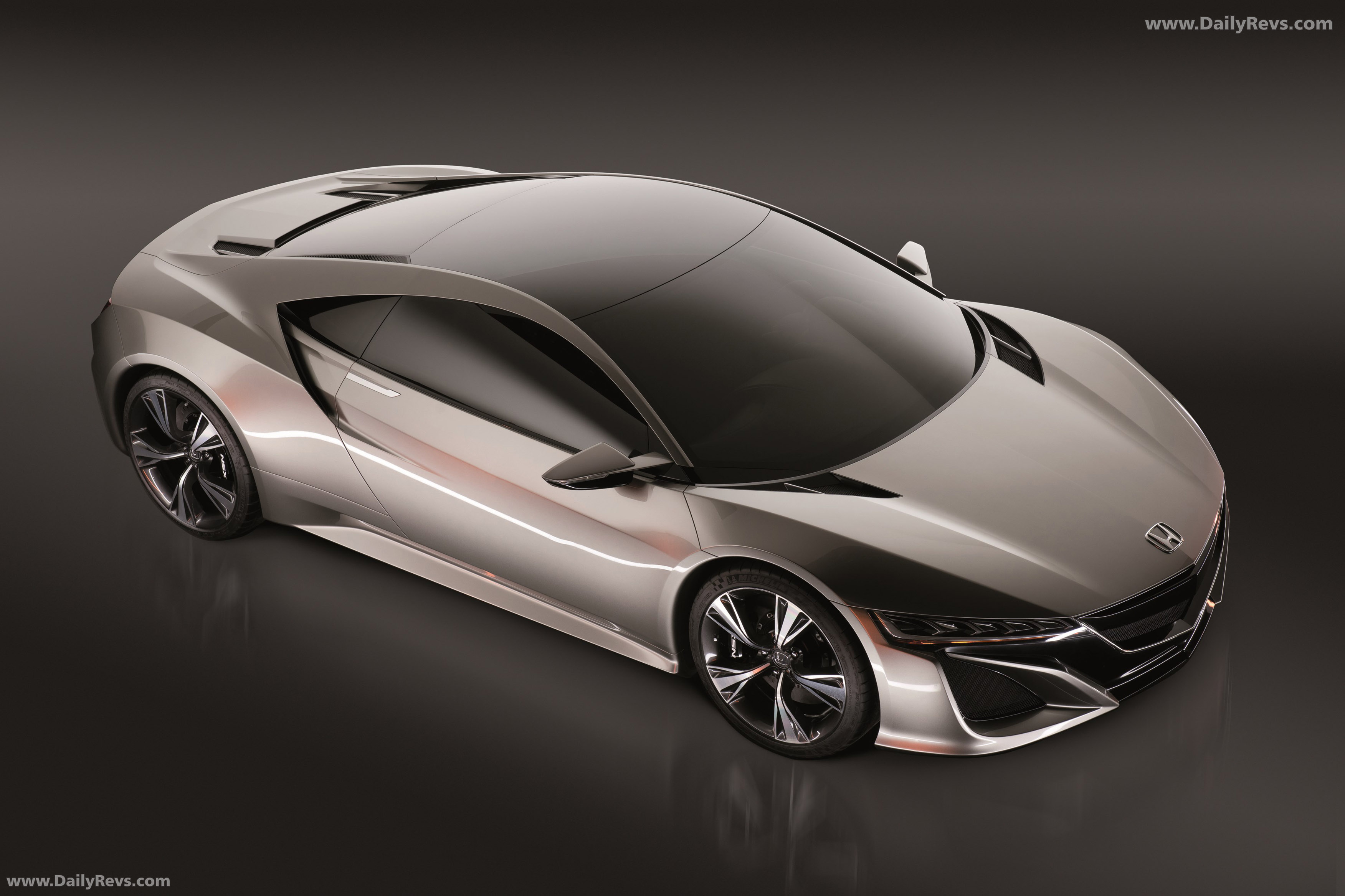
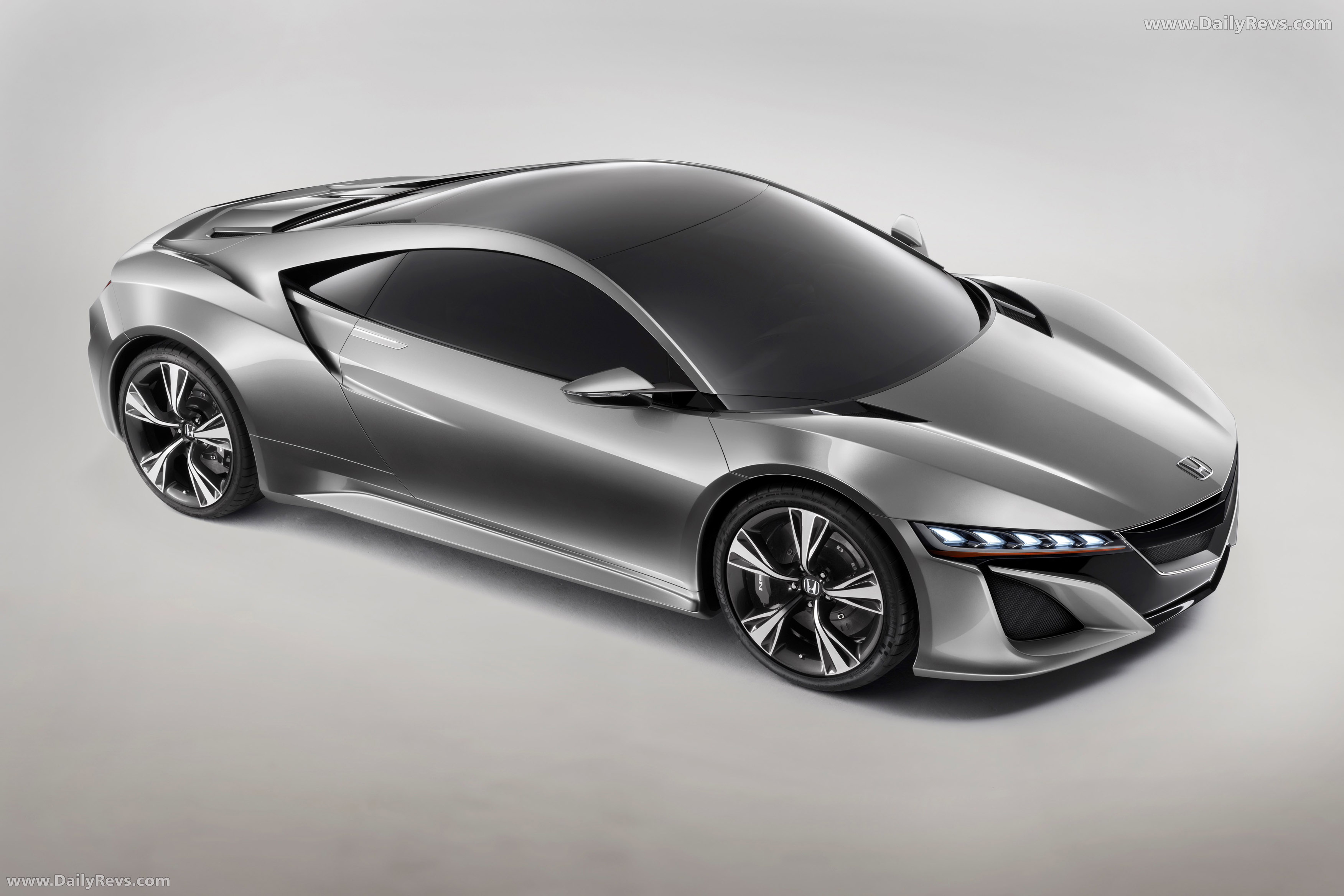
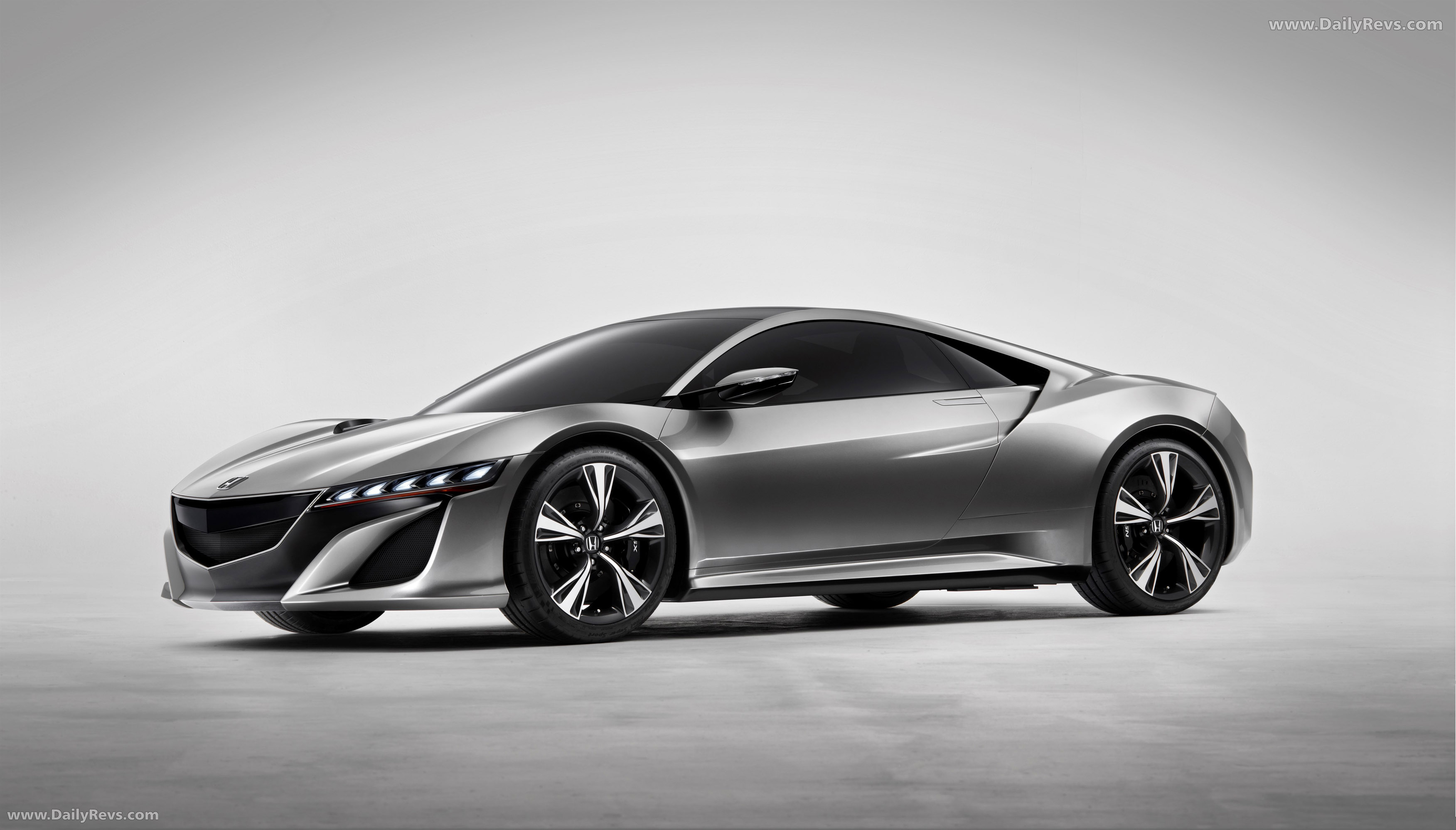
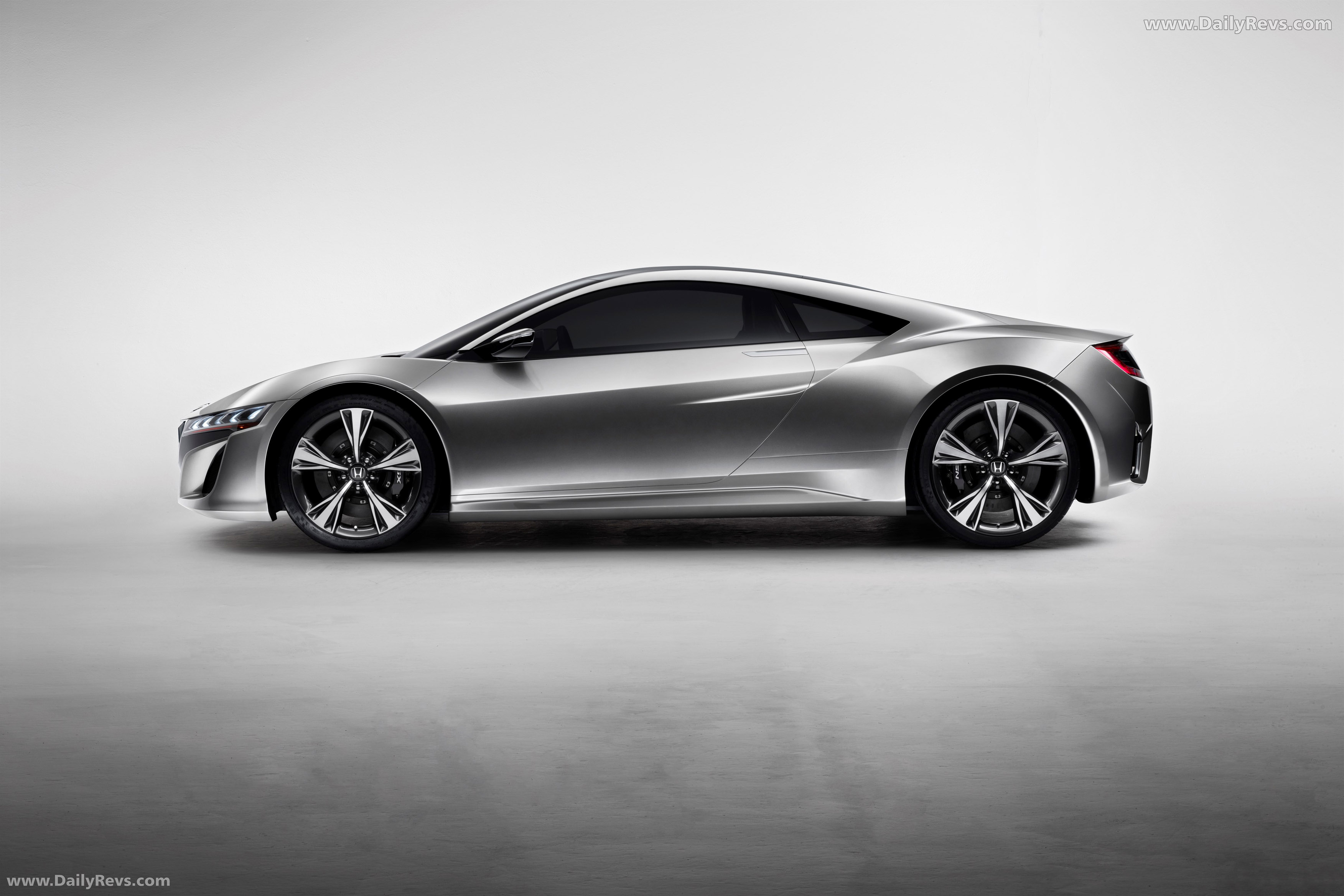
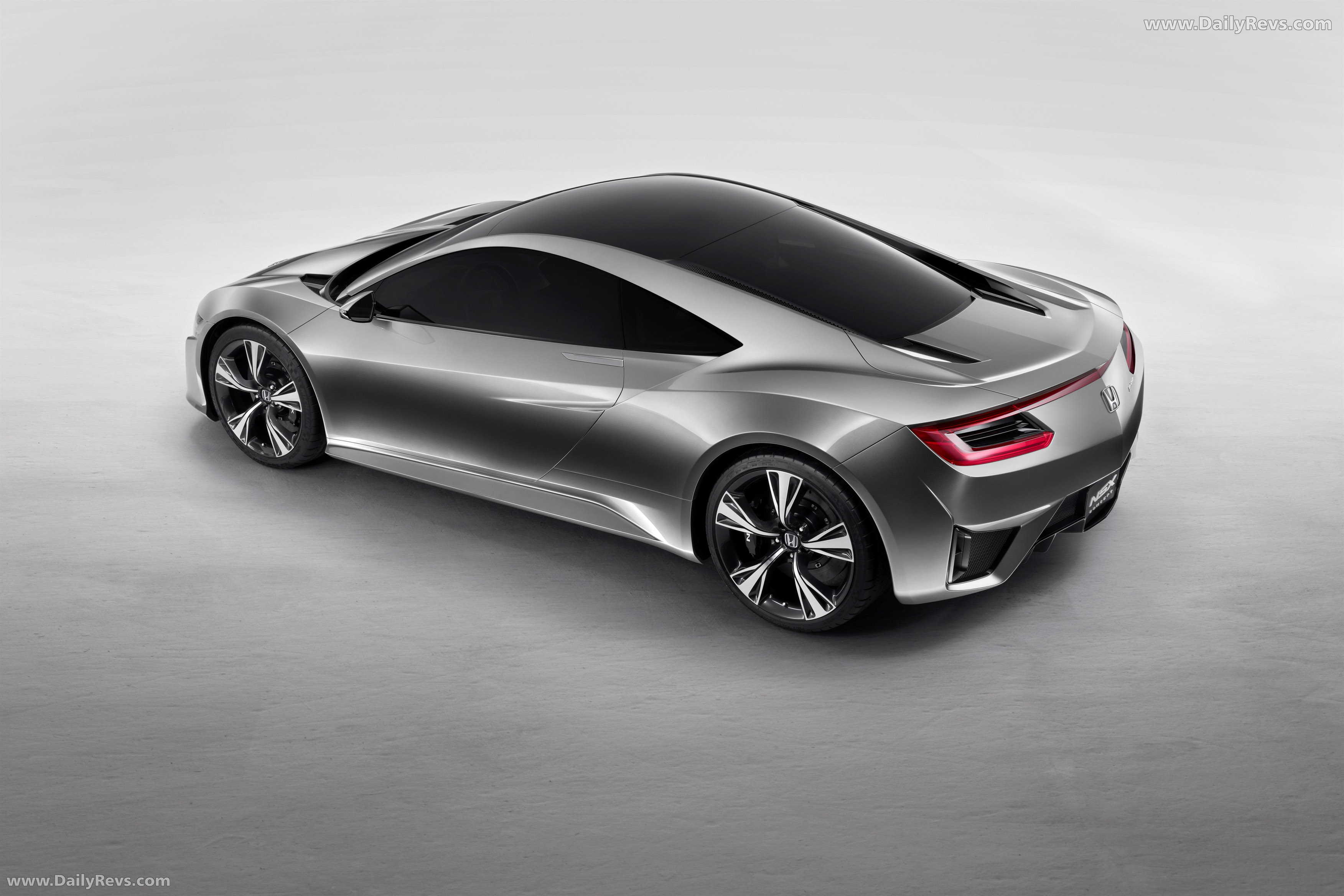
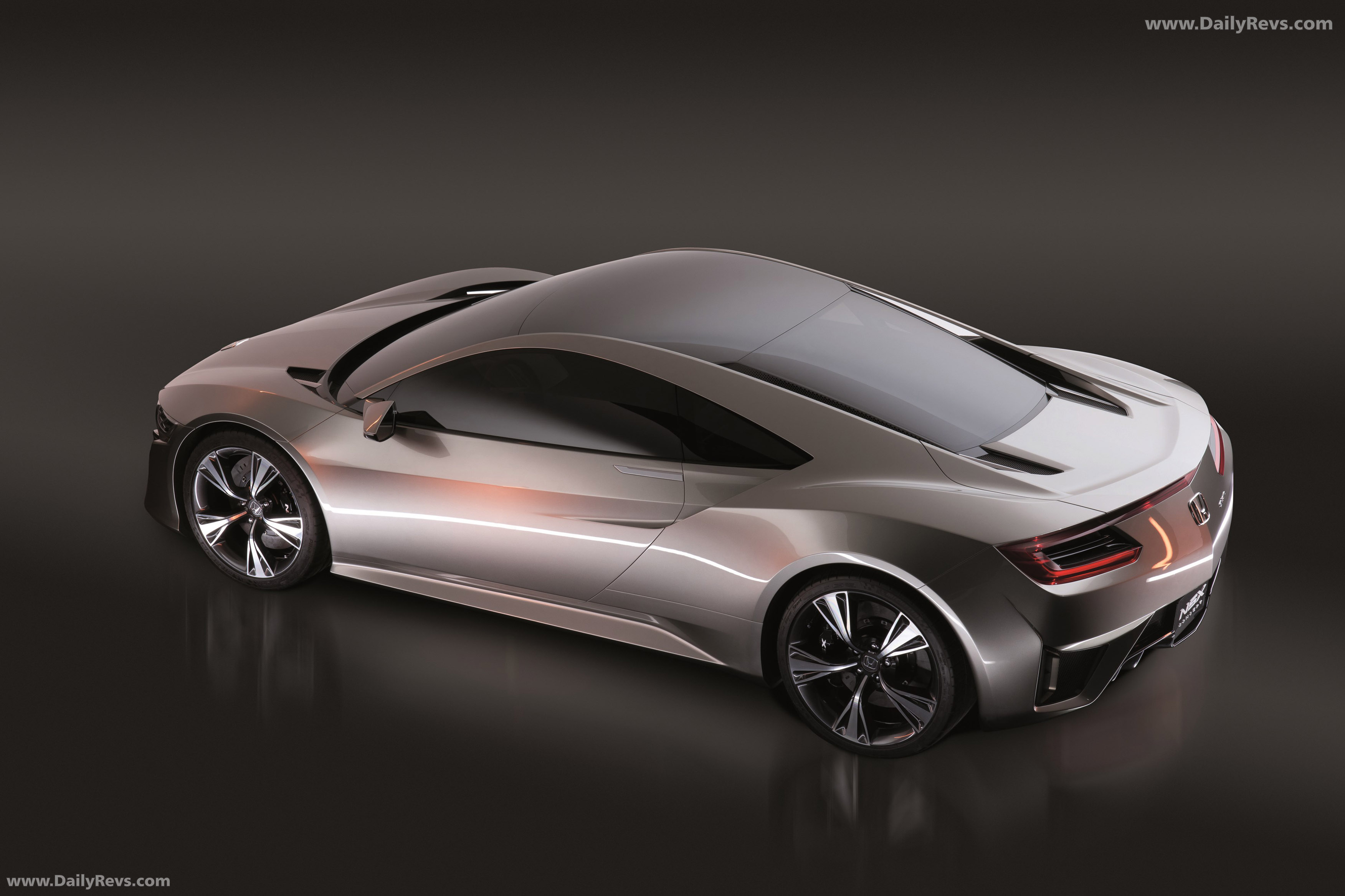
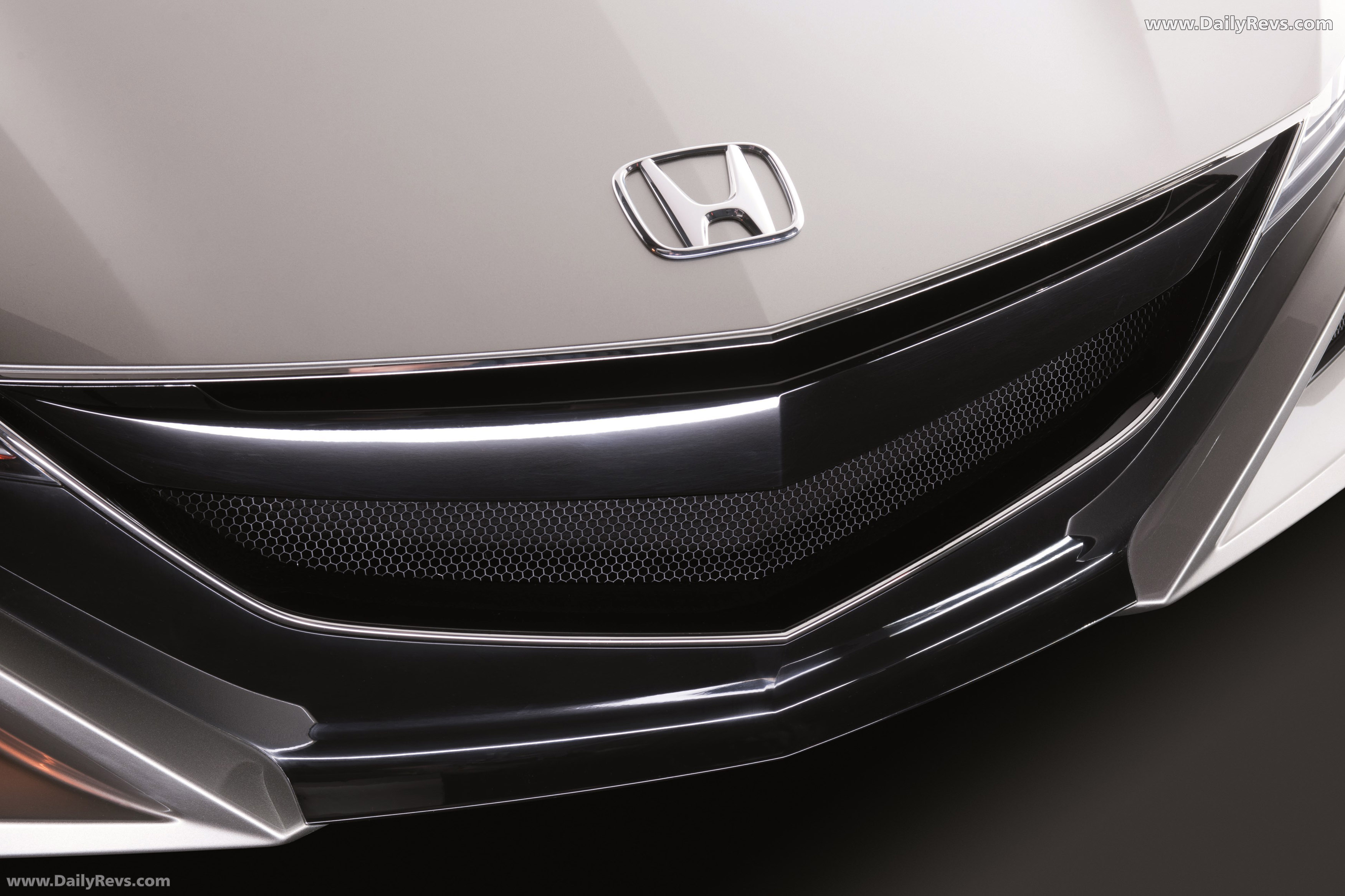
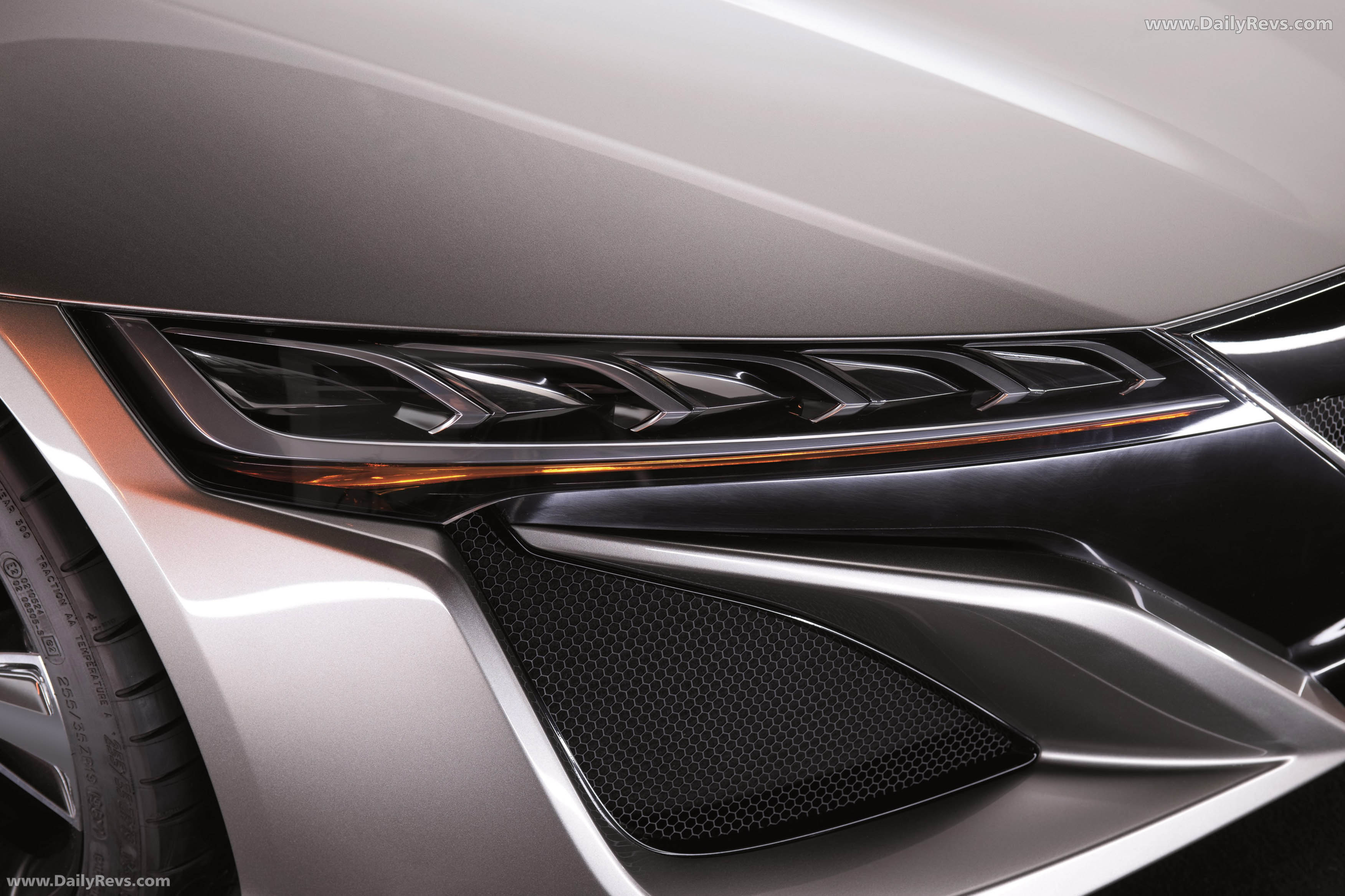
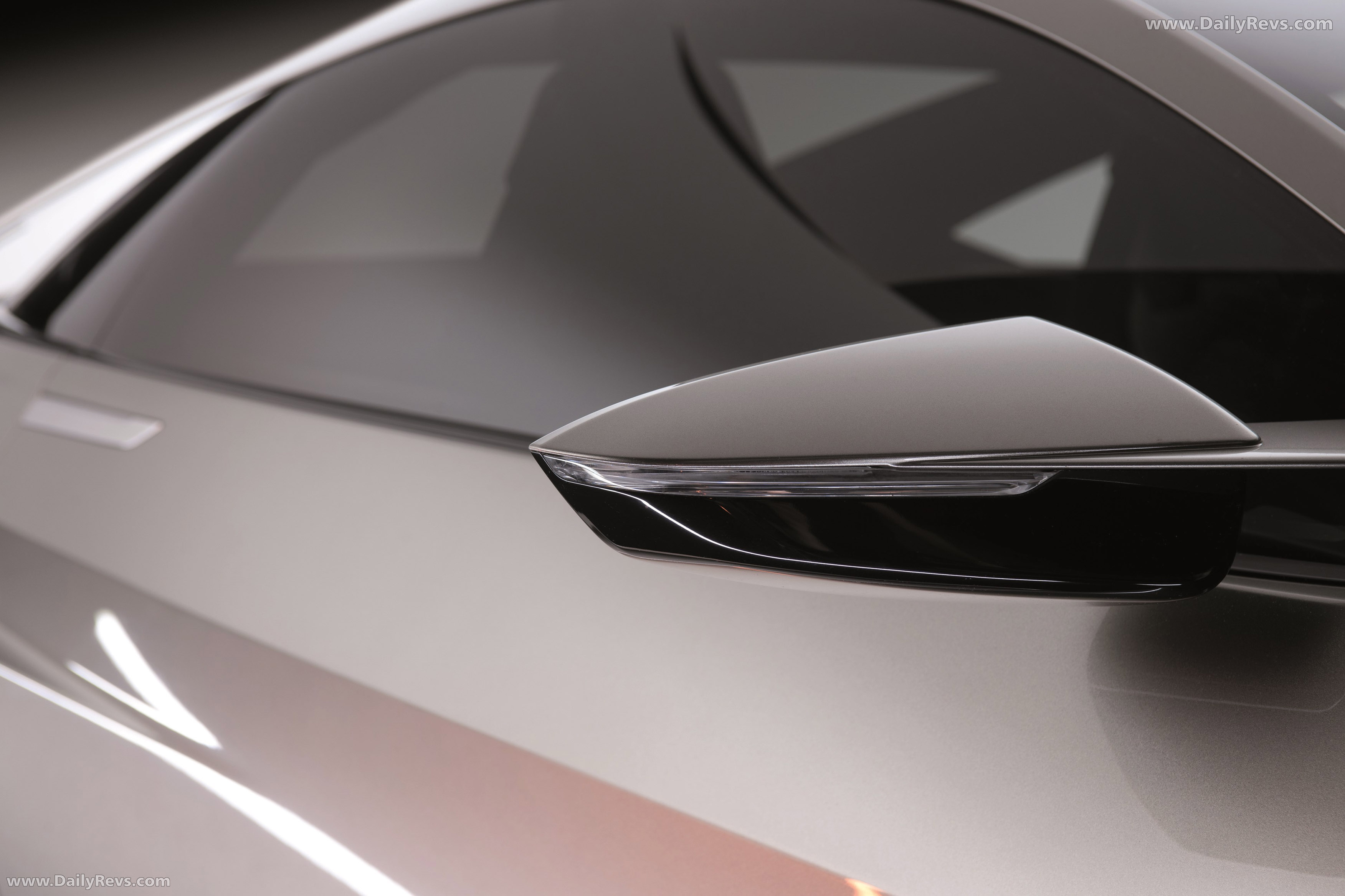
2012 Honda NSX Concept
By Lorenzo Bianchi October 25, 2012
Mid-mounted V6 hybrid with Sport Hybrid SH-AWD torque vectoring.
Lightweight structure prioritizing power-to-weight efficiency.
Designed and built in the U.S., targeting global enthusiasts.
A Return to Intelligent Performance
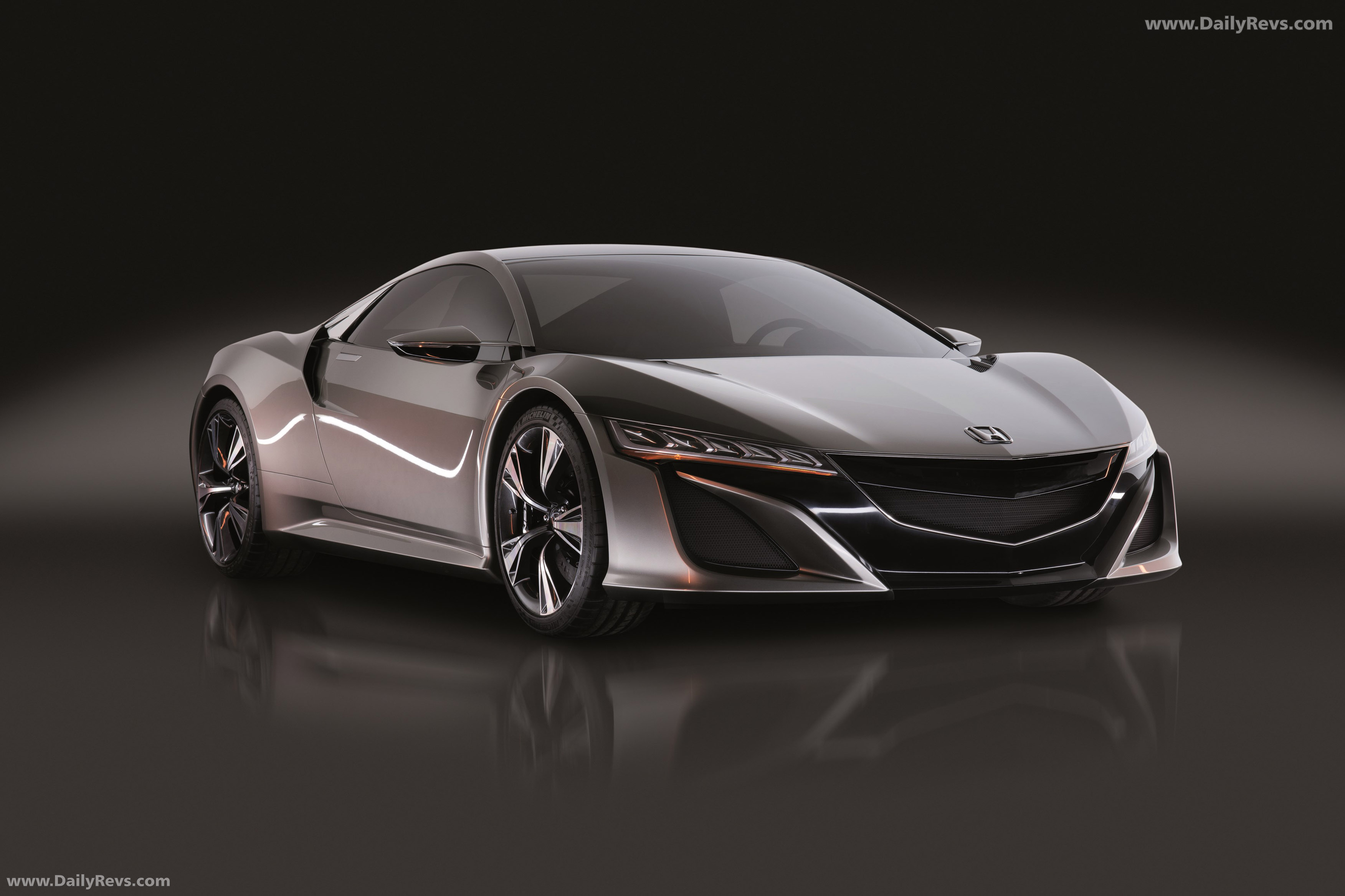
The 2012 Honda NSX Concept wasn’t a throwback — it was a quiet but confident reintroduction. Honda unveiled it as more than a design study; it was a statement of intent. This was the company that once humbled supercar royalty with a mix of engineering discipline and driver focus, now ready to do it again for a new era.
Presented for the first time in Europe, the NSX Concept showed Honda’s shift toward efficiency without abandoning its performance roots. Lightweight materials, sharp proportions, and a low stance carried familiar DNA, but what sat beneath the bodywork hinted at something fundamentally new — the hybrid age had reached the supercar world.
Hybrid Power with a Purpose
Honda’s plan for the NSX wasn’t about headline figures. It was about response, feel, and precision. Under the glass engine cover sat a mid-mounted V6 with direct injection, paired with a dual-clutch transmission and three electric motors — two driving the front wheels and one assisting the rear axle. Together, they formed Honda’s Sport Hybrid SH-AWD system, capable of delivering positive or negative torque instantly to each front wheel.
That kind of torque control promised something more than just traction — it promised agility. During cornering, the car could apply electric torque to rotate the chassis more naturally, giving it handling balance that few mechanical systems could match.
Then-president Takanobu Ito, who also worked on the original NSX, summed it up succinctly: “Like the first NSX, we will again express high performance through engineering efficiency.” For Honda, this meant building speed through innovation, not brute force.
Design with Discipline
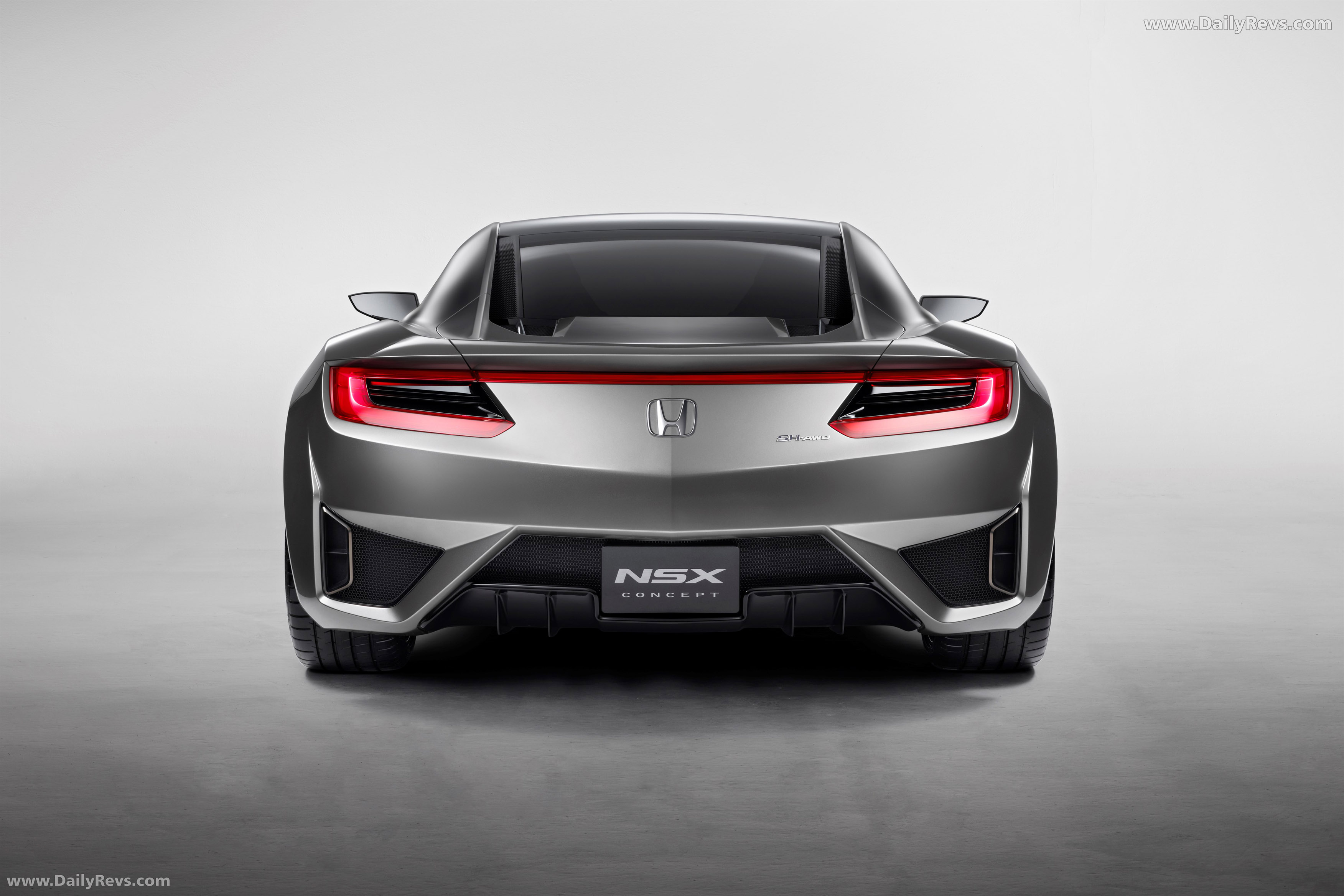
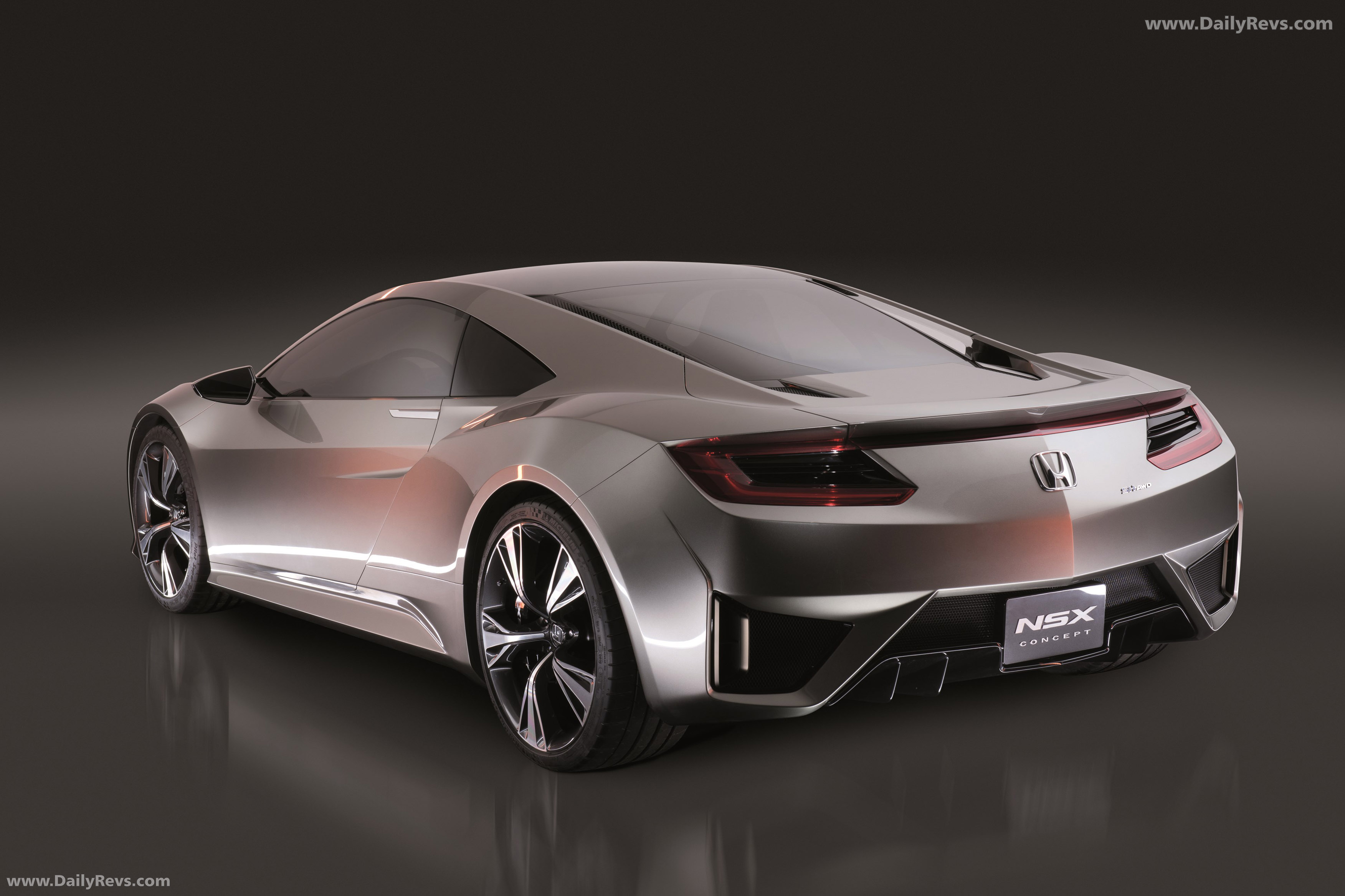
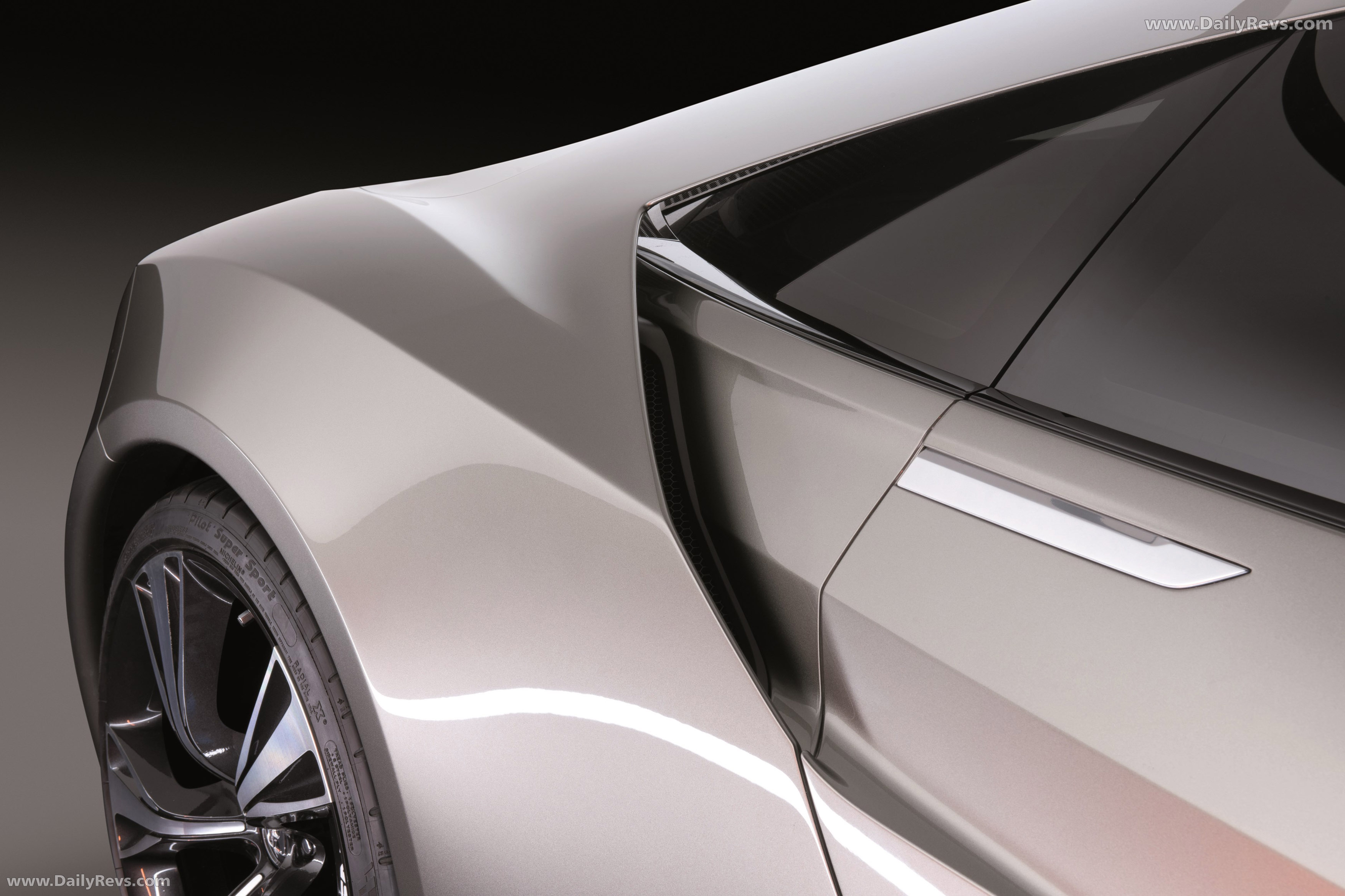
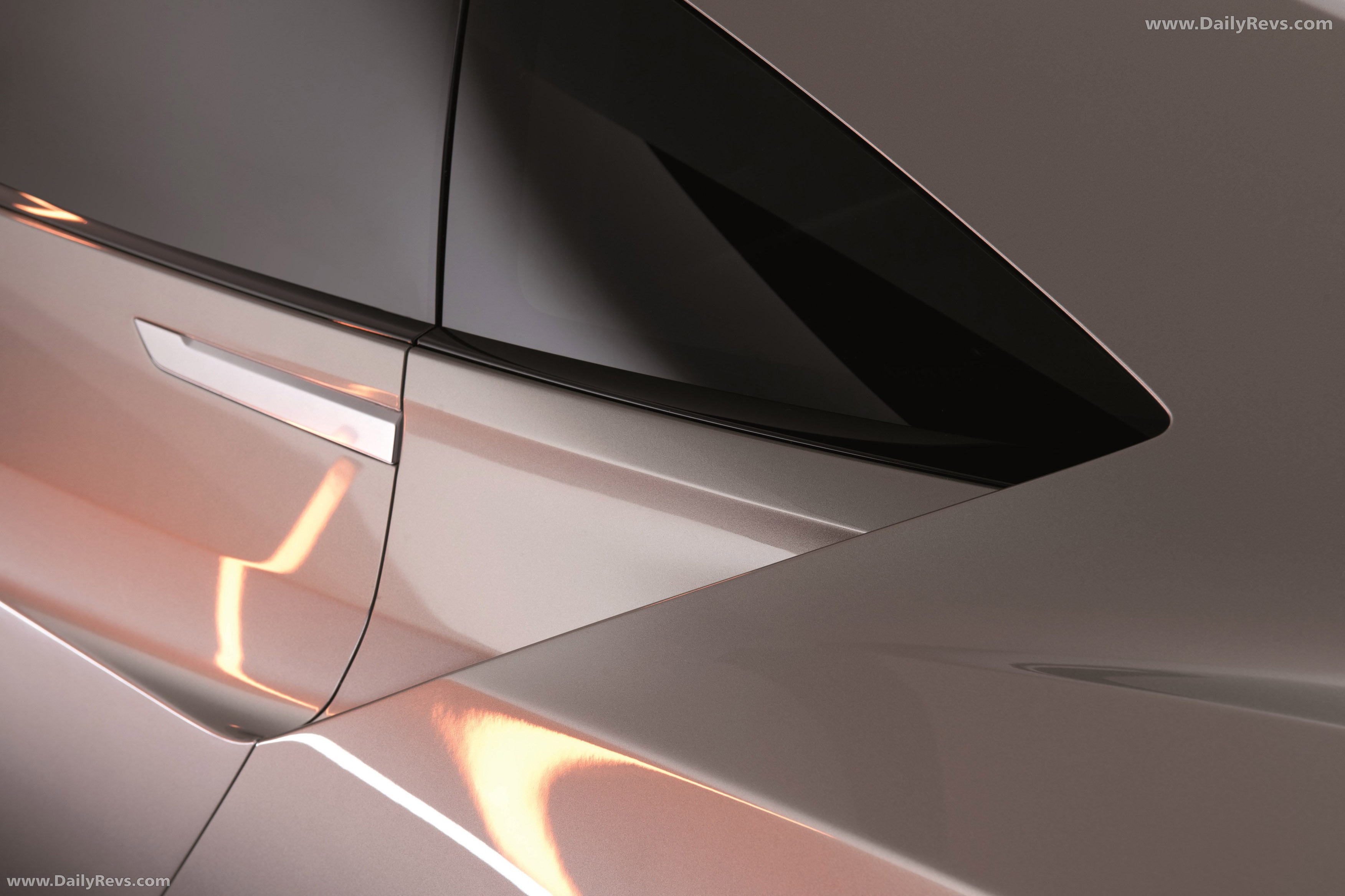
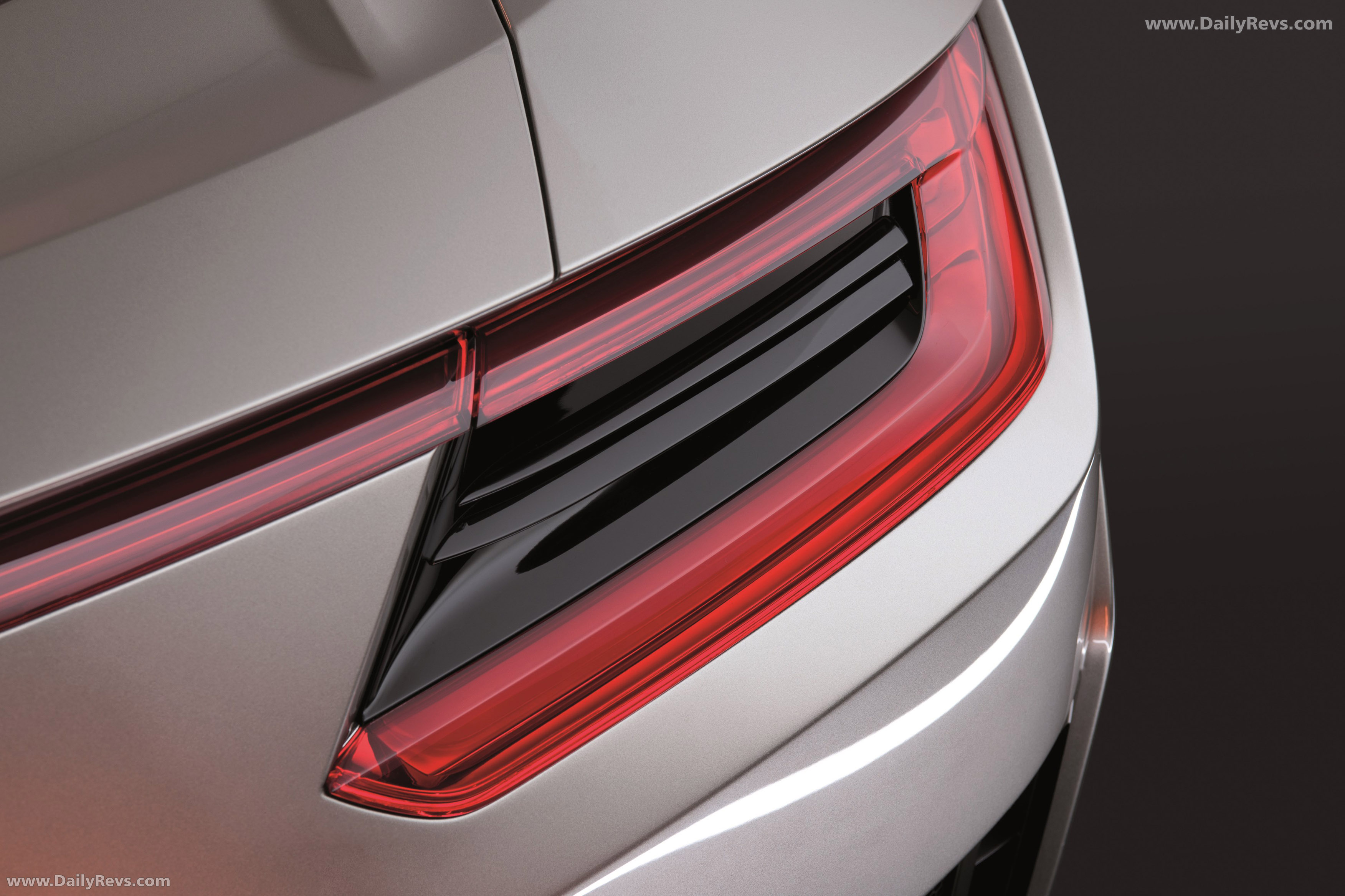
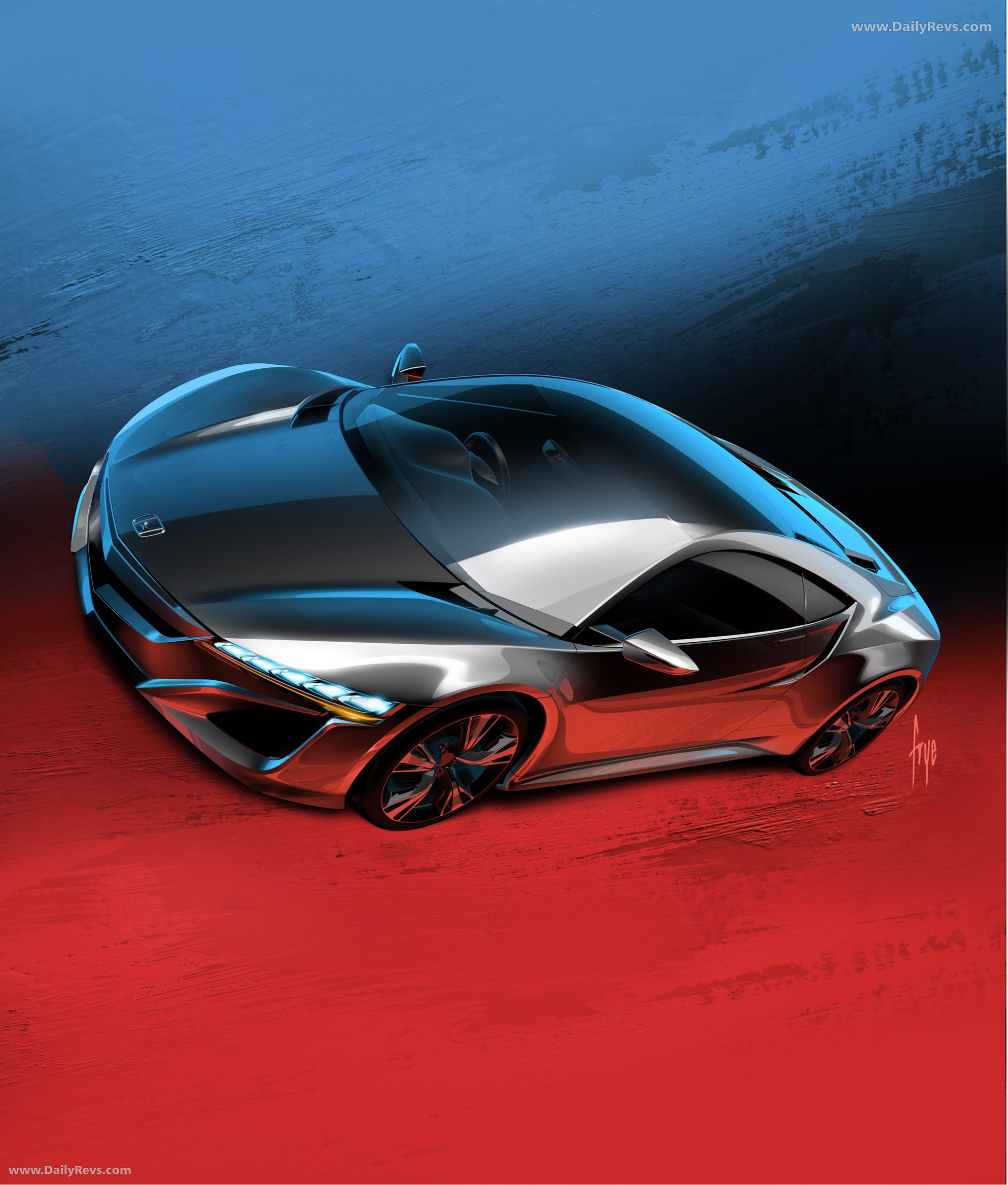
Visually, the 2012 NSX Concept struck a modern yet familiar pose. It carried the same purity of proportion that defined the 1990 original — short overhangs, a low beltline, and a wide rear stance. The car's sharp surfacing and taut lines gave it a technical, almost sculpted appearance, and the forward-siting cabin highlighted visibility and balance.
It was more than just a physical workout. Its development was heavily reliant on lightweight construction, which kept mass low and weight distribution optimal for the mid-engine setup. Honda's methodical approach was evident in every aspect of the design: nothing was added pointlessly.
Technical Specifications
- Manufacturer: Honda Motor Co., Ltd.
- Vehicle Type: Mid-engine hybrid supercar concept
- Powertrain Layout: Sport Hybrid SH-AWD (Super Handling All-Wheel Drive)
- Engine: Mid-mounted V6 with direct injection
- Hybrid System: Three electric motors (two front, one rear)
- Transmission: Dual-clutch automatic transmission (DCT)
- Drive System: All-wheel drive with electric torque vectoring
- Construction: Lightweight body using advanced materials
- Chassis Design: Focus on power-to-weight efficiency and handling precision
- Performance Focus: Electric torque distribution for enhanced cornering balance
- Development Location: Honda R&D Americas, Inc.
- Manufacturing Location: Ohio, United States
- Debut Year: 2012 (European debut)
- Design Objective: To combine hybrid efficiency with high-performance driving characteristics
- Philosophy: “High performance through engineering efficiency,” guided by Honda’s “man–machine synergy” concept