










2010 Lamborghini Sesto Elemento Concept
By Lorenzo Bianchi July 16, 2010
The Lamborghini Sesto Elemento Concept still stuns, over a decade later, with a design that looks plucked from a cyberpunk future.
-
It weighs less than a Mazda MX-5 yet makes more power than a Huracán — and that contrast defines it.
-
Though it never made production, its influence still echoes in Lamborghini’s current lineup.
Carbon Fiber at the Core
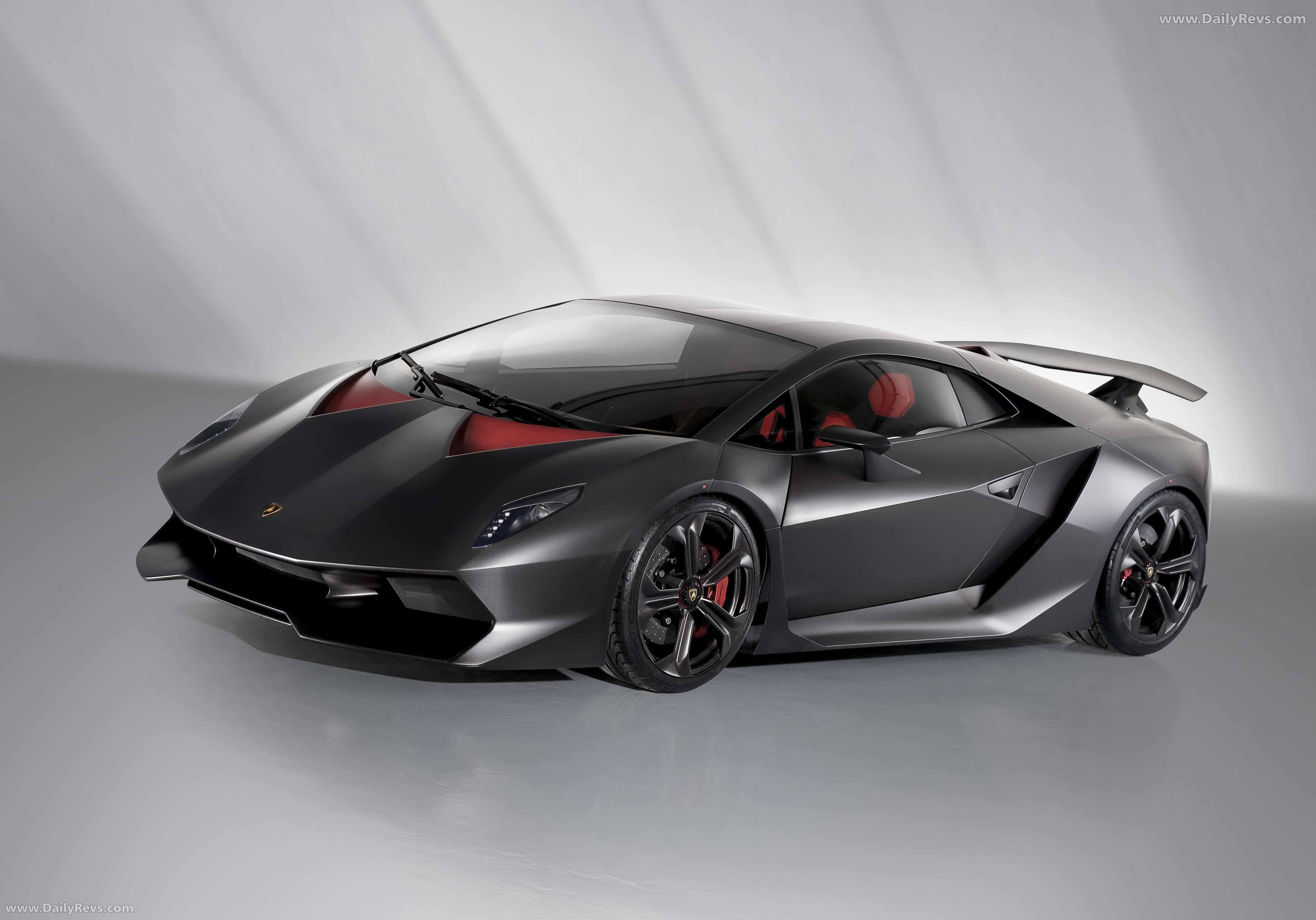
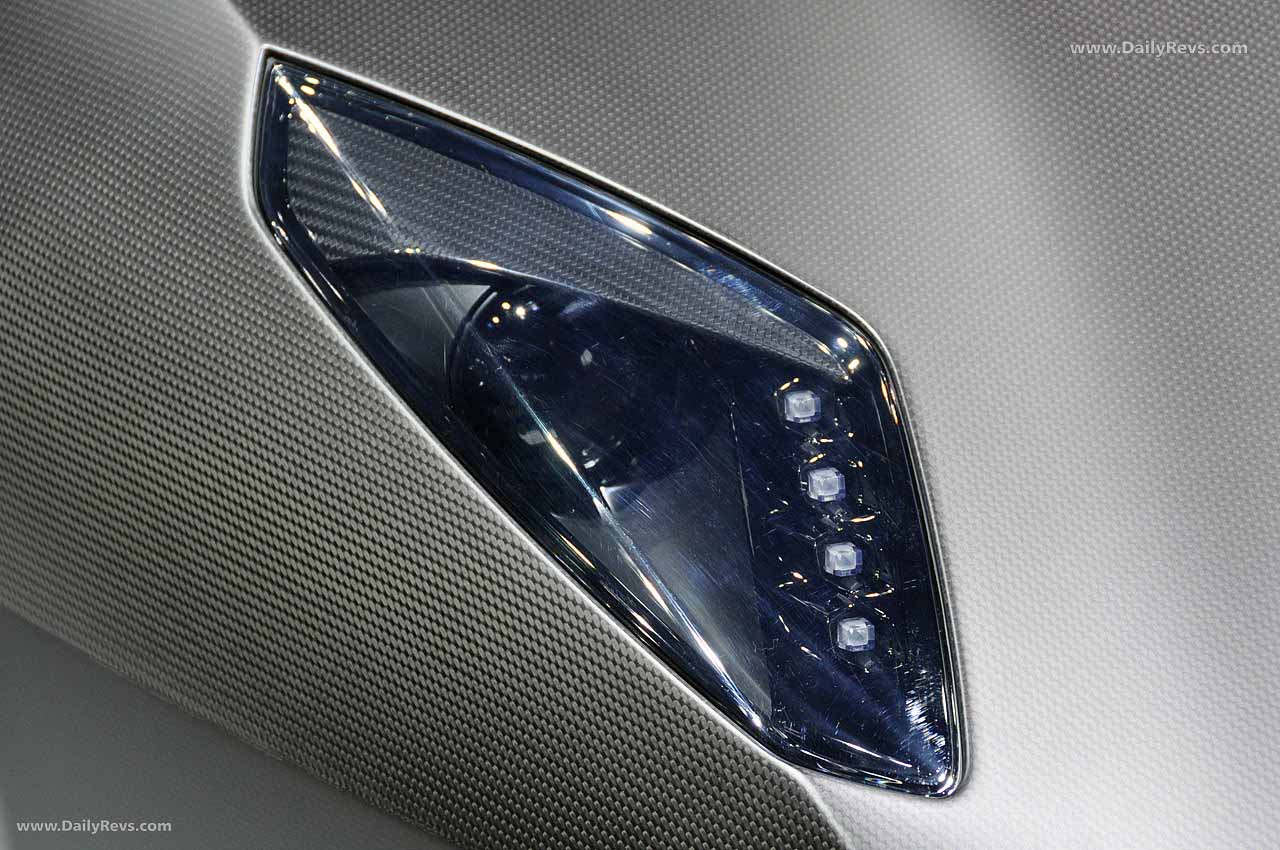
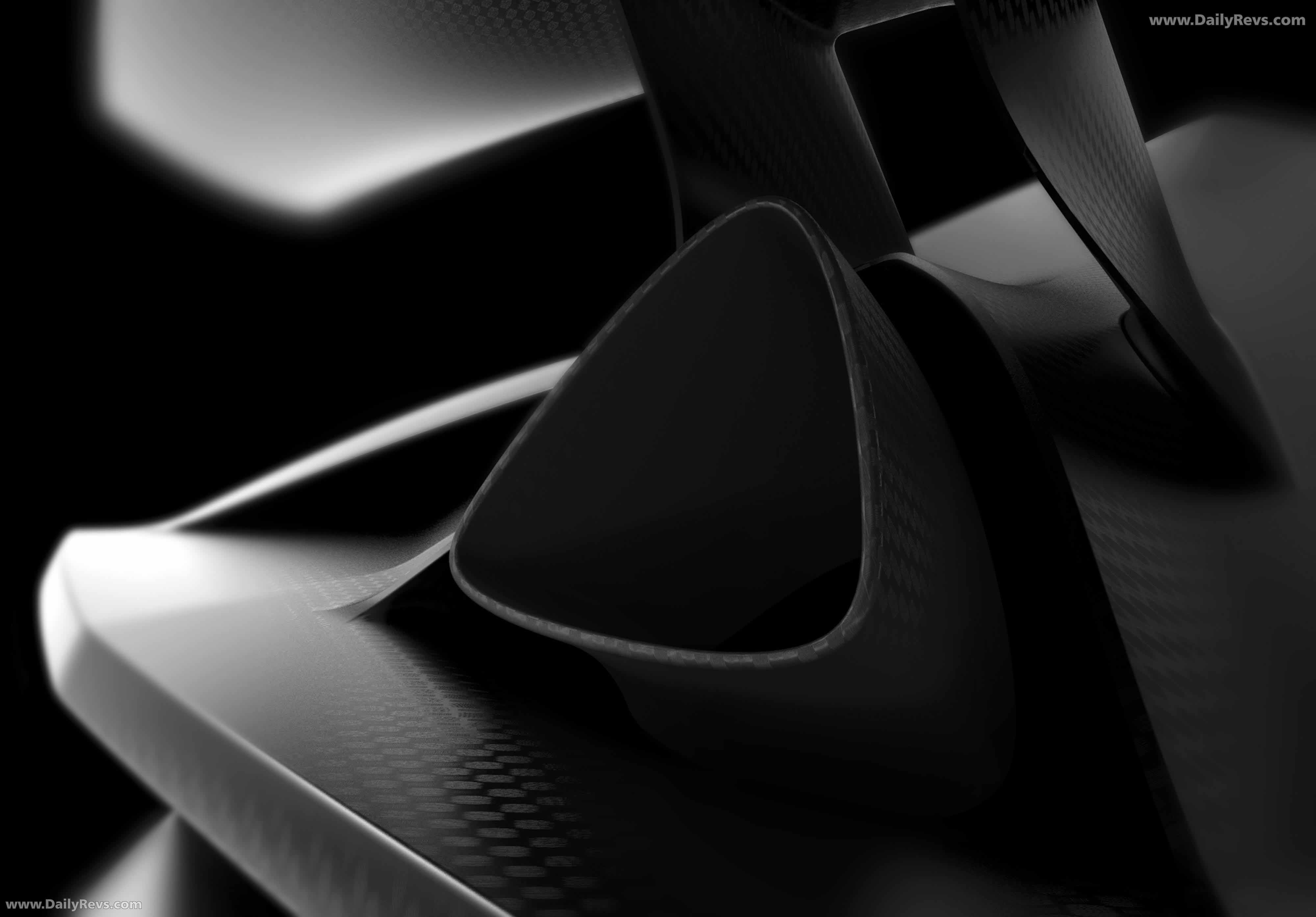
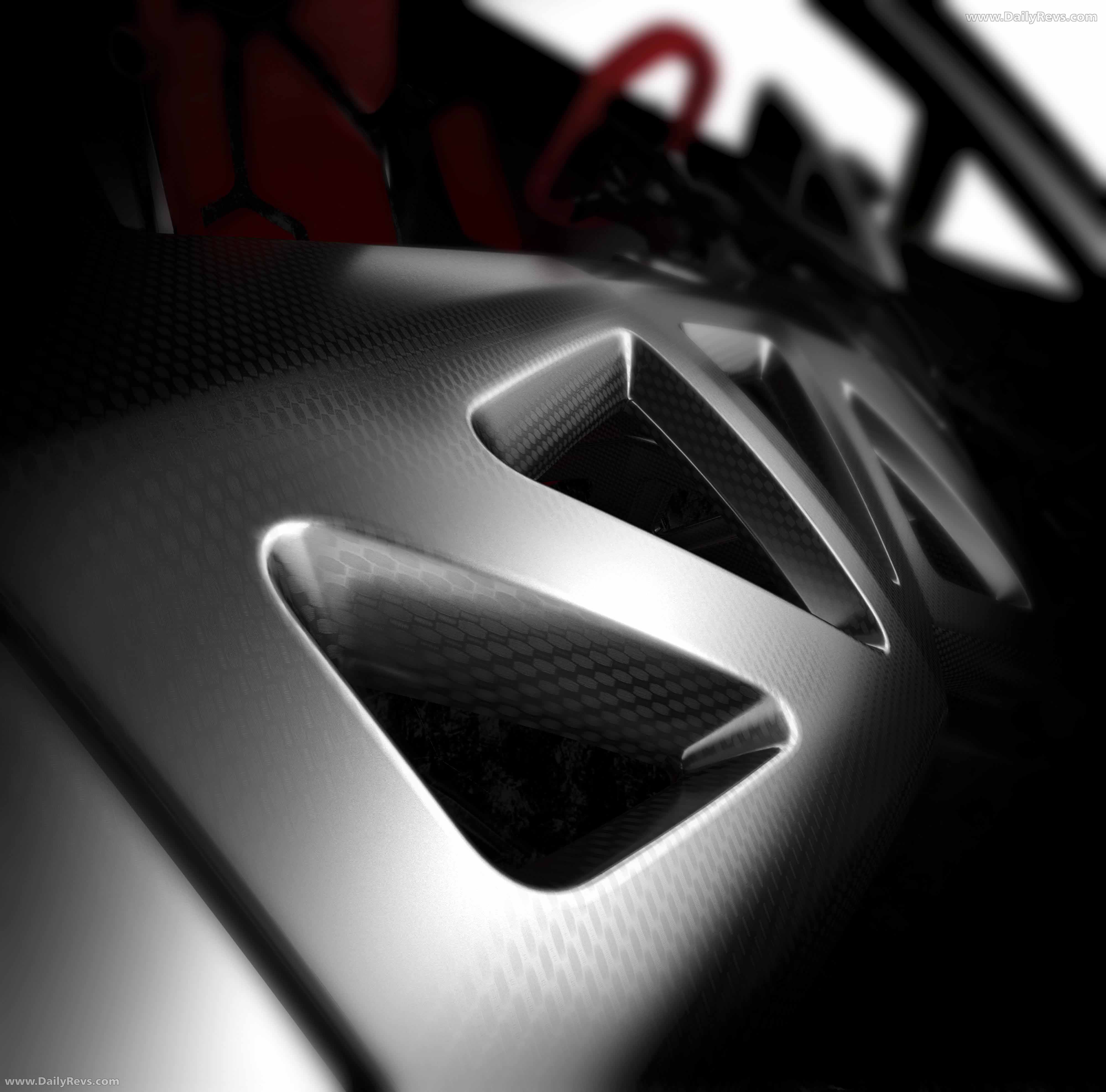
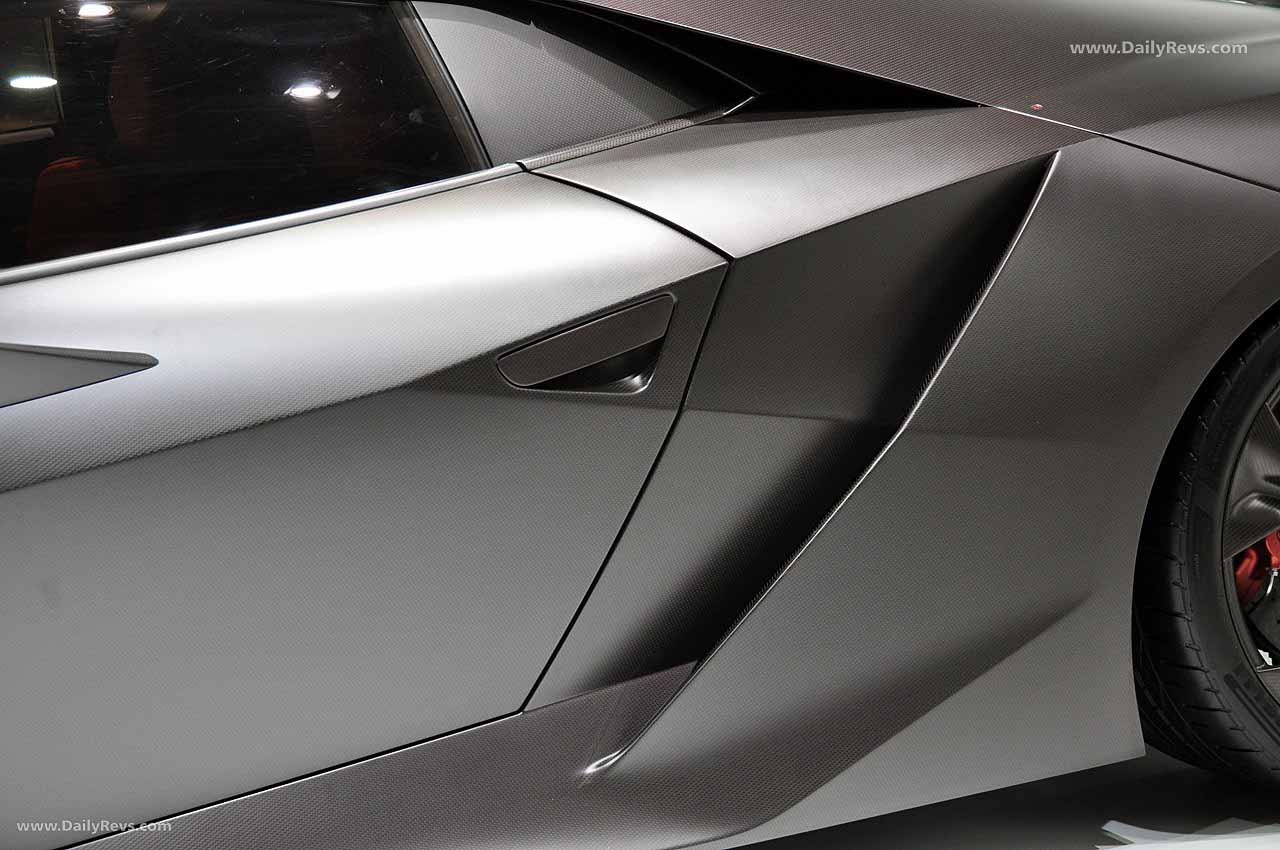
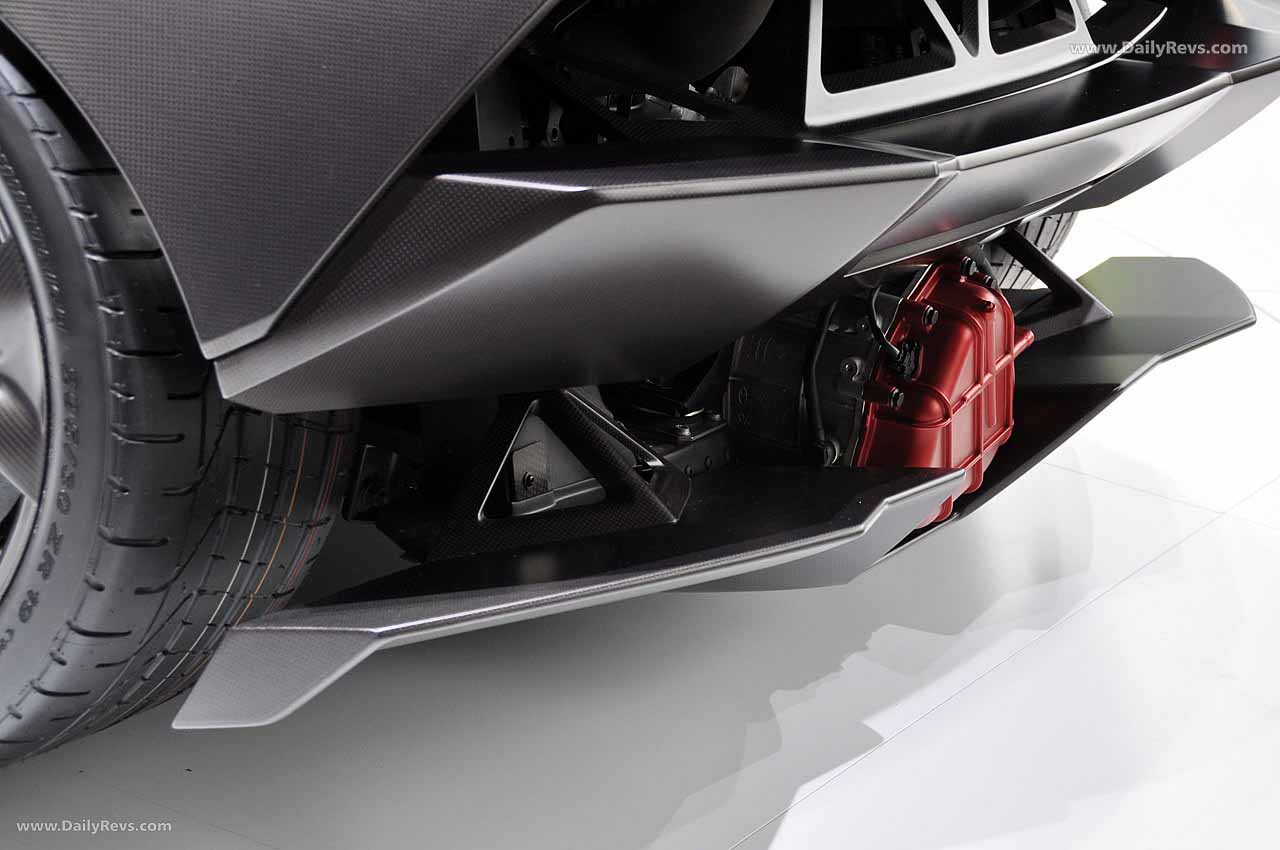
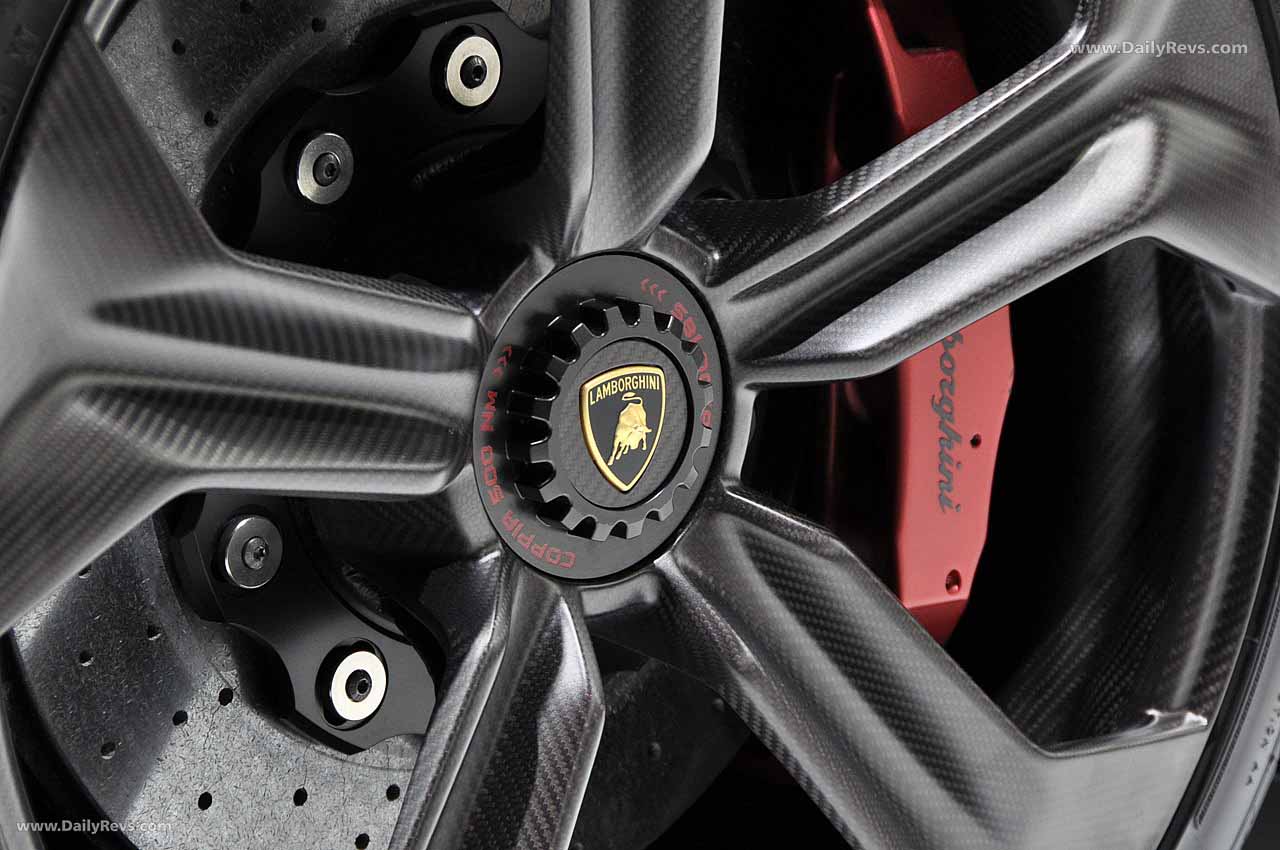
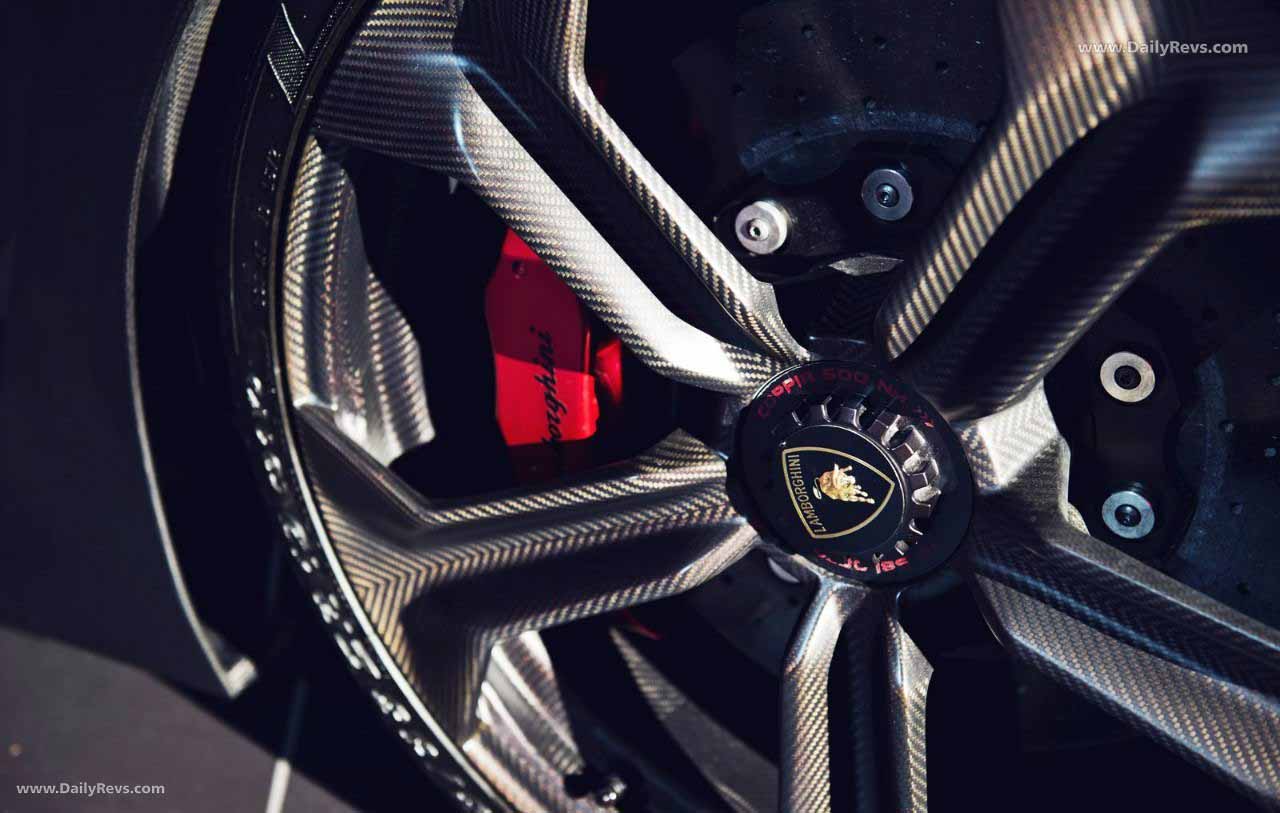
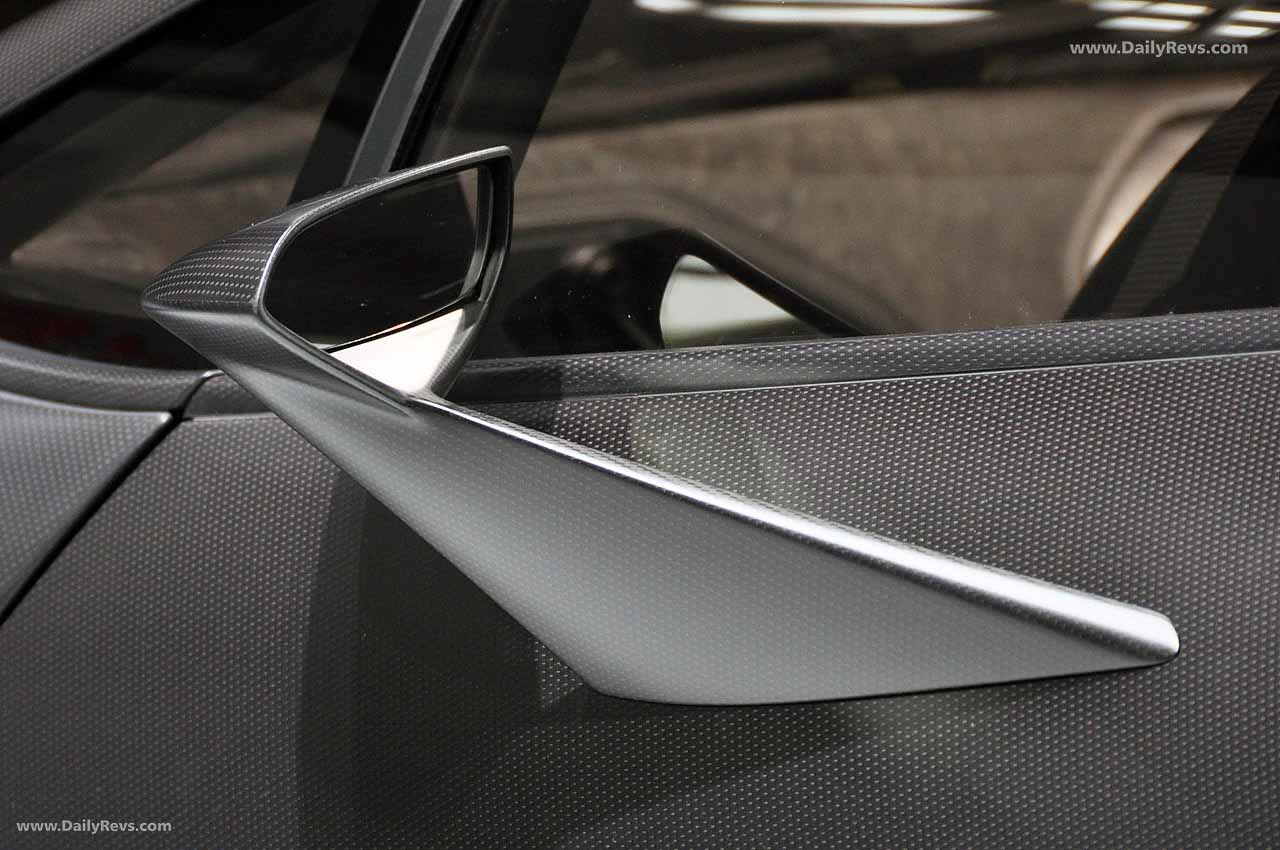
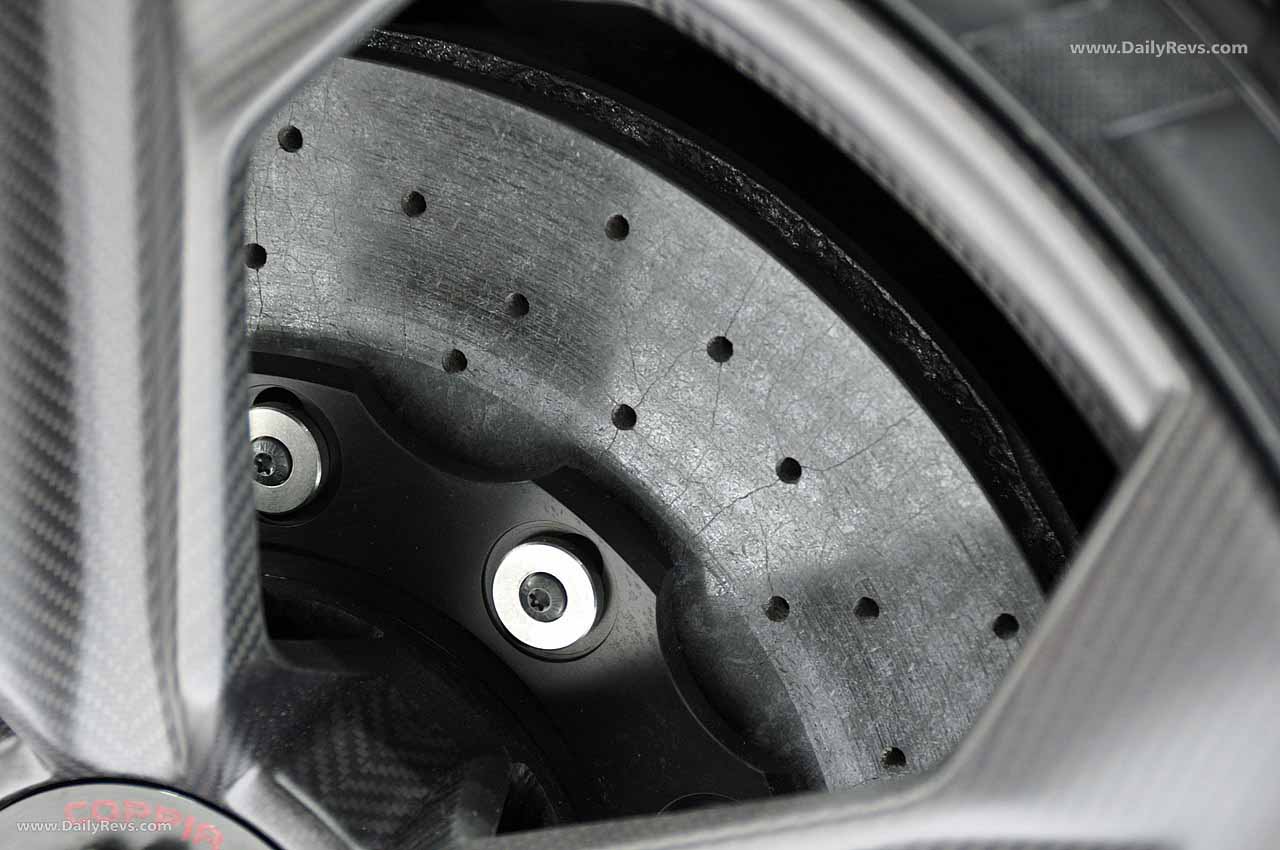
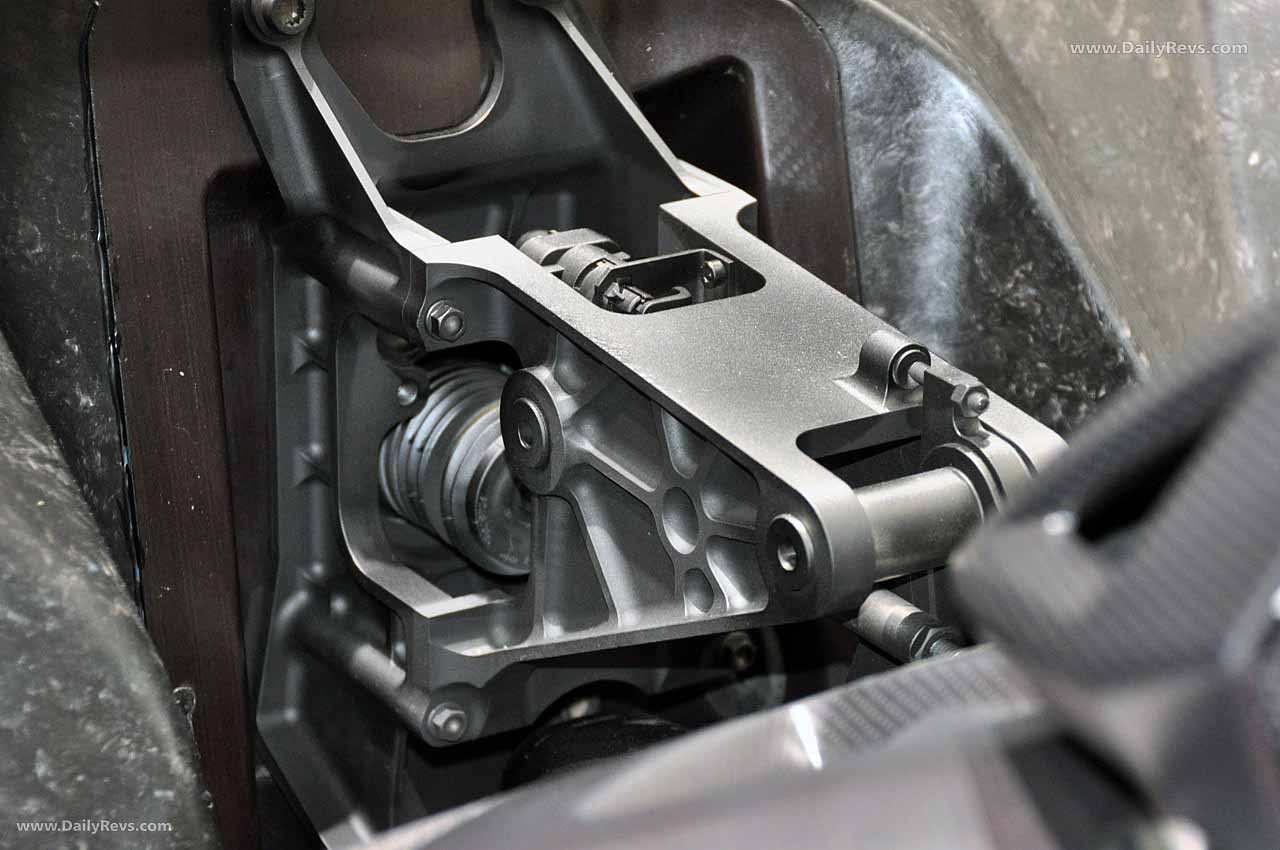
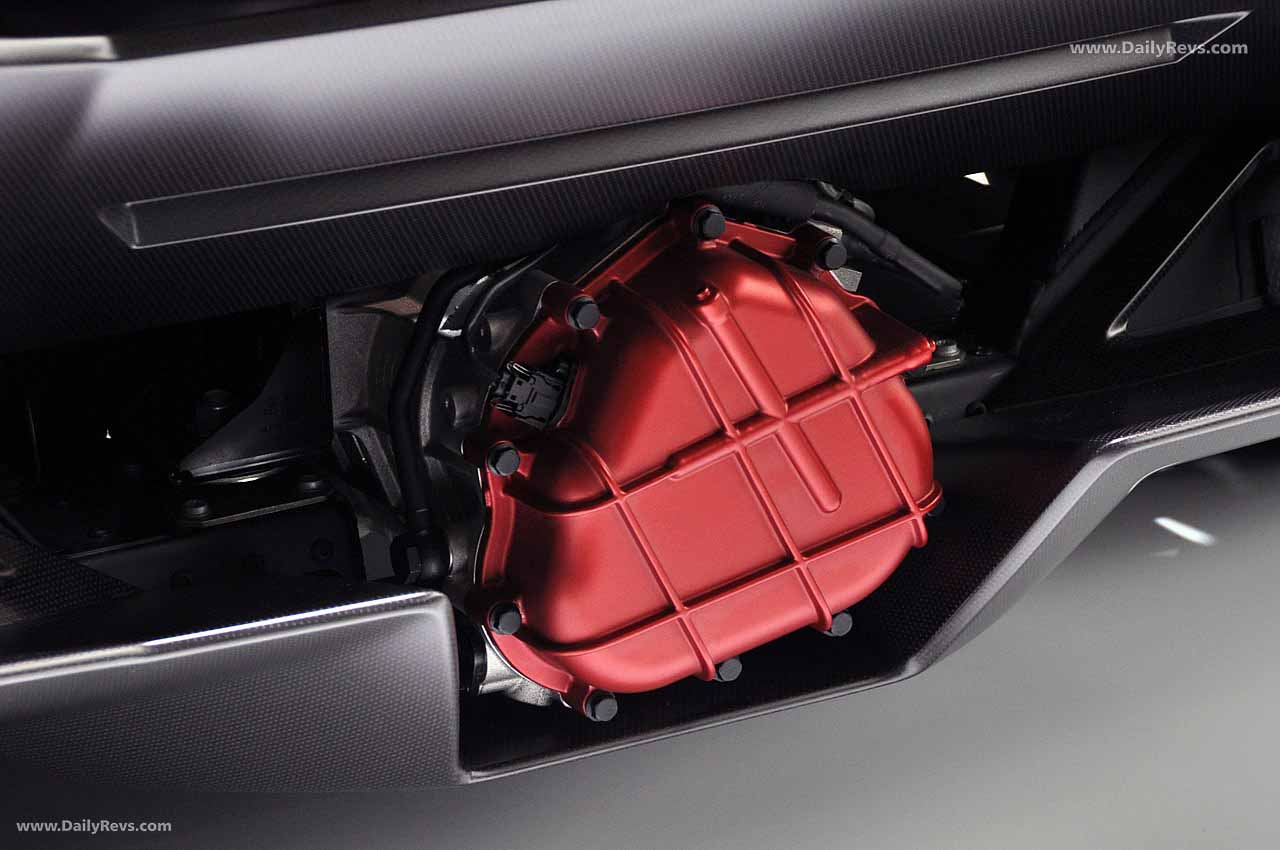
The Lamborghini Sesto Elemento Concept made its debut in 2010, and even now, it feels like the world hasn’t quite caught up. The name — Italian for “sixth element” — references carbon, which isn’t just a design choice here. It’s the foundation. The chassis, body panels, driveshaft, and suspension components are all crafted from carbon fiber or advanced composites.
The result? A dry weight of just 999 kilograms. That’s lighter than a modern Miata, but this thing packs a 5.2-liter V10 ripped straight from the Gallardo Superleggera, making 570 horsepower. Power-to-weight? Off the charts.

Form That Follows Fury
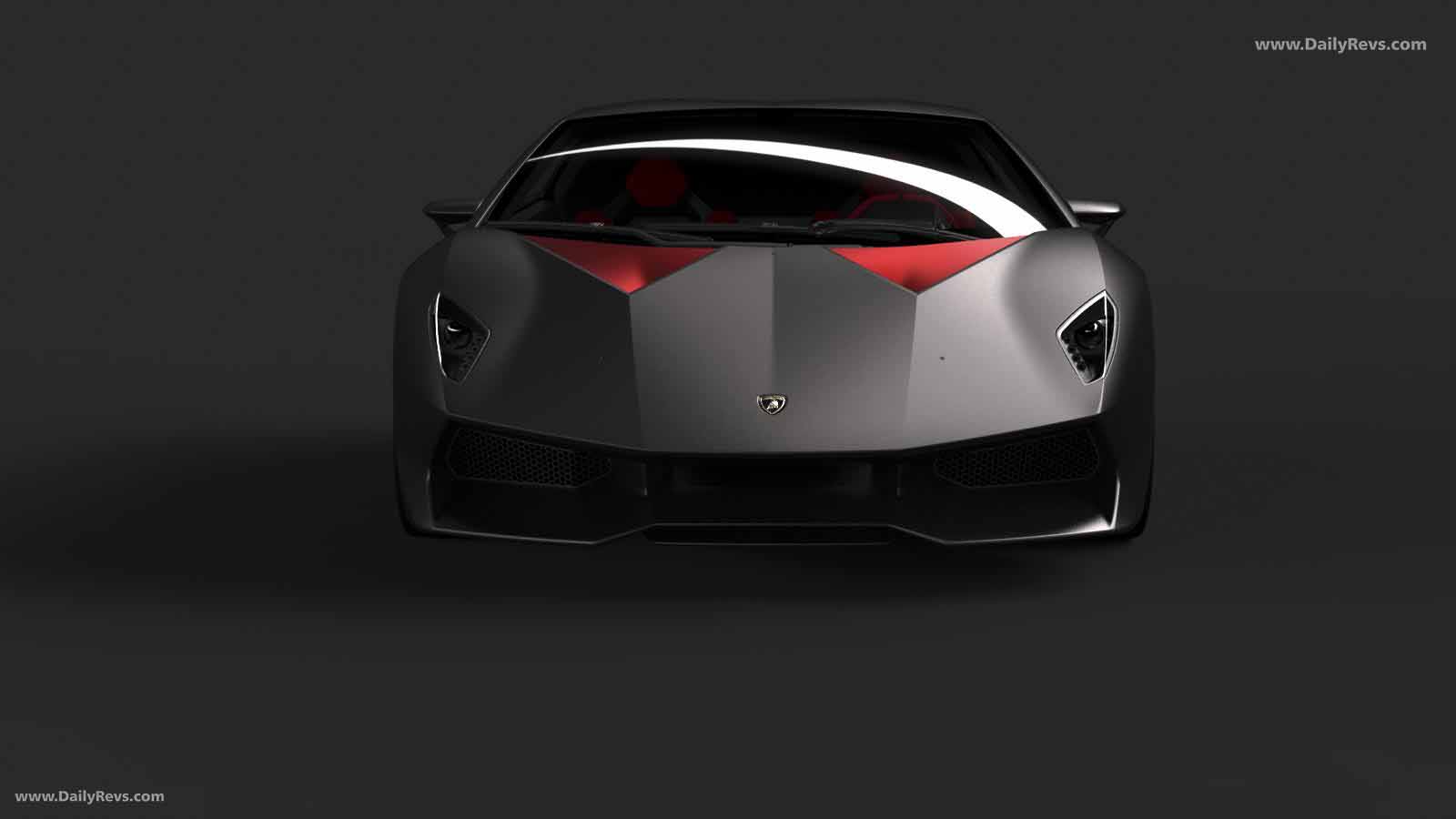
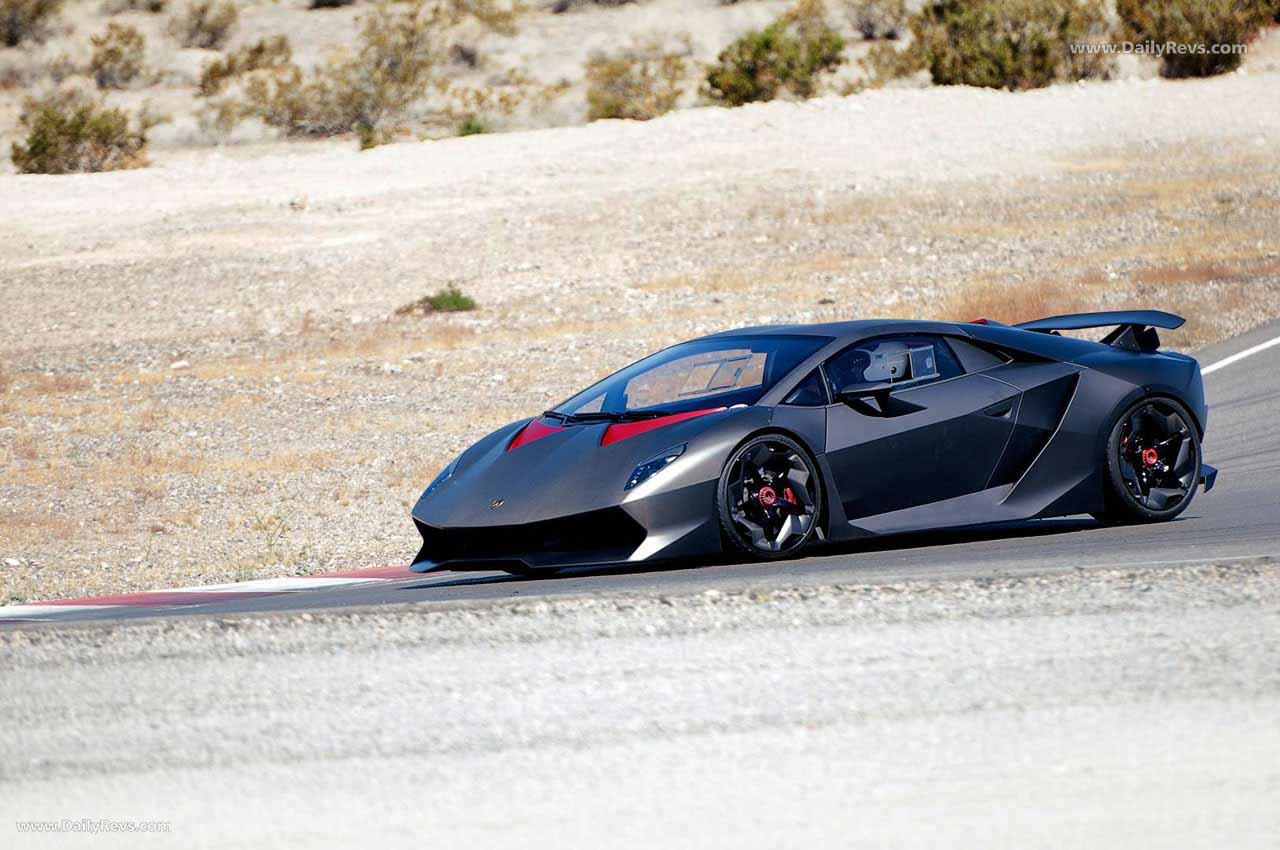
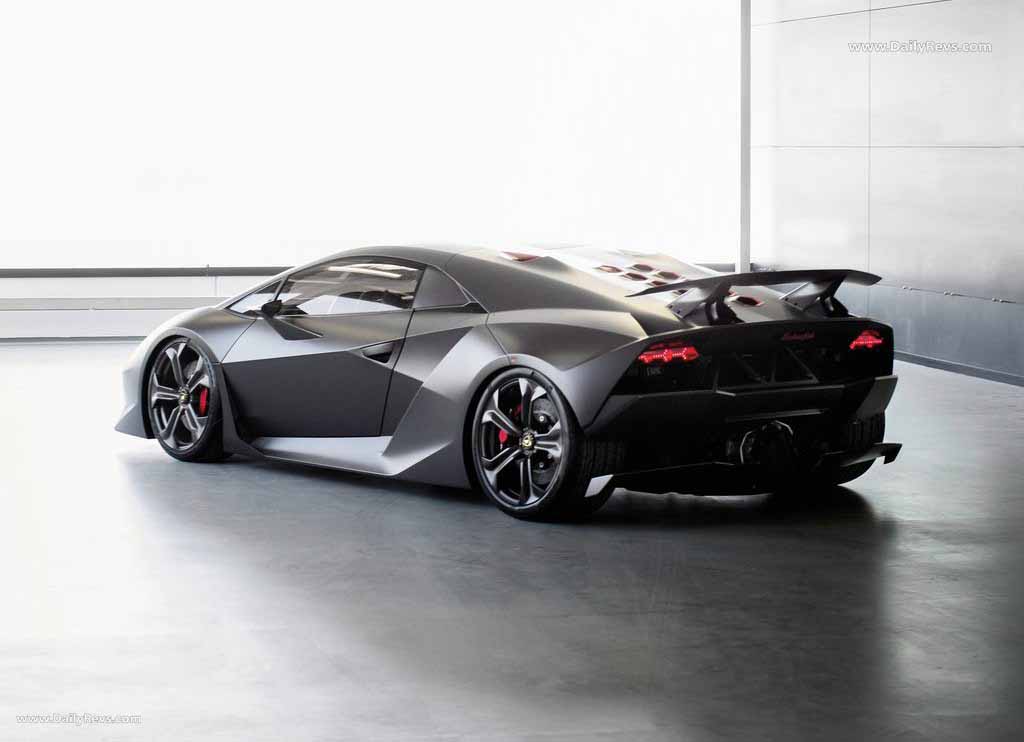
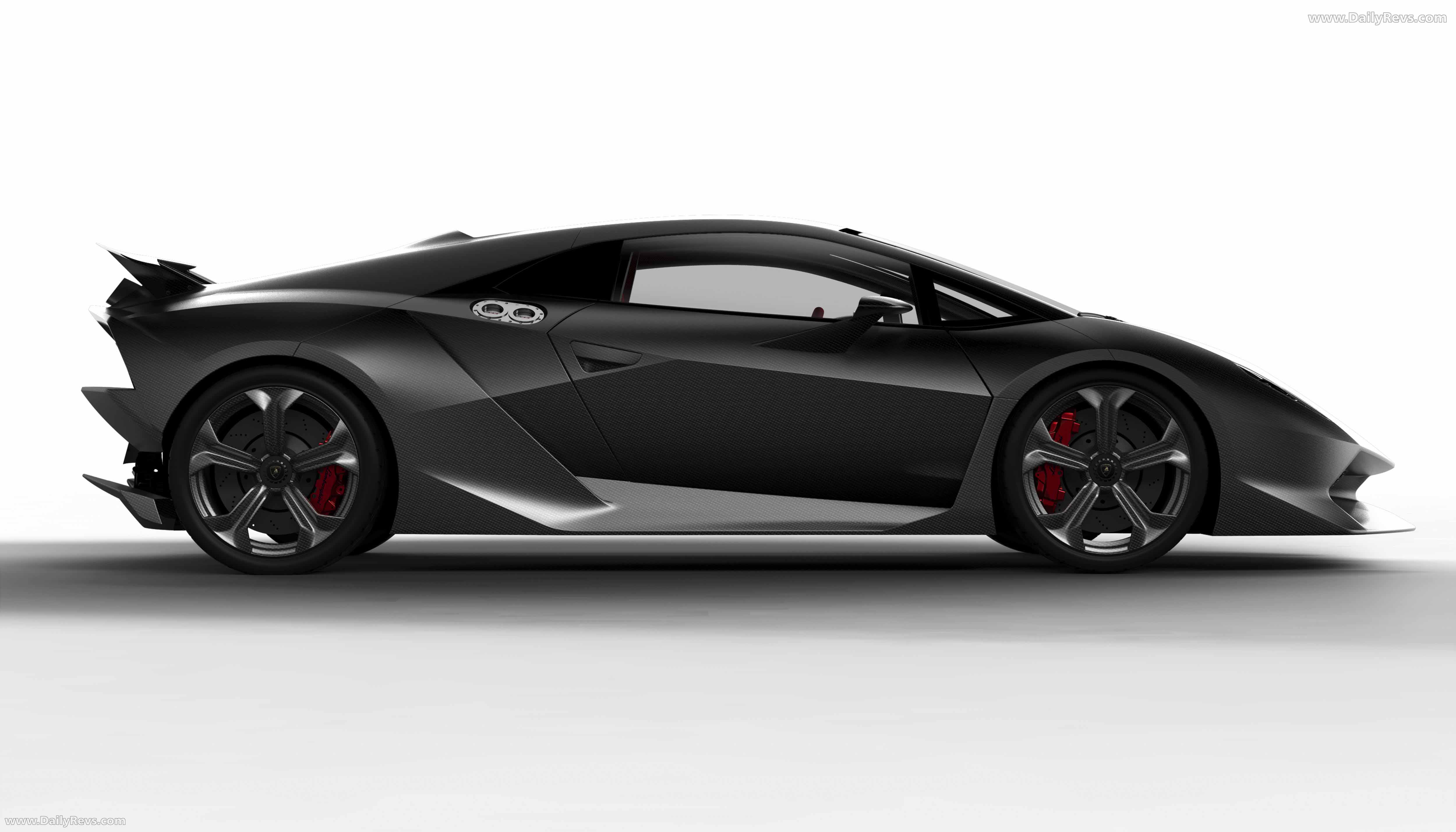
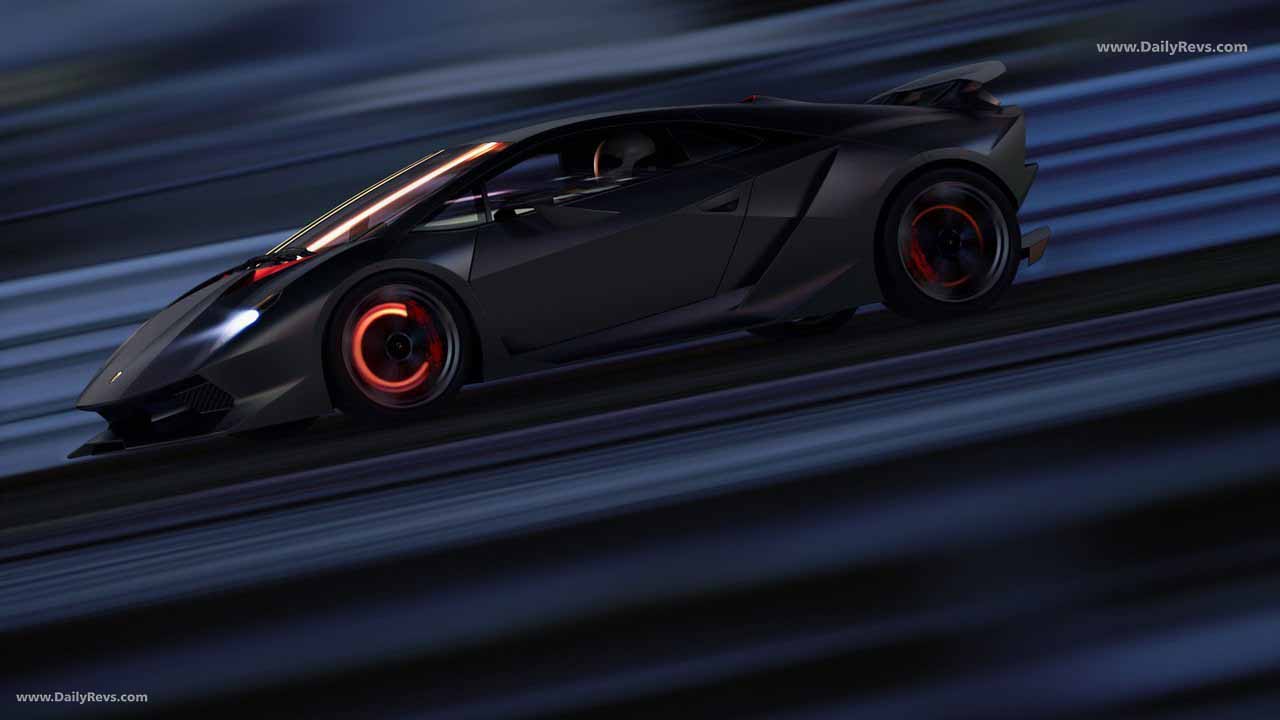
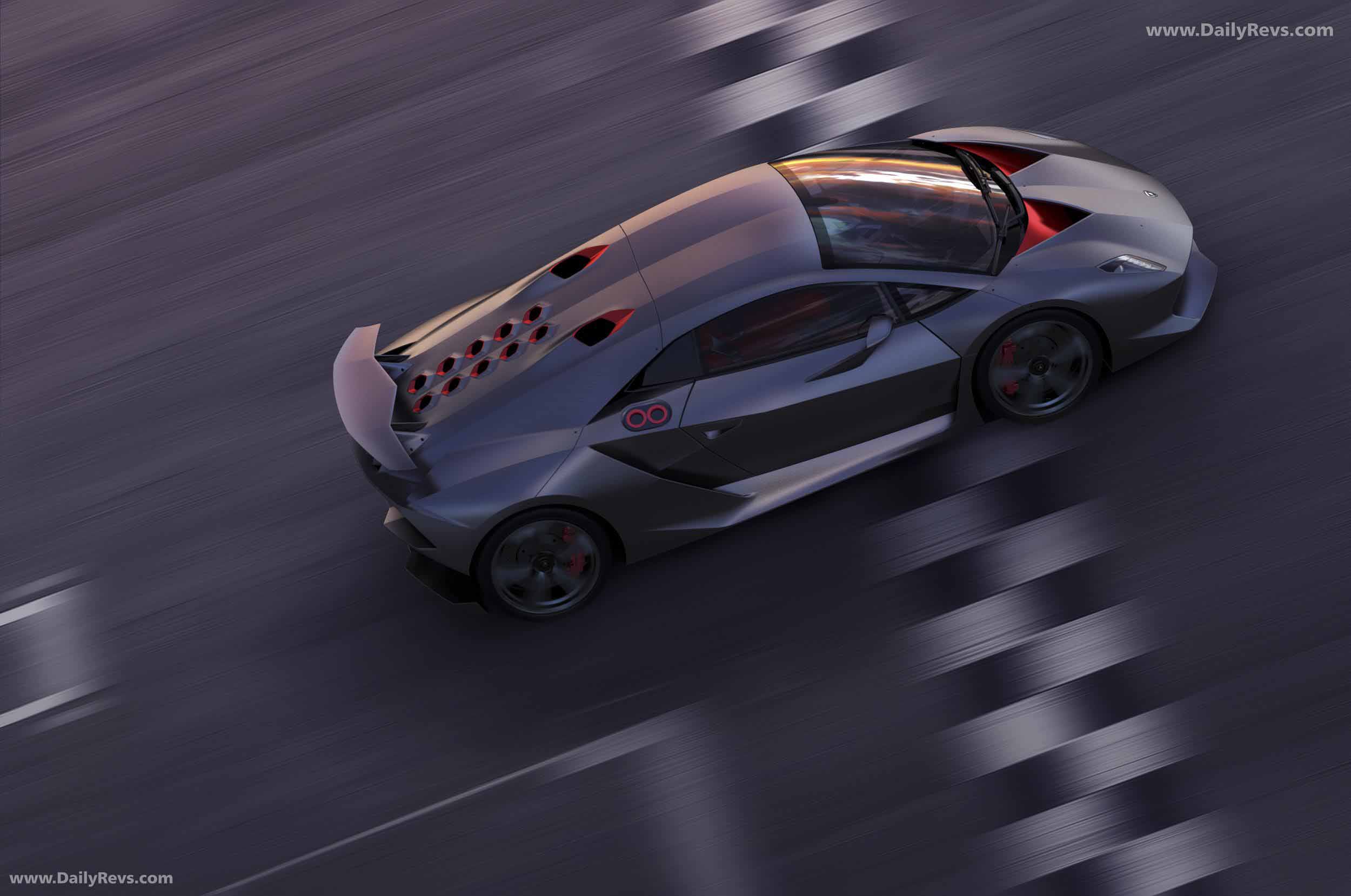
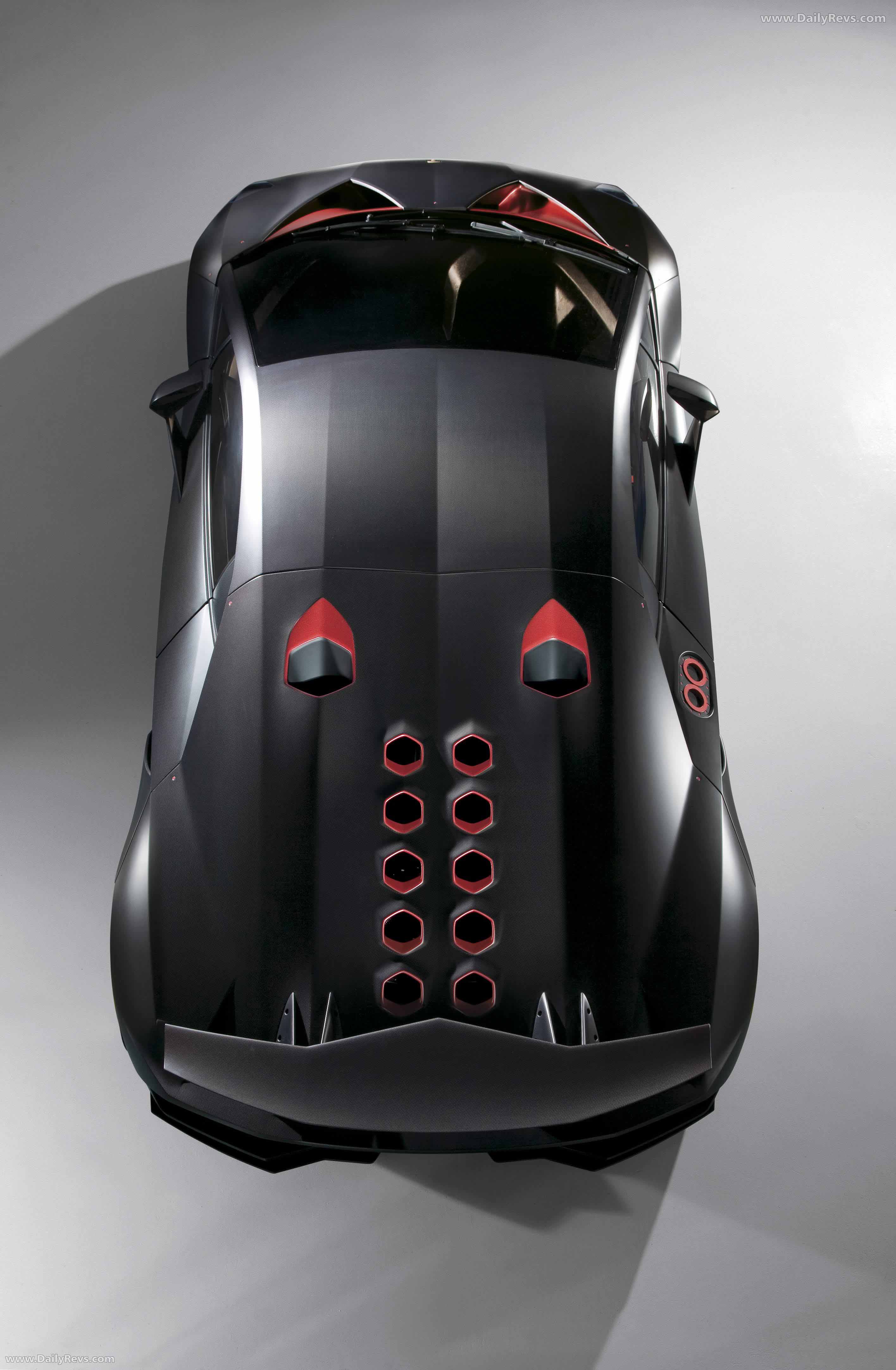
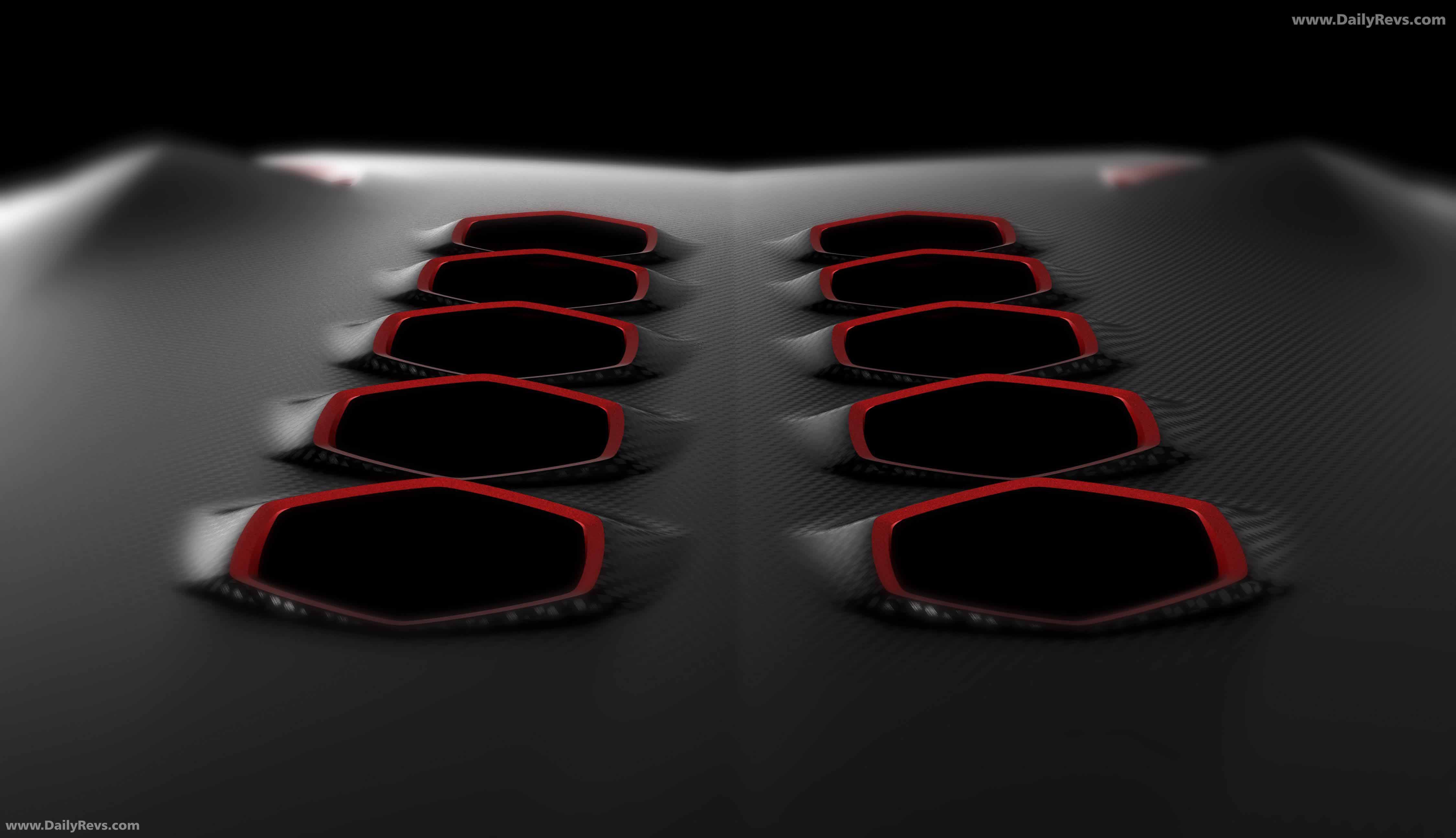
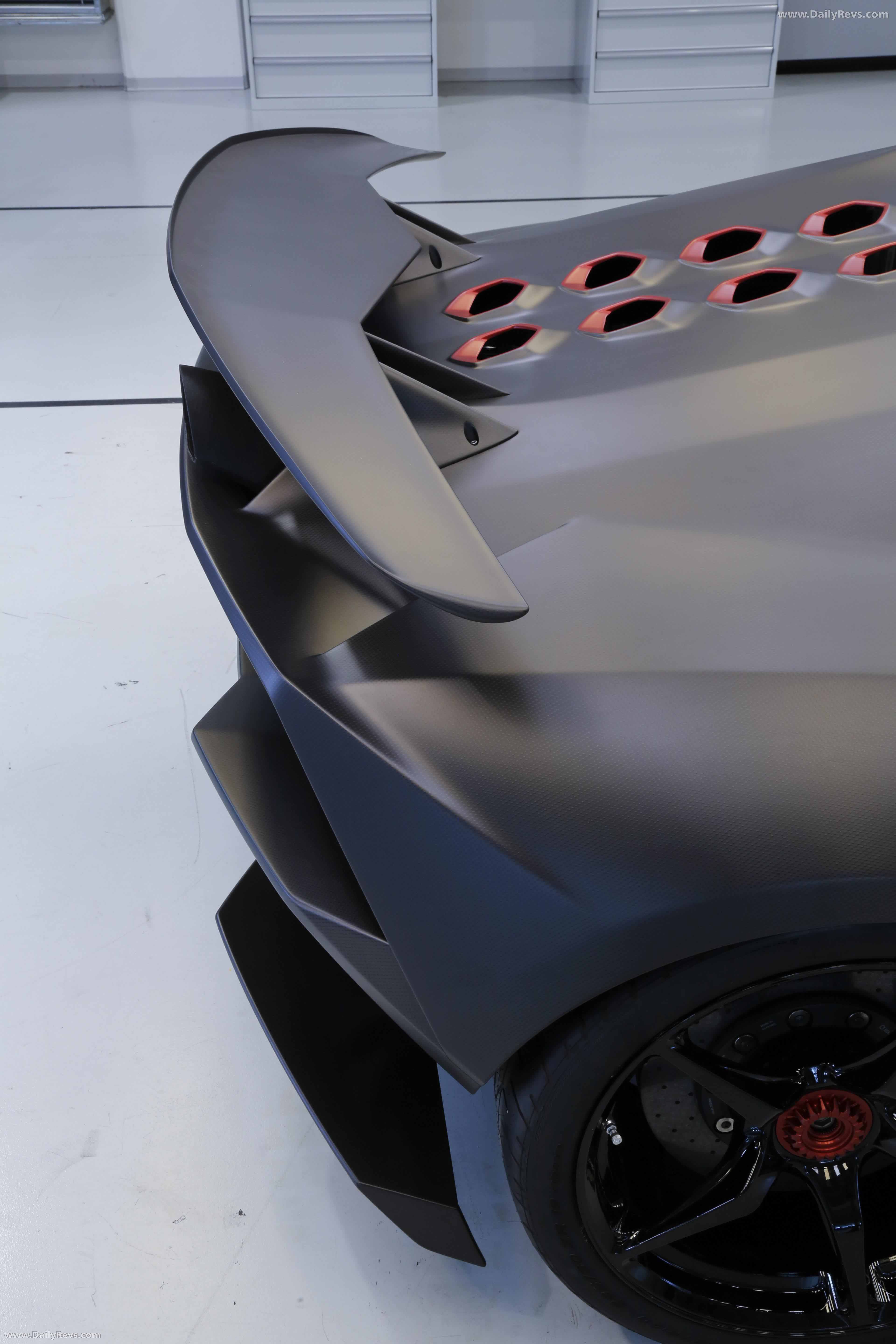
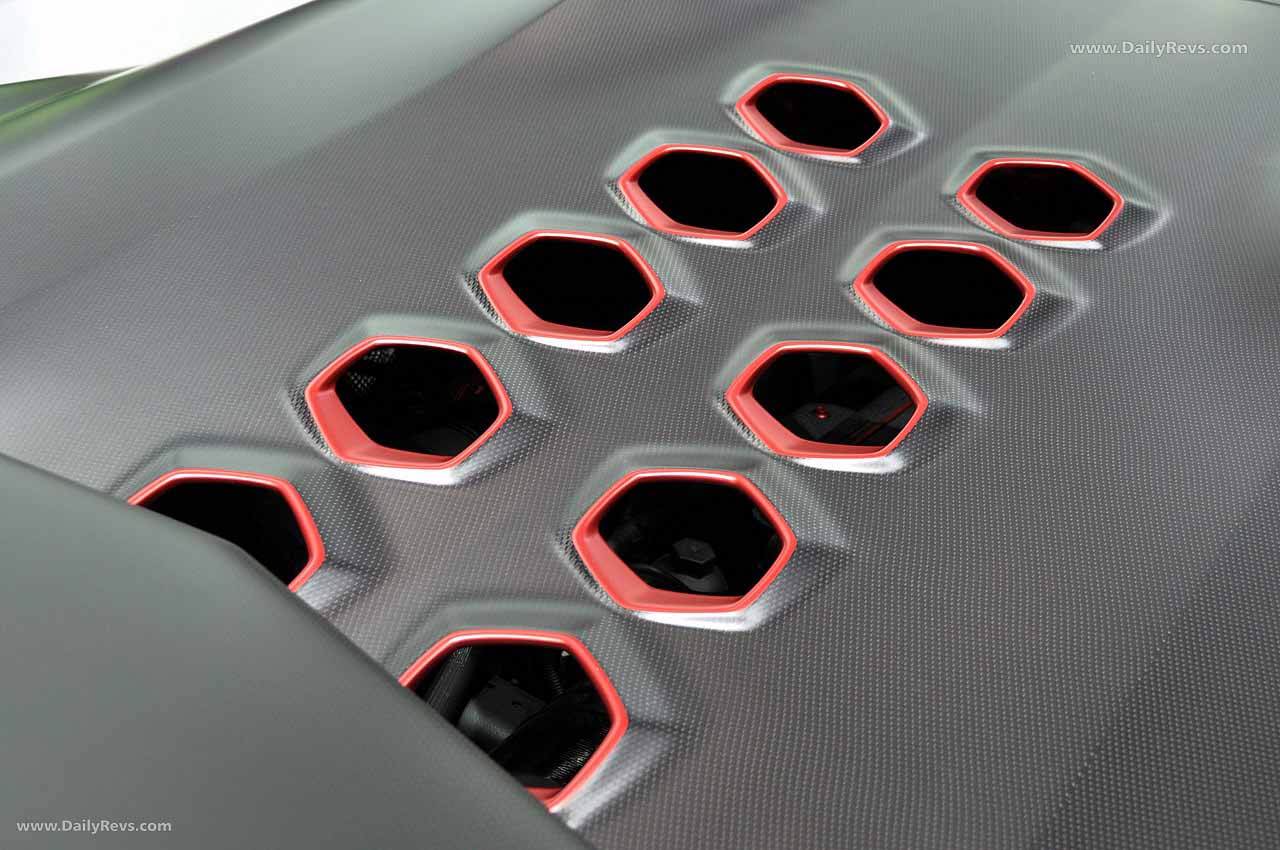
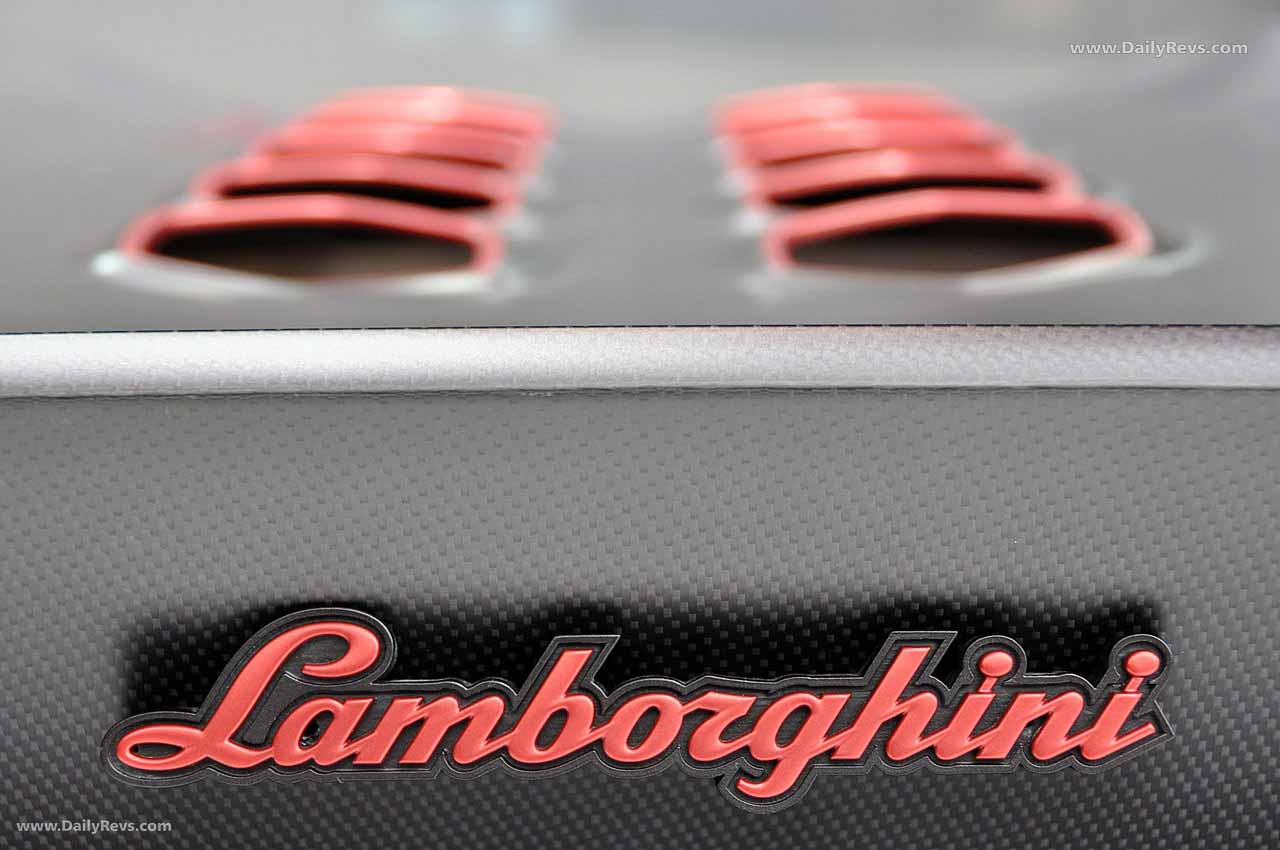
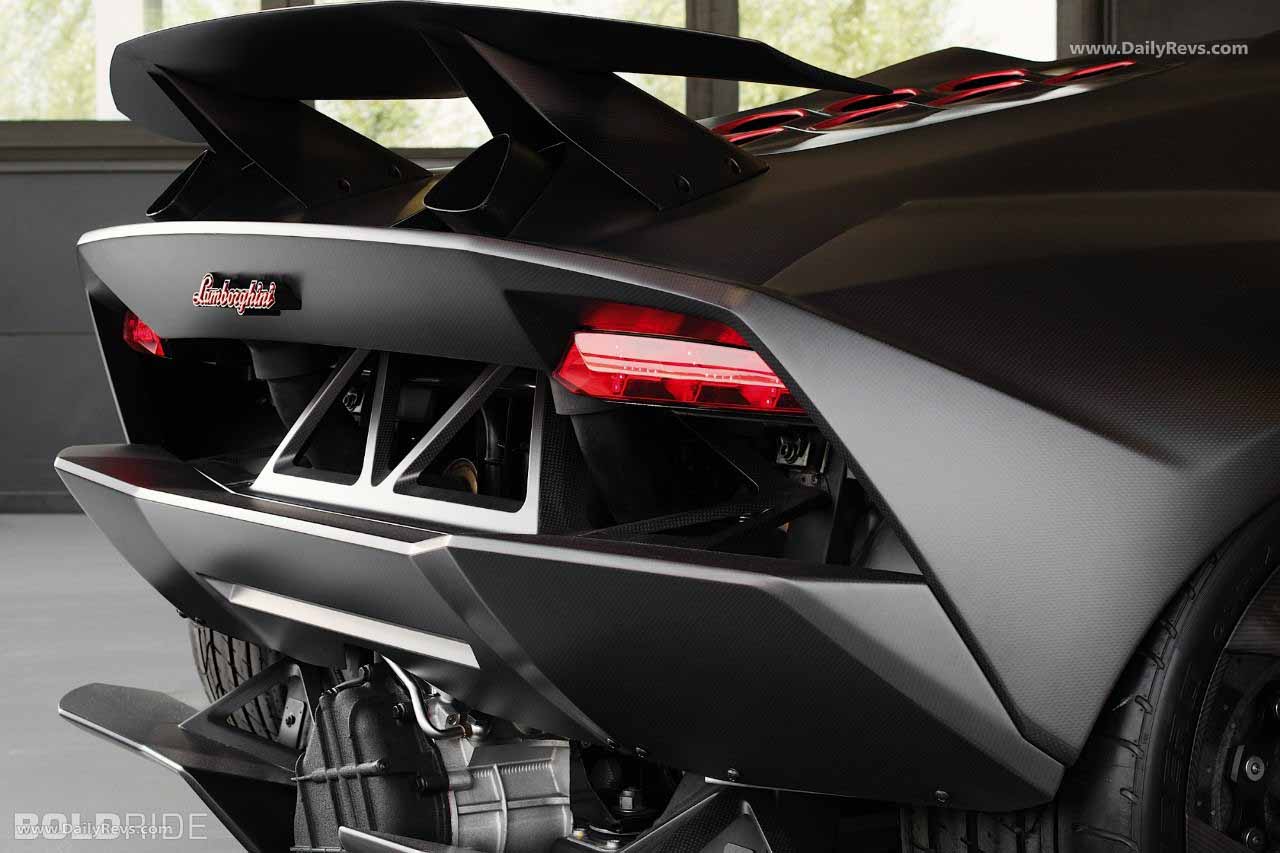
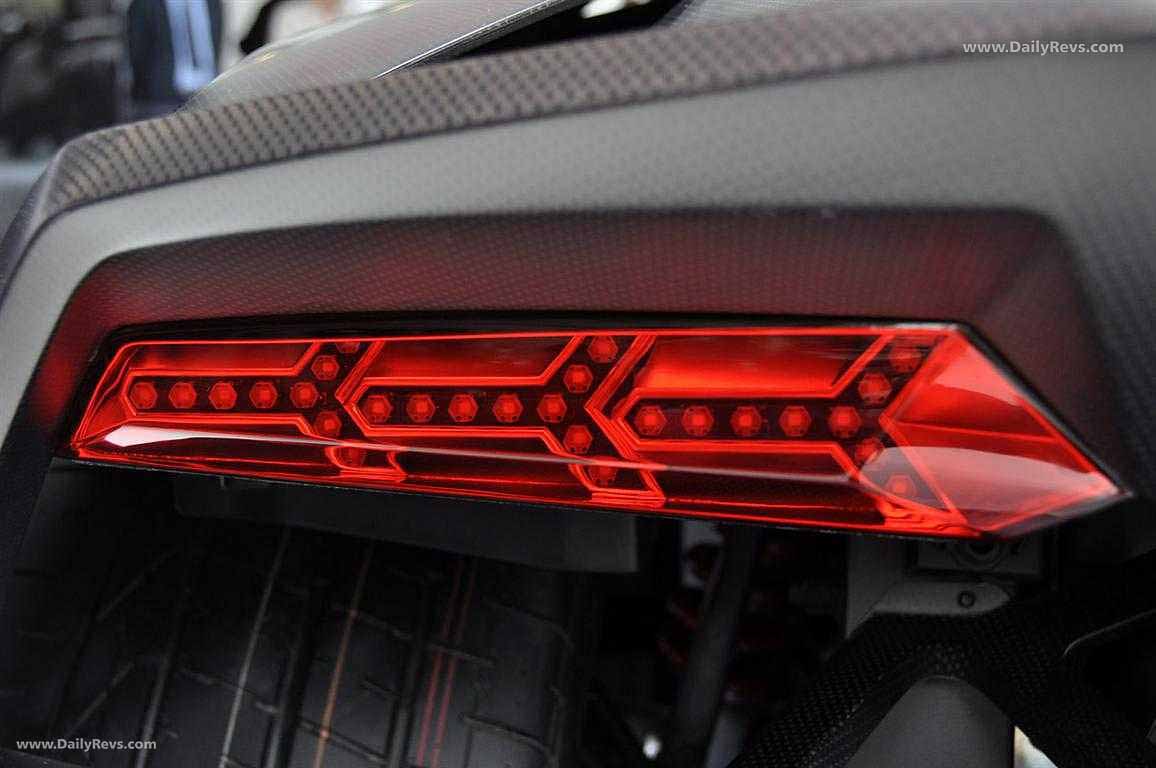
Photos don’t quite do it justice. The proportions are brutally compact — low roofline, chopped overhangs, and enough vents to make a jet turbine jealous. It’s finished in matte carbon, unpainted, with sharp red accents that trace the edges like a fighter jet warning stripe.
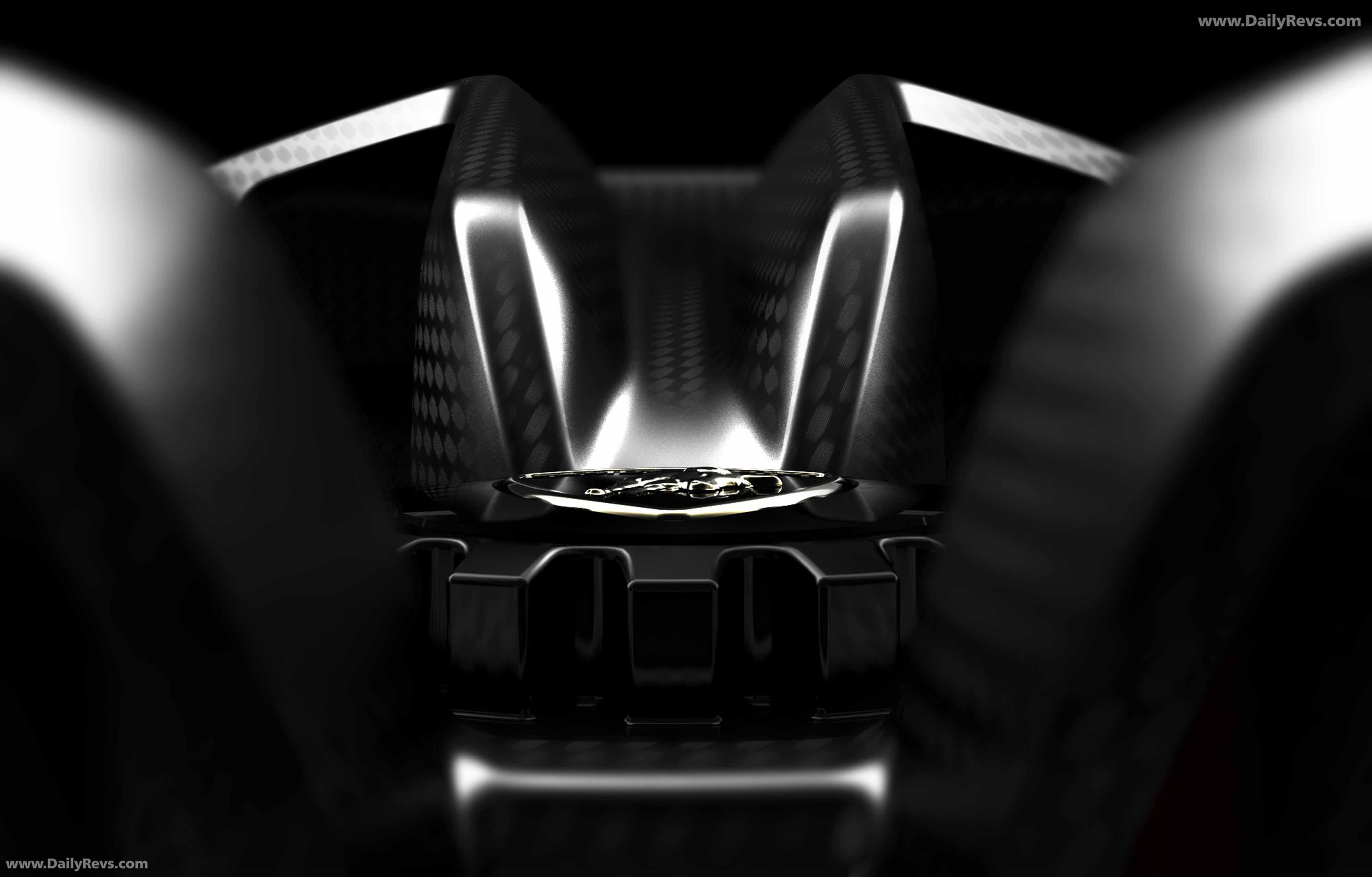
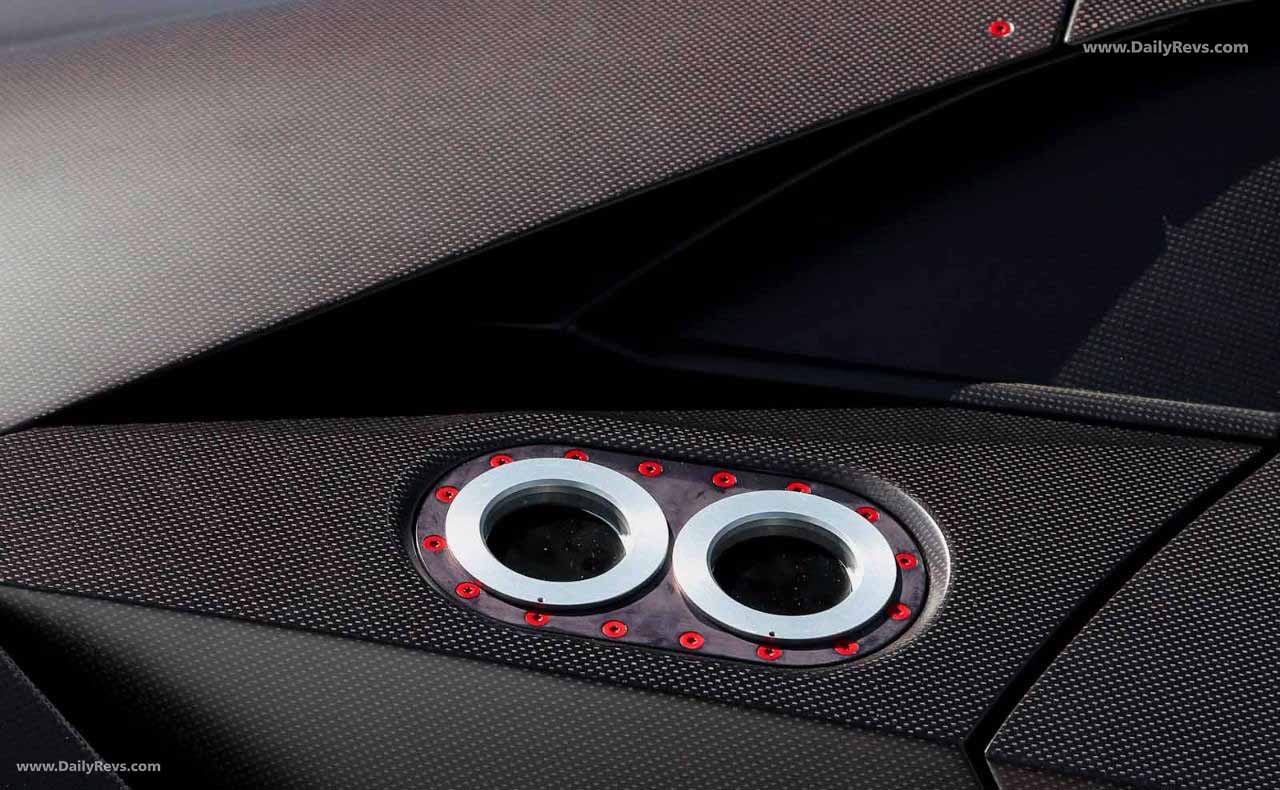
Nothing here feels ornamental. Those jagged roof ducts feed the mid-mounted engine. Rear aero surfaces are wide open for cooling. The exhaust pipes jut outward like artillery. It’s not trying to look sleek. It’s trying to look fast — and it does.
Stripped for Speed Inside
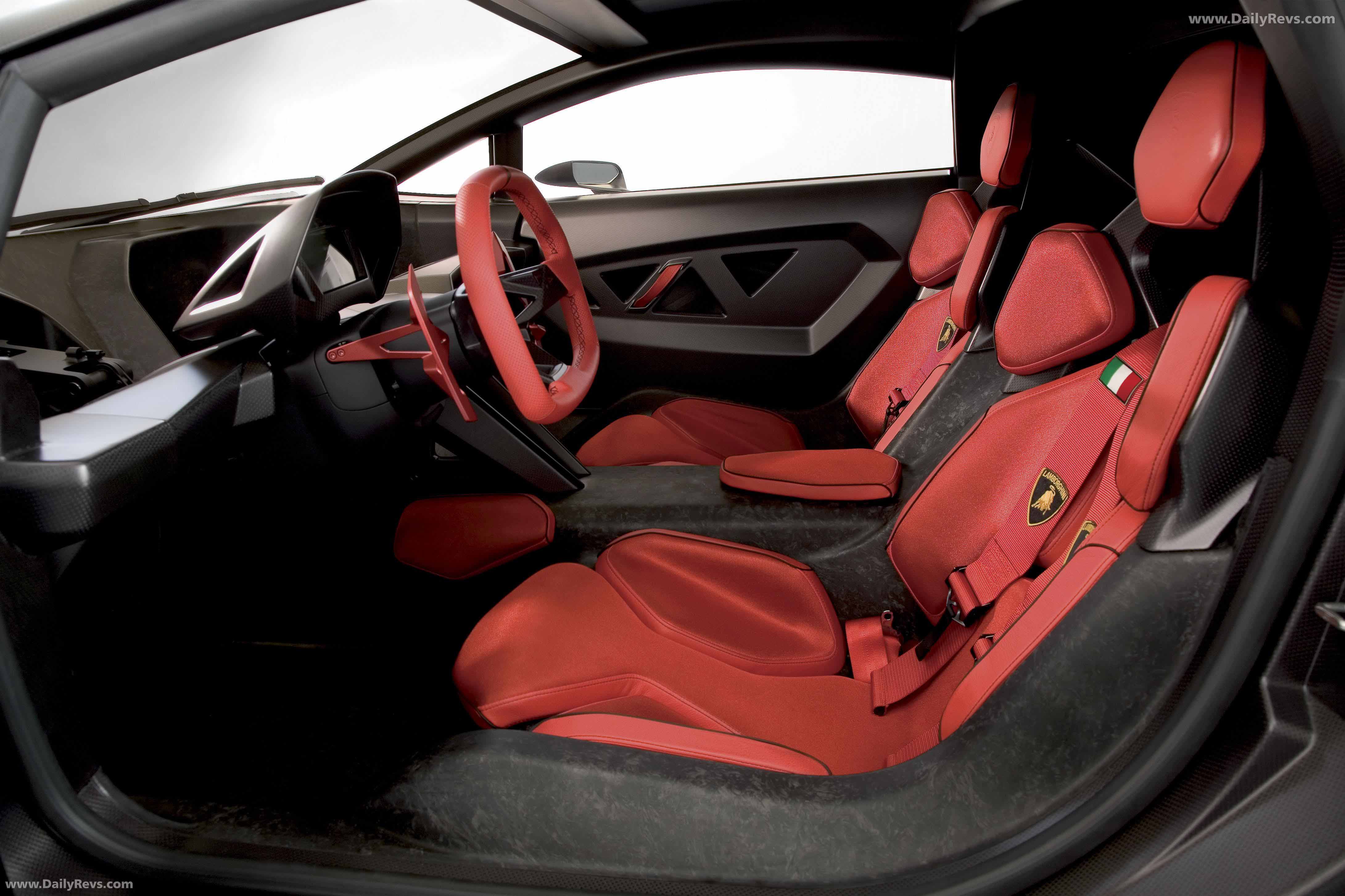
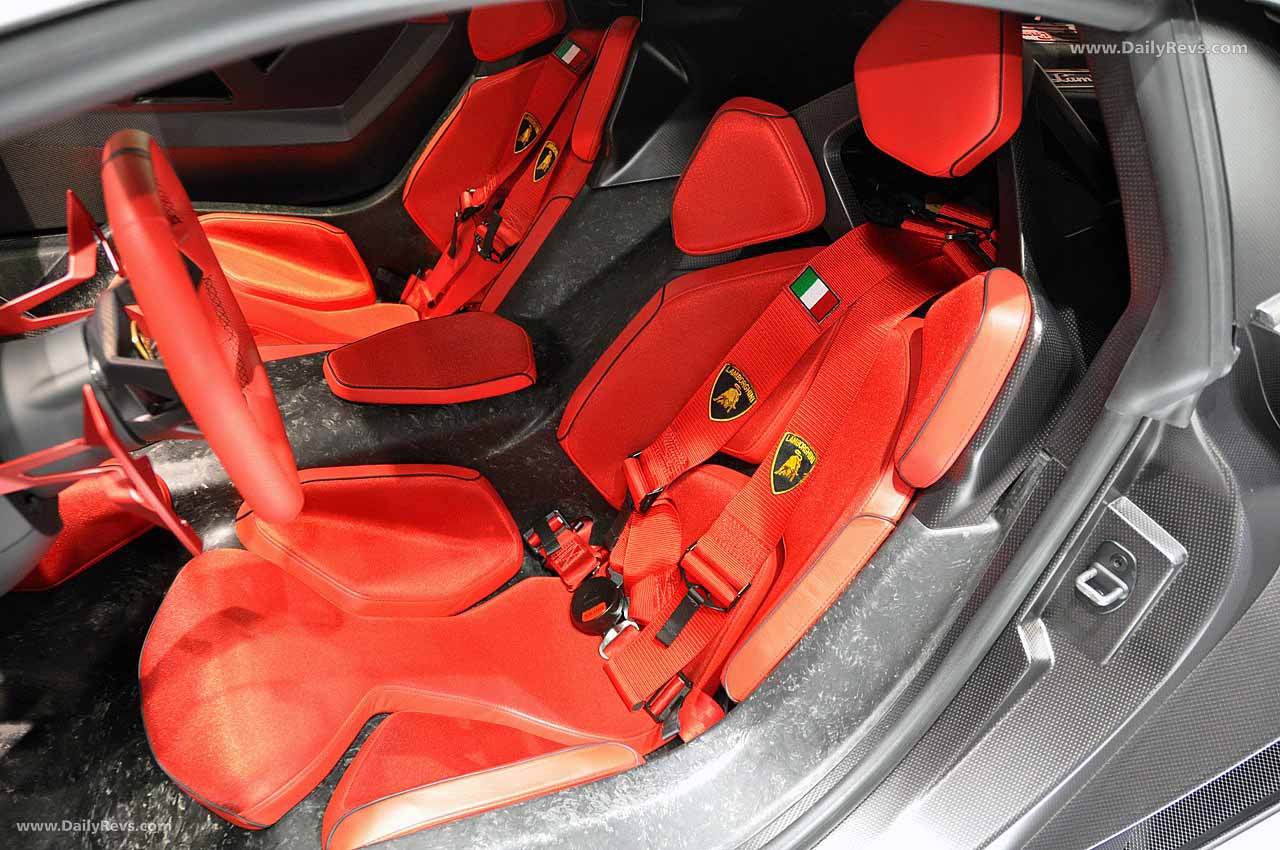
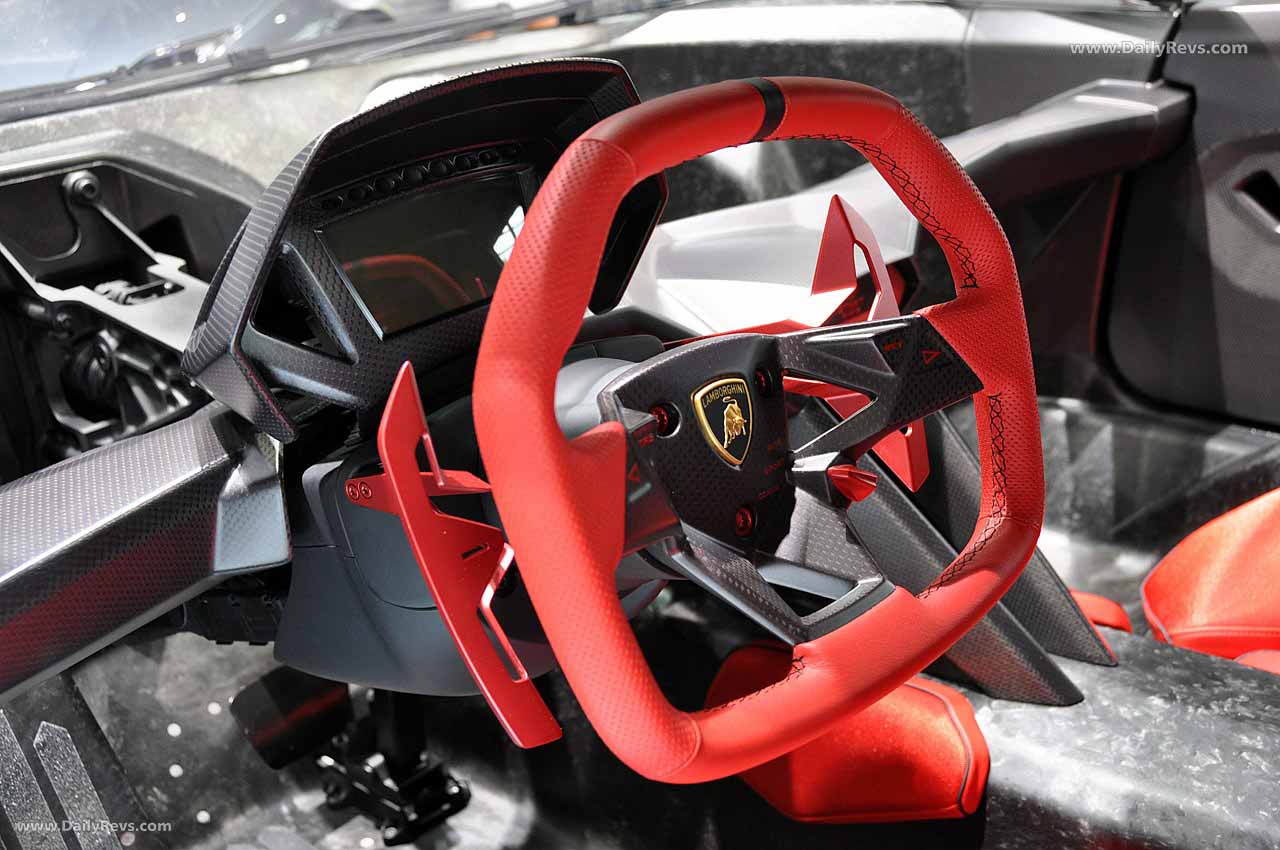
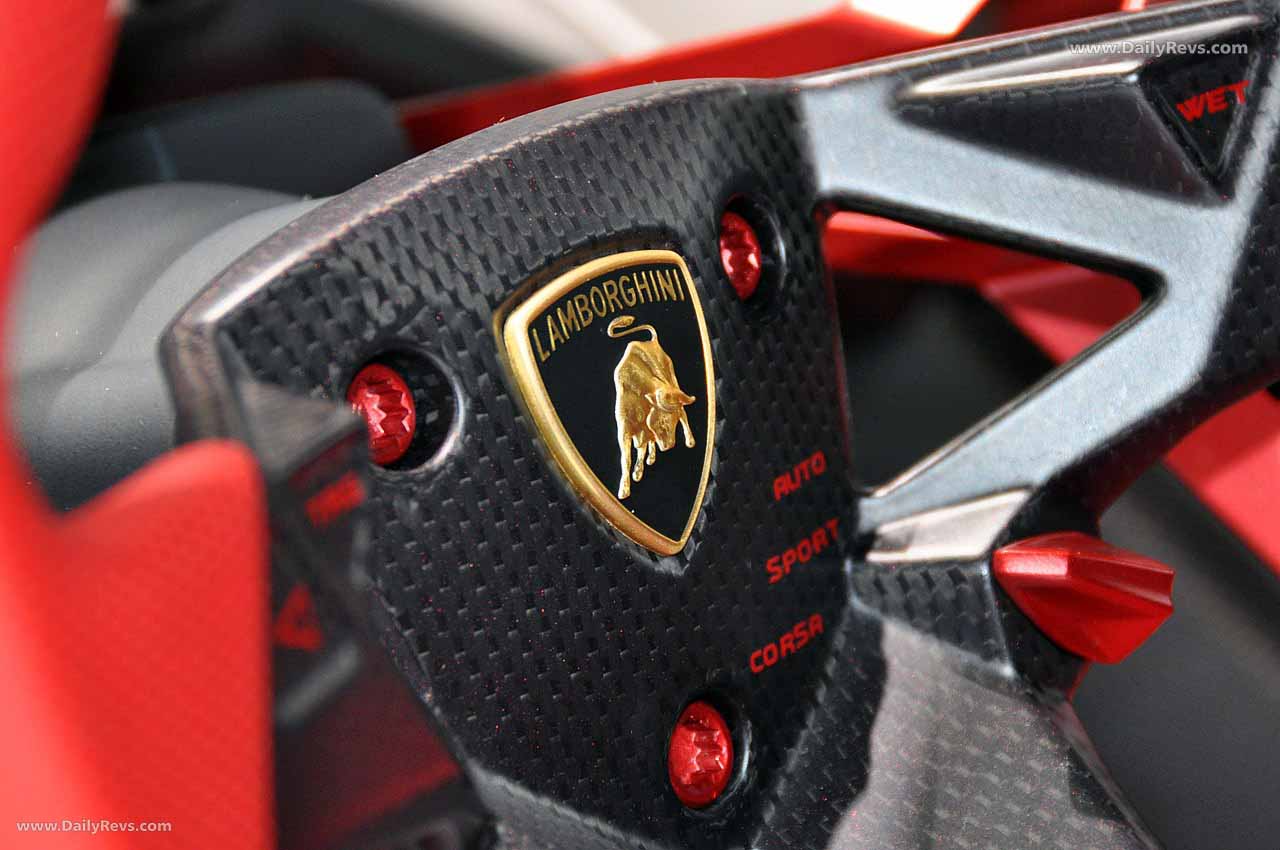
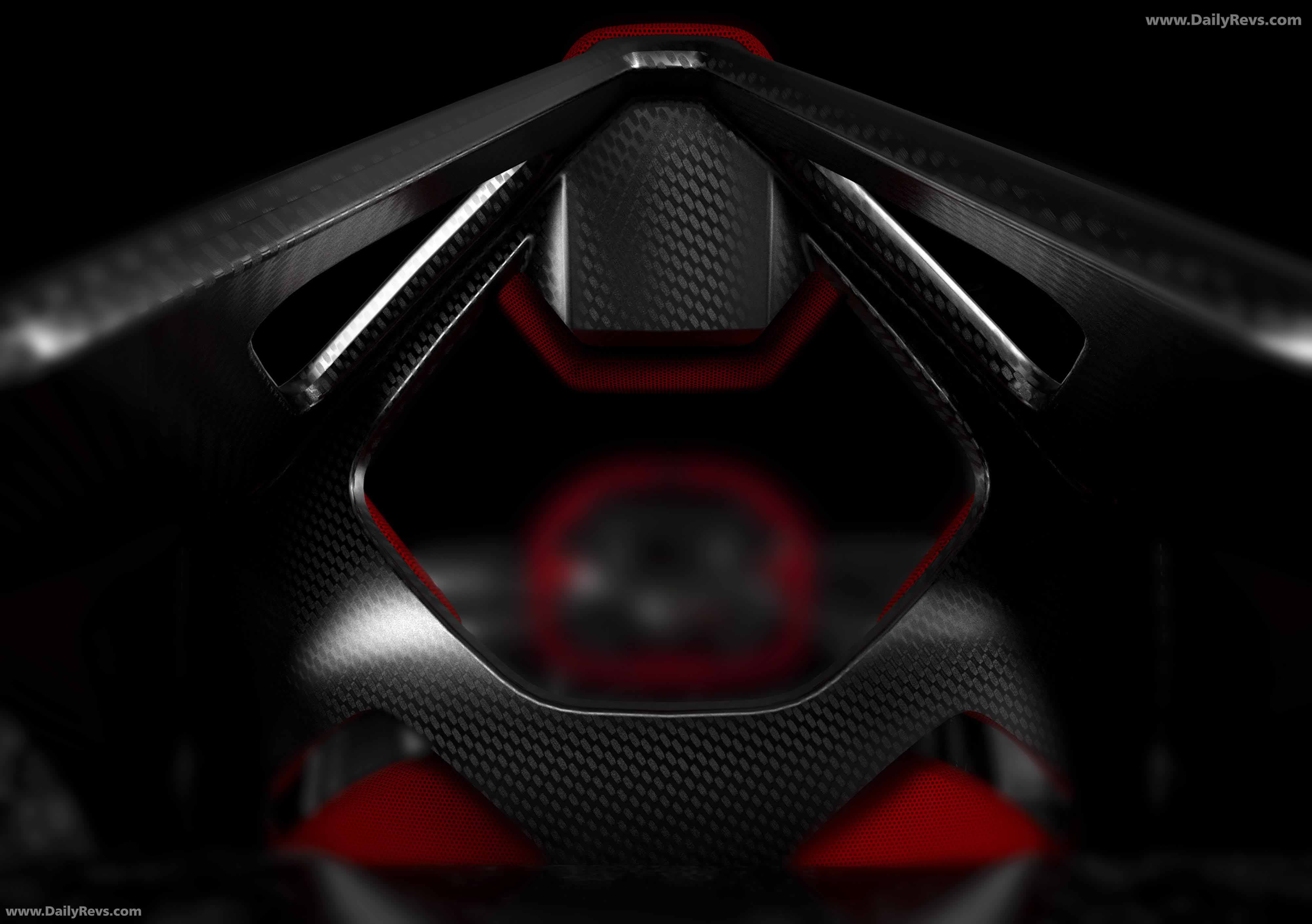
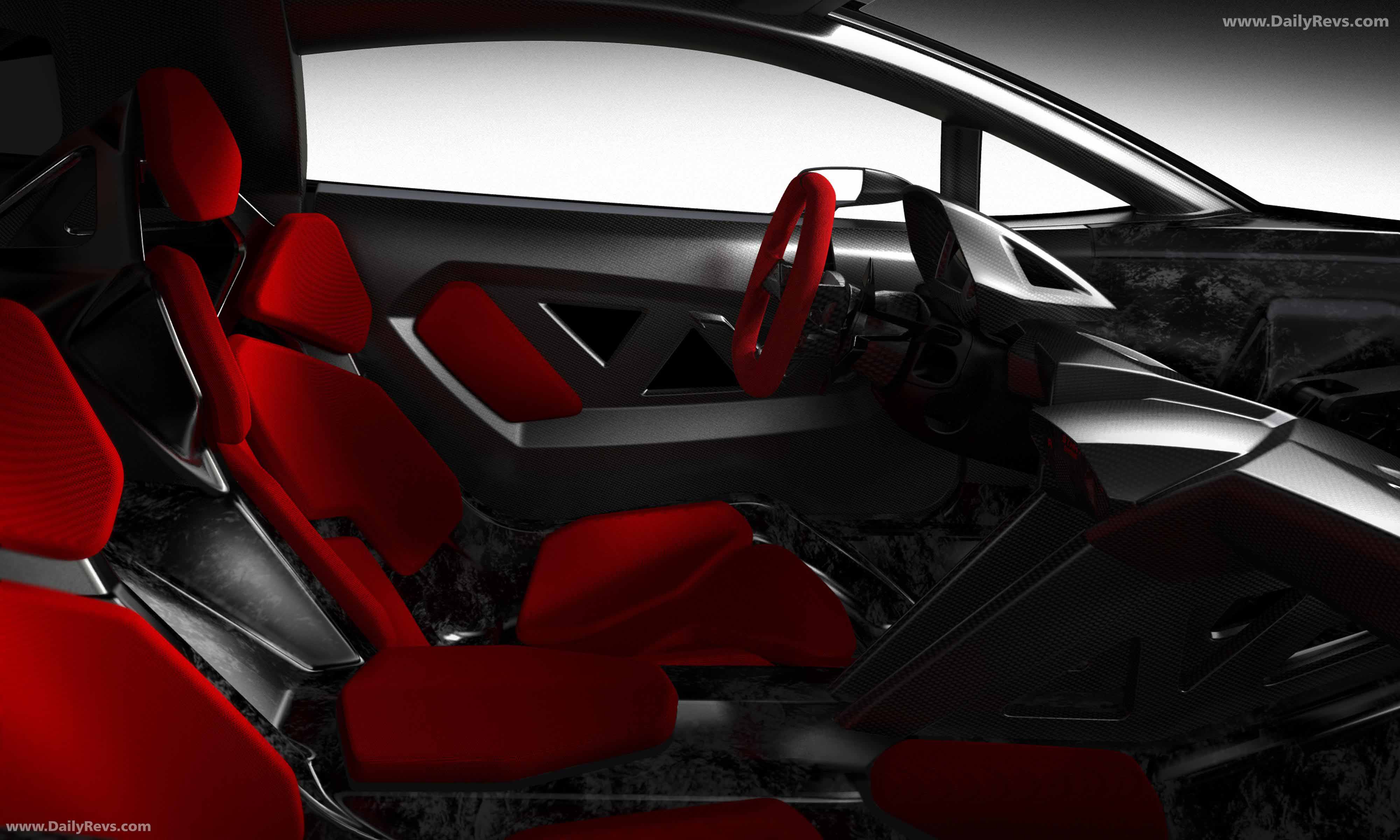
Step inside — or rather, slide into the shell — and the intent is crystal clear. The seats are molded into the carbon monocoque. There’s no infotainment, no padding, no distractions. Just bare essentials: a small display, racing-style steering wheel, and a fire extinguisher mounted in plain view.
Lamborghini wasn’t chasing comfort. They were chasing purity. That track-focused attitude gave the Sesto Elemento an edge that other hypercars of its time approached differently.
The Road Not Taken
Around 2010, the rest of the supercar world was flirting with hybridization. Porsche 918, McLaren P1, Ferrari’s experimental XX cars — all focused on electrification, top speed, Nürburgring lap times.
Lamborghini zagged. No battery packs. No torque vectoring. Just raw weight savings, loud design, and visceral power. Only 20 were built. None were street legal. That almost made them cooler — mythical, untouchable.
Legacy That Still Echoes
You can spot the Sesto Elemento’s influence in cars like the Centenario, Essenza SCV12, and even the latest Revuelto. Not just in materials, but in attitude — the carbon obsession, the aggressive wedge form, the refusal to conform.
The Lamborghini Sesto Elemento Concept wasn’t ahead of its time. It ignored time completely. Fourteen years on, it still makes modern supercars look cautious.
Technical Specification
Performance
- Power output: 570 PS (562 hp / 419 kW) at approximately 8,000 rpm
- Torque: 540 Nm (398 lb-ft) at approximately 6,500 rpm
- 0–100 km/h (0–62 mph): 2.5 seconds
- Estimated top speed: over 300 km/h (approximately 200 mph)
Body Measurements
- Wheelbase: 2,560 mm (101 in)
- Length: 4,580 mm (180.3 in)
- Width: 2,045 mm (80.5 in)
- Height: 1,135 mm (44.7 in)
- Curb weight: 999 kg (2,202 lb)
Powertrain
- Engine: 5.2-liter naturally aspirated V10 (derived from Gallardo Superleggera)
- Transmission: 6-speed e-gear automated manual
- Drive layout: Permanent all-wheel drive
Capacities & Ratios
- Fuel tank capacity: 100 liters (26.4 US gallons)
- Compression ratio: 12.5:1
Price
- Original estimated price: approximately $2.92 million (USD) at launch
- Reported resale values: ranged between $2.2 million and $2.9 million
- Some private sales have reportedly reached up to $6.5 million