
2009 Porsche Cayenne GTS Sonderwunsch
By Lorenzo Bianchi December 1, 2009
Fully rebuilt and re-commissioned by Porsche’s Sonderwunsch Factory Re-Commission program.
Based on a 2009 Cayenne GTS with roughly 50,000 miles, transformed into a unique 1970s-inspired desert vehicle.
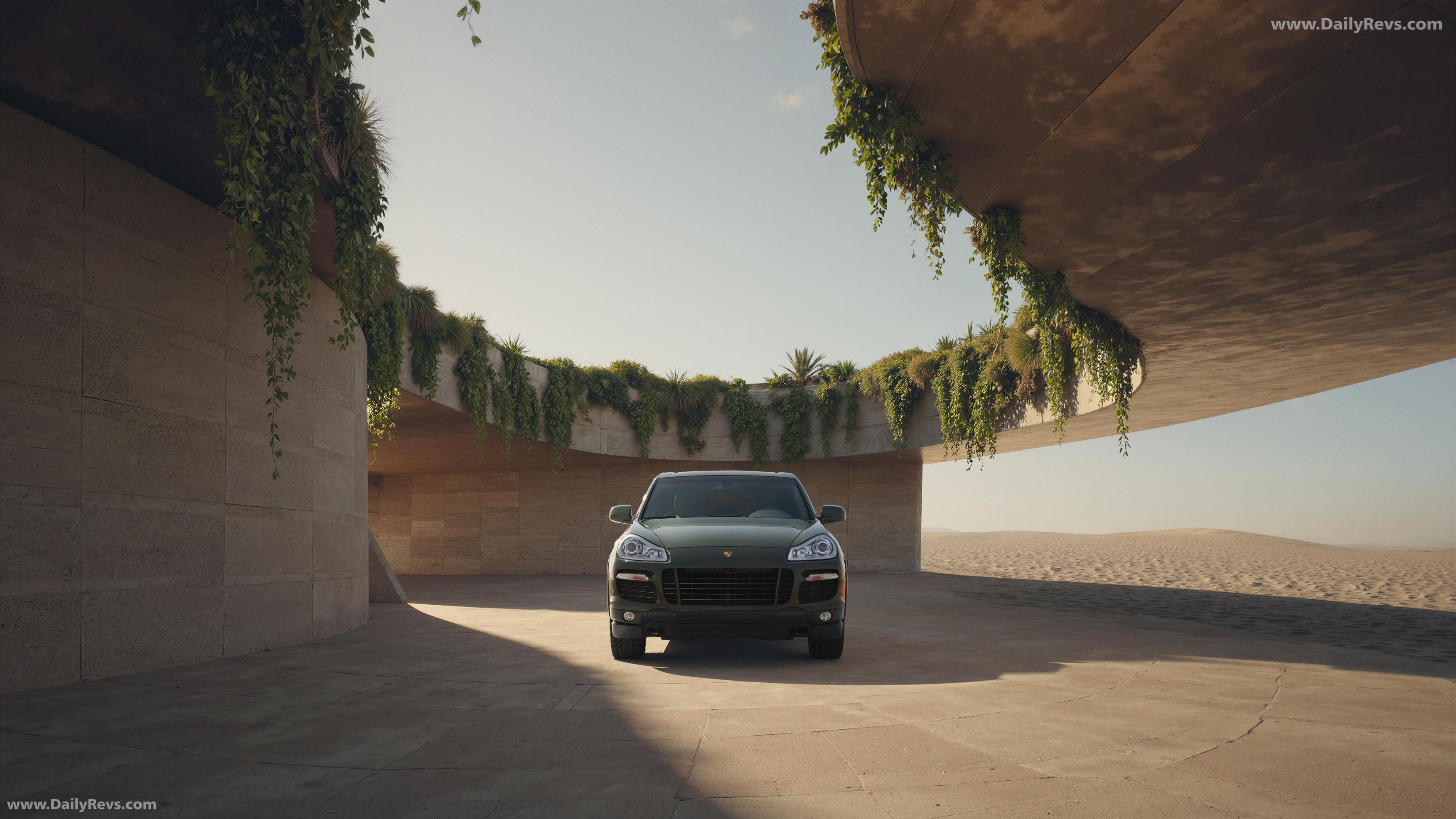
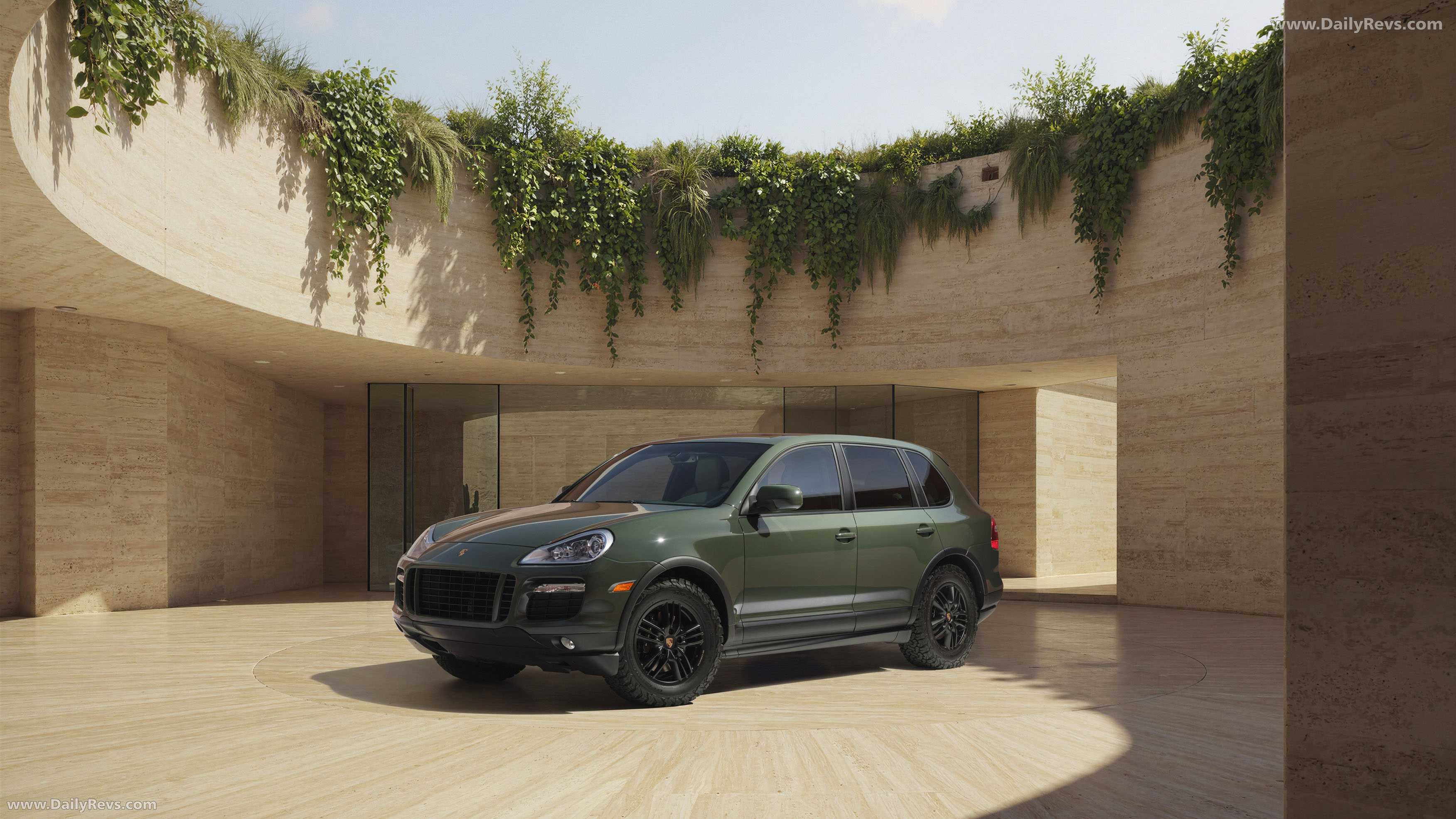
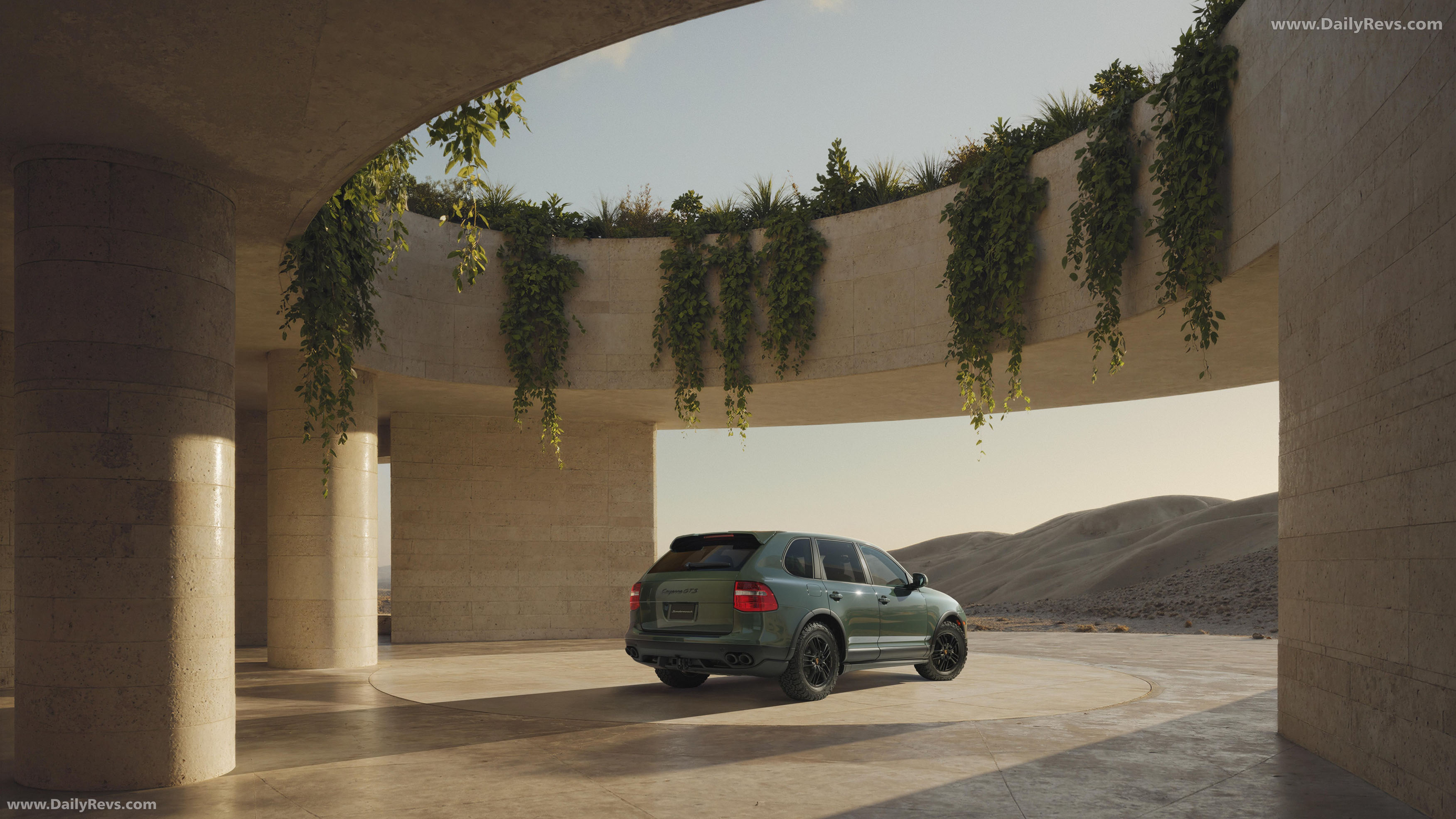
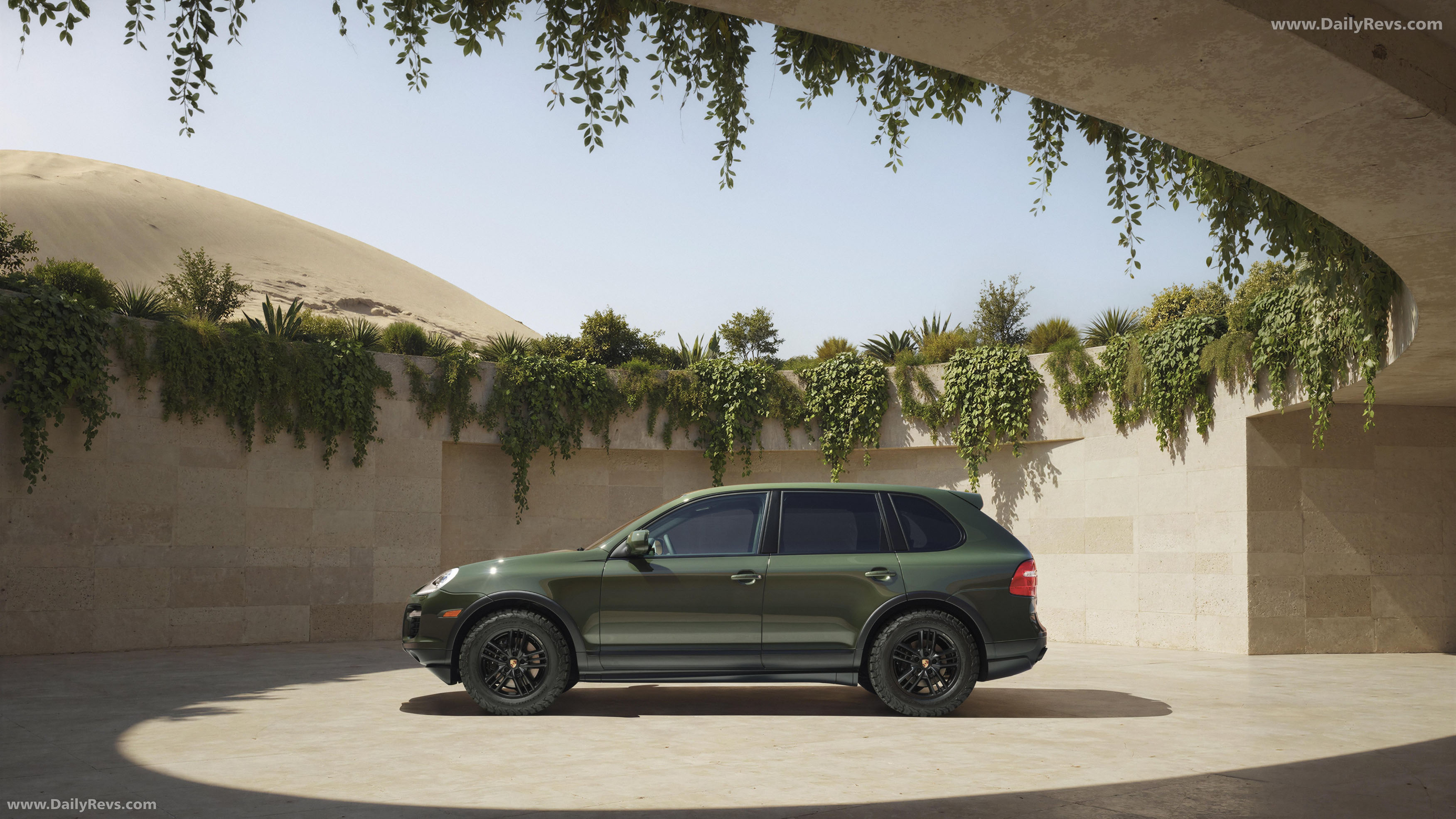
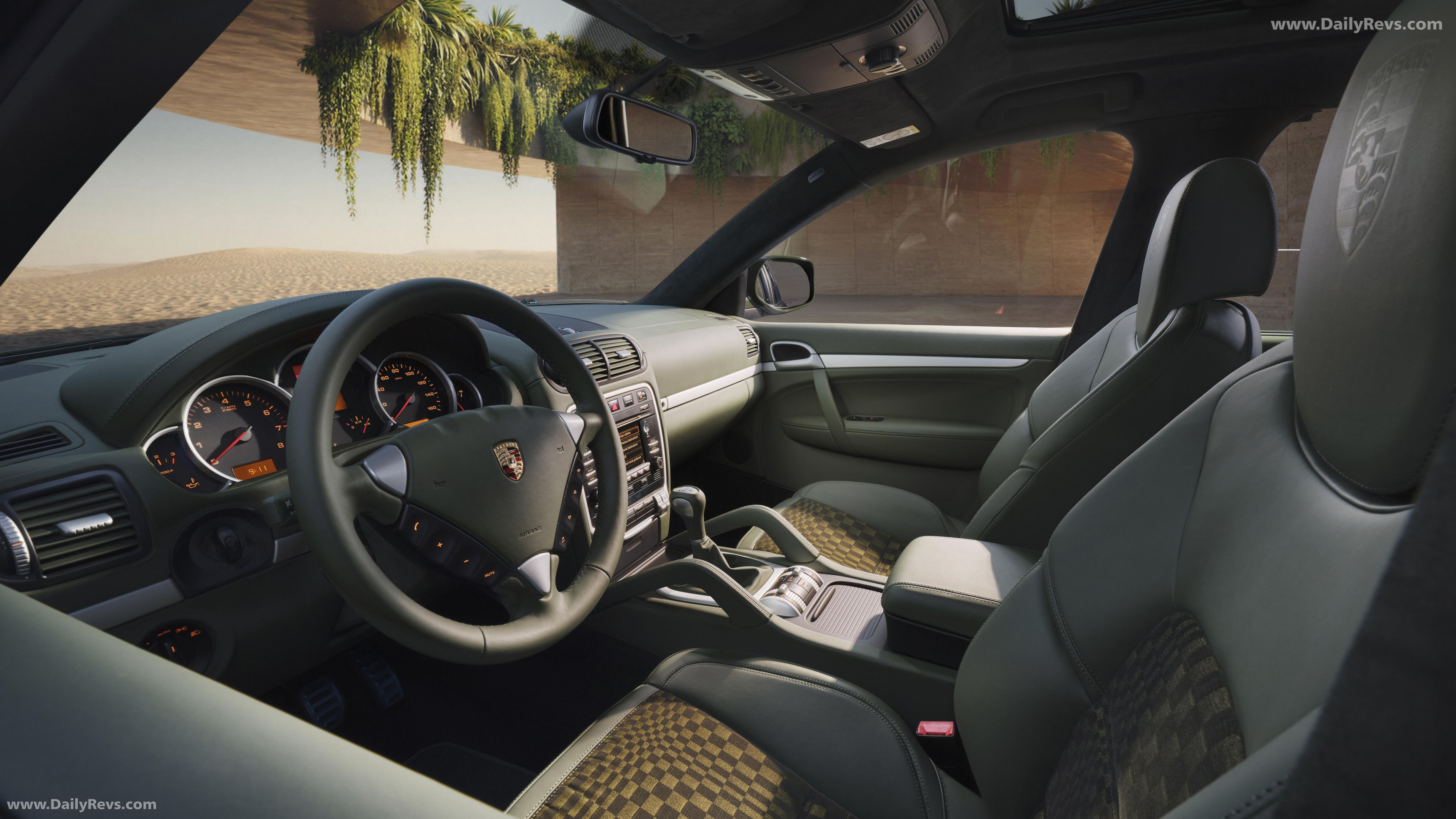
Features Paint-to-Sample Blackolive exterior, coarse off-road tyres, and Pasha black/olive interior leather and fabric.
Design and Proportions of the Vehicle
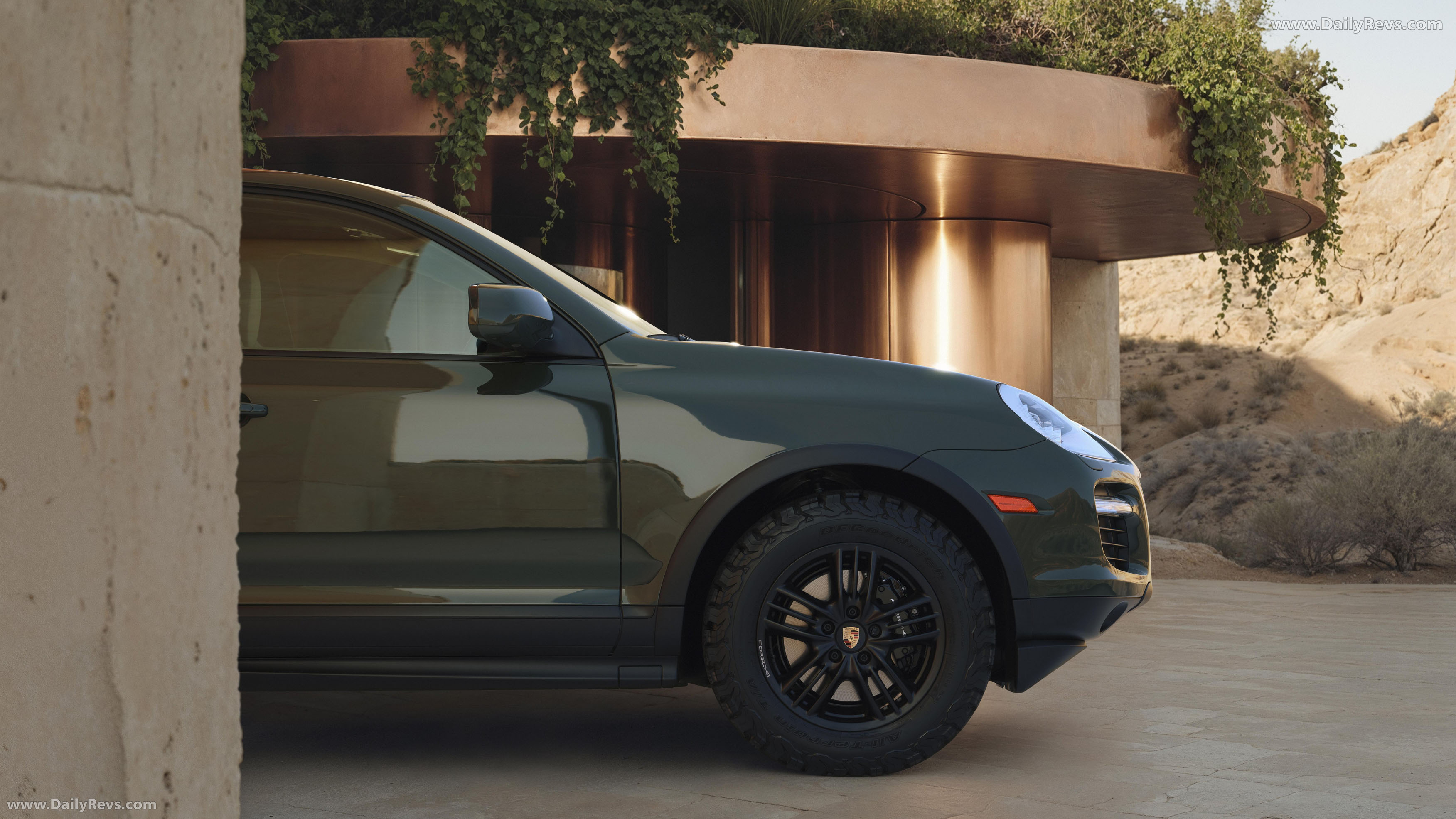
The Sonderwunsch Cayenne project takes the first-generation GTS and rebuilds it from the ground up, treating the 2009 SUV as if it were being manufactured again. Page one of the press release shows the vehicle staged under warm desert light, emphasising its smooth surfacing and the deep green Blackolive Paint-to-Sample finish selected by the client.
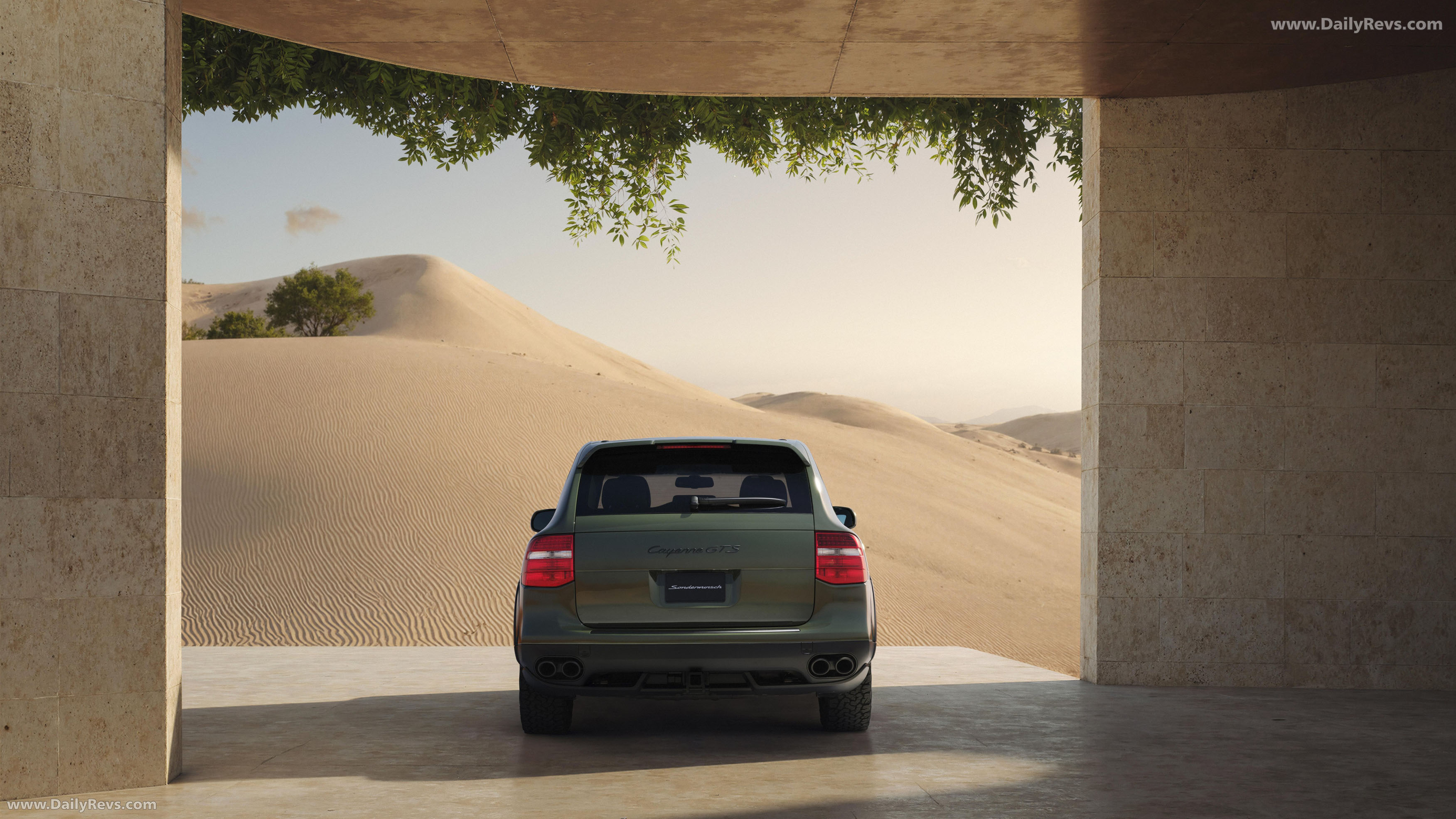
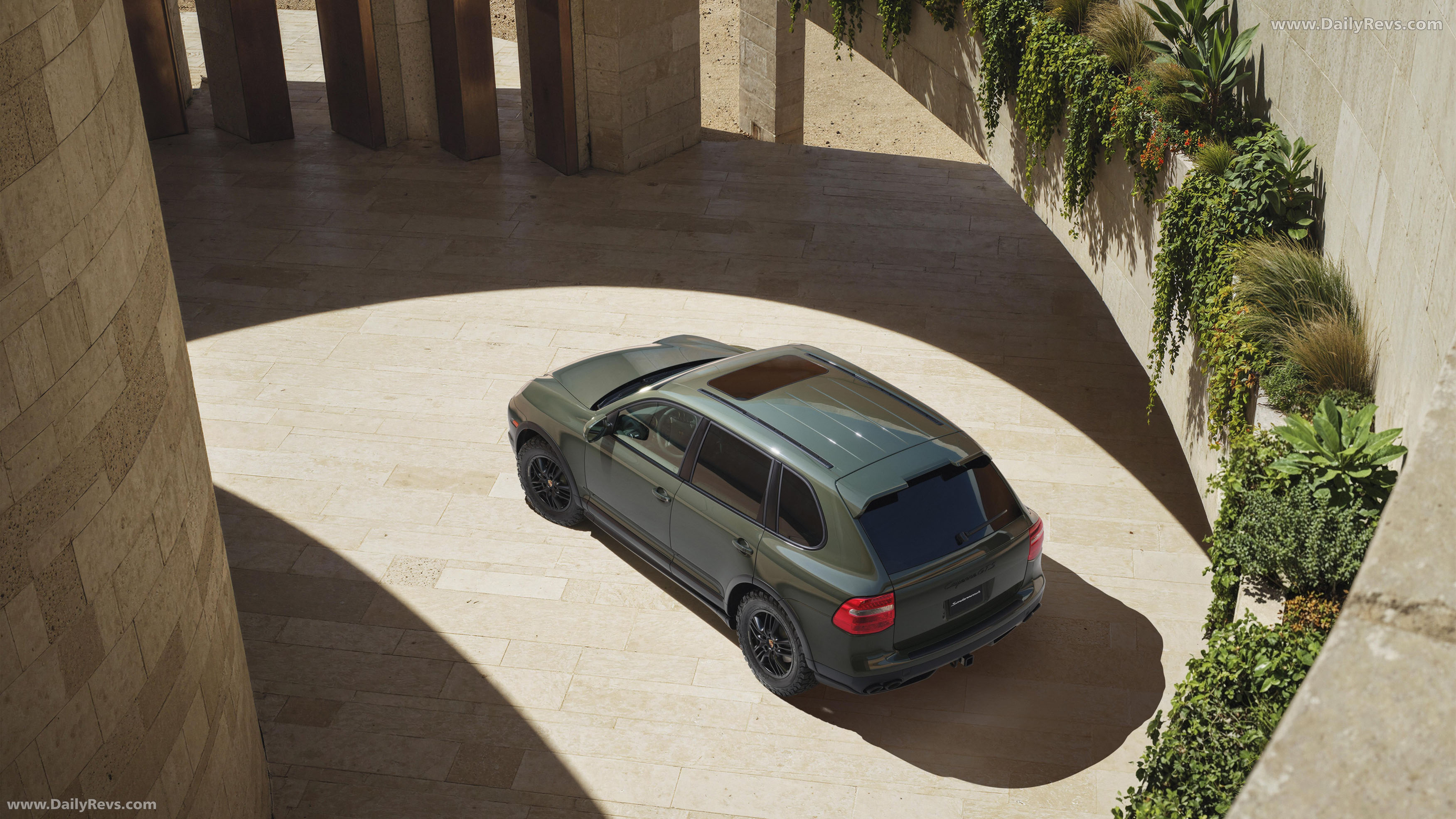
The body sits slightly more purposeful than a standard GTS thanks to coarse off-road tyres and a matt-black lower body section. The matt-black wheels echo the same treatment, tying together the off-road stance while maintaining a clean overall silhouette.
The vehicle retains the proportions of the original E1 Cayenne—wide haunches, long roofline, solid pillars—but the re-commission transforms these familiar forms into something markedly more expressive. According to Porsche, this was the first time a first-generation Cayenne had been rebuilt and thoroughly individualised under Factory Re-Commission, normally reserved for classics like the Carrera GT.
Performance and Powertrain Overview
The press release does not specify performance modifications beyond the retrofitted towbar and off-road tyres, so all performance details remain [Unverified]. What is clear is that the underlying 2009 Cayenne GTS donor vehicle had covered around 50,000 miles before the transformation, reflecting a well-used but healthy starting point for a full factory rebuild.
The added towbar uses a U.S.-style square-mount “receiver system,” chosen specifically to support an Airstream caravan for a planned journey across the Rub al-Khali desert.
Key Features and Interior Impression
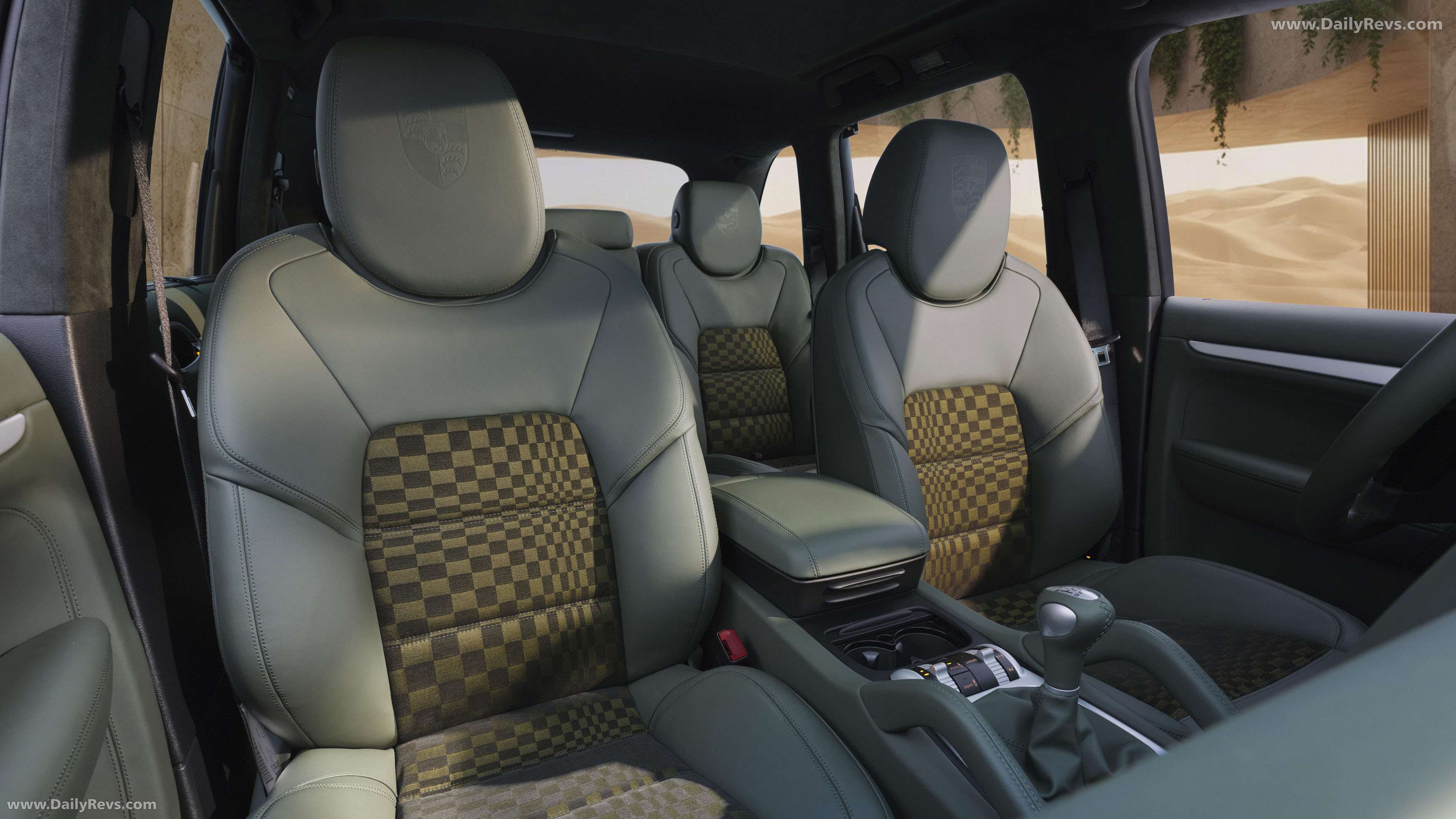
Inside, the Sonderwunsch team pushed the retro brief further. The cabin presents a striking combination of English-green Leather-to-Sample upholstery and the iconic Porsche Pasha pattern in black/olive. The Pasha fabric covers seat centres and even the inside of the glove compartment, re-creating the dynamic 1970s graphic made of staggered rectangles.
Light-brushed aluminium trim strips span the dashboard and the door panels, forming a subtle contrast to the darker tones. Door handles and their frames receive the same finish, adding a clean metallic layer to the largely green-and-olive interior.
The overall execution is consistent with the Factory Re-Commission approach: complete re-selection of materials, colours and finishes, supported by technical restoration where needed. Porsche notes that older donor cars often require repair work before customisation can begin—a natural part of a project on a 16-year-old vehicle.
Market Positioning and Segment Context
This Sonderwunsch Cayenne is presented as a one-off commission for collector Phillip Sarofim, whose brief centred on recreating the 1970s aesthetic of Porsche’s “911 Spirit 70.” The project underscores Porsche’s willingness to take youngtimers seriously; the first-generation Cayenne (E1, 2002–2010) has matured into a collectible with its own fan base.
Positioned within the expanding Sonderwunsch ecosystem, the GTS project highlights how deeply the Factory Re-Commission program can reshape a customer’s existing car. Rather than offering bolt-on options, the service focuses on whole-vehicle concepts—colour, trim, restoration, and function—tailored around each owner’s ideas.
The result is a Cayenne rebuilt not as a product of its era but as a tribute to multiple eras at once: the early SUV lineage Porsche helped establish, and the bold interior patterns and colours that shaped the brand’s design history.