2004 Ford Shelby Cobra Concept
By Lorenzo Bianchi June 5, 2004
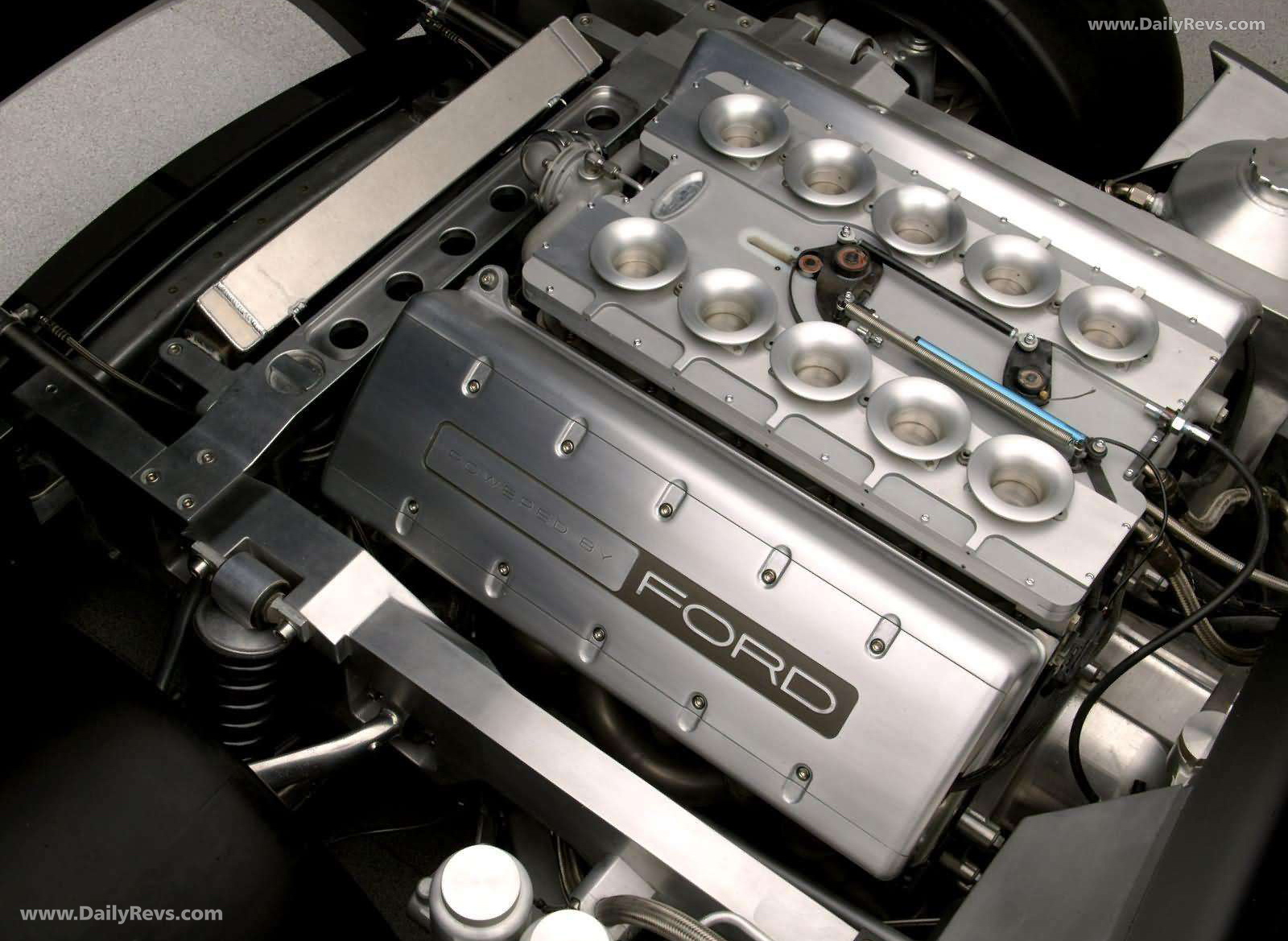
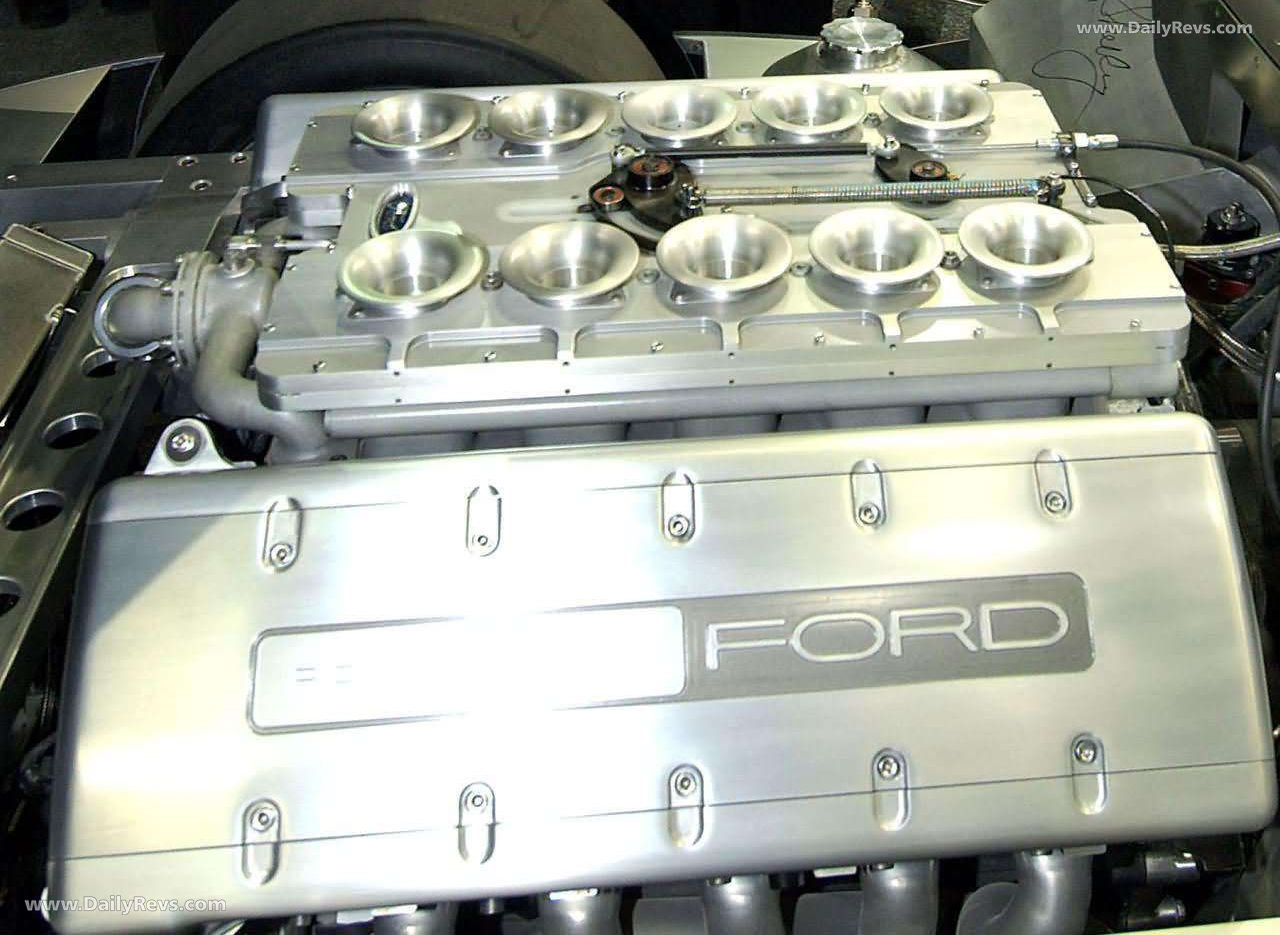
Powered by a naturally aspirated 6.4-liter V10 producing 605 horsepower.
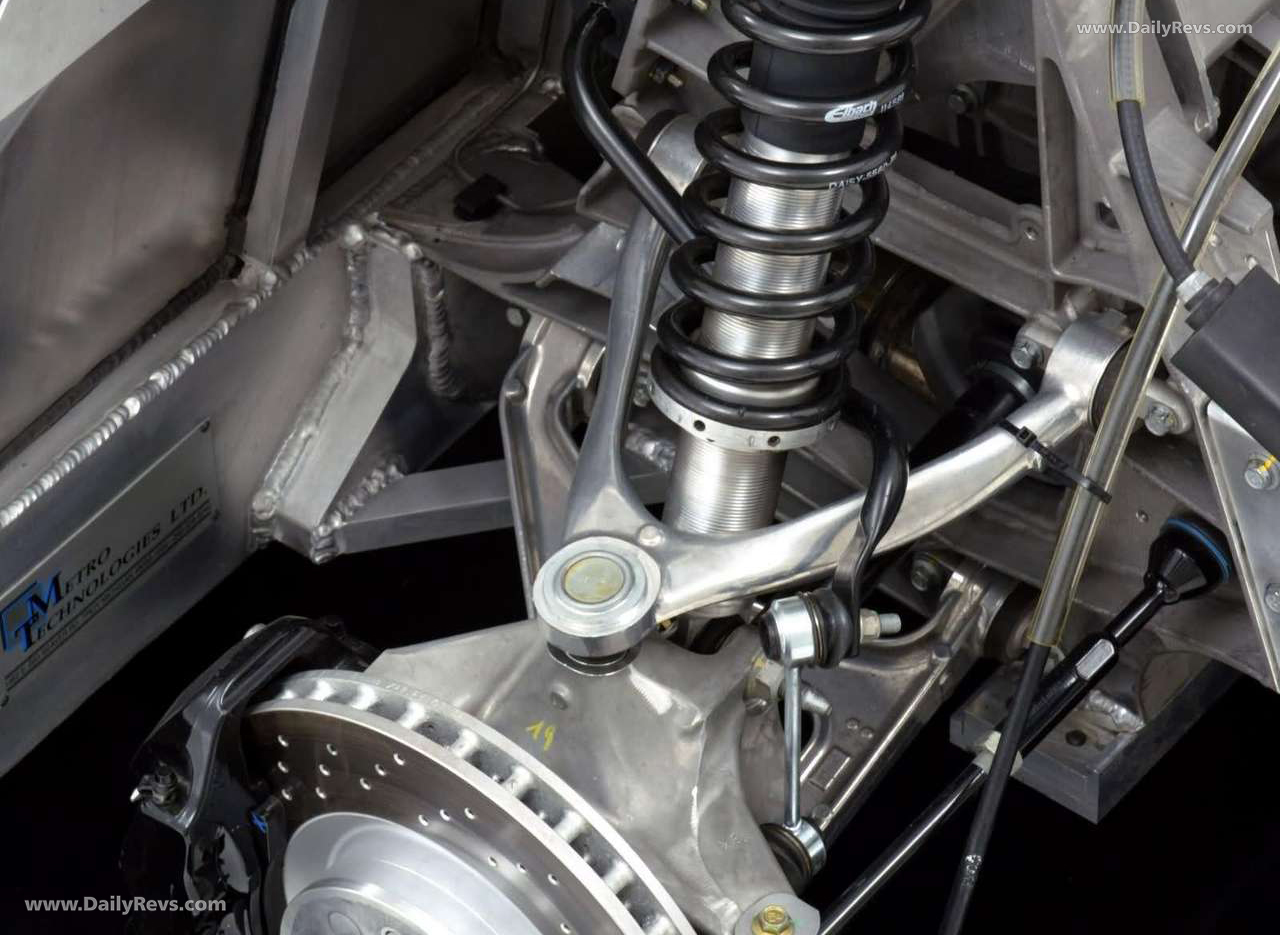
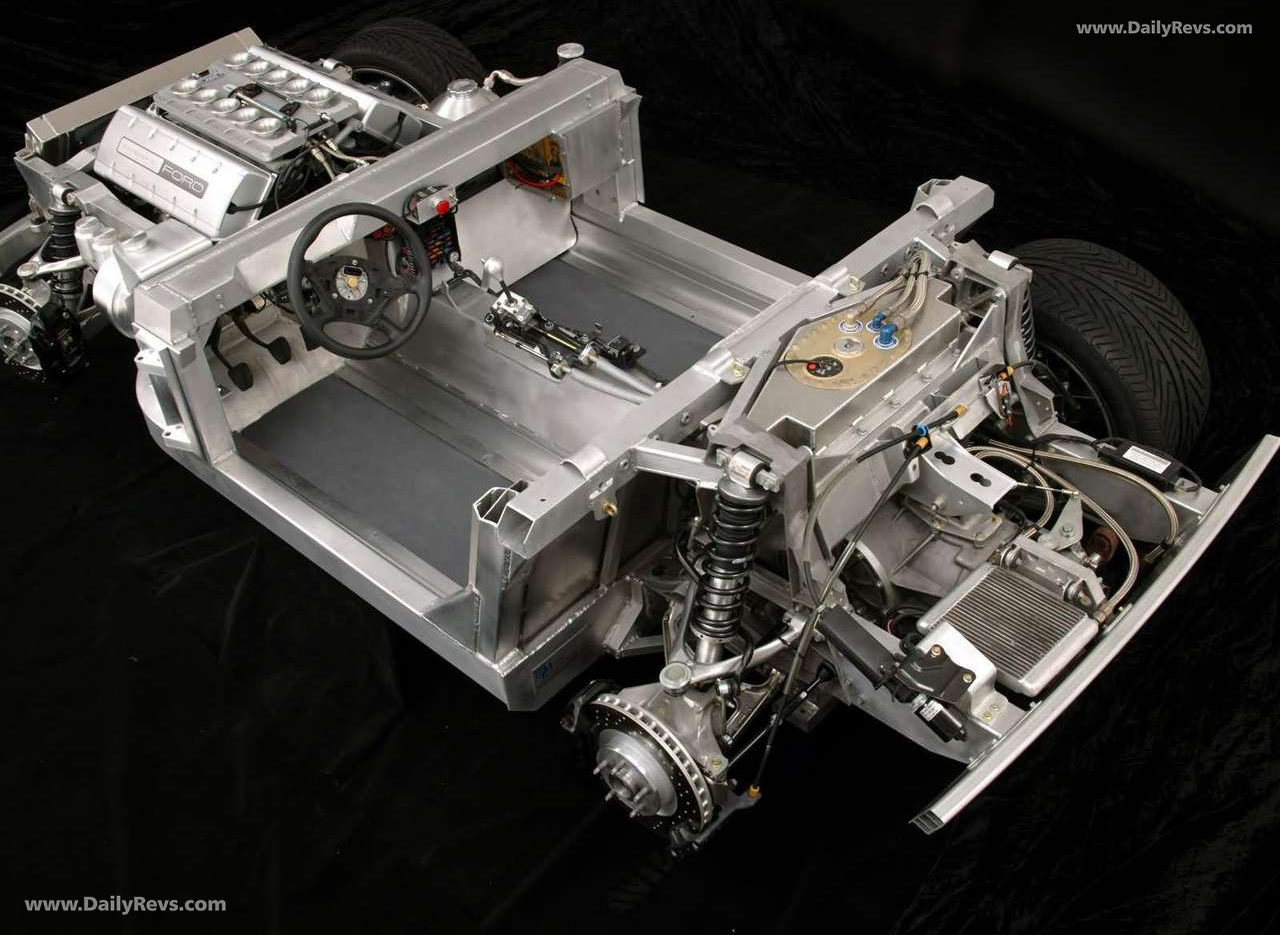
Used a modified Ford GT aluminum chassis with rear transaxle layout.
Combined classic Cobra styling cues with a modern performance-focused design.
A Modern Cobra With Familiar Roots
The 2004 Ford Shelby Cobra Concept arrived during a period when Ford was celebrating some of its most recognizable performance names. Fresh off the excitement surrounding the Ford GT and the reborn Mustang, the company revealed a roadster that looked back to Carroll Shelby's legendary Cobra while taking a very different technical approach.
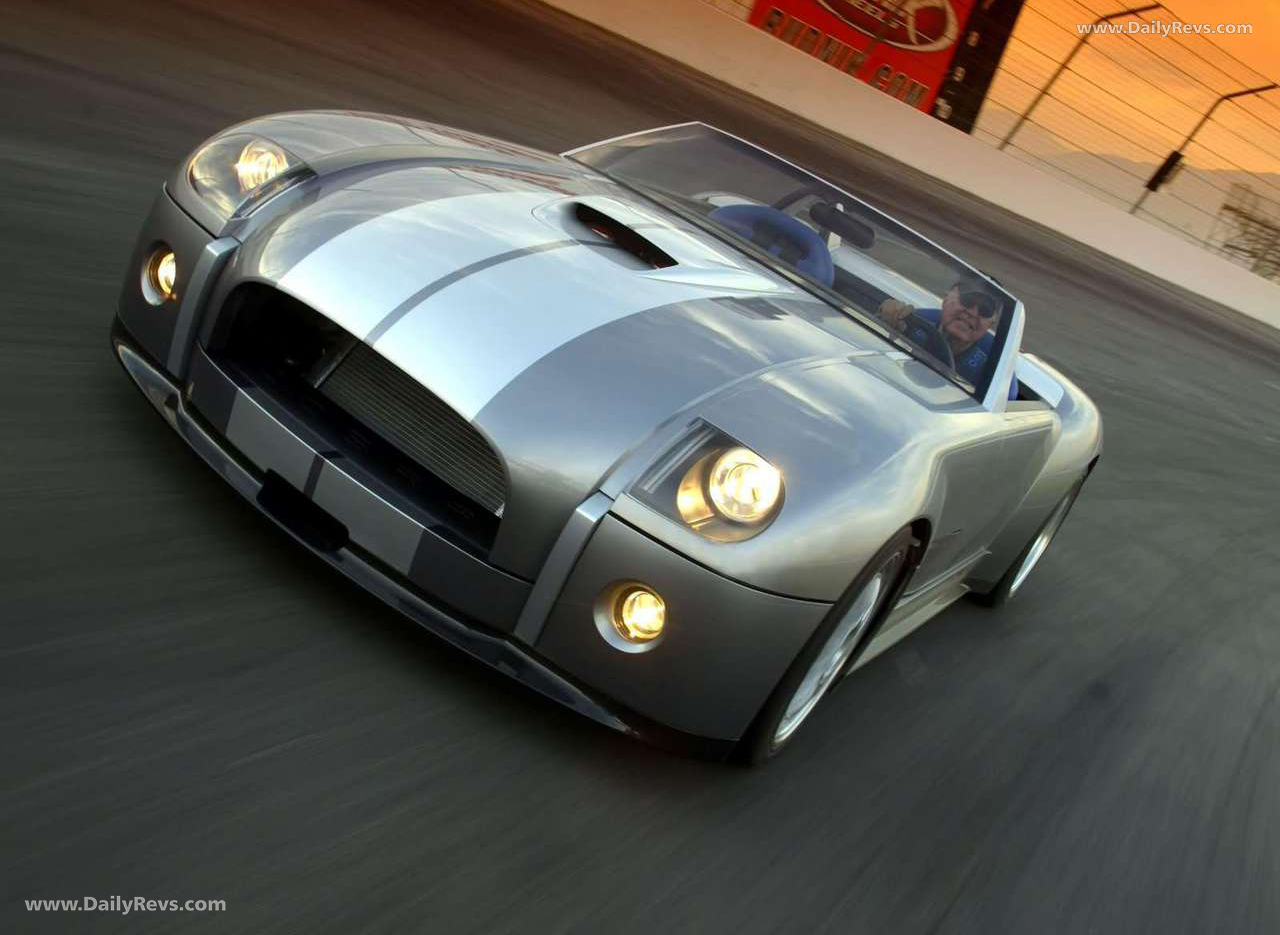
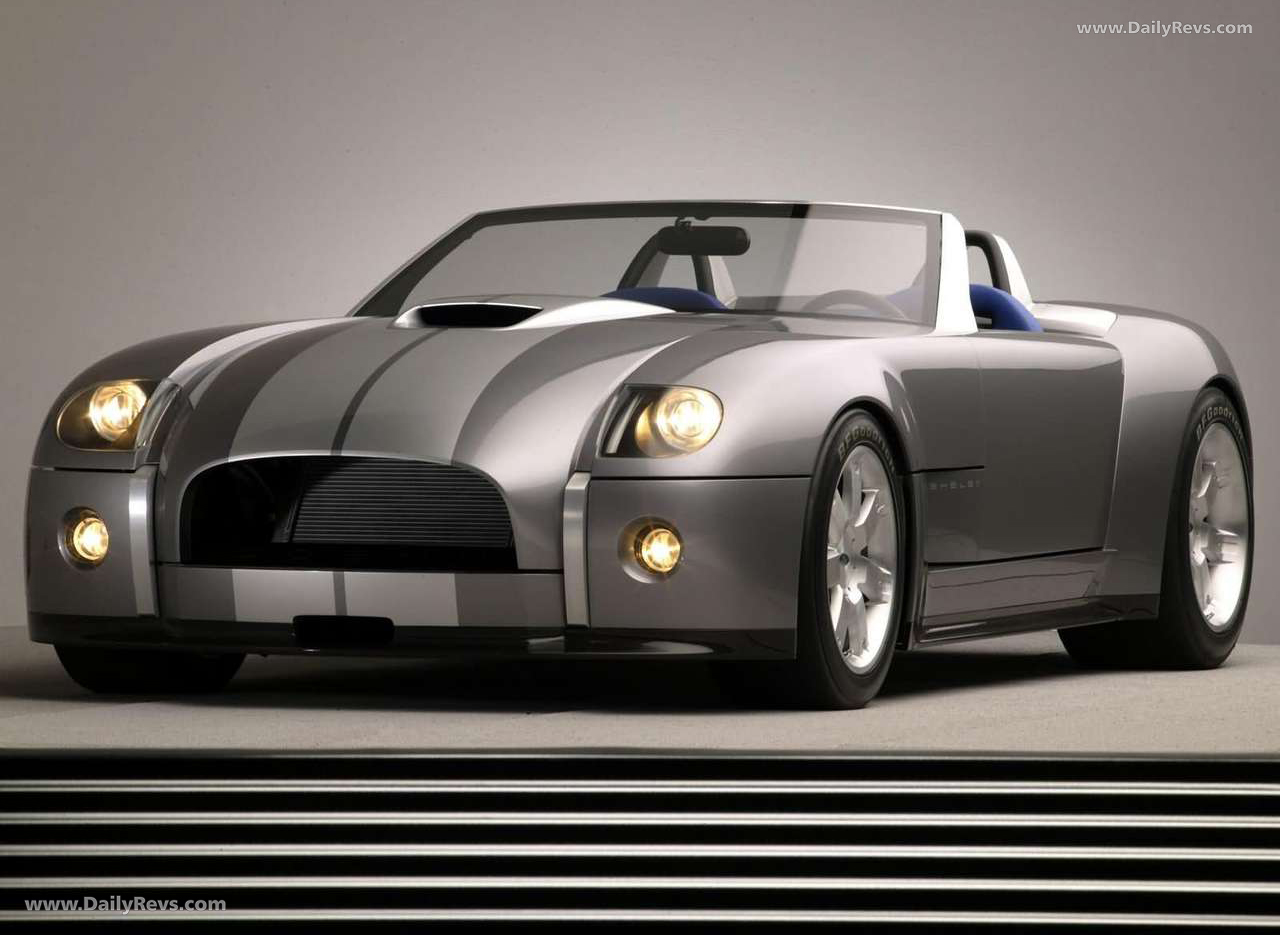
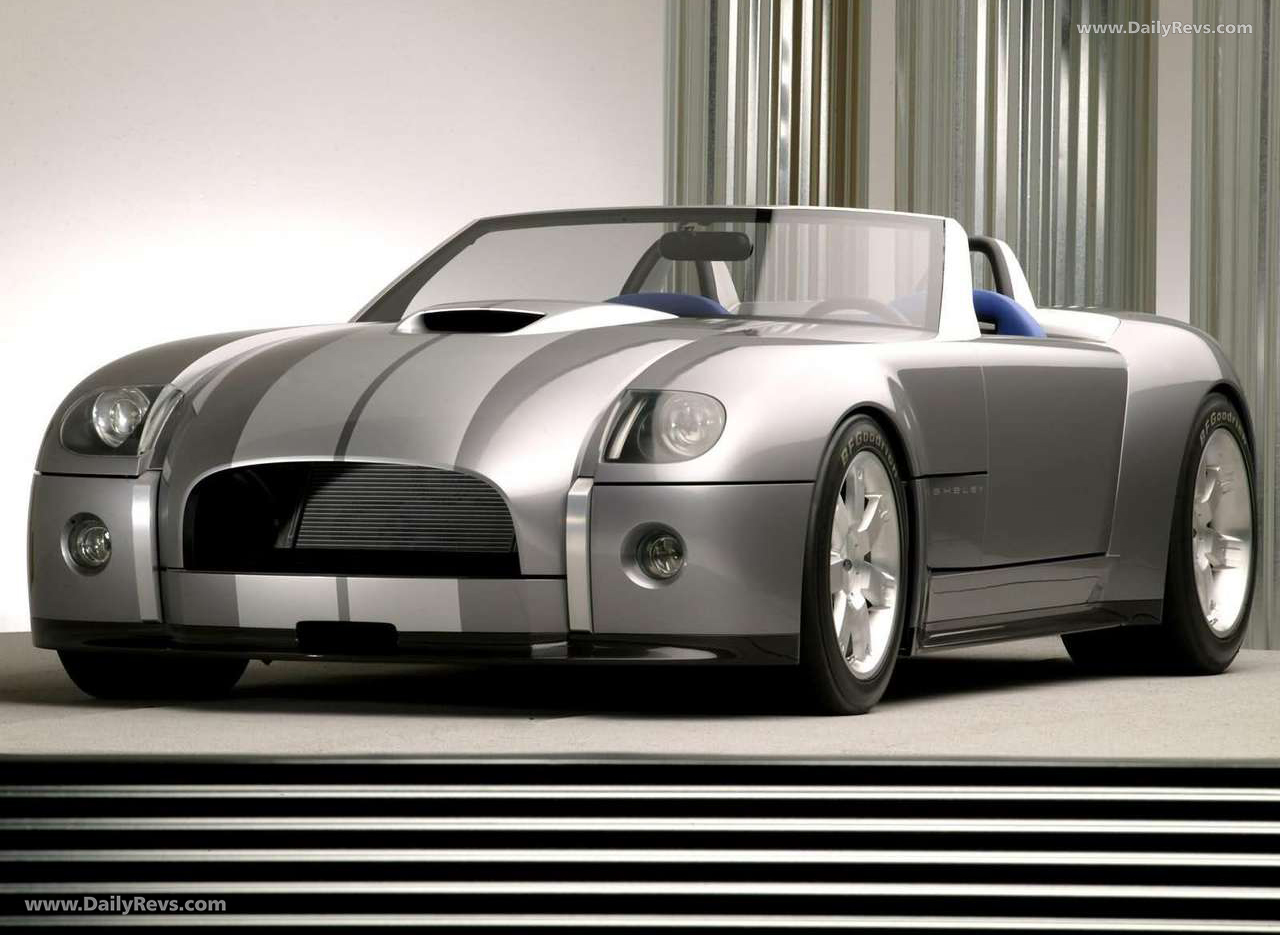
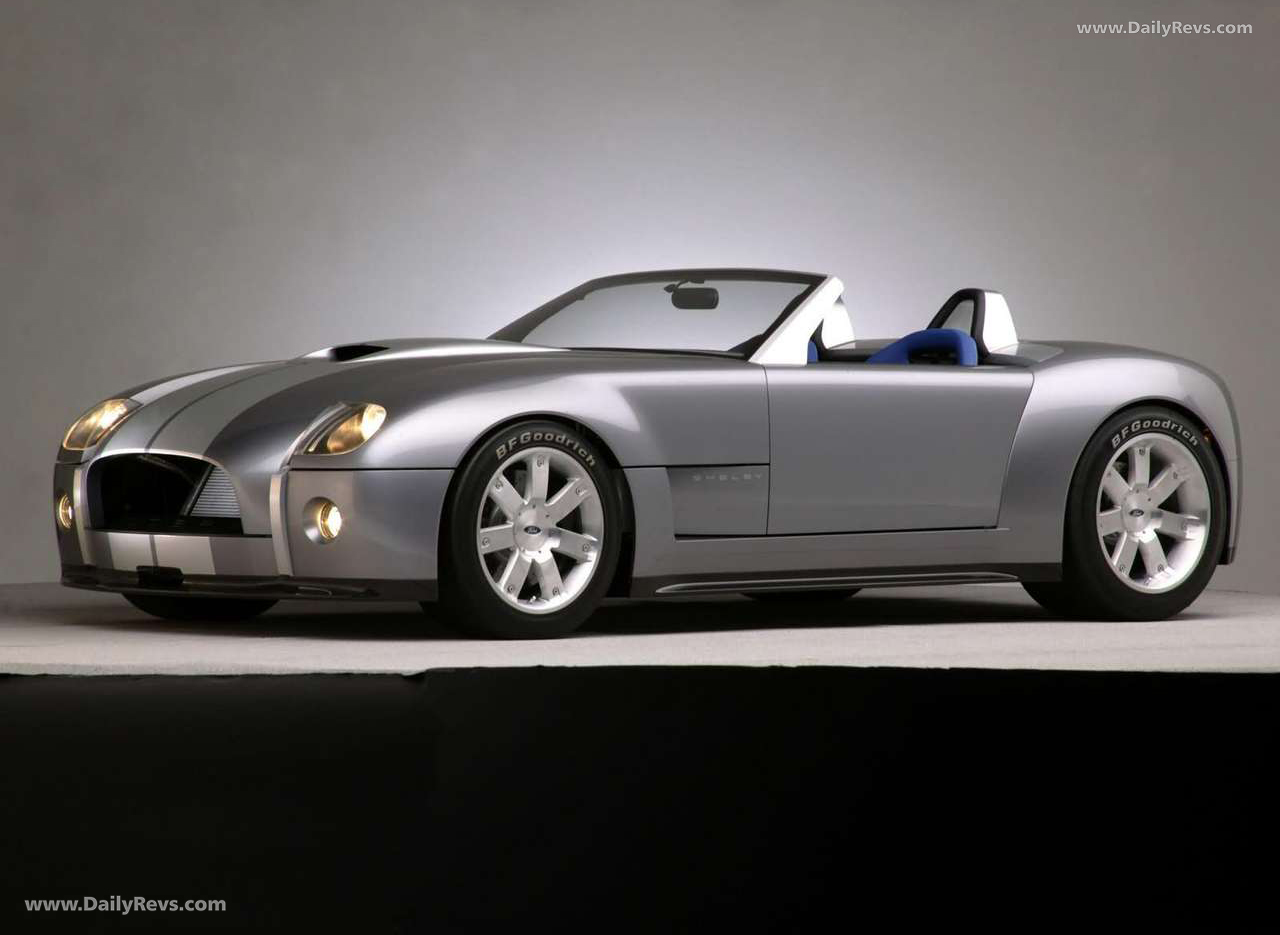
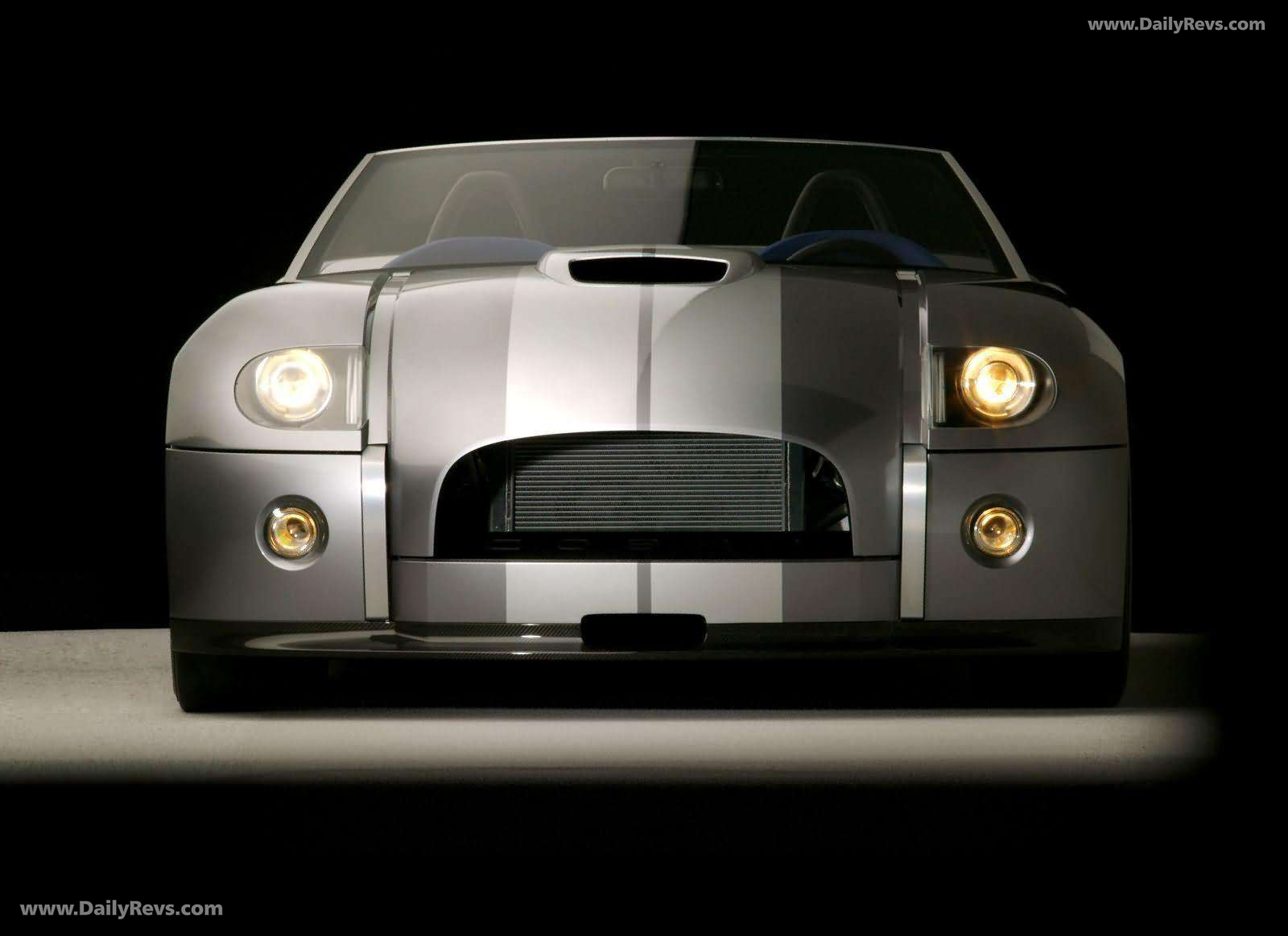
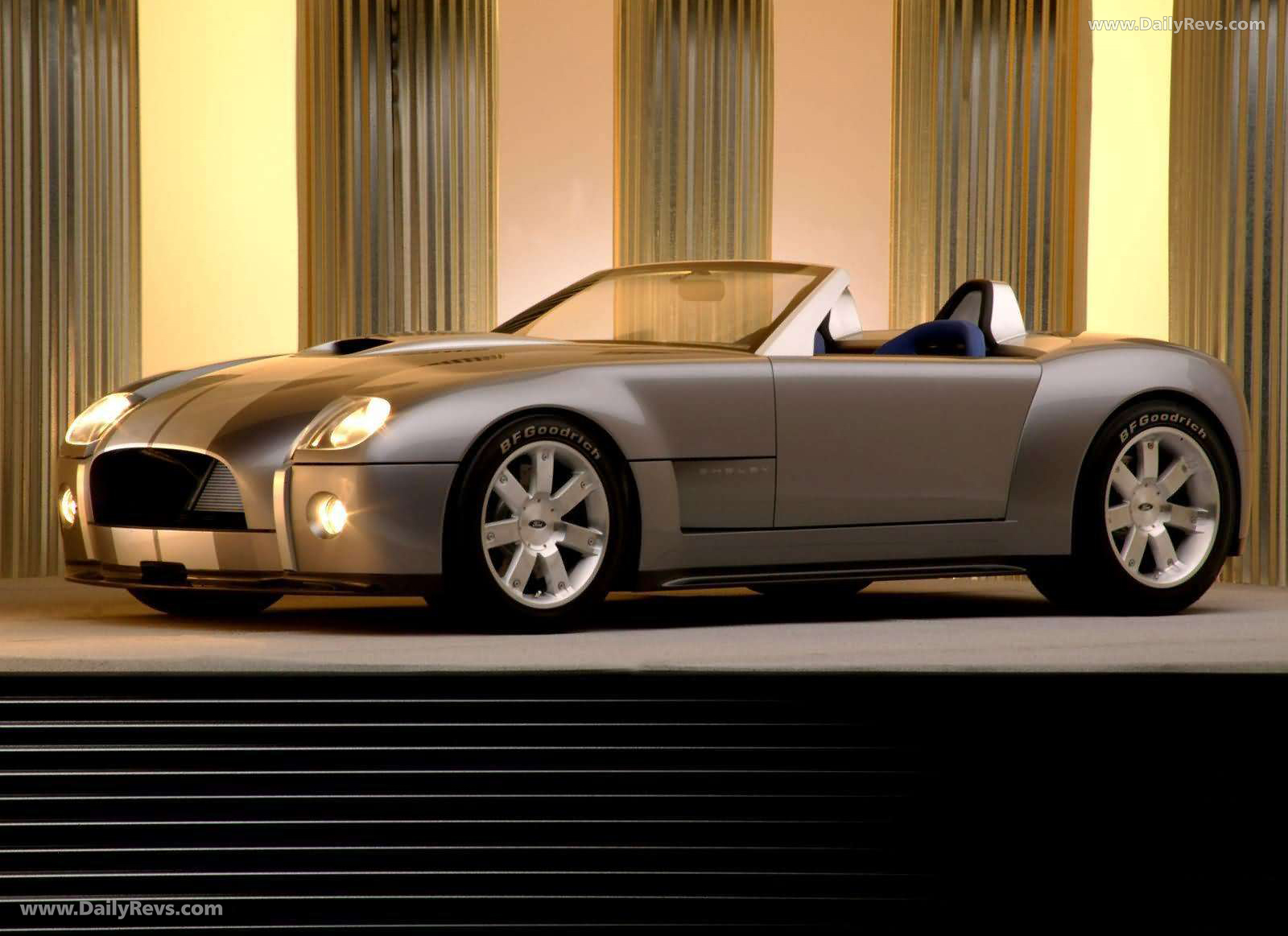
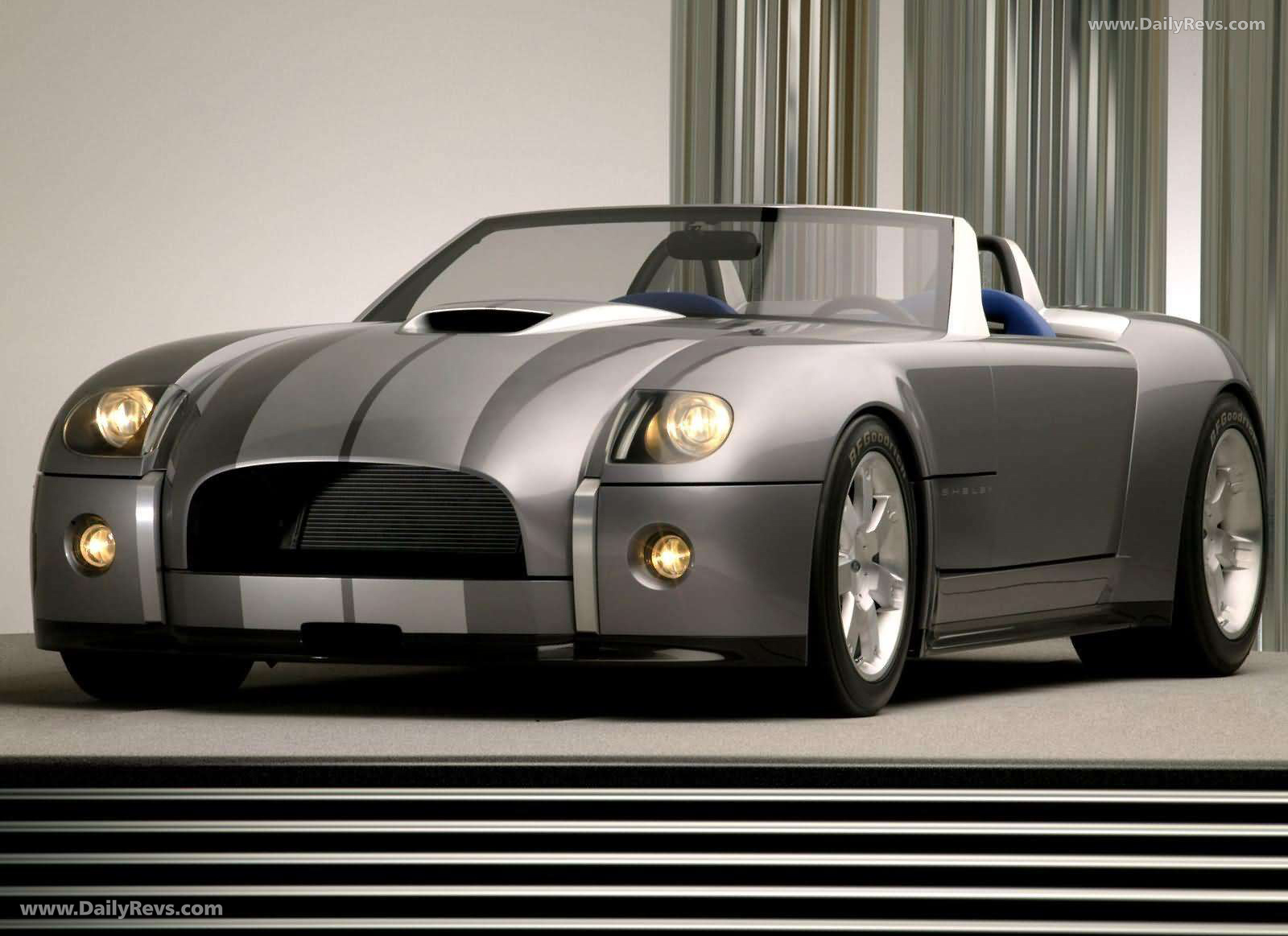
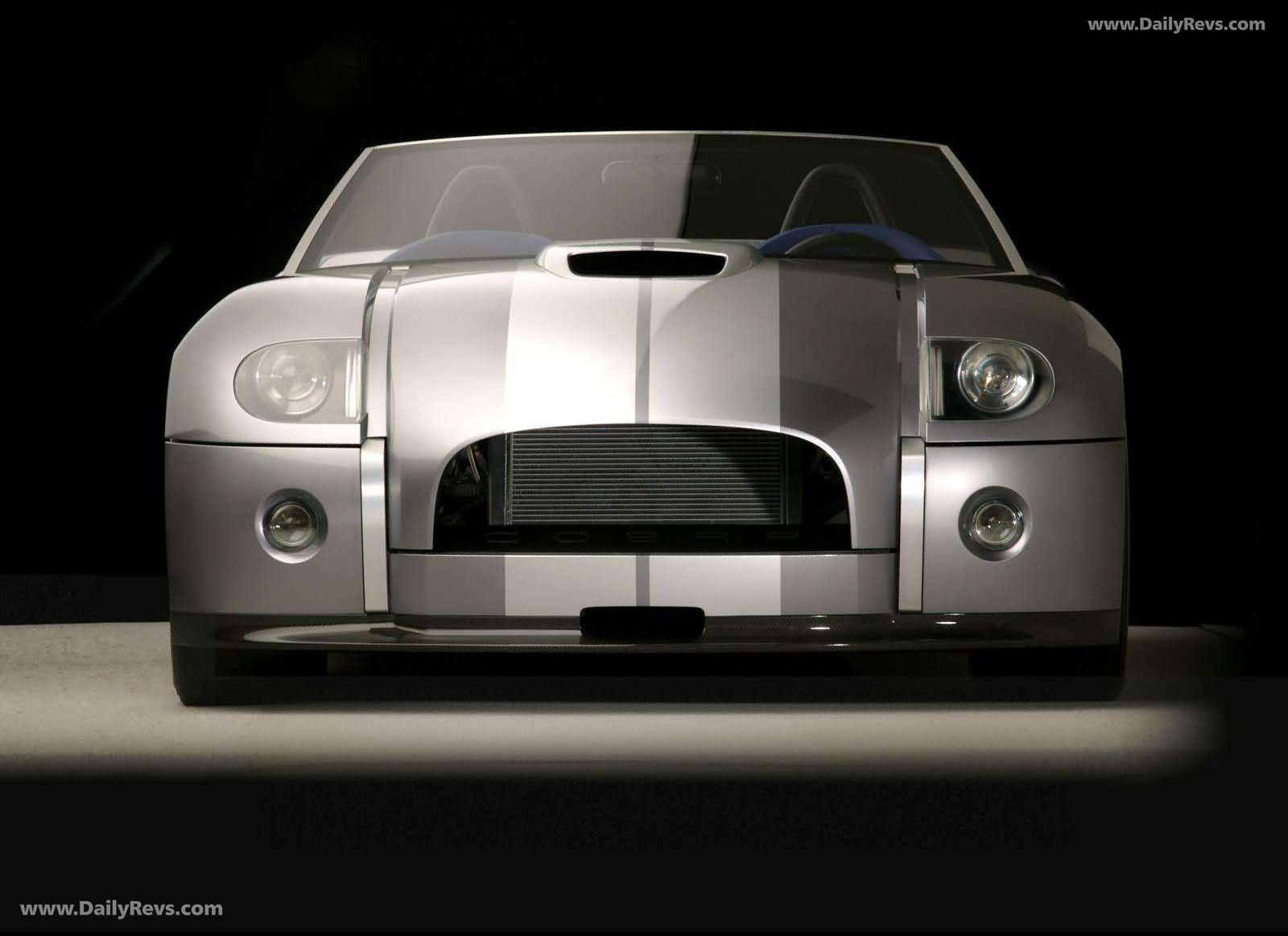
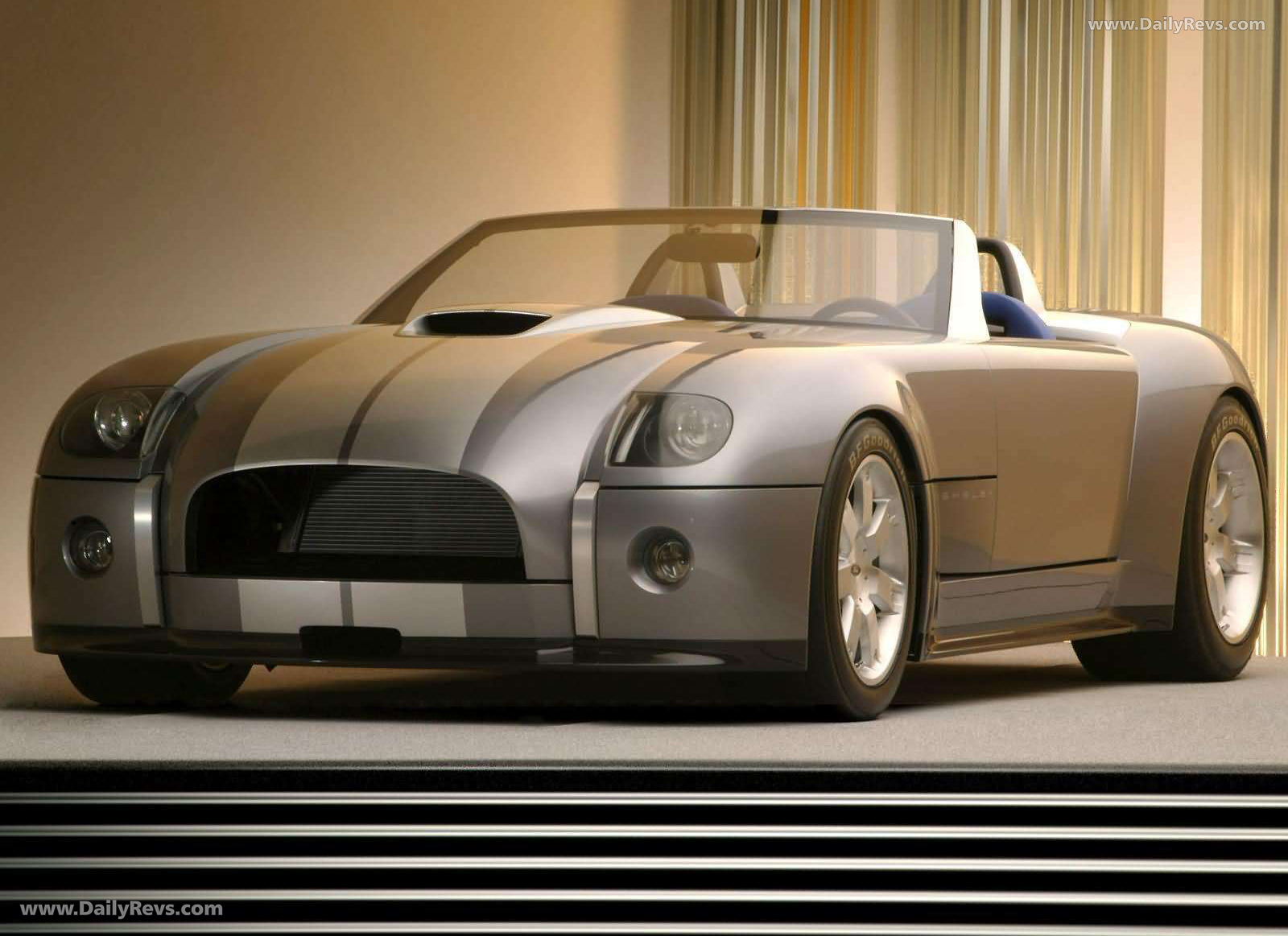
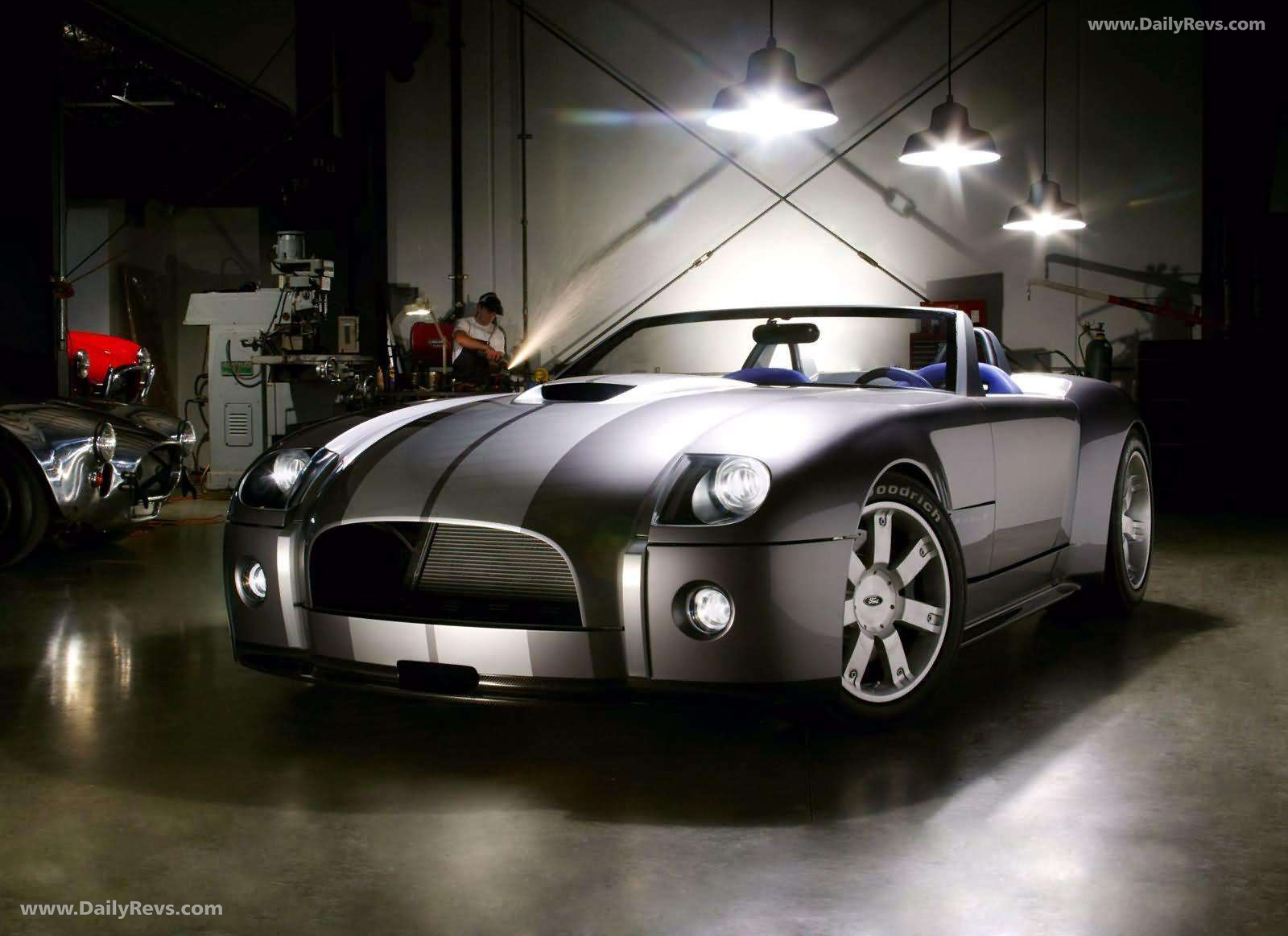
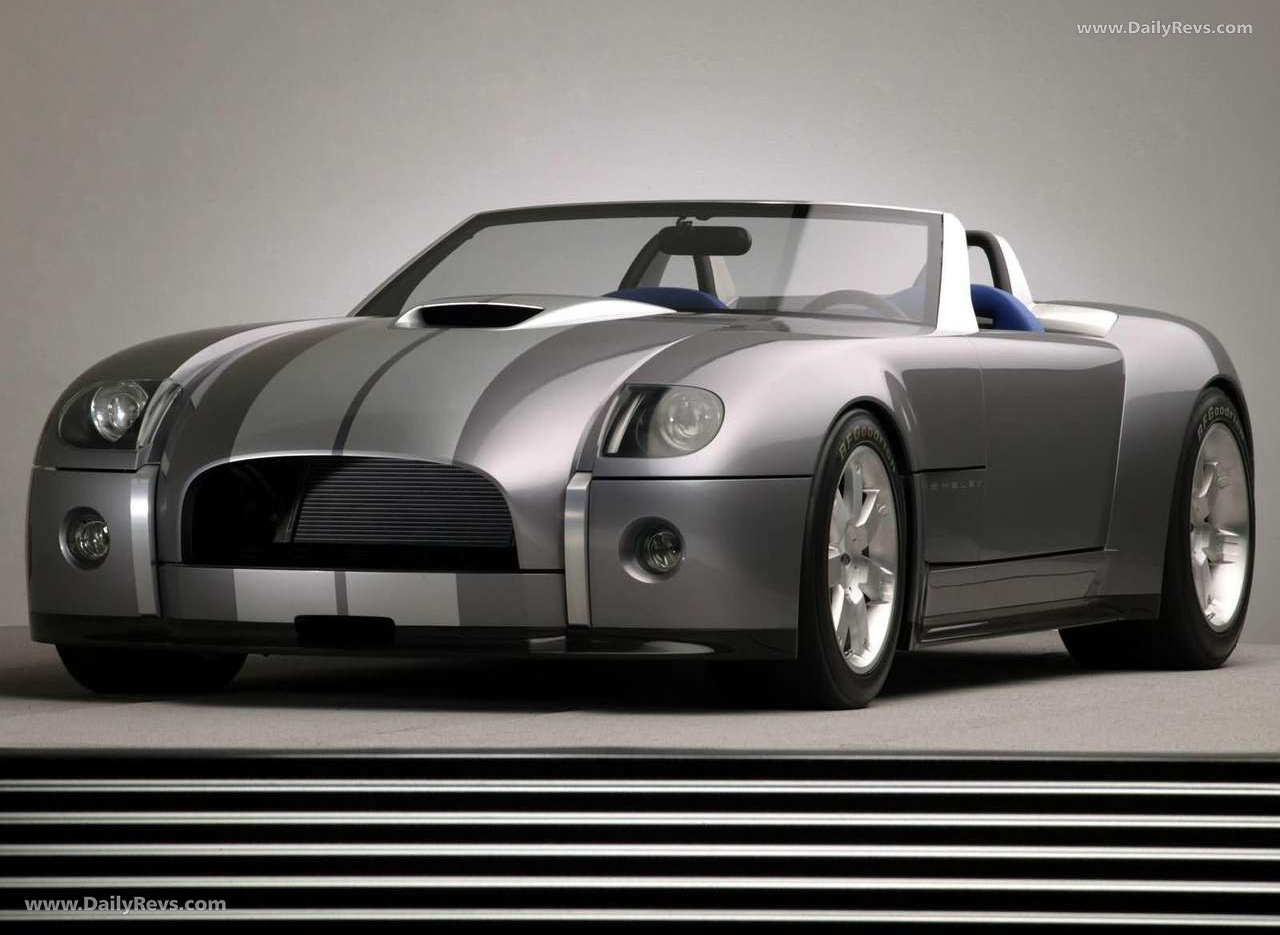
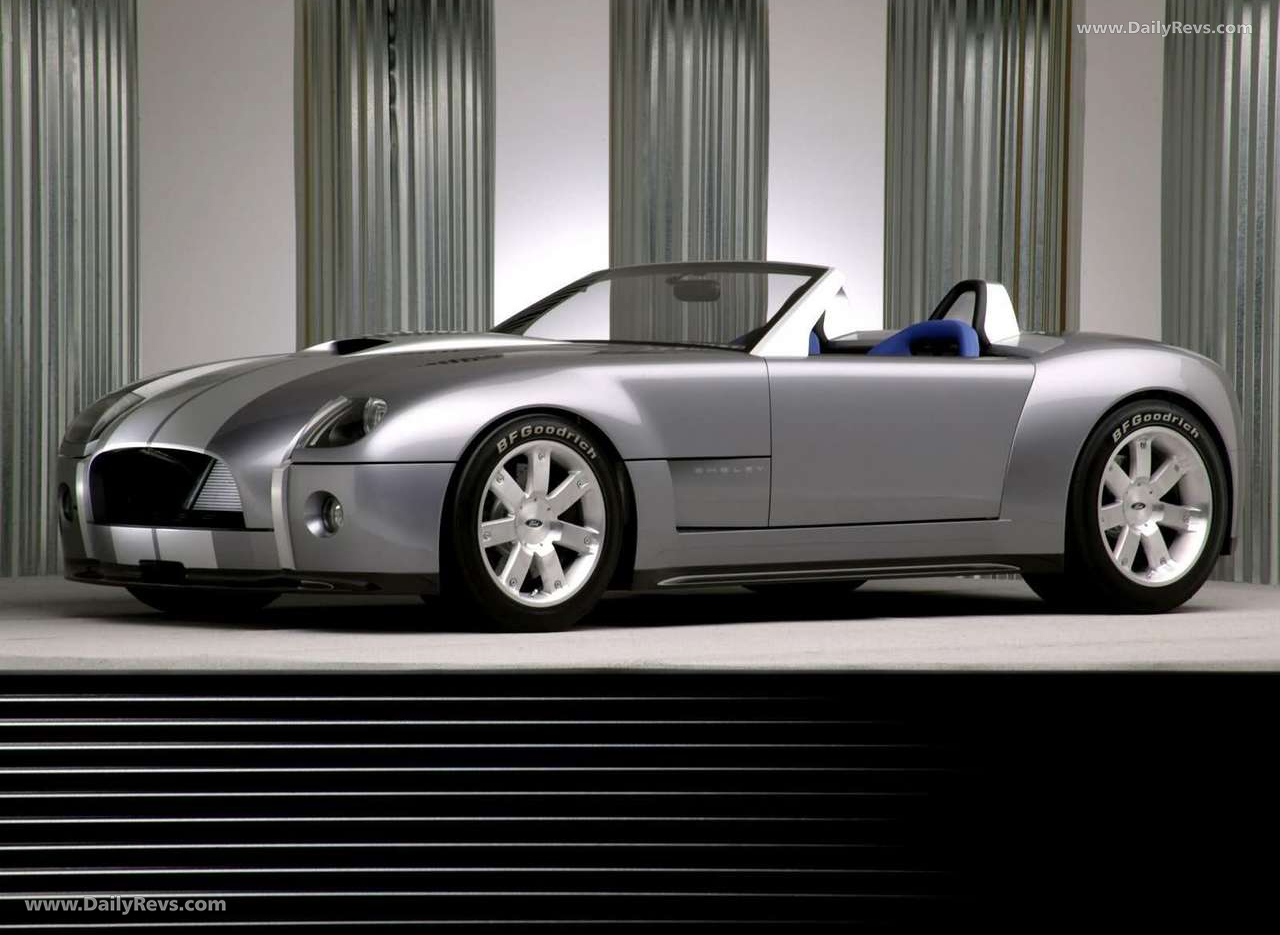
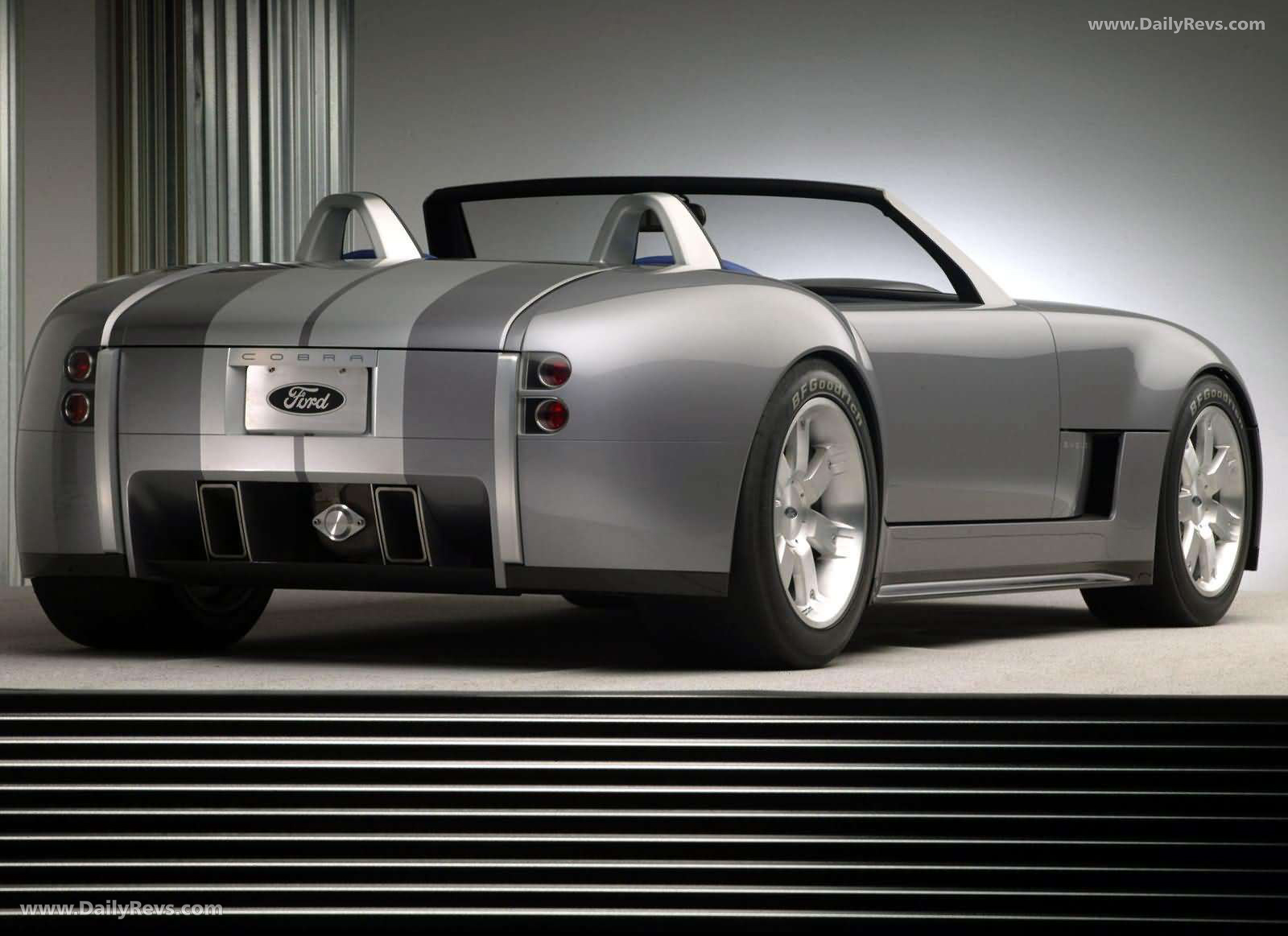
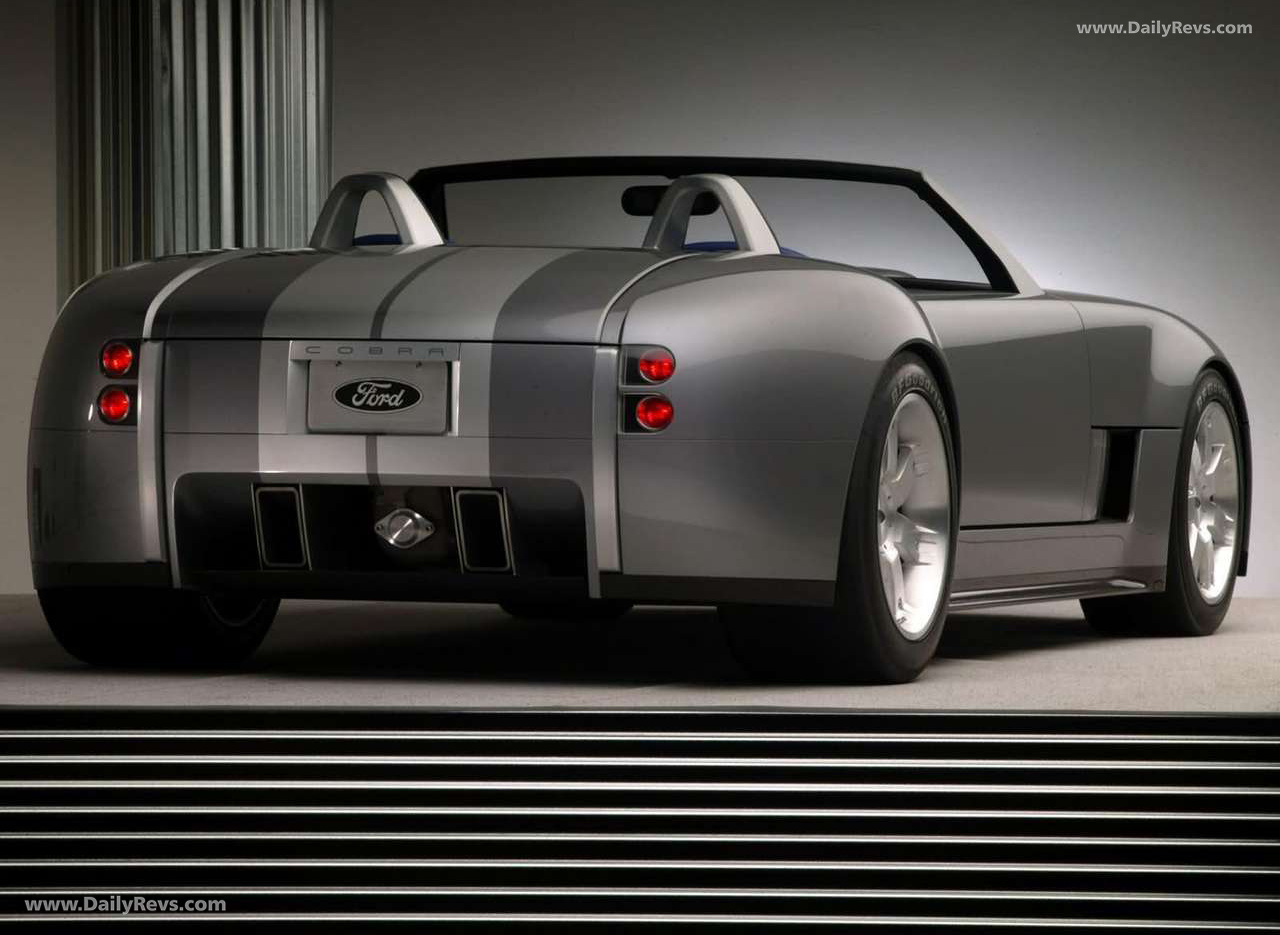
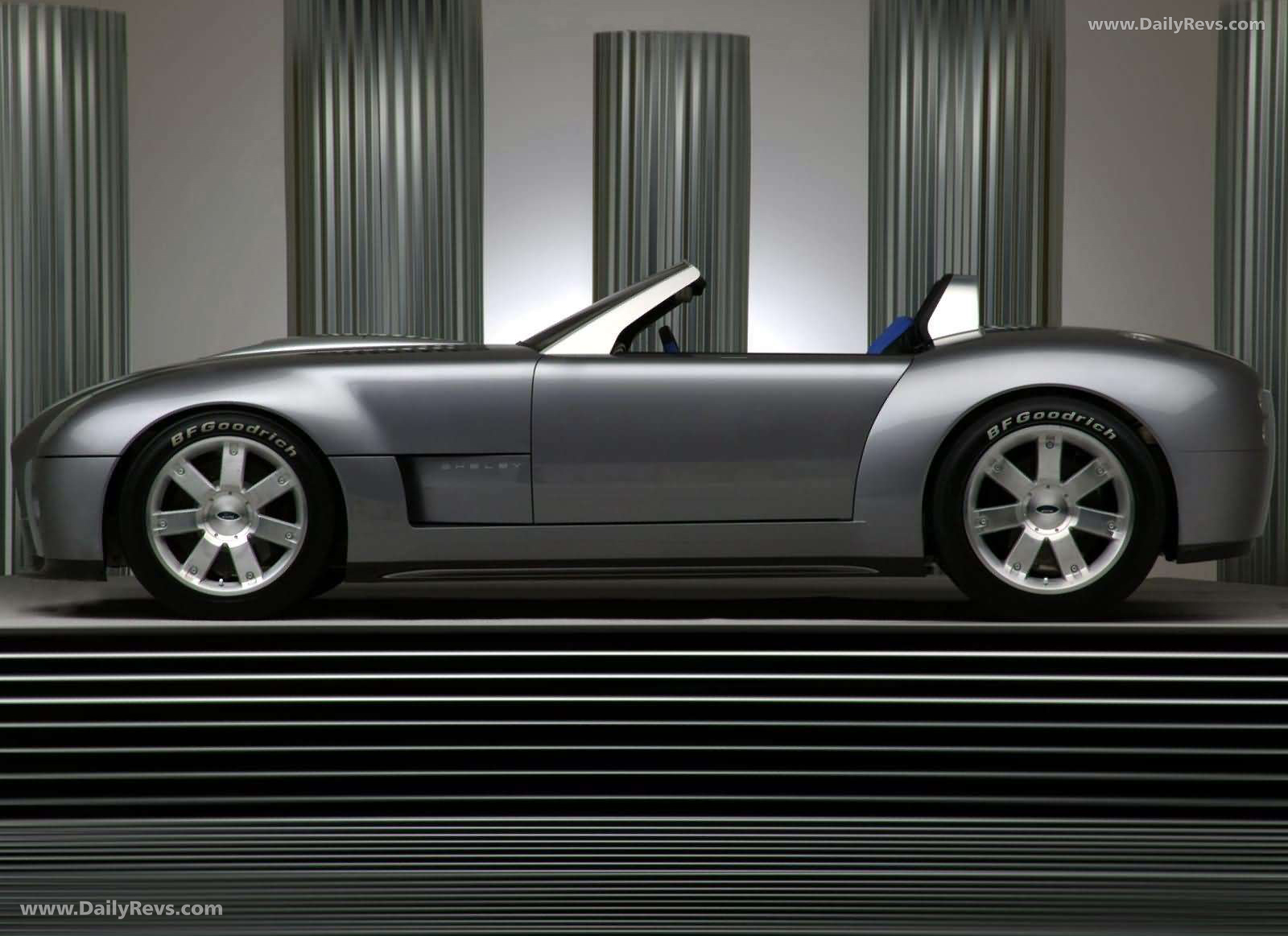
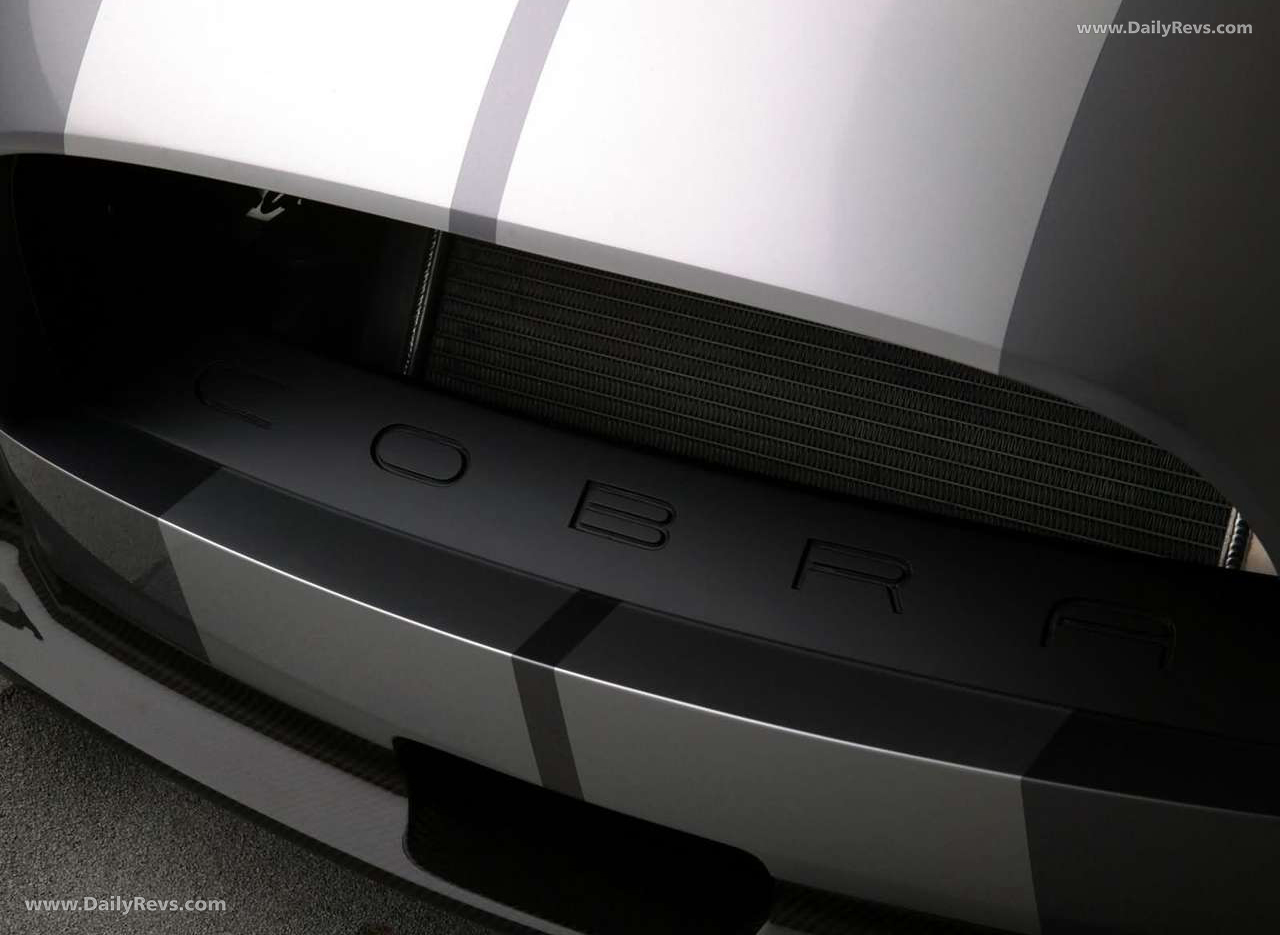
Rather than recreate the original car outright, Ford's designers used the Cobra story as a starting point. The result was a compact two-seat roadster with dramatic proportions, a massive grille opening, exposed roll hoops, and muscular rear fenders that immediately recalled the 1960s icon without copying its dimensions.
Compact Dimensions With Serious Presence
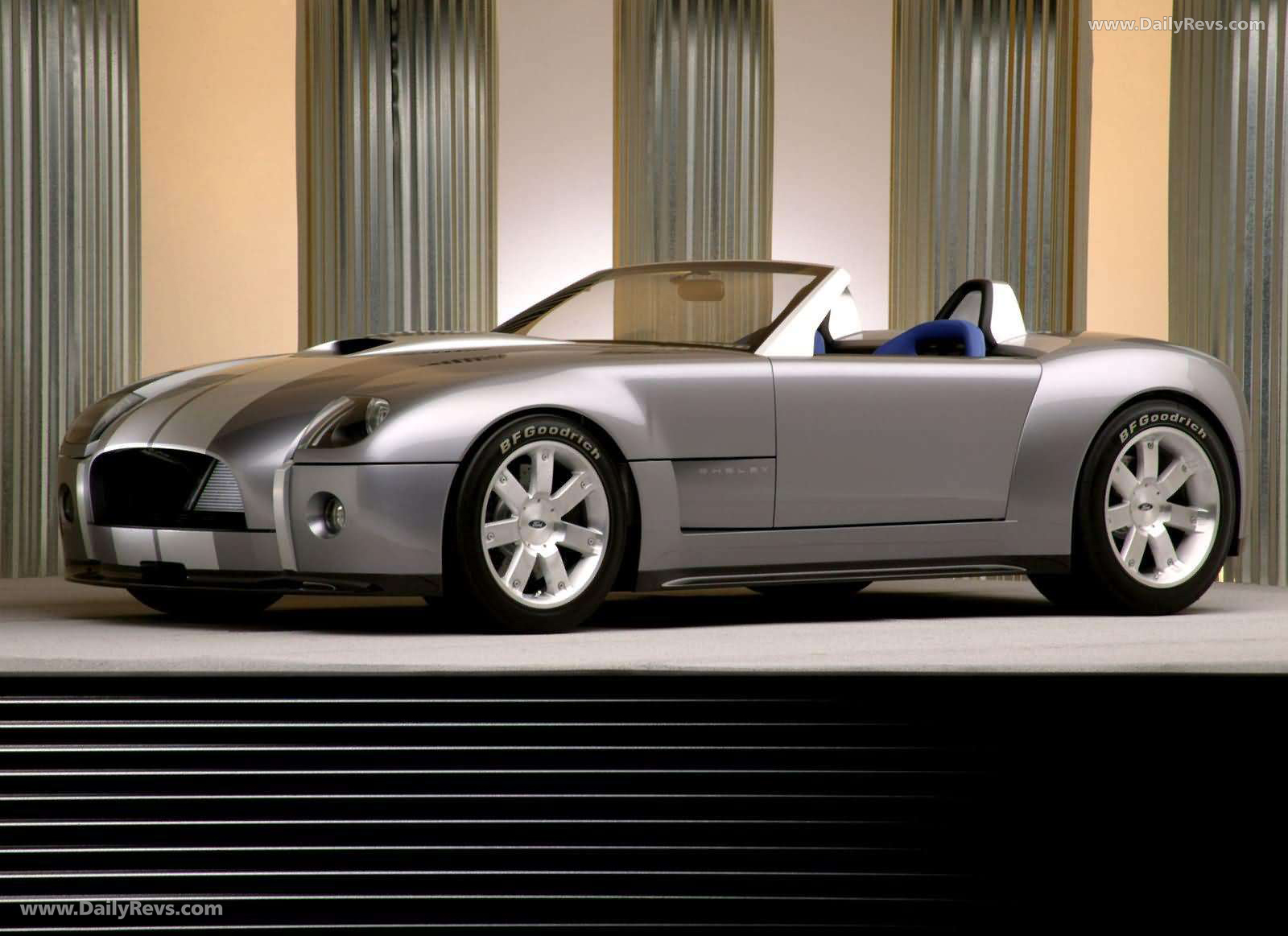
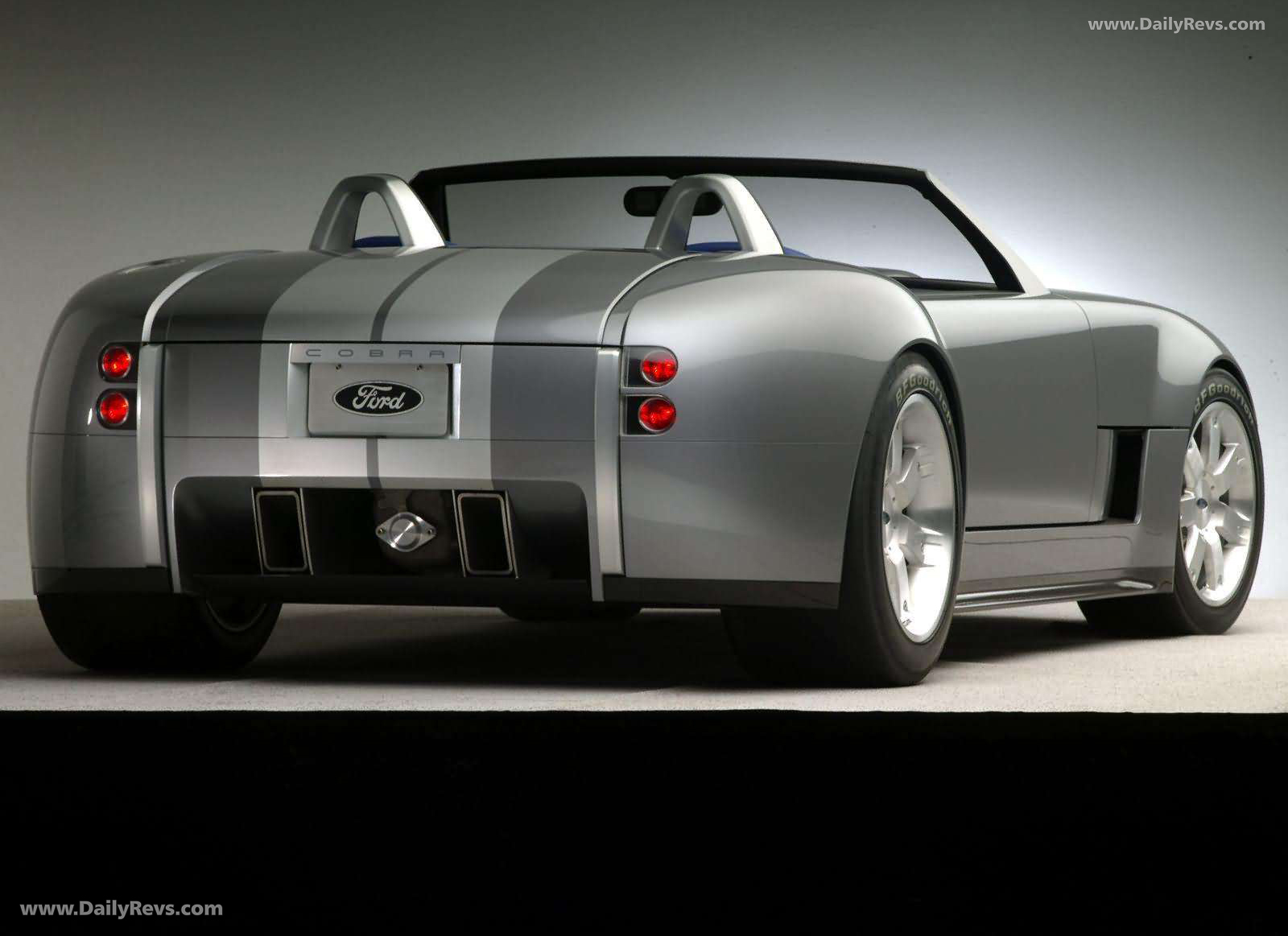
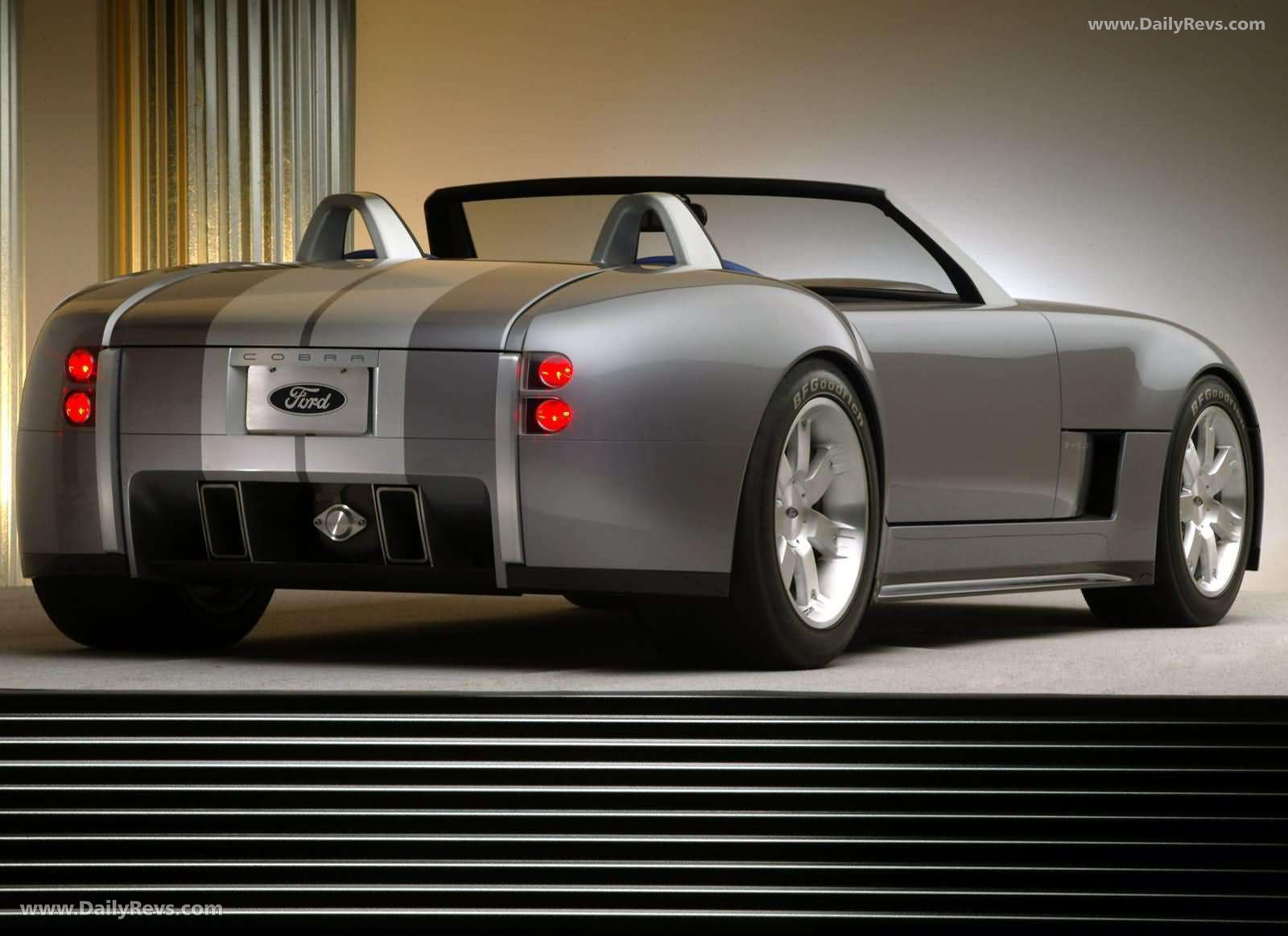
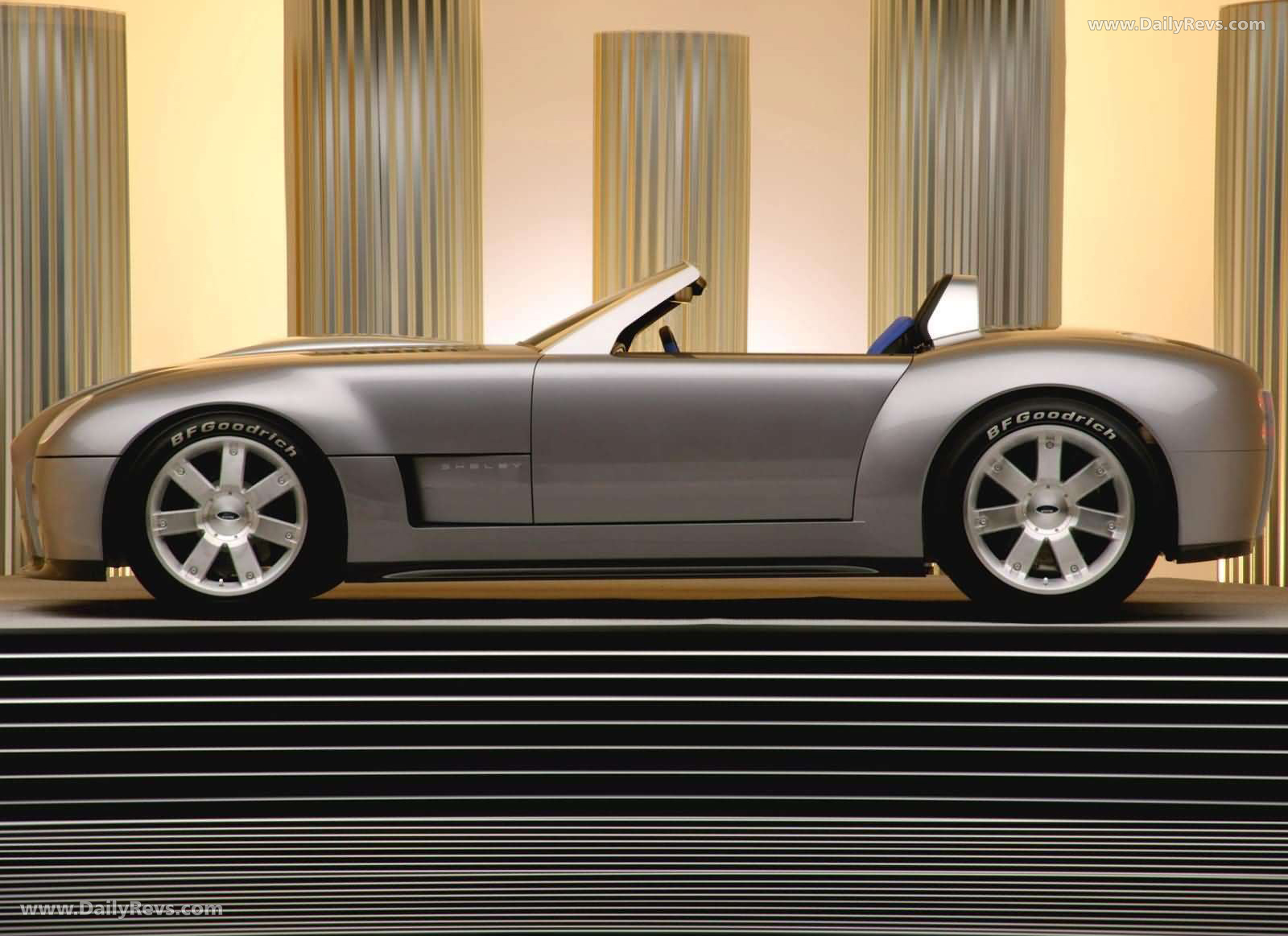
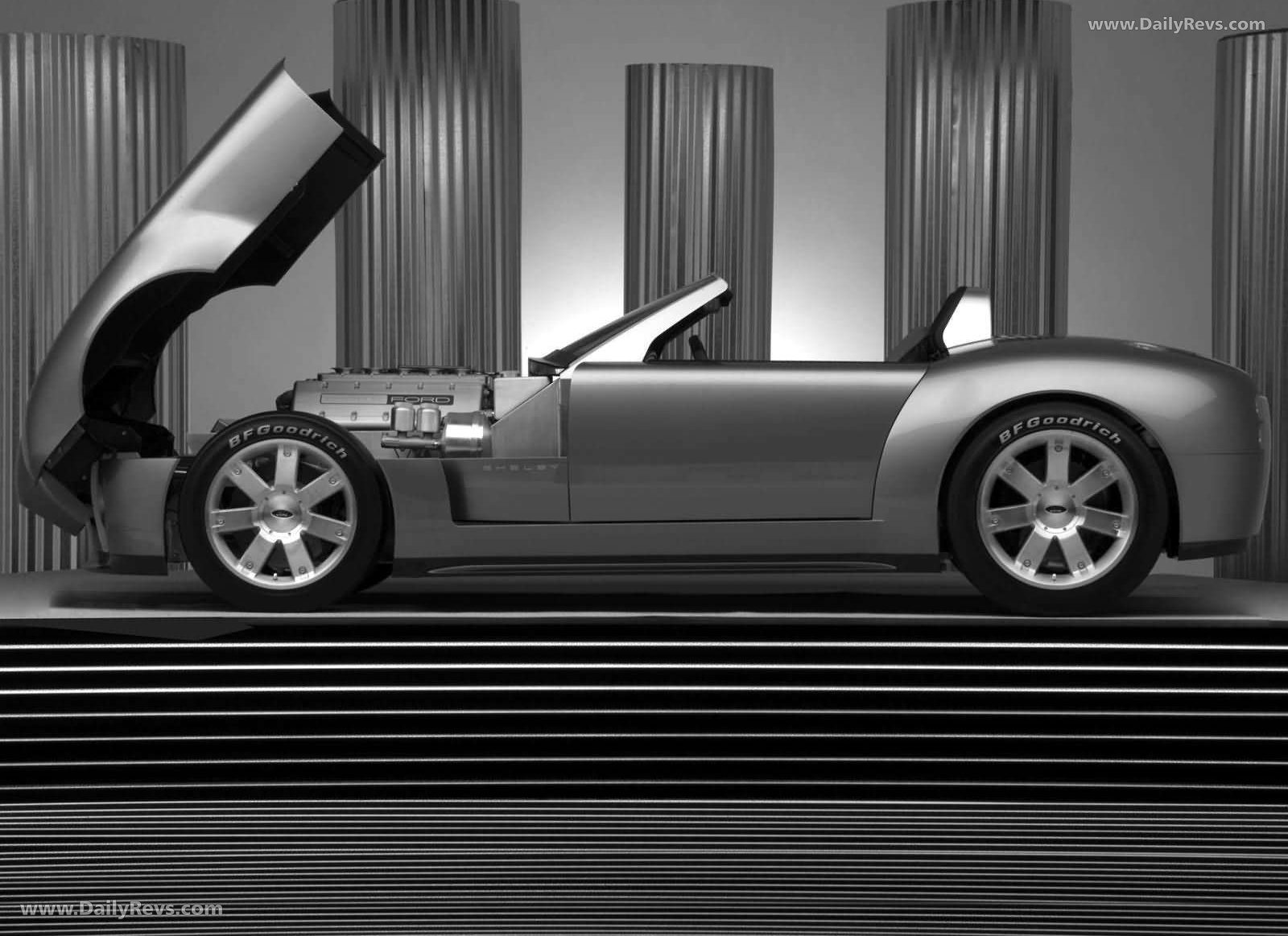
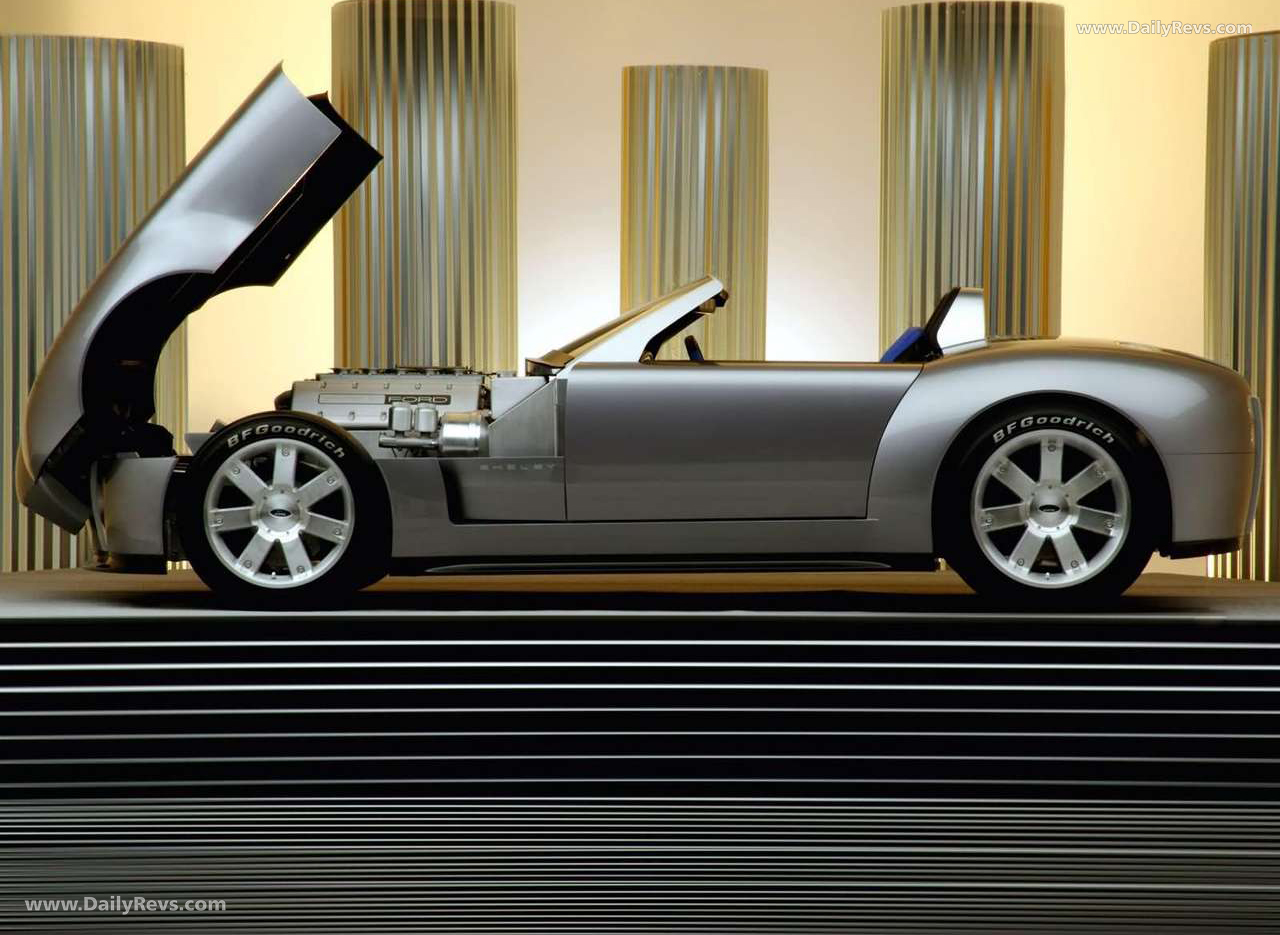
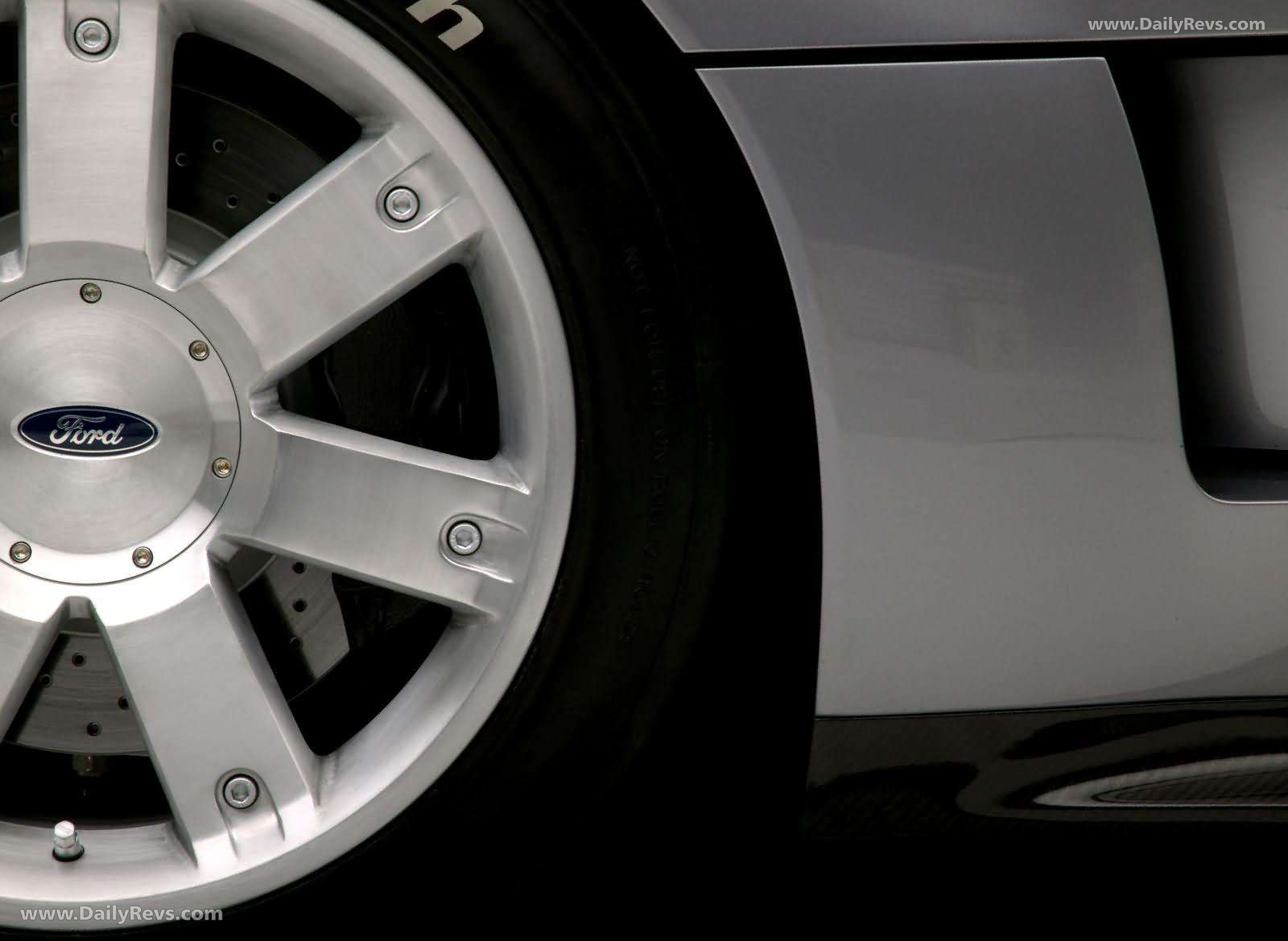
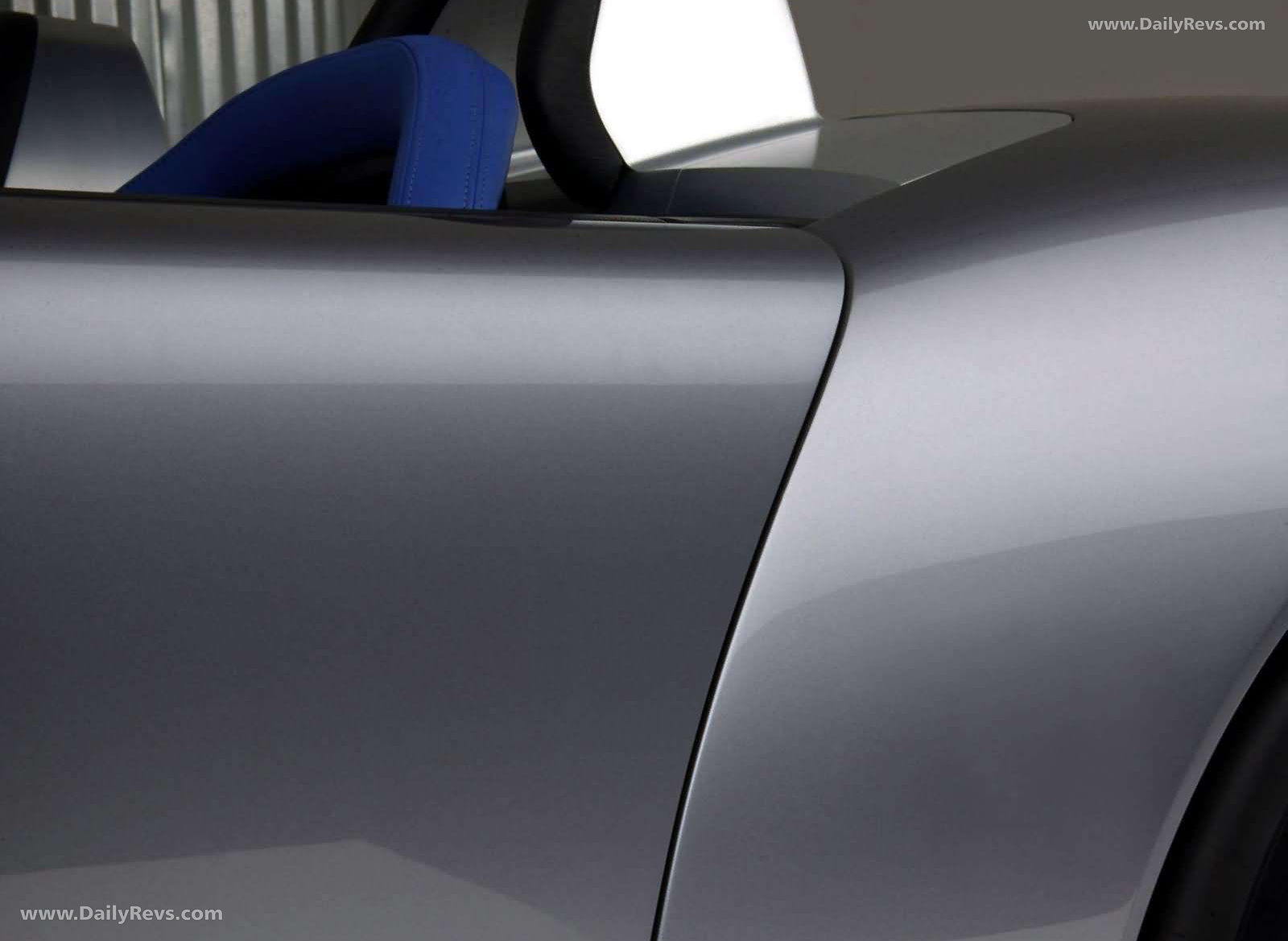
One of the most striking aspects of the Ford Shelby Cobra Concept was its stance. The front overhang was extremely short, thanks to the front-mid-engine layout, while the rear wheels sat beneath broad, powerfully flared quarter panels.
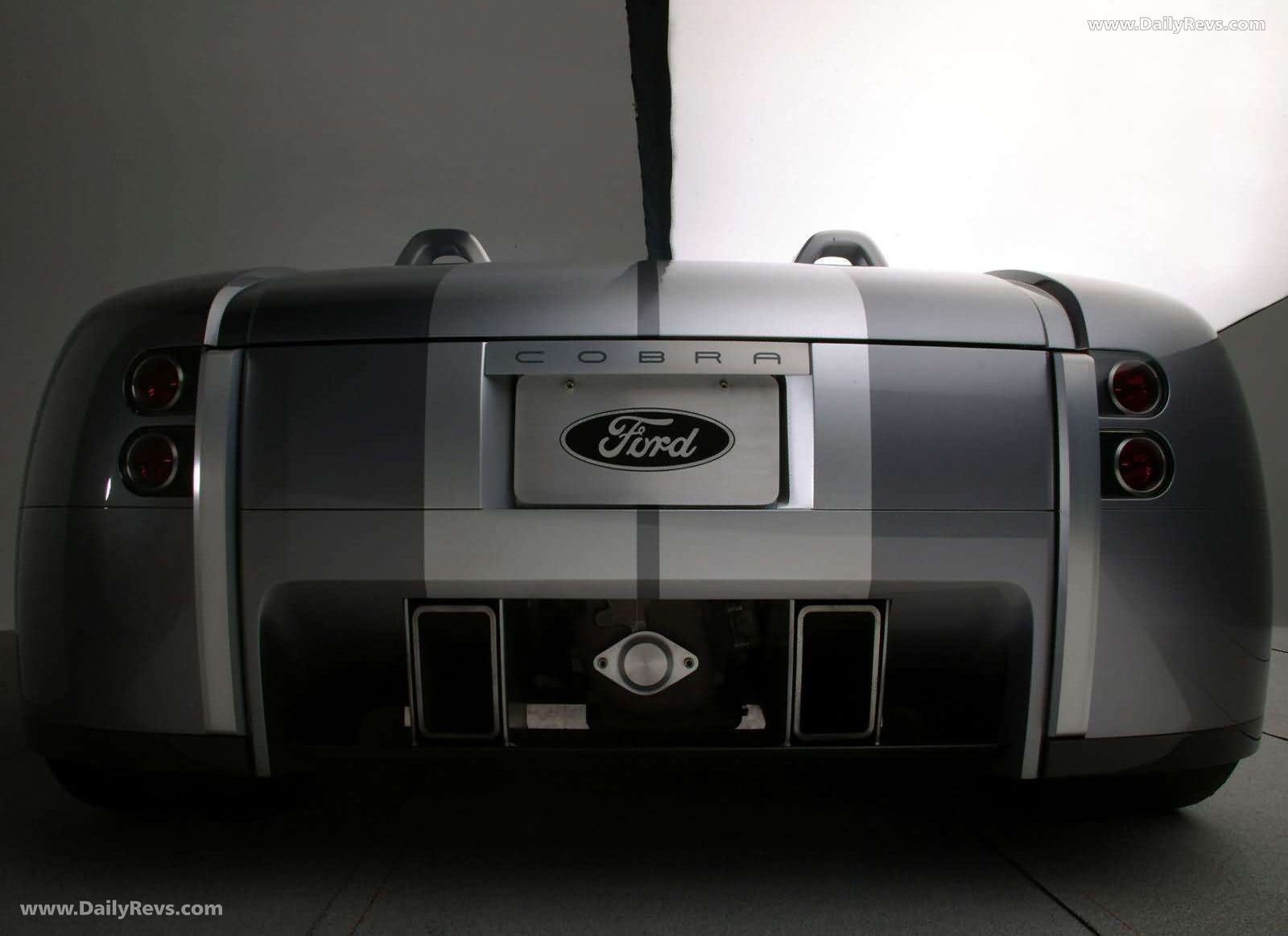
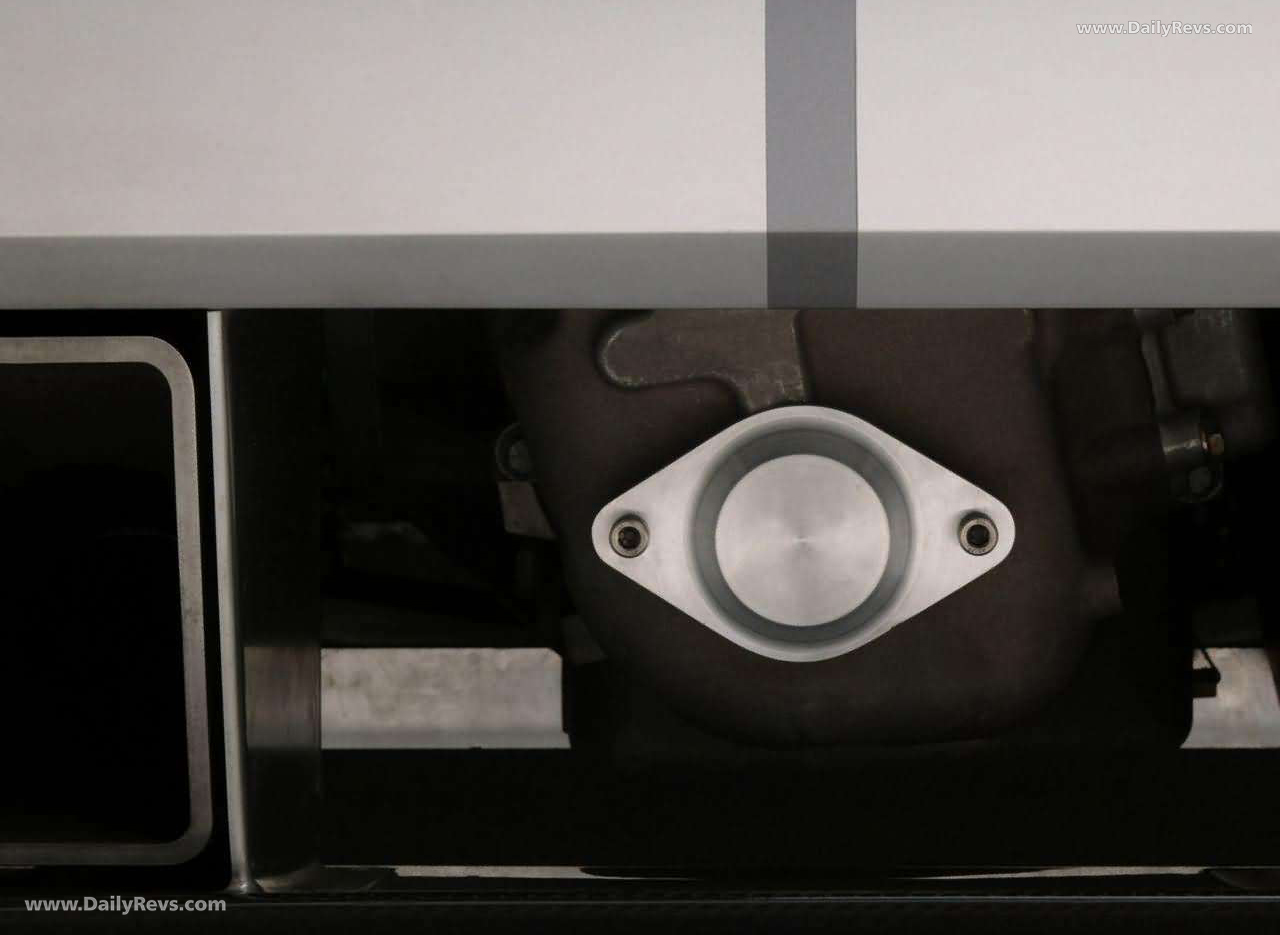
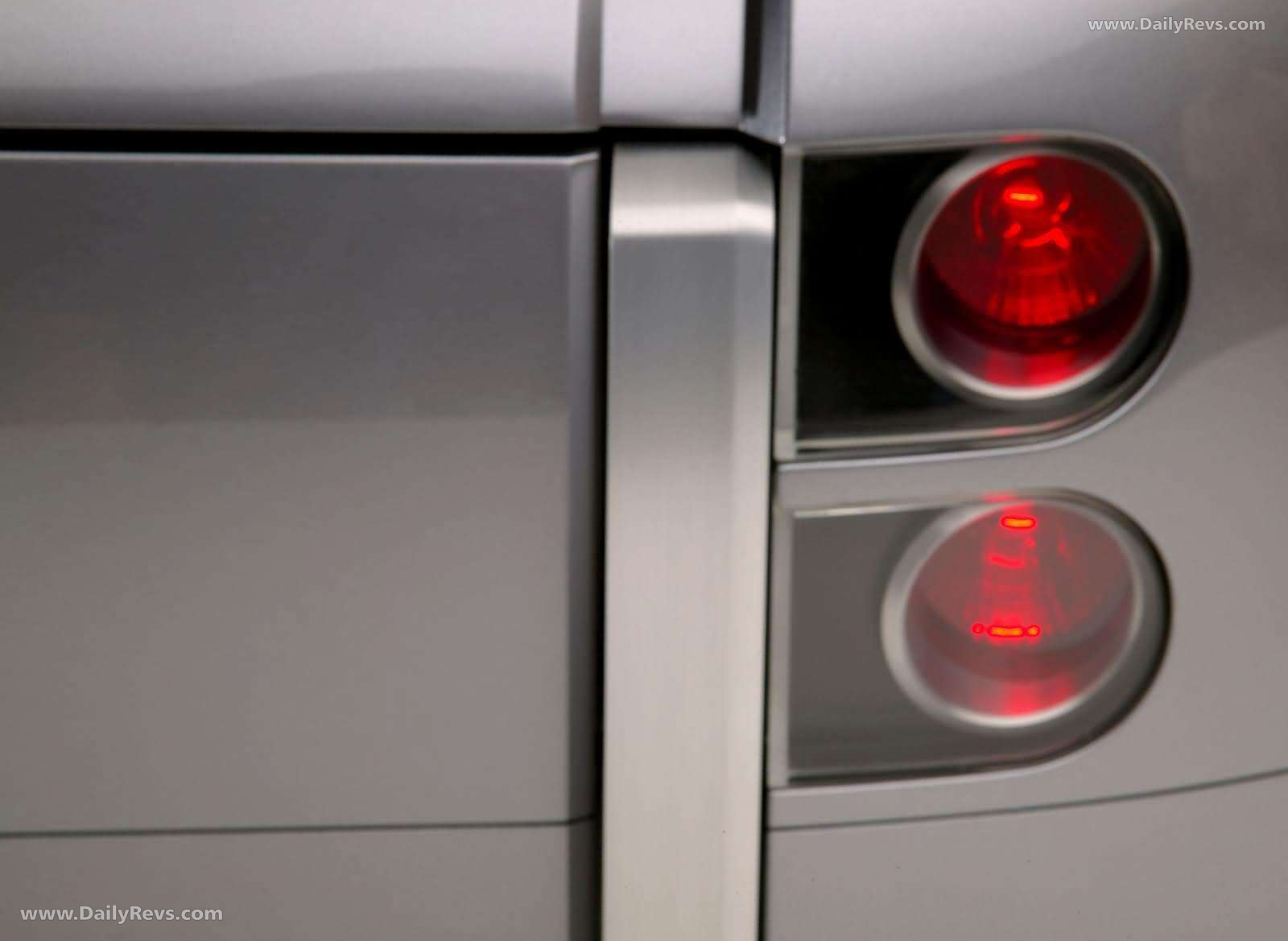
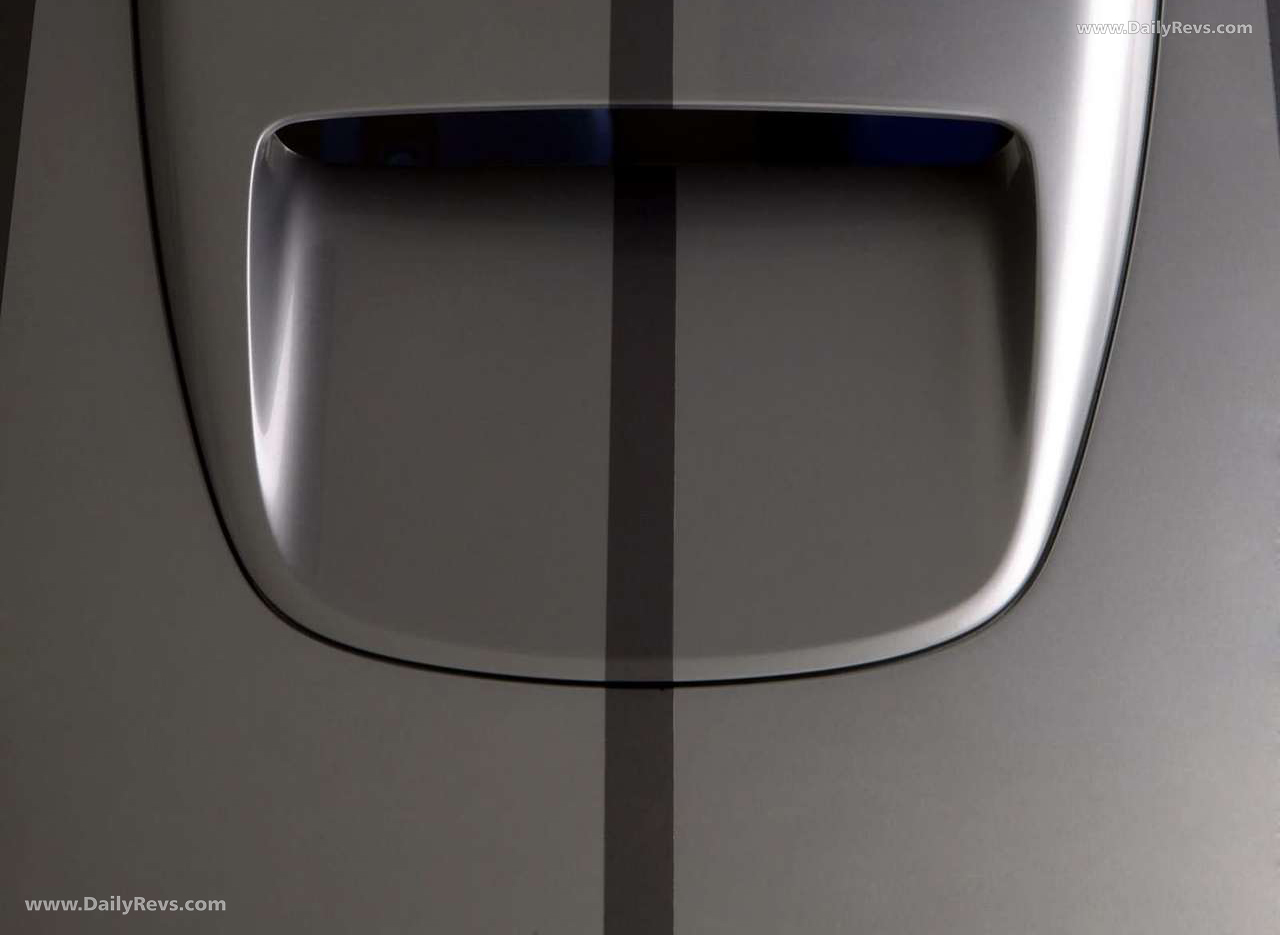
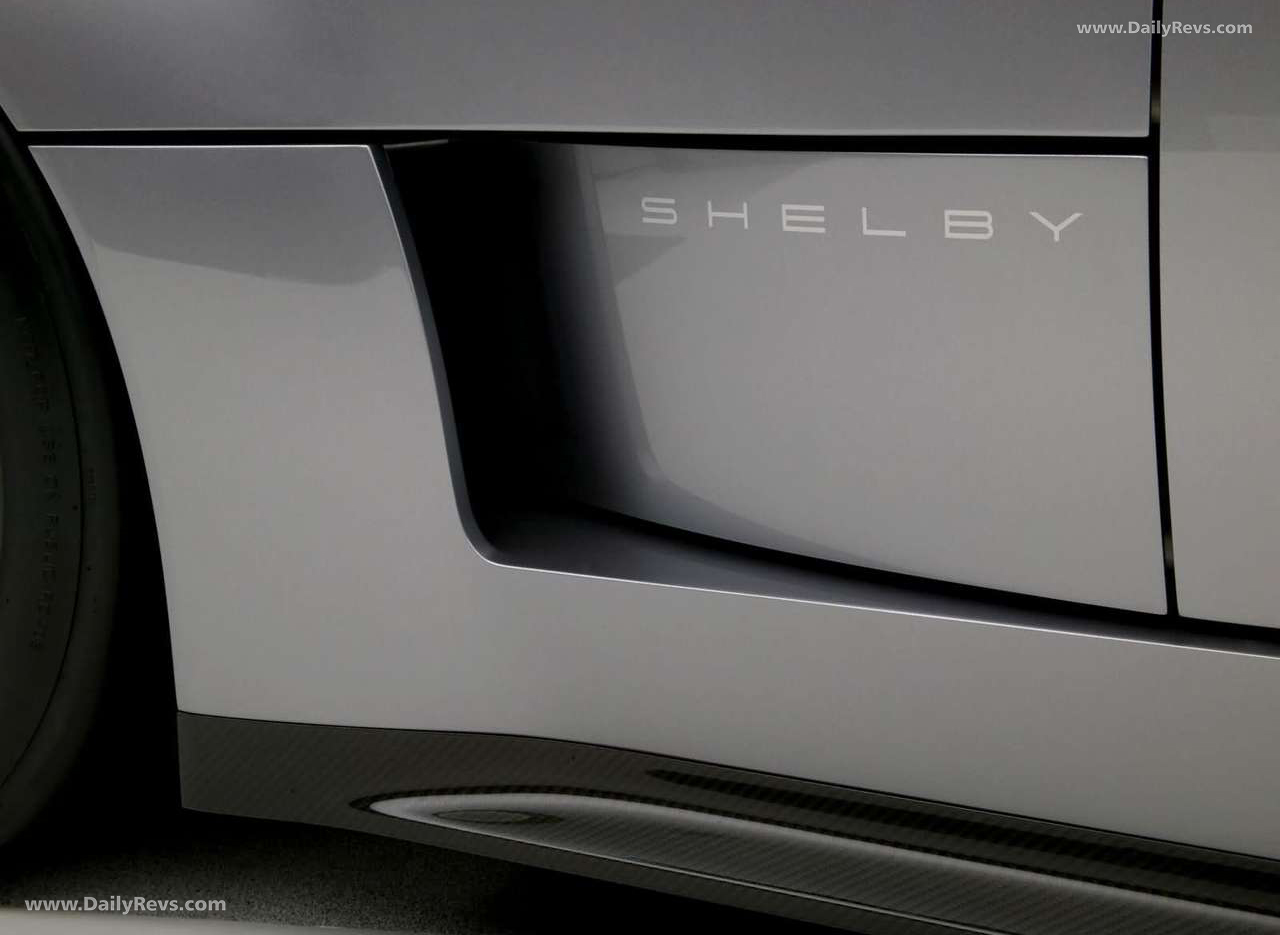
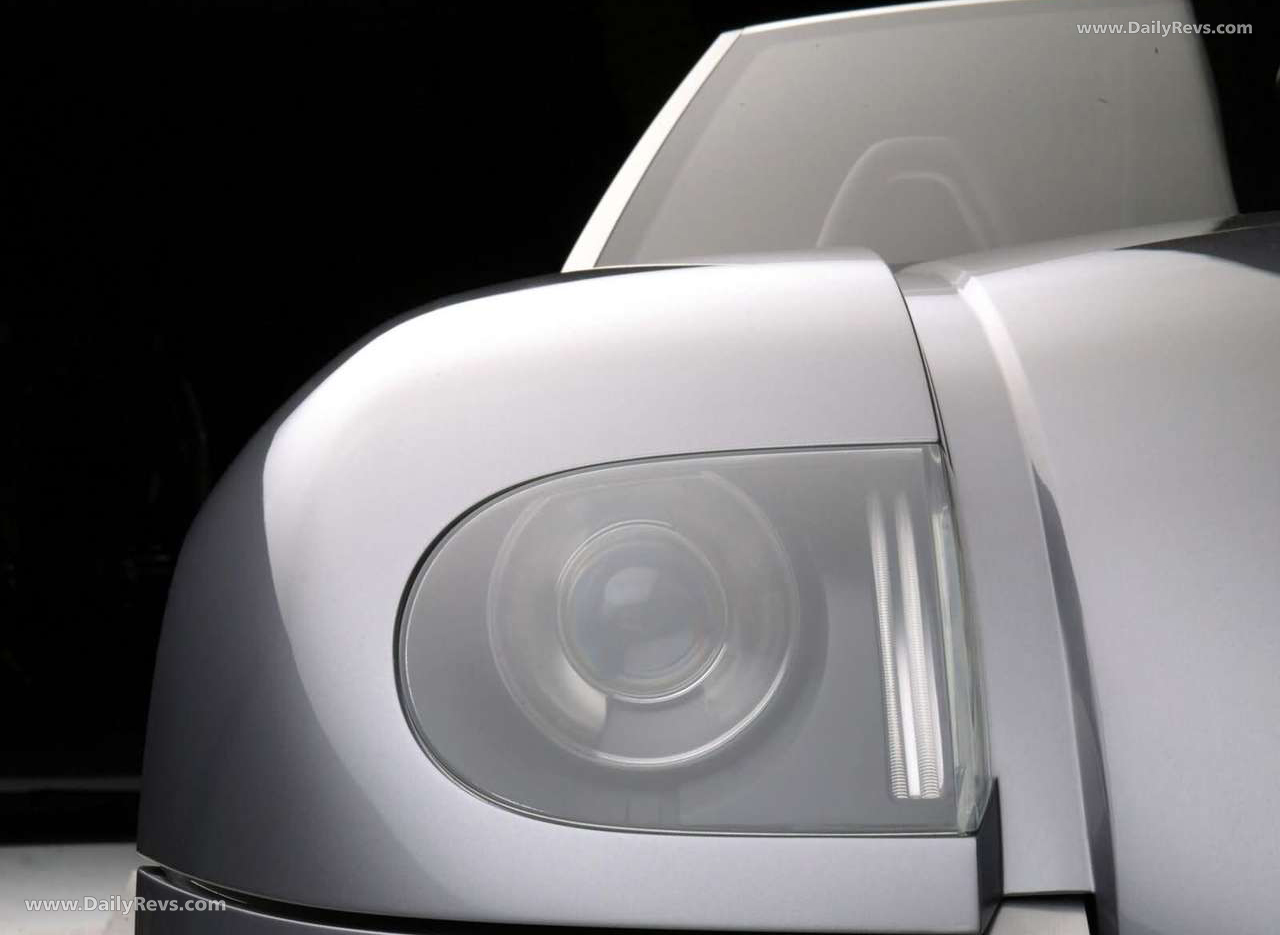
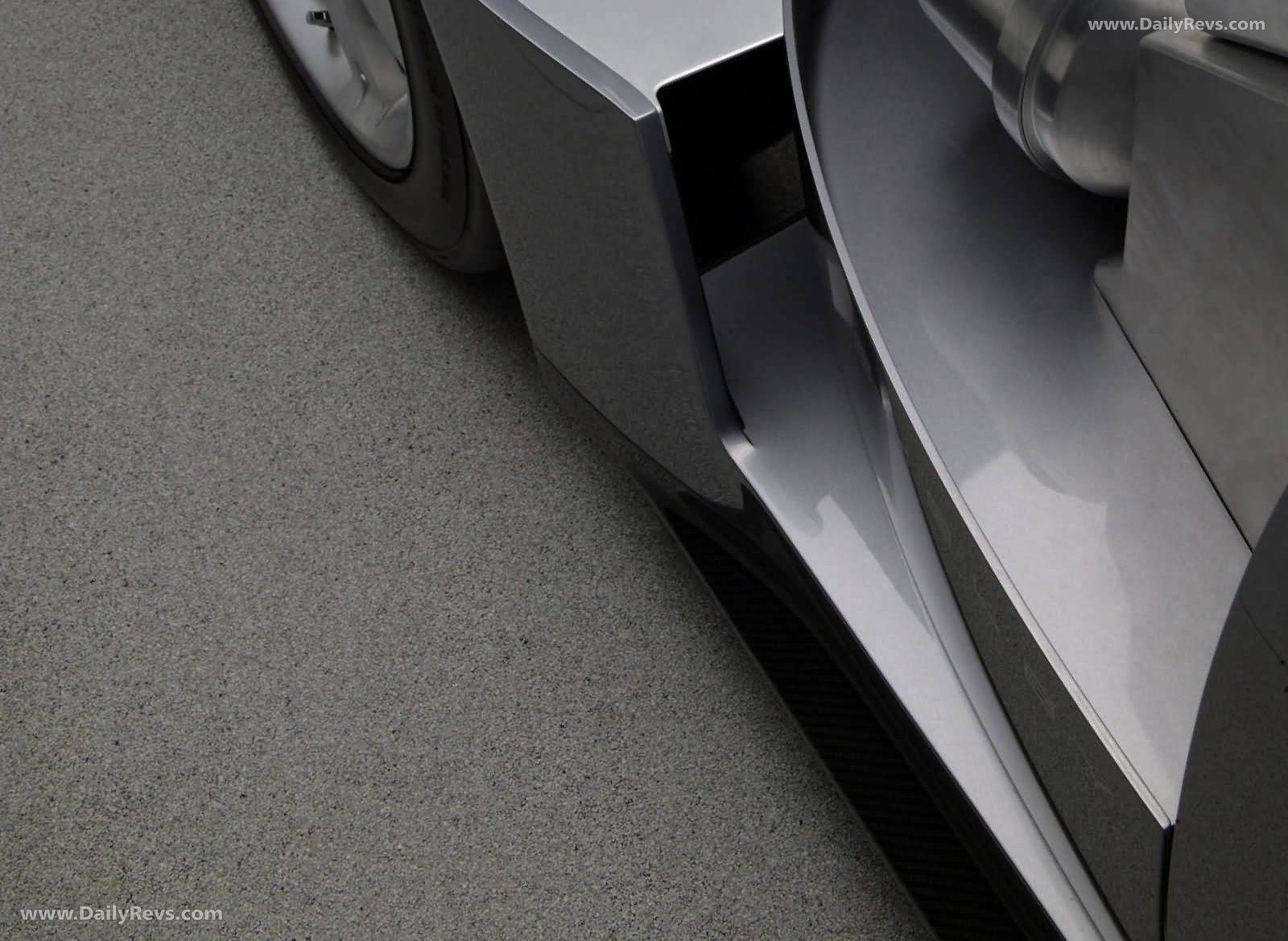
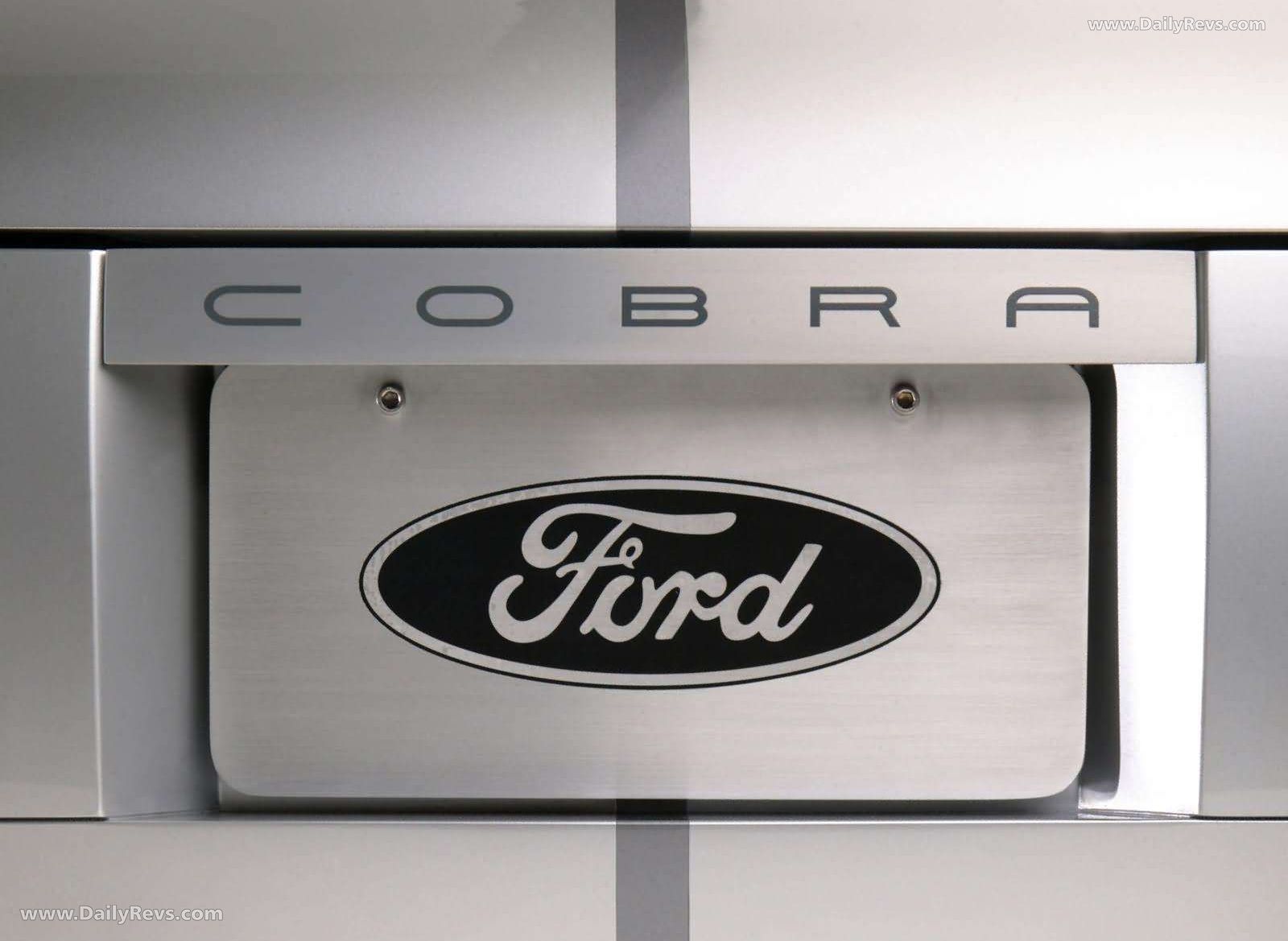
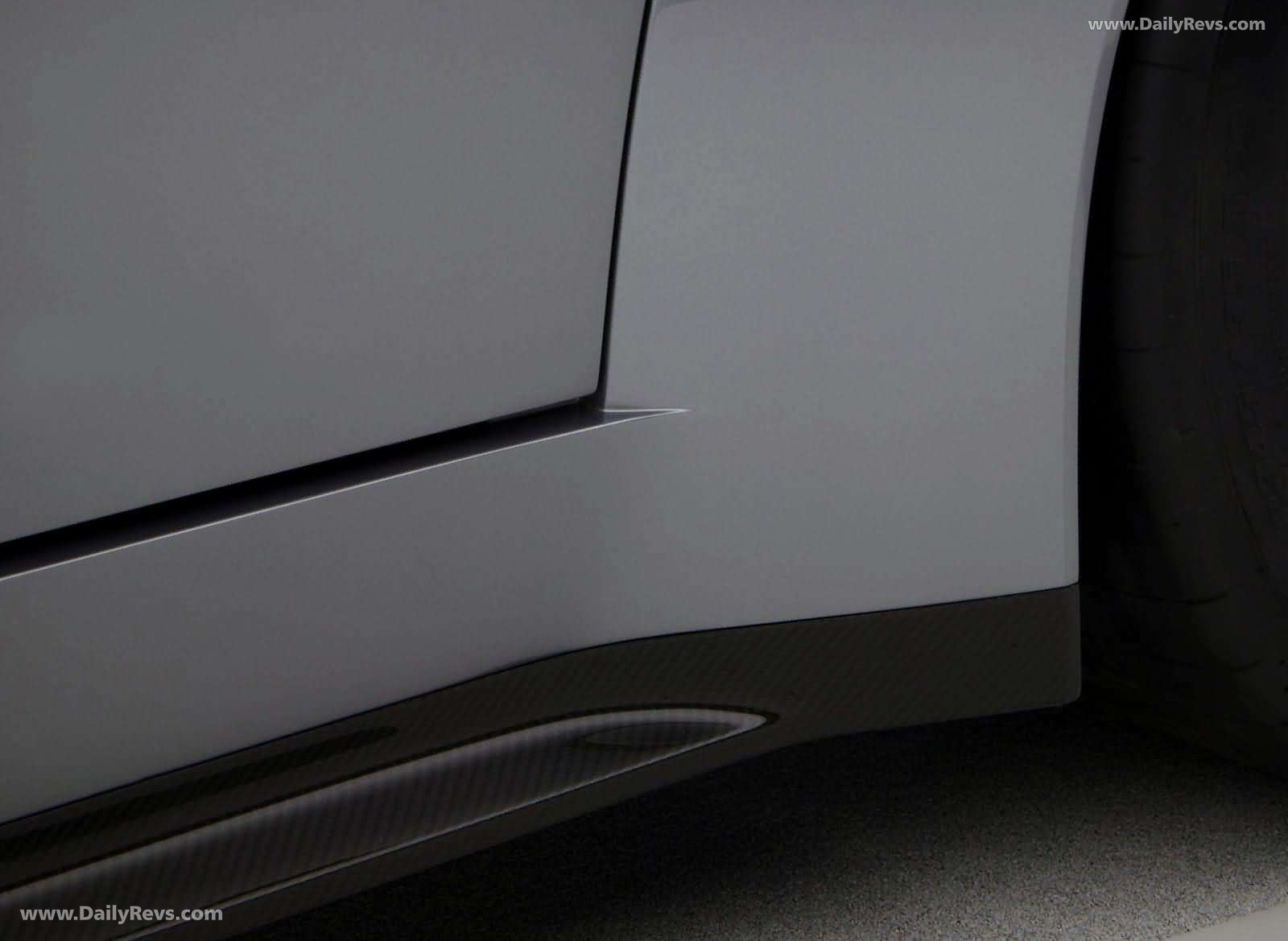
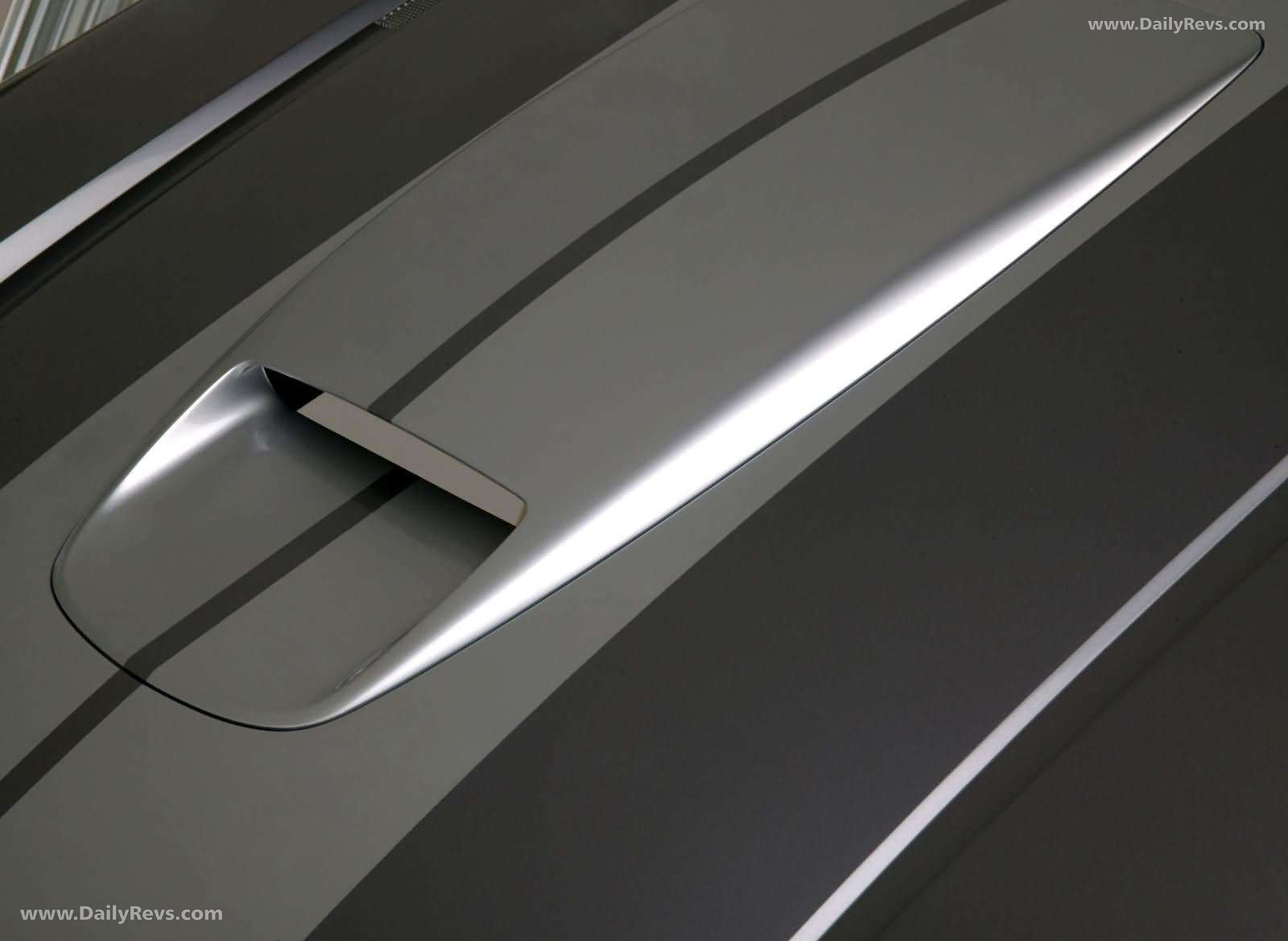
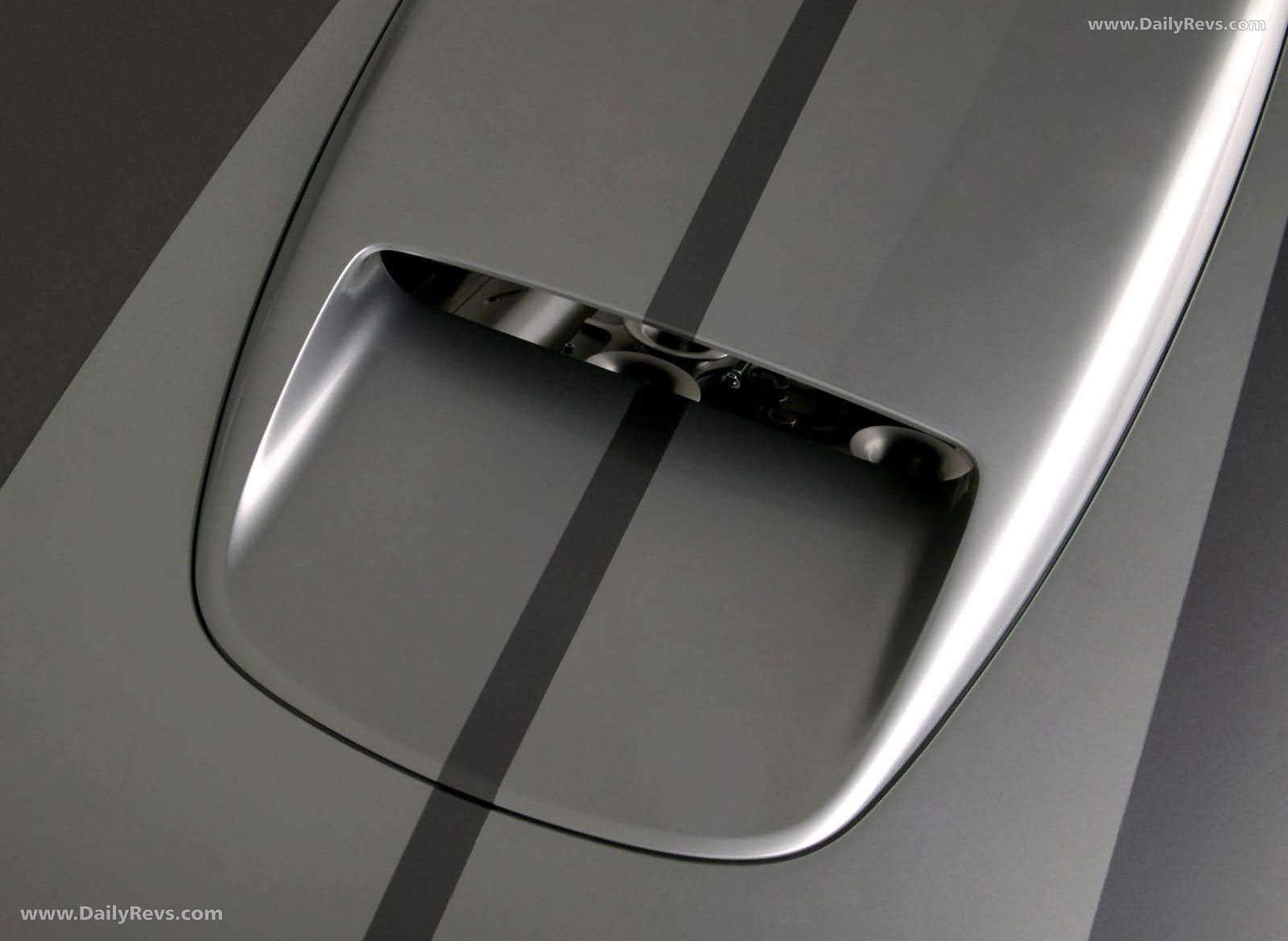
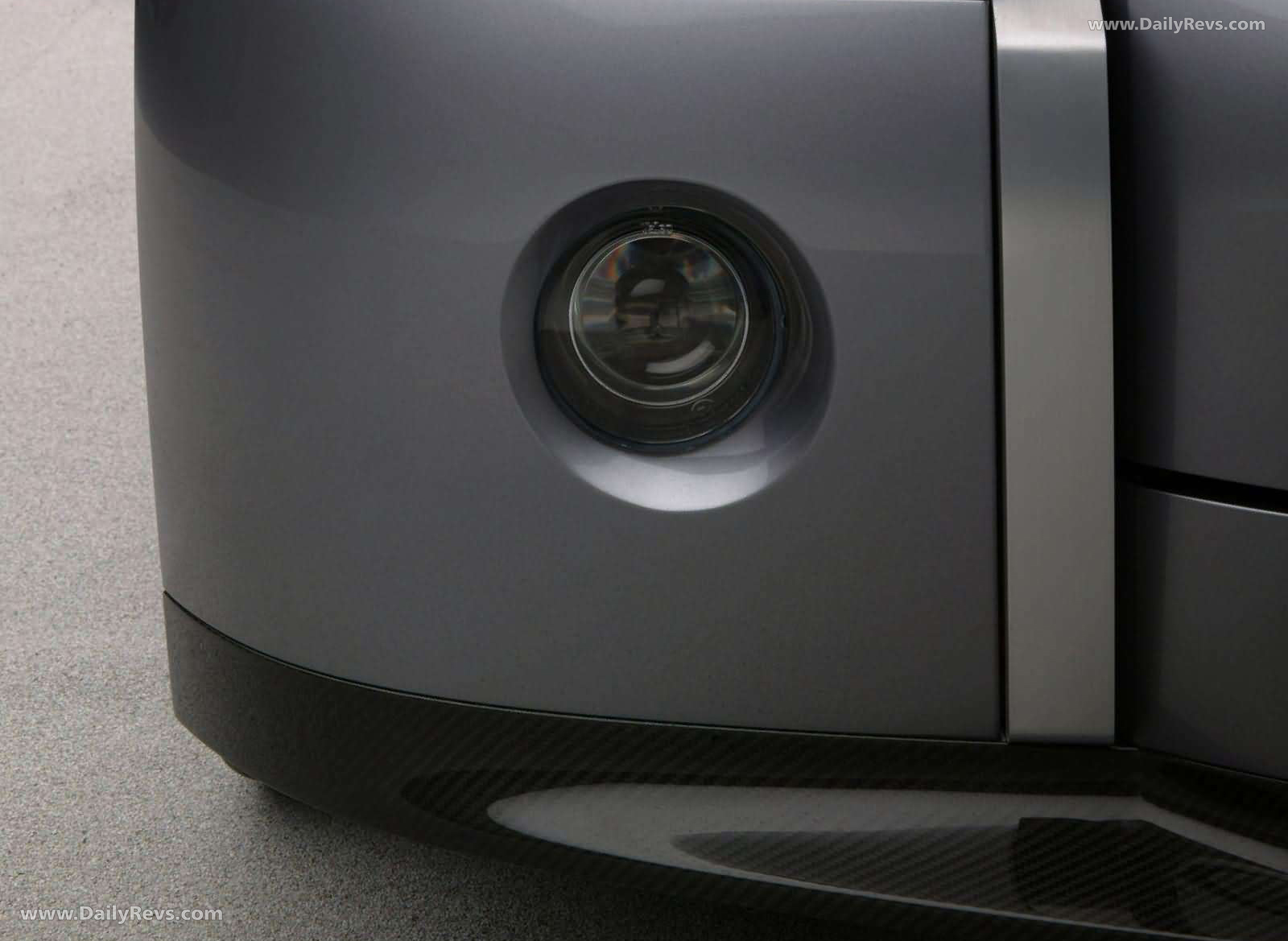
The bodywork remained clean and largely free of decoration. Designers focused on simple surfaces, a long hood, stacked front and rear lamps, and prominent side air extractors. Twin silver racing stripes stretched across the body, reinforcing the connection to Shelby's competition cars.
Even by modern standards, the proportions still look unusual. The car was roughly the length of a compact roadster yet carried the visual drama of a much larger supercar.
A Cabin Designed Around Driving
Inside, the approach was equally straightforward.
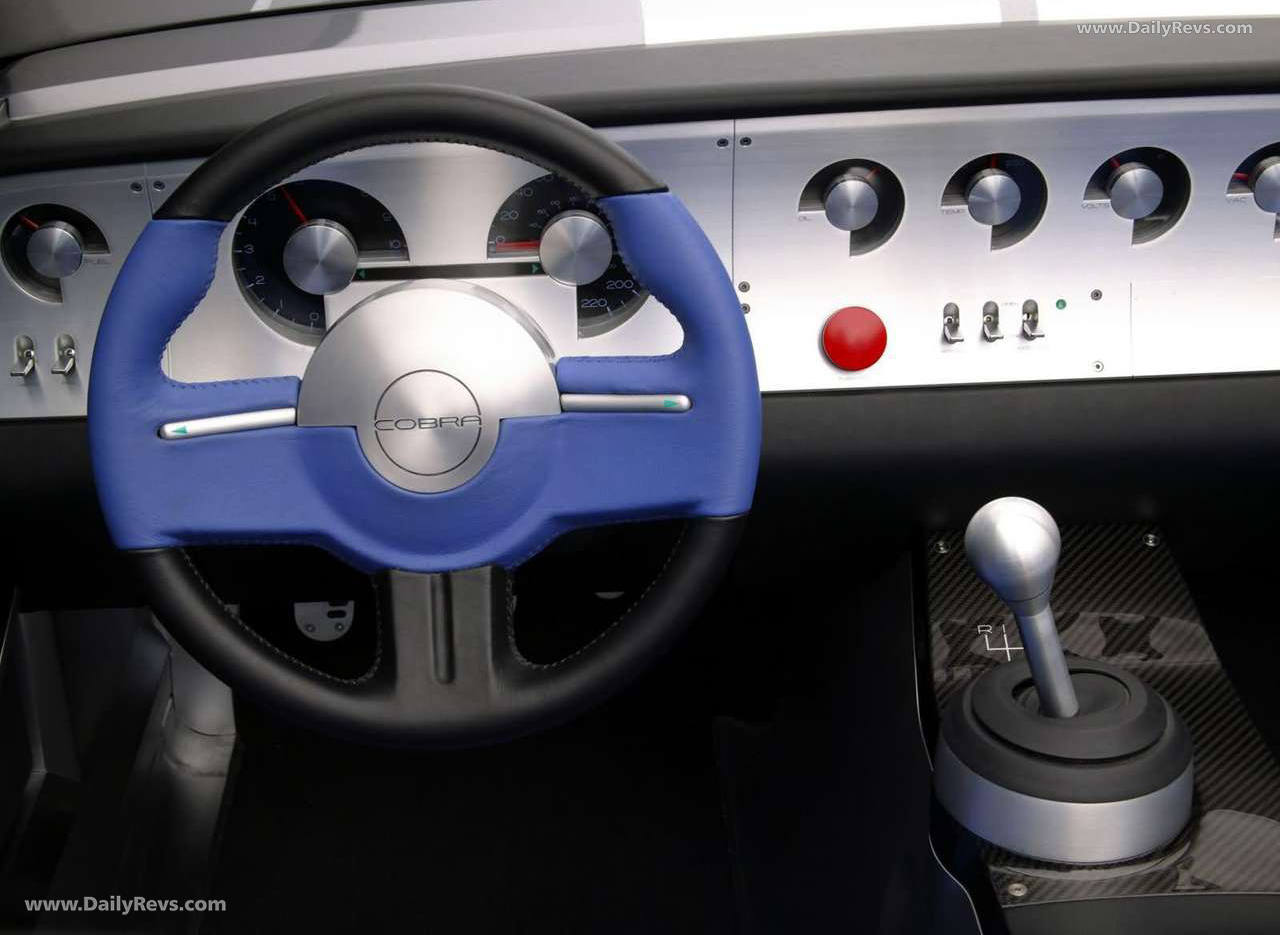
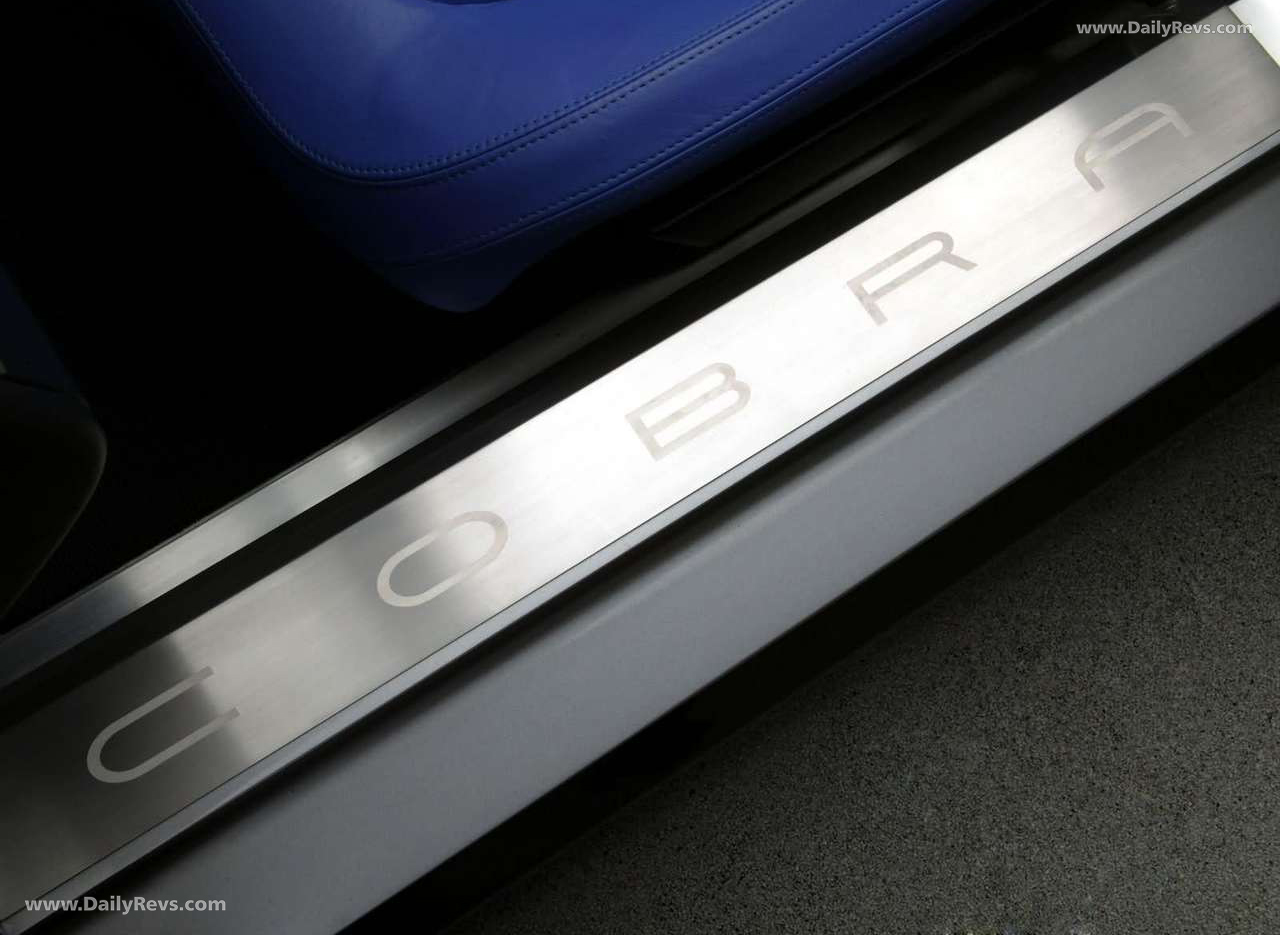
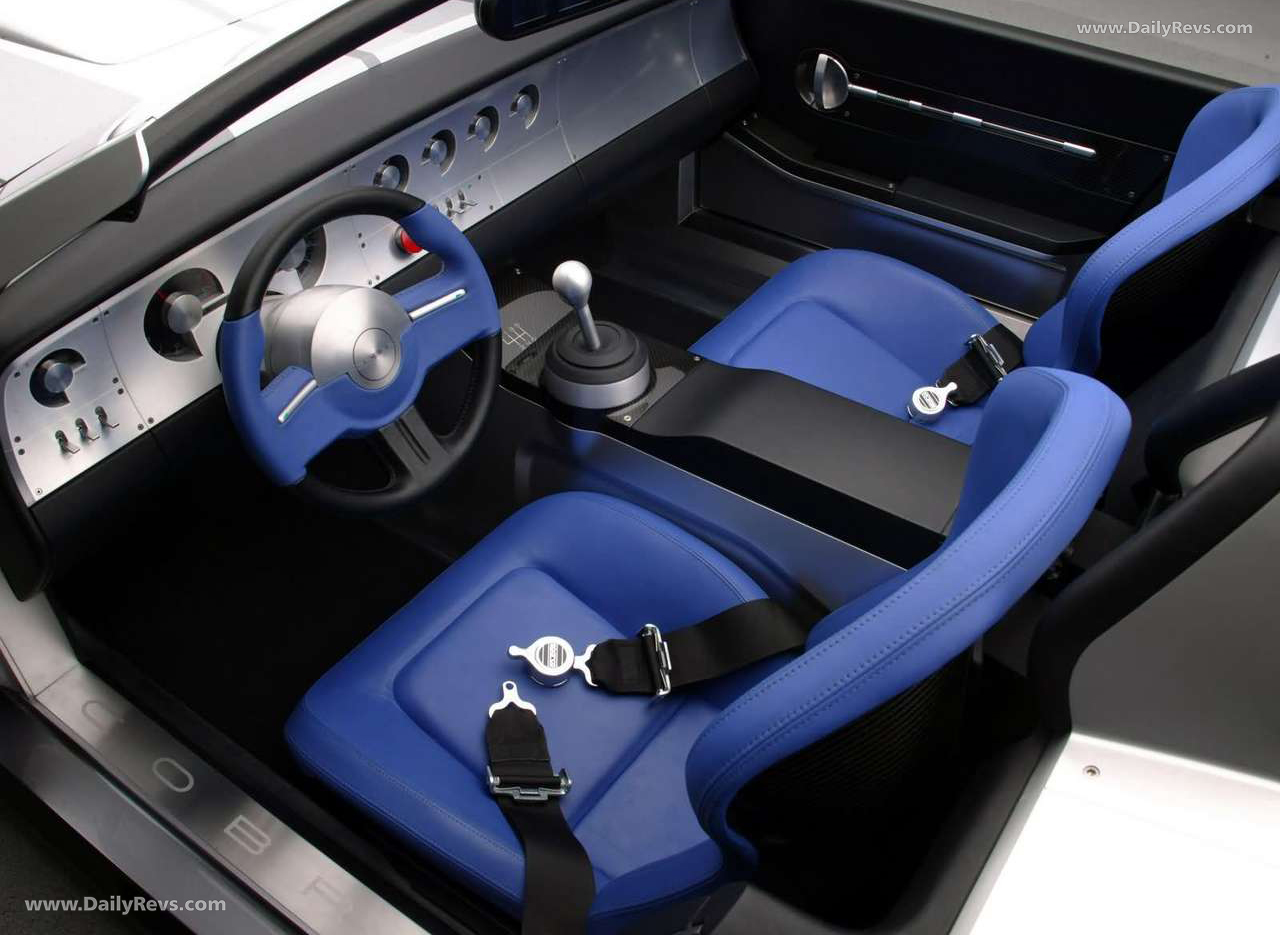
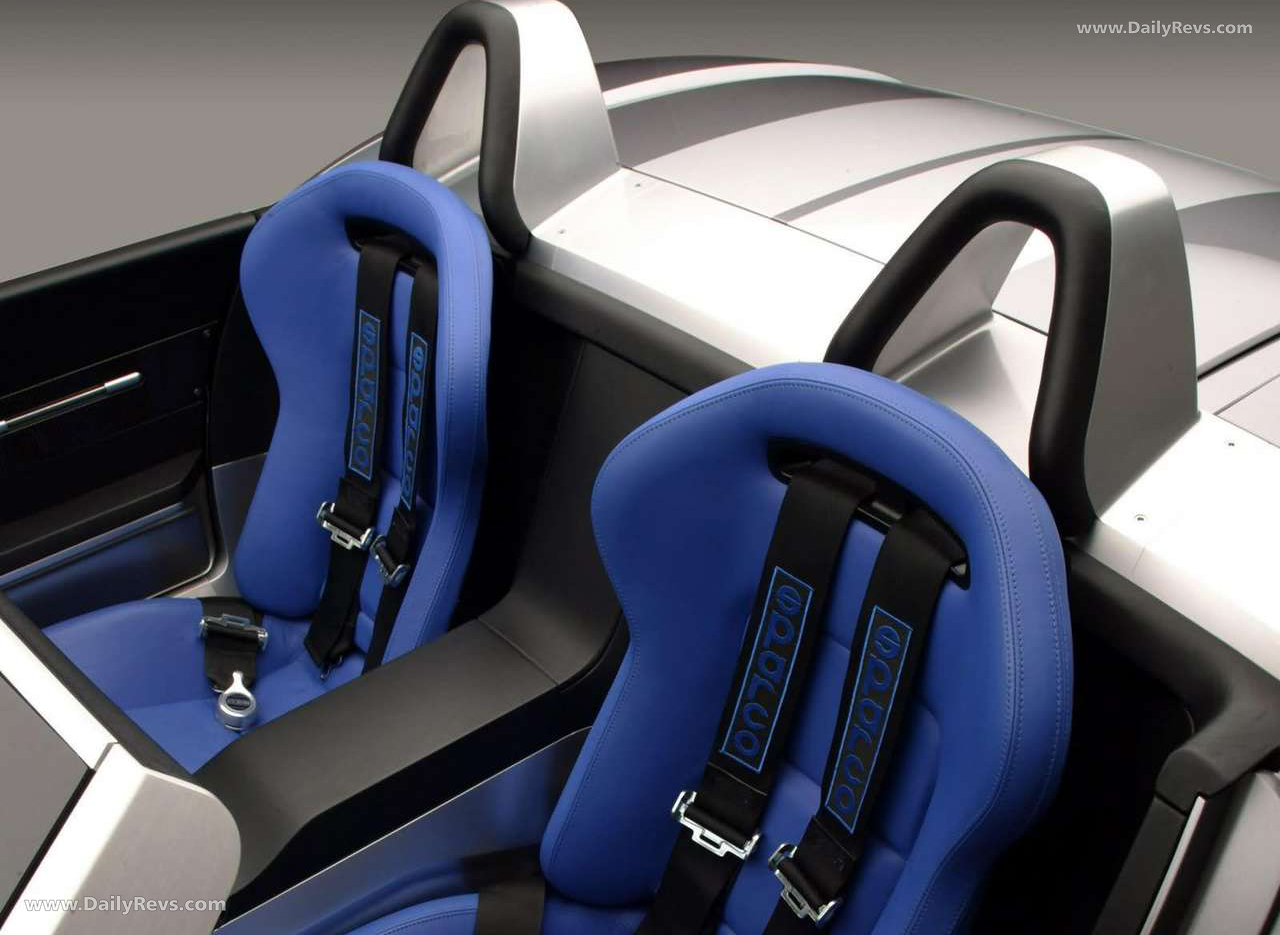
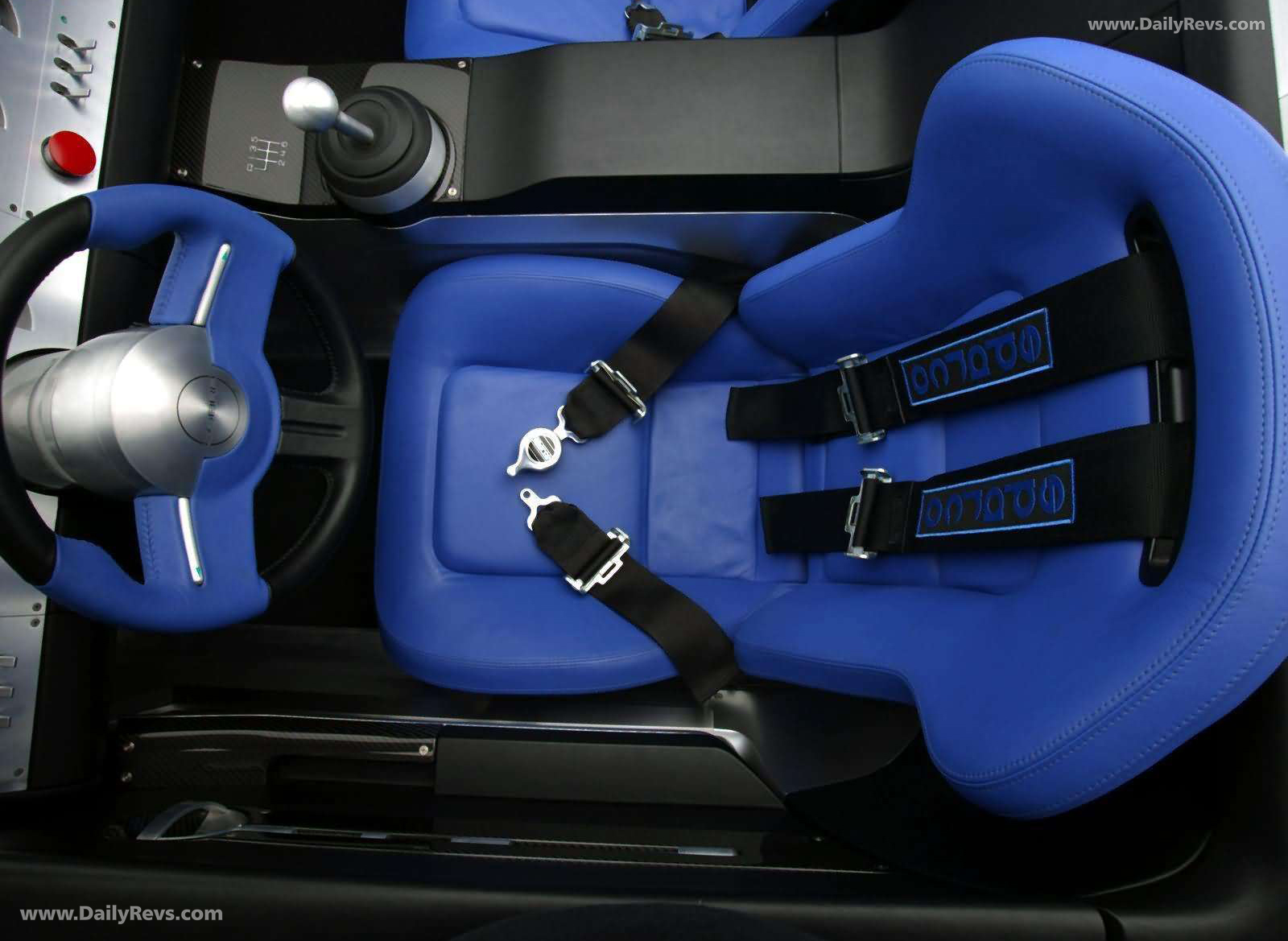
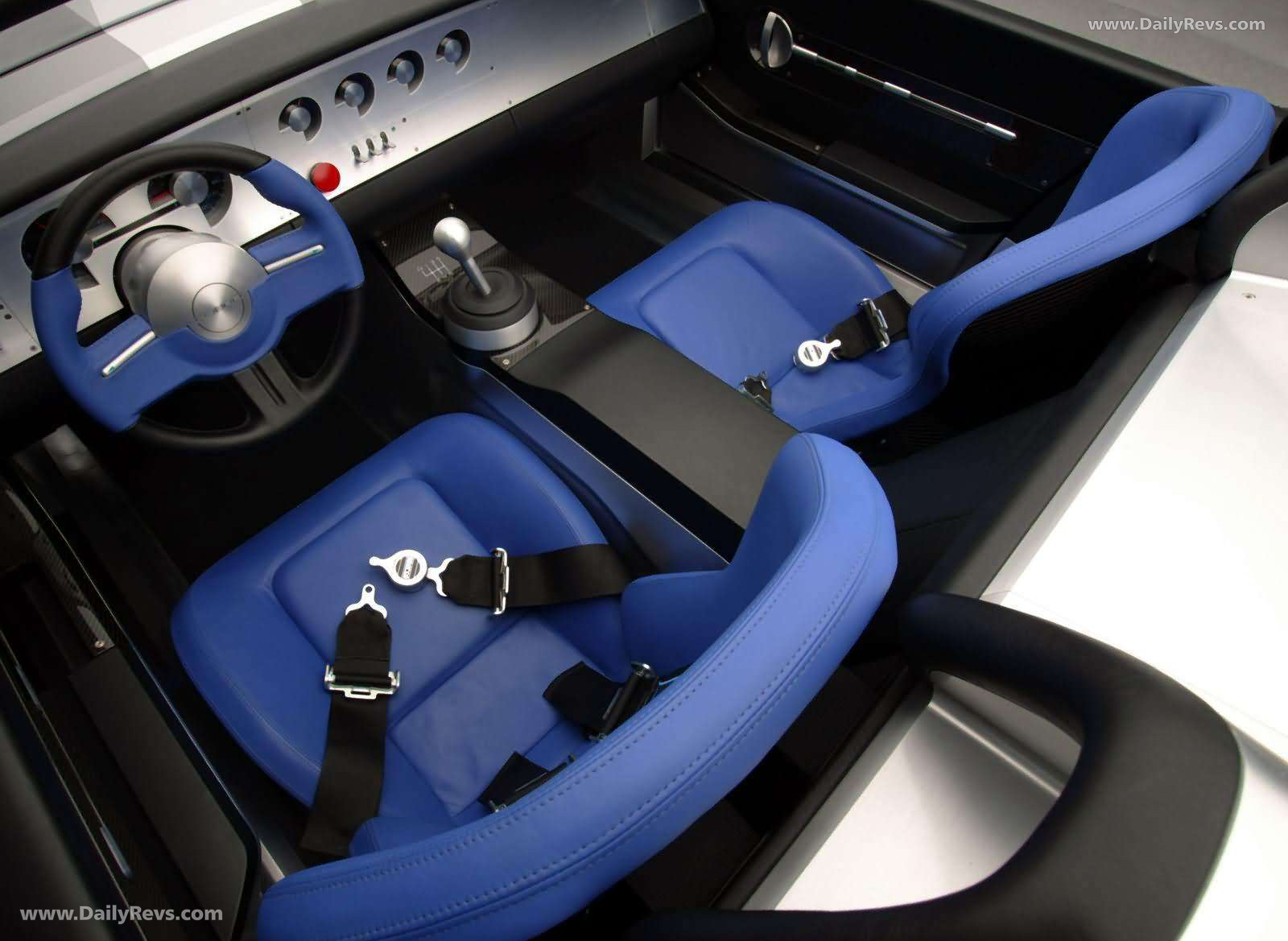
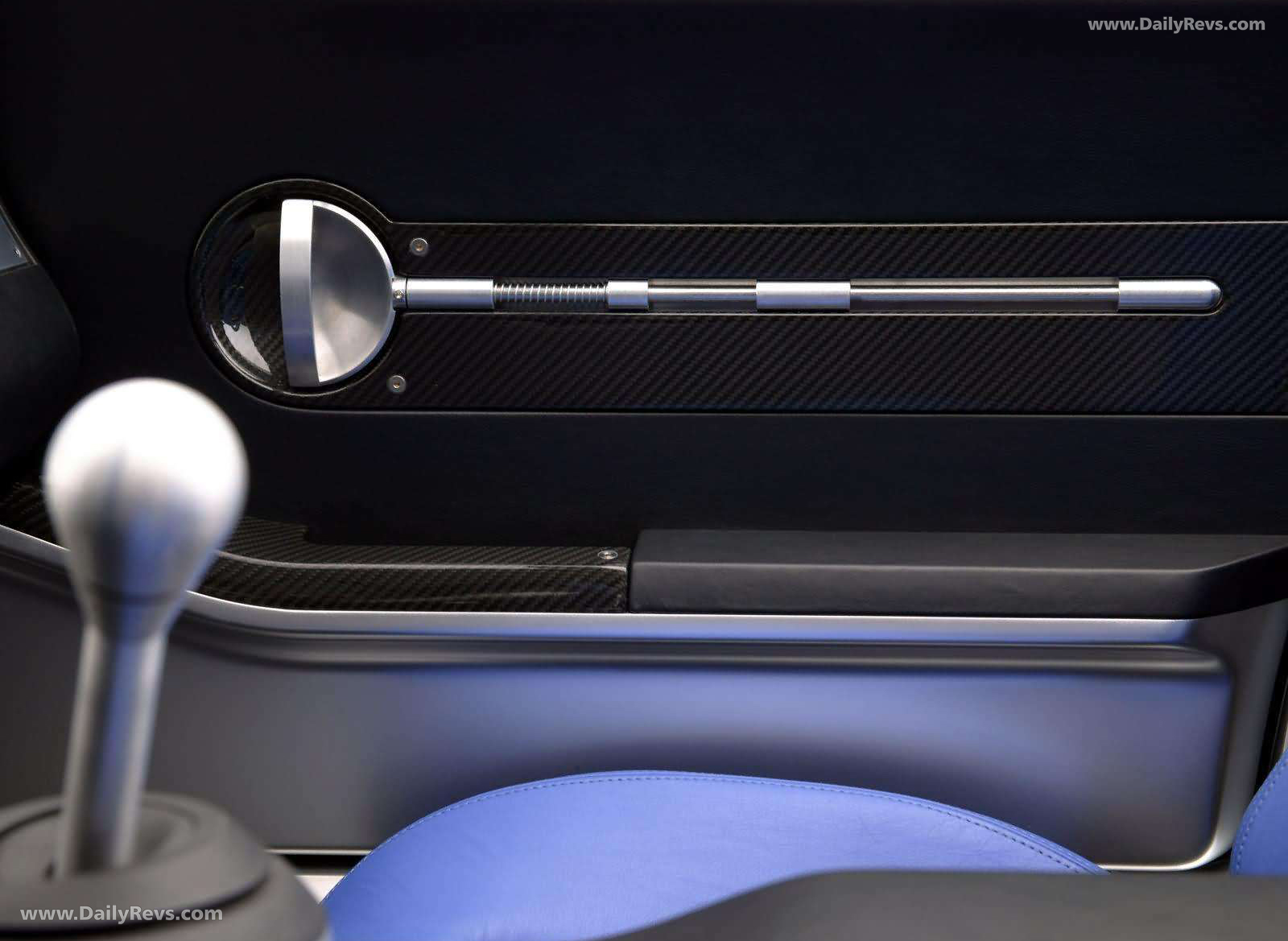
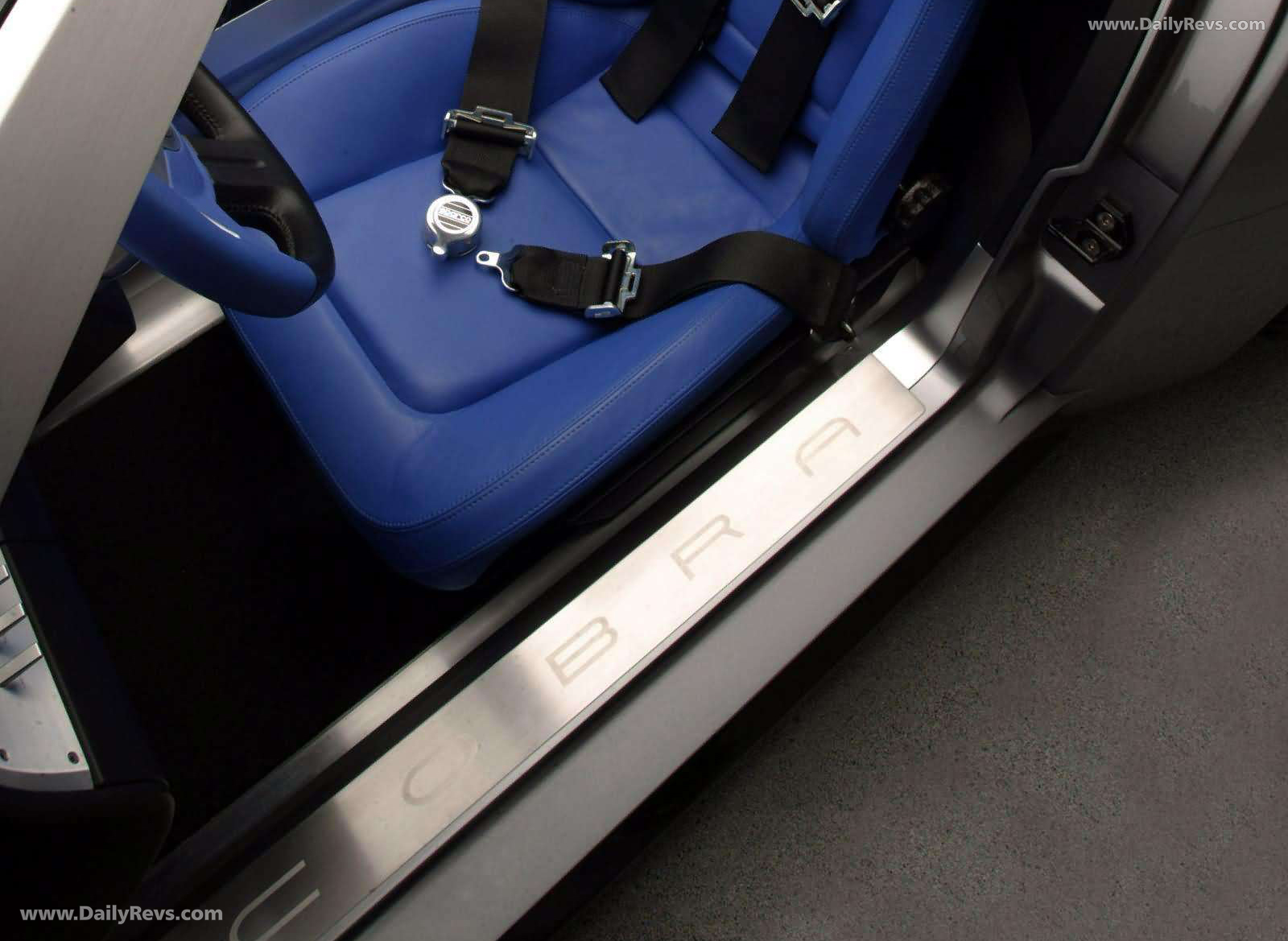
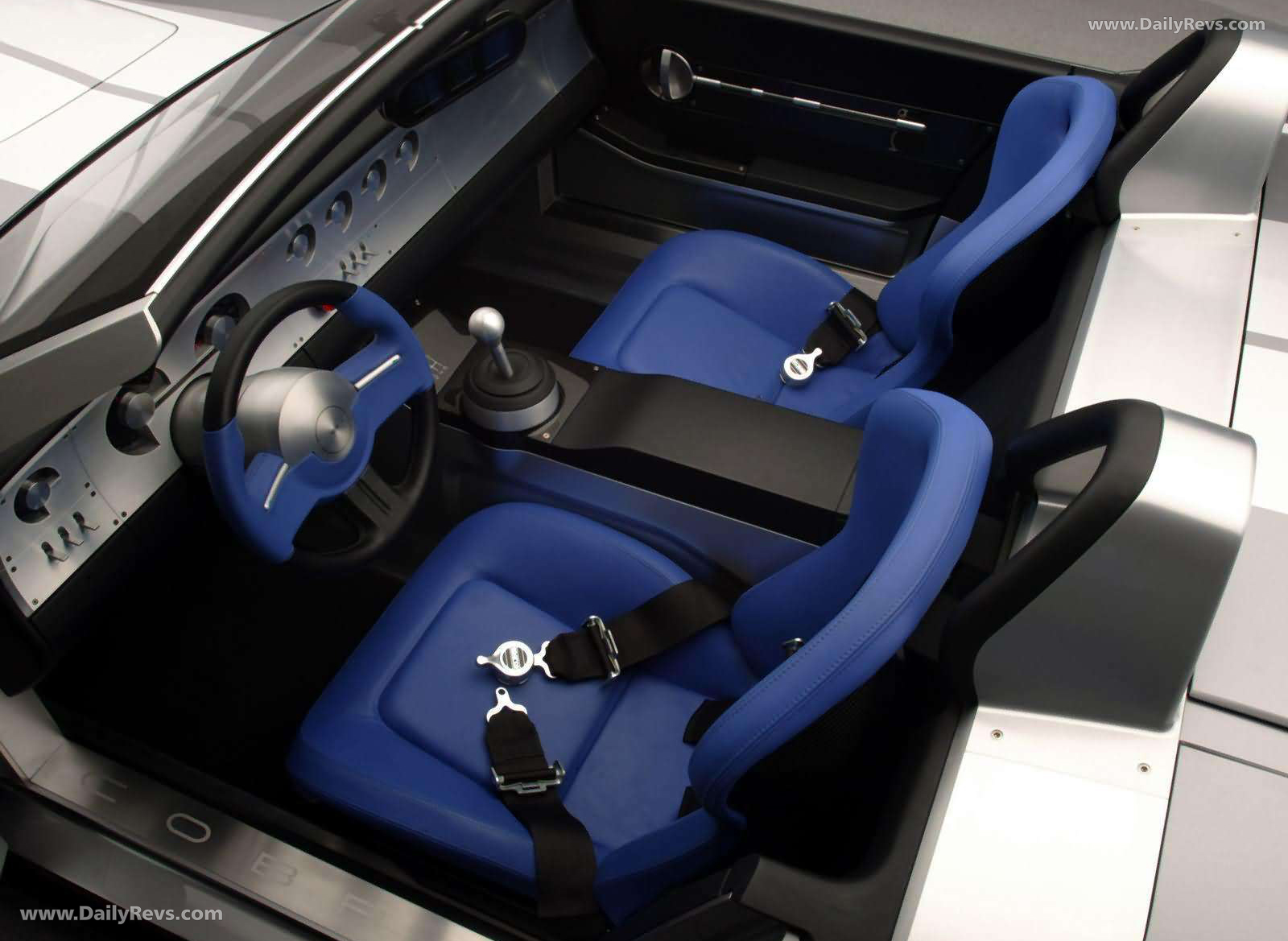
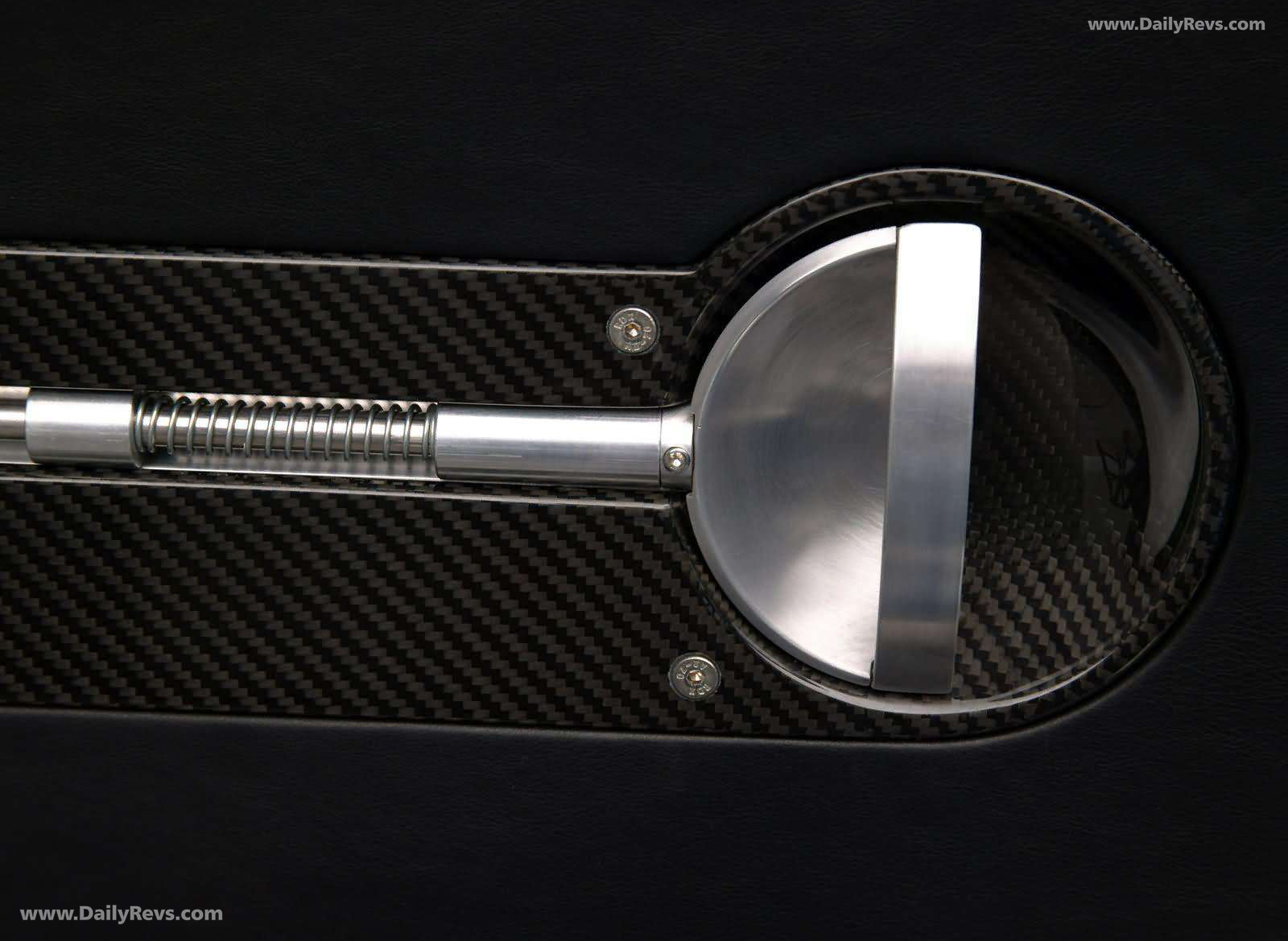
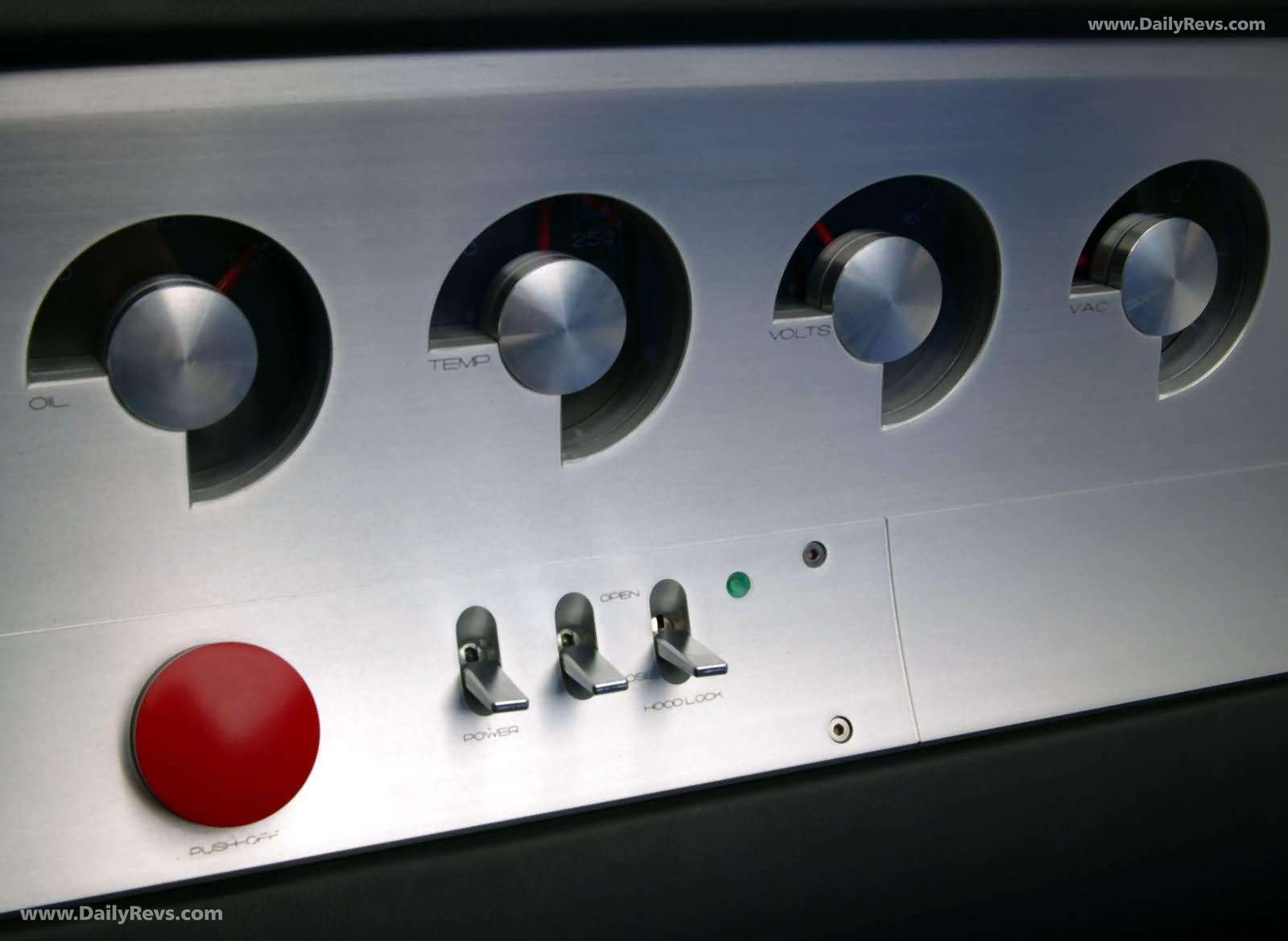
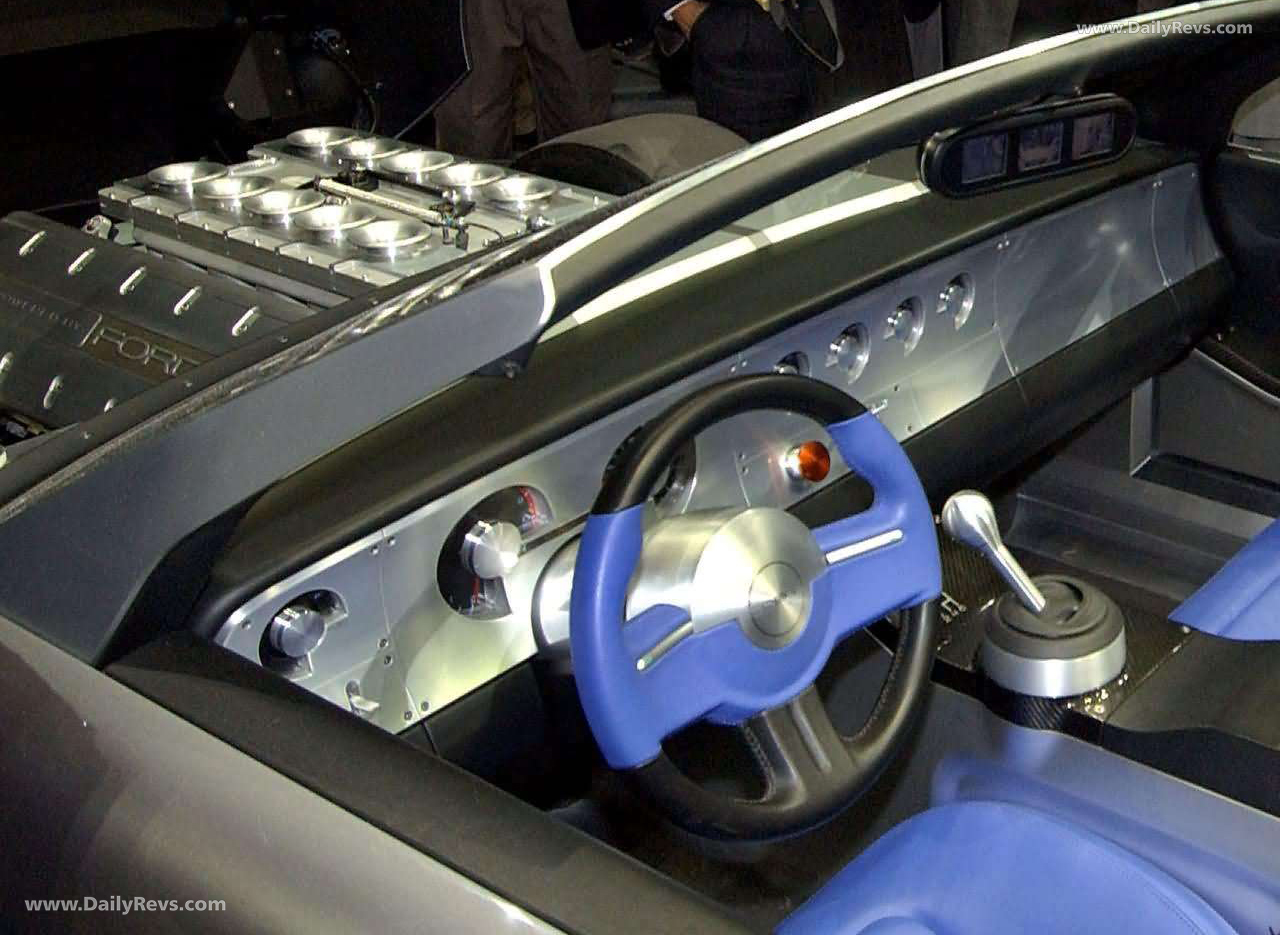
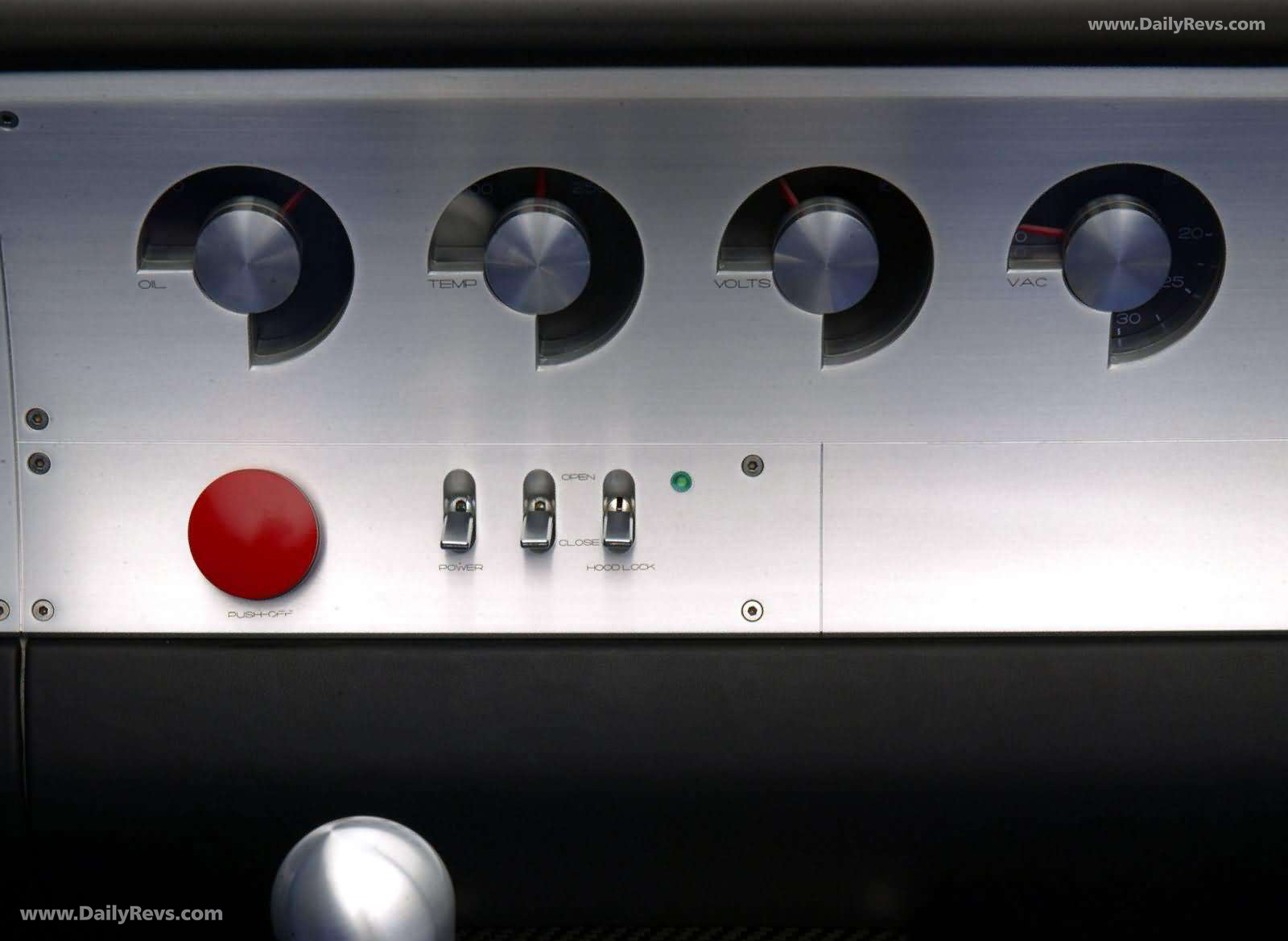
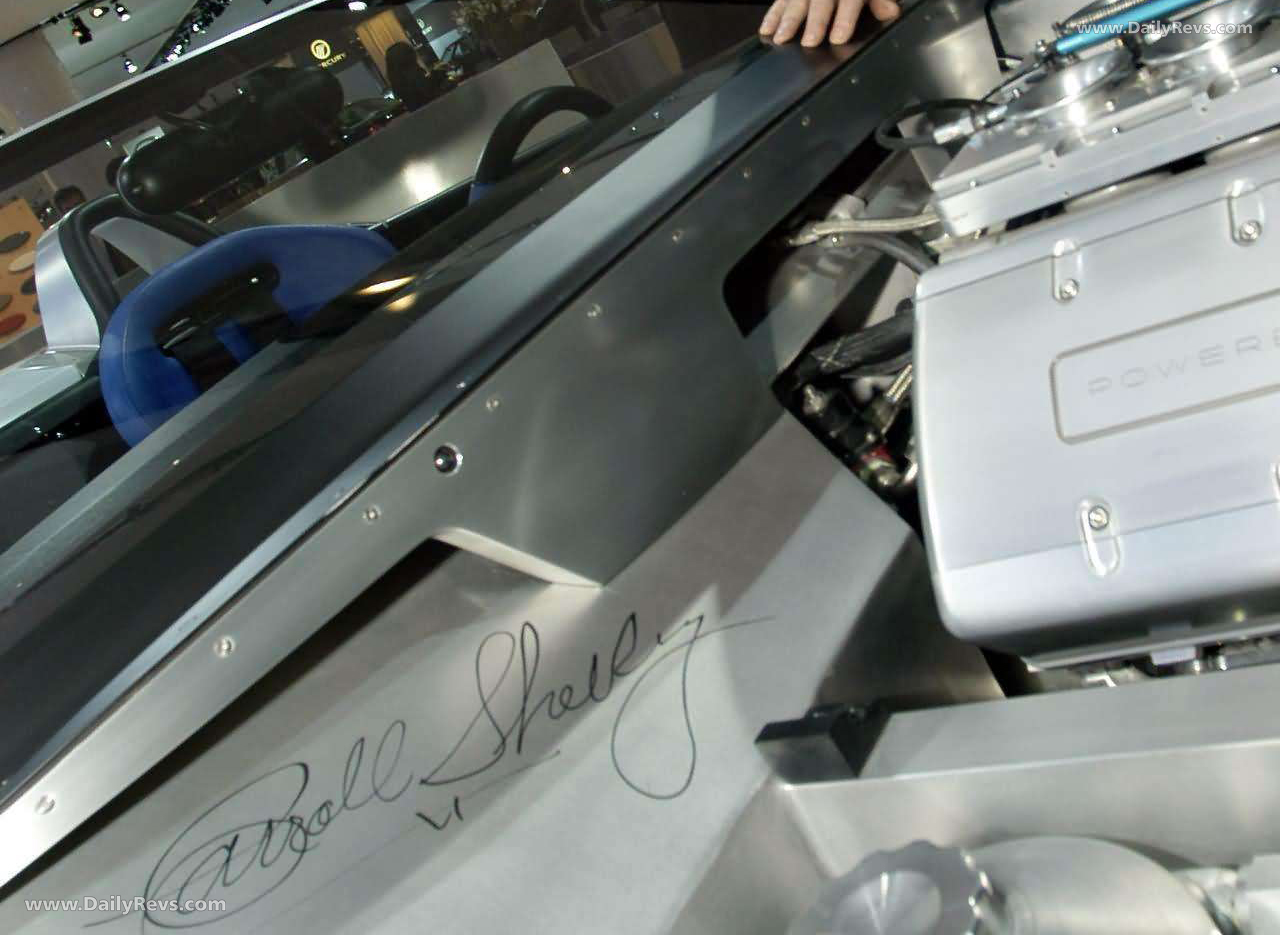
The cockpit featured a full-width aluminum dashboard, exposed metal surfaces, toggle switches, and carbon-fiber racing seats equipped with five-point harnesses. Bright blue upholstery added contrast to an otherwise industrial-looking interior.
There were no luxury distractions. No audio system. No elaborate infotainment screen. The focus remained firmly on the driver and the mechanical experience.
Interestingly, the packaging delivered more legroom than a Ford Crown Victoria sedan despite the compact exterior dimensions. That was made possible by the rear-mounted six-speed transaxle, which helped free up space in the footwells while also contributing to balanced weight distribution.
The 605 Horsepower V10 Steals the Show
What truly defined the concept sat beneath the hood.
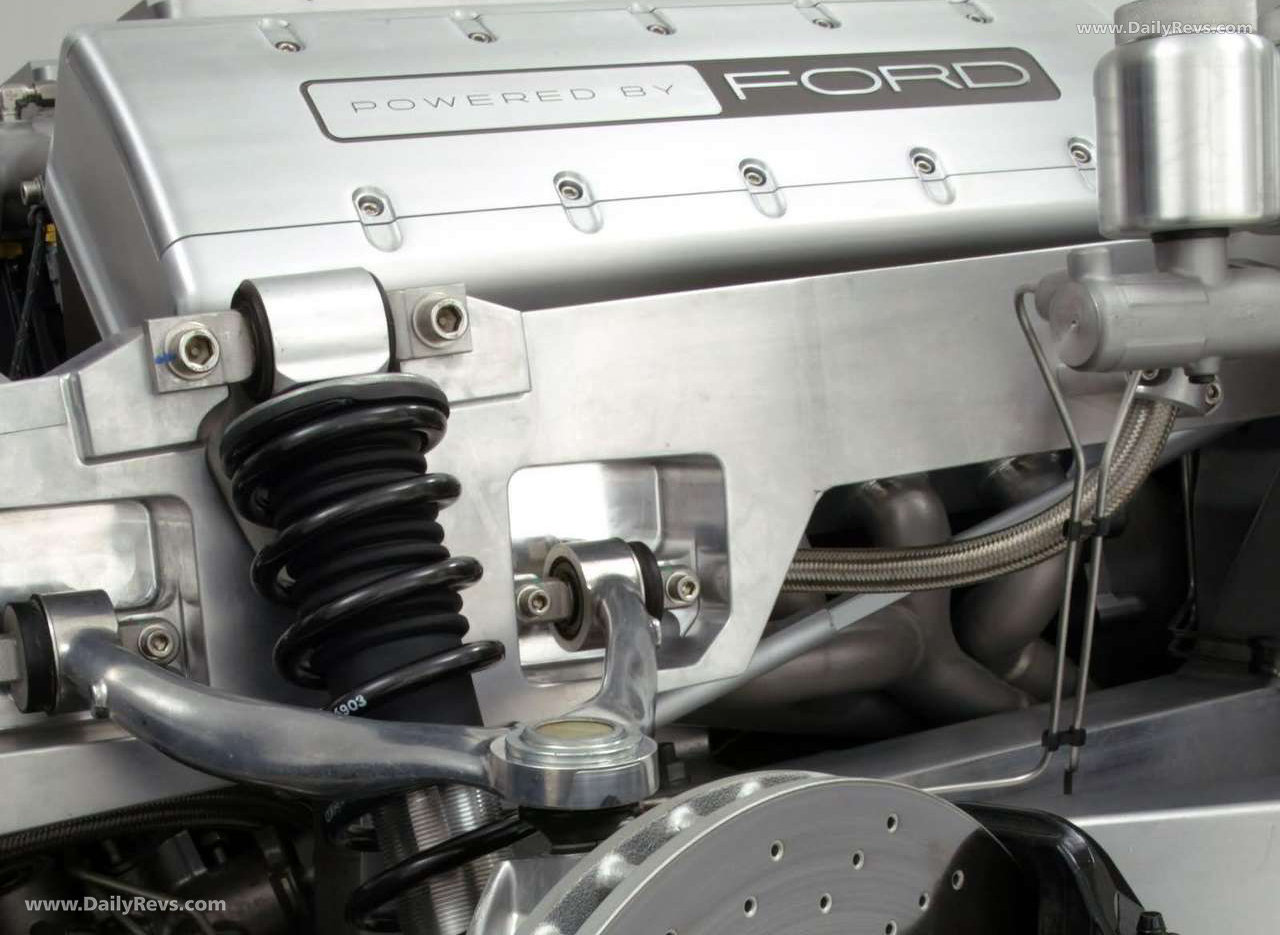
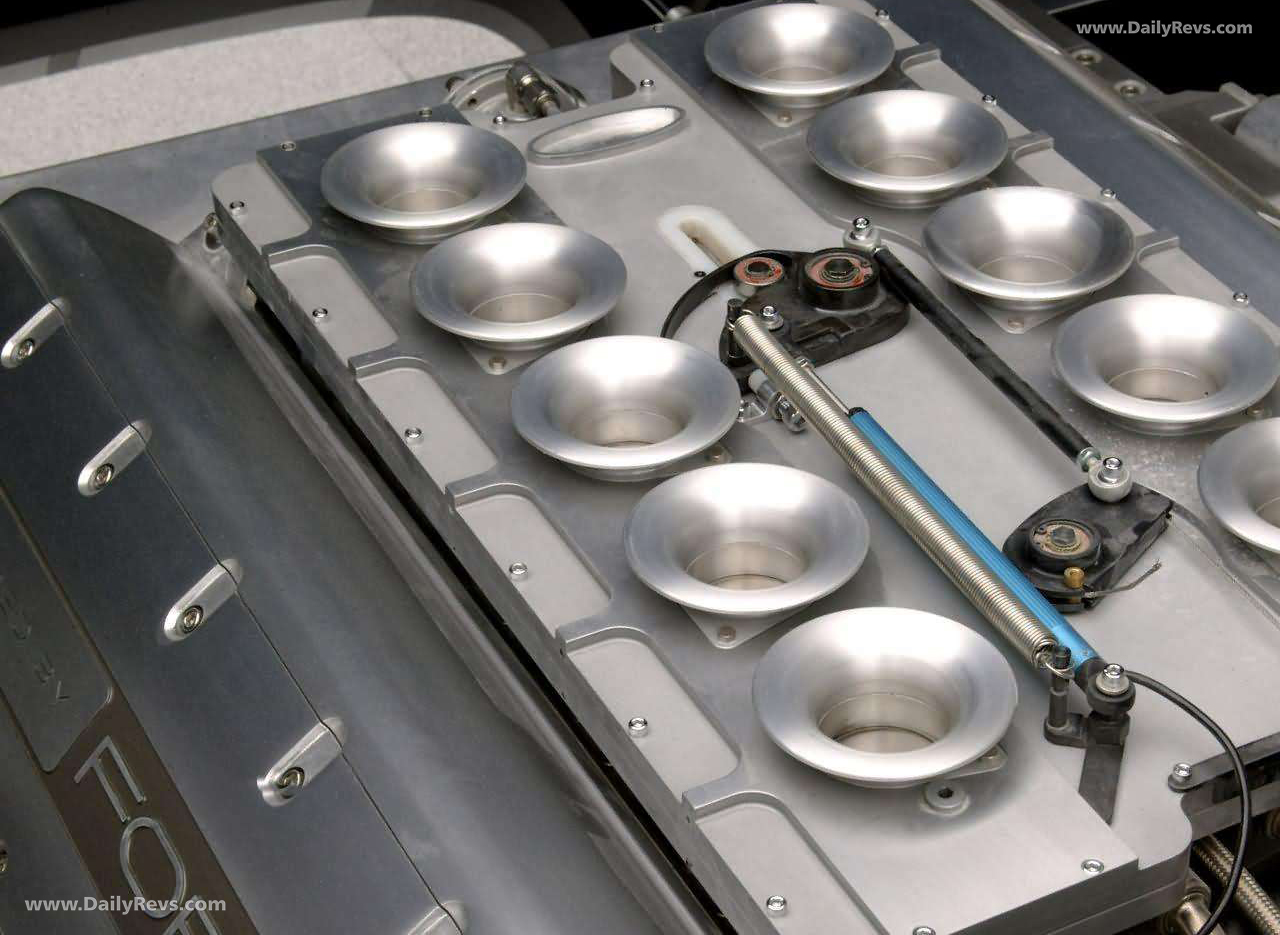
Ford engineers developed a naturally aspirated 6.4-liter aluminum V10 producing 605 horsepower and 501 lb-ft of torque. The engine borrowed ideas from Ford's modular engine family while incorporating racing-inspired features such as velocity stacks and a dry-sump lubrication system.
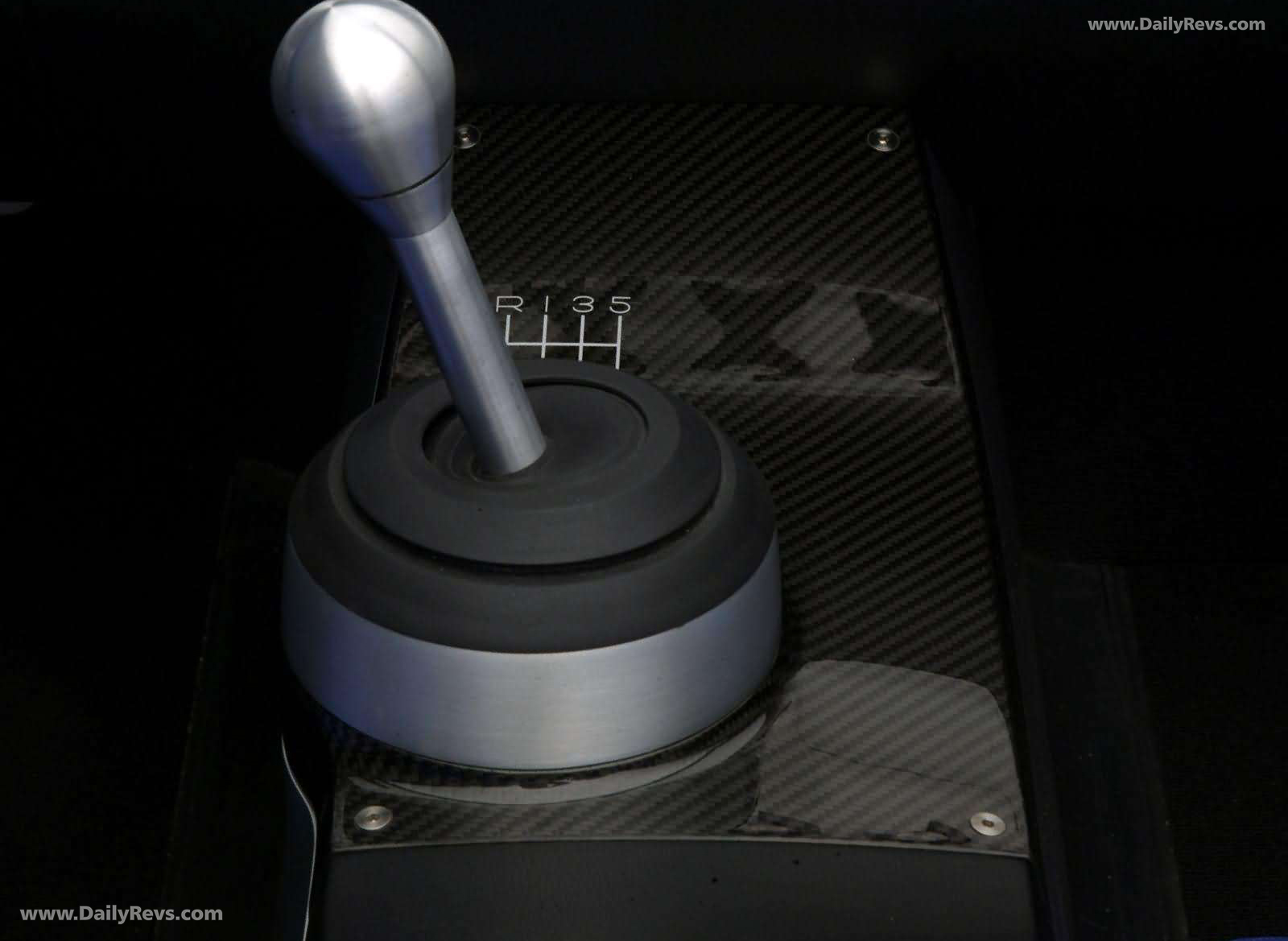
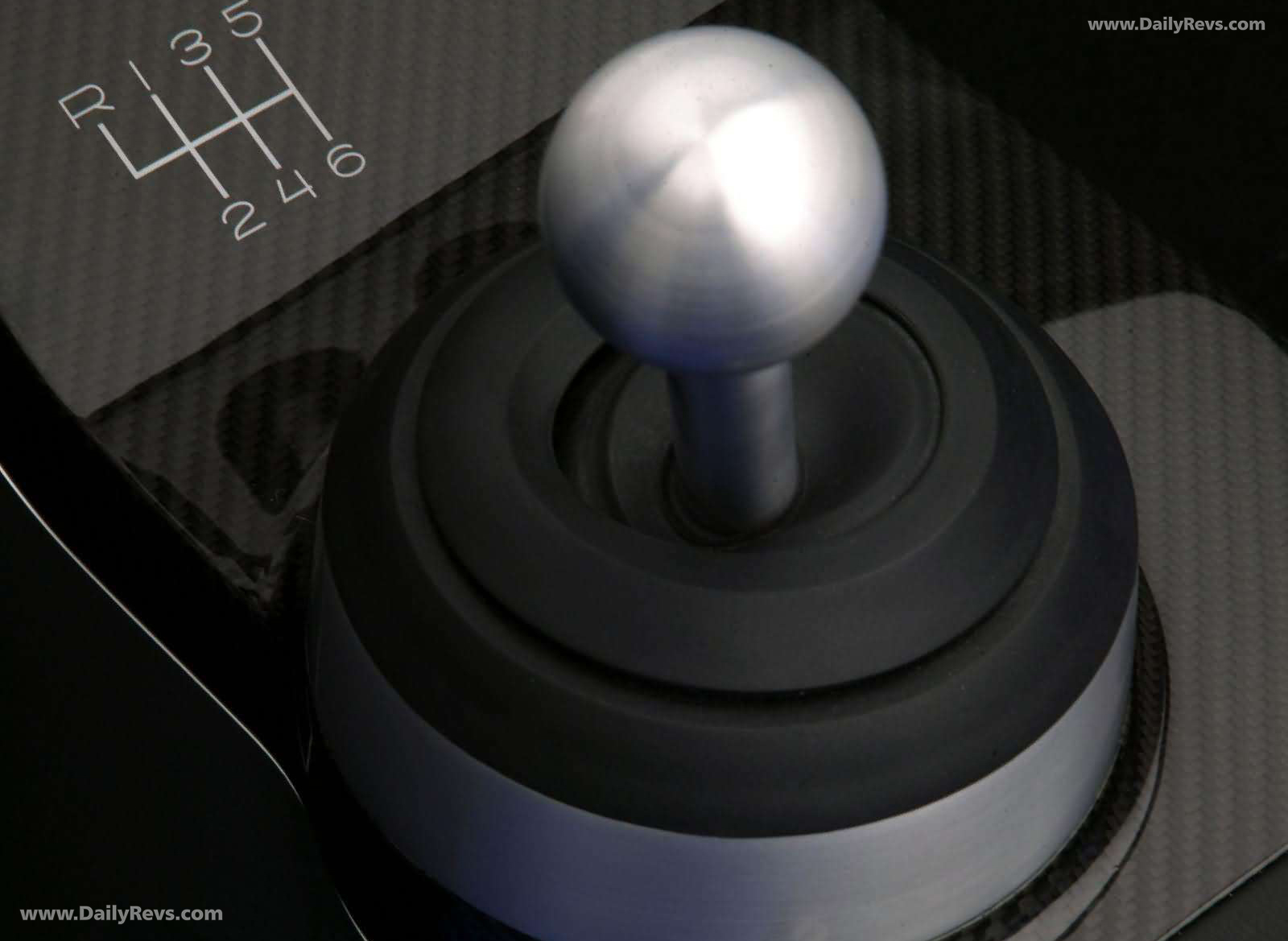
Power was sent to the rear wheels through a six-speed manual transaxle shared with the Ford GT. Ford estimated the roadster could accelerate from 0-60 mph in under four seconds, while theoretical top speed exceeded 260 mph. The concept itself was electronically limited during testing.
More Than Just a Show Car
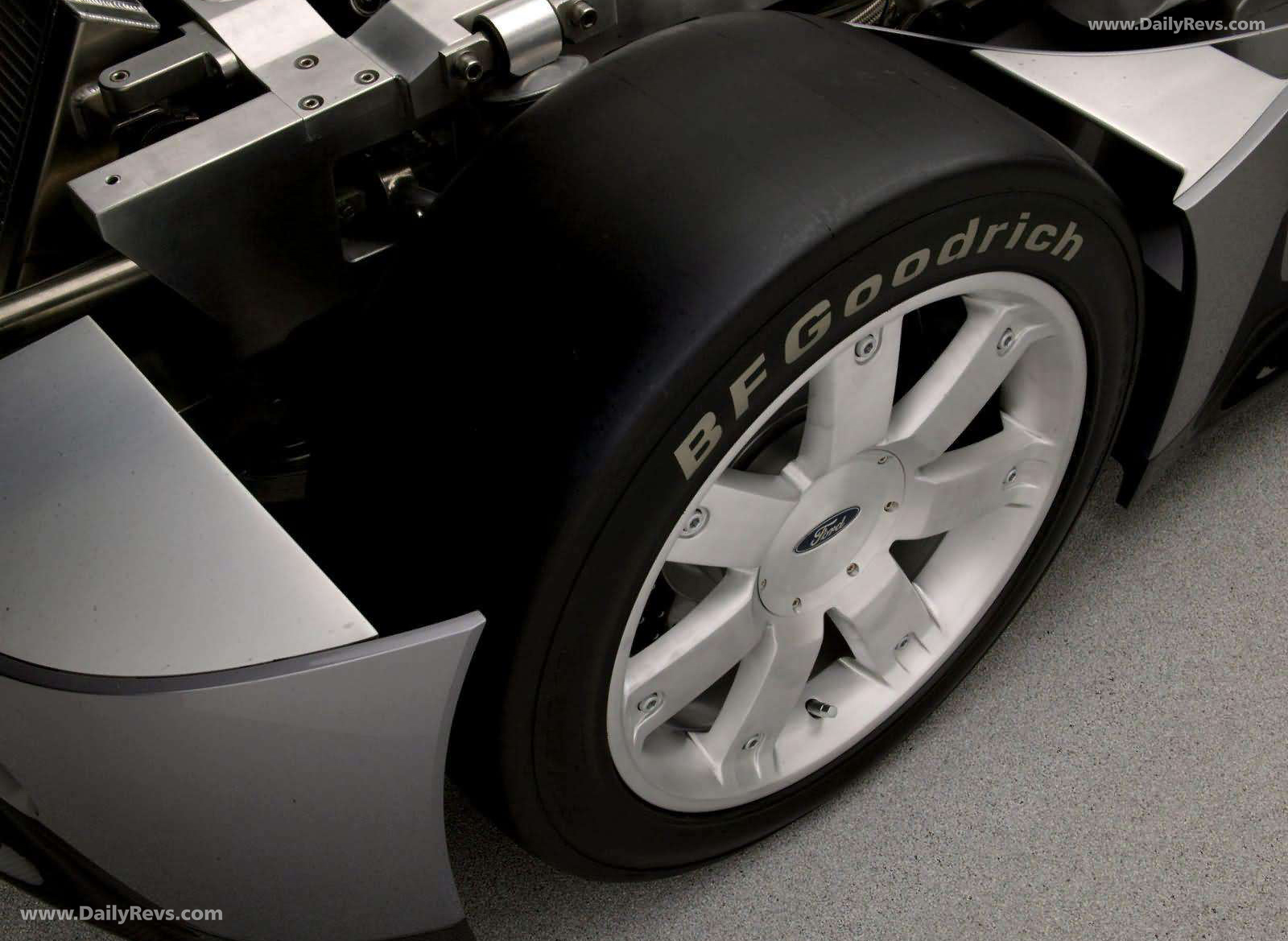
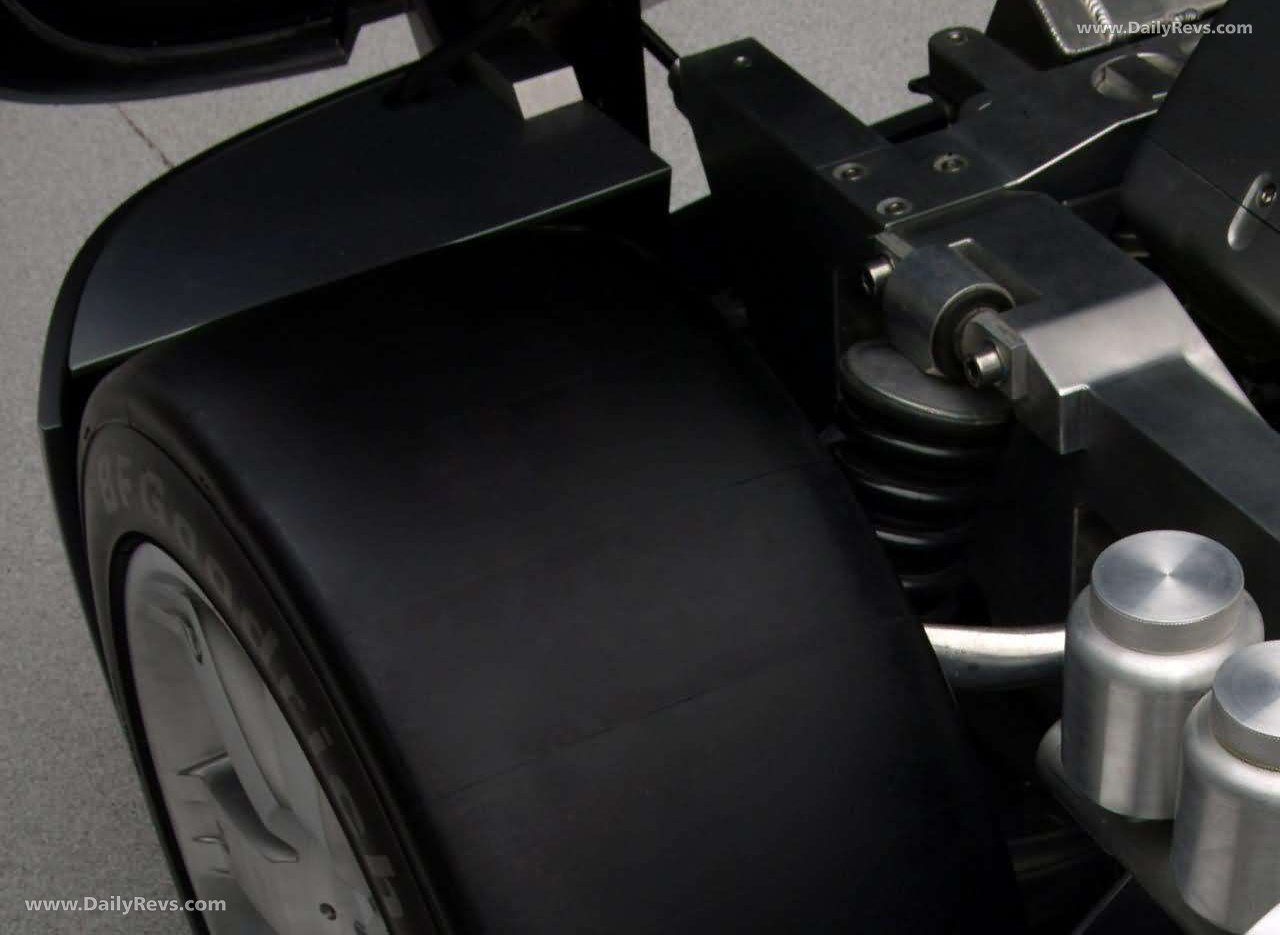
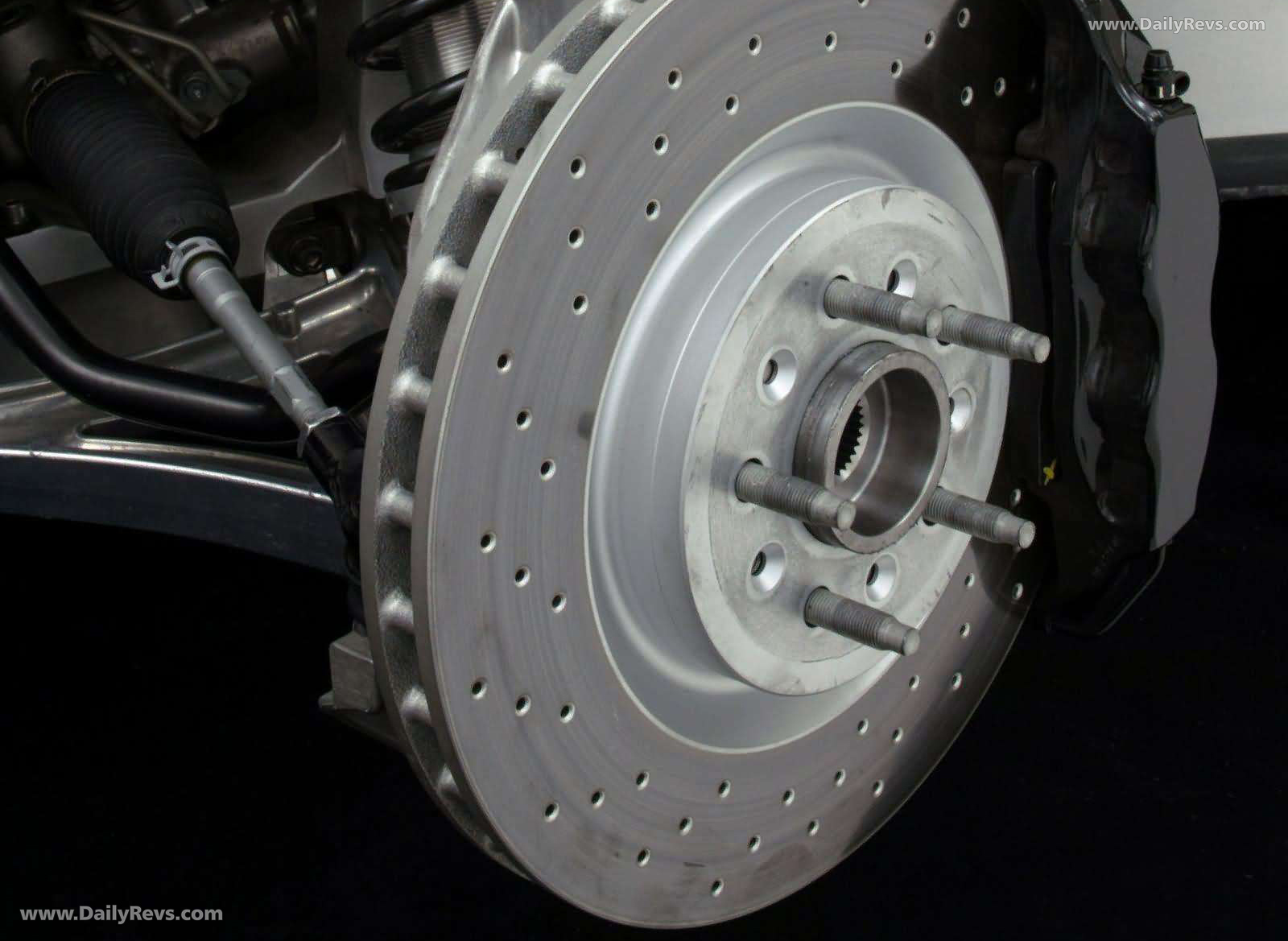
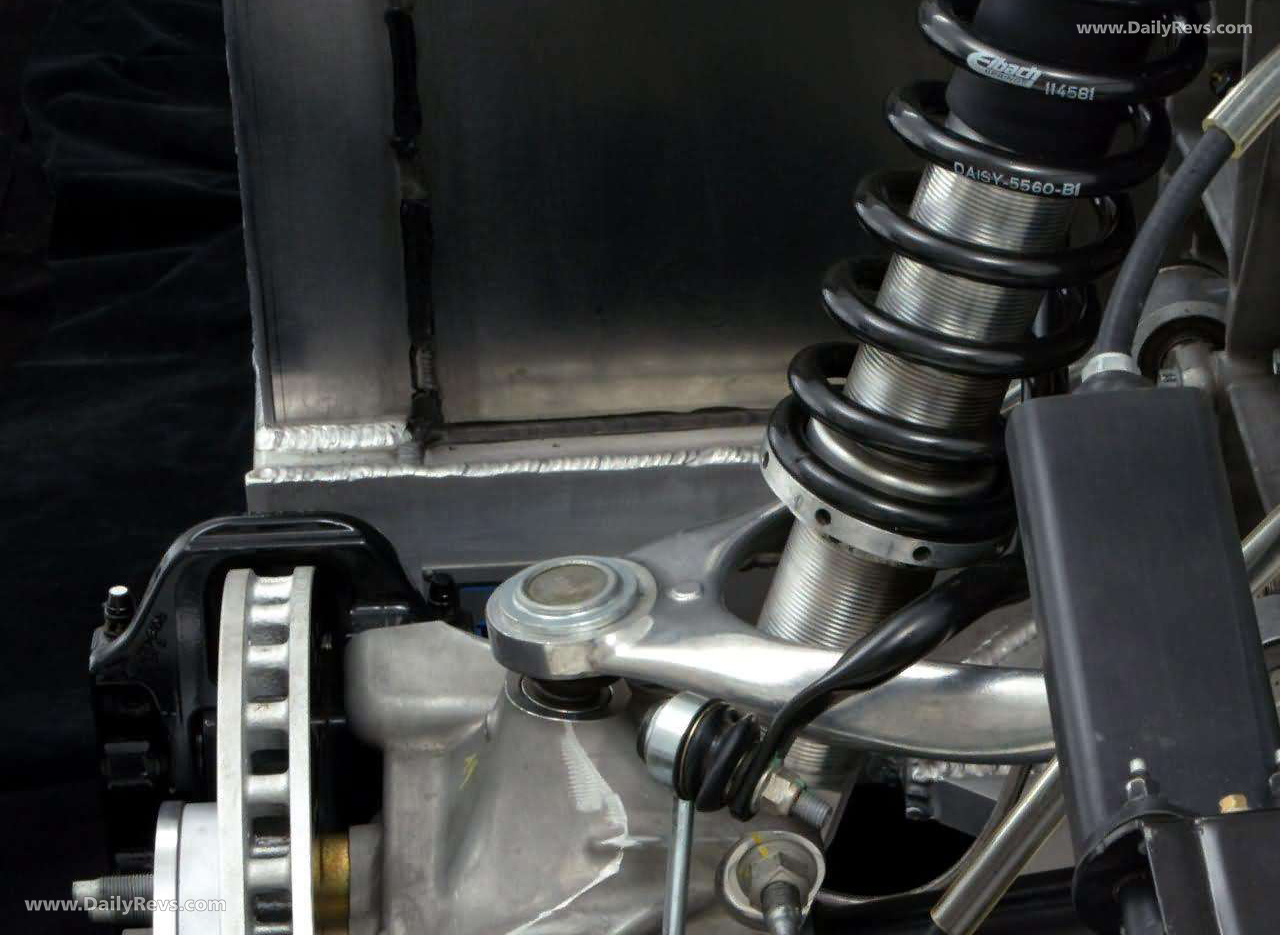
Unlike many concept vehicles of its era, the Ford Shelby Cobra Concept was engineered as a functioning prototype. It utilized a modified version of the Ford GT's aluminum space-frame chassis and suspension architecture, making it far more than a static design exercise.
At the time, Ford openly acknowledged that production feasibility had been considered throughout development. That never translated into a showroom model, but the concept remains one of the company's most memorable performance studies.
More than two decades later, it still feels like a glimpse of a road Ford almost decided to build.