1997 Volkswagen W12 Syncro Concept
By Lorenzo Bianchi July 24, 1997
Mid-engine 5.6 L W12 with 420 PS (309 kW) and Syncro AWD
Bold supercar proportions: ~4.4 m long, 1.92 m wide, 1.1 m tall, 19″ wheels
Roofed coupe debuting at 1997 Tokyo show, setting stage for later W12 roadster/nardò siblings
Supercar Silence with Attitude
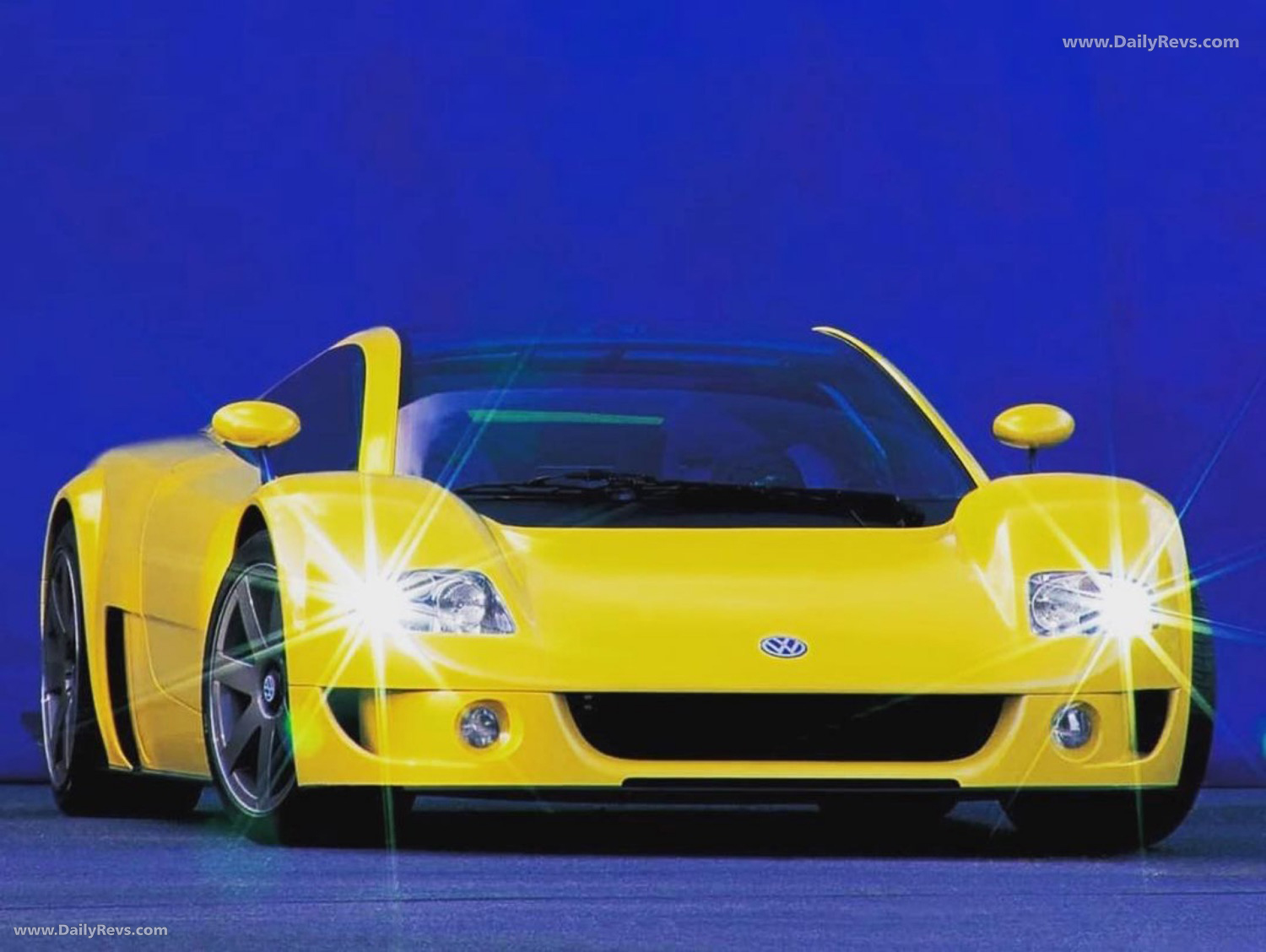
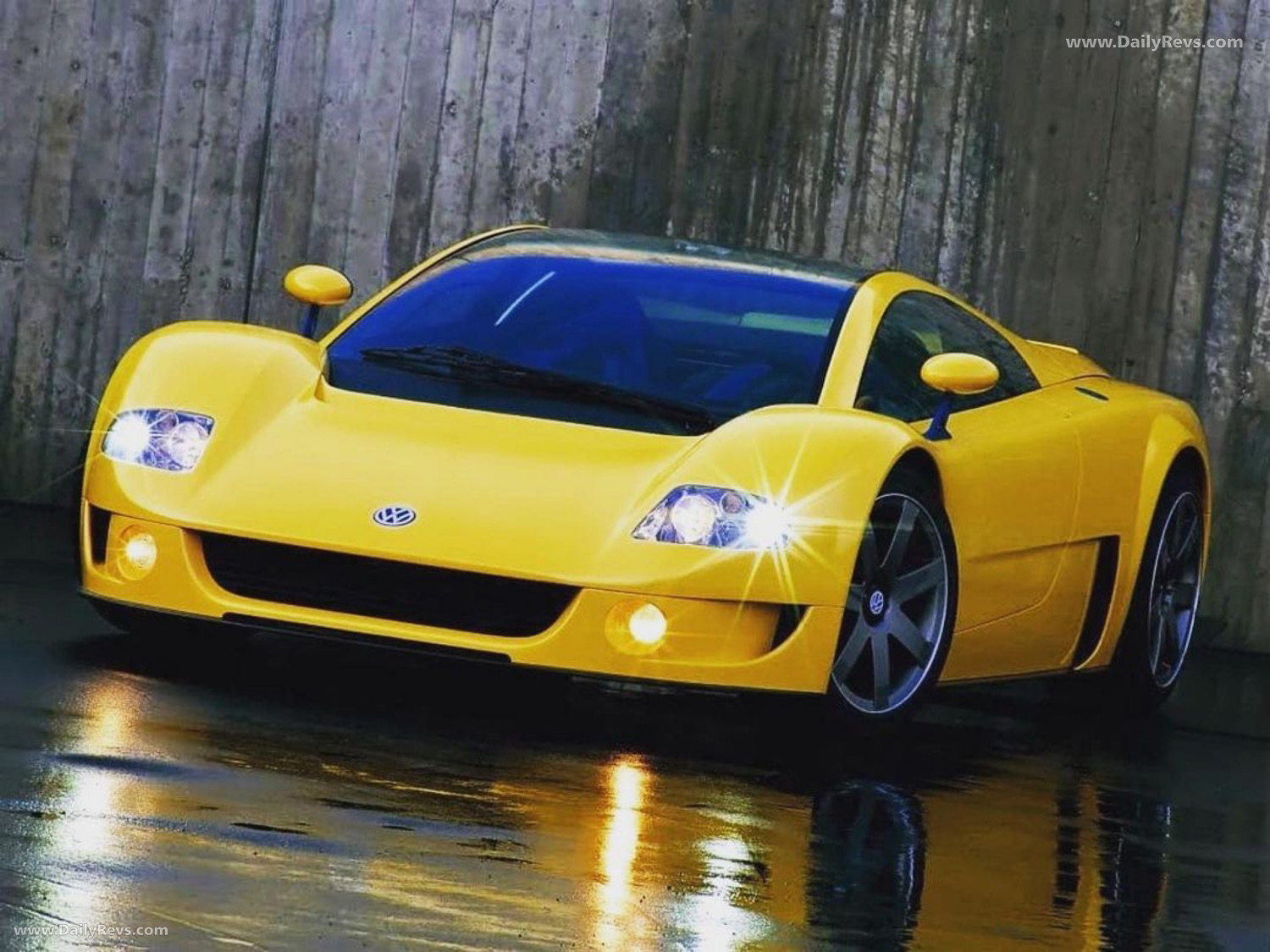
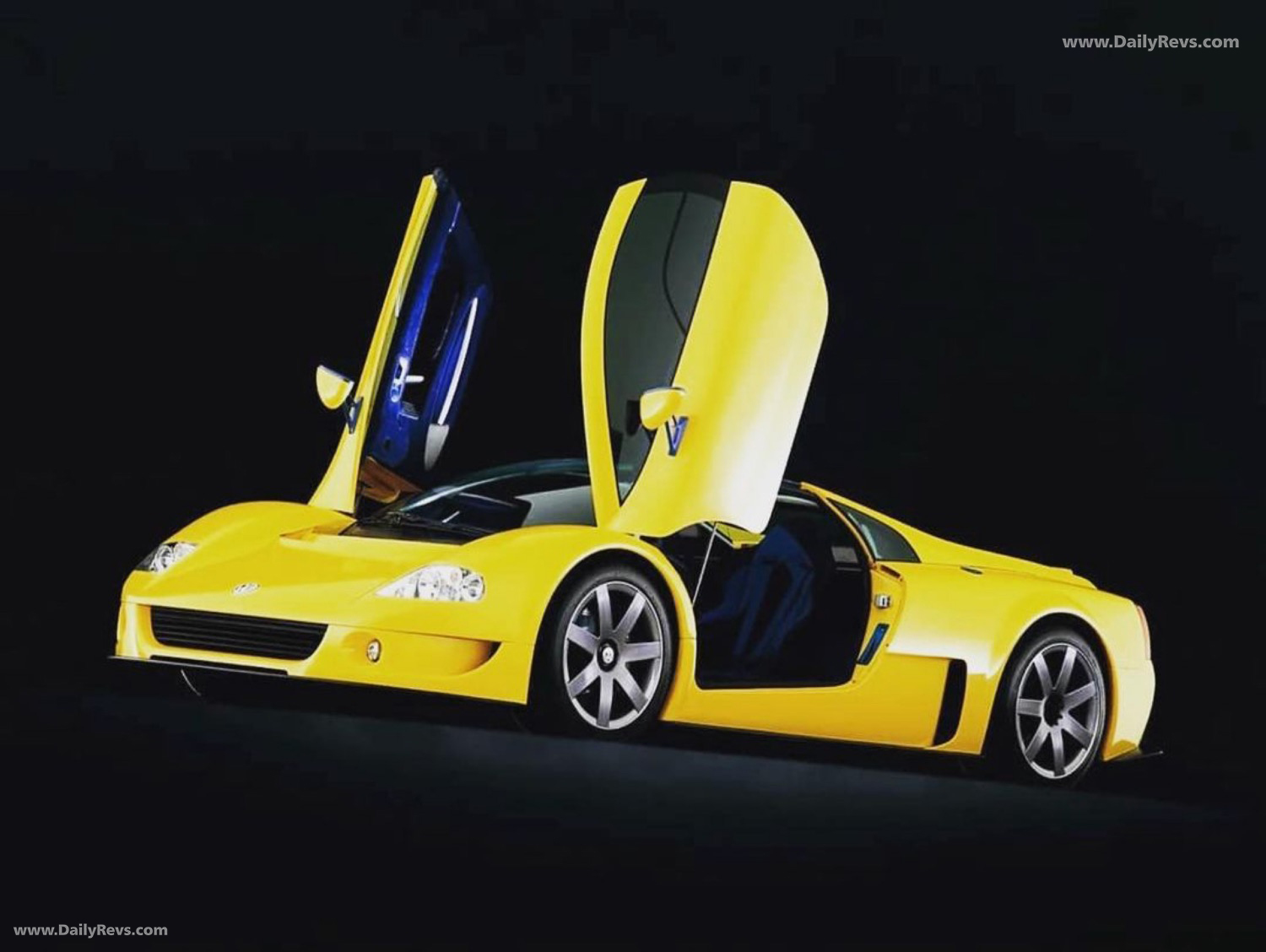
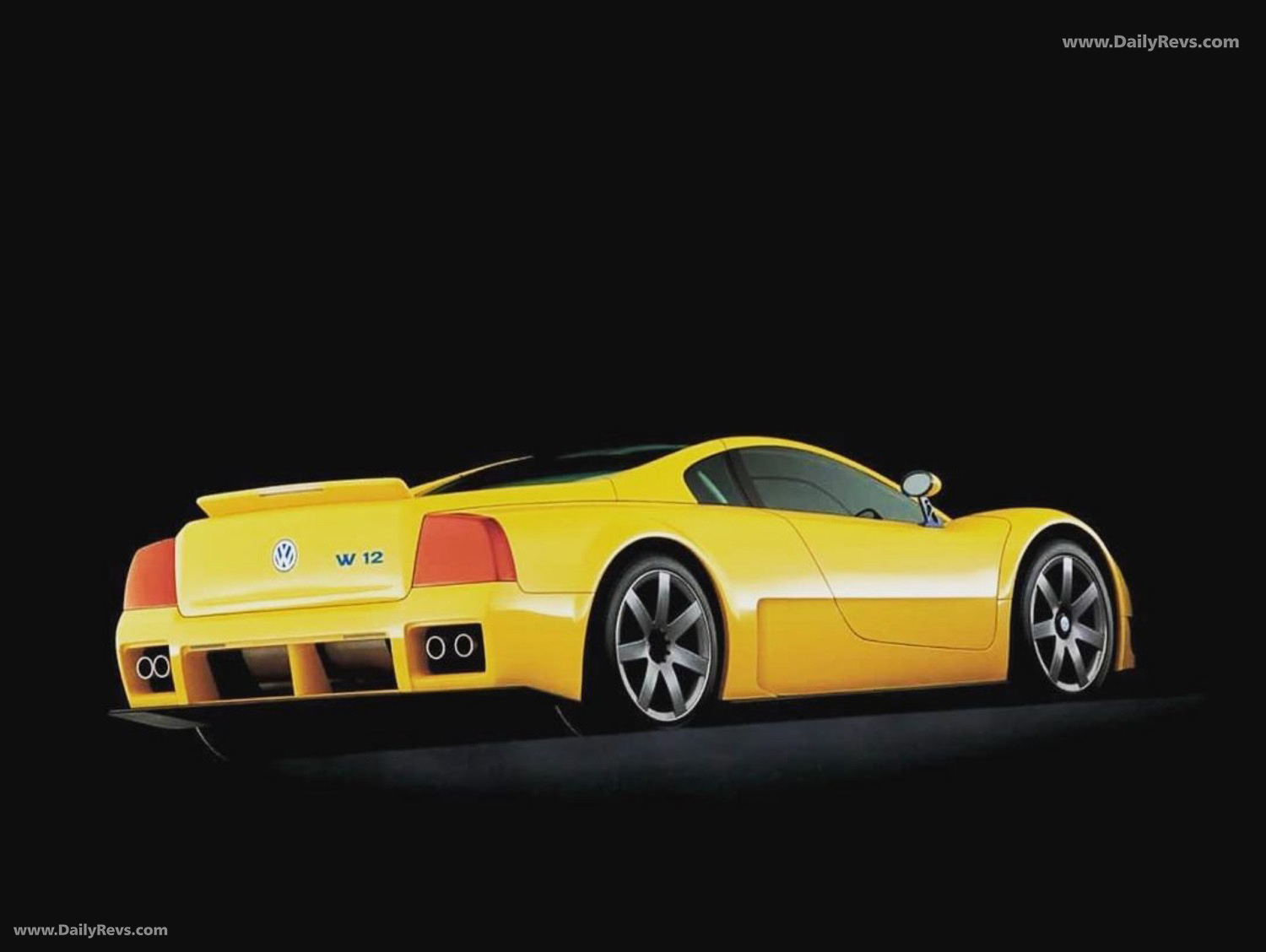
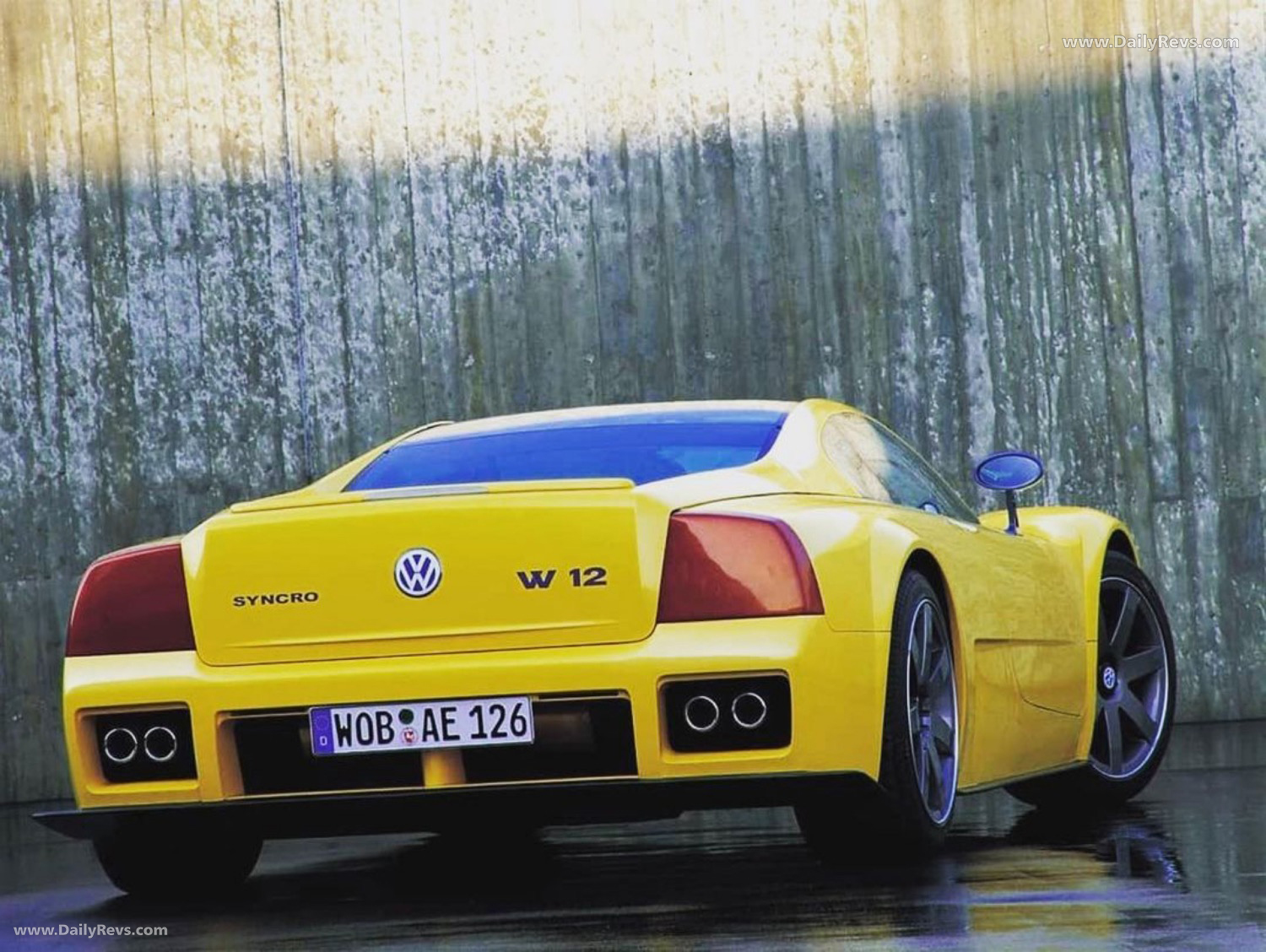
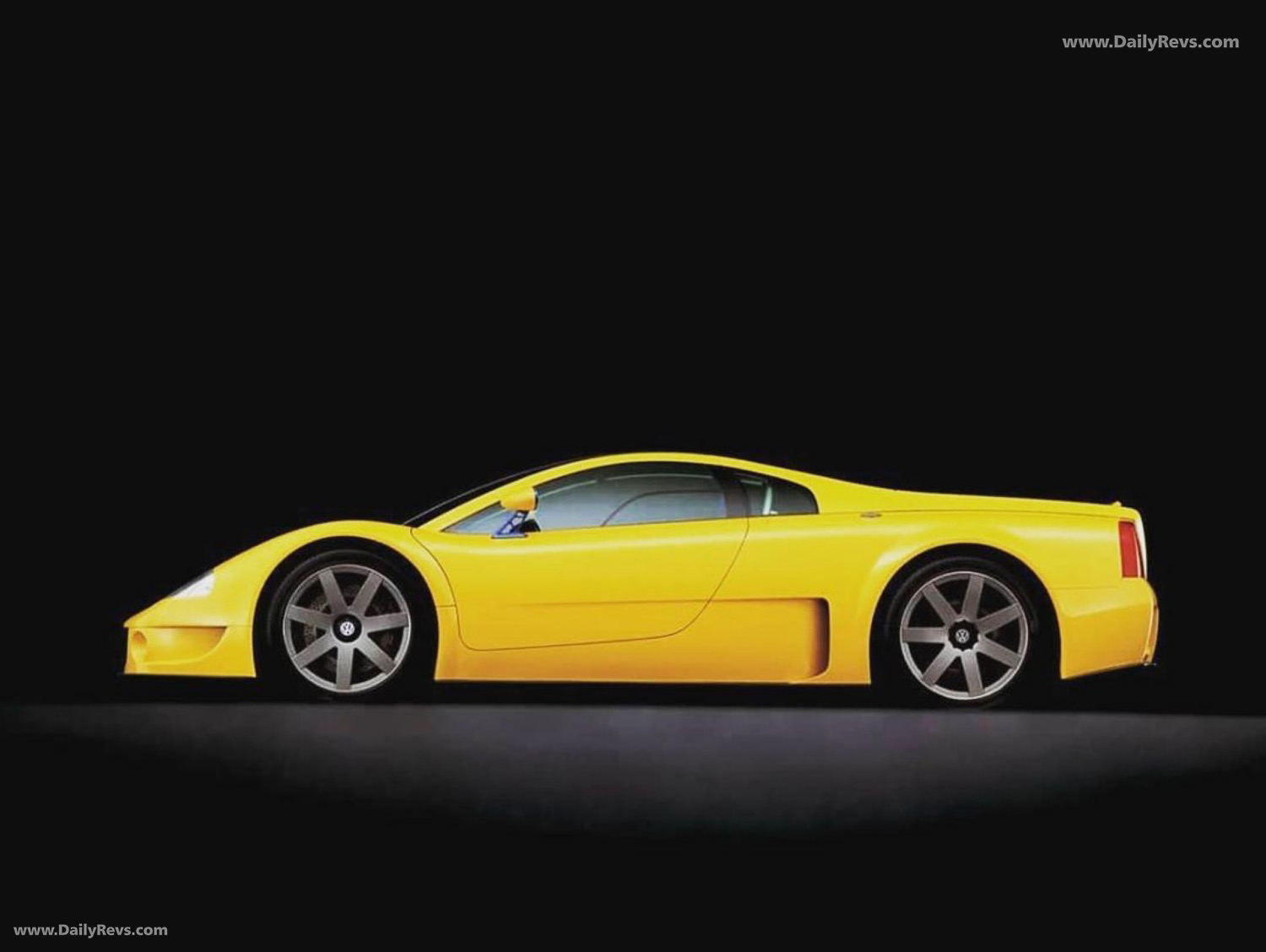
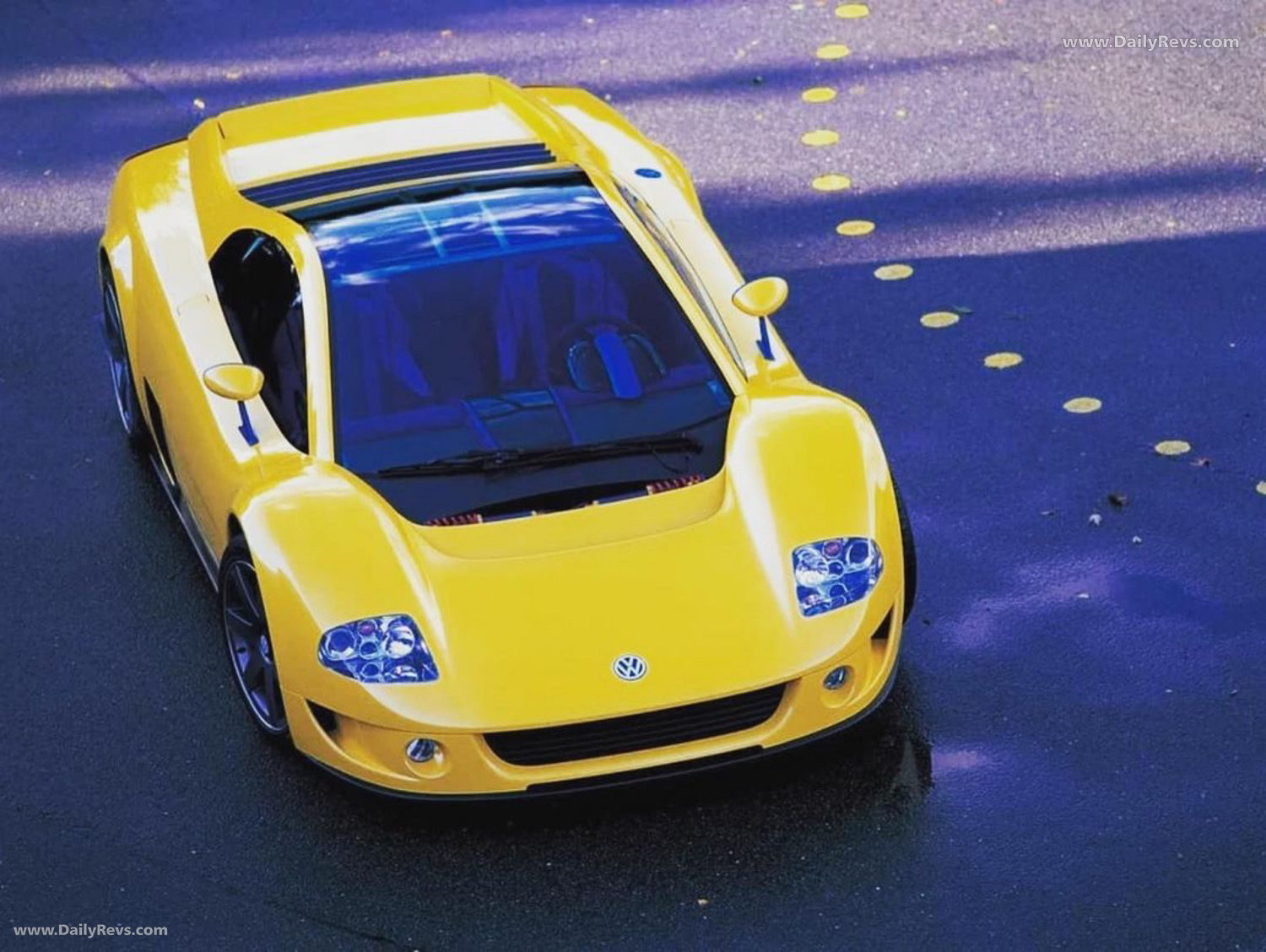
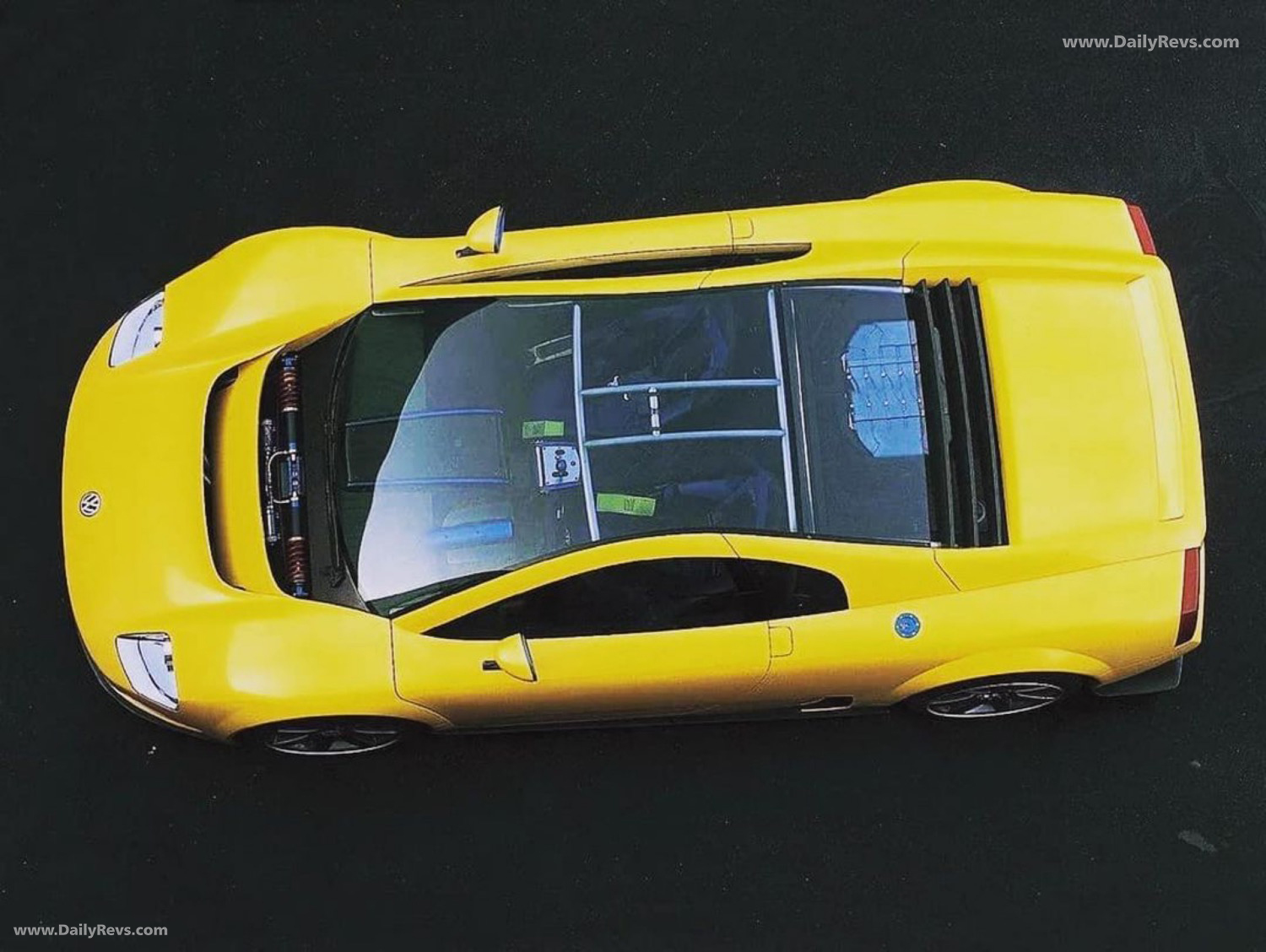
At first glance, it’s all angles and balance. Low-slung roof, a long bonnet, minimal overhang at the back. The body was carbon‑and‑fiberglass, wrapped around a kevlar monocoque that measured just 1.1 m high. It sat on serious 19‑inch alloy wheels, emphasizing that planted, deliberate stance. Finished in bright yellow, the contrast of smooth panels and sharp surfacing gave it a sporty but composed personality.
Engine in the Middle of the Story
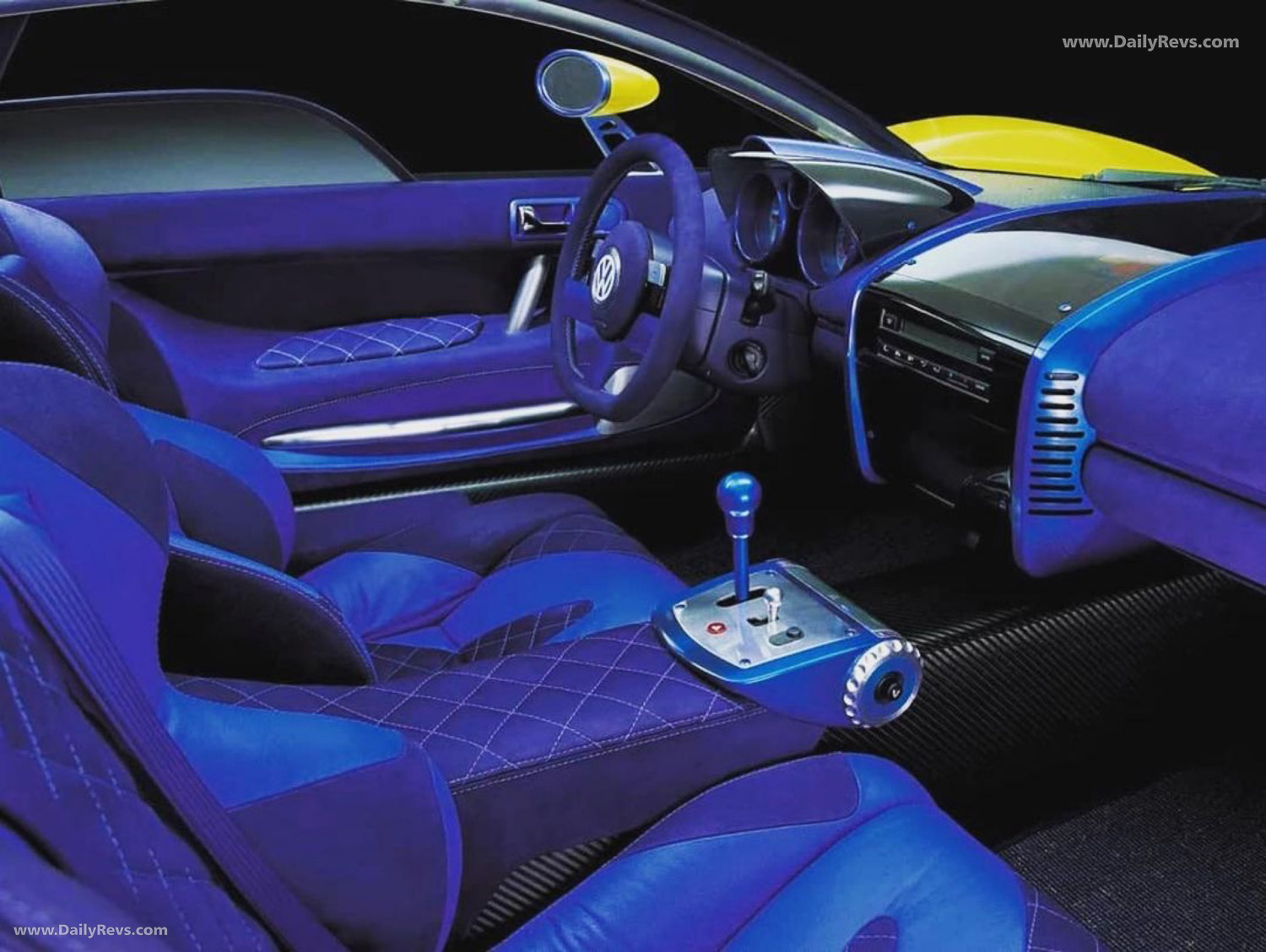
Pop the hood, and you get the full reveal—a 5.6‑liter W12, cradled behind the cabin, churning out around 420 PS (309 kW) and 530 Nm. True to its name, the Syncro concept routed power through a six-speed sequential gearbox to all four wheels via Volkswagen's Syncro system, later known as 4MOTION. It was a straight‑up supercar layout, tucked beneath a VW wrapper.
Dimensions That Demand Respect
At approximately 4,400 mm long, 1,920 mm wide, and 1,100 mm tall, it wore supercar proportions like a custom suit. With a 2,530 mm wheelbase, it filled the road with presence. Those 19‑inch wheels were wrapped in wide tires front and rear—tension in every curve, gravity challenged at every turn.
From Concept to Contender
Compared to rivals of the time—Ferrari F355 or Porsche 993 Turbo—this was VW essentially saying, “We can play too.” It wasn’t meant to sell, but to show. It paved the way for its roofless sibling, the 1998 W12 Roadster, which switched to rear-wheel drive, and later the 2001 W12 Nardò with 600 PS and a 350 km/h top speed, setting speed records on Nardò.
Press Release Reimagined
Volkswagen presents the W12 Syncro Concept at the 1997 Tokyo Motor Show—a mid-engine coupé housing its new W12 engine, delivering 420 PS and 530 Nm. Developed with Italdesign, this concept marks VW's first mid-engine supercar showcase, featuring Syncro all-wheel drive, a kevlar monocoque chassis, lightweight composite bodywork, and a six‑speed sequential gearbox. The quad‑exhaust rear and aggressive proportions highlight performance intent. The W12 Syncro Concept demonstrates VW’s engineering capabilities, setting a foundation for the subsequent W12 Roadster and Nardò variants.
Why It Still Matters
Today, it’s easy to write it off as a “concept.” But that W12 engine found a home in the Phaeton, Bentley Continental GT, and even hints of the Veyron’s lineage. And that Tokyo show? It was VW flexing in a crowded playground. No production promise. Just proof.
Technical Specification
Performance
- Engine: 5.6 L W12, mid-mounted
- Power: 420 PS (309 kW)
- Torque: approximately 530 Nm
- Acceleration (0–100 km/h): estimated under 4 seconds
- Drivetrain layout: All-wheel drive (Syncro)
- Transmission: 6-speed sequential gearbox
Body Measurements
- Length: 4,400 mm (173.2 in)
- Width: 1,920 mm (75.6 in)
- Height: 1,100 mm (43.3 in)
- Wheelbase: 2,530 mm (99.6 in)
- Front track: 1,620 mm
- Rear track: 1,600 mm
Powertrain
- Engine position: Mid-longitudinal rear
- Configuration: W12 with dual VR6 banks at 72 degrees
- Transmission: 6-speed sequential
- Drive system: Syncro all-wheel drive
Capacities & Construction
- Curb weight: approx. 1,200 kg (2,646 lb)
- Body structure: Kevlar monocoque
- Body panels: Fiberglass with carbon-fiber roof
- Frame: Lightweight aluminum substructure