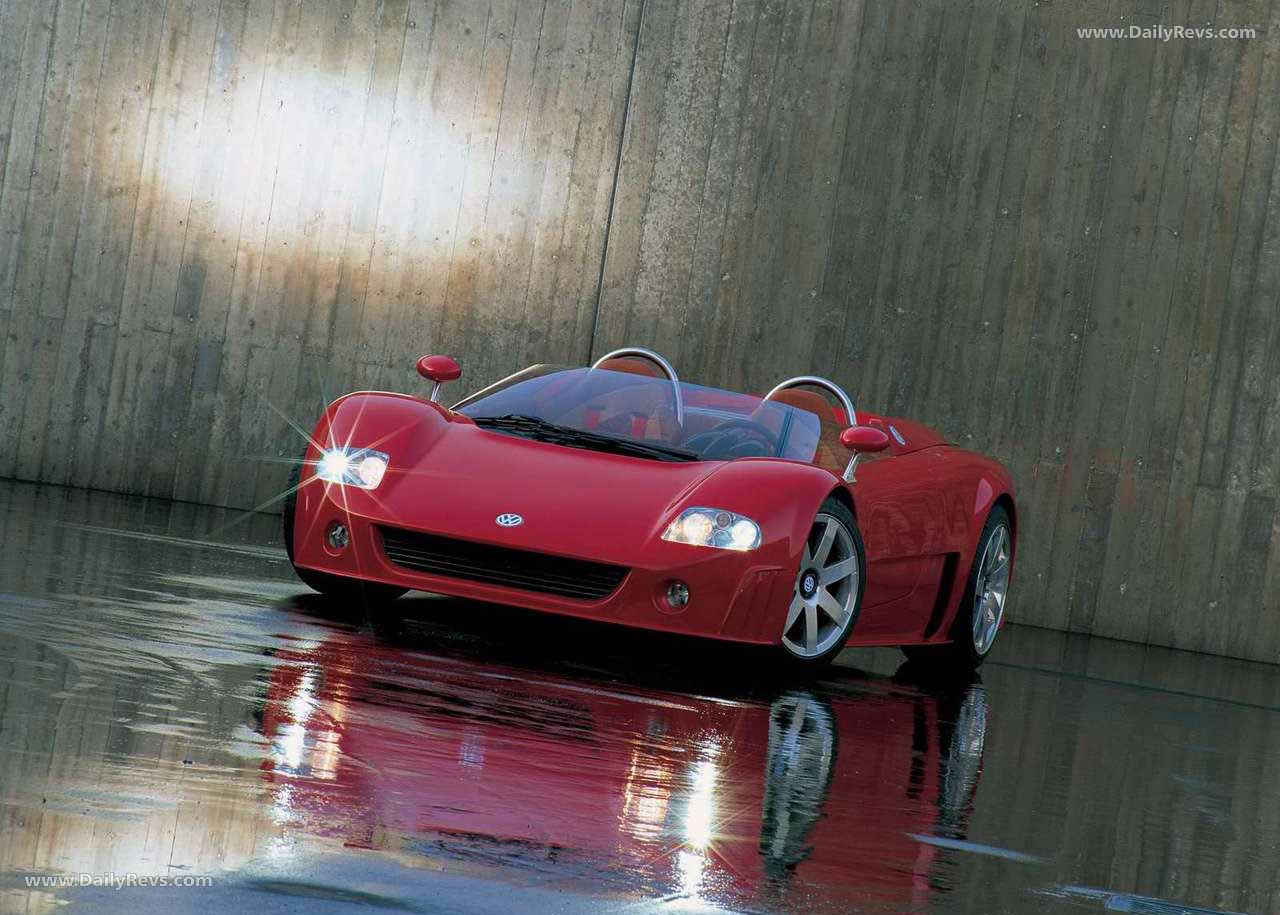
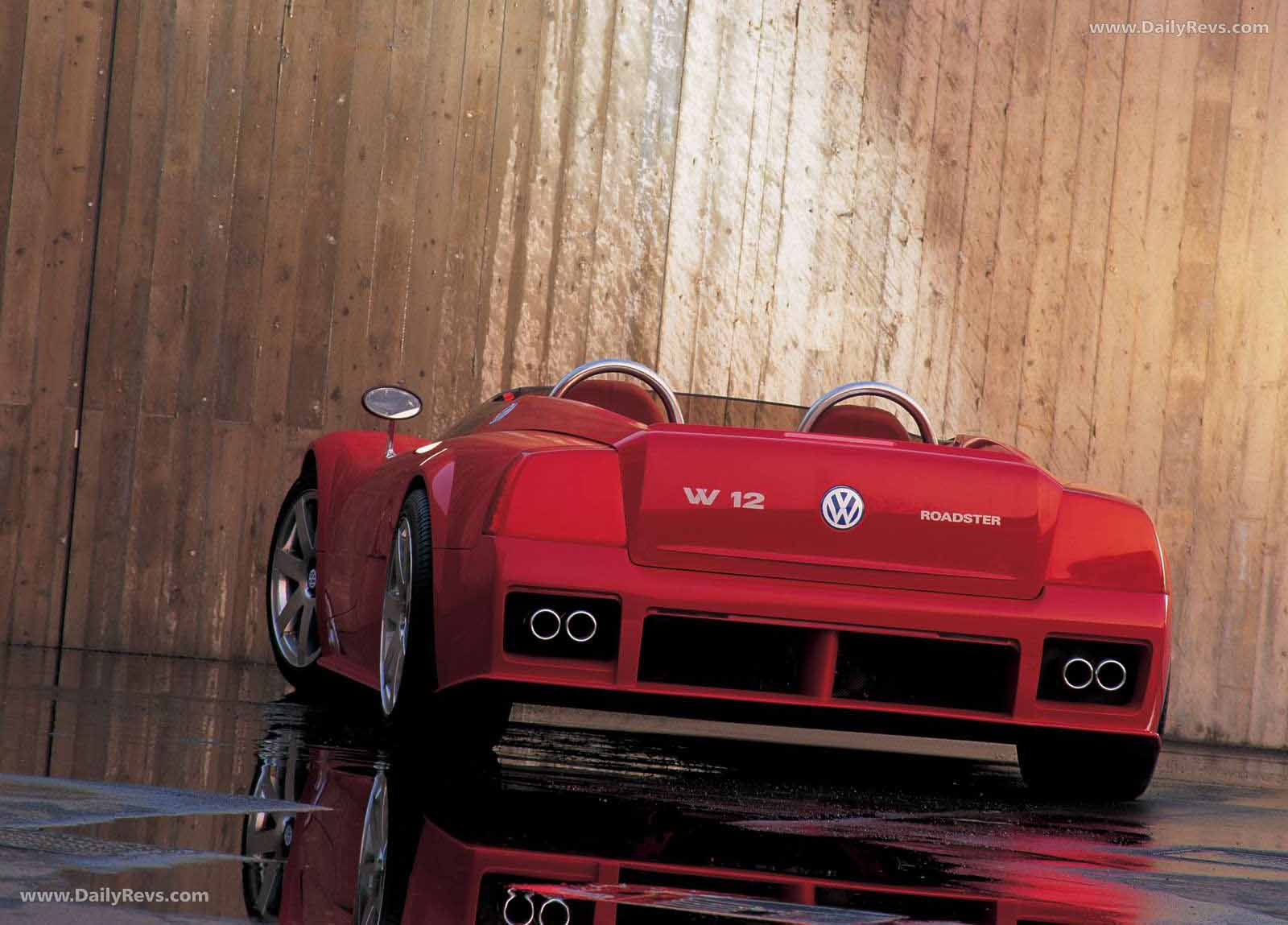
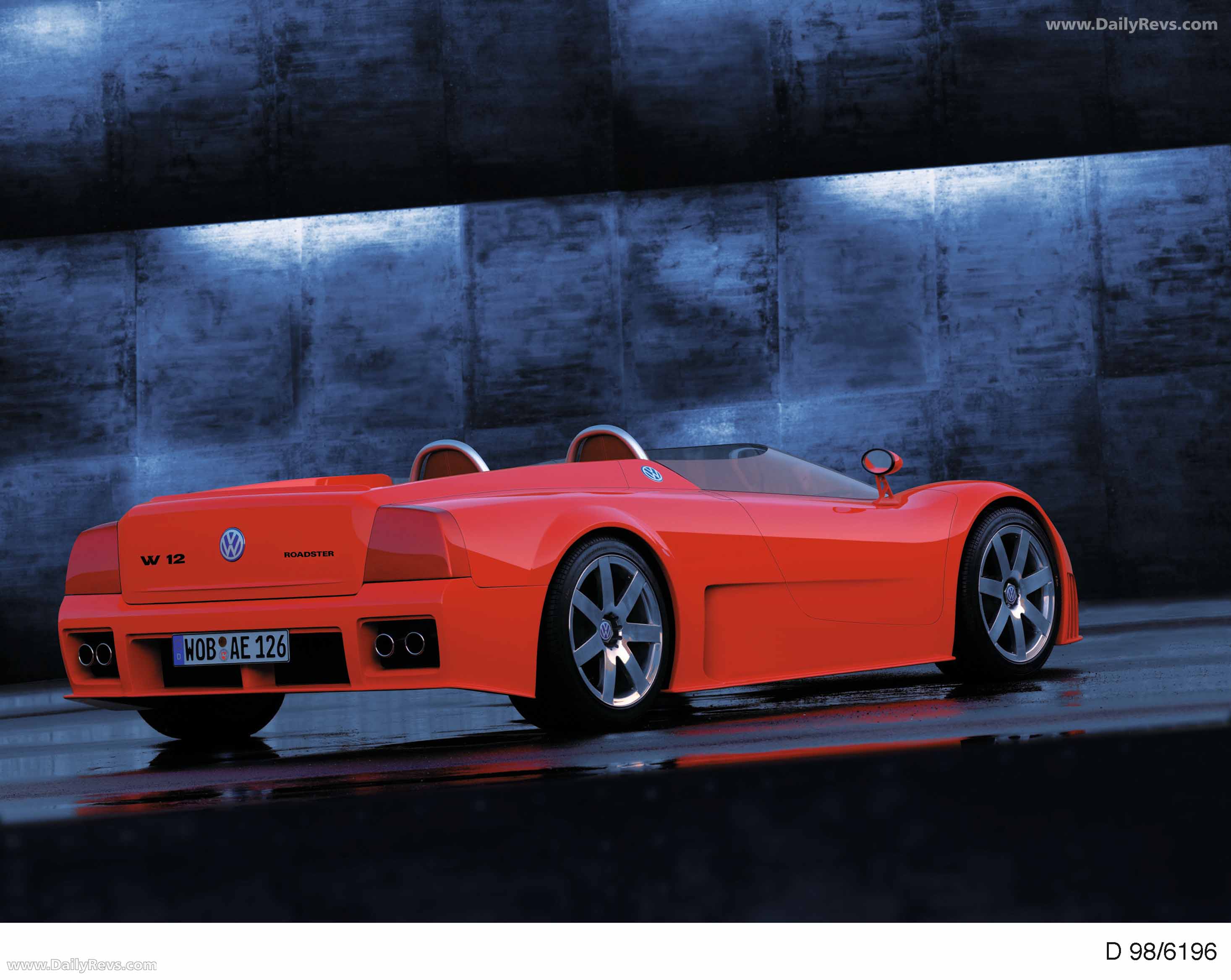
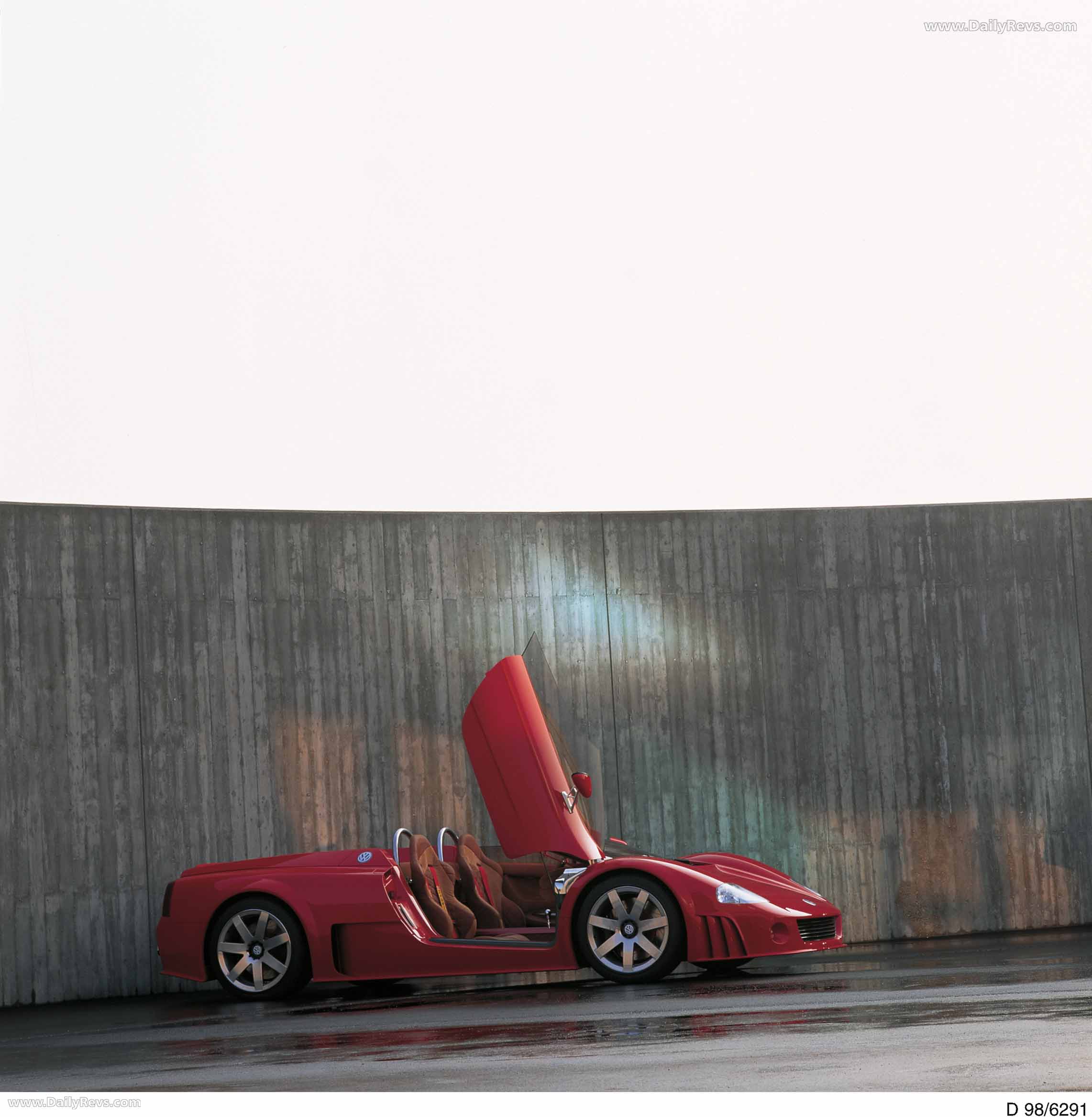

1998 Volkswagen W12 Roadster Concept
By Lorenzo Bianchi July 24, 1998
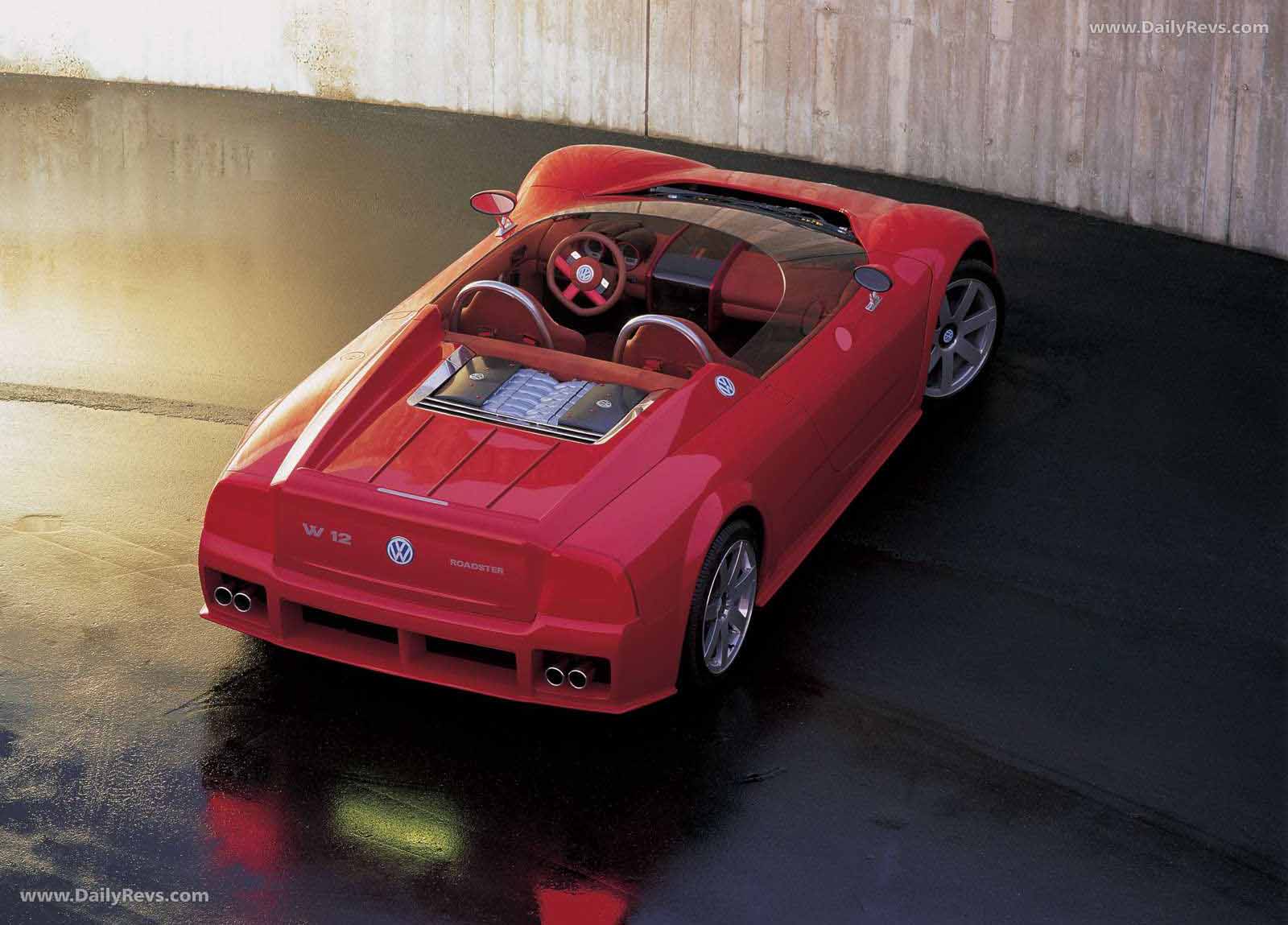
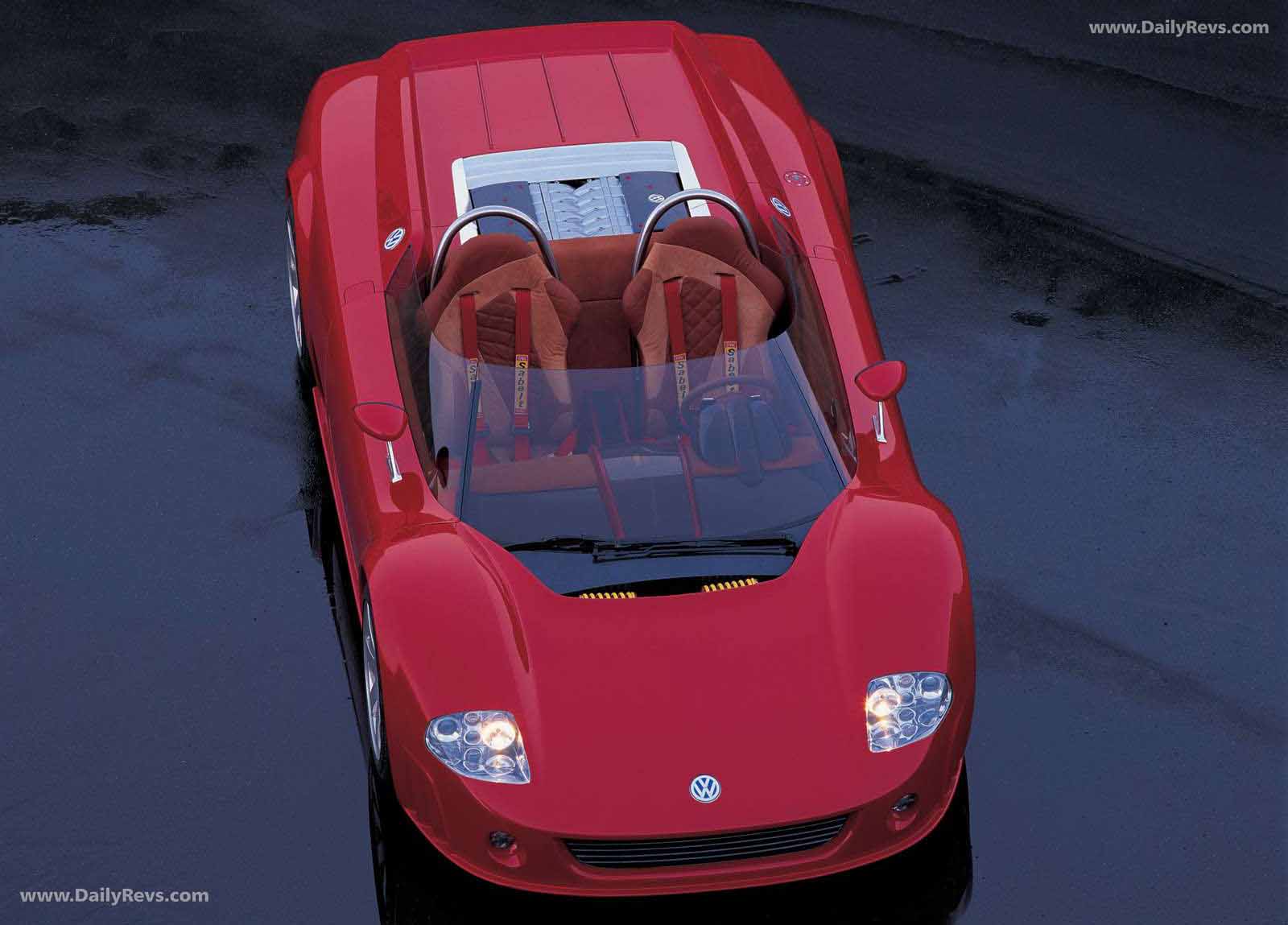
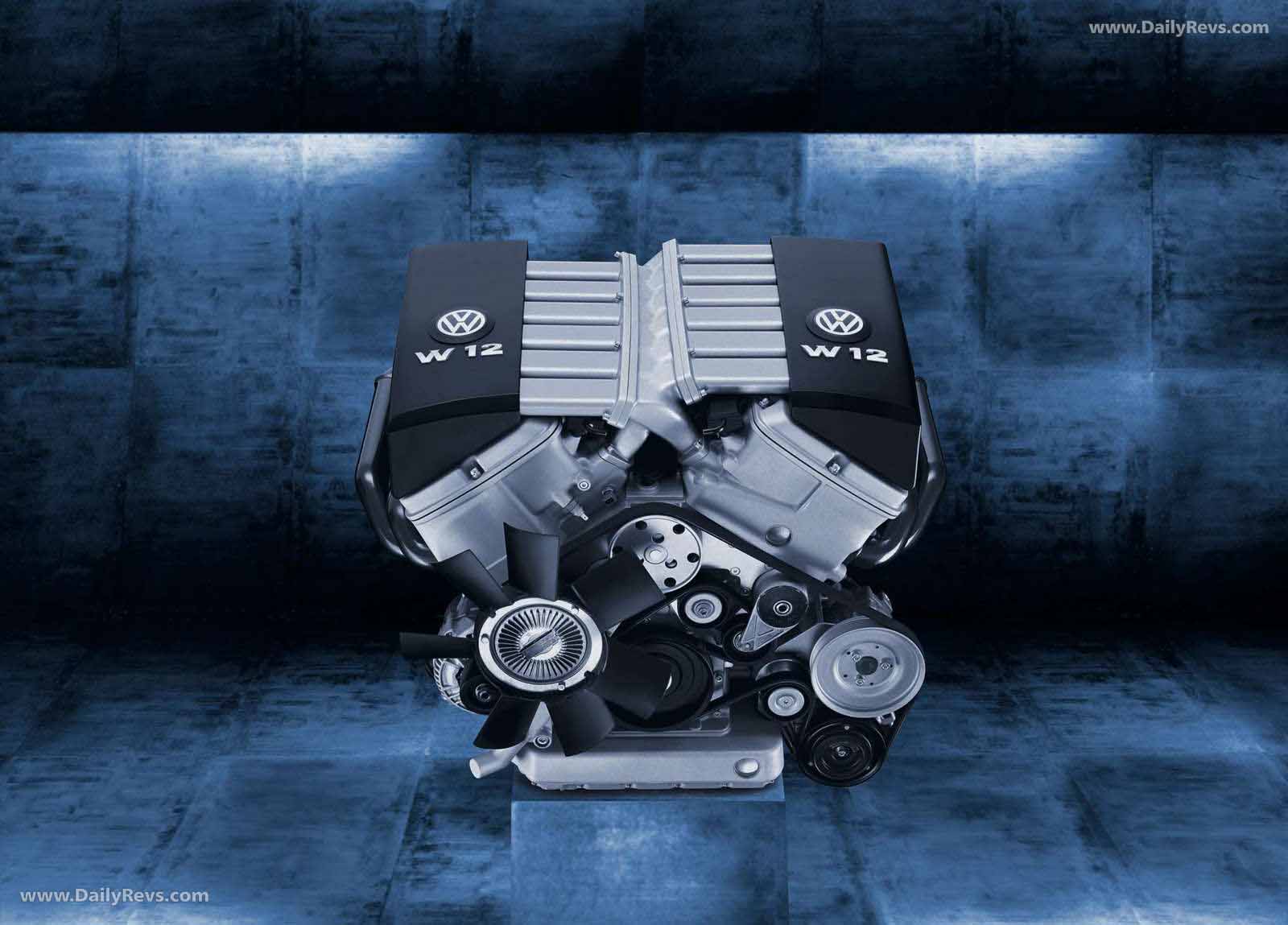
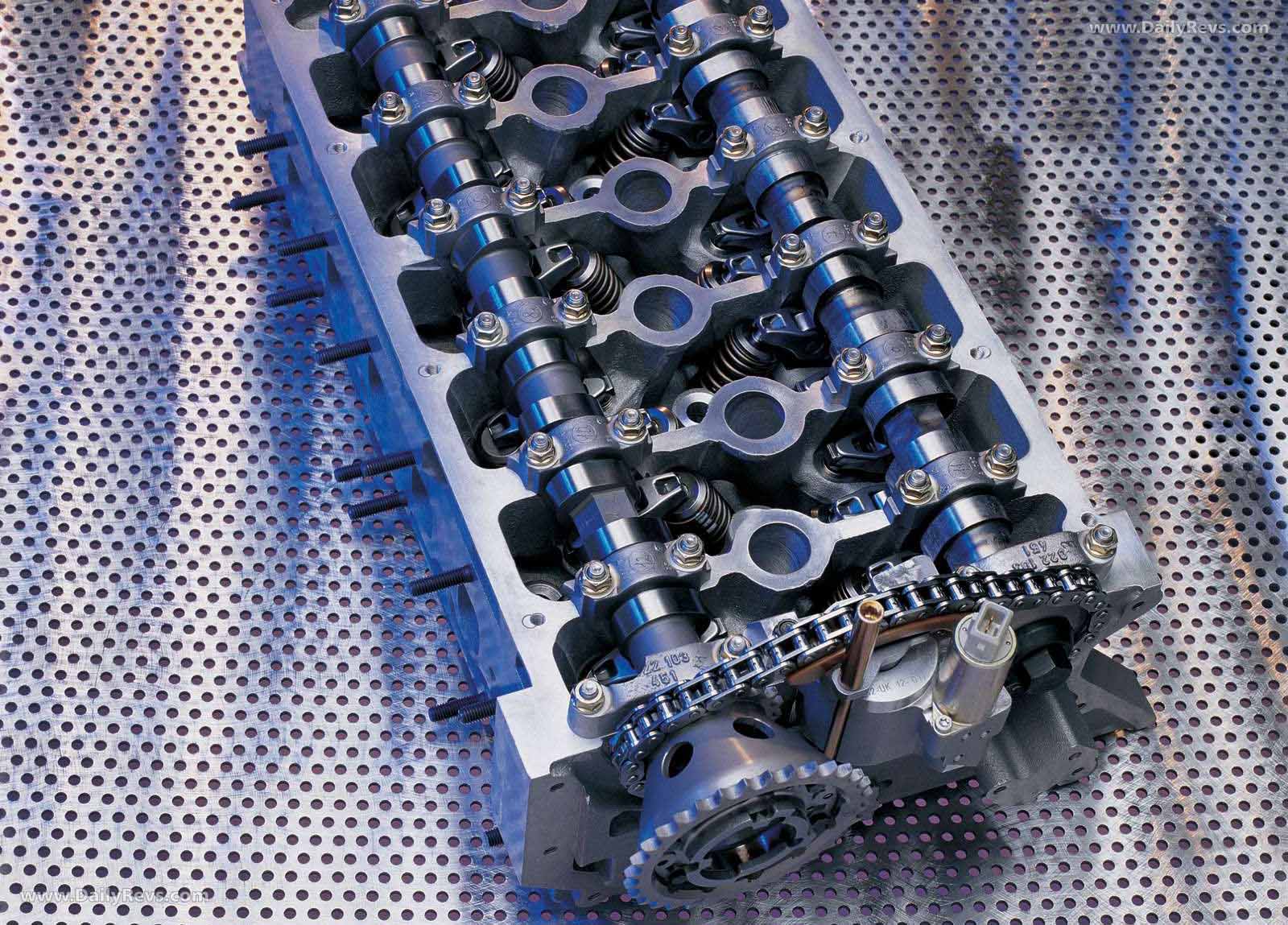
Exposed mid-mounted 5.6 L W12 delivering 420 PS (313 kW) with 530 Nm torque.
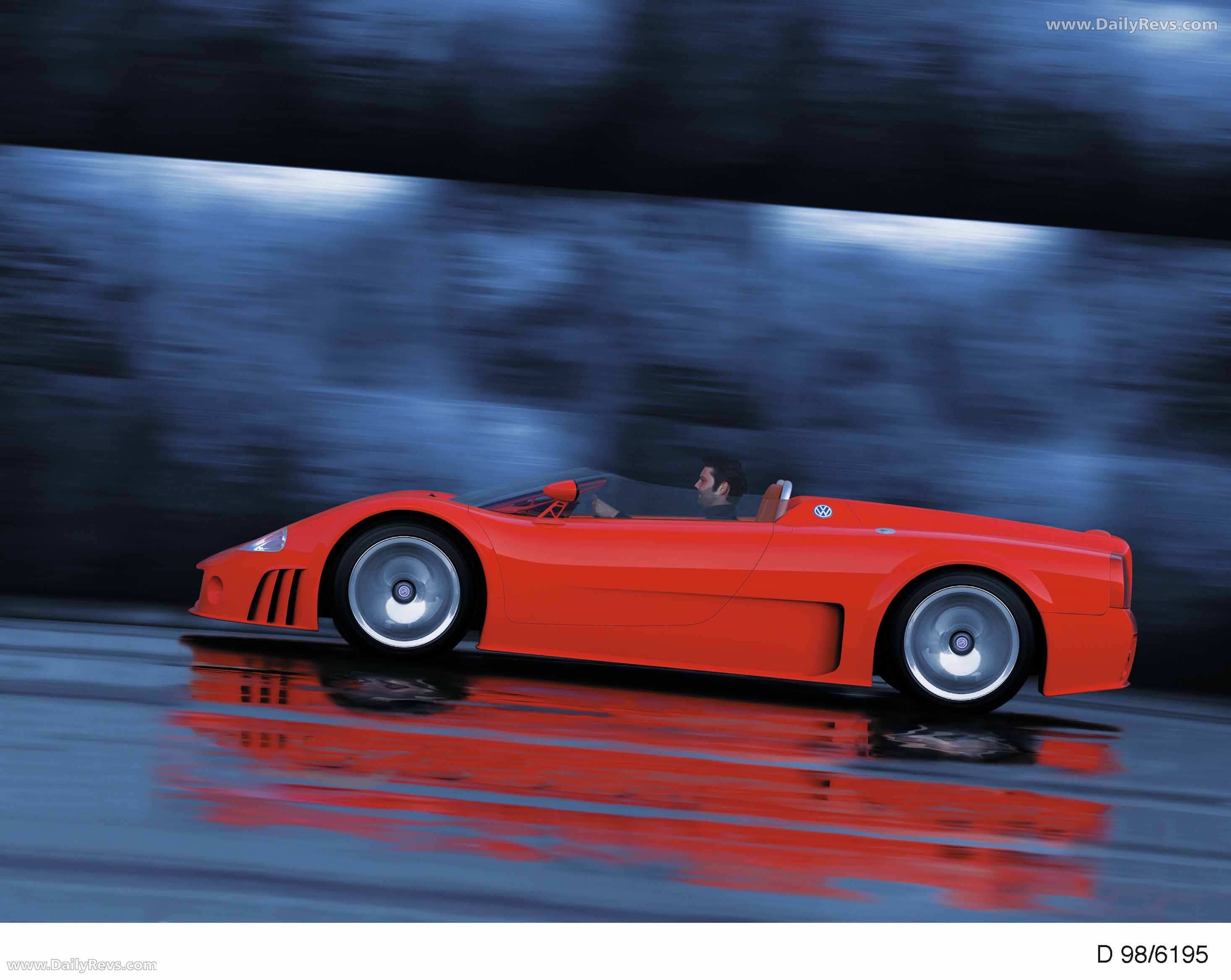
Supercar stance: just 1.1 m tall, 1.92 m wide, riding on 19″ staggered alloys.
Rare rear-wheel-drive open-top concept, launched at 1998 Geneva.
The 1998 Volkswagen W12 Roadster dropped jaws at the Geneva Motor Show with its wild proportions and roofless bravado. This
wasn’t just a concepts-of-the-week display—it was VW showing off a
5.6‑litre W12 engine mid-mounted behind you, stripped of weather
protection. And it looked poised to sprint away at any second.
Stance That Screams "Supercar"
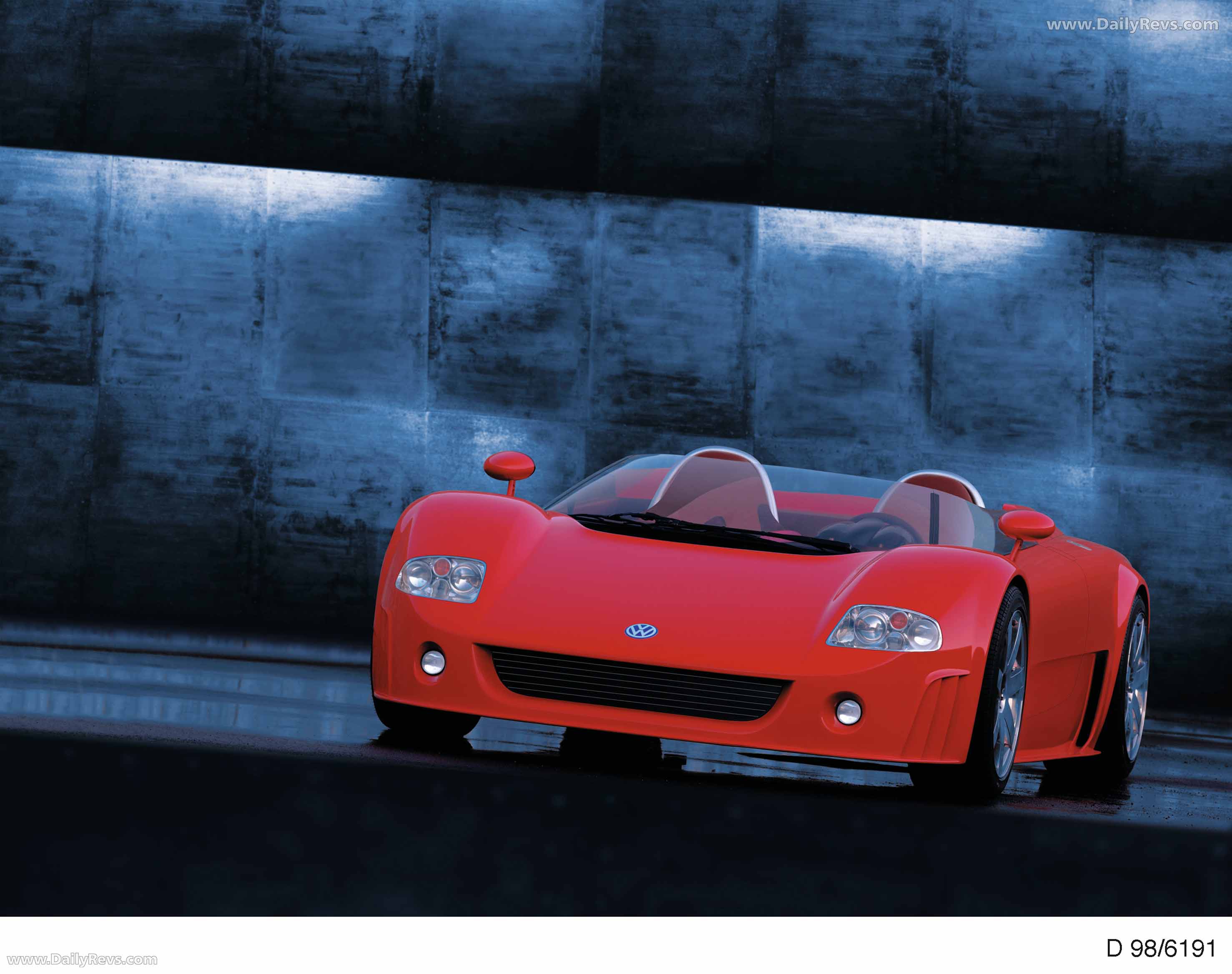
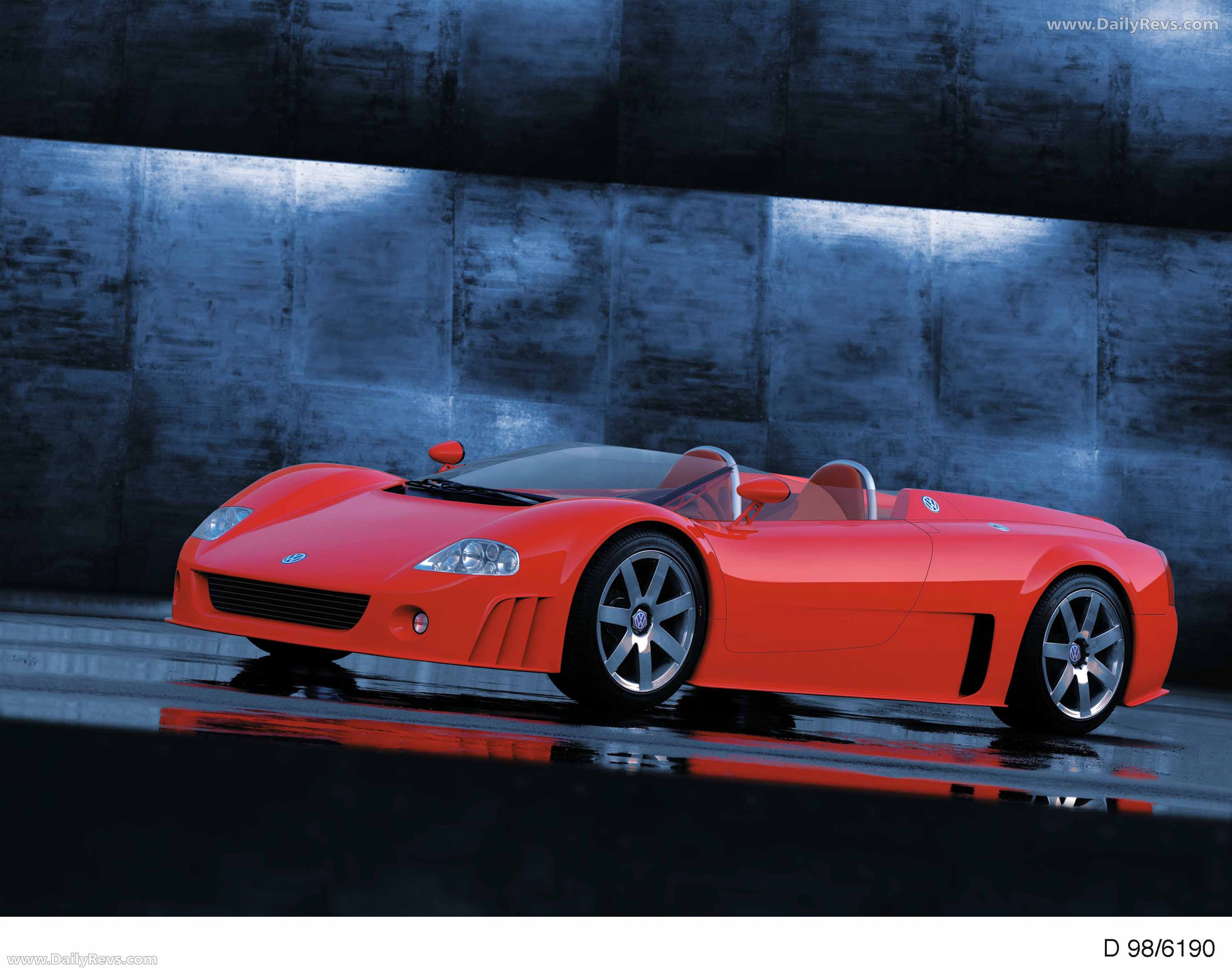
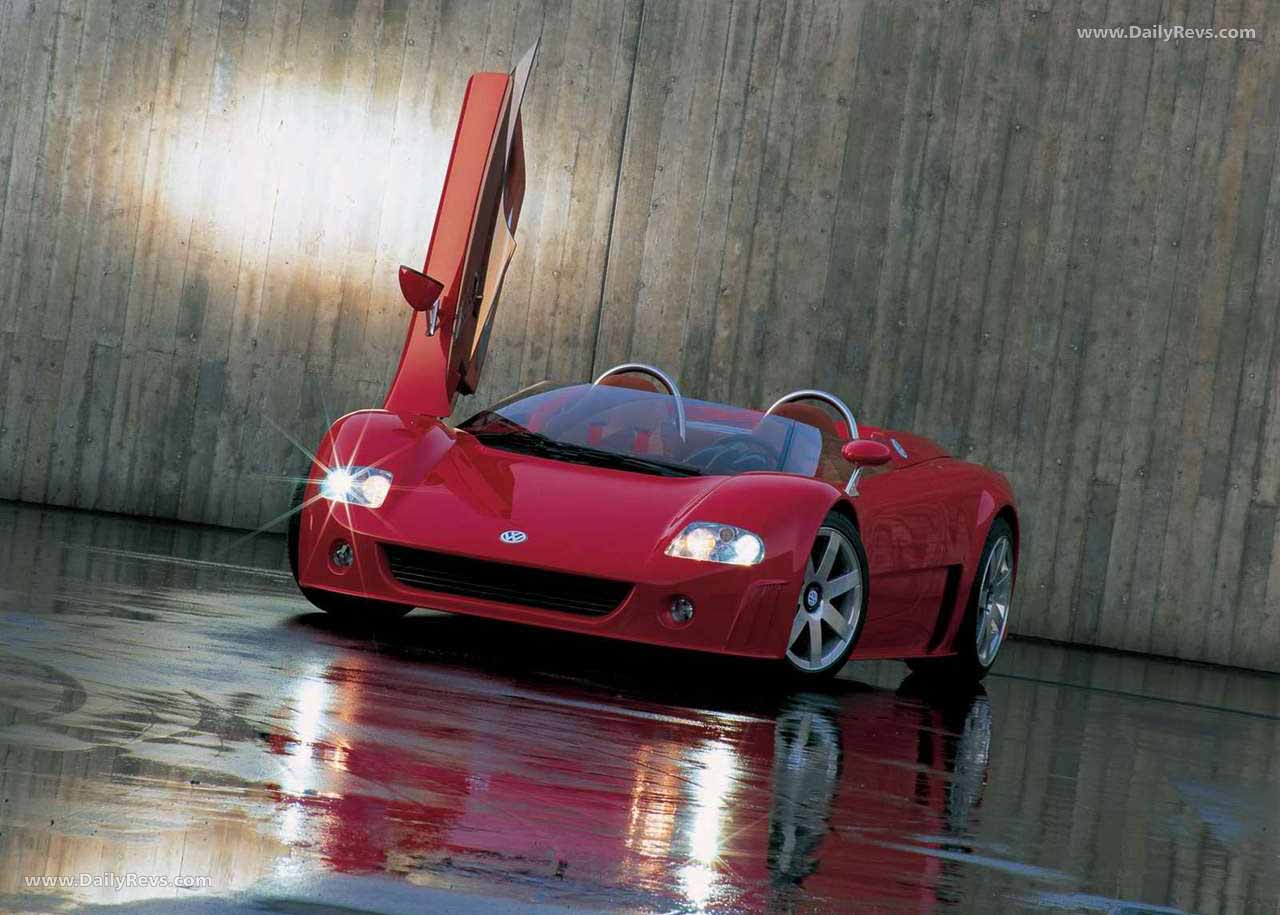
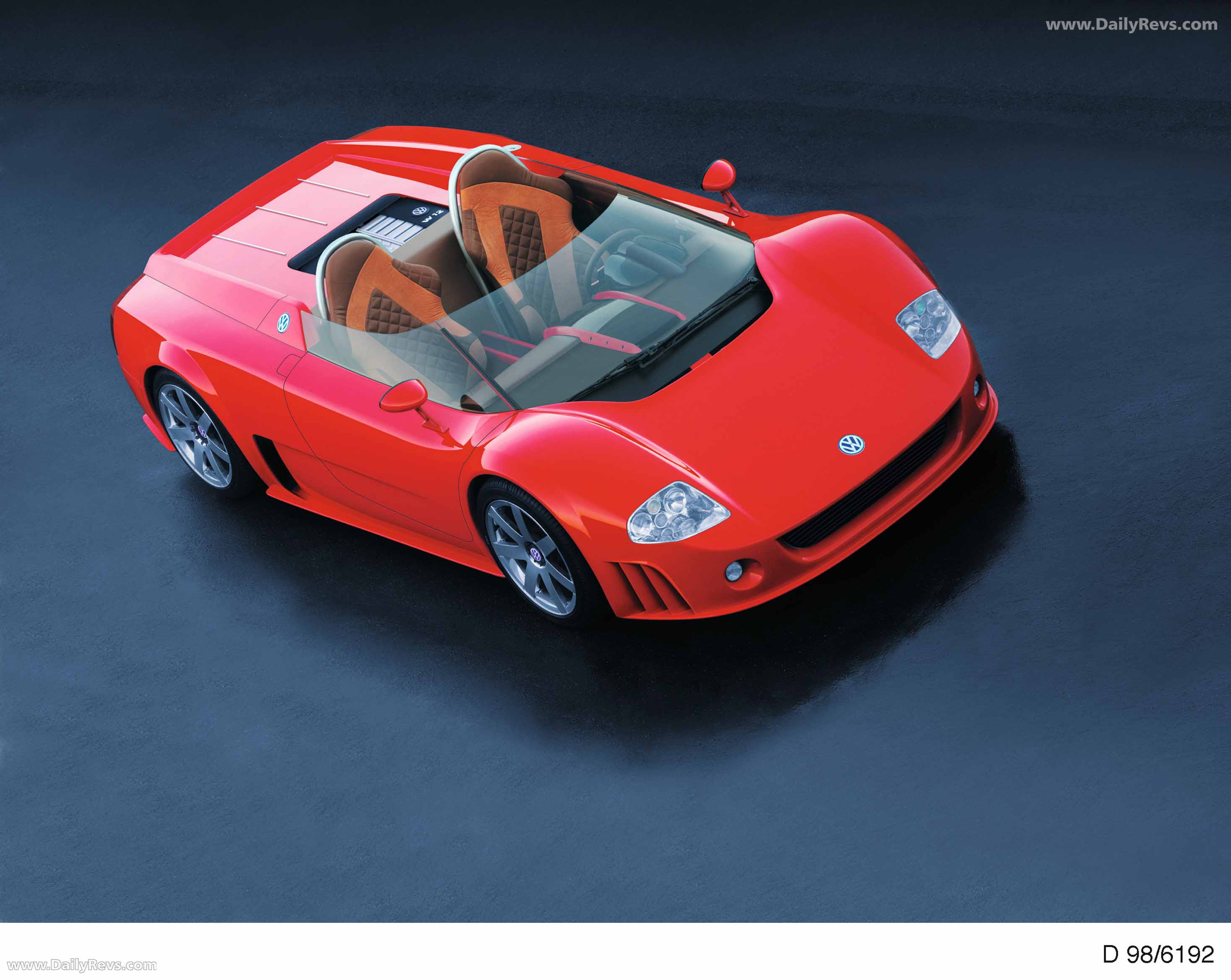
Visually, it’s impossible to miss. The W12 Roadster is just 1.1 meters tall. It’s planted—1.92 meters wide, riding on 19‑inch wheels wrapped in beefy 255/40 front and 285/35 rear rubber. Proportions are exaggerated: long bonnet, short rear overhang, mid-engine mass tucked behind the seats. Undercarriage air ducts, teardrop cockpit, and pop-up scissor doors. It echoes McLaren F1 vibes in a Volkswagen skin.
Mid-Engined Drama
Open the door and there’s no hiding what lies behind your back. The 5,584 cc W12 is sitting just behind you, pumping out around 420 PS (313 kW) and 530 Nm. VW even switched from the Syncro’s AWD layout to pure rear-wheel drive here, making it one hell of a tail-happy roadster. The six-speed manual gearbox is there, too—pure engagement, no paddles.
A Concept with Intent
Beyond the flash, this Roadster wasn’t just styling. Beneath its fiber-glass and carbon panels, a kevlar monocoque keeps weight around 1,200 kg. That yields a power-to-weight ratio tidy enough for 0–100 km/h in around 3.9 seconds, topping out near 320 km/h. These aren’t wild claims—they sound plausible given the engineering.
Context: VW Breaking Free
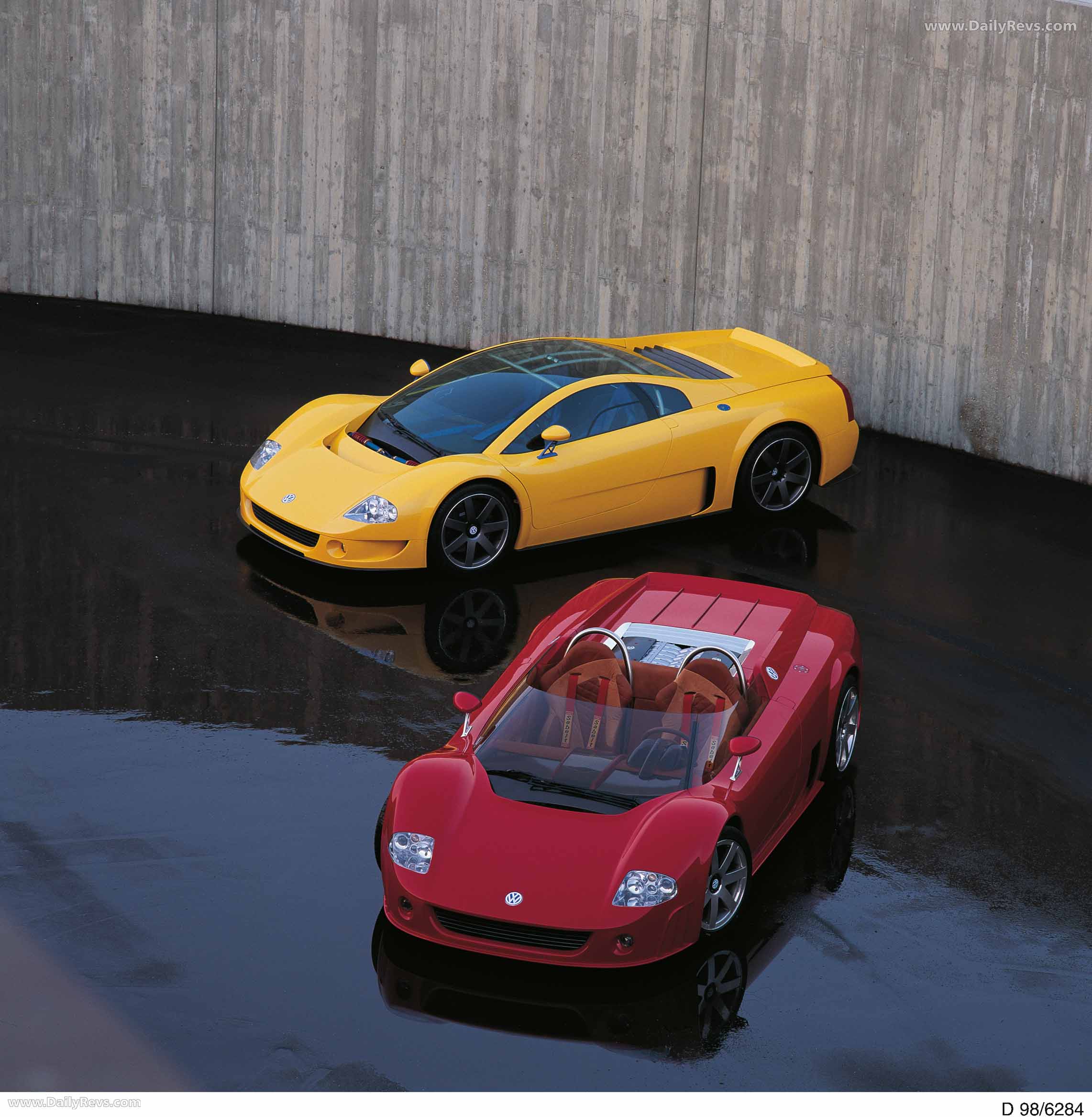
At the time, Volkswagen was known for practical cars—not mid-engine speed demons. The W12 Roadster challenged perceptions. It built on the 1997 W12 Syncro concept, but stripped weight and style to debut at Geneva in 1998. Think
of it as VW quietly saying, “We can play too.” Compare that to
contemporaries: Ferrari was refining V12s; Porsche had its turbo turbos. VW? They had a brutal W12 mongrel.
Why It Still Matters
The W12 Roadster never made production. But it proved the concept: VW had the guts, the tech, and the stance to match. And
under Ferdinand Piëch, this project morphed into something that
influenced Bentley, the Phaeton, even the Veyron's W16 roots.
Final Notes
This wasn’t a test mule or a badge-engineered stunt. It was raw. Wild. Loud in its restraint. And unapologetic. The 1998 Volkswagen W12 Roadster might not be a household myth, but among concept aficionados it’s a legend—a red, roofless roar that reminded us VW could build with supercar street cred.
Technical Specification
Performance
- Power output: 420 PS (313 kW) at ~5,800 rpm (Syncro/Roadster version)
- Torque: 530 Nm (Roadster); later concept reached 600 PS (441 kW) with 621 Nm
- 0–100 km/h (0–62 mph): ~3.5 seconds
- Top speed: around 350 km/h (217 mph) in later version
Body Measurements
- Length: 4,400 mm (173.2 in)
- Width: 1,920 mm (75.6 in)
- Height: 1,100 mm (43.3 in)
- Wheelbase: 2,530 mm (99.6 in)
Powertrain
- Mid-mounted 5.6 L W12 engine (later uprated to 6.0 L in Nardò concept)
- Layout formats:
- Syncro version: mid-engine, all-wheel drive
- Roadster version: mid-engine, rear-wheel drive
- Transmission: 6-speed manual (sequential in some figuration)
Capacities & Construction
- Engine weight: approx. 239 kg
- Vehicle curb weight: around 1,200 kg
- Seating: two-seater, mid-engine design
- Construction: Carbon-fiber and aluminium body panels; glass roof; aluminium subframe
- Wheels: 19‑inch alloys, staggered tires (255/40R19 front, 285/35R19 rear on Roadster)