1987 Nissan Pathfinder
By Lorenzo Bianchi October 20, 1987
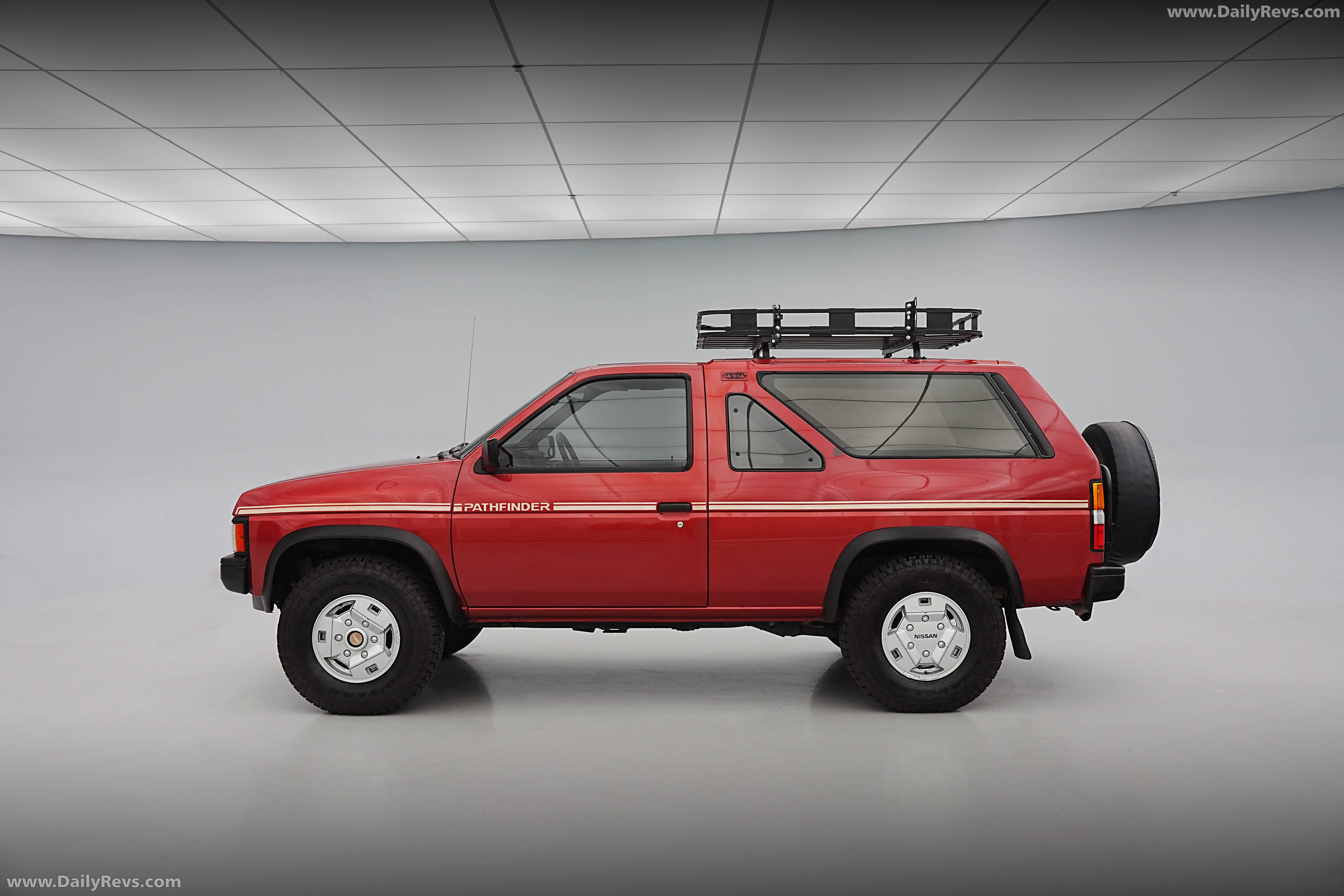
Introduced in 1986 as a 1987 model, the Nissan Pathfinder was a compact two-door SUV developed from the Hardbody pickup platform, featuring body-on-frame construction.
The original Pathfinder shared its front-end styling with the Hardbody, including three horizontal slots along the bonnet's leading edge. Engine options included a 2.4-litre four-cylinder and a 3.0-litre V6 producing 140 horsepower.
The first generation remained in production through 1995. Four-door bodywork arrived for the 1990 model year, introducing distinctive C-pillar-mounted rear door handles.
1987 Nissan Pathfinder Began With Pickup Truck Foundations
The 1987 Nissan Pathfinder arrived at a time when compact pickups were becoming popular with American drivers seeking practical transport for work, recreation and trips away from paved roads.
Nissan was developing its new Hardbody pickup when it introduced a fully enclosed SUV on the same platform. Released in 1986 as a 1987 model, the Pathfinder offered a different body configuration without abandoning its truck origins.
It was a two-door vehicle. That distinction matters, since the four-door Pathfinder familiar to later buyers did not arrive until the 1990 model year.
Three Hood Slots and a Square Front End
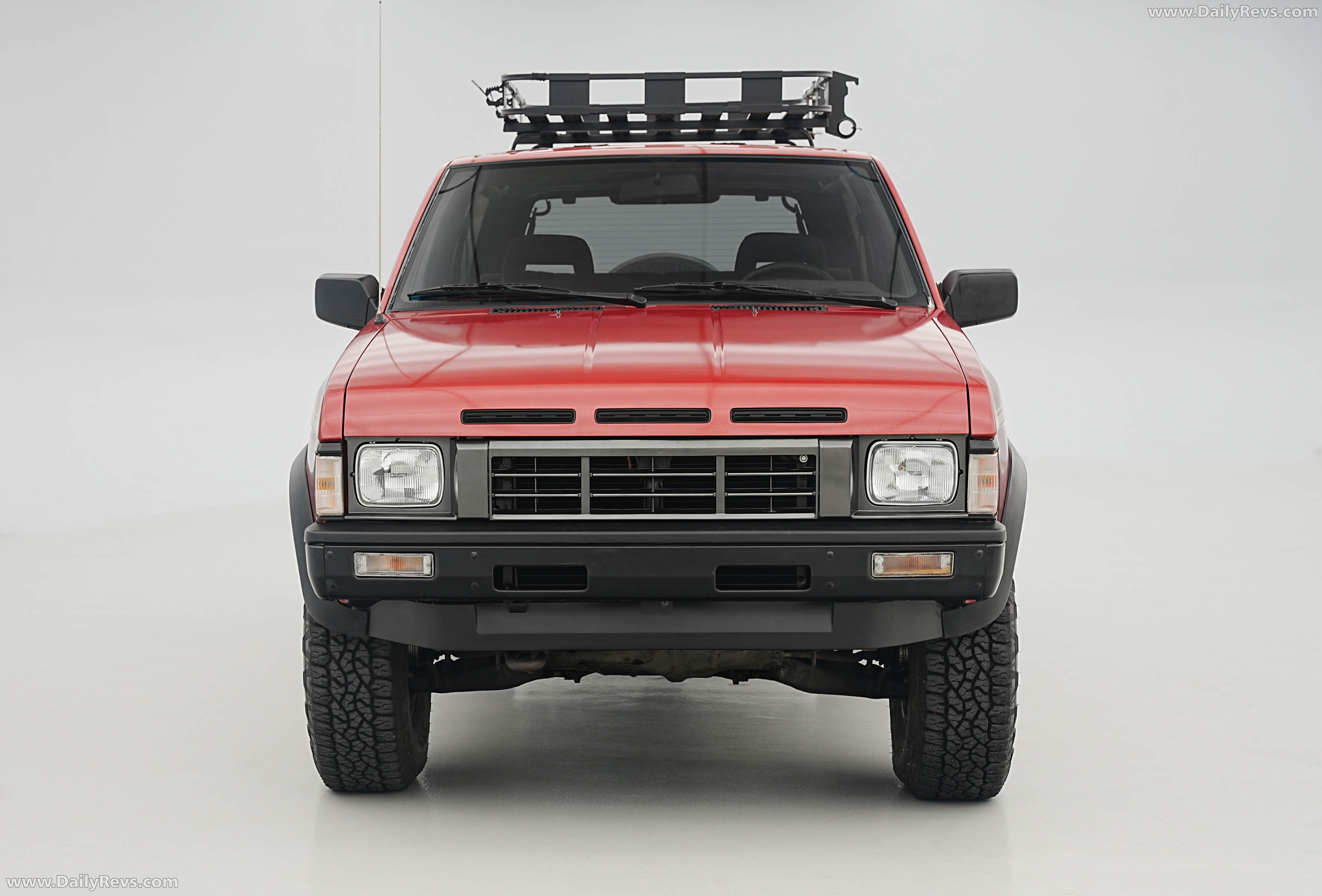
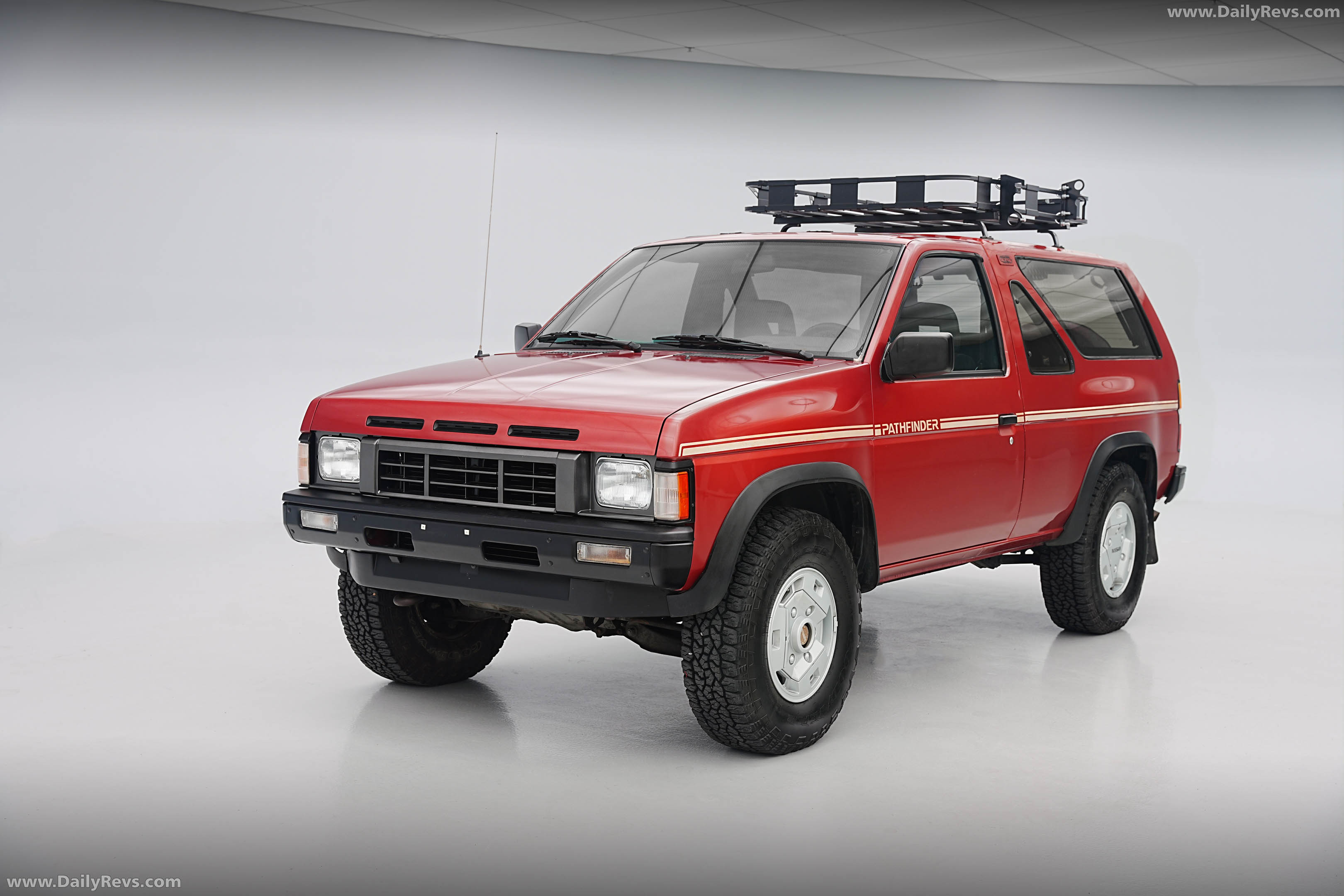
The first Pathfinder shared its front-end styling with the Hardbody pickup. Three horizontal slots positioned along the front edge of the bonnet were a particularly recognisable detail.
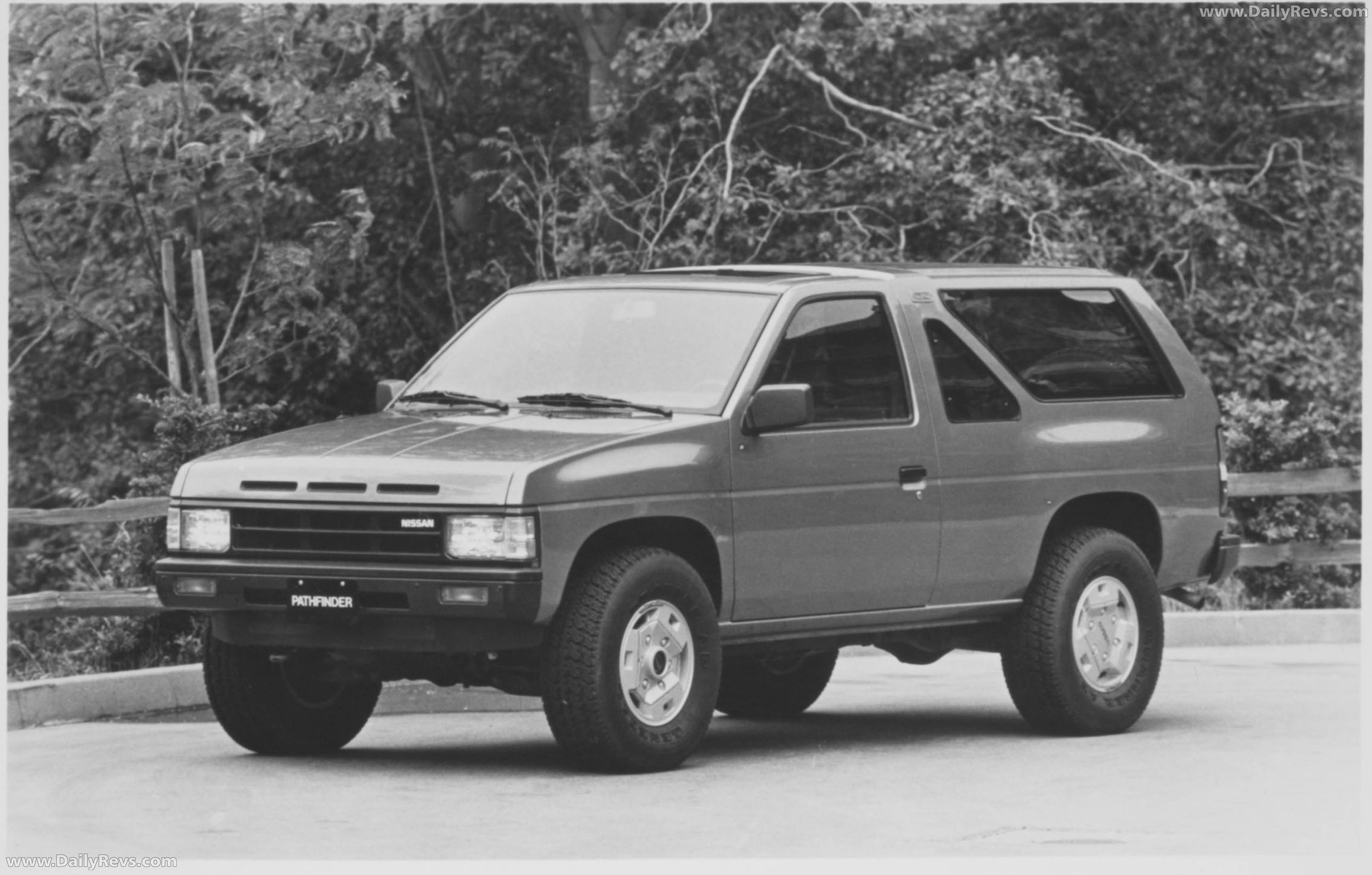
Its relatively upright body and compact two-door layout gave the SUV a straightforward appearance. Nissan's historical photographs show the squared front fascia, pronounced wheel openings and tall cabin of the early first-generation design.
Rather than adopting car-like proportions, the Pathfinder retained the visual connection to the pickup beneath it. The arrangement was part of its identity during the model's first years on sale.
Body on Frame Construction for Off Road Use
Under the sheet metal, the 1987 Pathfinder used body-on-frame construction, sharing its platform with Nissan's new compact truck.
Nissan says that layout proved popular with off-road enthusiasts, while the enclosed body provided a relatively roomy and comfortable cabin.
The company's historical account does not specify the original model's ground clearance, wheelbase or suspension measurements.
Four Cylinder and 140 HP V6 Engines
The first-generation Pathfinder offered a base 2.4-litre four-cylinder engine alongside a 3.0-litre V6.
For the 1987 model, Nissan lists the V6 at 140 horsepower. Output increased to 145 horsepower in 1988 and reached 153 horsepower from 1990 through the end of first-generation production.
The release does not identify the original transmission choices, acceleration figures or fuel-consumption ratings, so direct performance comparisons cannot be established from this document.
A Practical Cabin Before the Four Door Pathfinder
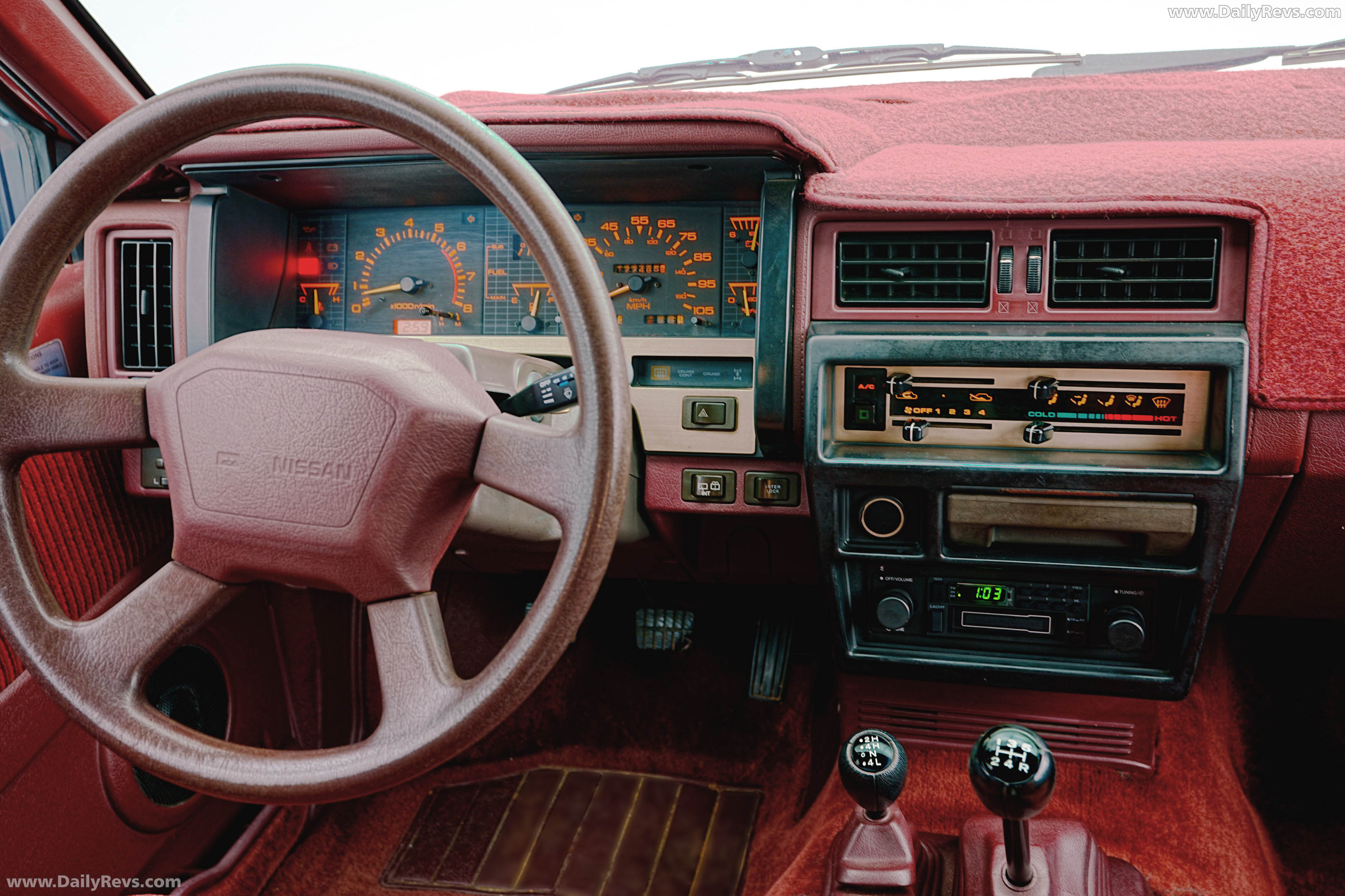
The enclosed body was central to the Pathfinder's appeal. Buyers who had previously used compact pickups with aftermarket camper shells gained a purpose-built SUV with a more passenger-oriented interior.
Nissan specifically describes the first generation as relatively roomy and comfortable, although it provides no 1987 seating dimensions or detailed technology specifications.
The next major body change arrived for 1990, when Nissan added rear doors and introduced the C-pillar-mounted rear door handles that became a recognisable Pathfinder feature.
How the First Pathfinder Shaped Later Generations
The original model established a truck-based starting point for a nameplate that changed considerably over subsequent generations.
In 1996, the second-generation Pathfinder switched to unibody construction and adopted more aerodynamic styling, separating its appearance from Nissan's pickup range.
The 2005 model returned to a body-on-frame platform and introduced seven-passenger seating with a fold-down third row. Another shift to unibody construction followed in 2013.
Against that history, the 1987 Pathfinder remains the compact, two-door starting point: a pickup-derived SUV developed when recreational versatility was becoming an increasingly important part of the American truck market.