Zeekr Builds 300,000 Shooting Brakes While the West Writes Off Wagons
By Hugo Mattson July 17, 2025

Station wagons are declining in Europe and nearly extinct in the US, as SUVs dominate globally.
China’s Zeekr, owned by Volvo parent Geely, has produced over 300,000 electric shooting brakes—led by the 001 and 007 GT.
Electric platforms are uniquely suited to wagons, combining low drag, cargo space, and tech-heavy performance.
From Decline to Design Statement: The Wagon Finds a New Home
Across North America and much of Europe, the station wagon has become an endangered species. Consumers have embraced SUVs and crossovers over the last two decades, favoring higher ride heights and visual presence. In the US, wagons have practically vanished from showrooms. In Europe, where estates long held ground—particularly in Germany and Scandinavia—market share is now slipping steadily.
According to ACEA data, wagons once accounted for over 20% of new car sales across Europe. Today, that figure has dropped closer to 10–12%, with SUVs claiming well over half of the market.
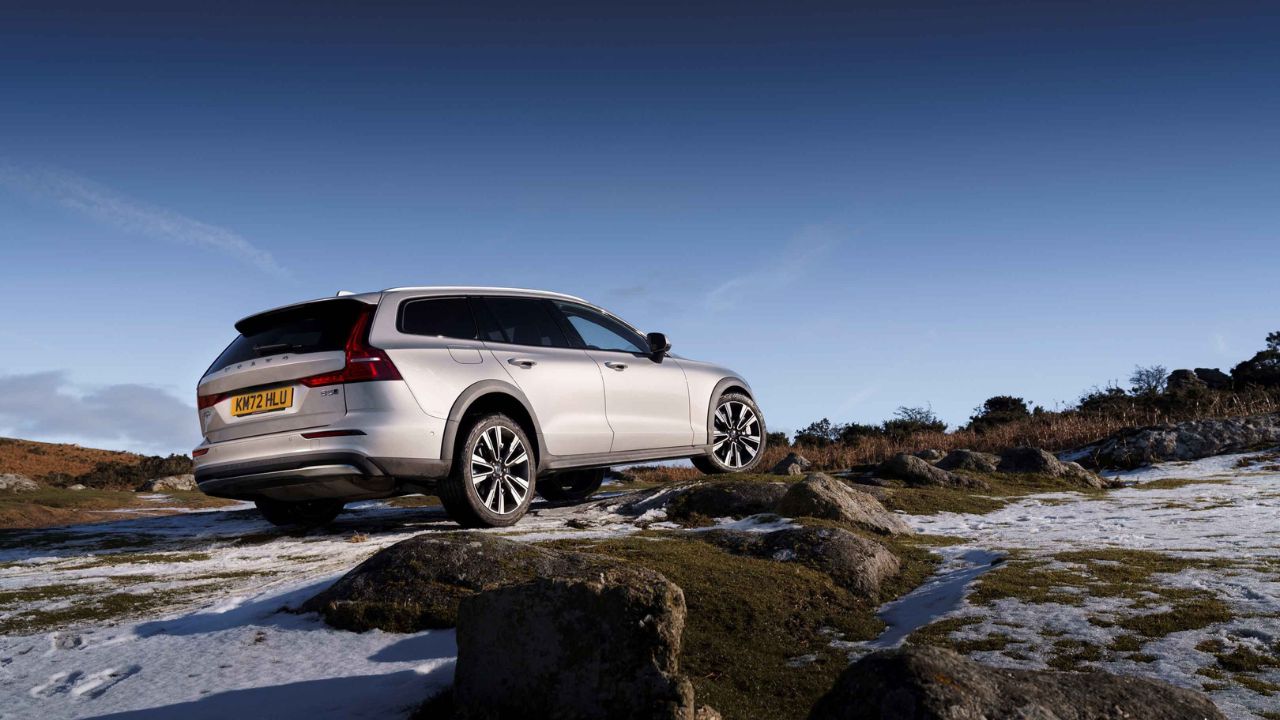
Meanwhile, Volvo, a longtime champion of the estate format, appears to be pivoting as well. The company is placing greater focus on its electric SUV lineup (EX30, EX90) while reducing emphasis on its V60 and V90 estate cars. Ironically, its corporate sibling, Zeekr, may now be doing more to preserve the wagon’s legacy than Volvo itself.
Zeekr’s Electric Estates Are Leading the Resurgence
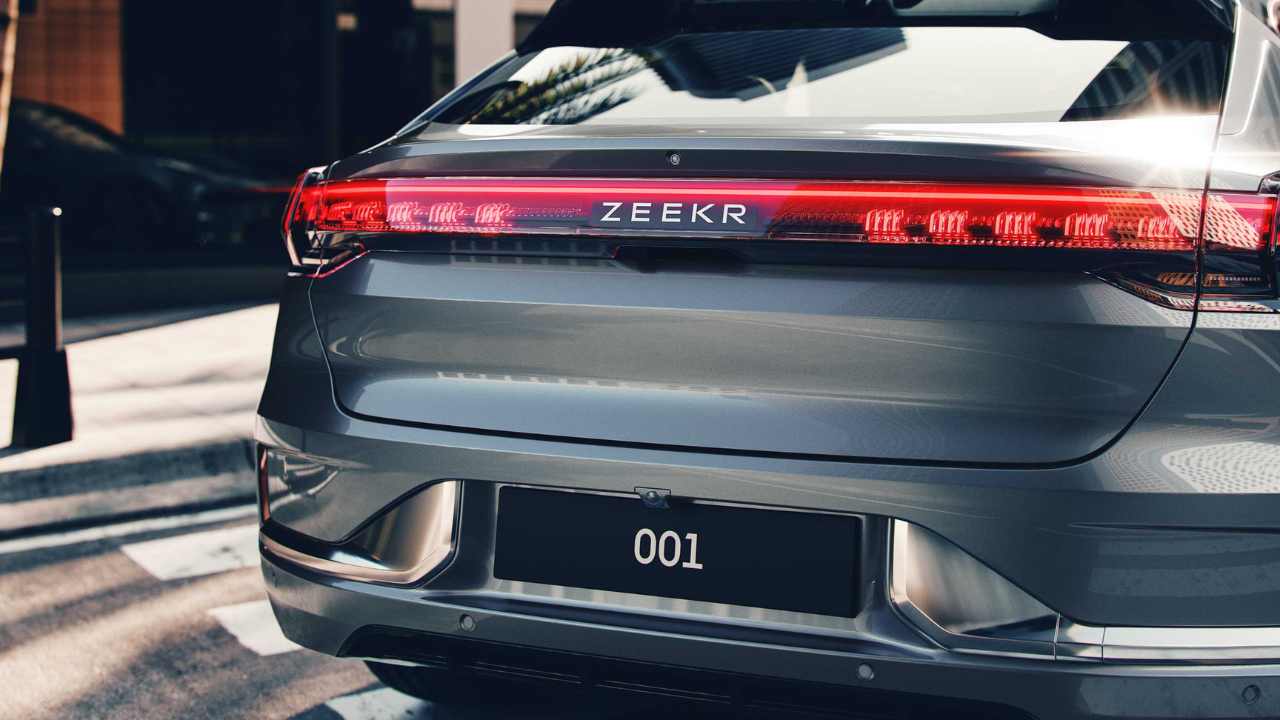
Zeekr, a brand under Geely (which also owns Volvo), has made the shooting brake core to its identity. Its first breakout model, the 001, offered a low-slung, long-roof silhouette—an electric take on the traditional wagon. With the introduction of the 007 GT, the format has been refined and scaled.
Earlier this month, Zeekr announced a milestone: 300,000 shooting brakes produced. The 007 GT alone delivered over 10,000 units in its first month, signaling both consumer appetite and production capability. Priced from RMB 202,900 (~$28,000), the 007 GT includes high-spec features like 800V charging, 637 horsepower, Hesai LiDAR, and Nvidia Orin-X compute as standard or available.
These are no niche halo cars—they’re mass-market vehicles, and they’re working.
Why Electric Platforms Suit the Wagon Format
There’s a reason wagons are resurfacing in EV form.
Aerodynamics: Lower rooflines offer improved drag coefficients, which boosts range.
Practicality: With batteries mounted low in the floor, wagons offer ample cargo space without sacrificing efficiency.
Design Differentiation: In a market flooded with crossovers, a sleek long-roof car still turns heads.
For Chinese buyers—many of whom are first-time car owners—the wagon comes without the historical baggage that turns off Western consumers. Instead of “dad cars,” they’re perceived as tech-forward, practical, and a cut above.
Europe’s Retreat from Wagons — And a Missed Electric Opportunity
Despite a long-standing cultural affinity for estate cars, Europe’s wagon market is steadily losing ground—not because demand has vanished, but because SUVs have taken over as the default choice for both private and fleet buyers. Even in historically wagon-strong regions like Germany and Sweden, D- and E-segment estates are being edged out by high-riding, more profitable crossovers.
That said, the demand for internal-combustion estate cars hasn’t disappeared entirely. Brands like Volkswagen, Peugeot, and Skoda still serve this segment, but their share is gradually being eroded by the SUV wave. It's not that people have stopped wanting wagons—it's that fewer compelling ones are being offered.
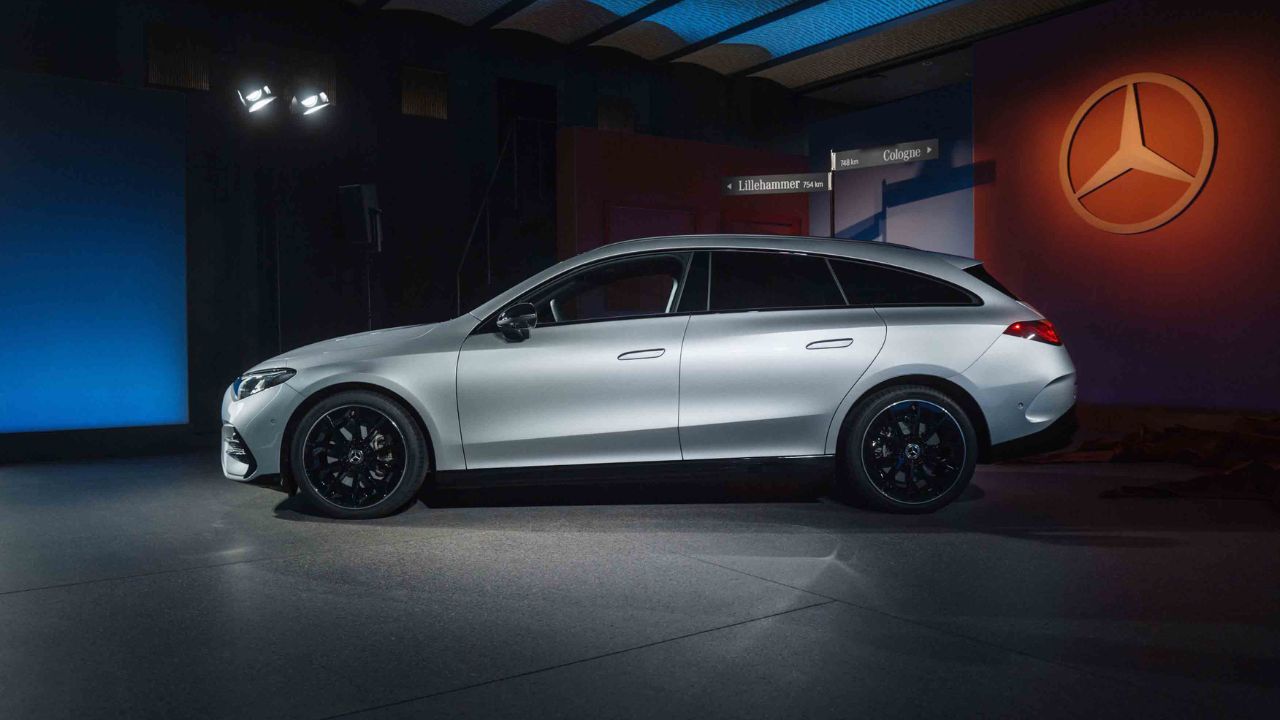
The situation is even more limited when it comes to electric wagons. At the upper end, Porsche’s Taycan Sport Turismo and Audi’s e-tron Avant concepts show that there's still faith in the format, but these remain firmly premium offerings with price points out of reach for most. A new entrant, the 2026 Mercedes-Benz CLA Shooting Brake, also reinforces this trend. It’s a sleek, technology-rich EV with a wagon silhouette—but again, it will sit in the premium tier, aimed more at design-conscious buyers than the mass market.
More affordable options exist, but they come with compromises. The MG5 EV remains one of the few truly budget-friendly electric wagons in Europe, though its basic design and lower-tier materials limit its appeal. Peugeot’s e-308 SW occupies the mid-market space, but its sharply angular styling has polarized buyers.
That leaves a clear gap. No brand has yet delivered a well-designed, mainstream electric wagon that combines strong performance, long range, and attainable pricing—all while offering a viable alternative to the crossover default.
This is where Zeekr appears to be building momentum, whether intentionally or not. The 007 GT isn’t framed as a nostalgic revival or a status symbol—it’s a fully modern EV, packaged as a shooting brake, and already delivering volume. In a segment where legacy European brands are scaling back, Zeekr is quietly advancing with a body style most others have left behind.
Related Reading on DailyRevs:
-
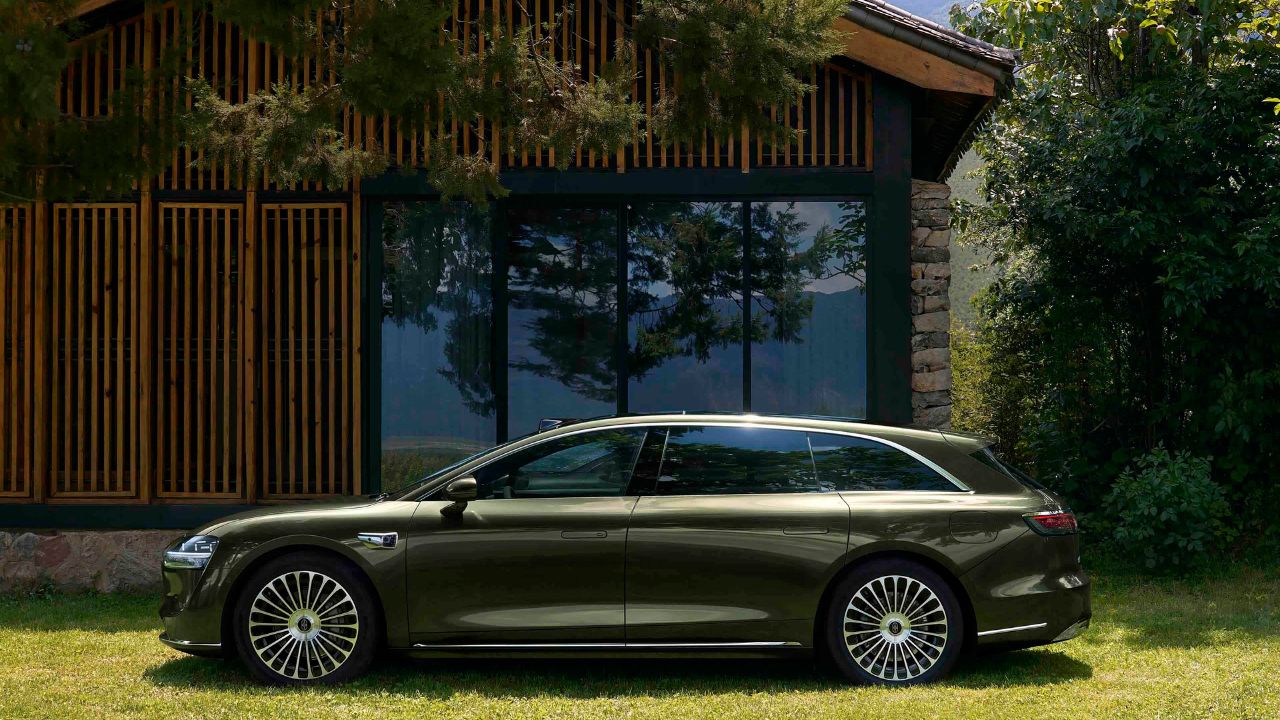
2026 Stelato S9T, A luxurious EV estate with a sleek, extended roofline that runs almost flat past the C‑pillar.
BYD‑owned Denza Z9 GT, A high-performance shooting brake with a bold 952 hp (tri-motor BEV) or hybrid alternative.
HiPhi Z, Produced by Human Horizons, the HiPhi Z is a premium all-electric shooting brake with suicide rear doors, dual-motor AWD.
Zeekr 001, Launched in 2021 as the world’s first mass-produced EV shooting brake
Zeekr 007 GT, A newer entry in the format, based on the PMA2+ platform.