Xiaomi Puts Supercars to Shame with SU7 Ultra Nürburgring Lap and Limited Edition Launch
By Hugo Mattson June 27, 2025

The SU7 Ultra prototype lapped Nürburgring at 6:22.091, placing it third-fastest road-going four-door car around the circuit.
Xiaomi has introduced a 100-unit Nürburgring Limited Edition starting from ¥814,900 (around $113,500).
The production model features a detuned specification with track-capable traits but maintains fundamental performance DNA of the prototype.
Xiaomi Targets Performance Credibility at the Nürburgring
In a development that puts its EV credentials firmly in the realm of proper performance, Xiaomi revealed that its SU7 Ultra concept car lapped the Nürburgring Nordschleife circuit in 6 minutes and 22.091 seconds. That time puts it behind only the Volkswagen ID.R and Porsche 919 Hybrid Evo—both record-hunters that are purpose-built. Among road-legal sedans, however, it is now one of the quickest ever.
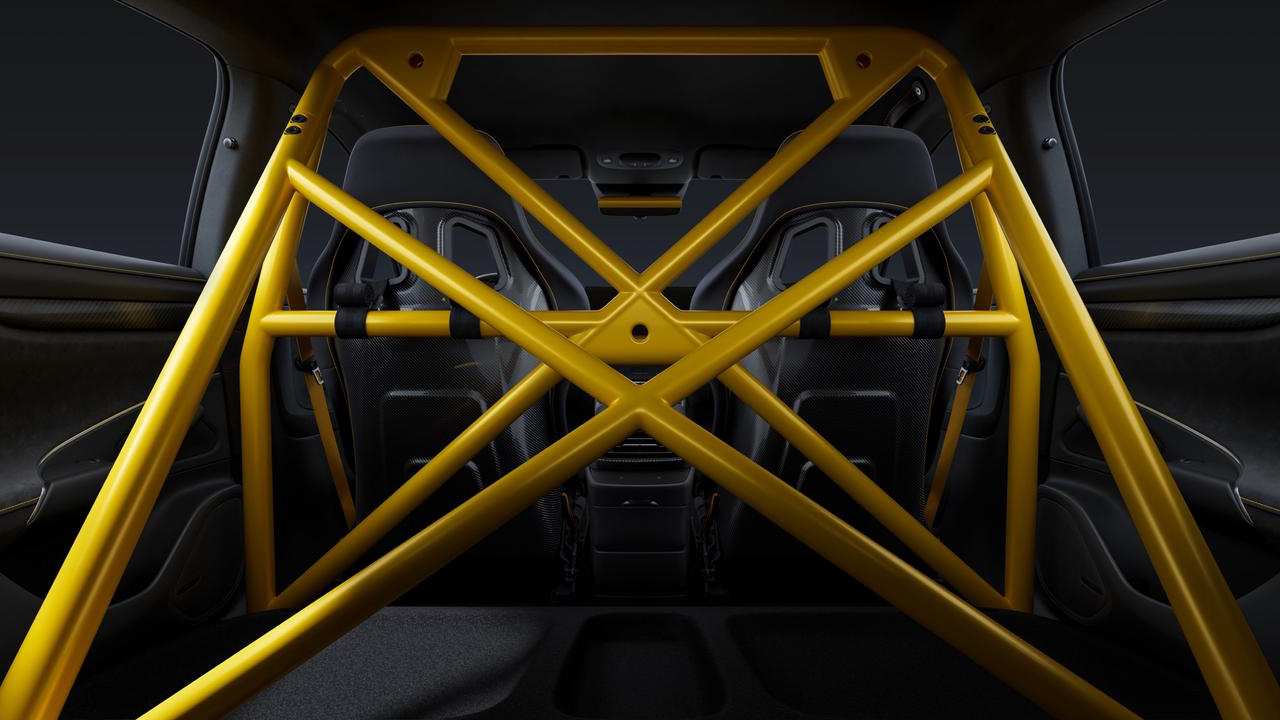
The test vehicle that was used for the lap had road kit stripped off and received a roll cage, racing slicks, and track-specific setup. Xiaomi confirmed the vehicle was delivering 1,548 horsepower from a tri-motor configuration, demonstrating the inherent performance of its in-house designed electric powertrain.
Limited Edition Model Comes Shortly After Lap Record
The lap time wasn't simply a publicity stunt. Xiaomi wasted no time commercializing the feat by launching the SU7 Ultra Nürburgring Limited Edition in a 100-unit run. At ¥814,900 (approximately $113,500 USD), this variant takes huge cues from the track version but remains street-legal.
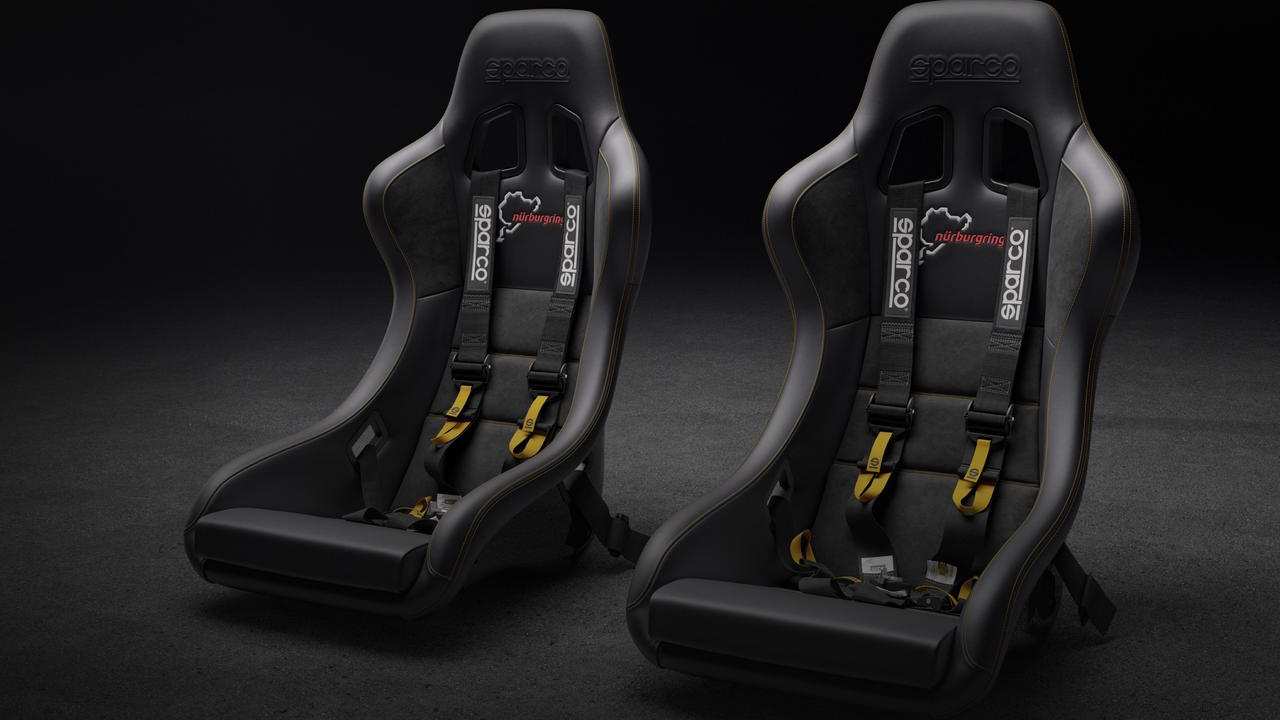
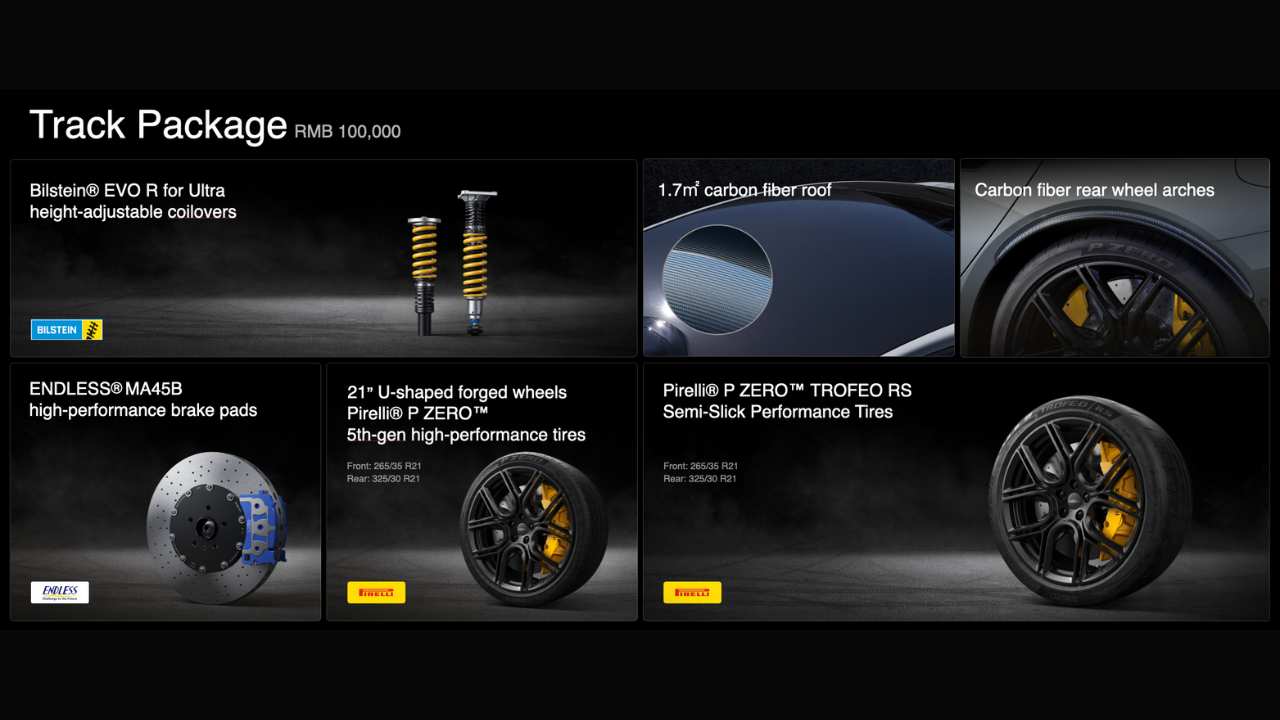
While detuned somewhat to 1,425 horsepower, the production model retains the same tri-motor configuration, track-centric aero package, carbon-ceramic brakes, and circuit-specific calibration. Xiaomi also adds a new track mode, sticky tires, and light weight-saving modifications over the standard Ultra.
According to Xiaomi’s press release, 10 of the 100 units will be built in 2025, with the remainder following in 2026. Orders are open now, with select customers granted access through Xiaomi’s flagship online portal.
For more details on the production model and official gallery, visit the Xiaomi SU7 Nürburgring Edition listing.
Production Version Clocks 7:04.957—Still a Top Tier Time
Unlike the prototype, the production model underwent a full lap in a road-legal configuration. Xiaomi confirmed a 7:04.957 Nürburgring lap time, which still places it ahead of several high-end performance EVs, including the Porsche Taycan Turbo GT.
Importantly, the production version achieved this result on street-legal tires and without extensive modifications—underscoring Xiaomi’s engineering progress and the scalability of its SU7 platform.
Xiaomi’s Head of EV Development was quoted saying, “We wanted to prove this wasn't just an exercise in PR. The performance is engineered into the platform, and this lap time proves it’s not limited to the test track.”
Hardware Focus: What Makes the SU7 Ultra Competitive
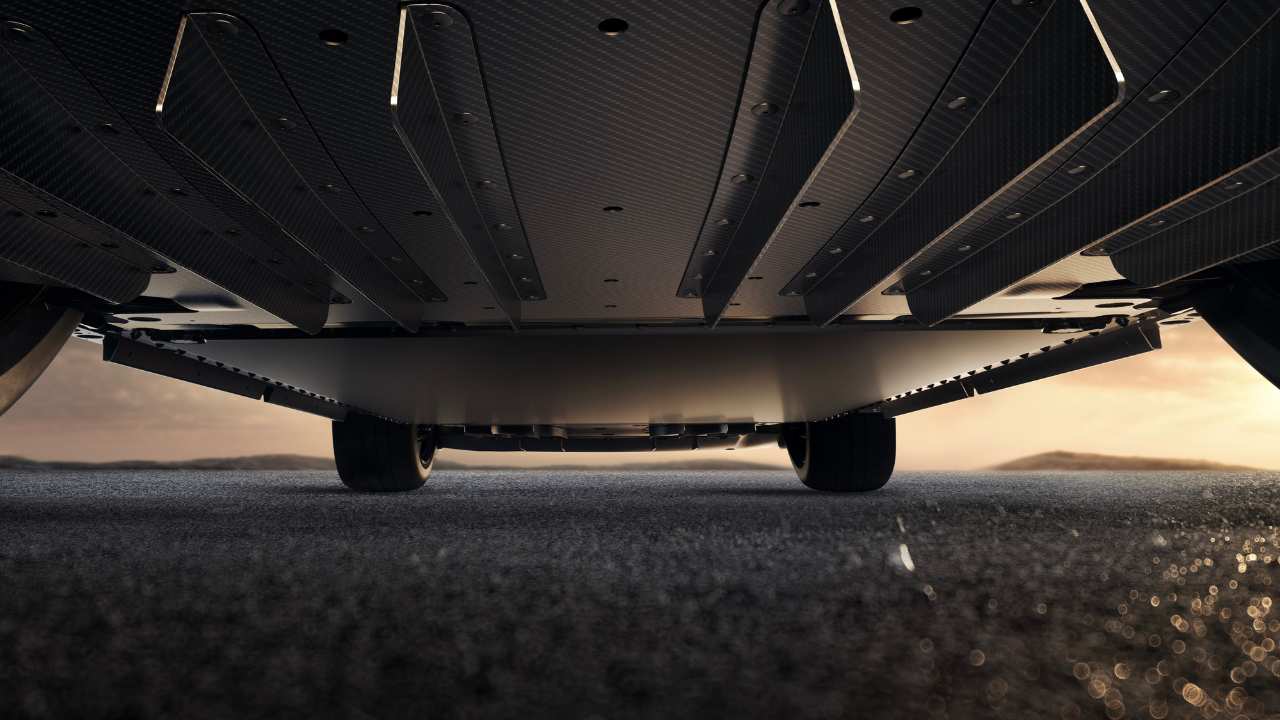
Beneath the minimalist bodywork lies a deeply engineered platform. Xiaomi’s CTB (cell-to-body) battery system offers ultra-low center of gravity, while its Xiaomi Smart Chassis handles active suspension and torque vectoring.
Both the prototype and production variants leverage this core technology, with the Nürburgring Edition optimized for track performance. Highlights include:
-
Tri-motor AWD layout (one front, two rear)
-
Carbon-fiber aero enhancements with increased downforce
-
Custom-designed EV control logic for cornering stability at high speeds
-
Optional slicks for closed-course events
The outcome is an electric sedan that doesn't merely accelerate in a straight line but is even visibly planted and collected at speed—a need to navigate the Nürburgring's challenging layout.
To view the design and full specification gallery, visit the official SU7 Ultra media page.
Competitive Context: Where It Stands in 2025
The Xiaomi SU7 Ultra’s time slots it between a group of elite EVs and hypercars, such as the Rimac Nevera and Porsche Taycan Turbo GT. While it lacks the cachet of heritage brands, Xiaomi’s execution sends a strong message: it intends to build not just road cars, but halo products that influence perception across markets.
With the firm already incorporating smart cabin technology and software-related powertrain control systems, the SU7 is more than just an independent EV. It represents a larger trend whereby consumer technology companies are now convincingly pushing against performance standards established by traditional automakers.
To put this into perspective, you can contrast its figures and photos to other high-performance EVs in the EV performance sedan segment.
Final Thoughts: Lap Times Now Drive Headlines
What Xiaomi has done is straightforward yet profound. By creating a record-breaking prototype and releasing a limited edition not long after, it bridges the gap between demonstration and delivery.
The figures are there, the vehicle exists, and the message is clear: Xiaomi is not experimenting with electric cars—it's aiming credibility at the top of the performance pyramid.
The firm's triumph at the Nürburgring is as much a testament to engineering execution as it is to marketing discipline. On both fronts, the SU7 Ultra delivers.


