Why Are Koenigsegg and Pagani Happy That Nobody Wants Electric Hypercars
By Hugo Mattson July 20, 2025

-
Buyers of ultra-performance cars still prefer combustion engines over electric motors
Koenigsegg and Pagani are doubling down on V8 and V12 engines
Emotional driving experience continues to define the true hypercar
Nobody’s Asking for Silent Speed
For all the headlines about the electric future, a surprising trend is emerging at the top end of the performance market. The world’s leading hypercar makers—Koenigsegg, Pagani, and Rimac—are hearing a message loud and clear from their customers: give us engines that make noise, deliver drama, and come alive in a way electric cars can’t.
This isn’t about politics or emissions. It’s about emotion. Koenigsegg openly admitted that when they showed buyers an all-electric version of the Gemera, not one person wanted it. Customers wanted the sound, the vibration, the tension. So they brought back the V8.
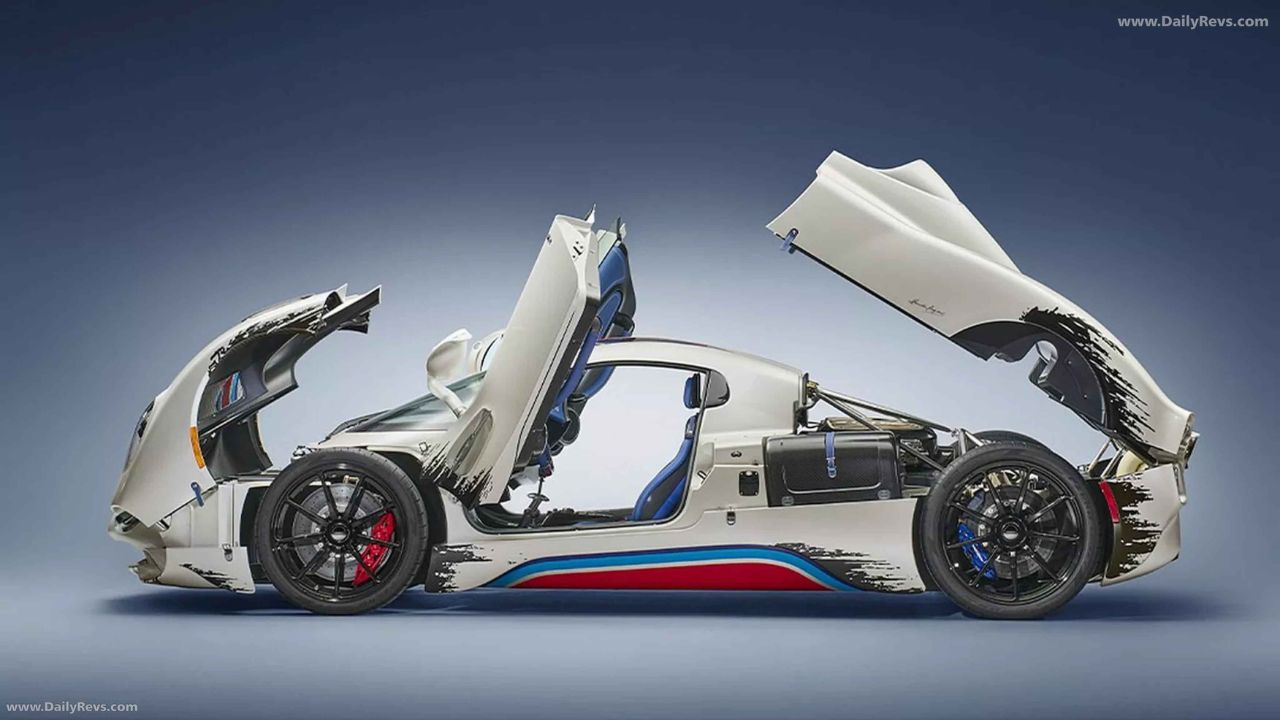
People Want Machines That Feel Alive
Koenigsegg's updated Gemera isn't a pivot to electrification—it’s a retreat from it. The newest version offers a V8 with their in-house Dark Matter electric motor, but the focus is back on sensation. It’s not about saving weight or improving range. It's about the experience.
Christian von Koenigsegg made it clear that speed isn’t enough. The customers in this segment aren’t hunting for lap times—they want a car that talks back. That’s why the response to a full electric version was silence. No orders. No buzz. Just indifference.
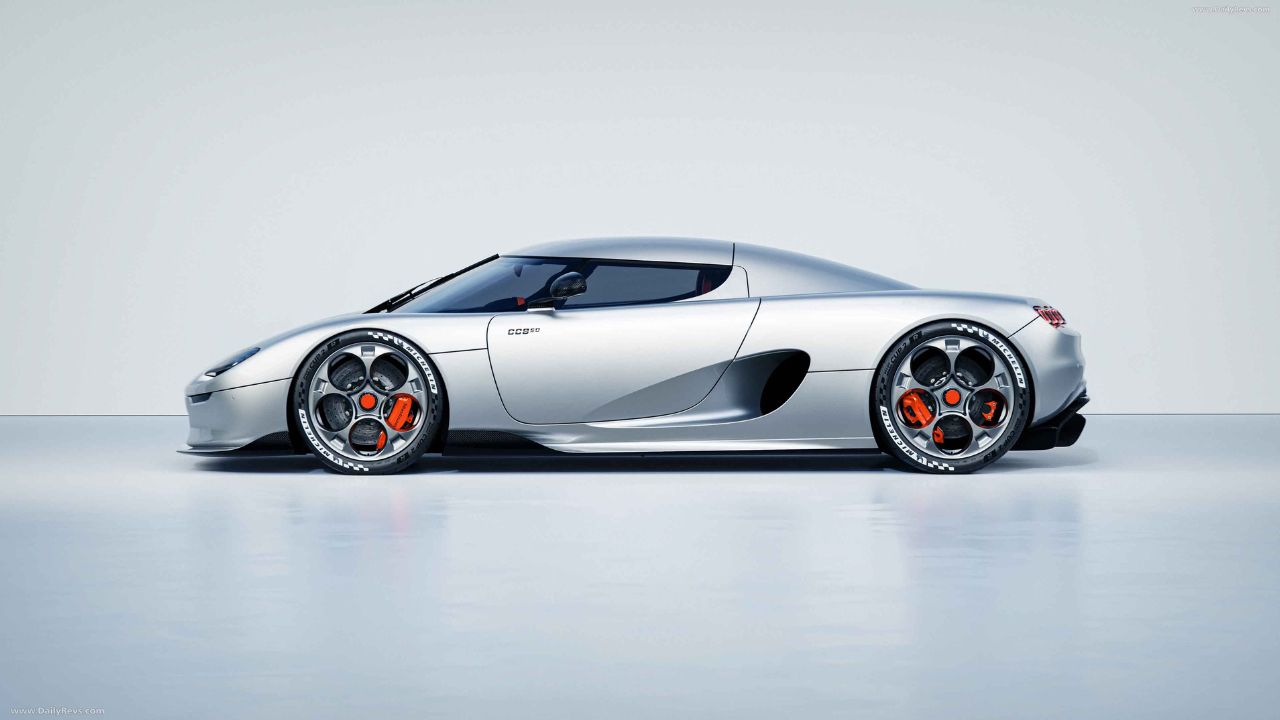
Horacio Pagani Isn’t Building Appliances
At Pagani, the philosophy has never been about numbers. It’s about soul. Horacio Pagani said it best: the demand for electric hypercars is “extremely low.” His clients don’t want silence. They want mechanical beauty. They want the roar of a V12 as part of the artwork.
Electric powertrains strip away a lot of what defines a Pagani. The materials are still exotic, the design still dramatic, but something essential gets lost. The way a car breathes and howls when it starts is part of its identity. Take that away, and what’s left is sterile.
Even Rimac Knows This Isn’t Easy
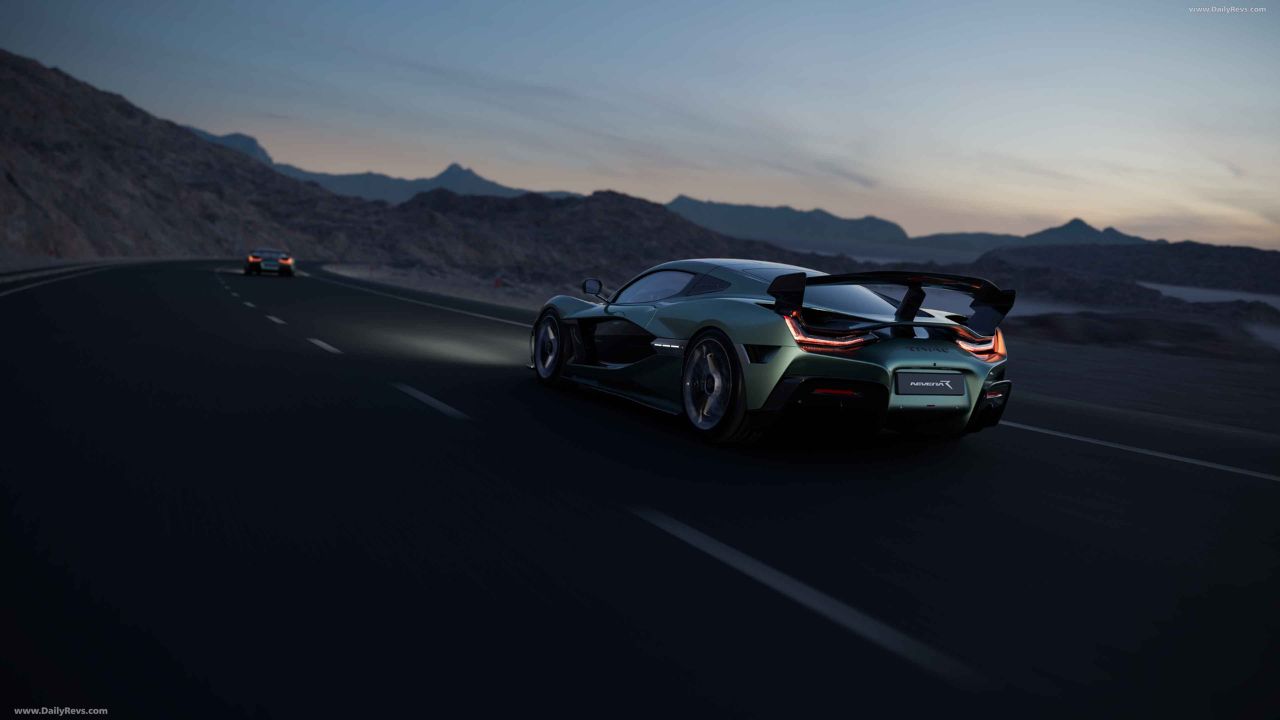
Mate Rimac might be leading the electric performance charge, but even he acknowledges that not everyone is on board. The Rimac Nevera is a masterpiece of engineering, faster than nearly anything else on the road. But selling emotion is a different game than selling performance.
The Nevera can amaze on paper, but some buyers still feel something is missing. It’s not about torque or numbers. It’s about the way a car makes you feel before you even start moving. Combustion-powered hypercars still win that first impression.
It’s Not About the Future—It’s About the Feeling
This debate isn’t about rejecting the future. It’s about preserving what makes these cars special. Hypercars aren’t built for commuting. They’re not measured by efficiency. They exist to stir emotion. To make the hairs on your neck stand up when you hear them fire up.
The buyers who spend millions on these machines don’t want silence. They want chaos in a carbon-fiber shell. They want to feel every rev, every shift, every downforce-loaded corner. An electric motor can’t deliver that in the same way, at least not yet.
What This Means Going Forward
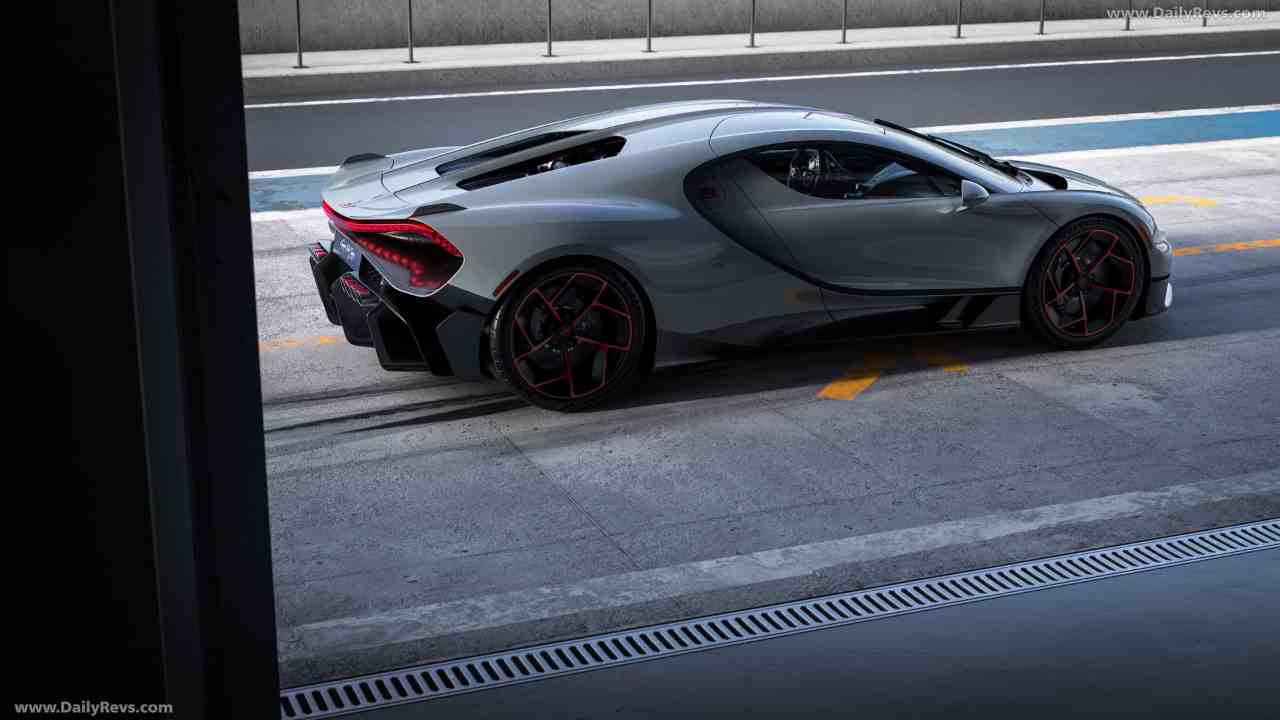
Koenigsegg, Pagani, and Rimac aren’t ignoring change. They’re just listening to what their buyers actually want. That’s why combustion is still alive and well at the top of the market. Not because of nostalgia—but because nothing else can match the full-body experience these cars are built to deliver.
If this trend continues, the future of the hypercar may not be electric. It may be something more balanced. Or maybe something even louder than before.
Let me know if you’d like a version of this article with internal links, metadata for image captions, or a compressed summary for Google News publishing.