Trump Tariffs, Delays, and a $1.2 Billion Reality Check for Volvo Cars
By Hugo Mattson July 15, 2025

Volvo Cars incurred a $1.2 billion non-cash impairment charge in Q2 2025 on account of US tariffs and delayed launches of flagship EV models.
The Chinese production strategy of the company conflicted with shifting trade patterns, especially 25% tariffs on EV imports.
Plans to move manufacturing and reduce expenses mark a broader realignment as international automakers act on political risk and regulatory uncertainty.
Volvo Confronts the Price of Global Strategy
Volvo Cars announced a second-quarter 2025 non-cash impairment charge of 11.4 billion SEK (about $1.2 billion), attributable almost exclusively to two factors: a postponement of launching critical electric vehicles, and a sharp increase in tariffs affecting China-exported vehicles going to the United States market. Individually, either one of these would be a cost. Together, they prompted one of the automaker's most sobering quarterly updates in years.
As Volvo sees it, the charge was due to an overhaul of "lifecycle profitability" for two future models—the EX90 and ES90—specifically in the wake of 25% tariffs on cars made in China. It's a straight shot from more general geopolitical tension making its way onto factory floors and quarterly reports.
When Manufacturing Meets Policy Shifts
Volvo's current production blueprint involves a heavy dependence on Chinese production, particularly for EVs. The strategy was economic sense—until it wasn't.
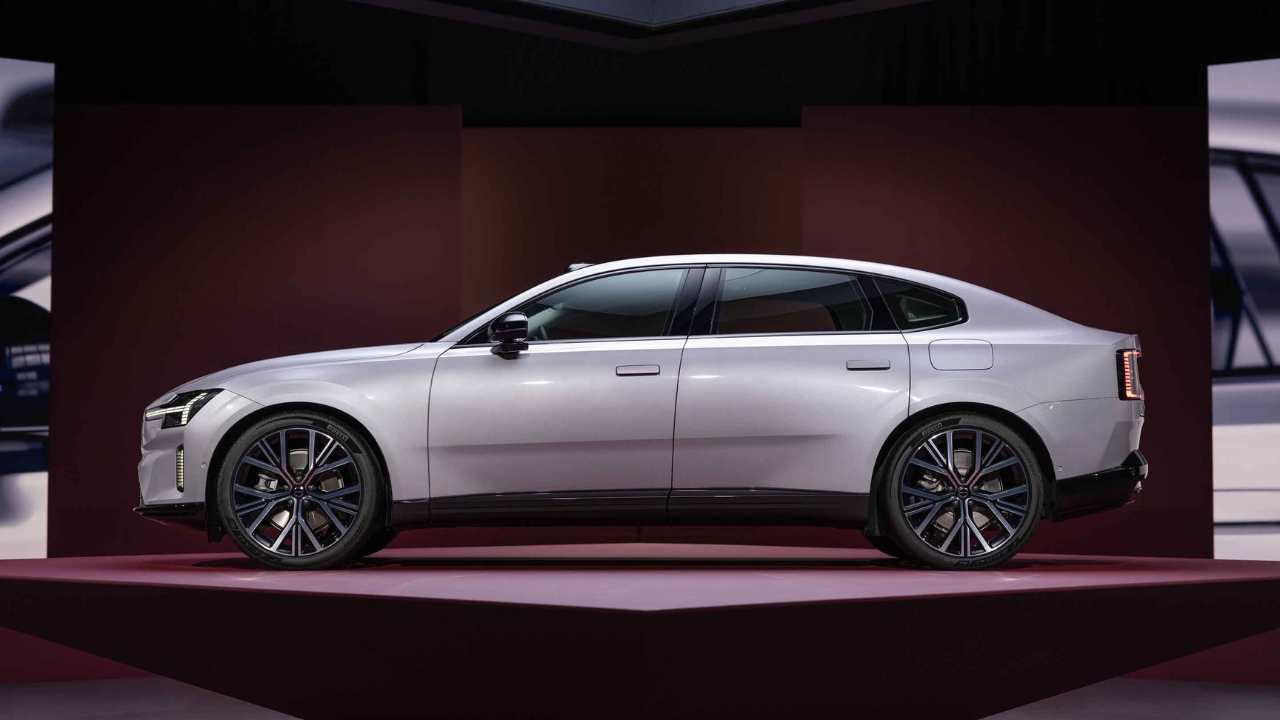
The ES90, which was to be exported worldwide, was one of the most affected vehicles. Manufactured in China for export around the world, it was engineered on the expectation that stable international trade policy would persist in enabling low-friction exports. The United States' imposition of 25% tariffs under its existing administration disrupted that calculation to render the vehicle uncompetitive in an important market.
Volvo Cars has told Swedish media that the tariff imposed on its China-made vehicles had made it "no longer possible to profitably sell a China-produced car in the U.S."
Which means, there is a hefty surcharge to account for lower profitability of those models, and an unmistakable need for structural reforms.
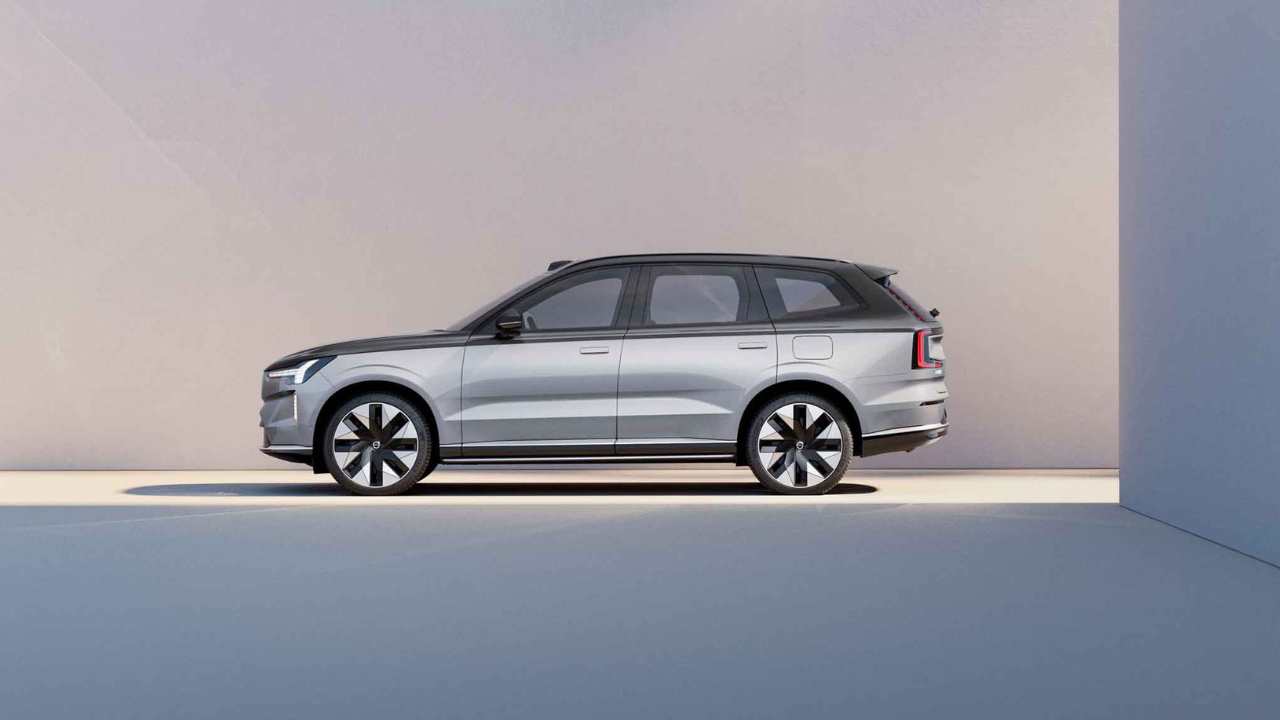
2024 Volvo EX90 Excellence Image Gallery
The EX90 Delay Adds to the Strain
Compounding the cost, the EX90 flagship SUV has experienced successive launch setbacks based on software integration woes. The car, which was intended to be the next-gen EV platform for Volvo, is a pillar vehicle for the automaker's electrification strategy.
The EX90 was set to be a top seller in Europe and North America, as a high-margin player in the premium electric SUV market. Delaying its launch not only diminishes revenue opportunity but multiplies the cost of development.
According to internal estimates, gross margins for Volvo are now projected to fall below 16%—a decline from earlier guidance, reflecting both production setbacks and pricing pressures due to tariffs.
A Strategic Pivot Is Now Underway
Volvo has already made efforts to offset the effects of this impairment. The company will divert a proportion of ES90 output to Belgium and the U.S., lowering exposure to potential future tariff increases. In addition, cost cutting measures—such as job reductions—are now integral to the forward-looking plan.
Volvo has been prudent to make clear that this impairment is not cash-based and does not impact near-term liquidity. But it is a strong indicator of an alteration in financial assumptions for two key EV models. The group has also indicated that the impairment relates to "adjustments to long-term financial assumptions," suggesting a more cautious approach to EV profitability in markets around the world.
A Wider Observation on International Trade and Electrification
Volvo is not unique in struggling with changing winds in trade. Automakers in Europe and Asia are reassessing their models for global manufacturing, particularly in the aftermath of re-emerging U.S. protectionism and European Commission probes into foreign subsidies. The premise that autos can be manufactured anywhere and retailed anywhere is being pushed, and for Volvo, the price of underestimating that equation has come in the shape of a billion-dollar write-down.
Although some have argued that Volvo ought to have increased Swedish or EU production sooner, large-scale EV manufacturing remains fraught economics. China still provides the valuable advantages of battery procurement, supply chain saturation, and mass scale. That calculus computed for years—until the rules were altered by the new tariff policy.
What Happens Next?
Volvo's near-term agenda will most likely involve stabilizing its EV ramp-up, reasserting investor confidence, and speeding up local production changes. It still has brand equity, product richness, and regional flexibility to leverage. But the impairment is a timely reminder: Electrification is no longer merely an engineering issue. It's also a geopolitical one now.
Volvo said that the cost will be felt in research and development expense and cost of sales, starting in Q2 2025. That suggests there will be more general consequences for model budgets and pricing strategy in the future.
Whether it is a short-term adjustment or longer strategic reckoning will depend on how successful Volvo is in adapting—and on developments in the global regulatory environment.