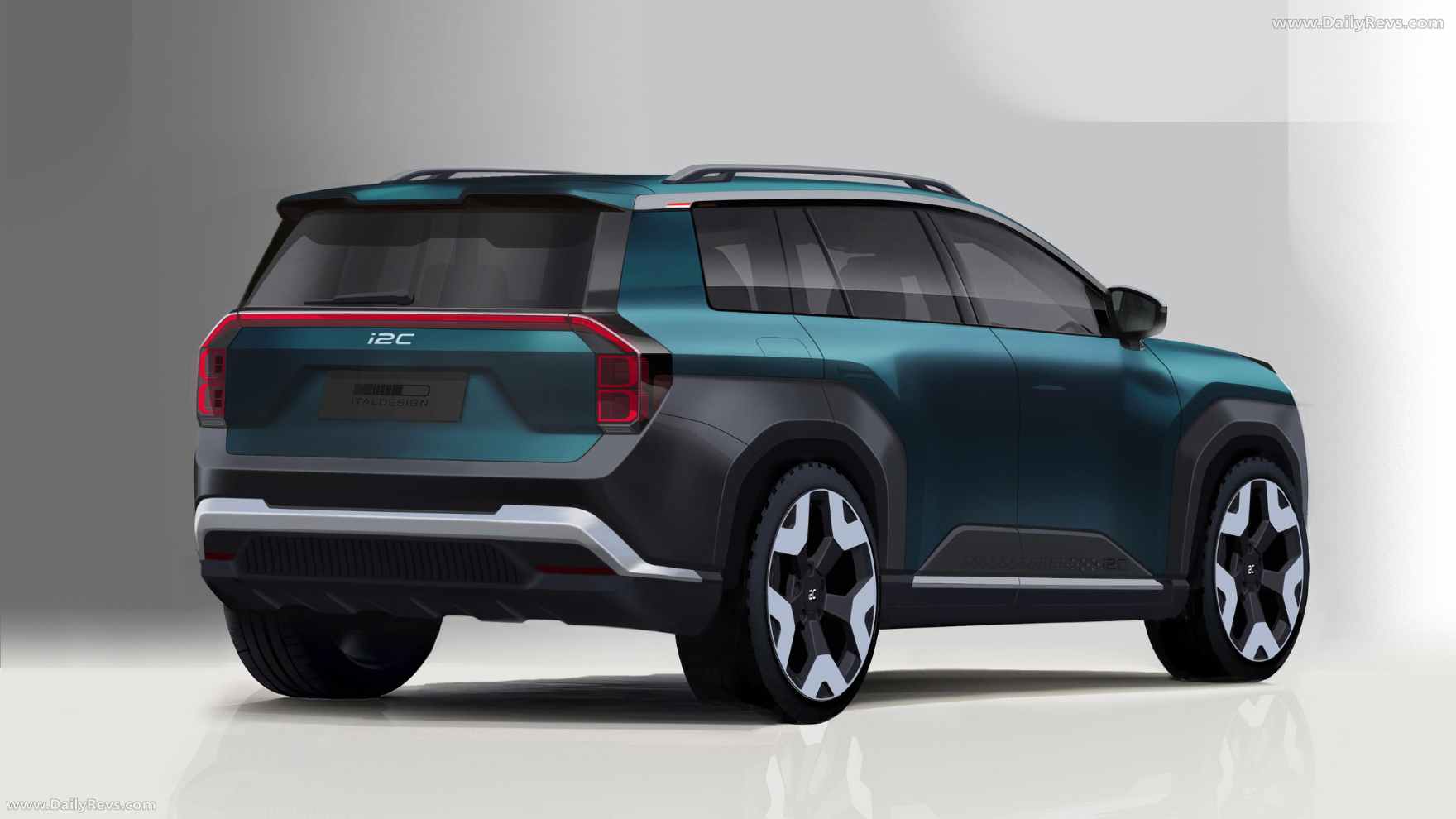
i2C SUV: Indonesia’s EV with Italdesign’s Touch
By Hugo Mattson August 13, 2025

Three-row SUV with seating for six or seven passengers
83.4 kWh battery with 617 km range (CLTC)
Production planned for 2026, priced below IDR 500 million
Indonesia's first national electric SUV has entered the market, and it's not merely a showstopper. The i2C — Indigenous Indonesian Car — was launched at the Gaikindo Indonesia International Auto Show 2025. The project is a collaboration between Italdesign and local partners, backed by the Indonesian government to create a car that will fit right in on Indonesia's roads.
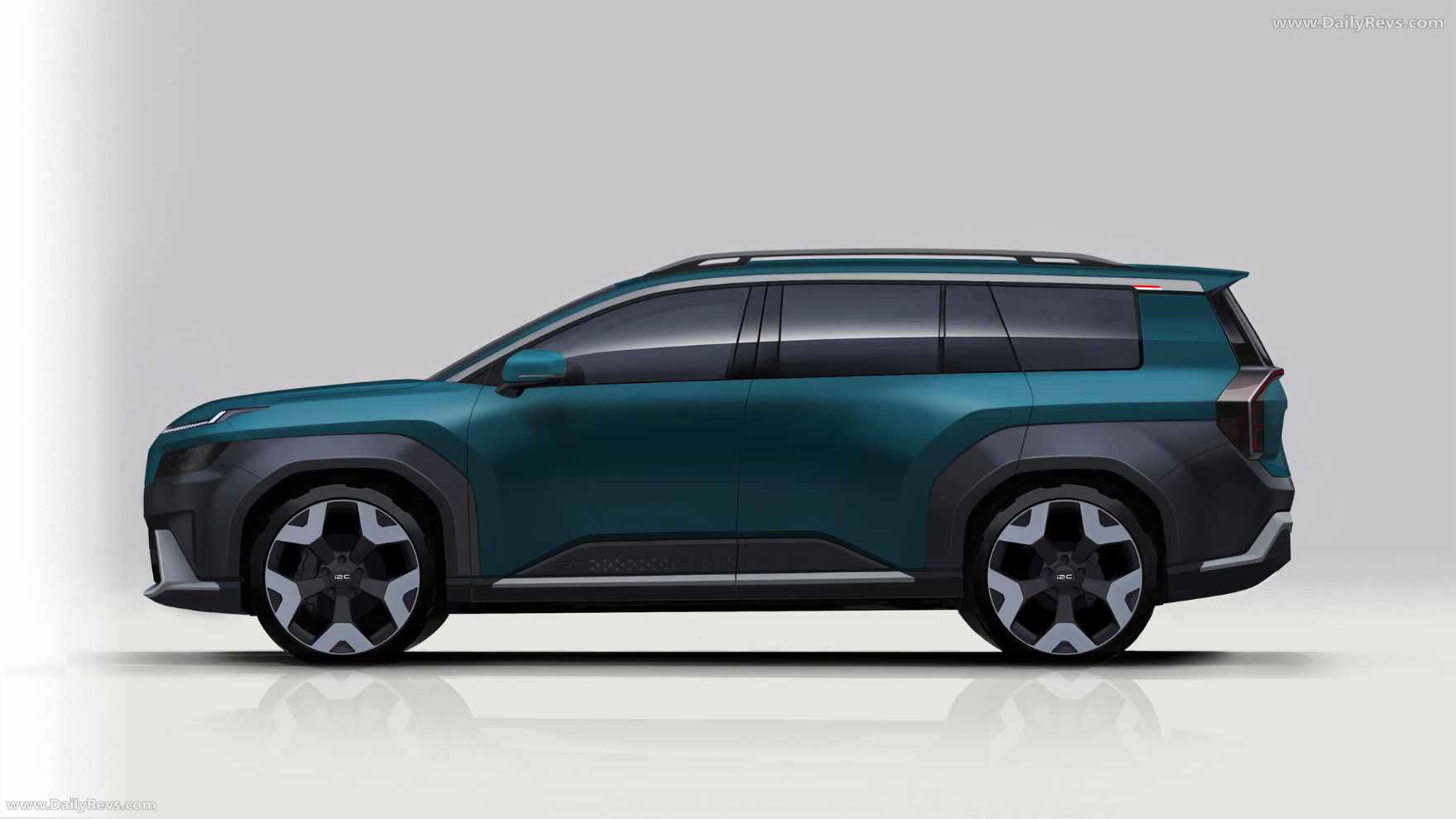
The concept was understood from day one: create a model for Indonesia's driving style and lifestyles instead of using an existing one. The outcome is a three-row, mid-size SUV with the objective of being palatable to family buys, business fleets, as well as governmental utilizations too.
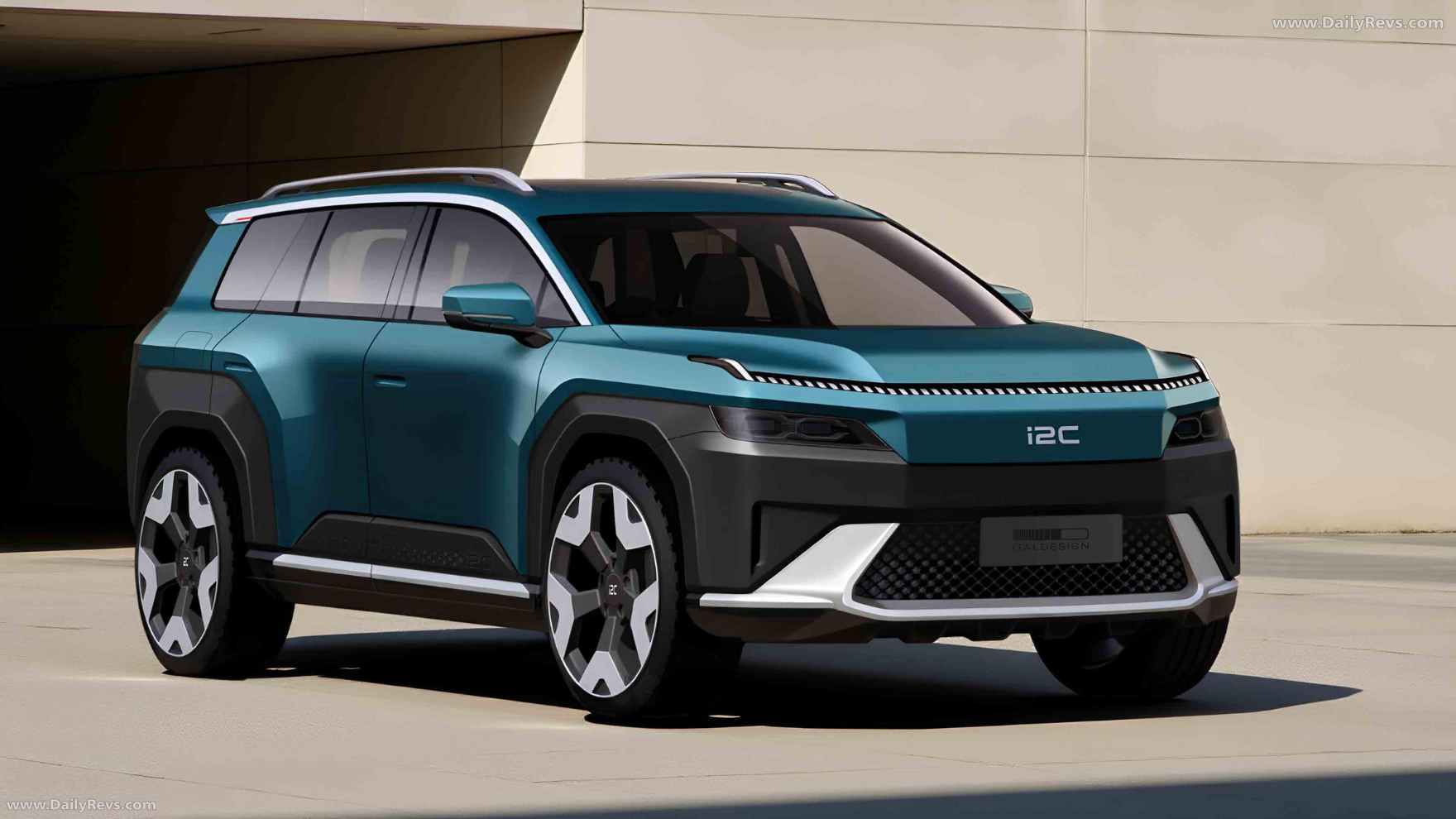
The ride is purposeful and upright with elevated ride height and short overhangs that can handle thick city center traffic as well as poorer quality rural roads. The shape of the body is all about space rather than styling tricks, and a premium-looking LED light strip between front and rear provides it with that modern appearance.
The cultural heritage is embedded in the details. The grille design takes its cue from the Garuda, the national emblem of Indonesia, and subtle batik motifs are used on the trim. These are woven into the design and not added in a post-facto manner, and the SUV has a genuine link to its heritage.
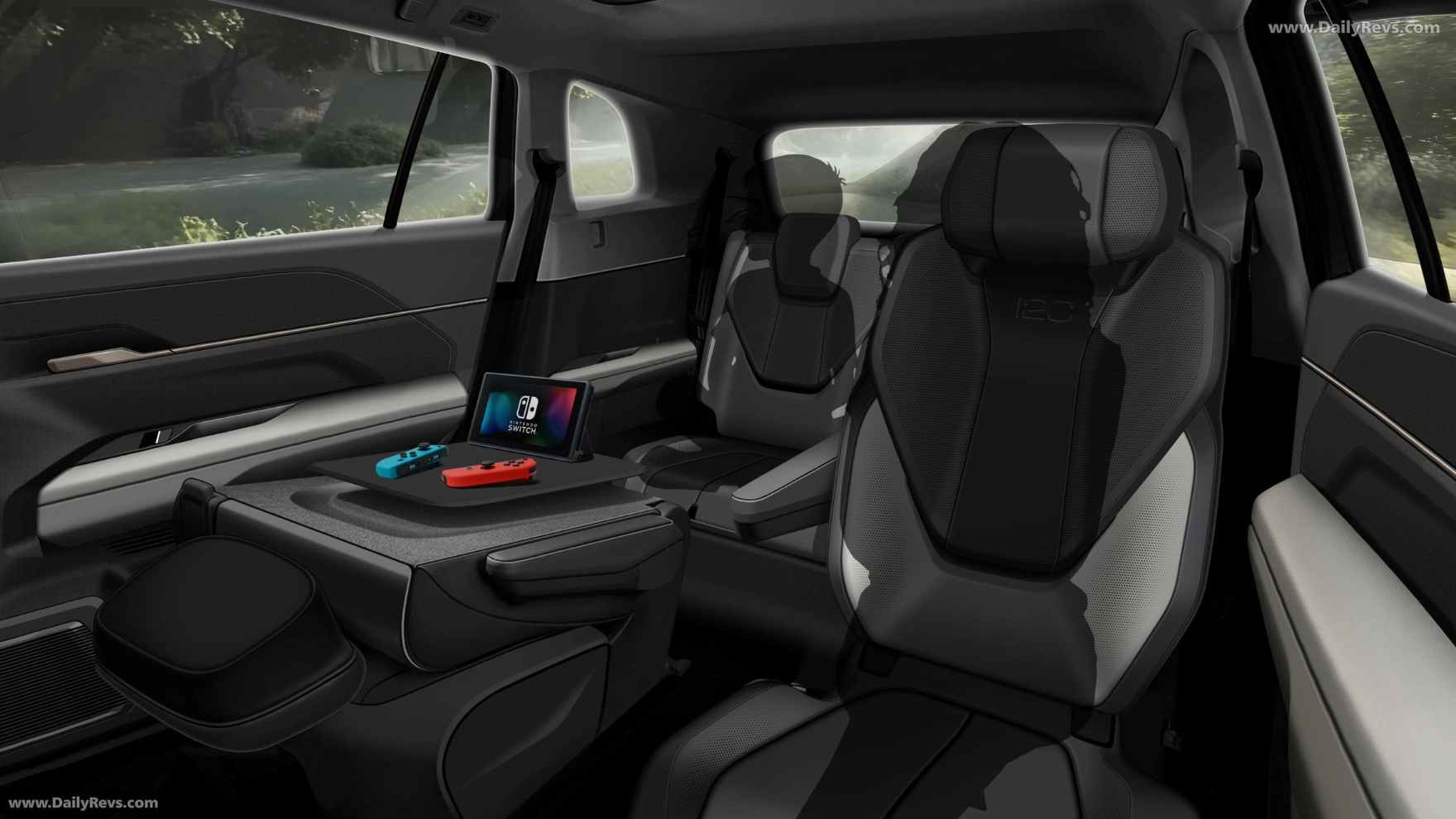
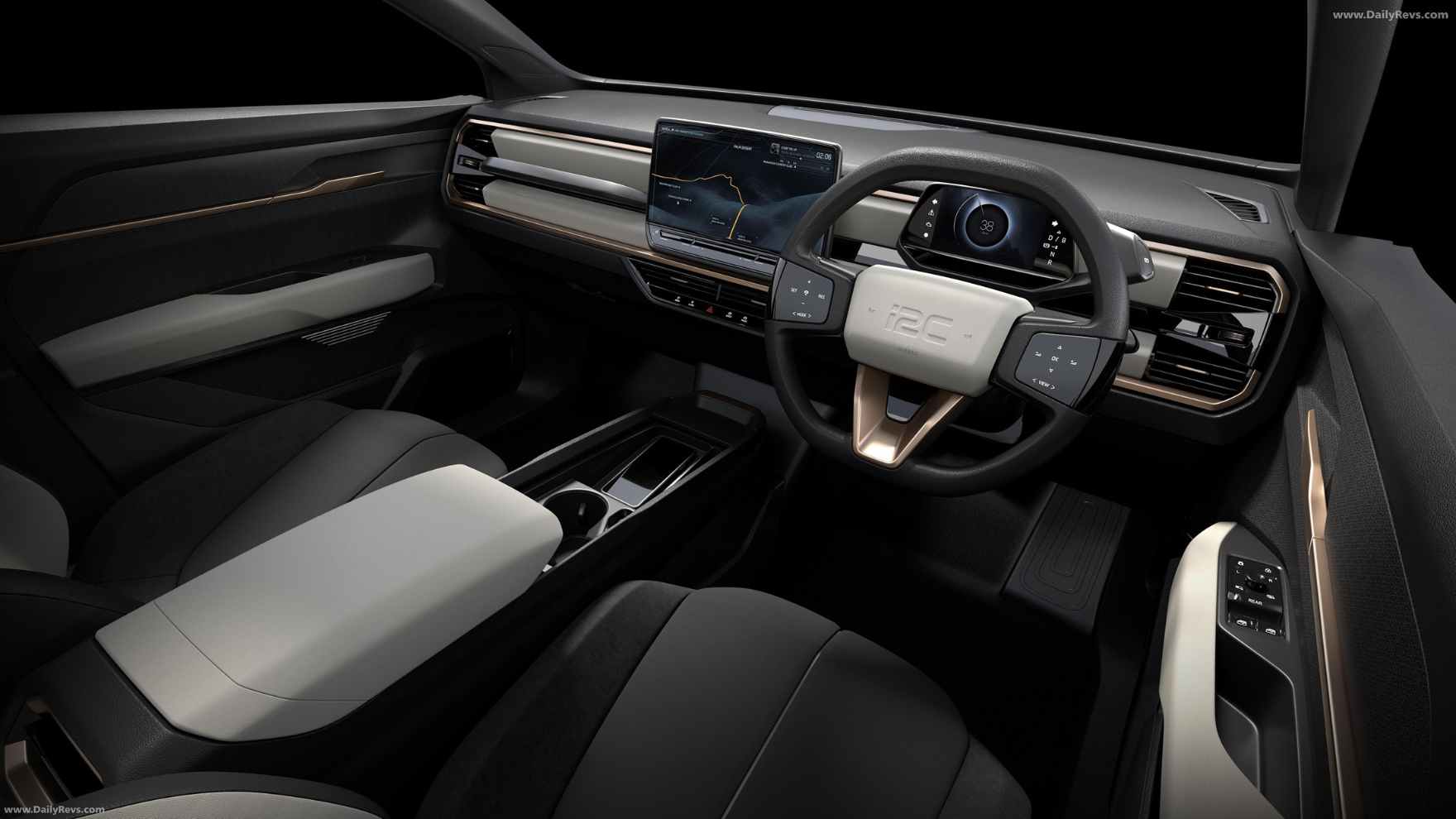
Inside, functionality and durability are the priority. Two core displays manage infotainment and vehicle settings, touch-sensitive on the steering wheel to keep things uncluttered. Materials are selected to be able to withstand normal wear and tear and maintain cabin appearance in the long term.
The i2C has a tried and tested electric platform. A single motor produces 204 PS and 310 Nm, which can accelerate the car from 0–100 km/h in slightly more than nine seconds and an estimated top speed of approximately 200 km/h. The 83.4 kWh NMC battery promises up to 617 km on the CLTC cycle. 150 kW DC quick charging and 11 kW AC domestic charging are offered.
The cost is kept below IDR 500 million, or around USD 34,000, within reach of a broad consumer base. Mass production starts in 2026, with initial units reserved for government fleets before the volume of public demand increases.
If executed to schedule, the i2C will be more than Indonesia's initial electric SUV. It will be the beginning of a local EV industry — one with national pride, sophisticated engineering, and a clearly established route to market.
If delivered to plan, the i2C will be more than Indonesia's first electric SUV. It will be the start of an indigenous EV industry — one with national pride, advanced engineering, and a well-defined path to market.