Golf GTI W12 650 Remains Volkswagen’s Most Unrestrained Concept
By Hugo Mattson July 26, 2025

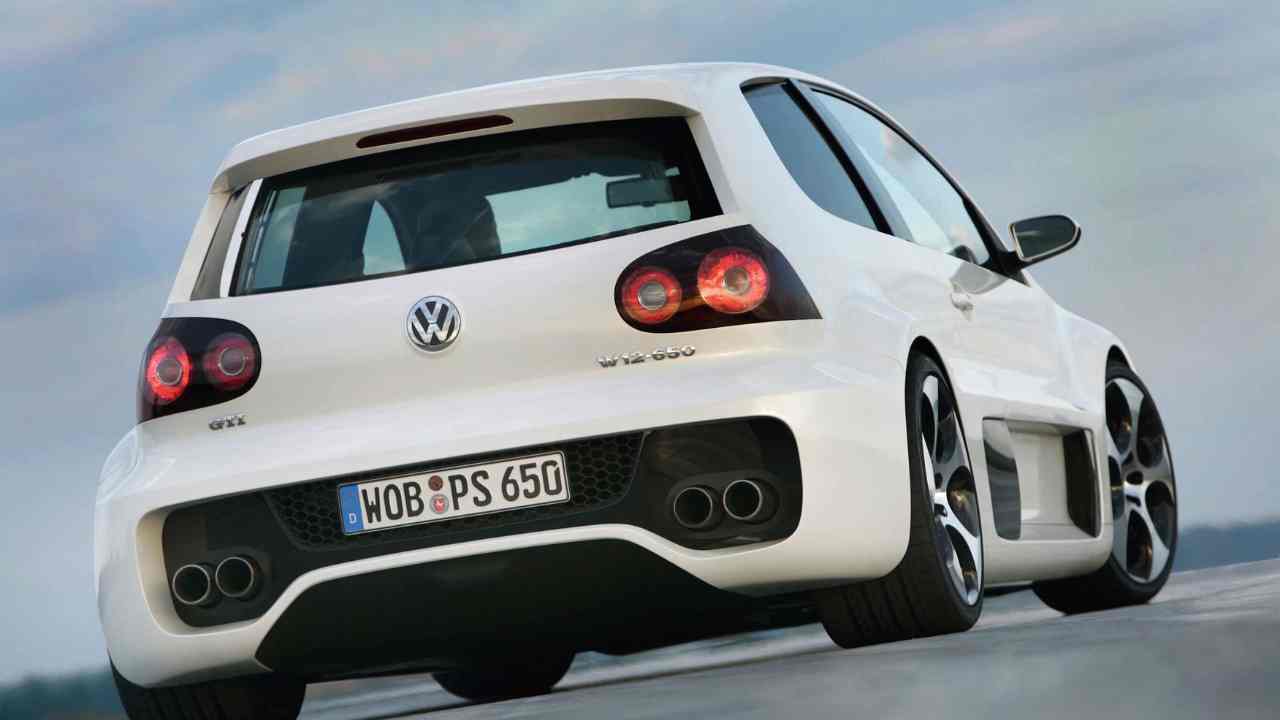
The Golf GTI W12 650 had a 650 PS twin-turbo W12 engine in the rear of the vehicle, behind the front seats.
It incorporated parts from throughout the VW Group, such as Lamborghini and Audi.
Produced specifically for the 2007 Wörthersee show, the concept was fully operational but never planned for production.
Overview of the GTI W12 650 Concept
Volkswagen created the GTI W12 650 as an in-house engineering exercise for the 2007 Wörthersee festival. It wasn't a styling study or a design exercise. It was an operational prototype, assembled over eight weeks to demonstrate the technical versatility of the Volkswagen Group. The vehicle mated a recognizable Golf shape to high-performance bits gathered from throughout the corporate stable.
Powertrain and Layout
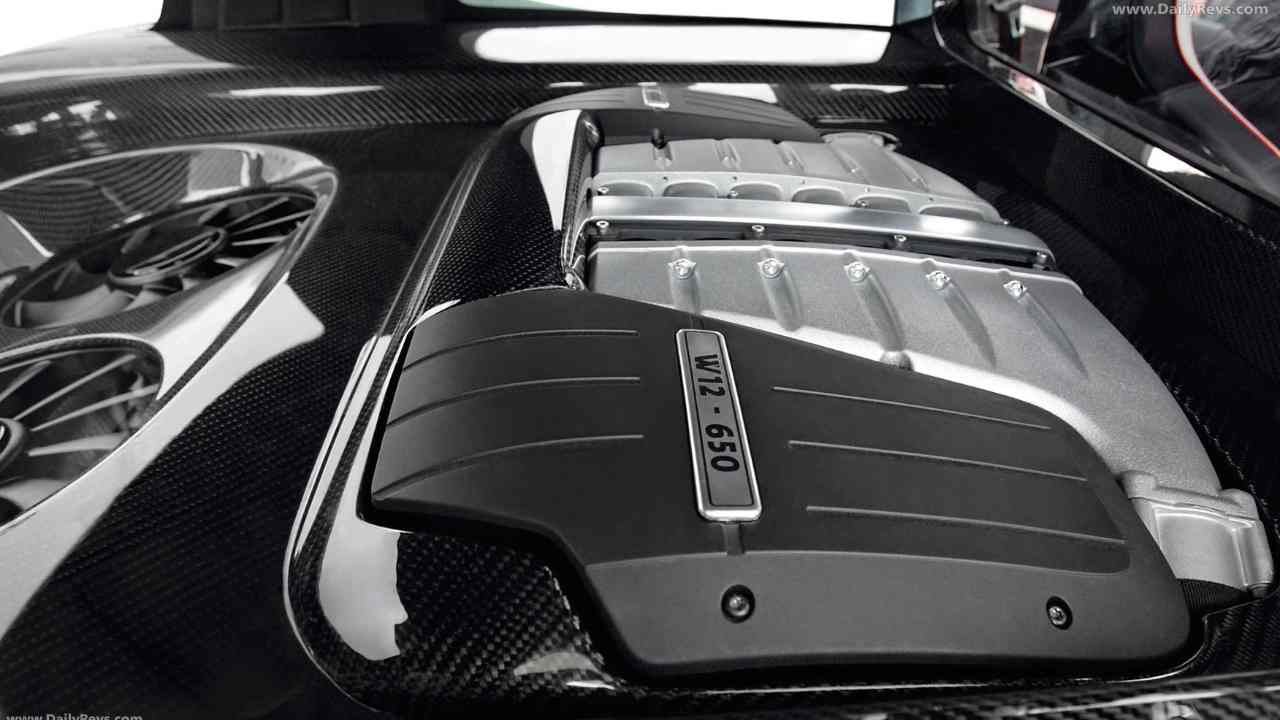
The car used a 6.0 liter twin-turbocharged W12 engine from Bentley. It made 650 PS and 750 newton meters of torque. The engine was mounted behind the front seats in a mid-mounted orientation. Power was transferred to the rear wheels by a six-speed Tiptronic automatic transmission. This configuration represented a radical departure from the normal front-engine, front-wheel-drive architecture of the production GTI.
Structural modifications and supporting components
The engineering modifications needed to be extensively adapted. The rear subframe was taken from the Lamborghini Gallardo. The braking system was taken from the Audi RS4. These parts were chosen for their compatibility with the higher power output and changed drivetrain configuration.
The cooling system was rearranged and revamped. Supports were installed in the chassis to accommodate the new engine design and to maintain structural integrity. The outcome was a car that had little mechanically in common with any production Golf.
Revisions to the exterior
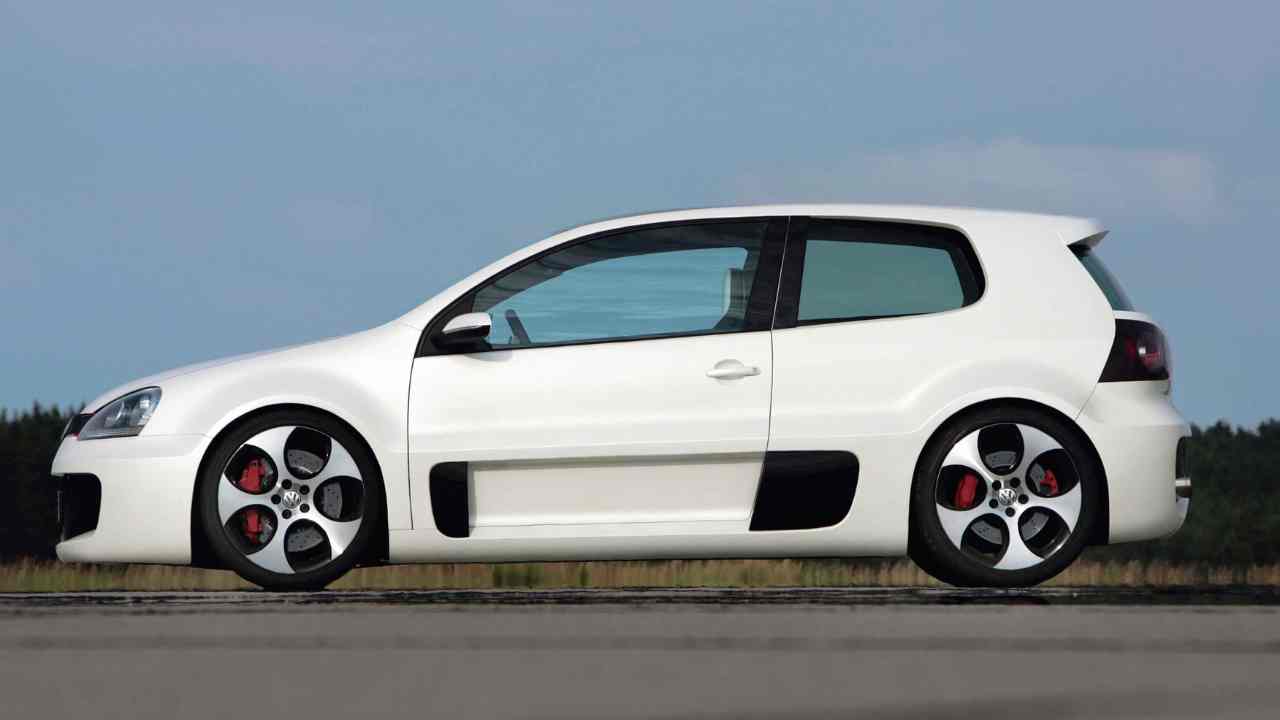
While the car maintained the general form of the fifth-generation GTI, the outside was radically revised. The body was broadened by about 160 millimeters. Huge side intakes took the place of rear windows to supply air to the engine compartment. The roof was made of carbon fiber to minimize weight and lower the center of gravity.
The rear bodywork was redesigned to fit around the new configuration, featuring twin central exhaust outlets and a reprofiled lower diffuser. The design alterations were not aesthetic but functional, demonstrating the engineering focus of the project.
Interior Configuration
The interior had the rear seating removed to accommodate the transmission and engine. The cabin still used components of the production GTI dashboard and driver's interface, but the overall treatment was austere. Exposed mechanical bits, structural tubing, and cooling channels took the place of most trim and insulation. Function, not comfort or refinement, was the priority.
Project Intent and Outcome
The GTI W12 650 was designed to showcase engineering competence through the utilization of available group facilities. It was not certified for emissions, safety checked, or ready for the road. It did not show a future product. The project was undertaken to investigate internal potential within a limited schedule using off-the-shelf performance components.
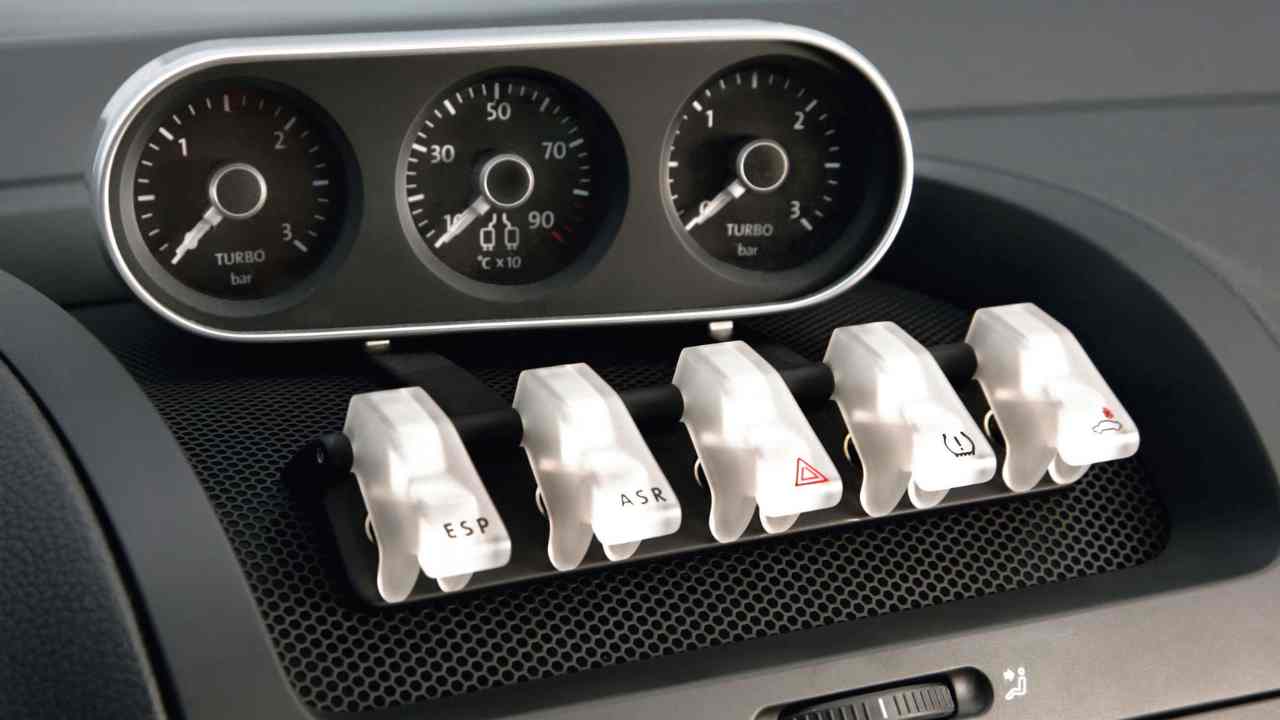
While it created a great stir at Wörthersee, the vehicle was not drivable. Handling was unpredictable, and the lack of electronic stability systems was commented on in early reviews. The vehicle had prodigious acceleration and top-end speed capabilities but minimal control at the limit.
Technical Legacy
The GTI W12 650 occupies a special position in Volkswagen's concept lineage. It is still the most mechanically innovative GTI-derived car that the company has built. It didn't affect the styling or engineering of subsequent production GTI models, nor was it meant to. Its purpose was limited to internal demonstration and public interaction at a brand event.
The car still remains in Volkswagen's collection and appears at times. It has not been refurbished or rebuilt to its other use since its launch.
The Ultimate GOLF GTI
The Golf GTI W12 650 demonstrates what can be achieved when the boundaries of engineering are pushed without business goals. It was built using production-level components, put together in a hurry, and showcased without a product strategy. Its relevance continues through the simplicity of purpose: to demonstrate what was possible with the tools at hand.