BMW Is Outsmarting Mercedes and Audi in the Premium EV Race
By Hugo Mattson September 6, 2025

The BMW iX led the way as a flagship trailblazer, with EV technology but hindered by its divisive looks.
The Neue Klasse iX3 rewrites the script with 400-mile range, 400 kW charging, and a fresher look.
Mercedes and Audi are shackled to more expensive platforms and slower software overhauls, positioning BMW to grow more aggressively
The German luxury three are pursuing the same future, but one of them is leveraging technology and scale to drive down costs and accelerate adoption.
The iX as a pathfinder
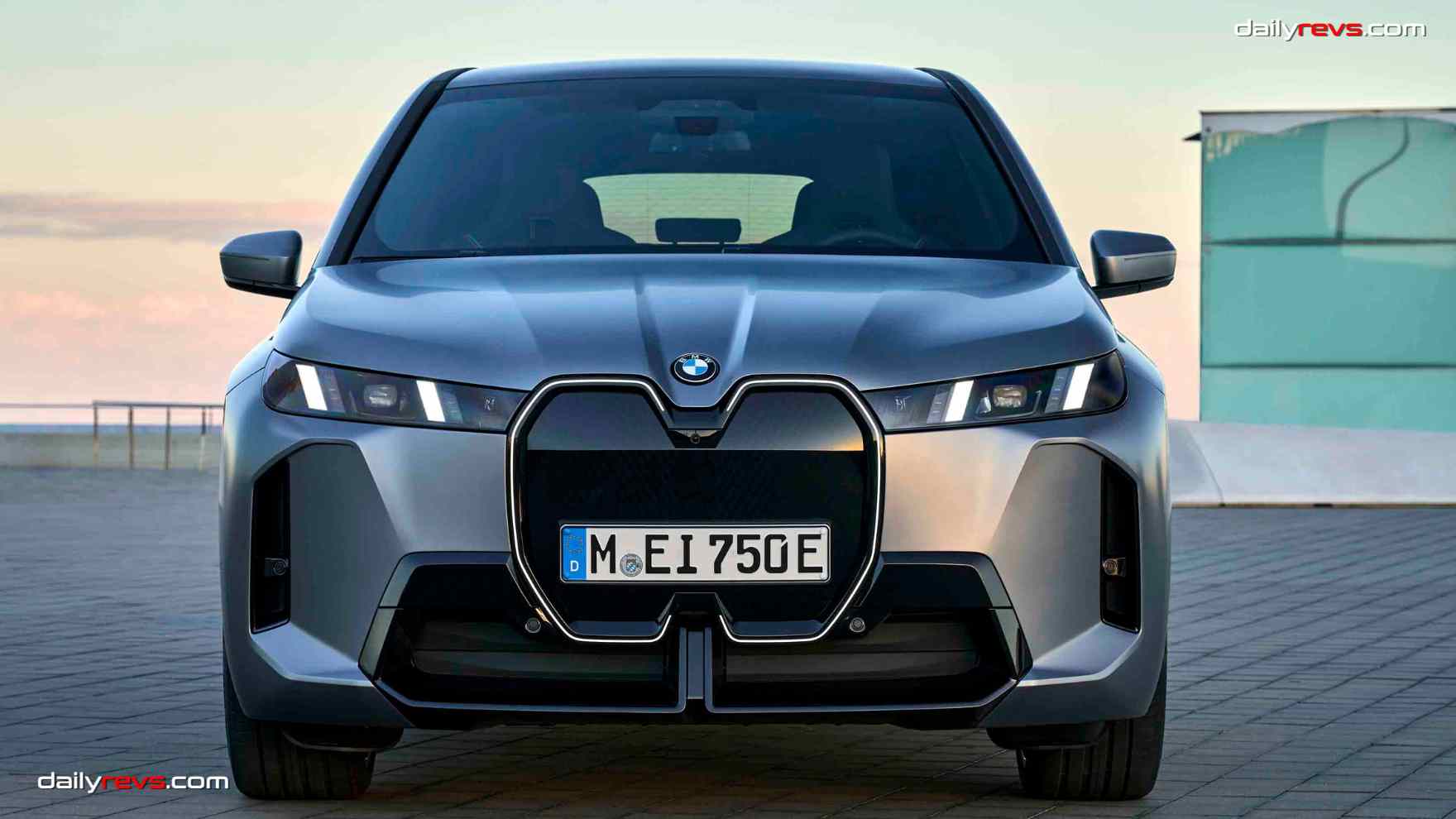
BMW's electric transition didn't start with Neue Klasse. In 2021, it produced the iX, a flagship SUV that was the brand's first ground-up electric vehicle. It introduced fifth-generation eDrive tech, dual-motor xDrive performance, and more than 300 miles of EPA-rated range in its xDrive50 trim. Power reached upwards of 600 horsepower in the M60, which cemented BMW's ability to provide efficiency and performance in a luxury EV.
The iX also brought design and digital thinking that led the way. Its spartan interior, use of eco-friendly materials, and sophisticated driver assistance systems raised the bar for BMW. But as much as the engineering was admired, front-end design was polarizing. The kidney grille's massive size and aggressive surfaces generated controversy and perhaps kept the iX from selling as much as it could have, even as reviewers gave it high marks for refinement and ride quality.
In retrospect, the iX is more of a pathfinder and less of a mass-market move. It gave BMW an opportunity to prove its EV credentials, test radical design concepts, and set the stage for mass production of next-generation technology.
Neue Klasse as a reset
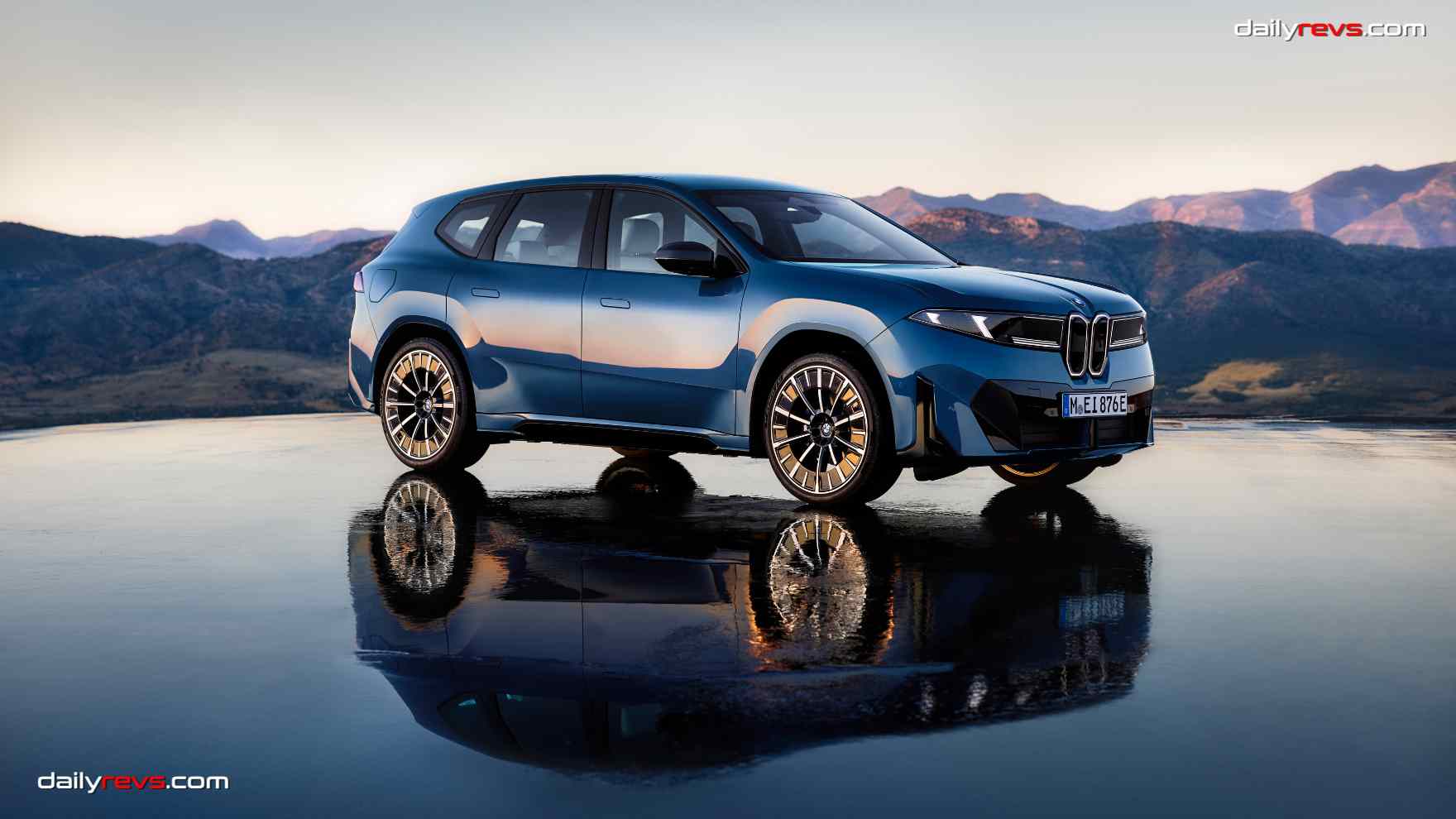
That broader deployment starts with the iX3 50 xDrive, the first production car based on BMW's new Neue Klasse platform. Where the iX tested, the iX3 delivers. It debuts sixth-generation cylindrical battery cells that are 20 percent more energy dense and 20 percent less expensive to manufacture than their predecessors. An 800 volt system allows for up to 400 kW DC fast charging, sufficient to add about 230 miles in ten minutes.
The electronics architecture has been condensed into four high-performance computers, cutting 30 percent of the wiring and providing a basis for software-defined vehicles. And most importantly, BMW has combined these innovations with a new design language: simpler, more disciplined, and designed to speak to a wider audience.
All of this goes on sale for an anticipated starting point in the mid-$60,000 range. For a mainstream premium midsize SUV with as much as 400 miles of estimated range, that puts BMW squarely against Tesla but undercuts German competitors.
Mercedes goes its own way
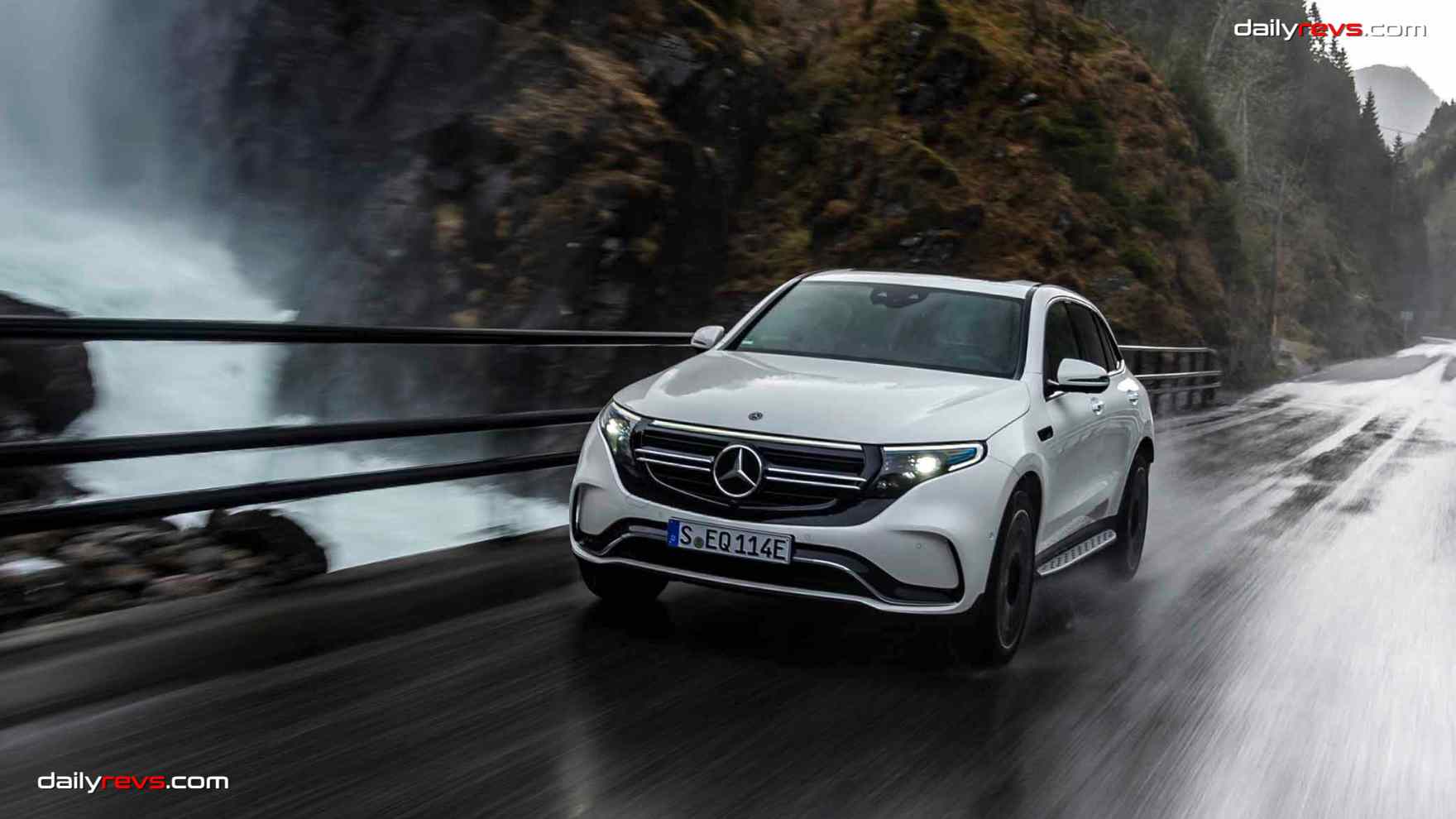
Mercedes-Benz is walking the walk with its EQ range, based today on the EVA platform. Vehicles such as the EQE and EQS offer luxury and polish but bear the weight of a heavy and expensive architecture. Charging rates often plateau at 170 to 200 kW, putting them behind BMW's upcoming numbers.
Pricing mirrors those trade-offs. The EQE SUV begins in the high $70,000s, and the EQS SUV goes well beyond six figures. Mercedes has already started to reduce U.S. prices in an effort to drive demand. Later in this decade, a more efficient MB.EA platform and new MB.OS software stack are en route, but in the near term, Mercedes is prioritizing prestige and margin over volume.
Audi caught in the middle
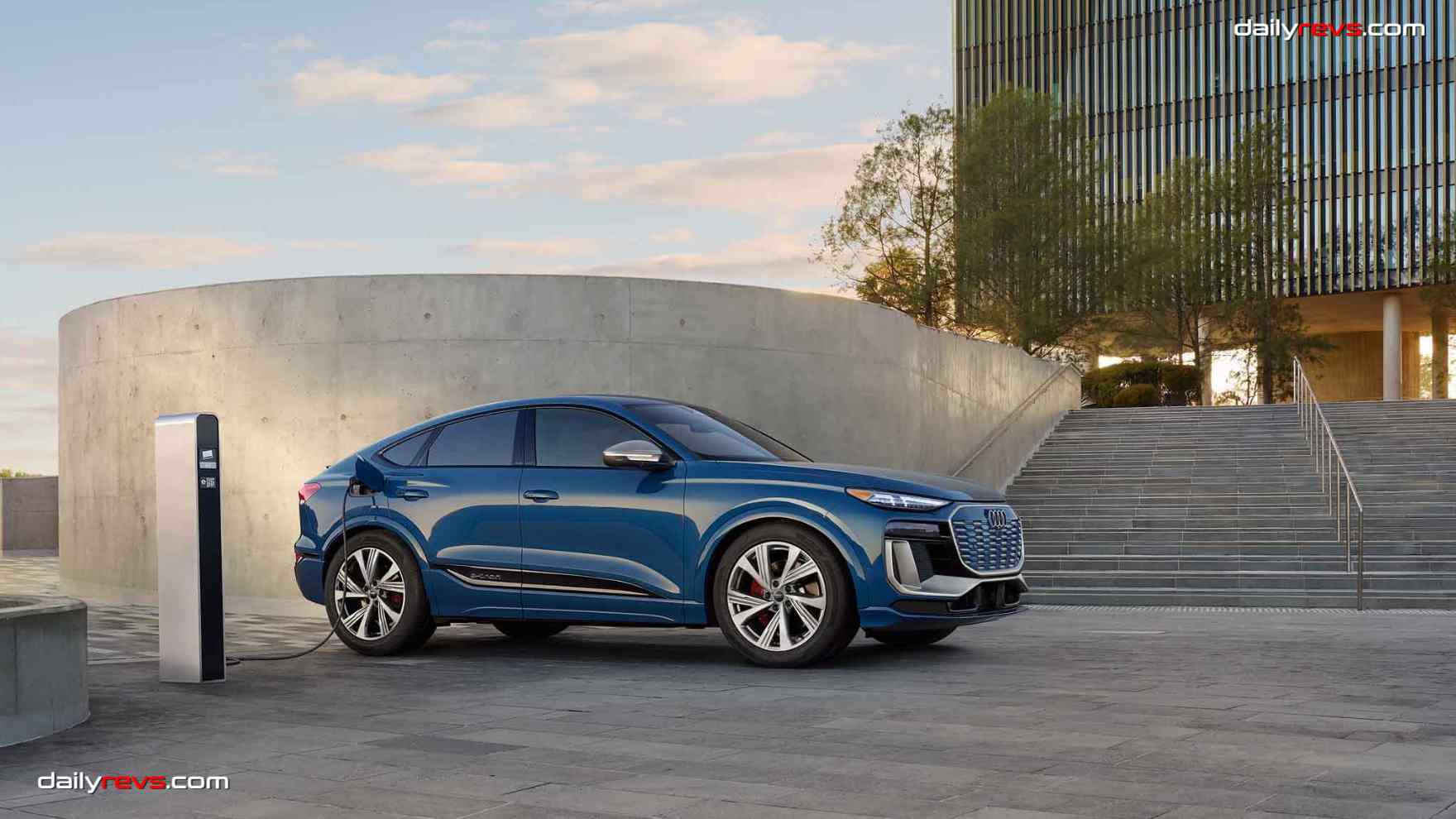
Audi’s strategy is built around the PPE platform, co-developed with Porsche. On paper it’s competitive: 800 volt hardware, charging up to 270 kW, and a range of new models like the Q6 e-tron. In practice, Audi has been slowed by Volkswagen Group’s troubled CARIAD software division, which has delayed launches and added cost.
As a result, Audi’s EV rollout has lagged BMW’s, and pricing lands in the mid $60,000s to $70,000s. That puts Audi between BMW’s aggressive Neue Klasse entry point and Mercedes’ prestige-priced EQ models, but without a clear advantage on cost or luxury positioning.
Why BMW looks smarter
The contrast yields three varying strategies. Mercedes is relying on elitism, Audi is struggling with timing, and BMW has opted to reboot with Neue Klasse. By committing early to a single platform, structural battery integration, and pared-back electronics, BMW has managed to cut costs while putting out more powerful specs.
The iX demonstrated that BMW was able to produce a competent electric flagship. The iX3 builds on that platform and sizes it into a more affordable product with broader appeal. BMW is not being fancy with some much dearer side branch of the family with about 40 Neue Klasse models and refreshes in the pipeline by 2027. It is making EVs its bread and butter.
The bigger picture
The high-end EV competition is not just about horsepower or cabin opulence anymore. It is about who can get charging speed, software competence, and cost-effectiveness at scale. On those fronts, BMW's plan appears more calculated and more durable than either Mercedes or Audi.
The iX divided people with its design, but it did its job as a trailblazer. The iX3 50 xDrive is here to deliver now — and it could be the proof that BMW is not only playing in the premium EV sector, but winning it soundly.
Sources : Techcrunch