AMG to Drop the Four-Cylinder Act and Brings Back the V8 Drama
By Hugo Mattson July 2, 2025

Mercedes-AMG is phasing out its 2.0-liter plug-in hybrid powertrain in favor of inline six and V8 engines on future models.
The company is doubling down on combustion performance while keeping electrification for other segments.
The 4.0-liter V8 remains at the heart of AMG's identity, present on the newly updated GT 63 and GT 63 PRO.
Four-Cylinder Hybrid Powertrain Fails to Excite Core Buyers
Mercedes-AMG's now-cancelled four-cylinder plug-in hybrid, powered by the M139 engine, was initially planned to be the new mainstay of its electric performance plans. Though in terms of technology—delivering headline numbers such as 671 hp in the C63 S E Performance—the powertrain was short on the character AMG customers crave.
The hybrid system brought complexity and heft, but was unable to match the visceral feedback, aural input, or linear power delivery of the bigger engines it was intended to replace. Enthusiast pushback was uniform around the globe. The message was clear: performance can't be quantified just by numbers.
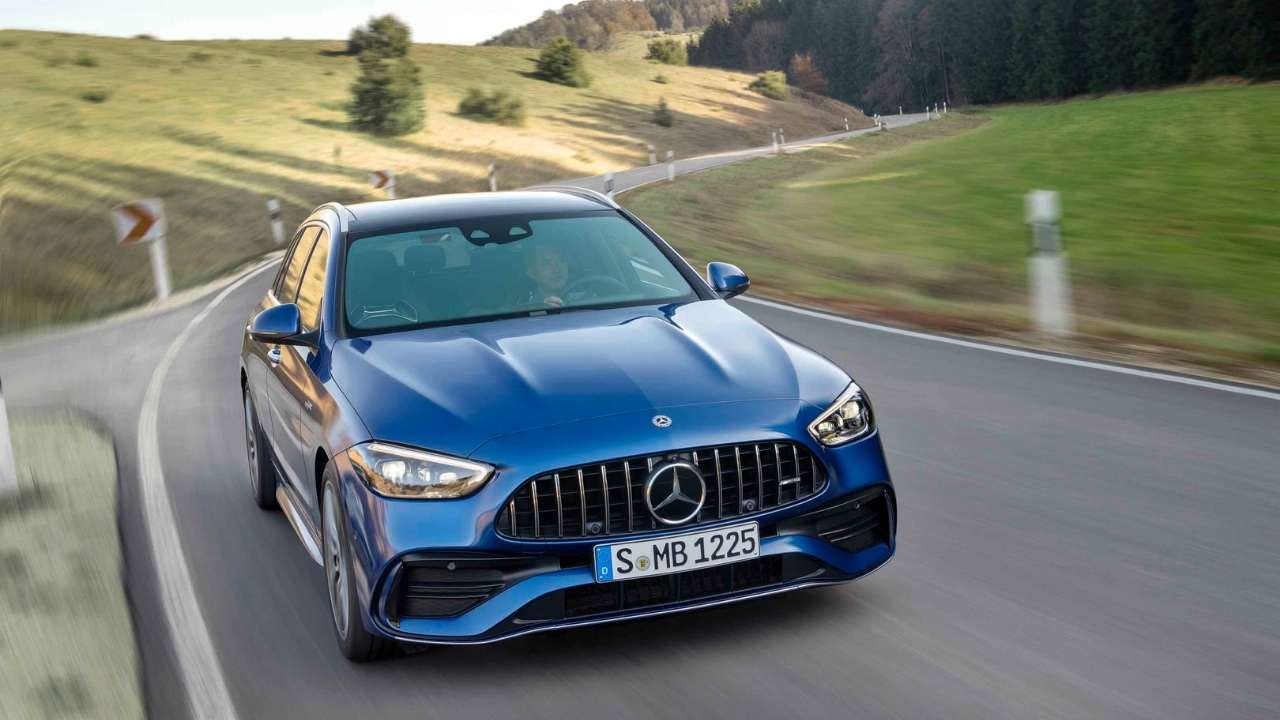
AMG Confirms Return of Inline Six and Updated V8 Powertrains
In return, AMG is reviving two established combustion layouts. A fresh inline-six will assume mid-range responsibilities with smoother delivery and organic balance, possibly with mild-hybrid support for economy. Towards the high end, the company will continue to push its 4.0-liter twin-turbo V8. The V8, so long a part of AMG's identity, isn't being put out to pasture—it's being polished. There are reports of emissions compliance and fuel economy improvements, but not at the expense of the characteristics that put the engine at the heart of the brand's ascendancy: torque-drenched acceleration, high-revving powerbands, and signature sound.
This is not nostalgia. It's pragmatism based on brand equity.
GT 63 and GT 63 PRO Indicate AMG's Mechanical Priorities
The just-refreshed AMG GT 63 and GT 63 PRO are more than a product update—they are tangible affirmation of the brand's new engineering priority. Both share the 4.0-liter V8, which makes 585 hp in the GT 63 and 612 hp in the PRO.
Acceleration is still supercar-brisk: 0–100 km/h in 3.2 seconds and 3.1 seconds respectively. Torque is transmitted by way of nine-speed automatic and the AMG 4MATIC+ all-wheel drive system, providing launch confidence without losing rear-biased dynamics.
The GT 63 PRO adds extra tuning to suspension, brakes, and aerodynamics—aimed at those wanting something more track-worthy without entering Black Series territory.
View the full image gallery and specs here
Strategic Flexibility Replaces One-Size Electrification Plans
AMG's new strategy is one of duality. Rather than doubling down on electrified performance across the entire nameplates, the company is taking a region-by-region, segment-by-segment product strategy. Electrification will persist with vehicles such as the EQE AMG and EQS AMG. But high-performance internal combustion engines will coexist for as long as demand and regulation permit. The objective is not to defy the future, but to preserve identity in doing so.
This move reflects broader trends among German car manufacturers, several of whom are themselves reversing their electrification plans and phasing out internal combustion support in addition to electric vehicle growth.
Emotional Connection Trumps Technical Innovation
The PHEV drivetrain breakdown wasn't about power—it was about feel. AMG's move to reverse its previous course shows that there is comprehension of the fact that performance, particularly in the luxury segment, remains a matter of emotional connection. With the comeback of inline six and V8, the company isn't simply providing larger engines. It's bringing back a sensory experience that characterized AMG's most lucrative years.
For more stories about Mercedes-AMG's new and upcoming models, check out our dedicated brand page:
Mercedes-AMG News and Features on DailyRevs