Alfa Romeo’s Future Won’t Be Pinned to the Past
By Hugo Mattson August 7, 2025

-
Alfa Romeo is building toward the future with a measured, heritage-informed strategy.
New Giulia and Stelvio models are in development, with flexible powertrain options.
Improvements in dealer service and customer experience are a top priority.
No More Nostalgia Trips
Alfa Romeo has always traded on emotion. But its next chapter looks more grounded. Speaking recently, CEO Santo Ficili made it clear the company isn’t clinging to the past. "We must build our future starting from our heritage," he said, "but without too much romanticism."
That single quote sets the tone. Alfa will lean on its DNA, but the focus is on relevance. Not retro. Not revival. Just a smarter, more realistic way forward.
Getting the Basics Right
Instead of chasing attention grabbing ideas or halo projects, Ficili is focused on fundamentals. That starts with a clearer product plan, updated dealerships, and models that are built for today’s customers, not just longtime fans.
This is a different Alfa. One that’s more interested in long term consistency than big announcements. The intent is to remain distinctly Italian, but without repeating the same patterns that left the brand stuck in neutral for years.
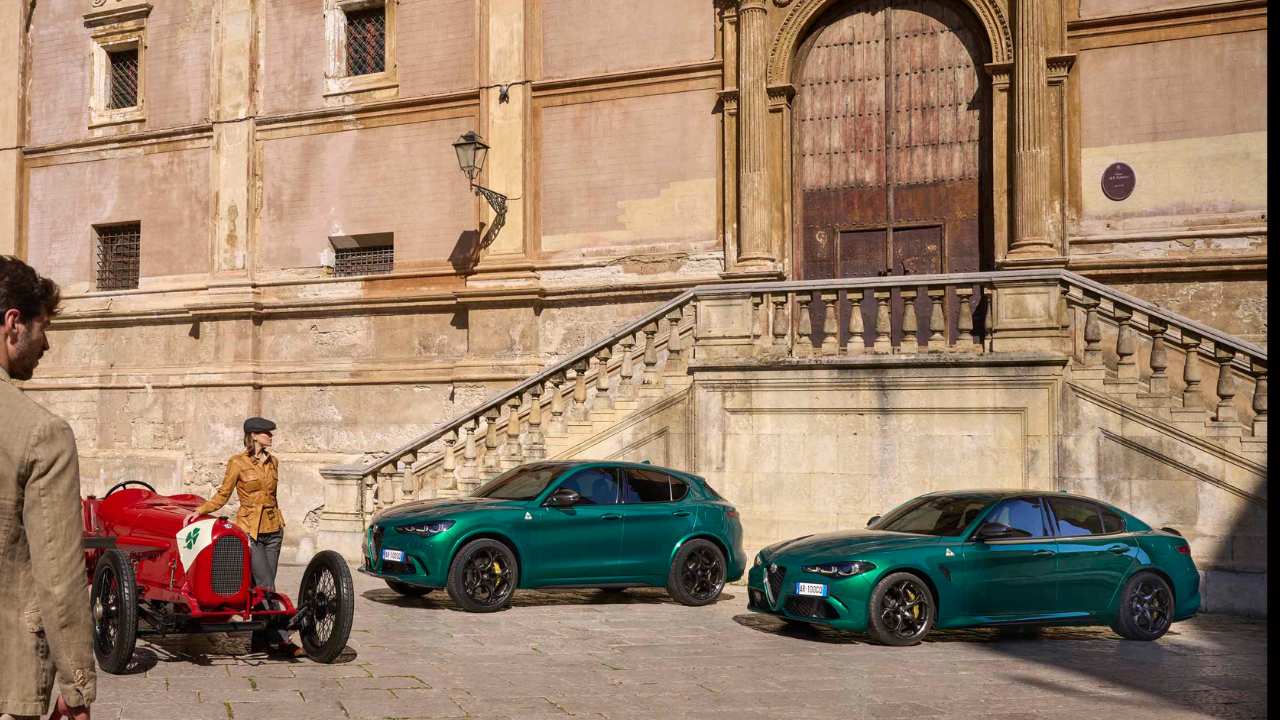
Next Gen Giulia and Stelvio Are Coming
The Giulia and Stelvio will get full model replacements. They’re central to Alfa’s current lineup and will stay that way in the next phase. Development is underway, with a flexible approach to what powers them.
Electric is on the table. So are hybrids and internal combustion engines. That mix isn’t indecisive, it’s strategic. Alfa’s not rushing to eliminate fuel driven models unless the market demands it.
Meanwhile, the new Junior crossover is already showing momentum in parts of Europe. It’s a sign that Alfa’s more measured strategy can deliver results without shouting for attention.
The Dealer Problem
Beyond the cars themselves, Ficili is pushing for serious change in how Alfa Romeo is sold and serviced. Dealer quality has lagged for years. Fixing that is one of the clearest goals in the new plan.
"The right dealers, in the right place, with the right people," Ficili said.
It’s not a glamorous fix. But it’s the kind that shapes the way customers feel about the brand. After sales experience, reliability, communication. These are all things Alfa needs to get right if it wants loyalty and repeat buyers.
Not Rushing Into EVs
There’s no hard pivot to electric. Alfa Romeo is leaving room to adapt, rather than forcing an EV timeline that doesn’t suit every market. Ficili has confirmed the company has the tools and talent to build electric cars. But he also knows not every region or buyer is ready to commit to that future.
Instead of chasing headlines, the brand is taking a slower path that includes hybrid and combustion options. This approach gives Alfa flexibility without losing sight of where things are headed.
It’s also a shift from Stellantis’s earlier messaging, which pushed harder toward full electrification. Alfa’s current direction is more cautious, but arguably more grounded in reality.
Working with Maserati, Carefully
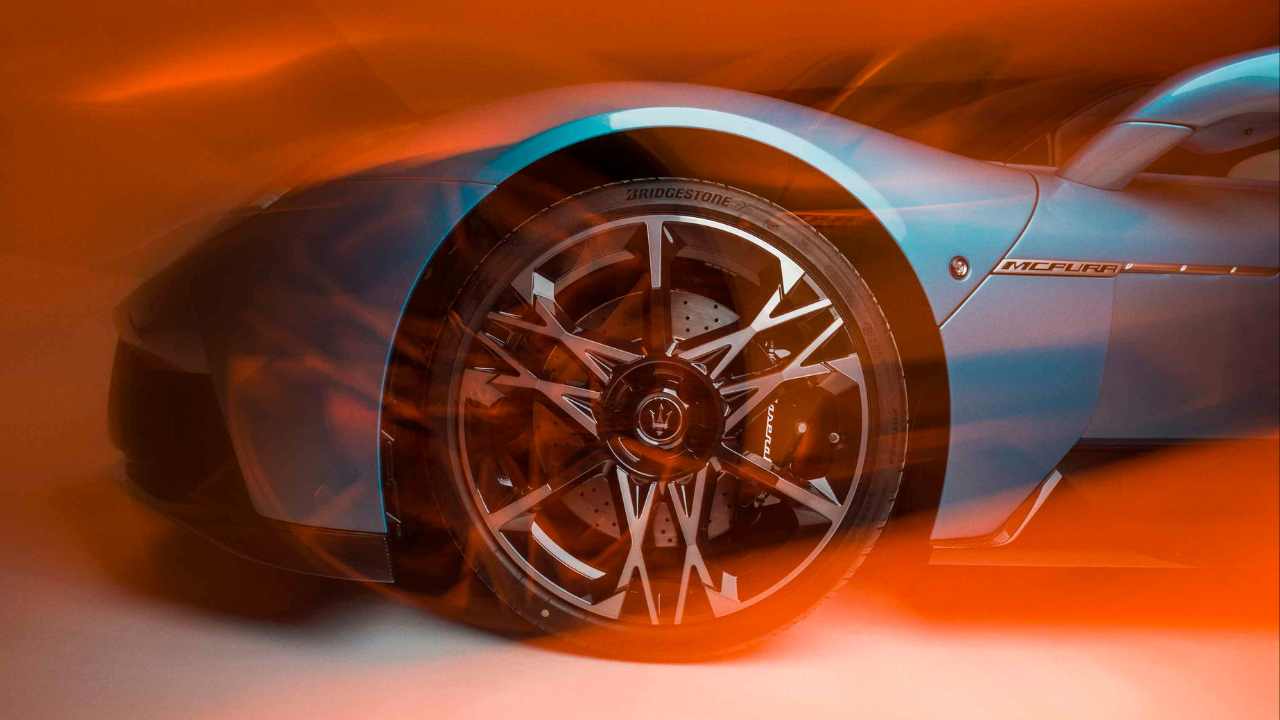
Alfa Romeo and Maserati are exploring ways to collaborate. Platform sharing and performance development are likely options. But the goal isn’t to blur the lines between the two brands.
Ficili has made that point clear. Any partnership won’t come at the cost of individuality. The brands may share tools, but each will keep its identity. That means no rebadging. No watered down engineering.
In short, expect cooperation behind the scenes, not on the showroom floor.
What Alfa’s Actually Doing?
Alfa Romeo isn’t trying to make headlines with this plan. Under Santo Ficili, the focus is on getting the basics right. That means updating its core models, fixing how the brand is sold and serviced, and choosing technology that fits real world demand.
There’s no big campaign behind it. Just steady work on the things that needed attention. Heritage still matters, but it’s no longer the headline. The effort now is quieter, more focused, and shaped by what the brand has learned over time.
Source: ClubAlfa