A Bizarre Noise Regulation Is Behind Mercedes AMG’s Decision To Pause Four-Cylinder W206 Production — For Now
By Hugo Mattson November 20, 2025

Mercedes AMG is discontinuing the four cylinder C63 as regulations and the customer experience shape its performance range
Market acceptance of the four cylinder hybrid architecture never matched AMG buyer expectations
Future AMG products are expected to return to engine strategies that more closely align with brand
Production strategies evolve in light of new regulations
Mercedes AMG is beginning to phase out the four cylinder C63 S E Performance as it enters a new seasoned regulatory environment. The hybrid powertrain was designed to comply within a strict emissions environment, but is now being challenged with the subsequent phase of UN Regulation R51.03 going into effect in 2026. Internal bulletins within Mercedes indicate end of production dates across a number of AMG products that exceed exterior noise regulation thresholds going into effect.
This regulation introduces longer / more demanding test cycles with reduced compliance margin for getting high output engines to comply. The powertrain in question being a hybrid four cylinder layout, which is very reliant on its maxed out performance on exhaust energy and electrical performance, sustains higher acoustic levels generated in these tests. This becomes even more detrimental to the design of the powertrain compared to larger displacement engines achieving similar outputs with less sustained mechanical loading.
Noise pollution concerns appear to be a contributing factor in the decision. This also highlights an irony that has been repeatedly noted by AMG buyers. The very sound that long time fans missed the most—the deep mechanical tone of the older V6 and V8 engines—became a limiting factor for the new hybrid four cylinder cars. At the same time, many customers disliked the artificial sound profiles played through the speakers in newer AMG models. As a result, the engines were both too quiet for enthusiasts and too loud for regulators, placing the model in an unusual and unsustainable position.
Customer reception did not match the technical accomplishment
Although the C43 and C63 represented advanced engineering, market acceptance did not reflect the depth of the technology. Both models adopted hybrid systems inspired by Formula One design, yet many buyers did not view a four cylinder engine as fitting the character of an AMG sedan. Emotional attachment to engine identity has long been central to the AMG ownership experience. The previous generation C43 used a V6 that earned a loyal following, and the earlier V8 powered C63 created one of the strongest fan bases in the brand’s history.
The transition to a high output four cylinder hybrid shifted the personality of the cars in a way that did not align with expectations, regardless of the impressive performance numbers. The complexity of the system, the absence of the distinctive AMG sound and the pricing structure created additional resistance.
Pricing dynamics added another barrier
Pricing further shaped the reception of the new generation AMG sedans. In several markets, AMG branded vehicles attract higher taxes because they are imported fully built from Germany—an aspect tied closely to the brand’s identity. This exclusivity increases pricing, placing the four cylinder AMG models in direct comparison with larger and less complex six cylinder sedans assembled locally.
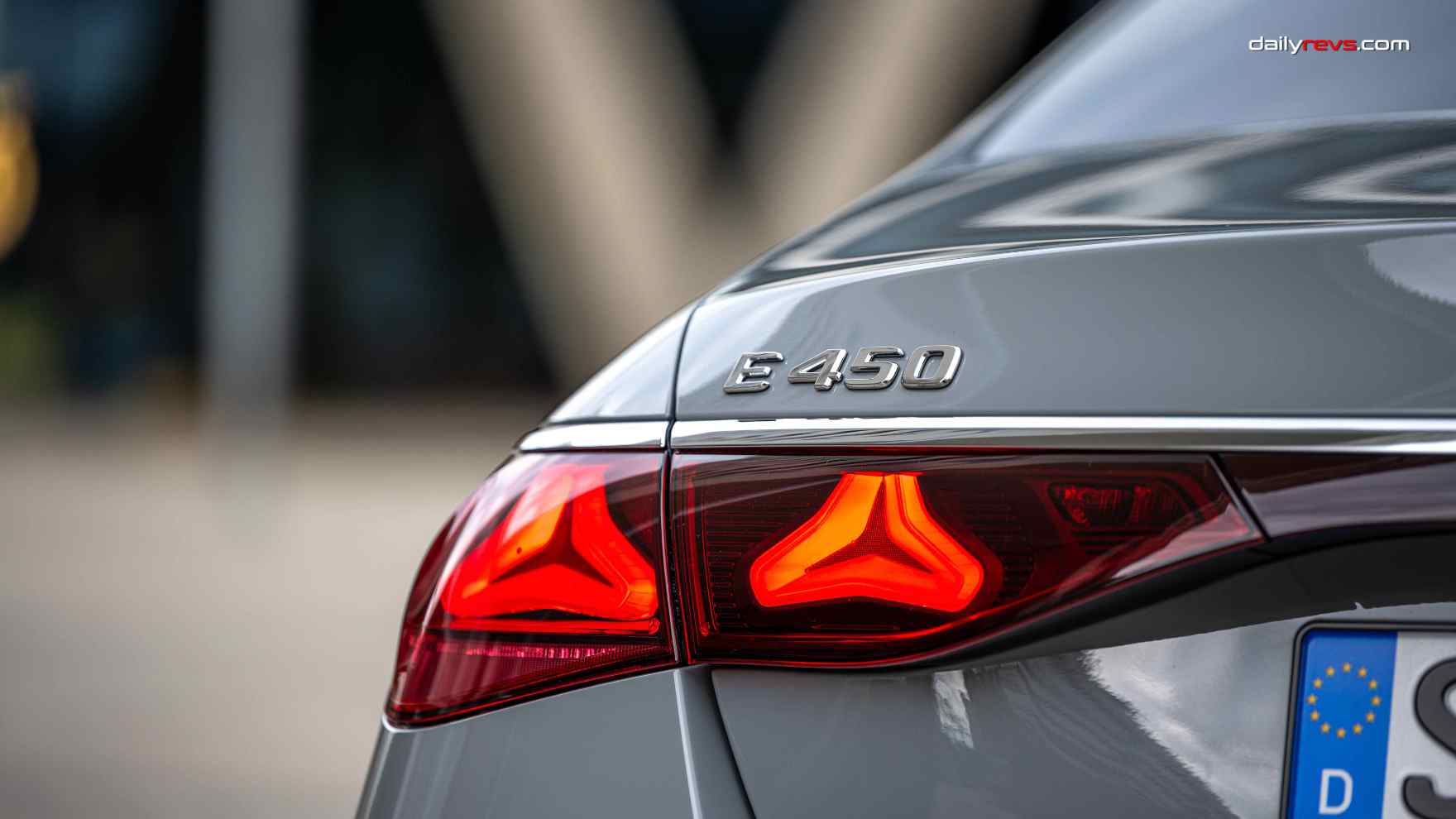
India provides a clear example. The four cylinder C43 is priced roughly 20 to 30 percent higher than the locally assembled six cylinder E450. Despite being larger, the E450 offers comparable real world acceleration, simpler hybrid assistance and lower ownership costs due to a more favourable tax structure. This created a straightforward value question. If a bigger car with a six cylinder engine provides similar performance, lower complexity and reduced taxation, the premium for a smaller four cylinder AMG becomes difficult to justify.
Market outlook influences AMG’s future direction
The influence of regulatory pressure, customer sentiment and pricing dynamics has all had an impact on AMG’s long term direction. Reports suggest that the brand is preparing for new performance models with upcoming engine direction as well, including the potential return of larger displacement engines with flexible electrification. This strategy will also help AMG meet emission and noise expectations with fewer compromises and bring back elements which resonate more with the brand’s core enthusiasts.The end of the four cylinder C63 marks a transition point for the brand as it reconciles engineering objectives with market identity.
Earlier analysis has already pointed toward this outcome
These developments follow patterns that were already visible months earlier. DailyRevs previously examined how the six cylinder E450 outperformed the AMG C43 in real world appeal, value and usability—despite being a larger and technically simpler model. That analysis highlighted the pricing imbalance created by tax structures and the operating advantages of the six cylinder engine.
In a separate report, DailyRevs explored whether the four cylinder C63 could realistically continue as rumours circulated about Mercedes evaluating a straight-six based successor. Those insights reflected the same tension now confirmed by updated production schedules and regulatory constraints. Both earlier analyses anticipated the core issues now being addressed by Mercedes AMG.
A V8 solution already exists for those unwilling to wait
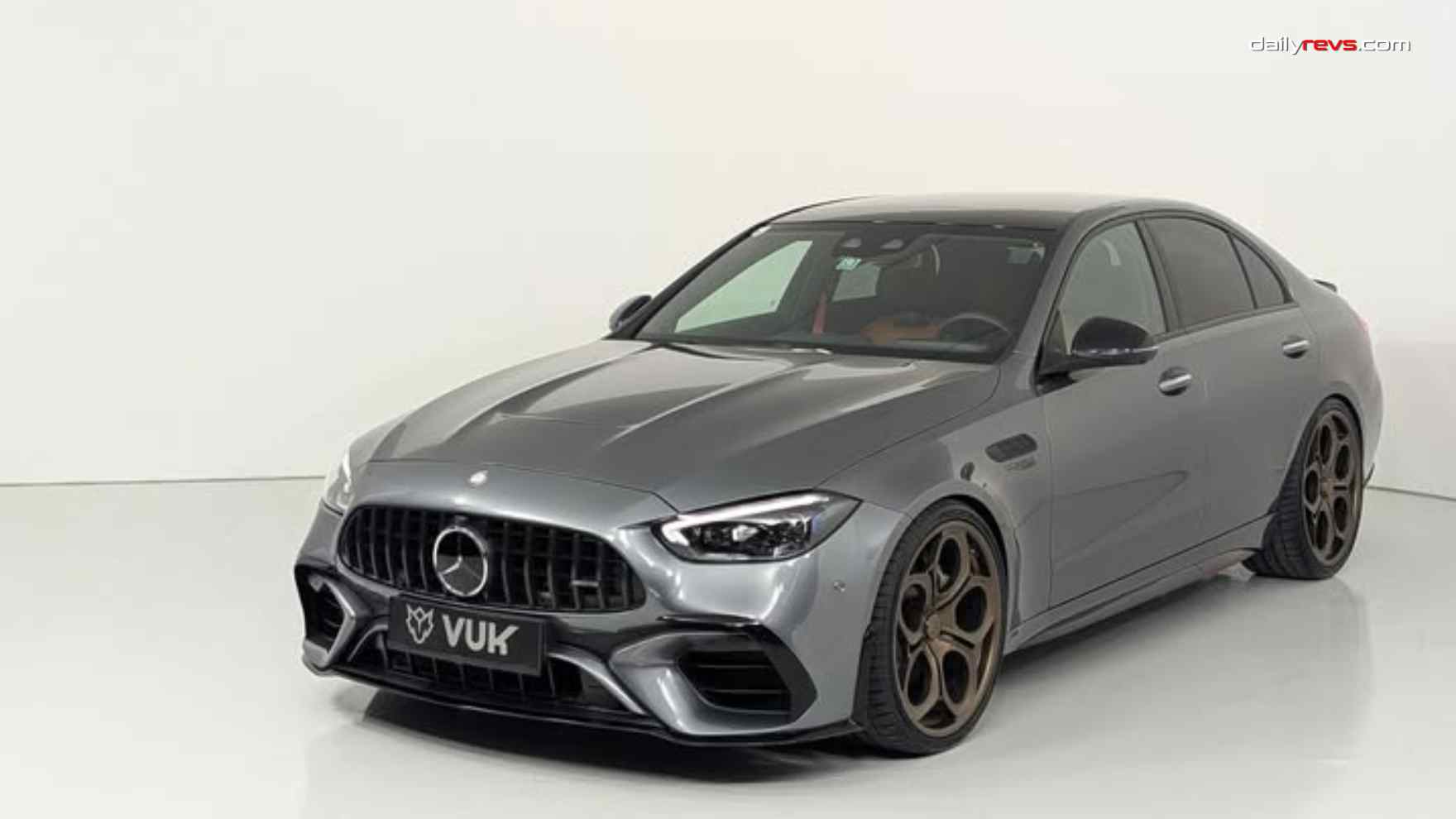
As Mercedes AMG considers the technical direction of future C Class performance models, the question of whether the W206 can physically accommodate a straight-six engine remains unresolved. The W206 is built on the MRA2 (Modular Rear Architecture 2) platform, which was configured primarily around compact four-cylinder powertrains and the packaging demands of plug-in hybrid systems. Within this layout, the additional length of Mercedes’ straight-six makes integration considerably more complex than it may appear, requiring structural and cooling revisions that only full factory development can address. In contrast, a V8—despite its greater displacement—has a shorter longitudinal footprint, making it a more compatible fit within the W206’s existing engine bay architecture. This has already been demonstrated by Austrian specialist VUK Automobile, which has engineered what is believed to be the first biturbo V8 conversion for the W206 C63. Their project shows how the V8 aligns more naturally with the available space and underscores why, from a packaging perspective, it remains the more logical choice. For buyers unwilling to wait for clarity on AMG’s future plans, the VUK build highlights the continued appeal of traditional AMG character.
Source : Elektroauto-News
Related News :
The E450 Outsmarts the AMG C43 — And AMG Fans Saw It Coming
Is the 4 Pot AMG C63 Dead? Mercedes Shifts Gears Toward a Straight-Six Future with the C53