







1958 Mercedes-Benz 190 W121
By Lorenzo Bianchi June 25, 1958
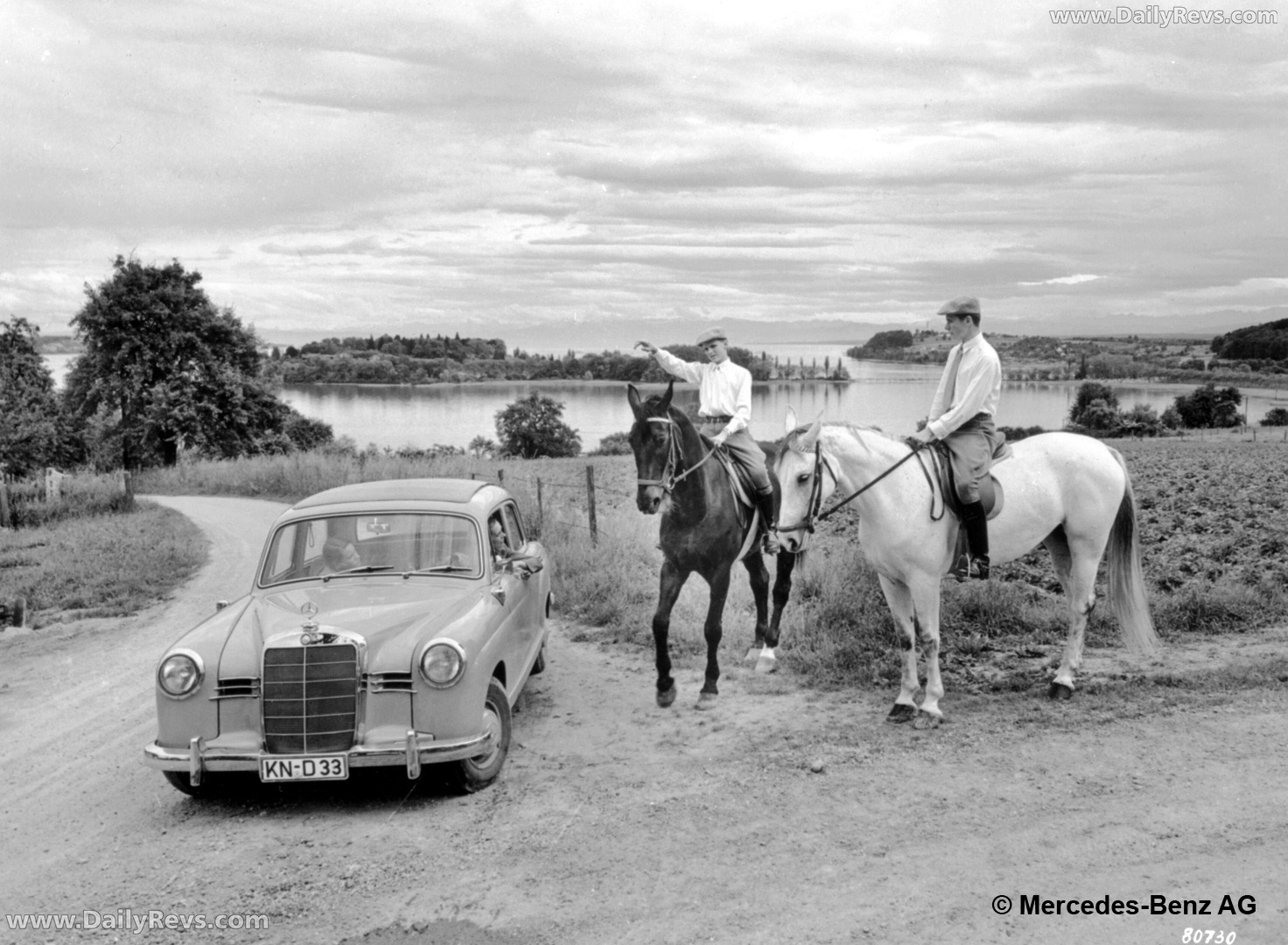
Embraces timeless 1958 Mercedes‑Benz 190 Ponton proportions—stately, not flashy.
-
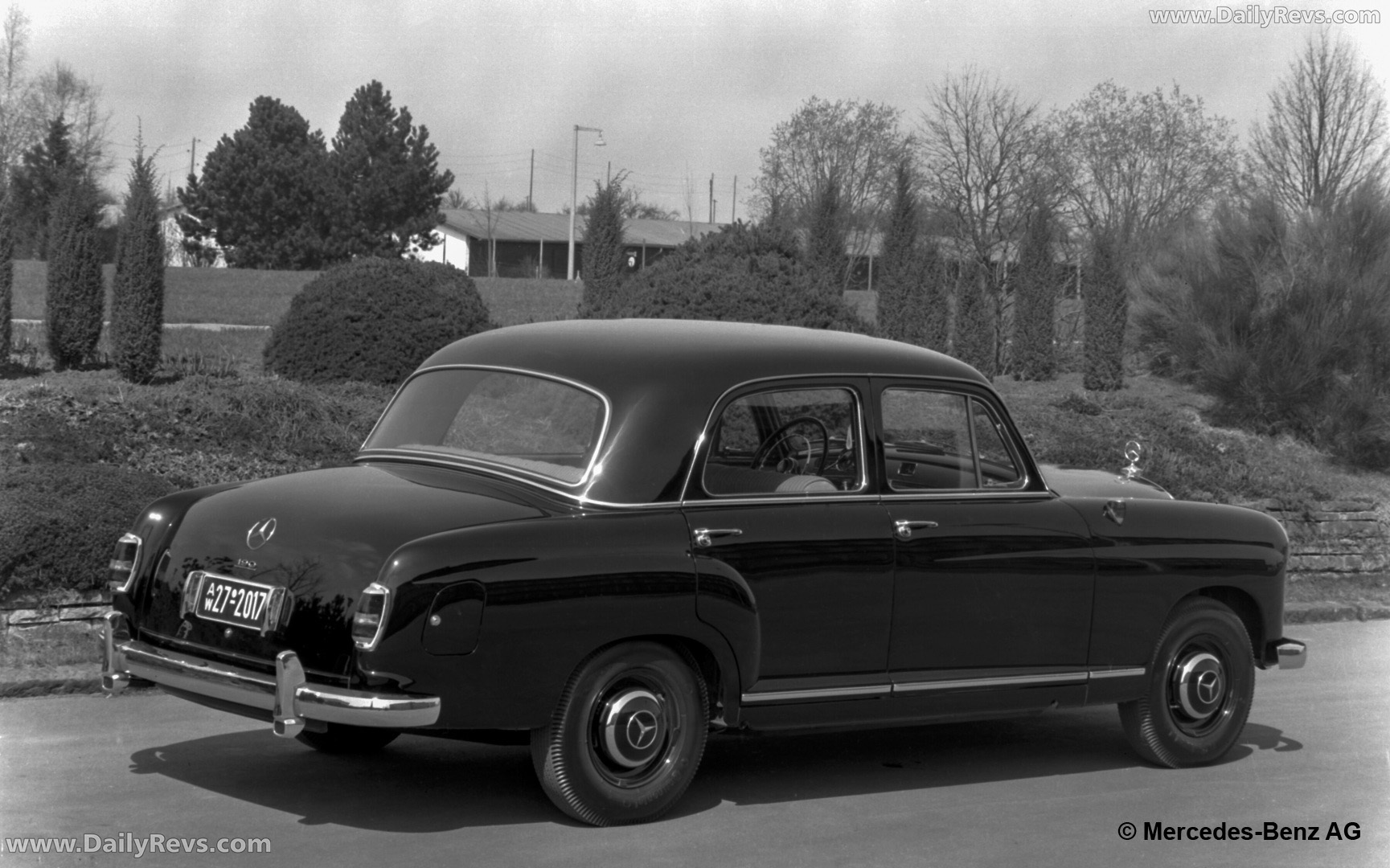
Subtle updates: wider grille, larger taillights, improved interior trim.
-
Positioned as polished alternative to Wolf-era rivals, balancing elegance and restraint.
Familiar Shape, Slightly Sharper Details
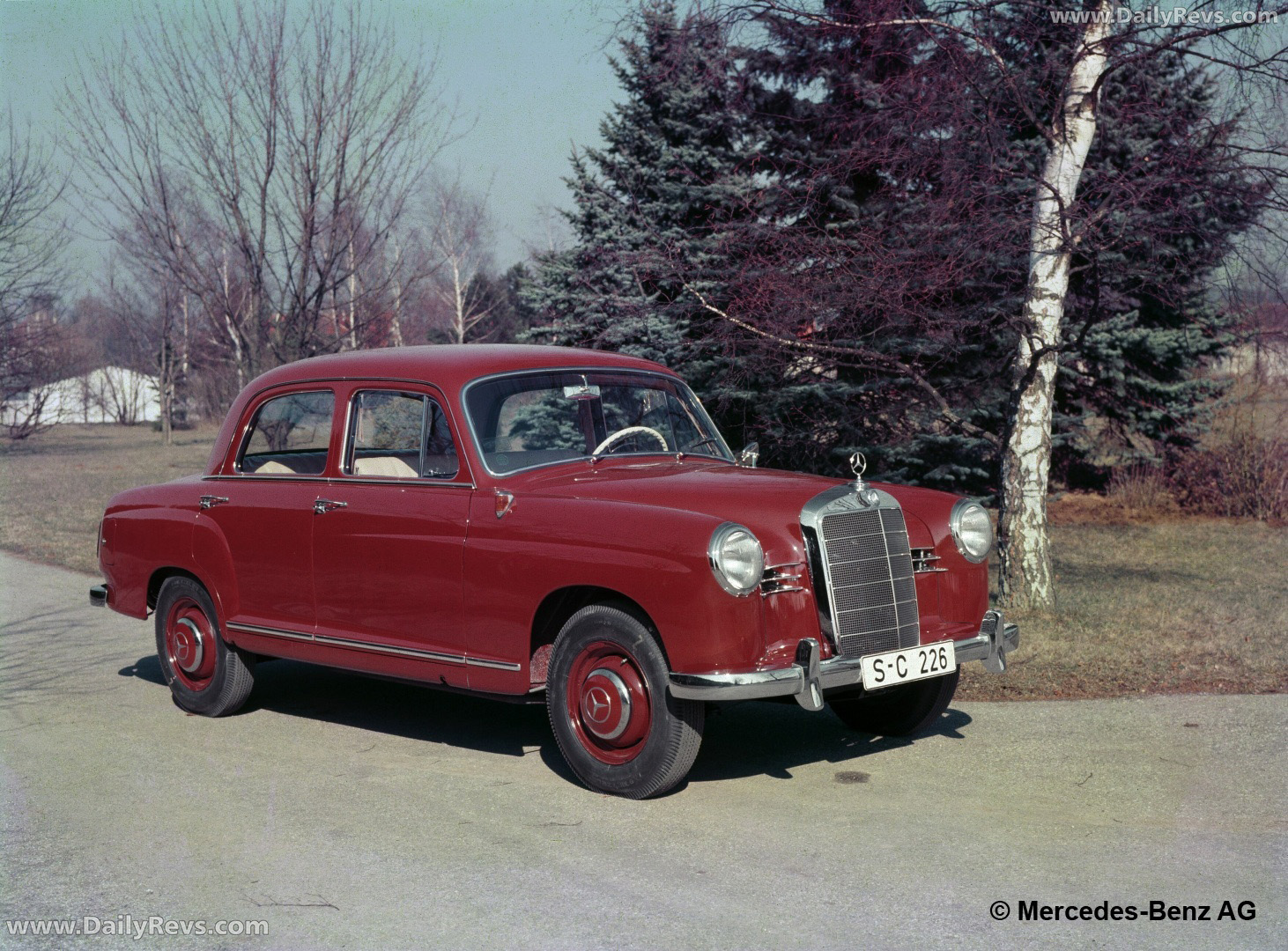
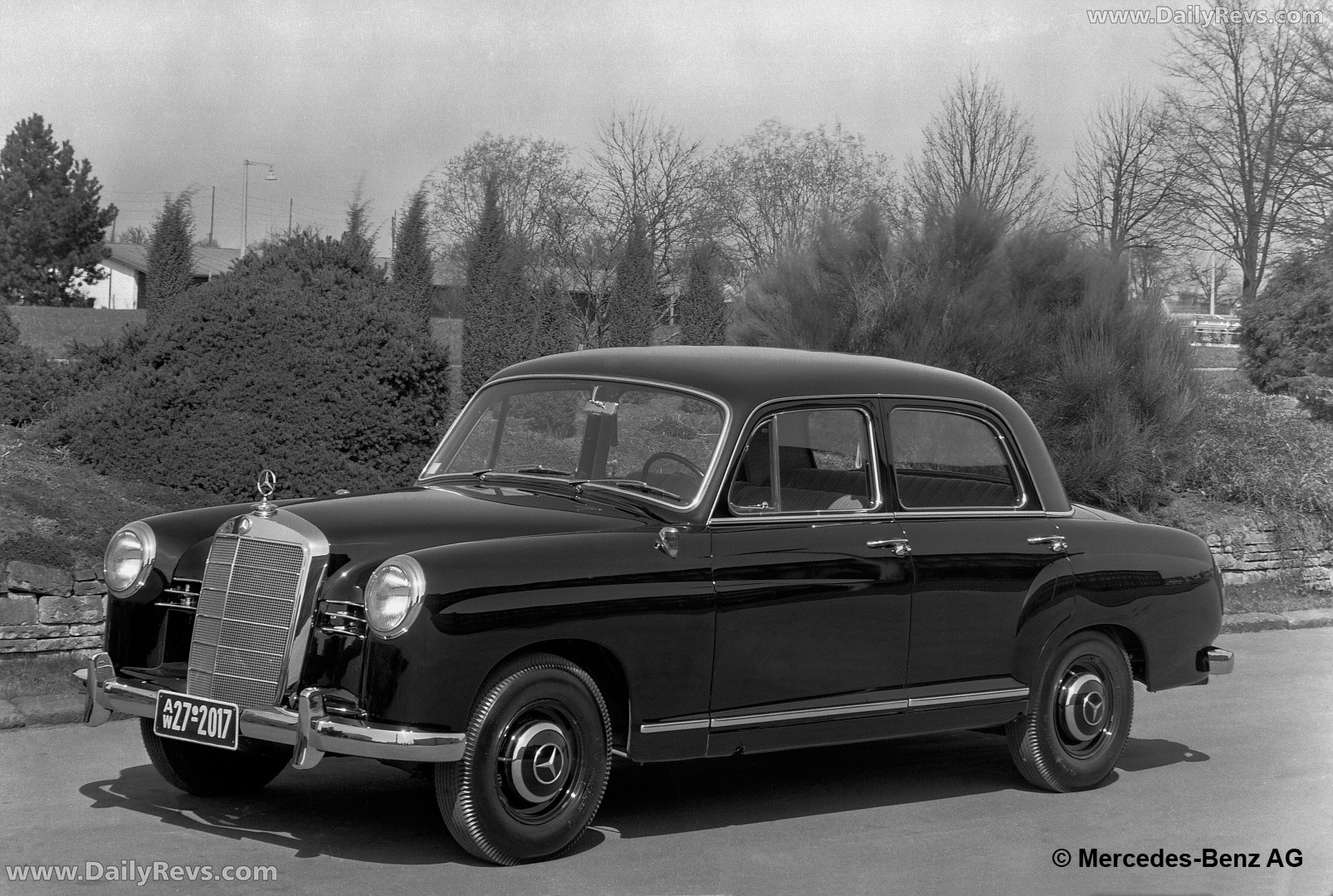
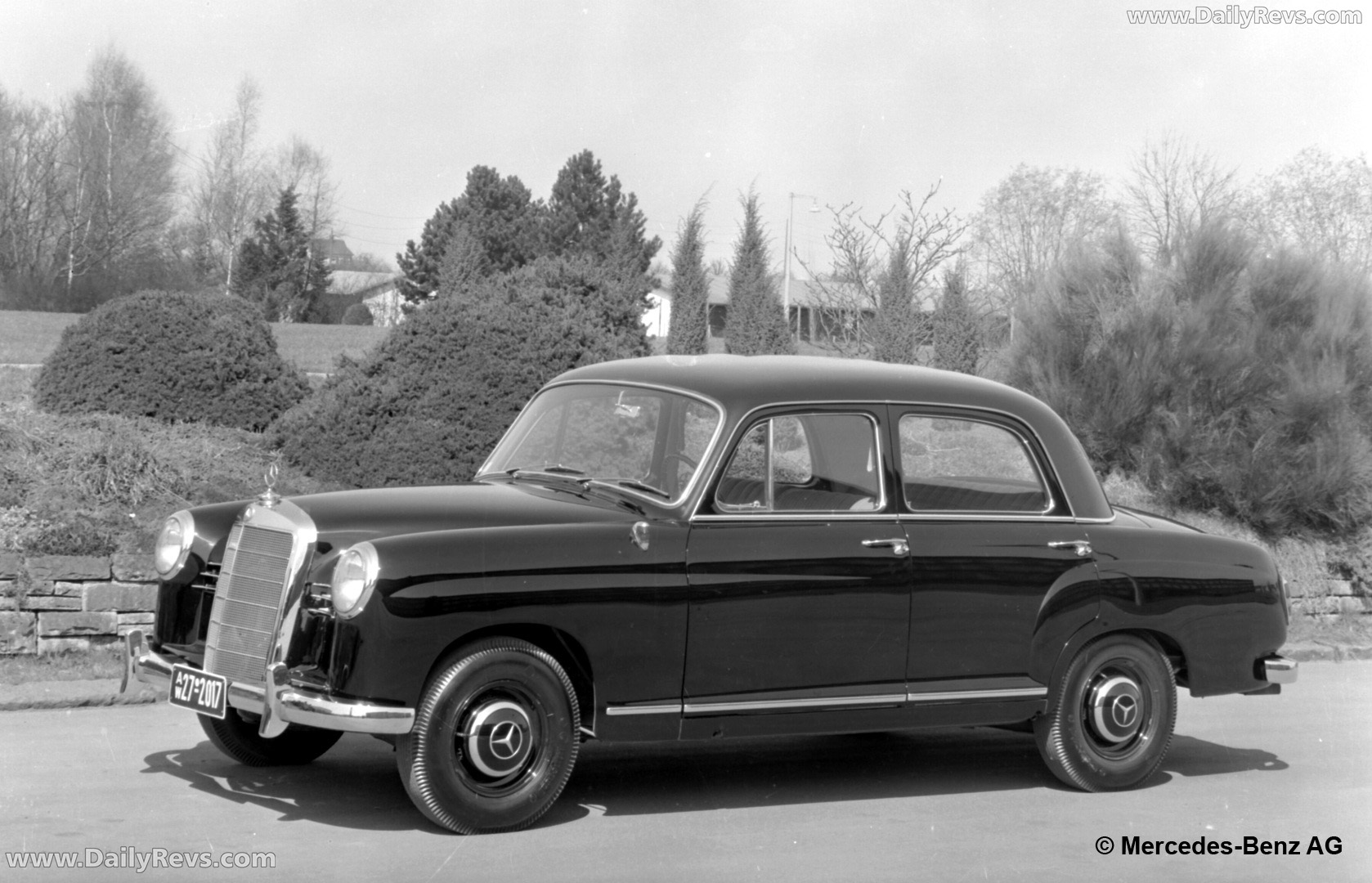
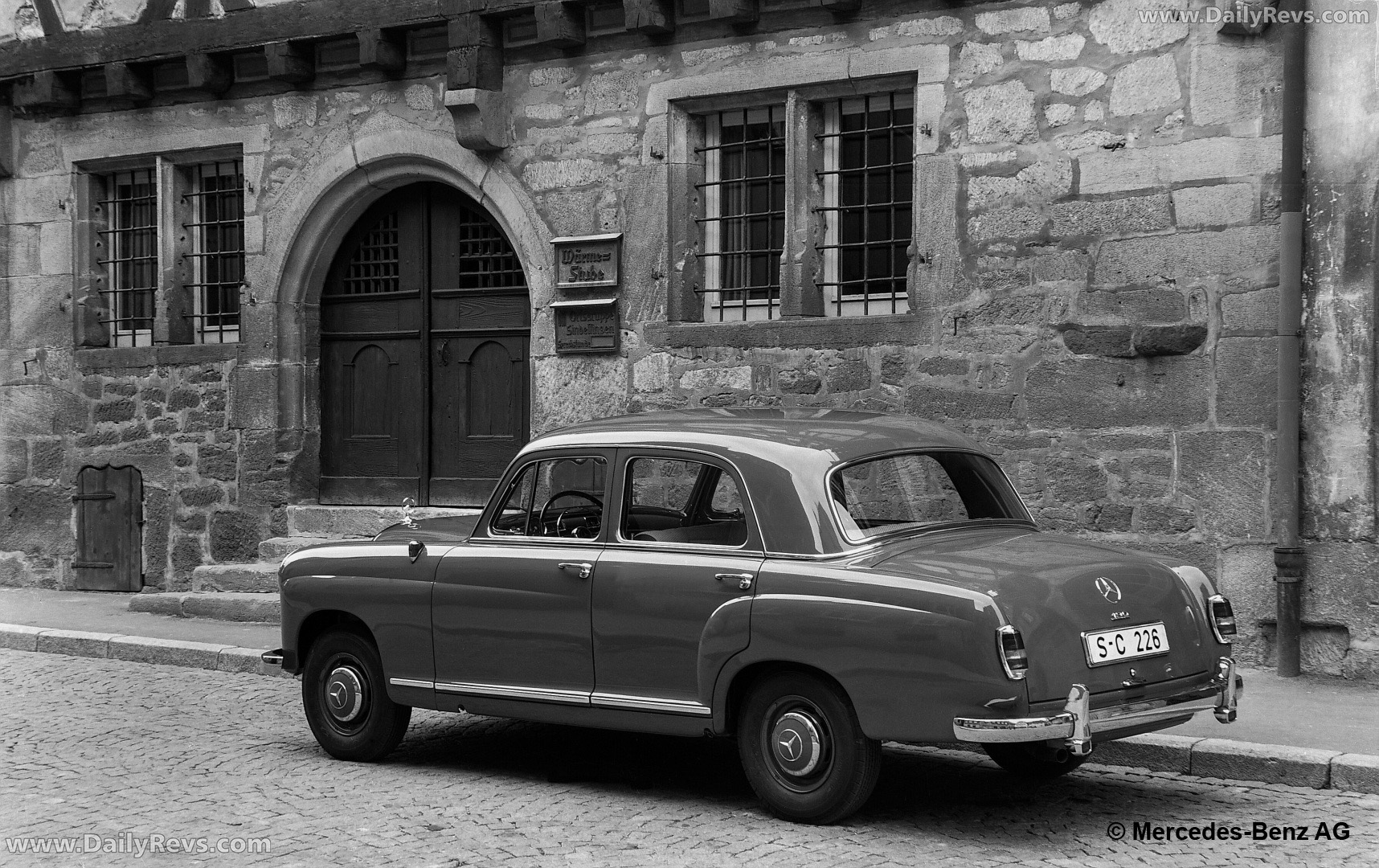
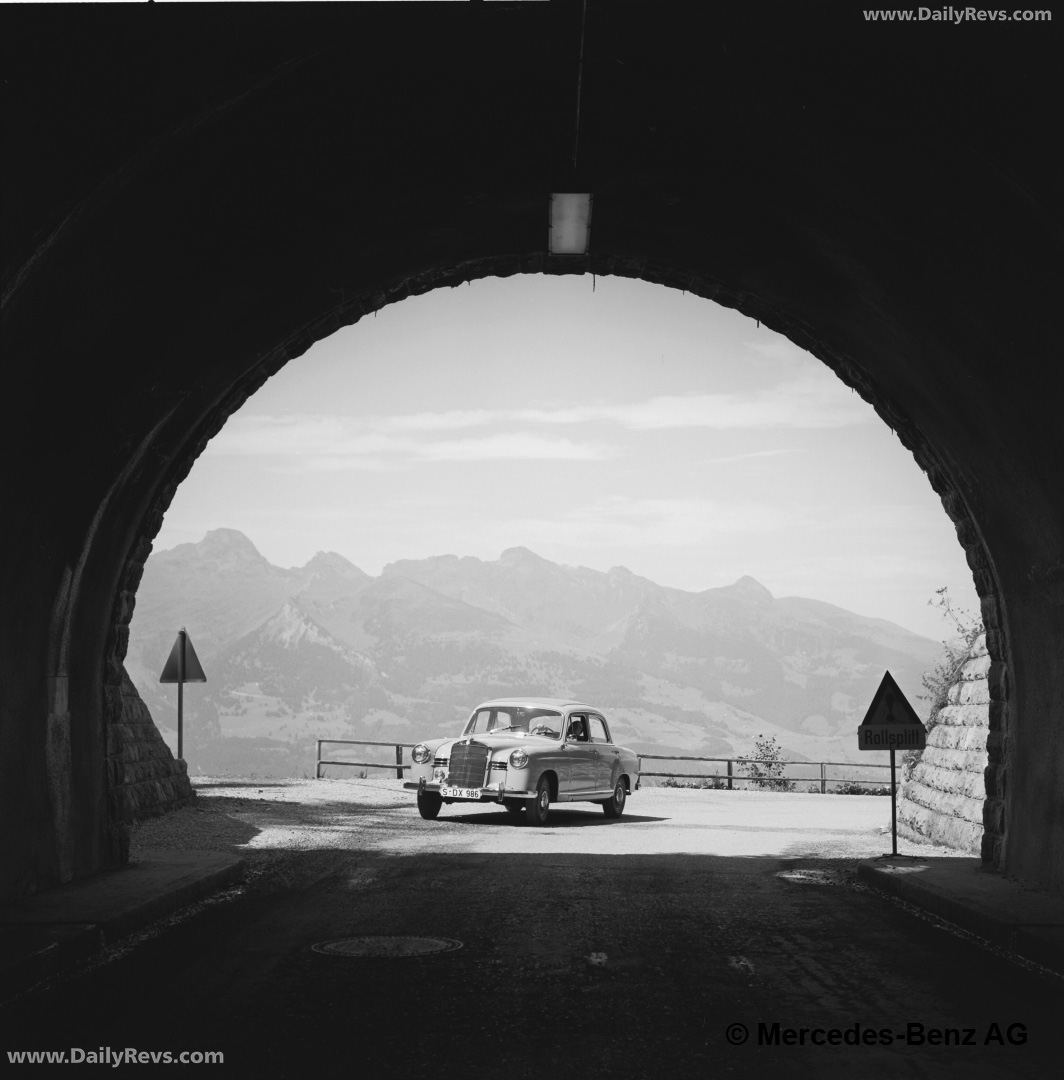
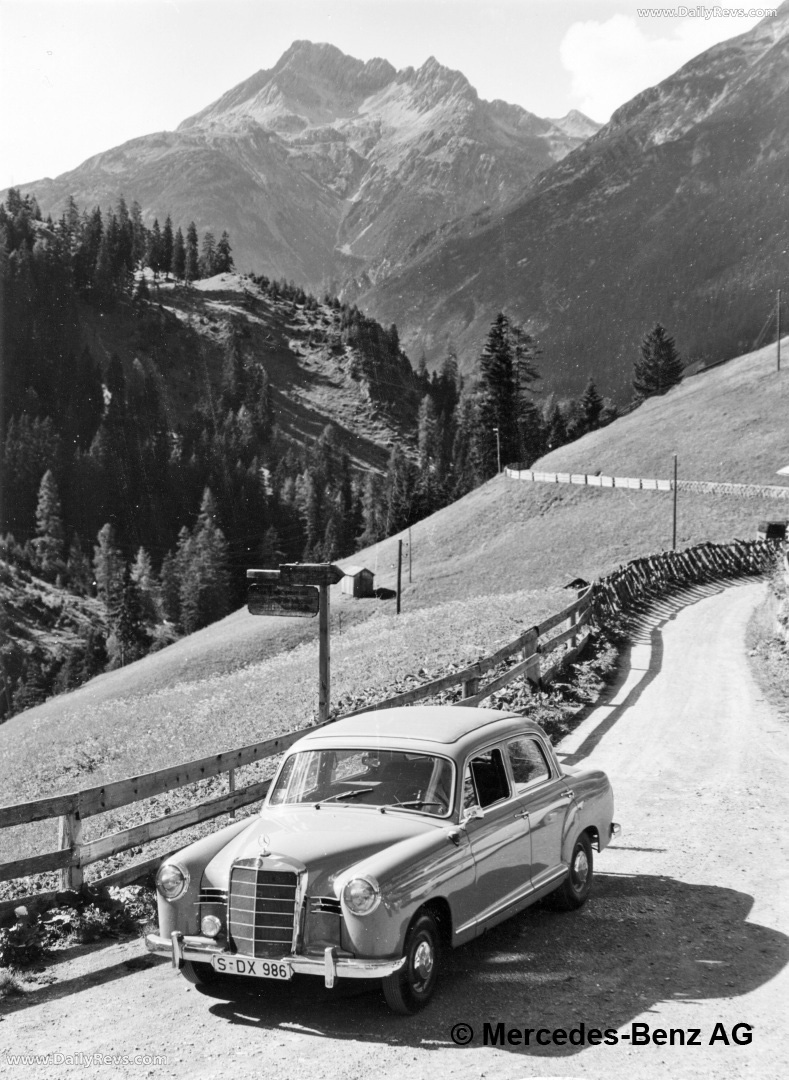
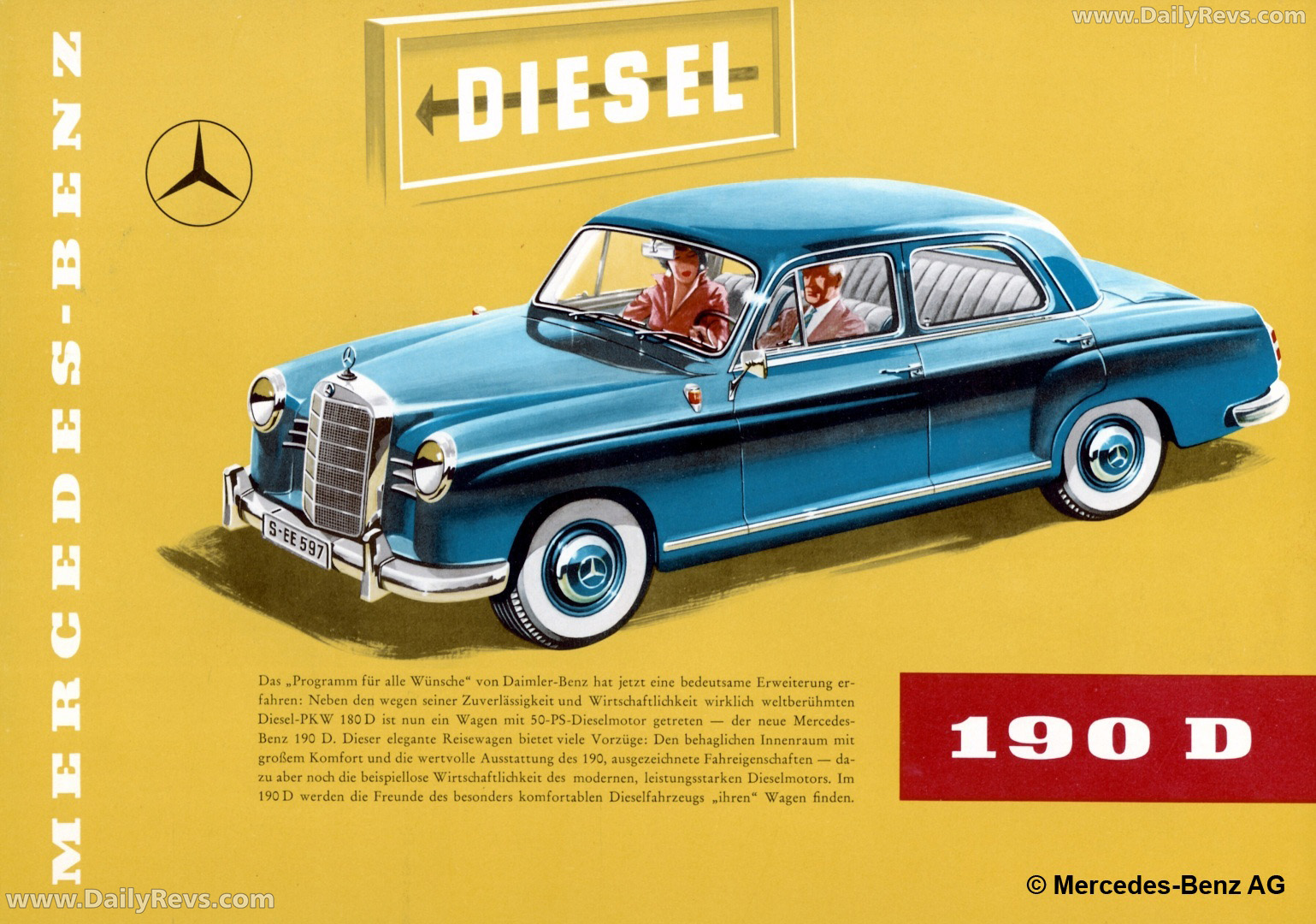
The 1958 Mercedes-Benz 190 lands softly, like something you’ve seen before—but look again. The Ponton silhouette is intact: modest curves, upright posture, tight overhangs. At just over 4.29 meters long and 1.74 meters wide, it’s proportioned to look stately but never grandiose.
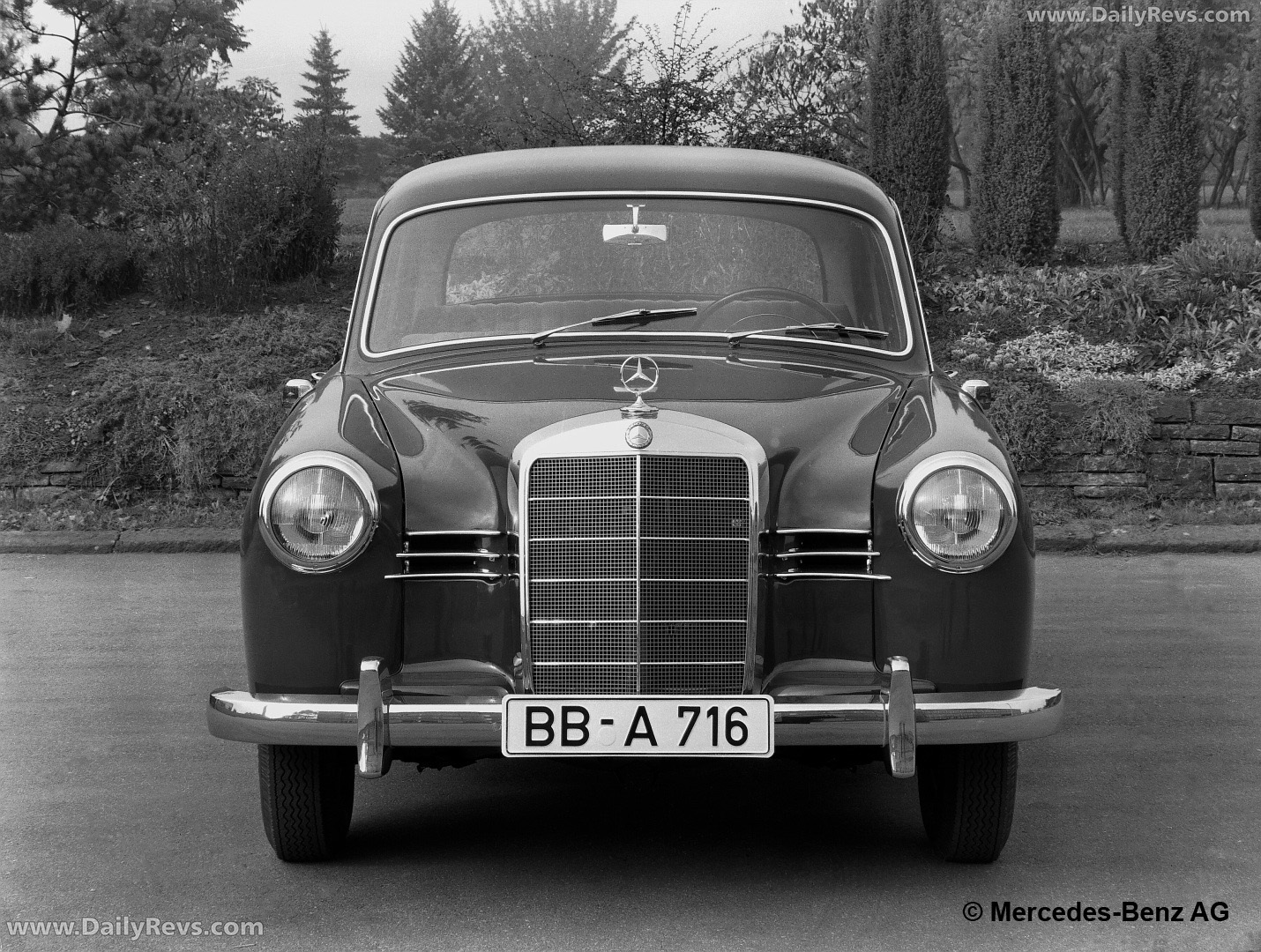
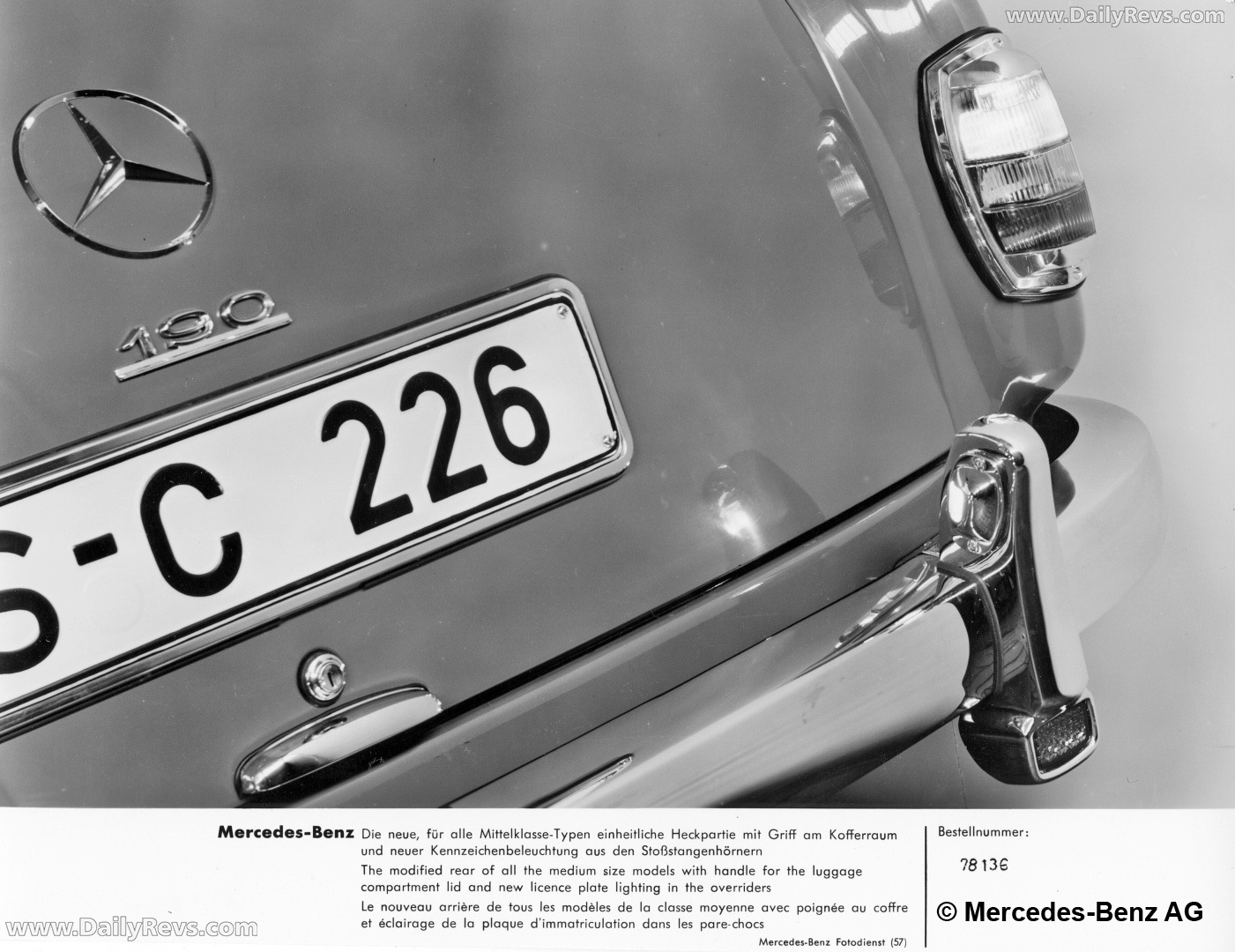
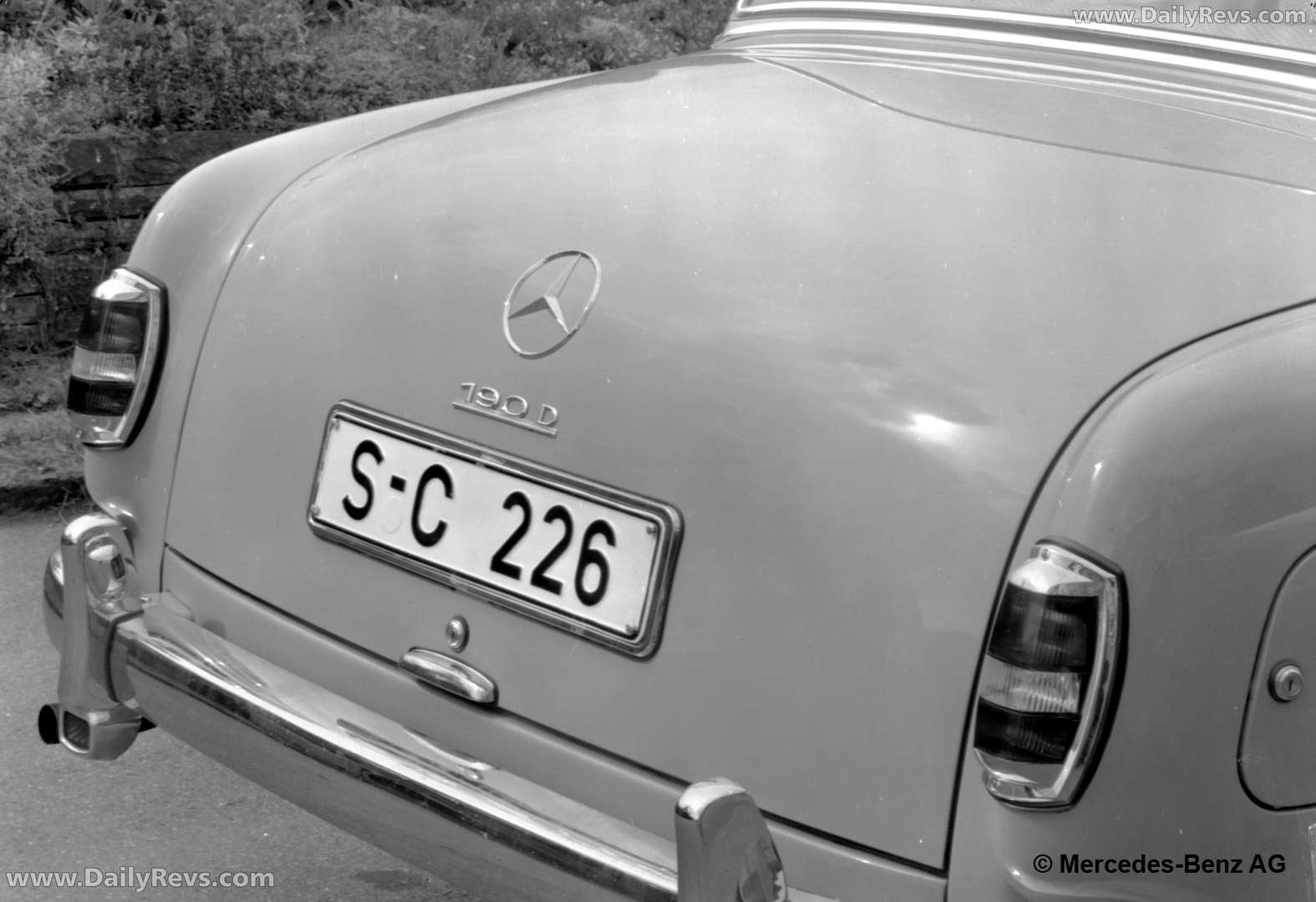
Up front, there’s a wider grille—bolder but not aggressive—with an enlarged three-pointed star sitting in the middle. You notice it, but it doesn’t try too hard. Chrome outlines the windows and beltline just enough to give shape, while the new taillights at the back are larger and positioned higher, a small nod to visibility and safety.
No fins, no drama. Just well-balanced design that stays within its lane.
Inside the Cabin: Small Tweaks That Matter
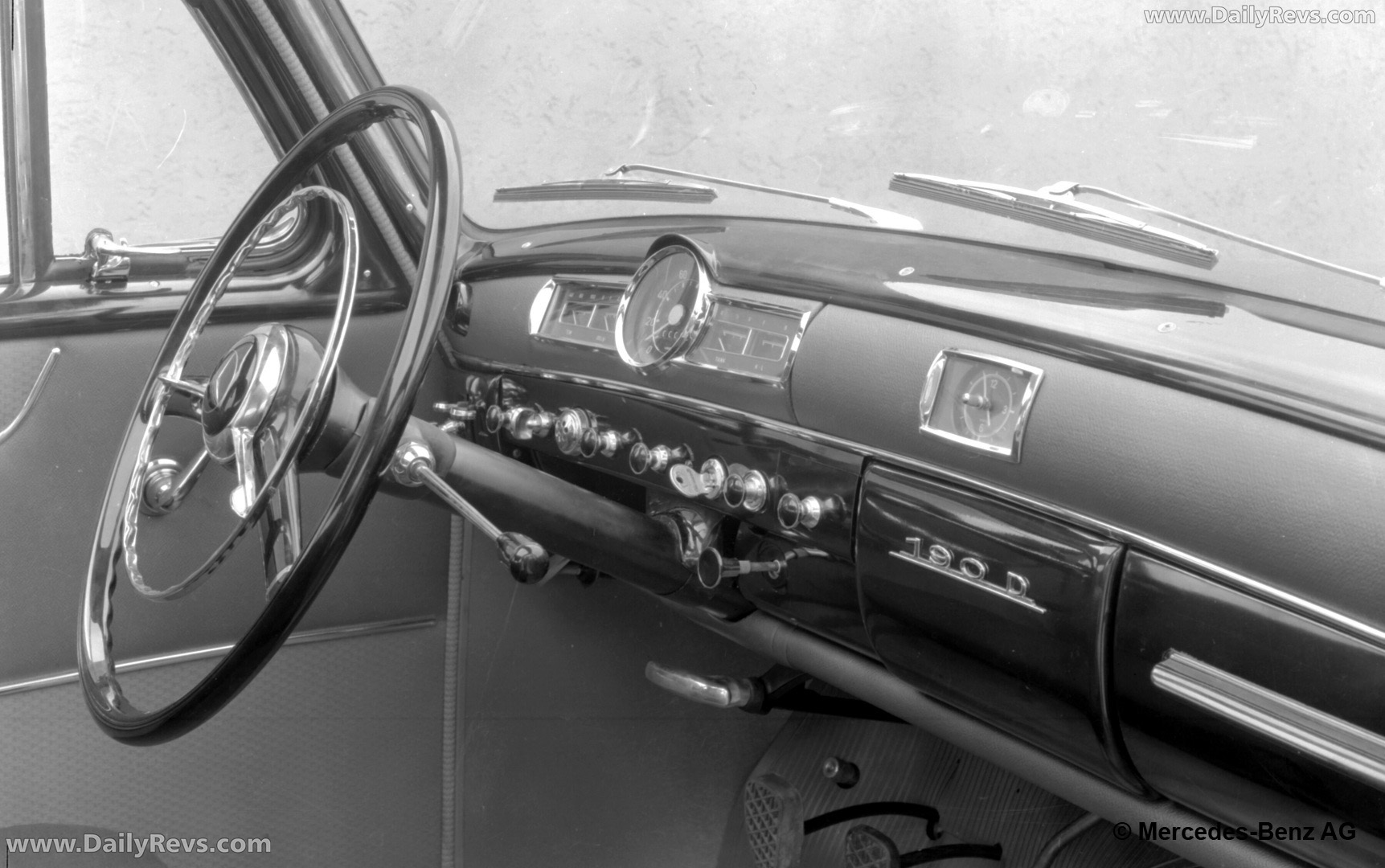
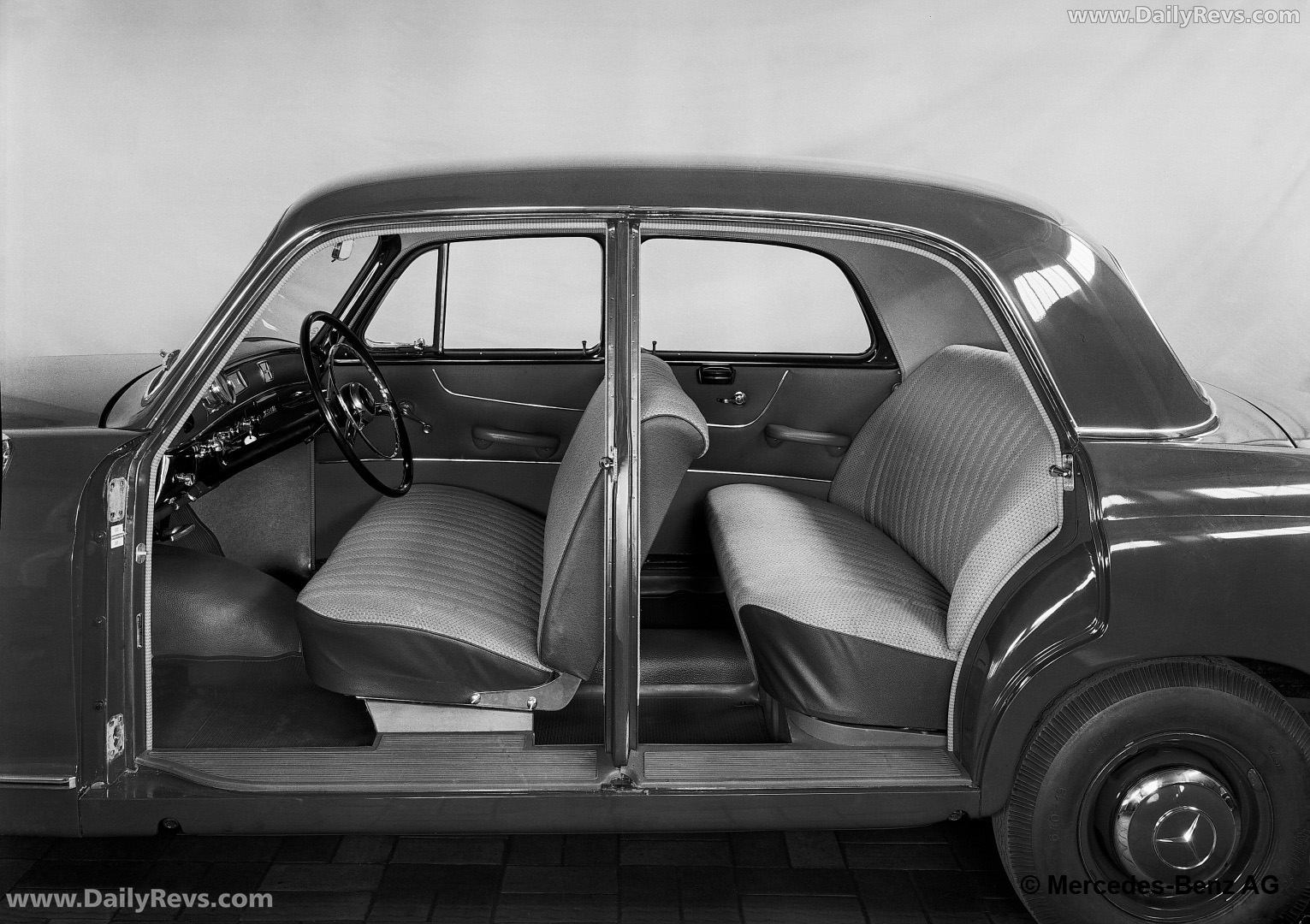
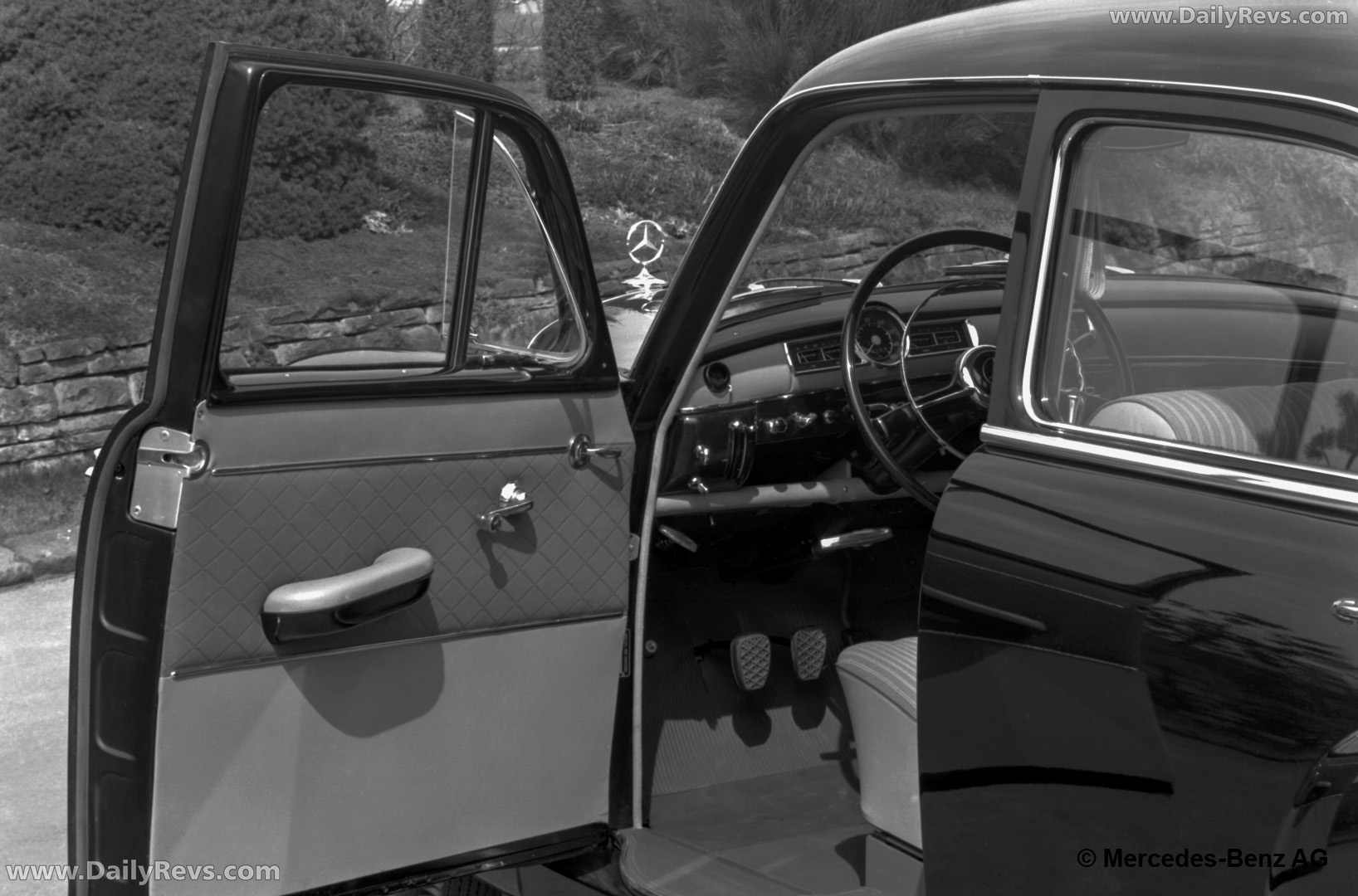
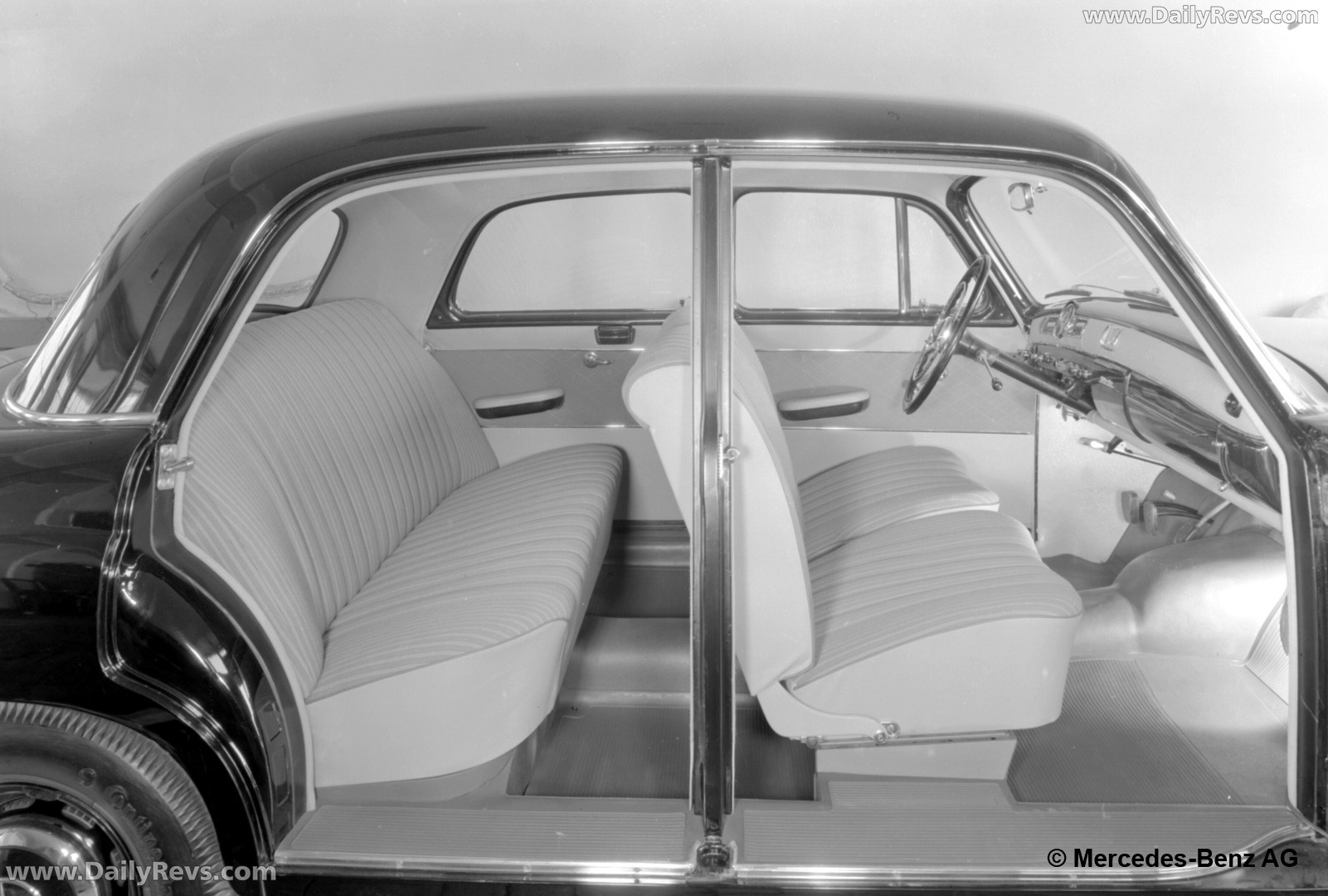
Interior photos are limited, but even from what’s available, it’s clear there’s refinement. Gone is the Bakelite dash trim—real wood takes its place. The door mirrors look to have been moved, maybe to improve visibility, maybe just for cleaner symmetry.
Seats? Likely still firm benches, and you’d bet on a column shifter. Nothing flashy. It’s the kind of interior that wouldn’t impress at first glance, but would hold up a decade later.
Mercedes was clearly thinking about comfort, not style contests.
Light Power, Proven Setup
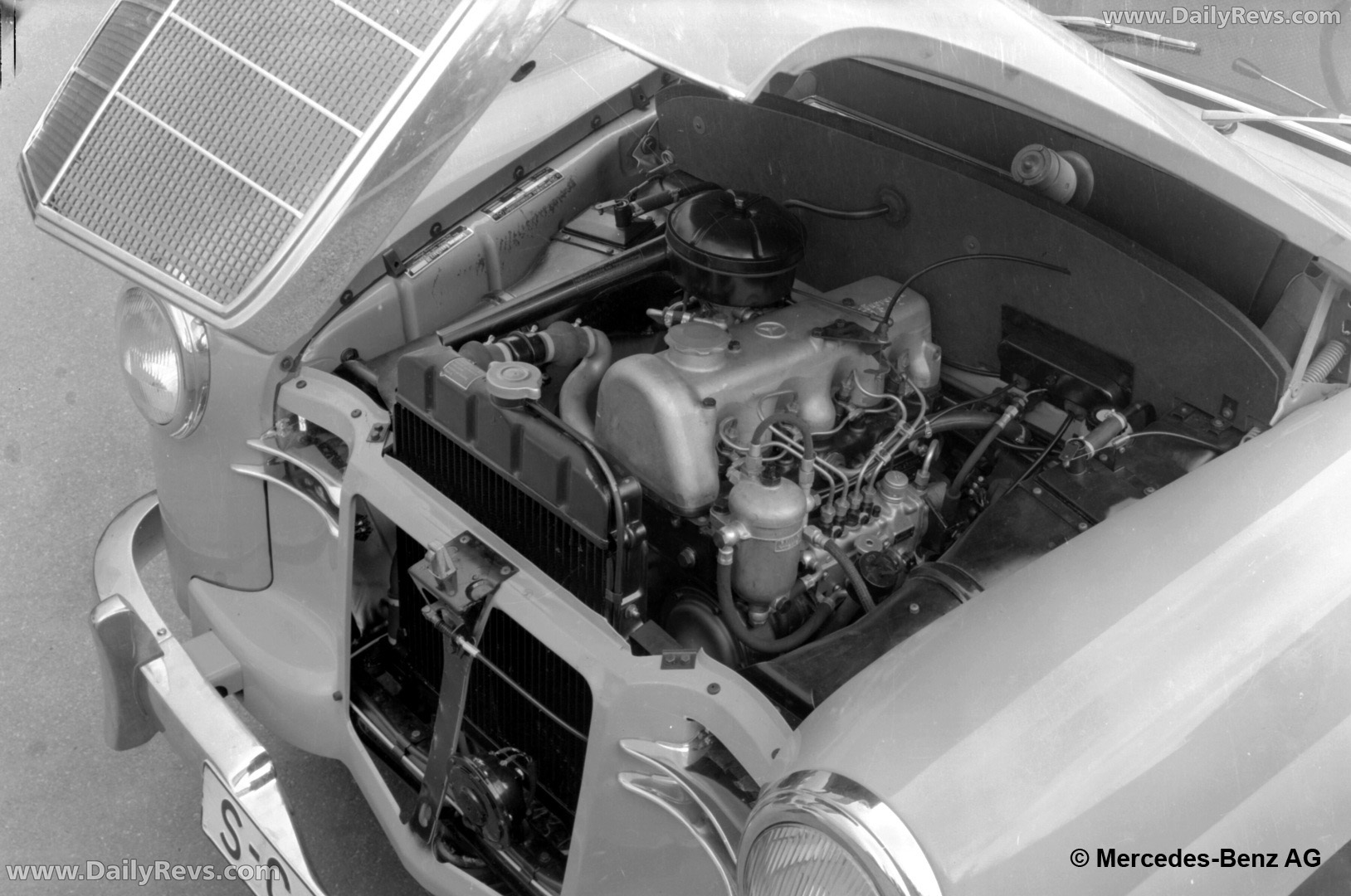
Under the hood sits the familiar 1.9-liter M121 inline-four, making 75 PS at 5,700 rpm and around 145 Nm of torque at 3,200 rpm. Nothing blistering, but enough to get the sedan moving with purpose. Power goes through a 4-speed manual, with synchronized gears and a column-mounted shifter.
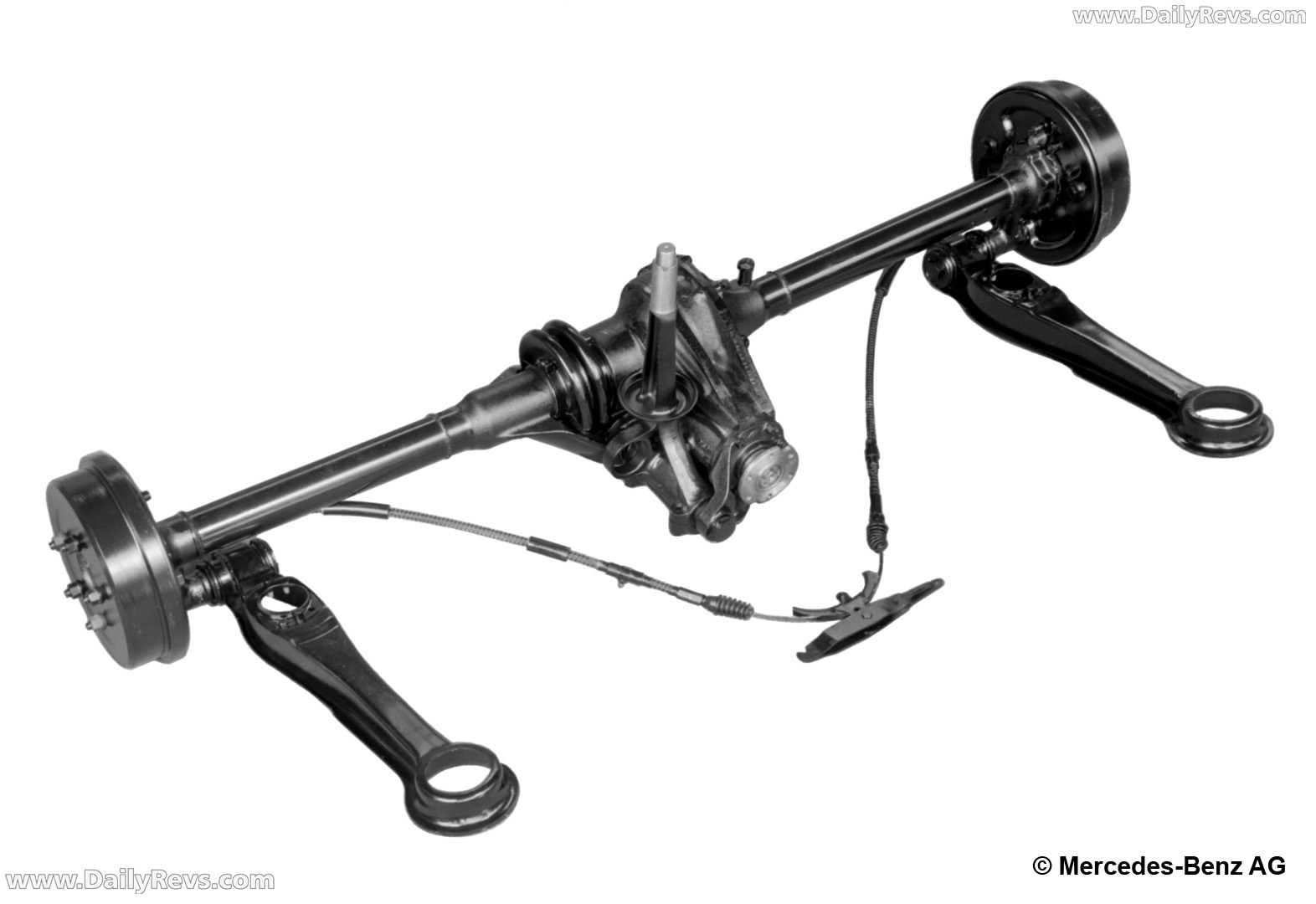
Twin Solex carbs handle the fueling. Suspension’s a known formula too: double wishbones up front, swing axle in the rear. Classic Mercedes layout—nothing risky, all reliability.
Where It Sits: Quiet Confidence
By 1958, the Mercedes lineup had more imposing options—the 220 and 300 series were doing executive duty. But the 190 had a lane of its own. For someone who wanted a taste of Stuttgart’s engineering without the bulk or the cost, this was it.
Rivals? Think BMW 501, maybe even early Jaguar Mk1s in some markets. But the 190 doesn’t try to out-lux them. It’s comfortable being measured, refined, and honest.
From August 1958, the diesel OM621 option joined the lineup, adding a 50 PS variant for those with economy in mind.
Production & Lasting Impact
Roughly 61,000 petrol units and 20,000 diesels were produced during this cycle. No big send-off, just quiet consistency until the W110 “Fintail” took over in 1961.
Looking back, the 1958 update wasn’t dramatic—but it didn’t need to be. It was Mercedes fine-tuning something that already worked.
Technical Specification
-
Performance
-
Power: 75 PS (55 kW / 73 hp) at ~5,700 rpm
-
Torque: ~145 Nm (107 lb‑ft) at ~3,200 rpm
-
Top speed: approx. 170–173 km/h (106–108 mph)
-
-
Body Measurements
-
Length: 4,290 mm (168.9 in)
-
Width: 1,740 mm (68.5 in)
-
Height: 1,320 mm (52.0 in)
-
Wheelbase: 2,400 mm (94.5 in)
-
Front track: 1,430 mm (56.3 in); rear track: 1,475 mm (58.1 in)
-
Curb weight: ~1,180 kg (2,600 lb); with hardtop +20 kg
-
-
Powertrain
-
Engine: Mercedes‑Benz M121 single overhead cam inline‑4, 1,897 cc
-
Fuel system: twin Solex 38PDSJ carburetors
-
Compression ratio: ~8.5 : 1 (early); ~8.8 : 1 (post‑1956)
-
Transmission: 4‑speed fully synchronized manual, central lever, rear‑wheel drive
-
Suspension: double wishbones front, swing‑axle rear
-
Brakes: front duplex drum, rear drum, power-assisted
-
Steering: recirculating ball
-
-
Capacities
-
Fuel tank: ~65 L (17.2 US gal)
-
Cooling system: ~10 L
-
Tire size: 6.40–13 (Sport)
-
-
Price
-
Launch price in Germany: ~9,450 DM for sedan (servo brakes +300 DM)
-