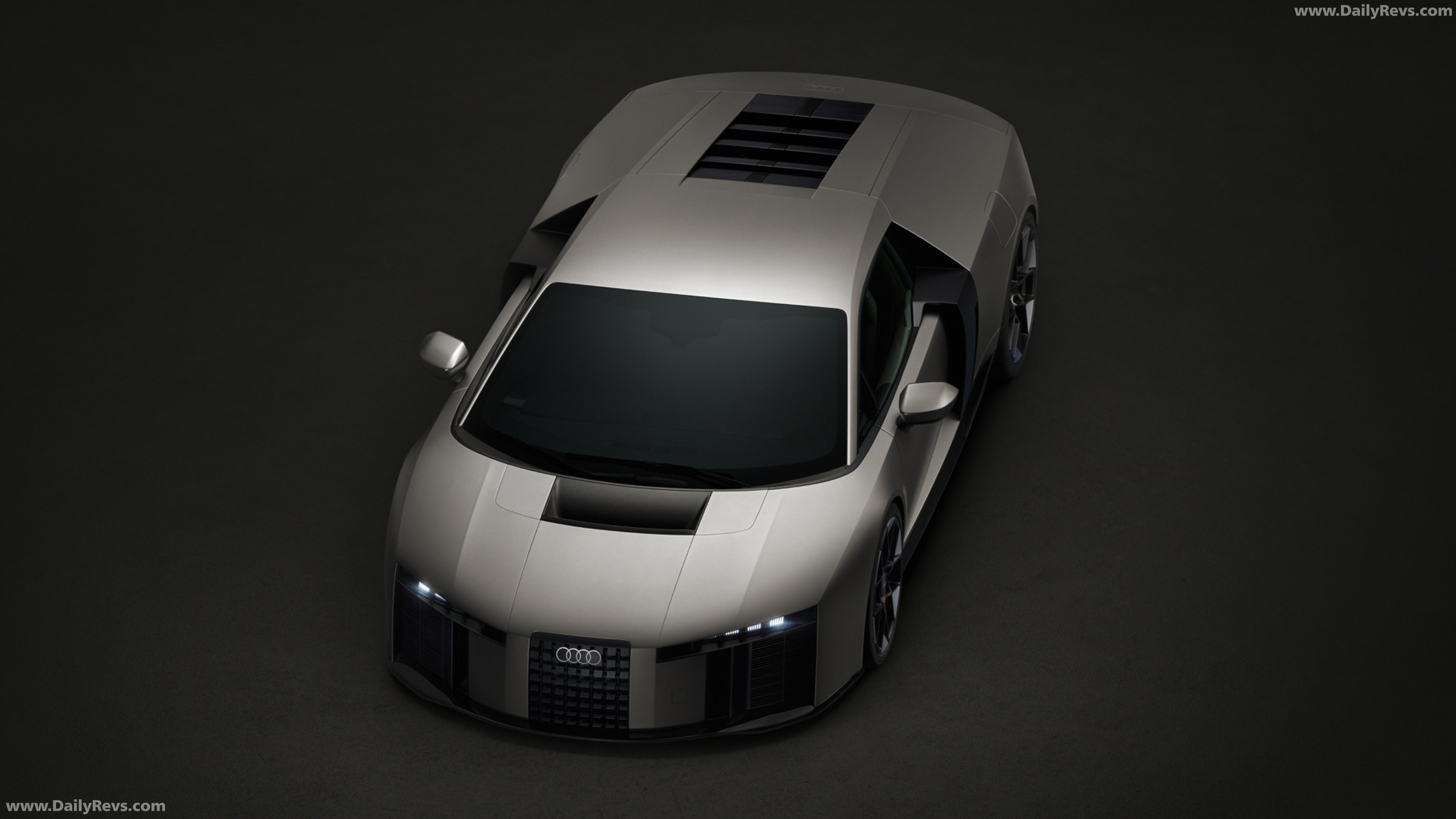
2028 Audi Nuvolari
By Lorenzo Bianchi June 5, 2026
Audi's first supercar hybrid delivers 1,001 PS and a top speed above 350 km/h.
Carbon-intensive Audi Space Frame construction supports lightweight performance.
Production will be limited to 499 units worldwide starting in 2027.
Audi enters new territory
Audi has built fast cars before. It has built powerful cars, too. The Nuvolari feels different.
Revealed as the brand's first production supercar powered by a high-performance hybrid system, the 2028 Audi Nuvolari sits at the very top of Audi's road-car hierarchy. According to the company, it will become both the fastest and most powerful production vehicle ever to wear the four rings.
The numbers are dramatic. A combined 1,001 PS, a claimed 0-100 km/h time of 2.6 seconds, and a top speed exceeding 350 km/h place it firmly among the world's elite supercars. Yet what stands out most is how deeply Audi's Formula 1 involvement appears to have shaped the project.
A shape defined by airflow
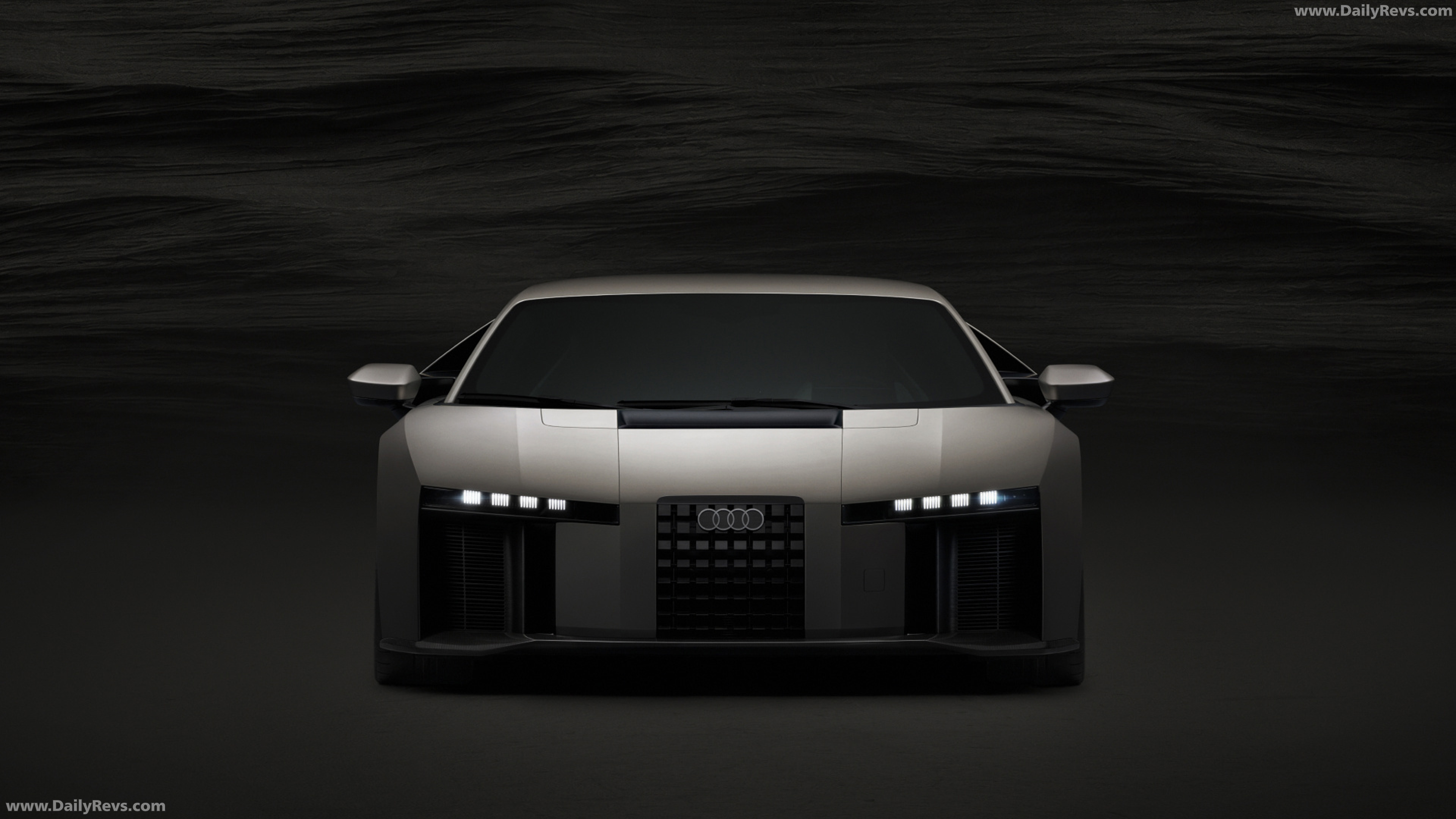
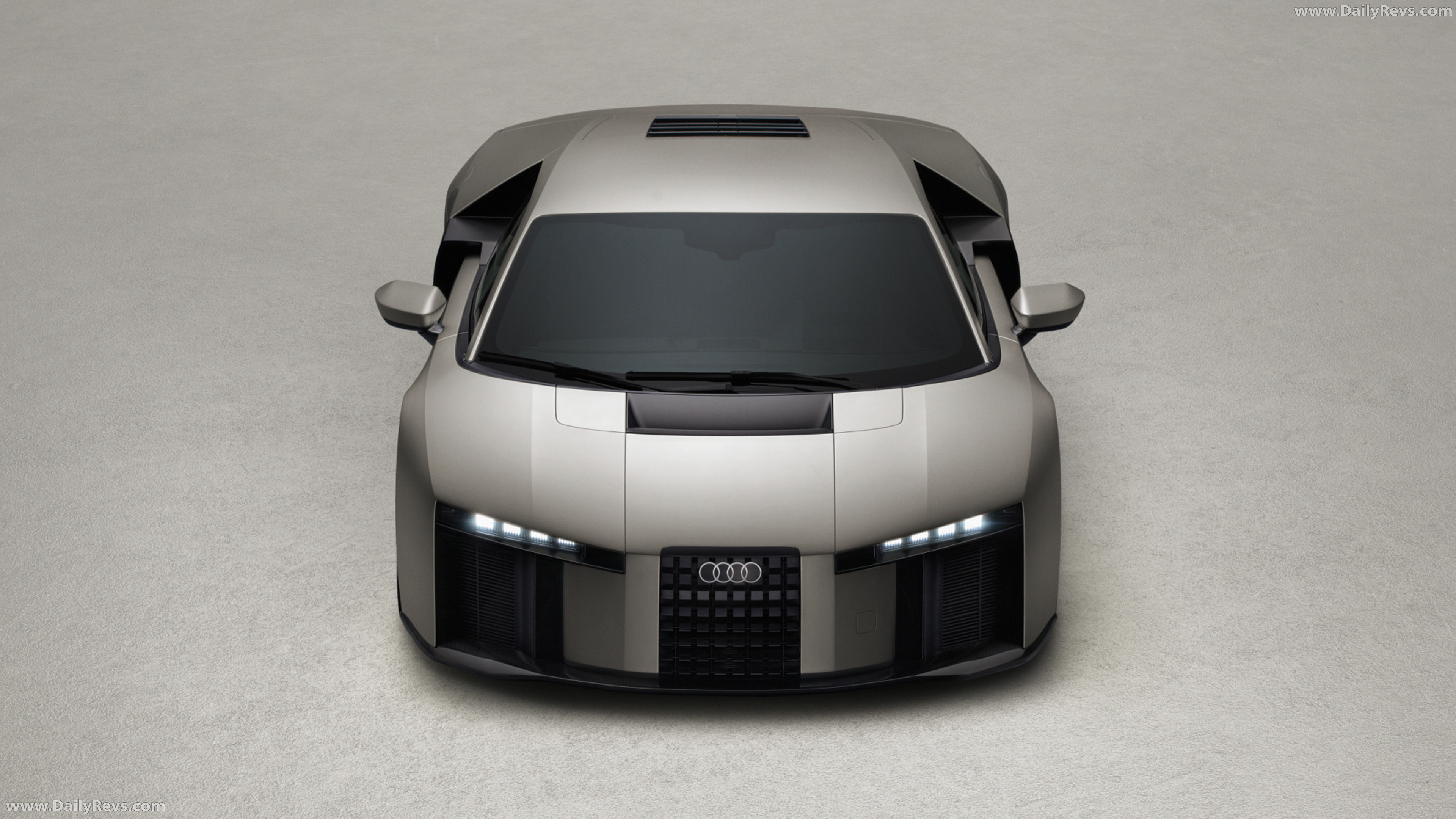
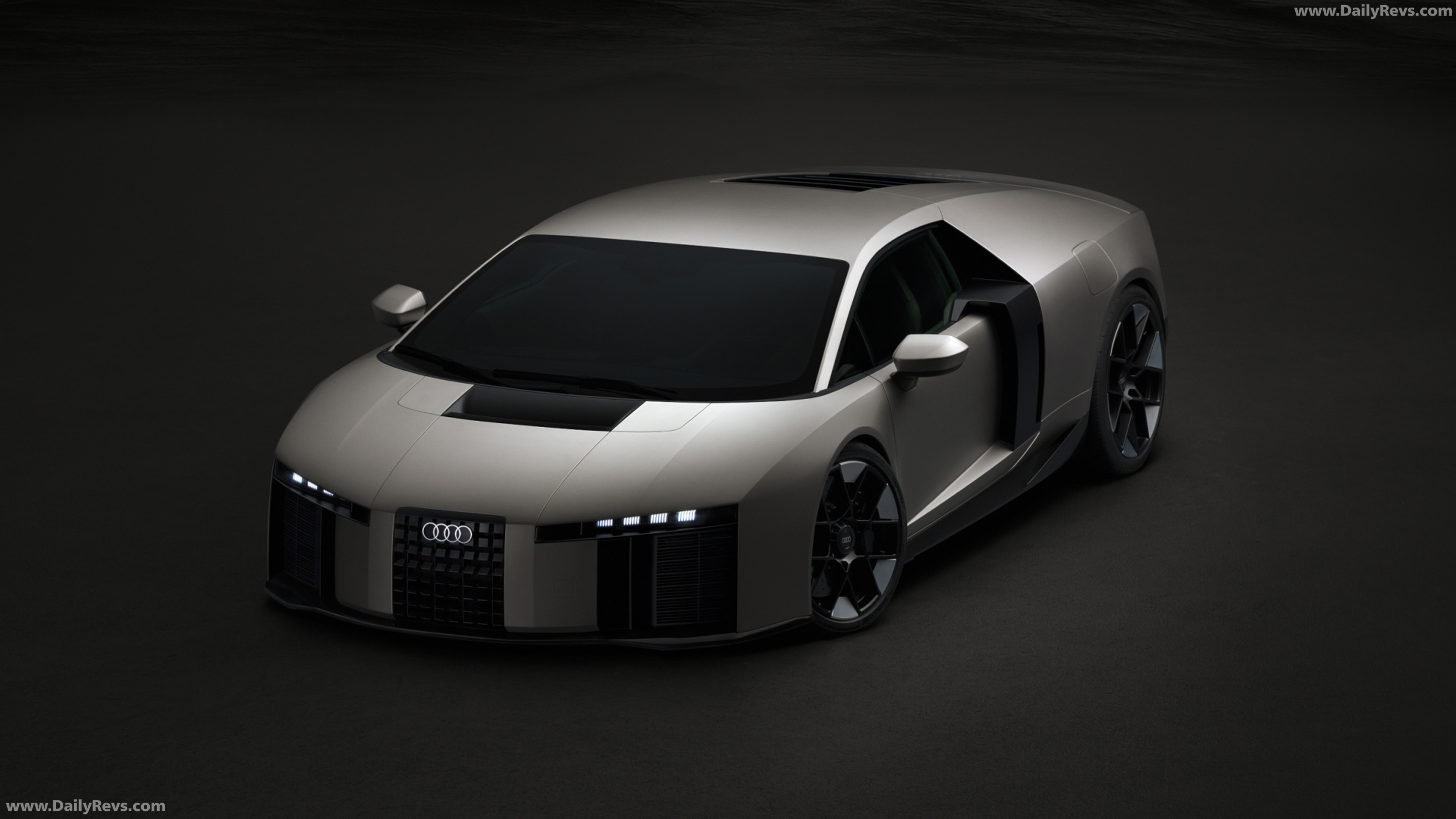
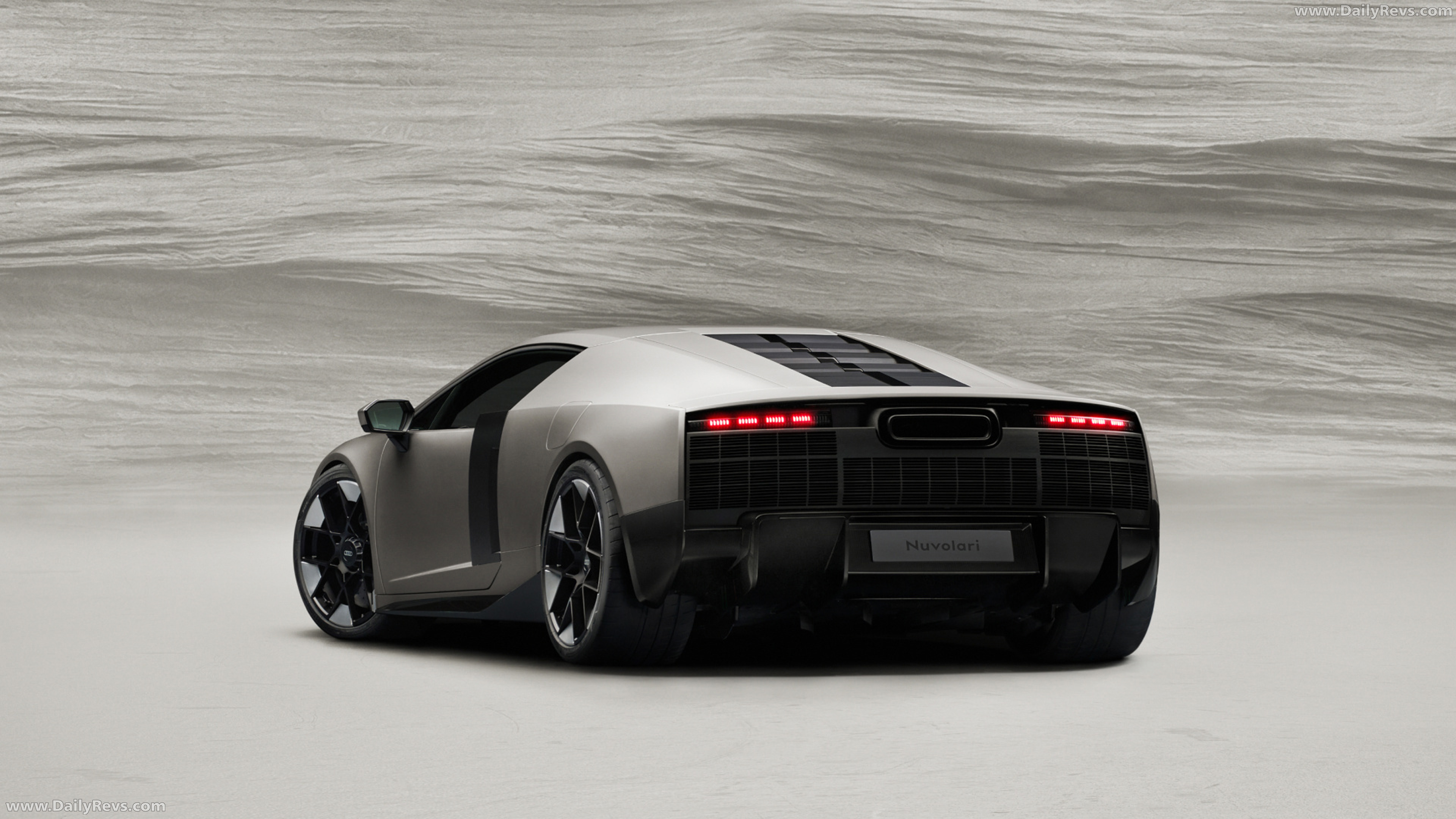
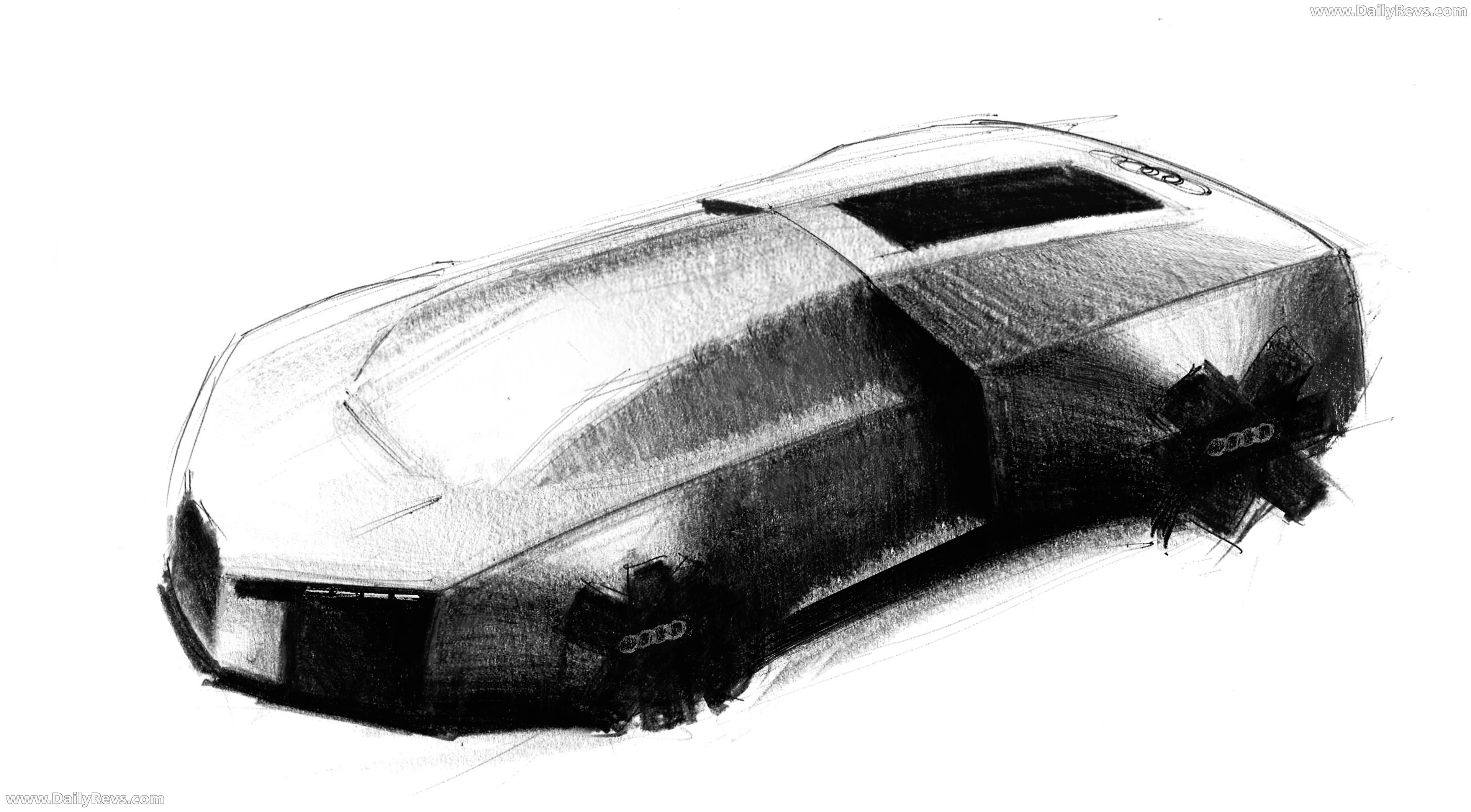
At first glance, the Nuvolari looks remarkably clean for a car capable of such performance.
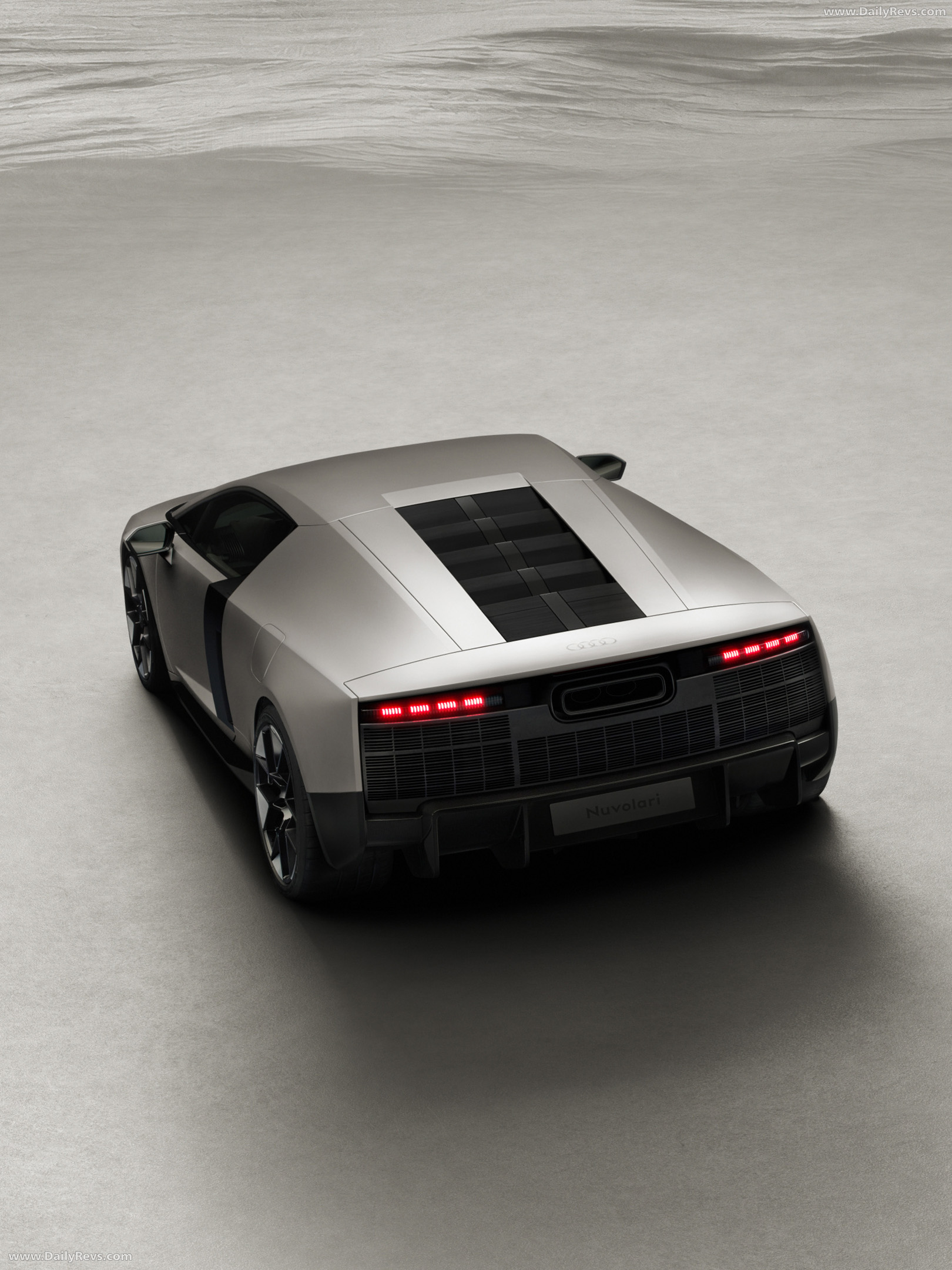
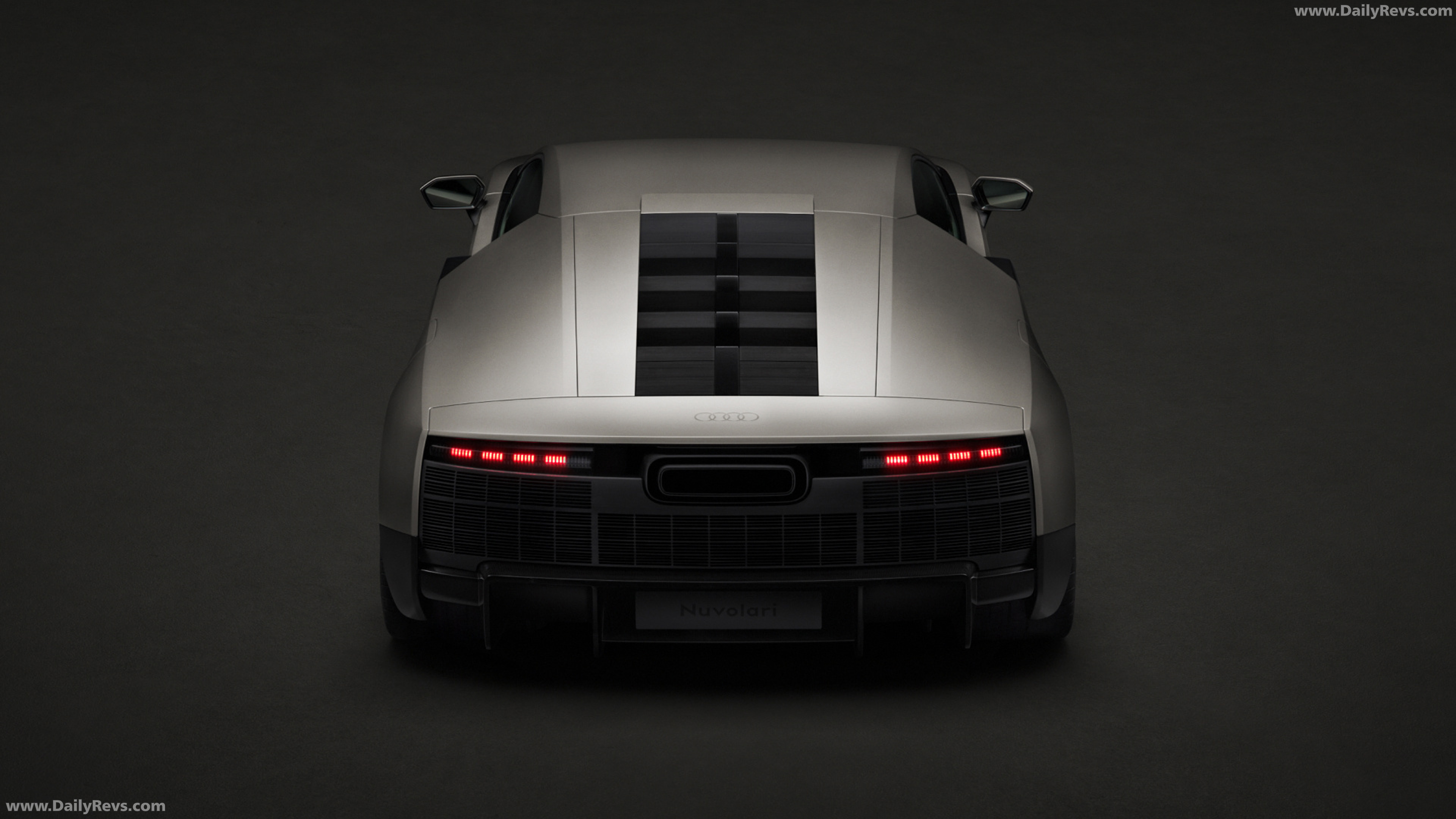
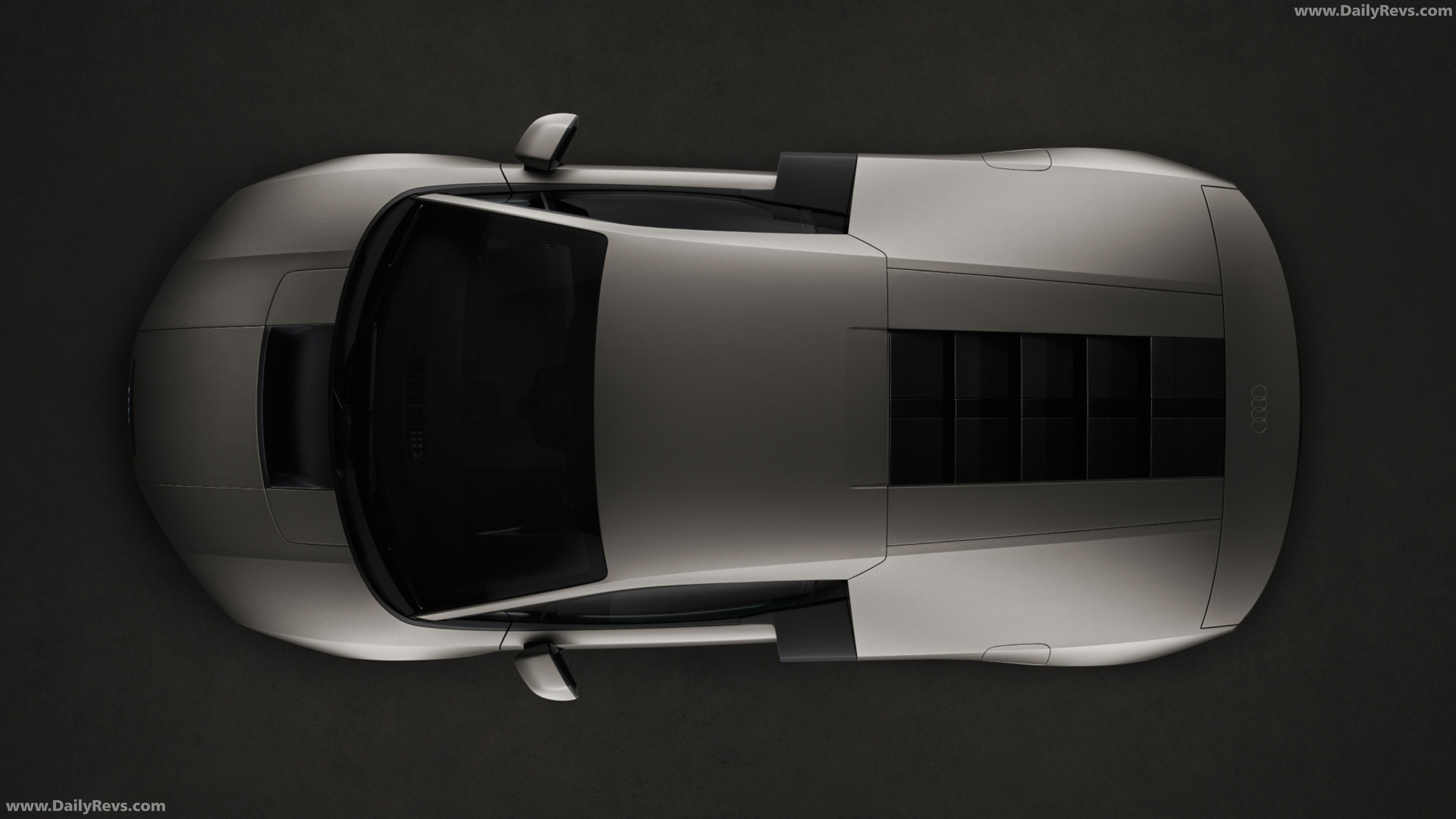
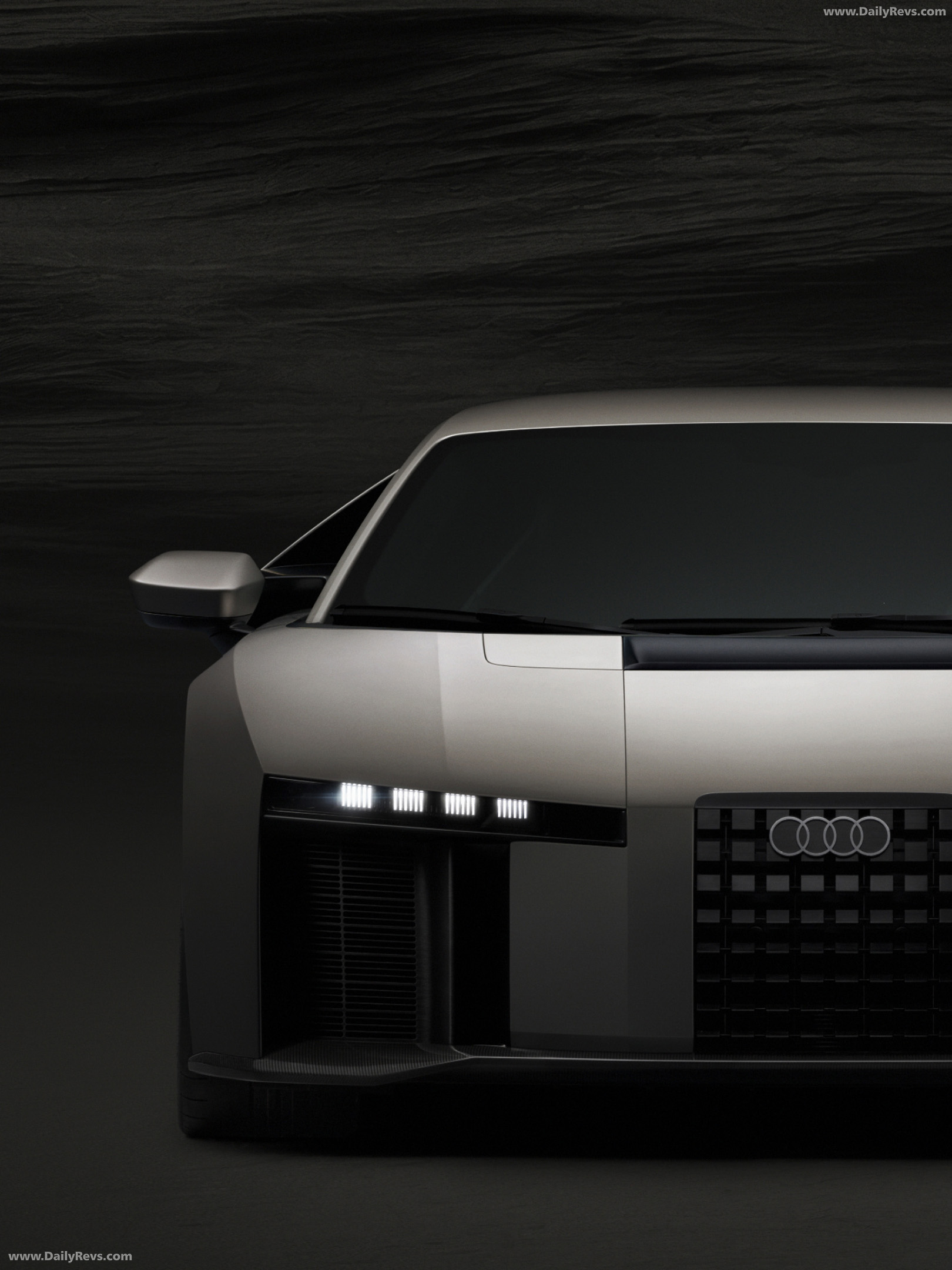
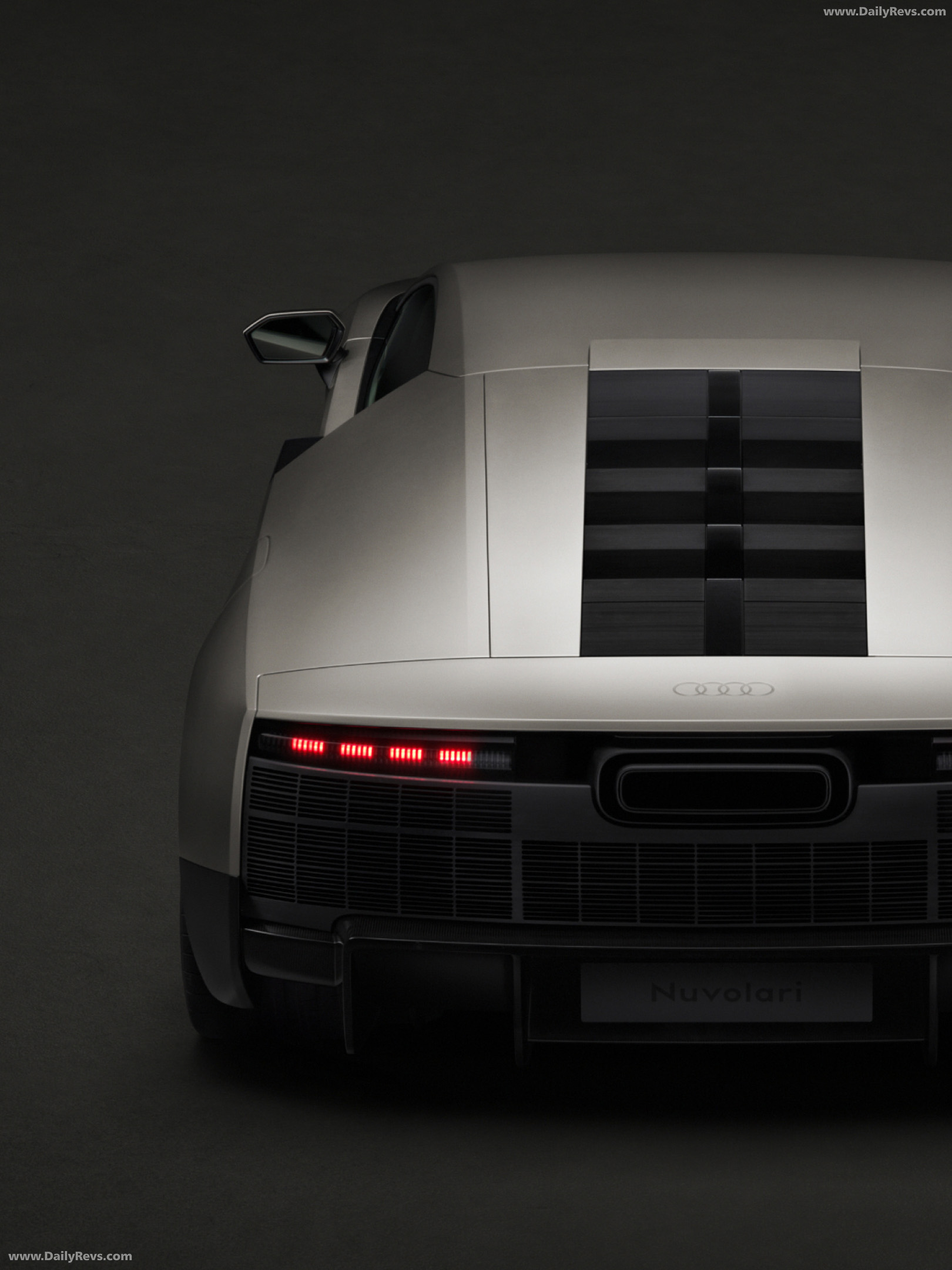
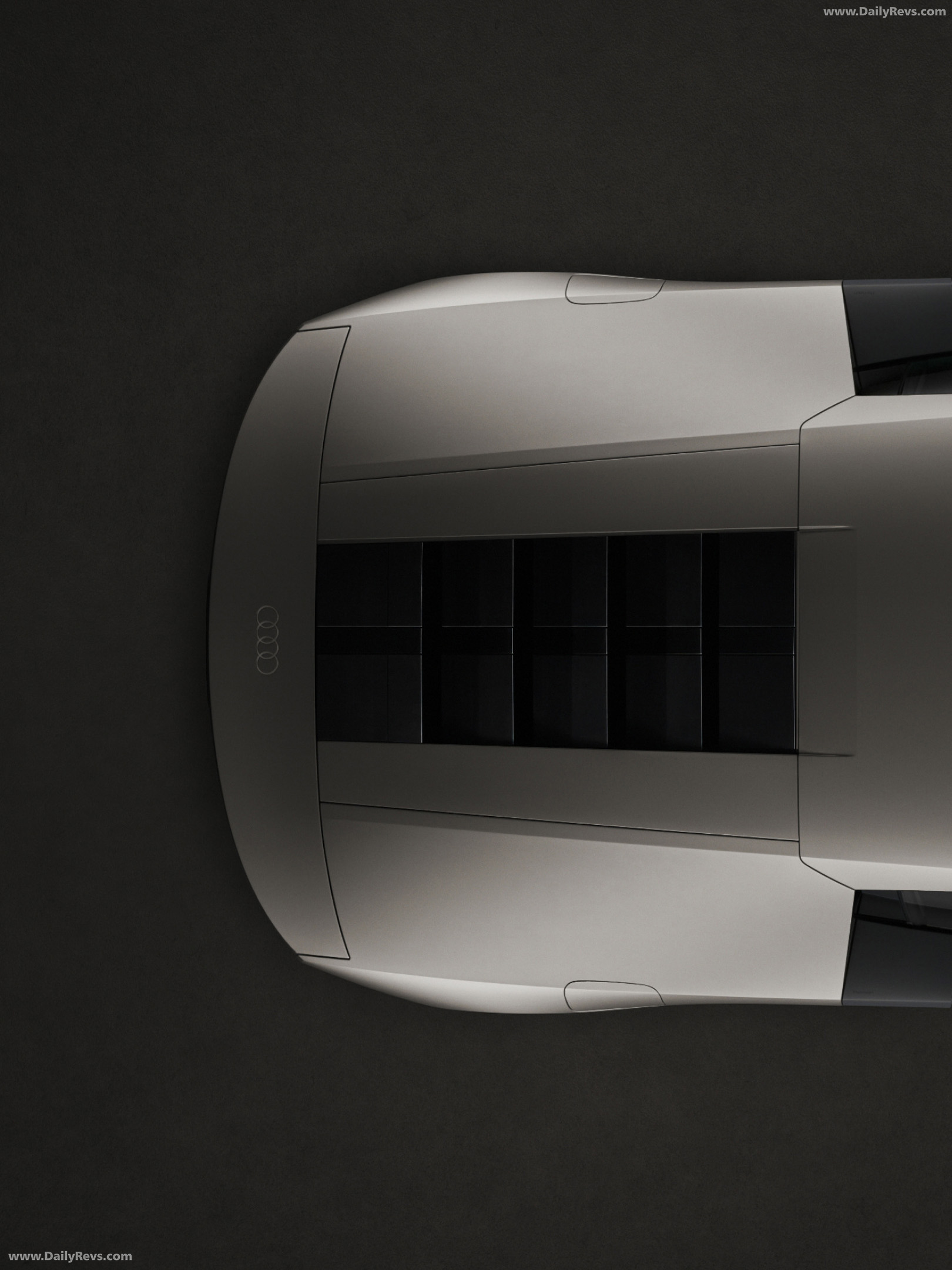
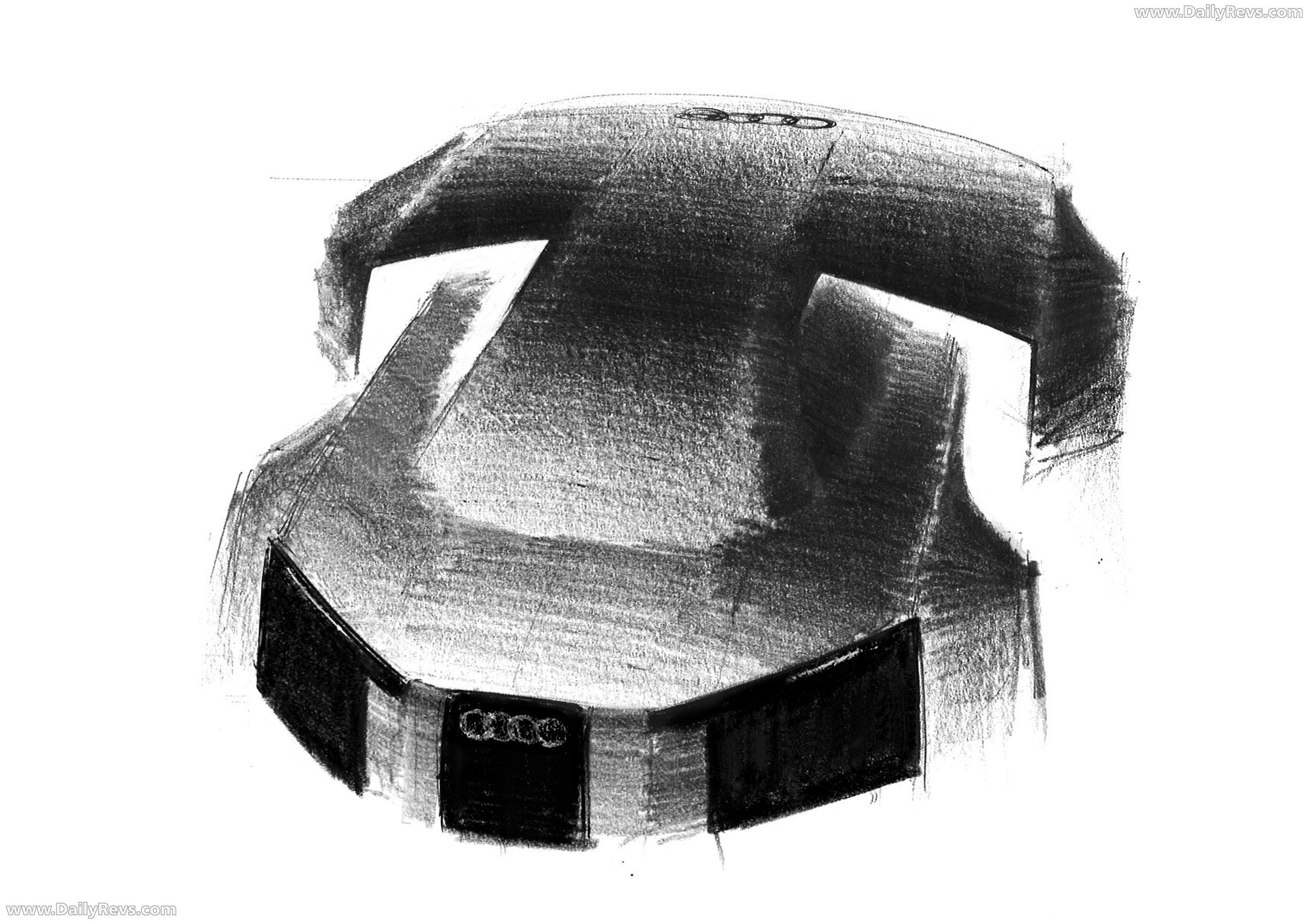
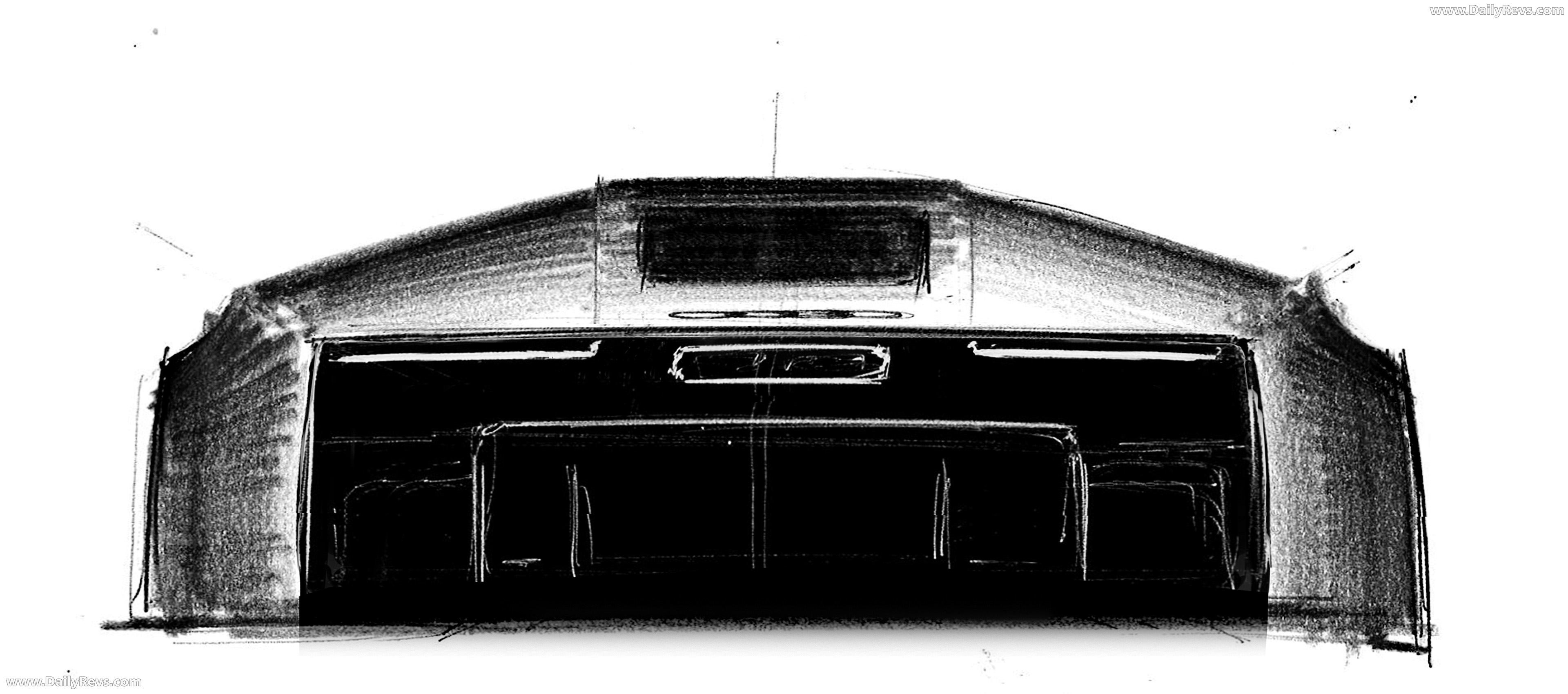
The proportions are governed by that mid-engine layout, with low-slung profile, wide stance and tightly wrapped bodywork. Audi describes the design as the first expression of its new styling philosophy, one that focuses on taut surfaces, integrated technology, and aerodynamic efficiency.
The launch vehicle wears a new Titanium finish paired with exposed carbon elements. Together, they emphasize the sharp lines and technical character of the car.
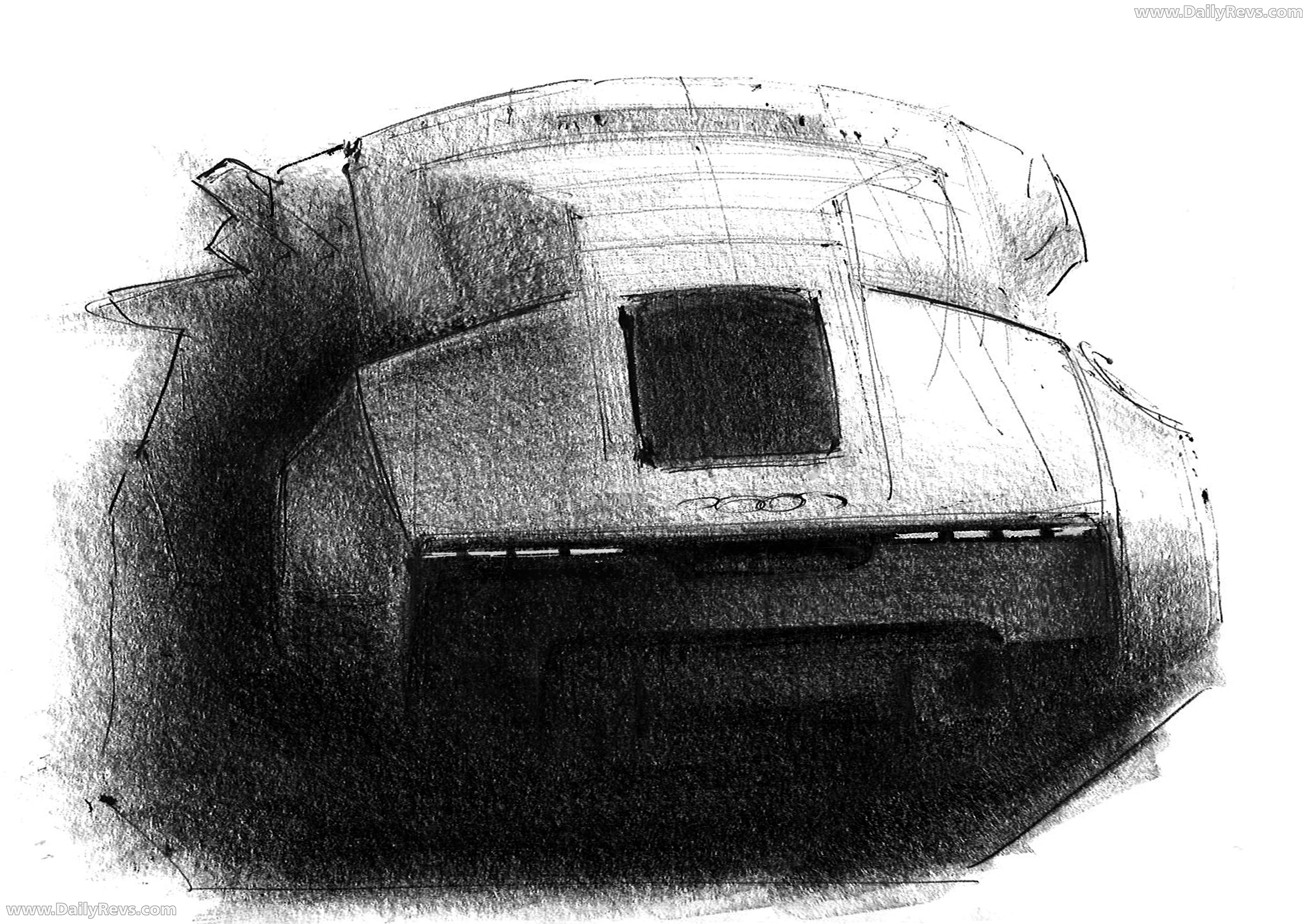
Every exterior component serves a purpose. Front cooling ducts, a concealed S-duct, active aerodynamic surfaces, and a deployable rear wing all contribute to the car's stability. In its highest downforce configuration, Audi says the system can generate more than 400 kilograms of aerodynamic load depending on driving conditions.
Carbon construction meets Audi engineering
The structure underneath is just as important as the bodywork surrounding it.
For the first time, Audi combines its Audi Space Frame architecture with a carbon exterior. Nearly every outer body panel is constructed from carbon-fiber reinforced polymer, using manufacturing techniques derived from Formula 1.
The approach is intended to reduce weight while maintaining exceptional rigidity. Forged center-lock wheels also make their debut on a production Audi, further underlining the motorsport influence behind the project.
Four power units working as one
The powertrain combines a 4.0-liter twin-turbocharged V8 producing 800 hp with three axial-flux electric motors.
Two electric motors operate at the front axle while a third sits between the engine and transmission. Together, the system develops a maximum output of 1,001 PS. The V8 itself revs to 10,000 rpm, a figure more commonly associated with racing machinery than road-going performance cars.
Audi's new quattro predictive ride system continuously analyzes steering inputs, grip levels, acceleration, and vehicle motion. Rather than reacting after traction is lost, the system attempts to anticipate changes before they occur, adjusting torque delivery, braking intervention, and aerodynamic balance accordingly.
Drivers can select E-Hybrid, Balanced, Dynamic, Dynamic+, and Track modes depending on conditions and driving style.
A cockpit built around driving
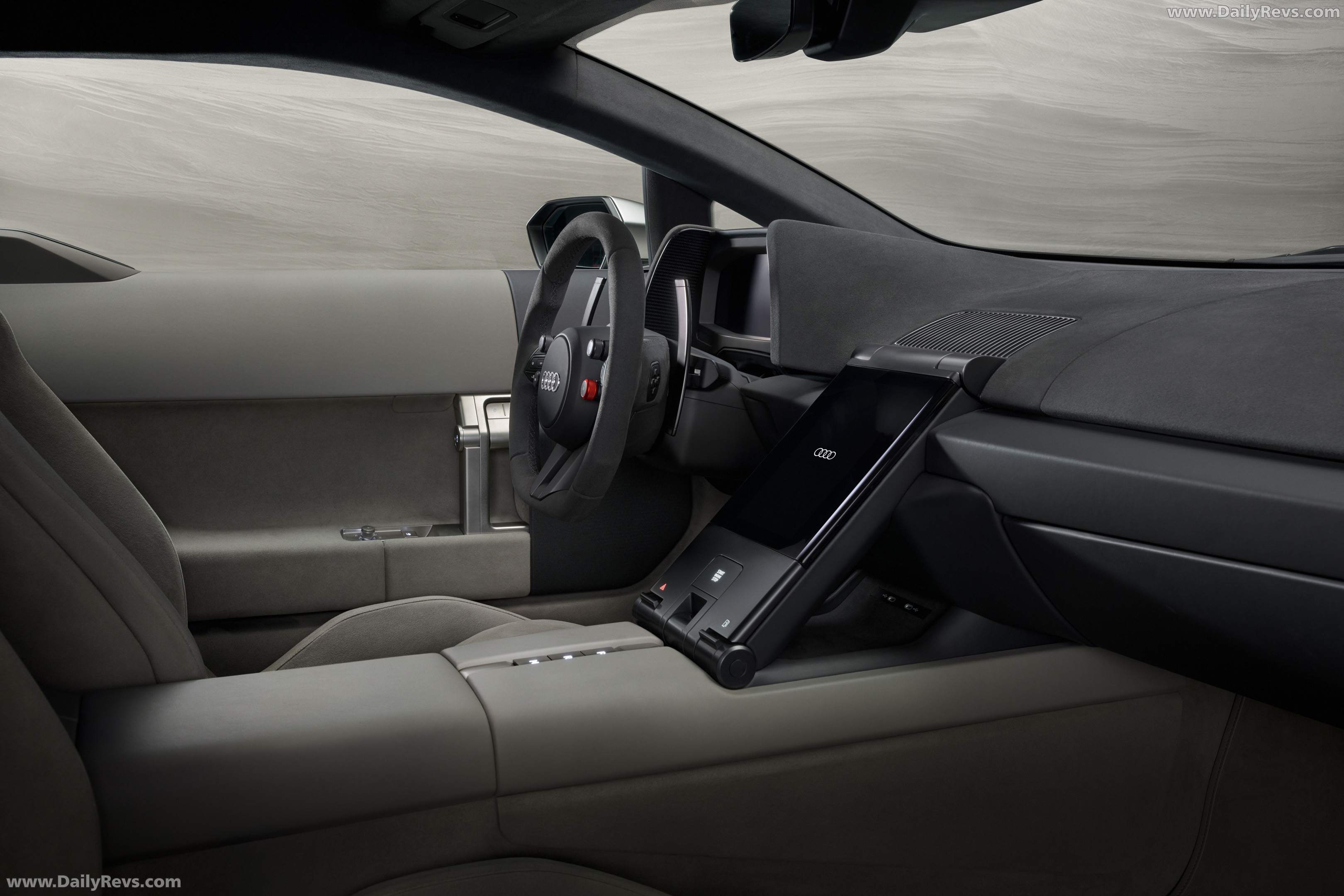
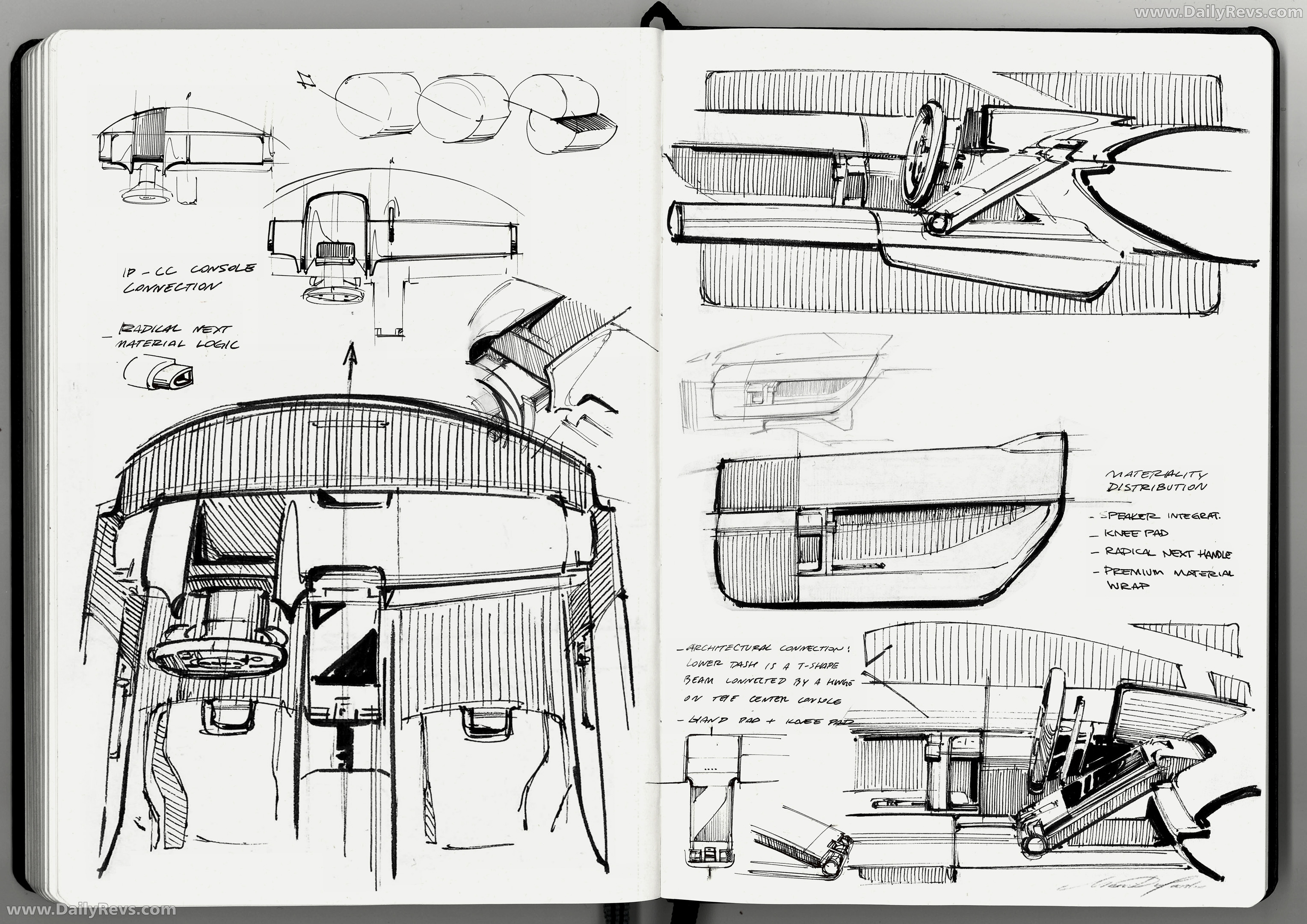
Inside, Audi has resisted the temptation to overwhelm occupants with screens.
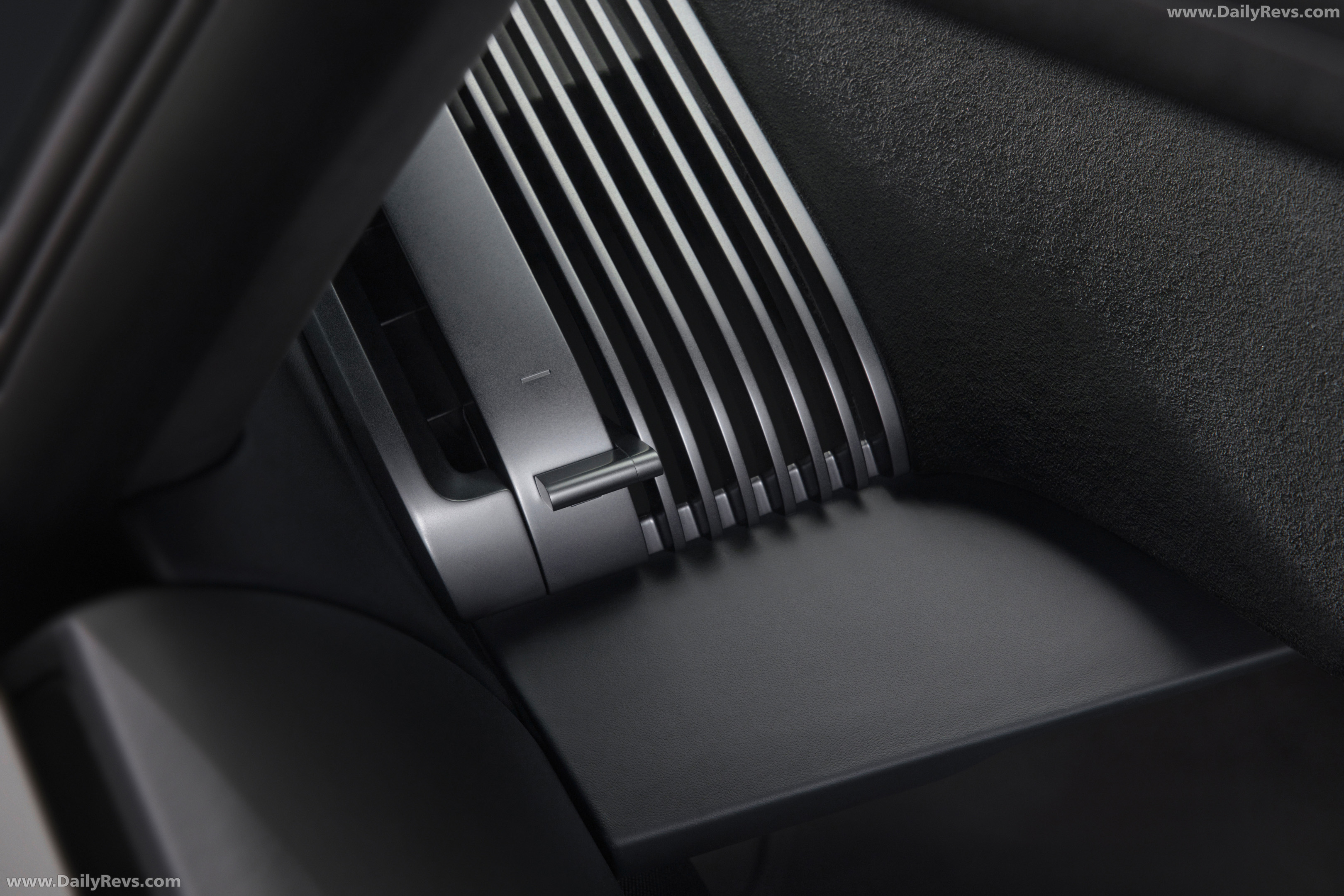
The dashboard is driver-oriented, with most important controls within easy reach. There are still physical controls next to digital displays. And the carbon-backed seats are light but supportive. Anodized aluminum trim and a two-tone theme inside provide visual contrast without detracting from the central purpose of the cabin.
Production will be limited to 499 examples, with deliveries scheduled to start in the first half of 2027. Named after legendary racing driver Tazio Nuvolari, the car is one of the most ambitious road-going projects in Audi’s history.