2027 Volkswagen ID. Polo
By Lorenzo Bianchi April 29, 2026
Fully electric ID Polo offers up to 455 km WLTP range.
Three power outputs ranging from 85 kW to 155 kW.
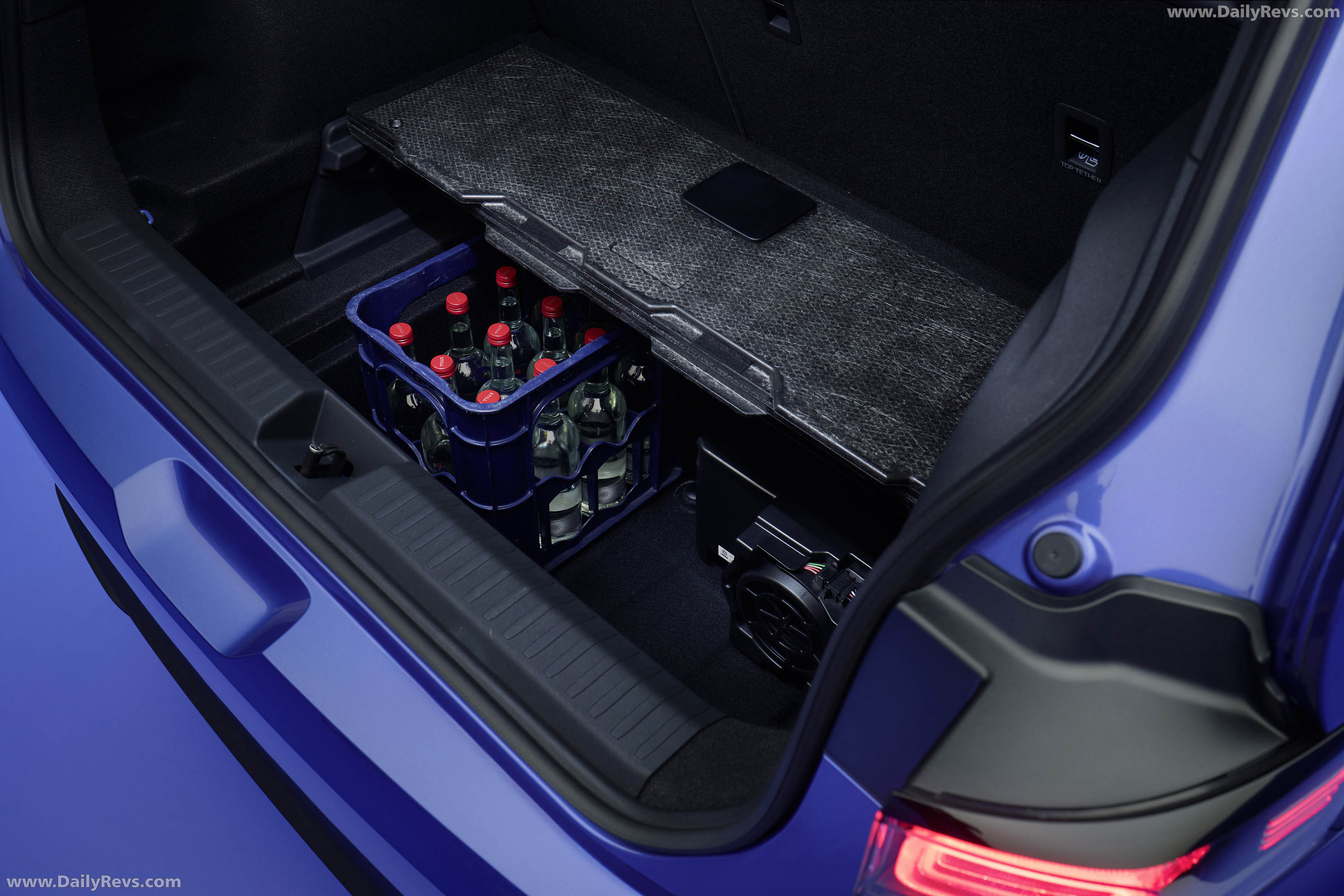
Compact footprint with surprisingly large 441-litre boot.
Familiar shape shifts into a cleaner electric look
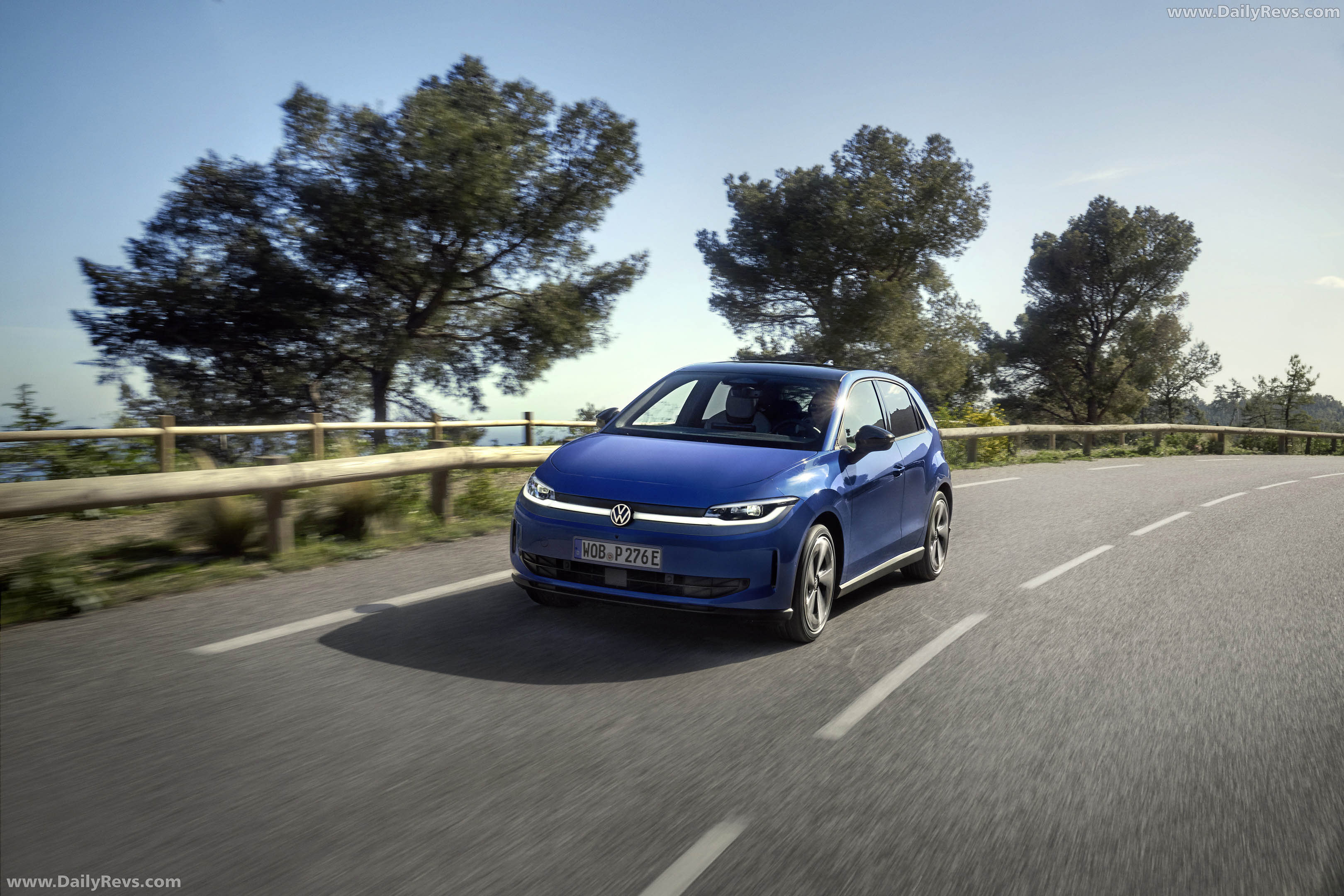
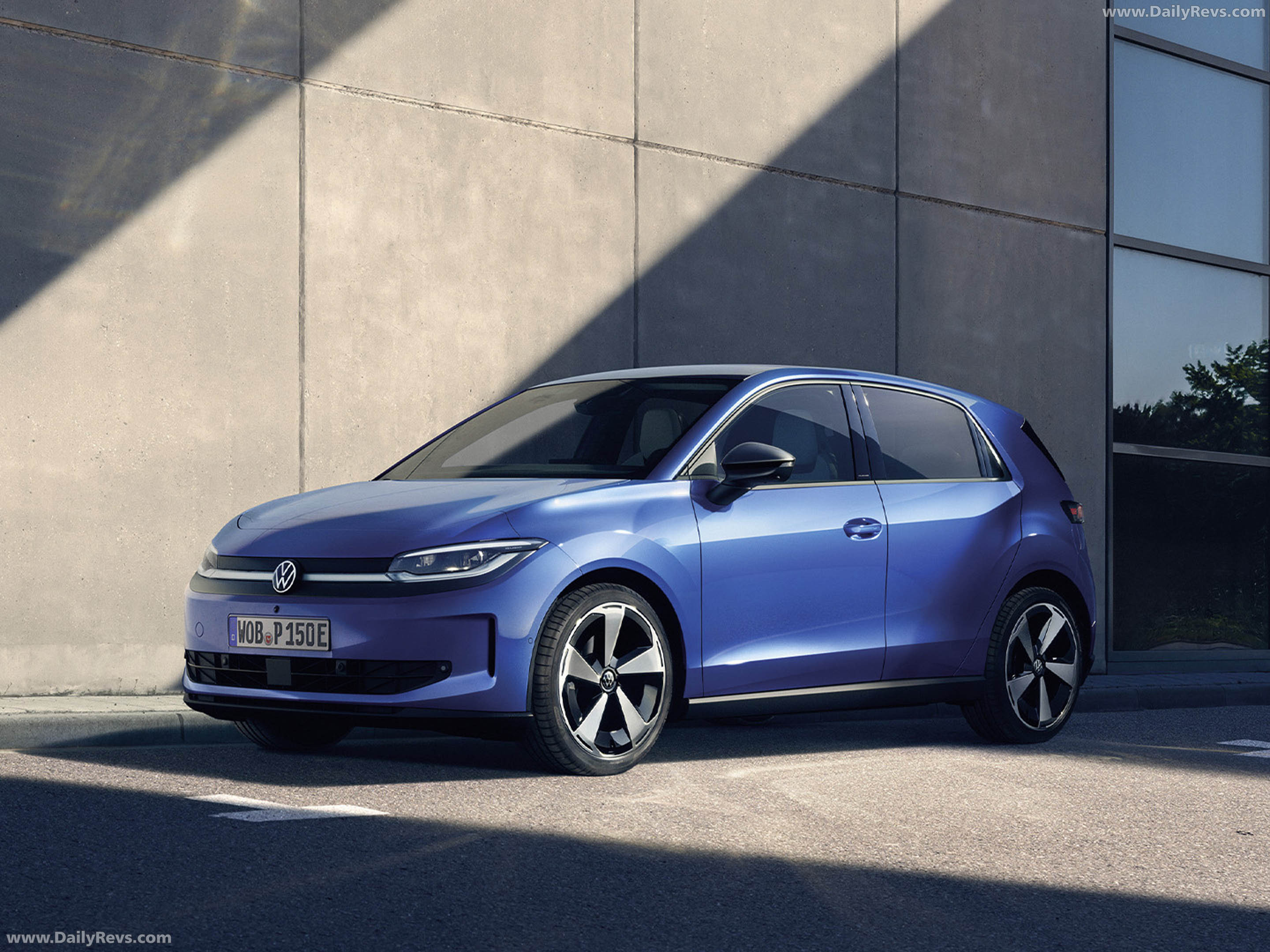
The 2027 Volkswagen ID Polo doesn’t try to reinvent the idea of a Polo overnight. Instead, it refines it.
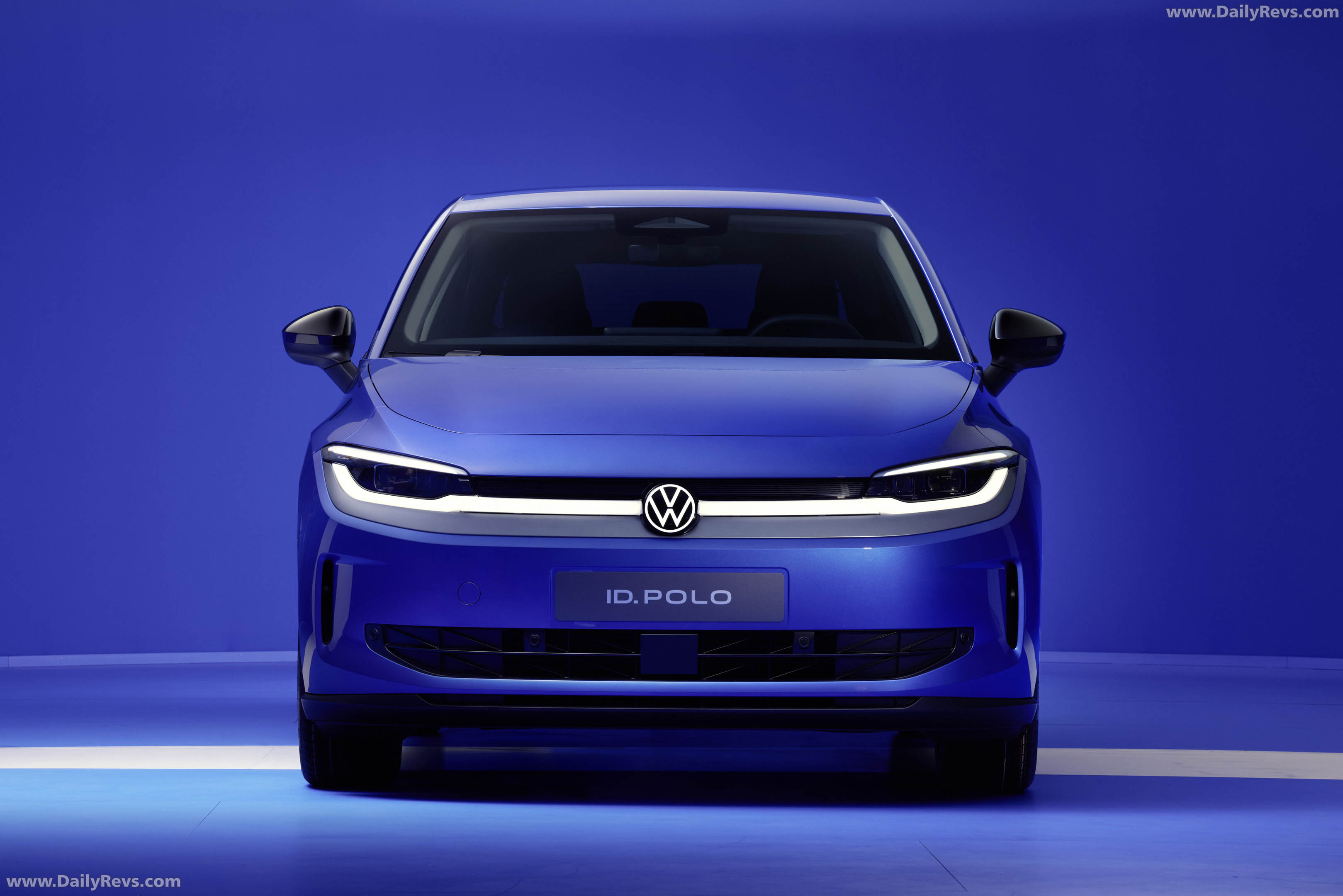
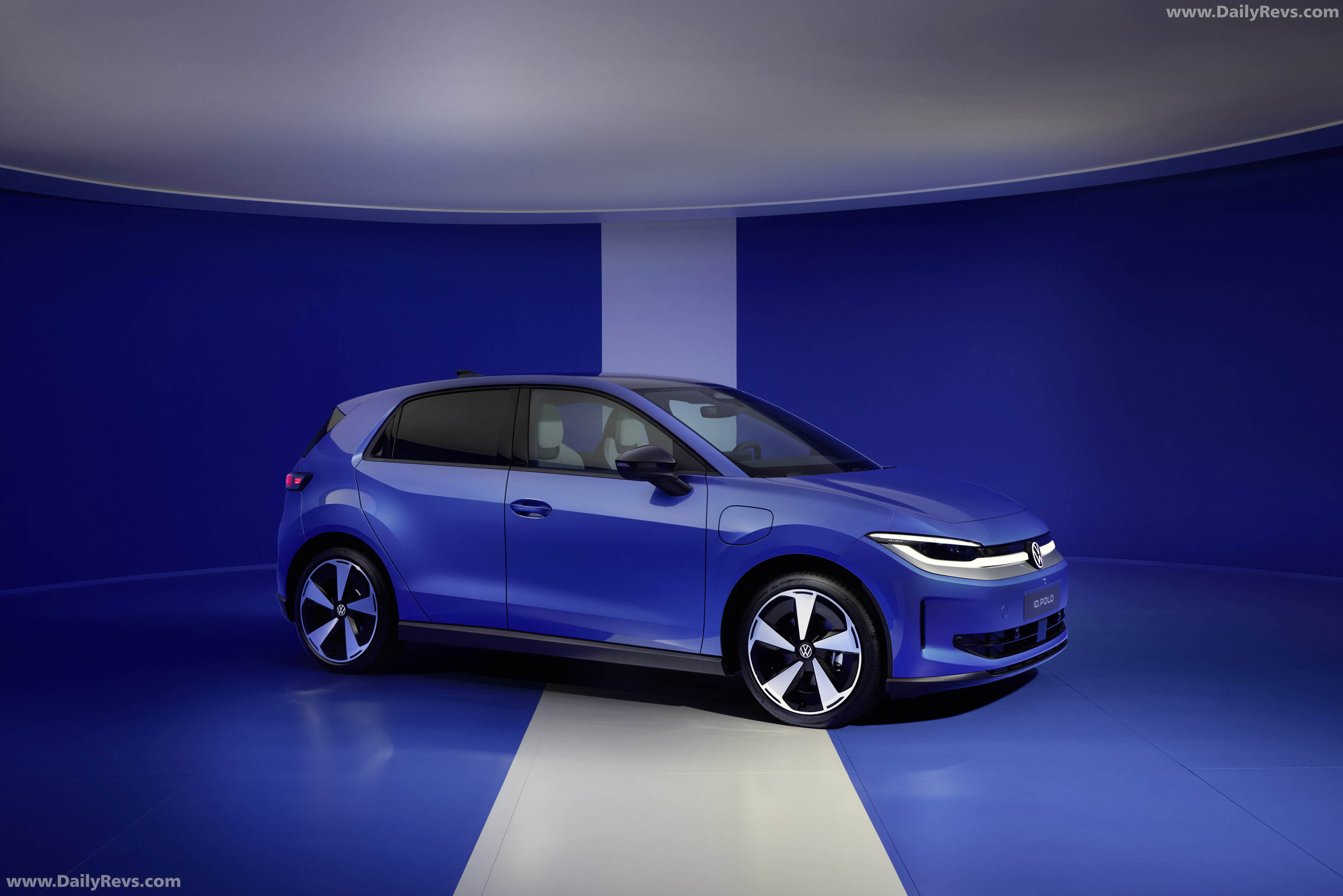
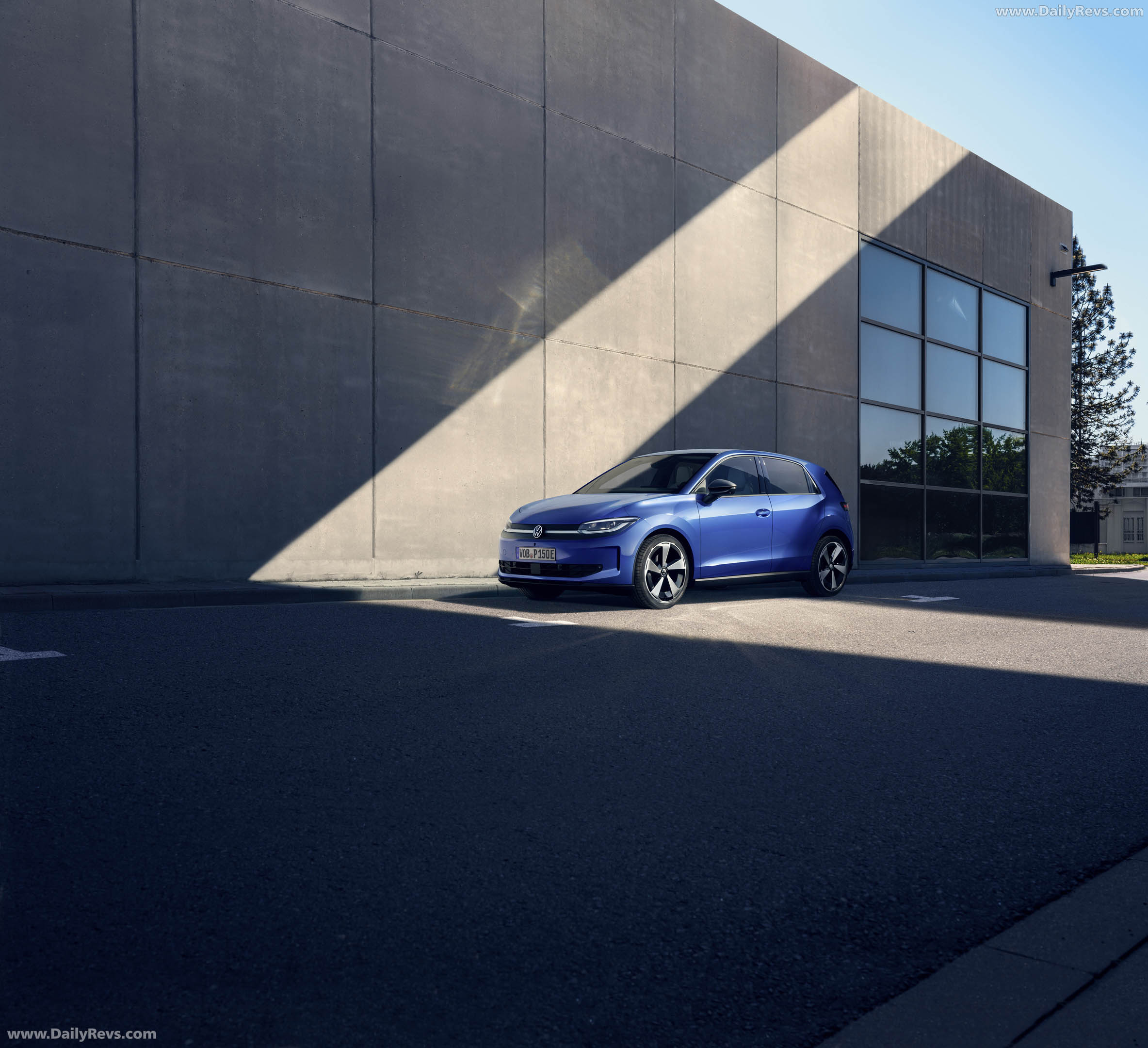
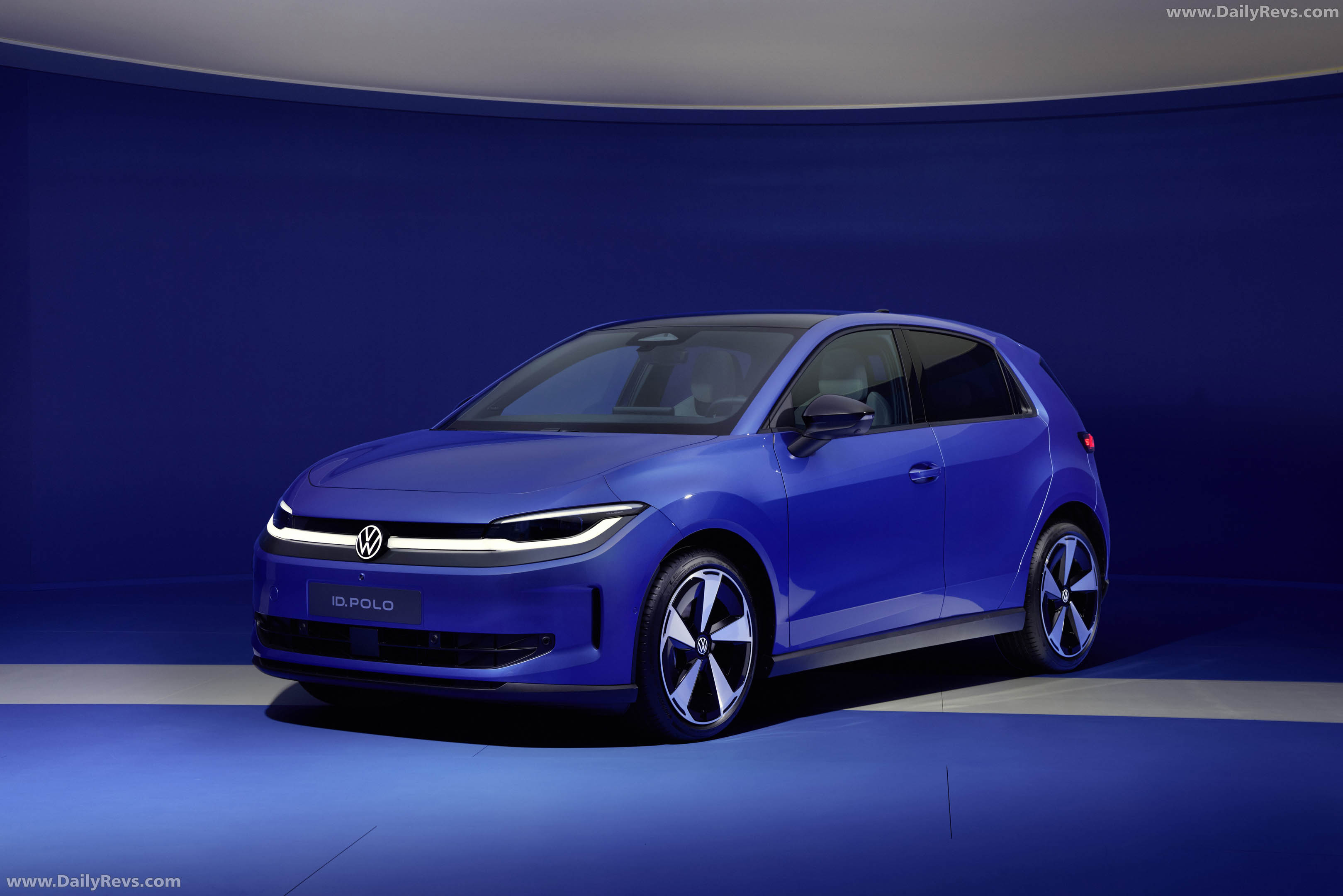
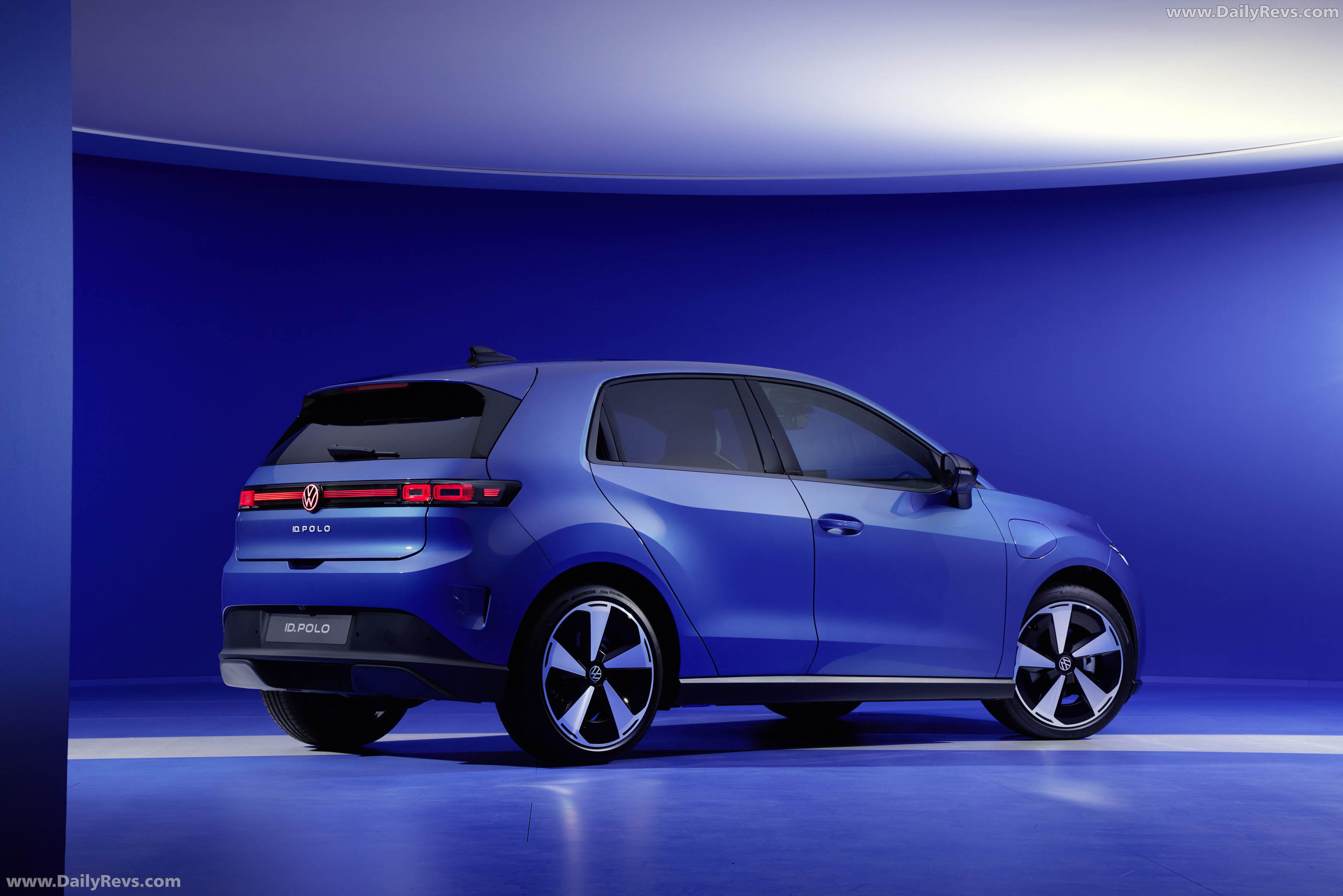
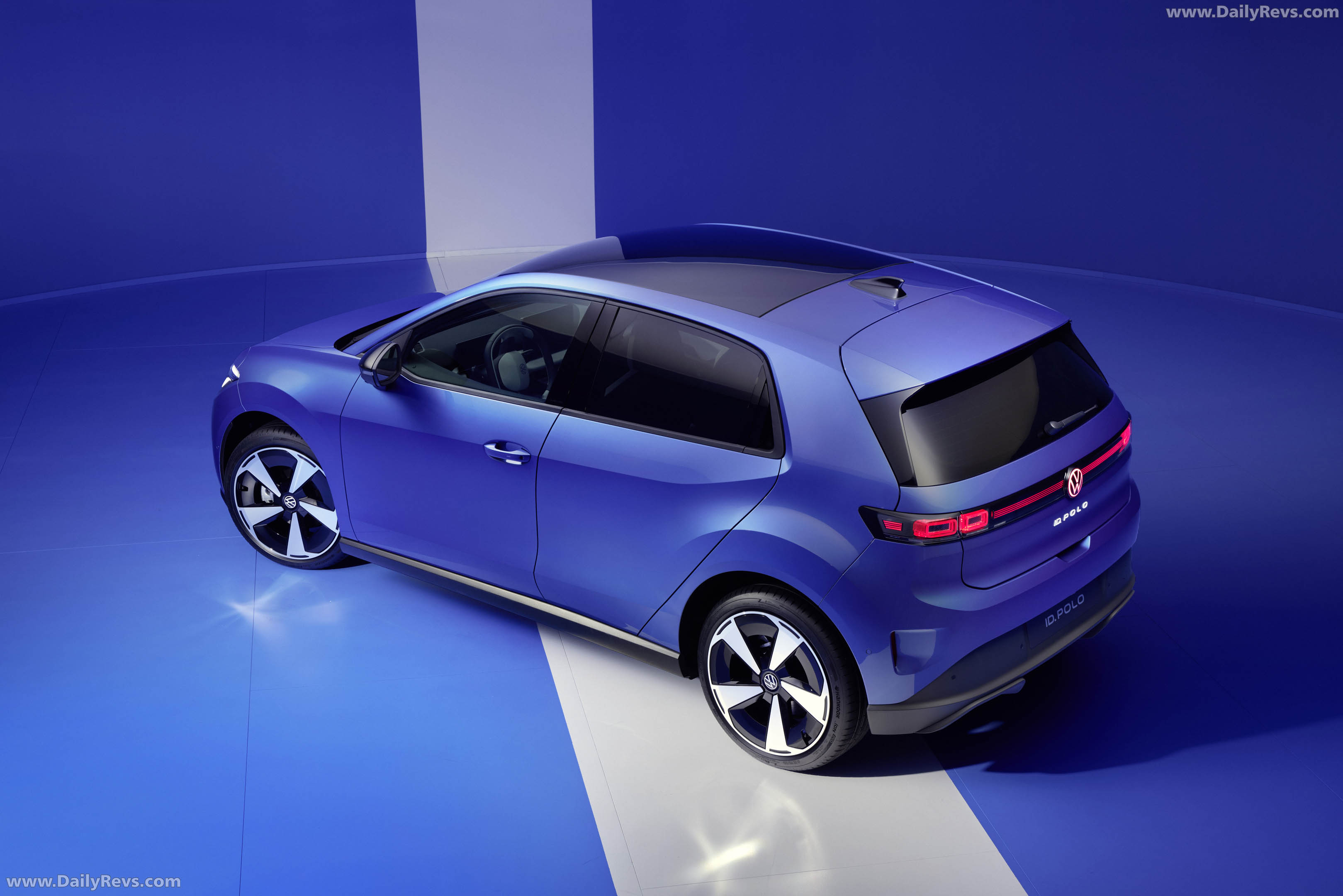
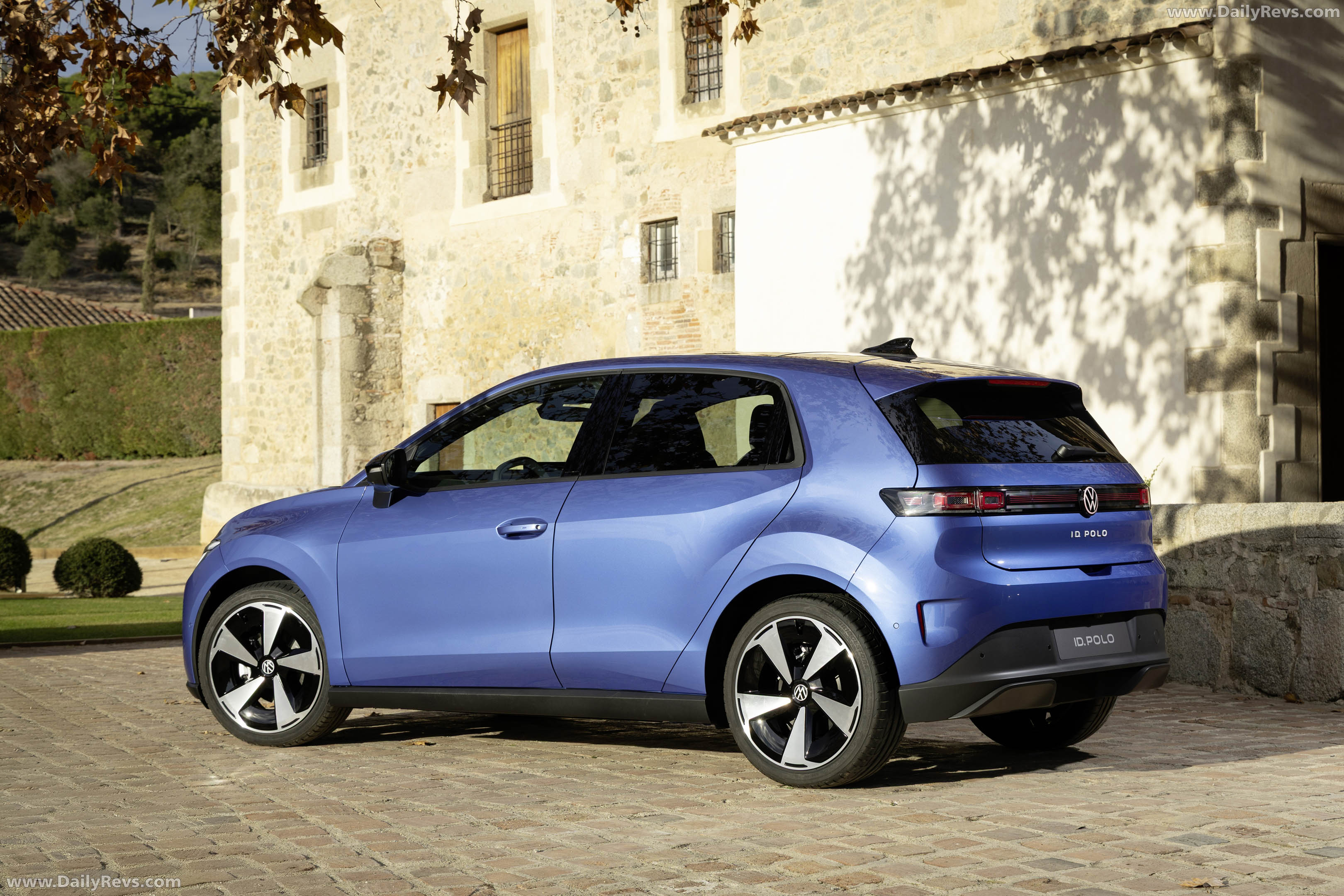
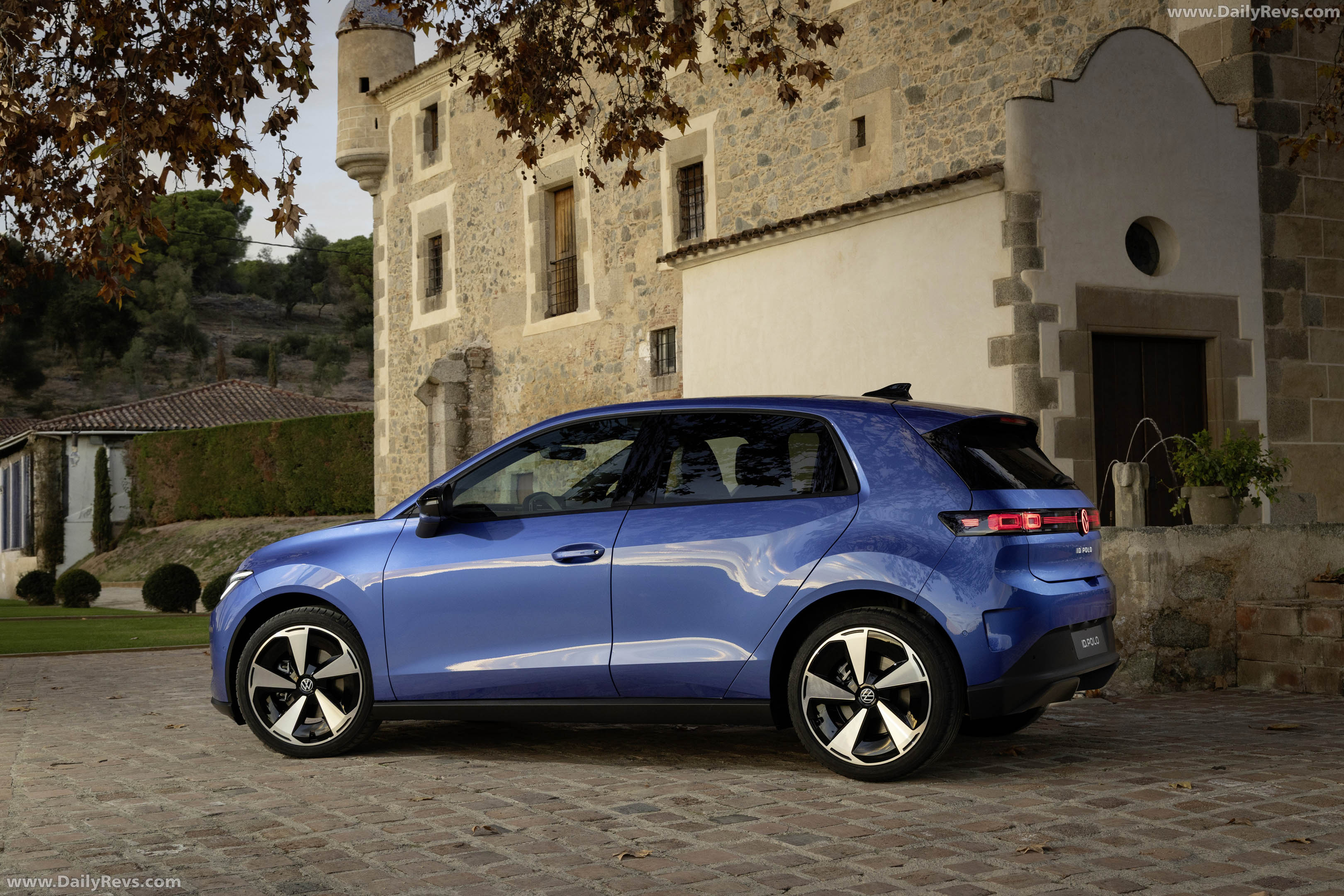
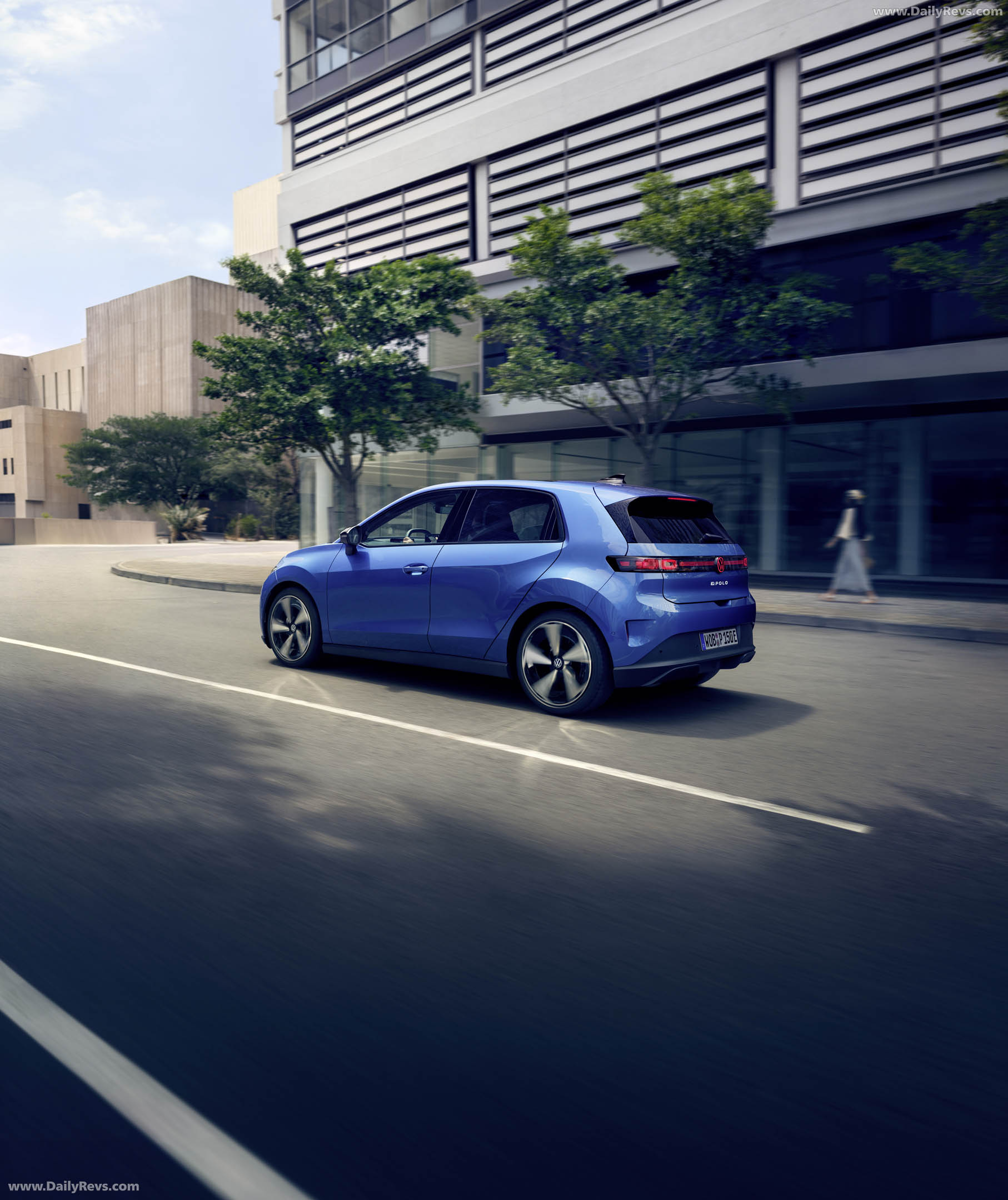
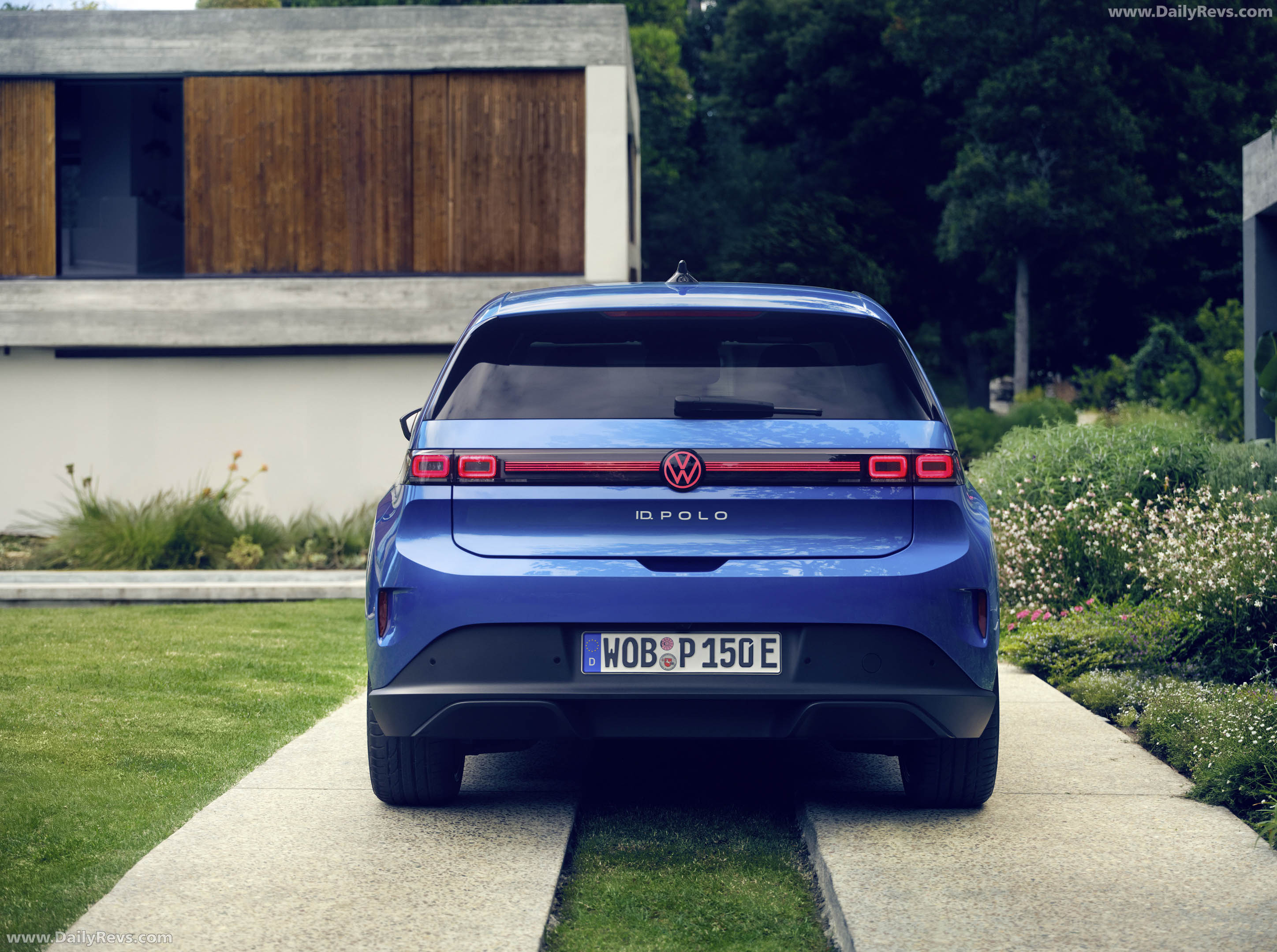
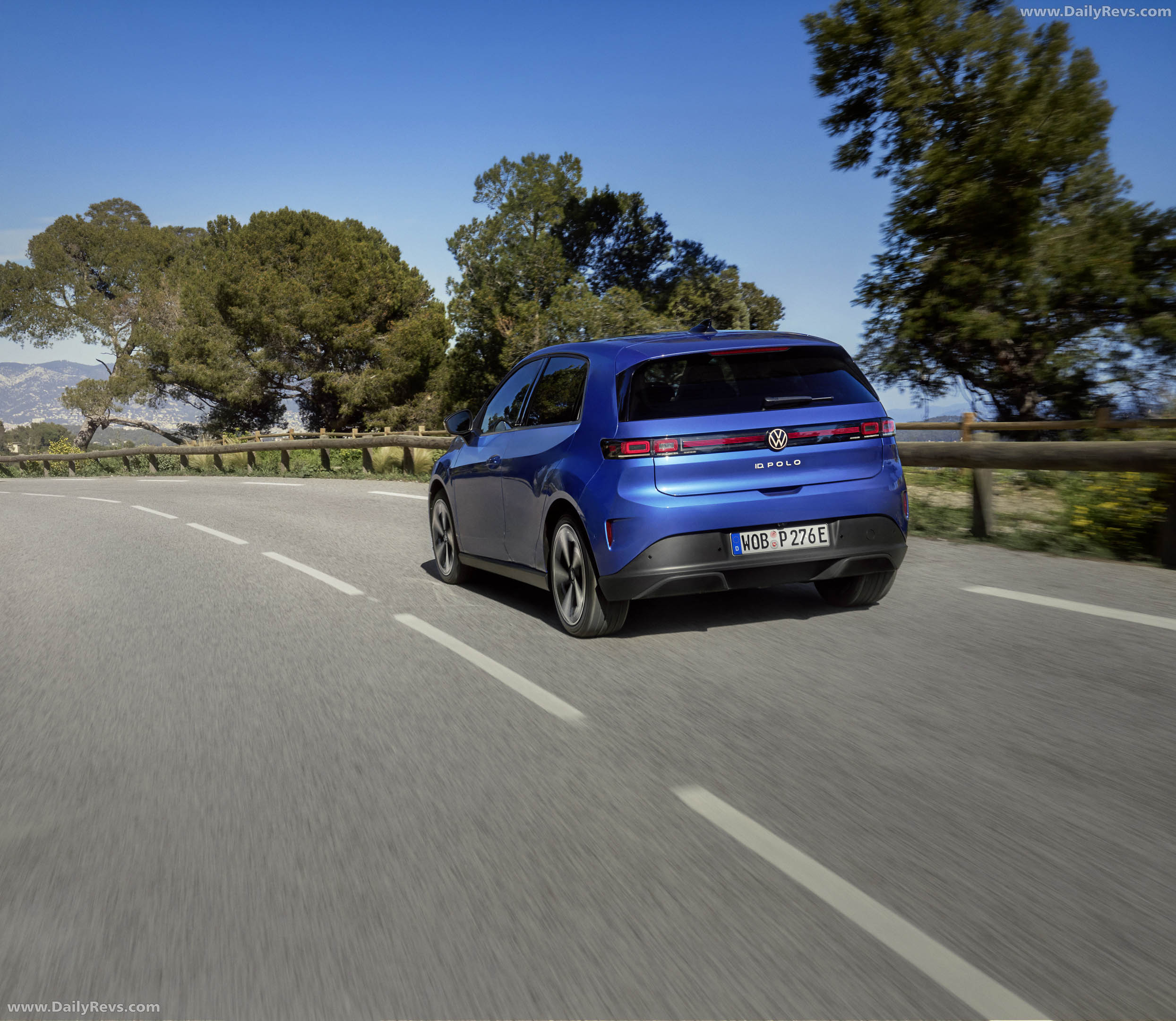
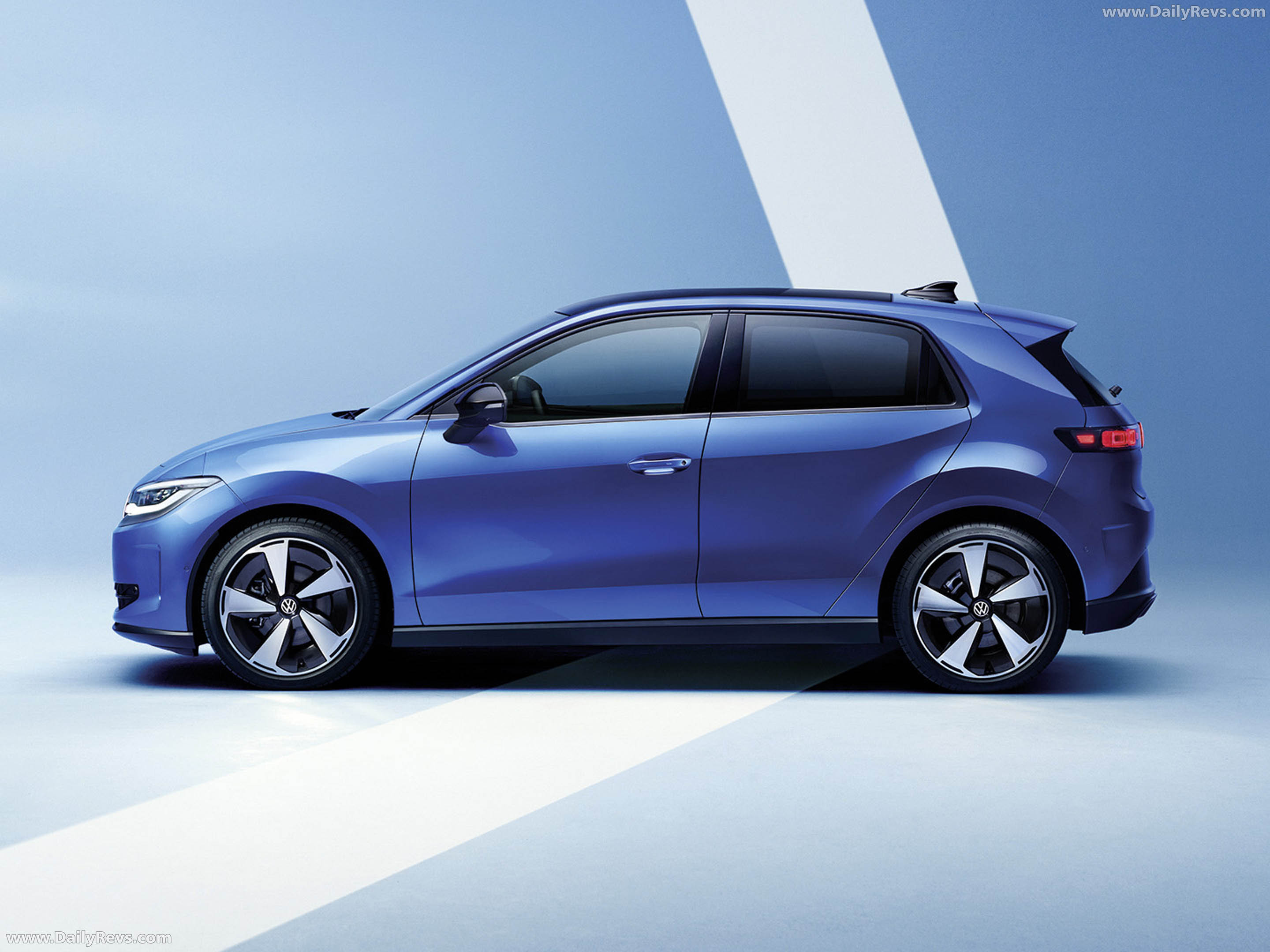
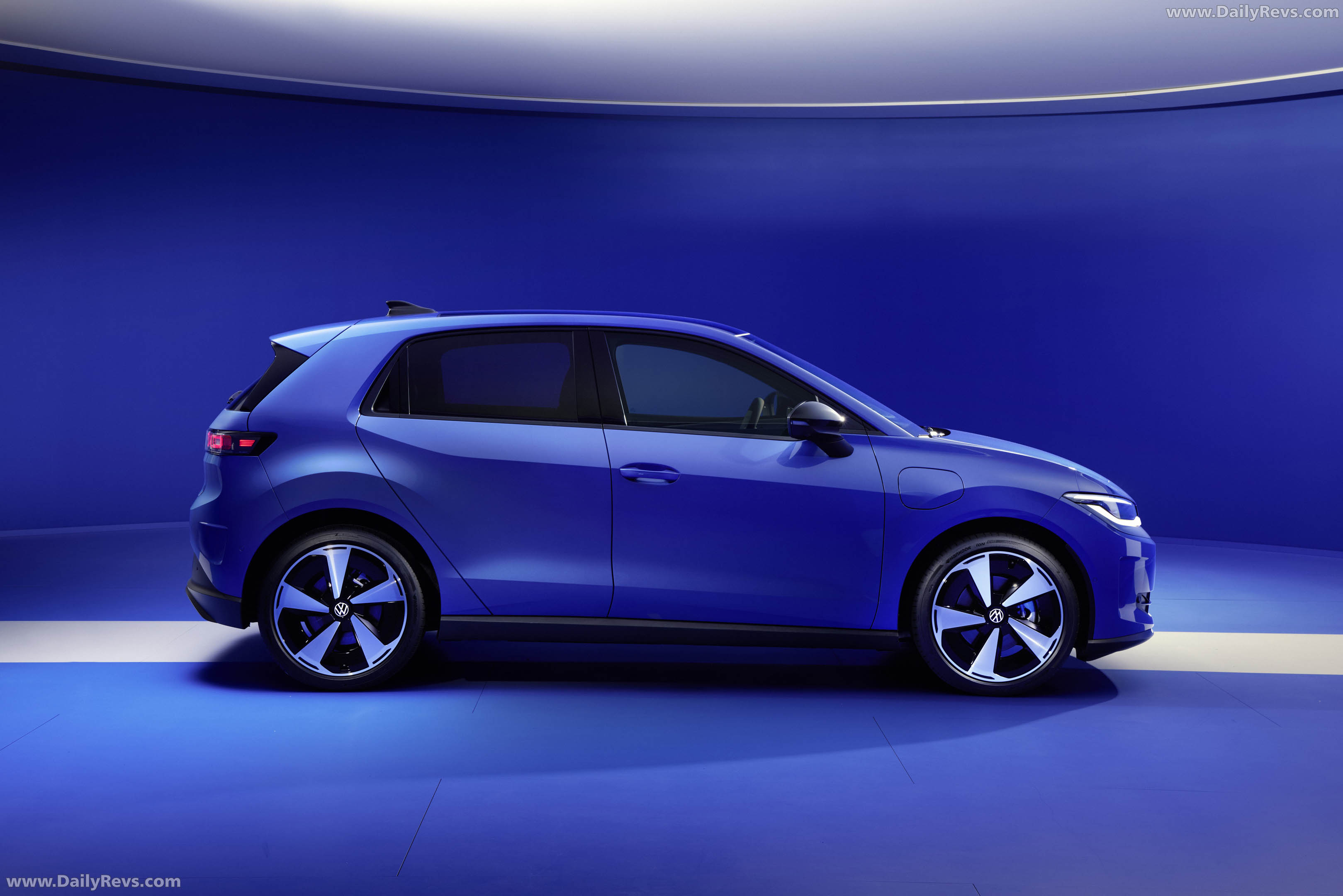
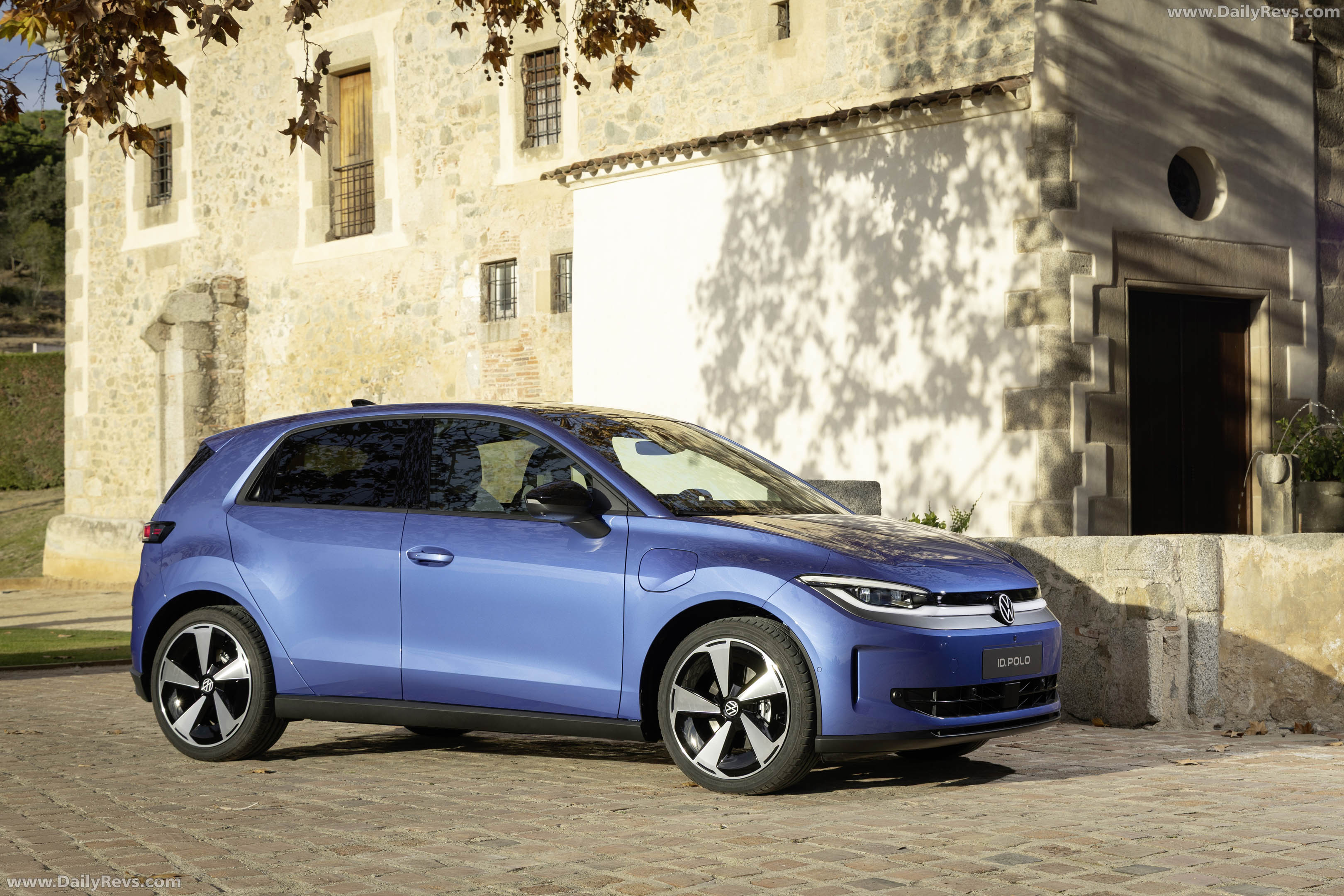
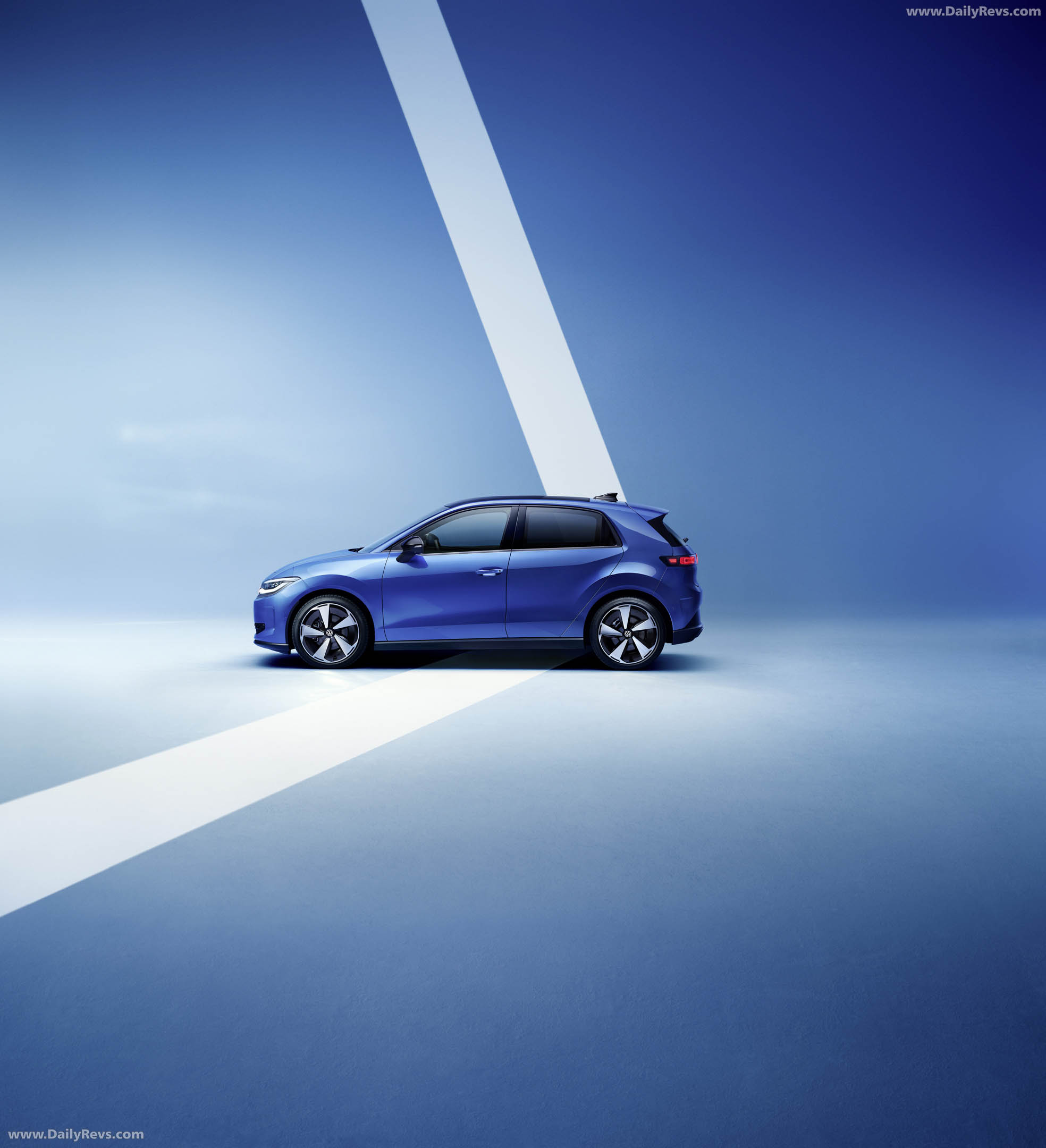
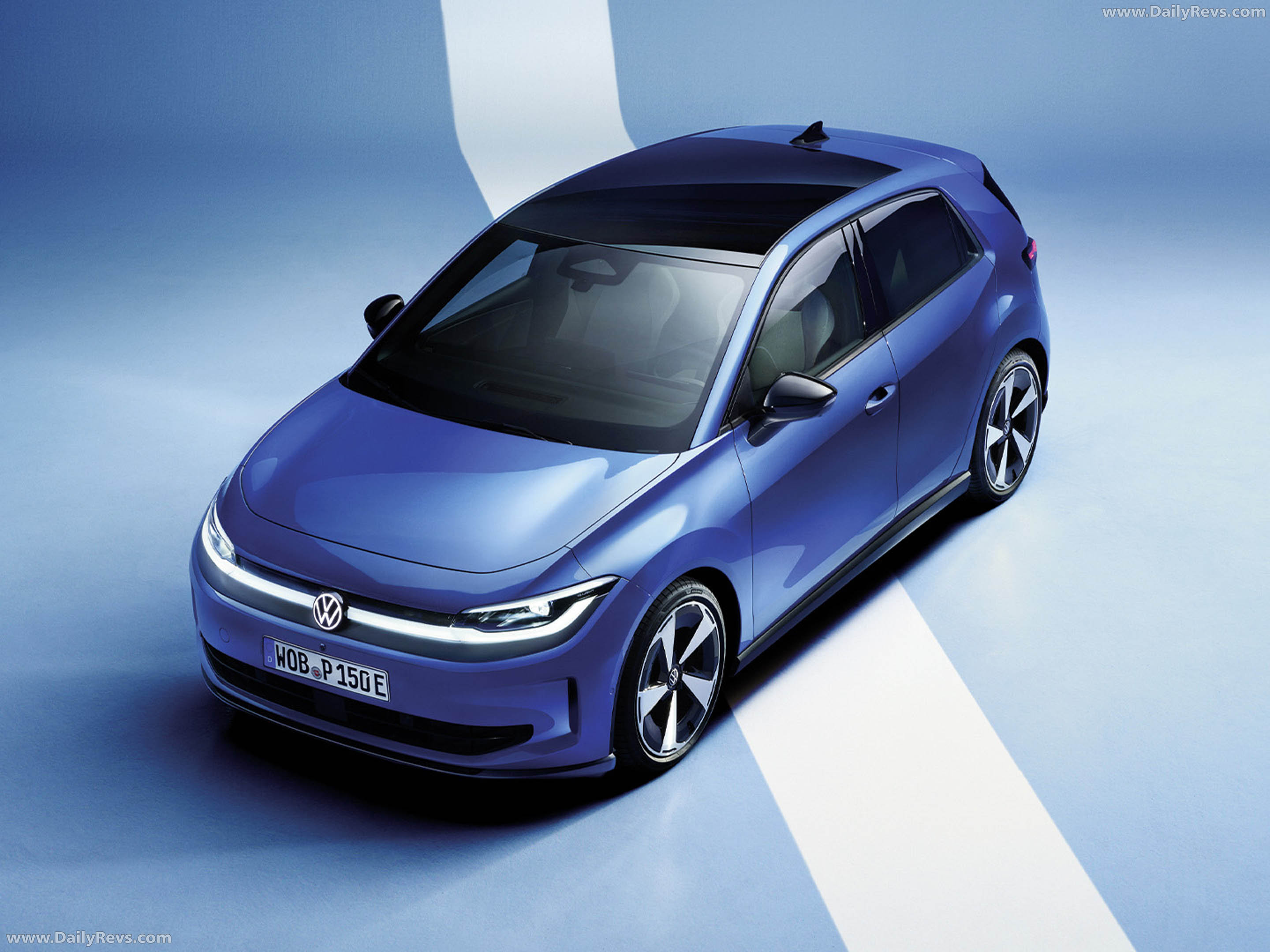
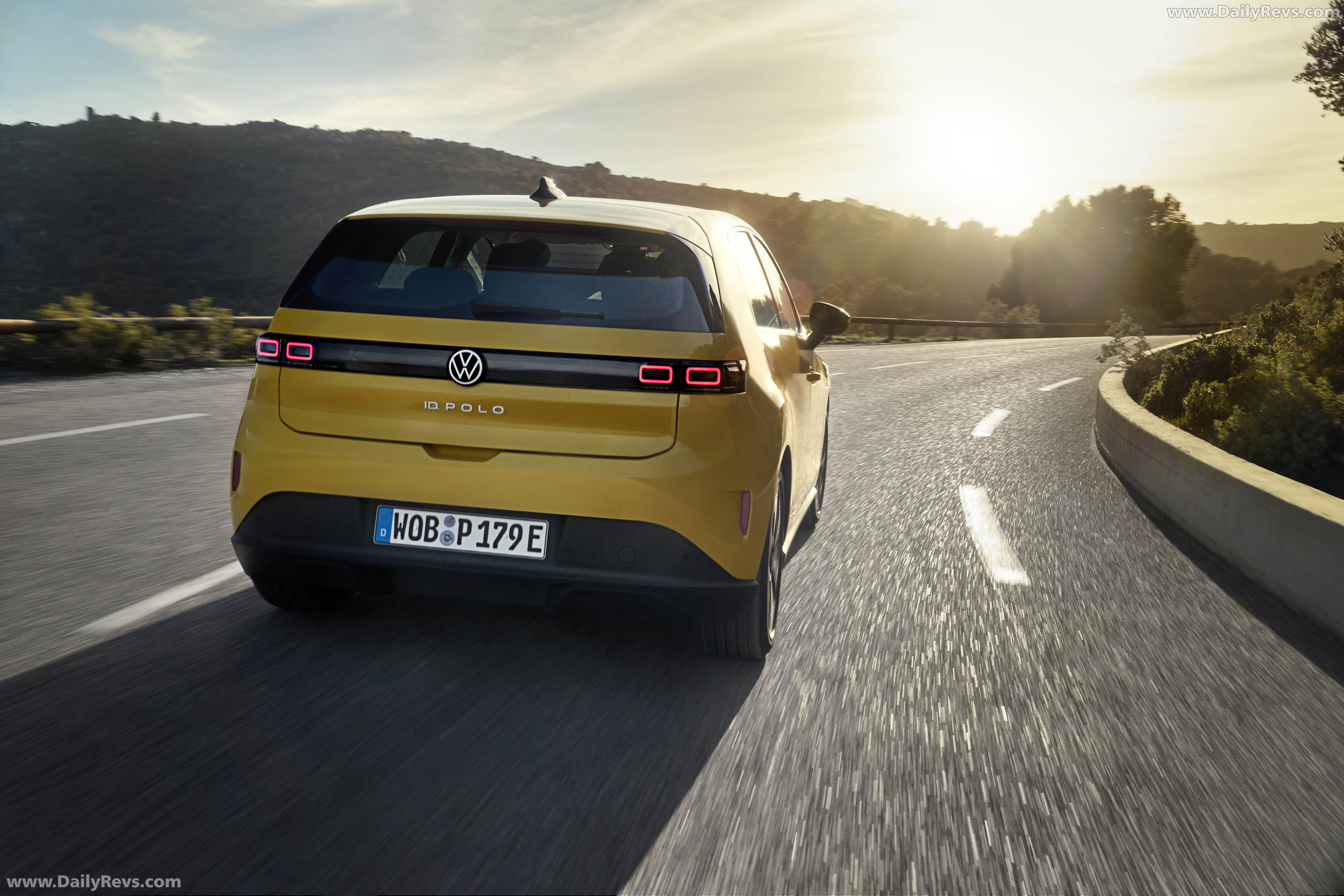
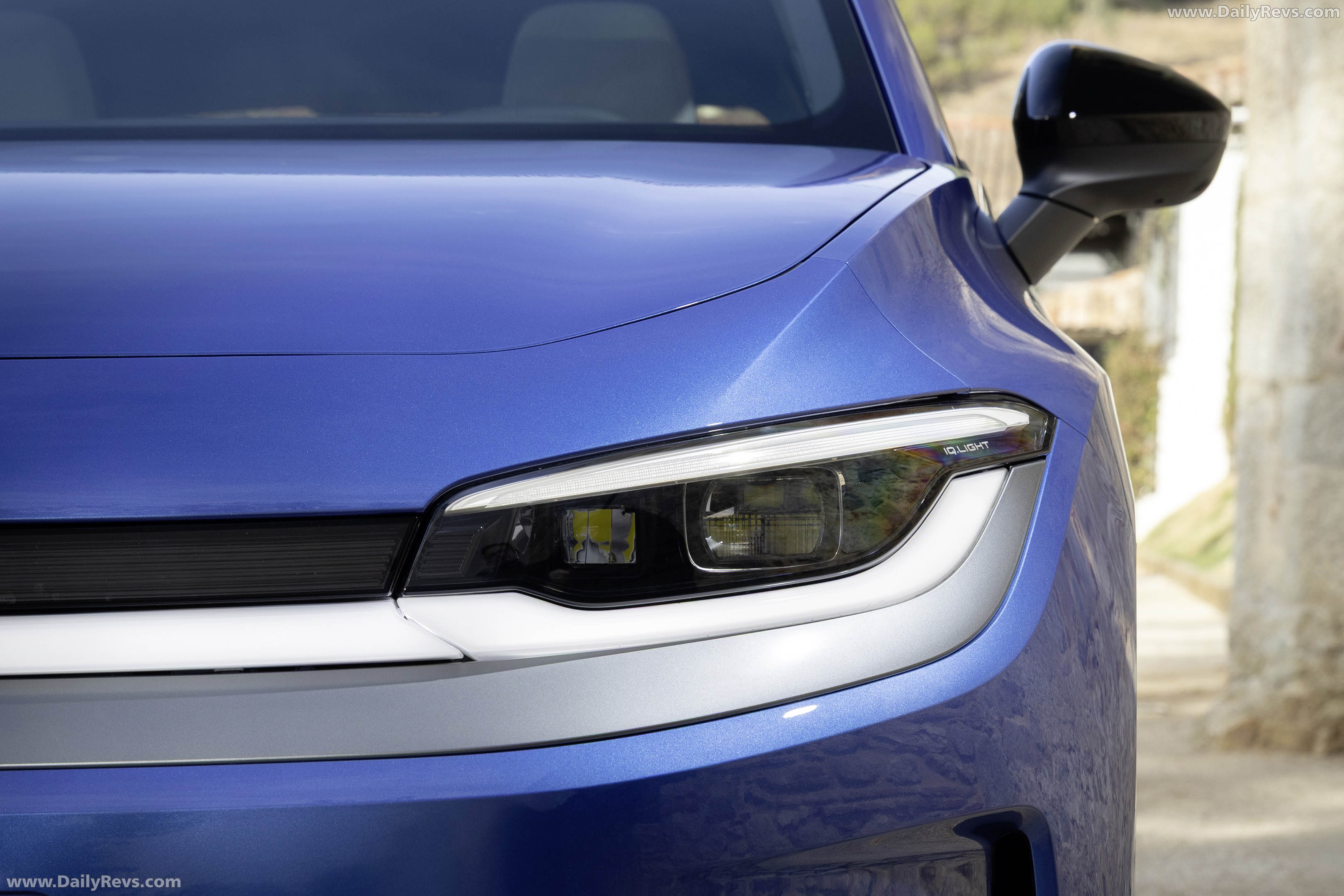
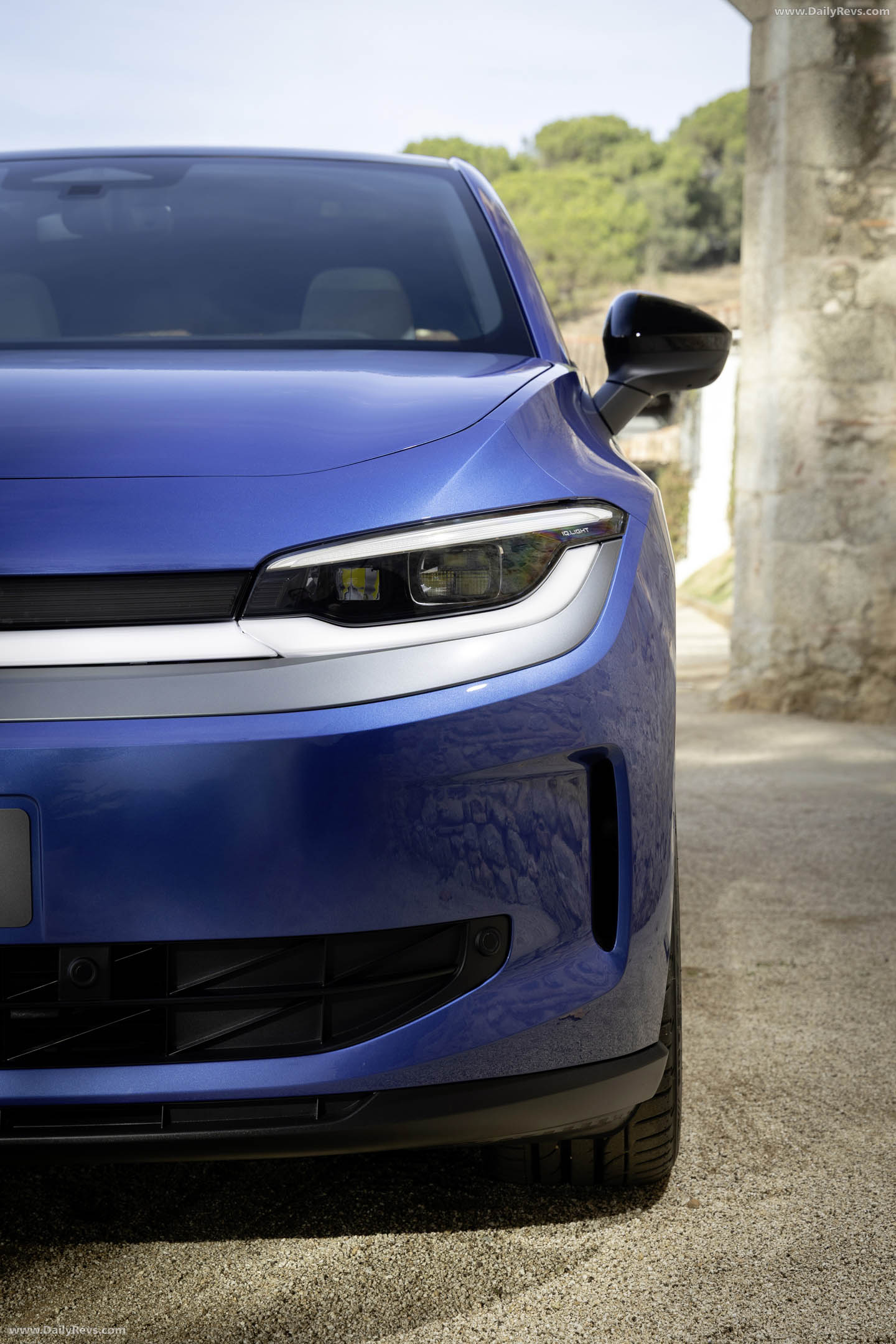
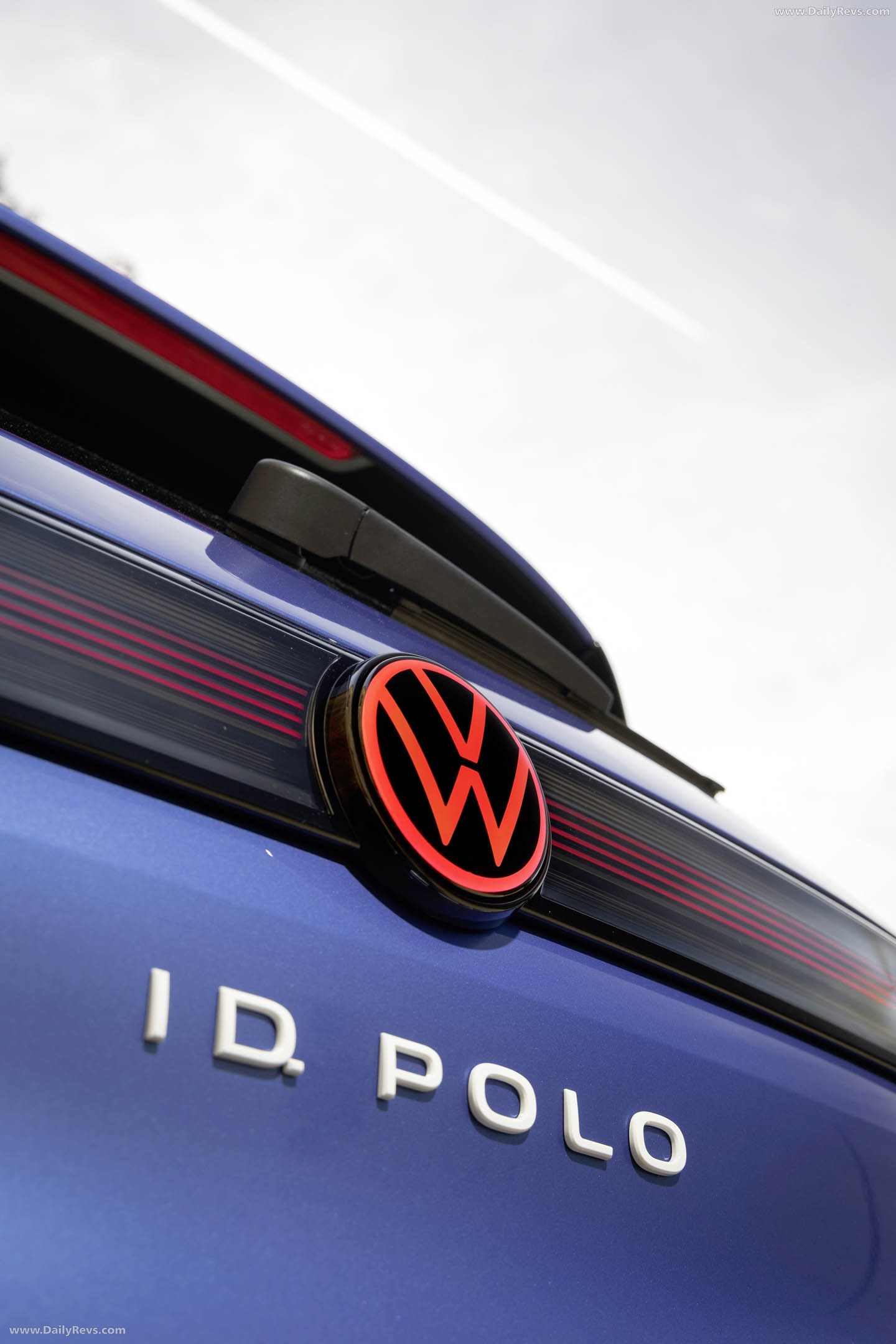
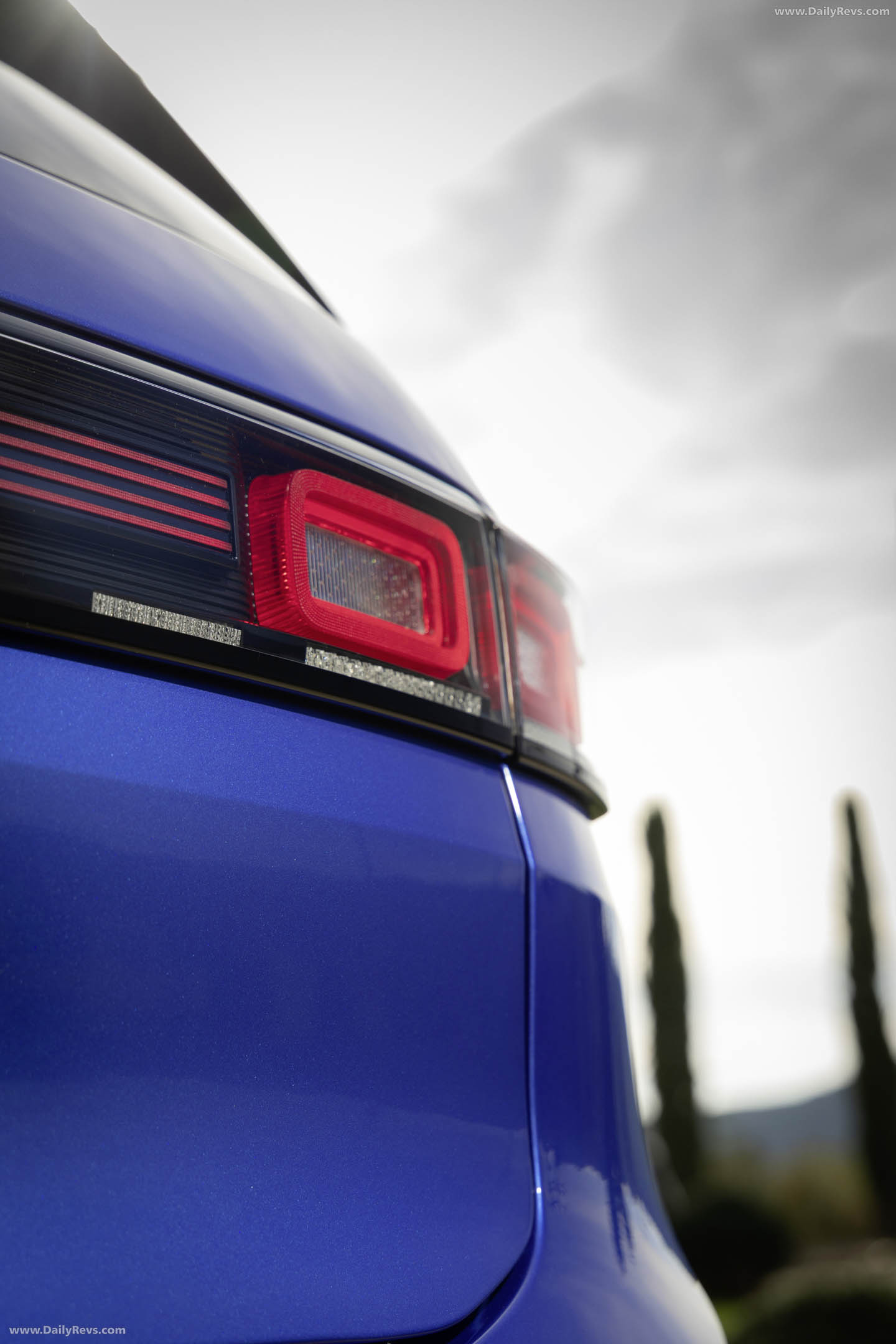
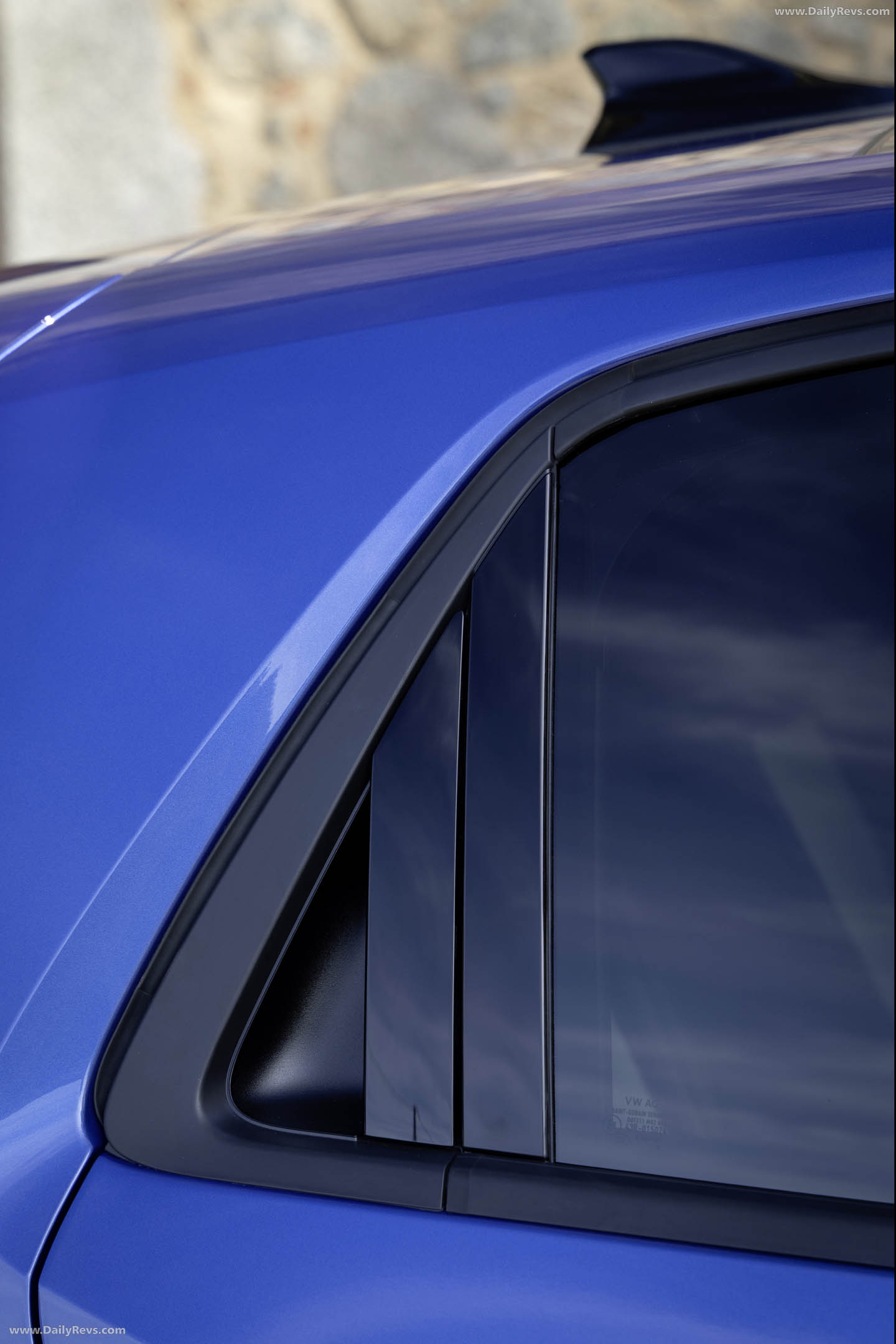
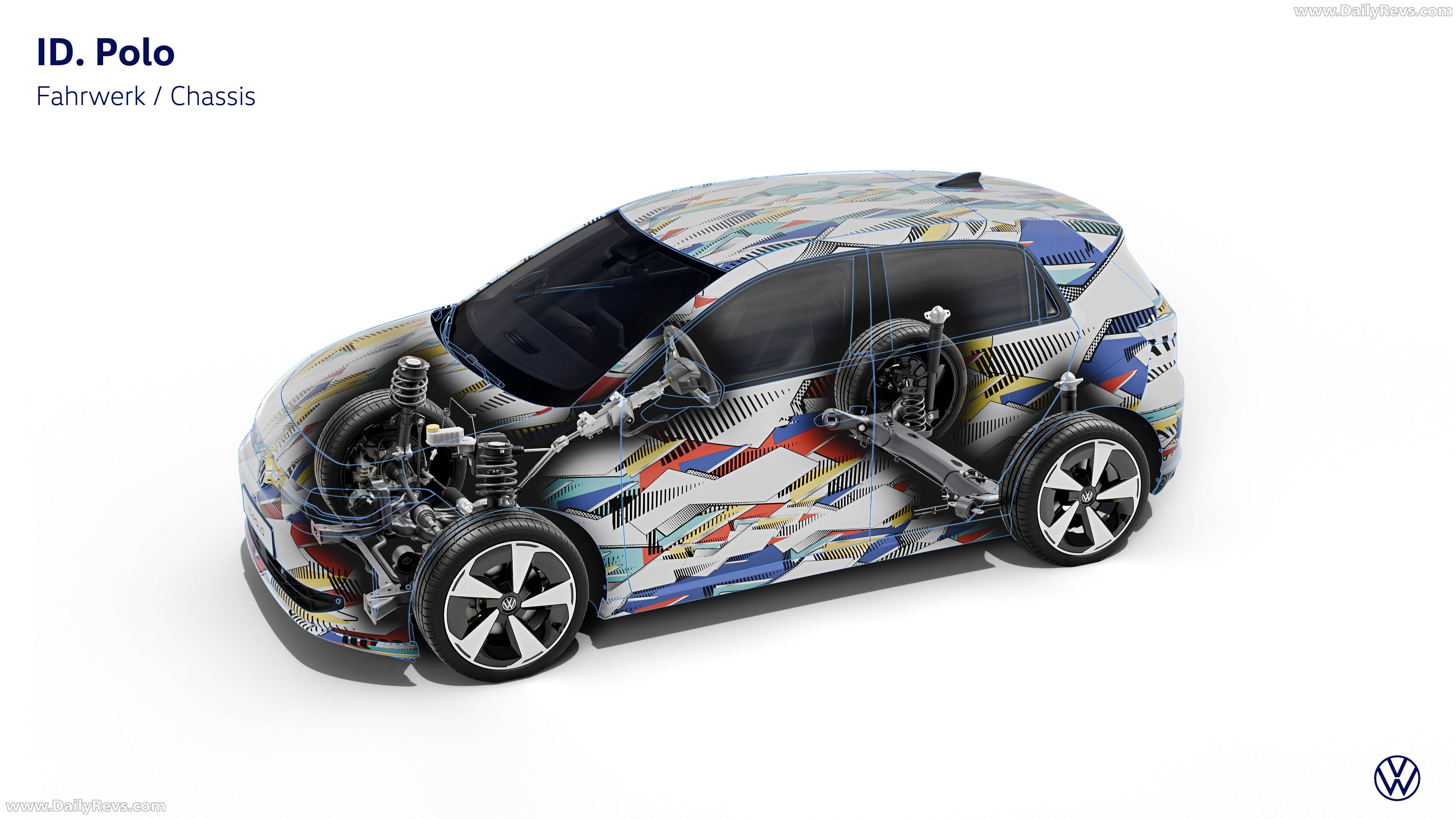
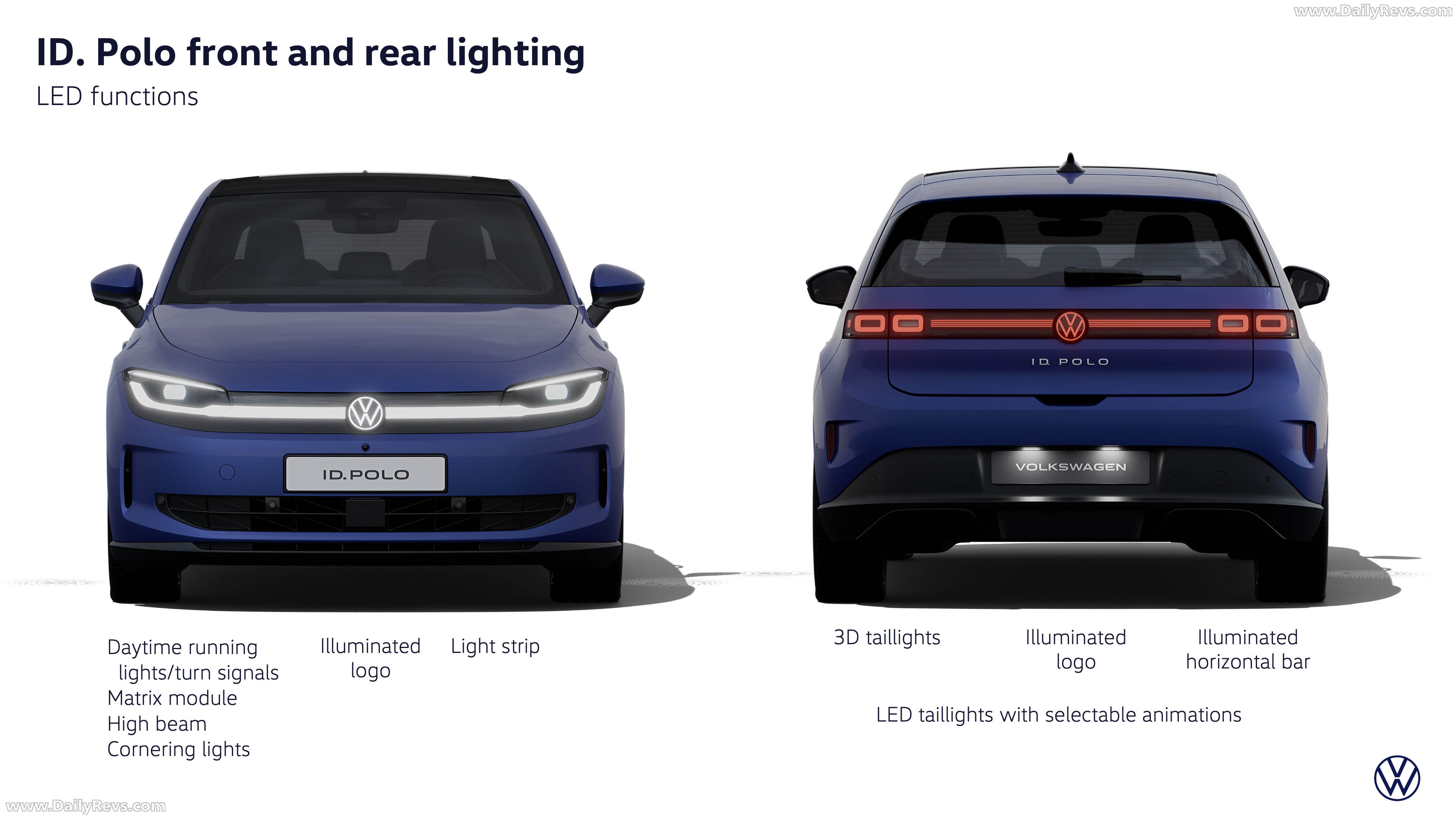
At first glance, the proportions feel familiar. Compact footprint, upright stance, and a shape that still prioritises usability. Look closer, though, and the details begin to change. The front end is softer, more rounded, with lighting taking on a larger role in defining the face. The rear, too, carries a more sculpted finish, giving the car a slightly stronger visual anchor.
Volkswagen calls it a “Pure Positive” design language. In practice, it translates to cleaner lines, fewer distractions, and a more modern feel without pushing too far into concept-car territory.
Compact dimensions but a noticeably roomier stance
This is still very much a small car on paper.
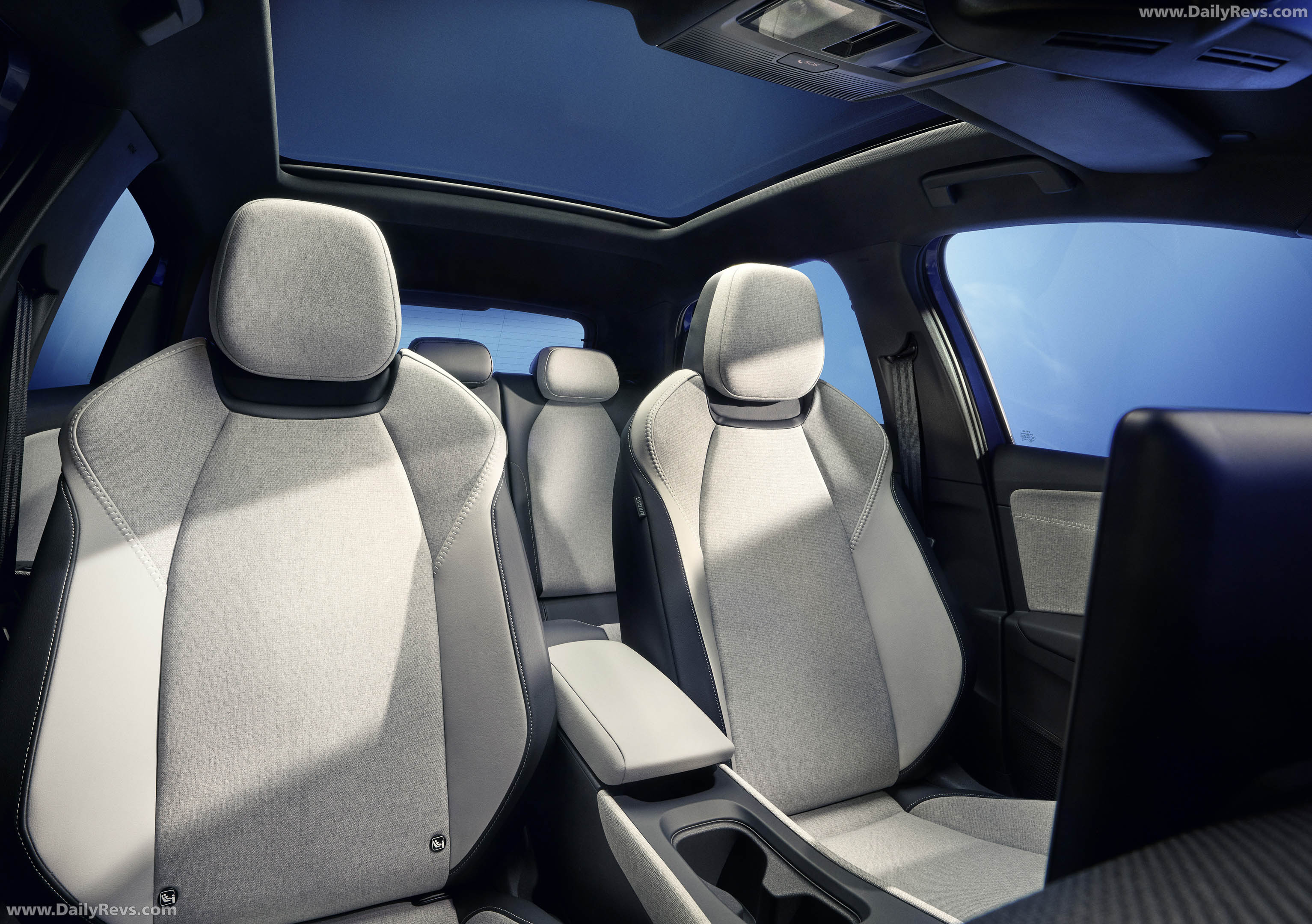
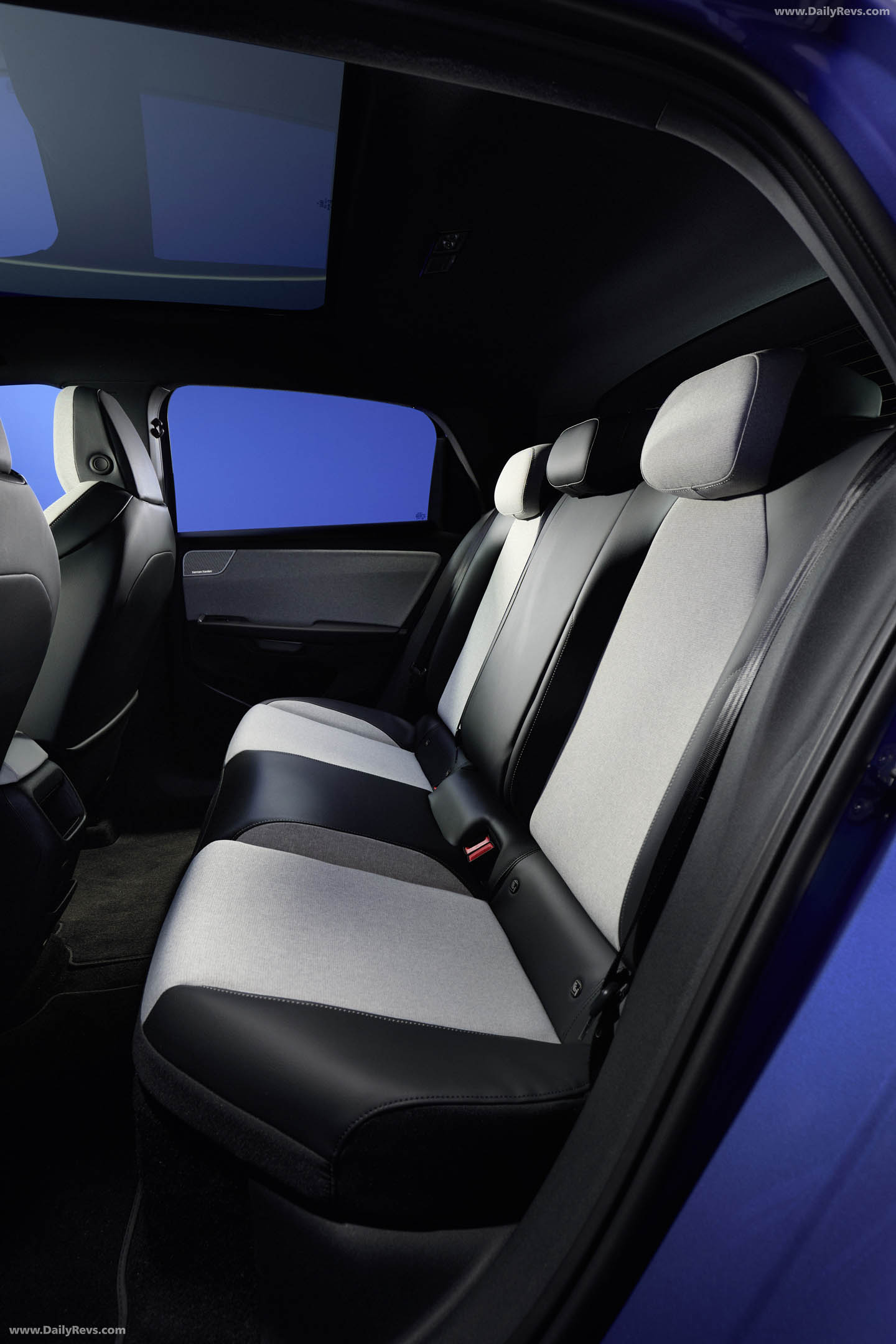
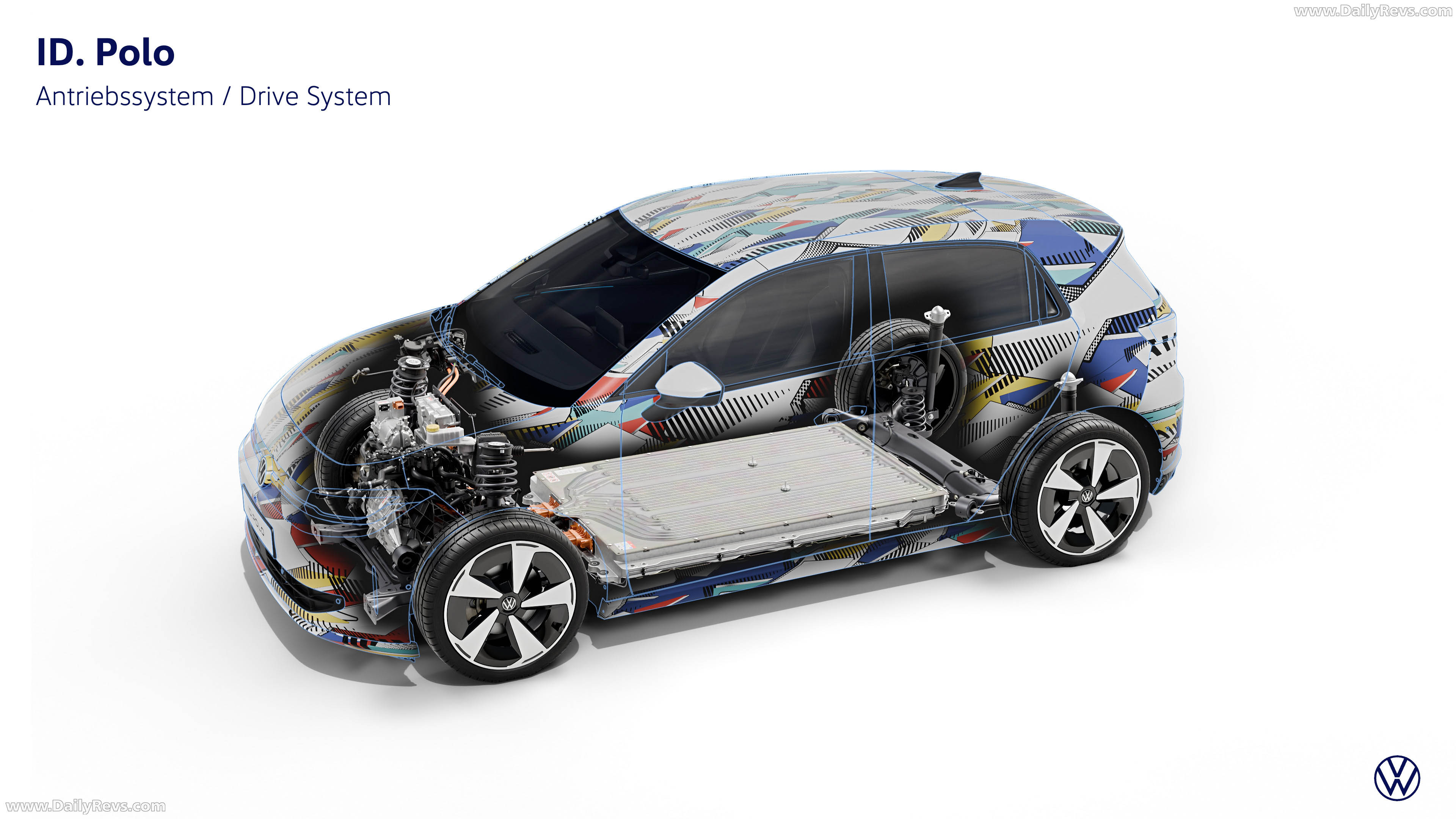
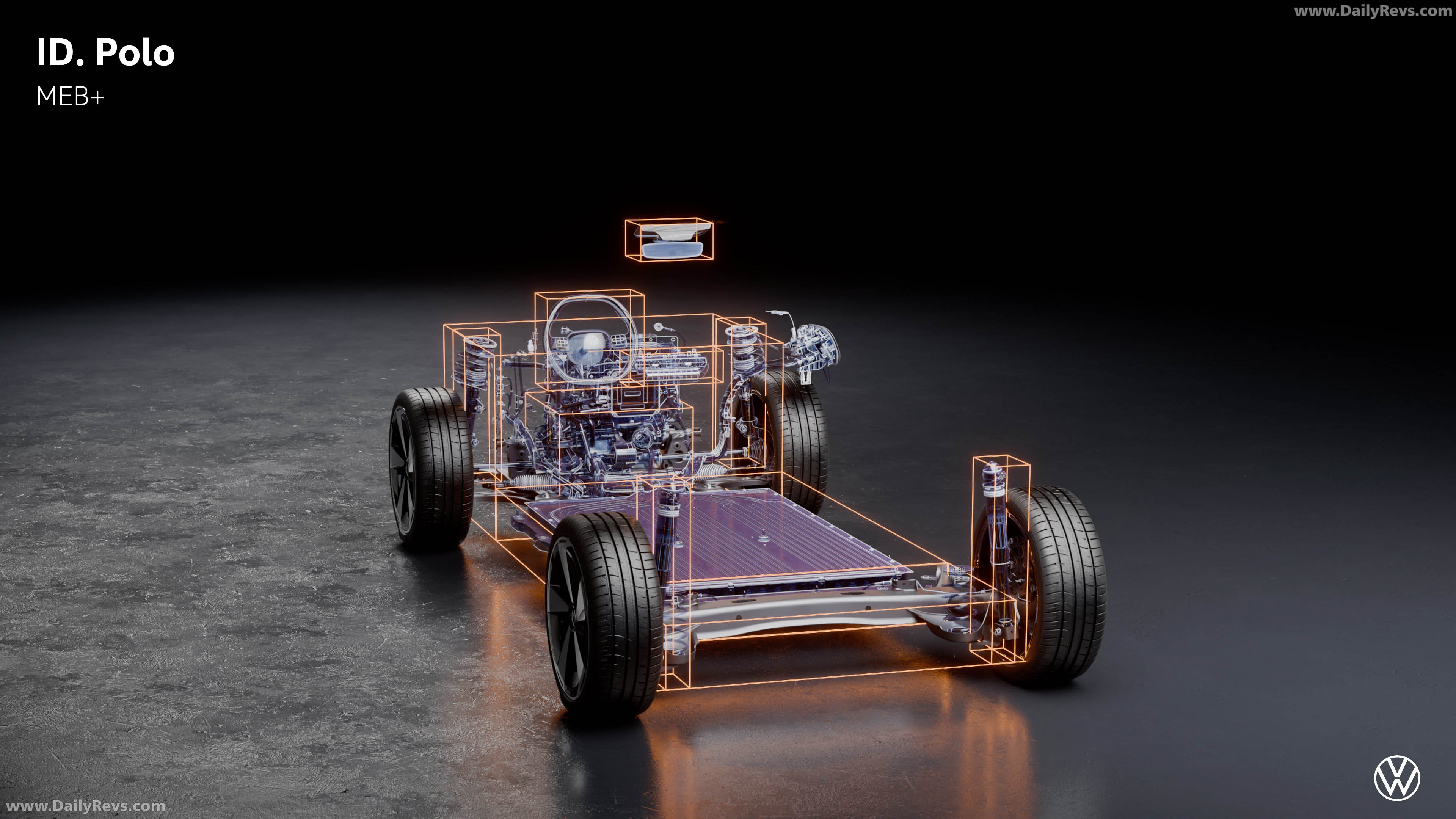
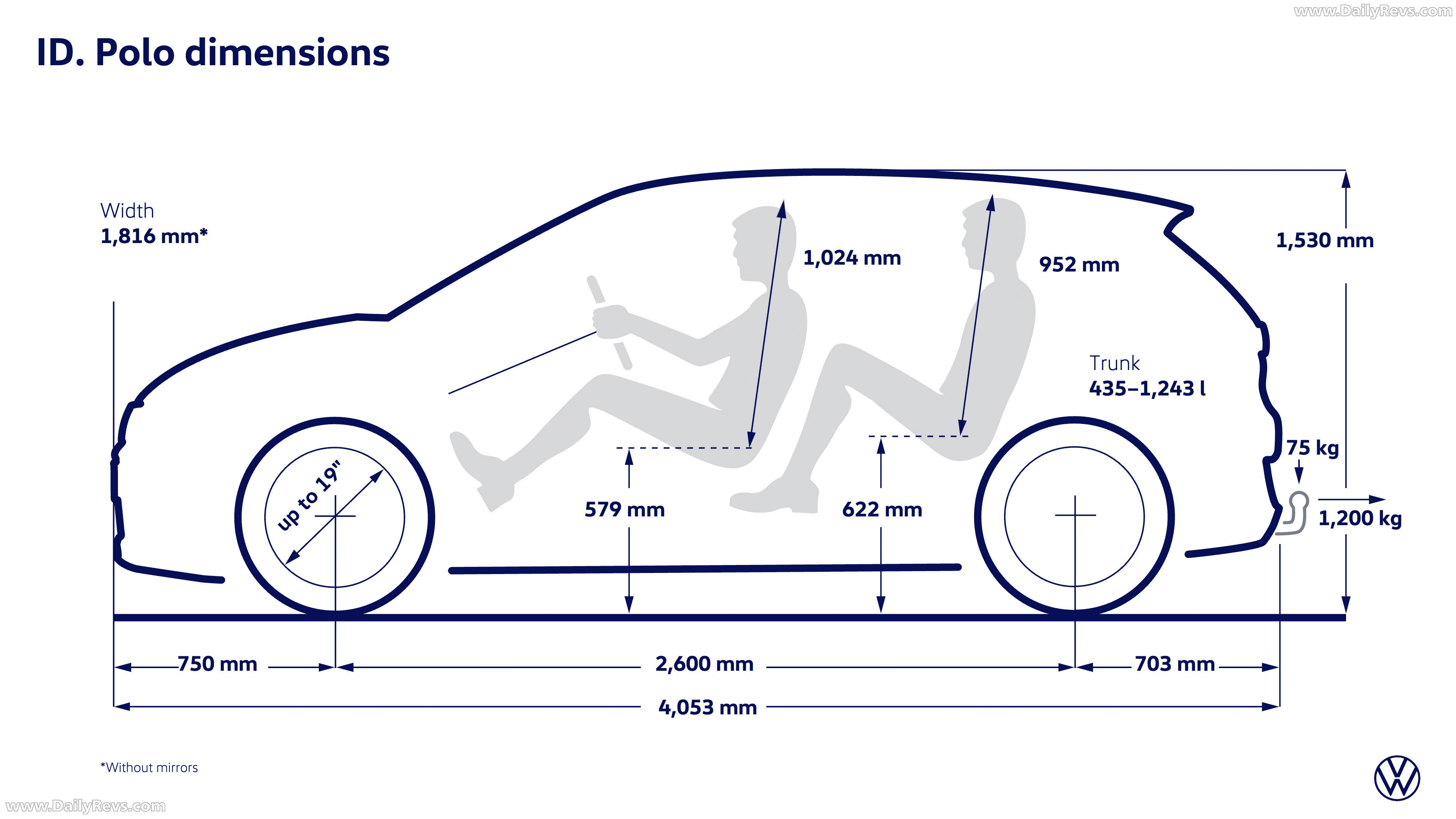
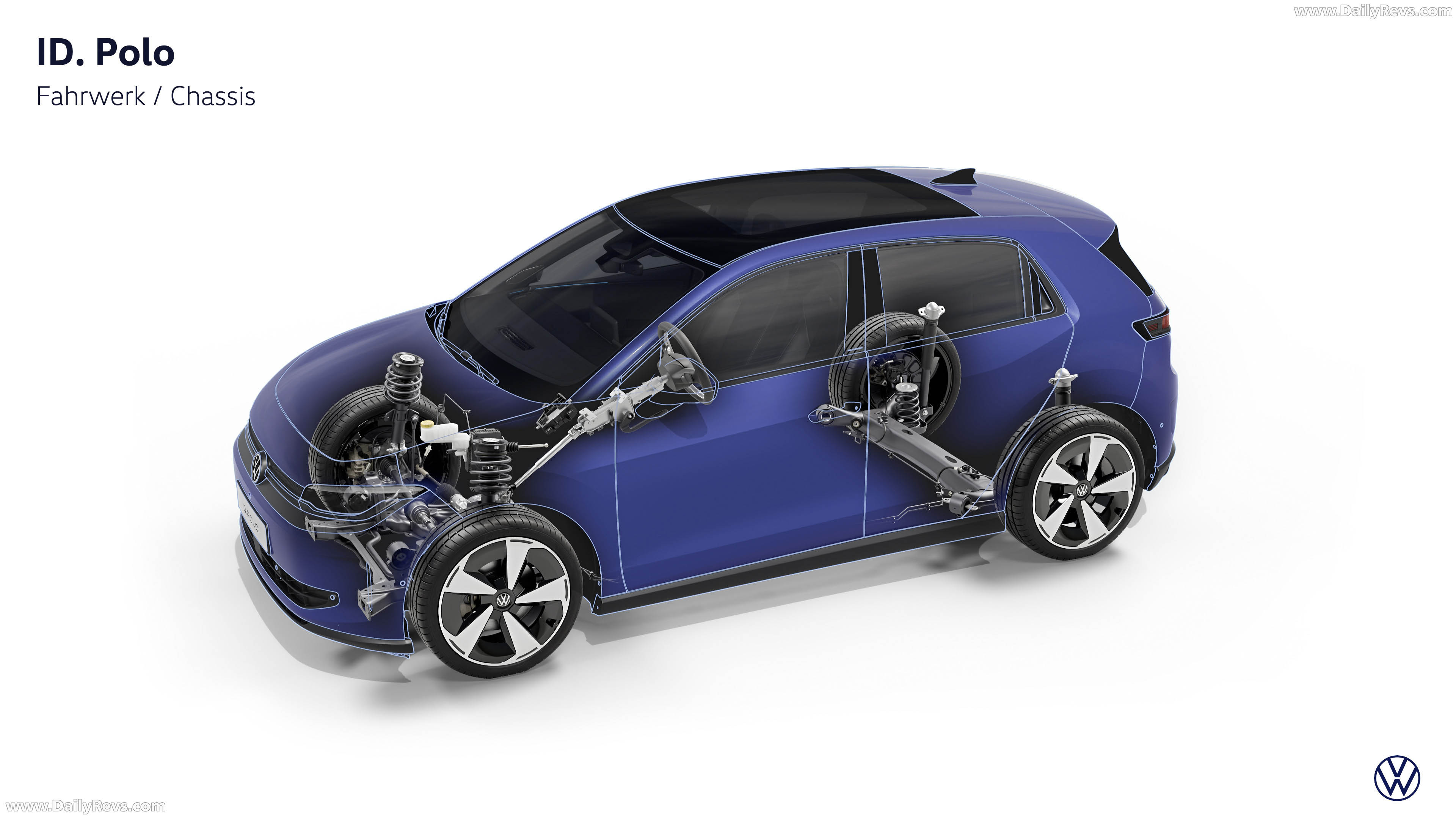
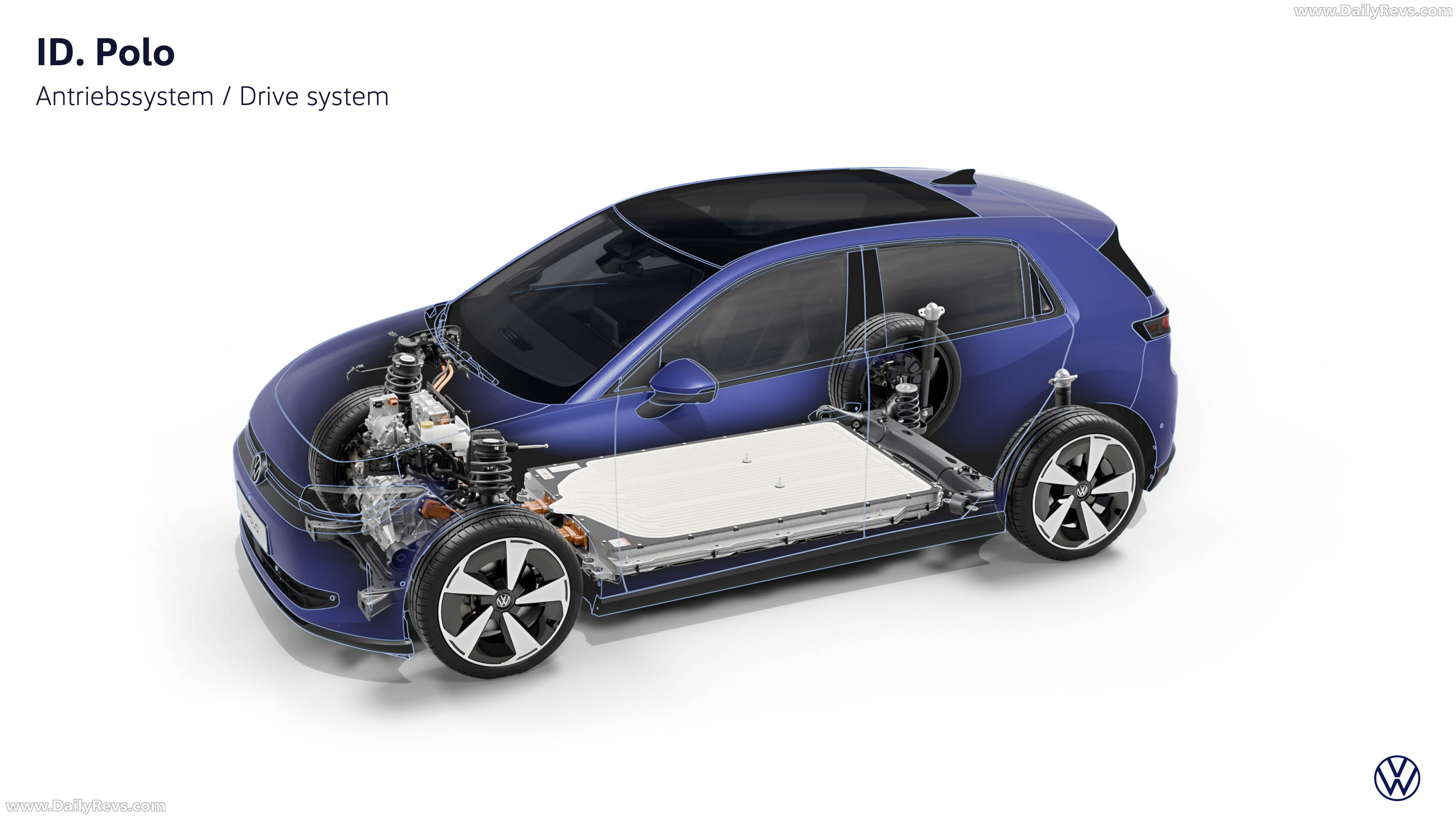
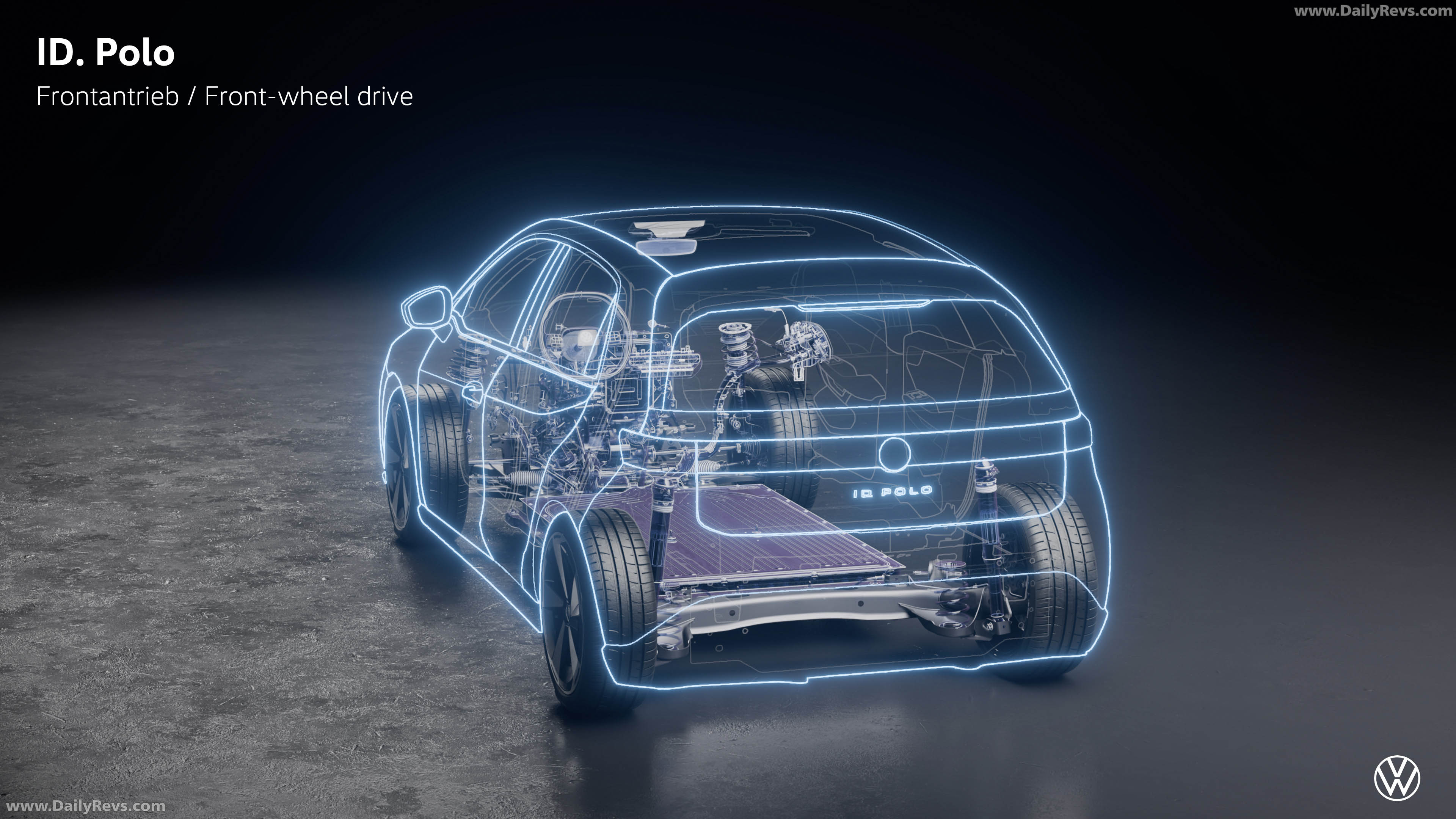
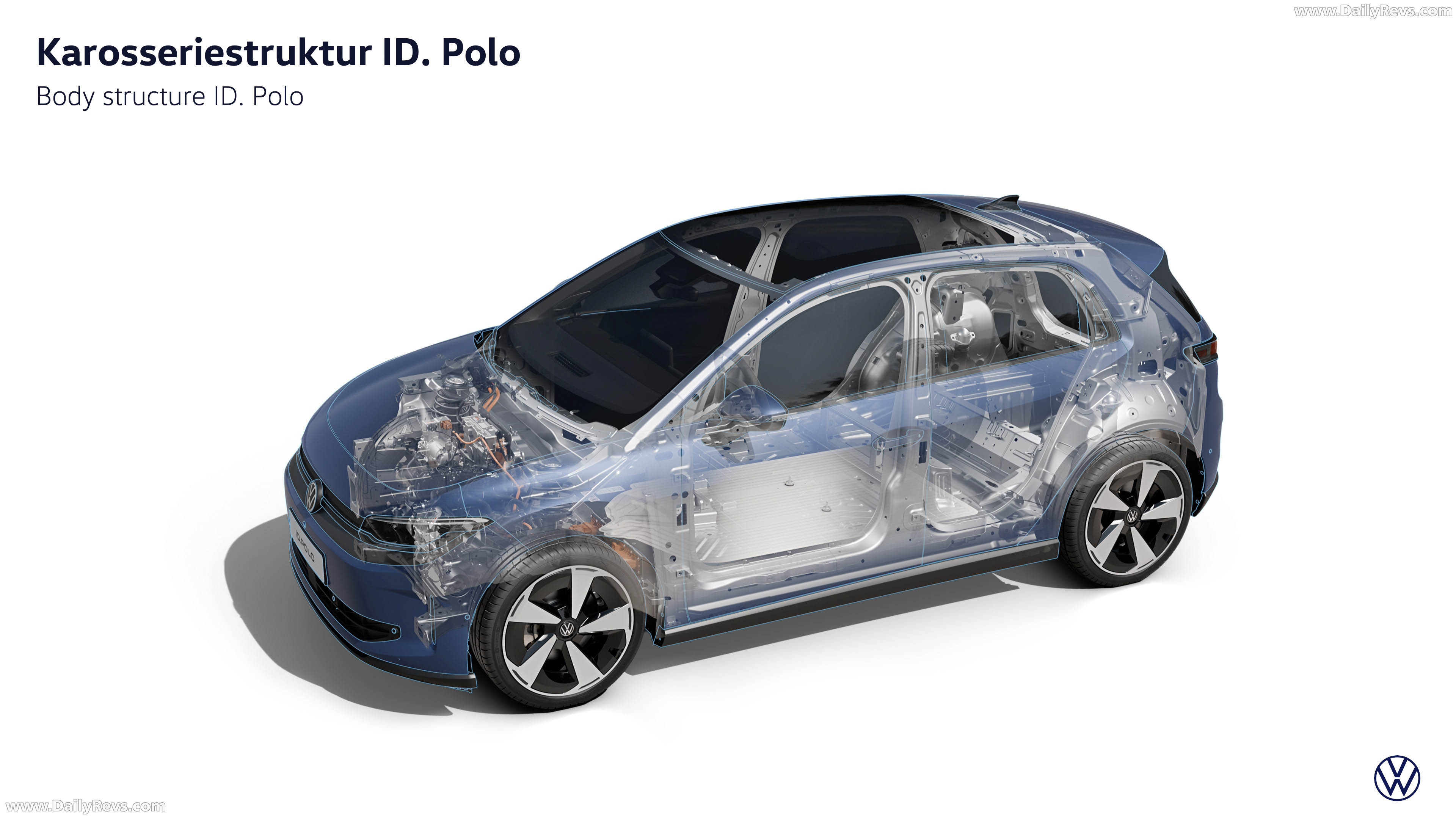
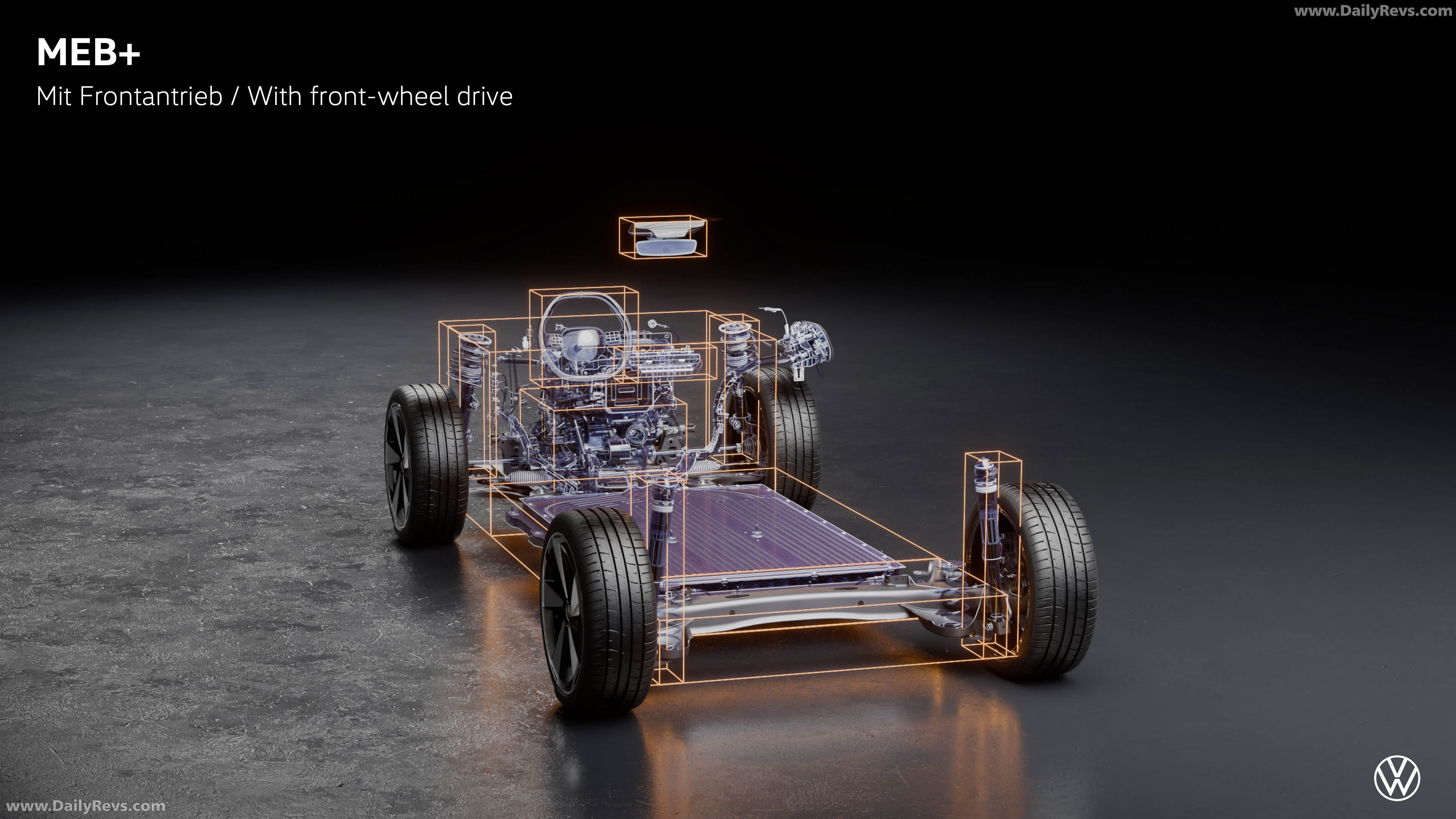
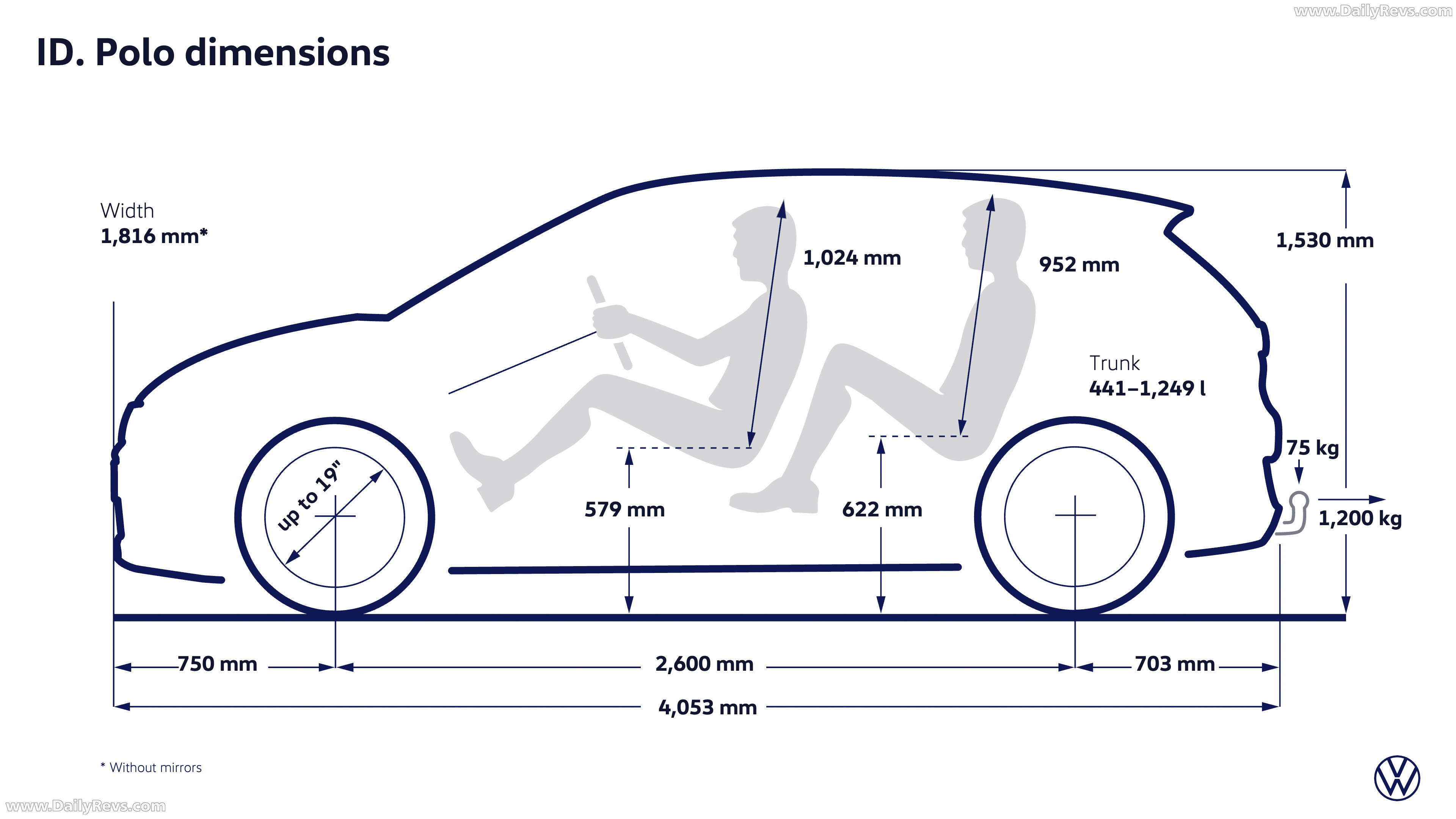
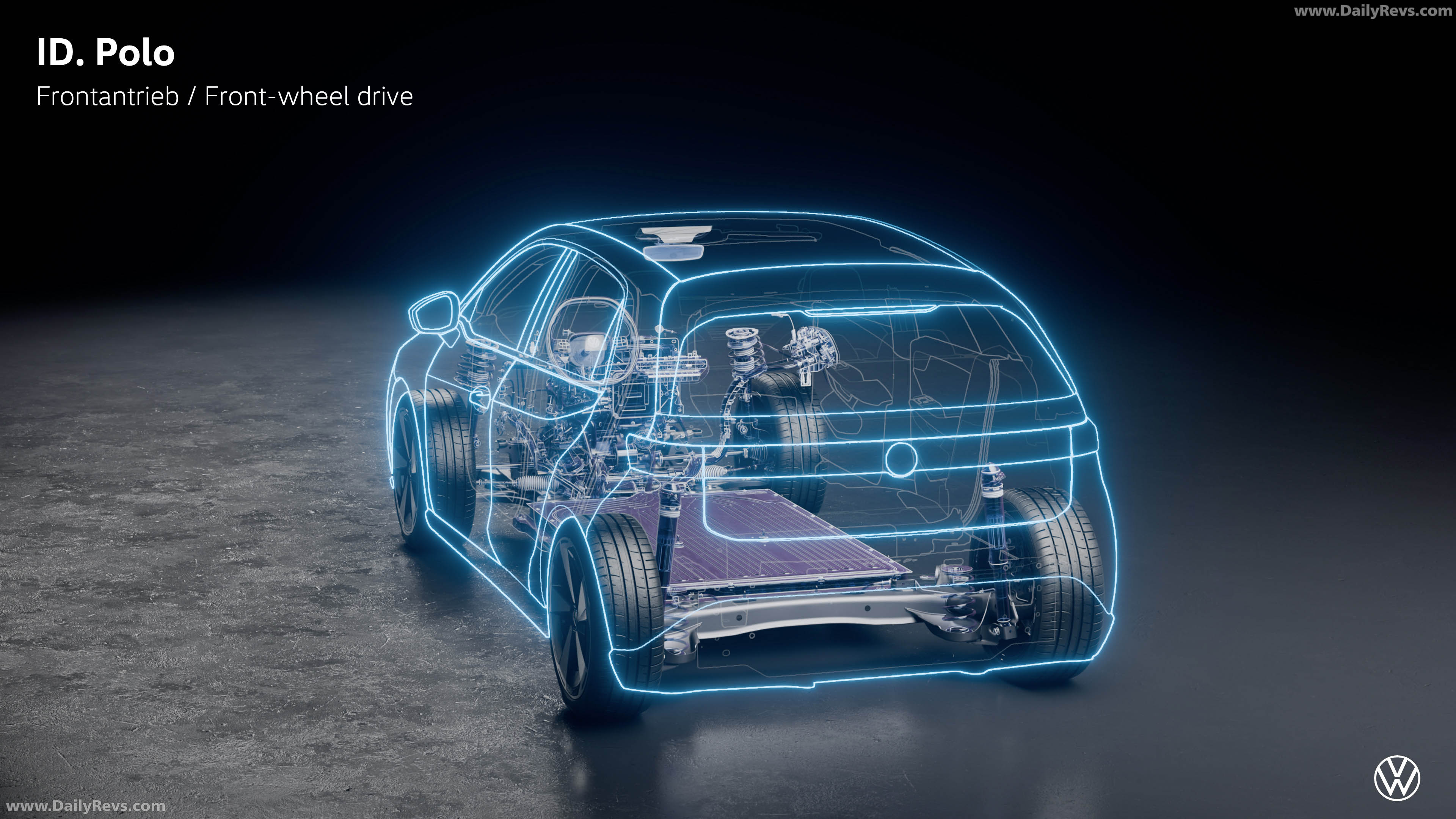
The ID Polo measures just over four metres in length, but the packaging tells a different story once inside. The electric platform allows the wheels to sit further out, stretching the wheelbase and opening up more usable cabin space.
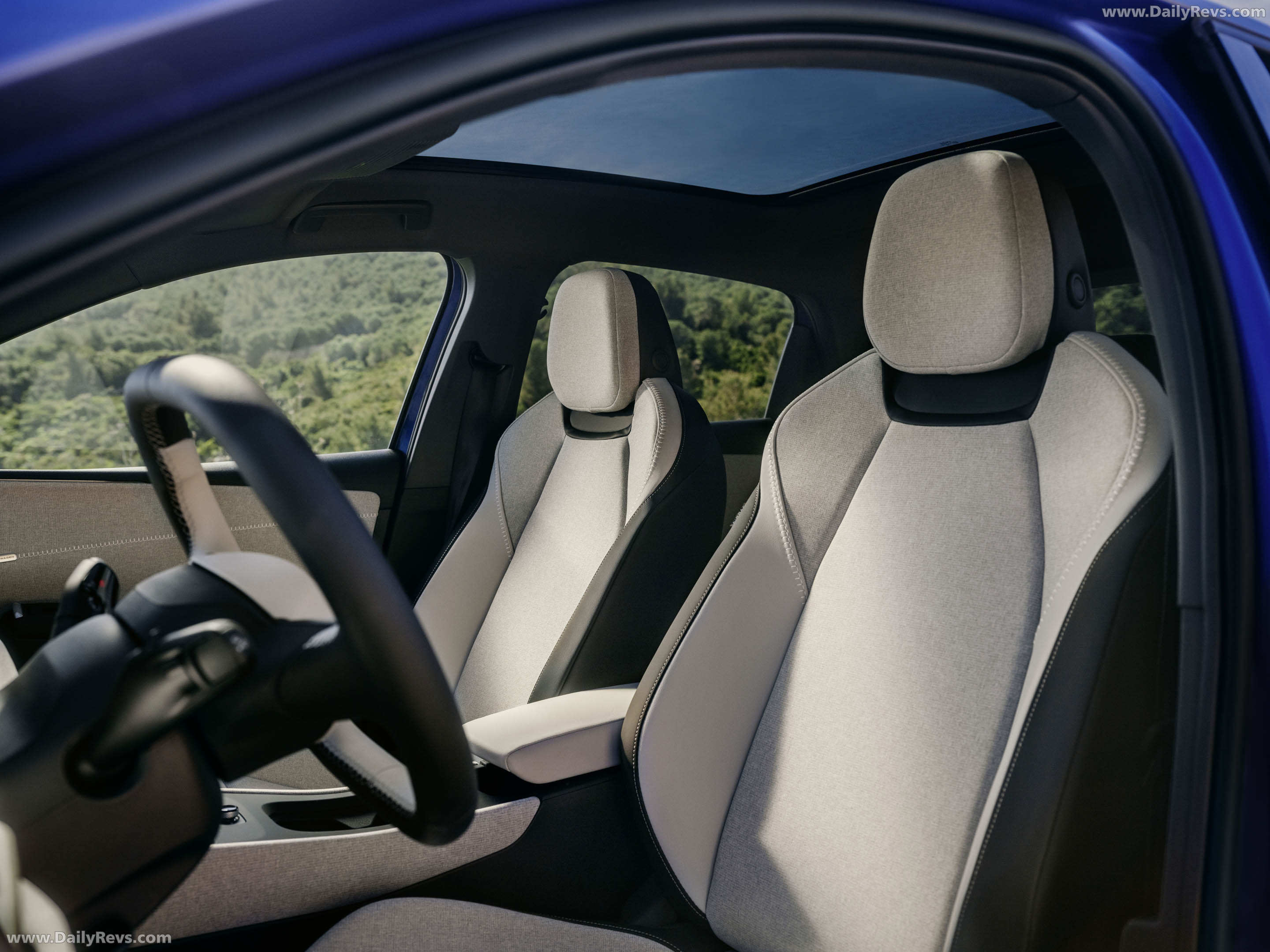
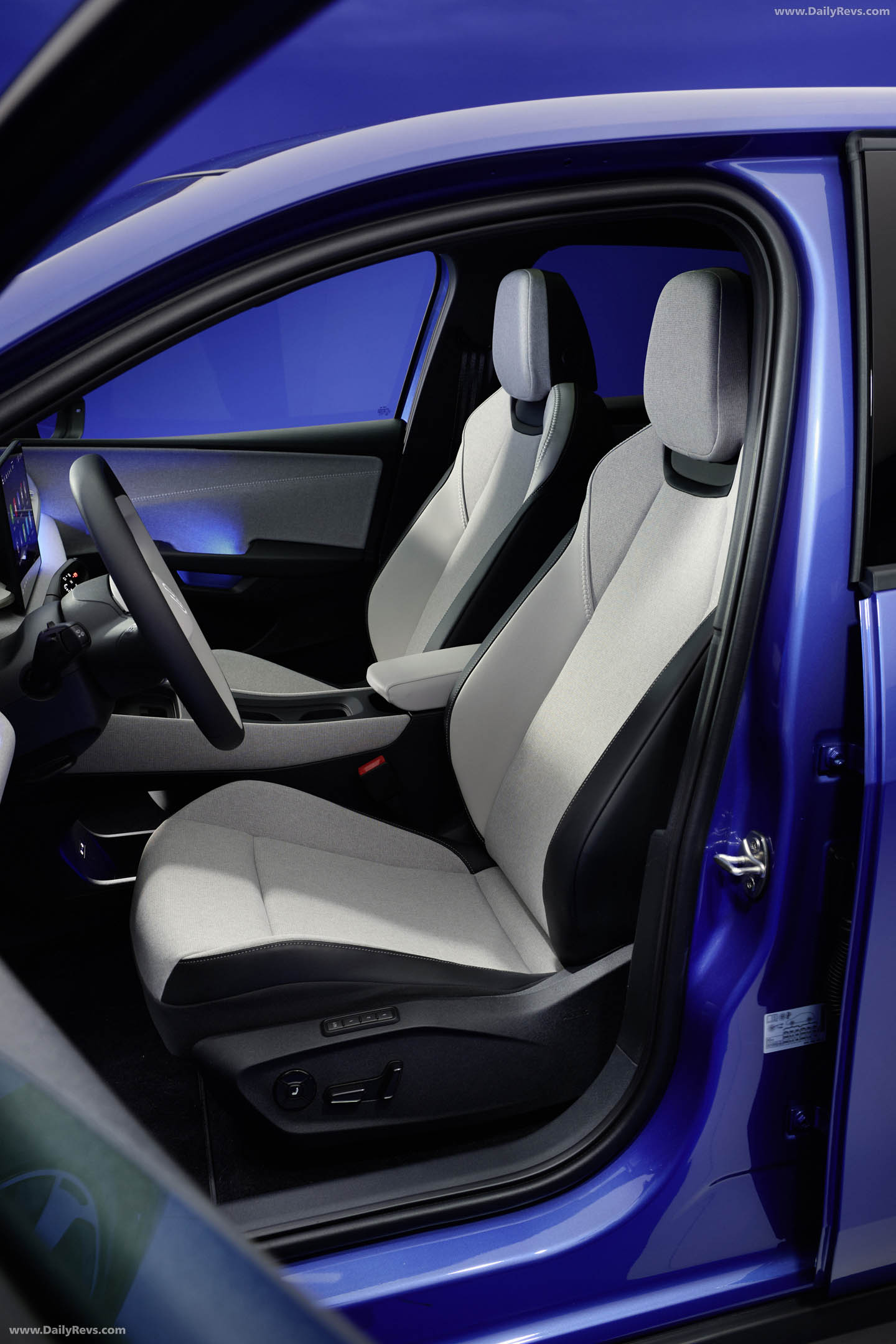
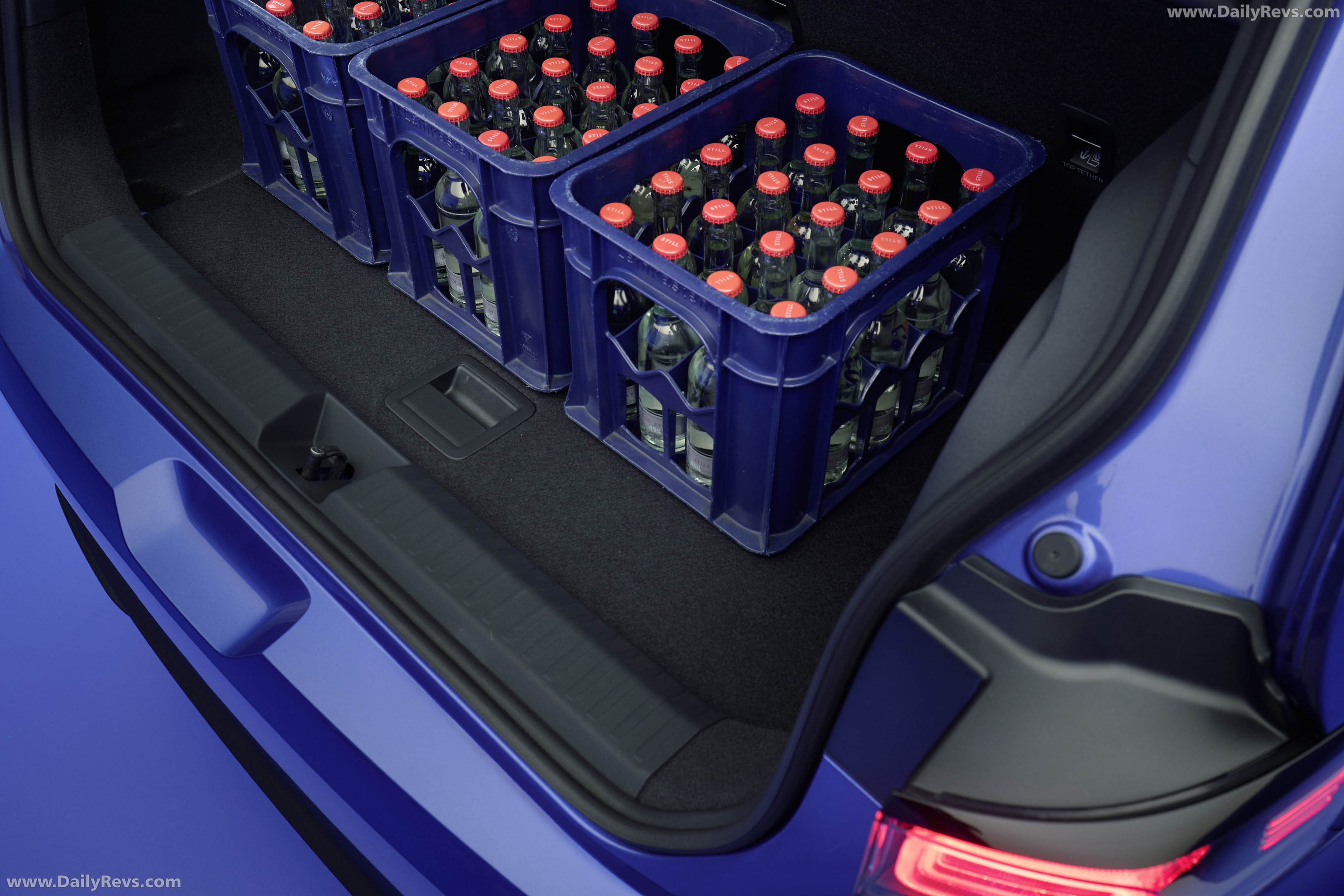
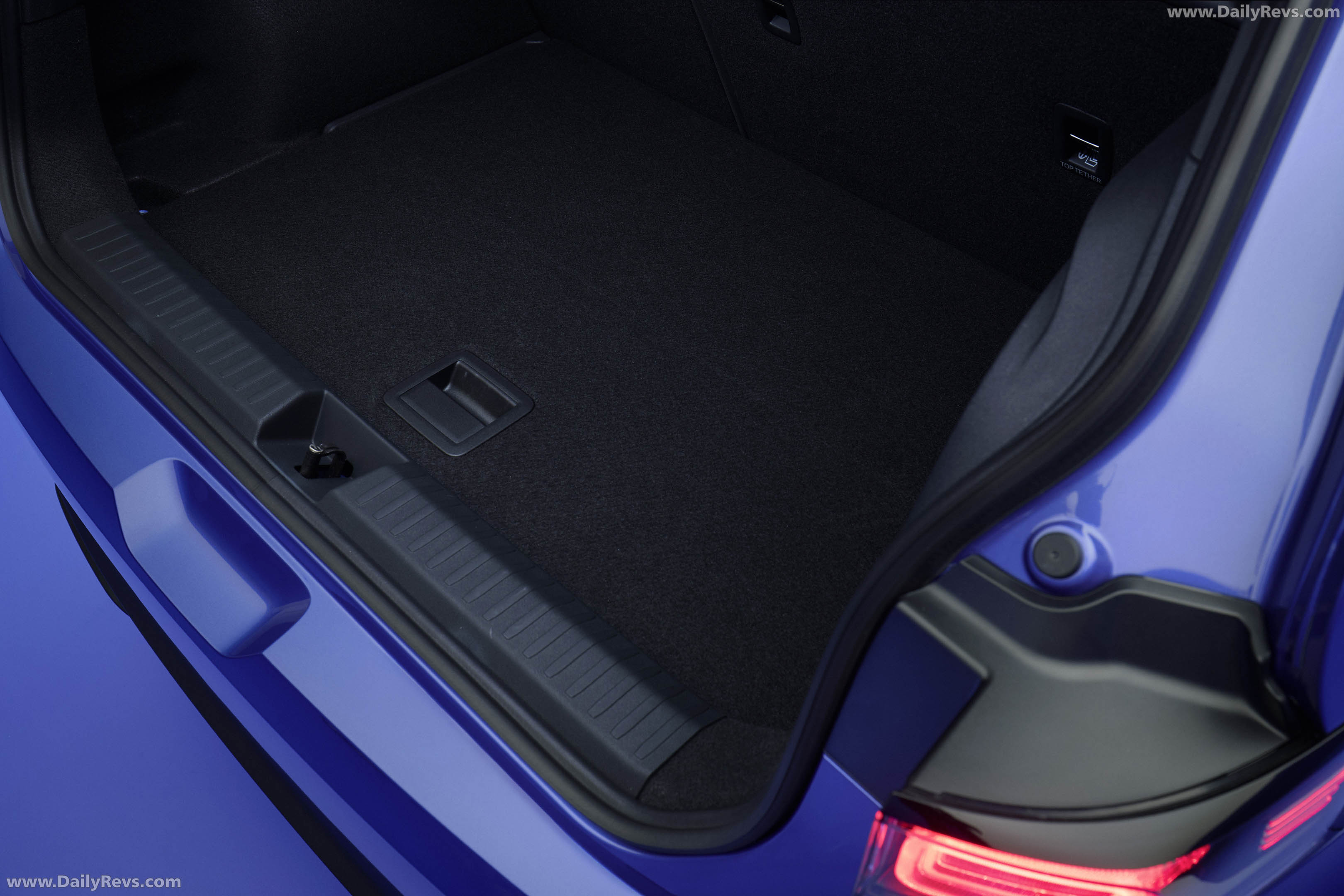
It’s a five-seater, properly so, and the luggage area grows to 441 litres. That’s more than the outgoing combustion model and even edges into territory typically reserved for larger hatchbacks. Fold the rear seats, and the load space expands further, making it more flexible than its size suggests.
Interior leans on simplicity with a digital edge
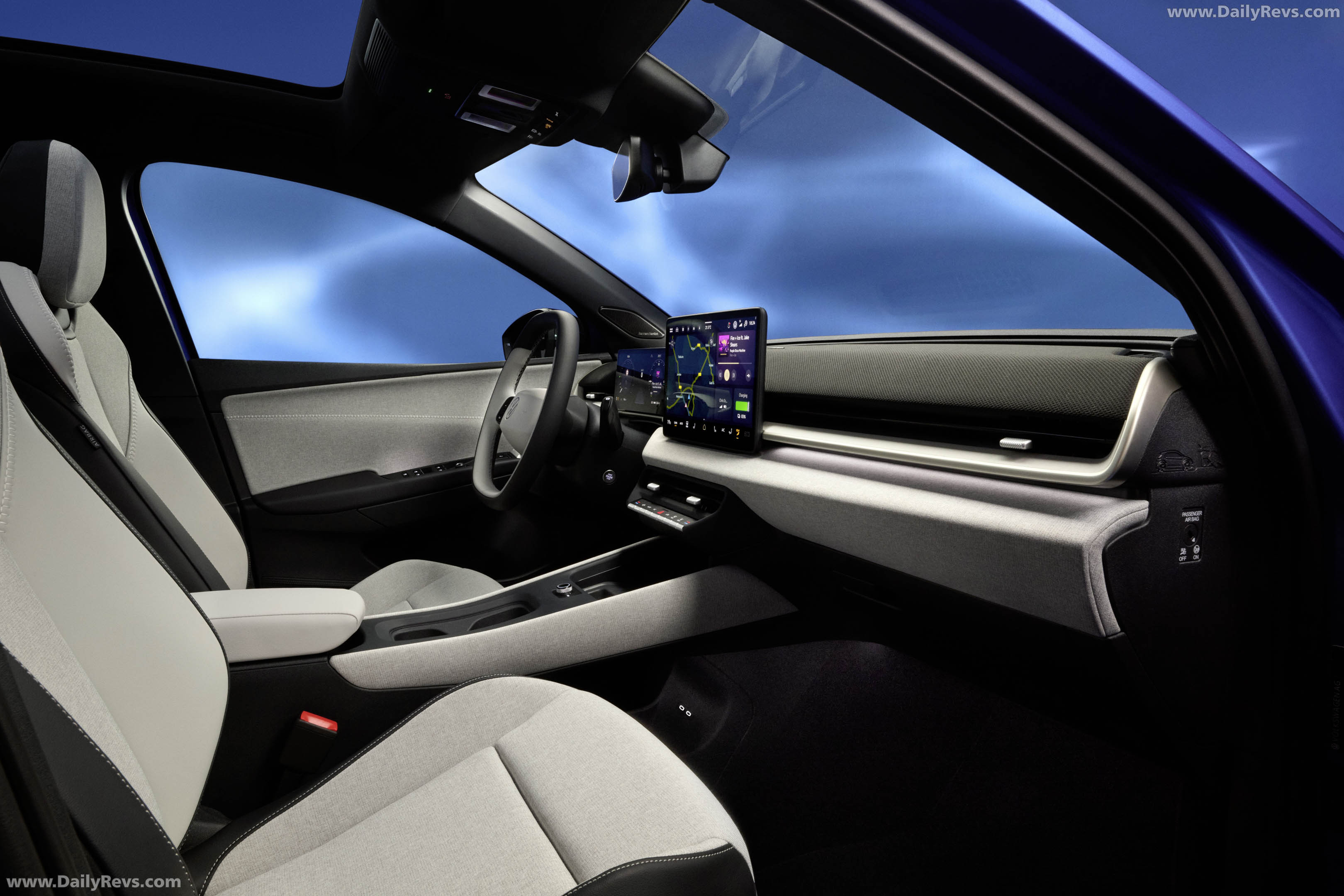
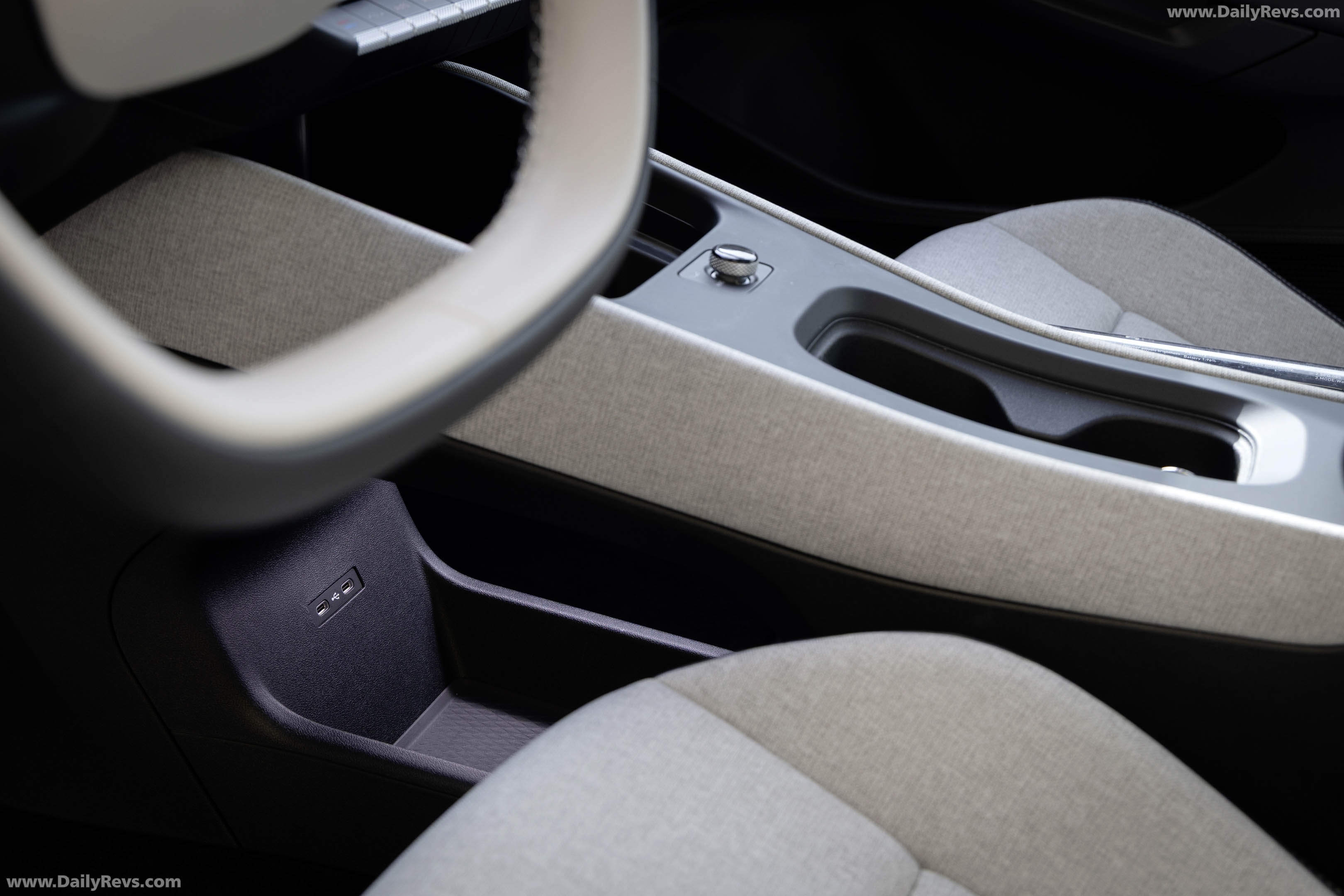
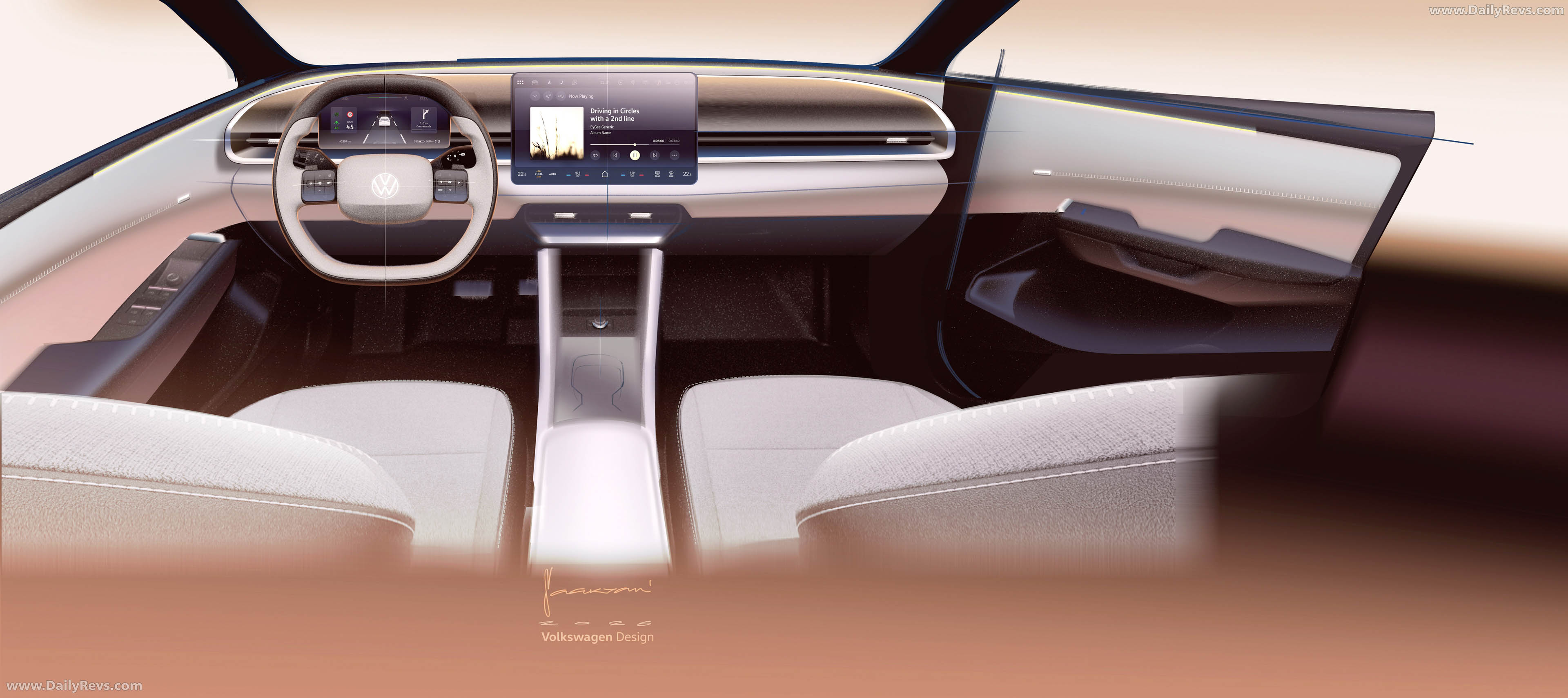
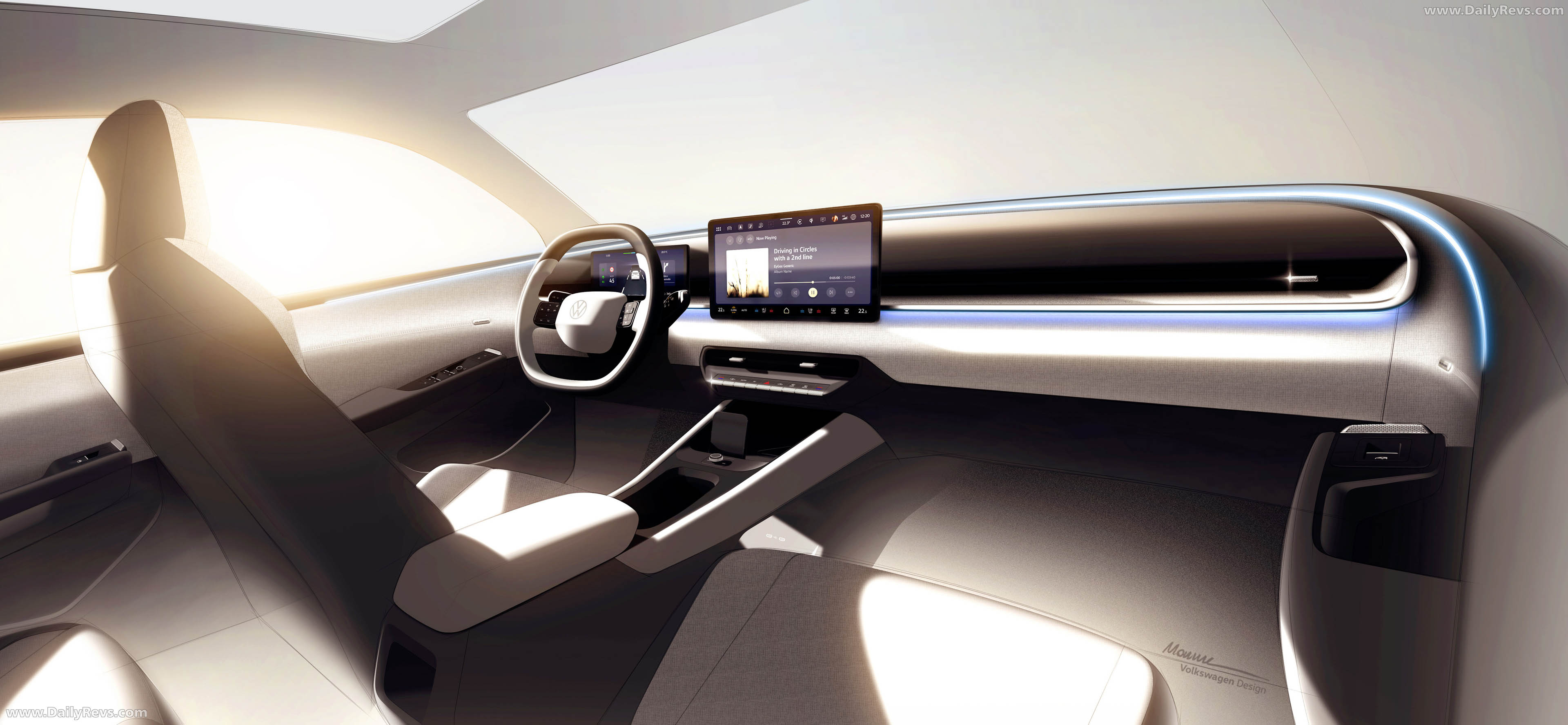
Inside, the layout is straightforward but not bare.
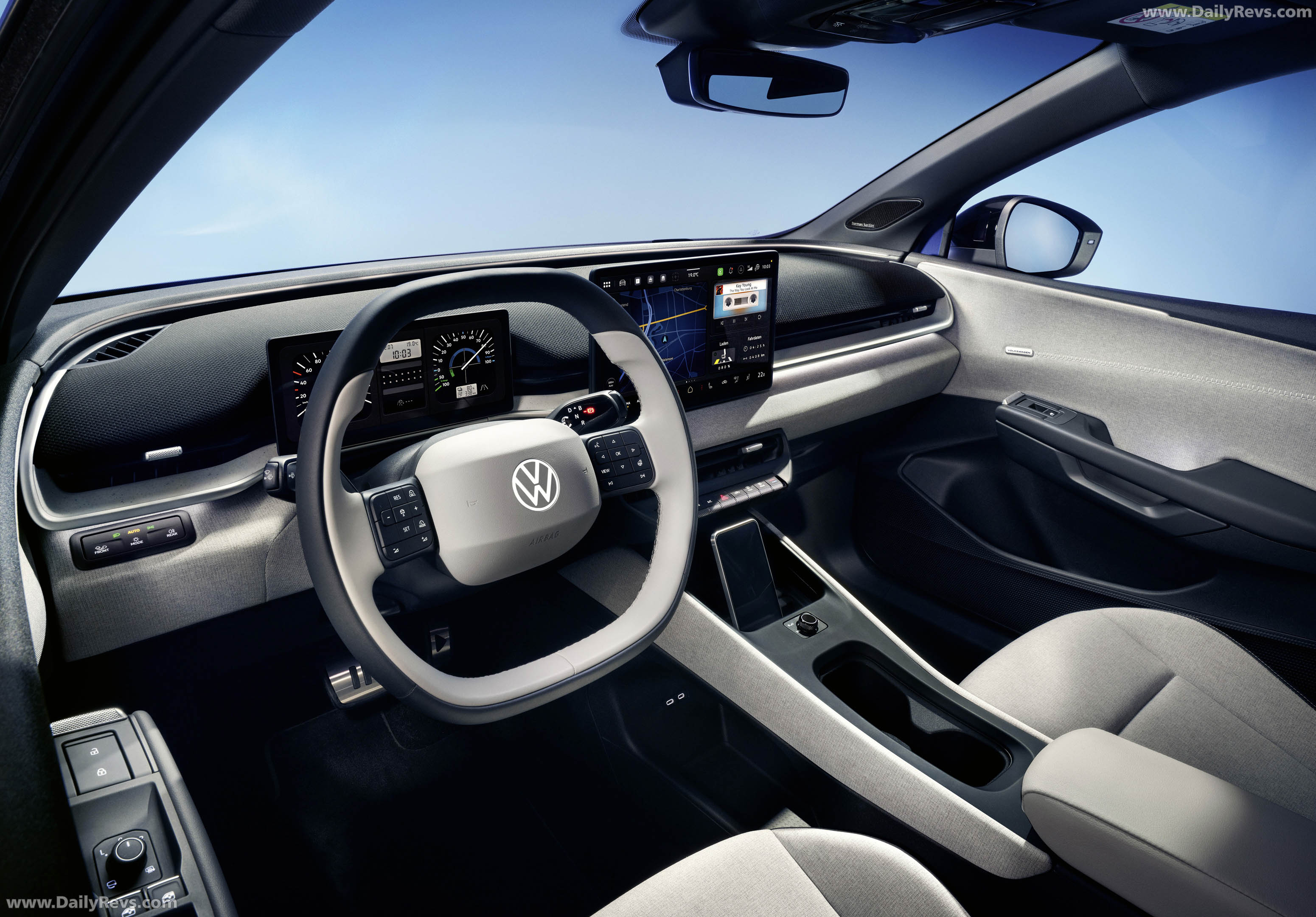
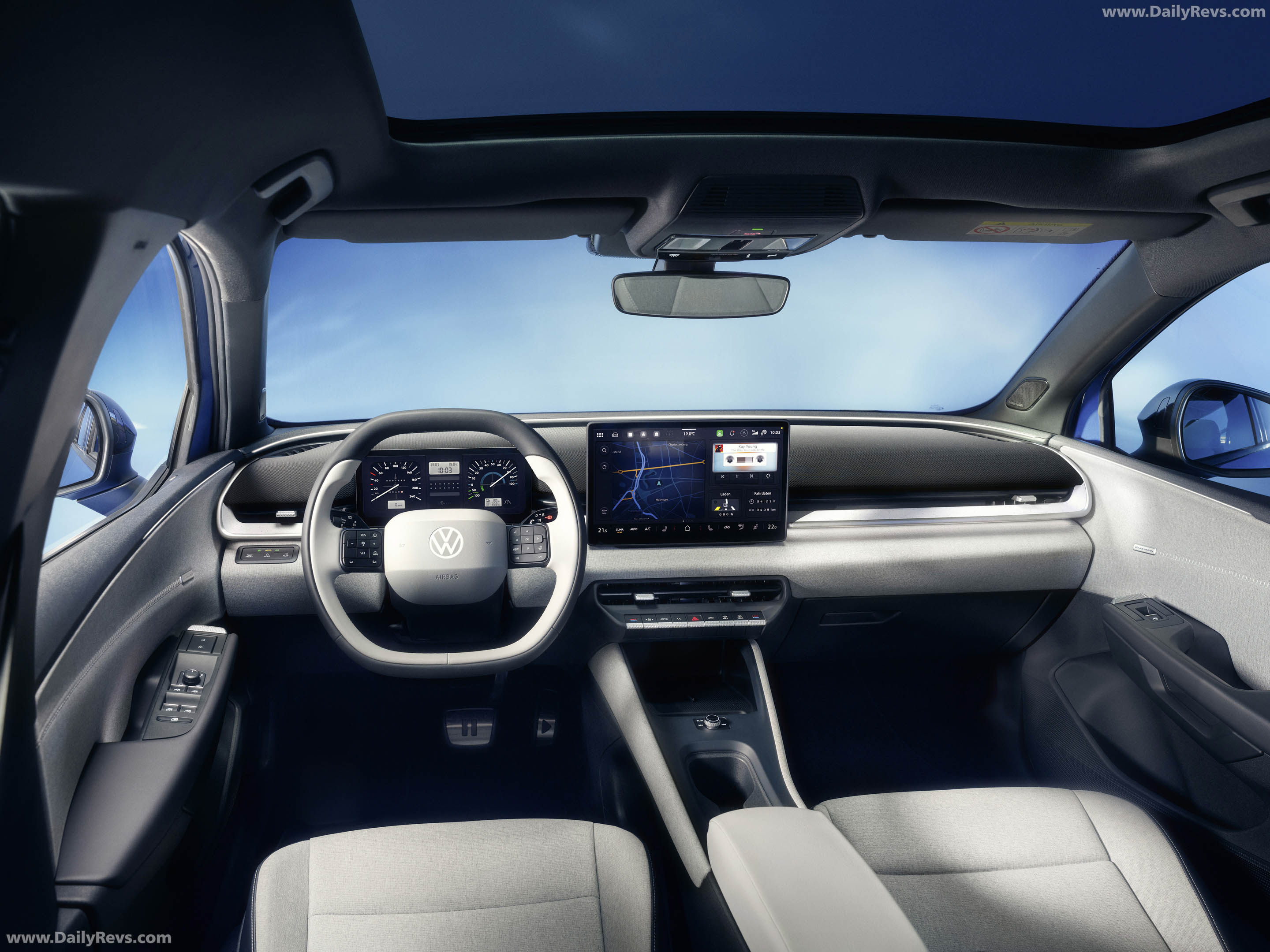
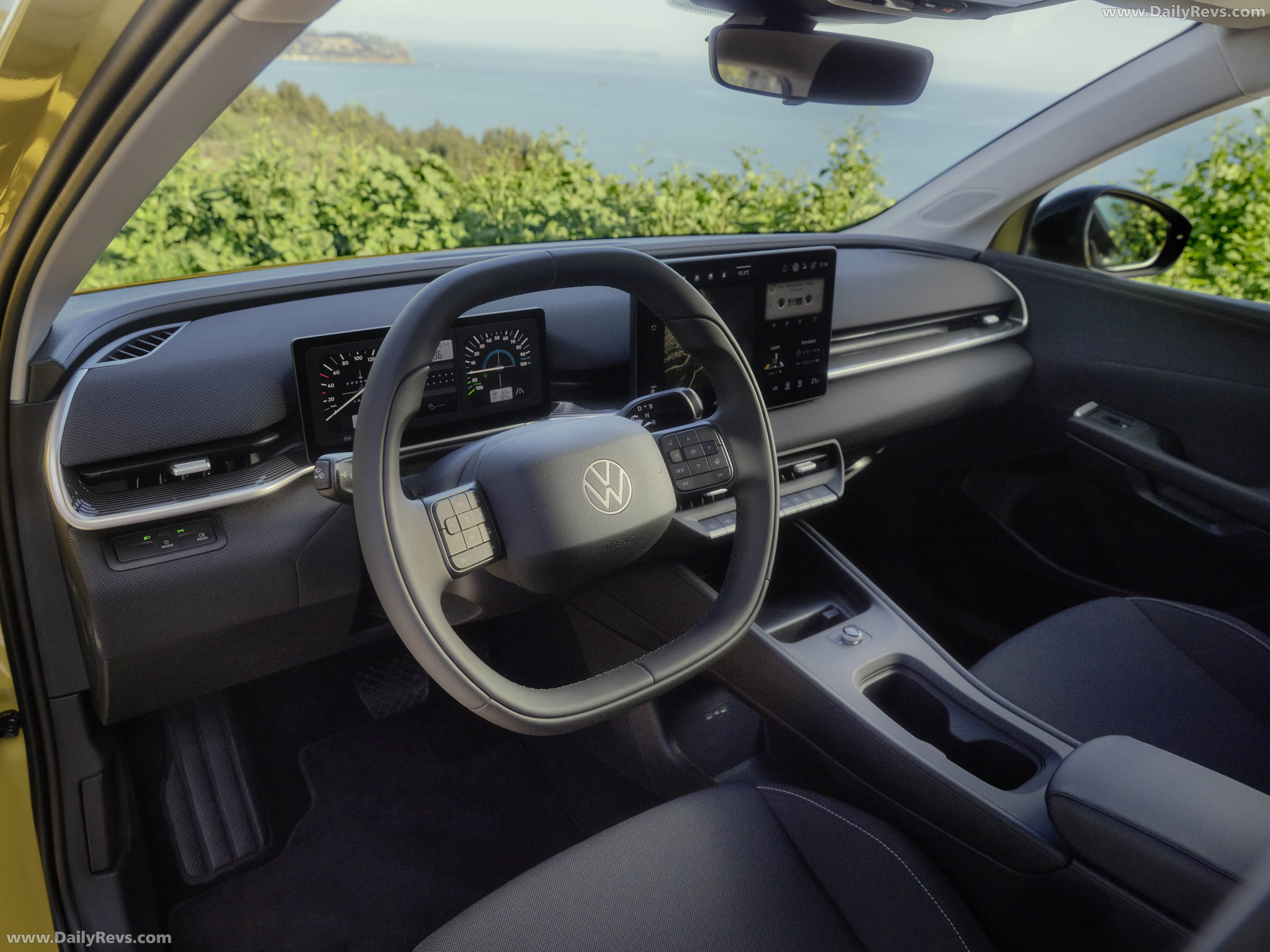
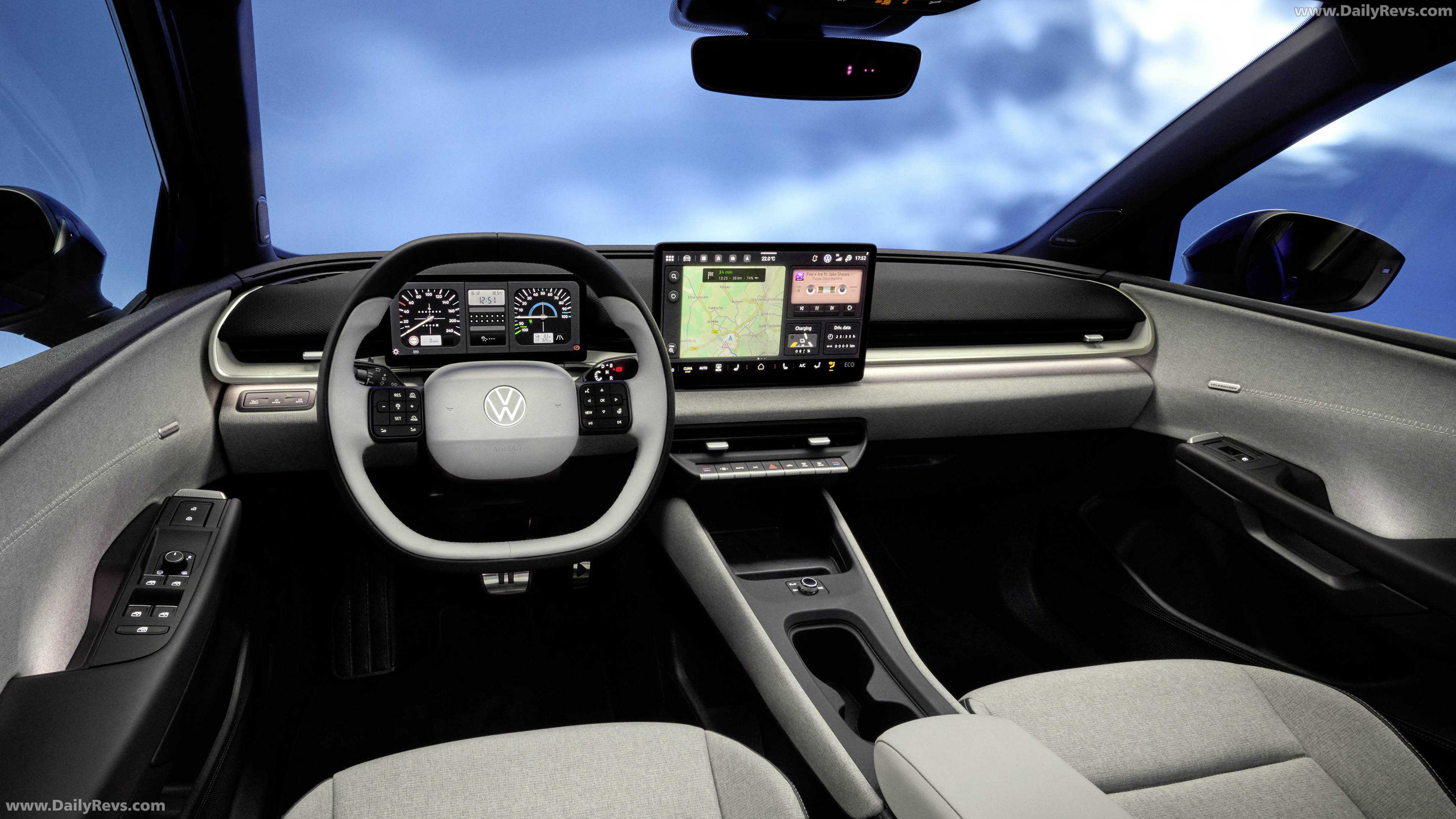
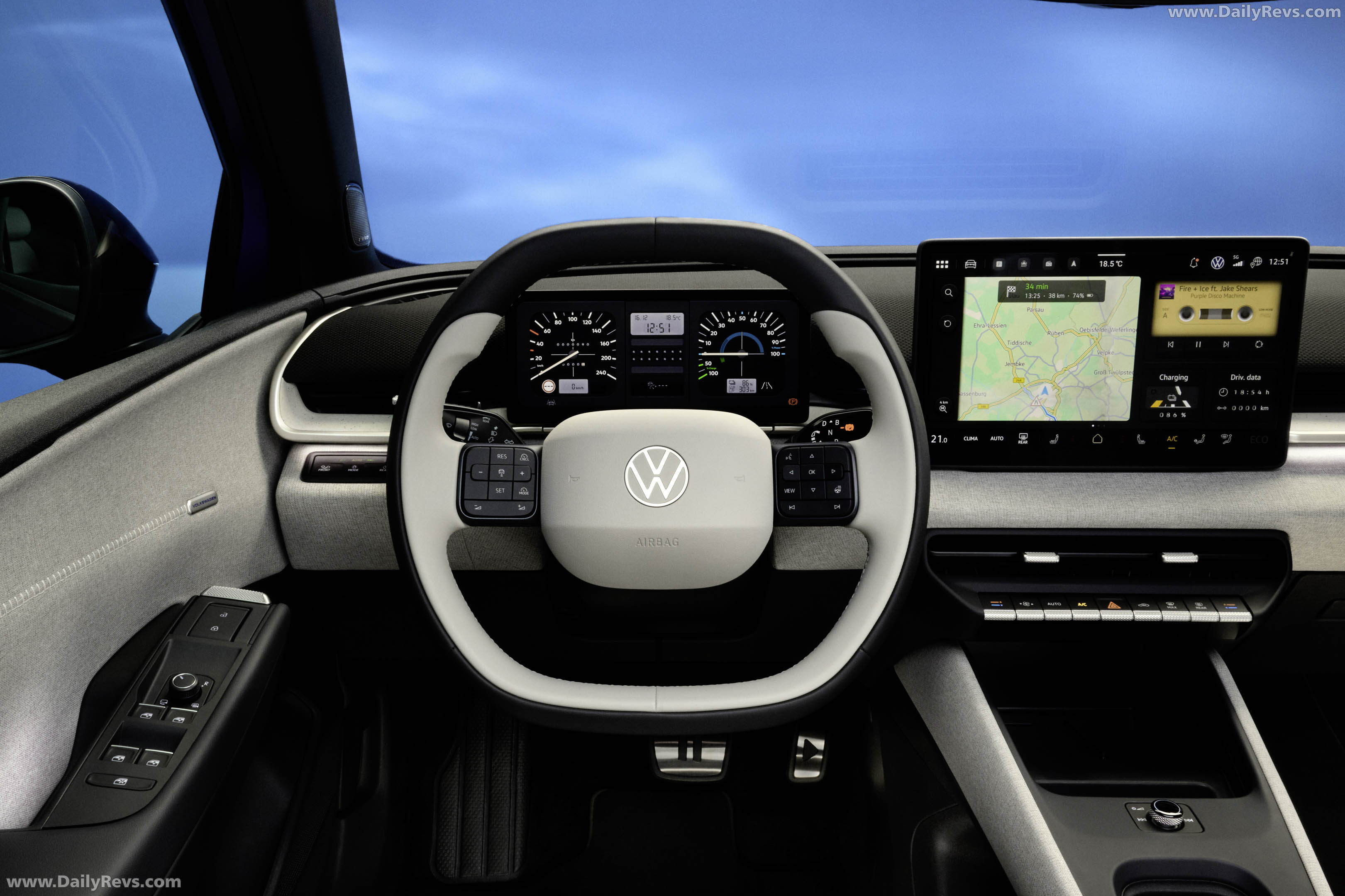
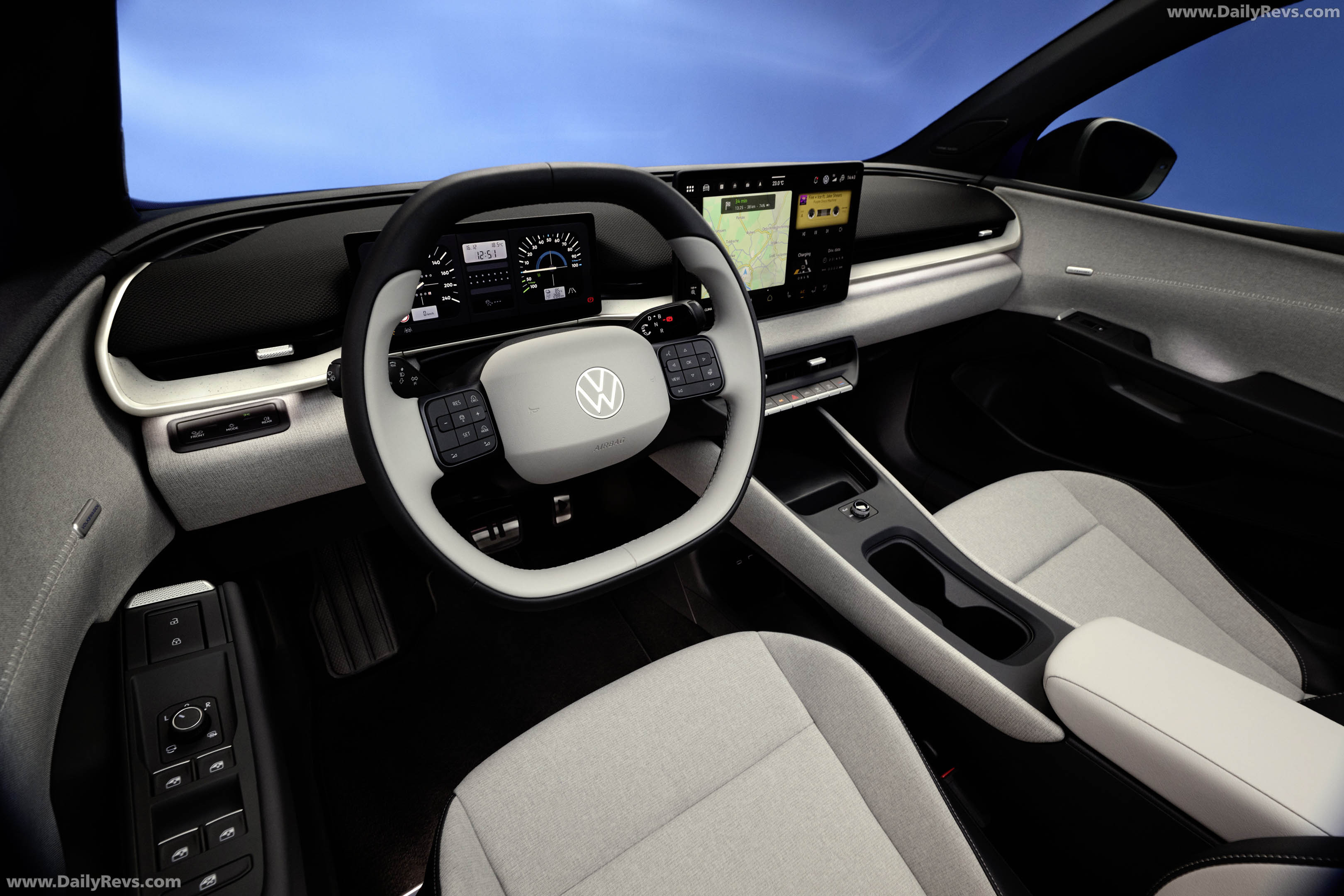
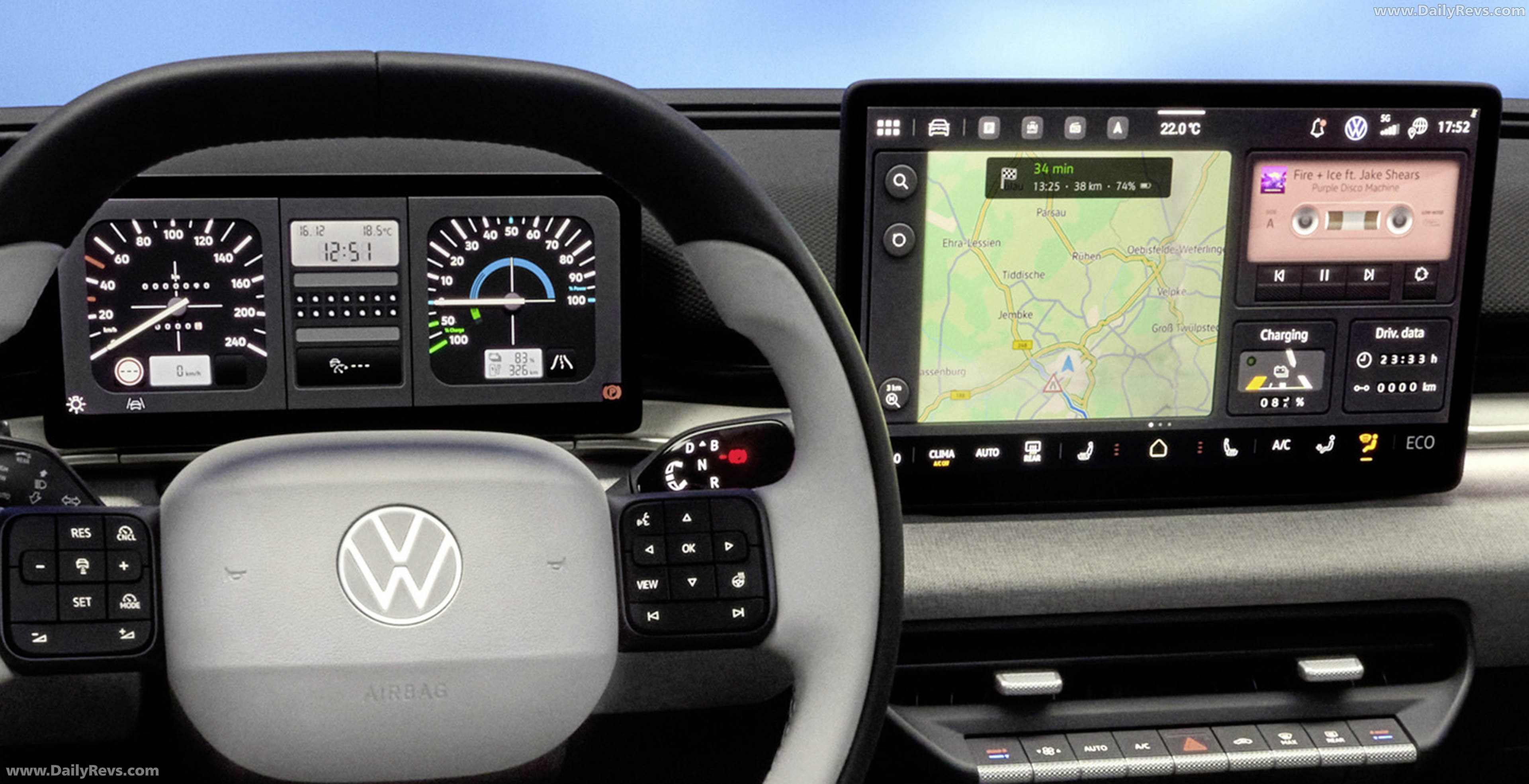
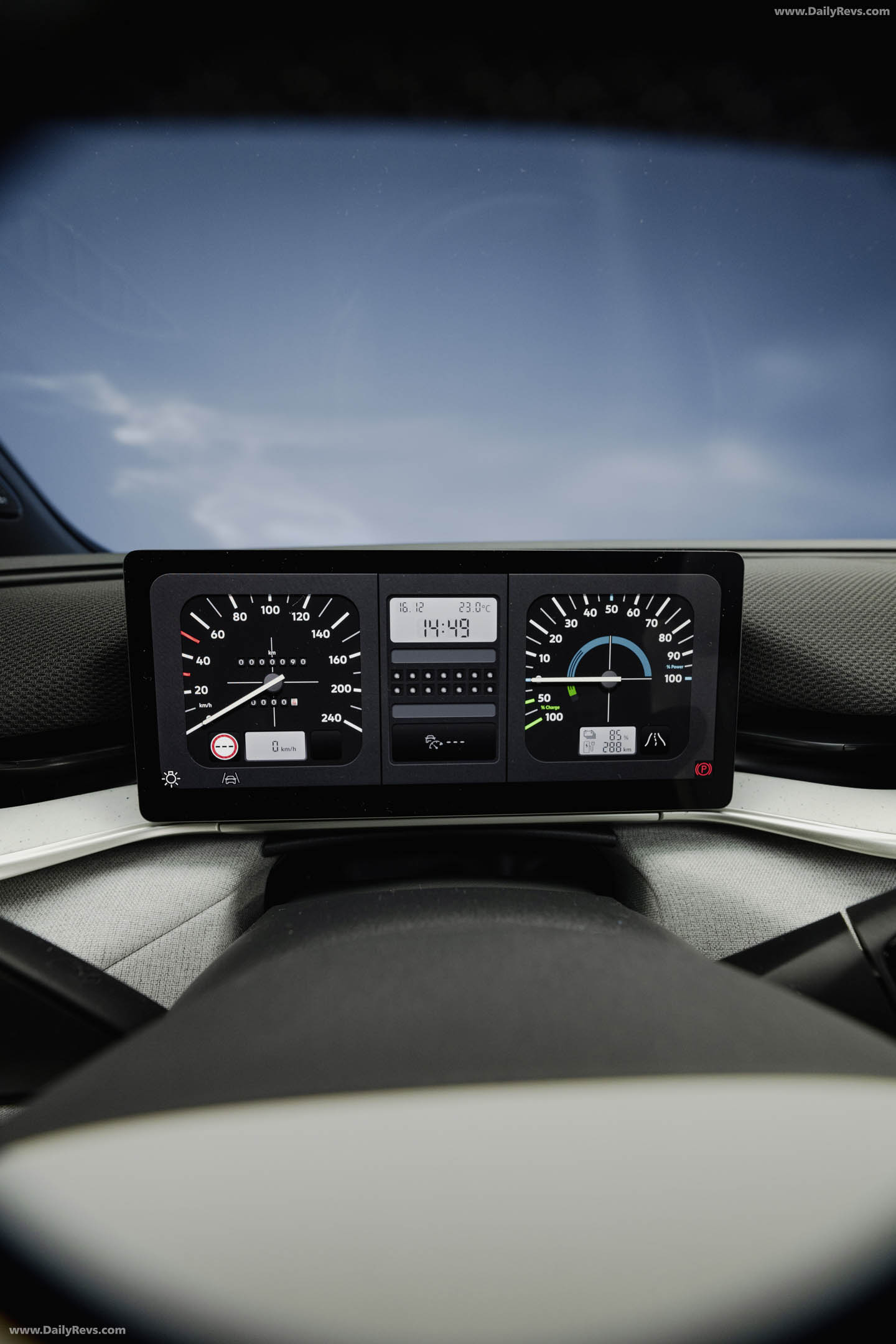
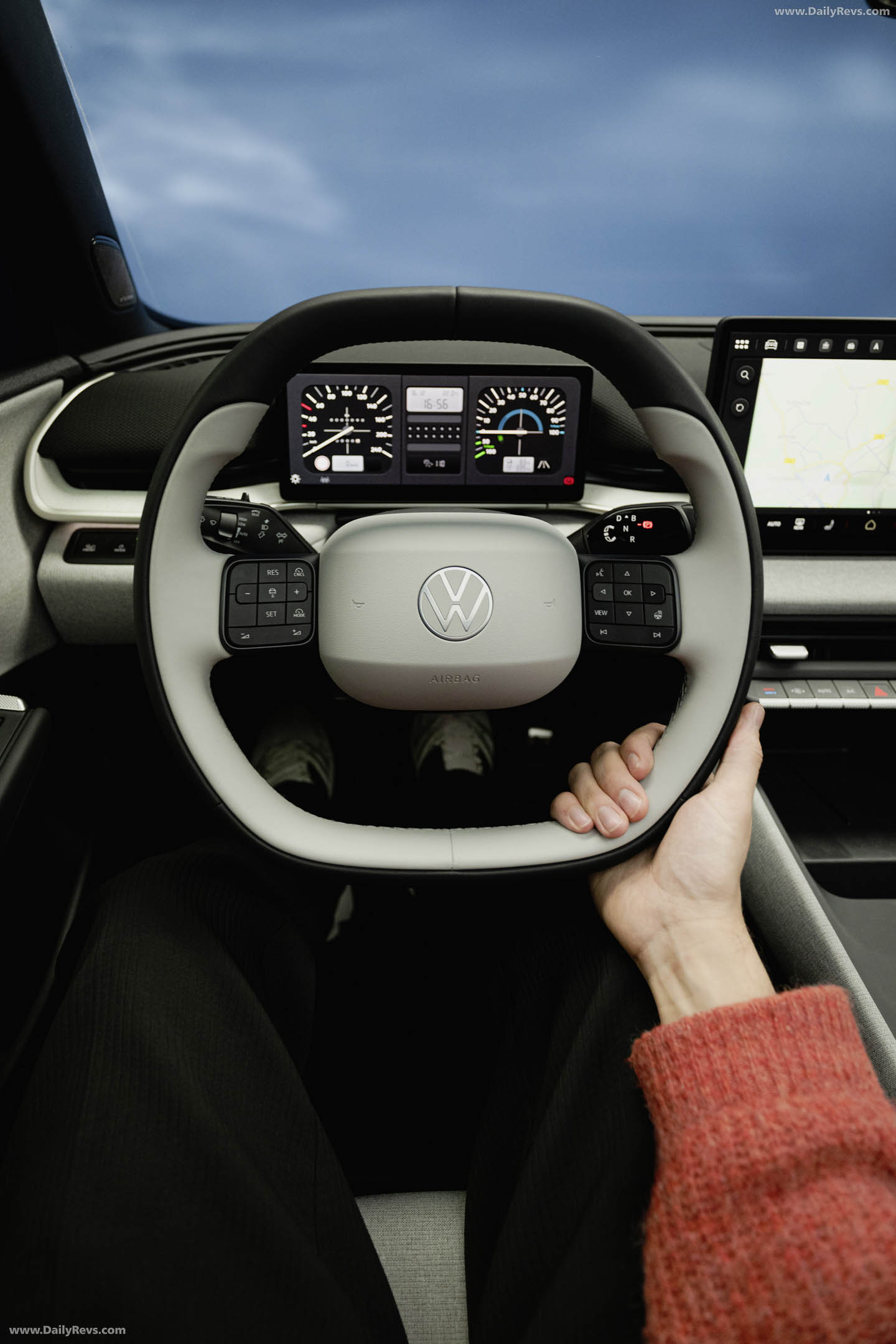
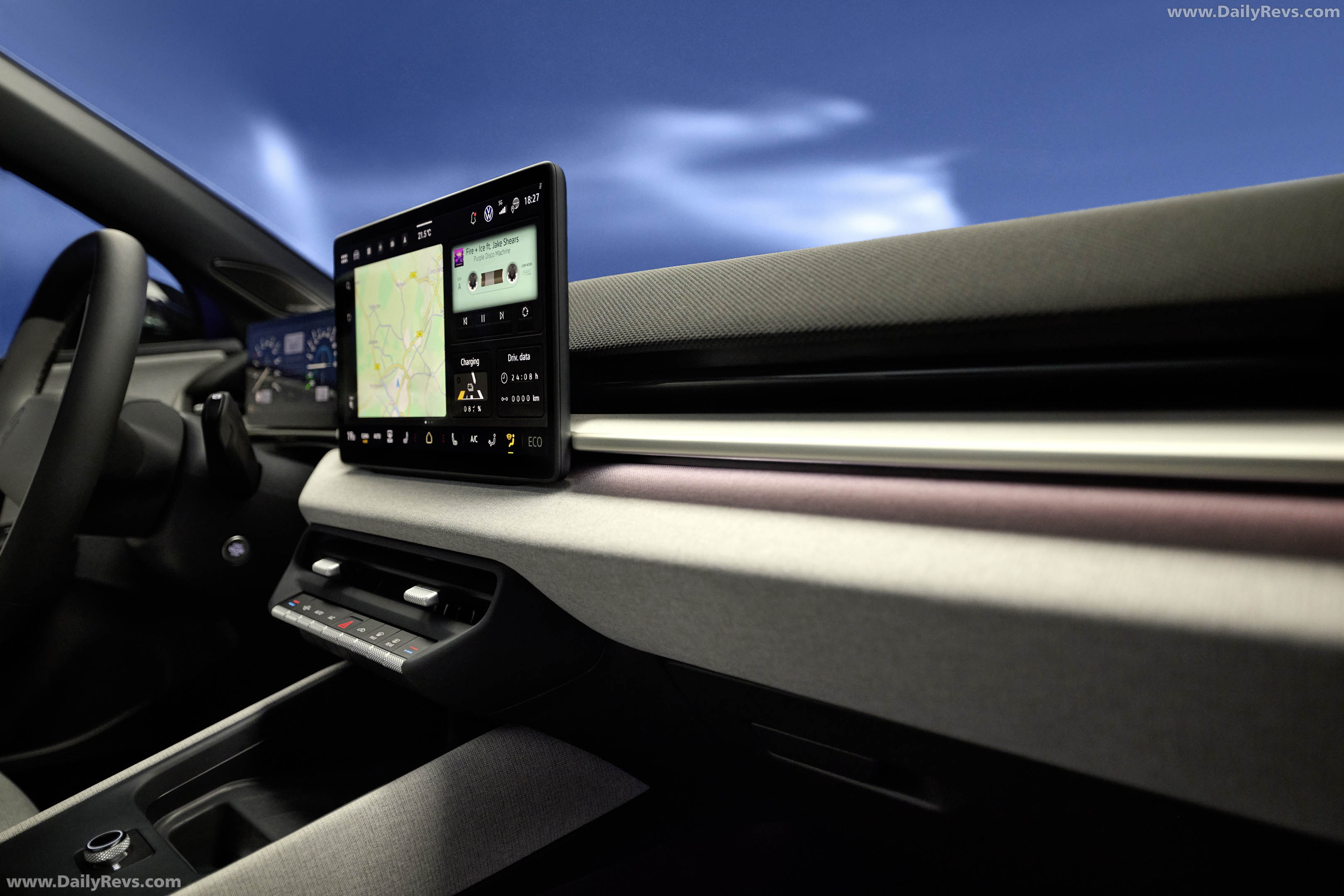
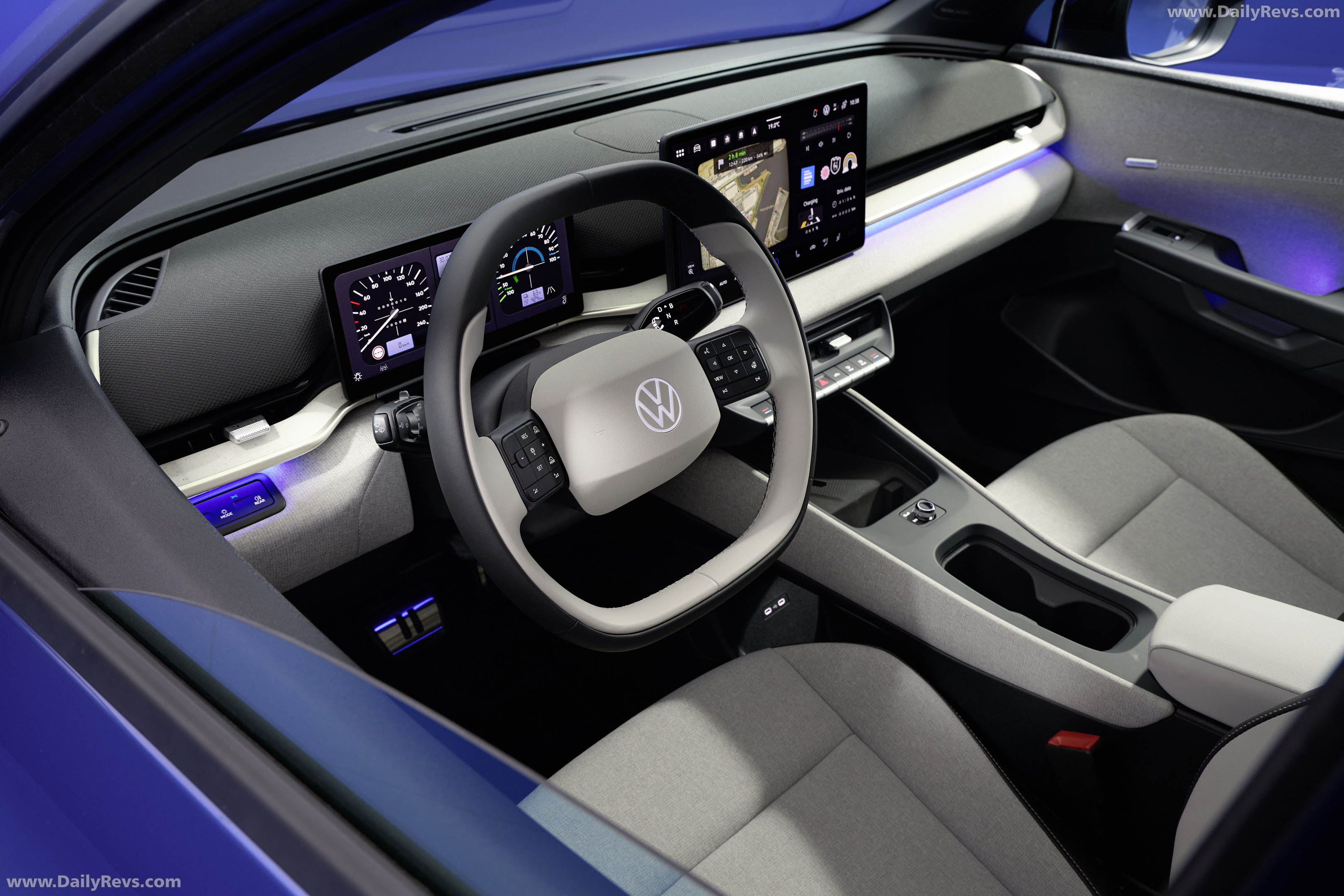
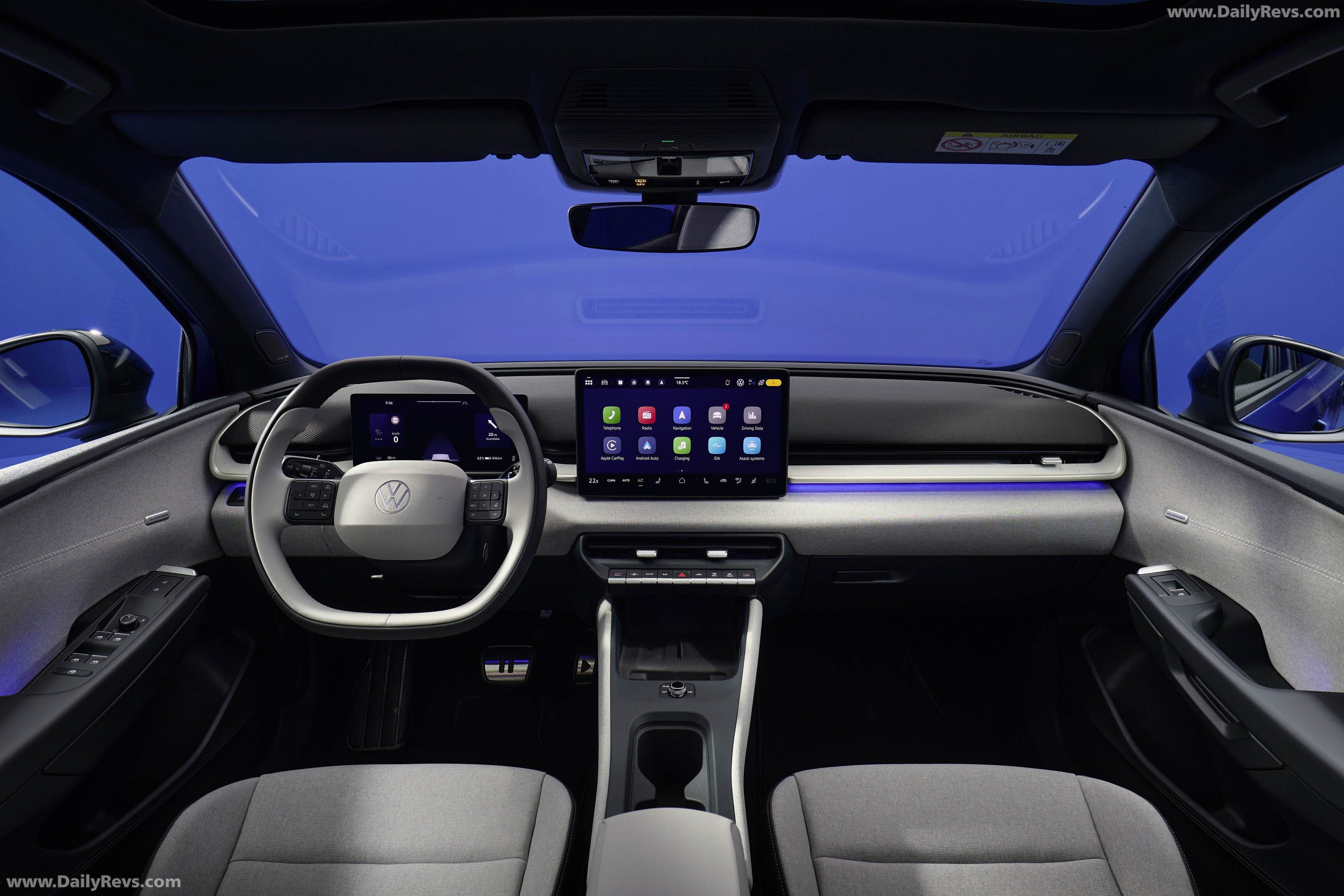
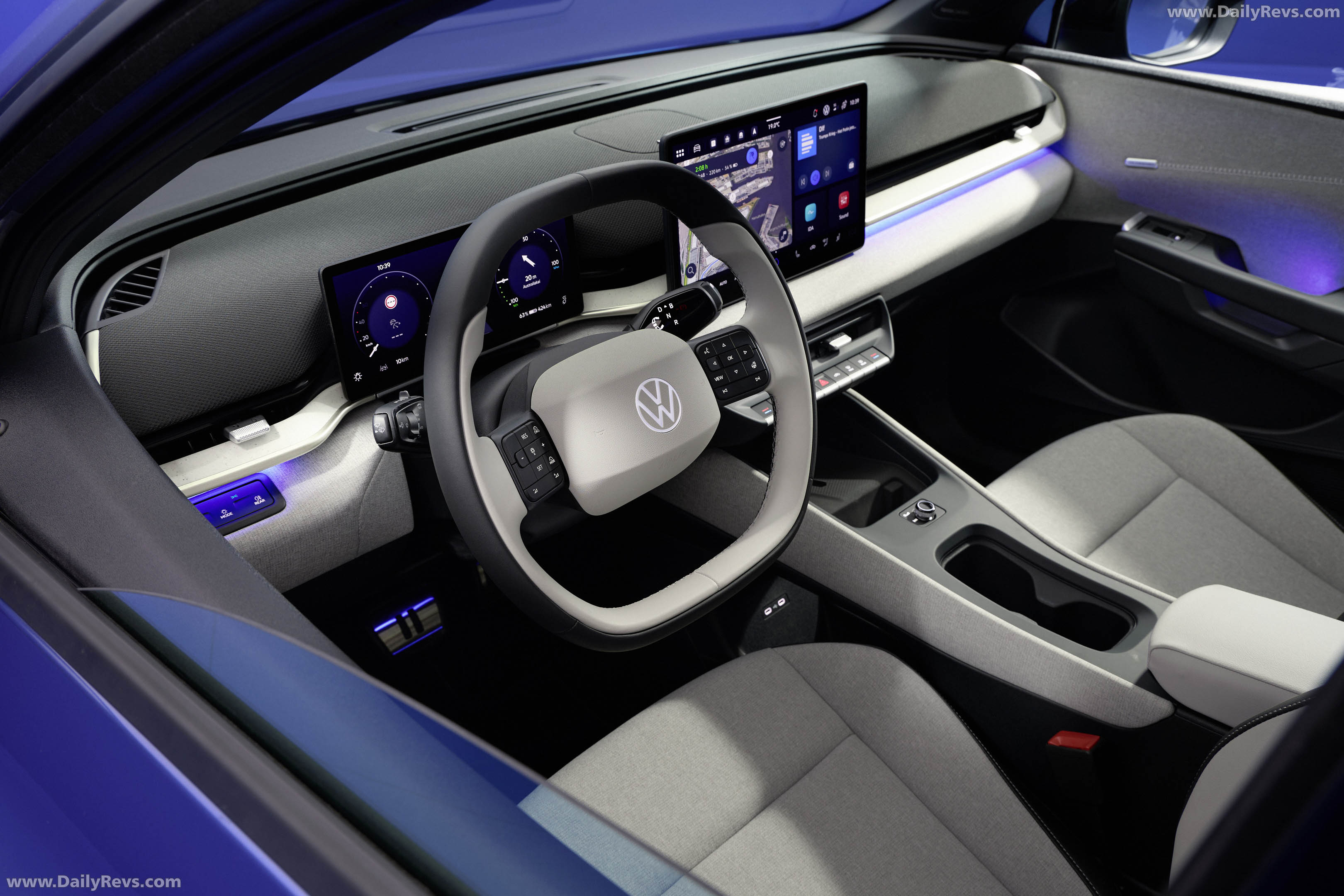
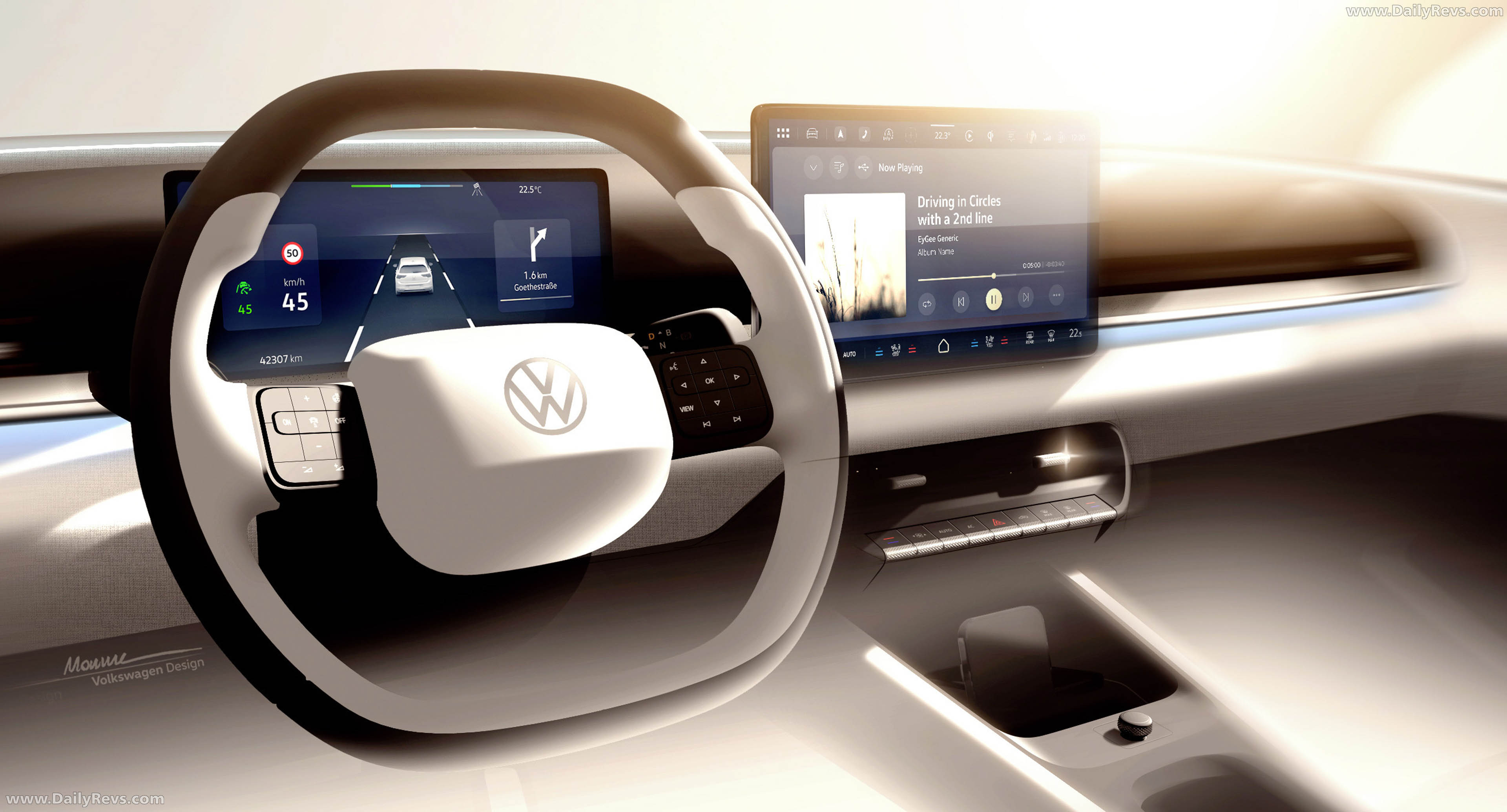
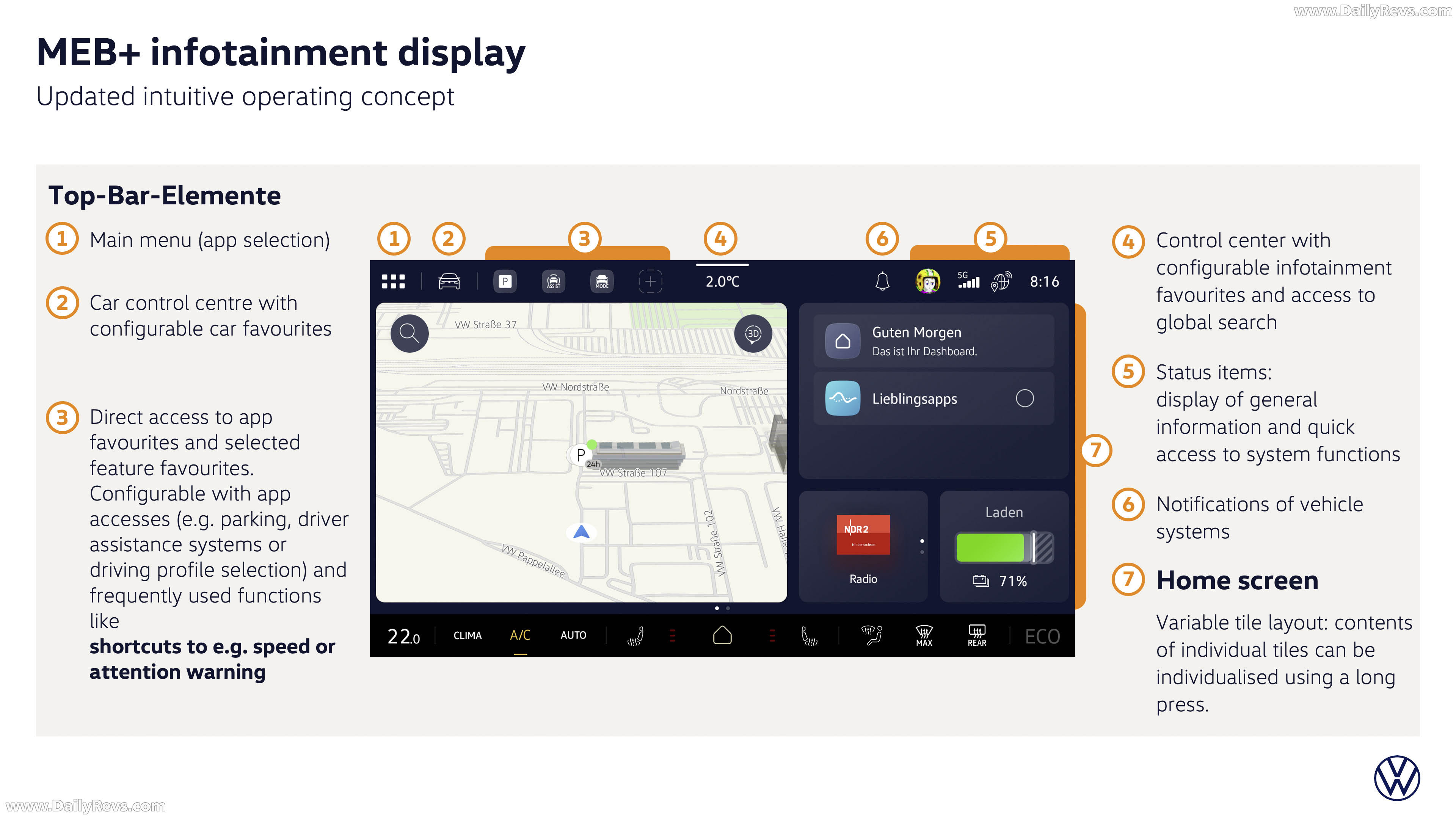
A 10-inch digital cockpit sits directly ahead of the driver, paired with a larger central infotainment display measuring around 13 inches. The screens are positioned high, easy to read, and within natural reach.
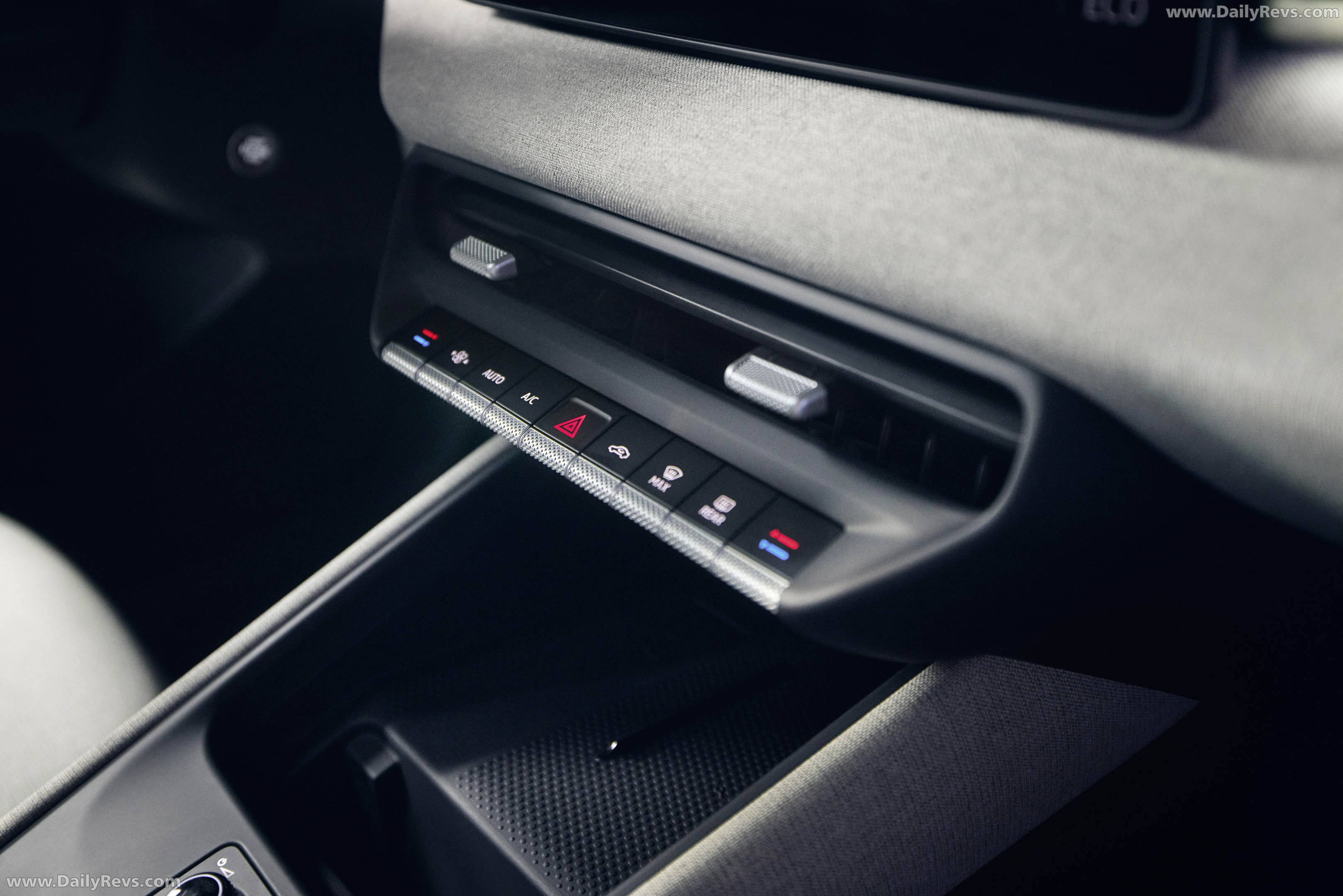
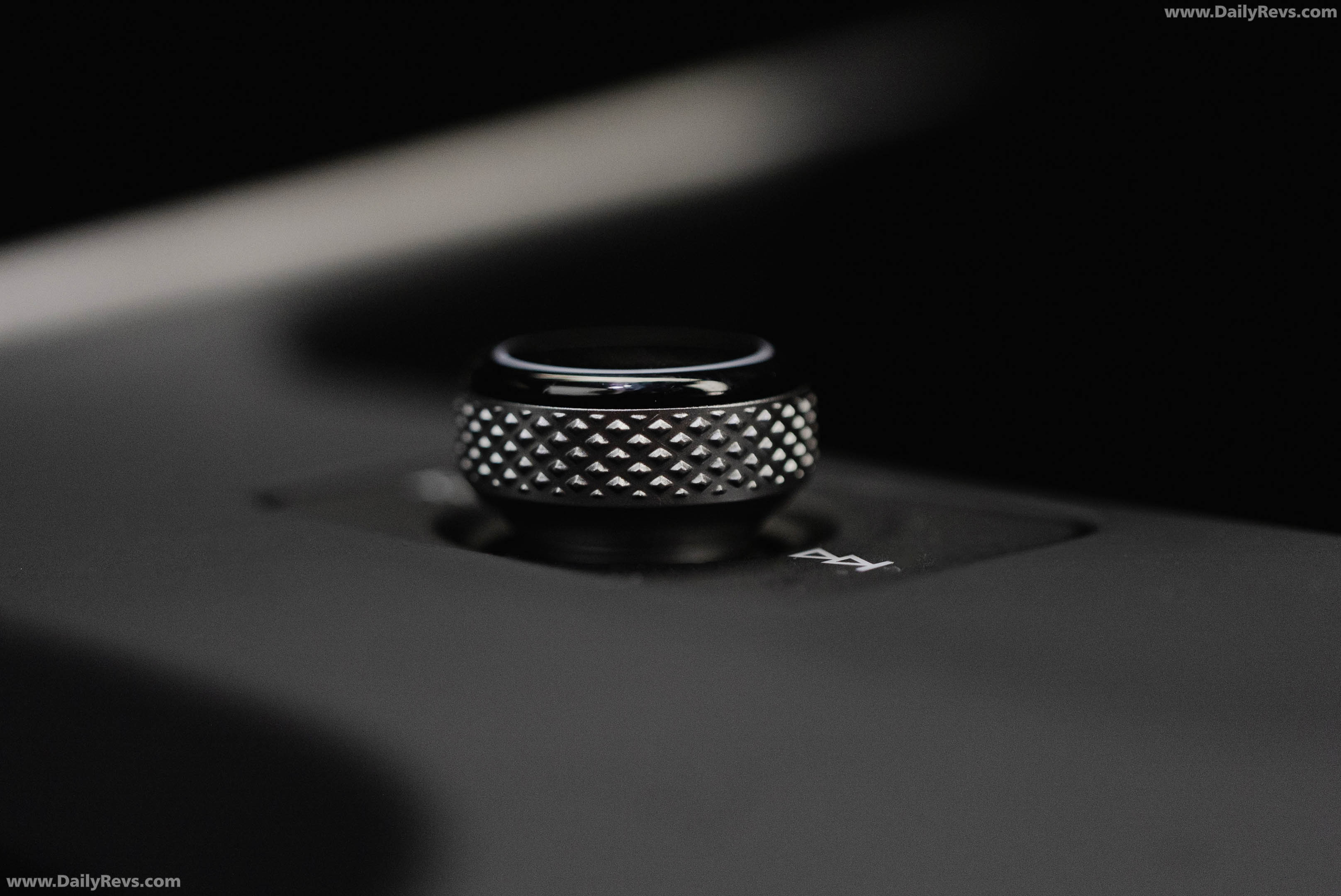
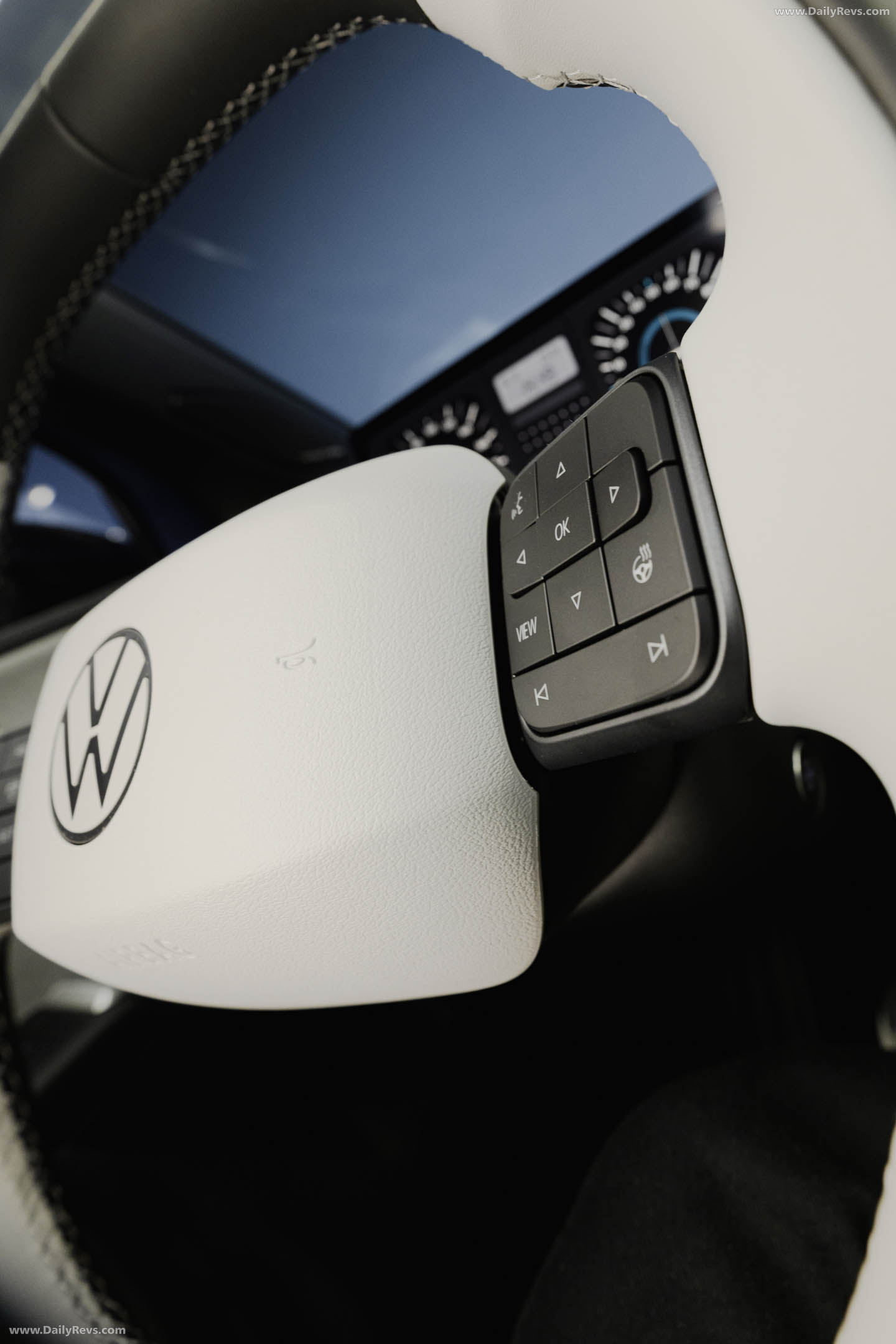
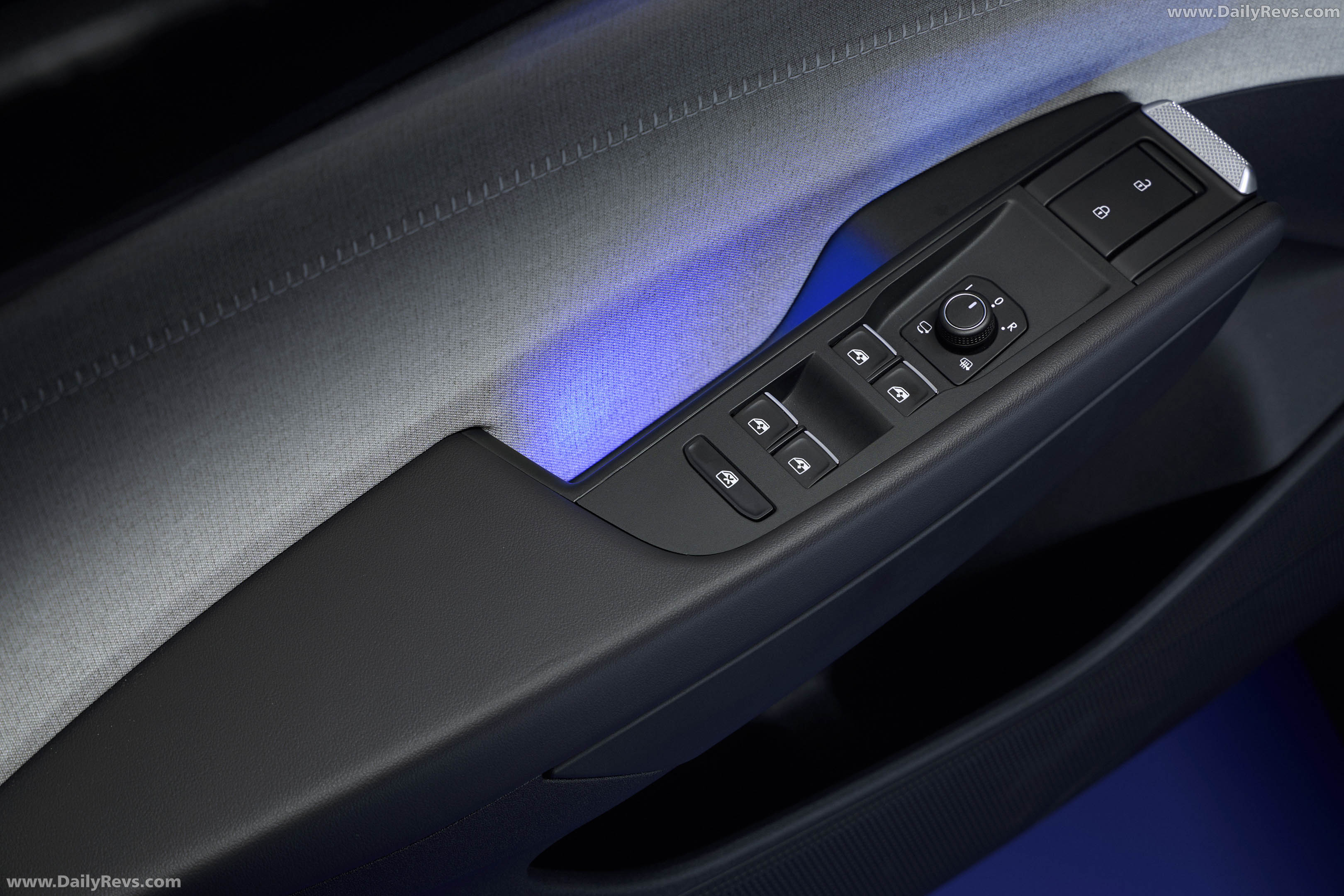
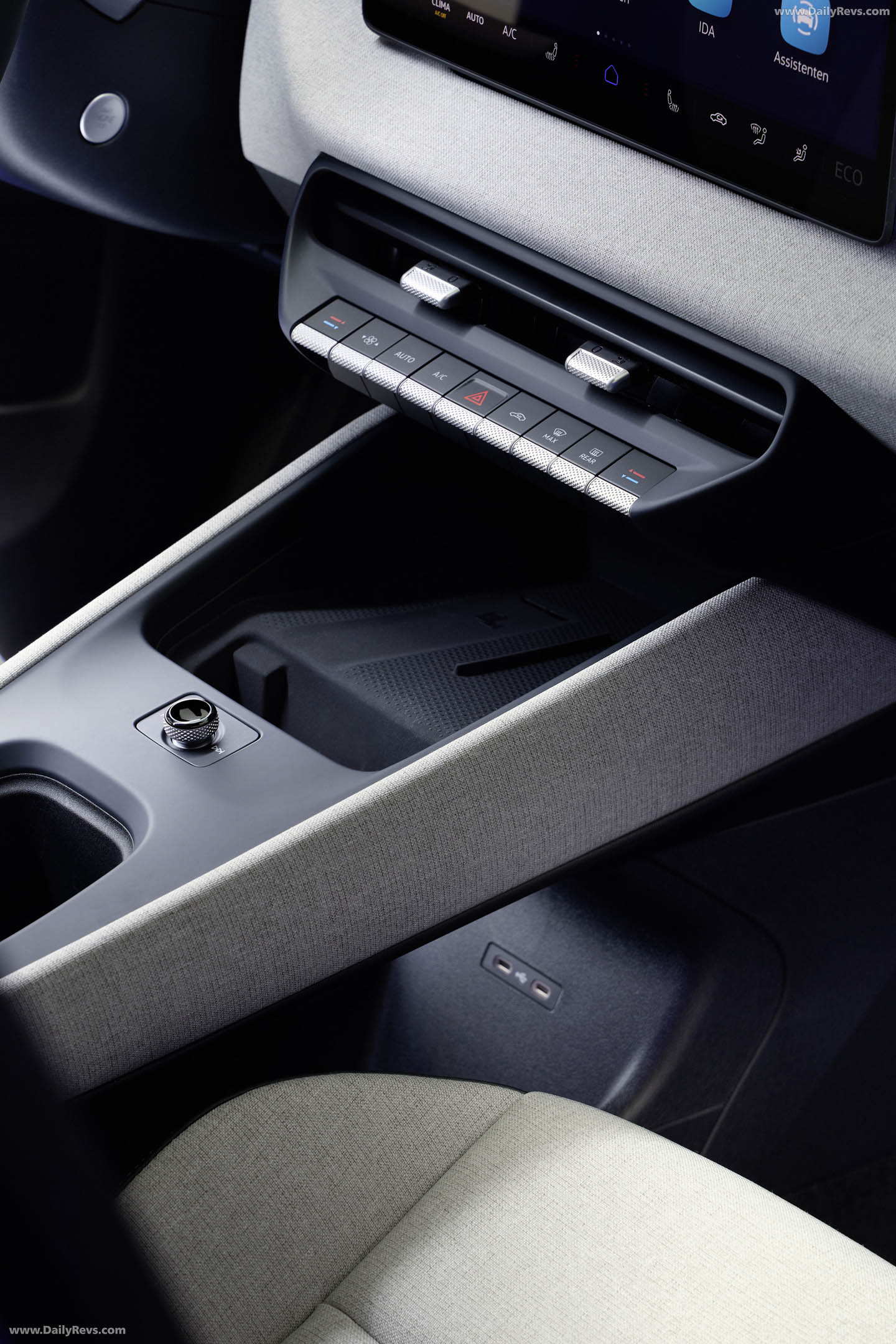
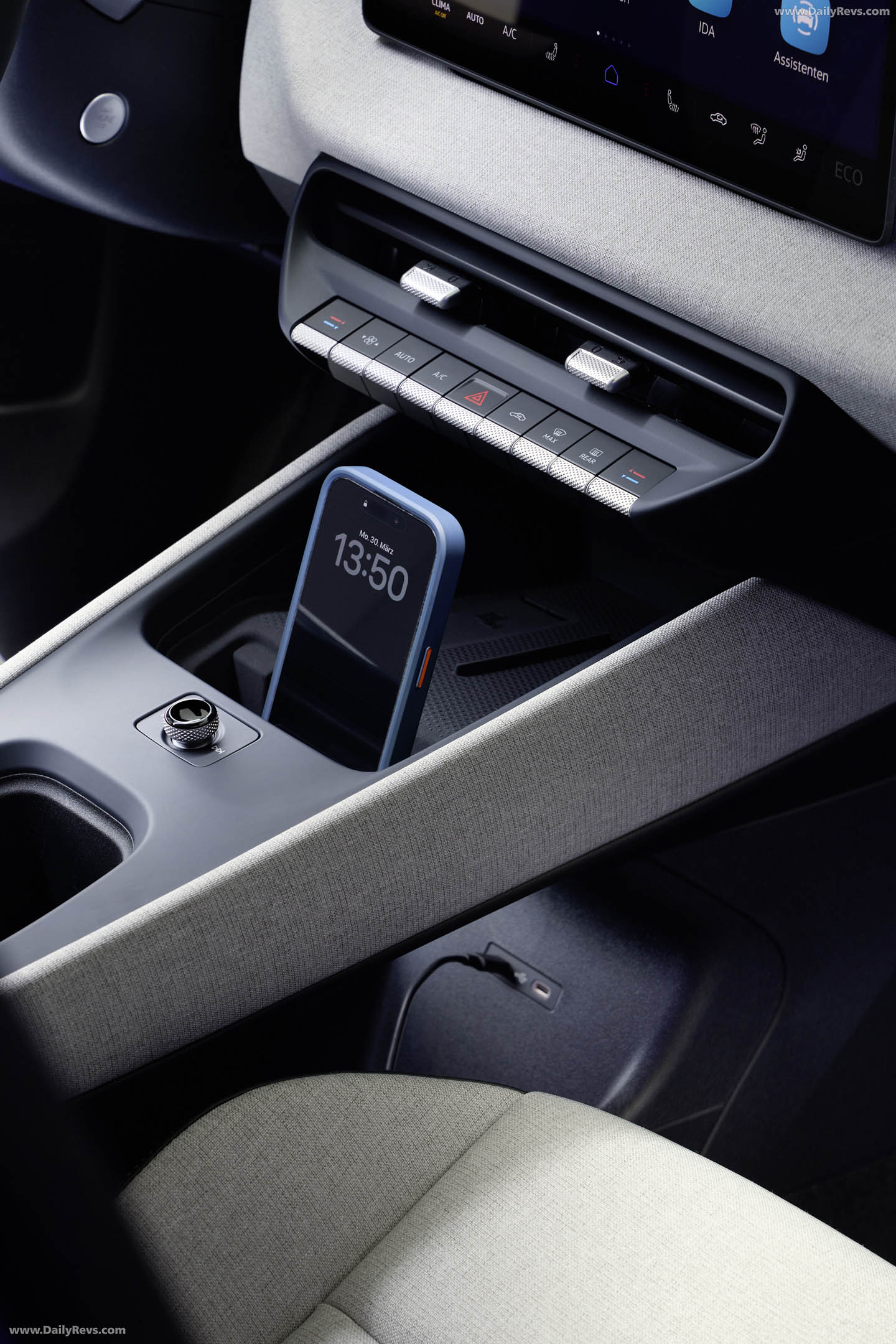
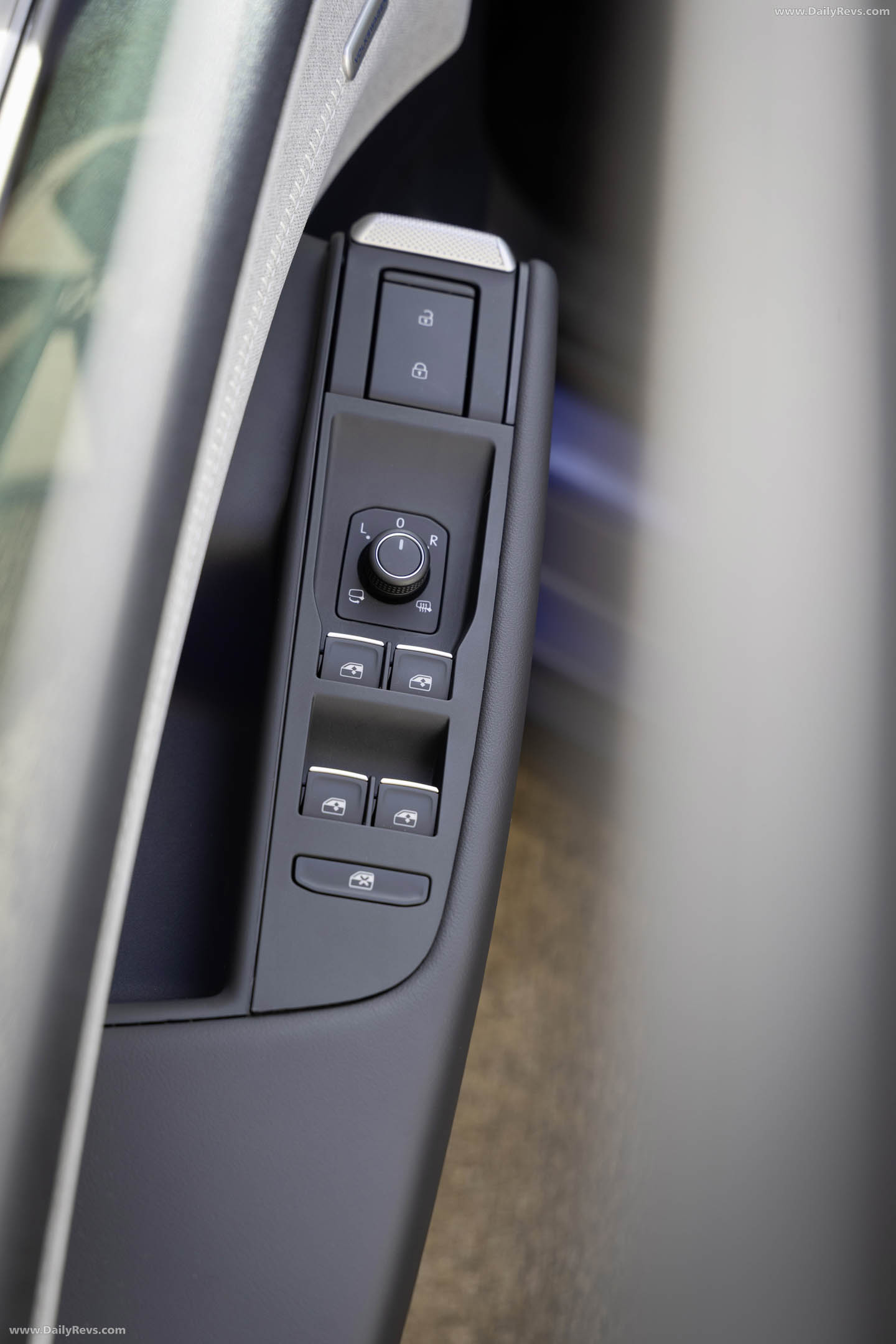
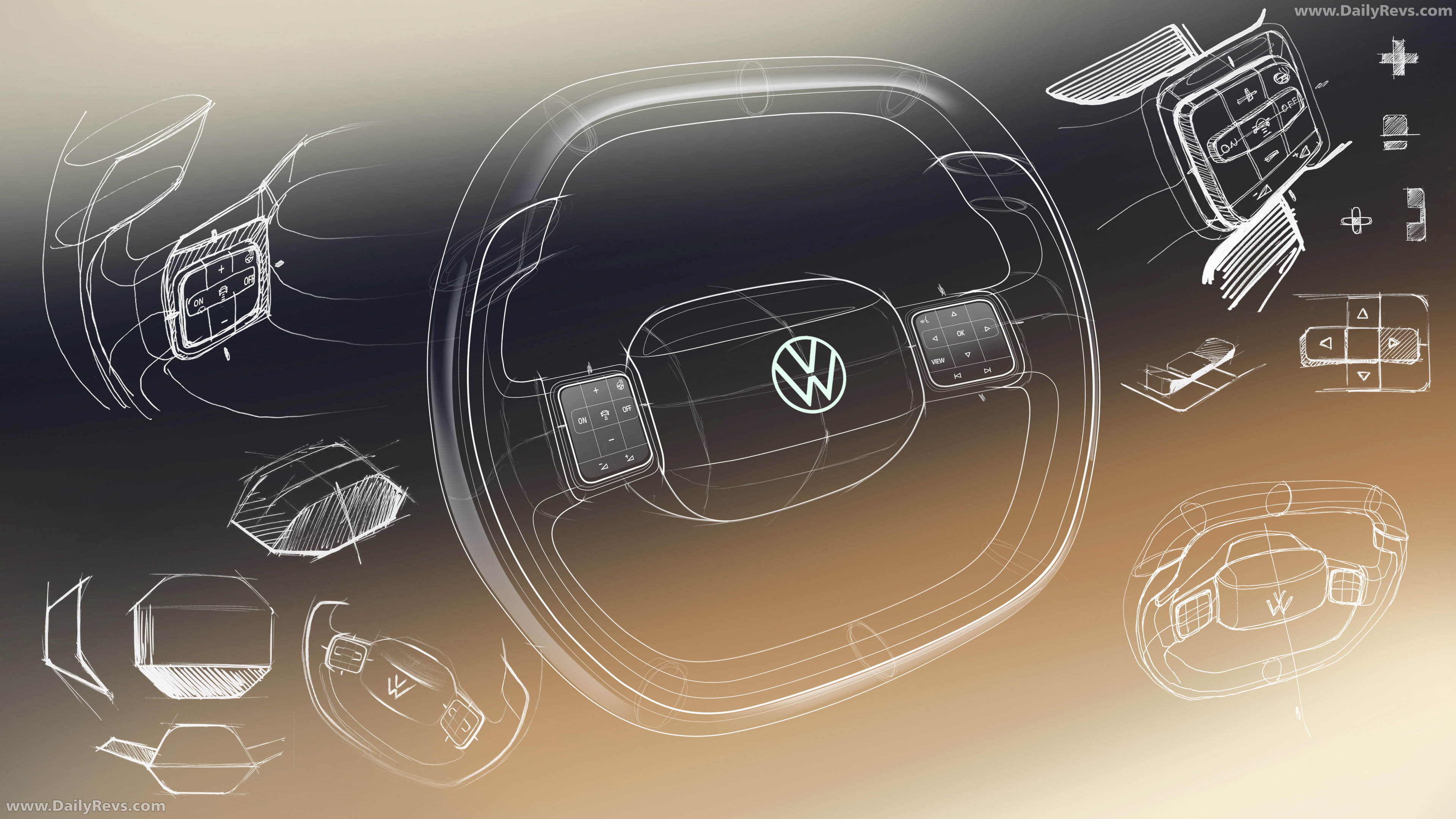
There’s also a return to physical controls for key functions. It’s a small detail, but one that makes daily use less frustrating.
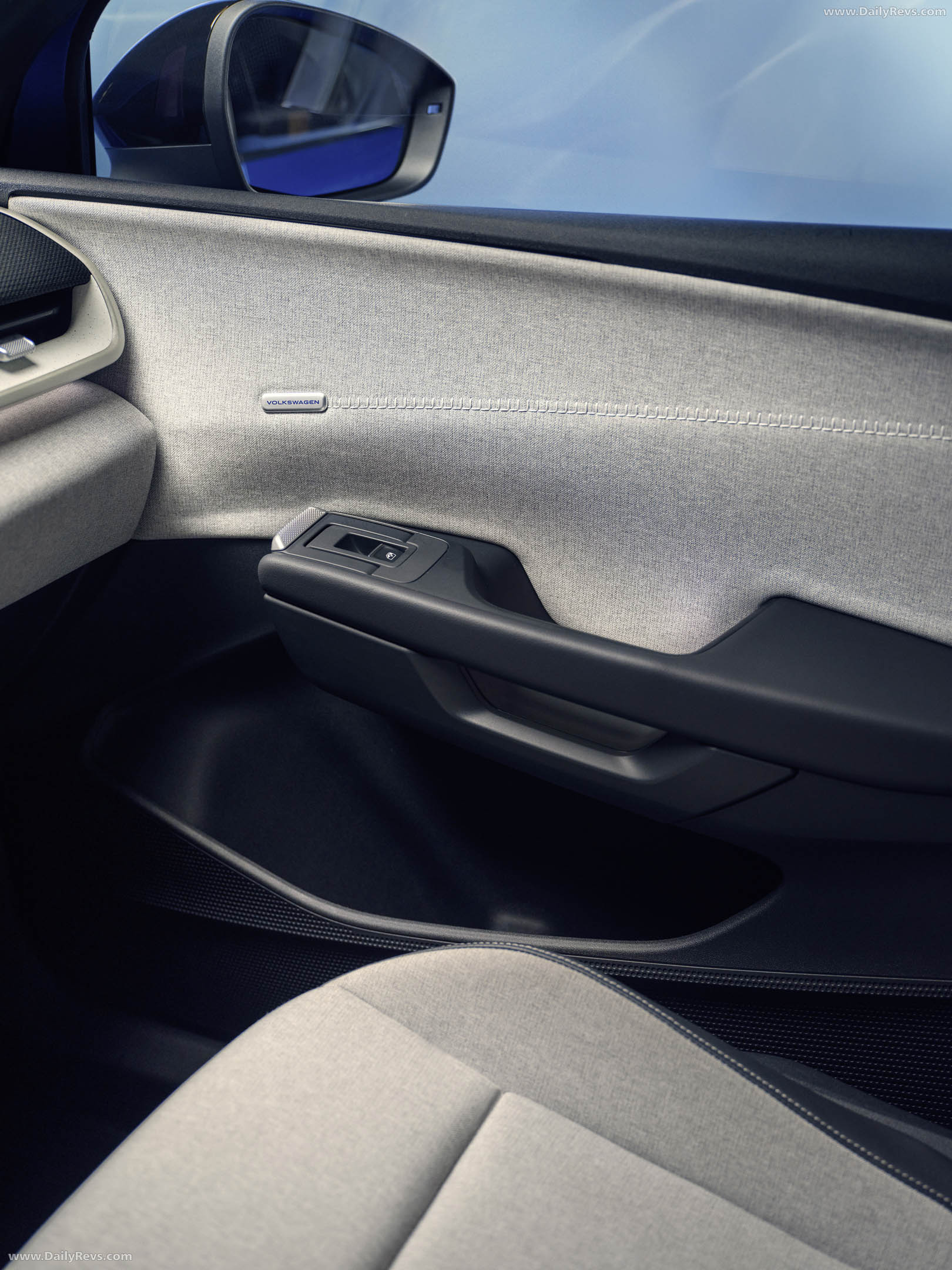
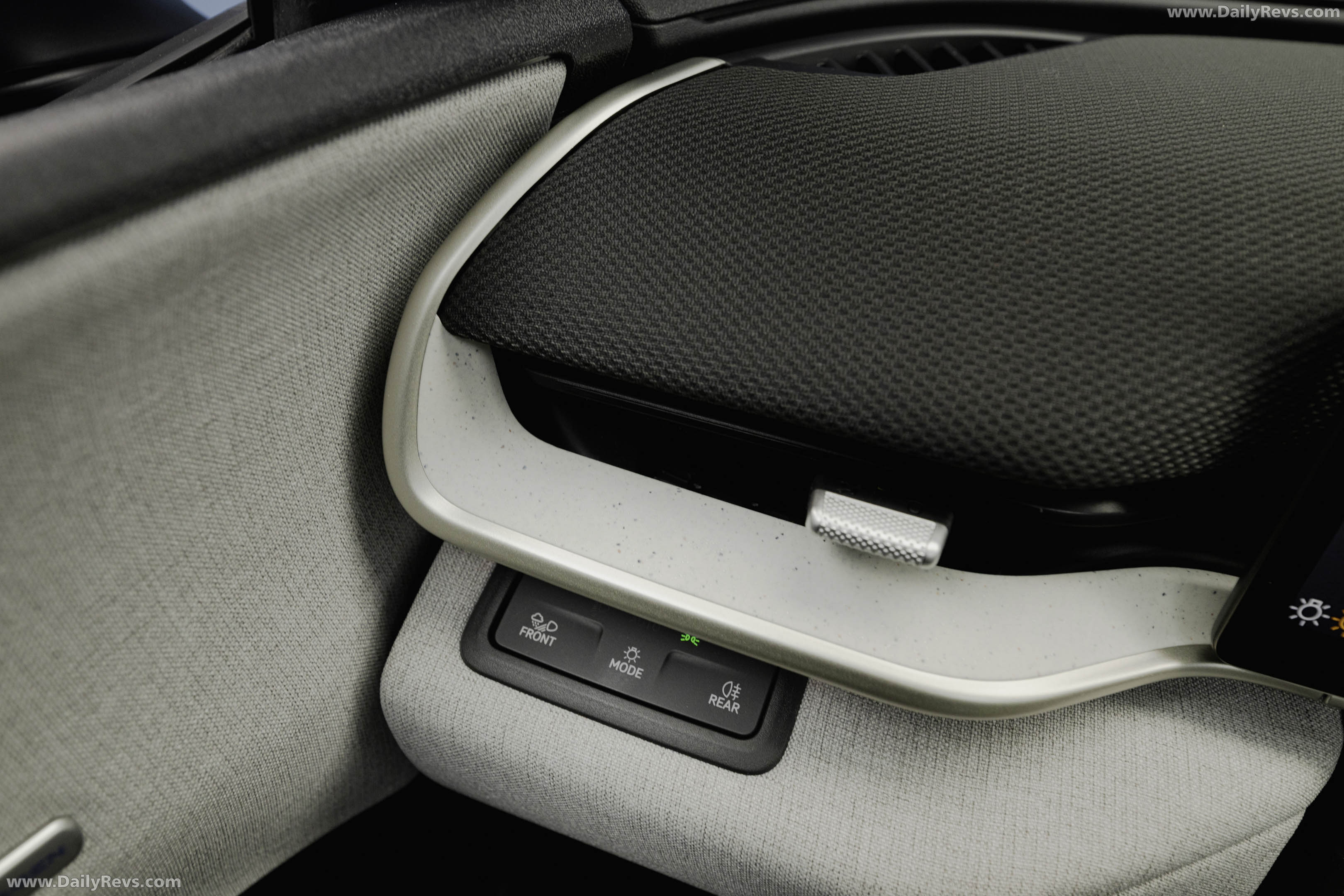
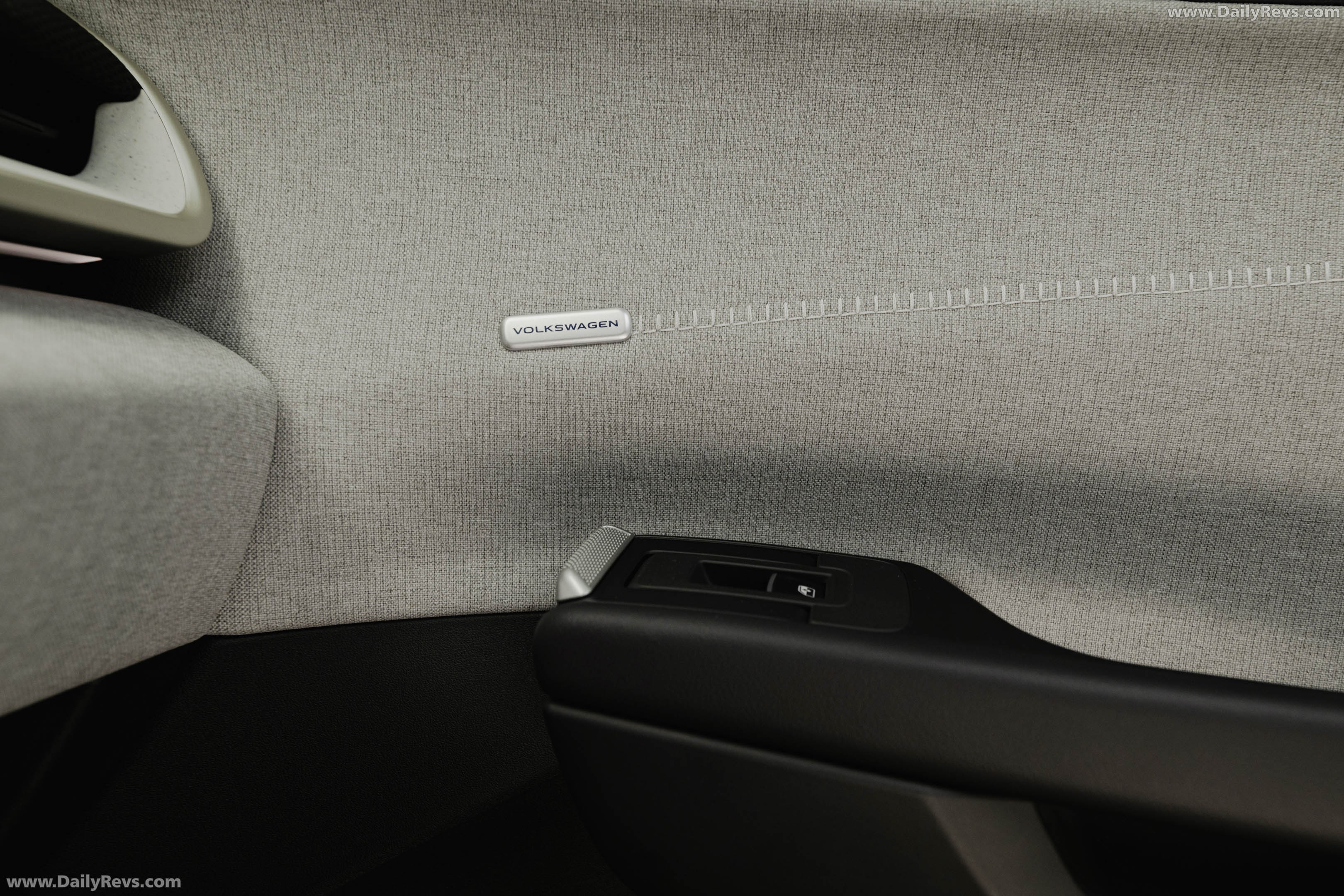
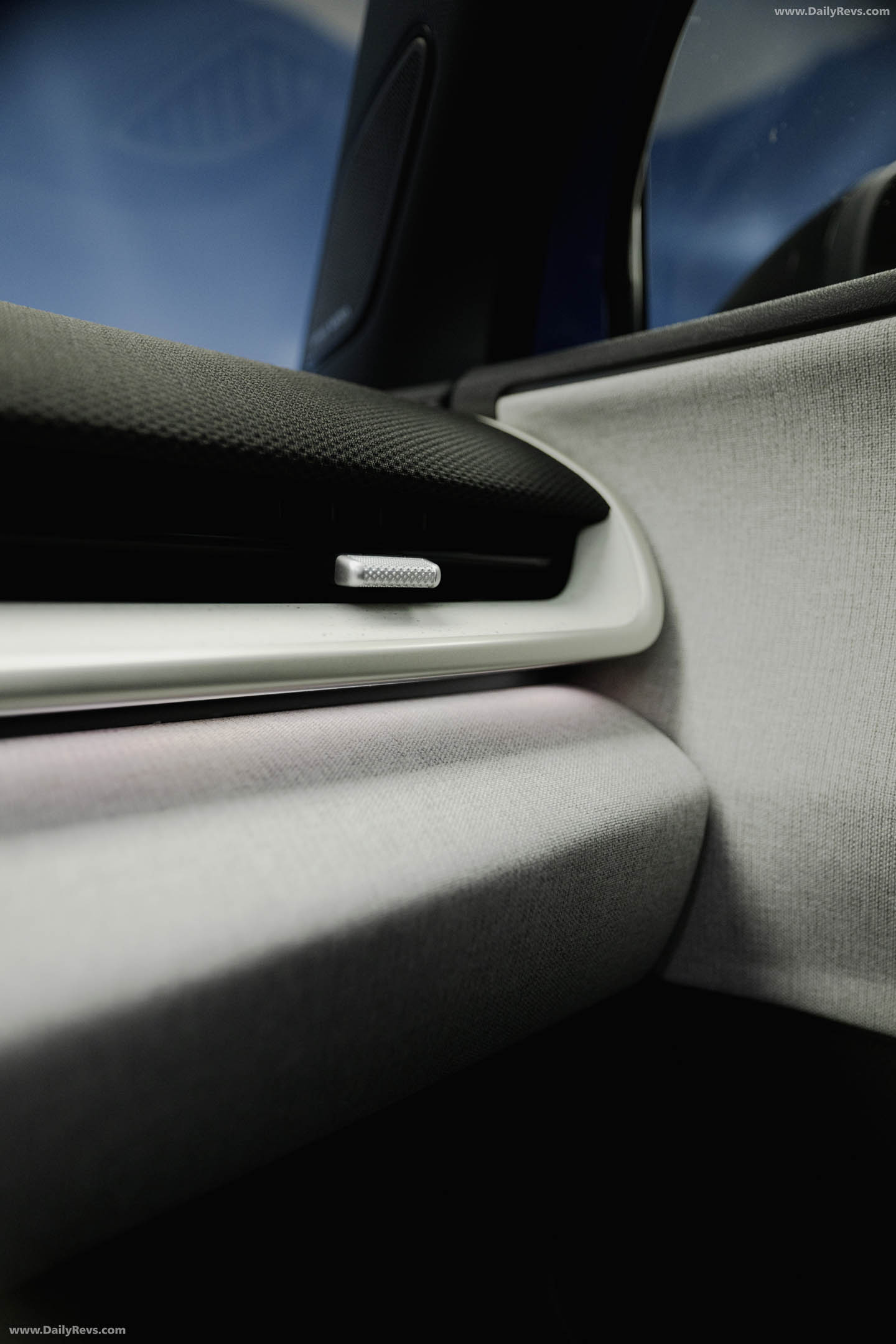
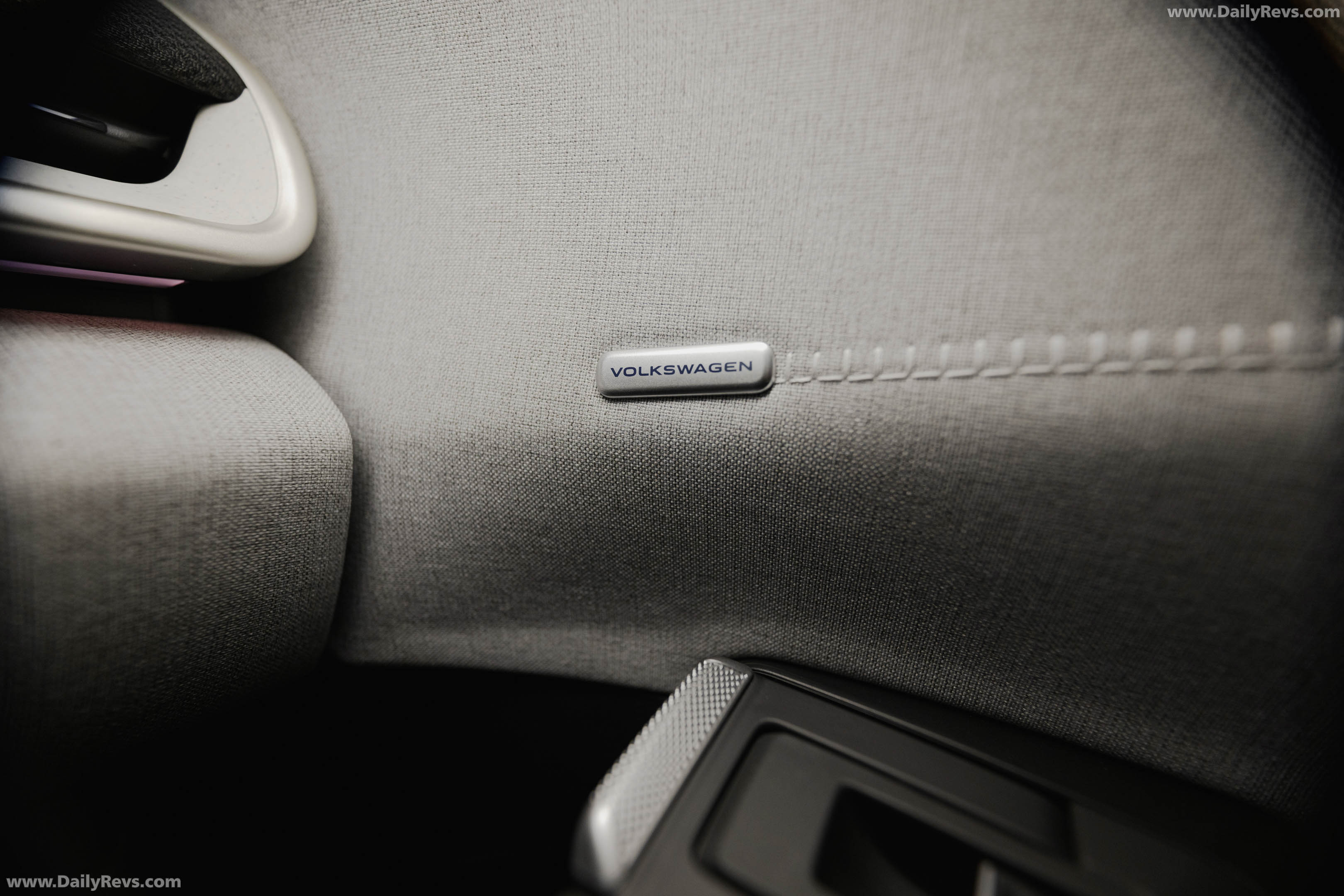
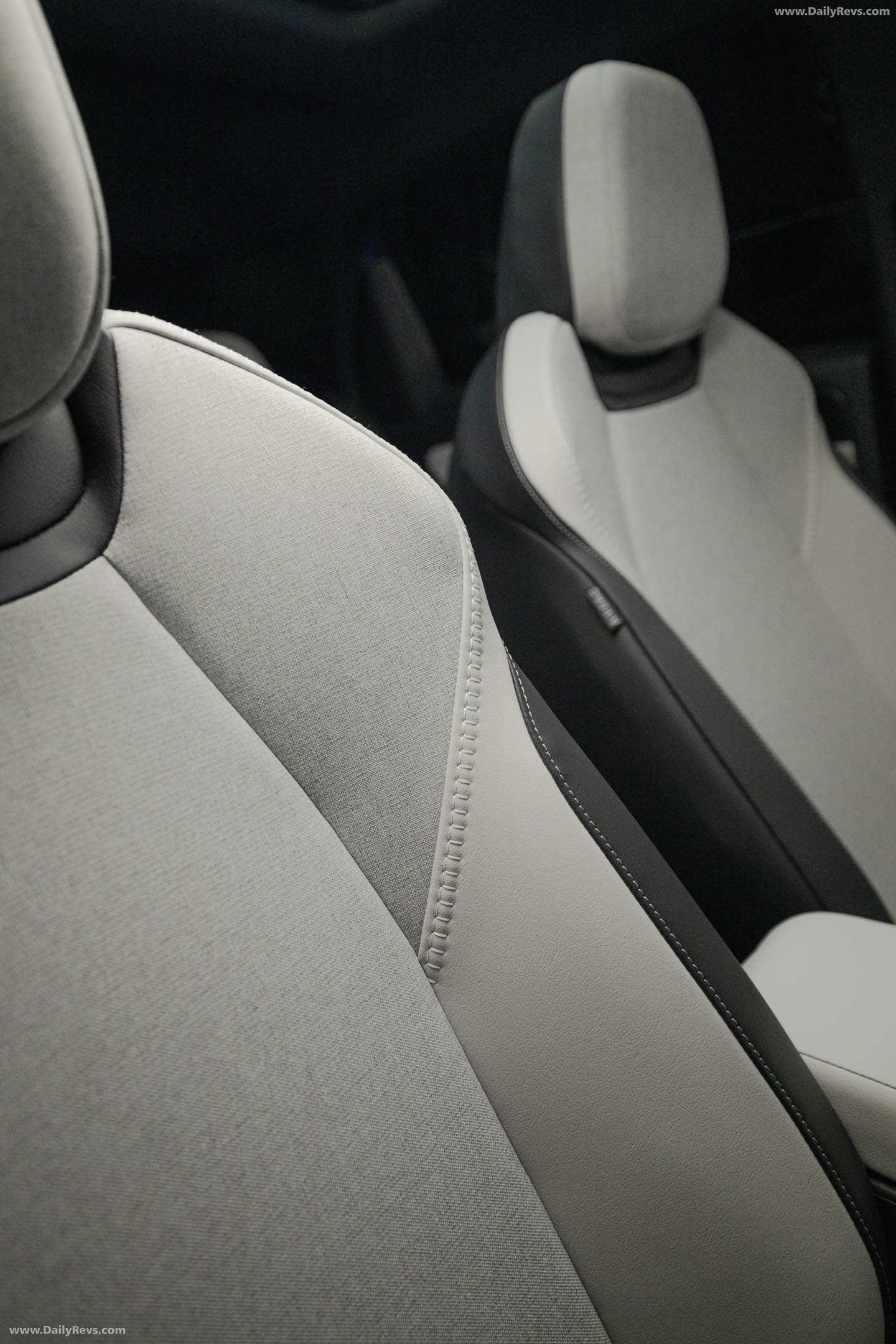
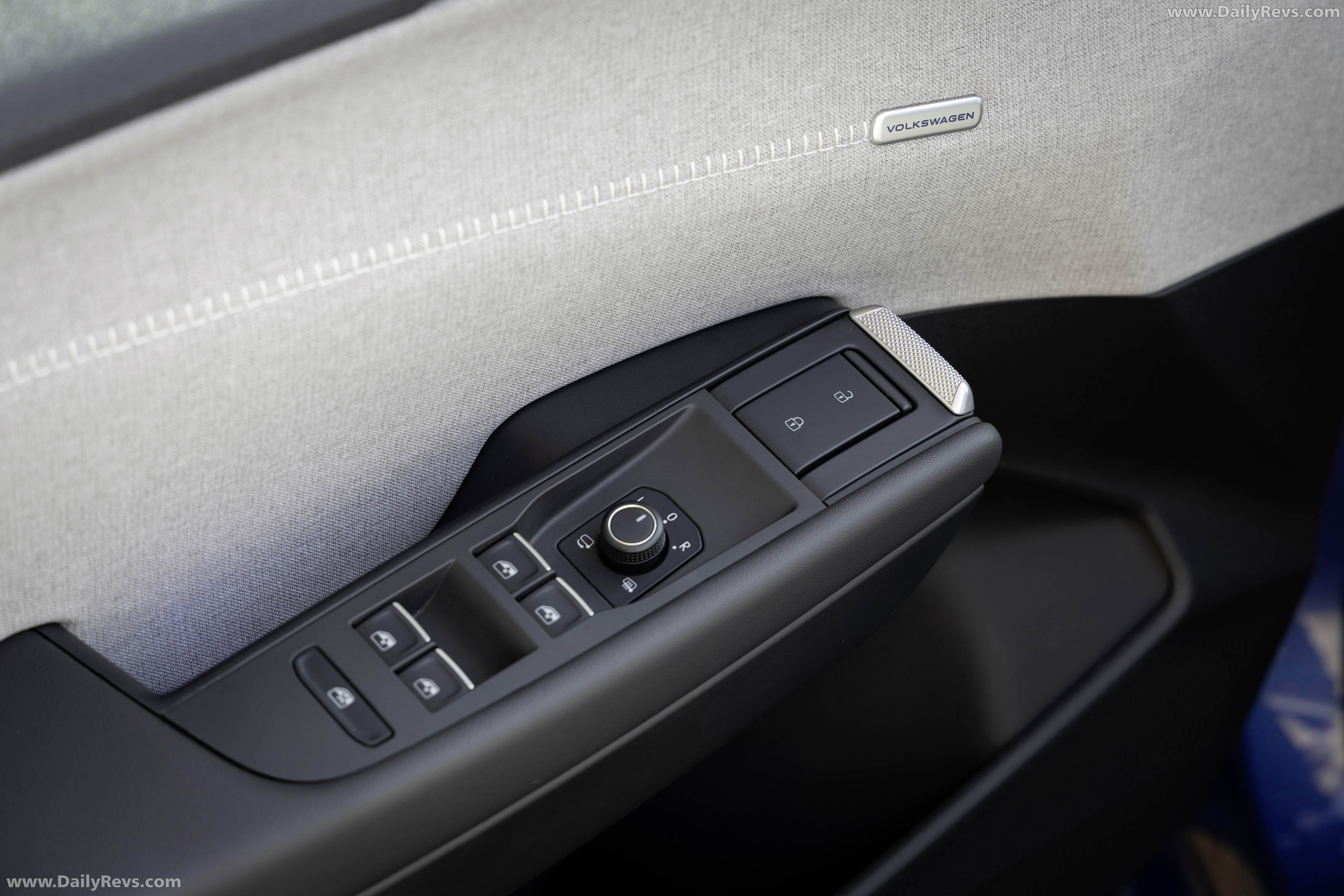
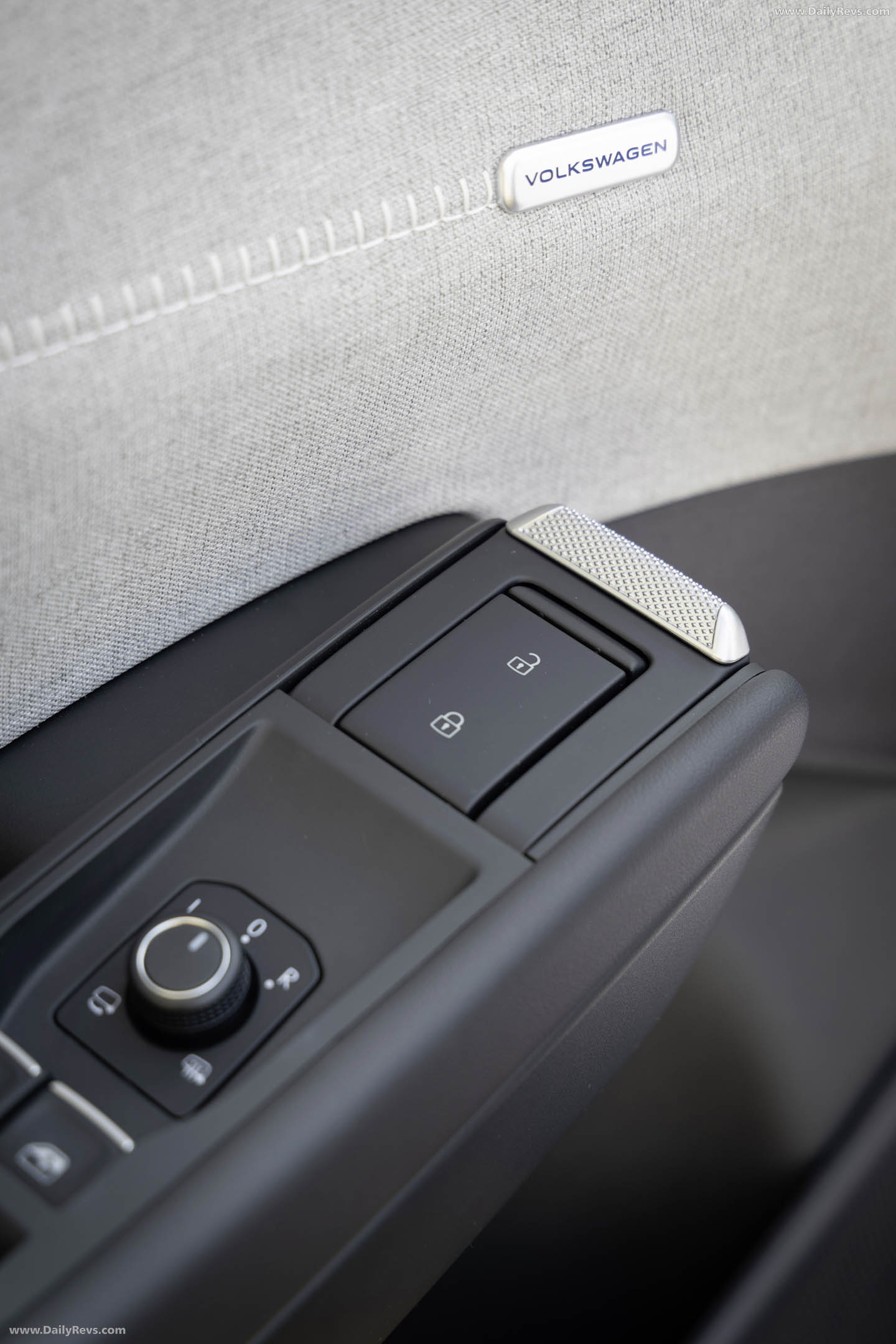
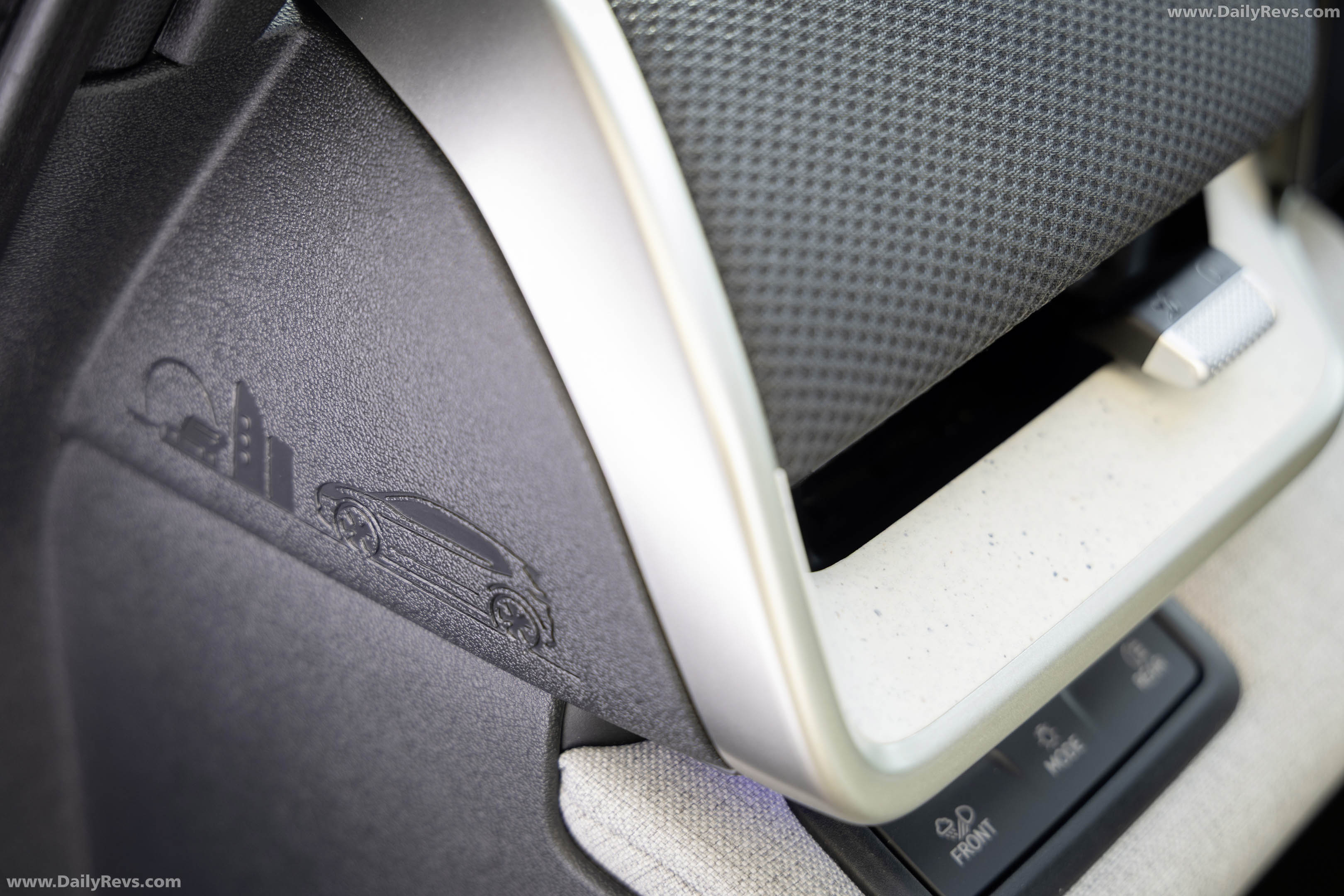
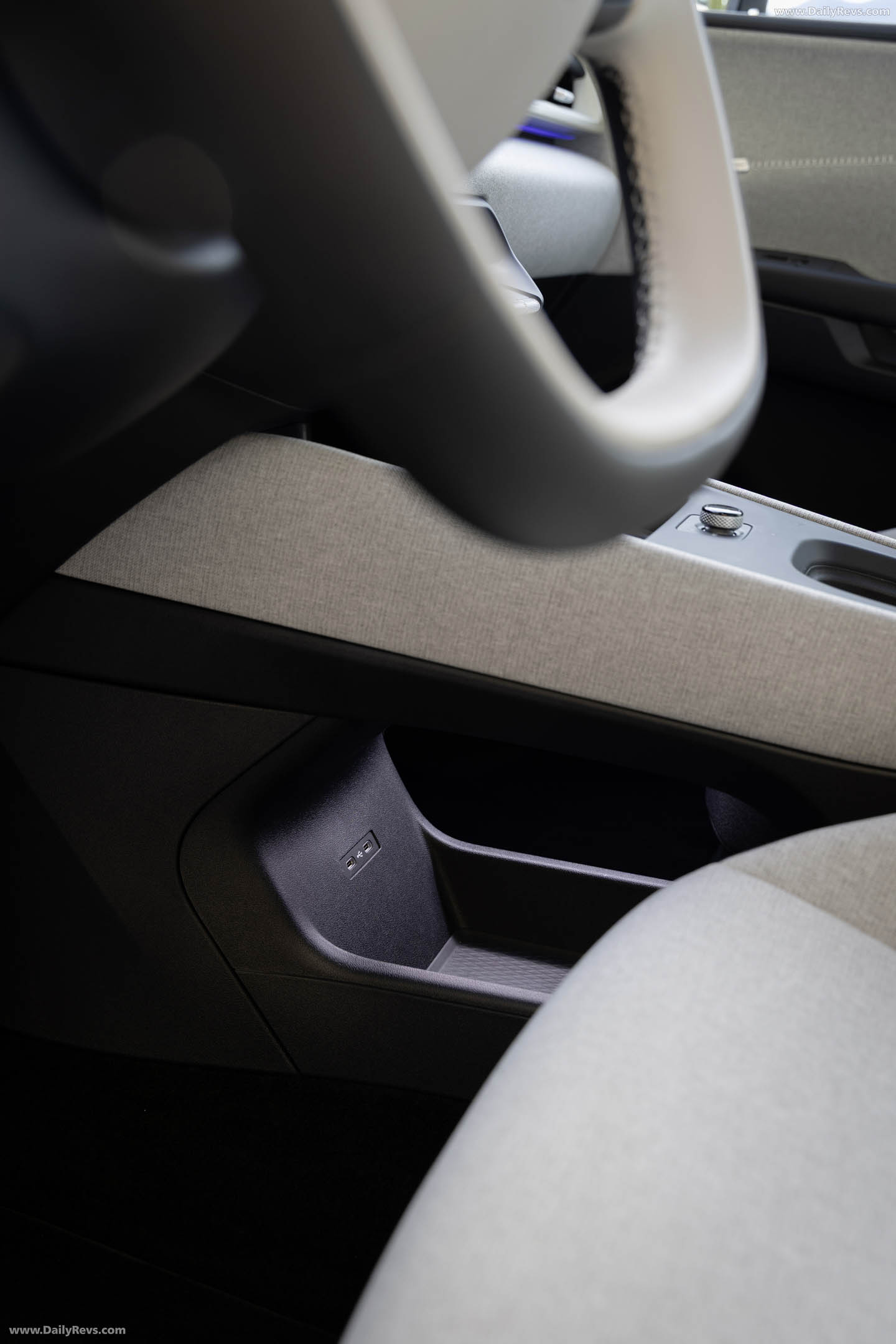
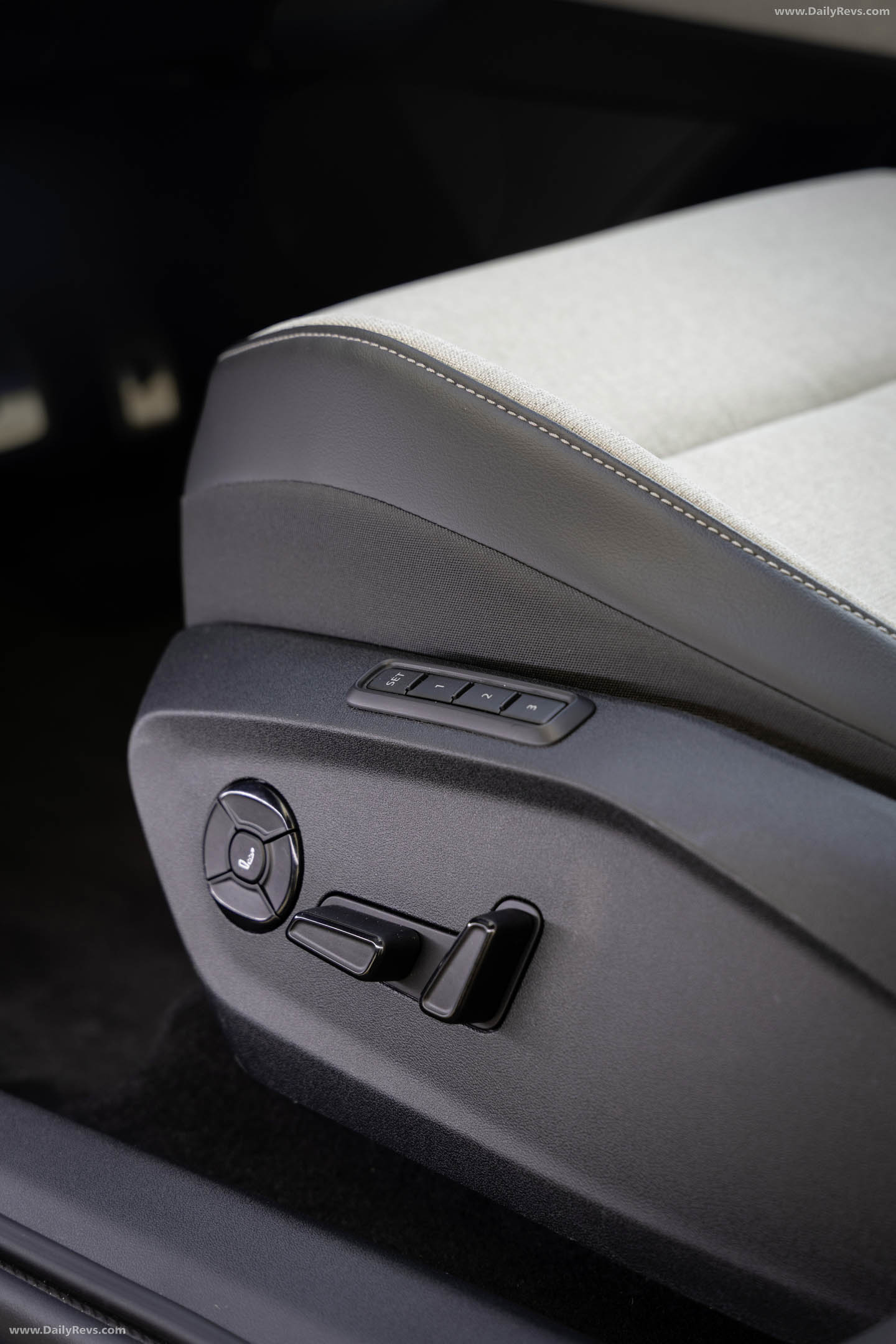
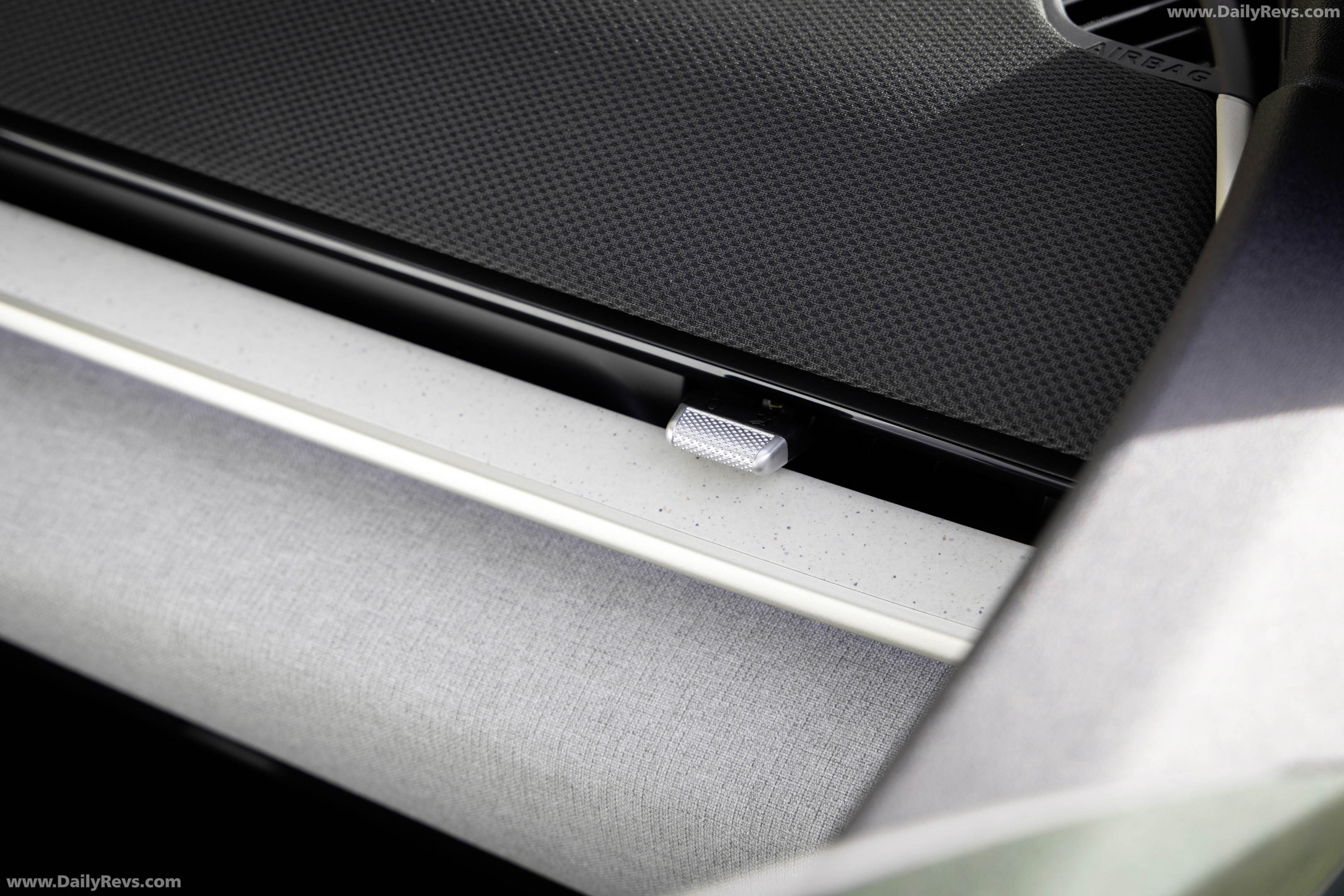
Materials and finishes aim for a clean, uncluttered feel. Stitching details and subtle branding touches are present, though not overdone. There’s even a “retro display” option that mimics older Volkswagen instrument layouts, which feels like a nod to the car’s long history
Electric performance keeps things accessible but flexible
The ID Polo doesn’t chase headline performance numbers.
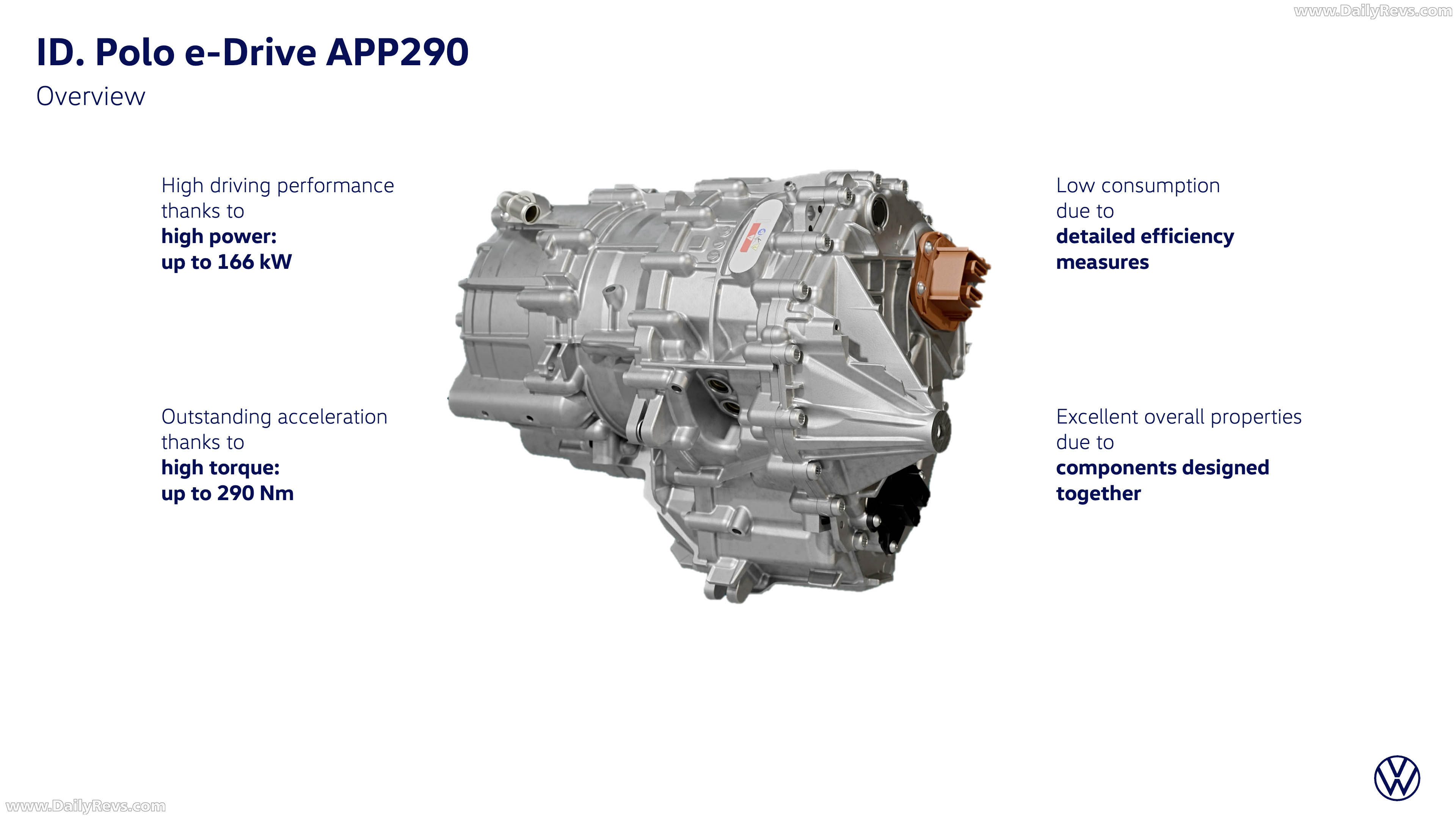
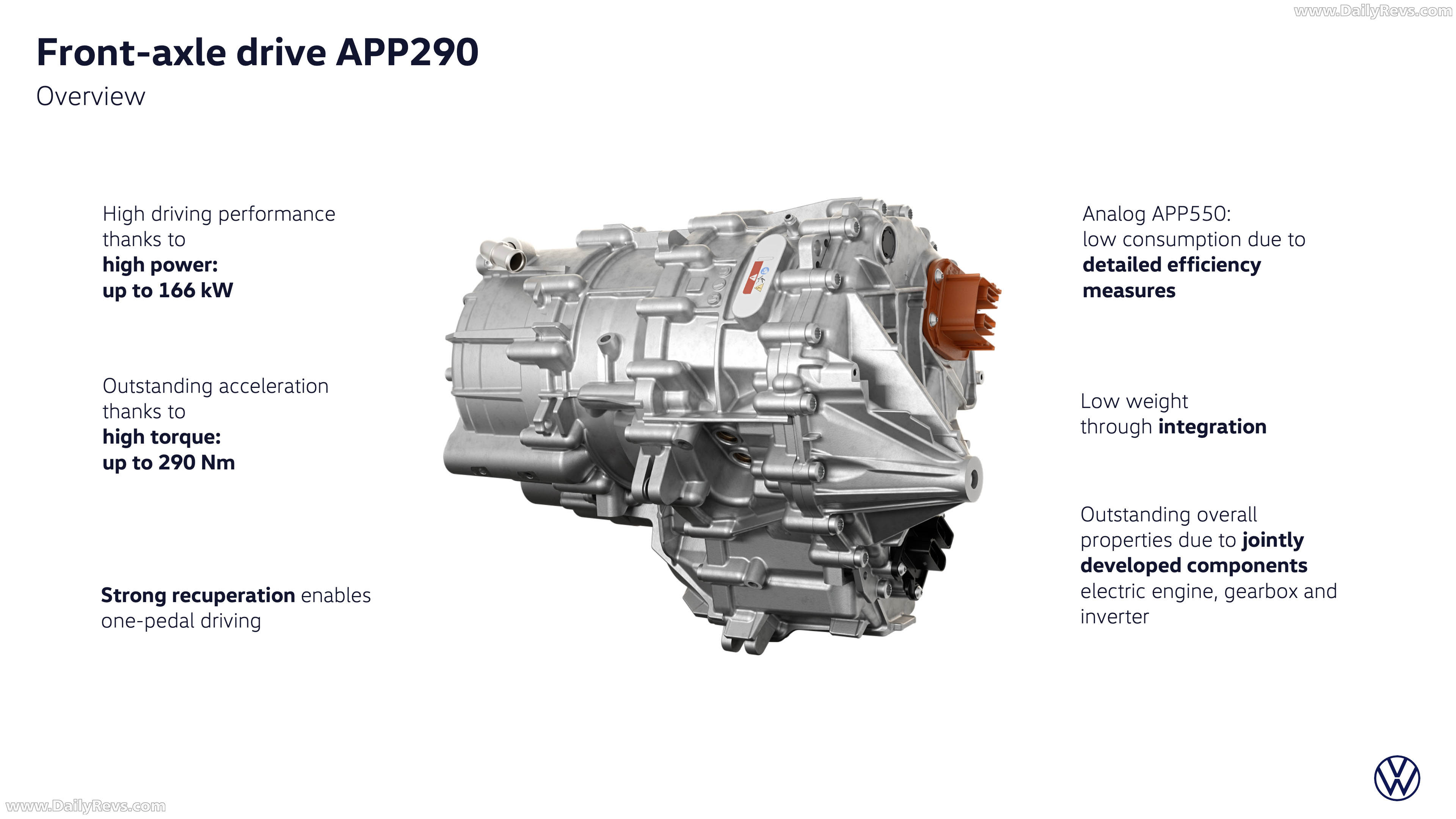
Instead, it offers a range of outputs. Entry-level versions start at 85 kW, moving through 99 kW, and topping out at 155 kW for the most powerful variant. For most buyers, that spread should cover everyday needs without pushing into unnecessary extremes.
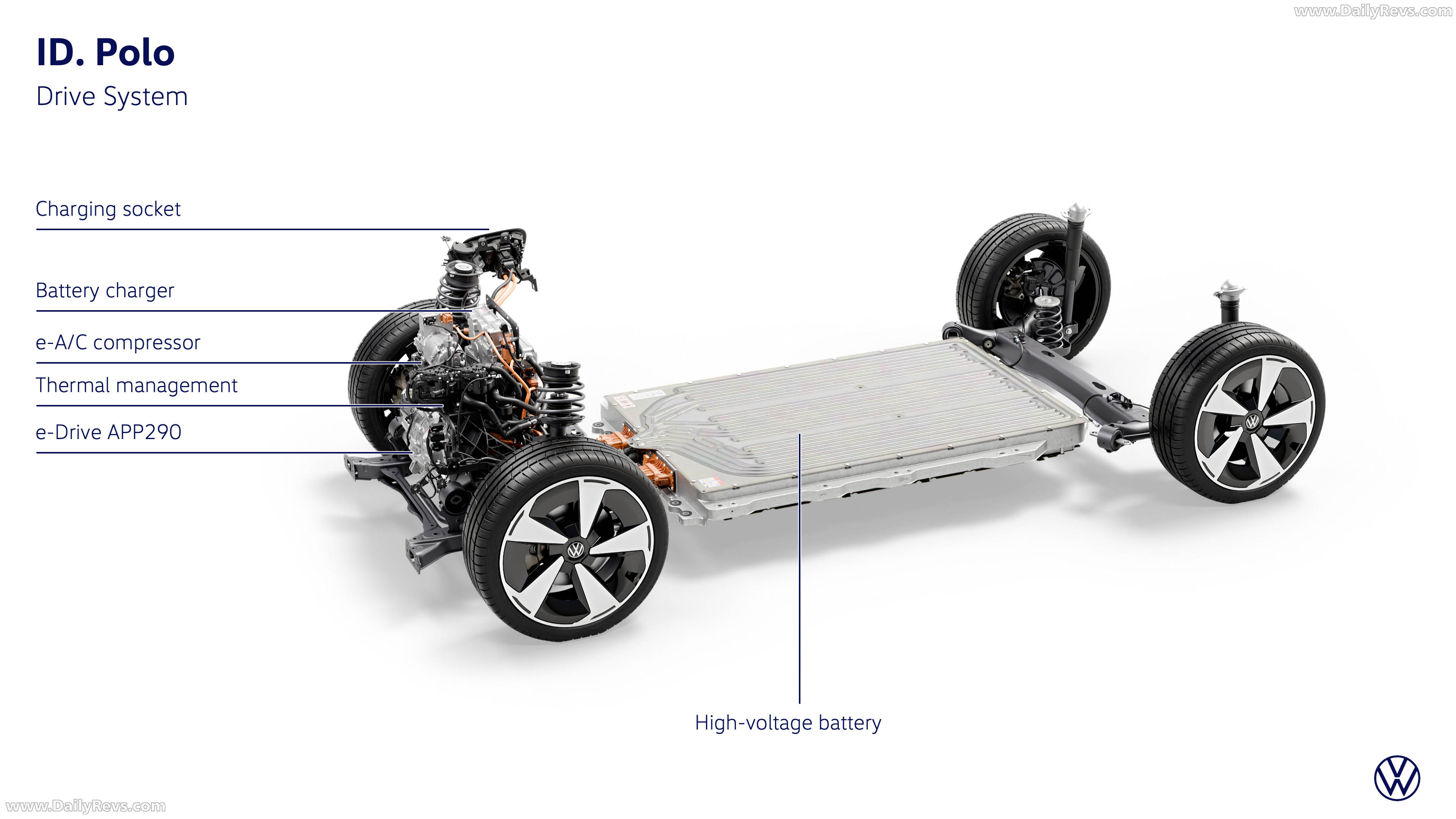
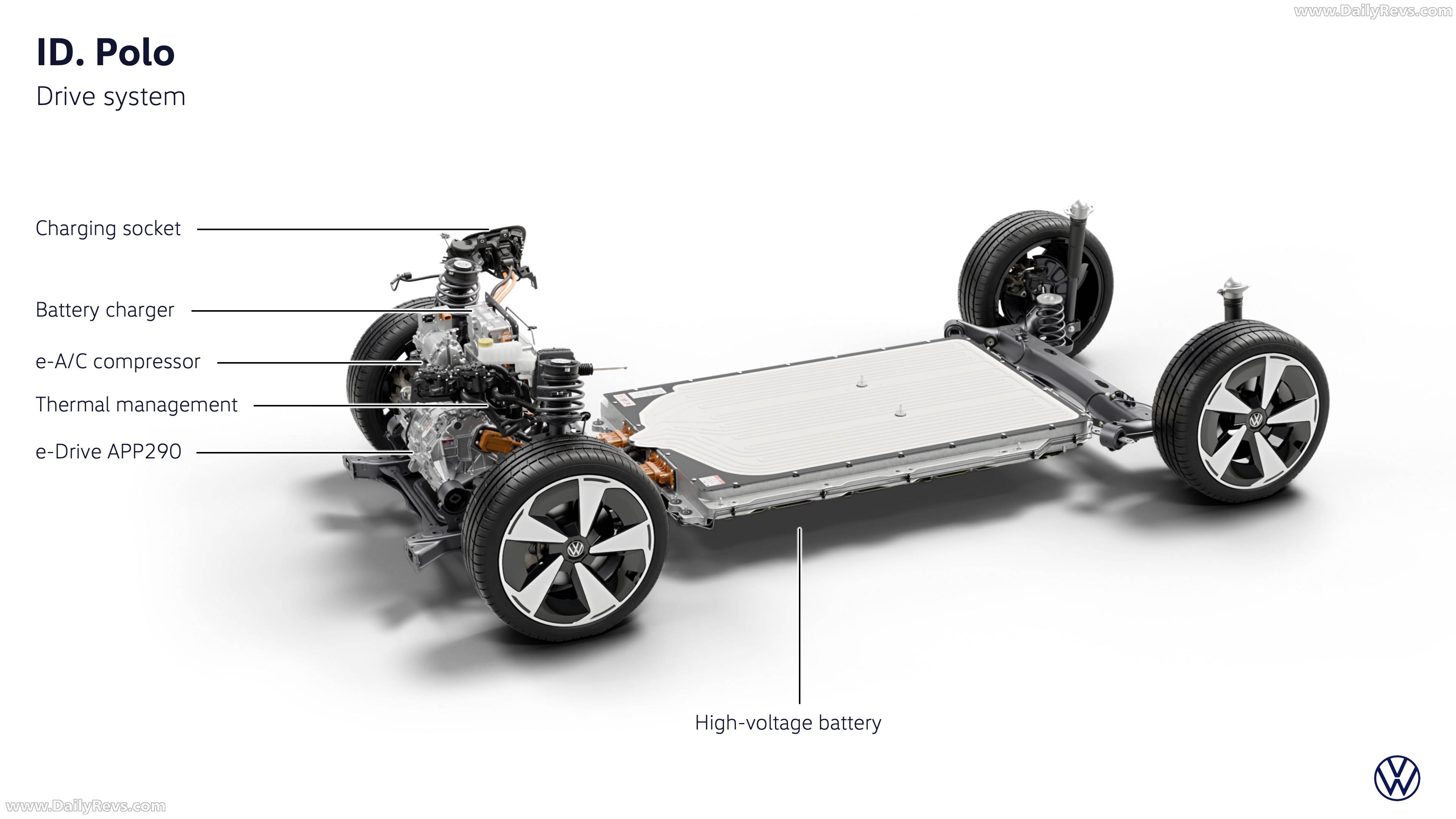
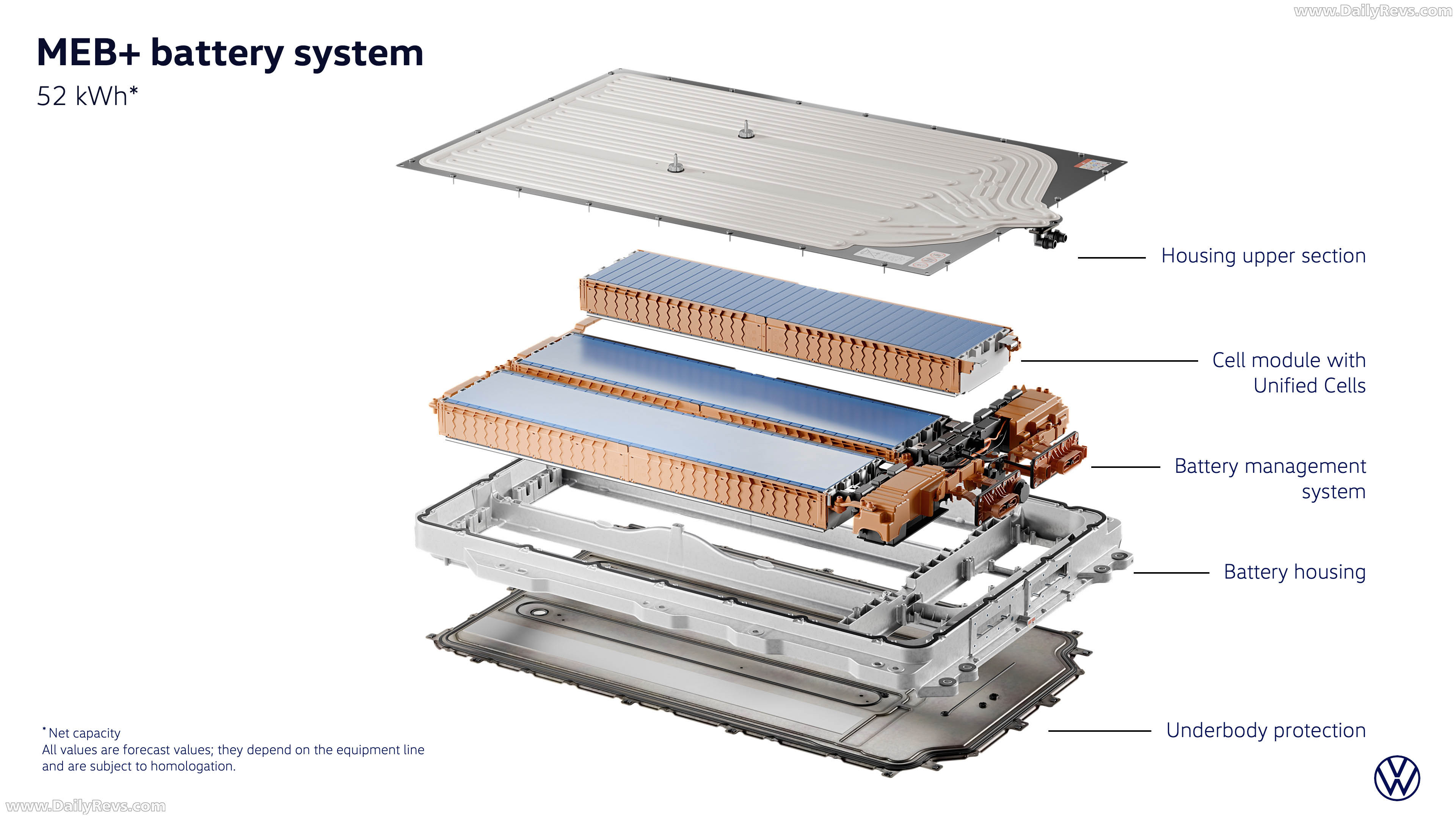
Battery options also vary. Smaller versions use a 37 kWh pack, while higher-output models move to a 52 kWh unit. The latter enables a claimed WLTP range of up to 455 km.
Charging performance looks competitive. Volkswagen quotes a 10 to 80 percent DC charge time of around 23 to 24 minutes under optimal conditions.
Everyday usability remains the core focus
What stands out more than anything is how normal the car tries to feel.
There’s one-pedal driving available, but it’s optional rather than forced. Vehicle-to-load functionality is included, allowing the car to power external devices, which adds some flexibility for daily use or travel.
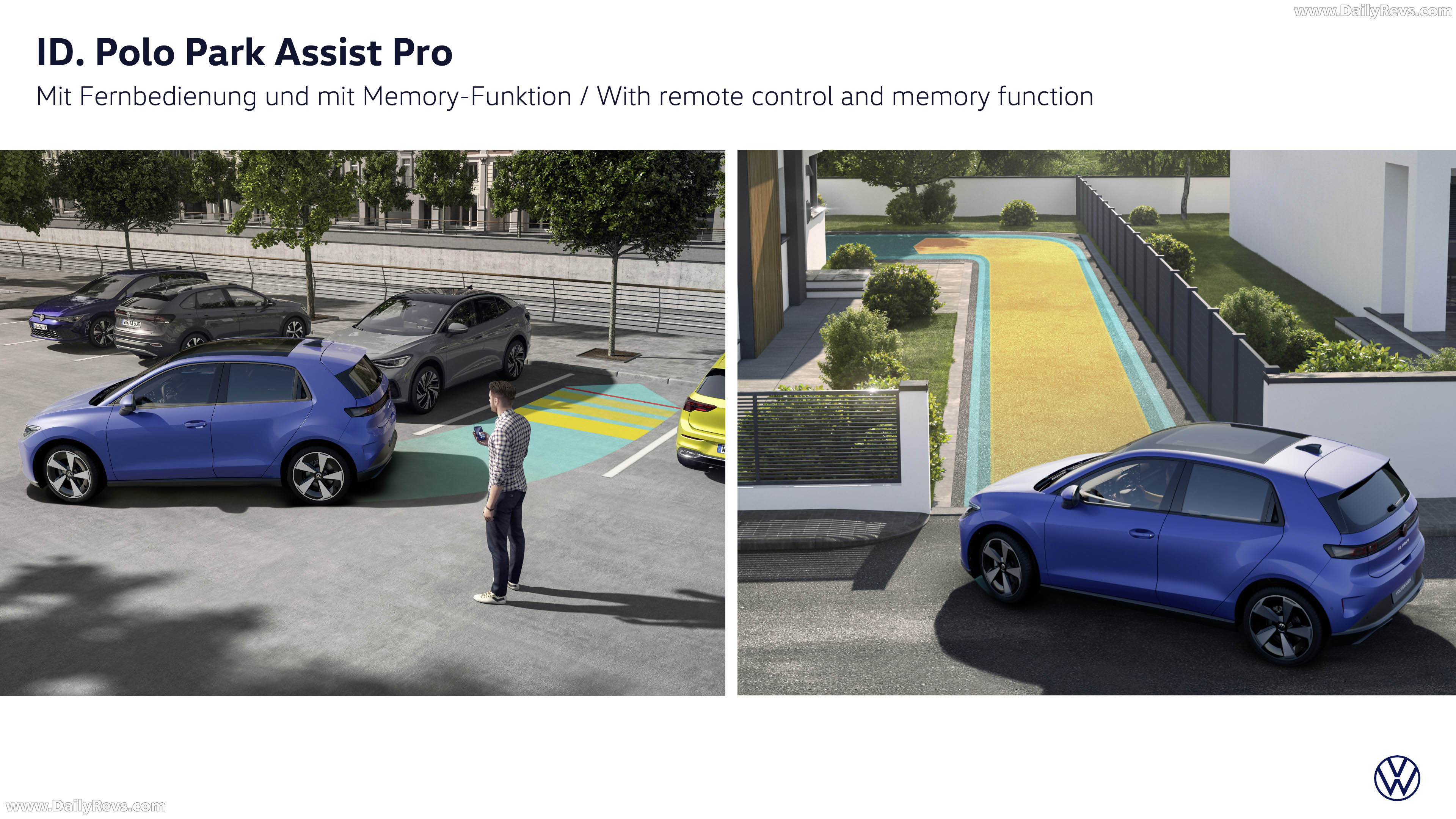
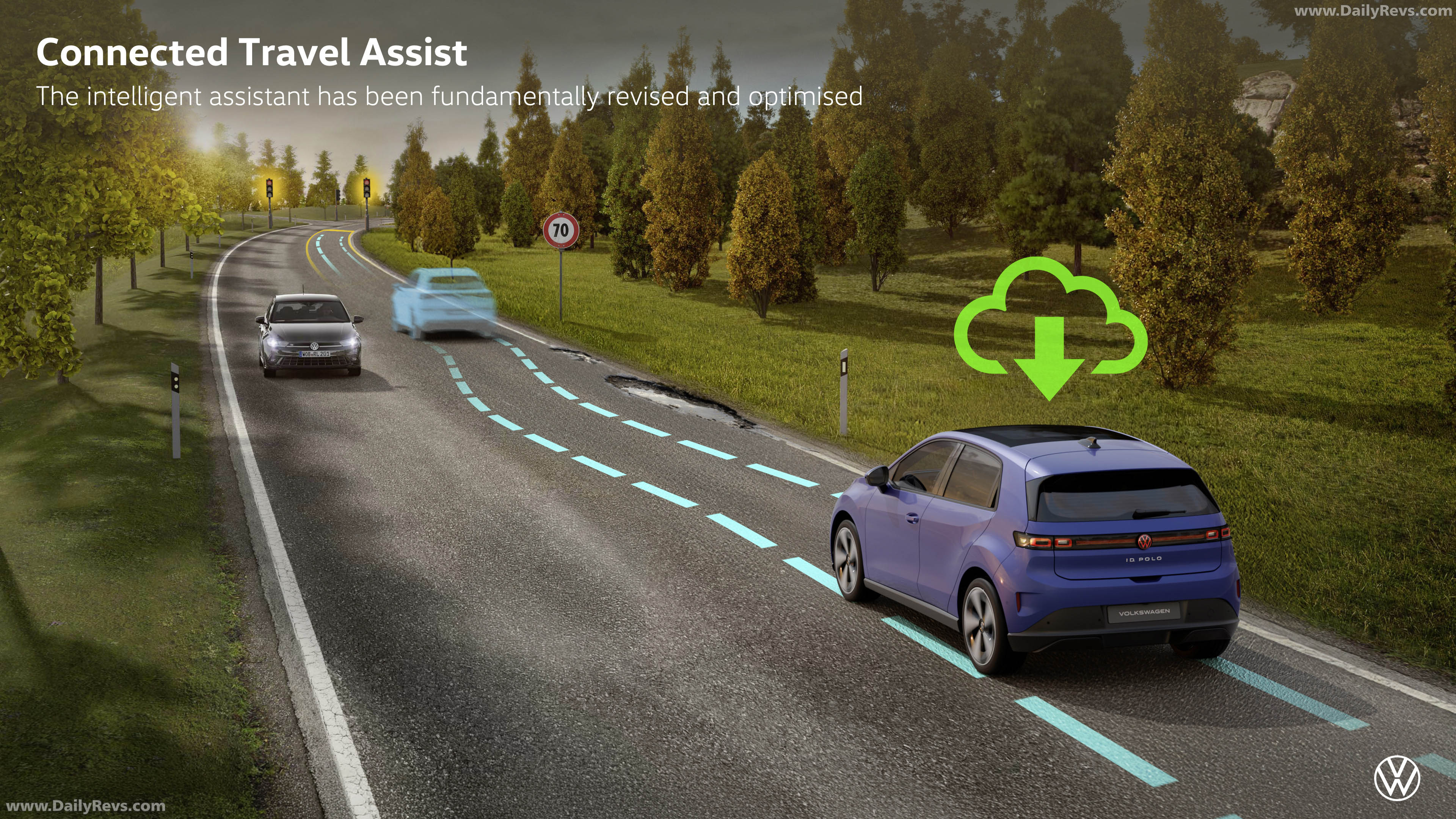
Assist systems also move upmarket. Features like Connected Travel Assist with traffic light recognition appear here, something not typically seen in this segment.