2027 Volkswagen Atlas R-Line
By Lorenzo Bianchi April 1, 2026
Updated 2.0L turbo engine now delivers 282 hp and 258 lb-ft.
New interior with 15-inch infotainment and ambient lighting.
Retains usable third row and strong cargo space.
Sharper details, same overall shape
The 2027 Volkswagen Atlas doesn’t try to change what it is. It just looks a bit more resolved now.
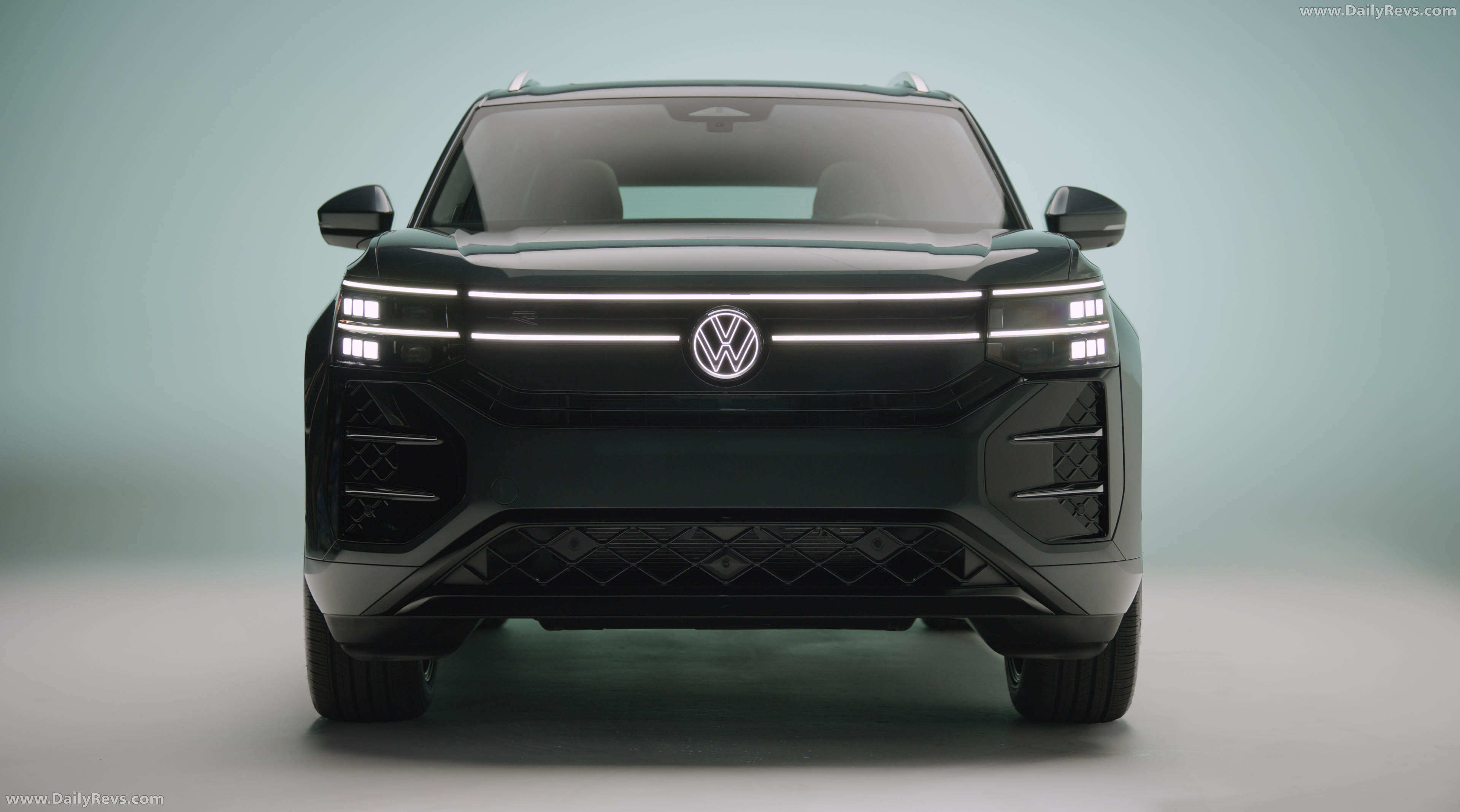
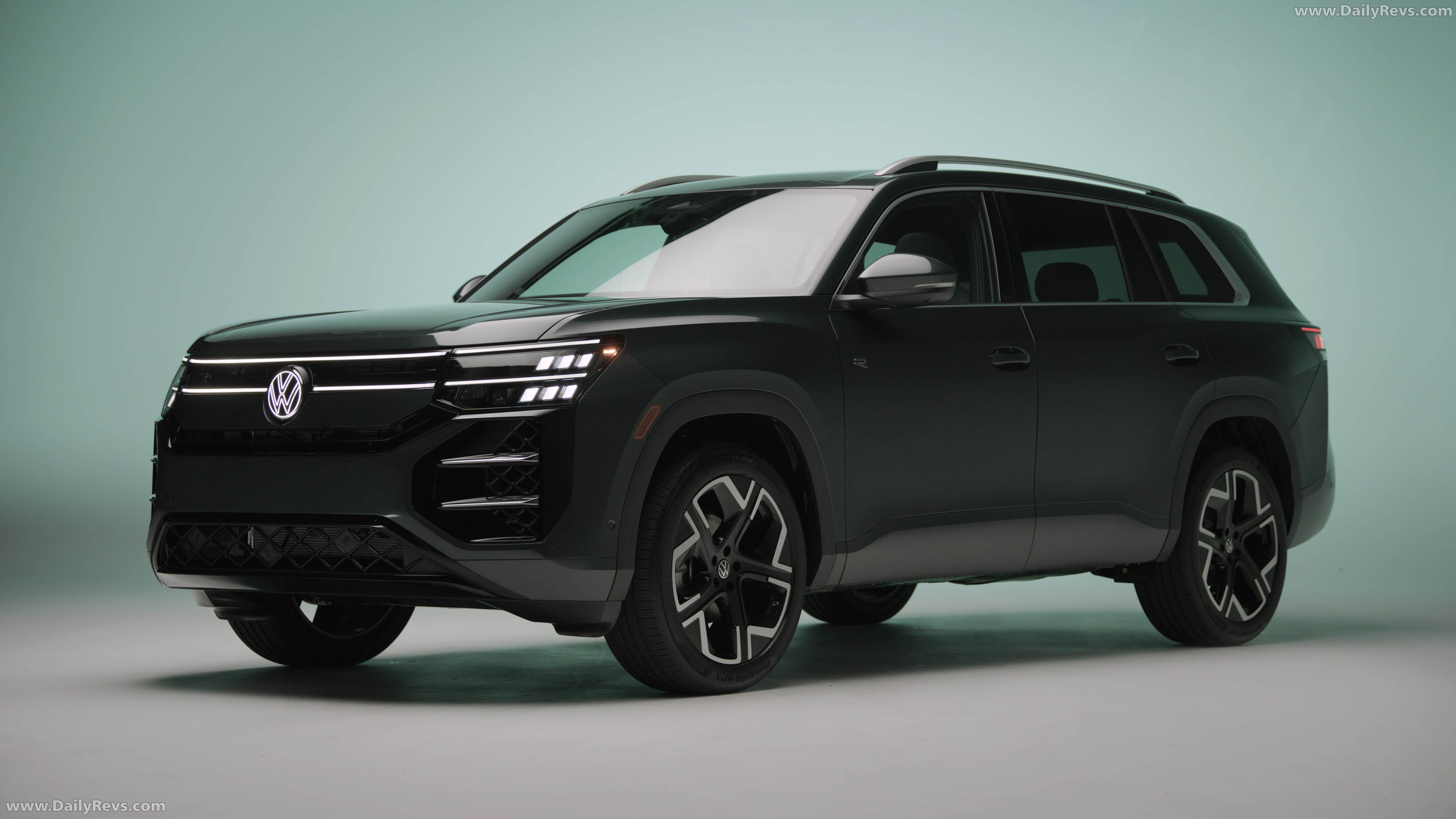
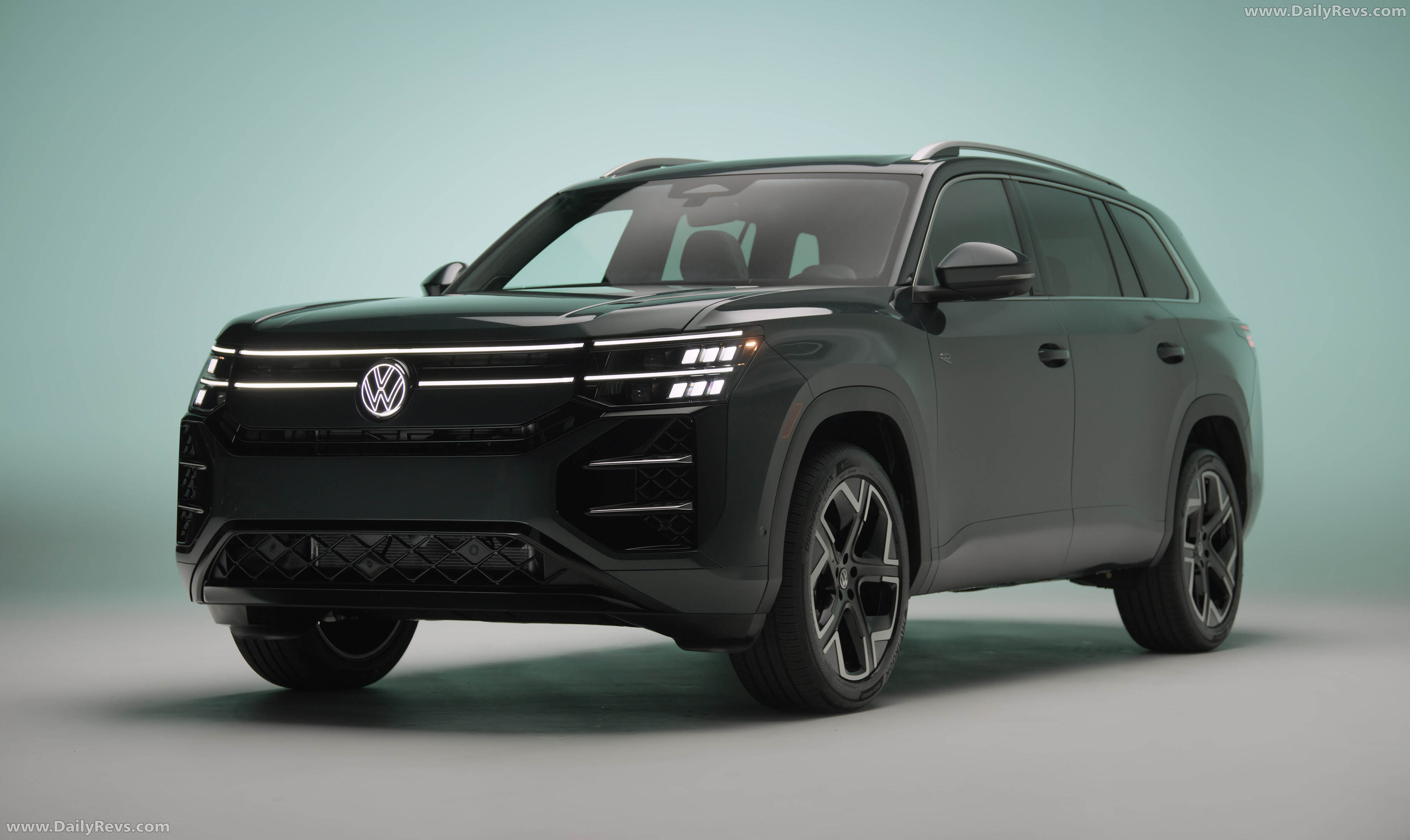
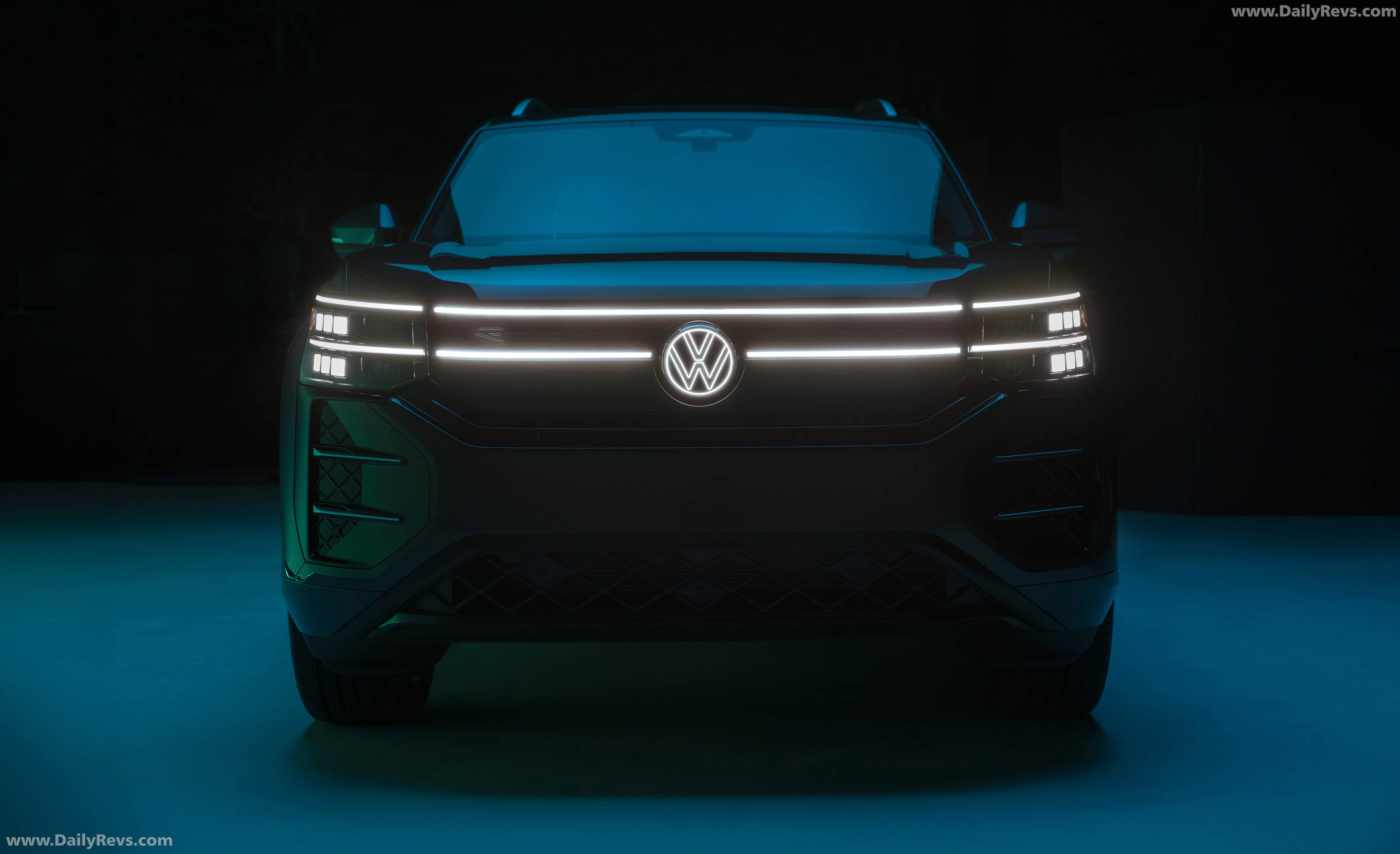
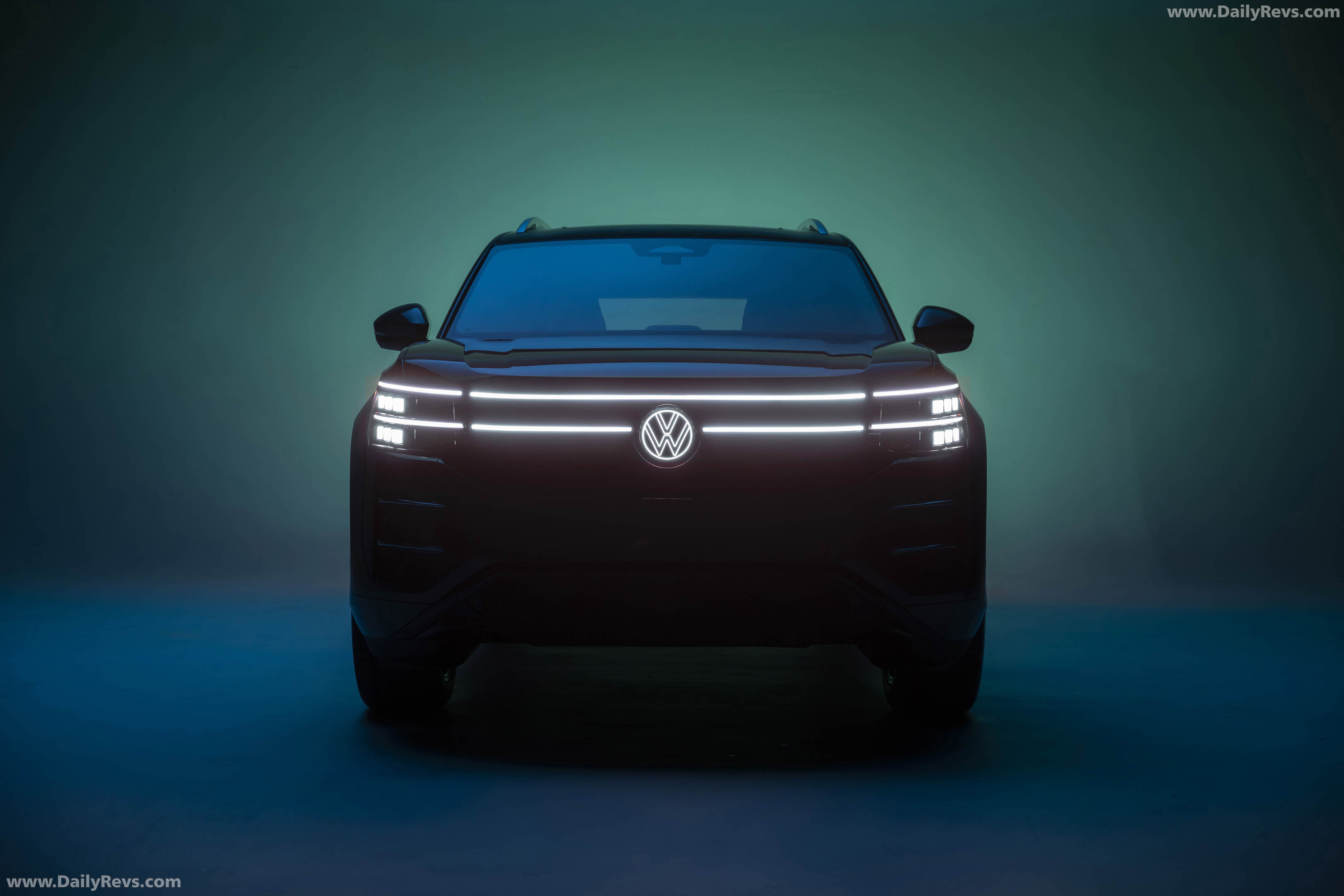
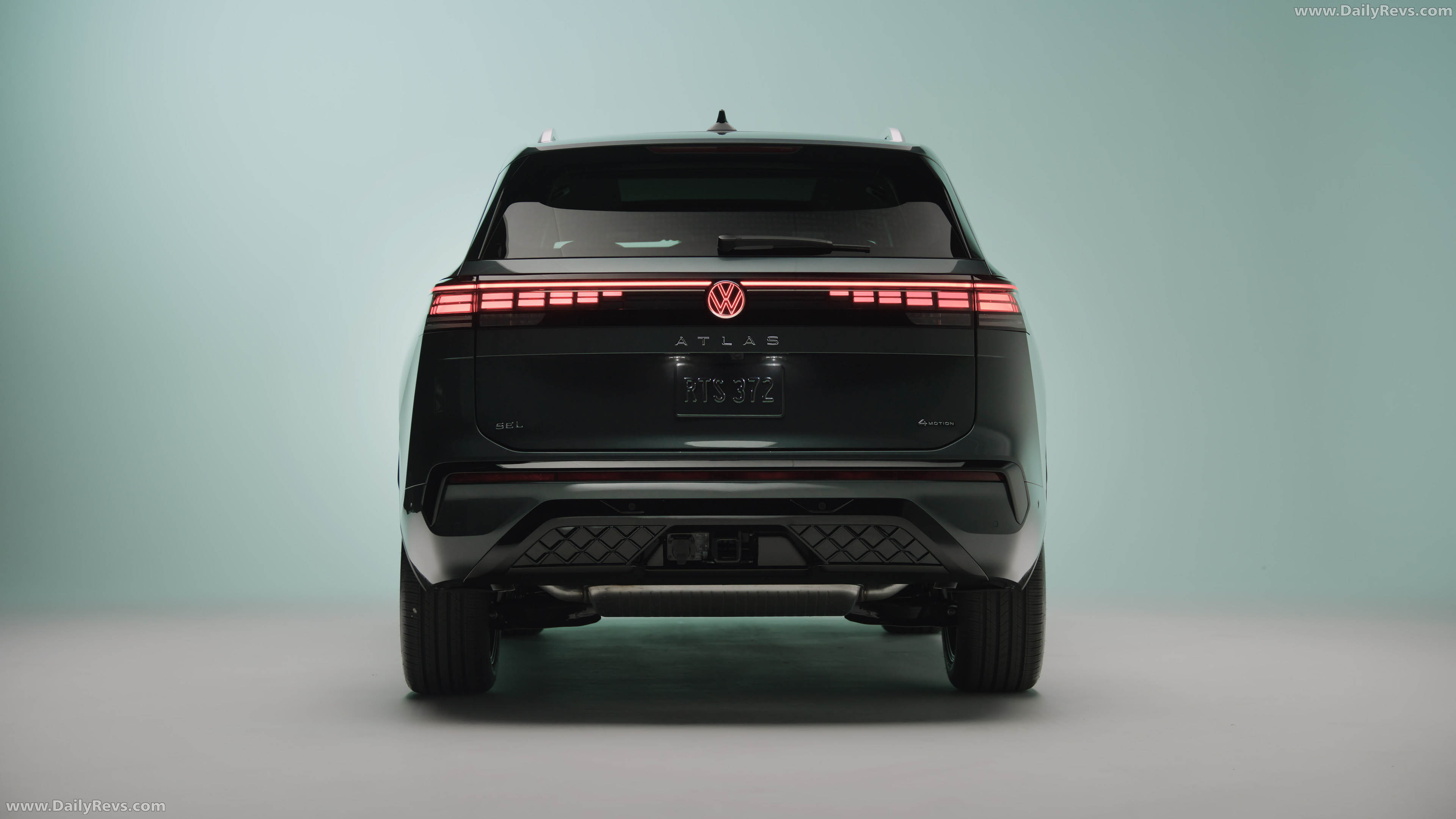
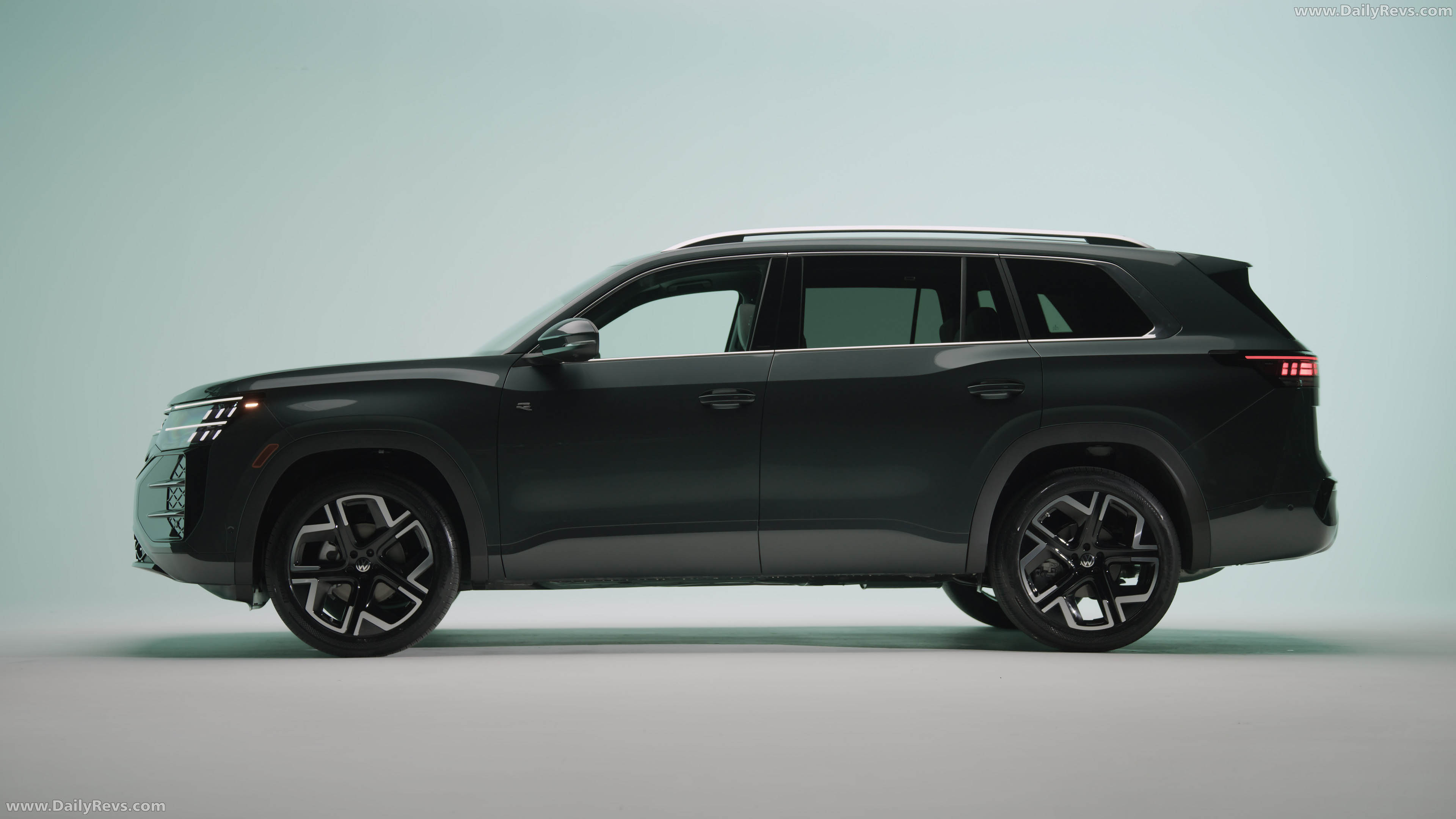
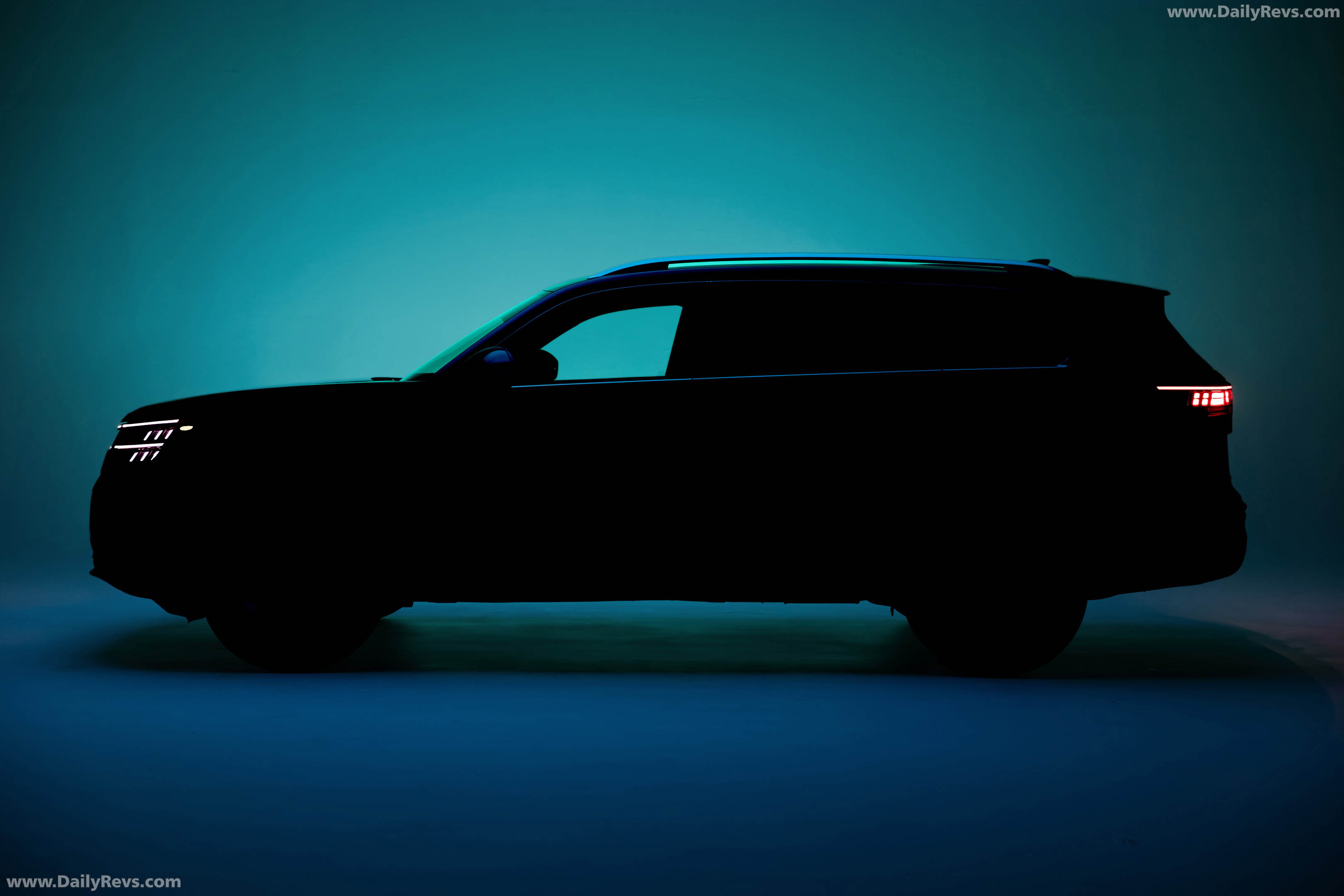
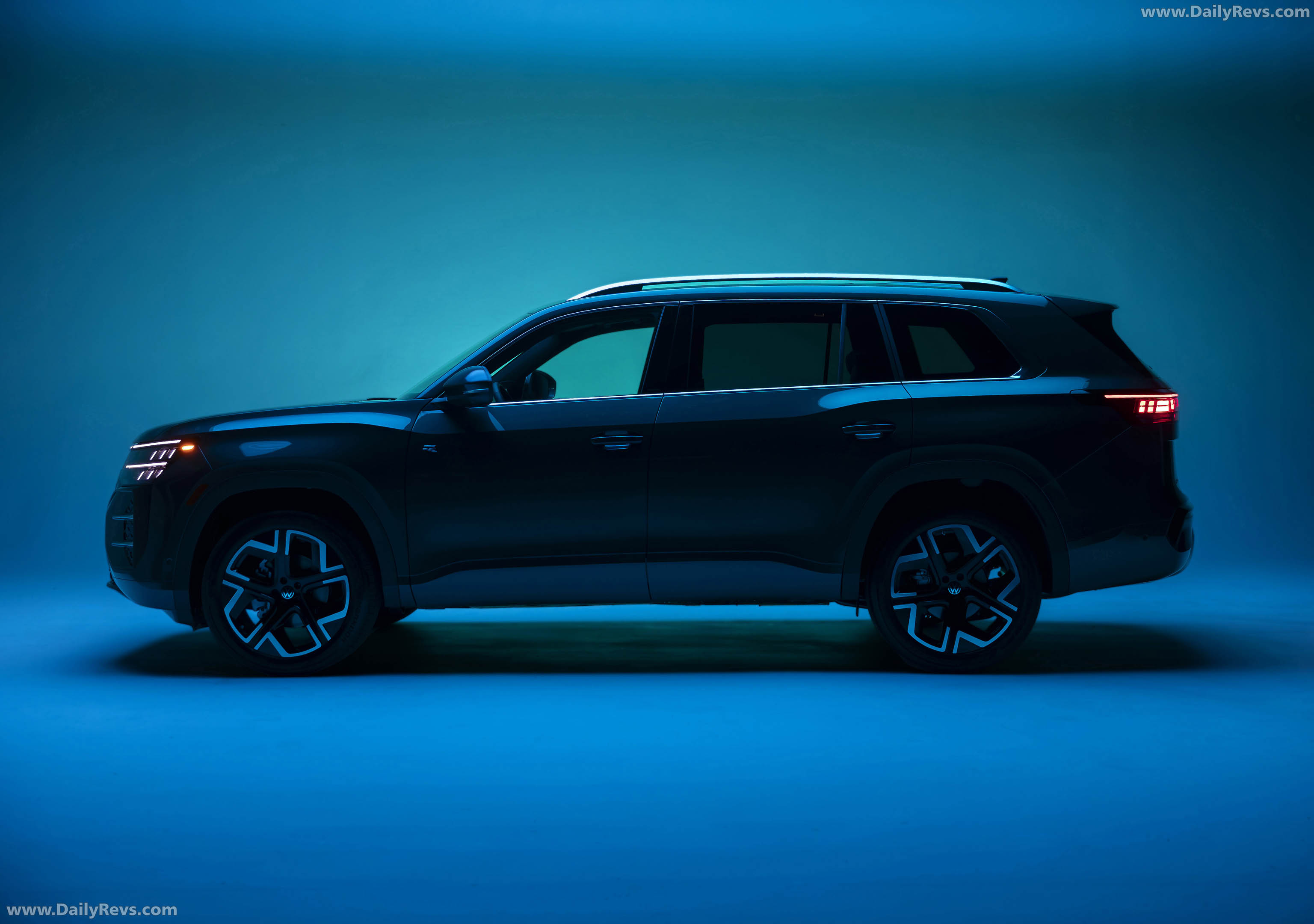
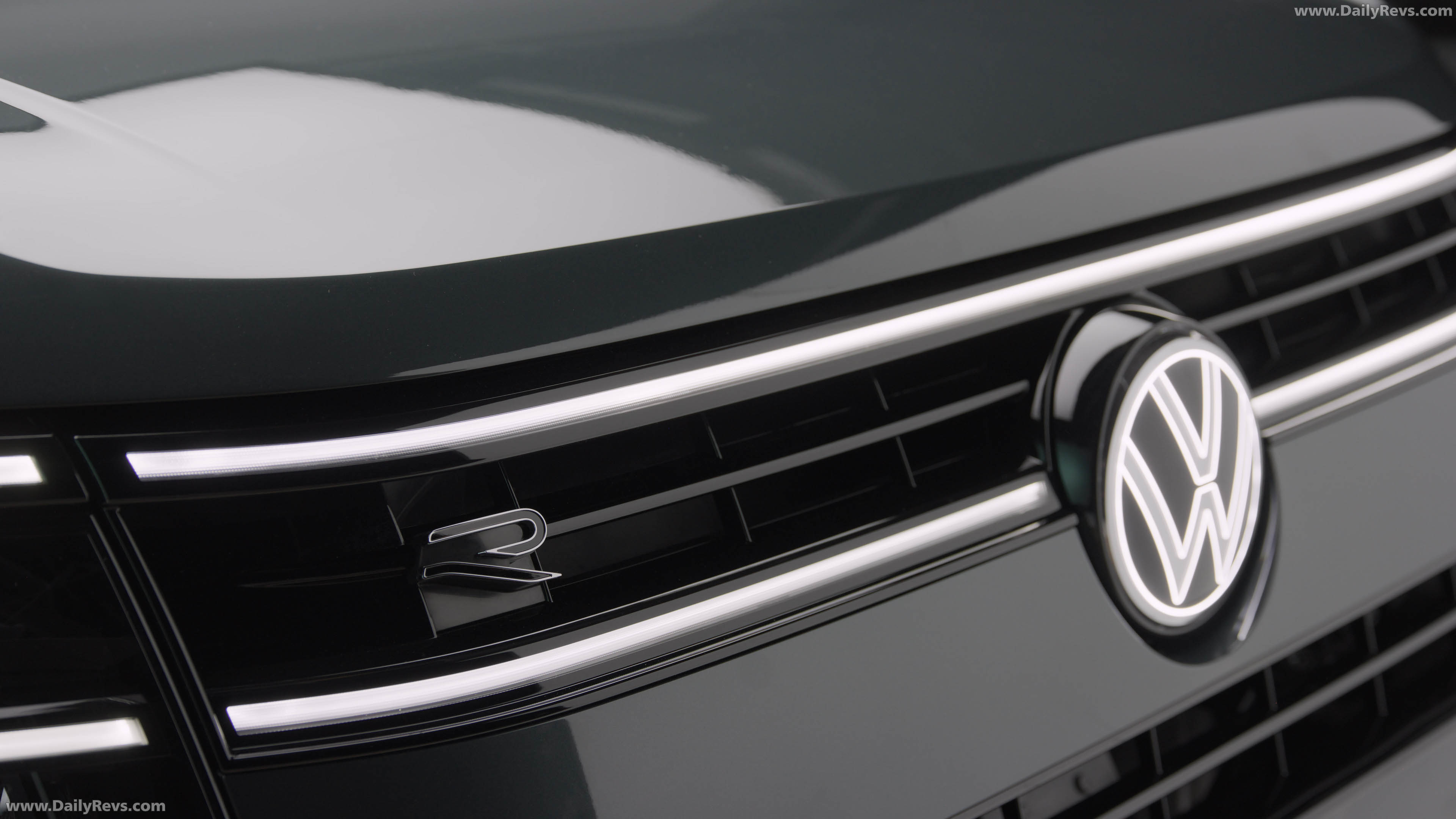
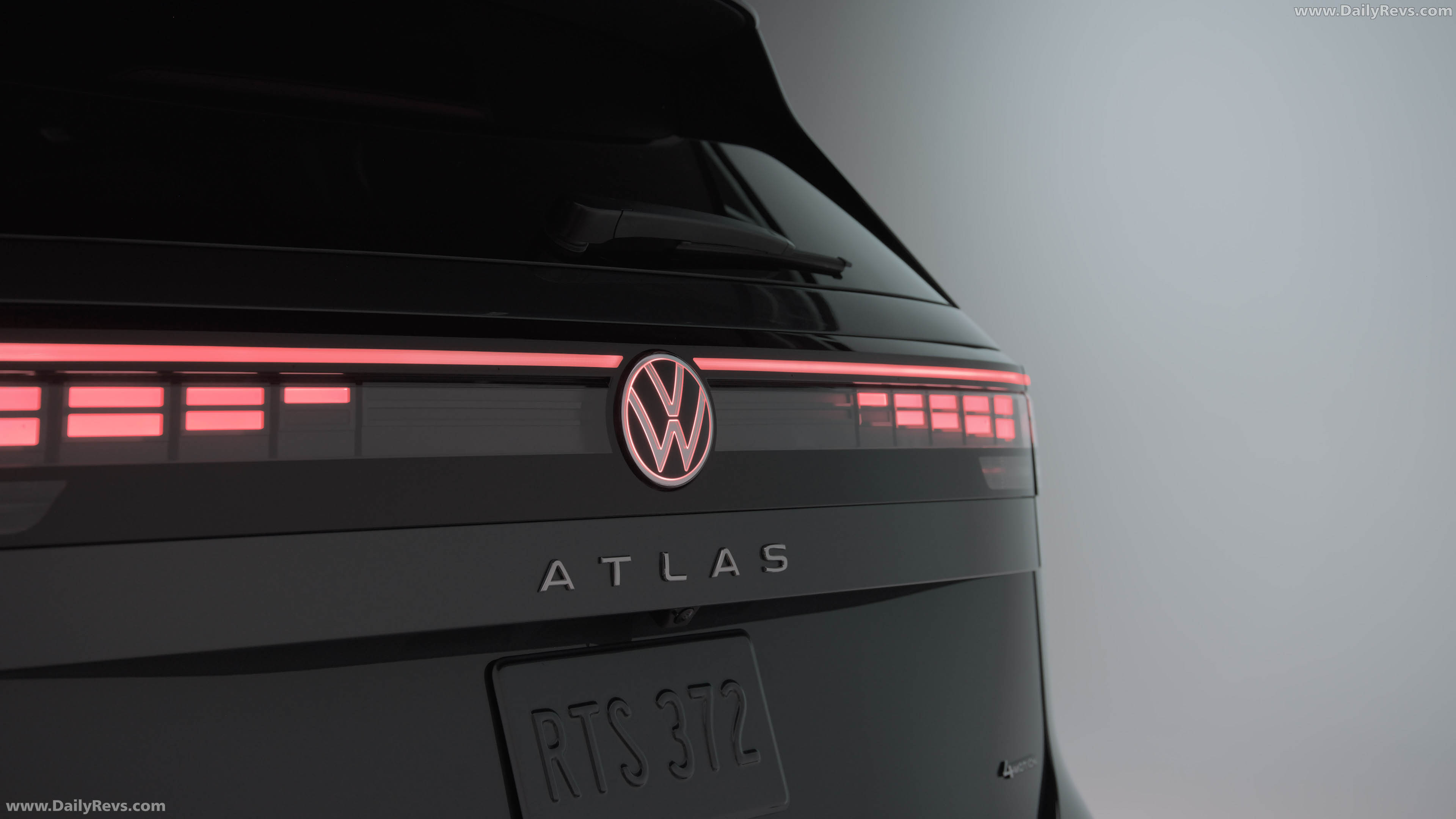
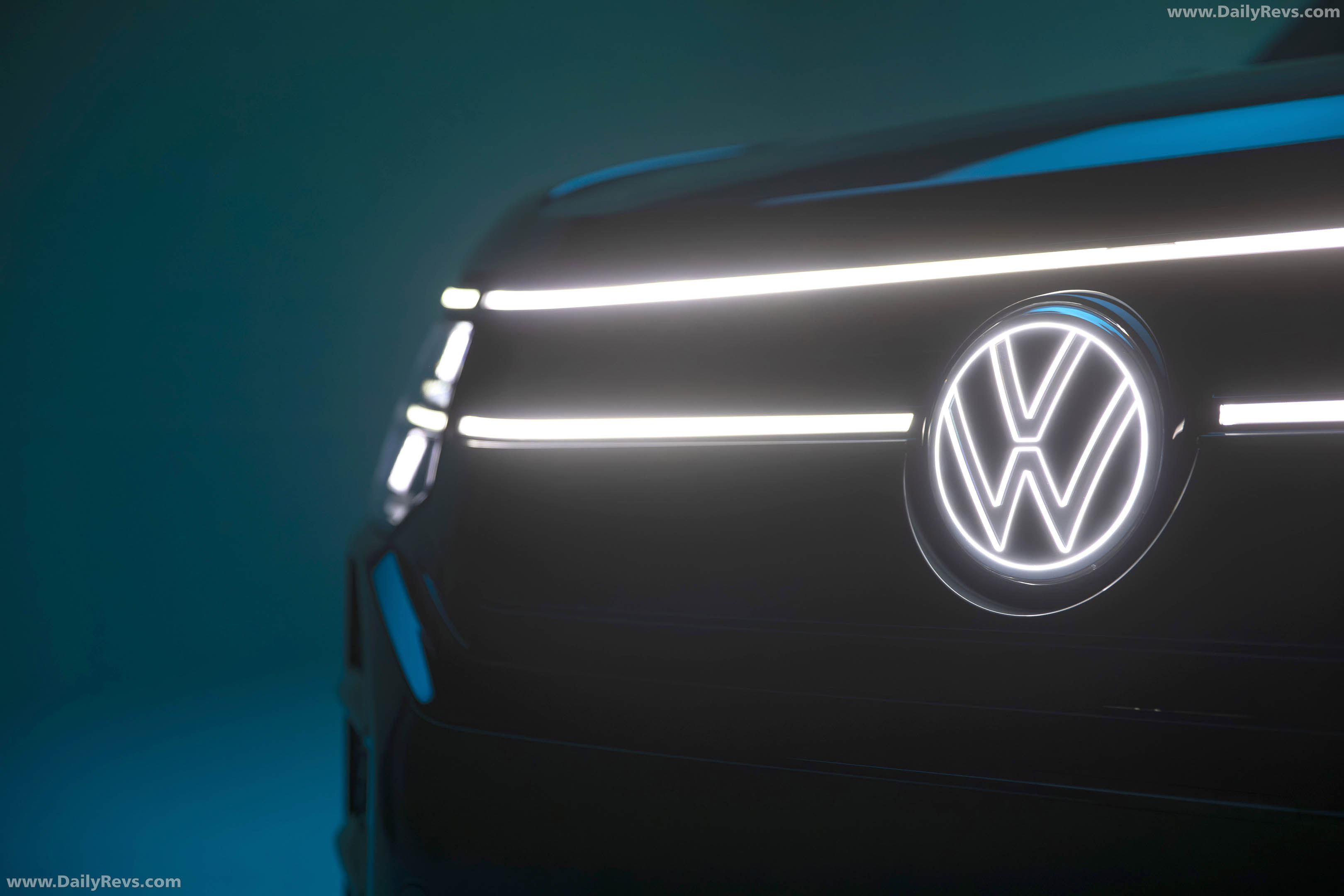
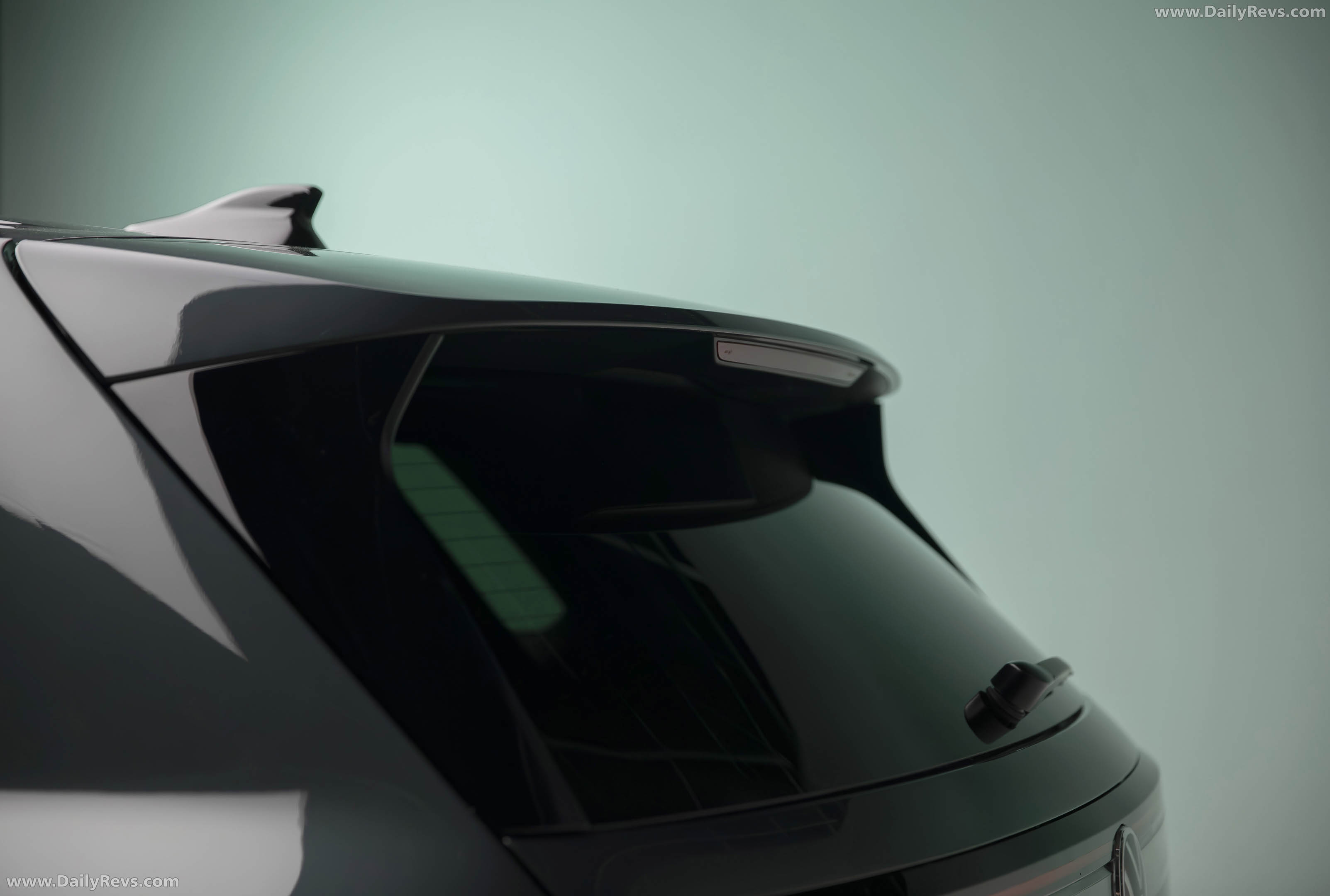
Up front, the lighting has been reworked. The headlights sit in a stacked arrangement, and there’s a cleaner grille treatment tying everything together. On higher trims, the illuminated badge and light bar give it a more defined look at night. Around the back, the full-width taillight setup mirrors that approach.
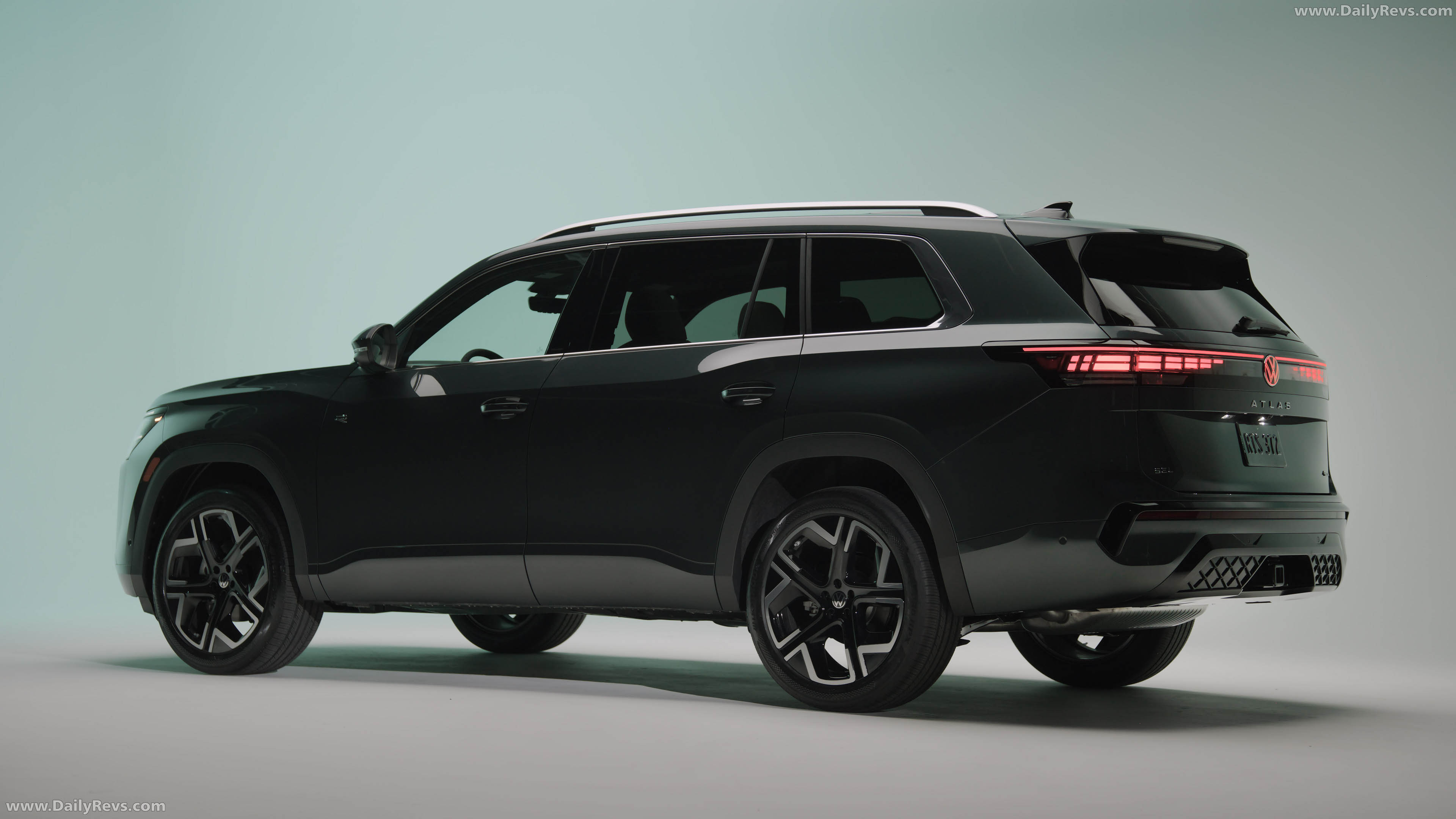
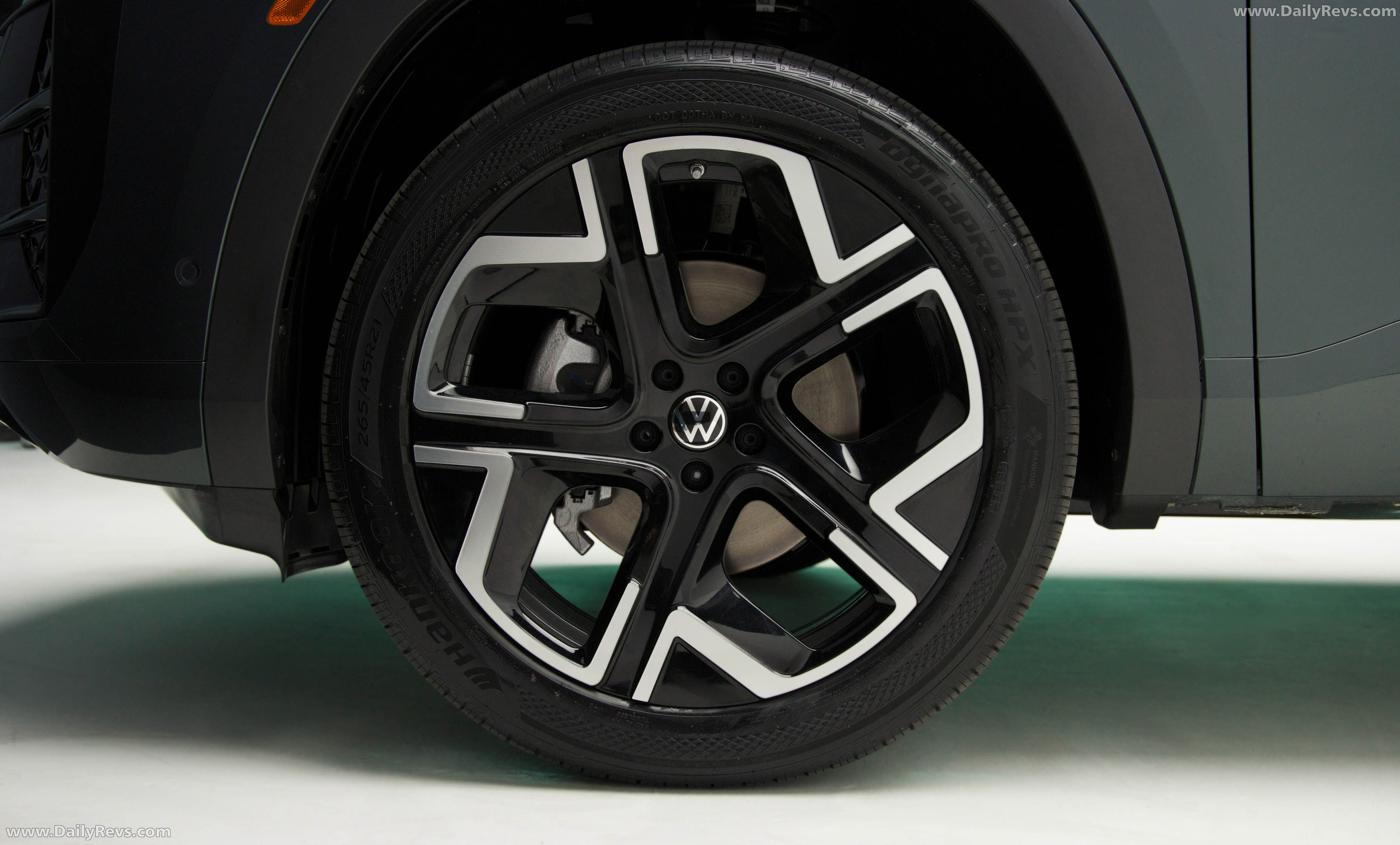
From the side, it’s still very much an Atlas. The body lines are a little tighter, and the surfaces feel less busy, but the proportions haven’t really moved. Wheel sizes range from 18 to 21 inches depending on trim, with new designs across the lineup.
Still built around space
The overall footprint hasn’t changed in any meaningful way. It’s slightly longer than before, but the width, height, and wheelbase stay the same.
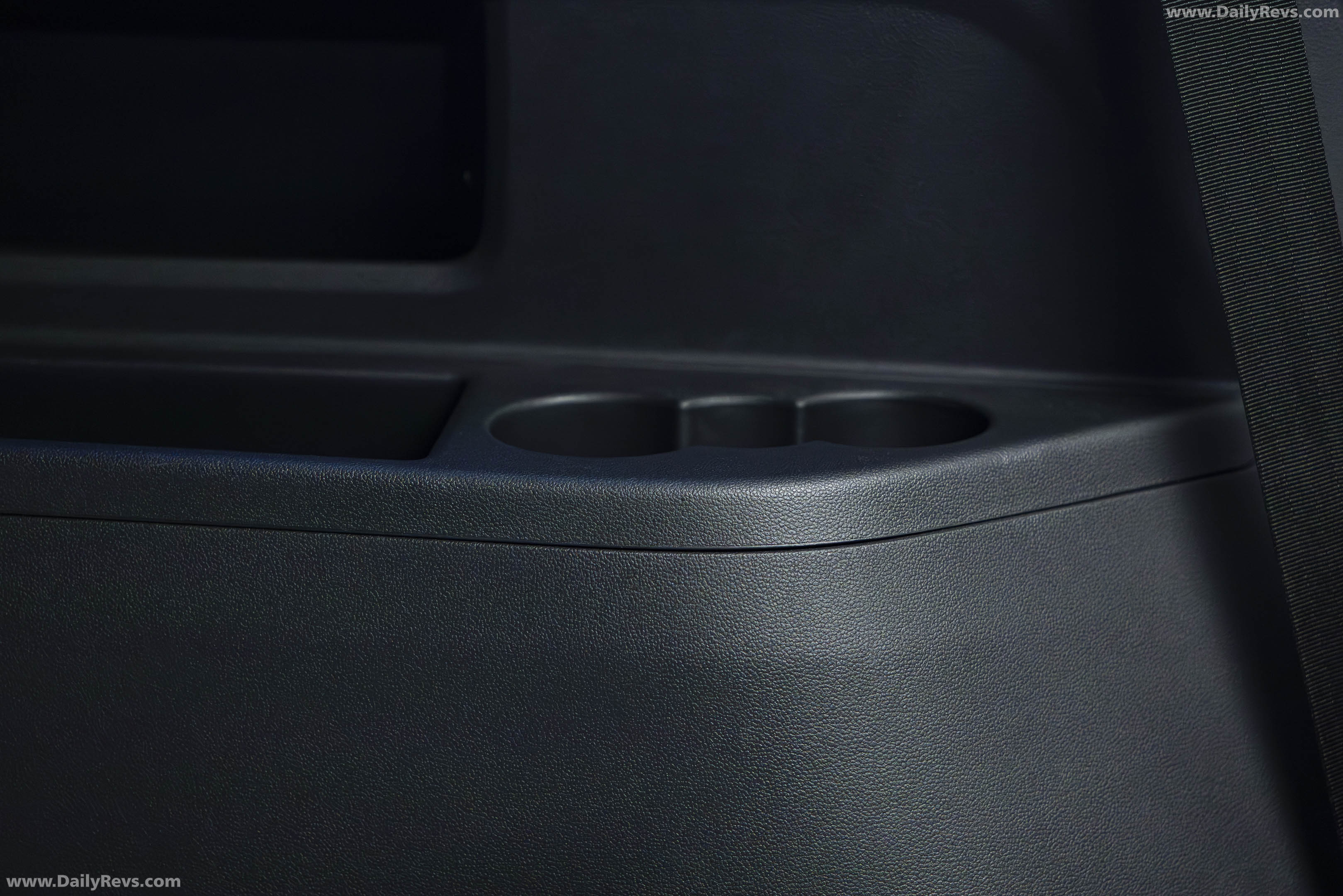
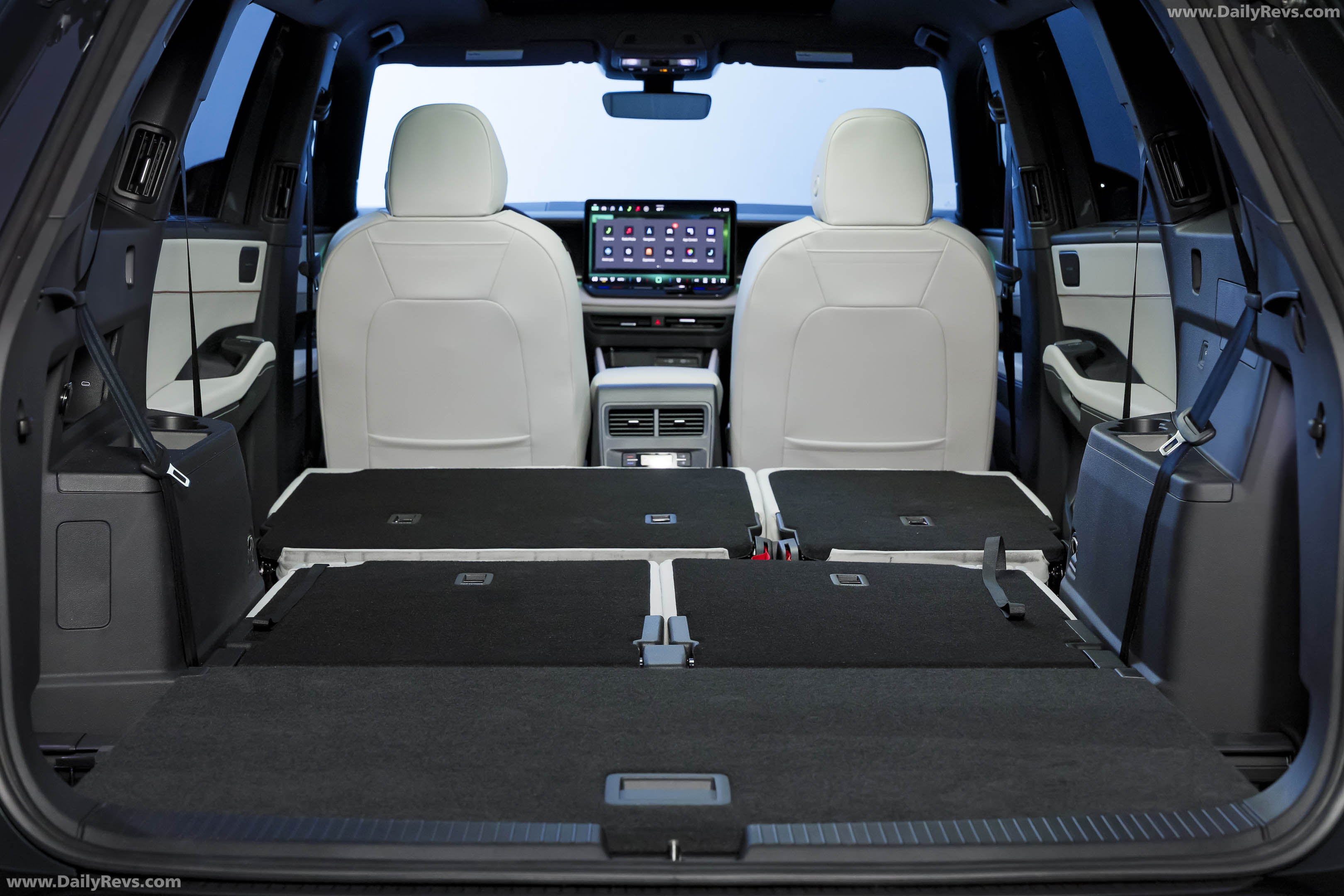
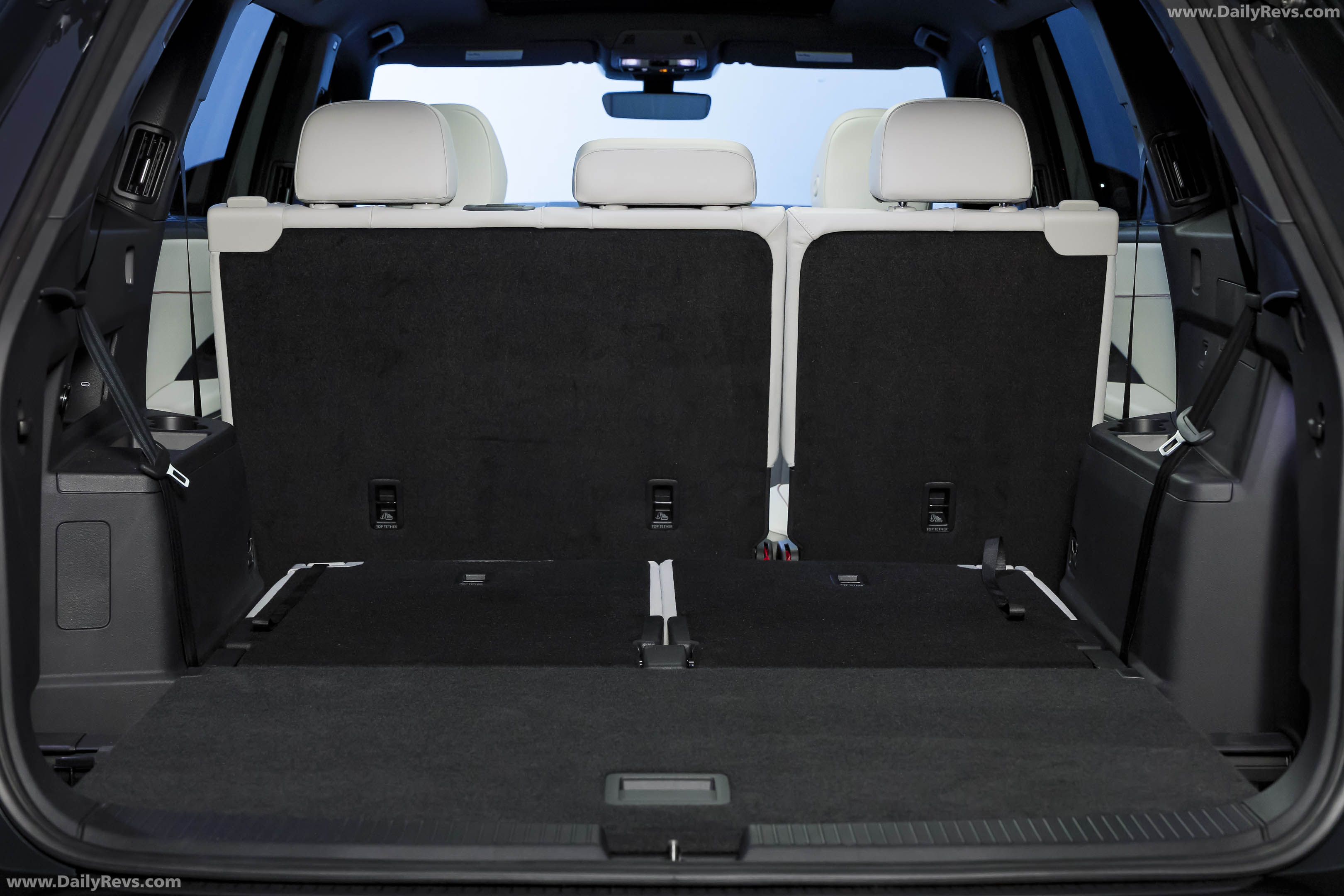
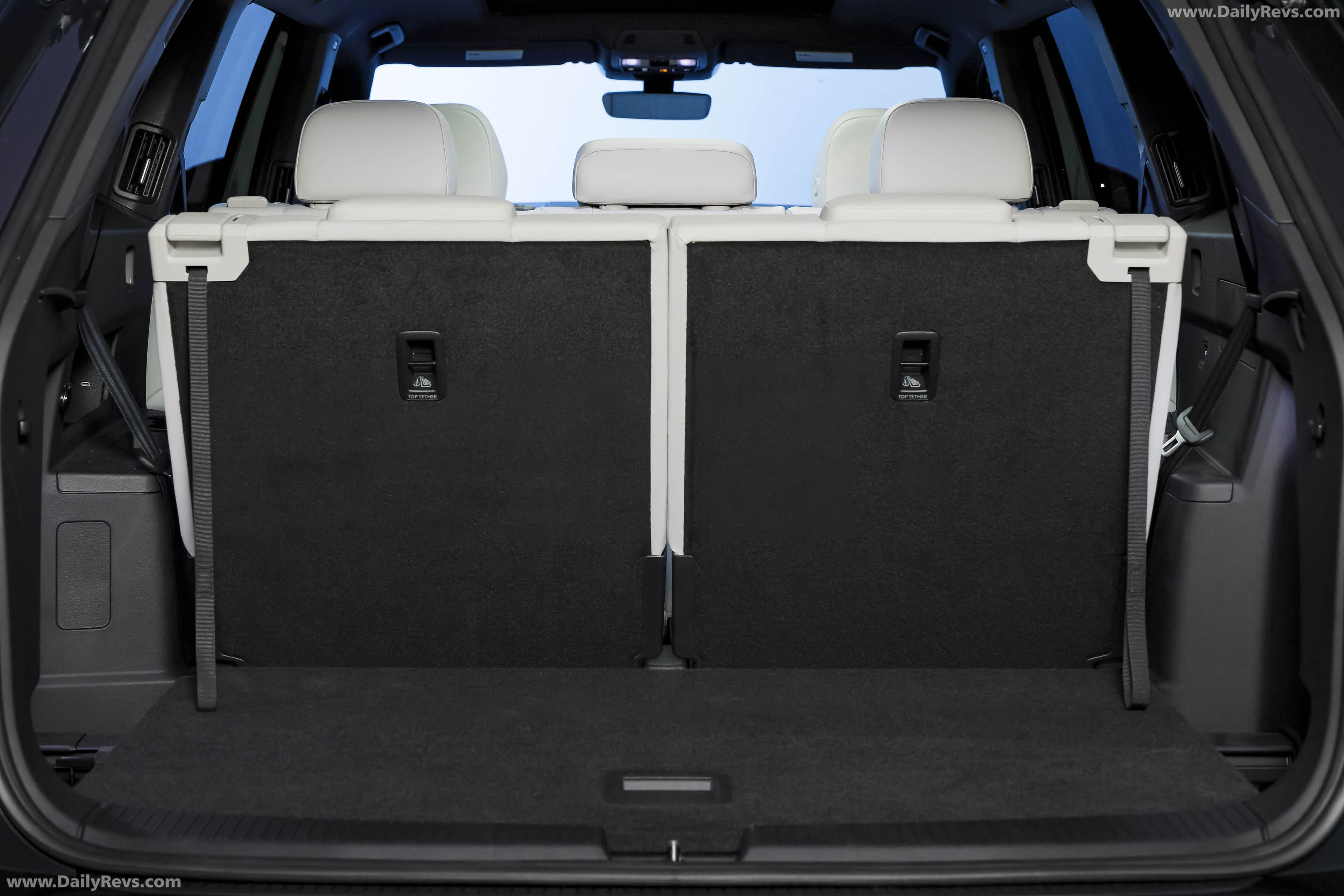
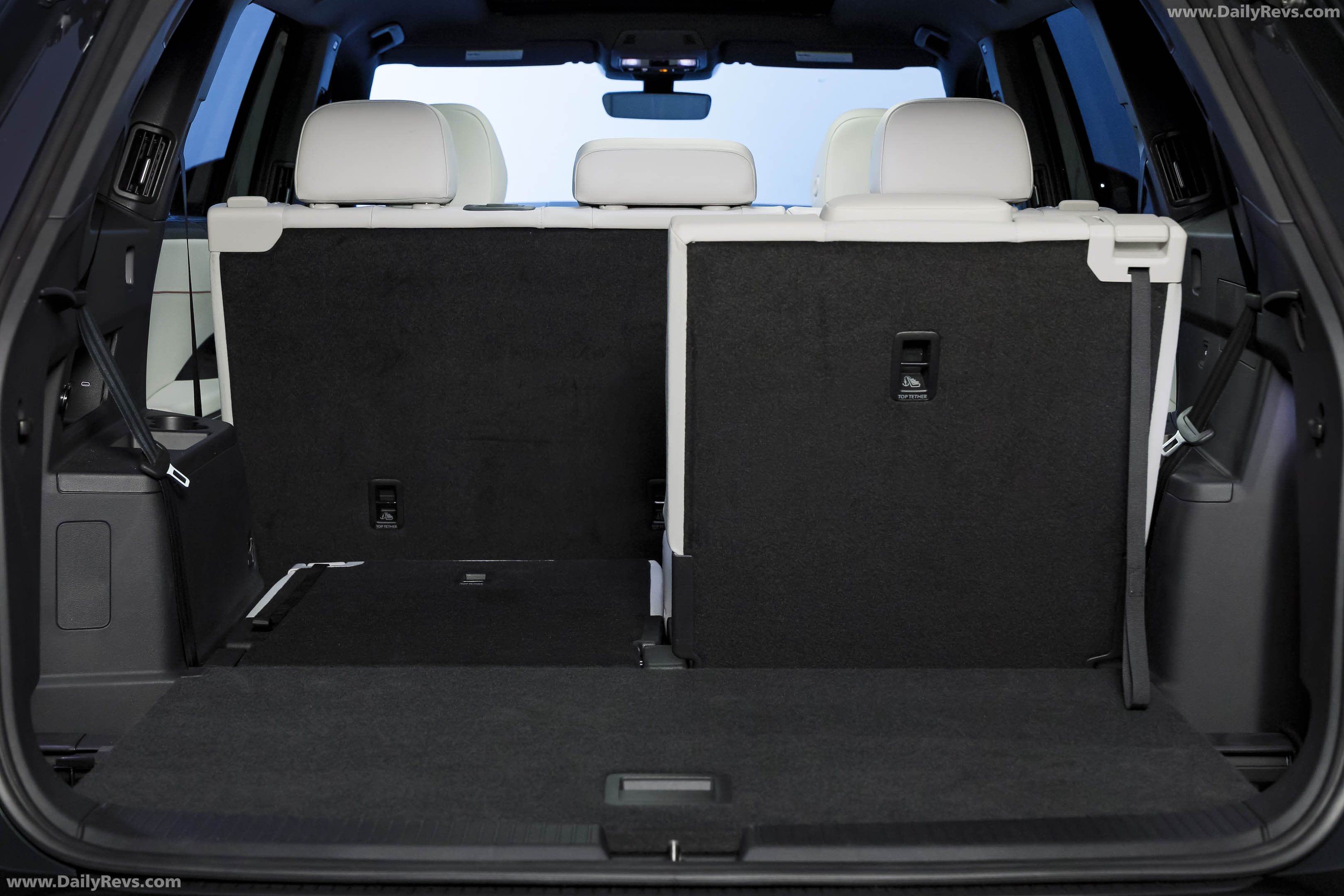
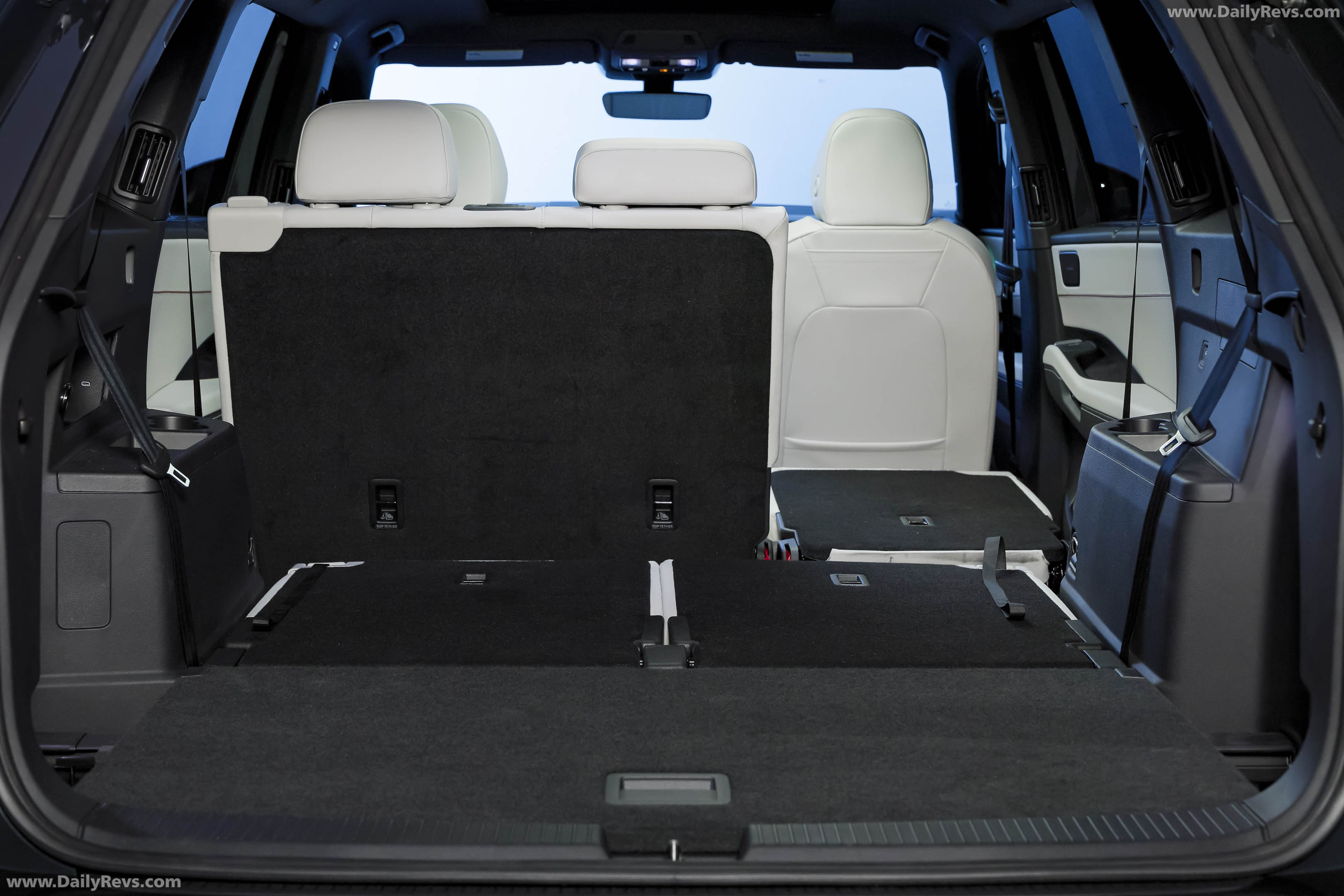
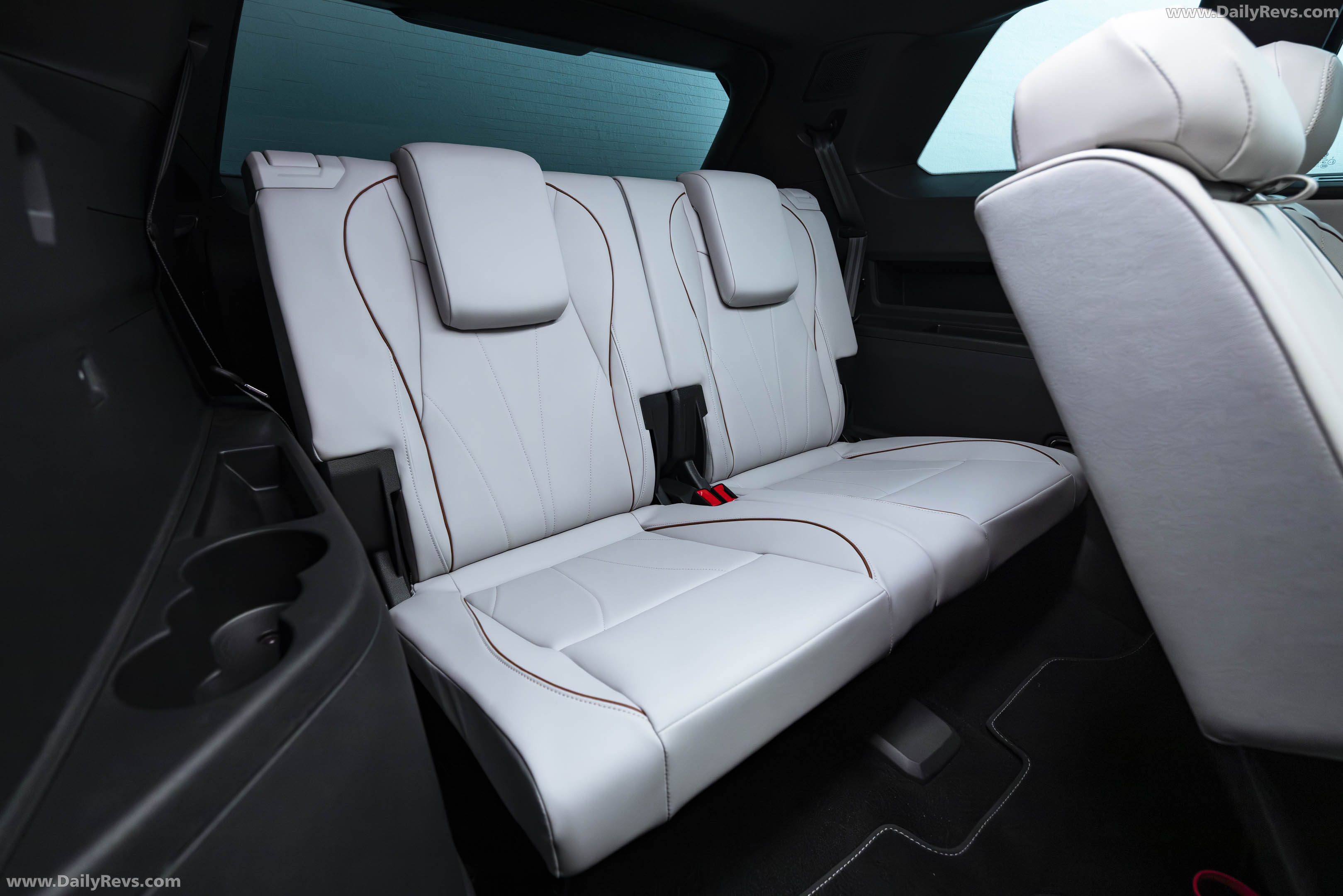
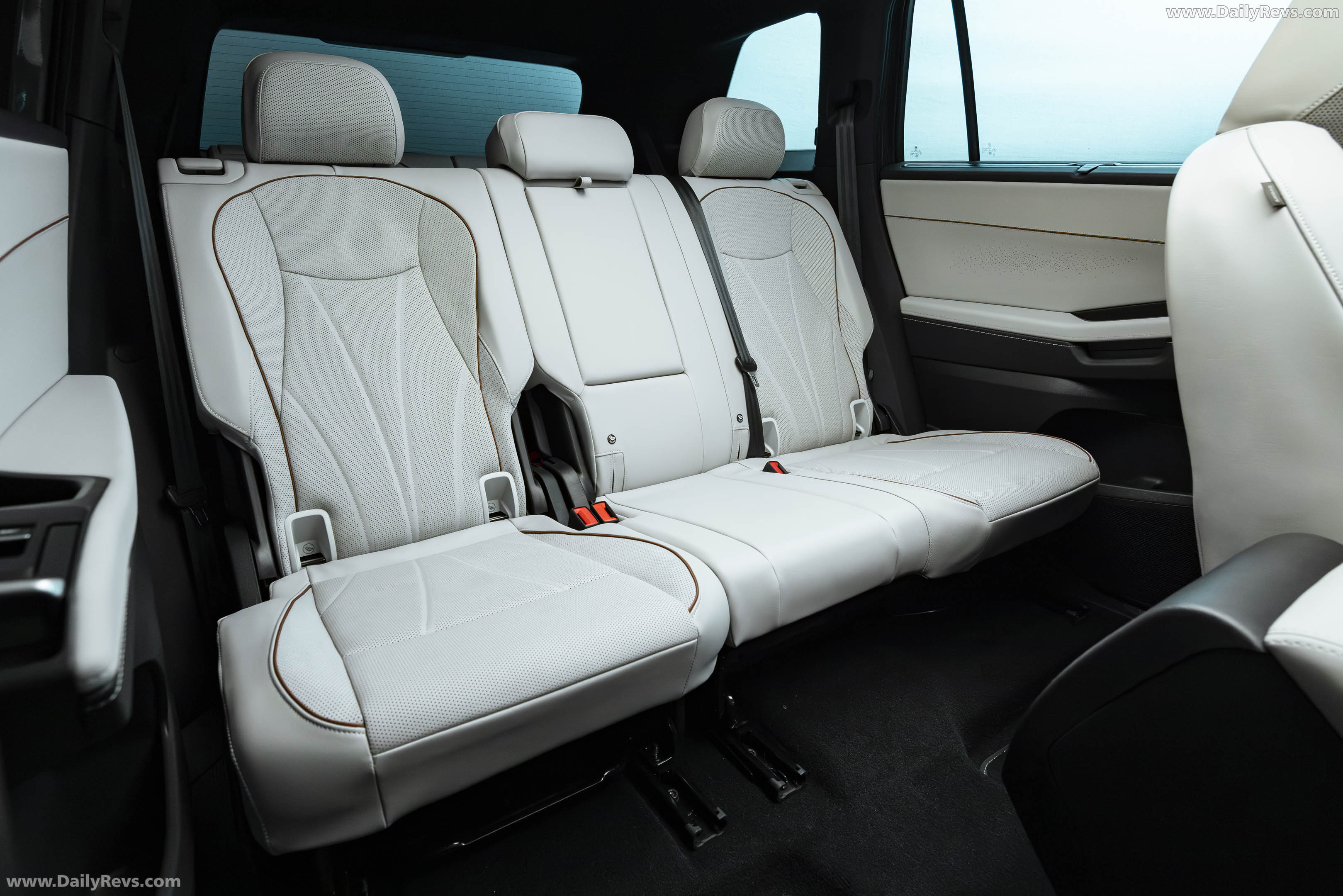
That’s important, because the Atlas has always leaned heavily on space. The third row remains usable, not just something you fold down immediately. Cargo capacity is still one of its stronger points, especially with all rows in use.
Underneath, it moves to the MQB Evo platform. The goal here isn’t to reinvent how it drives, but to refine what’s already there.
Interior feels like the real update
Most of the work has happened inside.
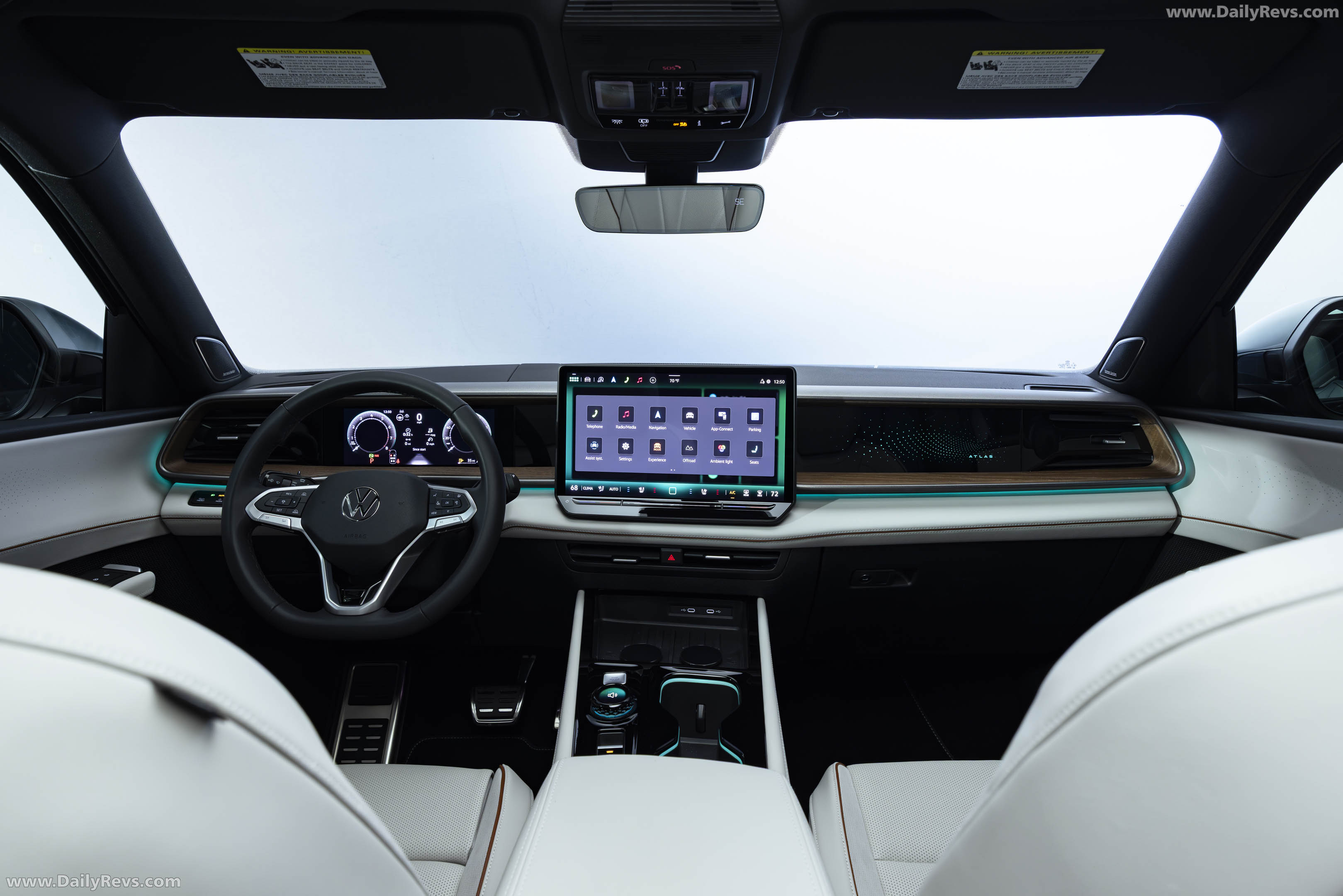
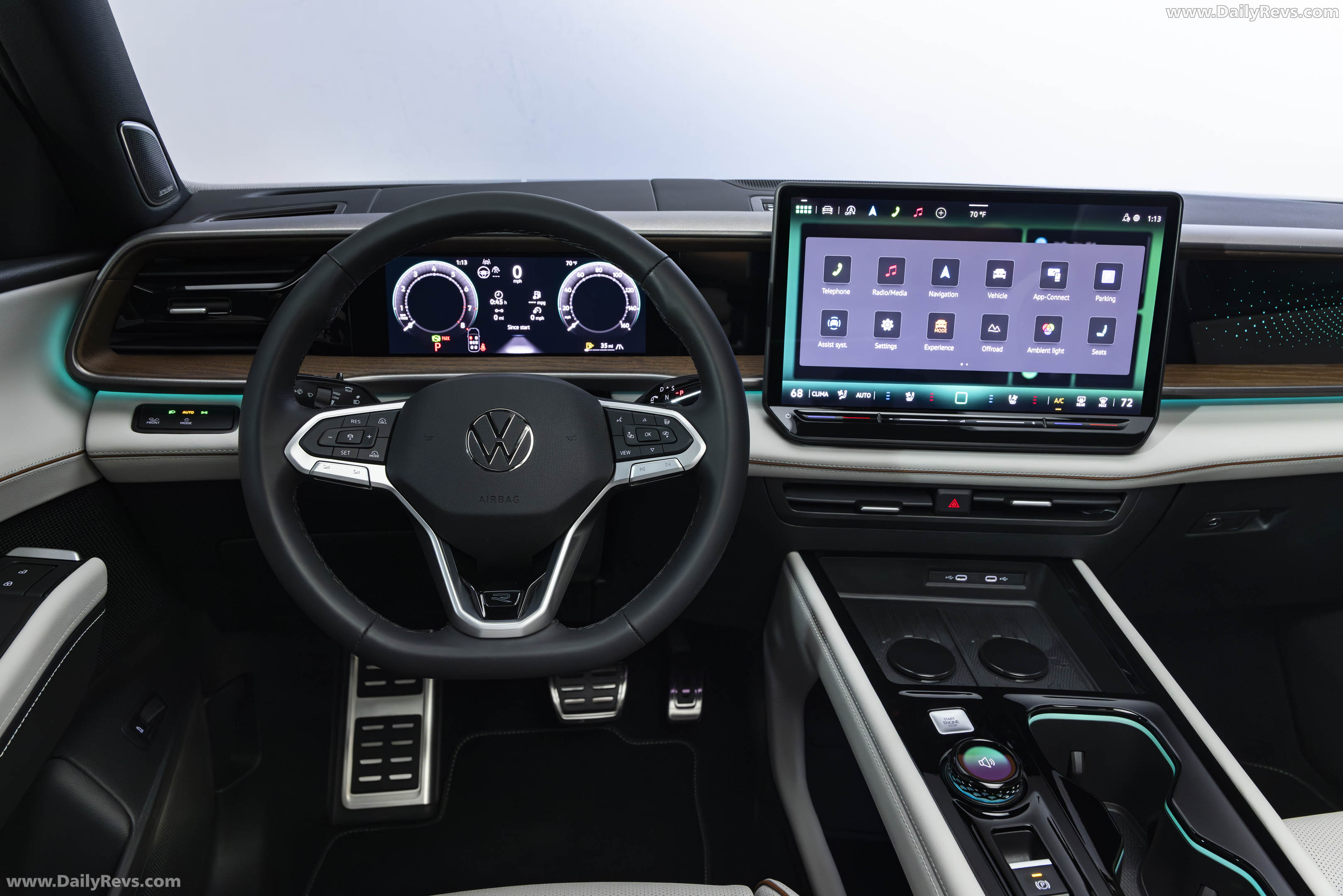
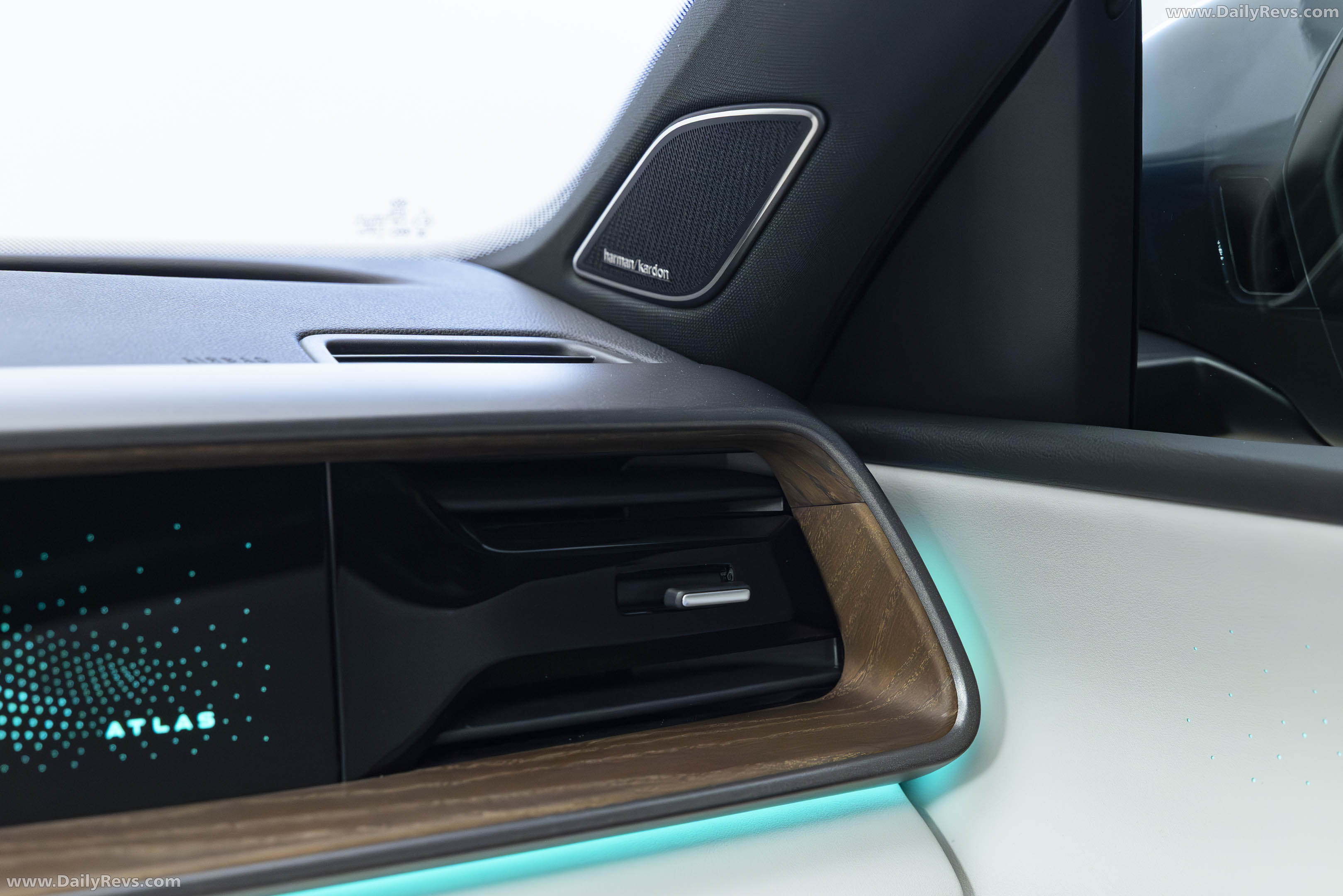
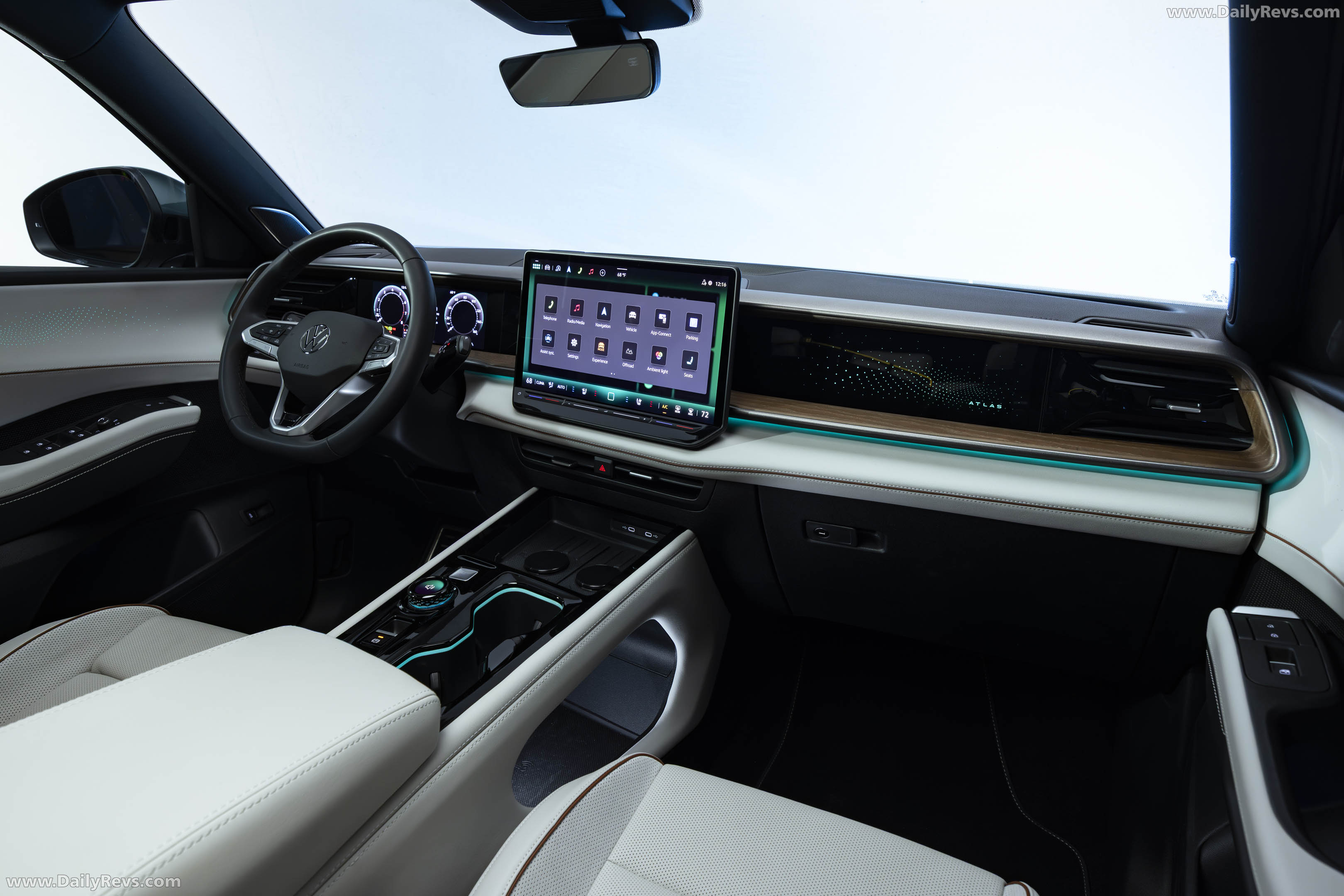
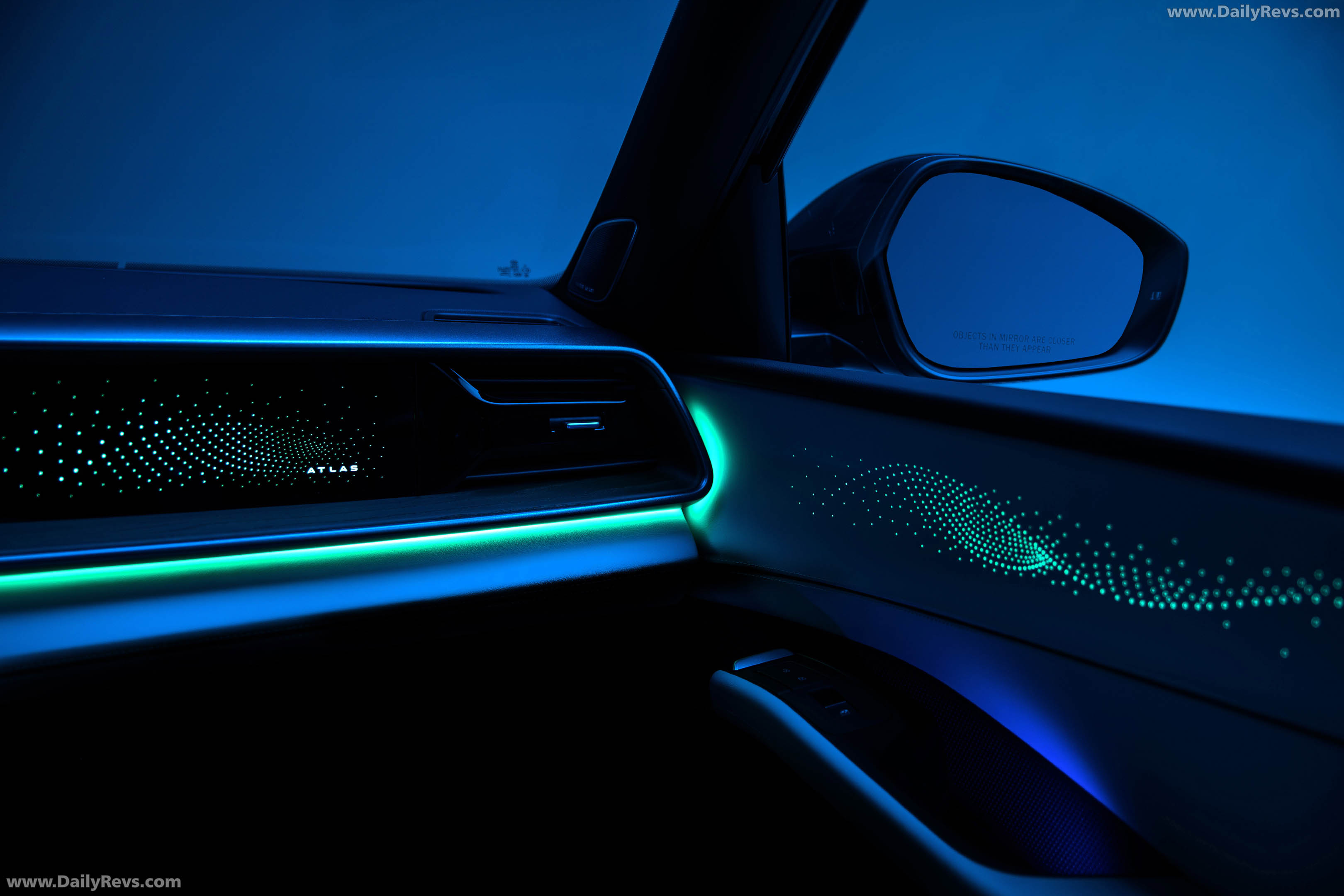
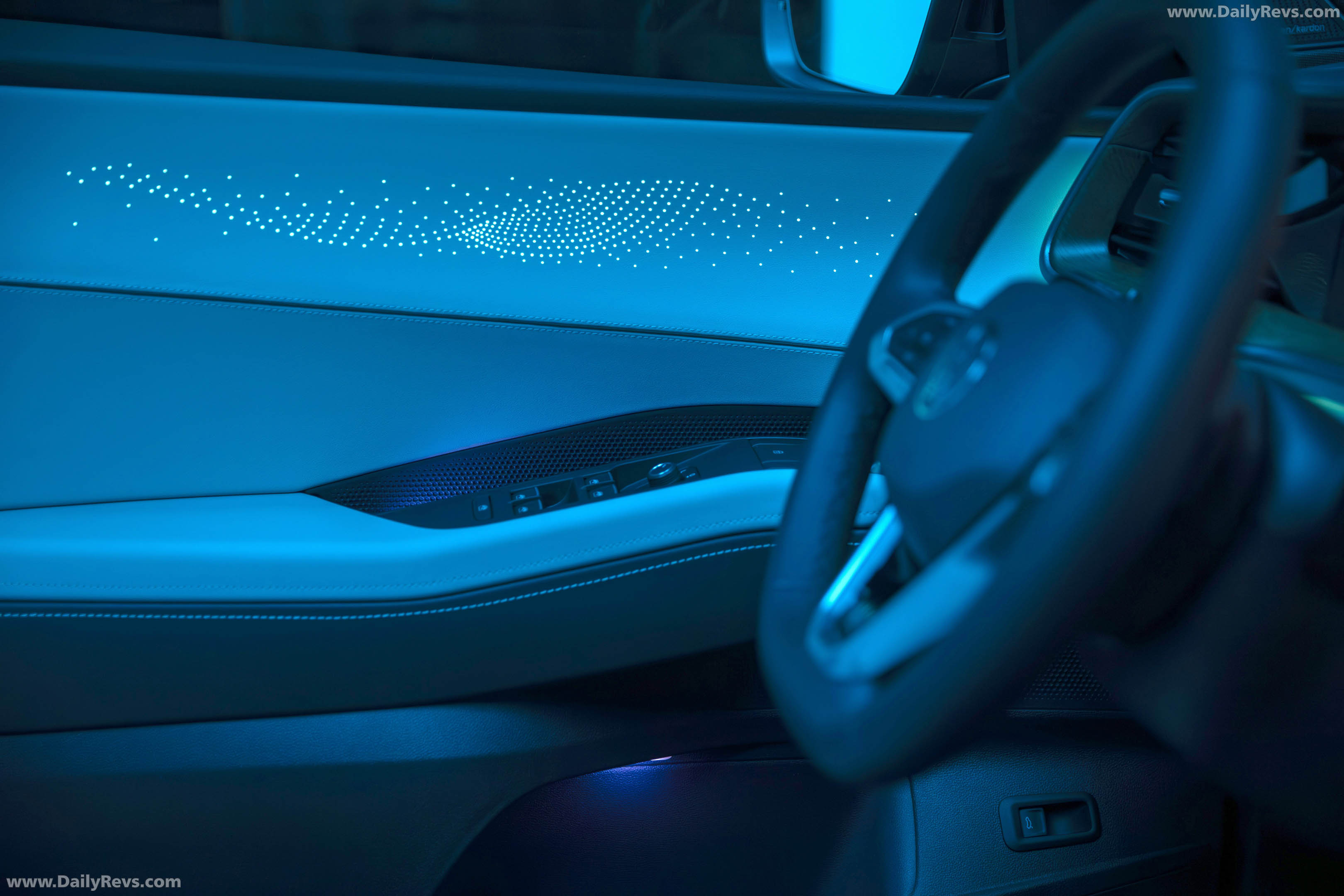
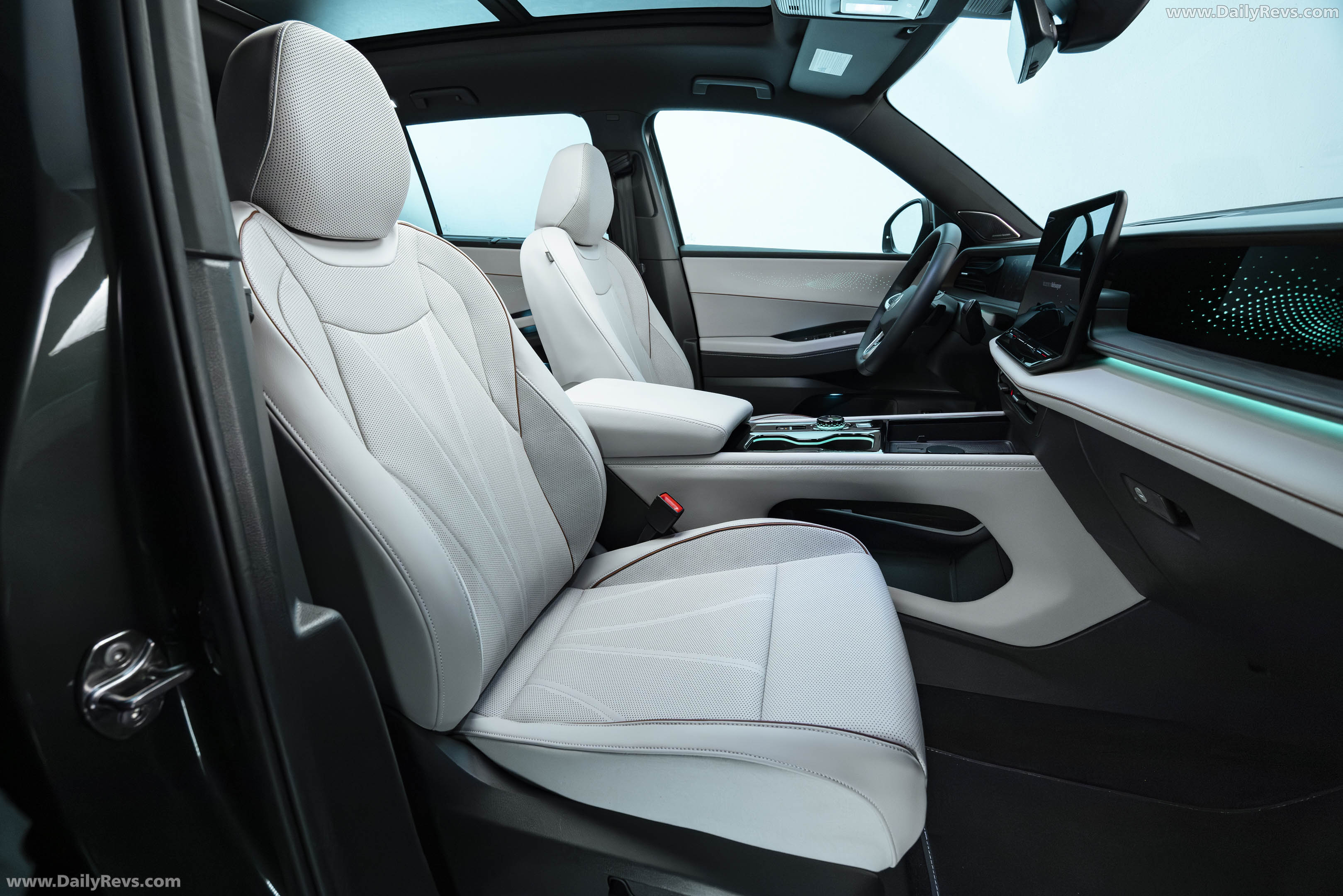
The dashboard now runs as one continuous shape, rather than separate elements stitched together. Real wood trim is standard across the range, and ambient lighting is built into the structure itself, not just added on. Higher trims get up to 30 color options, which sounds like a lot, but it’s integrated in a way that doesn’t feel excessive.
The screen sits front and center. It’s 15 inches on most versions, slightly smaller on the base model. Ahead of that, a digital instrument cluster remains standard.
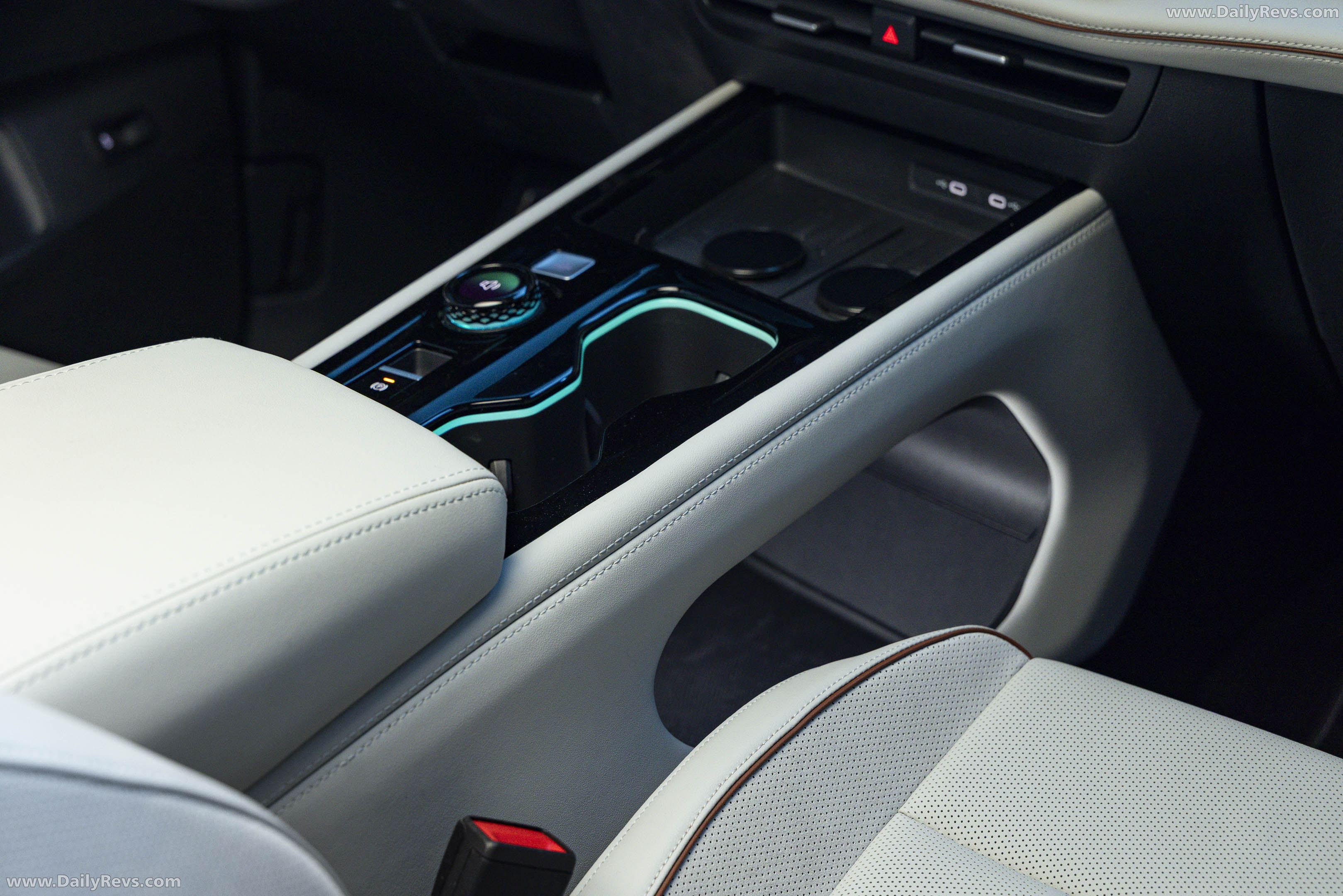
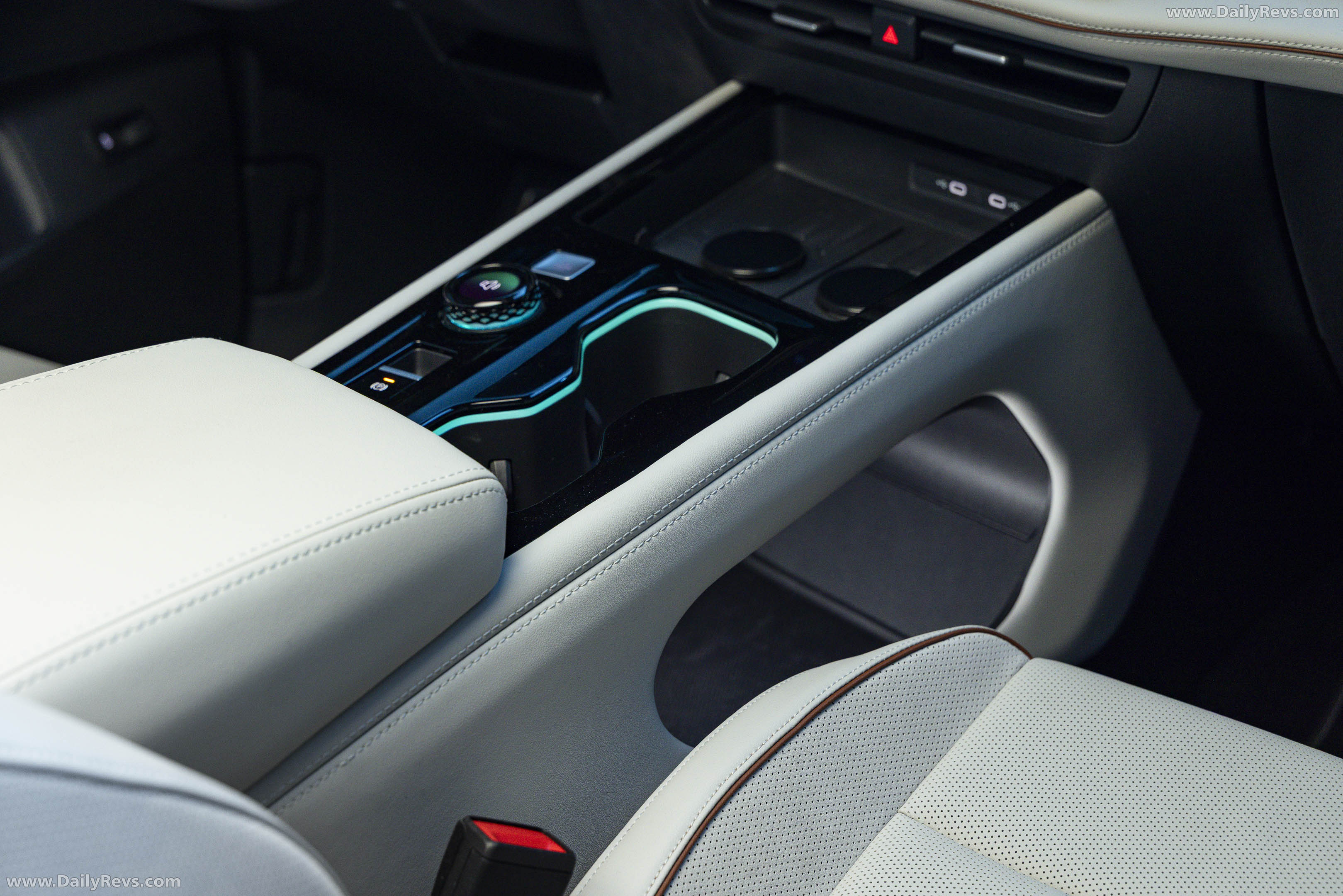
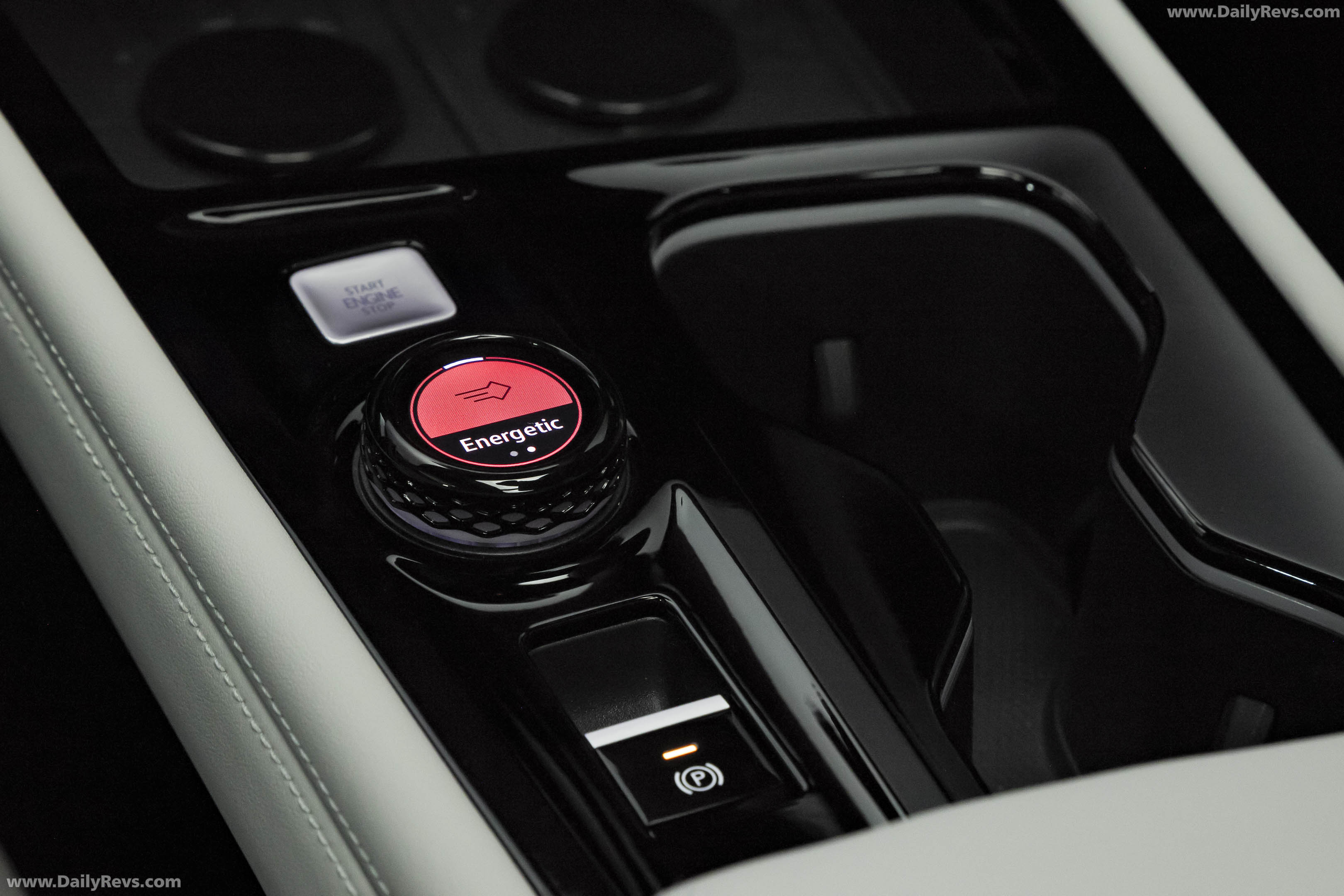
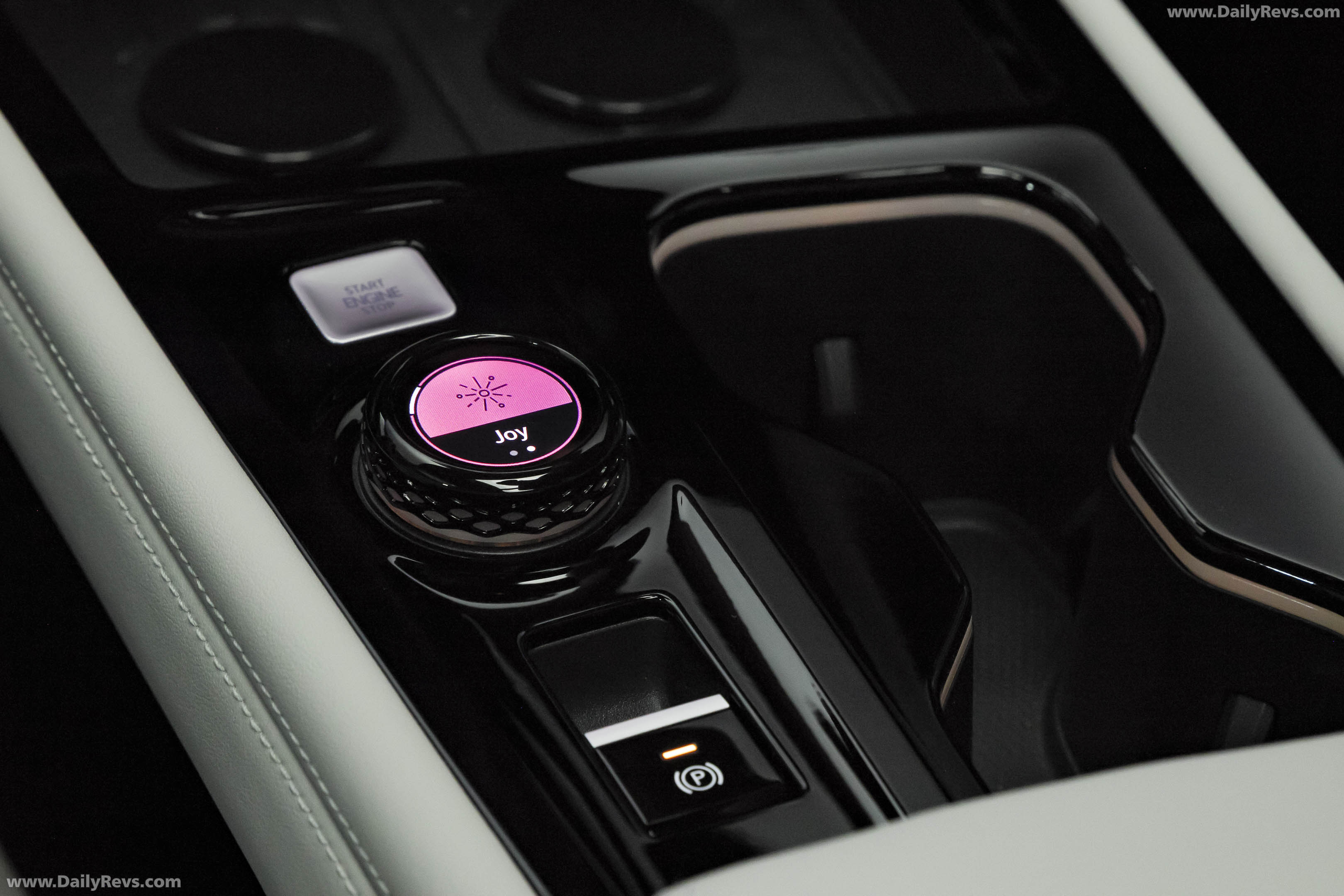
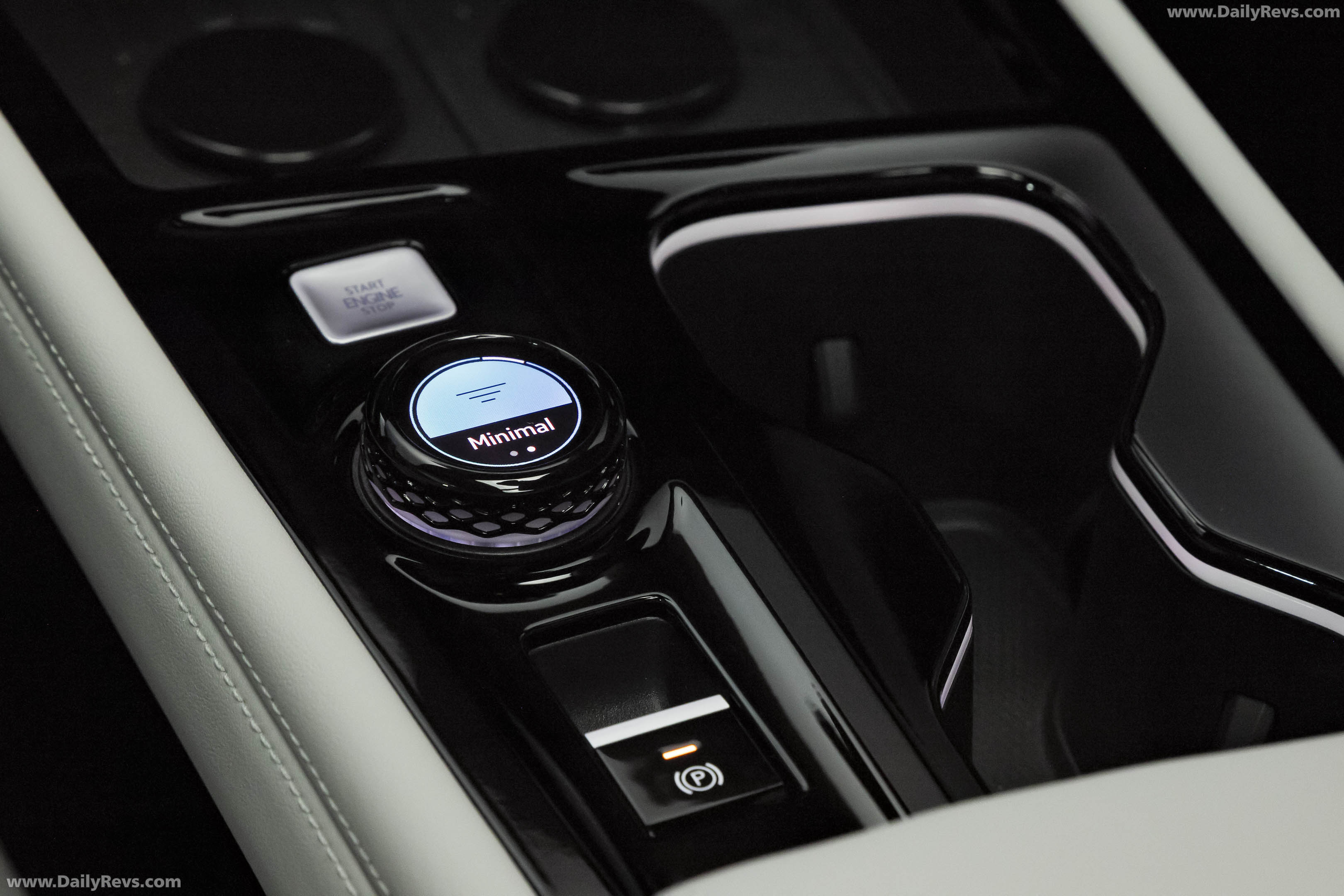
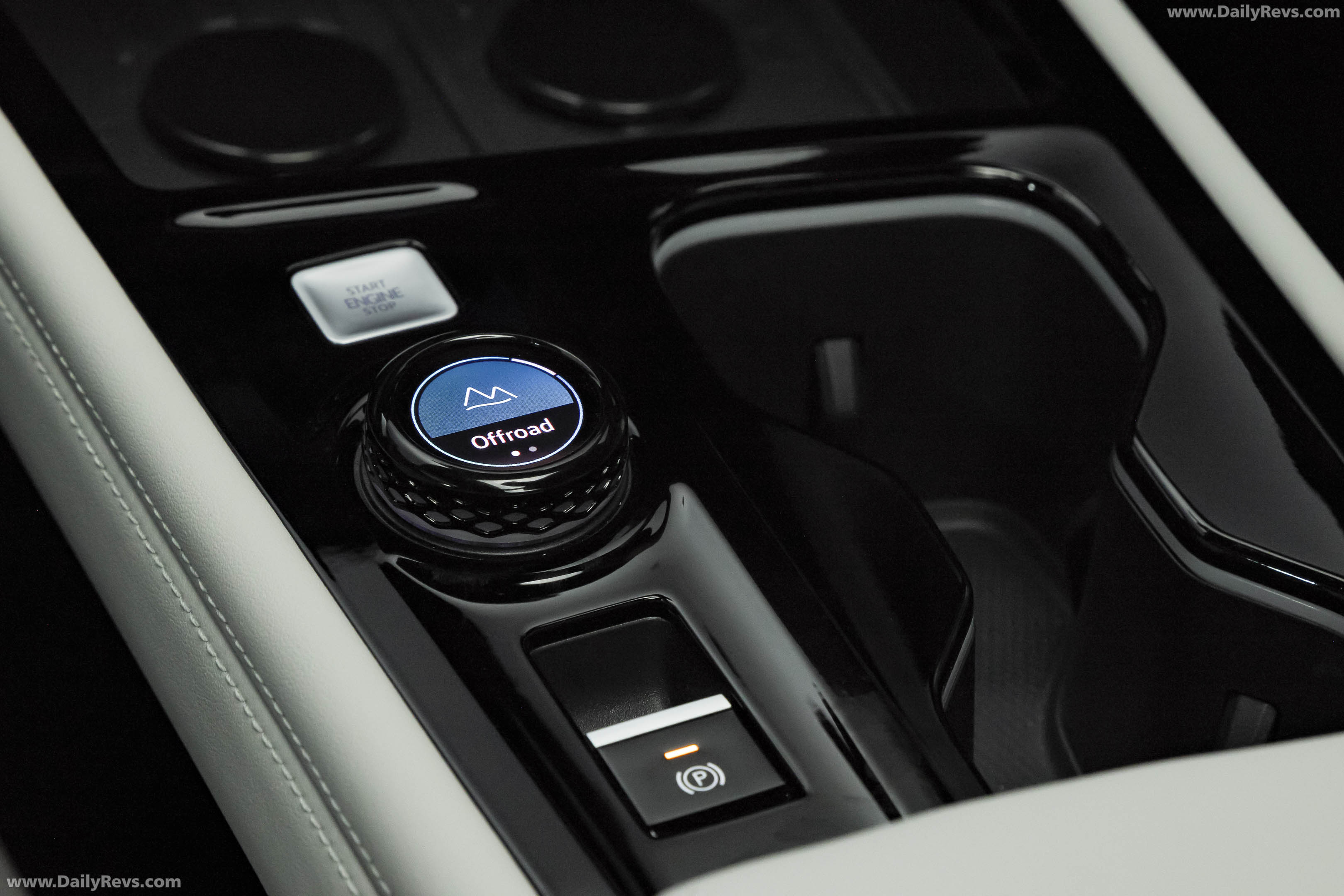
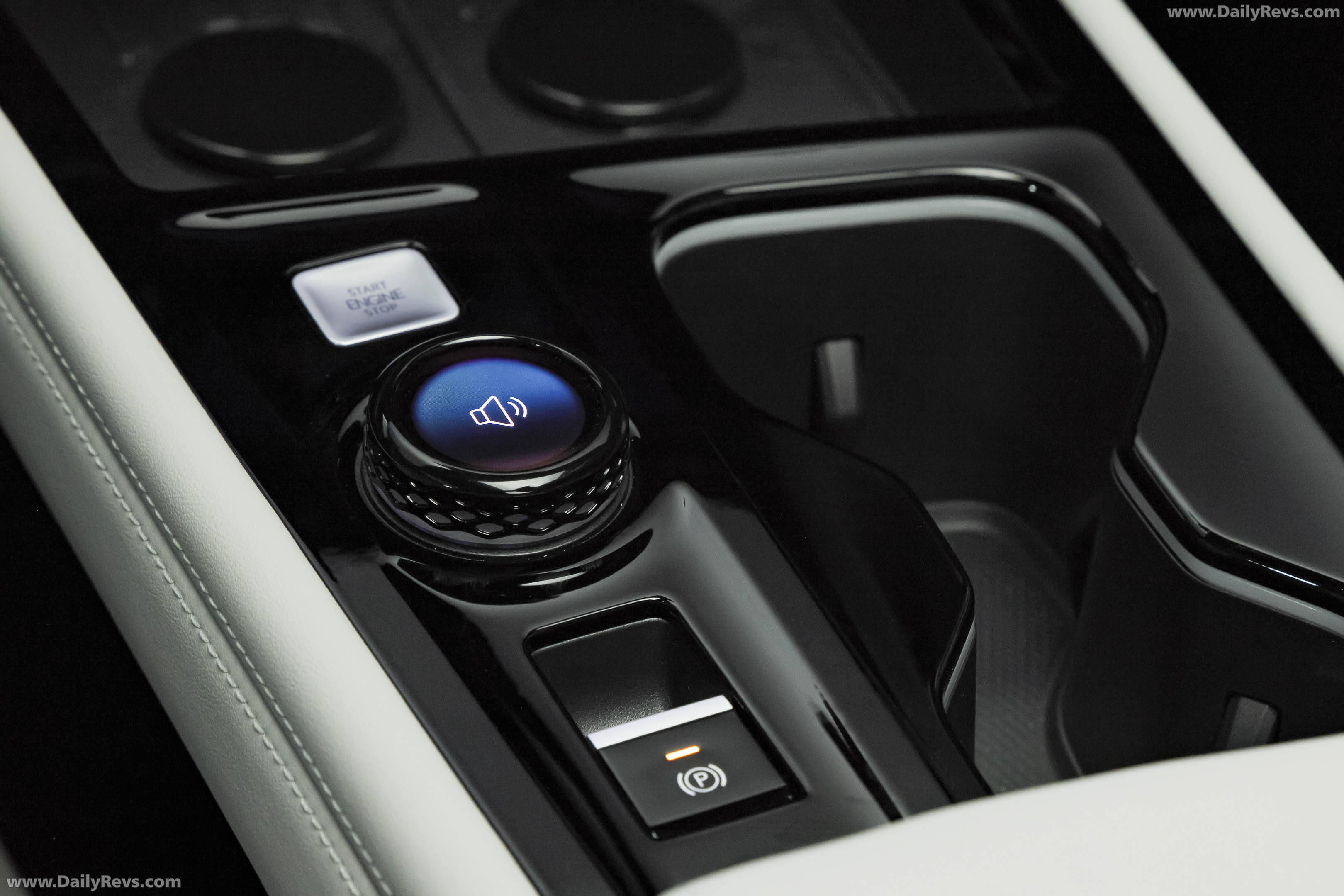
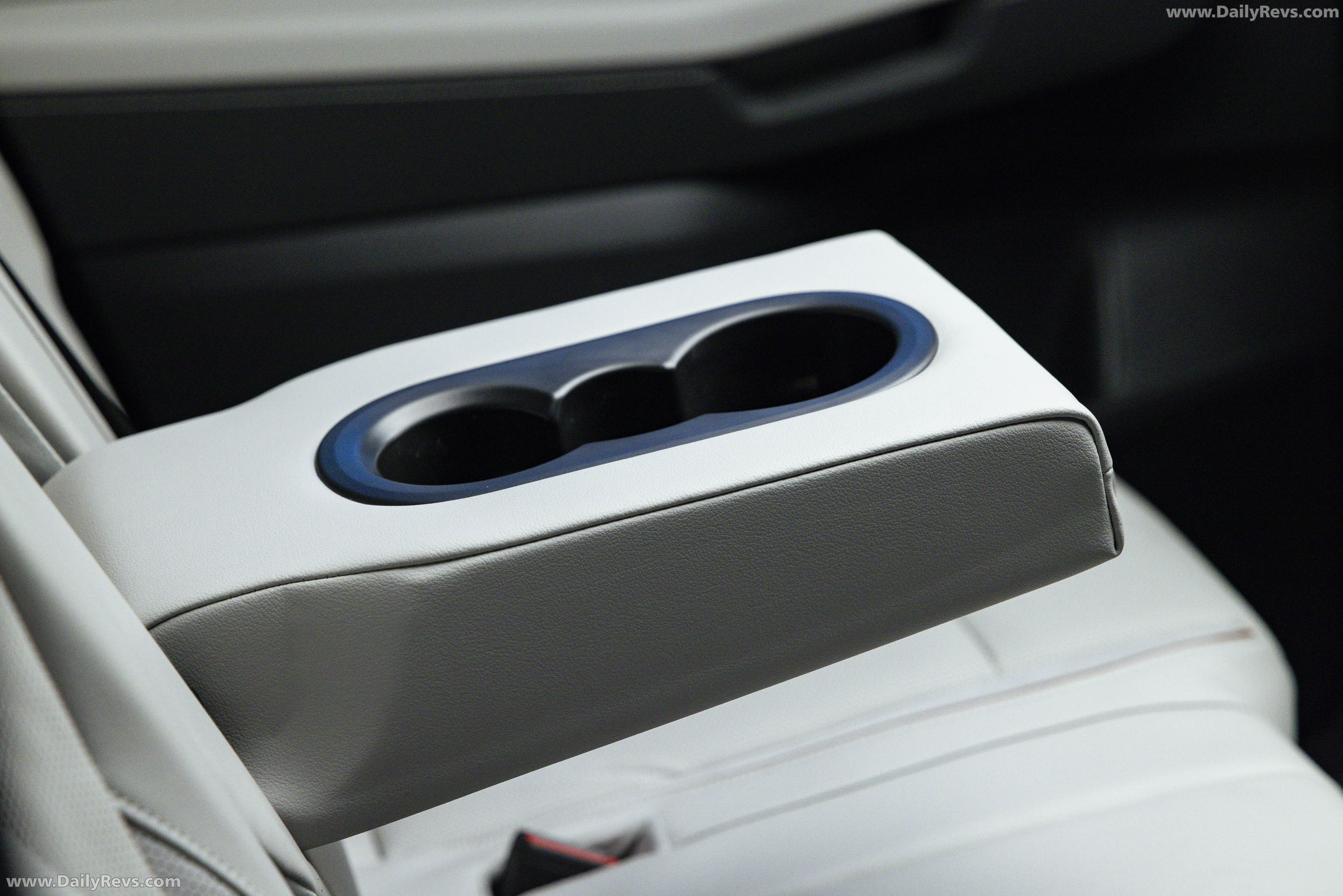
There’s also a noticeable shift in how the center console is used. The gear selector moves to the steering column, opening up more storage space and allowing two phones to sit side by side on the wireless charger.
More everyday features across the board
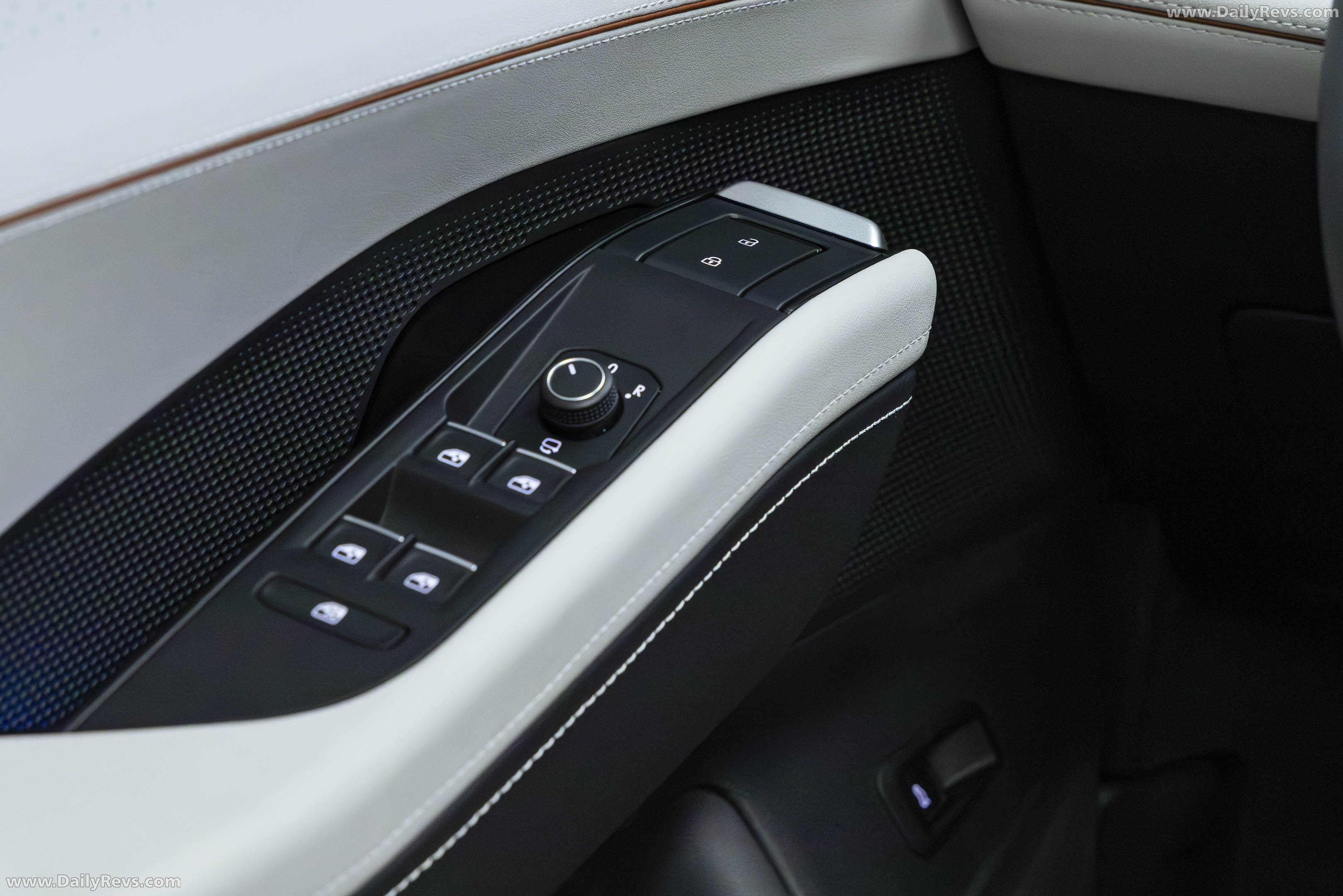
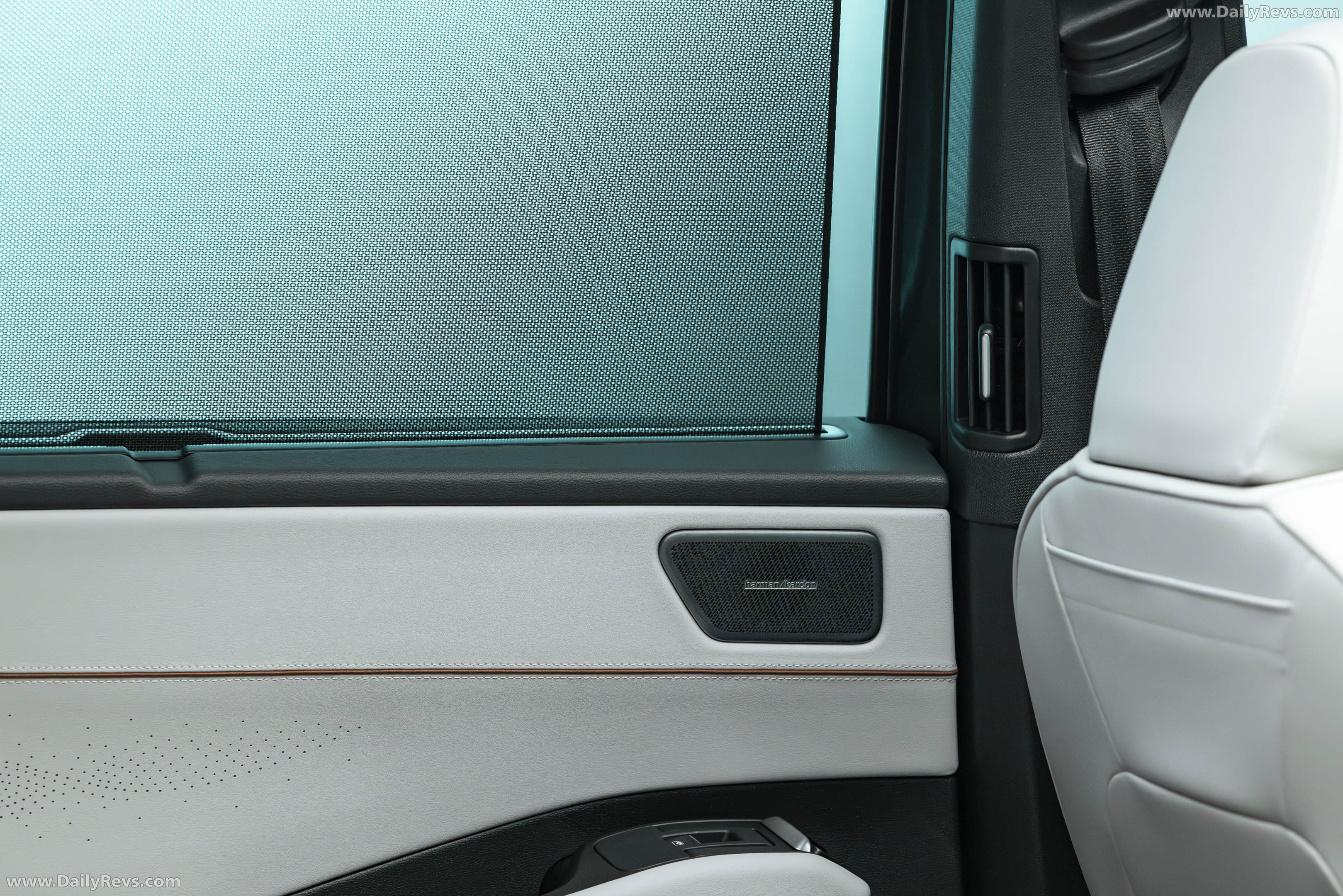
Volkswagen adds a number of small things that make a difference over time. A power tailgate, rear sunshades, and multiple USB-C ports are now standard.
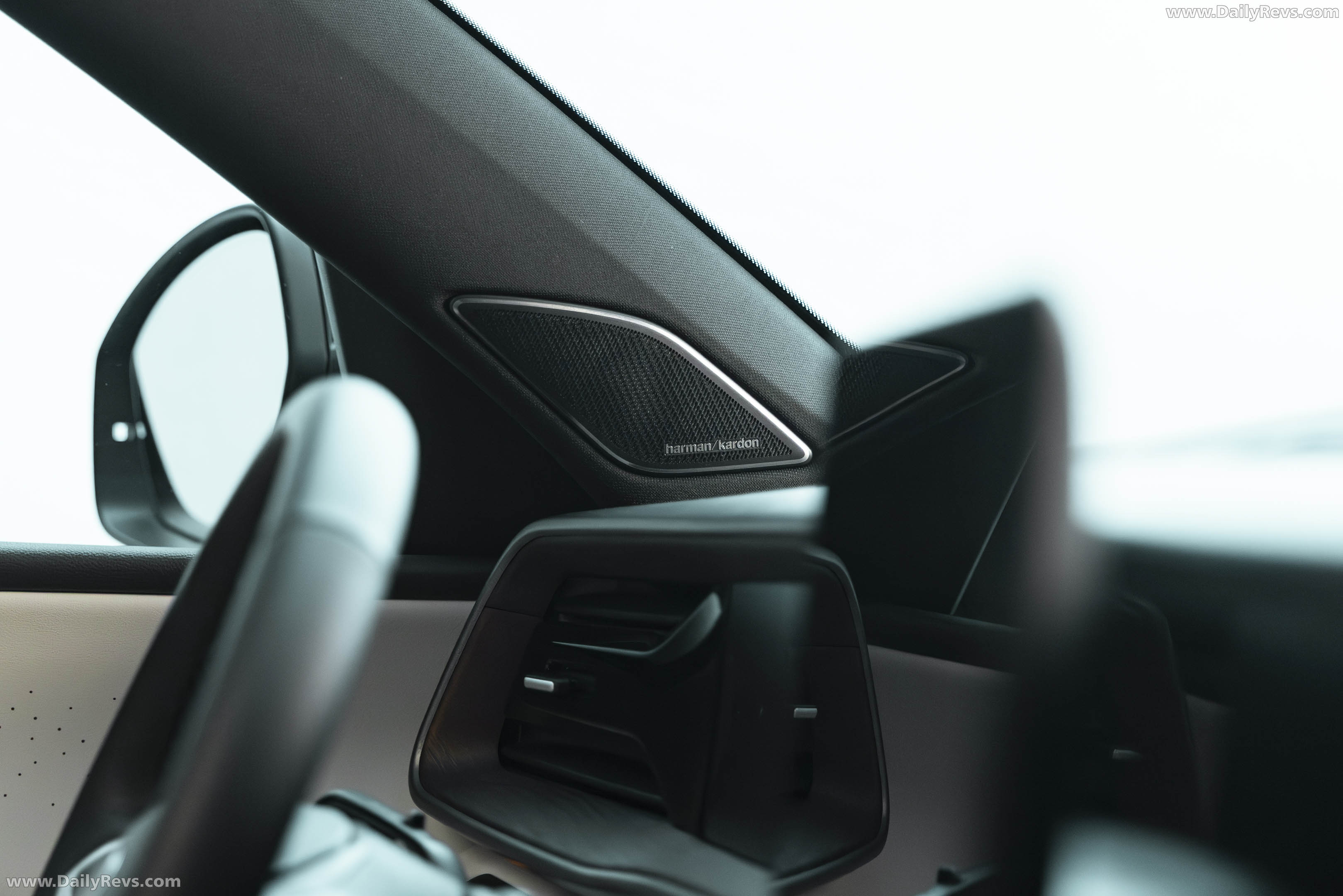
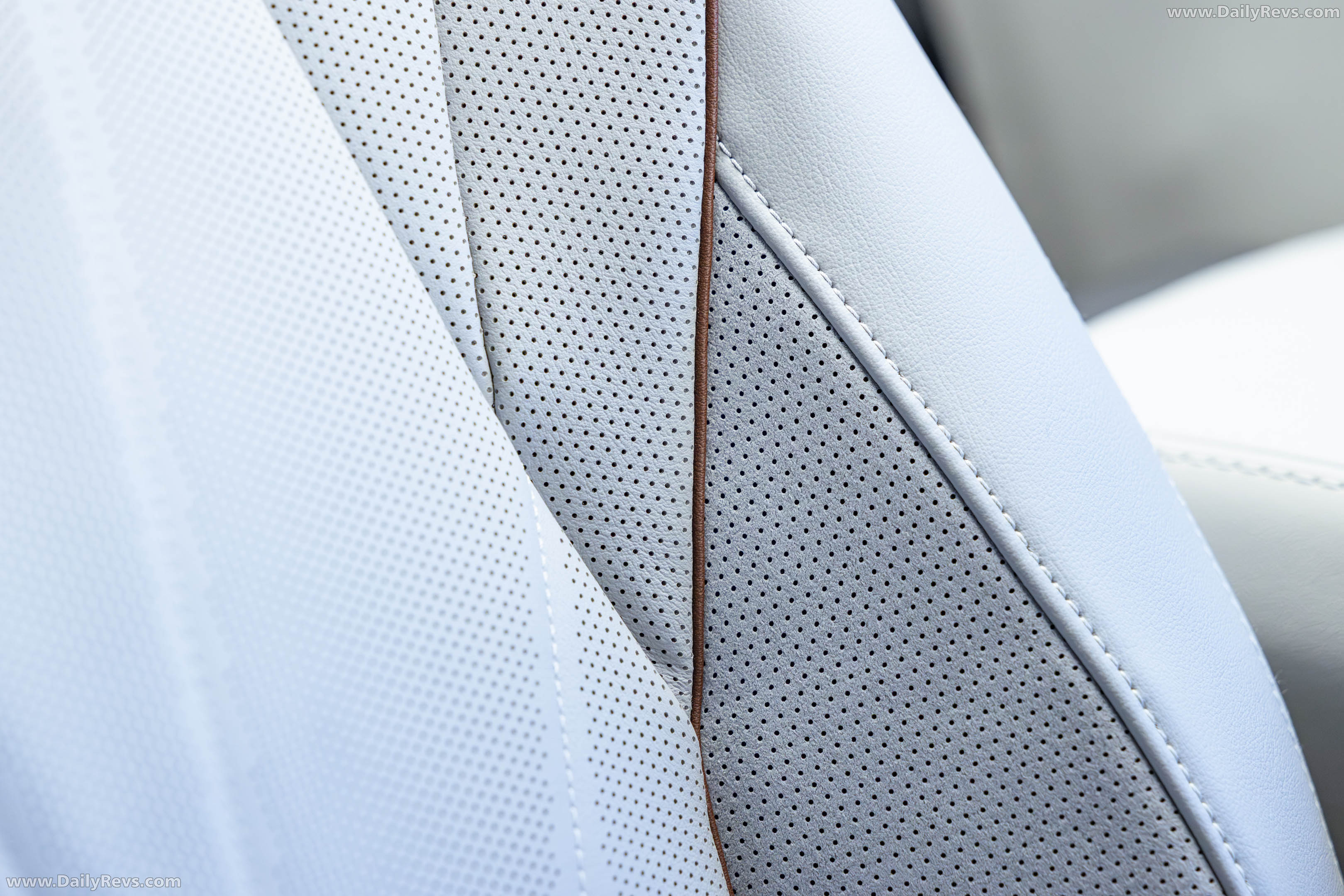
Second-row passengers get better airflow thanks to new vent placement, and there’s an option for seat ventilation. Up front, the seats can be adjusted more precisely, with available massage functions on higher trims.
Driver assistance gets an update as well. The IQ.DRIVE system now includes improved lane support and an emergency function that can bring the vehicle to a stop if needed.
A familiar engine, slightly reworked
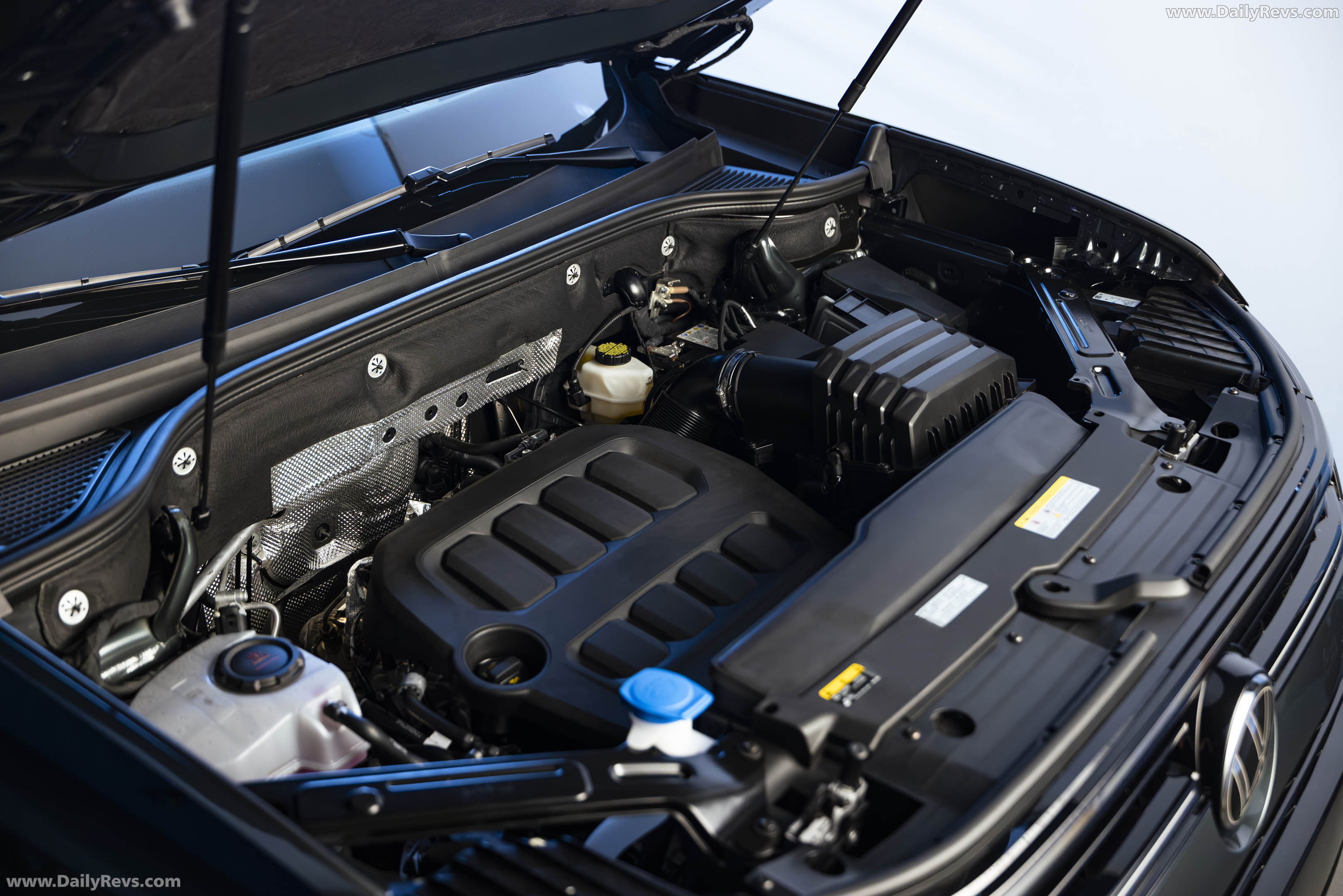
The 2027 Volkswagen Atlas continues with a 2.0-liter turbocharged four-cylinder, though it’s been updated.
Output now sits at 282 horsepower and 258 lb-ft of torque, a small increase over before.
It’s paired with an eight-speed automatic transmission. Front-wheel drive remains standard, with 4Motion all-wheel drive available across the lineup.
Volkswagen expects better fuel efficiency, though exact numbers haven’t been confirmed yet. [Unverified]
Staying where it already works
The Atlas doesn’t move into a new space with this update. It stays where it’s always been — a straightforward three-row SUV focused on usability.
There’s more technology now, a more polished interior, and a slightly sharper look. But the core idea hasn’t changed.
That’s probably the point.