2027 Vauxhall Astra
By Lorenzo Bianchi January 27, 2026
New Astra introduces an illuminated Griffin logo and sharper Vizor front design.
Intelli-Lux HD headlights with over 50,000 elements become available as standard.
Astra Electric gains a 58 kWh battery, extending WLTP range to 282 miles.
A Measured Evolution of a Core Model
The latest Vauxhall Astra arrives not as a reinvention, but as a carefully judged evolution of a long-standing nameplate. Revealed ahead of its public debut at the Brussels Motor Show in January 2026, the updated Astra and Astra Sports Tourer continue Vauxhall’s steady renewal of its passenger-car lineup, following the recent updates to Mokka, Frontera, and Grandland. For a model that has carried the brand’s compact-class ambitions for decades, the emphasis this time is on refinement, technology, and sustainability rather than wholesale change.
Vizor Design With a Clear Brand Signal
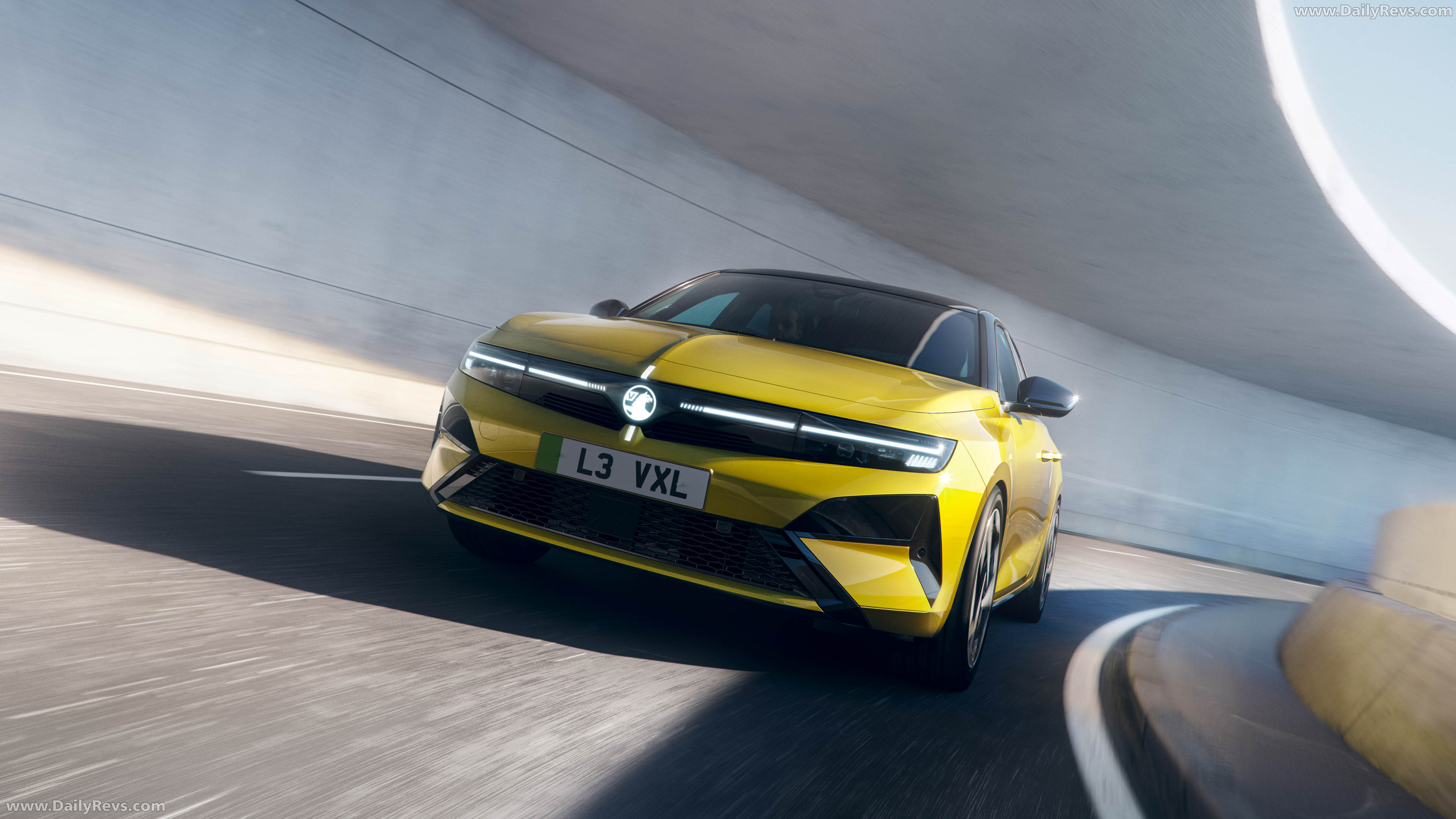
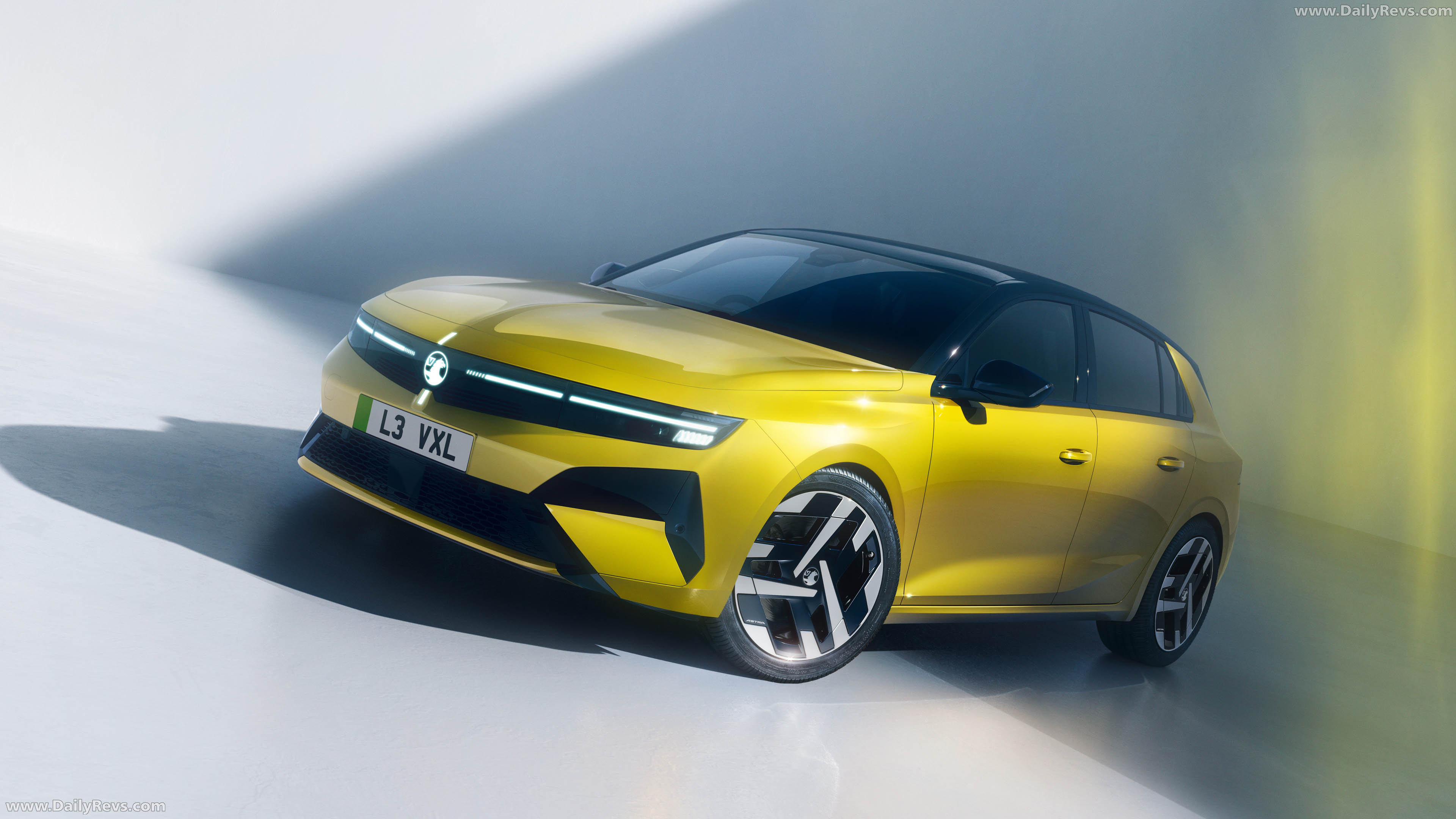
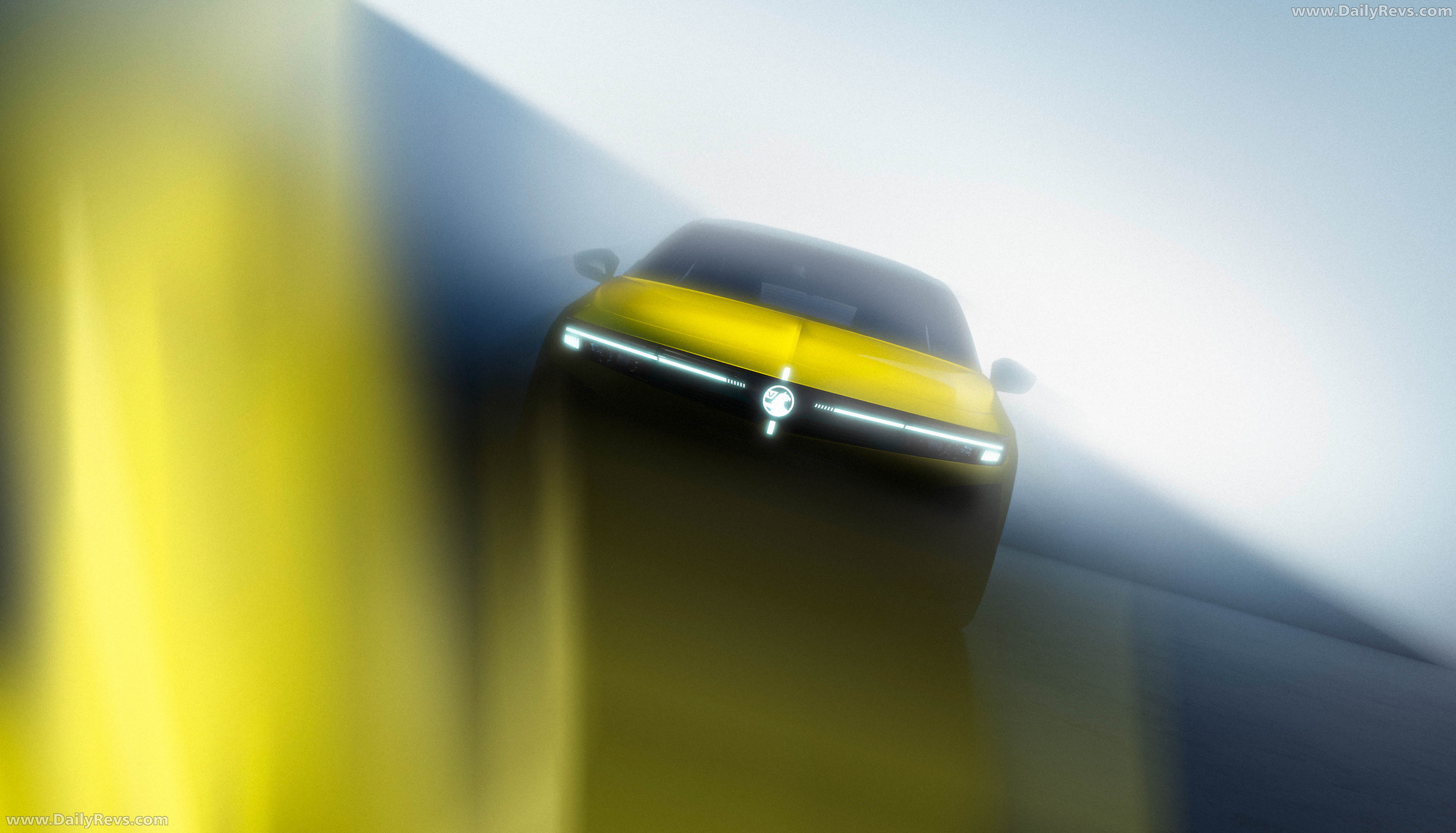
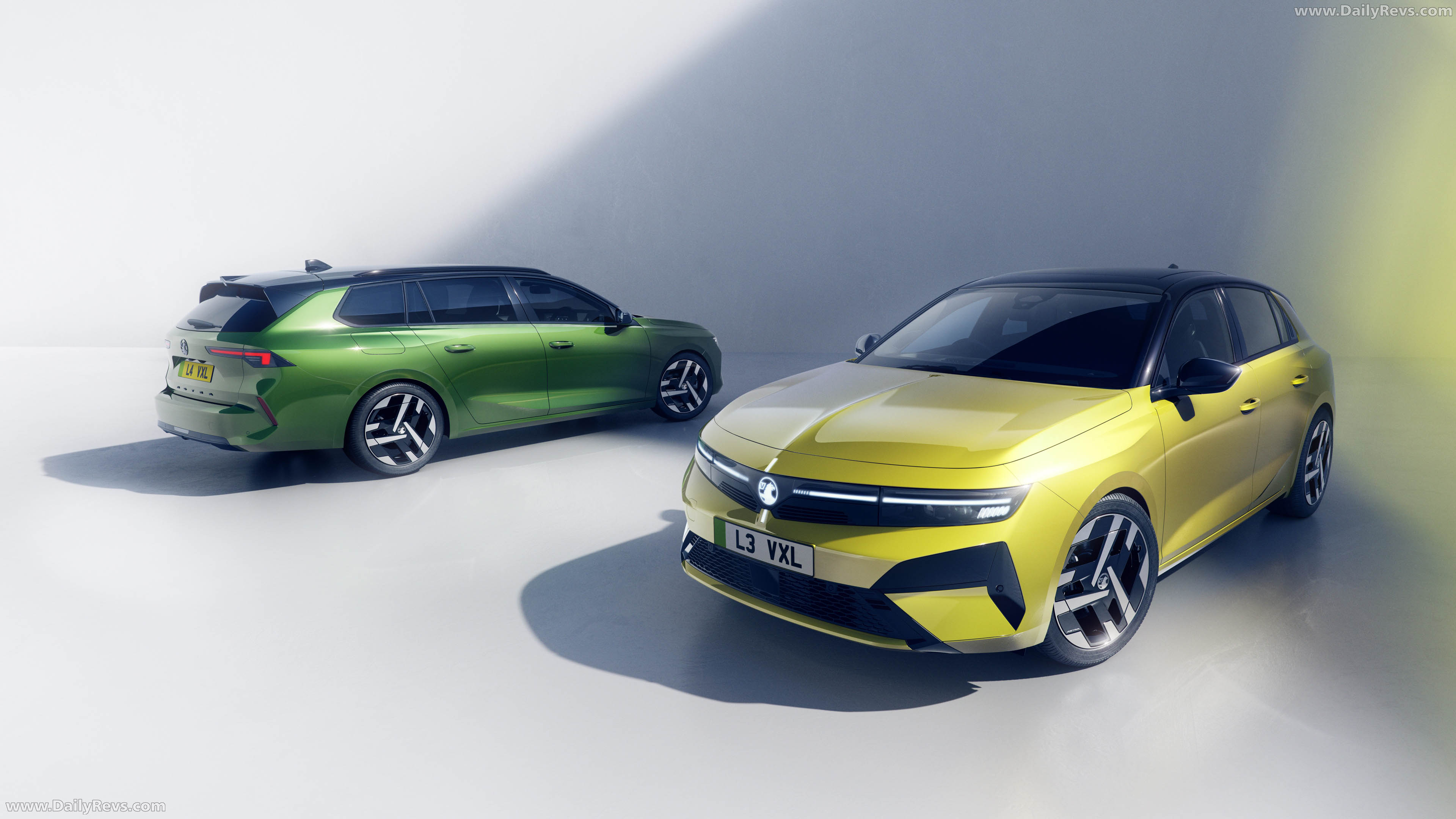
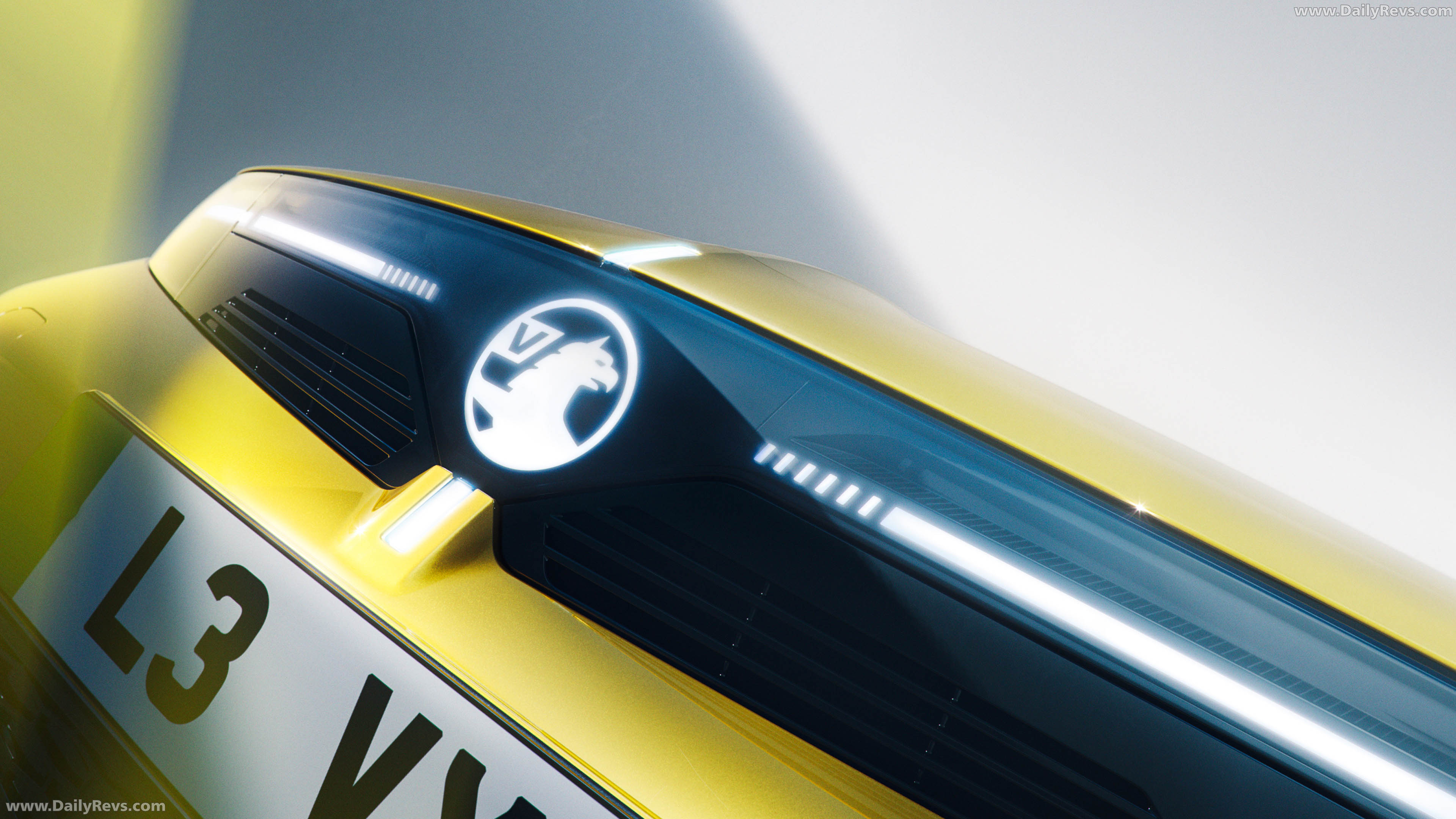
Visually, the most immediate change is at the front. The Astra adopts a narrower, more precisely drawn version of the Vauxhall Vizor, now featuring an illuminated Griffin logo for the first time on this model. Inspired by the Corsa GSE Vision Gran Turismo concept, the new face presents a more technical and confident expression.
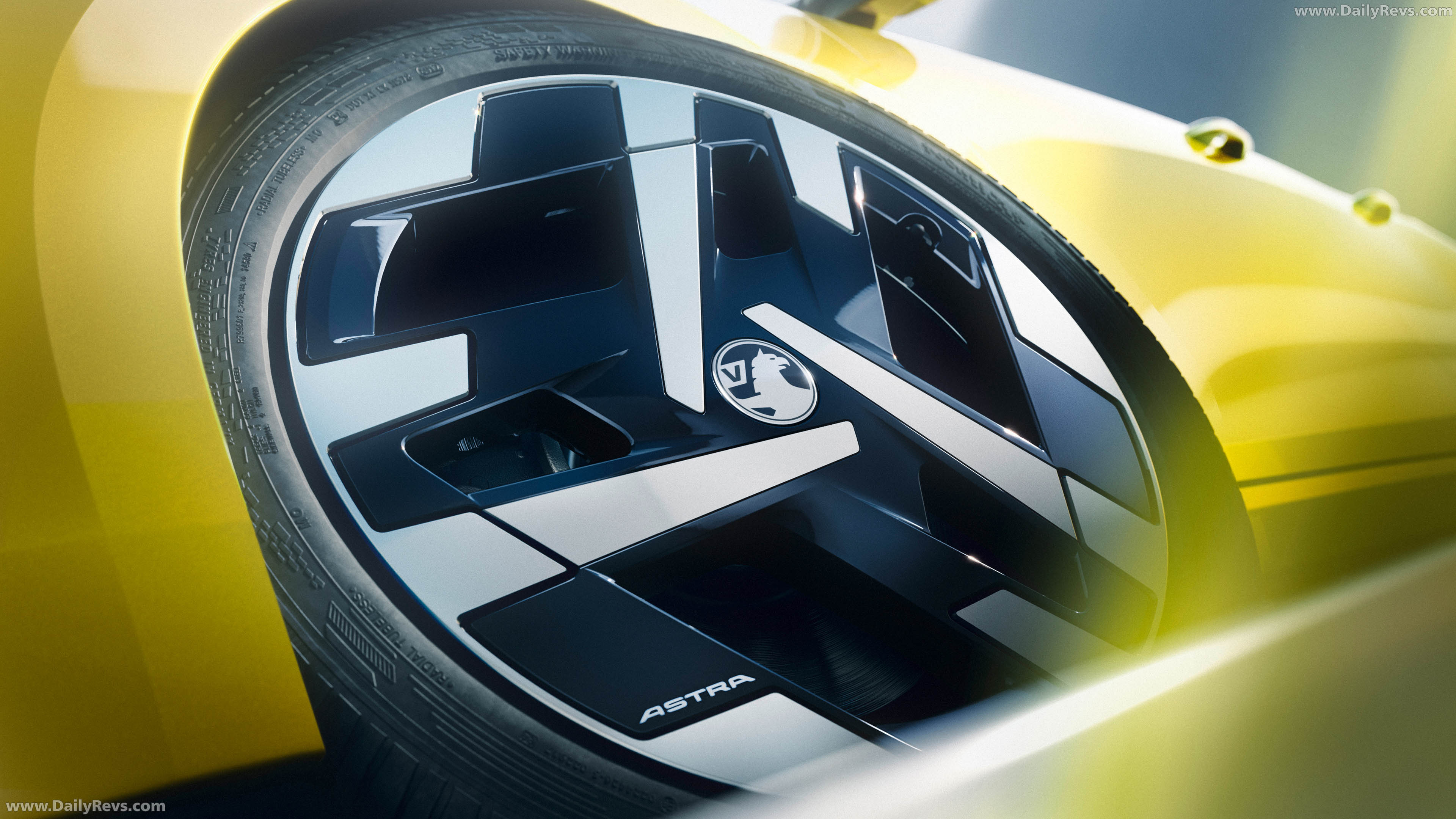
Compass-inspired lighting elements extend horizontally into the headlights and vertically into the bonnet crease, a design detail first seen on the Experimental Concept. New alloy wheel designs in 17- and 18-inch sizes, along with fresh metallic paint finishes such as Contour White and Clover Green, add subtle variation without disrupting the Astra’s familiar proportions. A contrasting black roof remains standard, reinforcing the car’s clean, graphic stance.
Lighting Technology Takes Center Stage
A major technical highlight is the introduction of Intelli-Lux HD headlights. Previously seen on larger models, this adaptive, glare-free lighting system brings more than 50,000 individual elements per headlamp to the Astra range. The system actively shapes the light beam to mask oncoming and preceding traffic, reacts to wet or foggy conditions to reduce glare, and even dims illumination around traffic signs to prevent reflection back toward the driver.
It is a significant step up in night-time visibility and places the Astra among the most advanced offerings in the compact segment when it comes to lighting technology.
Interior Comfort and Sustainable Materials
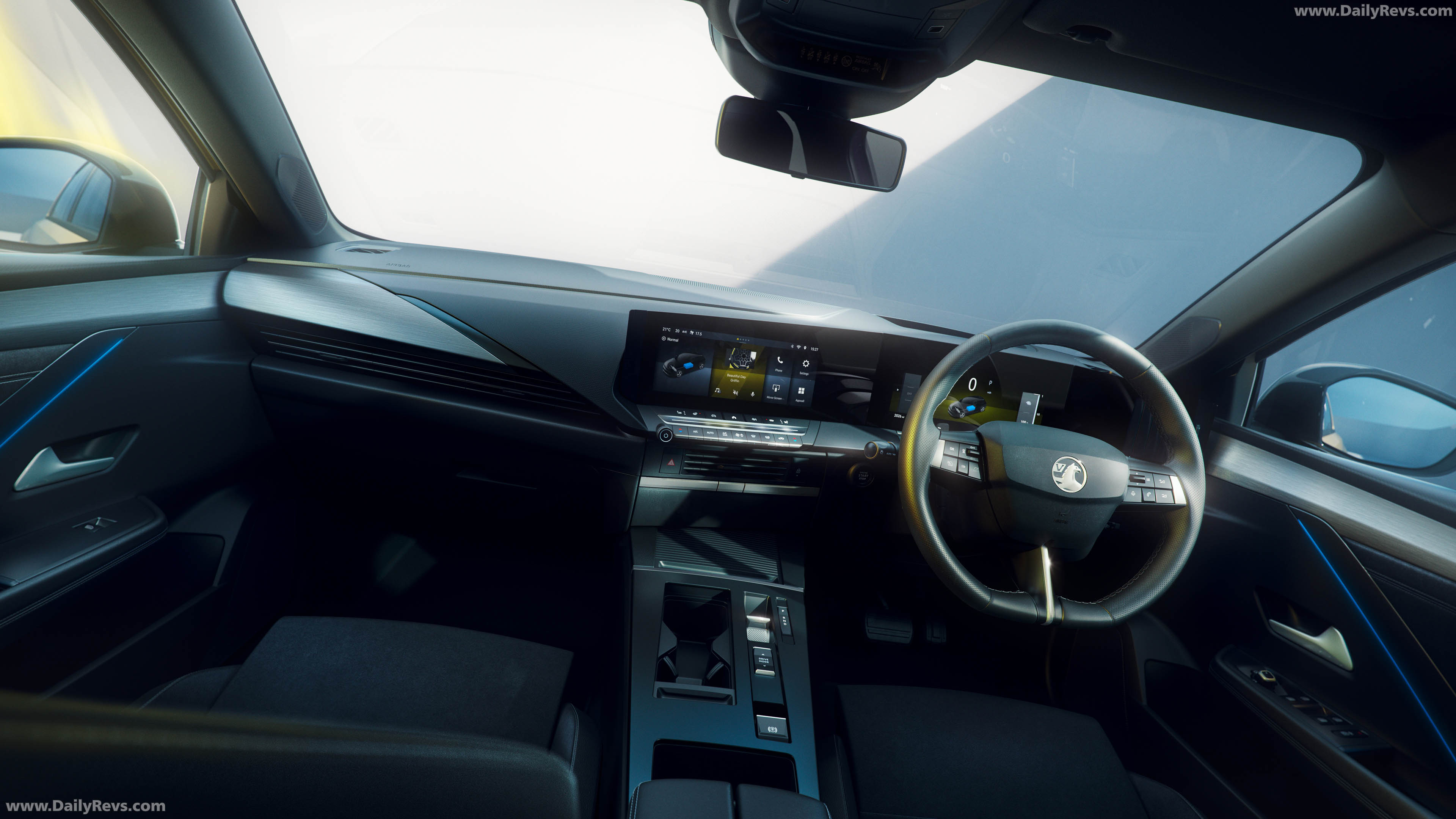
Inside, the Astra reflects Vauxhall’s “Greenovation” approach. More of the cabin now uses 100 percent recycled materials, including seat fabrics and trim surfaces. Intelli-Seats, newly developed for the Astra, come as standard across the range. Their distinctive central recess, inspired by bicycle saddle design, is intended to reduce pressure on the tailbone and improve long-distance comfort.
The cockpit layout has been simplified, with clearer user interfaces aligned with newer Vauxhall models. Optional AGR-certified seats with heating, massage, and memory functions are available, trimmed in mono-material ReNewKnit fabric that avoids complex material separation and reduces CO₂ footprint.
Electrification and Broad Powertrain Choice
Electrification remains central to the Astra’s positioning. Installing a larger 58 kWh battery increases the Astra Electric's WLTP-rated range by 22 miles to 282 miles. E-bikes and other external devices can now be directly powered by the vehicle thanks to the development of vehicle-to-load technology.
In addition to electric, the Astra still offers a range of powertrains, including gasoline, 48V mild hybrid, and plug-in hybrid options, ensuring coverage for a variety of usage profiles.
Compact Class Relevance Maintained
Within Vauxhall’s lineup, the updated Astra remains a central pillar. It does not chase radical styling or headline-grabbing performance. Instead, it focuses on clarity, usable technology, and incremental improvement, qualities that have long defined its appeal in the compact class.