2027 Seat Cupra Raval
By Lorenzo Bianchi April 9, 2026
Compact electric hatchback built on MEB platform.
Range up to around 450 km depending on battery.
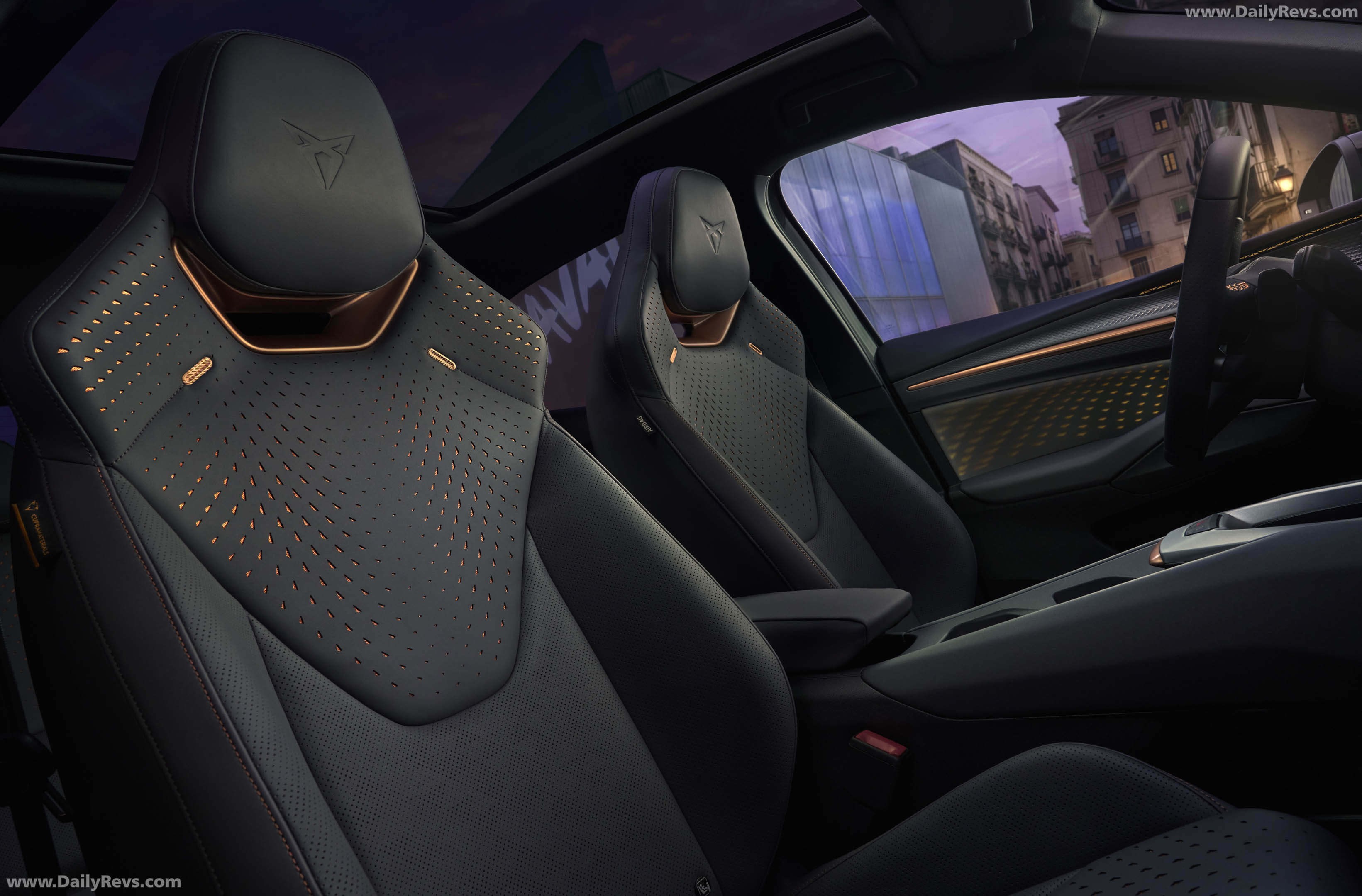
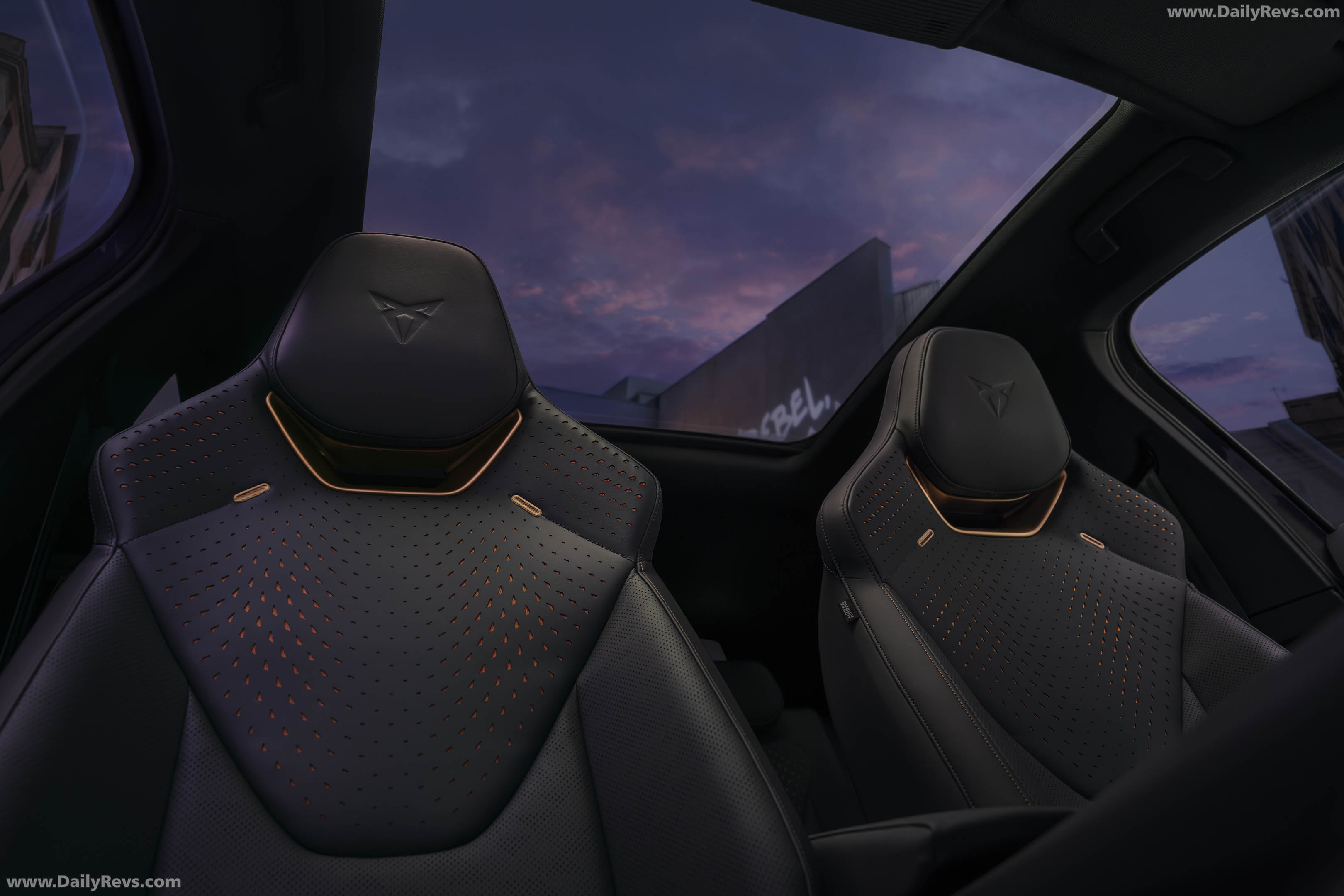
Driver-focused cabin with immersive lighting and digital cockpit.
A sharper, more compact take on urban design
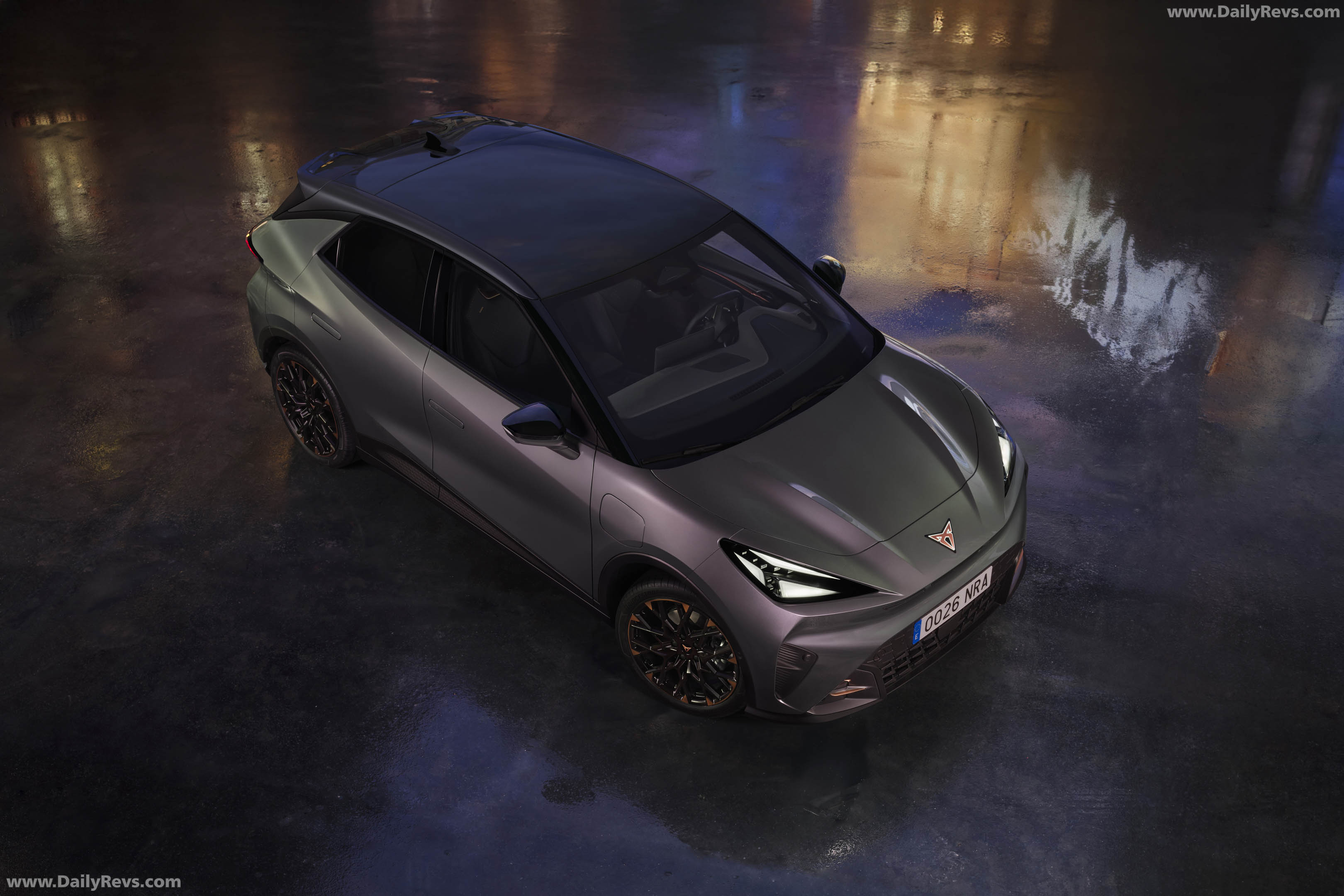
The 2027 Seat Cupra Raval doesn’t try to soften its presence. It leans into sharp edges and tight surfaces, especially up front.
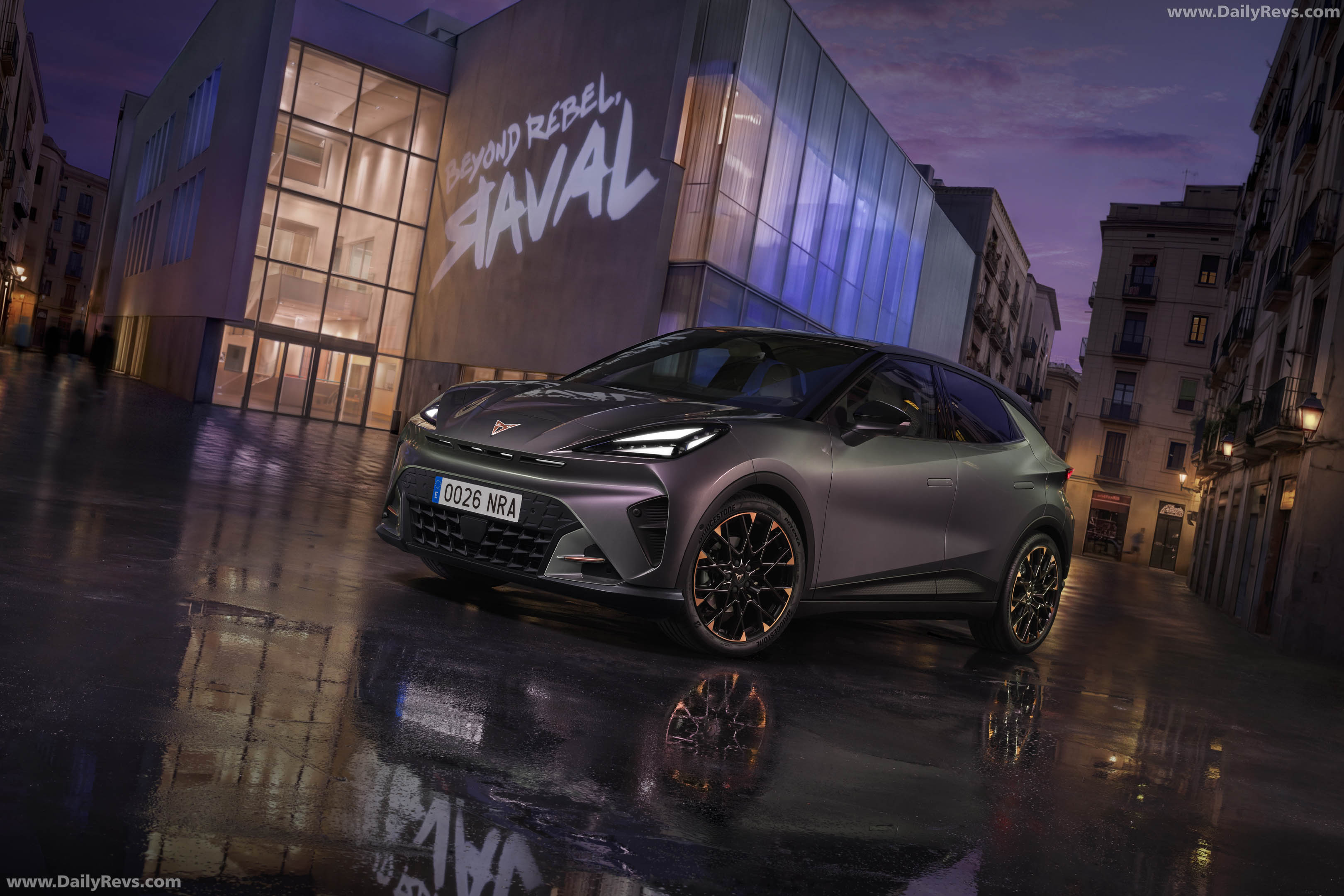
The nose sits low, with a distinct “shark” profile and narrow lighting signatures that stretch outward. The illuminated Cupra logo adds a focal point, particularly at night. Around the sides, the lines are more angular than what’s typical in this segment, giving the car a slightly tense, forward-leaning look.
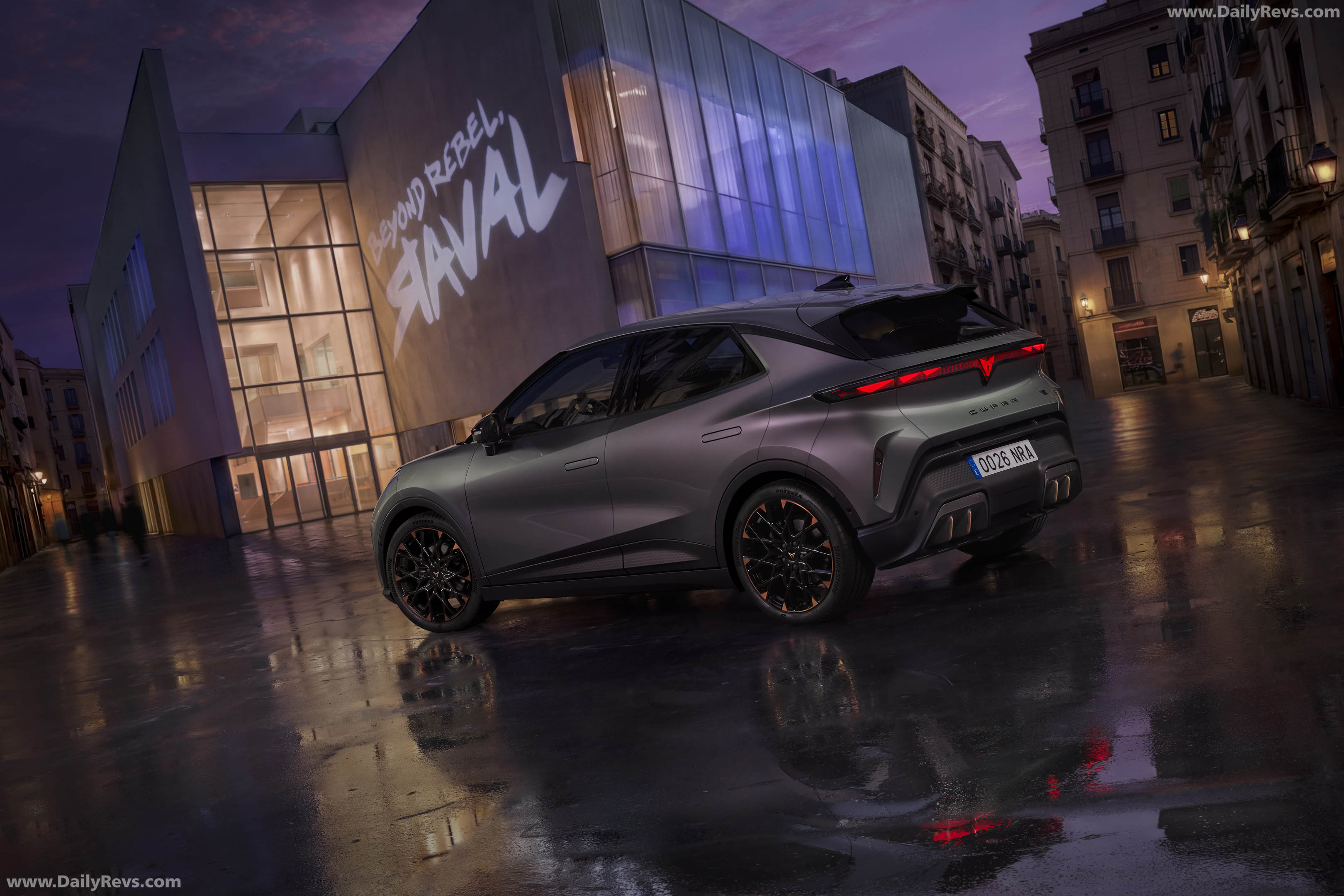
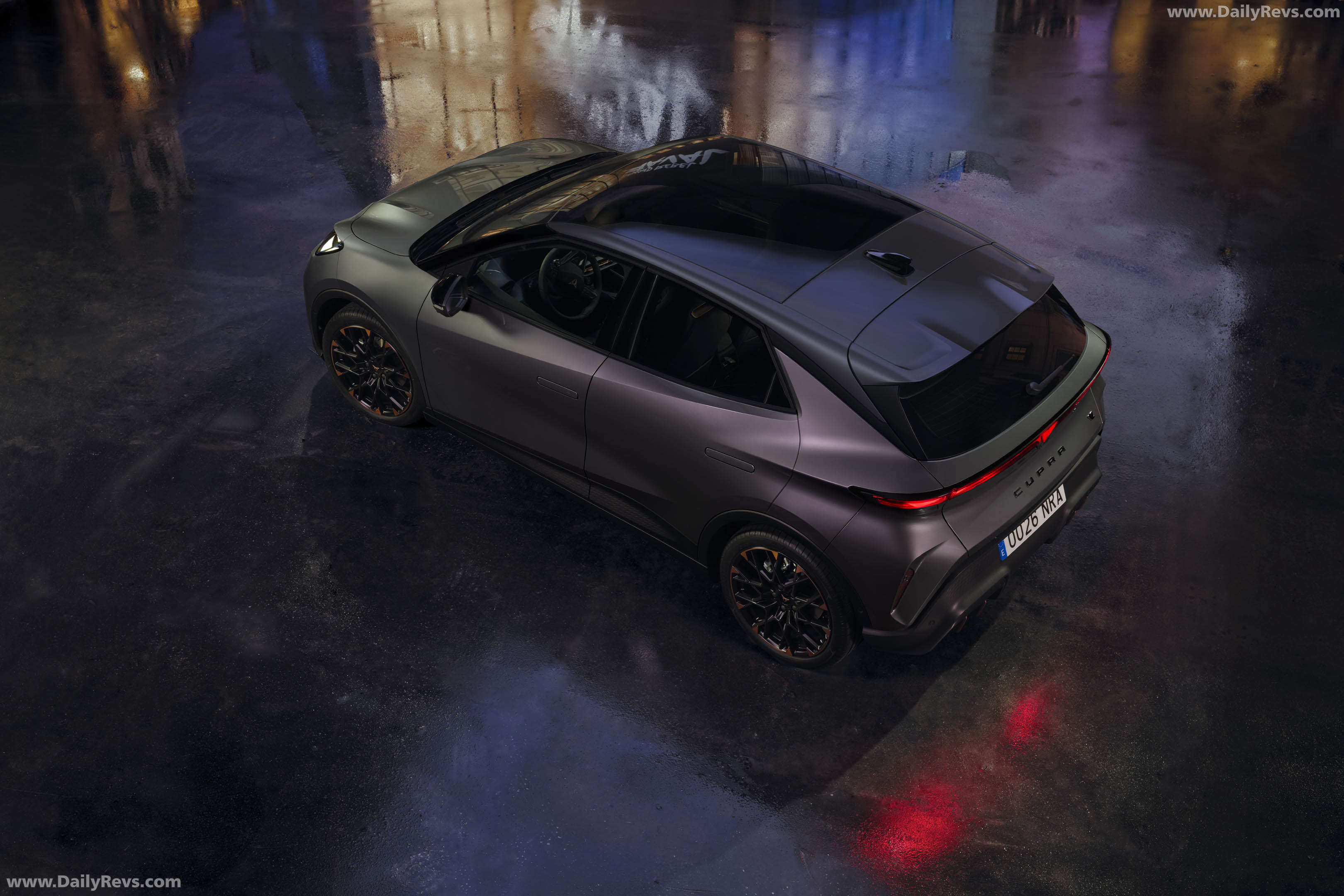
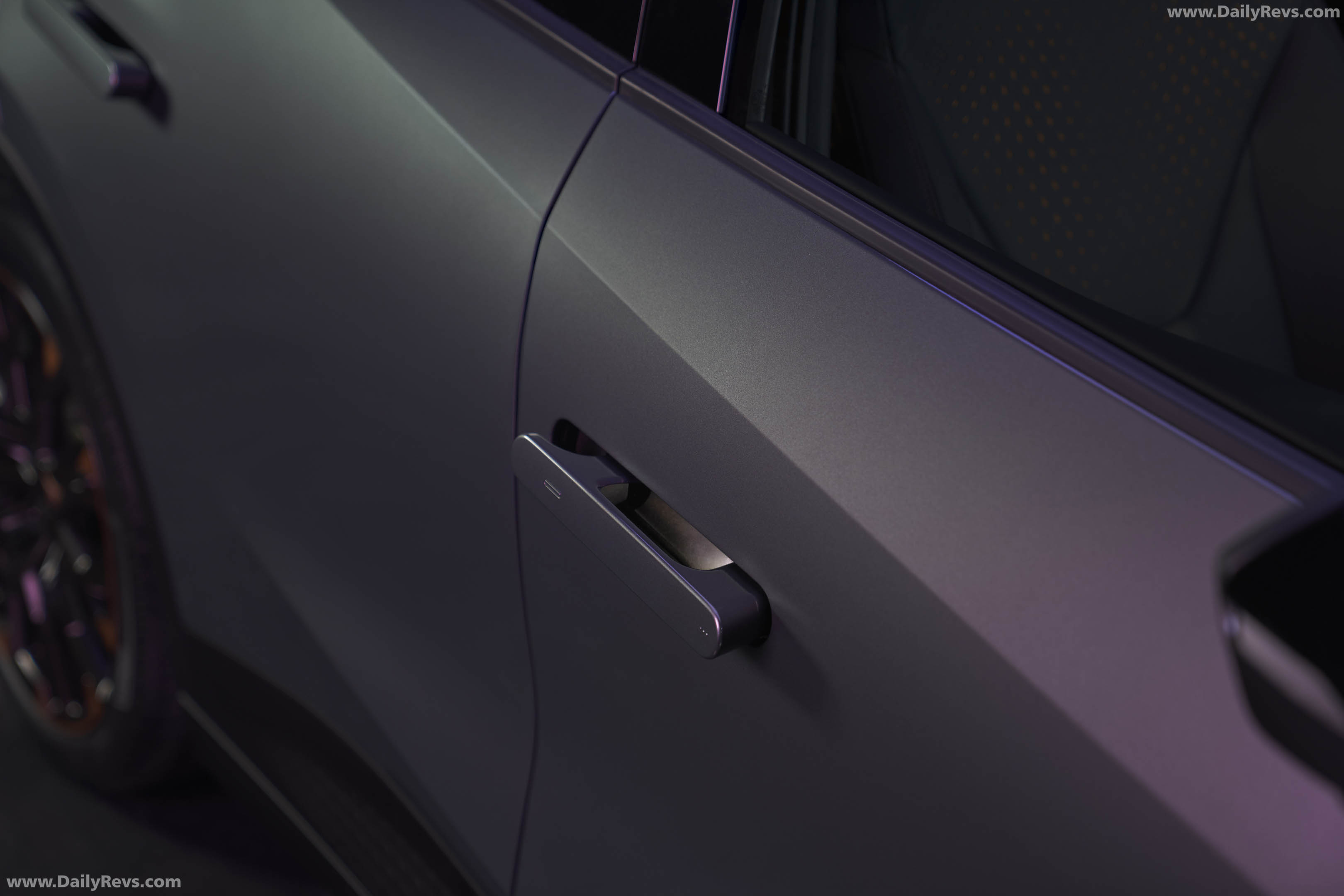
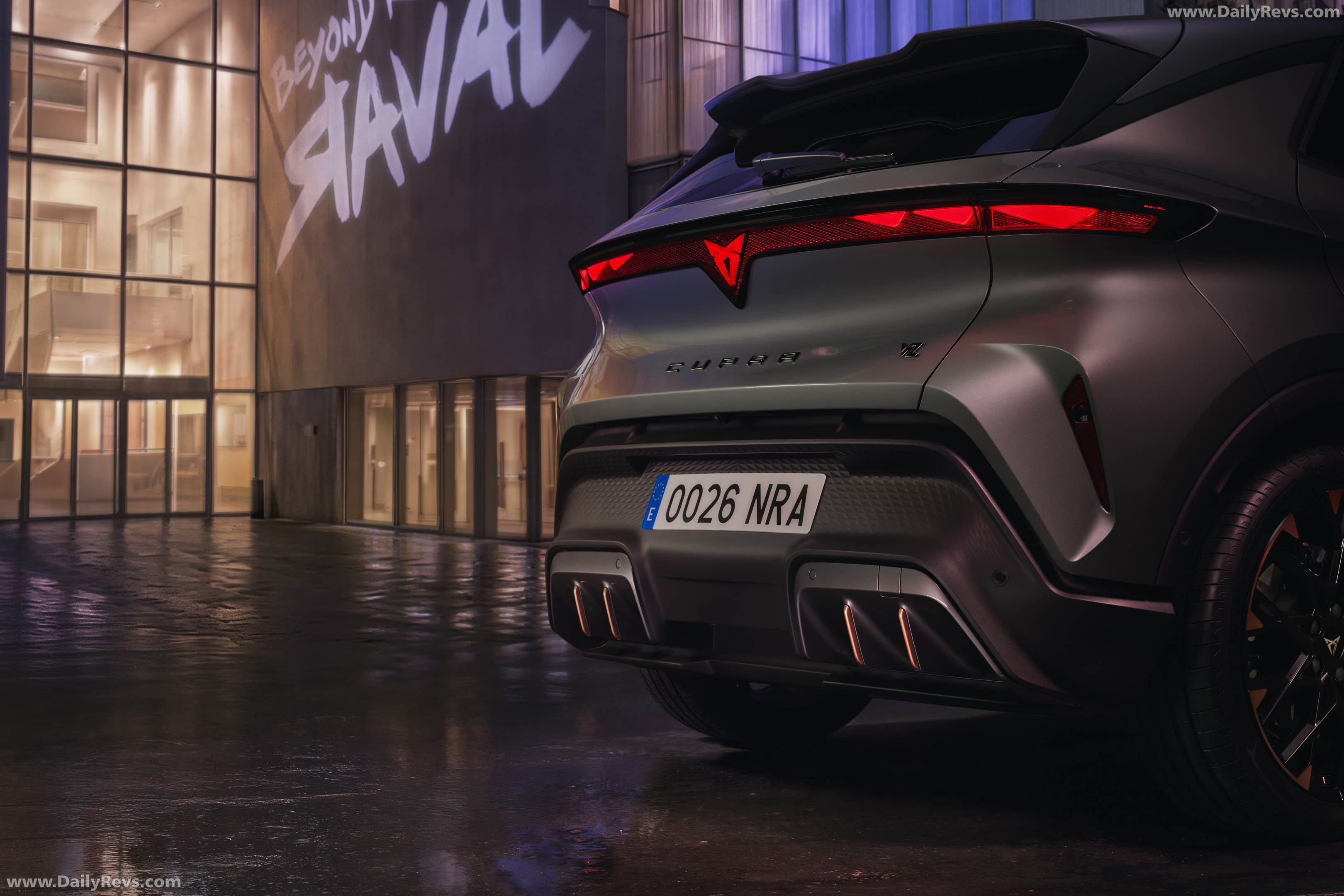
At the rear, a full-width lighting element ties everything together, sitting above a more sculpted lower section with visible aerodynamic intent. Even smaller details, like the flush door handles and roof spoiler, feel deliberately integrated rather than decorative.
Compact dimensions, but not a small presence
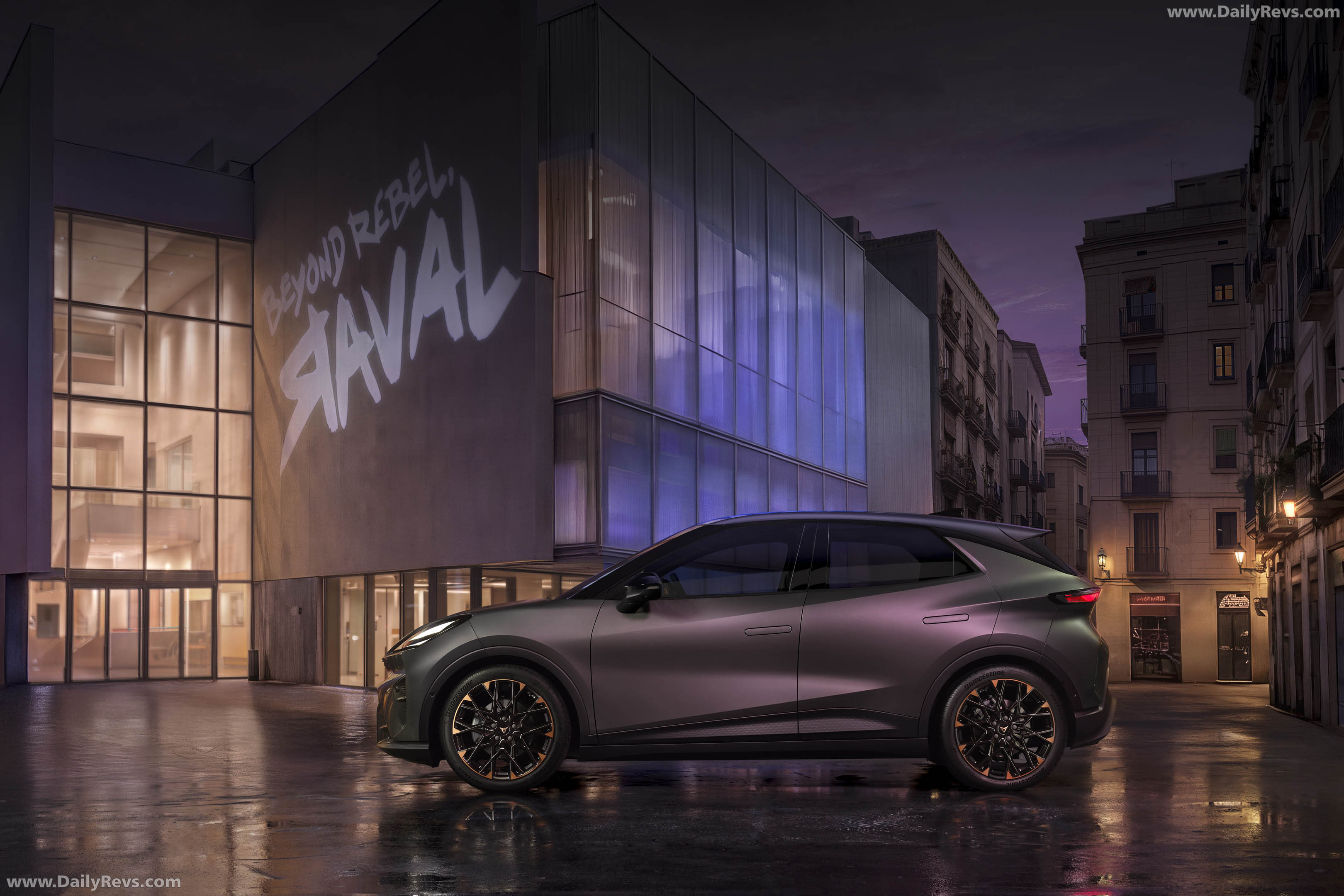
On paper, the Raval sits firmly in the compact class. It measures just over four metres in length, with a relatively wide track and low stance.
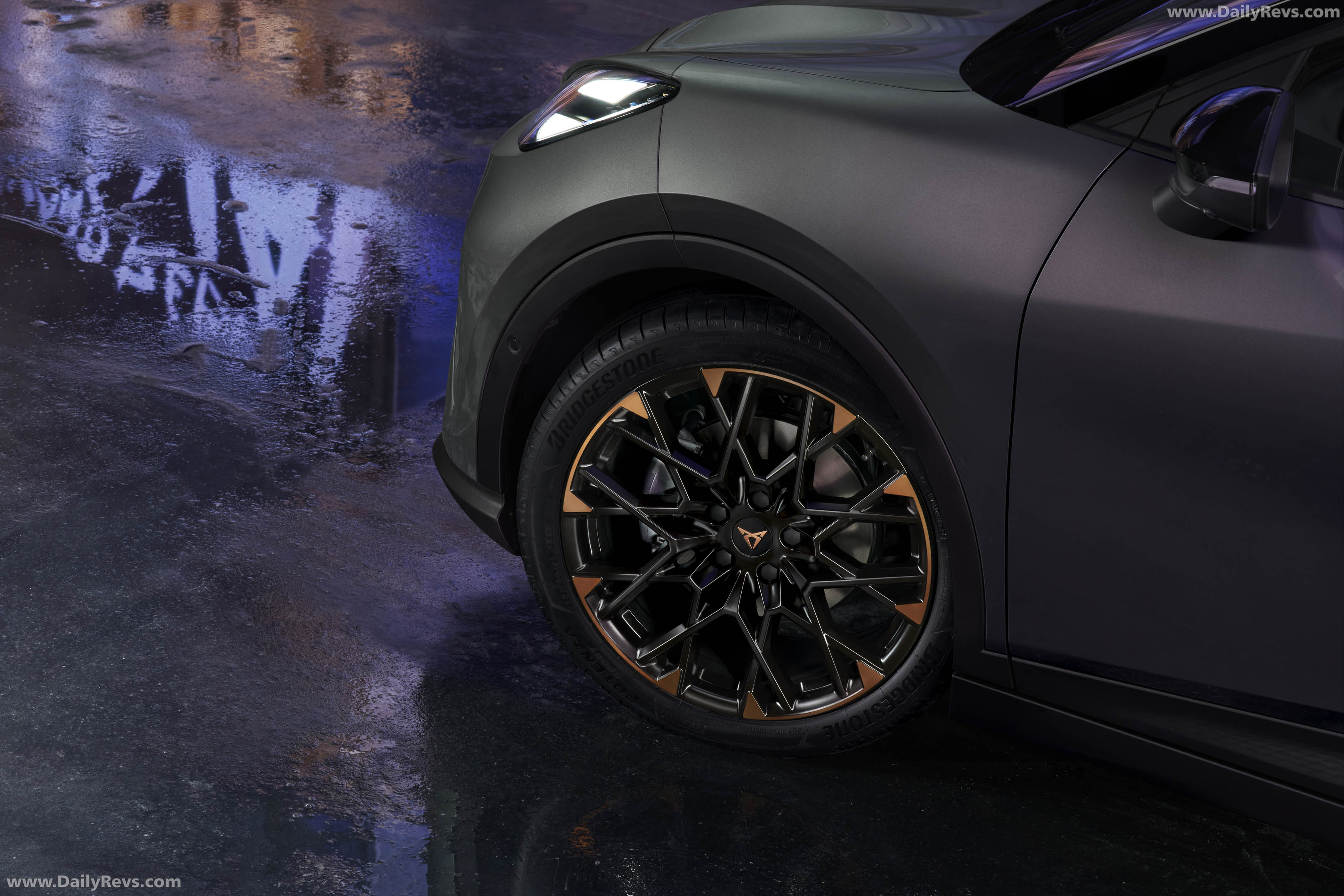
That combination works in its favour. The car looks planted, especially when viewed from the side. The wheels sit close to the corners, and the proportions feel balanced rather than tall and narrow.
There’s also a sense that the design is doing some of the work here, visually lowering the car even further. [Inference]
Interior focuses on the driver first
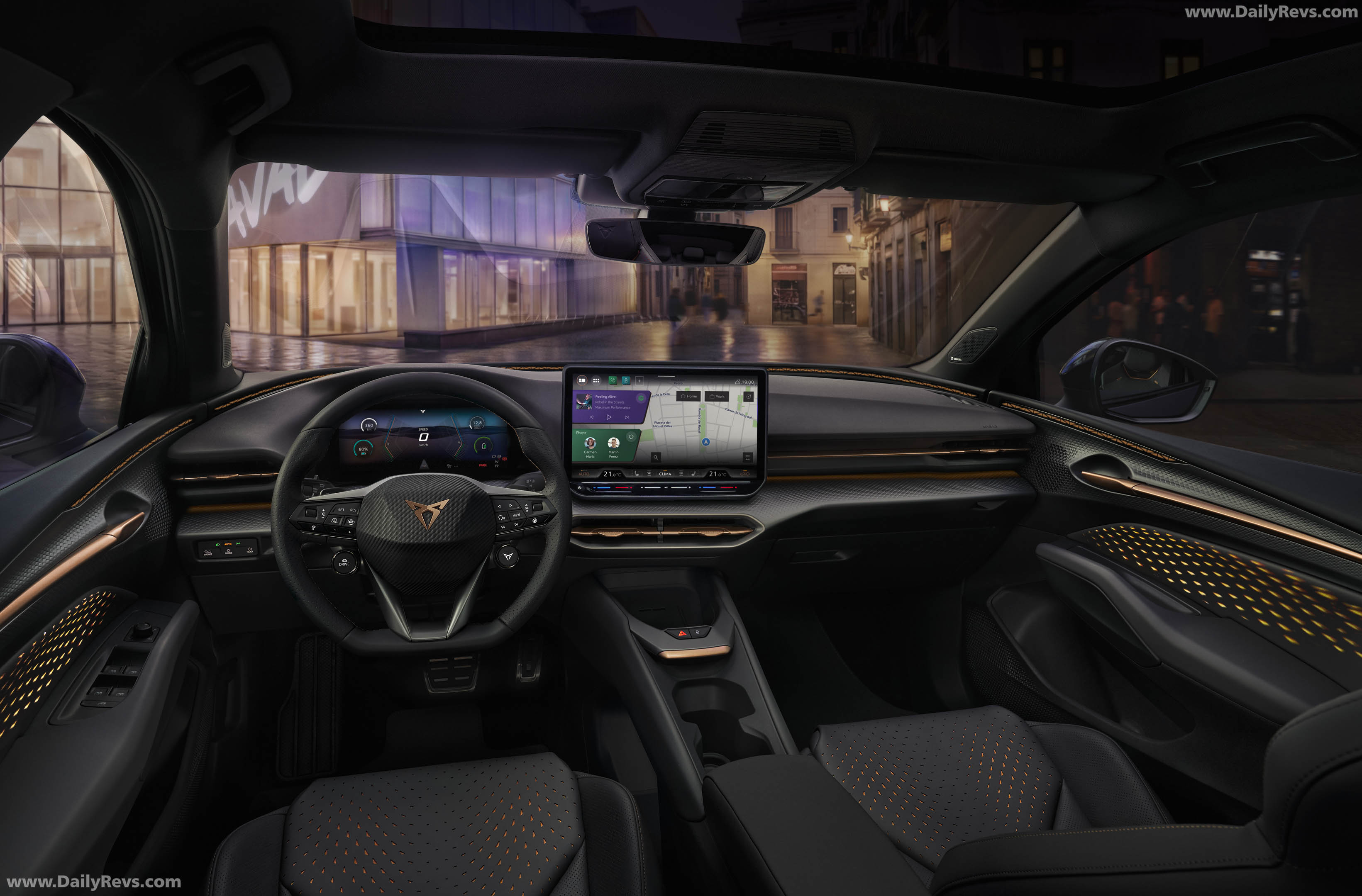
Inside, the approach shifts toward the driver.
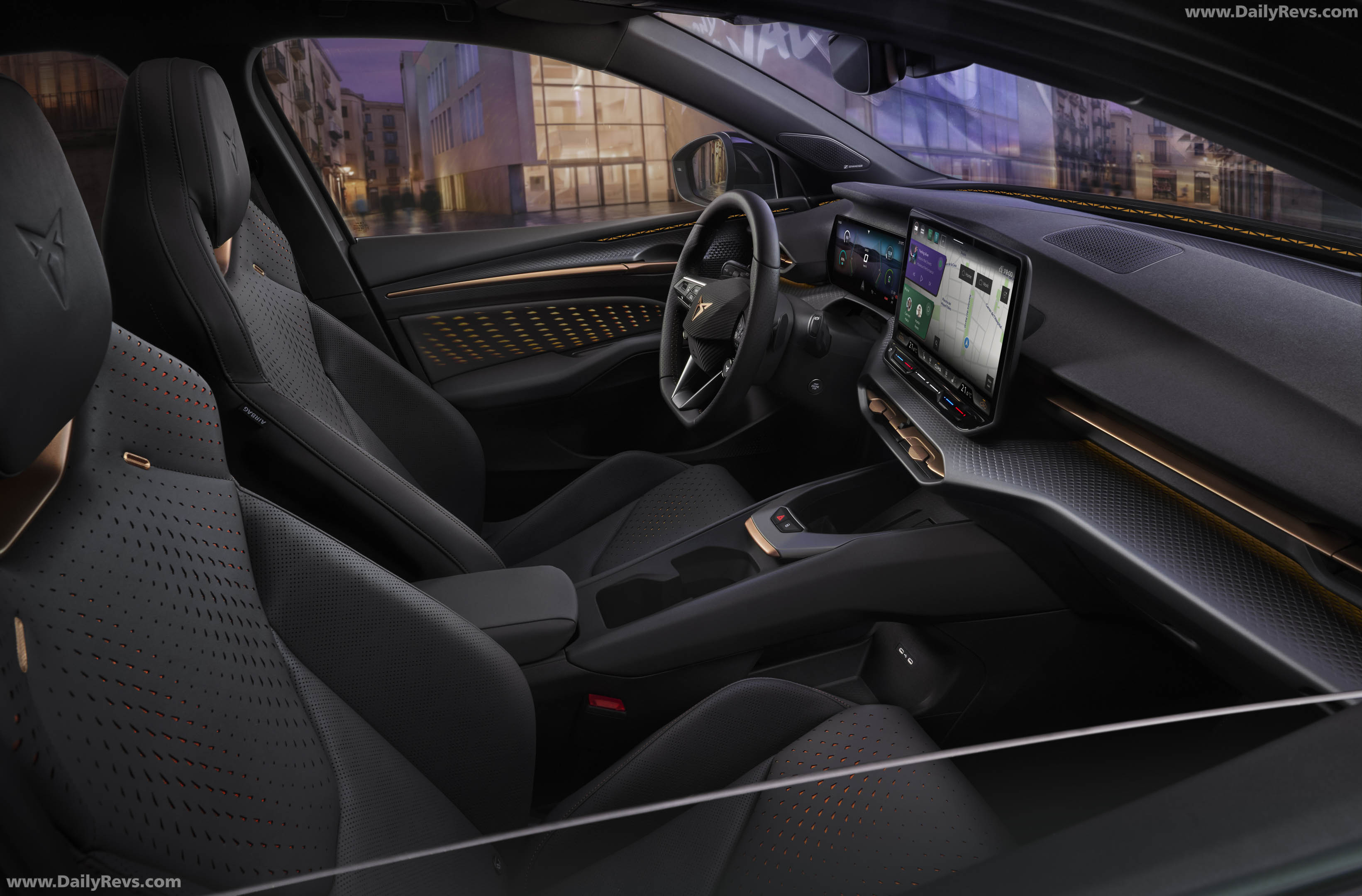
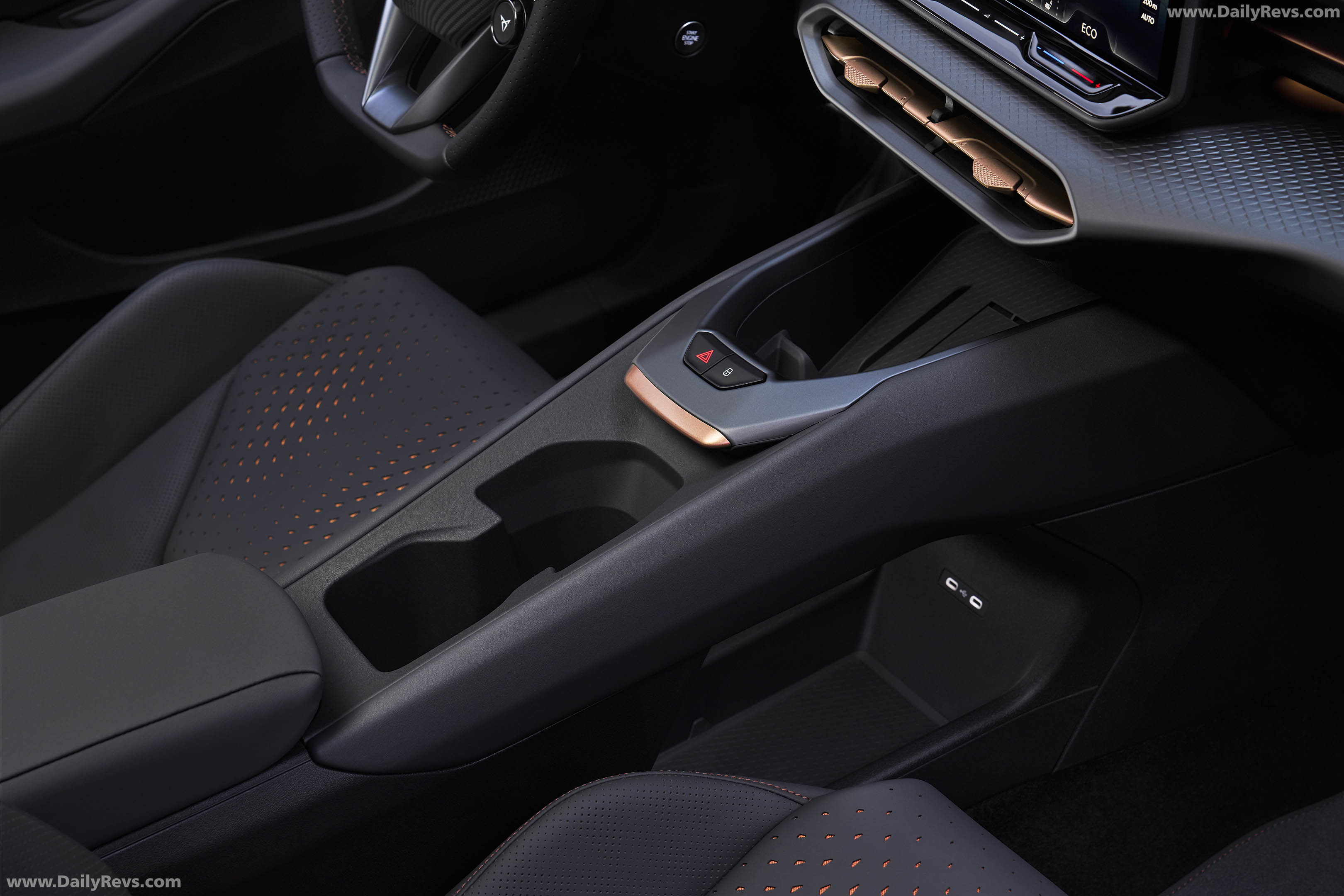
The steering wheel carries most of the controls, with physical inputs mixed into the layout rather than everything being pushed into the touchscreen. The centre console is suspended, freeing up storage space underneath and keeping the main surfaces clean.
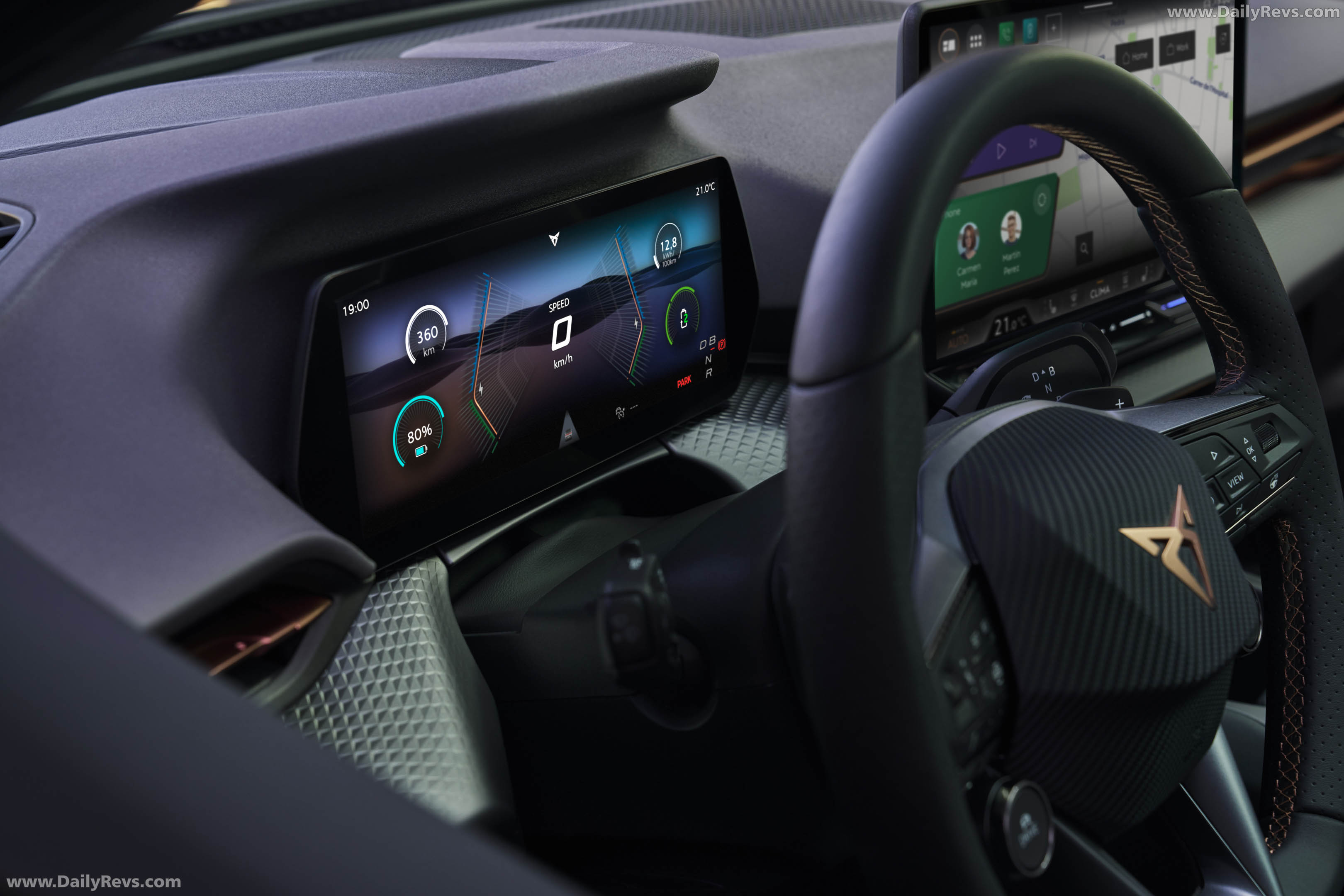
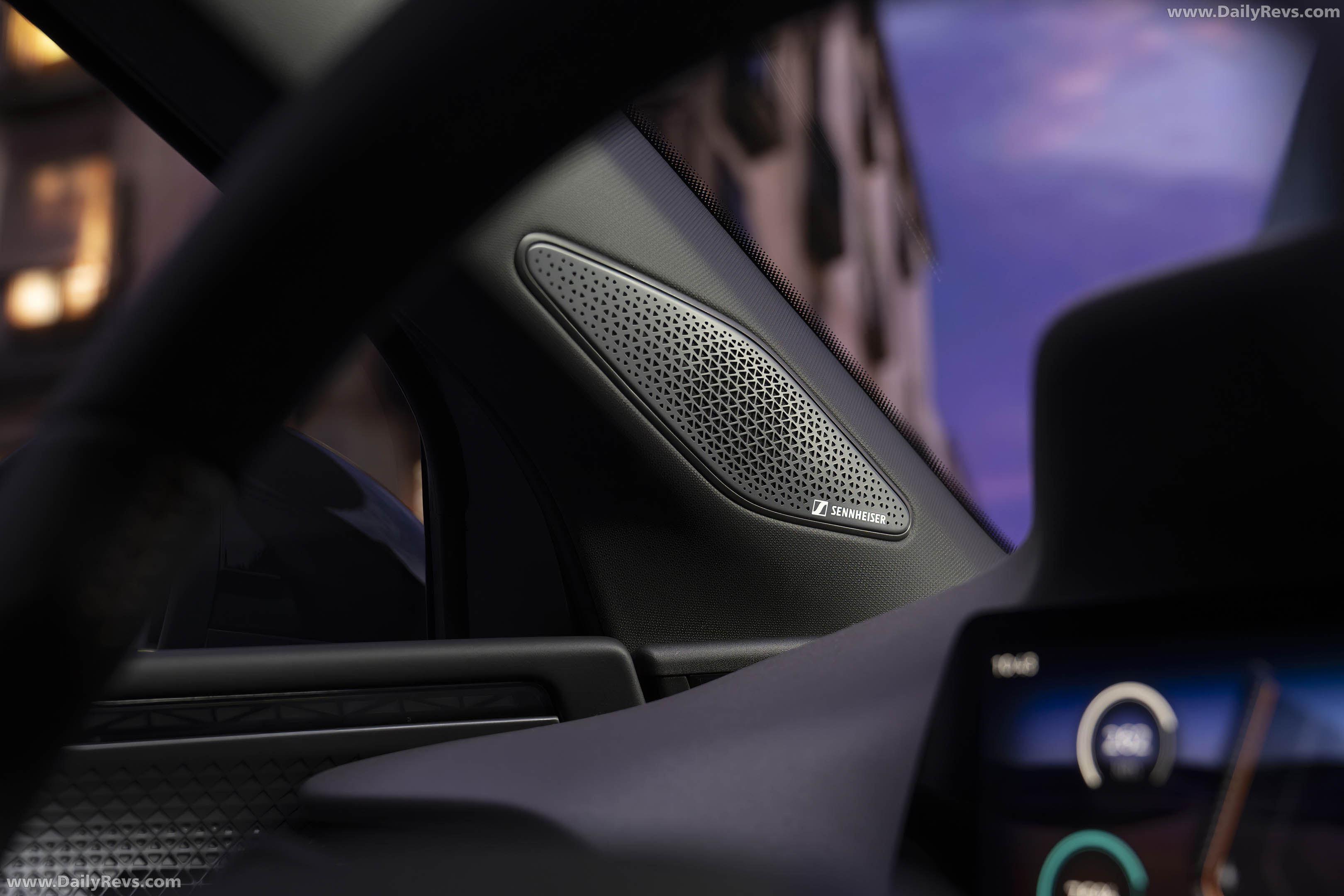
The digital setup includes a 10.25-inch instrument display paired with a 12.9-inch central screen. It runs an Android-based system, allowing access to apps and connected features without needing external devices.
Lighting plays a bigger role than usual. Projections extend across the dashboard and door panels, changing depending on driving conditions. It’s meant to add feedback rather than just atmosphere, though how noticeable that is day-to-day is [Unverified].
Electric performance tuned for city and beyond
The Raval is built on Volkswagen Group’s MEB platform, configured here for front-wheel drive.
Multiple power outputs are expected. The higher-end versions reach up to 166 kW, while more accessible variants sit lower in the range. Acceleration figures suggest a 0–100 km/h time of around 6.8 seconds for the more powerful versions.
Battery options vary as well. A larger 52 kWh pack enables a range of up to roughly 450 km, while smaller batteries target shorter, more urban-focused use.
Charging times depend on configuration, but fast charging can bring the battery from 10 to 80 percent in around 24 minutes under ideal conditions.
Practicality still part of the package
Despite the emphasis on design, the Raval hasn’t ignored usability.
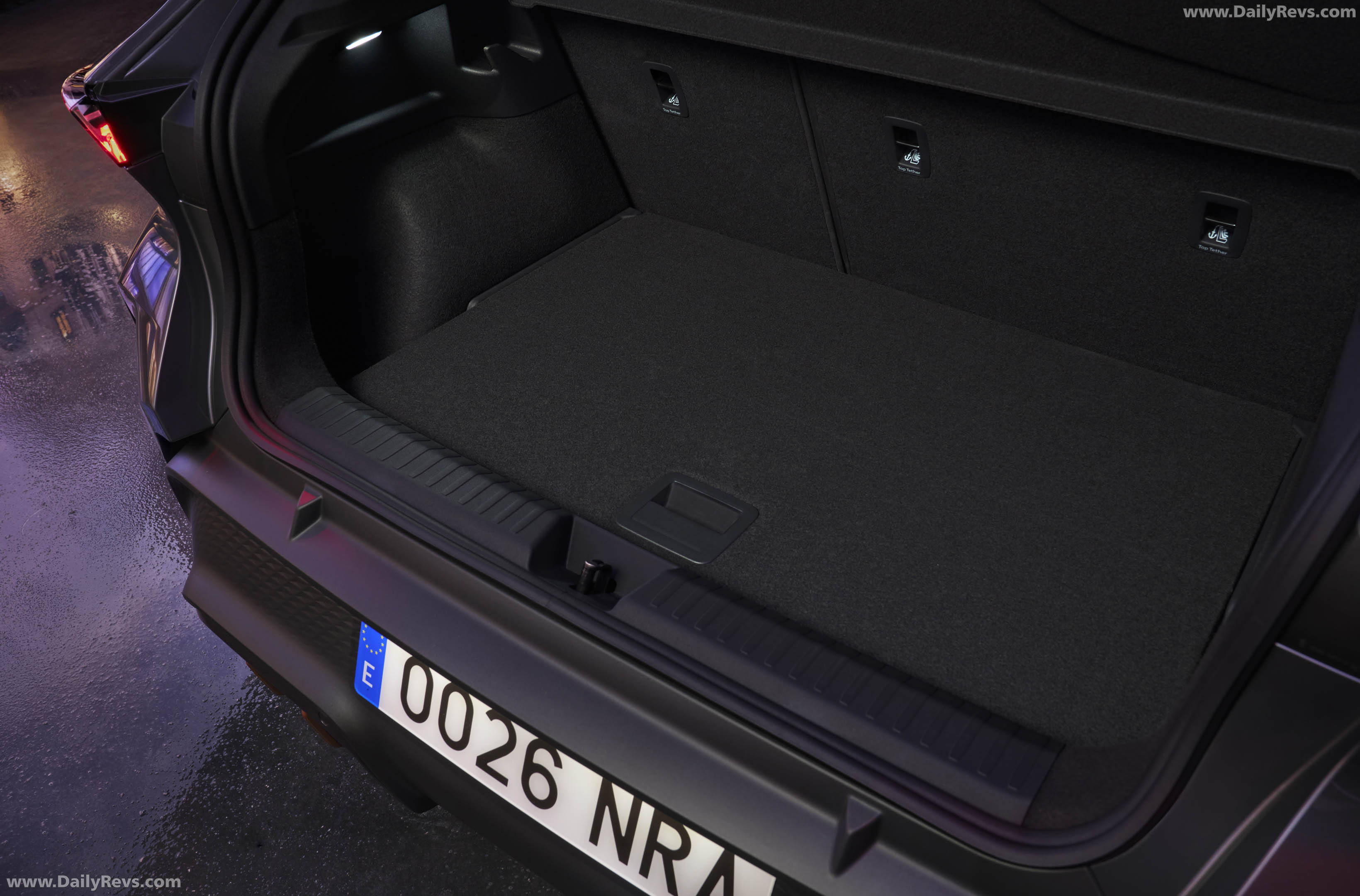
Boot capacity is listed at 440 litres, which is competitive for its size. The rear layout avoids packaging constraints from high-voltage components, helping maintain usable cargo space.
Inside, connectivity is a clear priority. Wireless charging, multiple USB ports, and app-based vehicle integration all form part of the experience. There’s also vehicle-to-load capability, allowing external devices to draw power from the battery.
Driver assistance systems include adaptive cruise control, lane support features, and parking assistance with a 360-degree view system.