2027 Sanrivatti ONE
By Lorenzo Bianchi November 20, 2026
The 2027 Sanrivatti ONE debuted on 13 November 2026 in Arnhem, the Netherlands, as the company’s first hypercar.
A mid mounted 5.5 litre Judd V10 targets 800 hp, 700 Nm and a 1,100 kg dry weight. All figures are provisional targets.
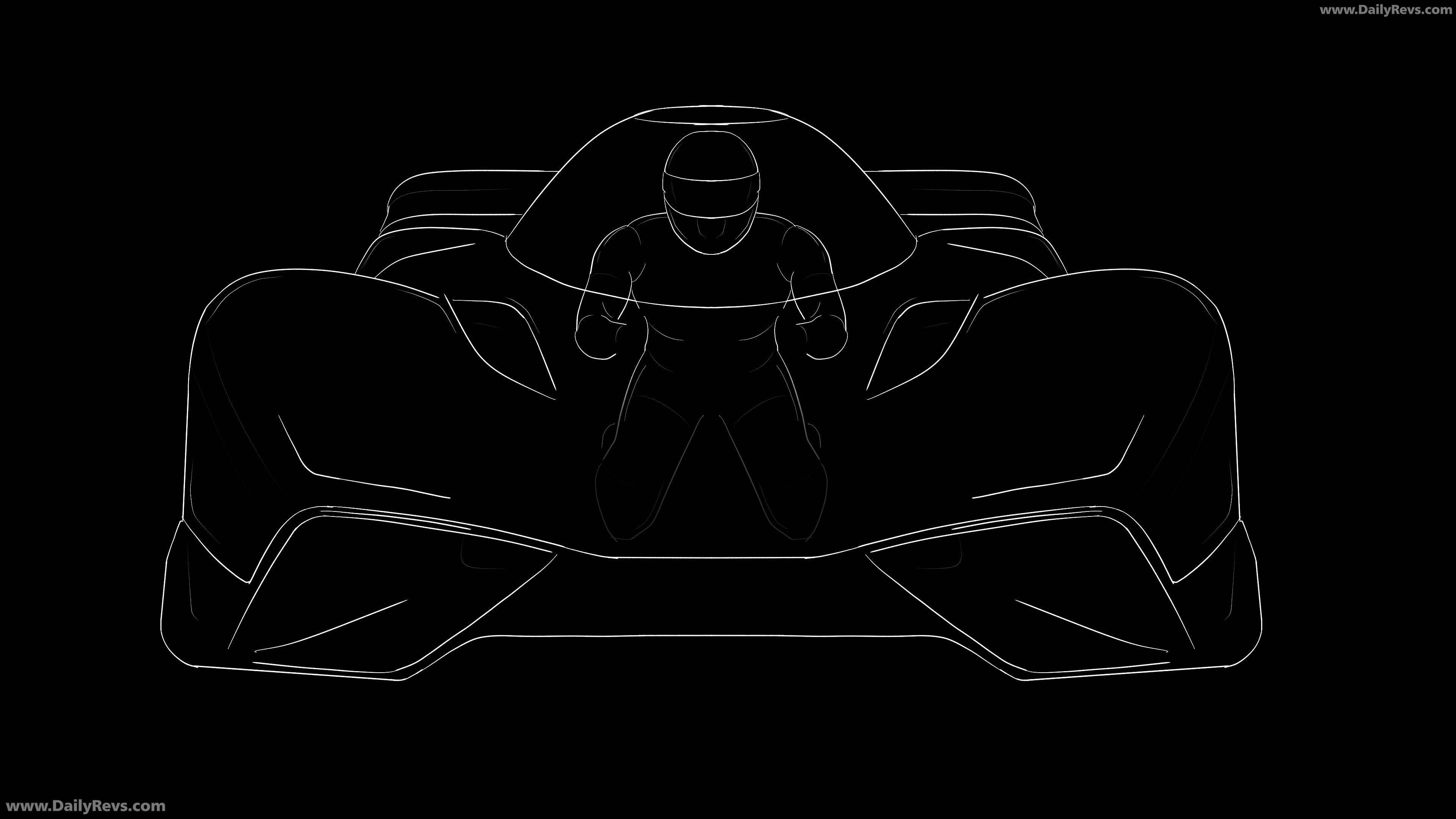
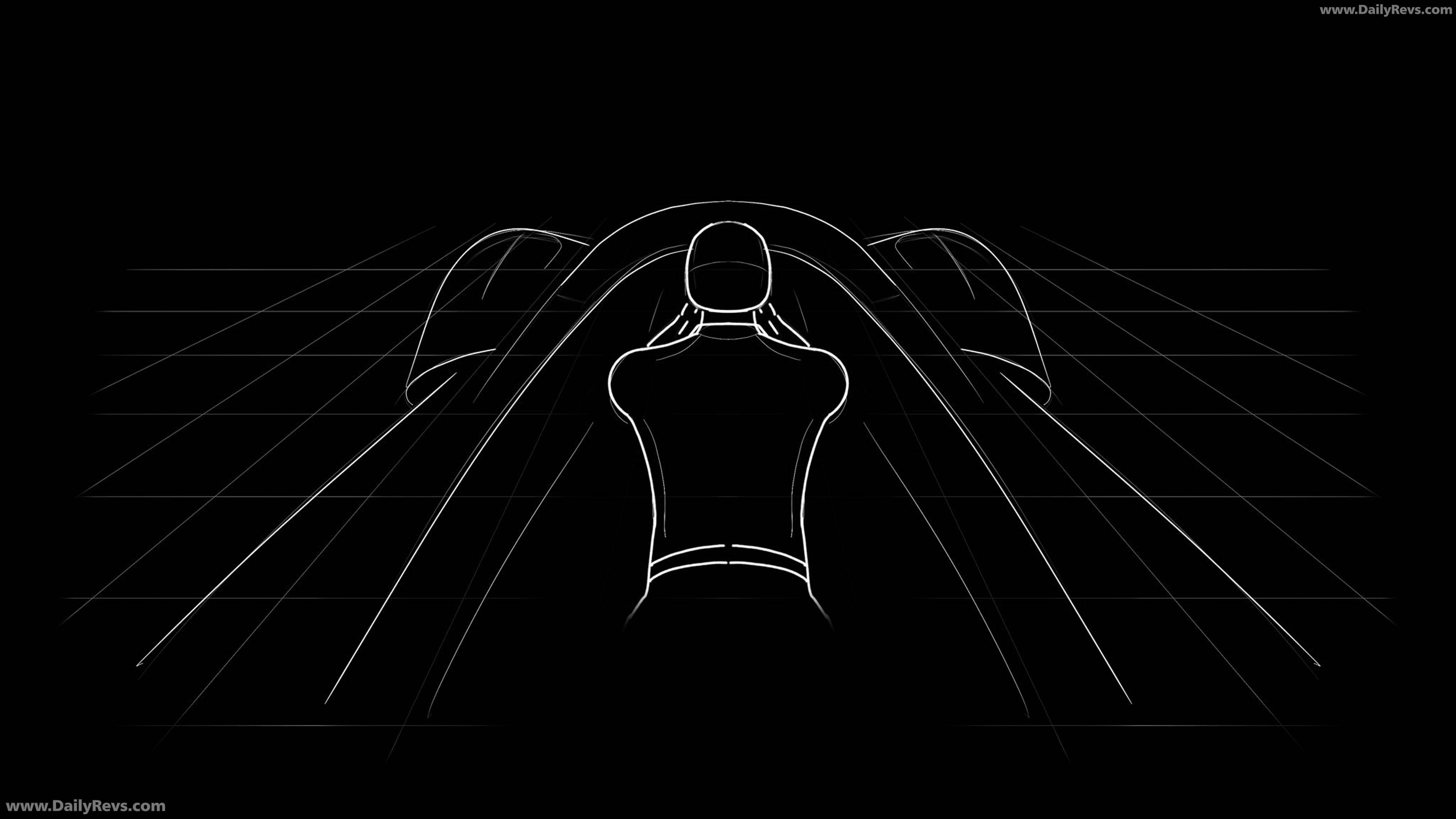
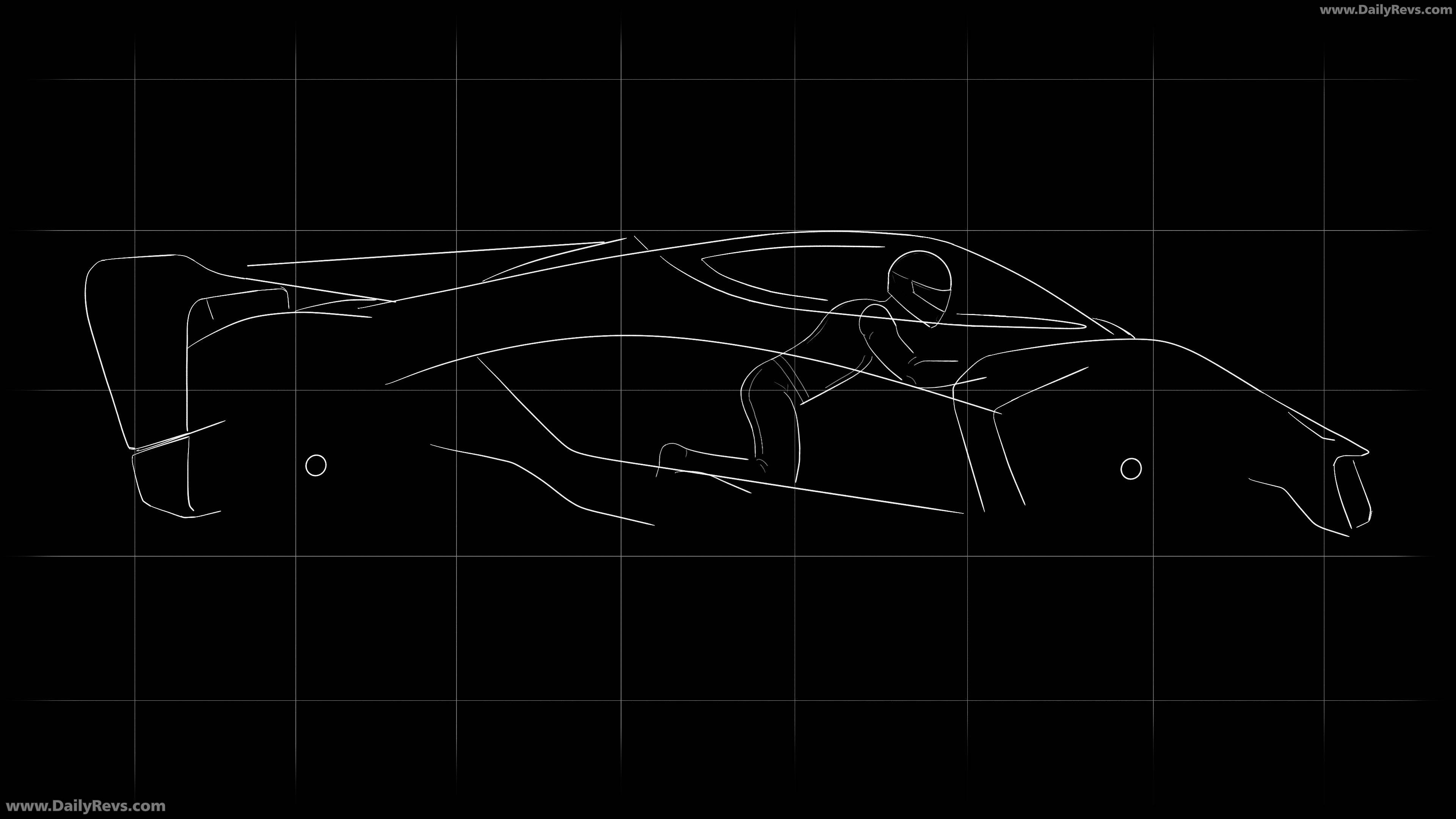
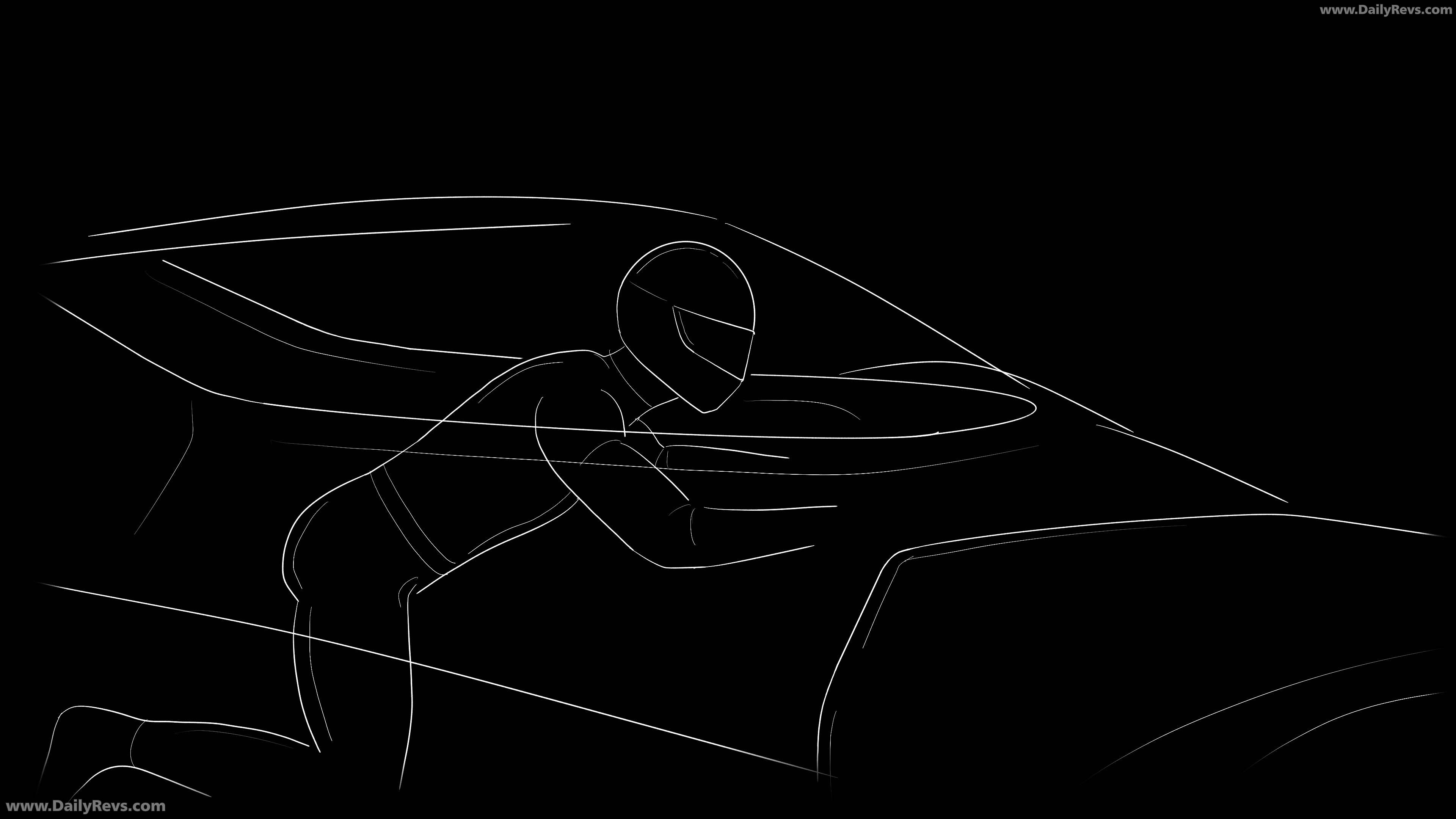
The Apex Position seats the driver further forward and more centrally, and it drives the car’s unusual proportions.
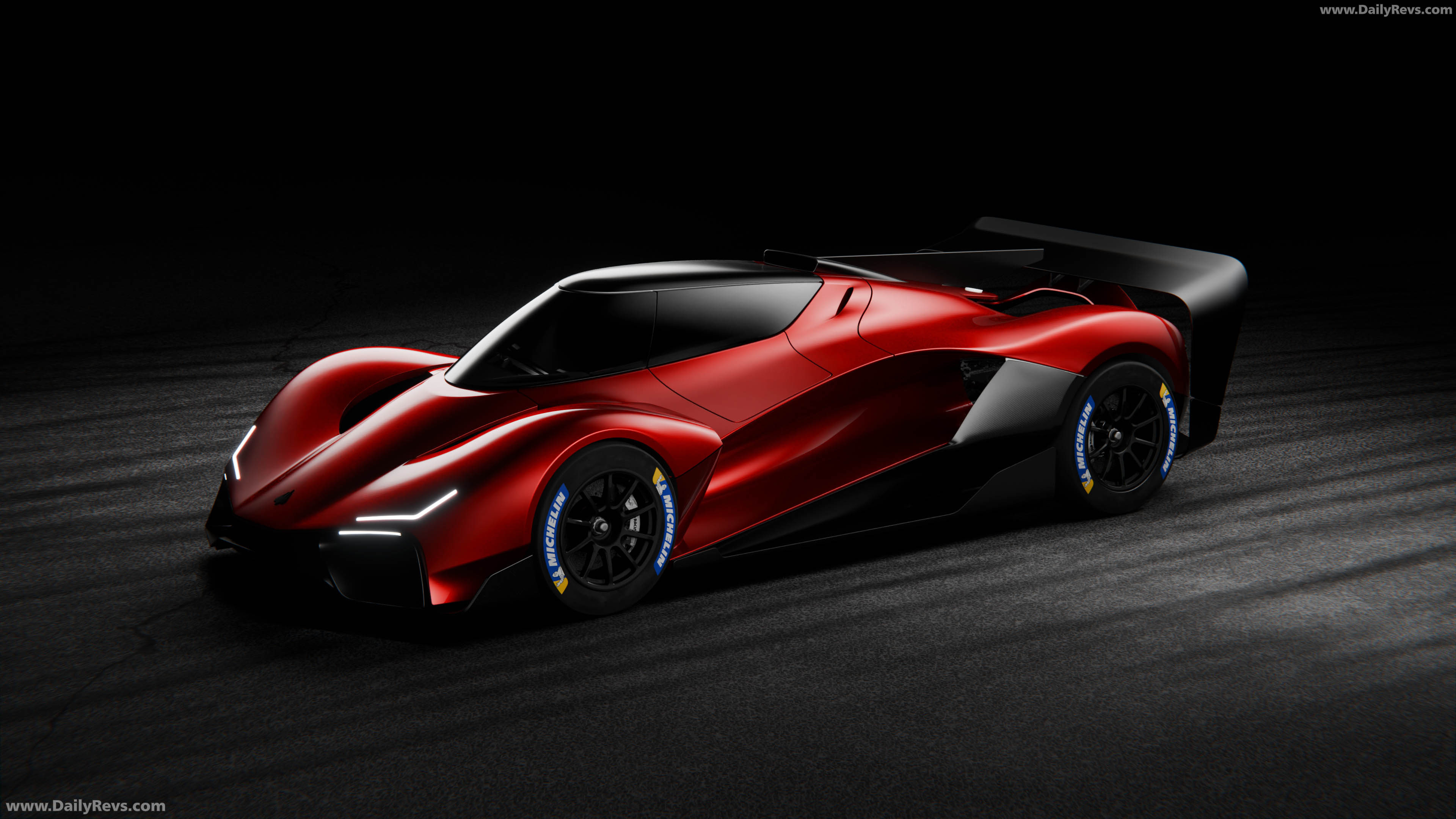
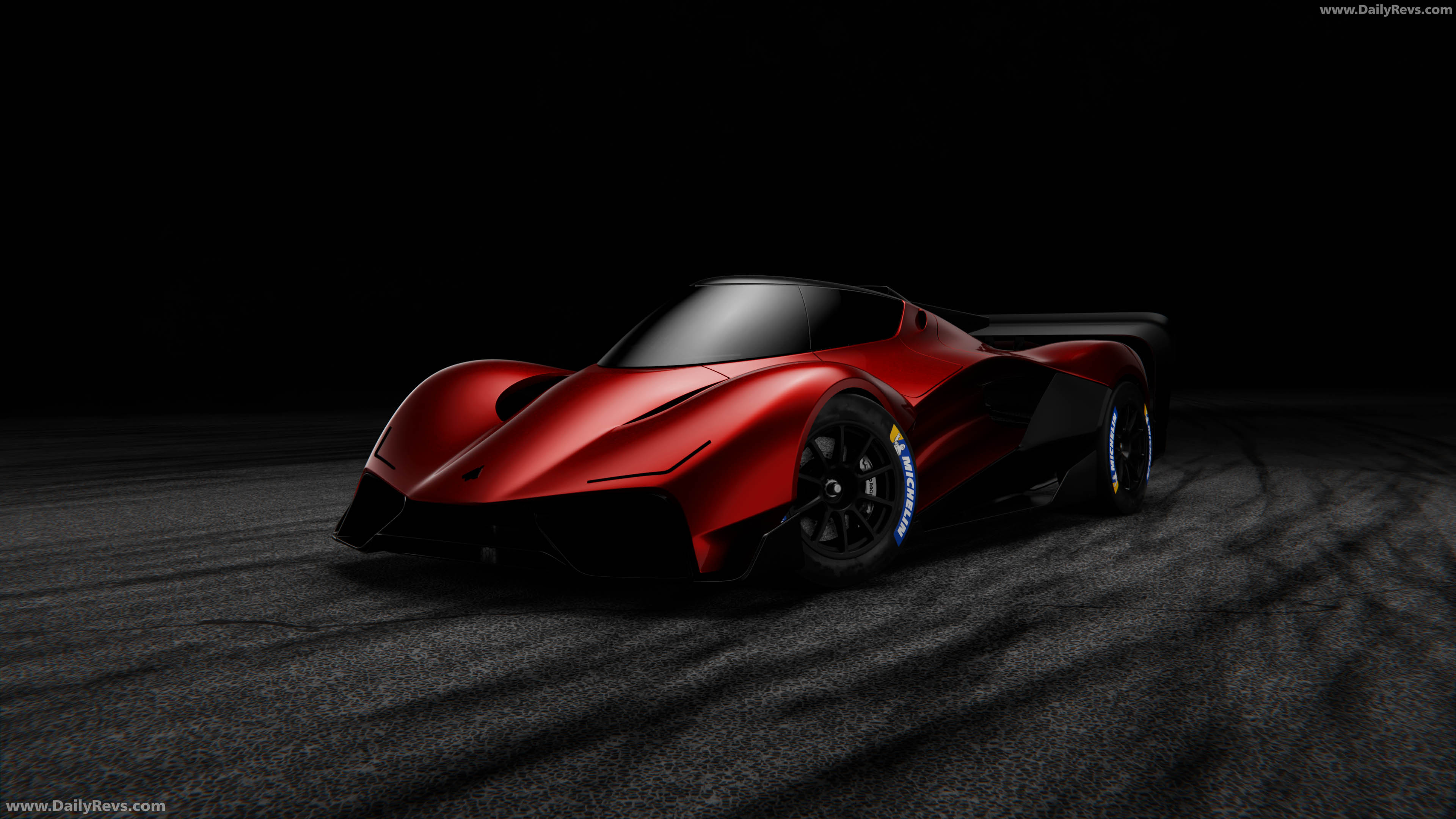
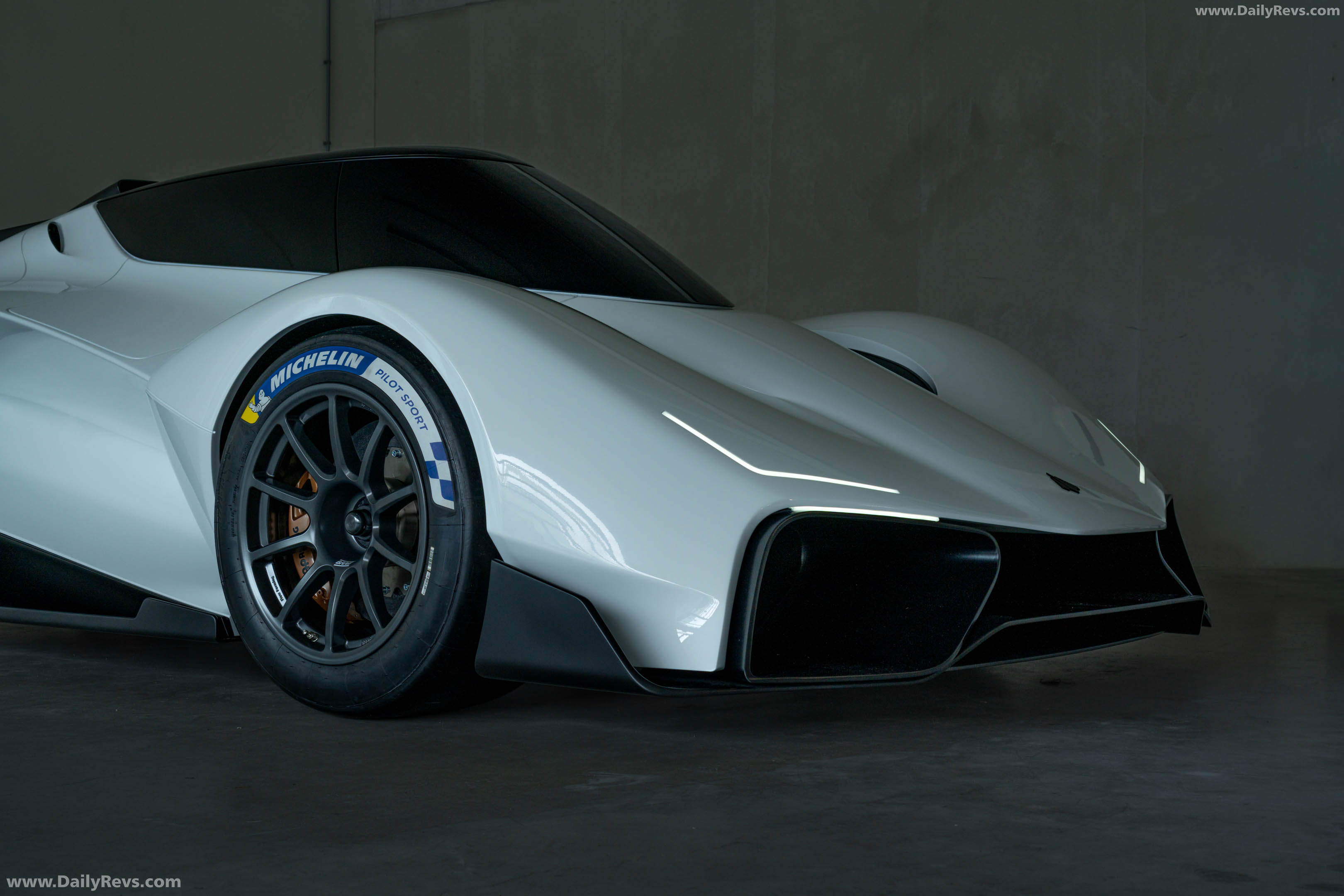
Exterior design: a falcon in a dive, a fighter on the canopy
Sanrivatti pulled the covers off the 2027 Sanrivatti ONE at its Arnhem headquarters in the Netherlands on 13 November 2026 [Unverified: the release gives no model year]. It’s the Dutch startup’s first hypercar, and the show car is the first complete look at the exterior.
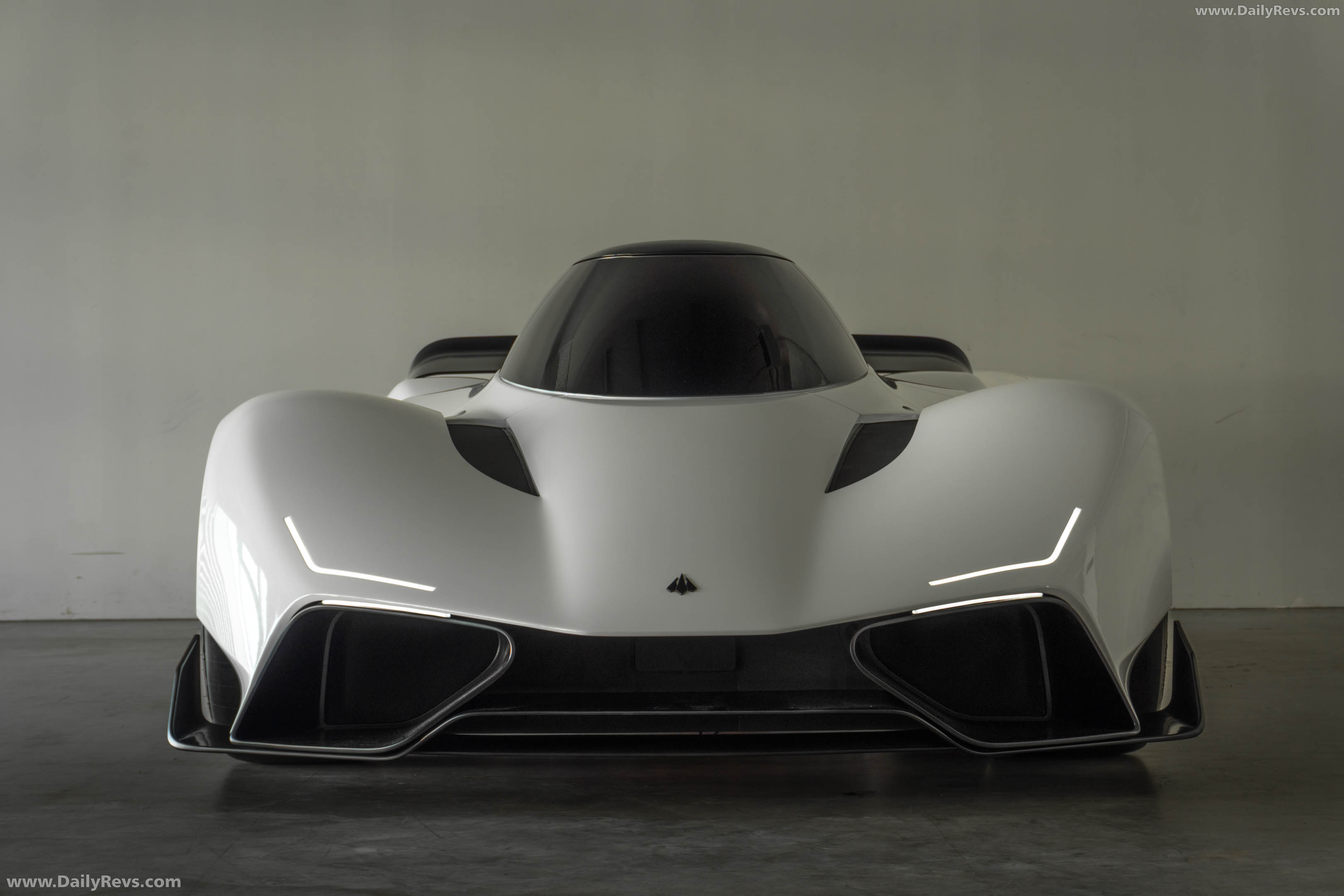
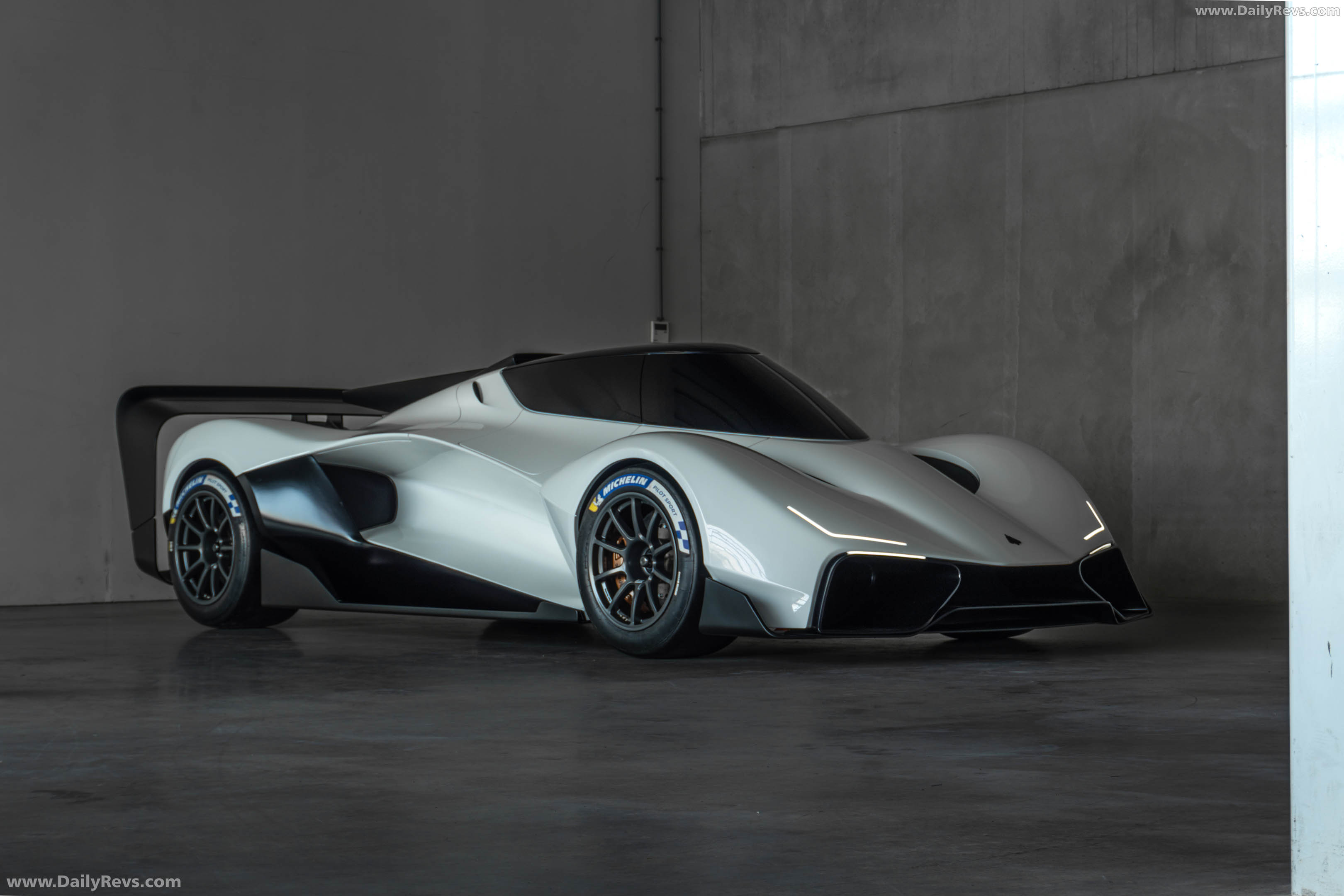
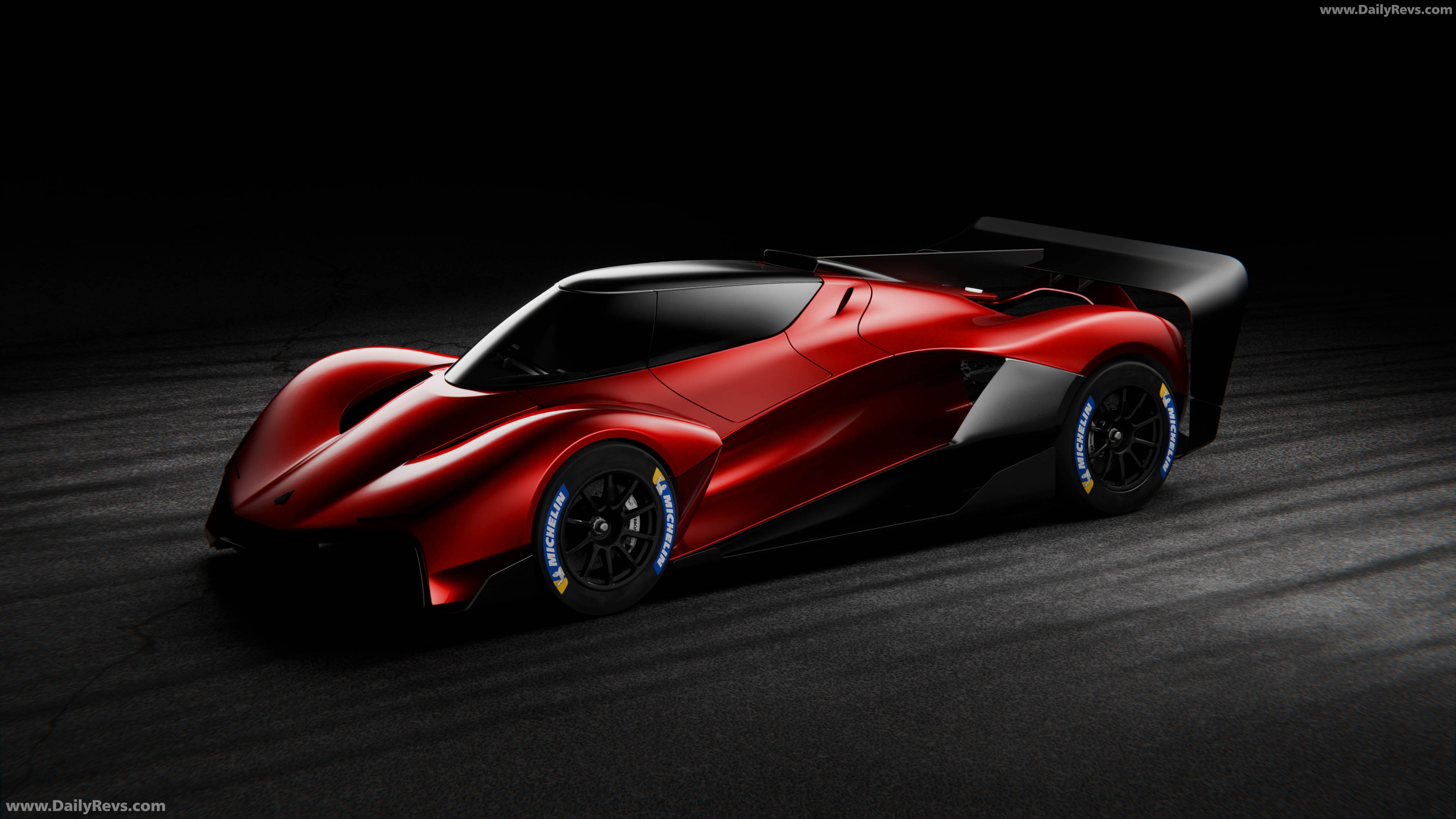
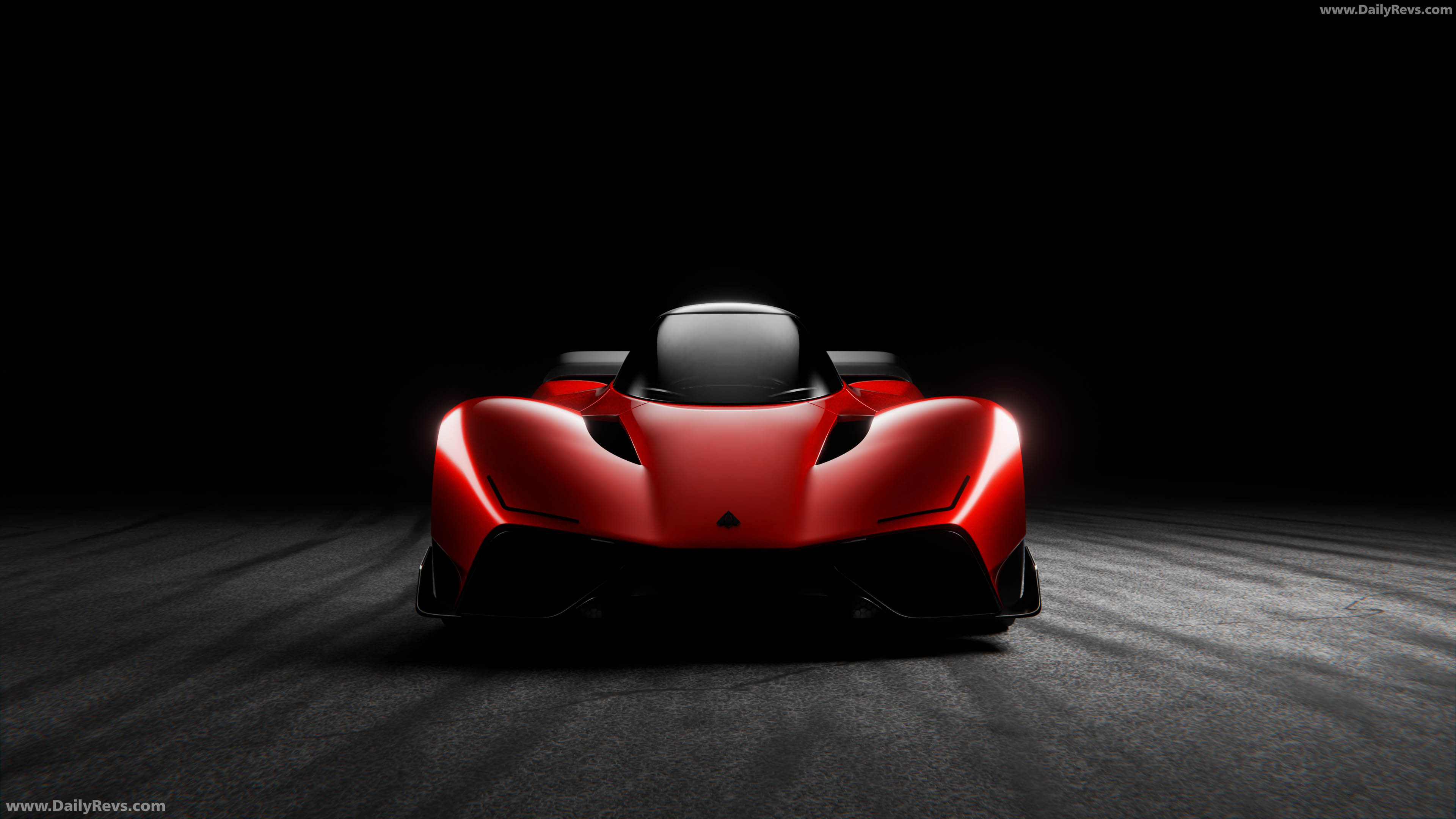
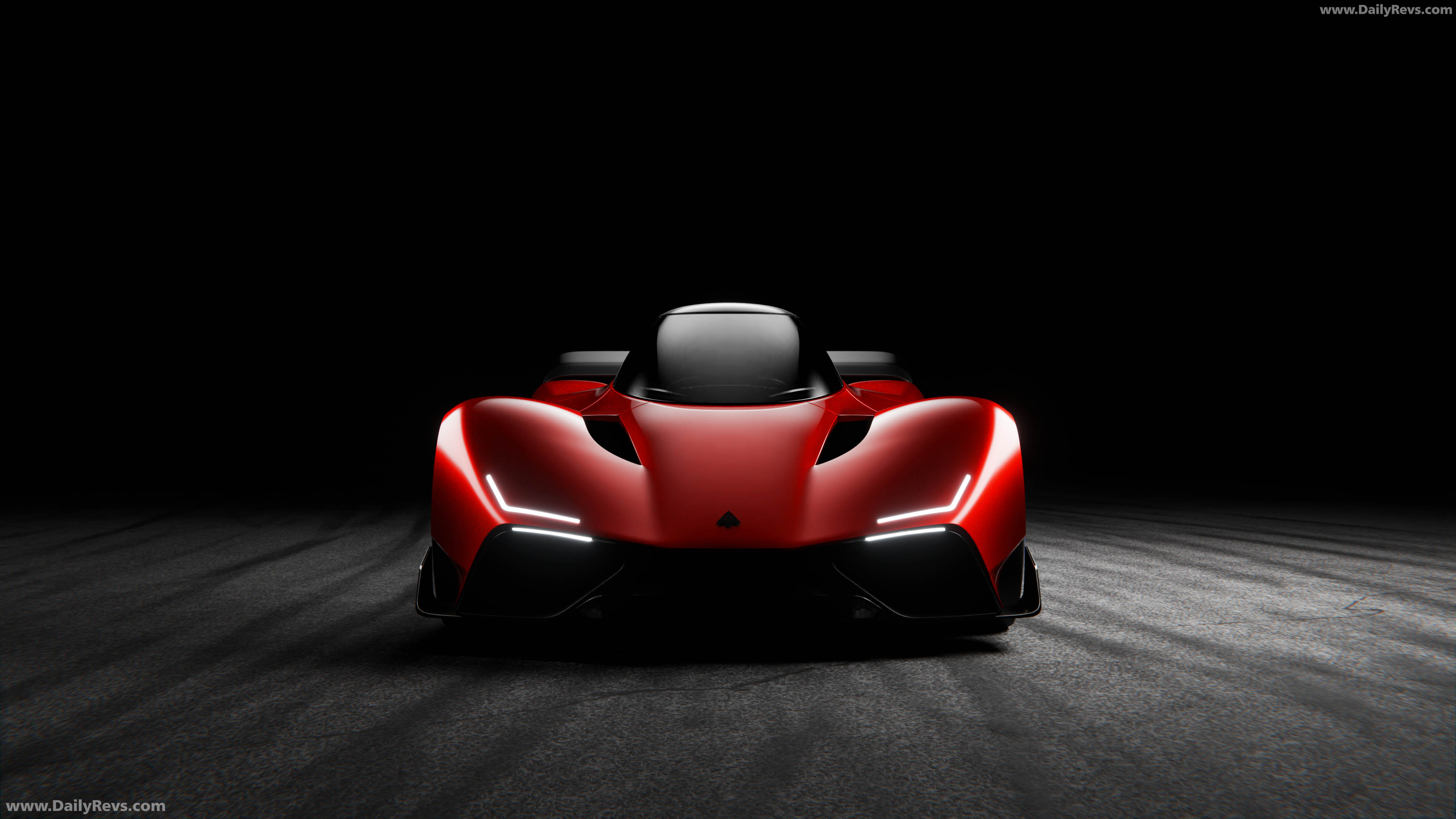
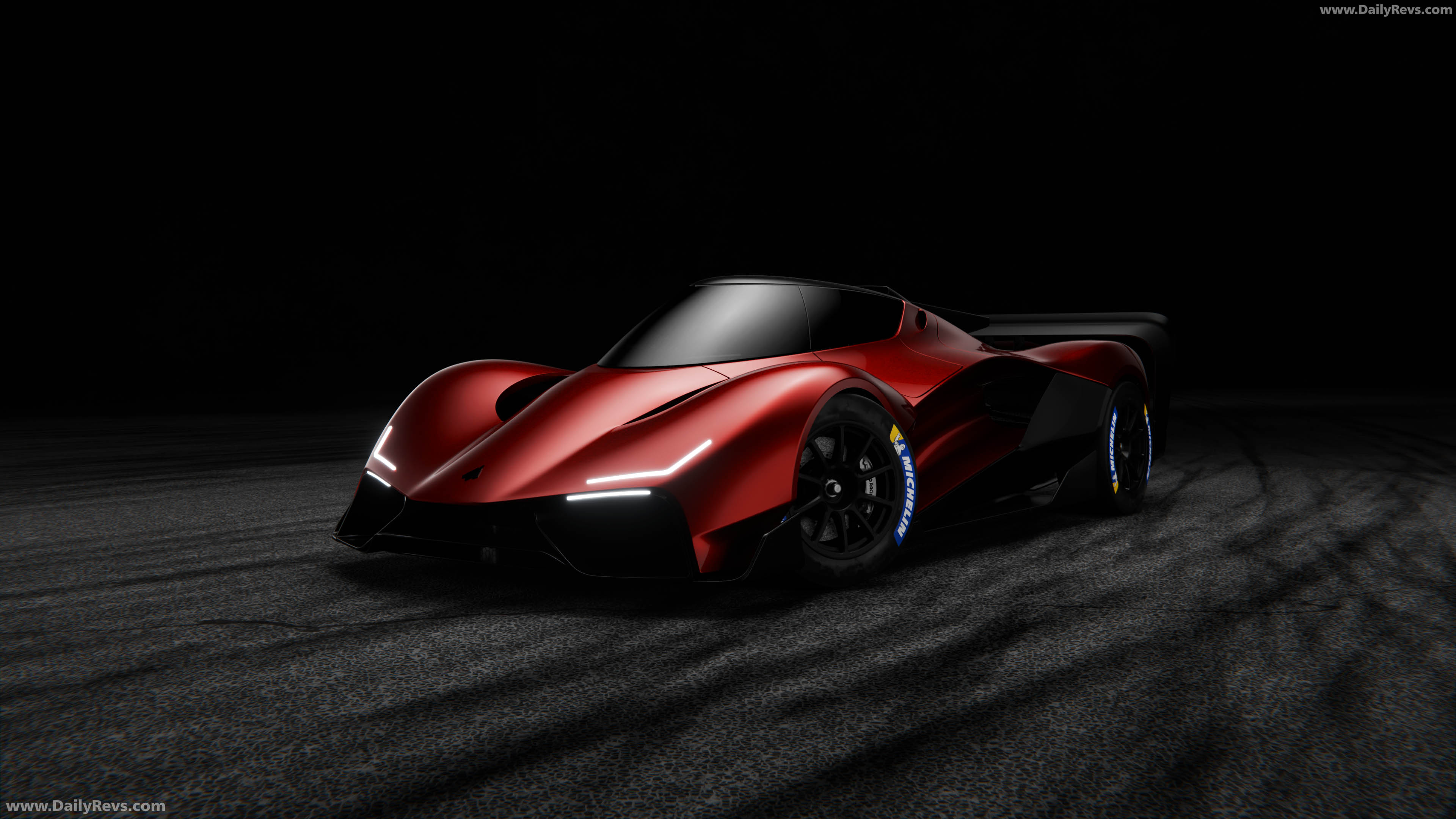
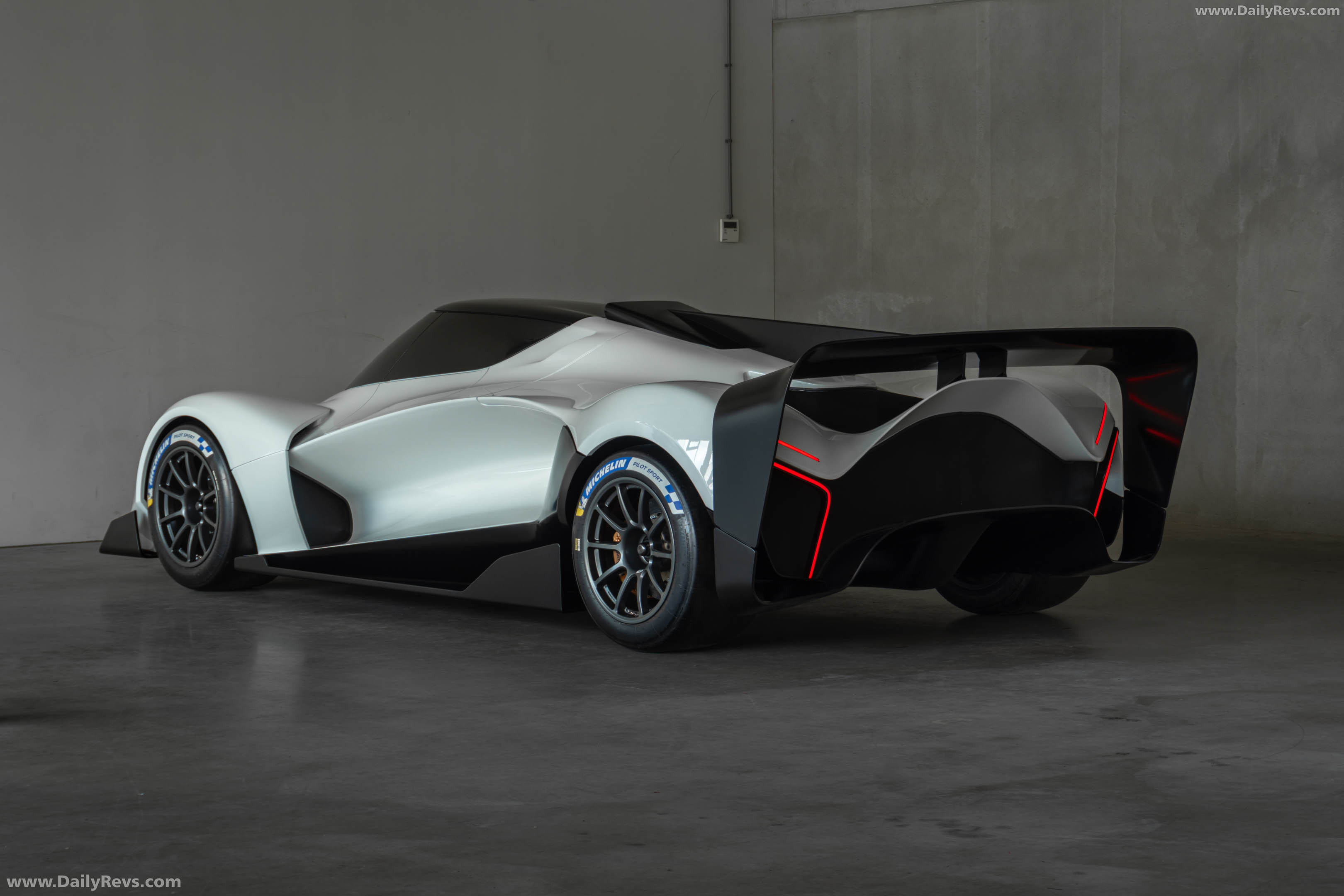
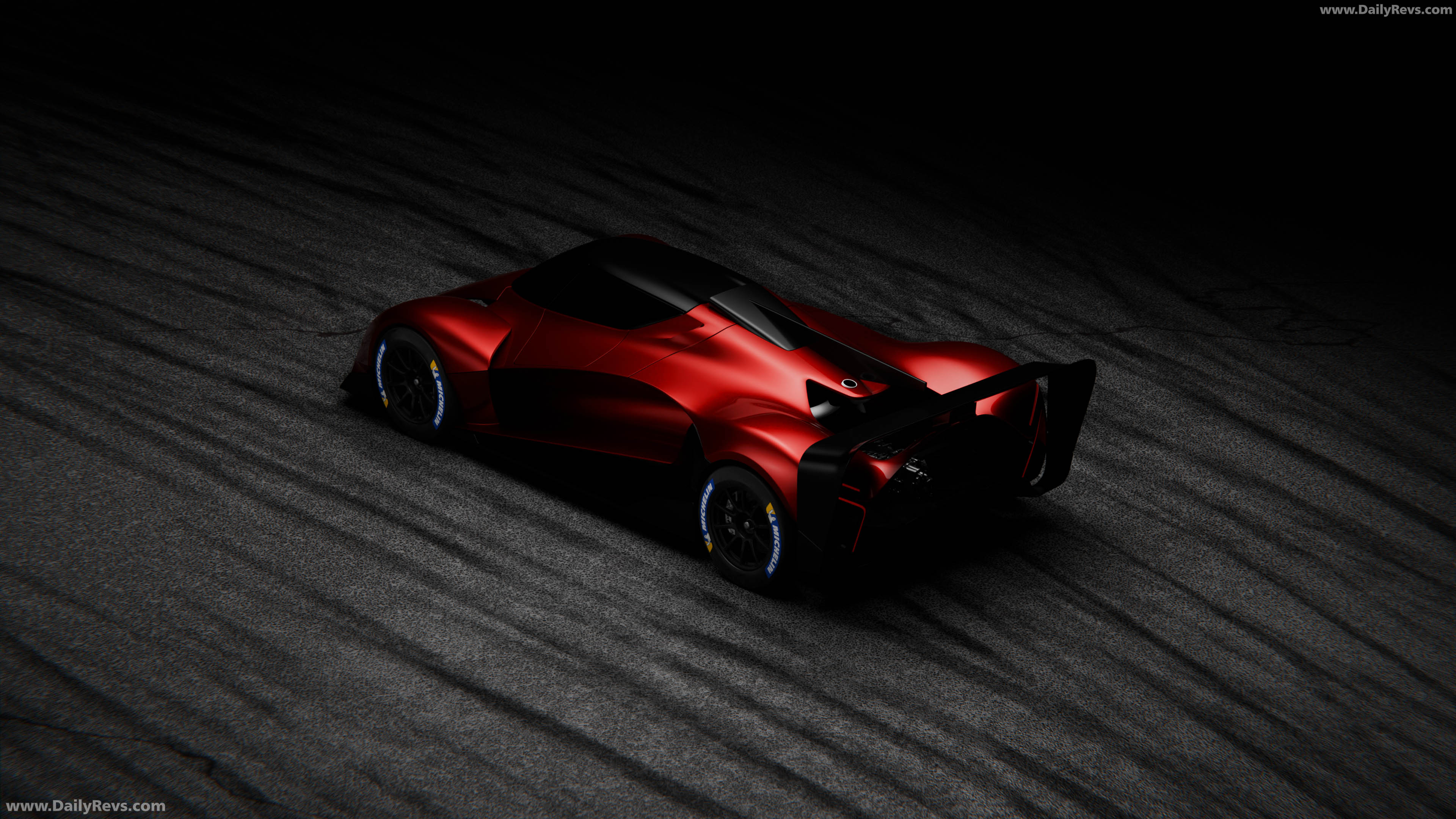
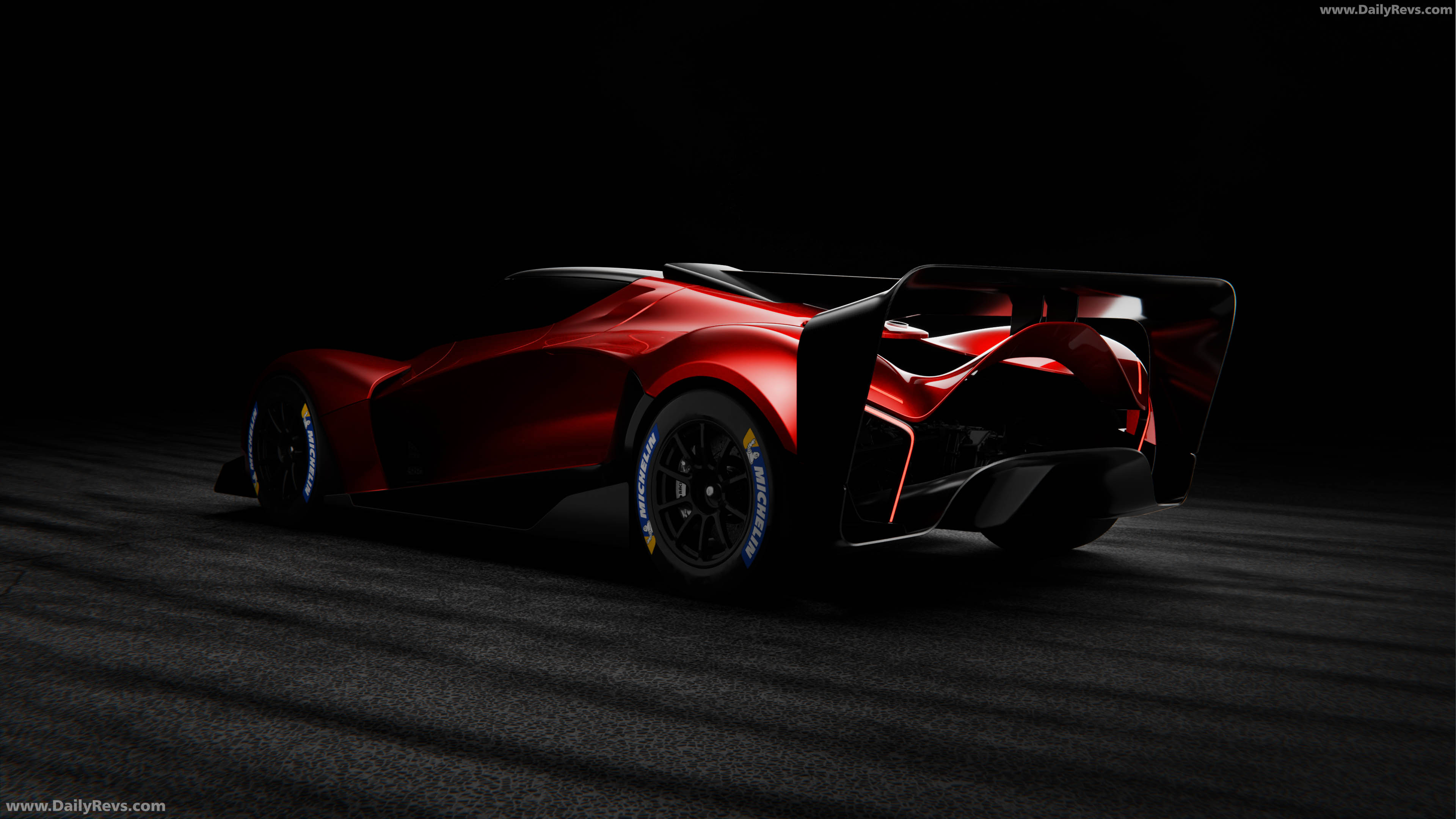
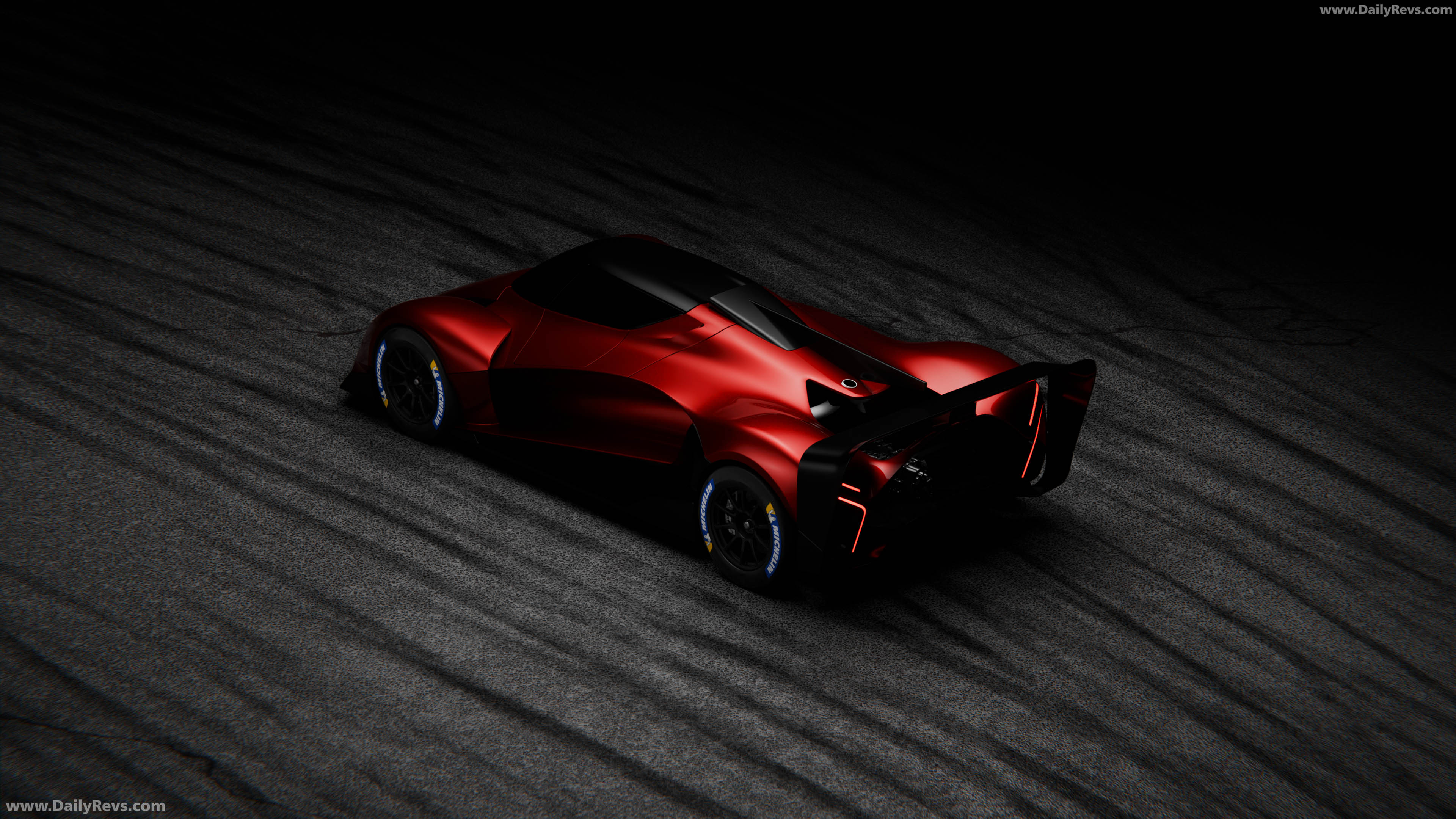
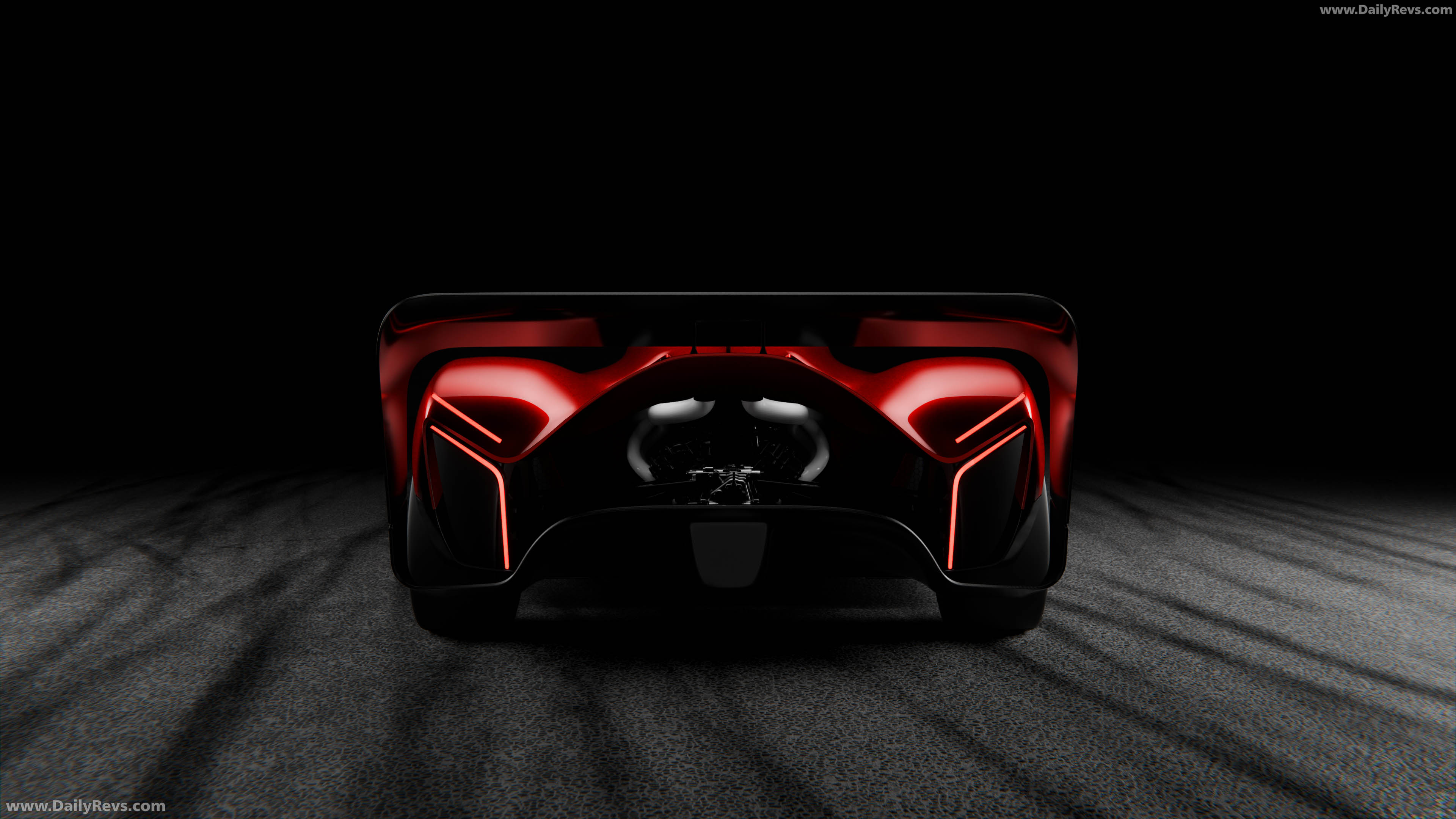
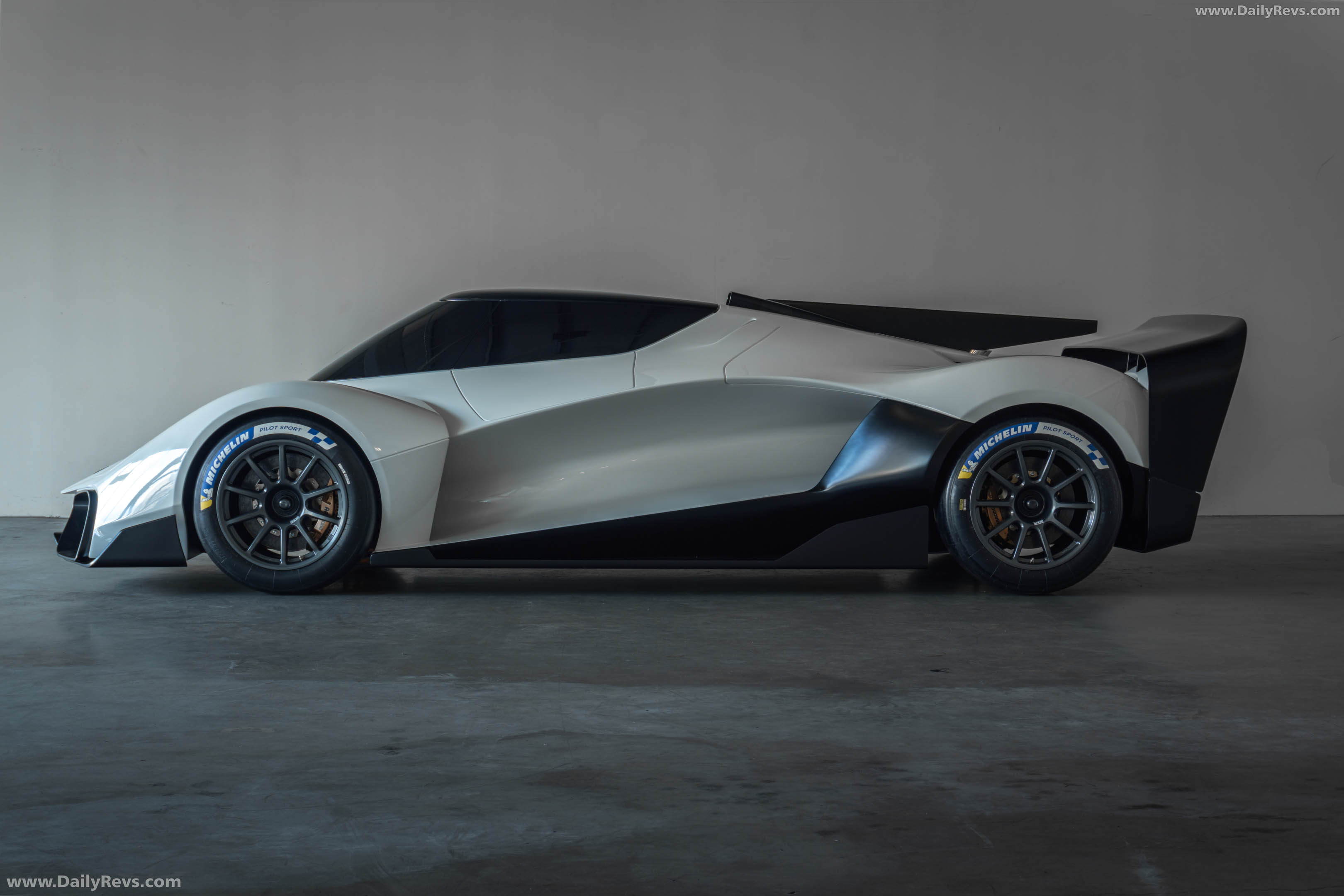
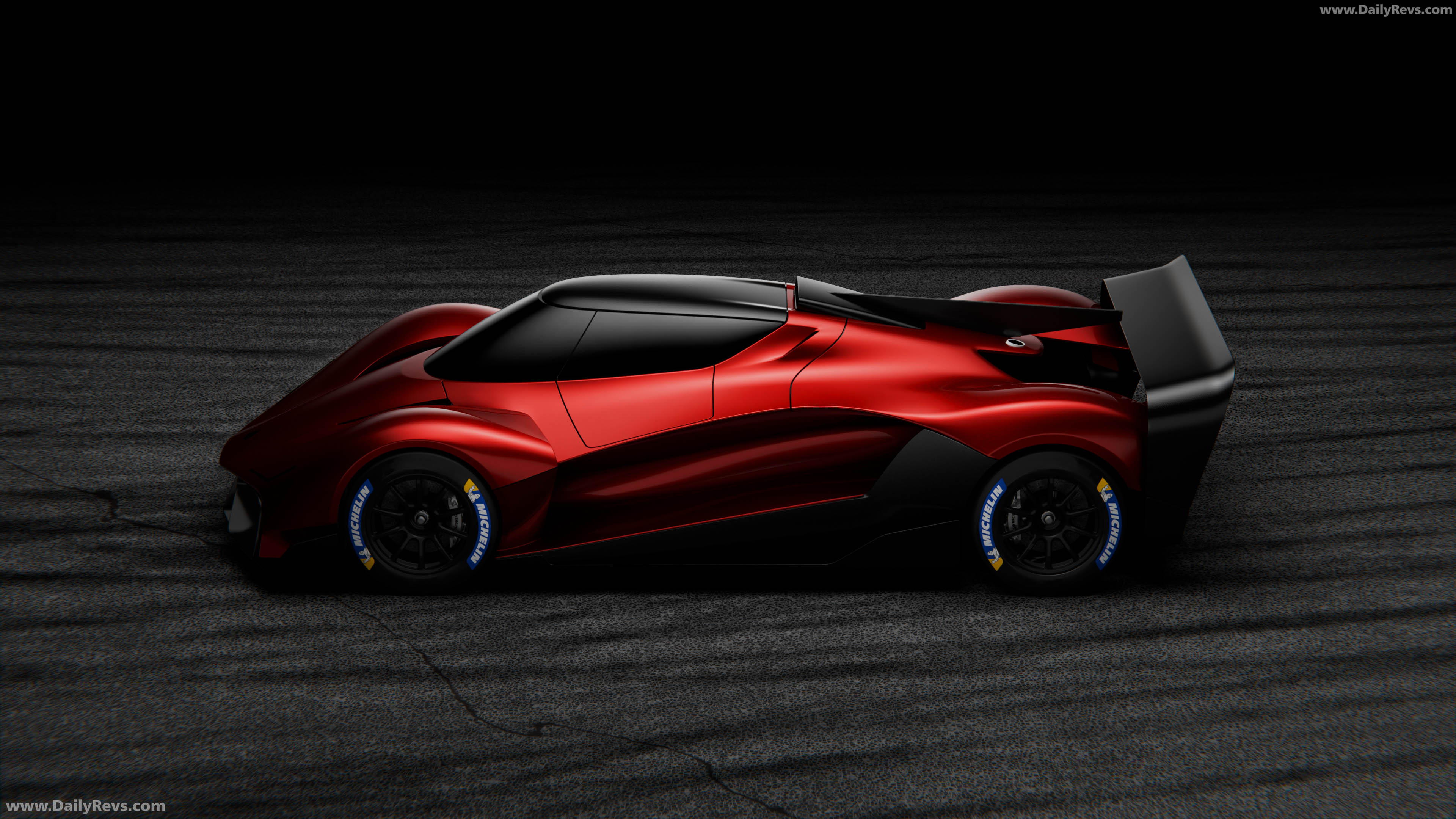
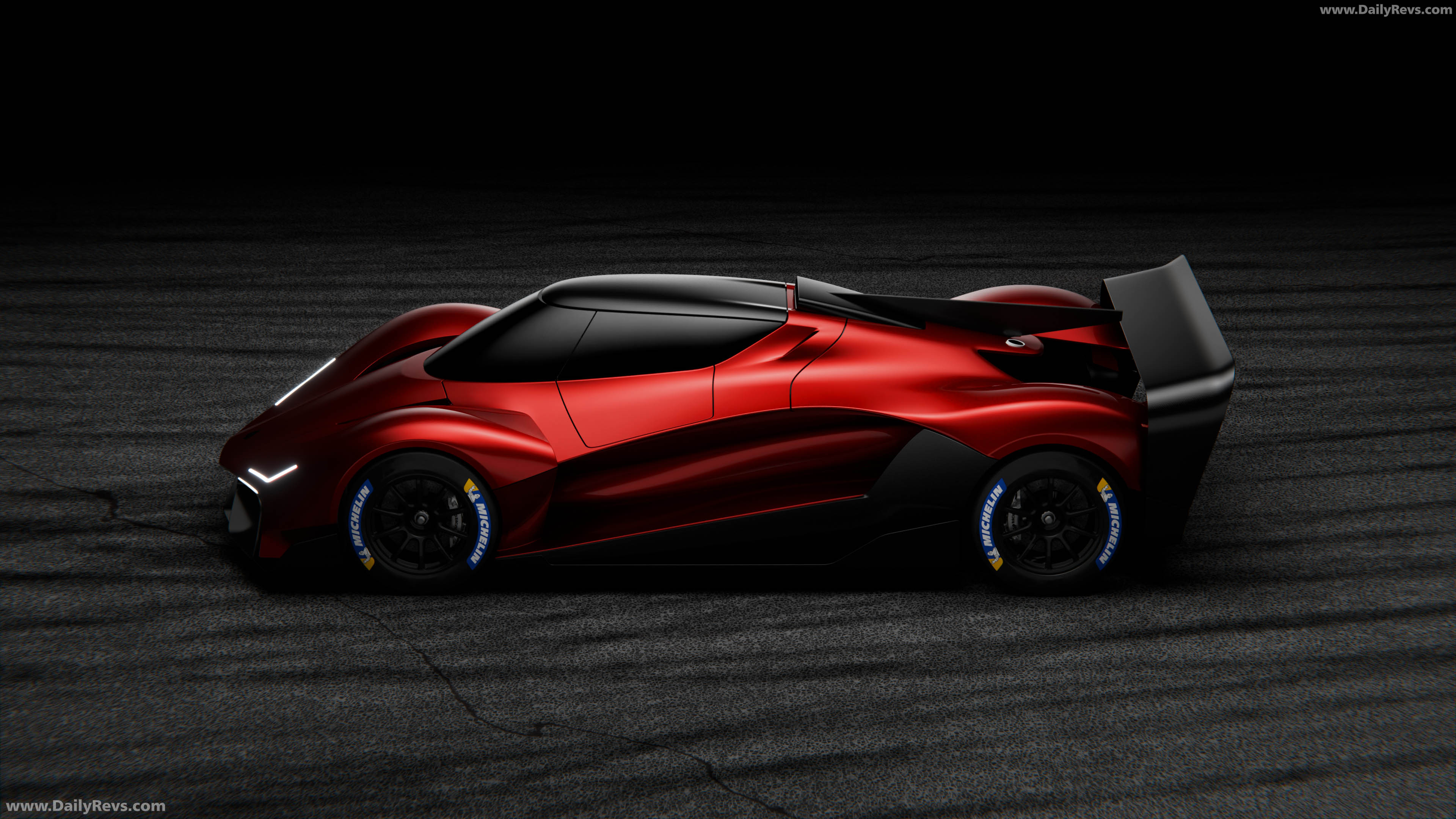
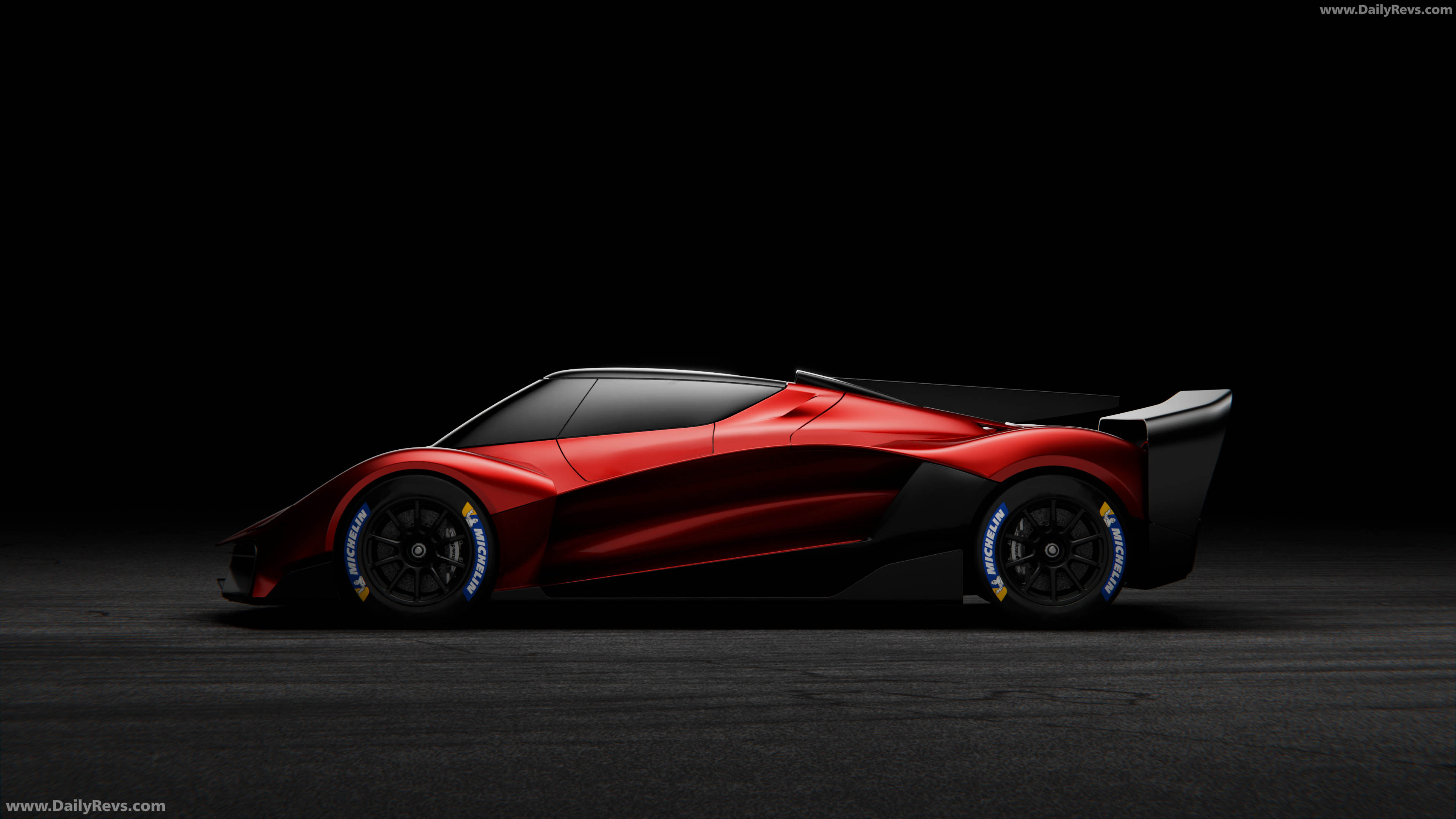
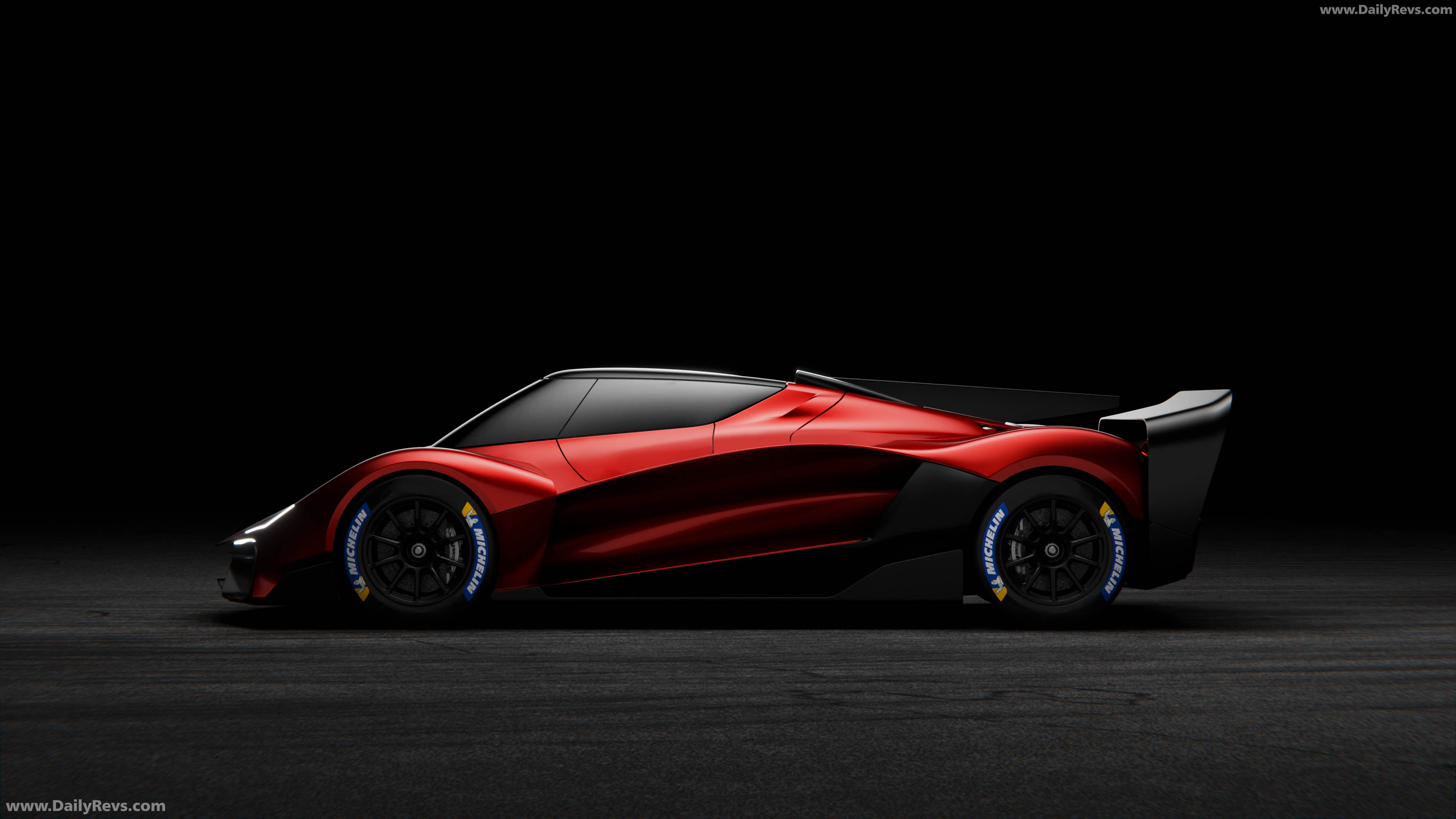
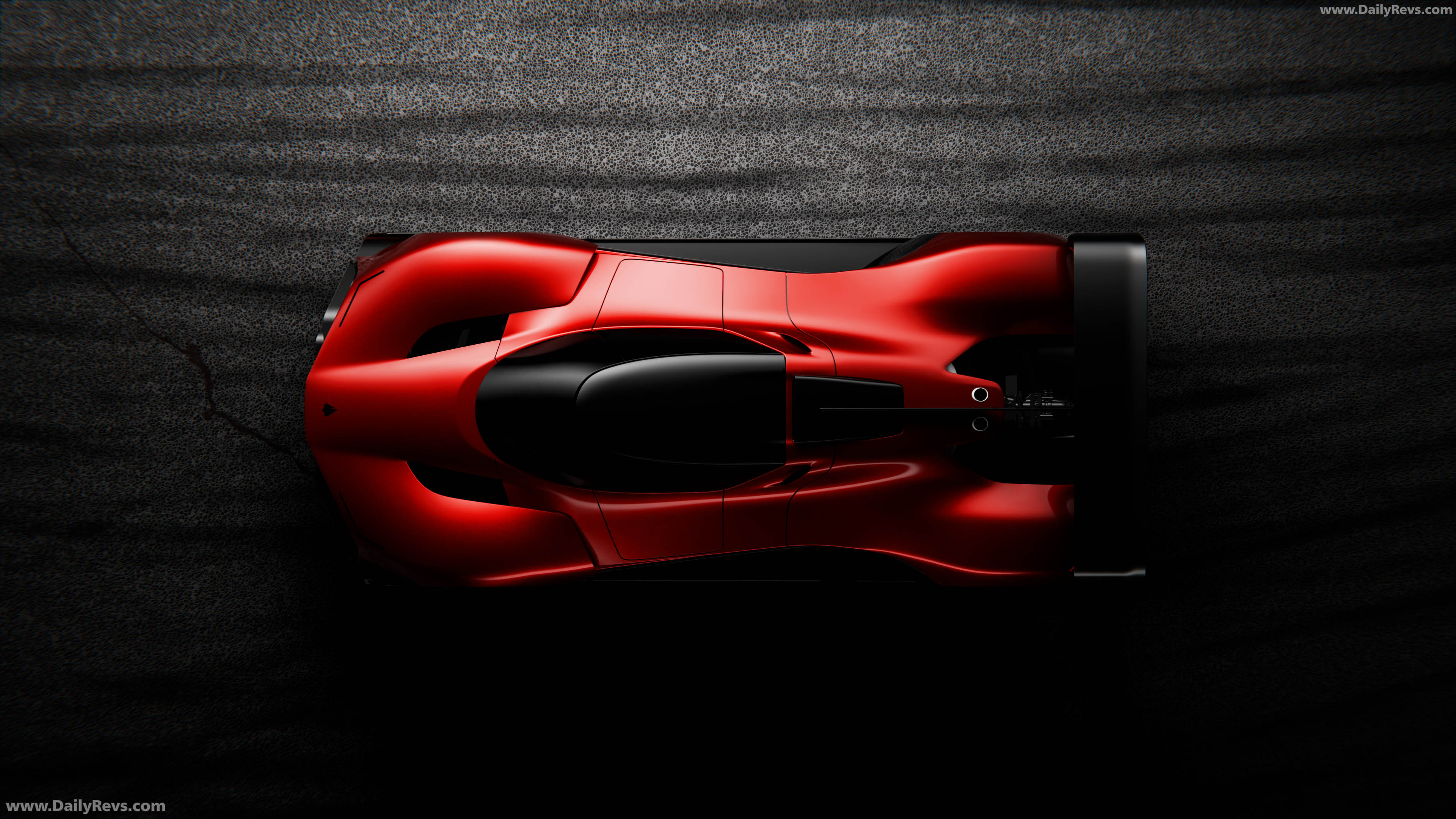
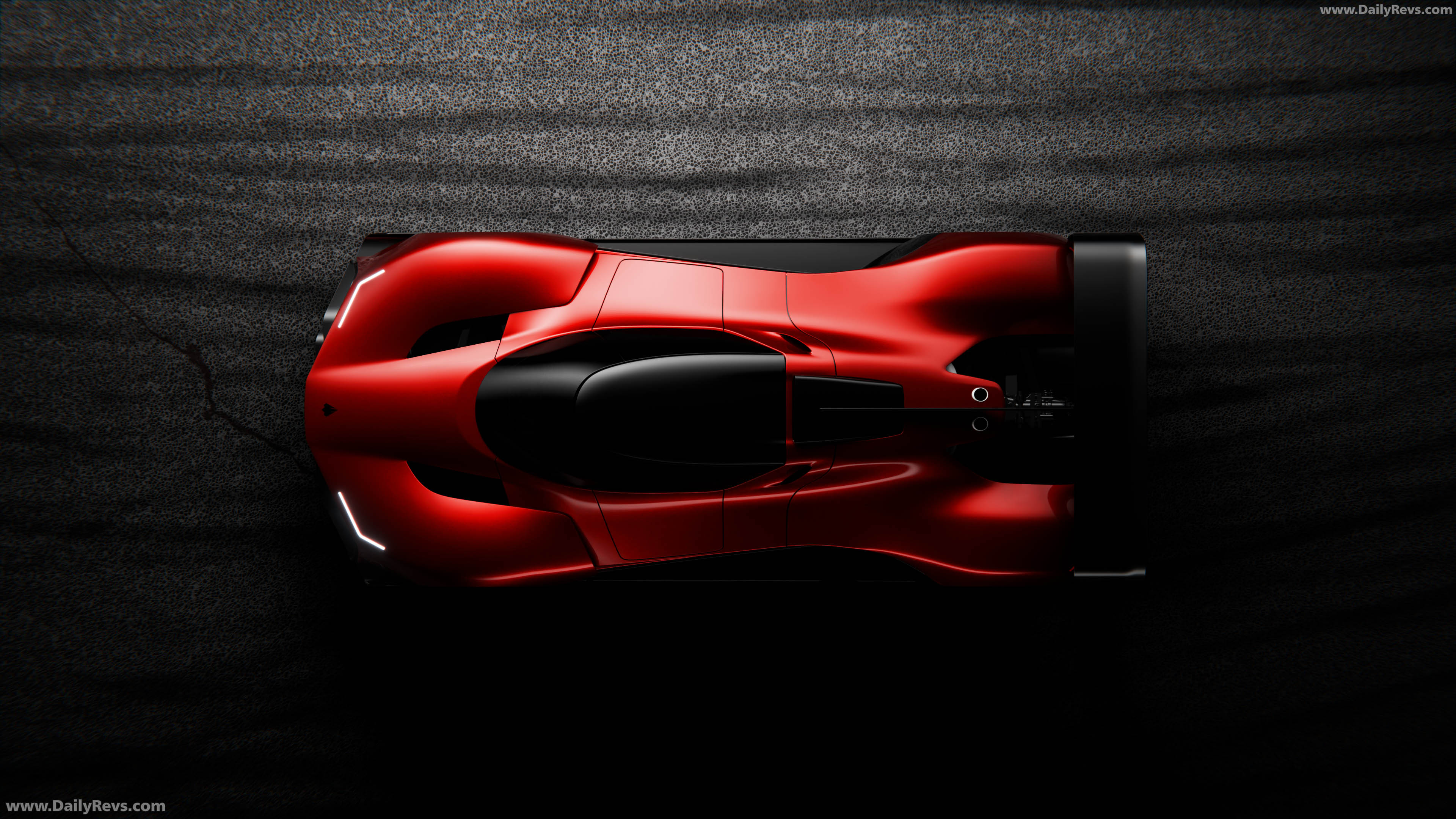
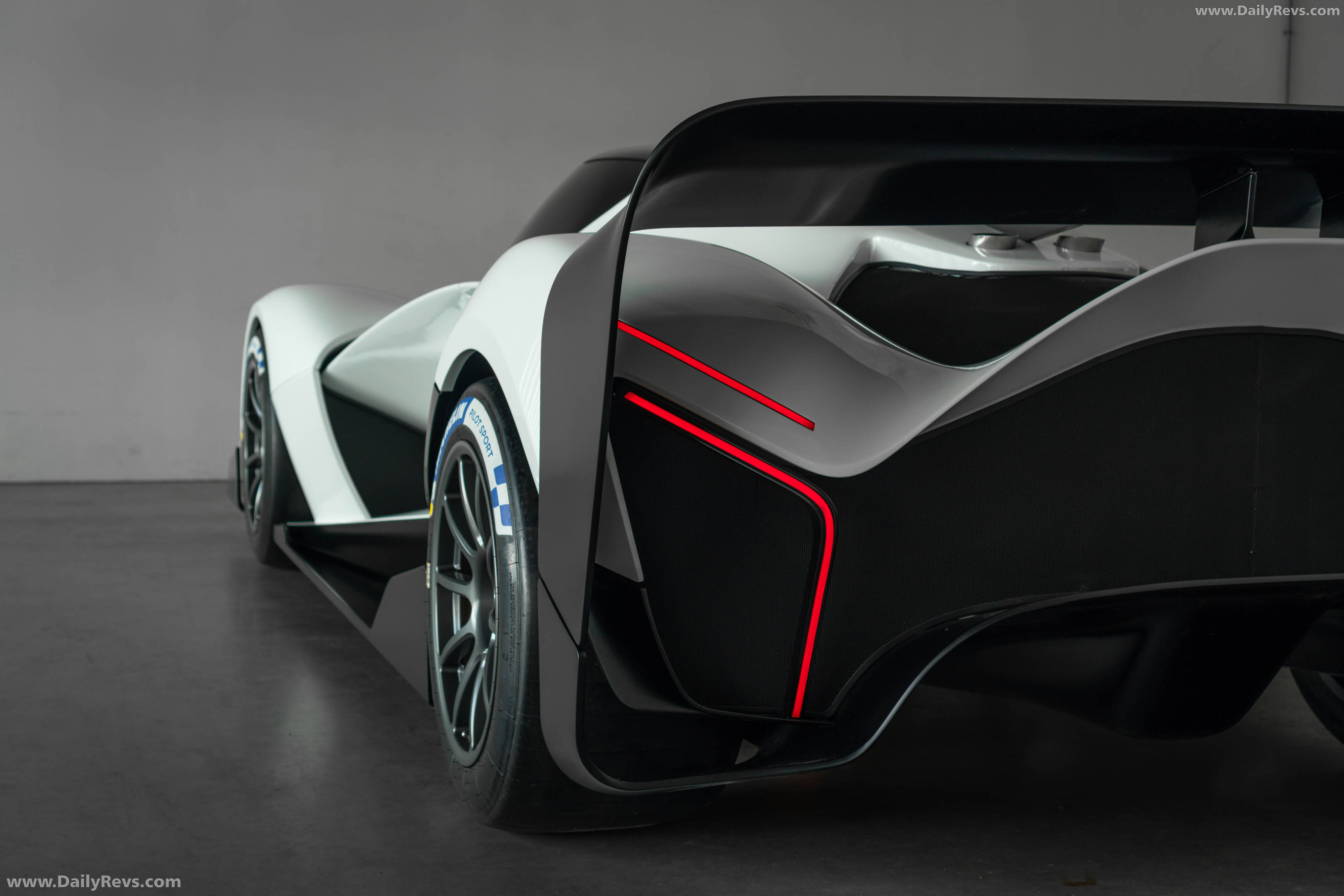
Two things inspired the shape: a peregrine falcon in a dive and a modern fighter aircraft. A continuous signature line runs along the flank, and from above the body shows a pronounced coke bottle form, with broad front shoulders that seem to float over a narrower middle. Panels flow into sharp intersections. Slim headlights and matching rear light graphics follow the same lines.
A single piece canopy, borrowed from fighter cockpits, sits integrated into the bodywork rather than perched on top. Up front, two jet style intakes feed air tunnels that pass right through the car, which opens up the body visually.
Proportions and stance: built around the Apex Position
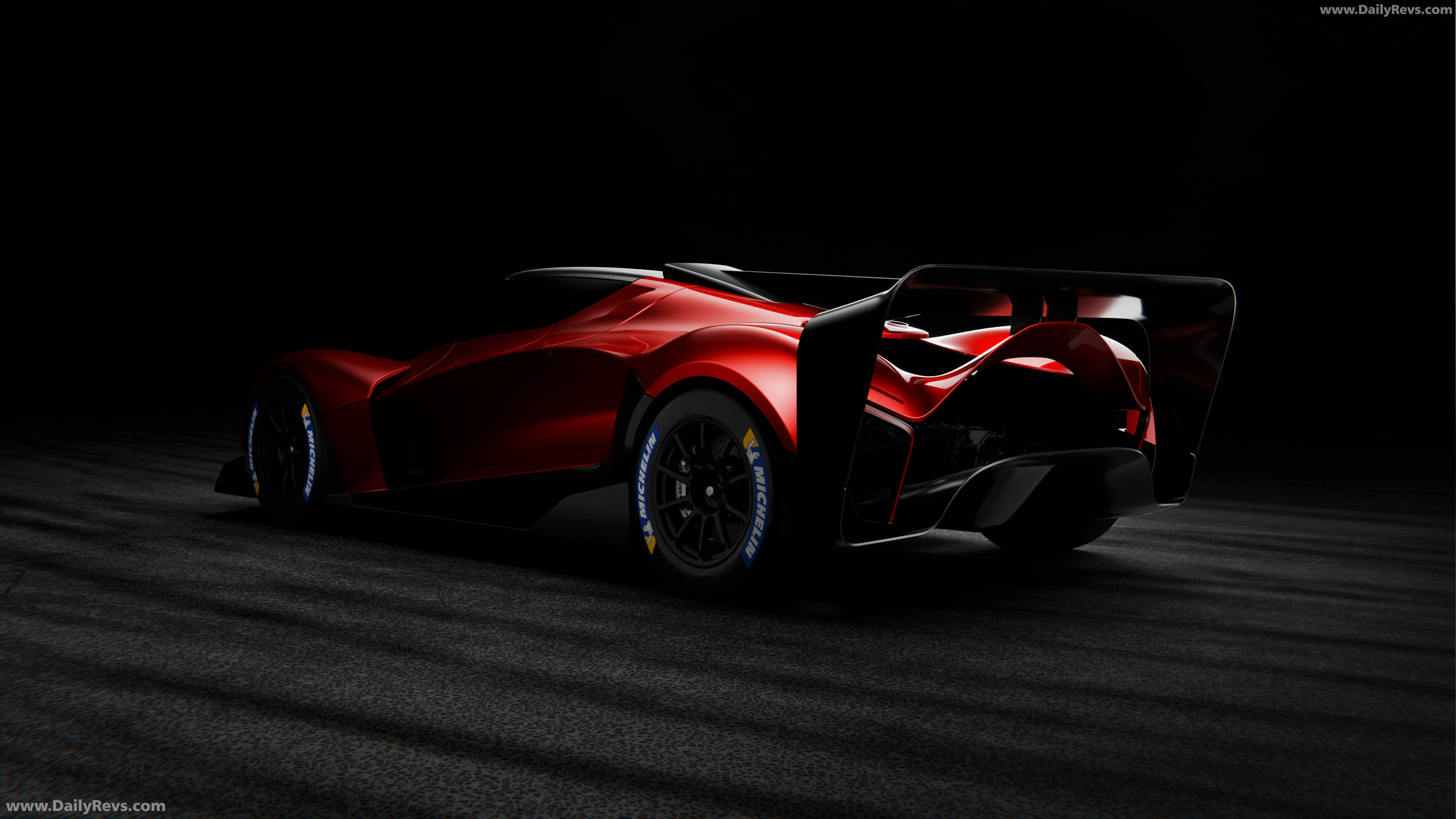
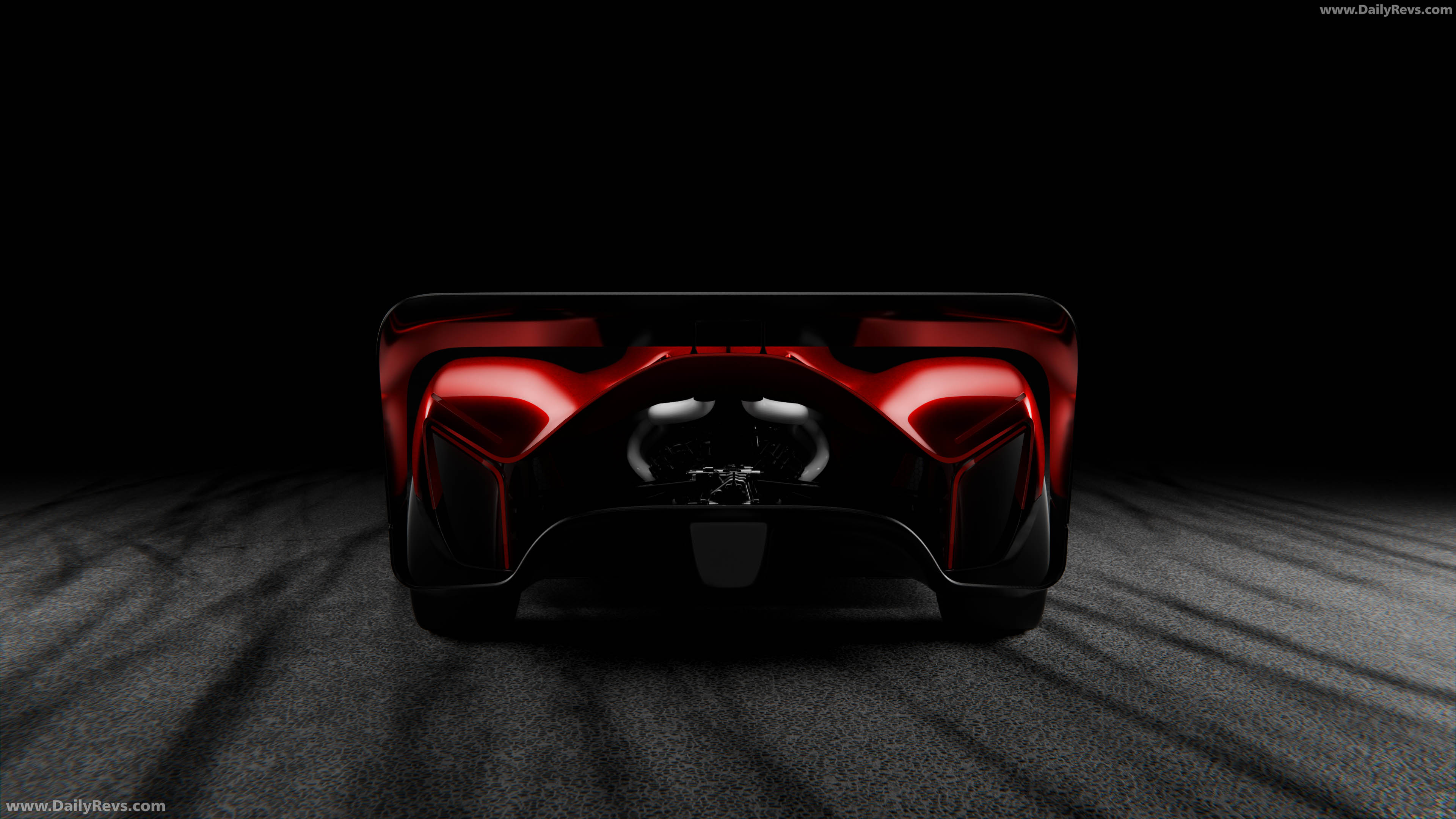
The wheelbase is listed at 2,850 mm and the height at 1,200 mm. Width and length aren’t given [Unverified]. The odd proportions trace back to what Sanrivatti calls the Apex Position, where the driver sits more centrally and further forward, in a head forward posture the company compares to a motorcycle. The canopy and nose both follow from that. At the back, open bodywork is meant to move air and shed engine heat, with a large wing rising from the diffuser and a smaller lip spoiler across the rear shoulders.
Interior space and technology: still mostly under wraps
No interior images or details came with the release, so cabin layout and technology remain [Unverified]. What Sanrivatti does say is that proprietary body support and control systems are in development, meant to let the driver move with the car while staying secured. In simulation at Silverstone’s Corner Three, the Apex Position showed 3.2 times more visible track surface than ten benchmark cars. That’s a visibility figure, not a lap time.
Judd V10 power and a lightweight carbon structure
Power comes from a naturally aspirated 5.5 litre Judd V10 sitting behind the driver. The target is 800 hp at 9,000 rpm and 700 Nm, sent to the rear wheels through a Hewland six speed sequential gearbox. A carbon fibre monocoque underpins the car, with a target dry weight of 1,100 kg, which works out to roughly 727 hp per tonne. The projected top speed is 330 km/h. All of these are provisional targets, not validated numbers.
Practical usability: this is a track car first
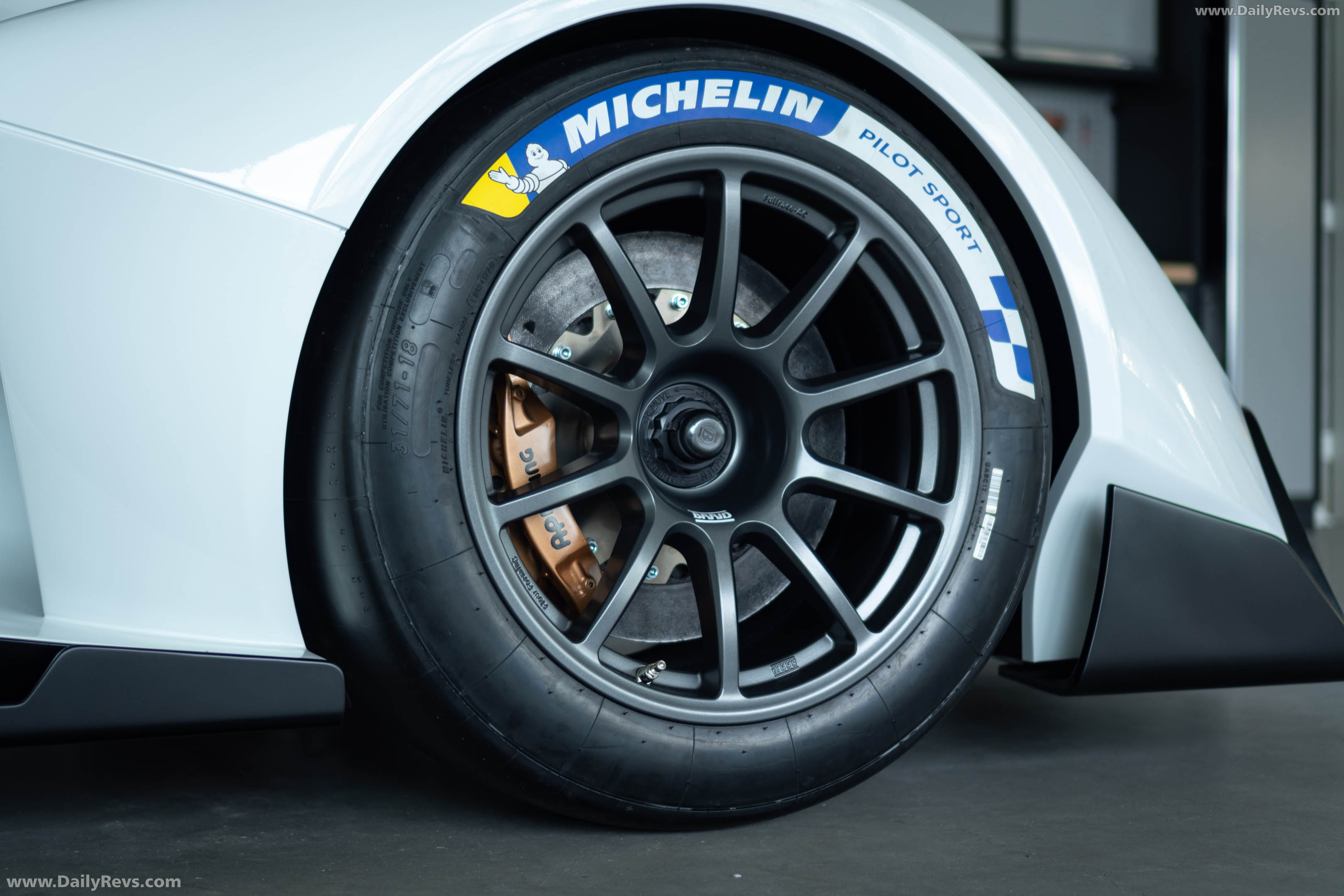
Running gear is proposed as double wishbone pushrod suspension, AP Racing carbon brakes, forged magnesium wheels and Michelin slicks. Slicks and a sequential box suggest this isn’t built for the school run, and Sanrivatti says its first priority is a track focused driving experience.