2027 Polestar 4
By Lorenzo Bianchi September 2, 2026
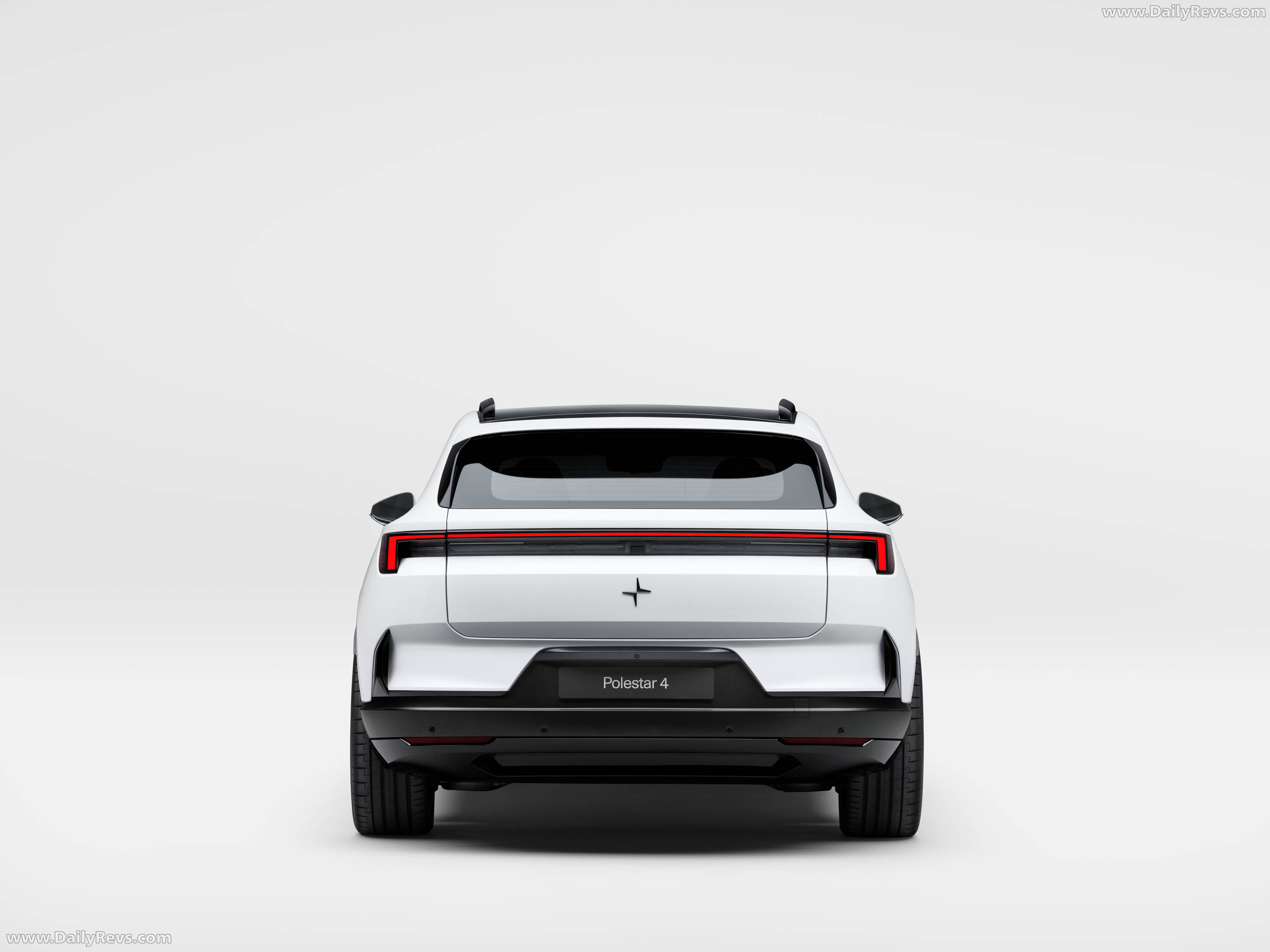
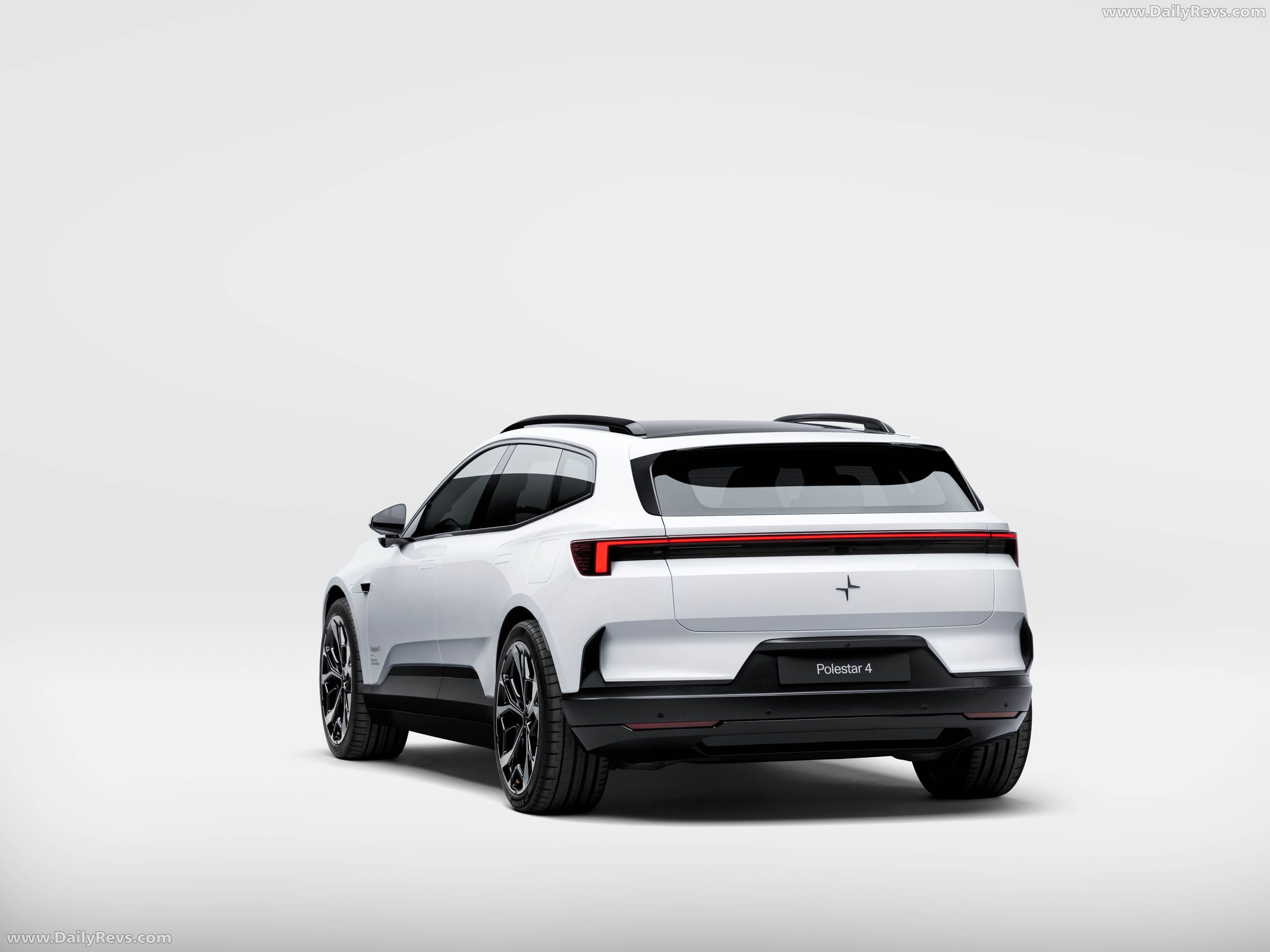
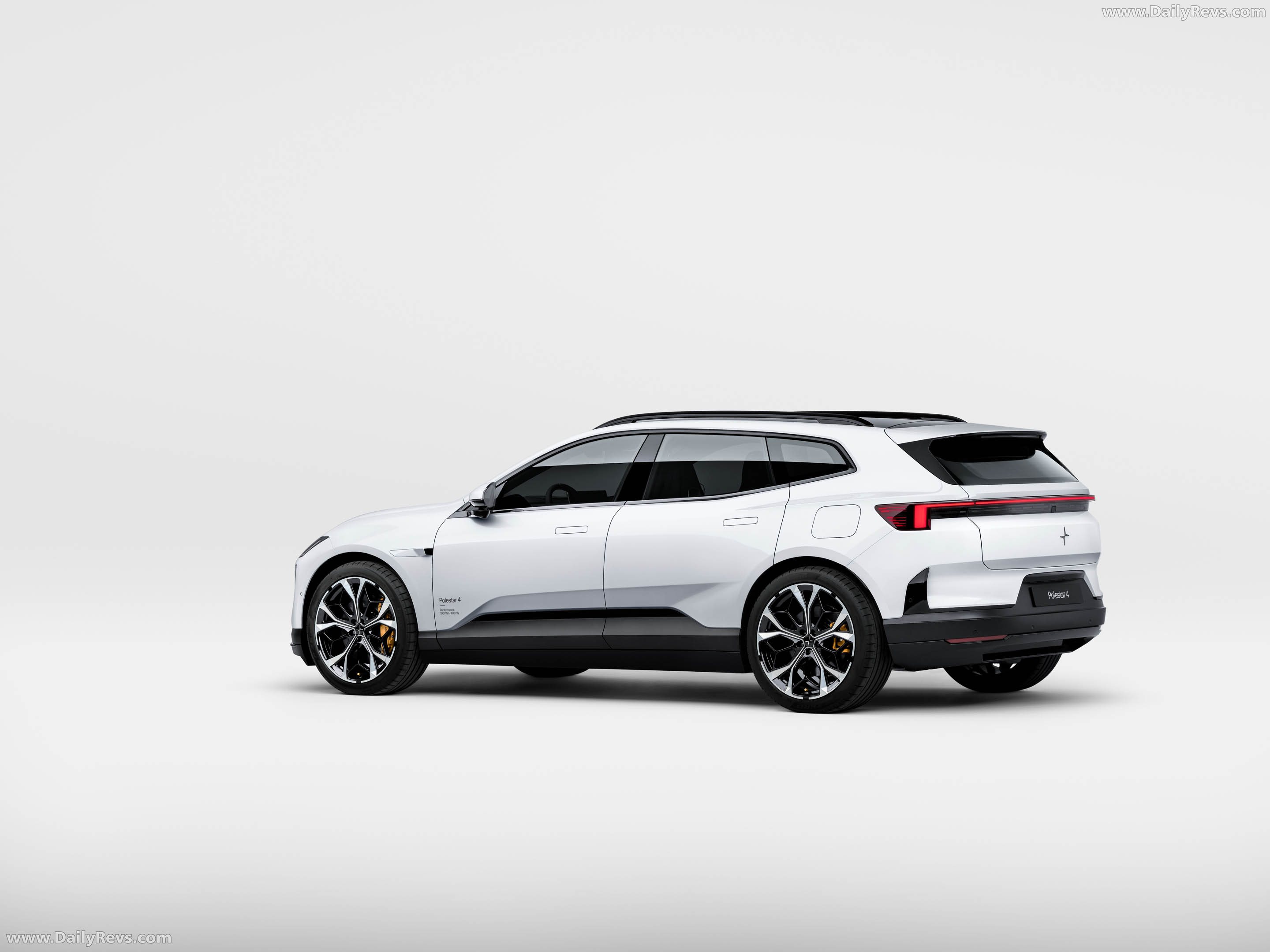
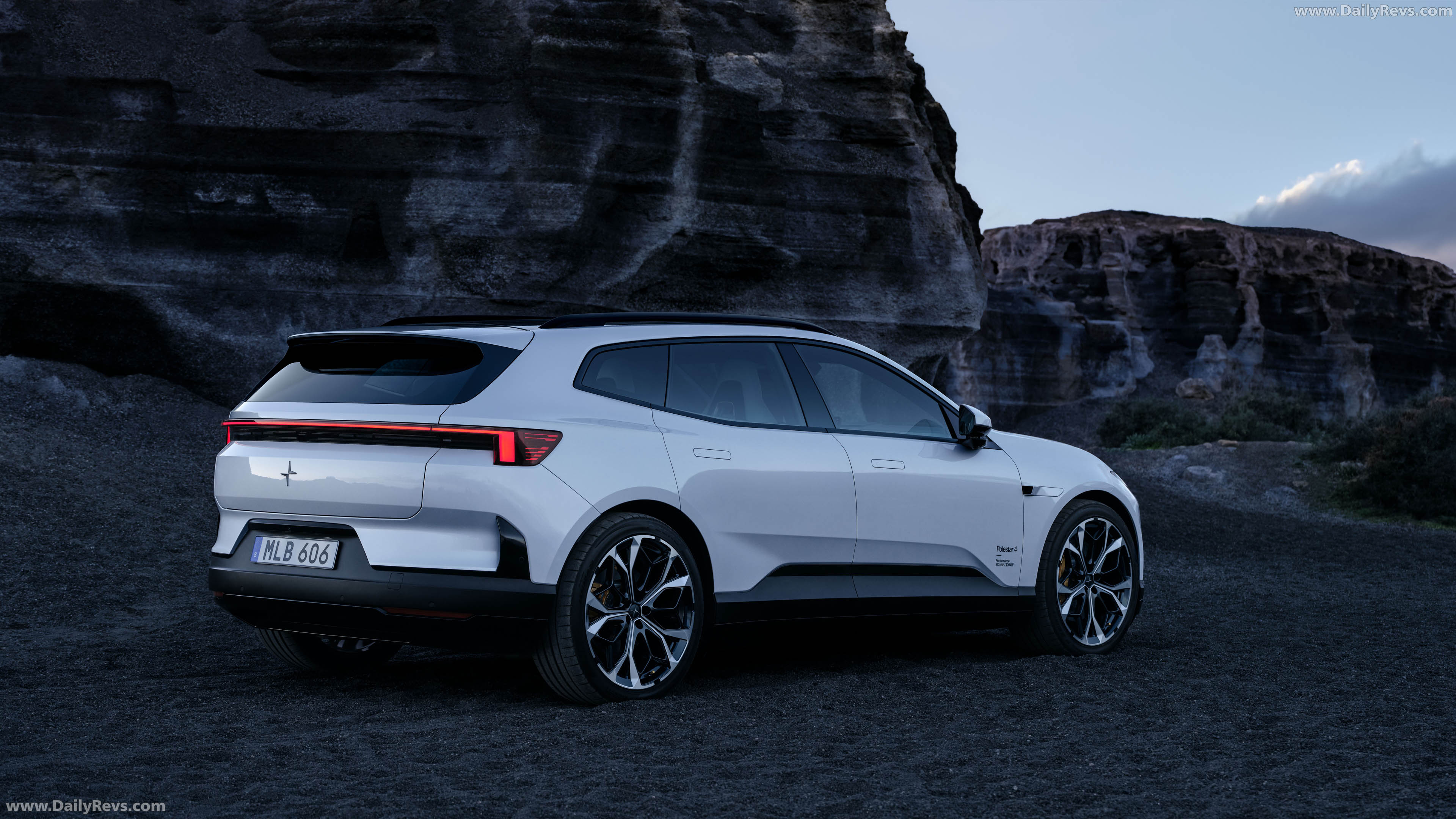
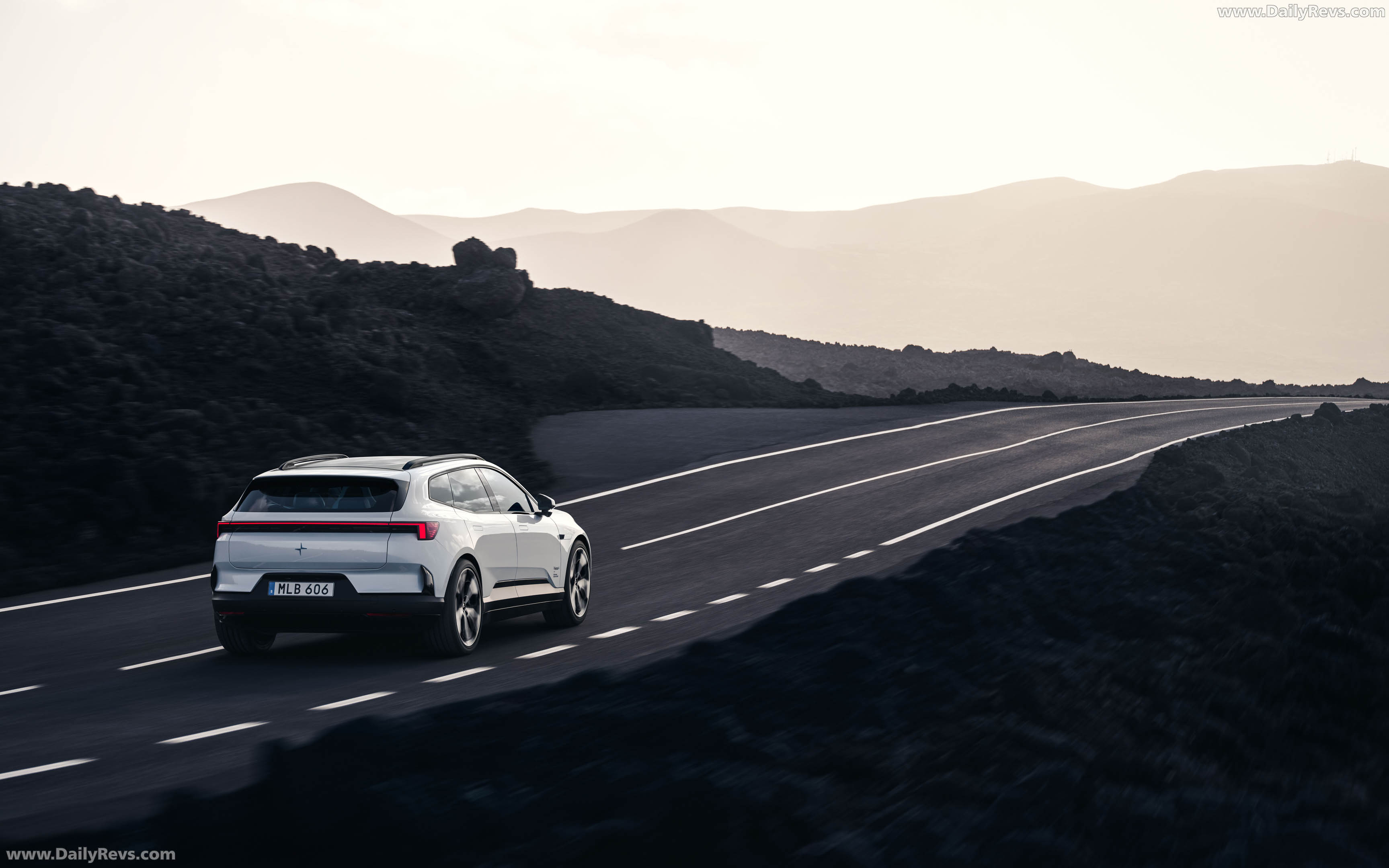
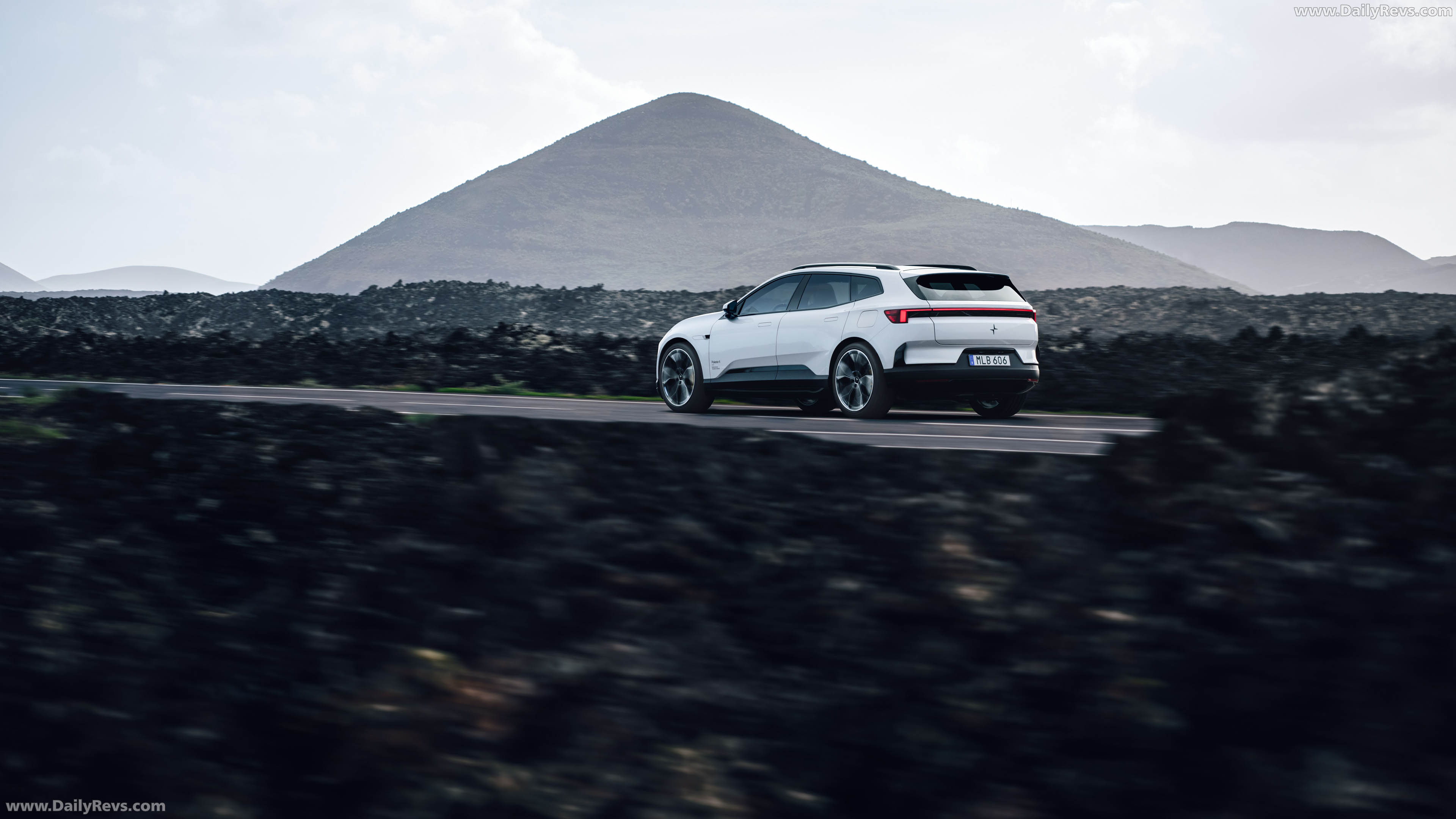
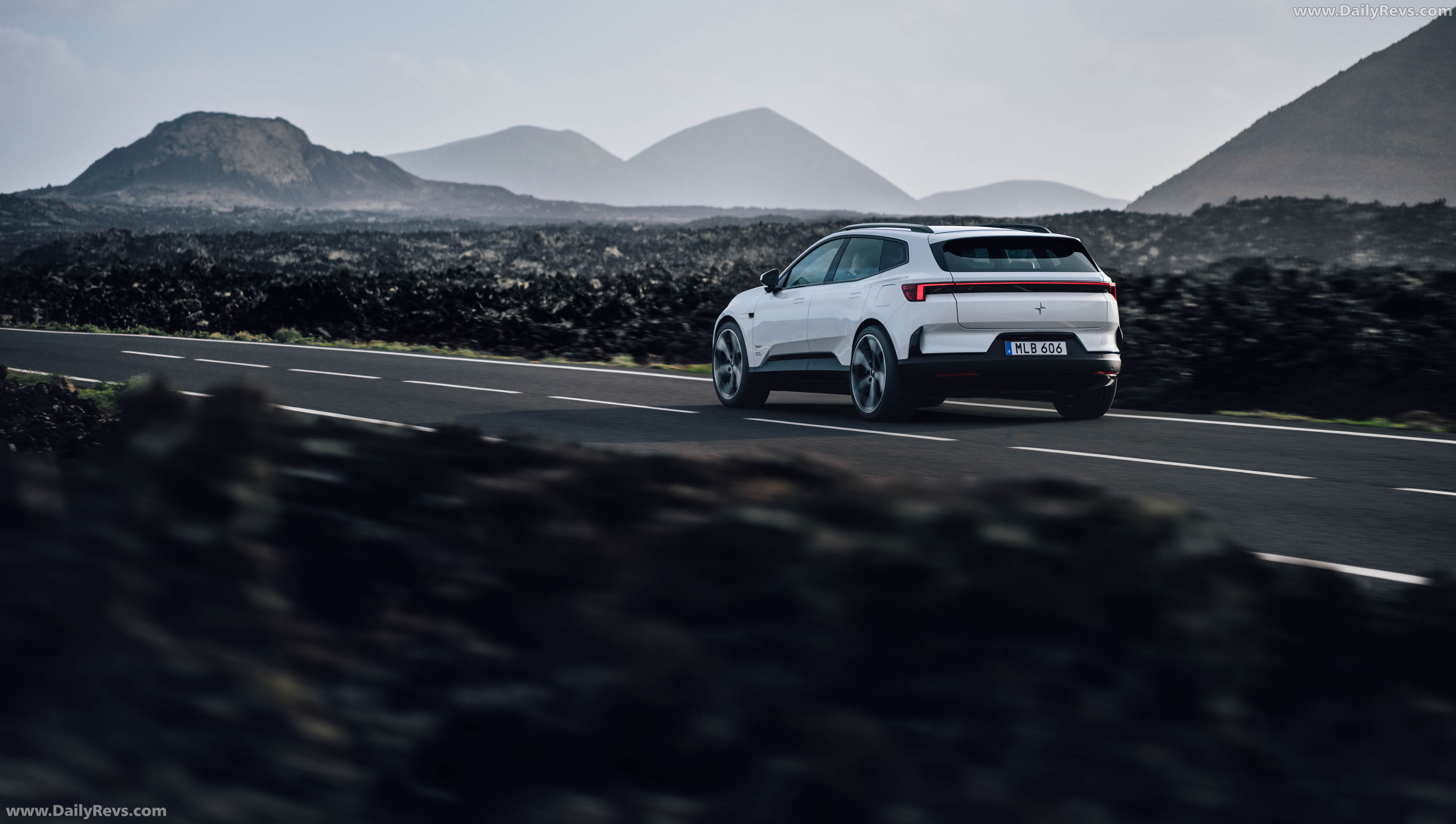
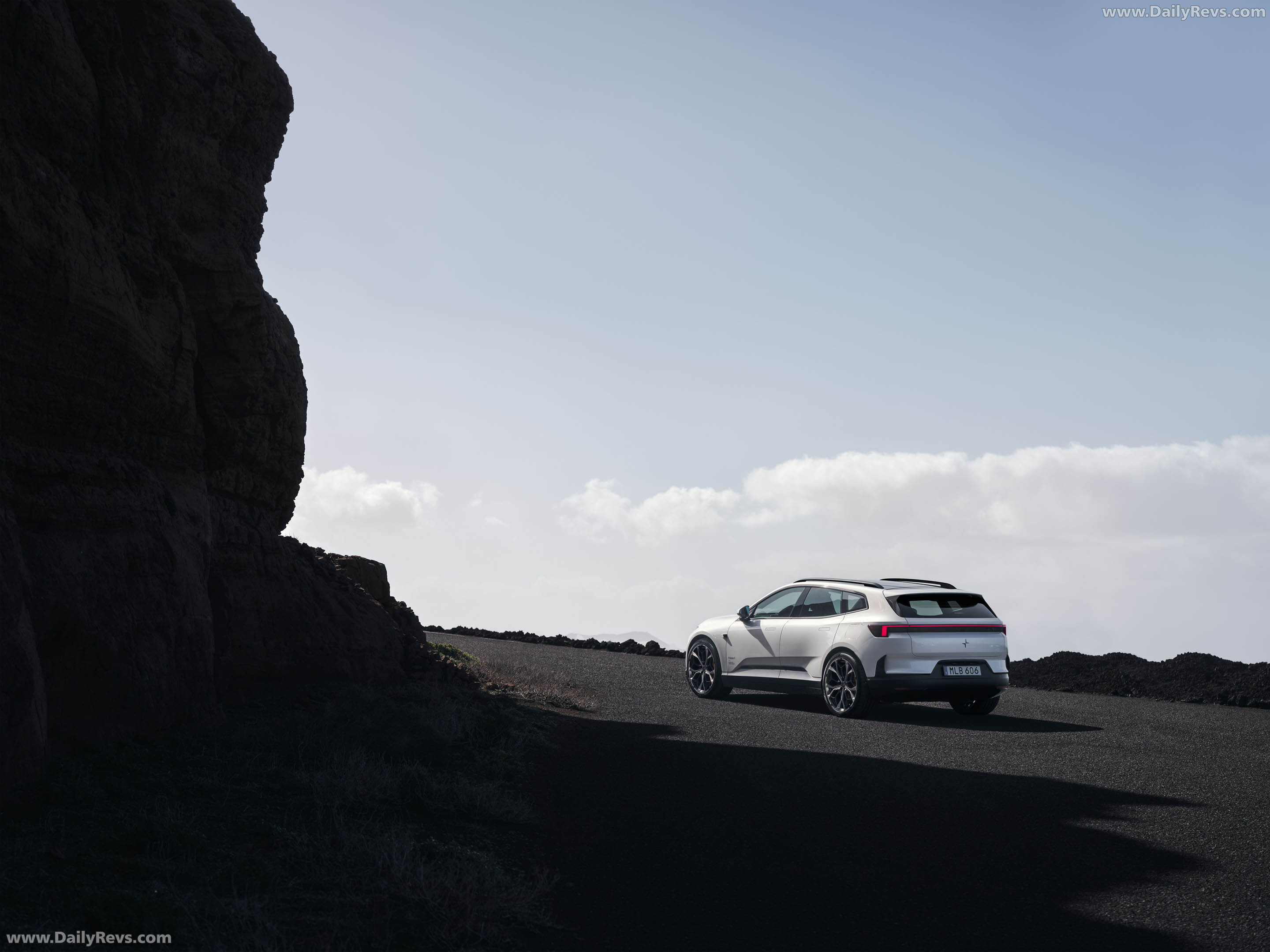
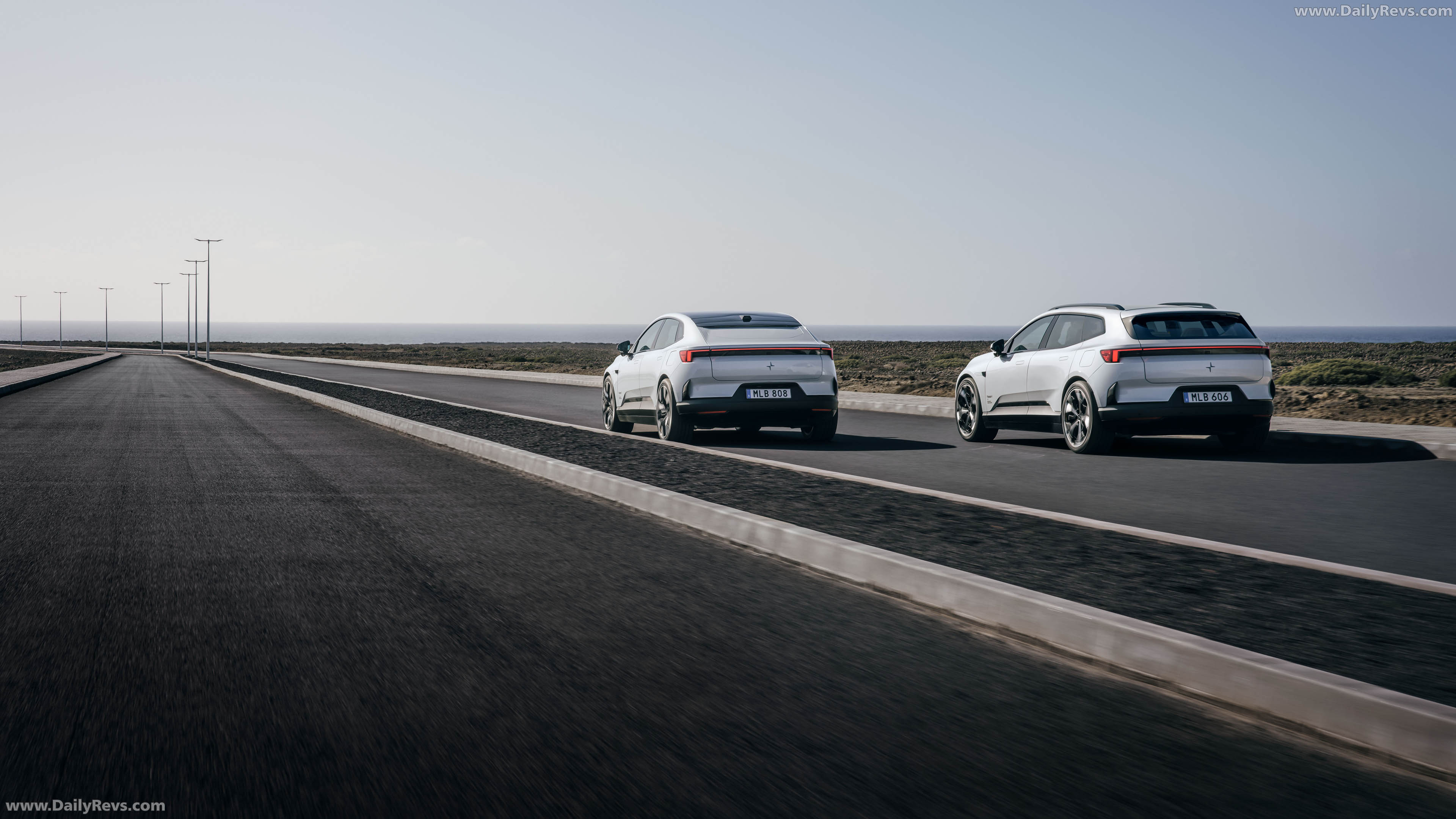
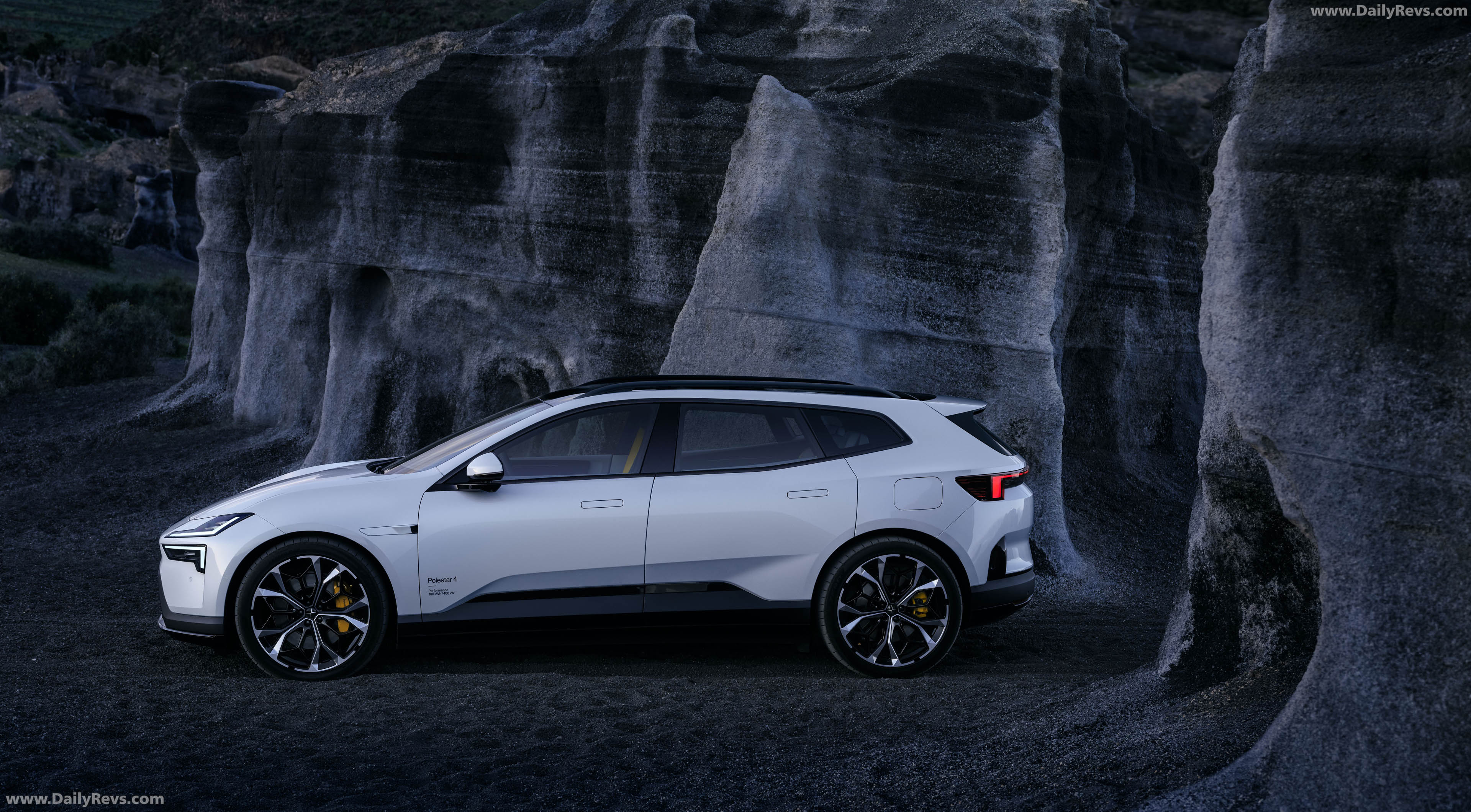
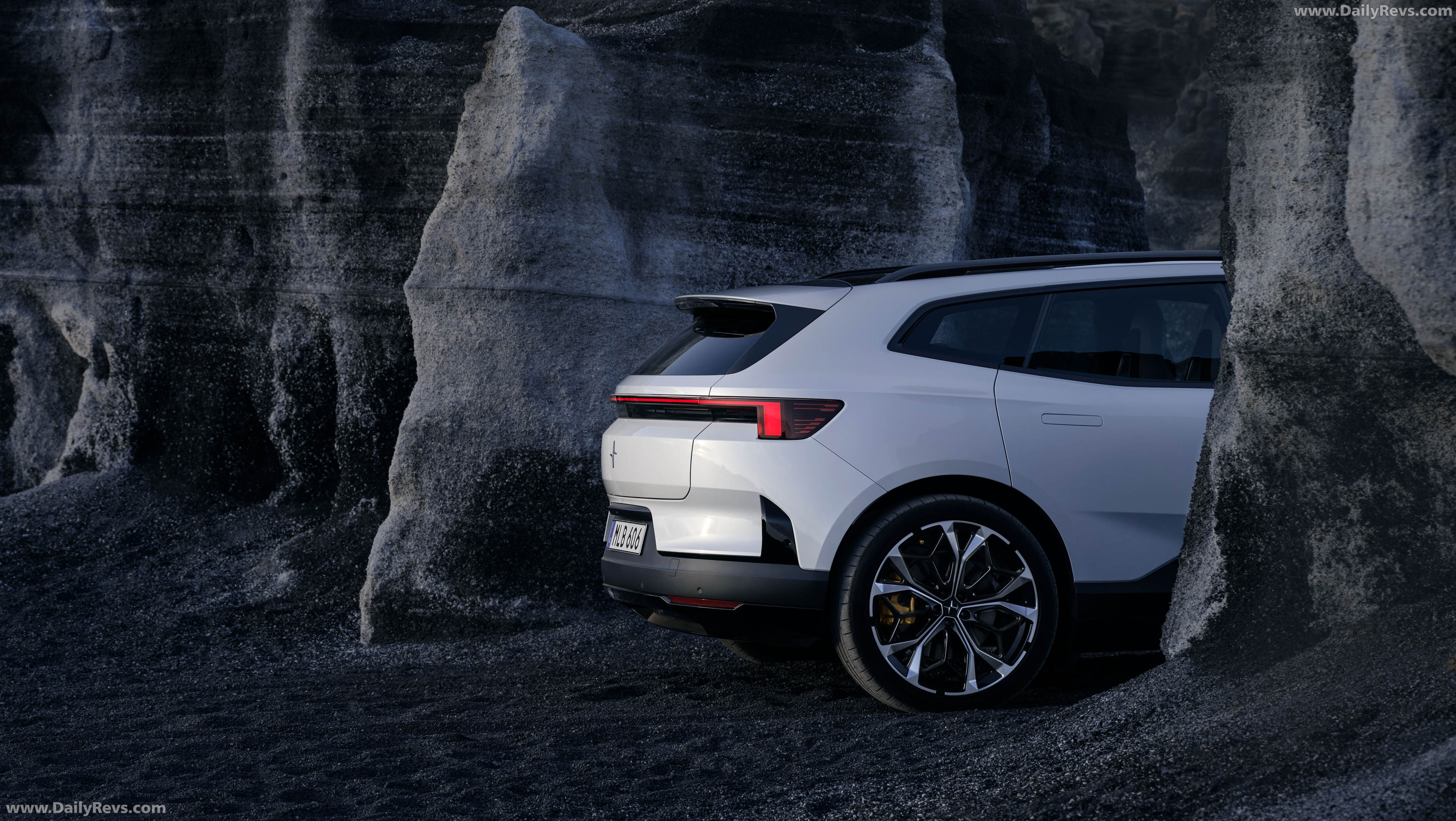
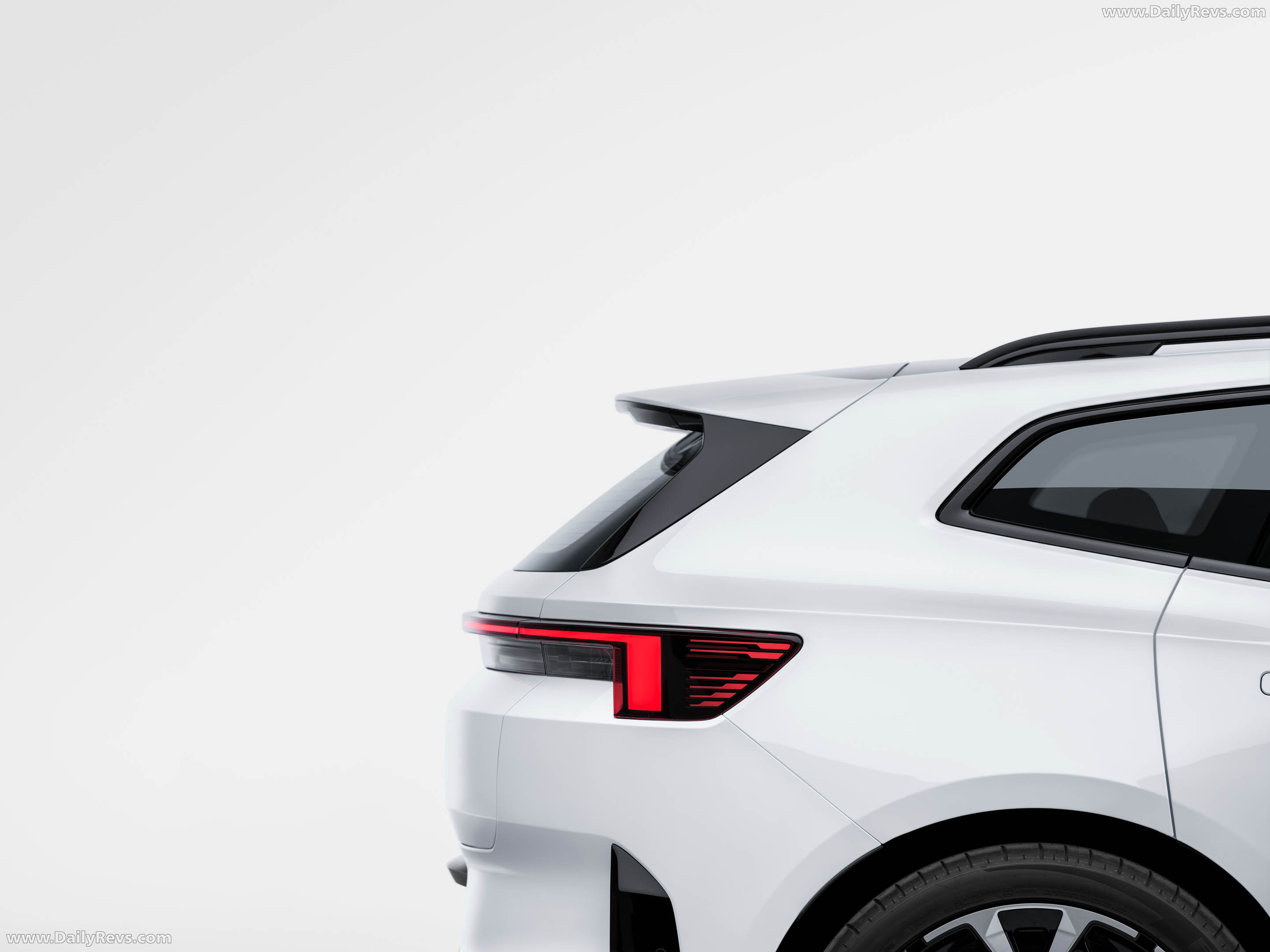
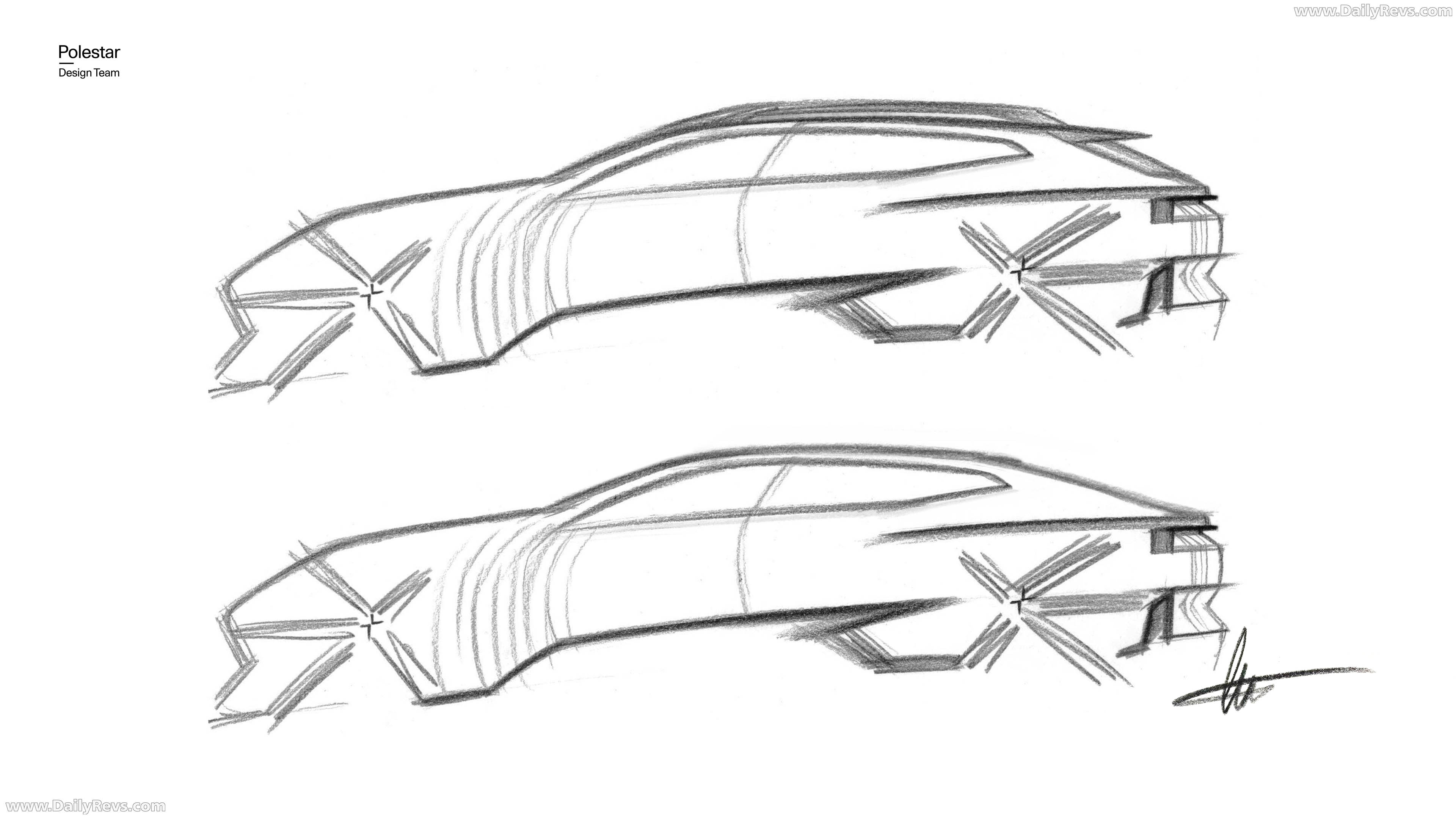
The Polestar 4 SUV gains a more upright tailgate, rear window, roof rails and extra rear headroom compared with the Polestar 4 coupé.
Rear motor models offer up to 630 km of WLTP range, while the 400 kW Dual motor reaches 100 km/h in 3.9 seconds.
A 100 kWh battery is standard, with up to 200 kW DC charging plus Vehicle to Load capability.
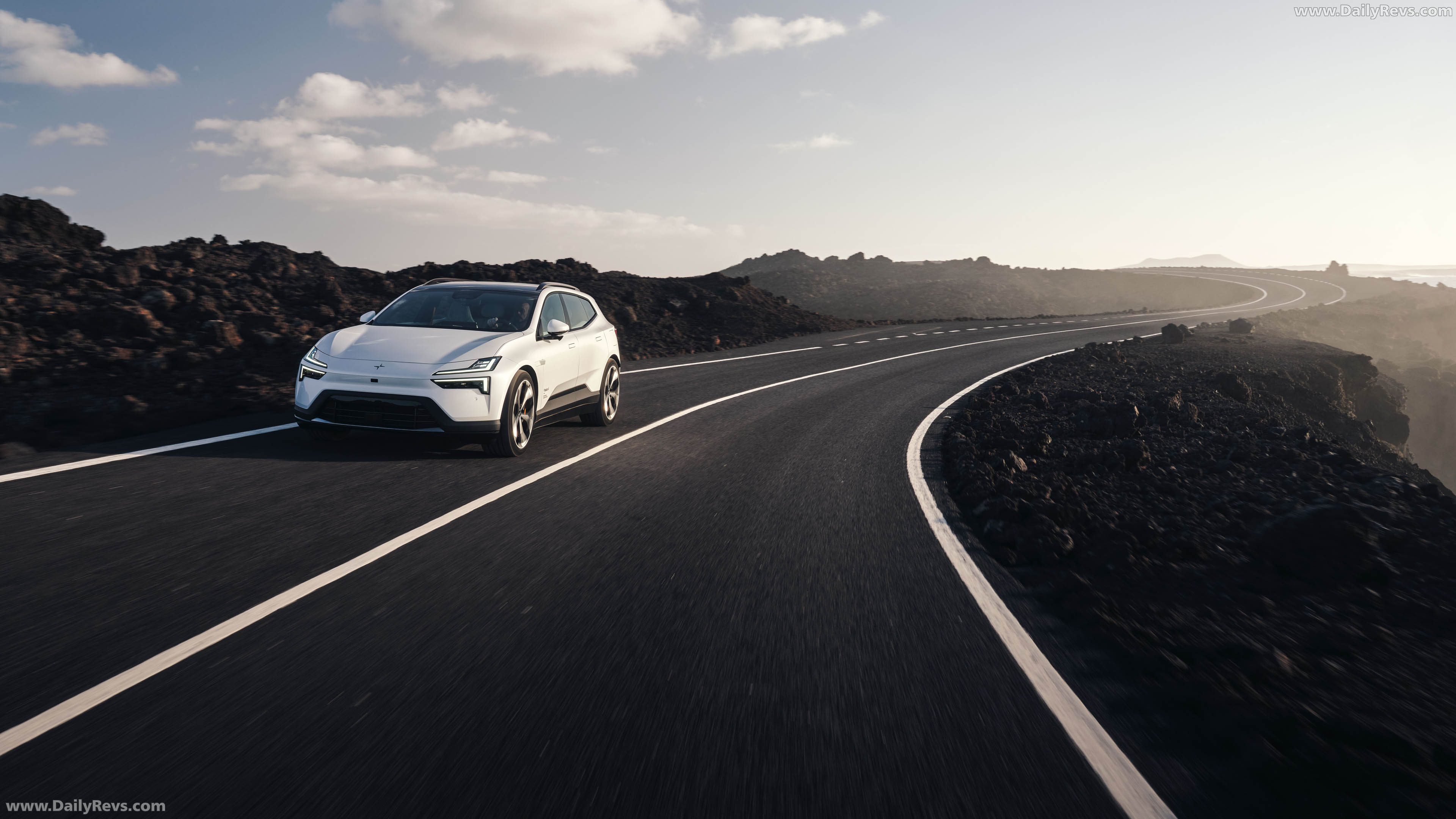
The 2027 Polestar 4 SUV takes the basic design and engineering of the recently updated Polestar 4 coupé and pushes it toward a more conventional SUV format. It is not simply a trim package. The rear body has been reworked for additional space, visibility and everyday utility, while the electric powertrains remain performance focused.
Production has already started in Busan, South Korea, and the first customer shipments are underway.
A More Upright Rear Changes the Polestar 4 Shape
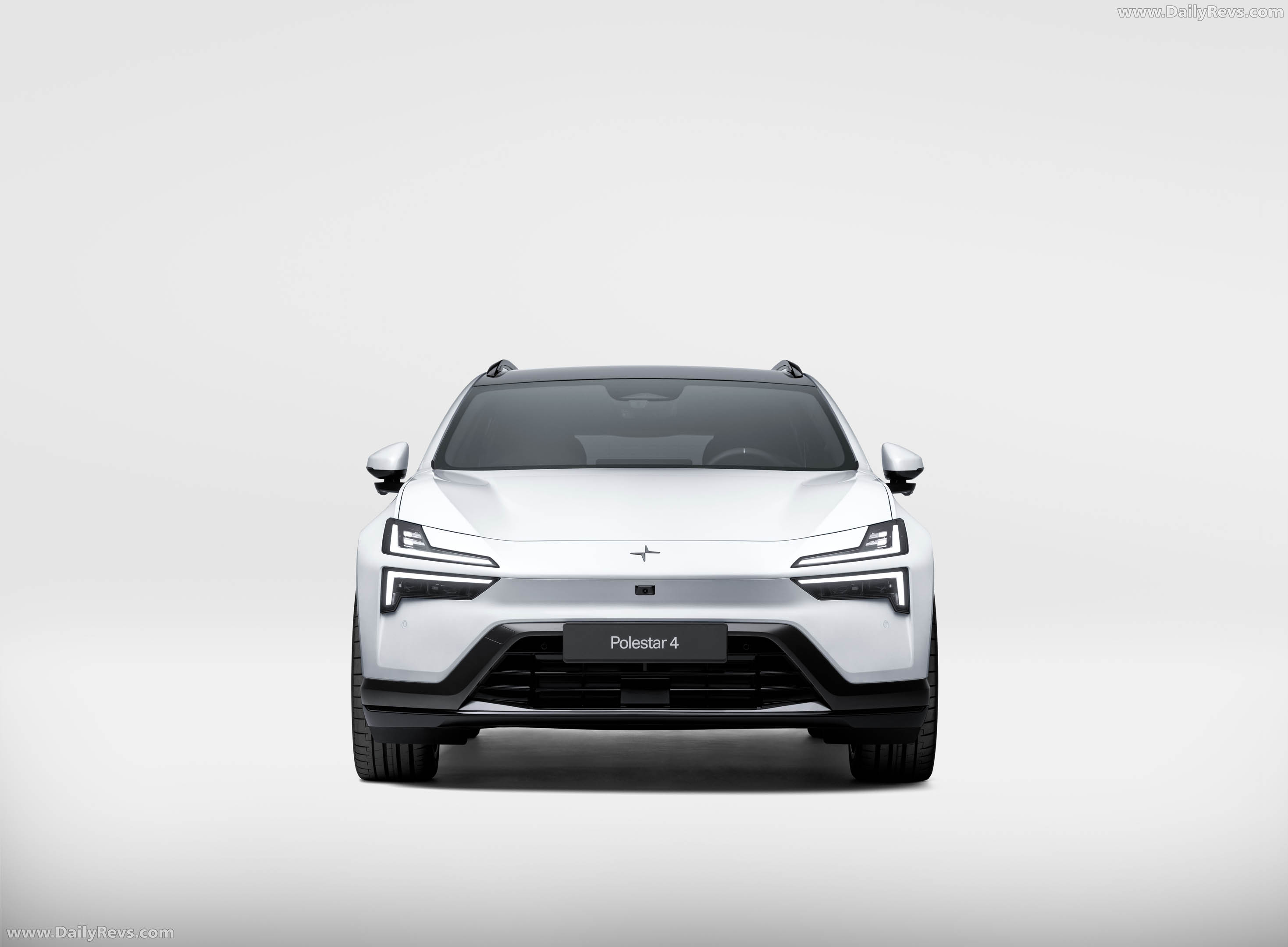
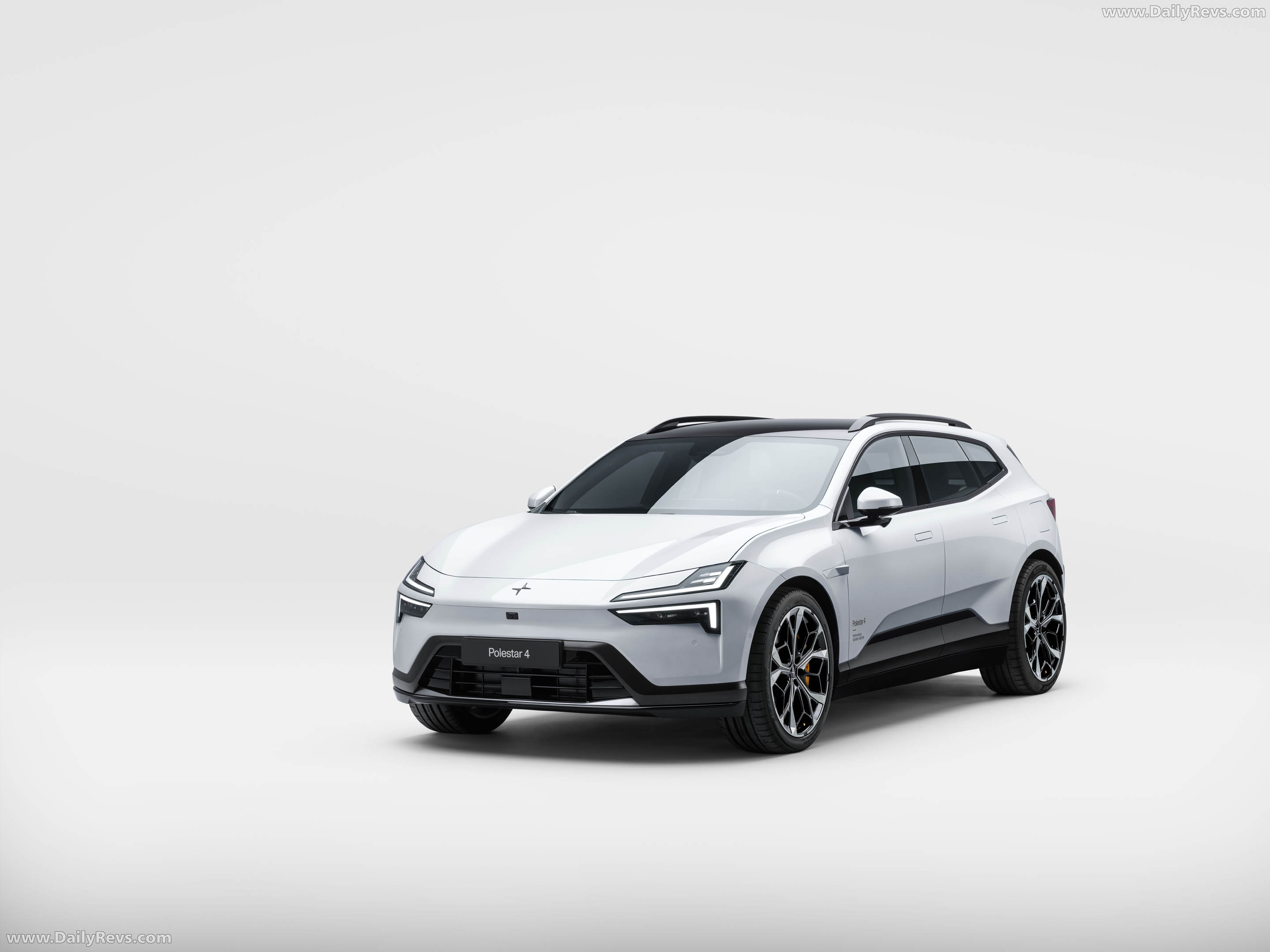
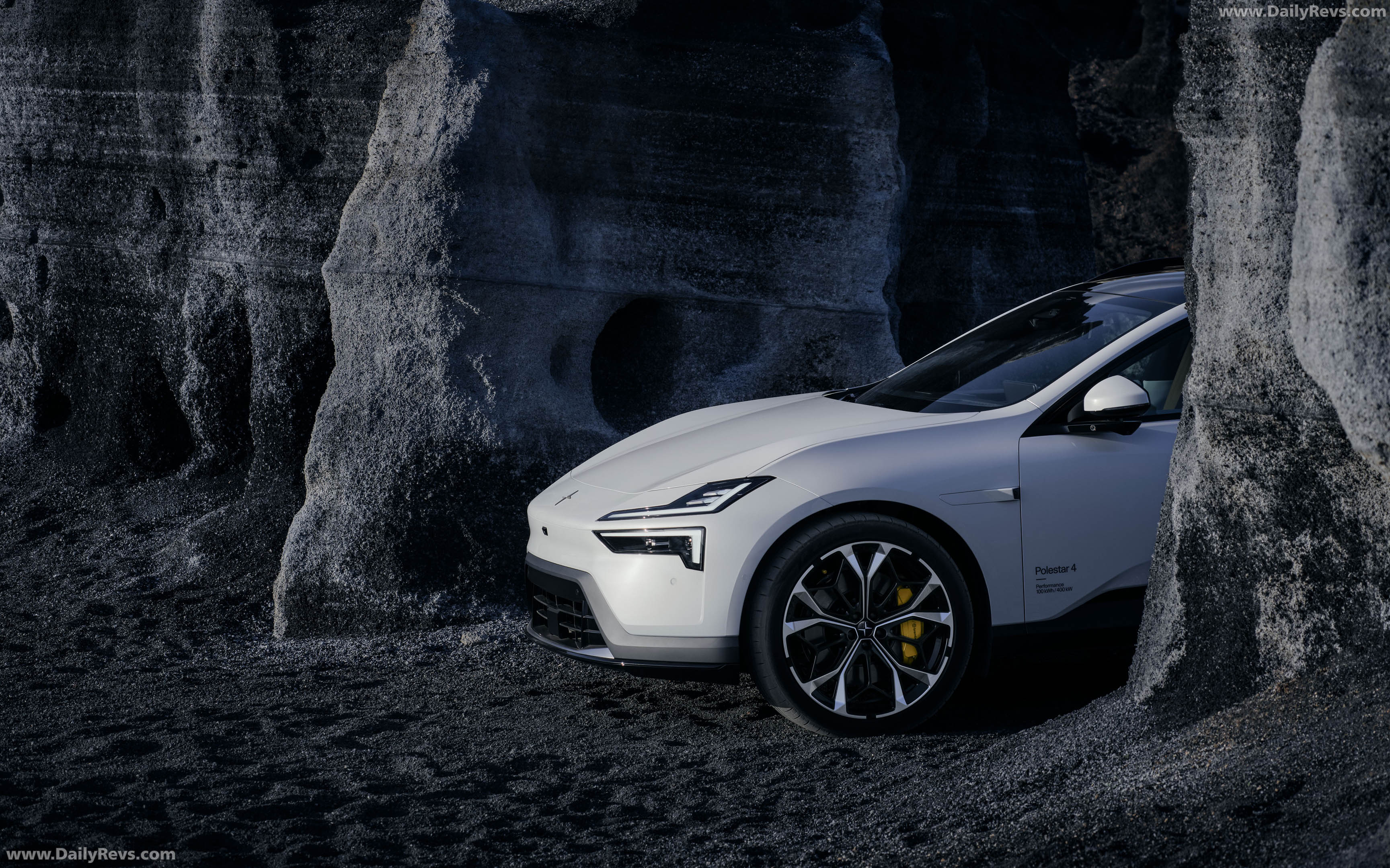
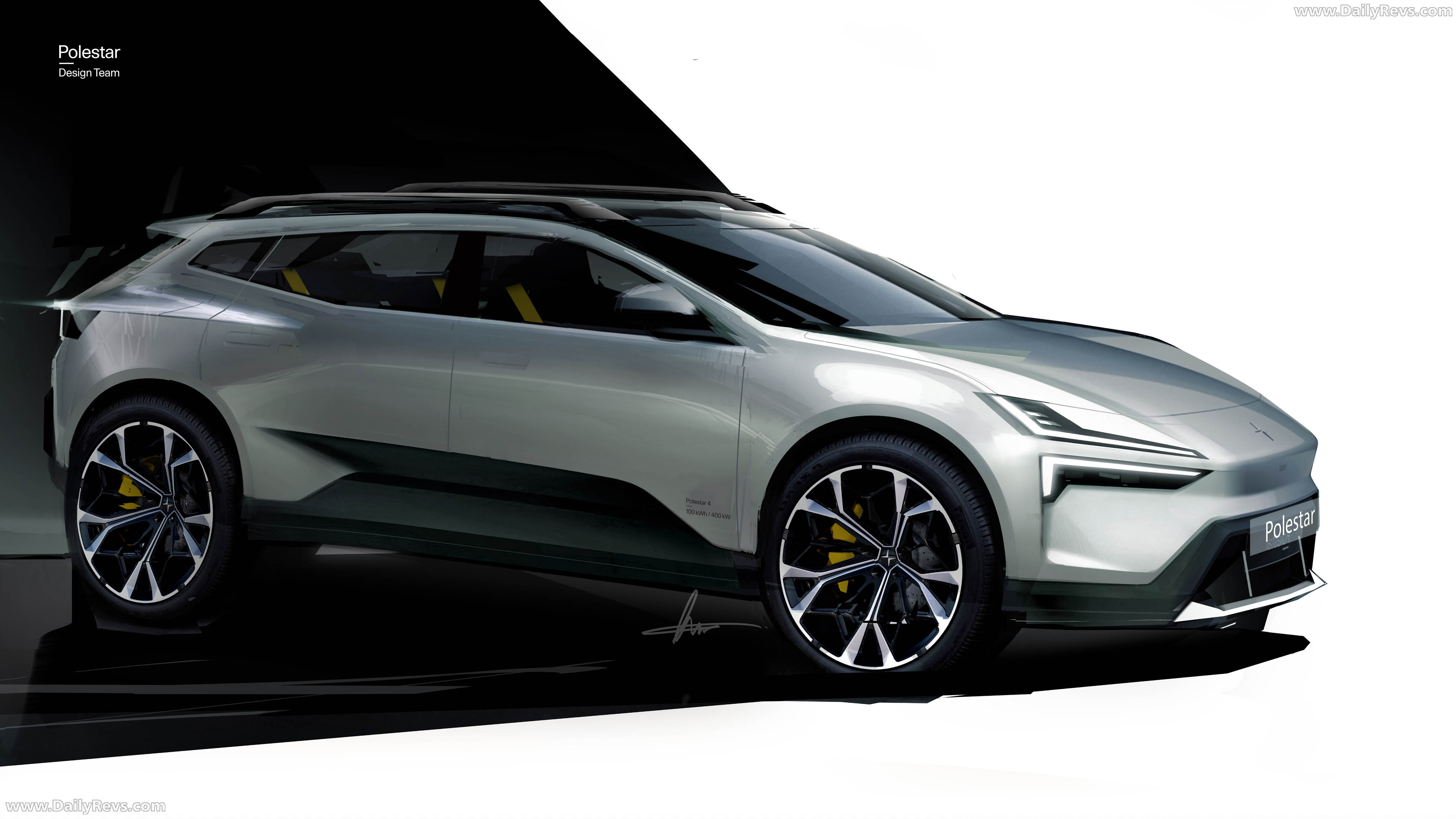
From the front, much remains familiar. The SUV keeps the dual blade headlights and Polestar's illuminated logo, along with the low nose and broad stance of the coupé.
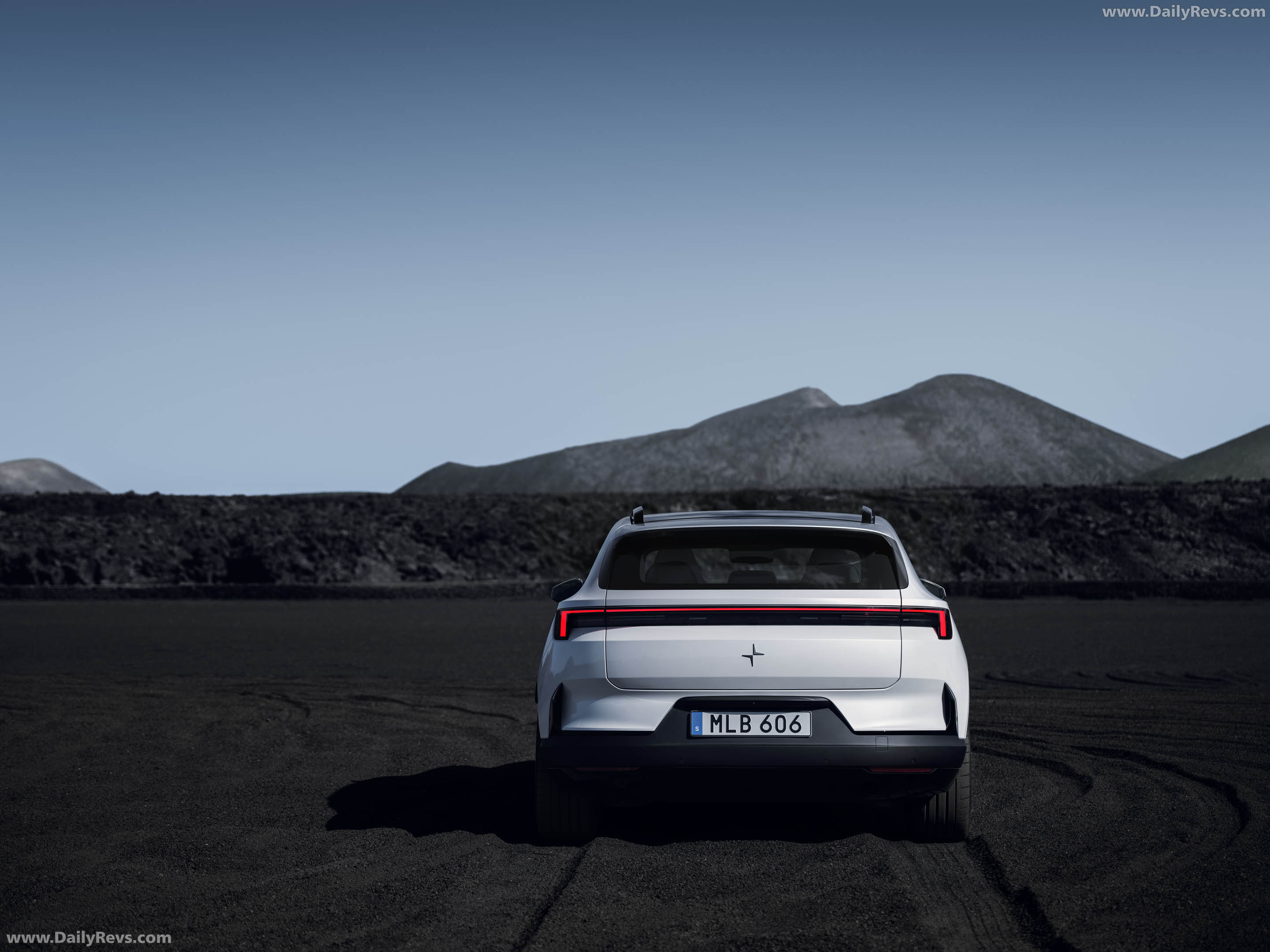
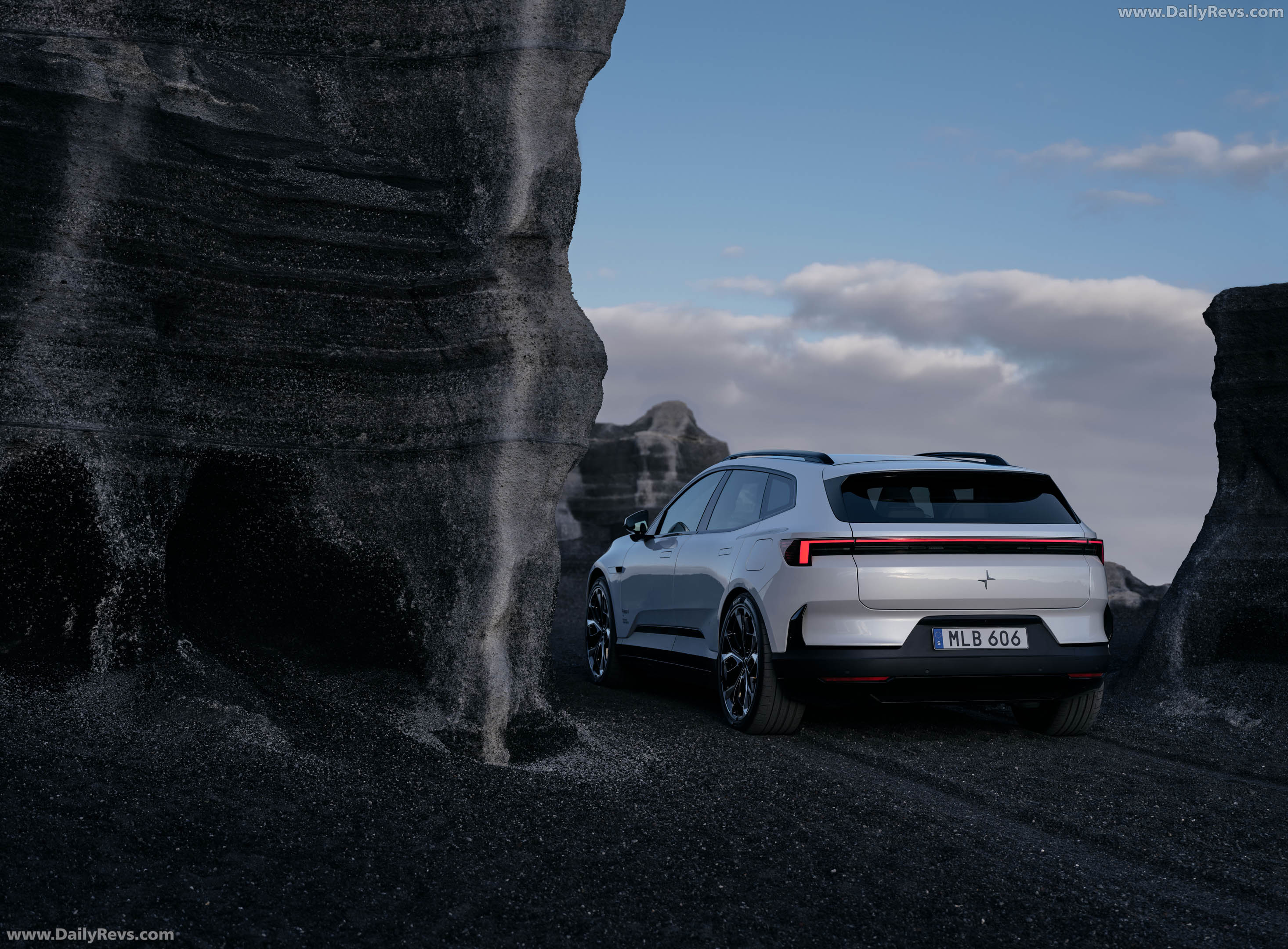
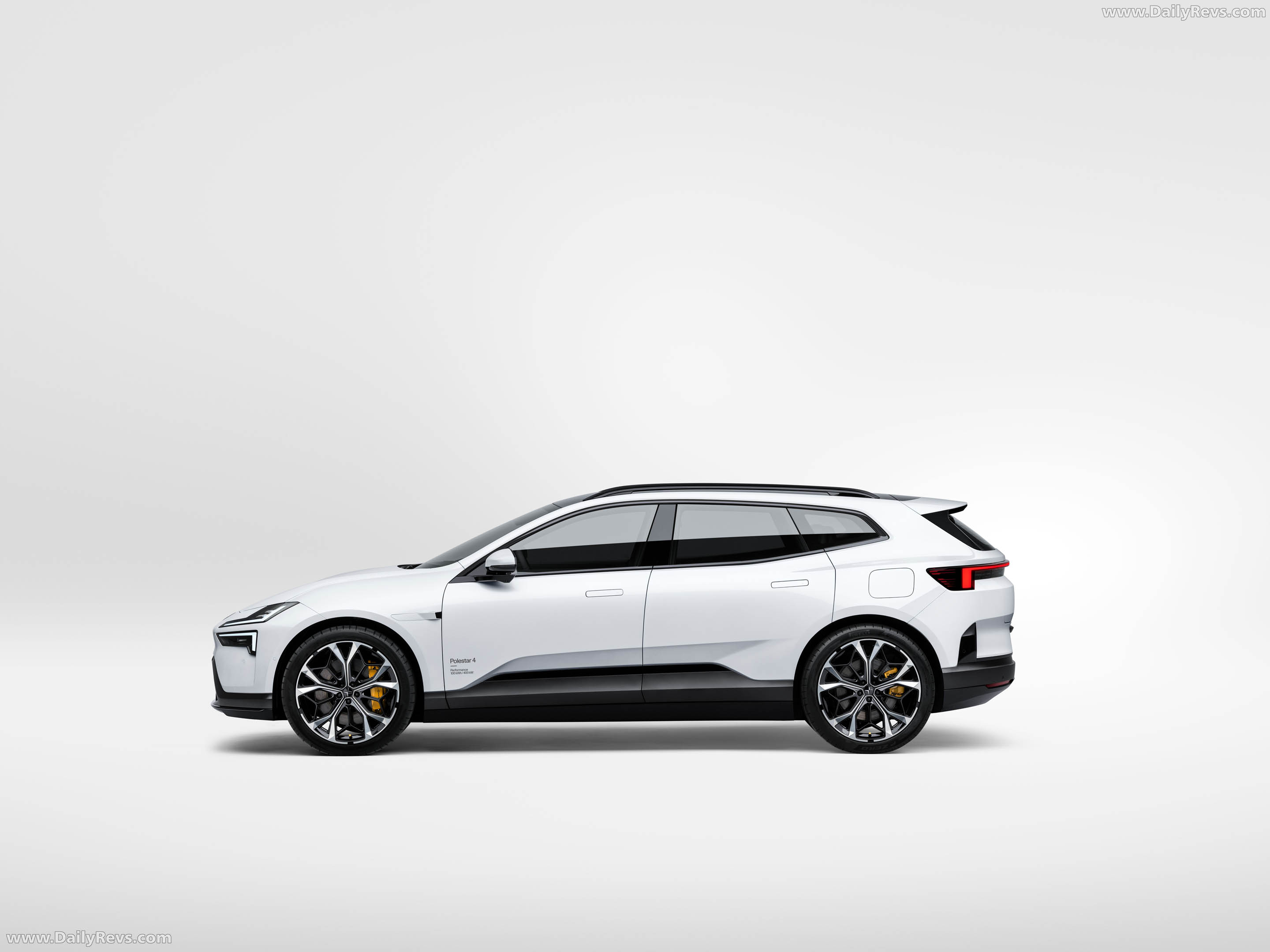
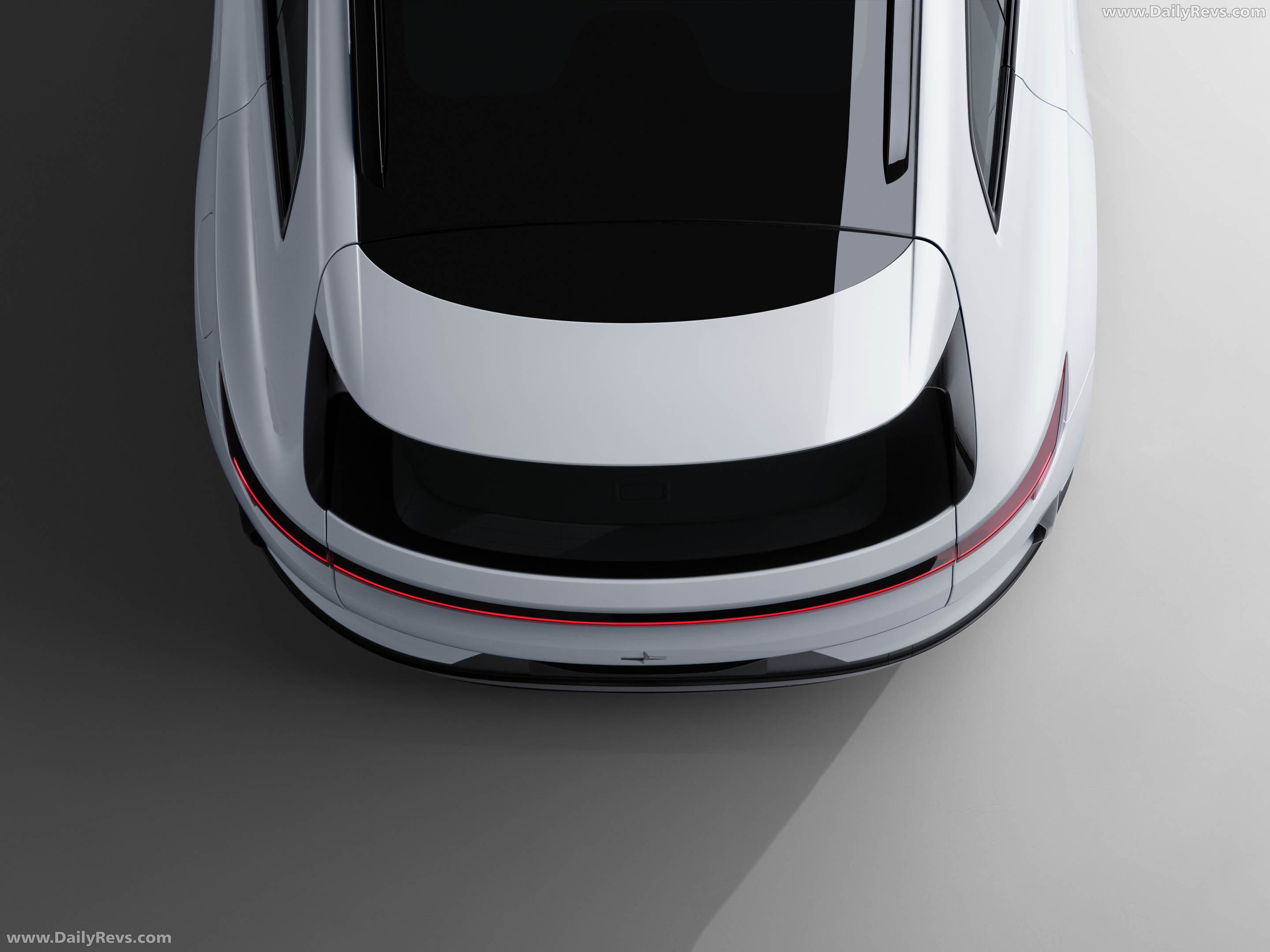
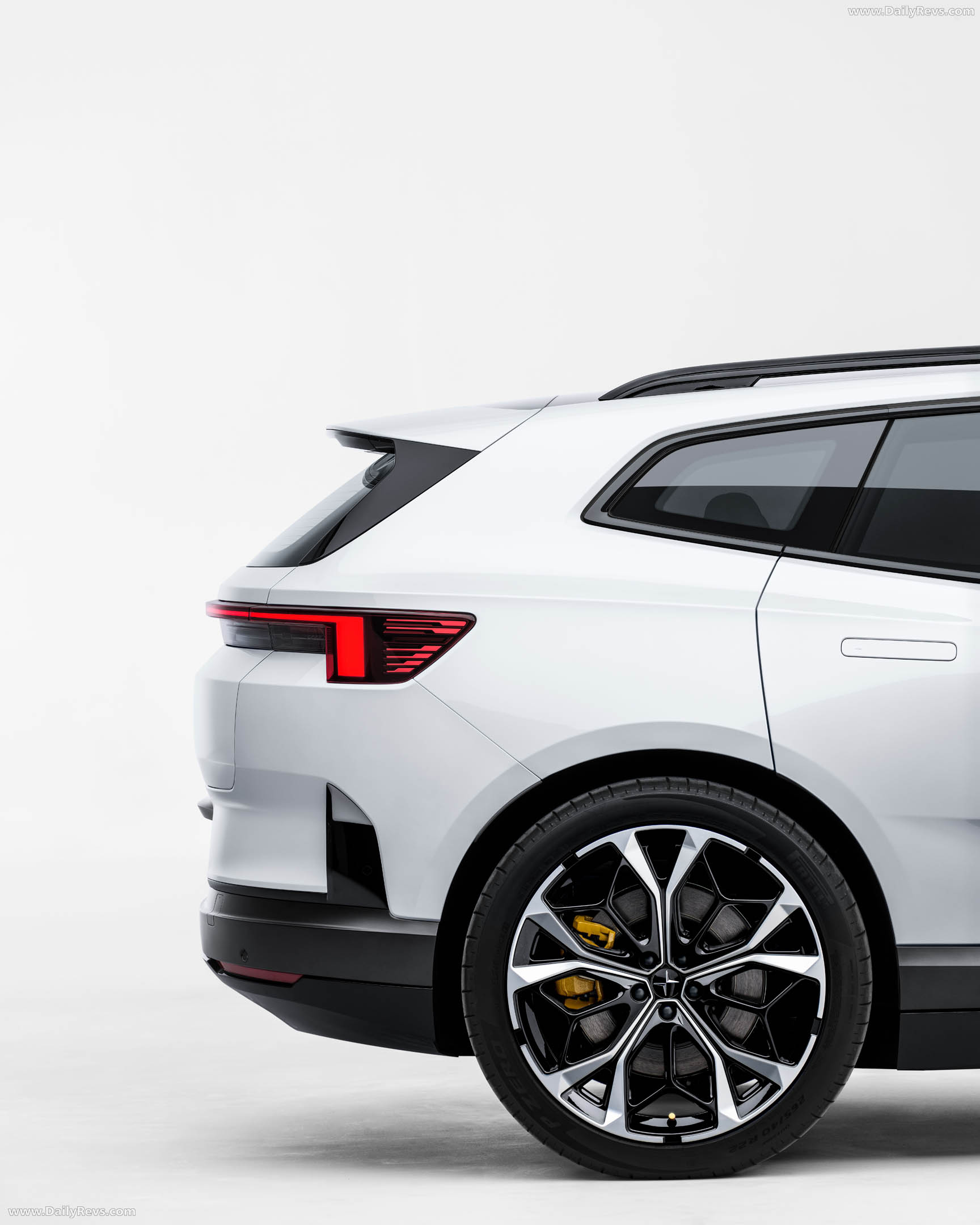
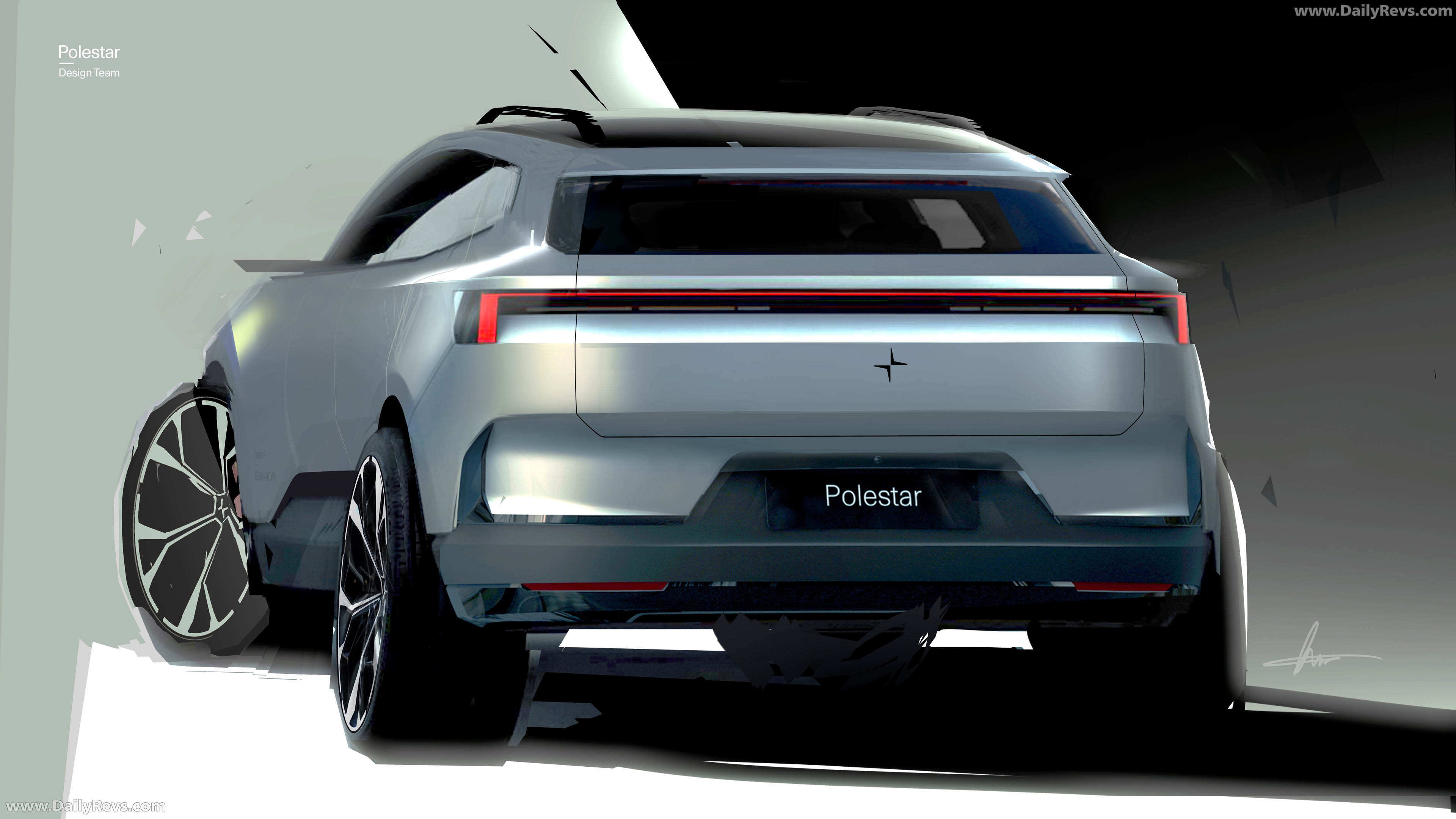
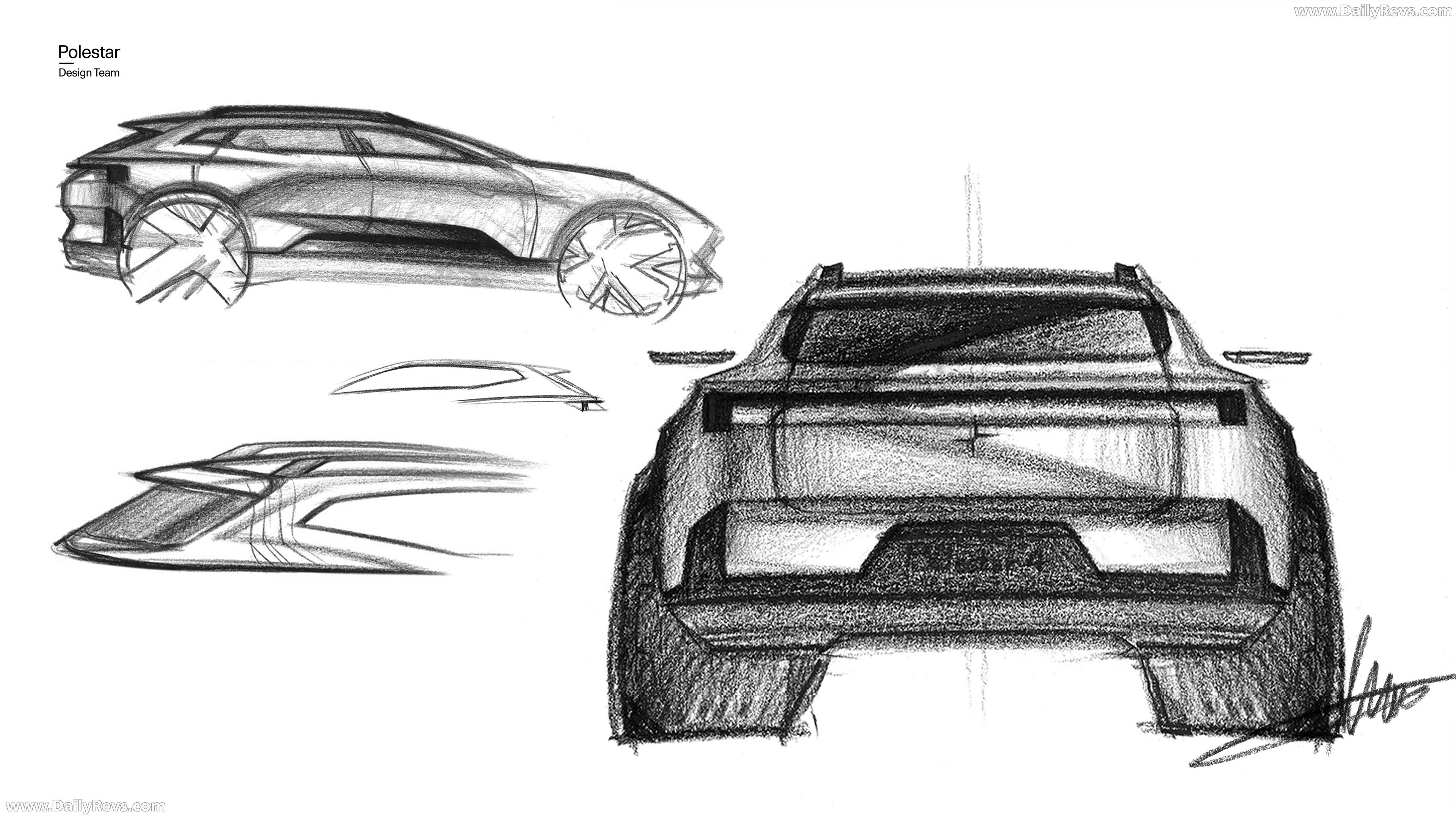
The difference becomes clearer further back. A straighter roofline leads into a more upright tailgate, giving the SUV a squarer rear profile. Full length roof rails raise the dynamic roof load capacity to 100 kg. Polestar has also expanded the exterior palette to eight colours, including new Aurora and Ozone Matte finishes.
Unlike the original Polestar 4 coupé, the SUV has a conventional rear window and rear view mirror. The camera based digital mirror remains available as an option.
More Headroom and a Larger Glass Roof
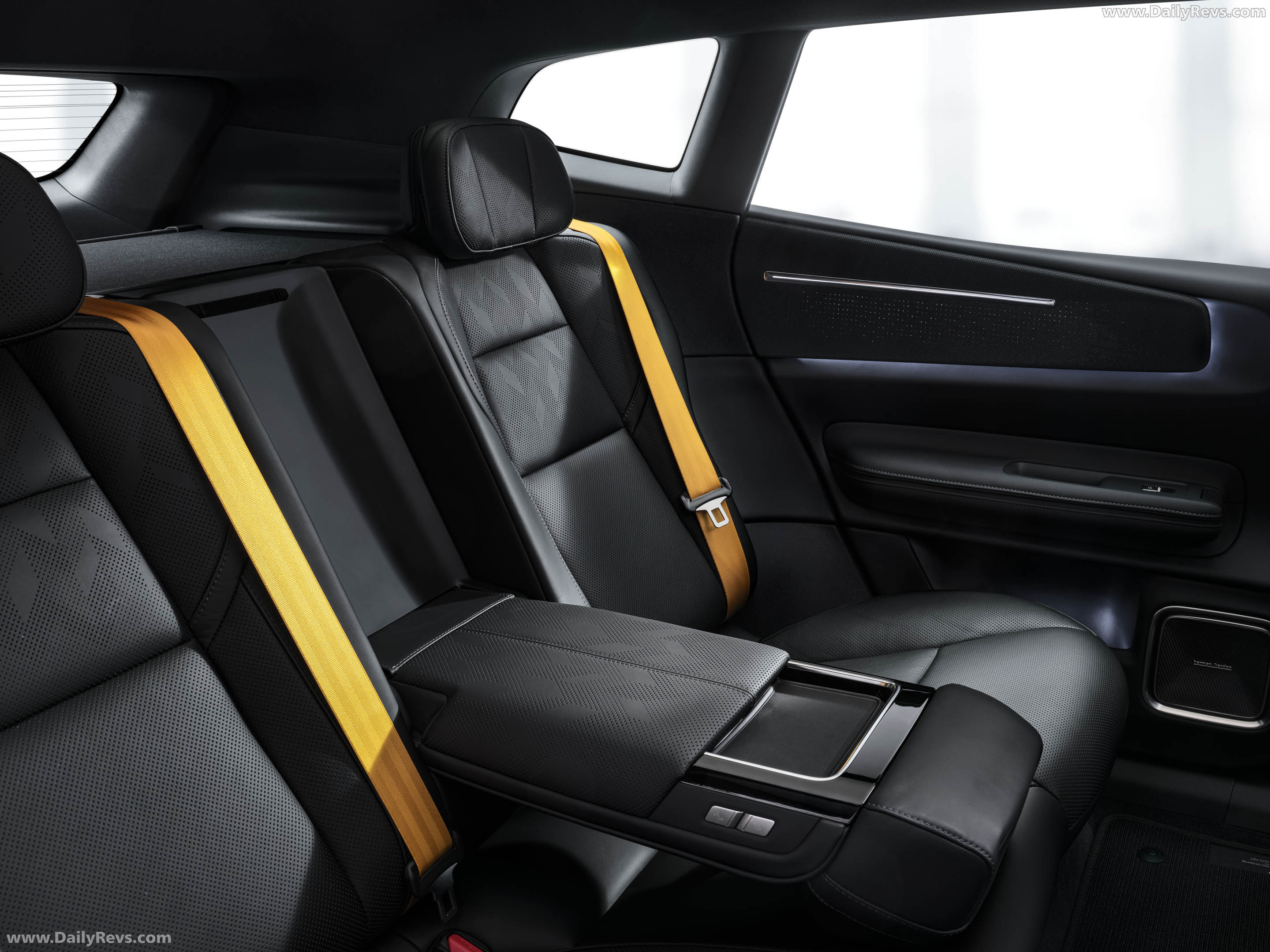
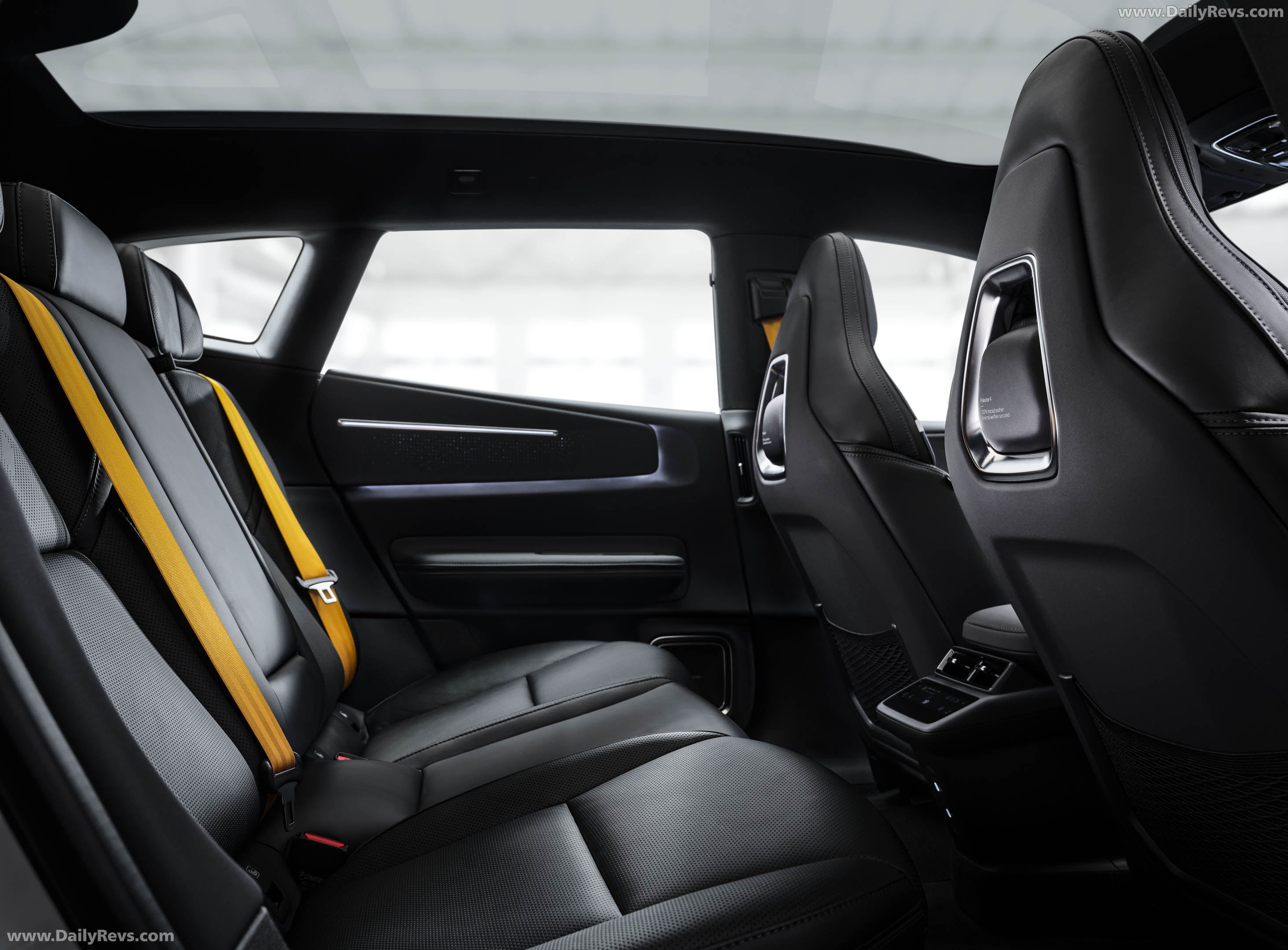
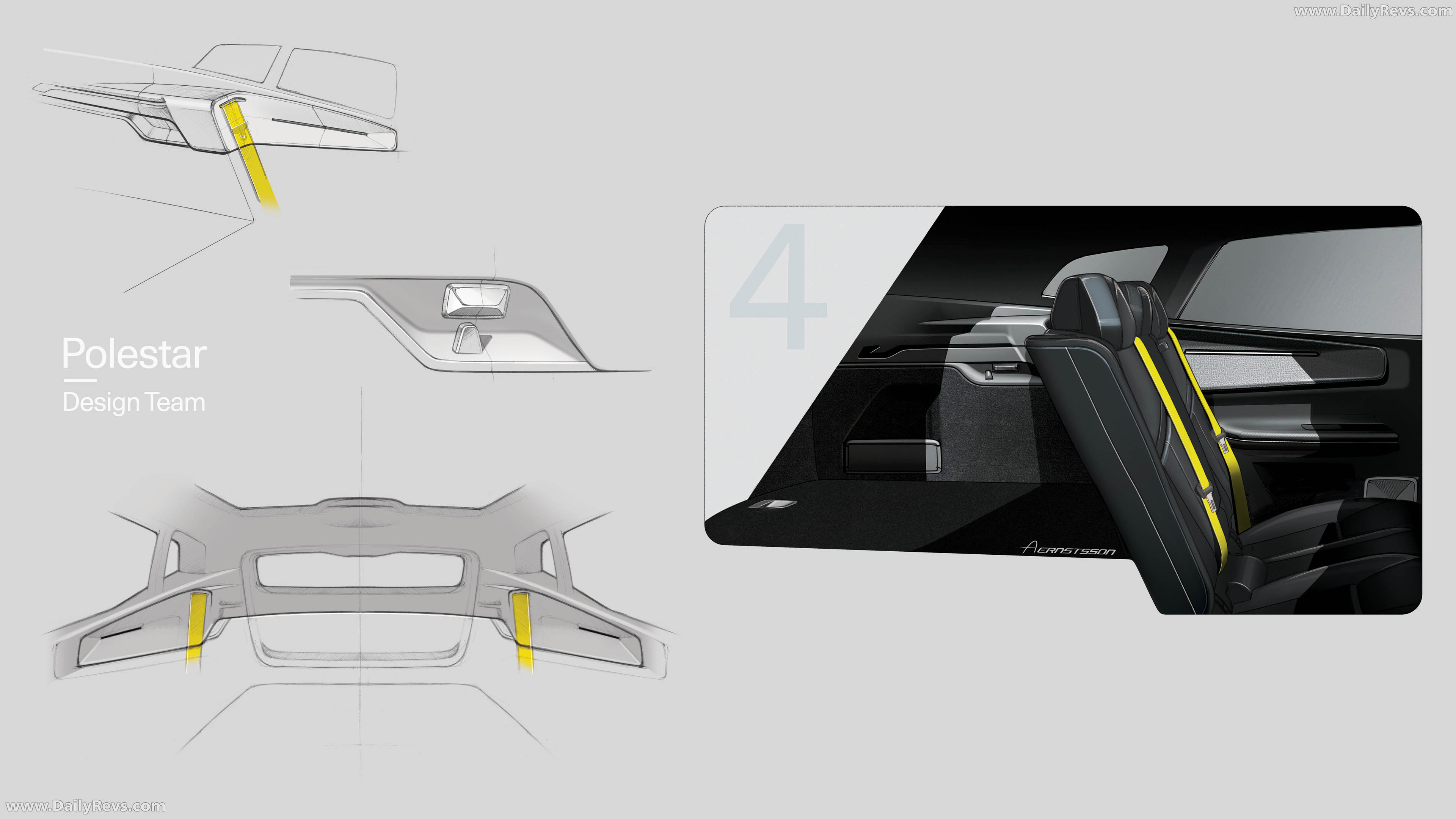
That reshaped roof pays off inside. Rear passengers gain another 2.5 cm of headroom, while a larger panoramic glass roof now extends all the way toward the tailgate. An optional electrochromic version can switch between transparent, fully tinted and selectively shaded sections.
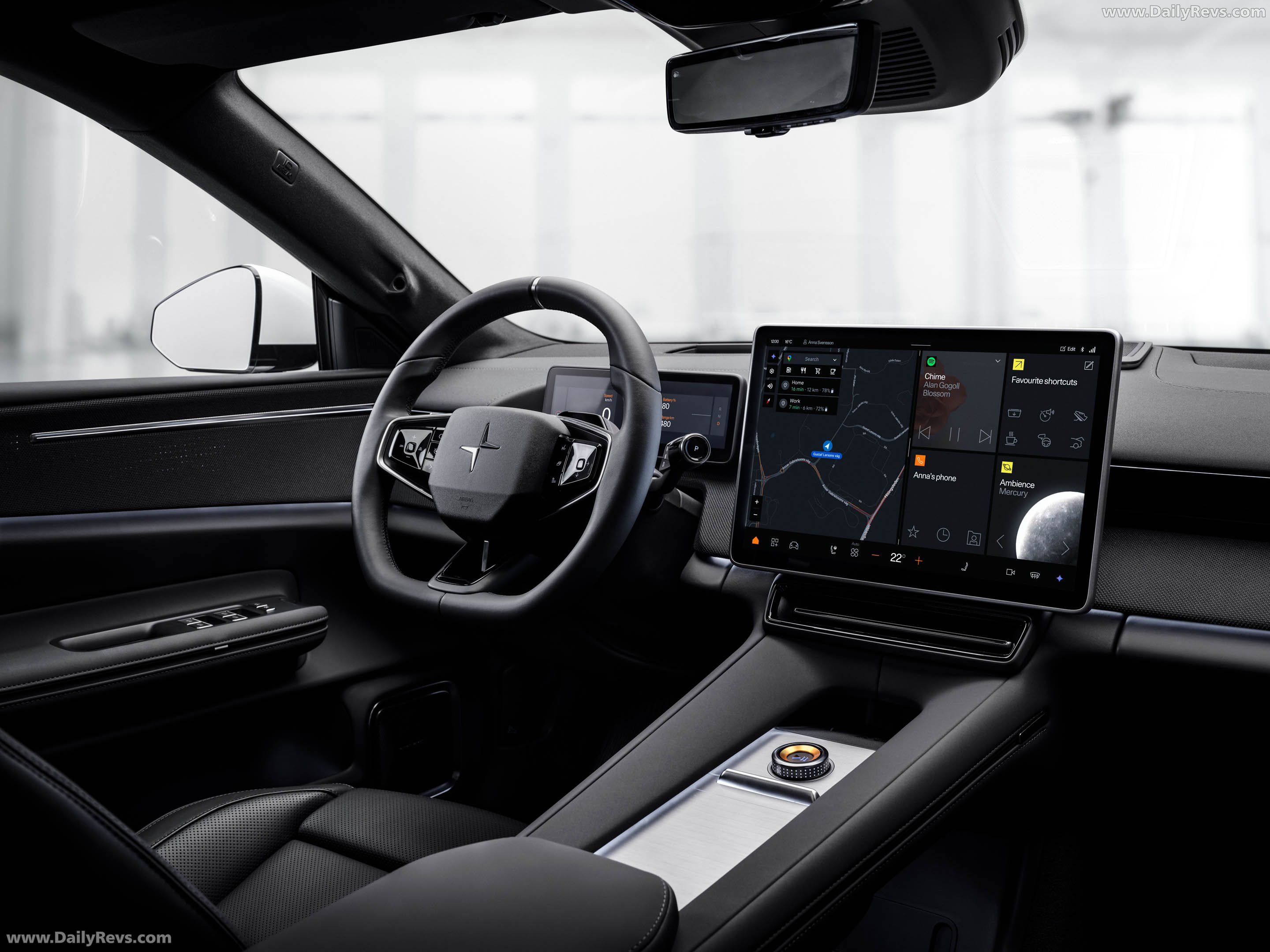
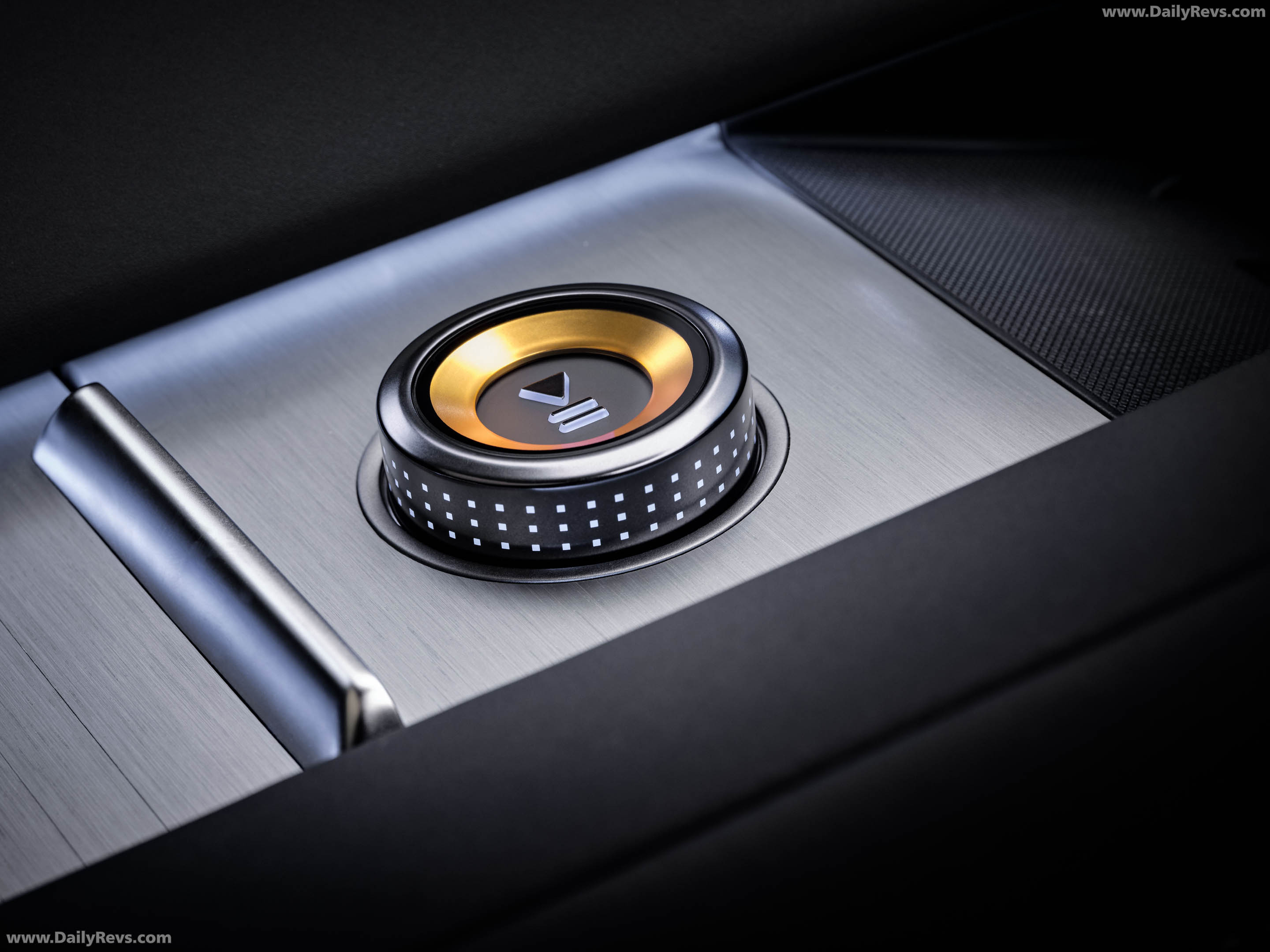
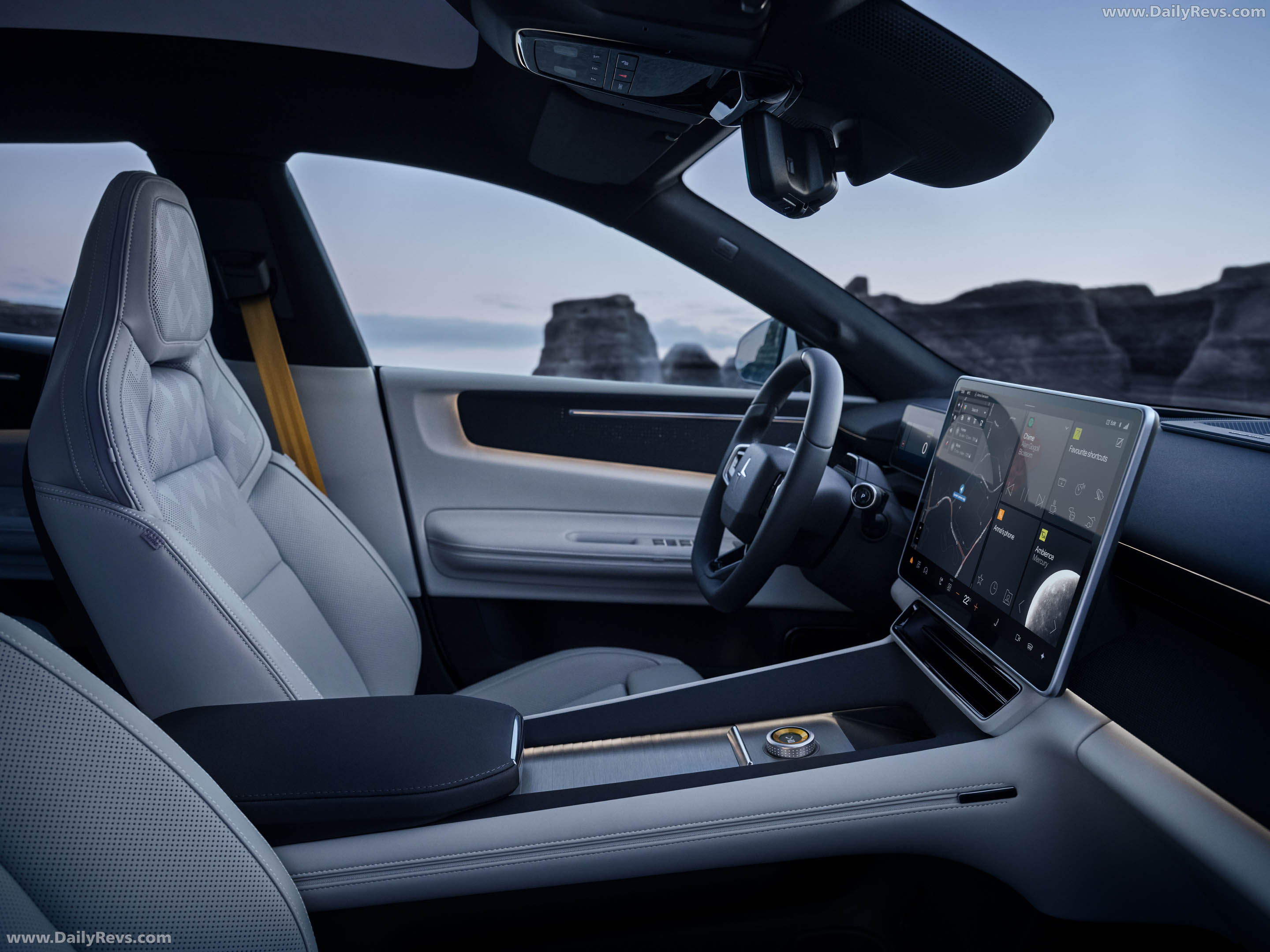
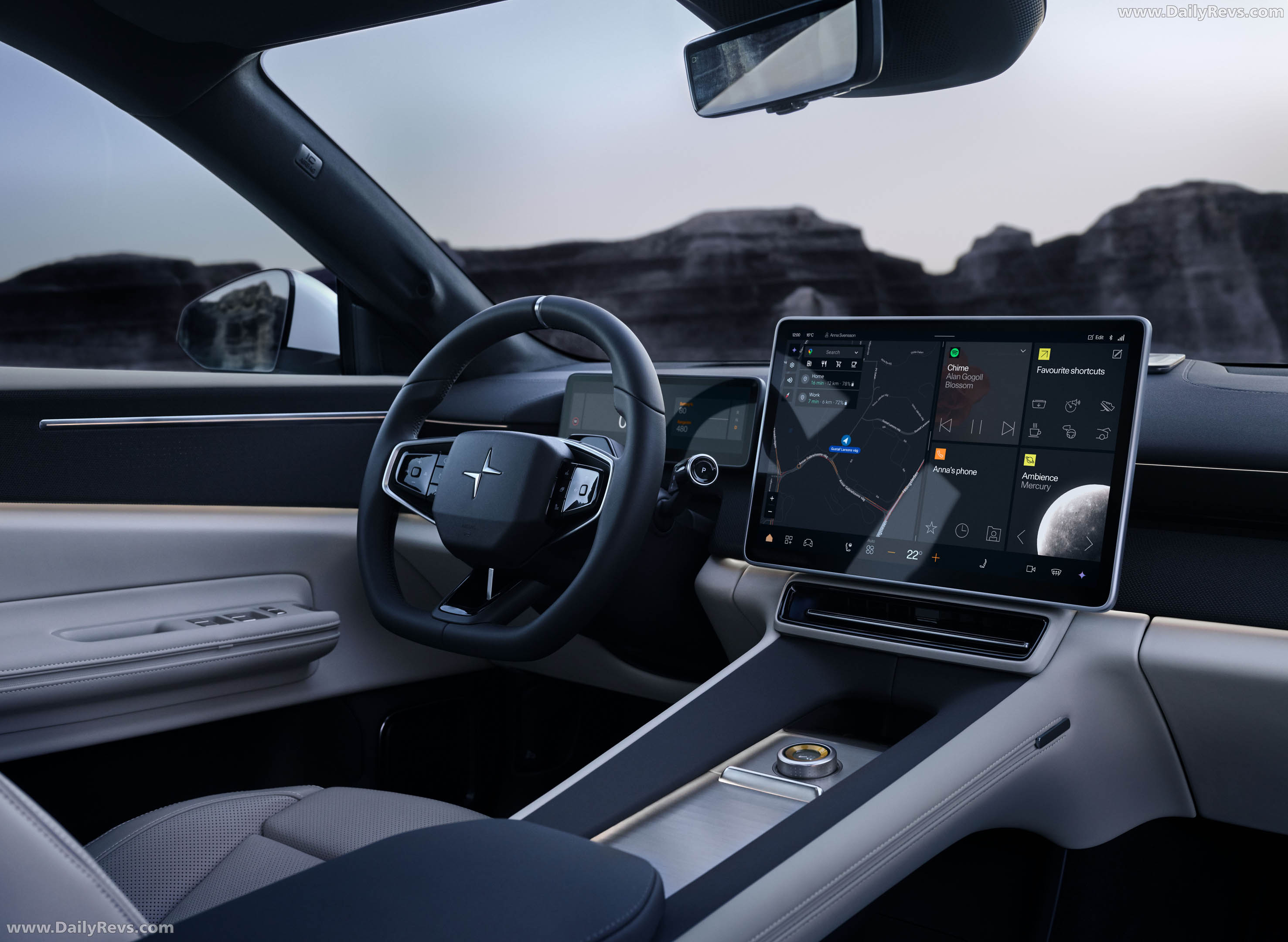
The dashboard stays close to the coupé's minimalist layout, with landscape oriented centre and driver displays. The main screen now supports nine widget shortcuts instead of six. Google Gemini is also integrated through Google built in, bringing contextual voice interaction and multi turn dialogue.
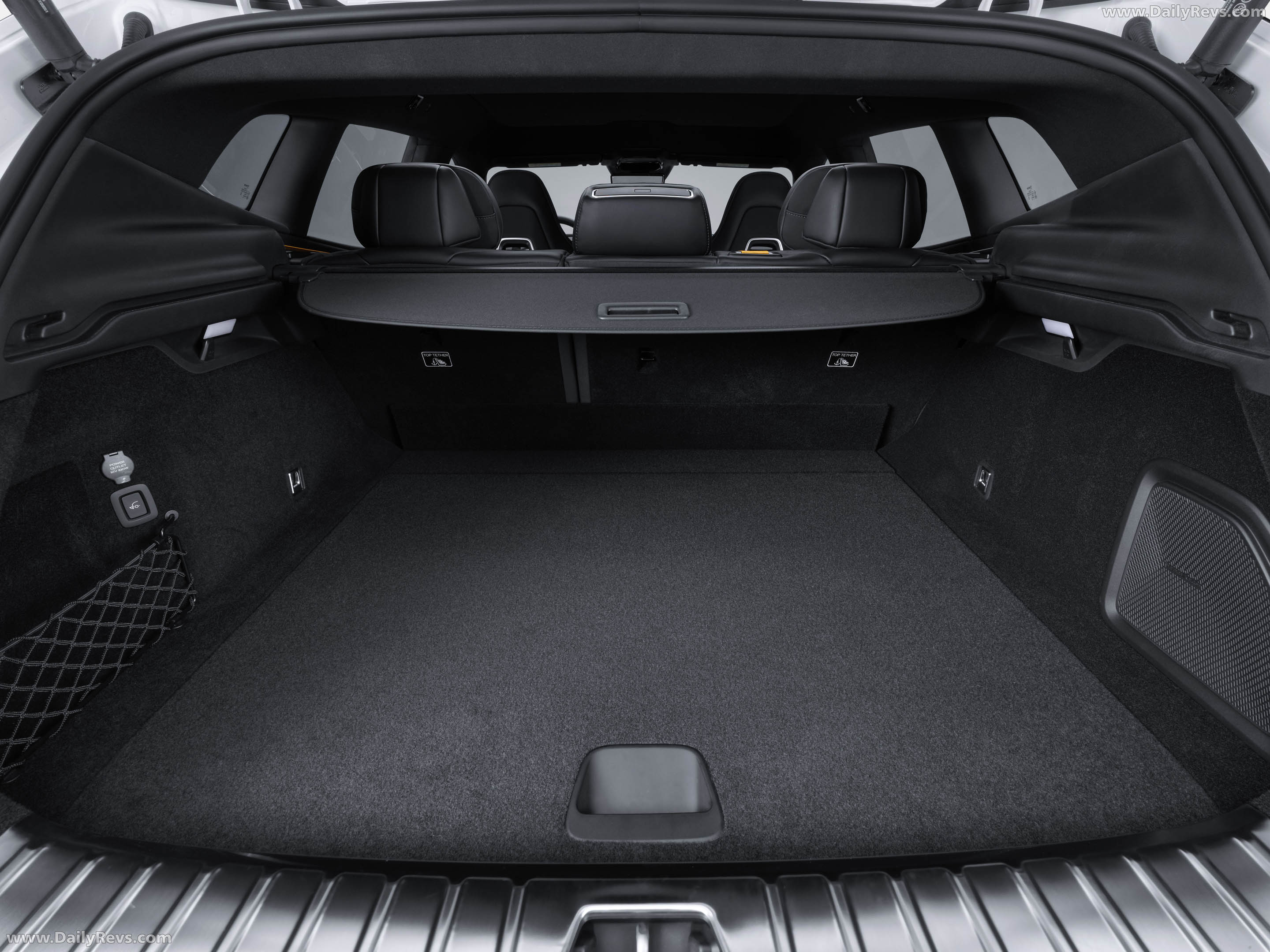
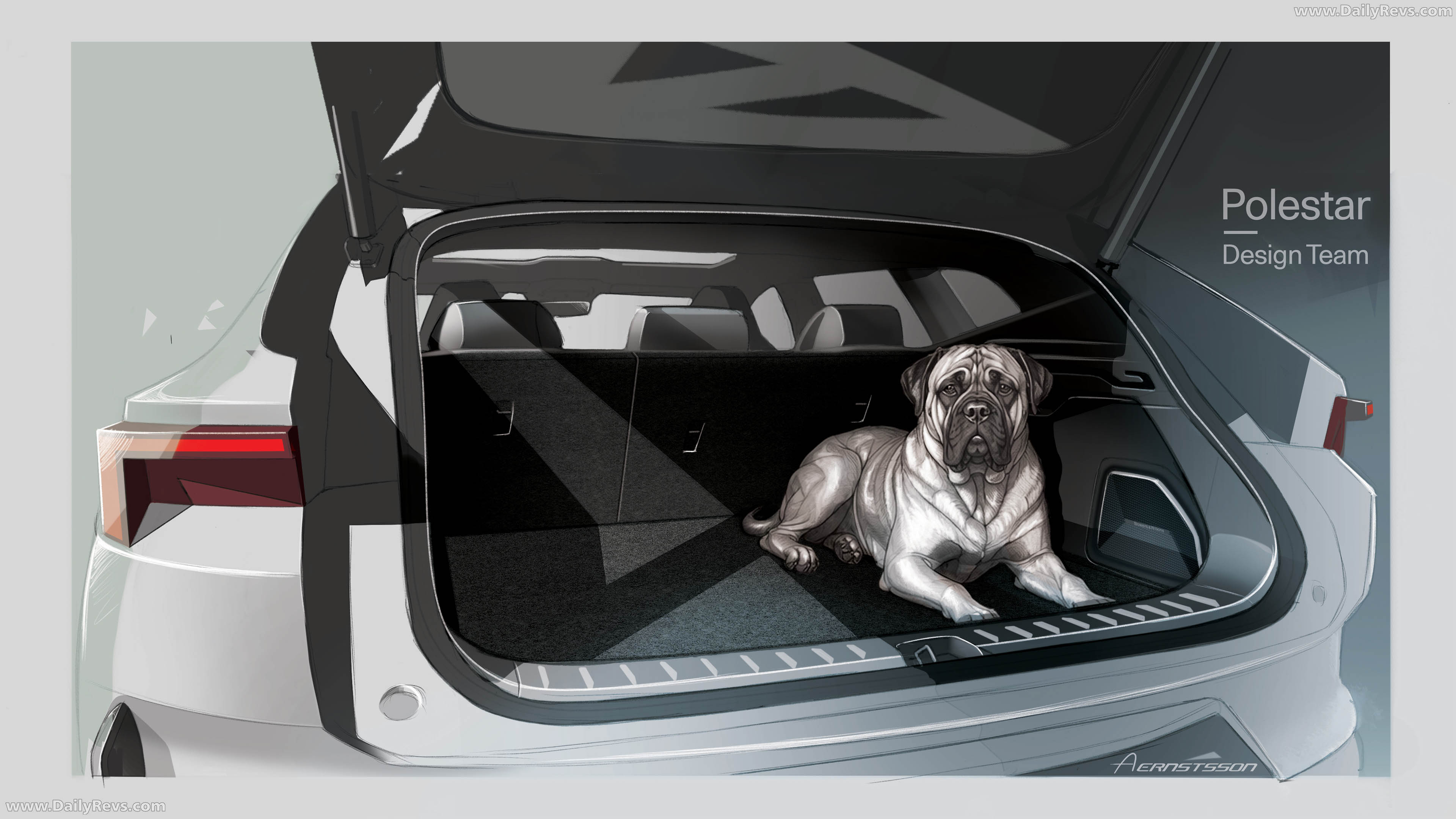
Cargo space is a major part of the SUV's case. There are 530 litres behind the rear seats measured to the seatbacks, or 655 litres to the roof. Folding the 60/40 rear seatbacks increases luggage capacity to 1,665 litres.
Two Electric Powertrains Share a 100 kWh Battery
Rear motor versions produce 200 kW and 343 Nm, reaching 100 km/h in 7.3 seconds while offering up to 630 km of WLTP range.
The Dual motor model increases output to 400 kW and 686 Nm. It cuts the 0 to 100 km/h time to 3.9 seconds and has a WLTP range of up to 600 km. Both use a 100 kWh battery with DC charging at up to 200 kW. AC charging reaches 22 kW in selected markets.
A Performance pack adds recalibrated ZF active dampers, Brembo brakes, 22 inch wheels and Pirelli P Zero tires.
V2L Adds Another Practical Angle
Vehicle to Load functionality can supply external equipment with up to 3.3 kW through a compatible adapter. A new Camping mode combines climate control, entertainment, lighting and access to vehicle functions while parked. Both features are due through a future software update.
Pricing starts at $73,900 for the Rear motor and $81,750 for the Dual motor, before applicable charges.