2027 Mitsubishi Eclipse Cross EV
By Lorenzo Bianchi September 15, 2026
A new 67 kWh LFP battery provides up to 472 km of WLTP range and 165 kW peak DC charging.
The upgraded 89 kWh NMC version extends maximum WLTP range from 635 km to 650 km.
Both battery versions produce 220 hp, support up to 22 kW AC charging and can tow up to 1,100 kg.
The 2027 Mitsubishi Eclipse Cross EV is getting a broader battery lineup in Europe, giving buyers a choice between a new mid-range LFP pack and an upgraded long-range NMC battery. The changes arrive from November 2026 and focus largely on range, charging performance and price positioning rather than altering the SUV's basic formula.
Familiar SUV Shape Carries Into 2027
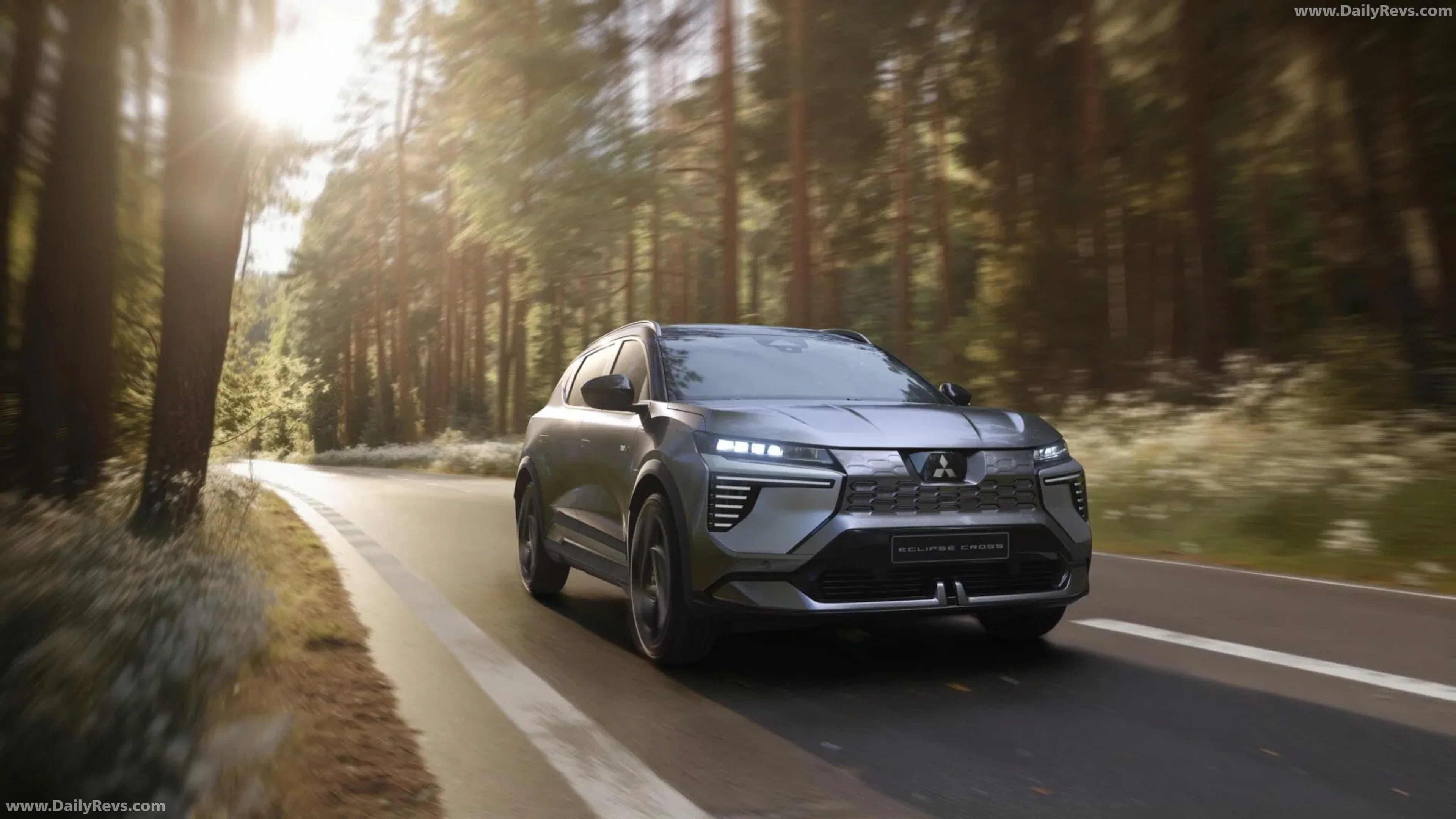
The press images show the Eclipse Cross retaining its angular crossover shape. Up front, slim horizontal daytime running lights sit above vertically arranged lighting elements, while the Mitsubishi badge occupies the centre of a largely closed fascia.
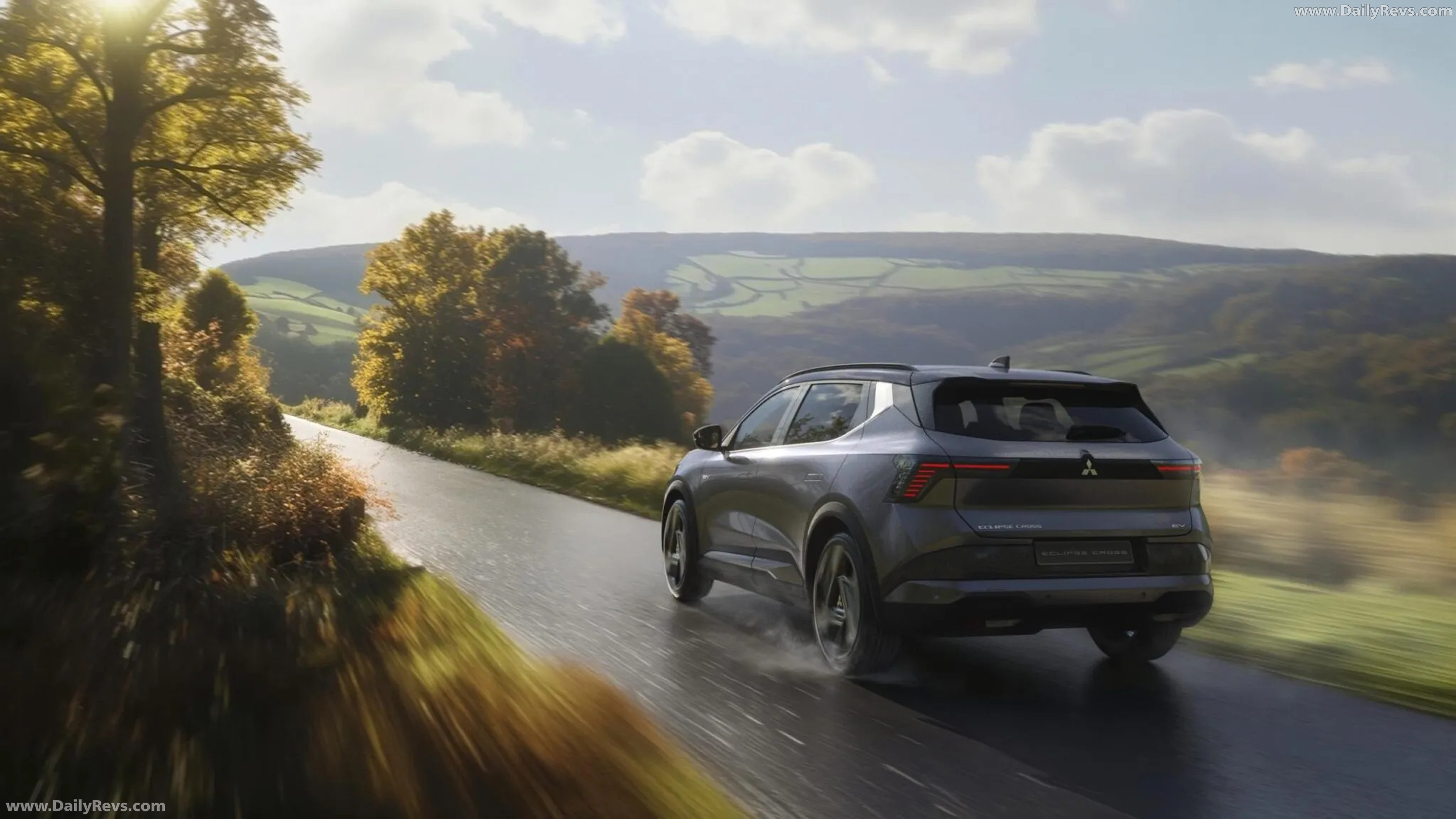
The rear three-quarter photograph on page two shows a broad tailgate, roof spoiler and horizontal rear lighting. Dark lower body trim continues around the wheel arches and bumpers, giving the electric Eclipse Cross a conventional SUV stance rather than making its EV hardware the dominant visual theme.
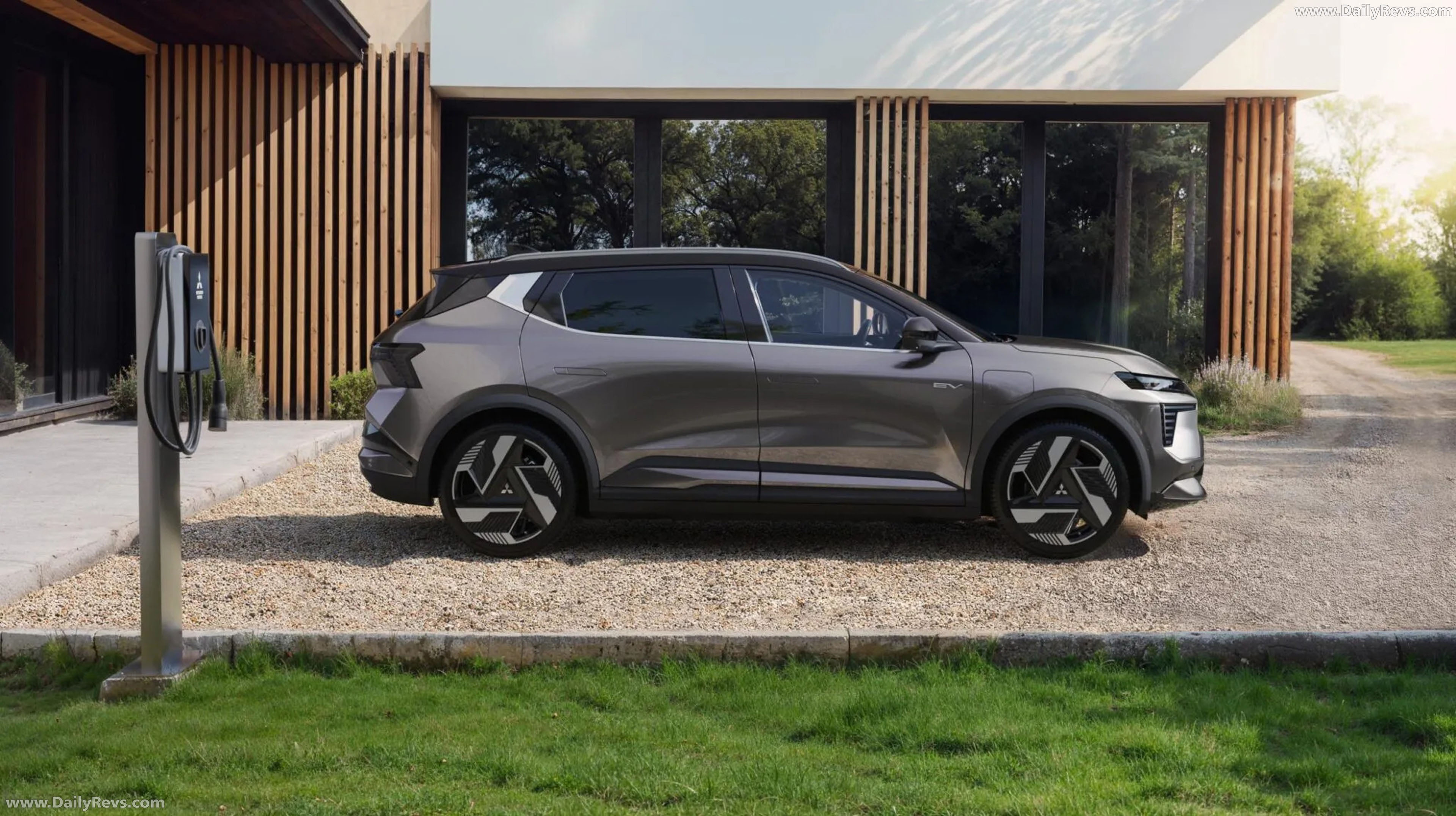
A side-profile image on page three also shows a relatively upright passenger compartment, short front overhang and large alloy wheels.
Two Batteries Target Different Drivers
The biggest change sits underneath. A new 67 kWh lithium iron phosphate battery is aimed primarily at urban and suburban users and provides up to 472 km of WLTP range. Peak DC charging reaches 165 kW, allowing a 15 to 80 percent charge in approximately 24 minutes.
Long-distance drivers get an upgraded 89 kWh NMC battery replacing the previous 87 kWh unit. Maximum WLTP range increases from 635 km to 650 km, while the 15 to 80 percent charging time falls by as much as nine minutes to around 28 minutes. Mitsubishi lists peak DC charging power at 150 kW.
Both versions produce 220 hp. AC charging at 11 kW and 22 kW is supported, although availability of the 22 kW onboard charger varies by market and trim.
Practicality Remains Part of the Package
Mitsubishi quotes towing capacity of up to 1,100 kg for both battery configurations. That gives the Eclipse Cross EV another practical measure beyond outright driving range, though the supplied release does not provide luggage capacity or detailed cabin specifications.
The two-battery strategy also creates clearer separation within the range. The 67 kWh version trades outright distance for faster quoted DC charging and a more accessible positioning, while the 89 kWh model is intended for buyers regularly covering longer journeys. Pricing has not been disclosed in the supplied material.
European cars are covered by an eight-year or 160,000 km traction battery warranty, alongside Mitsubishi's broader service and roadside assistance package.