
2027 Mercedes-Benz GLS X167
By Lorenzo Bianchi April 1, 2026
Revised engine lineup with improved power delivery and refinement.
New MB.OS system with standard MBUX Superscreen.
Updated suspension with predictive damping for smoother ride.
Same GLS presence, just more defined now
The 2027 Mercedes-Benz GLS X167 doesn’t try to change what it is. It leans into it a bit more.
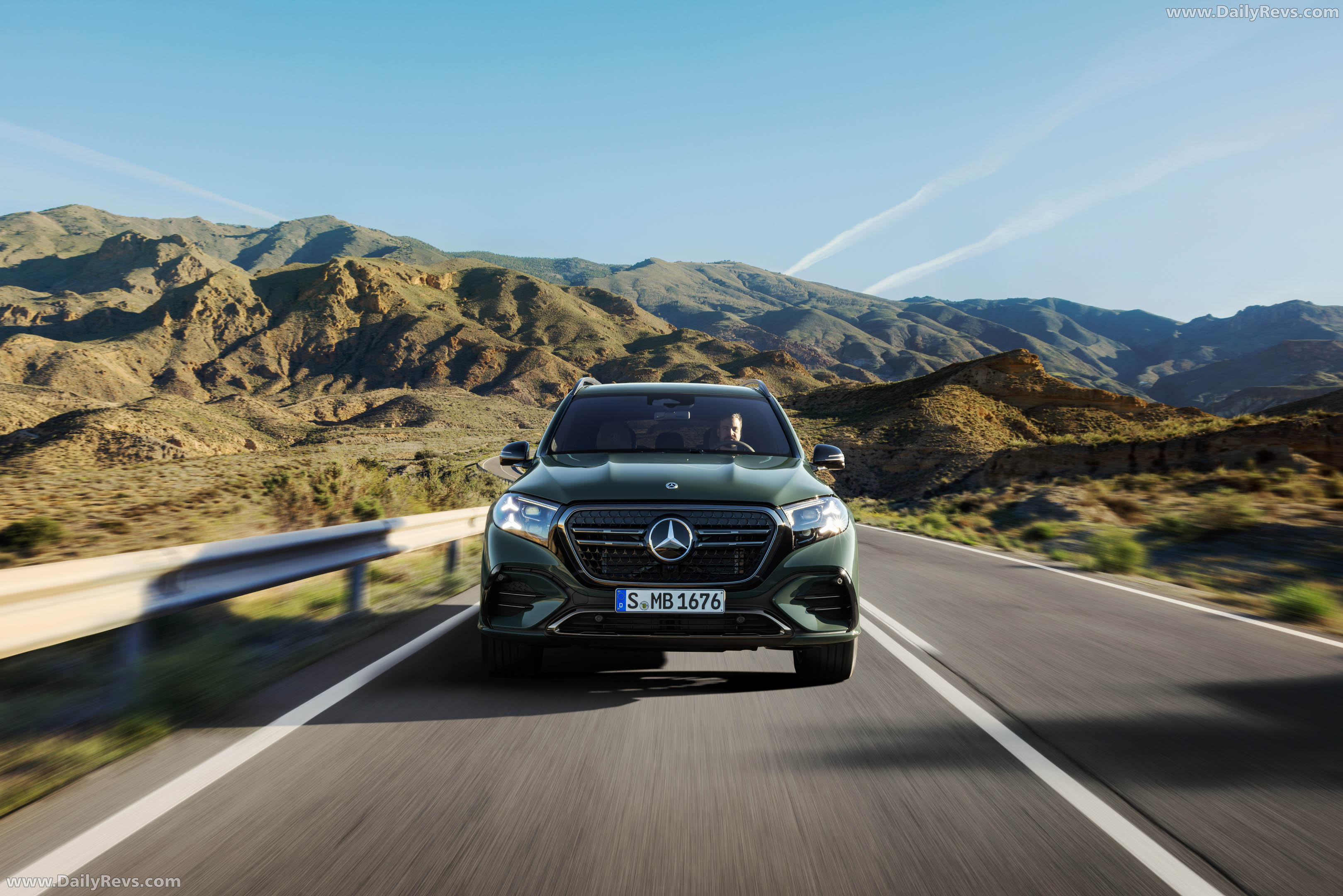
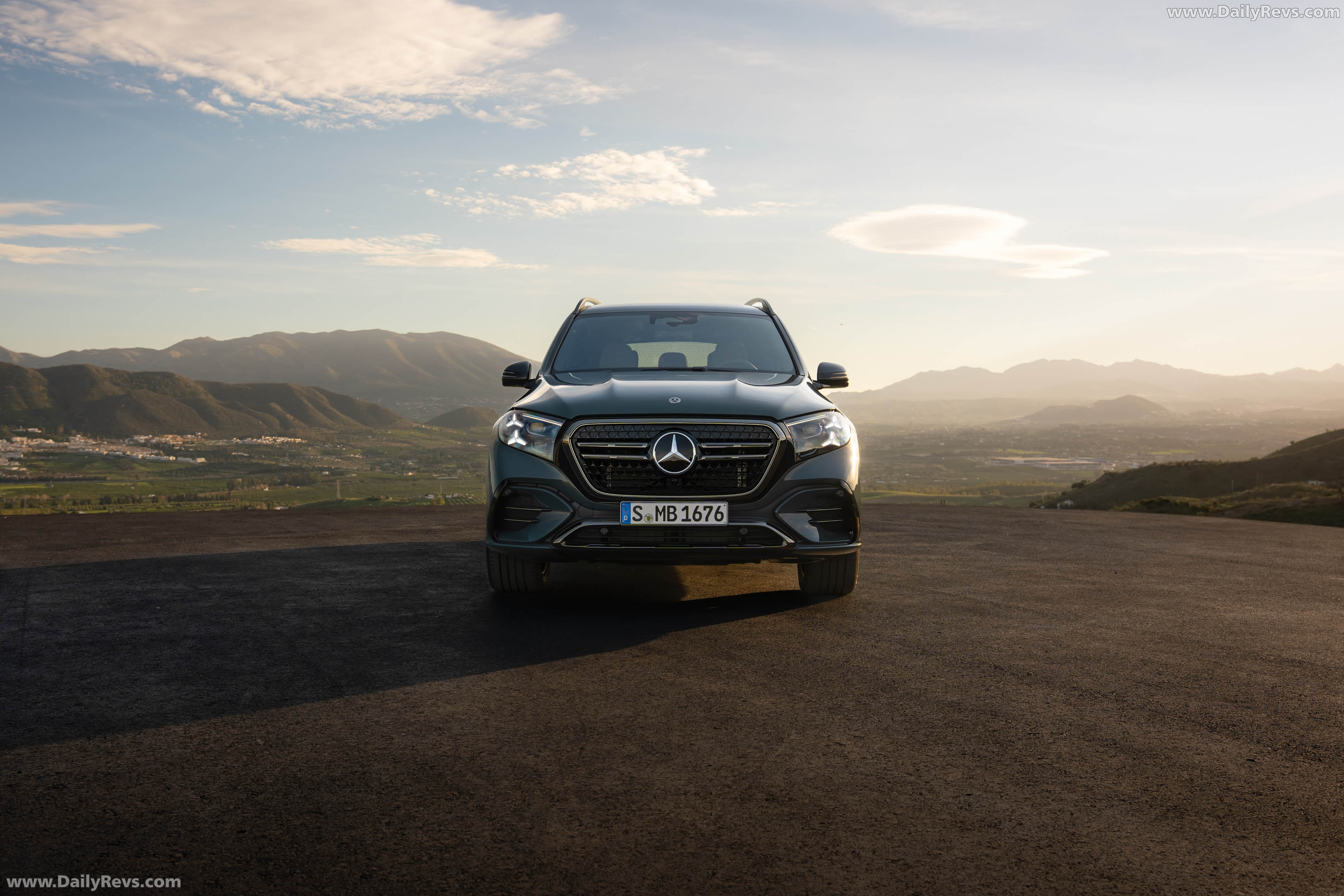
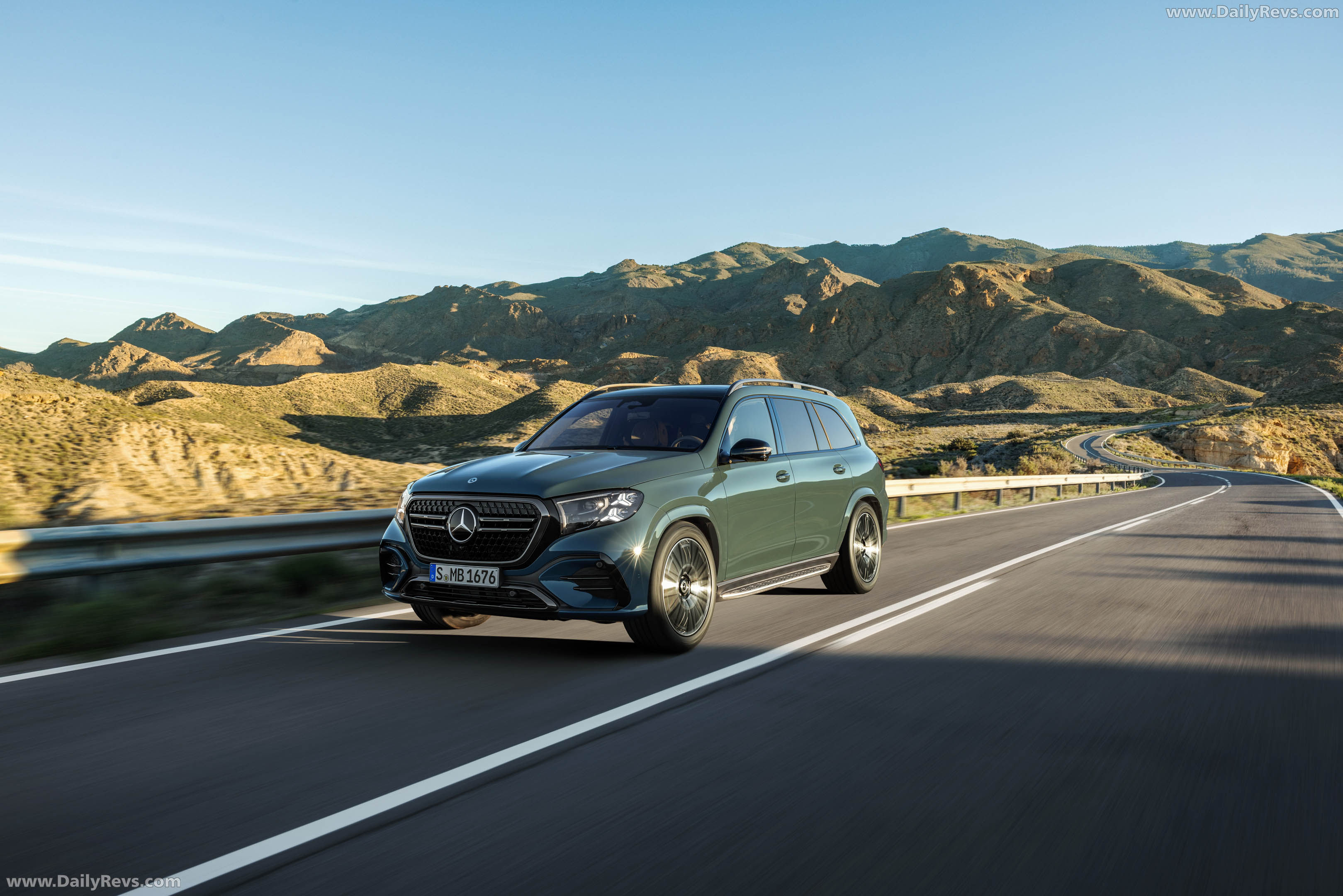
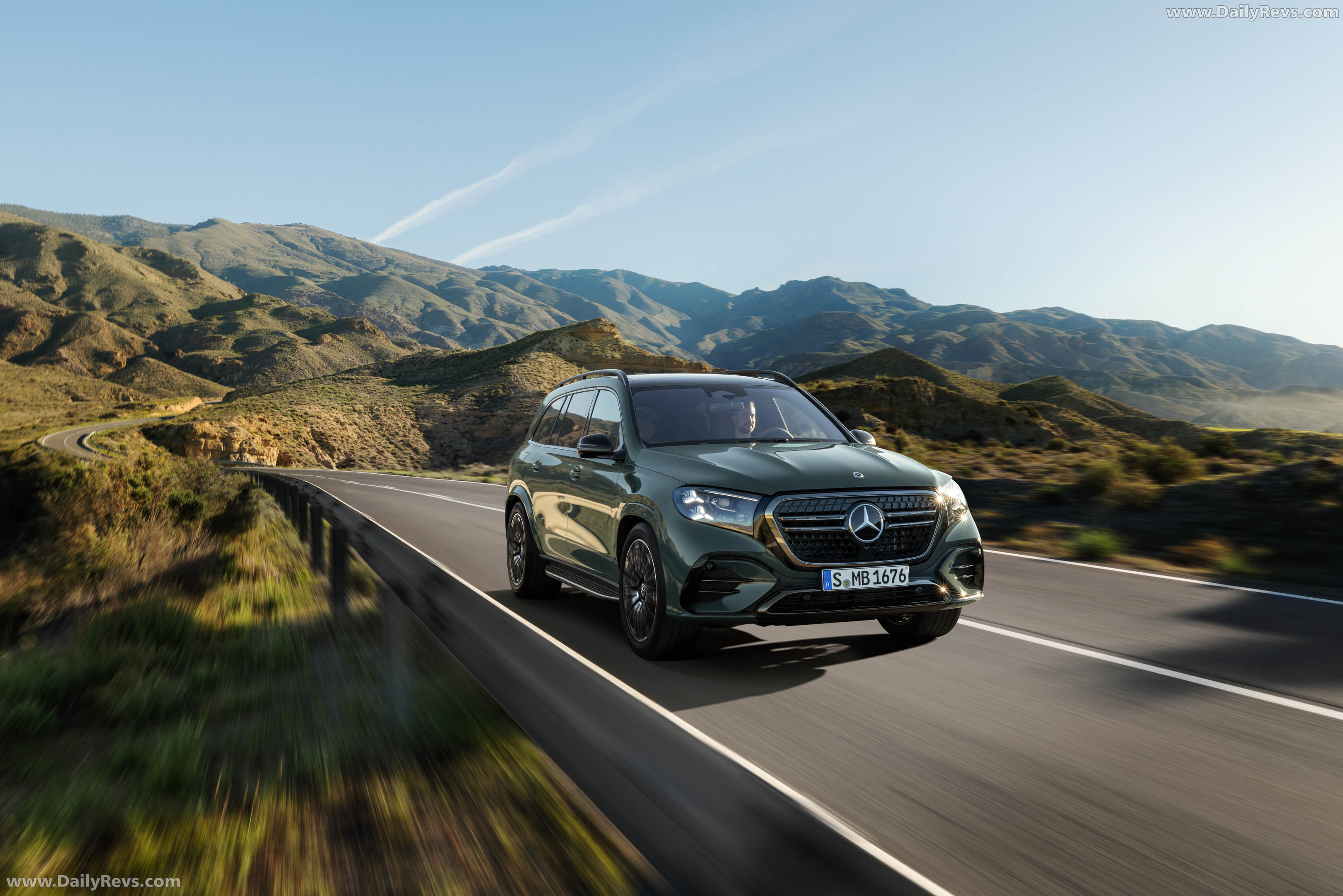
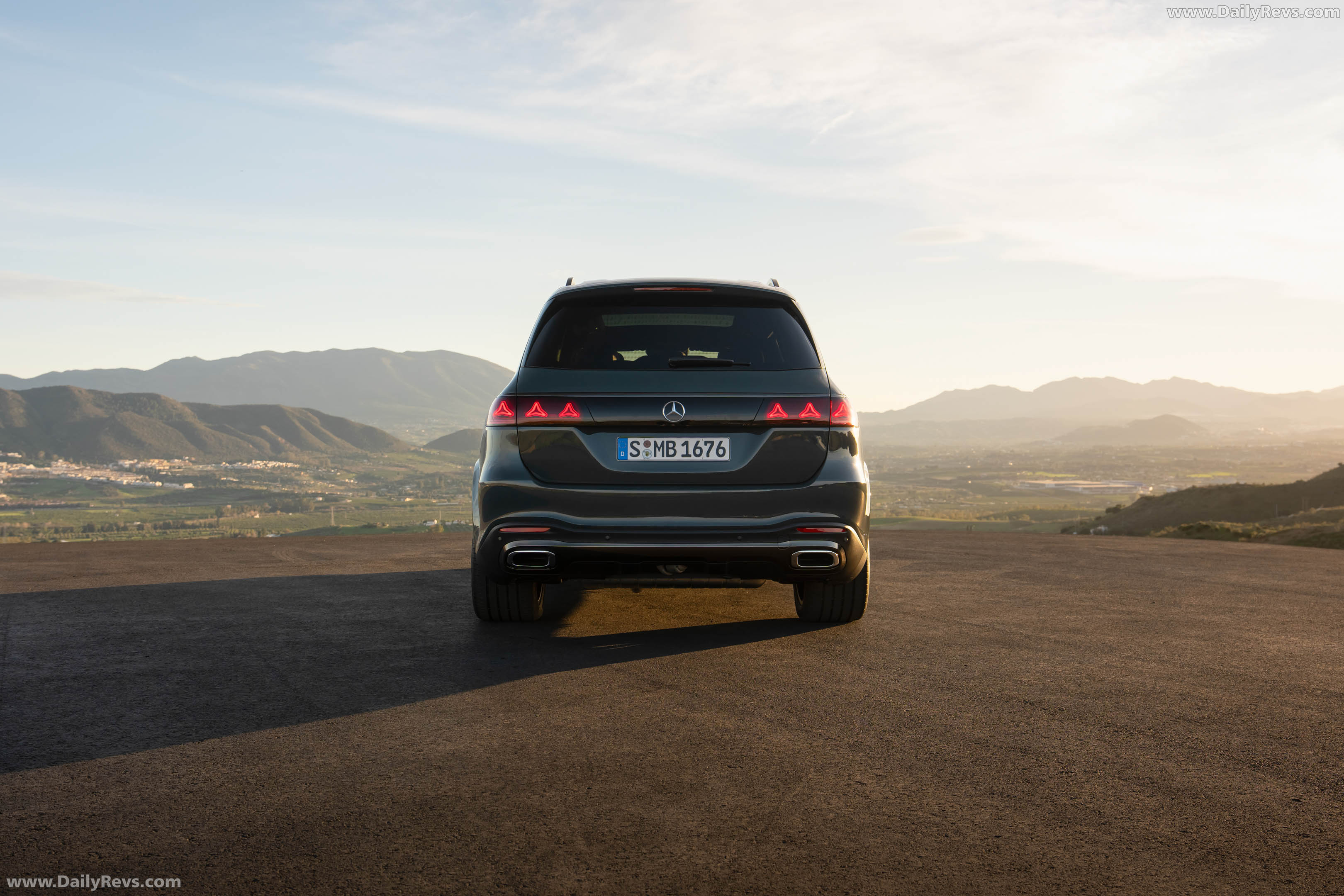
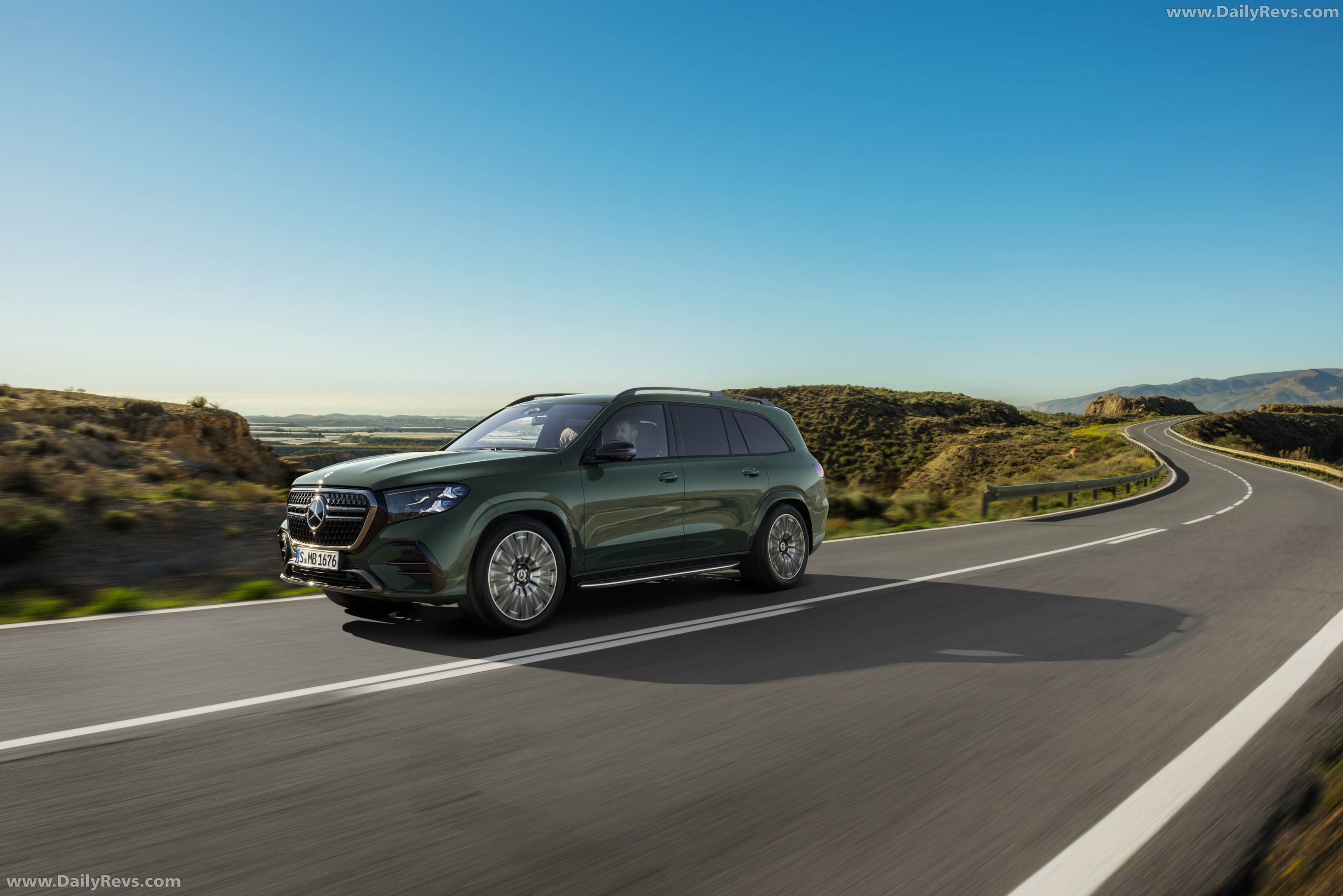
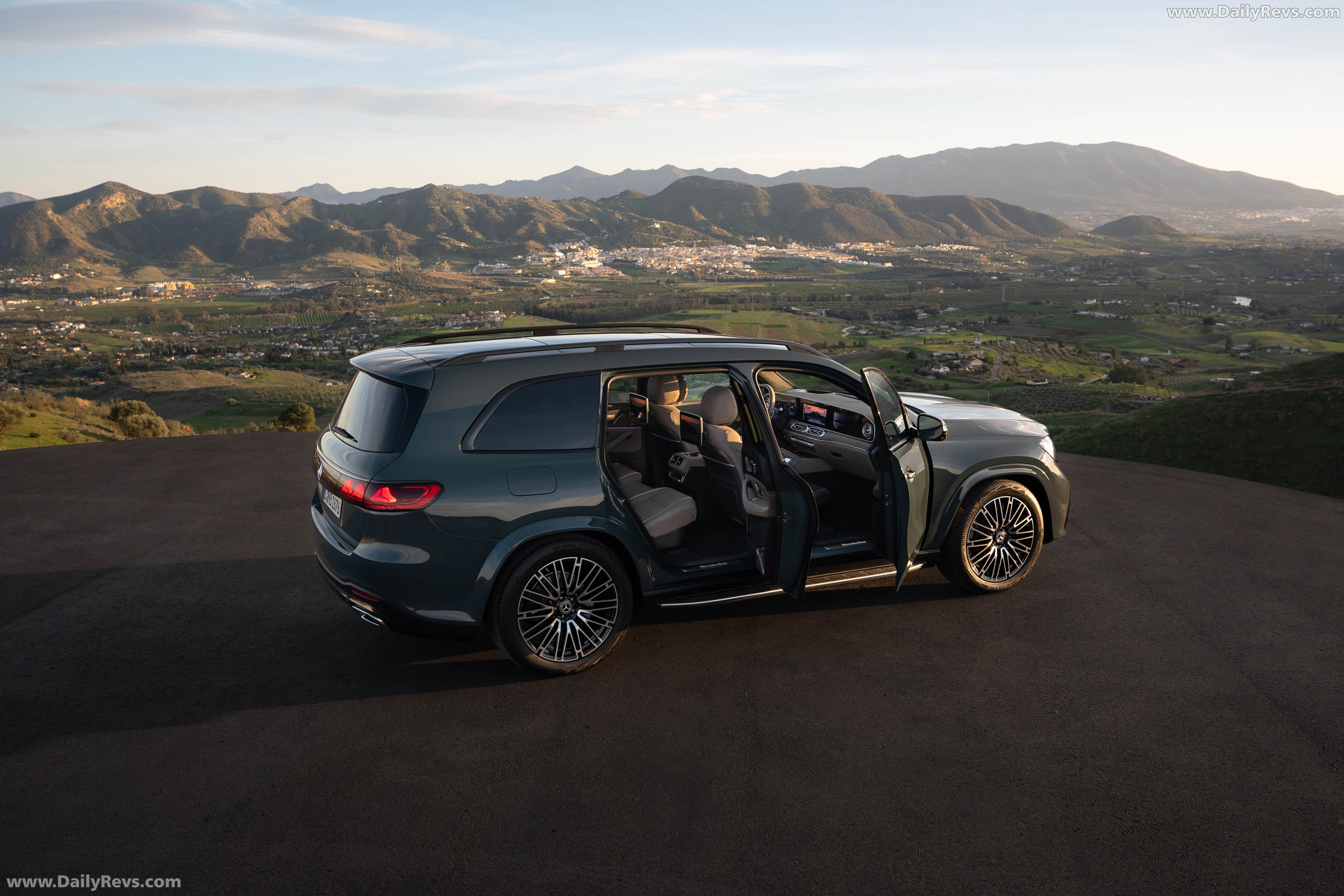
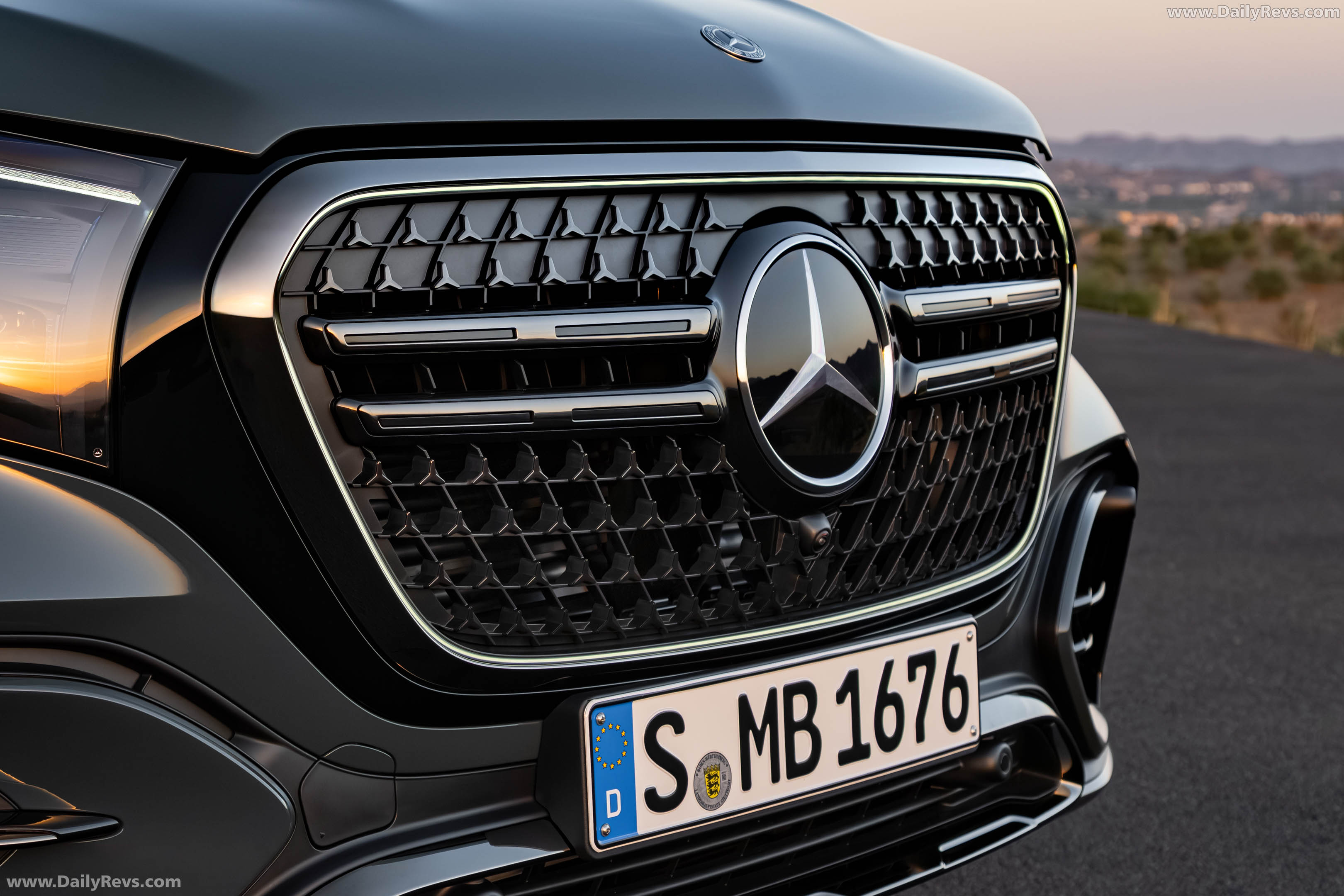
It still looks like the same full-size SUV. Tall, wide, and clearly built around presence. What’s different shows up at the front. The grille is larger, framed in chrome, and in some markets it lights up. There’s also the return of the upright bonnet star, which shifts the tone slightly. It feels more traditional, more aligned with the brand’s larger sedans.
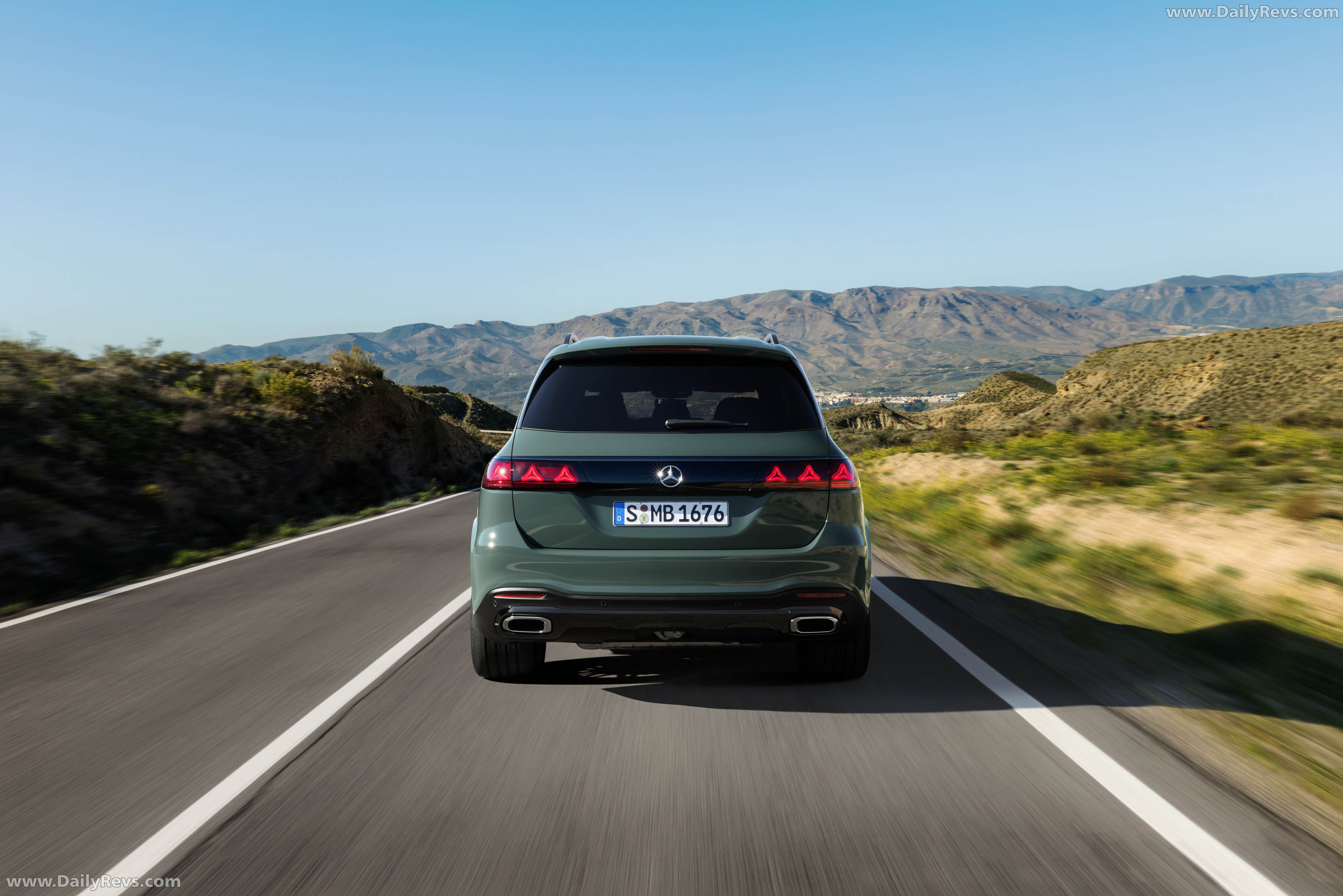
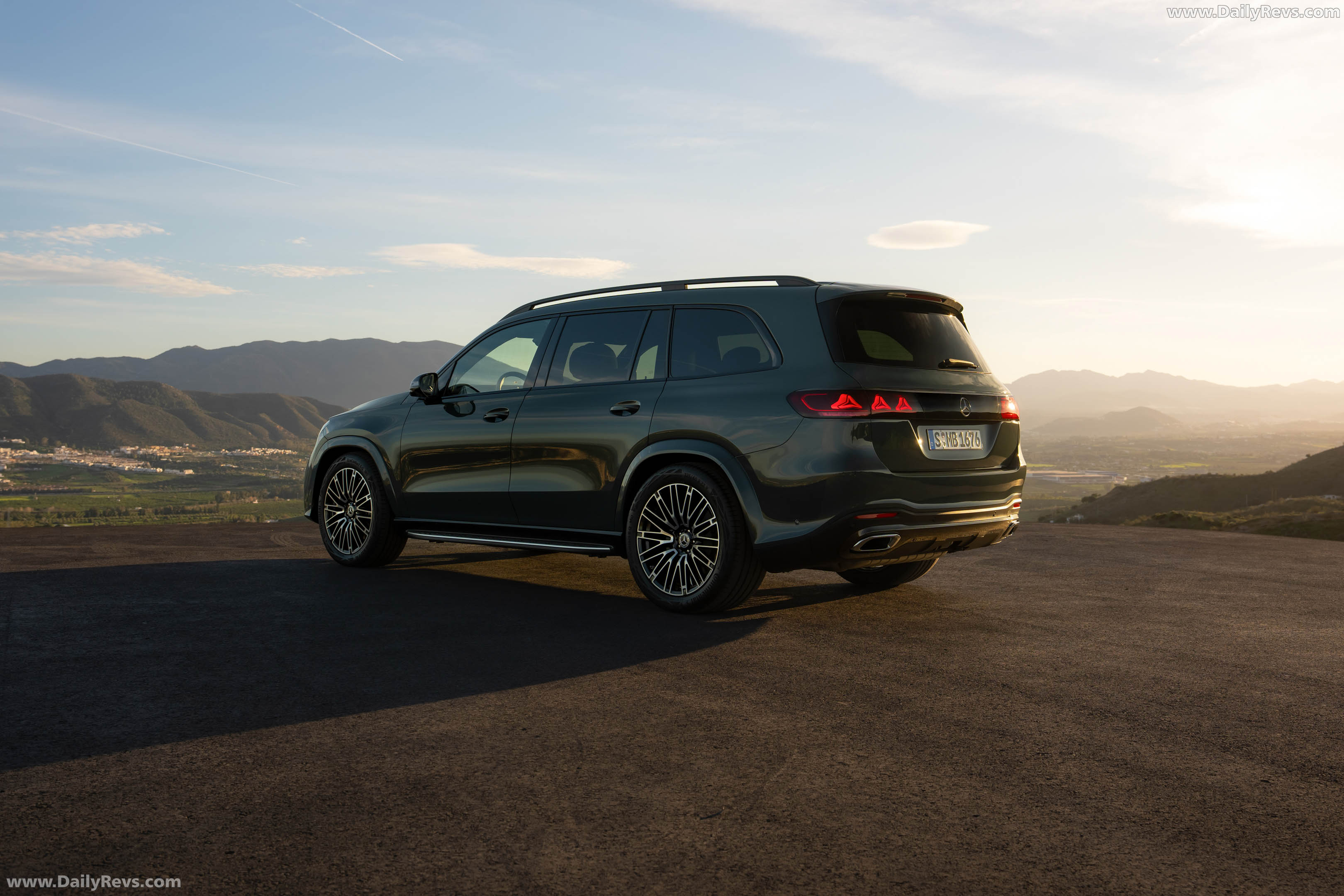
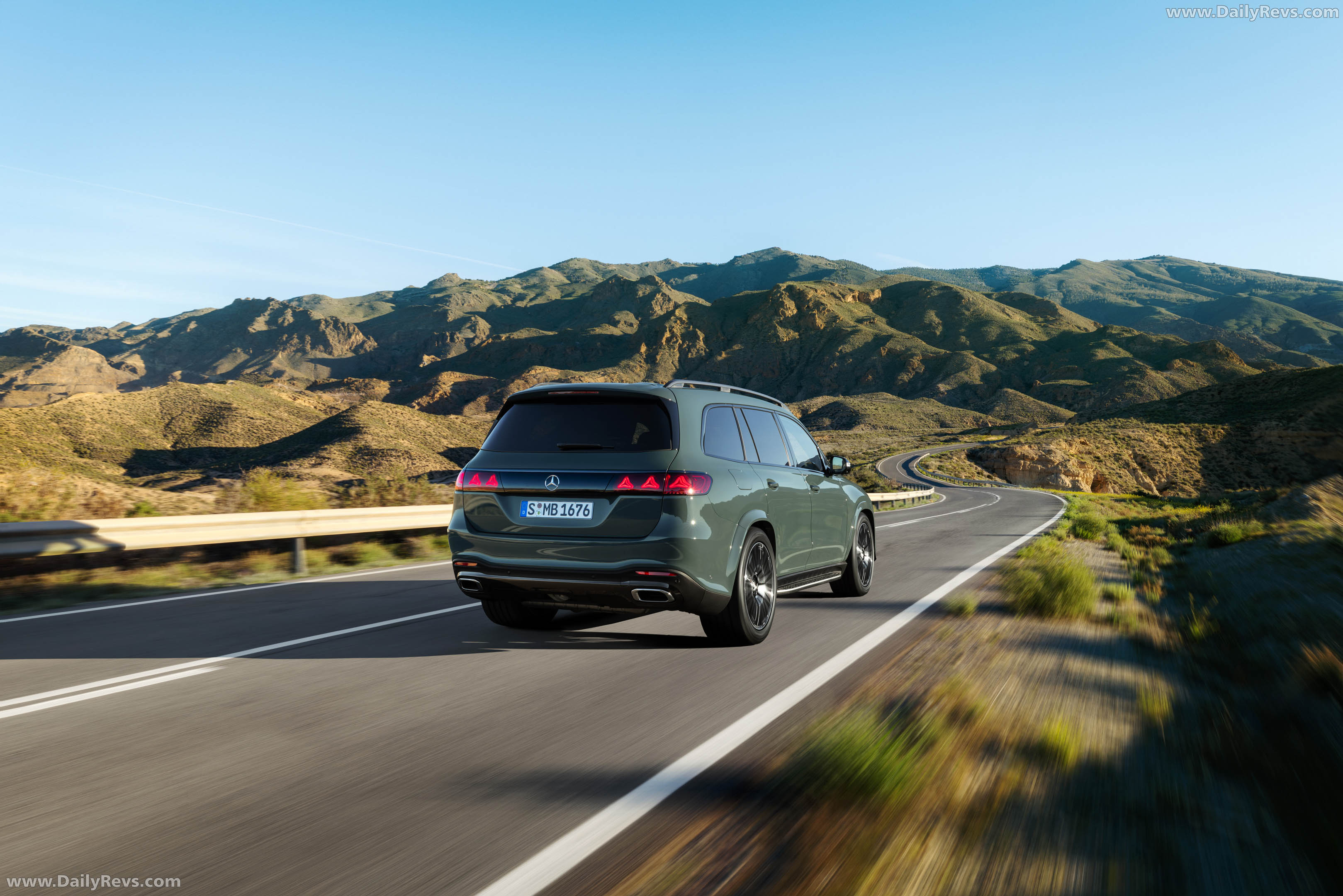
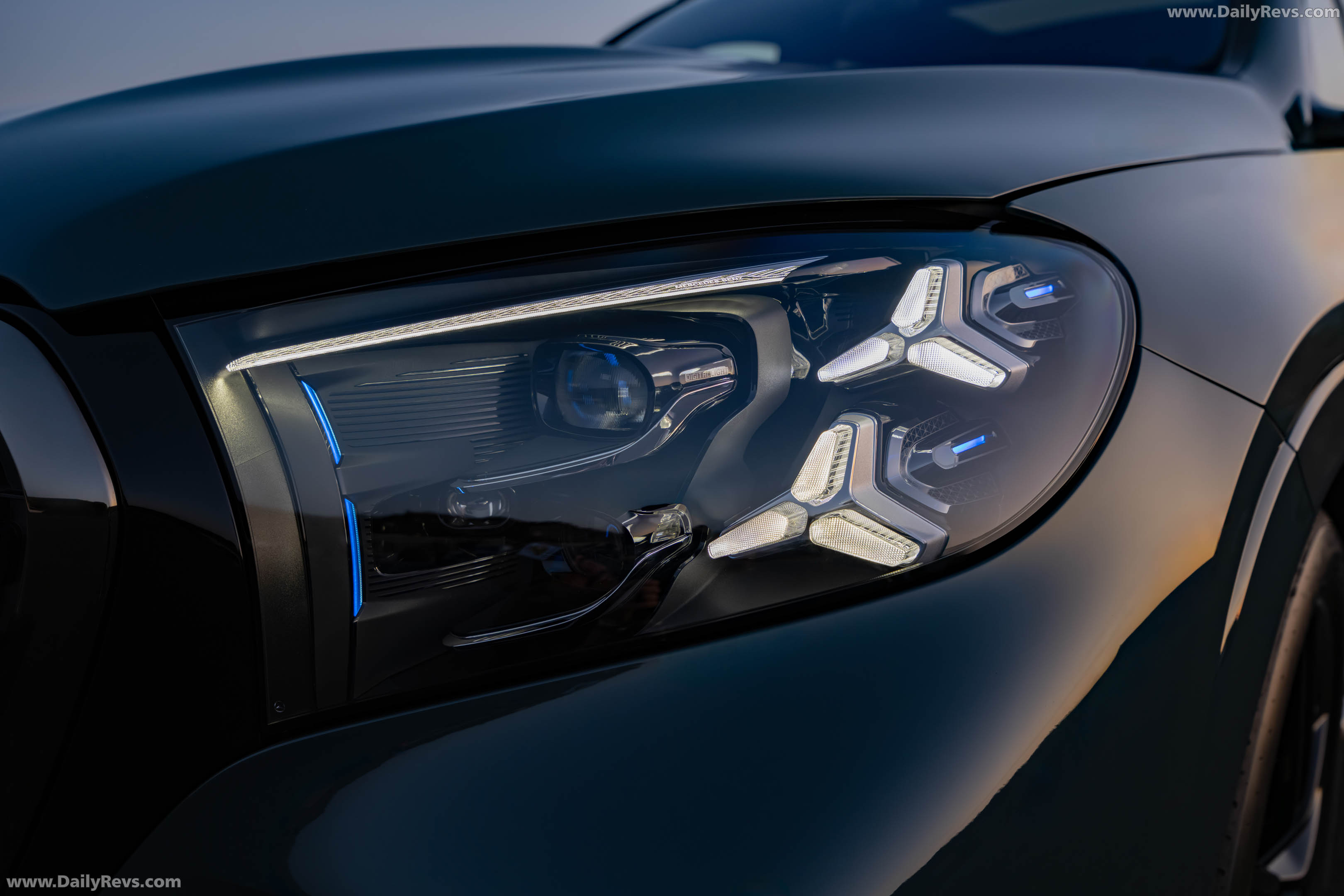
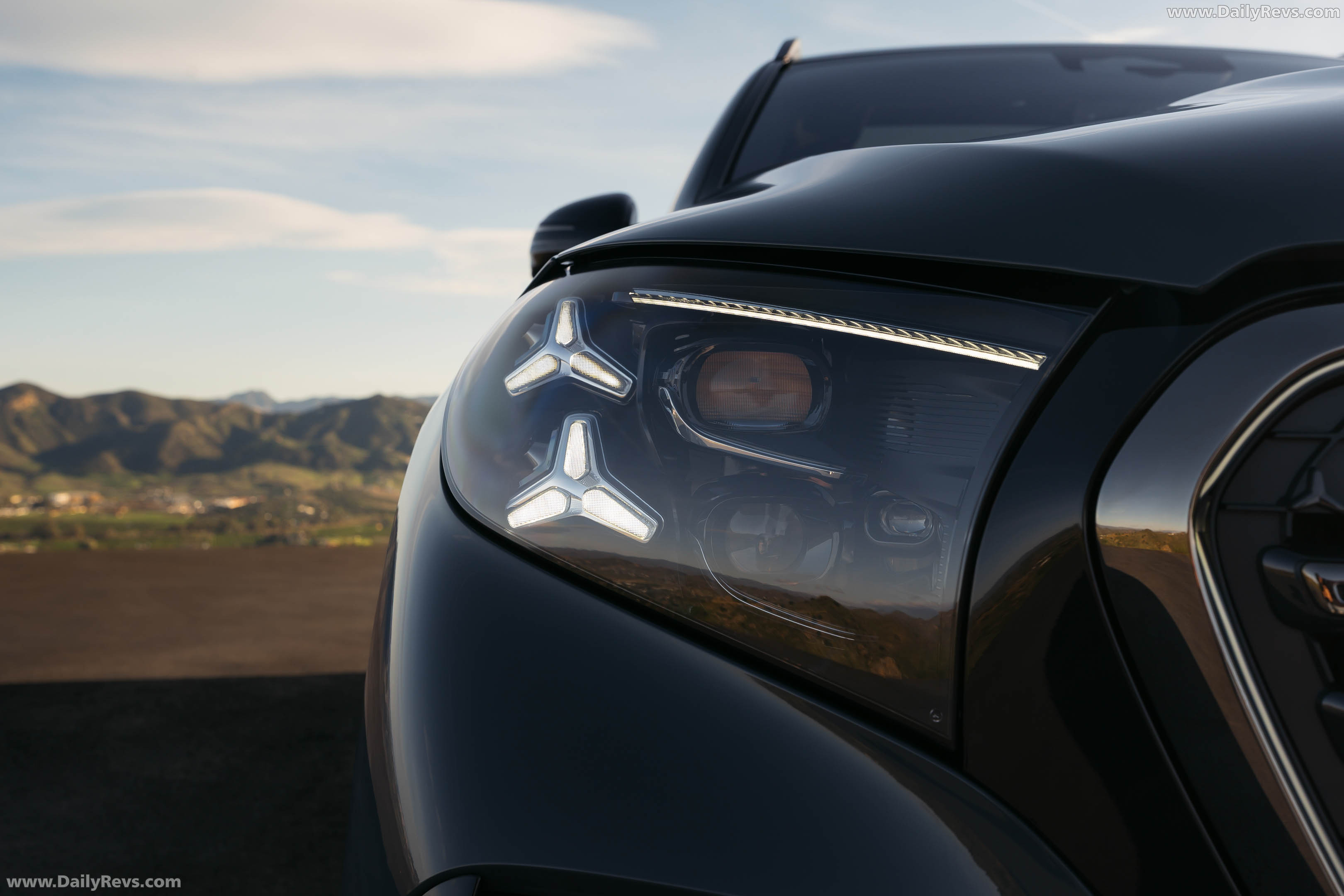
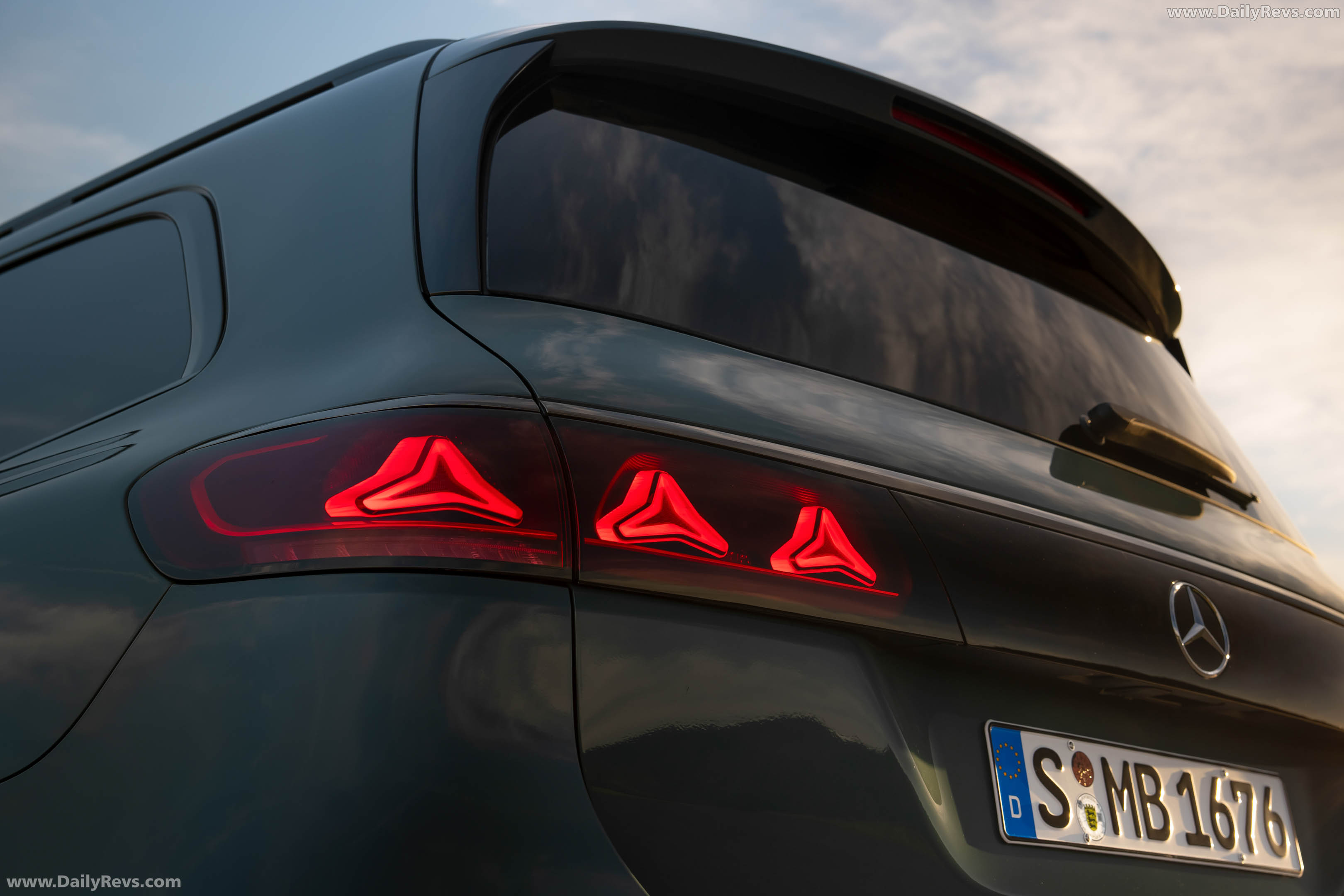
The lighting has been reworked too. The headlamps now carry a star-shaped pattern, and there’s a dark panel linking them visually. Around the back, the taillights follow the same idea, tied together to emphasize the width of the car.
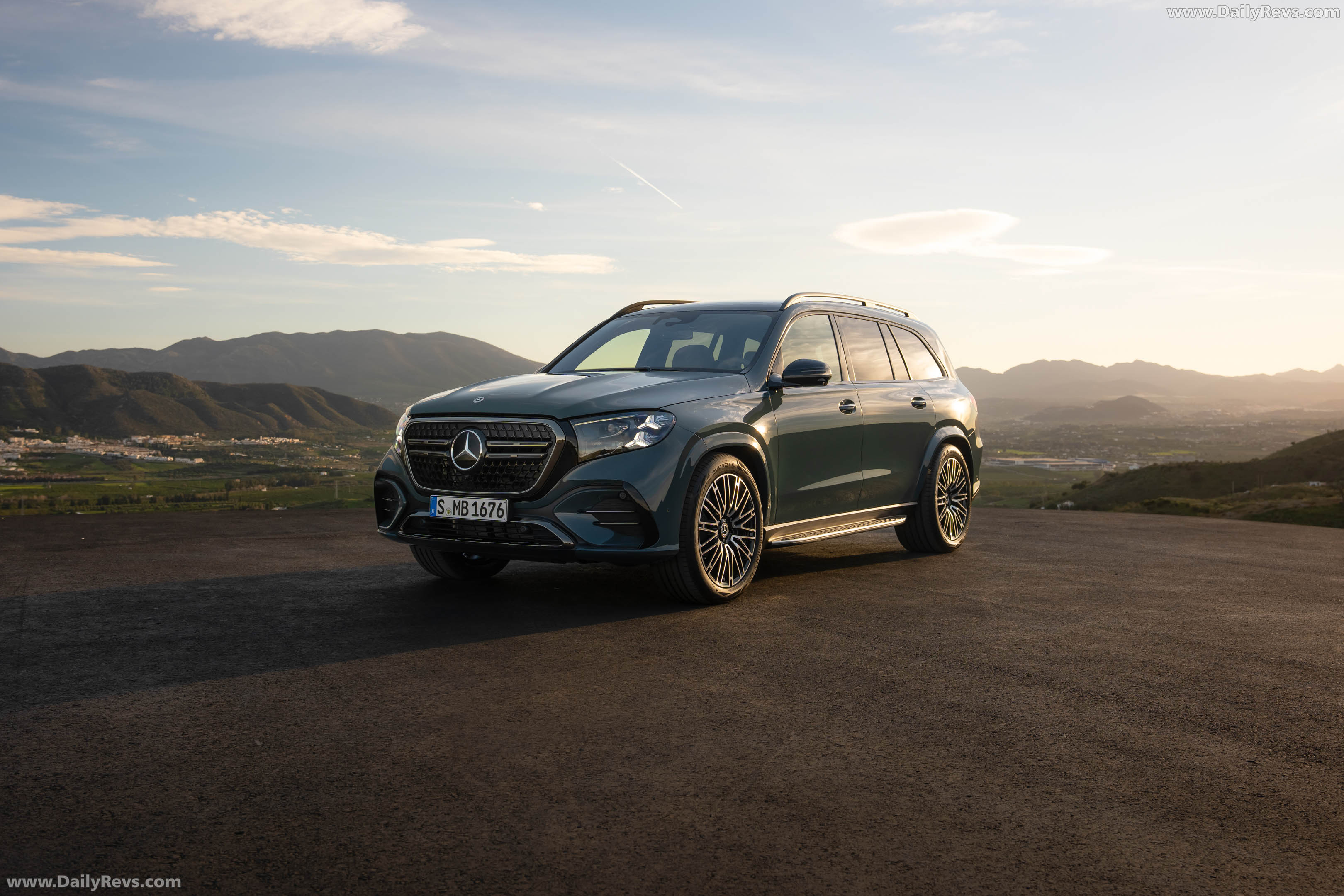
Big proportions remain, but it looks more settled
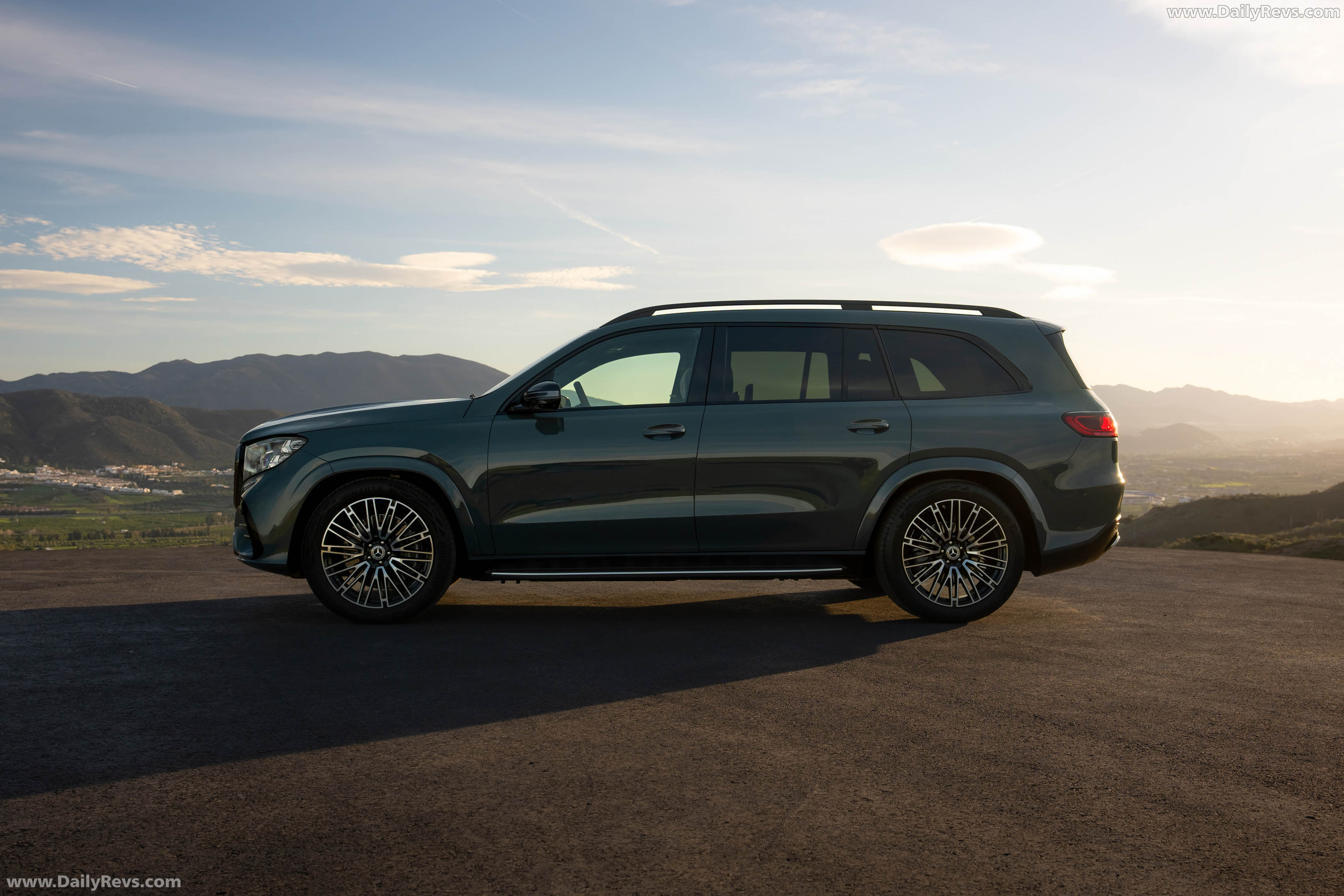
Nothing changes in terms of size or layout. The GLS is still a large three-row SUV, with a long wheelbase and a lot of visual weight.
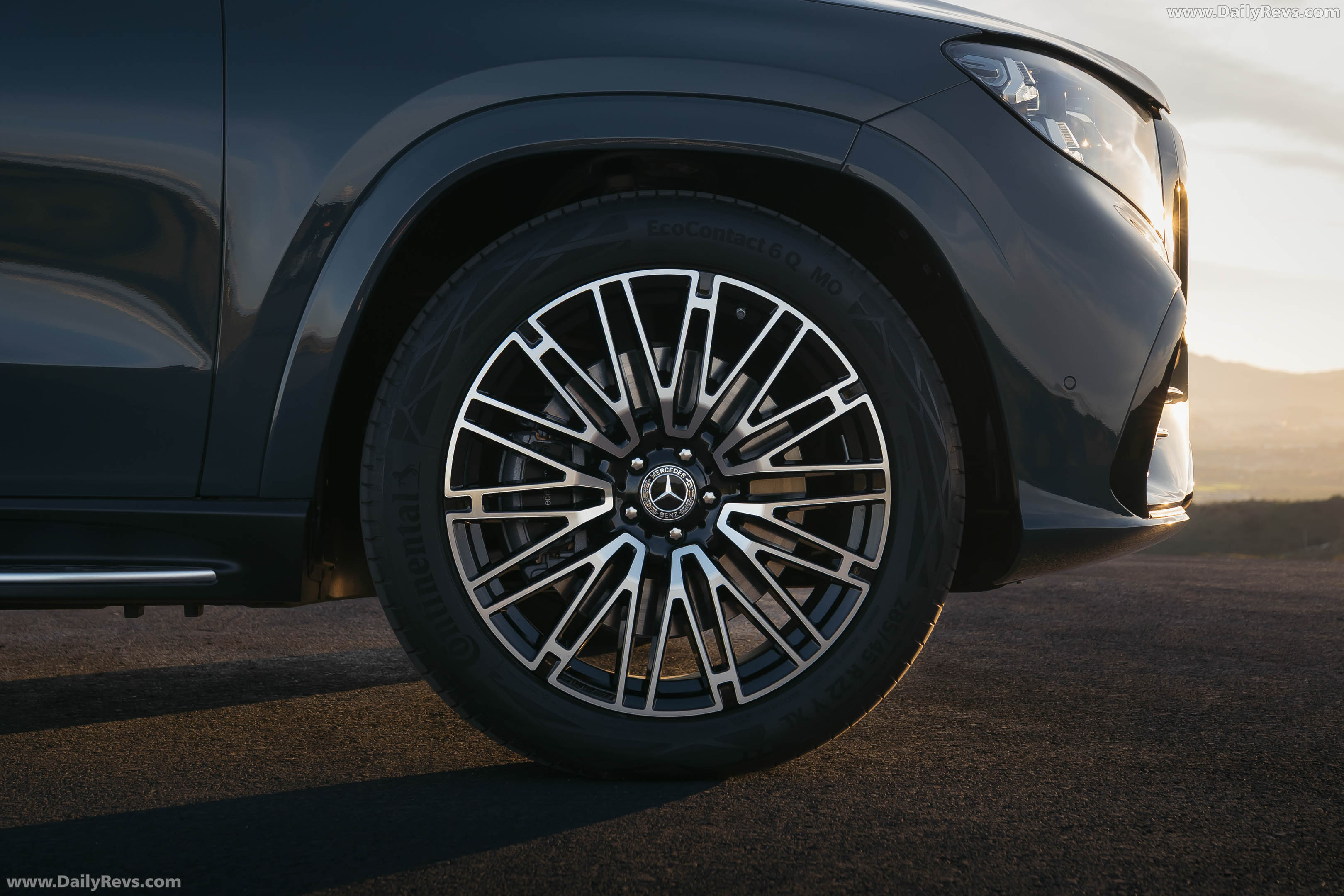
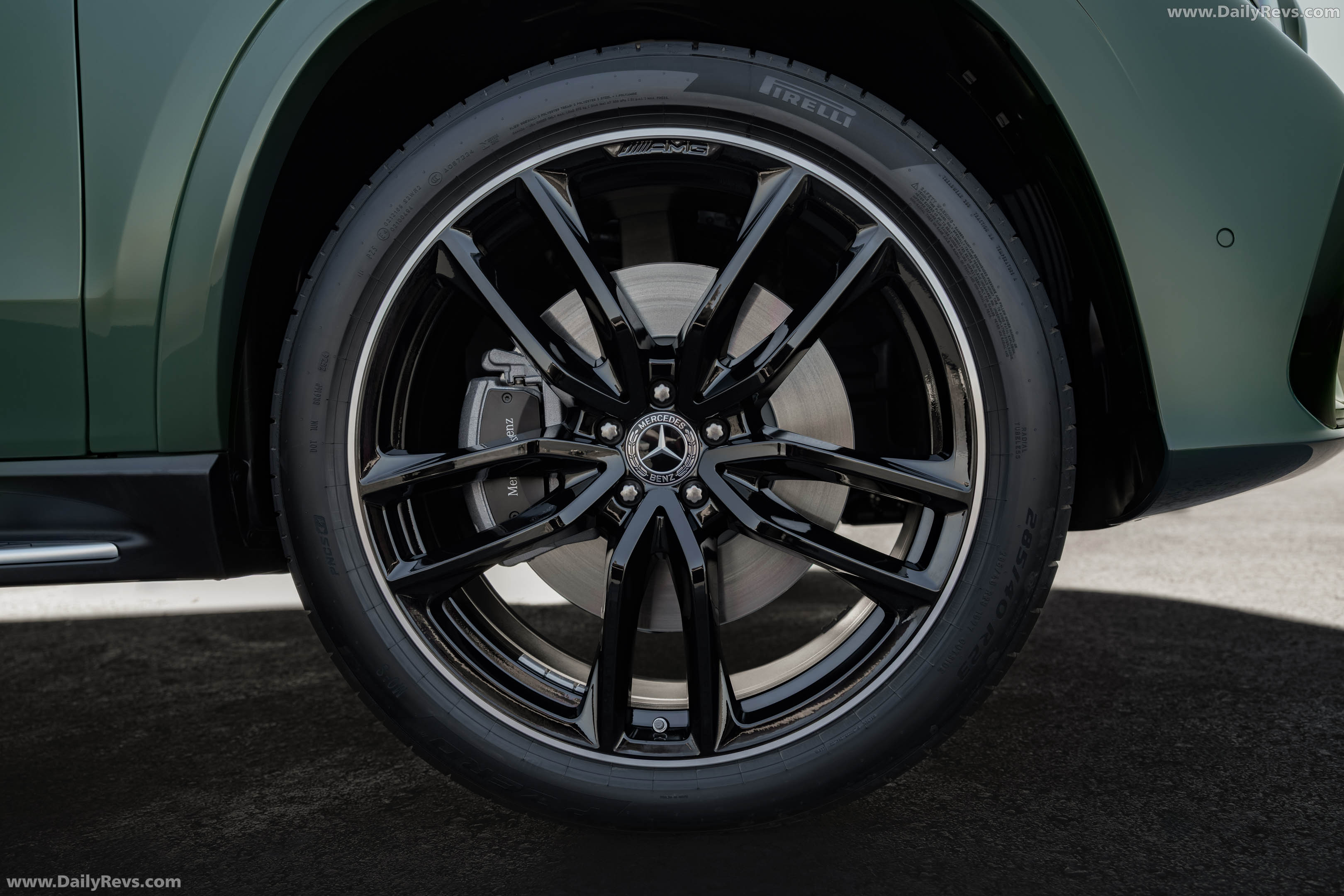
What does feel different is how it sits. New wheel options and suspension tweaks give it a slightly more composed stance. Not sportier, not lower, just more settled when you look at it from the side.
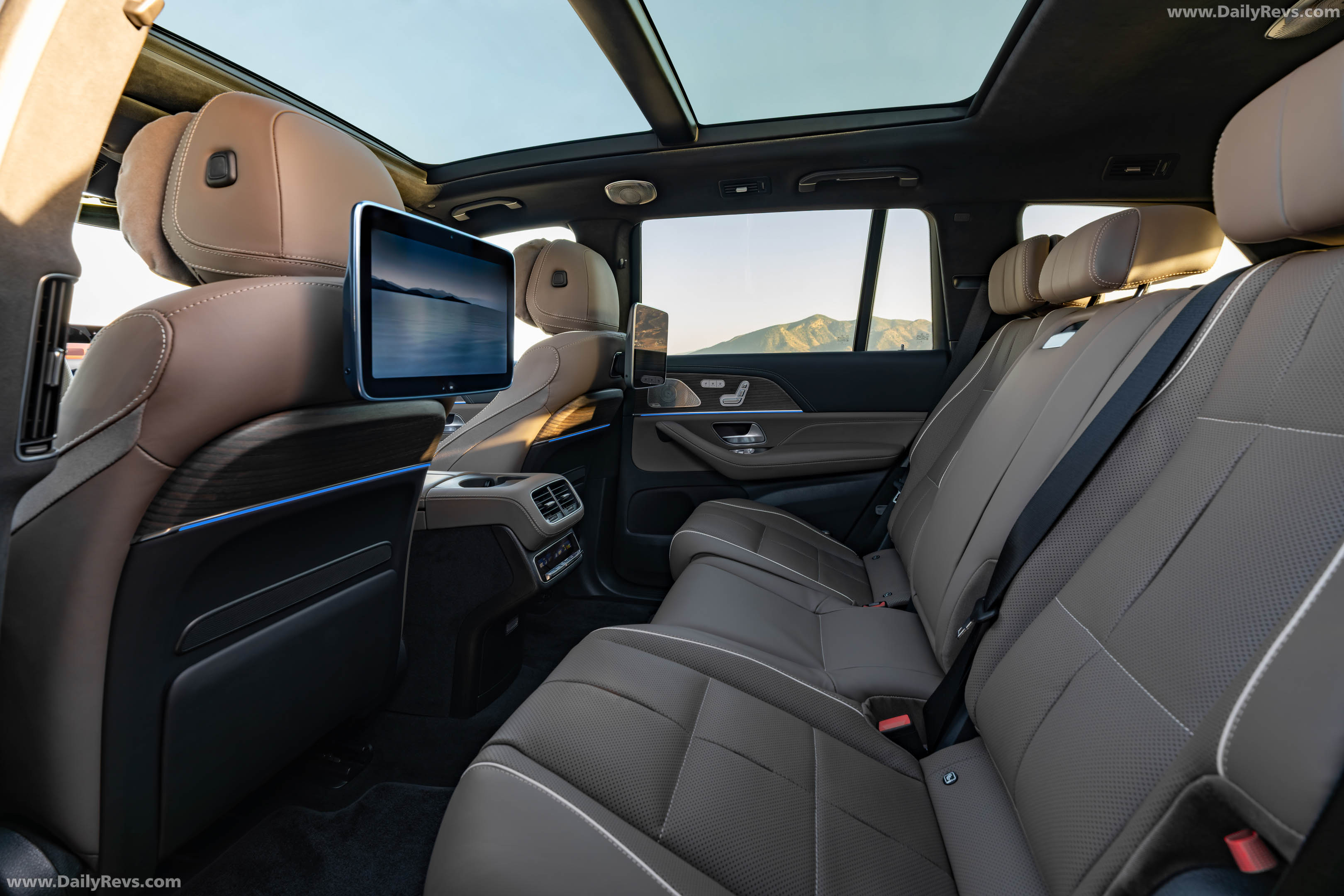
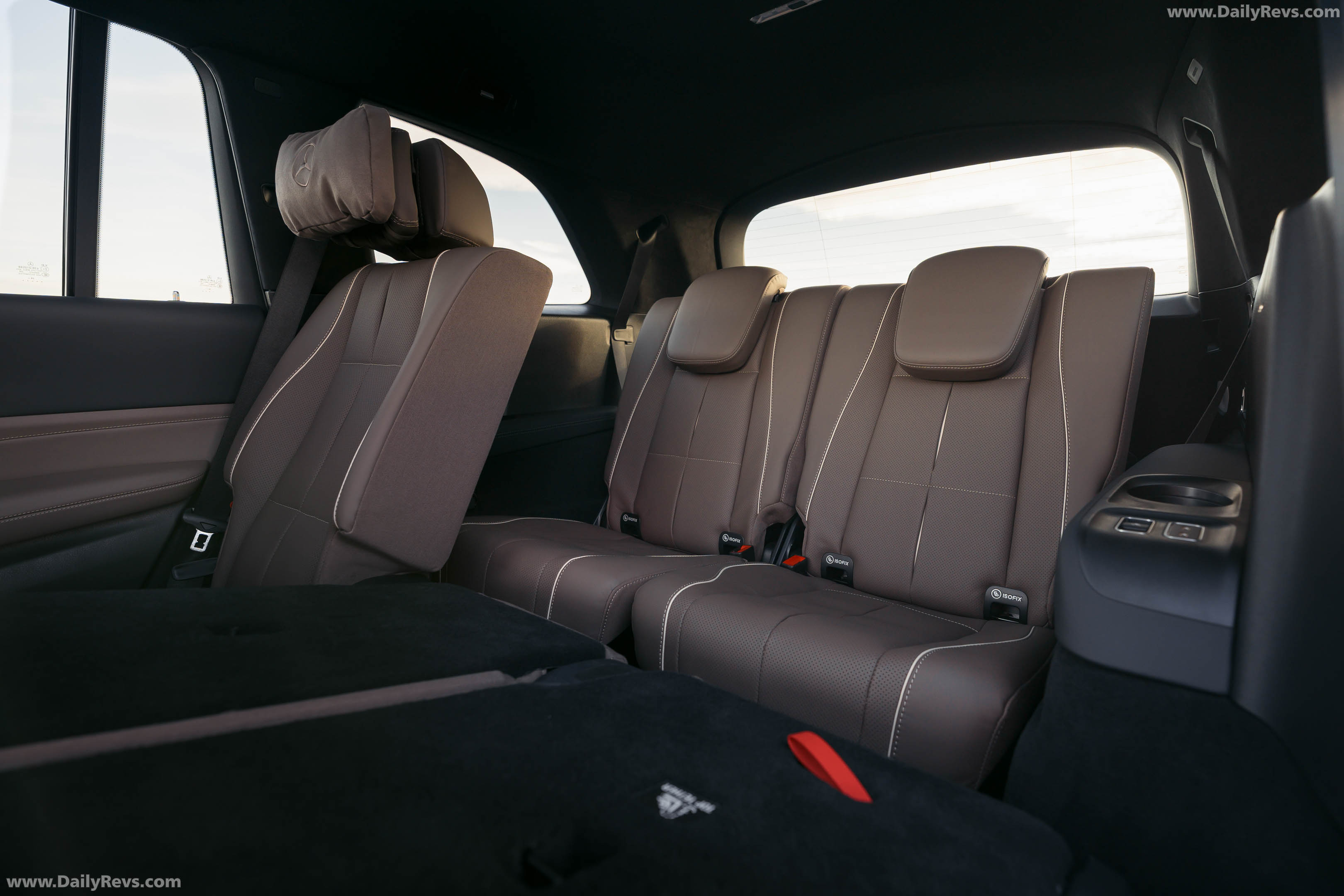
Inside that footprint, space is still a key part of the experience. All three rows adjust electrically, and the third row is actually usable for adults, not just occasional use.
Interior becomes more screen-led
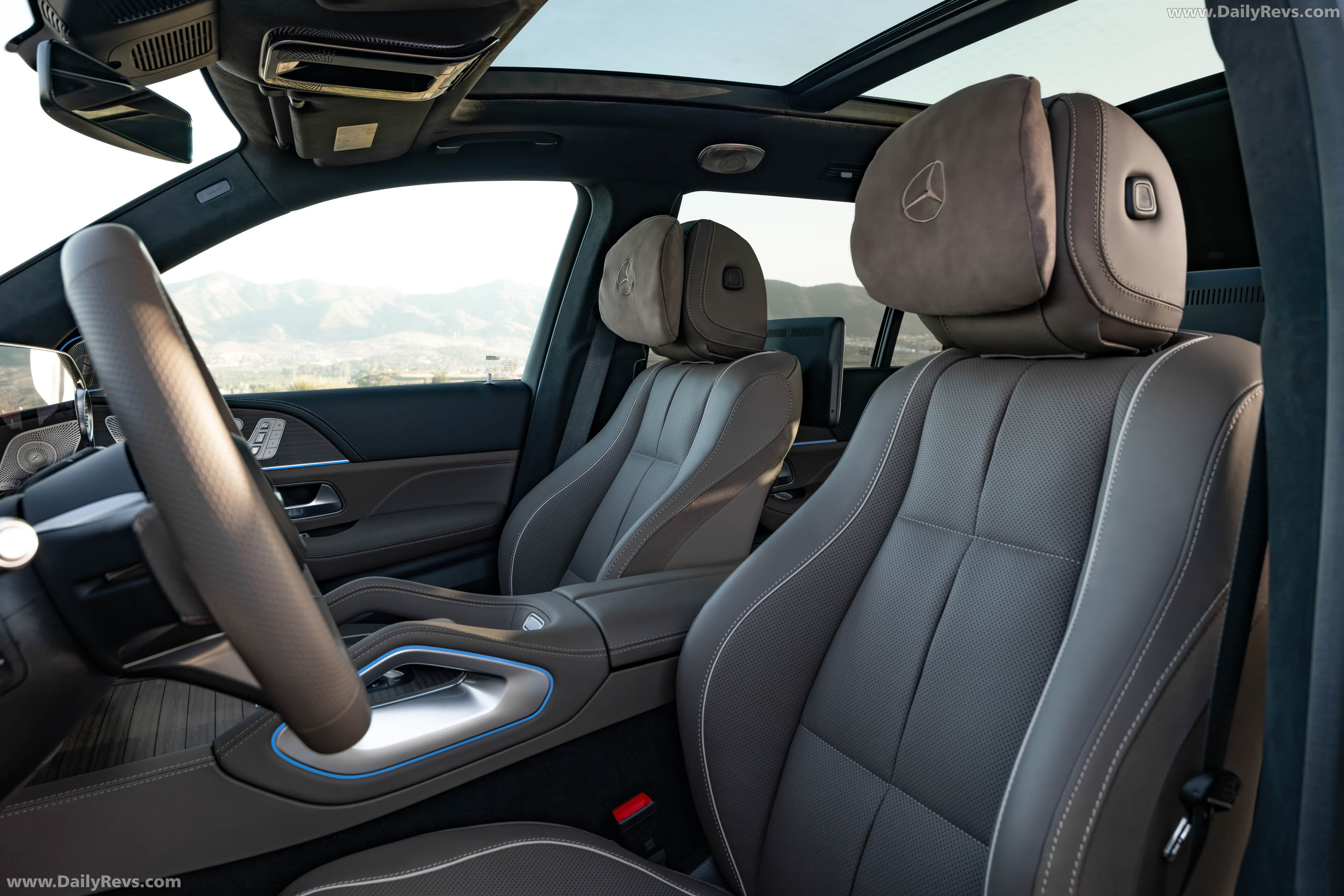
Step inside and the update is easier to spot.
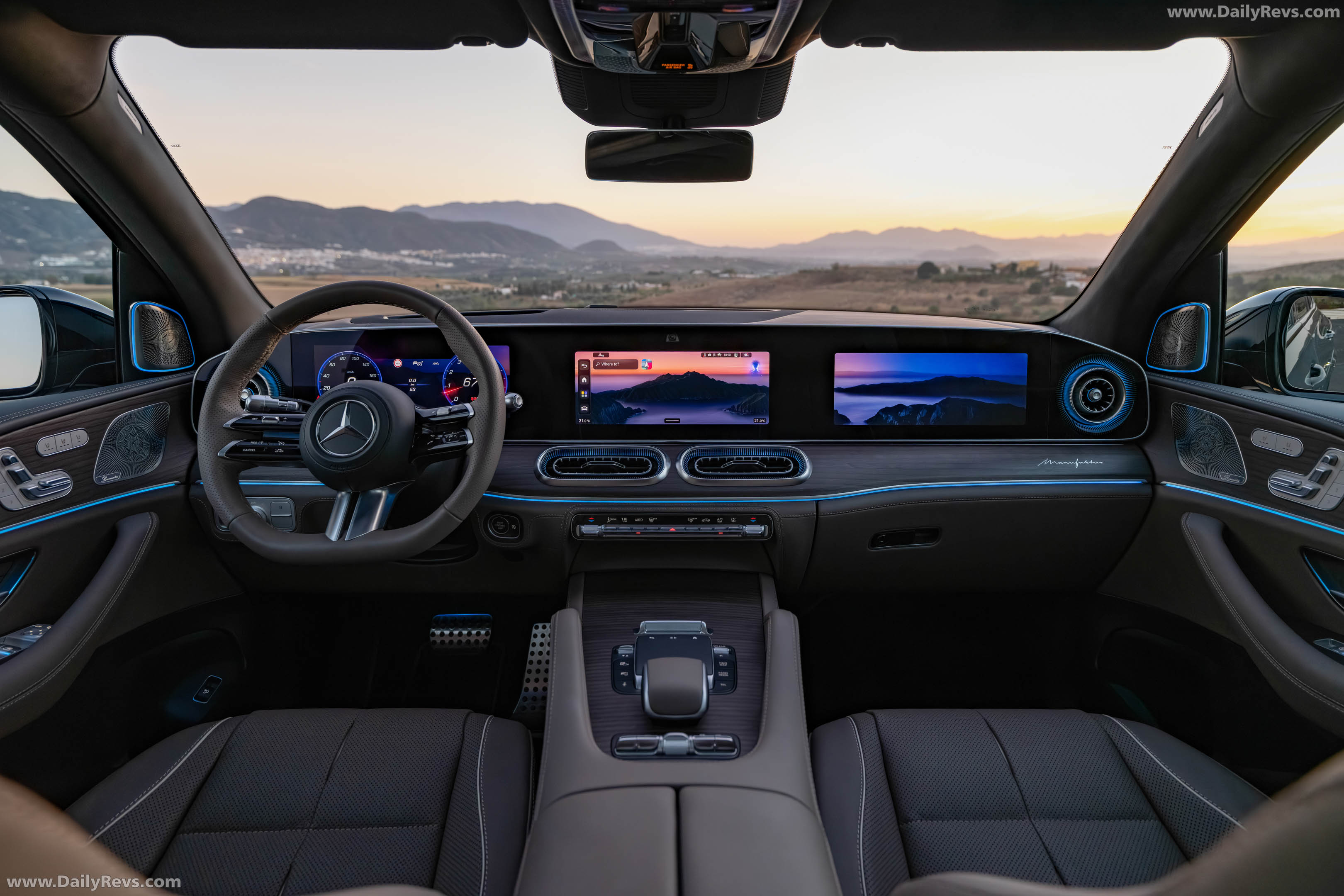
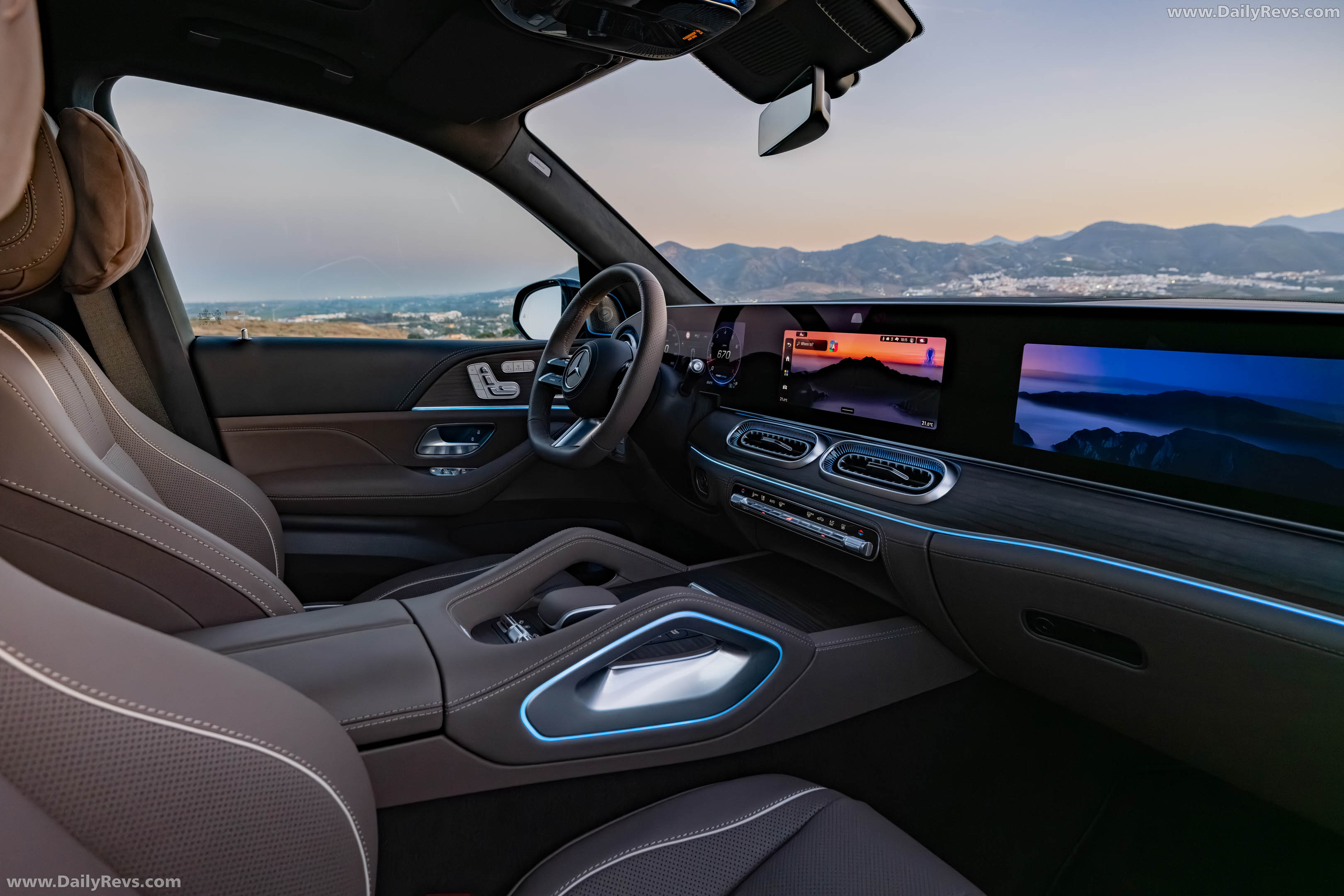
The MBUX Superscreen now comes as standard. It stretches across the dashboard as one continuous glass surface, housing three displays underneath. It changes how the cabin feels. Less separation, more of a single digital layer.
The system running it is new as well. MB.OS acts as the central operating system, managing everything from navigation to vehicle settings. It also supports over-the-air updates, so features can evolve after the car is delivered.
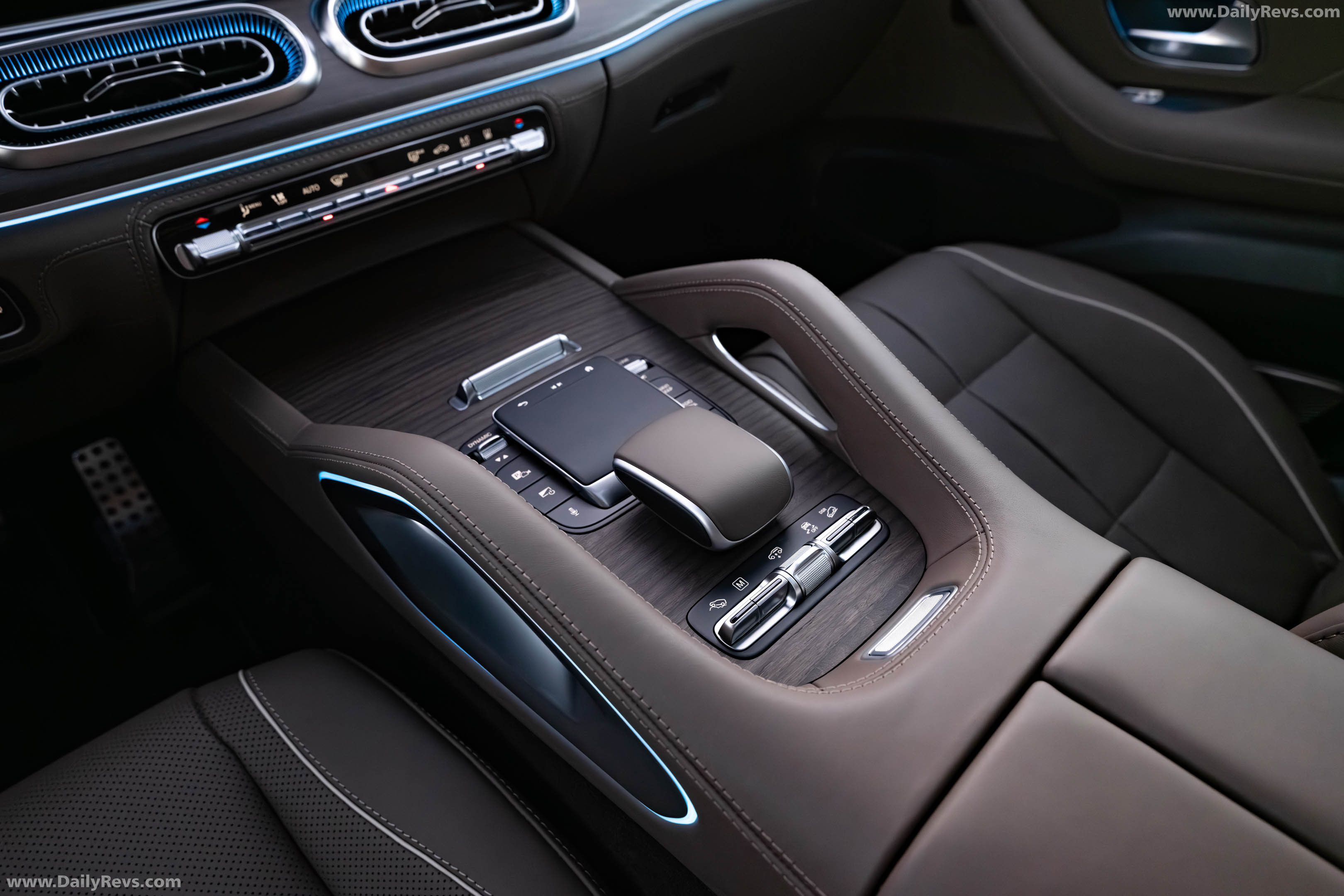
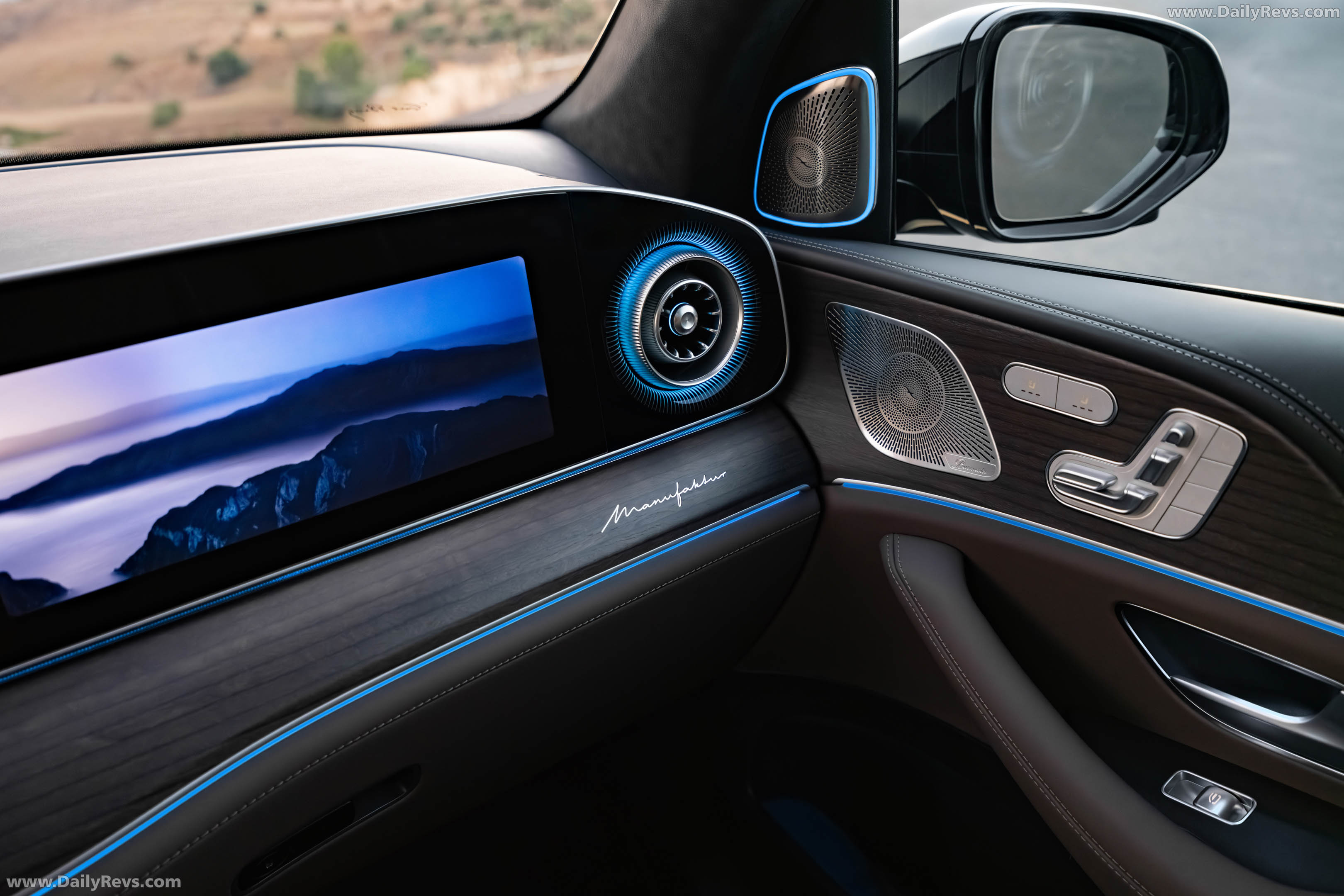
There are smaller changes around it. The air vents are now round instead of rectangular, and new trim finishes, including open-pore wood and lighter metal options, shift the overall feel slightly warmer.
Engines stay familiar, but work differently
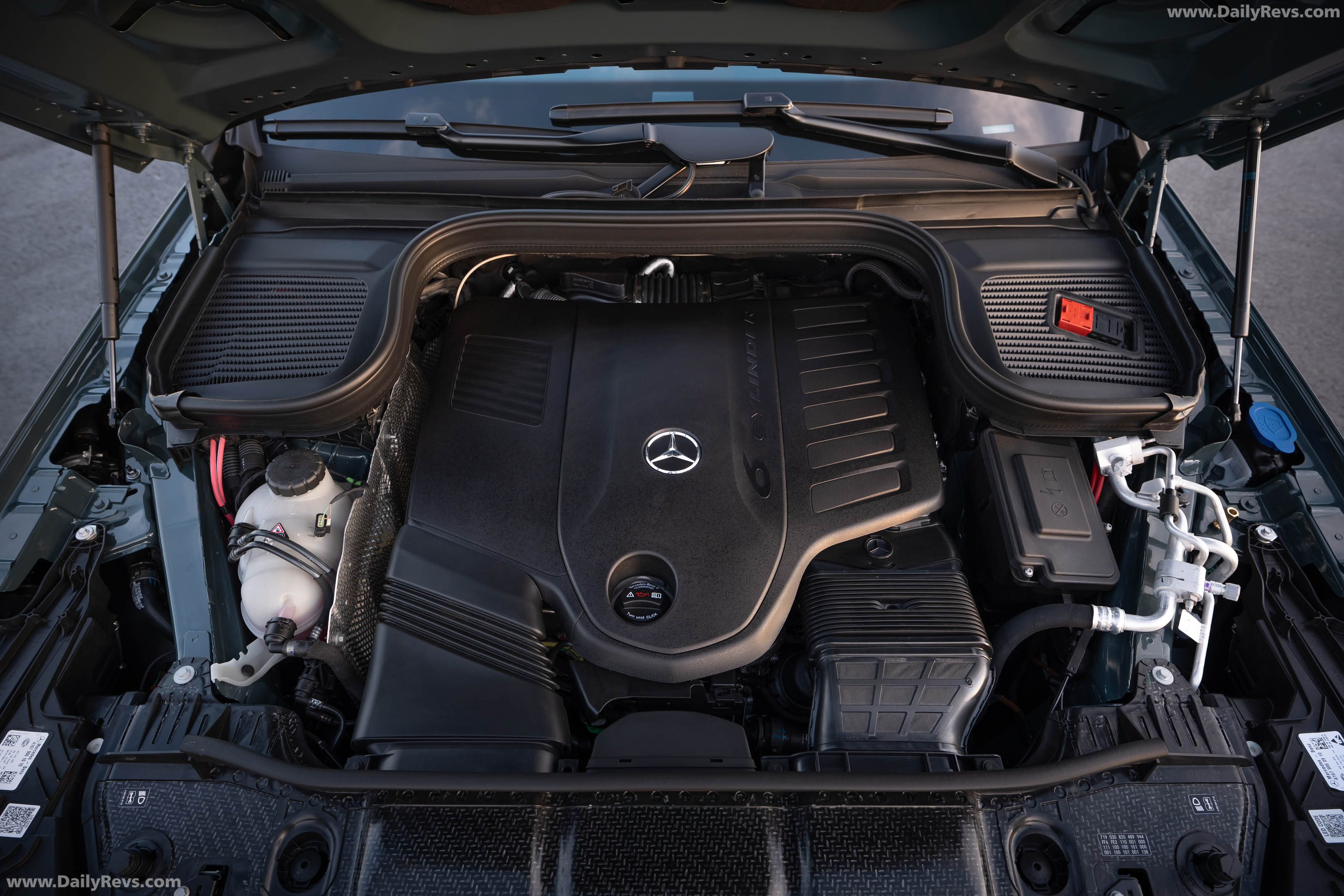
Under the hood, the structure of the engine lineup doesn’t change much. Petrol and diesel options remain.
What’s new is how they operate. Each engine is paired with a 48-volt system that supports boosting, coasting, and energy recovery. It’s not something you notice directly, but it smooths out how the car responds in everyday driving.
Higher up the range, the V8 sees a small increase in output and improved responsiveness. The six-cylinder engines also gain torque, particularly in normal driving conditions.
Suspension handles things before you feel them
A lot of the work here is in ride comfort.
The updated AIRMATIC system now uses cloud-based data to adjust damping before the vehicle reaches a bump. It works alongside E-ACTIVE BODY CONTROL, which constantly adapts based on road conditions.
You don’t really feel the system working. The idea is that you don’t have to.
Still built for long trips and everyday use
The GLS continues to do what it has always done. Move people comfortably over long distances.
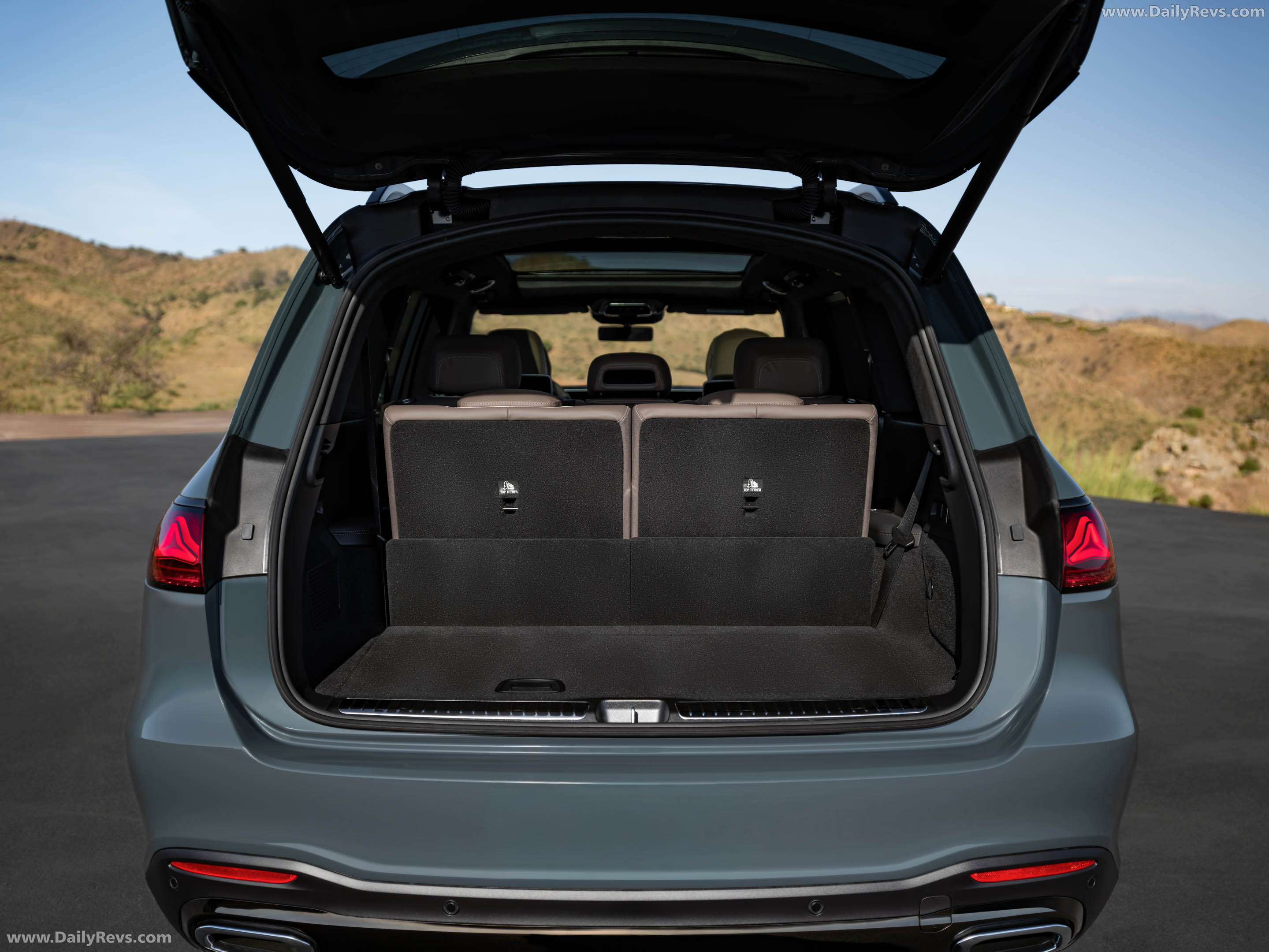
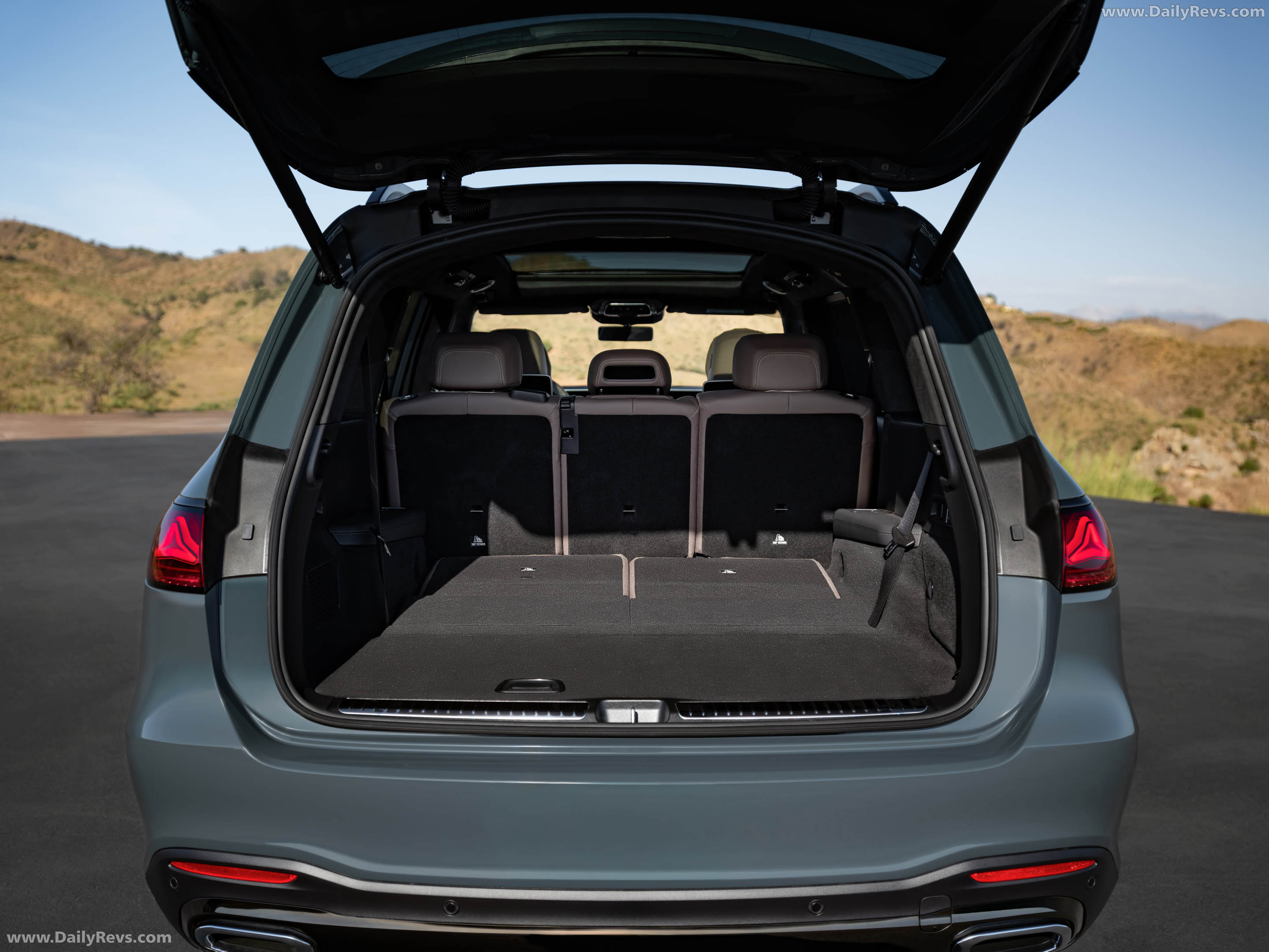
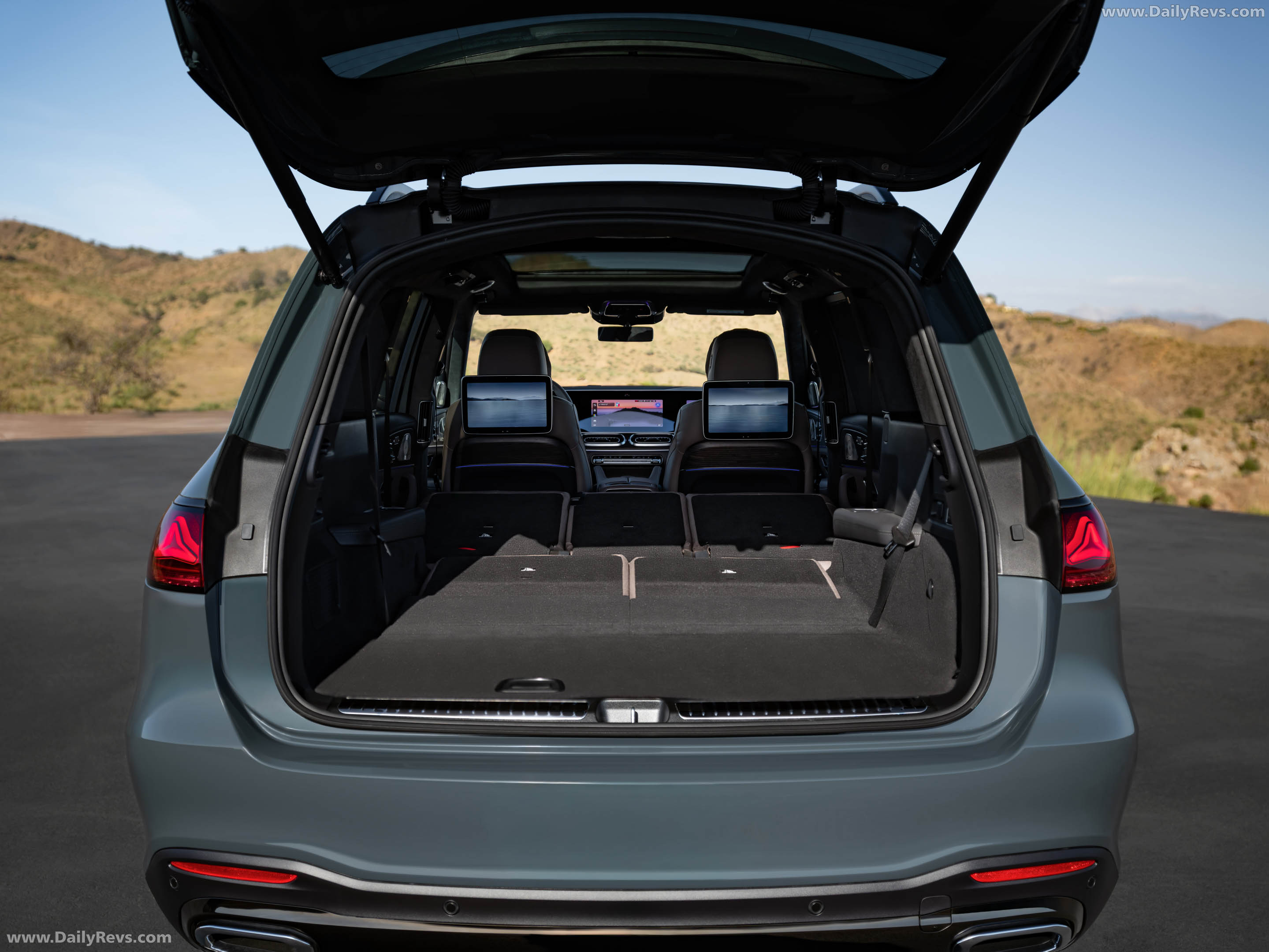
Seven seats come as standard, with plenty of room across all three rows. Fold the rear seats down, and there’s a large amount of cargo space available.
Rear passengers get more attention this time as well. Optional rear entertainment screens, additional climate control zones, and comfort features all point toward longer journeys rather than short drives.