2027 Mercedes-Benz EQS V297
By Lorenzo Bianchi April 14, 2026
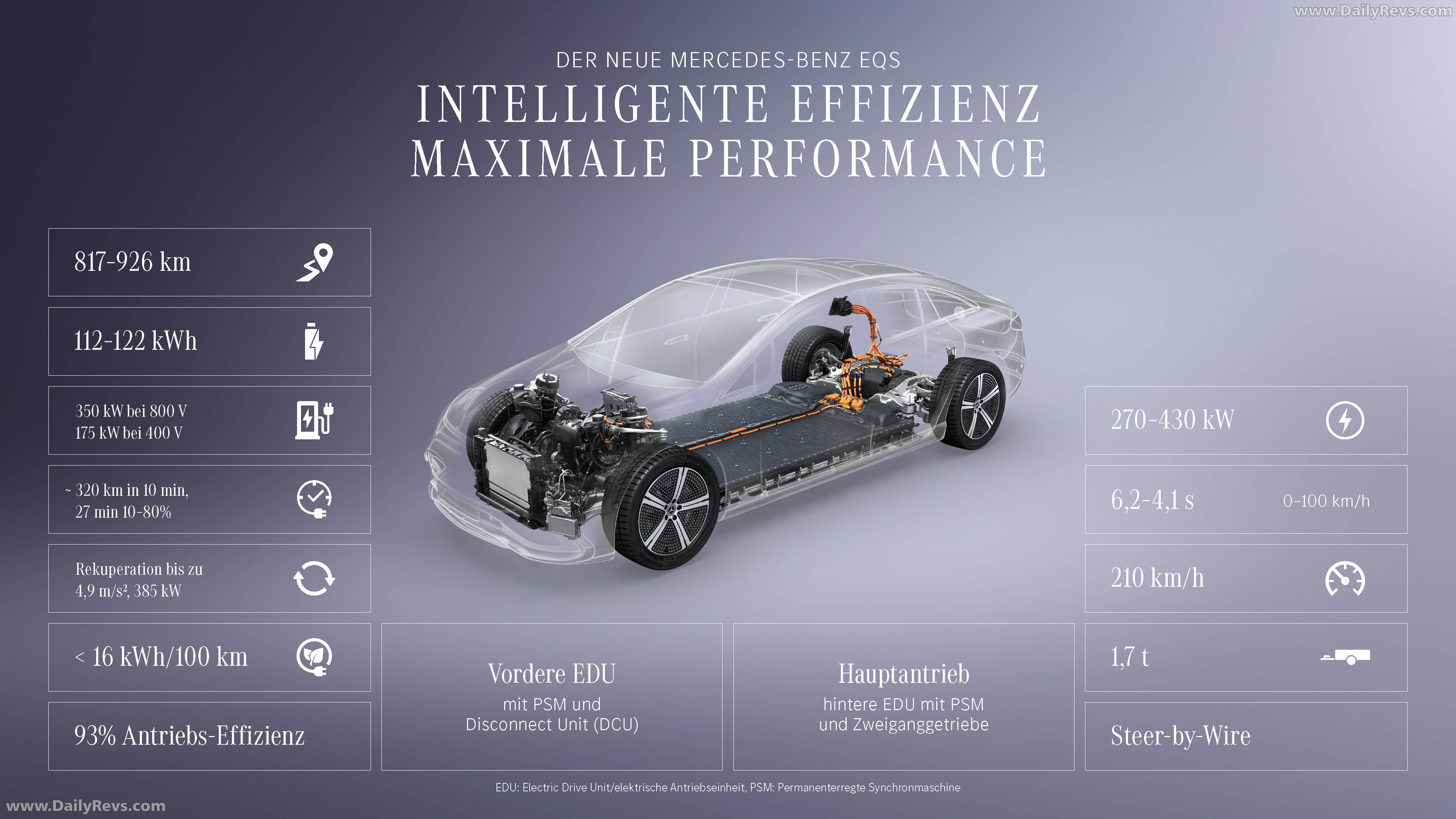
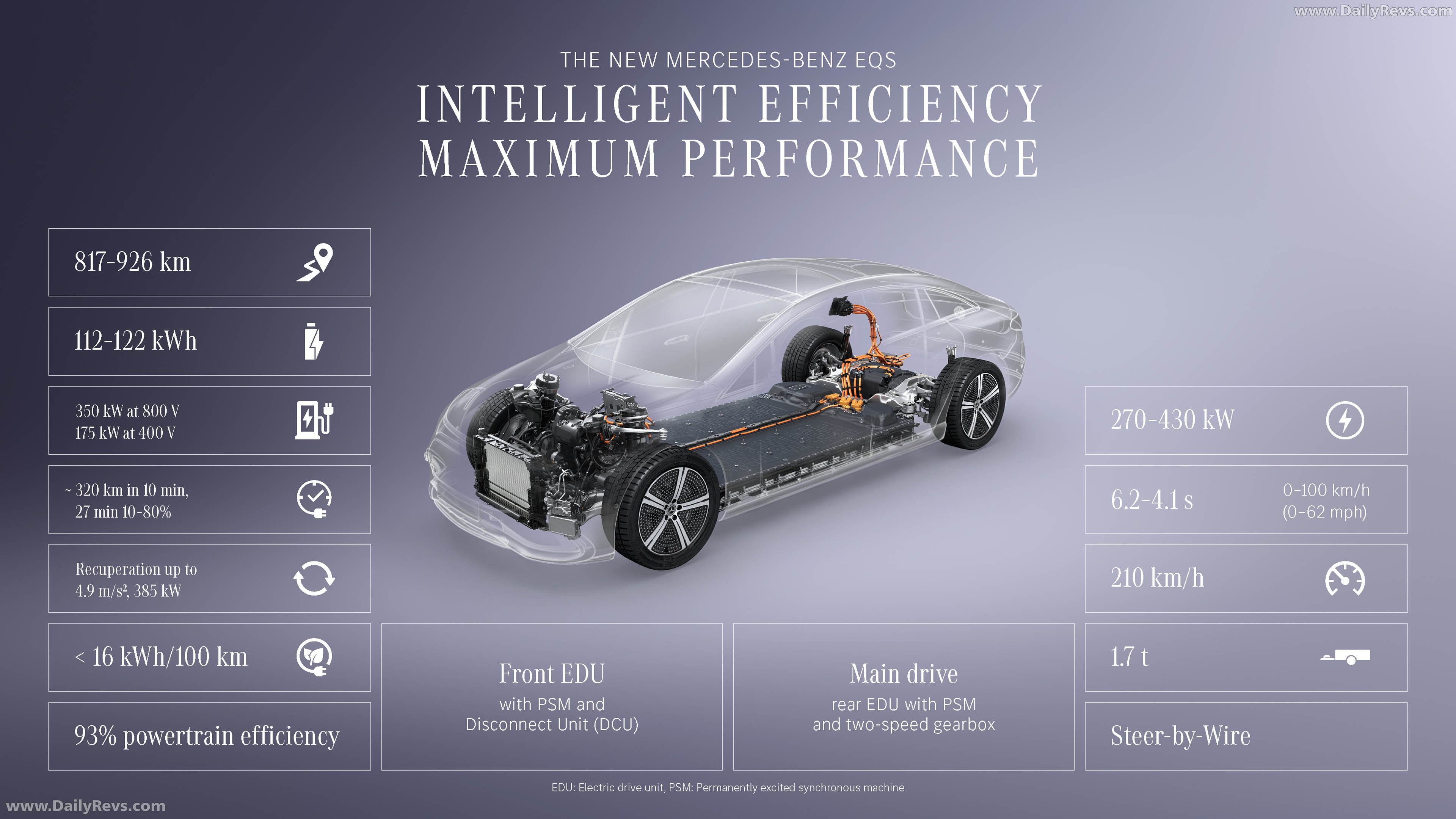
Up to 926 km WLTP range with updated battery tech.
New steer-by-wire system changes steering feel.
MB.OS introduces AI-driven features and OTA updates.
Still the same shape, just a bit more presence
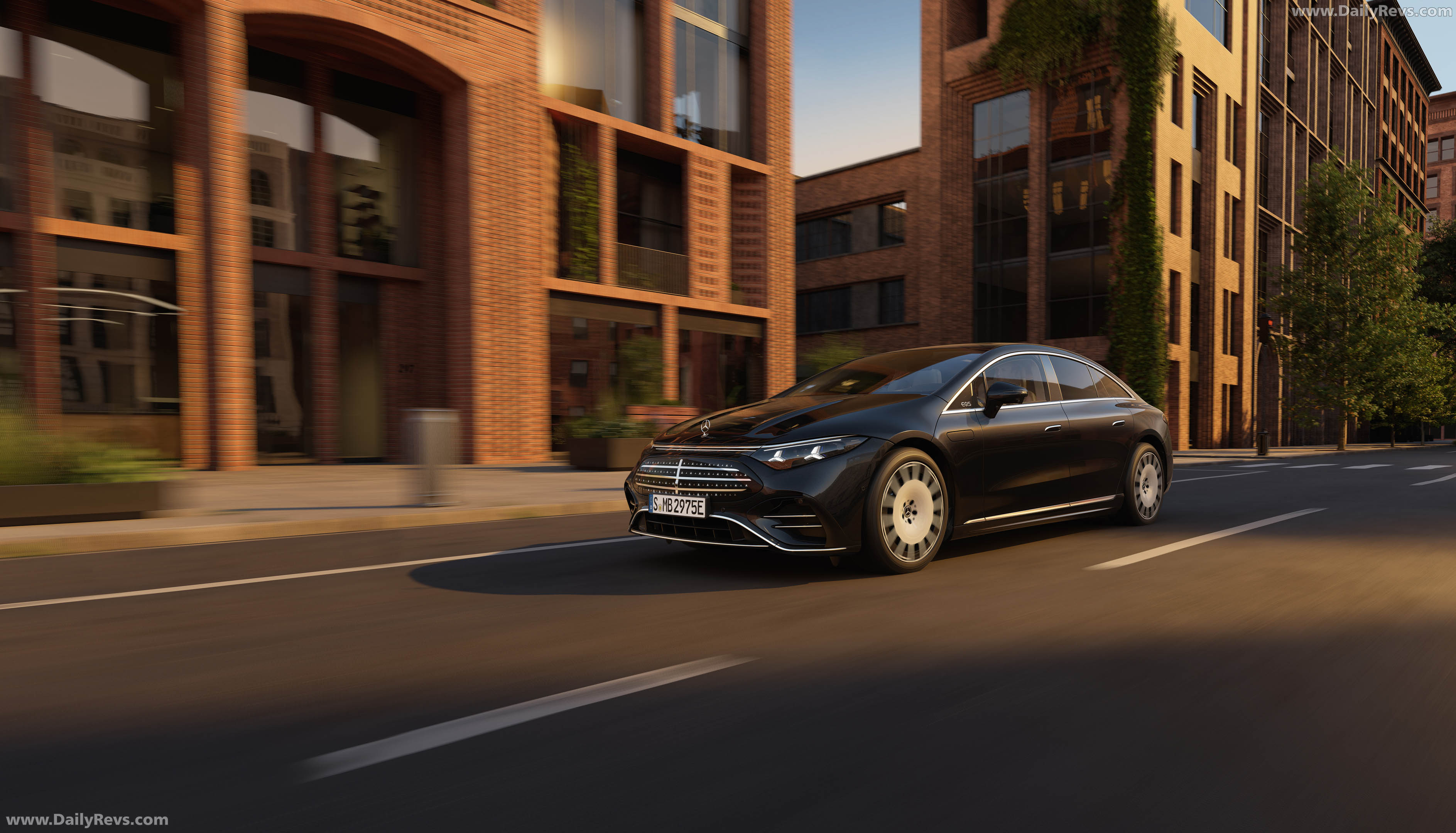
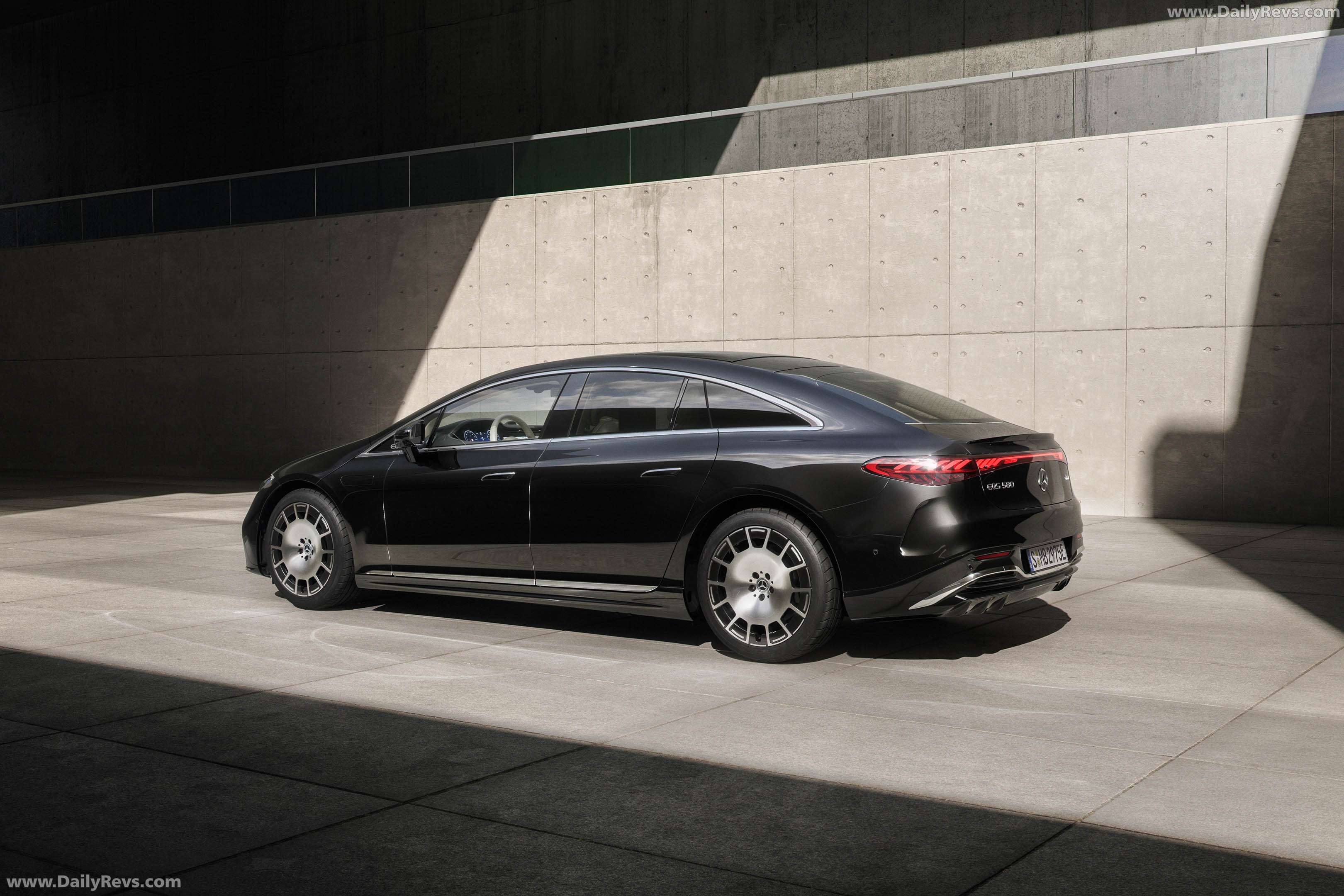
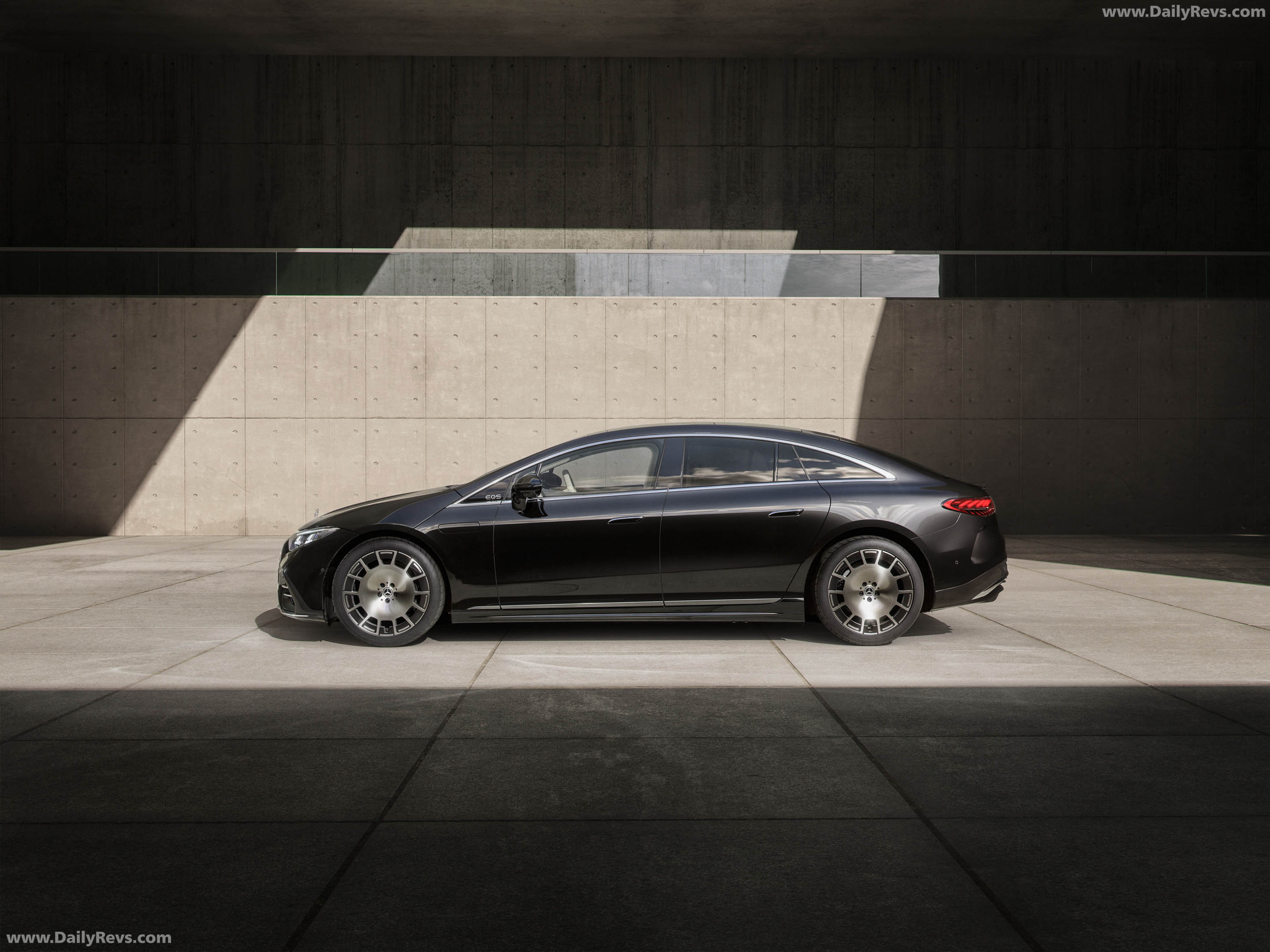
The 2027 Mercedes-Benz EQS doesn’t try to reinvent itself visually. It sticks with the same smooth, one-bow silhouette that defined it from the start.
What’s changed is how it carries that shape. The front feels more upright now, helped by an illuminated Mercedes star sitting proudly on the bonnet. It’s a small detail, but it shifts the character slightly—less anonymous, more recognisable.
Lighting plays a bigger role this time. The headlamps and the front light strip are more tightly integrated, and the daytime running lights now carry subtle star elements. It’s not dramatic, but you notice it.
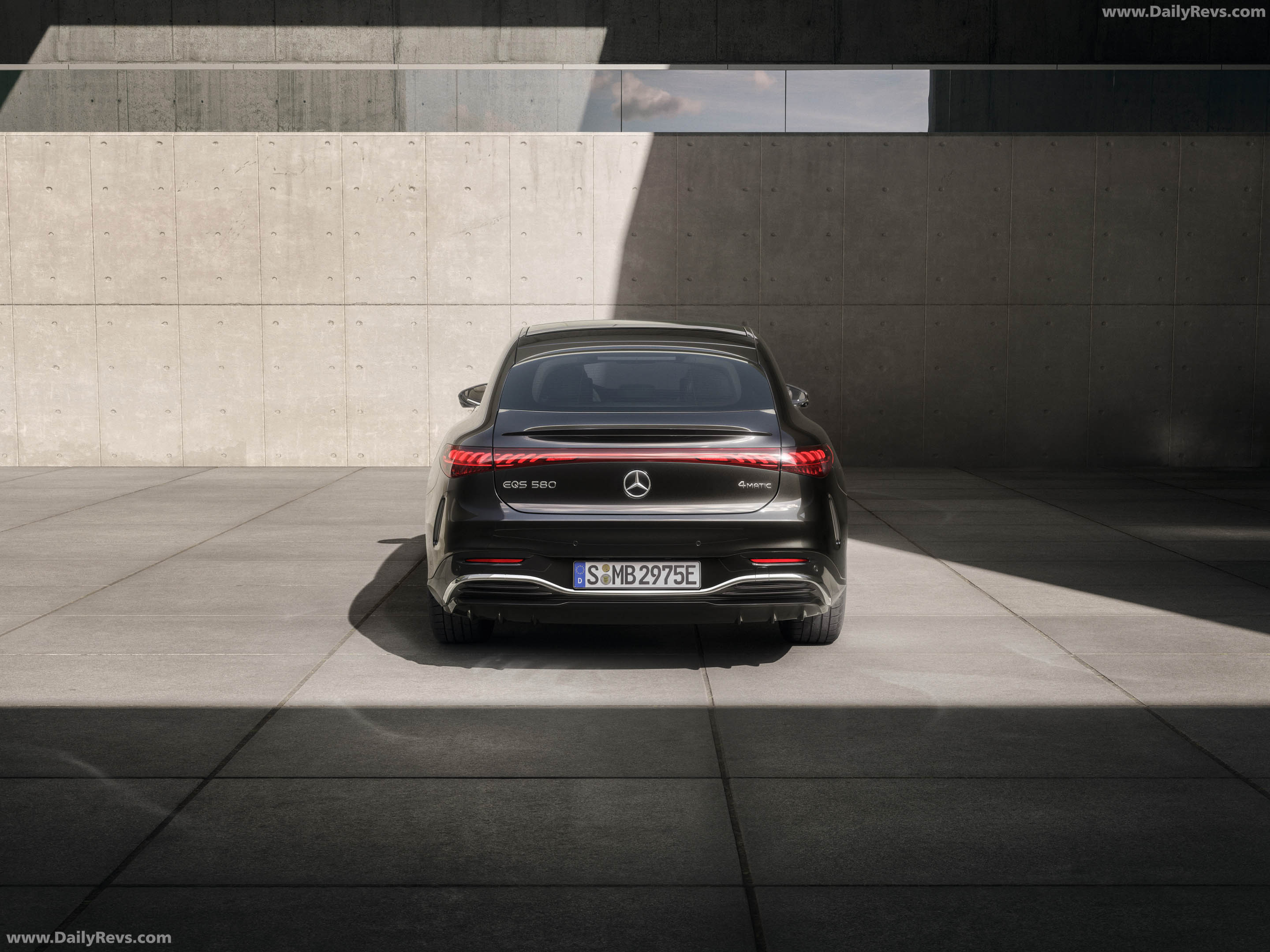
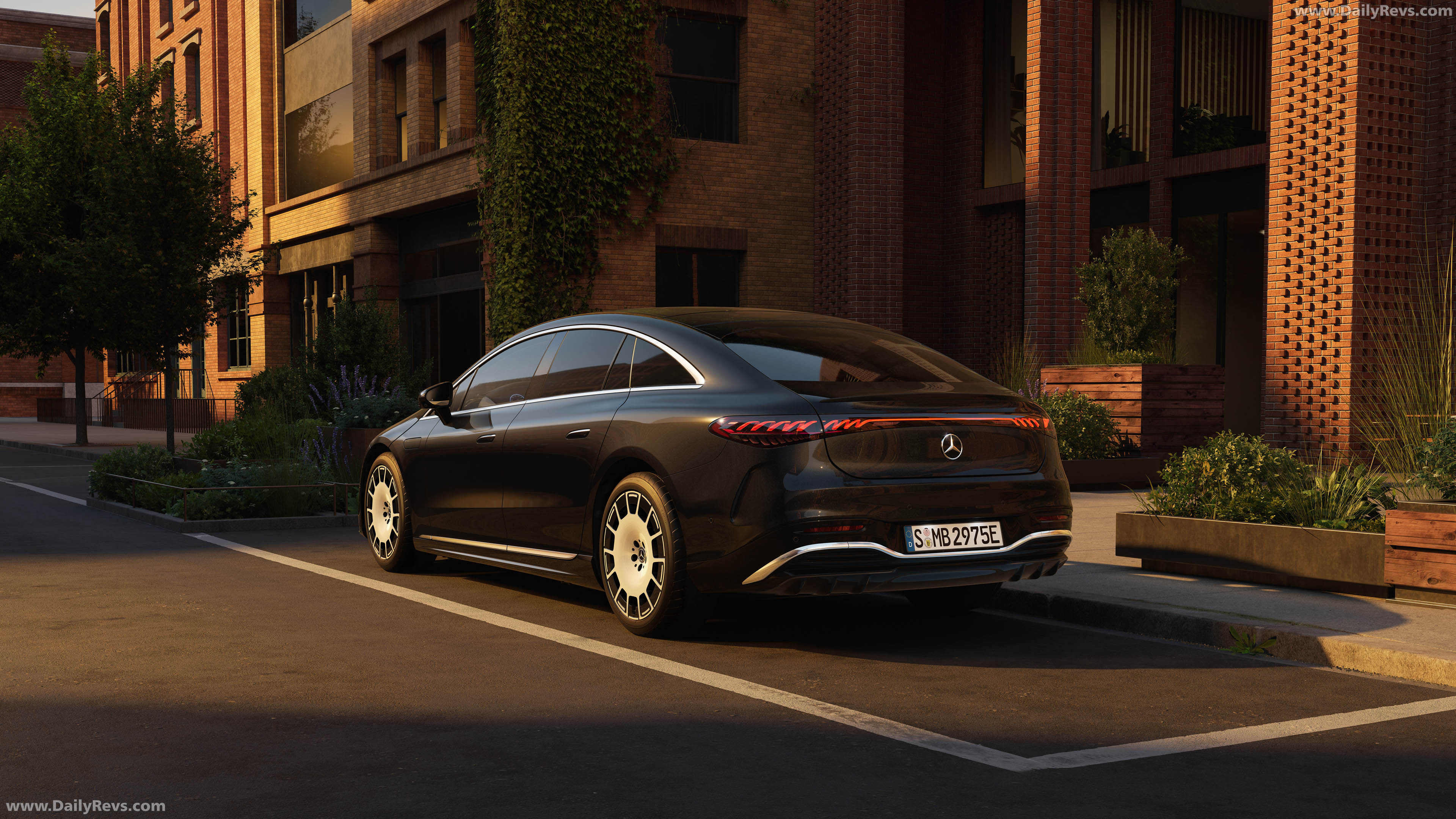
At the rear, the full-width light bar remains, now with a more intricate internal pattern. It still looks clean. Just a little sharper than before.
Long, low, and built around efficiency
The EQS keeps its proportions exactly where they need to be.
Low roofline, long wheelbase, short overhangs. That combination hasn’t changed, and it still works. It gives the car a stretched, almost floating appearance.
Underneath, the aerodynamic work continues quietly. A drag coefficient of around 0.20 keeps it among the most efficient cars on sale. Even small details like mirror design have been refined to improve airflow.
None of this jumps out visually. But it shows up when you look at the numbers.
Interior feels more like a digital space
Step inside, and the EQS still revolves around the Hyperscreen.
It stretches across the entire dashboard, merging three displays into one continuous glass surface. Over 55 inches wide, it still dominates the cabin.
What’s new is what runs behind it. Mercedes-Benz introduces MB.OS, a new operating system that ties everything together. It’s designed to learn over time, adapting to how the car is used.
There’s also a more capable virtual assistant, able to handle longer, more natural conversations. It feels closer to interacting with a system that actually understands context, rather than just responding to commands.
Comfort features continue to evolve too. Heated seatbelts, updated materials, and more ambient lighting options all add to the sense that this is meant to be a long-distance car first.
Range and charging take a noticeable step forward
The biggest changes sit under the surface.
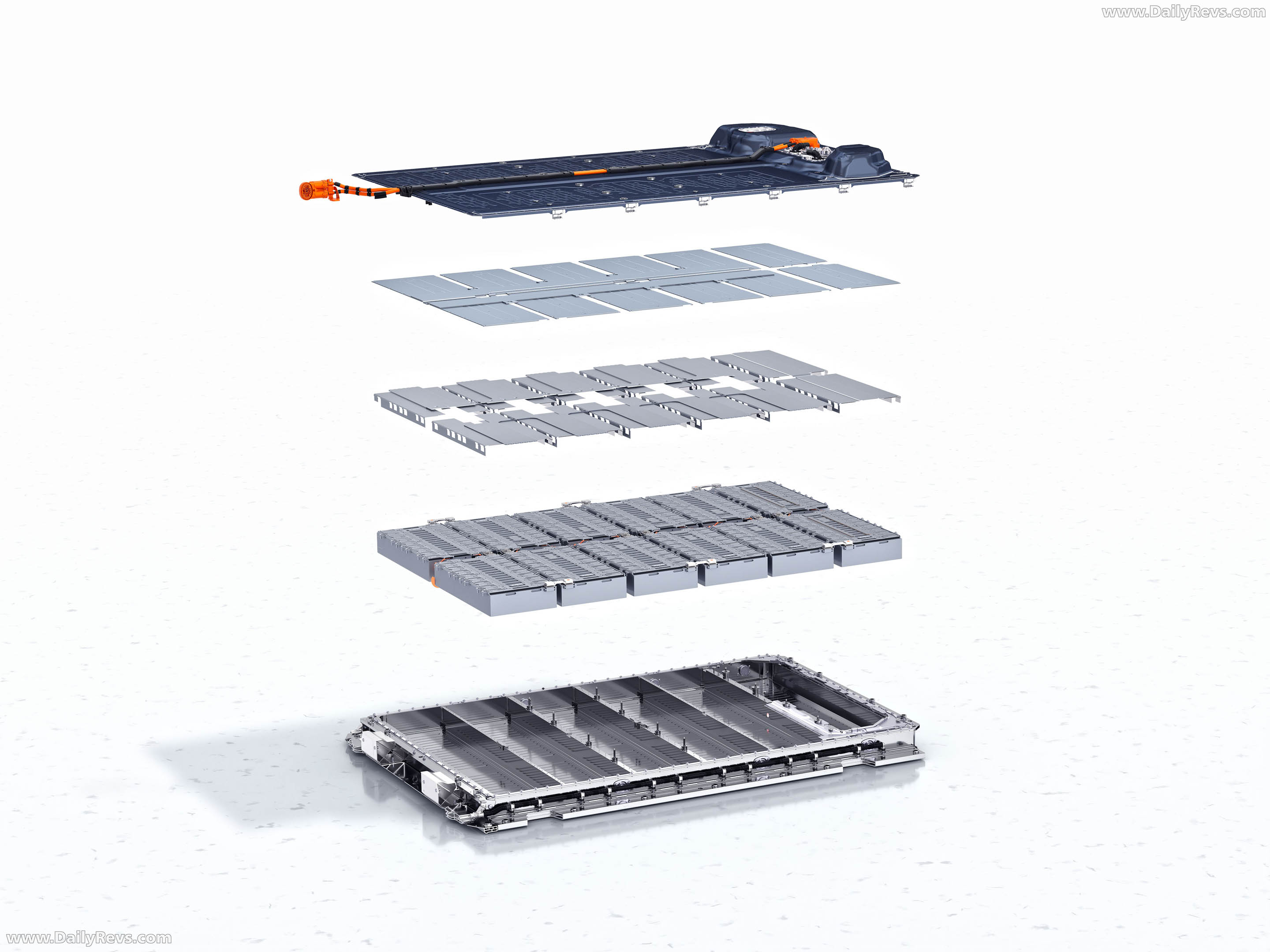
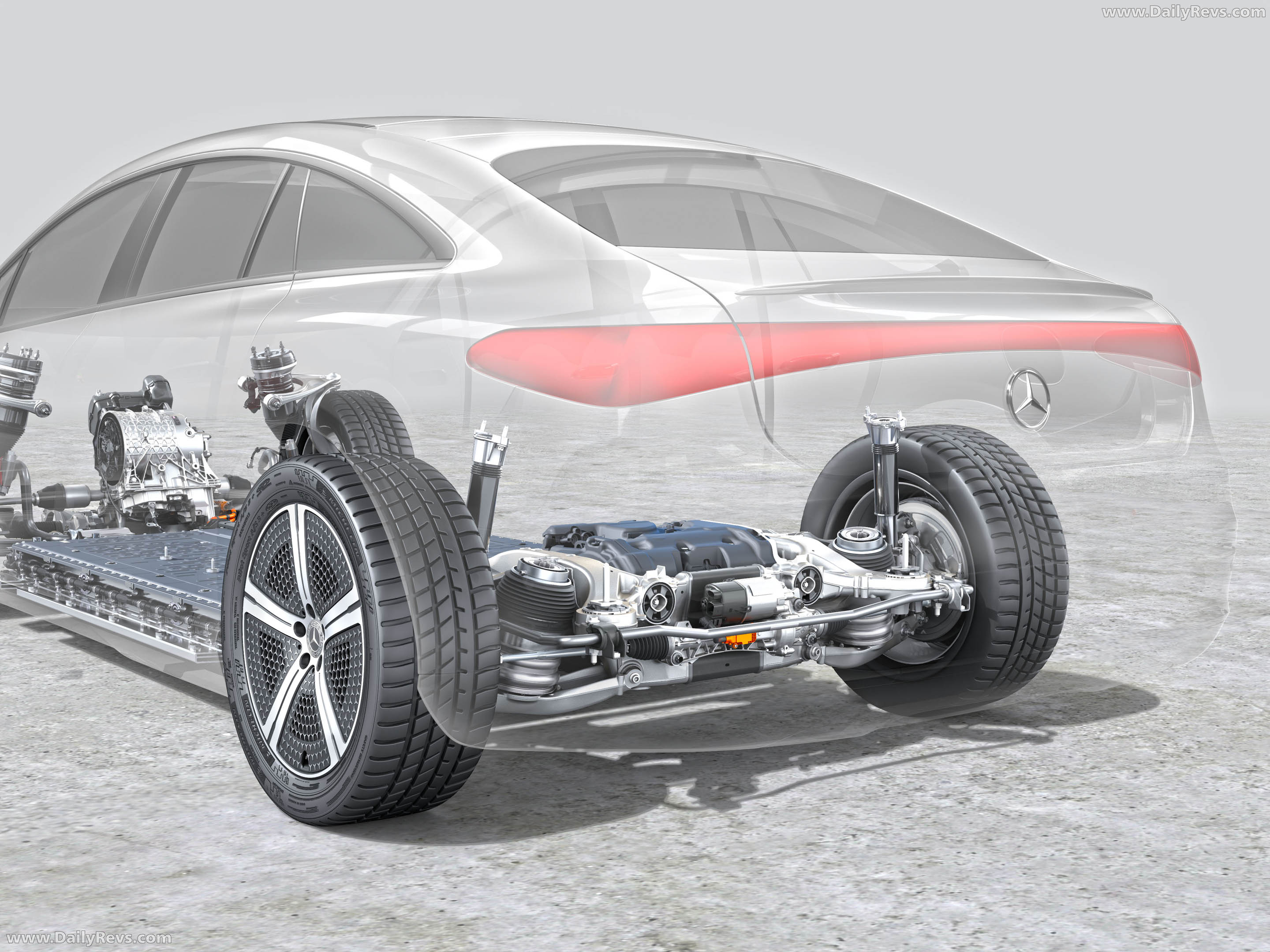
The new EQS moves to an updated electric architecture with 800-volt technology, revised drive units, and improved battery chemistry. The result is a WLTP range of up to 926 kilometres for the EQS 450+.
That’s enough to cover serious distances without thinking too much about charging.
When you do need to plug in, it’s quicker. With up to 350 kW charging capability, around 320 kilometres of range can be added in about 10 minutes under the right conditions.
Regenerative braking has also been strengthened. In many situations, the car can slow down almost entirely through energy recovery alone.
New tech goes beyond just driving
Some of the more interesting updates aren’t directly about driving.
The EQS can now act as an energy source. It supports vehicle-to-home and vehicle-to-grid functions, meaning it can supply power back when needed.
There’s also a new steering system coming into play. Steer-by-wire removes the physical connection between the steering wheel and the front wheels. It changes how the car responds, making low-speed manoeuvres easier while keeping stability at higher speeds.
Driver assistance has been expanded too, with a wider sensor network working alongside MB.OS to manage everything from lane changes to parking.
Still positioned as the flagship EV
The 2027 Mercedes-Benz EQS stays where it’s always been—at the top of the brand’s electric lineup.
It’s not chasing attention through one headline feature. Instead, it builds on everything it already did well.
More range, more intelligence, slightly more presence. That’s really the story here.