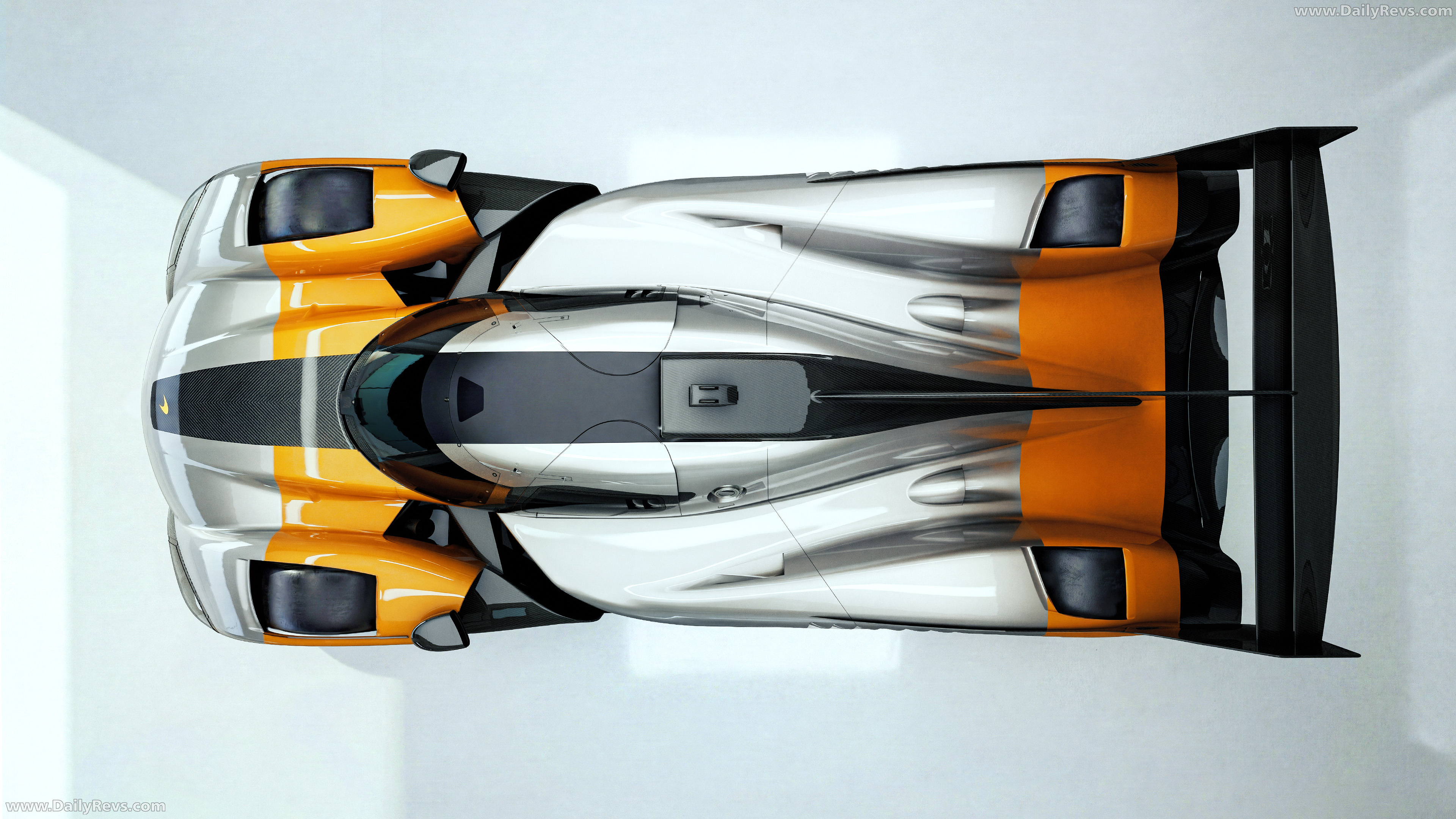
2027 McLaren MCL-HY GTR
By Lorenzo Bianchi May 5, 2026
FIA WEC Hypercar with 520 kW hybrid twin-turbo V6.
Lightweight carbon chassis with 1,030 kg minimum weight.
Track-only GTR version delivers around 730 PS without hybrid.
Built around endurance racing, not road car drama
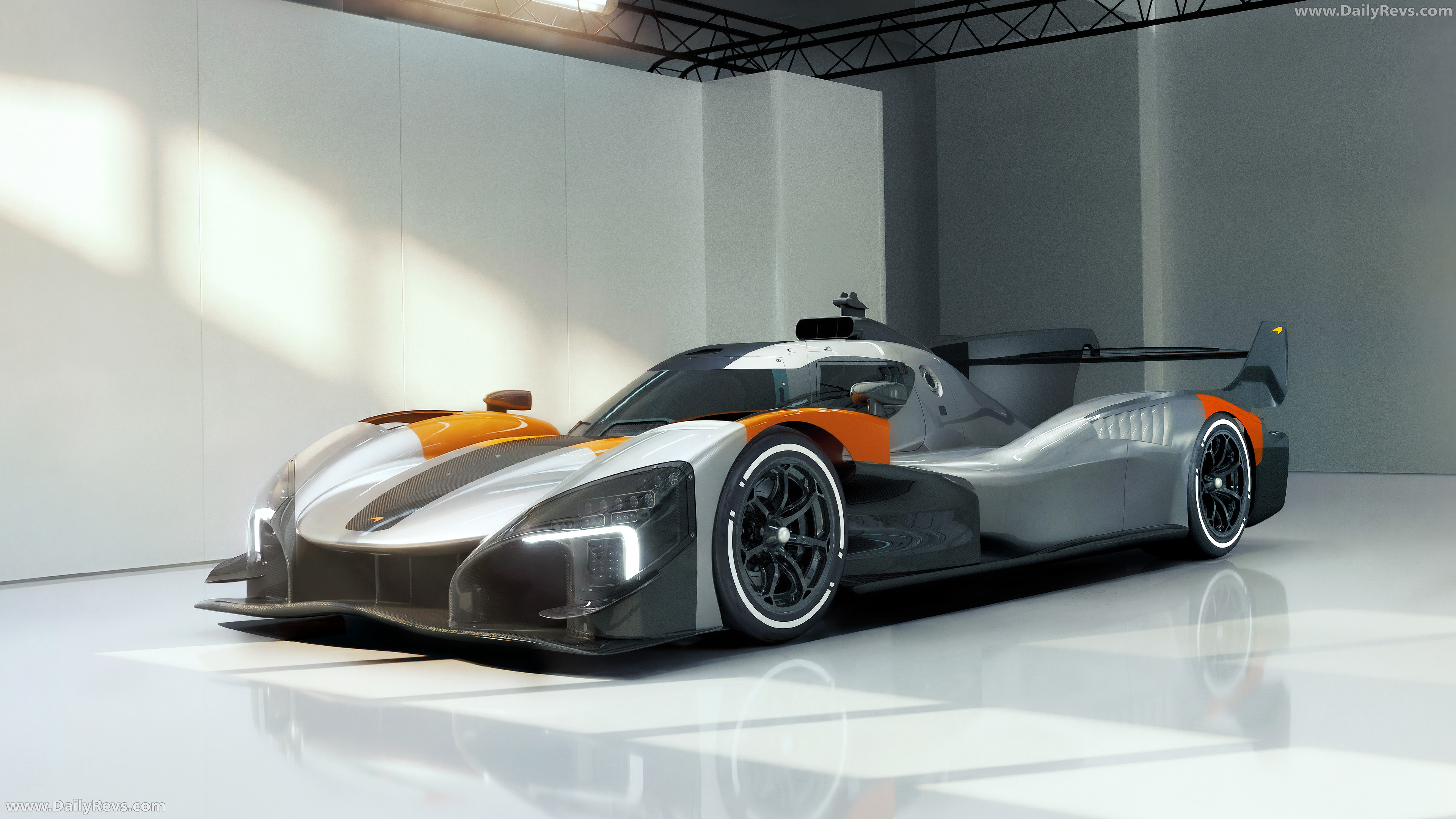
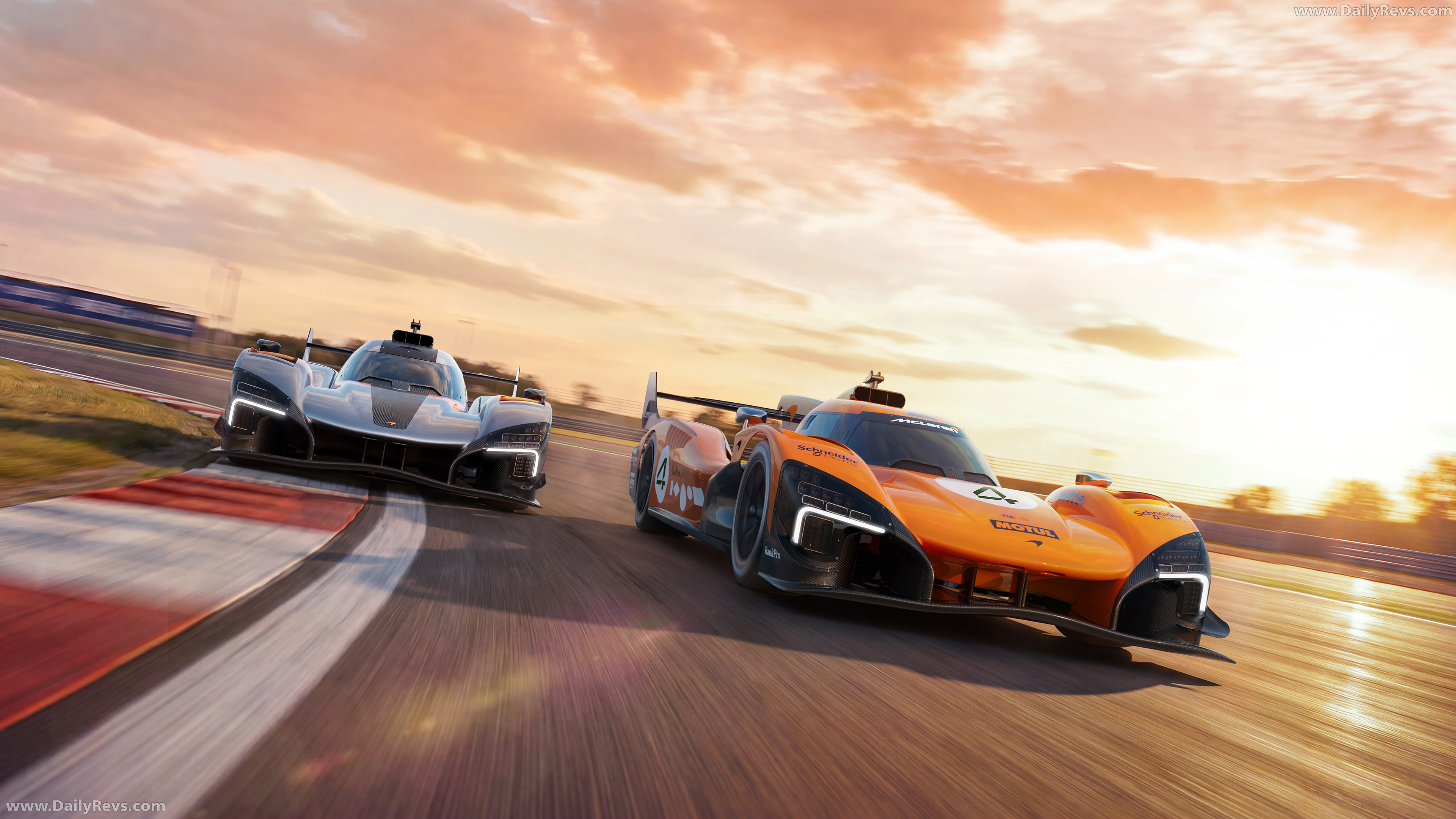
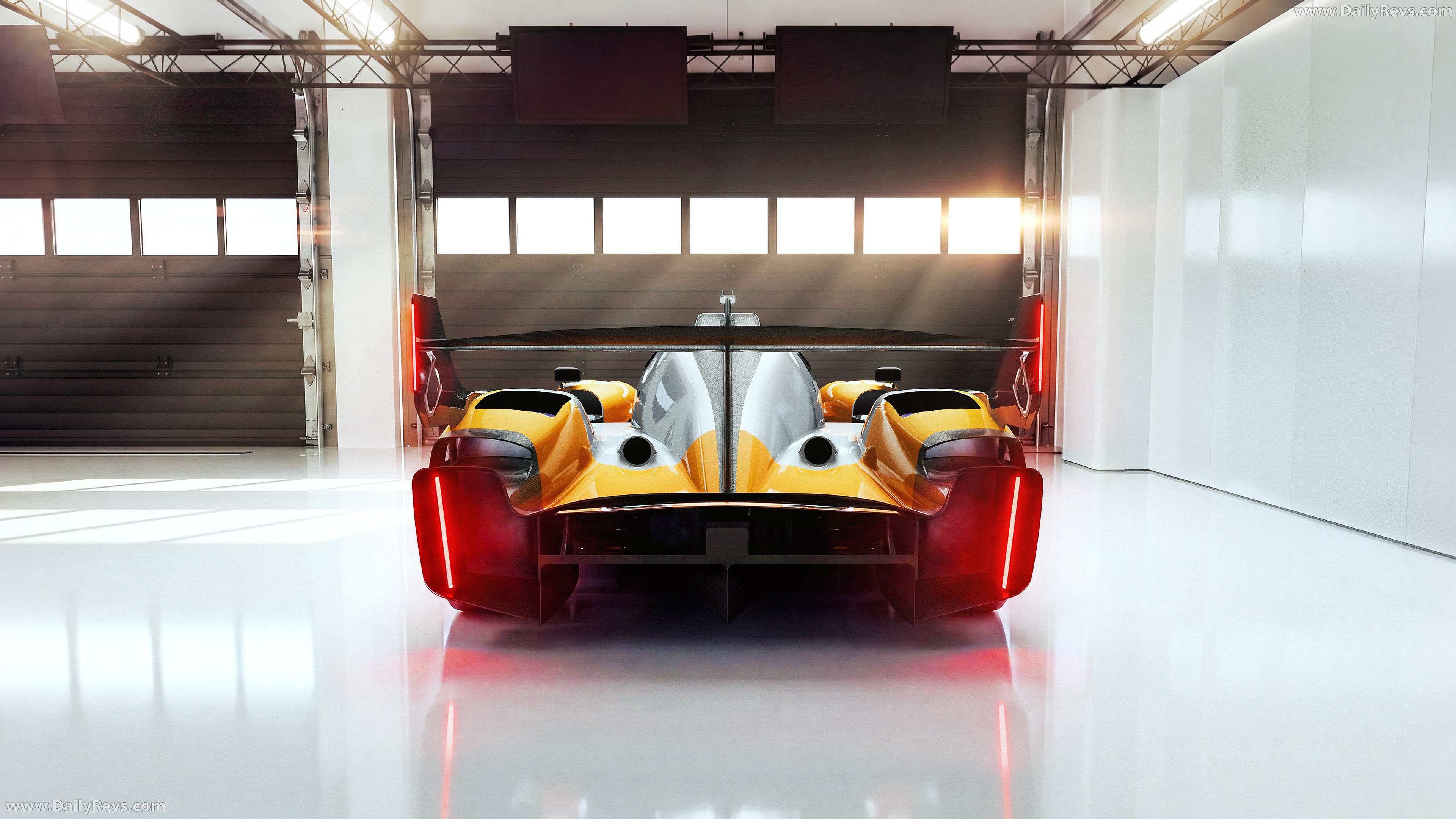
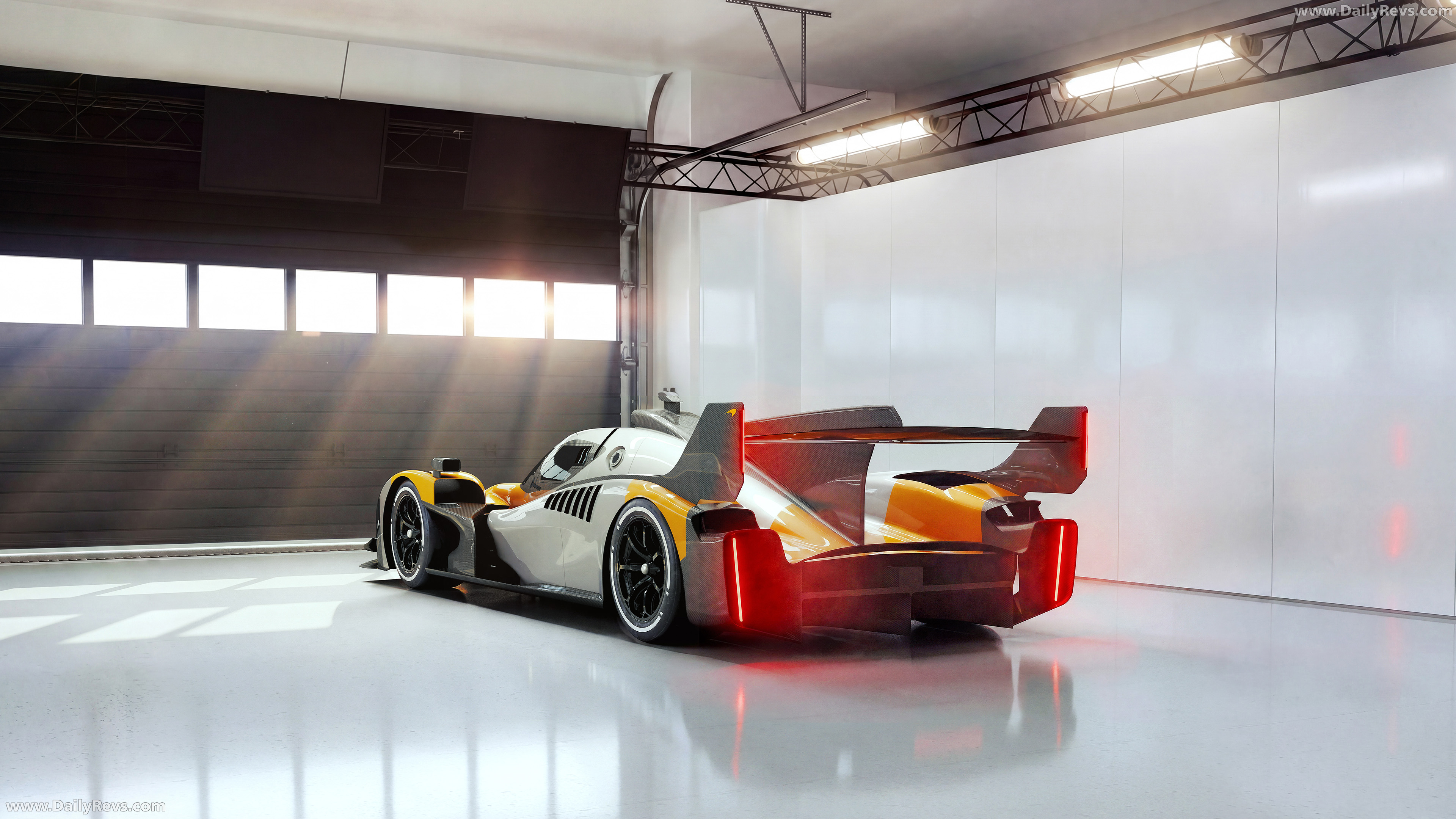
The 2027 McLaren MCL-HY doesn’t try to look like anything else in the lineup. It’s a race car first, shaped by regulations and long-distance performance rather than styling trends.
The body sits tightly over a carbon fibre monocoque. Everything feels compact, pulled inward. There’s very little visual excess. Openings, vents, and surfaces are all there for airflow management, not decoration.
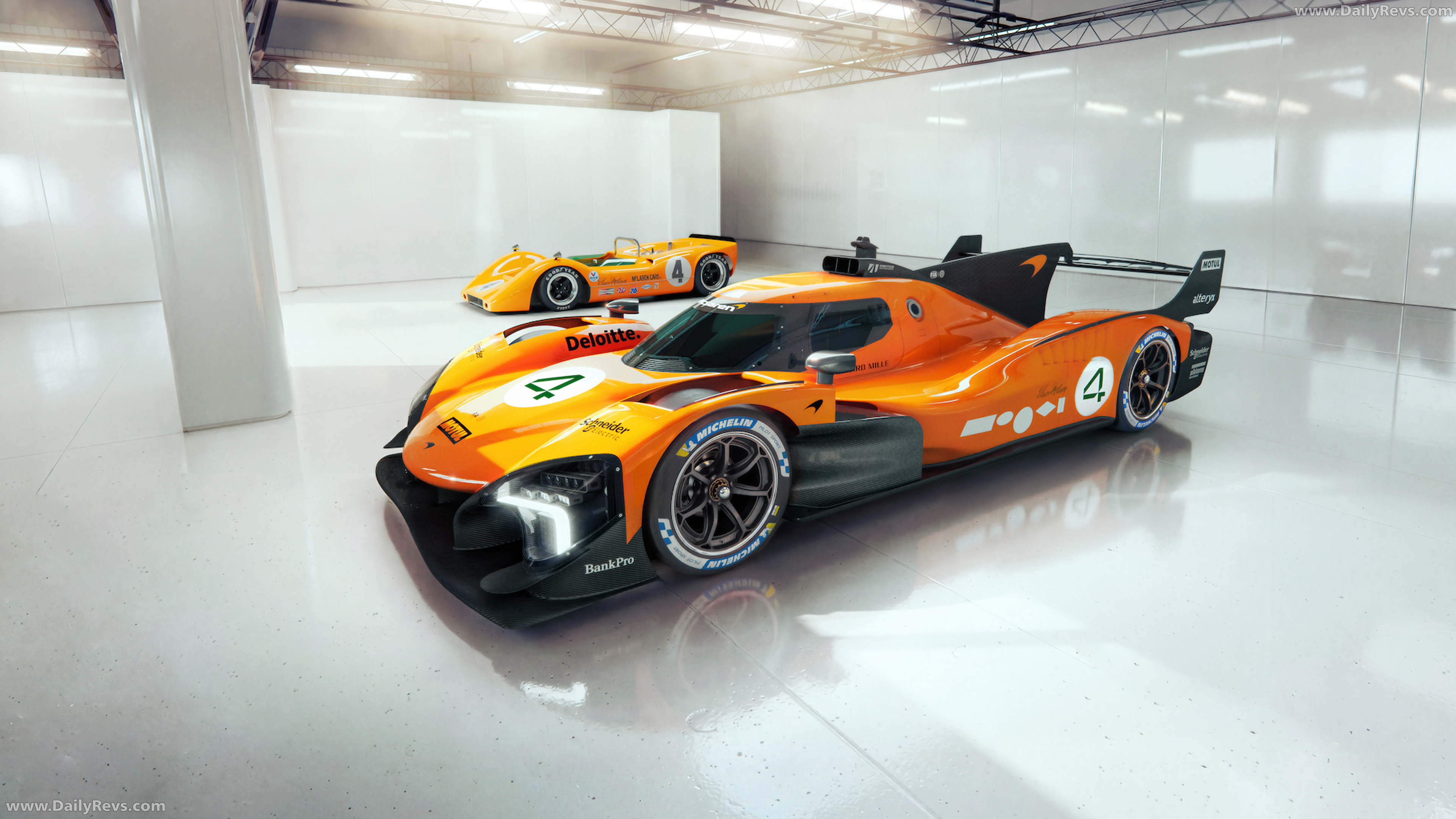
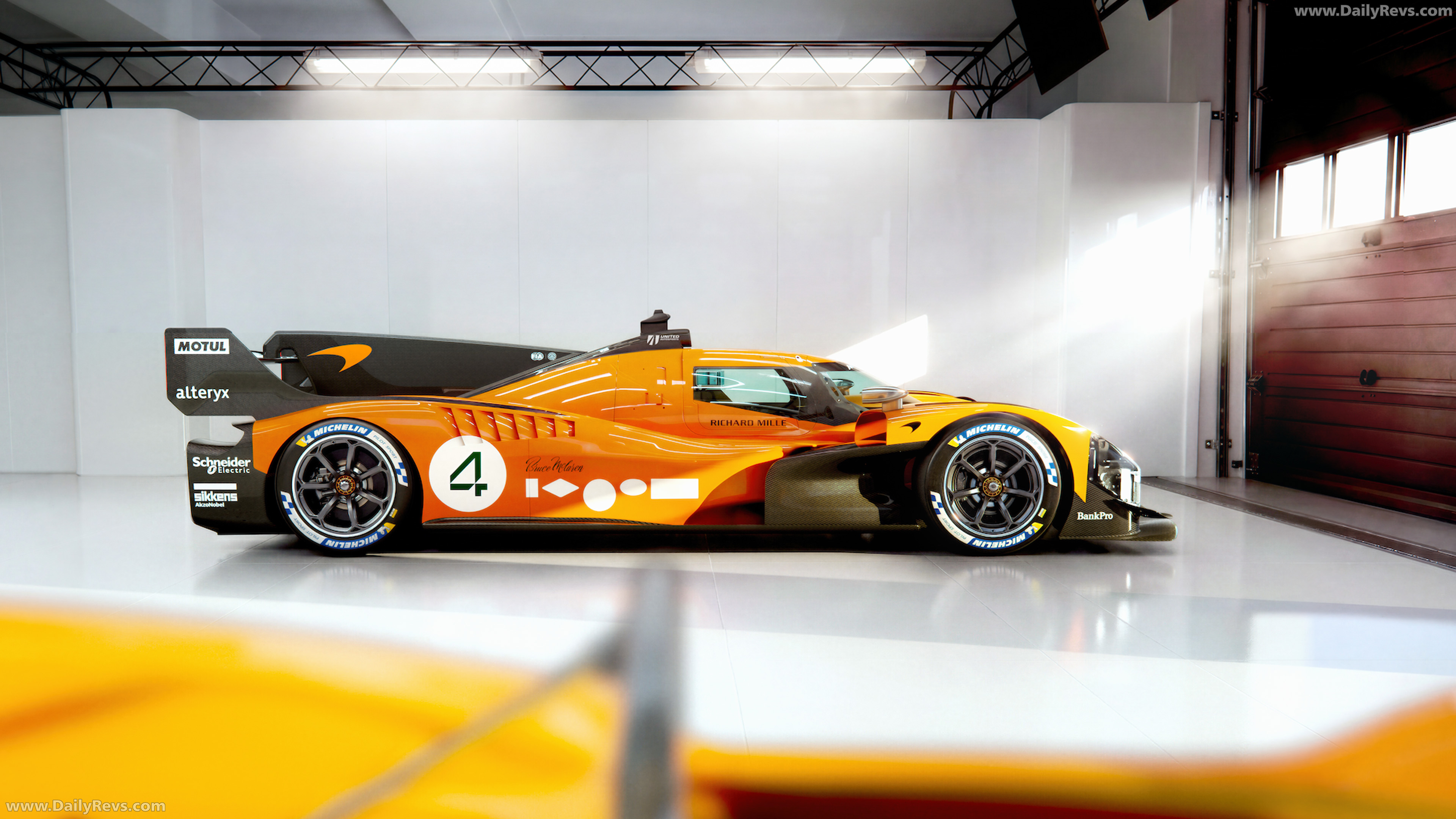
Even the test livery hints at where this car is coming from. It takes cues from McLaren’s older Can-Am machines, particularly the M6A, without turning into a retro exercise. More of a quiet reference than a statement.
Tight proportions with a focus on balance
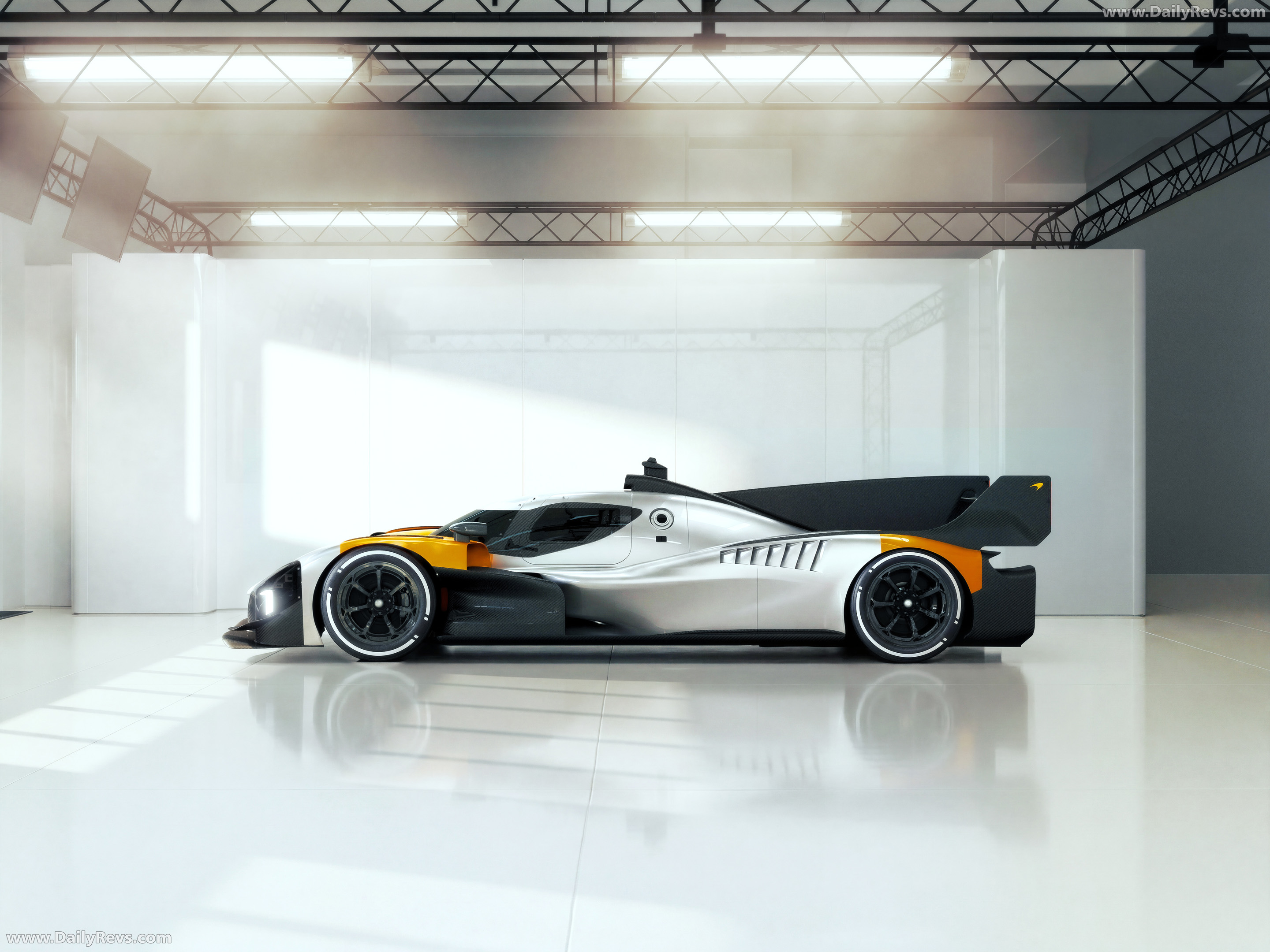
In profile, the MCL-HY looks dense rather than long.
That’s partly down to the LMDh regulations, which define the car’s footprint and weight. Minimum weight sits at 1,030 kg, and the packaging is clearly aimed at keeping mass central and predictable over long runs.
It doesn’t stretch out like some endurance cars of the past. Instead, it feels contained. Low roof, short overhangs, everything tucked in close.
That approach usually pays off over time. Consistency matters more than a single fast lap in this category.
Cockpit built for focus, not comfort
Inside, the story doesn’t change.
There’s no attempt to soften the experience. The cockpit is stripped back, designed around the driver and the job at hand. Controls are placed for quick access. Visibility is shaped around track awareness.
Details aren’t fully outlined yet. [Unverified] But it’s safe to say comfort isn’t high on the priority list here.
This is a car meant to be driven in stints, not commutes.
Hybrid system tuned for endurance, not headline numbers
Power comes from a twin-turbocharged V6 paired with a hybrid MGU system.
Combined output reaches up to 520 kW, delivered to the rear axle. On paper, it’s strong. In practice, it’s more about how that power is used.
Endurance racing doesn’t reward peak figures alone. The system is designed to manage energy, maintain reliability, and stay consistent across hours of running. That’s where the MCL-HY is expected to make its mark.
It’s a different mindset compared to road-going hypercars. Less about chasing extremes, more about staying effective over time.
GTR track variant strips things back even further
Alongside the race car, McLaren is developing the MCL-HY GTR.
This version drops the hybrid system entirely and relies on a 2.9-litre twin-turbo V6 producing around 730 PS. Without the added complexity, it’s lighter and more direct to drive.
It’s part of the Project: Endurance programme, aimed at a small group of clients. Ownership isn’t just about the car. It includes track sessions, engineering support, and access to McLaren’s racing activities.
More involvement than ownership, really.
Marks McLaren’s return to Le Mans top class
The 2027 McLaren MCL-HY is more than a new race car. It signals a return.
McLaren will compete in the FIA World Endurance Championship and the 24 Hours of Le Mans from 2027, stepping back into the top category after years away.
That completes the picture alongside Formula 1 and IndyCar. The broader aim is clear—another run at the Triple Crown.
Testing begins in 2026, with a full development cycle leading into homologation. For now, this is just the starting point.