2027 Kimera K-39 Race
By Lorenzo Bianchi May 20, 2026
Kimera’s first original hypercar uses a bespoke Koenigsegg-developed V8.
The K-39 Race produces 1,000 hp and 1,200 Nm with Pikes Peak ambitions.
Endurance racing silhouettes from the 1980s heavily influenced the design.
Kimera Pushes Into Hypercar Territory
The 2027 Kimera K-39 Race marks a decisive shift for the Italian manufacturer. Known primarily for the EVO37 and EVO38 restomod projects, Kimera is now stepping into fully original hypercar territory with a car that abandons the familiar retro template for something far more ambitious.
The K-39 Race was unveiled at the Concorso d’Eleganza Villa d’Este, a setting that suits the car’s mix of motorsport nostalgia and high-end craftsmanship. Kimera describes the project as the brand’s first entirely in-house hypercar, developed around its own design language rather than the reinterpretation of an existing platform.
Even in a segment crowded with aggressive aero packages and electrified performance claims, the K-39 appears to be chasing a different idea. It leans heavily into mechanical character and analogue sensation.
Endurance Racing Shapes The Exterior
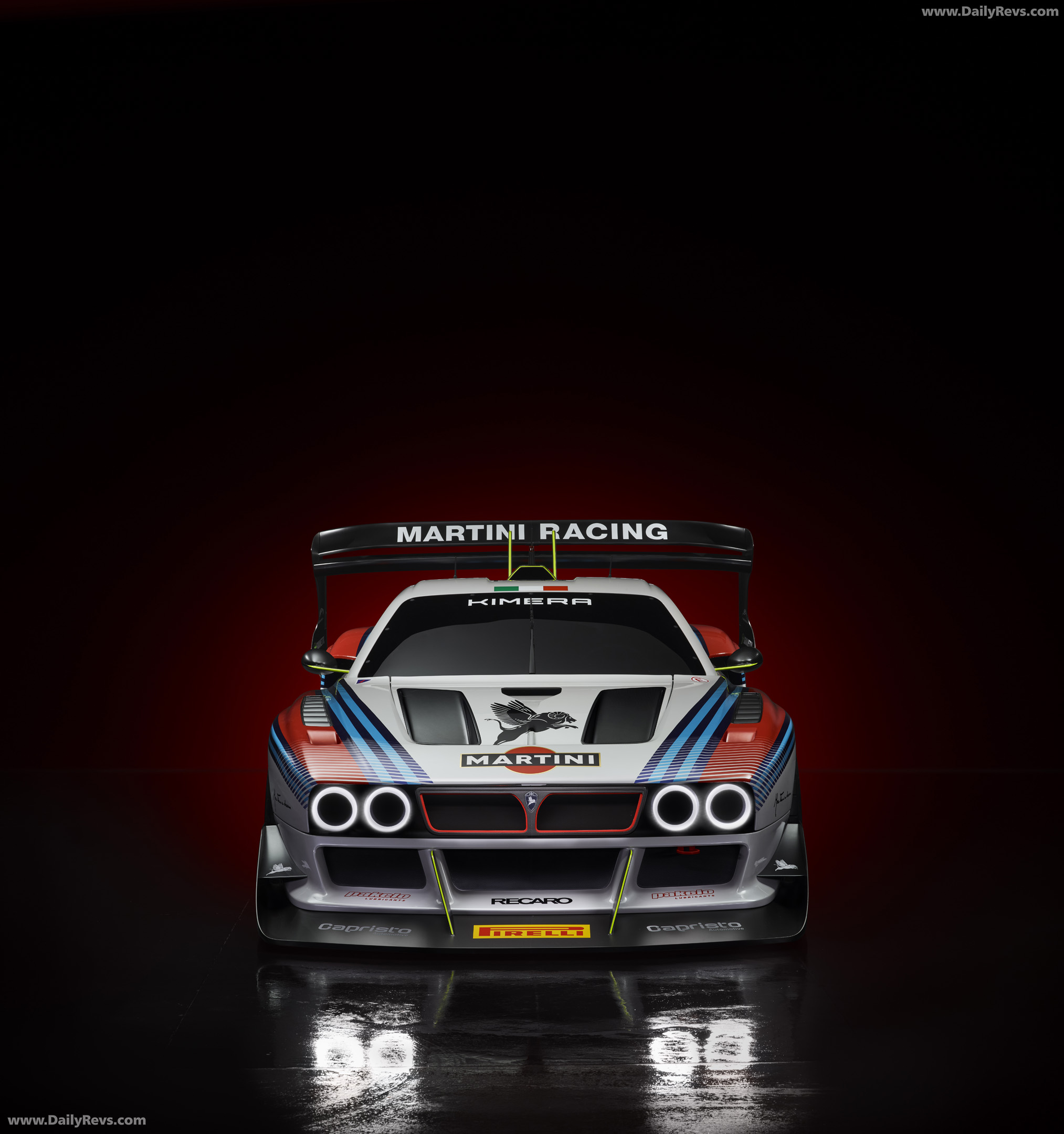
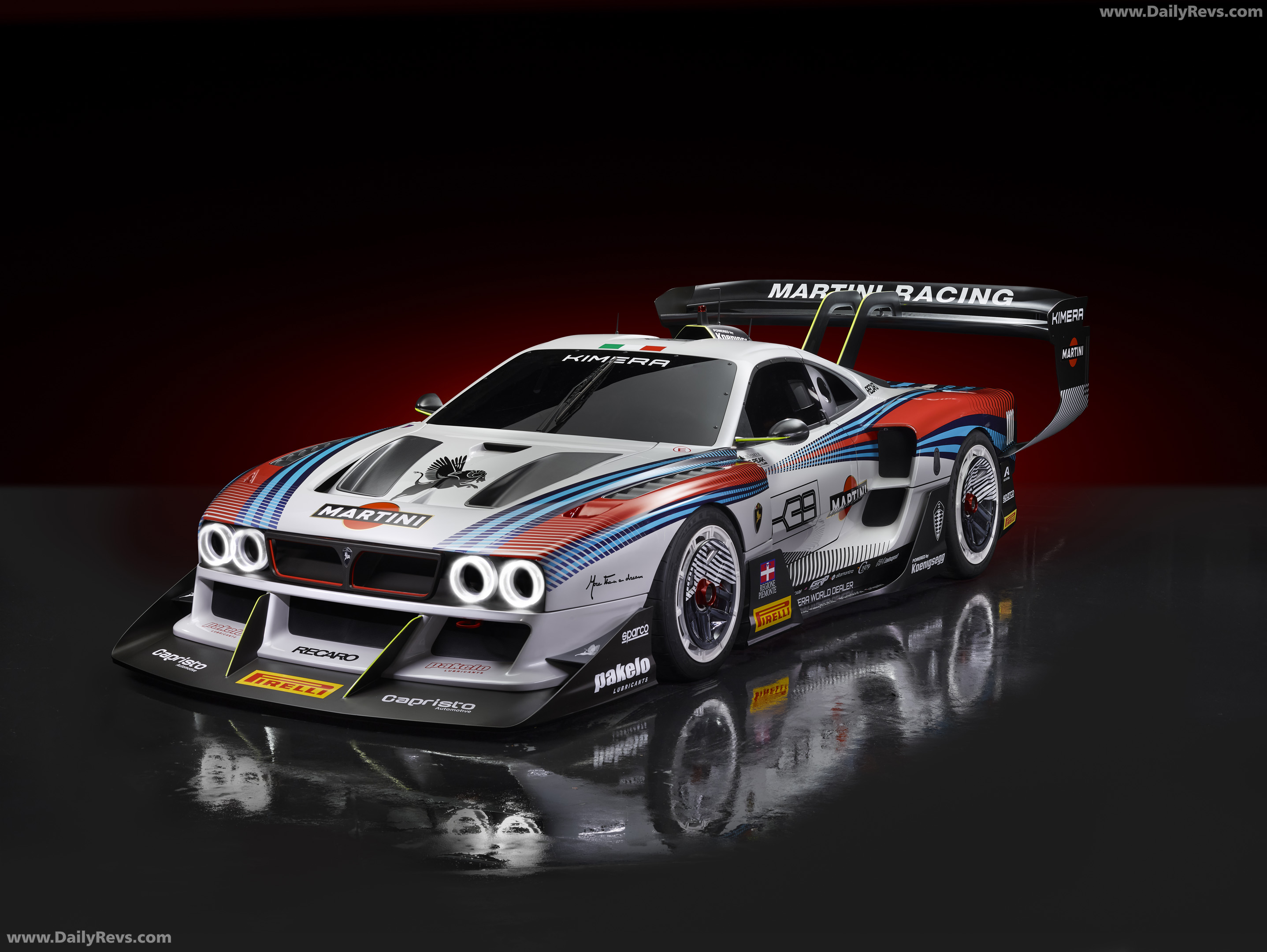
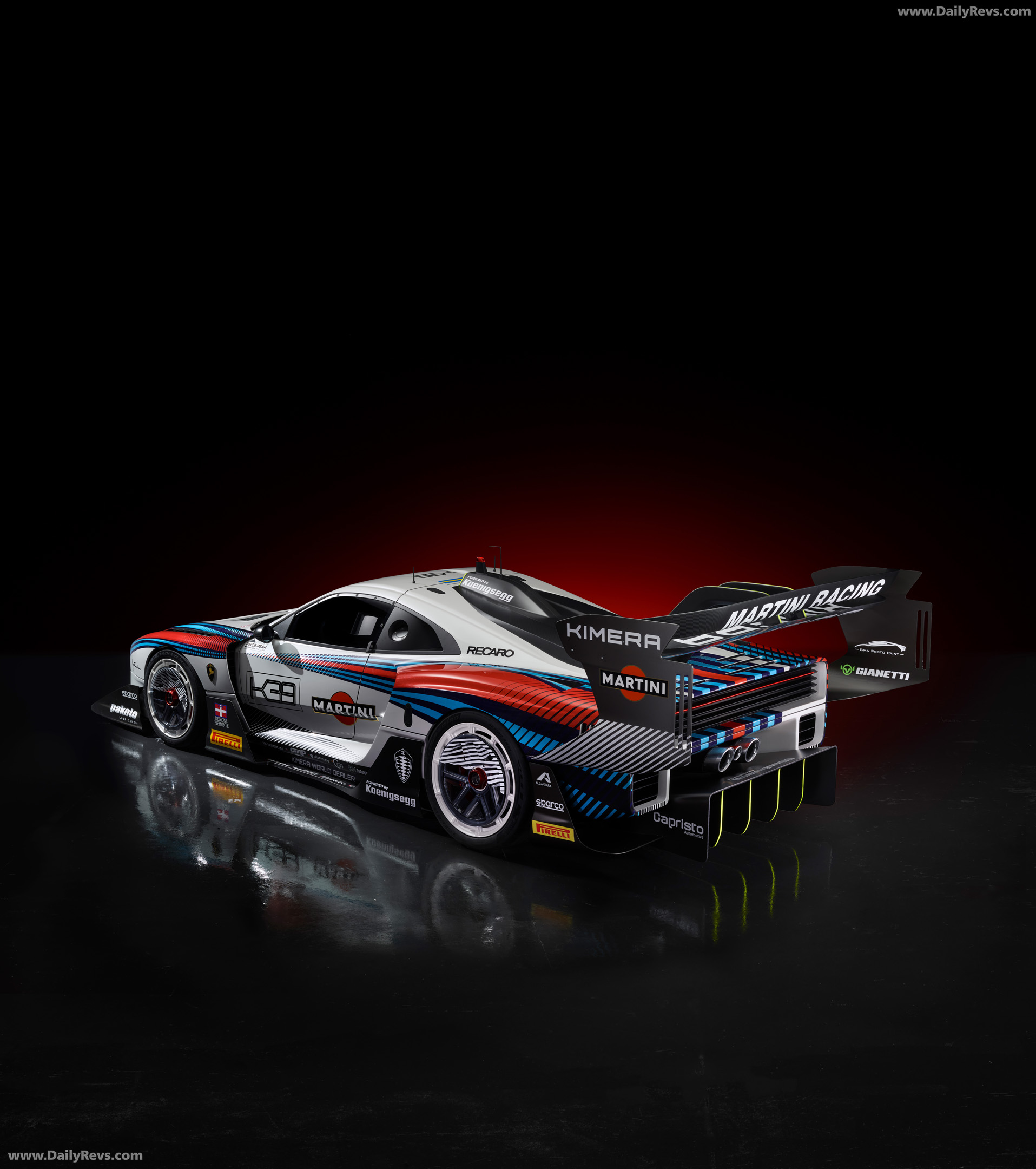
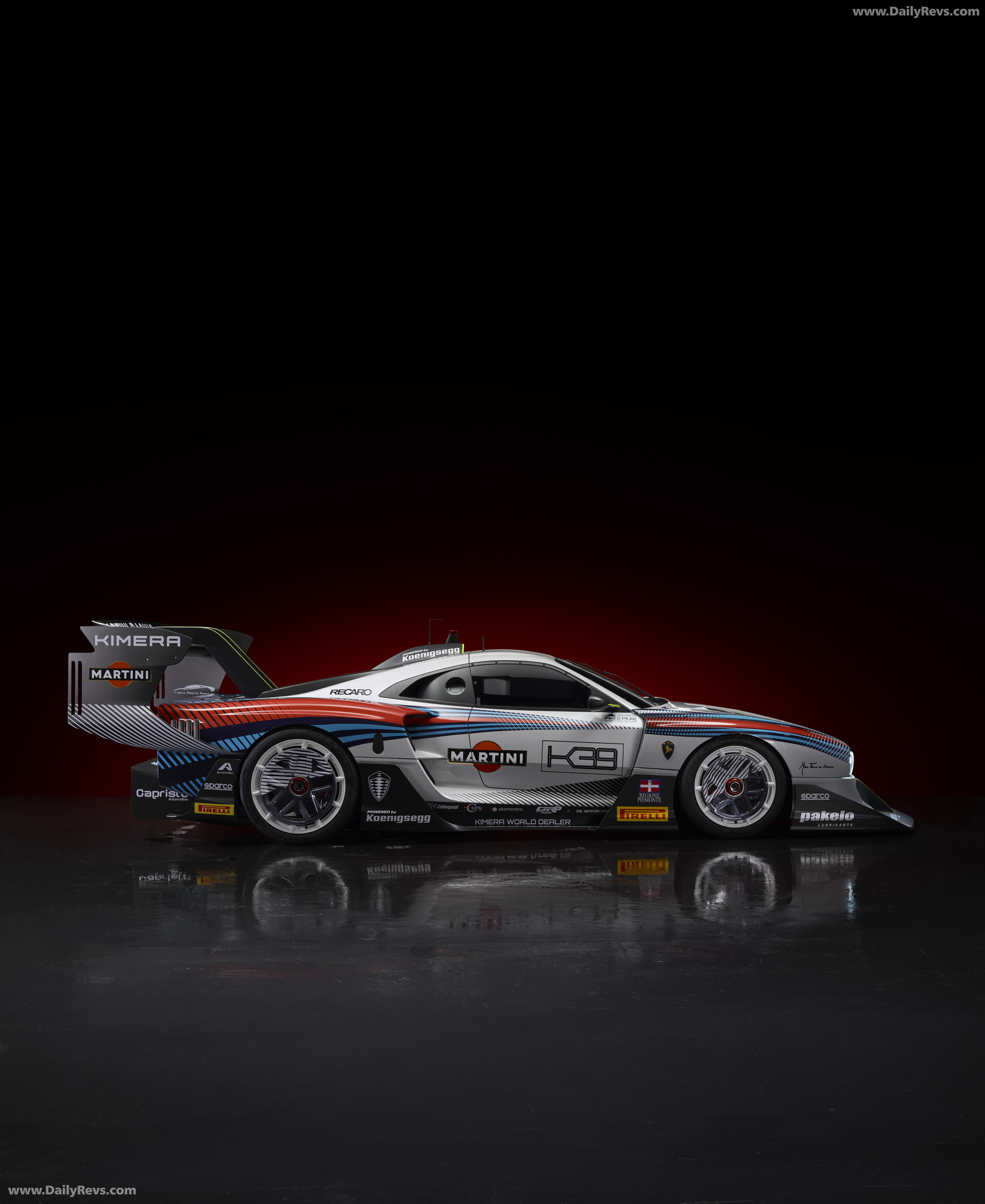
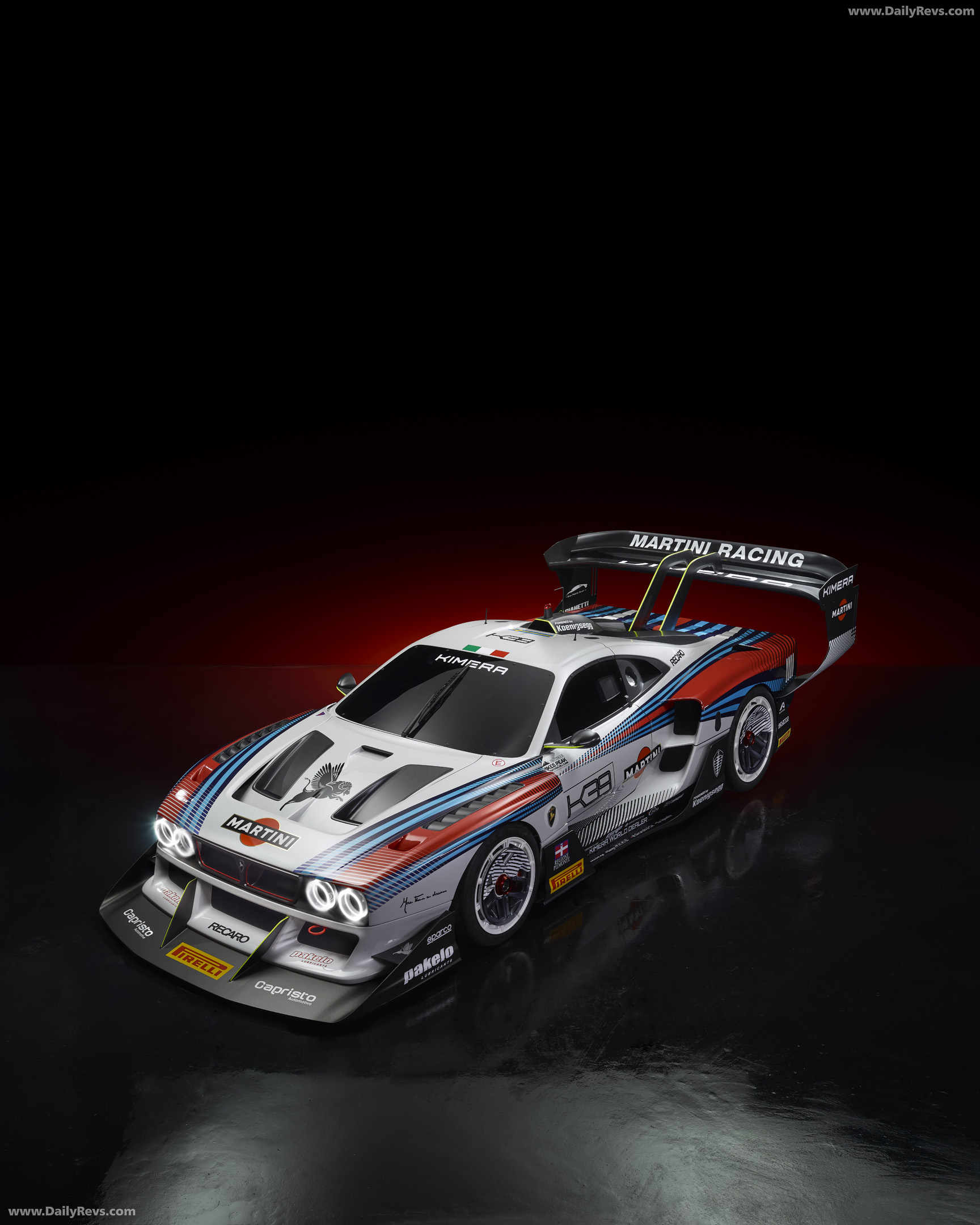
The design direction shifts away from rally heritage and toward the endurance racing silhouettes that dominated the World Endurance Championship during the 1980s. Kimera references the era’s low-slung prototypes as the central inspiration behind the K-39’s proportions and aerodynamic philosophy.
That influence is visible in the long roofline, sharply tapered rear section and stretched side profile. The company says the front and rear graphics still maintain a family connection to the EVO37 and EVO38, though the K-39 introduces far more advanced airflow management.
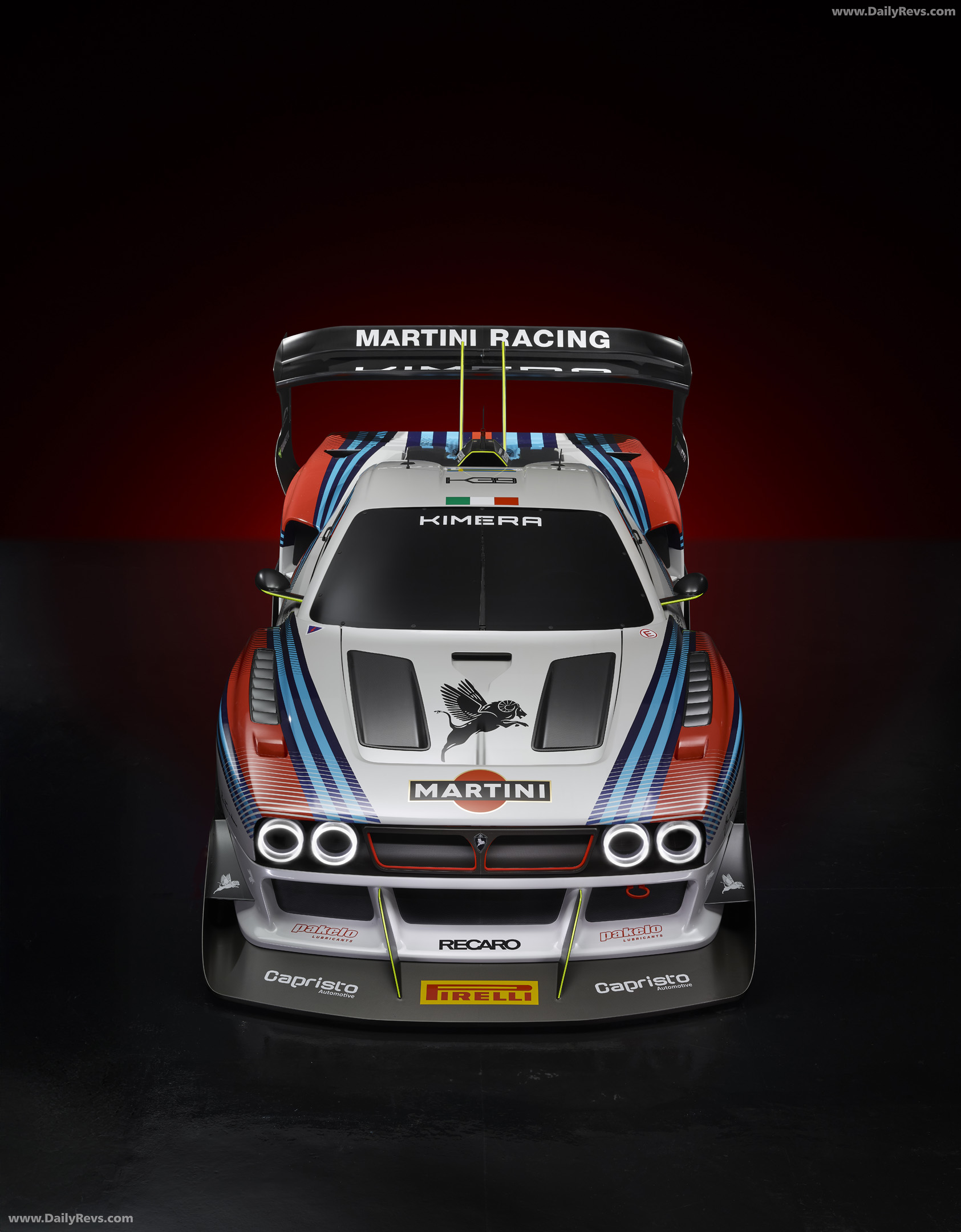
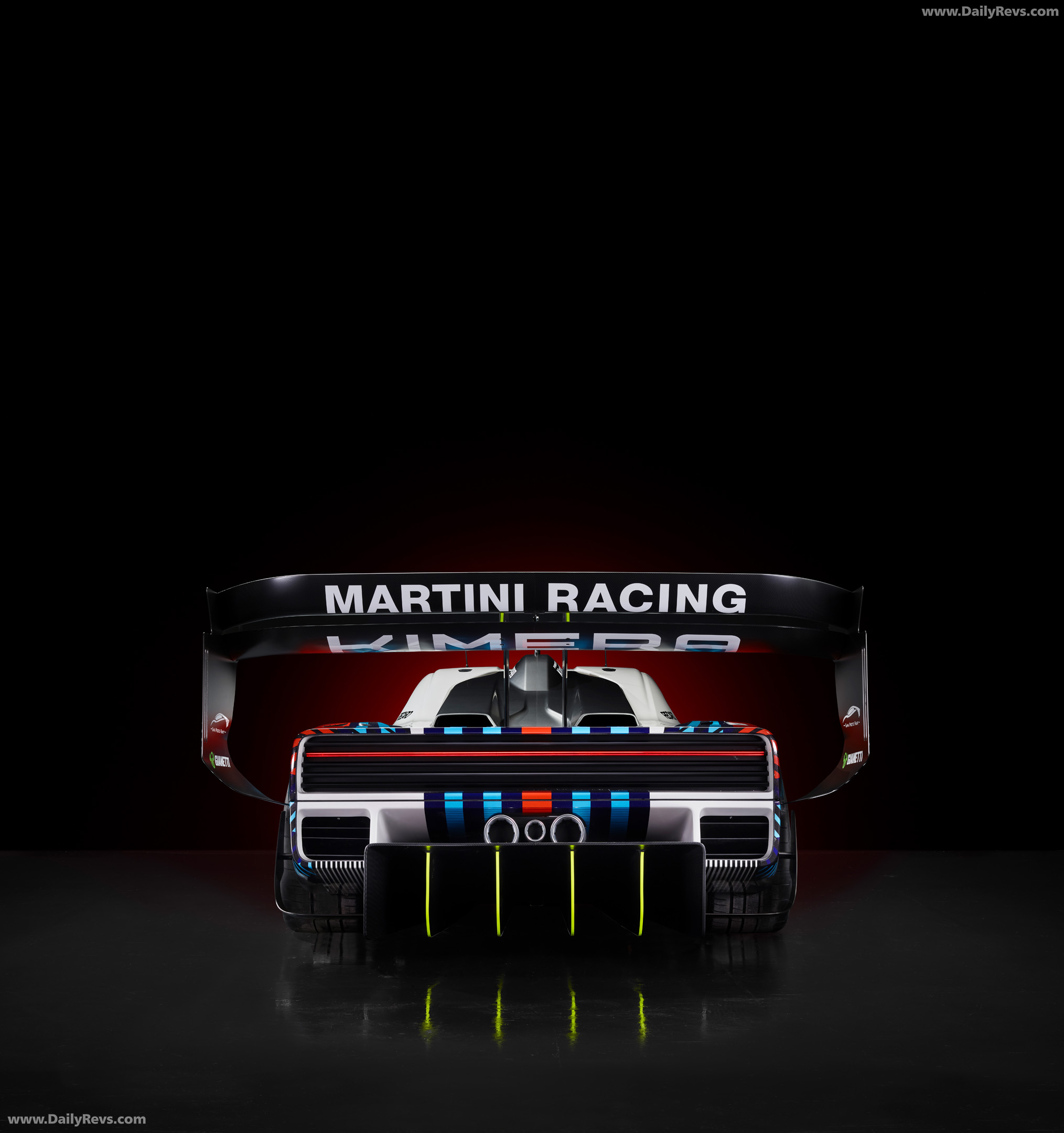
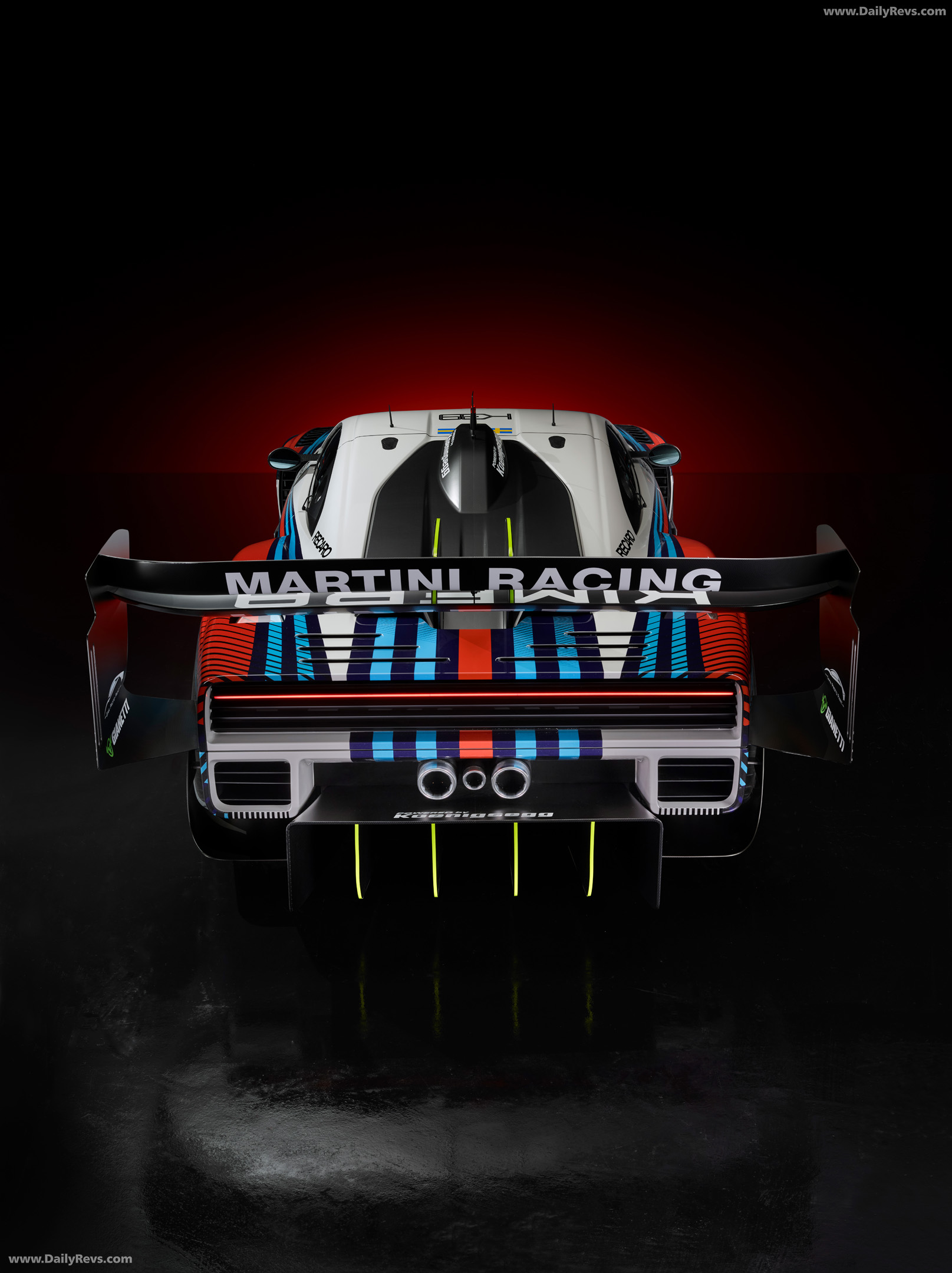
The front fascia integrates motorsport-style aerodynamic solutions including an S-duct arrangement, while the rear combines exposed extracting surfaces with a large wing inspired by period endurance racers.
Despite the extensive aerodynamic work, the K-39 Race sounds intentionally restrained in visual drama. The surfaces appear clean and tightly controlled rather than overloaded with vents and exaggerated splitters.
Koenigsegg Power Meets Italian Character
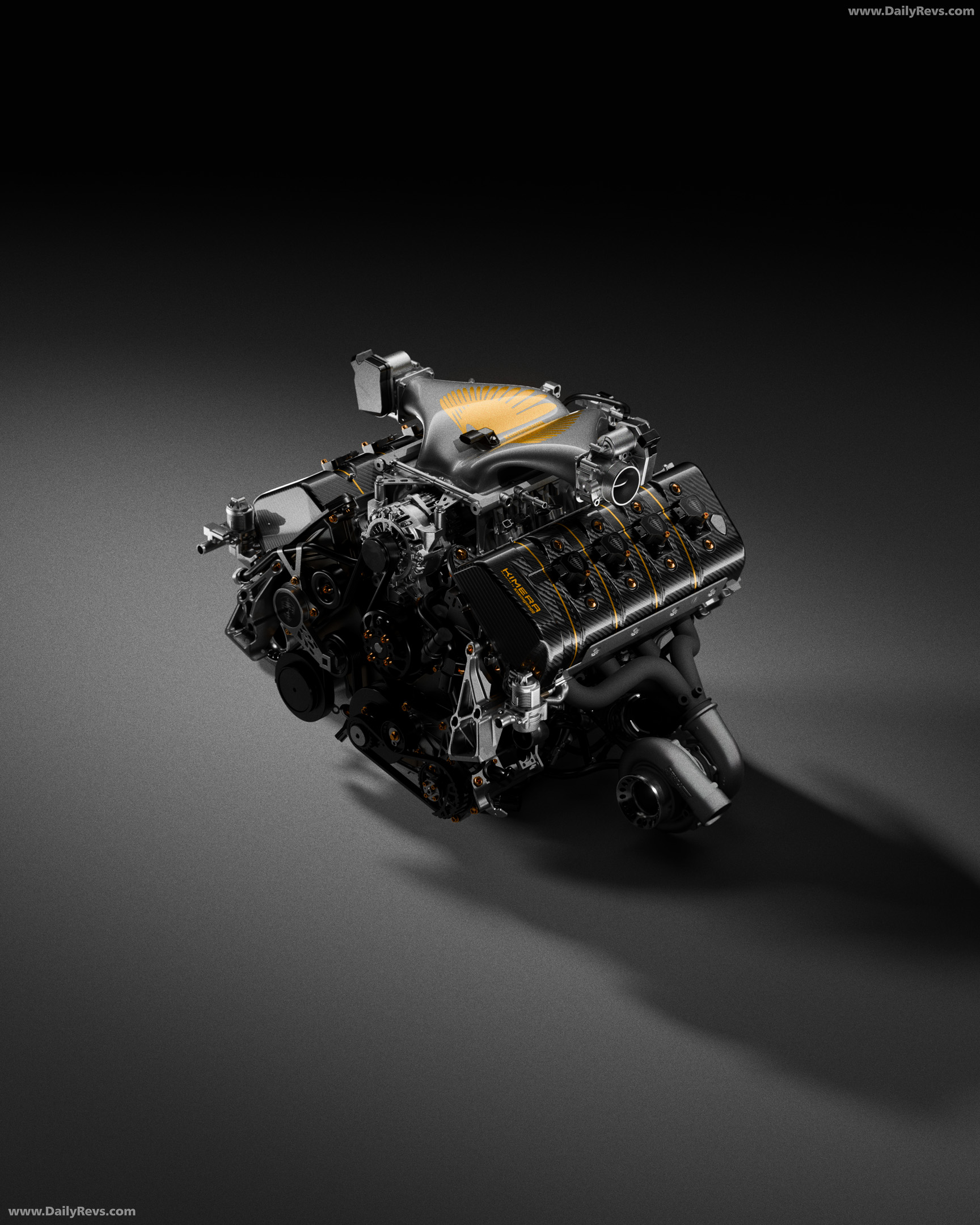
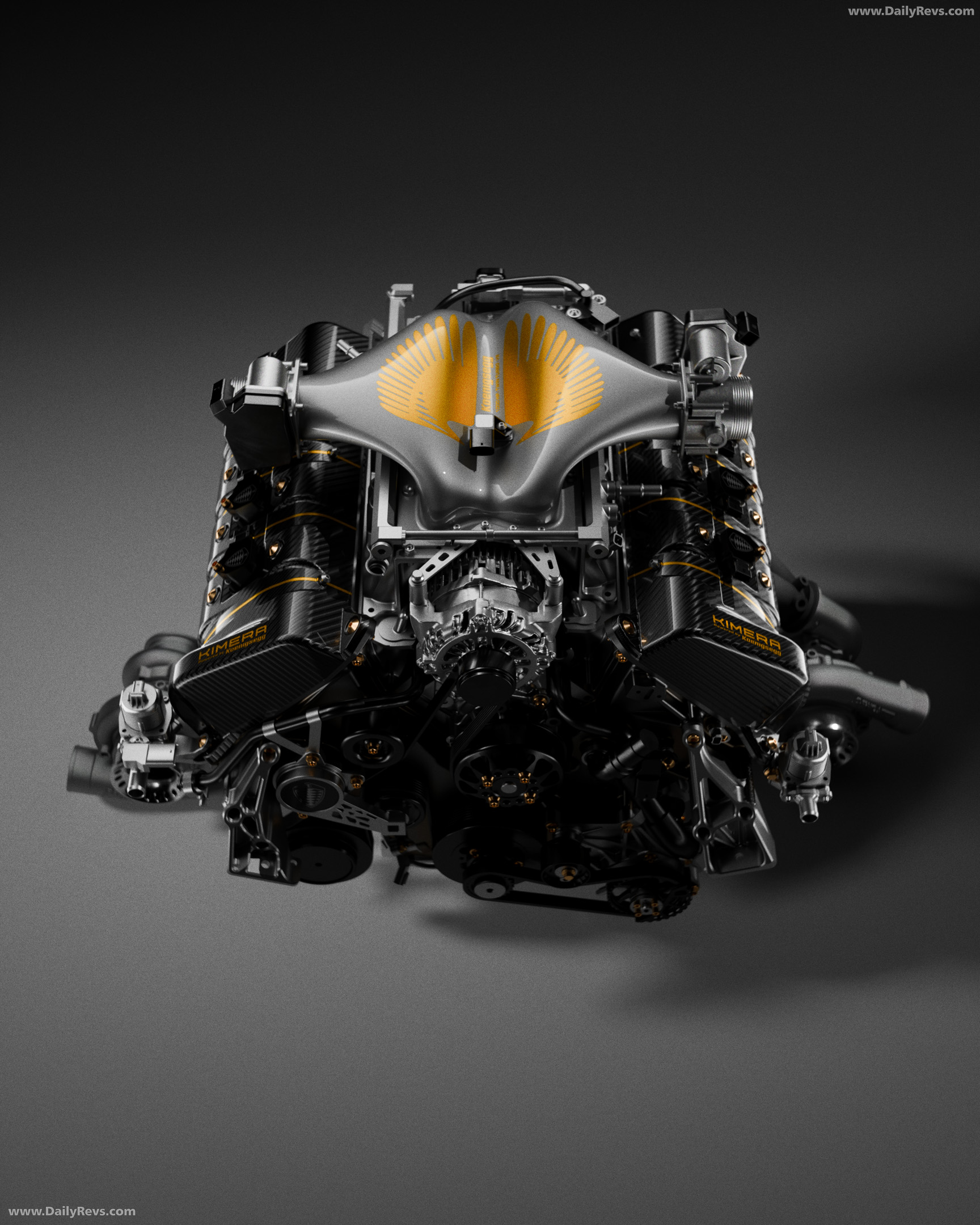
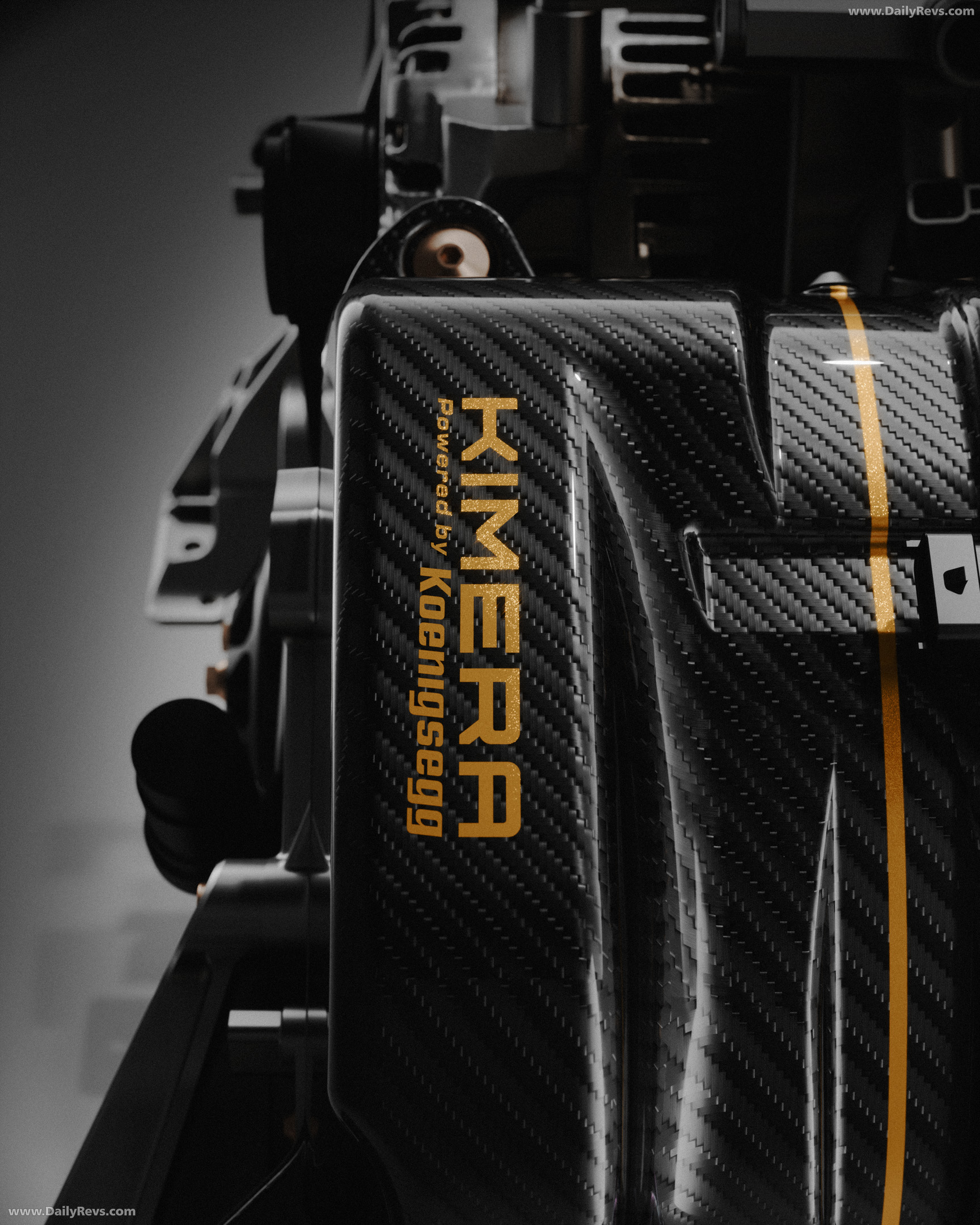
The most unexpected detail sits beneath the bodywork. Kimera partnered with Koenigsegg to develop a bespoke twin-turbocharged V8 specifically calibrated for the K-39 programme. Output stands at 1,000 horsepower and 1,200 Nm of torque, with maximum engine speed reaching 8,250 rpm.
Kimera says the turbochargers were resized and lightened compared with other Koenigsegg applications to improve response and drivability. The engine is also compatible with global emissions regulations and supports over-the-air software updates through Koenigsegg Cloud connectivity.
The collaboration itself is unusual. Swedish hypercar engineering combined with a small Italian analogue-focused manufacturer is not a pairing many expected.
Pikes Peak Becomes Part Of The Mission
The “Race” side of the K-39 identity becomes clearer through Kimera’s planned Pikes Peak programme. The company confirmed development of a dedicated configuration designed for track use and mountain competition, while remaining road legal.
Kimera says the special specification will include unique aerodynamic components and rapid-adjustment solutions tailored for circuit driving and hillclimb events. Only a small number of customers will receive the Pikes Peak-focused version.
More than 20 examples of the K-39 had reportedly been allocated before the public unveiling.
For a brand that built its reputation revisiting rally icons, the K-39 Race feels like a deliberate attempt to create its own mythology instead.