2027 Kia Seltos Baseline
By Lorenzo Bianchi April 18, 2026
Second-generation Seltos enters Europe for the first time.
Baseline trims focus on usability, space, and balanced design.
Petrol and hybrid options include AWD and V2L capability.
A quieter design approach that still stands out
The 2027 Kia Seltos baseline doesn’t try too hard to make a statement. It doesn’t need to.
This is the second generation of a model that already sells well globally, now stepping into Europe for the first time. The focus here feels different. Less about standing out, more about fitting in — but in a way that still carries some presence.
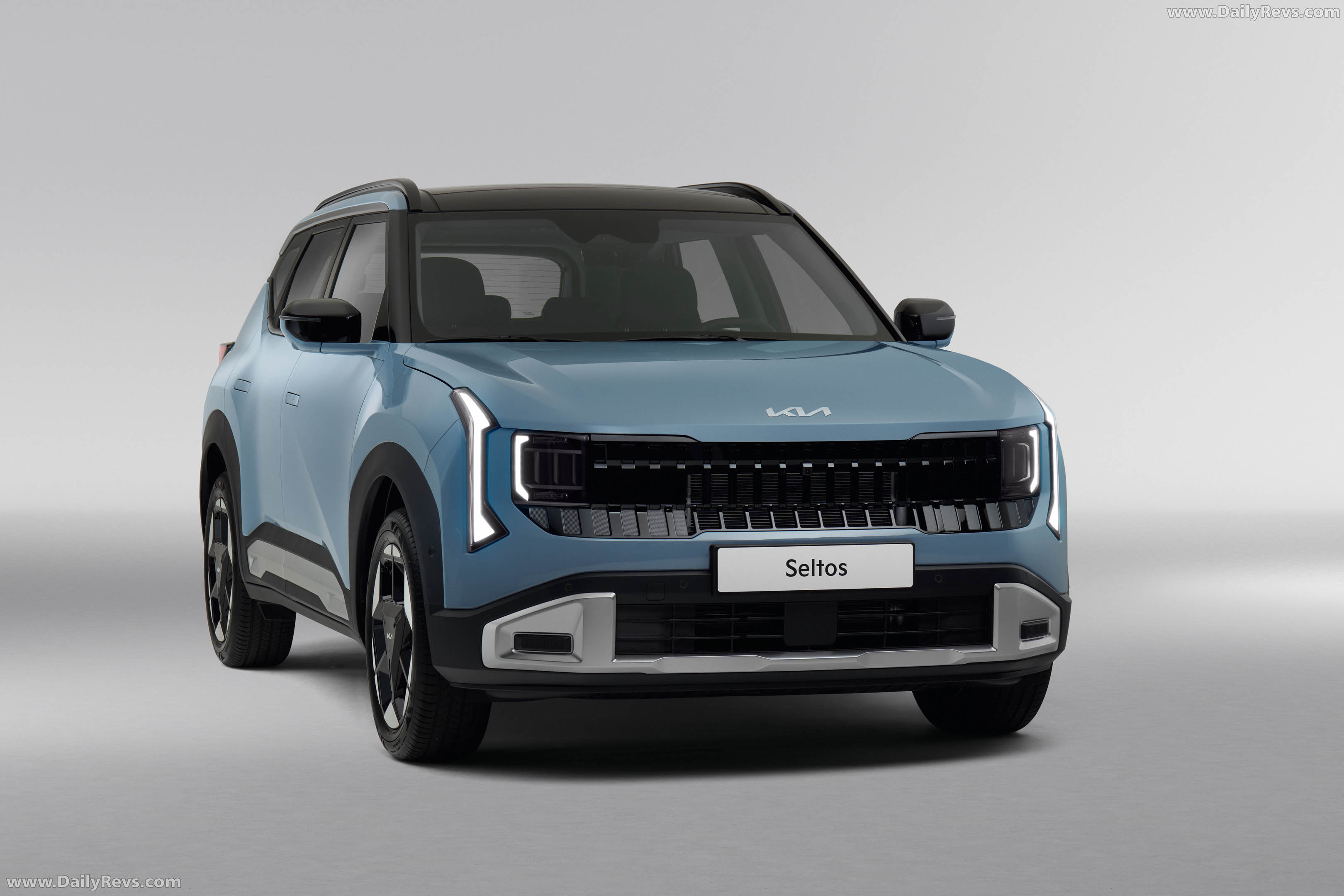
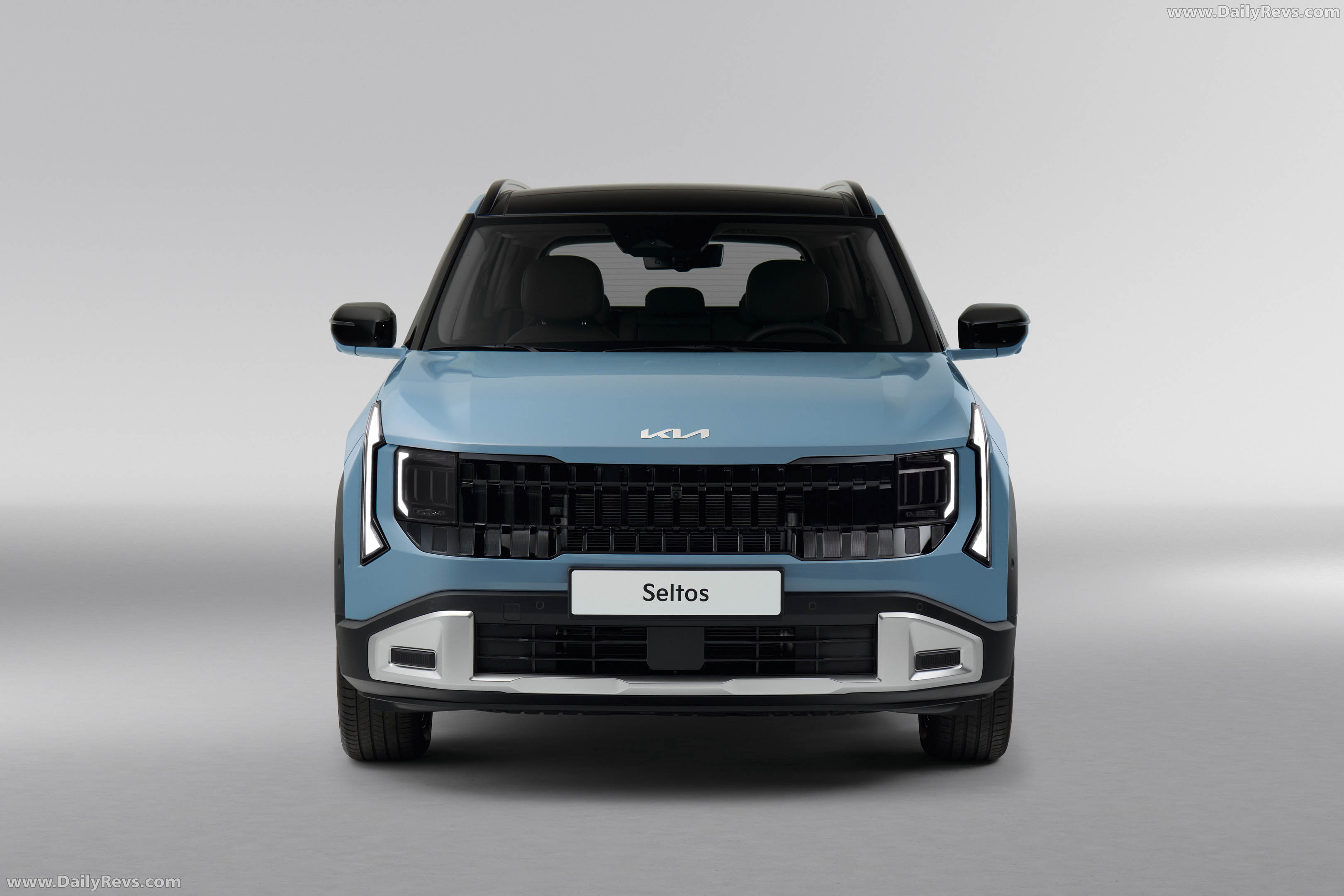
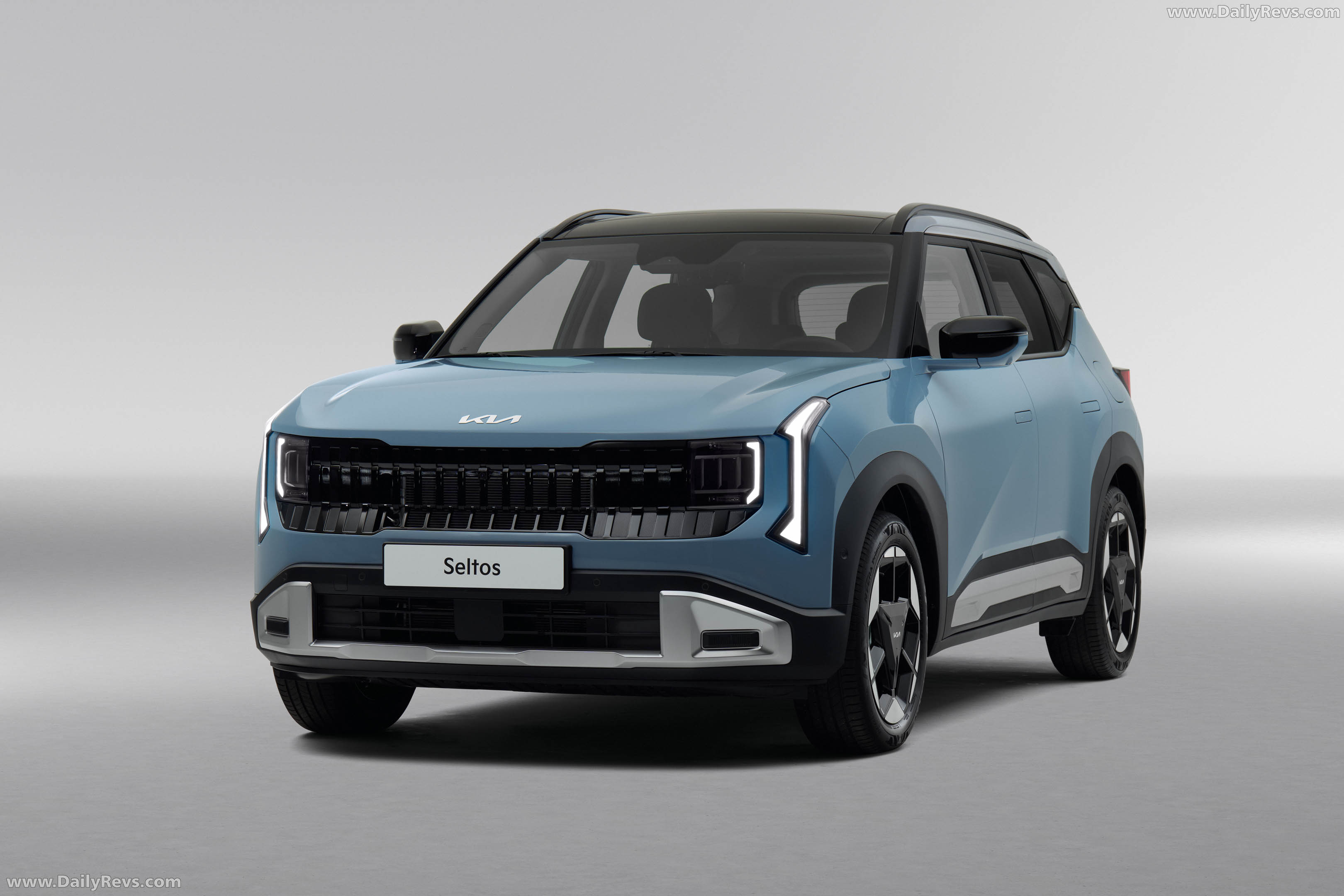
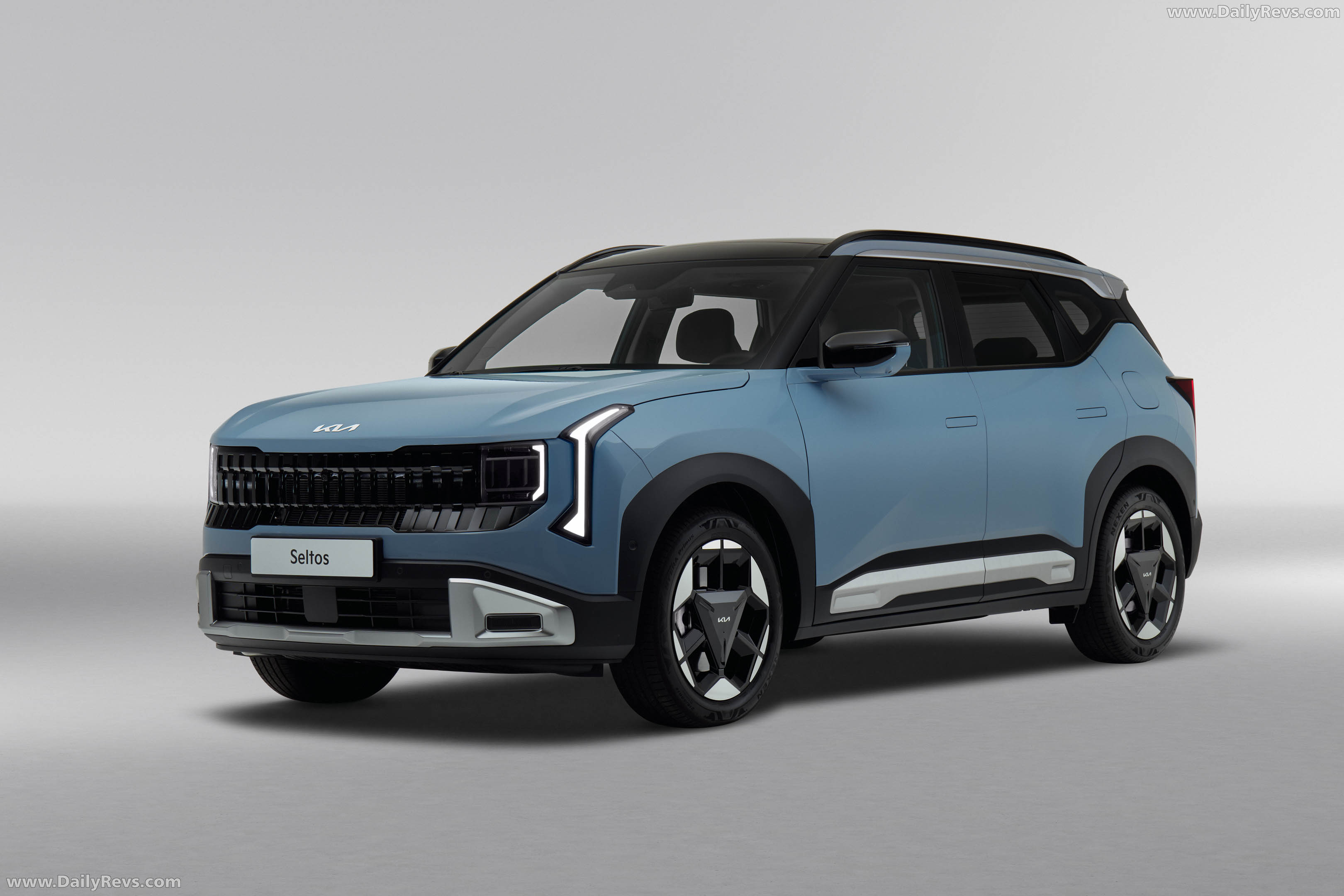
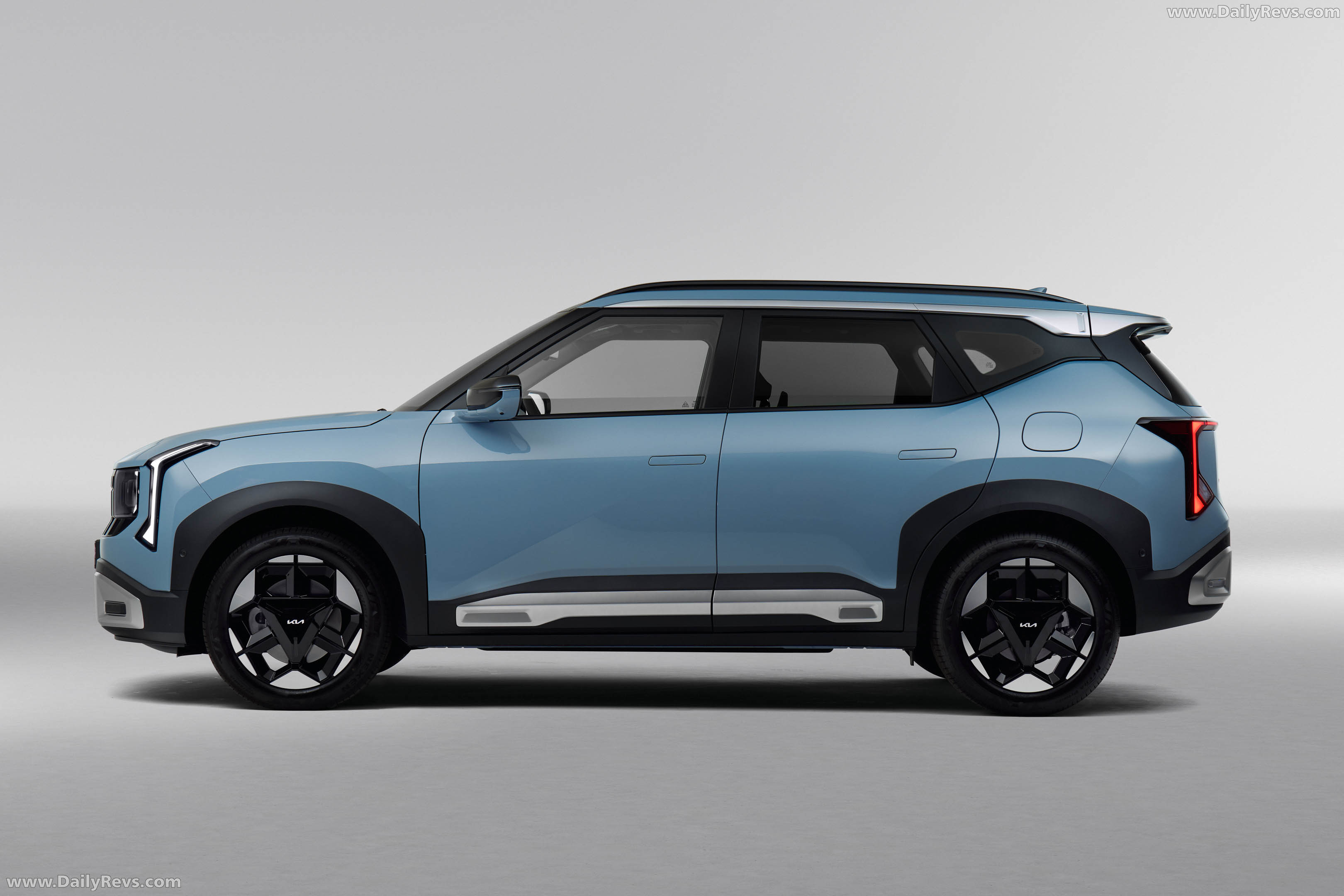
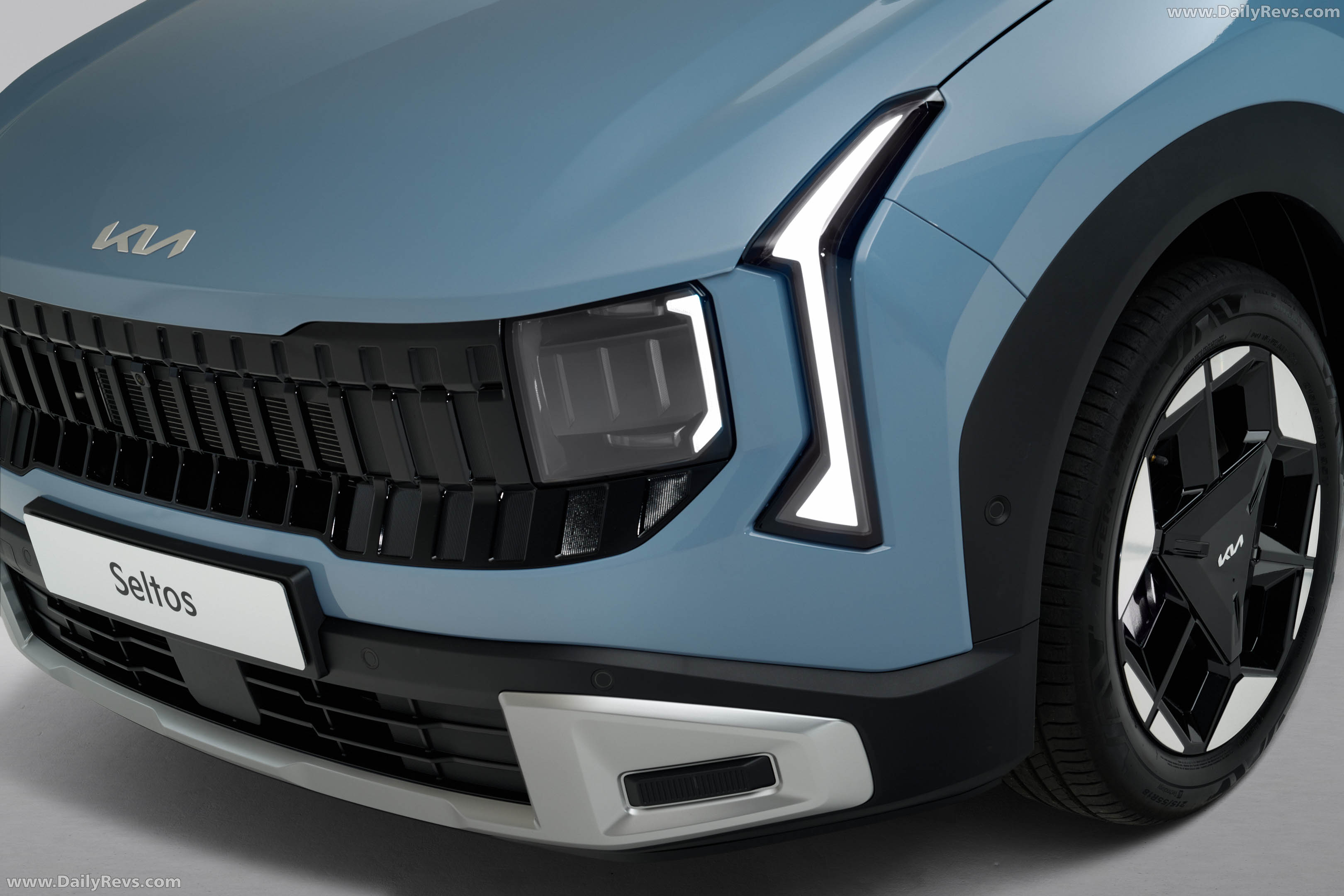
At the front, Kia’s Star-map lighting stretches into the grille. It’s a clean integration, not overly dramatic, just enough to give the car a more current look. The surfaces around it are simple, almost restrained.
From certain angles, the Seltos feels more upright than some rivals. That comes through in the proportions rather than any single design element. It gives the car a sense of purpose without pushing into anything aggressive.
Sized for real use, not just segment expectations
The dimensions tell part of the story.
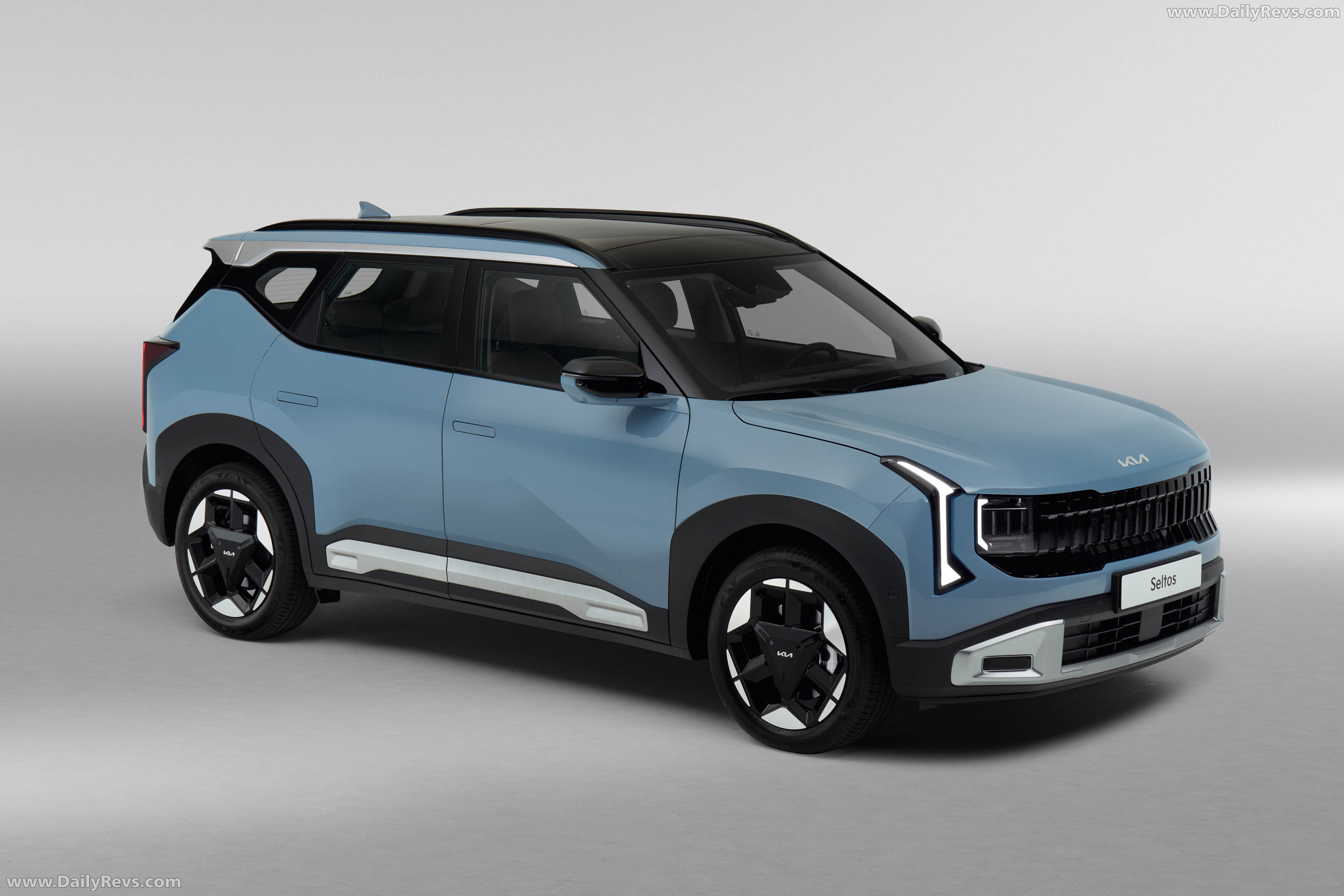
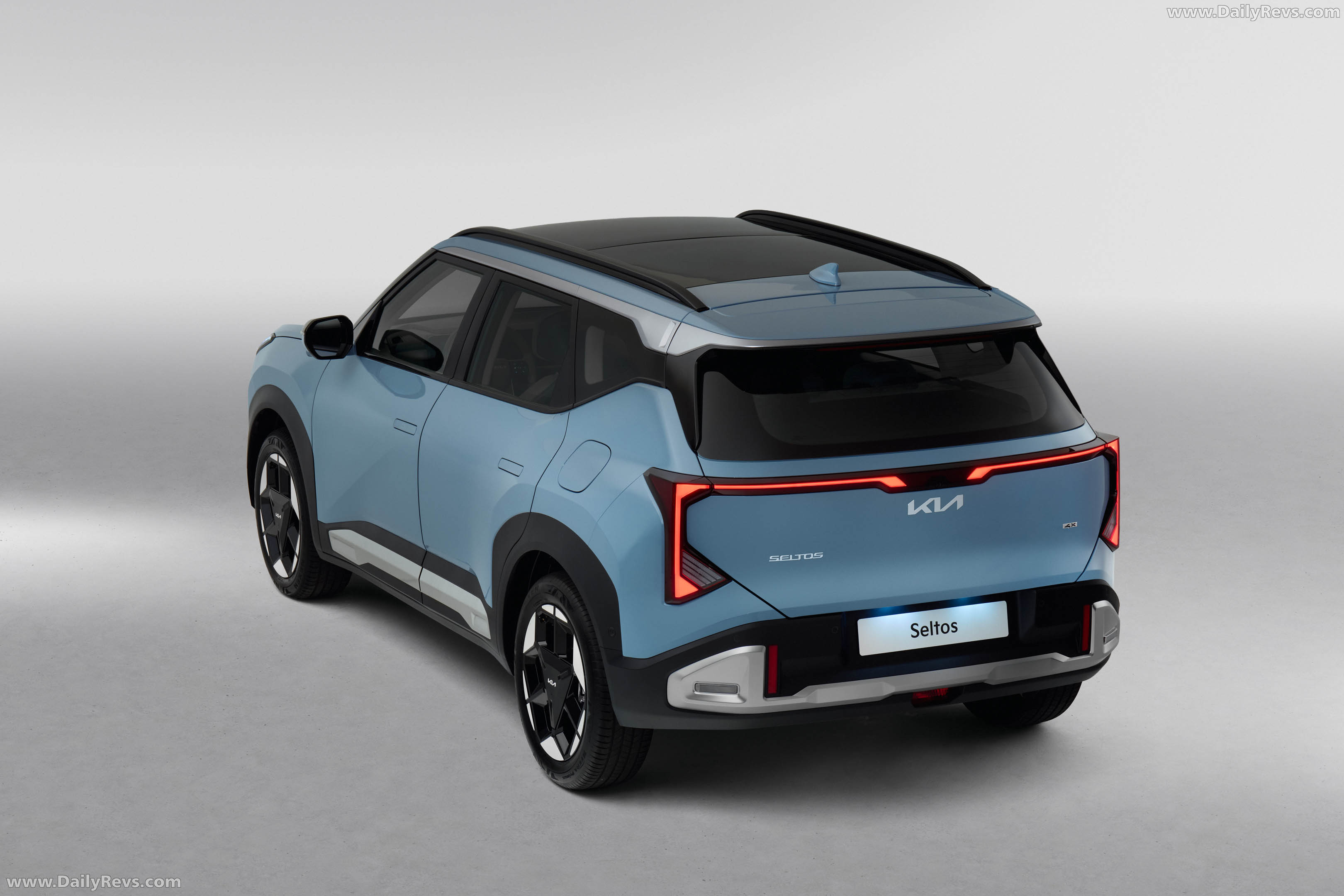
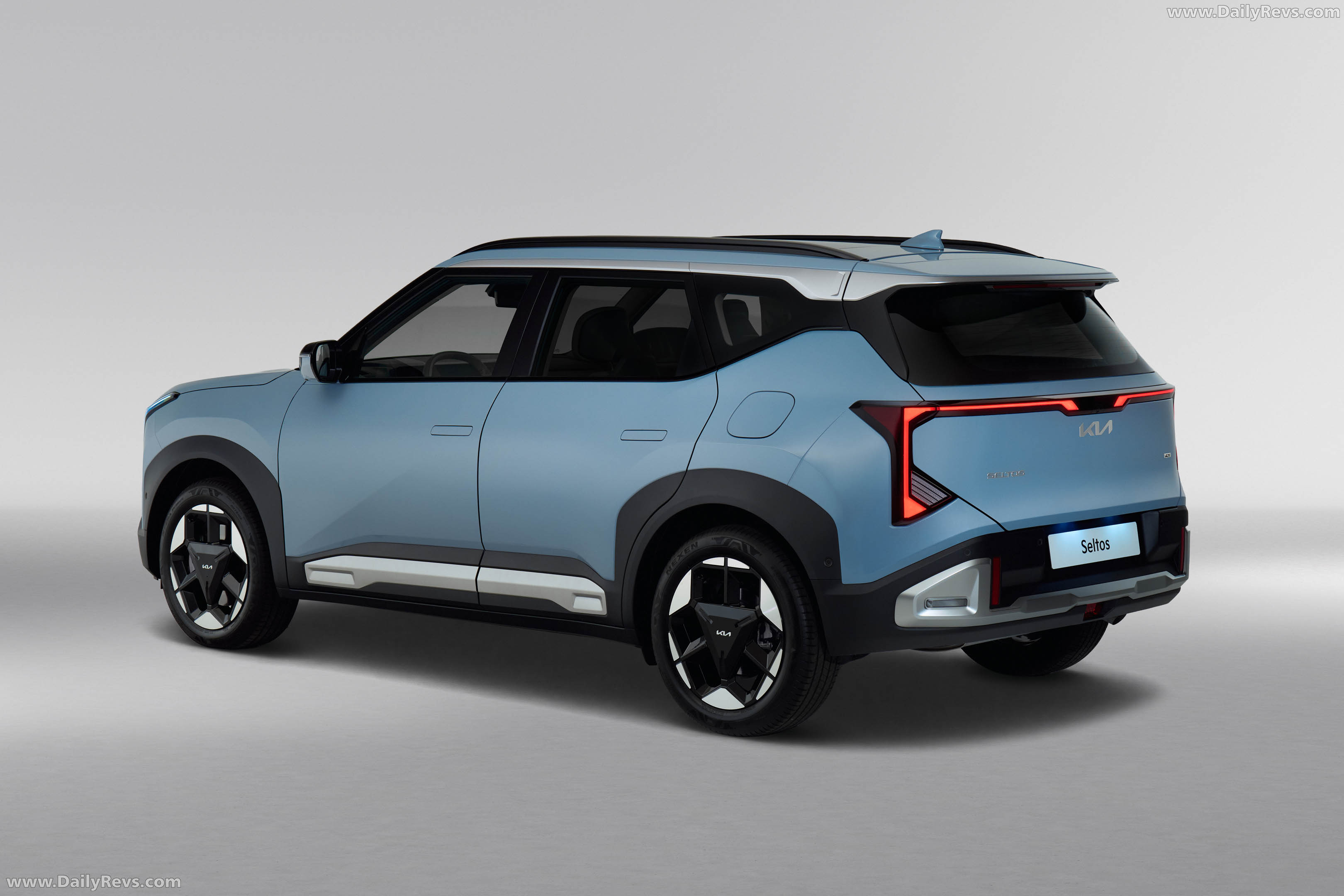
At 4.43 metres long with a 2.69-metre wheelbase, the Seltos sits comfortably within the C-SUV space. Not too large, not too compact either. It’s the kind of size that works across different situations.
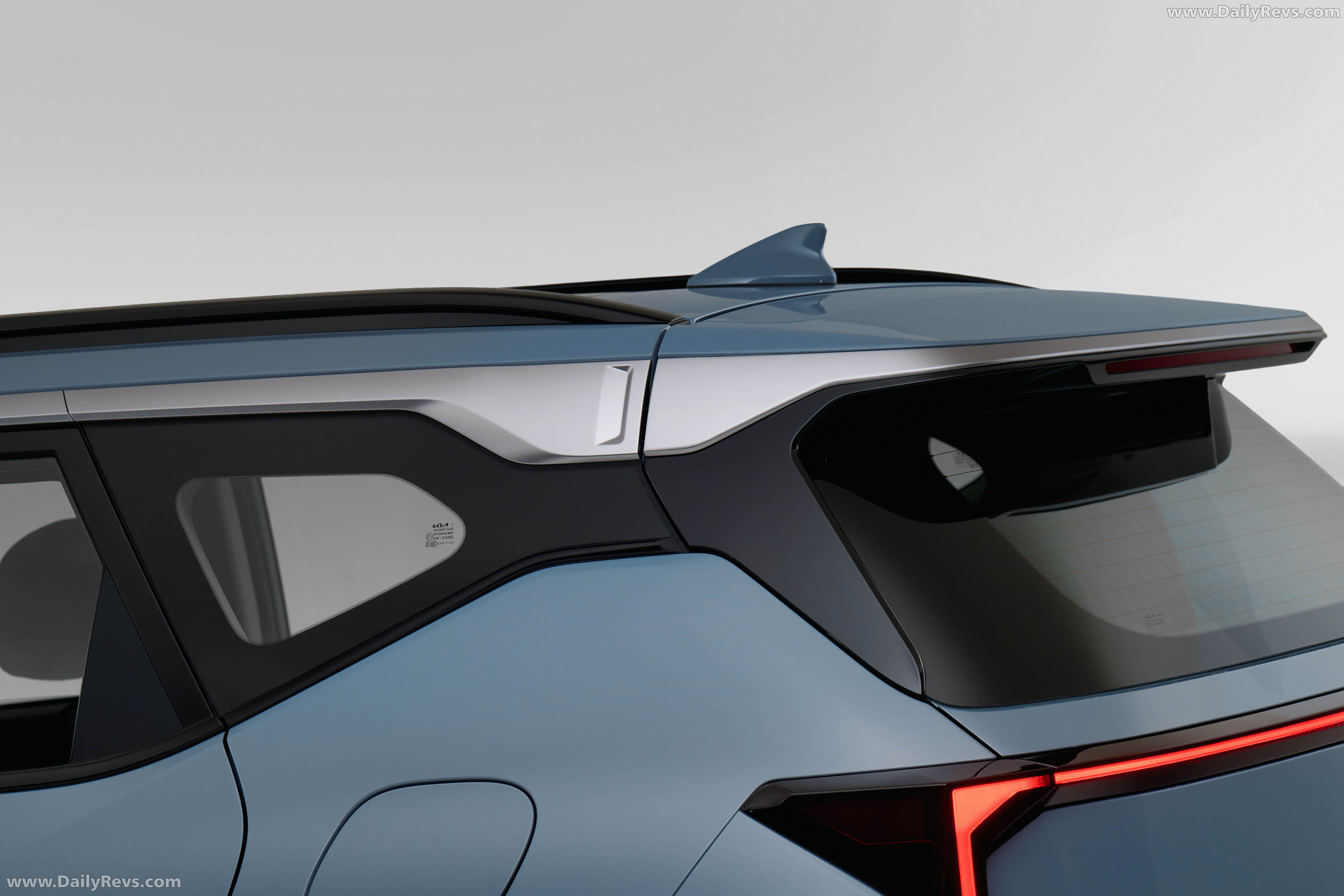
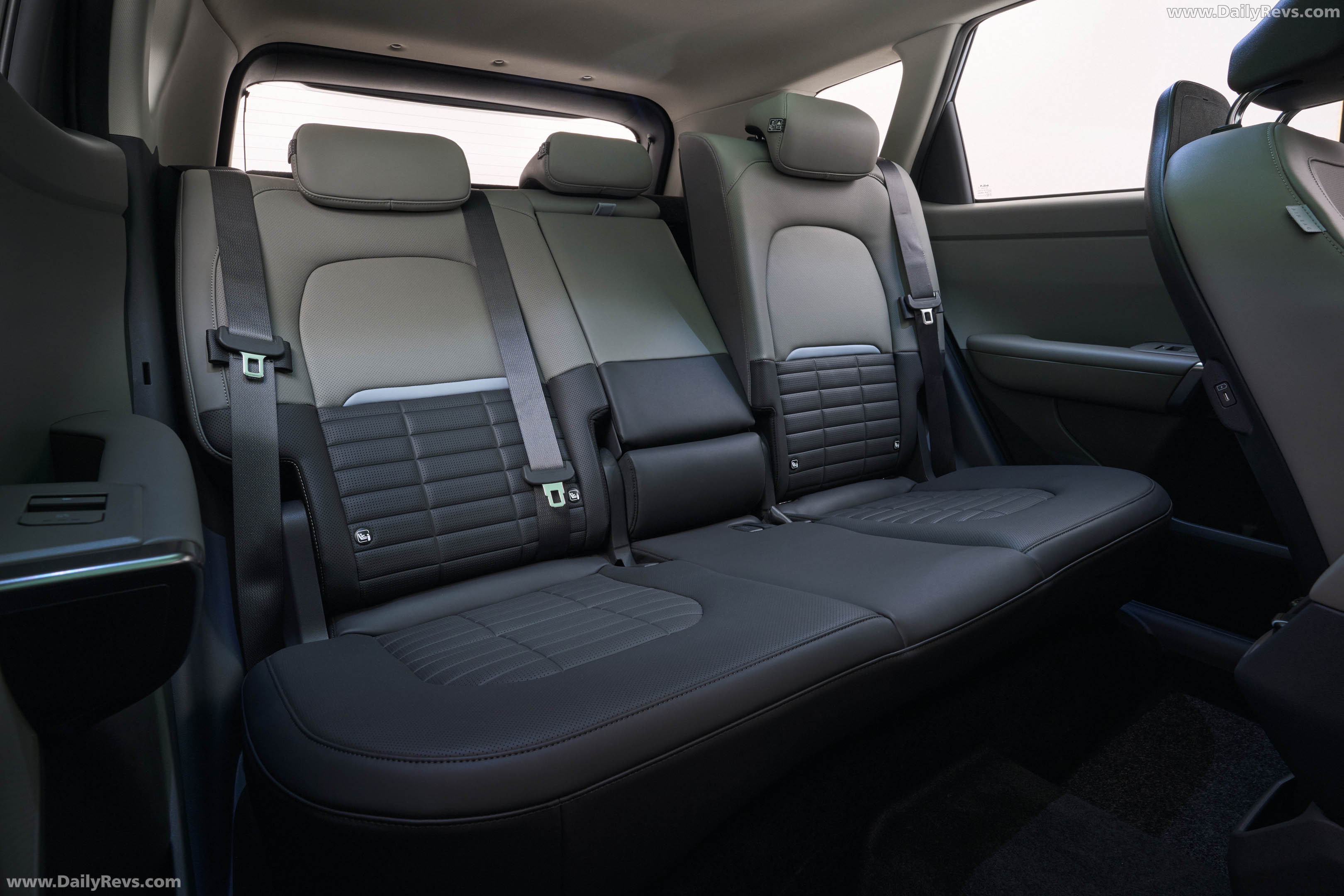
The extended D-pillar is noticeable. Not just visually, but in how it shapes the cabin space. There’s a bit more room in the rear than you might expect at first glance.
It’s the kind of car that feels designed around use rather than image. Easy to drive, easy to place, and unlikely to feel out of its depth in tighter urban settings.
Interior leans toward clarity over complexity
Inside, the layout feels familiar, but in a good way.
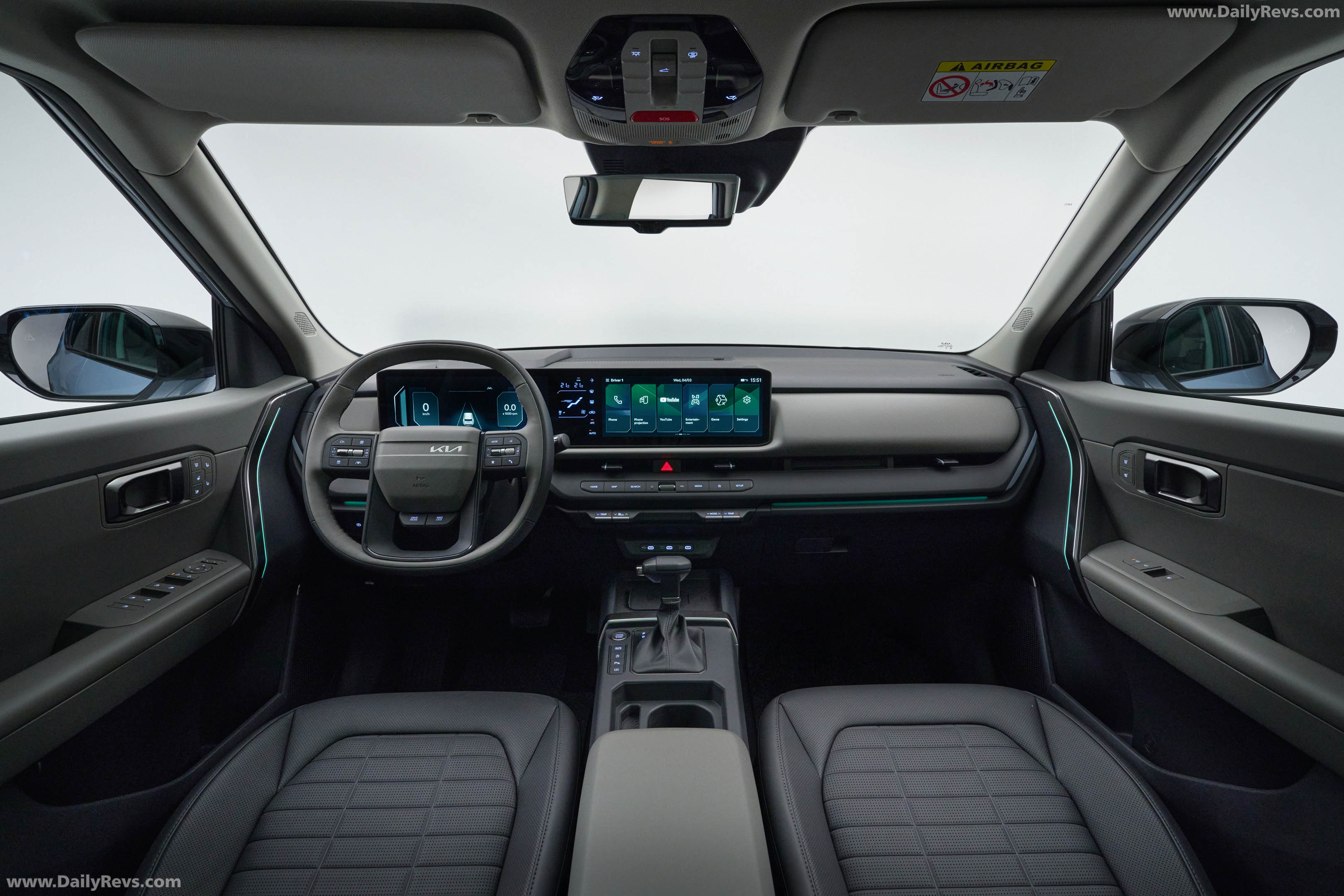
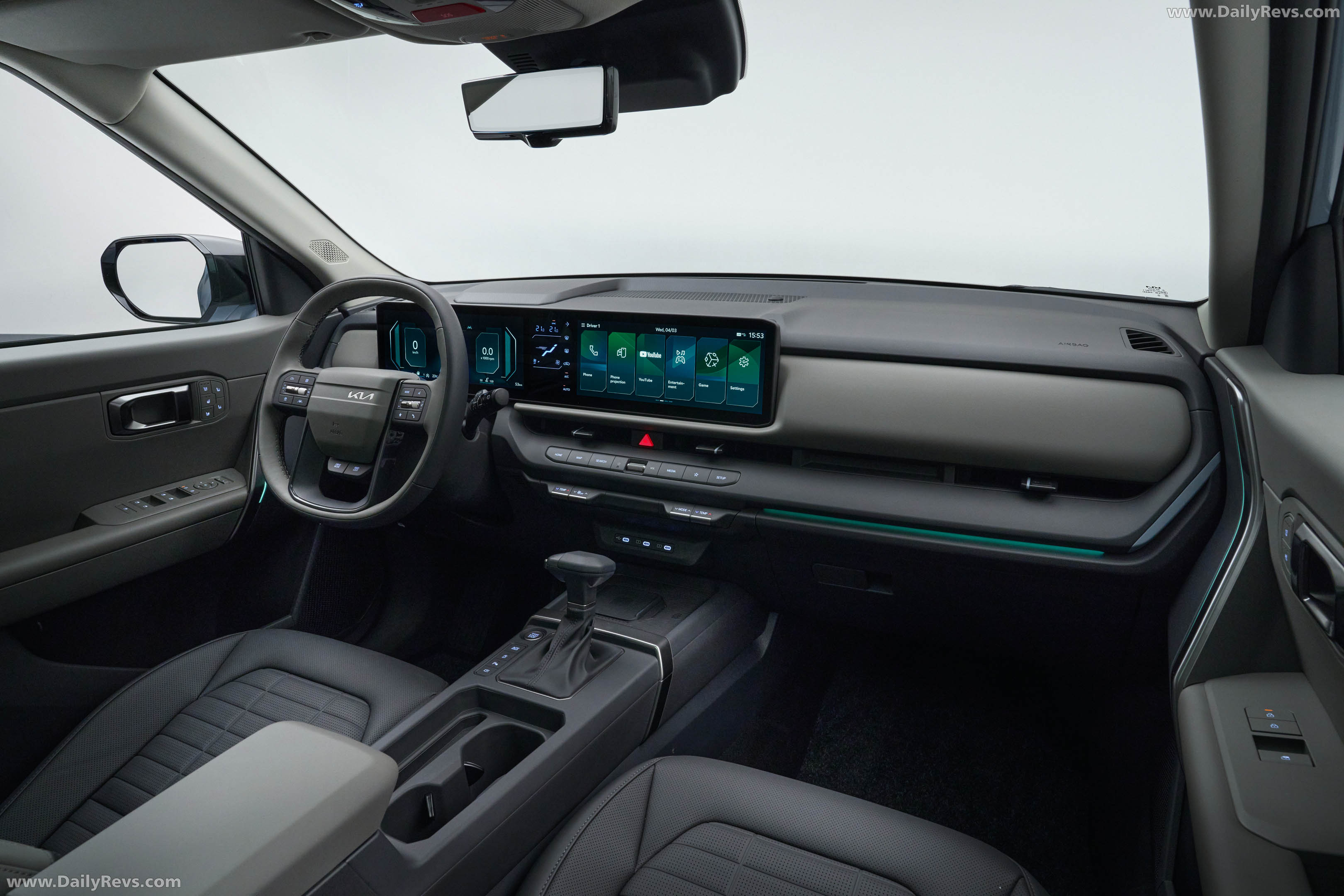
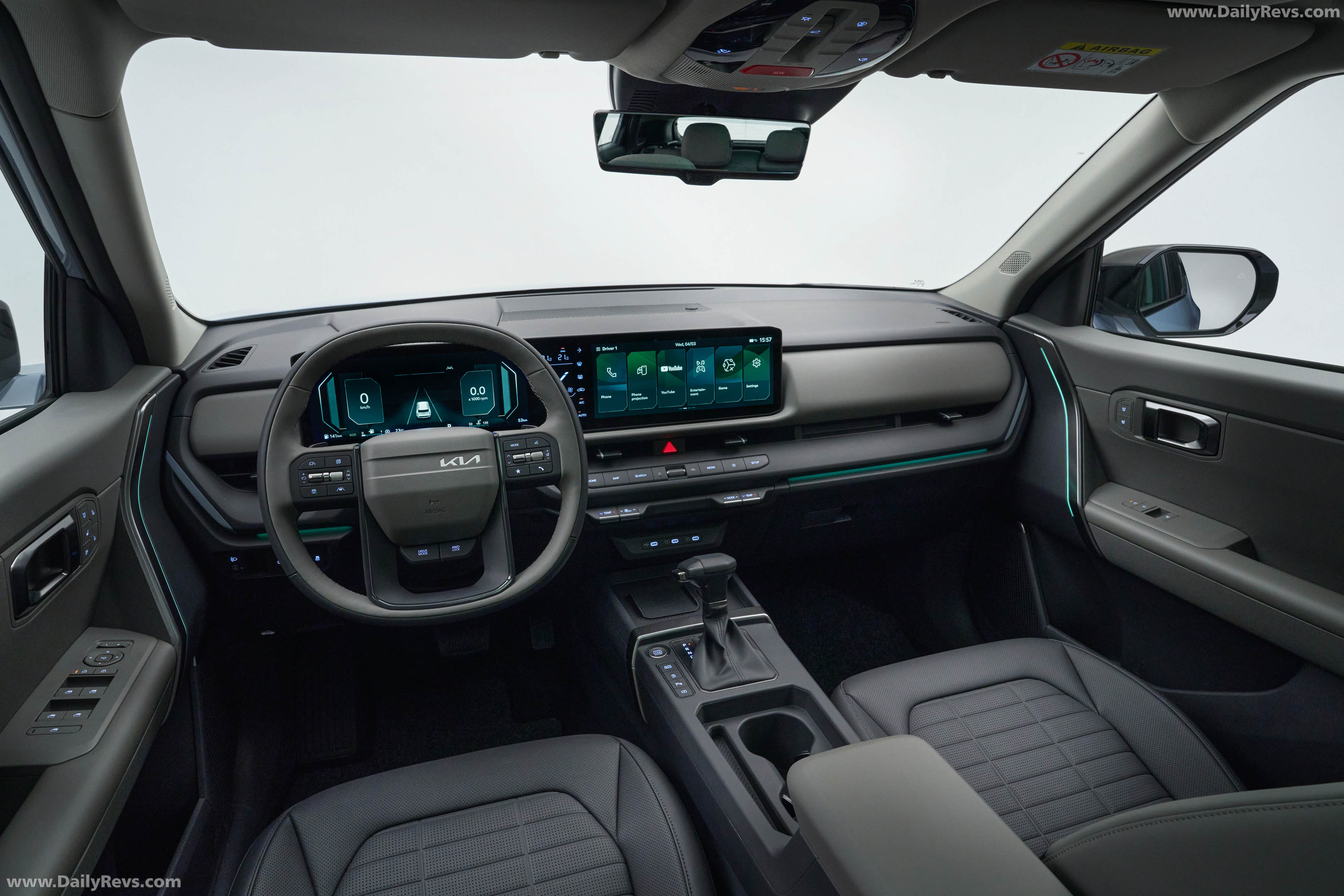
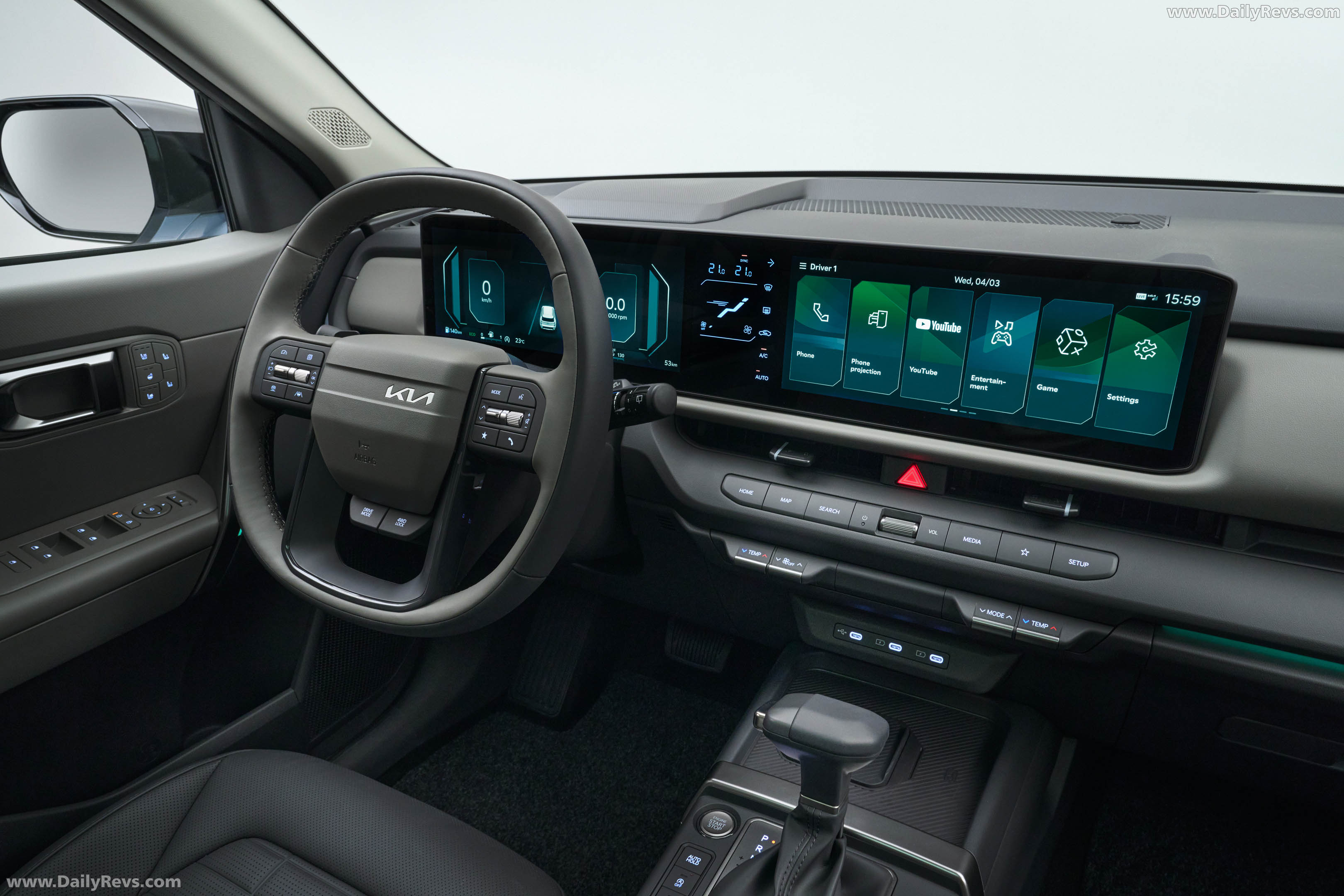
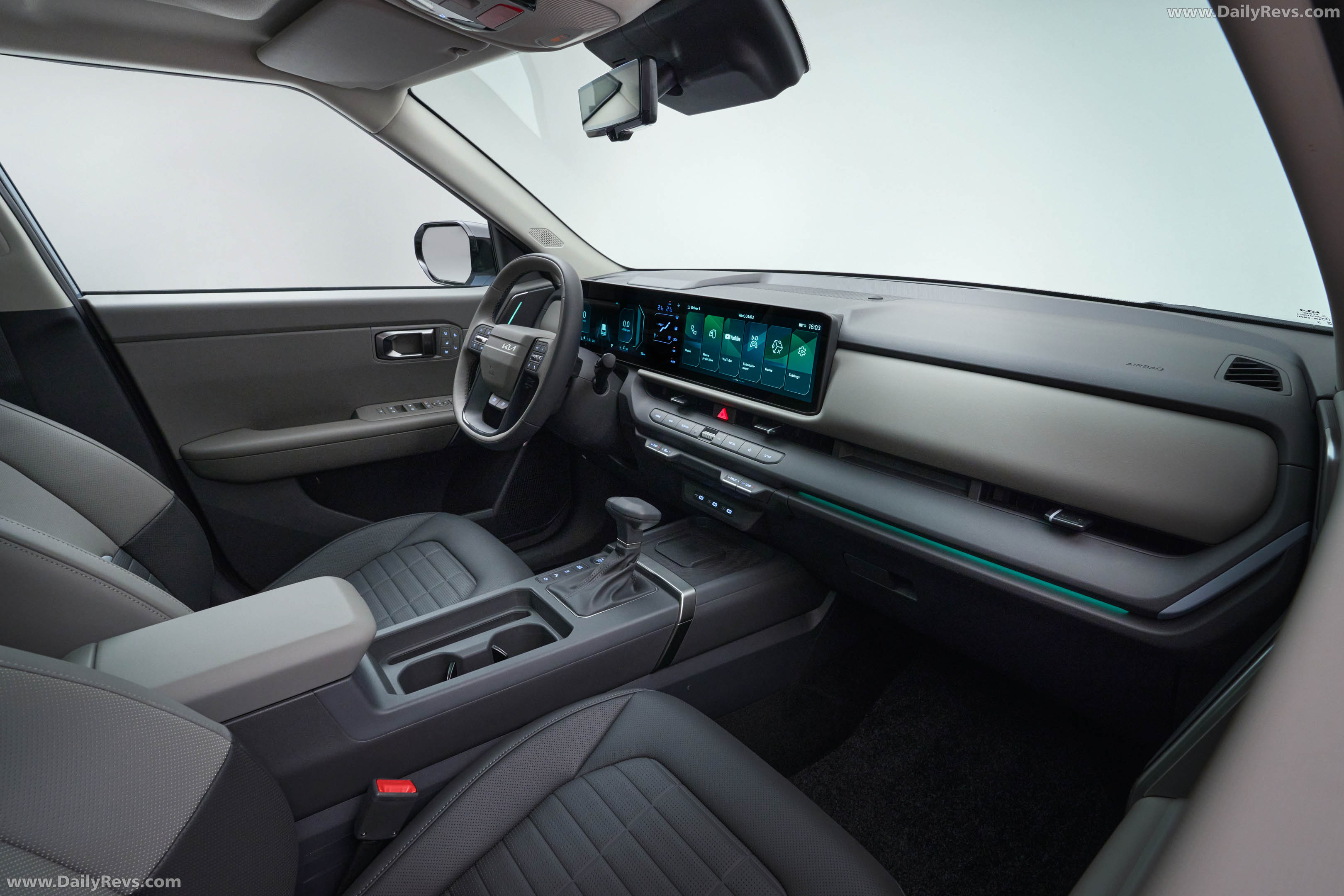
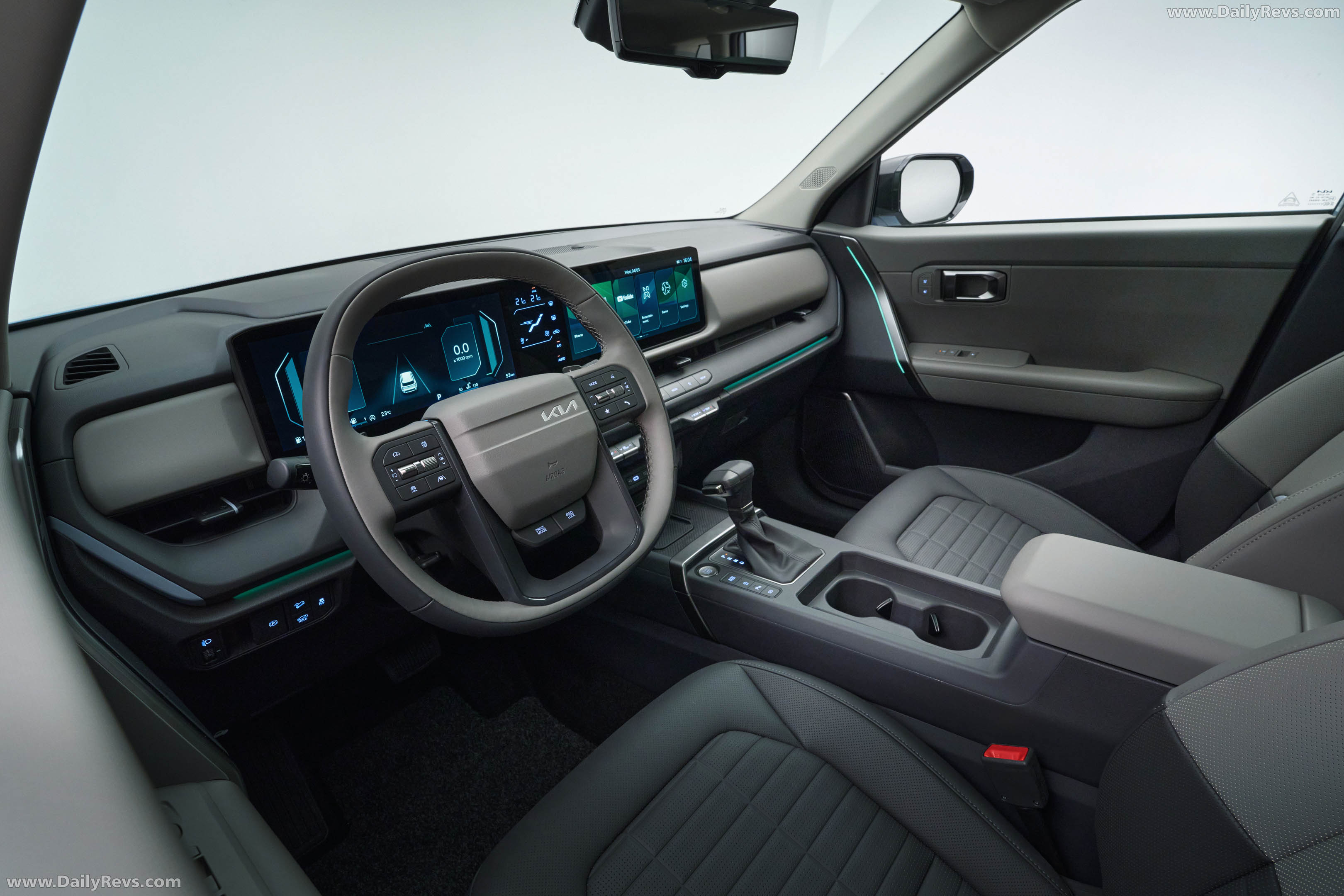
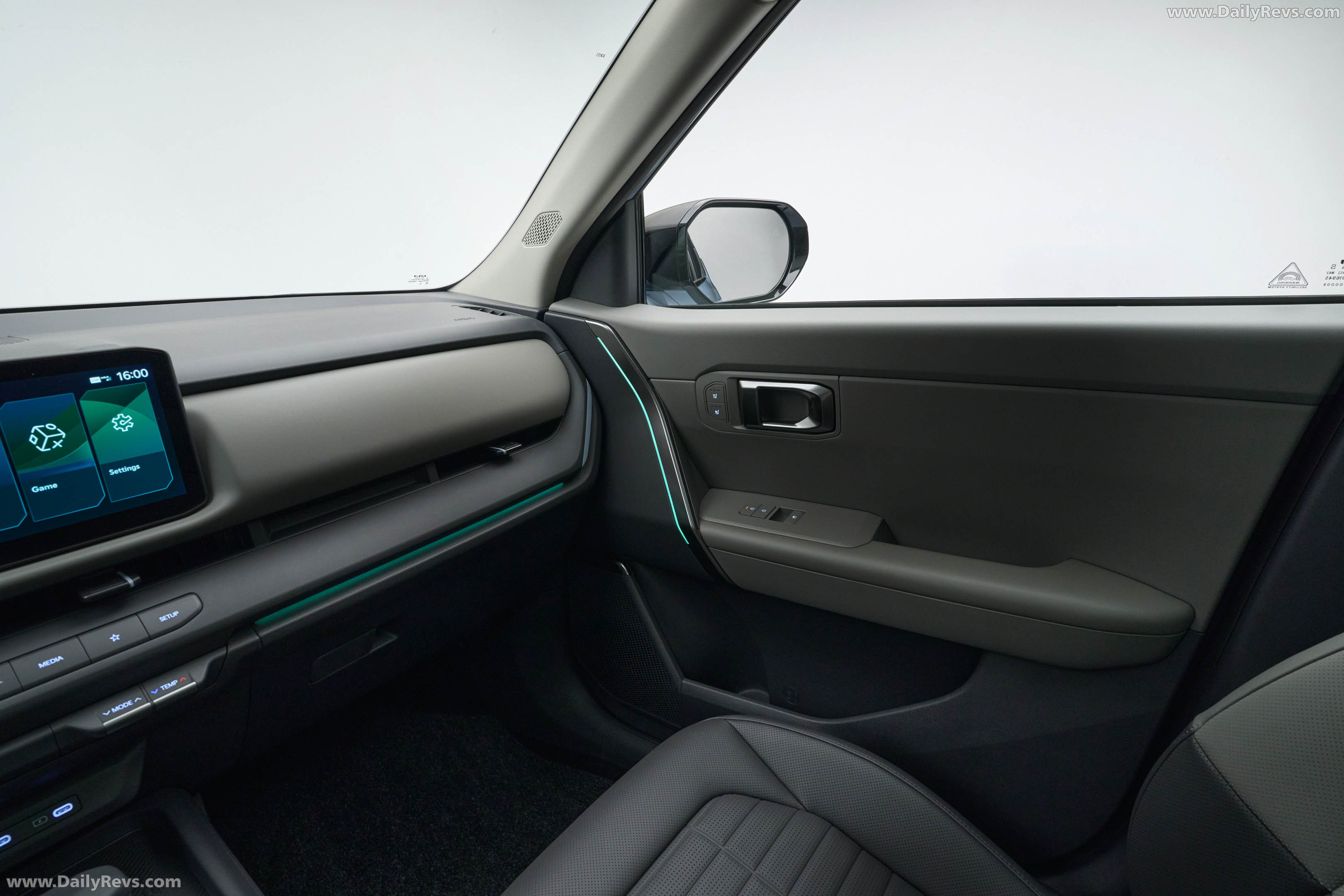
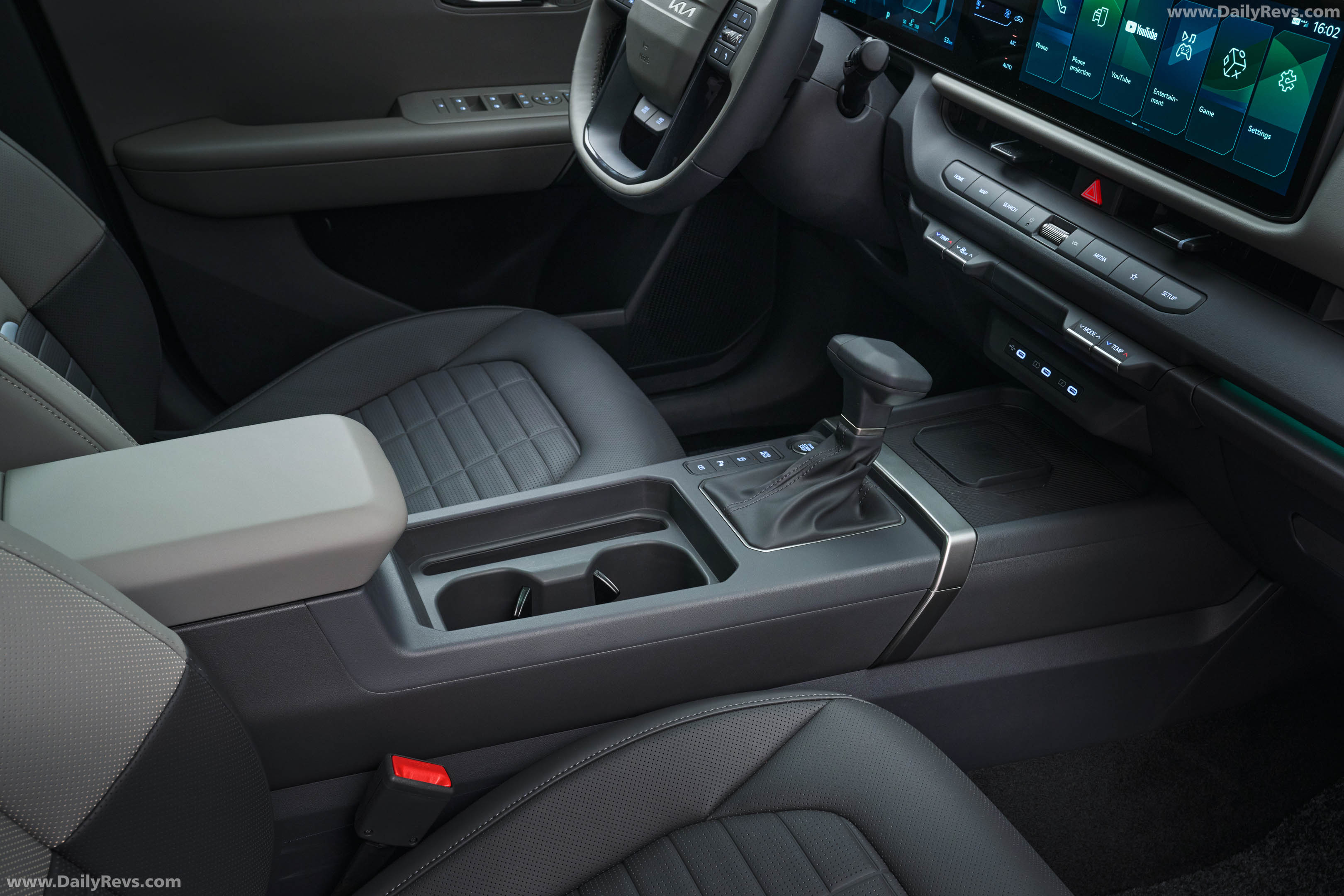
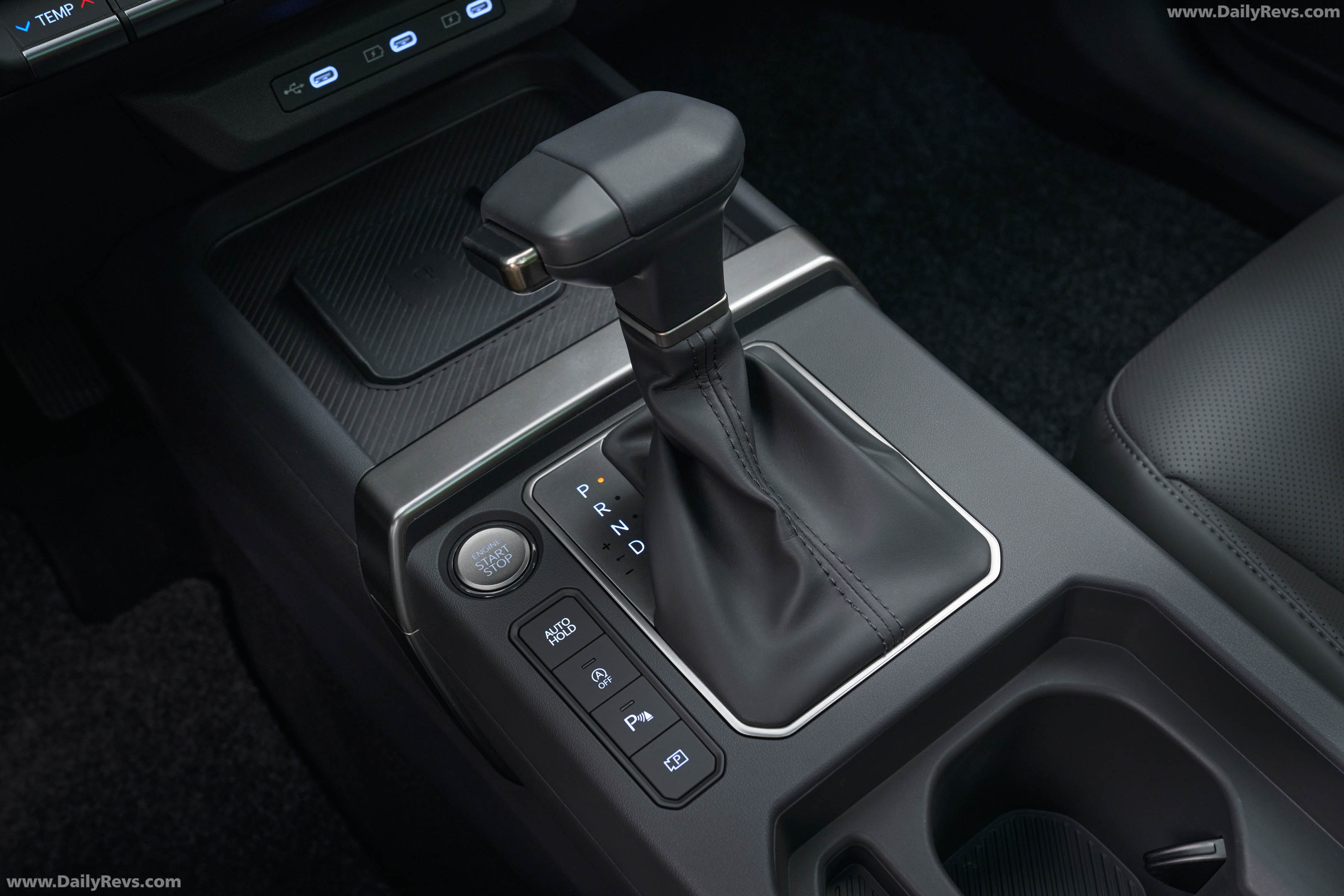
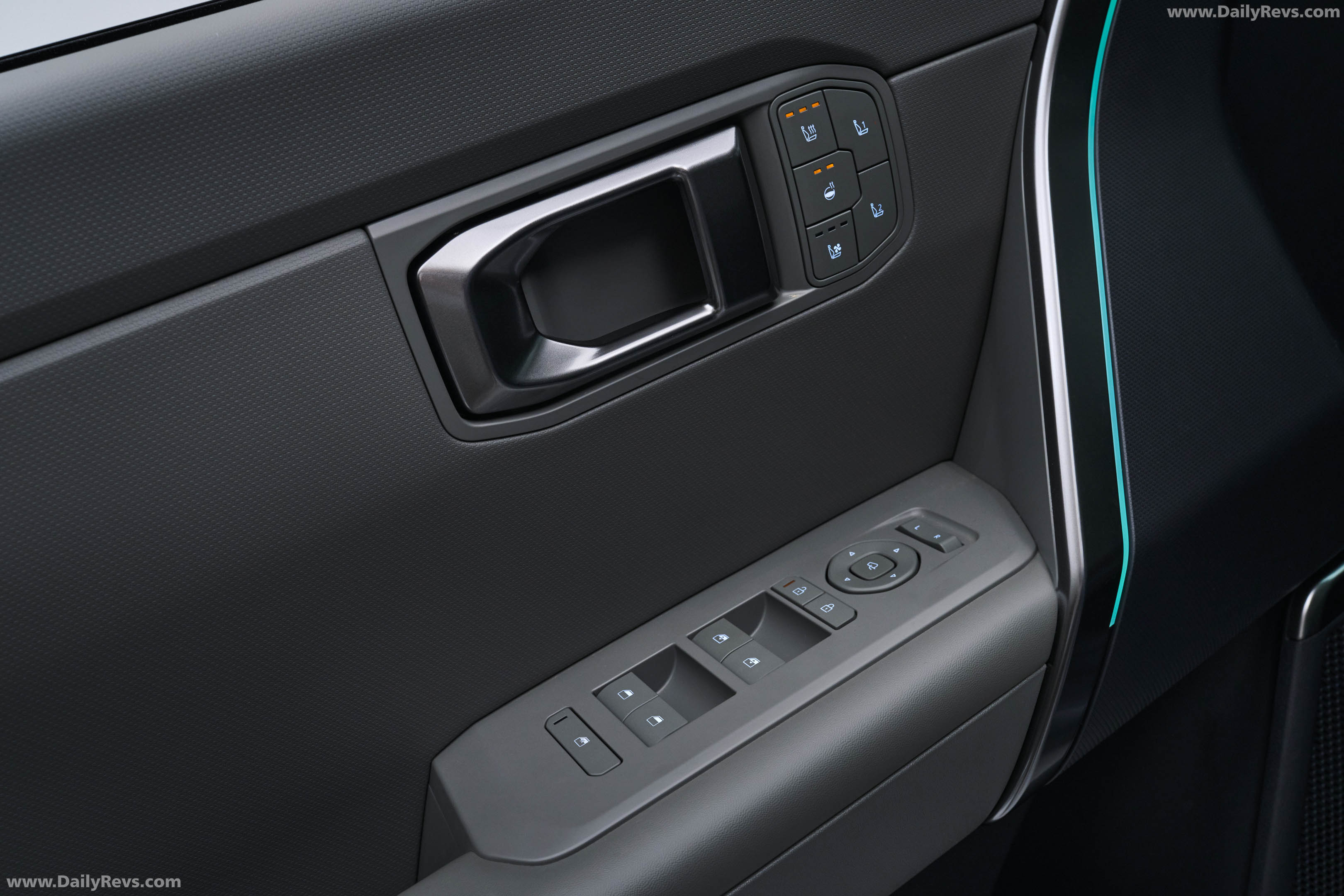
The dashboard runs wide and low, with most controls kept within easy reach. Nothing feels overdesigned. There’s a clear effort to keep things simple.
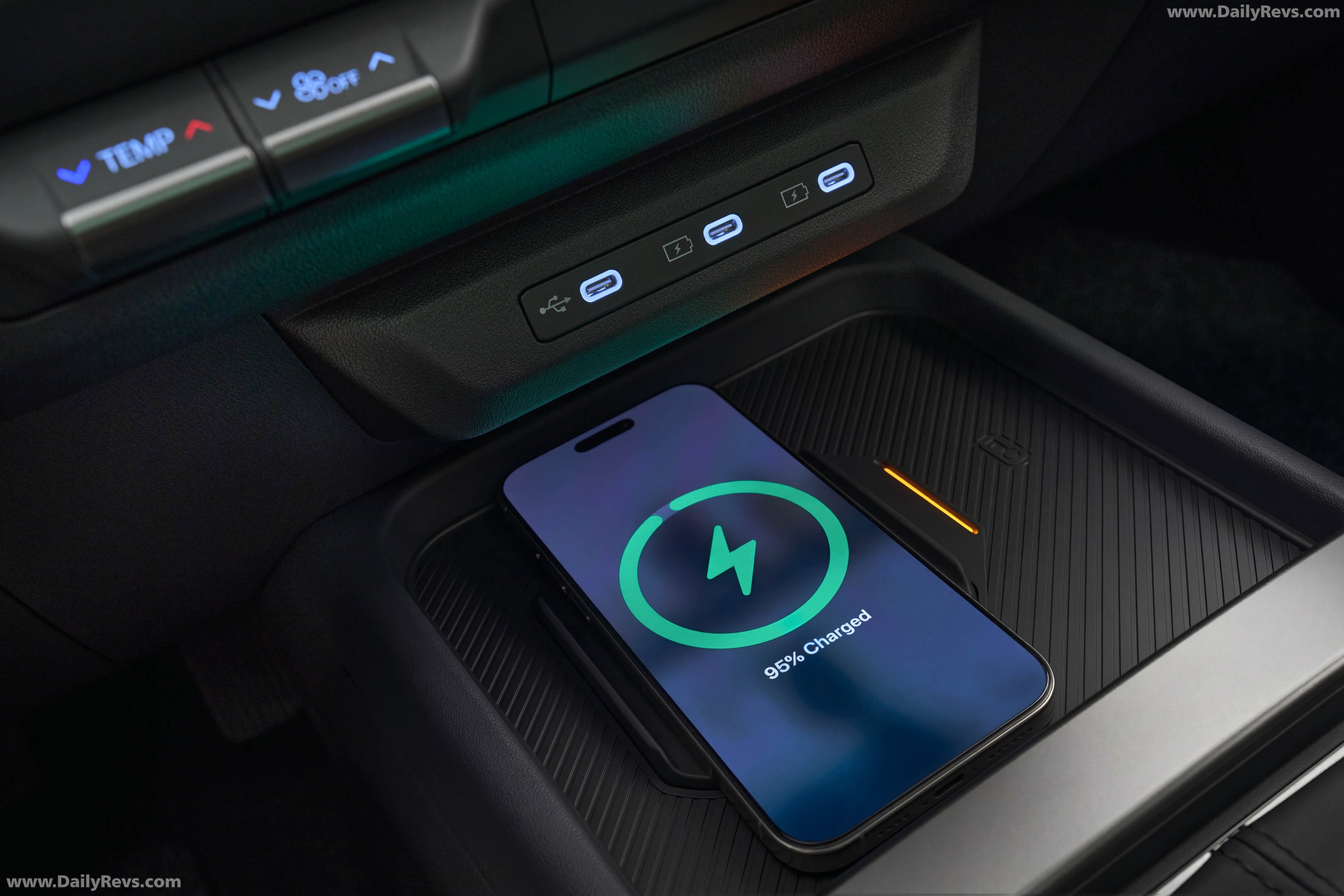
The main display setup combines two 12.3-inch screens with a separate climate panel. It’s all integrated into a single visual unit, which helps reduce clutter. The interface is designed to be consistent across functions, which makes it easier to get used to.
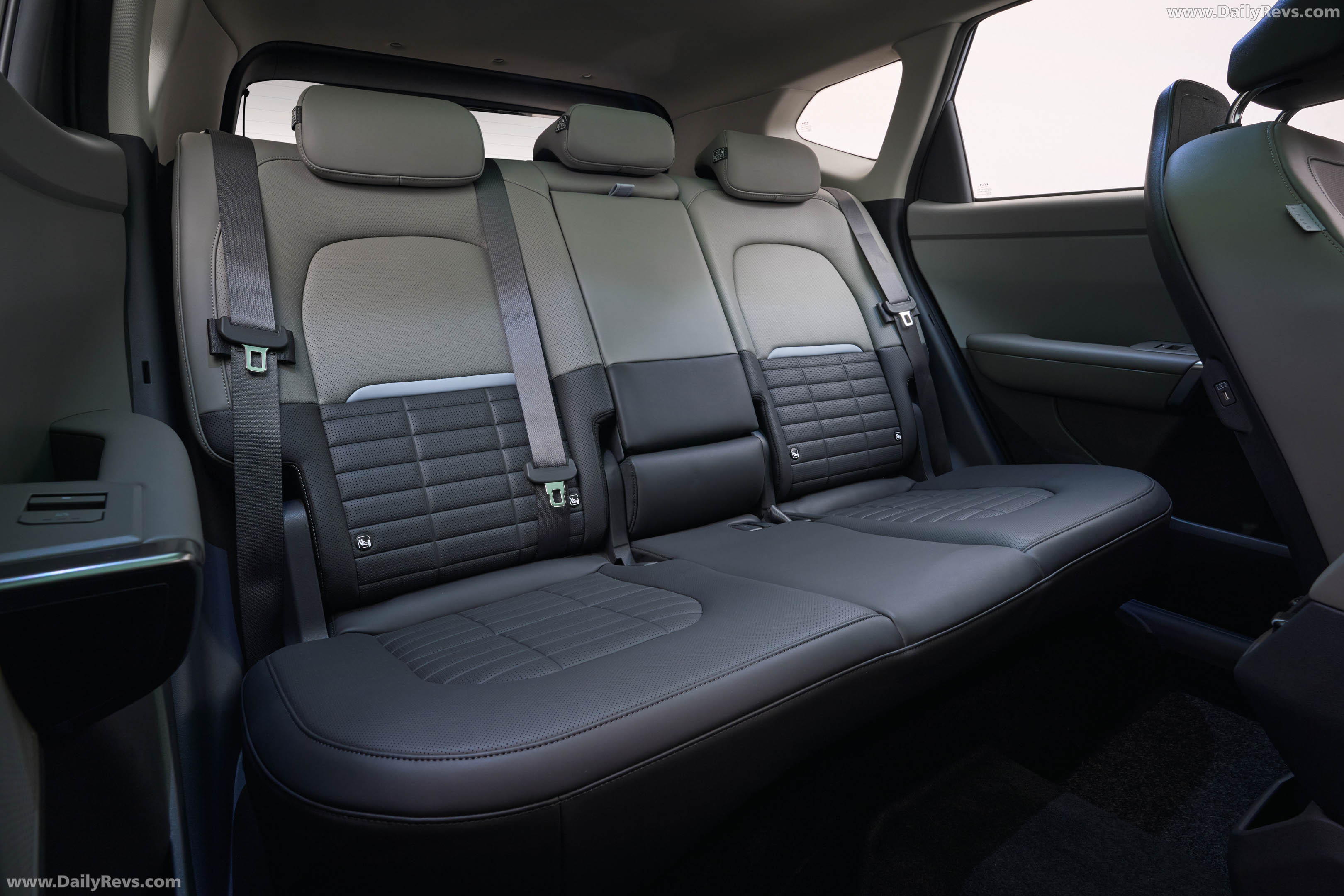
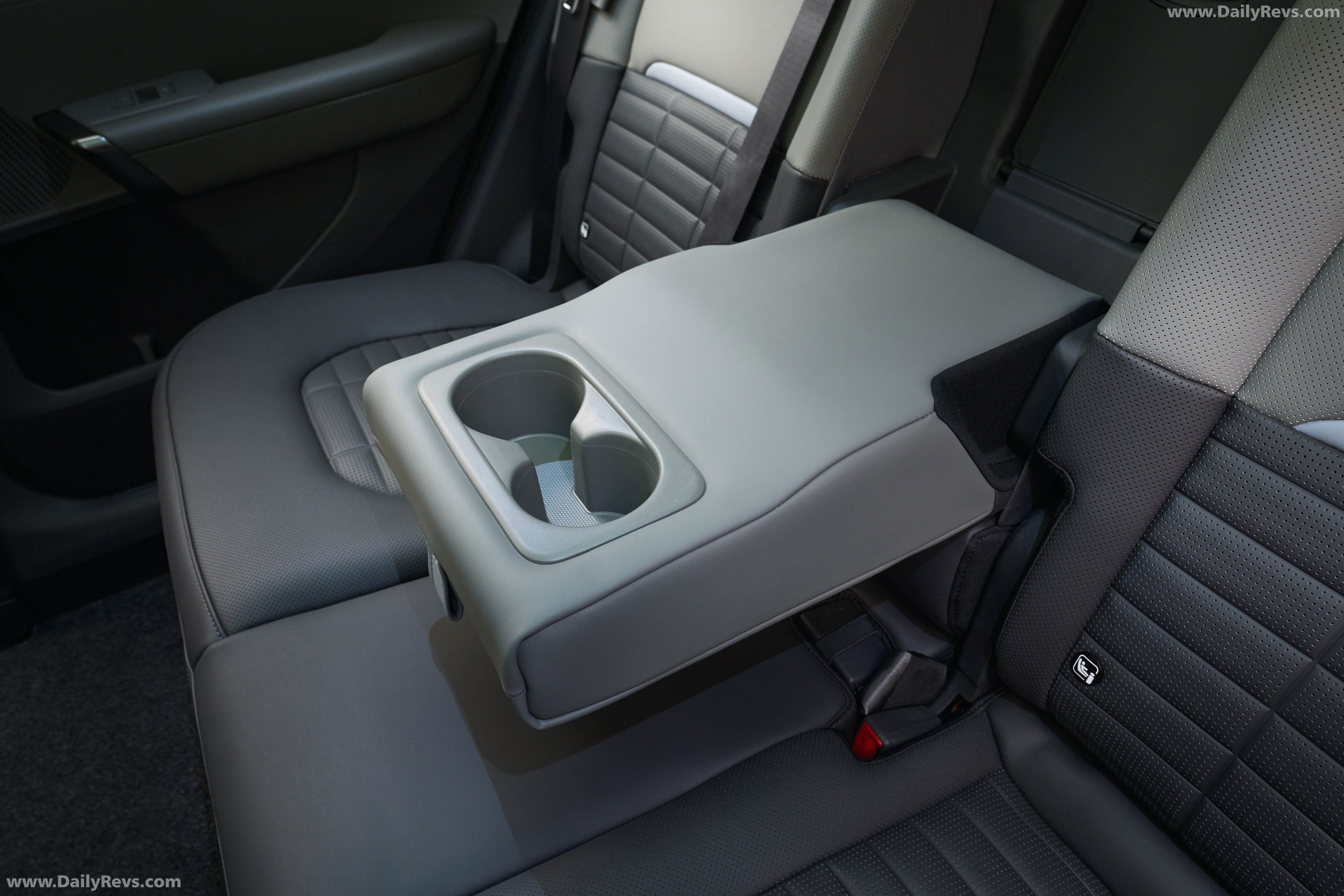
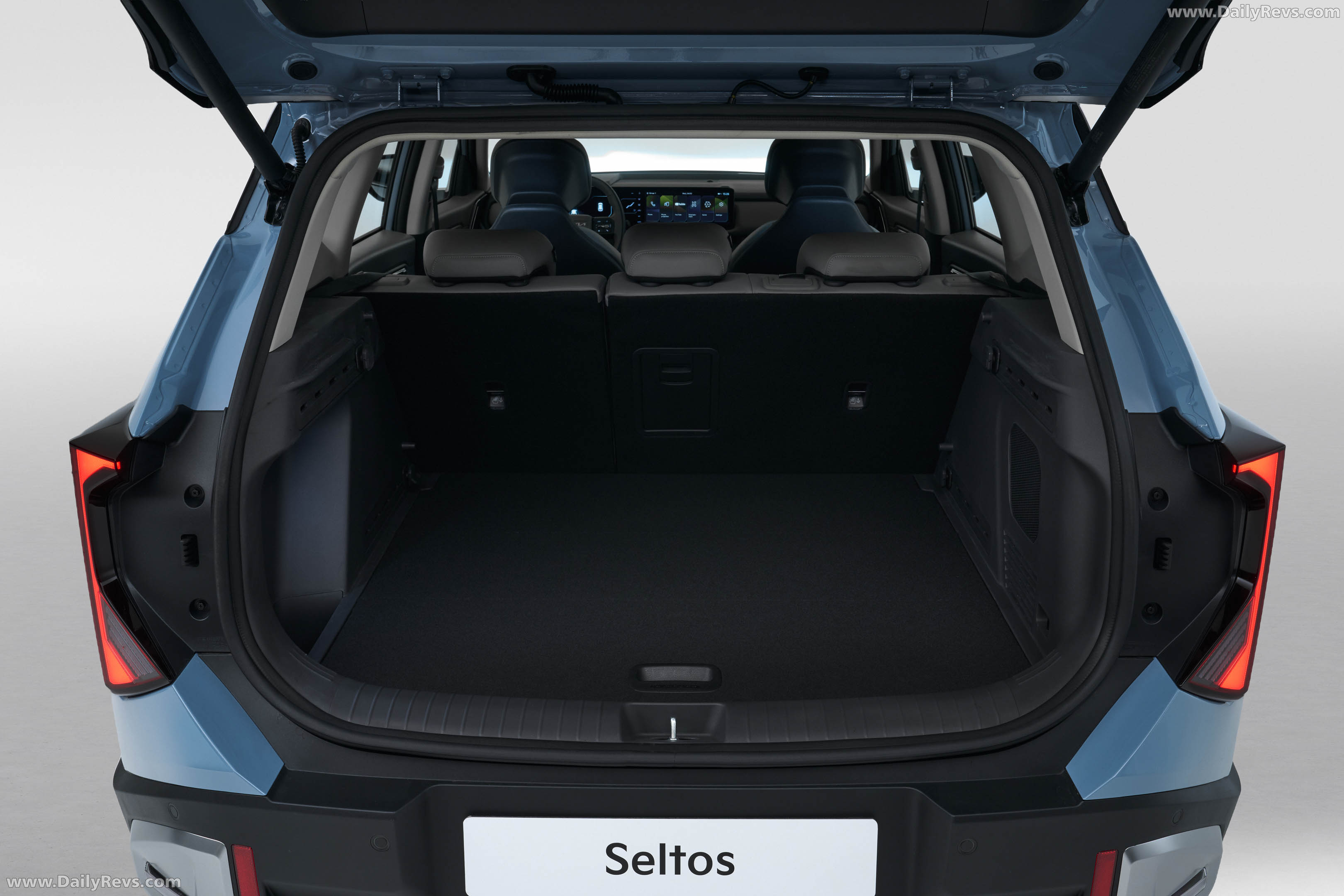
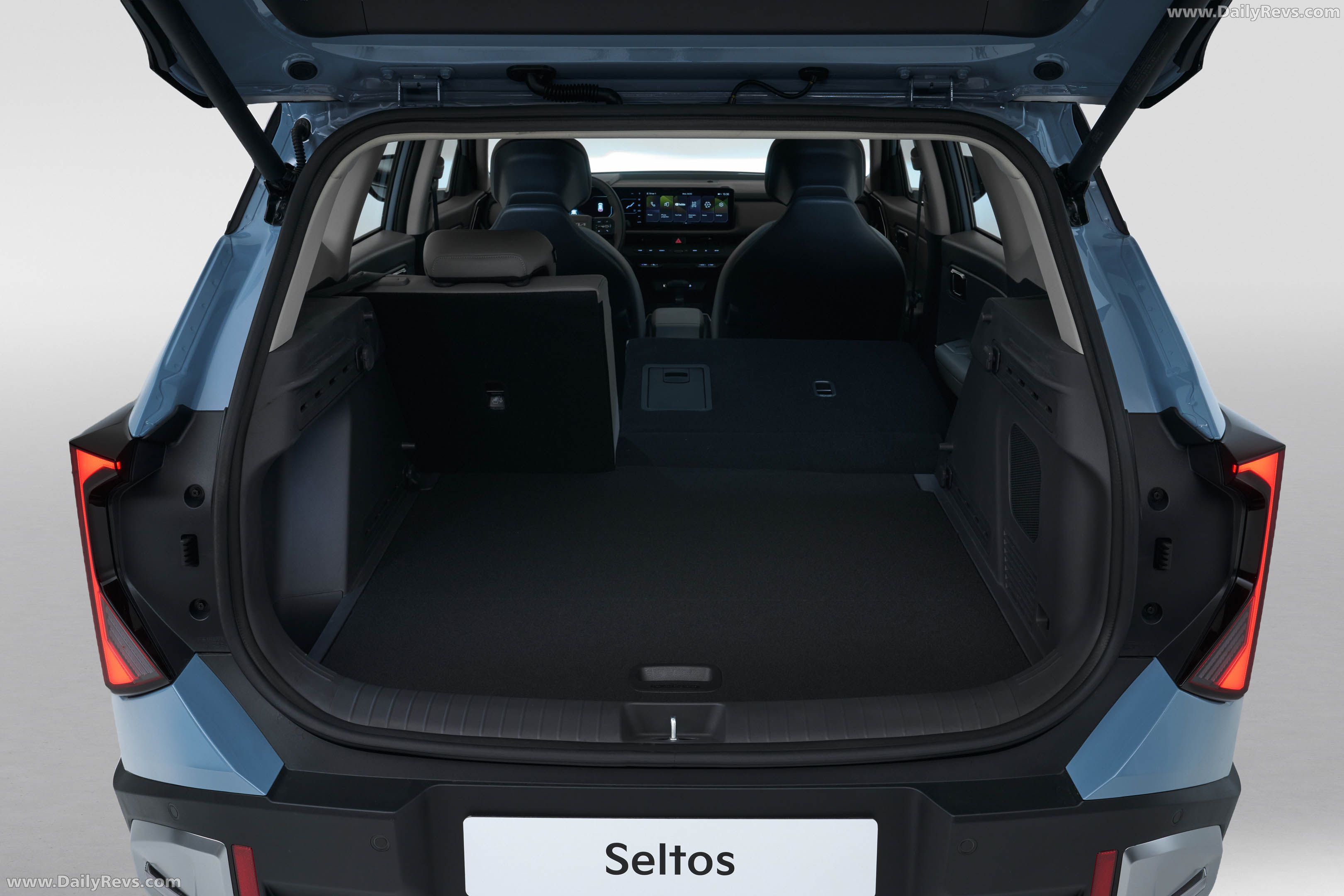
Rear space is where the Seltos quietly does well. The longer wheelbase helps, and the reclining seats add a bit of flexibility for passengers.
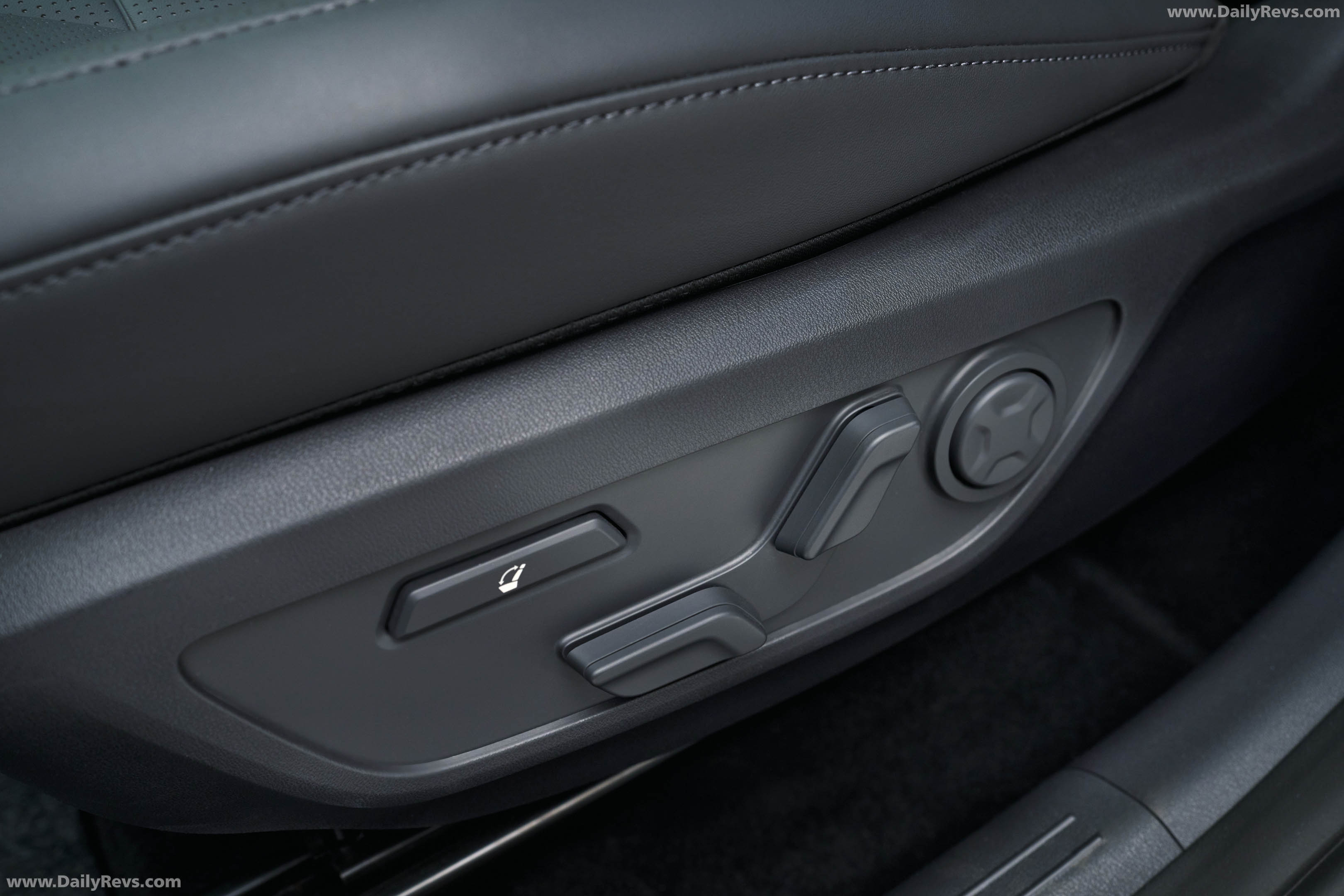
Material quality in the baseline trims is more functional than premium. Still, it doesn’t feel stripped down. Just sensible.
Powertrain options keep things flexible
Underneath, the Seltos baseline doesn’t push a single direction.
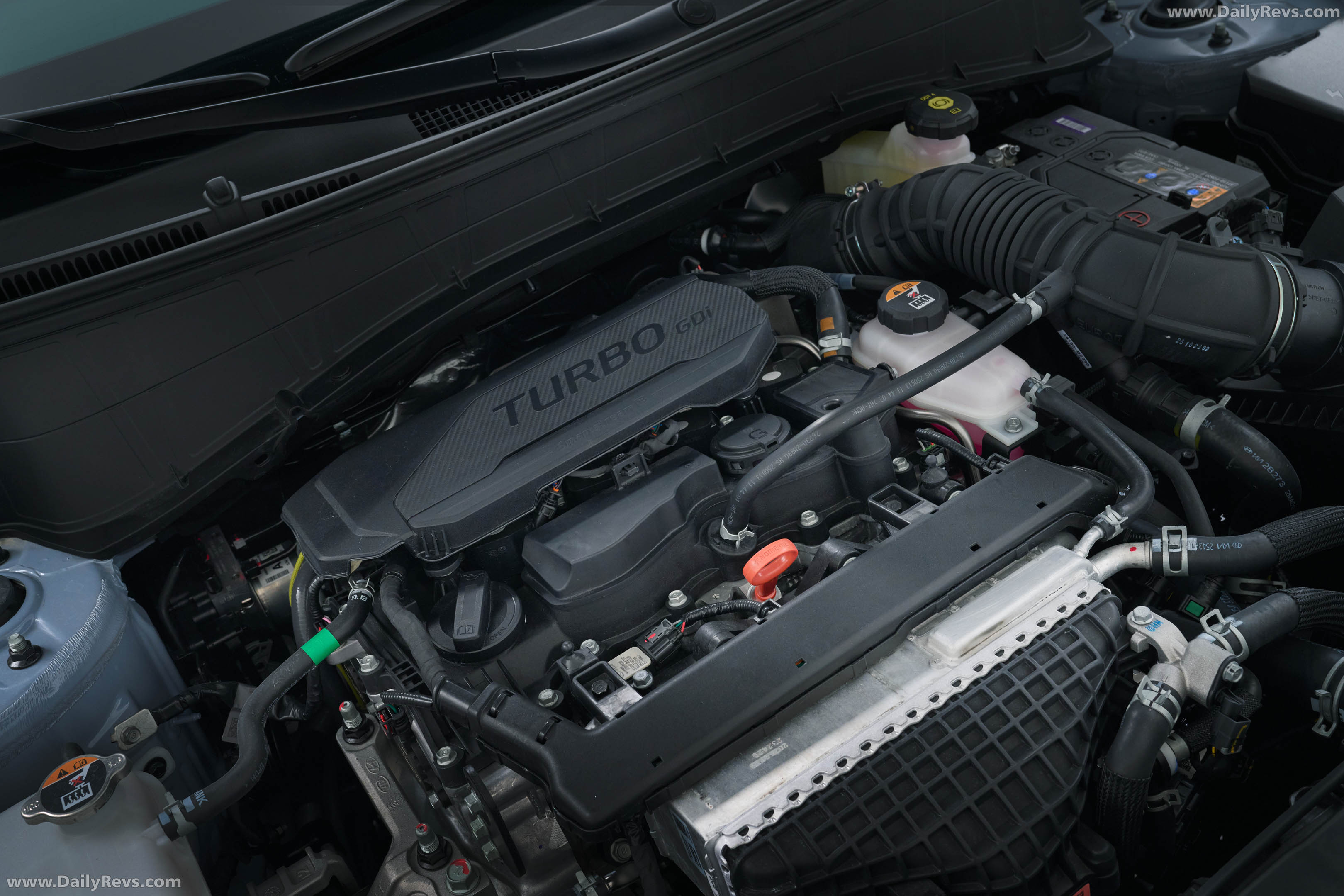
The 1.6-litre turbo petrol engine produces 180 PS and 265 Nm, available with either manual or dual-clutch gearboxes. Buyers can choose between front-wheel drive and all-wheel drive, depending on how they plan to use it.
There’s also a hybrid option. Output ranges from 154 PS in 2WD form to 178 PS with e-AWD. That system allows torque to be distributed more precisely, improving traction when needed.
One detail that stands out is Vehicle-to-Load. It’s not something you expect to see here, but it allows the car to power external devices directly.
It’s a small addition on paper, but one that opens up different use cases.
Practicality stays at the centre of it all
The Seltos baseline is built around everyday use. That shows in the details.
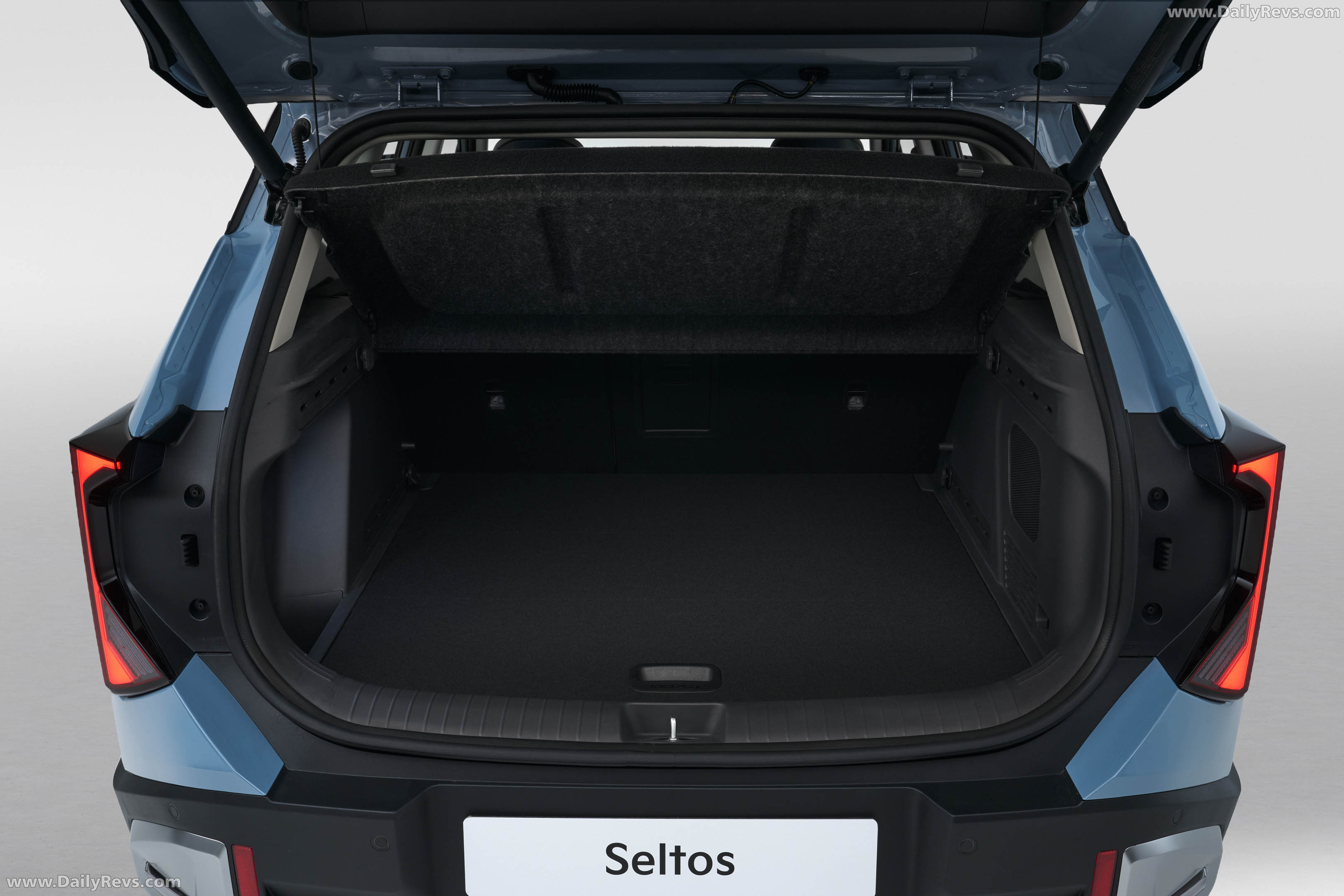
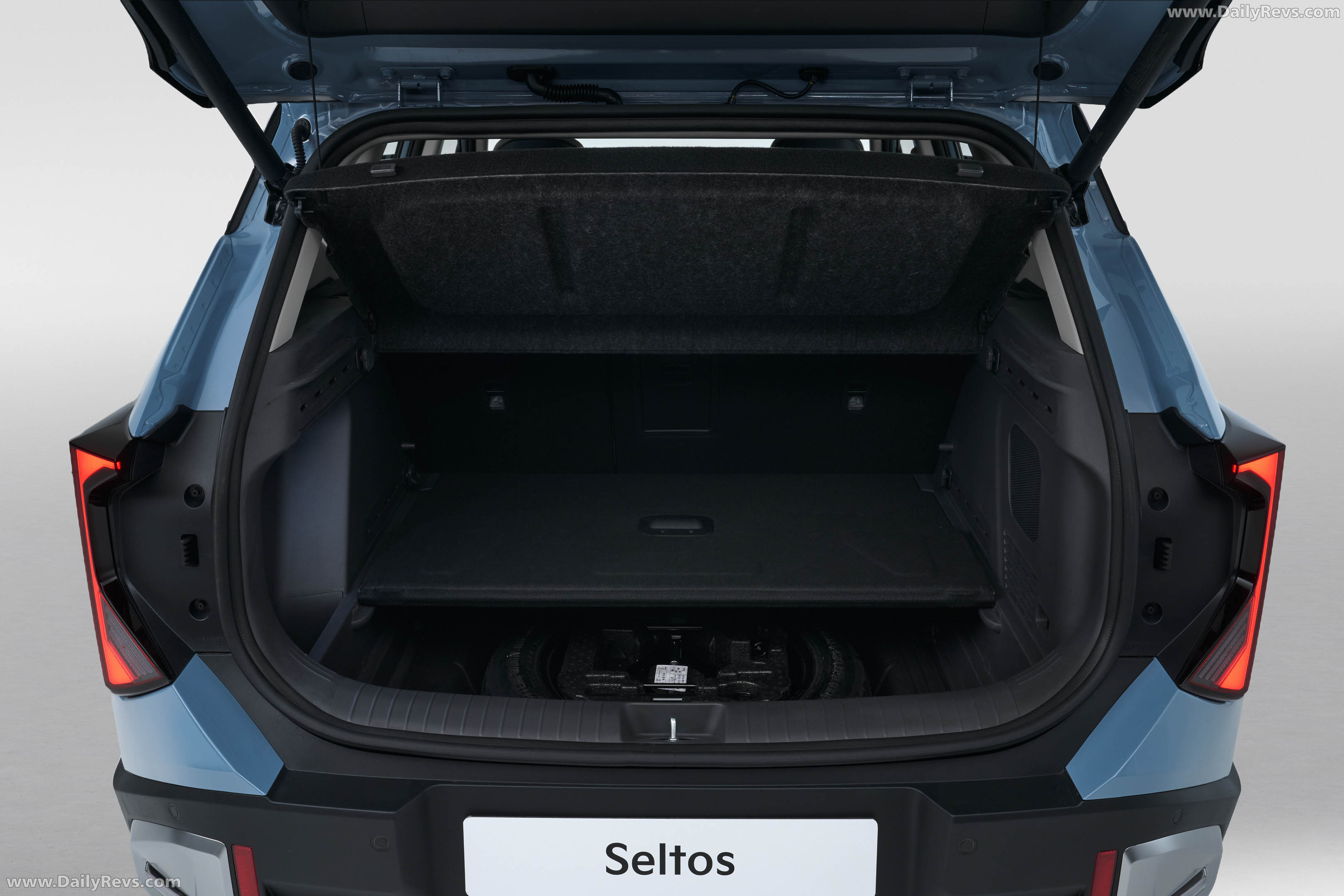
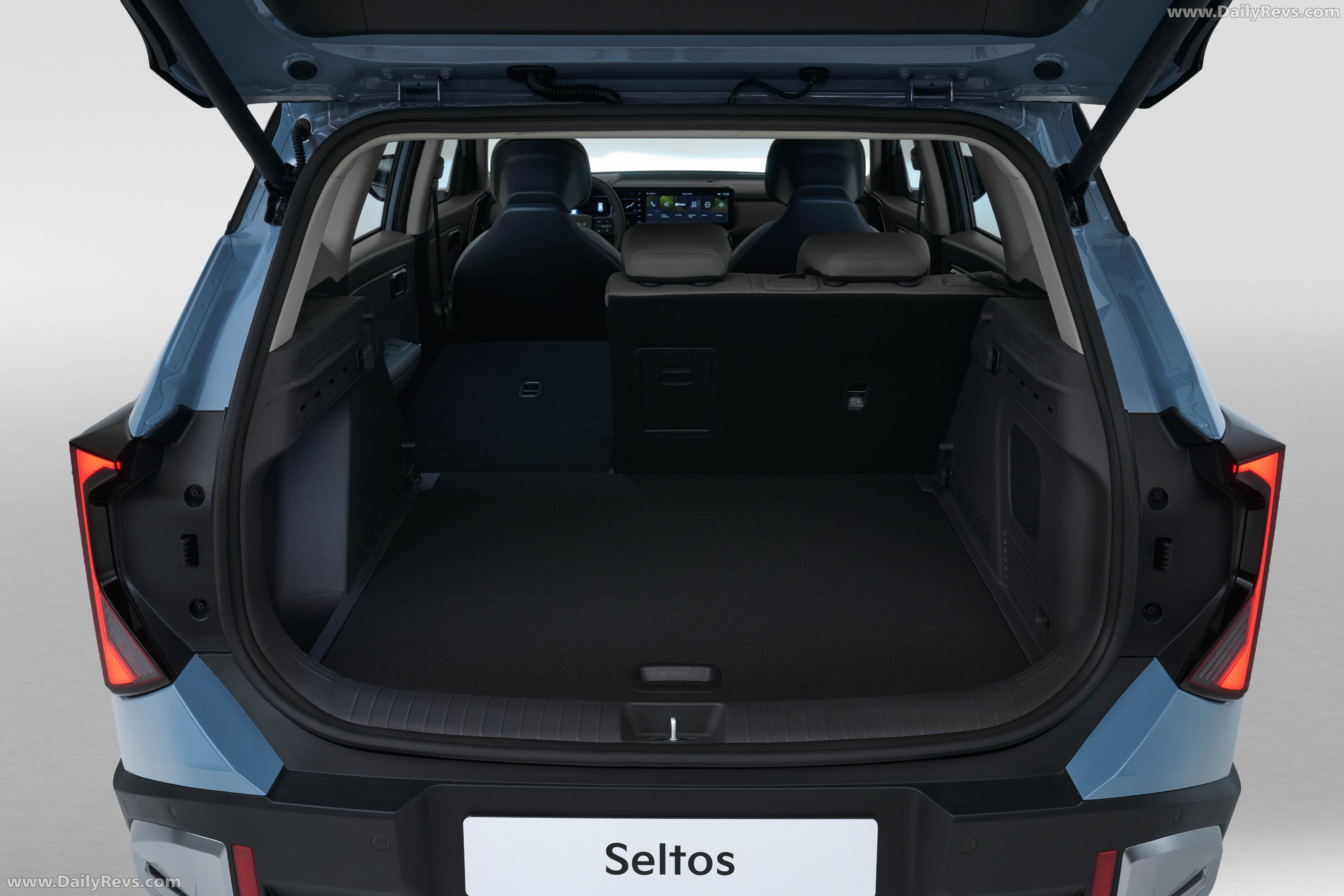
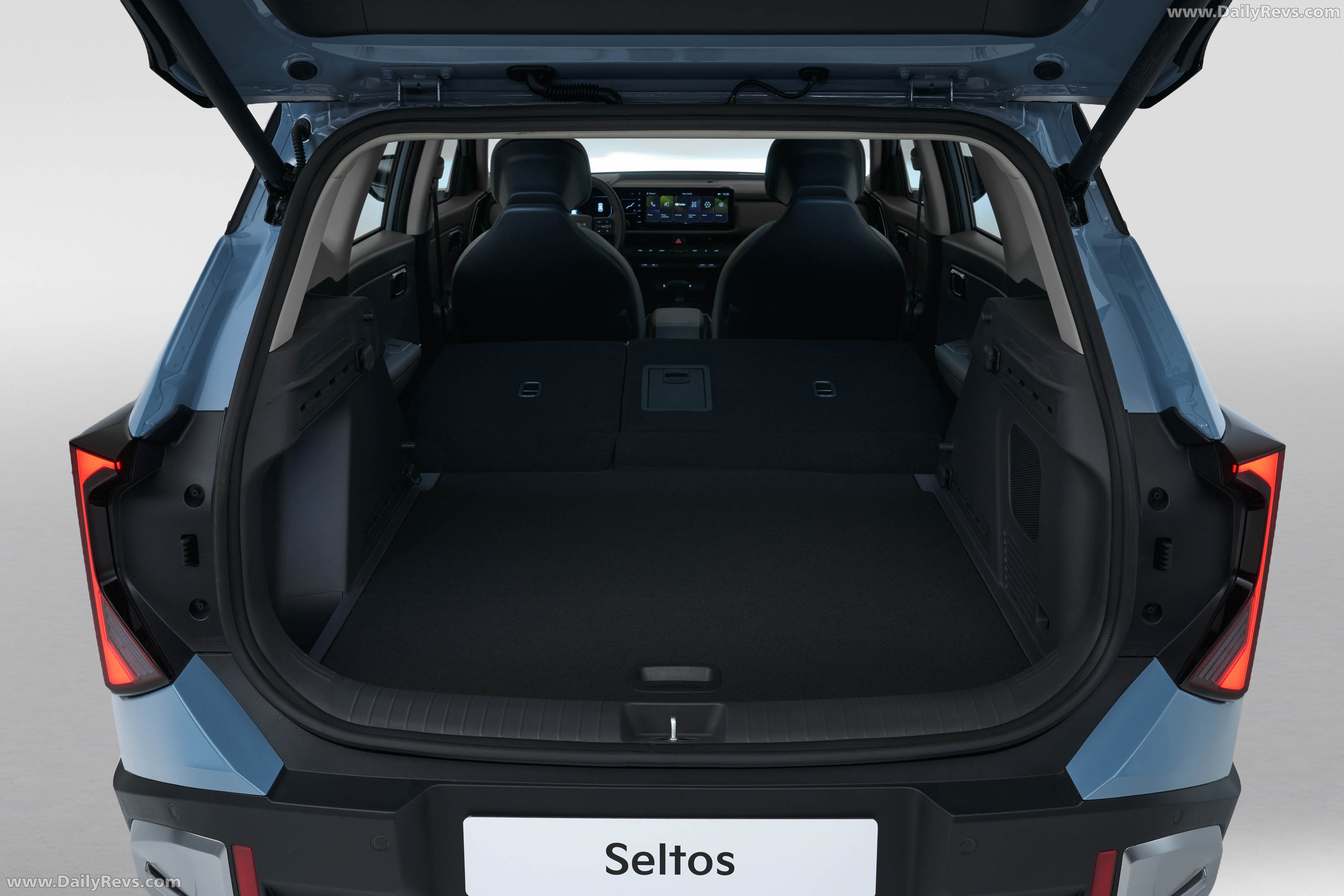
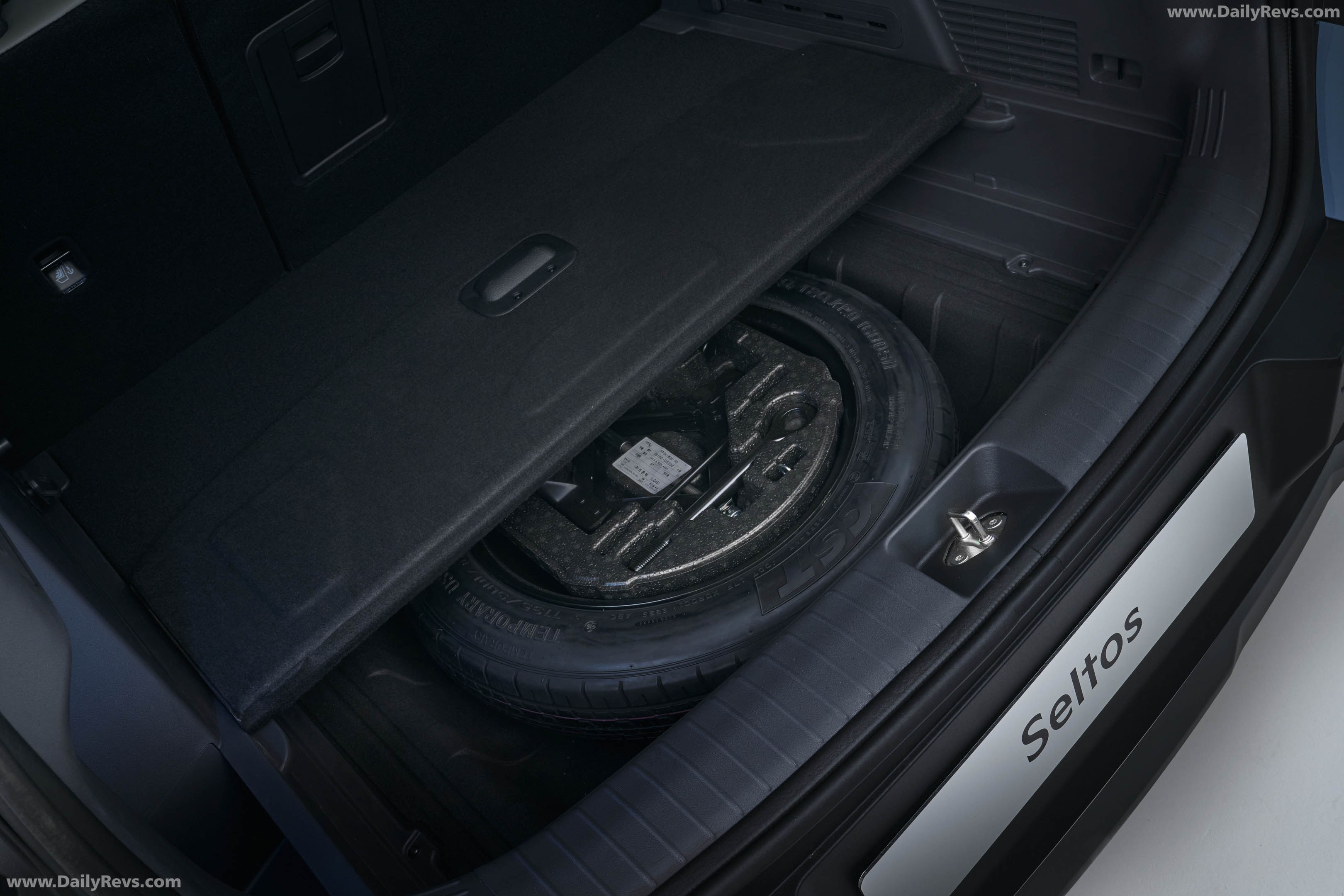
Boot capacity sits at 536 litres, with a dual-level cargo board to make loading easier. It’s not trying to maximise numbers, just provide usable space.
There’s also a modular storage system that can be adapted depending on what you’re carrying. Again, not a headline feature, but something that becomes useful over time.
Safety and driver assistance are part of the standard package. The updated Intelligent Speed Limit Assist can now anticipate changes ahead, rather than reacting at the last moment.
These are the kinds of features that fade into the background once you get used to them.
A measured entry into a crowded segment
The 2027 Kia Seltos baseline doesn’t arrive with a radical shift in approach.
Instead, it fits into the segment by focusing on what matters most — space, usability, and flexibility. It doesn’t try to be the sportiest or the most premium.
It just tries to get the fundamentals right.
That, more than anything, defines what this version is about.