2027 Hyundai IONIQ 3
By Lorenzo Bianchi April 21, 2026
New Aero Hatch design targets efficiency and interior space.
Up to 496 km projected WLTP range with fast DC charging.
Pleos Connect infotainment debuts in a European Hyundai model.
A hatchback shape designed around airflow and space
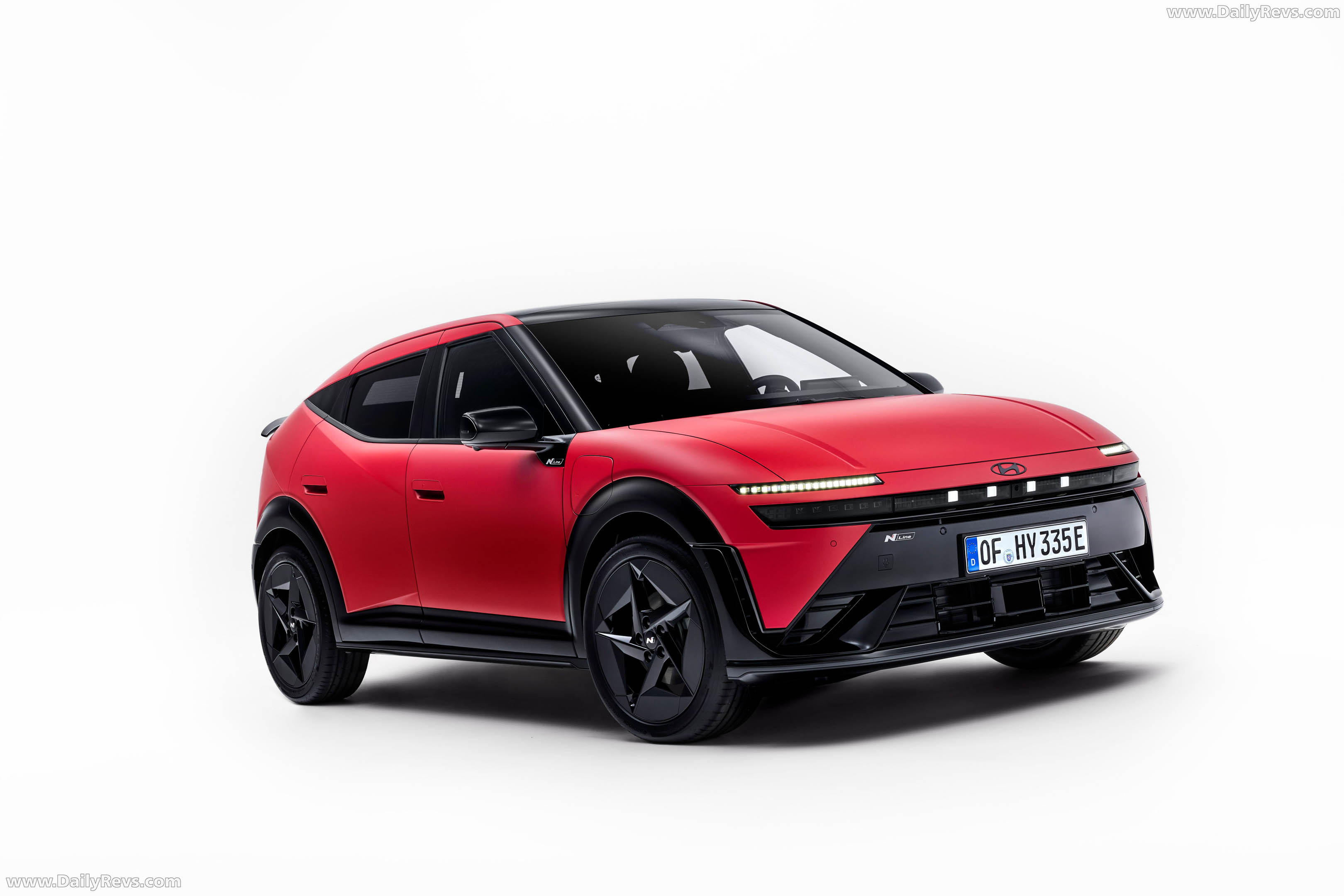
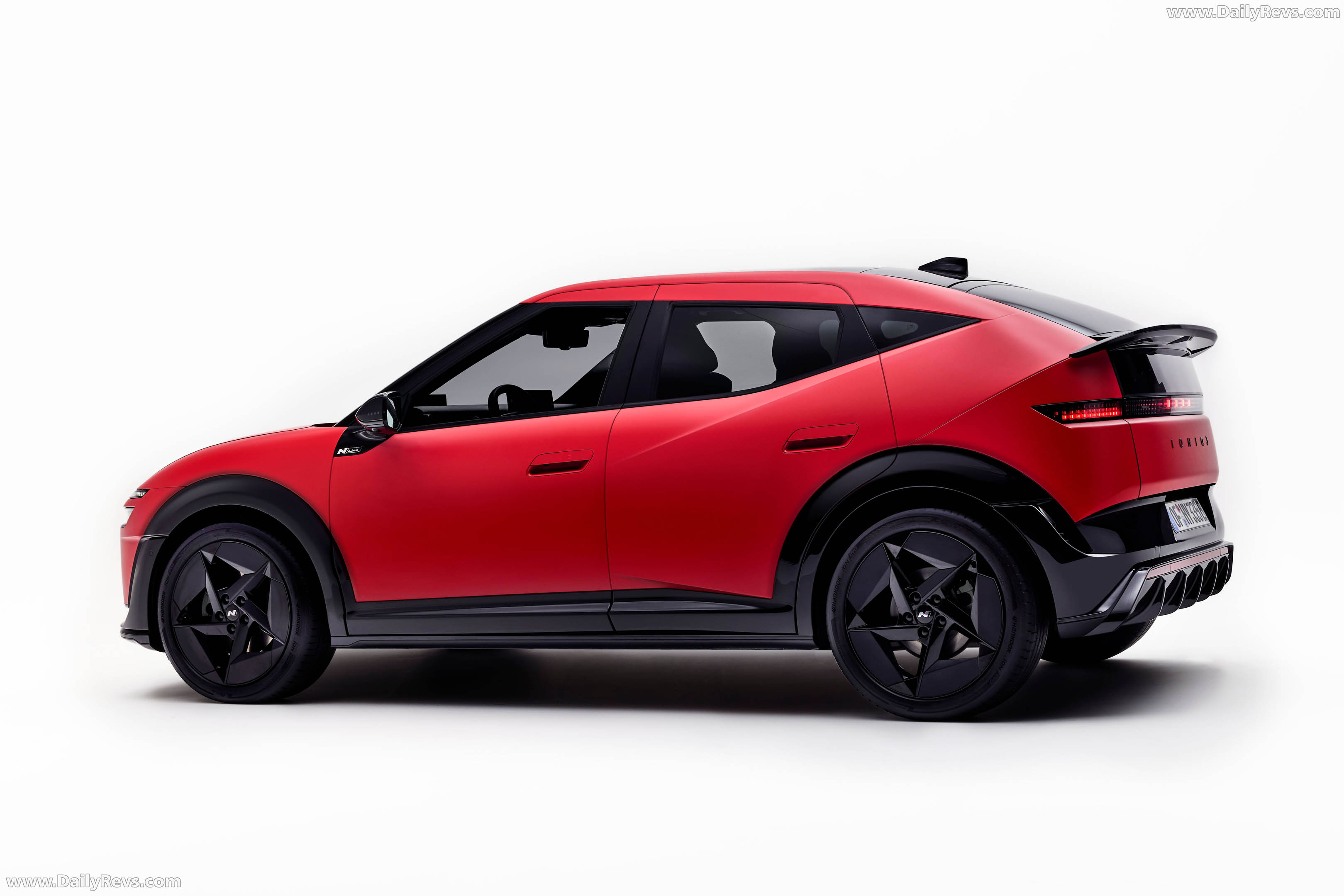
The 2027 Hyundai IONIQ 3 takes a slightly different route from most compact EVs. Hyundai calls it an “Aero Hatch,” which sounds like branding at first, but the proportions do back it up.
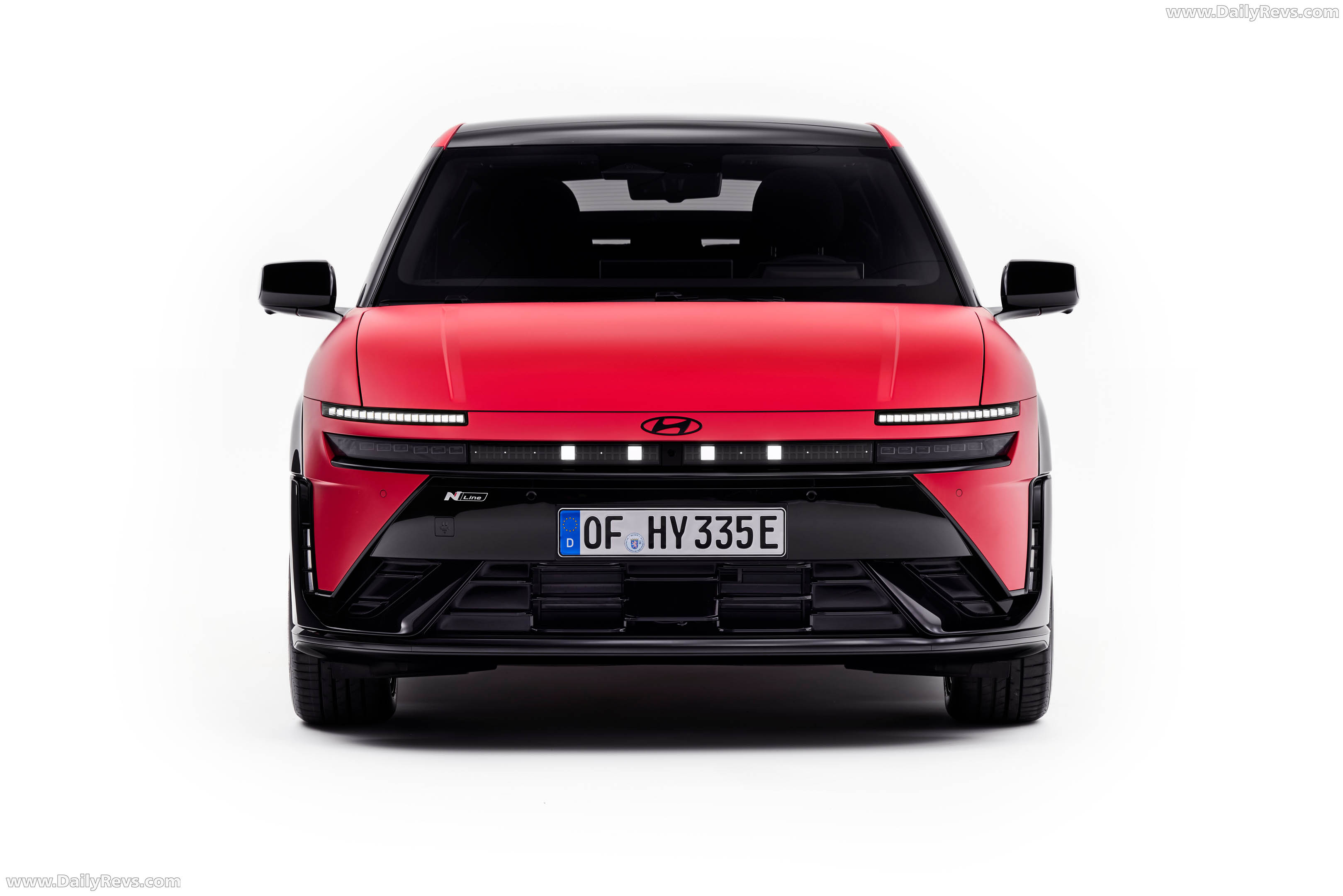
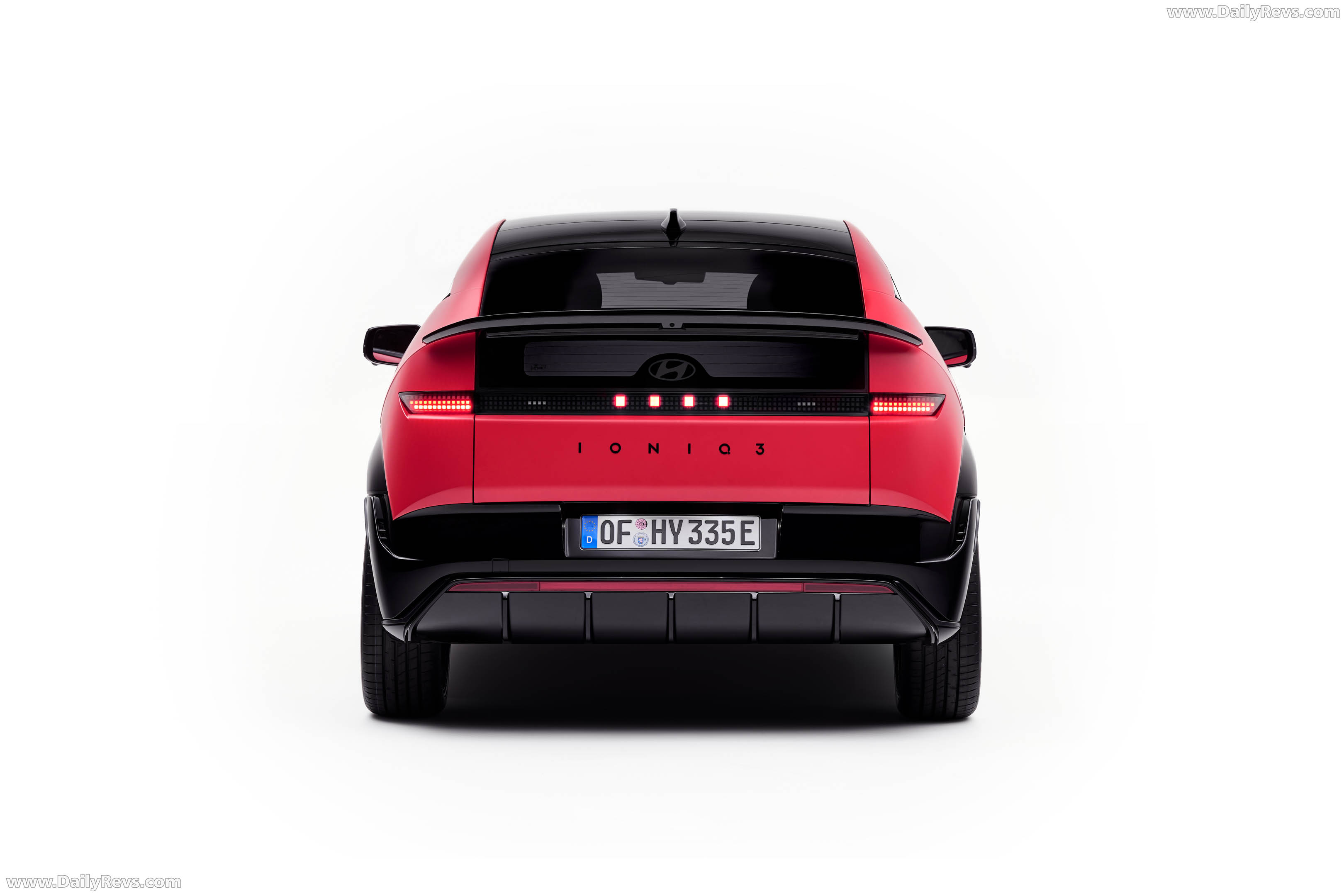
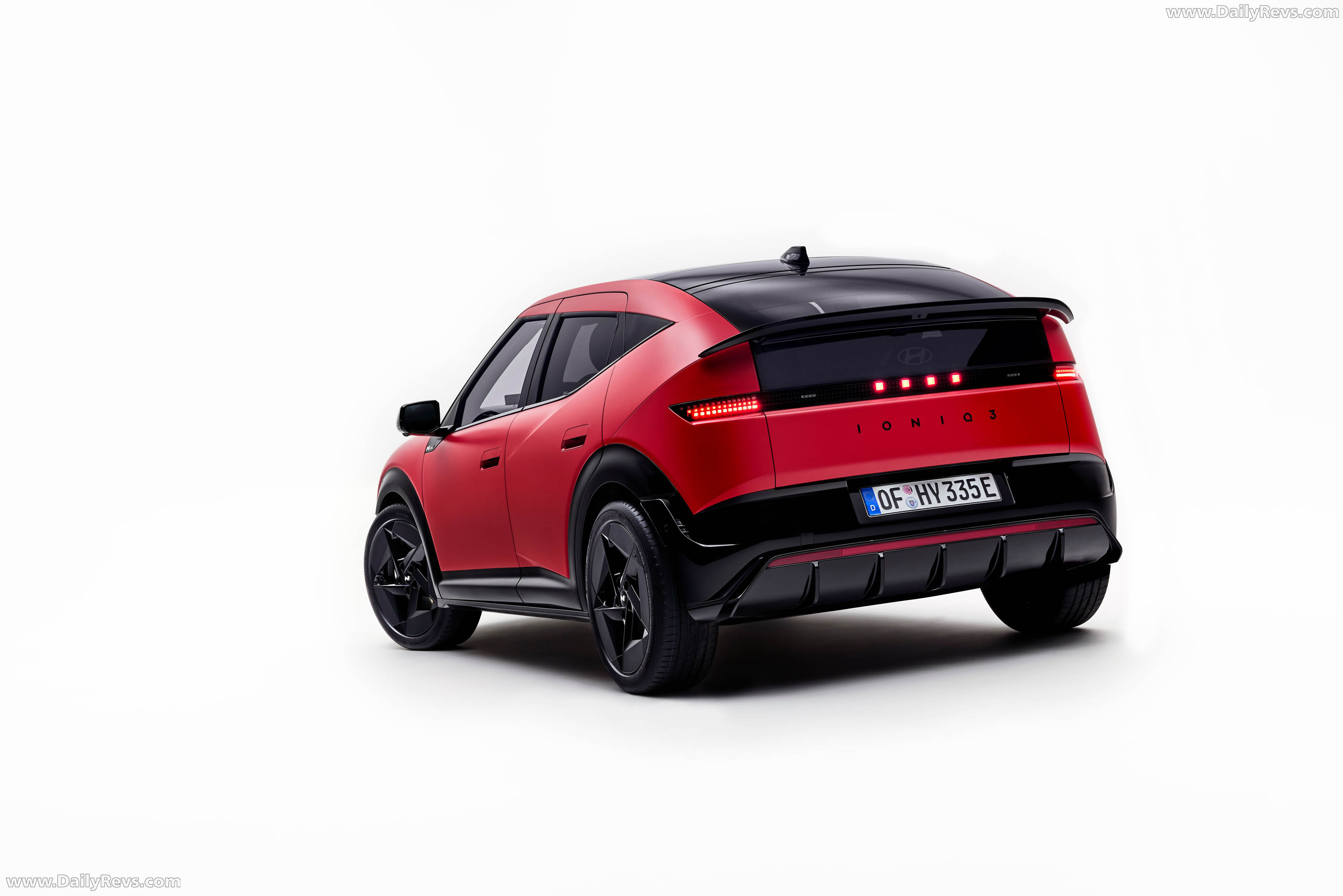
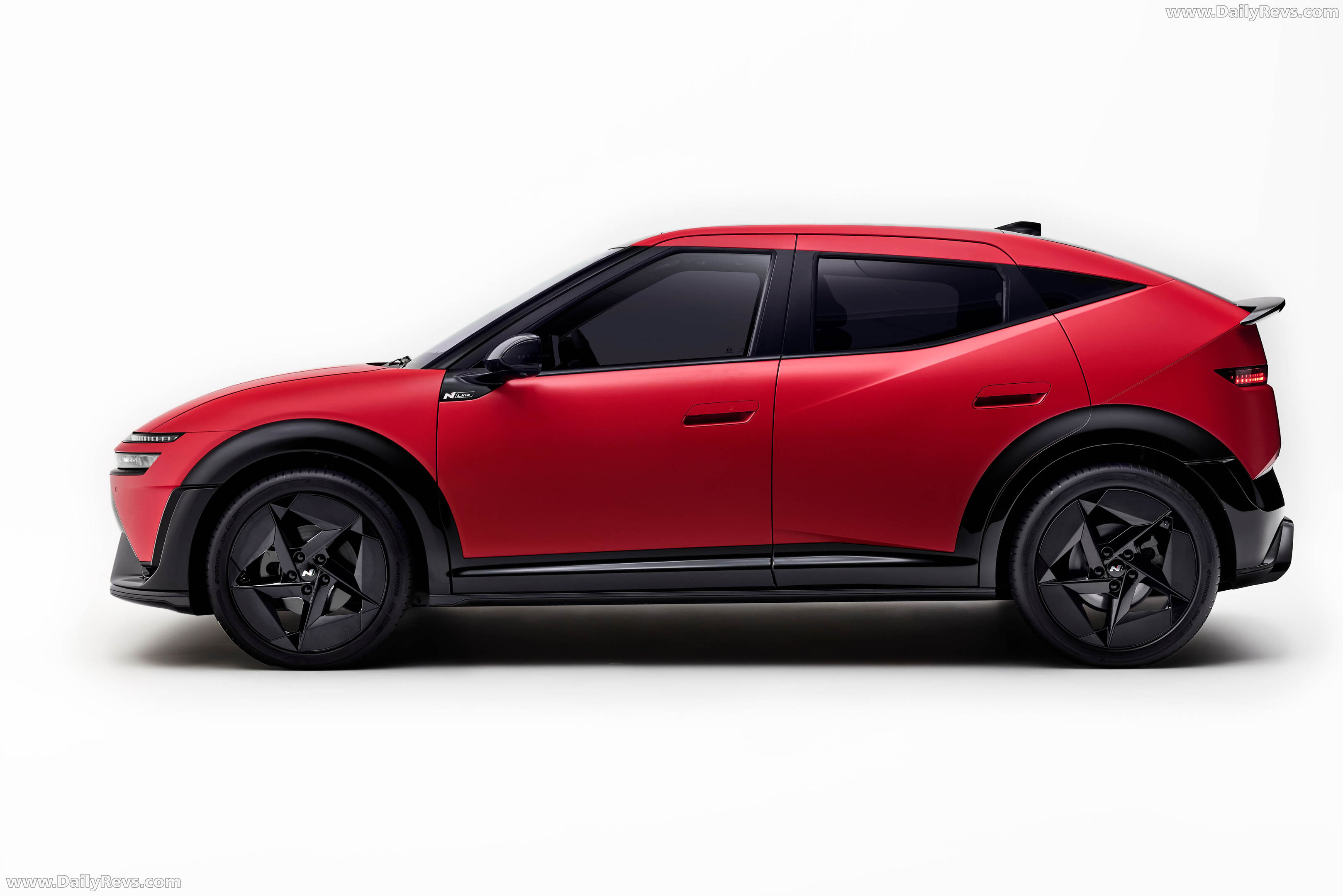
The front is low and clean, then the roofline runs straight over the cabin before dropping more sharply into the rear spoiler. That geometry is doing two jobs at once. It helps efficiency, but it also preserves headroom for rear passengers.
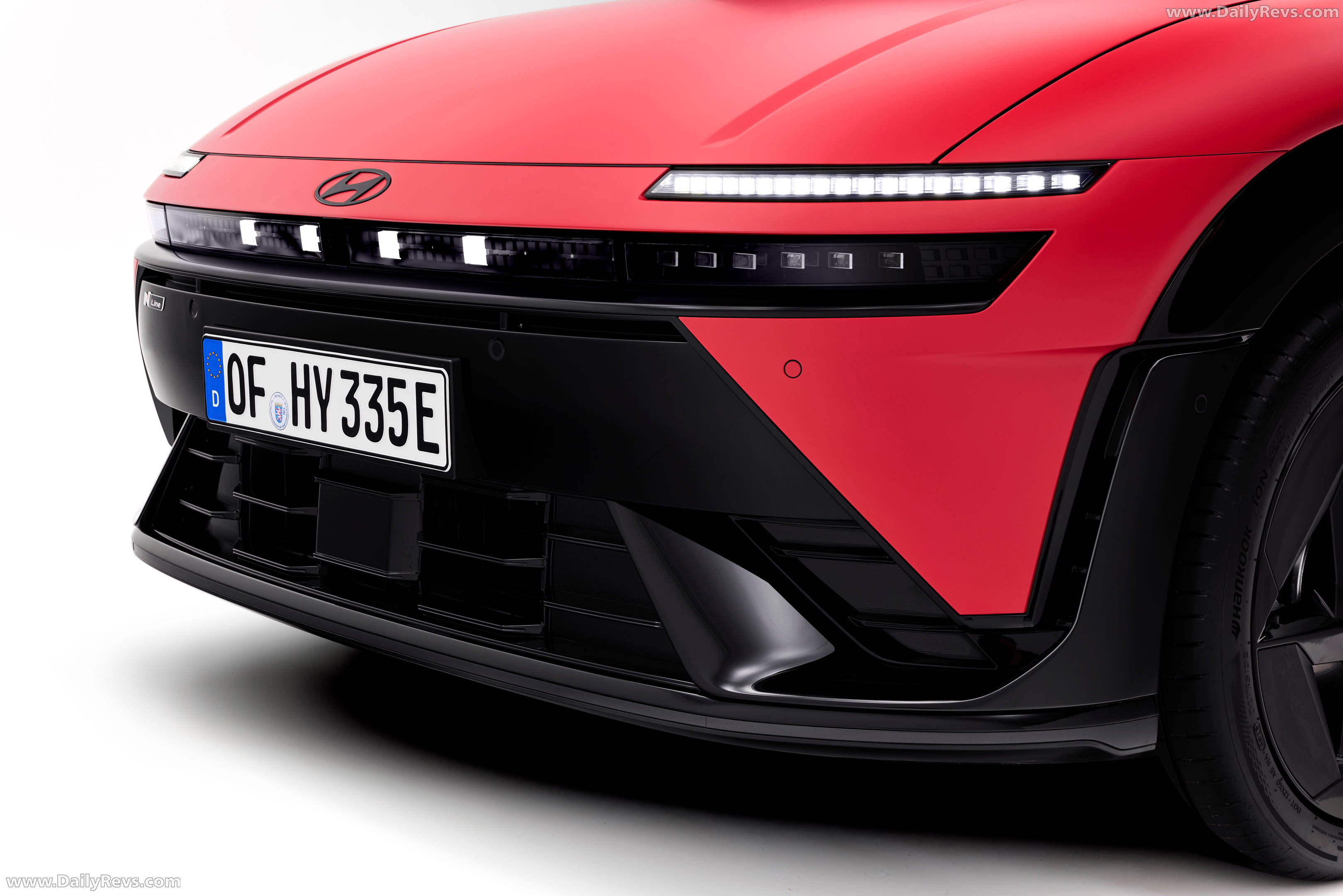
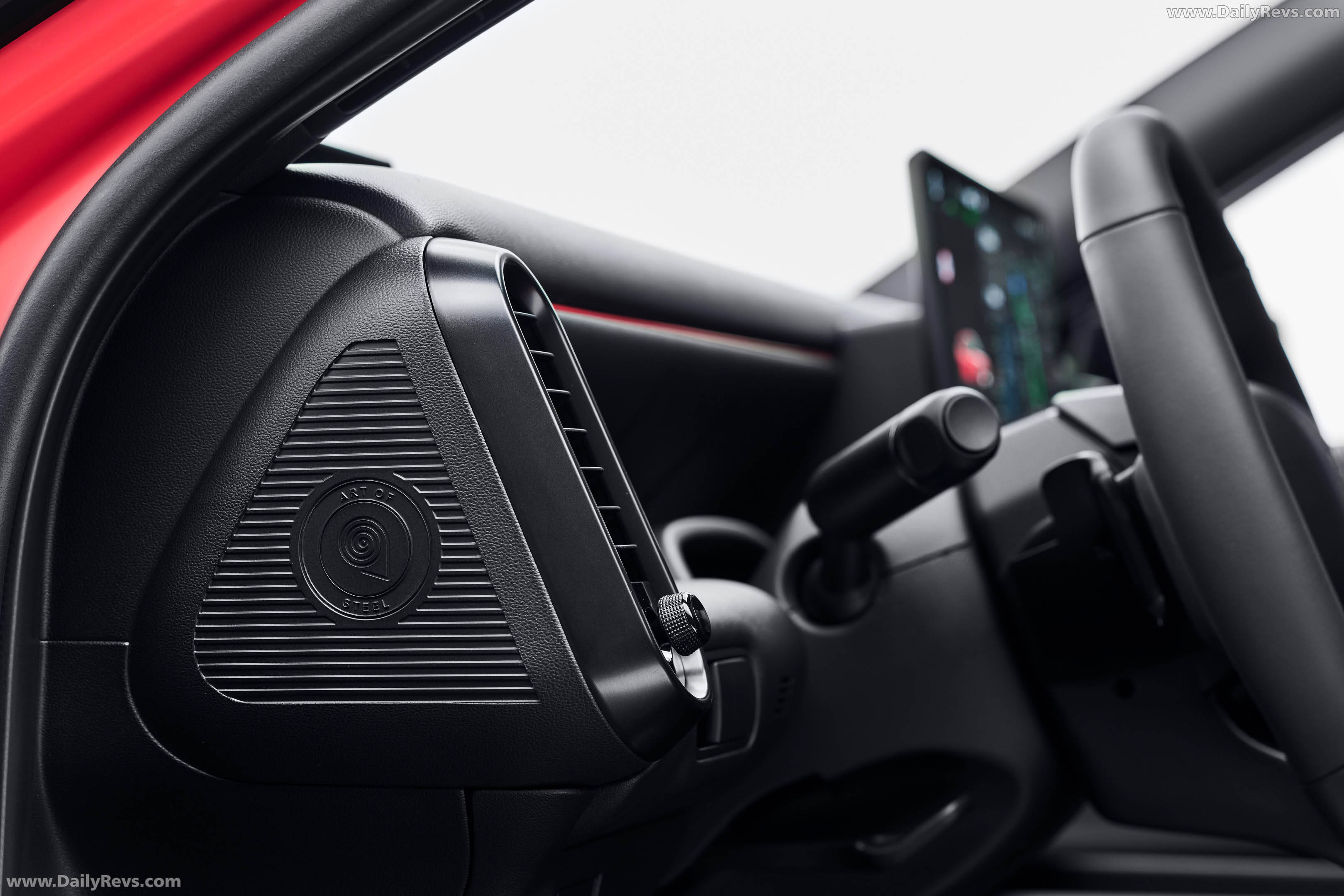
Visually, the car sits somewhere between a traditional hatchback and a small fastback. There’s less visual clutter than you’d expect, with surfaces shaped around Hyundai’s “Art of Steel” design language. The pixel lighting carries over the IONIQ identity, while four central dots reference the letter H in Morse code.
It’s a compact car, but it doesn’t look compressed.
Compact dimensions, but not a cramped footprint
The numbers are fairly restrained. Length sits at 4,155 mm in standard form, stretching to 4,170 mm for the N Line. Width is 1,800 mm, and the wheelbase reaches 2,680 mm.
That wheelbase matters. It helps explain why Hyundai is pushing the IONIQ 3 as a more spacious option than its exterior dimensions suggest.
The low drag coefficient of 0.263 is another key part of the package. In a car like this, aerodynamic efficiency has a direct effect on everyday range, and Hyundai has clearly treated that as more than a secondary target.
It still sits firmly in the compact hatch segment. It just seems to use its space more carefully than most.
Cabin puts simplicity and room first
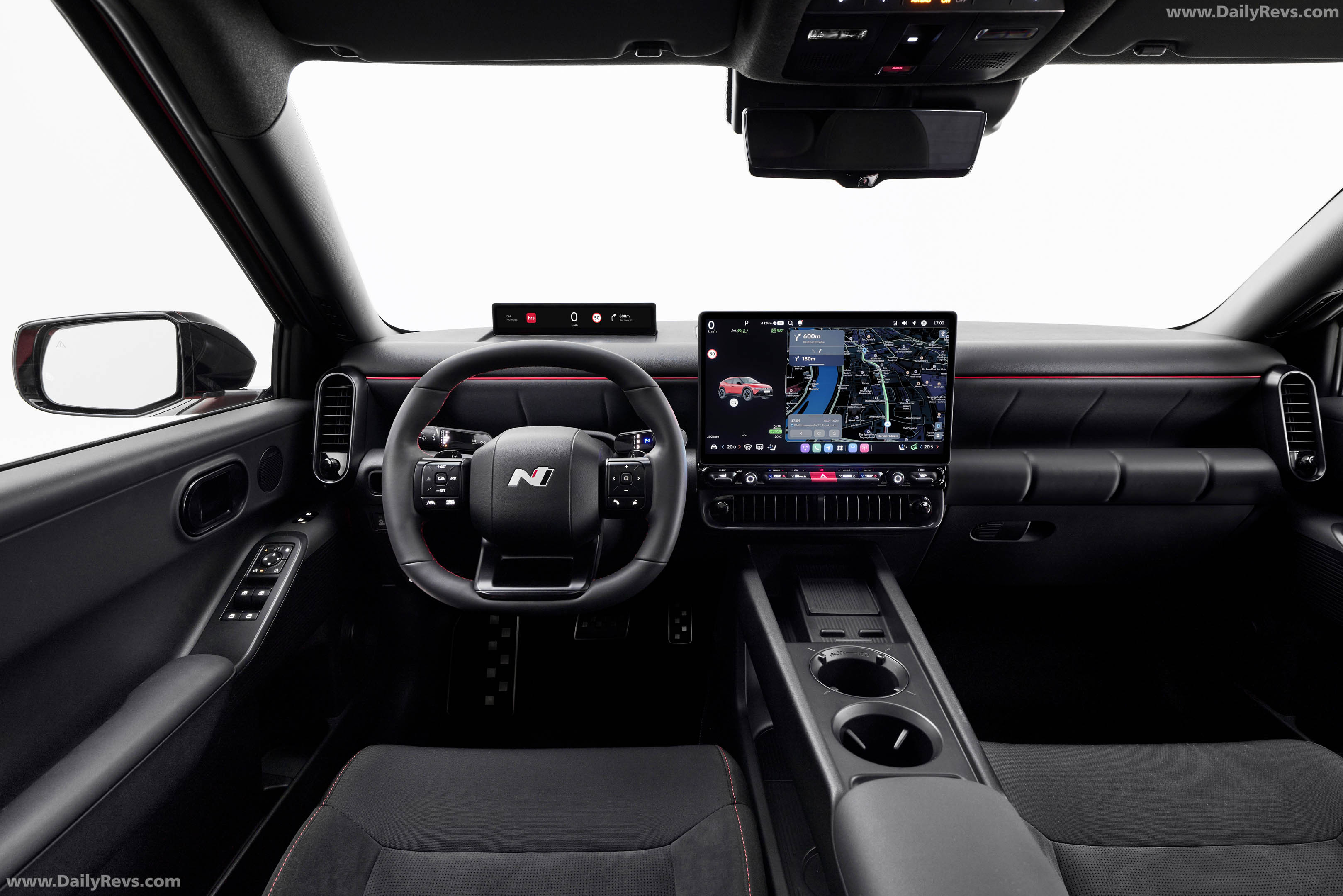
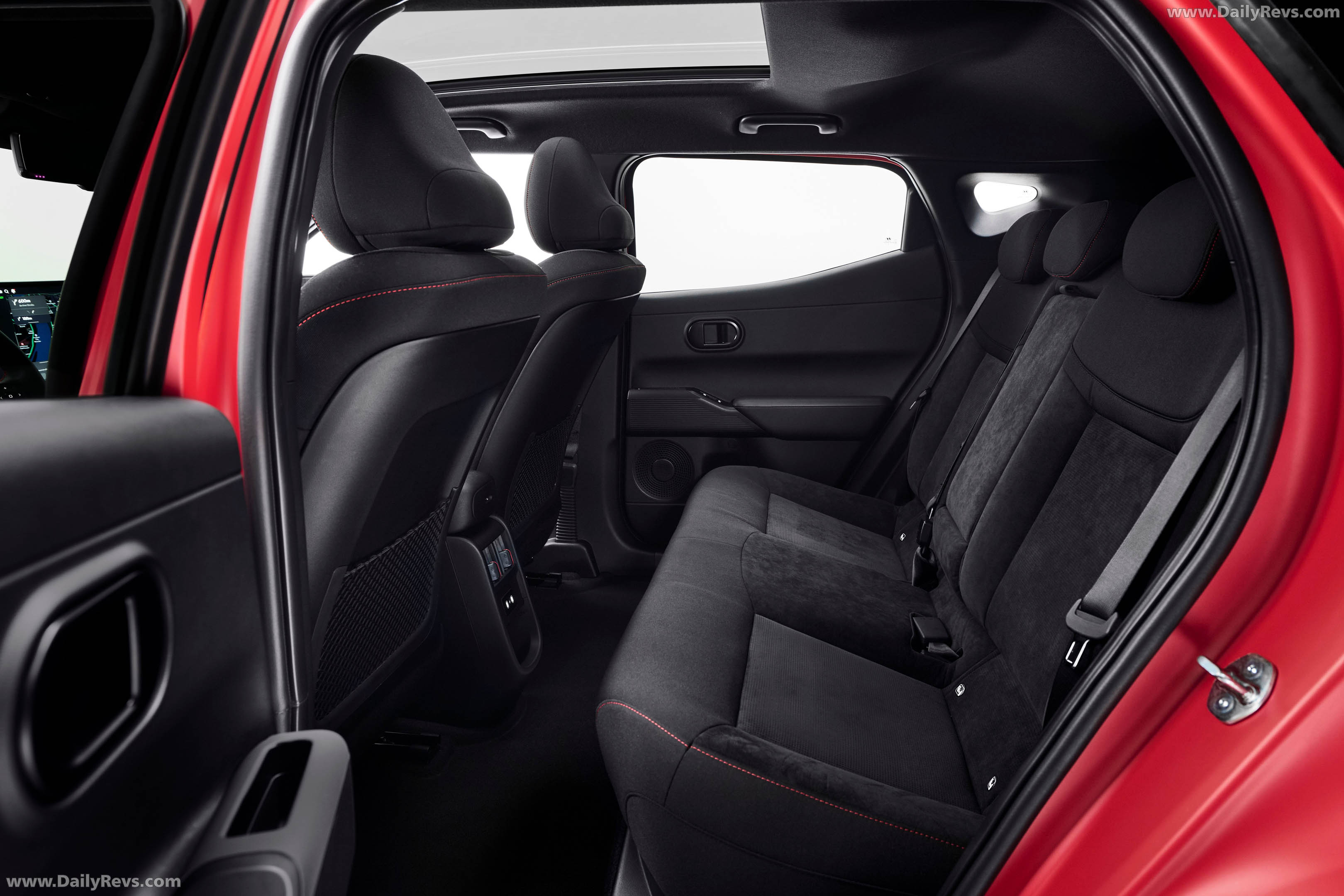
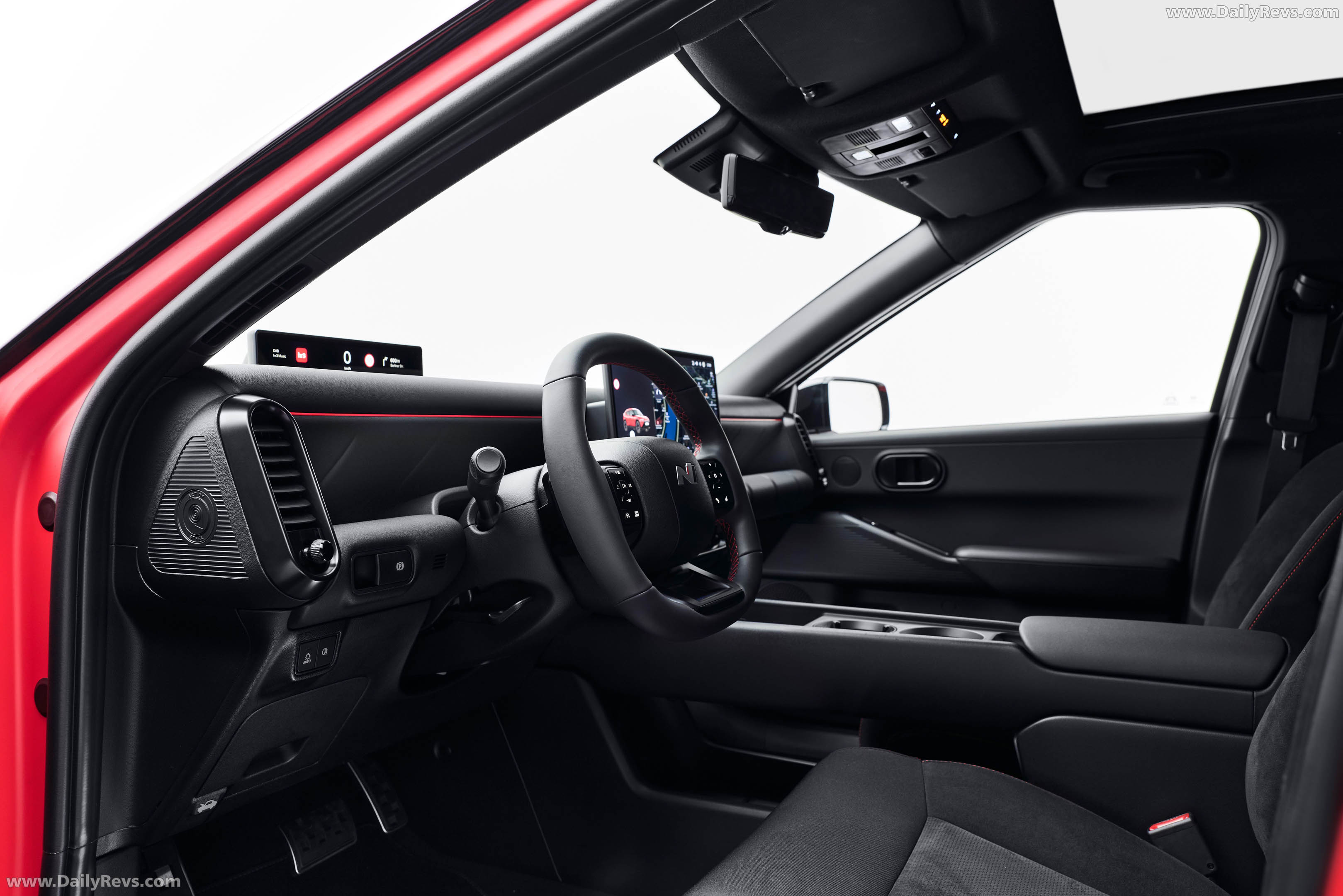
Inside, the IONIQ 3 leans into a “Furnished Space” concept, which is Hyundai’s way of saying the cabin is designed to feel more like a living space than a conventional small car interior.
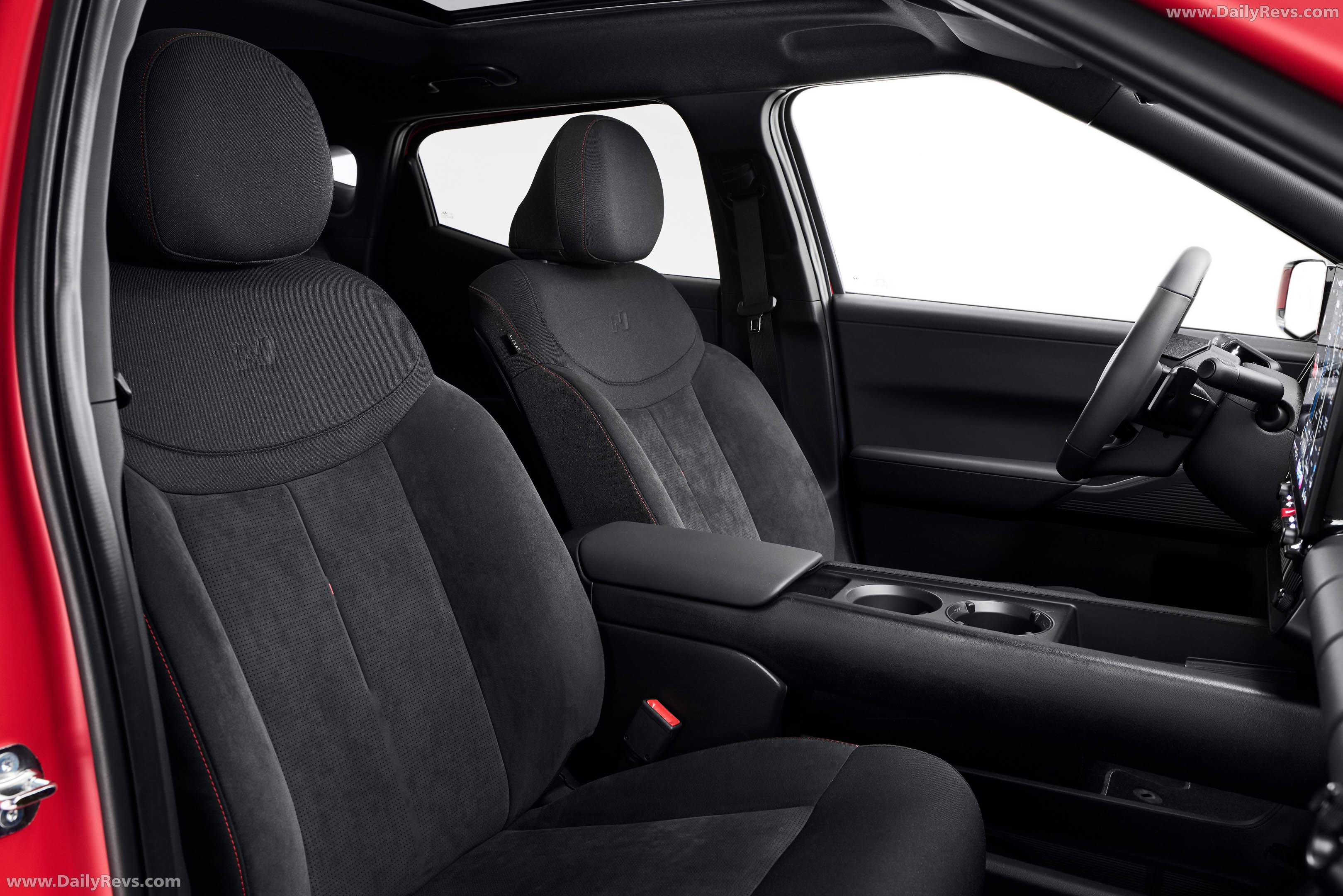
The flat floor helps immediately. So does the long wheelbase. Hyundai says three adults can sit across the rear in genuine comfort, which is a bold claim in this class, but the layout is clearly working toward that.
The main interface is the new Pleos Connect infotainment system, Hyundai’s first European application of the Android Automotive-based setup. Depending on specification, the central display measures 12.9 or 14.6 inches.
Other features push the same idea of ease and comfort. Relaxation seats, ambient lighting, dual-zone climate control, and Bose audio are all part of the package depending on trim. Materials also matter here, with recycled and bio-based elements mixed into the cabin.
It sounds tech-heavy, but the intent seems pretty straightforward: make the car easier to use, not busier.
Electric setup balances range and everyday usability
The IONIQ 3 is built on Hyundai Motor Group’s E-GMP platform, though here it uses a 400-volt architecture rather than the higher-voltage setup seen in some larger models.
Two battery options are offered. The standard-range version uses a 42.2 kWh battery and targets 344 km of WLTP range. The long-range version steps up to 61 kWh and aims for 496 km.
Motor output varies between 99.5 kW and 107.8 kW, with torque fixed at 250 Nm. Top speed is 170 km/h.
Charging times look competitive enough for the class. Hyundai quotes 10 to 80 percent in about 29 minutes on DC charging, with AC charging up to 22 kW also available.
It’s not chasing headline power figures. The focus is more on useful range and manageable charging times.
Practicality goes beyond the spec sheet
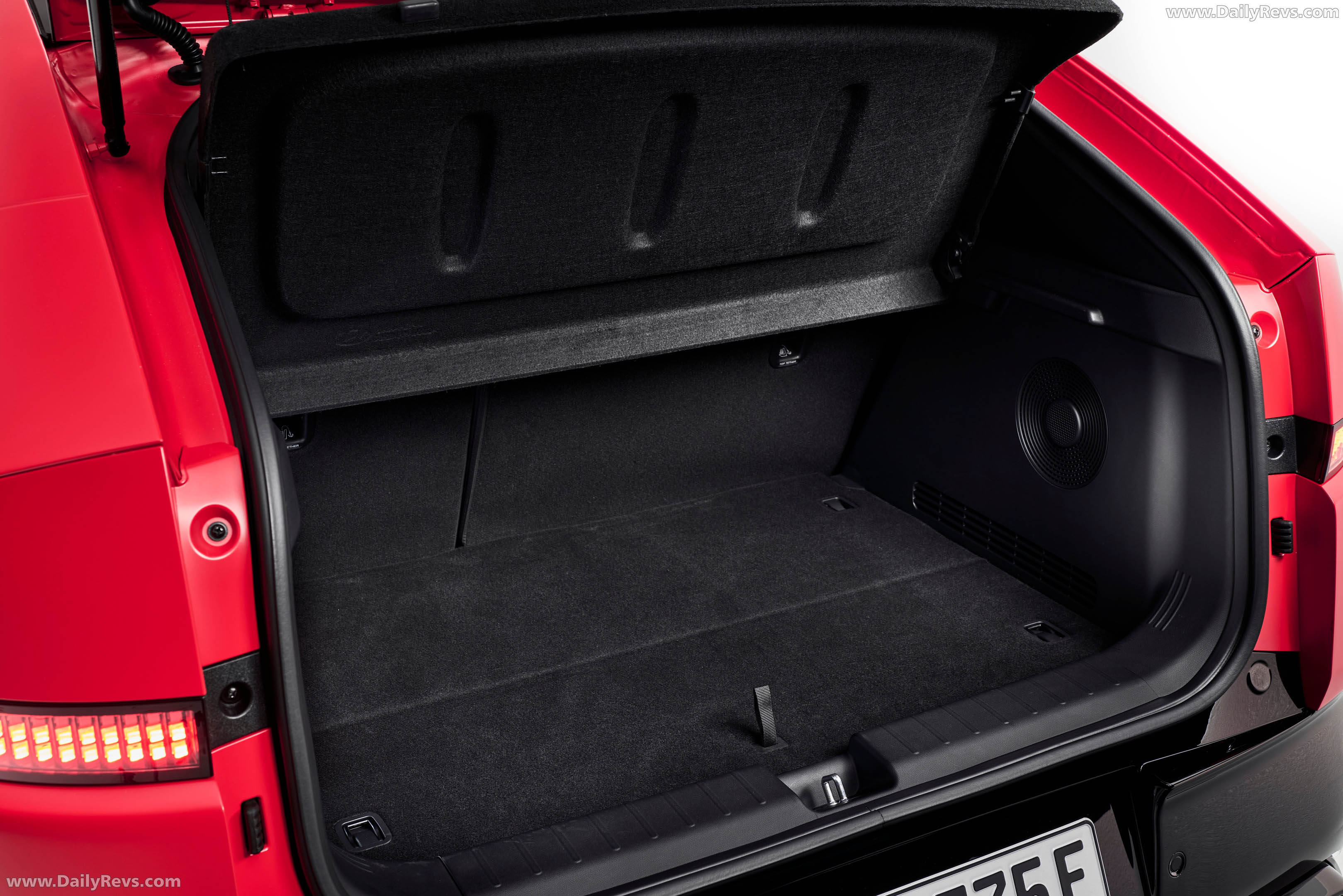
Boot capacity is where the IONIQ 3 quietly makes a stronger case. Hyundai quotes 441 litres in total, split between a 322-litre trunk and a 119-litre Megabox under the floor.
That’s a useful number in a compact EV, especially for a family-oriented hatchback.
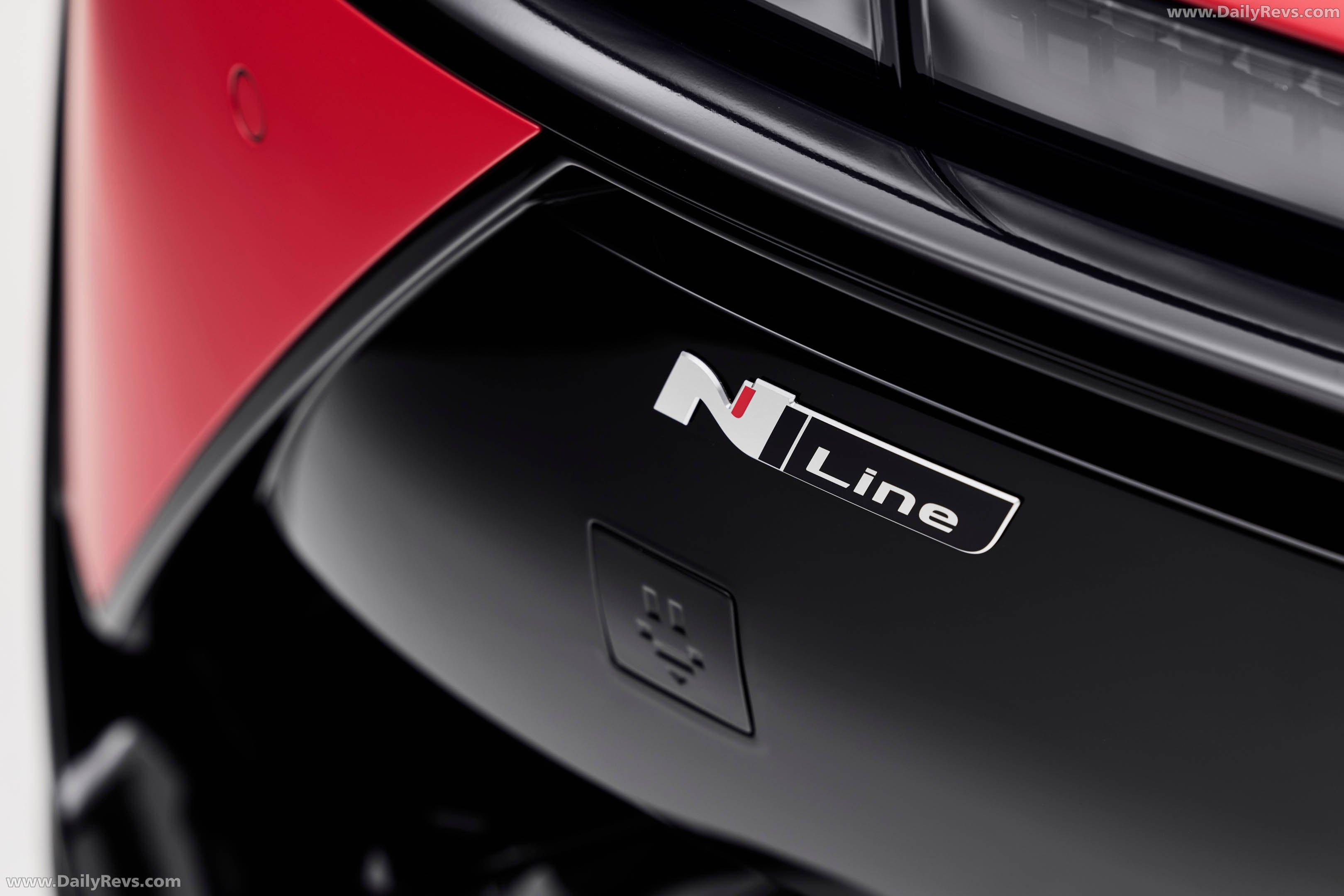
Vehicle-to-Load capability is included as well, both inside and outside the car, which adds another layer of utility. Hyundai SmartSense systems such as Highway Driving Assist 2, Remote Smart Parking Assist, and Blind-Spot View Monitor are also available, pushing the car closer to larger segments in terms of equipment.
Positioned as a practical compact EV for Europe
The 2027 Hyundai IONIQ 3 looks like a deliberate attempt to make electric driving feel less like a compromise.
It’s compact, but not cramped. Efficient, but not stripped back. And while the technology is clearly central to the pitch, Hyundai seems to have kept the emphasis on daily use.
That may be the more important part. In this segment, usability usually matters more than drama.