


2027 Donkervoort P24 RS
By Lorenzo Bianchi January 26, 2026
The P24 RS delivers up to 600 hp while weighing just 780 kg dry.
Power comes from a new twin-turbo 3.5-litre V6 with selectable output modes.
Production is limited to 150 hand-built cars, priced from €298,500.
A Supercar Defined by Weight, Not Screens
Donkervoort has never chased volume or trends, and the 2027 P24 RS reinforces that position with unusual clarity. Revealed on 24 January 2026, the P24 RS is presented as a direct response to increasingly heavy, software-filtered performance cars. Built in Lelystad, the new model sits firmly below the one-tonne mark at 780 kg dry, a figure achieved through an obsessive focus on mass reduction rather than electronic compensation. More than 50 of the planned 150 cars have already been sold globally.
Proportions That Expose the Mechanics
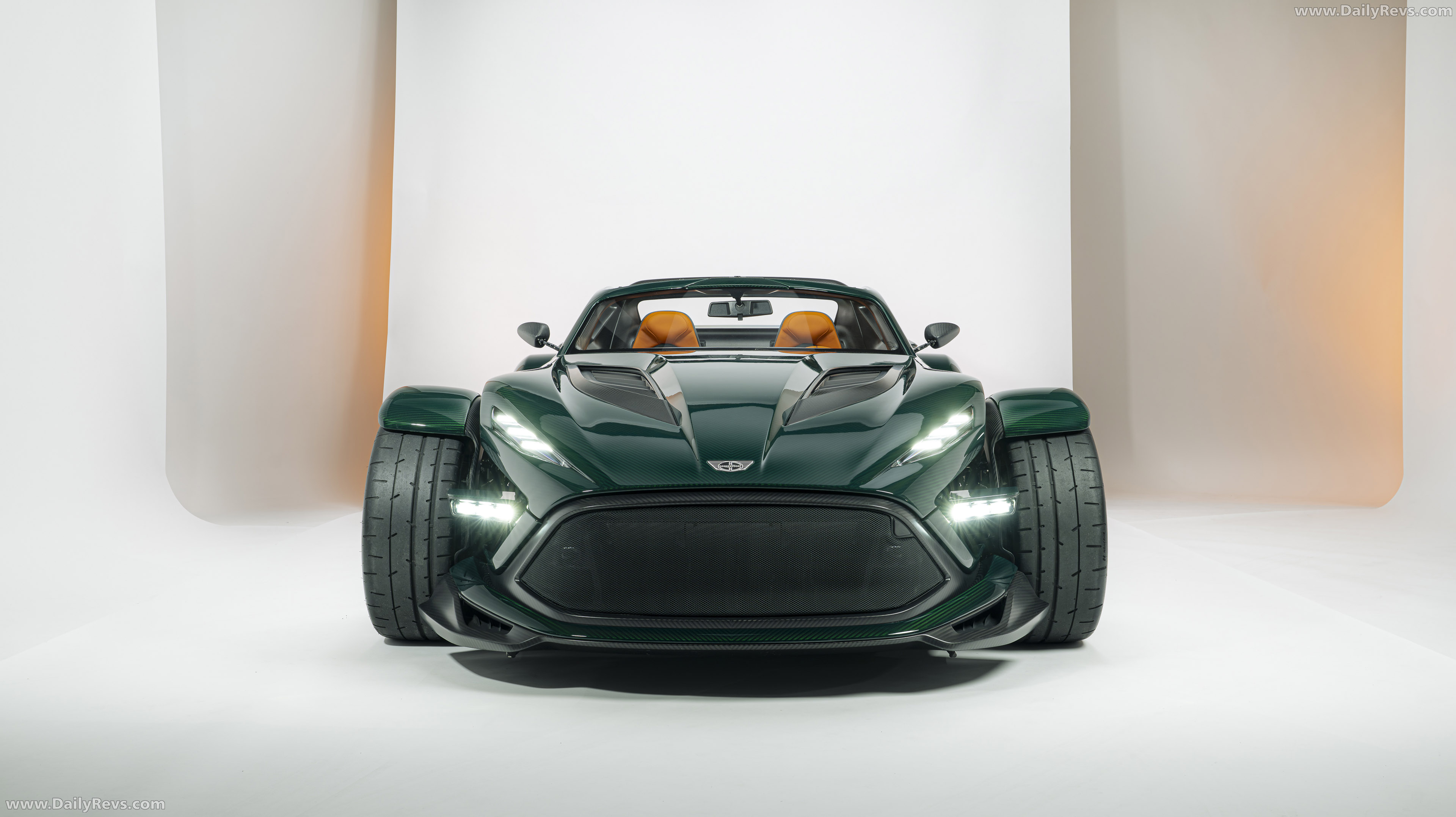
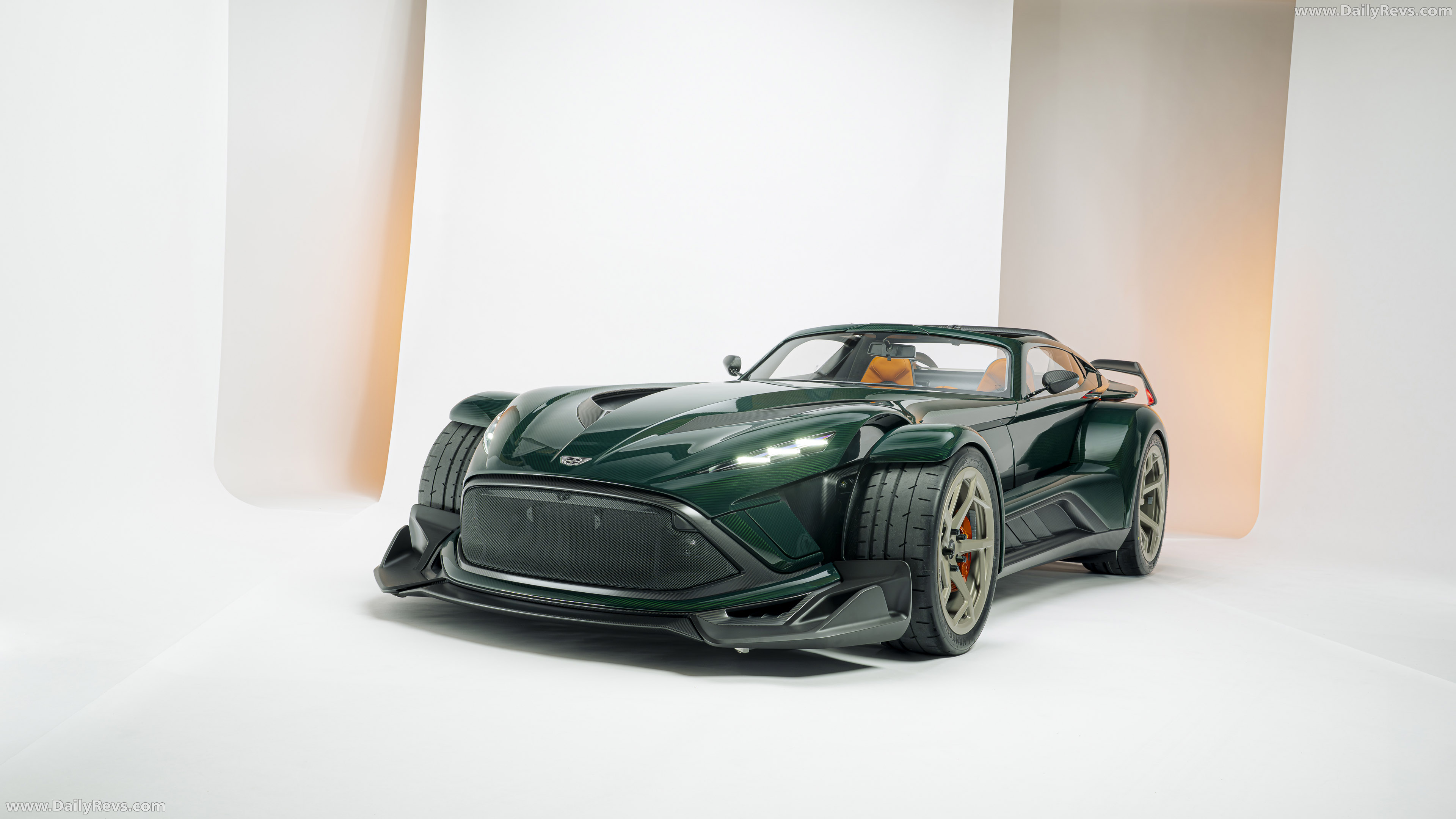
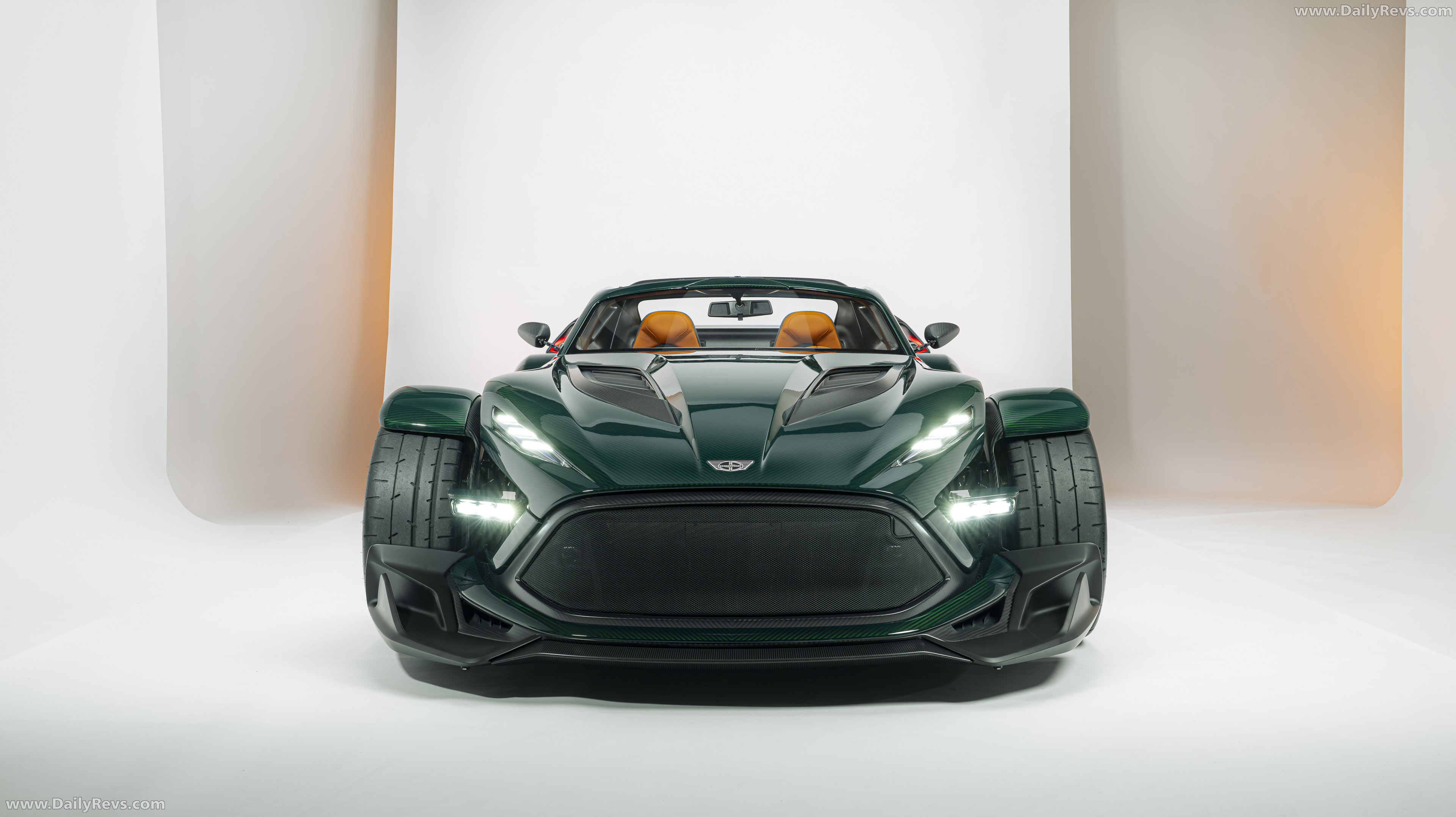
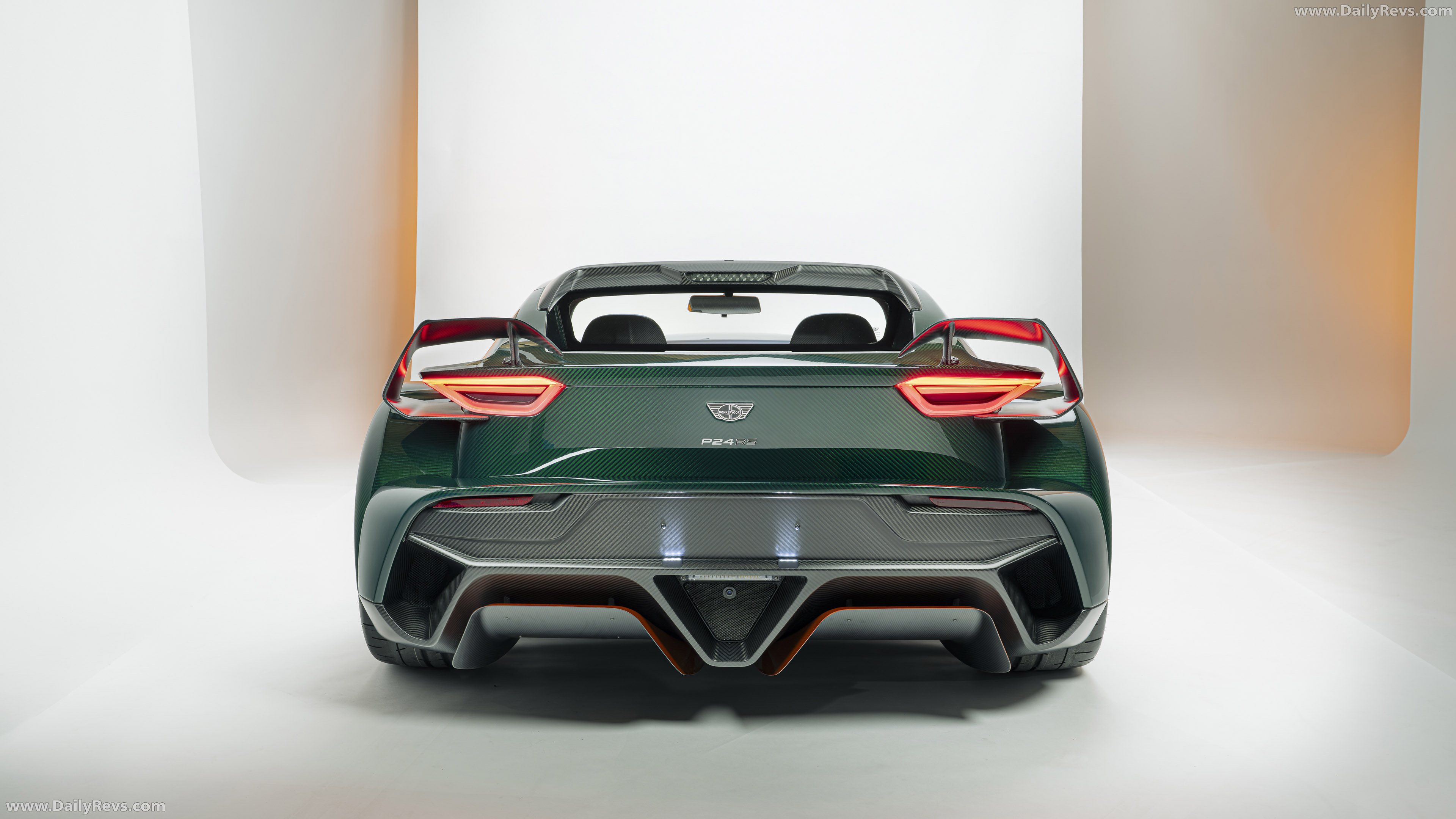
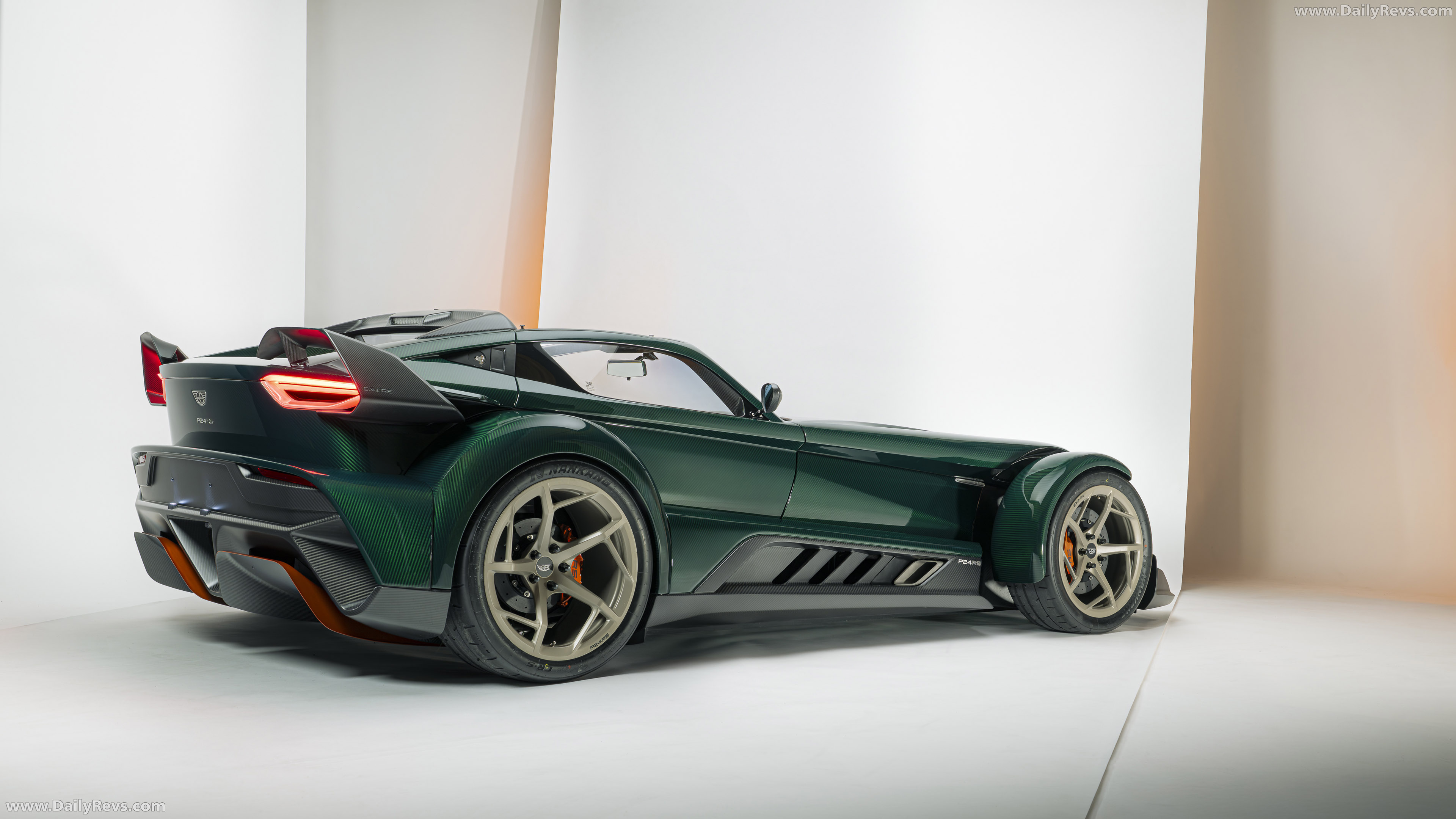
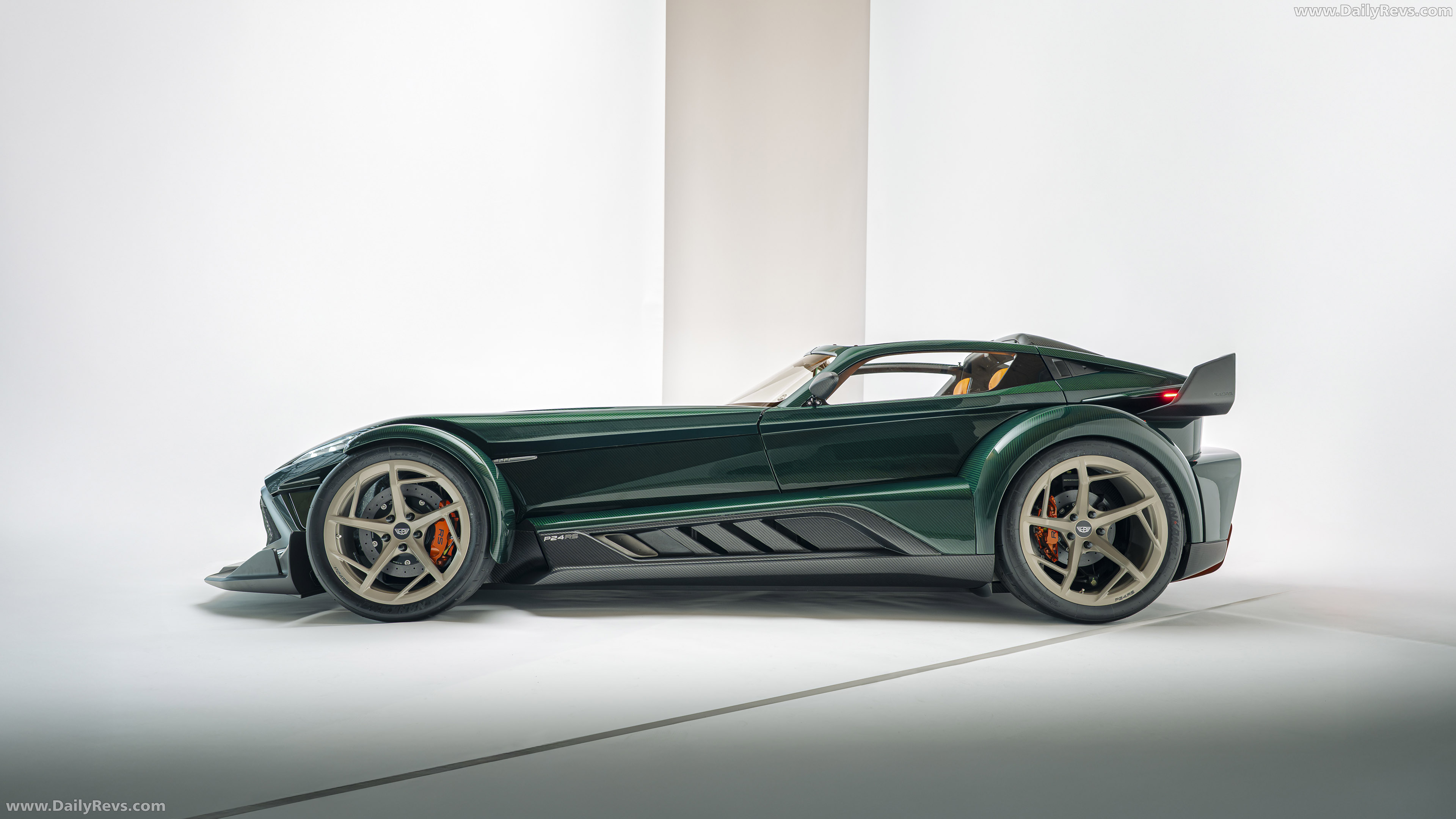
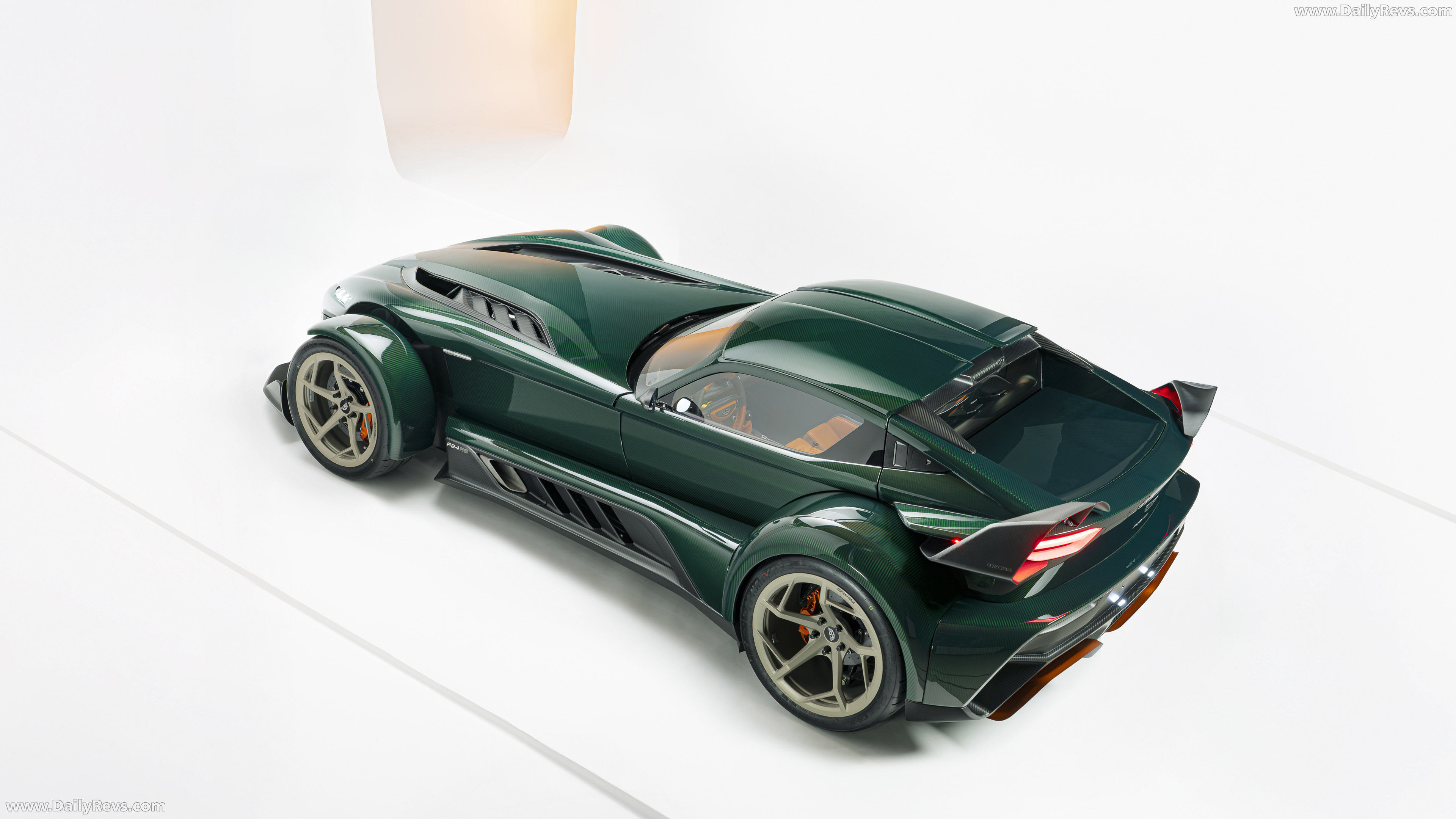
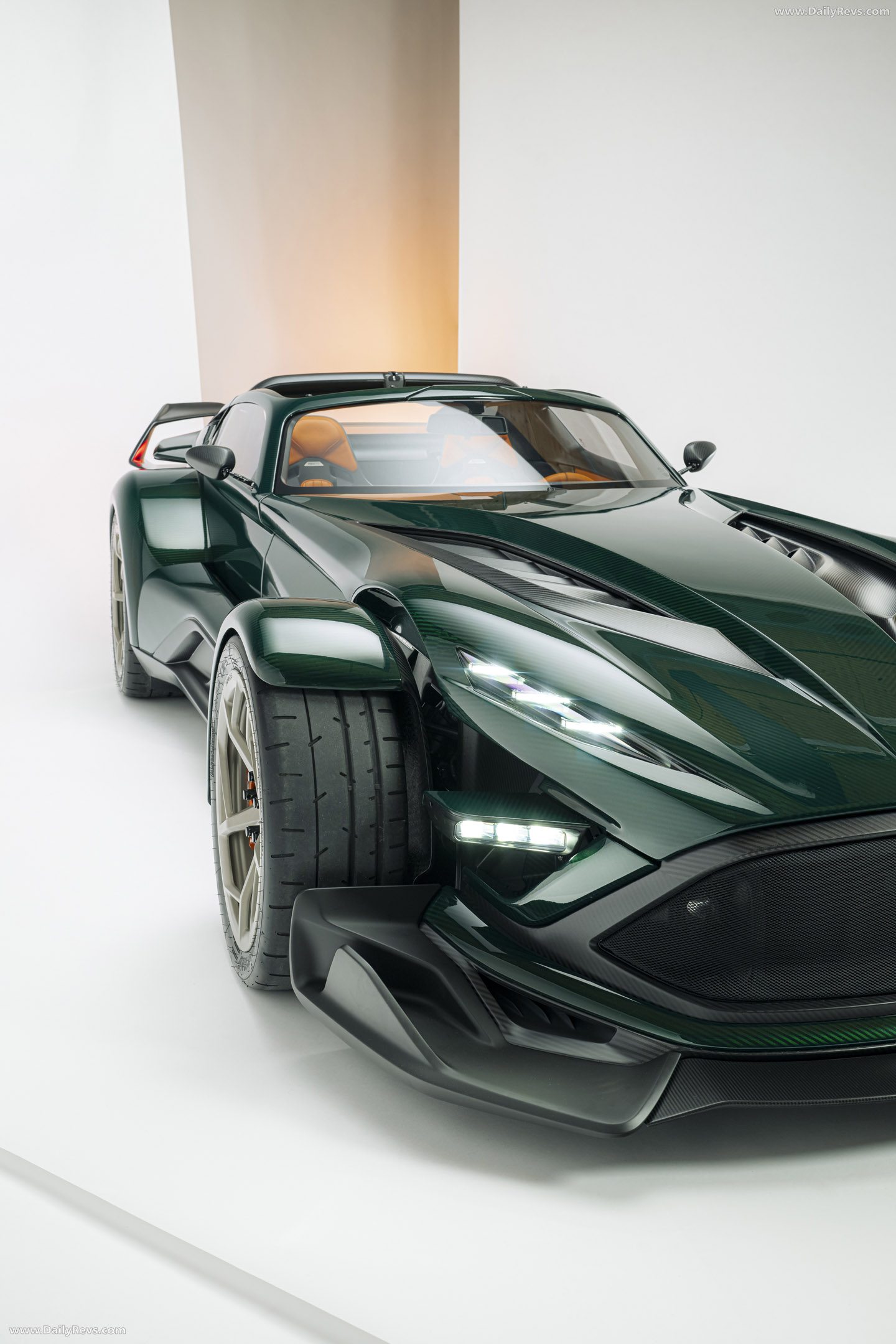
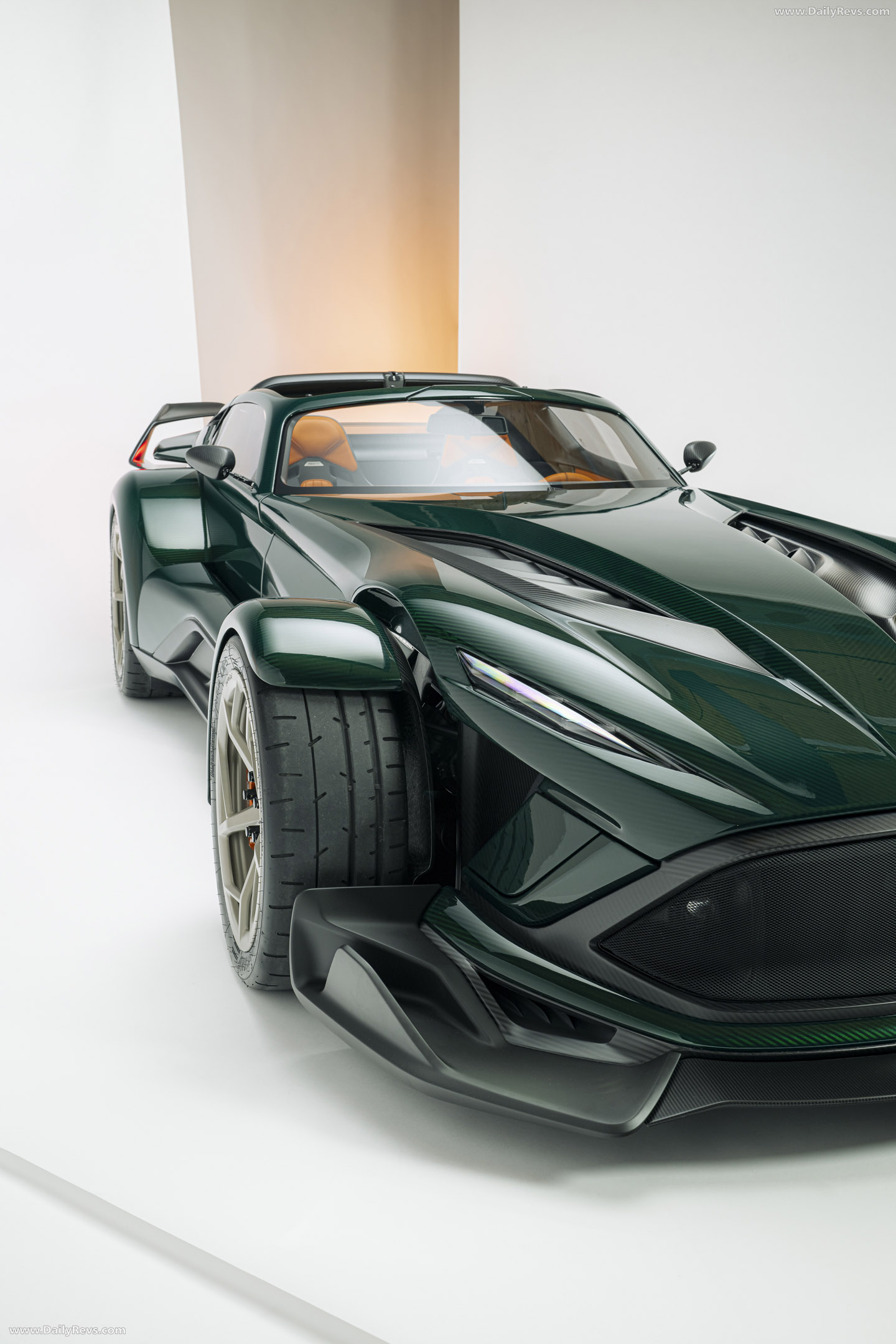
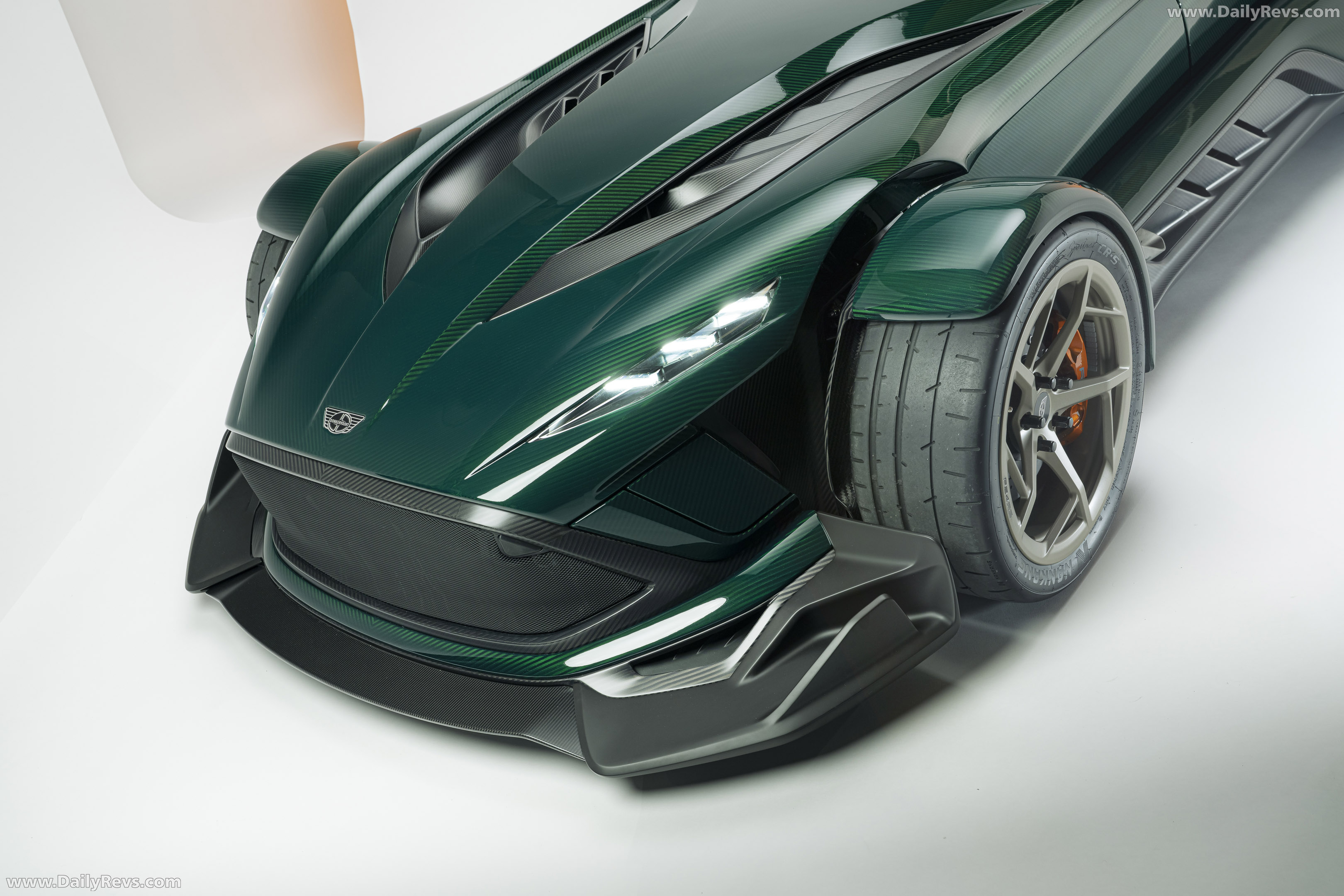
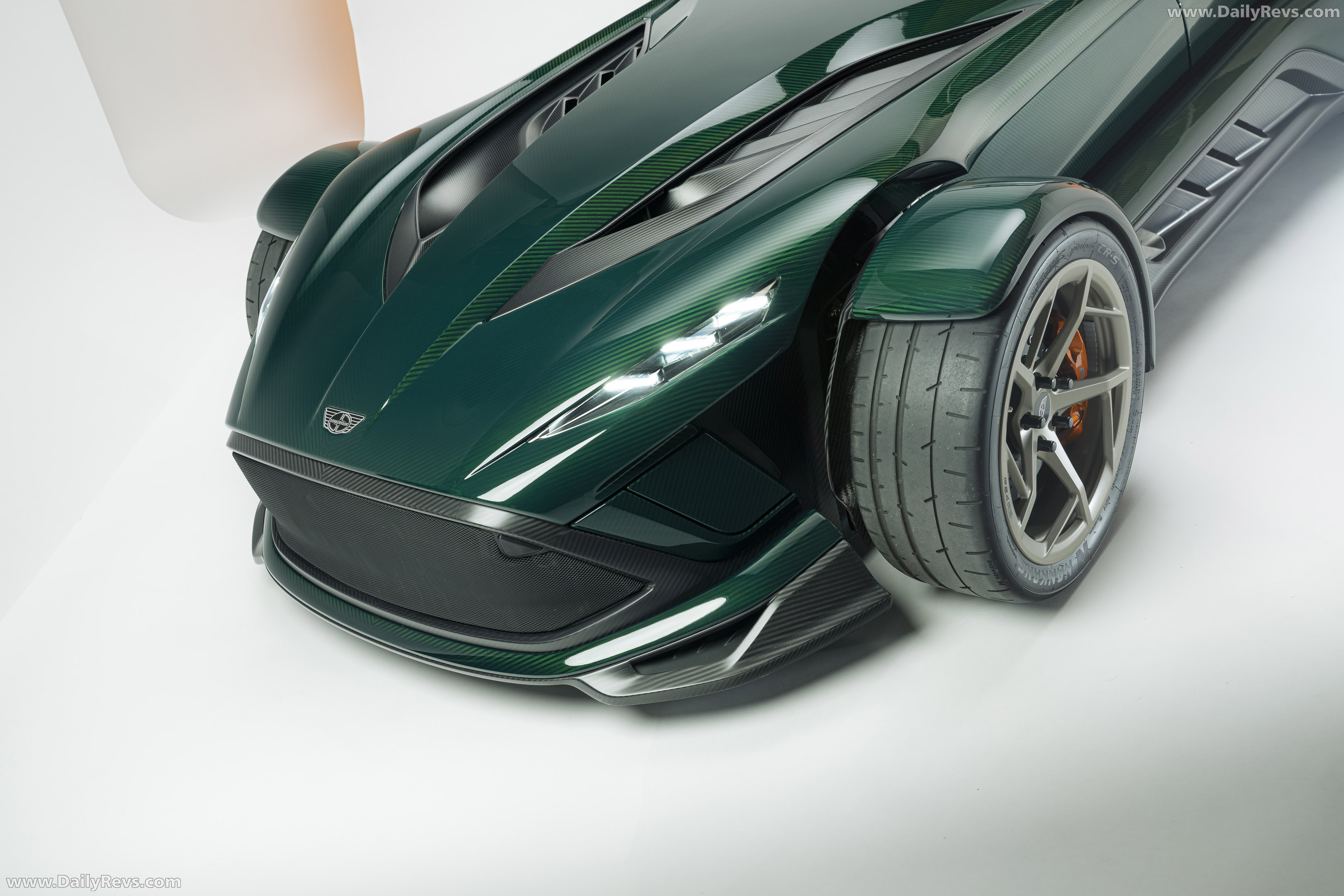
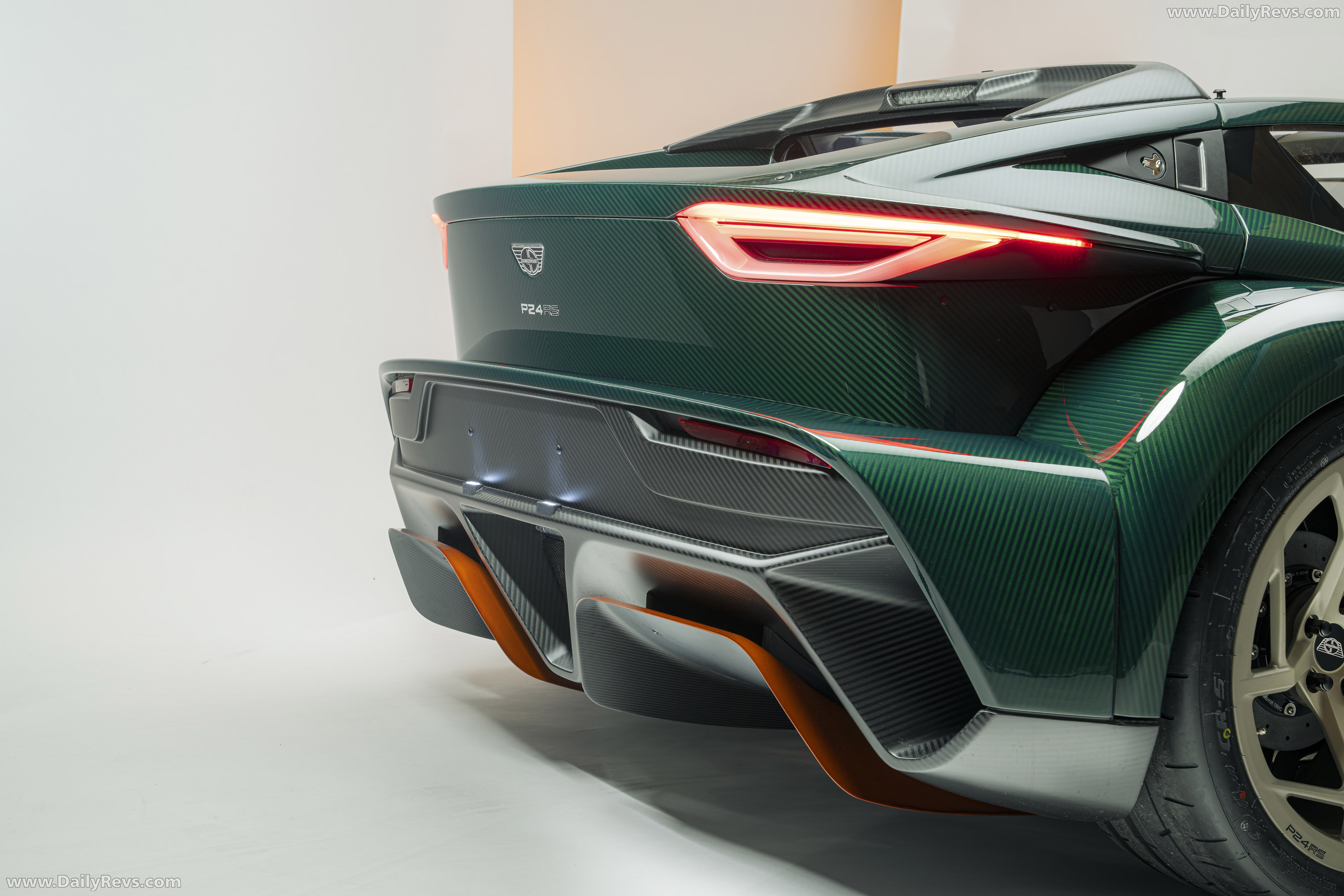
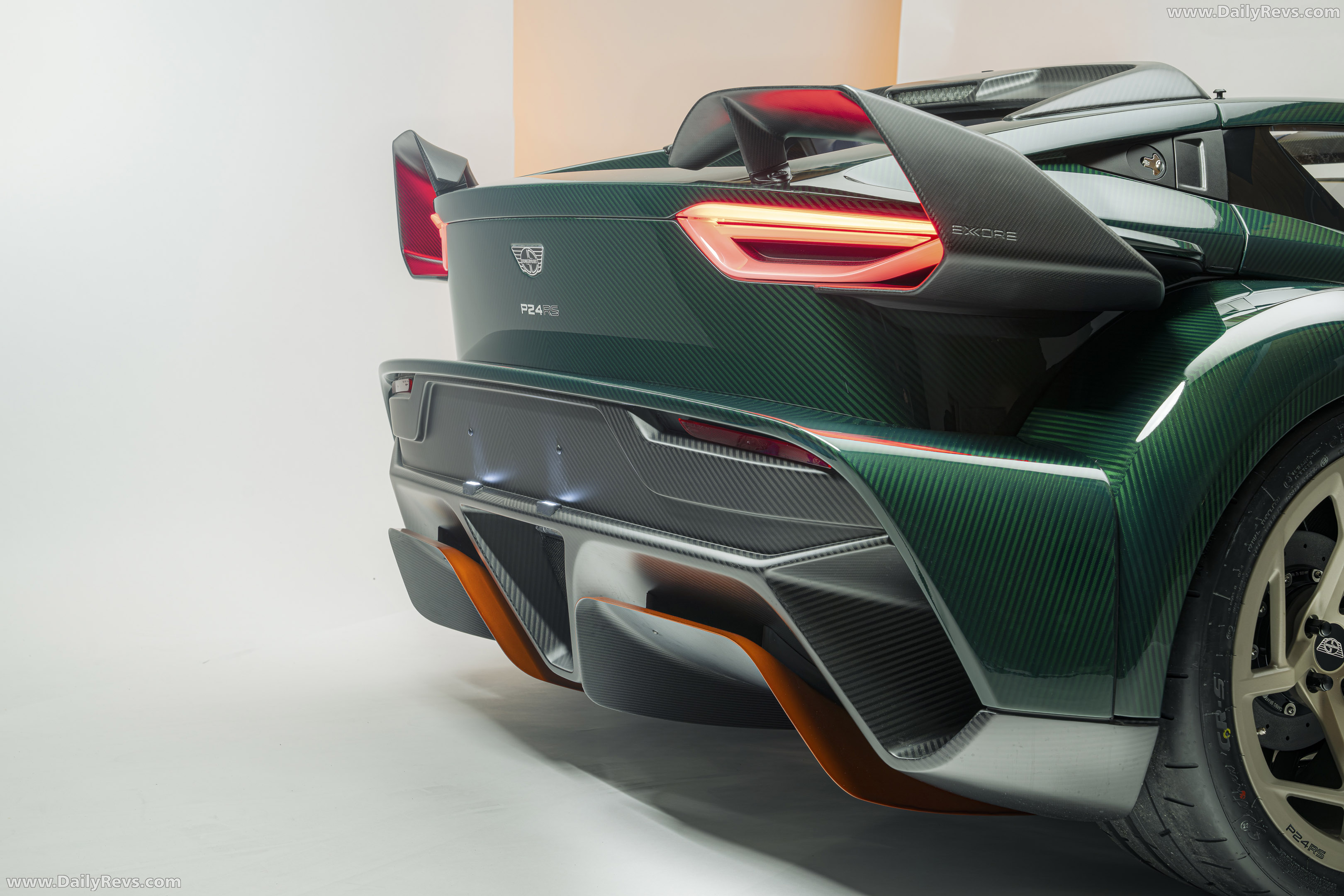
Visually, the P24 RS stays true to Donkervoort tradition. The long-nose, short-tail stance and exposed front wheel arches remain central, allowing drivers to see the front tyres and judge placement with precision. The design is not decorative. Every surface serves airflow, cooling, or driver feedback. Swing-out headlights introduce a new signature element, remaining hidden until deployed to direct airflow over suspension components. Optional removable aero components further underline the car’s dual road-and-track intent.
A New V6 Built Around Choice
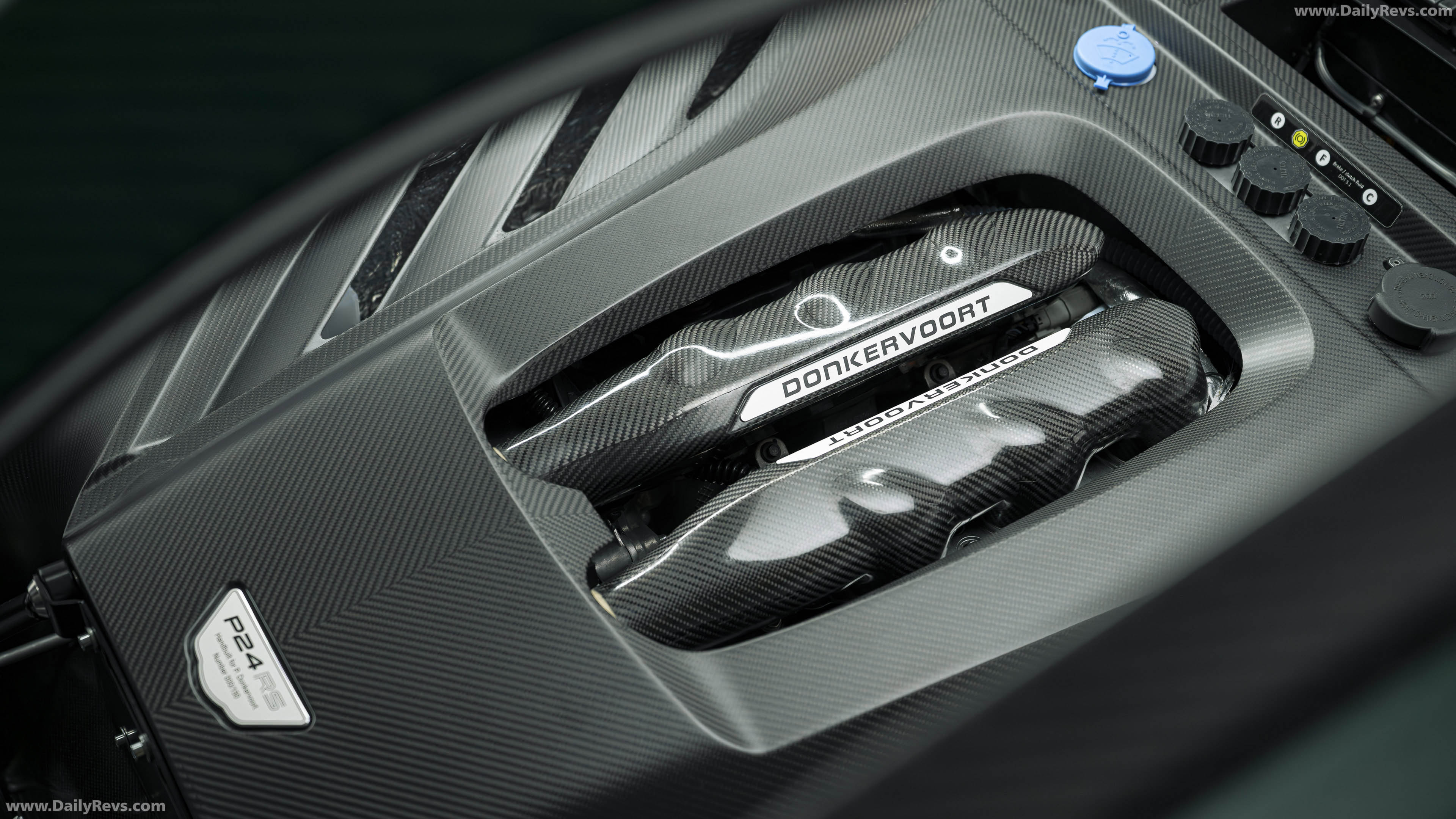
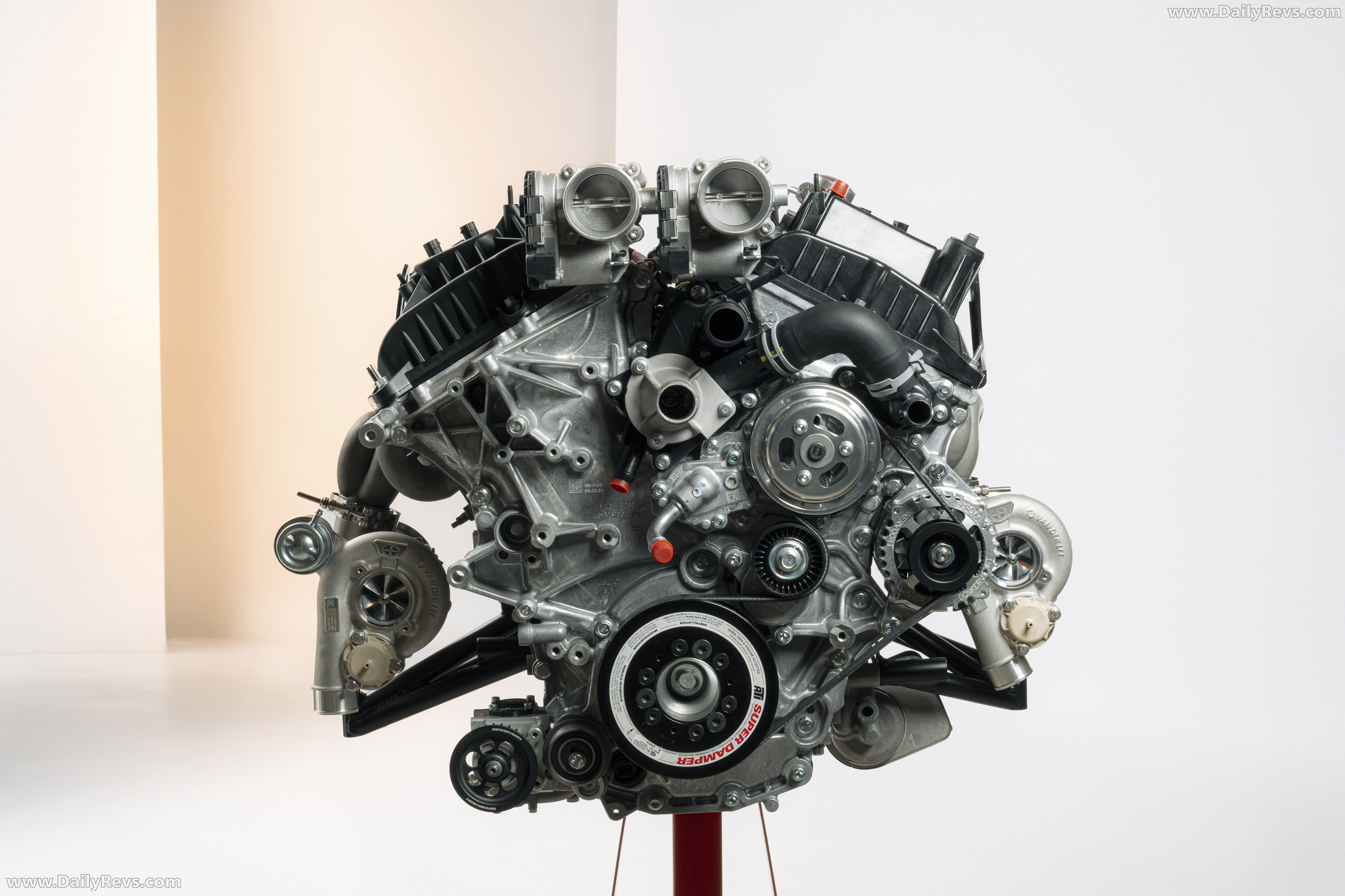
At the heart of the P24 RS is an all-new 3.5-litre twin-turbo V6, developed specifically for this car. The engine produces up to 600 hp and 800 Nm of torque, but Donkervoort’s Power To Choose system allows drivers to select 400, 500, or 600 hp outputs. The result is a power-to-weight ratio of 770 hp per tonne, placing the P24 RS in rare territory.
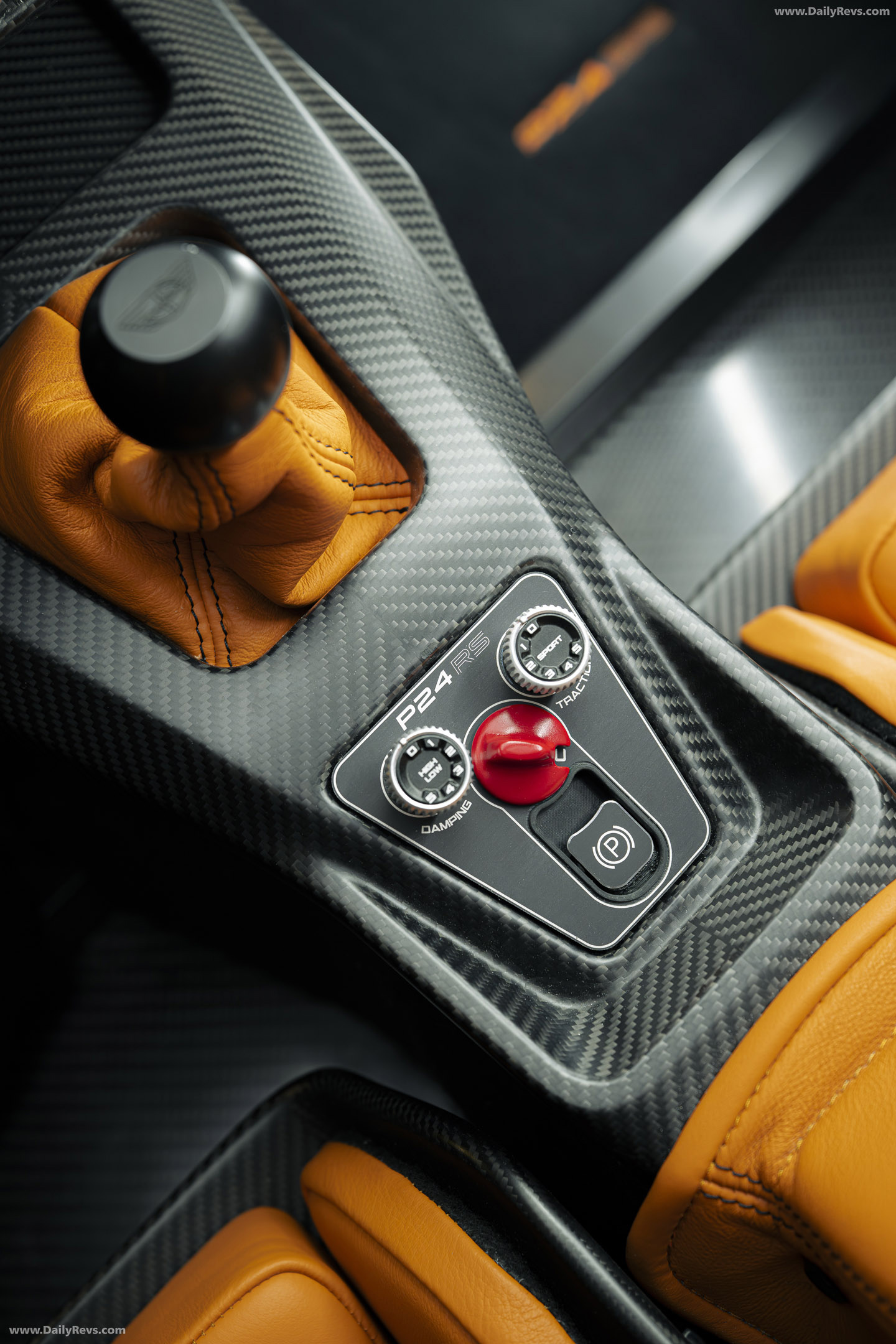
The engine uses dry-sump lubrication to lower the centre of gravity and maintain oil supply under sustained lateral loads exceeding 2.3G. Donkervoort pairs the V6 with a five-speed manual gearbox and a mechanical limited-slip differential, reinforcing the company’s refusal to dilute the driving experience with automation.
Chassis Engineering Over Electronic Safety Nets
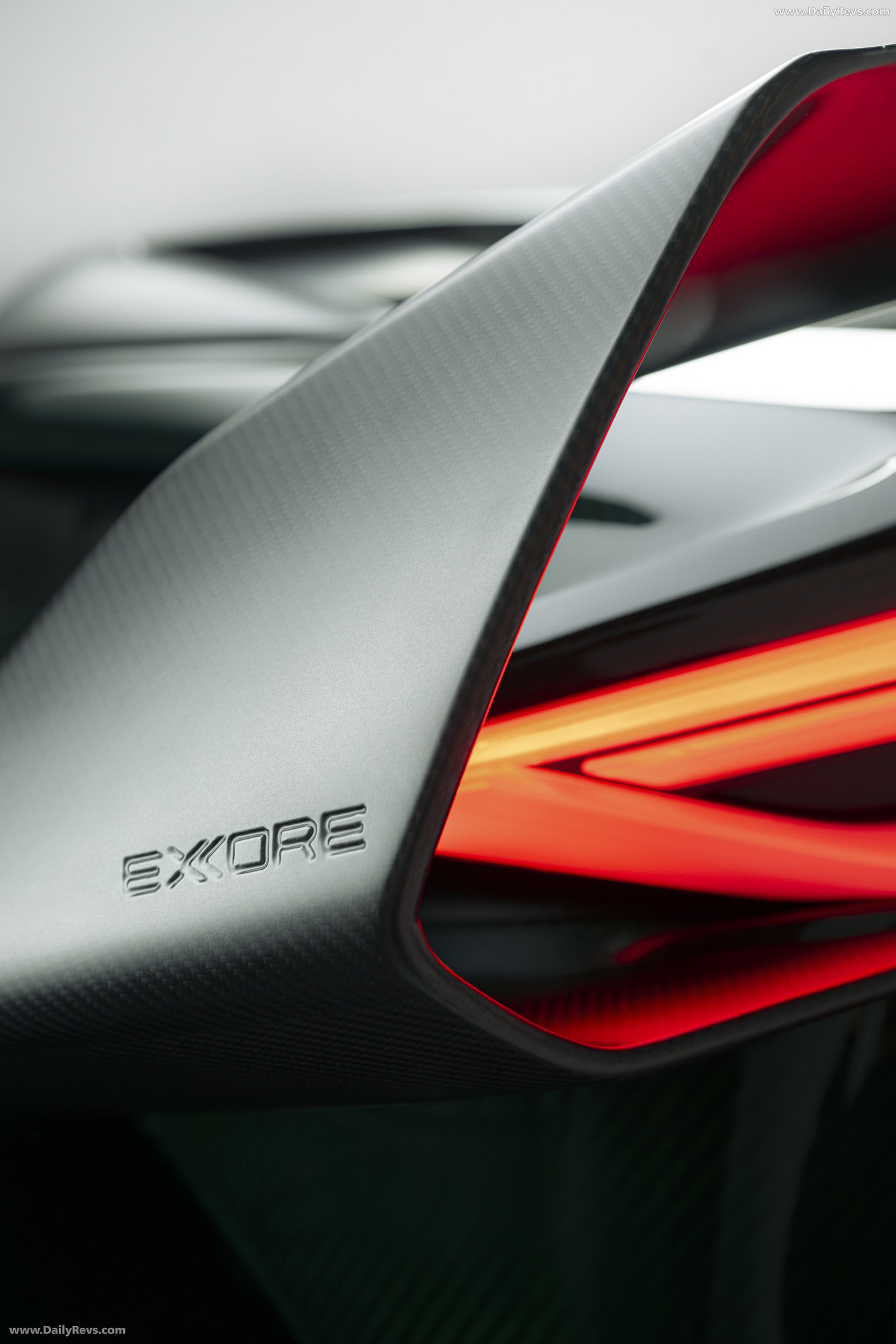
Donkervoort’s philosophy is explicit. There is no standard stability control, torque vectoring, power steering, or automatic brake assist. Instead, the P24 RS relies on a stiff hybrid chassis combining alloy tubing with Ex-Core carbon-fibre reinforcements. A new Fort-Ex front subframe integrates suspension, brakes, cooling, and crash structures in a single ultra-light module.
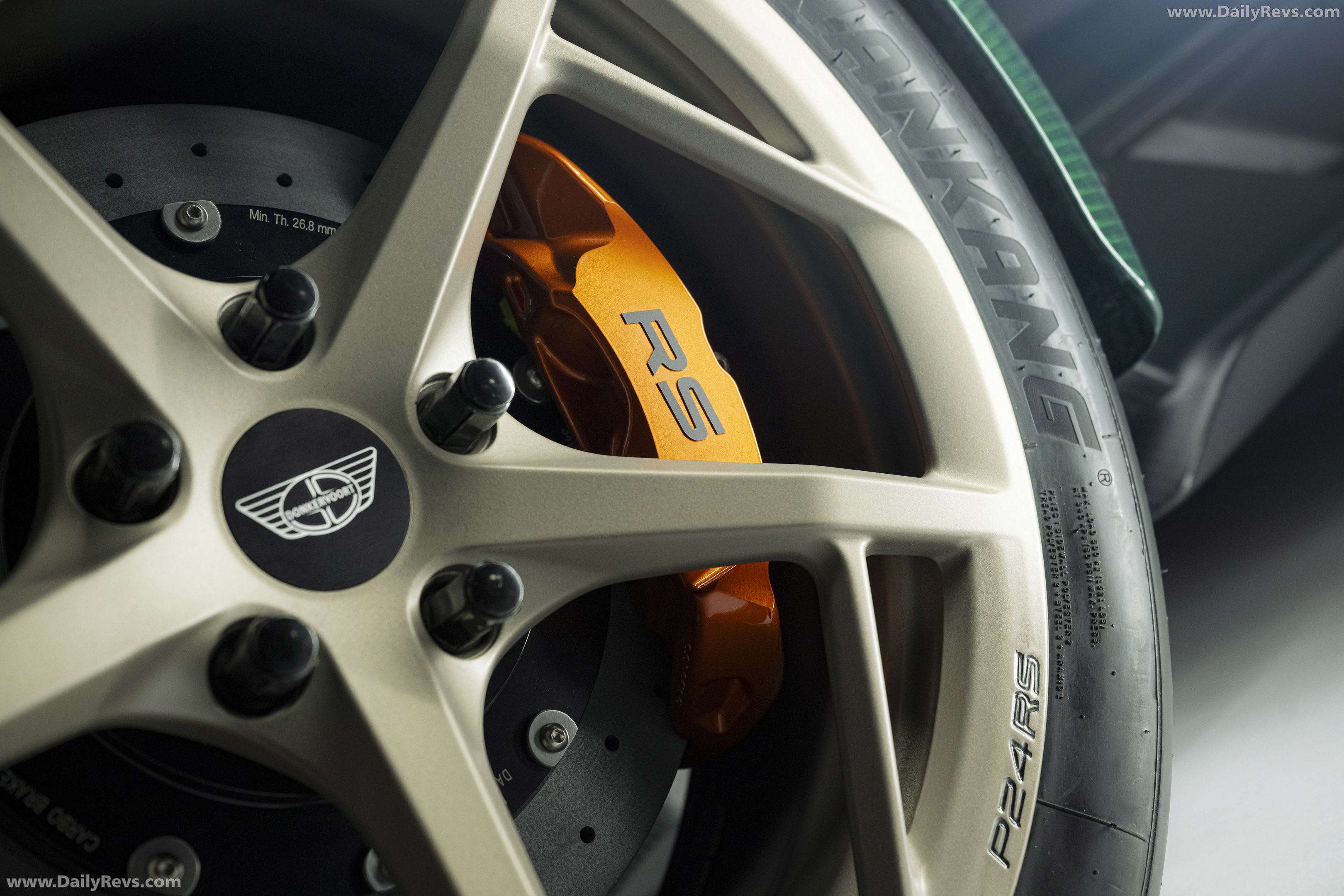
Suspension uses double wishbones at the front and a multi-link rear layout, supported by active dampers with adjustable ride height. Braking is handled by AP Racing hardware, with optional carbon-ceramic discs available. The focus remains mechanical grip and feedback, not intervention.
Interior Built Around the Driver
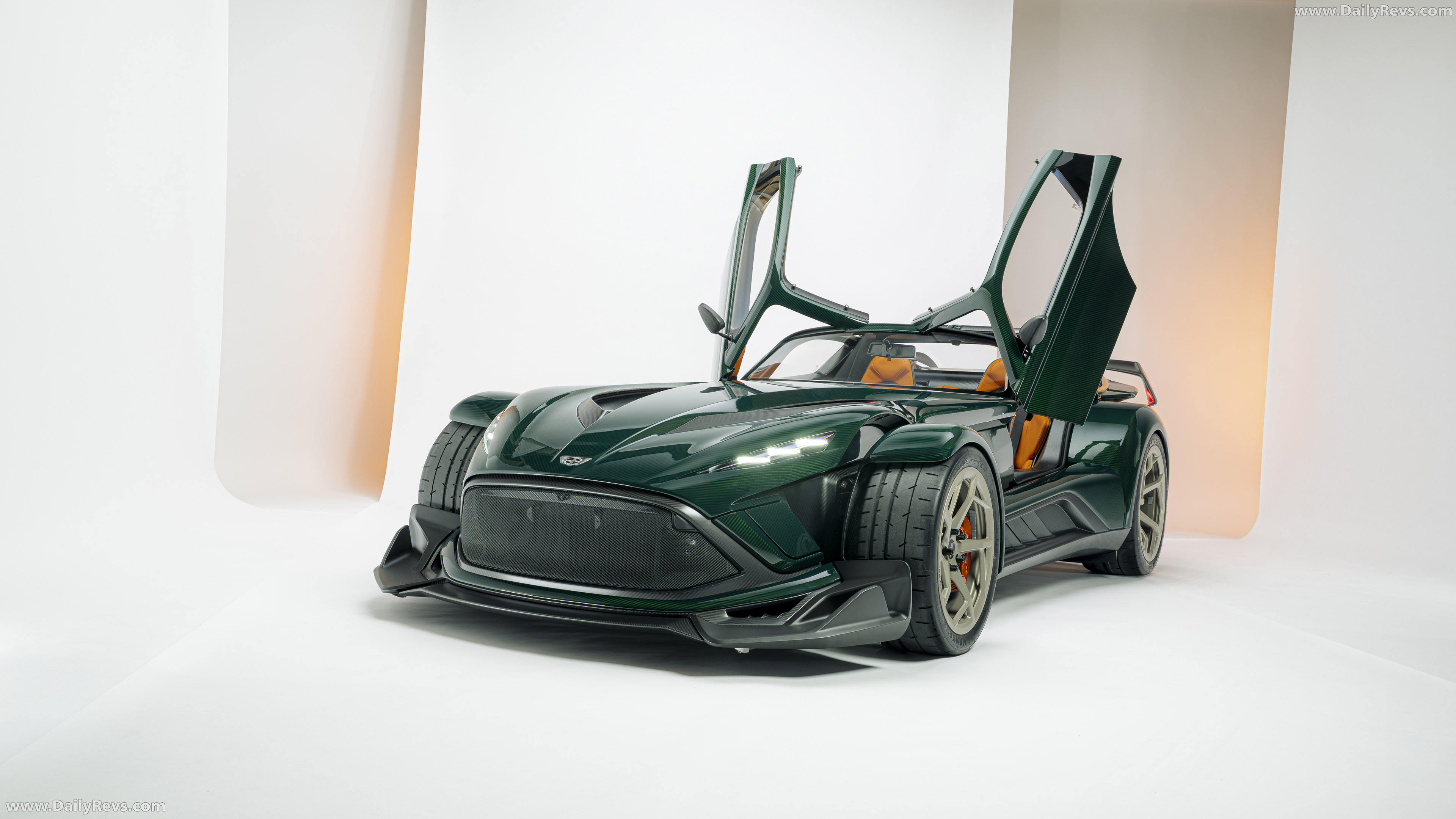
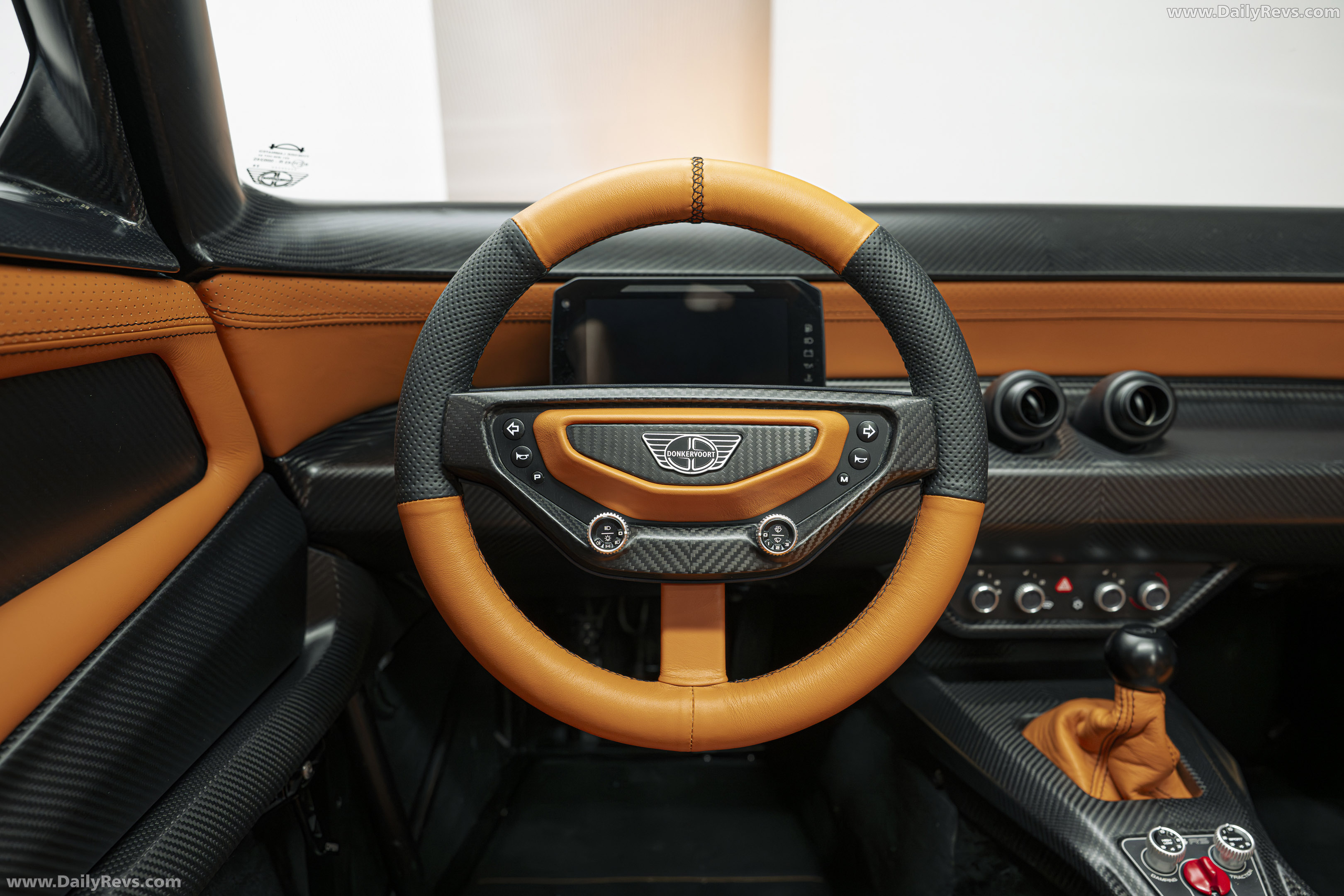
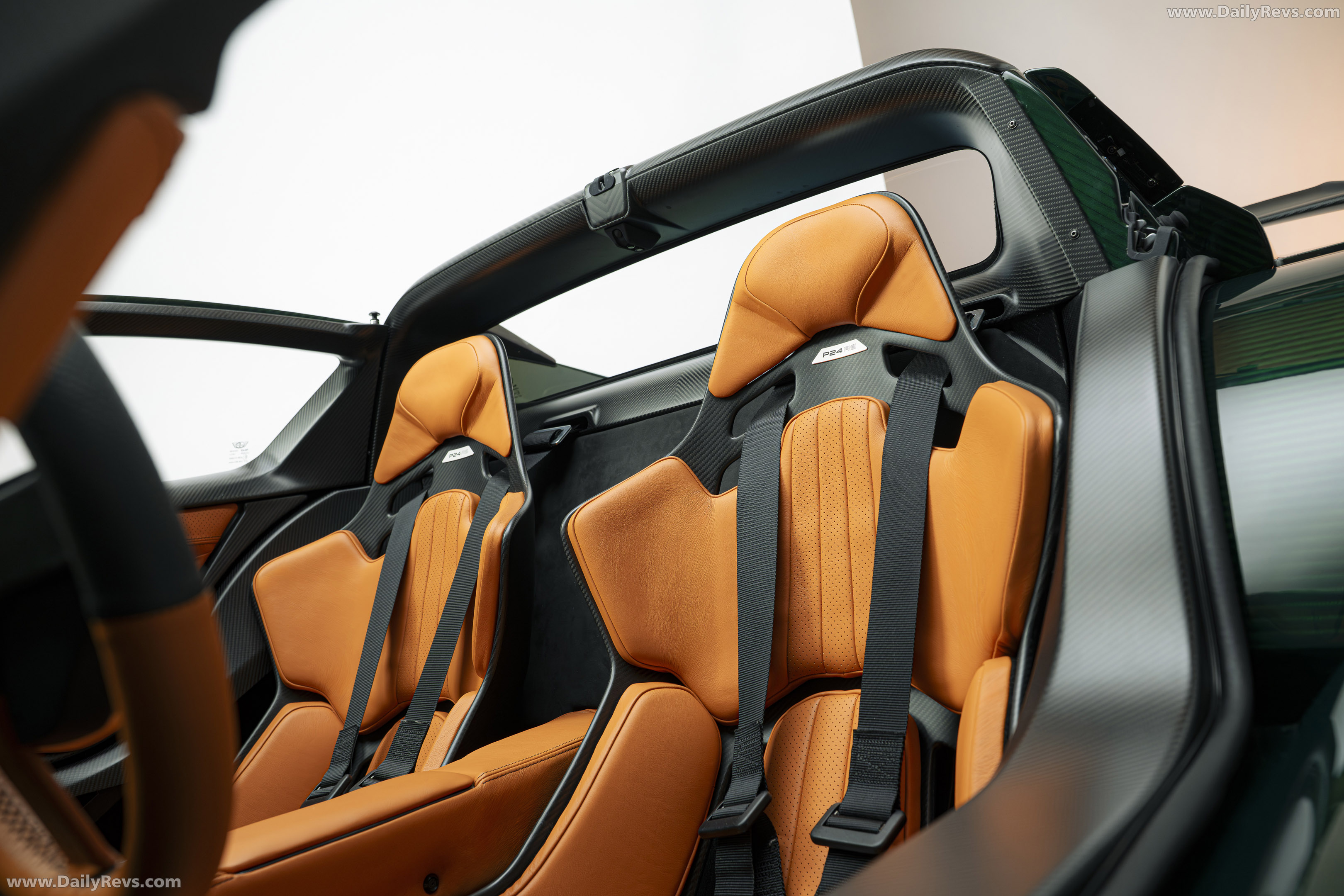
Inside, the P24 RS remains deliberately tactile. A digital instrument display is present, but key functions are controlled by physical dials and switches. The removable steering wheel integrates lighting, indicators, and display controls. Lightweight Recaro seats accommodate occupants up to 2.05 metres tall, while the Twin Targa carbon-fibre roof allows open-air driving without compromising rigidity.
Despite its focus, practicality has not been ignored. Luggage capacity measures 298 litres, comparable to a compact hatchback.
Positioning and Production
Only 150 examples of the P24 RS will be produced, each hand-built and extensively customizable. With pricing starting at €298,500, the P24 RS positions itself not against mainstream supercars, but as an uncompromising alternative for drivers who value mass, feedback, and mechanical honesty above all else from Donkervoort Automobielen.