2027 BMW i3 50 xDrive NA8
By Lorenzo Bianchi March 19, 2026
First all-electric 3 Series arrives as the BMW i3 50 xDrive with dual motors and AWD
Up to 900 km range and ultra-fast 400 kW charging capability.
Neue Klasse platform introduces new design, digital interface, and driving systems.
The 2027 BMW i3 50 xDrive steps into 3 Series territory
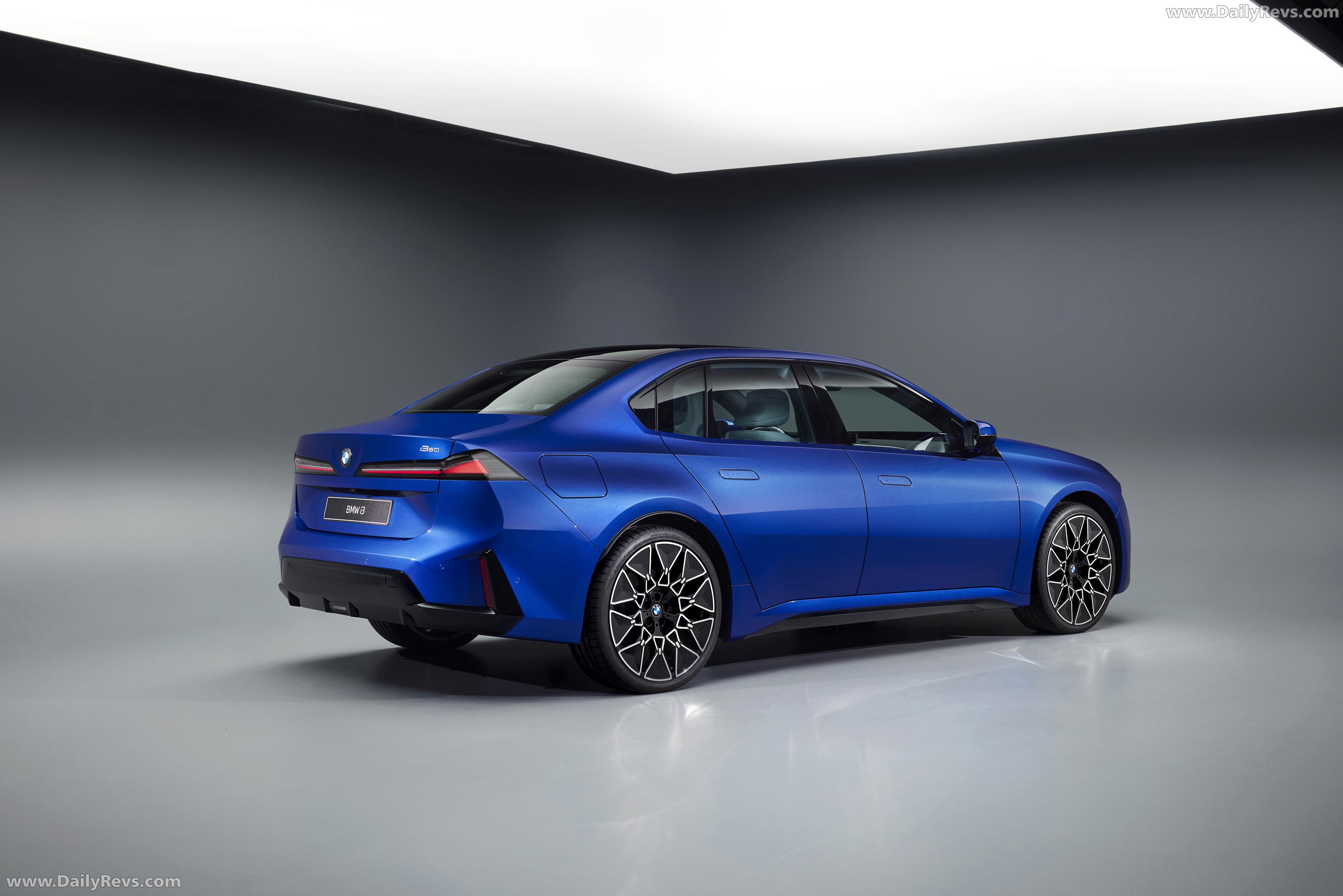
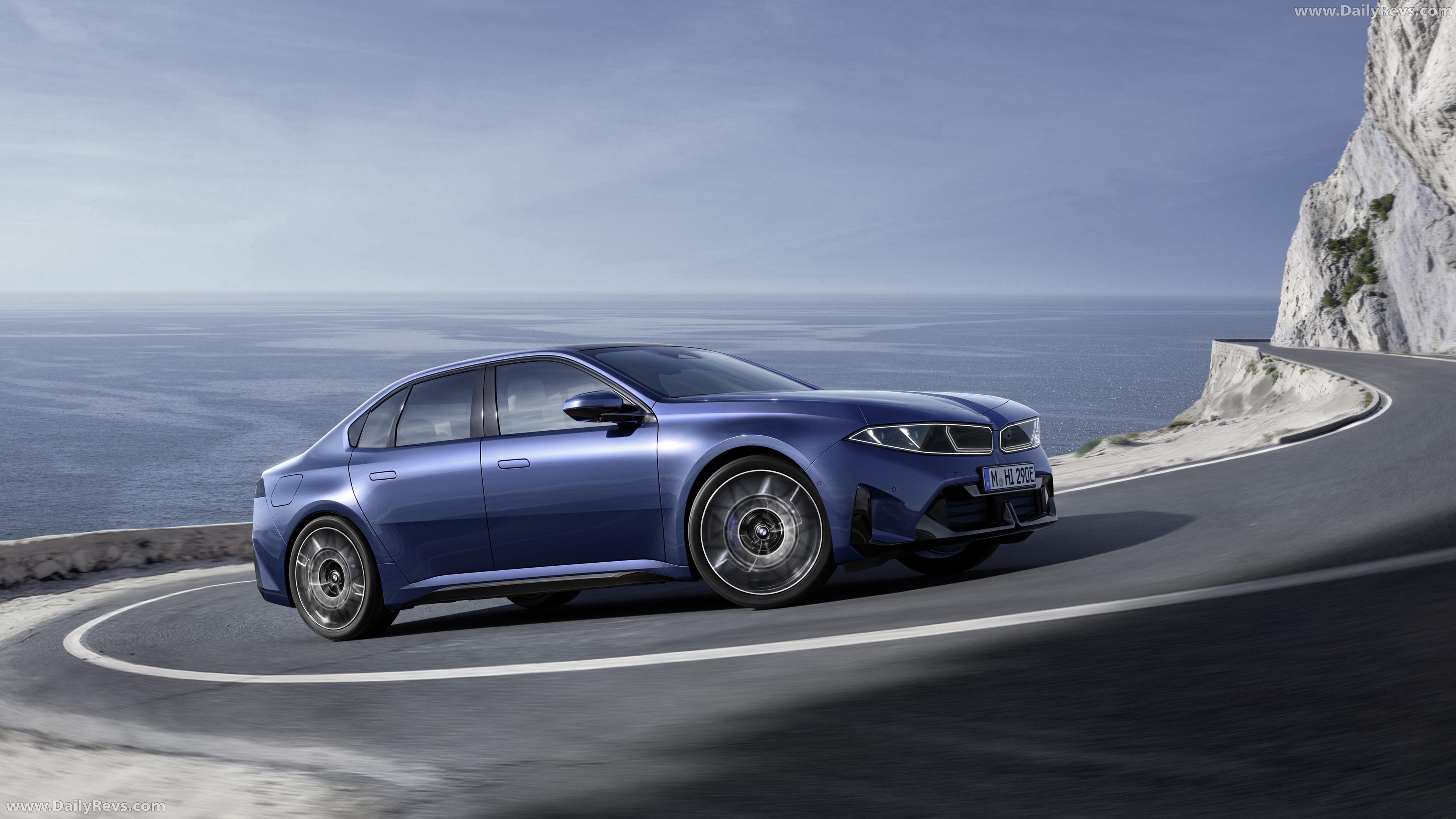
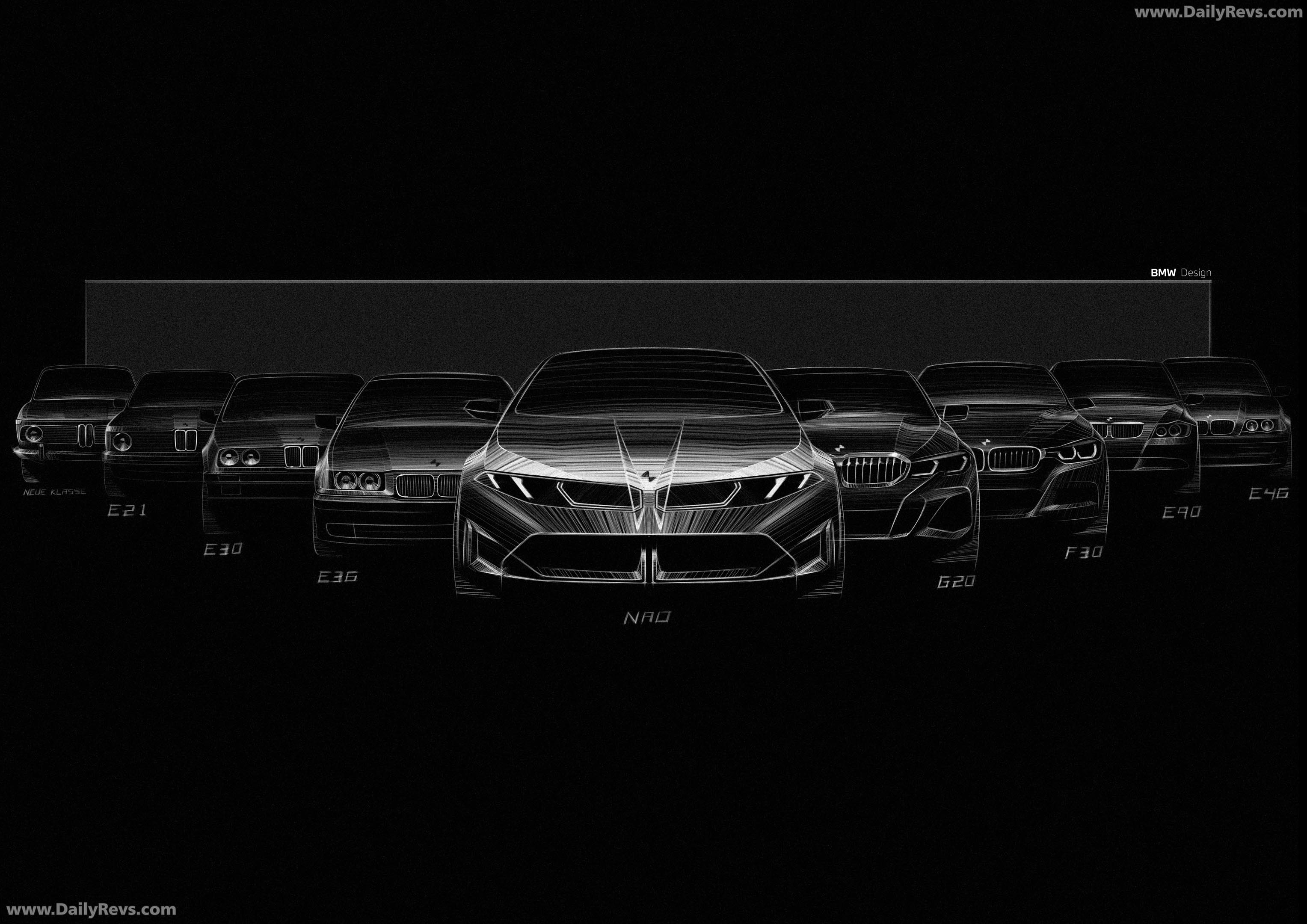
The 2027 BMW i3 50 xDrive lands as a significant shift for BMW’s core sedan line. It’s positioned as the electric counterpart to the 3 Series, built on the brand’s Neue Klasse architecture. The familiar formula remains, but the hardware and layout underneath are entirely new.
This version uses two electric motors, one on each axle, delivering all-wheel drive and a combined output of 345 kW and 645 Nm. BMW is clearly aiming to retain the character associated with its sports sedan, even as it transitions to a fully electric format.
A familiar silhouette, reworked
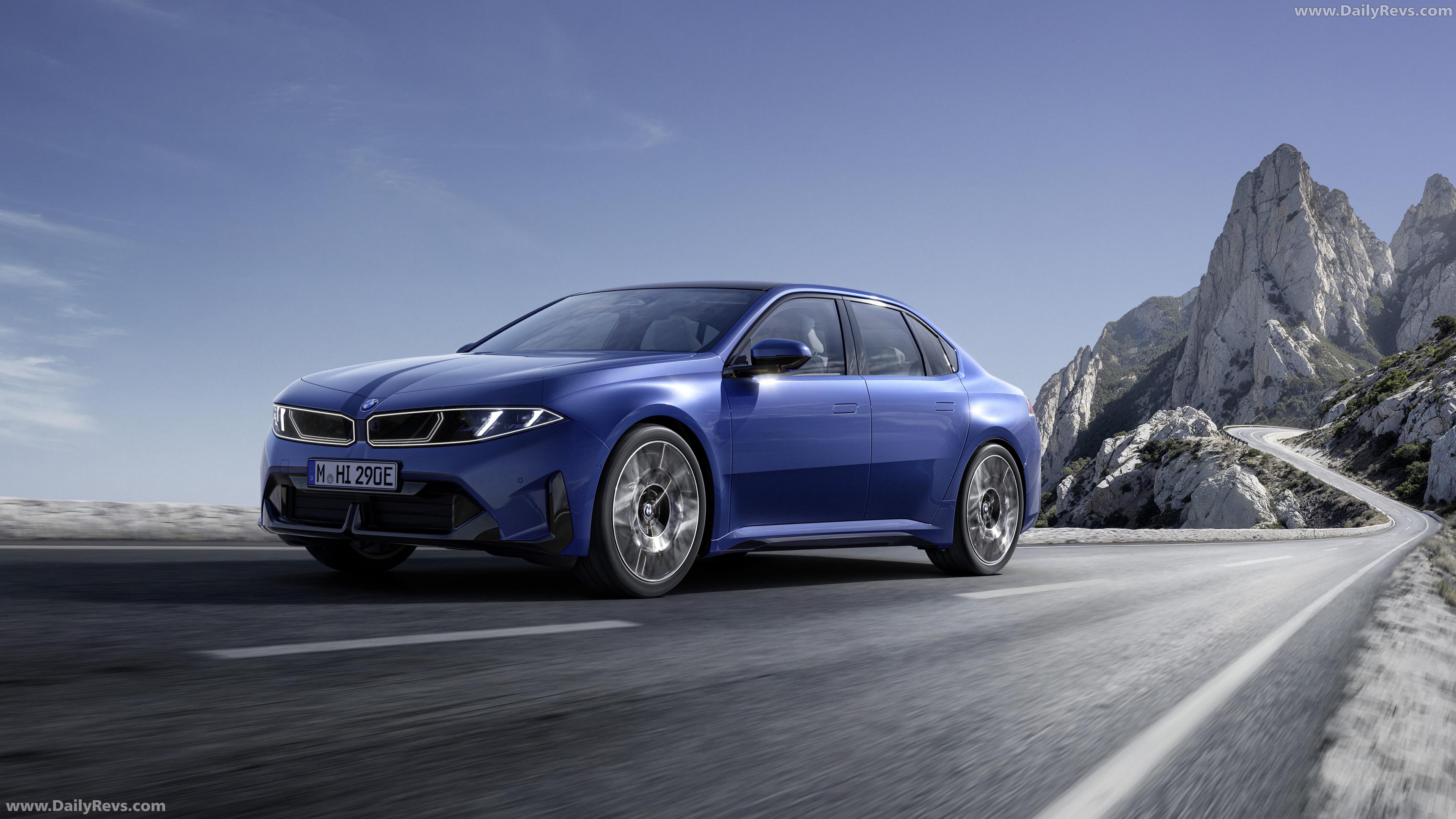
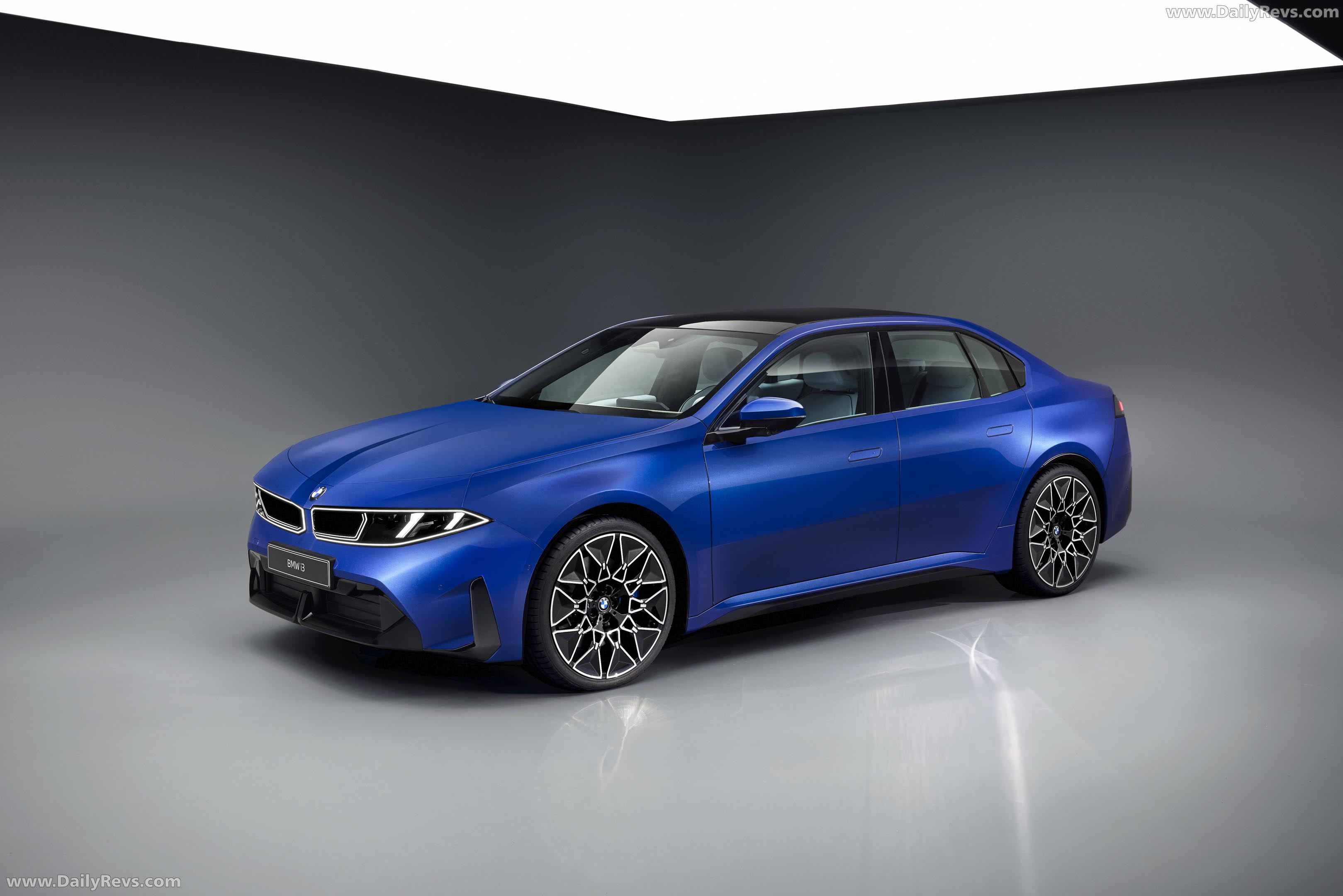
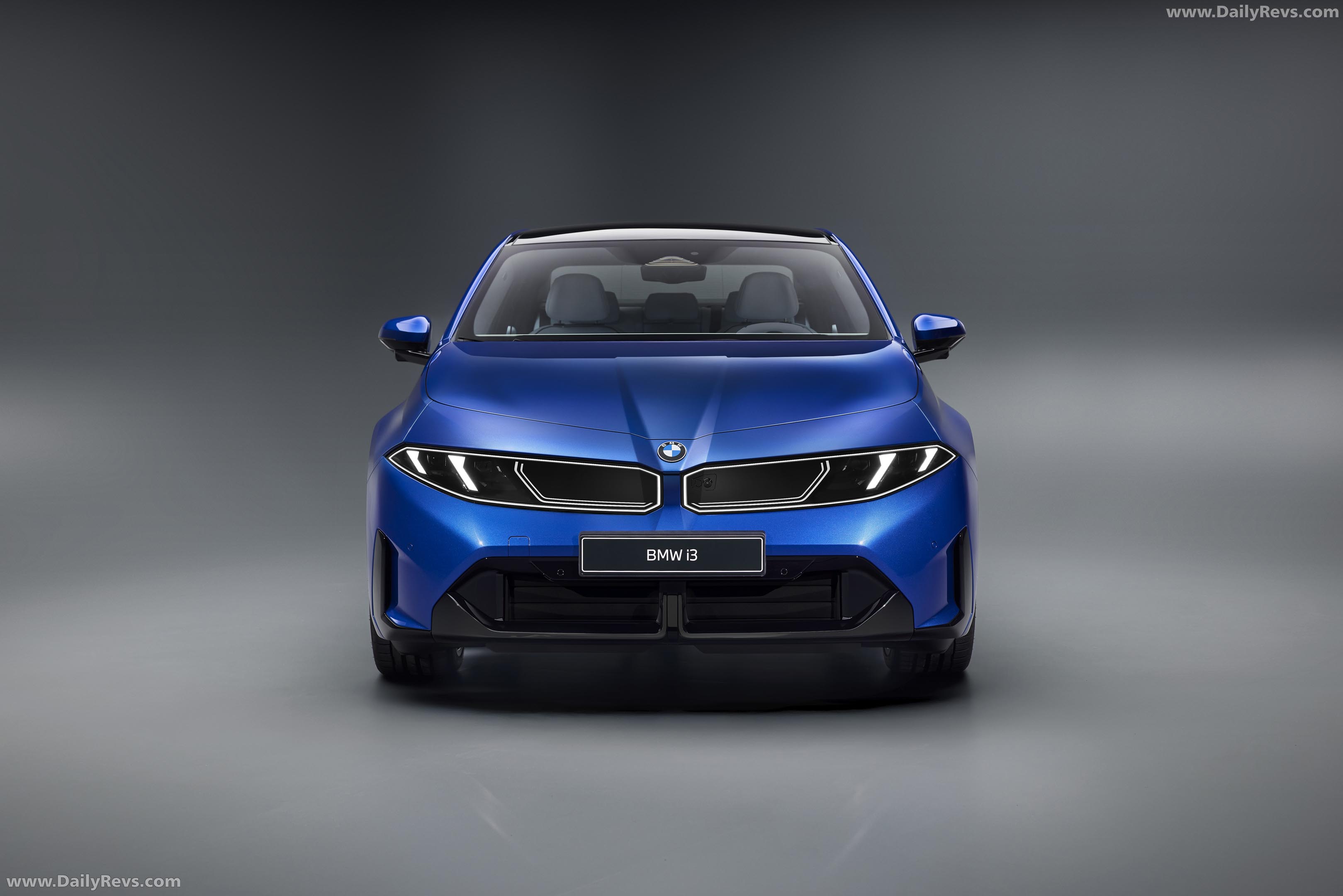
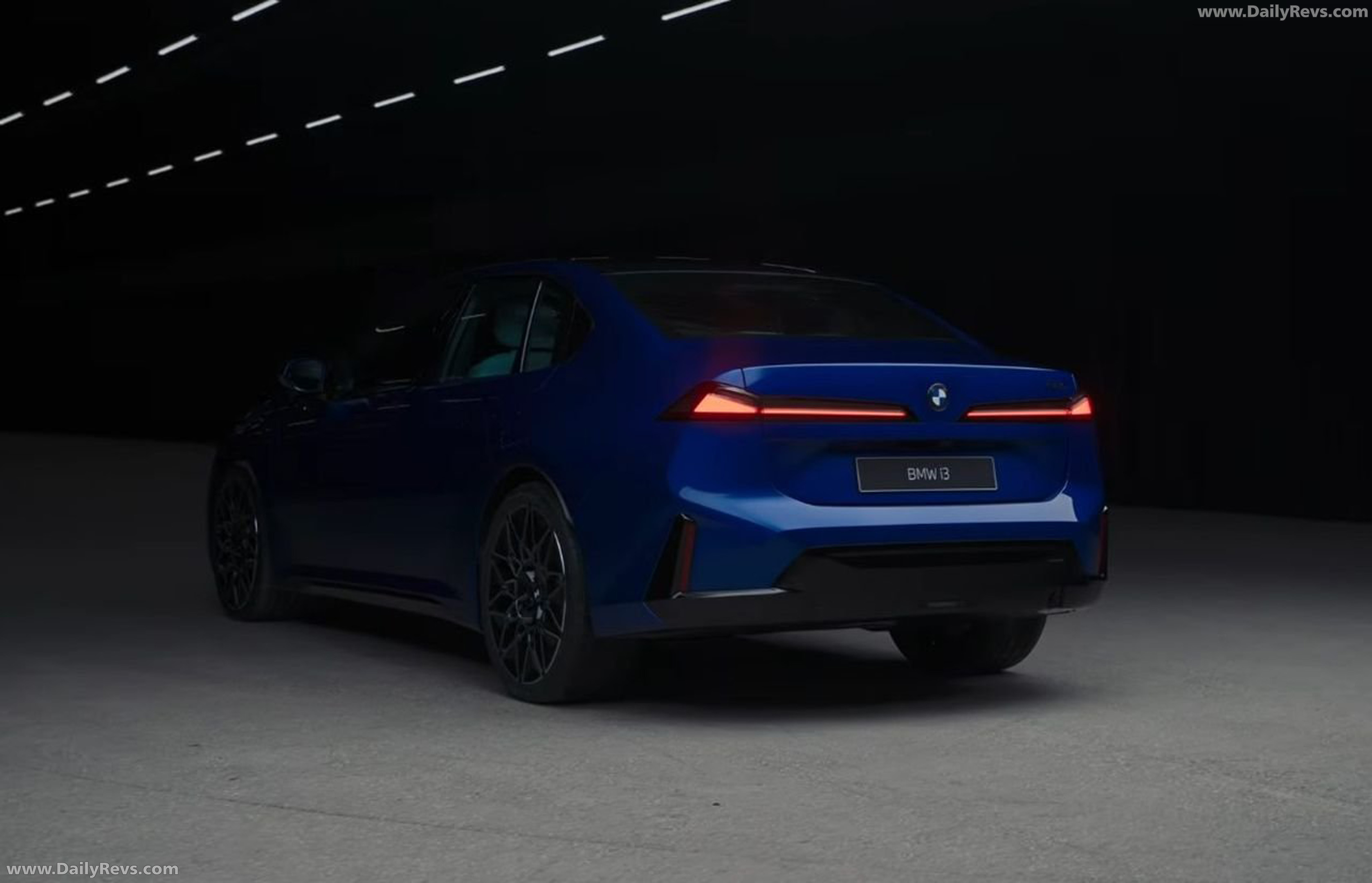
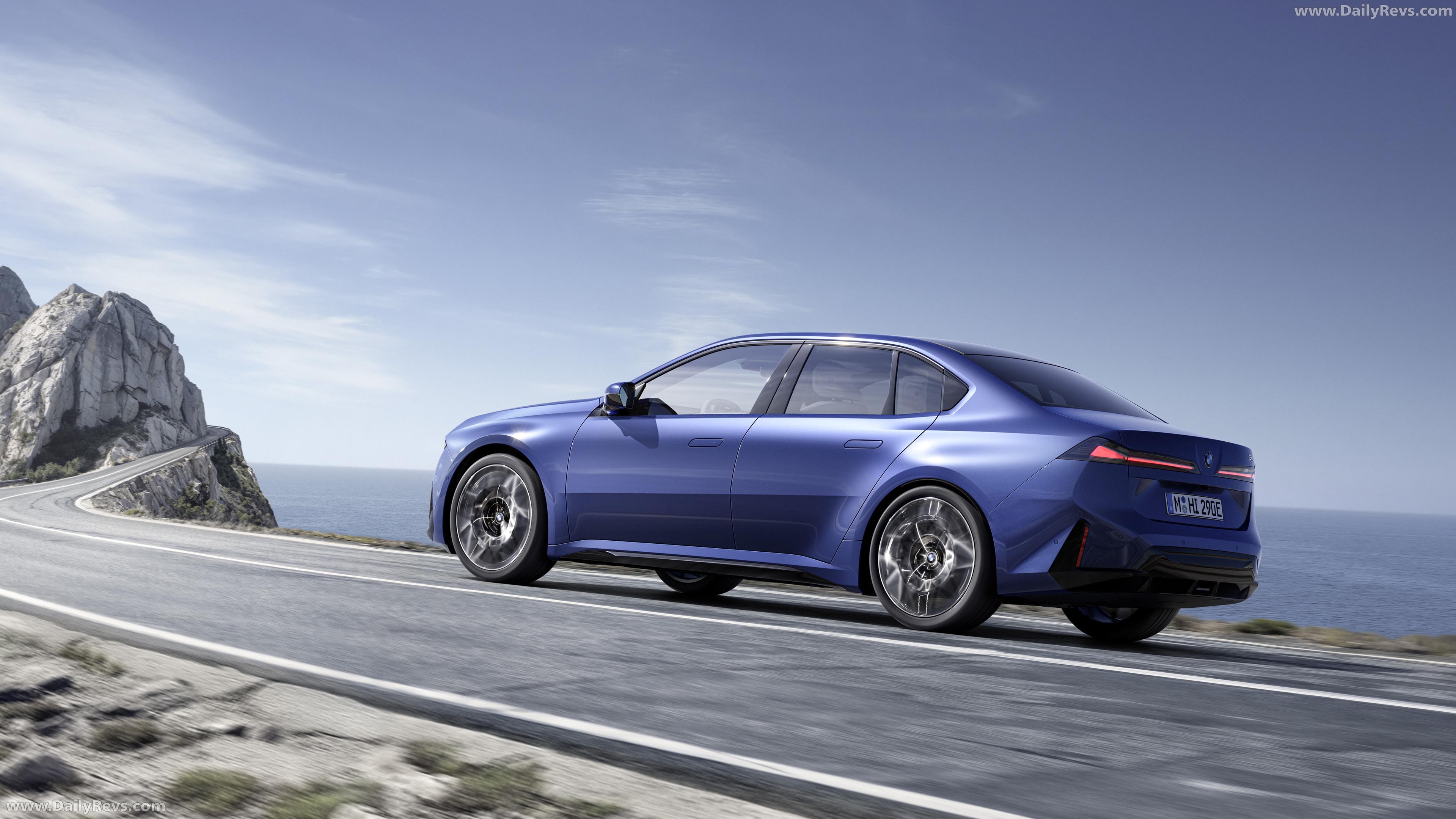
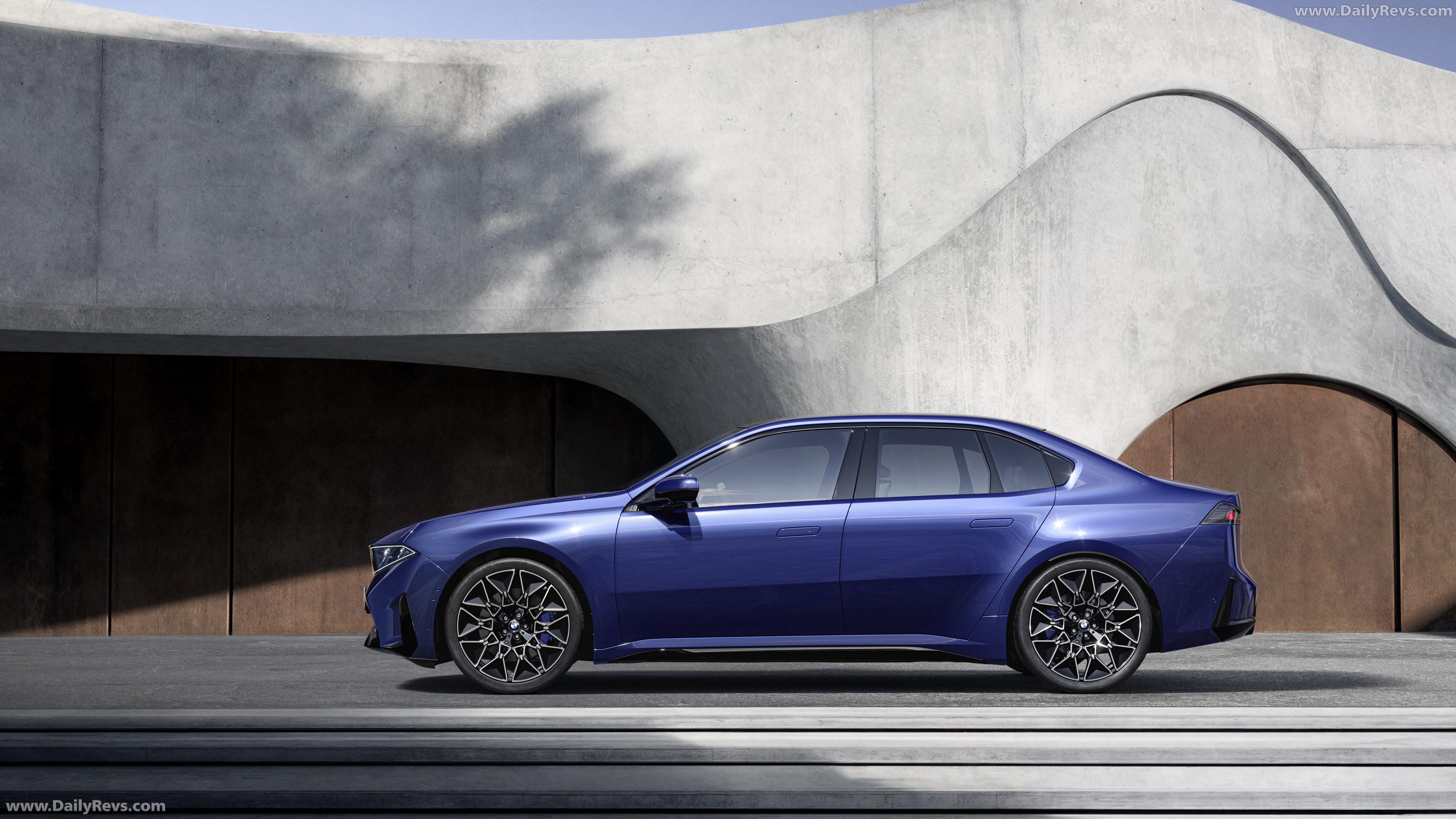
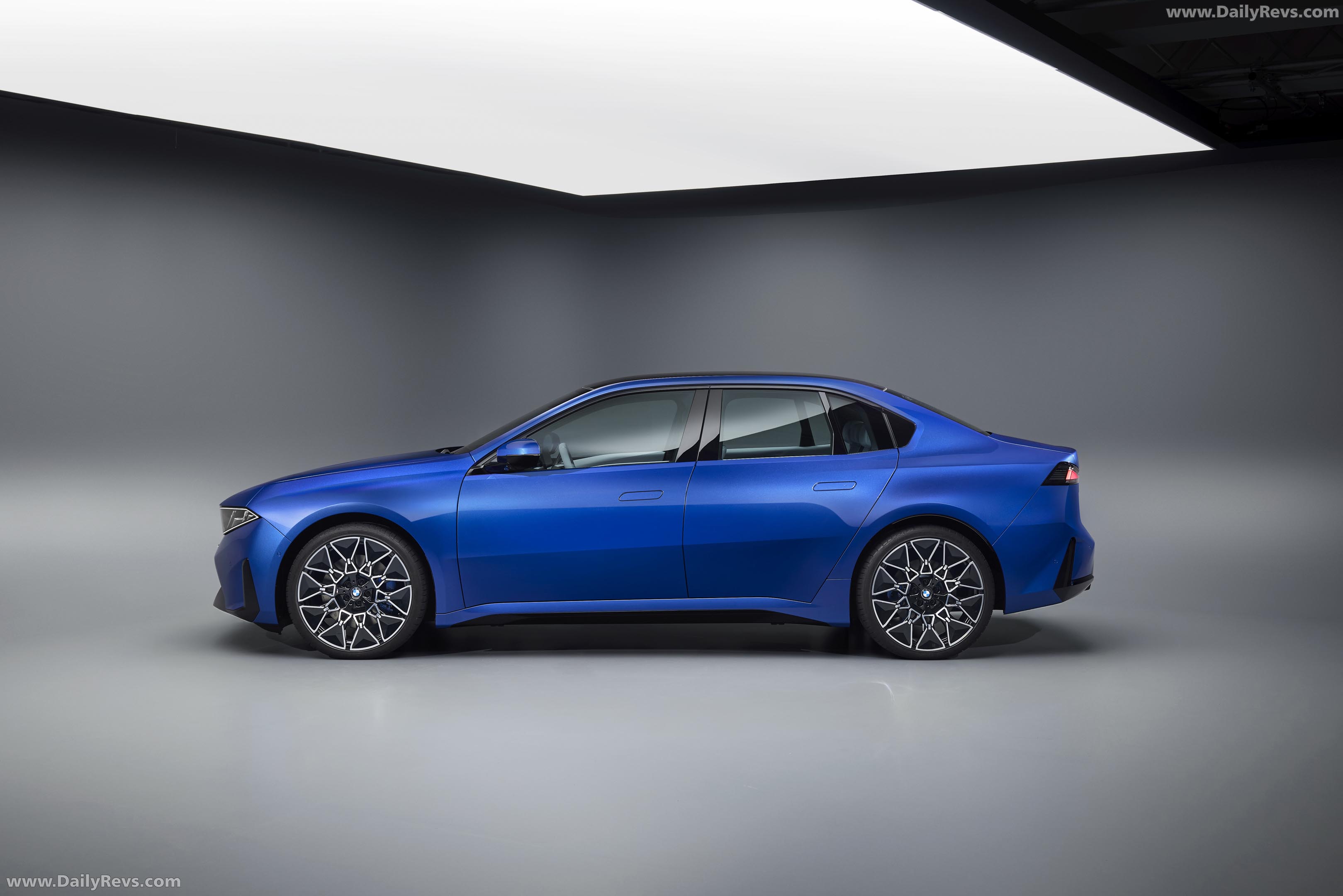
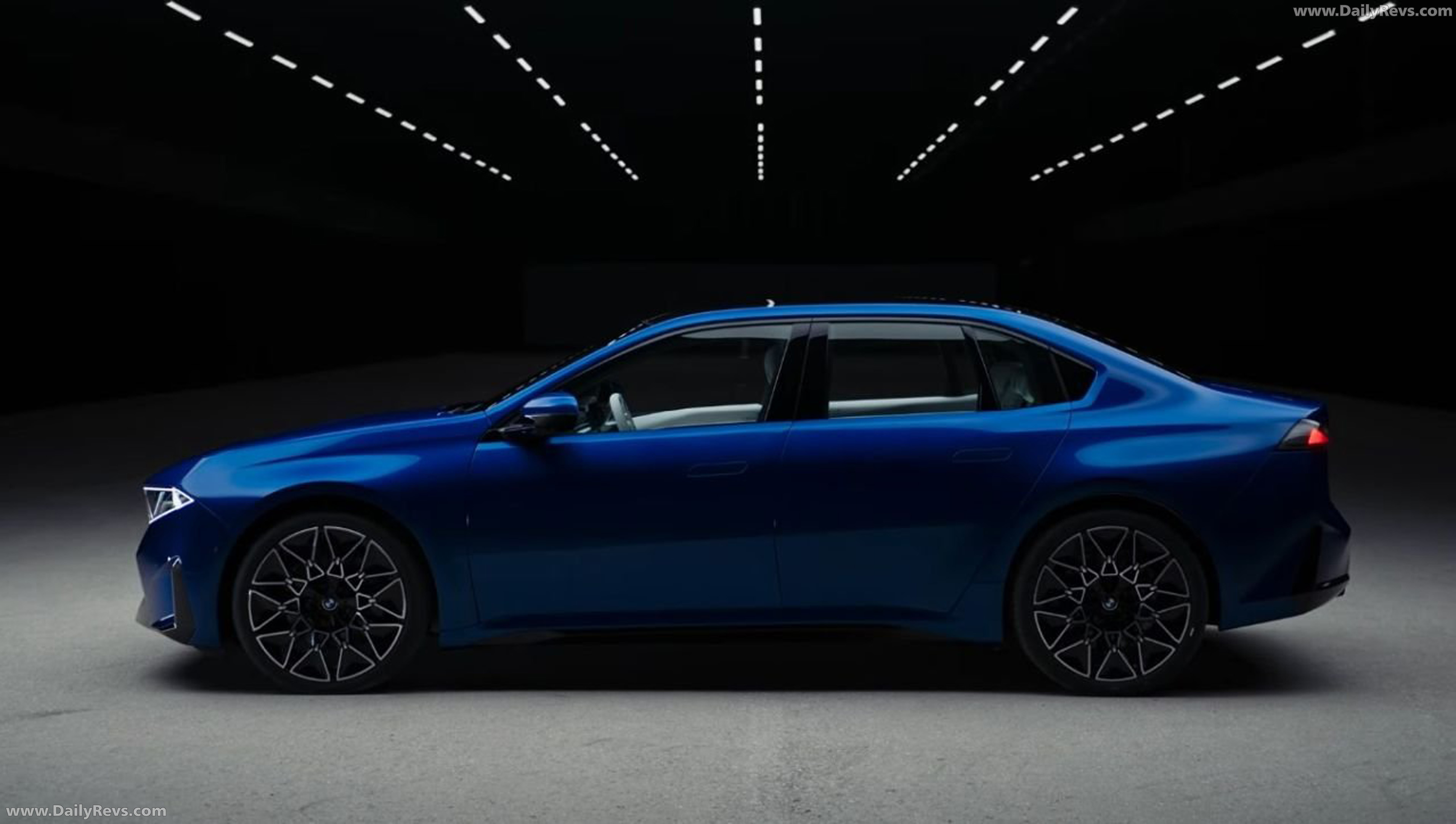
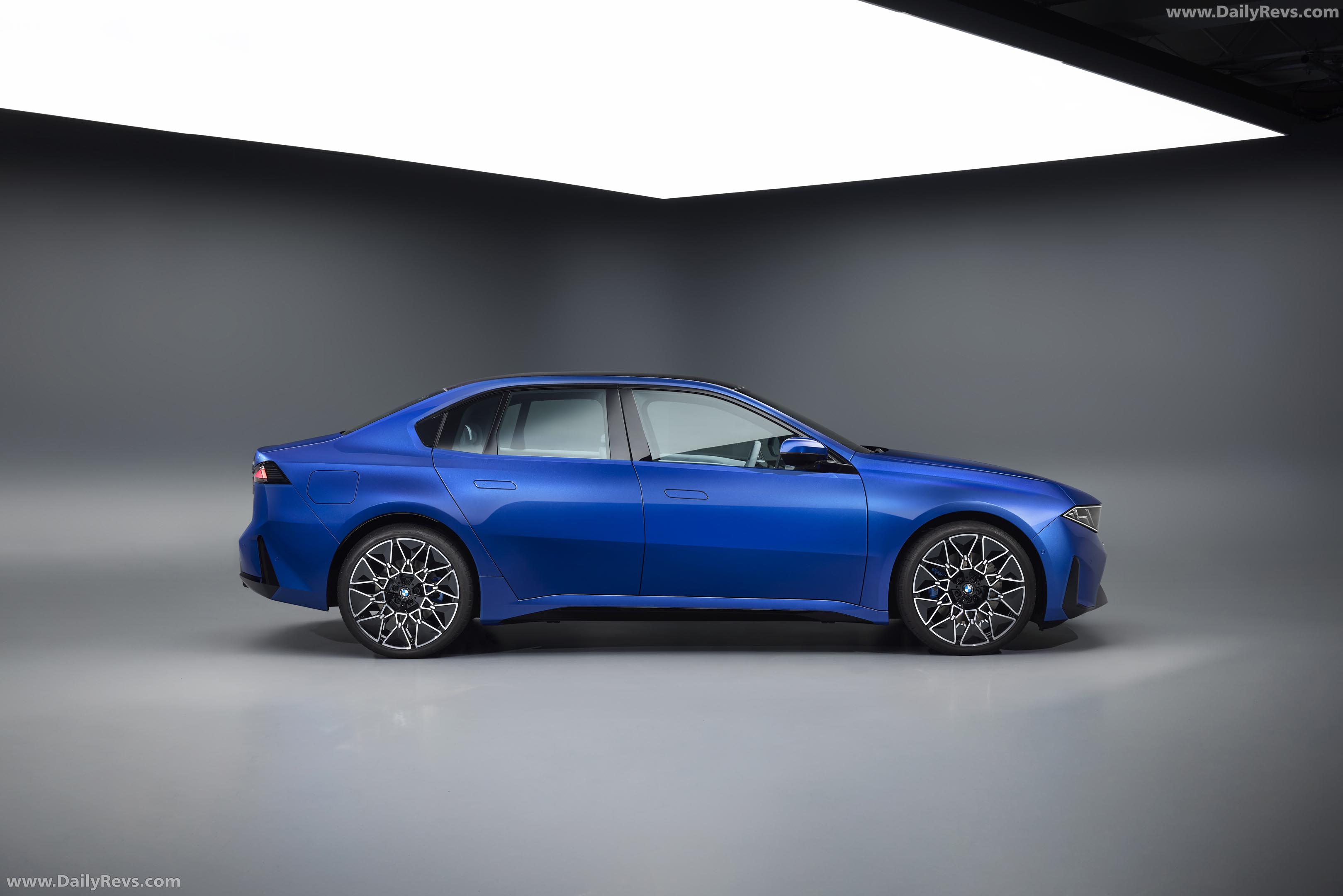
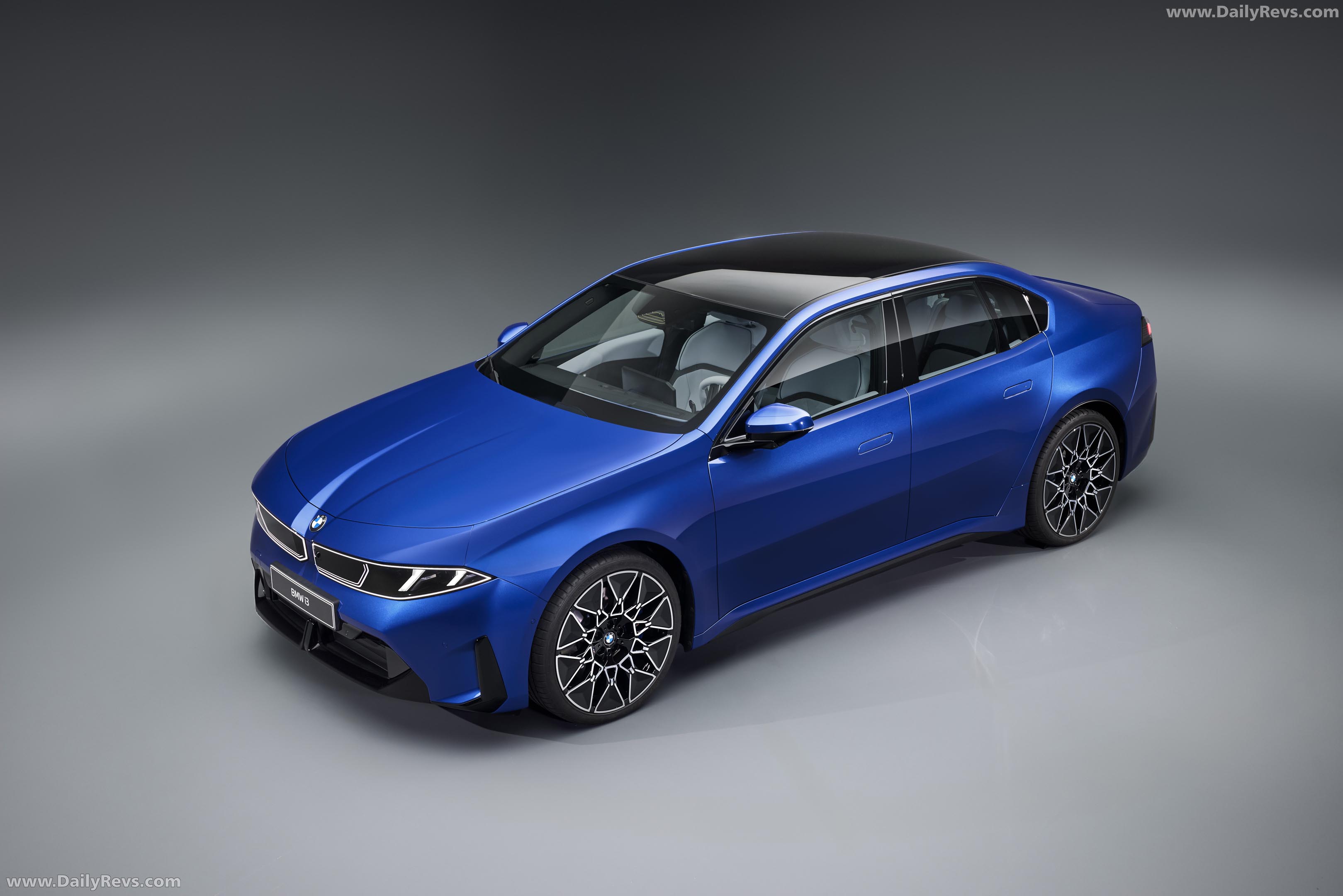
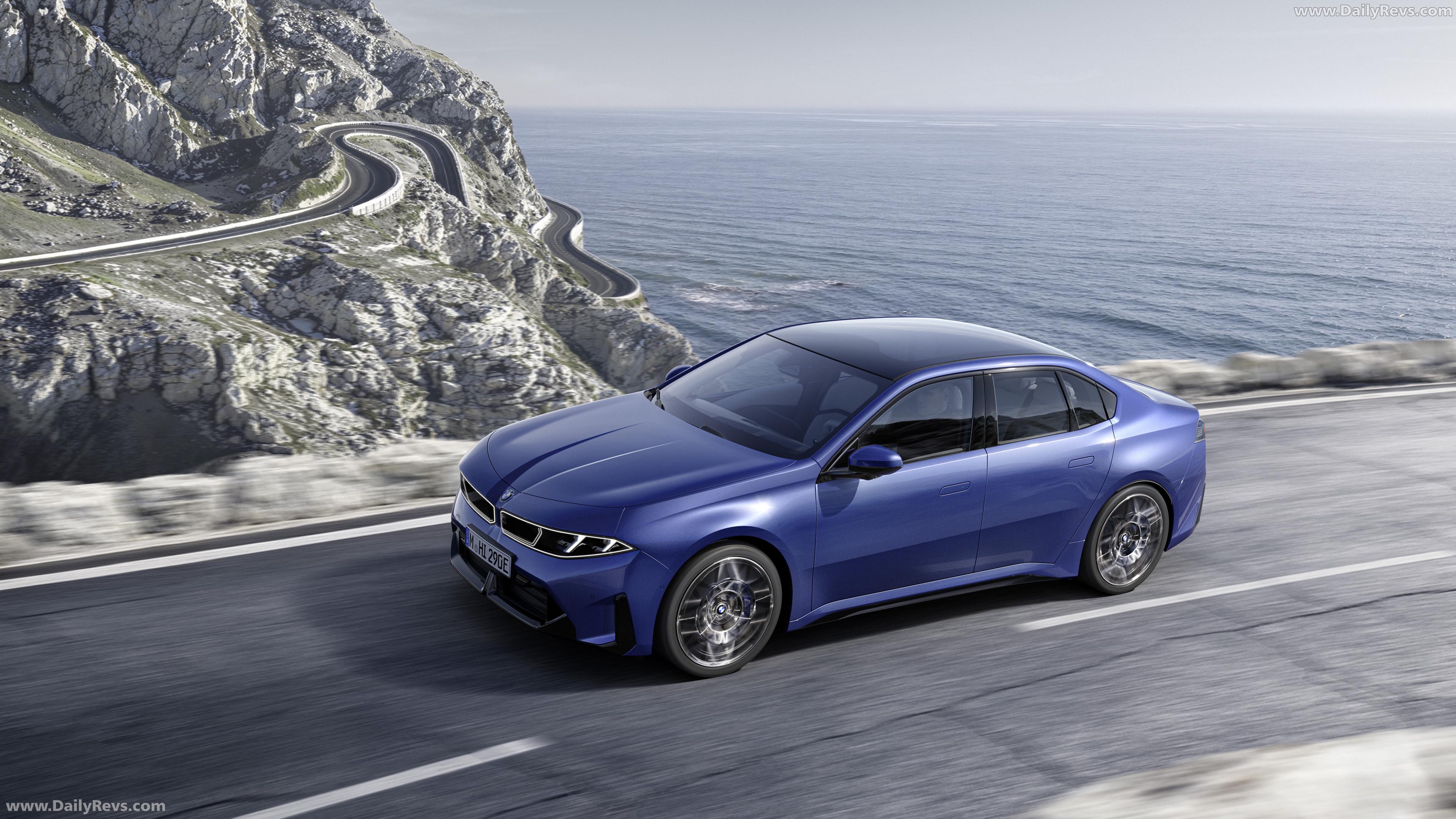
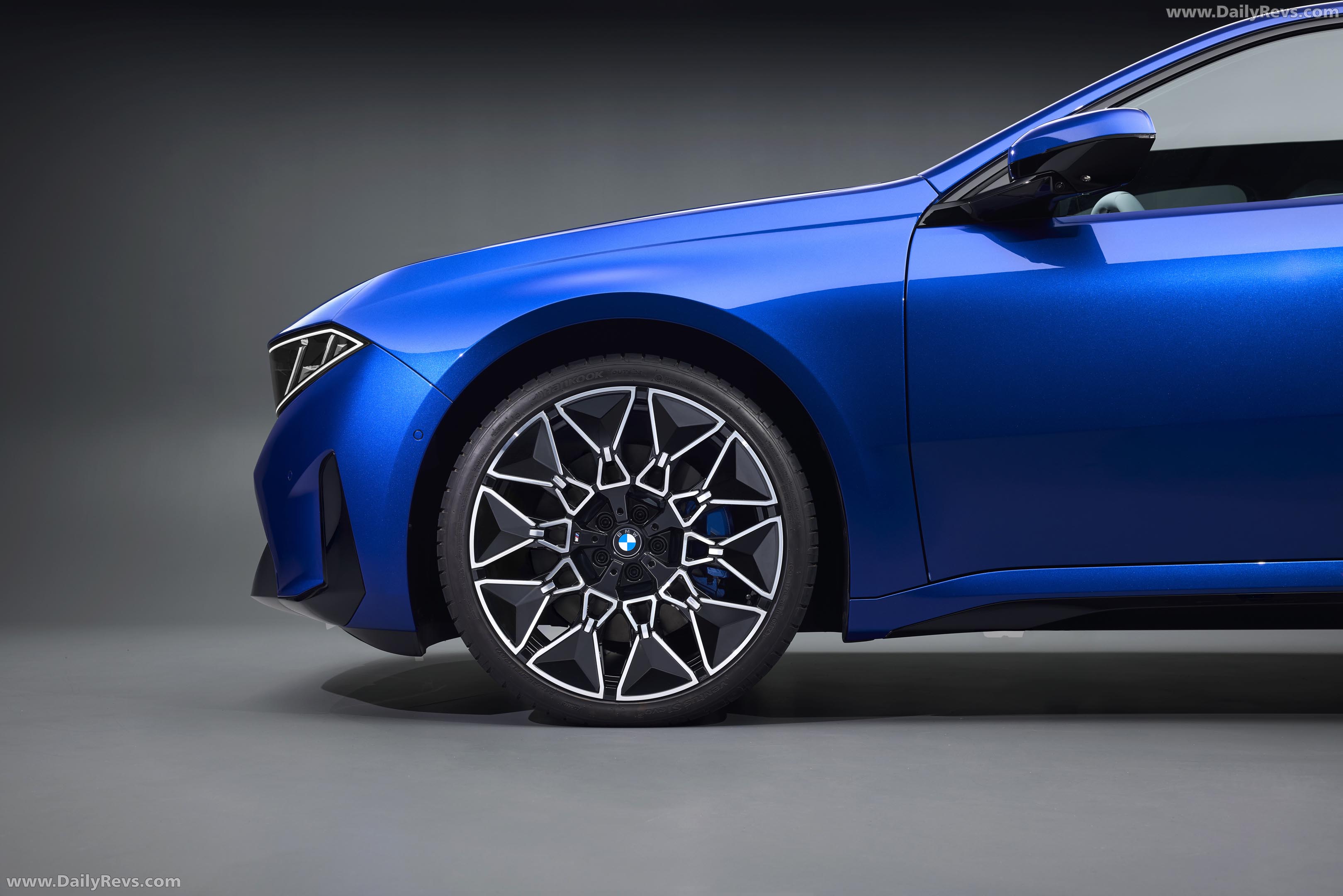
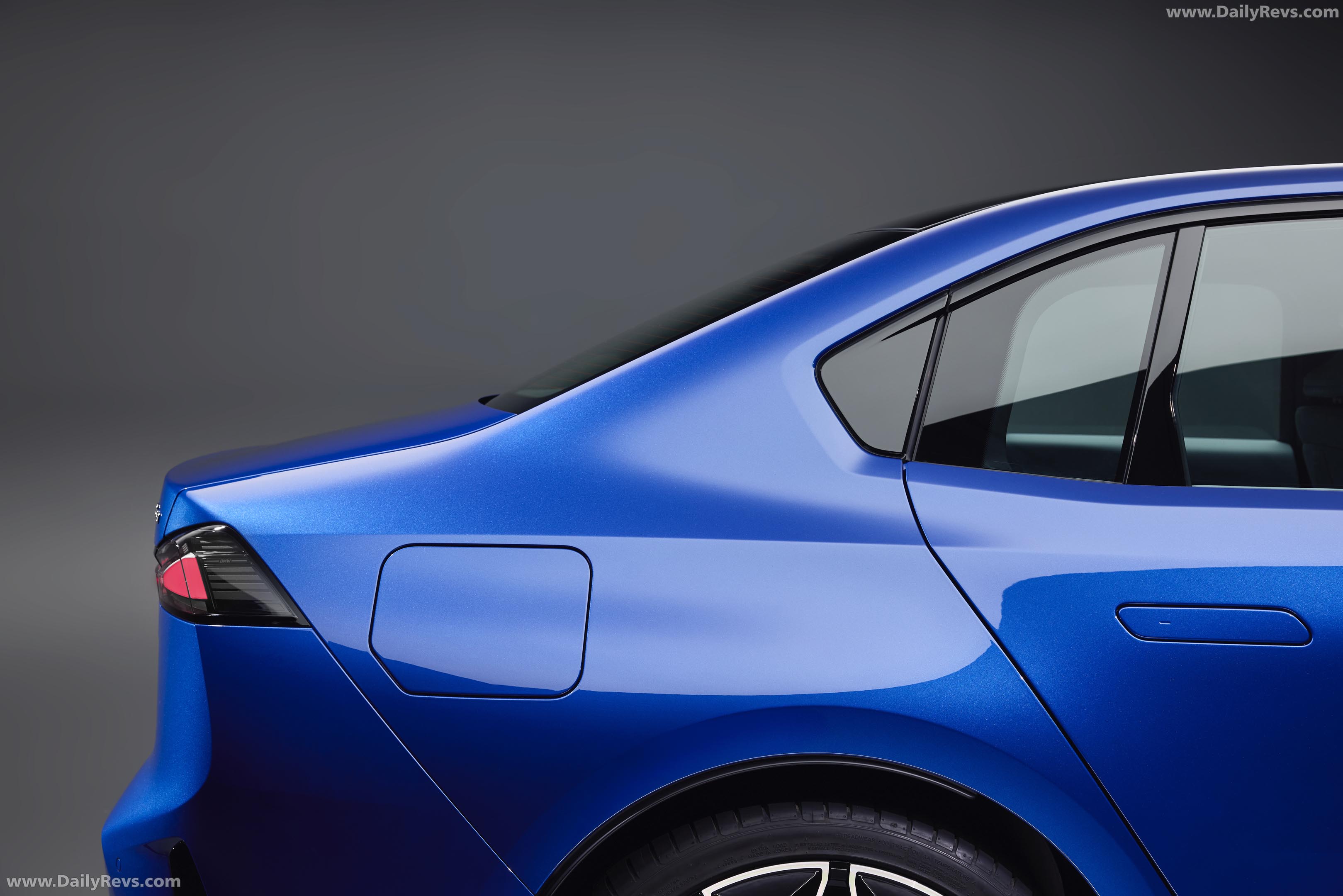
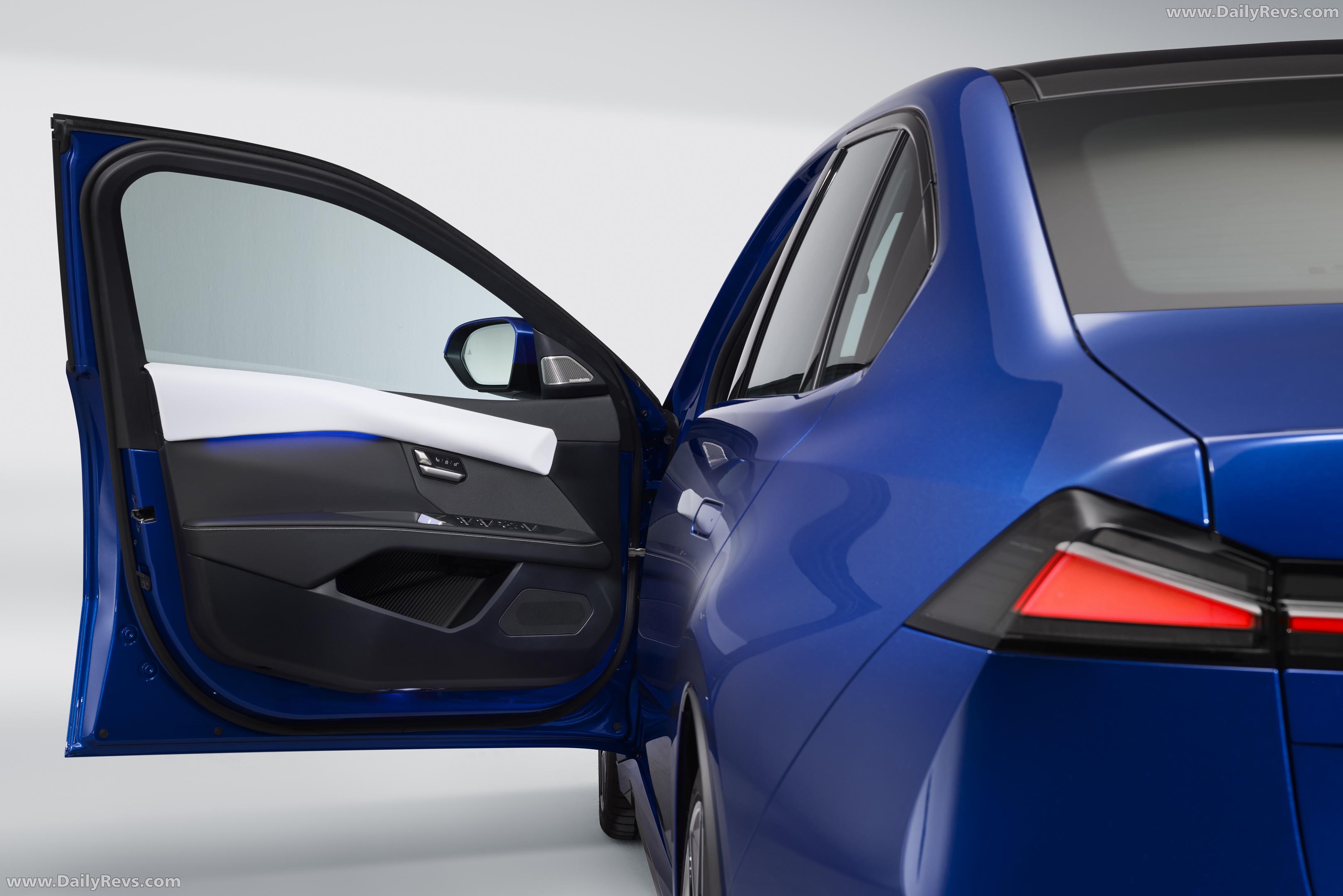
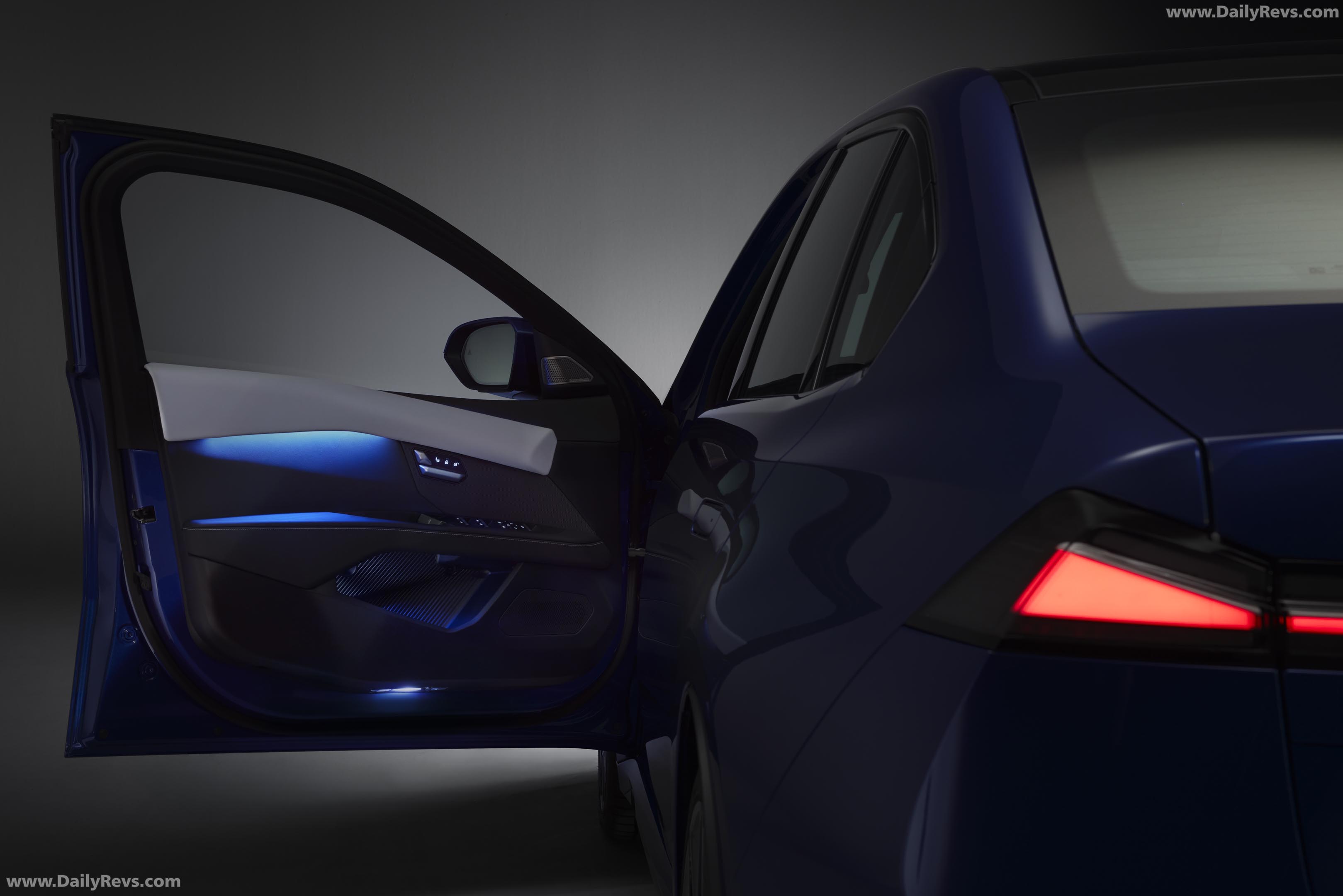
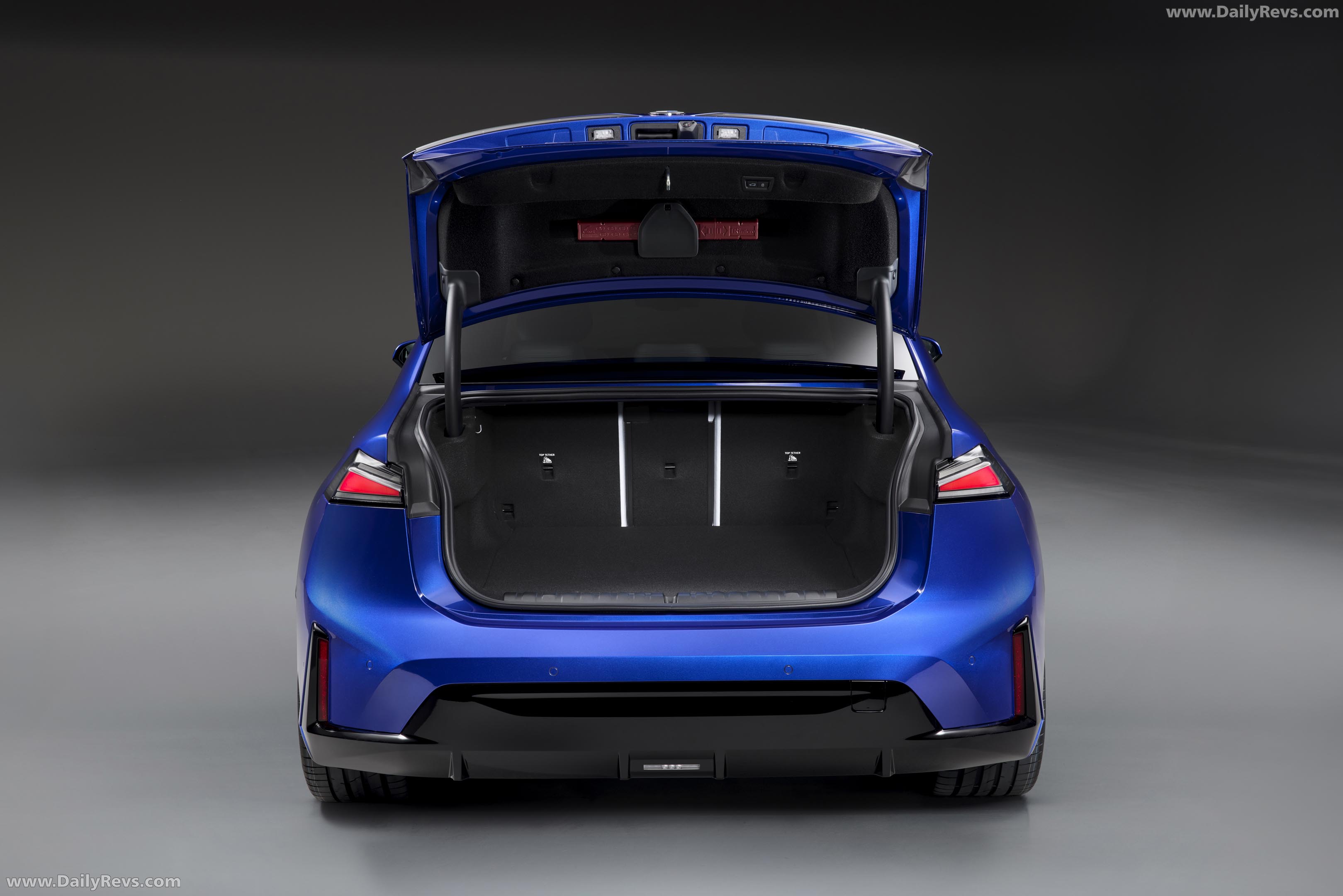
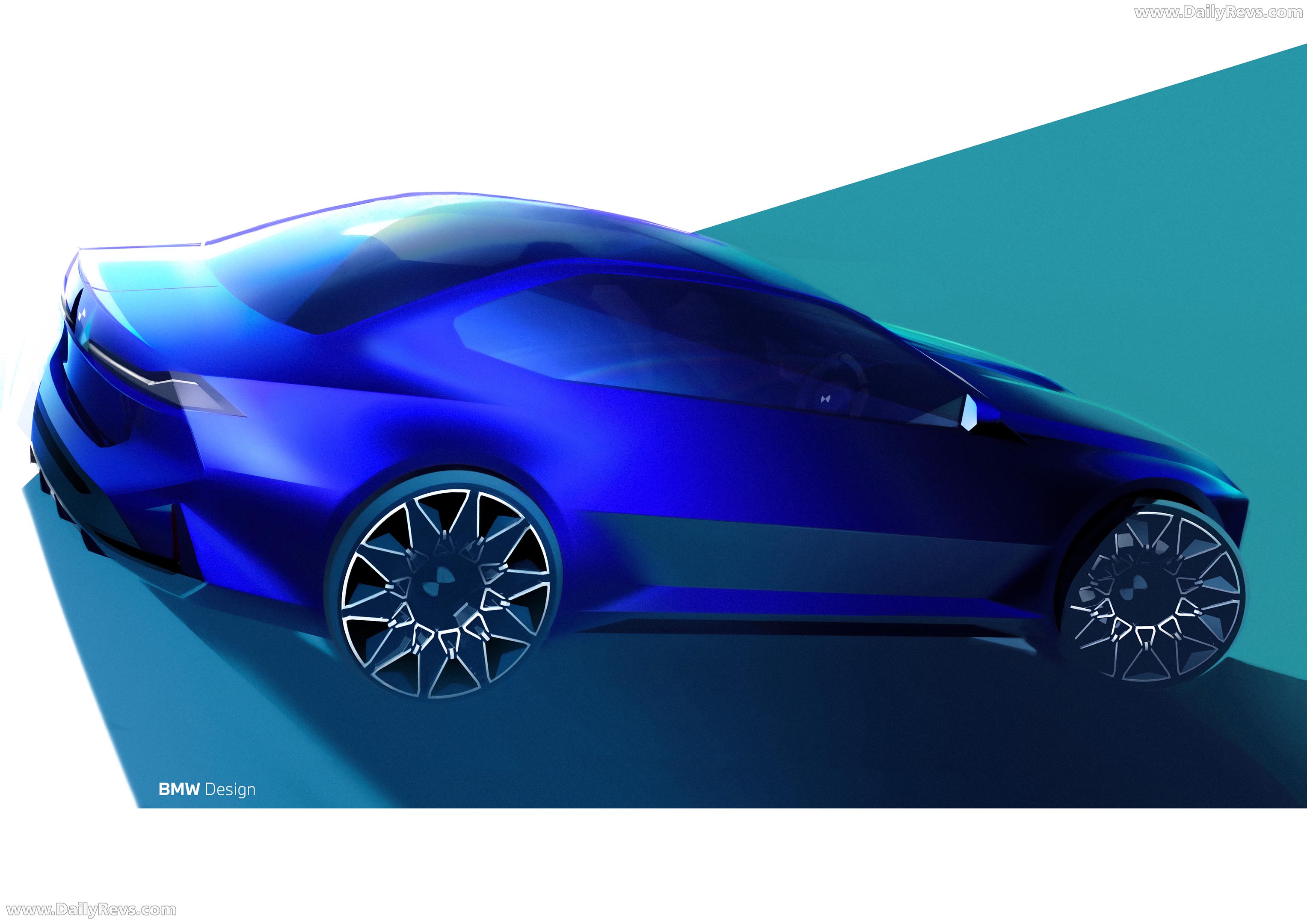
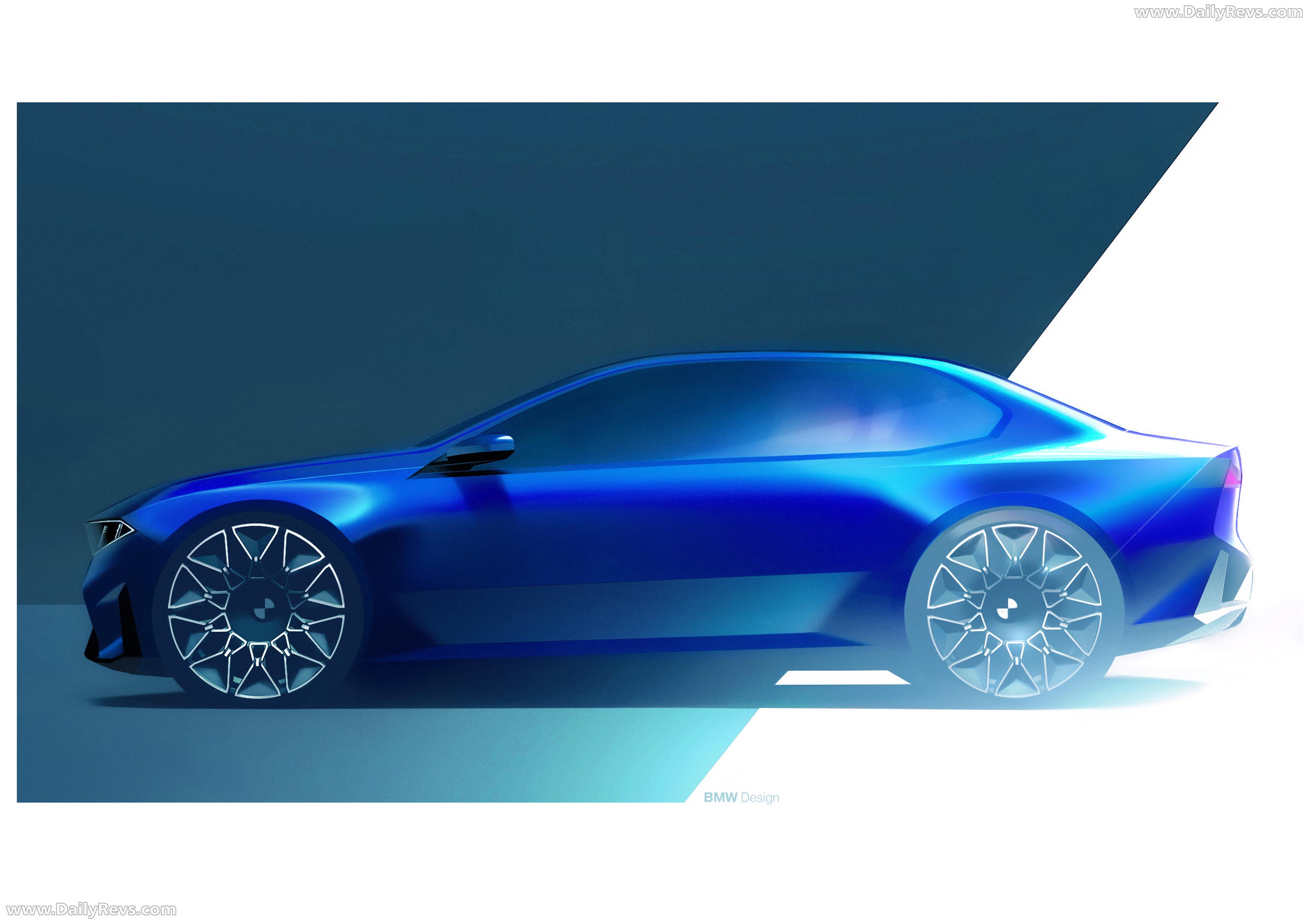
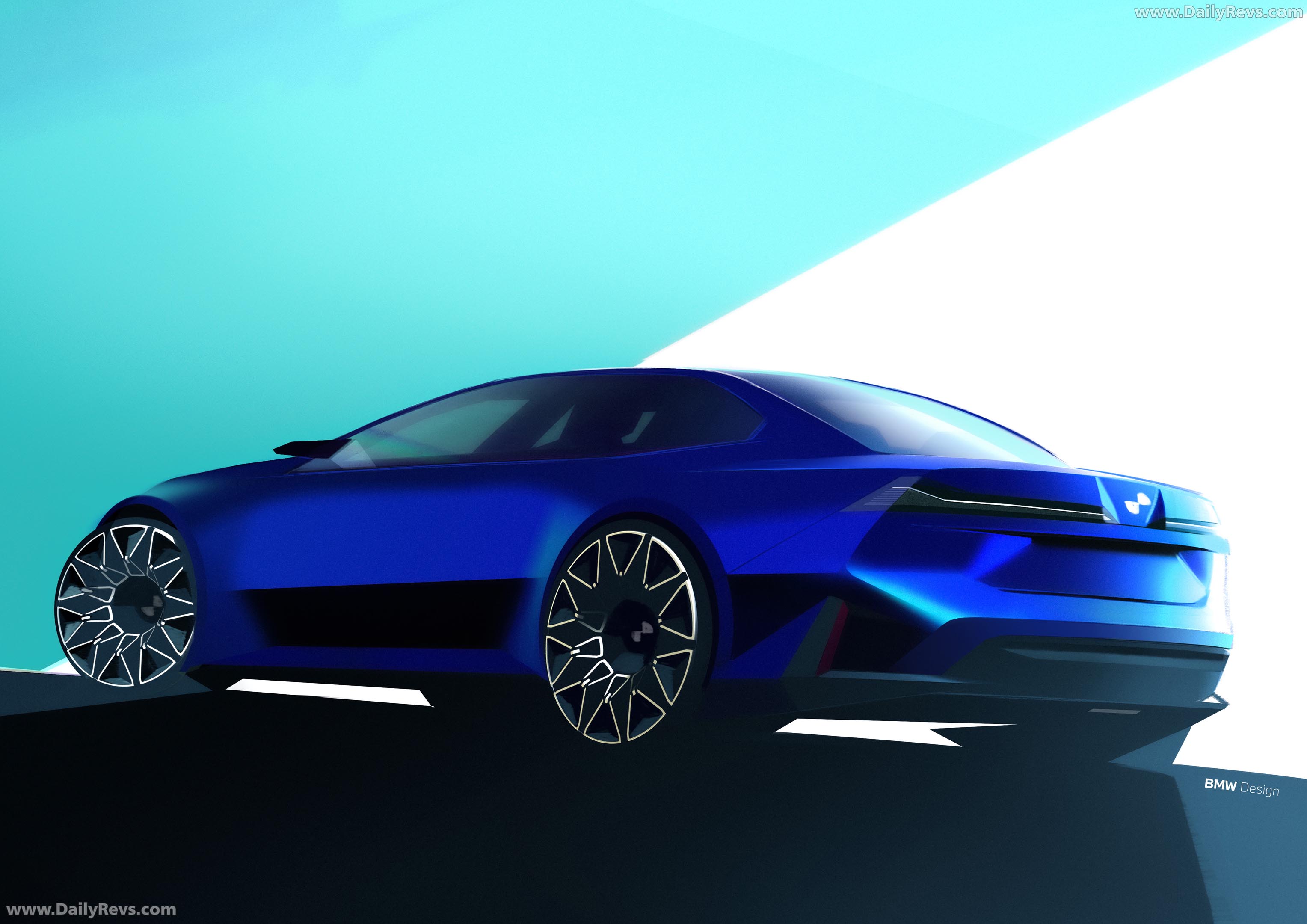
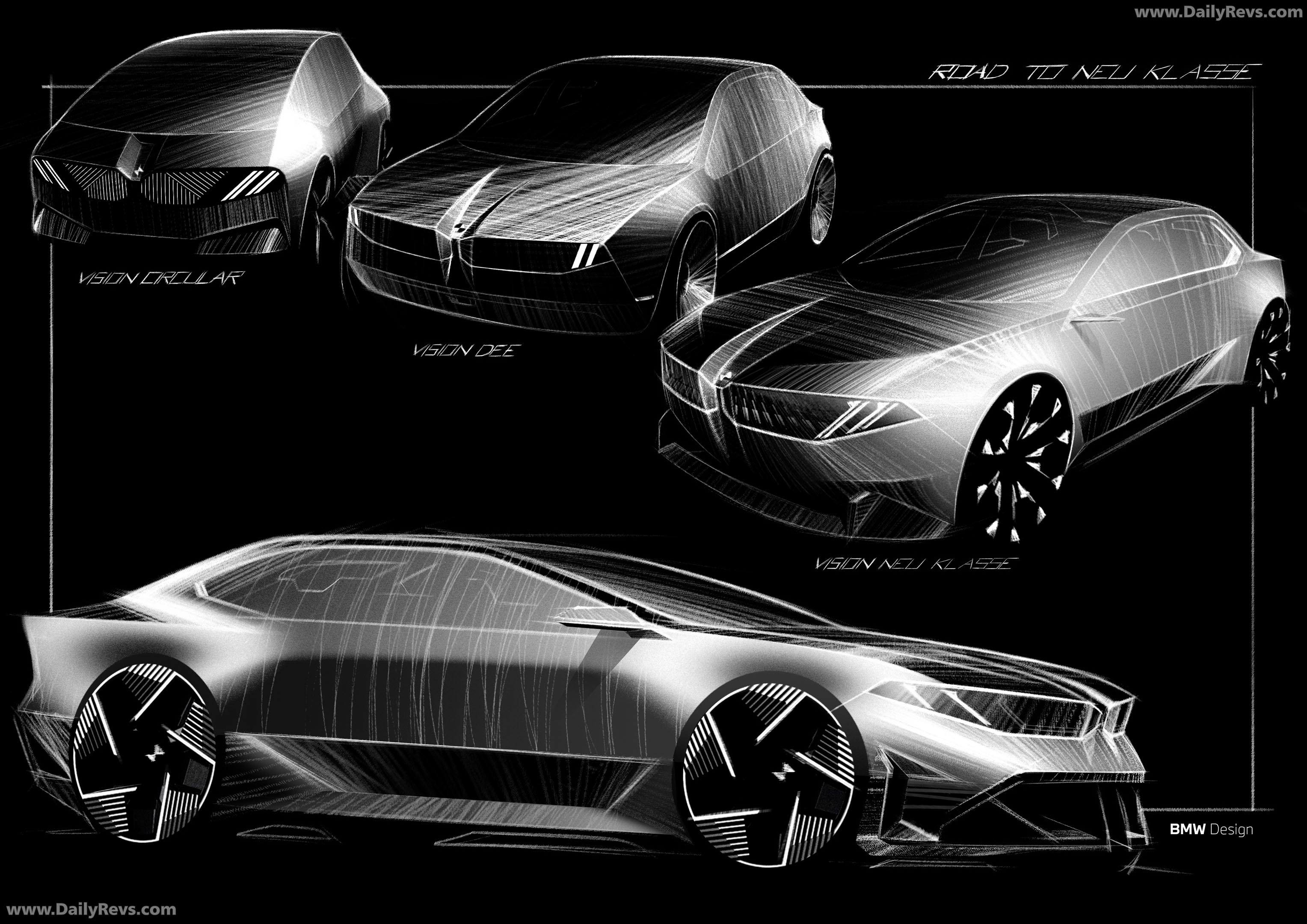
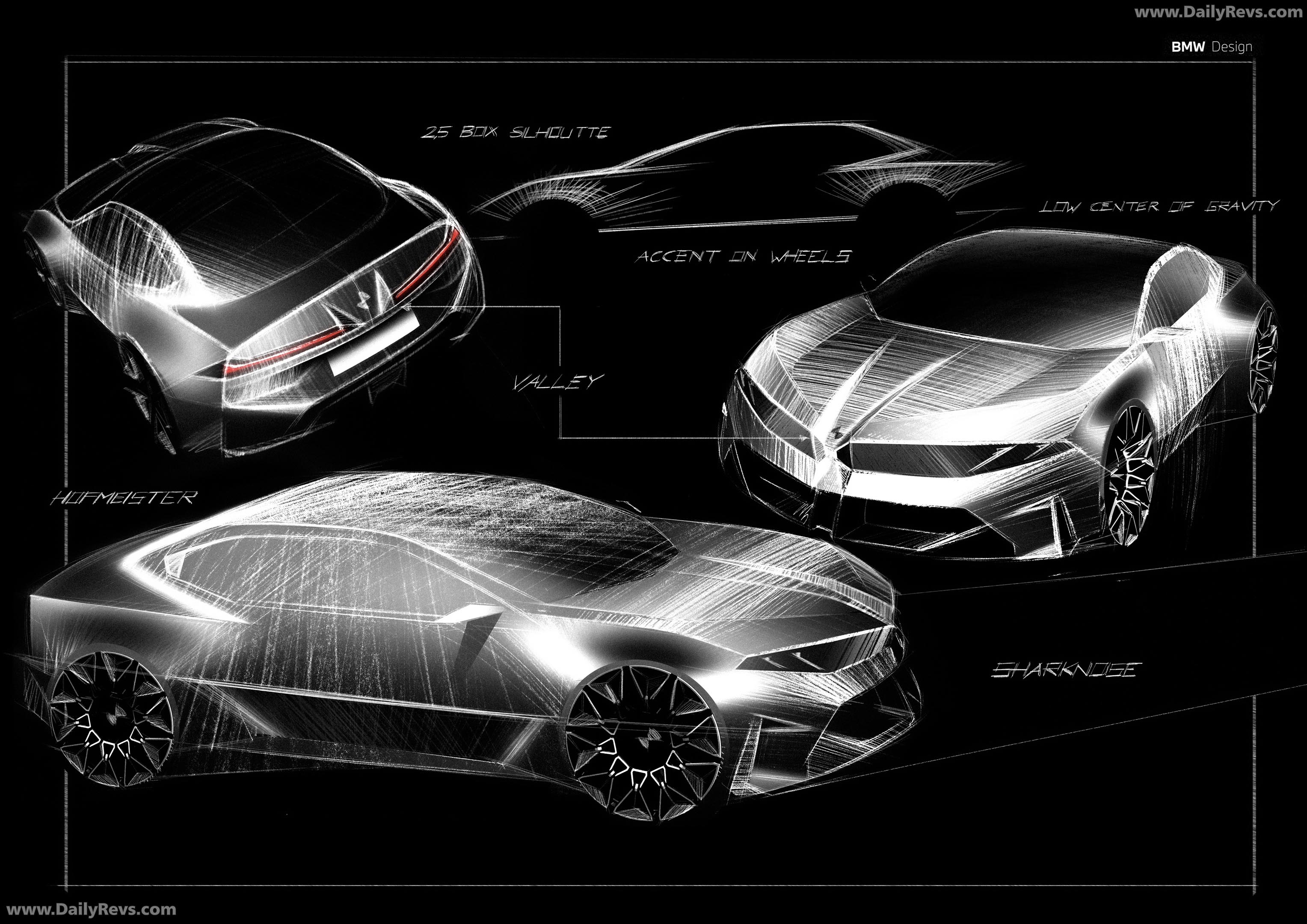
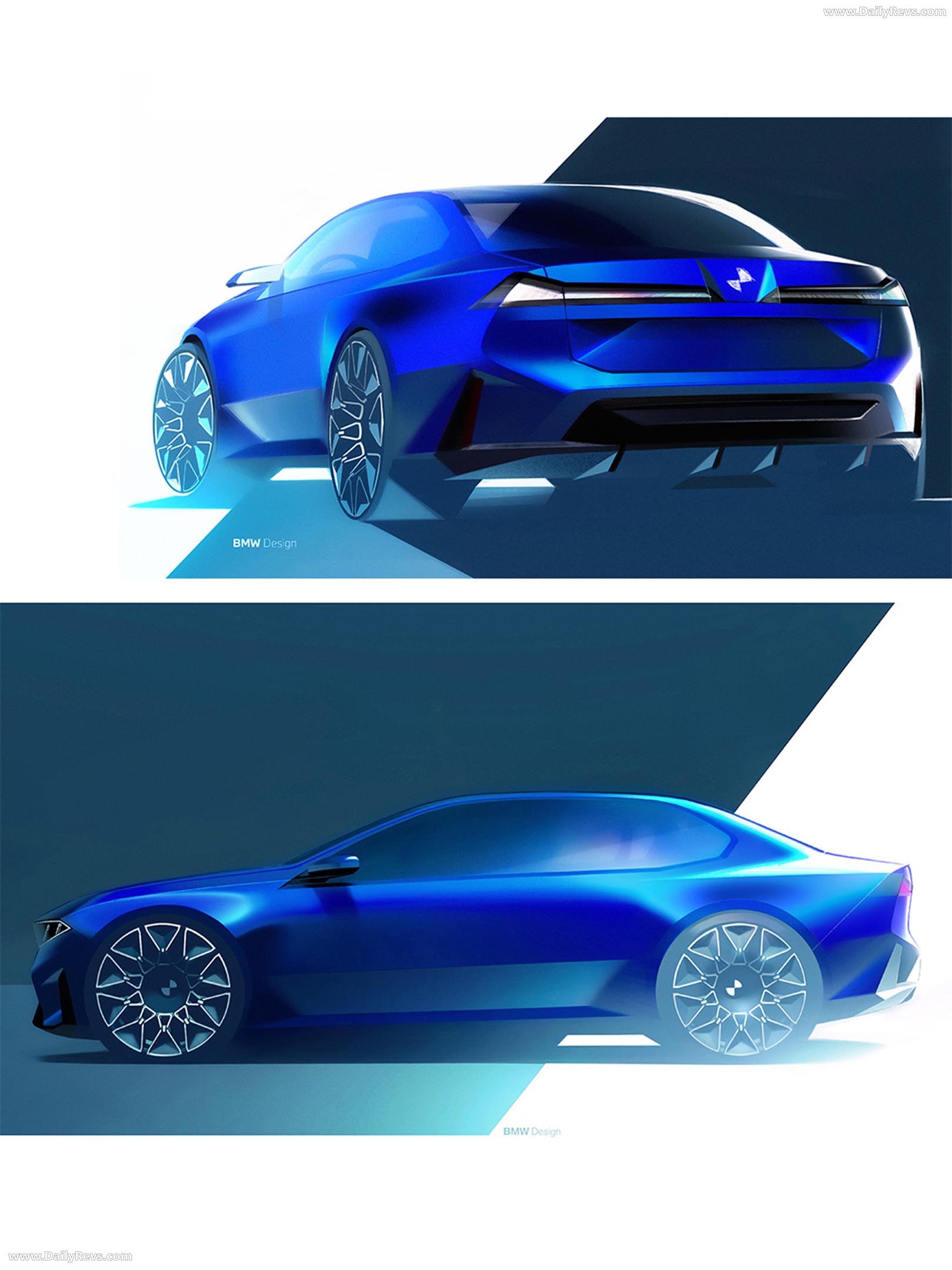
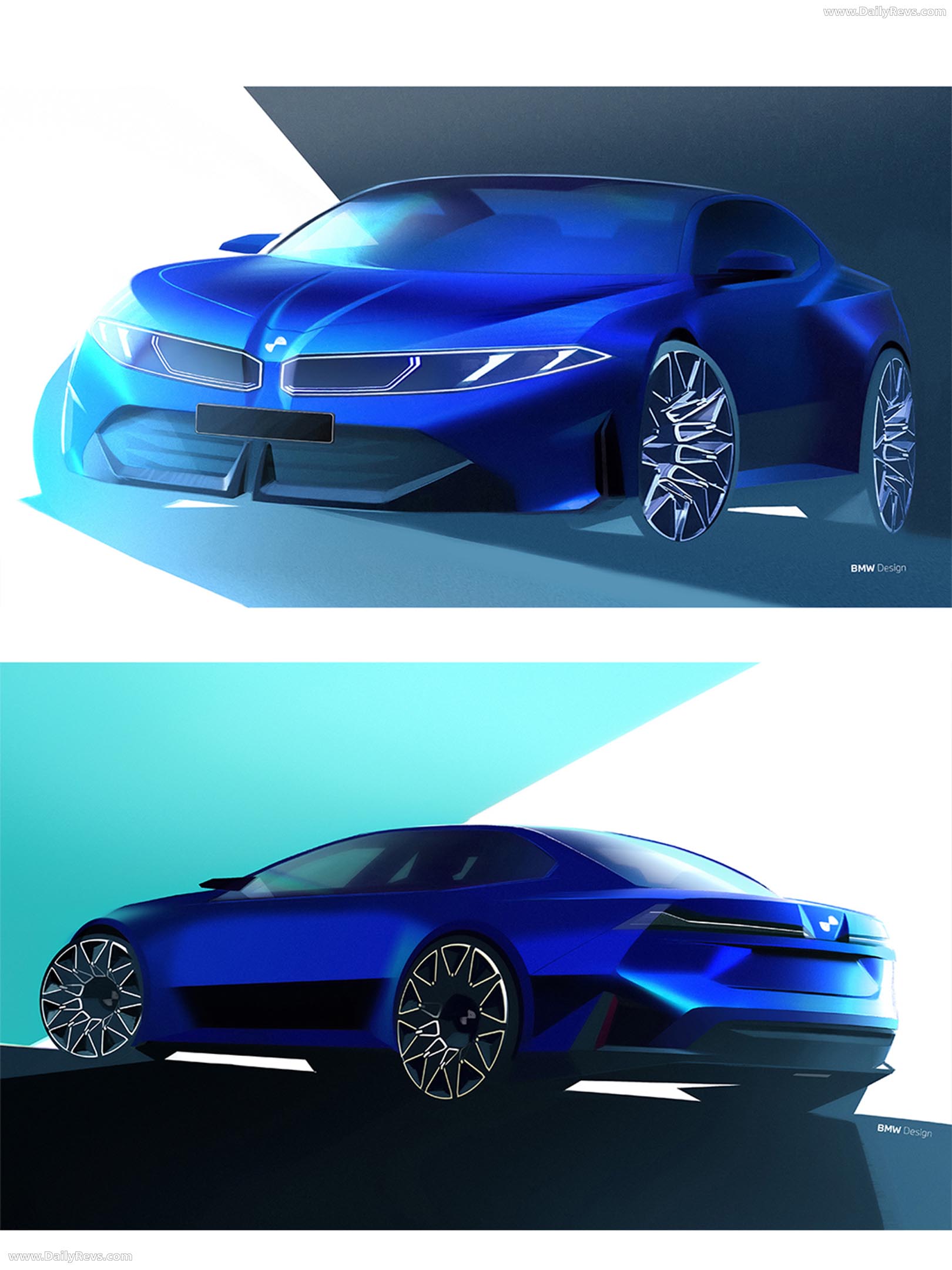
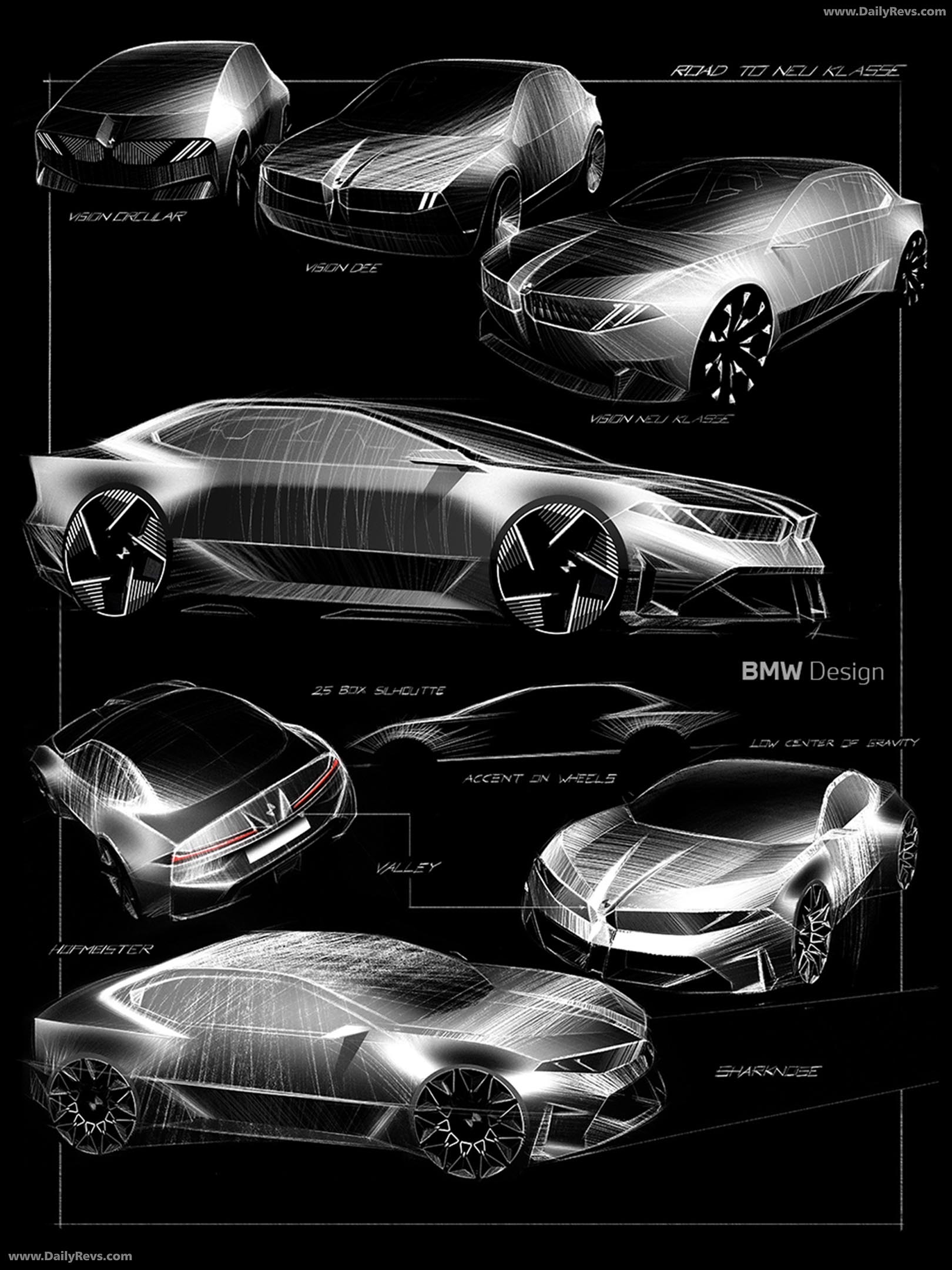
Visually, the i3 keeps the classic BMW sedan proportions but shifts into what the brand calls a “2.5-box” design. The long wheelbase, short overhangs, and slightly rearward greenhouse give it a planted, almost rear-driven stance even before looking at the drivetrain.
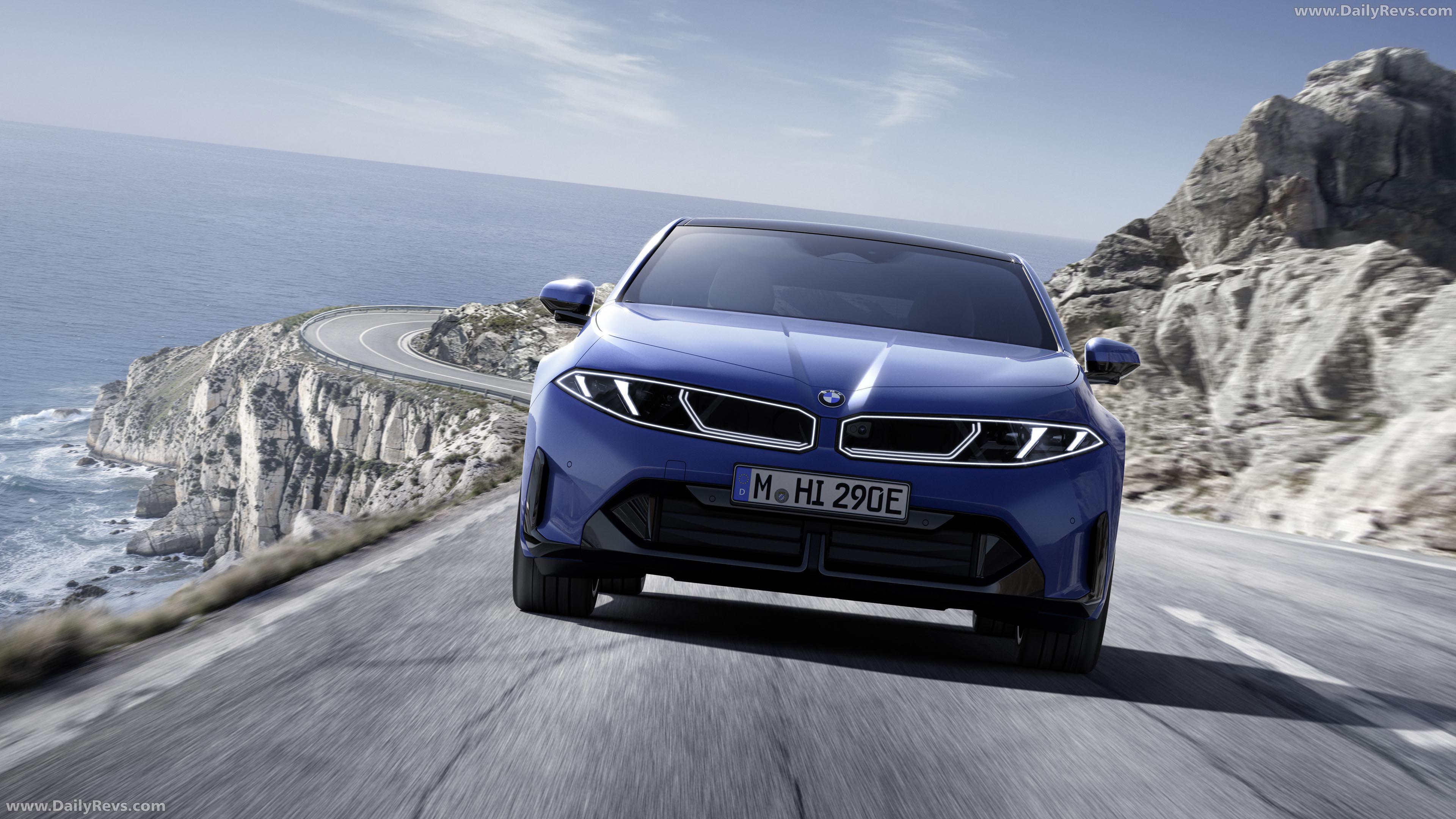
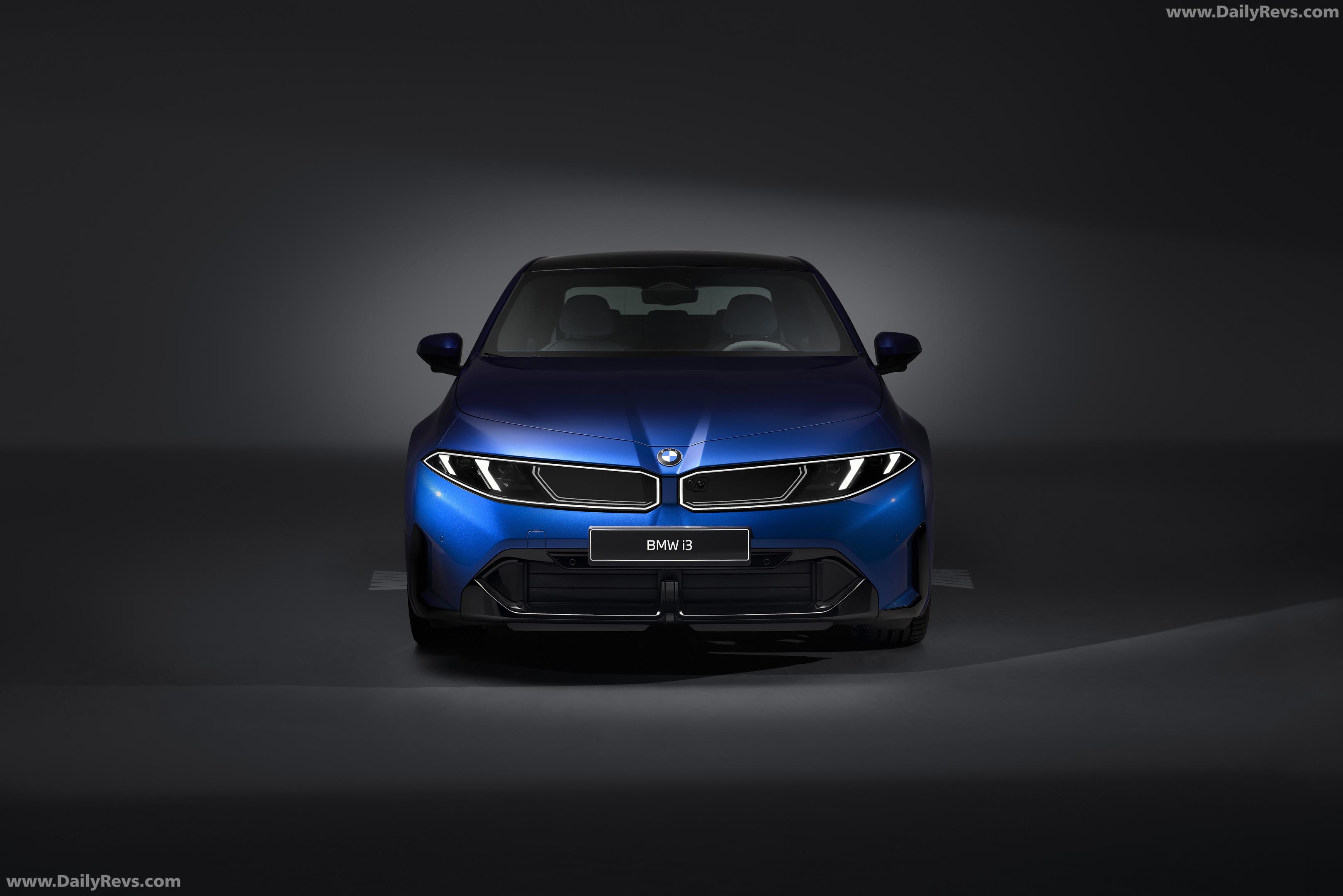
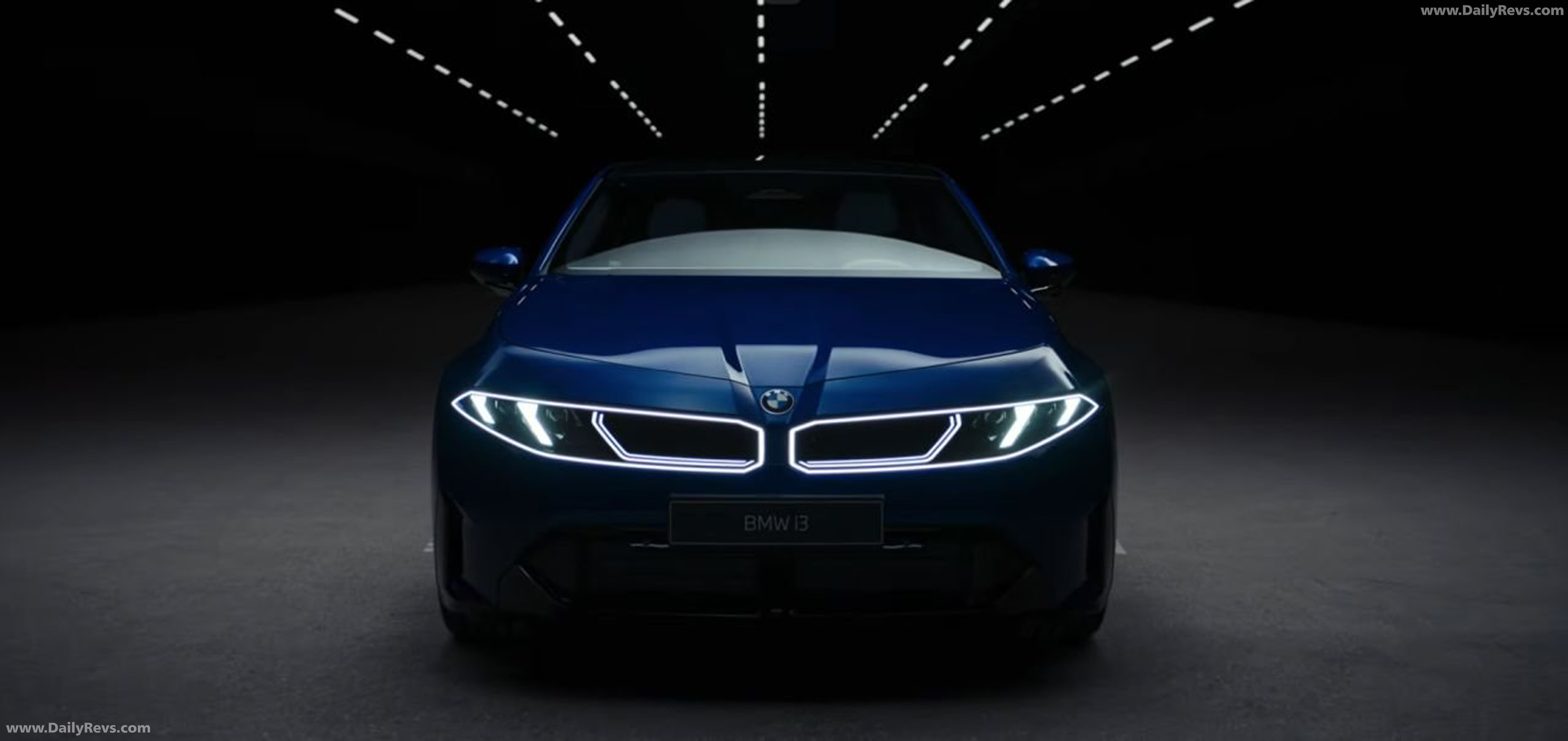
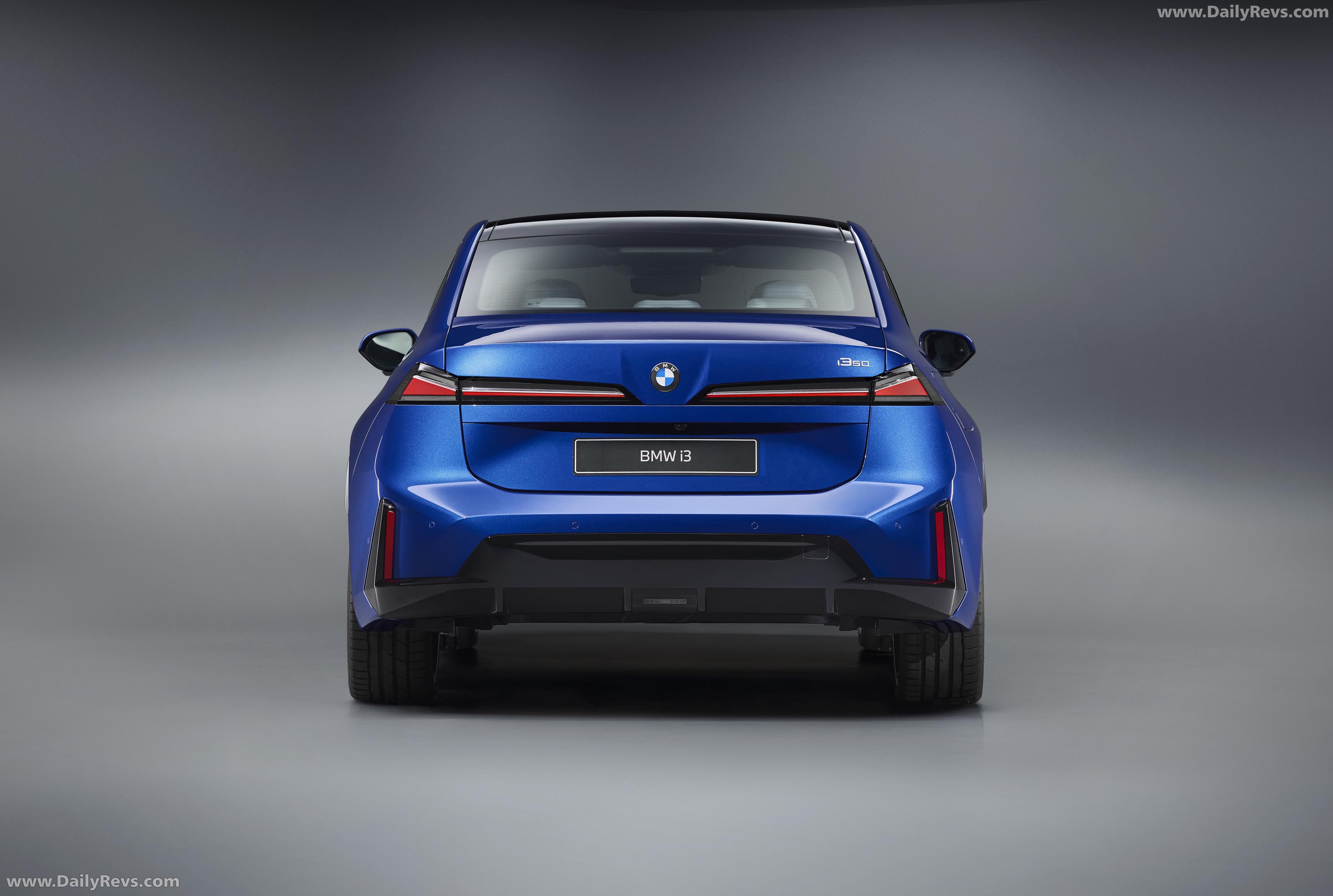
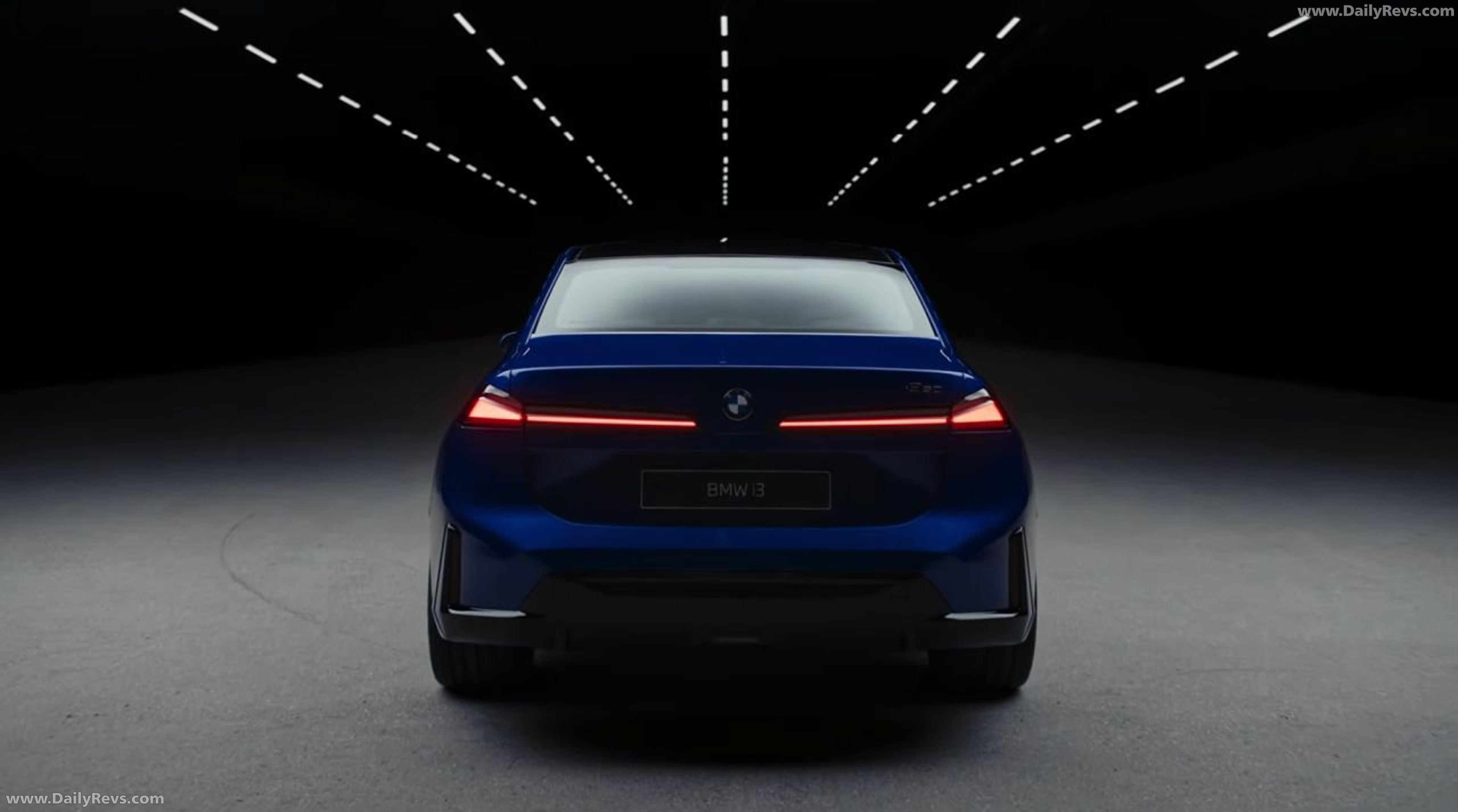
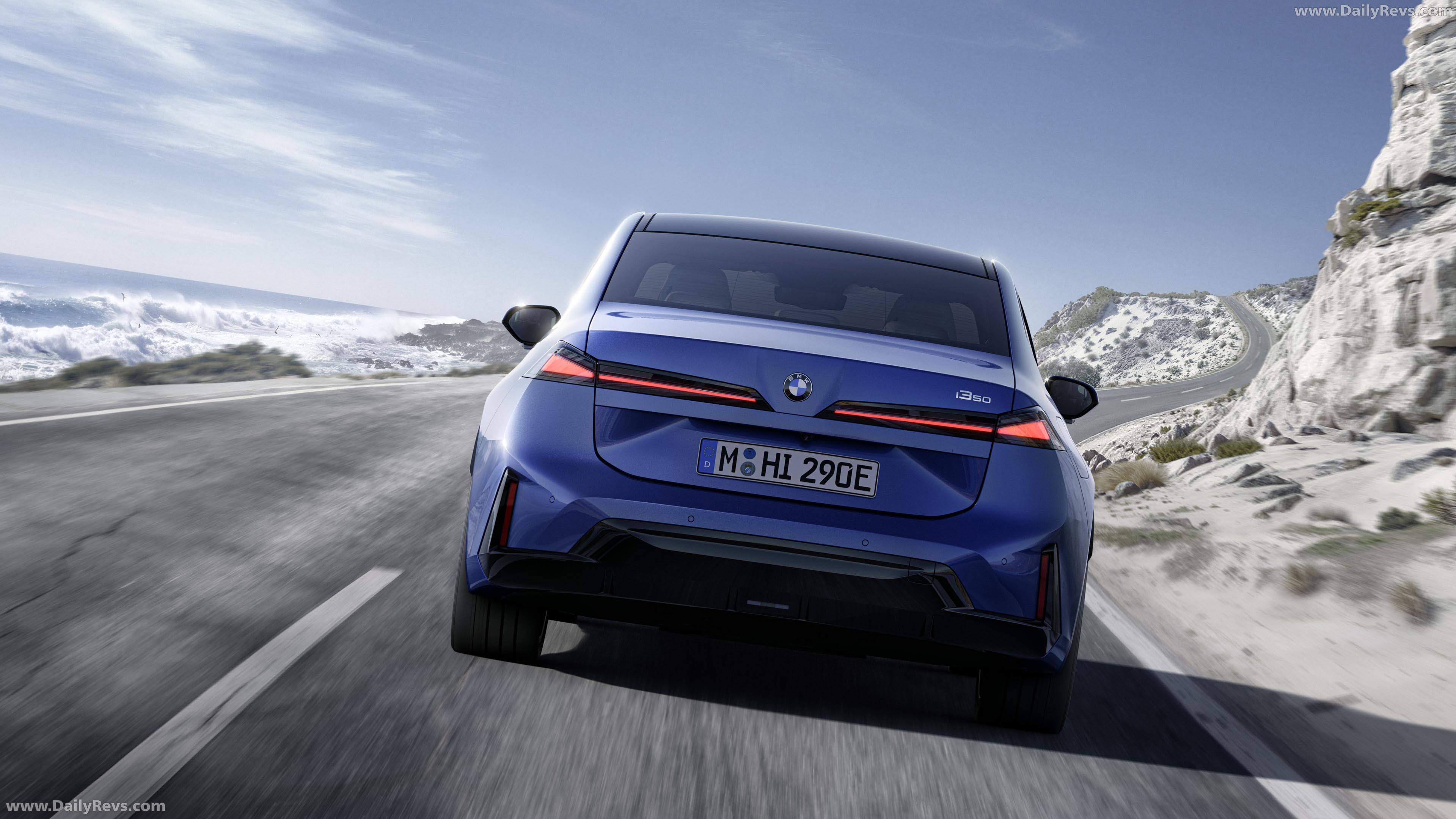
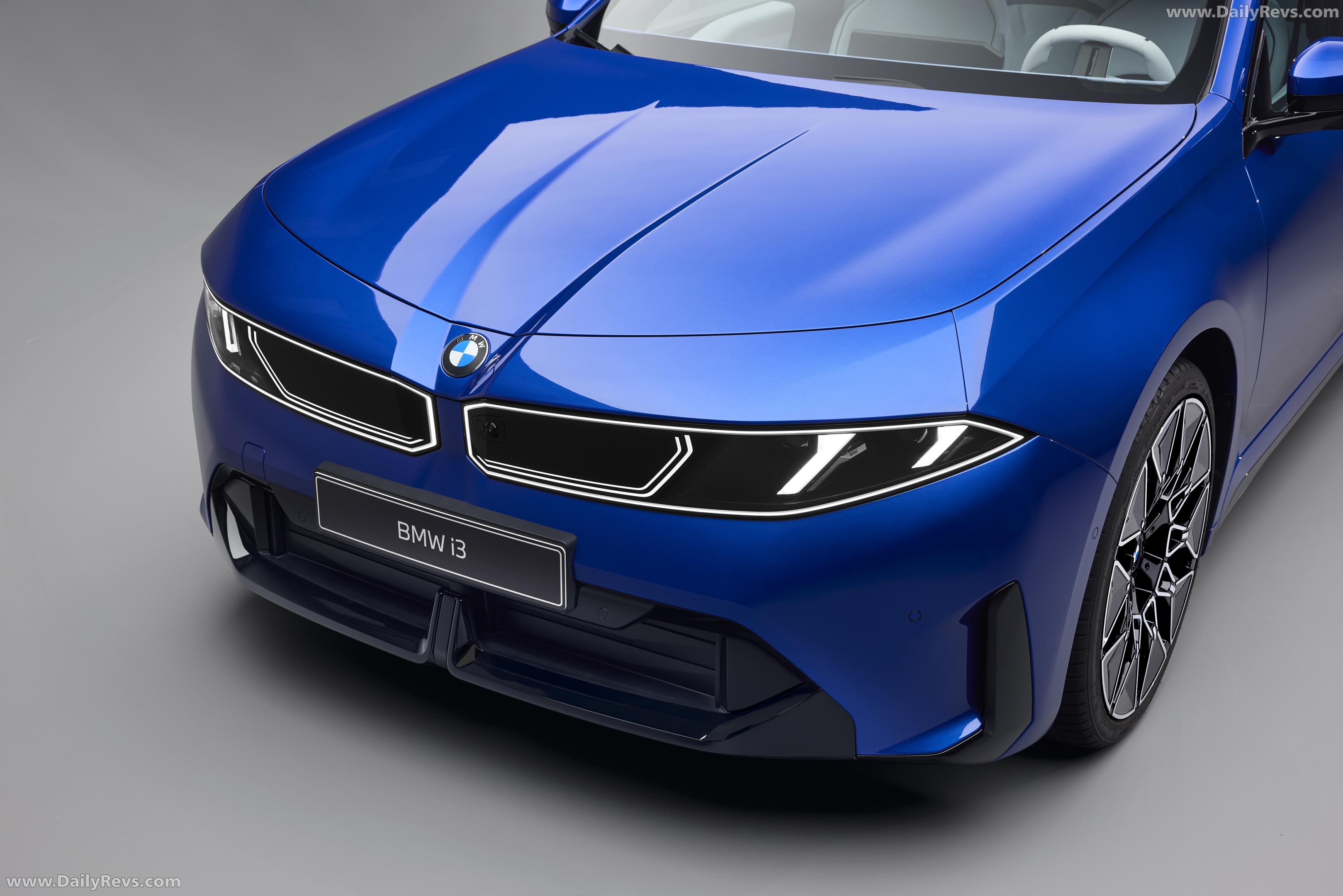
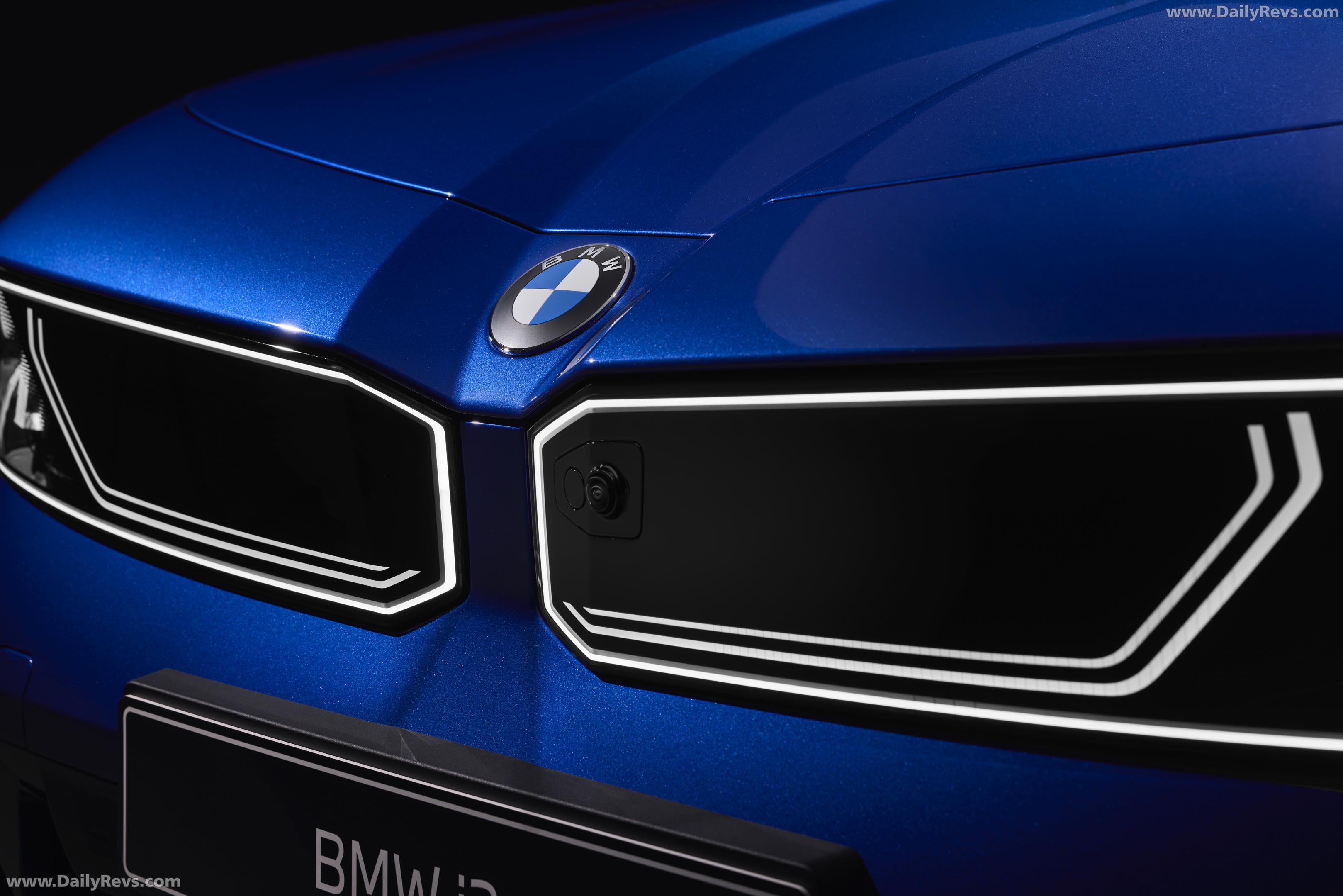
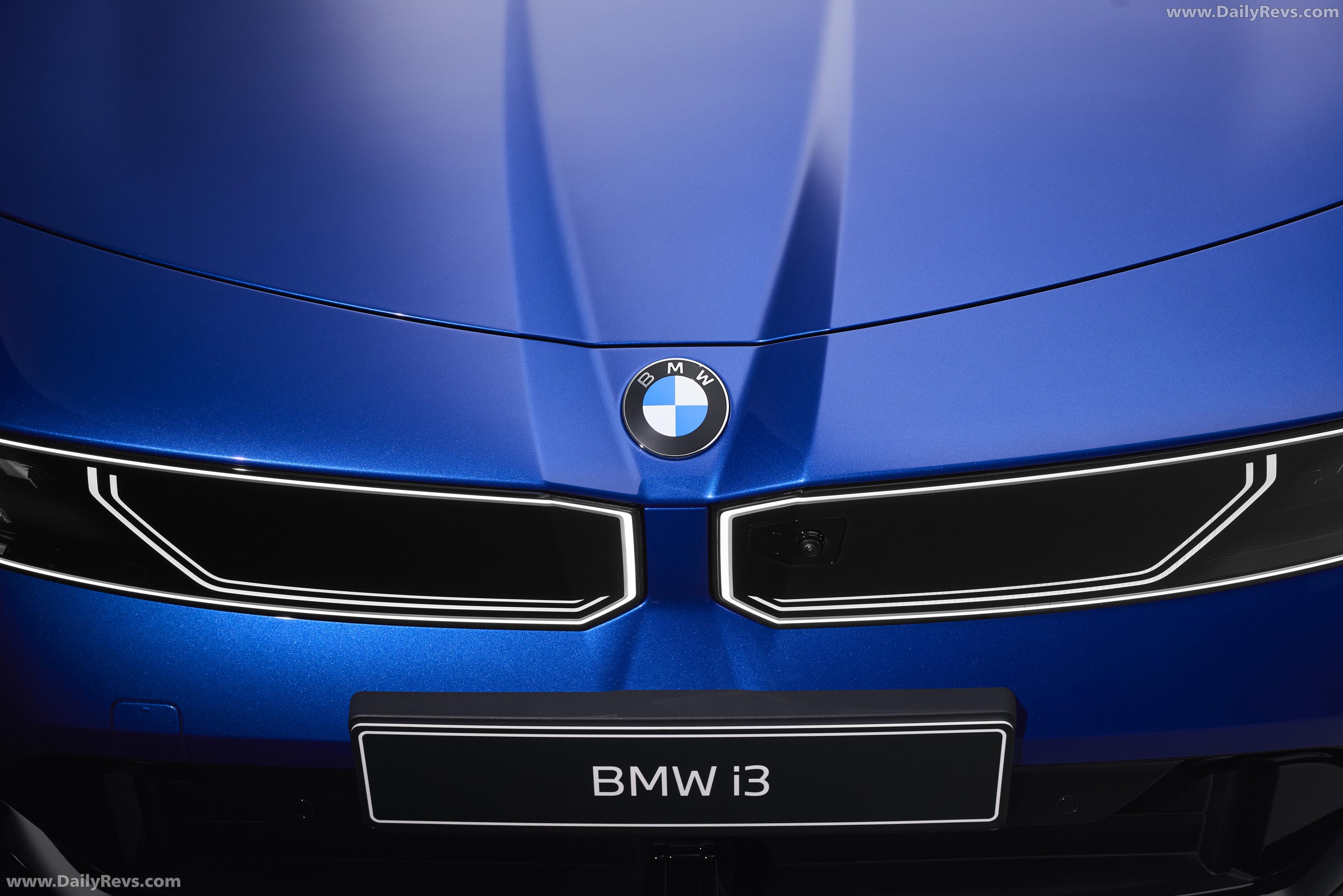
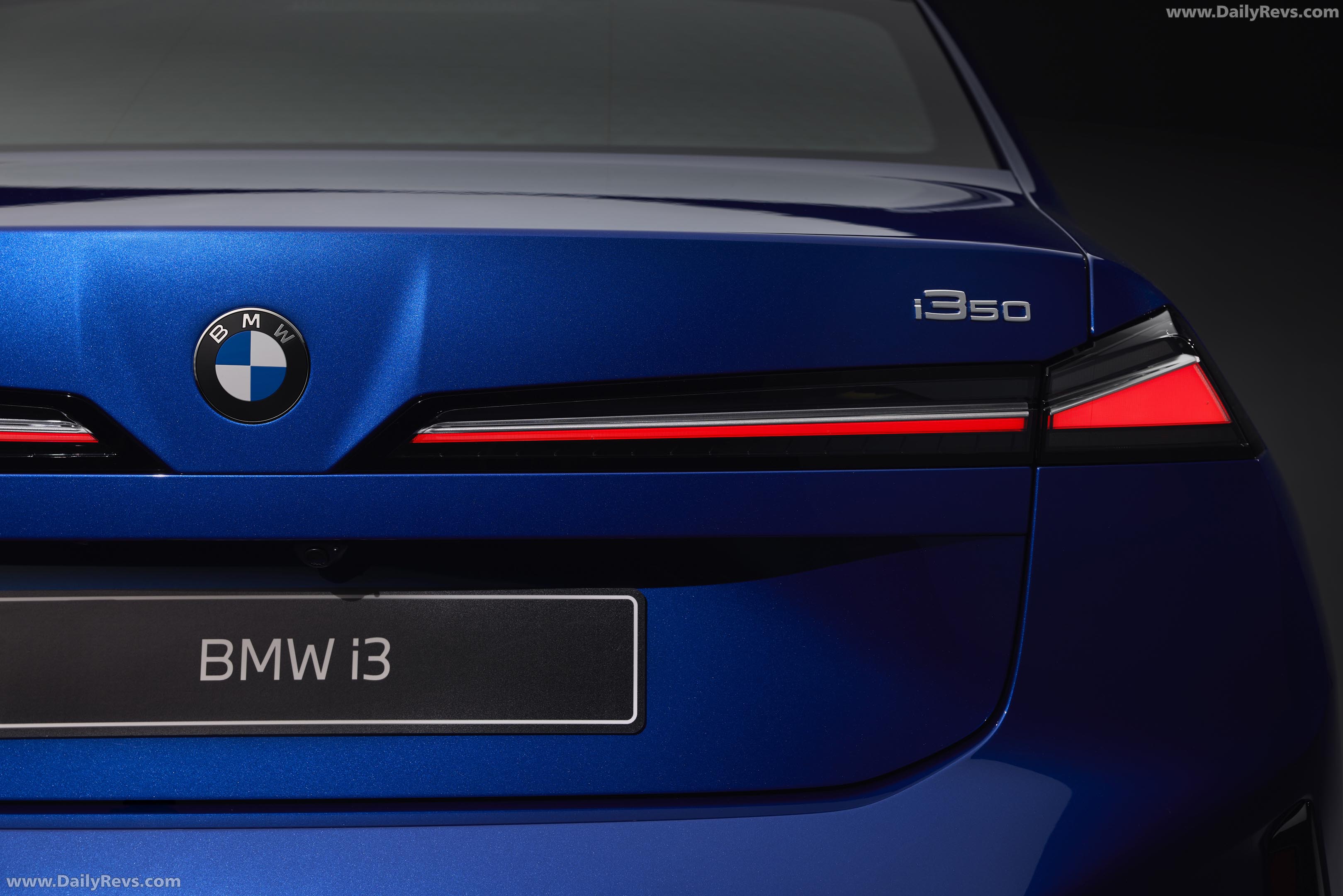
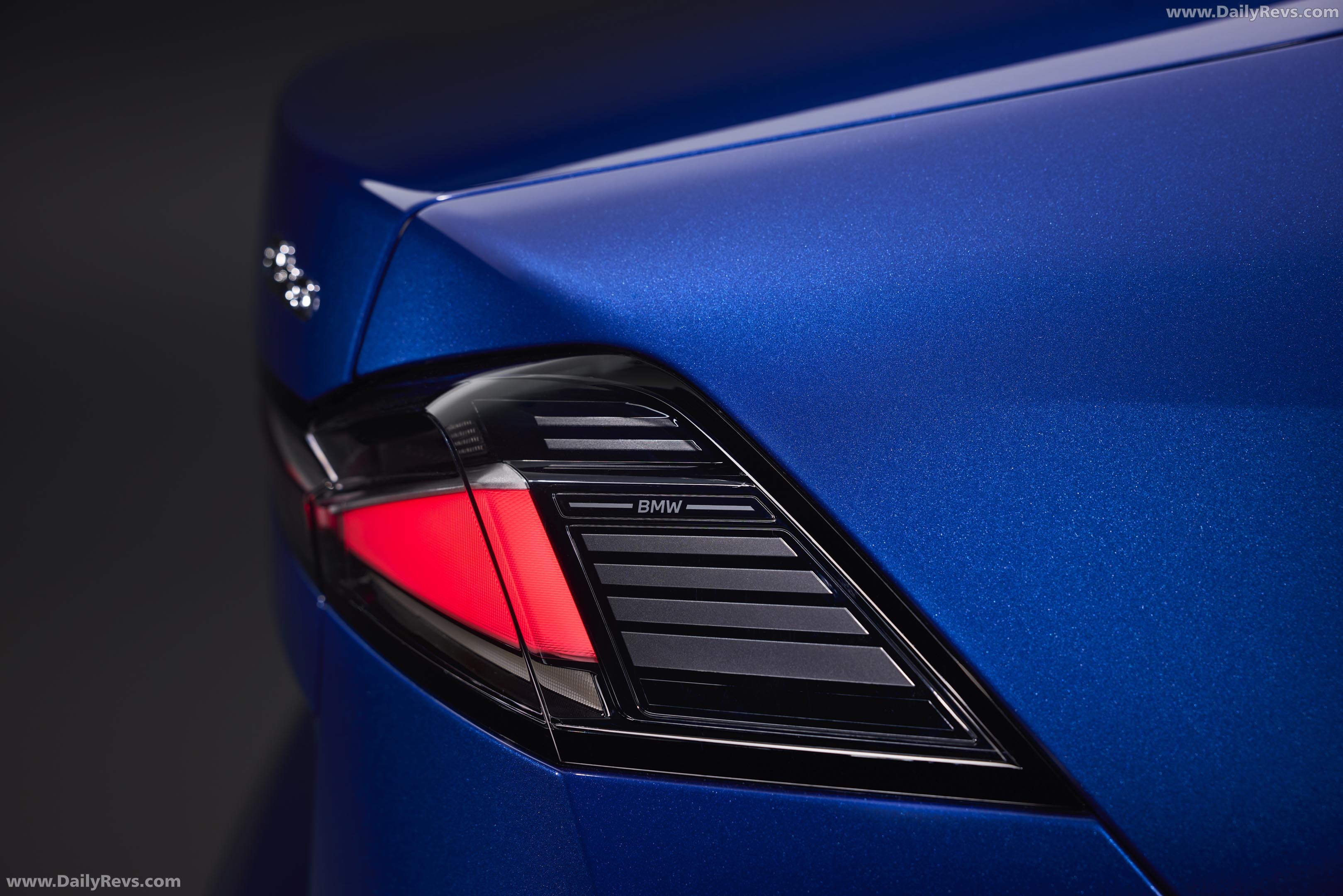
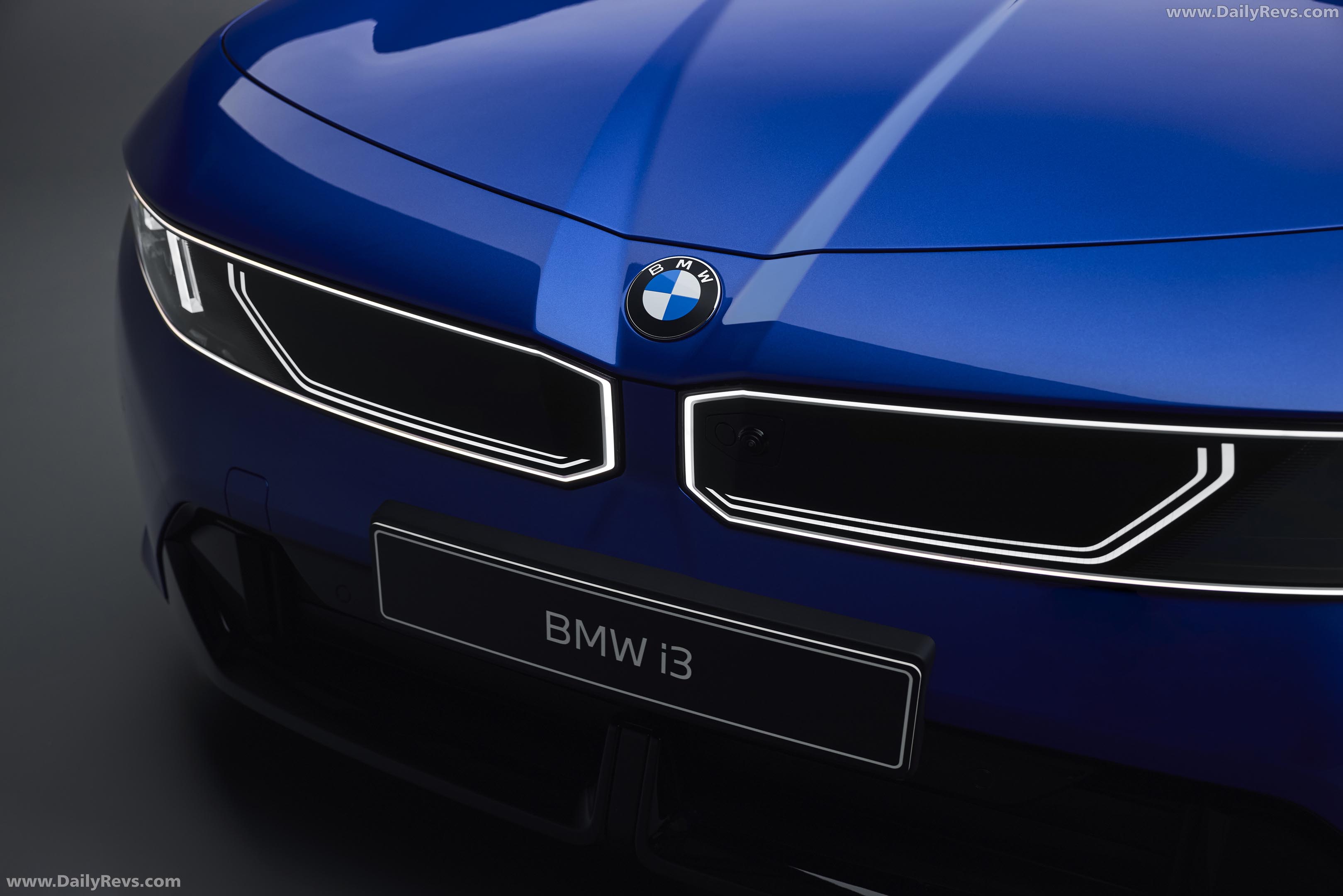
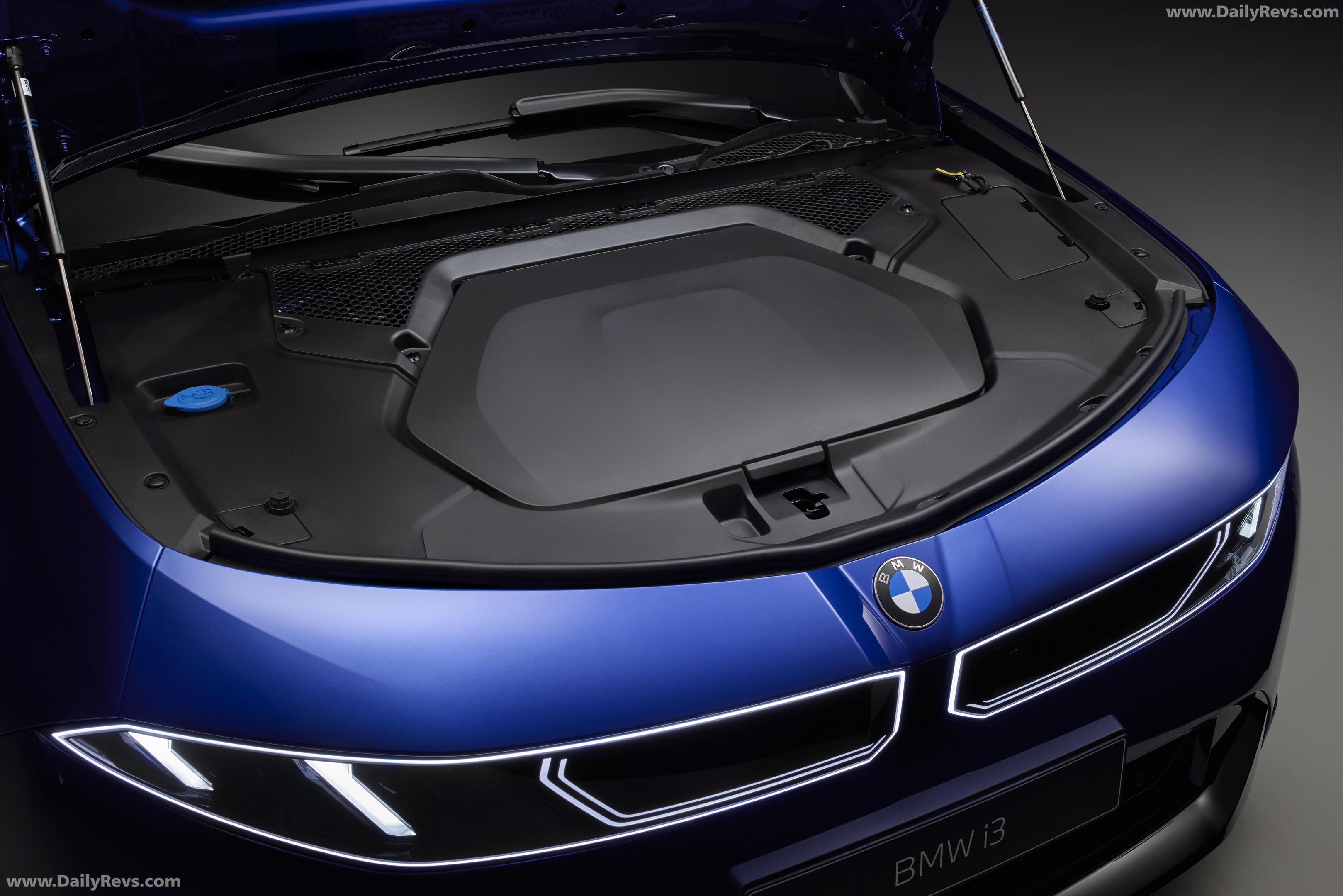
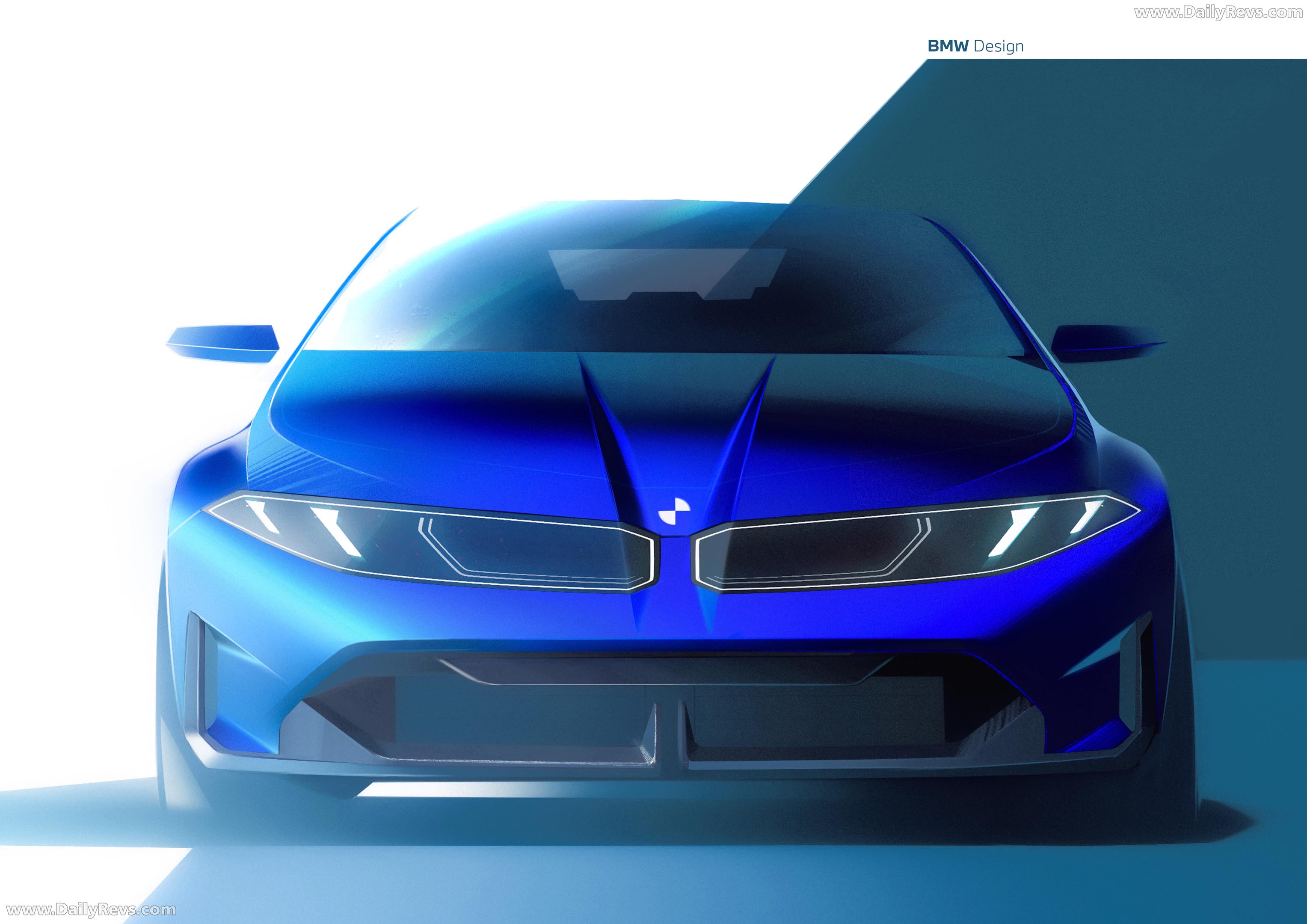
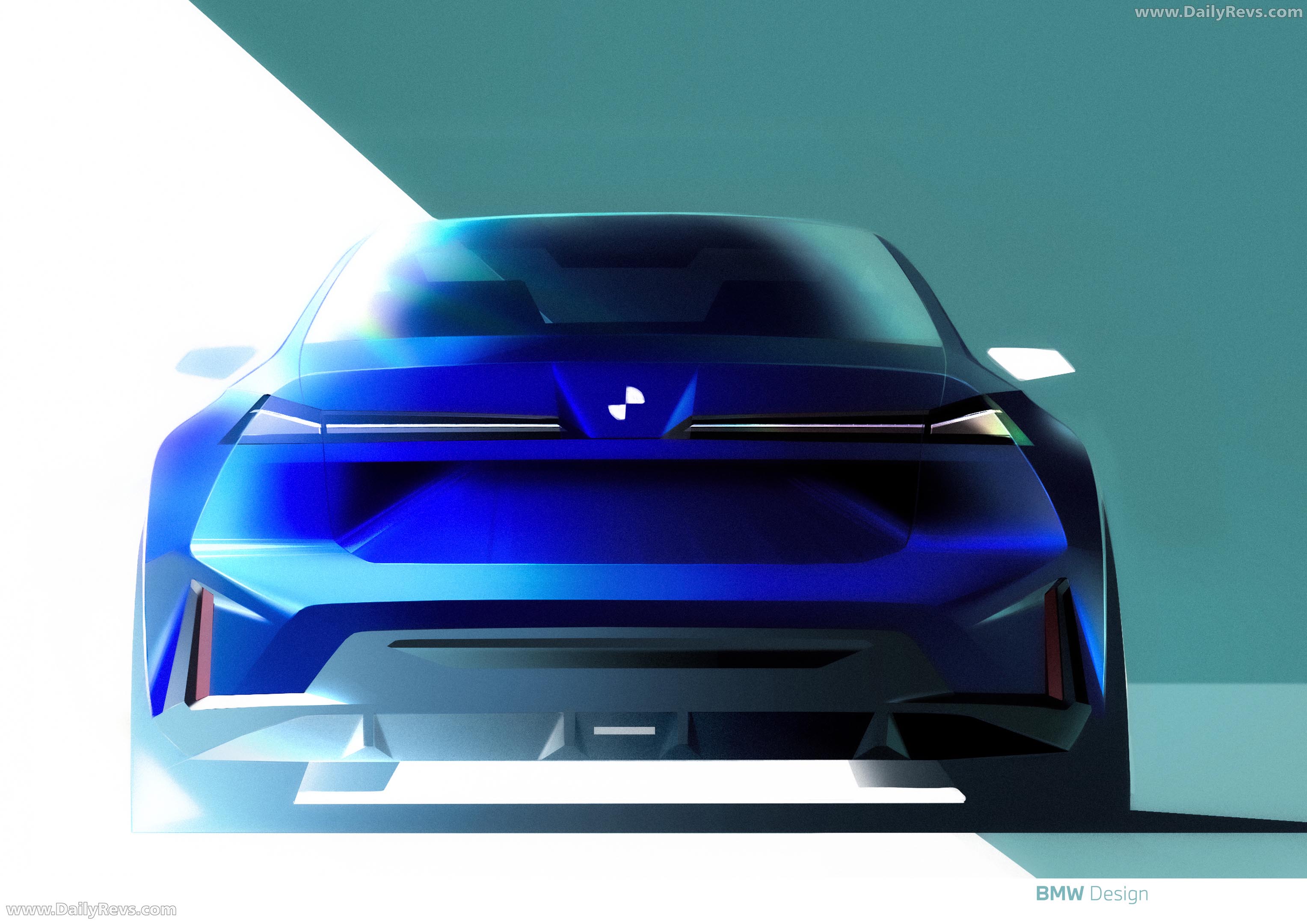
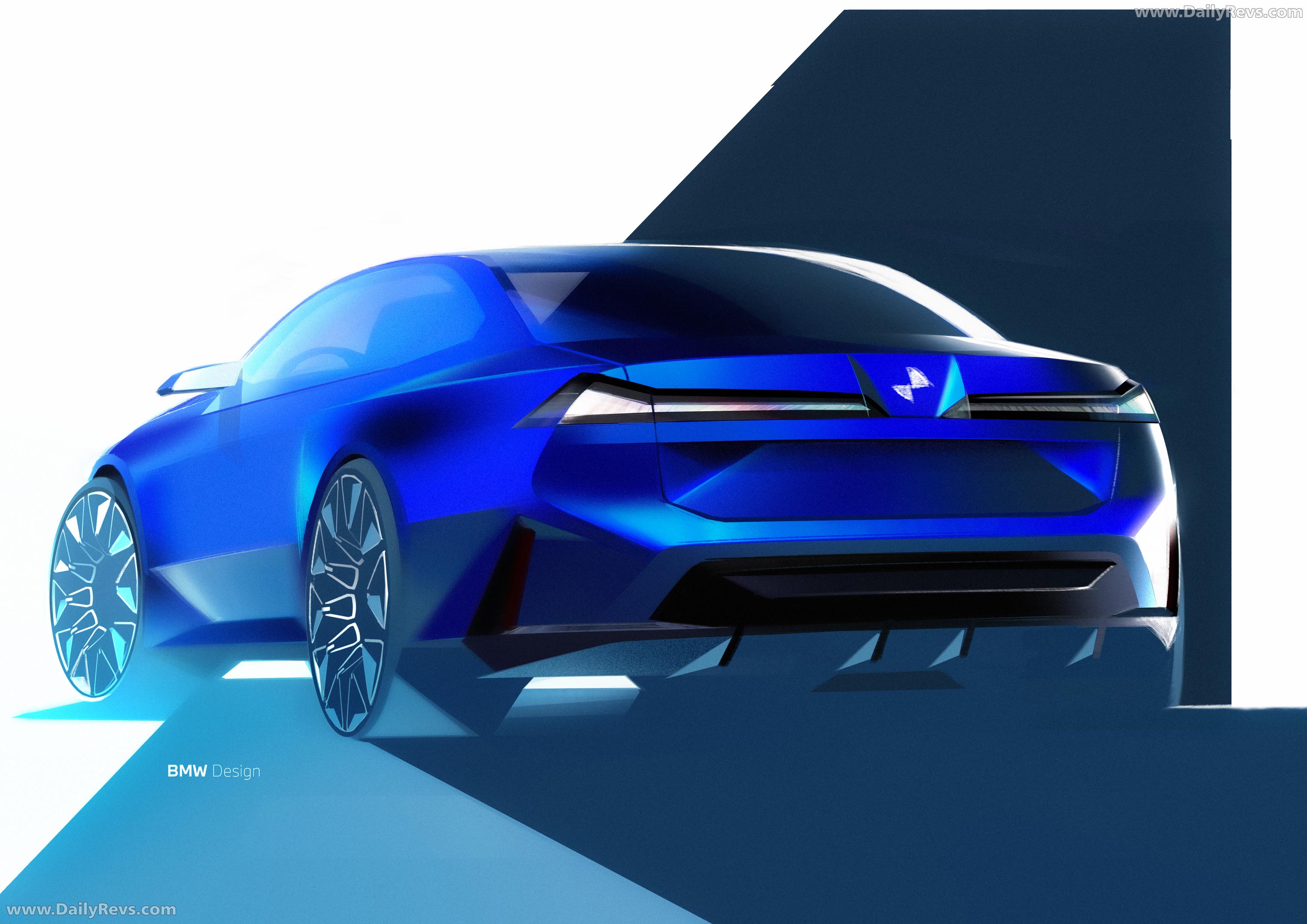
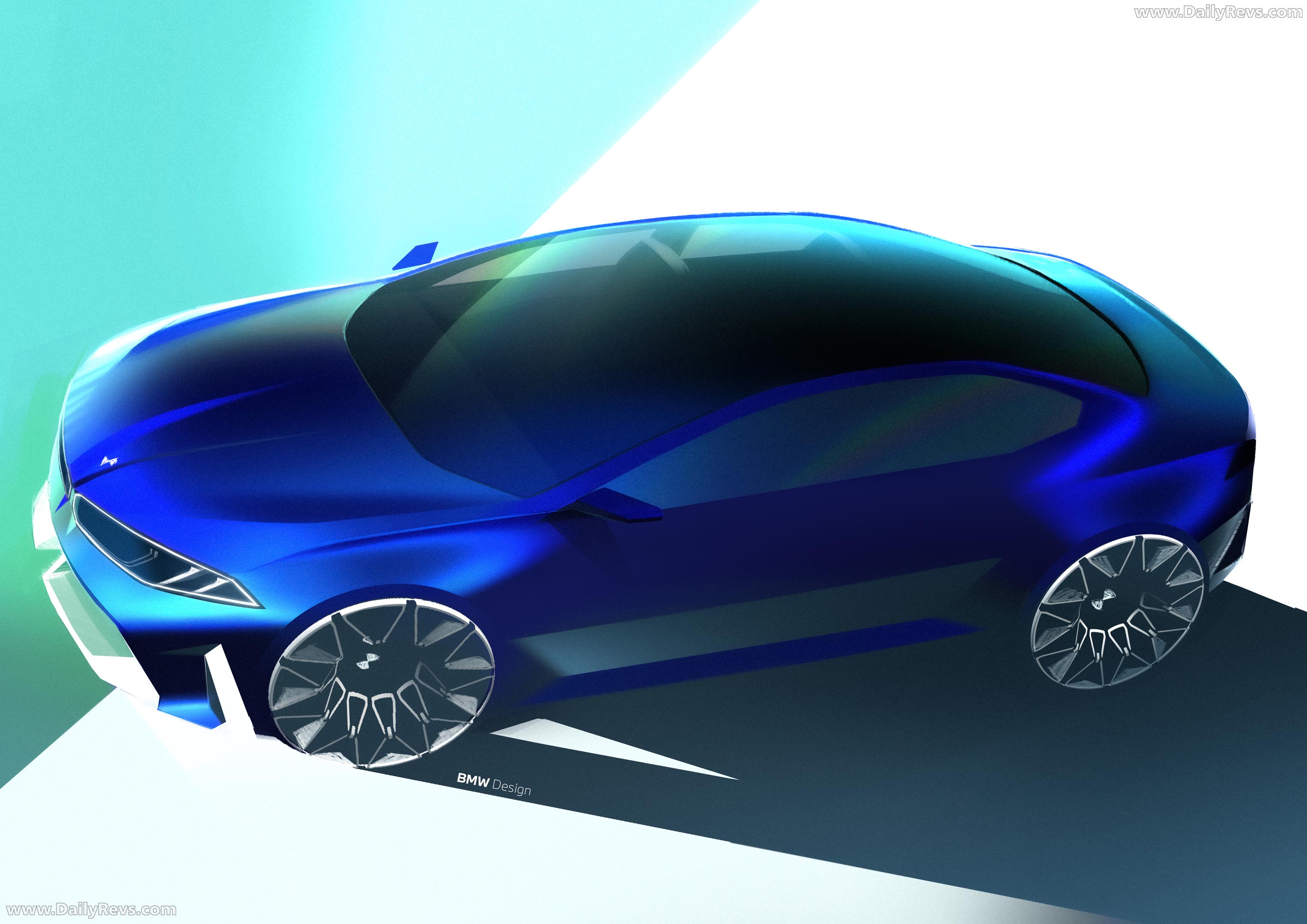
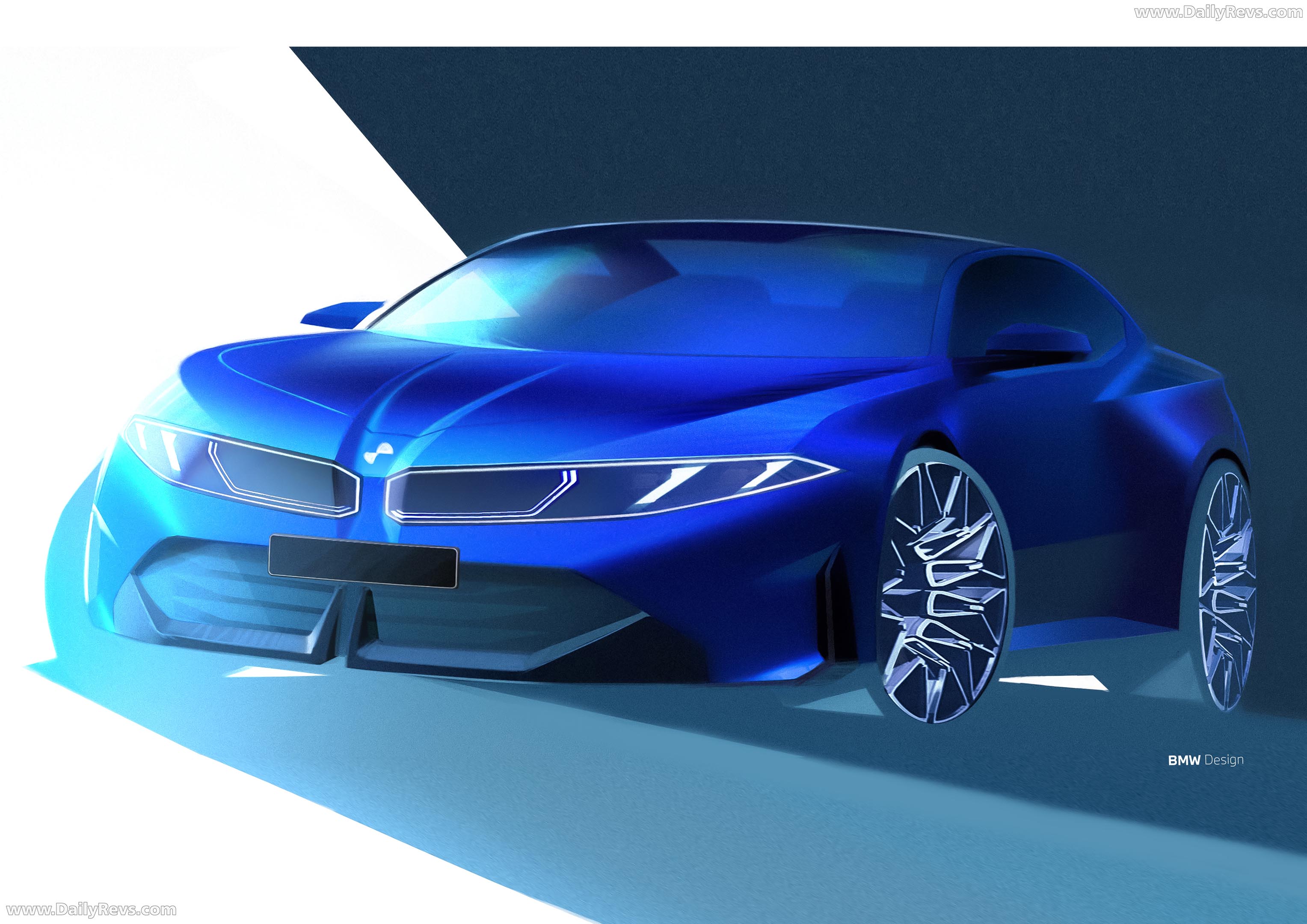
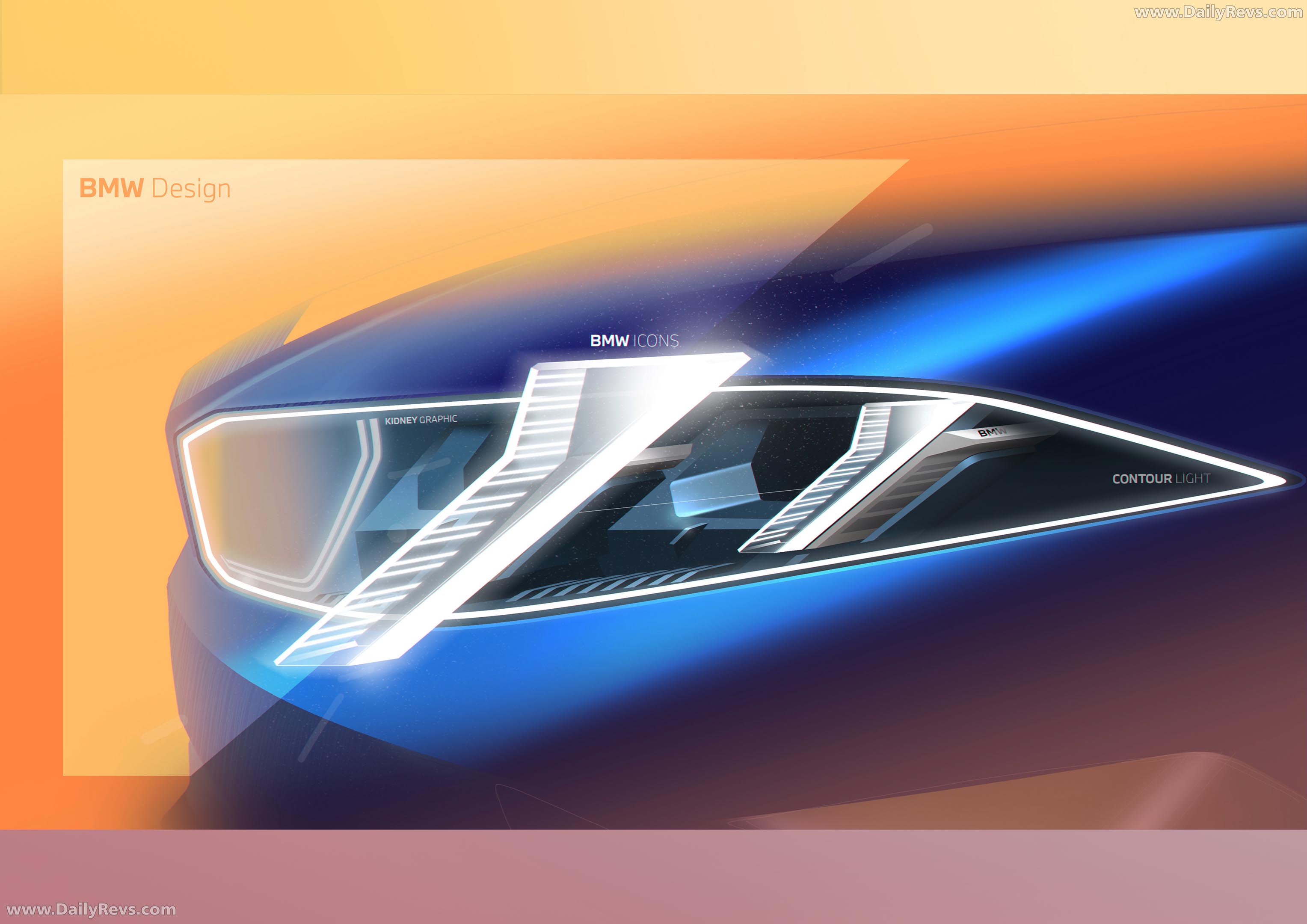
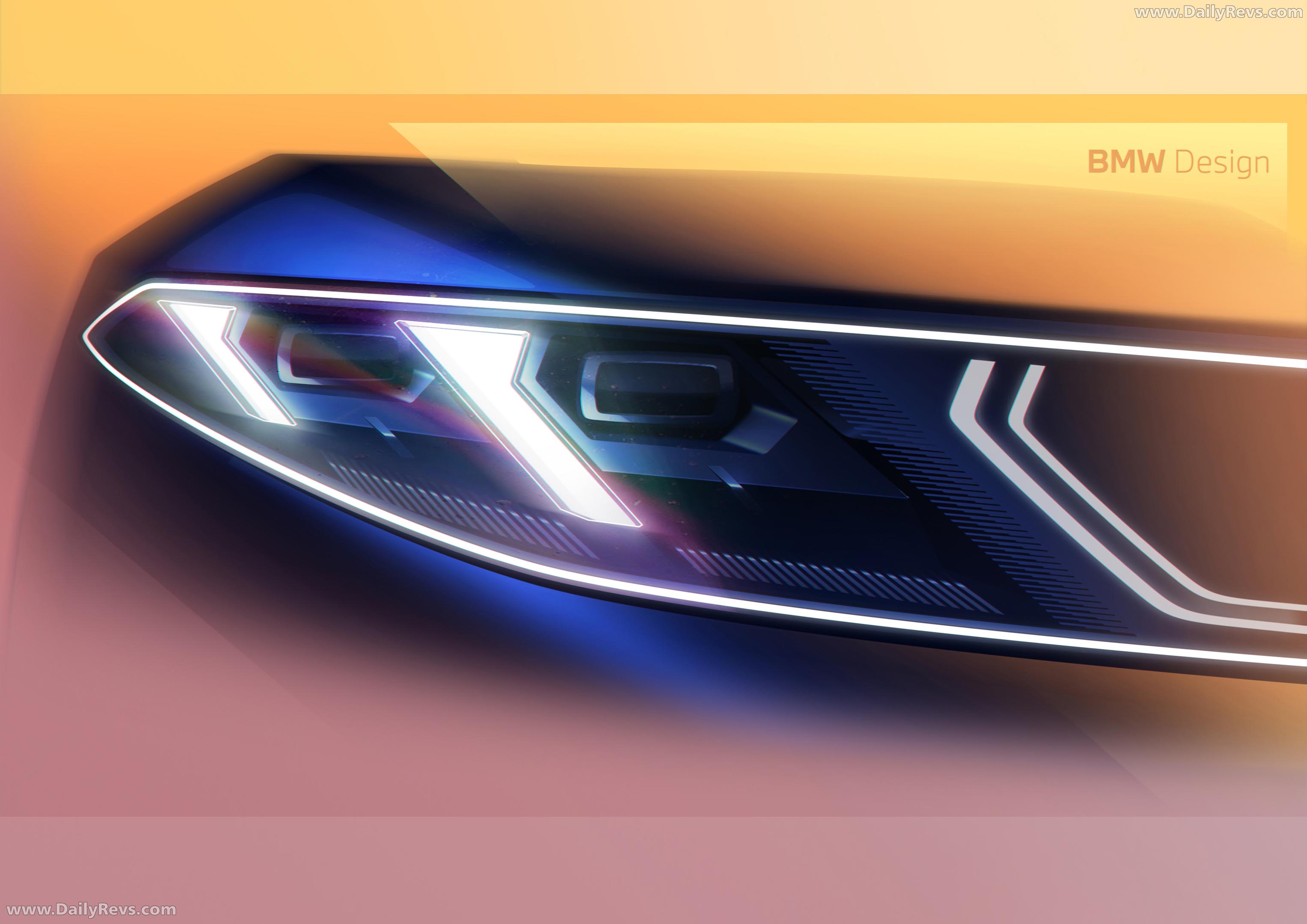
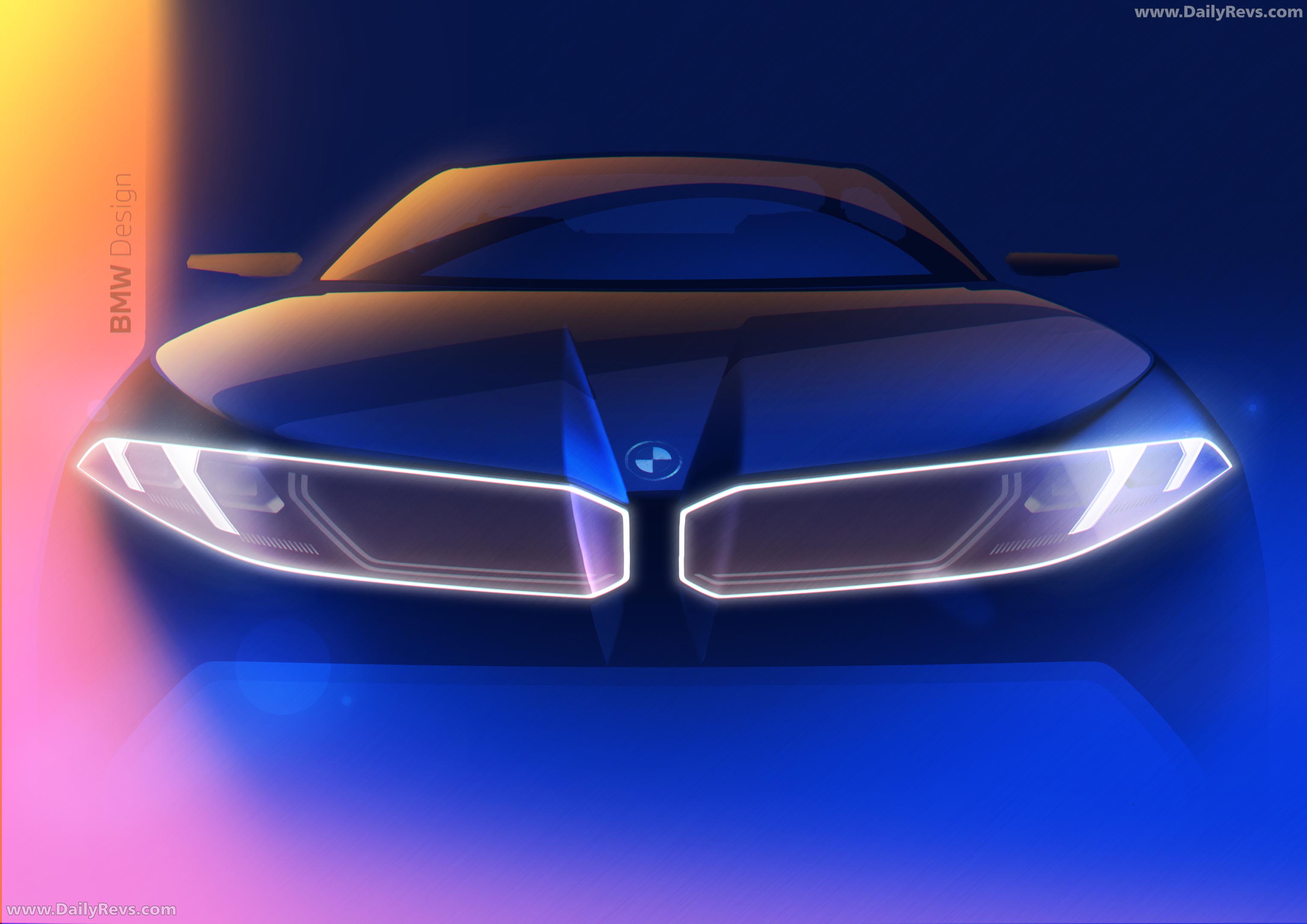
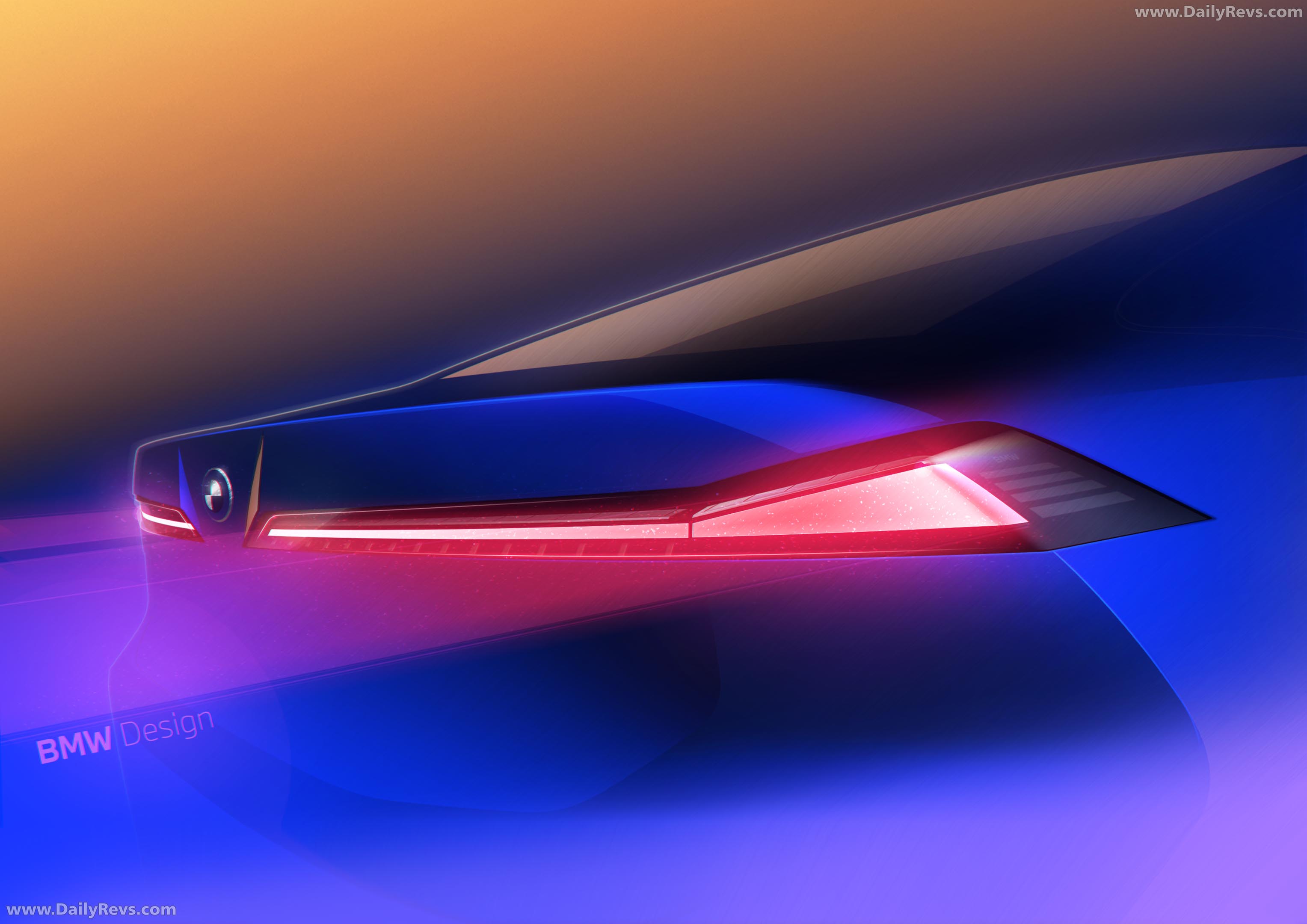
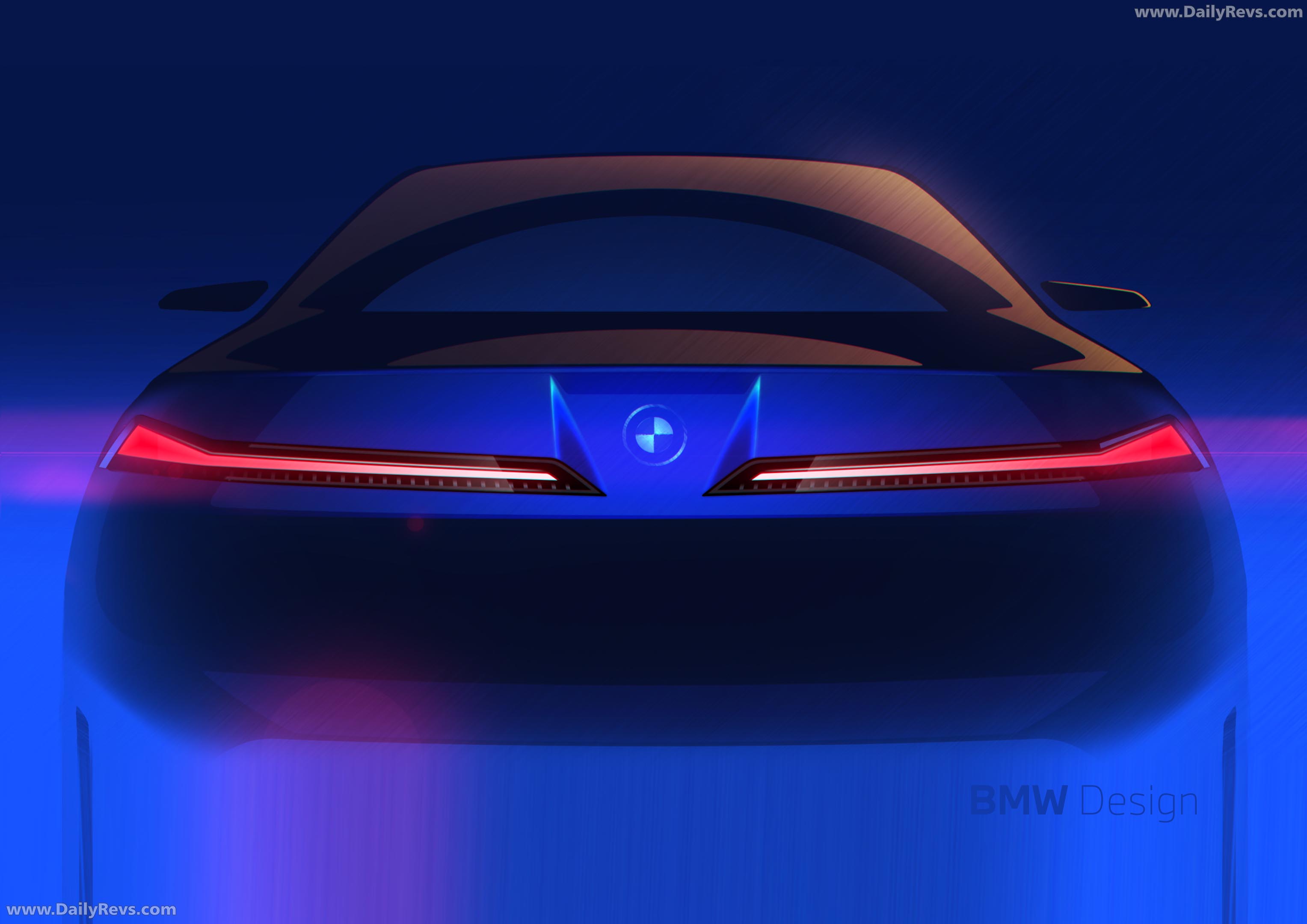
The front end reinterprets the usual BMW face. The grille and headlights merge into a single light-based signature, stretching horizontally across the nose. It’s cleaner than before, though still recognizable. Around the back, the horizontal lighting and flared arches reinforce width rather than aggression.
Cabin built around the driver, but more digital
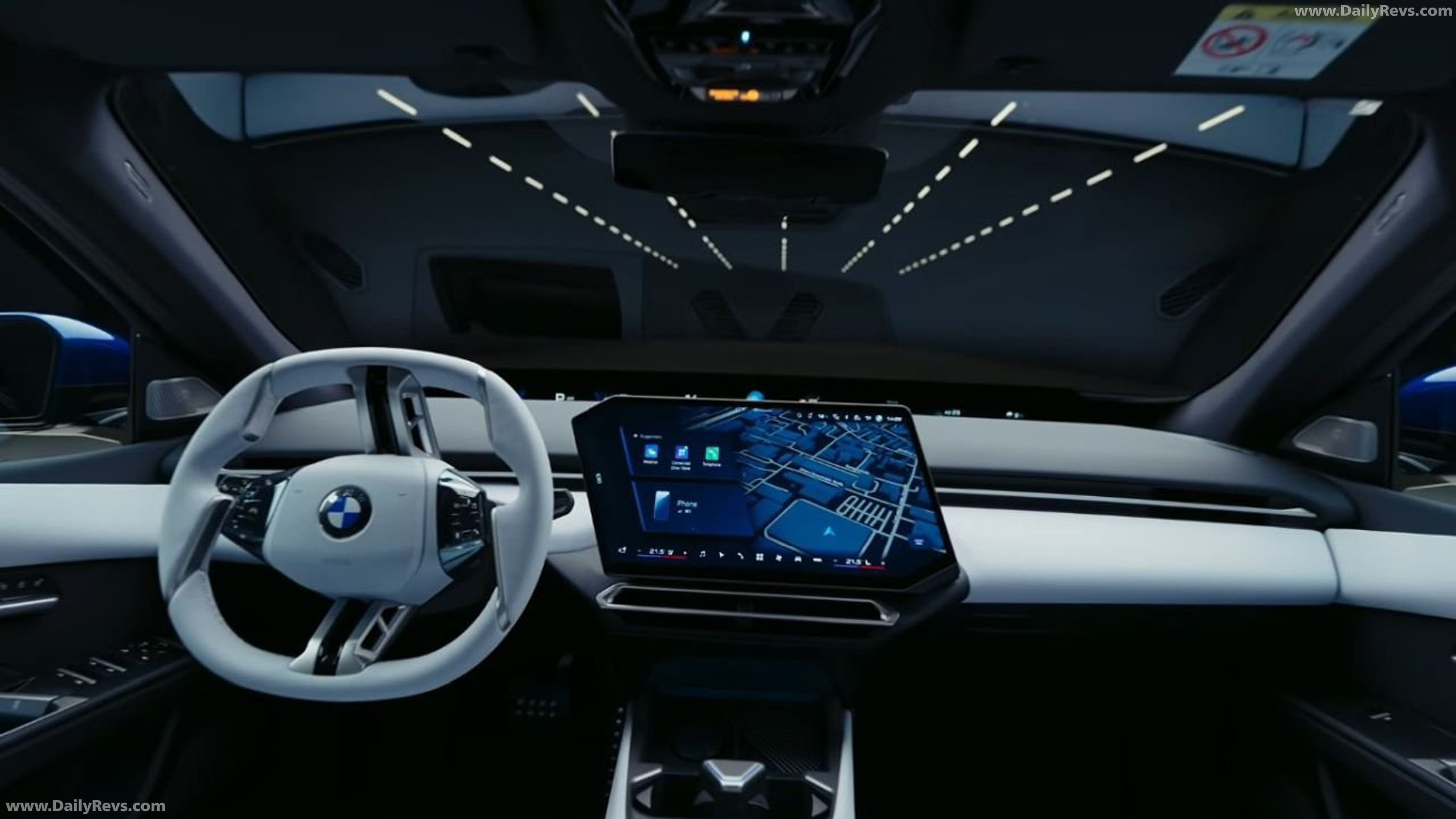
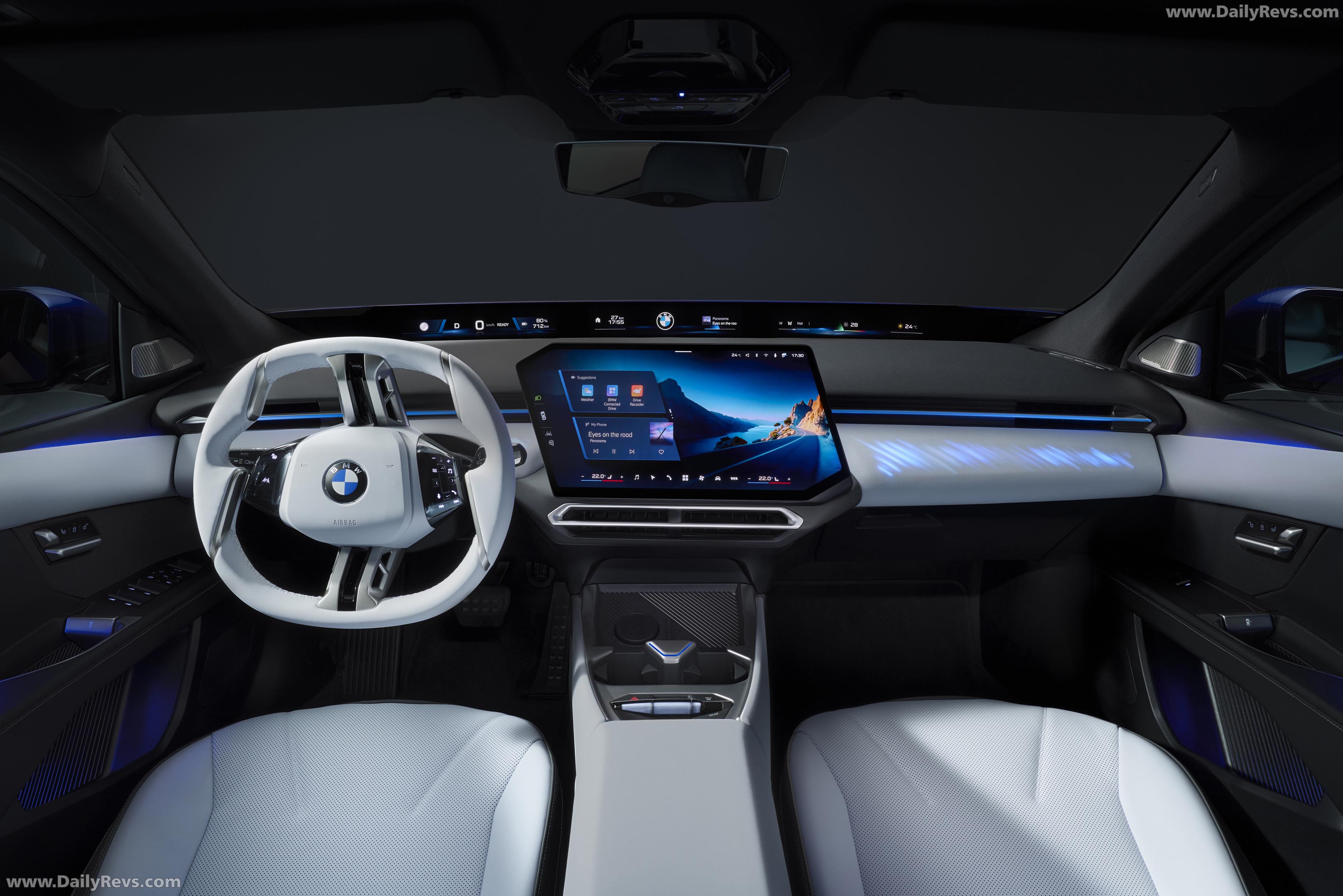
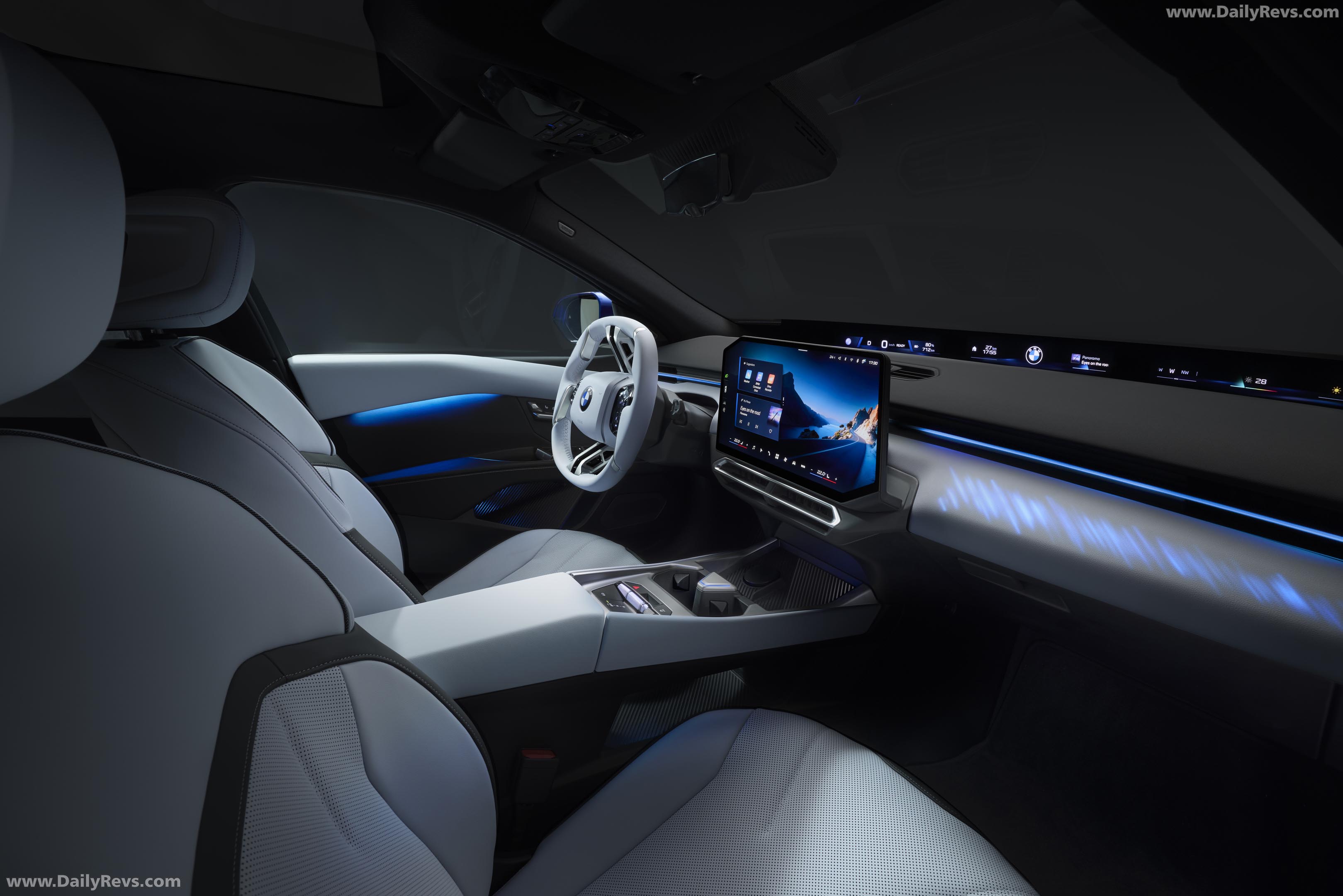
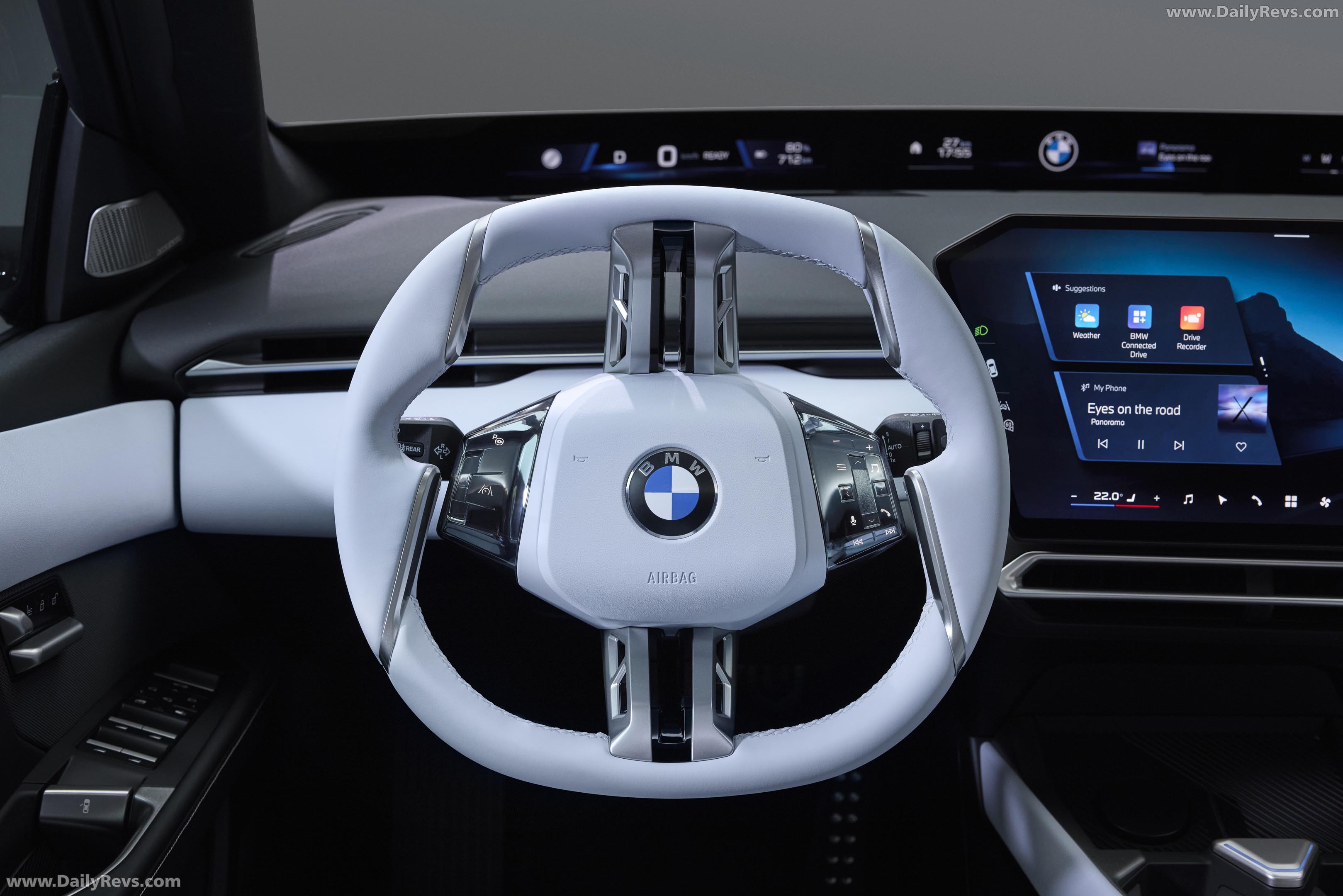
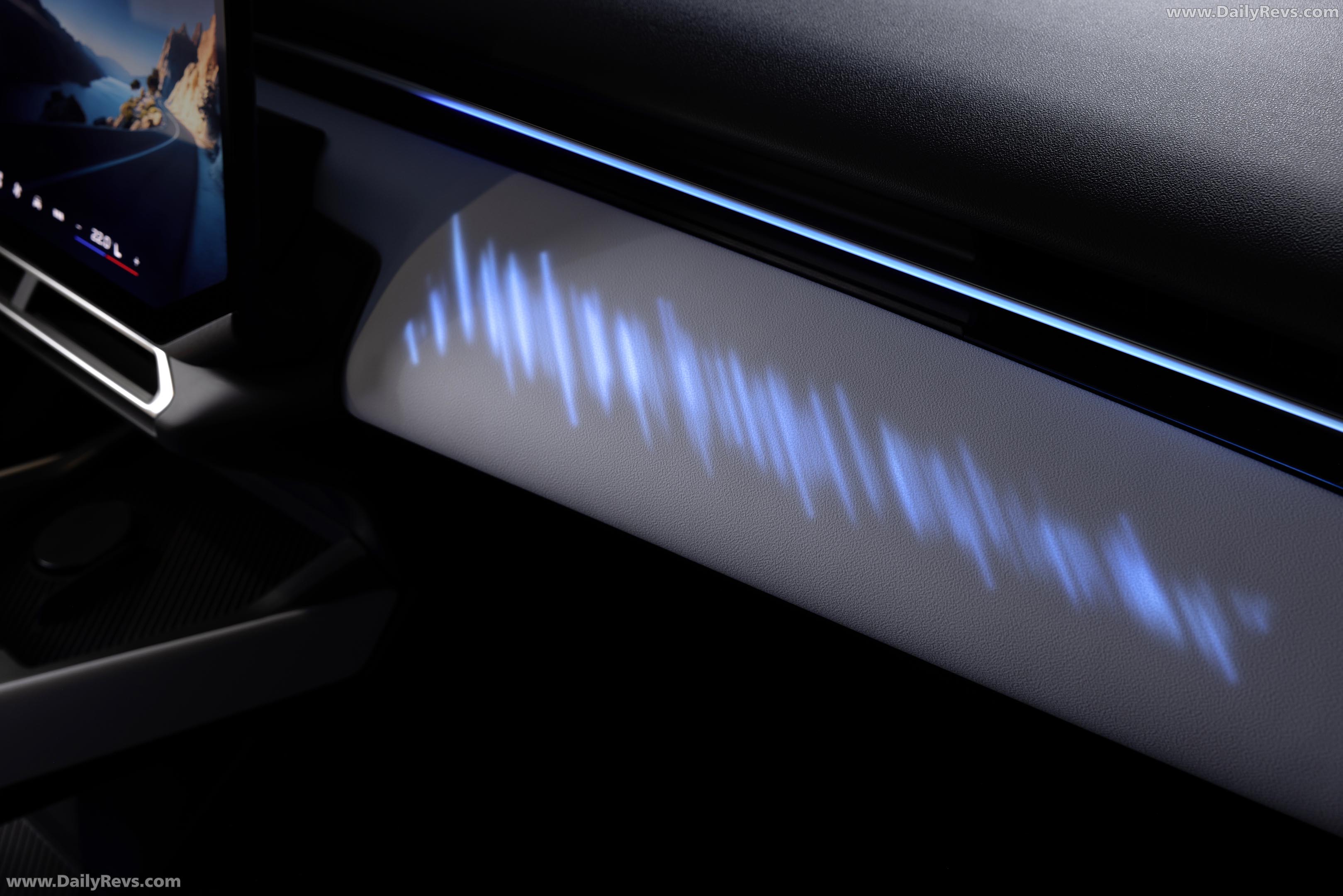
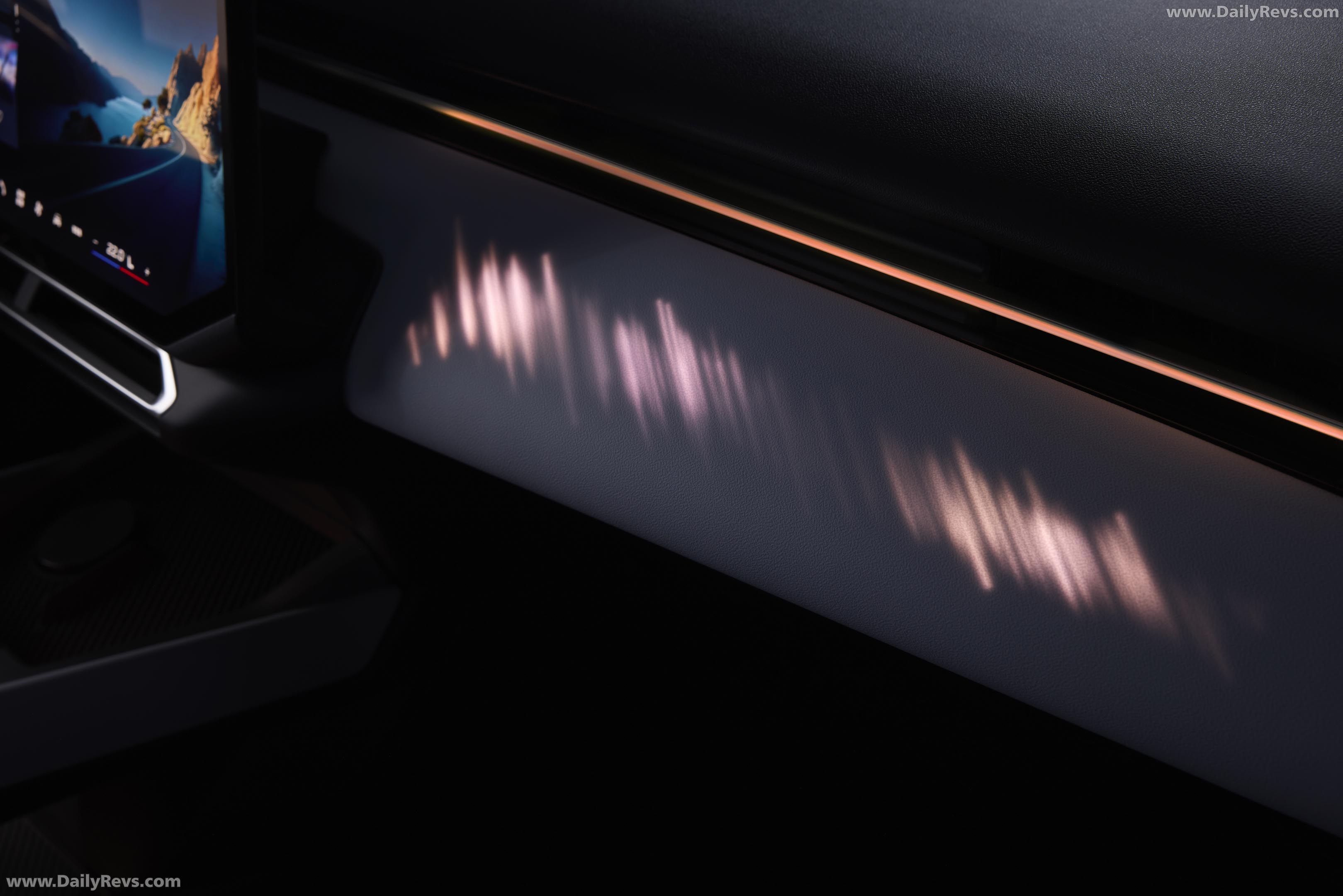
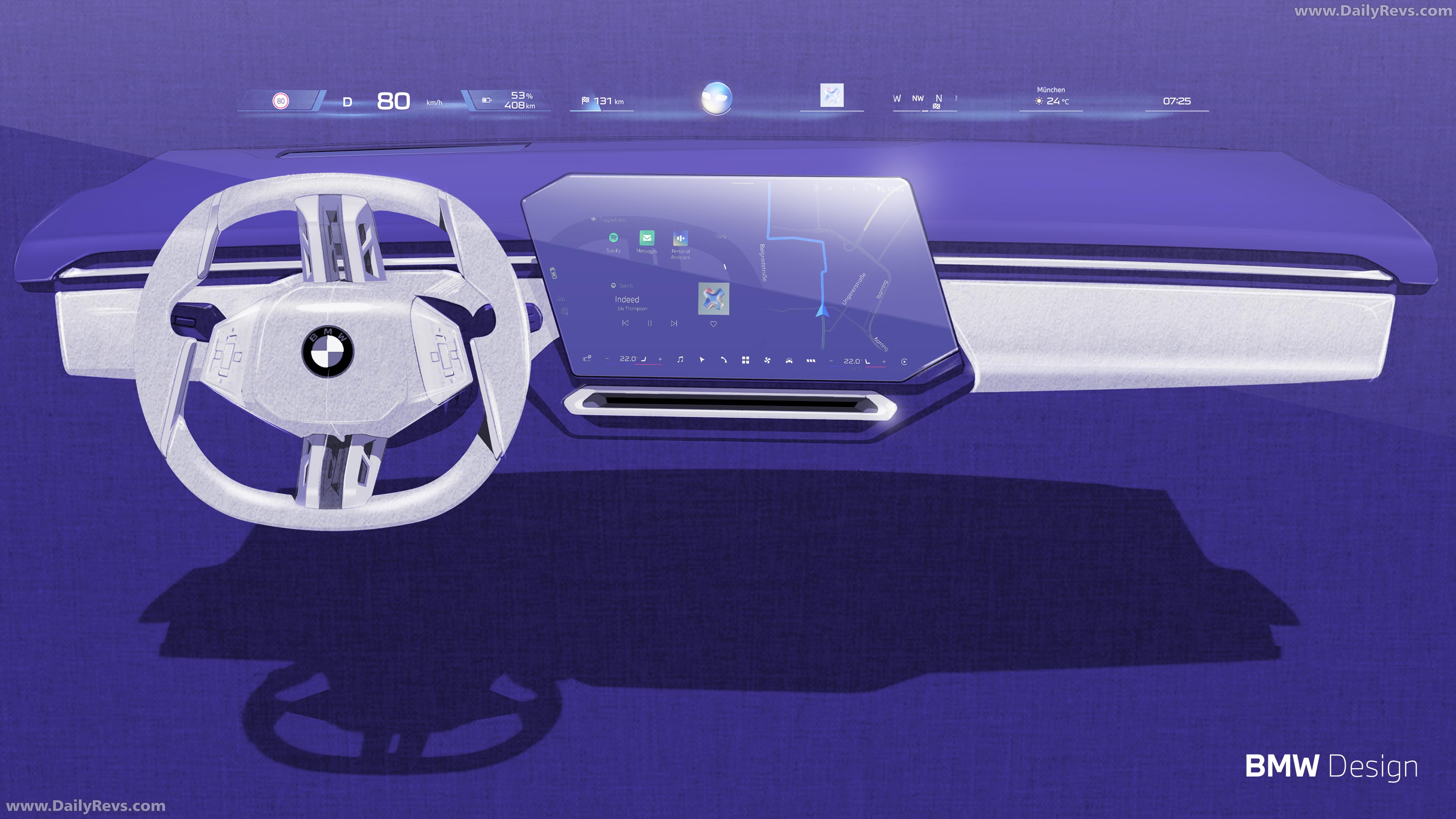
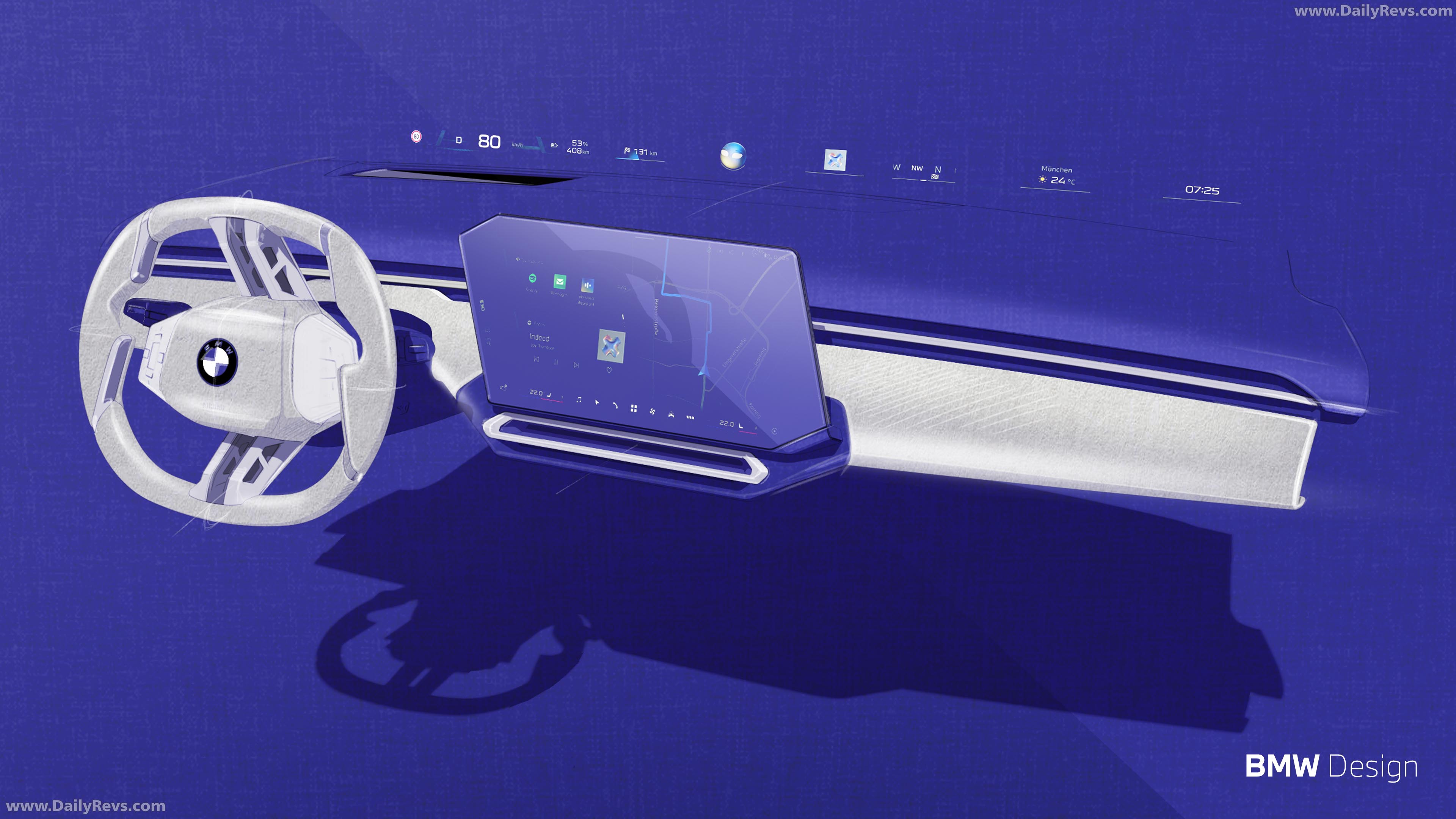
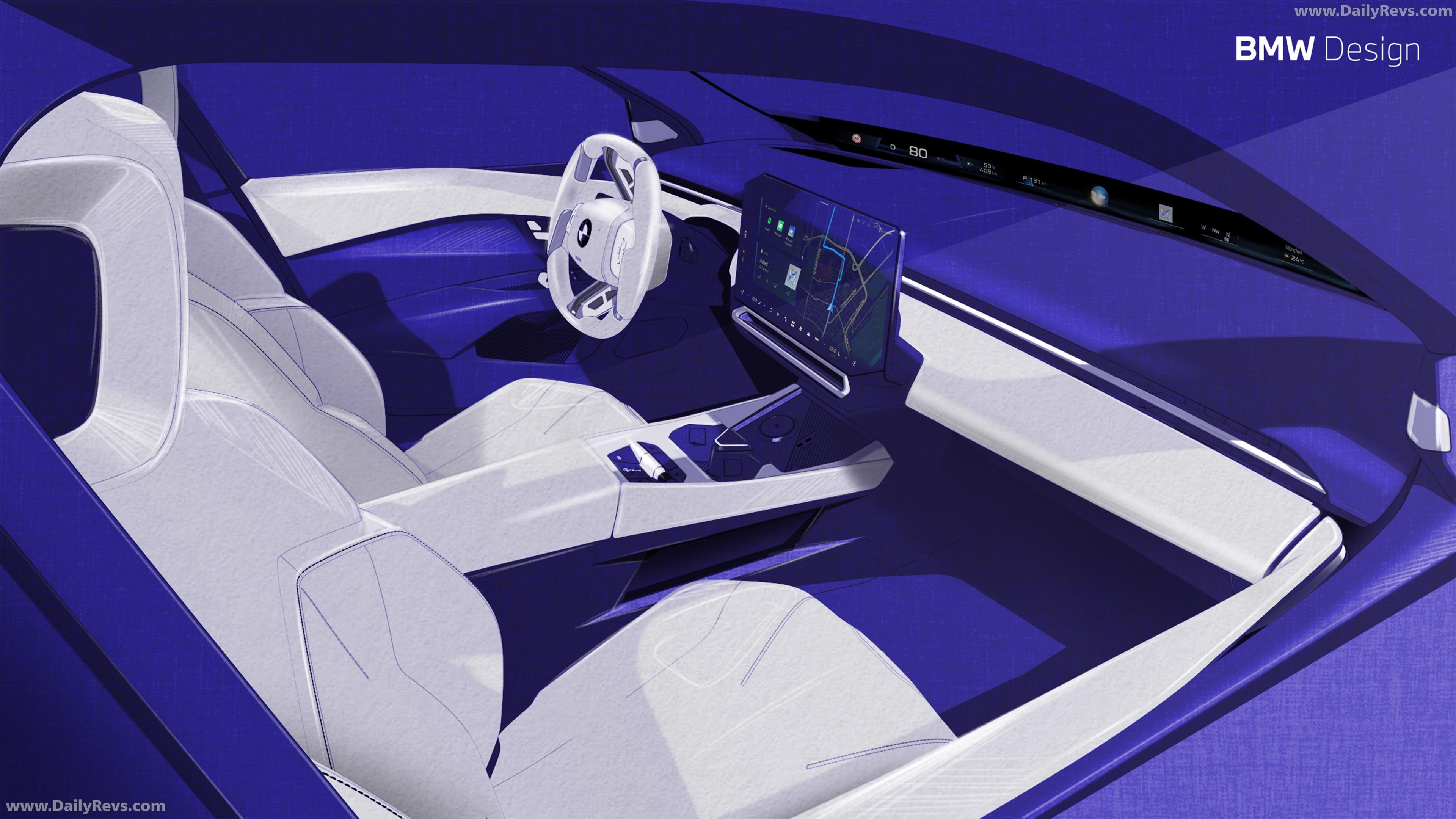
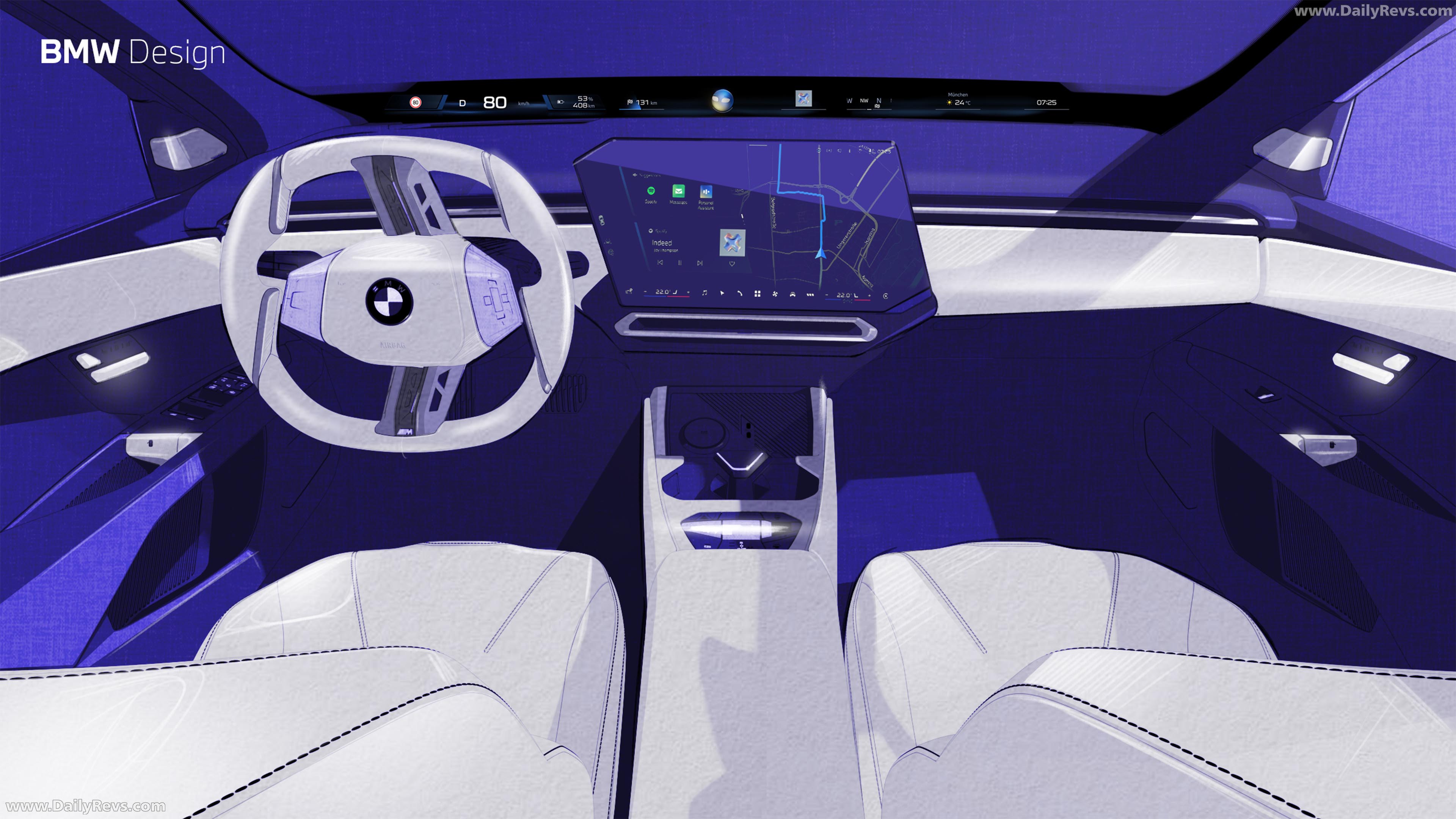
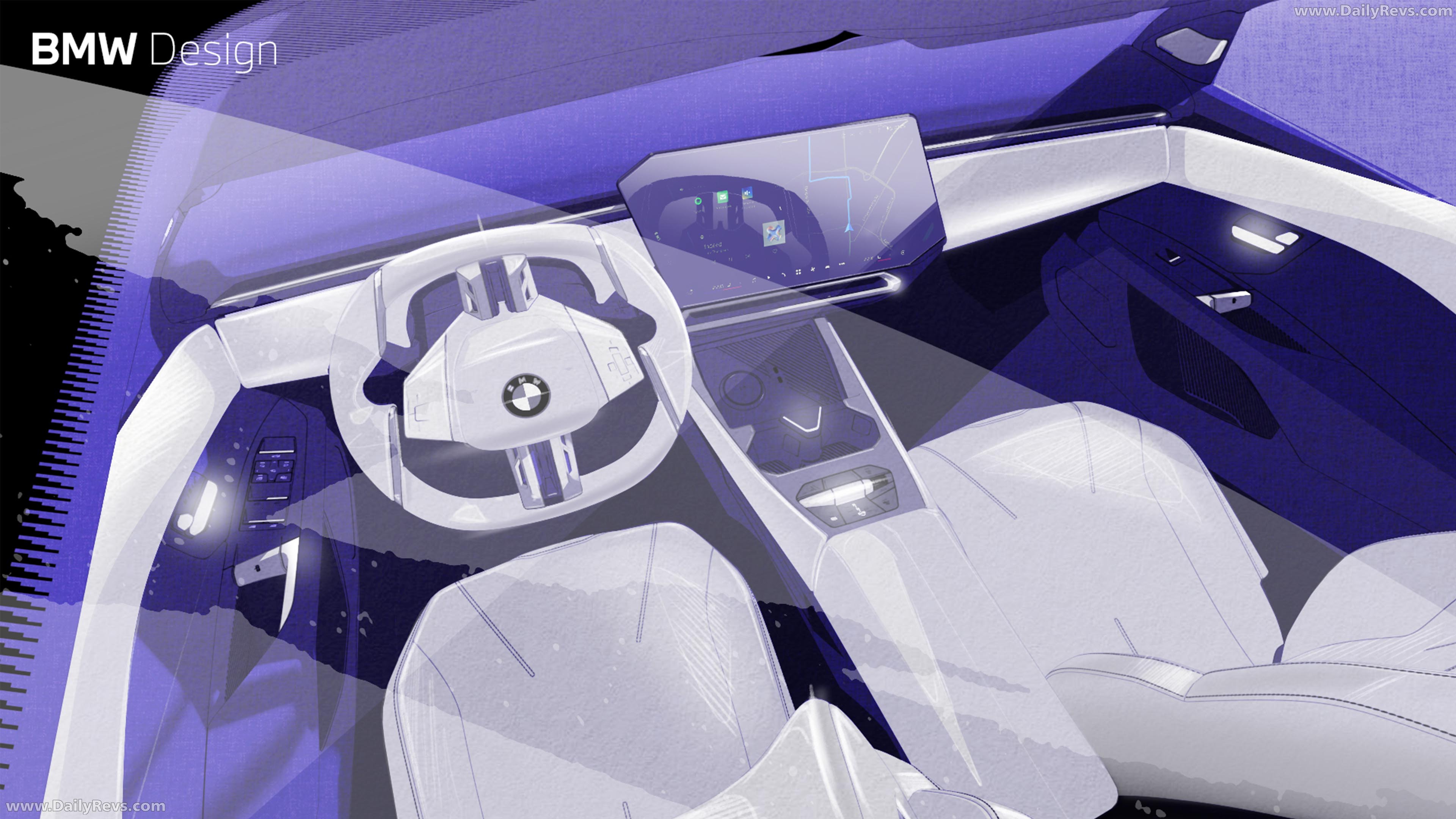
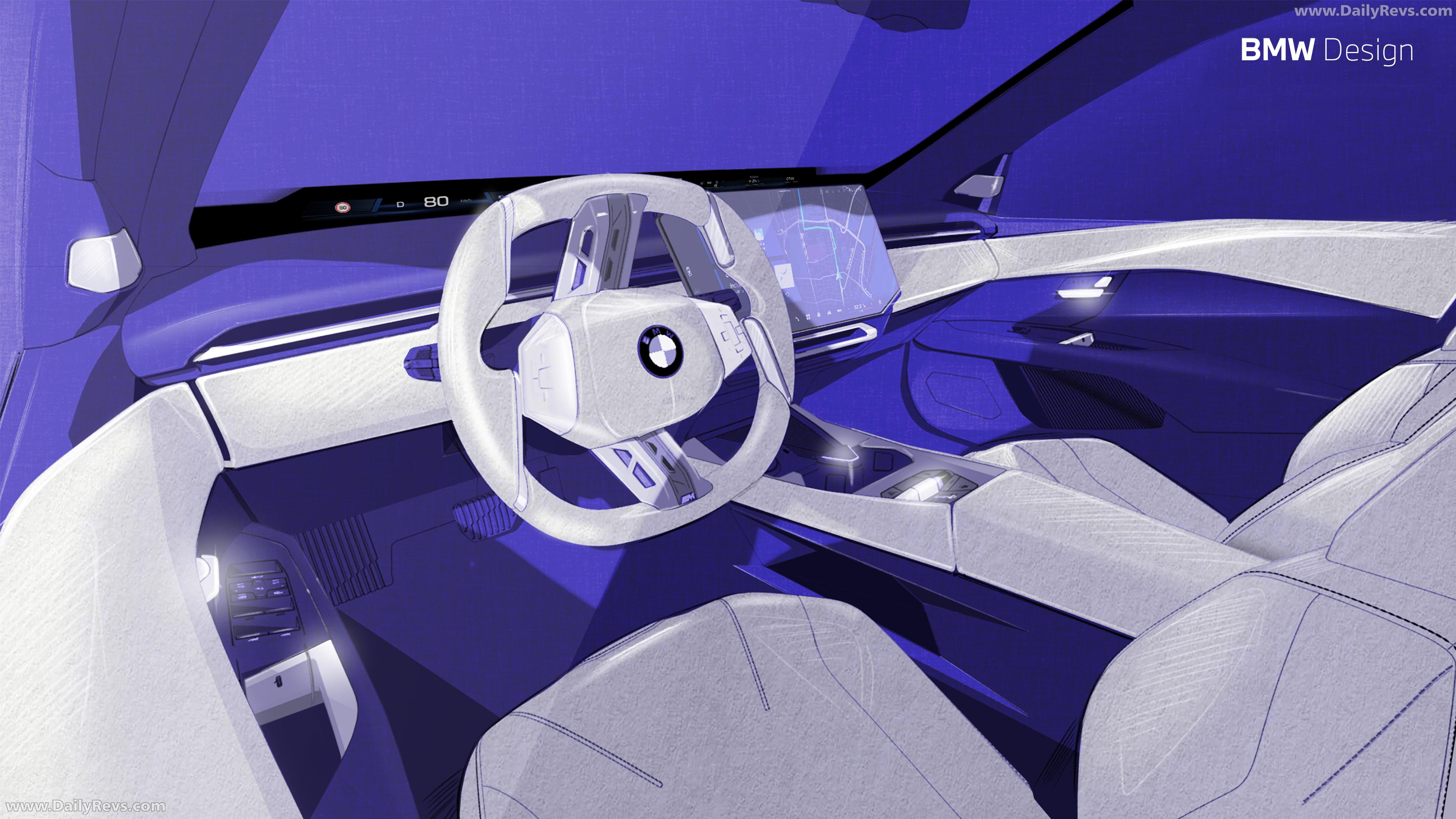
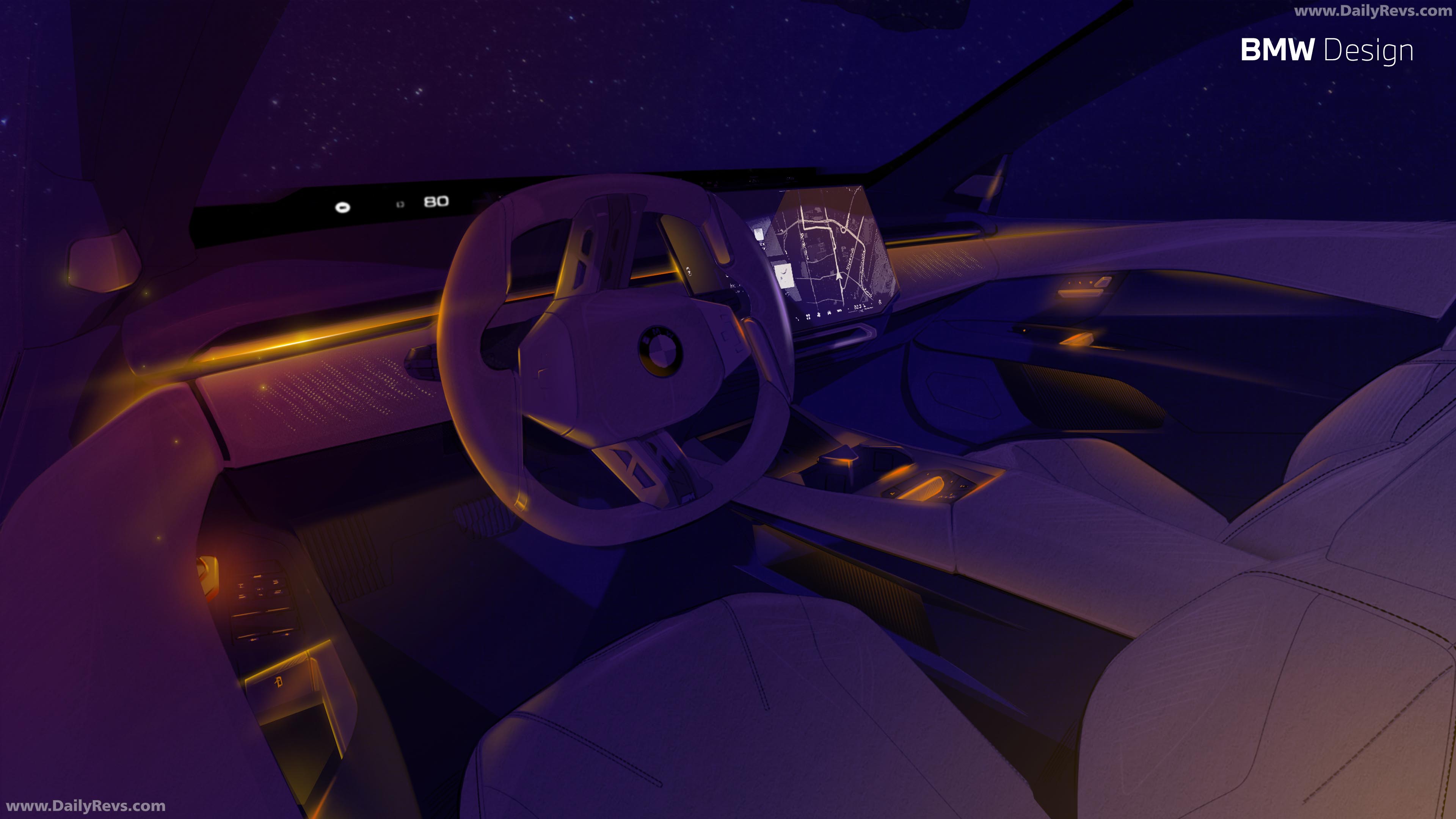
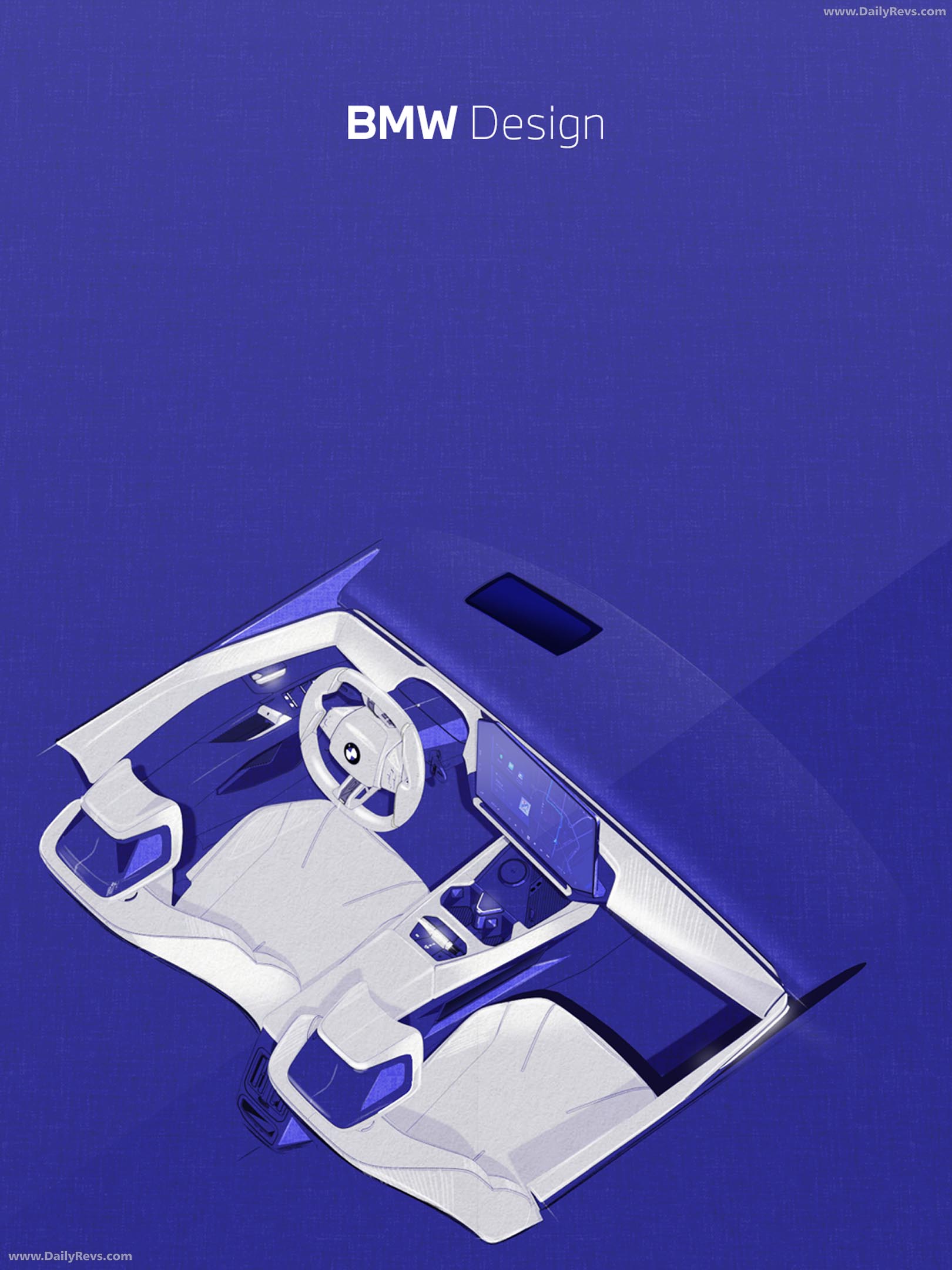
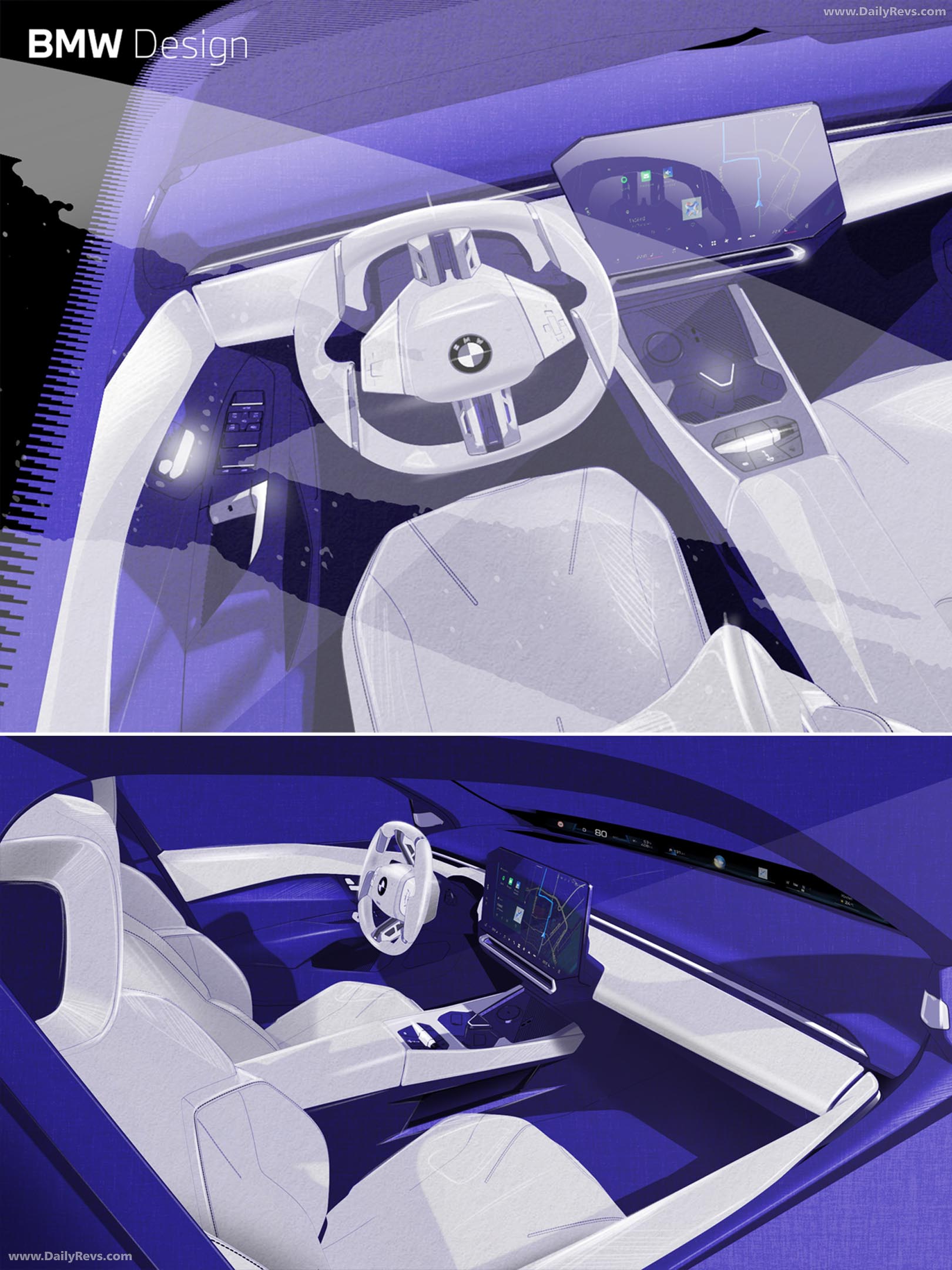
Inside, the layout leans heavily on BMW’s new Panoramic iDrive system. Instead of a traditional cluster, information is projected across the lower windscreen, paired with a large central display angled toward the driver.
It’s a different way of presenting information, though still rooted in the brand’s “eyes on the road” philosophy. The steering wheel integrates haptic controls, and most functions can be accessed through touch or voice. There’s also support for multiple user profiles, with settings stored and recalled automatically.
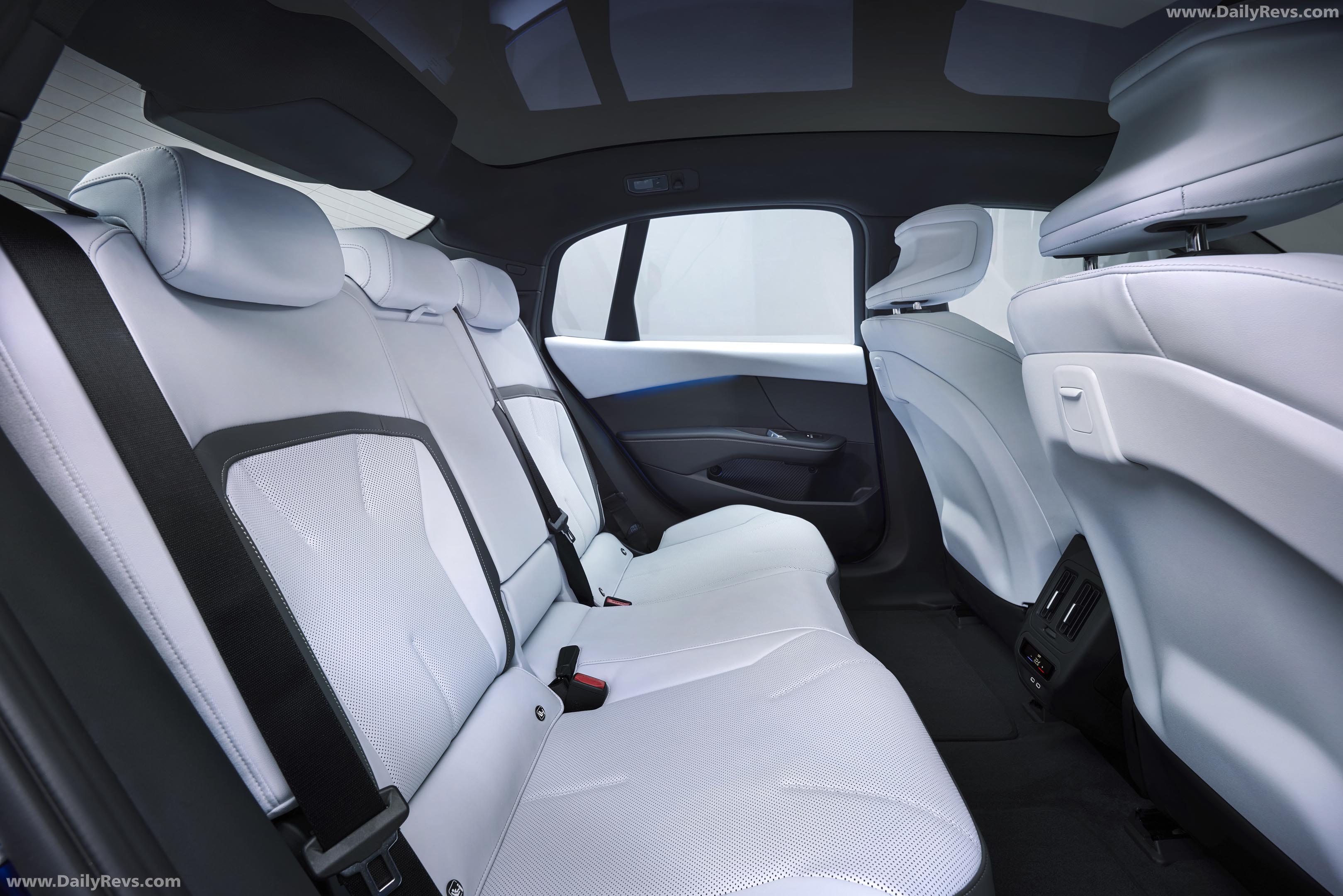
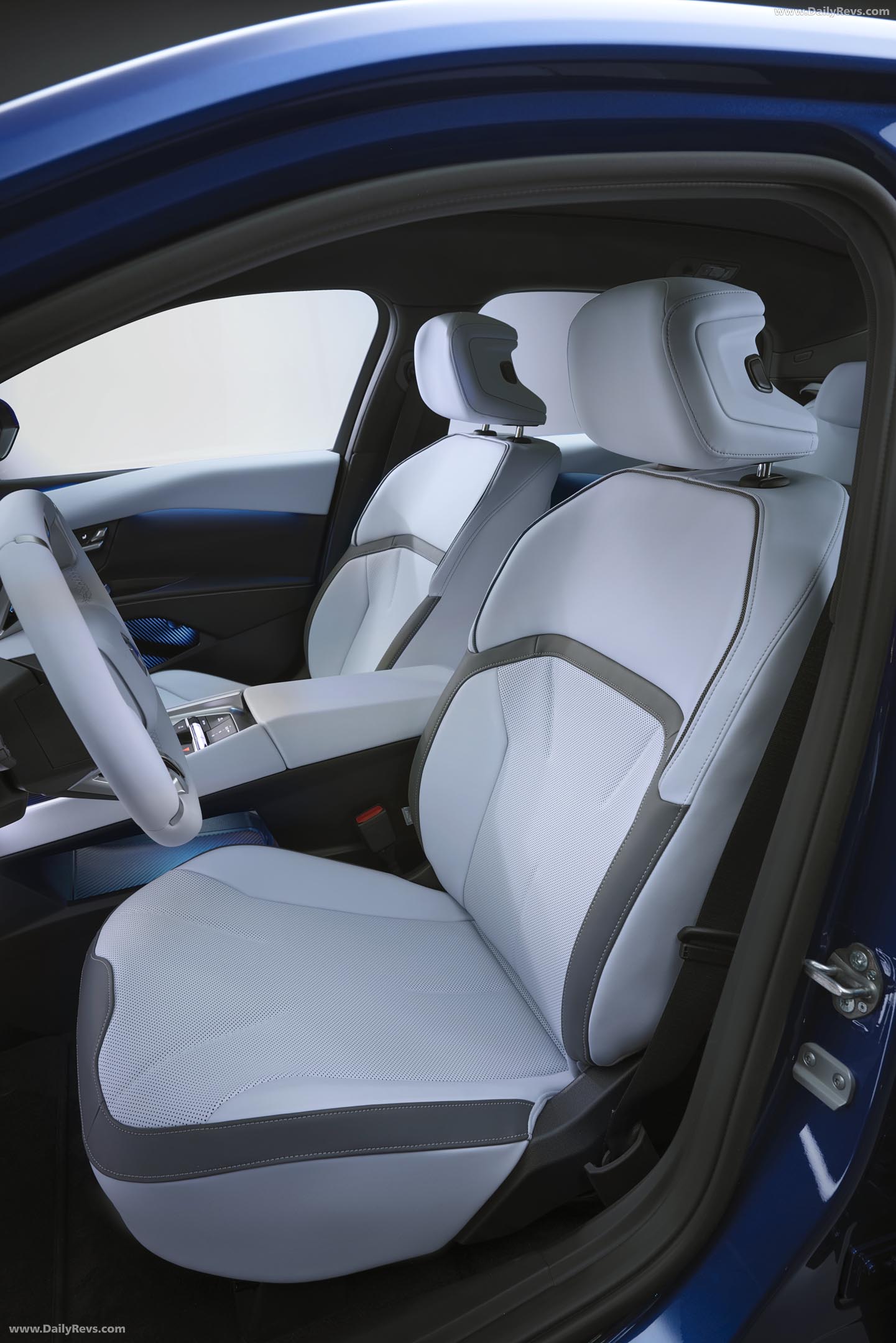
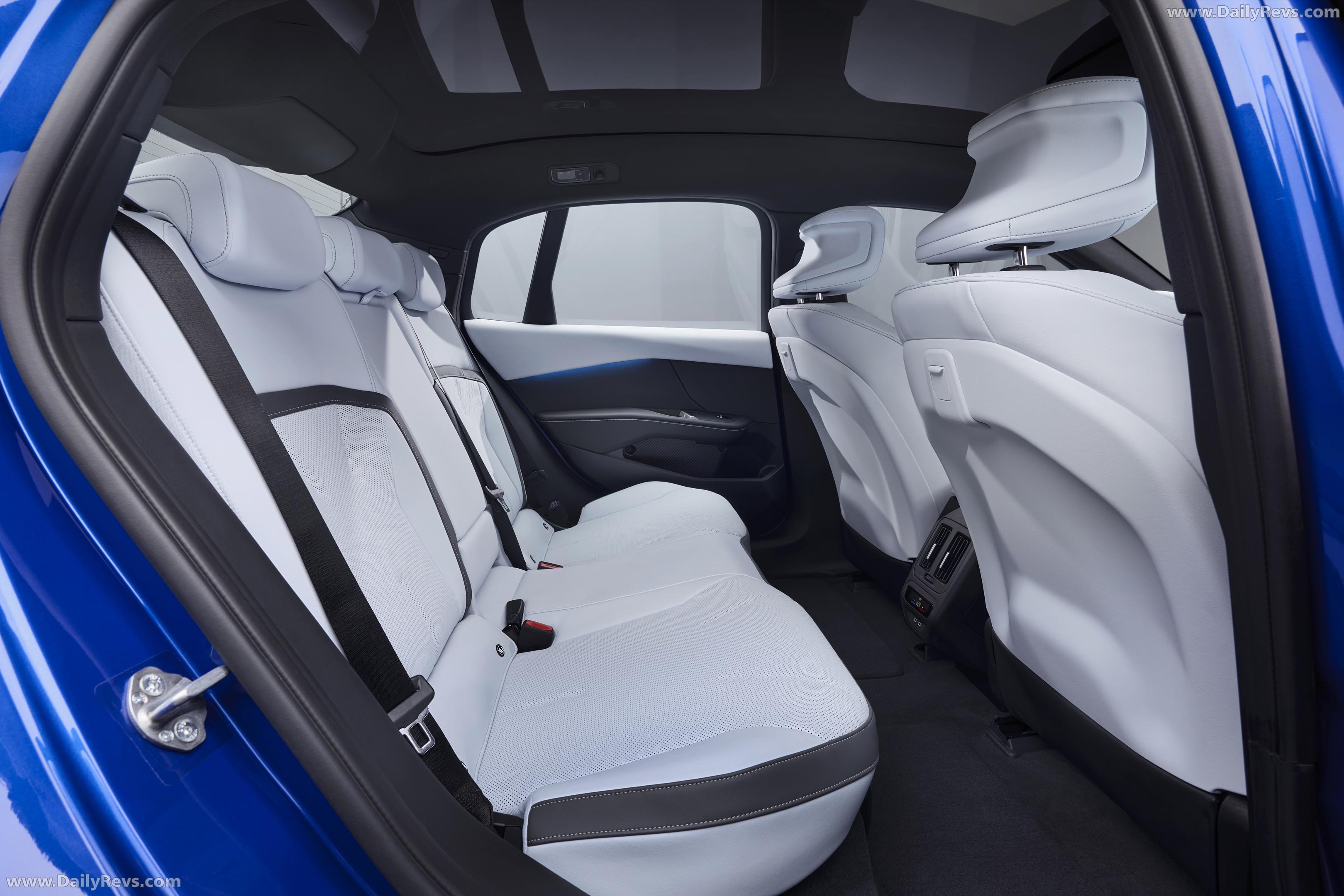
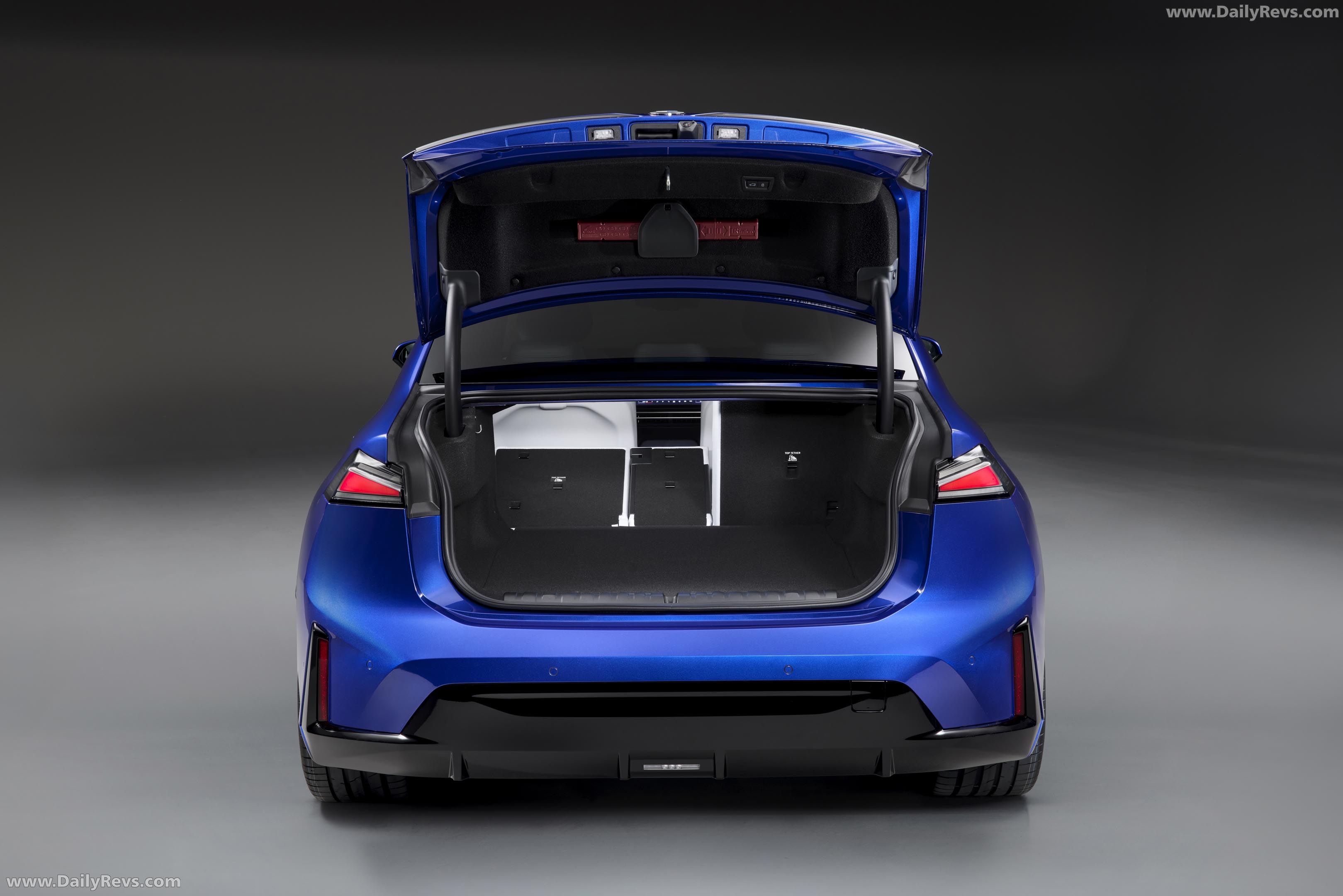
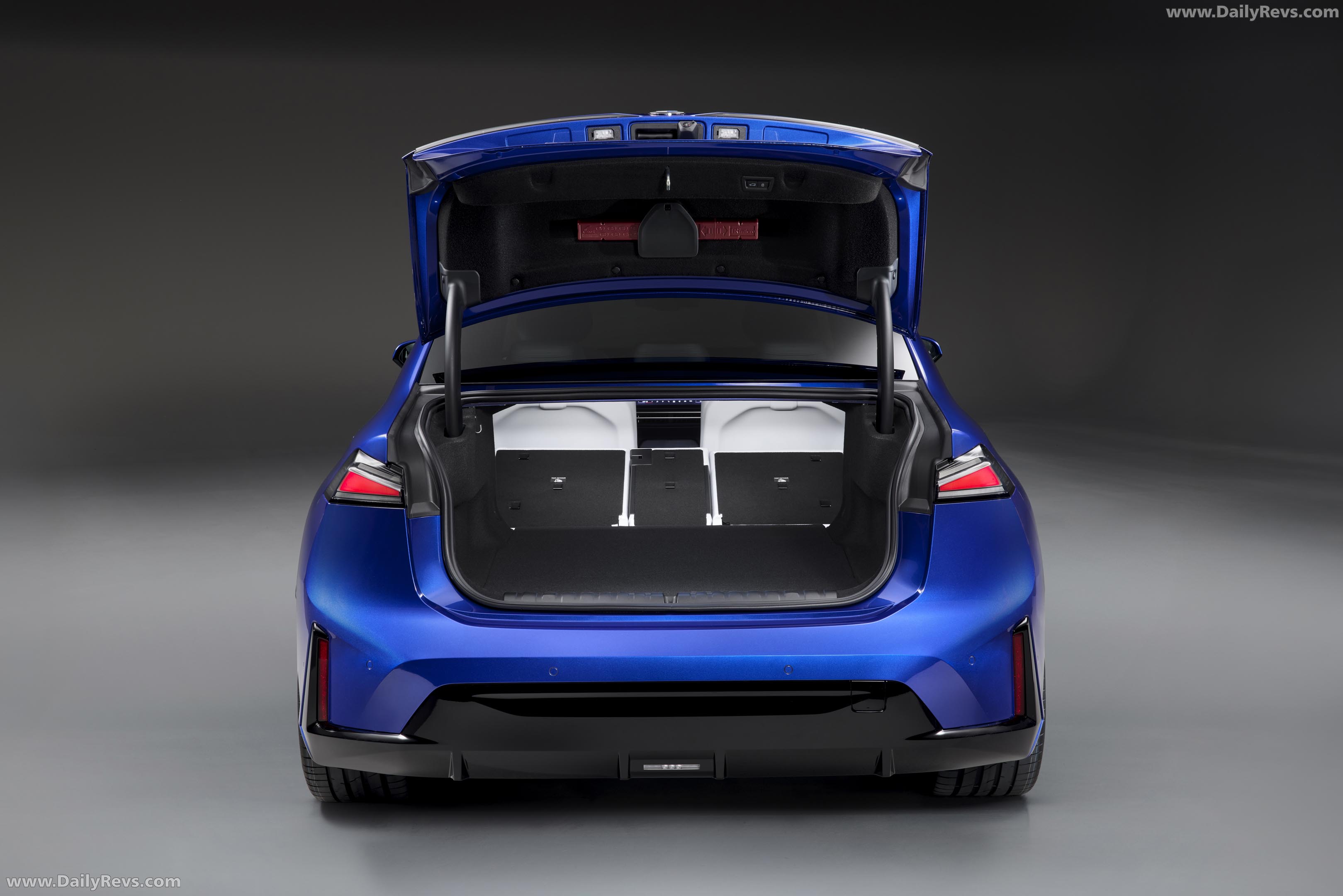
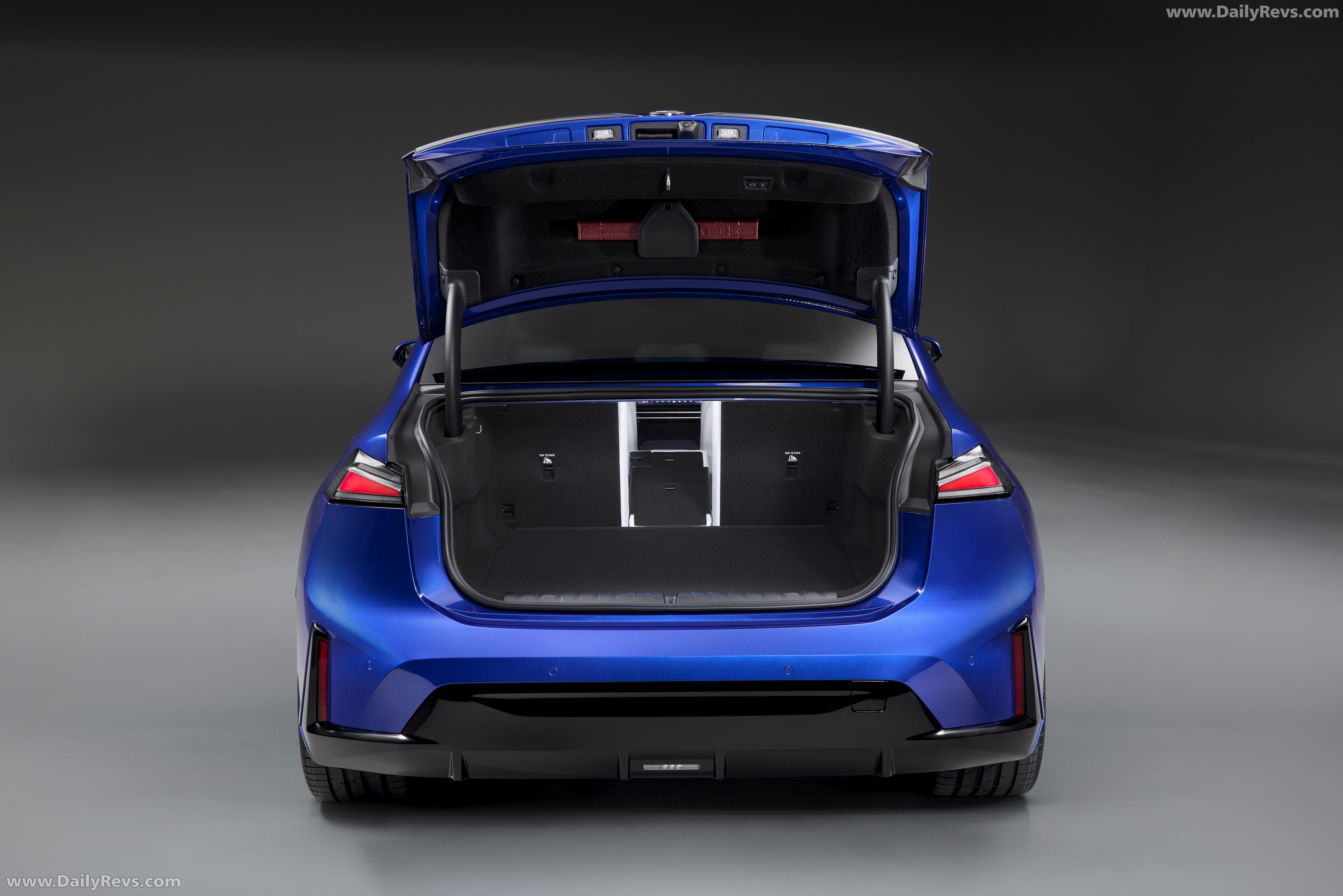
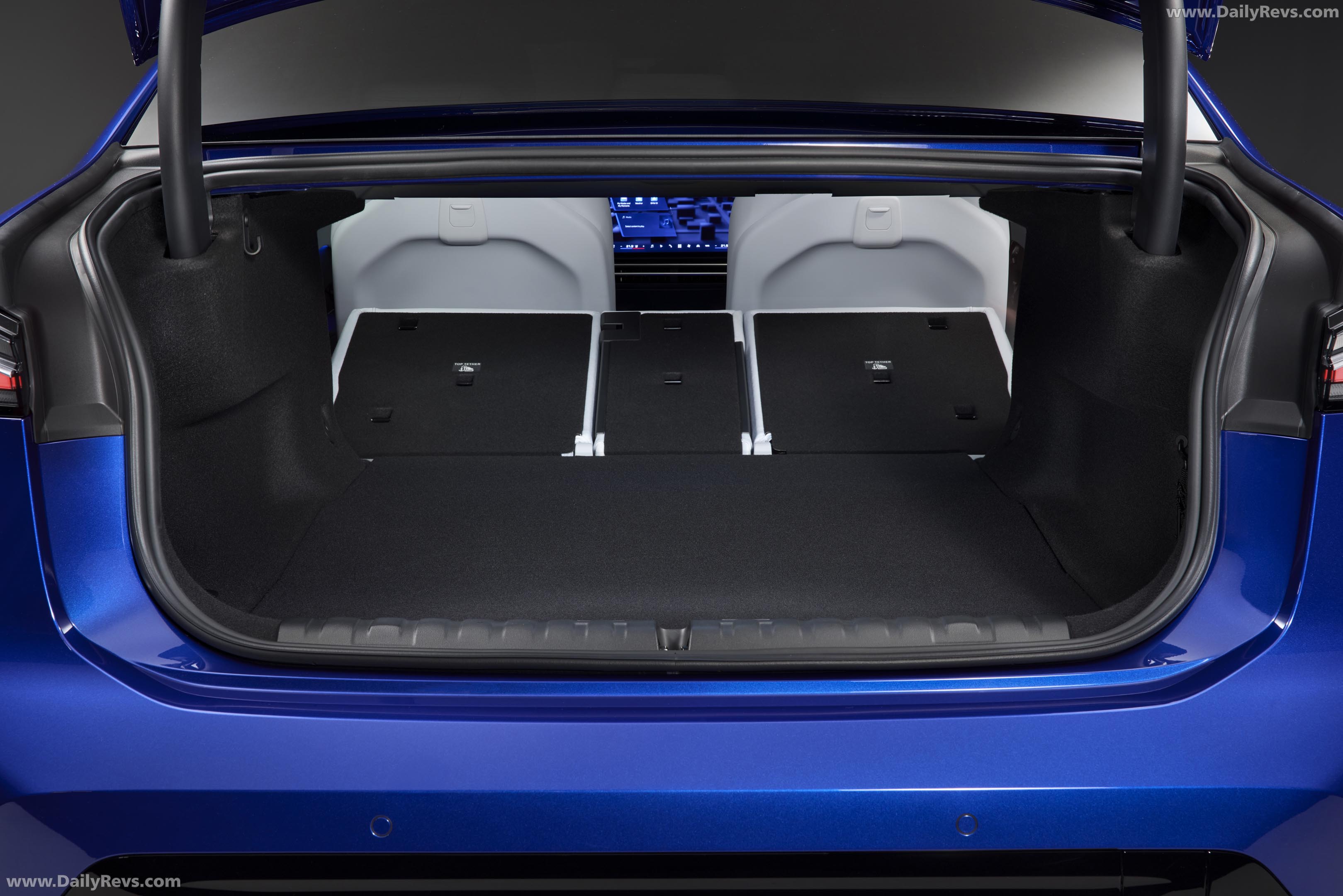
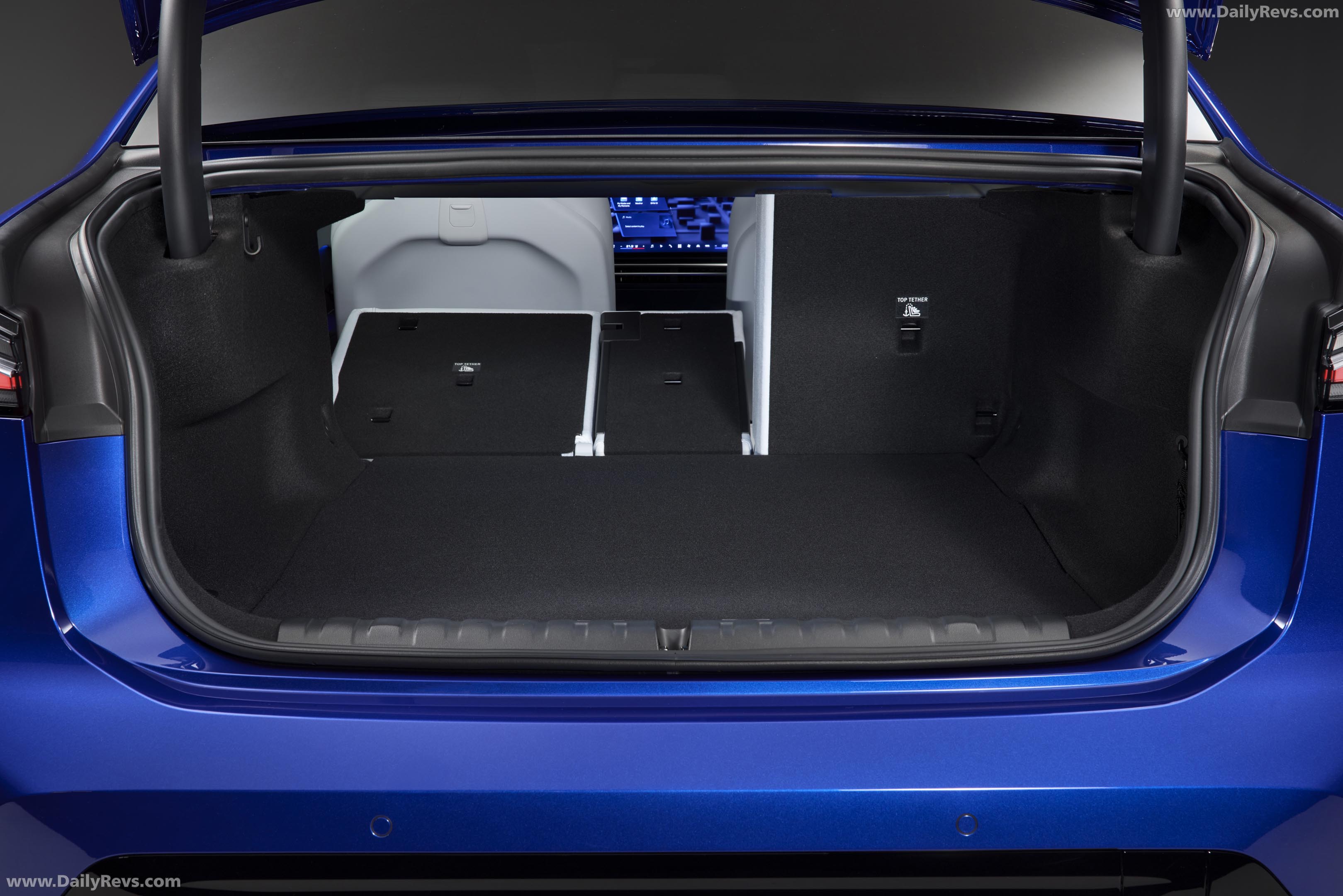
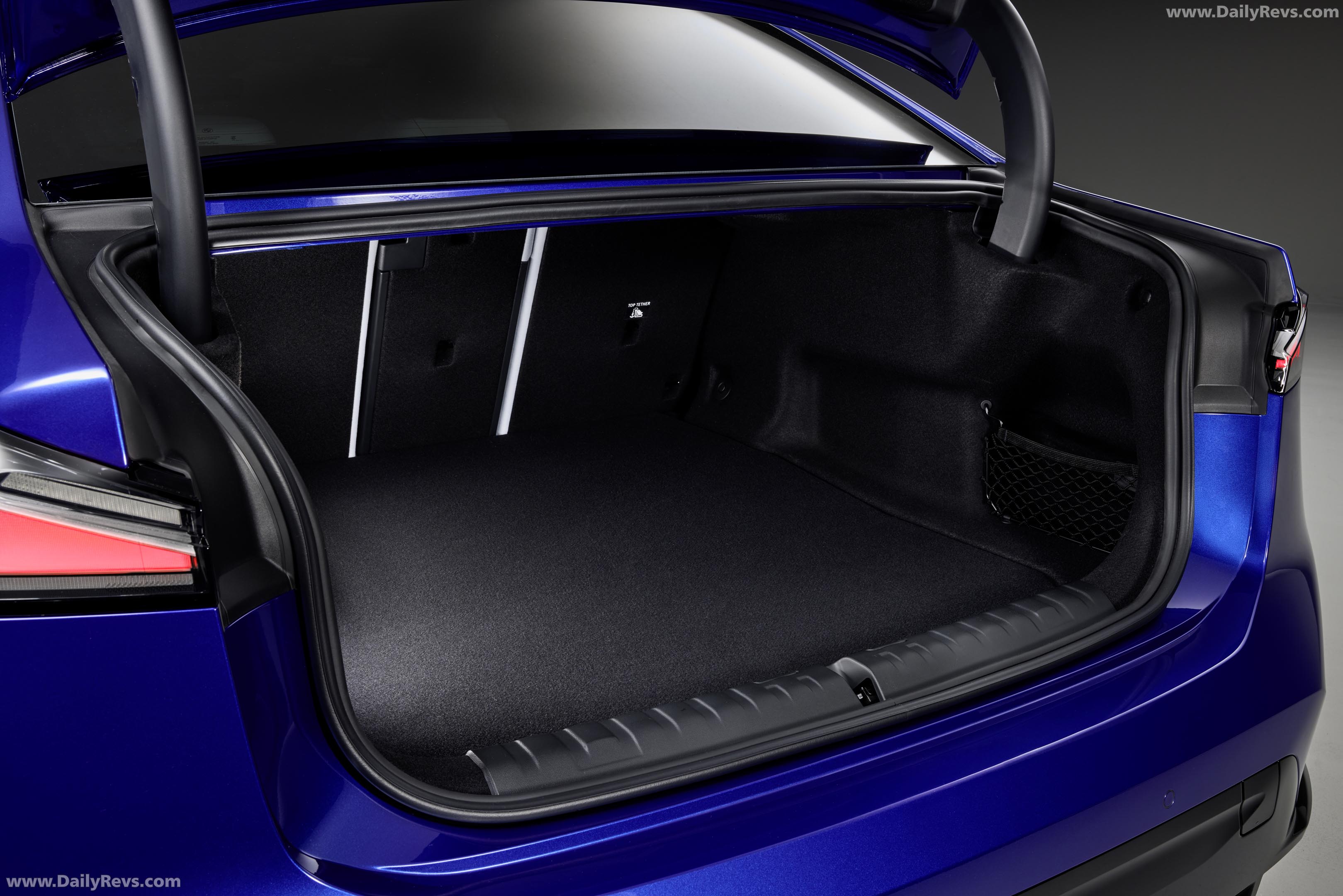
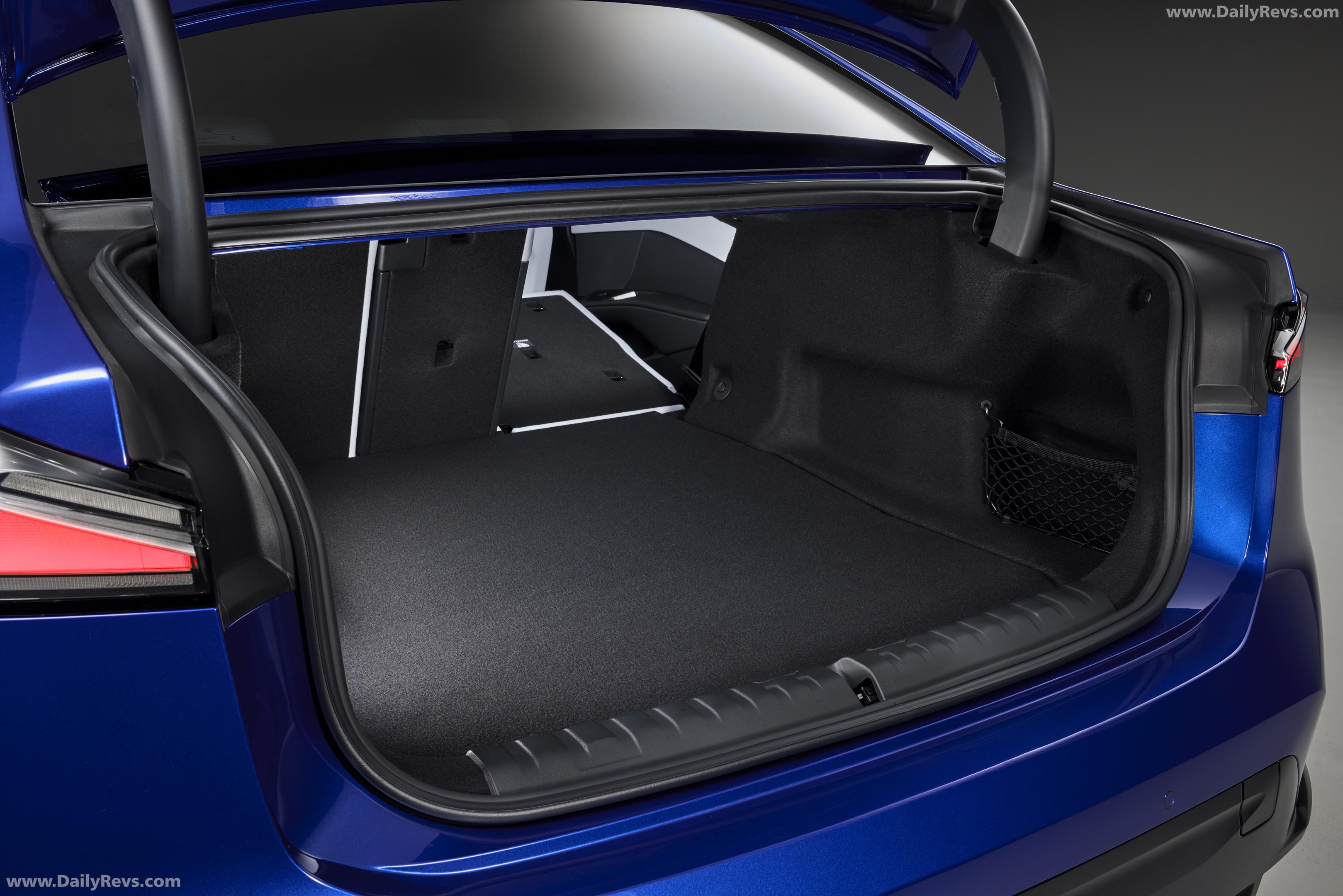
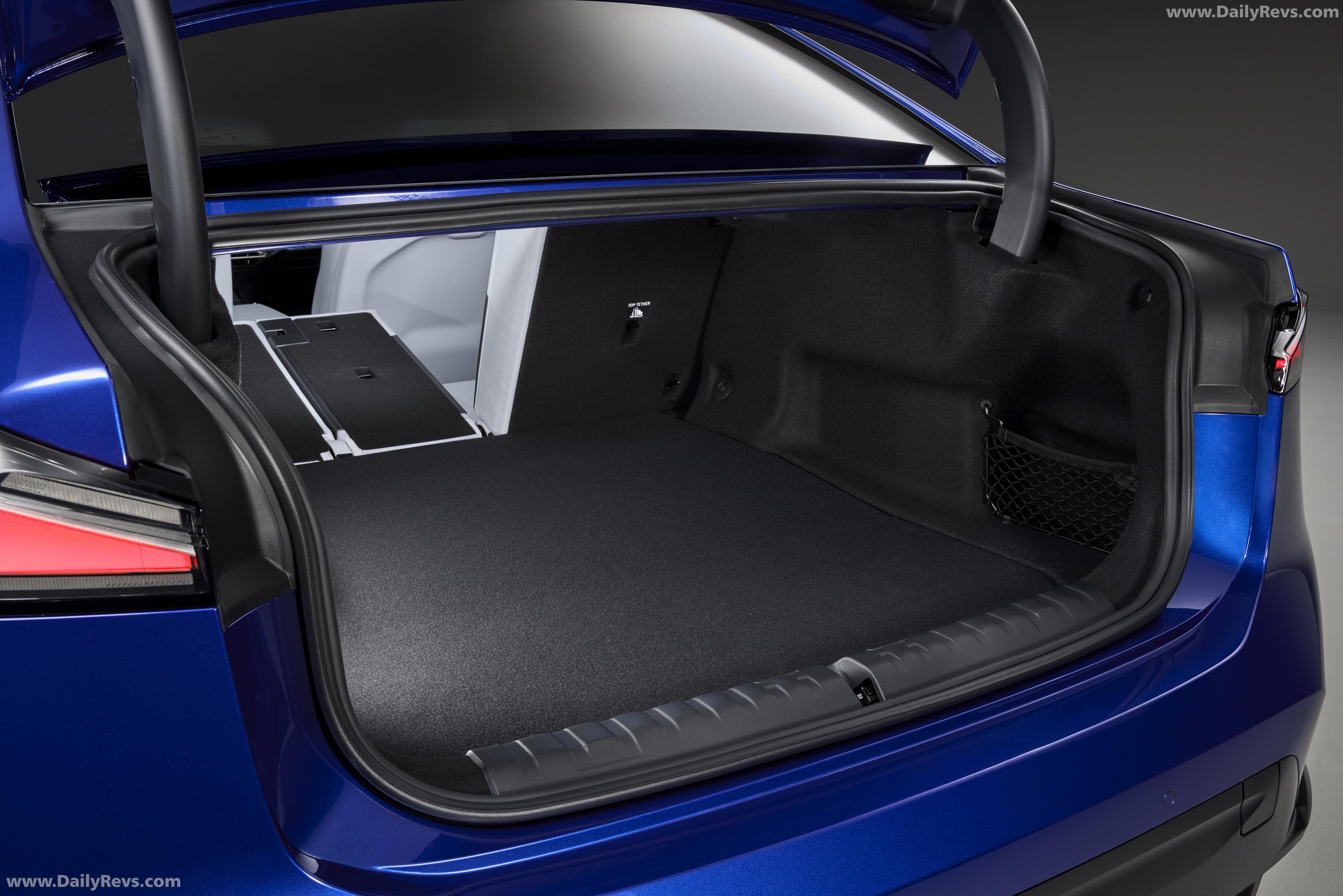
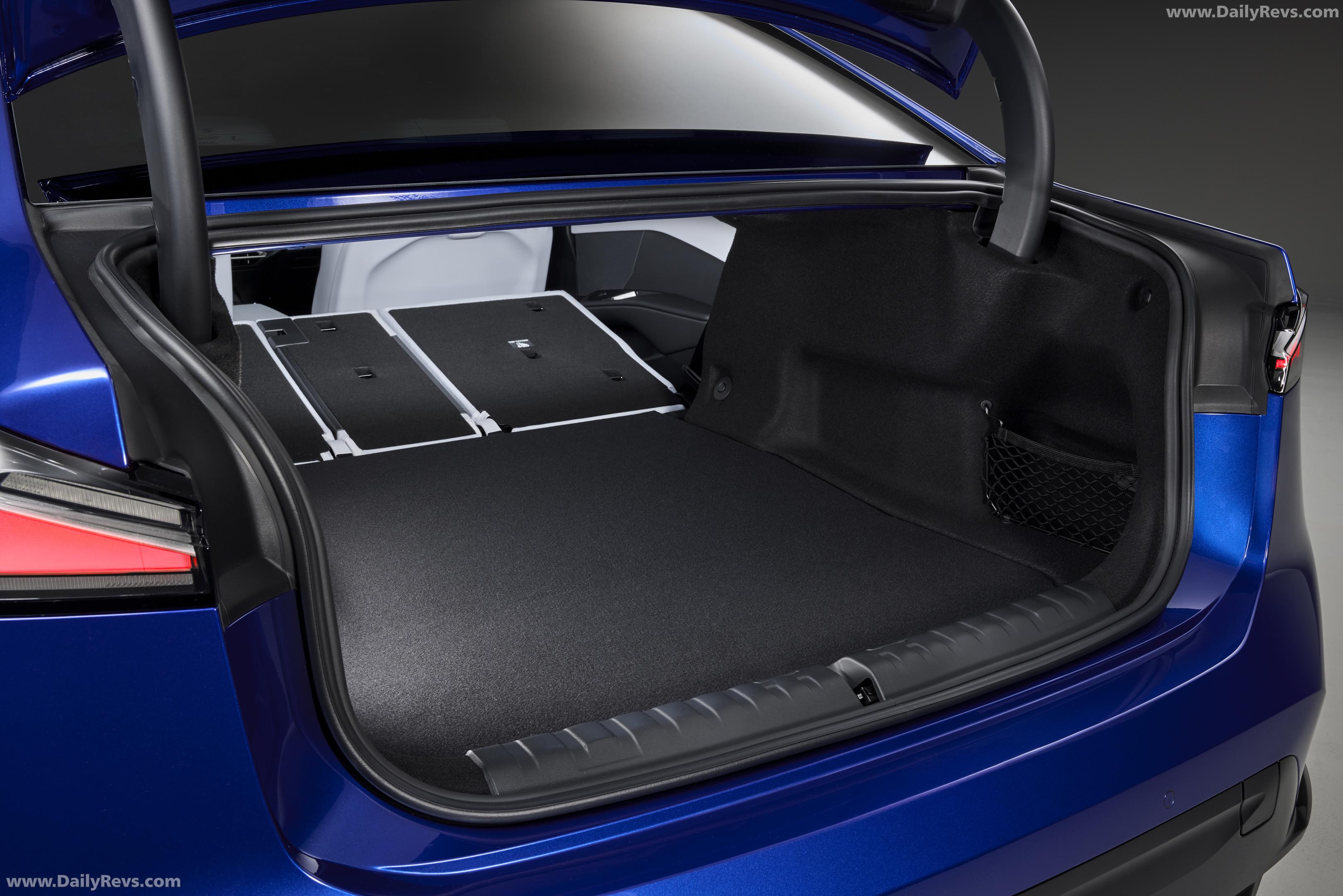
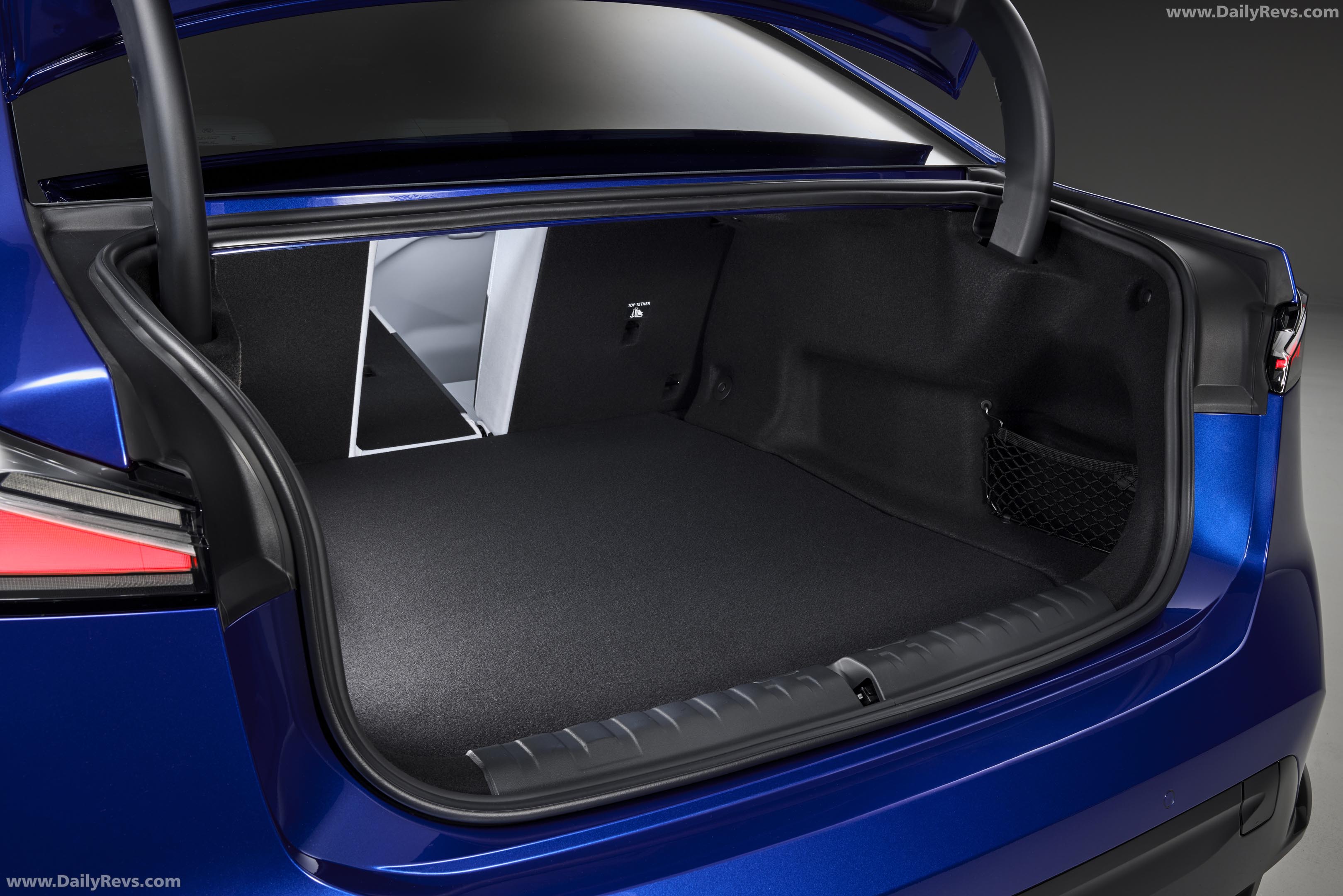
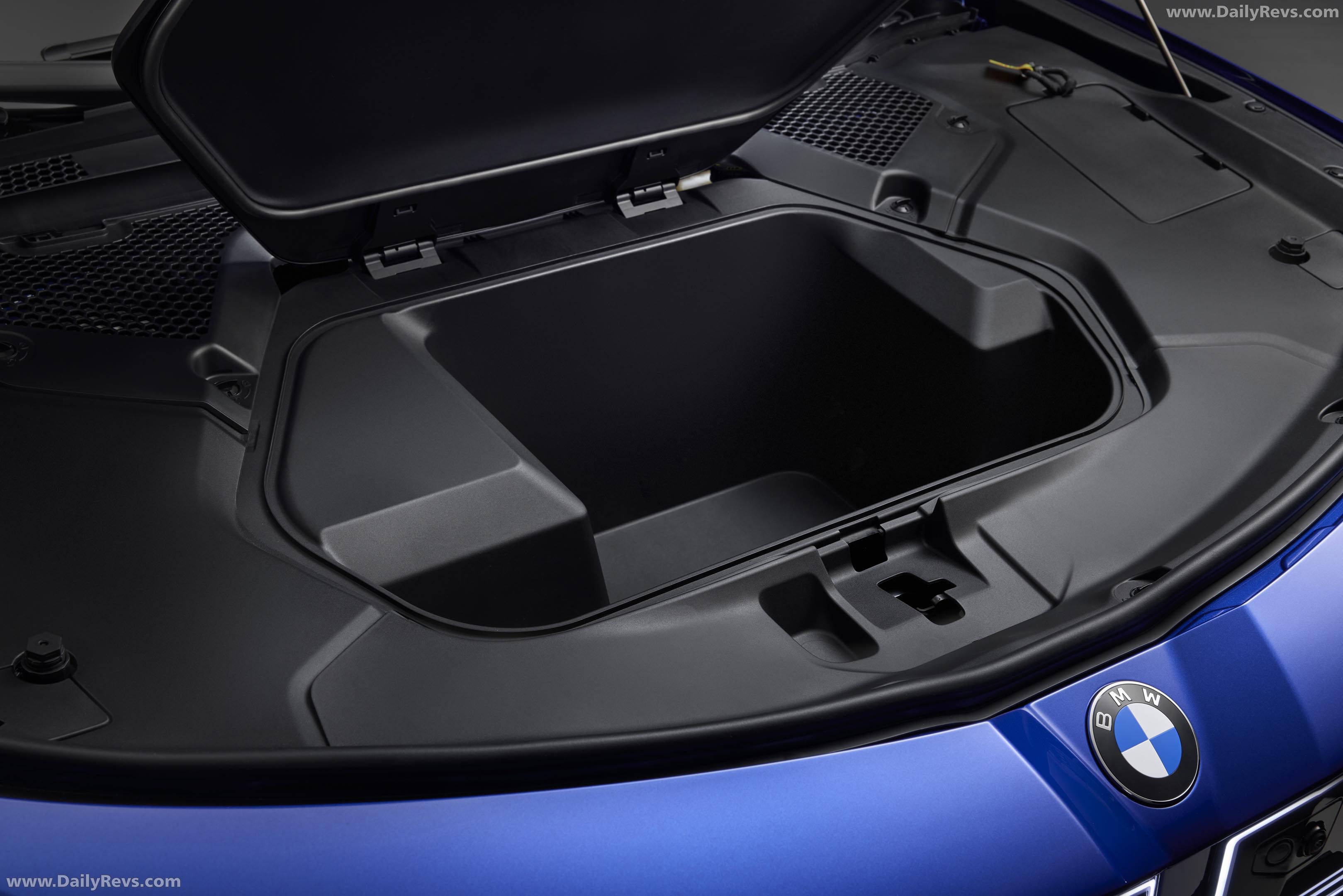
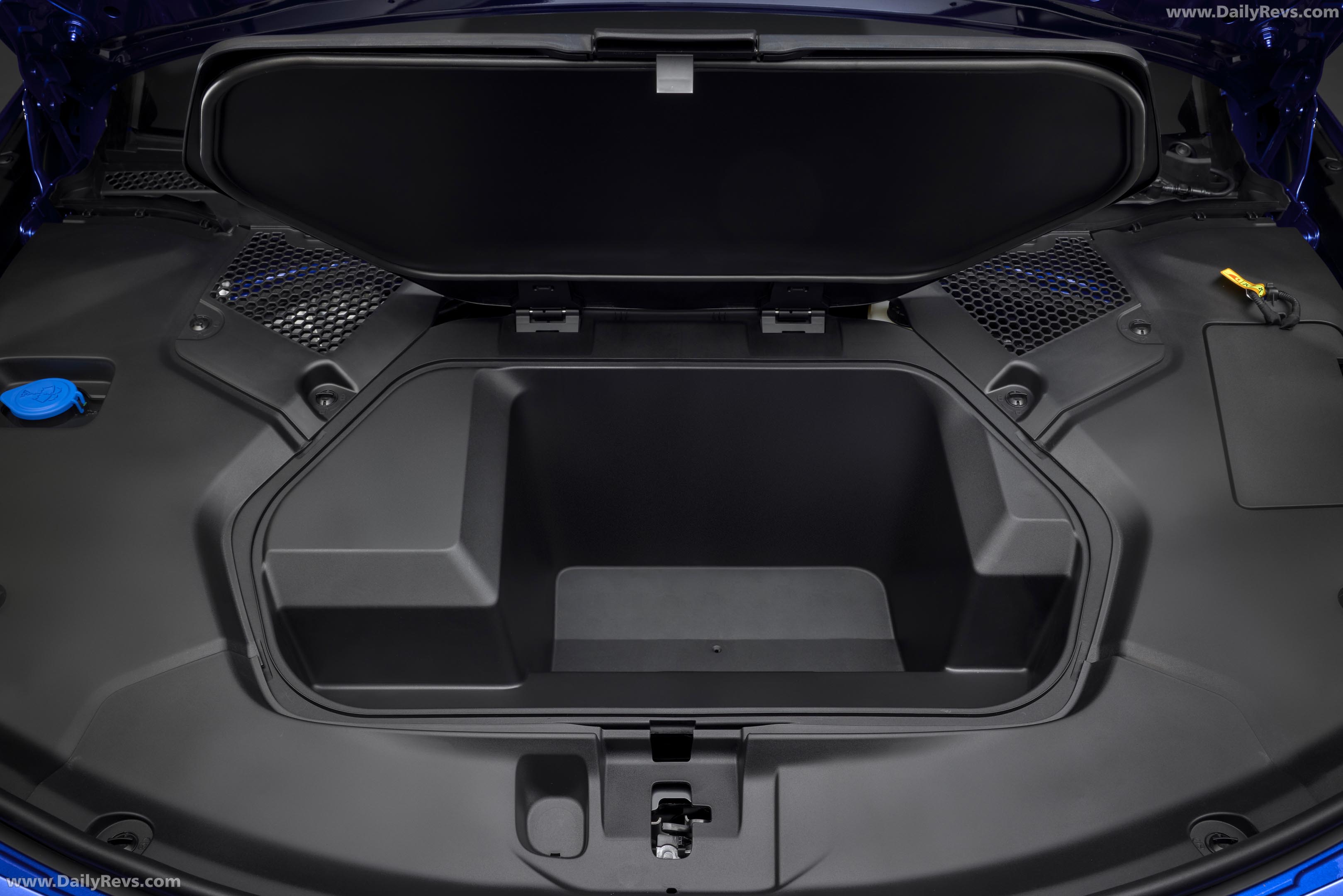
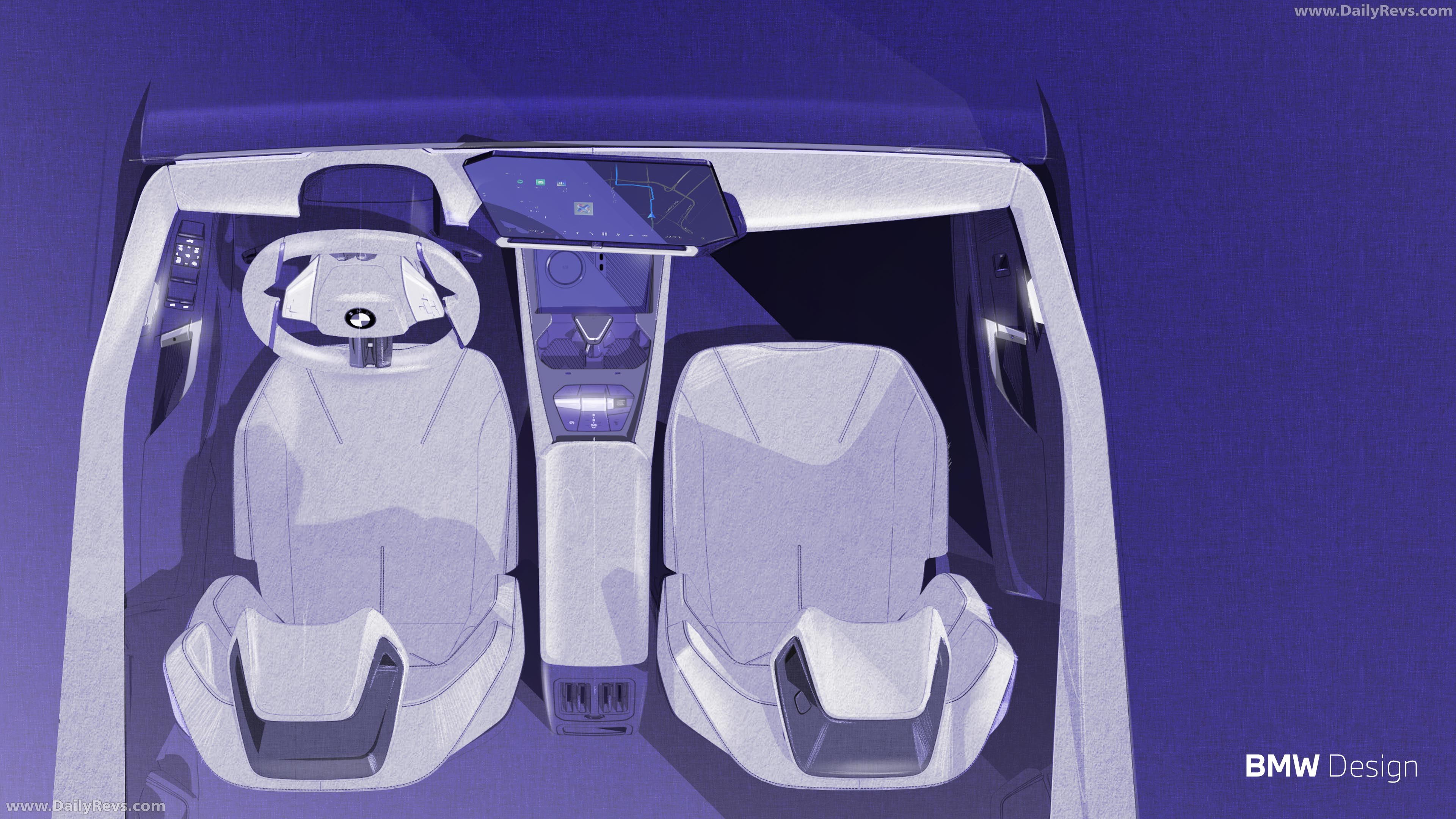
Space benefits from the electric architecture. The flat battery layout allows for a more open cabin, while large glass areas and an optional panoramic roof help give it a lighter feel overall.
New-generation electric hardware underneath
The i3 50 xDrive introduces BMW’s sixth-generation eDrive system. It runs on an 800-volt architecture and uses new round-cell batteries with higher energy density.
Range is quoted at up to 900 km under WLTP conditions, though that figure remains provisional. Charging speeds are equally notable. At peak rates of up to 400 kW, the car can add roughly 400 km of range in about 10 minutes under ideal conditions.
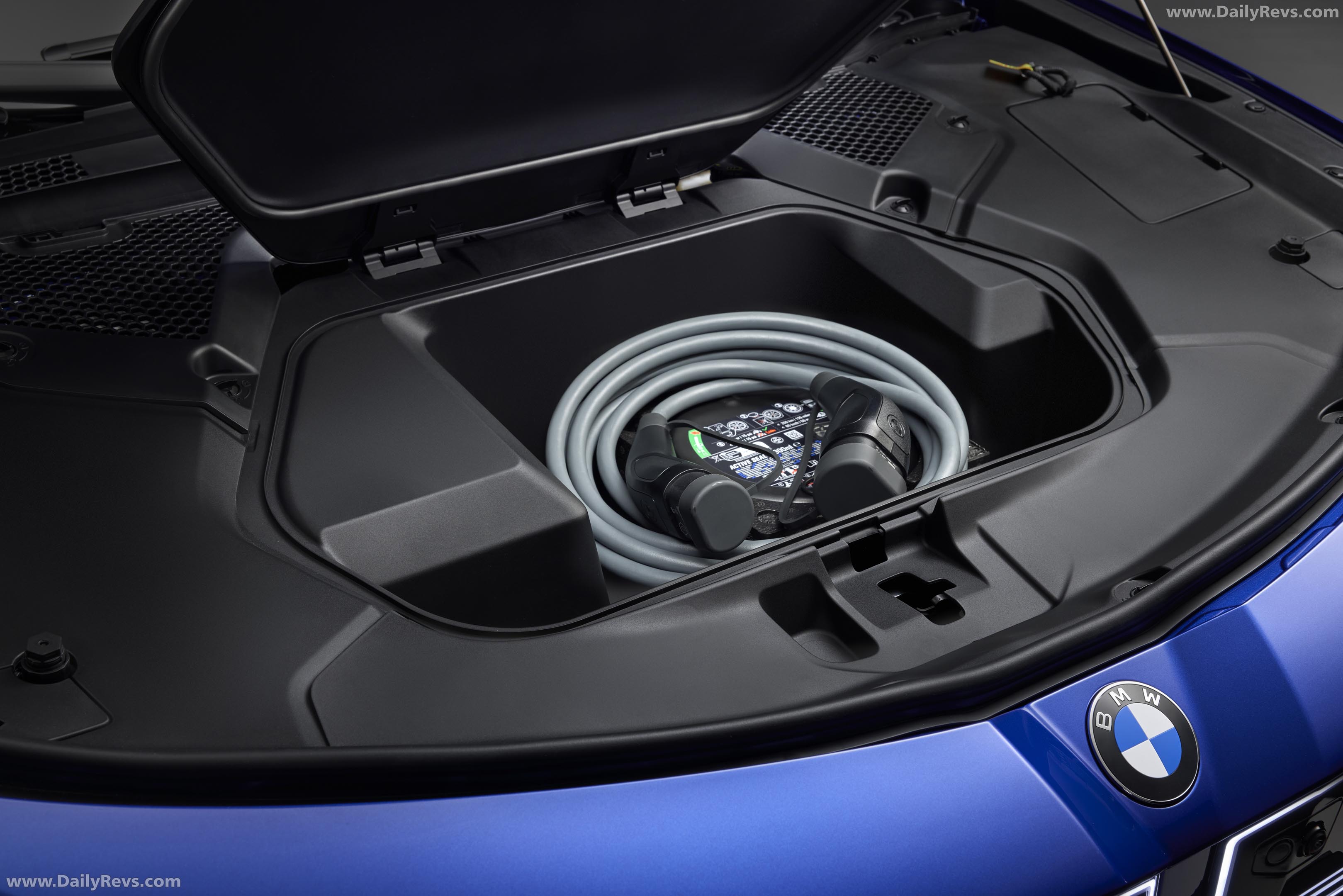
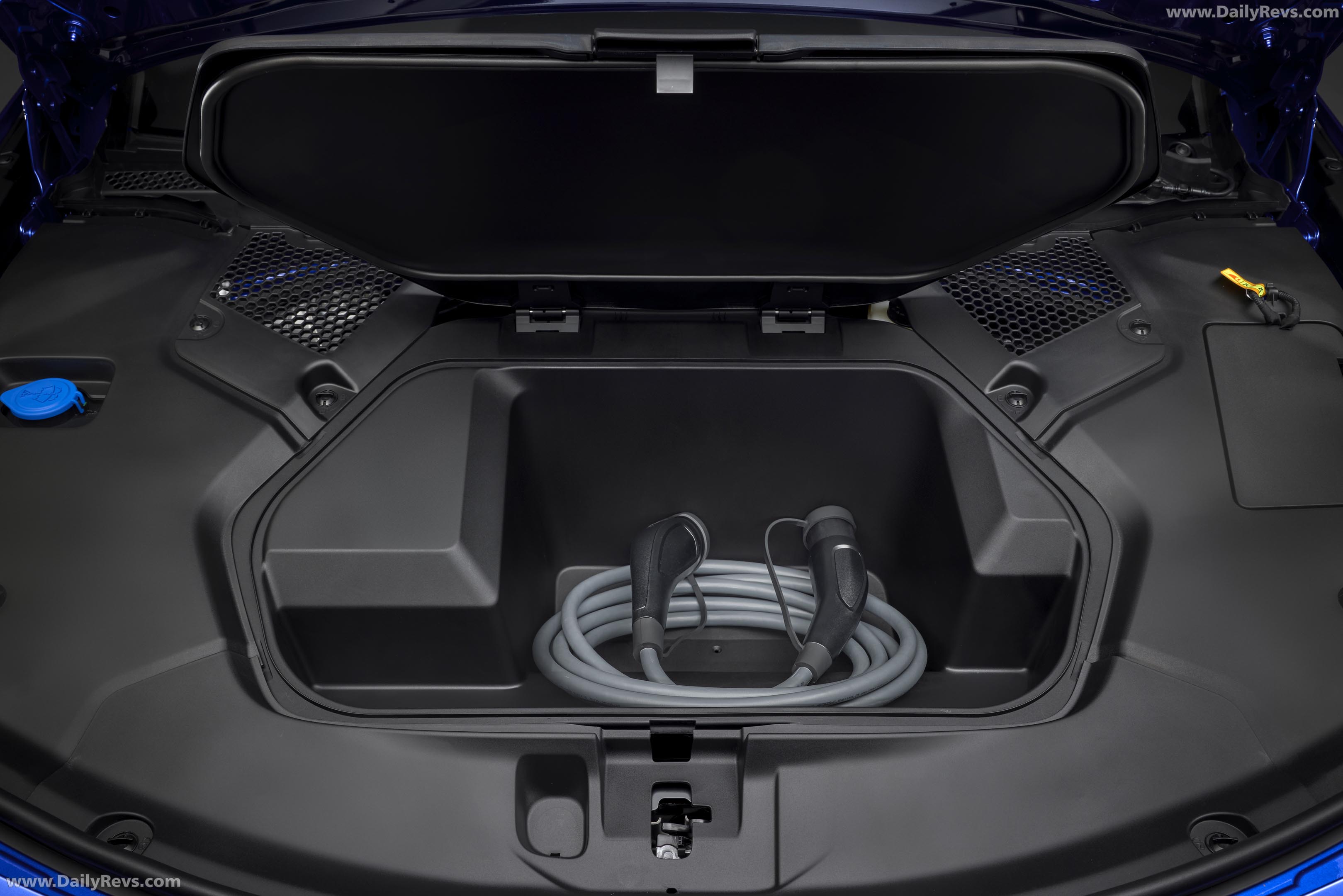
The system also supports bidirectional charging, allowing the vehicle to act as a power source for external devices or even feed energy back into a home or grid setup.
Driving feel shaped by software as much as hardware
BMW places a lot of emphasis on a new control system called the “Heart of Joy.” It manages key driving inputs such as acceleration, braking, and energy recuperation, reacting significantly faster than previous systems.
The aim appears to be consistency rather than outright sharpness. Combined with a low center of gravity from the battery placement and a revised suspension setup, the i3 is positioned as both stable over distance and responsive when pushed.