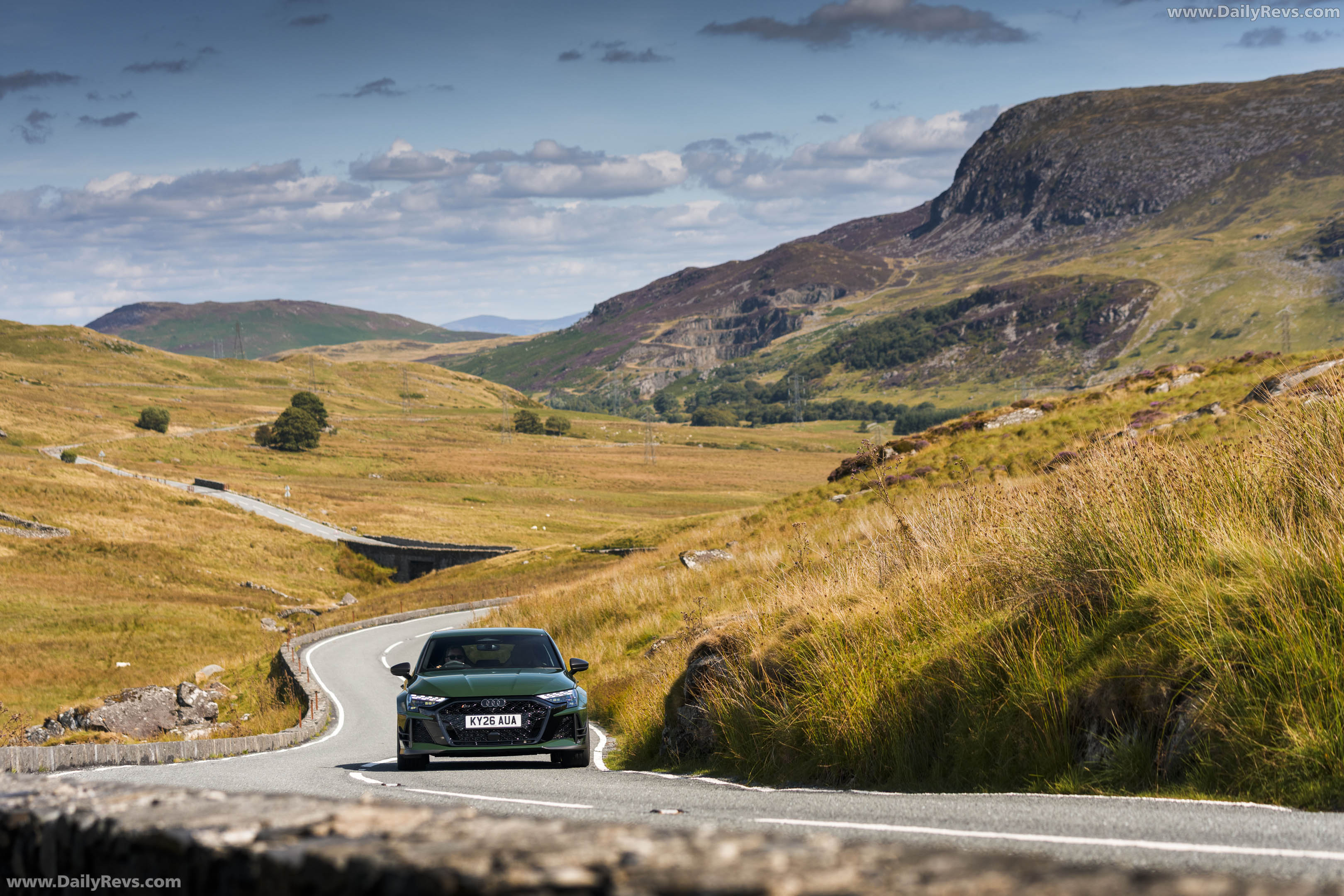
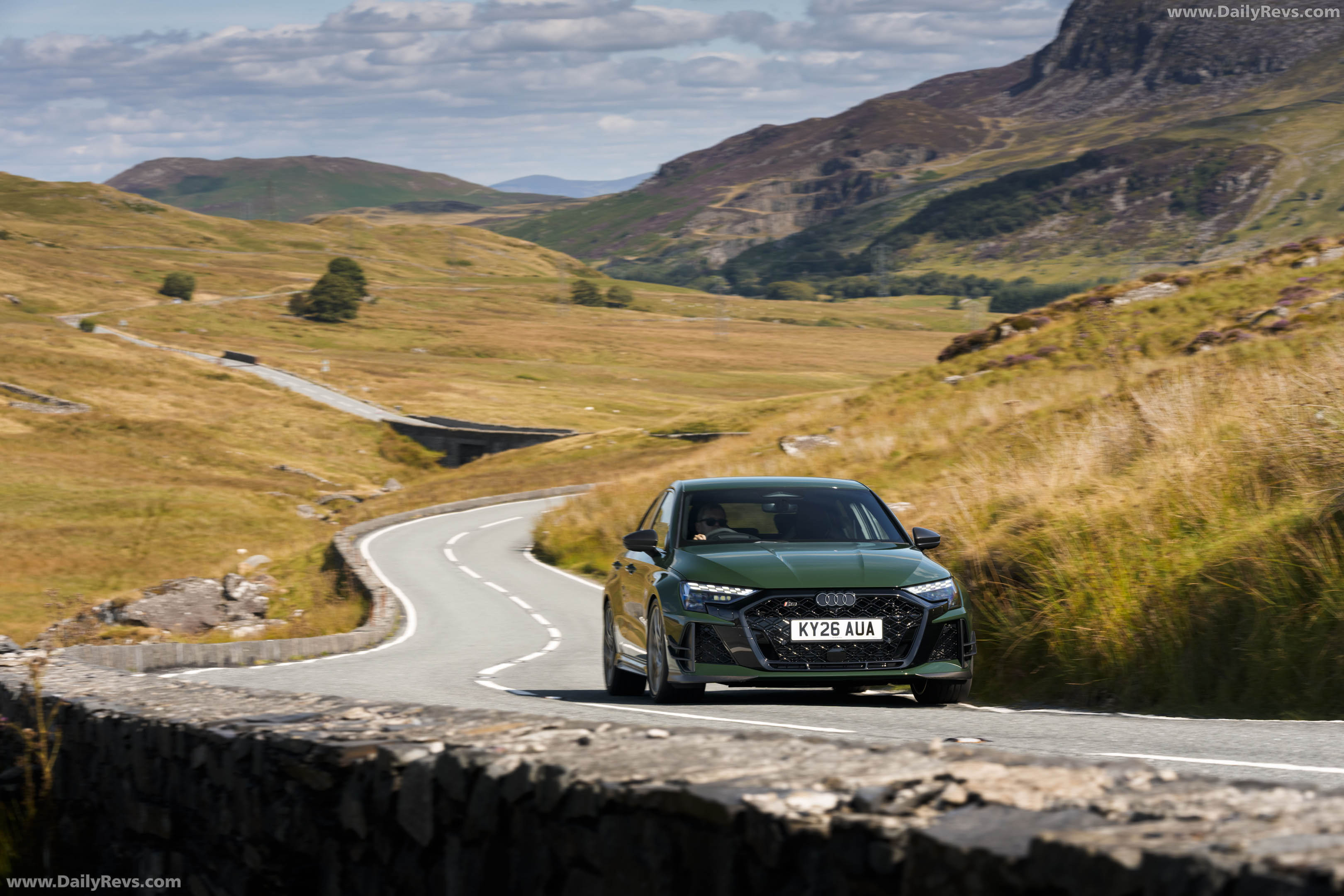
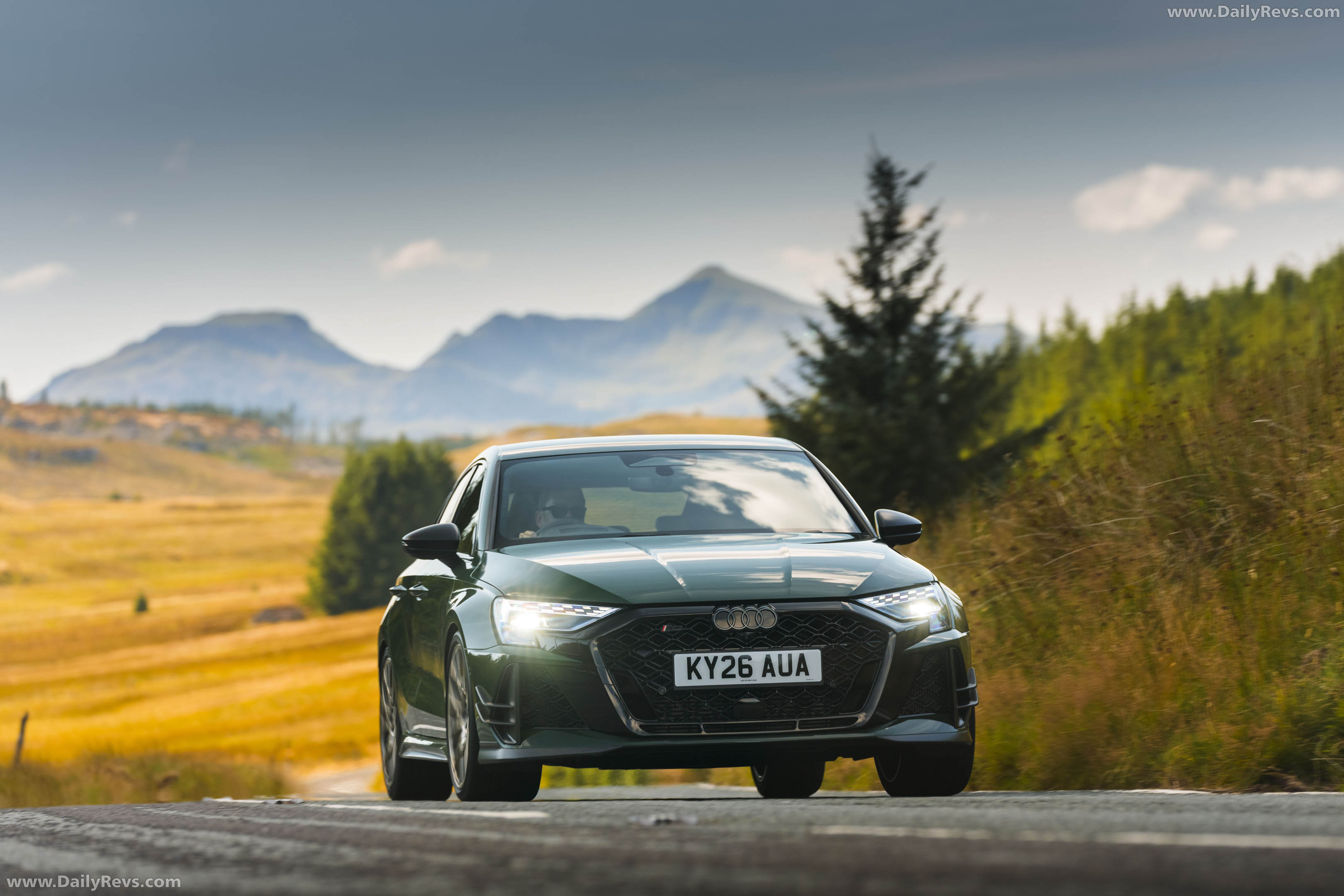
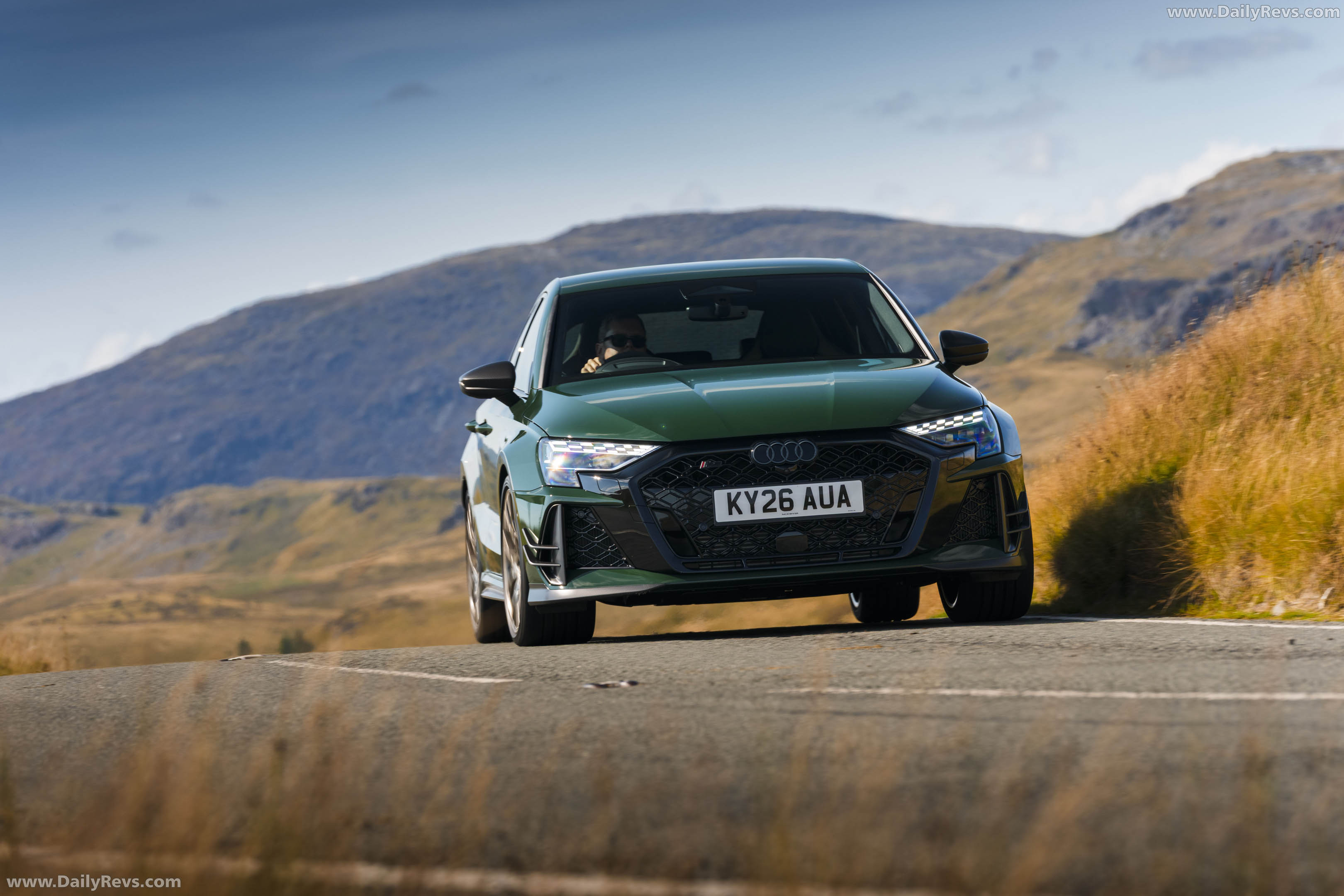
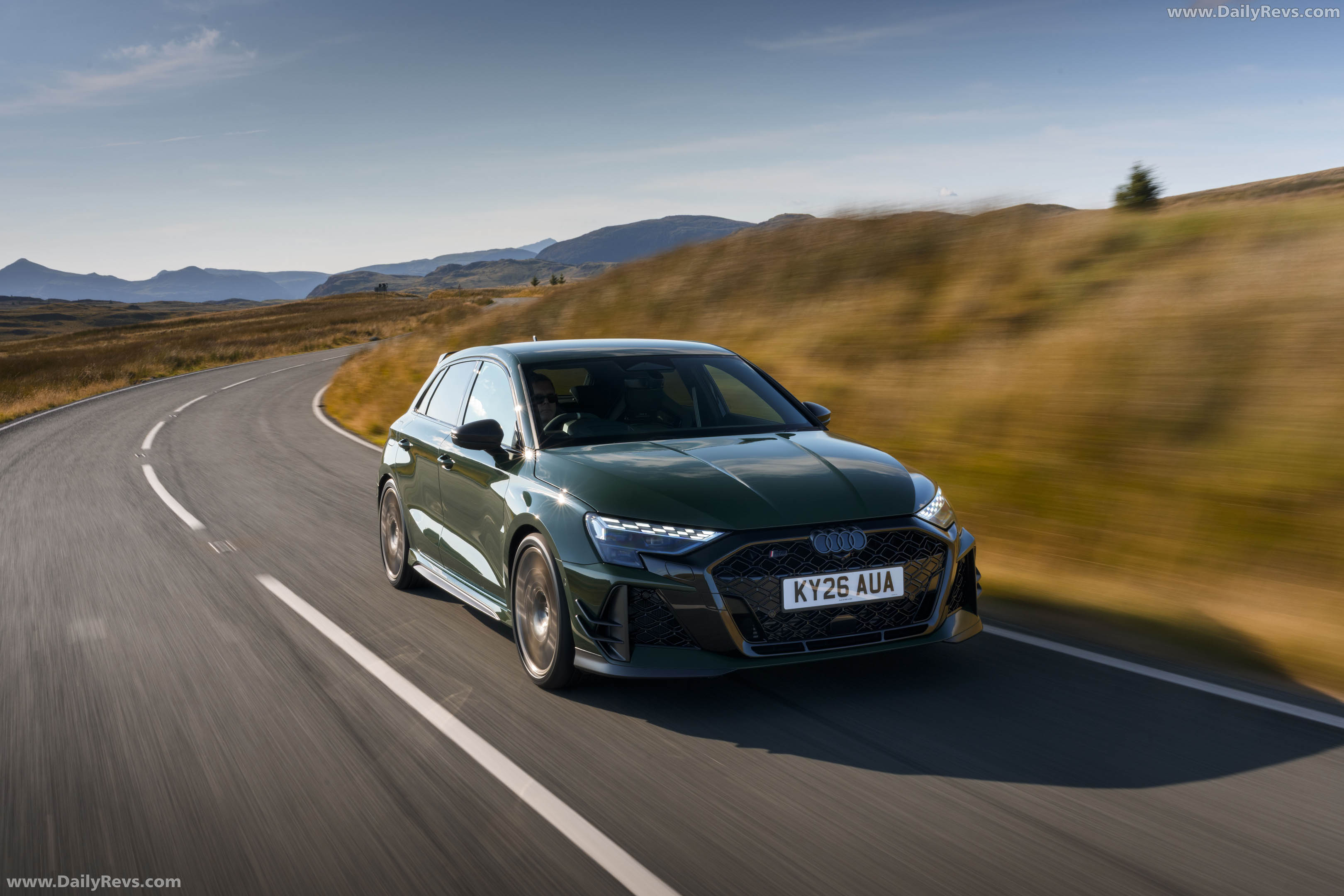
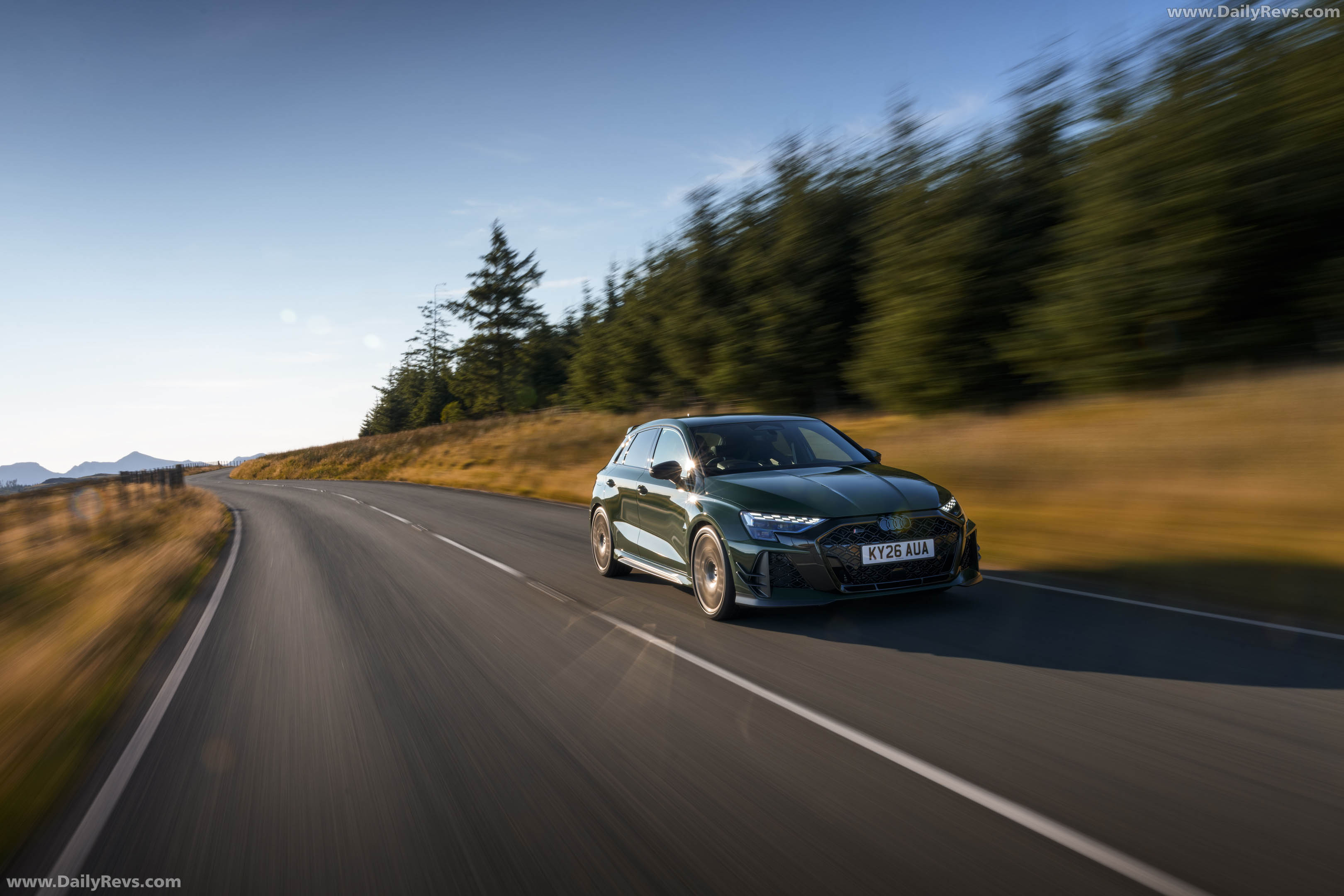
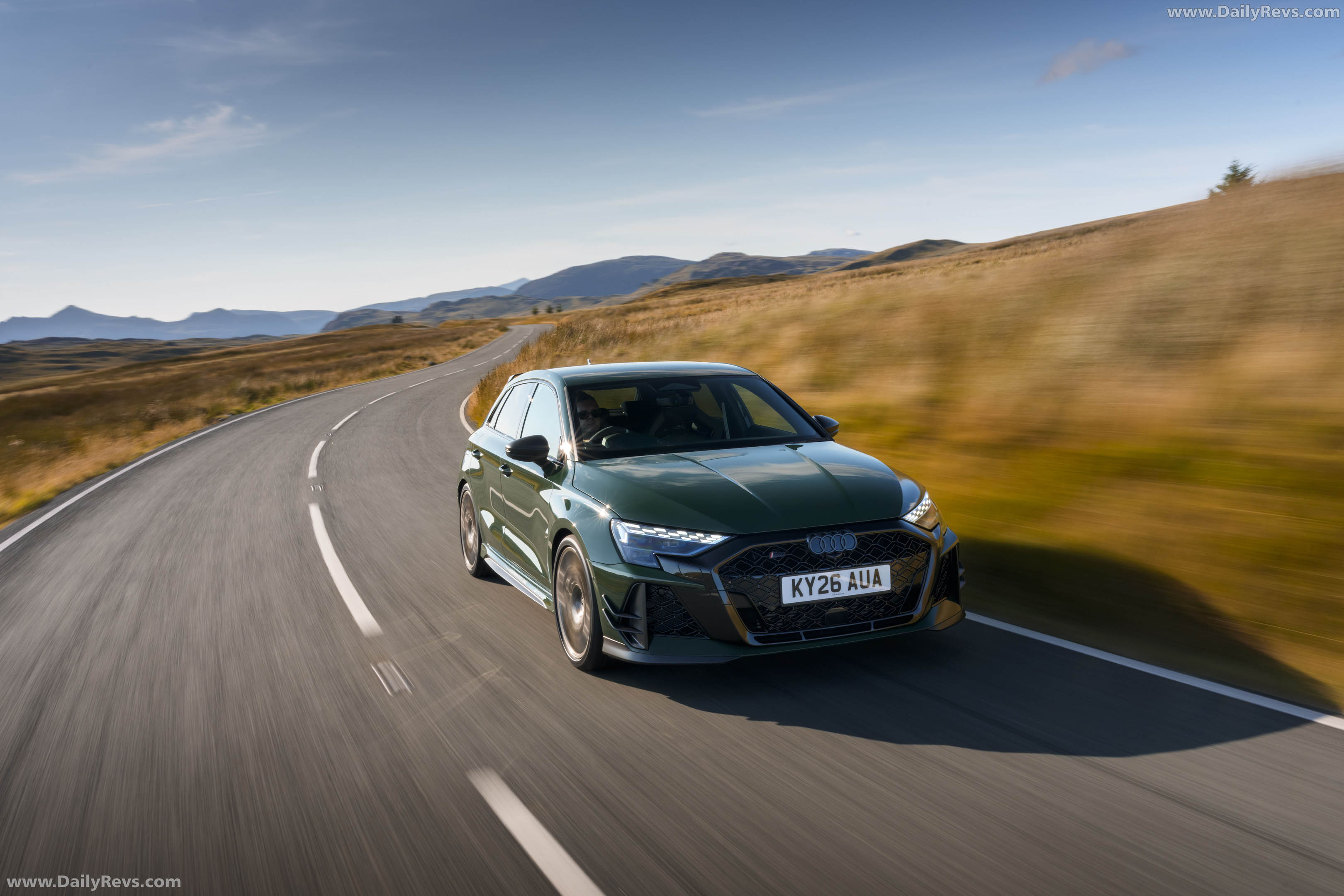
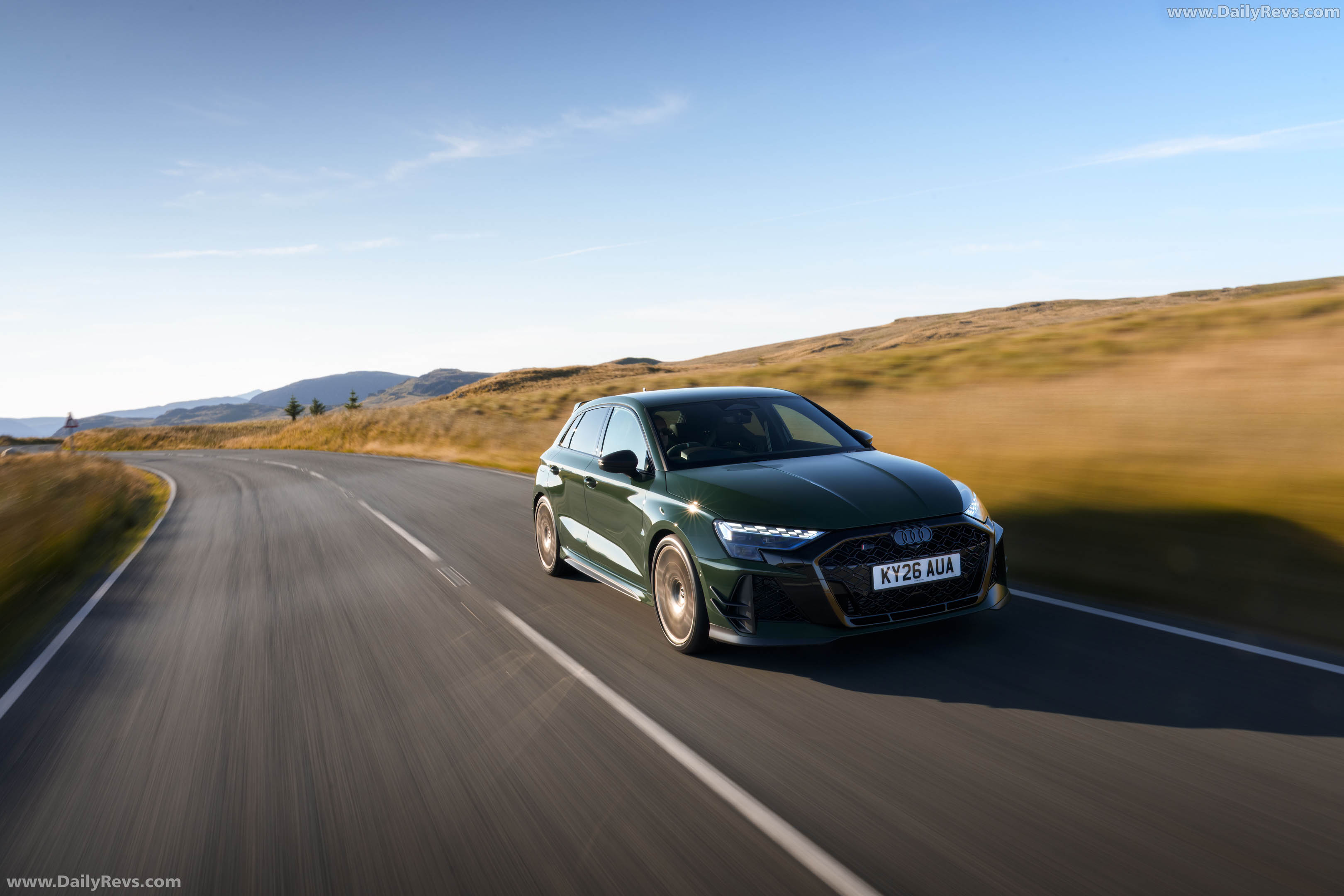
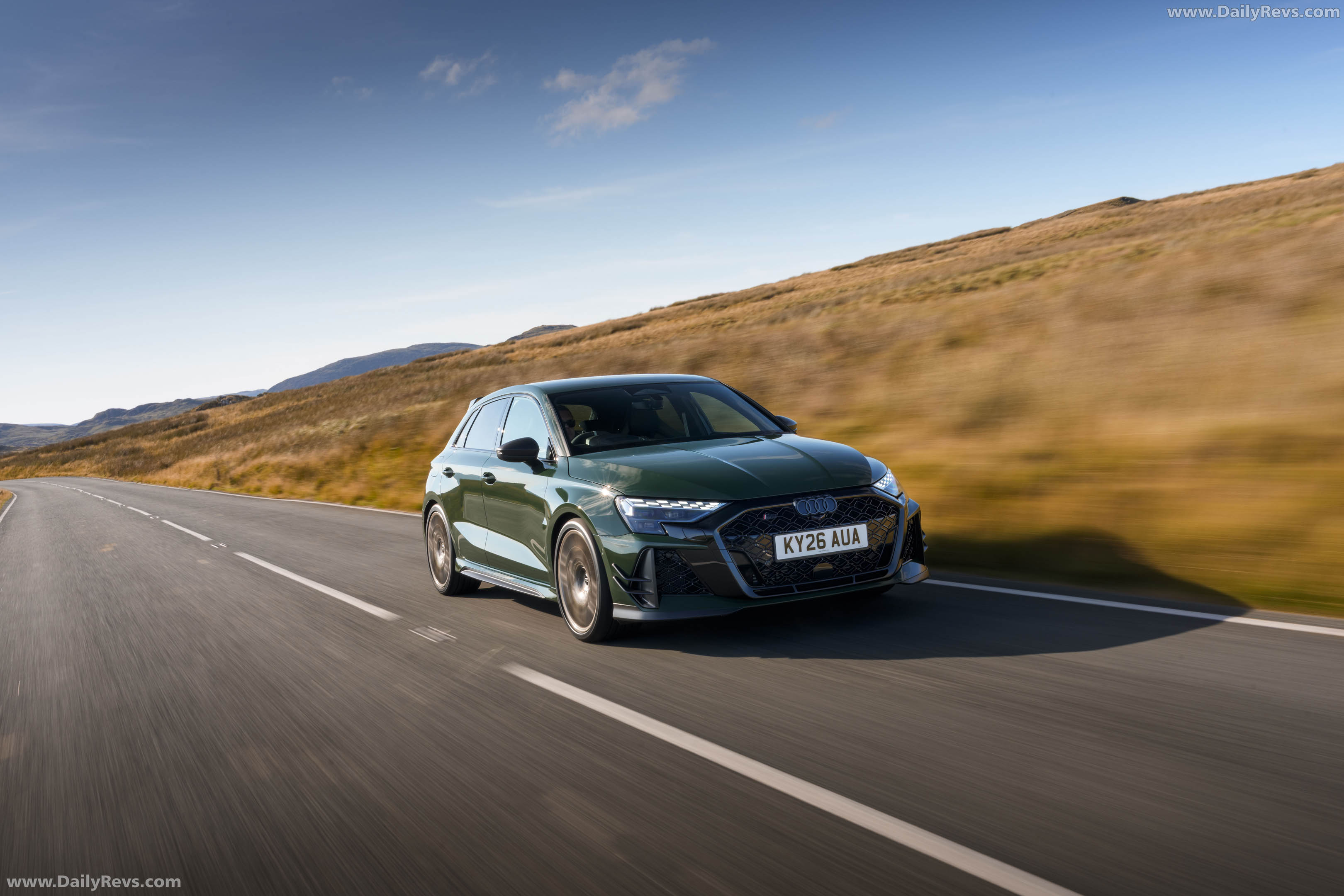
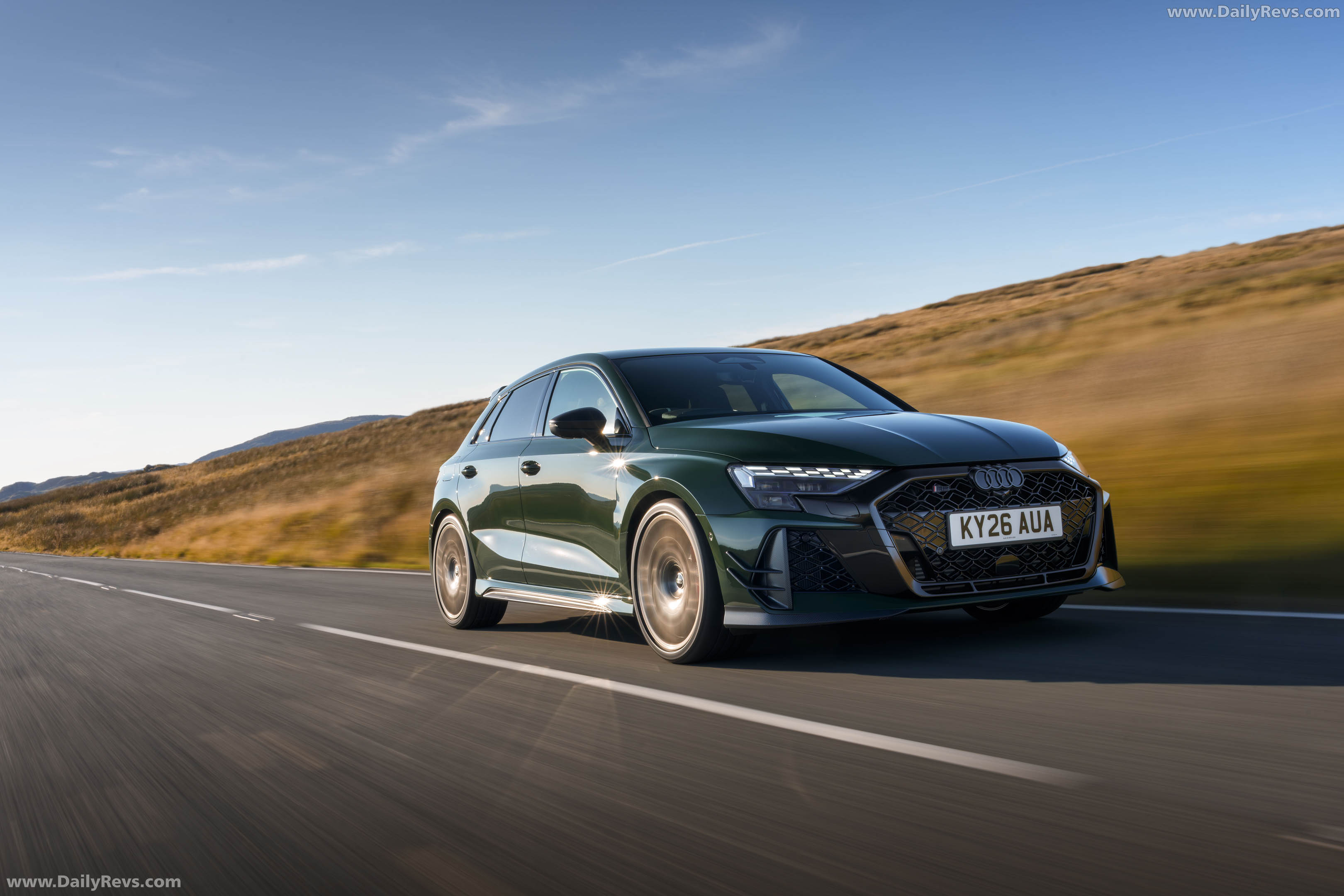
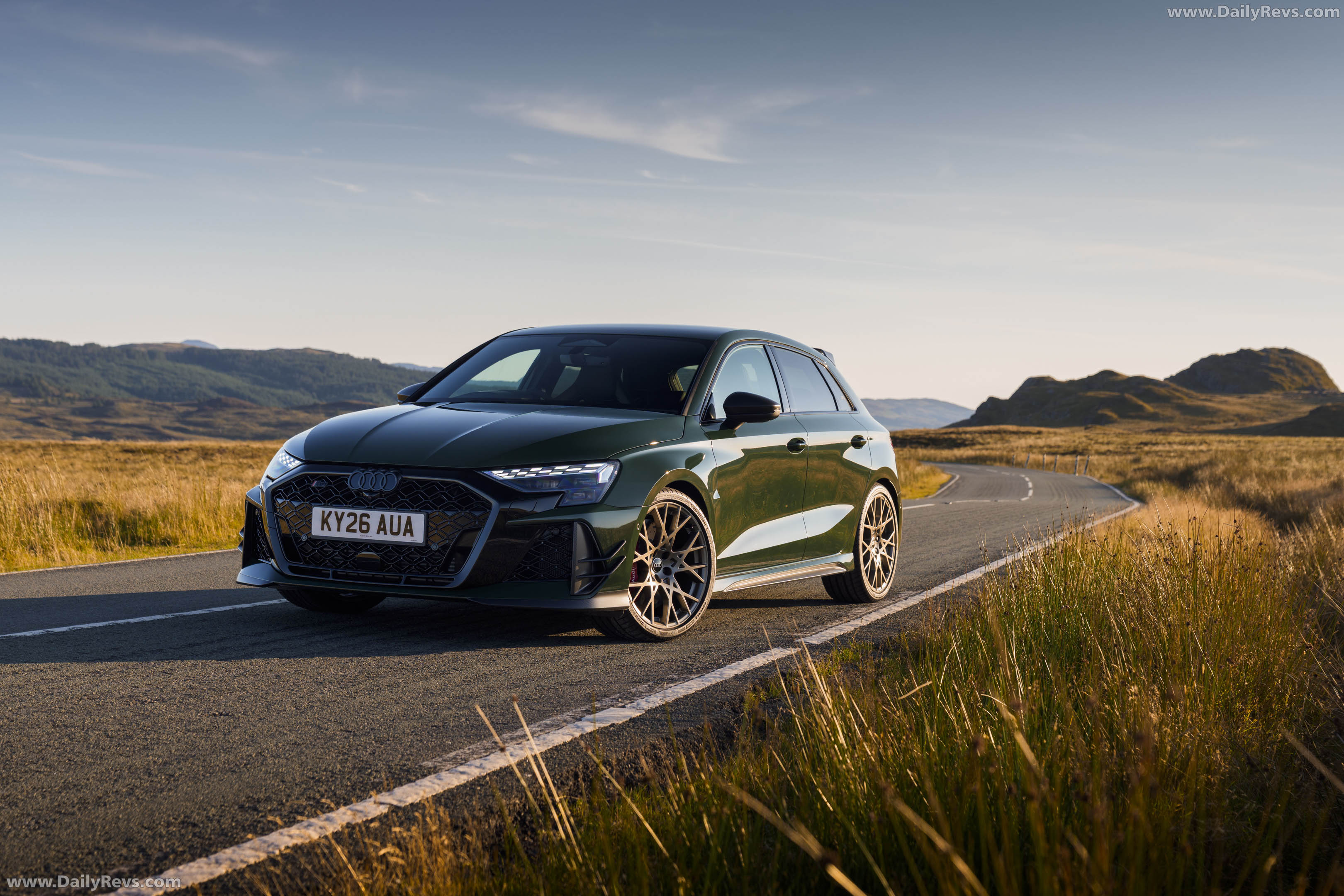
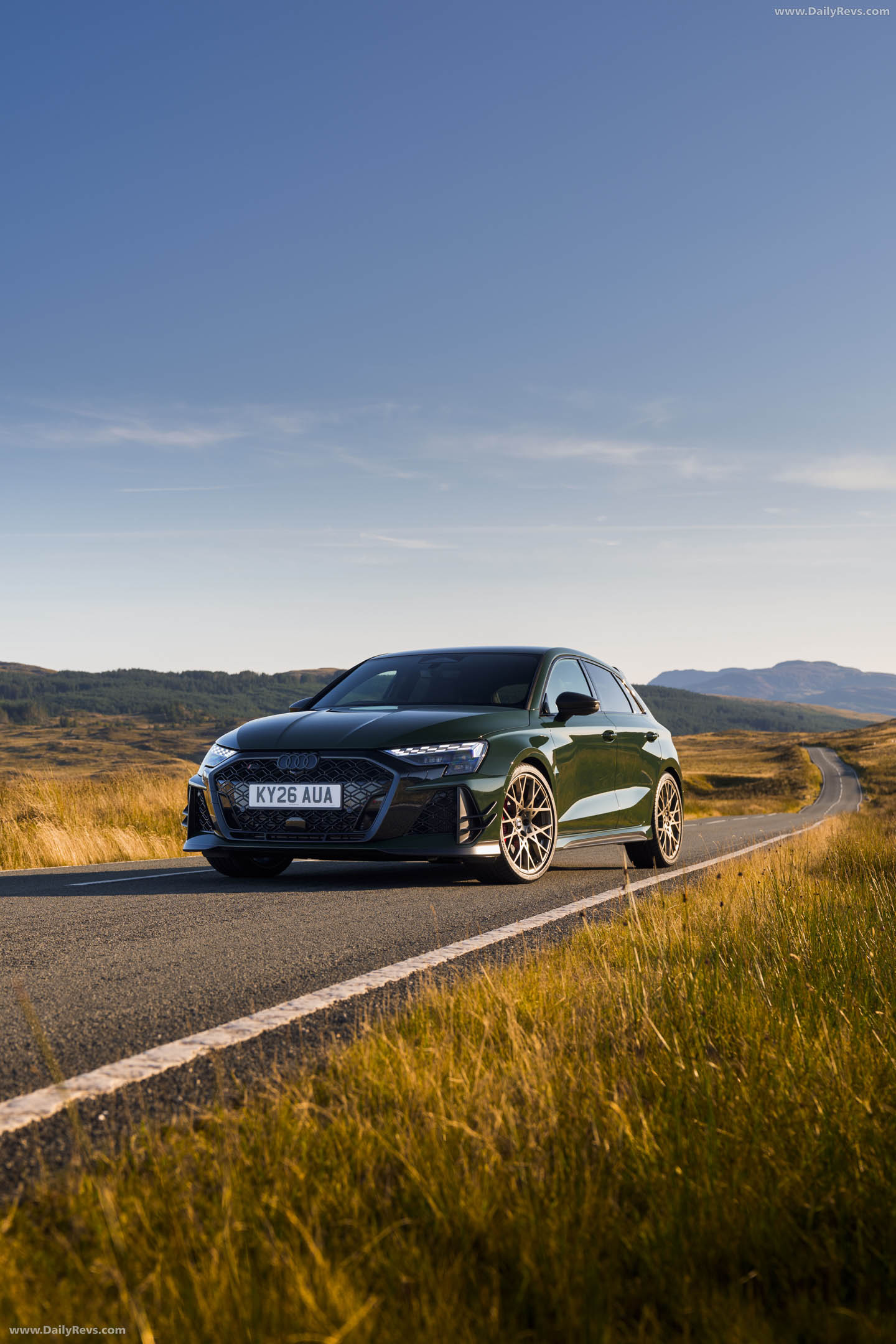
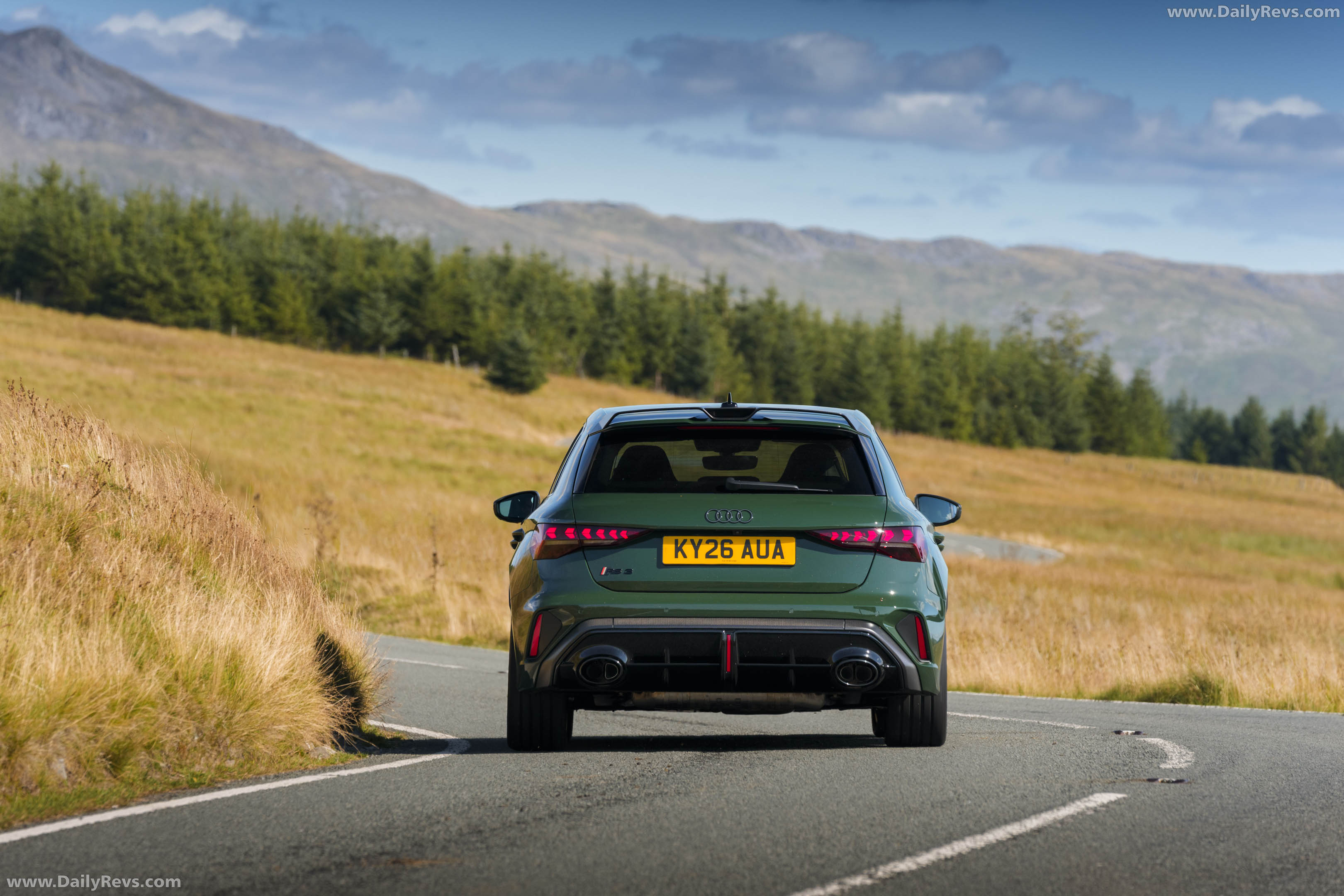
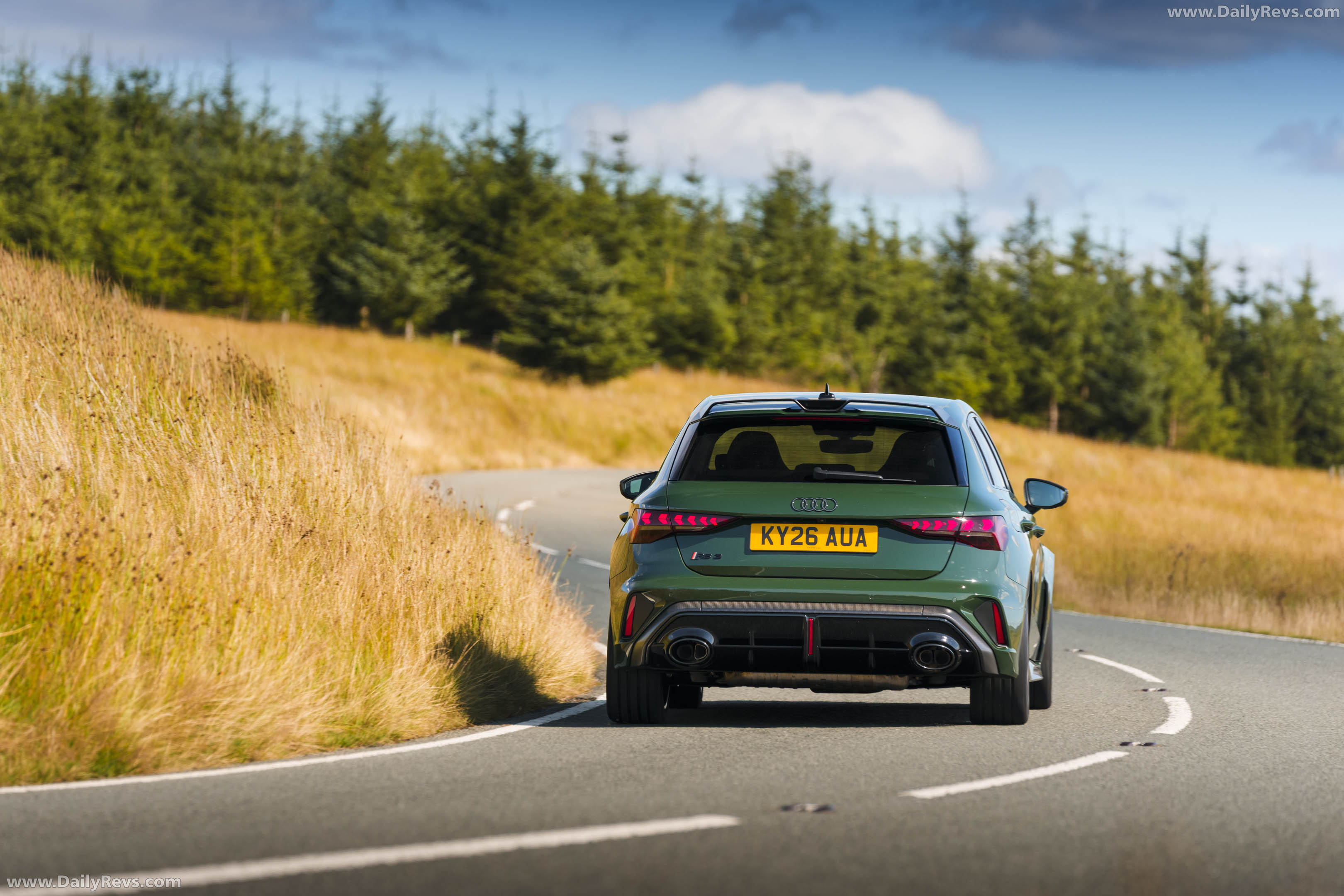
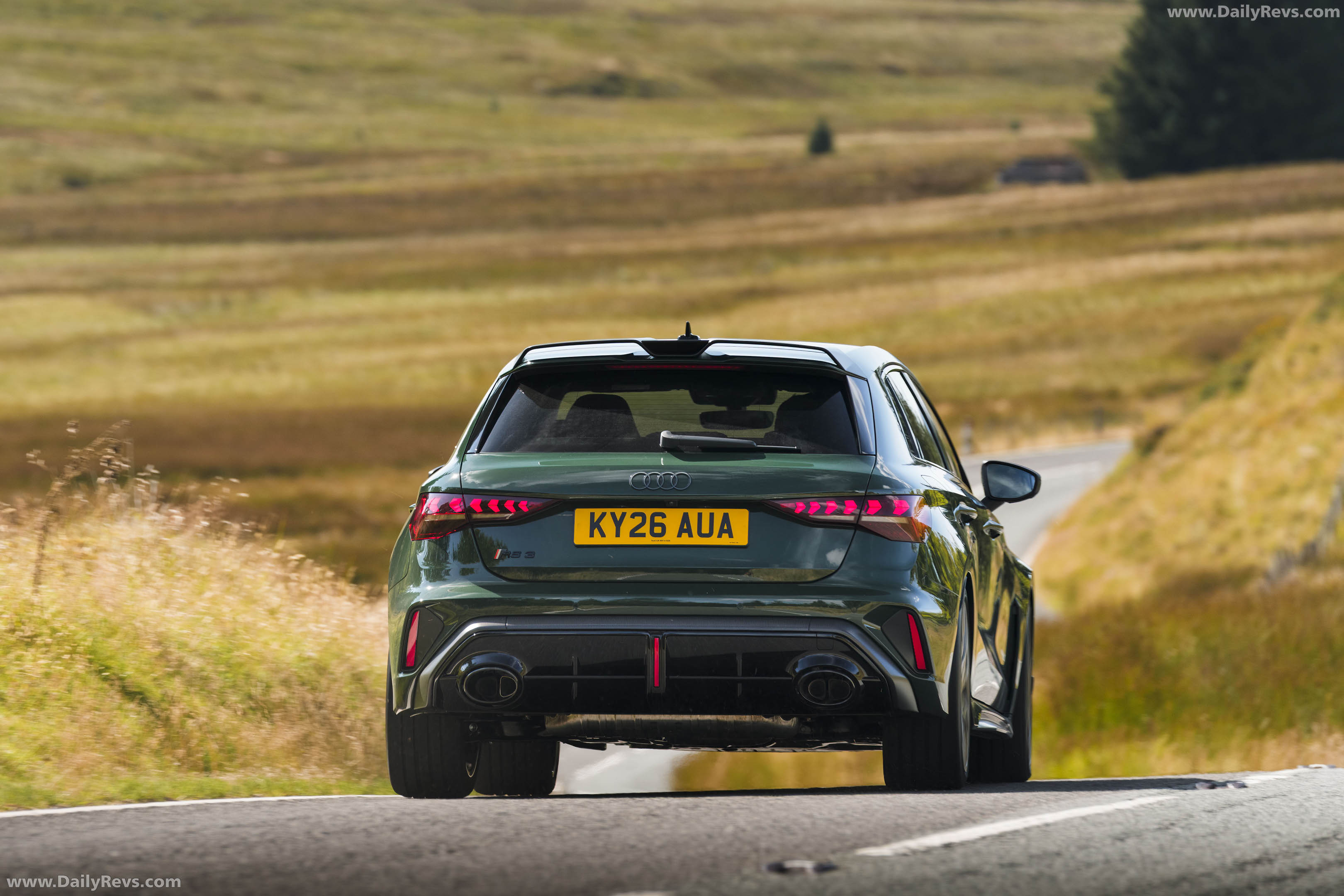
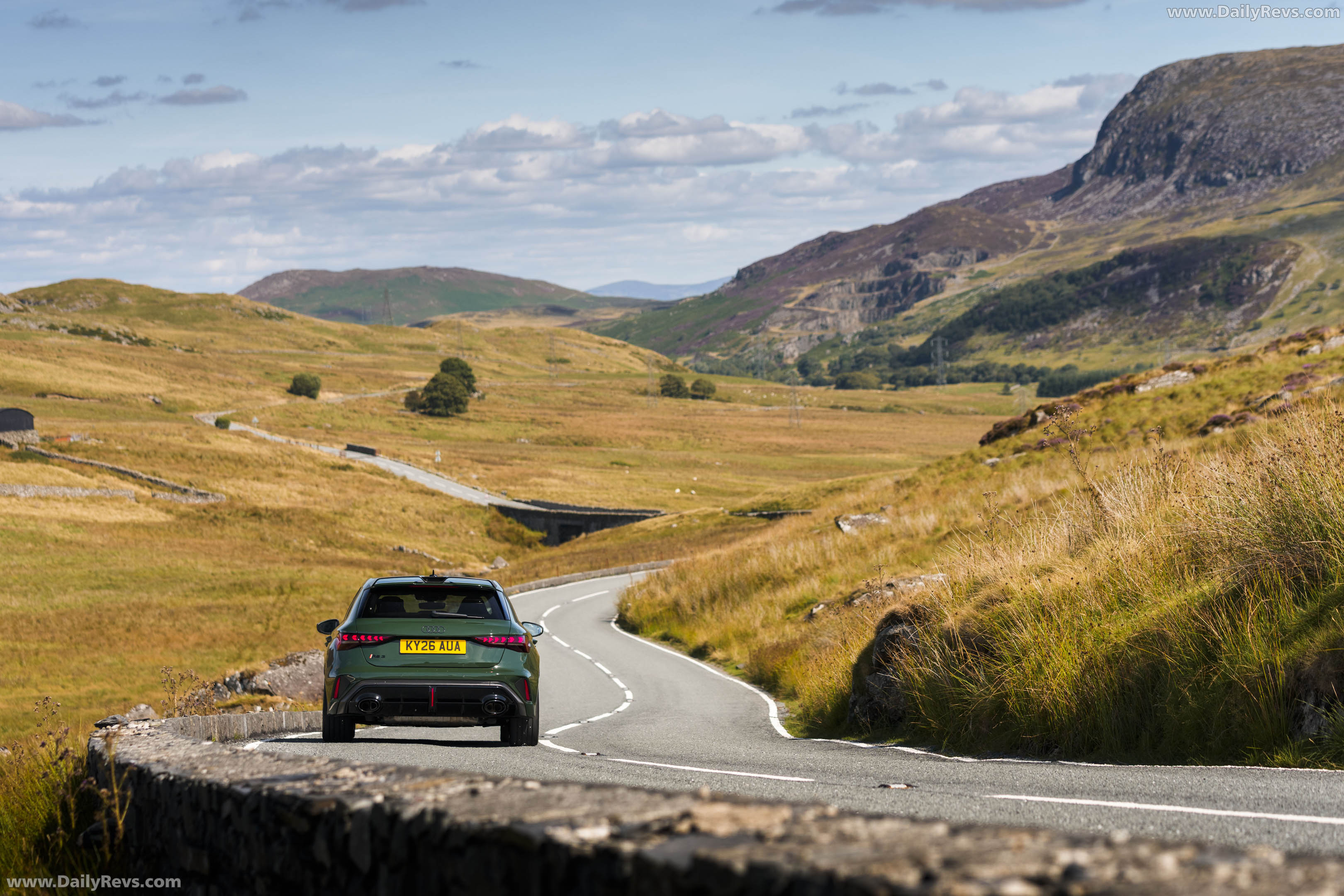
2027 Audi RS 3 Sportback Competition Limited 8Y UK Version
By Lorenzo Bianchi August 21, 2026
Just 750 examples of the RS 3 Sportback competition limited will be built worldwide, with only 11 allocated to the UK, priced from £92,855 OTR.
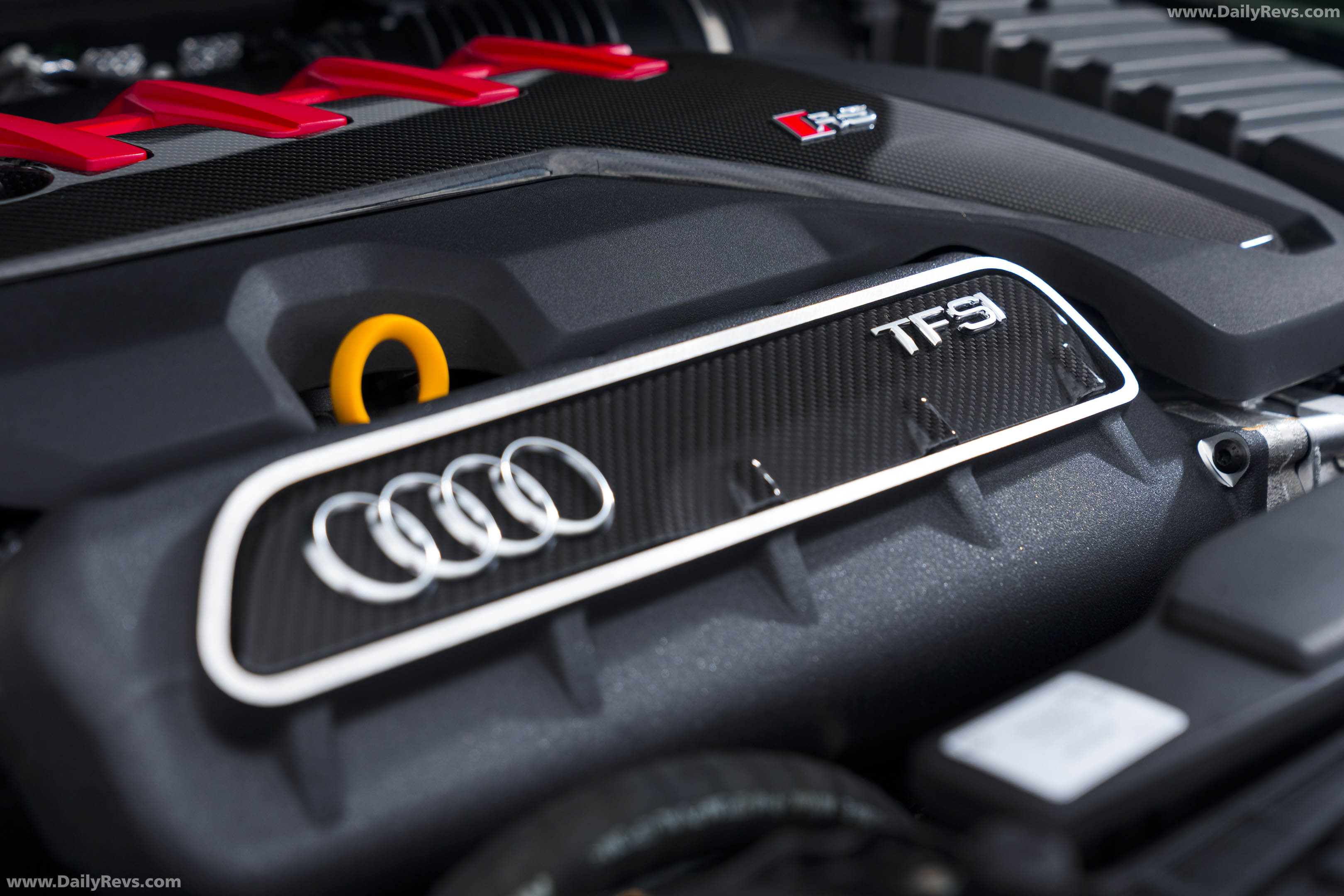
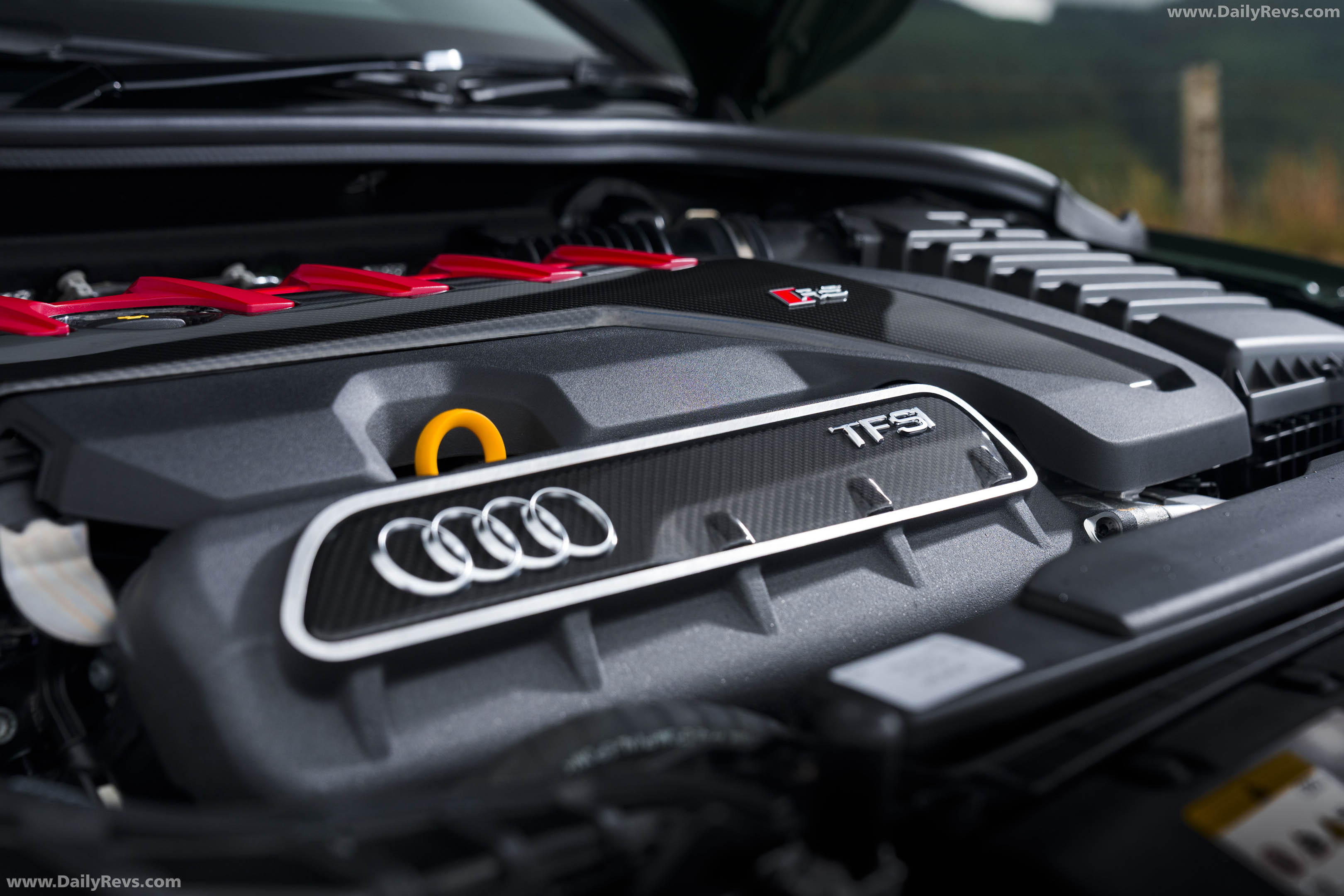
The special edition marks 50 years of Audi's five-cylinder engine with a 2.5-litre TFSI producing 400PS (294kW) and 500Nm, reaching 0-62mph in 3.8 seconds and a 180mph top speed.
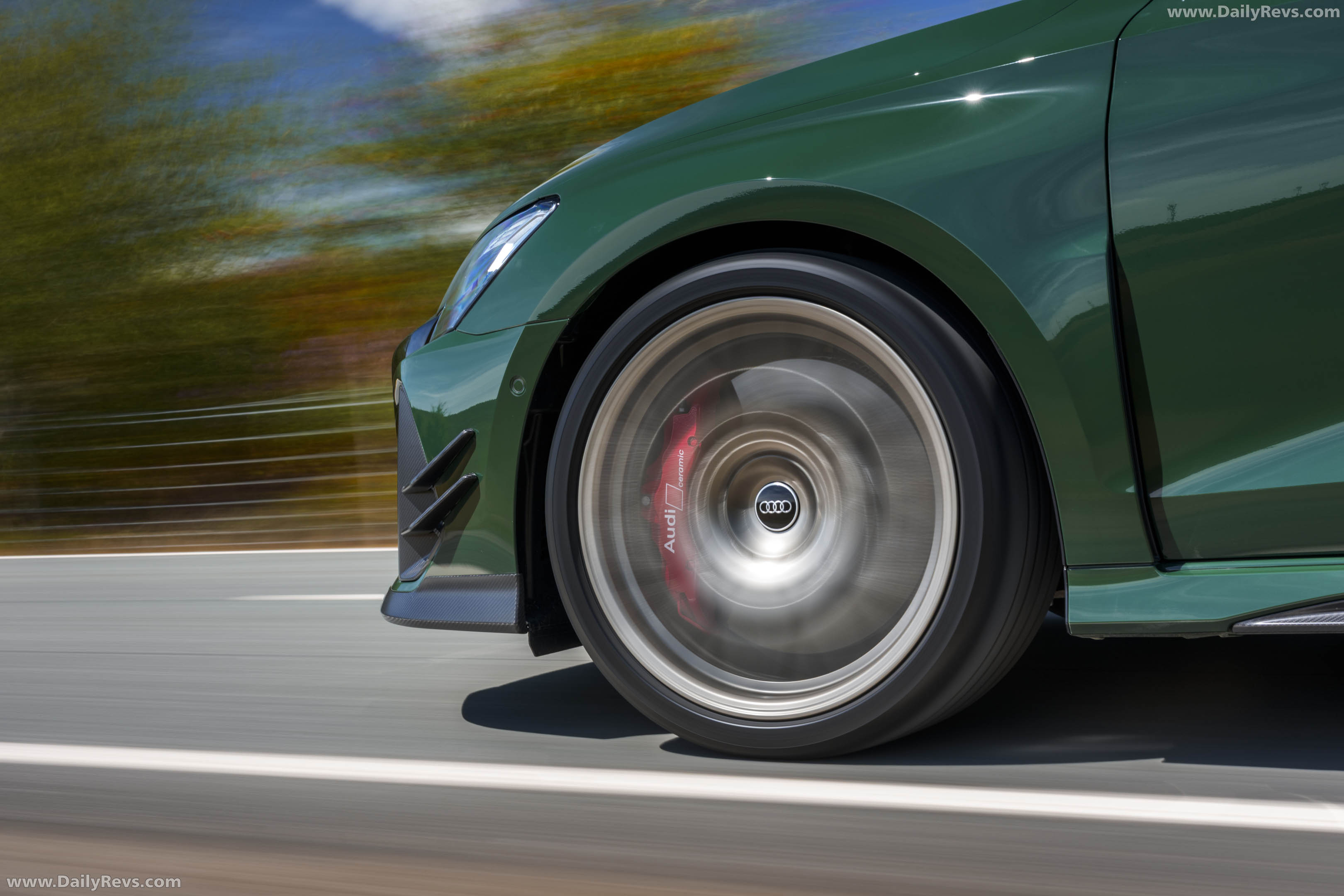
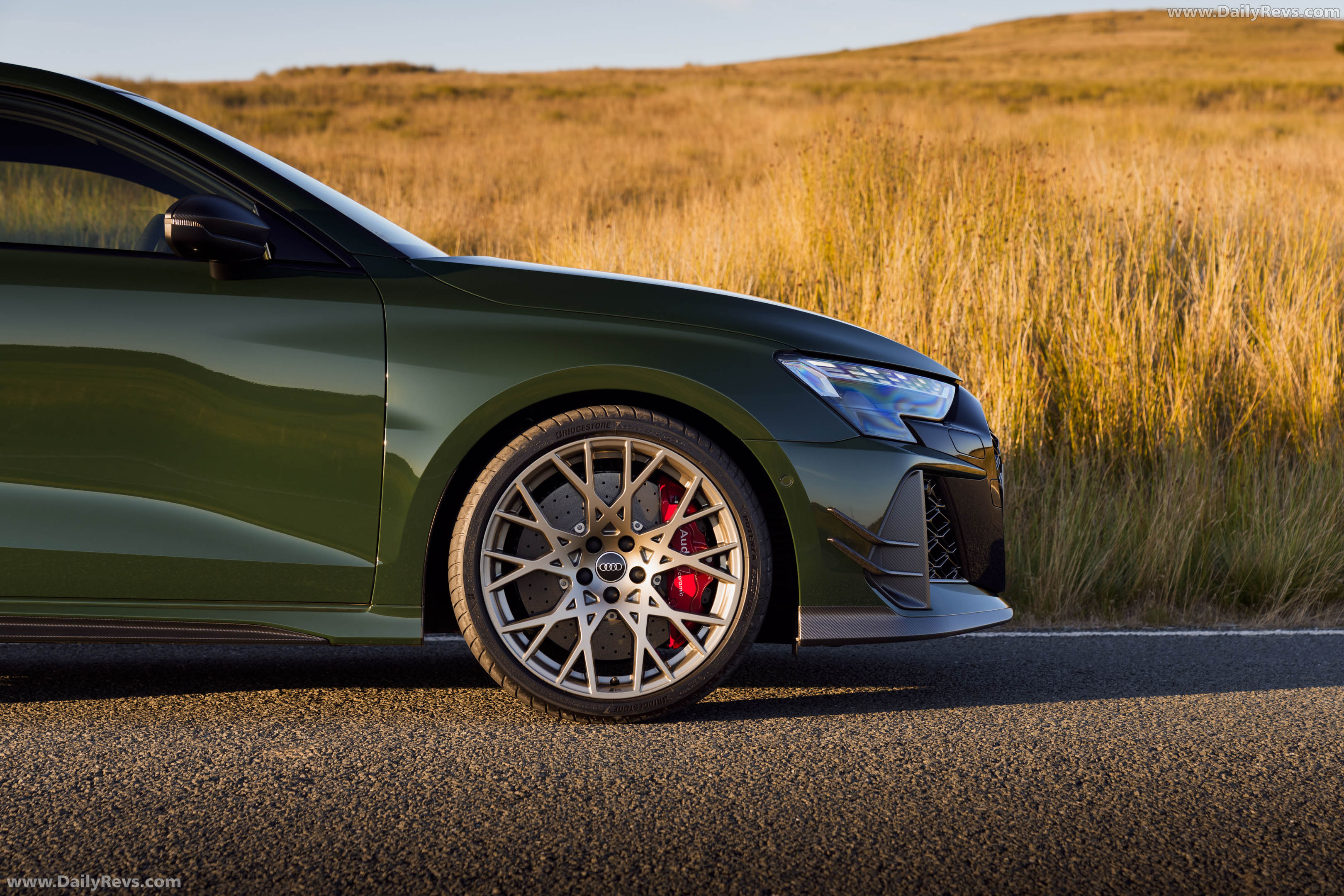
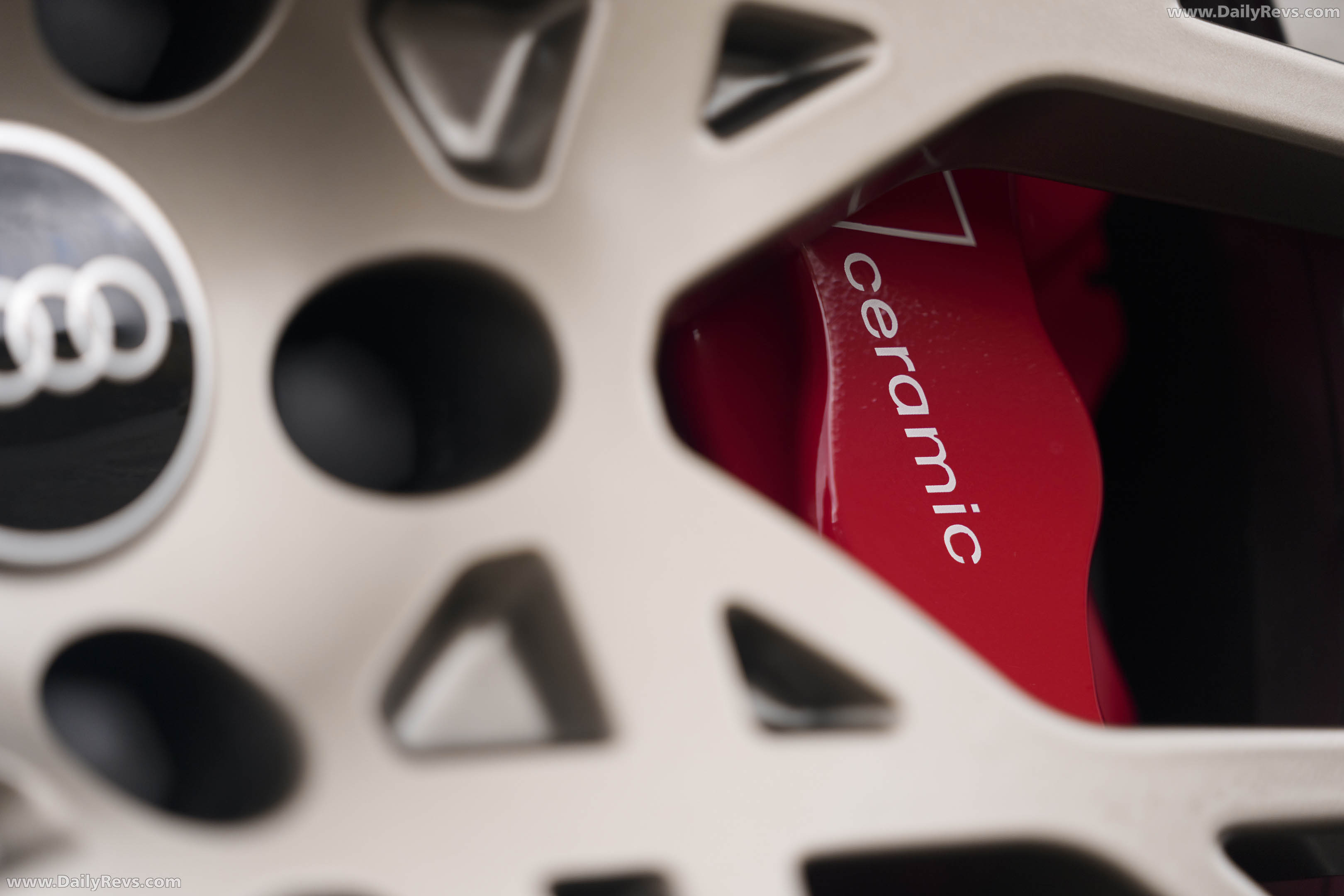
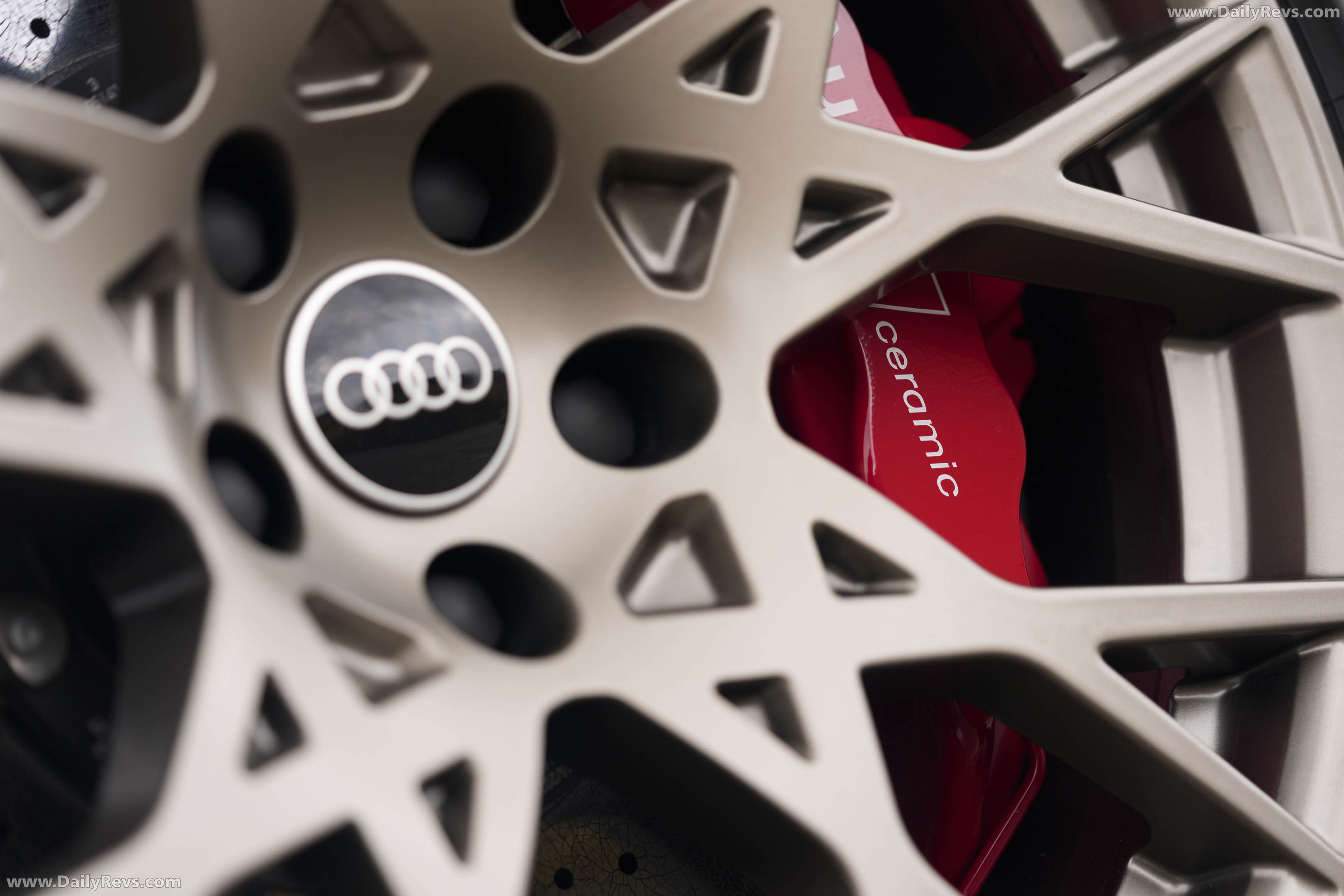
It debuts the RS 3's first coilover suspension, with 12-step low-speed and 15-step high-speed compression adjustment, a stiffer rear stabilizer, and standard ceramic brakes with red calipers.
Fifty Years of Five Cylinders, Distilled Into 750 Cars
Audi Sport is marking half a century since the five-cylinder engine first appeared under an Audi bonnet — in the second-generation Audi 100, back in 1976 — with a numbered special edition of the current RS 3 Sportback. The RS 3 Sportback competition limited will be built in a run of 750 cars worldwide, and only 11 are earmarked for the UK, where pricing opens at £92,855 on the road, with deliveries expected in the fourth quarter of 2026.
A Sharpened, Wider-Looking Front End
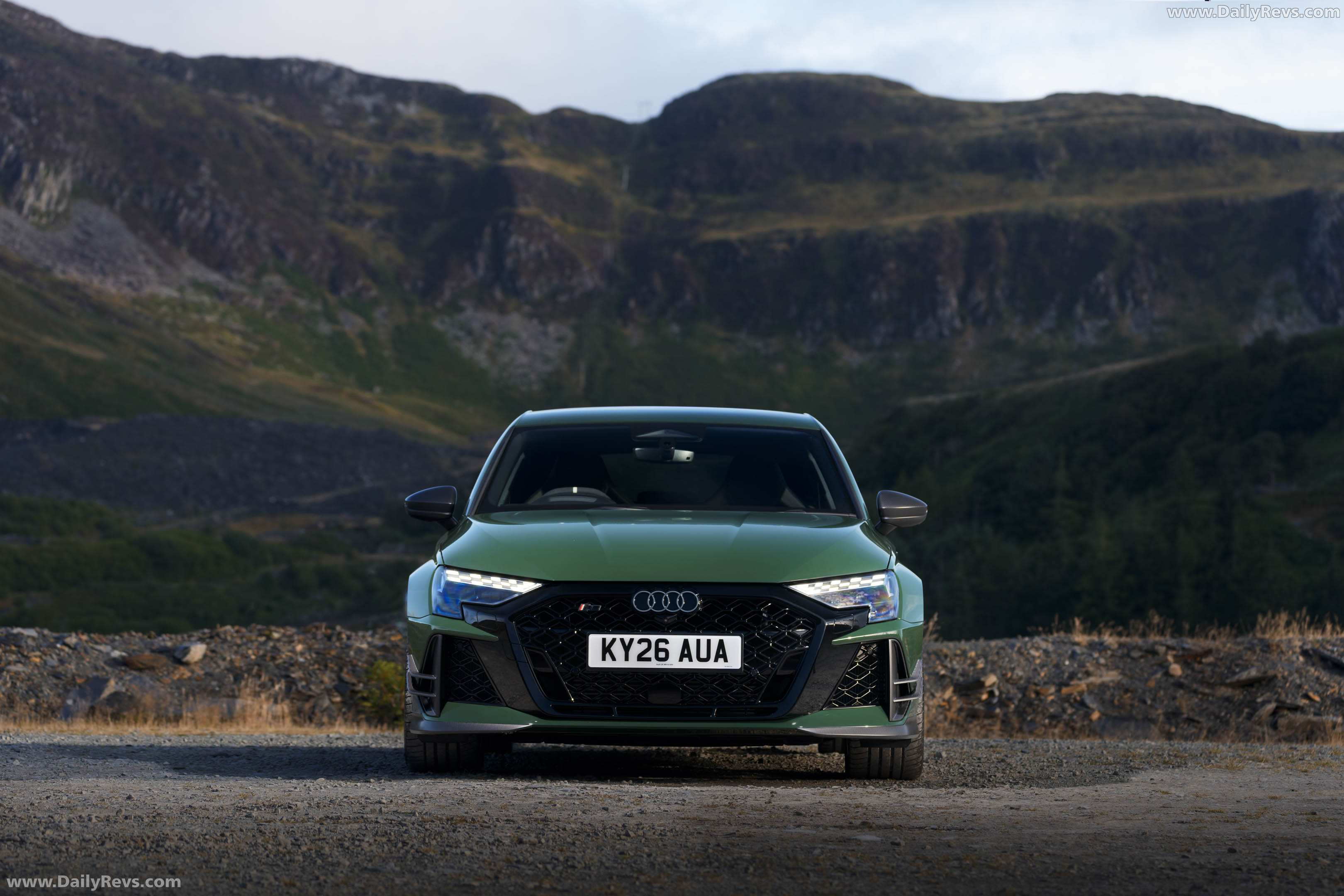
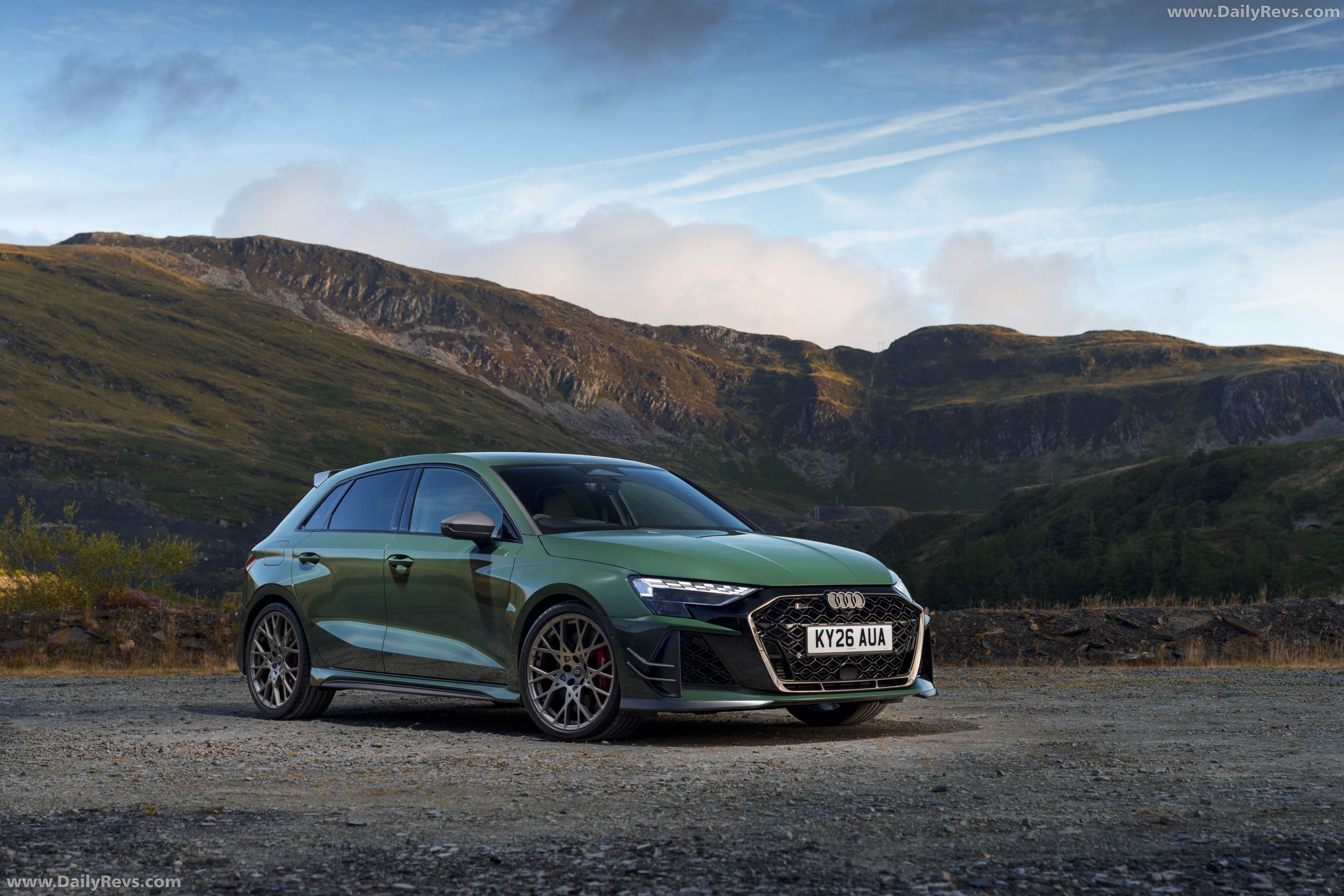
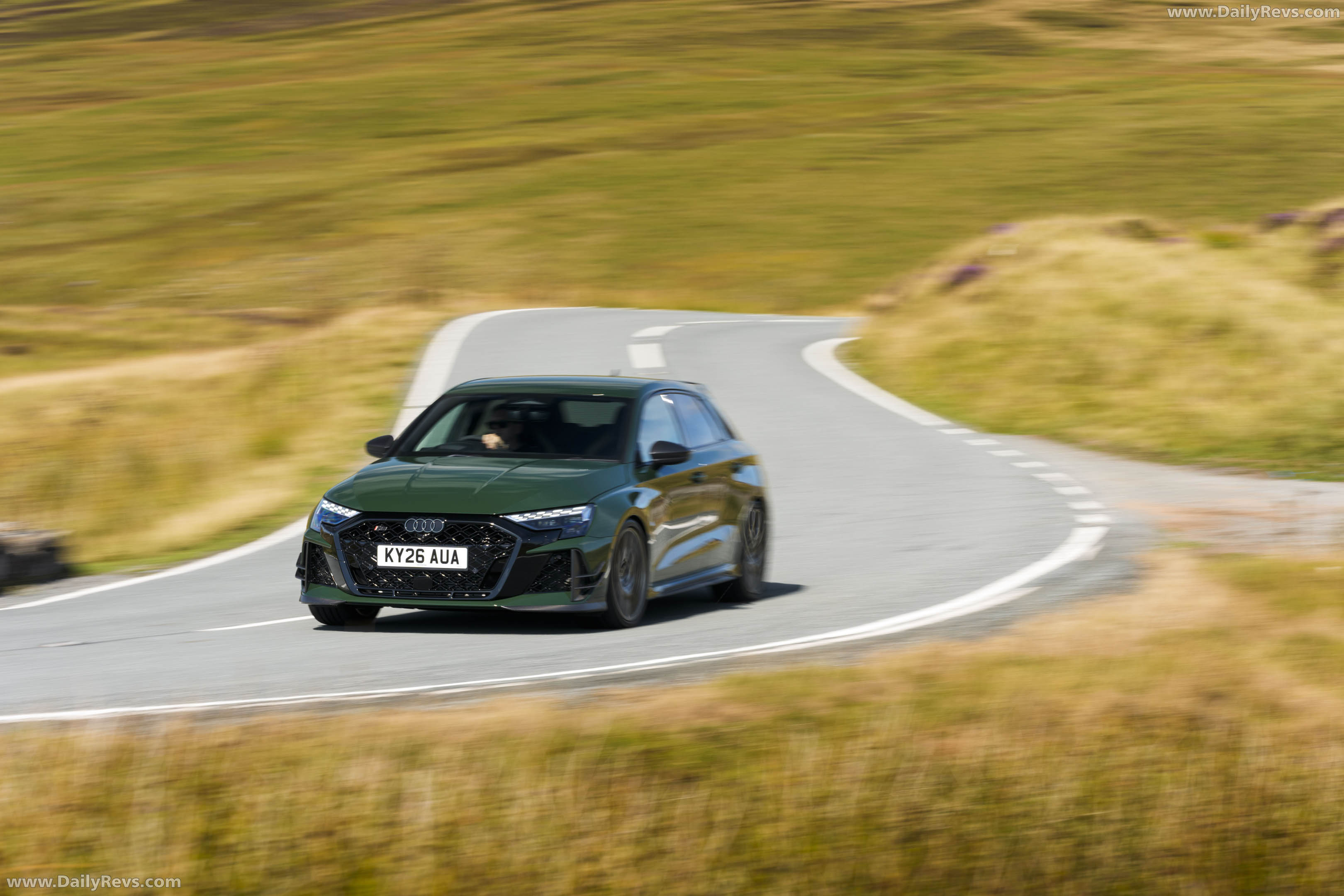
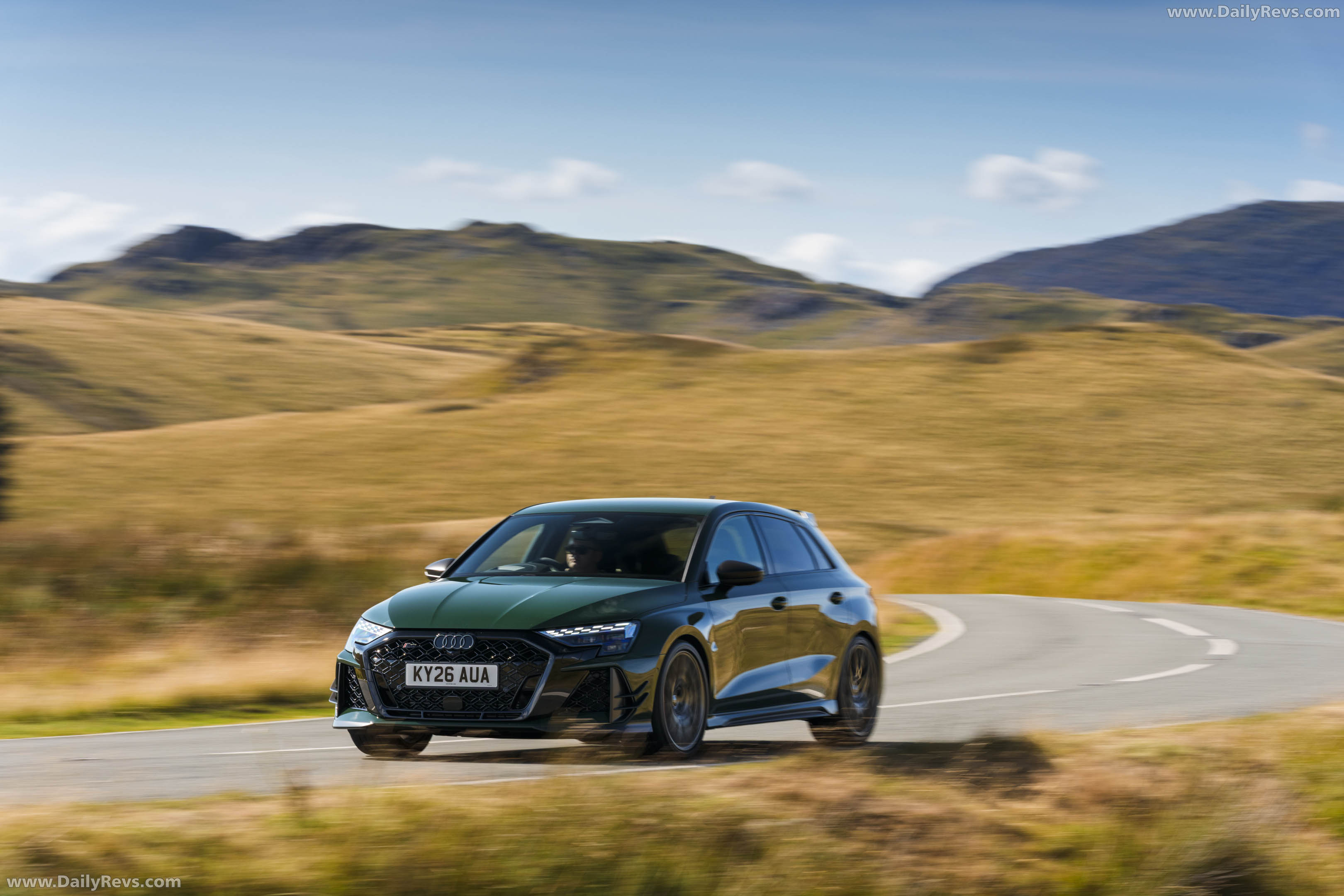
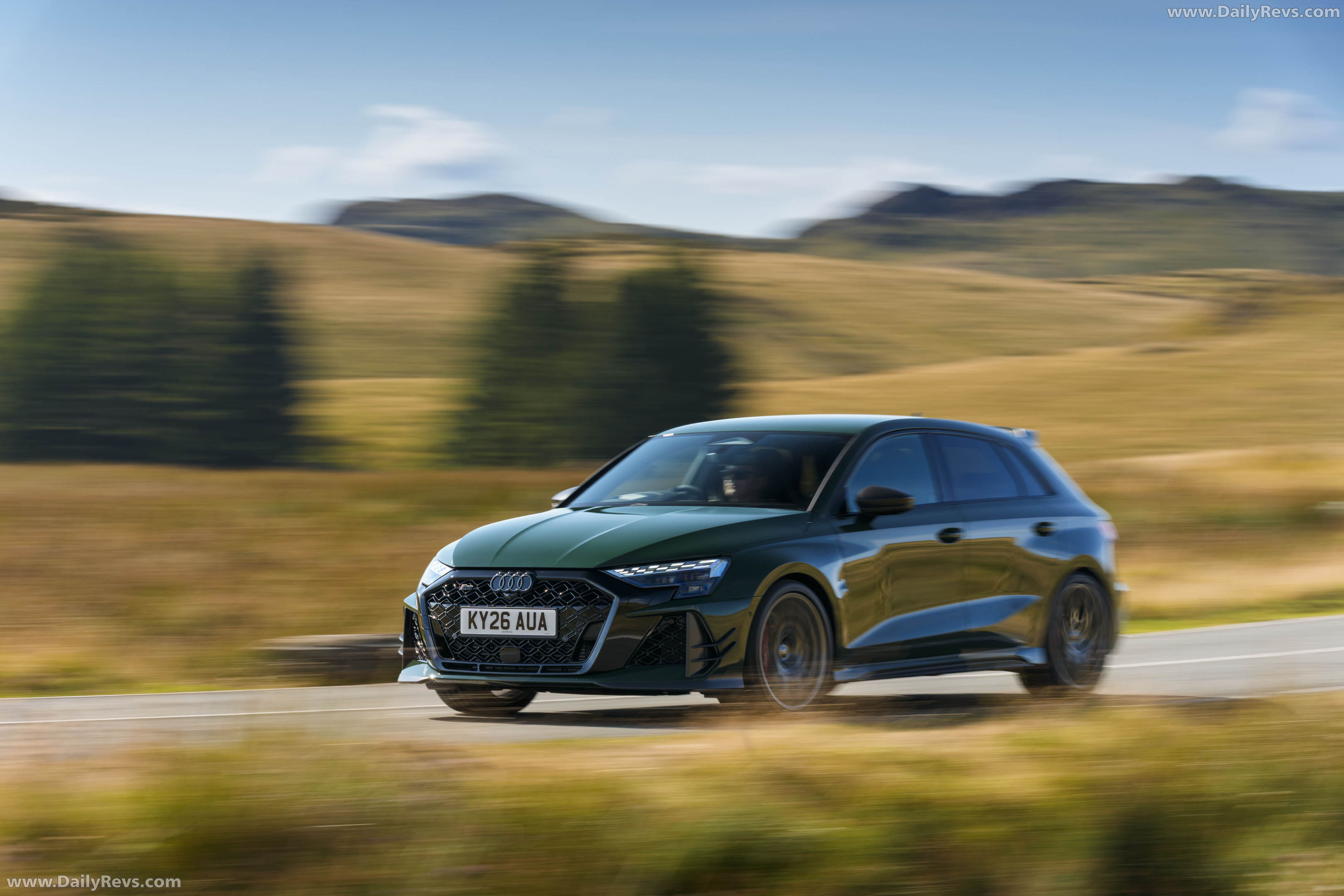
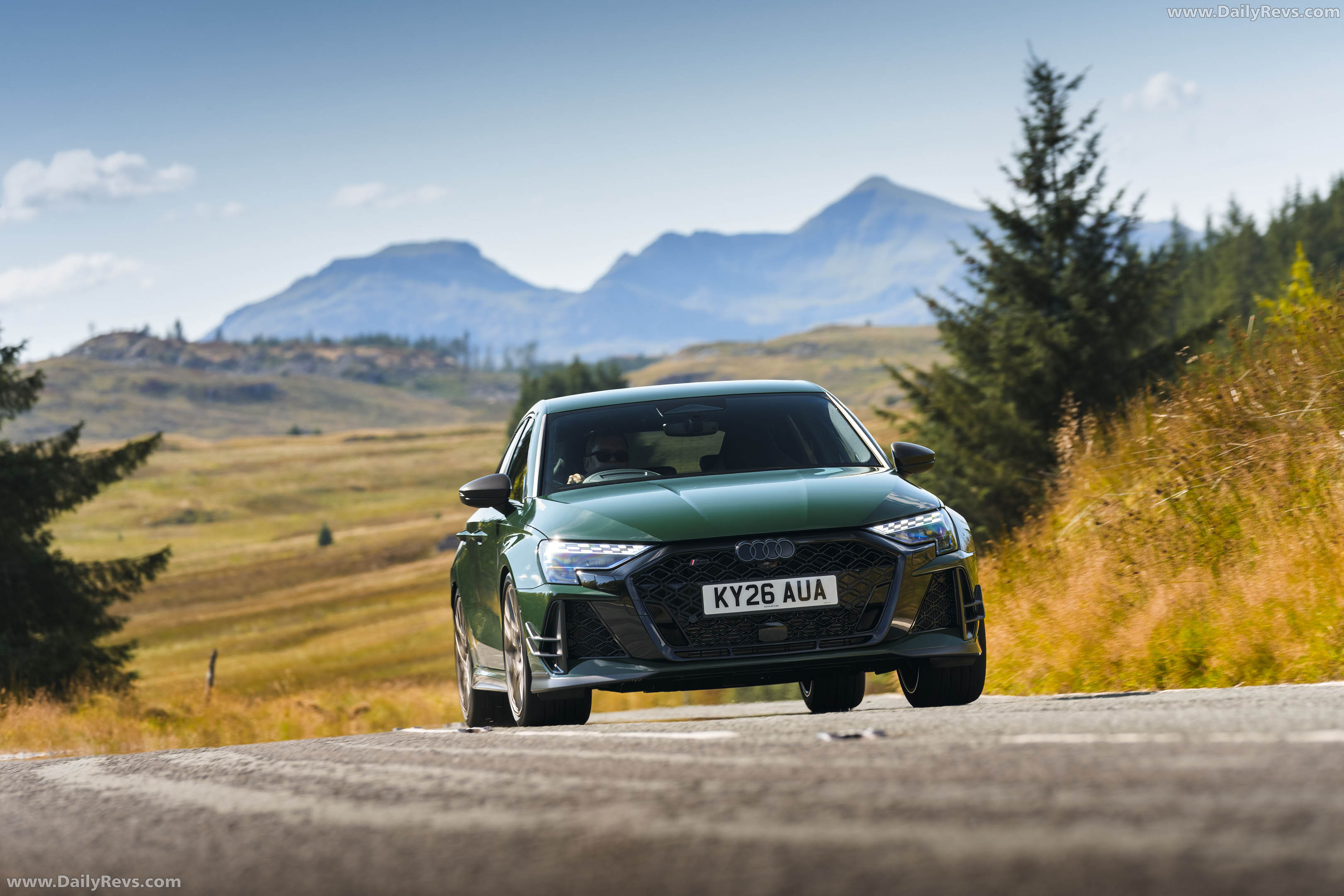
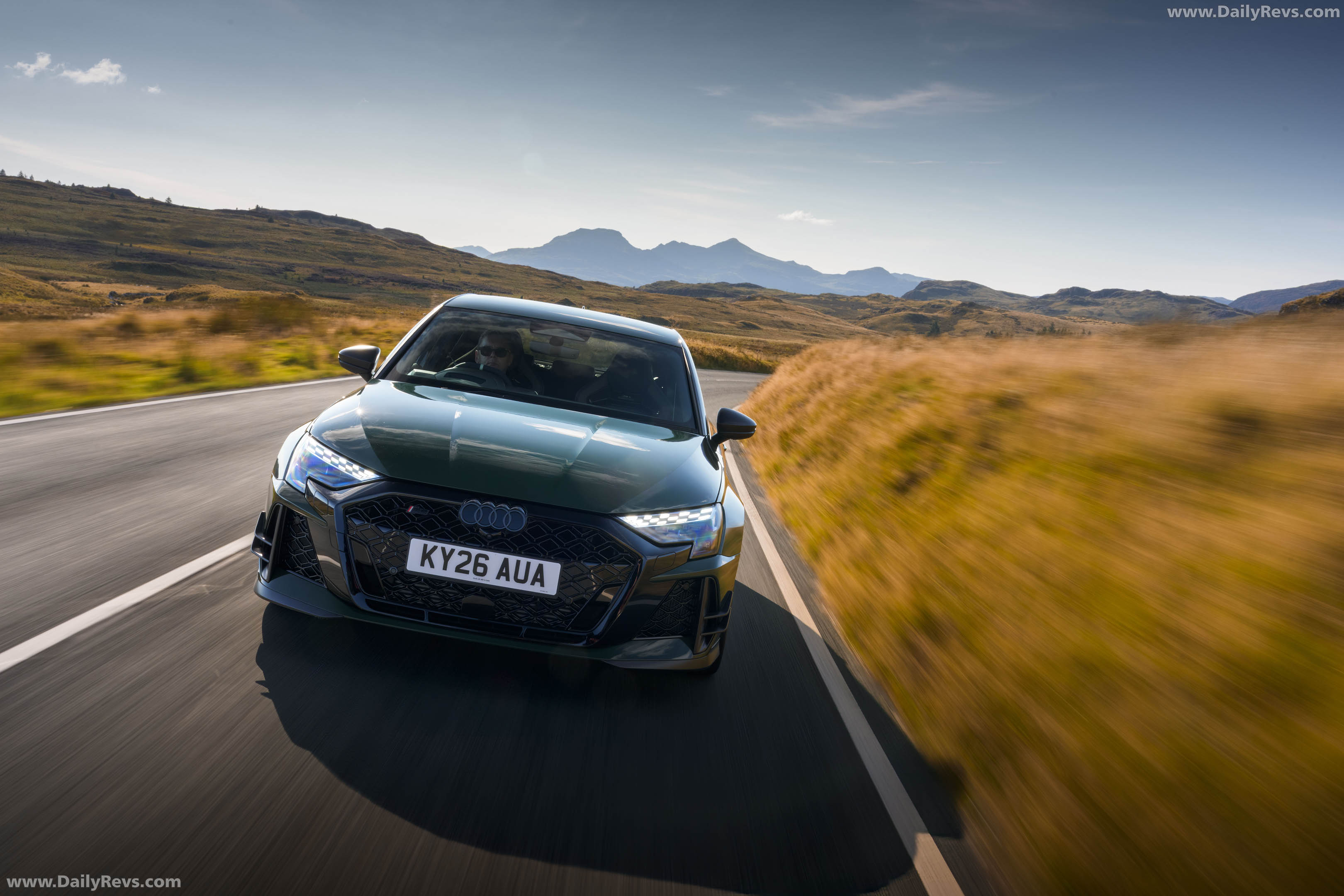
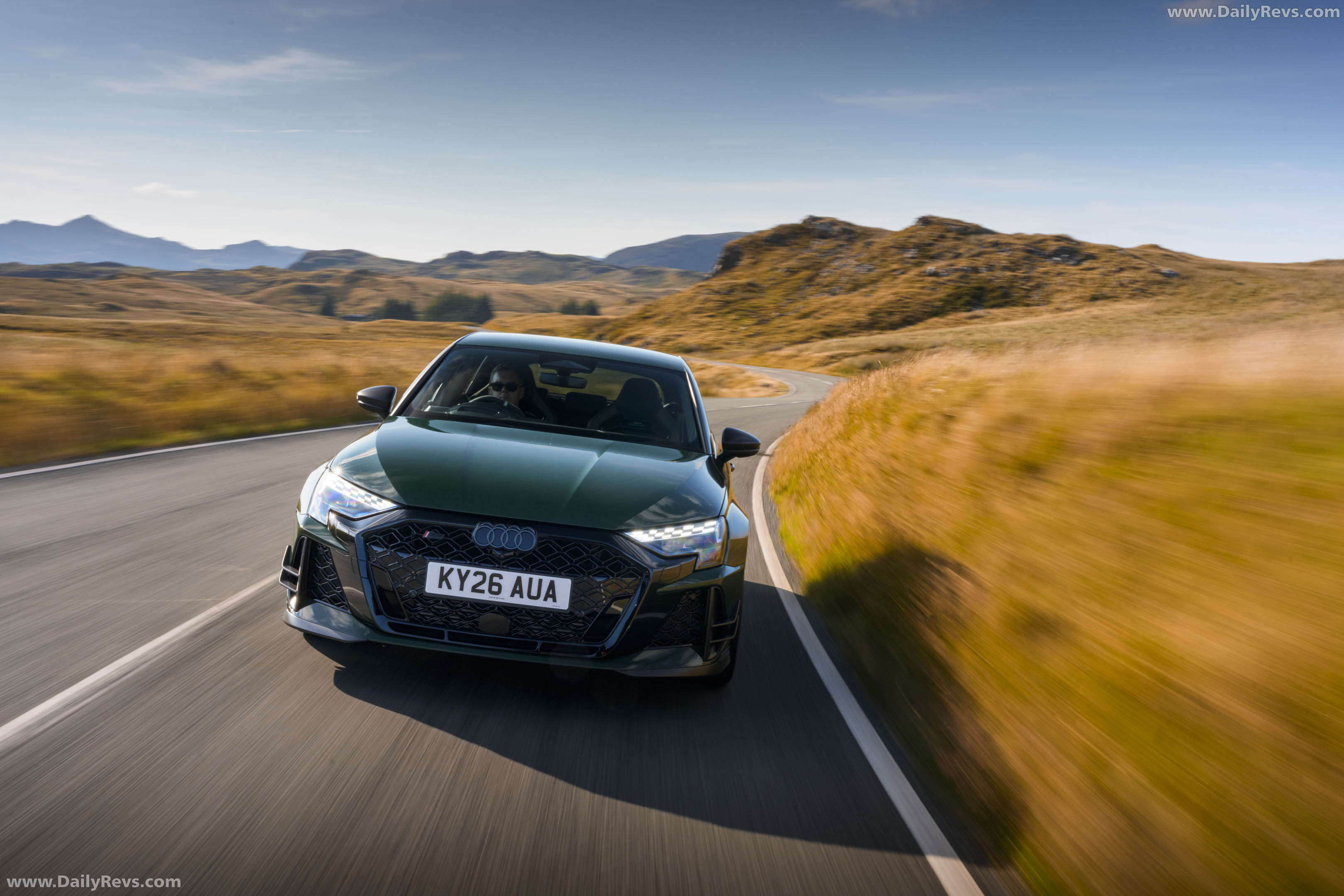
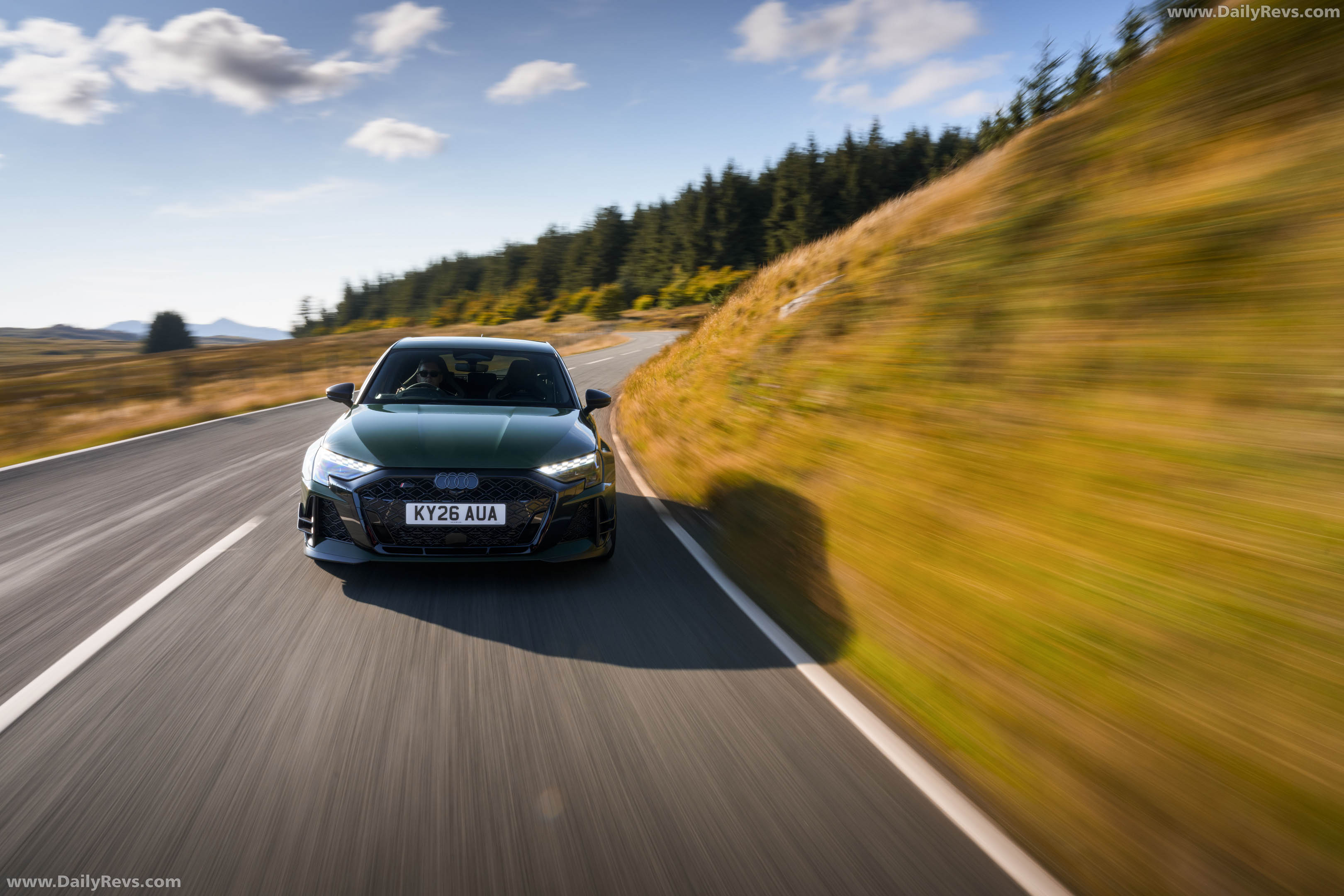
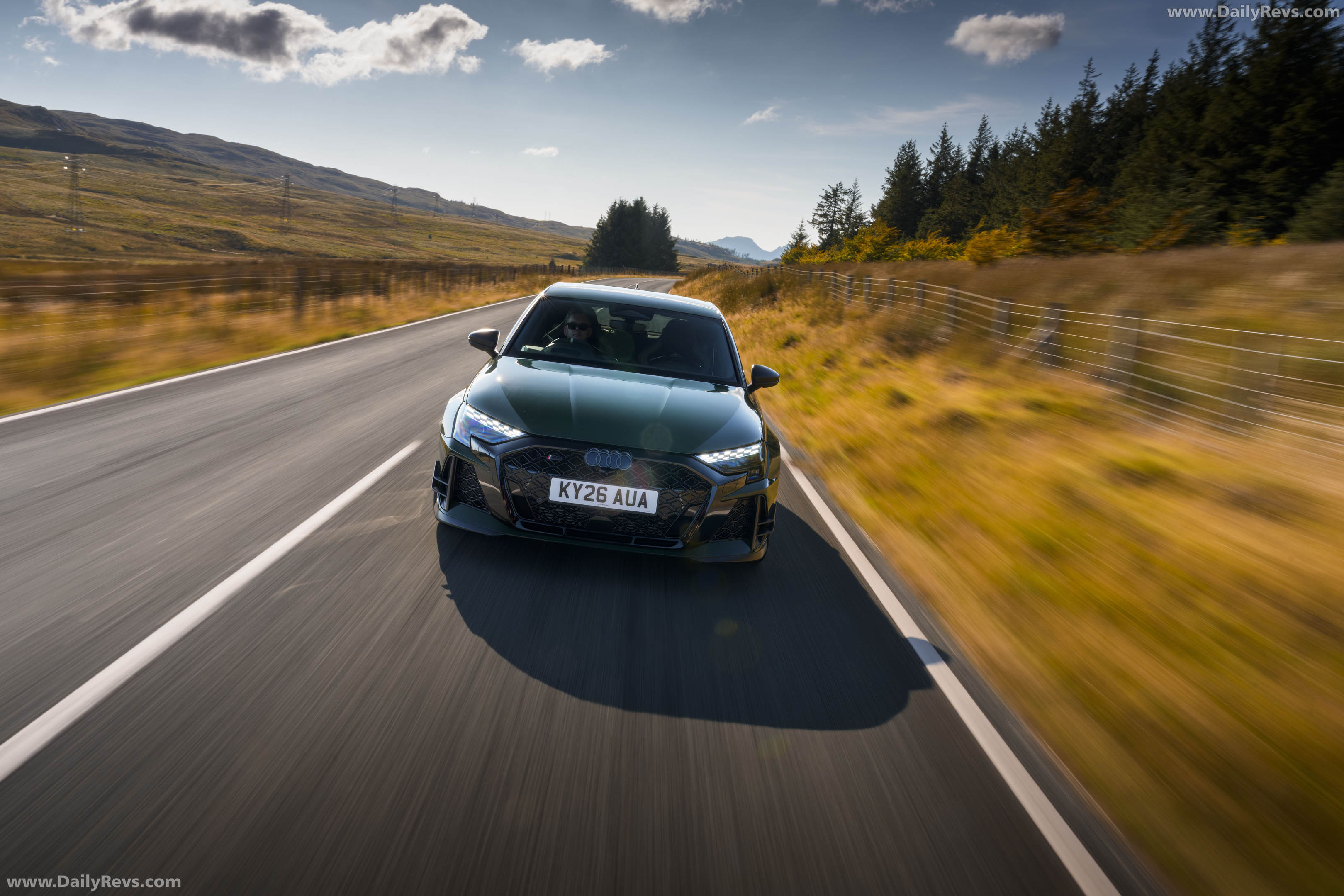
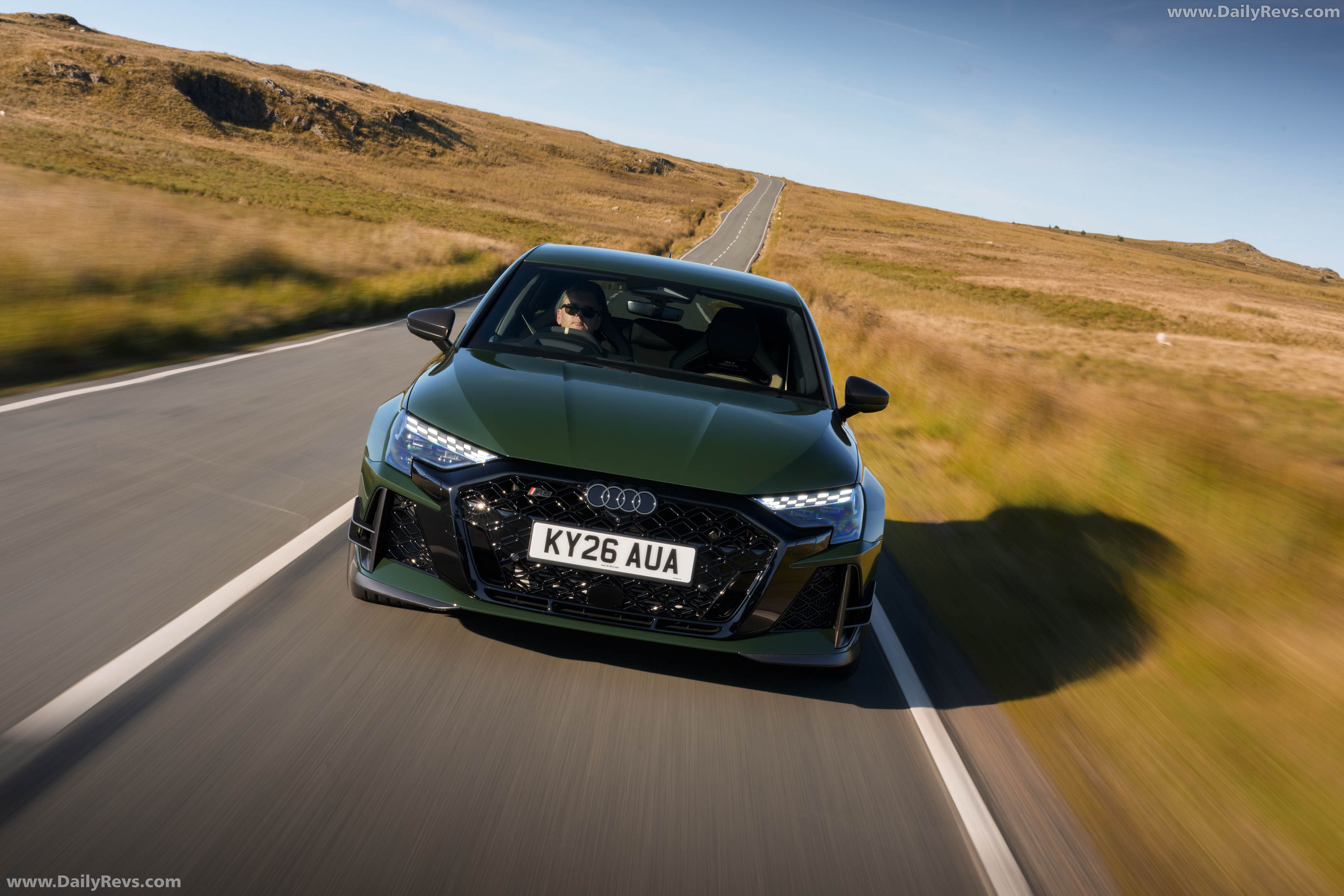
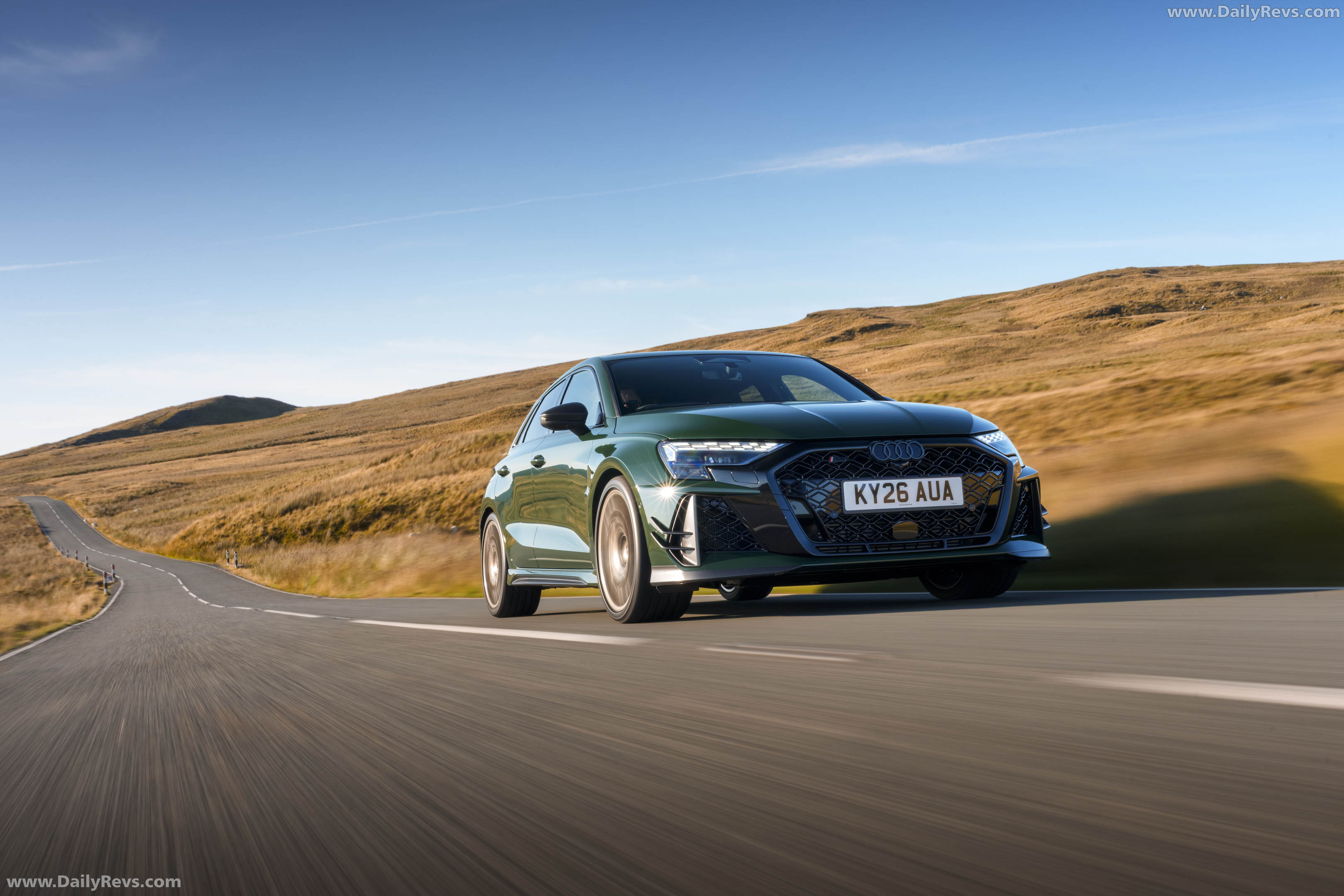
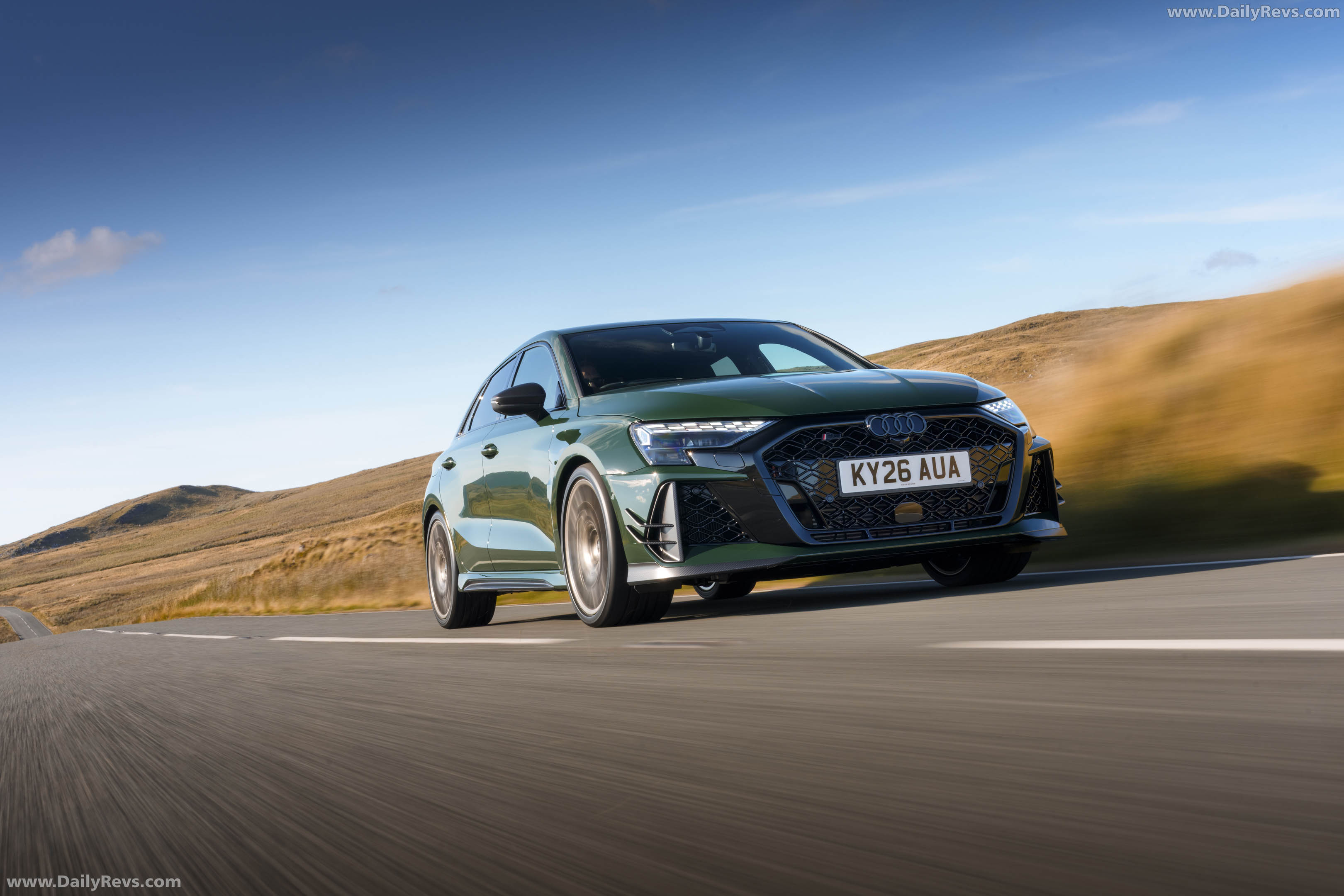
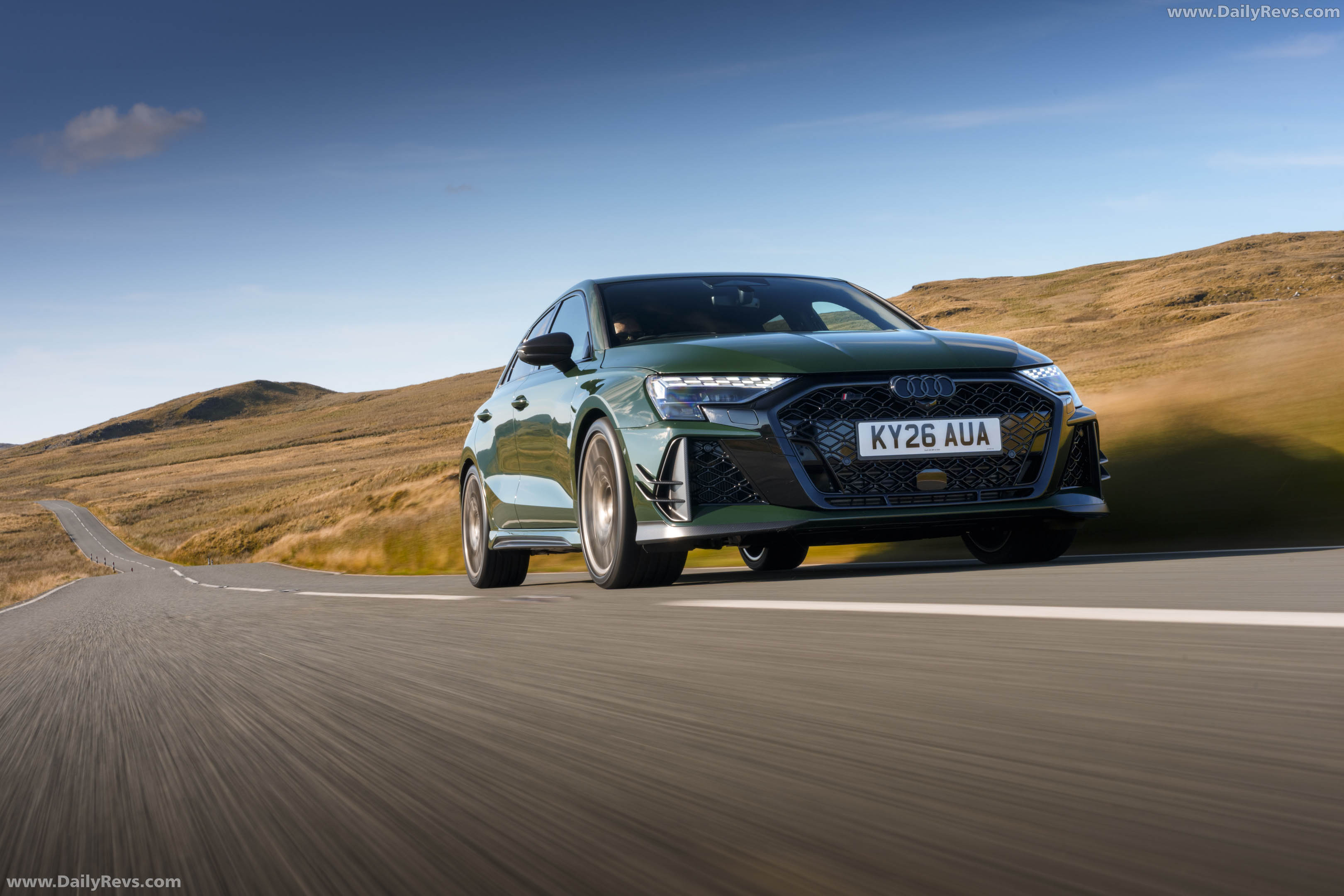
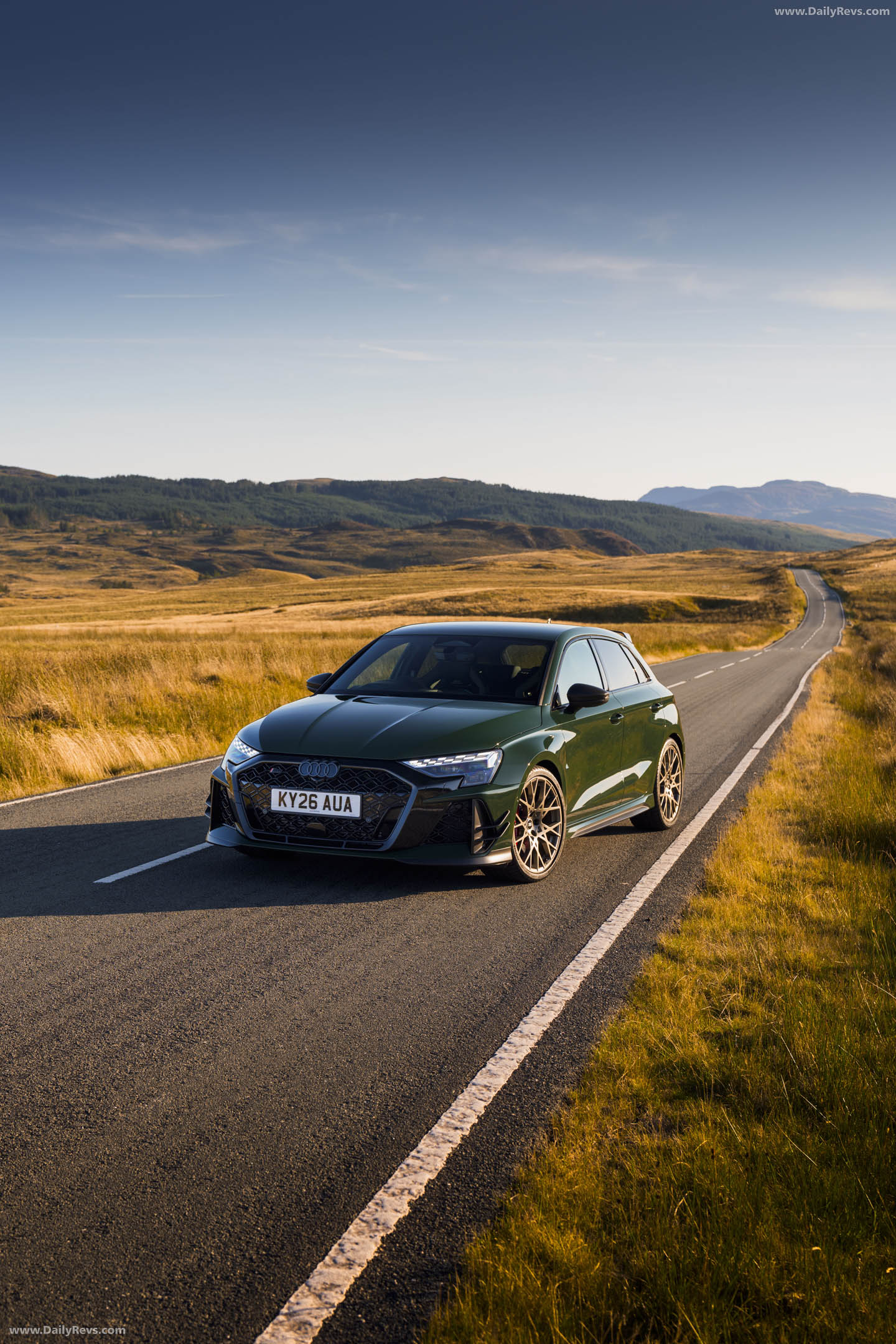
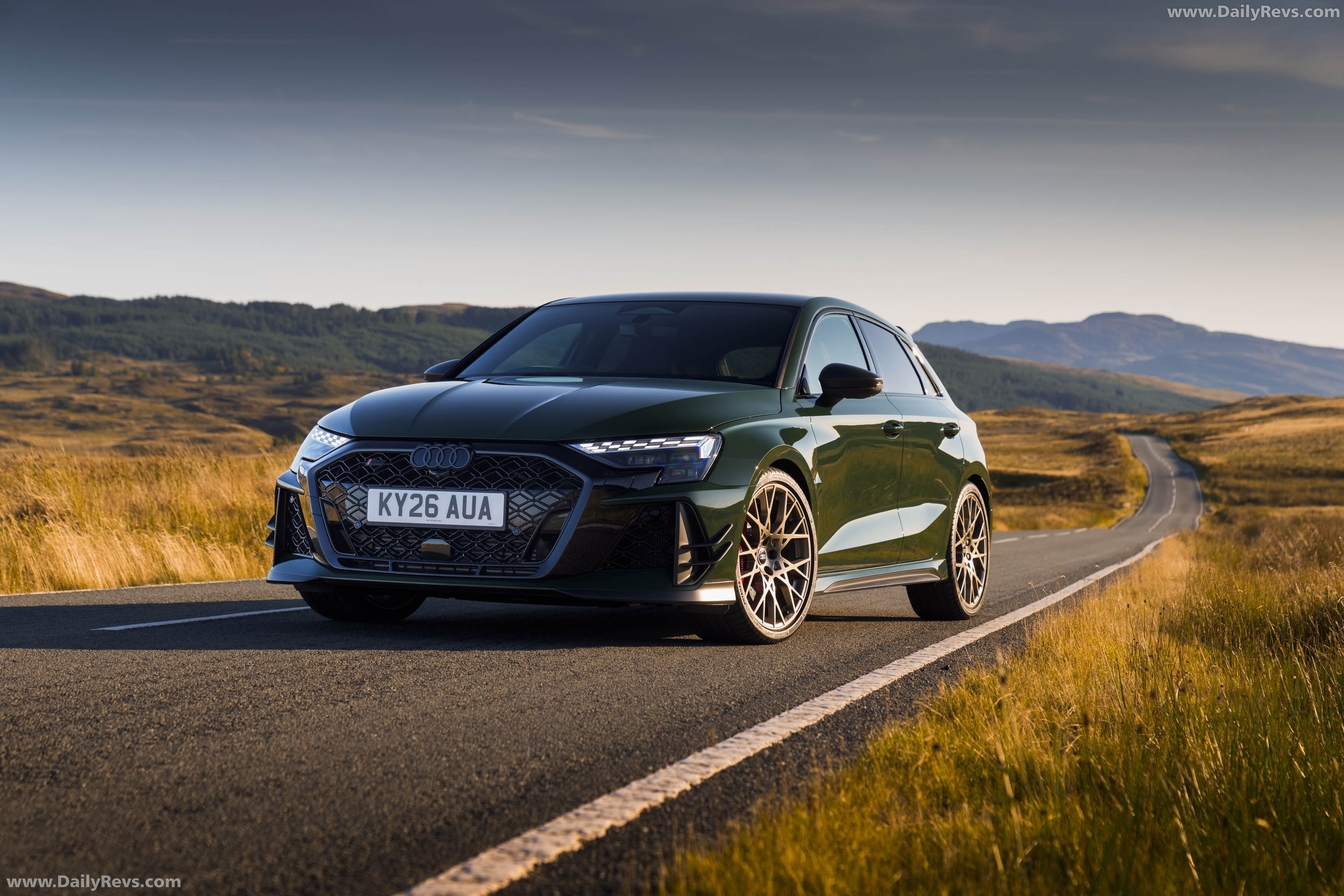
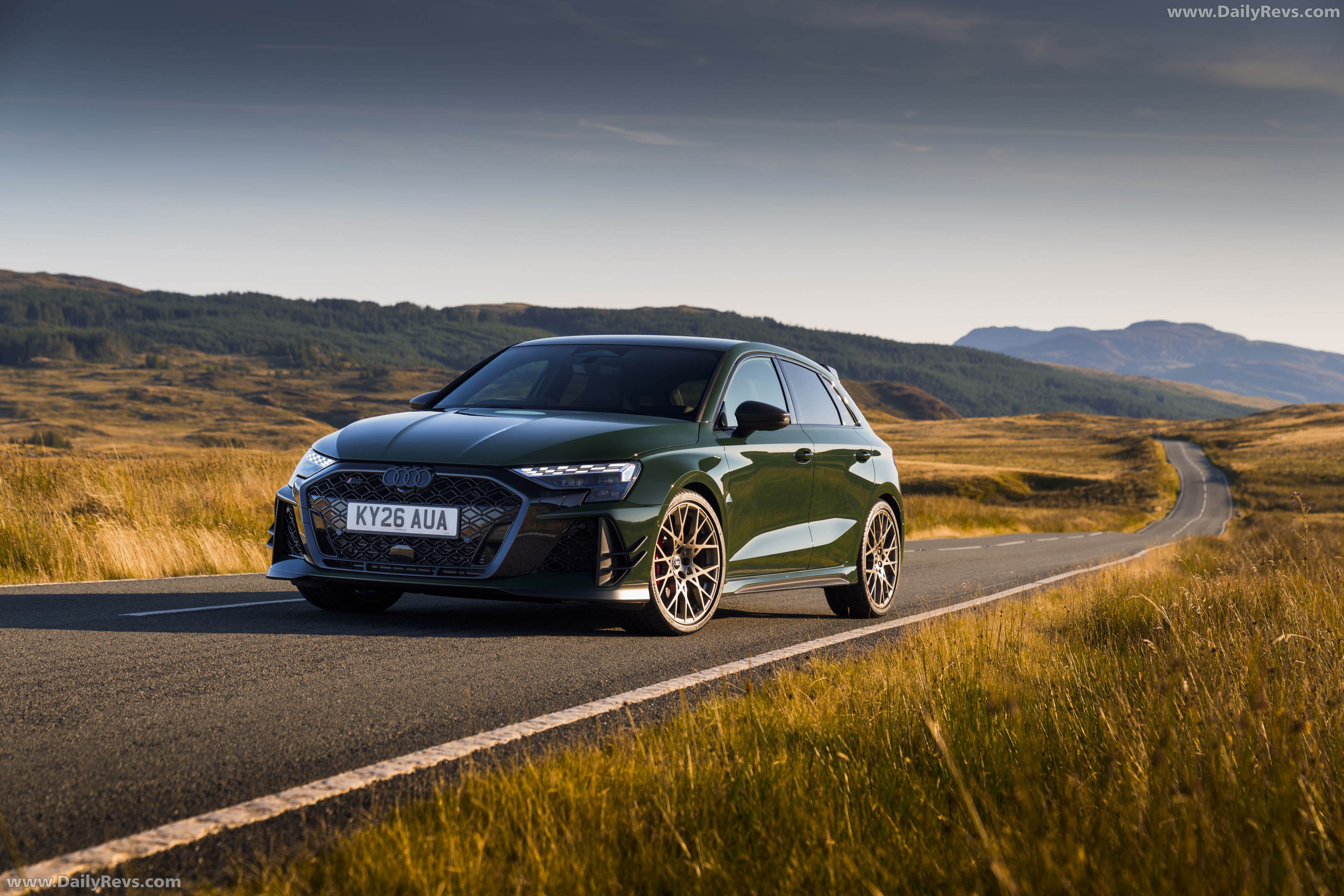
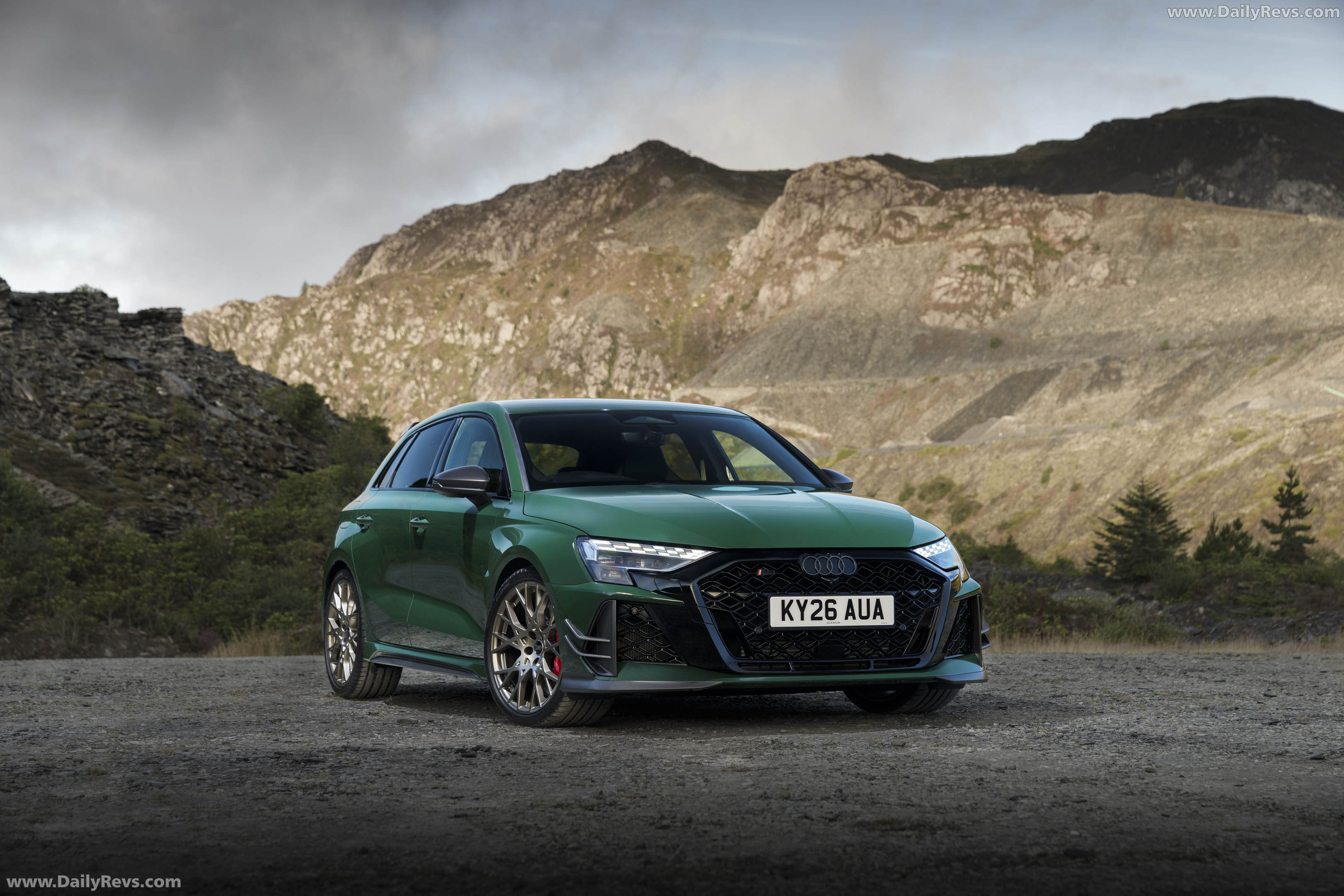
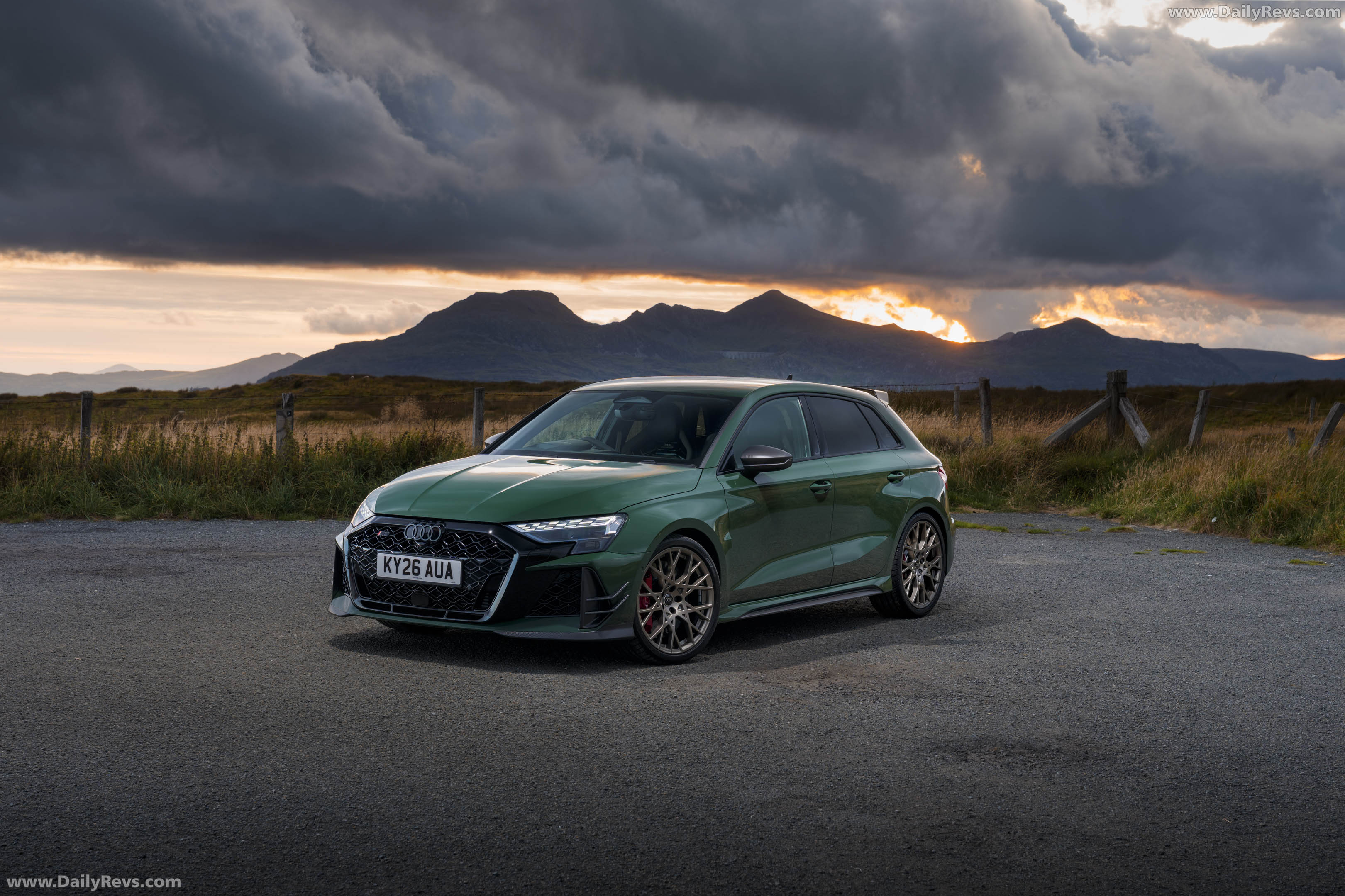
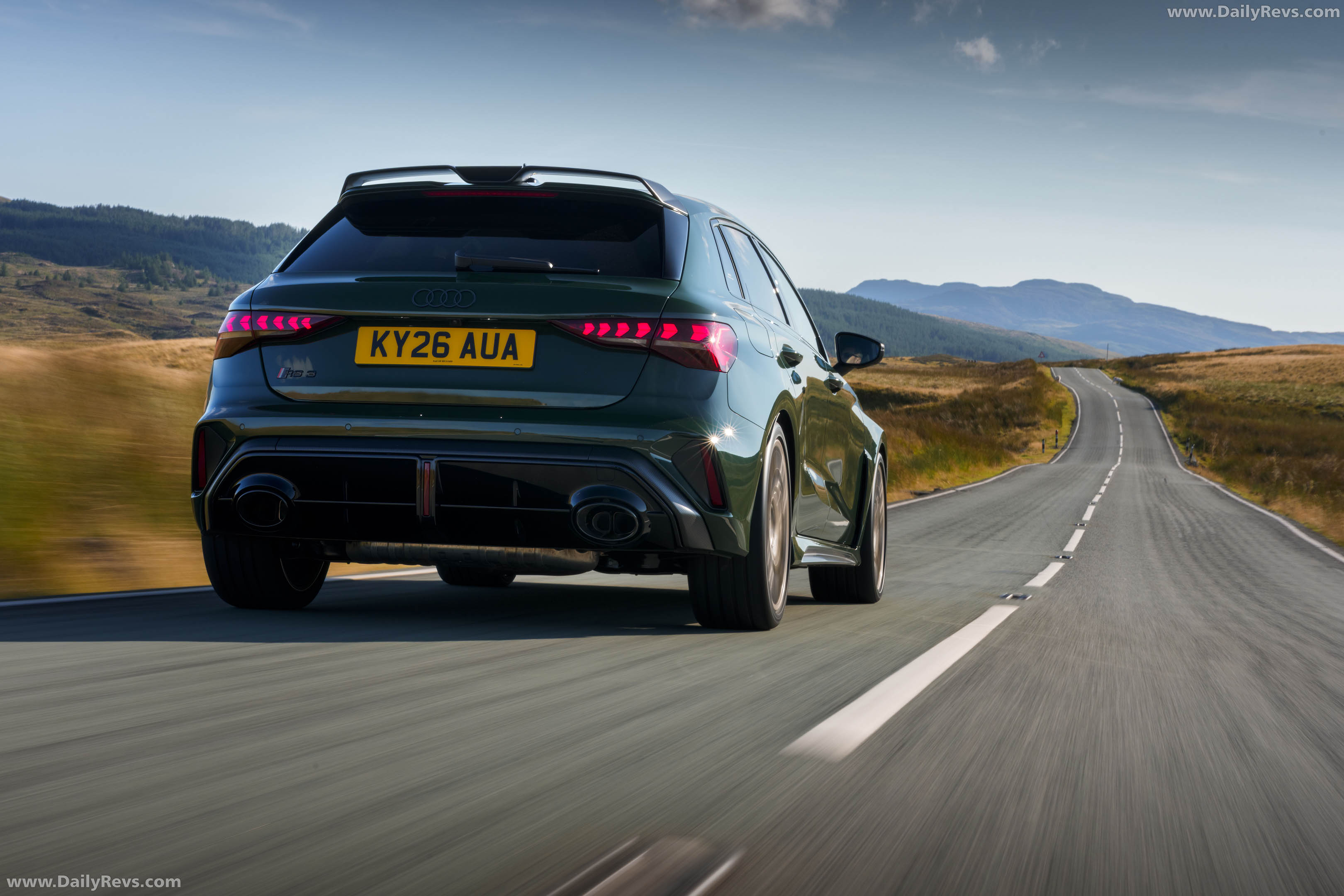
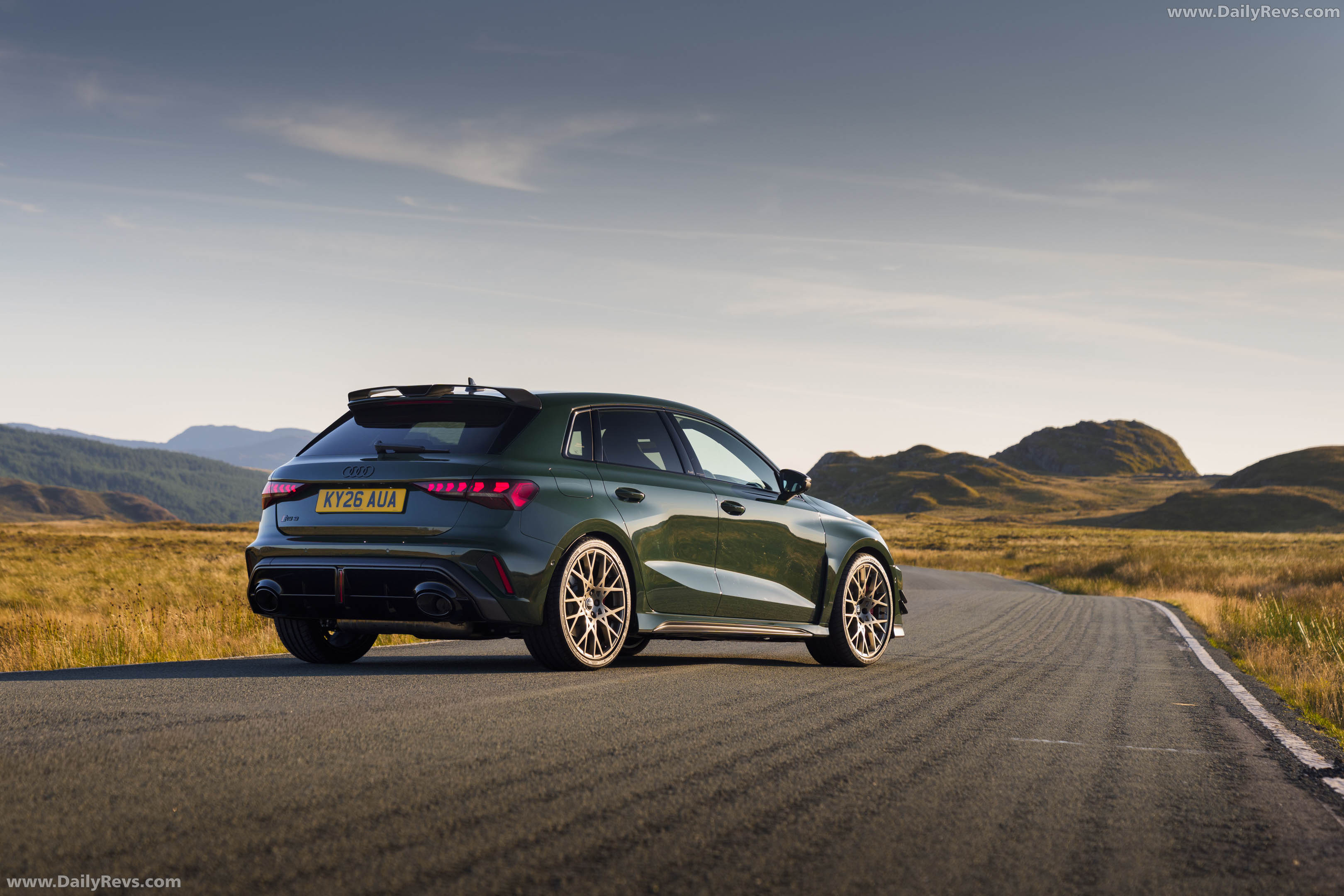
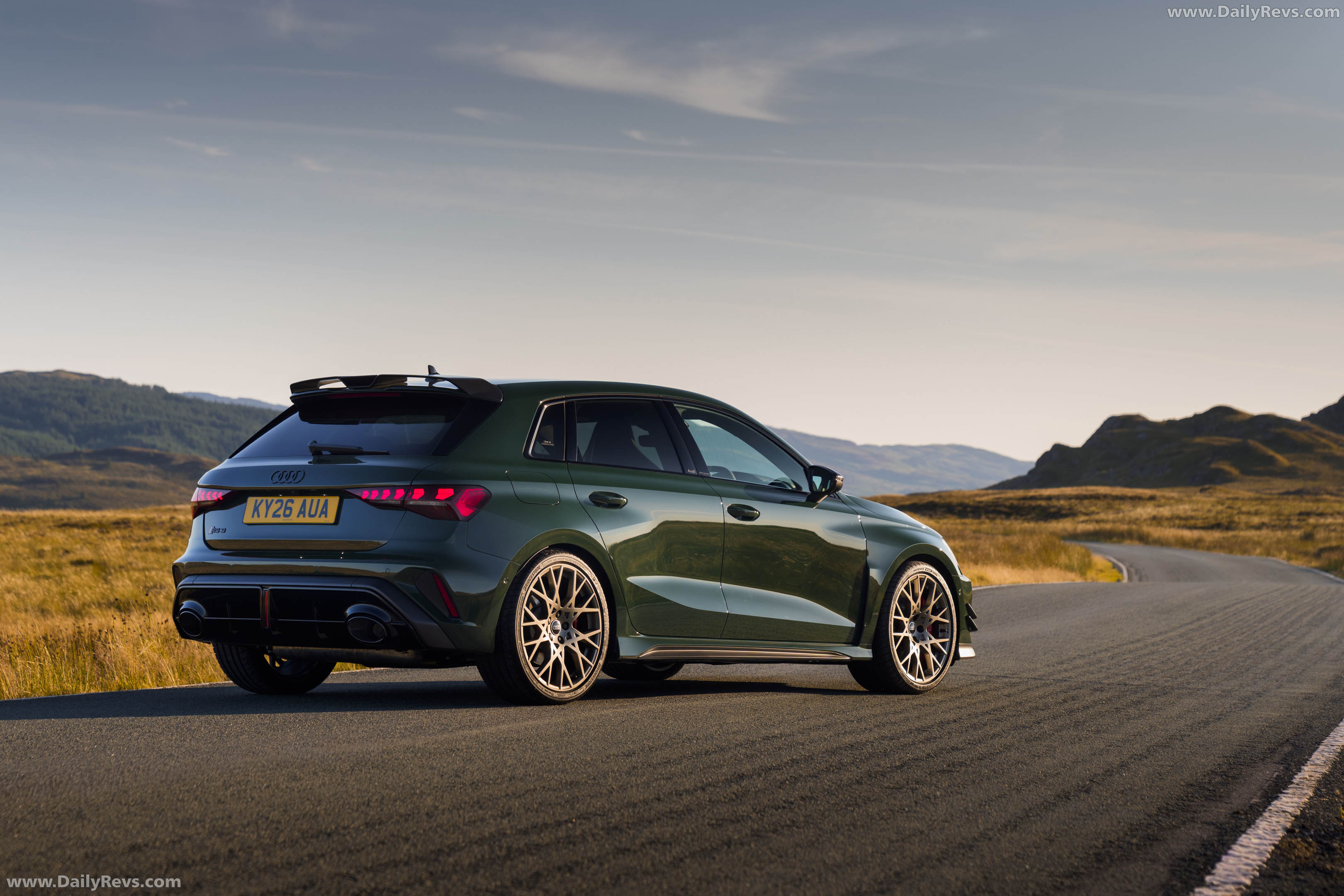
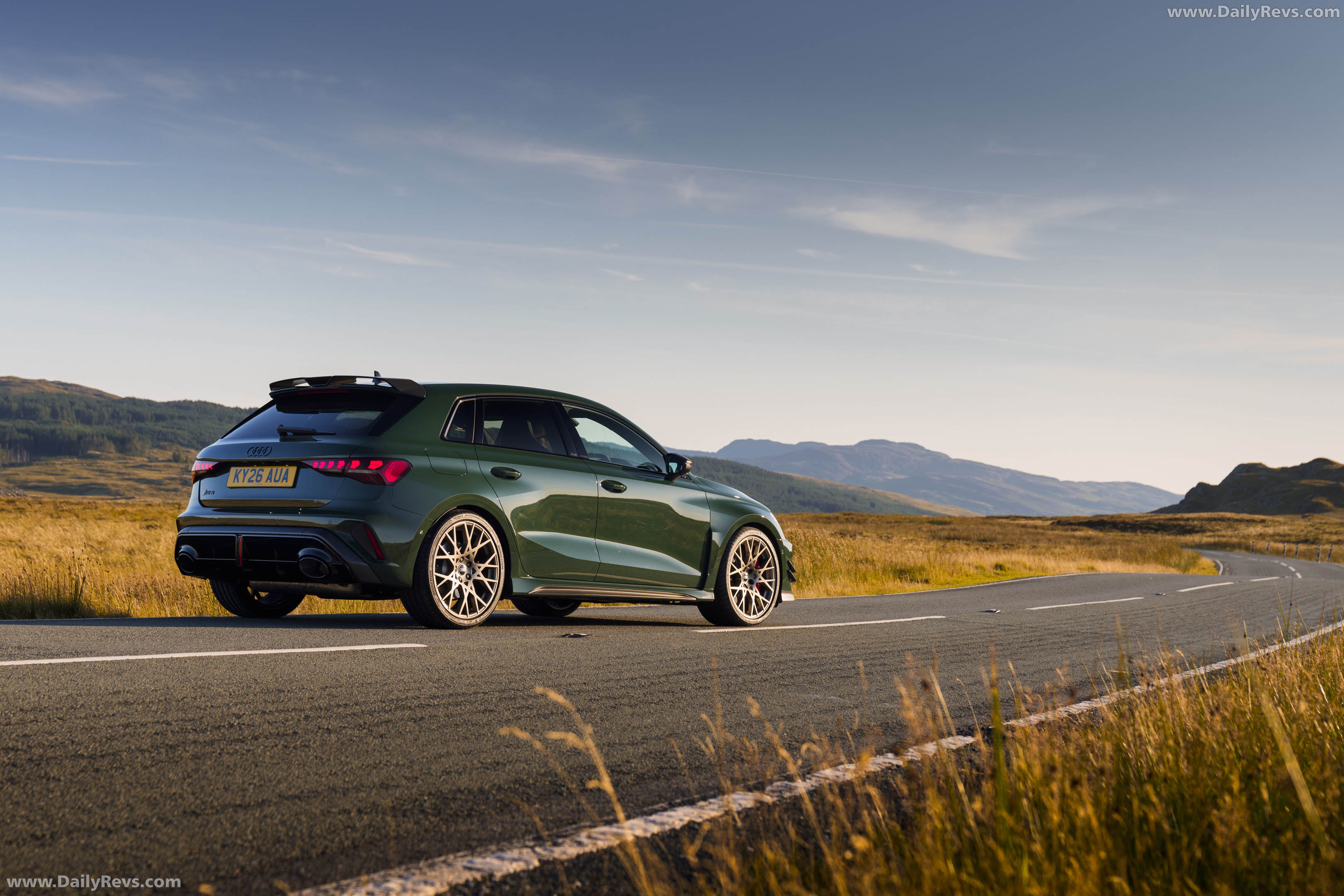
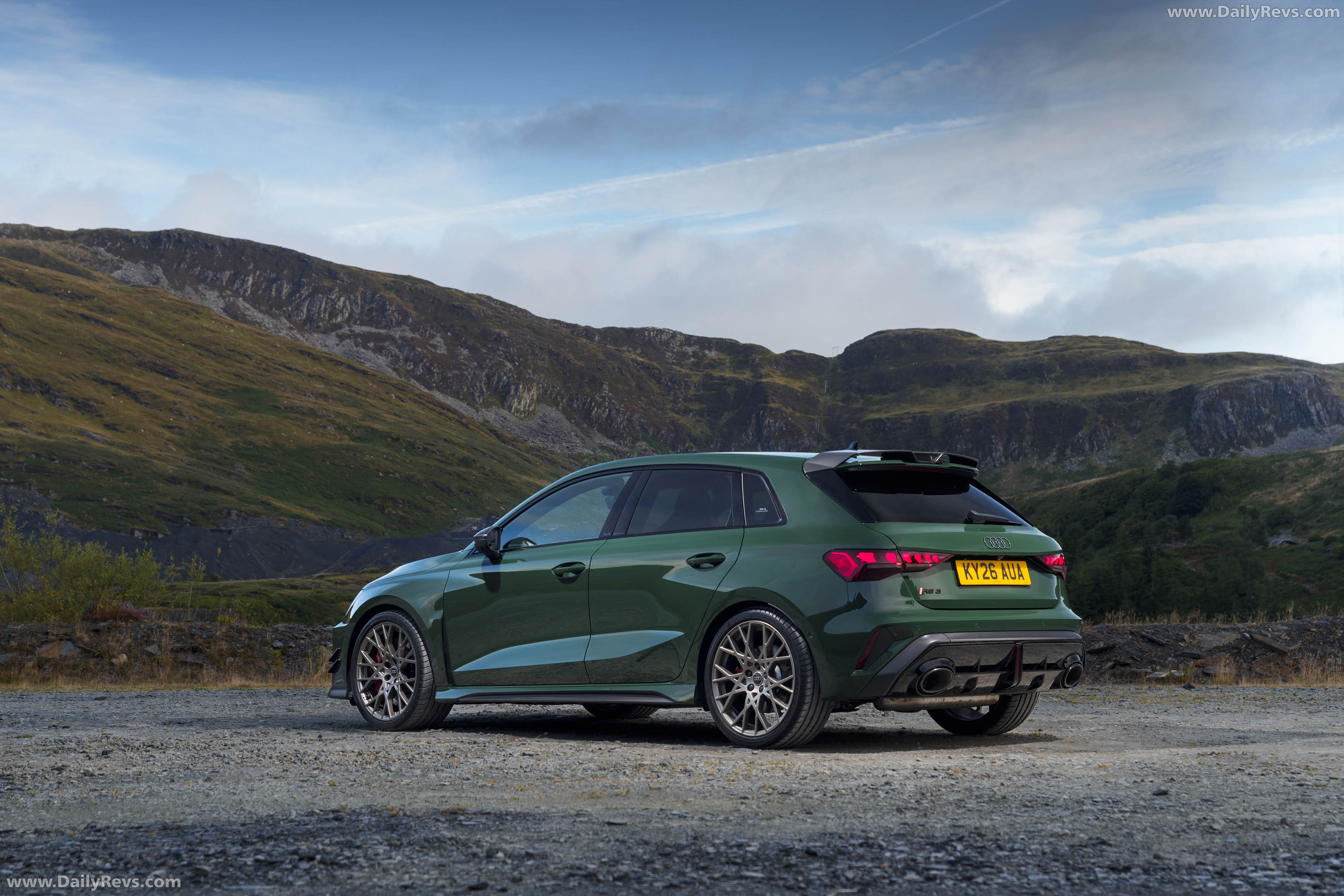
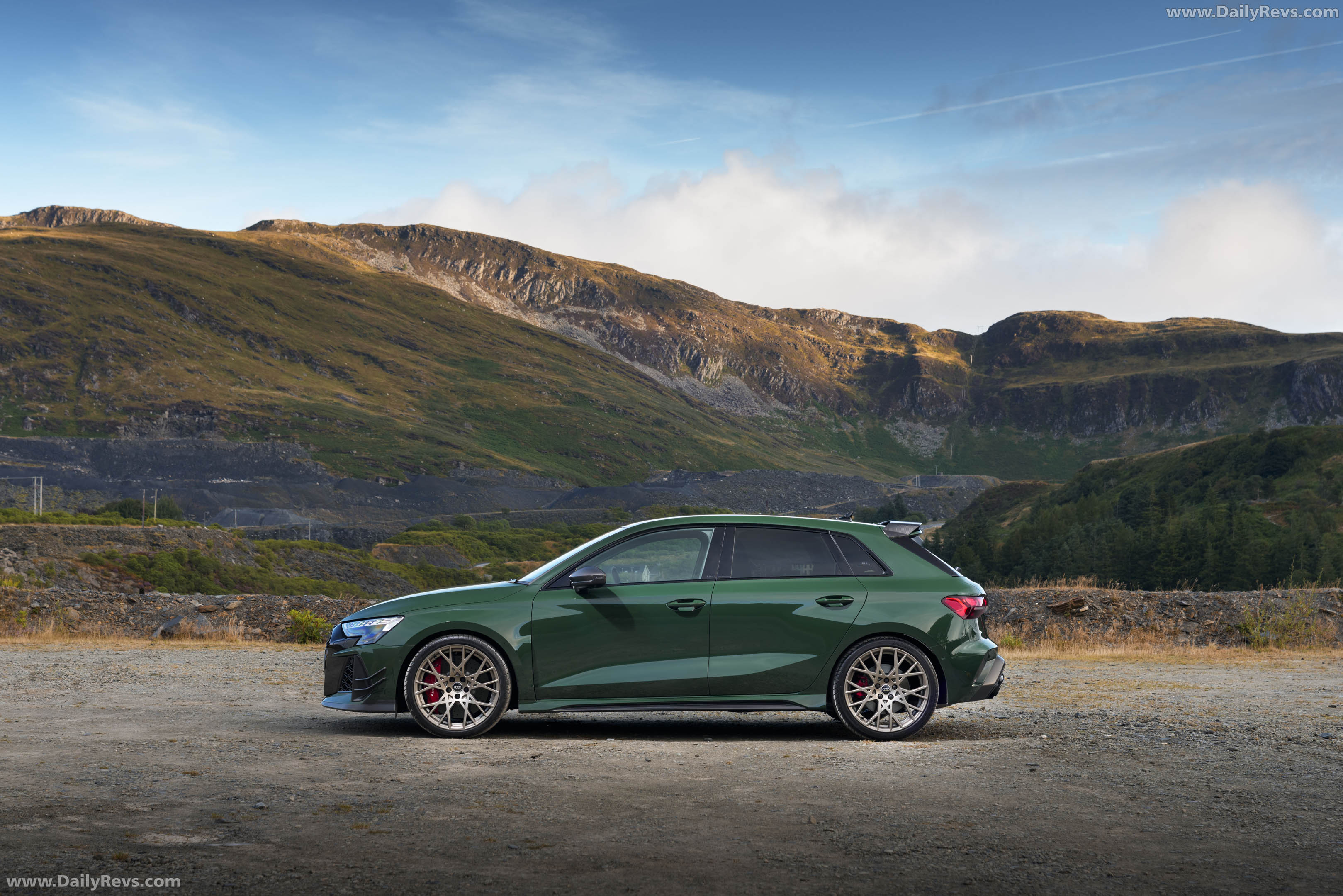
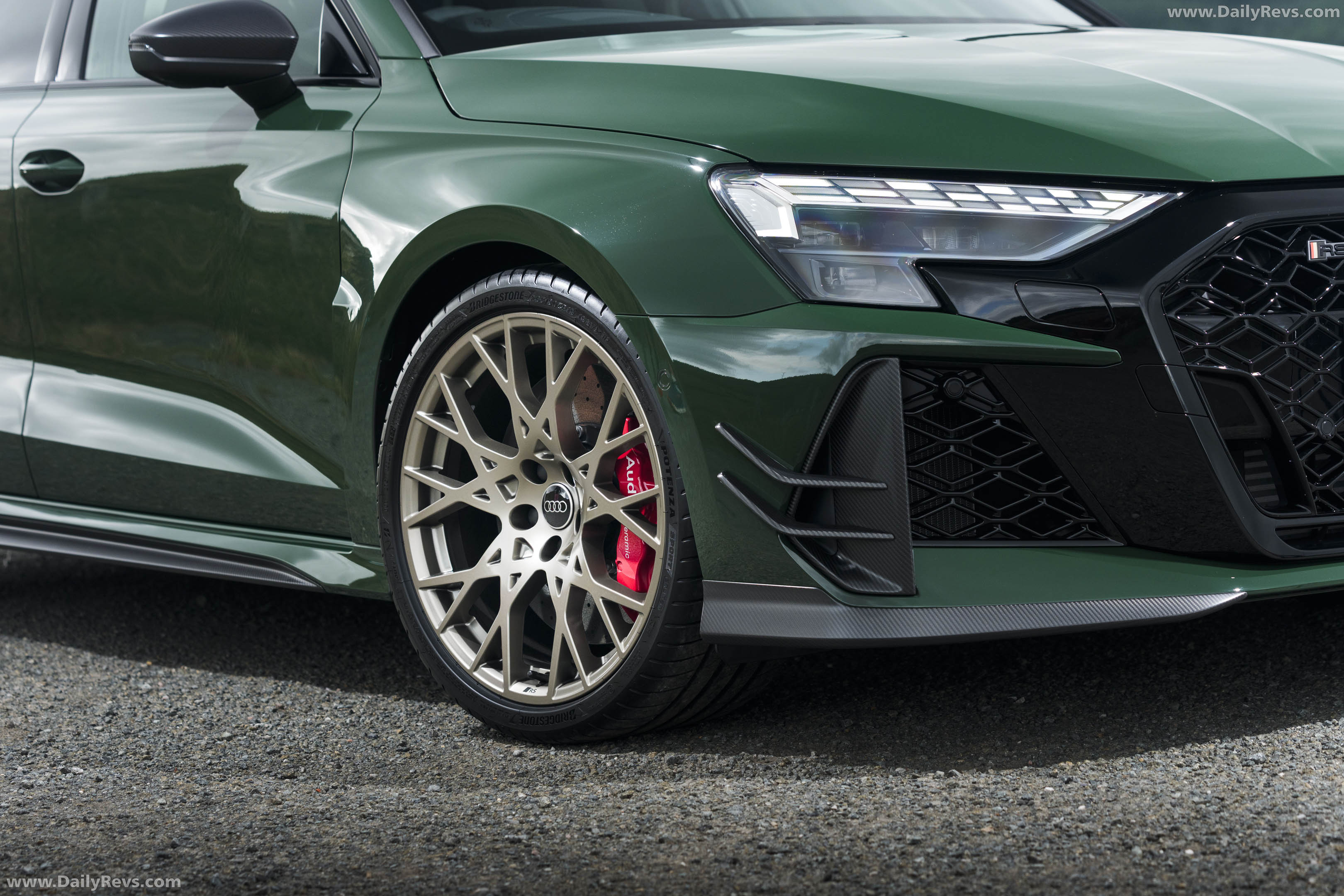
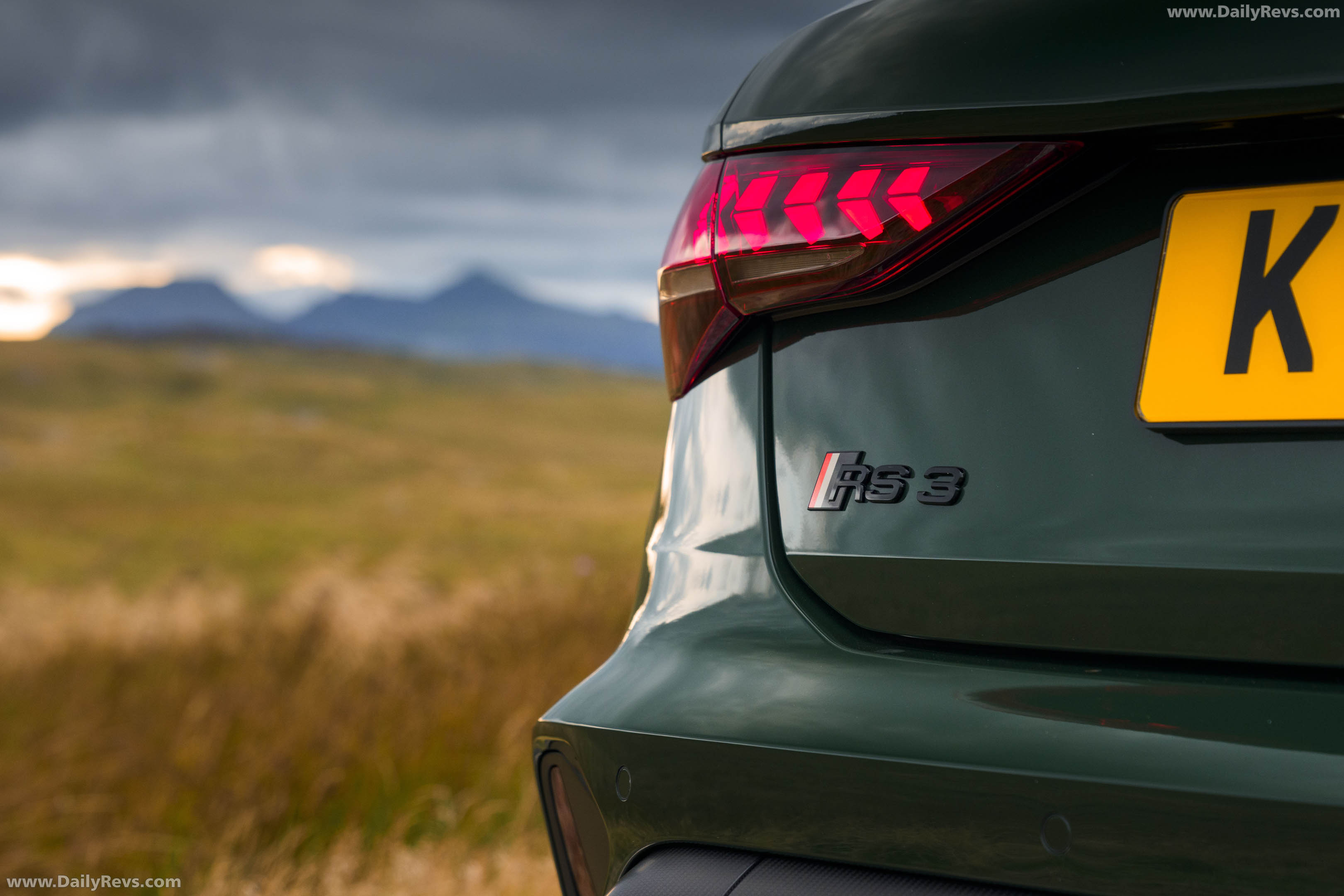
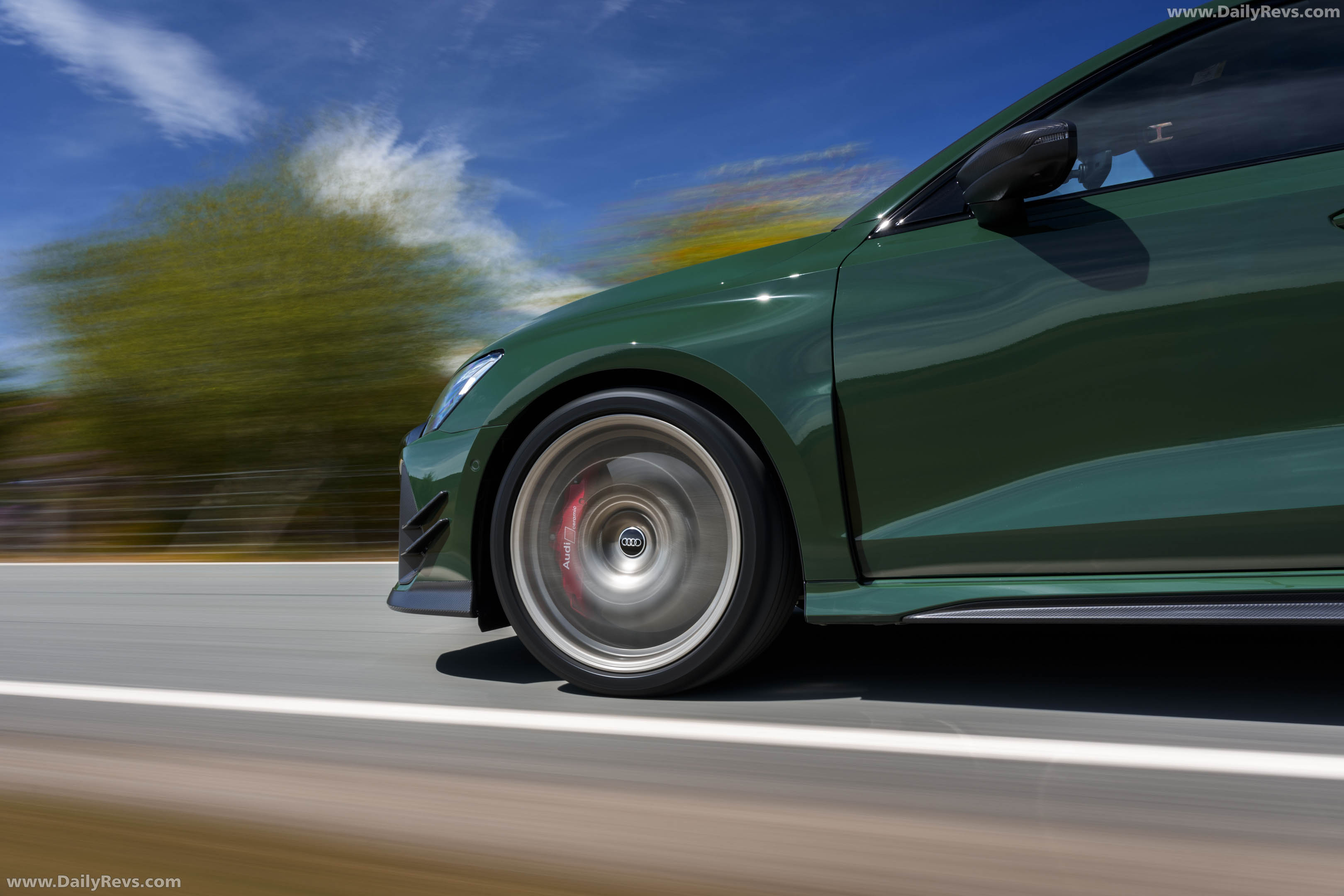
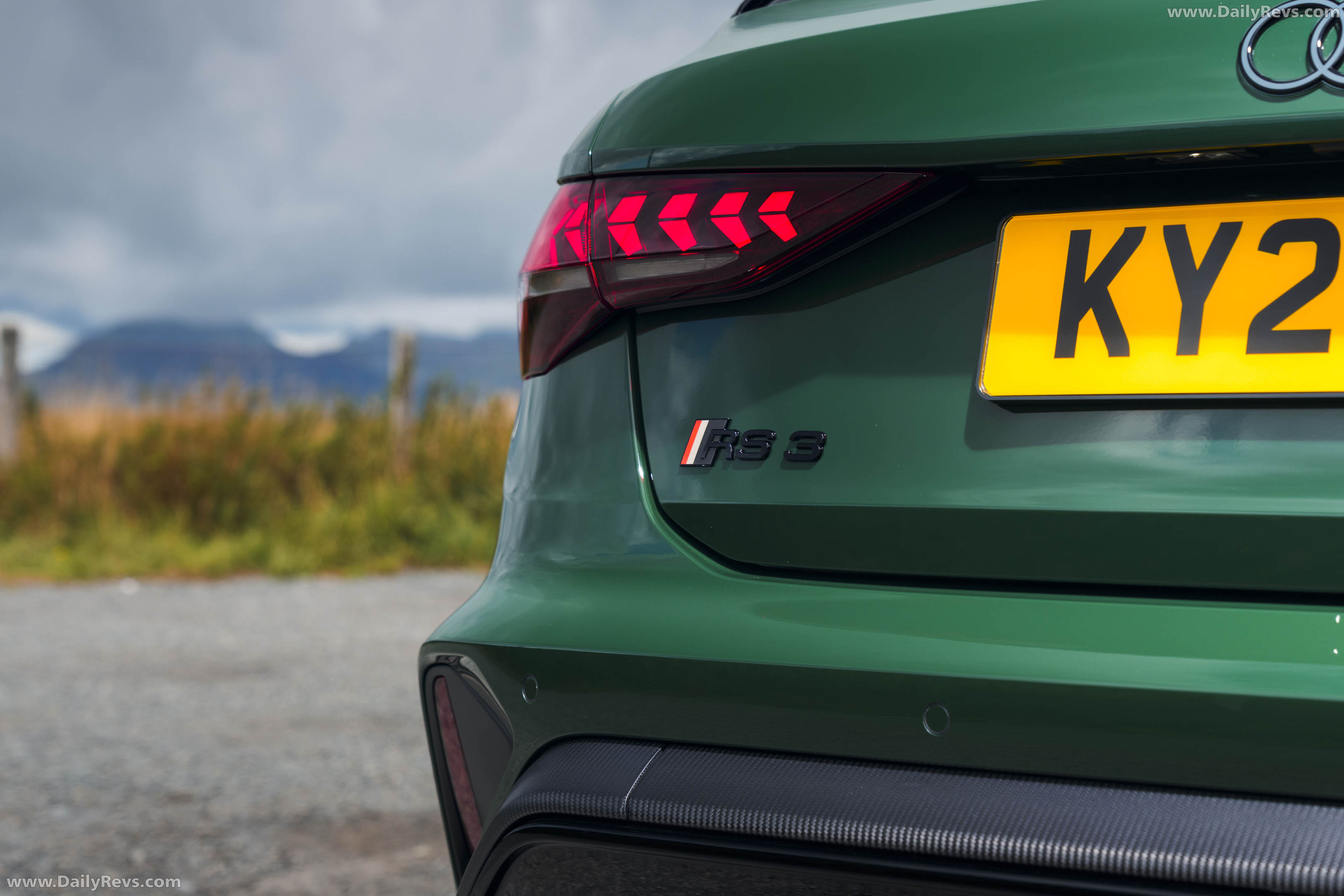
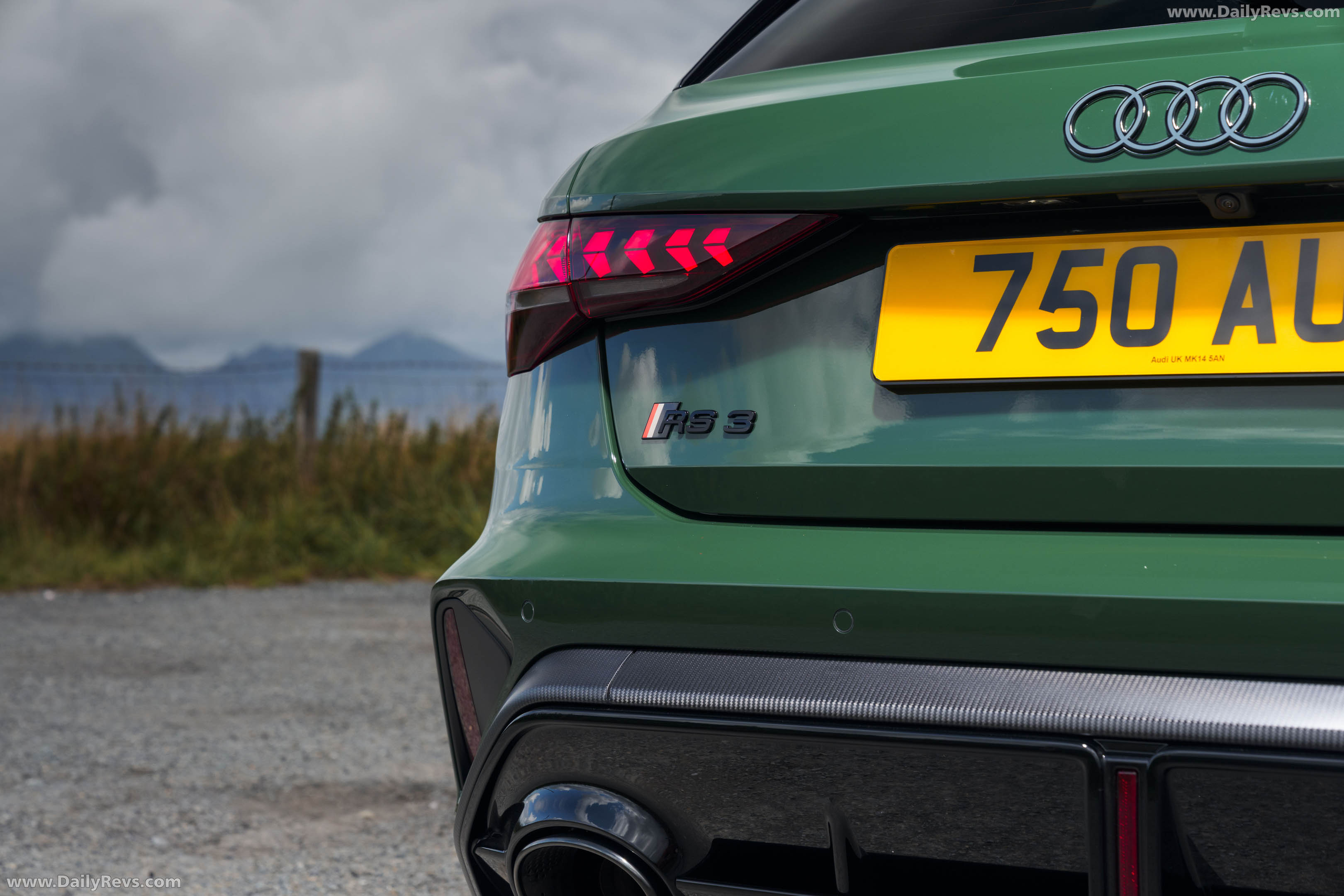
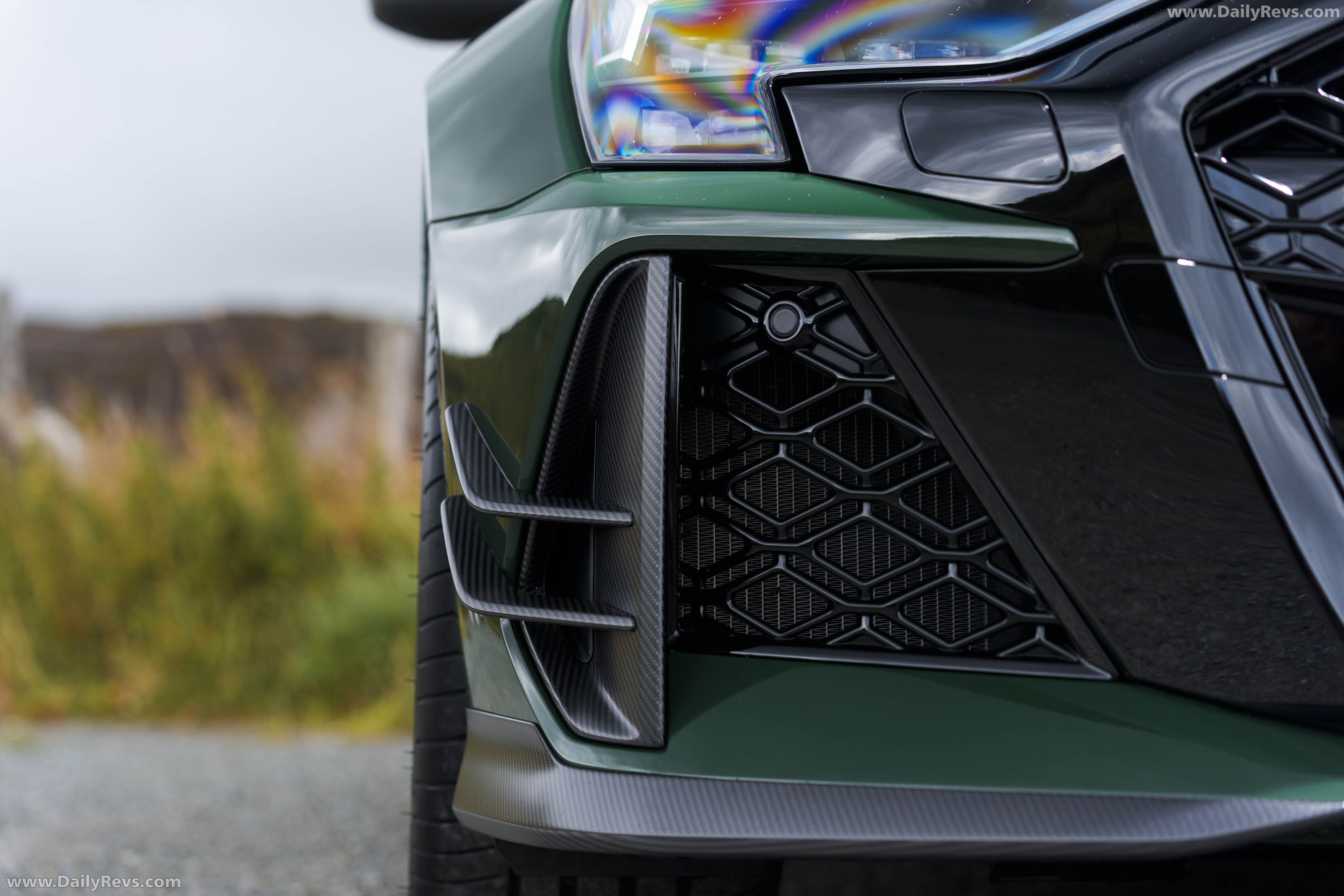
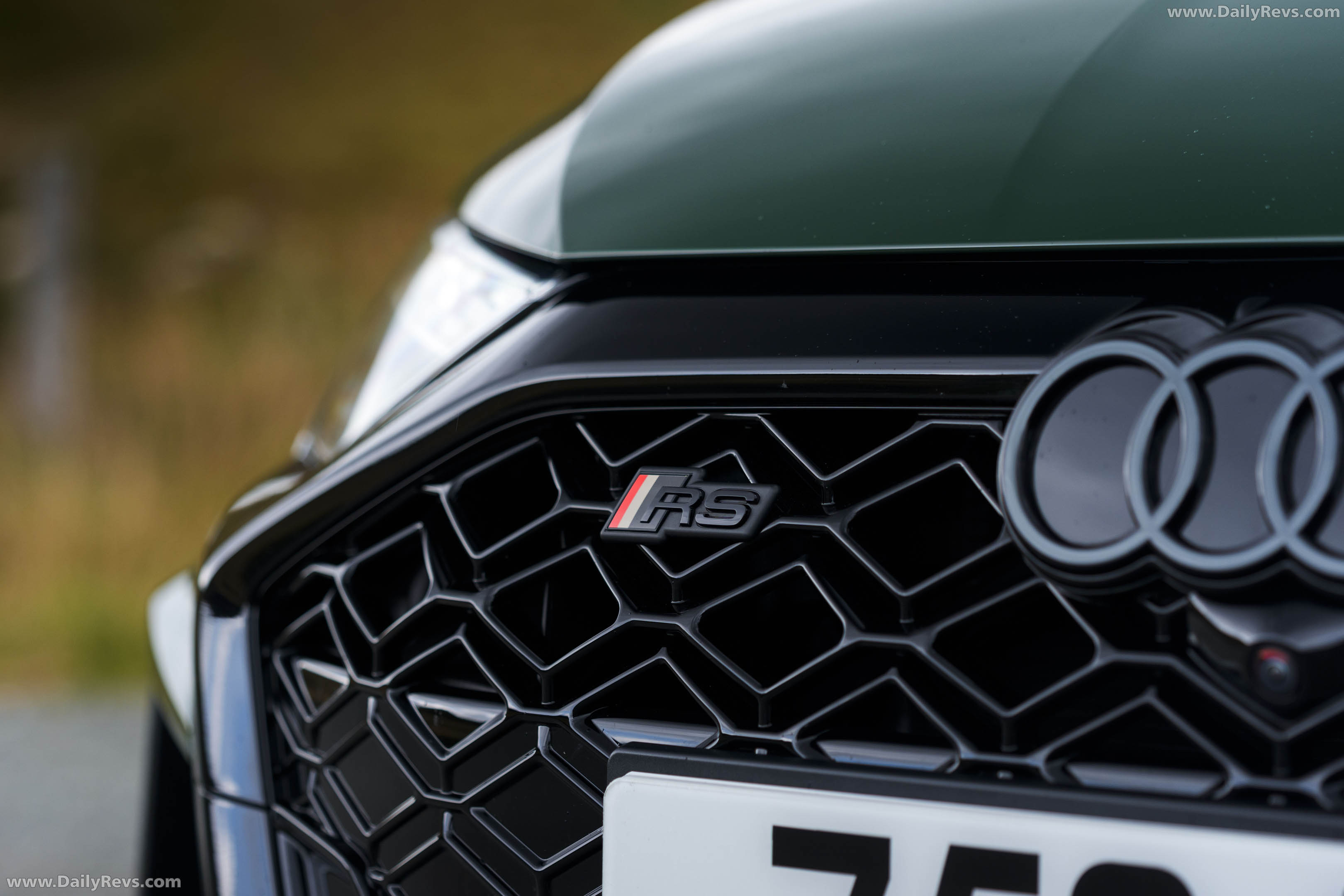
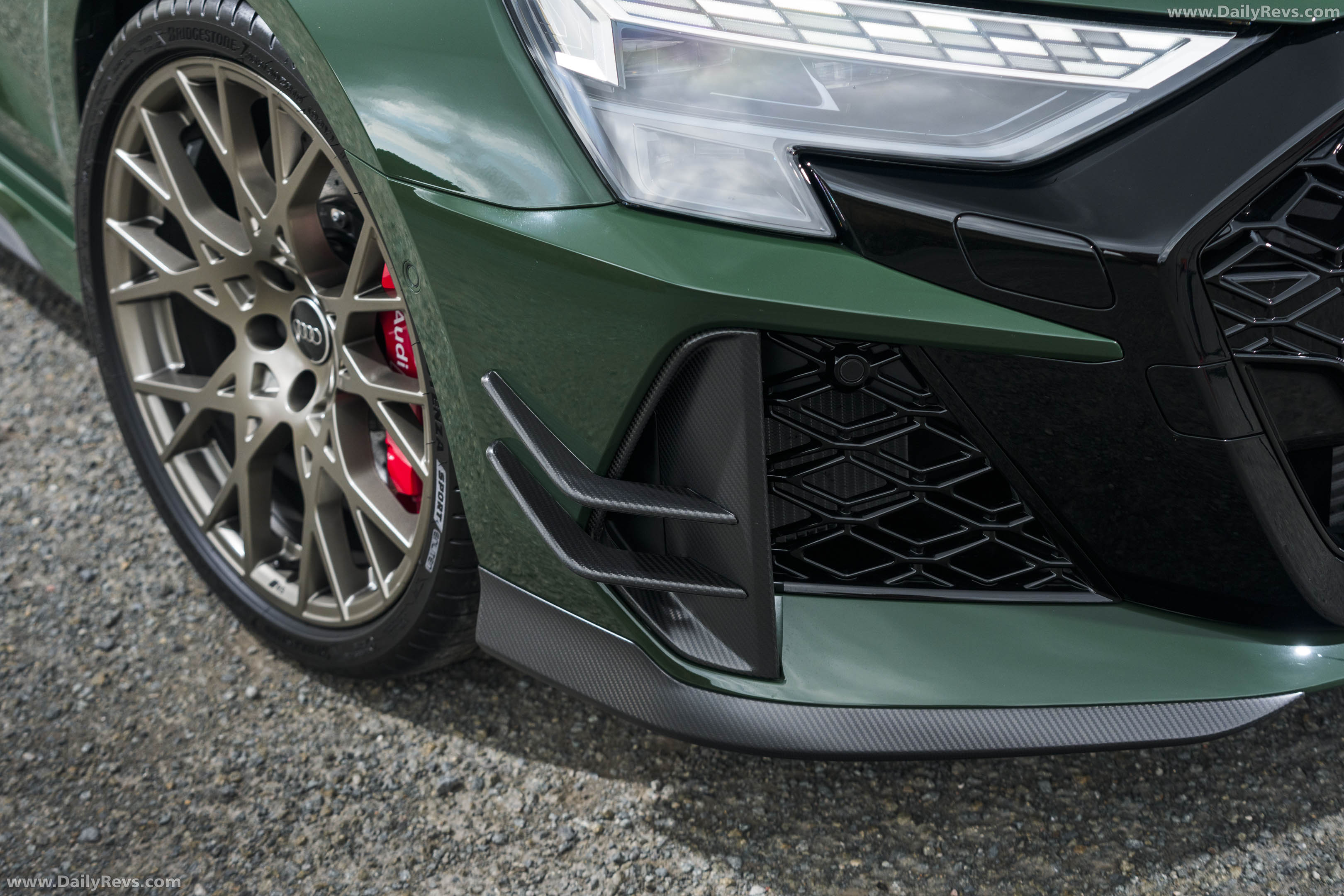
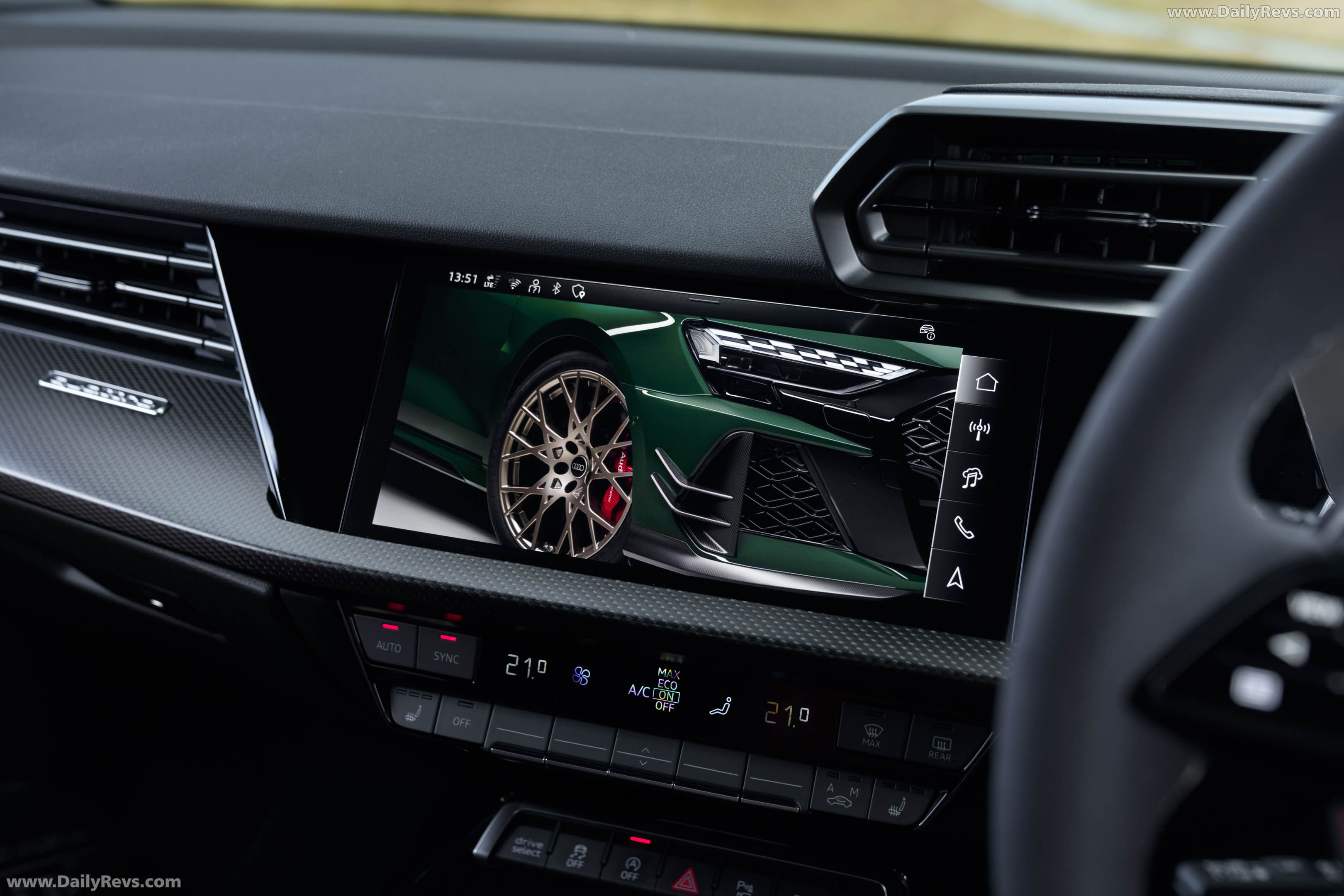
The changes start at the nose. Audi has sharpened the already assertive Singleframe grille and front lip further for this edition, and added two matte carbon canards stacked on top of each other at each front corner, designed to line up with the vertical blades of the air curtains. A new split front lip sits below the air intakes, and combined with the canards it makes the car read visually wider than the standard RS 3. Heritage-coloured badges front and rear round out the detailing.
Stance and Details That Reward a Closer Look
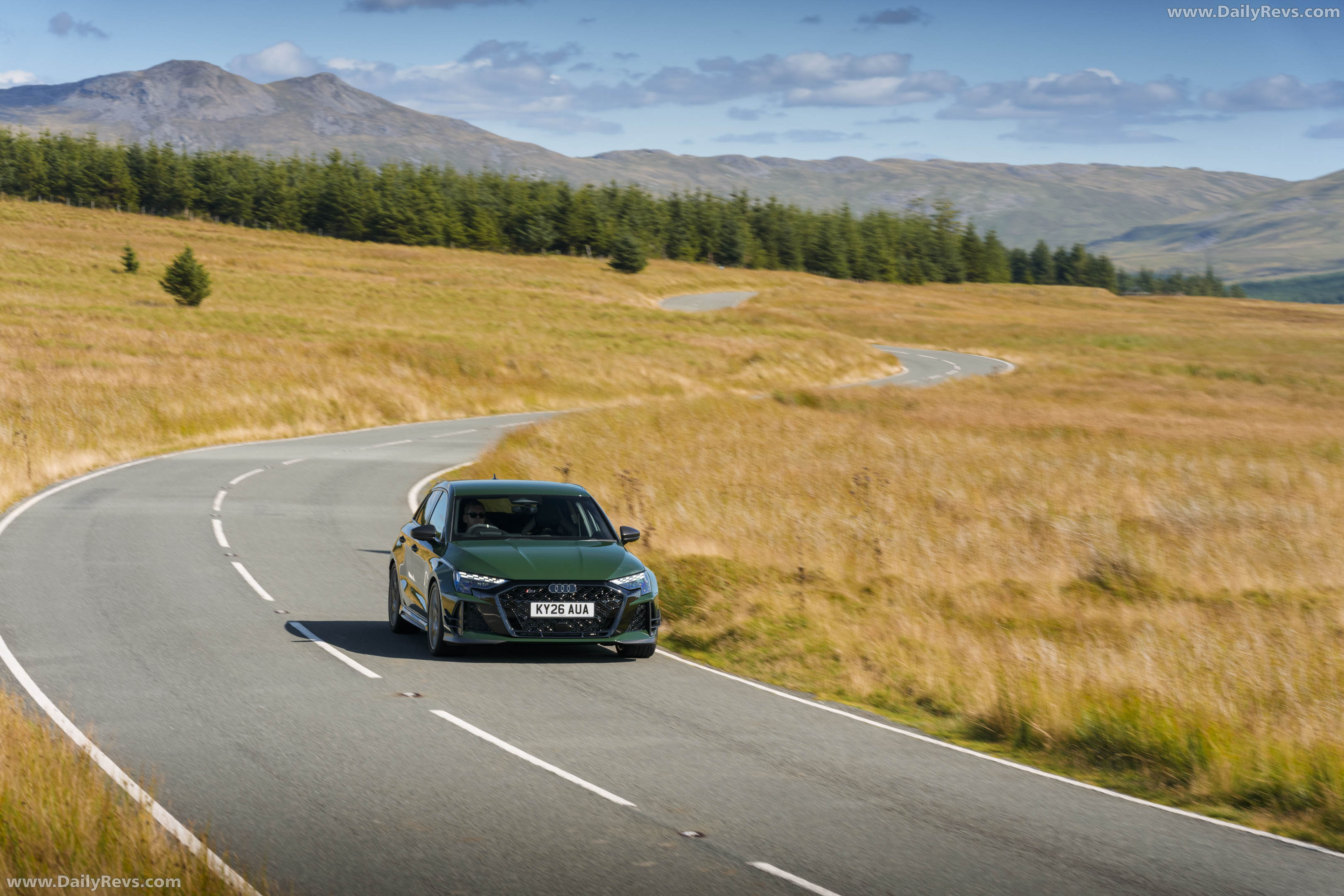
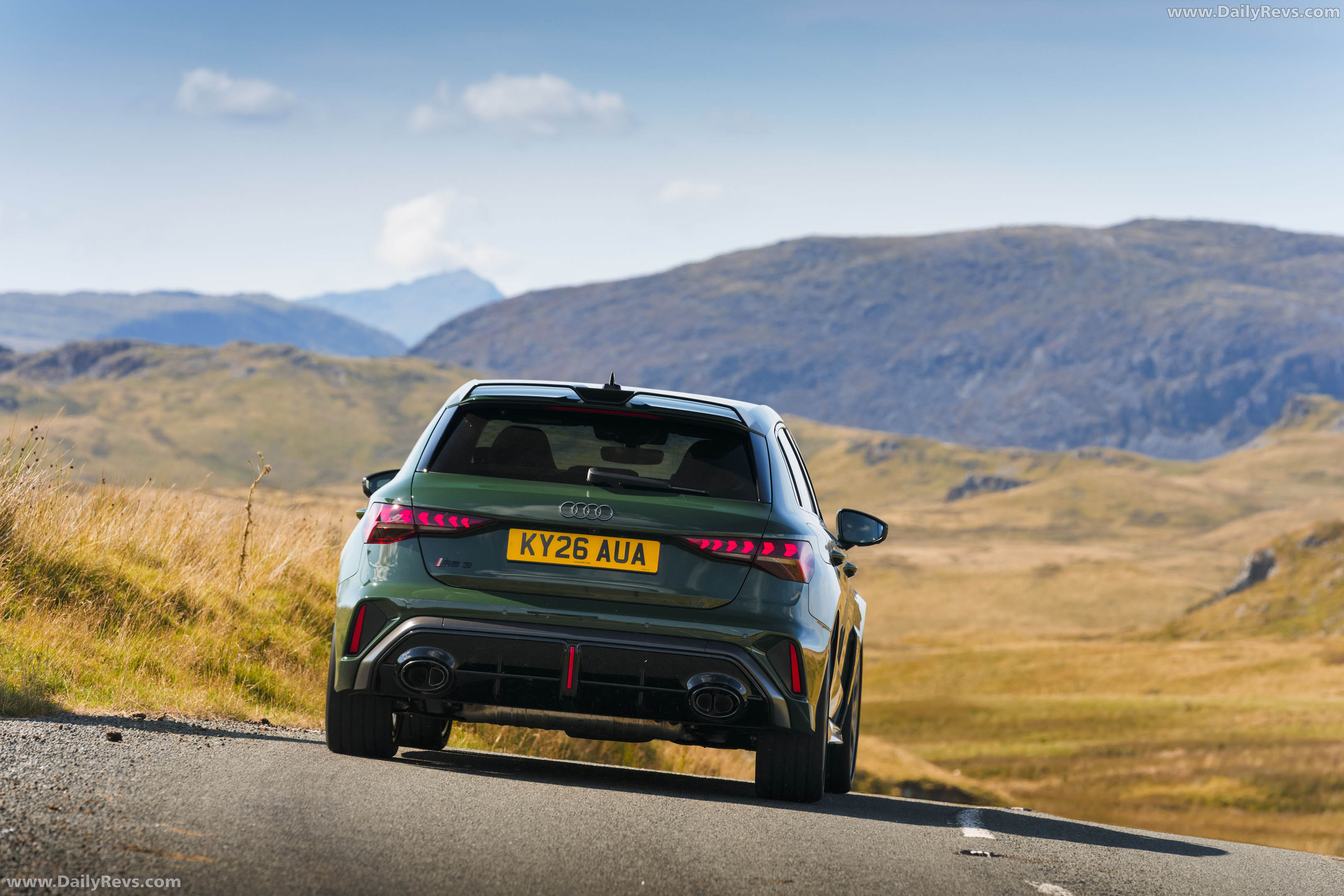
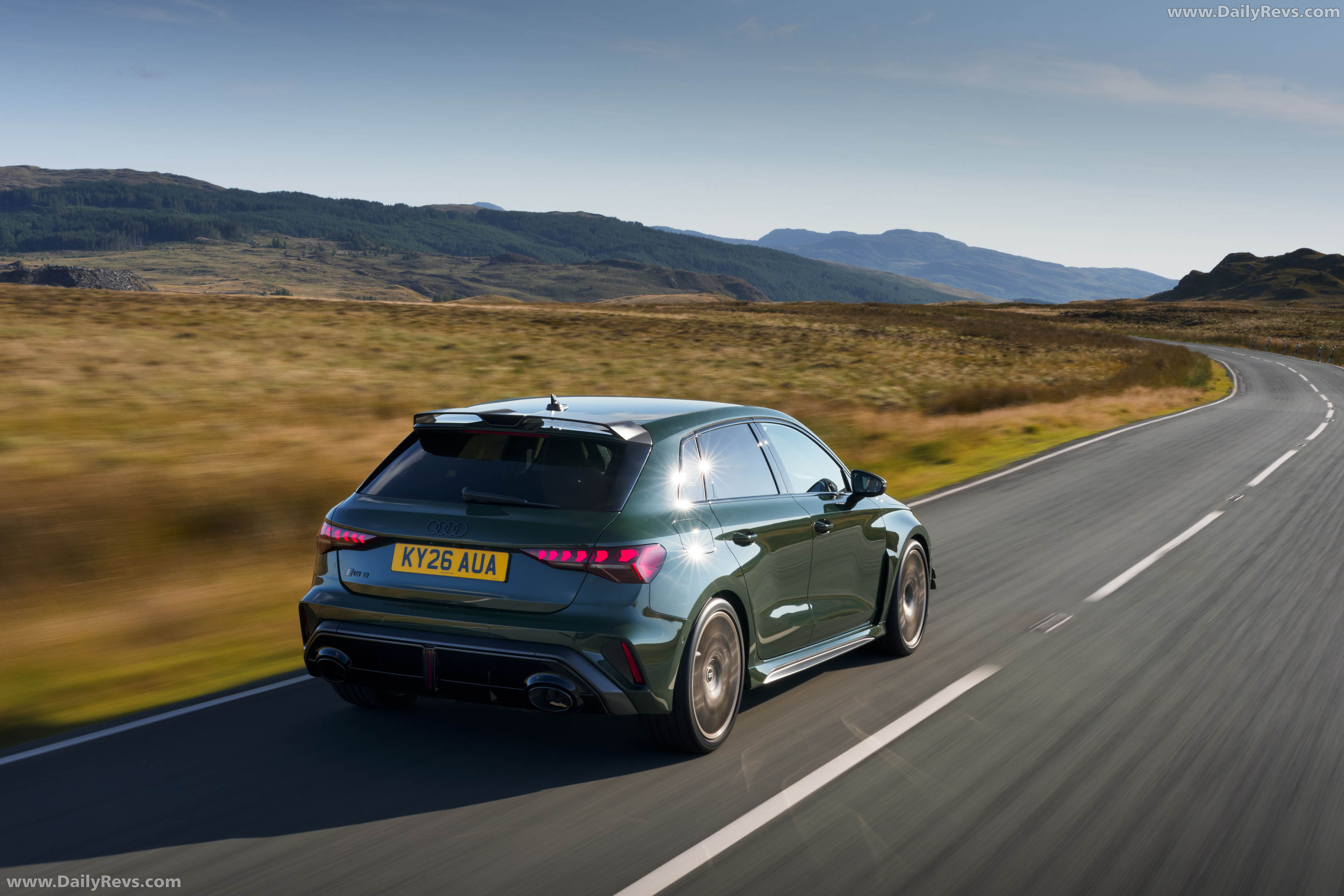
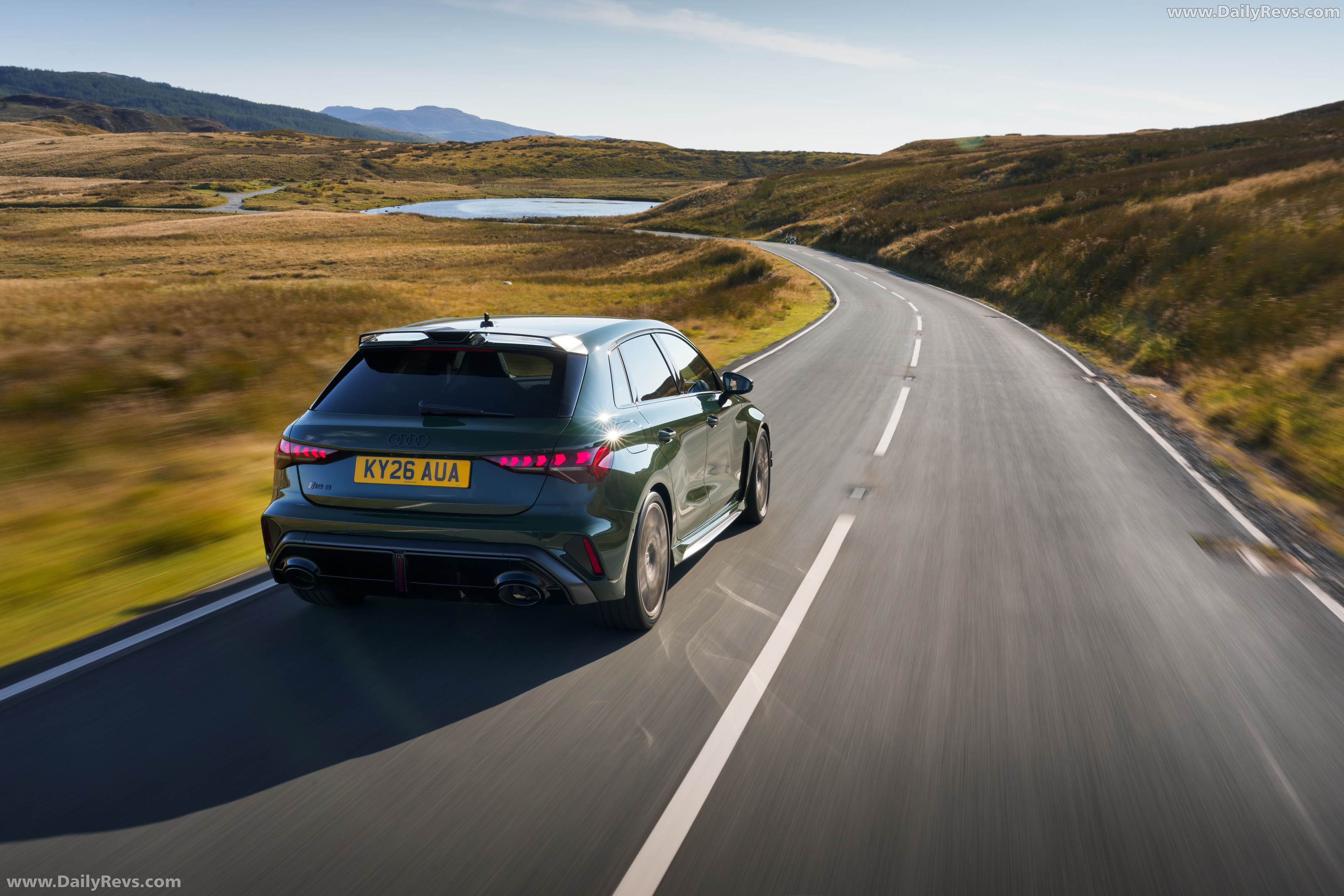
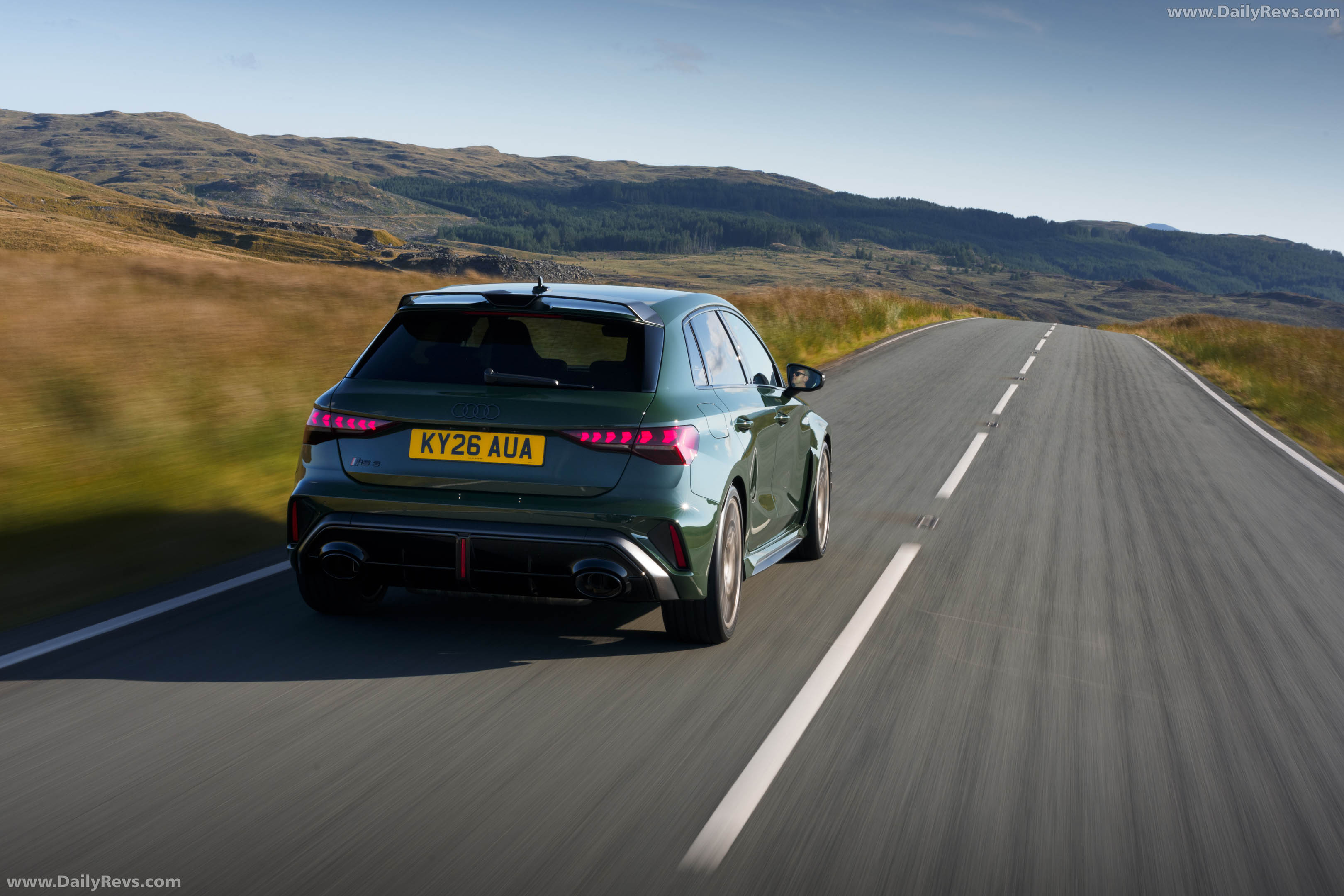
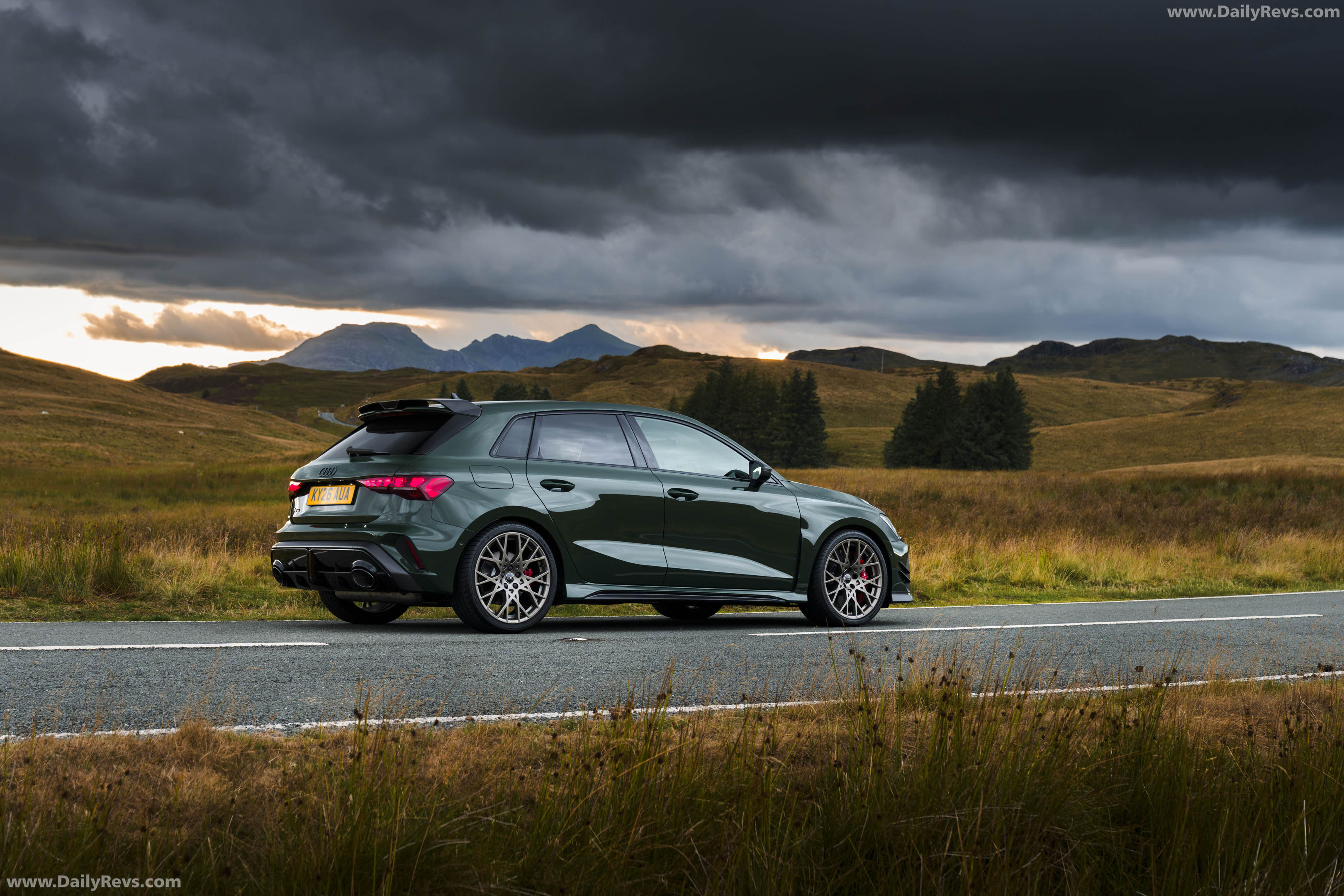
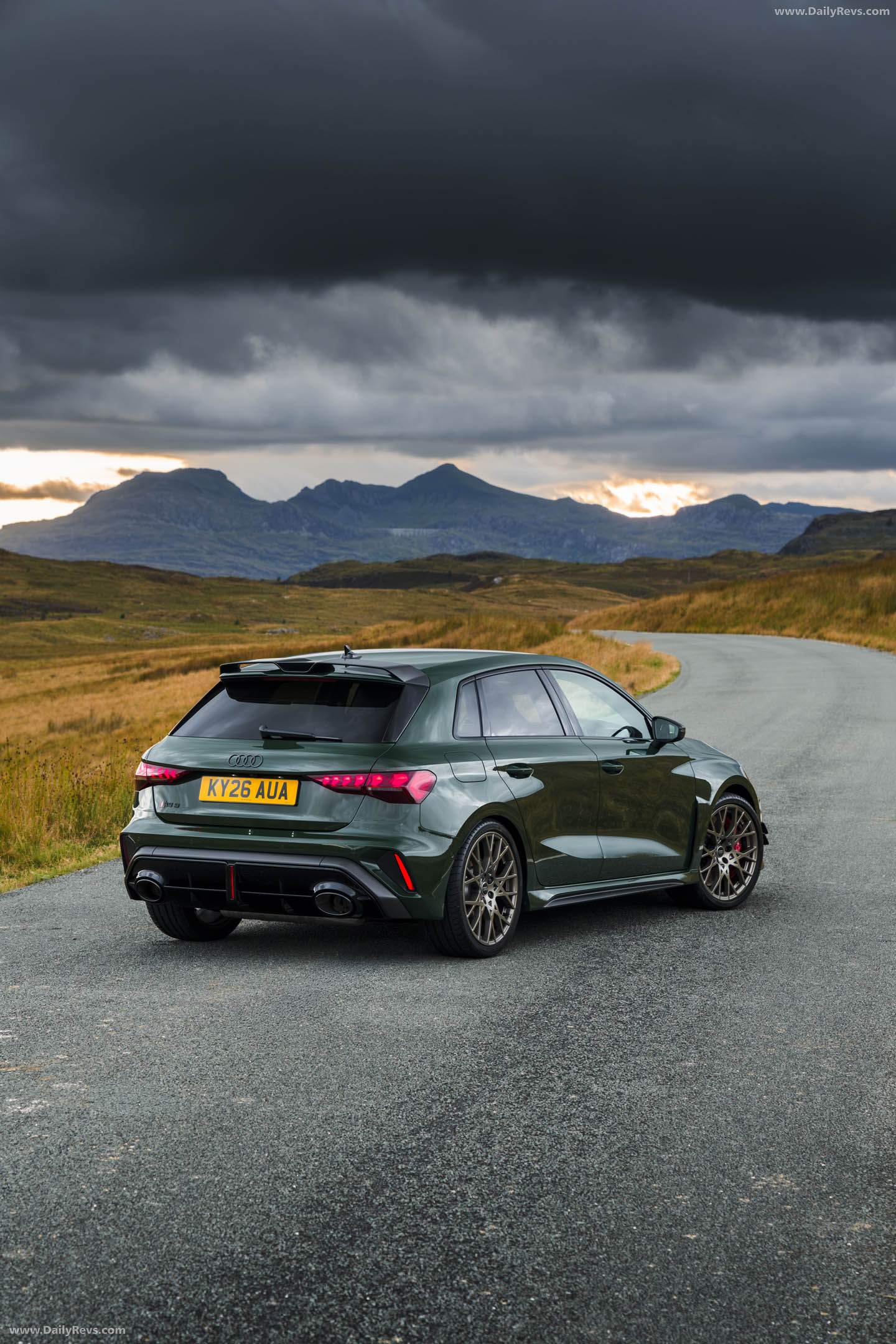
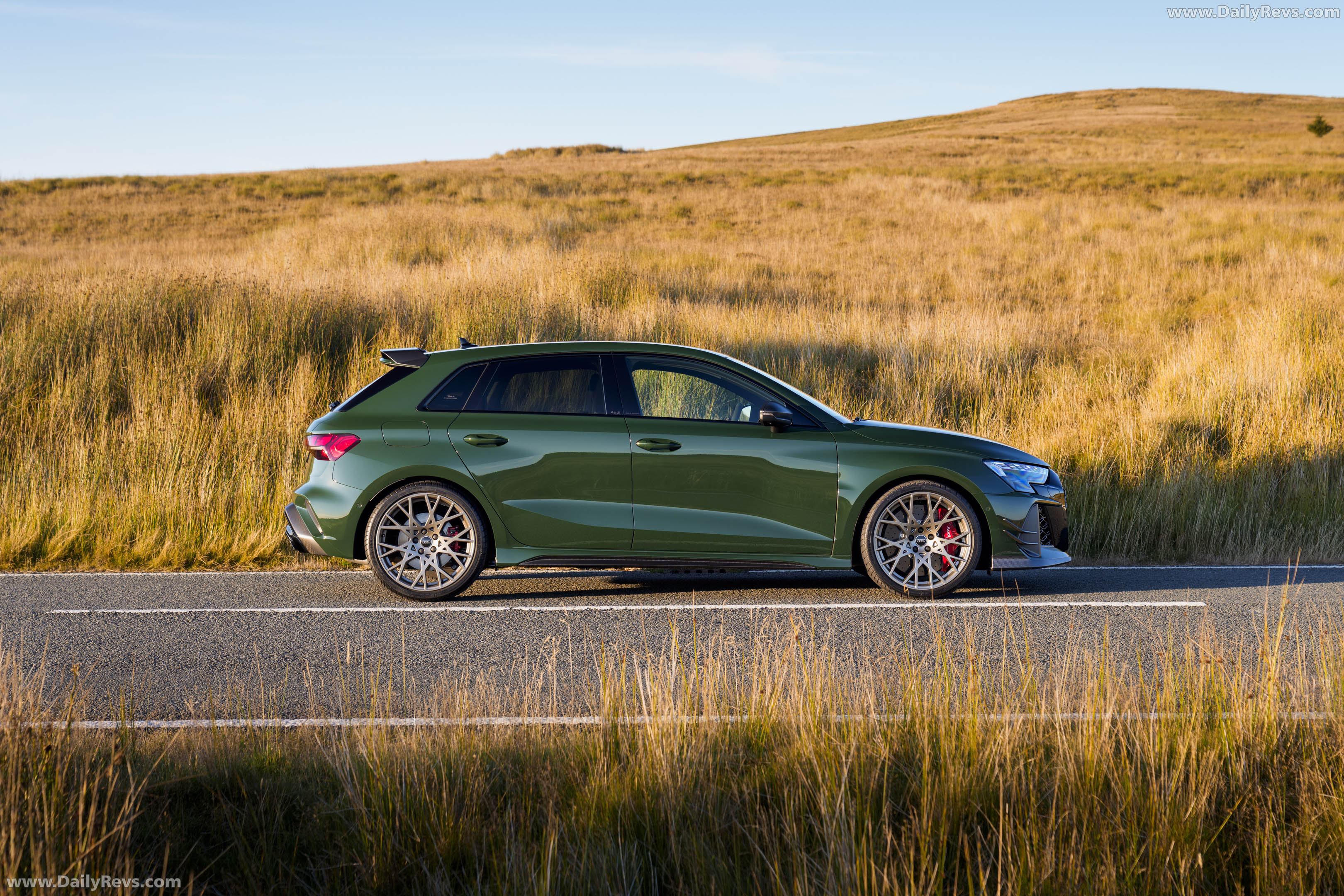
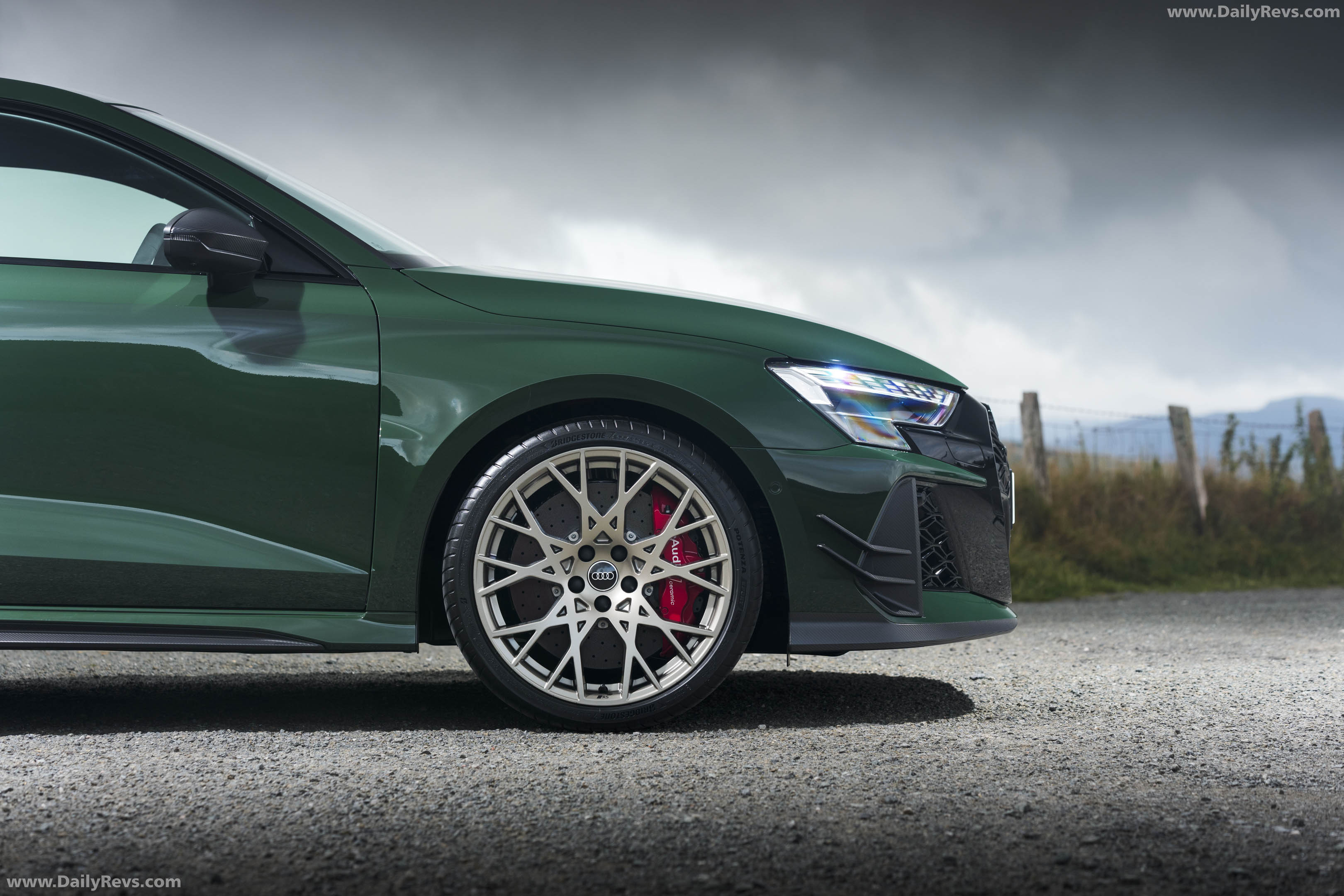
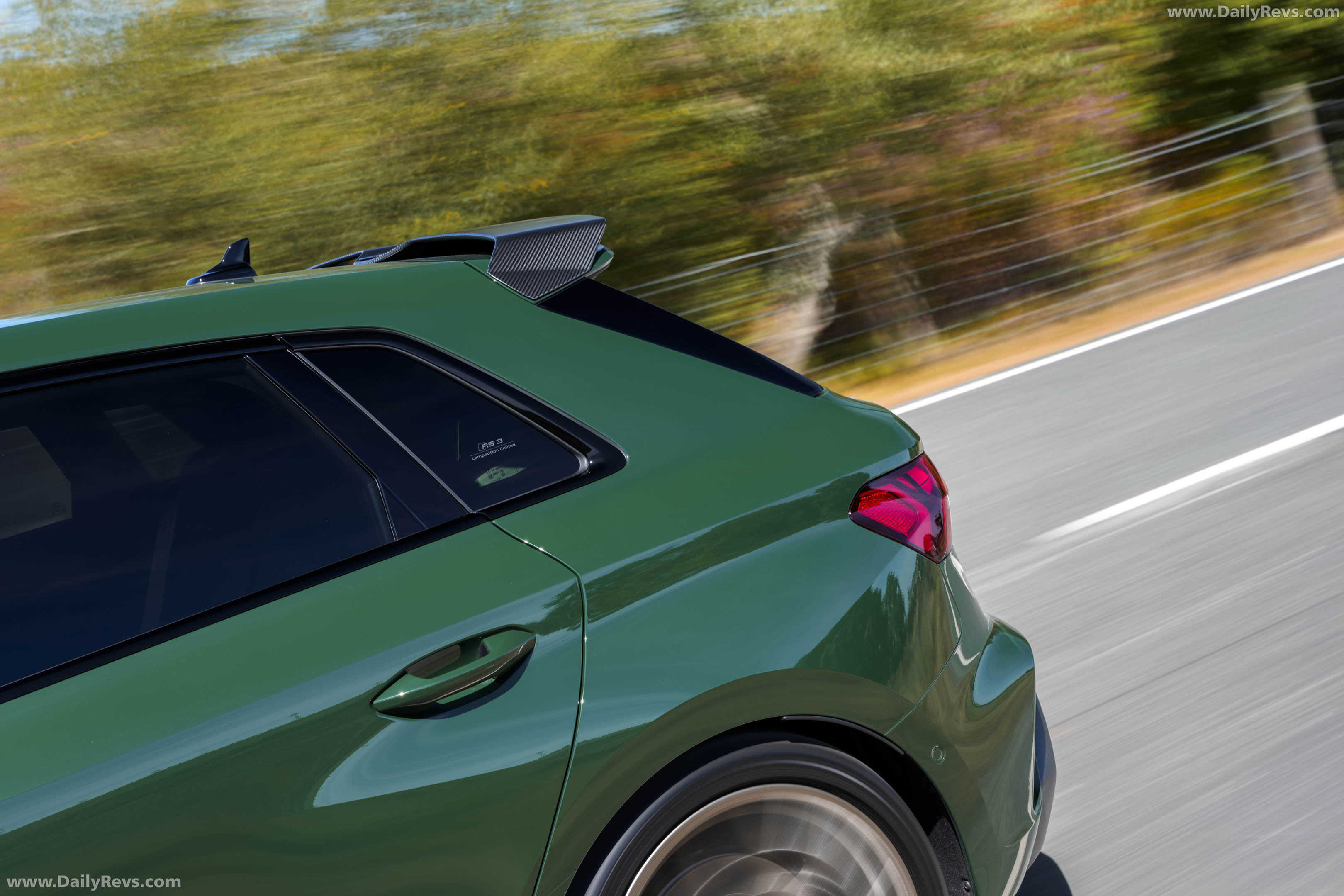
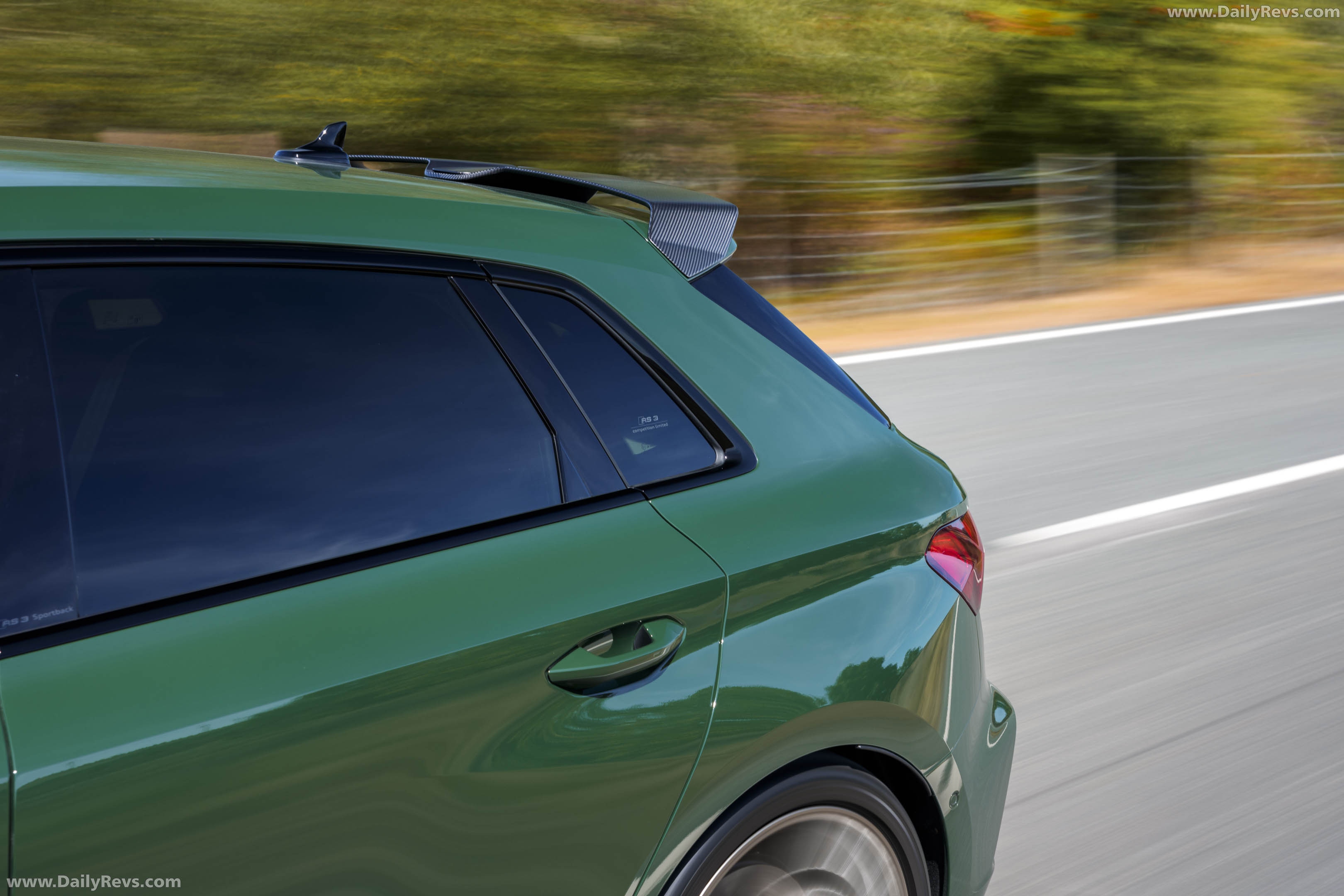
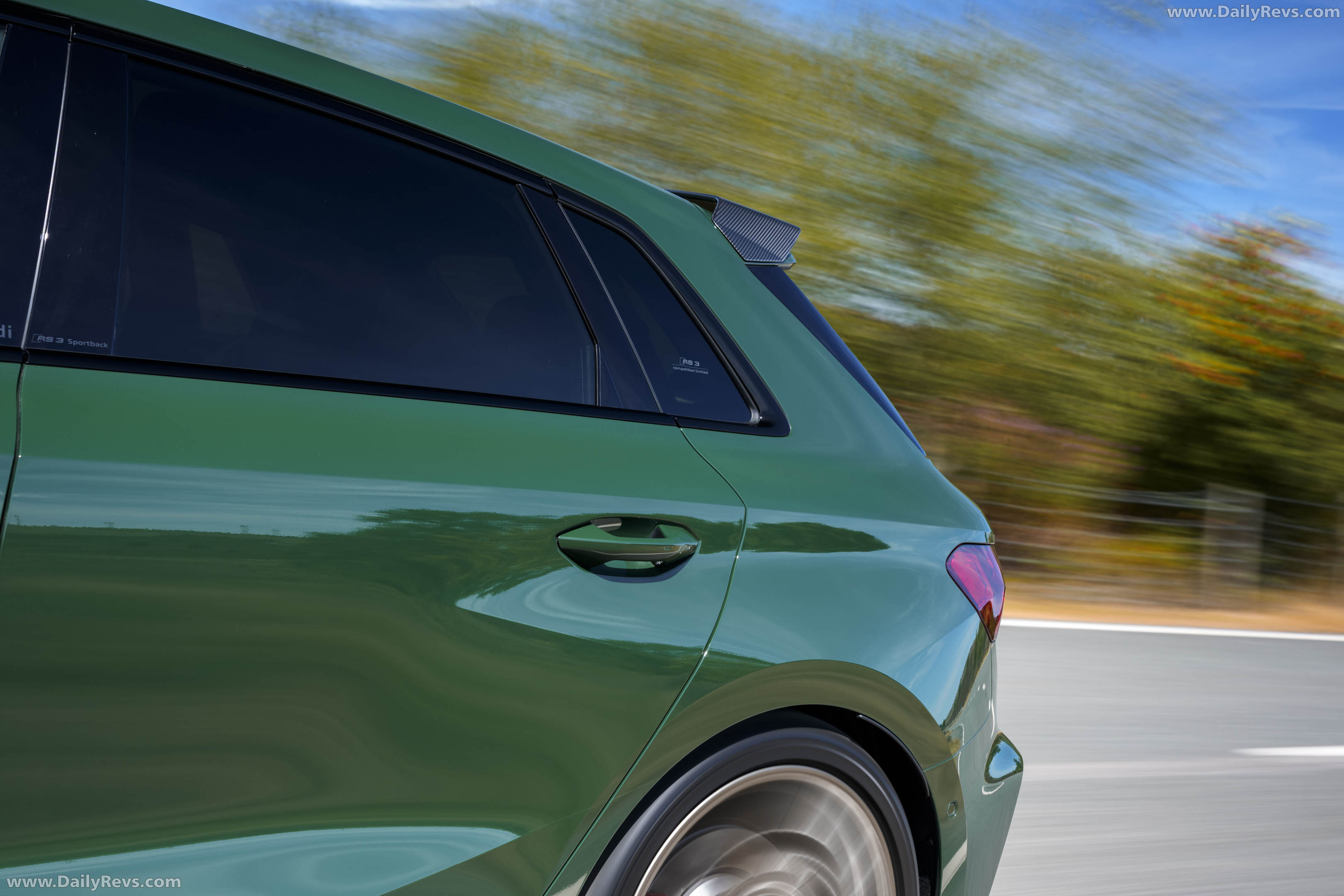
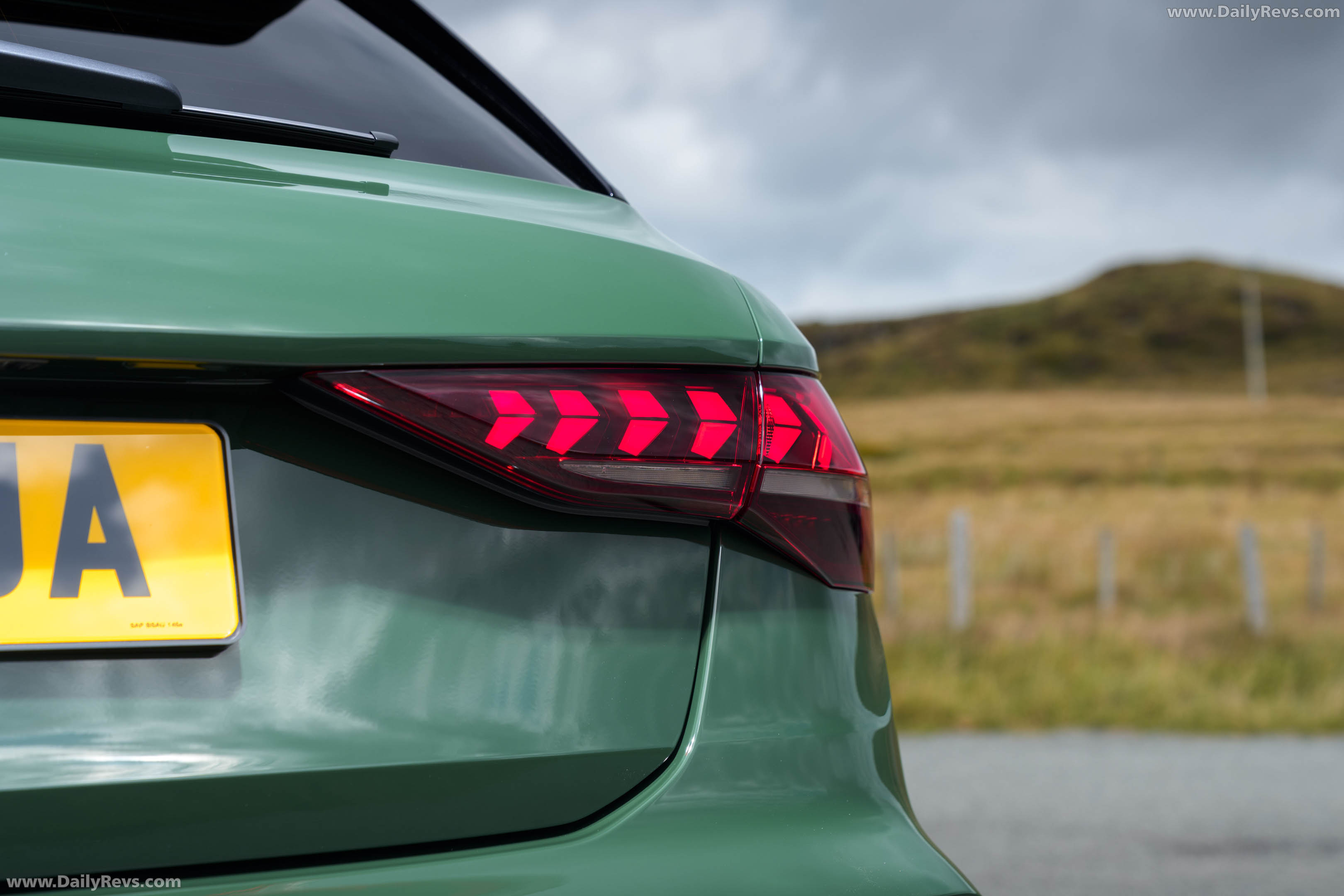
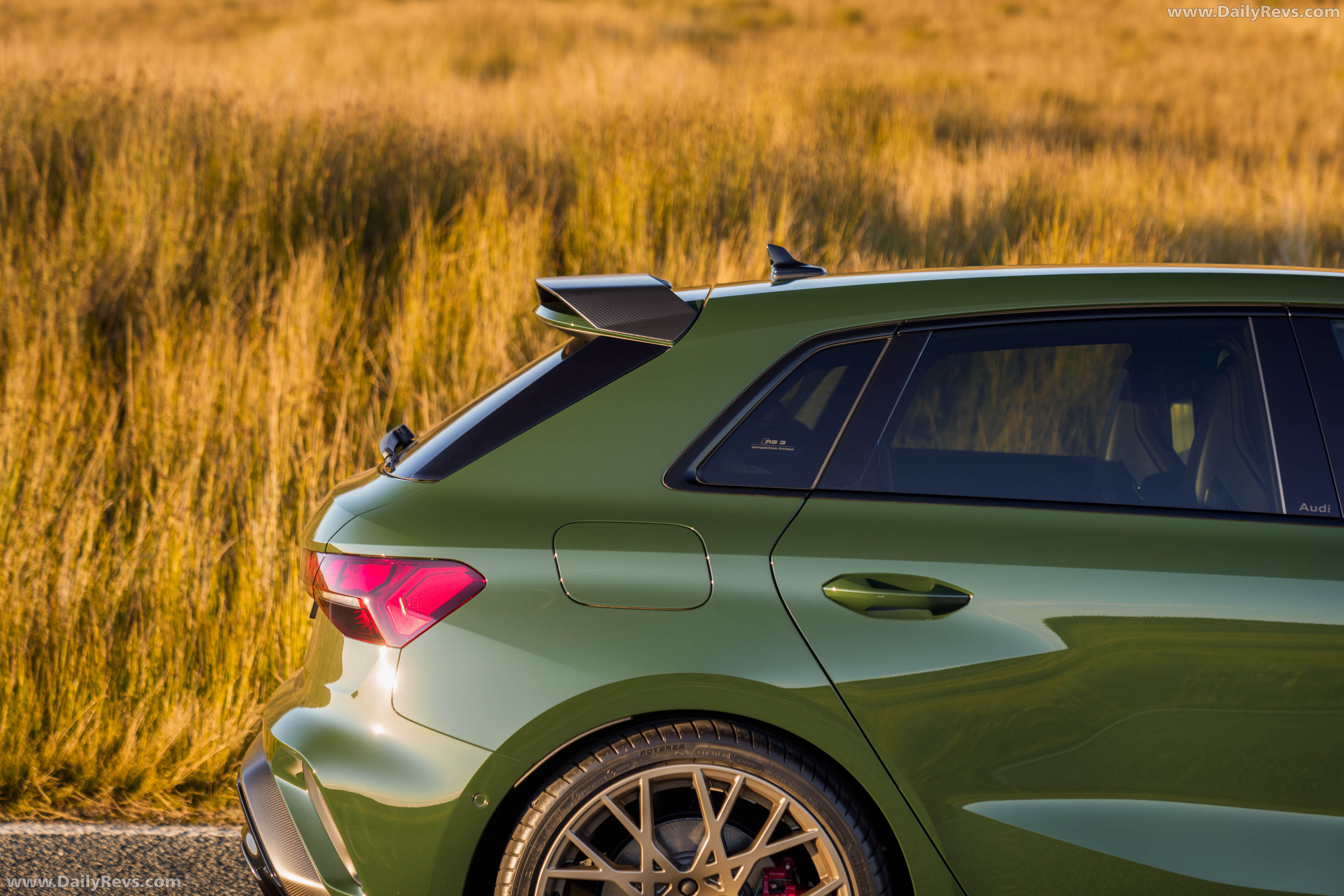
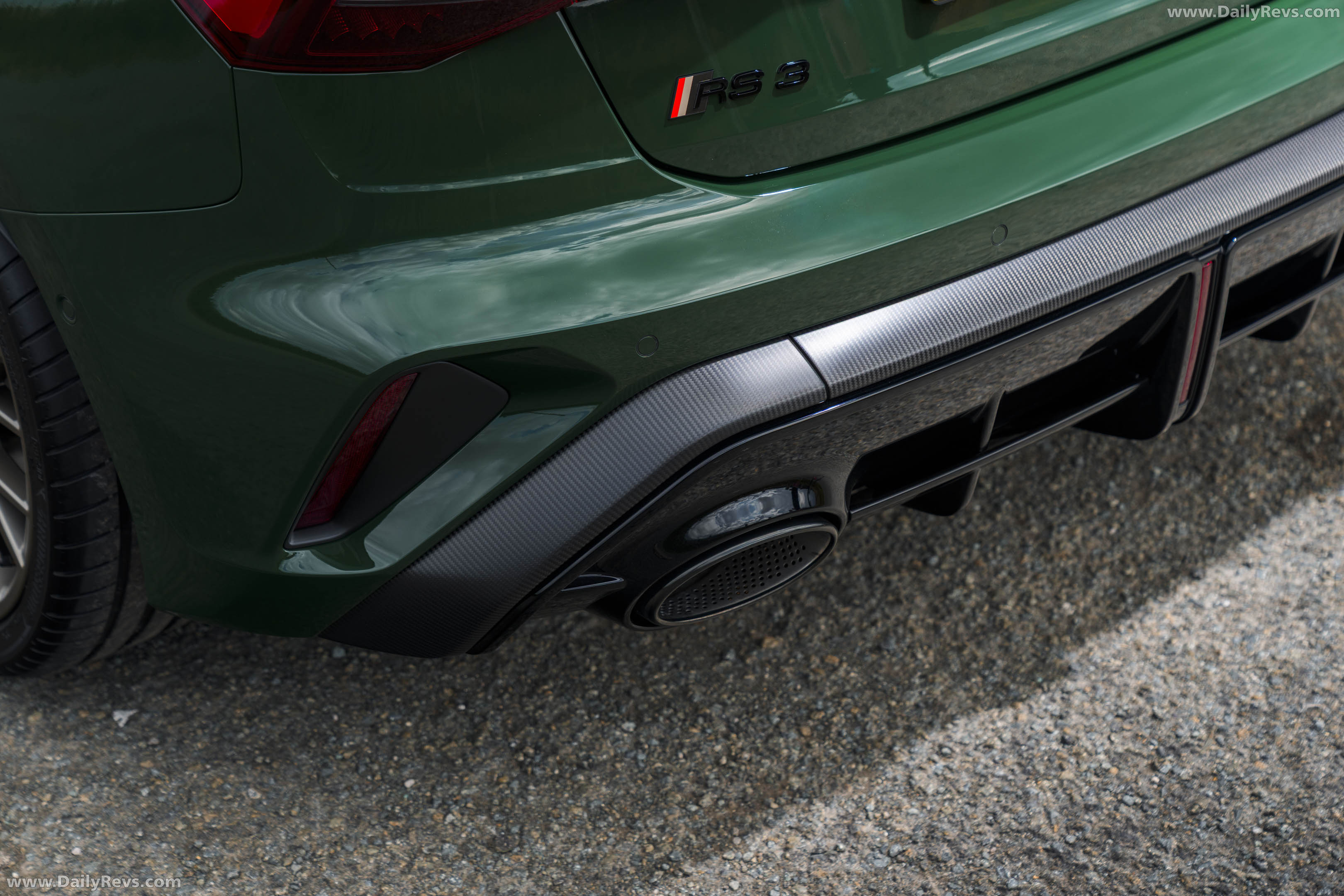
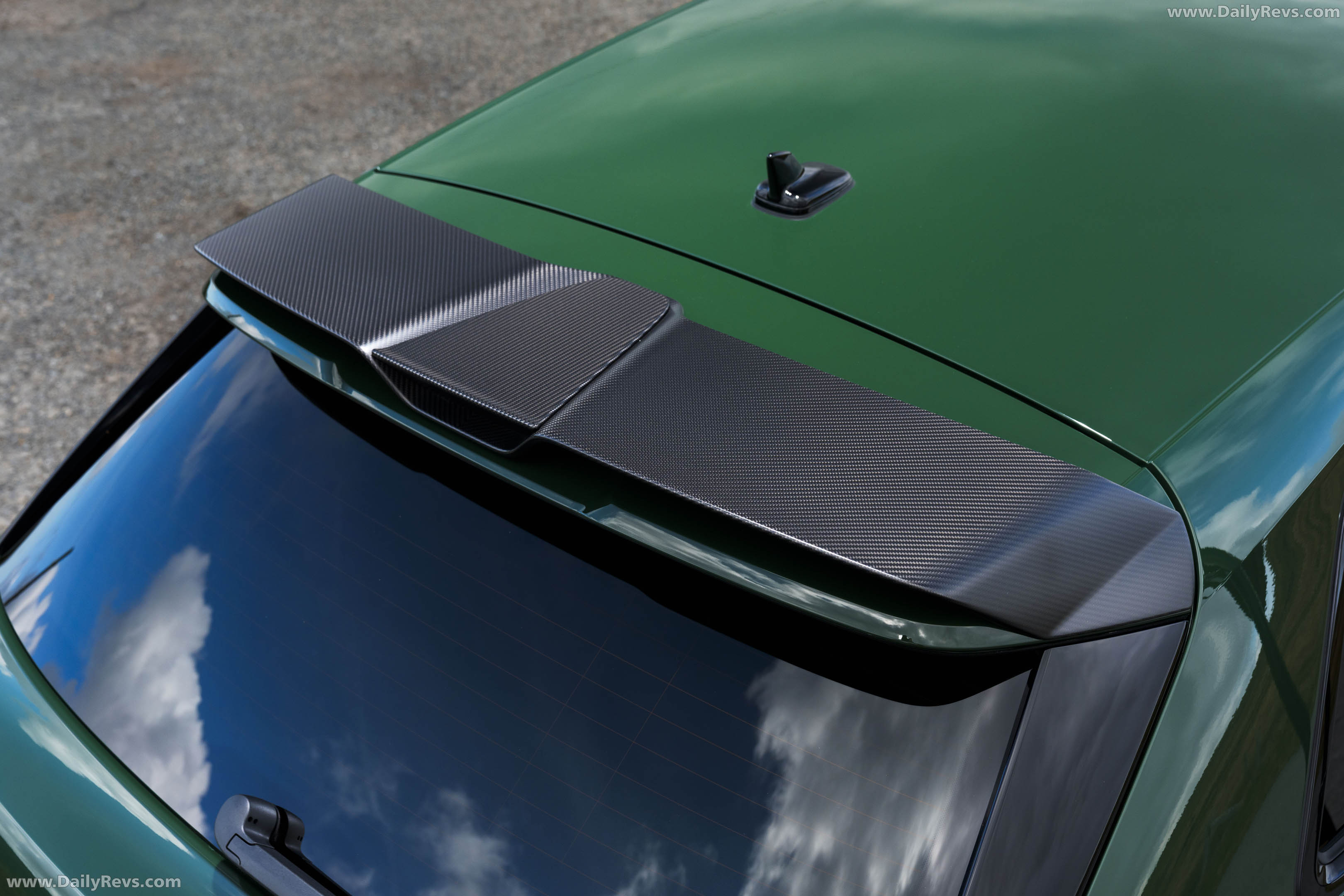
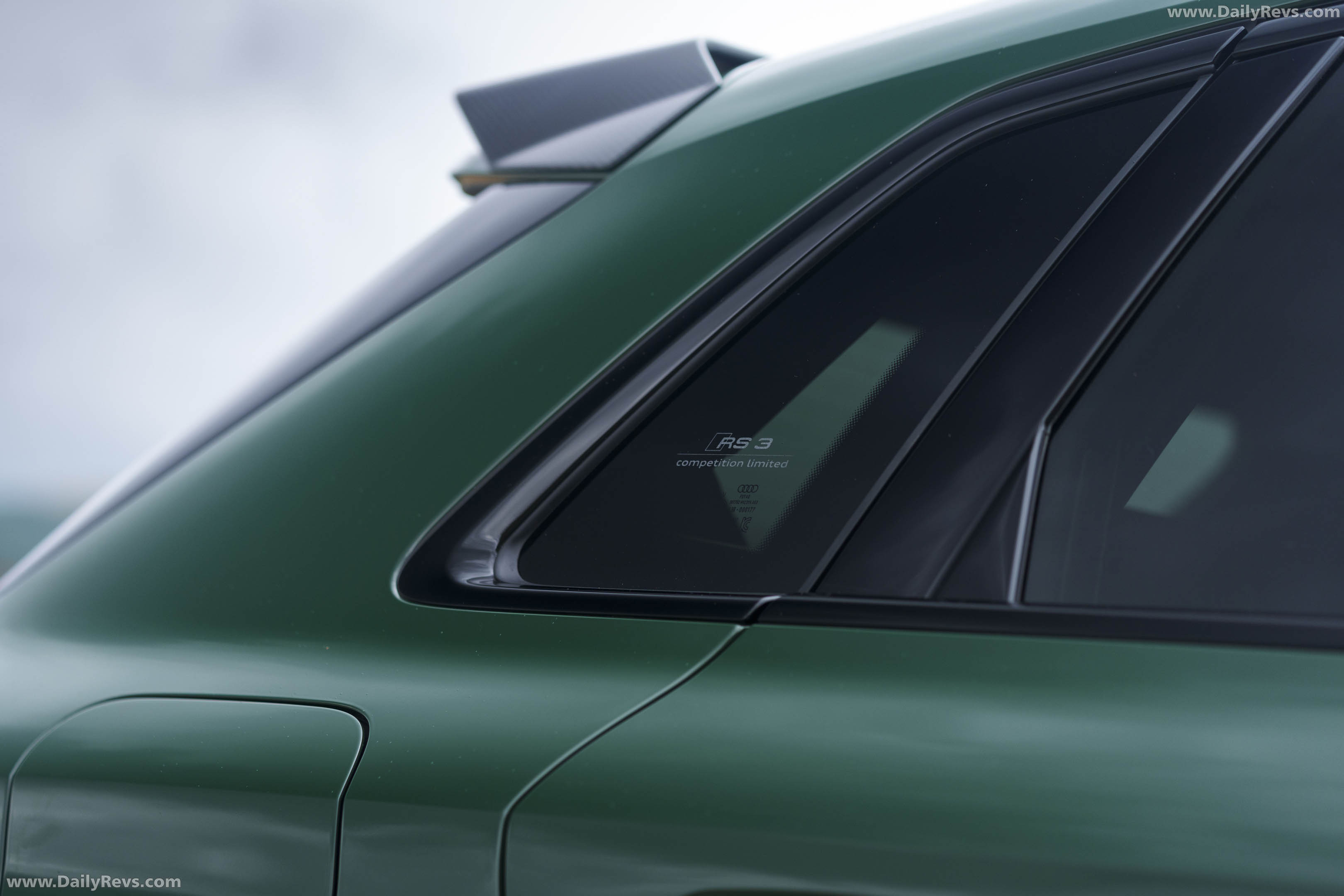
Filling the arches are 19-inch, 10-spoke wheels finished in a matte Neodymium gold, paired with matte carbon mirror caps, side skirts, rear spoiler and diffuser trim. A partially matted rear side window reveals the model's name etched into the glass. The matrix LED headlights are unique to this edition too — when the car is locked or unlocked, their segments light up in a 1-2-4-5-3 sequence, a direct reference to the five-cylinder engine's firing order. All 11 UK cars will be finished in Malachite green, a colour Audi ties back to the Sport quattro rally car of the 1980s.
Interior Built Around a Serial Number
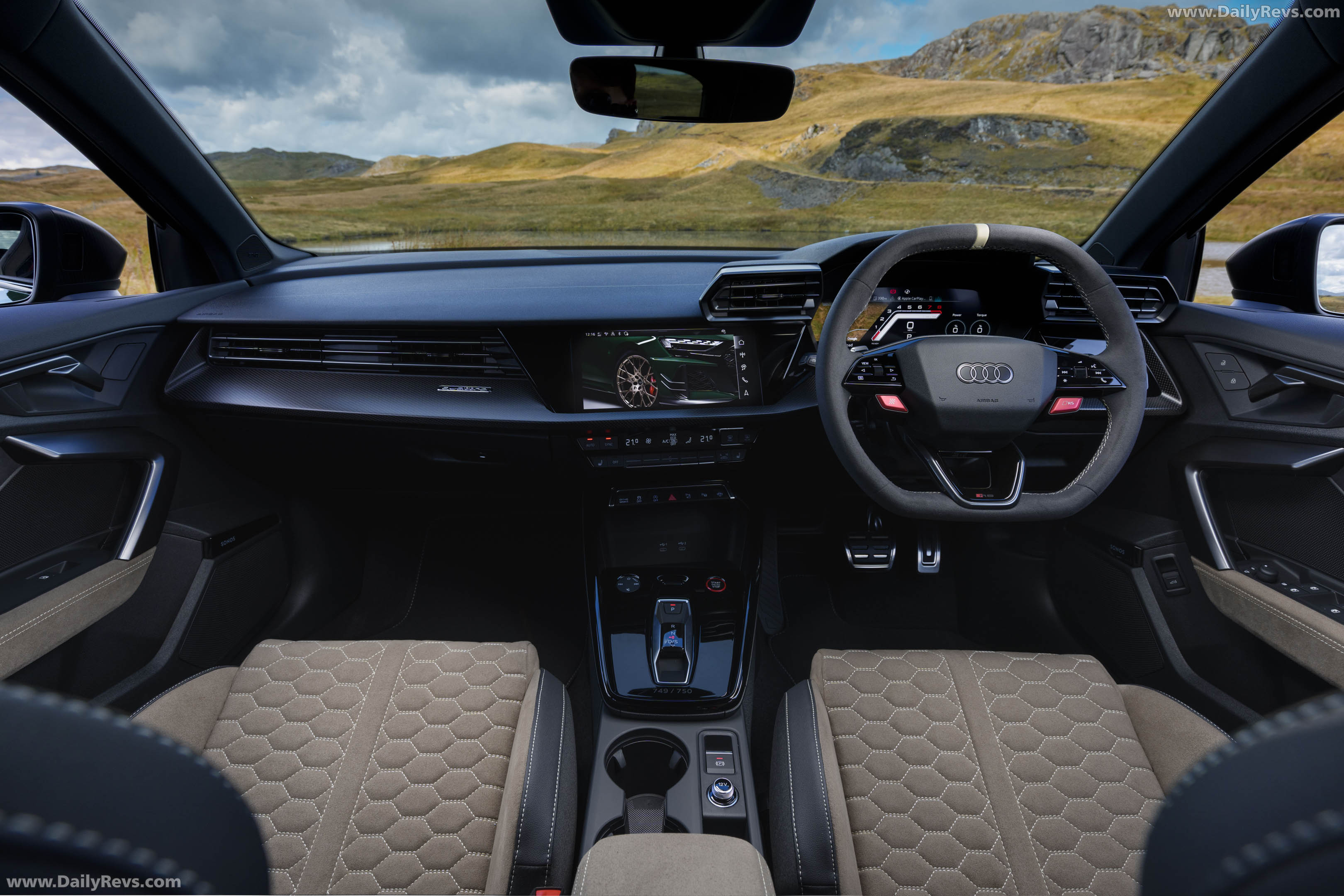
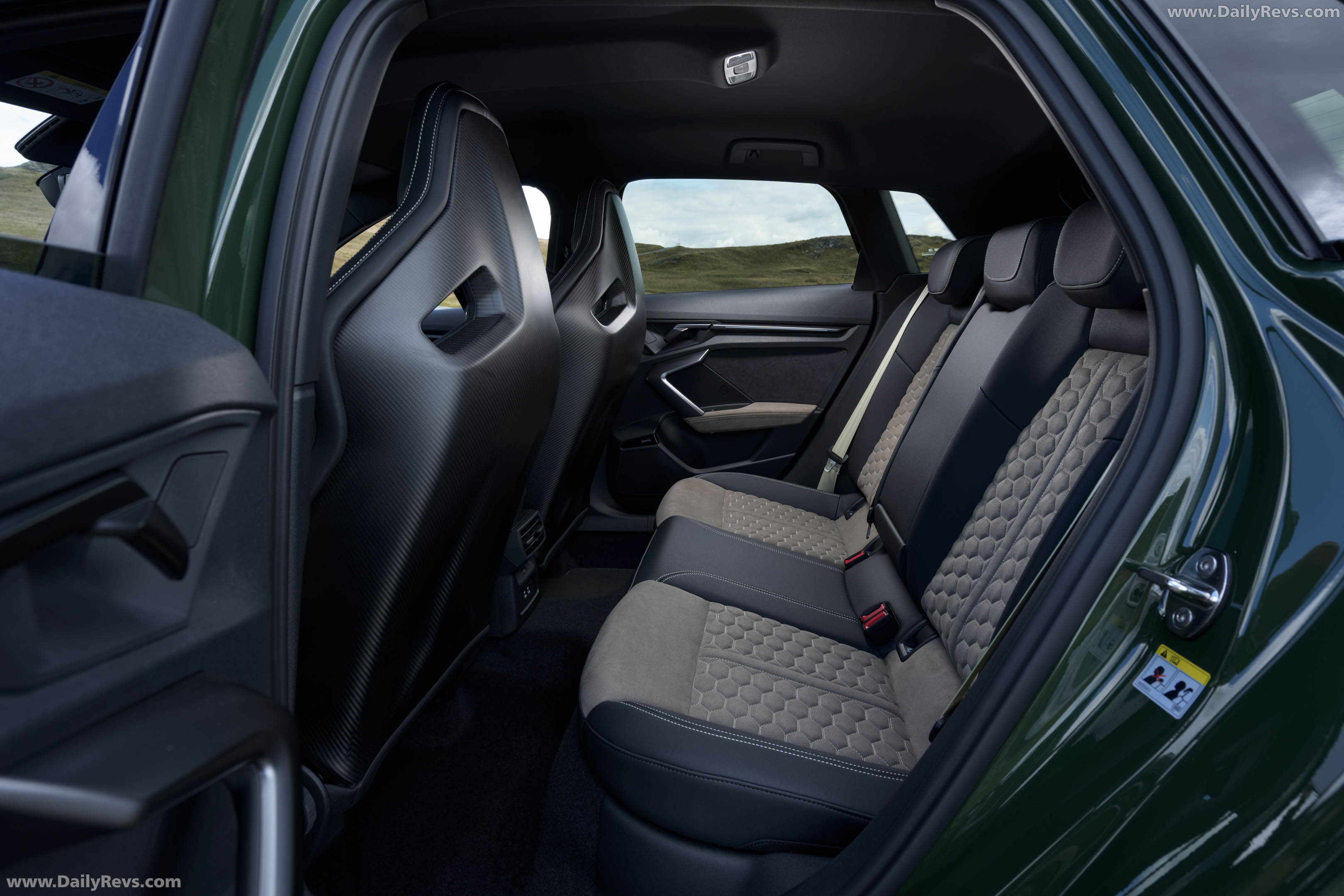
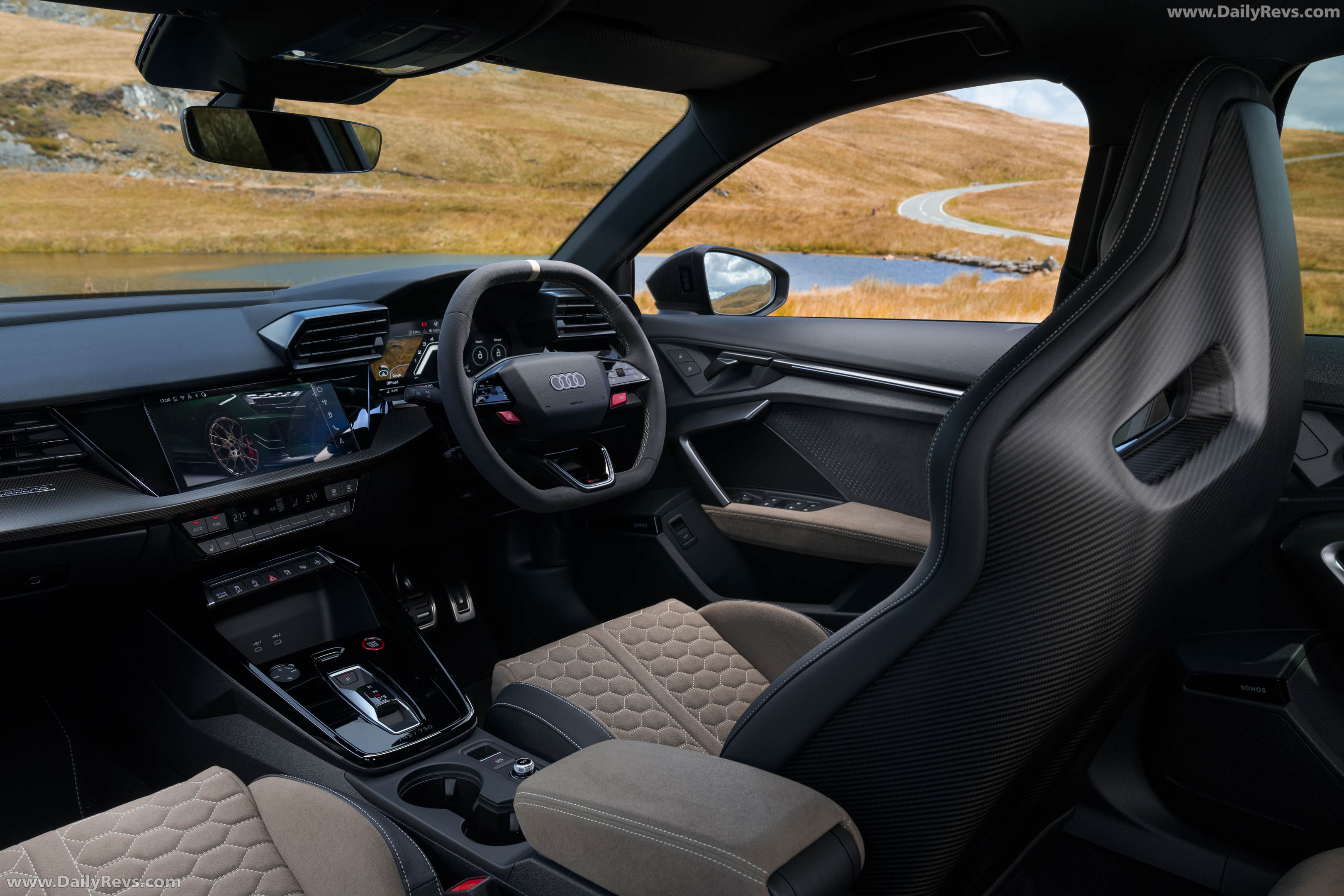
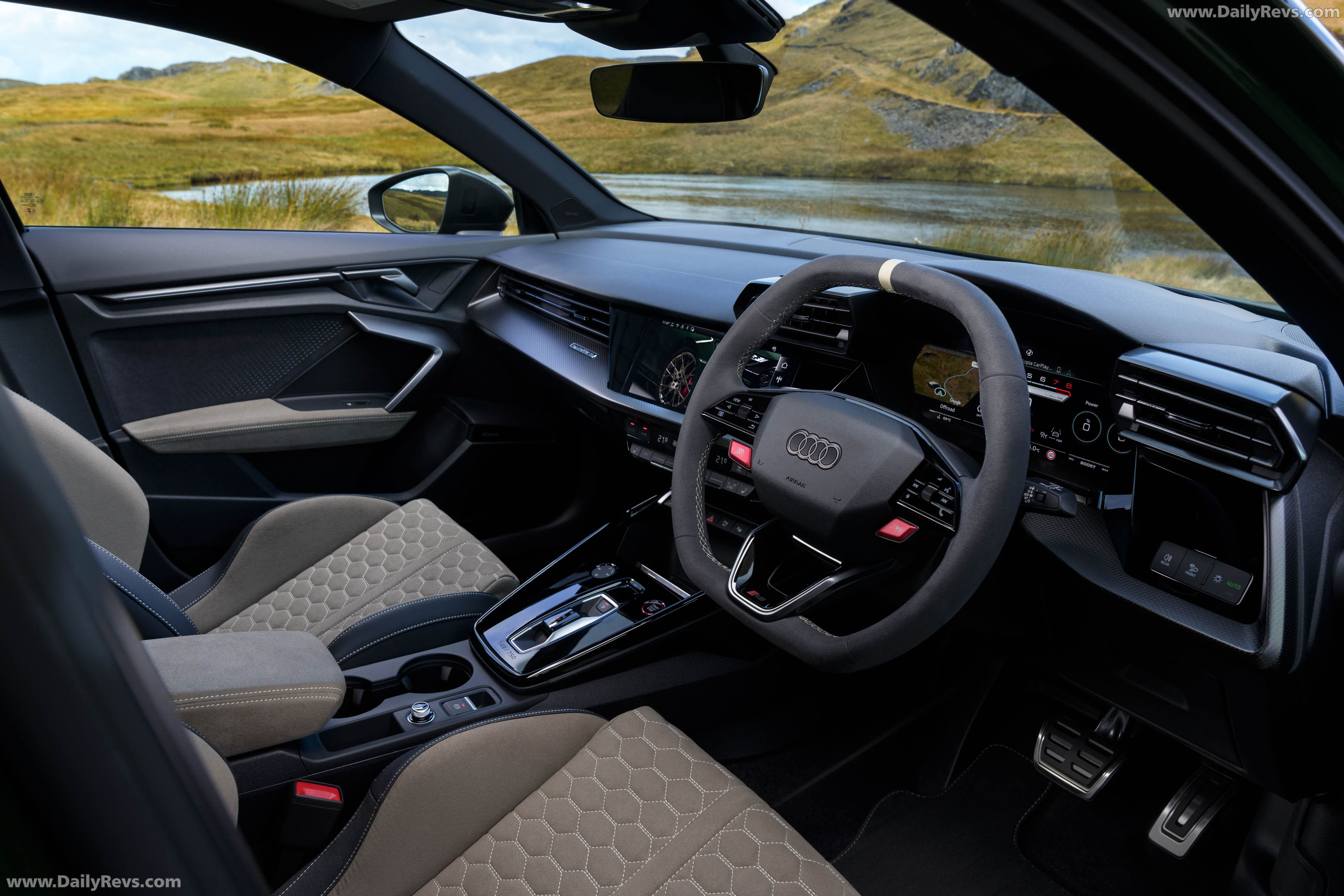
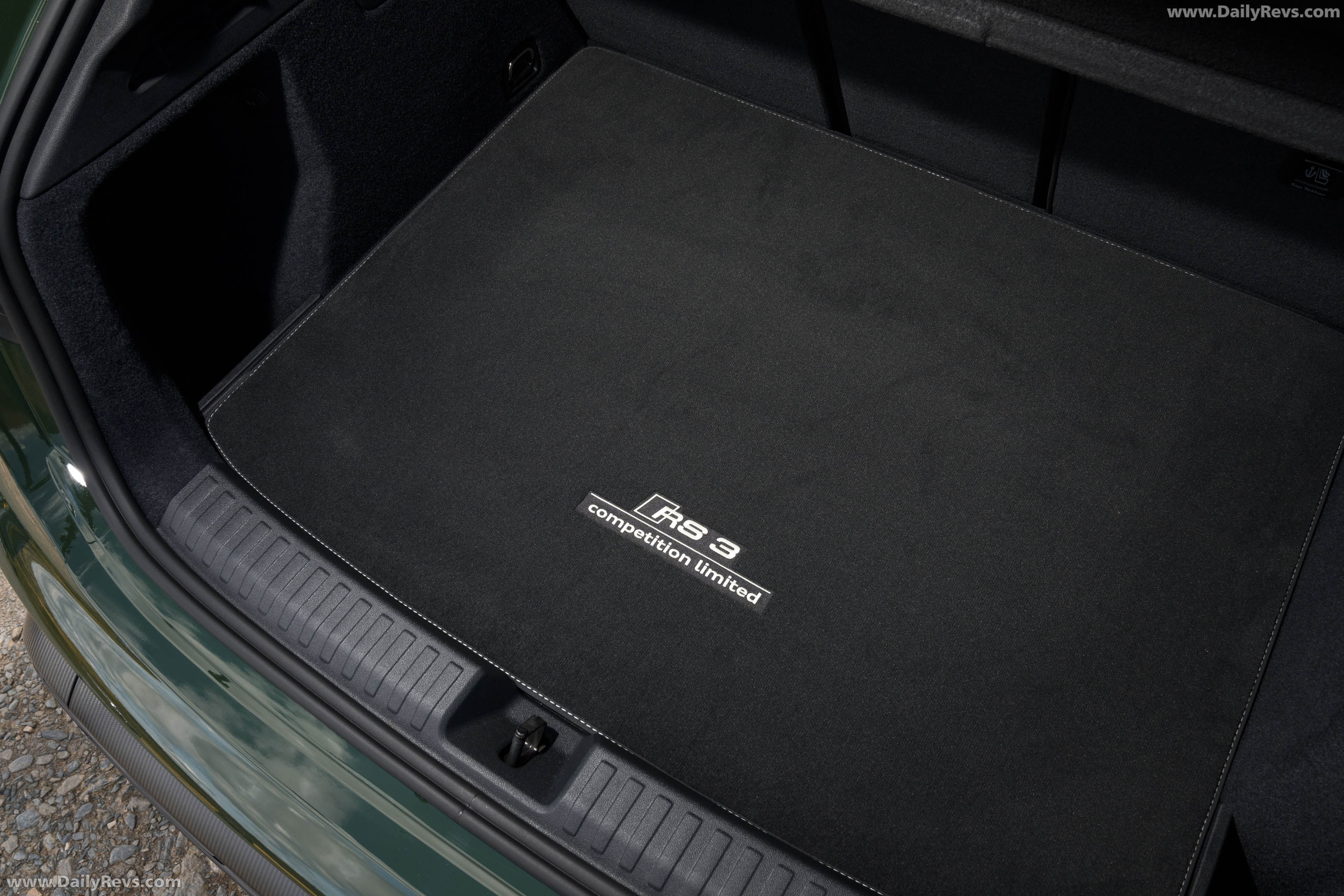
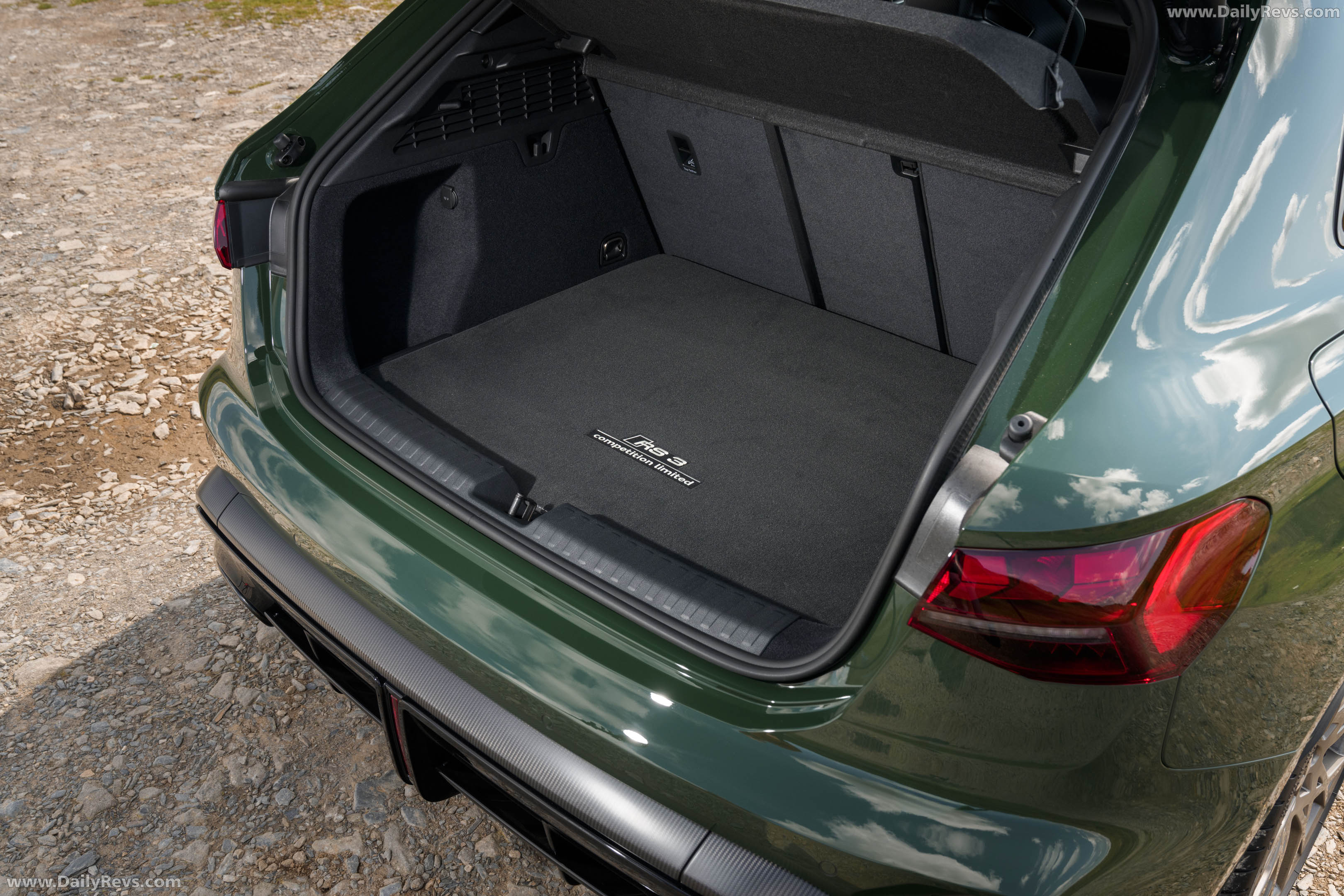
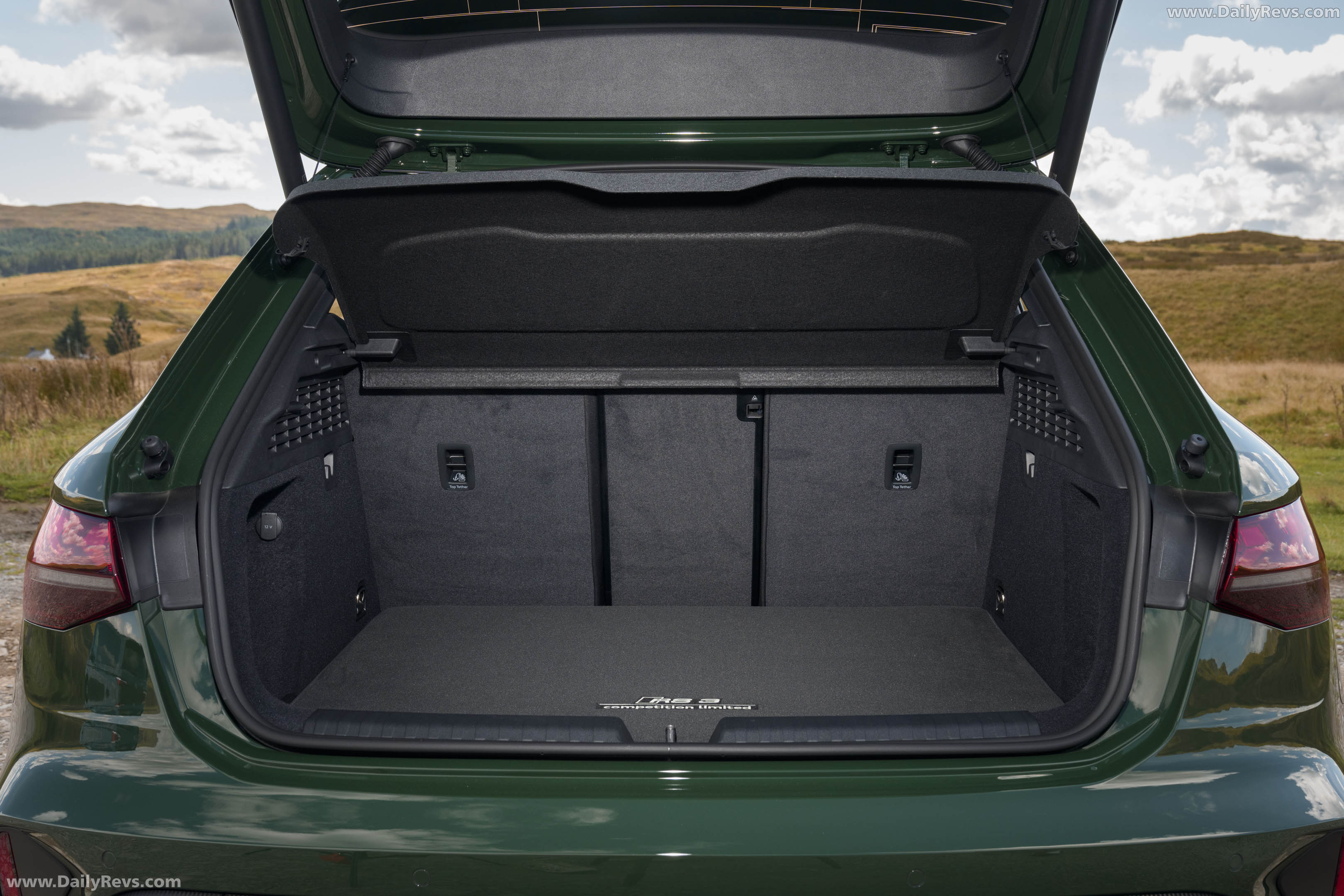
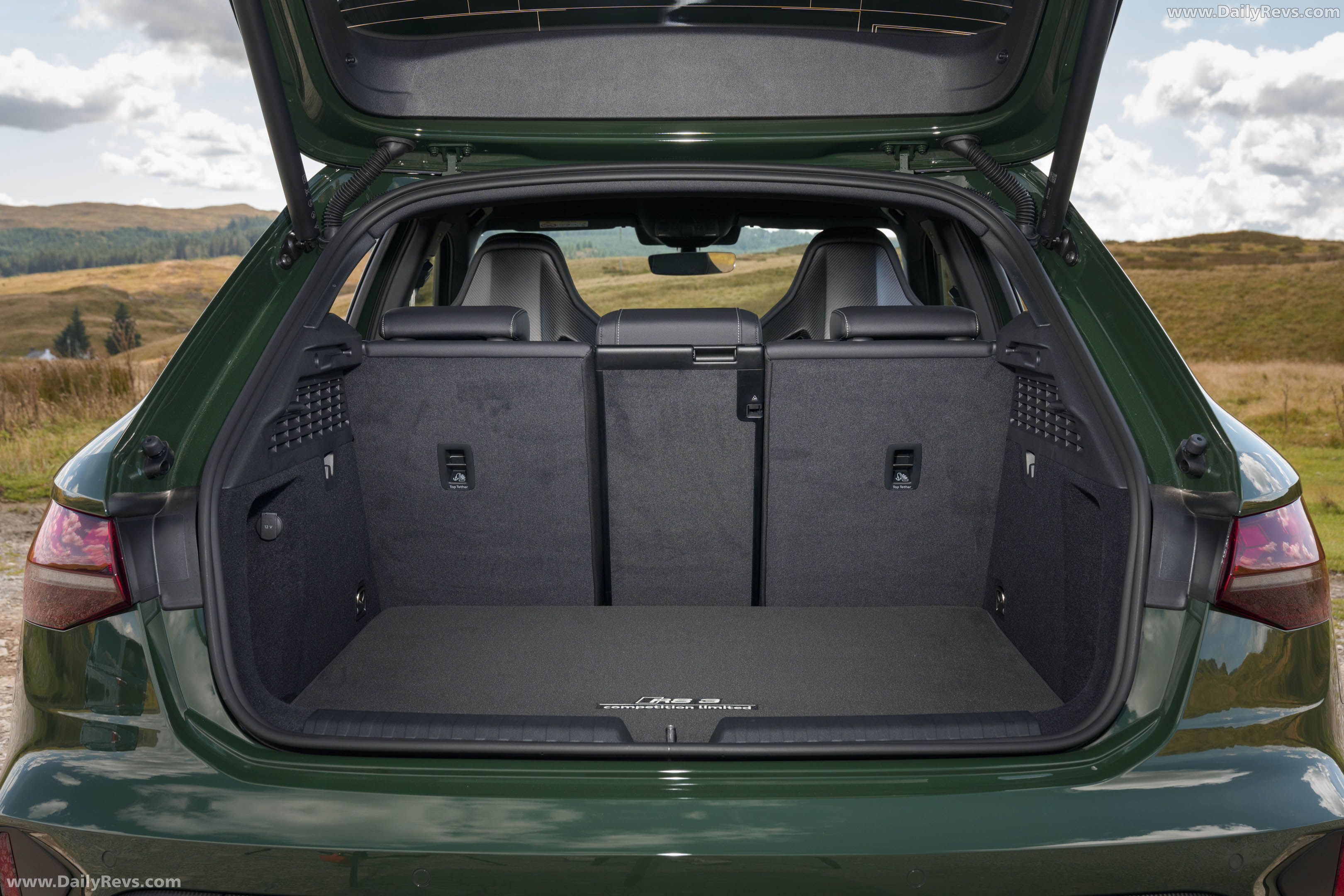
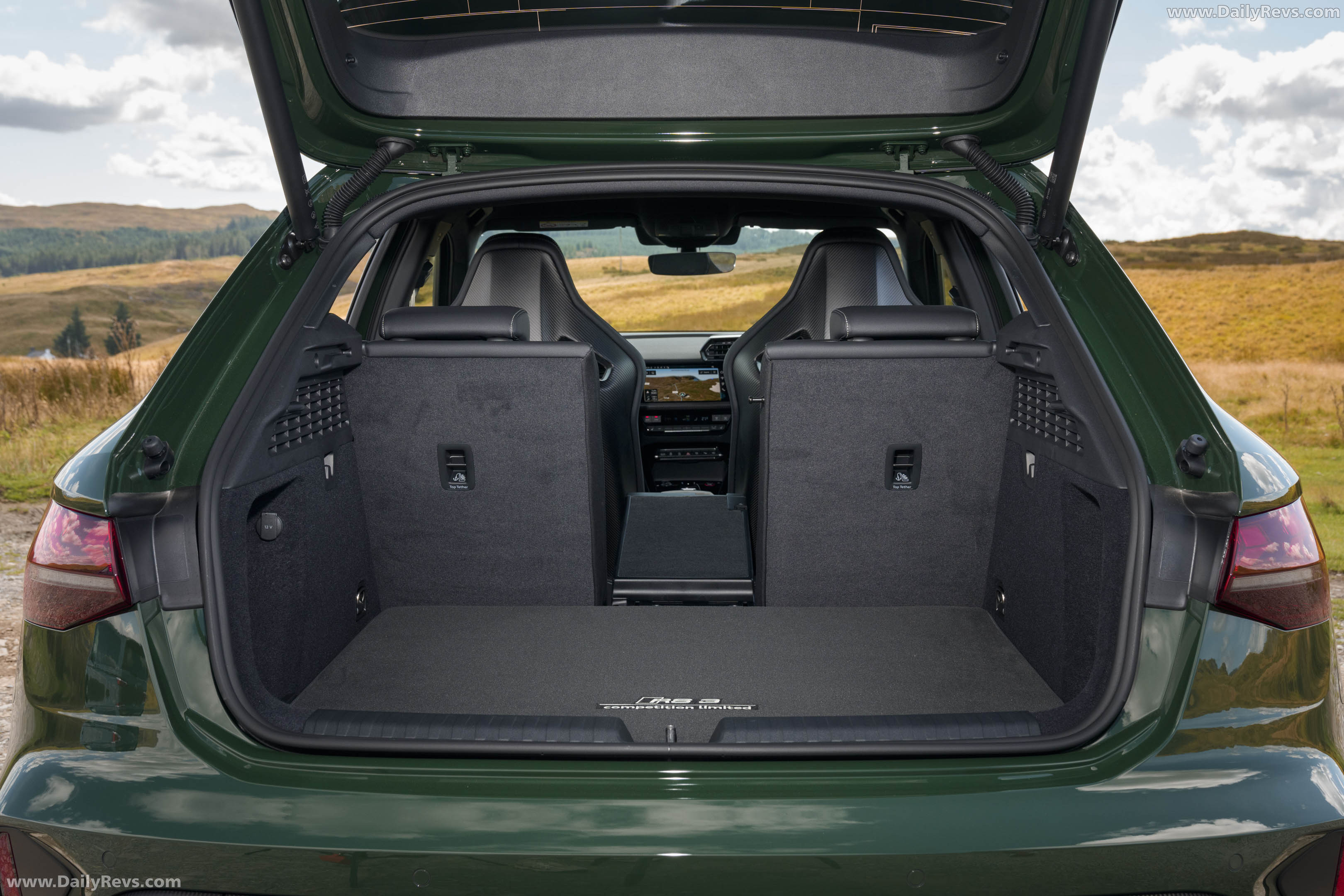
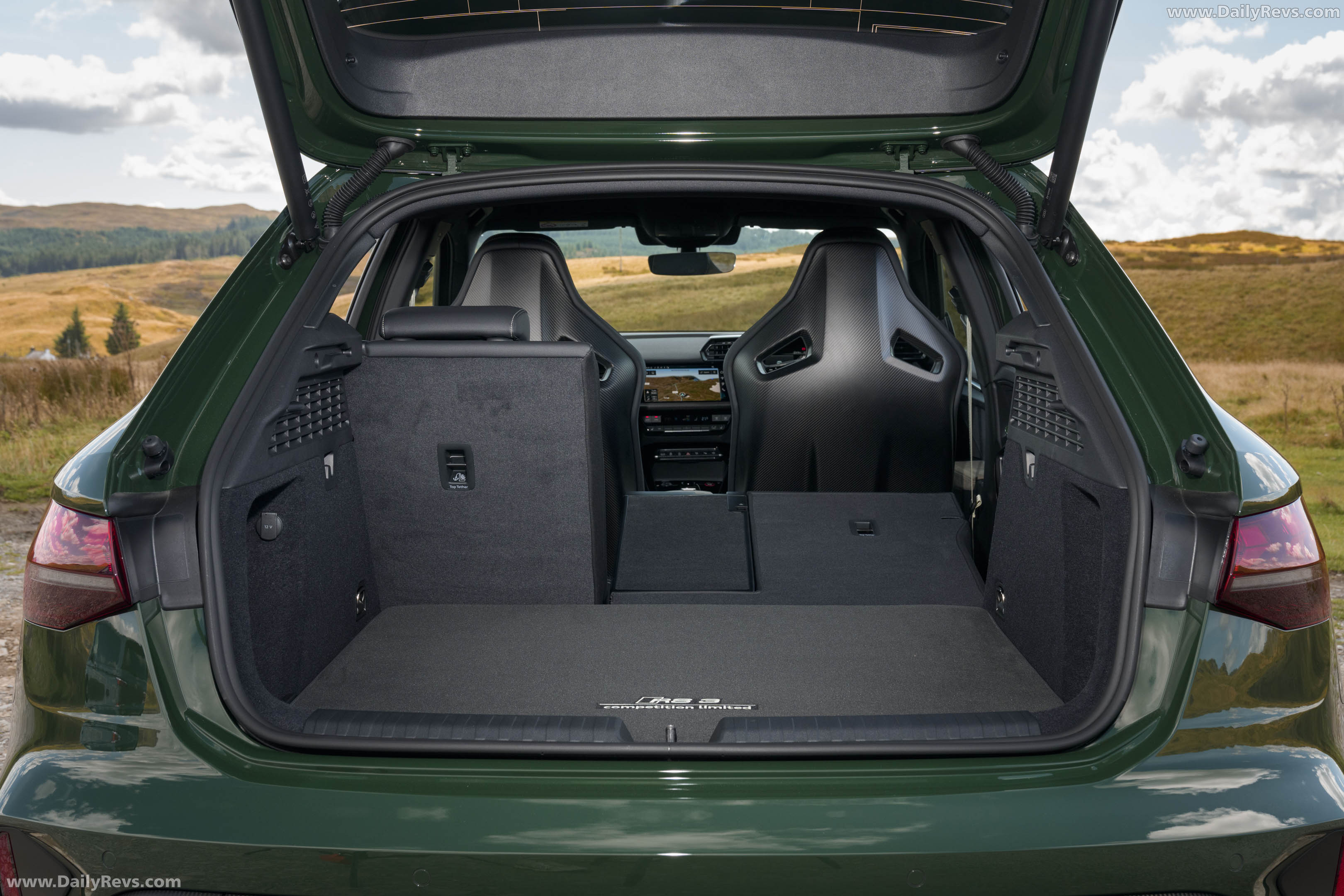
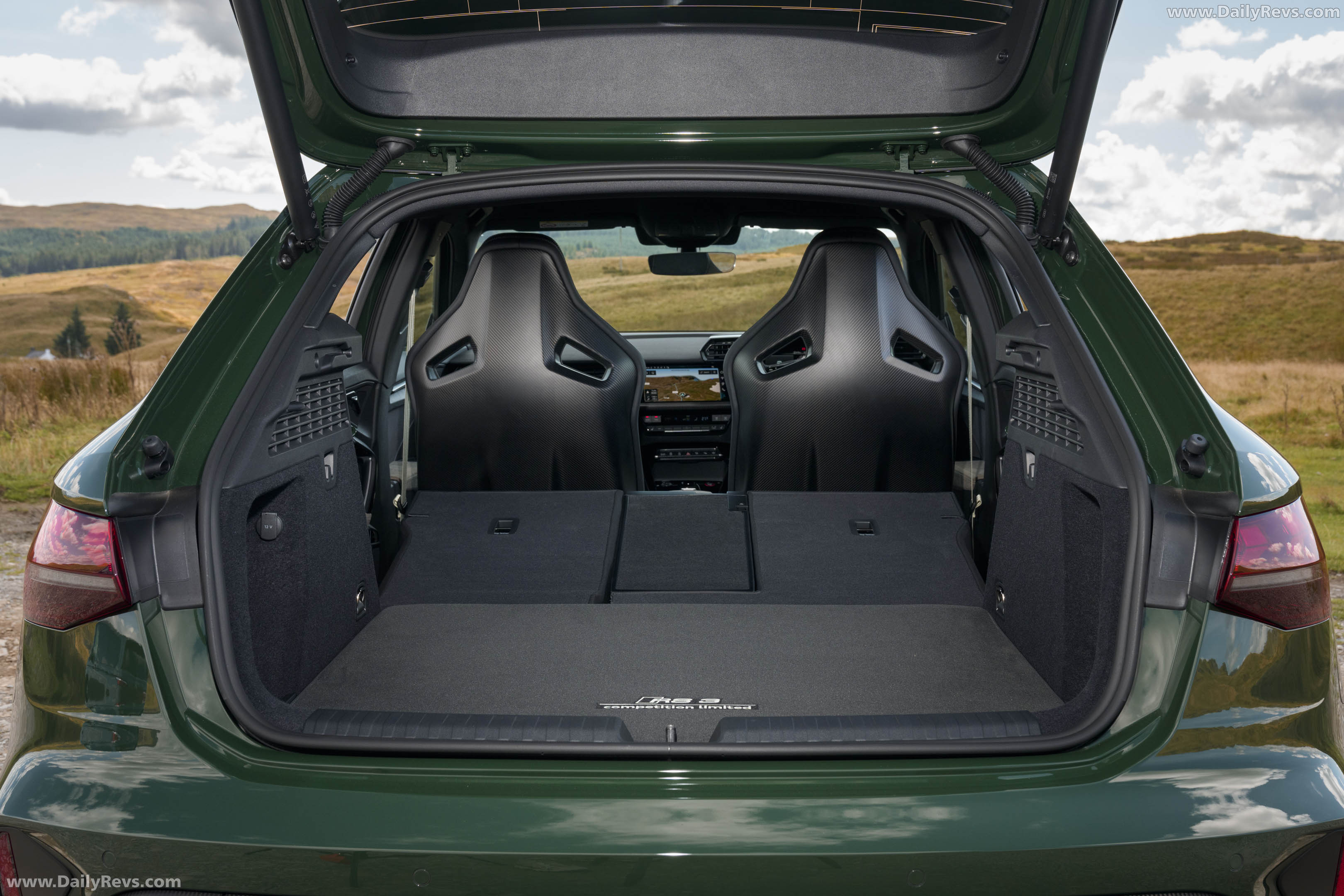
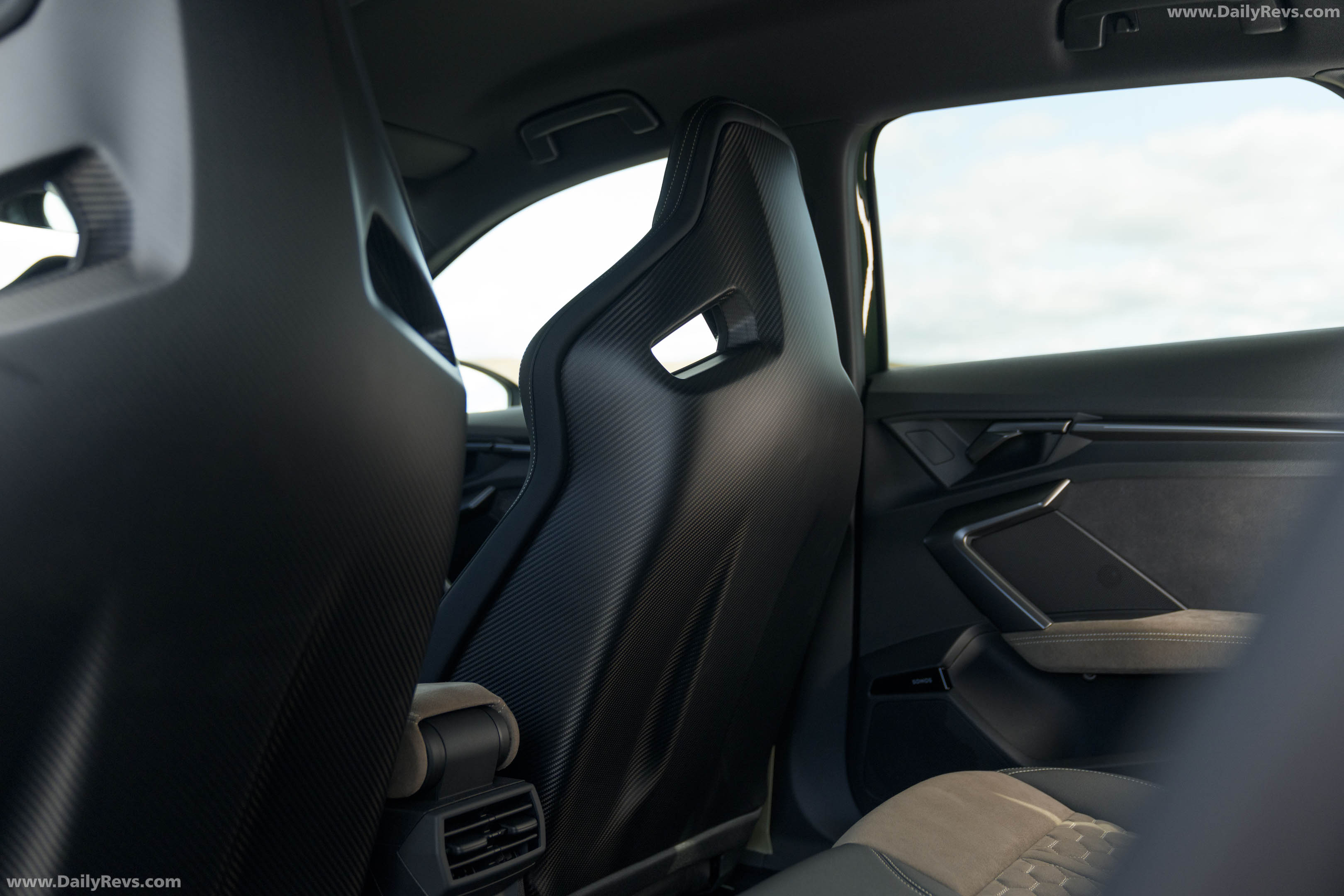
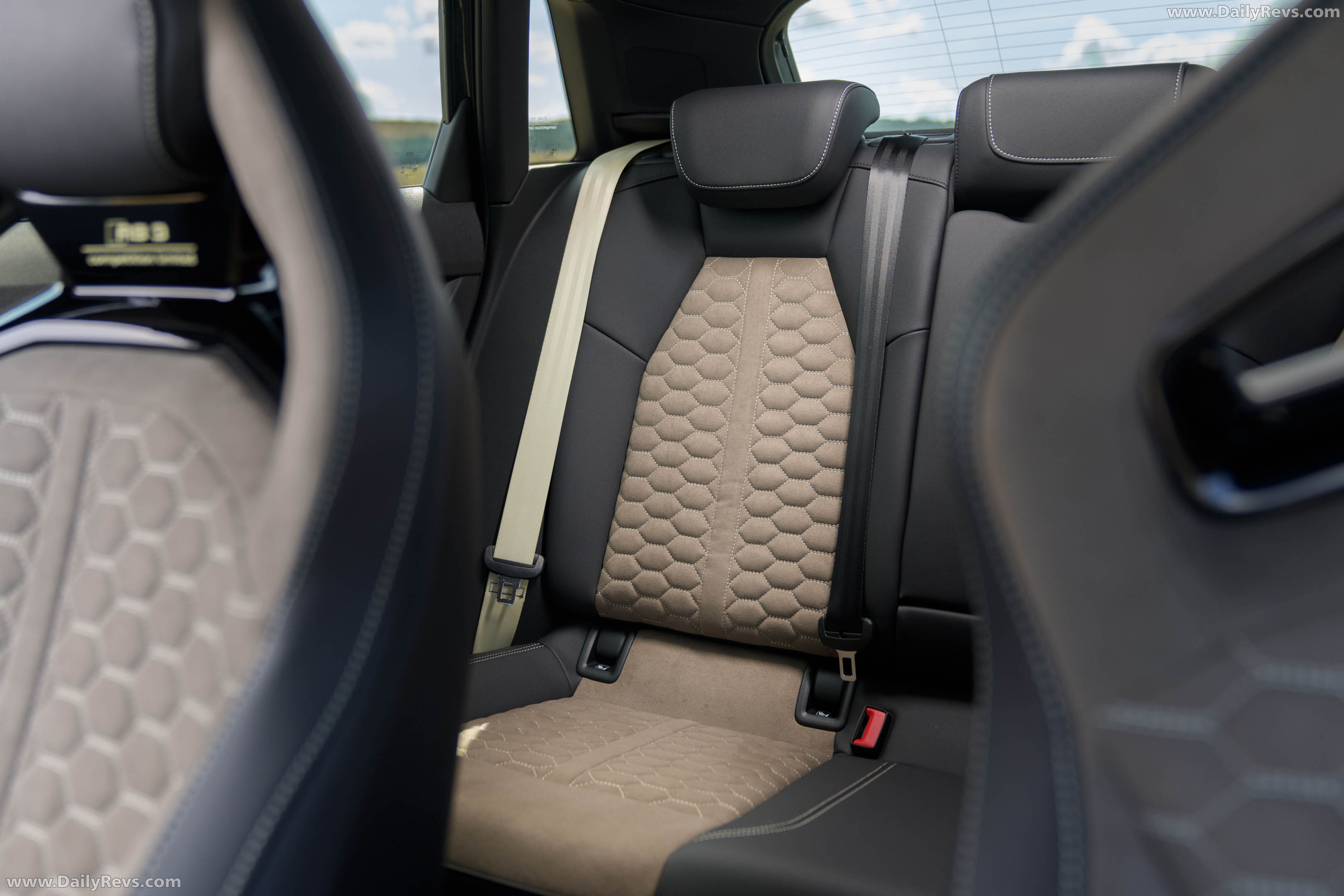
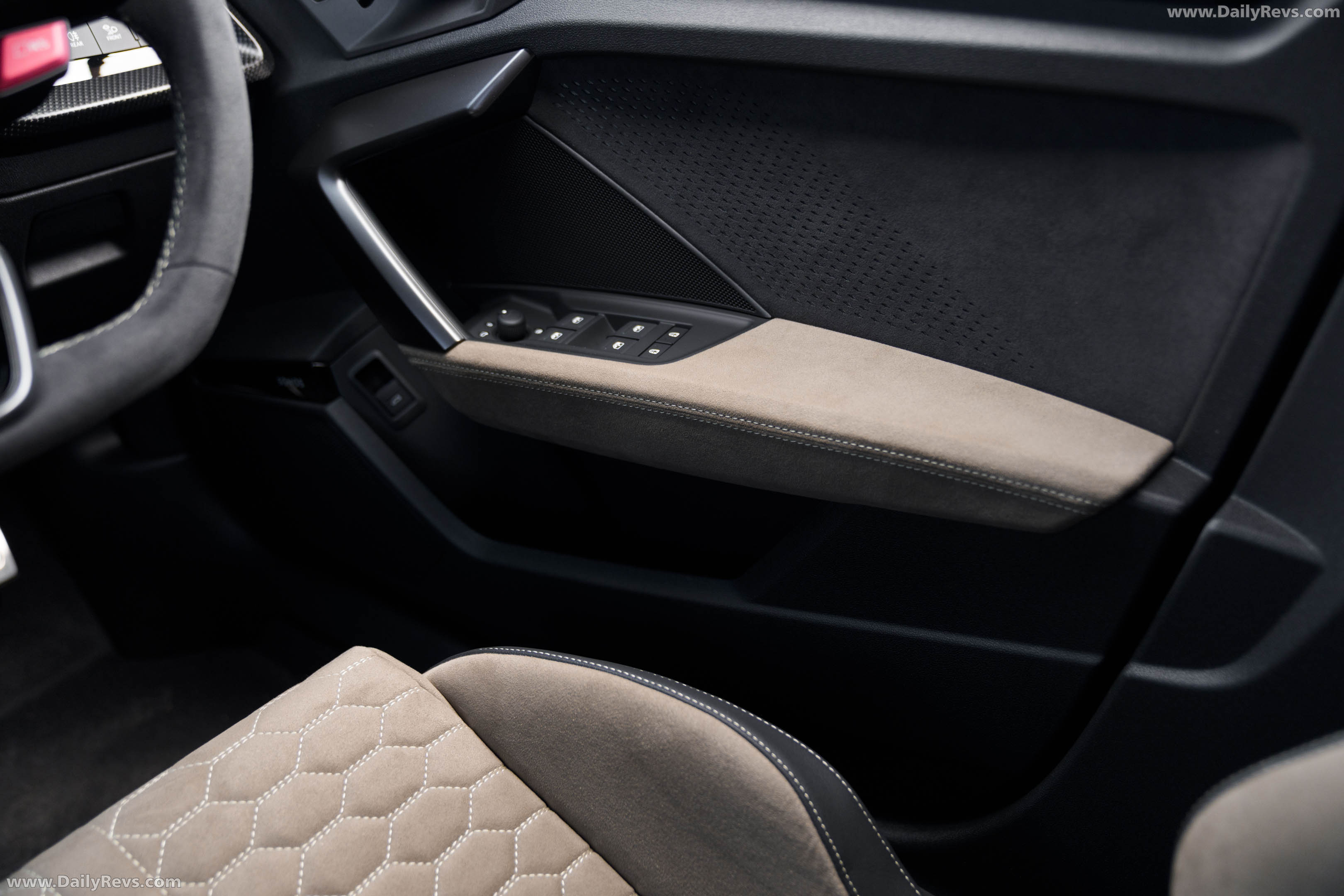
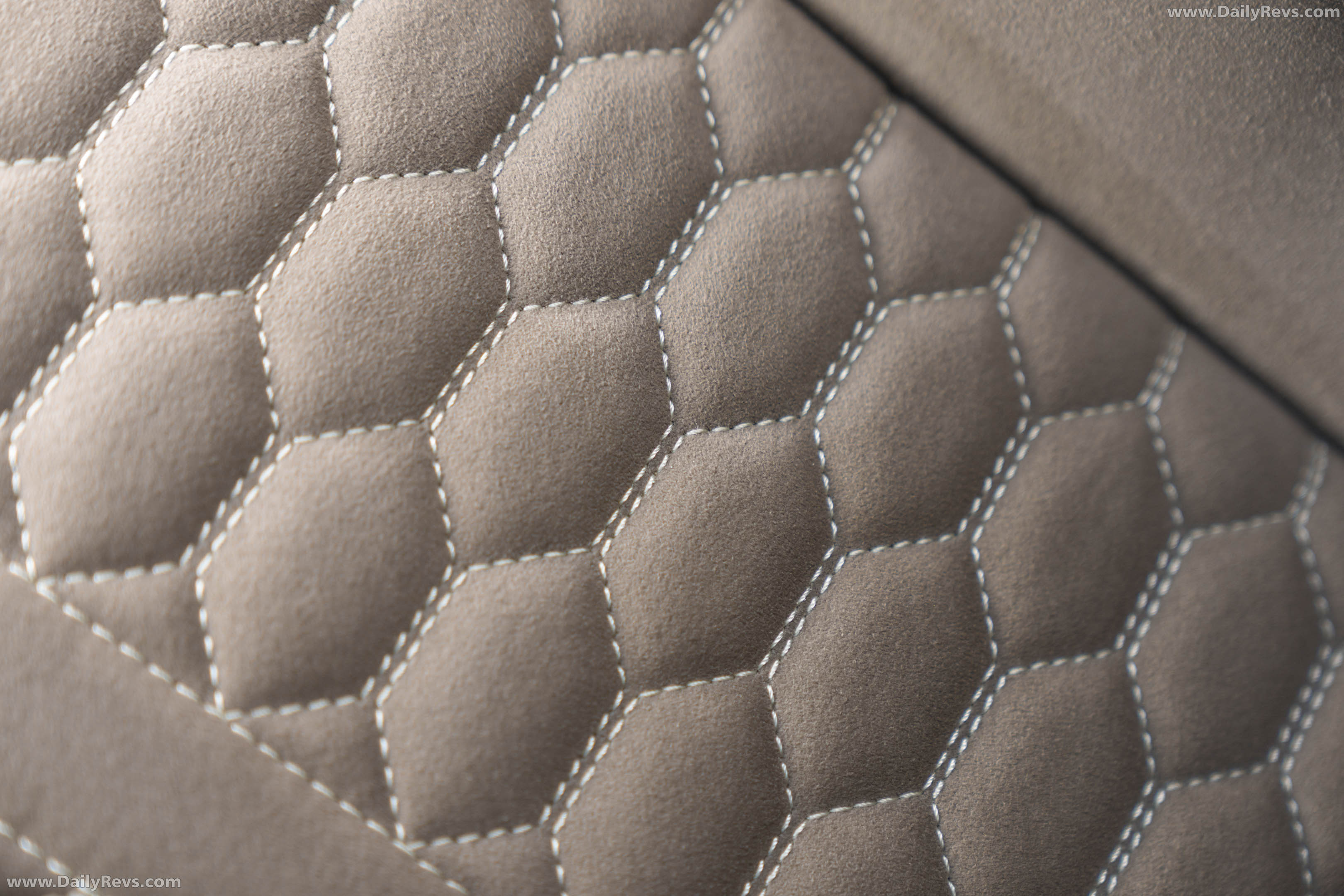
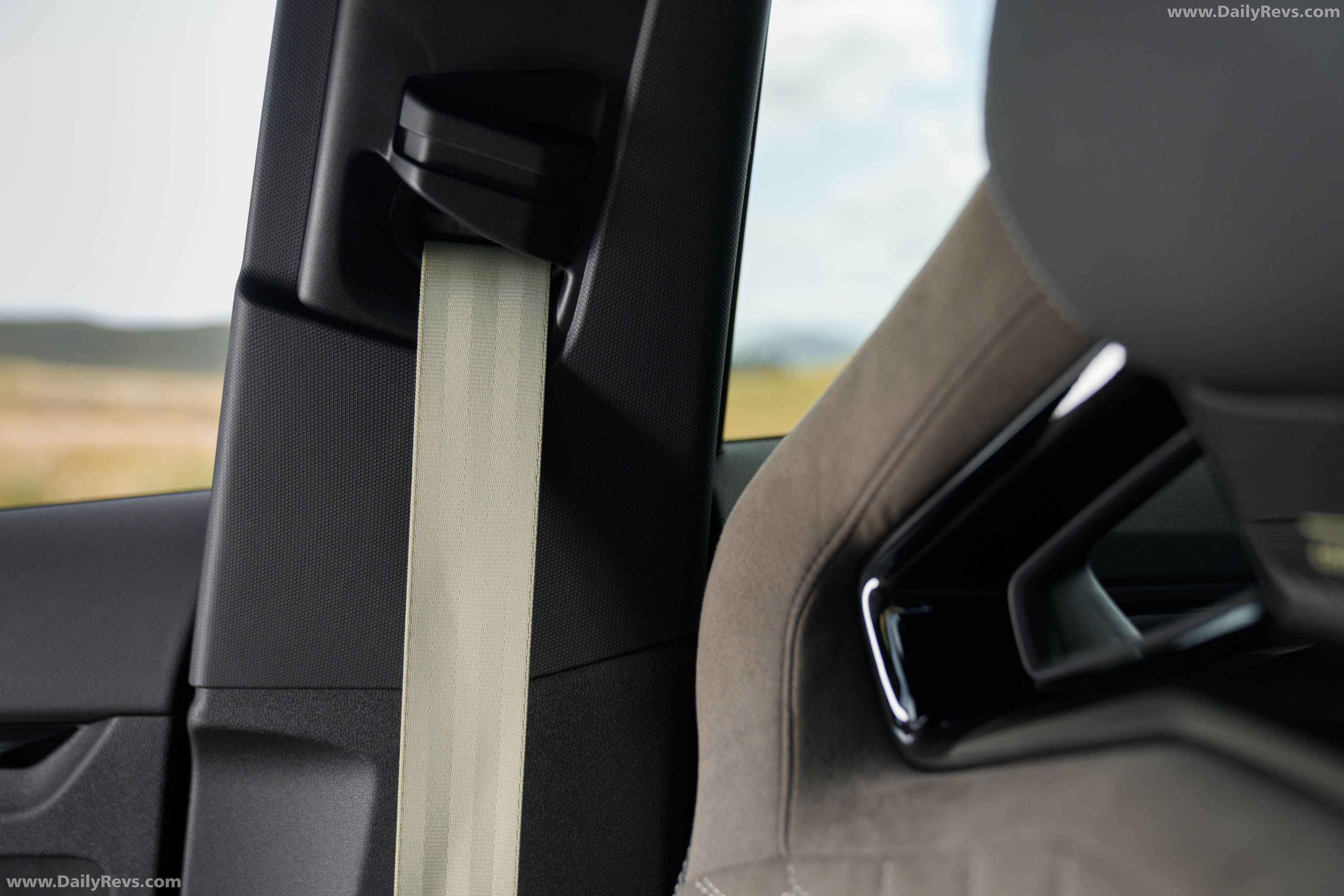
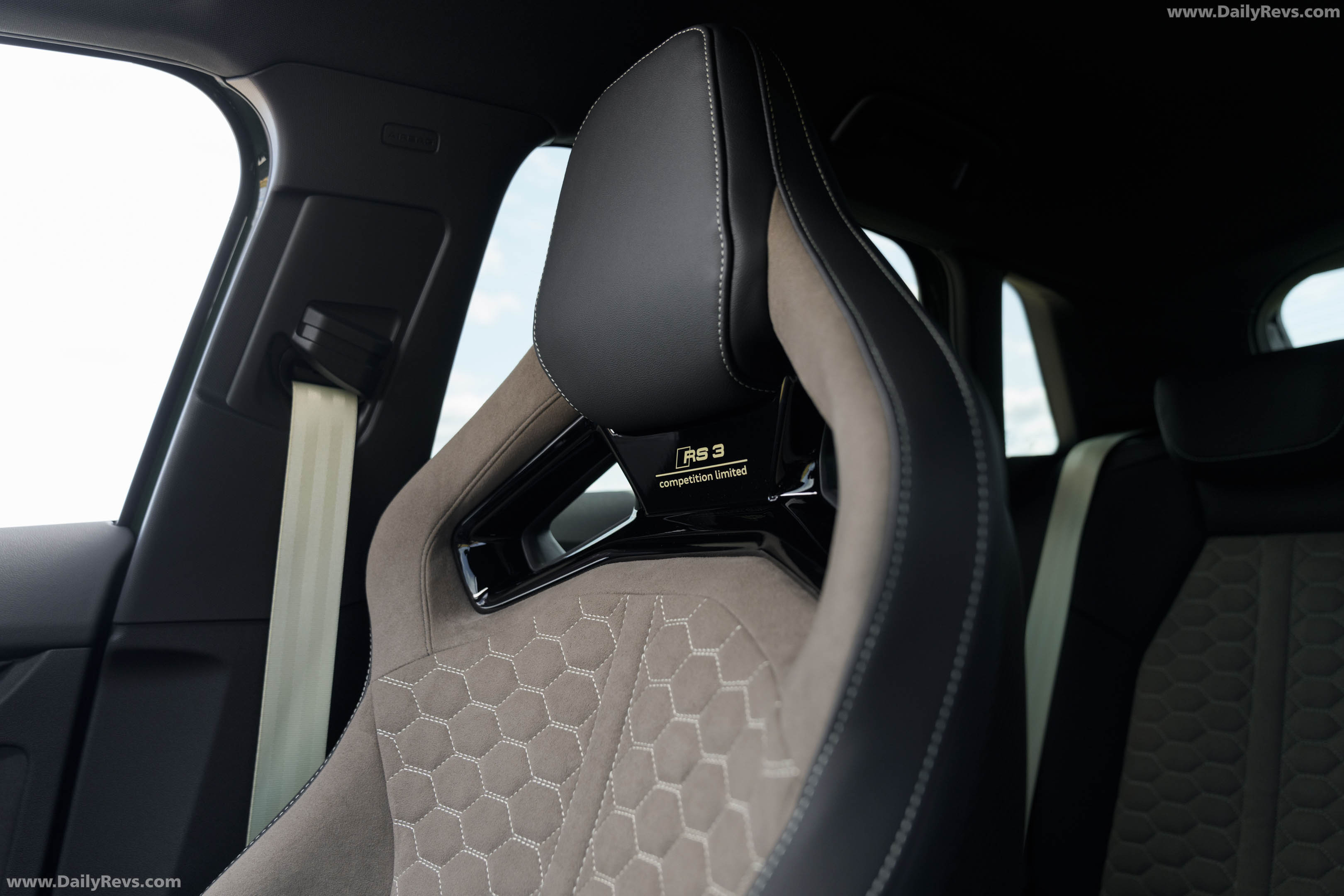
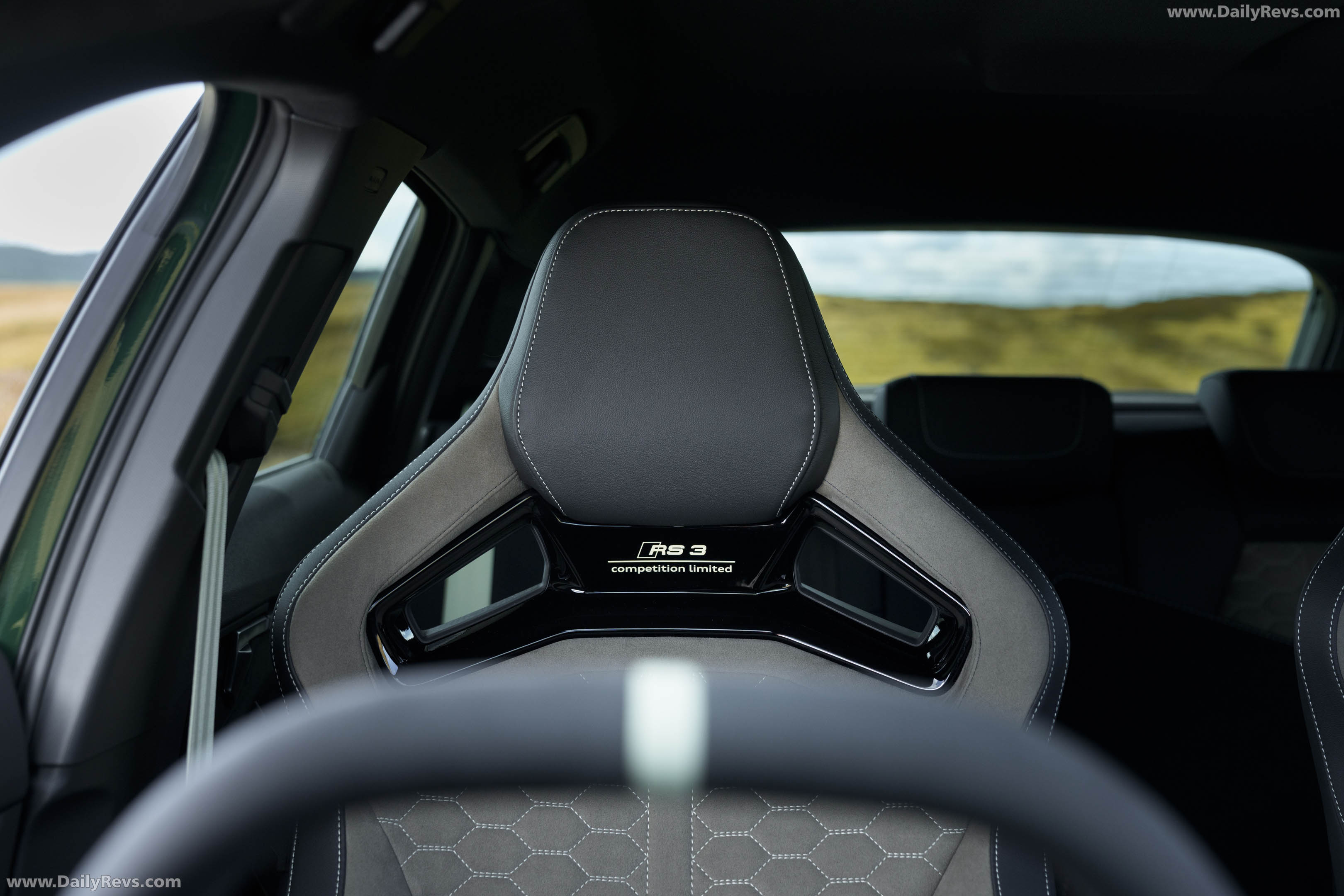
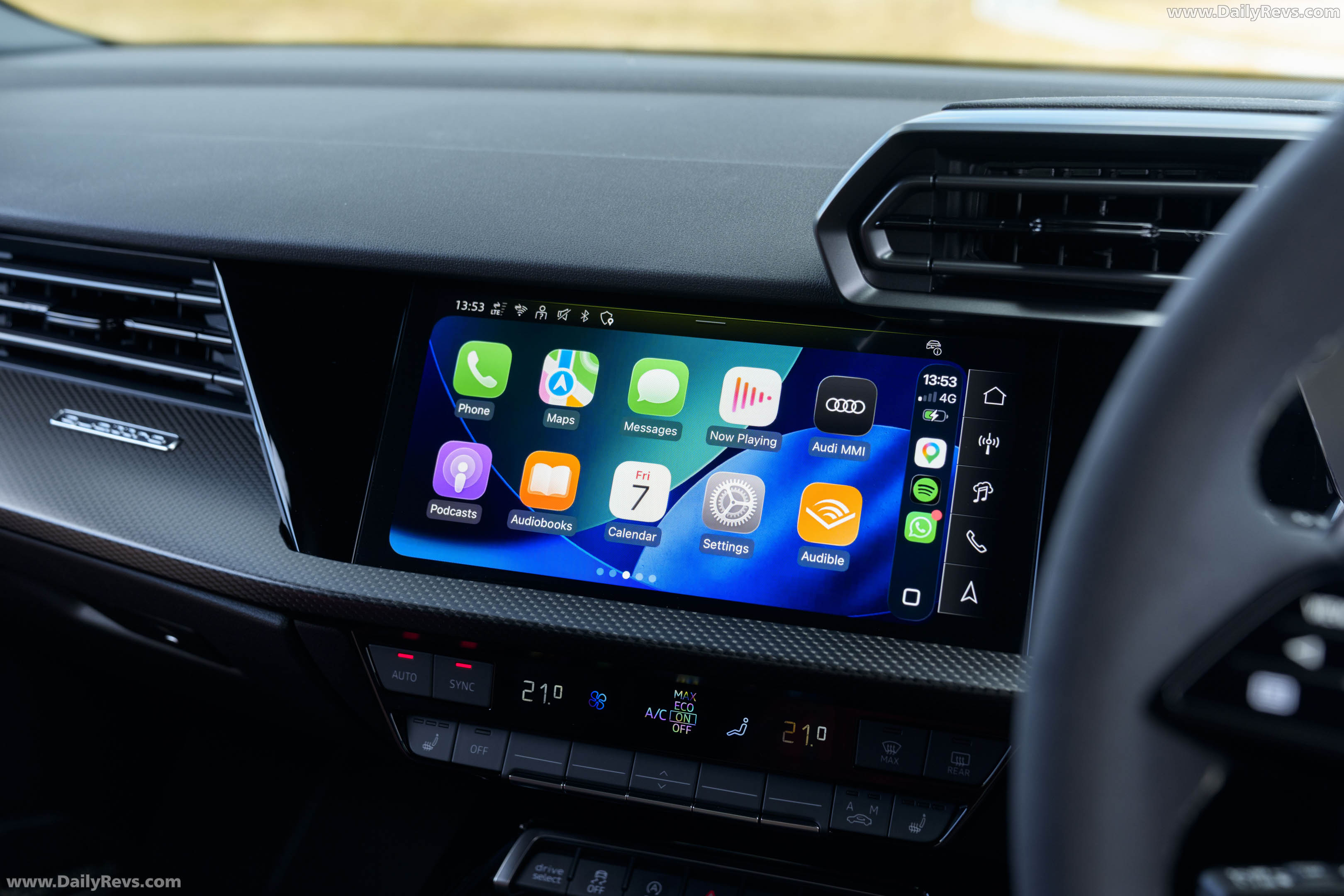
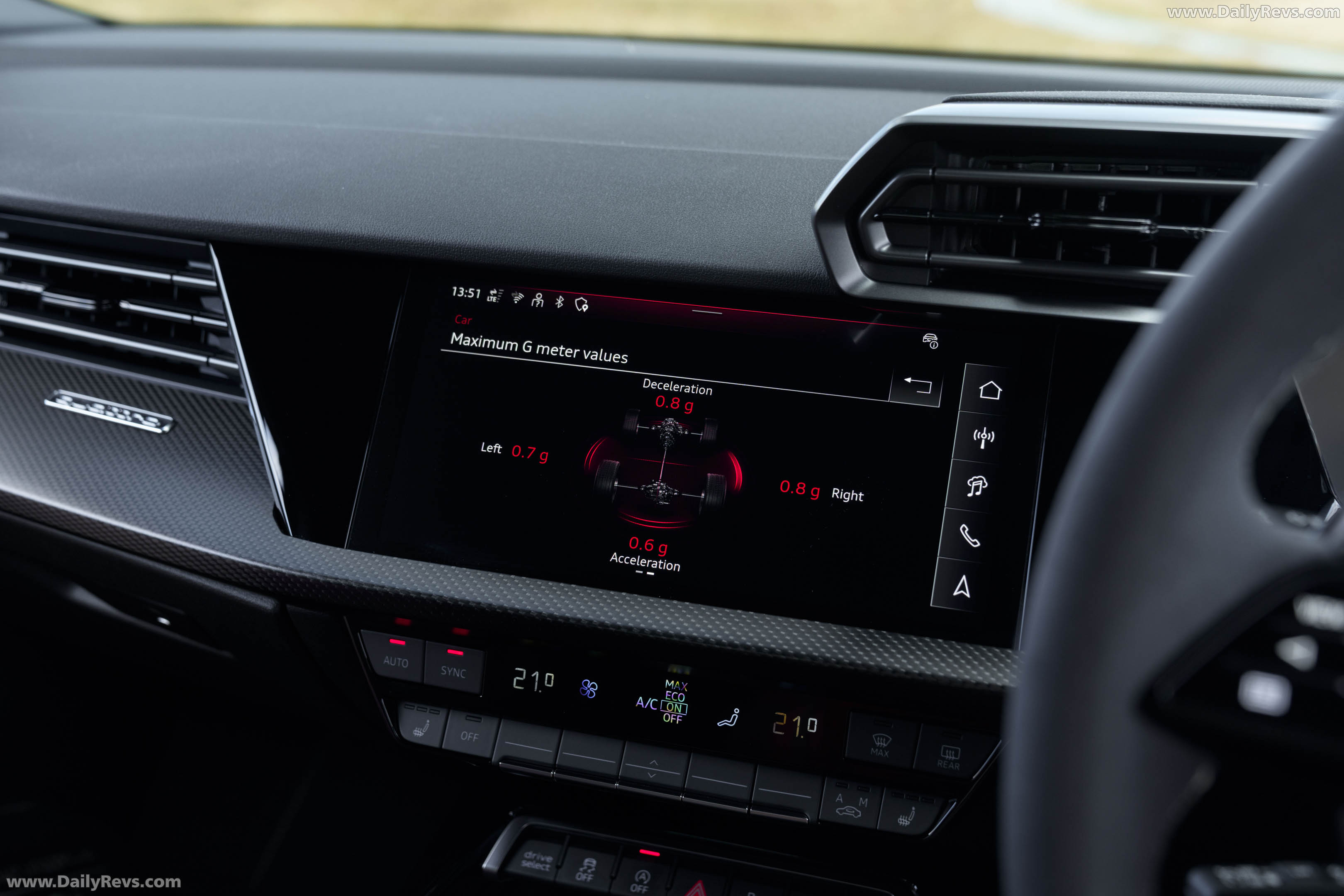
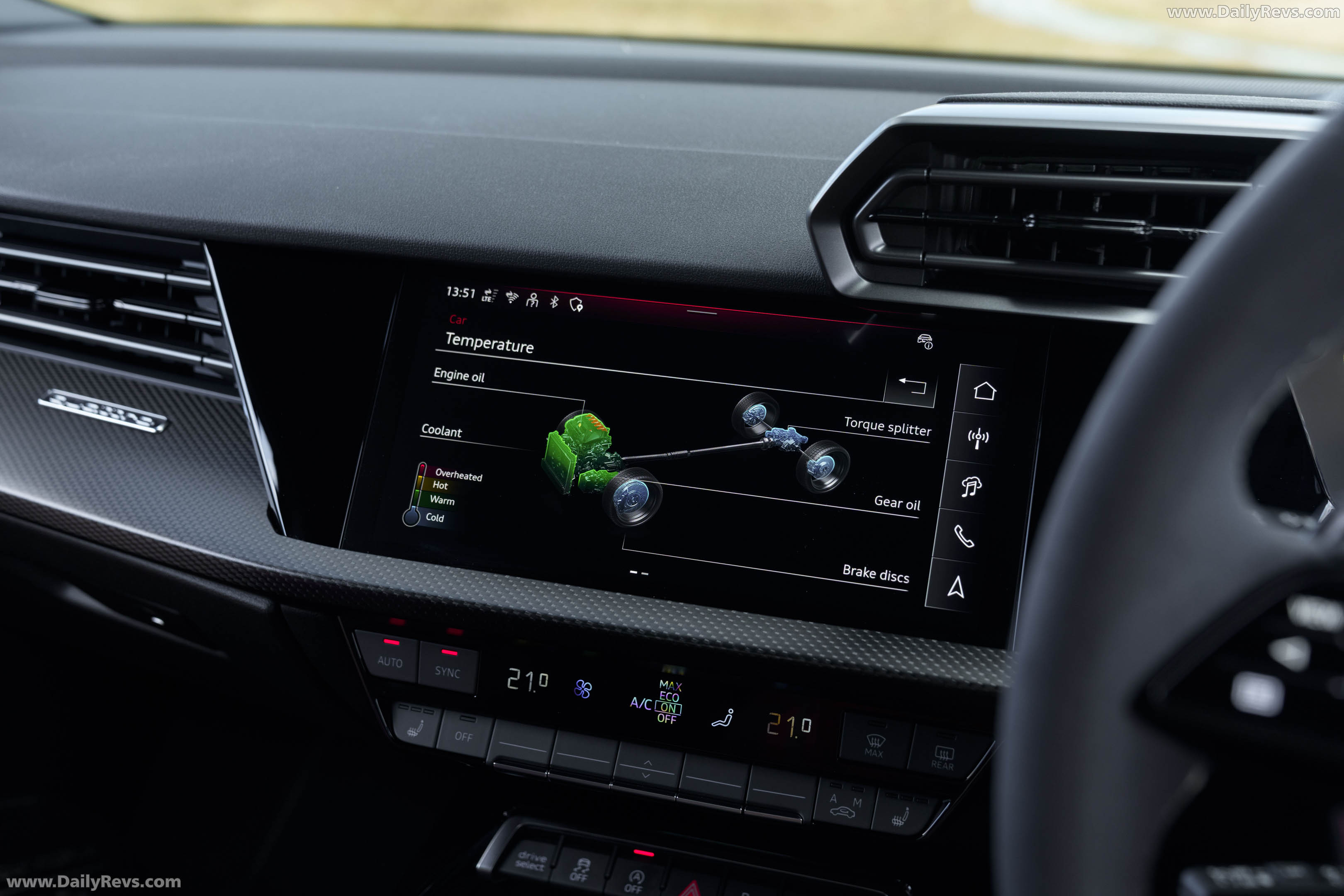
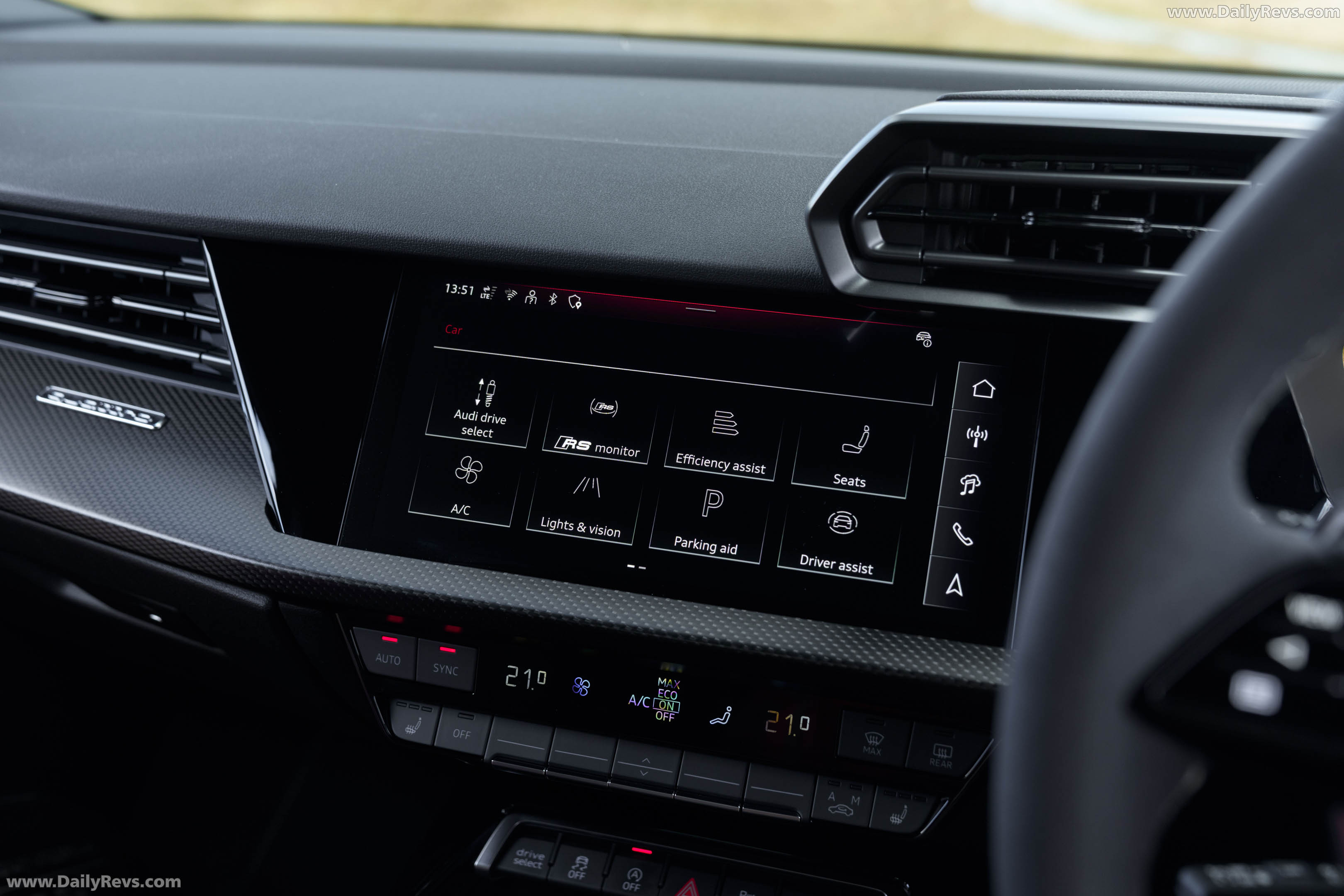
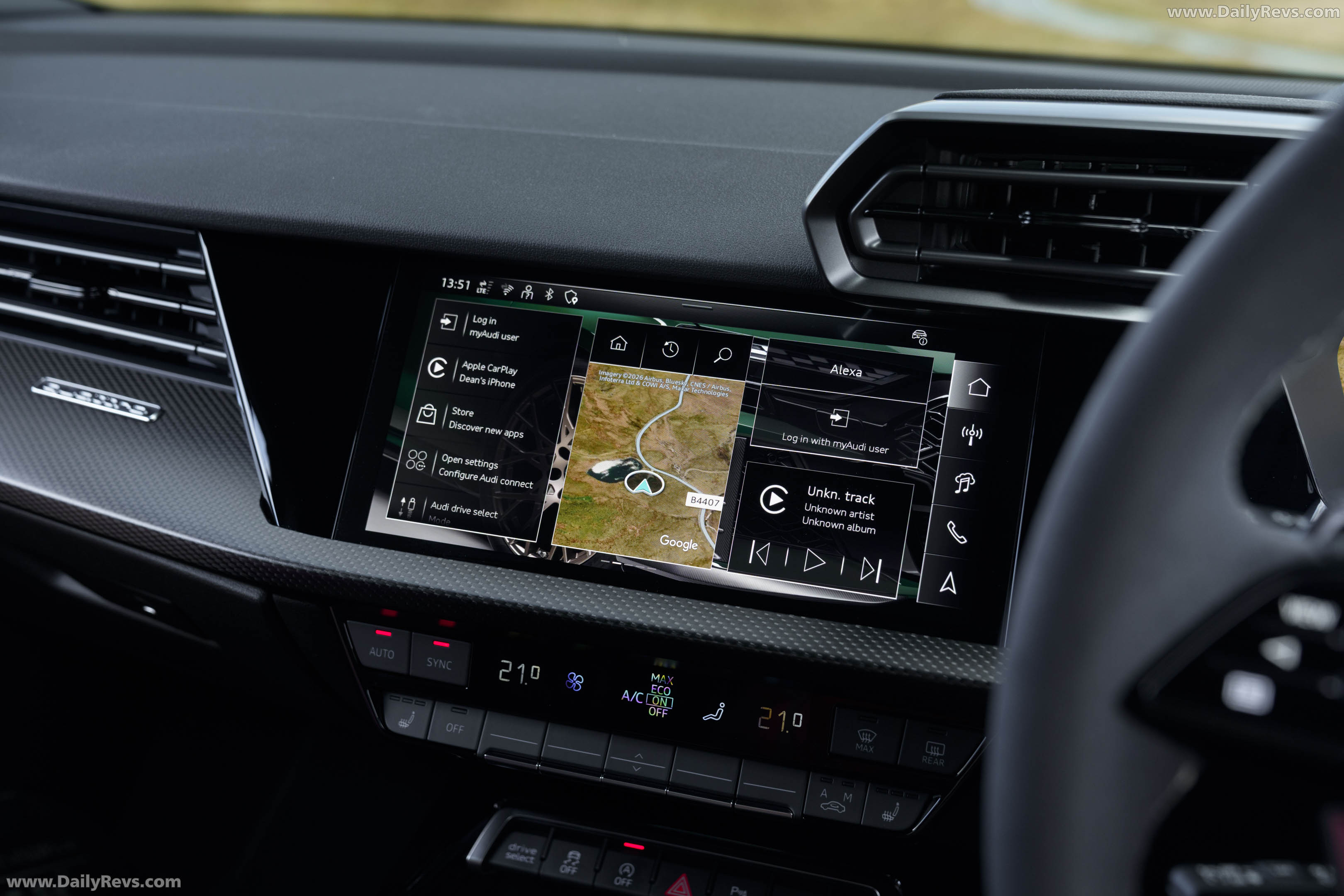
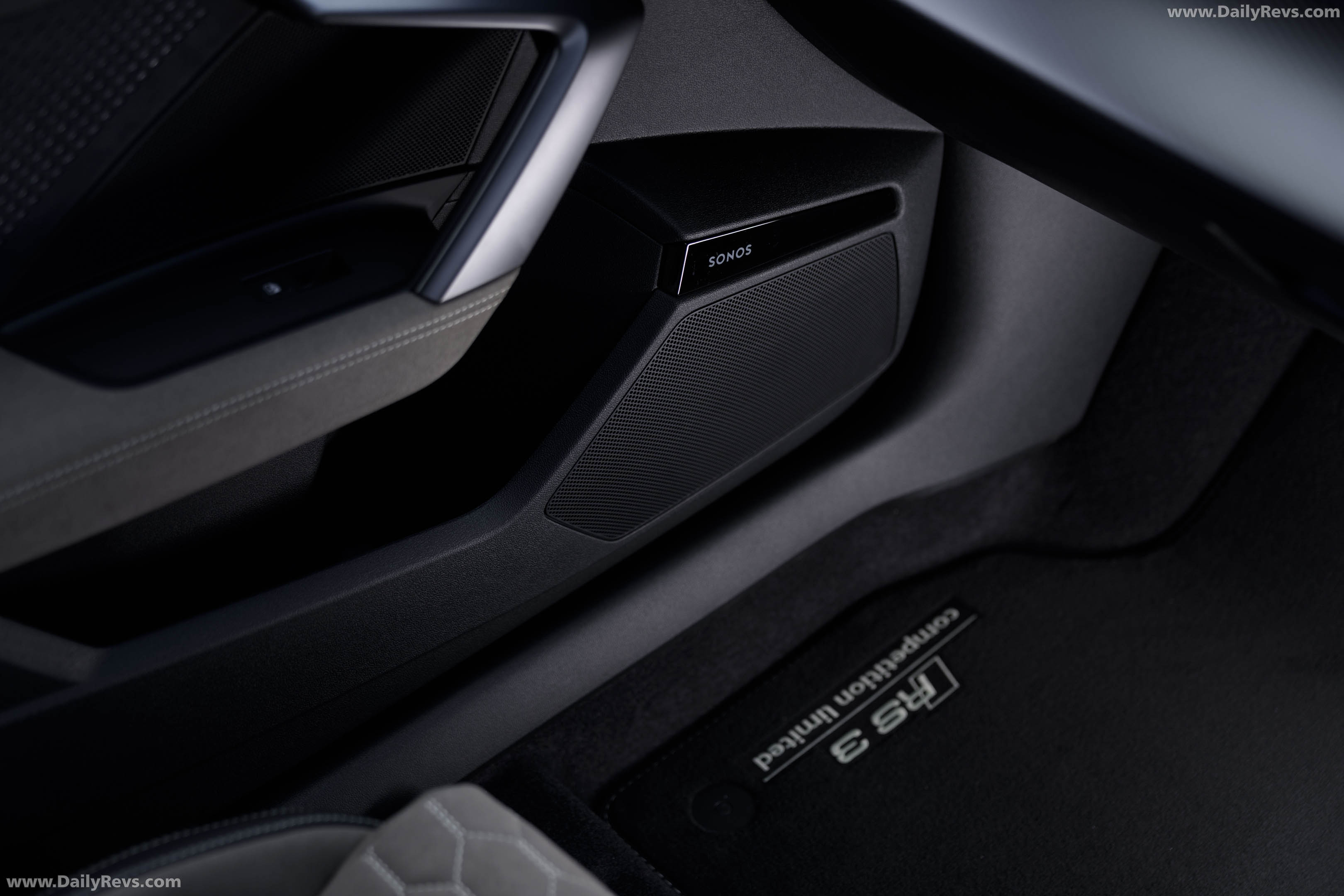
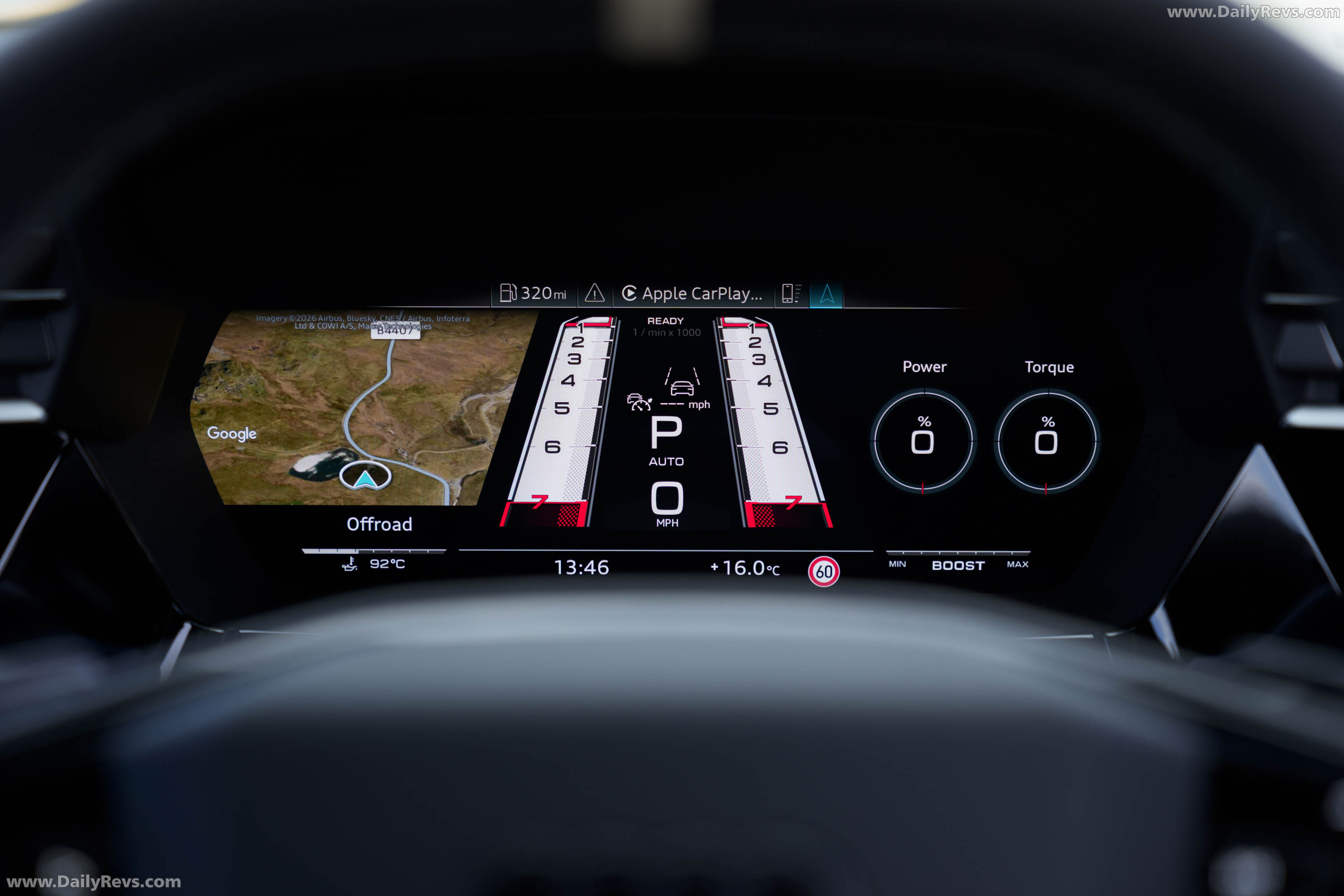
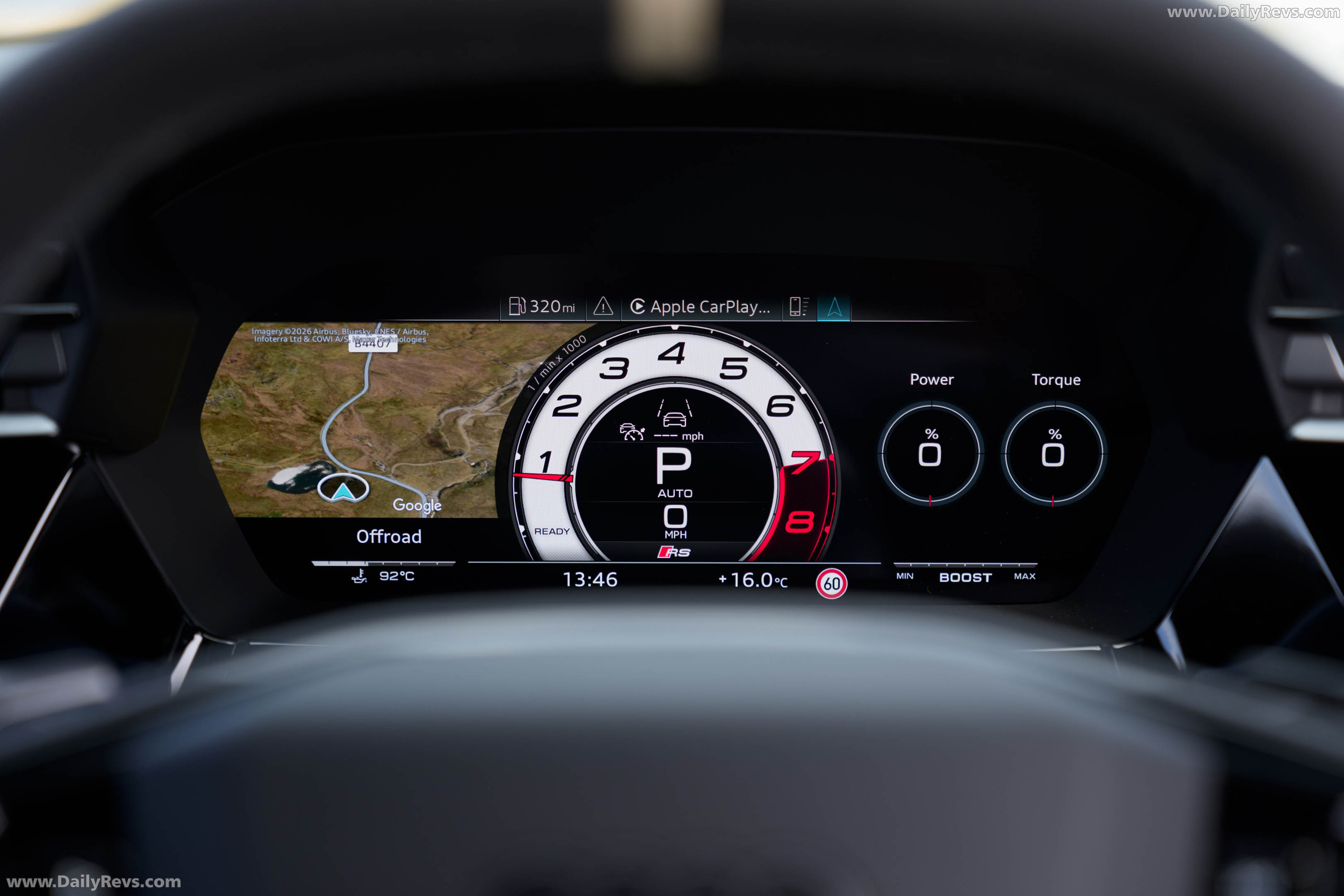
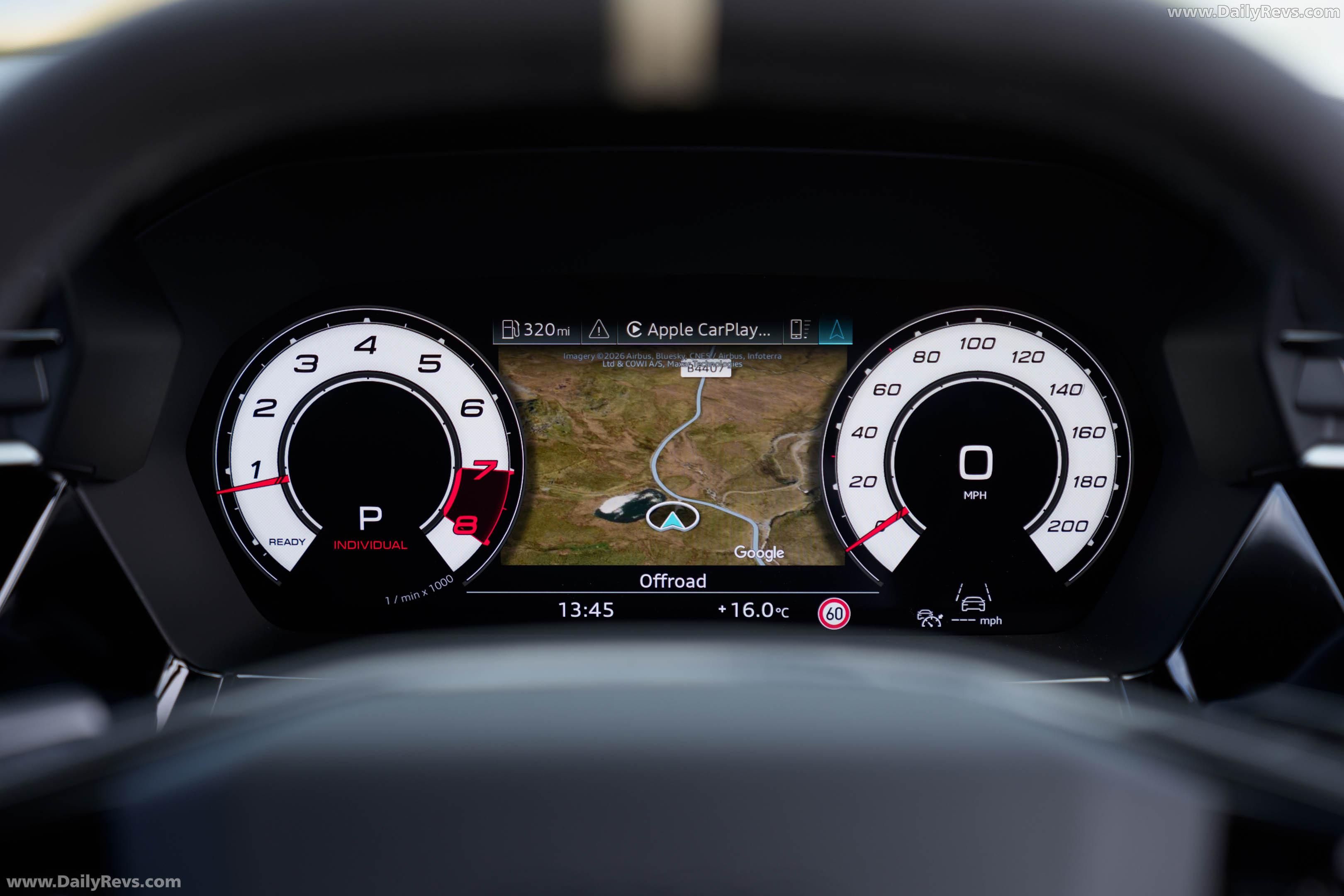
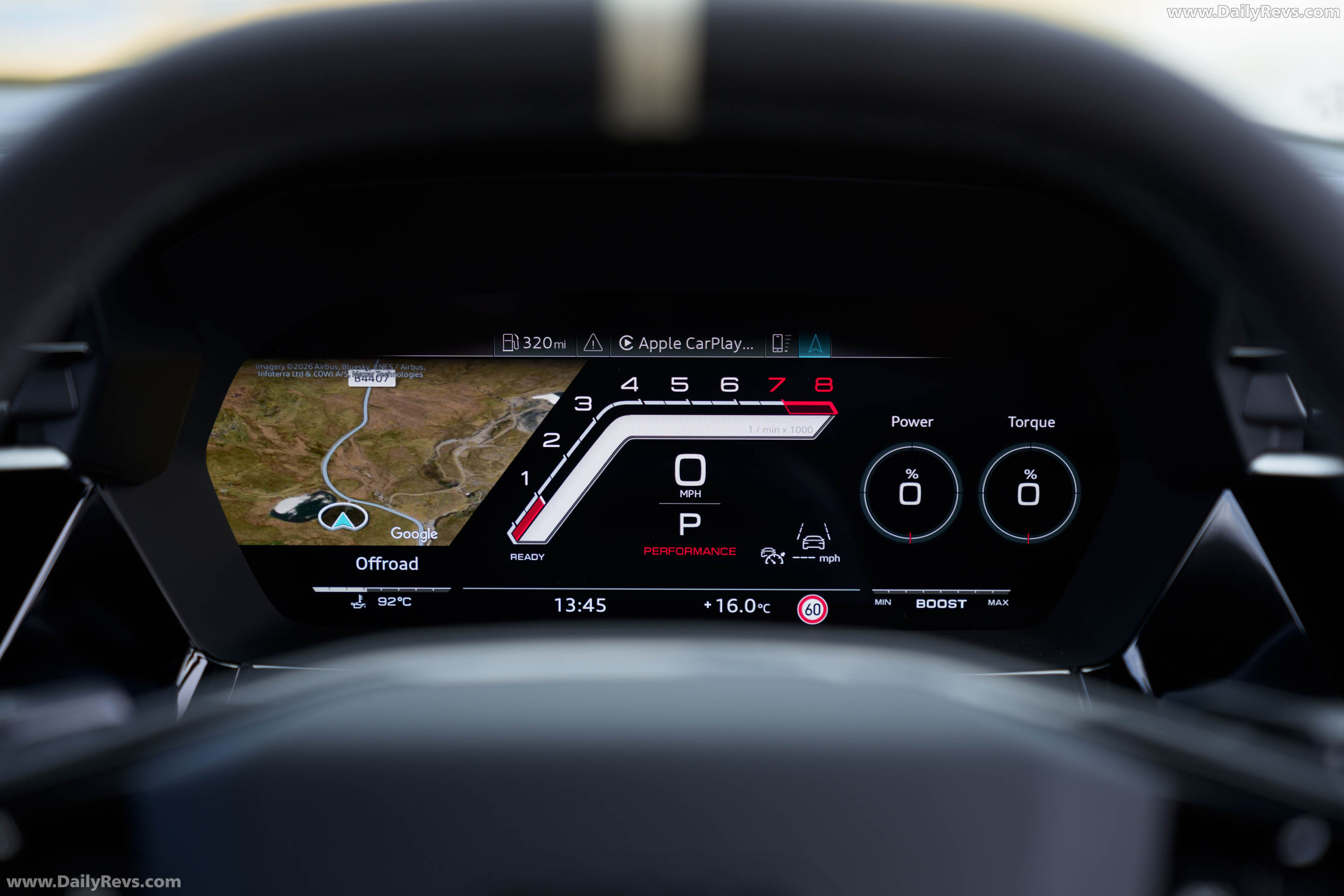
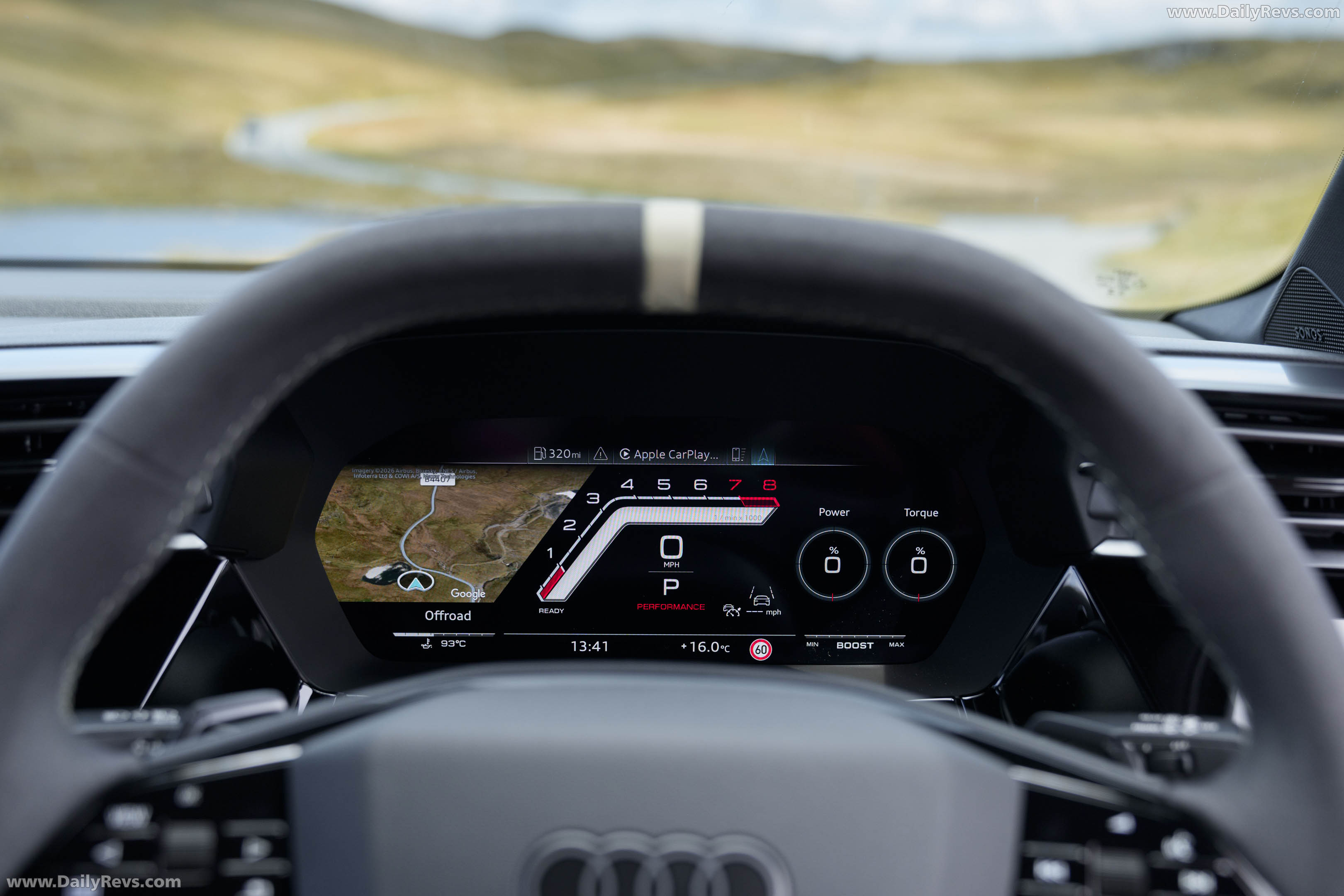
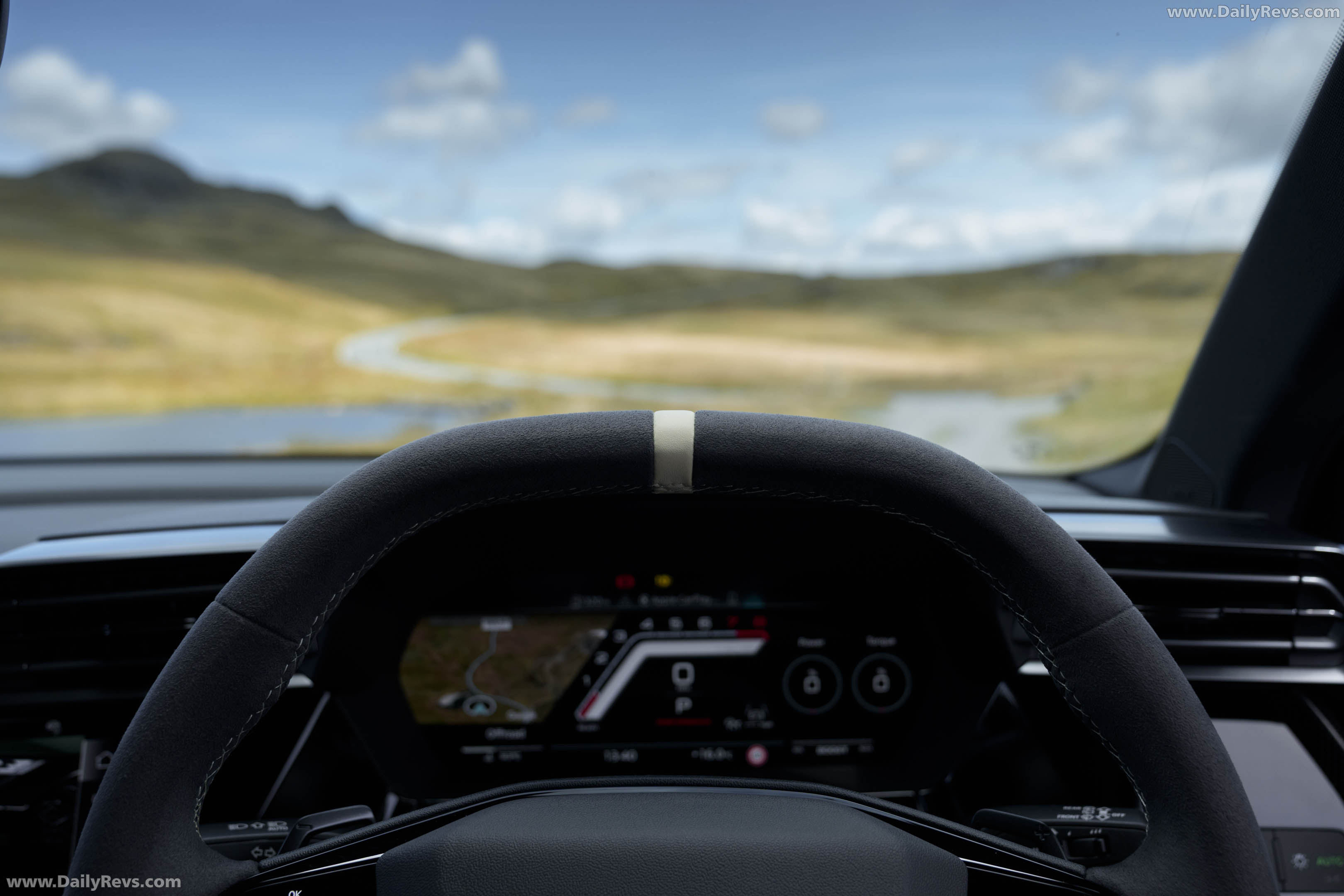
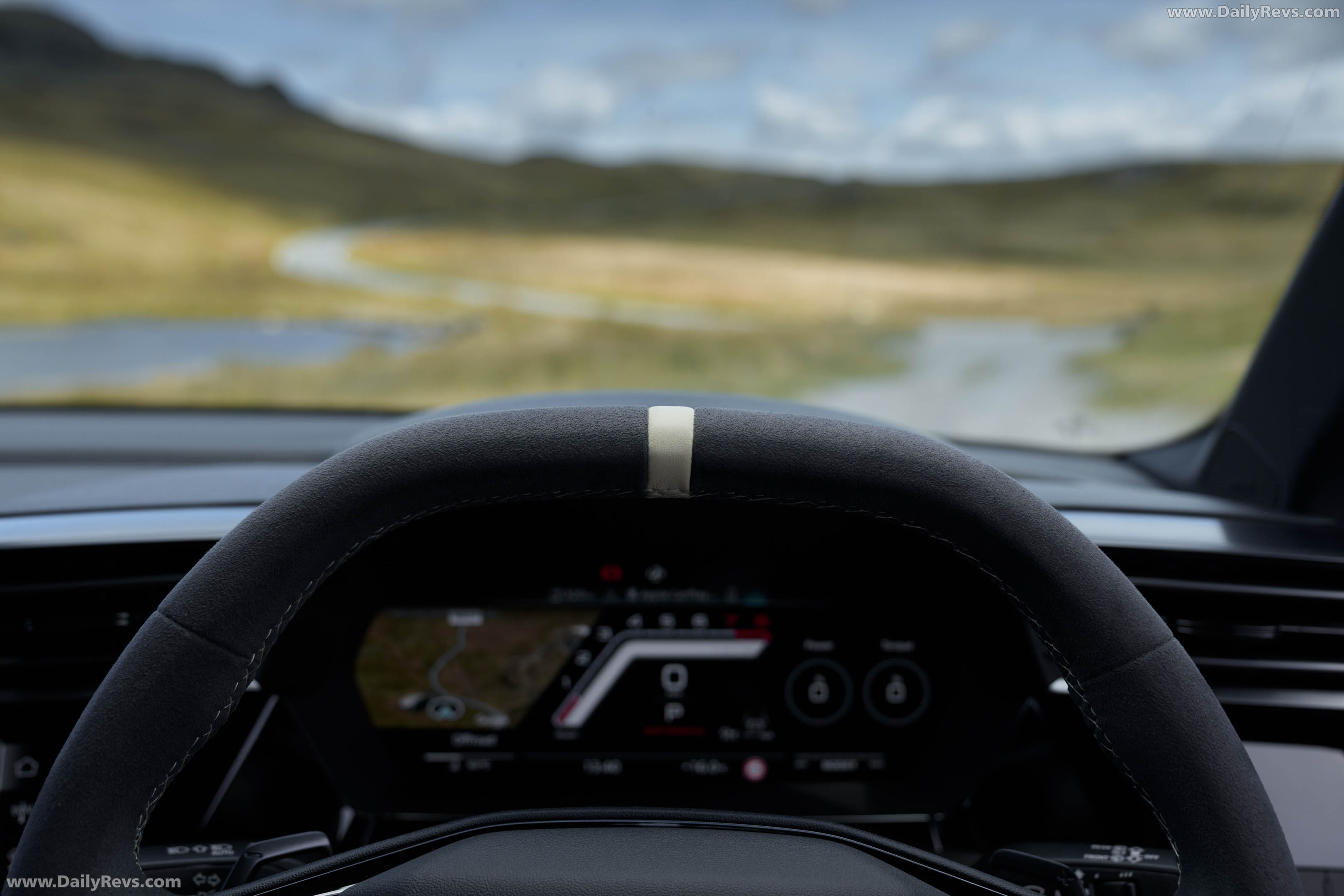
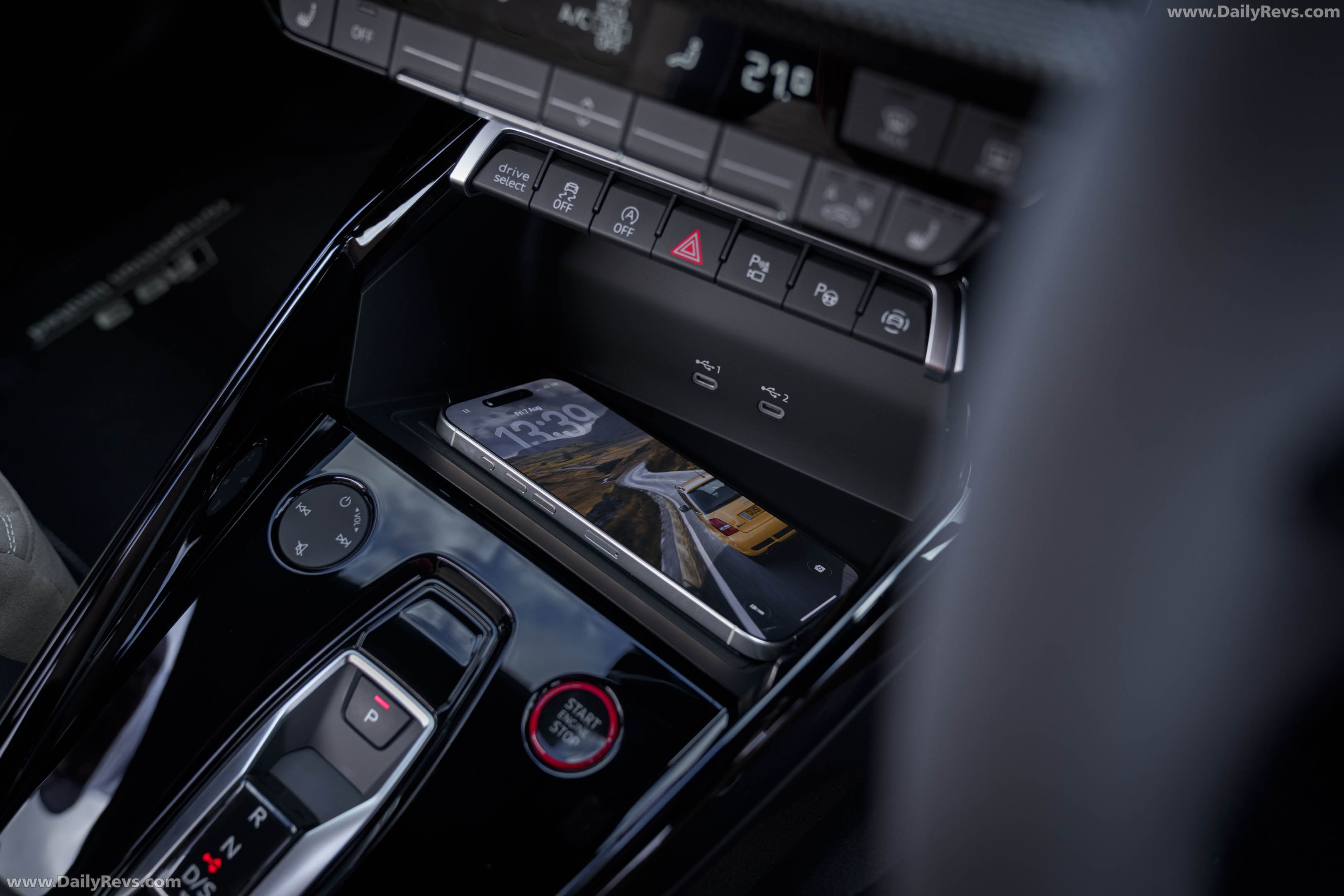
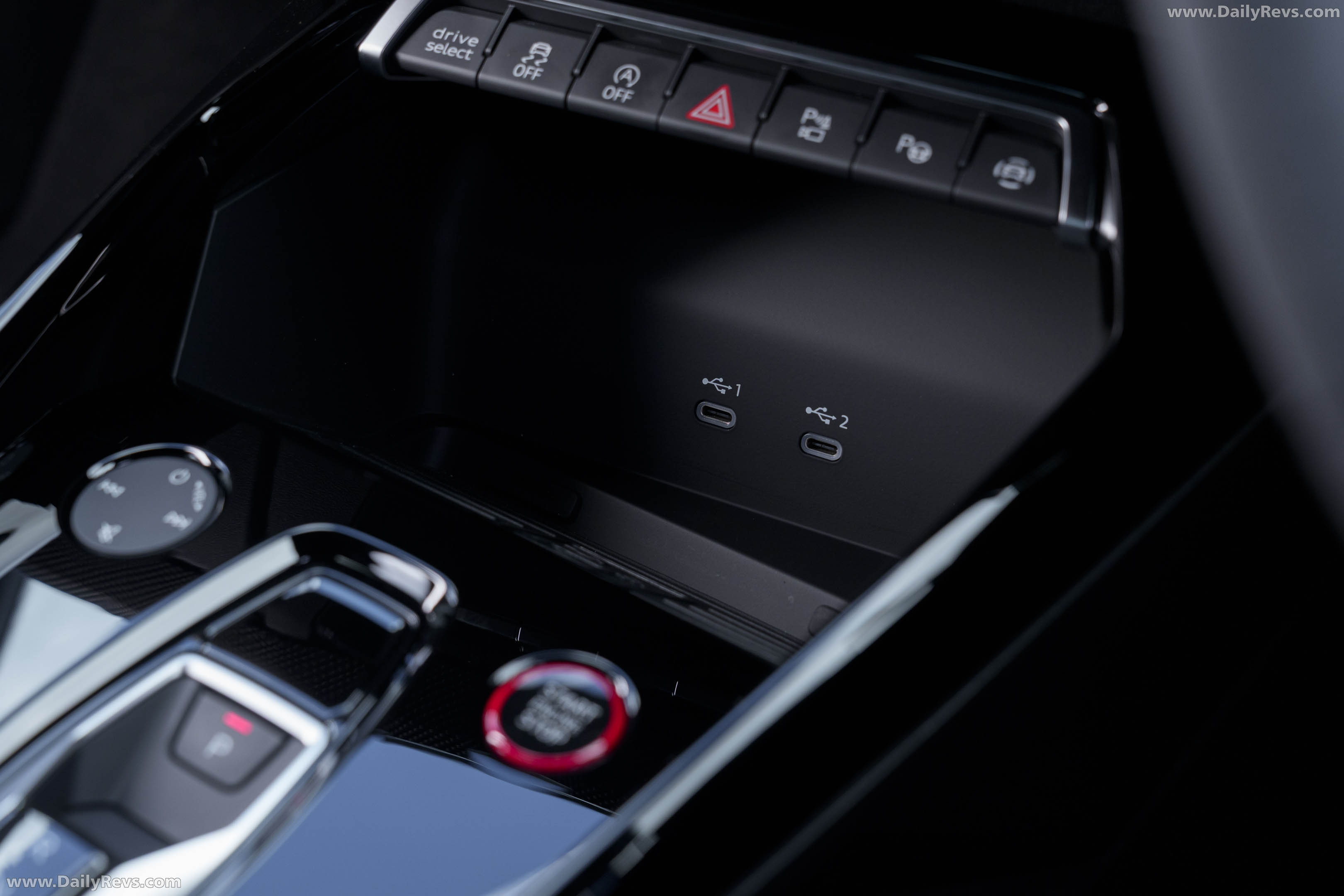
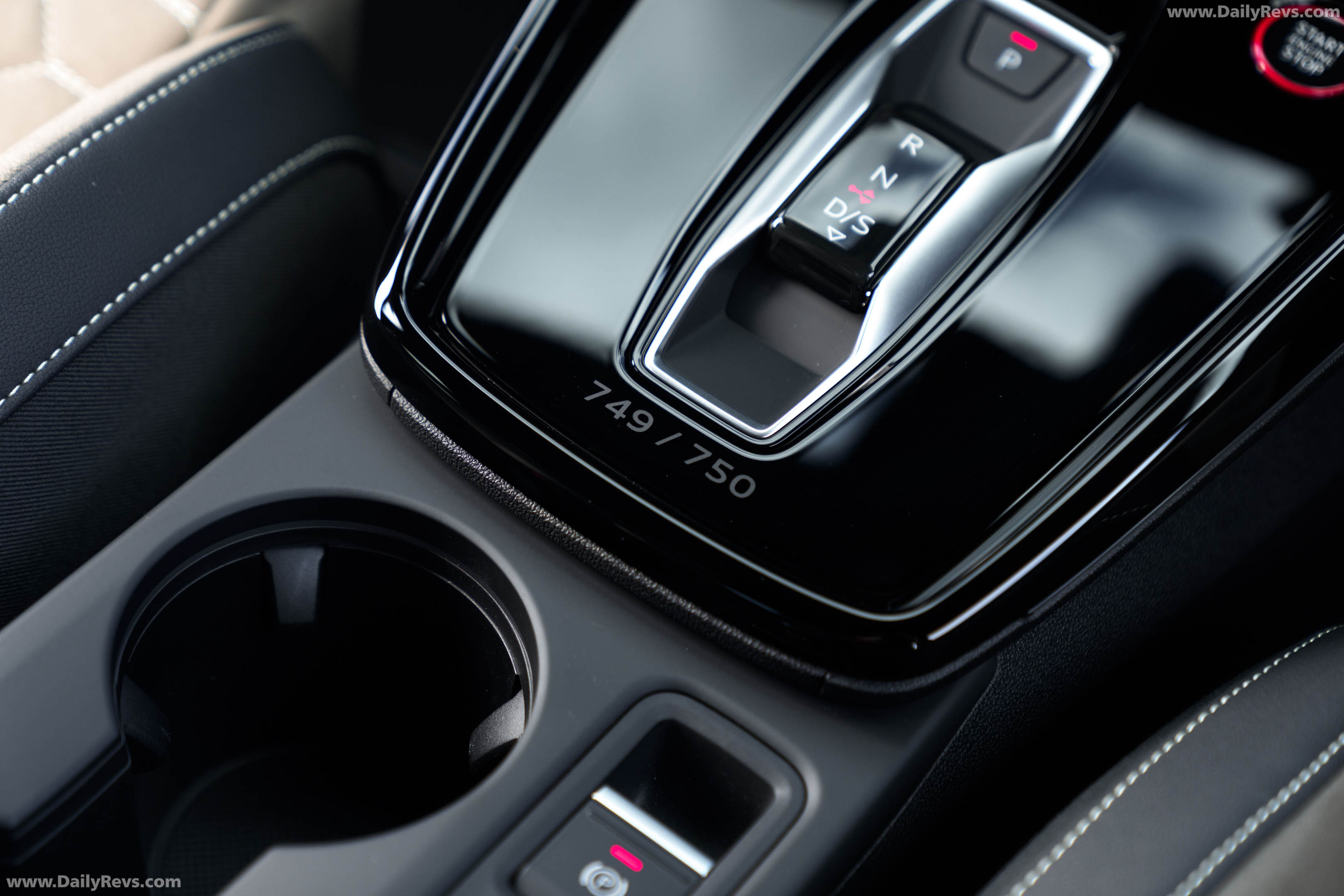
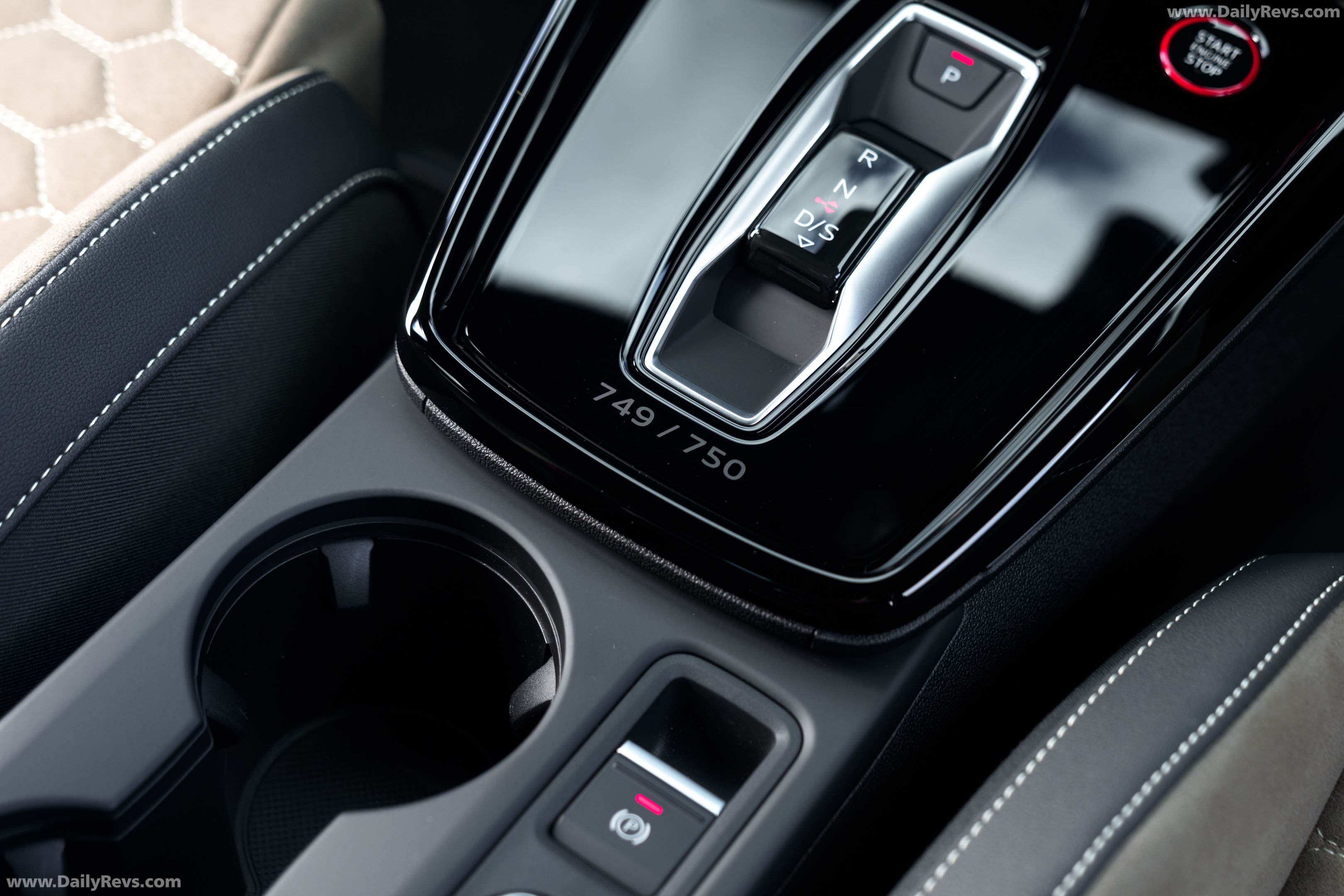
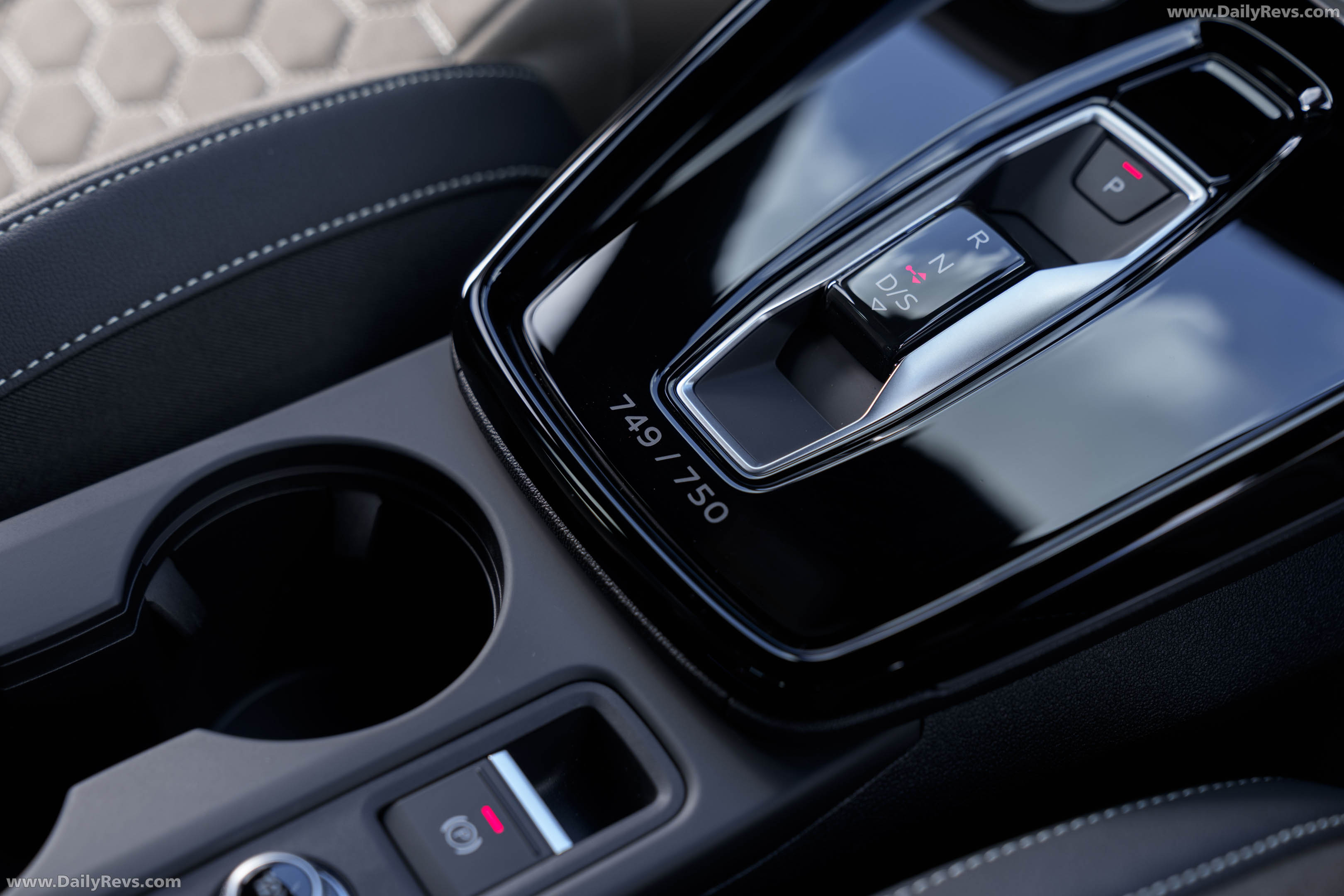
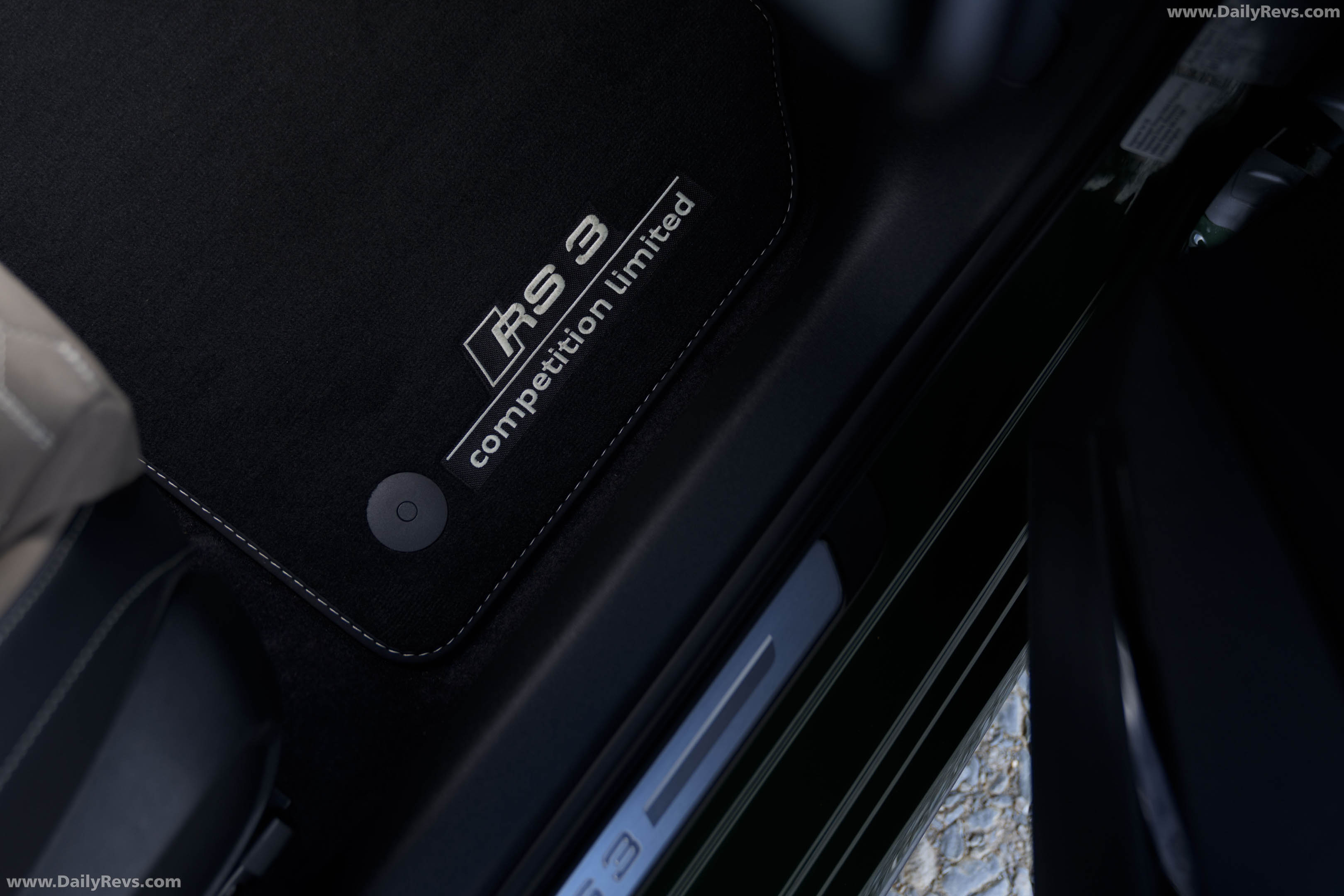
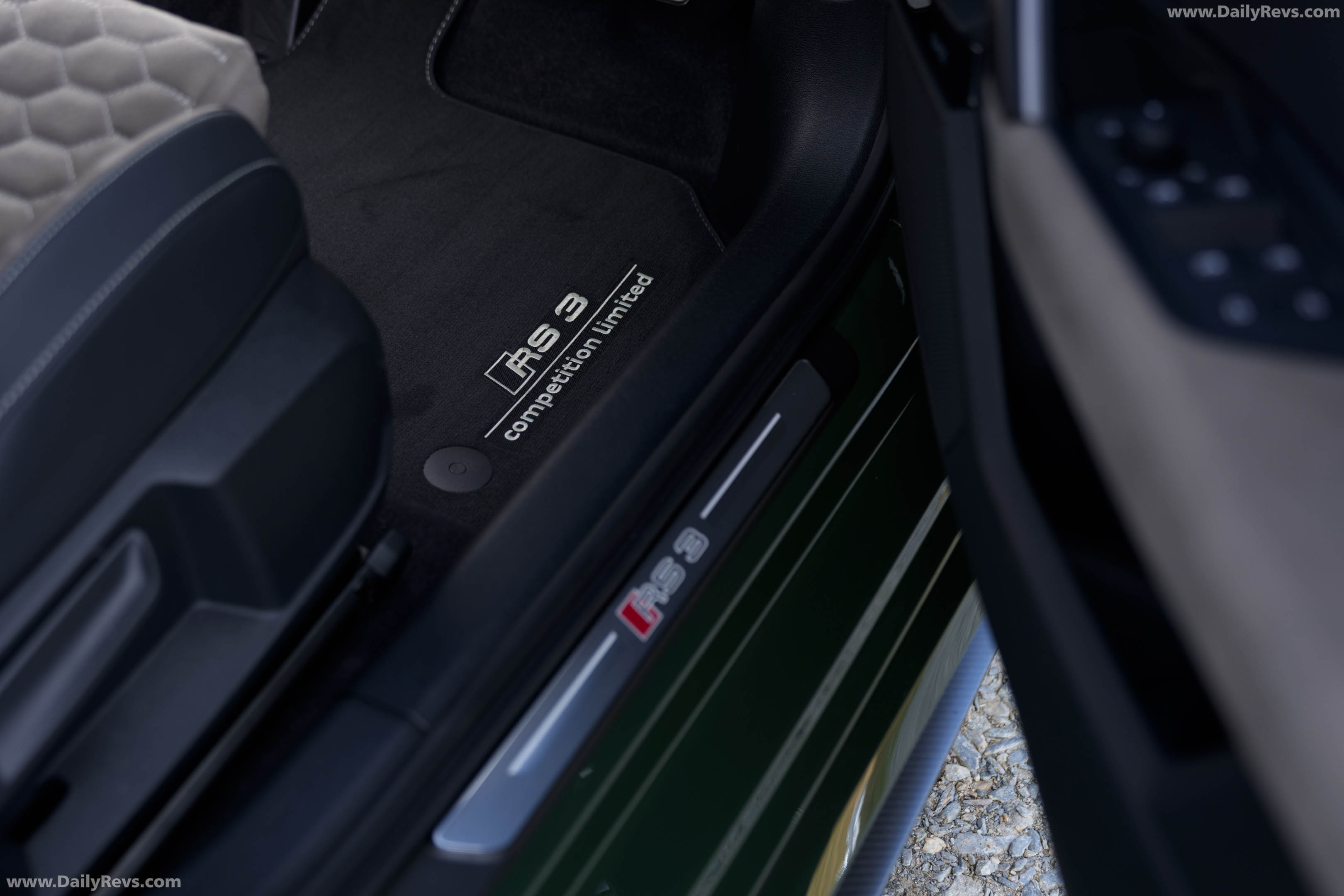
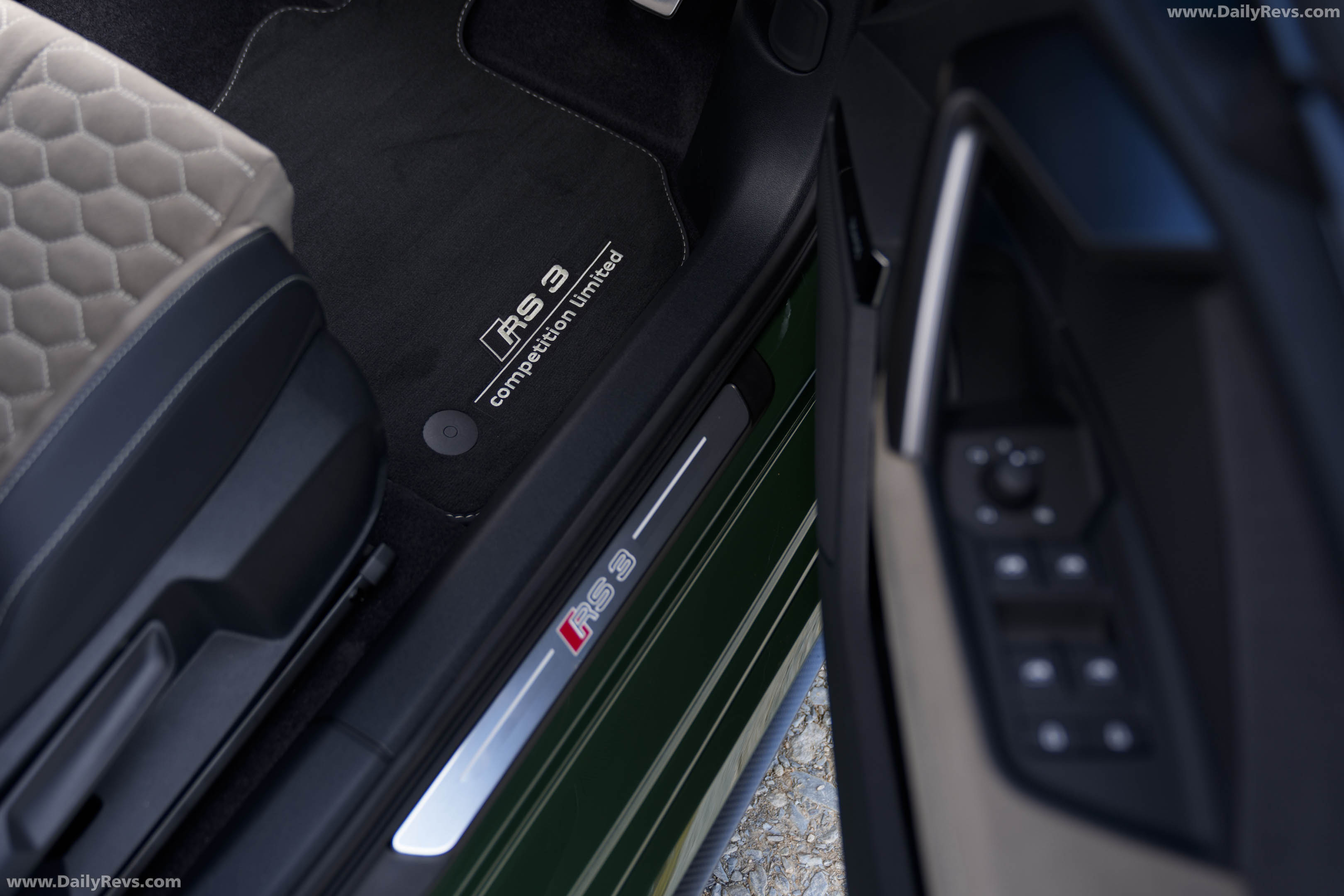
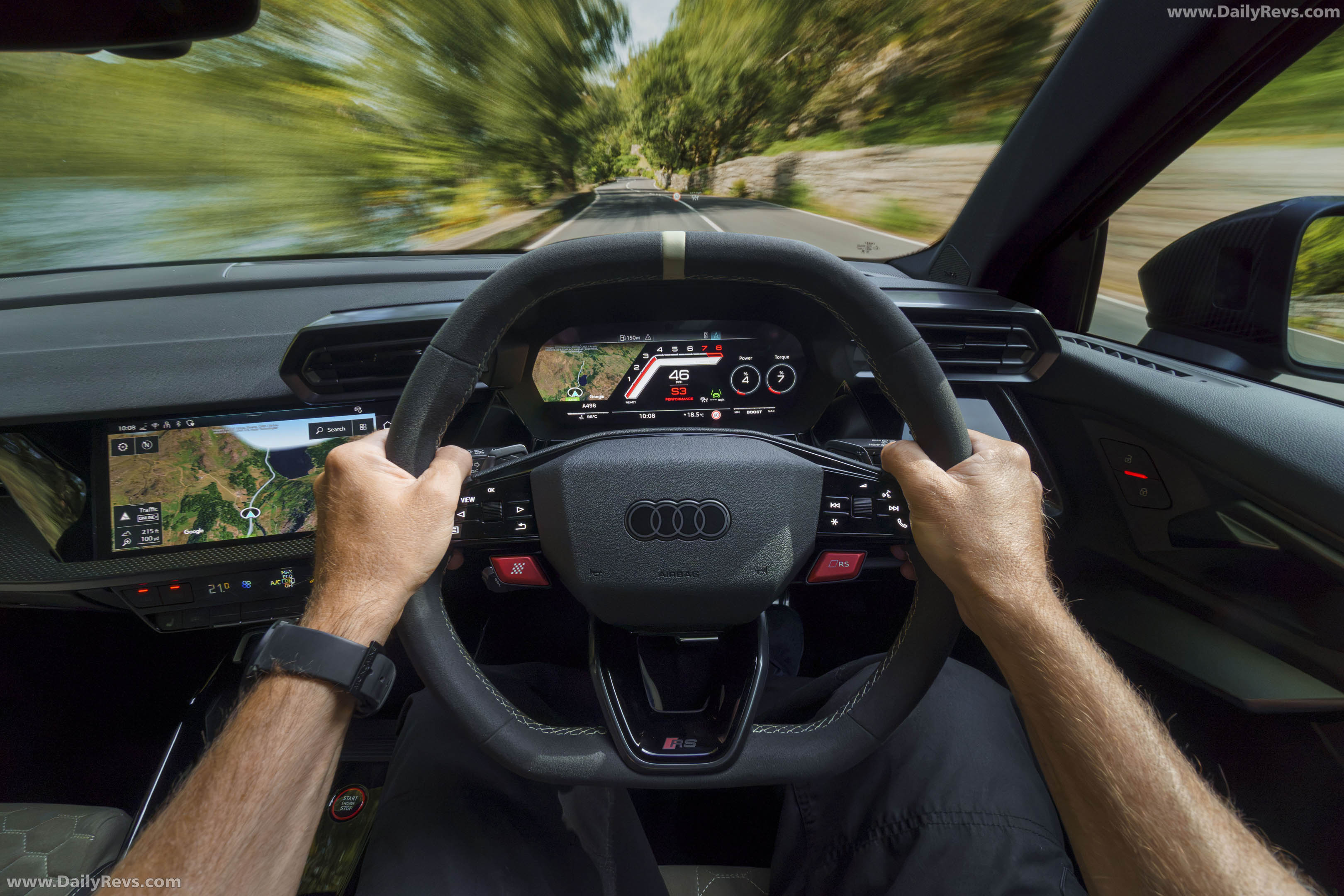
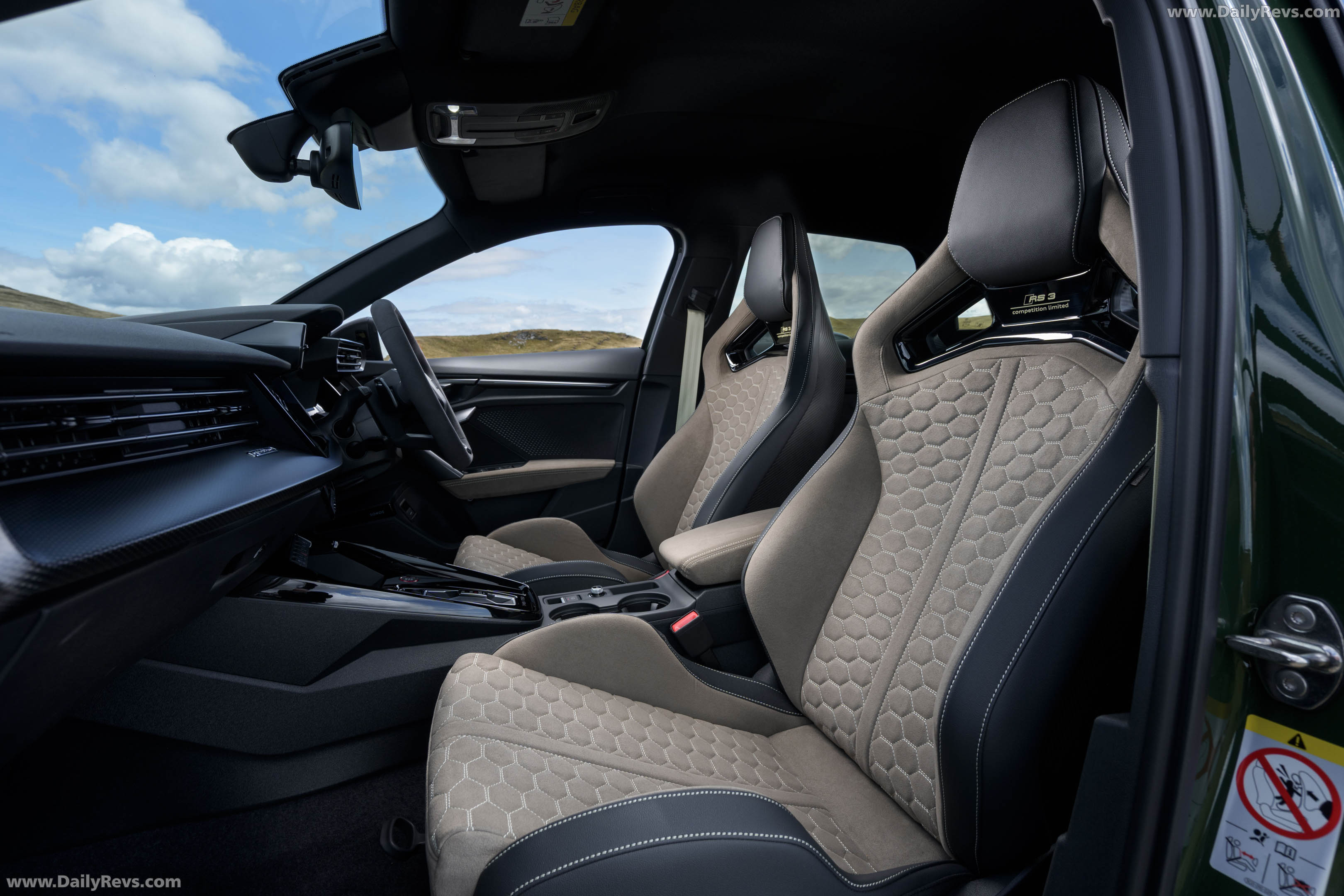
Inside, the colour scheme runs to black, Neodymium gold and Ginger white. Door-projected lighting spells out "RS 3 competition limited," a mark repeated on the floor mats, headrest covers and trunk carpet, while a matte serial number sits ahead of the gear shifter to mark each car's place in the run of 750. The RS bucket seats use black leather bolsters with Dinamica microfibre centres in gold and Ginger white contrast stitching in a diamond pattern, a treatment carried through to the rear seats and armrests. A 10.1-inch display shows RS-specific readouts — coolant, torque splitter and brake temperatures alongside oil temperature and tyre pressure — while the digital instrument cluster uses a white background as a nod to the original RS2 Avant from 1994, adding power, torque, G-force and lap-timer readouts plus launch control starting lights.
A Five-Cylinder Engine Built for Noise as Much as Numbers
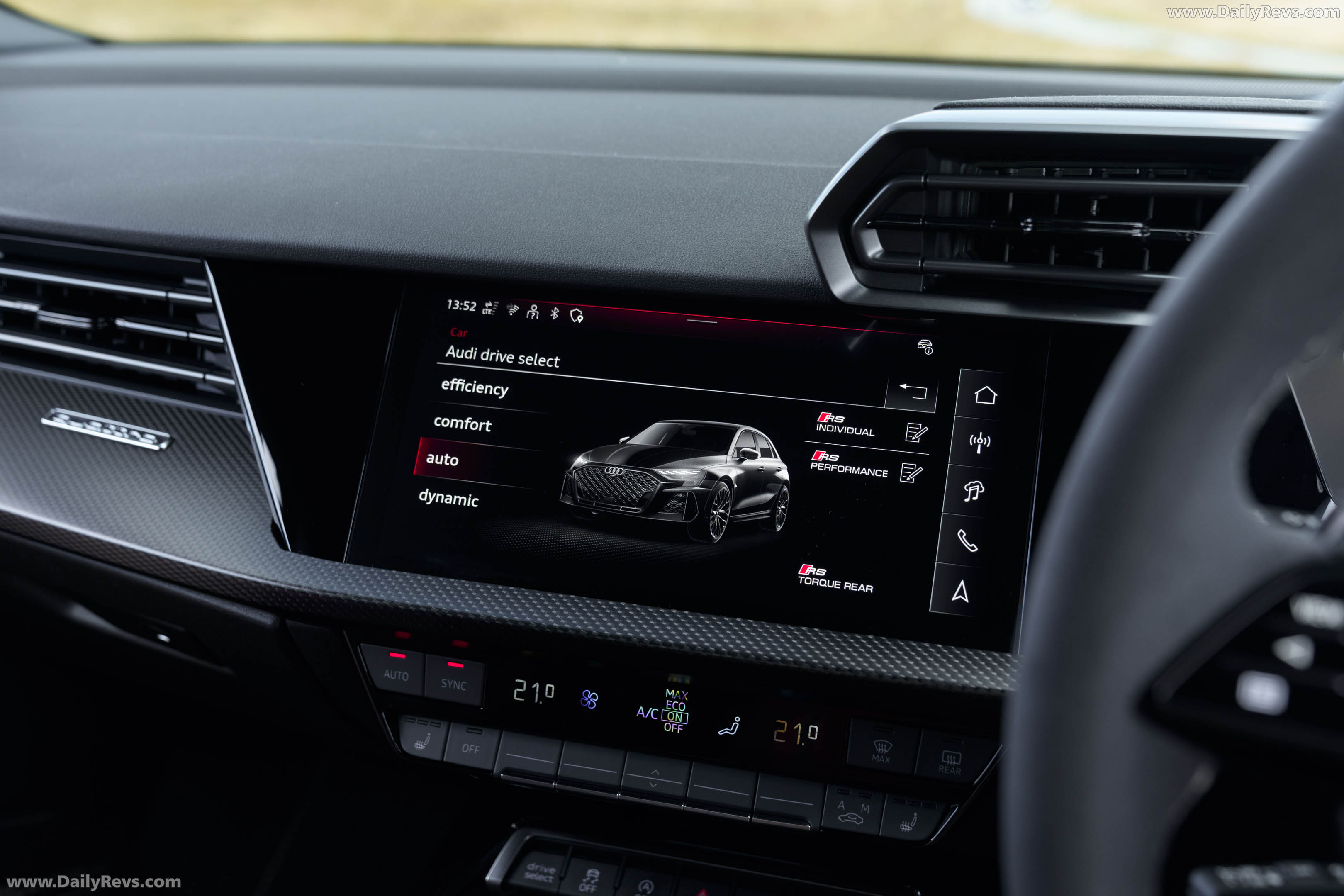
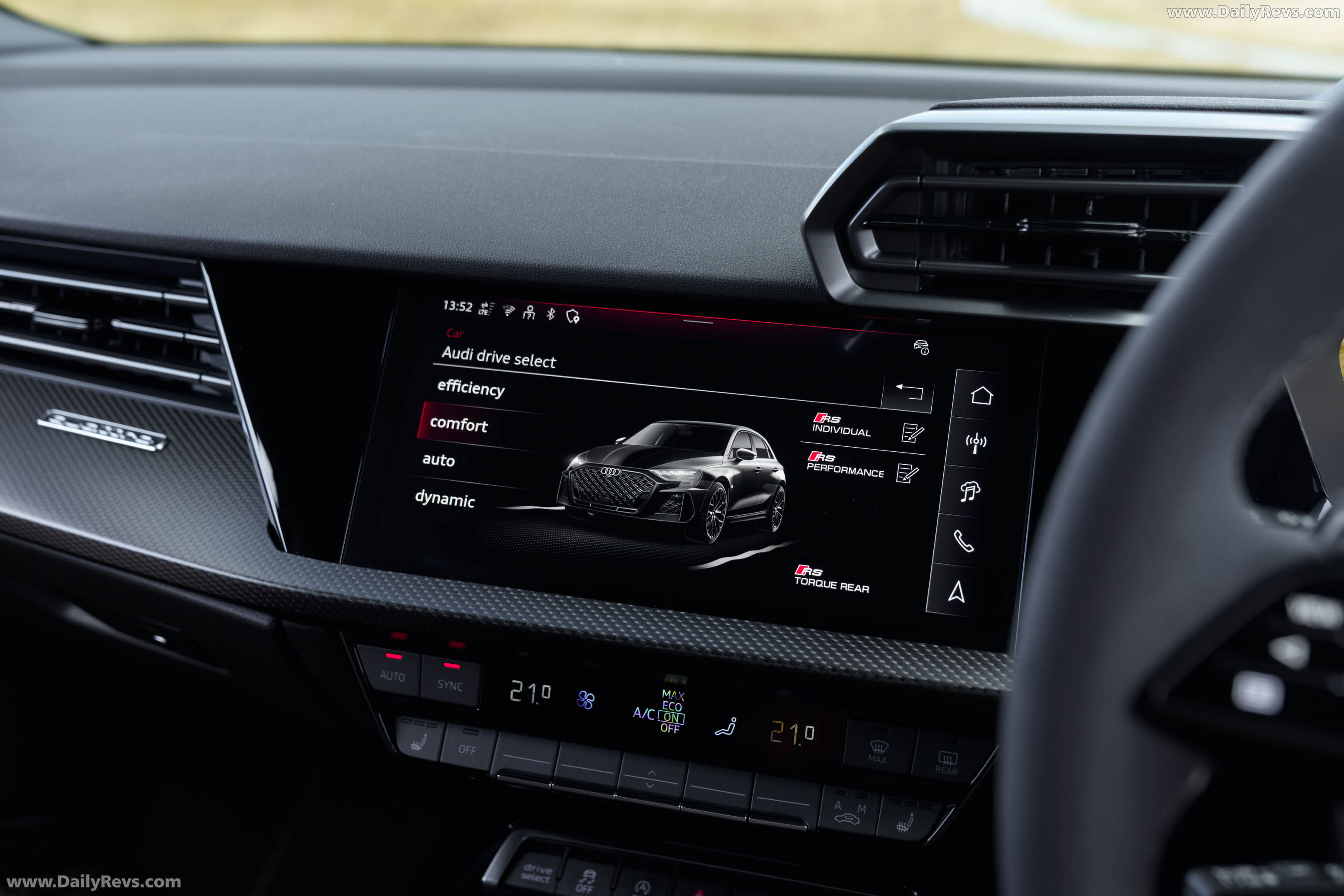
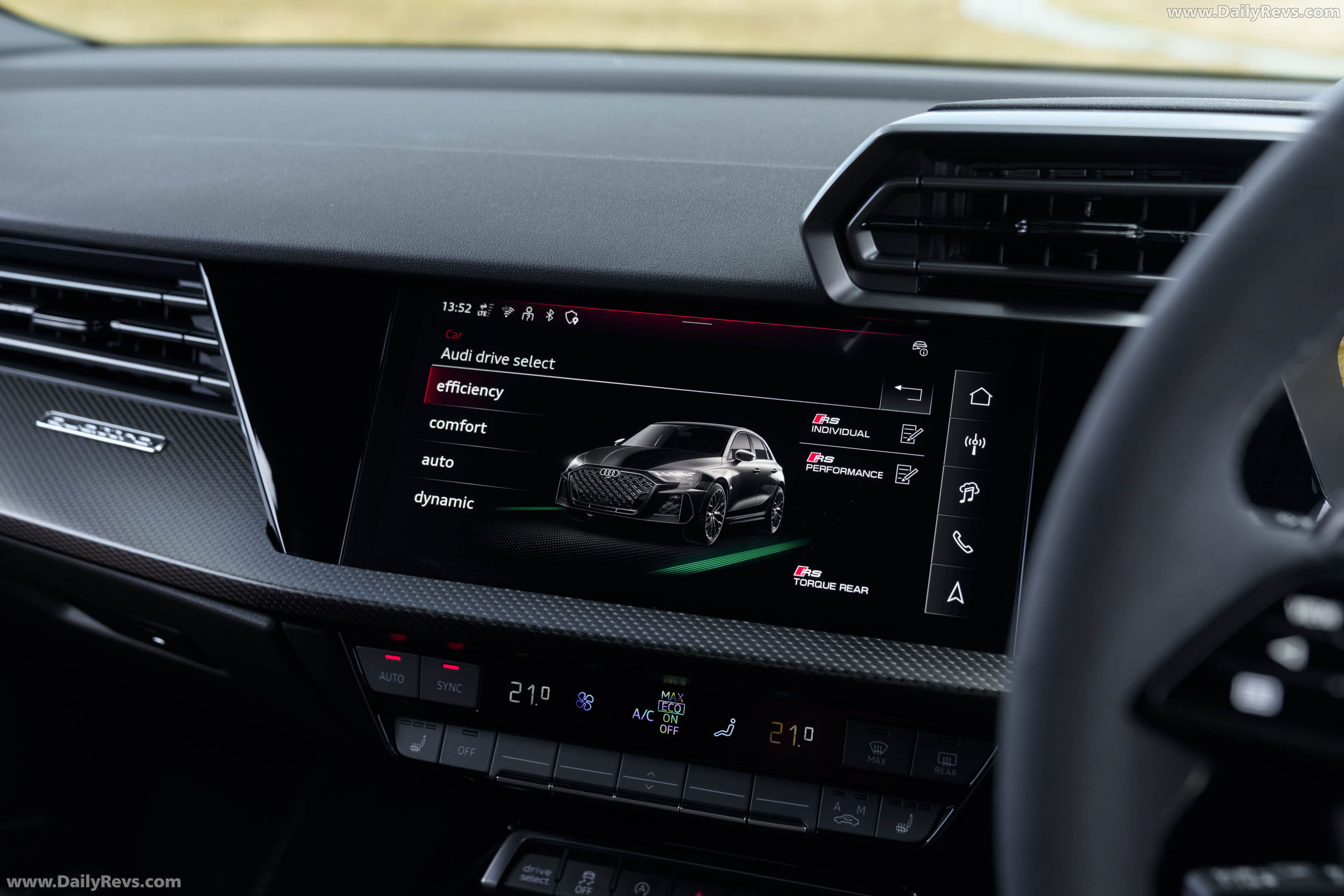
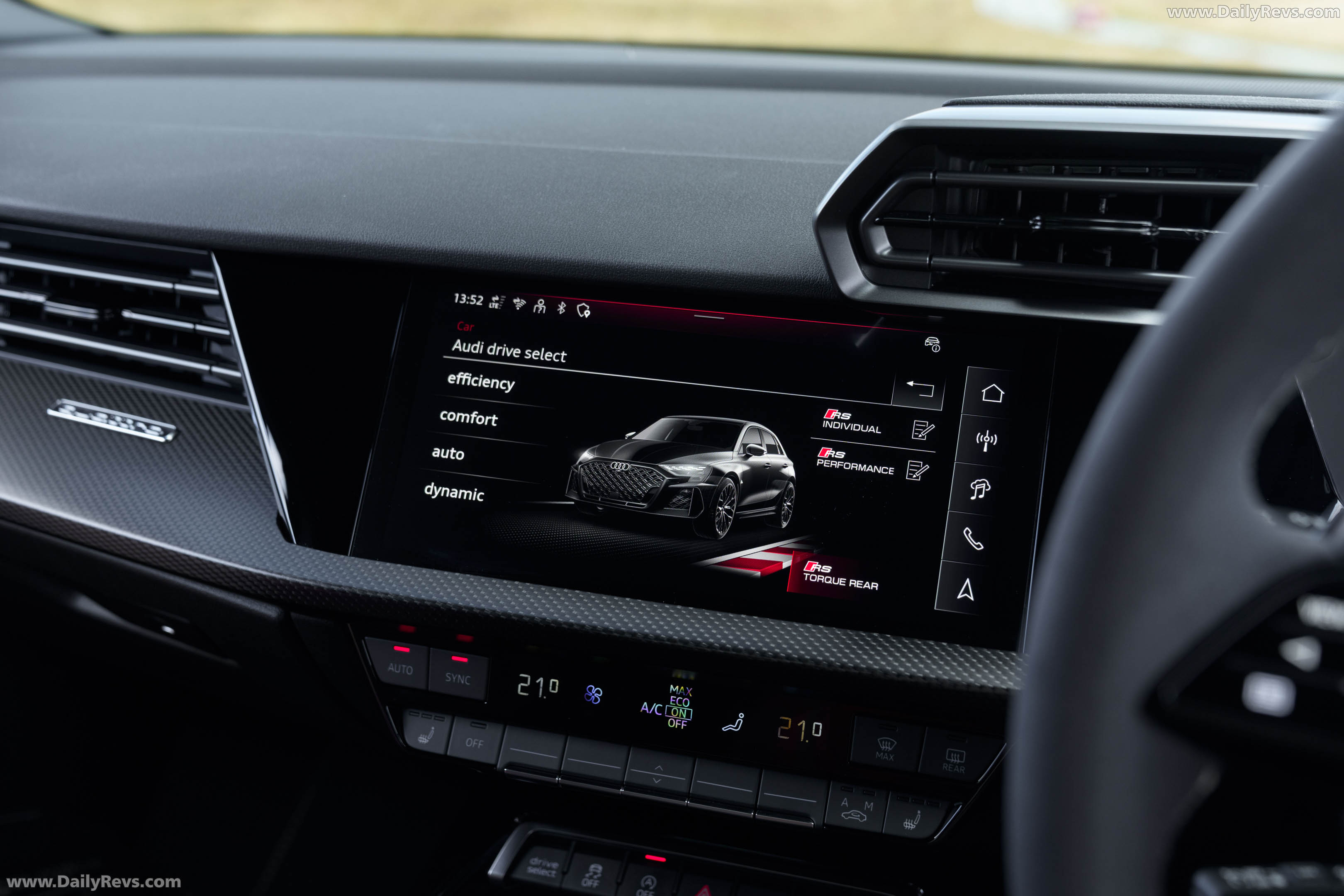
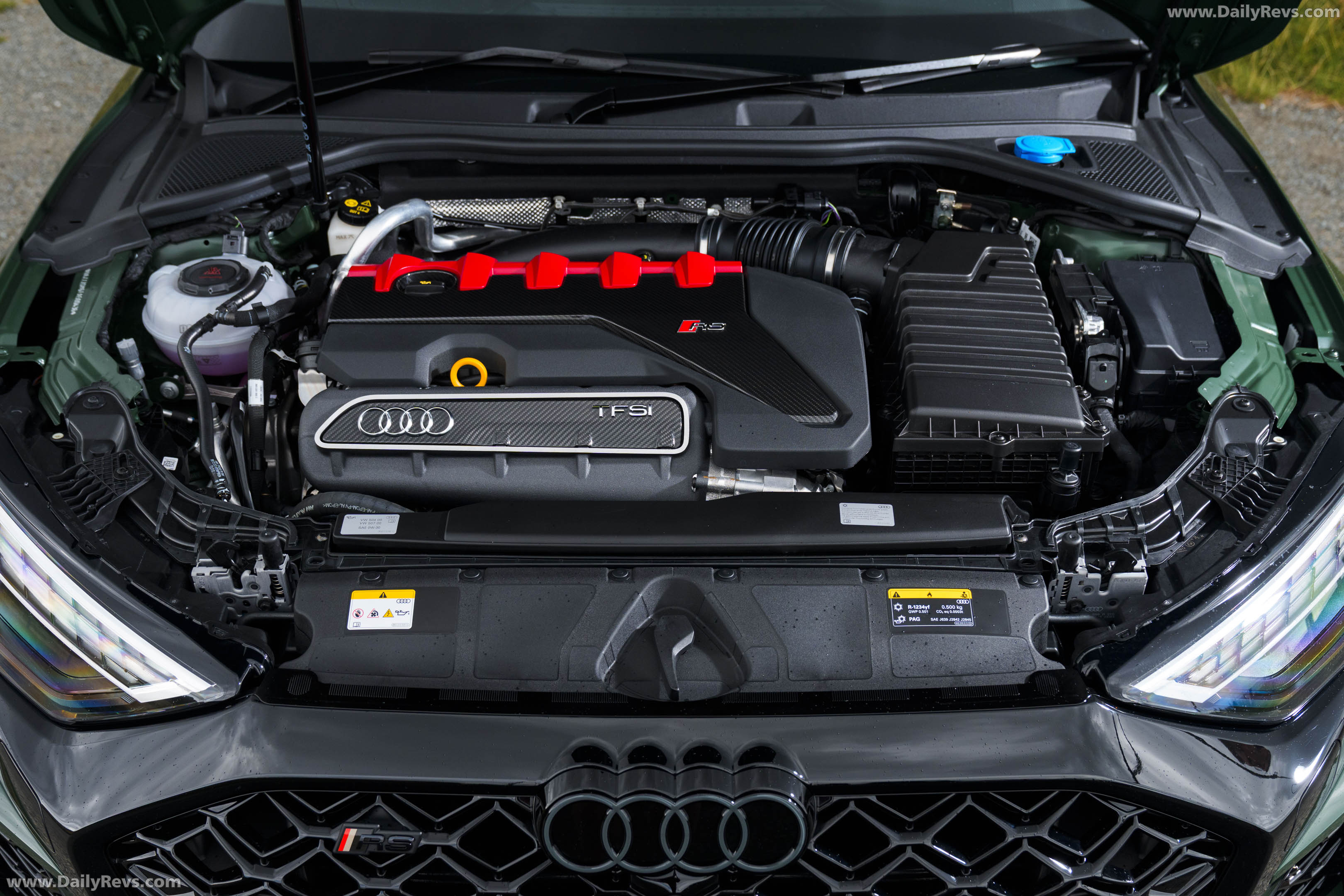
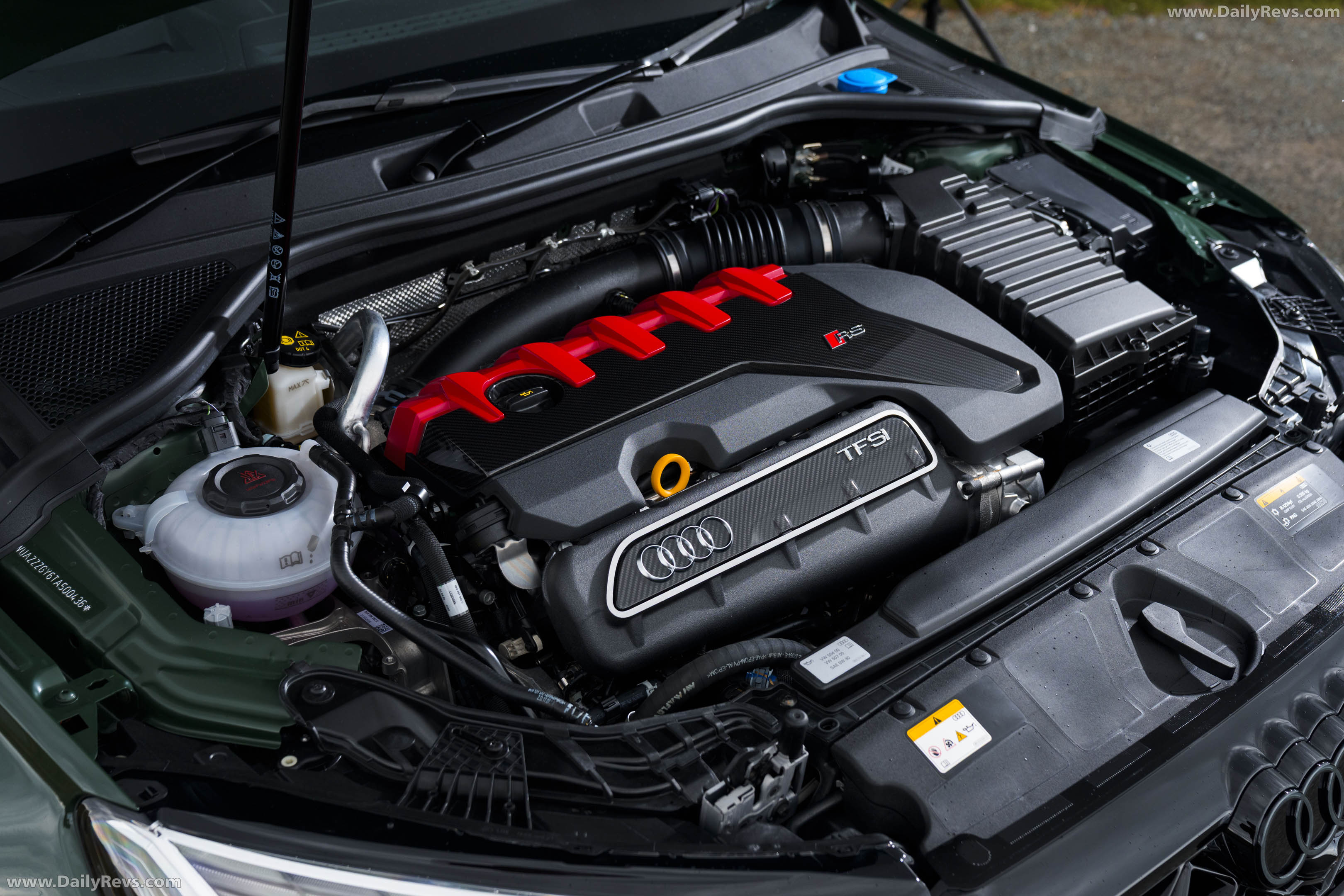
The 2.5-litre TFSI inline-five makes 400PS (294kW) and 500Nm, enough for 0-62mph in 3.8 seconds and a 180mph top speed. Audi Sport pairs it with a fully variable RS sports exhaust and reduced firewall insulation so more of that five-cylinder note reaches the cabin, with the valves opening earlier still in Dynamic, RS Performance and RS Torque Rear drive modes.
Suspension Tuned Specifically for This Car
The competition limited introduces coilover suspension to the RS 3 for the first time, with stainless-steel front and aluminium rear twin-tube dampers offering 12-step low-speed and 15-step high-speed compression adjustment plus 16-step rebound control. A new rear stabilizer rated at 85 N/mm, stiffer rear springs, a wind-tunnel-developed roof spoiler, and standard ceramic brakes with red calipers complete the hardware.
Market Position
Audi frames the five-cylinder layout as something no rival in the segment currently offers, leaning on that rarity — alongside the 750-unit run — to justify the price premium over a standard RS 3, rather than pointing to specific competitors.