2027 Audi Q4 e tron F4
By Lorenzo Bianchi April 28, 2026
Range extended up to 592 km with improved efficiency.
Charging upgraded to 185 kW with faster 10–80% times.
New digital interior with panoramic display and AI assistant.
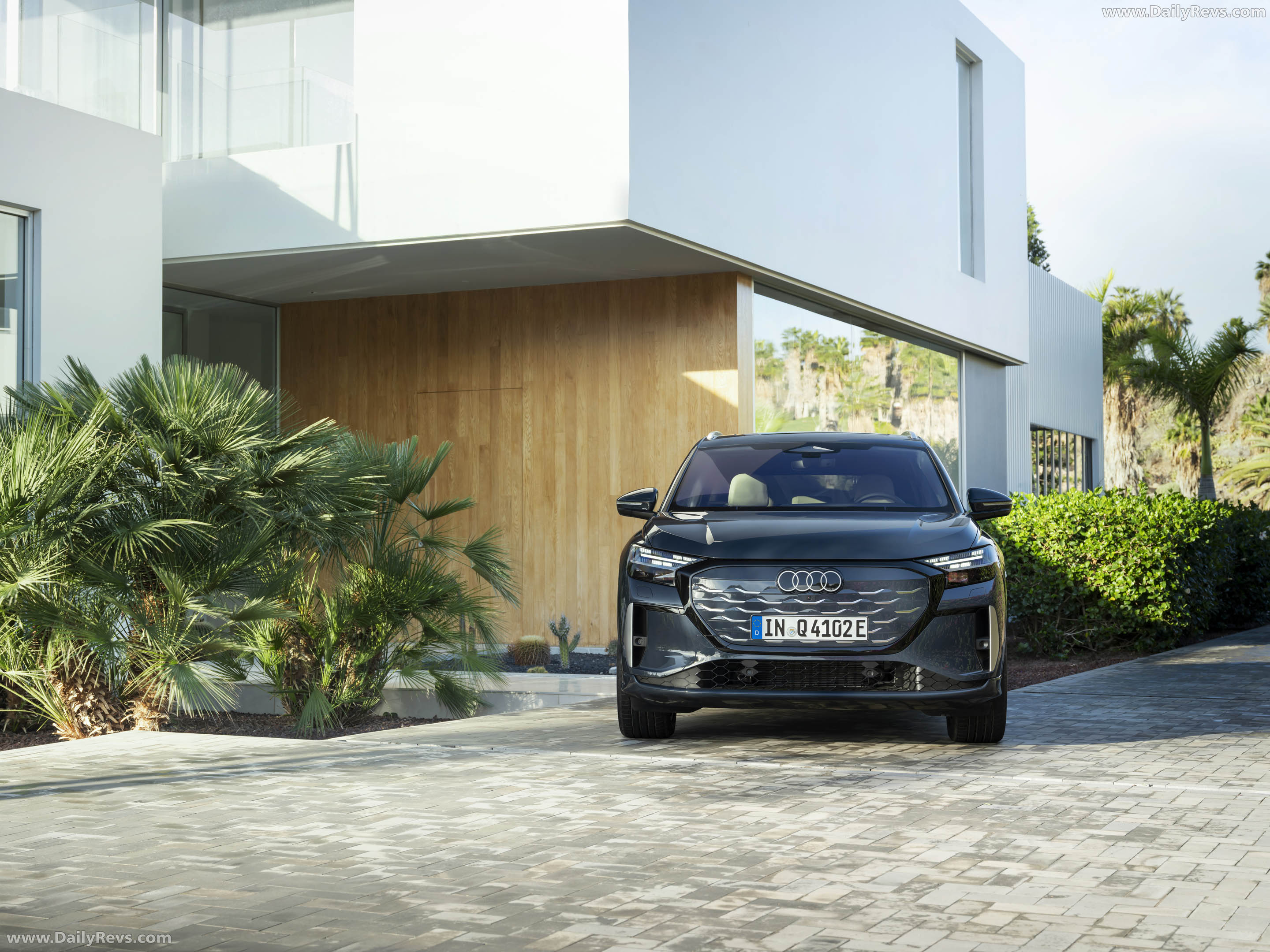
Sharper exterior with subtle aerodynamic gains
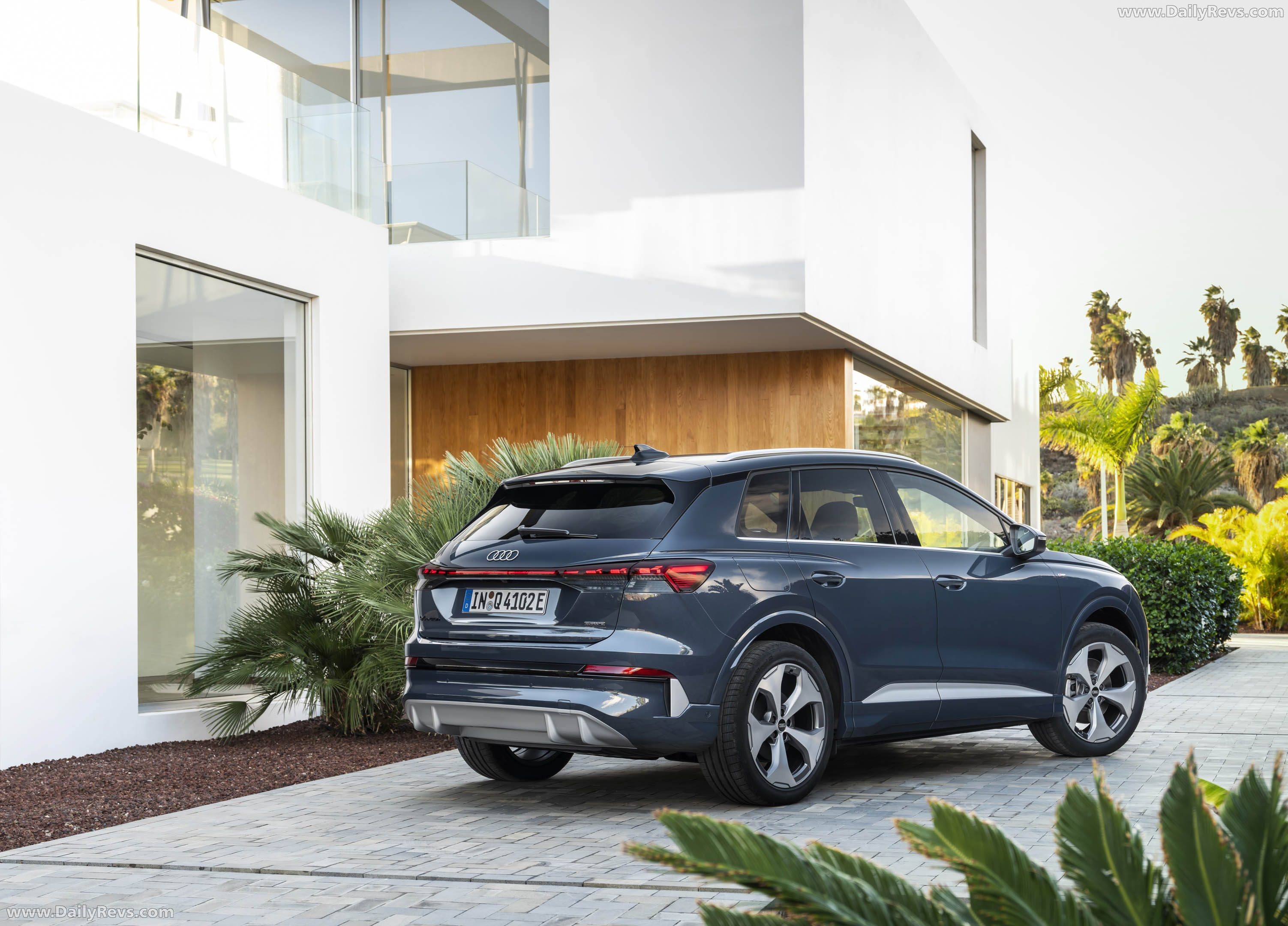
The 2027 Audi Q4 e-tron F4 doesn’t change direction visually, but it tightens the details.
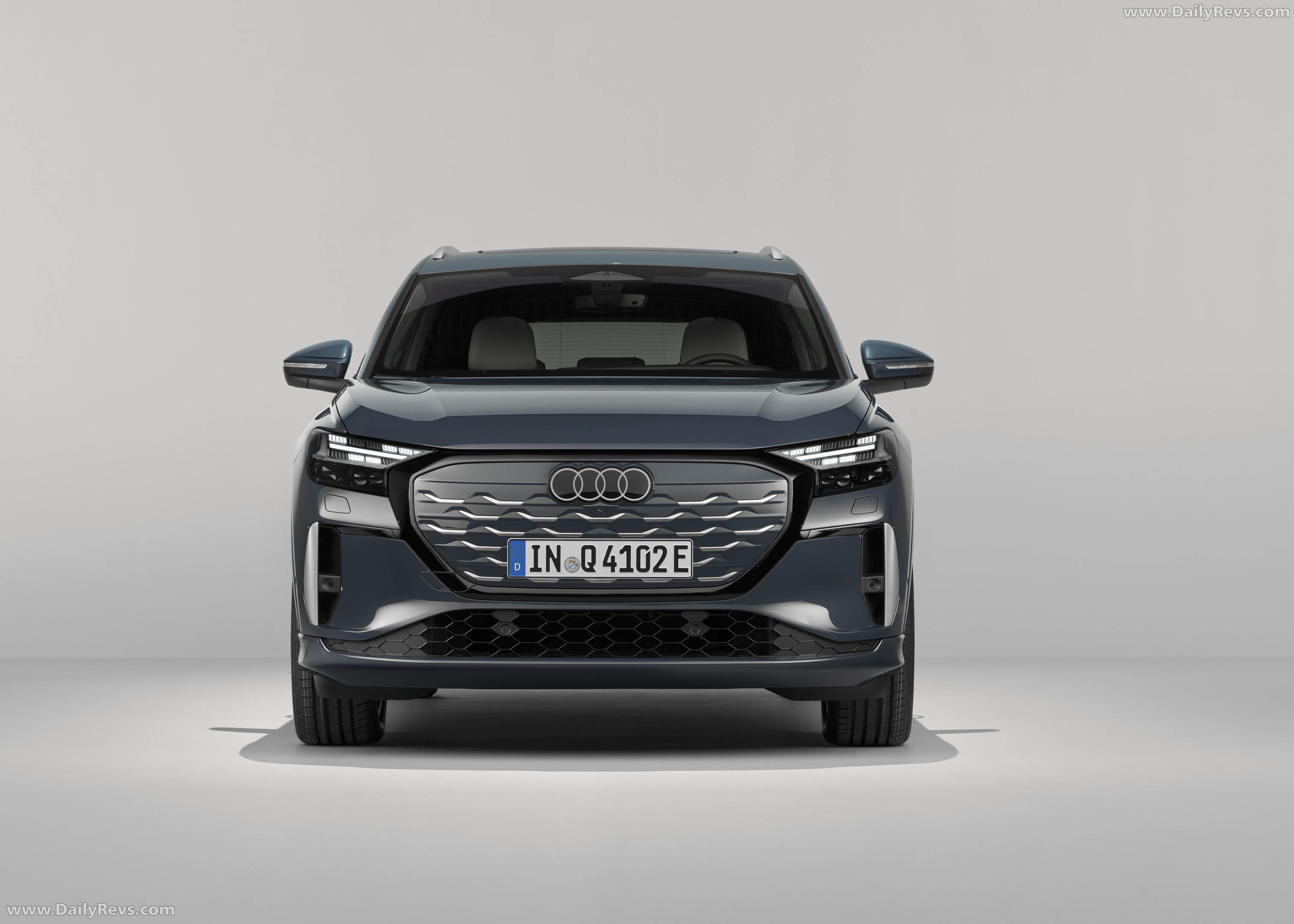
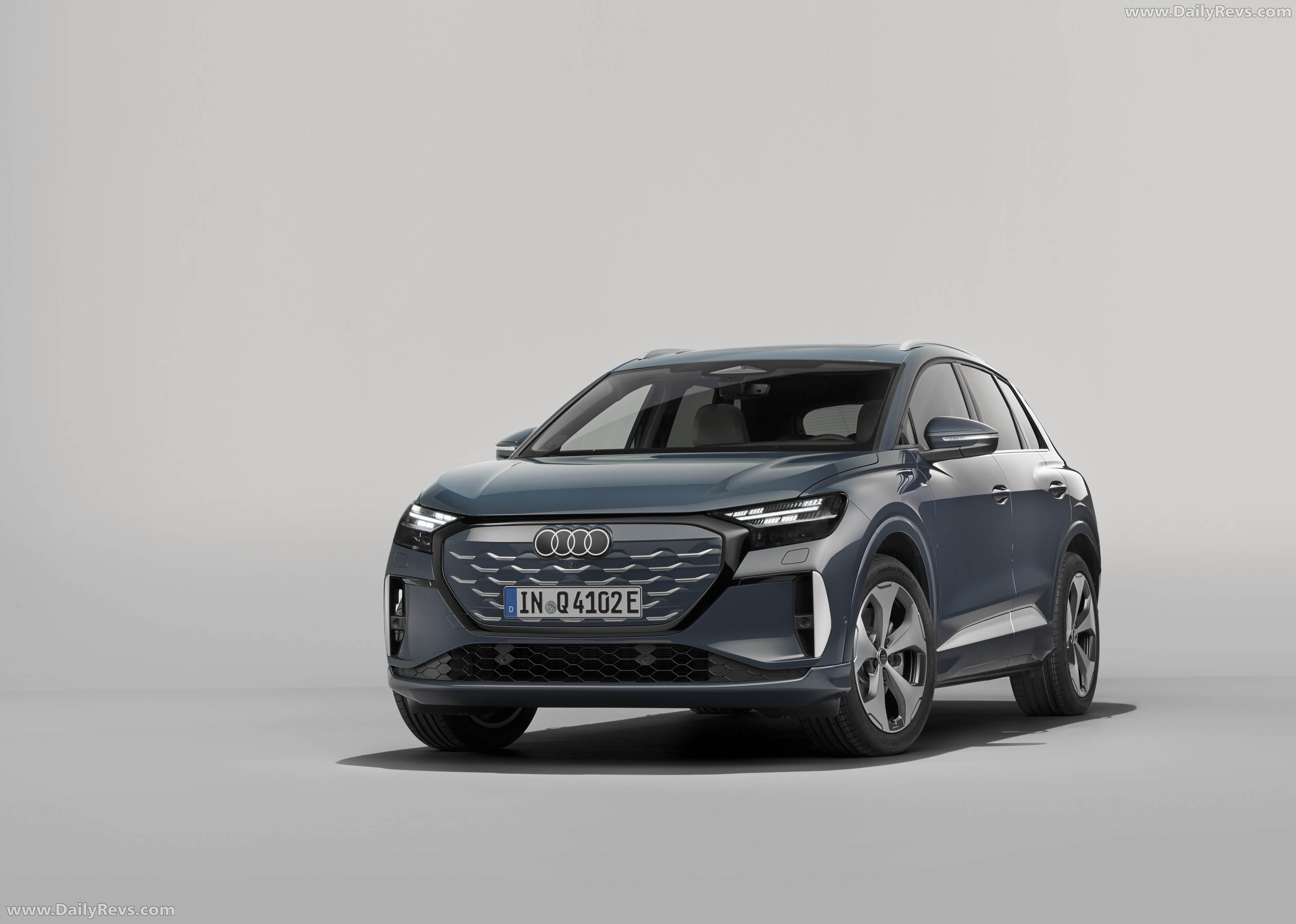
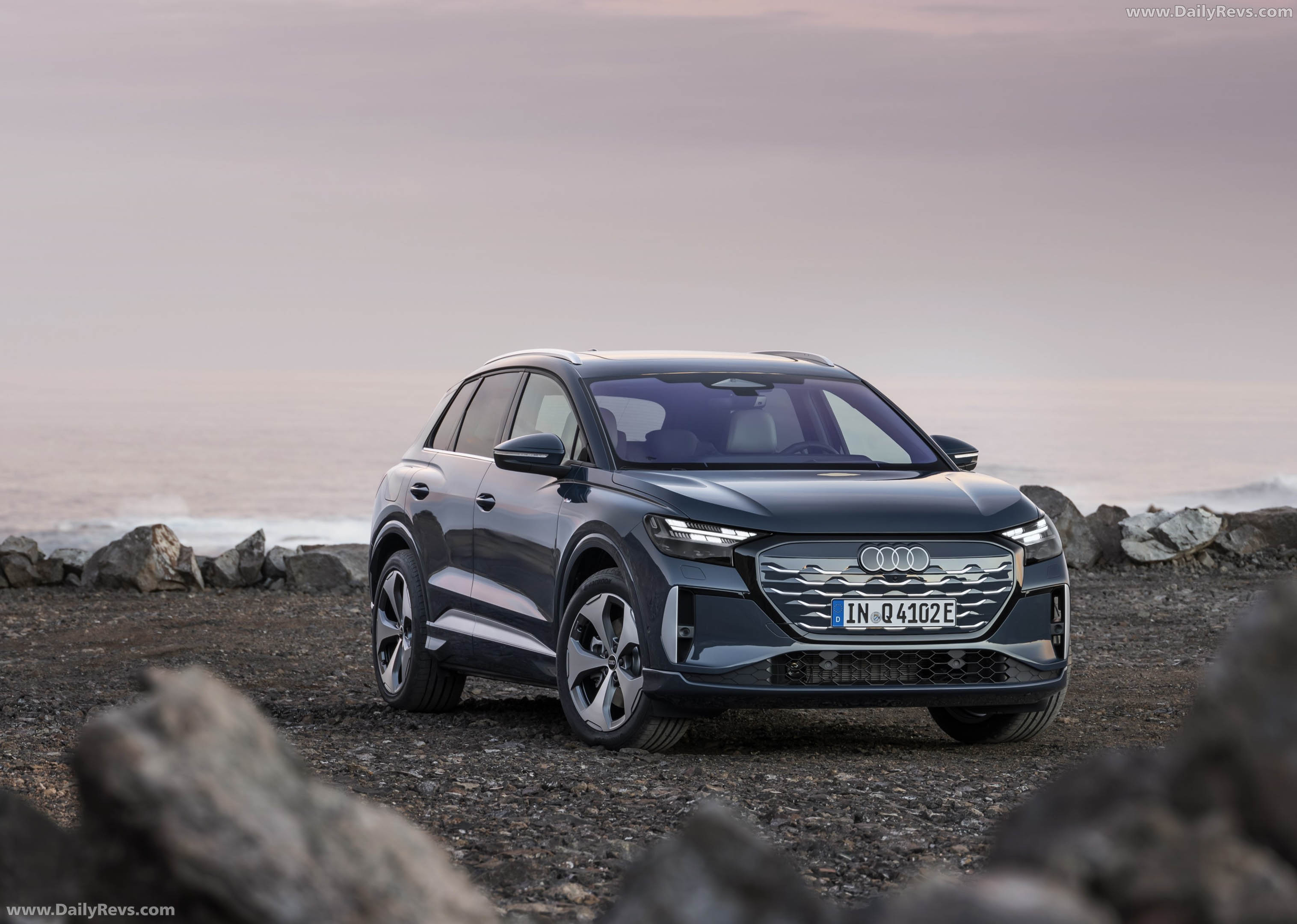
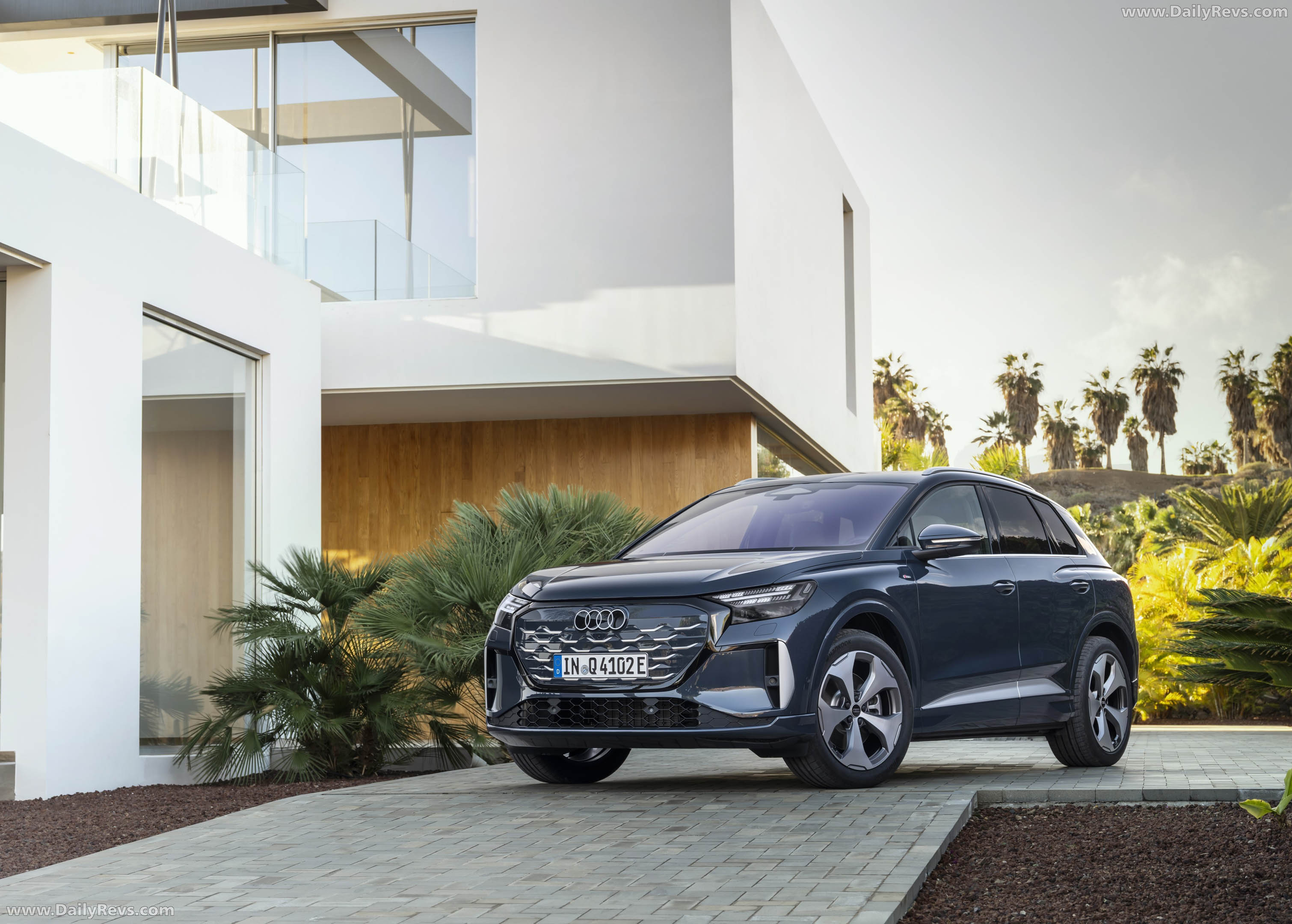
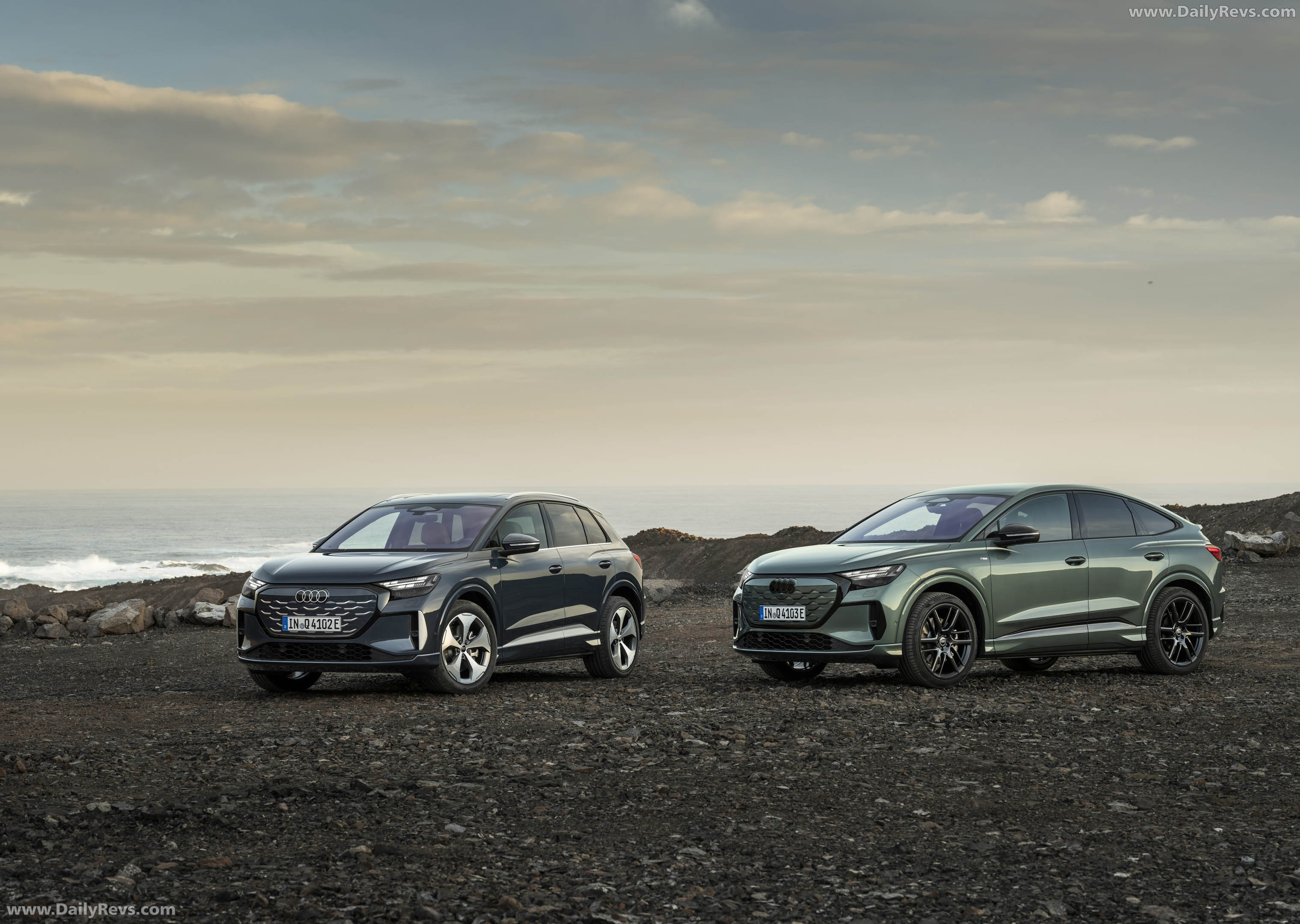
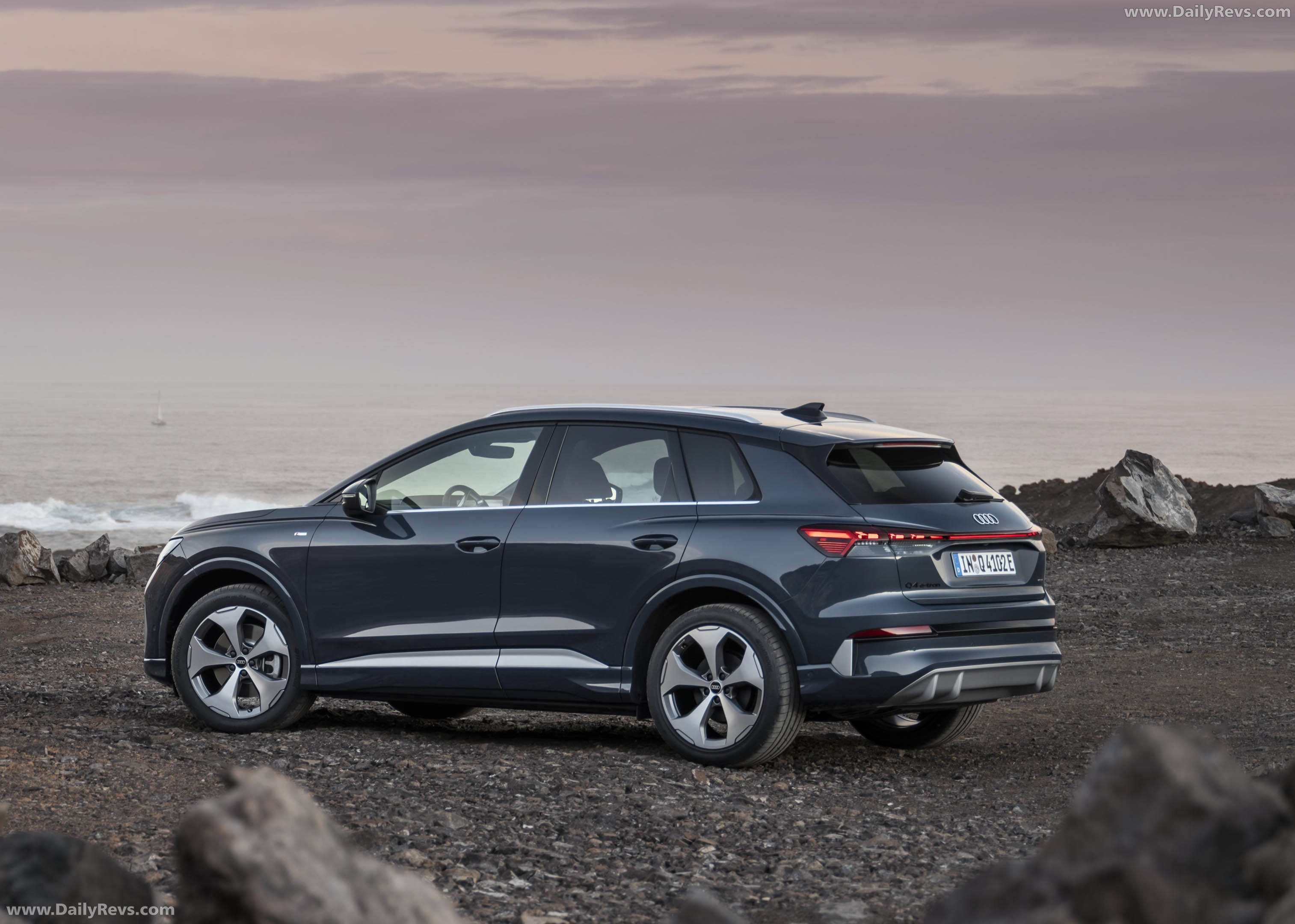
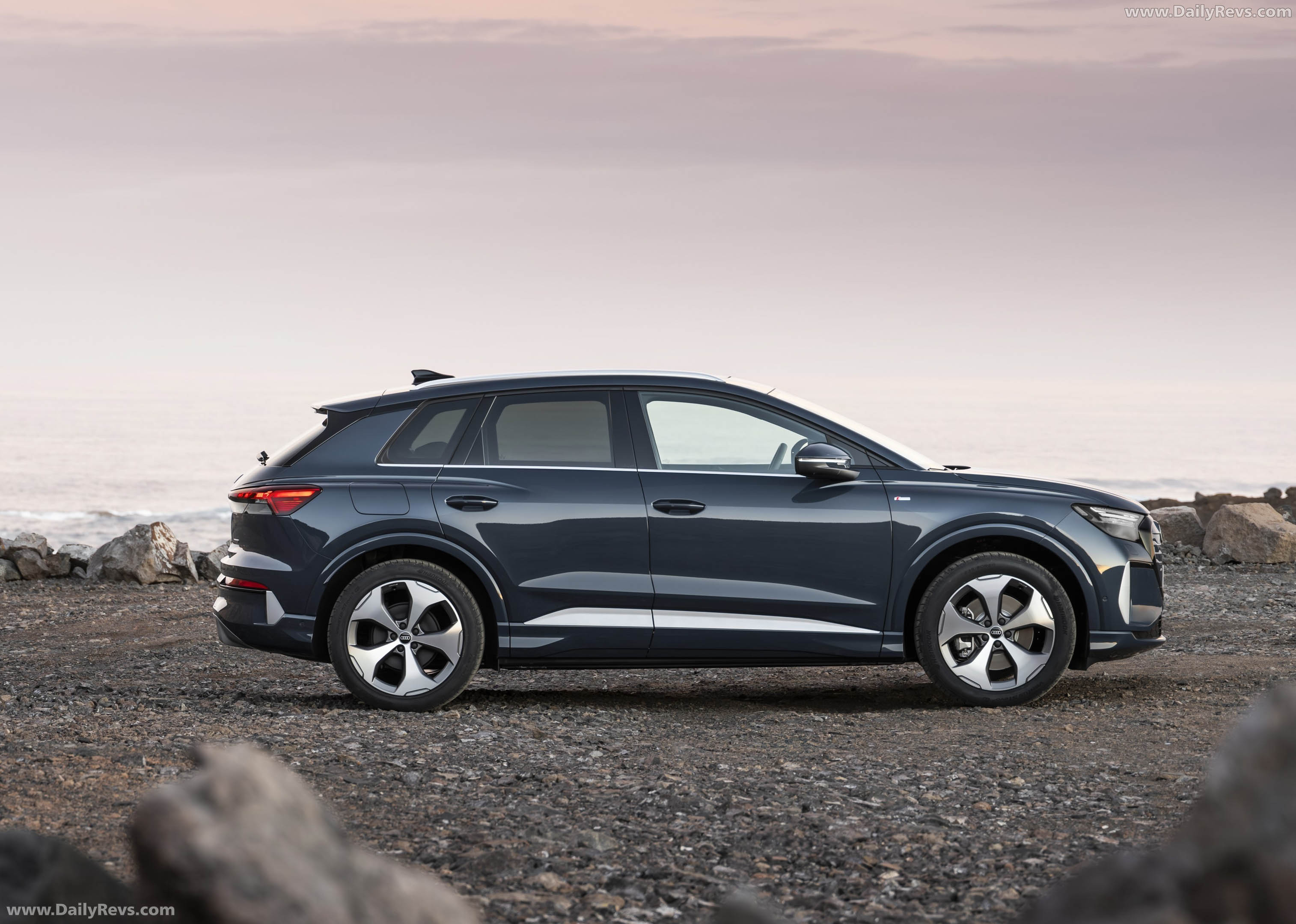
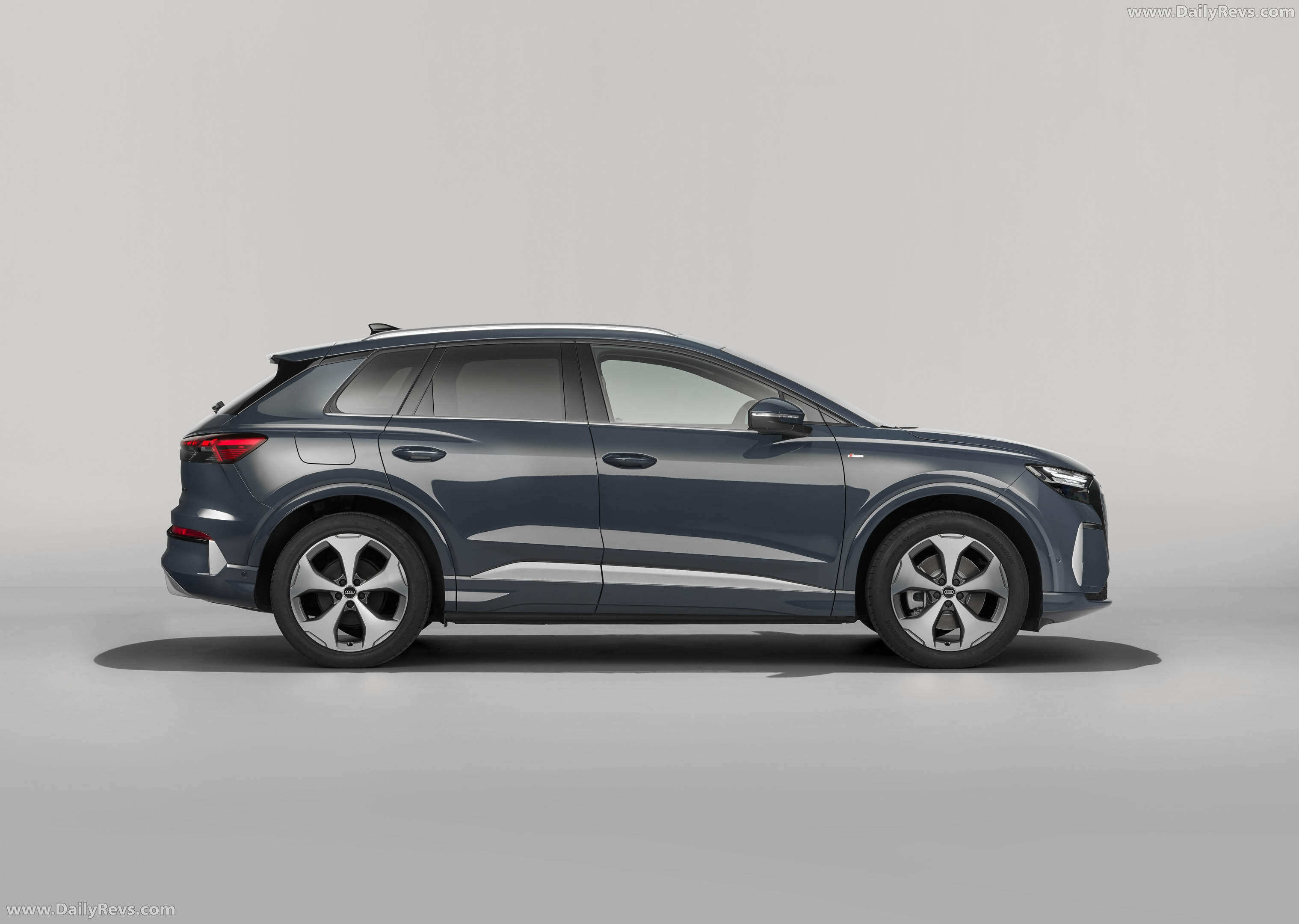
The overall shape stays familiar. Short overhangs, a broad stance, and relatively large wheels give it that typical compact electric SUV look. What’s new sits in the surface treatment. The front Singleframe is now body-coloured, which softens the contrast slightly but makes the face cleaner.
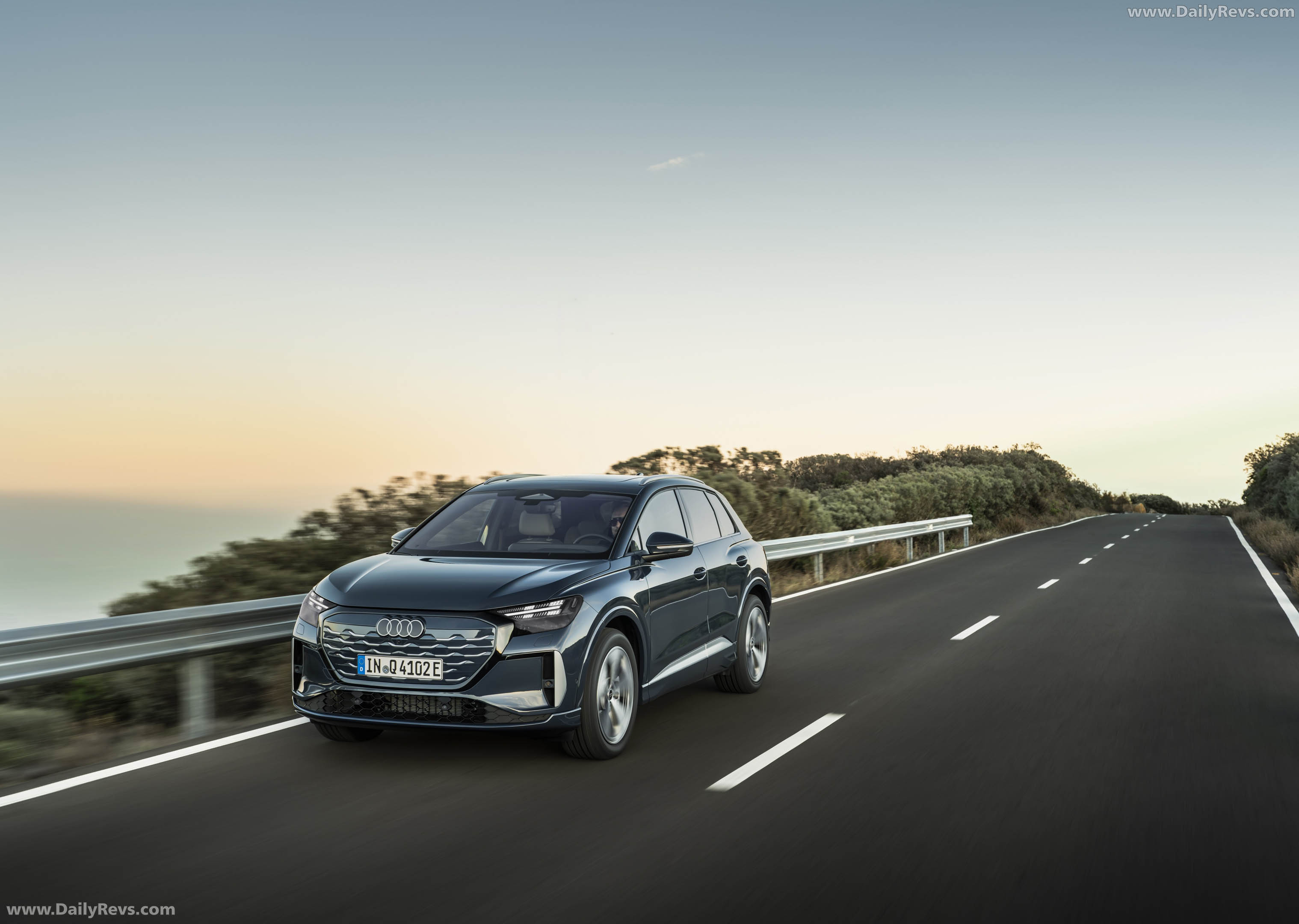
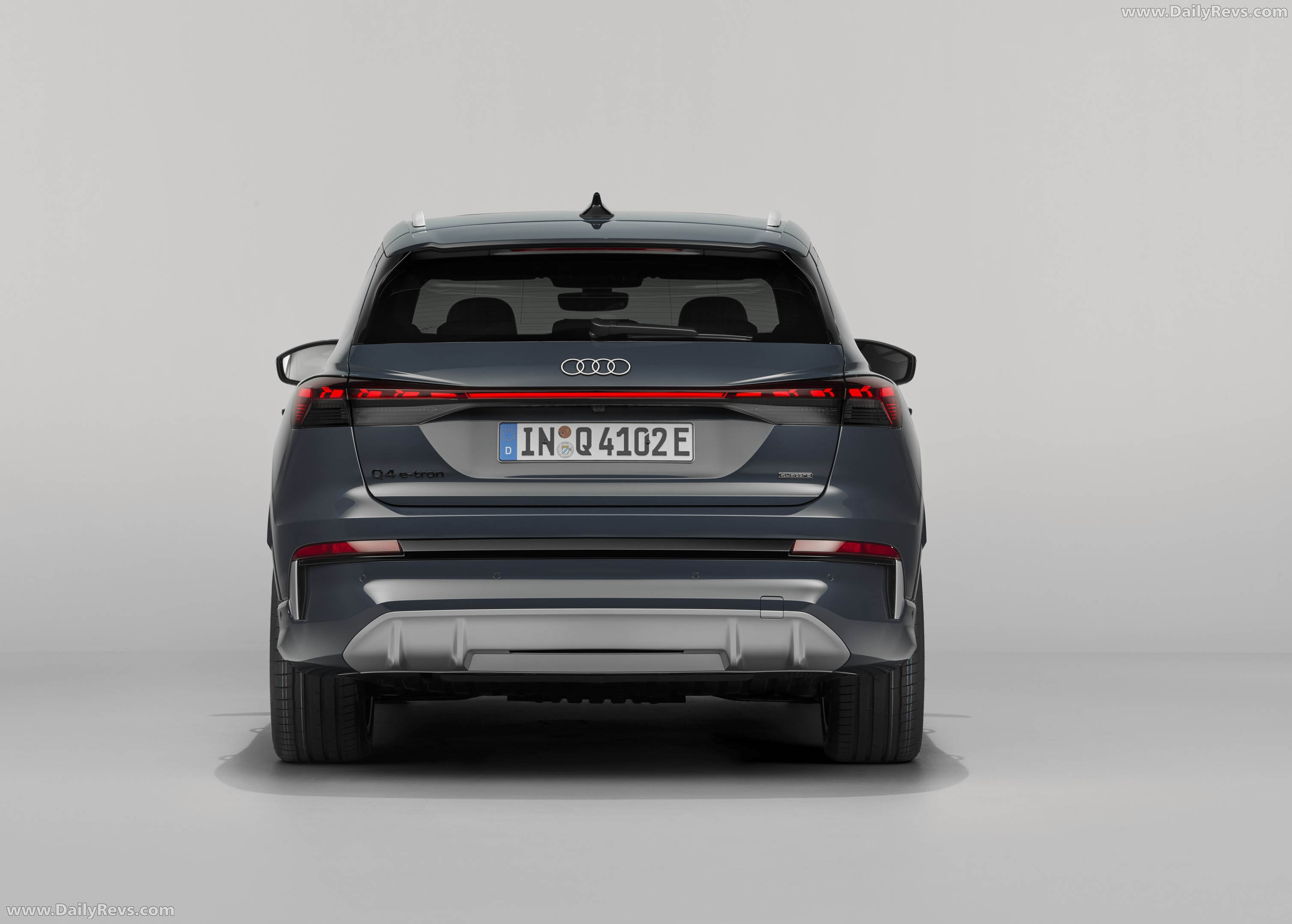
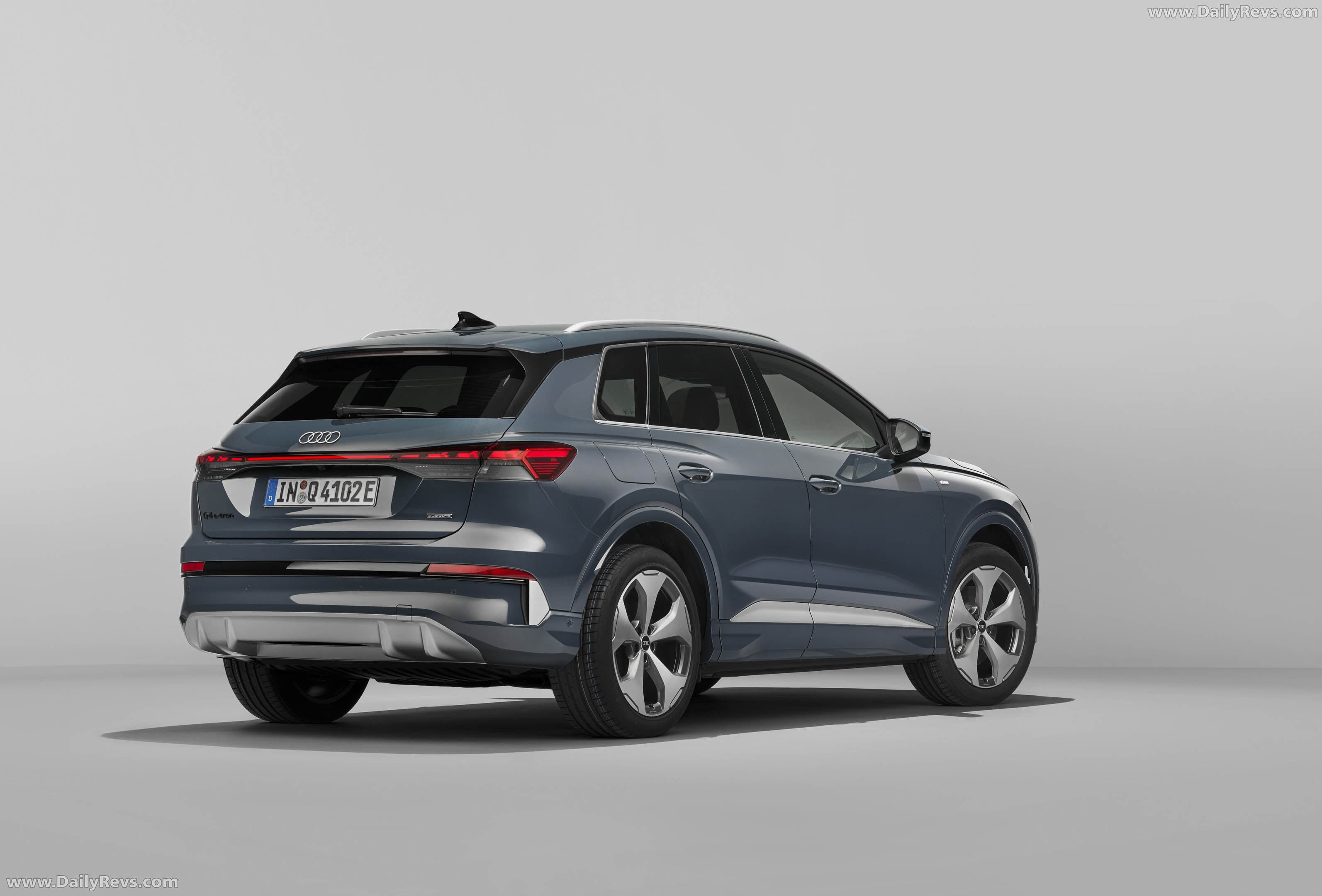
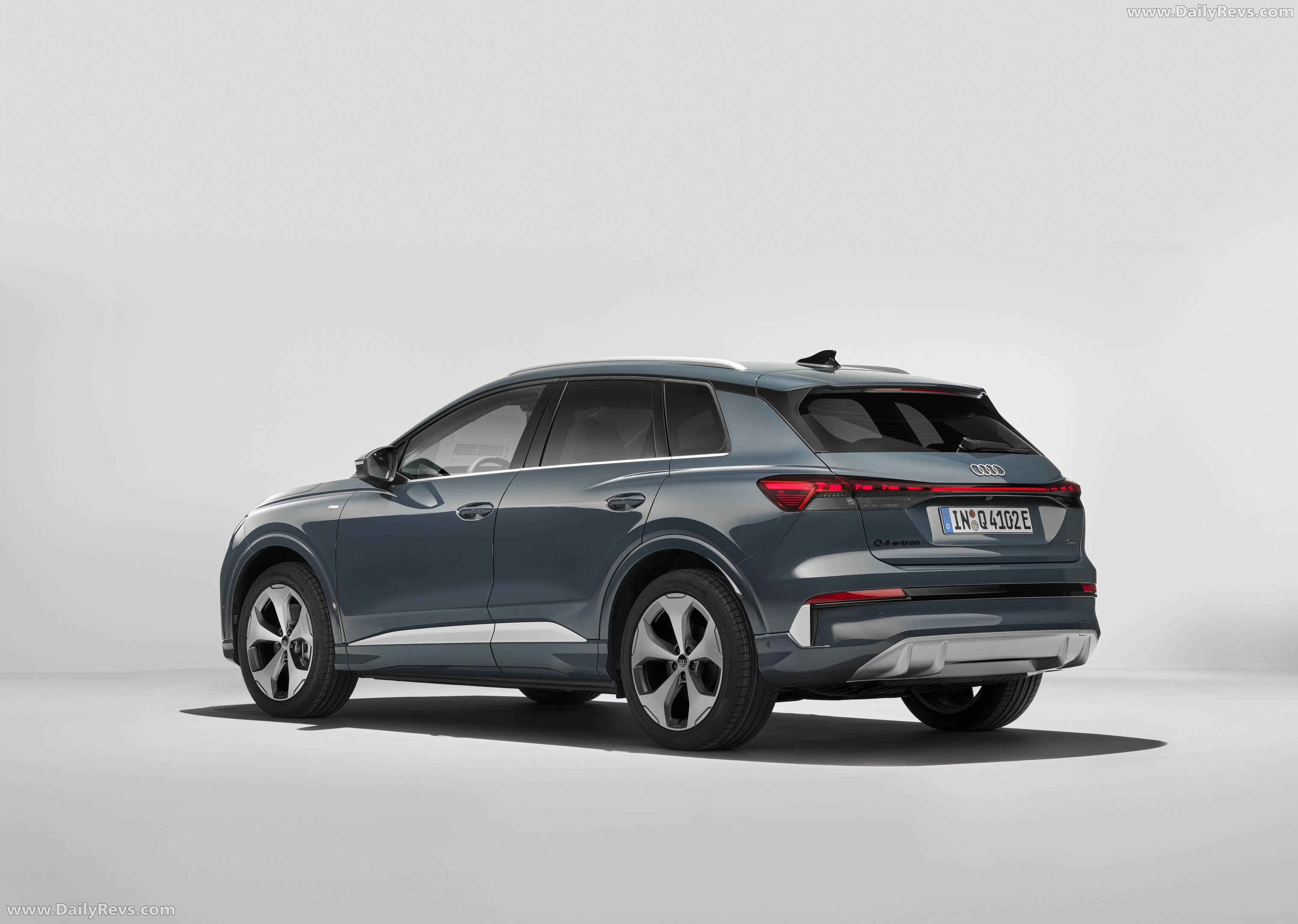
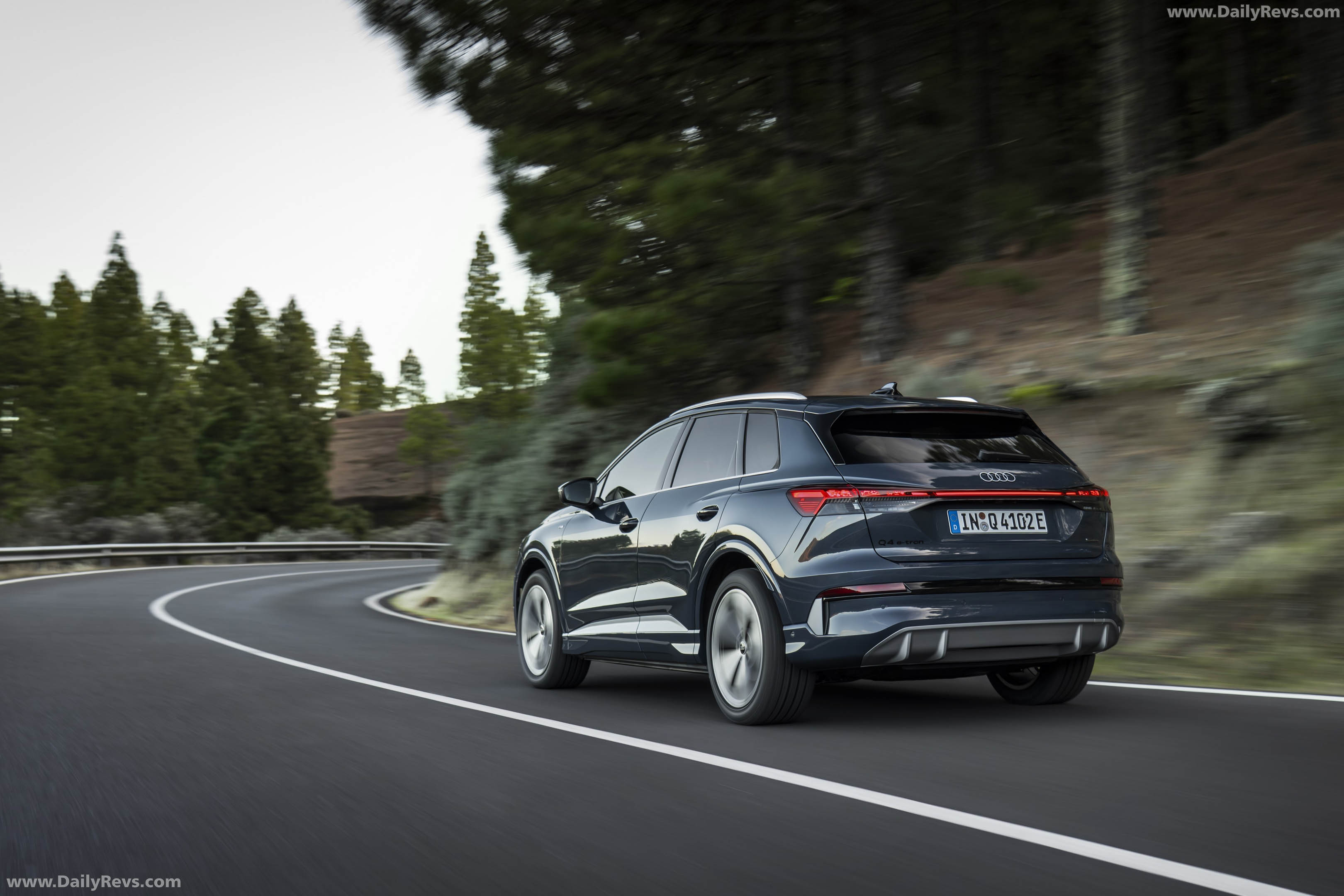
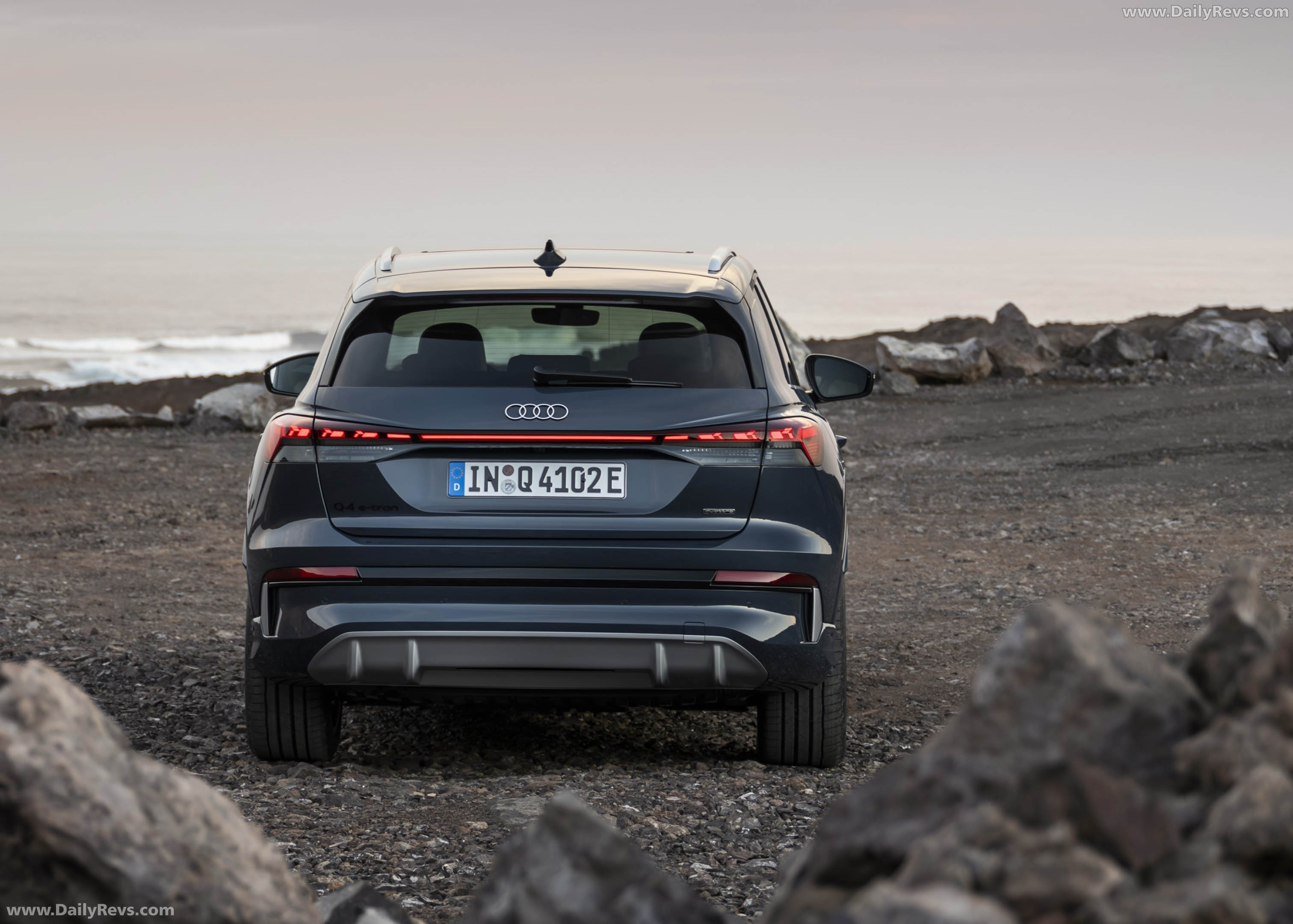
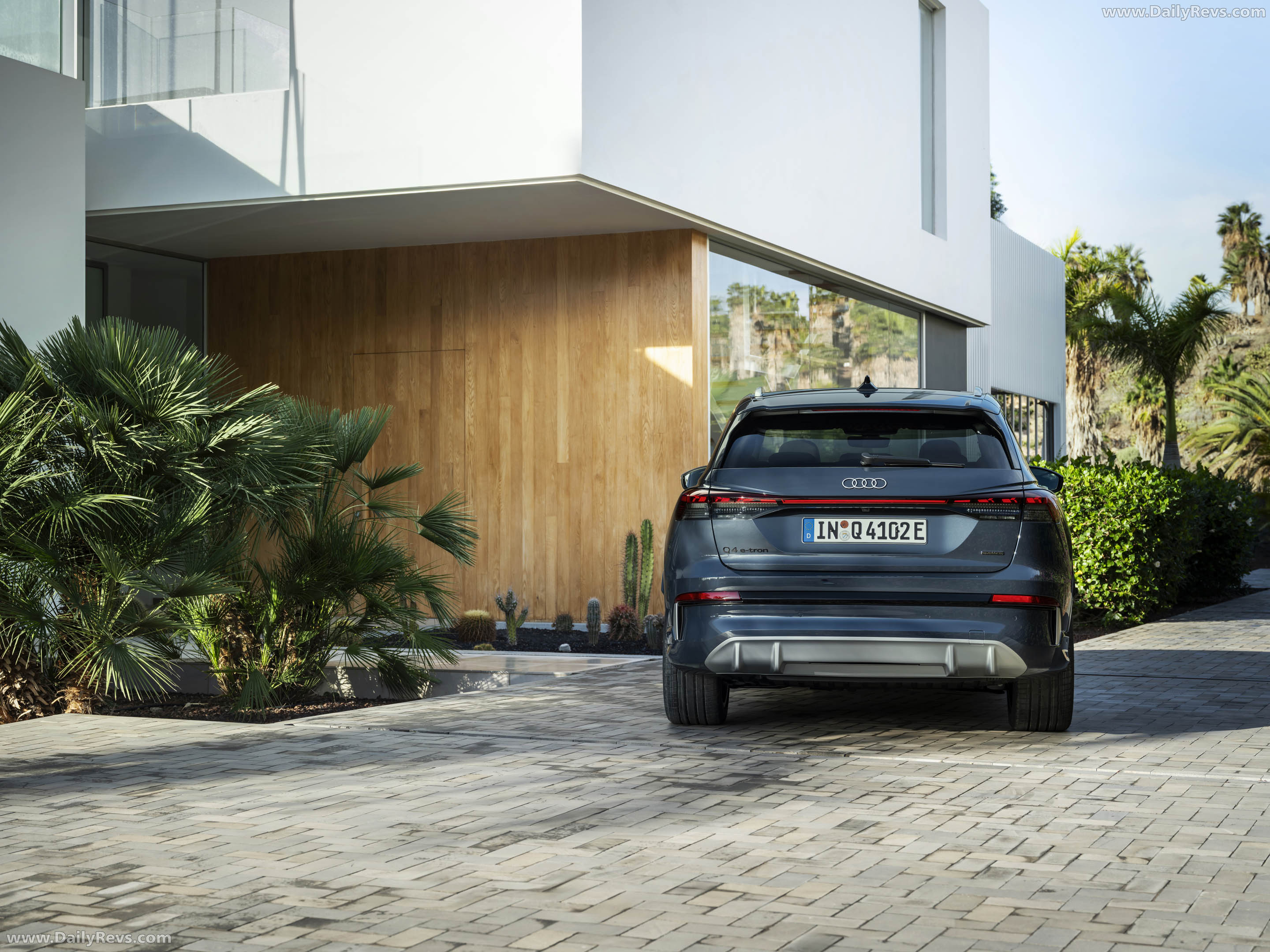
Airflow has been worked on more carefully this time. Functional intakes guide air around the front wheels, and small wing elements in the bumper visually widen the car. At the rear, the spoiler and diffuser are reshaped to improve airflow while adding a bit more visual structure.
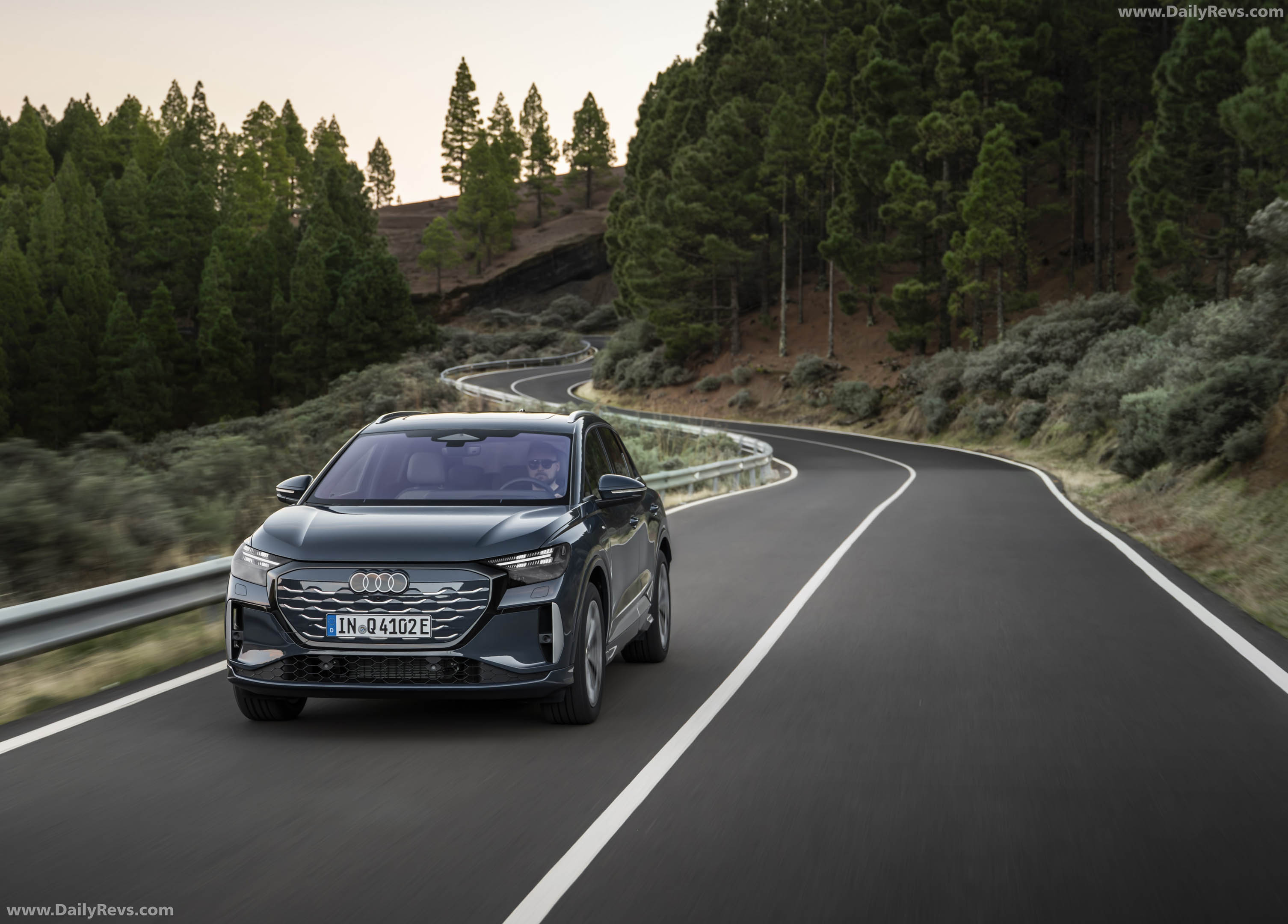
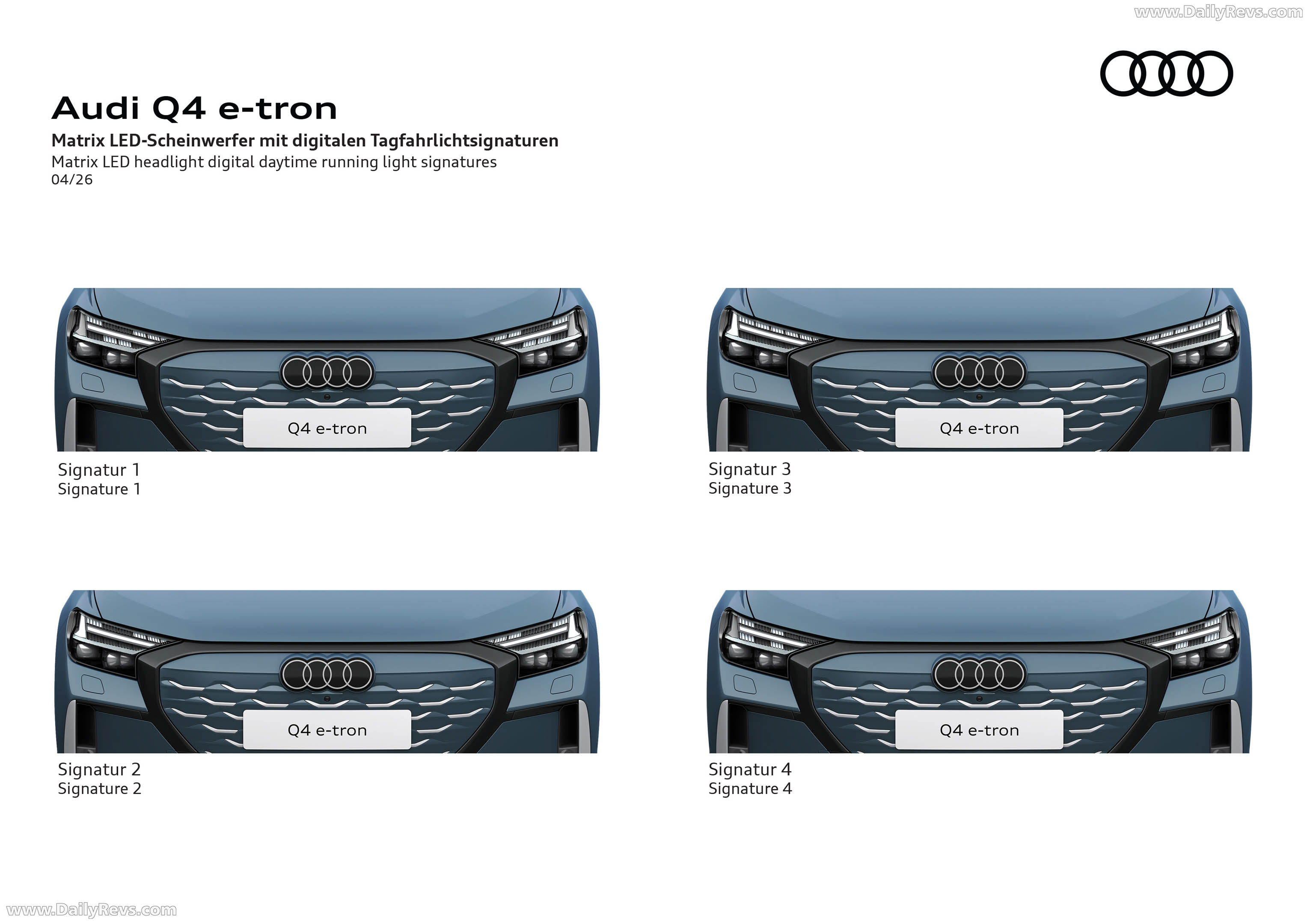
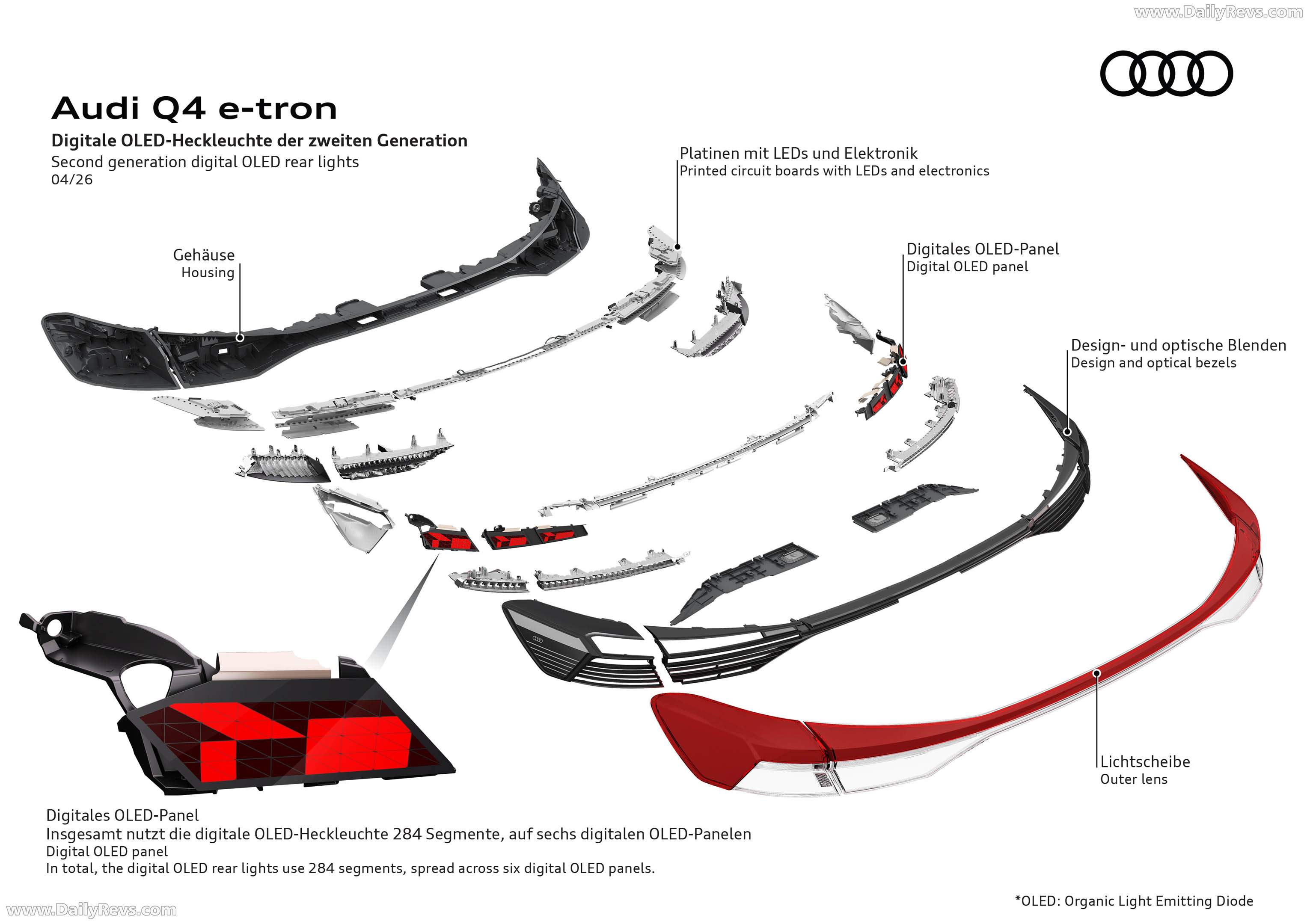
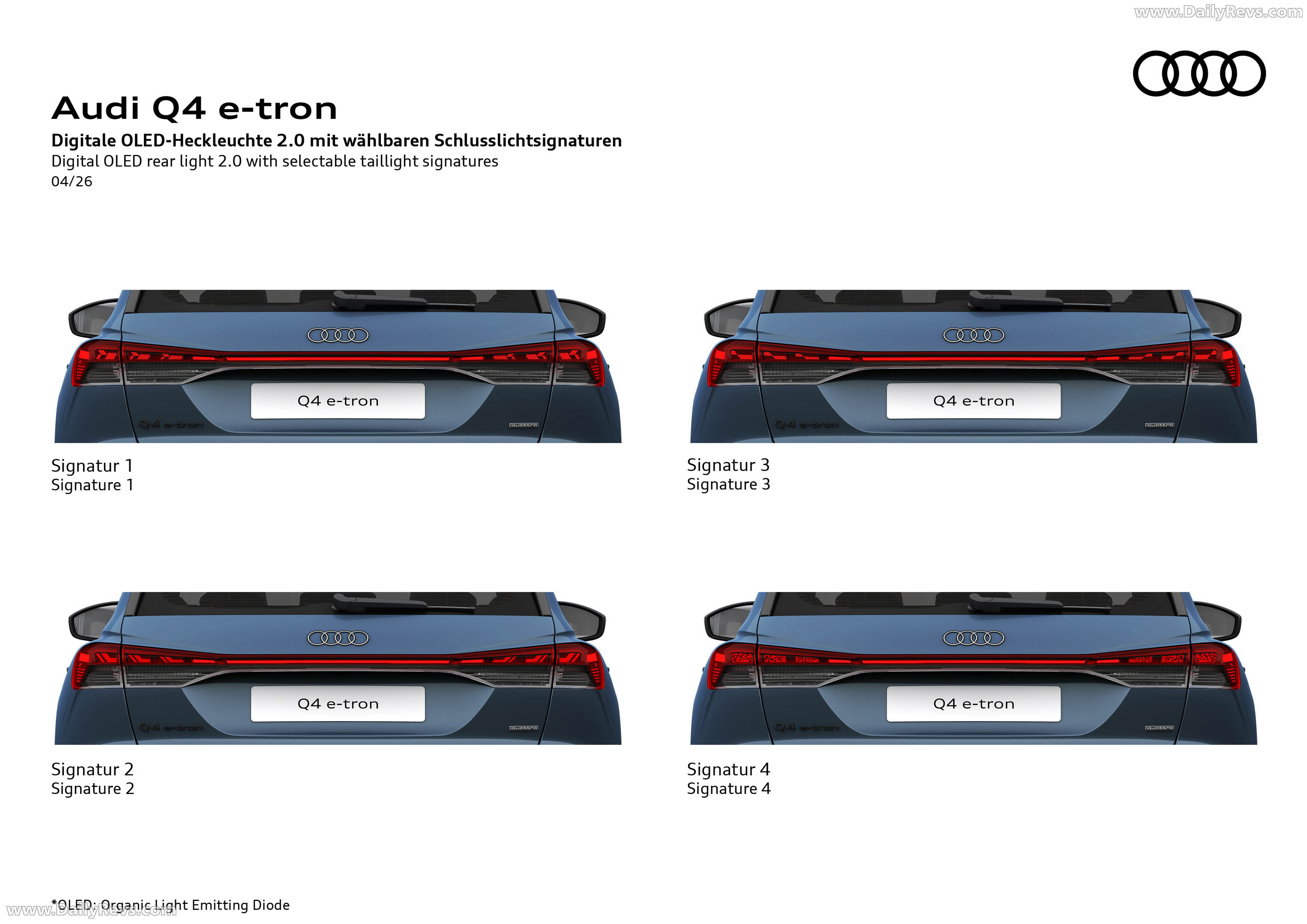
Lighting plays a bigger role than before. Digital LED daytime running lights now use segmented patterns, while the rear gets second-generation OLED units with animated signatures. It’s more about identity than outright drama.
Proportions unchanged but stance feels more planted
The underlying structure of the Audi Q4 e-tron remains as it was.
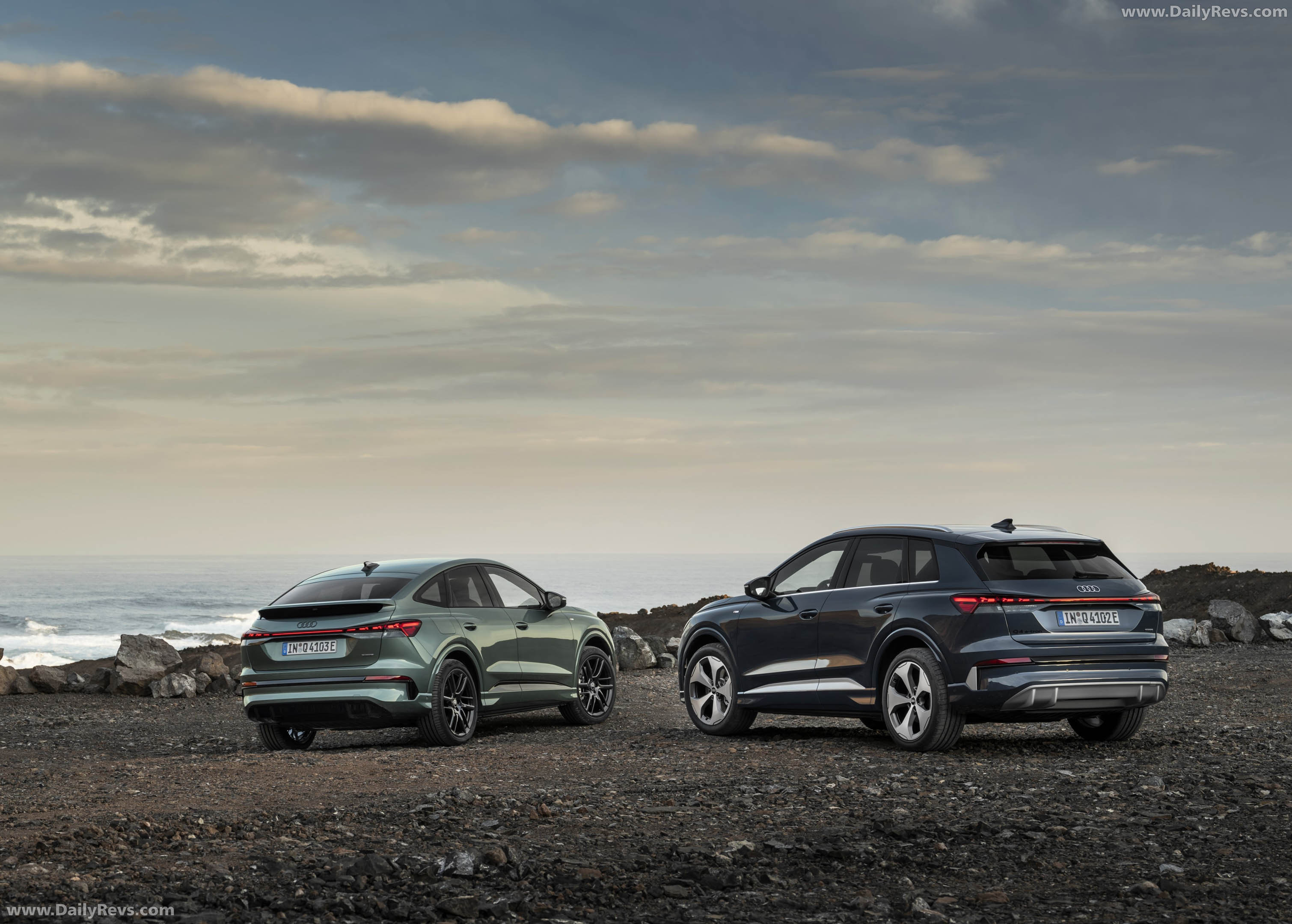
Still compact in footprint, but it carries the presence of something slightly larger thanks to its width and upright stance. The SUV and Sportback versions continue, offering different rooflines without altering the core proportions.
What’s noticeable is how cohesive the design feels now. The horizontal lines at the rear make the car look wider, while the floating roof effect adds a bit of visual lightness.
It’s not a redesign. More of a refinement.
Interior shifts toward a digital-first layout
Inside is where the update becomes more obvious.
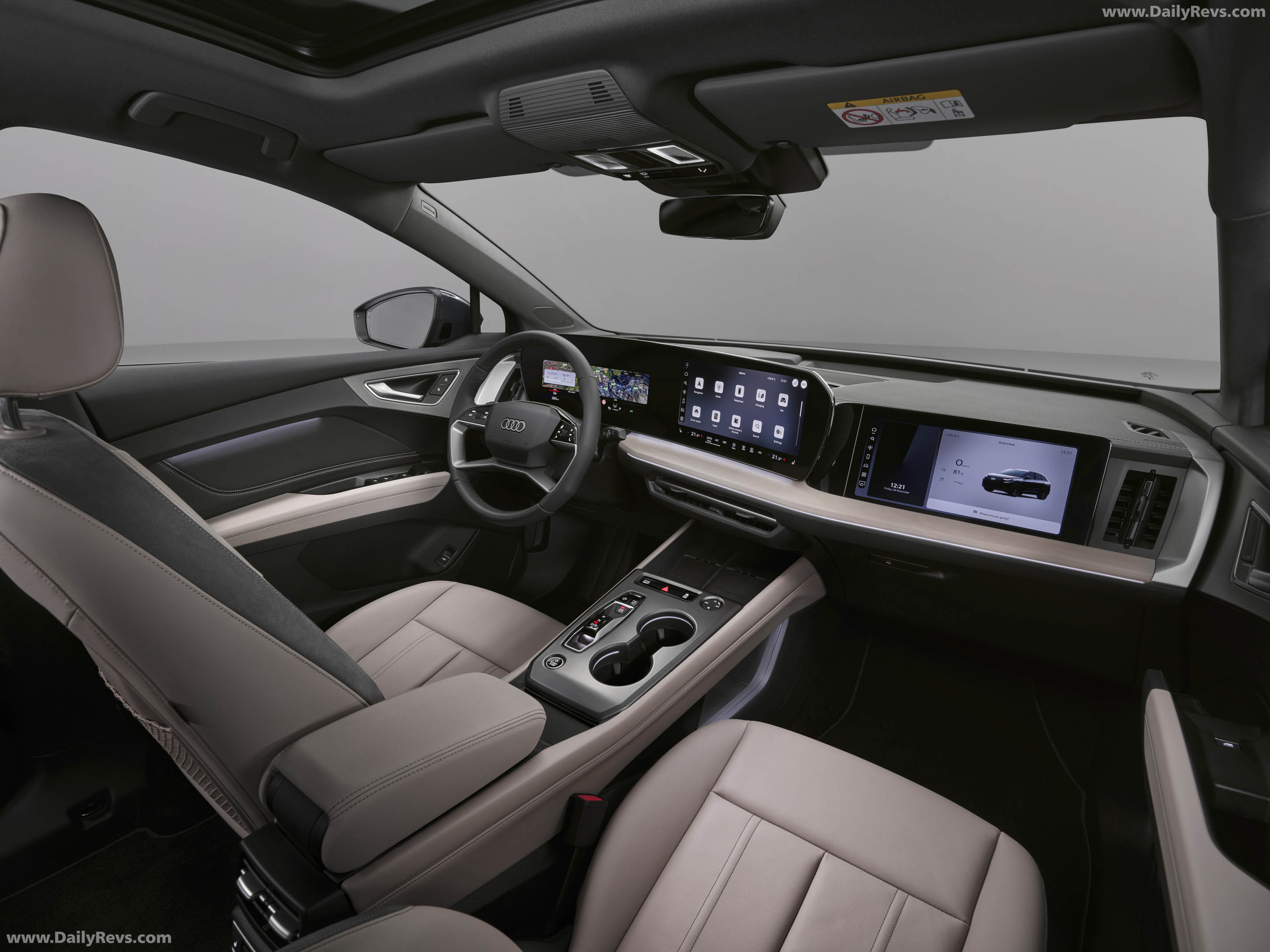
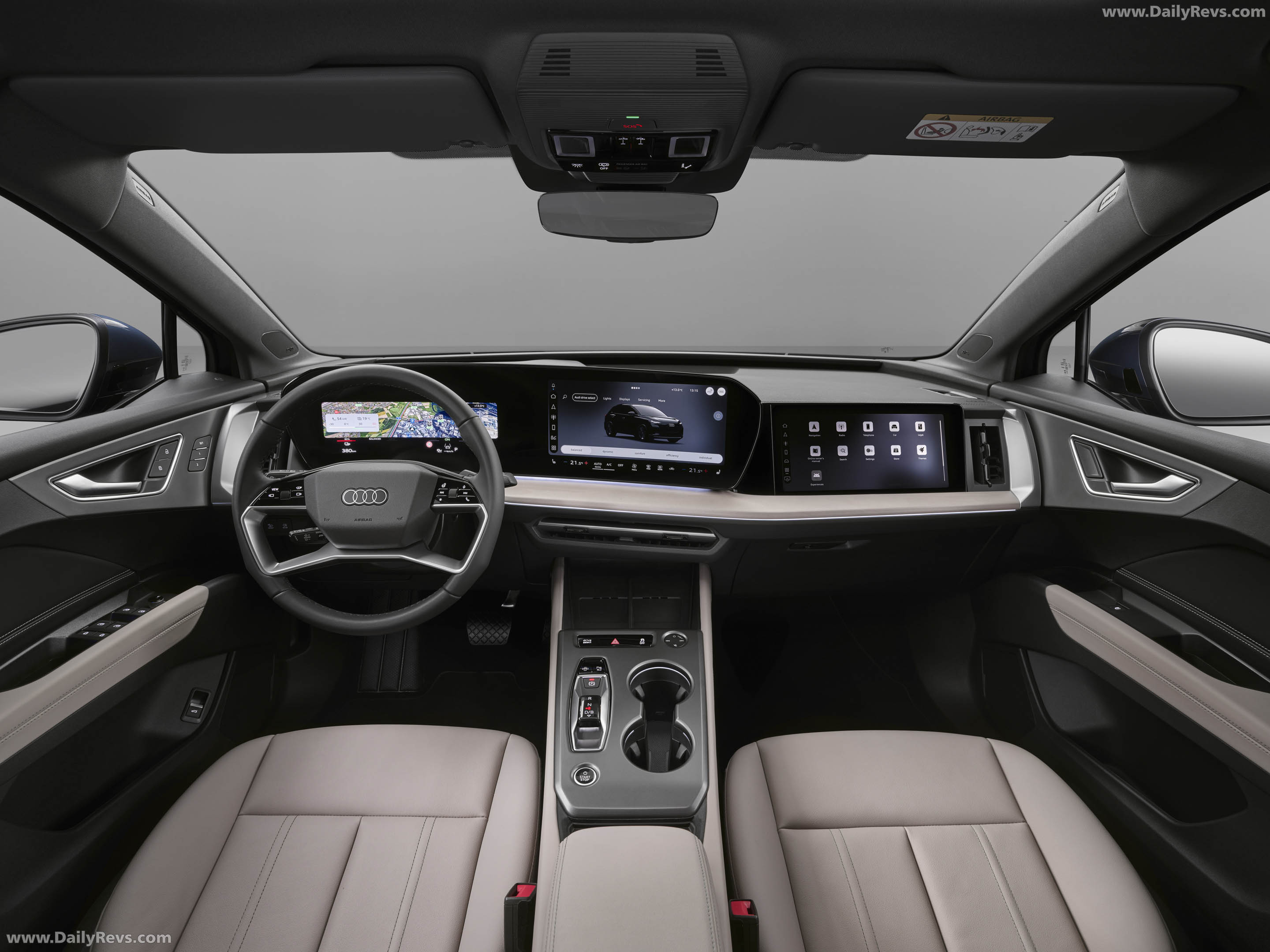
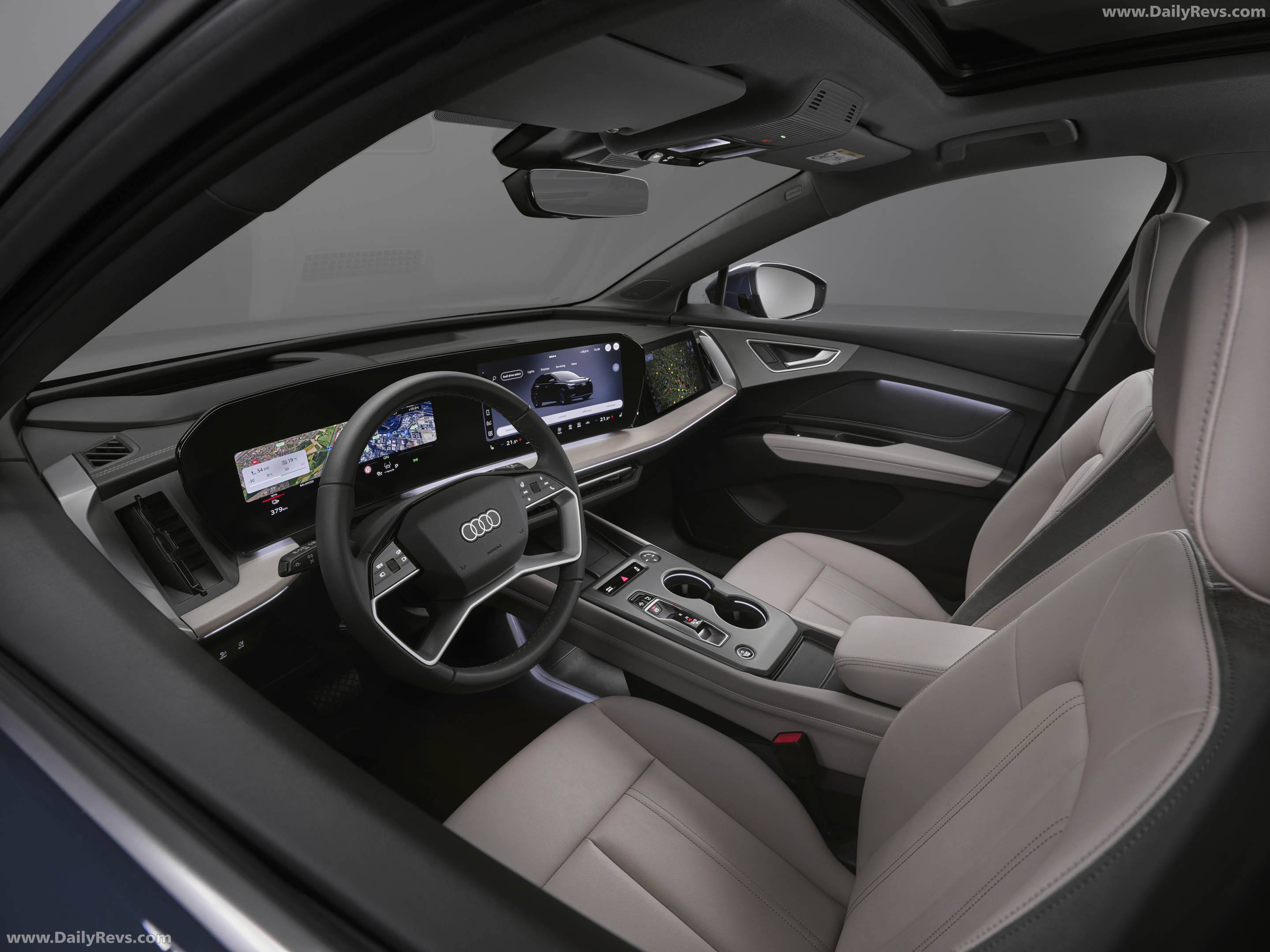
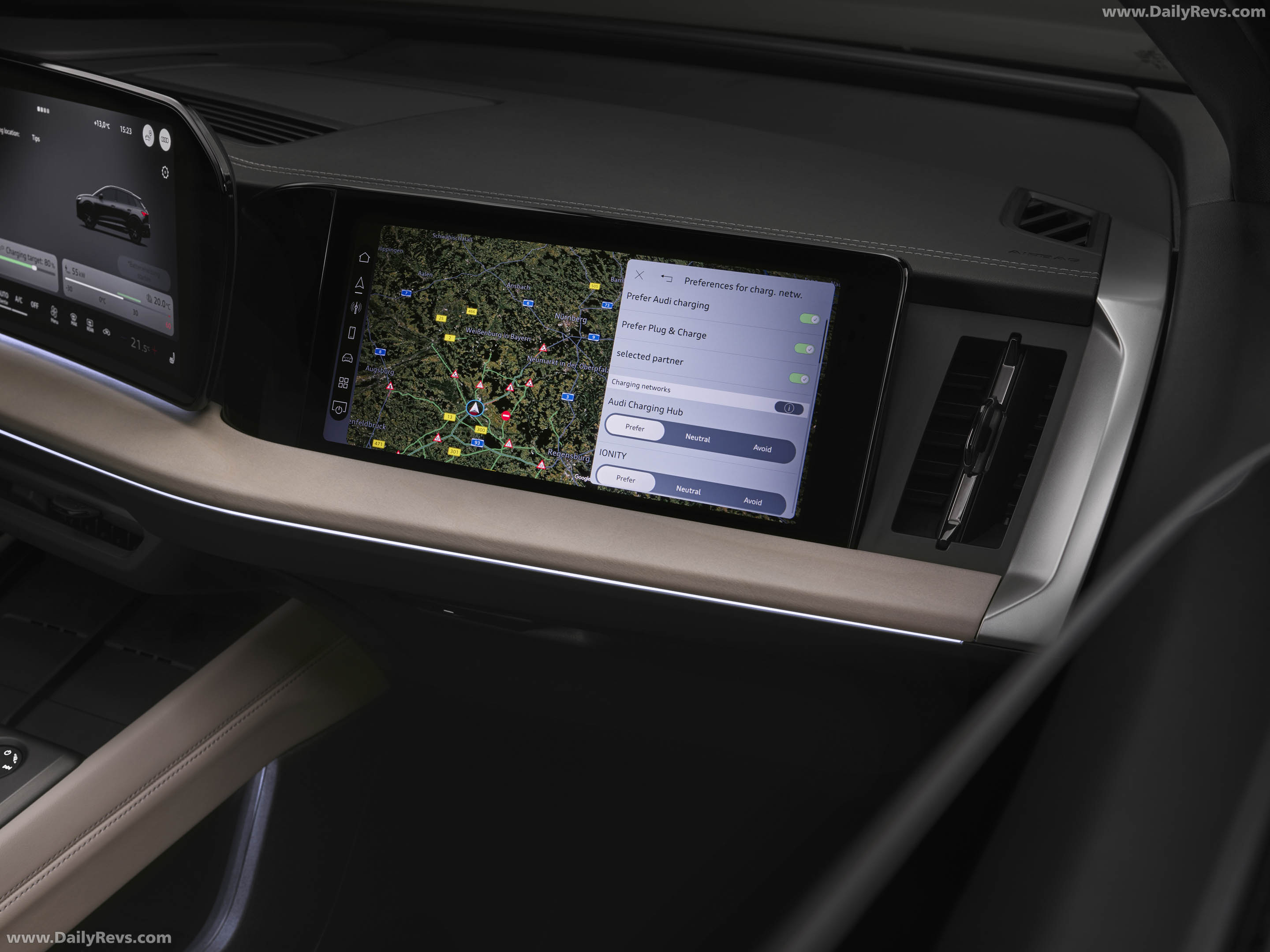
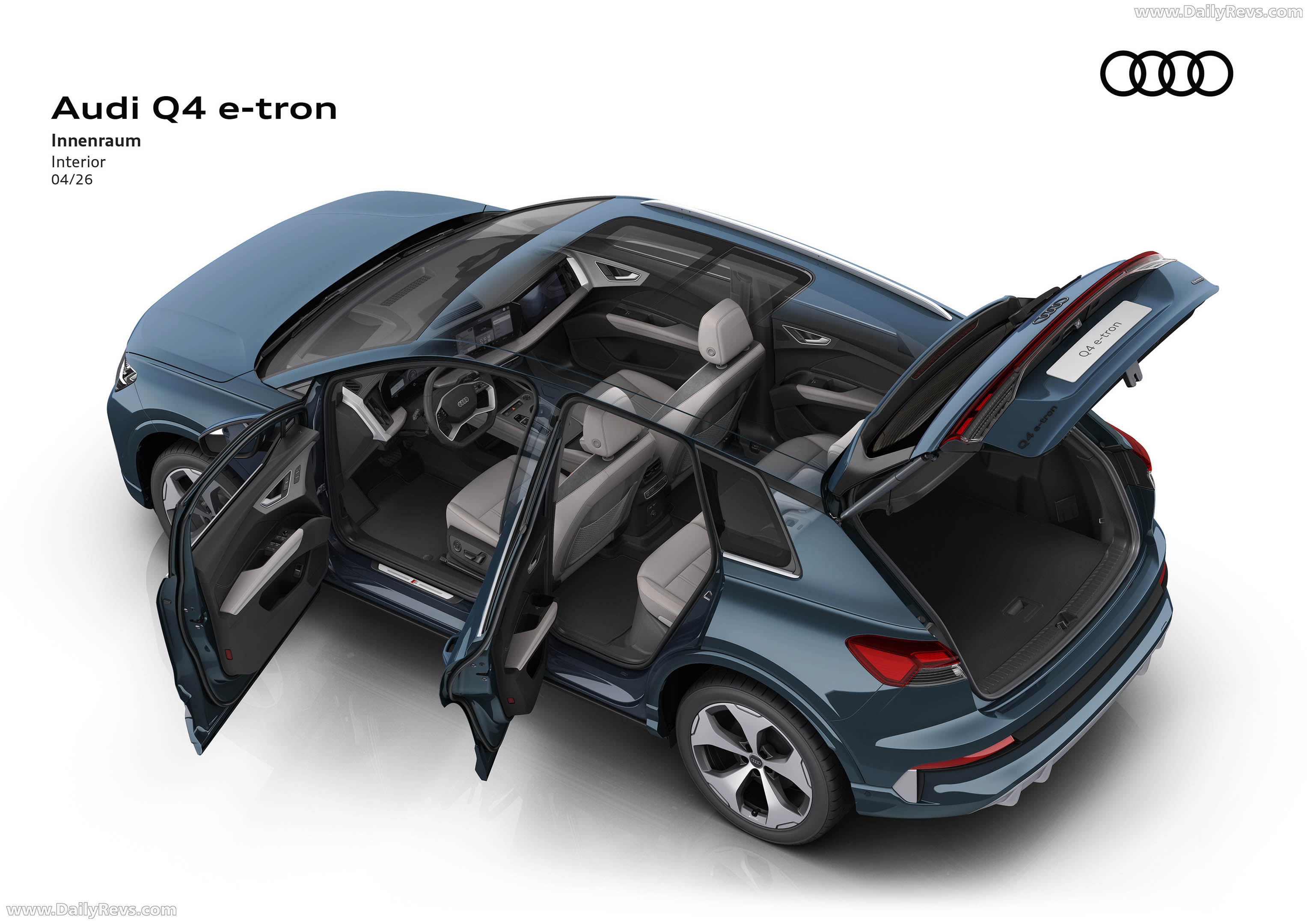
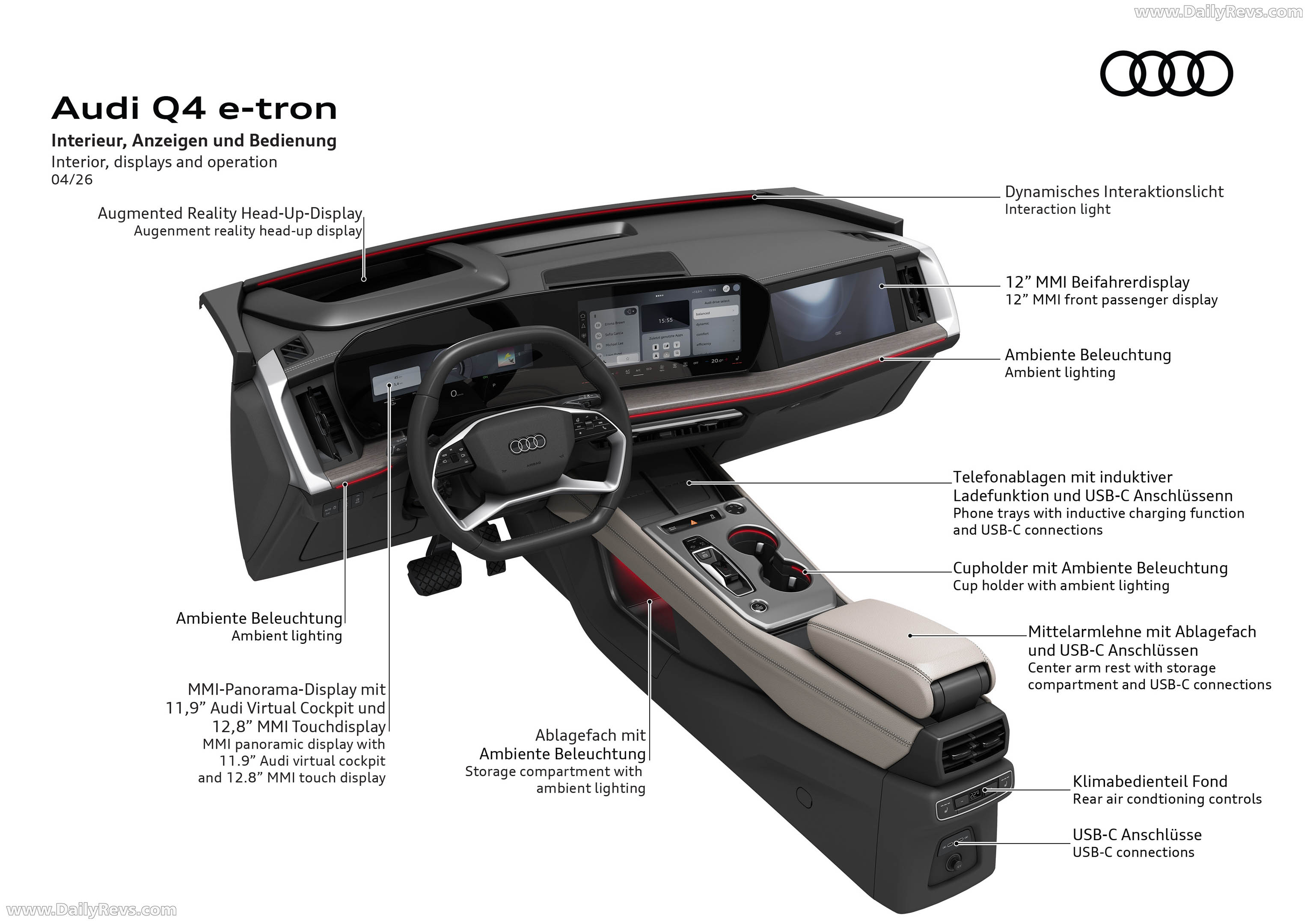
The new “digital stage” sits at the centre of the cabin. An 11.9-inch instrument cluster pairs with a 12.8-inch central touchscreen, both integrated into a wide, continuous layout. An optional 12-inch passenger display adds another layer, though it’s not standard.
The interface has been simplified. Larger tiles, fewer steps, and more reliance on voice control. The built-in assistant now uses AI to manage vehicle functions and answer general queries. There’s even integration with ChatGPT for more natural interaction.
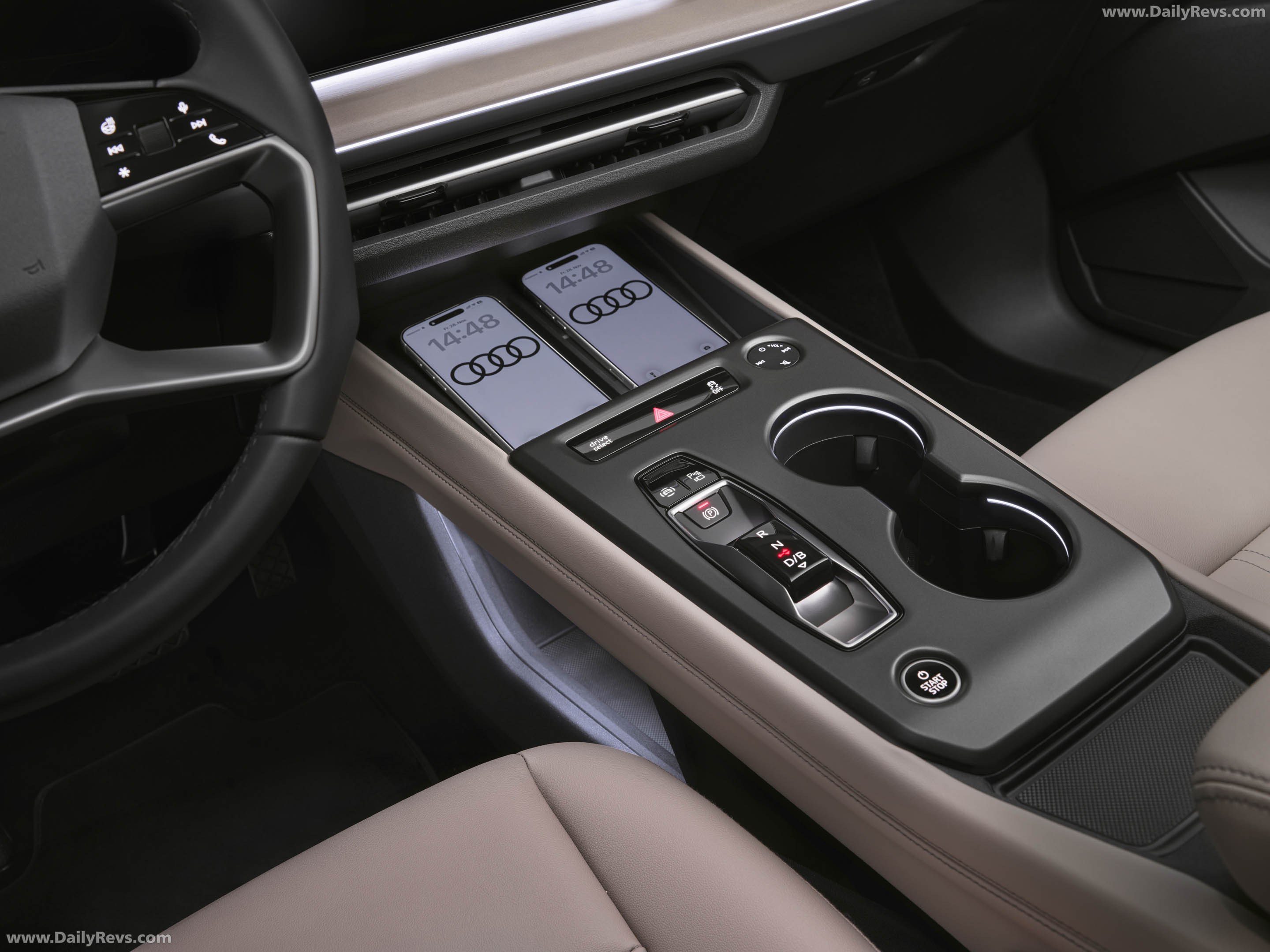
Ambient lighting, a redesigned centre console, and new material treatments give the cabin a slightly more premium feel. The Softwrap dashboard, stretching across the interior, helps unify the space visually.
Efficiency gains improve real-world performance
Underneath, the changes are more technical.
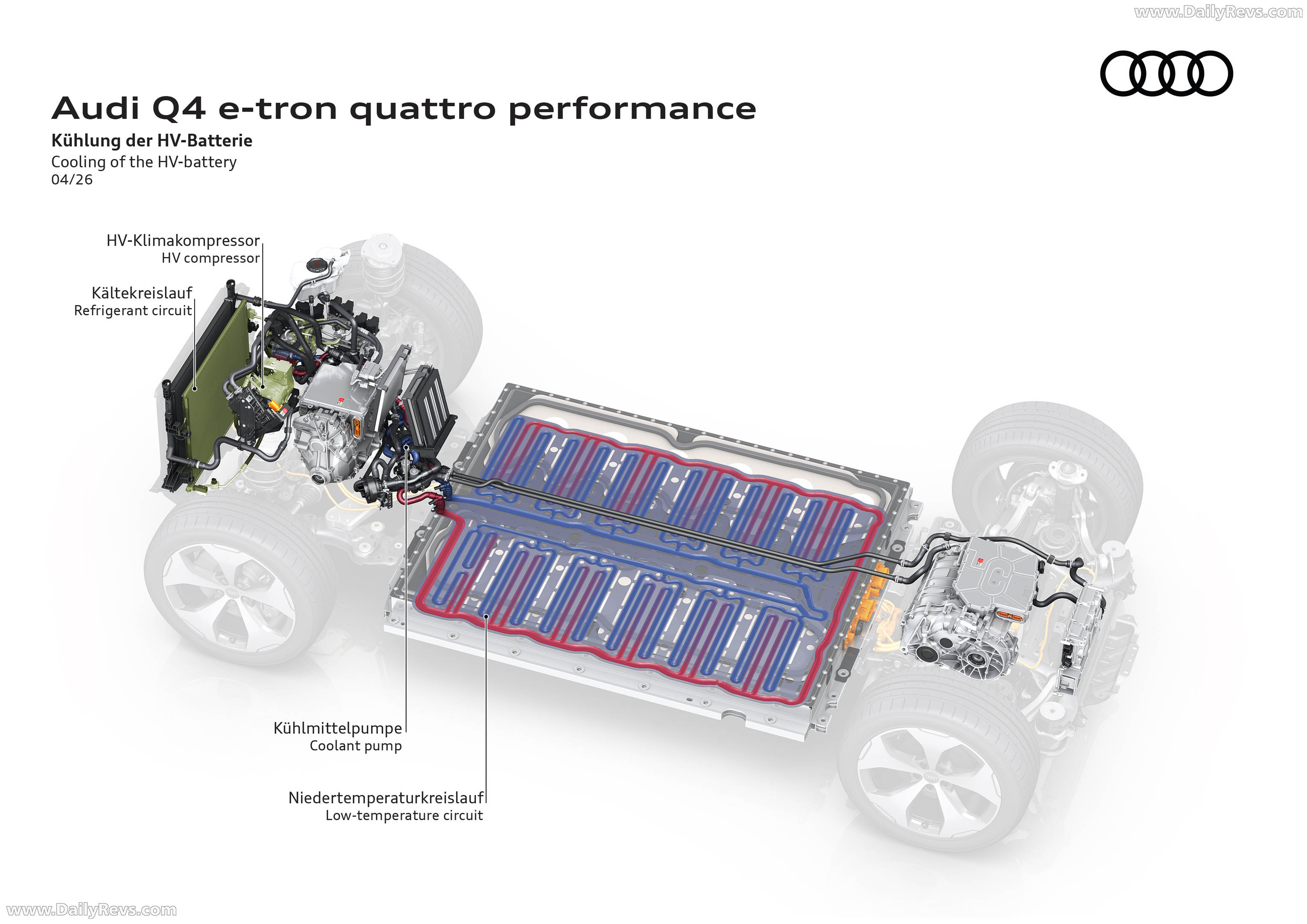
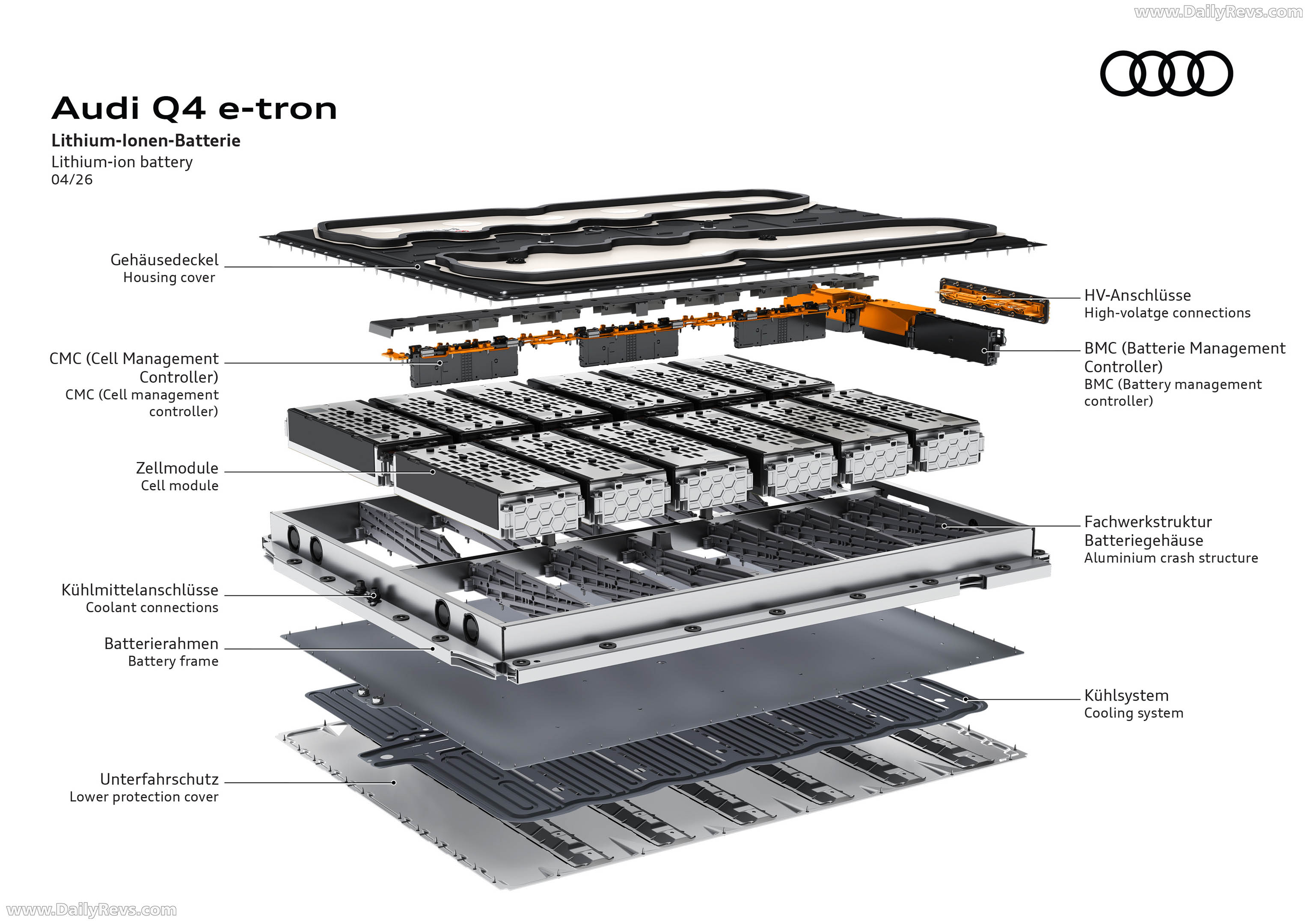
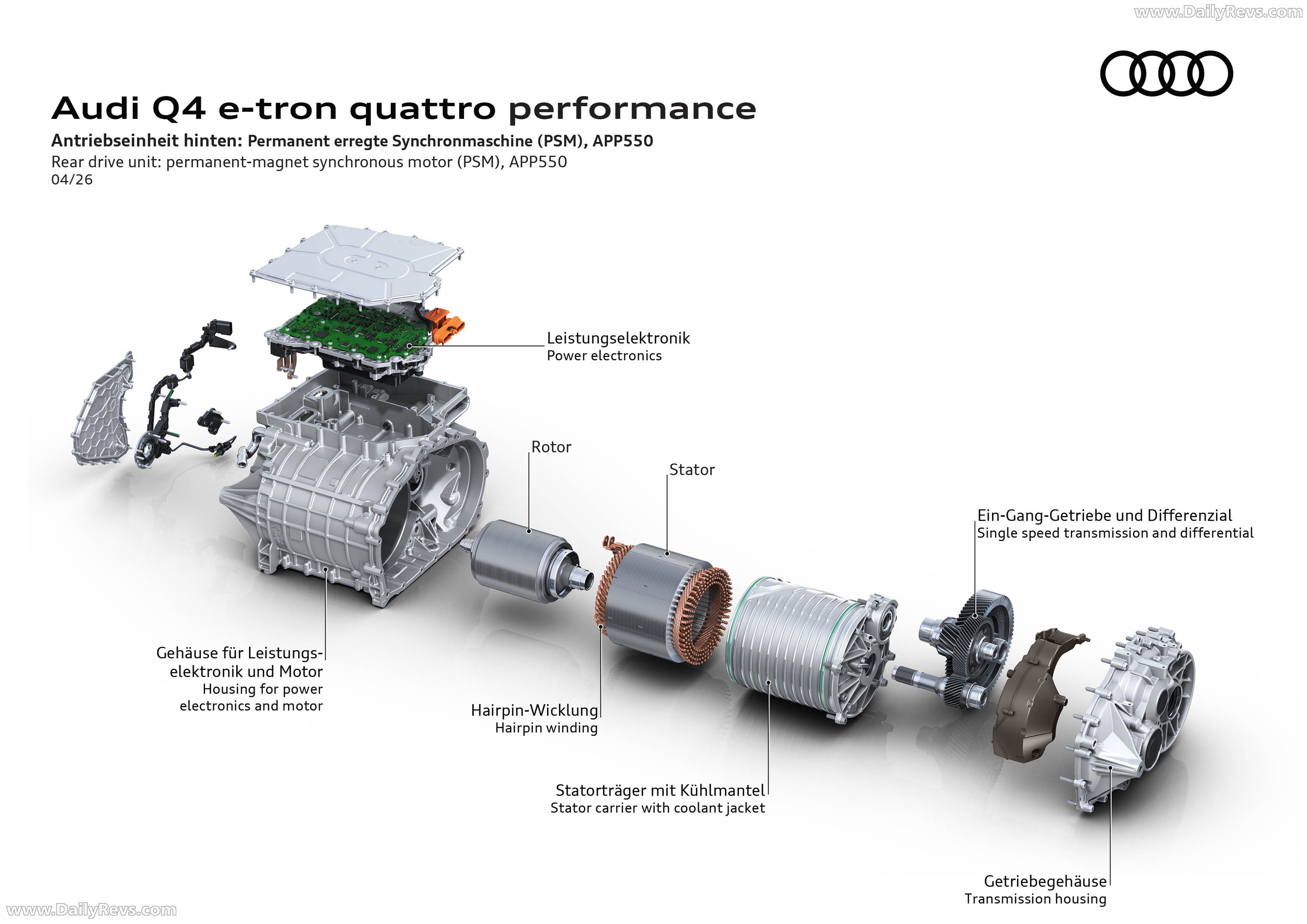
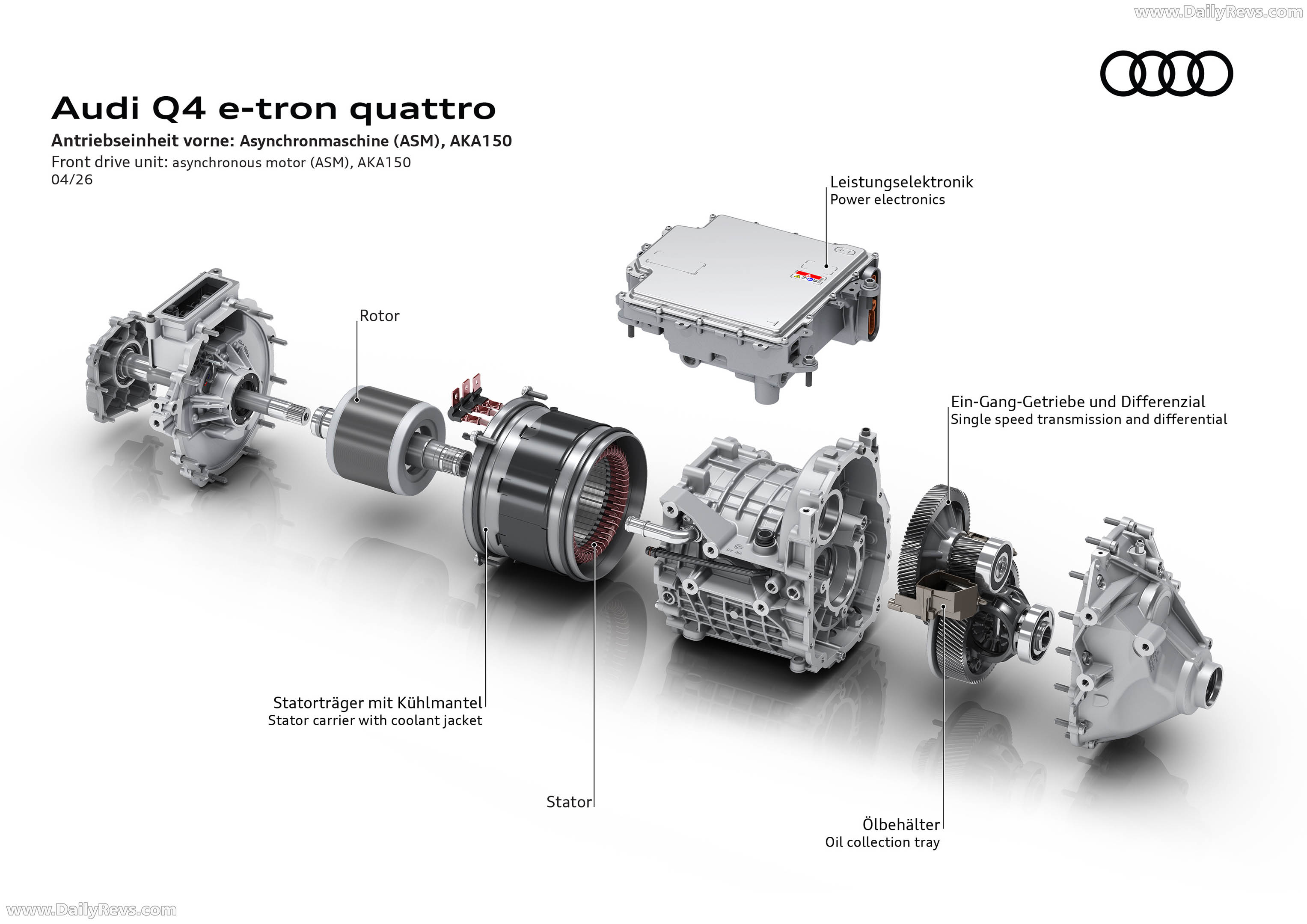
Audi has revised the electric motors, introducing a new “APP350” unit with improved efficiency. Combined with updated power electronics using silicon carbide semiconductors, overall efficiency increases by around ten percent.
Range benefits directly from this. In some configurations, the Q4 e-tron can now reach up to 592 km. Charging also improves, with DC capacity rising to 185 kW in higher variants. That allows a 10 to 80 percent charge in roughly 27 minutes, or around 185 km of range added in ten minutes.
It’s not a leap, but it’s meaningful in everyday use.
Practical features expand beyond driving
The Q4 e-tron adds something new here.
Bidirectional charging makes its debut on this model. That means the car can power external devices or even feed energy back into a home system where supported. Vehicle-to-Load and Vehicle-to-Home functionality are both available, depending on region.
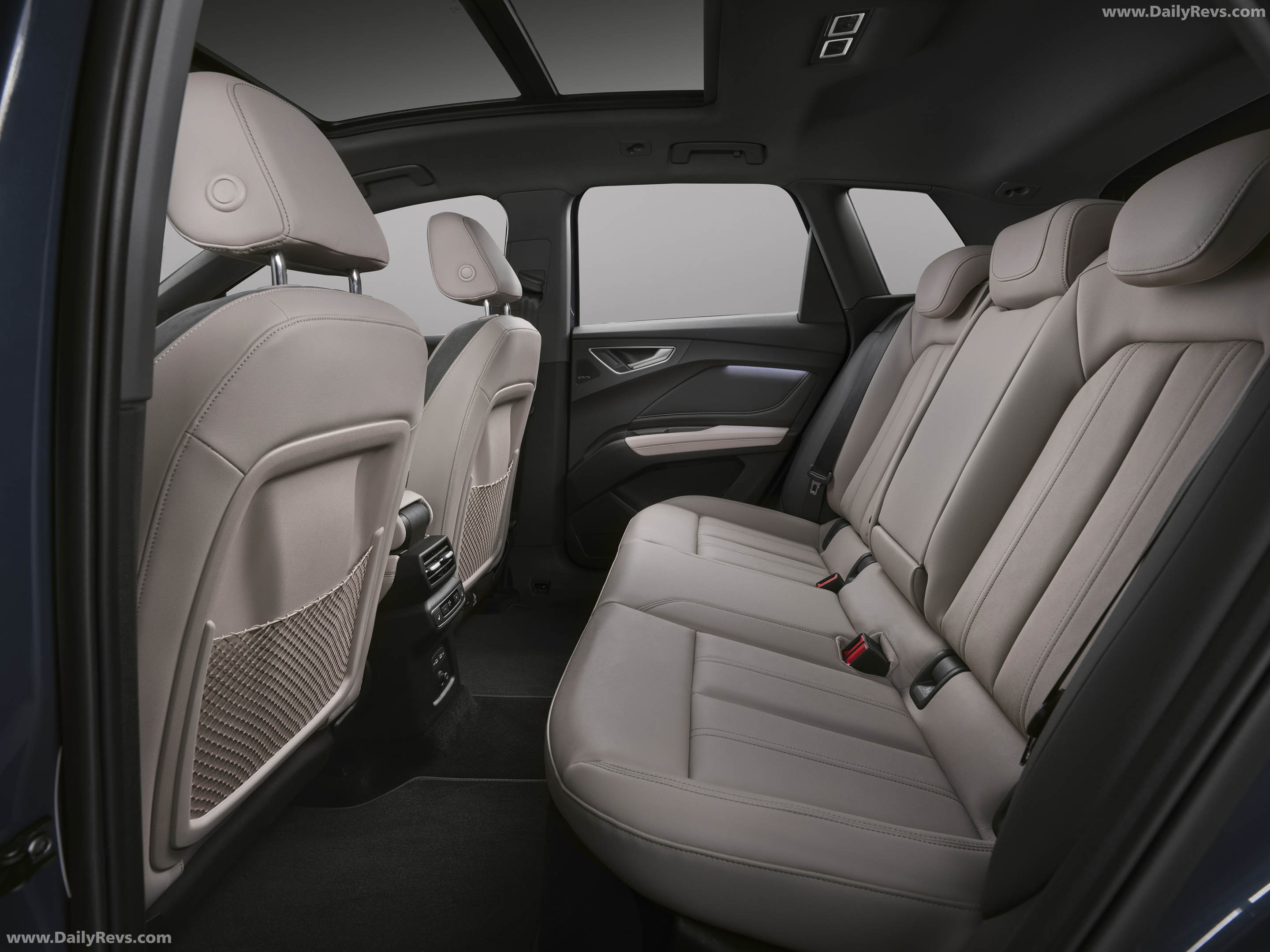
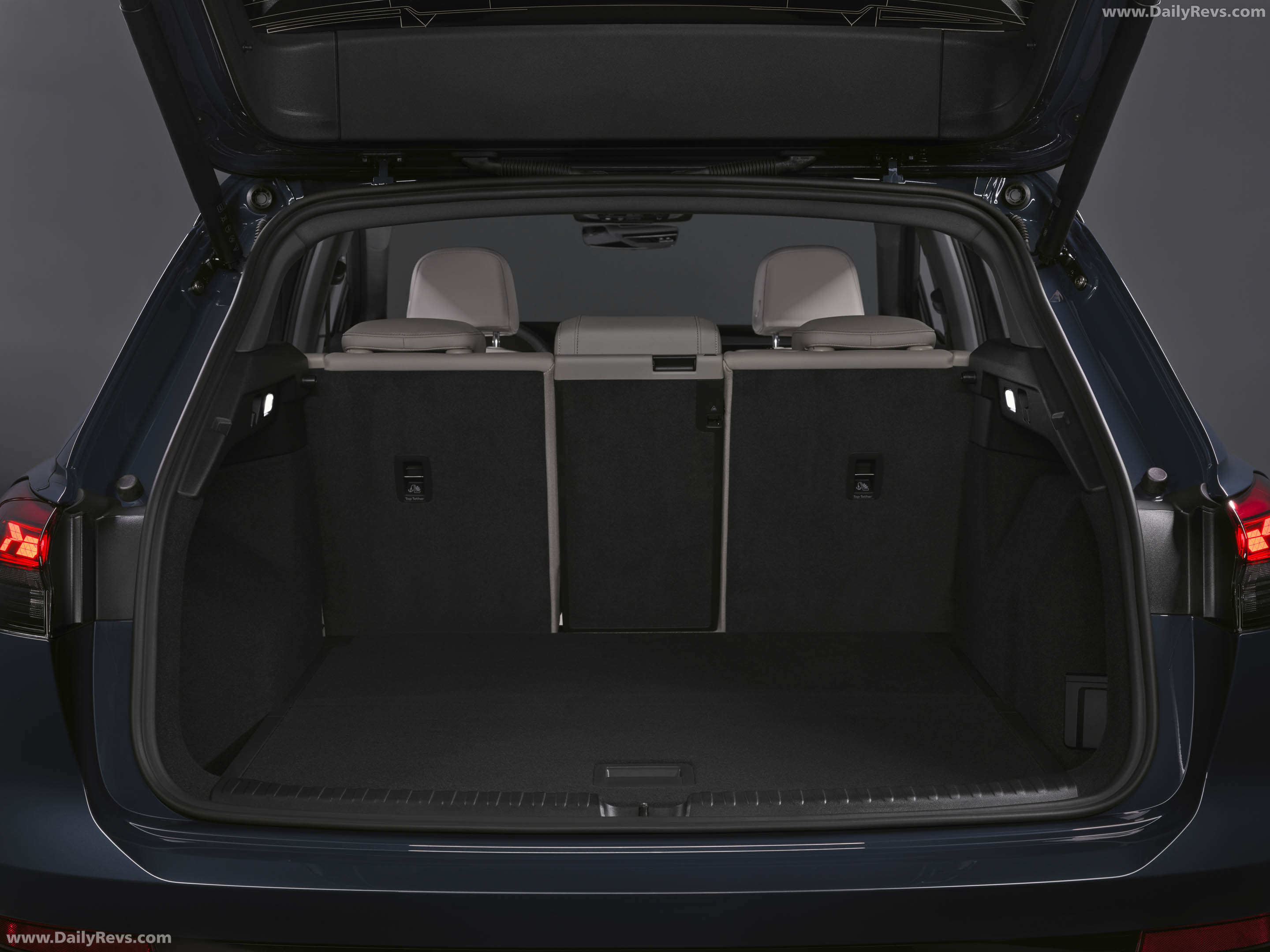
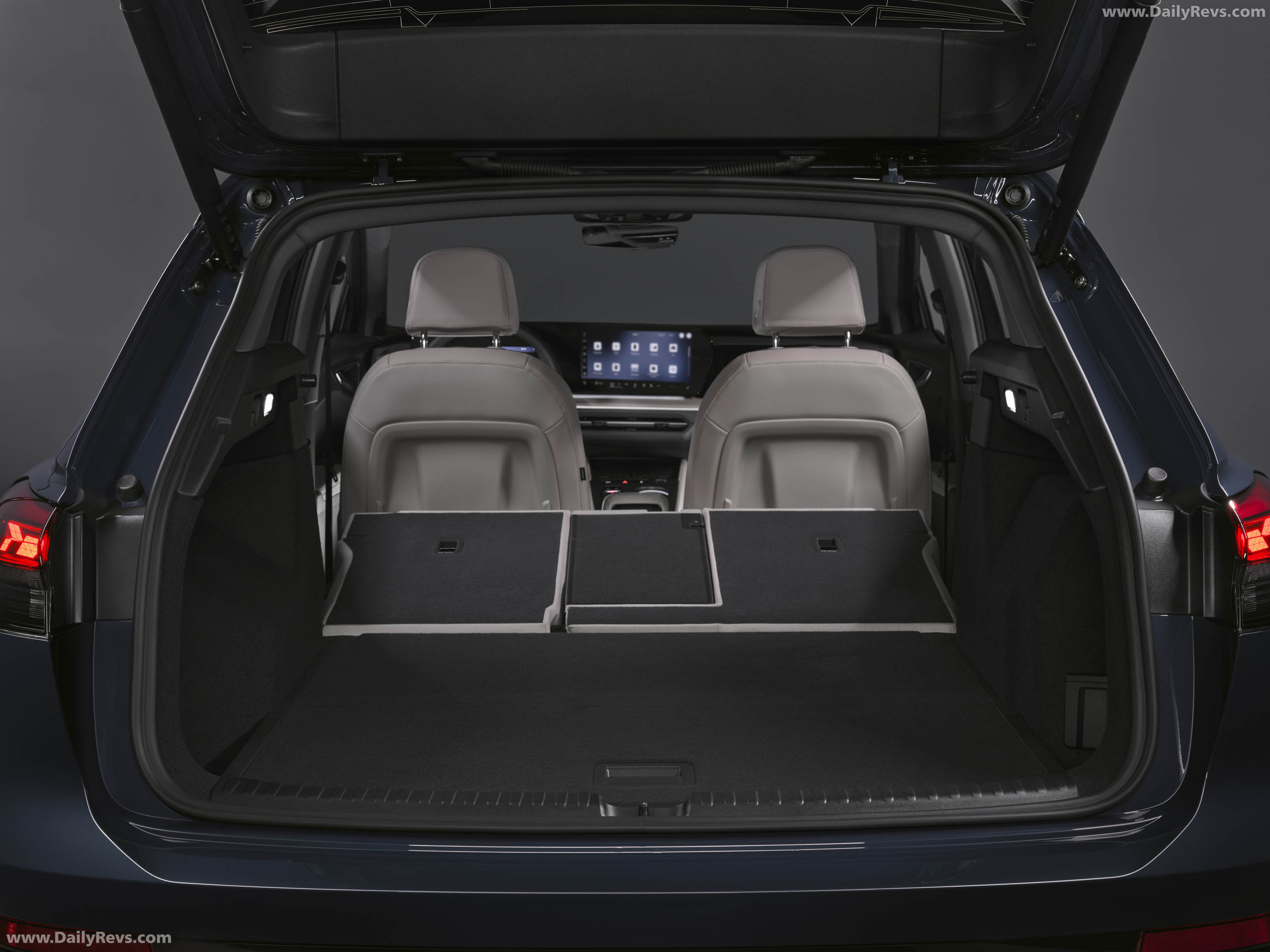
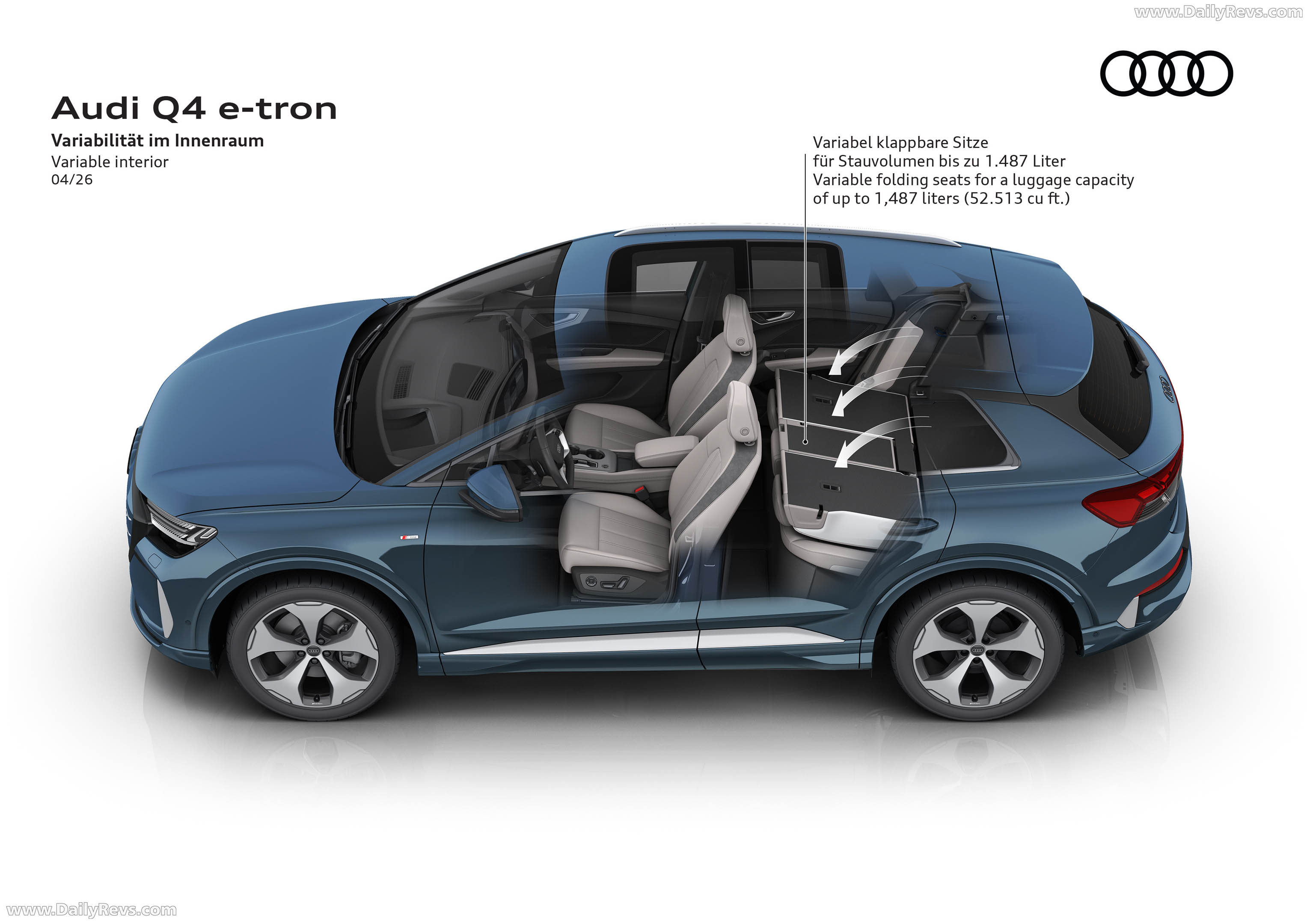
Storage and usability remain strong points. A 515-litre boot expands to 1,487 litres with the rear seats folded. Trailer capacity increases to 1,800 kg in quattro variants.
These are small changes individually, but they add up.
Positioned as a more complete entry point to EV ownership
The 2027 Audi Q4 e-tron F4 continues to sit at the accessible end of Audi’s electric lineup.
It competes with other compact premium EVs, but its strength lies in balance. Range, charging, usability, and now energy integration all sit in a more complete package.
Pricing in Germany starts at around €47,500 for the base model, with higher variants stepping up from there.
It doesn’t try to stand out dramatically. Instead, it refines what was already working.