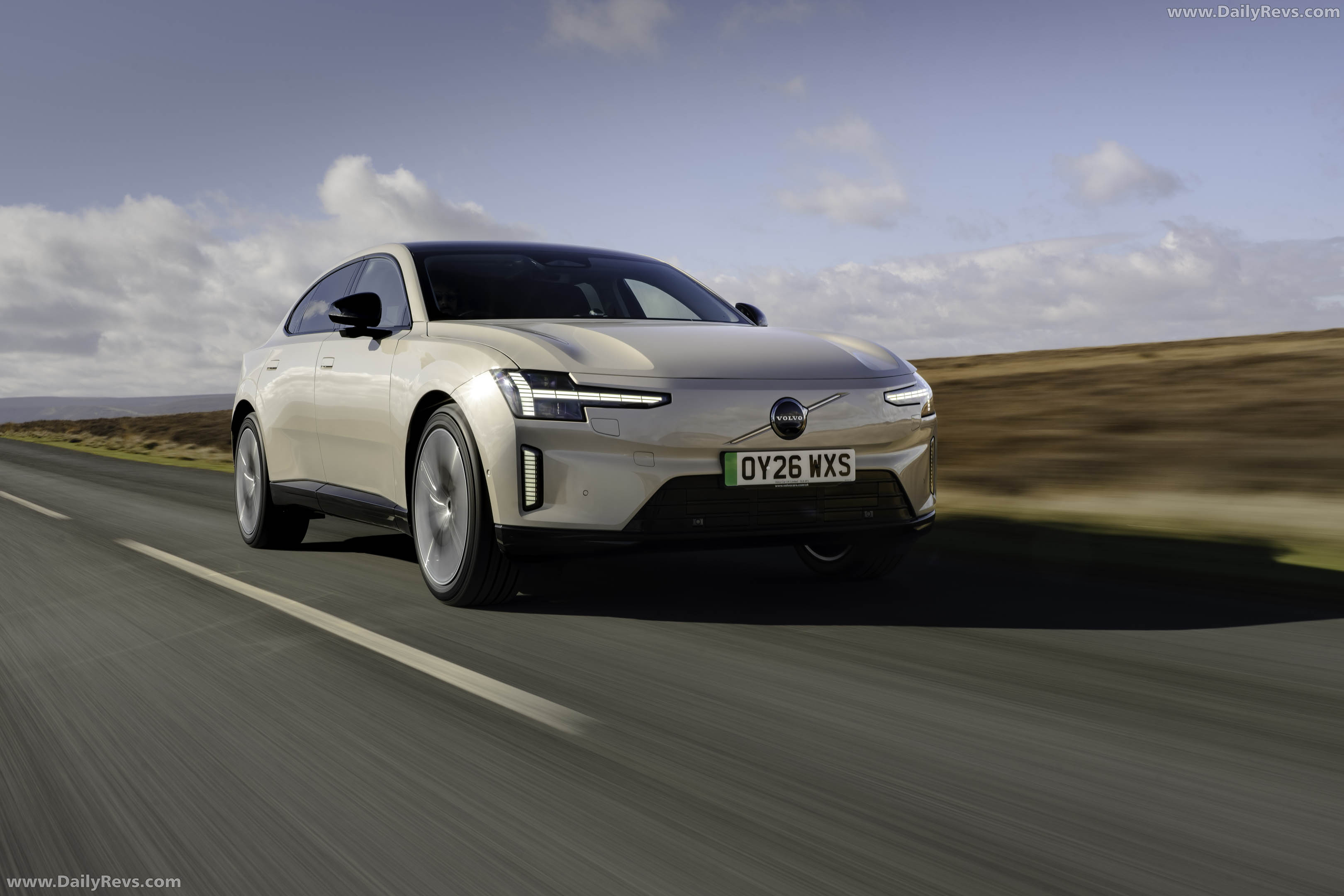
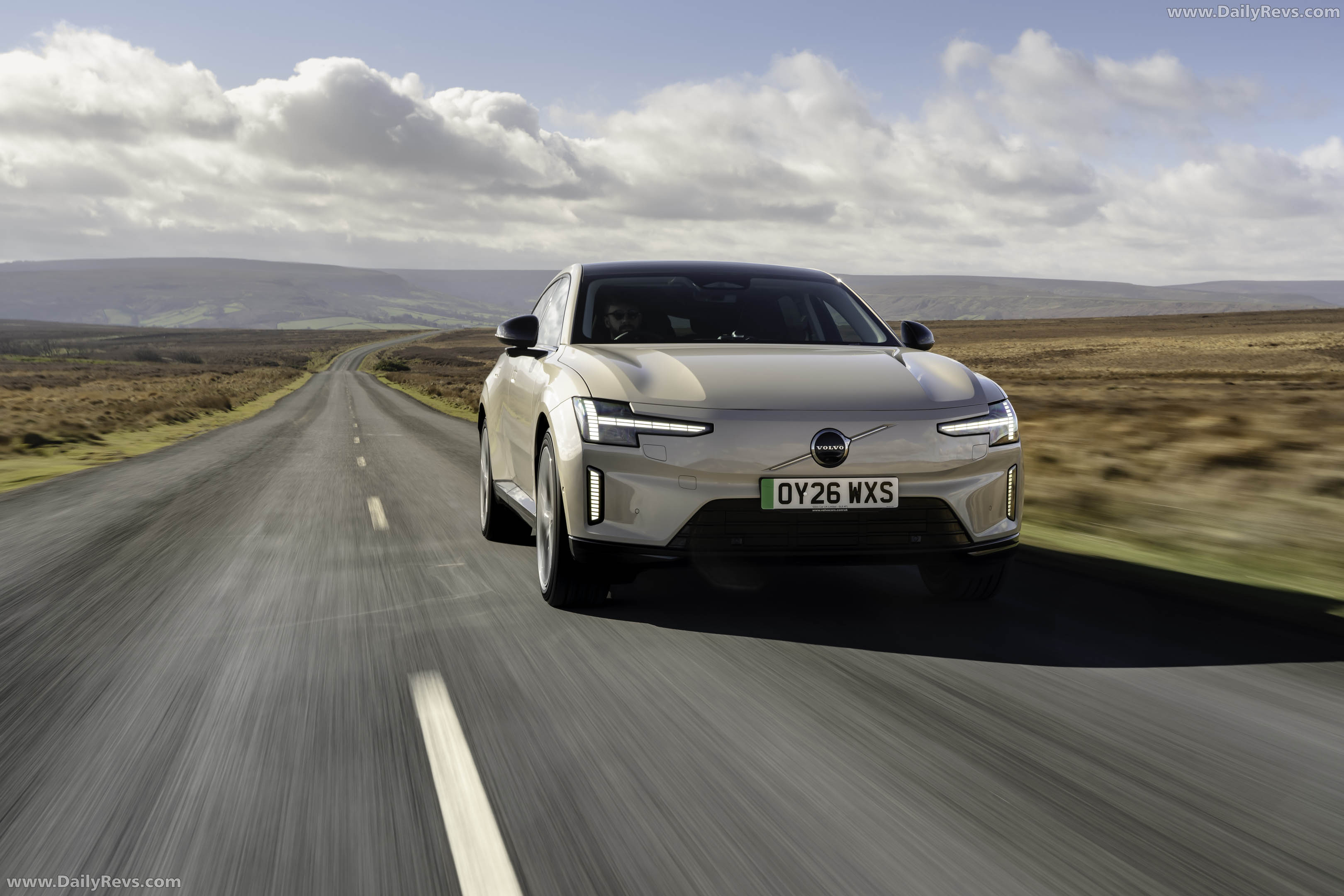
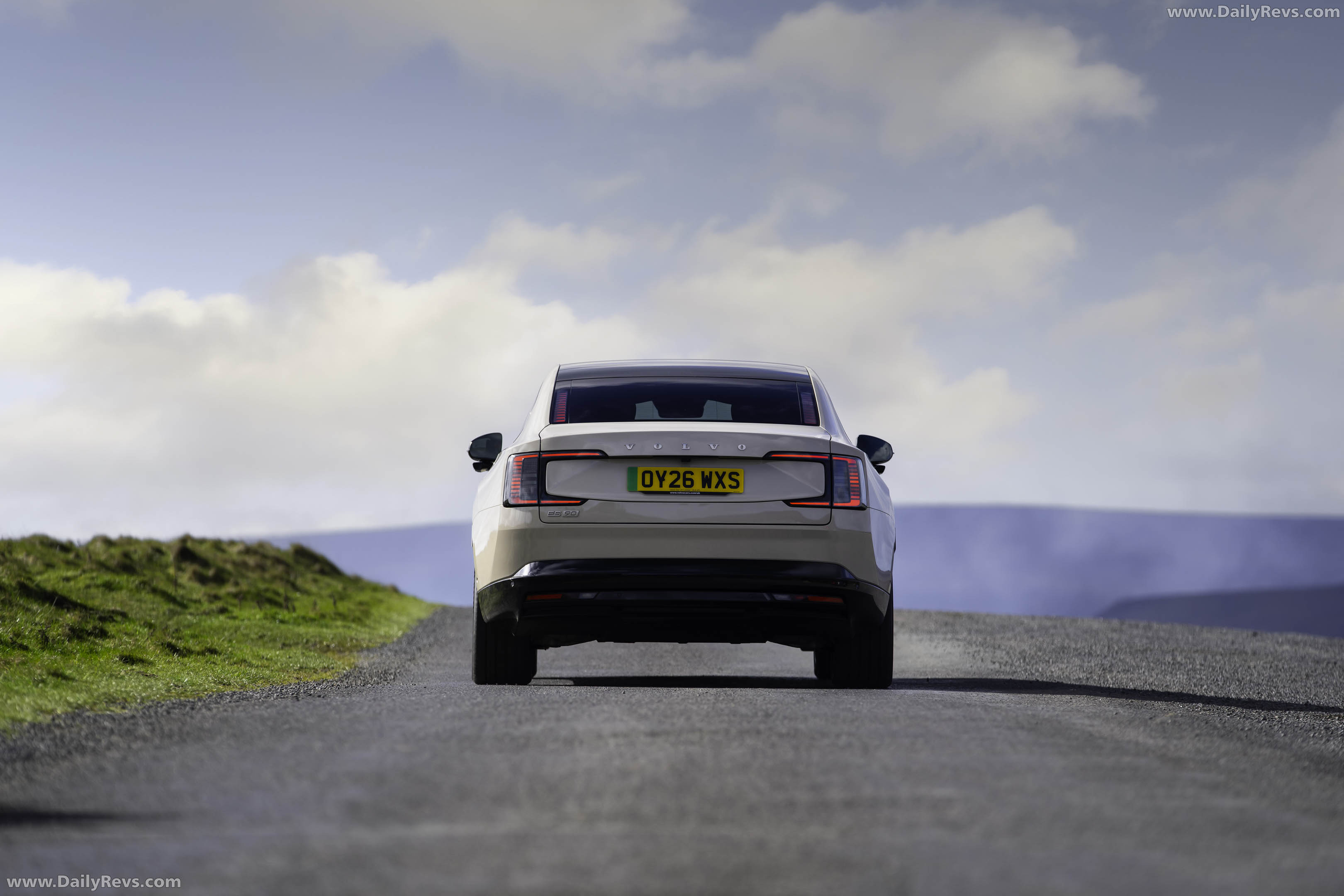
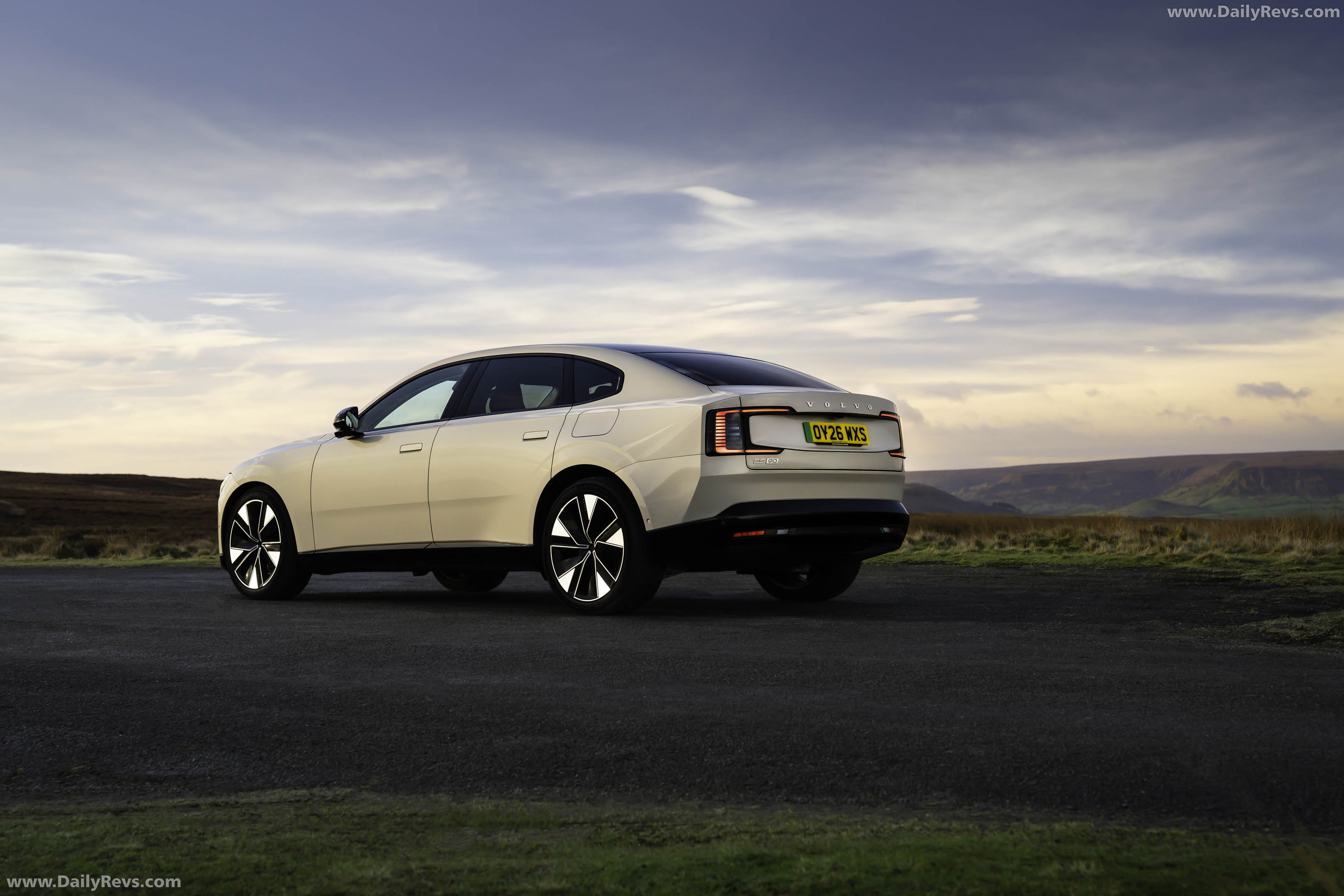
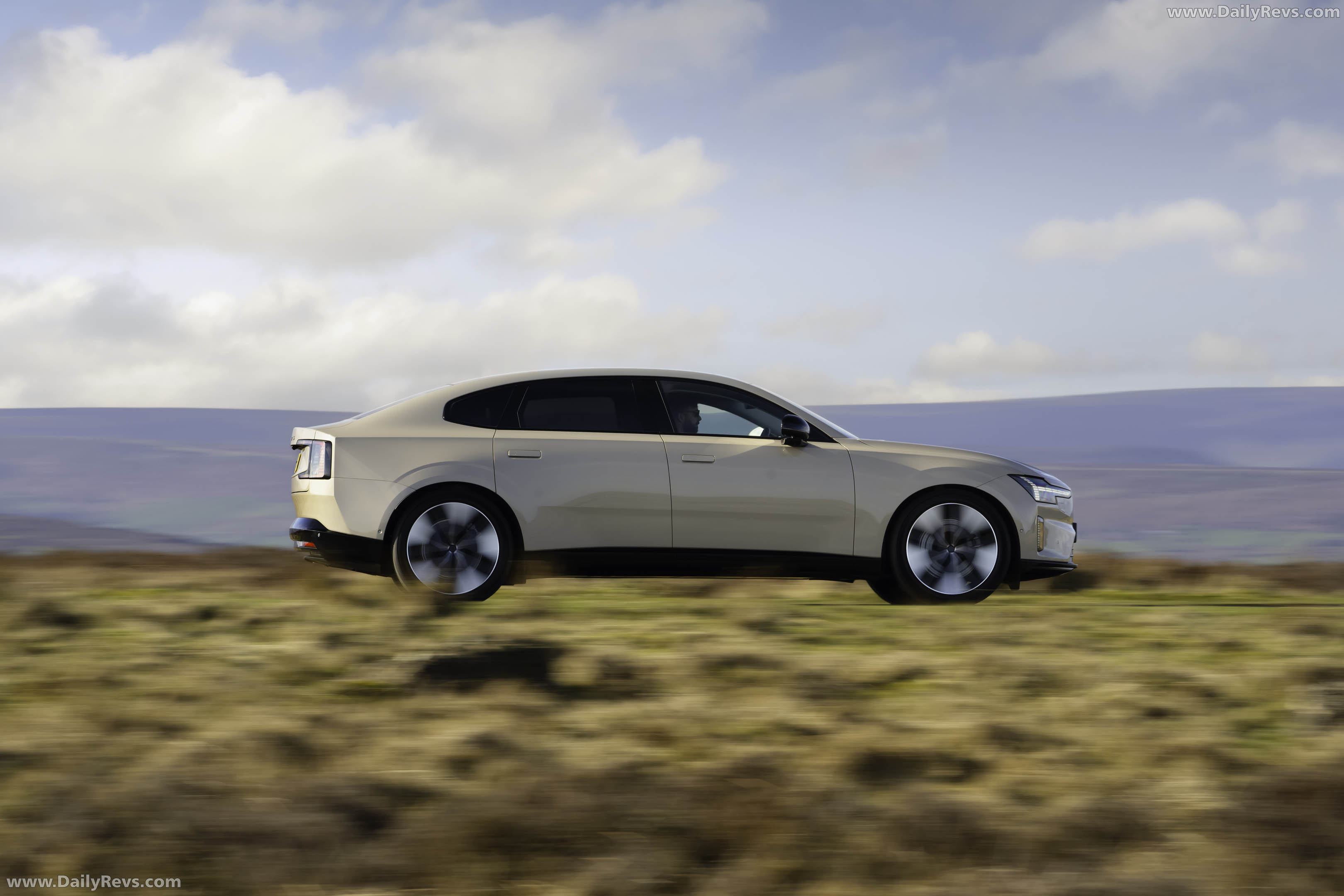
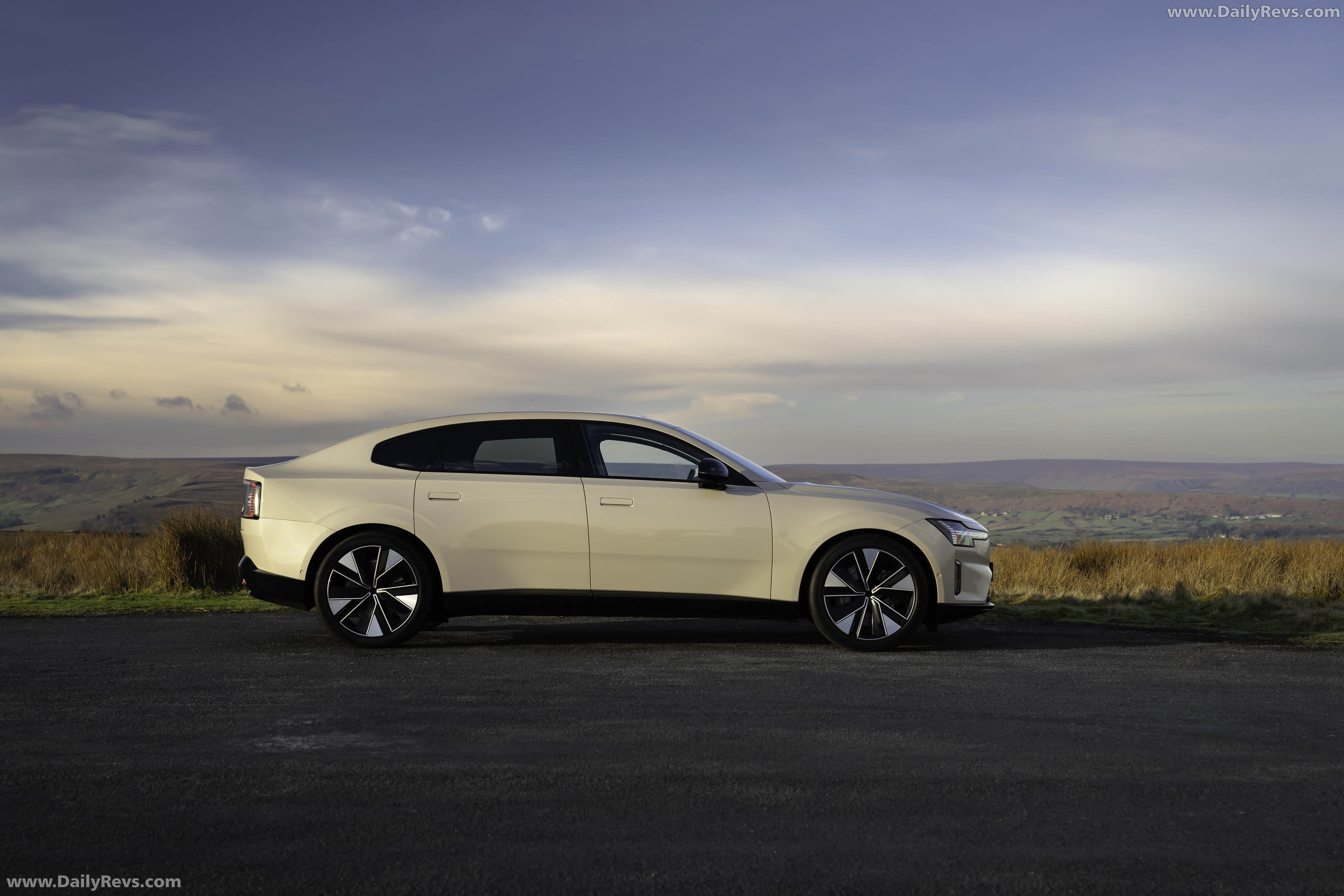
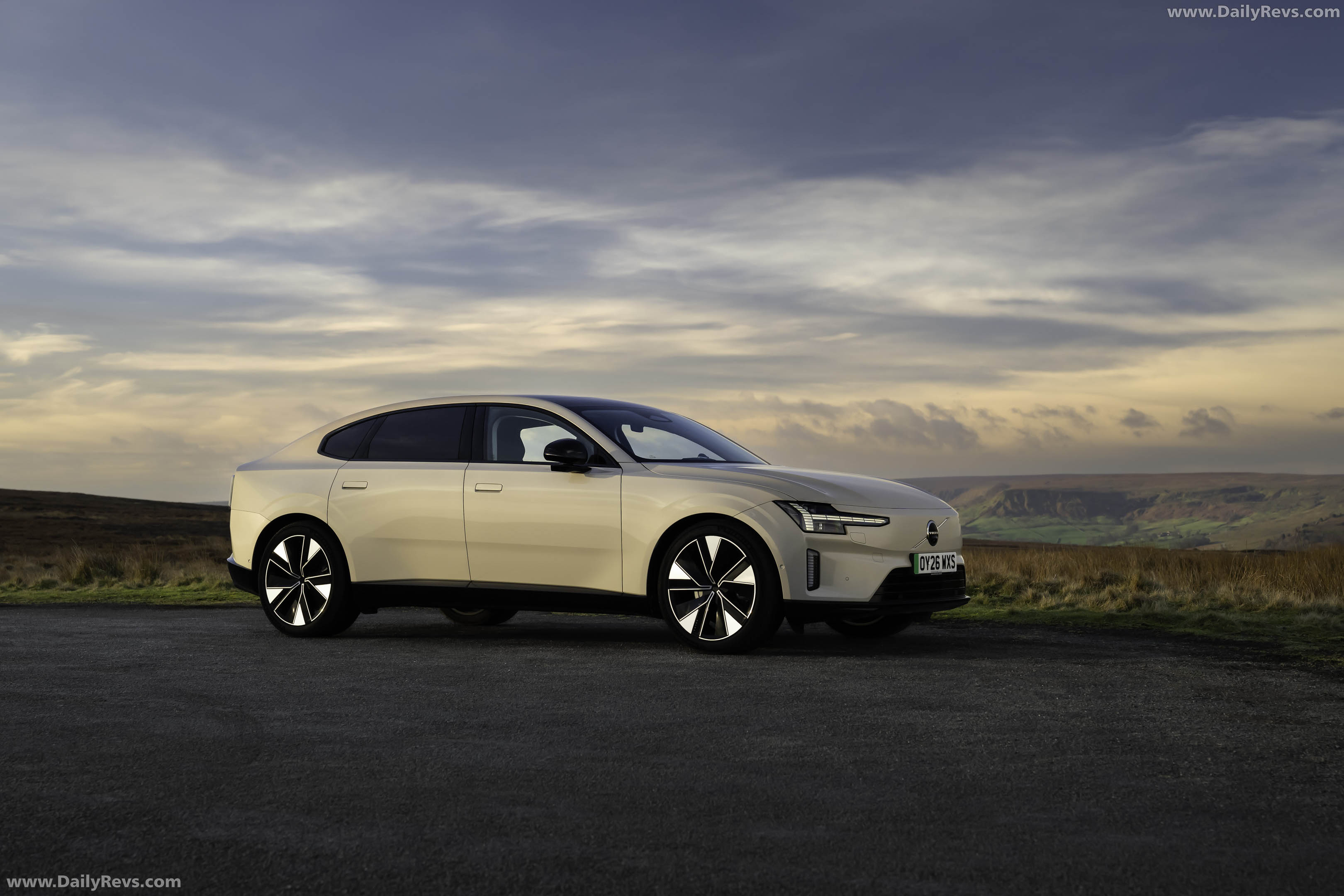
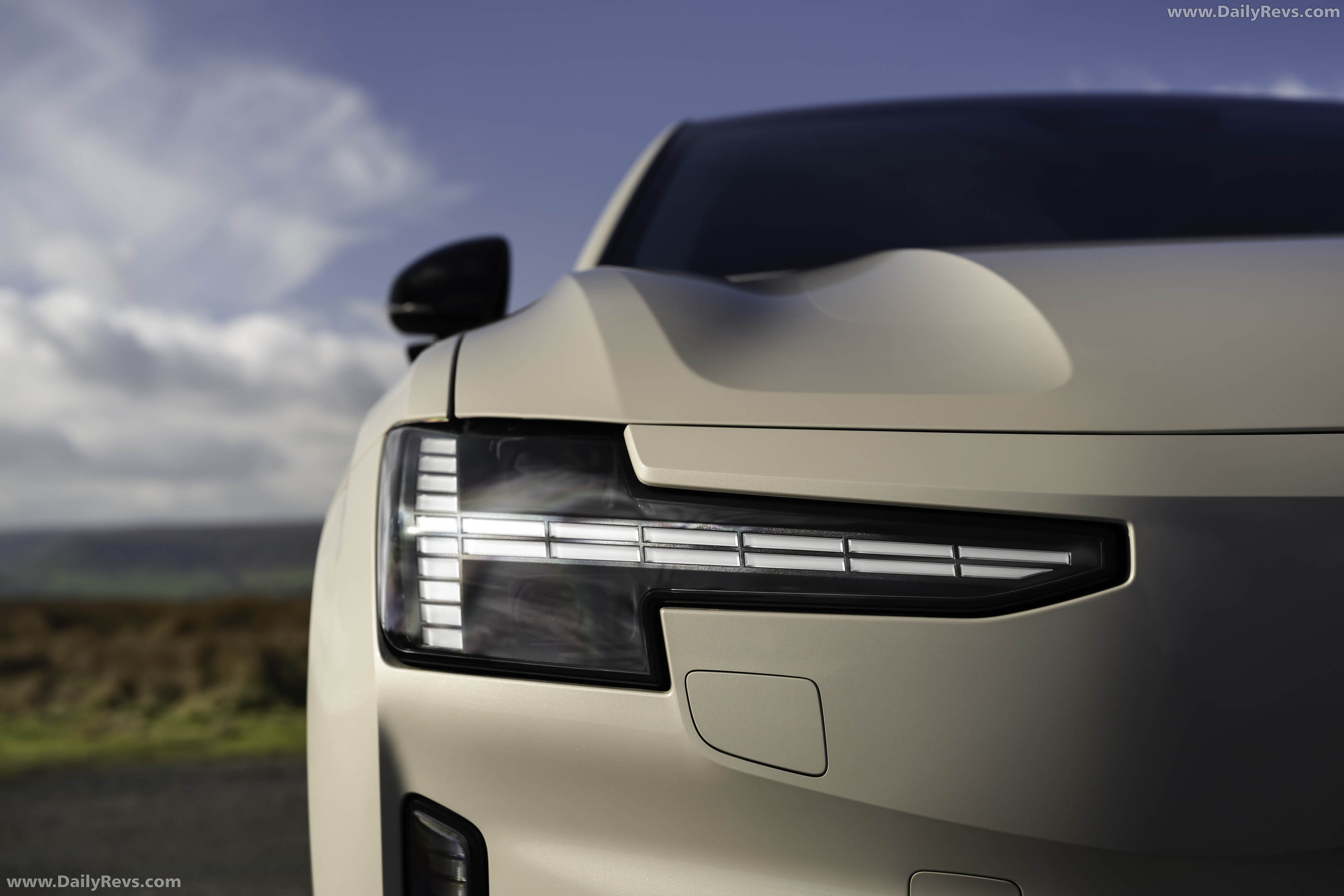
2026 Volvo ES90 UK Version
By Lorenzo Bianchi August 28, 2026
The ES90's total carbon footprint is 31 tonnes on a European energy mix, or 26 tonnes on wind power, roughly 50% lower than the S90 mild hybrid and 30% lower than the S90 plug-in hybrid.
It's the first Volvo built with an 800-volt electric system and posts a 0.25 drag coefficient, the best in the brand's history, alongside a world-first blockchain-based battery passport.
The ES90 is available to order now in 17 European markets, with production and first customer deliveries starting this summer and additional markets following later in 2025 and into 2026.
Exterior Design
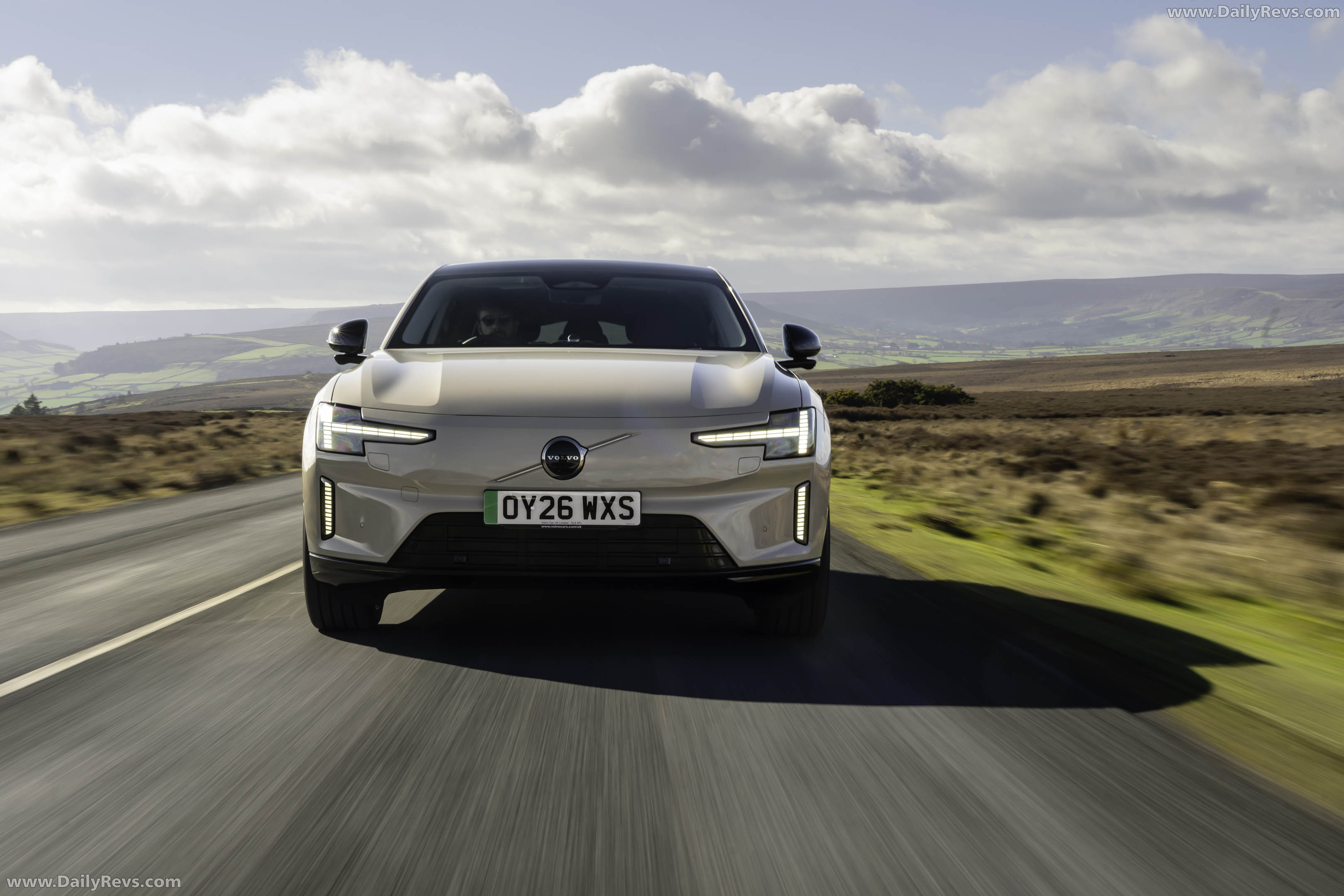
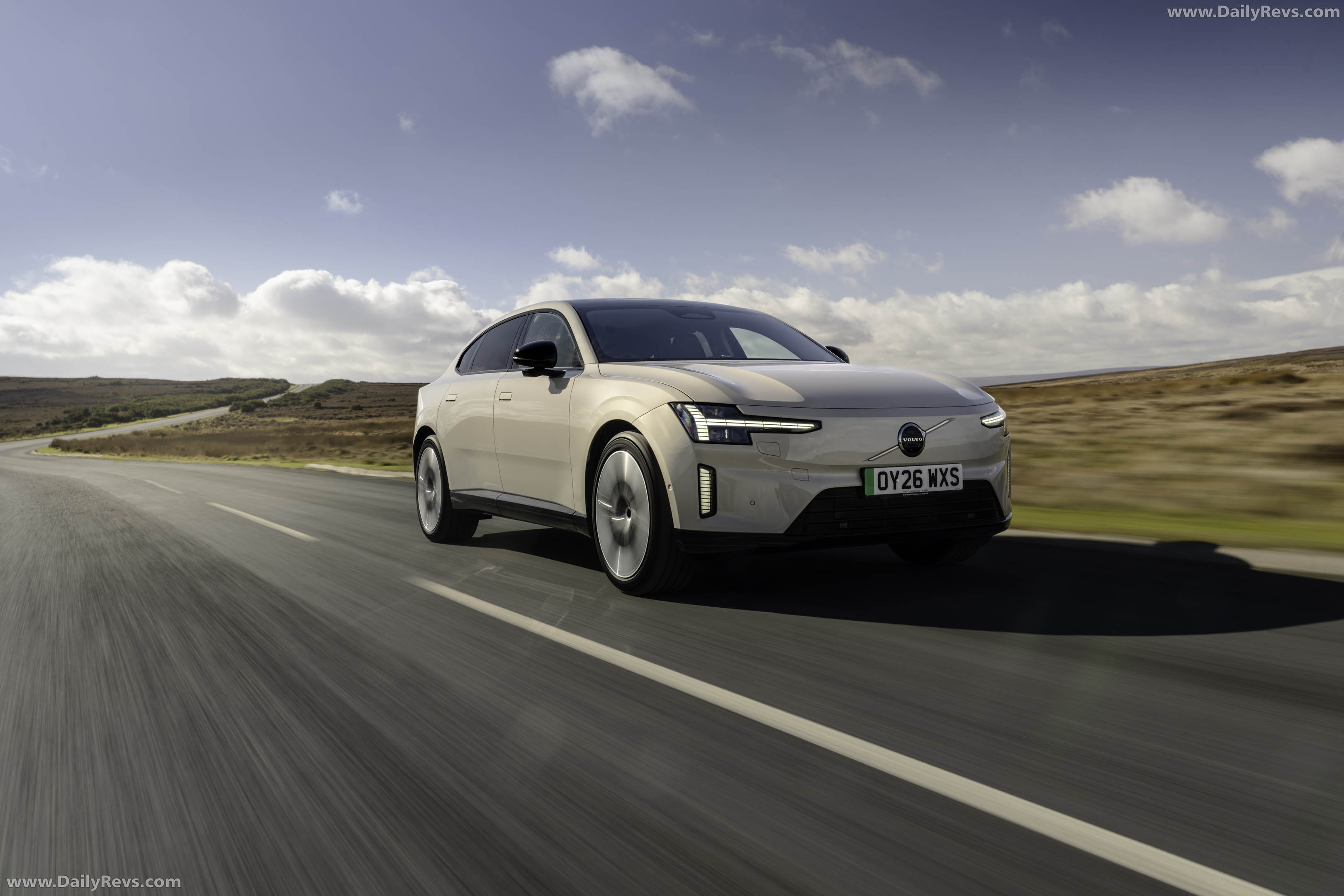
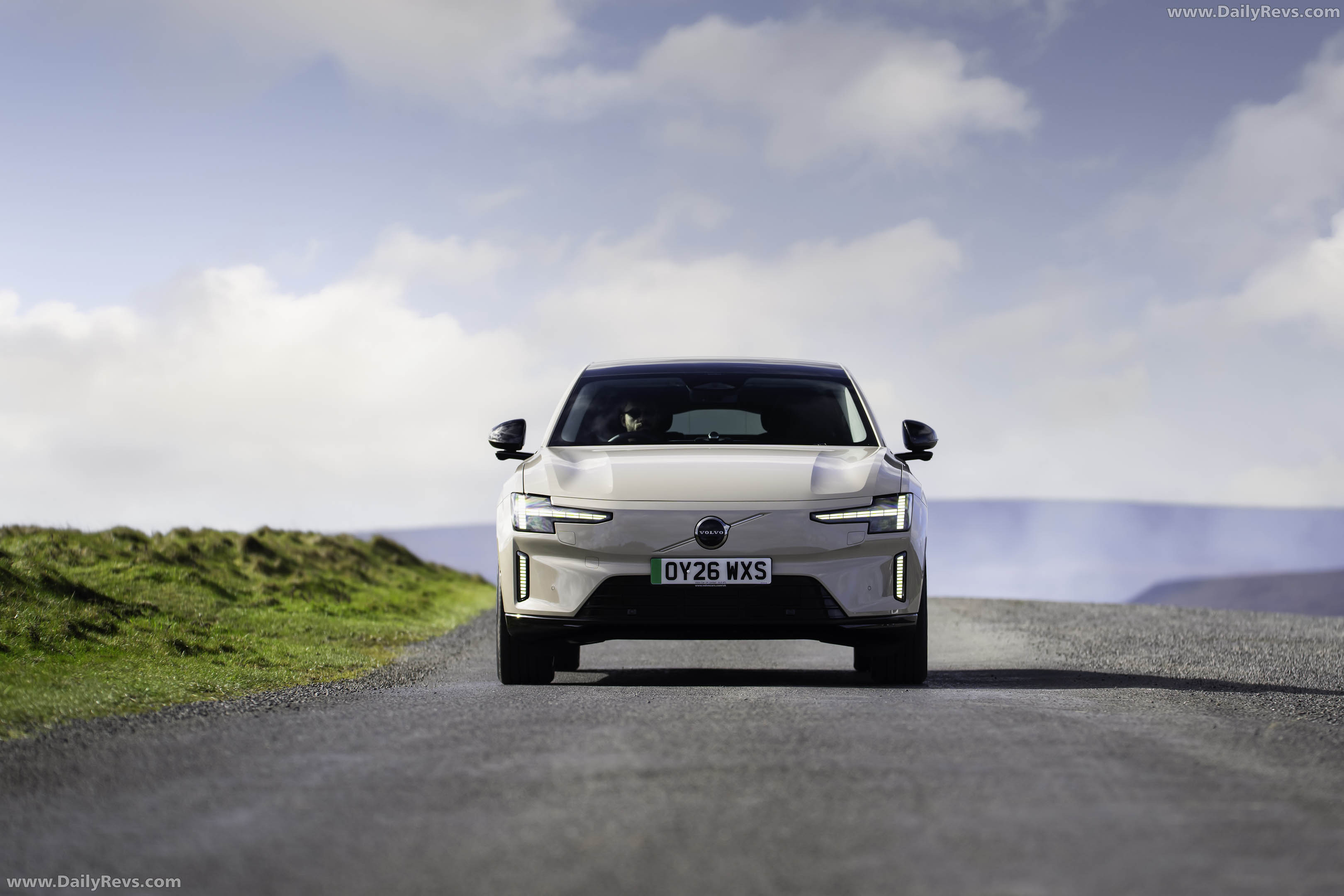
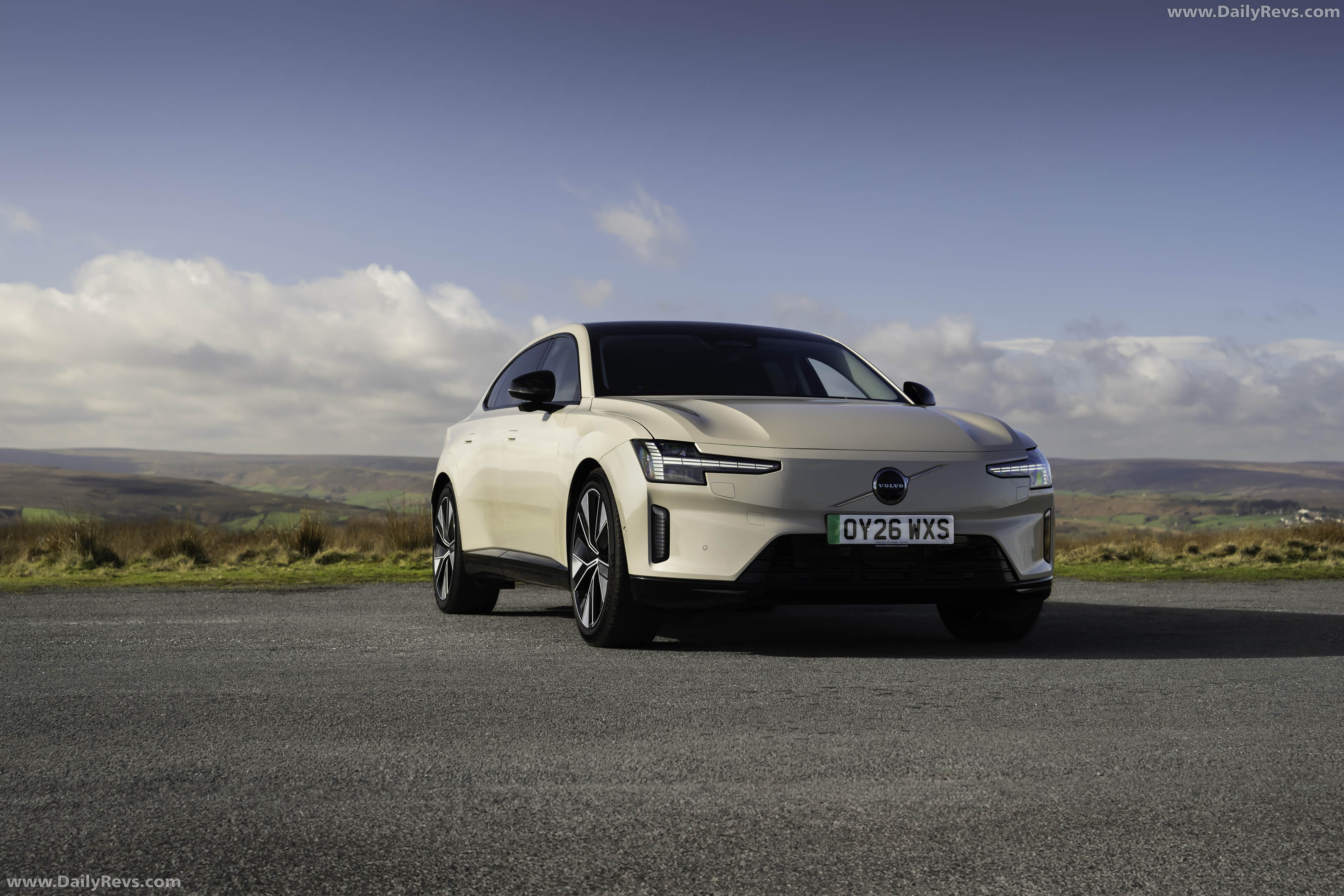
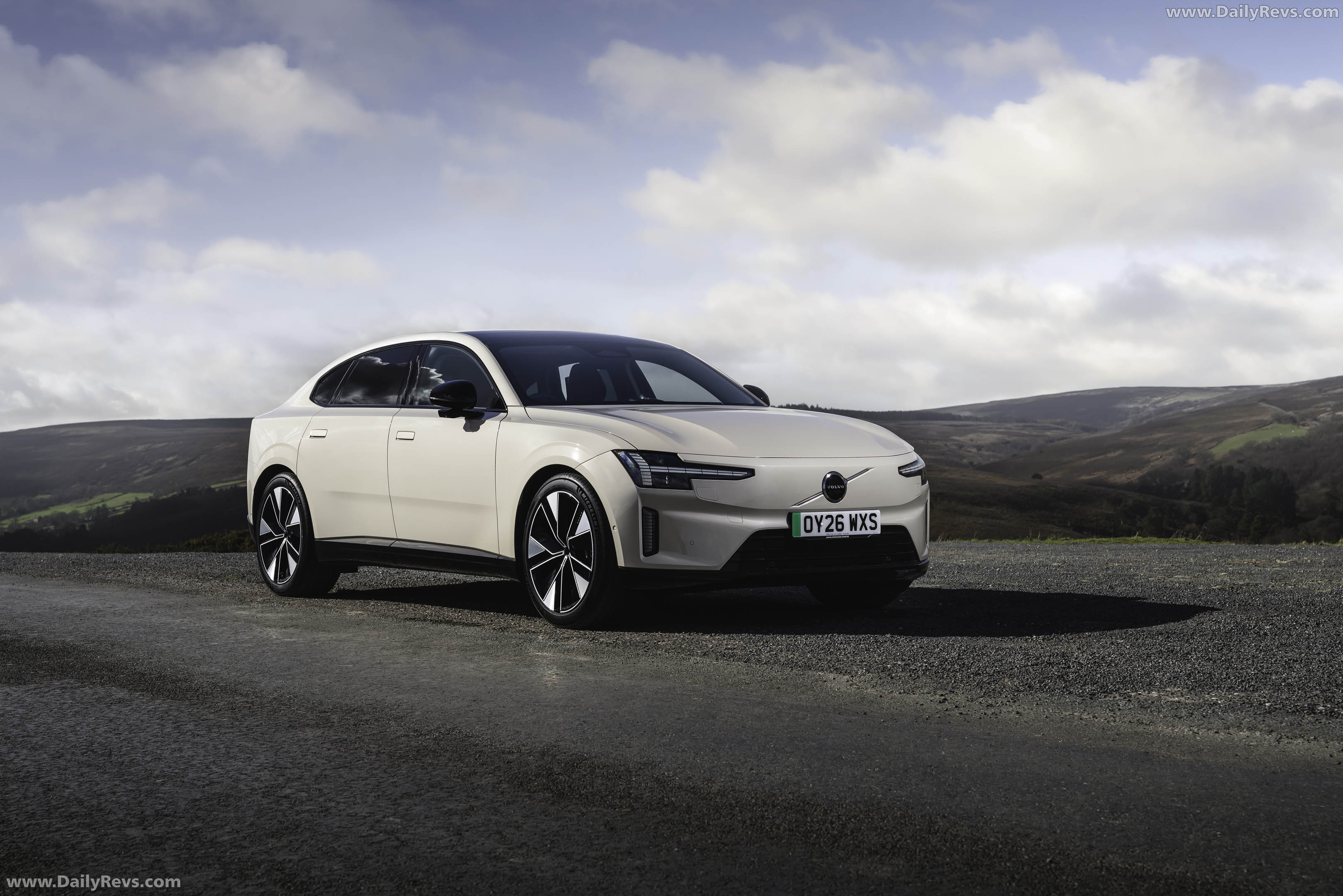
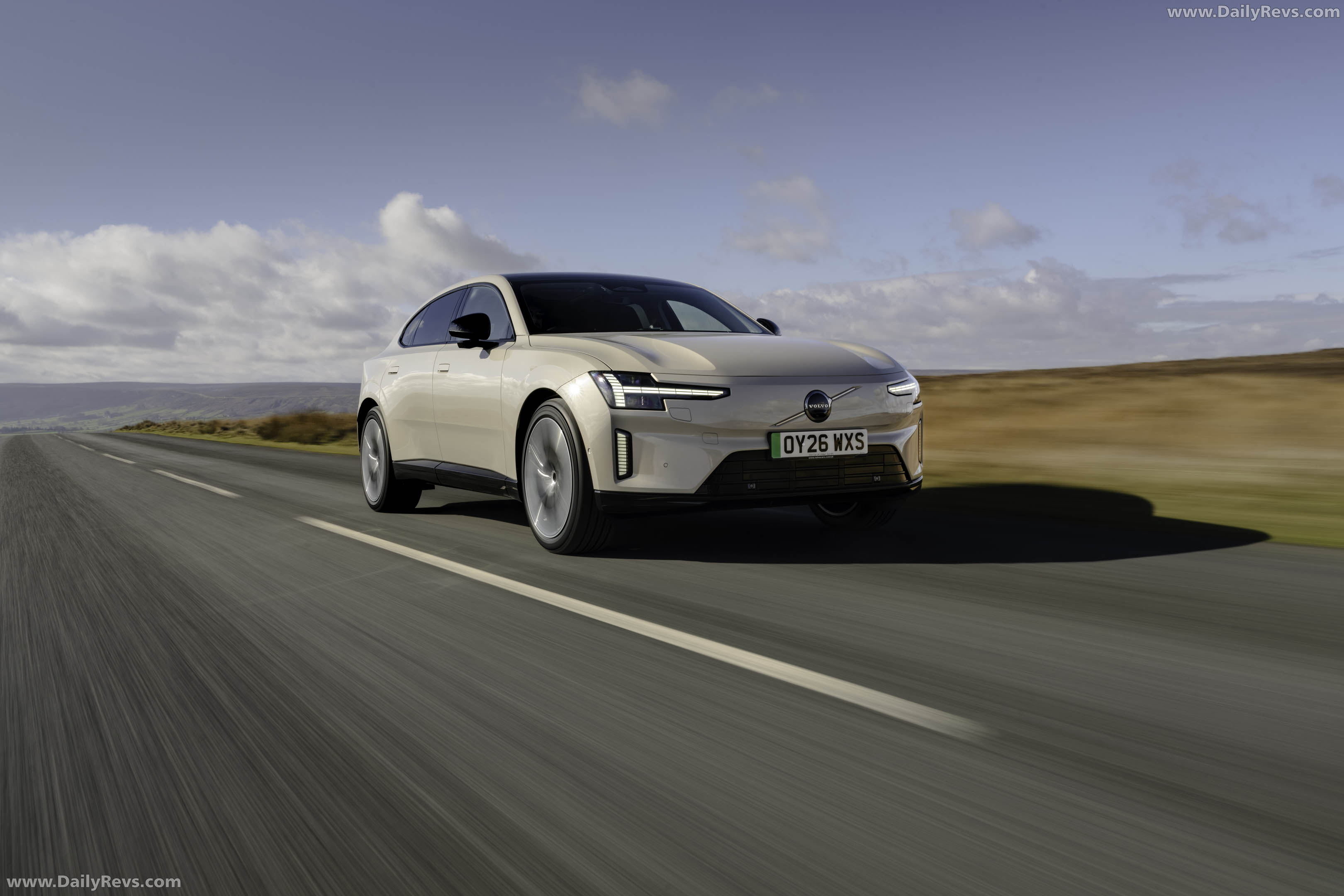
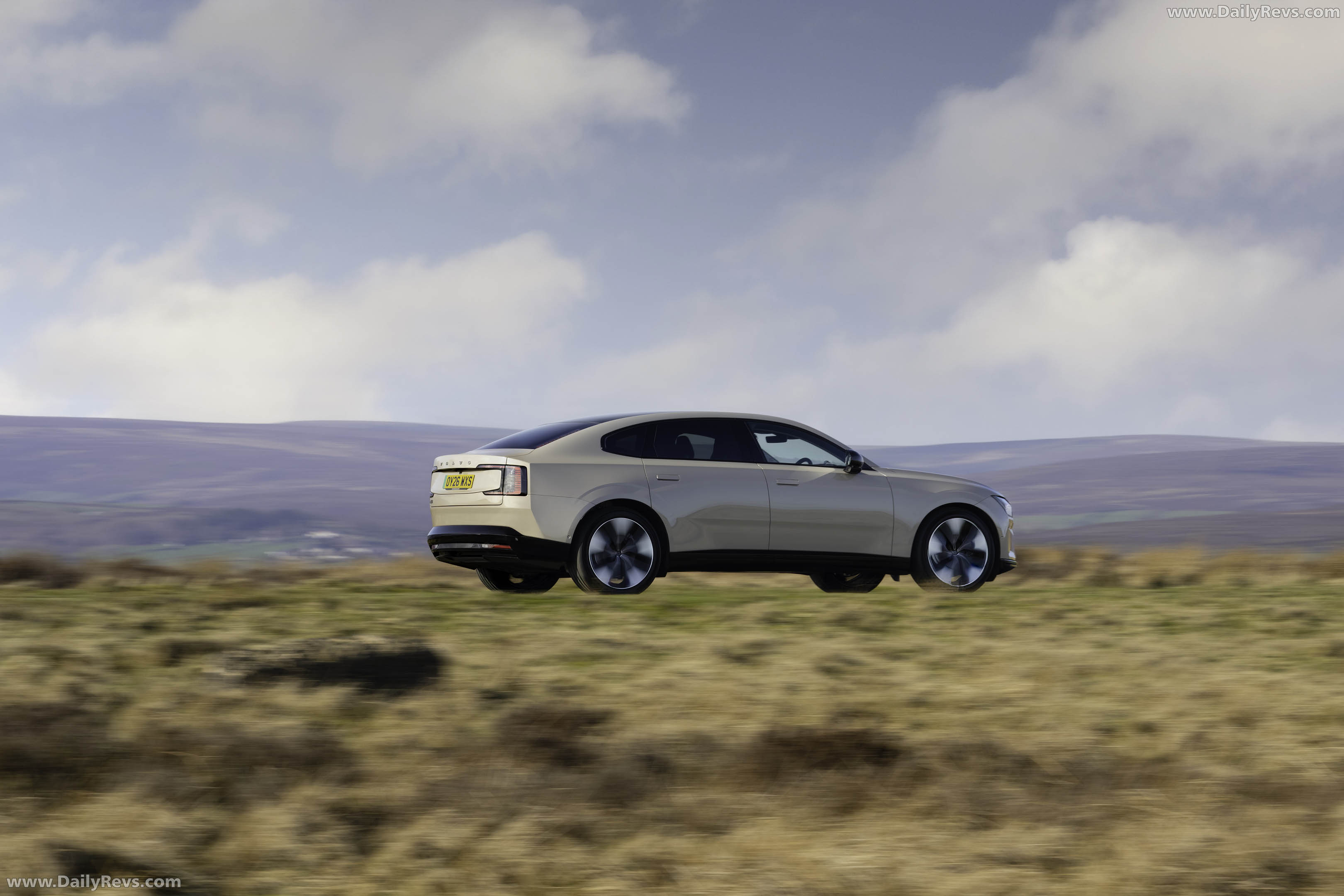
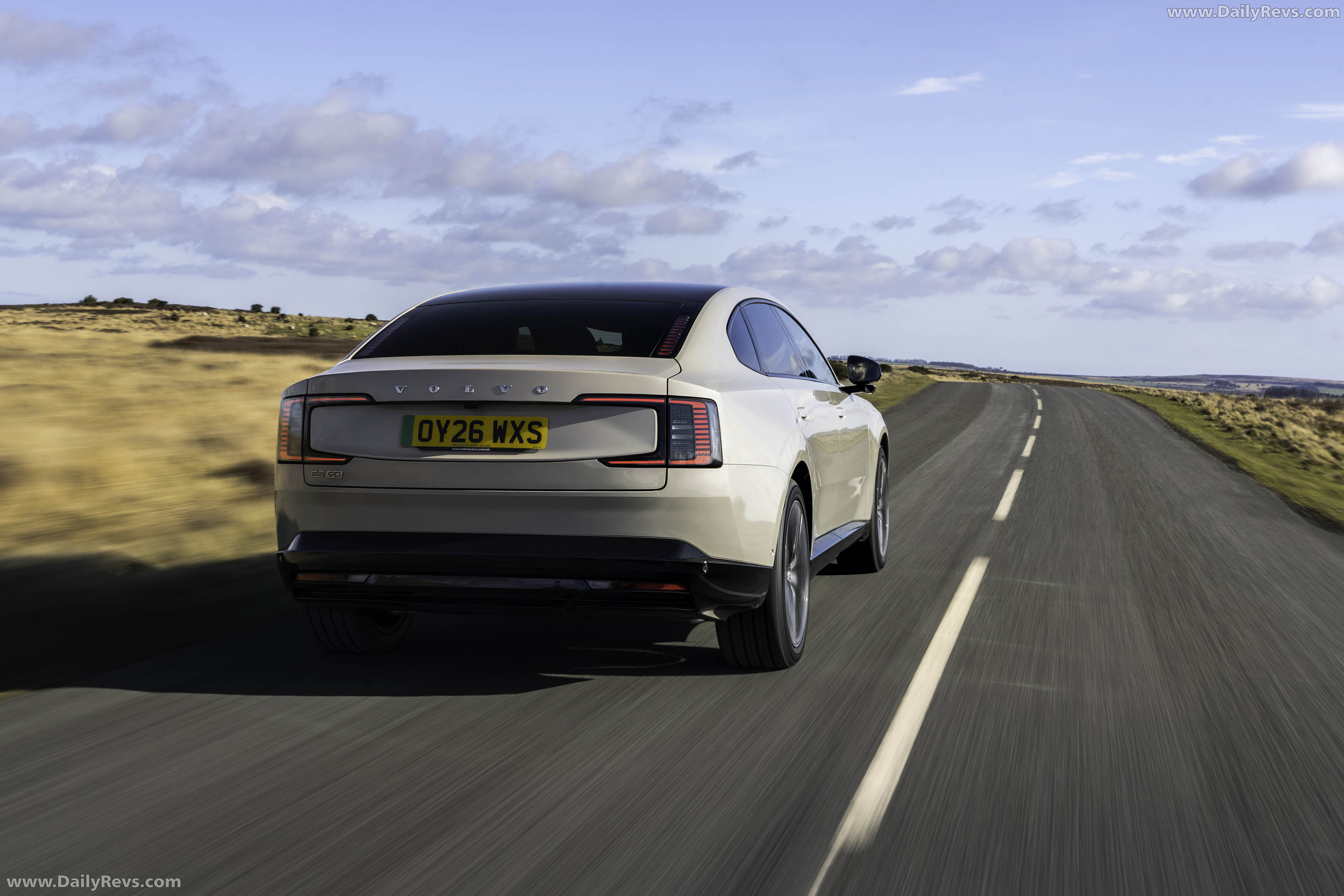
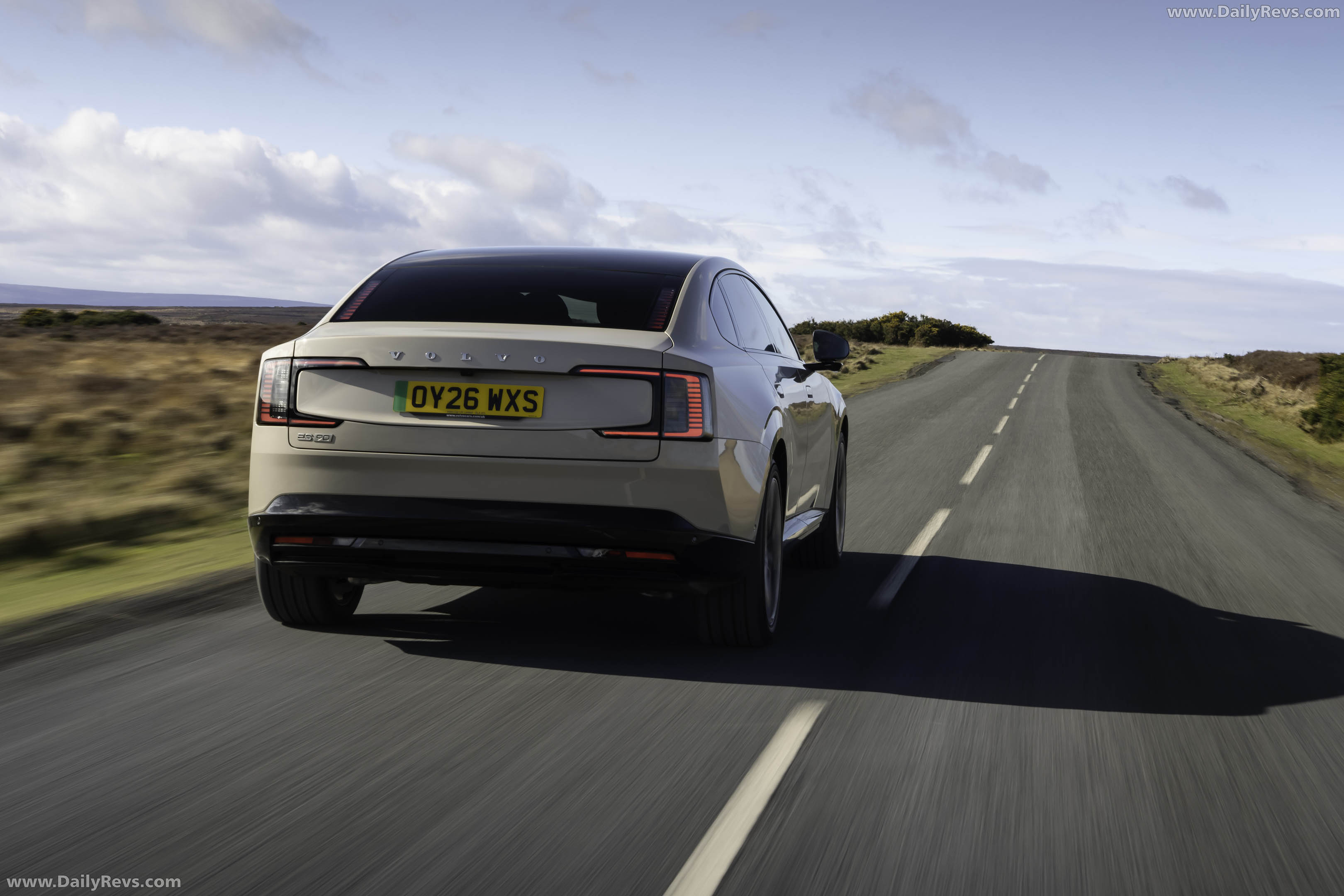
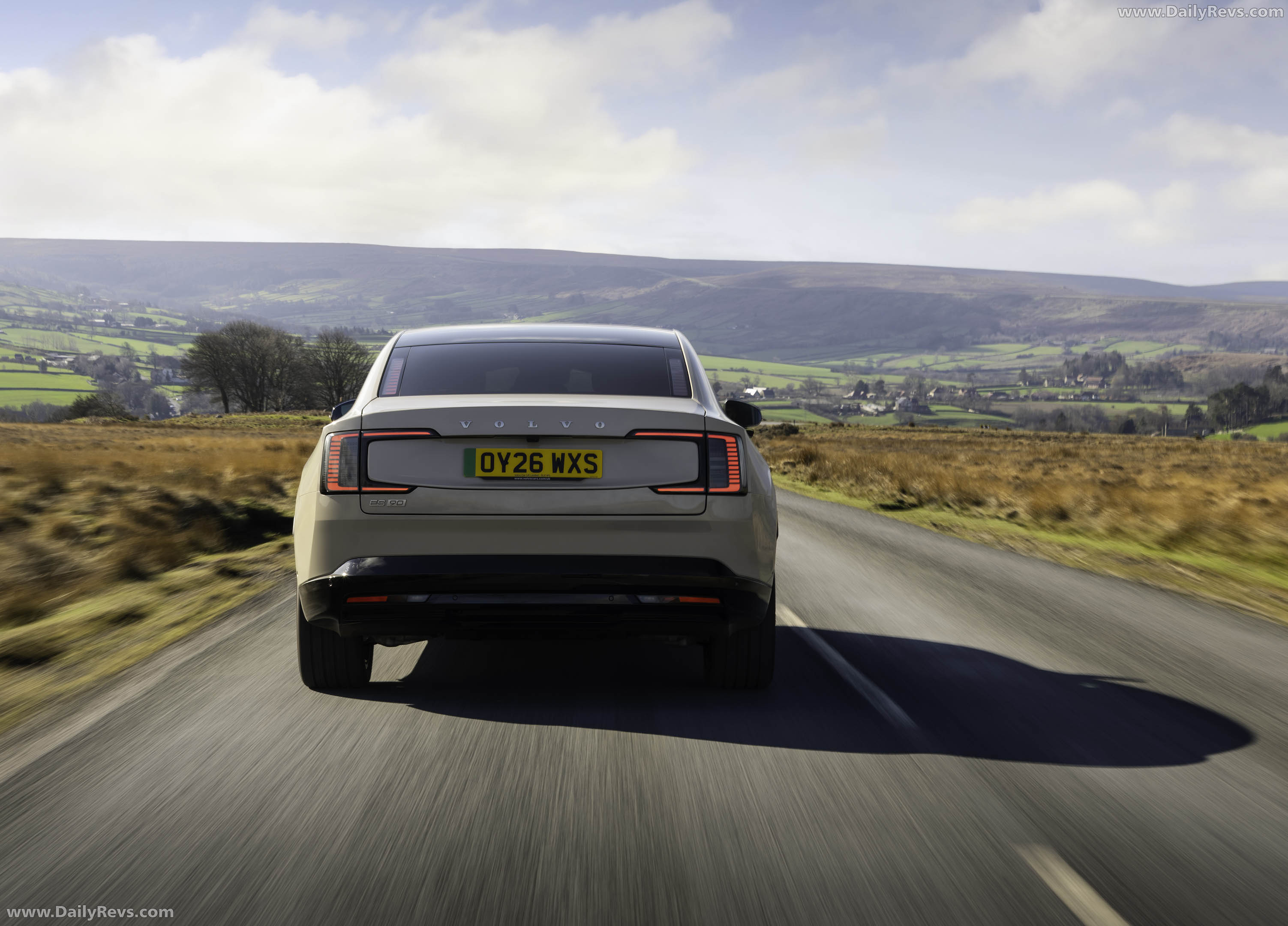
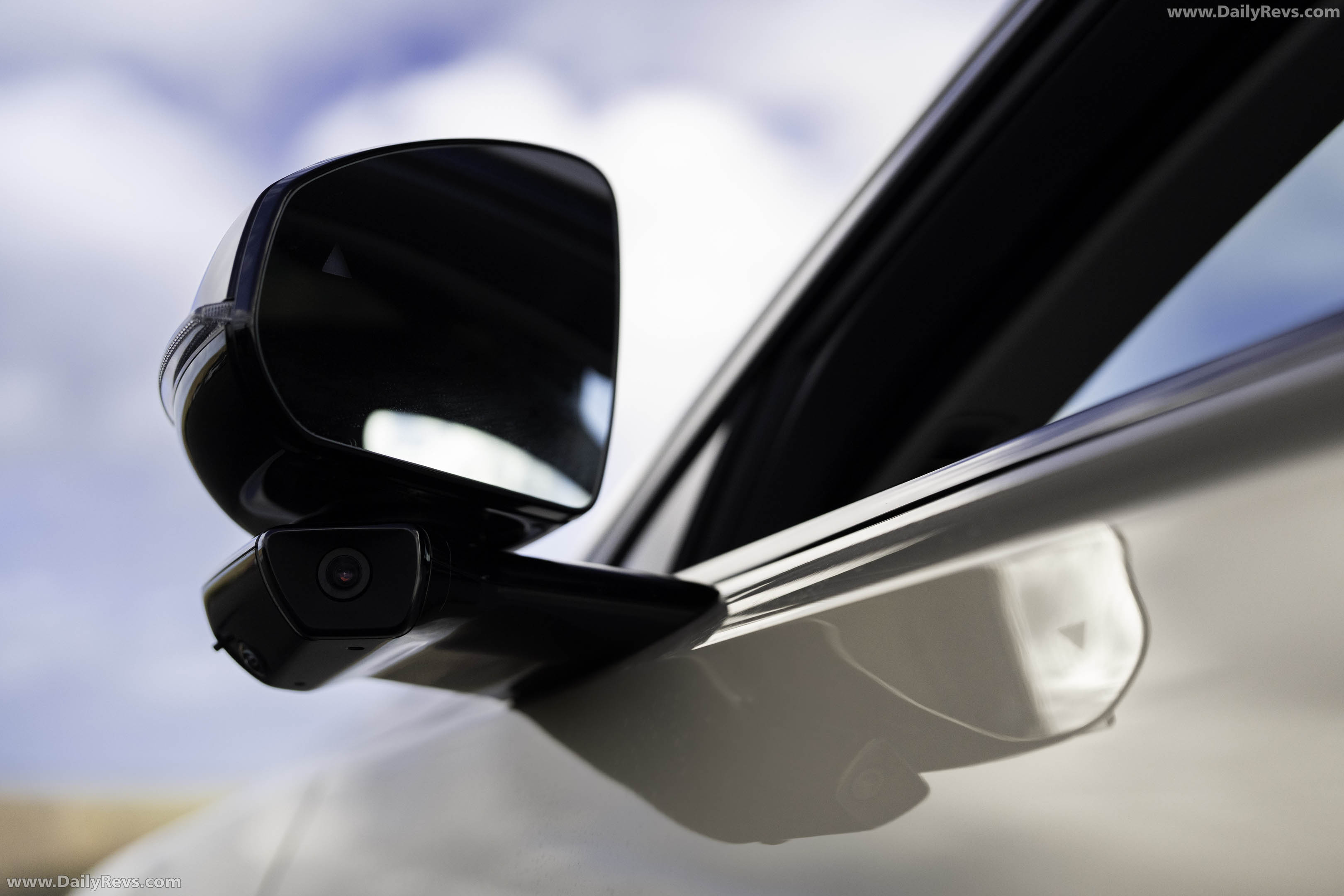
The one figure Volvo does share is a drag coefficient of 0.25, which the company calls the best in its history, tying the car's shape directly to its efficiency and carbon numbers.
Interior Space and Technology
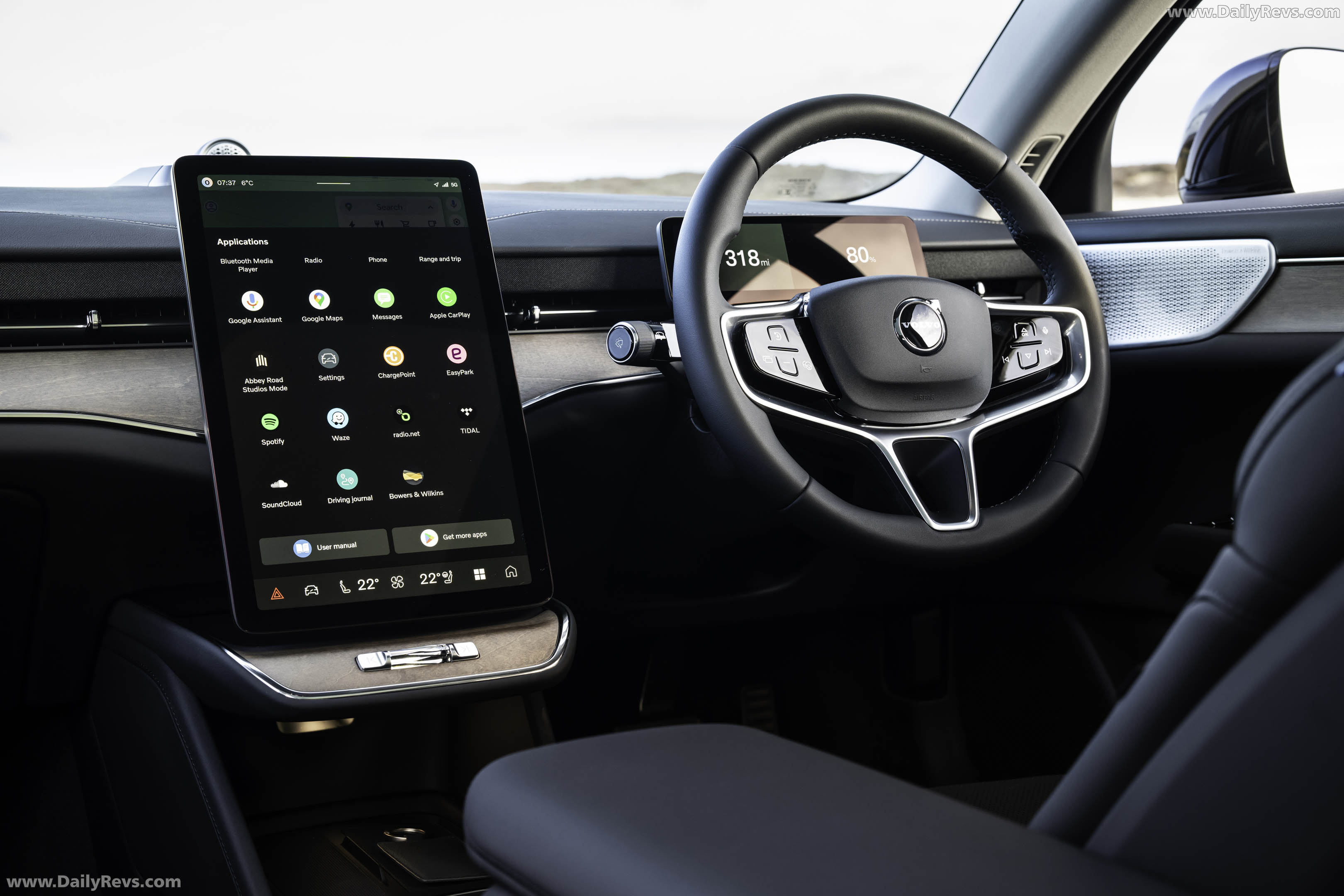
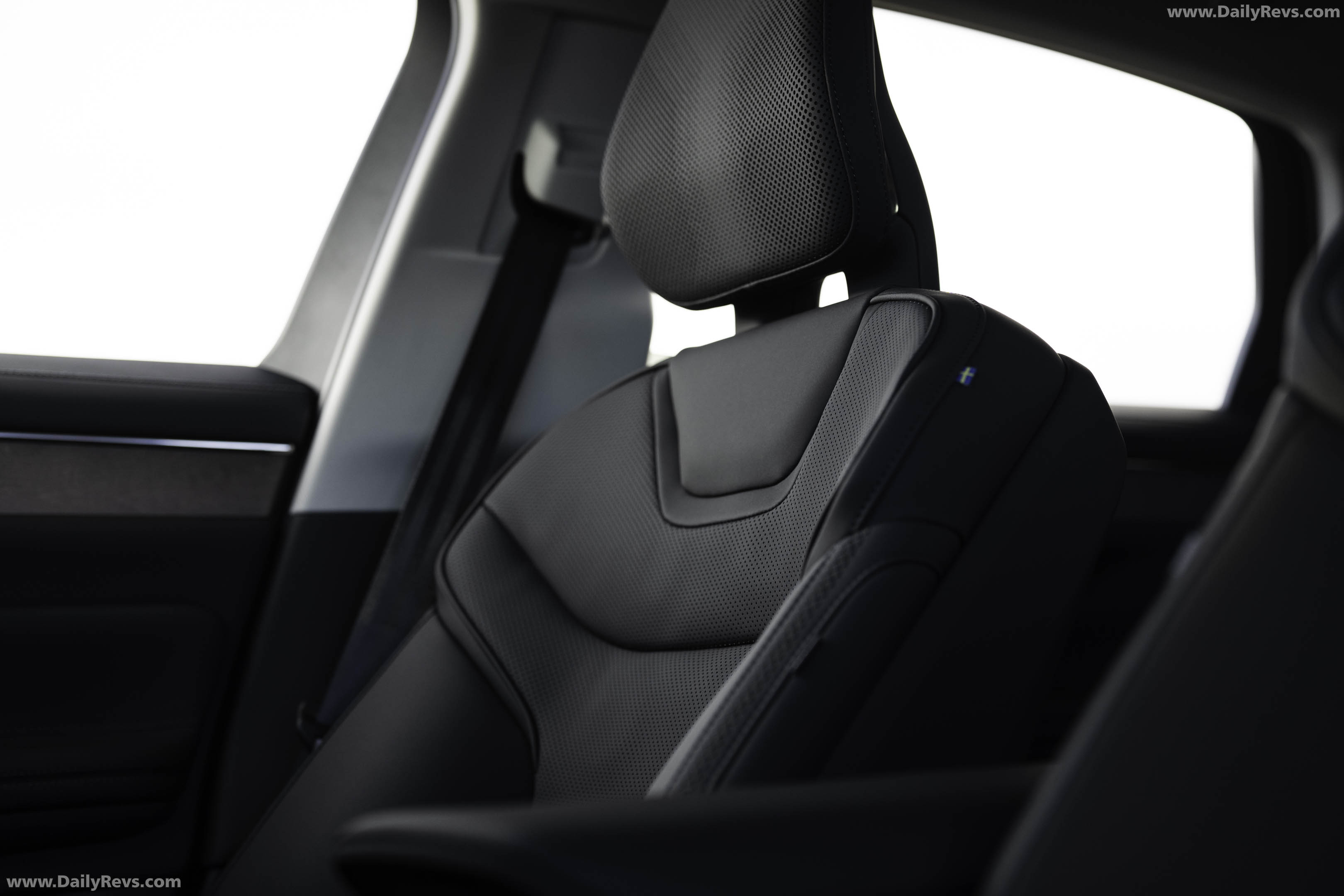
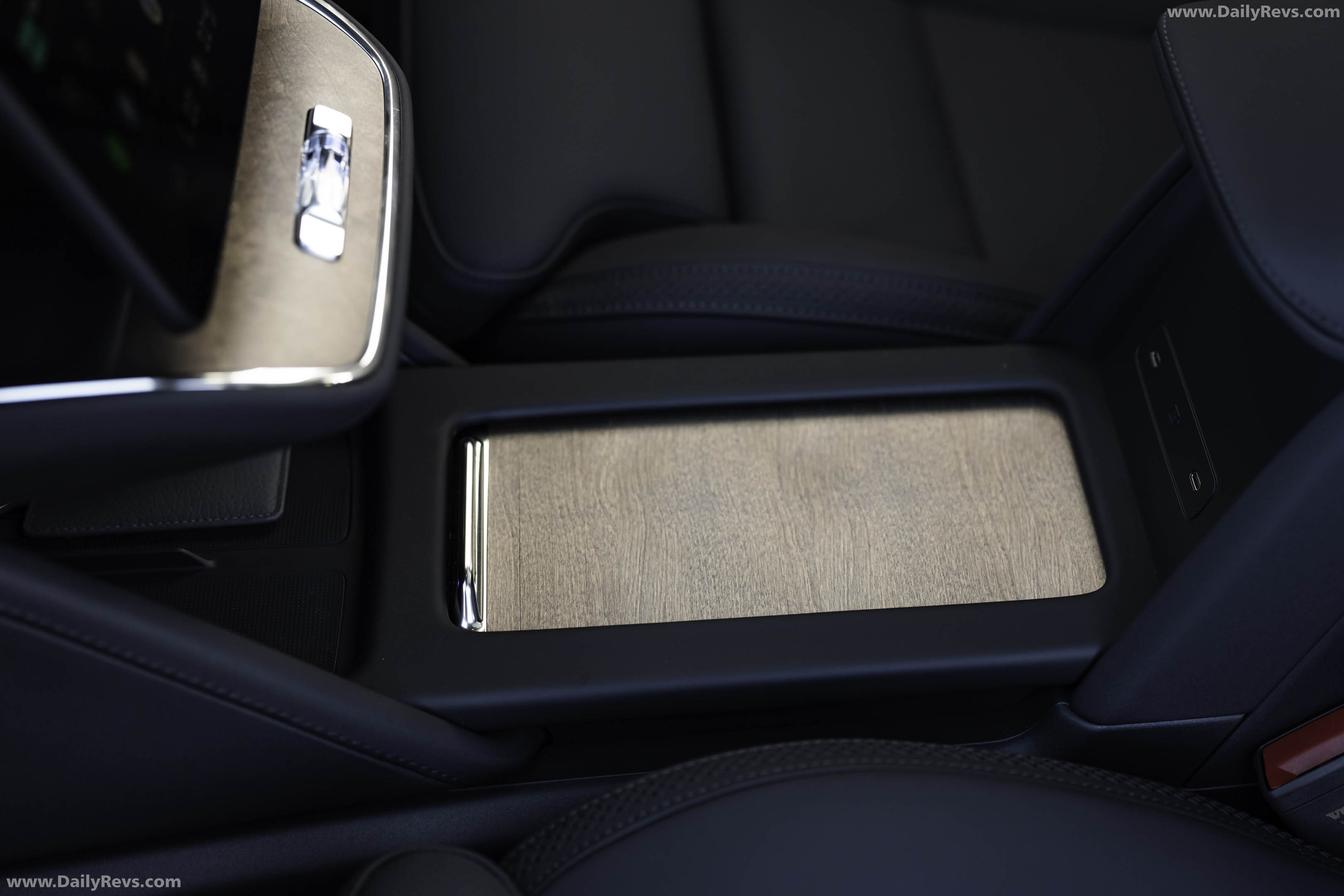
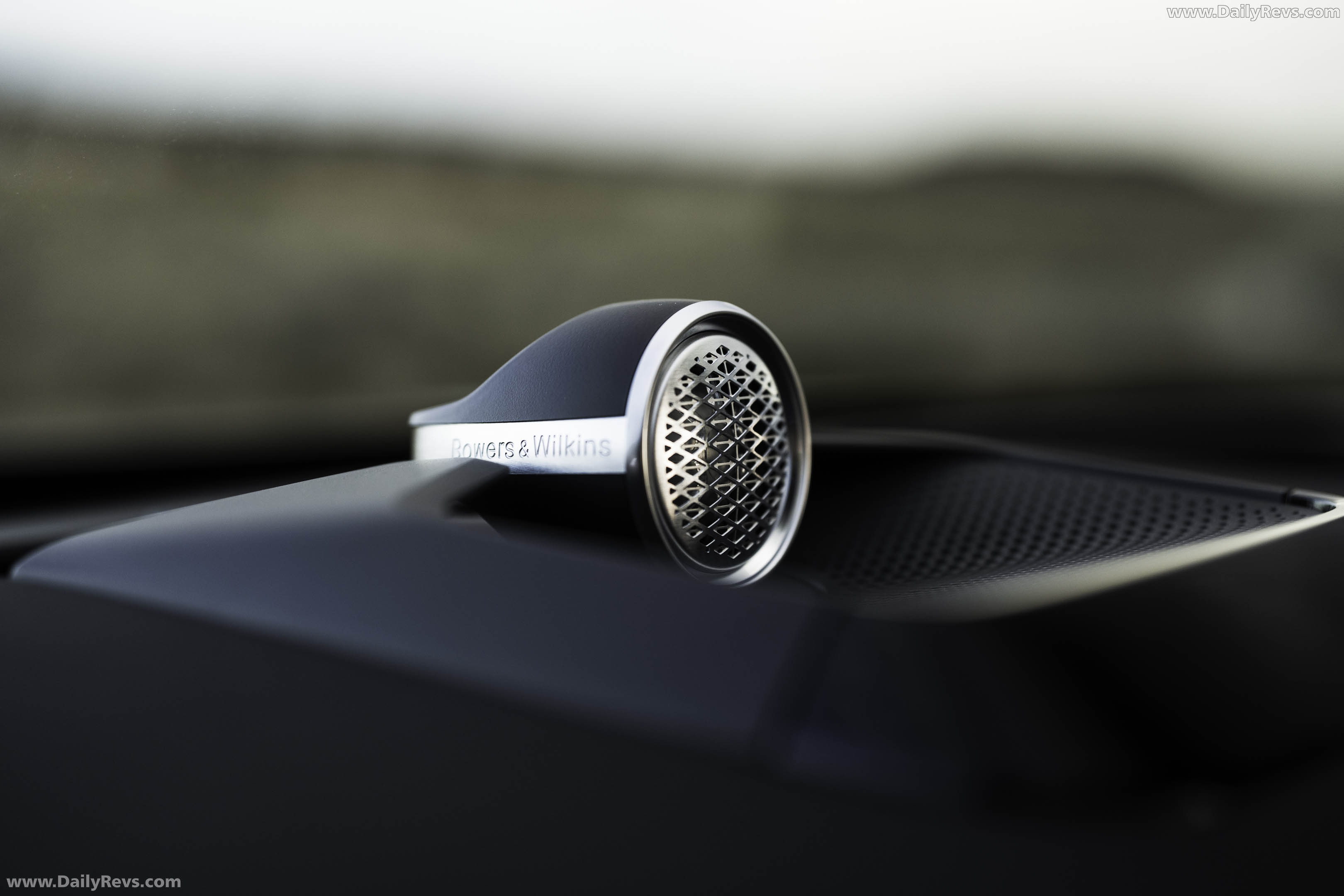
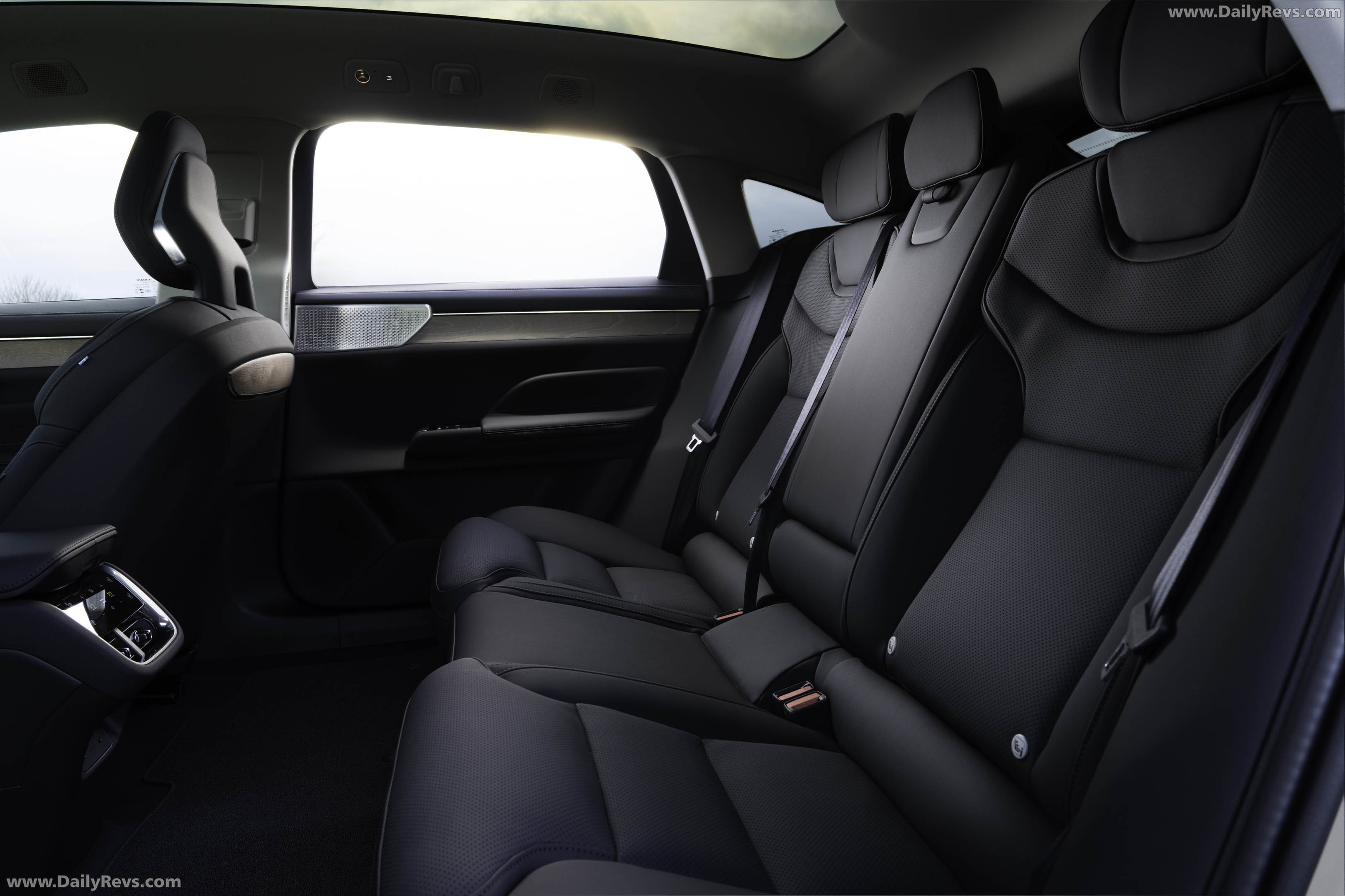
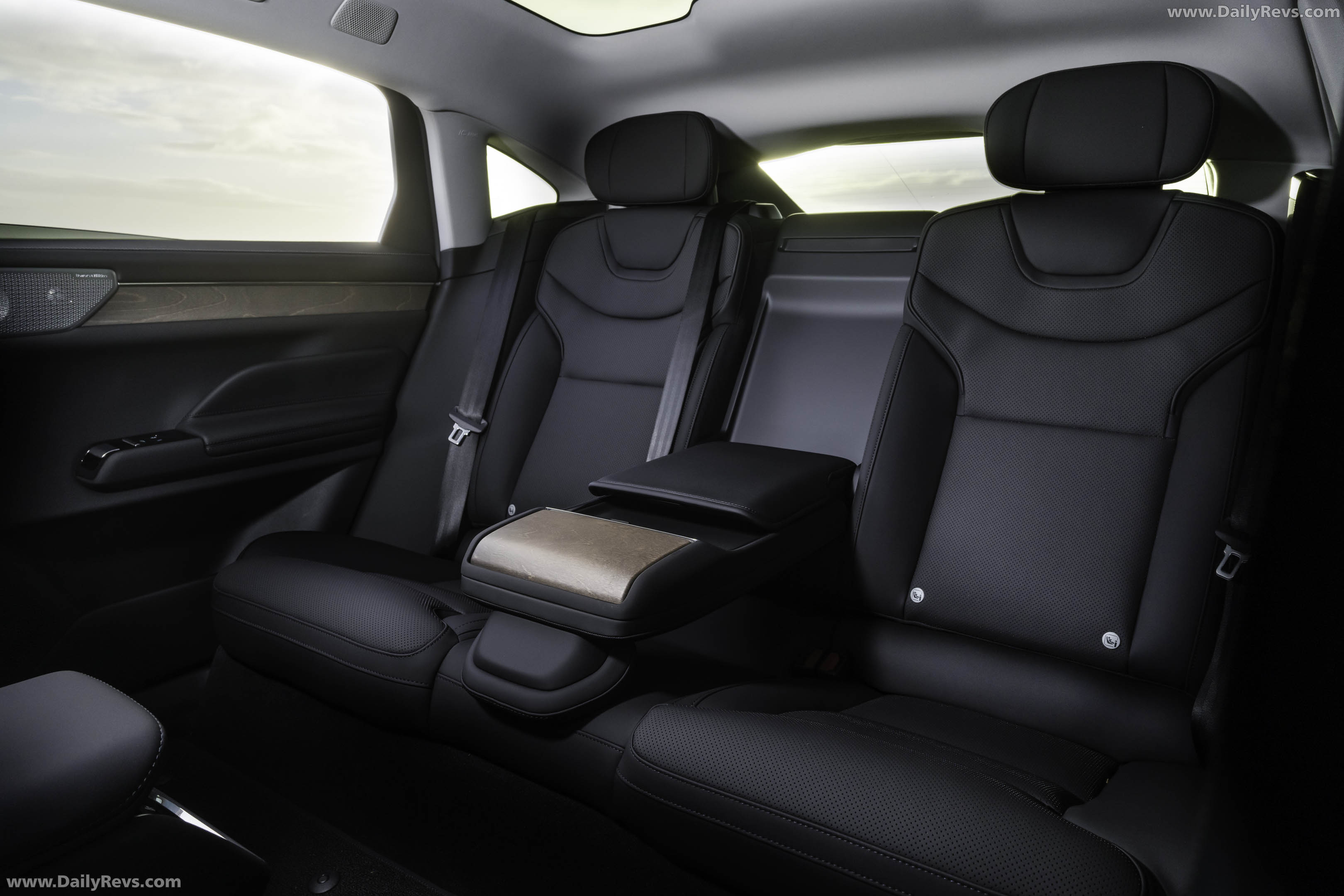
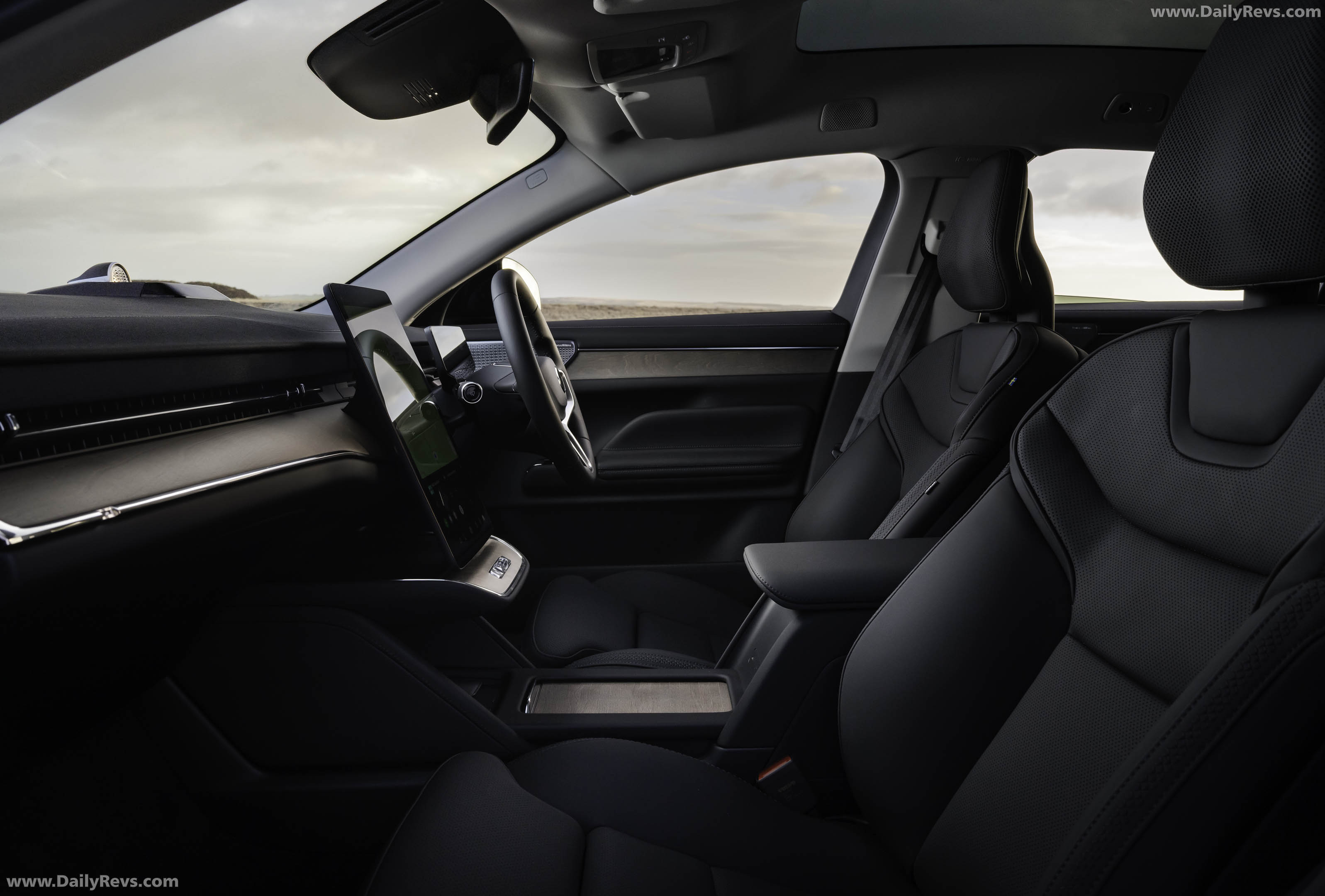
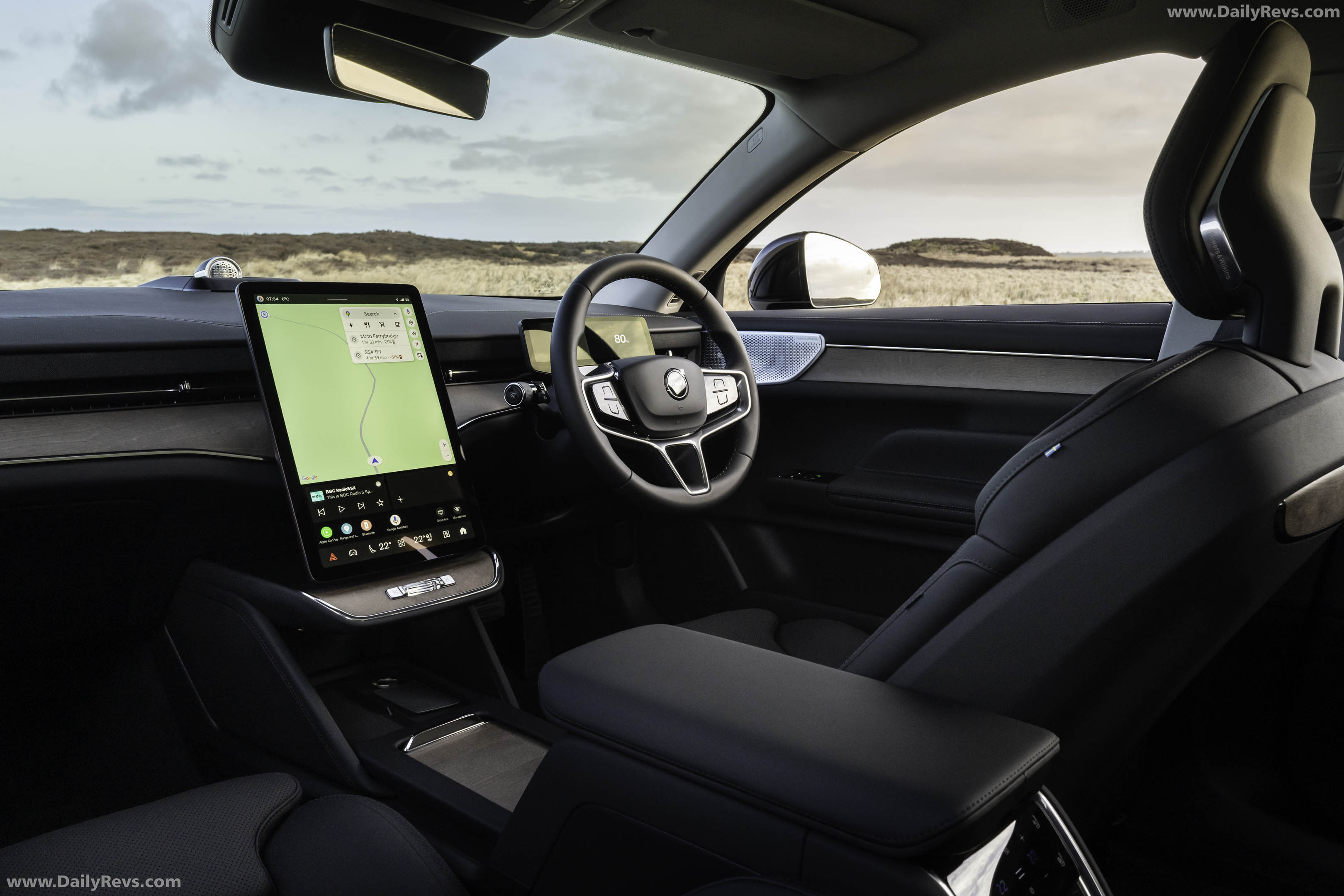
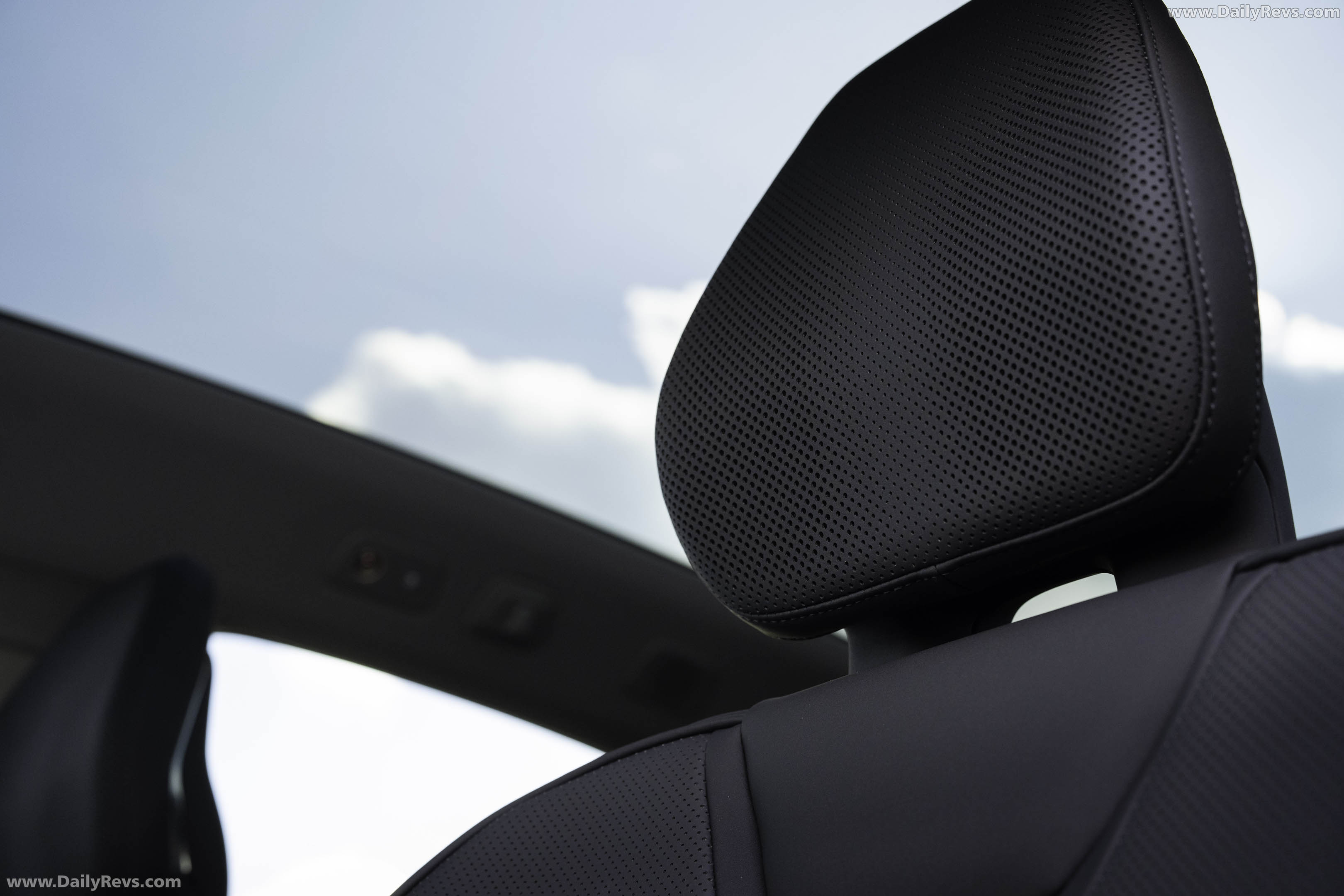
Material choices stand in for interior detail here. The cabin uses real, FSC-certified wood, and buyers can choose a Nordico upholstery option made from recycled PET bottles and bio-attributed material.
Powertrain and Performance
The ES90 is the first Volvo equipped with the company's new 800-volt electric system, which Volvo says improves charging speed and energy efficiency through lighter electrical components that also reduce the car's overall weight.
Practical Usability
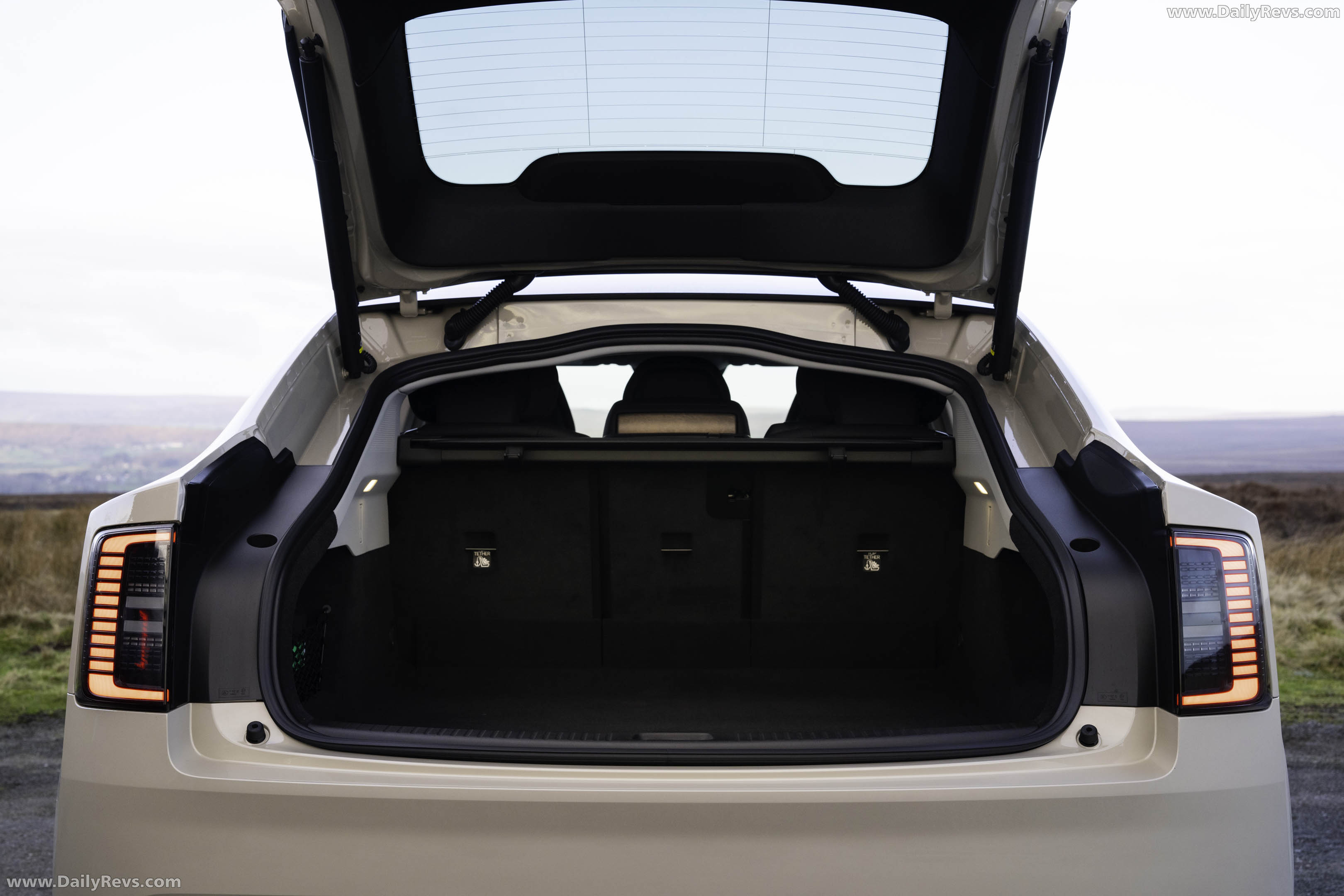
The ES90 comes with Volvo's battery passport, a blockchain-based system that tracks the origin of raw materials and monitors overall battery health over the car's life, a feature that could matter to owners down the line when it comes to resale or battery diagnostics. Production begins this summer, with the first customer-bound cars rolling off the line shortly after, and the car is available to order now across Austria, Belgium, the Czech Republic, Finland, France, Germany, Greece, Hungary, Italy, the Netherlands, Norway, Poland, Portugal, Spain, Sweden, Switzerland, and the UK.
Market Positioning
The ES90's carbon story is really the point of this release. Its lifecycle footprint comes in roughly 50% lower than the S90 mild hybrid and 30% lower than the S90 plug-in hybrid, and it also undercuts Volvo's own EX40 and EC40 electric models, making it one of the cleanest cars the brand has built. Volvo has published third-party verified Life Cycle Assessment reports for its EVs since 2019, and the ES90 becomes the fifth model covered alongside the EX40, EC40, EX30, and EX90. Vanessa Butani, Volvo's head of global sustainability, tied the car to the company's broader net-zero target for 2040, framing it as part of a wider push covering circular-economy sourcing, climate-neutral manufacturing, and responsible business practices rather than a one-off efficiency claim.