2026 Volkswagen Golf Hybrid
By Lorenzo Bianchi August 29, 2026
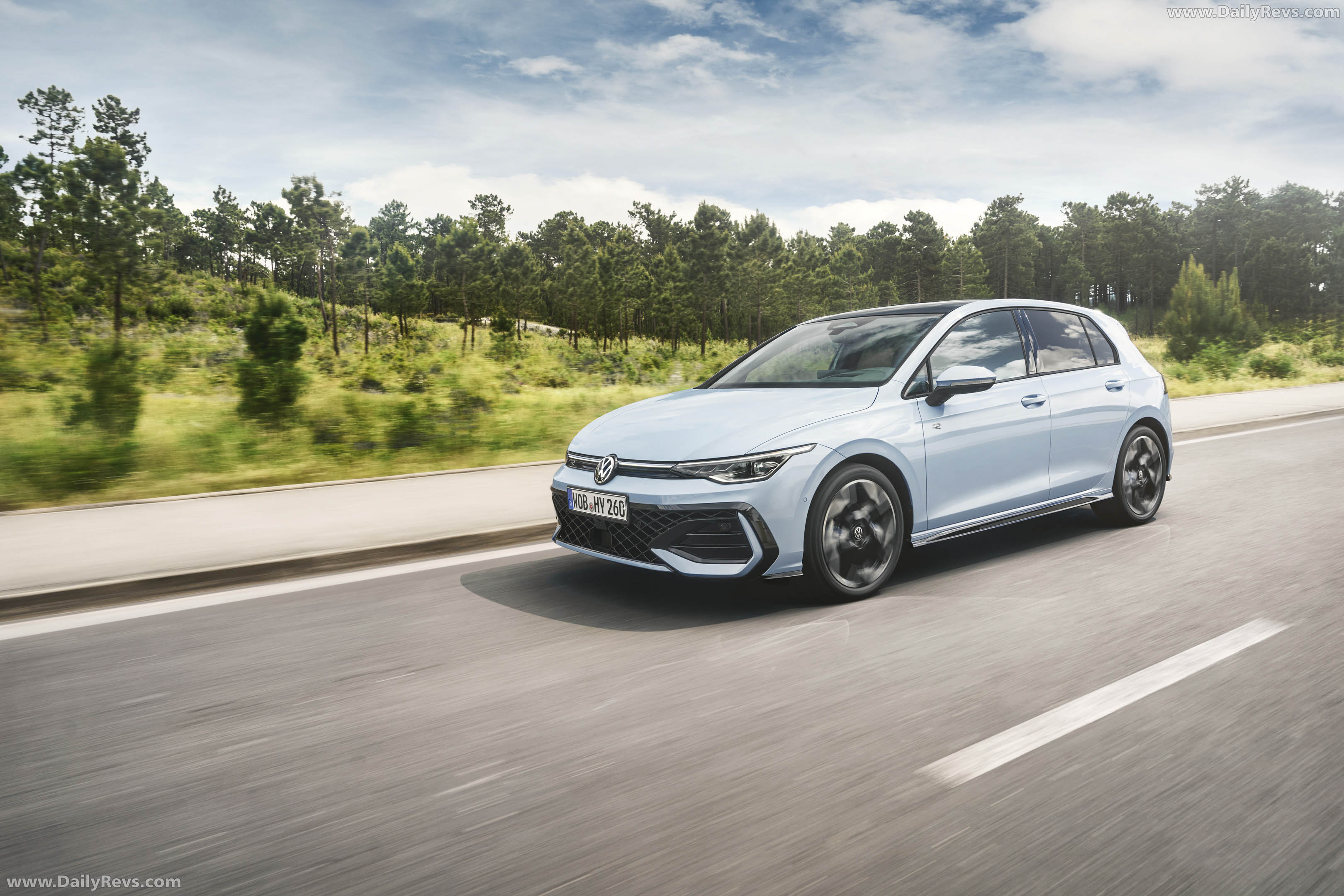
The 2026 Volkswagen Golf Hybrid pairs a 1.5 TSI evo2 engine with two electric motors for a combined 125kW (170PS) and 309Nm of torque.
It can drive on electric power alone for stretches without ever being plugged in, recharging its 1.6kWh battery through recuperation and the petrol engine.
Pricing starts at 41,400 euros for the R-Line specification in Germany, with pre-sales already open.
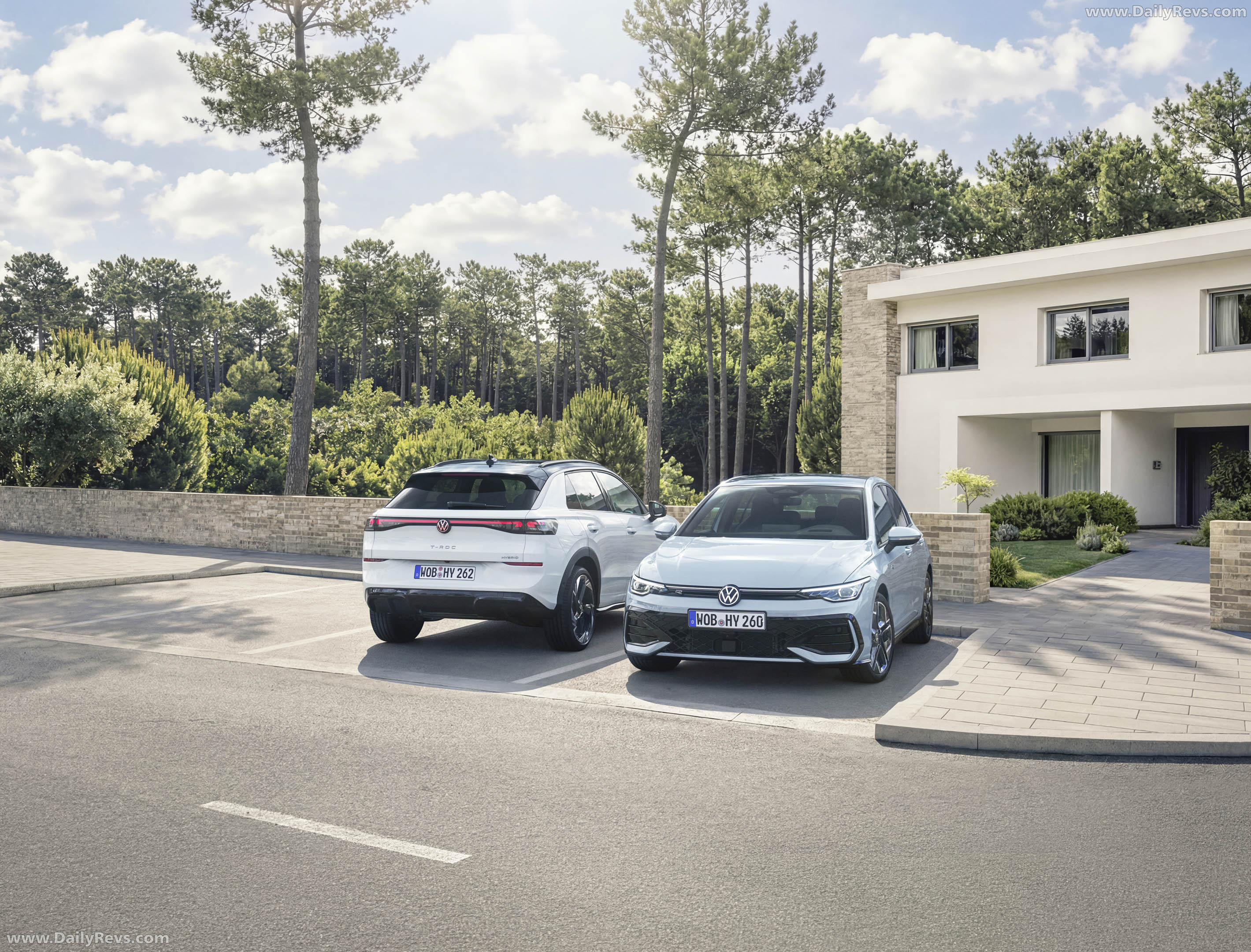
Volkswagen has started German pre-sales of a new hybrid system for the Golf, and it's an unusual one: a full hybrid that never needs to see a charging cable. Volkswagen calls it simply "Hybrid," a label meant to sit between the existing mild-hybrid eTSI models and the plug-in eHybrid and GTE variants. The company announced the move on 21 July, with the Golf Hybrid arriving alongside a T-Roc Hybrid version of the same drive system.
Exterior design observations
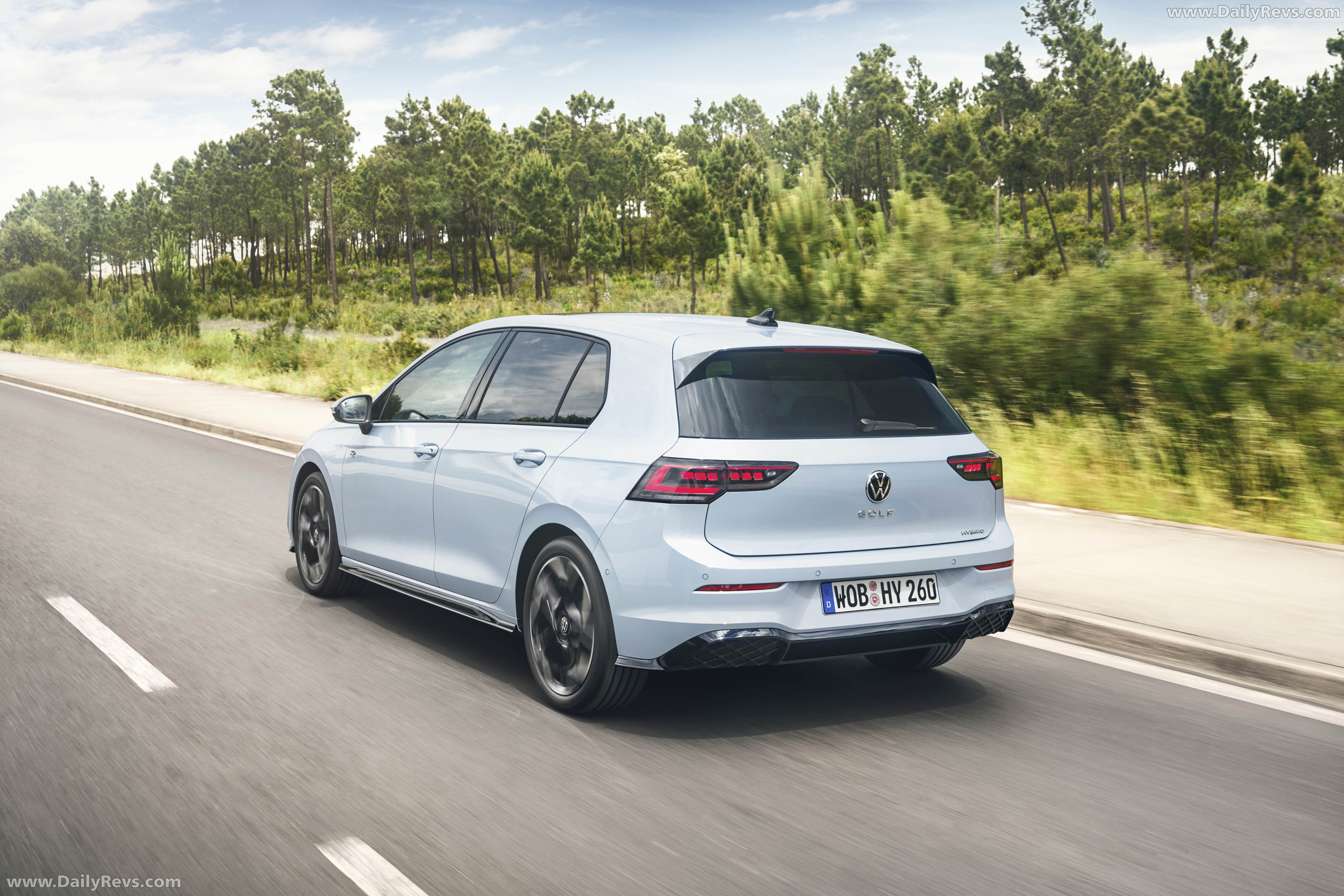
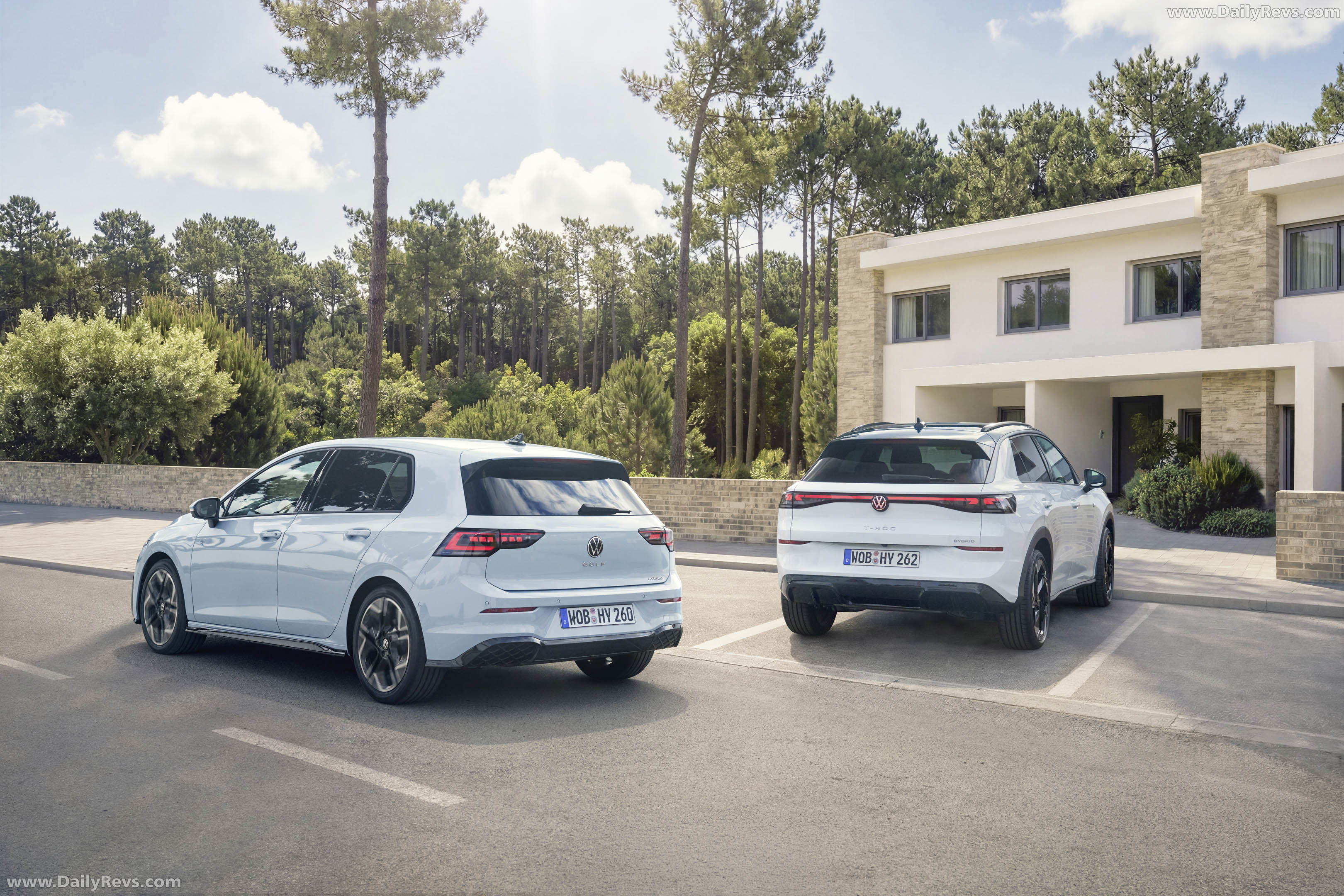
The only visual identifier mentioned is a "Hybrid" badge fitted to the rear of the car, distinguishing it from the eTSI and eHybrid models it sits between.
Vehicle proportions and stance
What is confirmed is packaging detail: the high-voltage battery sits low, integrated into the vehicle floor at the rear of both the Golf and T-Roc, which shouldn't disrupt cabin or boot space in the way a larger plug-in hybrid battery might [Inference].
Interior space and technology
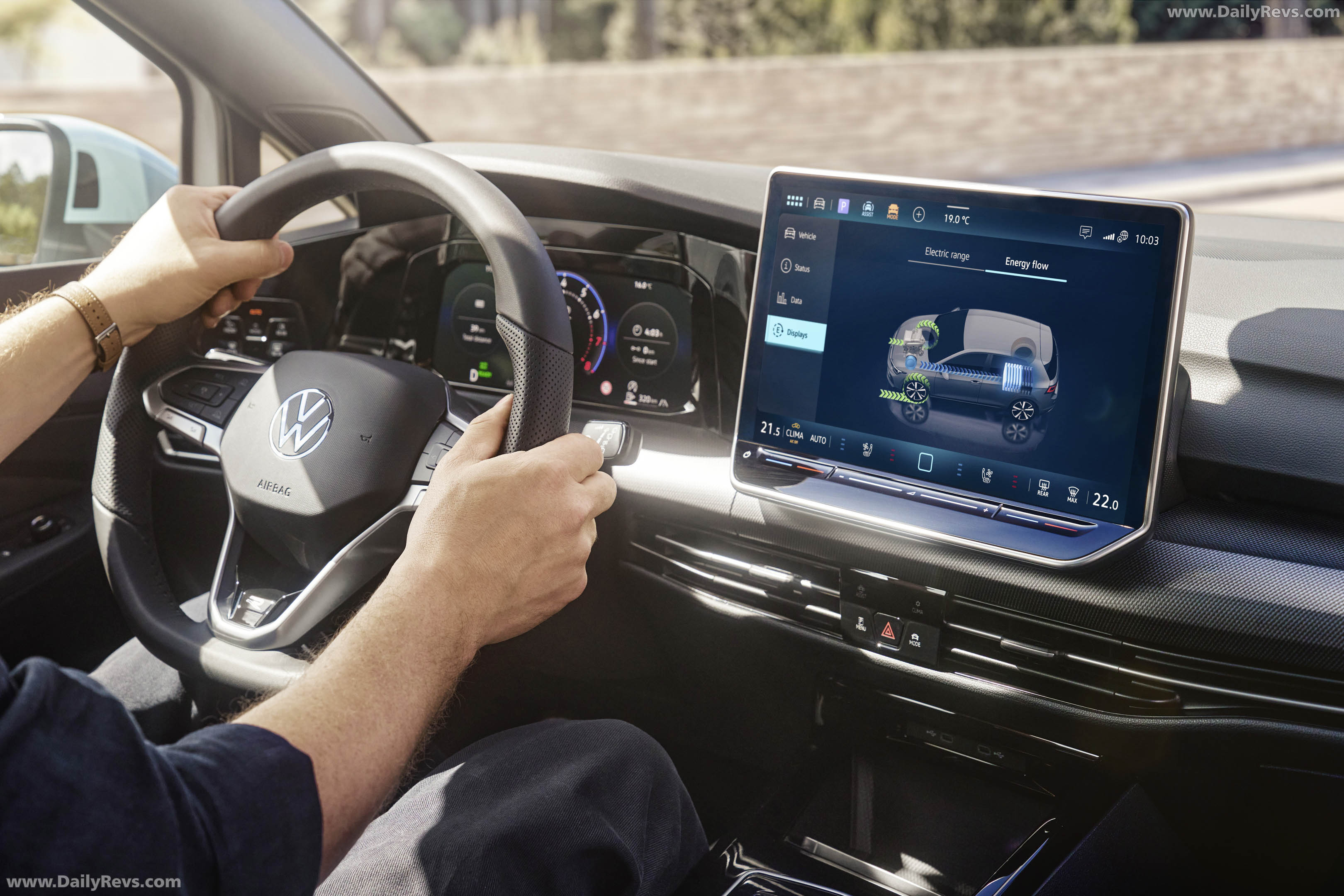
What Volkswagen does detail is the driving experience: three selectable profiles — Eco, Comfort and Sport — let the driver adjust how the hybrid system behaves. Eco caps system output at 70 per cent and switches off the boost function to save energy, Comfort removes that limit, and Sport shifts the drivetrain into serial mode earlier so full power arrives sooner.
Powertrain or performance details
This is where the release does its heavy lifting. The system pairs a turbocharged 1.5 TSI evo2 petrol engine with two electric drive motors and a 1.6kWh (gross) battery, for a combined output of 125kW (170PS) and 309Nm of torque — enough for a 0-100km/h time of 7.5 seconds. Three operating modes cycle automatically: electric-only propulsion at low speeds with the petrol engine switched off, a serial mode where the TSI runs decoupled purely to generate power through a motor, and a parallel mode where the petrol engine takes over as primary drive above roughly 60km/h with electric assistance during acceleration. Volkswagen claims CO2 reductions of 10 to 15 per cent compared with a similarly powerful 110kW mild-hybrid Golf, rising to as much as 35 per cent in urban driving.
Practical usability features
The clearest practical benefit here is the lack of dependency on charging infrastructure. Unlike a plug-in hybrid, the Golf Hybrid recovers its own electric range through recuperation and the petrol engine's generator function, so owners without home or workplace charging still get meaningful stretches of electric-only, near-silent driving.
Market positioning
Volkswagen frames this as filling a gap in its range for buyers who want lower running costs and quieter urban driving without committing to plug-in charging. Pricing starts at 41,400 euros for the Golf Hybrid in R-Line specification, with the T-Roc Hybrid Style from 44,470 euros.