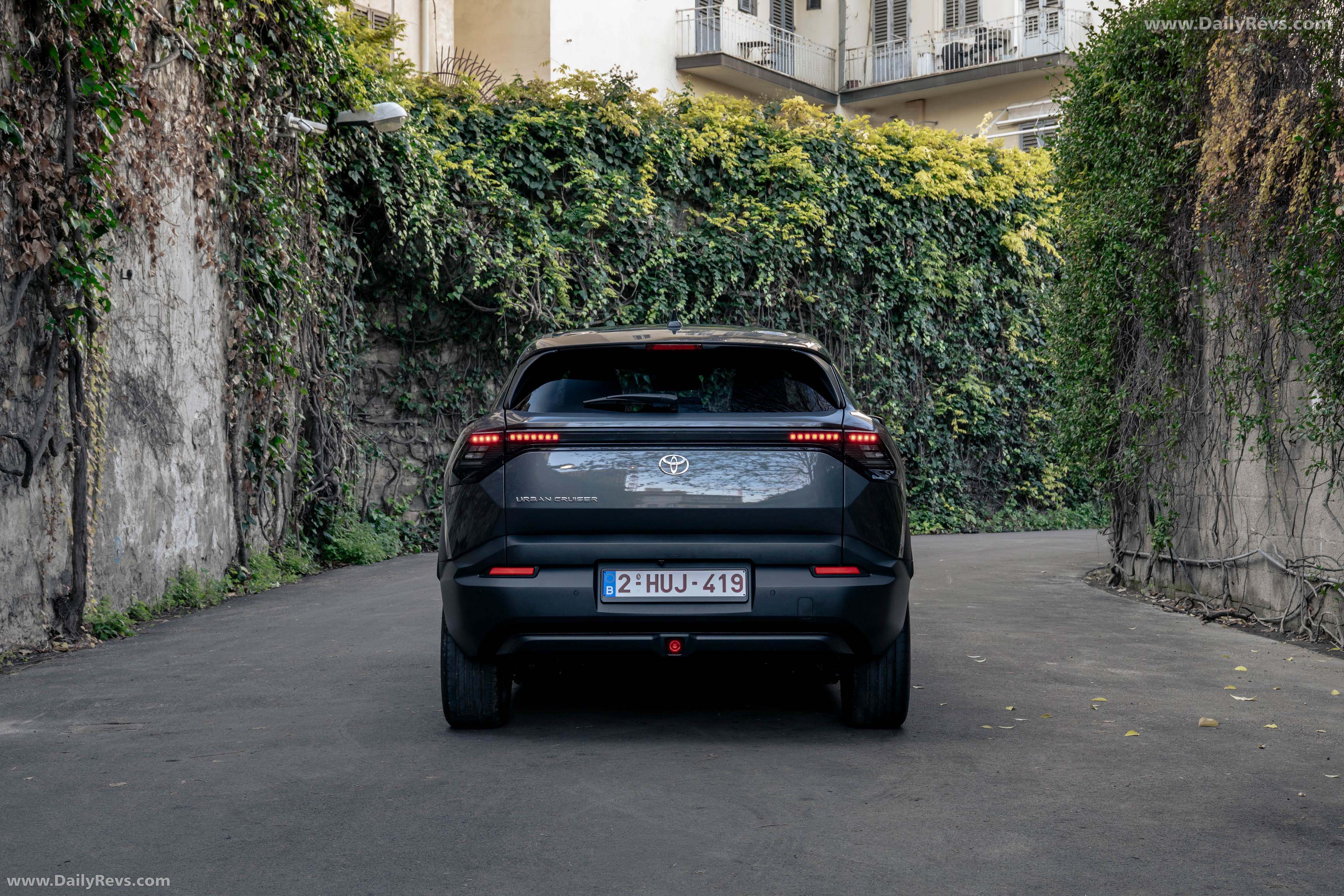
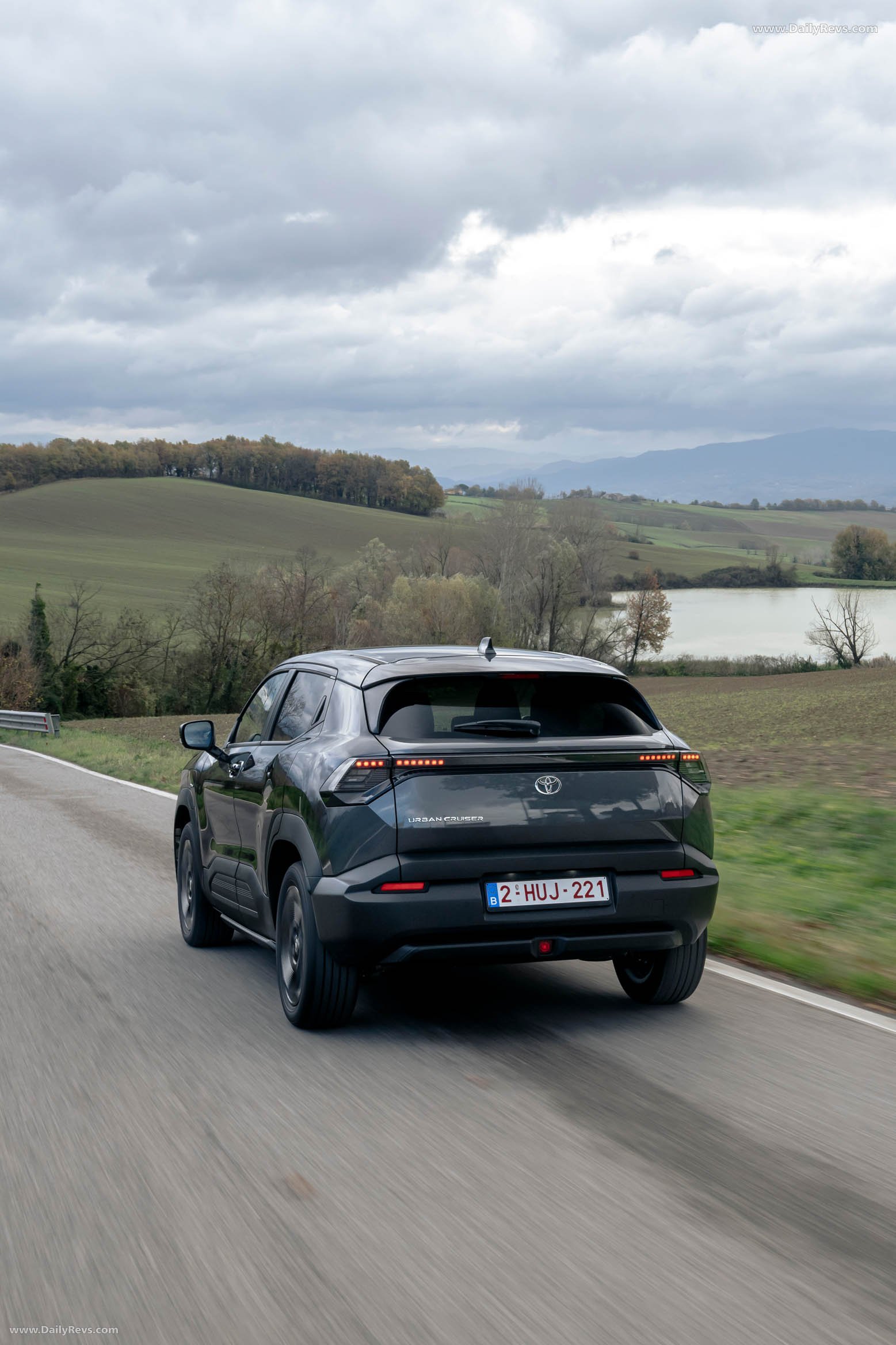
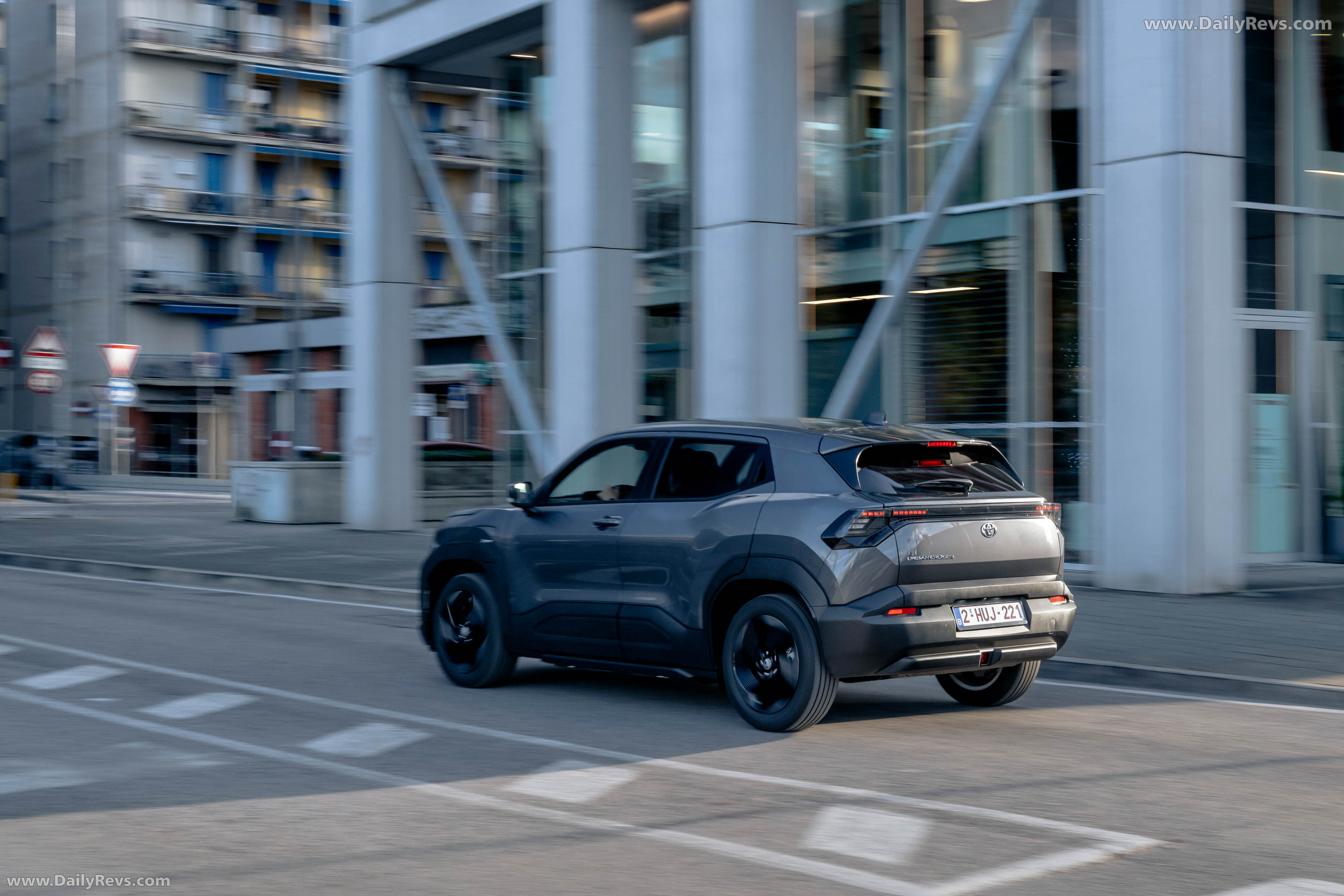
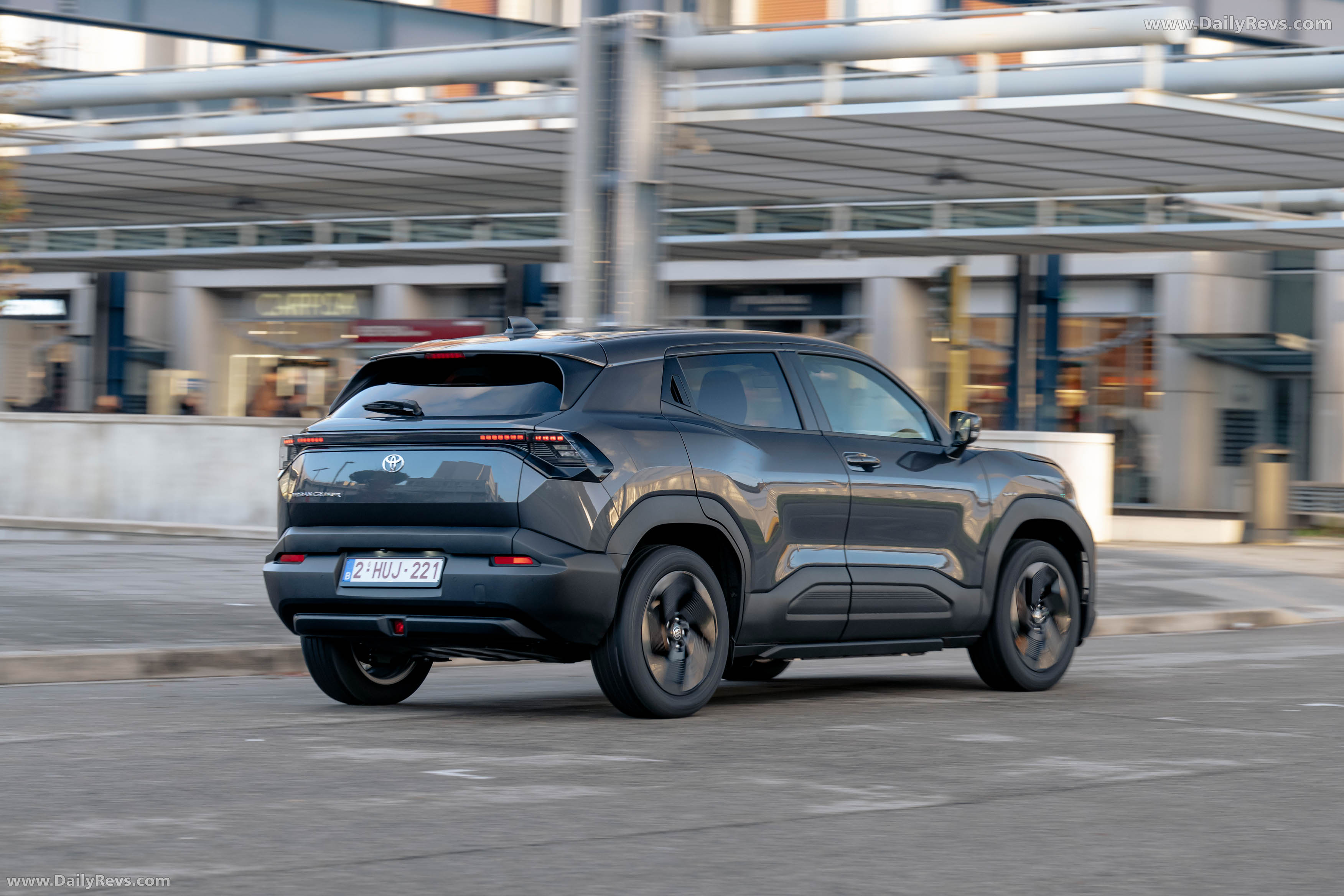
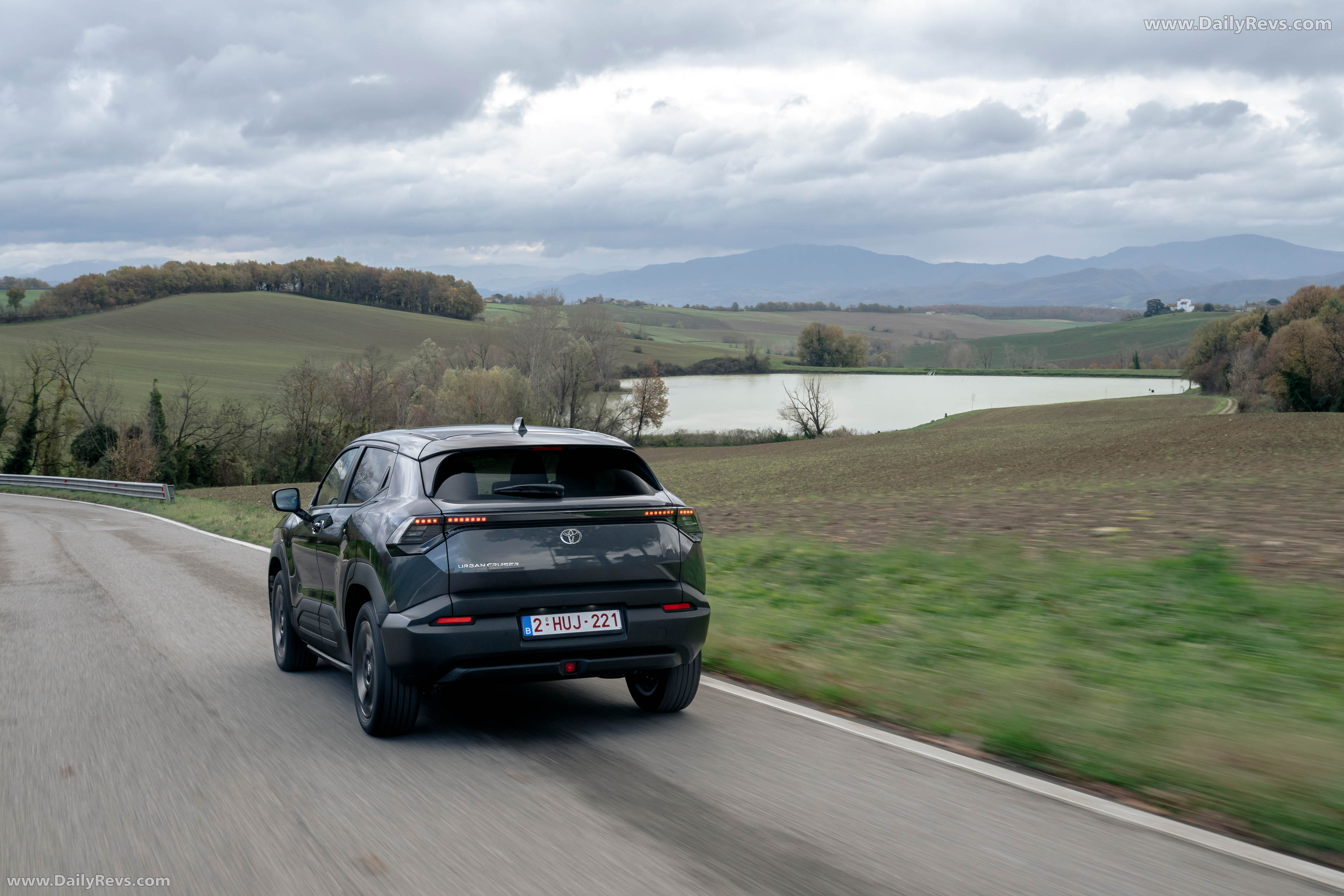
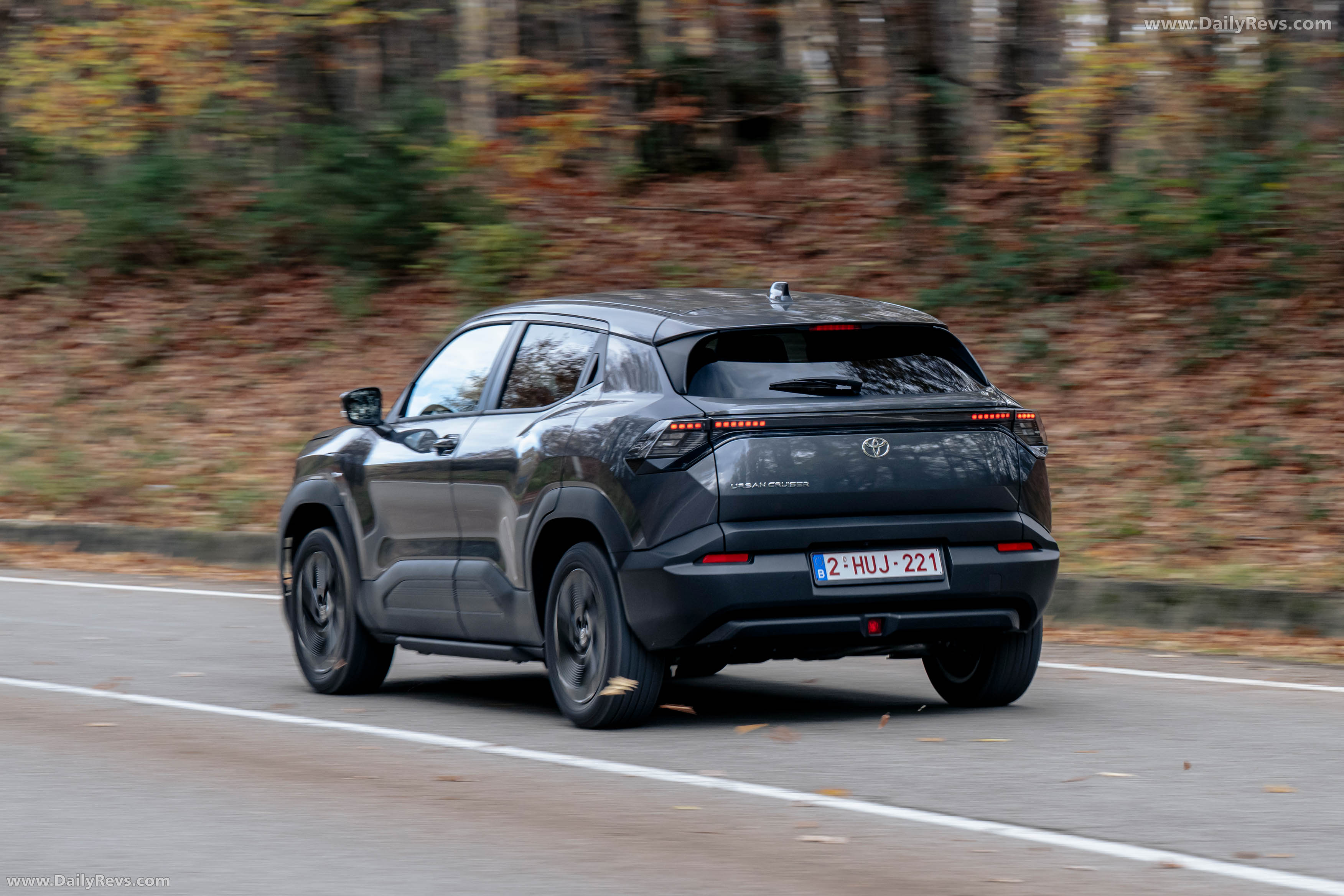
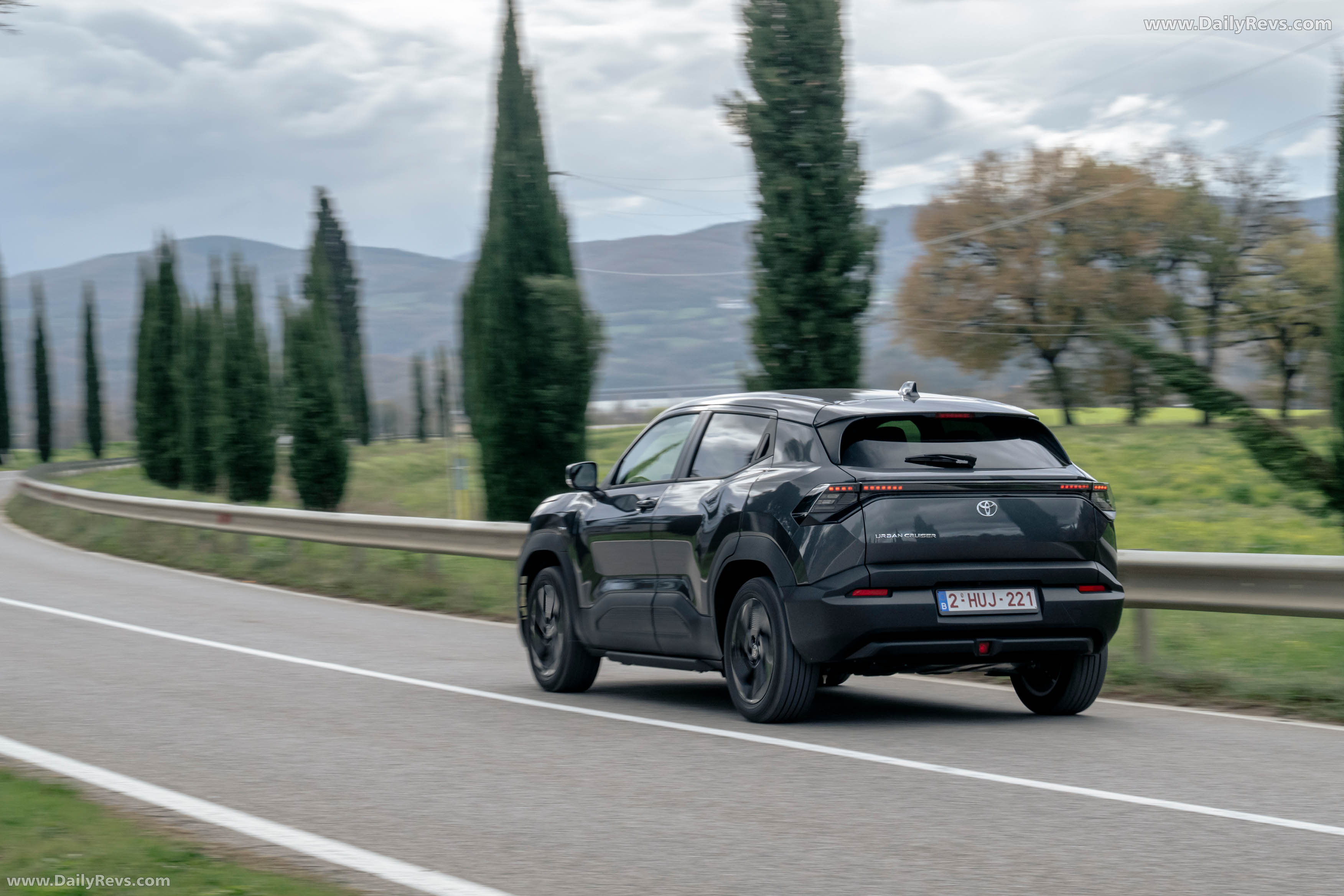
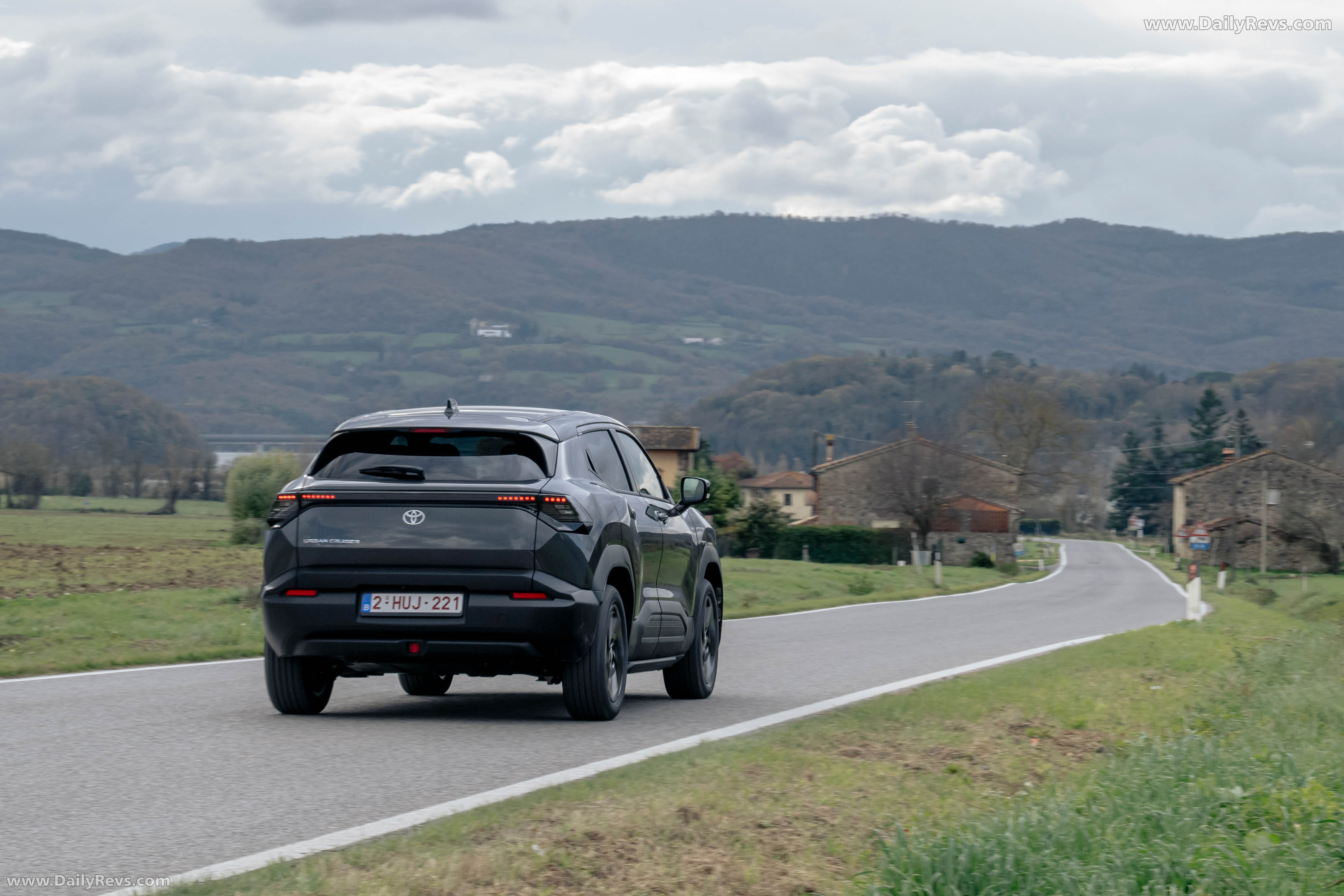



2026 Toyota Urban Cruiser FWD
By Lorenzo Bianchi December 15, 2025
New front-wheel-drive Urban Cruiser offers up to 426 km WLTP range with a 61 kWh battery.
Dedicated BEV platform prioritises cabin space, low centre of gravity, and ride comfort.
Positioned as Toyota’s electric alternative to Yaris Cross for urban-focused buyers.
Exterior Design and SUV Proportions
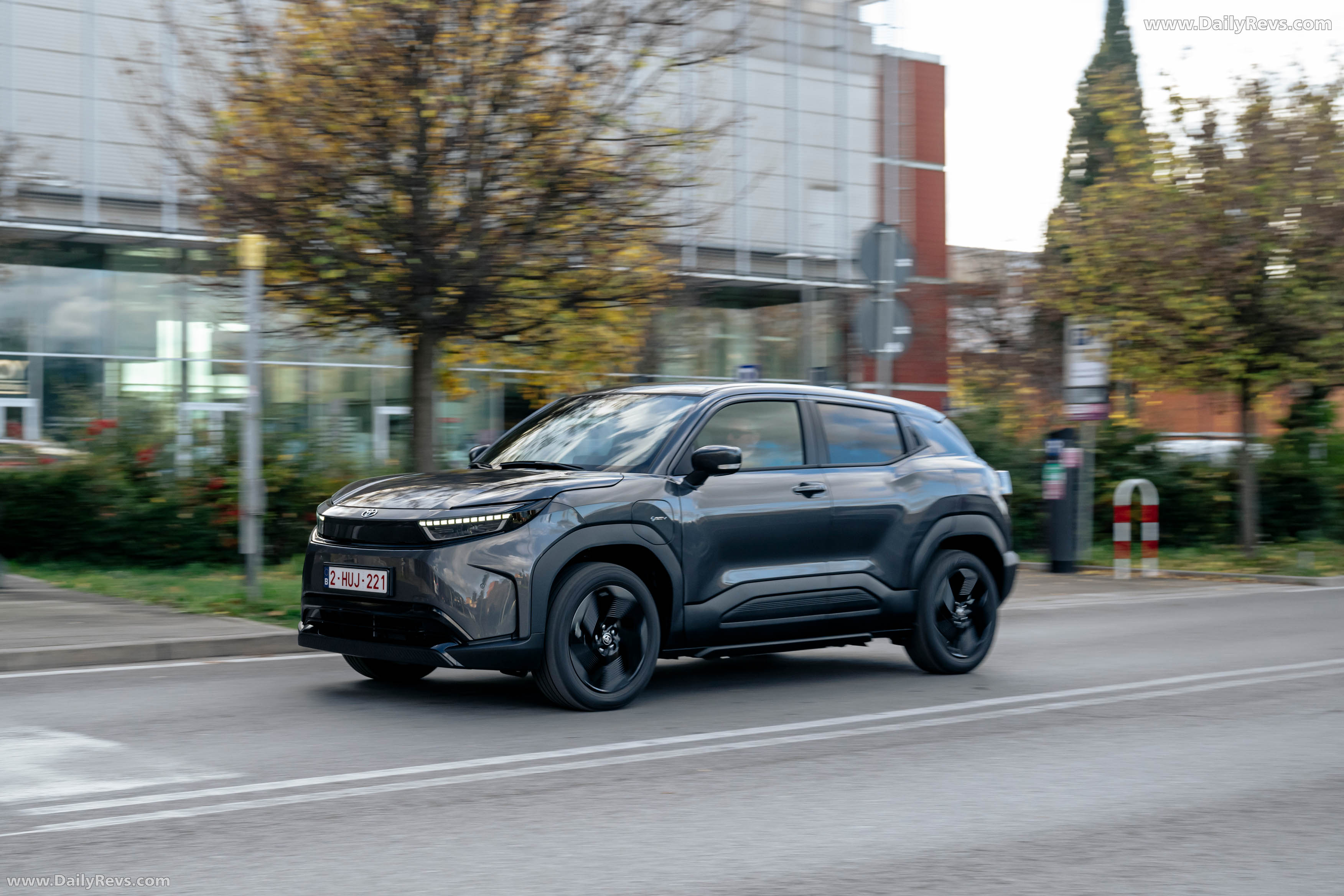
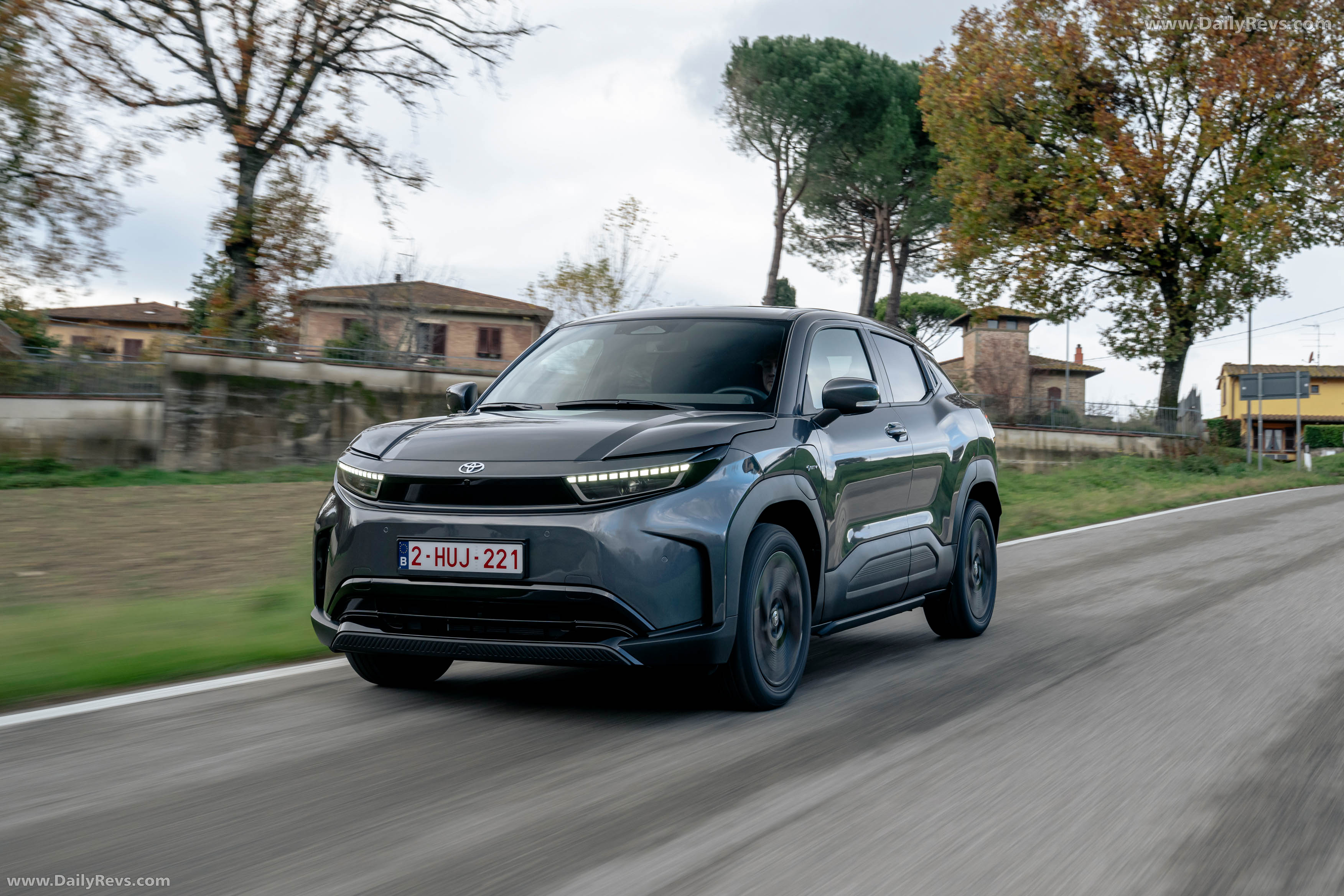
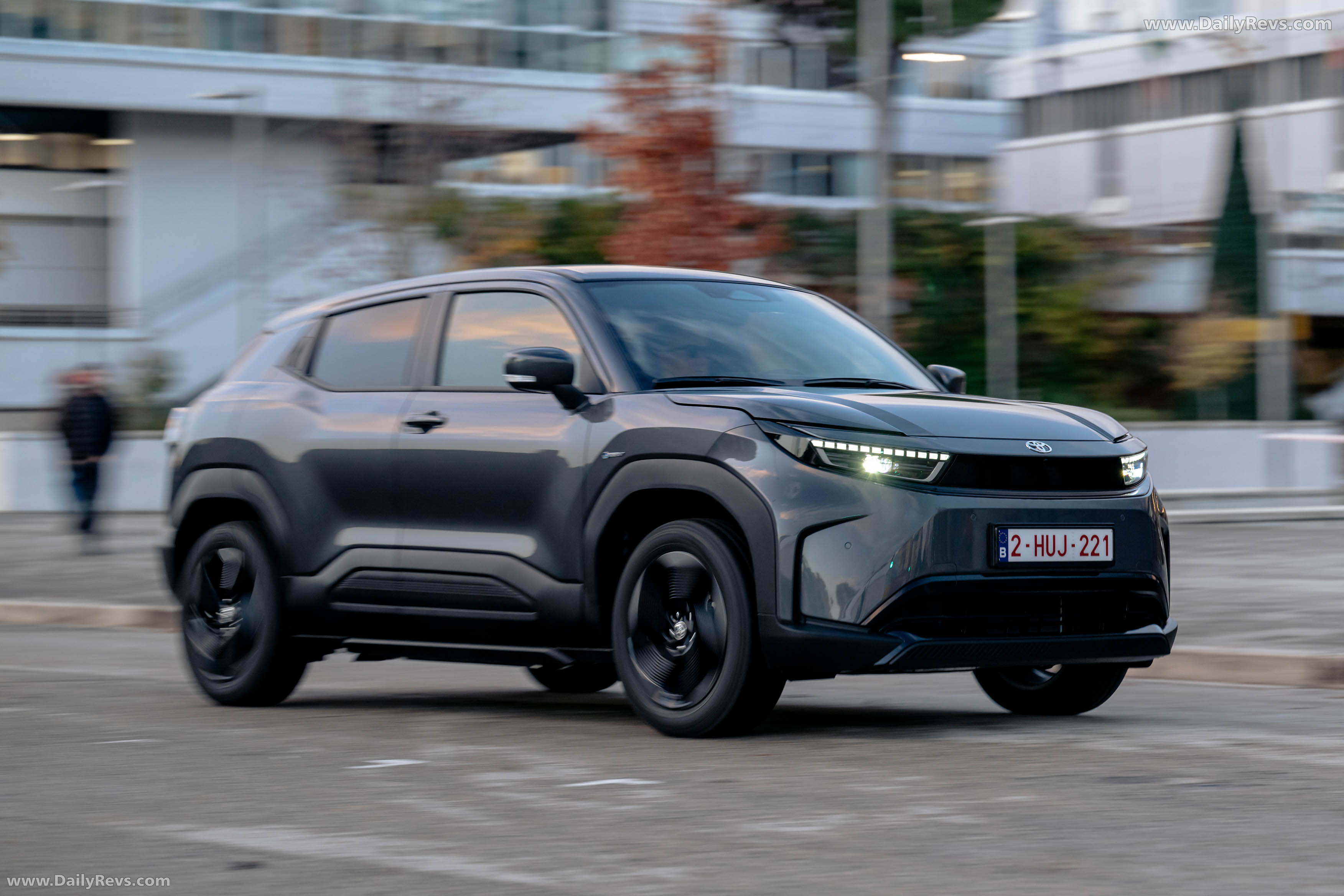
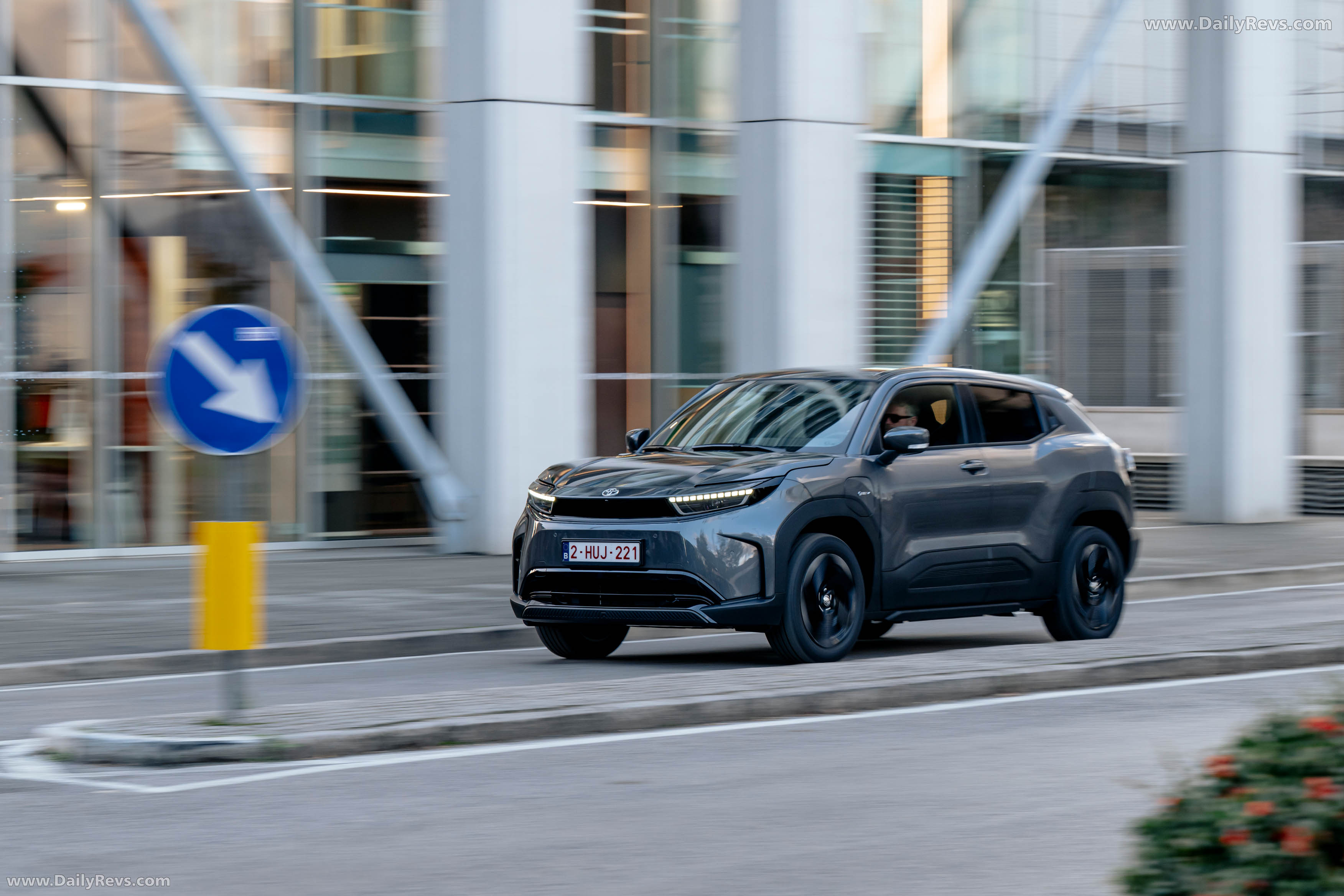
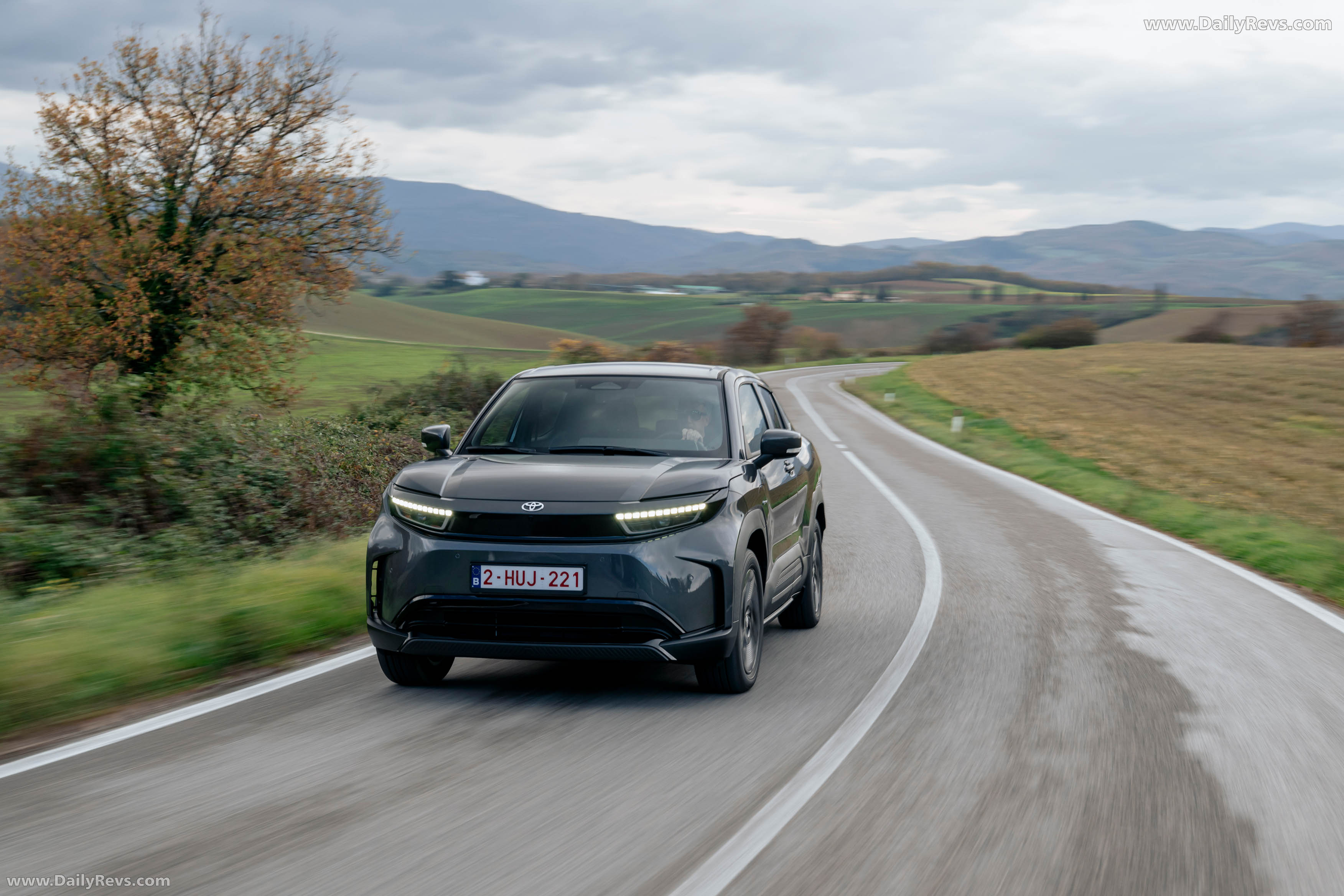
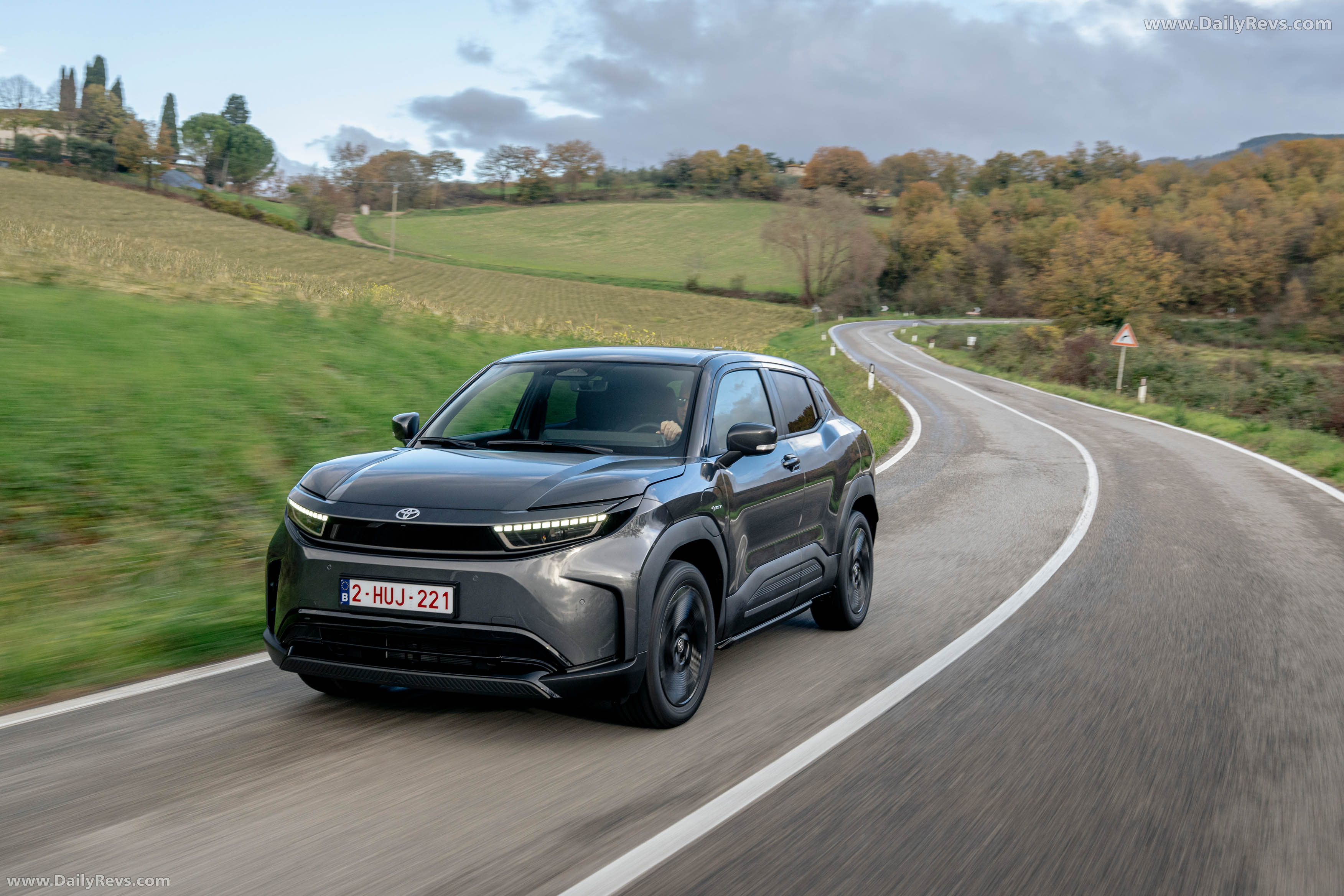
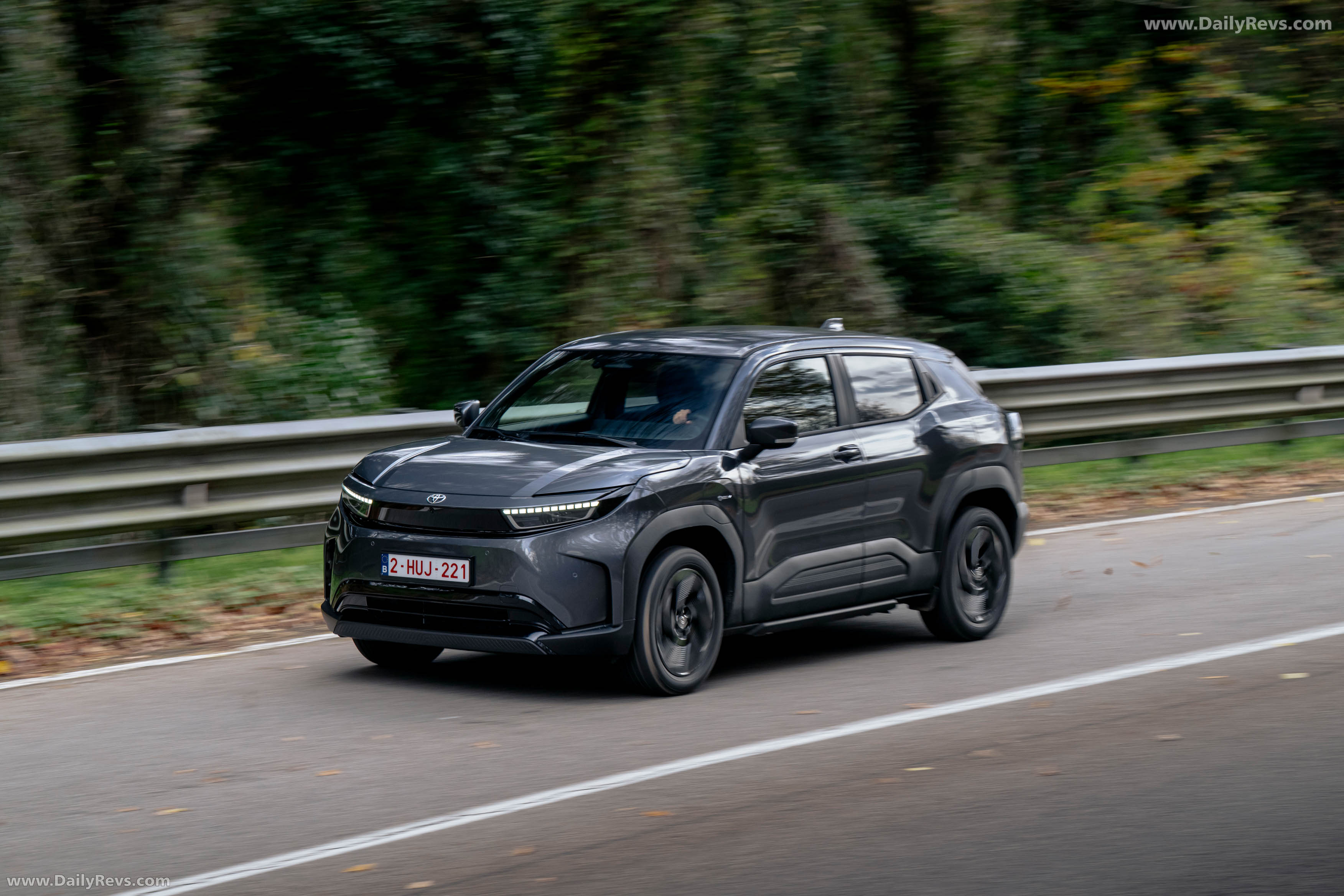
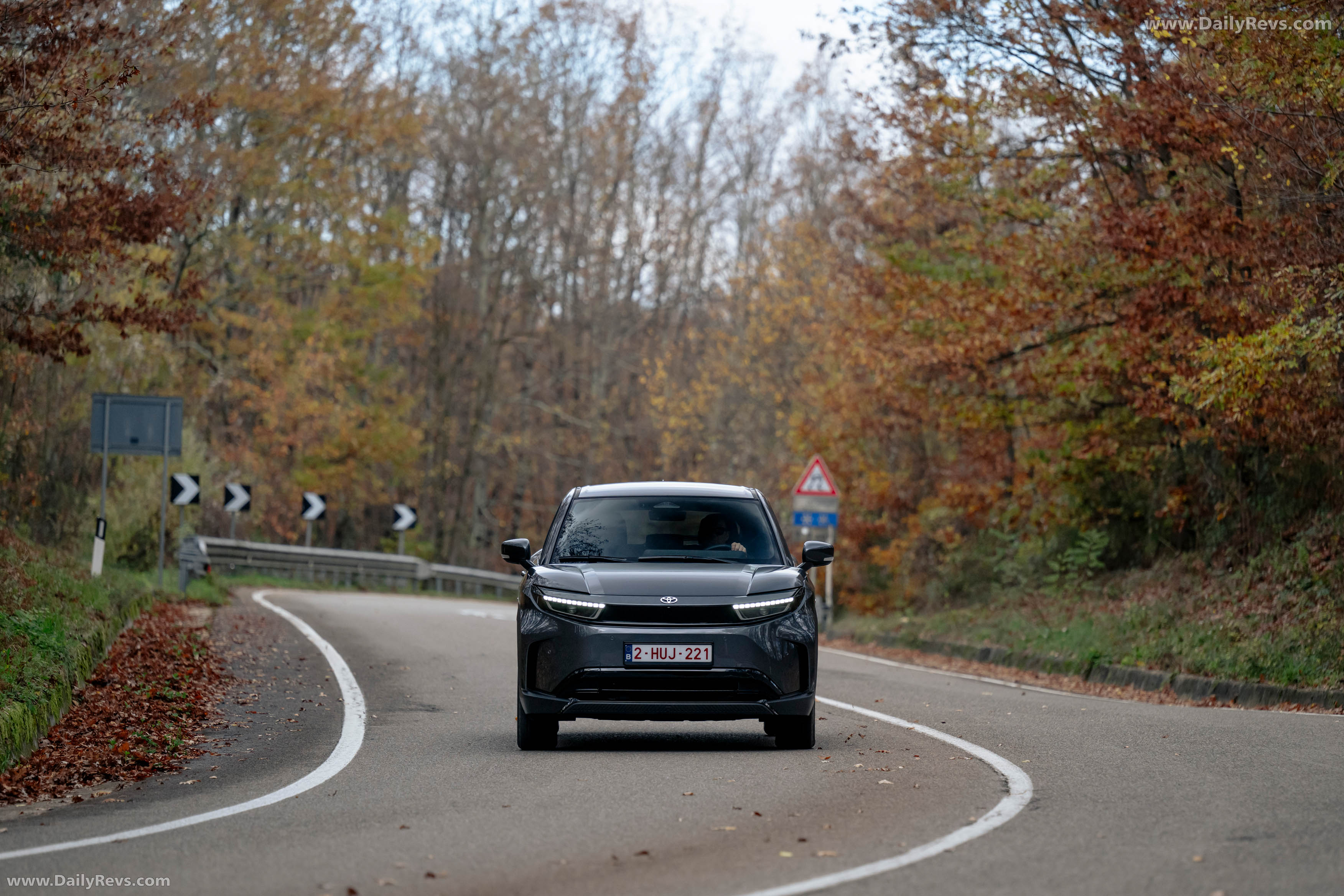
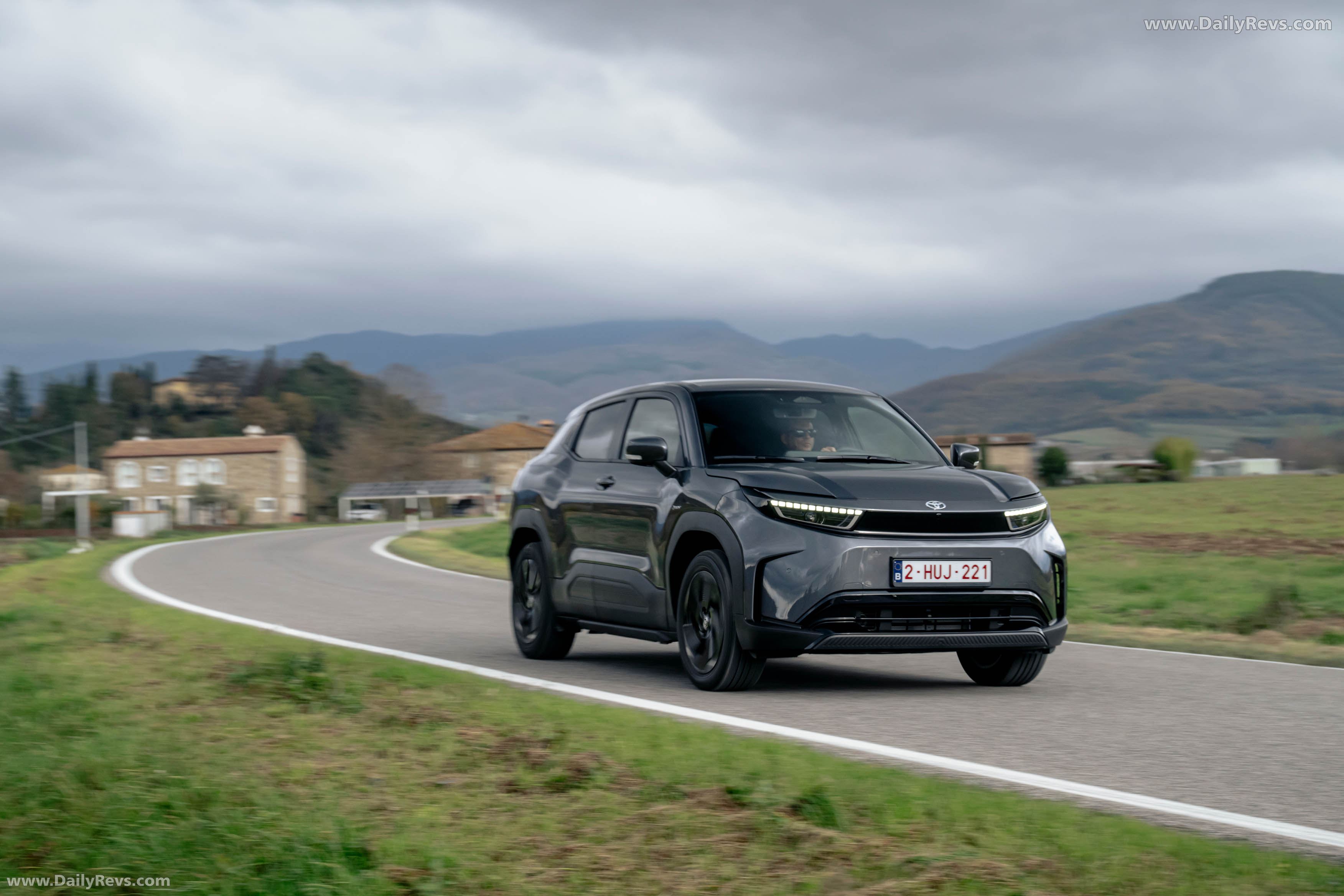
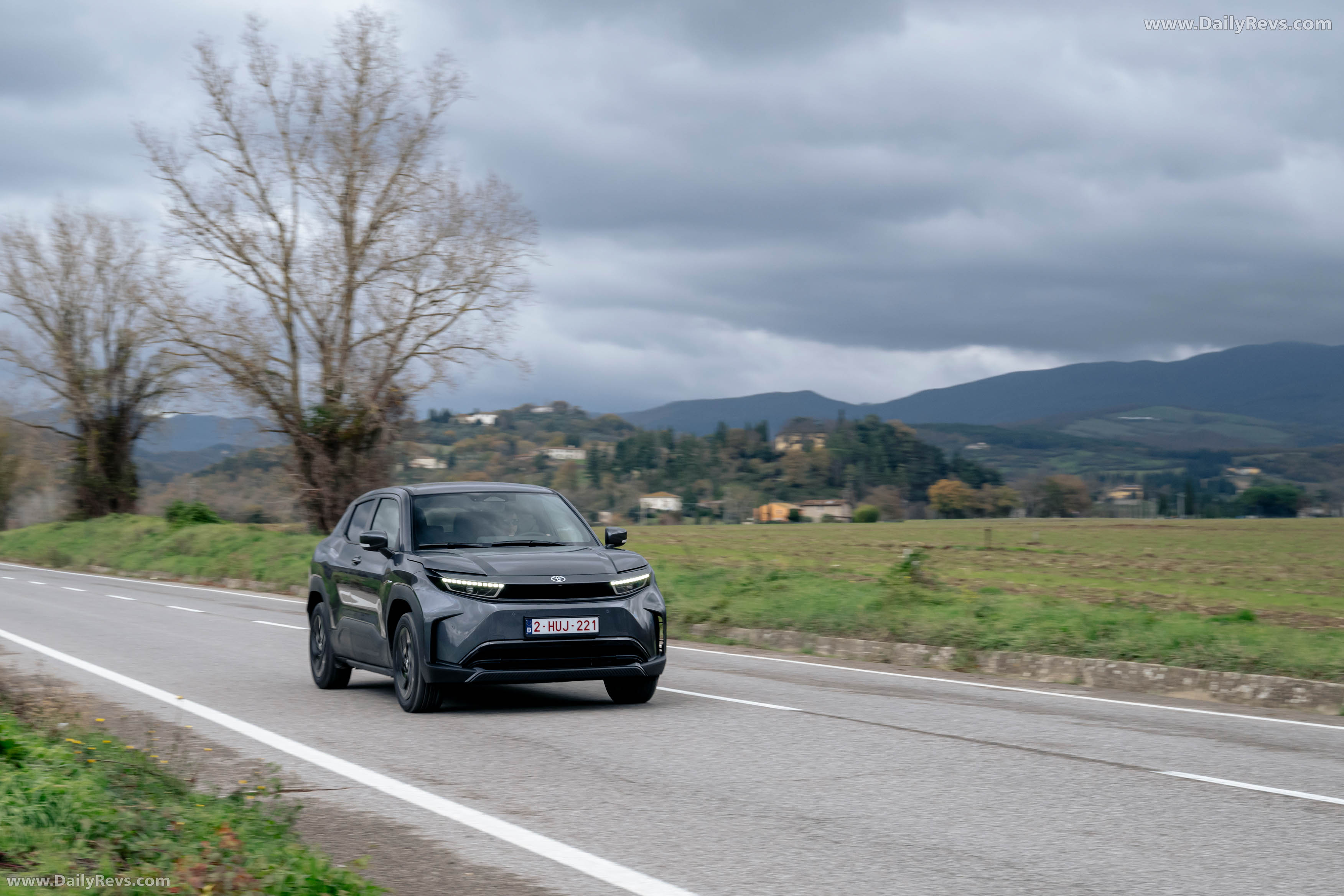
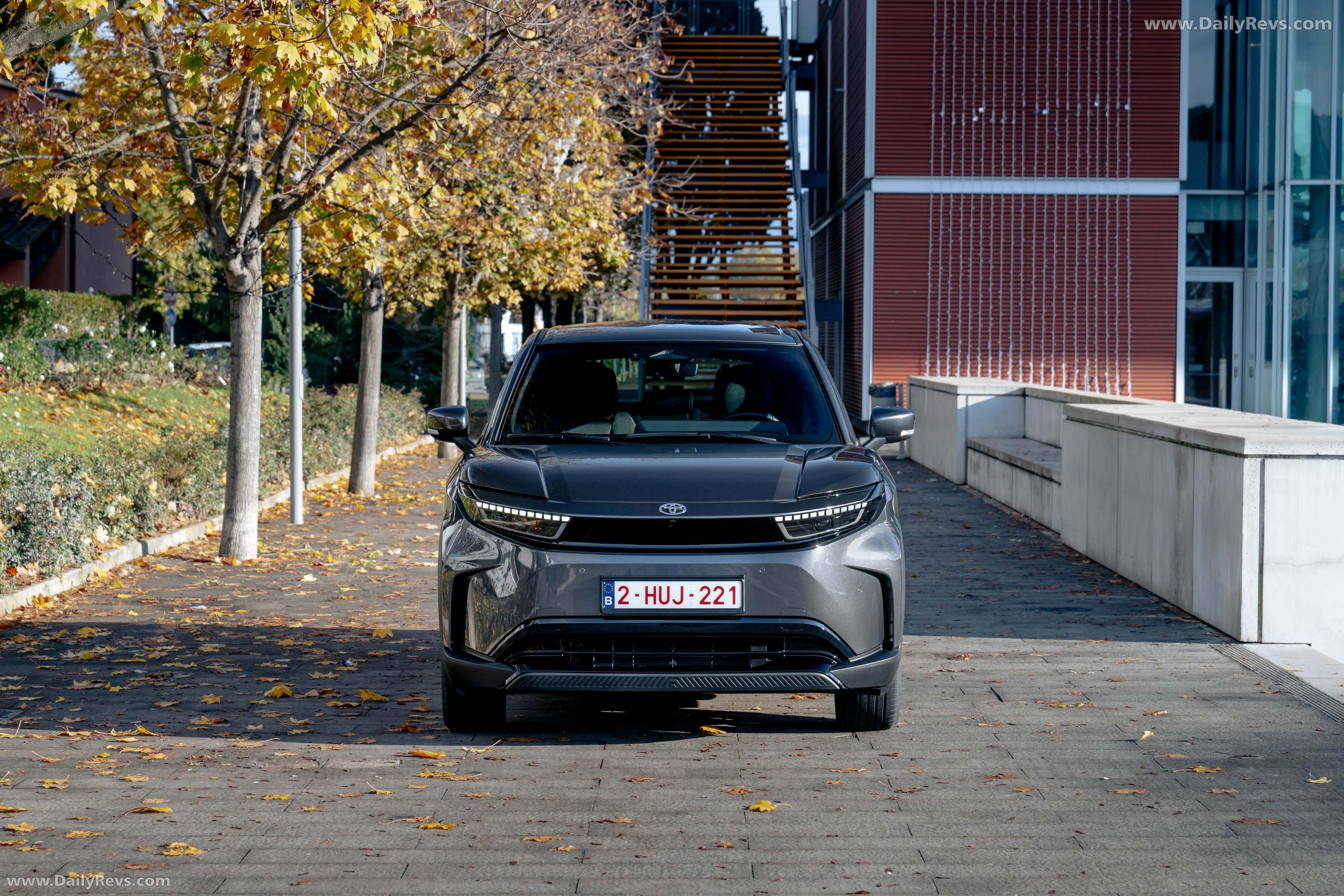
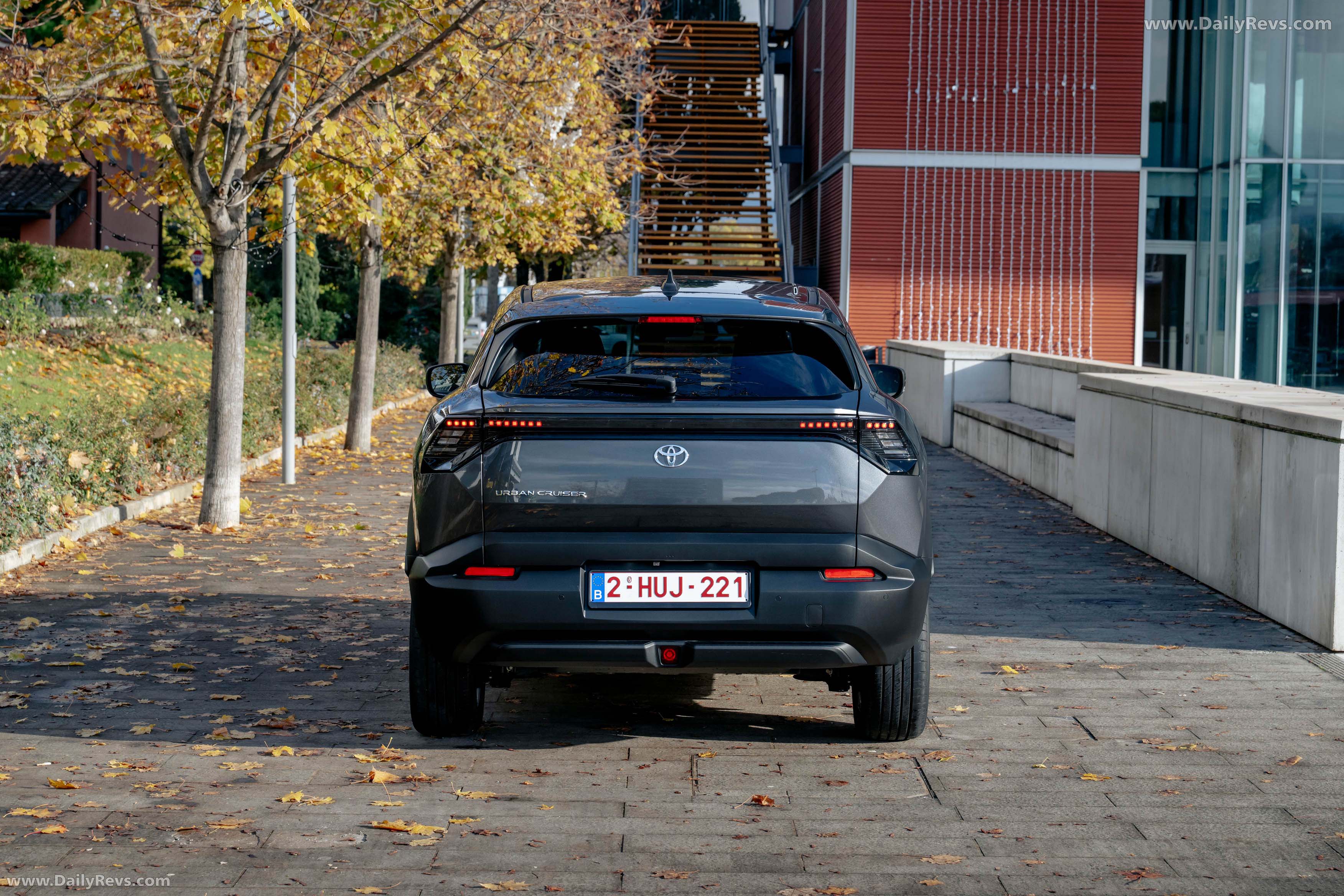
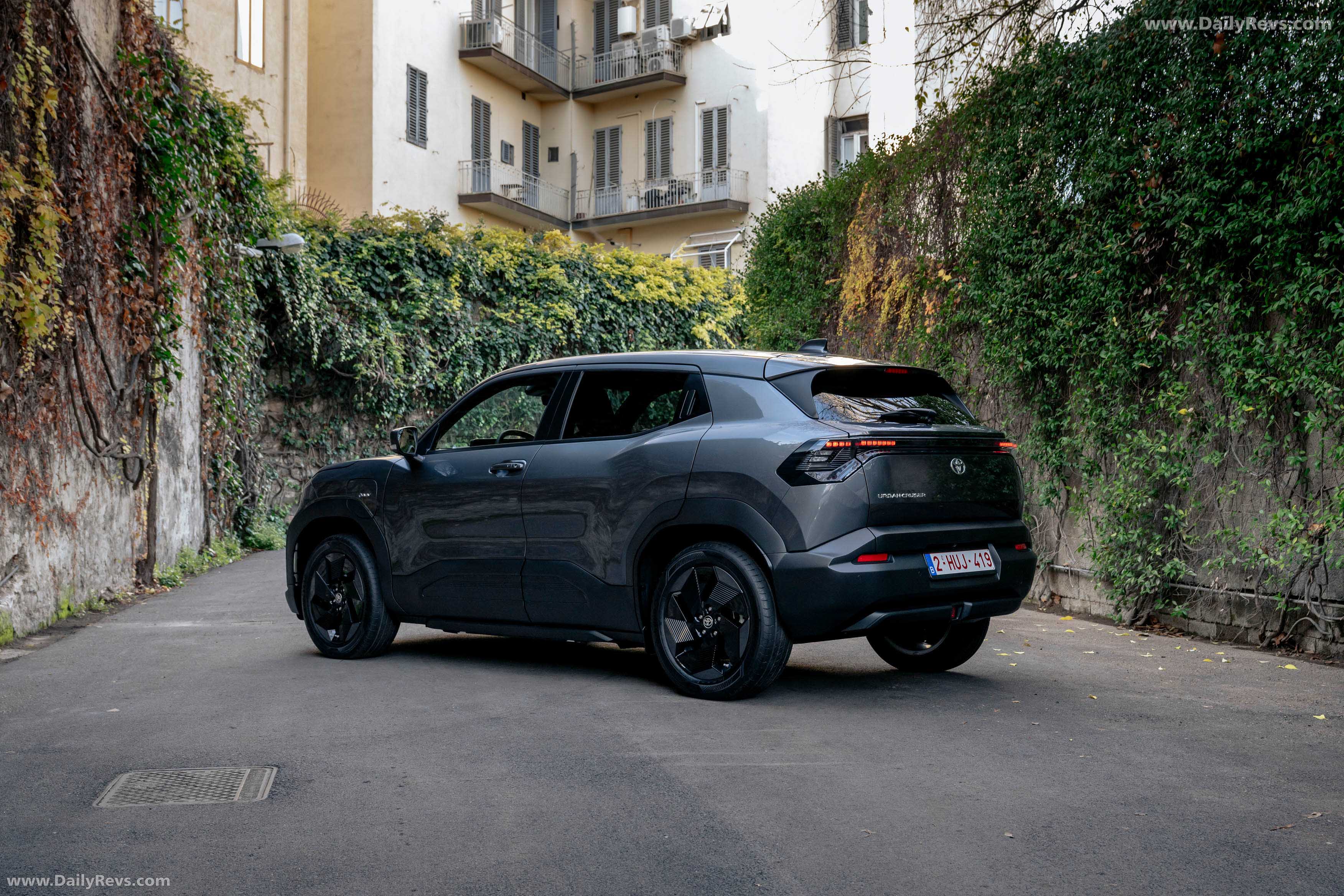
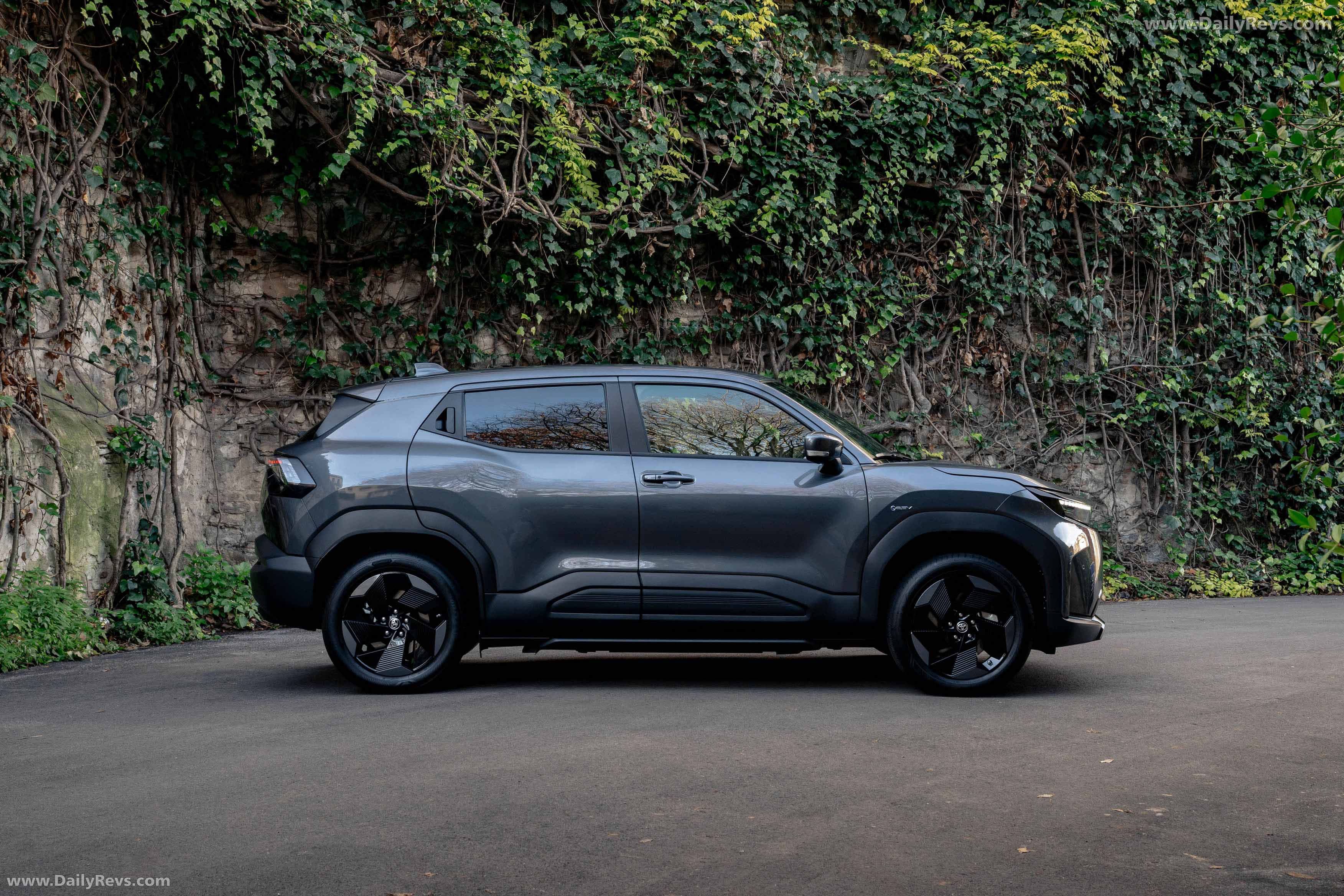
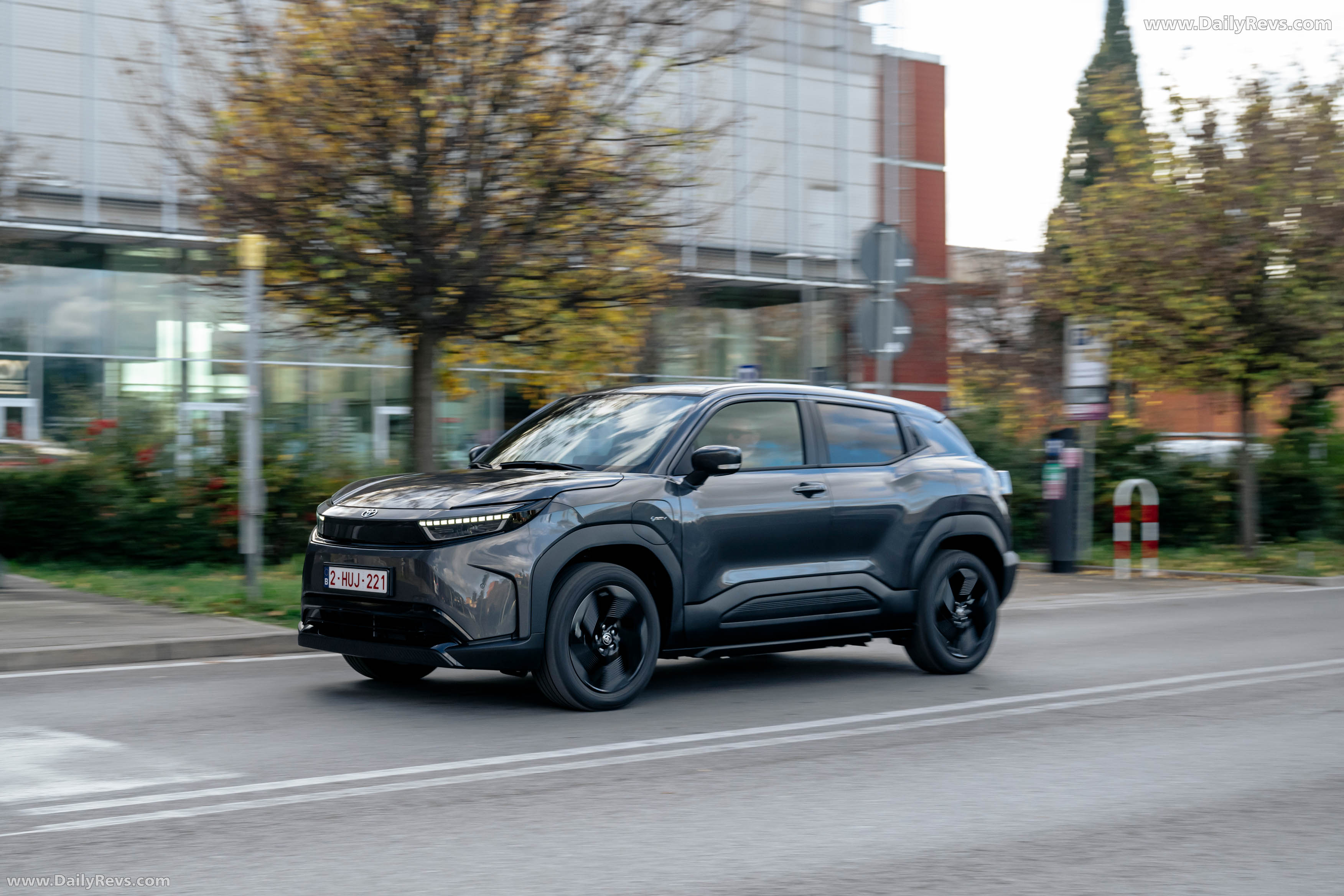
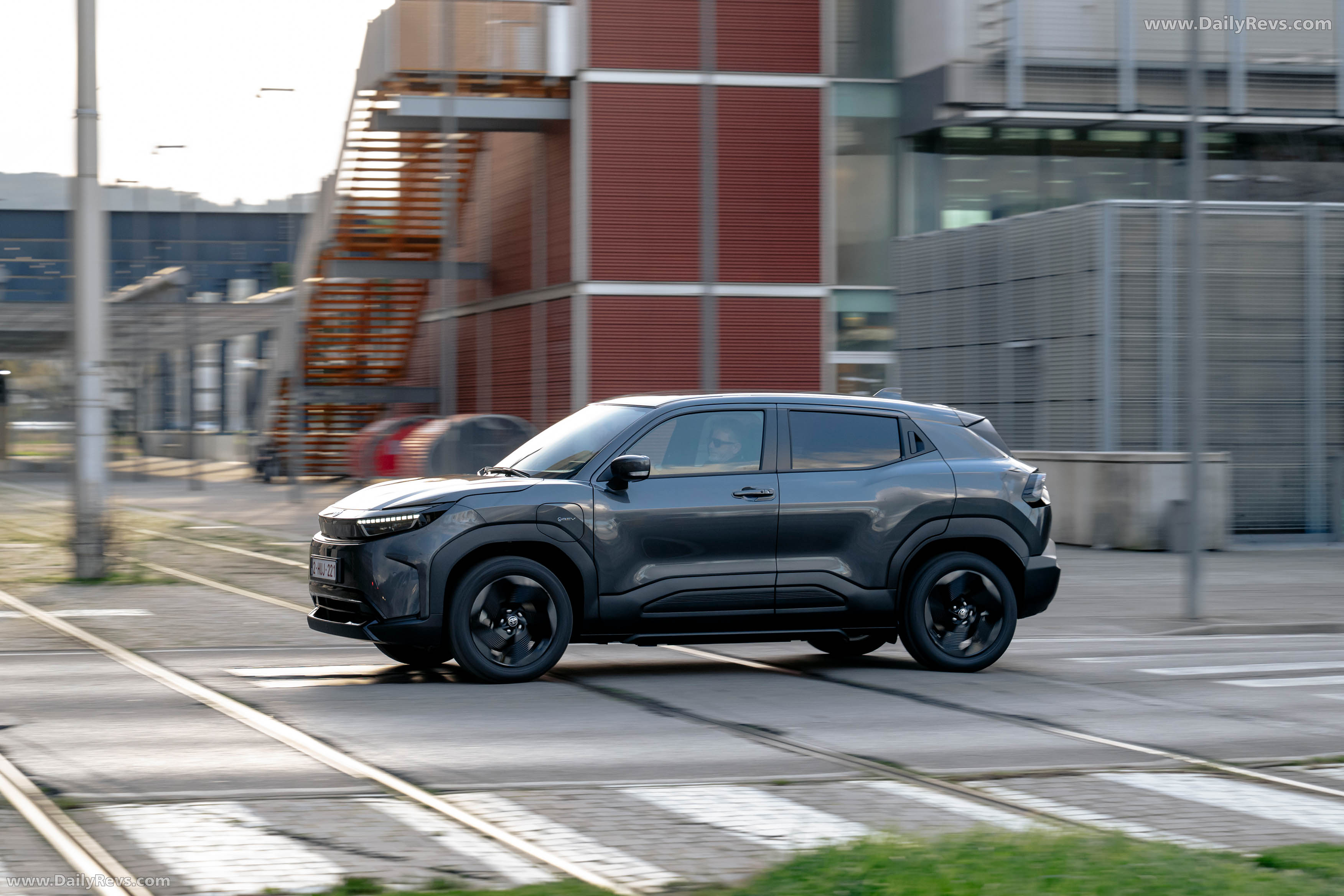
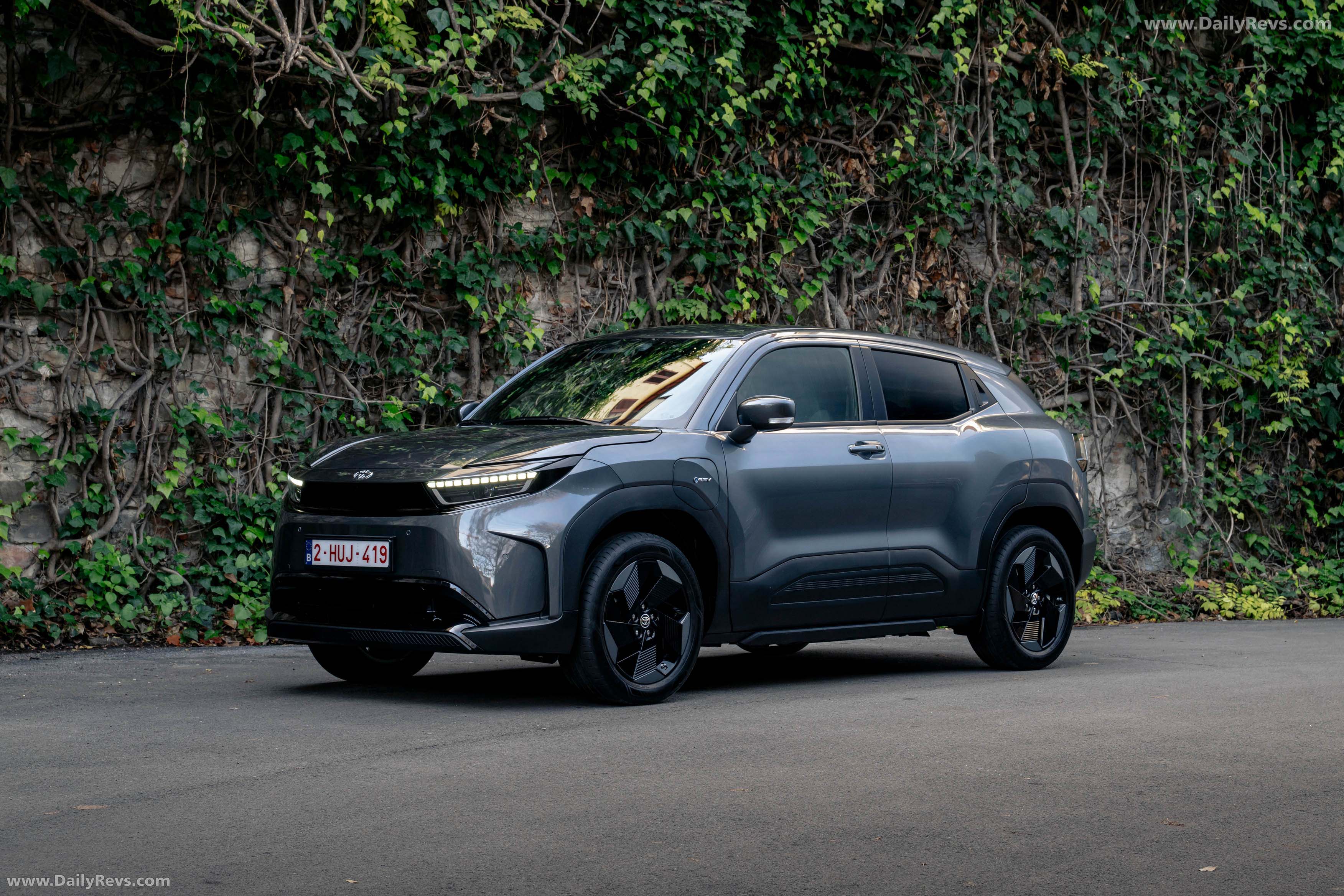
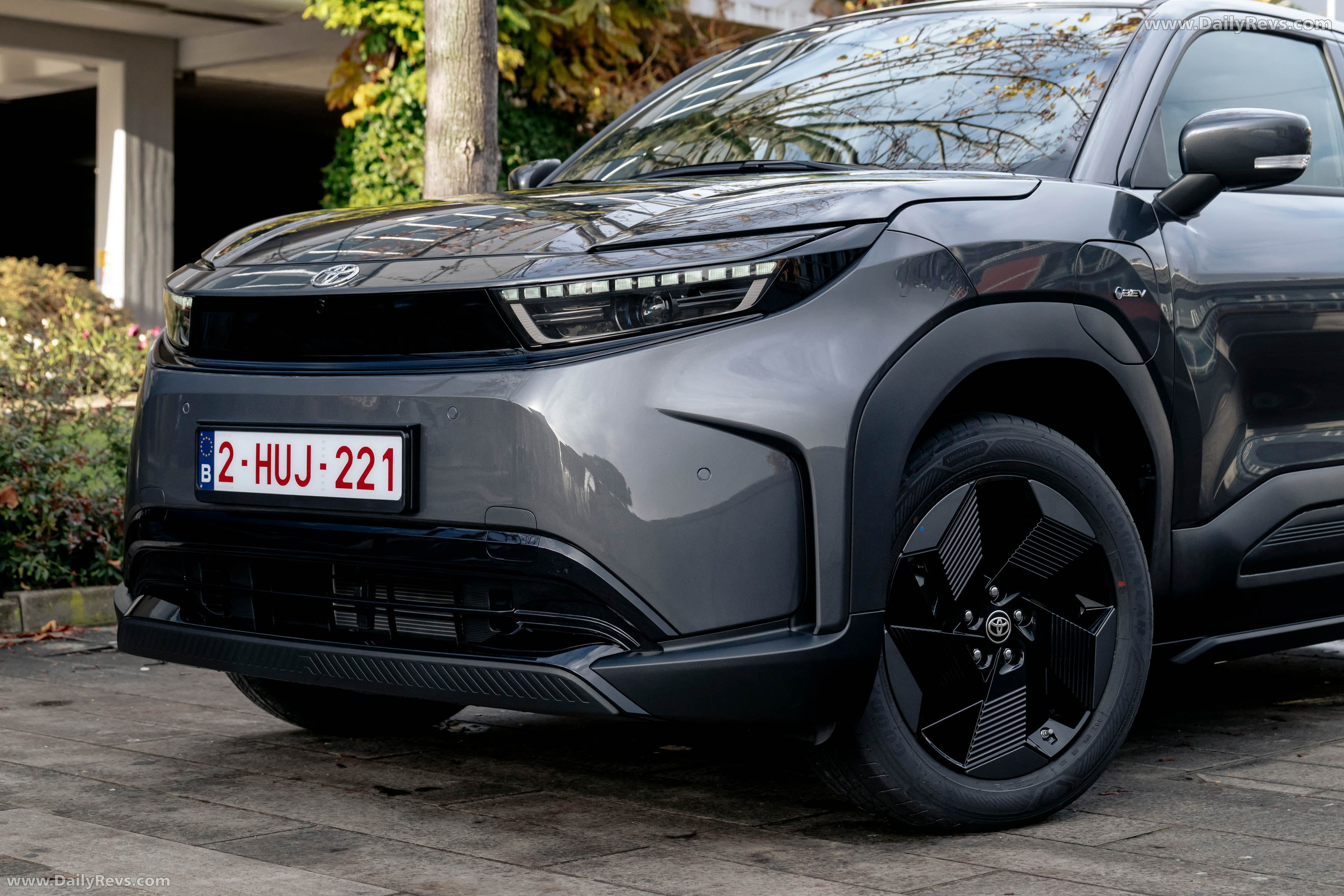
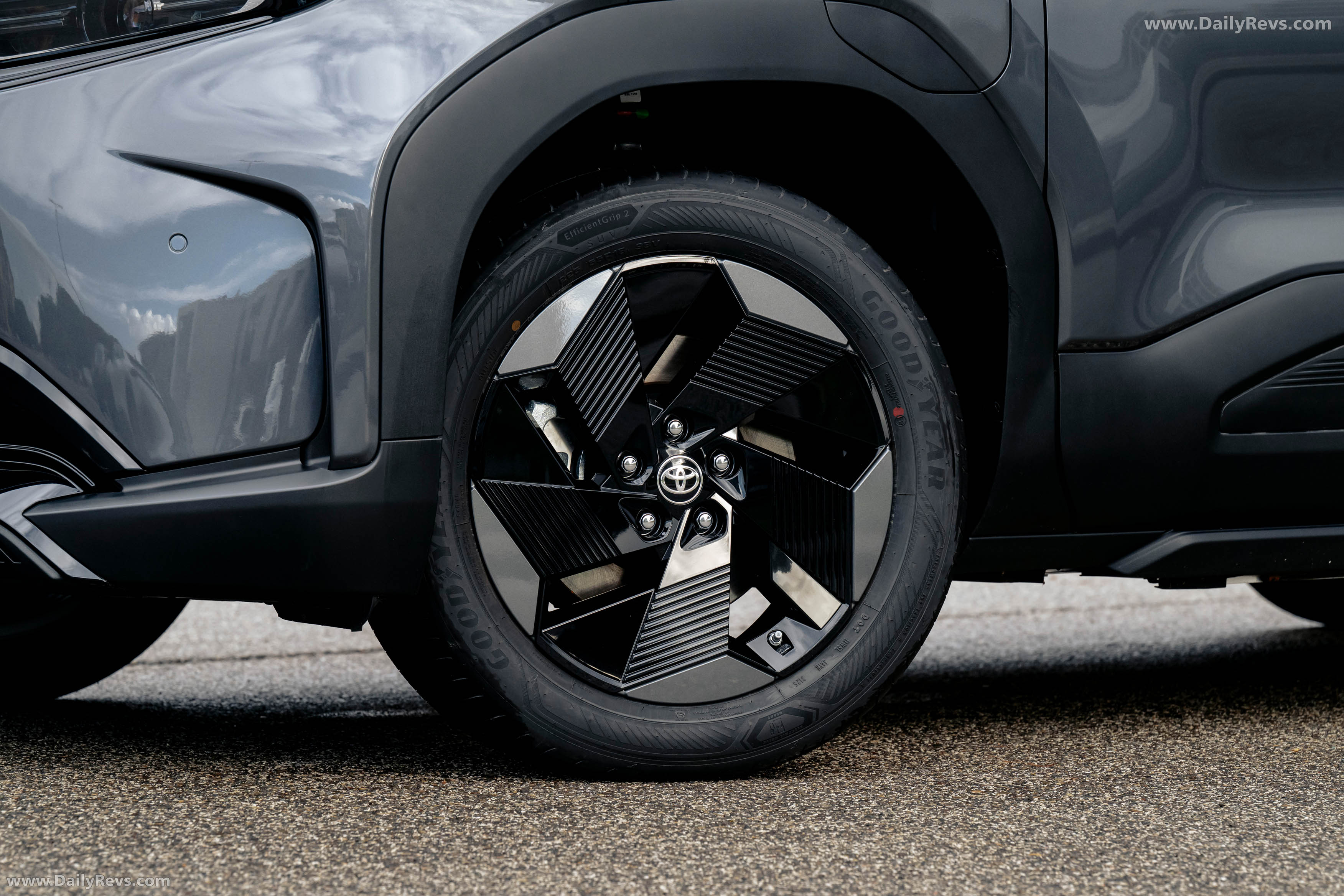
The 2026 Toyota Urban Cruiser FWD marks Toyota’s latest expansion of its electric SUV lineup in Europe, and its design makes that intent clear. The proportions are compact but purposeful, with an upright stance and short overhangs that communicate SUV character rather than hatchback compromise. Toyota’s “Urban Tech” design theme is evident throughout, blending robustness with a restrained, contemporary surface treatment.
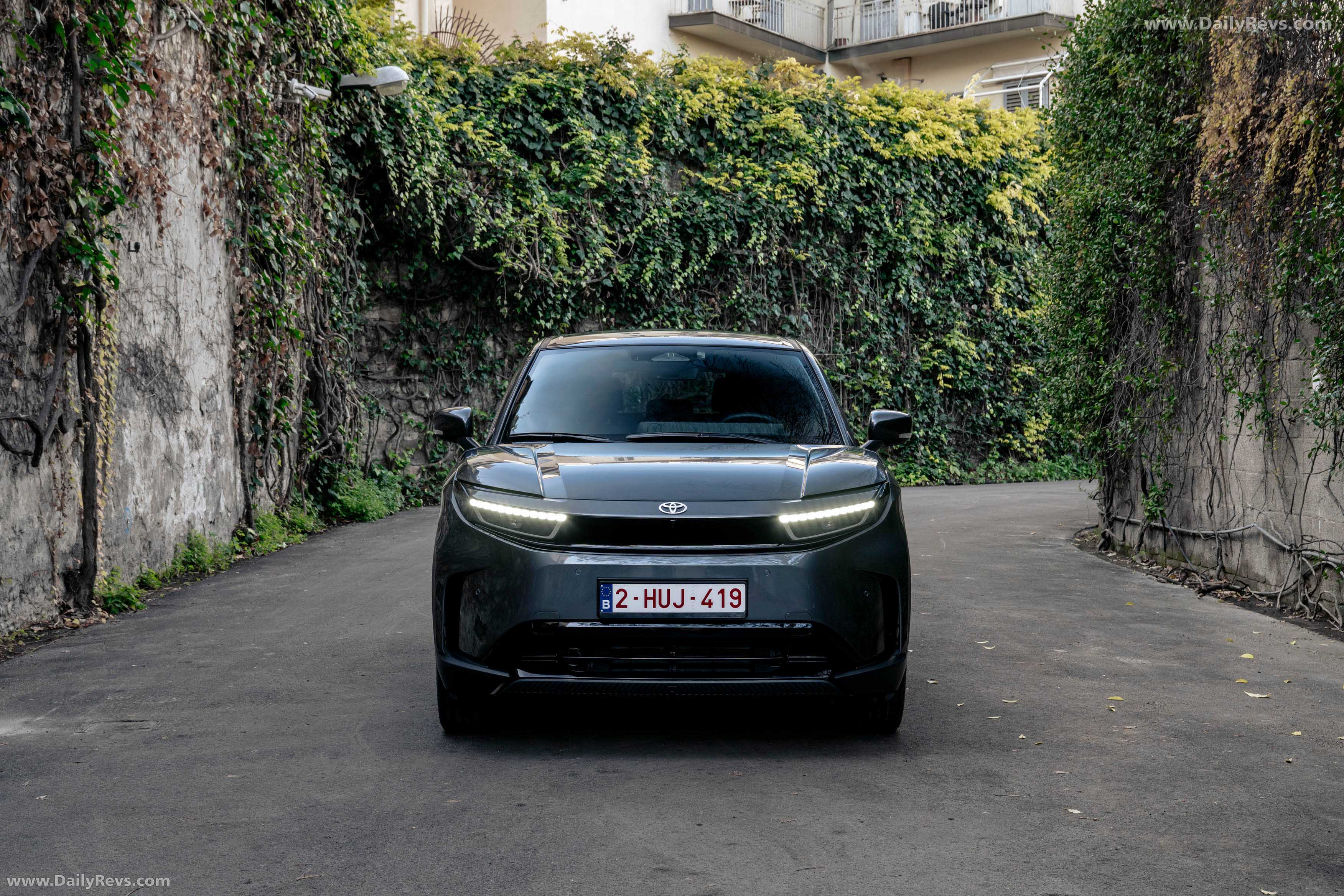
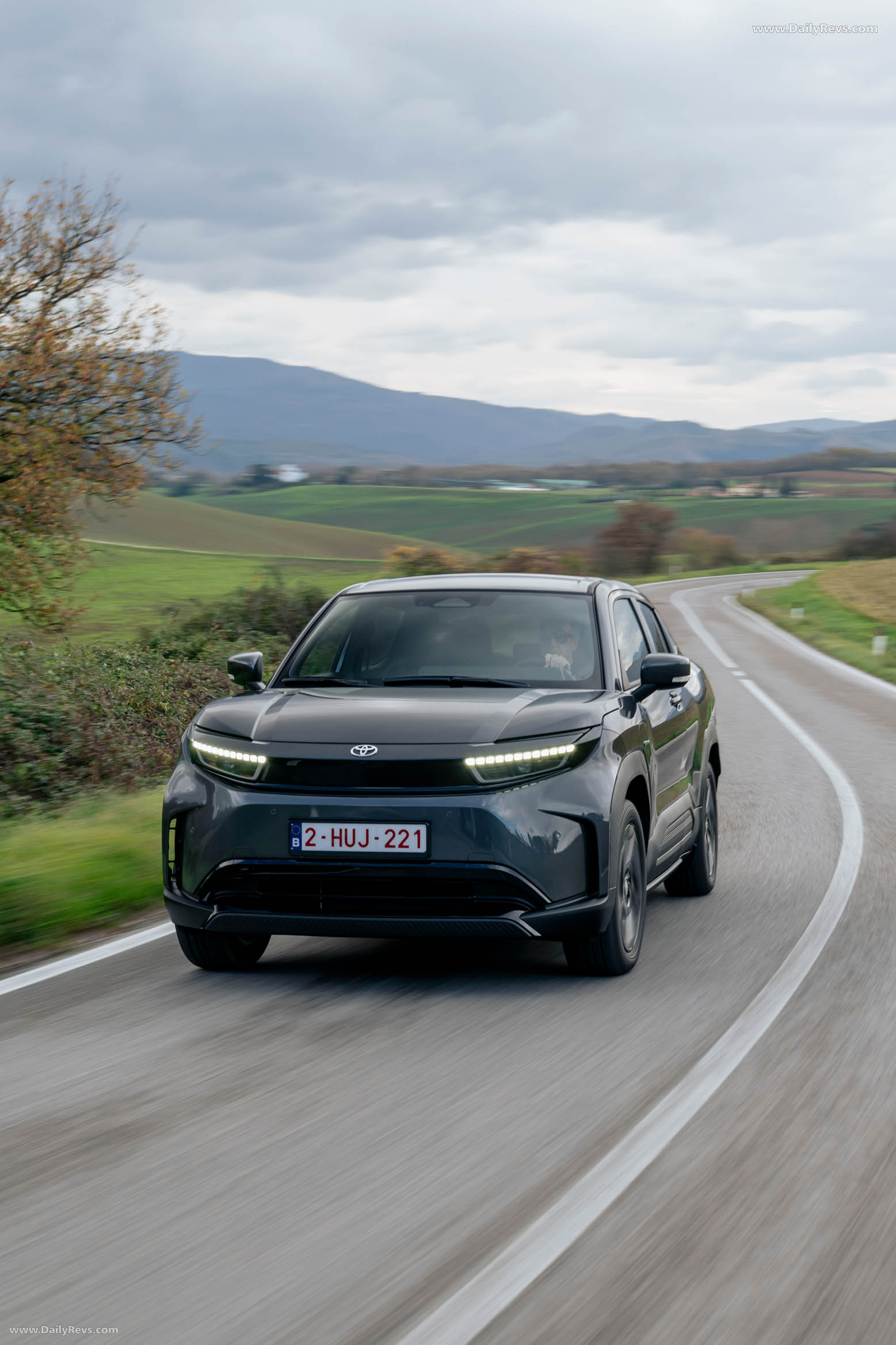
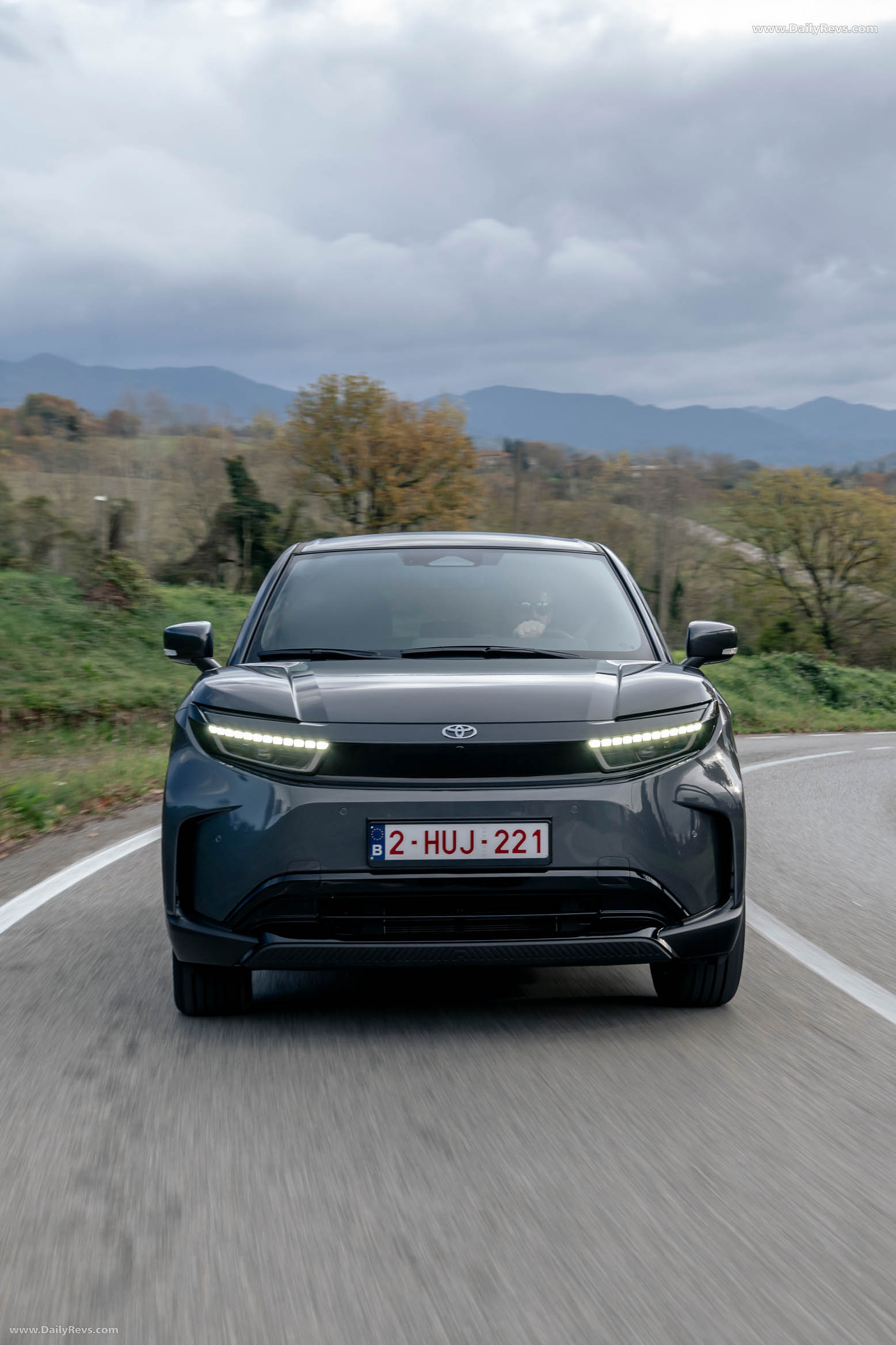
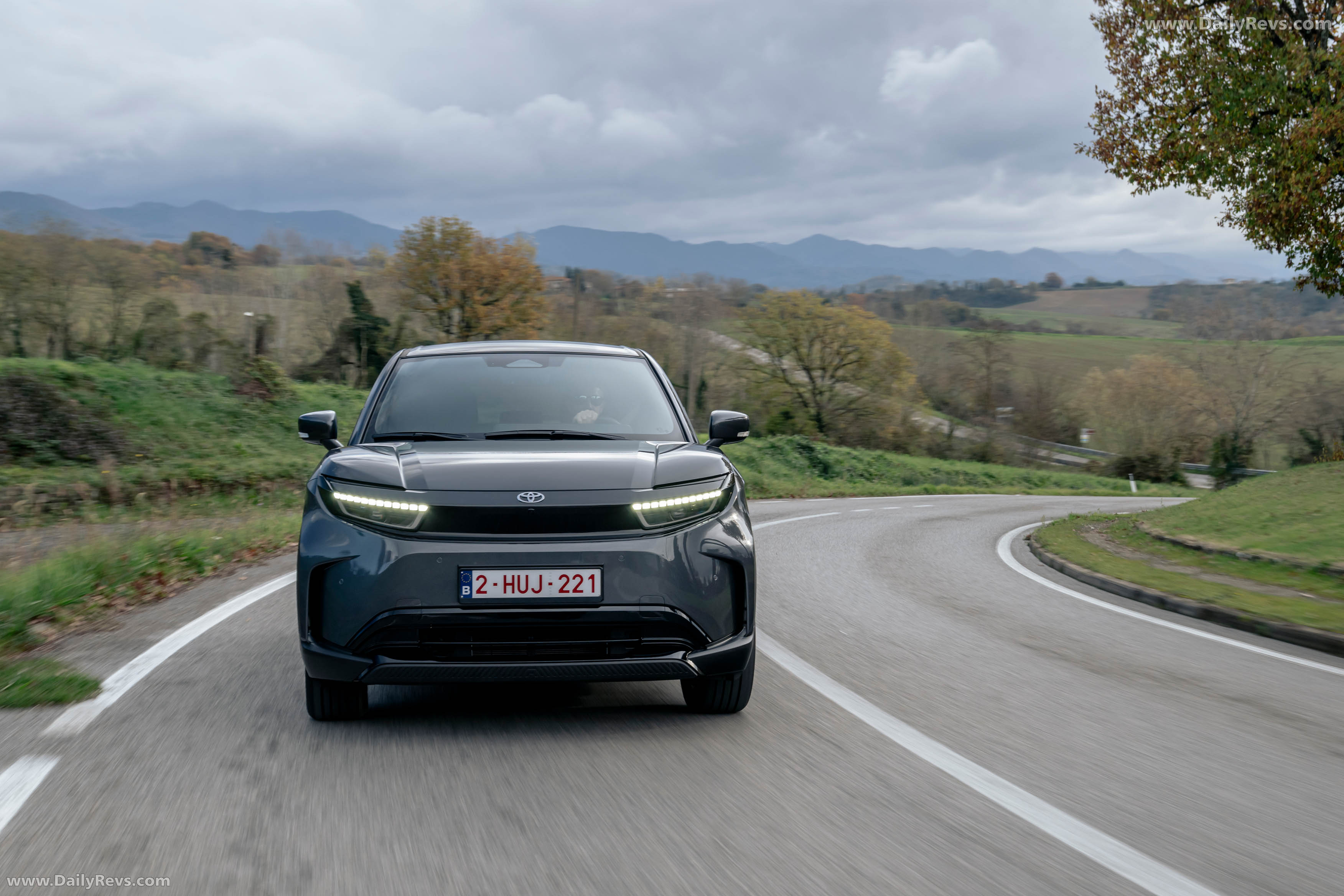
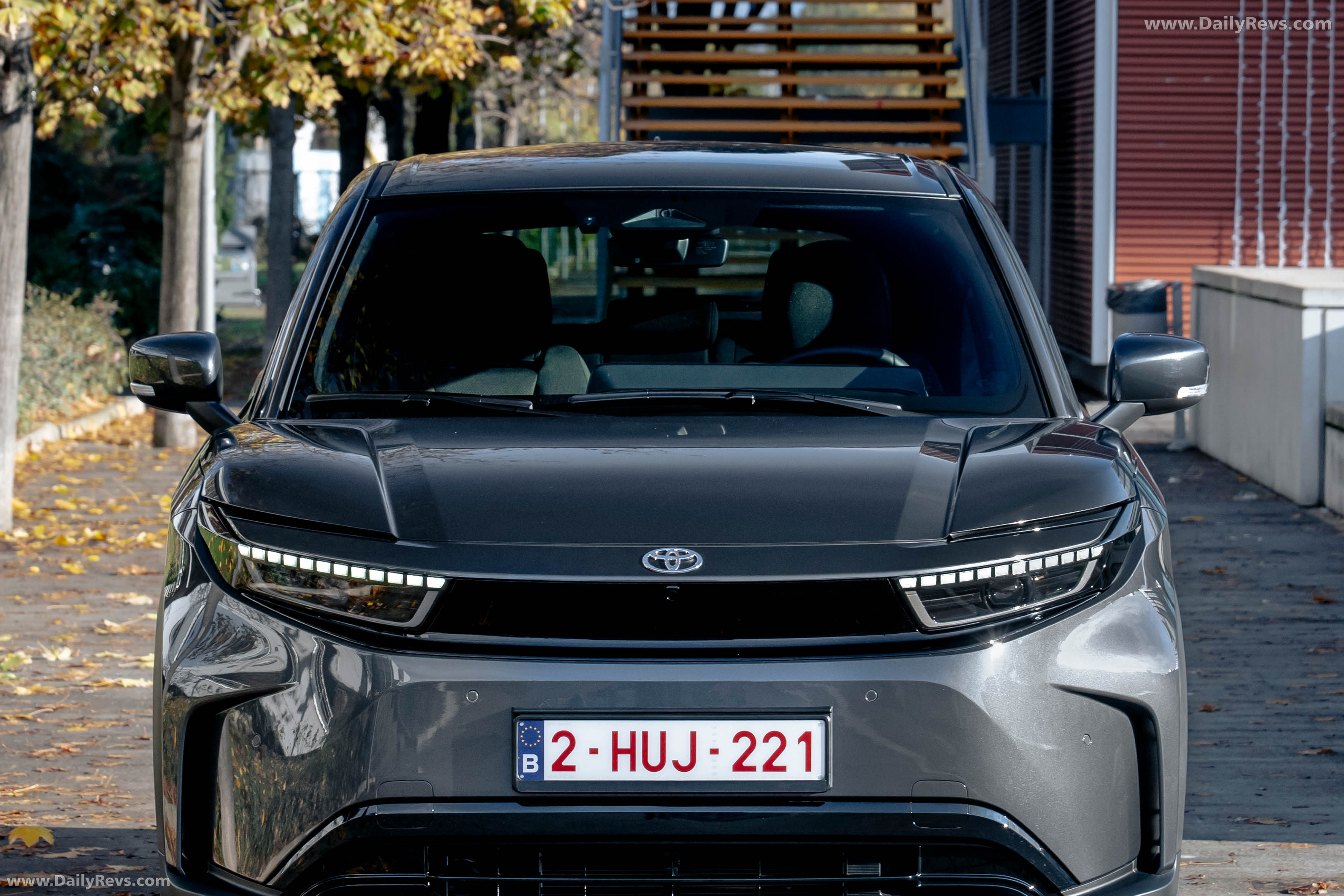
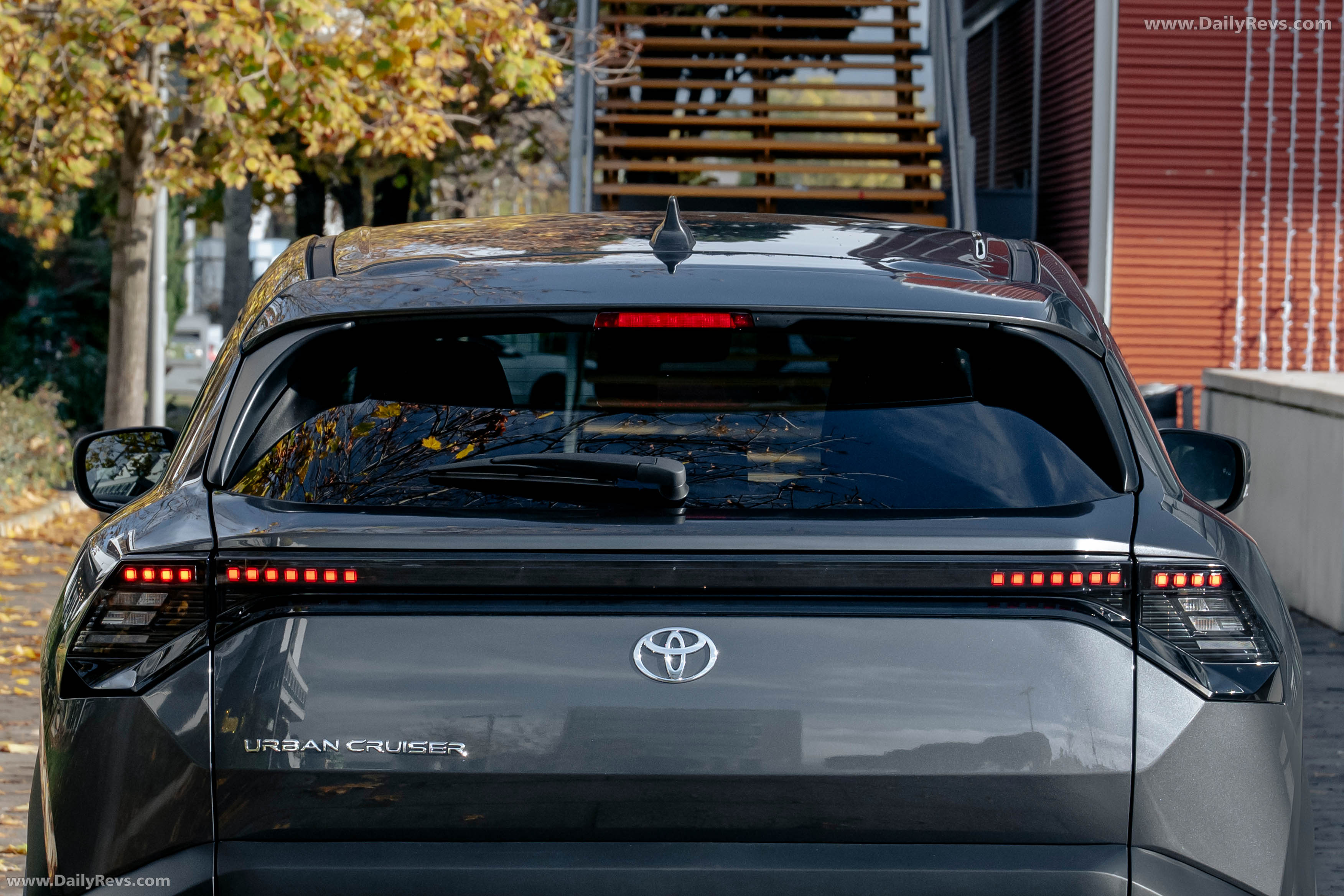
At the front, the Urban Cruiser adopts Toyota’s familiar hammerhead look, sharpened here by slim LED headlight units and horizontal daytime running lights that visually widen the nose. Strong lower bumper elements and dark protective cladding reinforce the SUV brief. Around the back, a full-width LED light bar wraps into the rear haunches, giving the car a planted appearance despite its modest footprint. Overall dimensions place it slightly above the Yaris Cross in every direction, yet a tight 5.2-metre turning circle keeps it firmly city-friendly.
Dedicated Electric Platform and Packaging
Underneath, the Urban Cruiser is built on a new dedicated battery-electric platform, developed with interior space and driving range as priorities. The battery is integrated structurally into the floor, contributing to high body rigidity and a low centre of gravity. This layout benefits both ride stability and handling confidence, particularly important for an urban-focused electric SUV.
Aerodynamic optimisation plays a quiet but important role. A fully covered underfloor, flat battery pack design, and active grille shutter help reduce drag and improve efficiency. Toyota has also paid close attention to noise and vibration control, using sound-insulating glass and body structures to compensate for the absence of engine noise typical in EVs.
Electric Performance and Powertrain
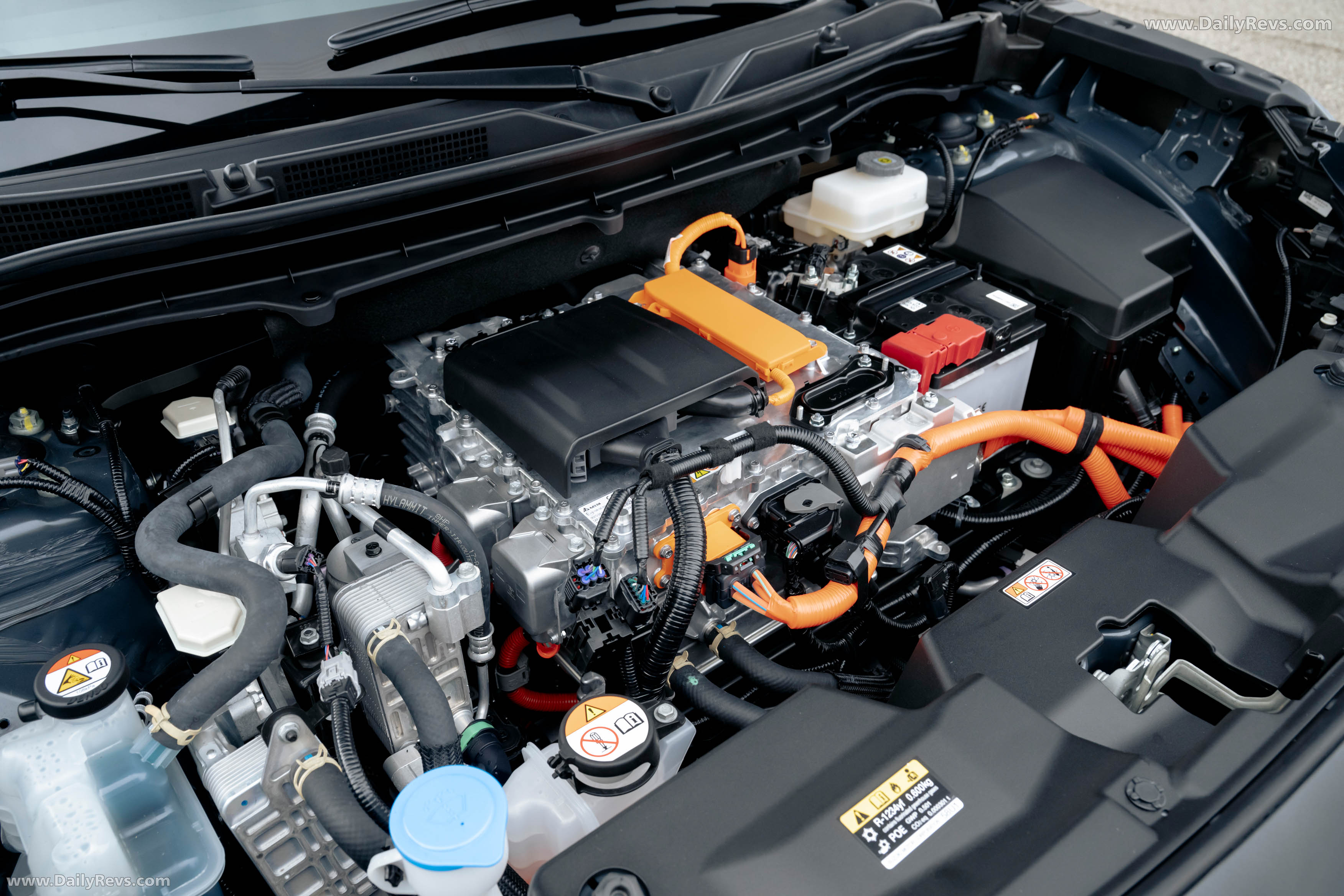
Toyota has two battery alternatives for the front-wheel-drive setup. The entry-level Urban Cruiser FWD is powered by a 106 kW electric motor with 193 Nm of torque and a 49 kWh lithium-iron phosphate battery.
This version delivers a WLTP driving range of up to 344 km and reaches 100 km/h in 9.6 seconds.
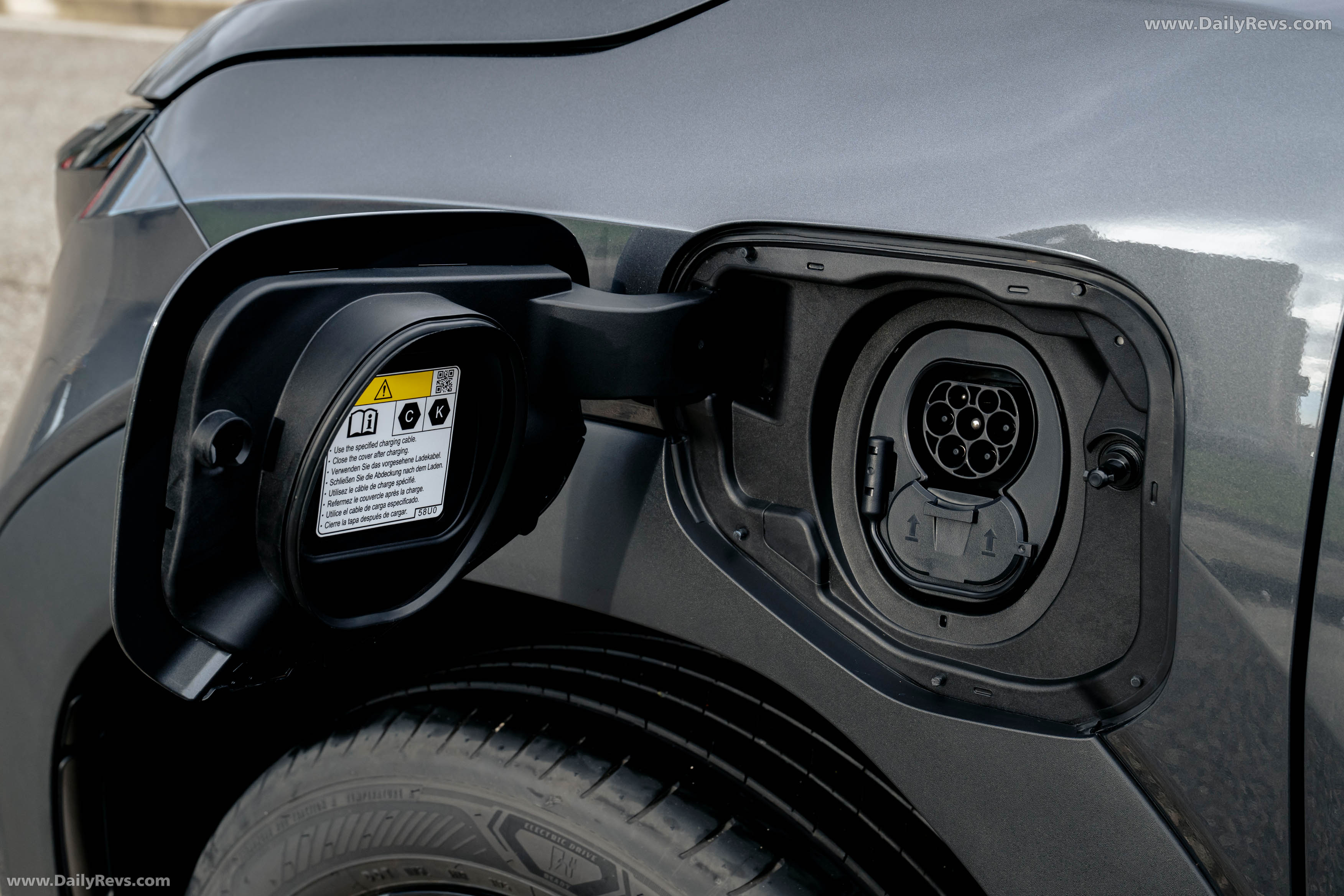
A larger 61 kWh battery is also available for FWD models, increasing output to 128 kW while maintaining the same torque figure. Driving range rises to a claimed 426 km WLTP, with a quicker 0–100 km/h time of 8.7 seconds. Both batteries support DC fast charging, with a 10–80 percent recharge achievable in around 45 minutes, while 11 kW AC charging completes a full charge in approximately six hours.
Technology and Interior Space
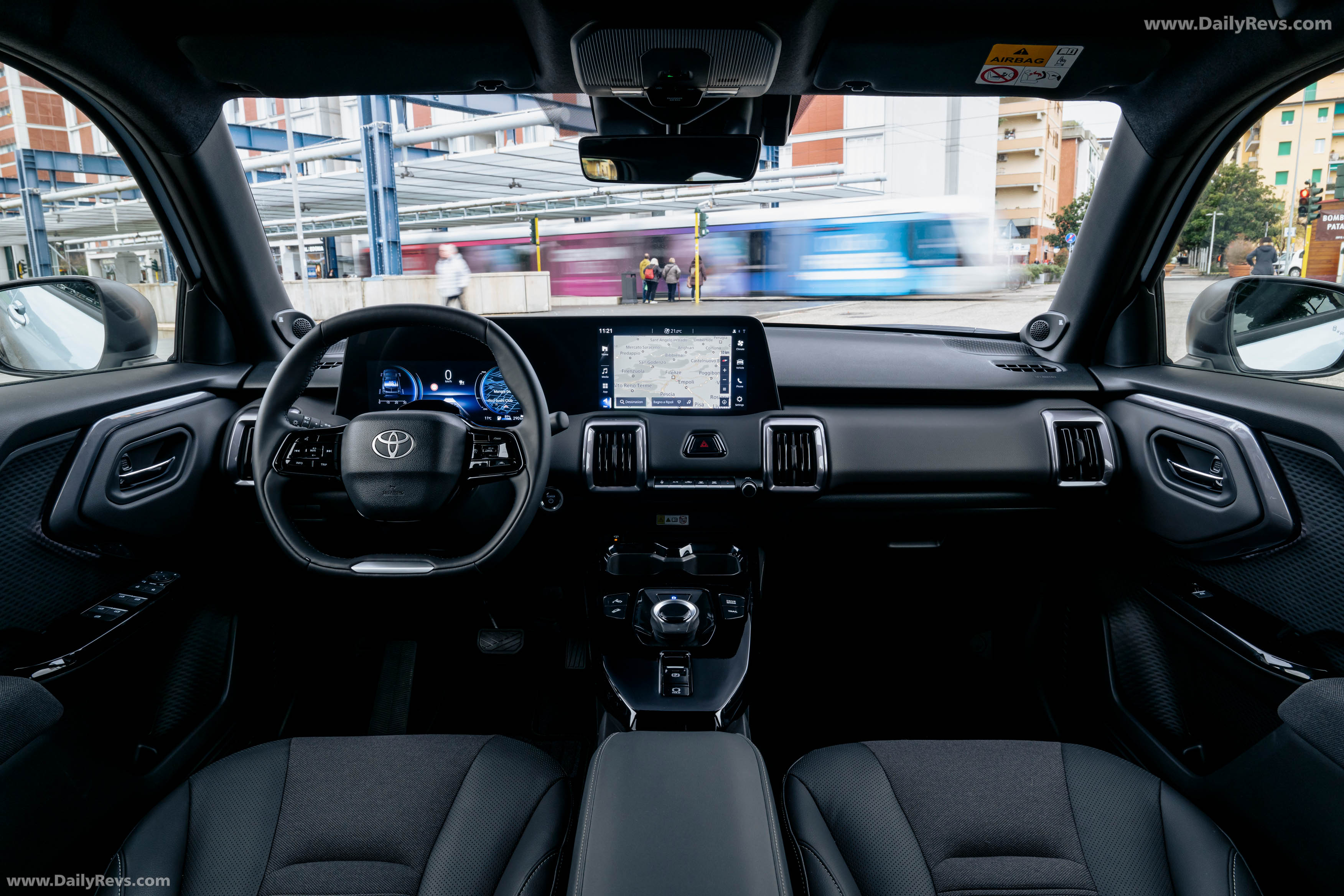
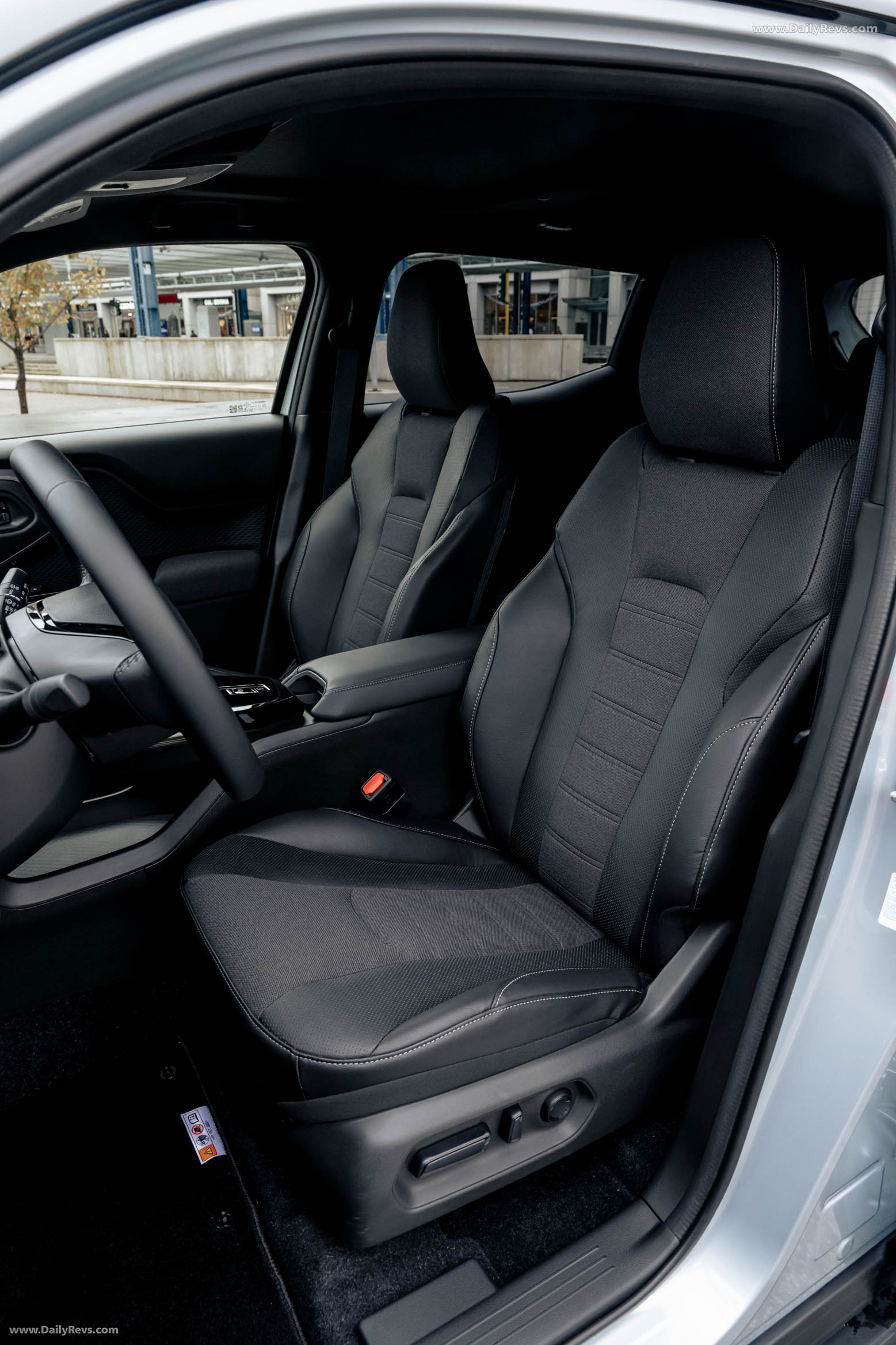
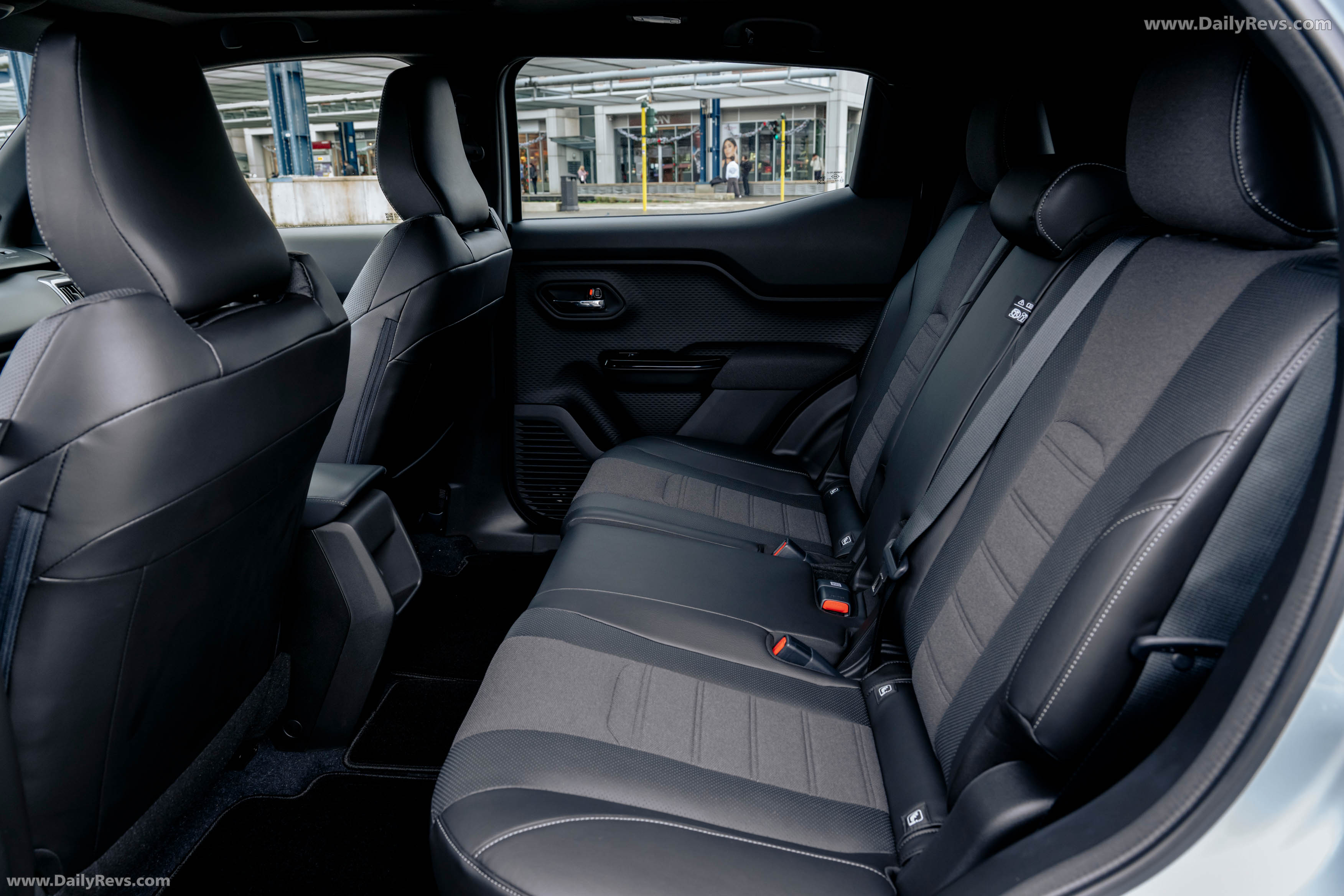
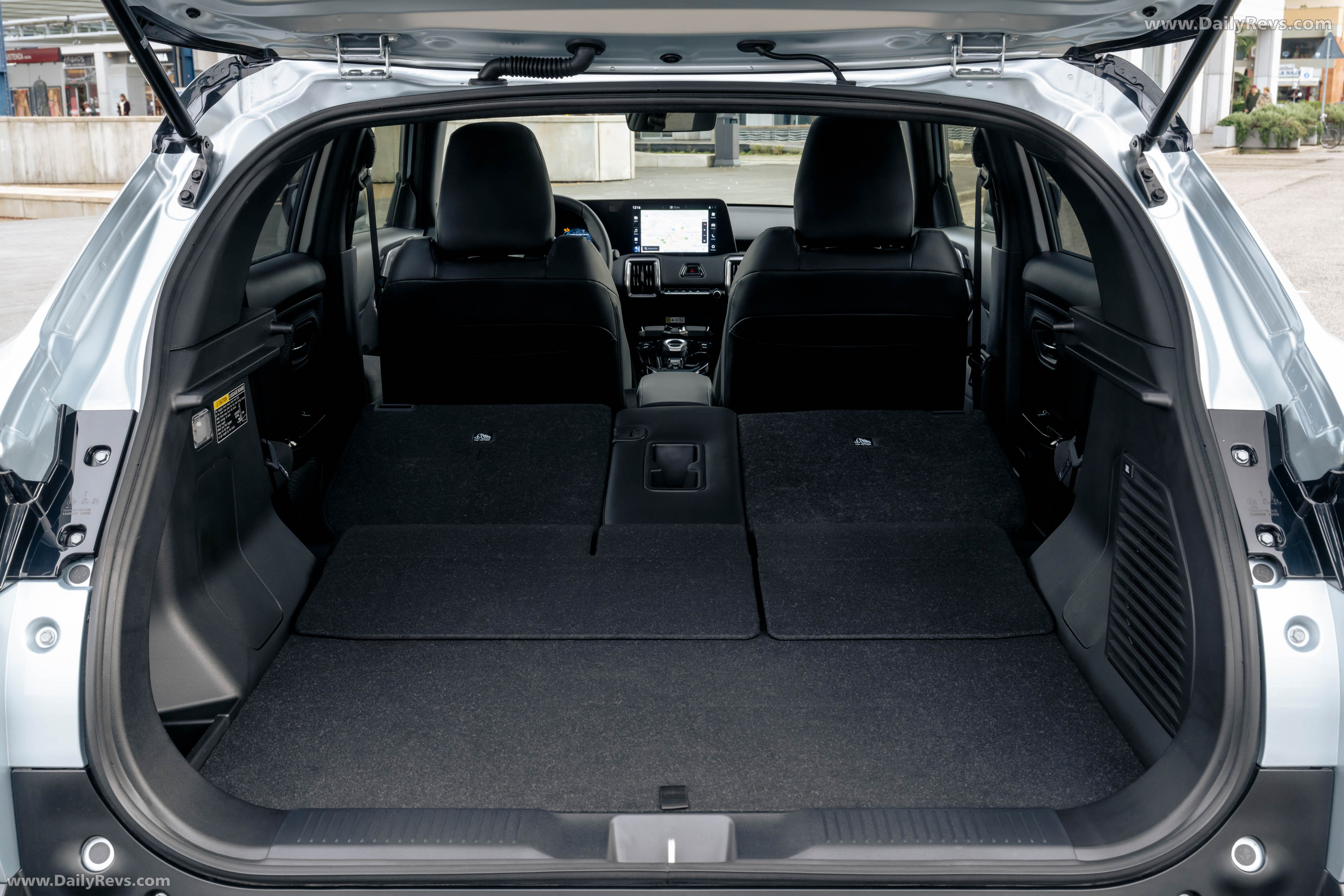
The Urban Cruiser's long 2,700 mm wheelbase results in a remarkably roomy cabin for its class.
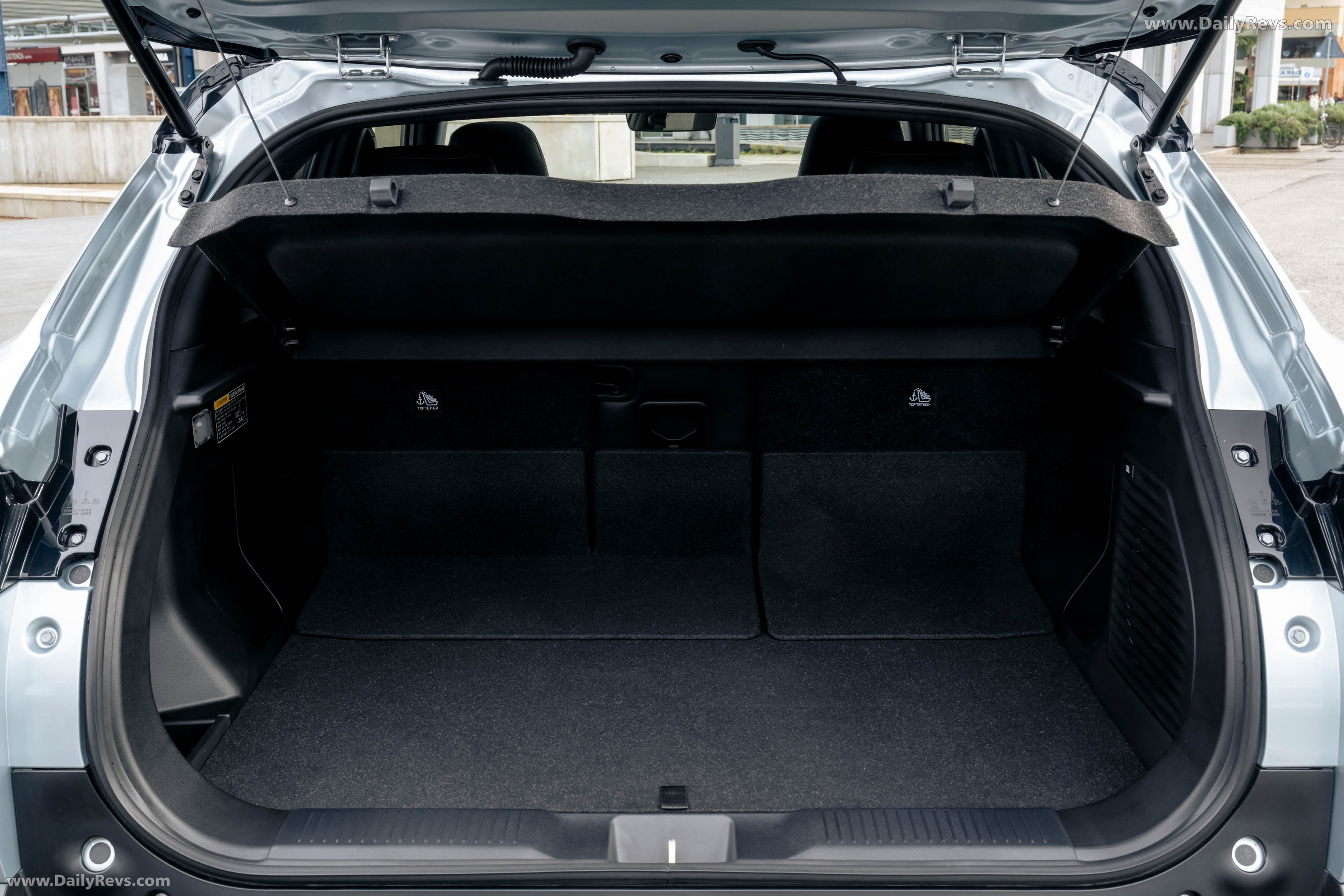
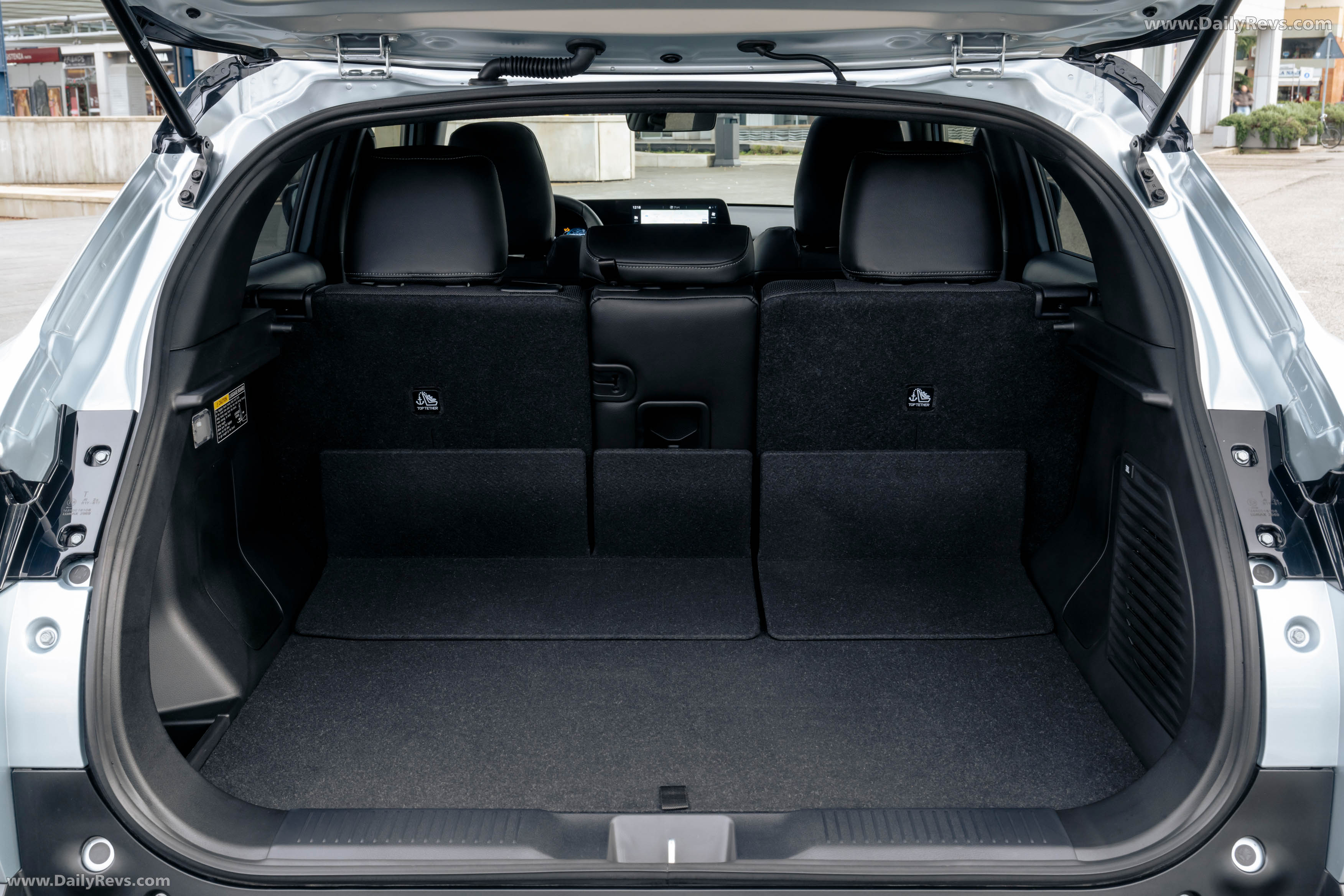
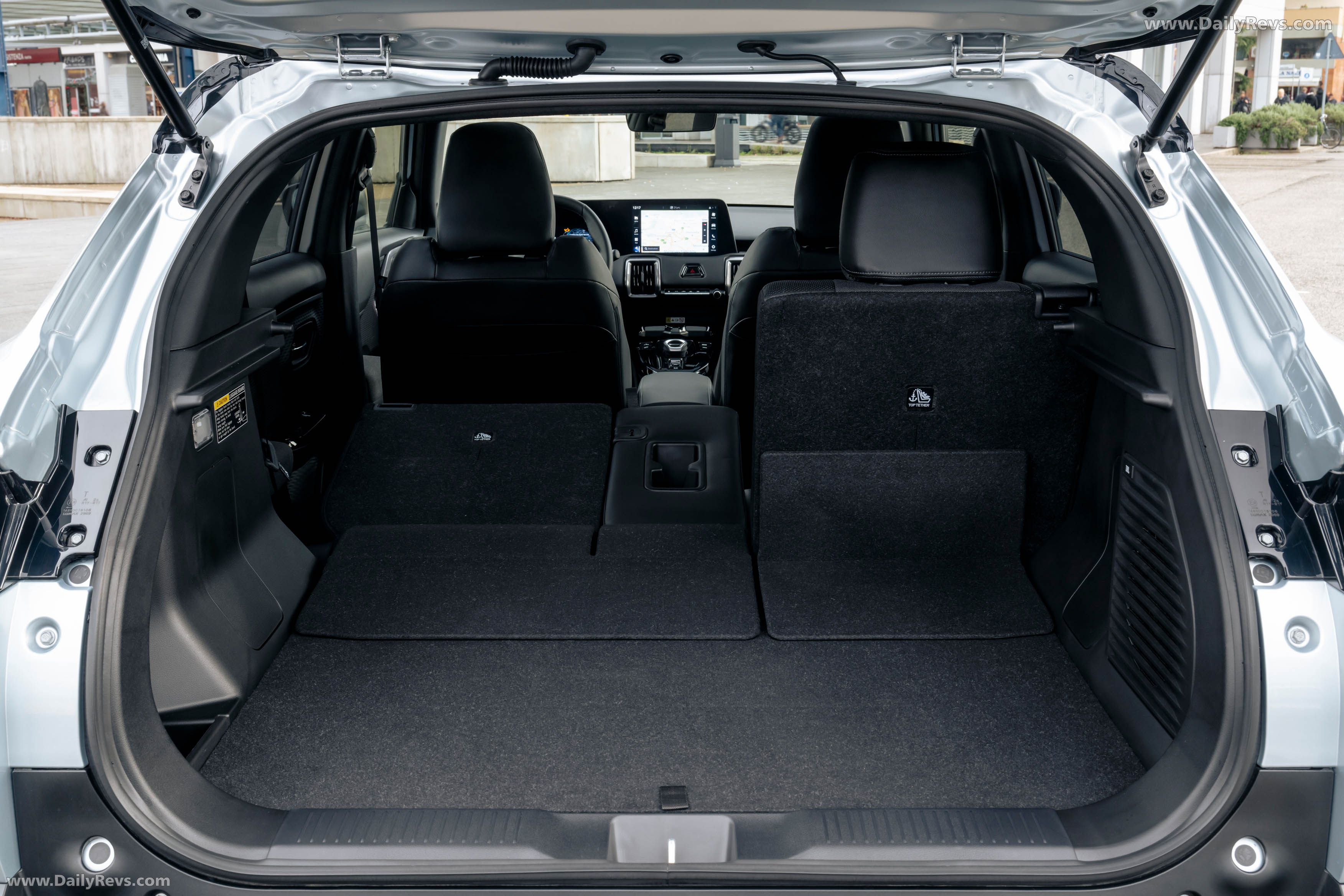
A sliding and split-folding rear seat system allows passenger and cargo space to be adjusted easily, with maximum luggage capacity reaching 566 litres with seats folded.
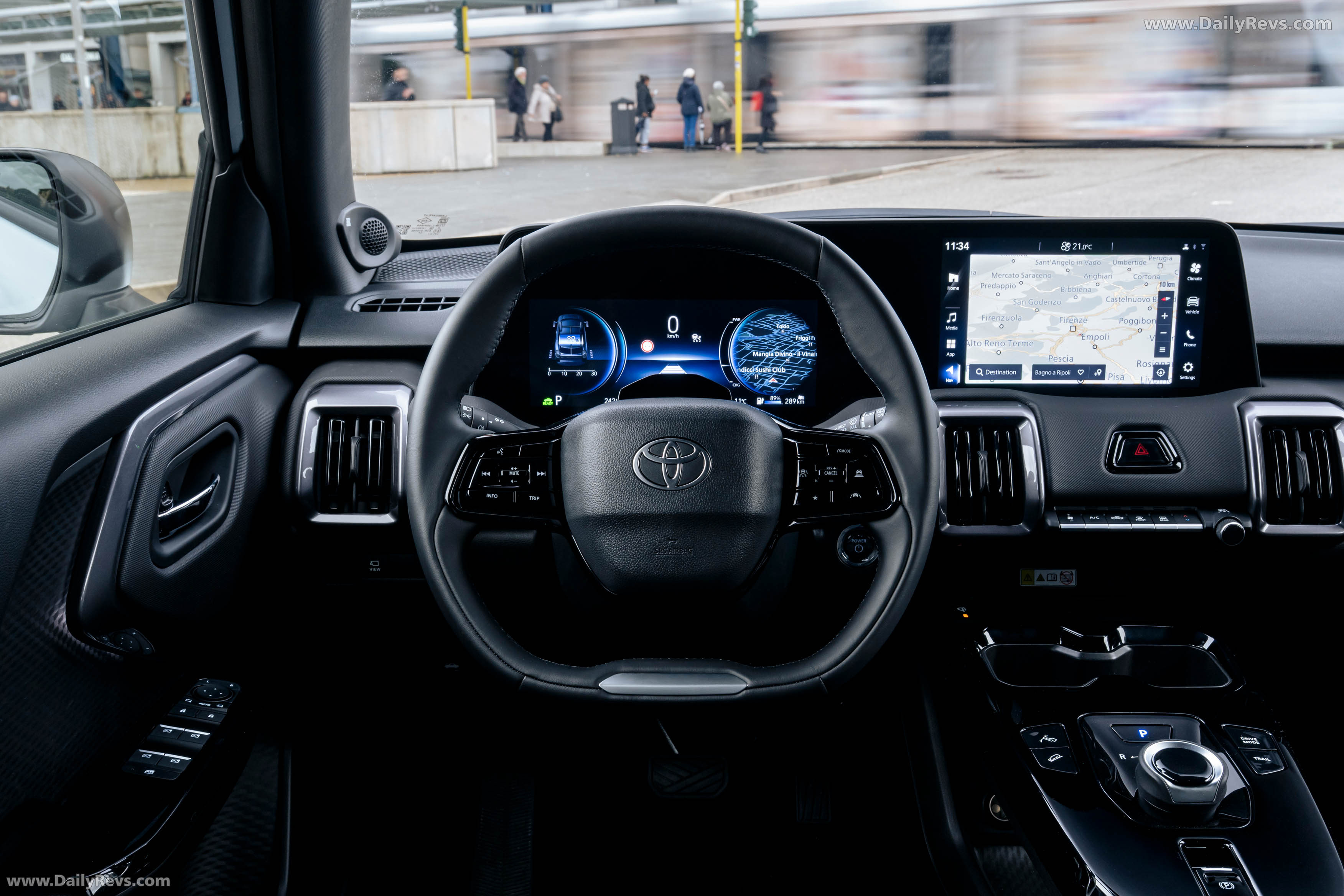
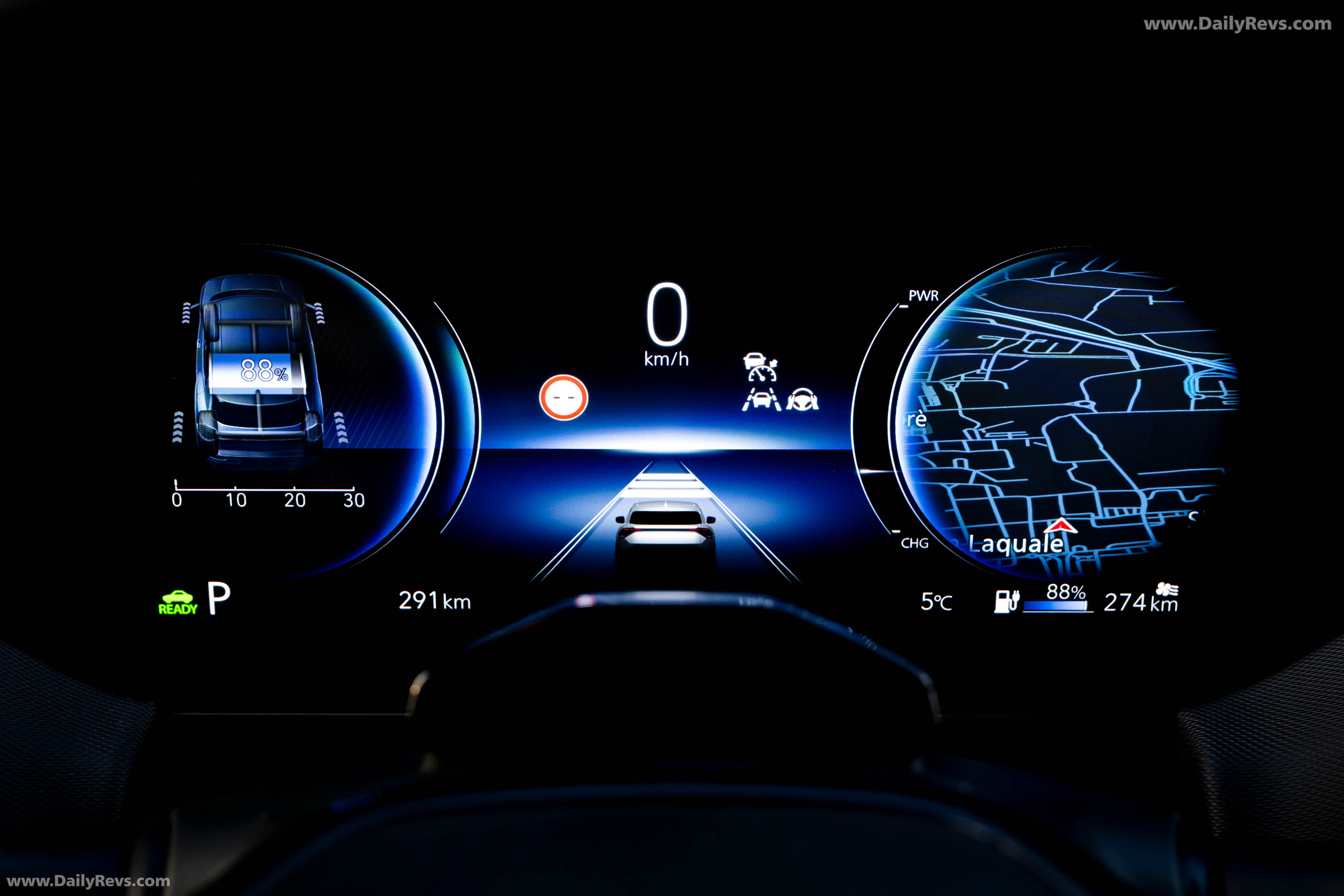
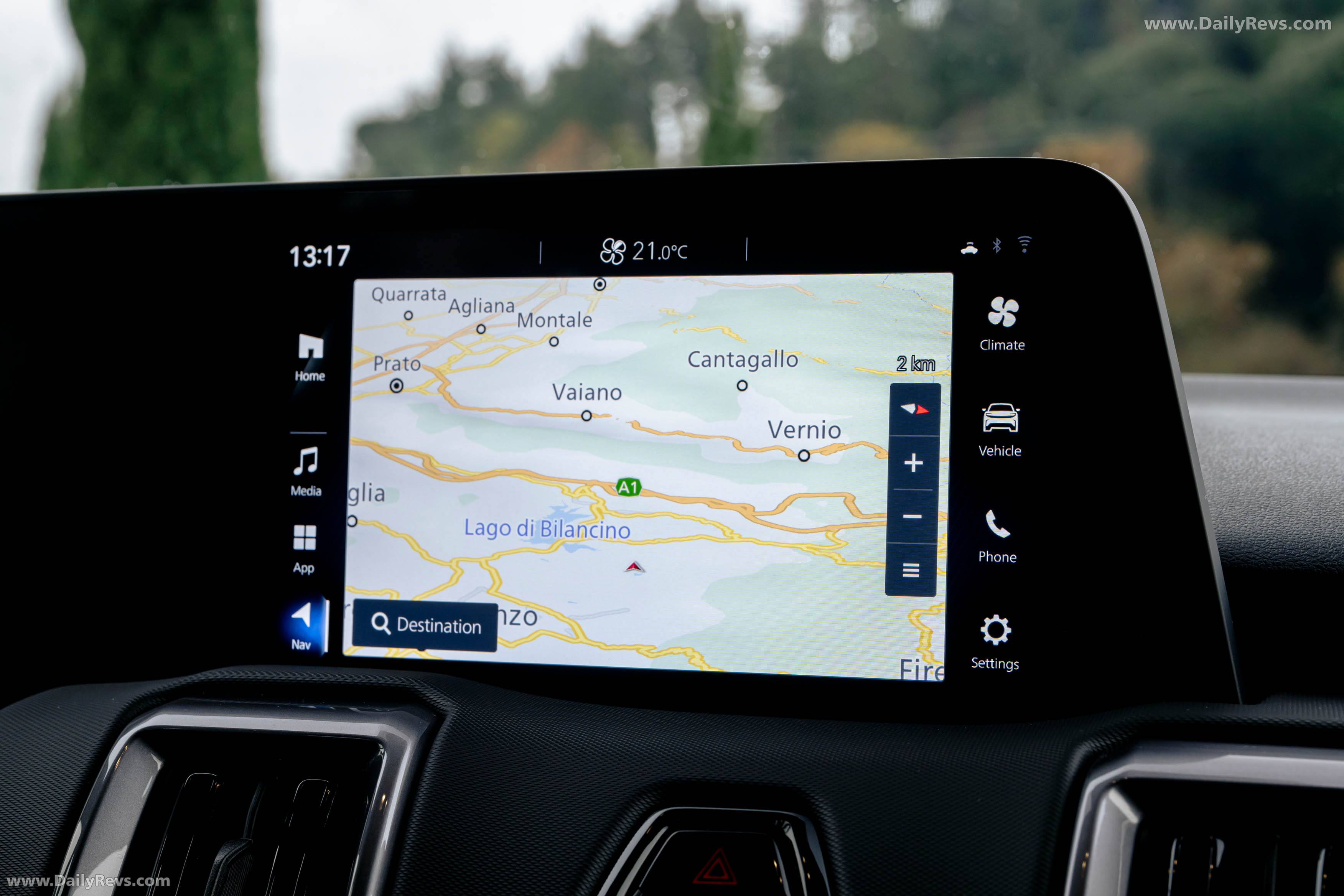
The digital experience centres on a unified display housing a 10.25-inch driver combimeter and a 10.1-inch multimedia touchscreen. Wireless smartphone integration, multiple USB ports, and remote vehicle management via the MyToyota app are all part of the package.
Positioning in Toyota’s Electric Lineup
As a front-wheel-drive electric SUV, the 2026 Toyota Urban Cruiser FWD slots below the bZ4X and alongside hybrid offerings like the Yaris Cross. It targets urban and suburban buyers seeking zero-emission driving without stepping into a larger, more expensive EV.