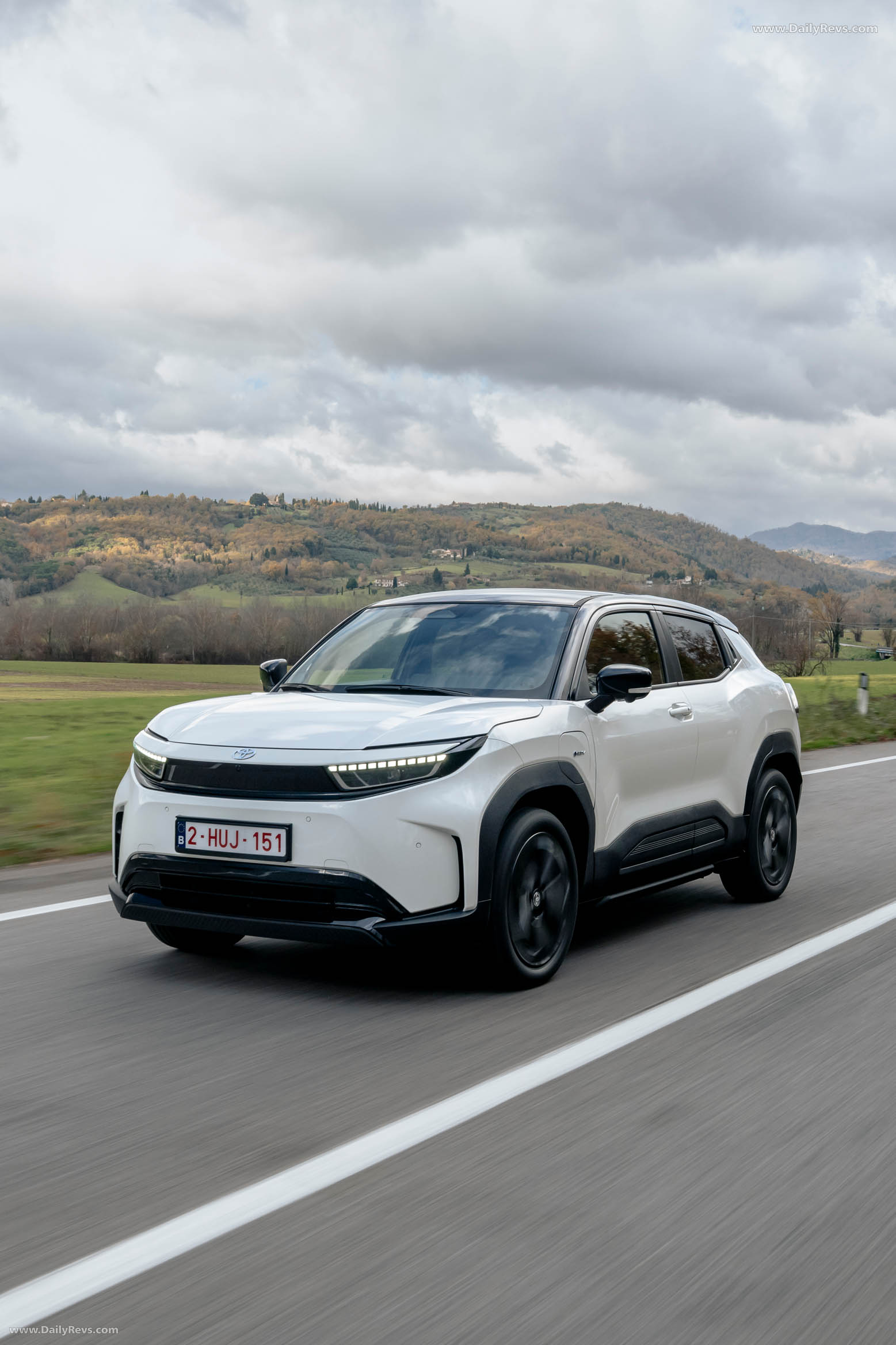
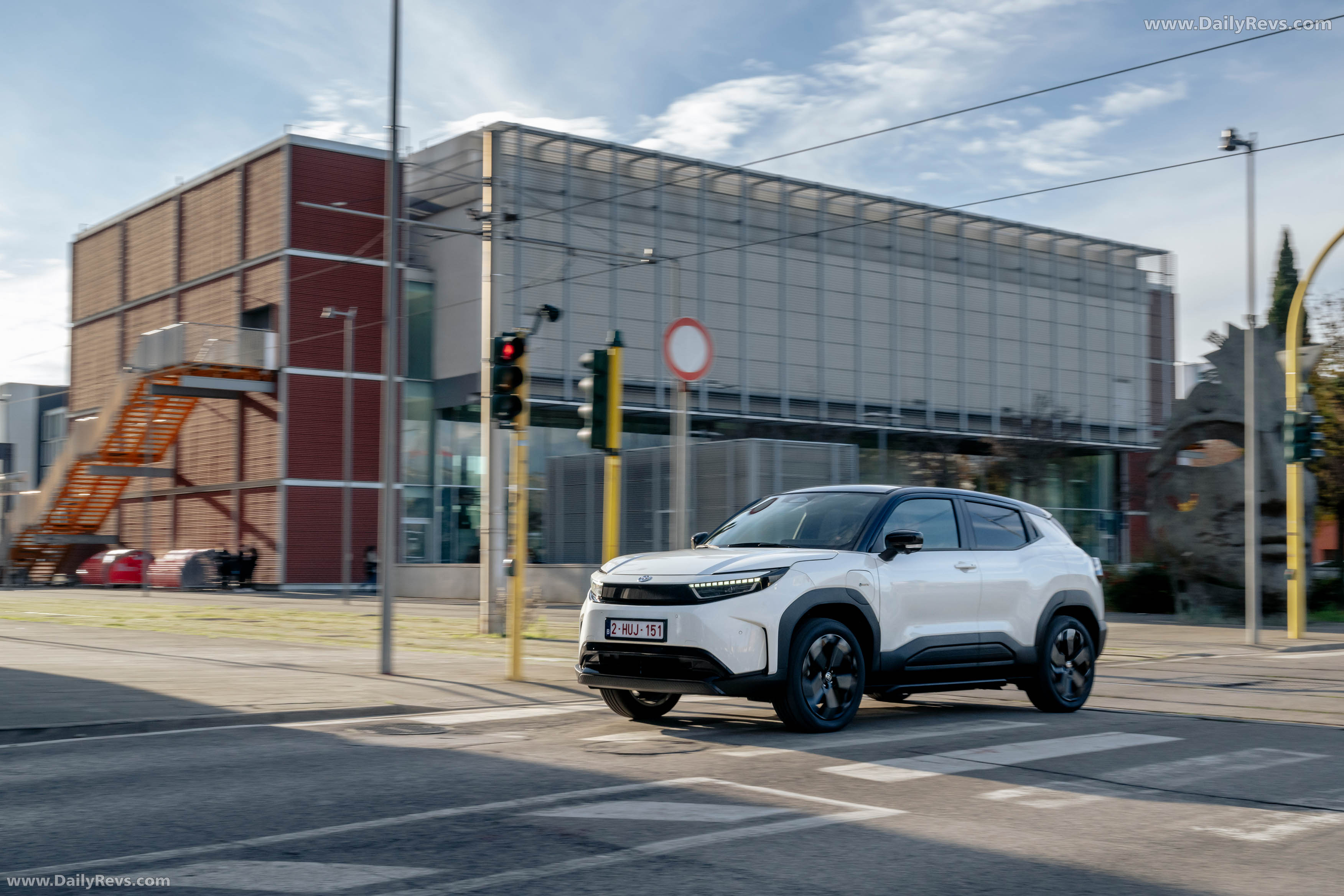
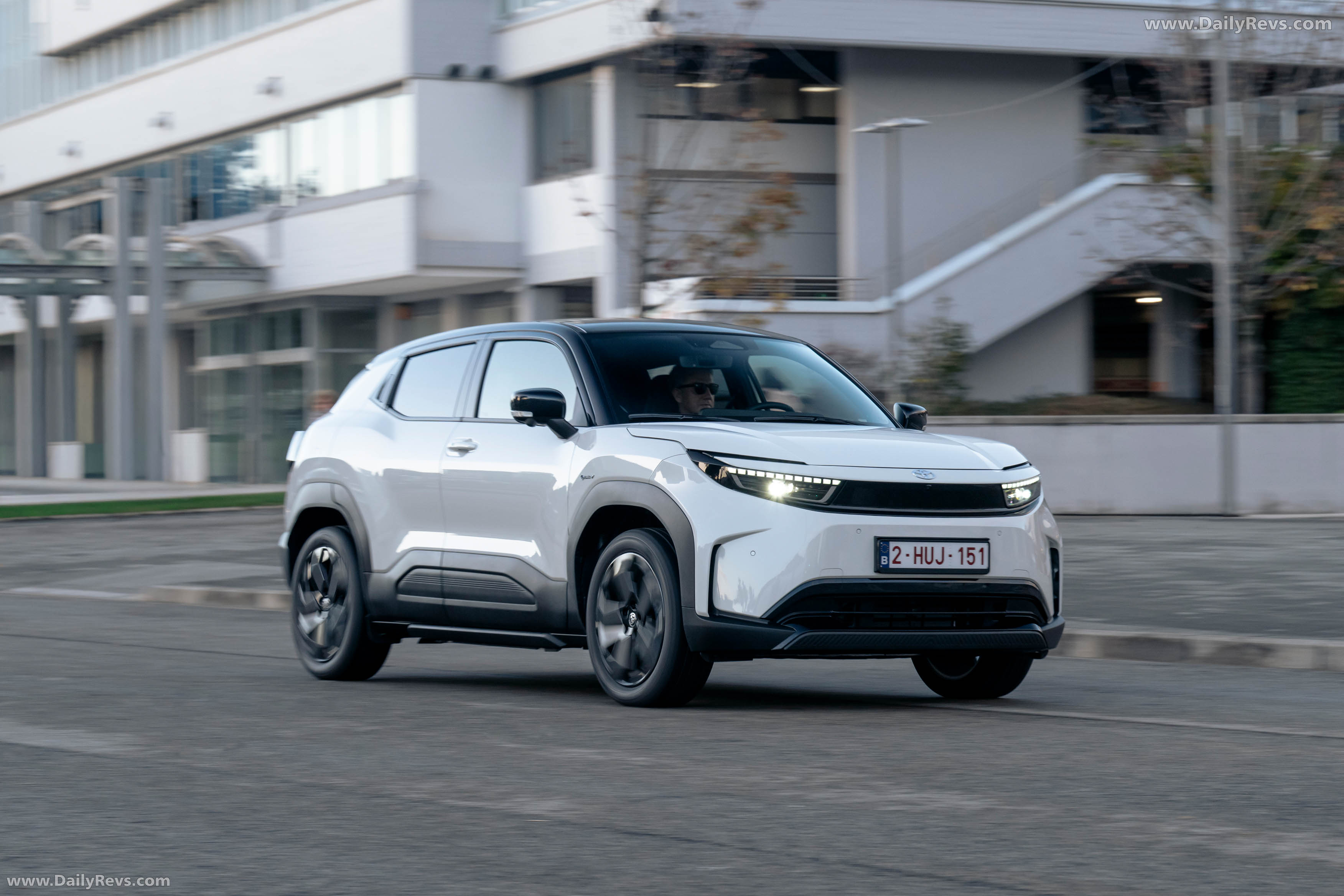
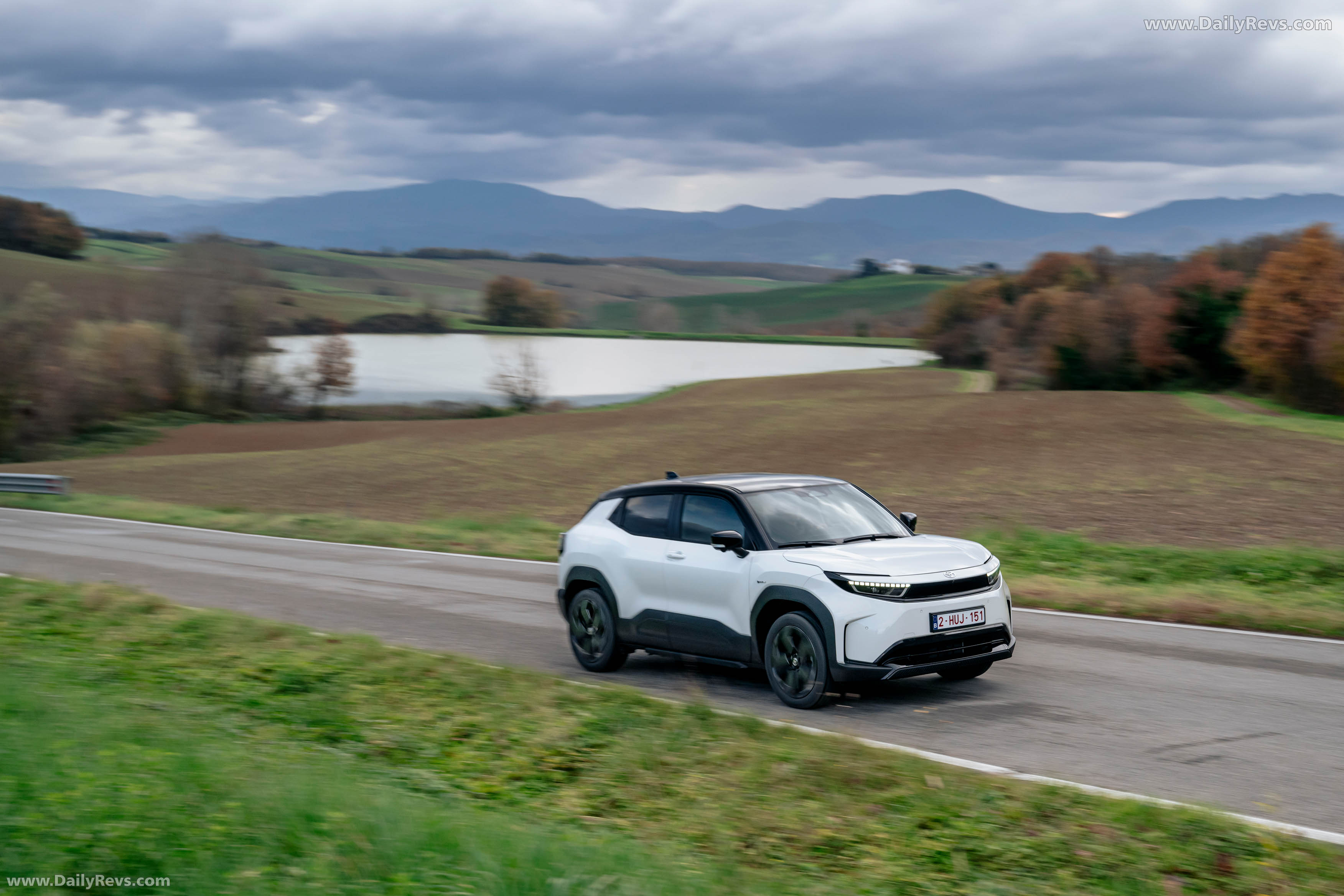
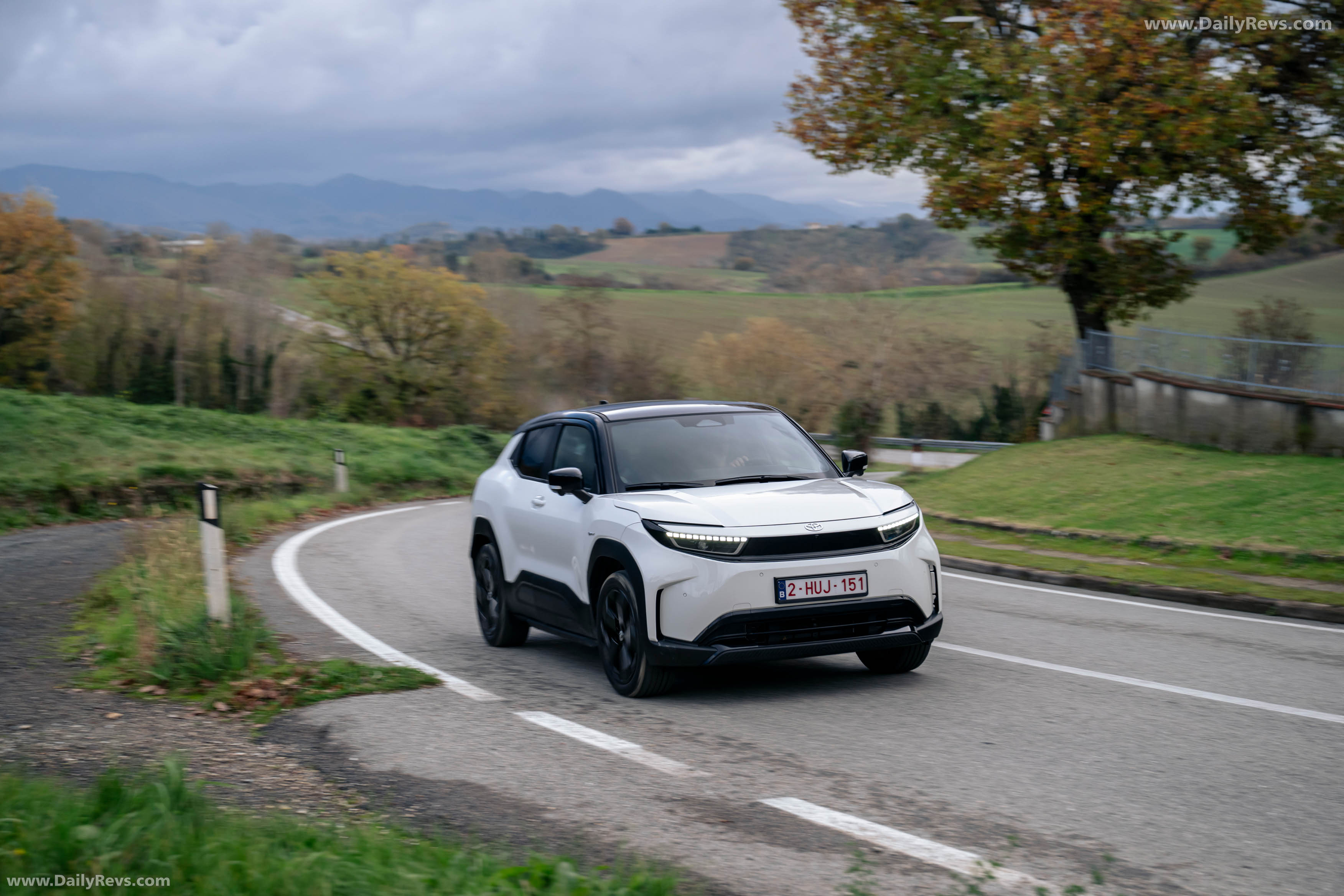
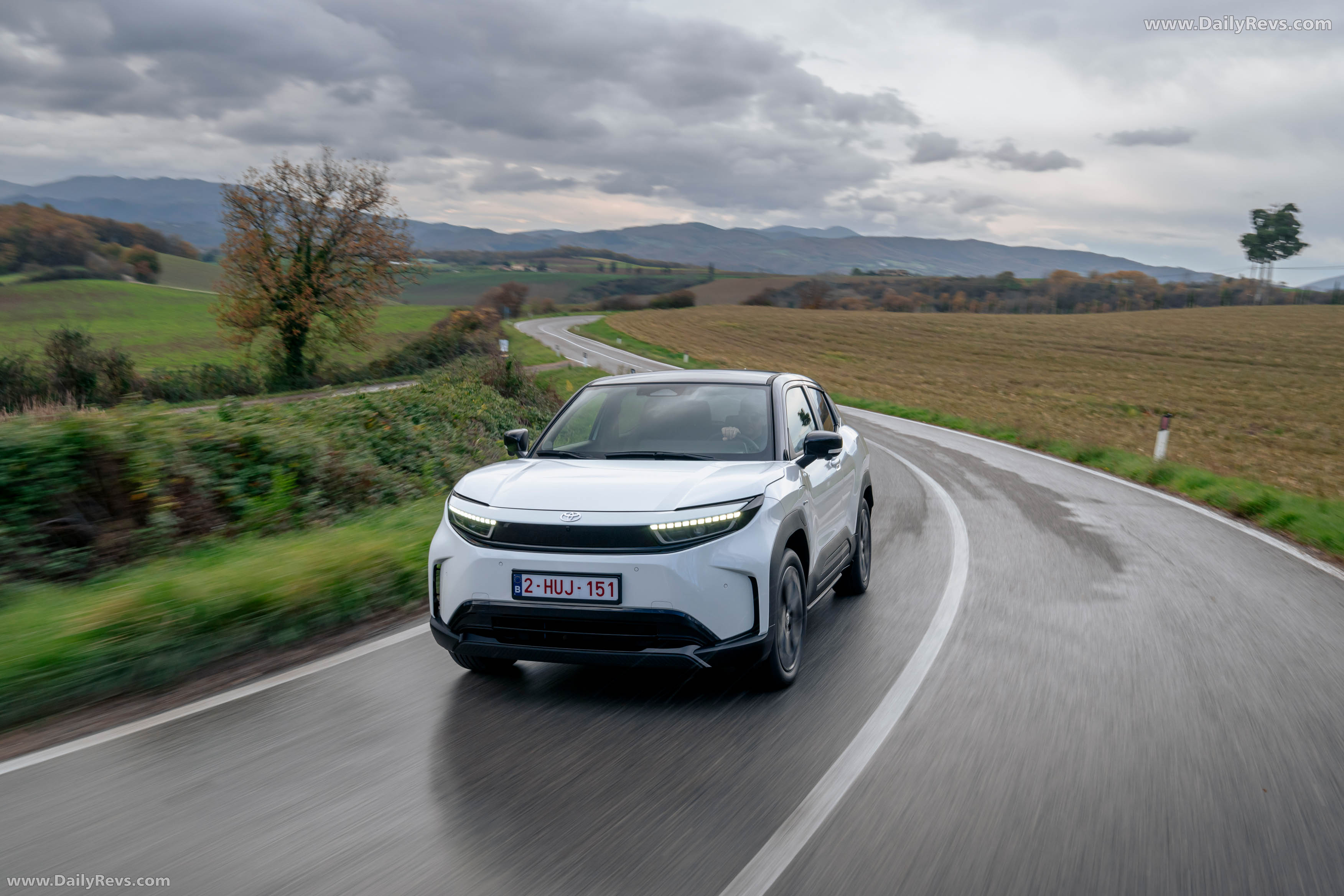
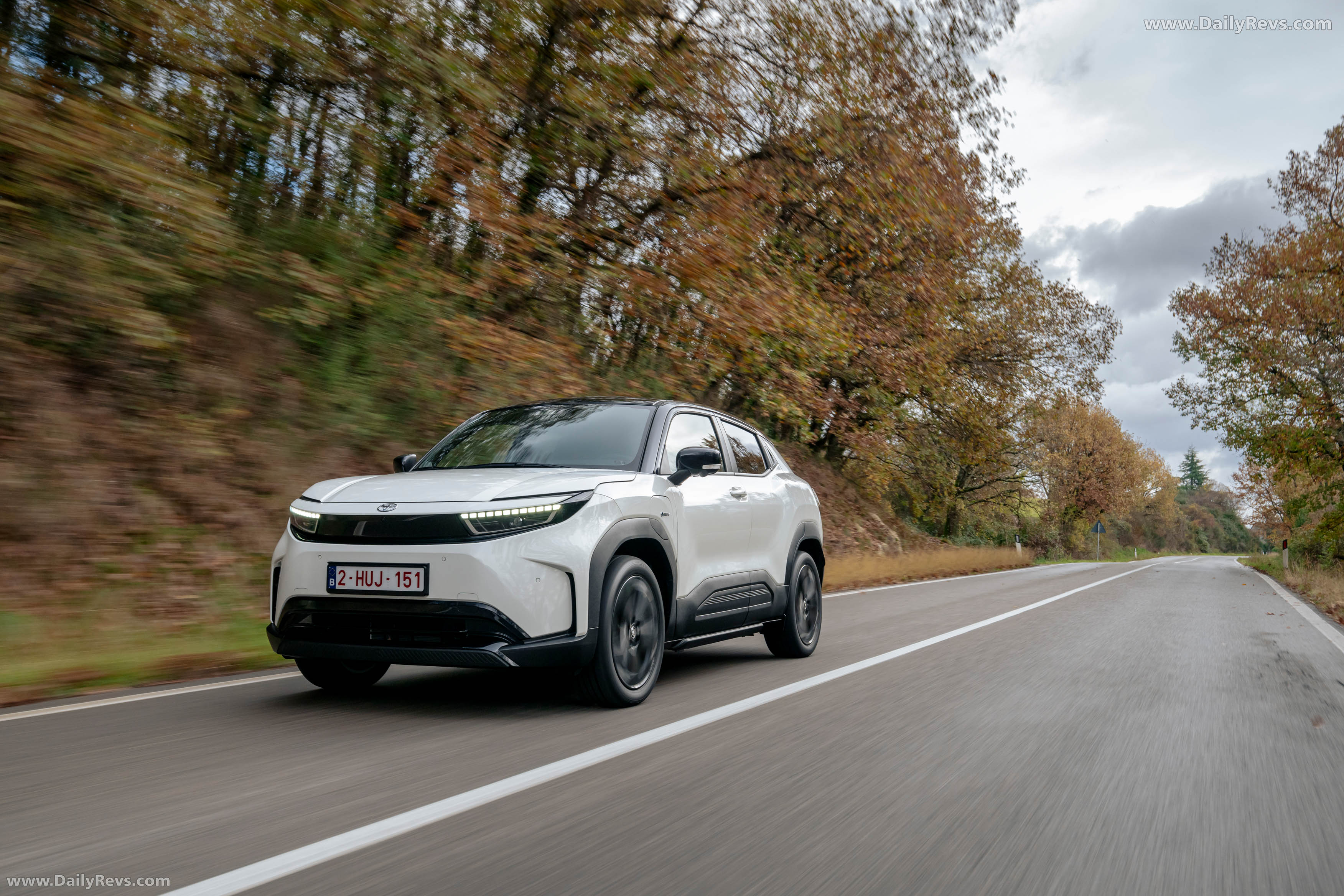
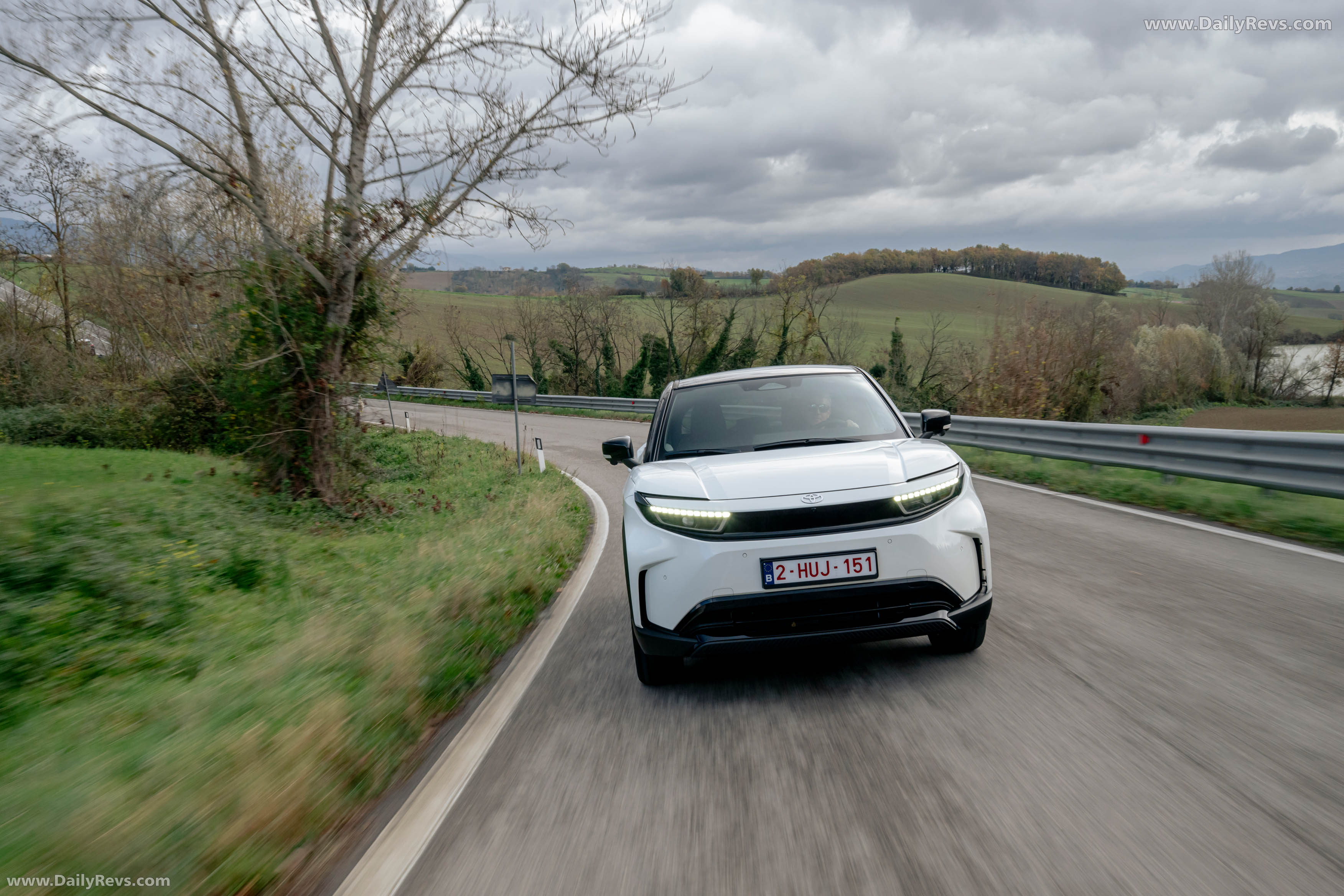
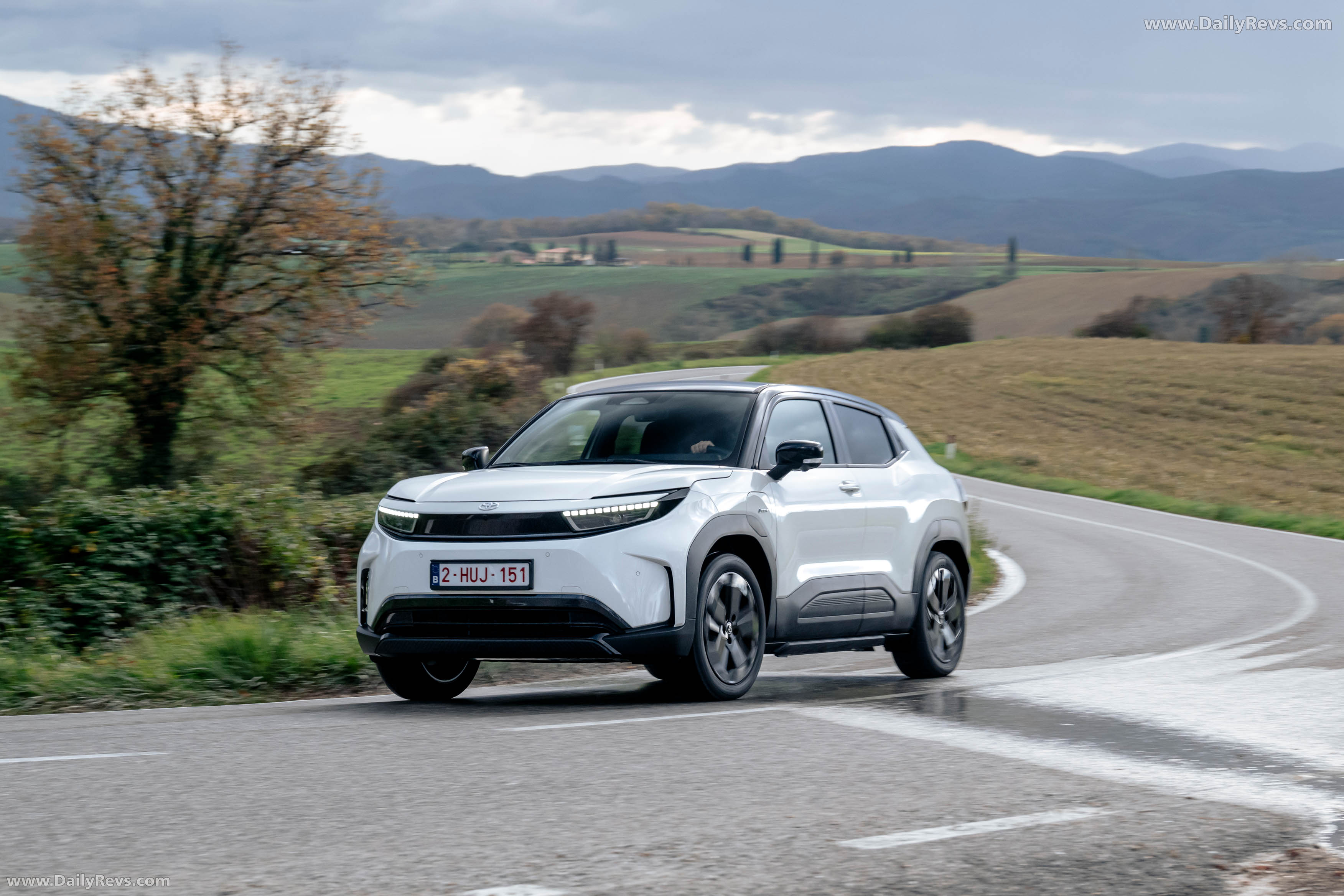
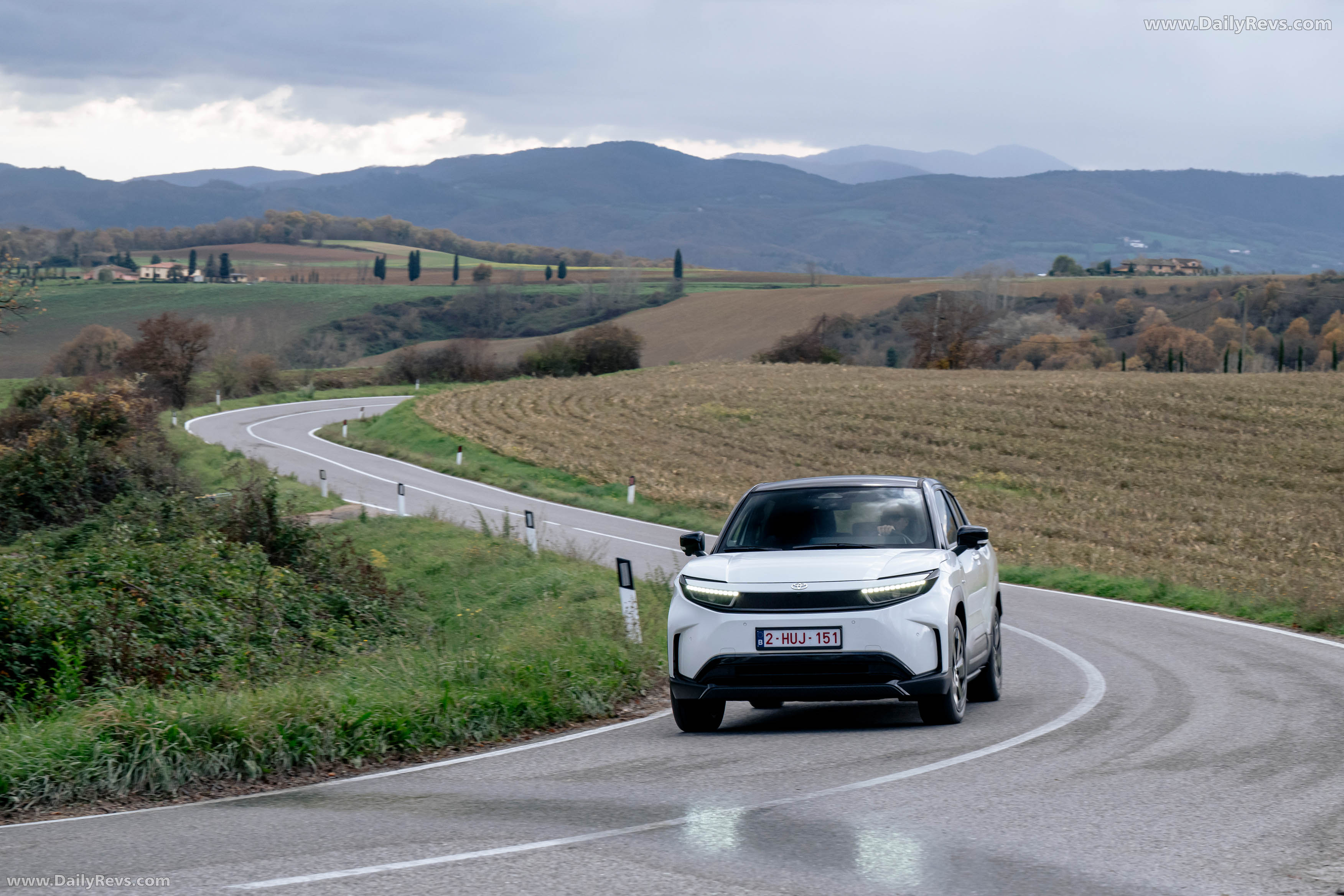
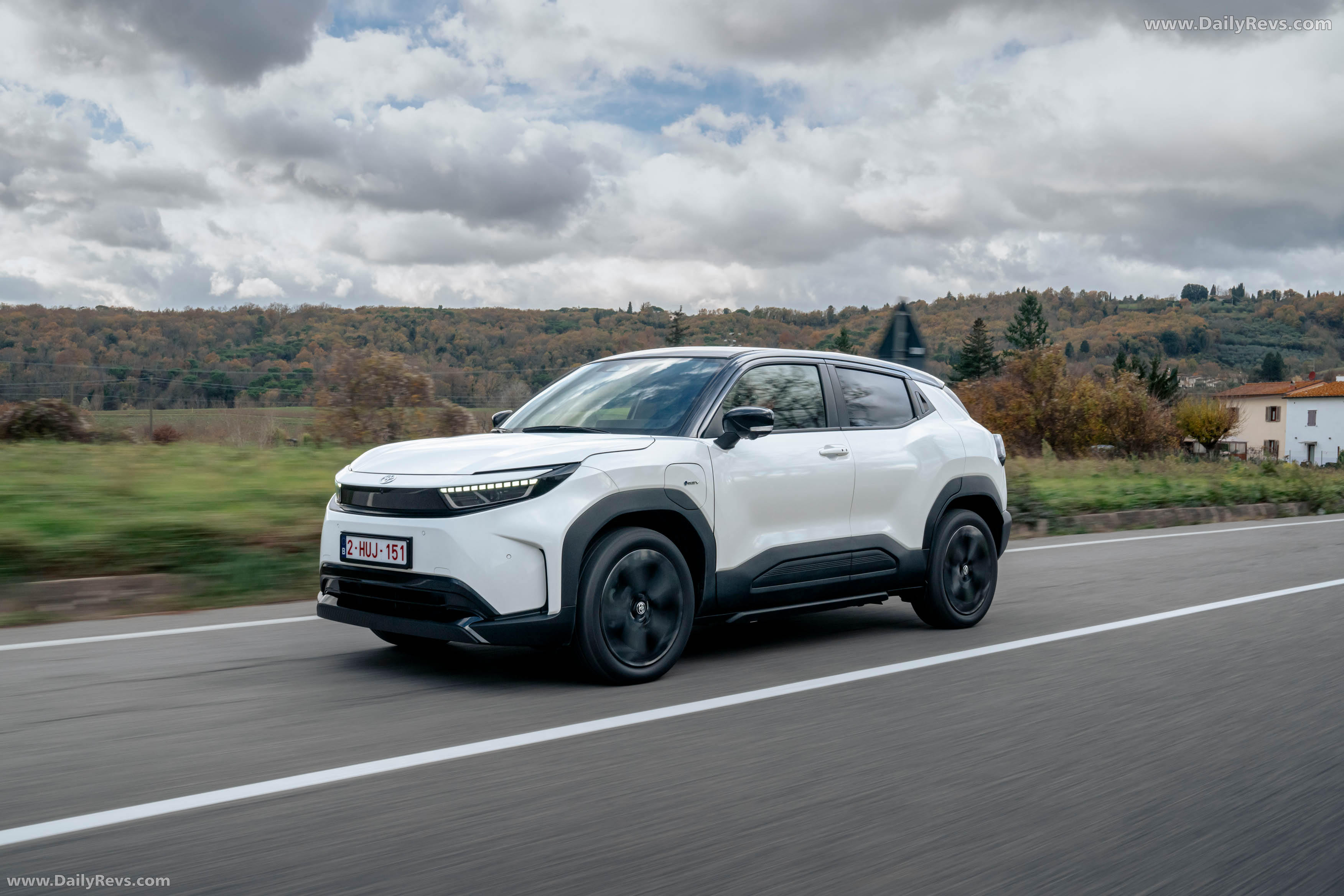
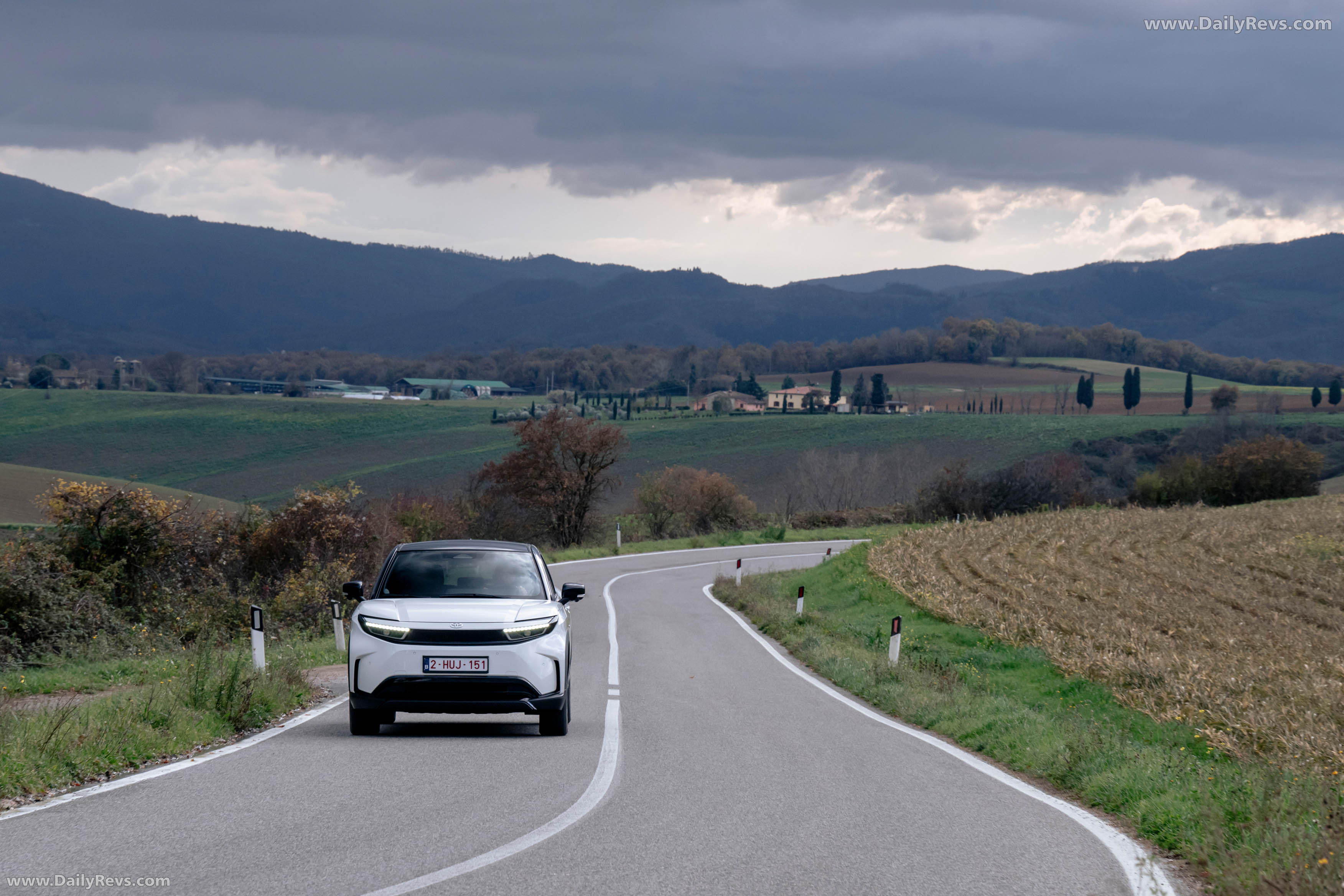
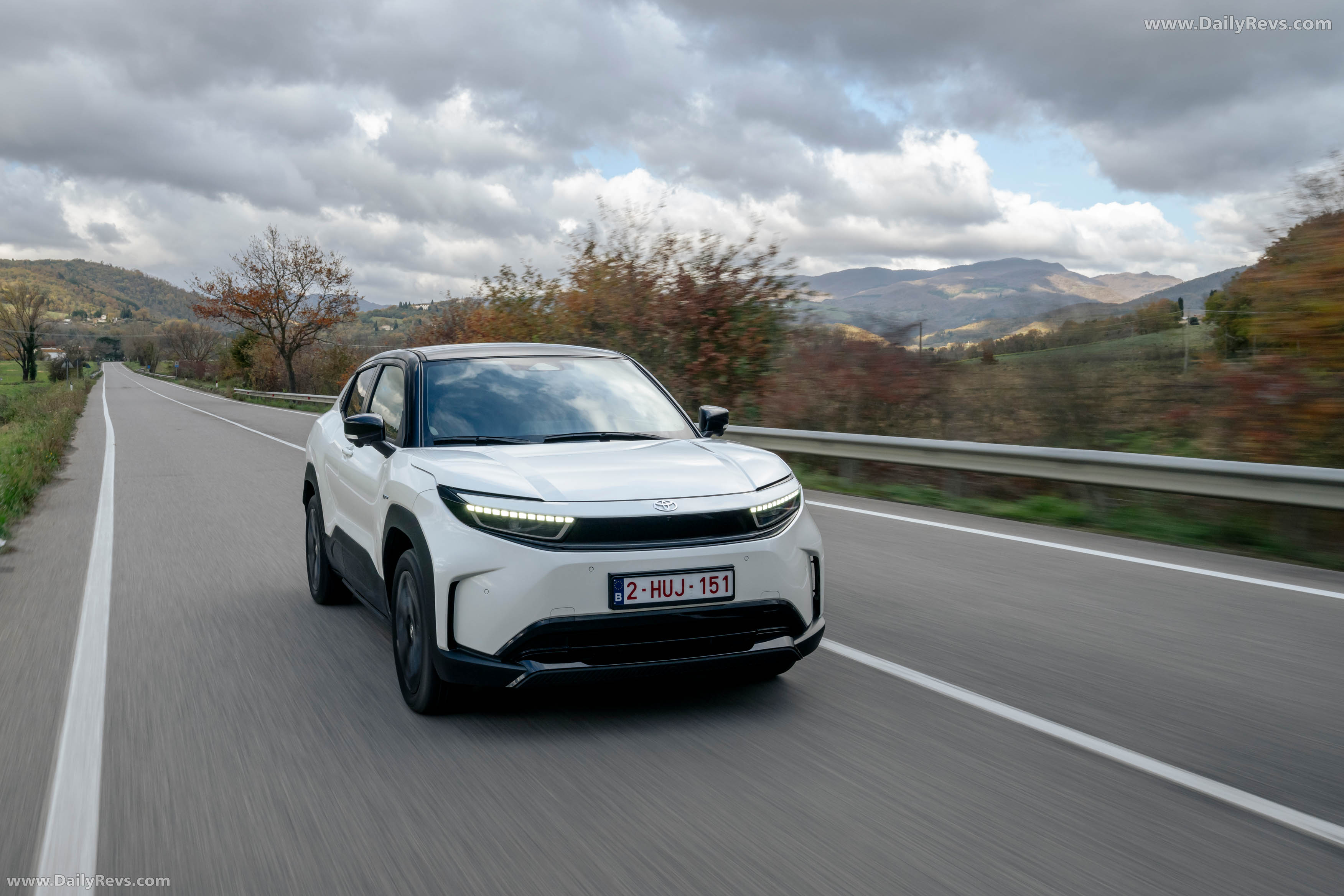
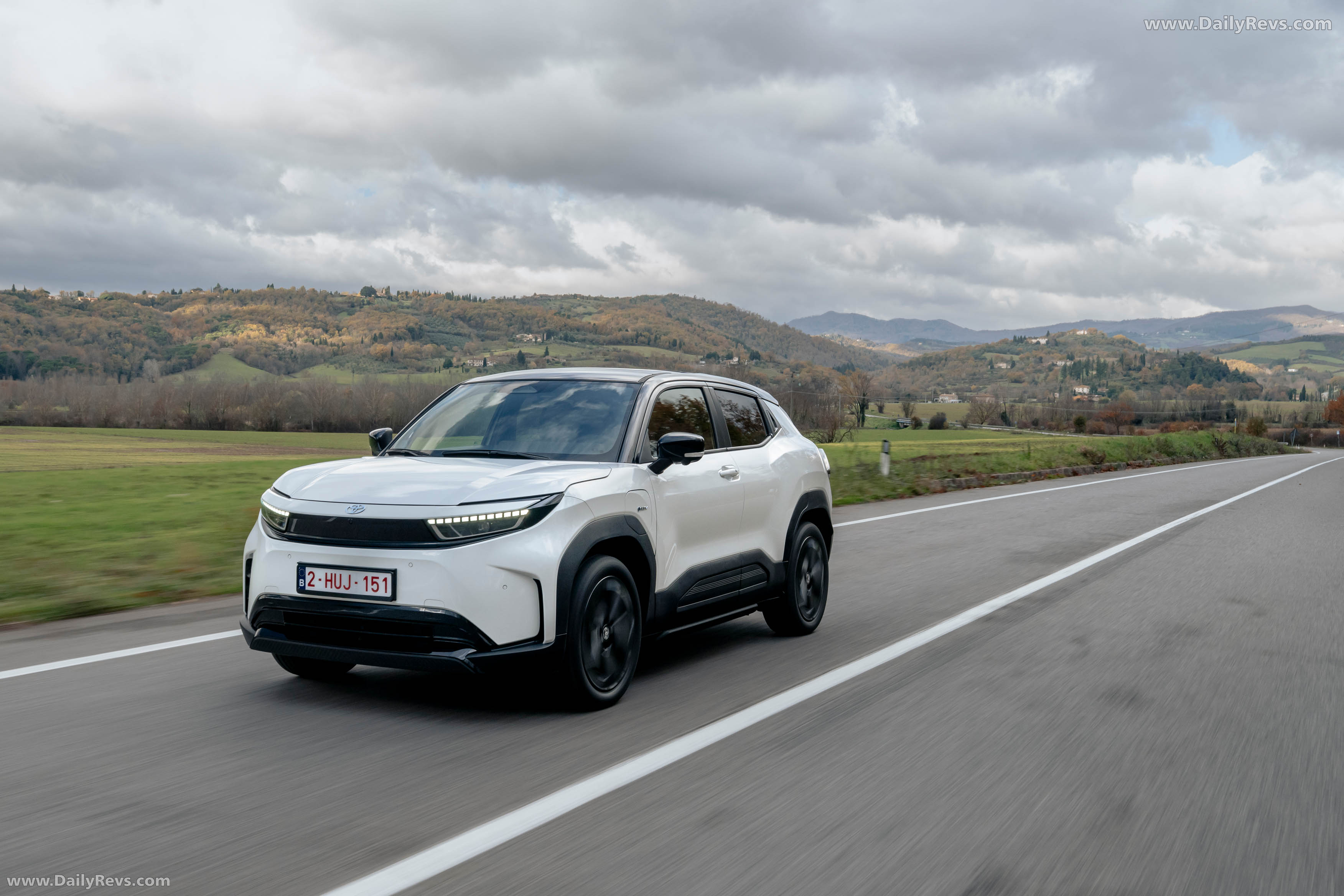
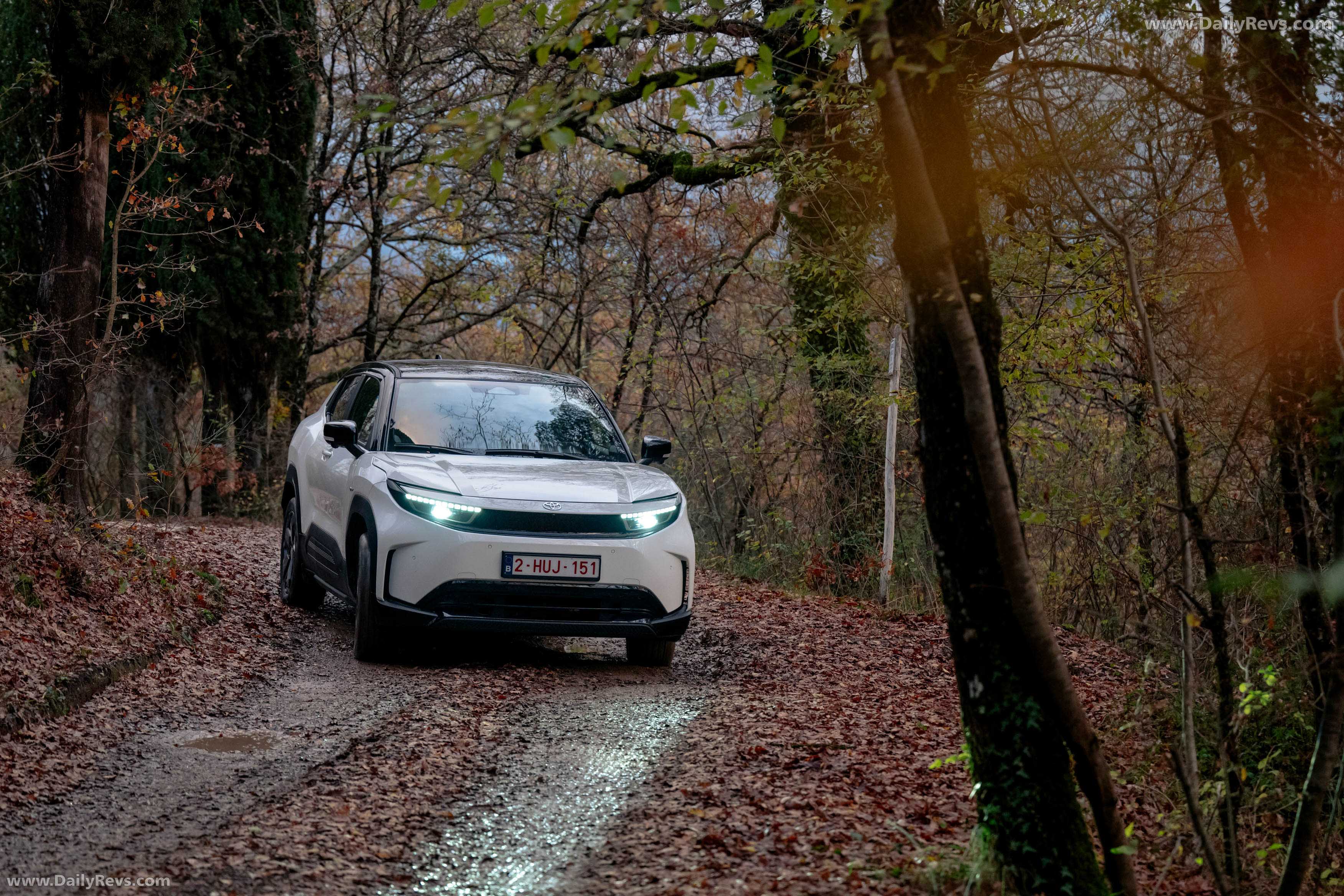
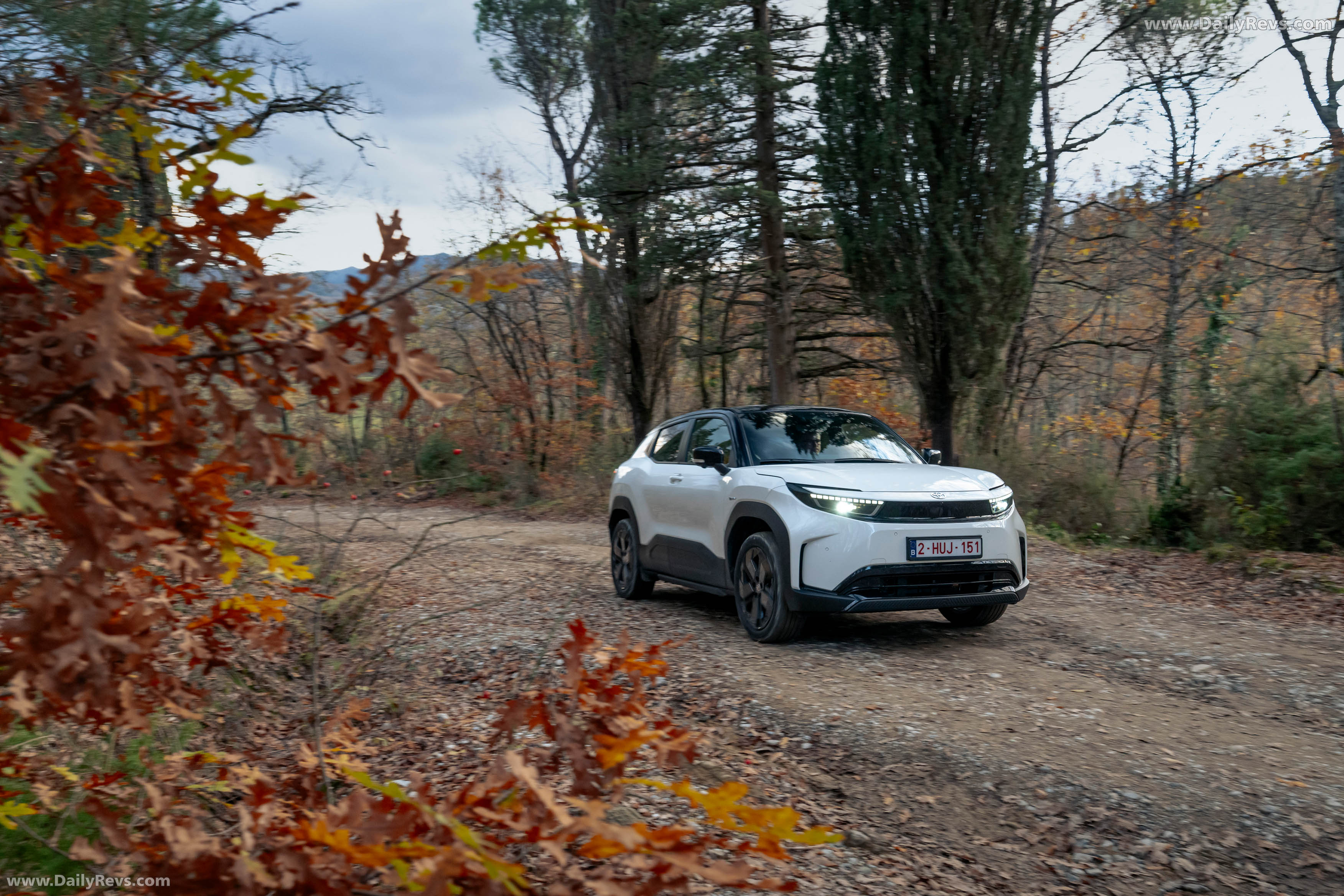
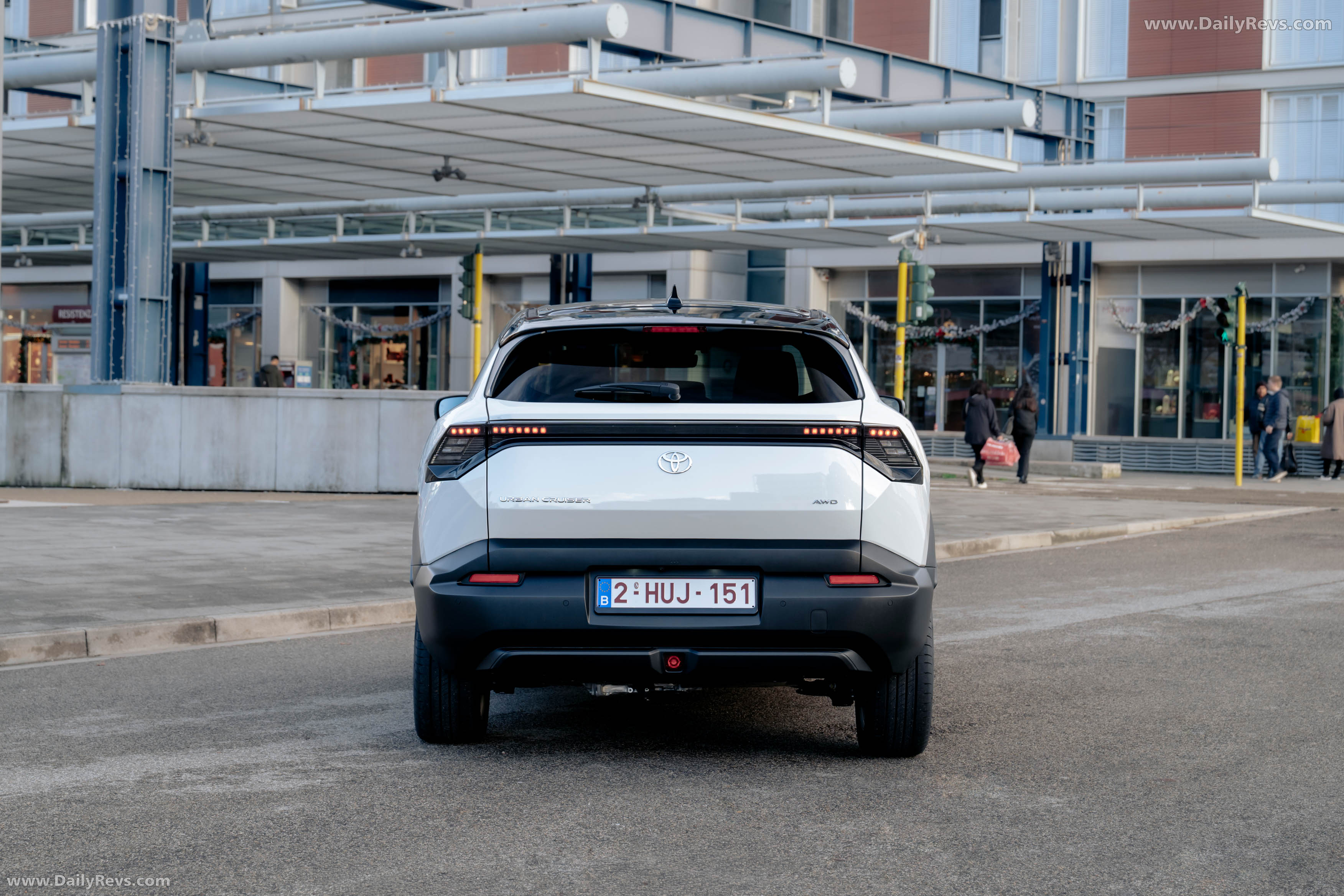
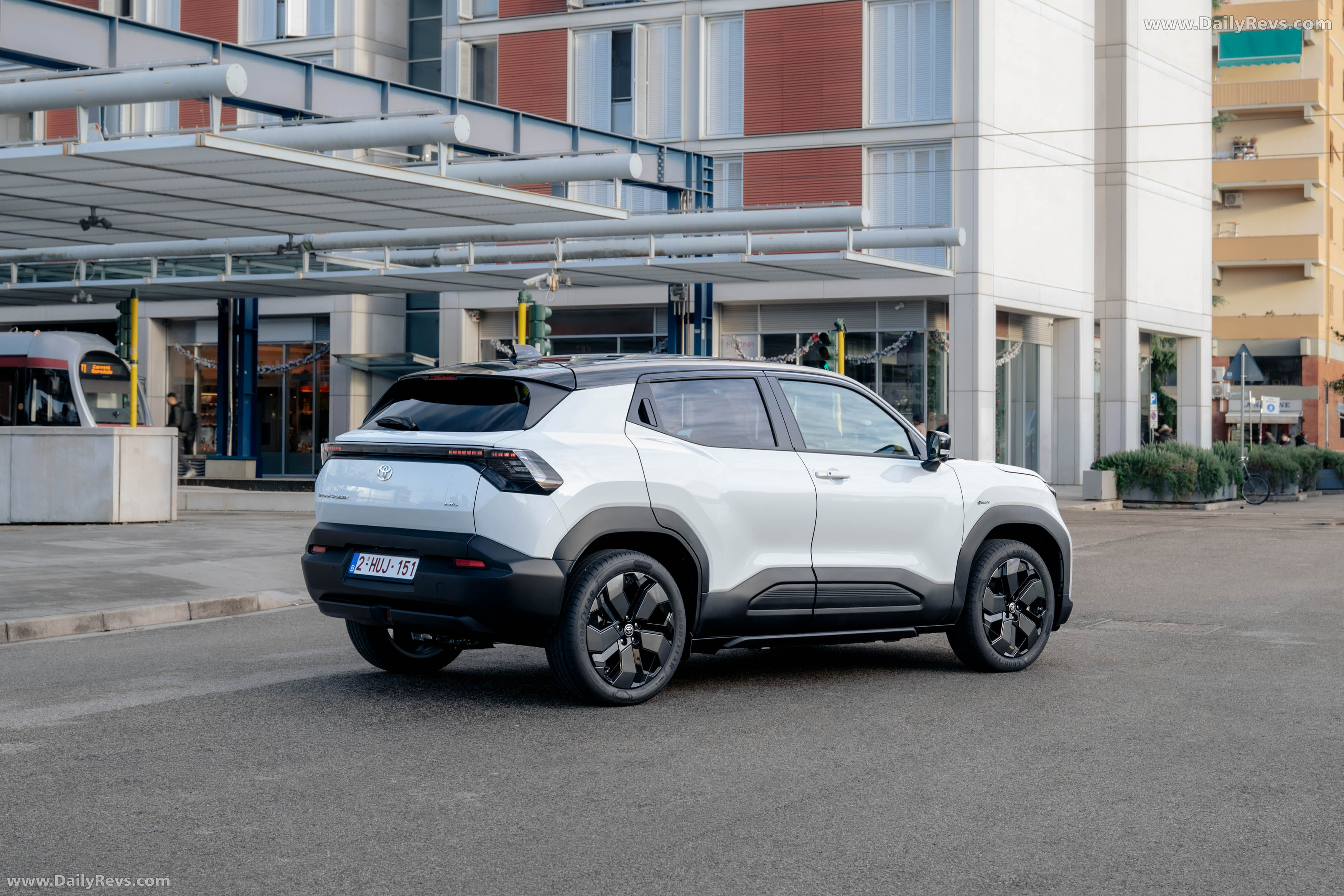
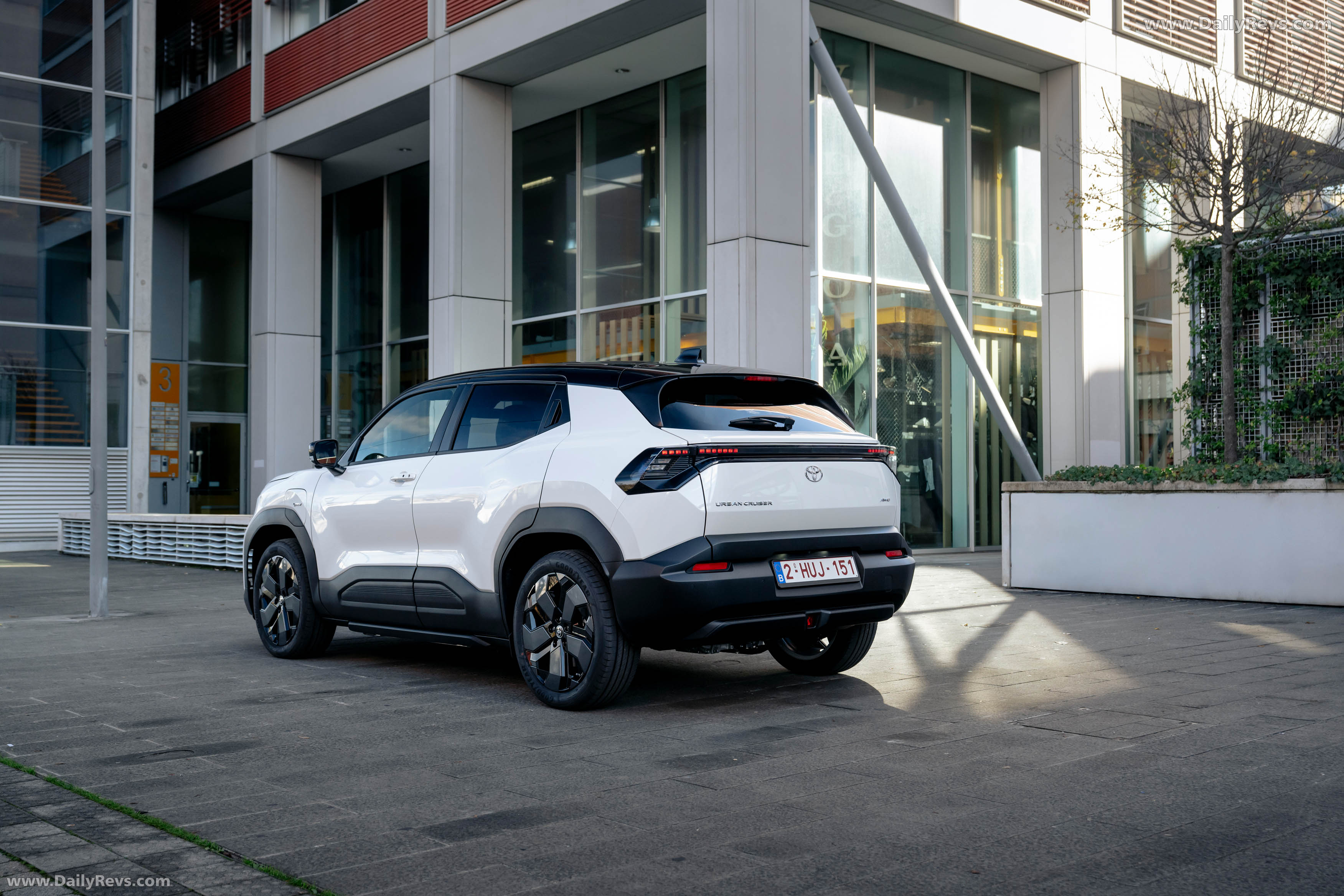
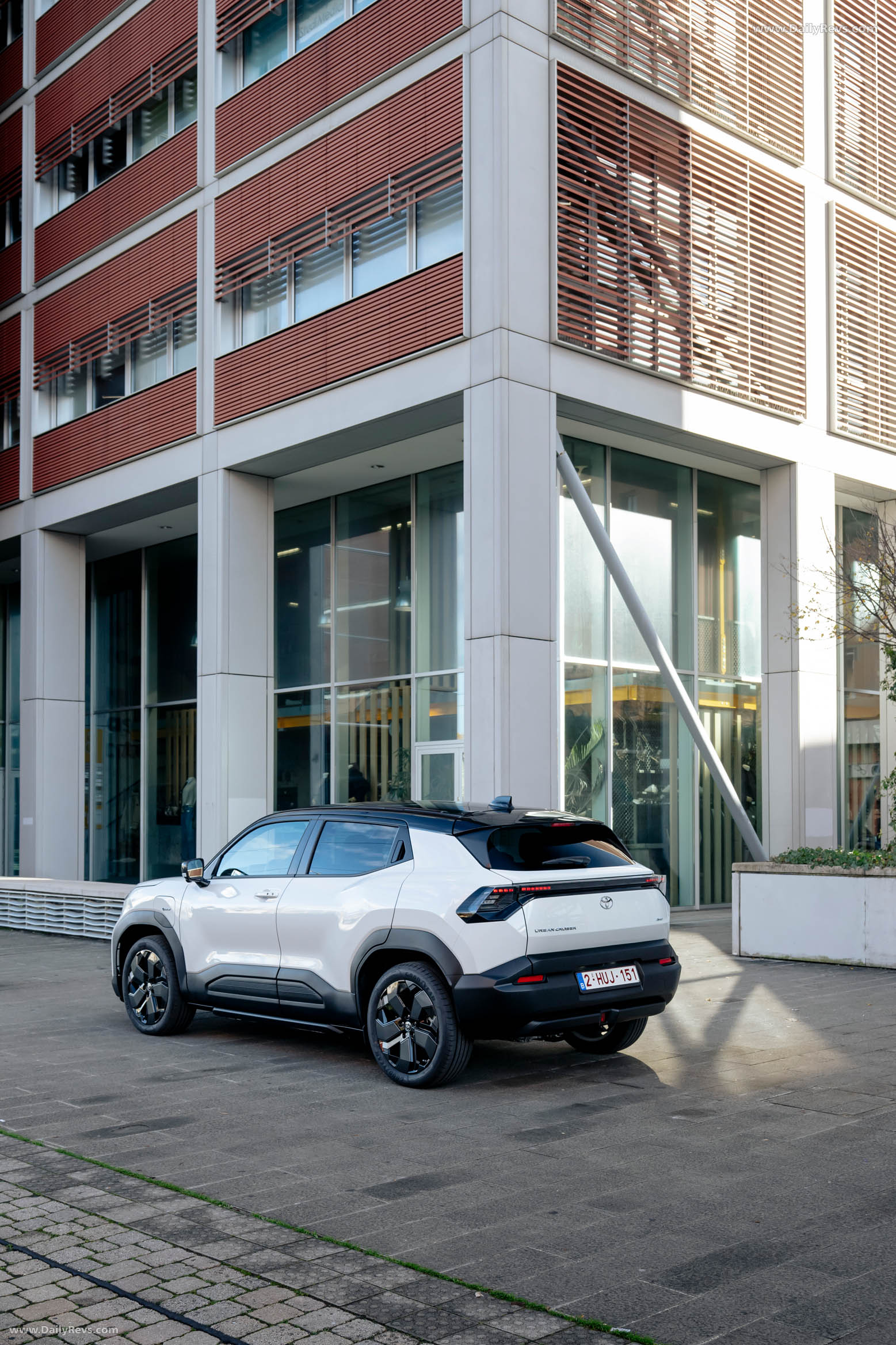
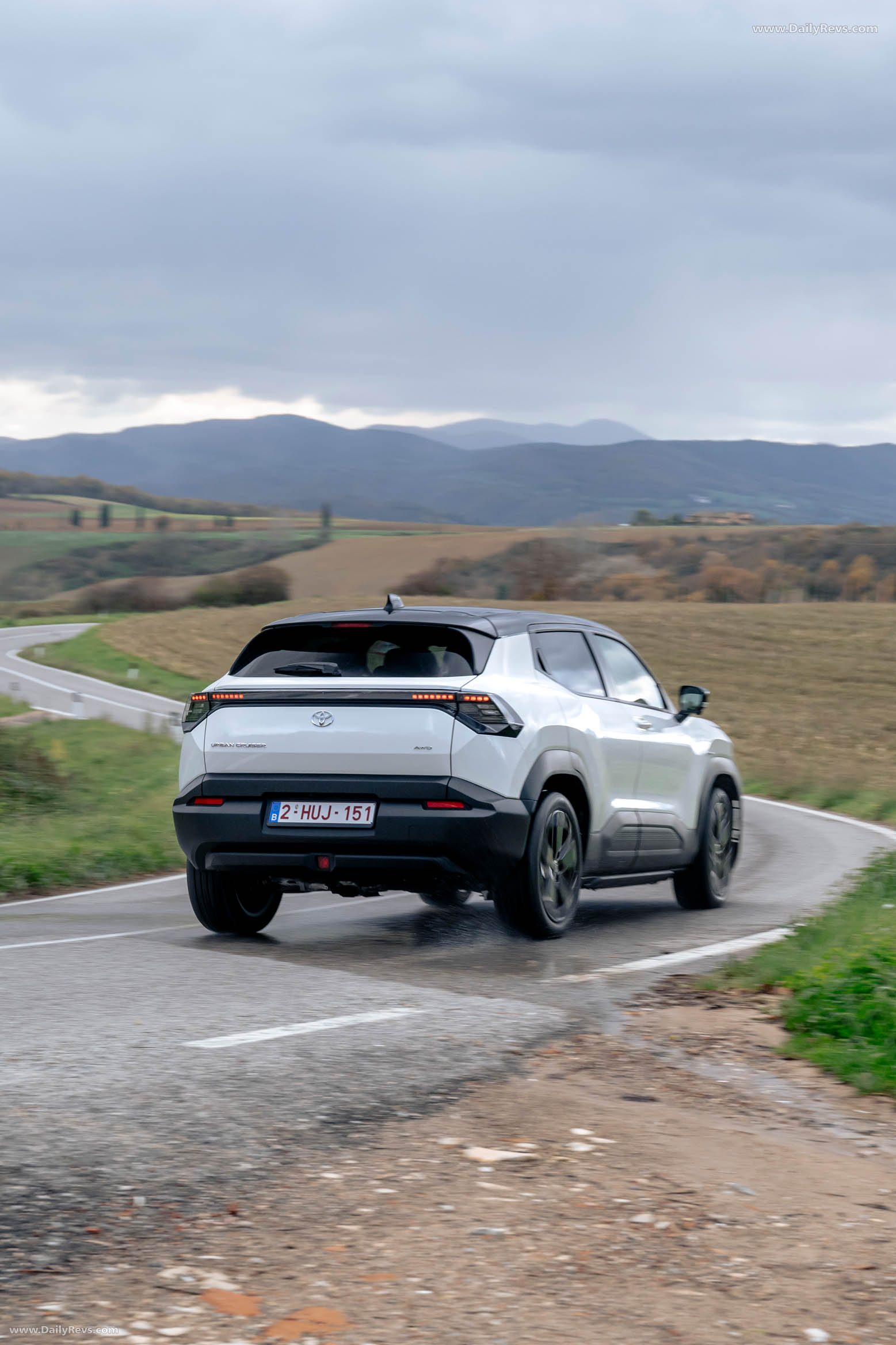
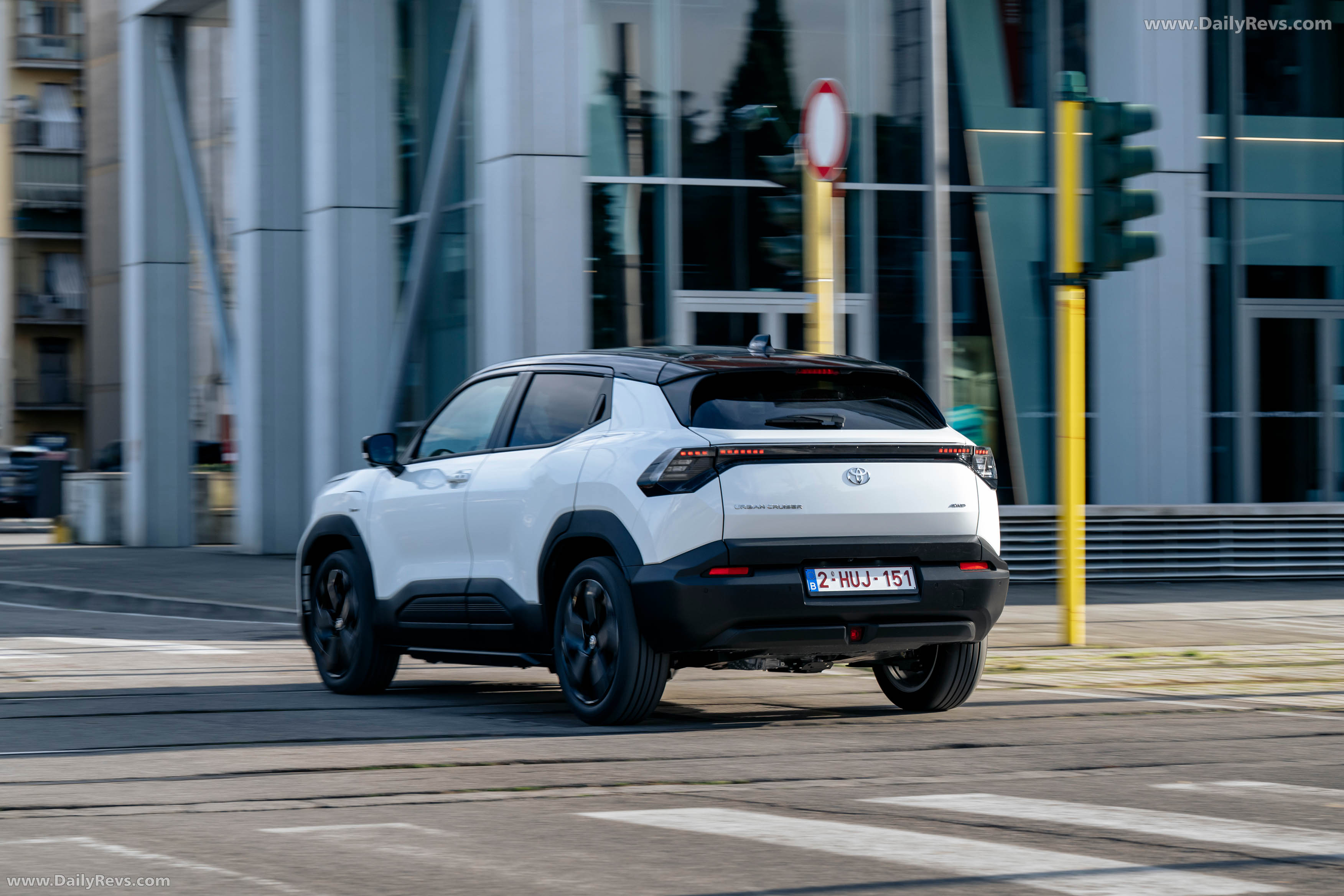
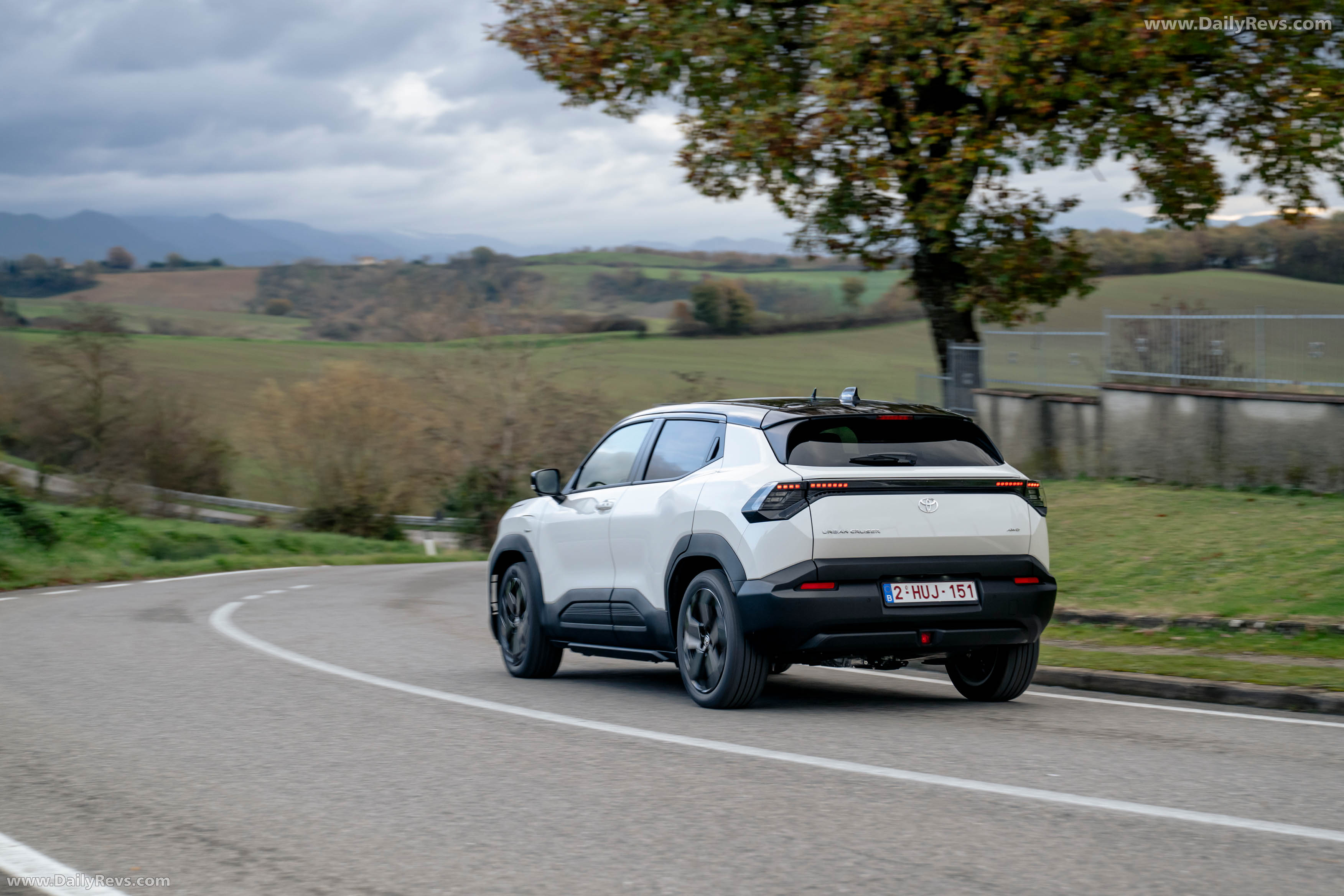
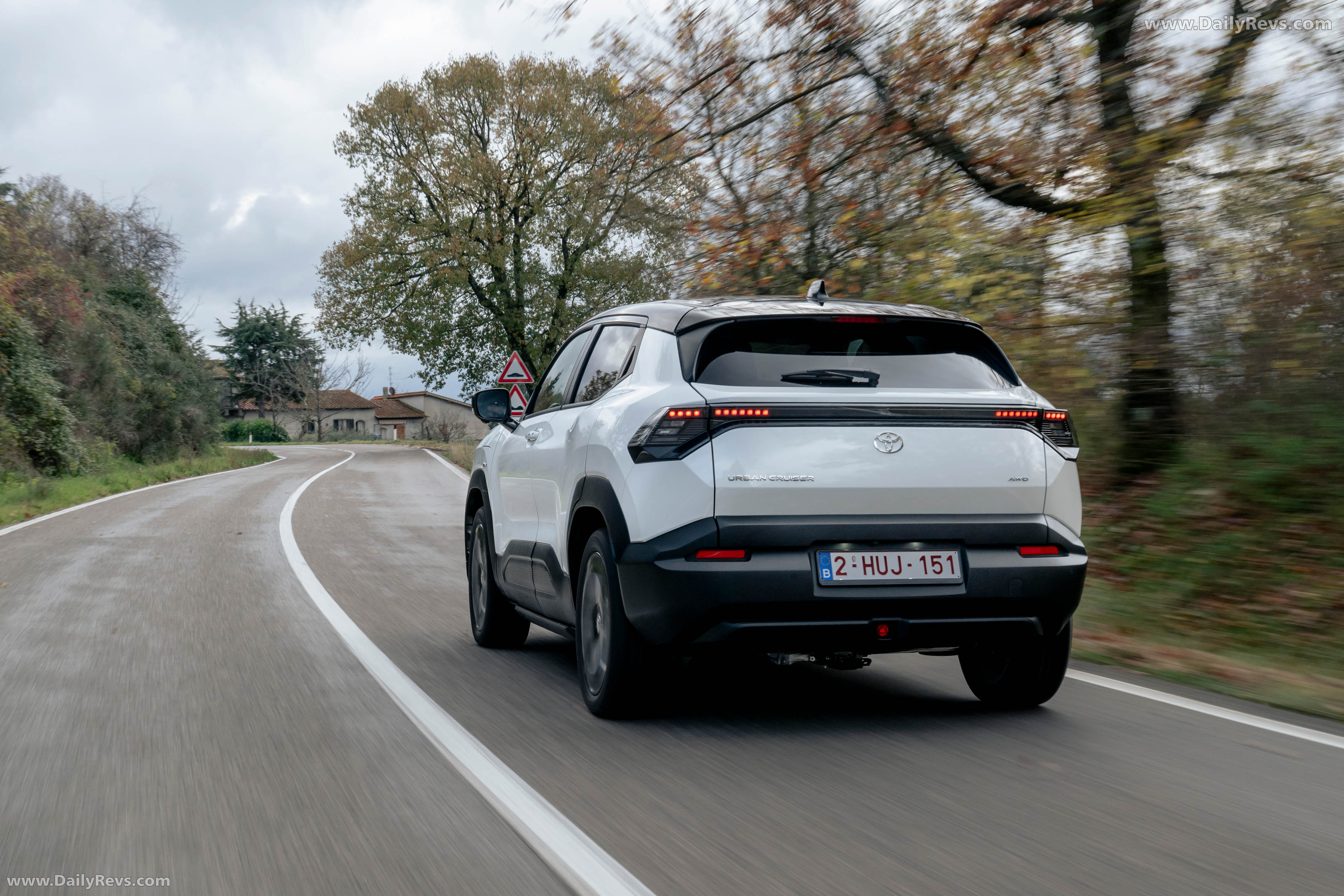
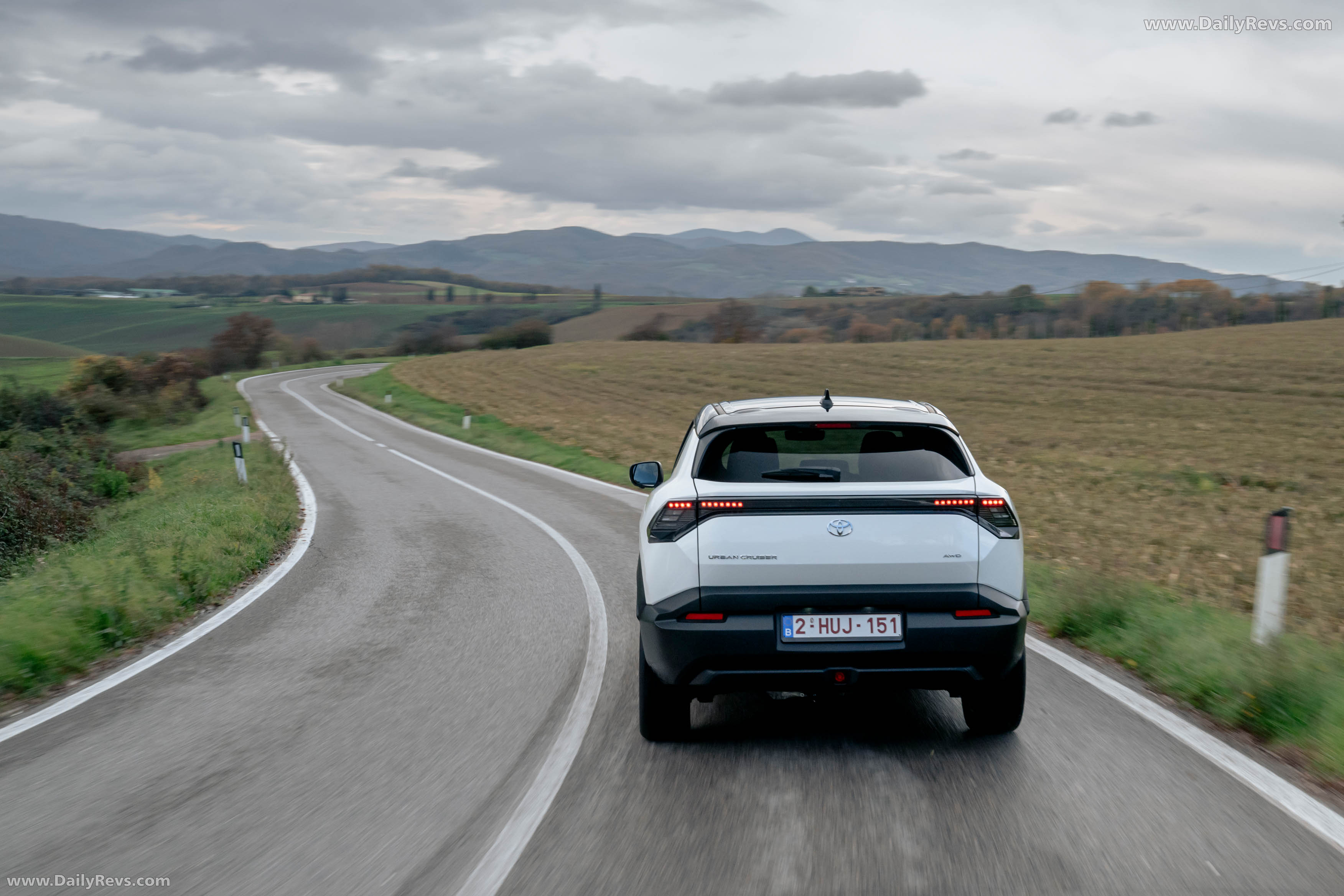
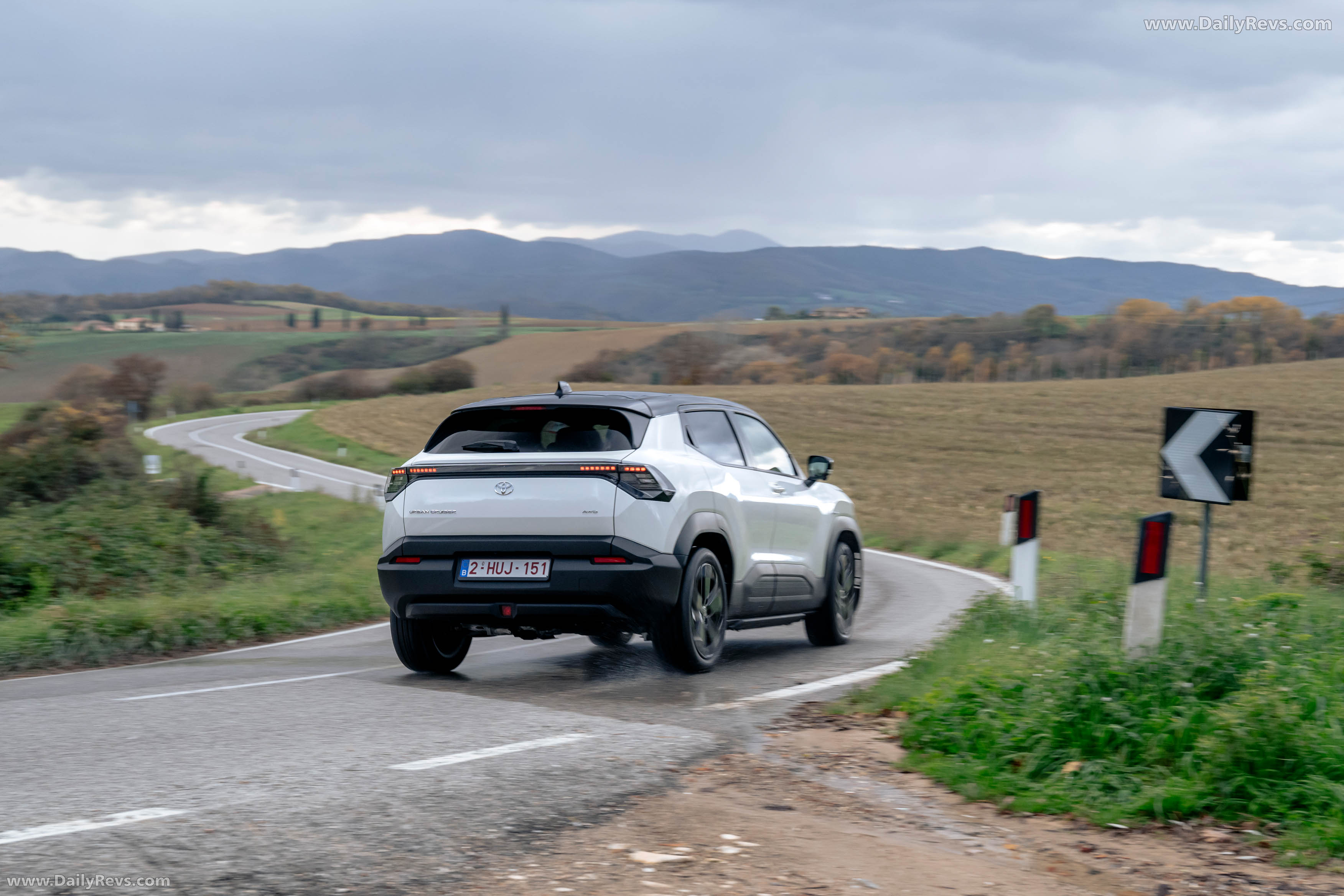
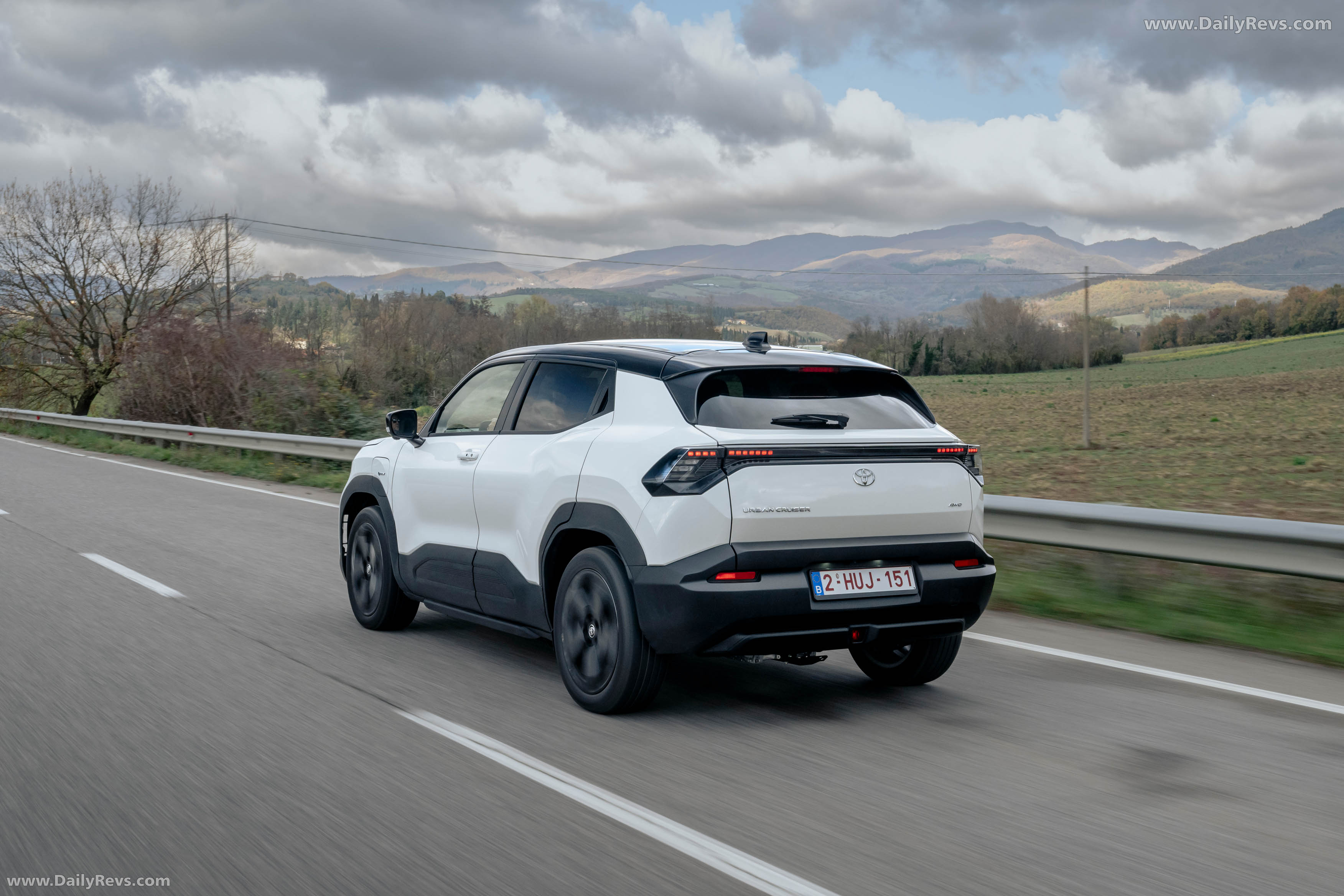
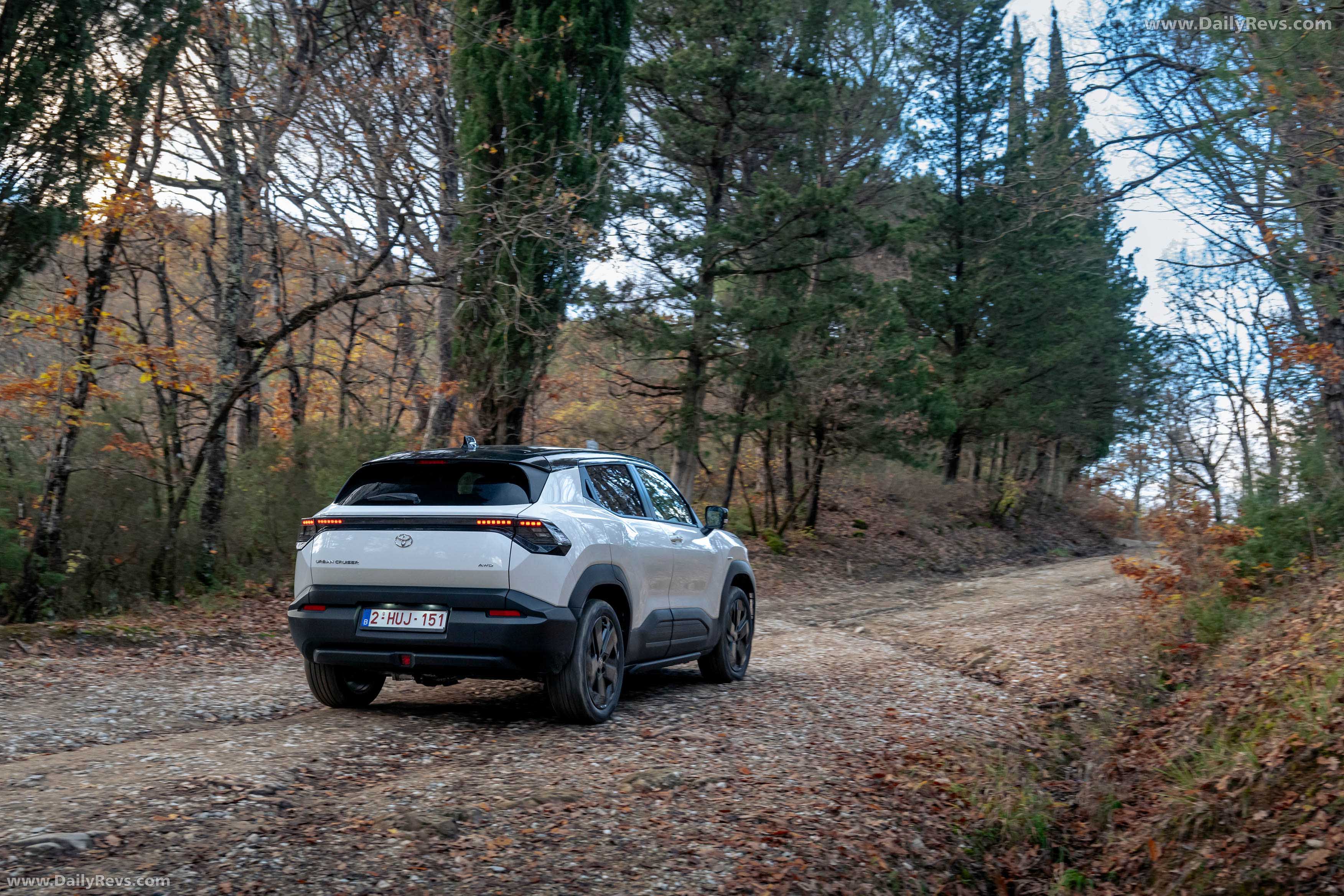


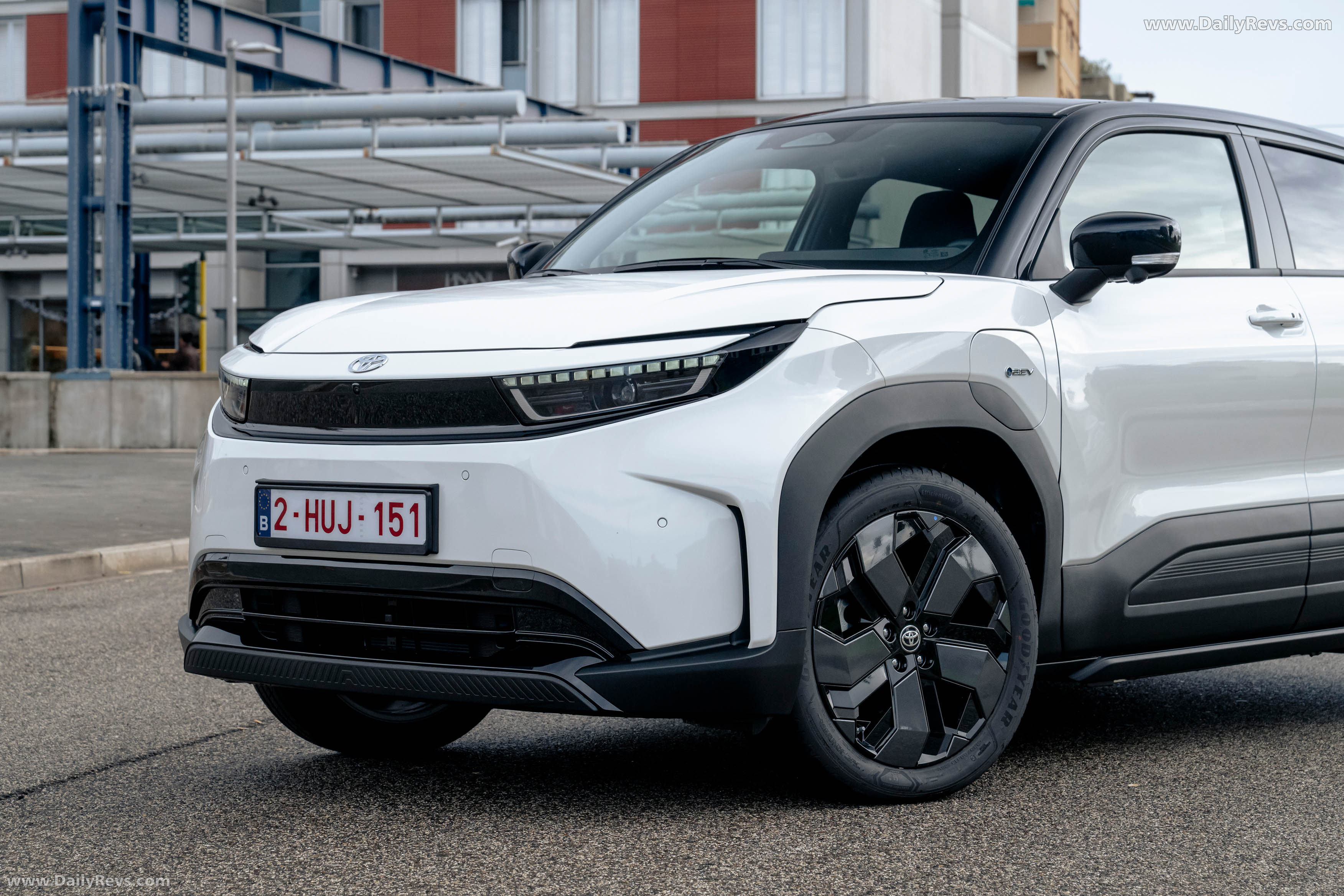
2026 Toyota Urban Cruiser AWD Lunar White
By Lorenzo Bianchi December 15, 2025
Dual-motor AWD version adds rear eAxle traction while retaining compact B-SUV dimensions.
Up to 395 km WLTP range with a 61 kWh LFP battery.
Interior packaging prioritises space, sliding rear seats, and digital integration.
Exterior Design and SUV Proportions
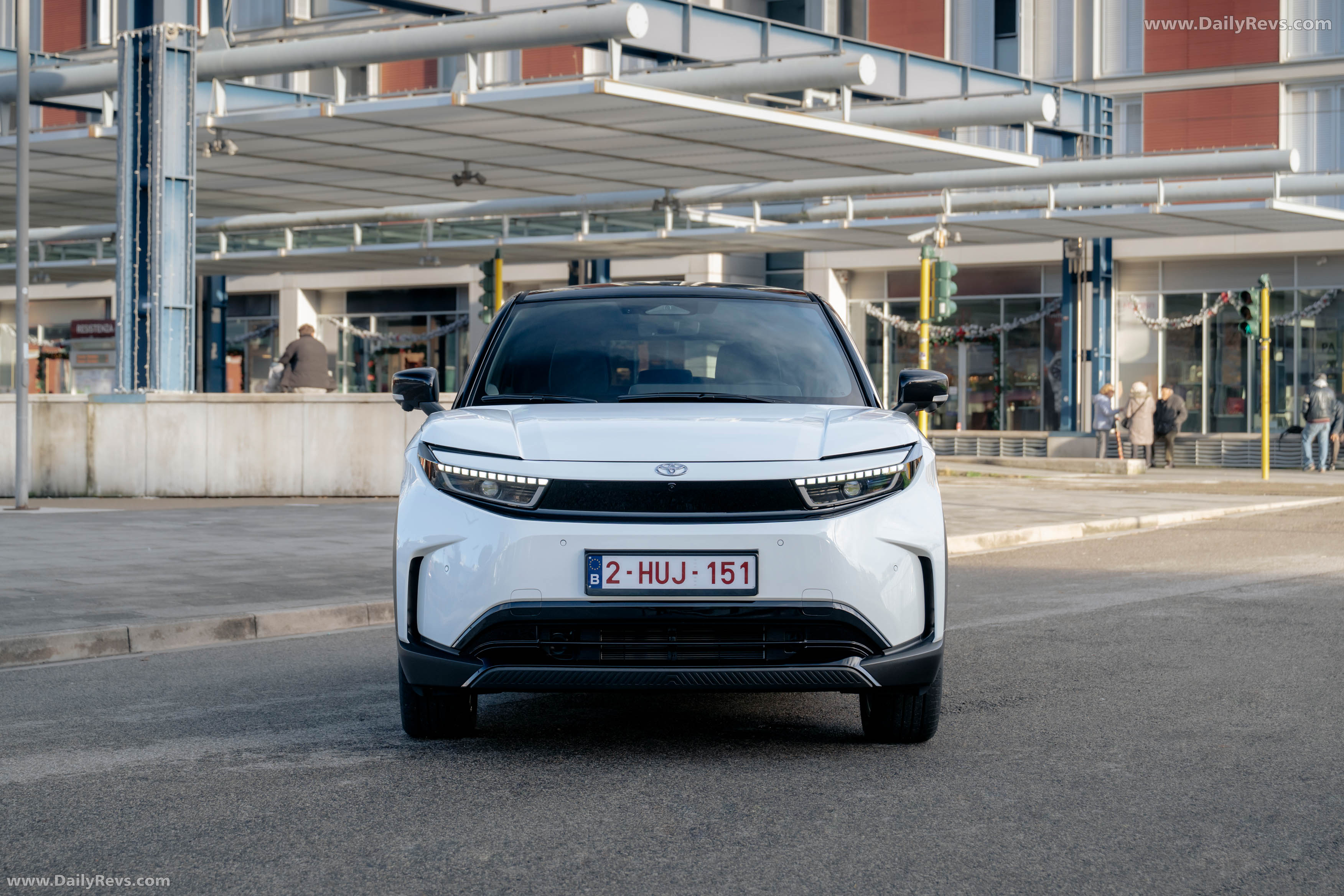
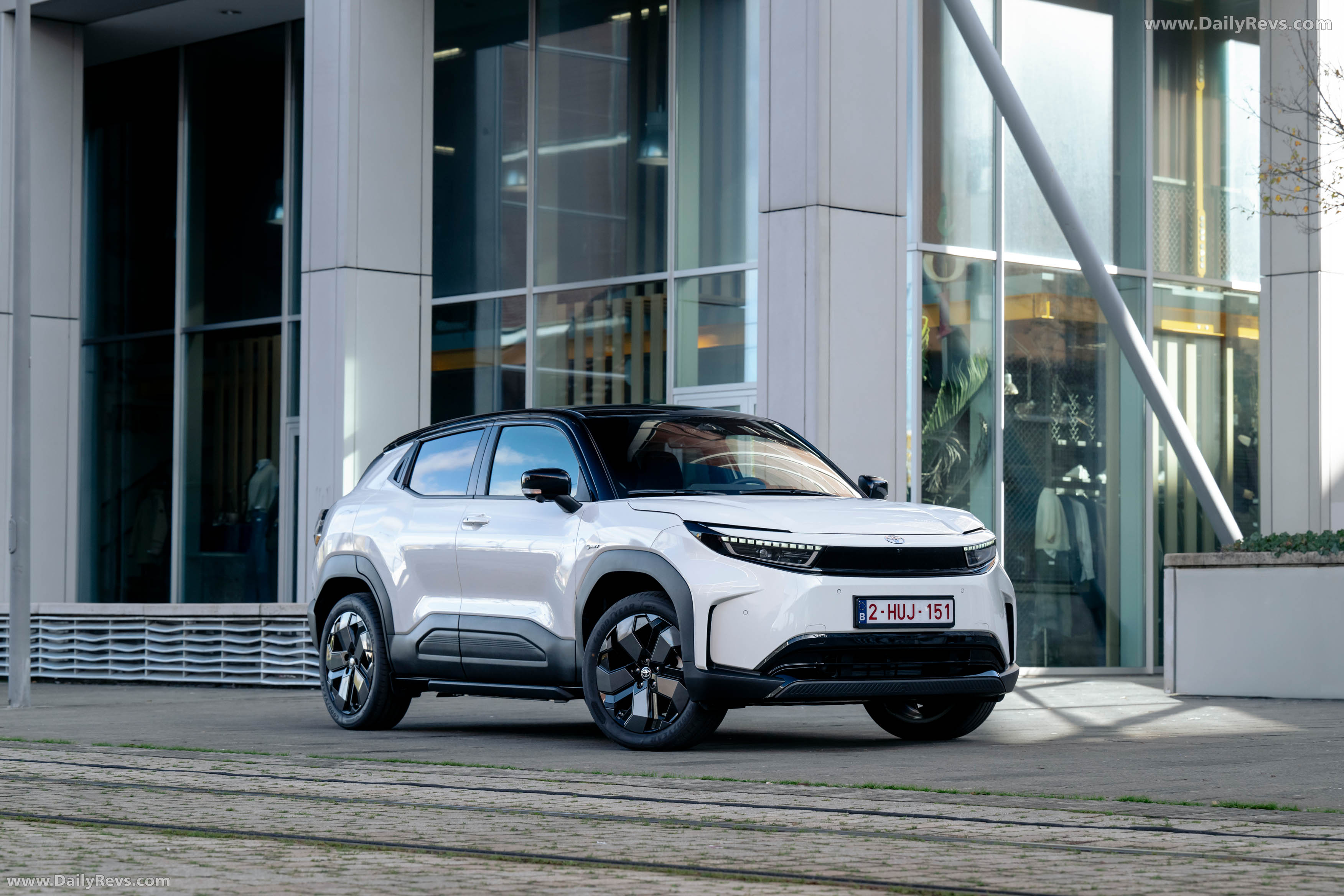
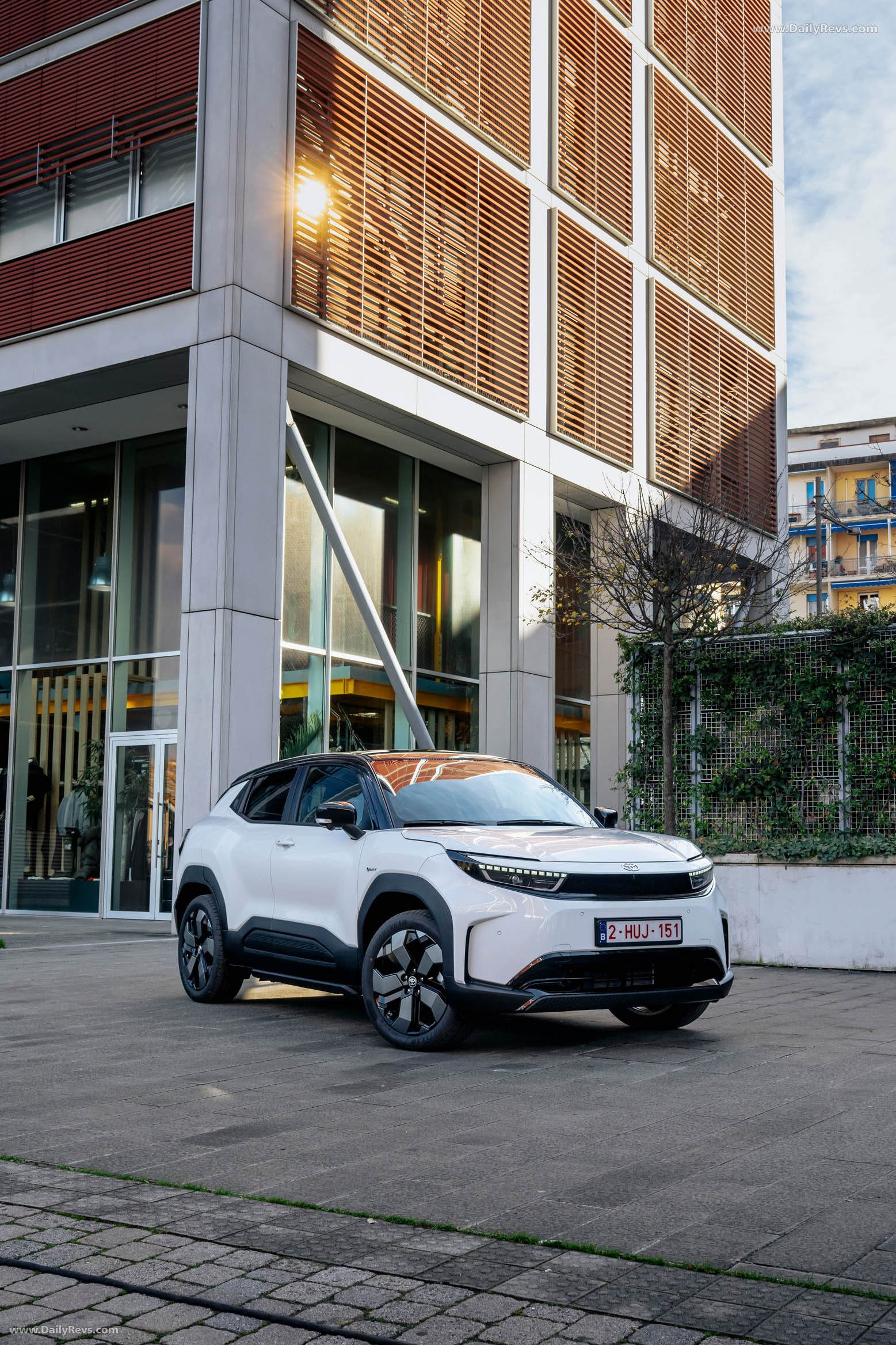
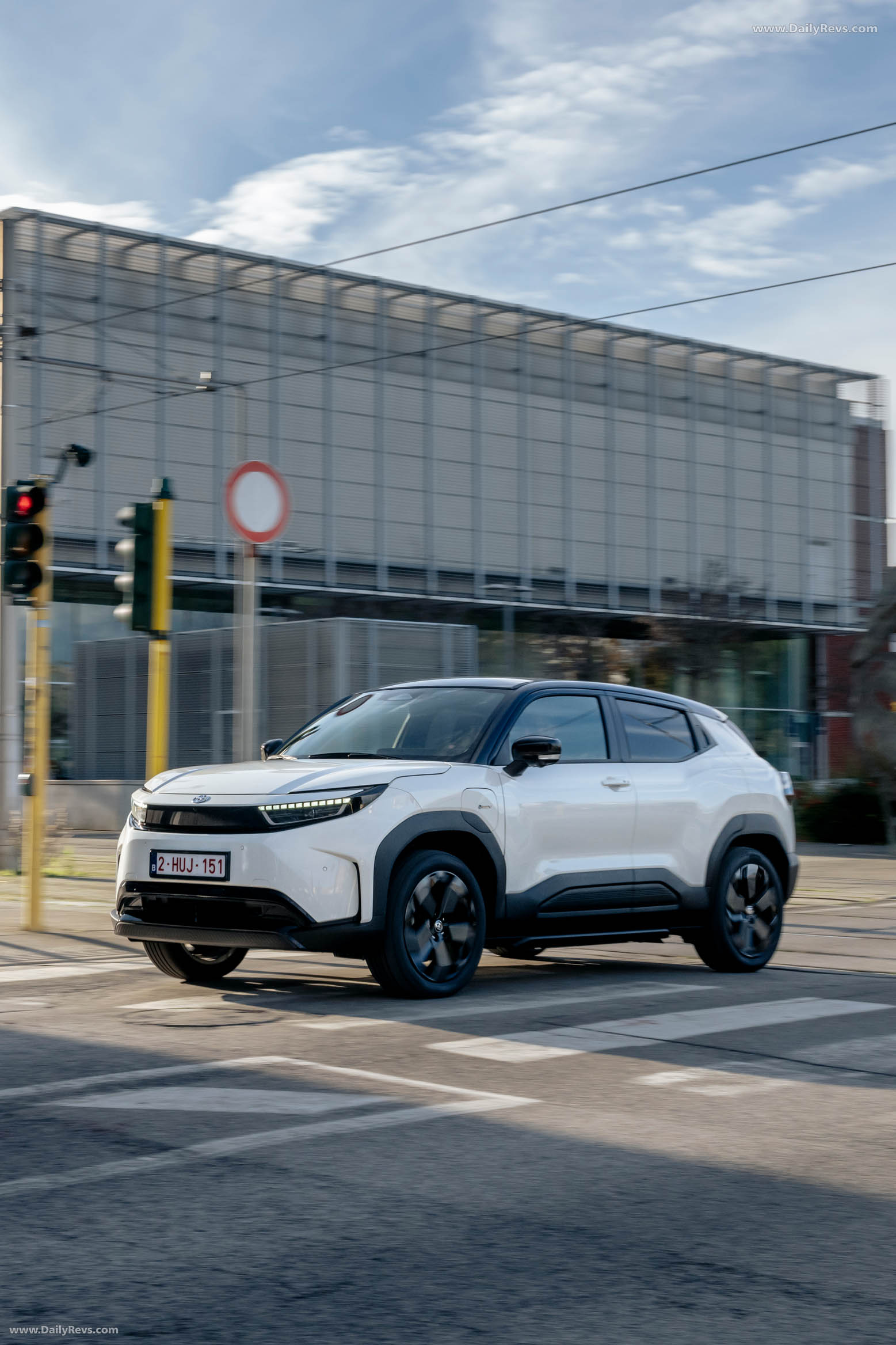
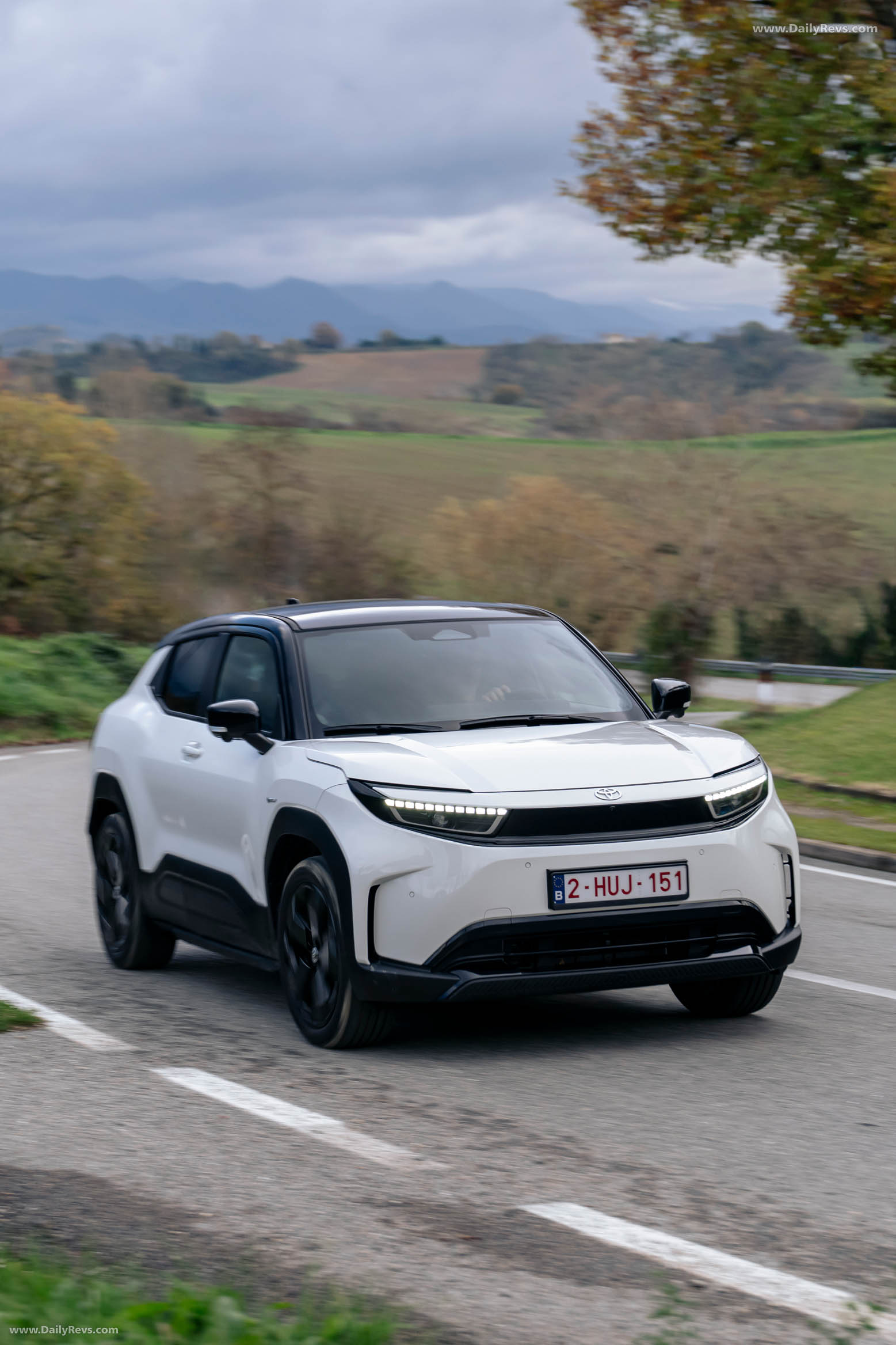
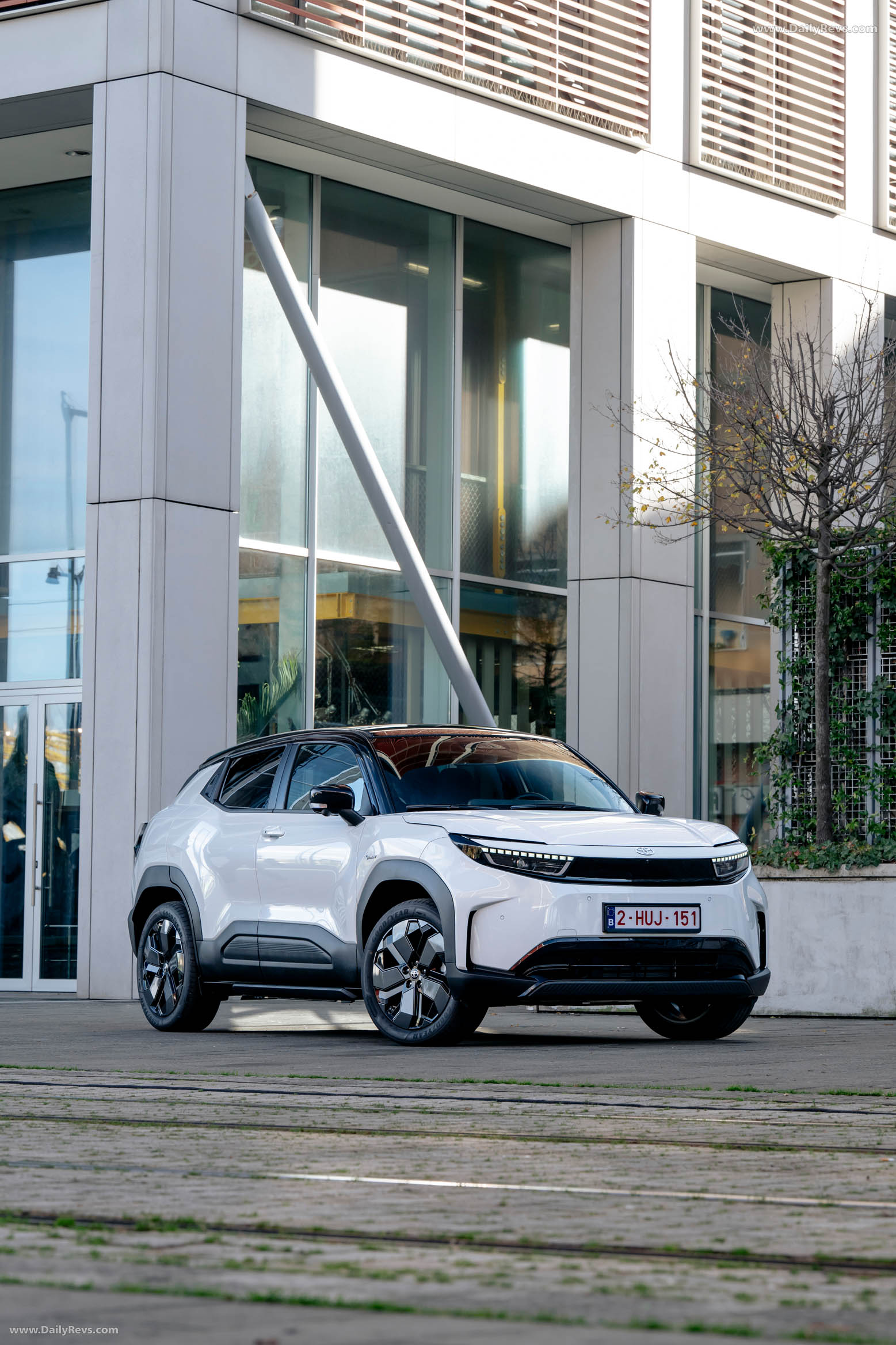
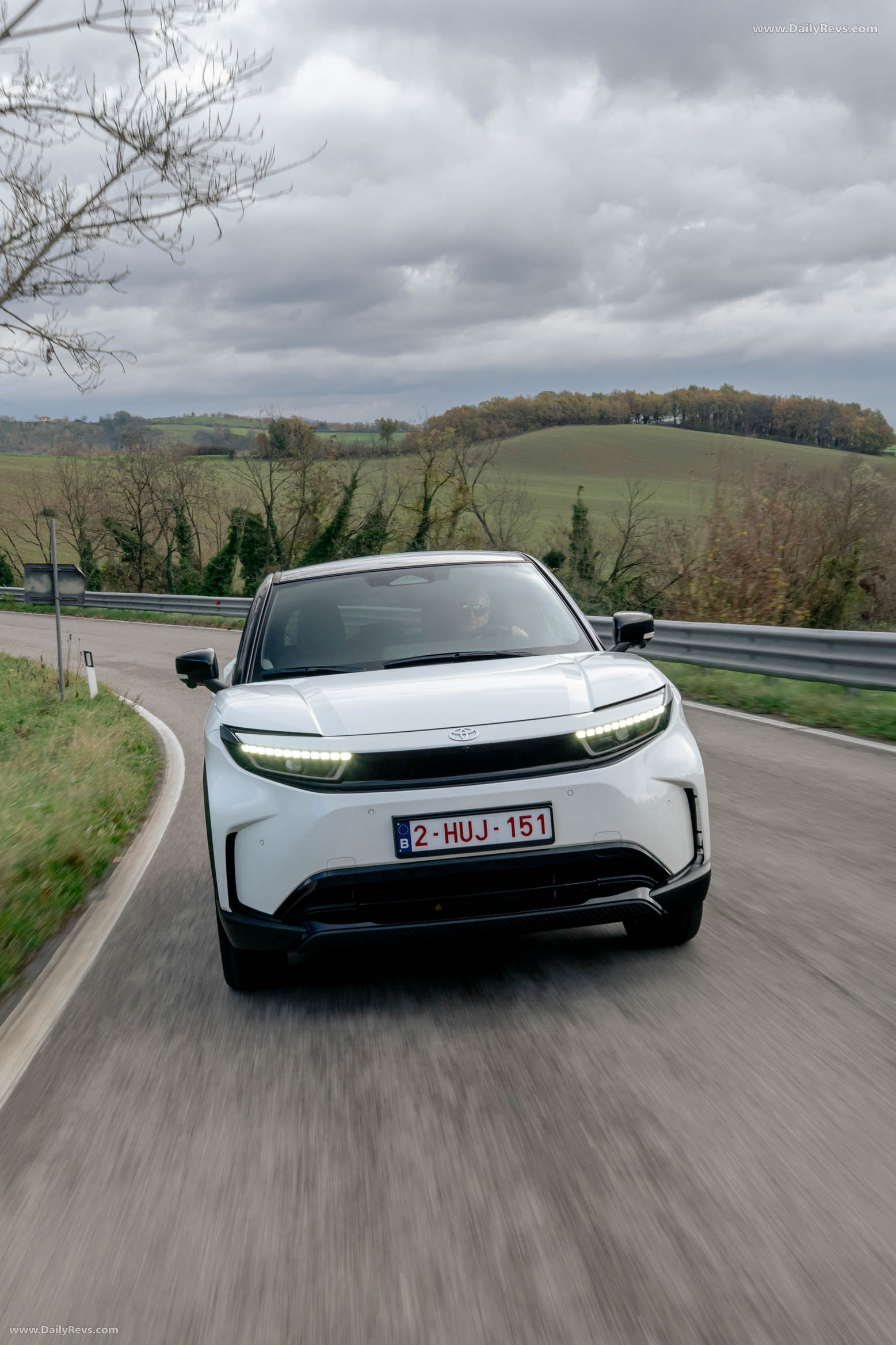
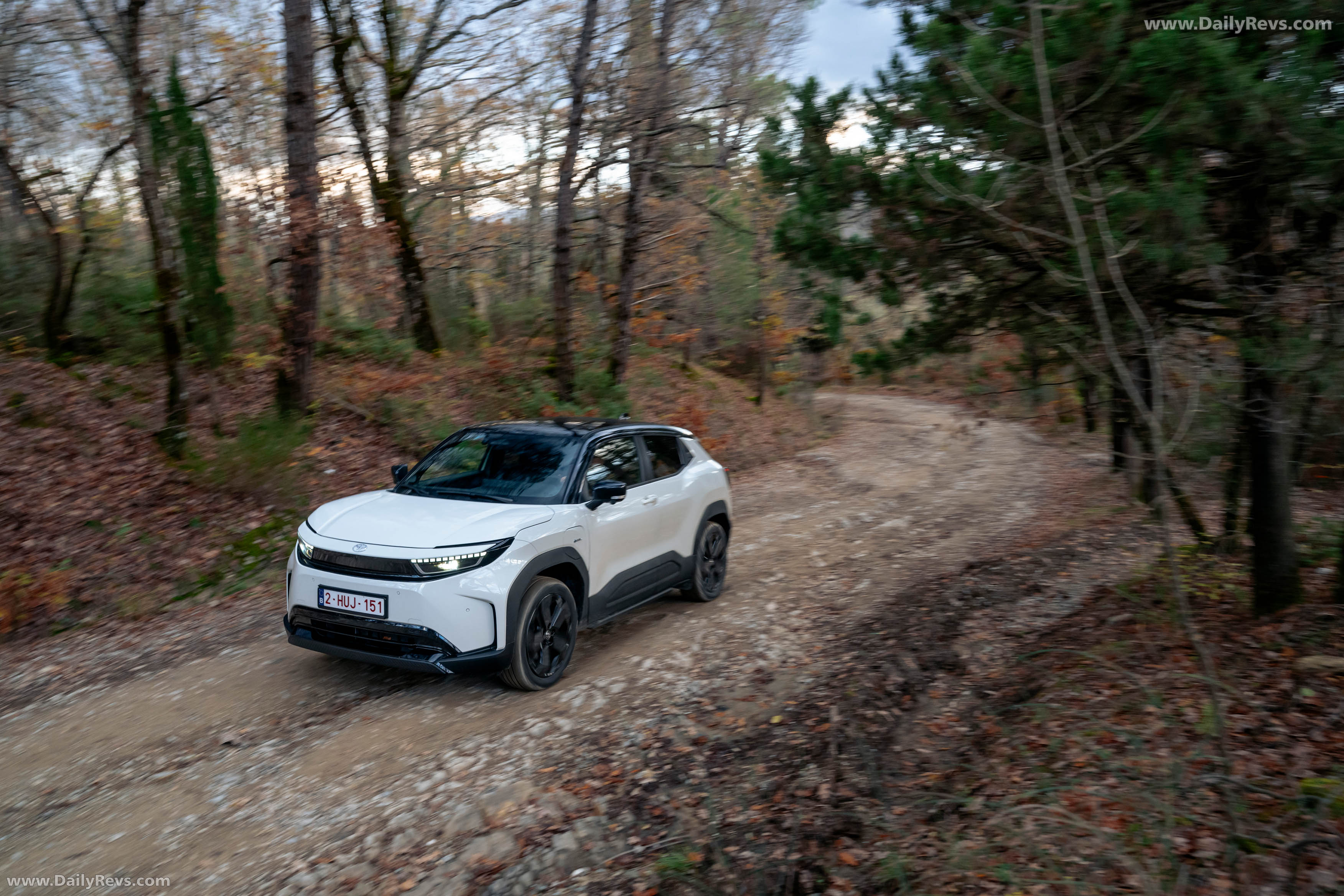
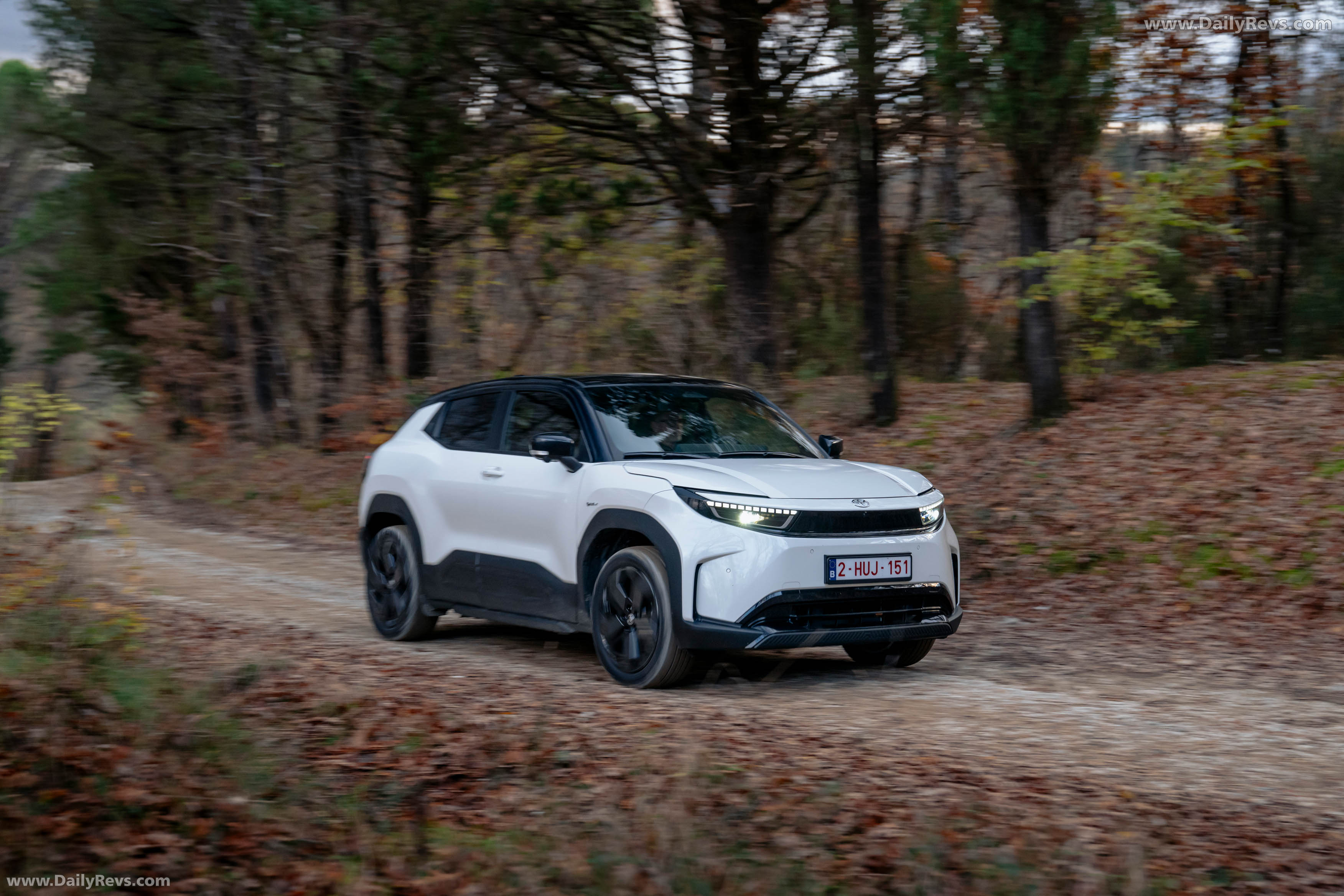
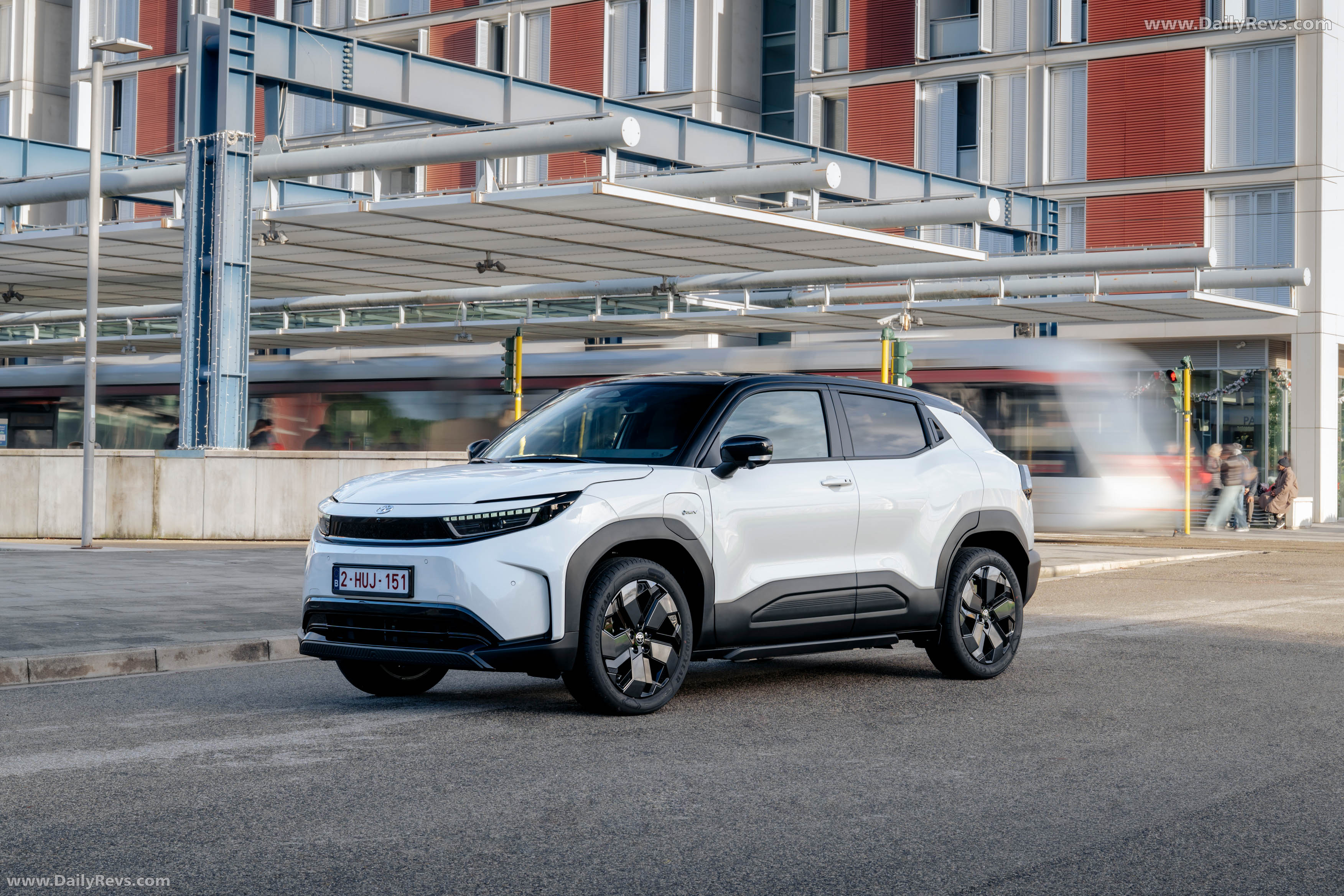
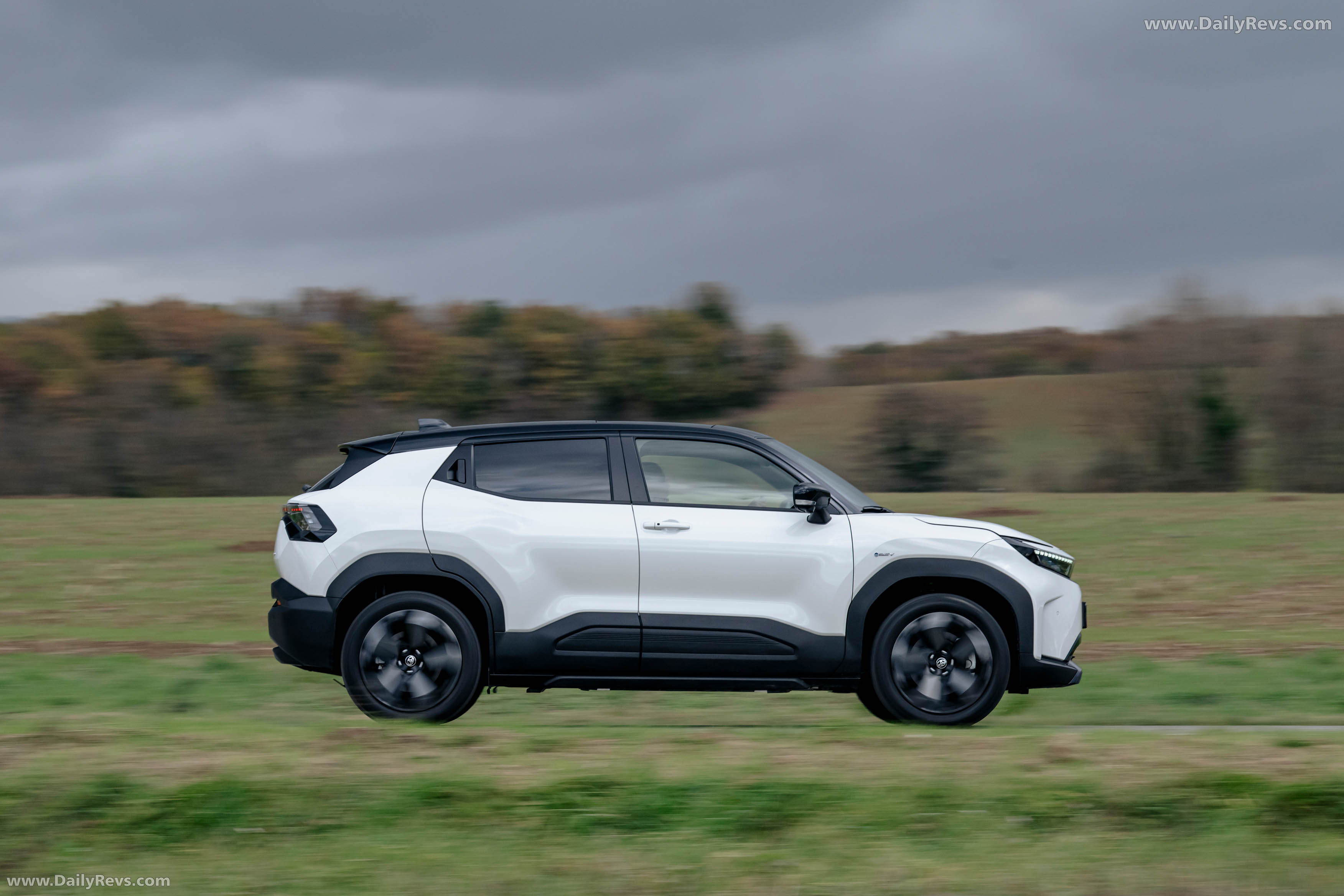
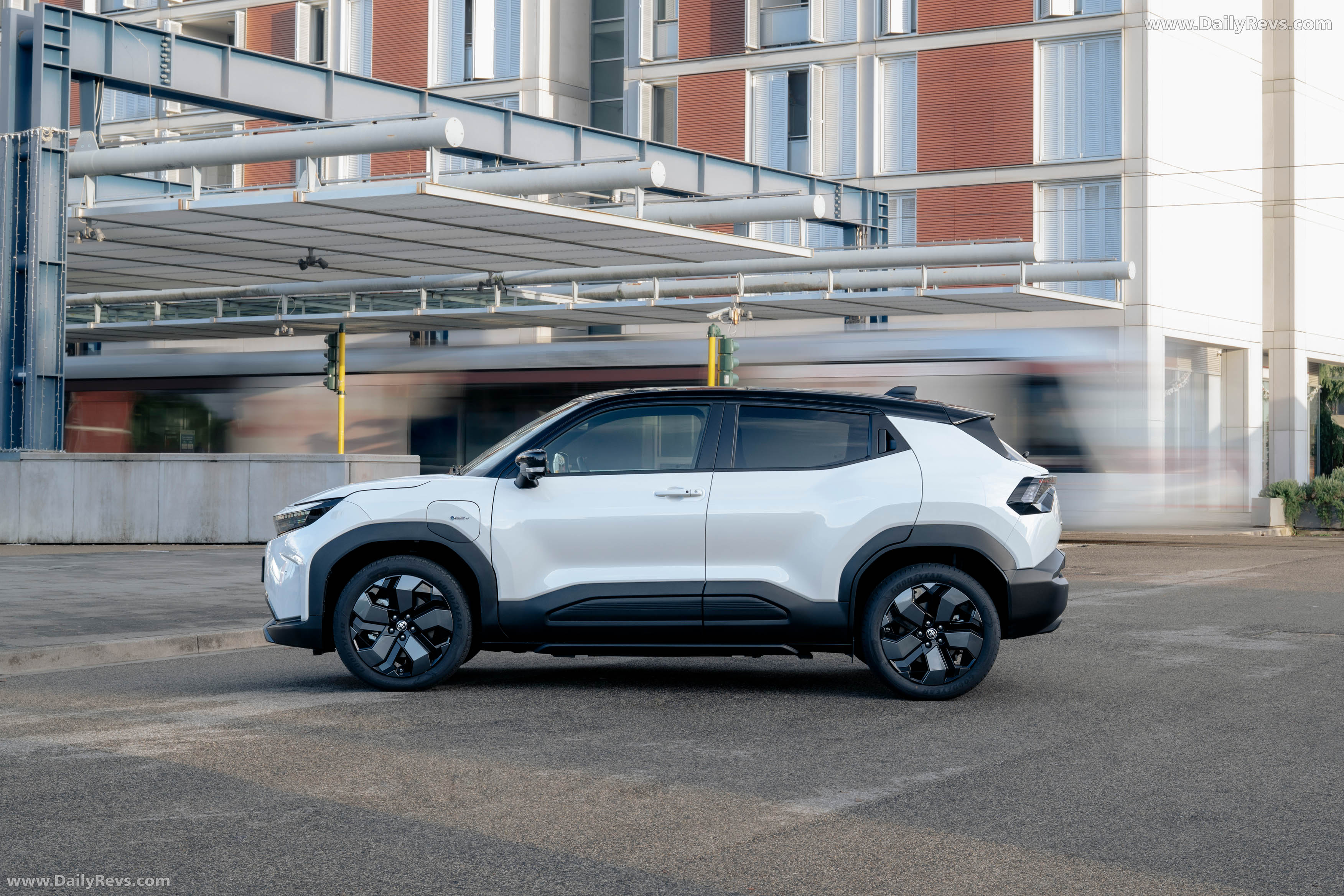
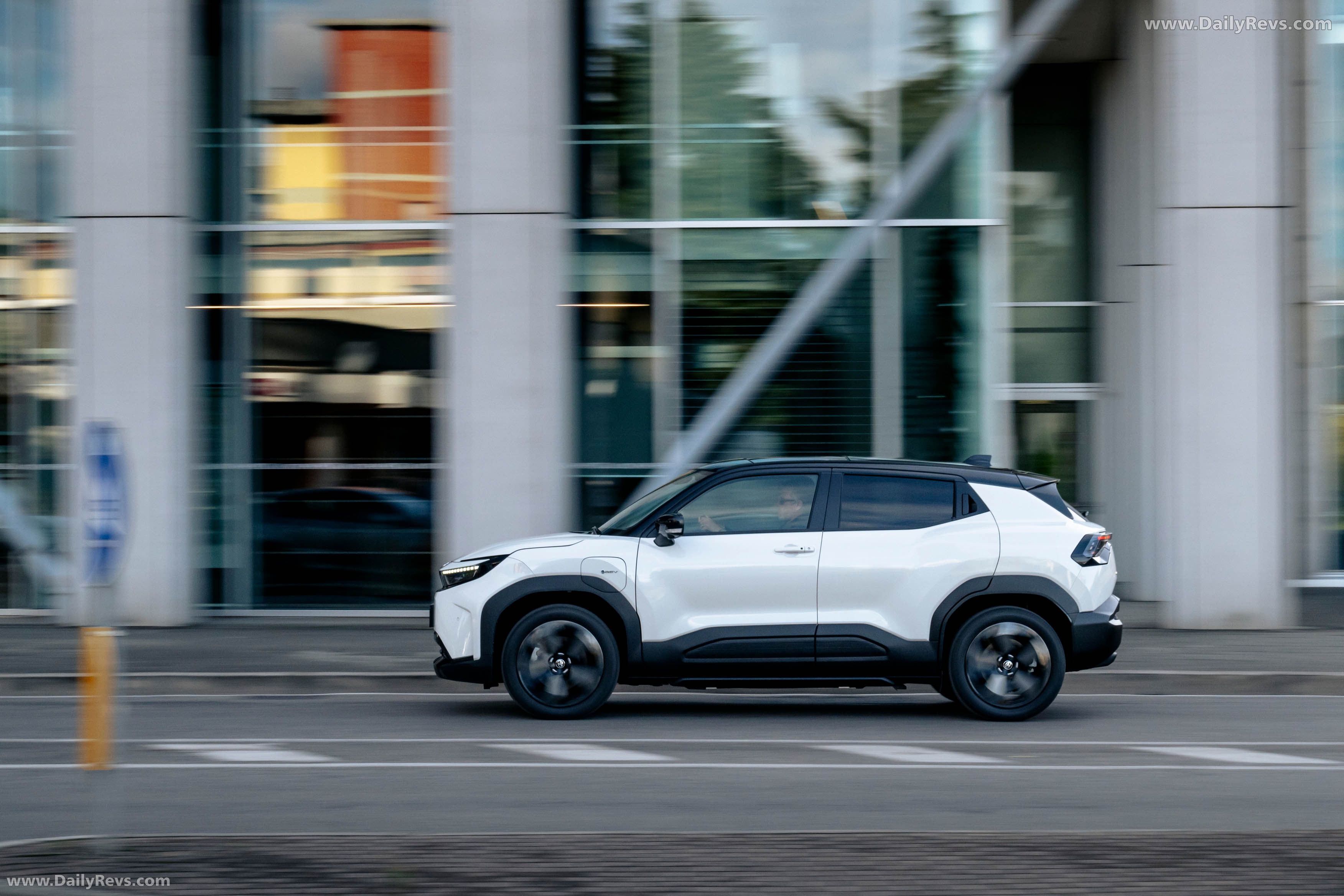
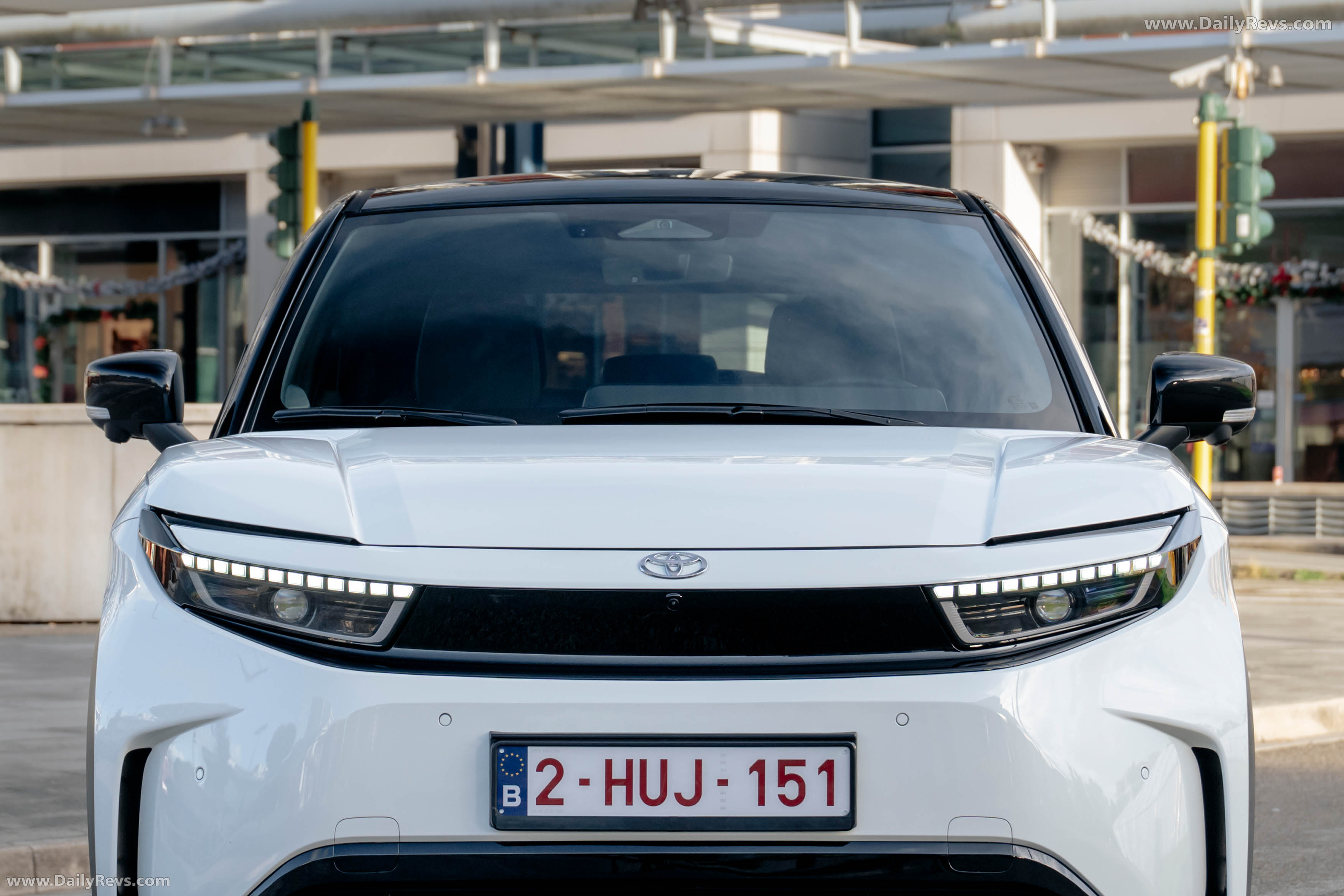
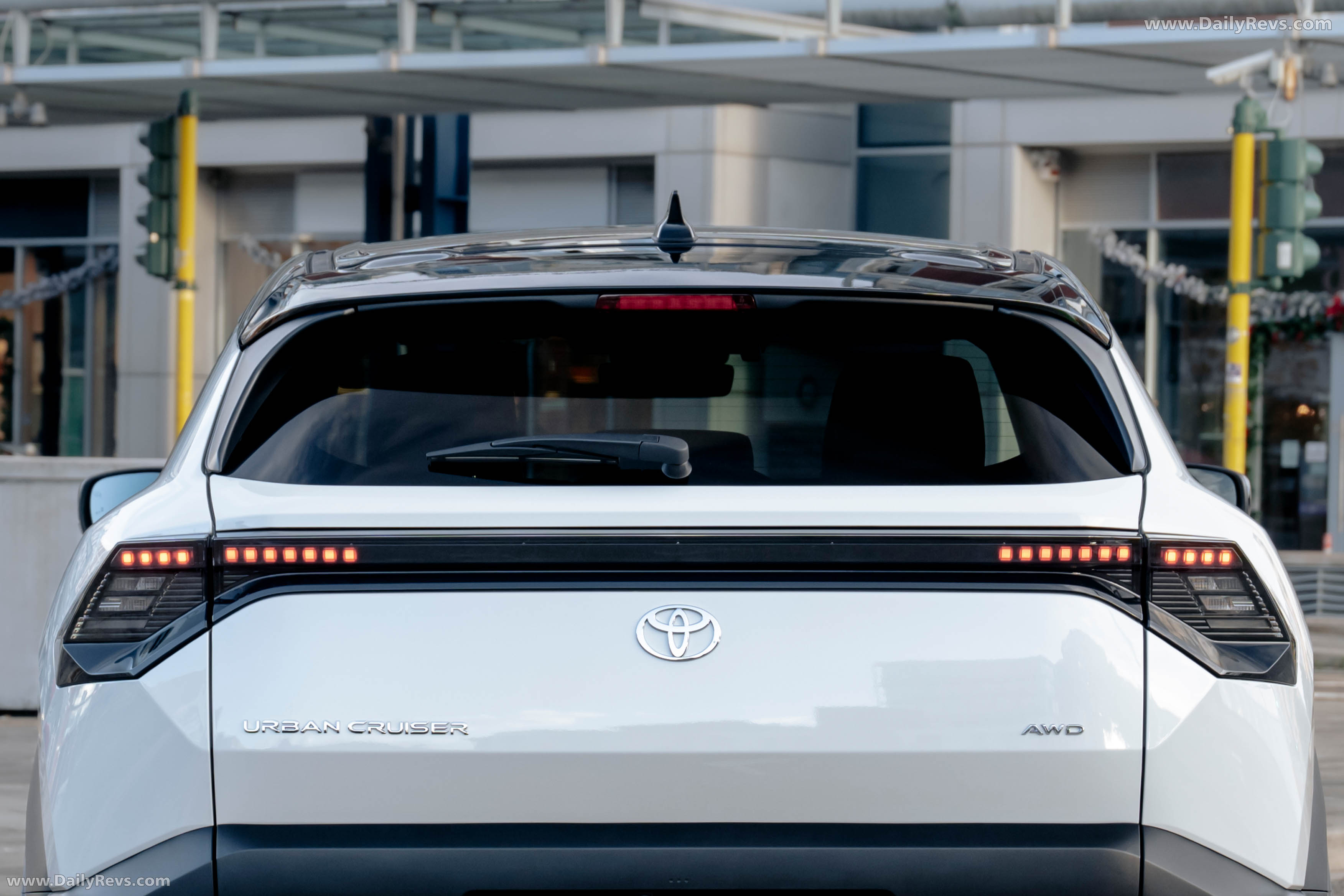
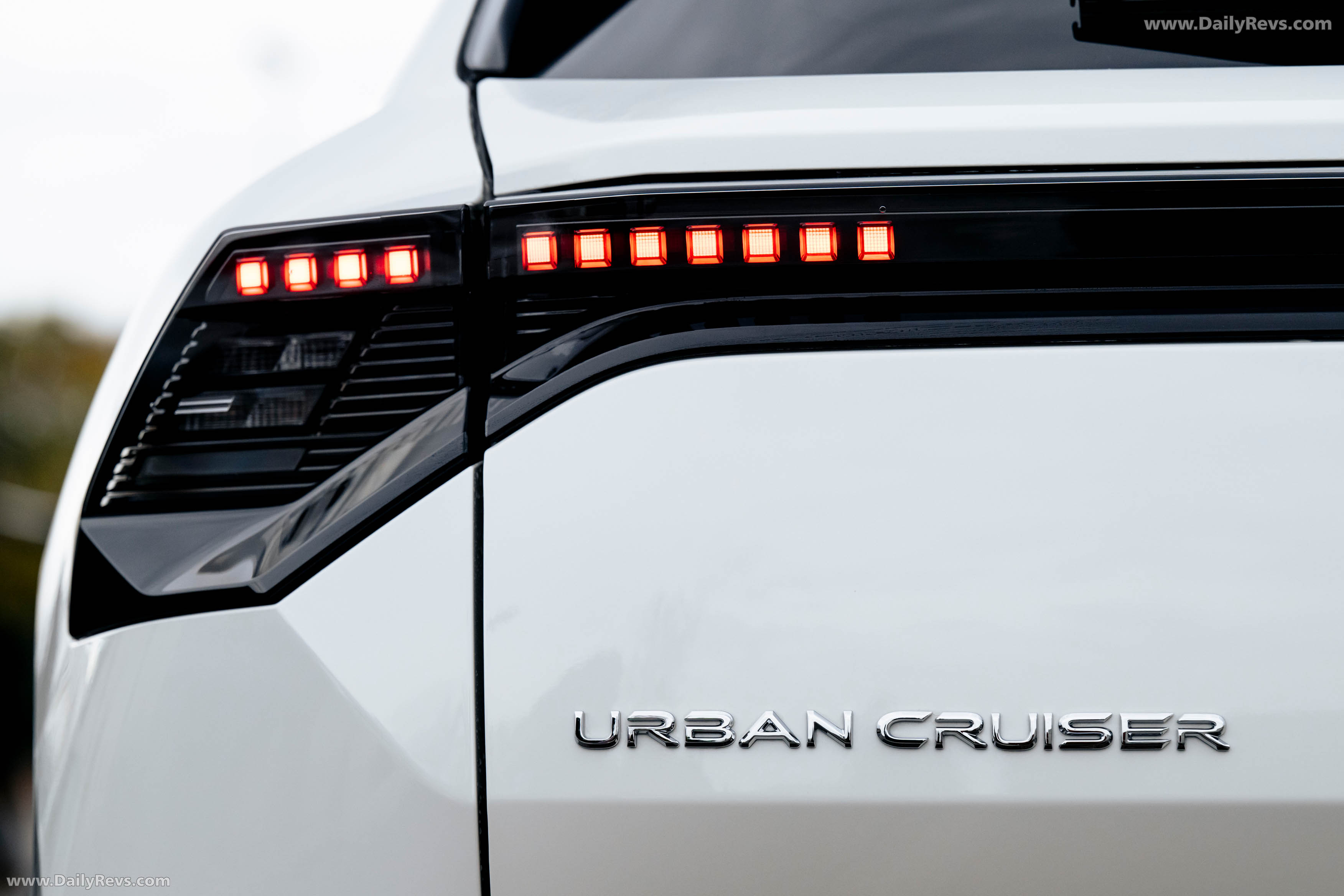
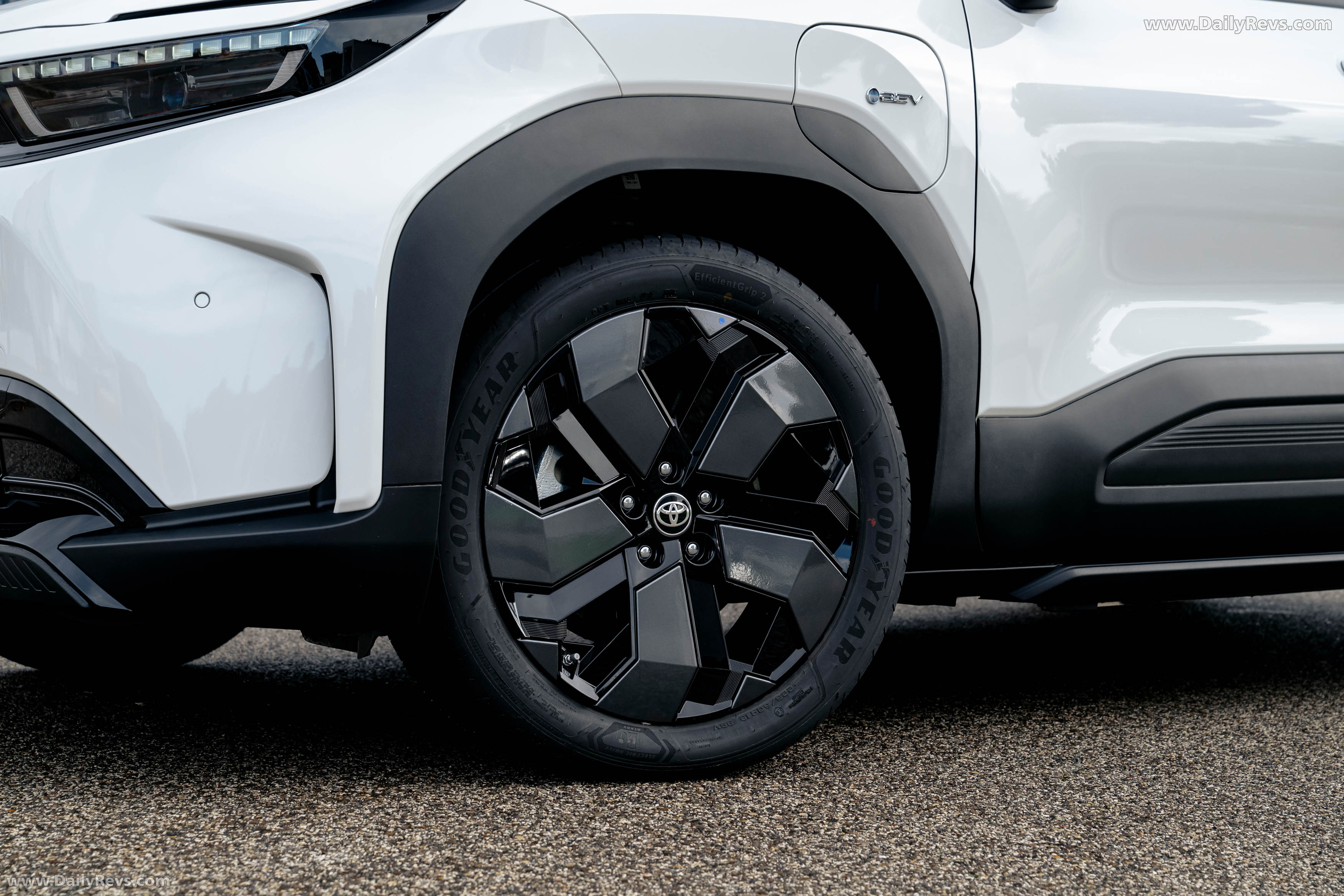
The 2026 Toyota Urban Cruiser AWD presents itself as a compact electric SUV with clear visual intent. The stance is upright and planted, with pronounced wheel arches and strong lower-body cladding that emphasise its SUV positioning rather than soft crossover cues. Toyota’s current hammerhead front design is adapted here with slim LED lighting and a broad, gloss-black lower bumper that visually widens the car. From the side, short overhangs and a long 2,700 mm wheelbase give it balanced proportions, while the rear lighting stretches across the tailgate, reinforcing width and adding a technical edge.Despite its boxier profile, the overall size remains manageable, aided by a tight turning circle aimed squarely at urban use.
Driving Range and Electric AWD Powertrain
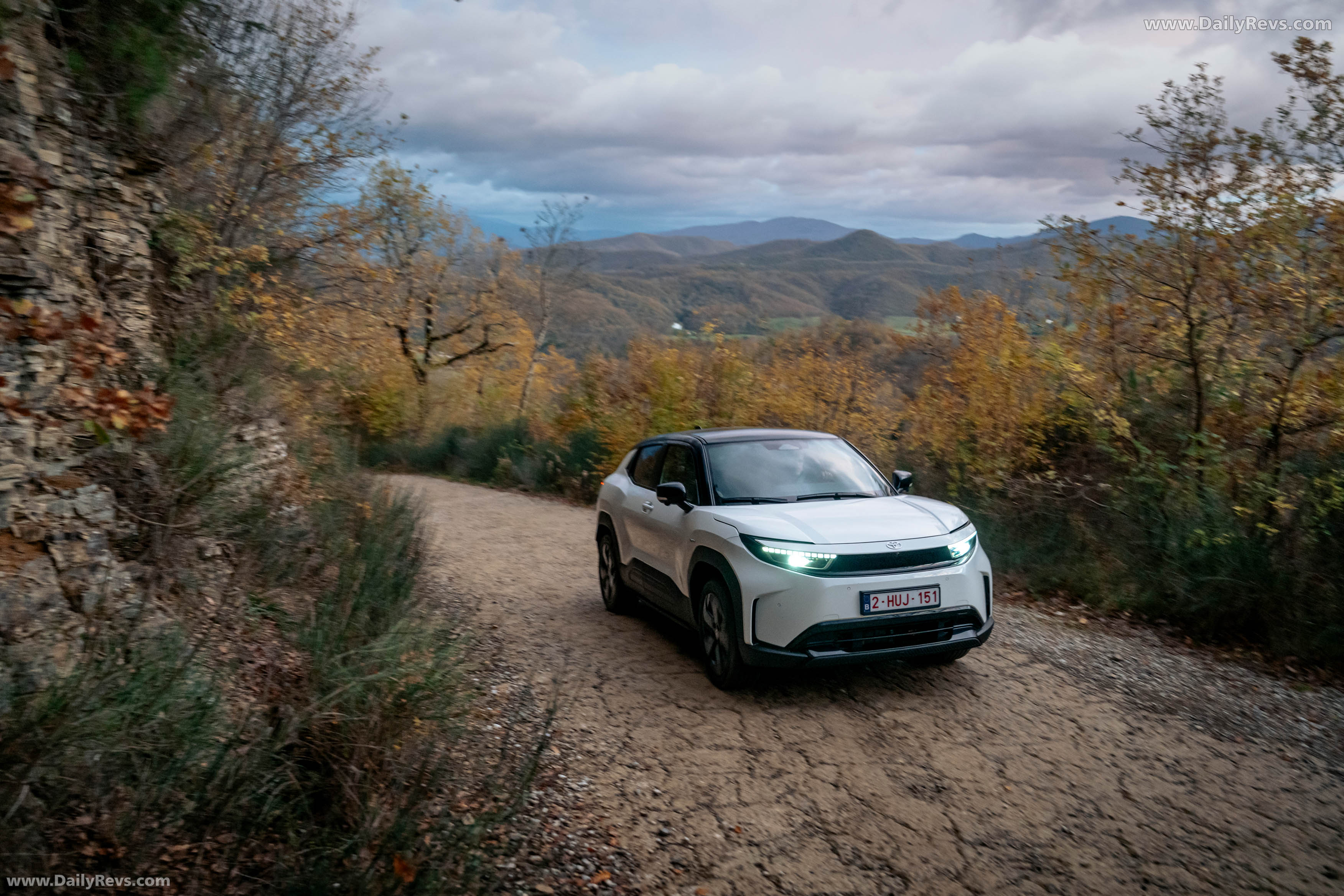
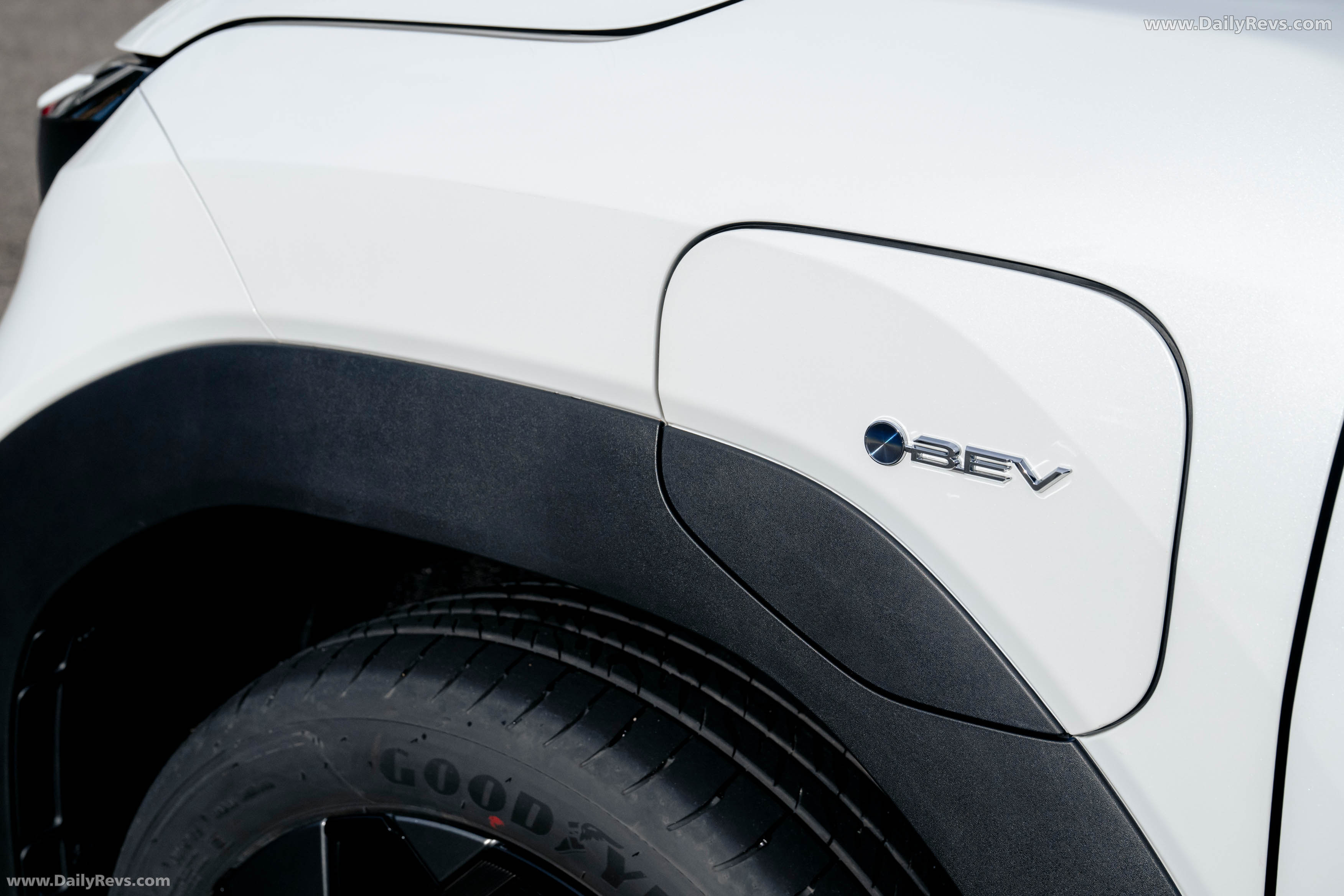
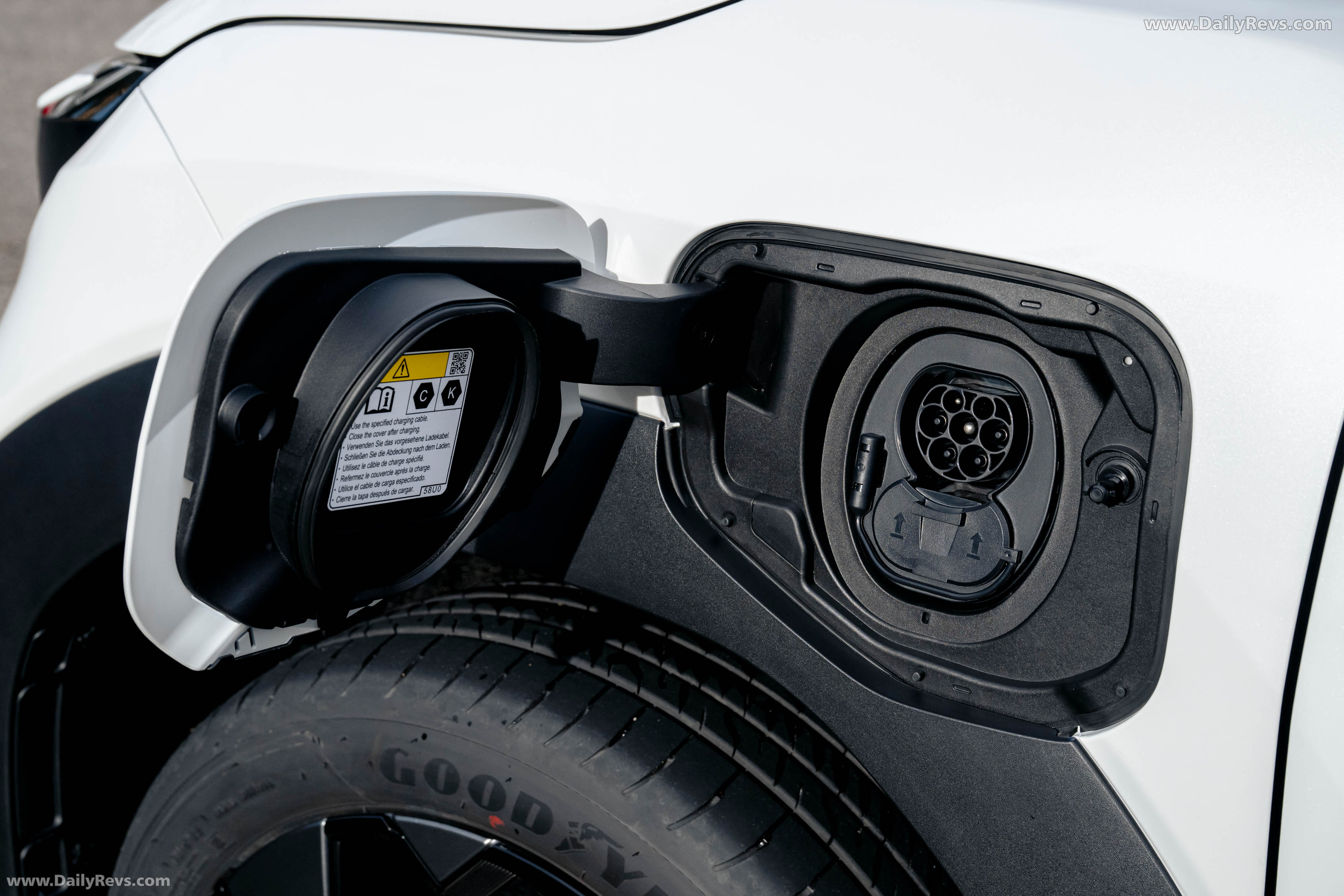
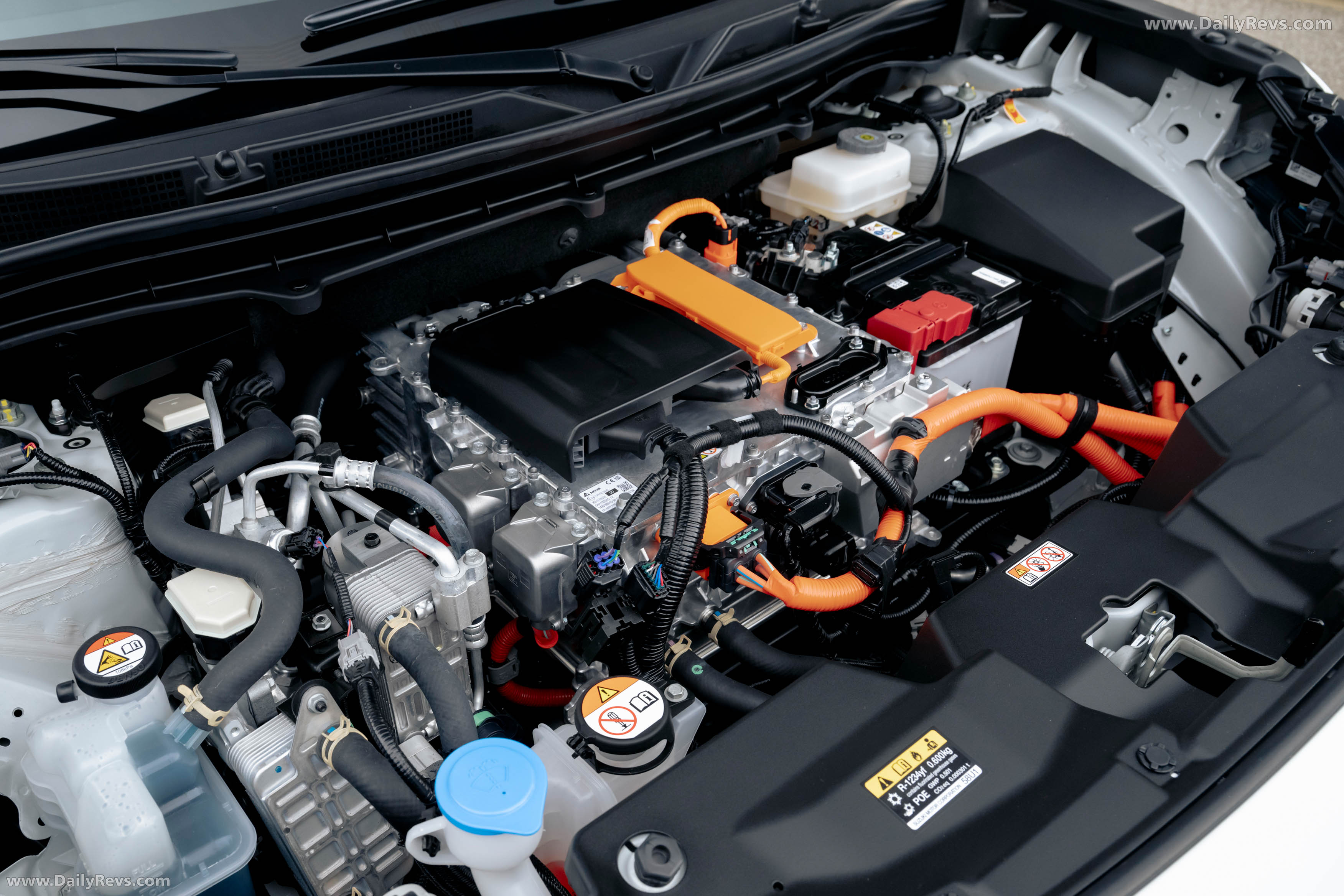
The AWD version sets itself apart by adding a rear-mounted electric motor that provides all-wheel drive capability without changing the vehicle's basic design. Better traction on slick or difficult terrain and a robust low-speed responsiveness are the results of the system's enhanced overall output to 135 kW with 307 Nm of torque. A 61 kWh lithium iron phosphate battery, selected for longevity and affordability, provides the power. Toyota places the AWD variant competitively among small electric SUVs with a WLTP driving range of up to 395 km.AC charging is supported up to 11 kW, while DC fast charging from 10 to 80 percent is predicted to take about 45 minutes.
Chassis, Handling, and All-Wheel Drive Hardware
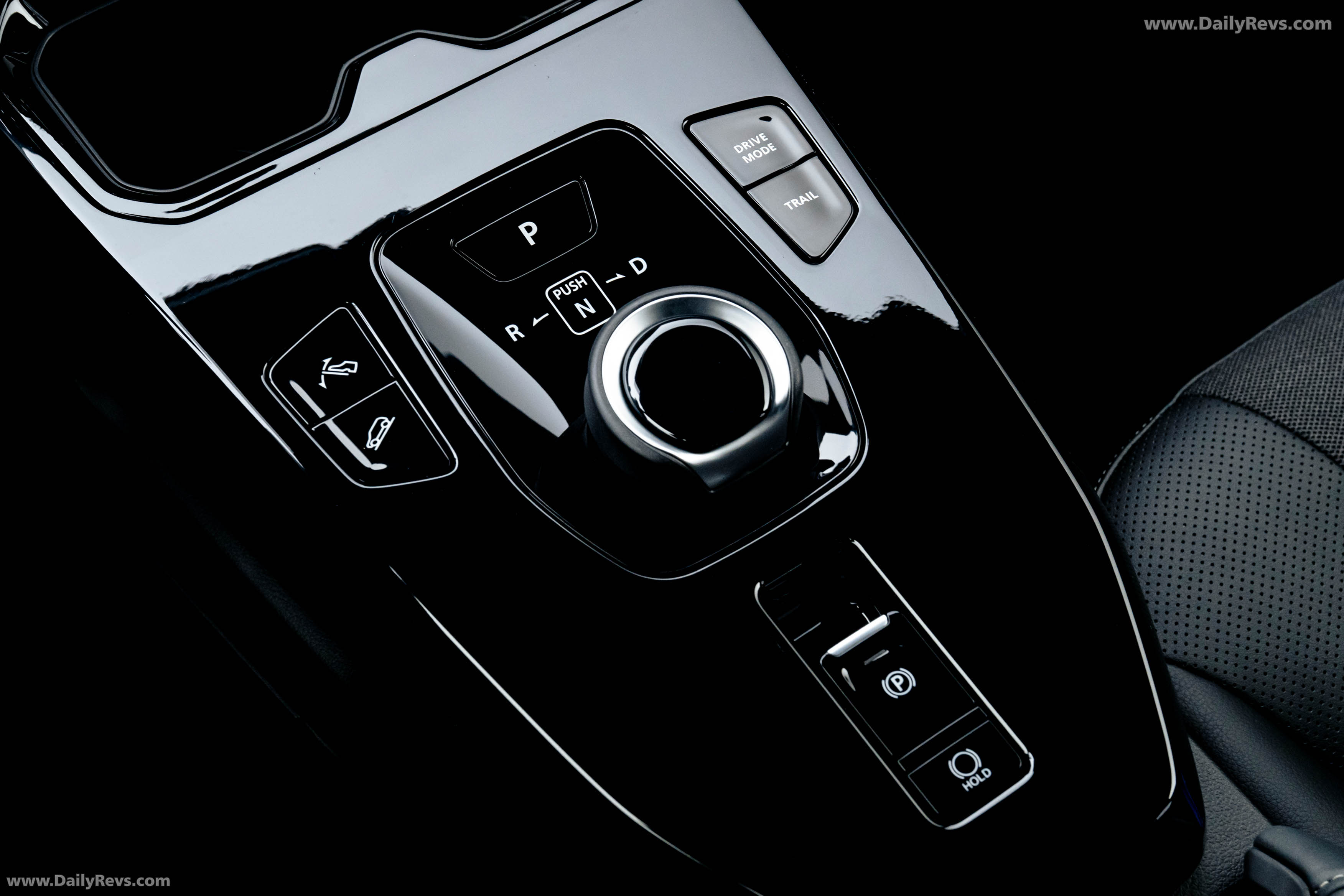
Built on a dedicated BEV platform, the Urban Cruiser integrates the battery pack as a structural element, lowering the centre of gravity and contributing to body rigidity. The torque distribution between the axles is automatically managed by the AWD system through selectable Auto and Trail modes. Trail mode employs brake-based torque vectoring to maintain forward motion over uneven terrain with the help of Hill Hold and Hill Descent Control. With MacPherson struts up front and a multi-link rear arrangement, the suspension is traditional but well-suited for the market.In keeping with its original purpose, the emphasis is on stability and comfort rather than overt sportiness.
Interior Space and Digital Interface
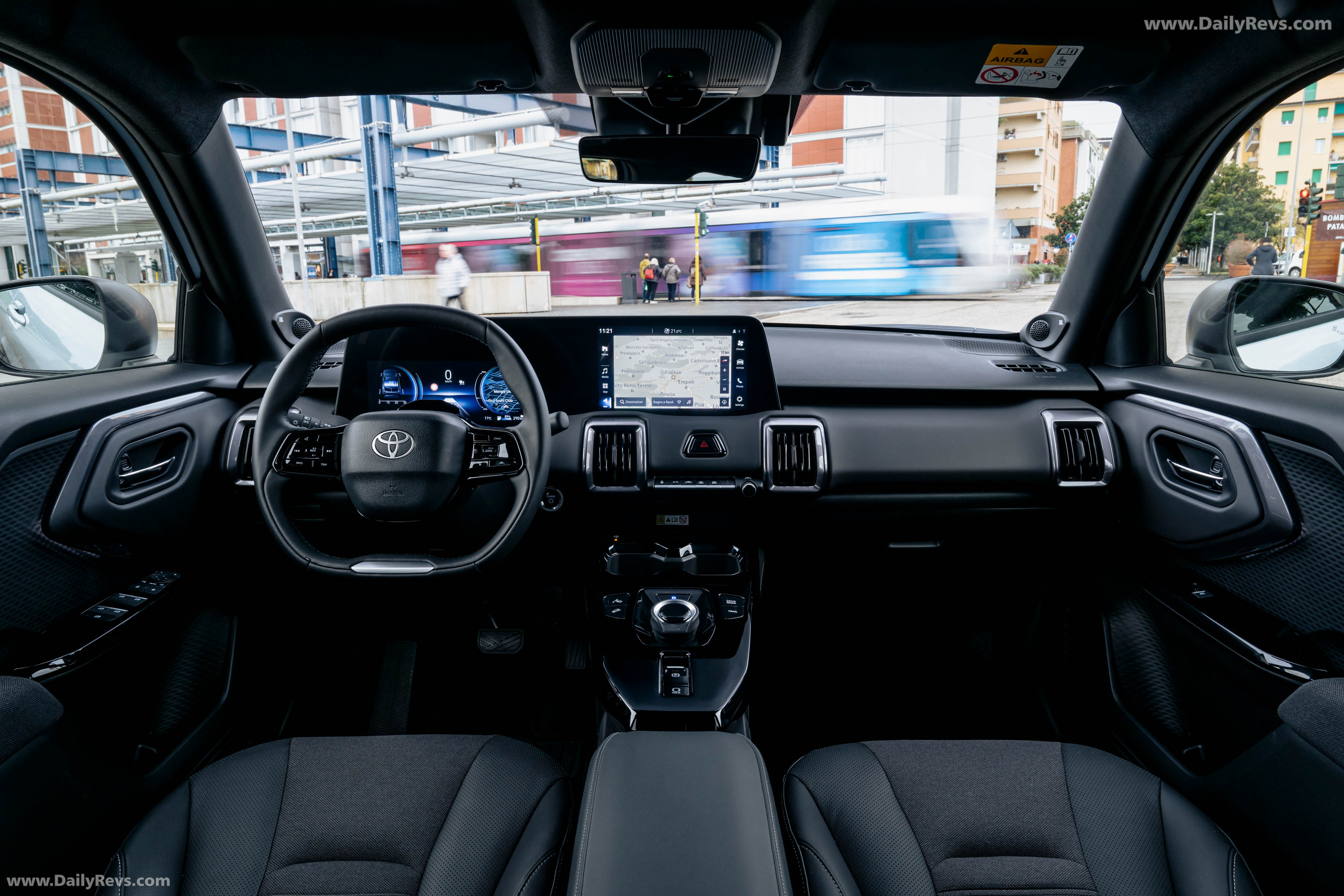
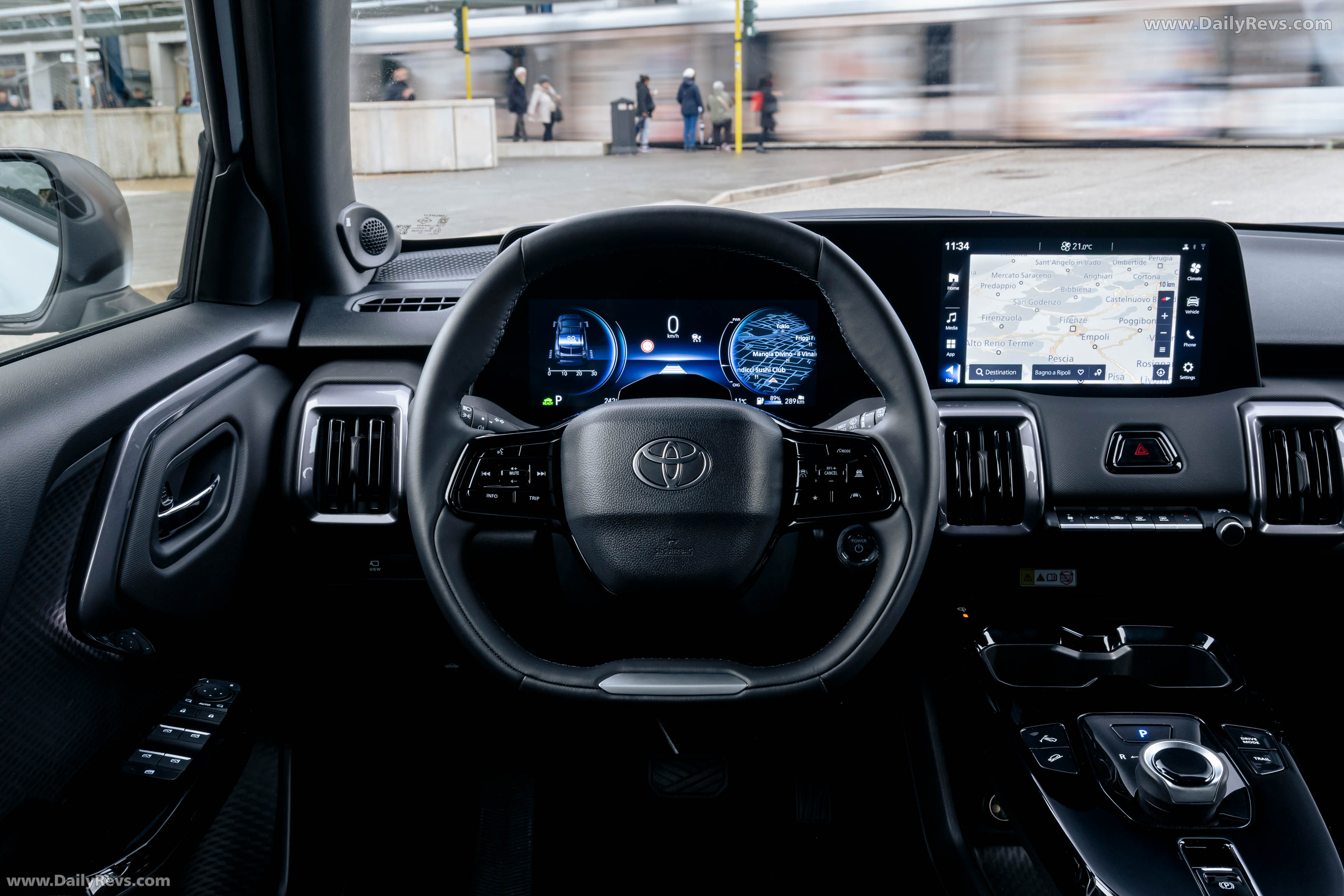
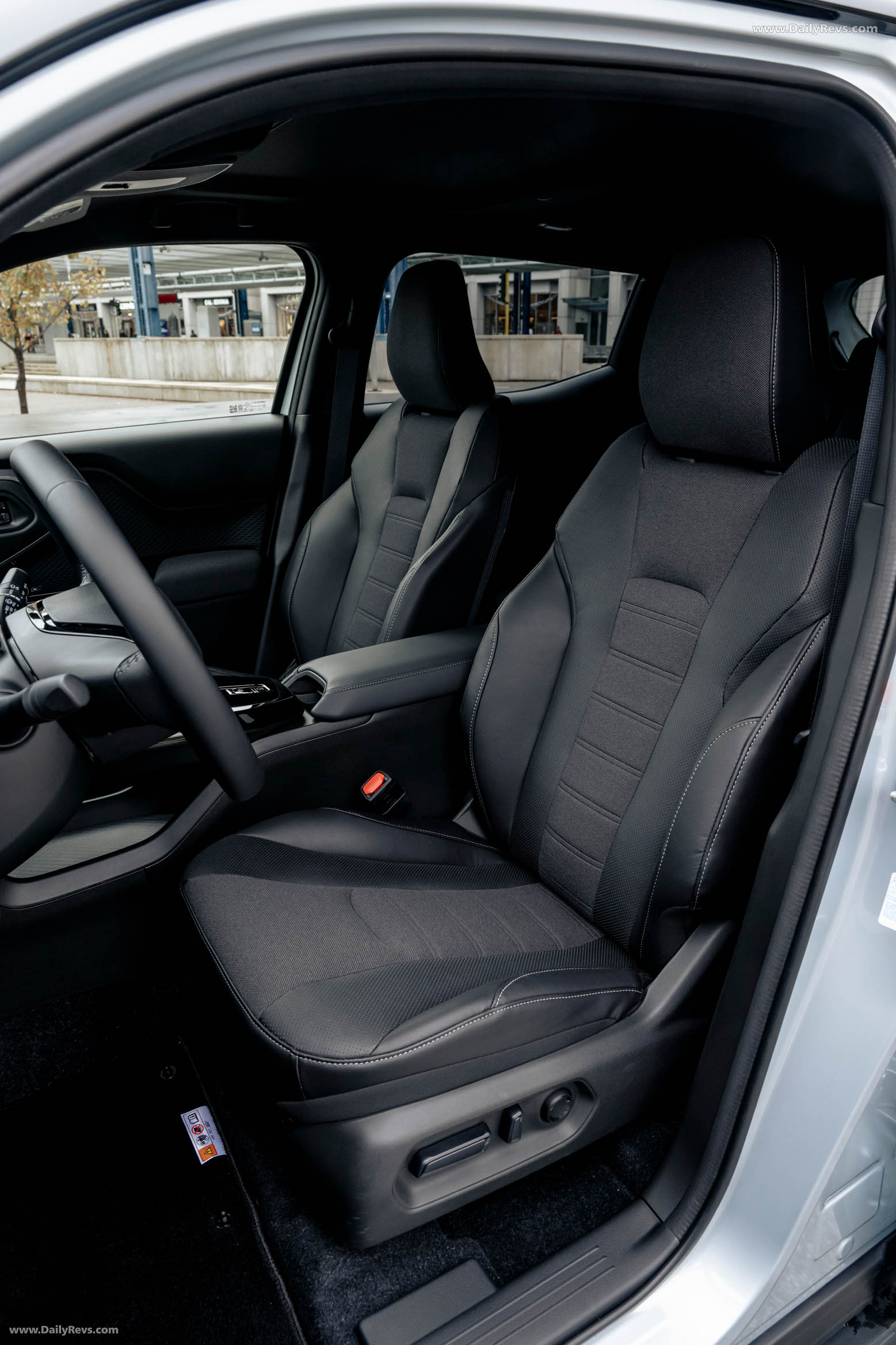
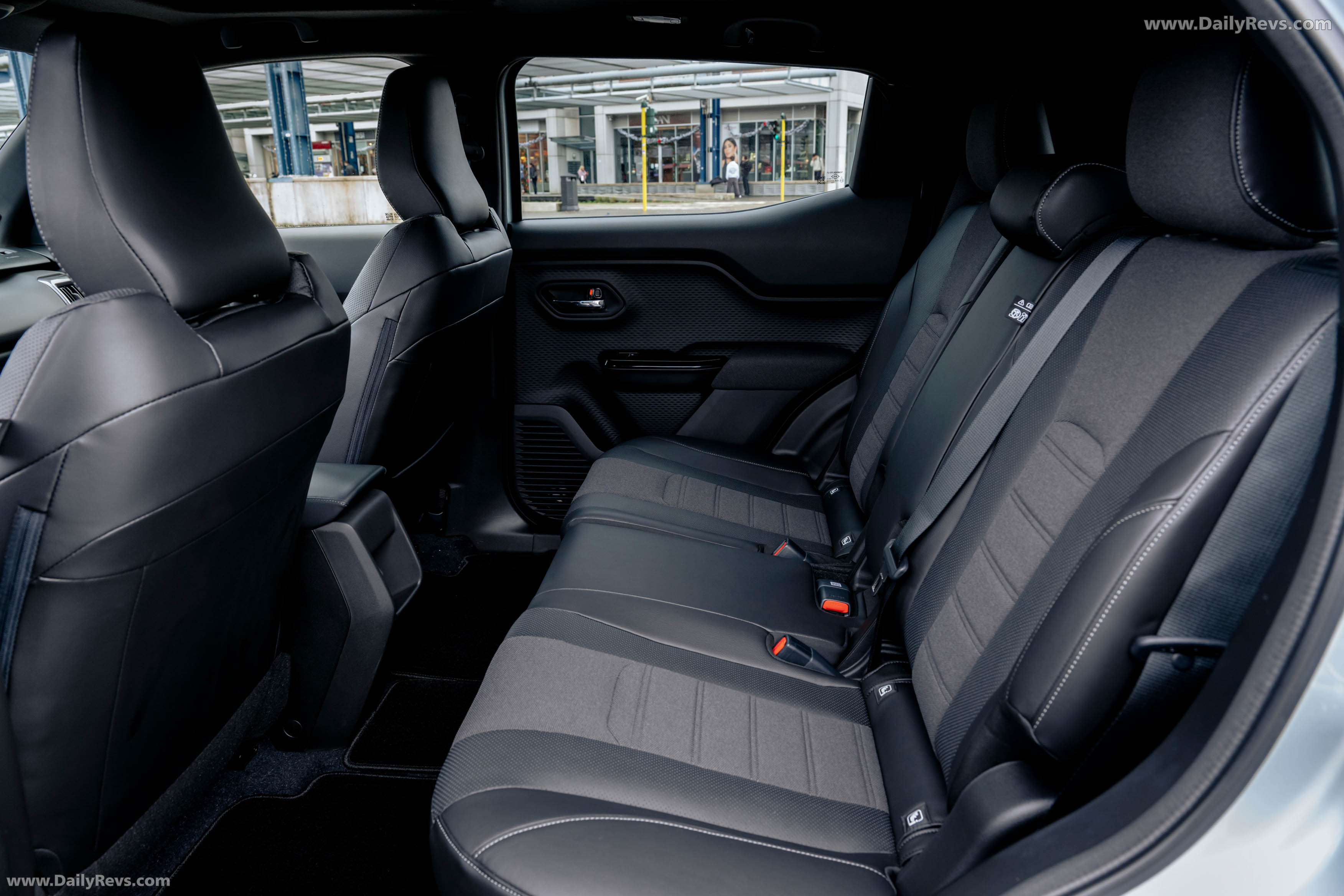
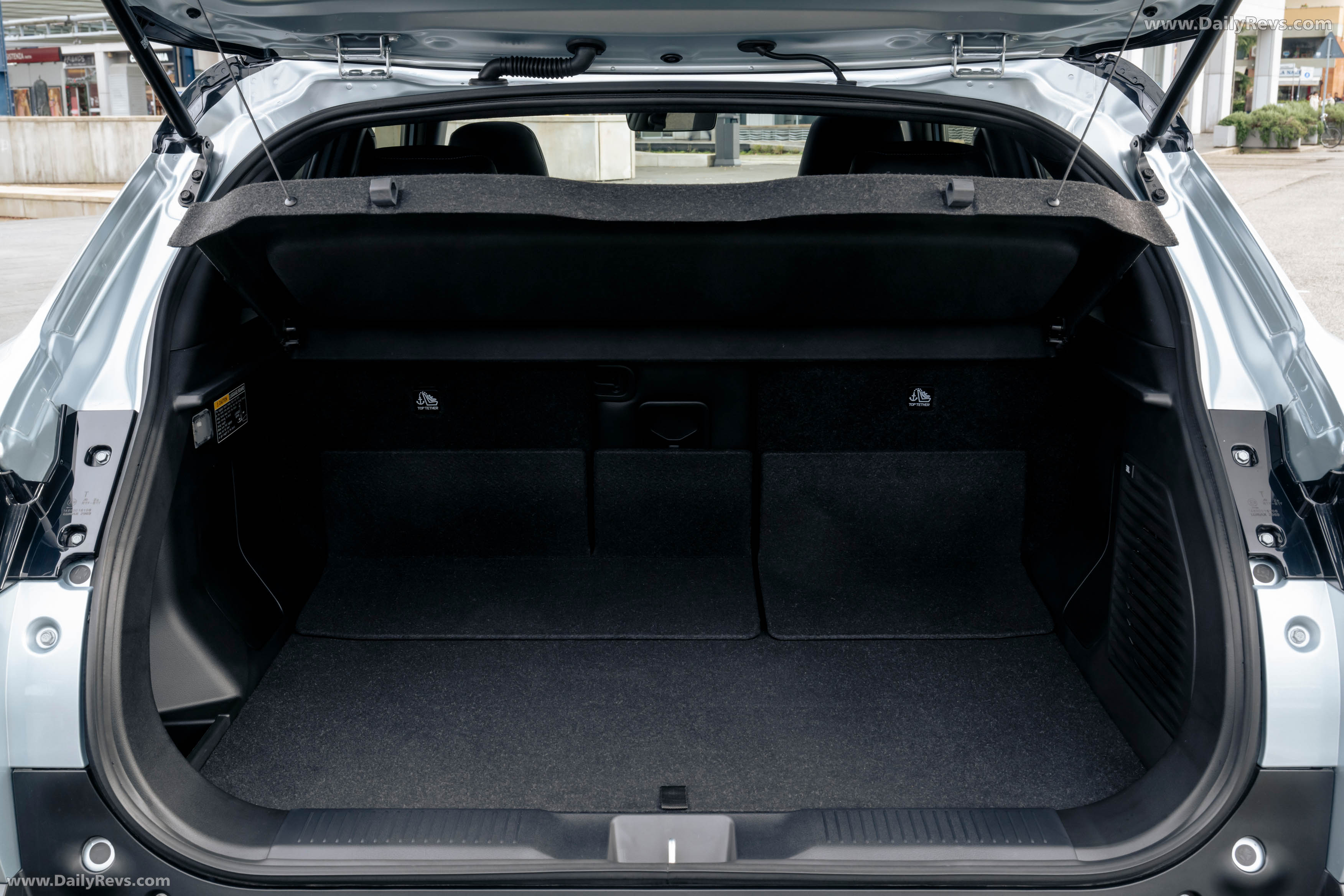
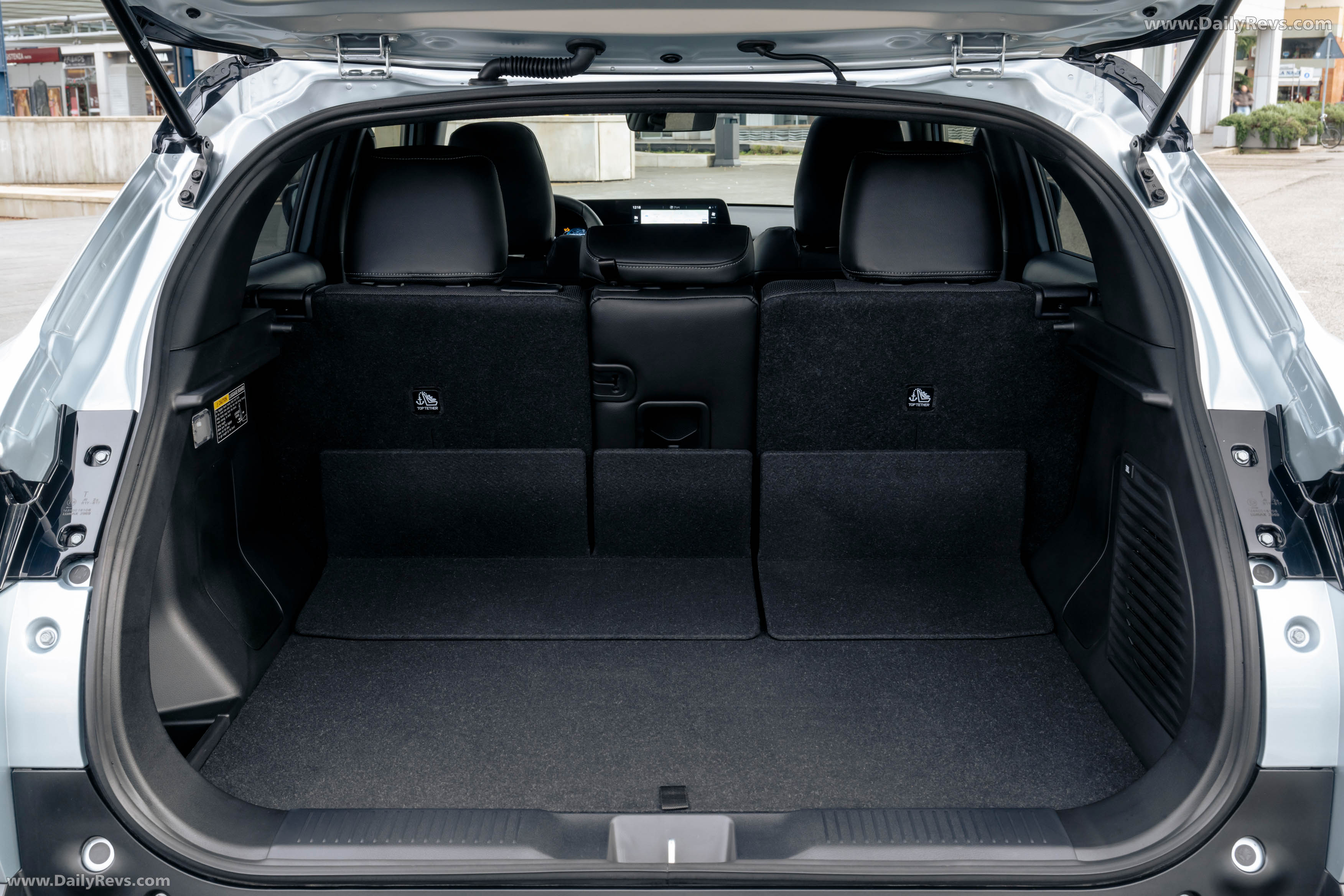
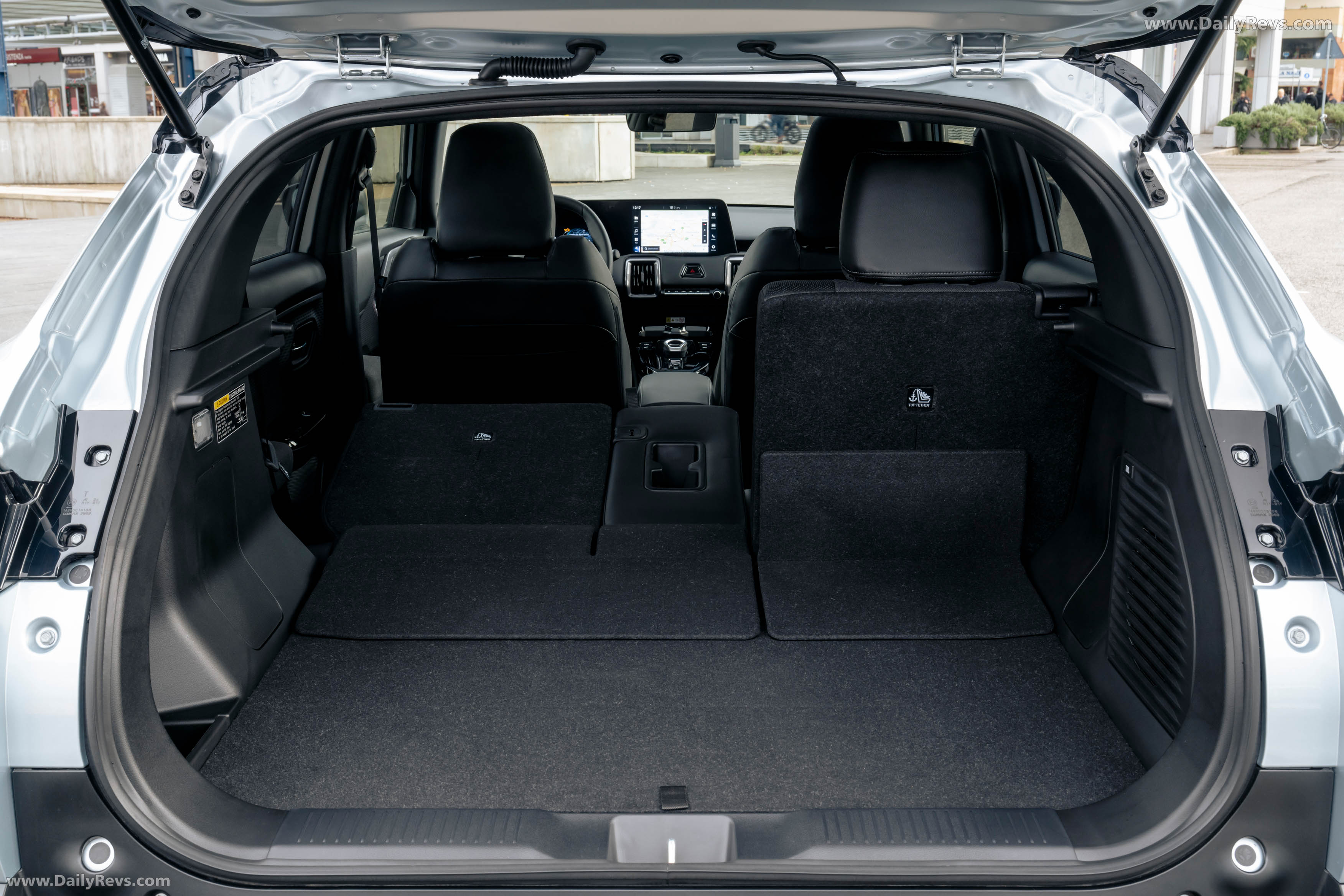
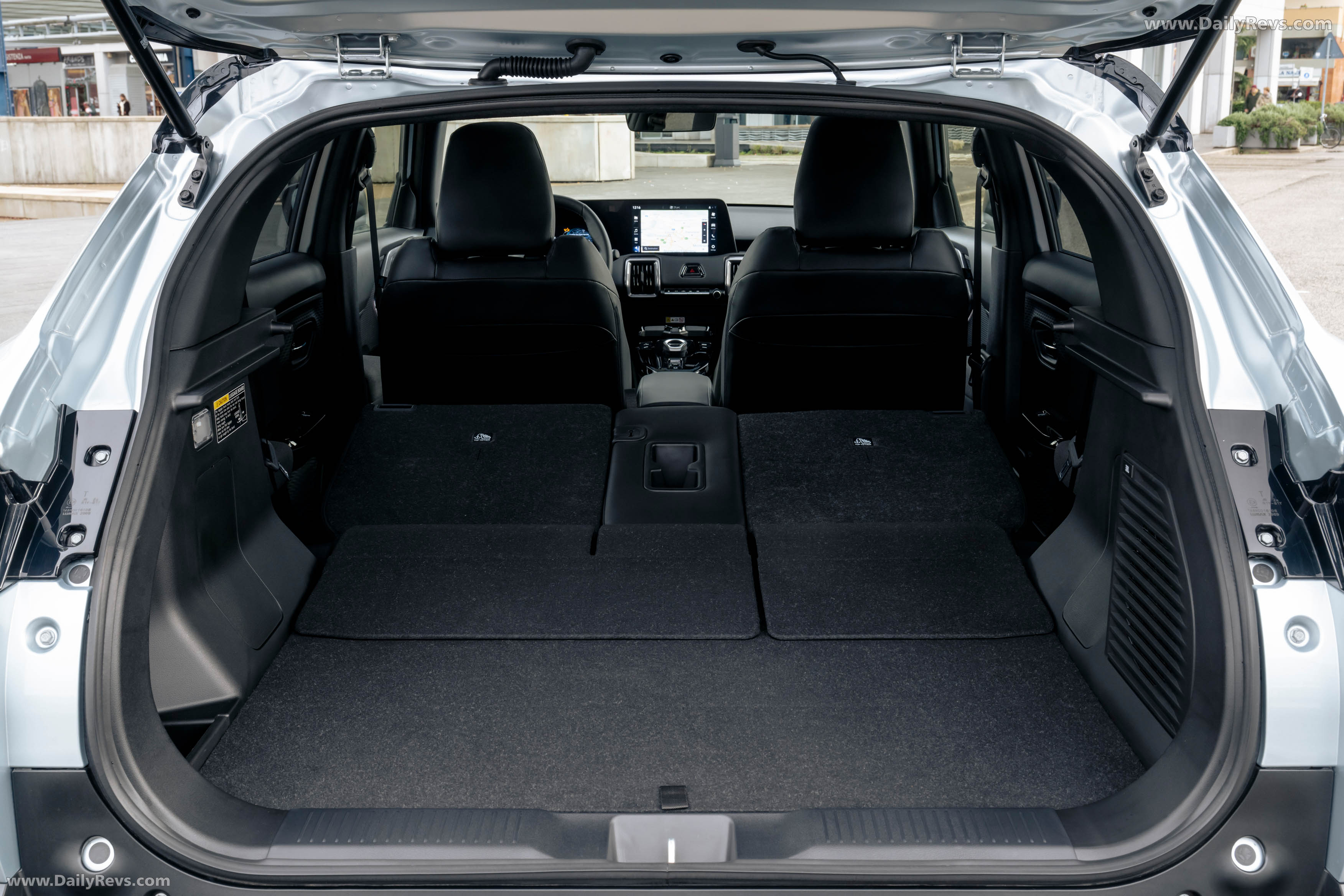
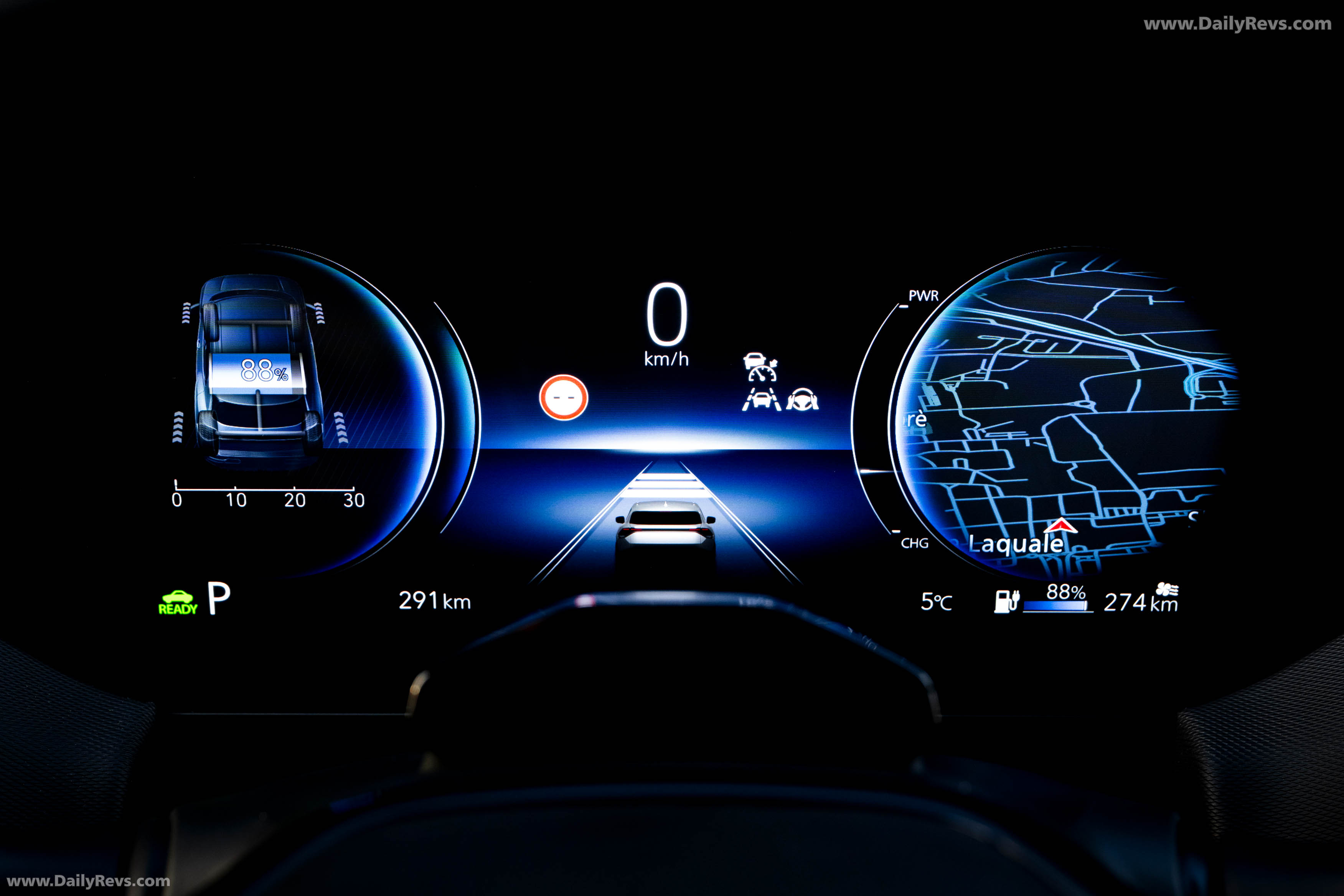
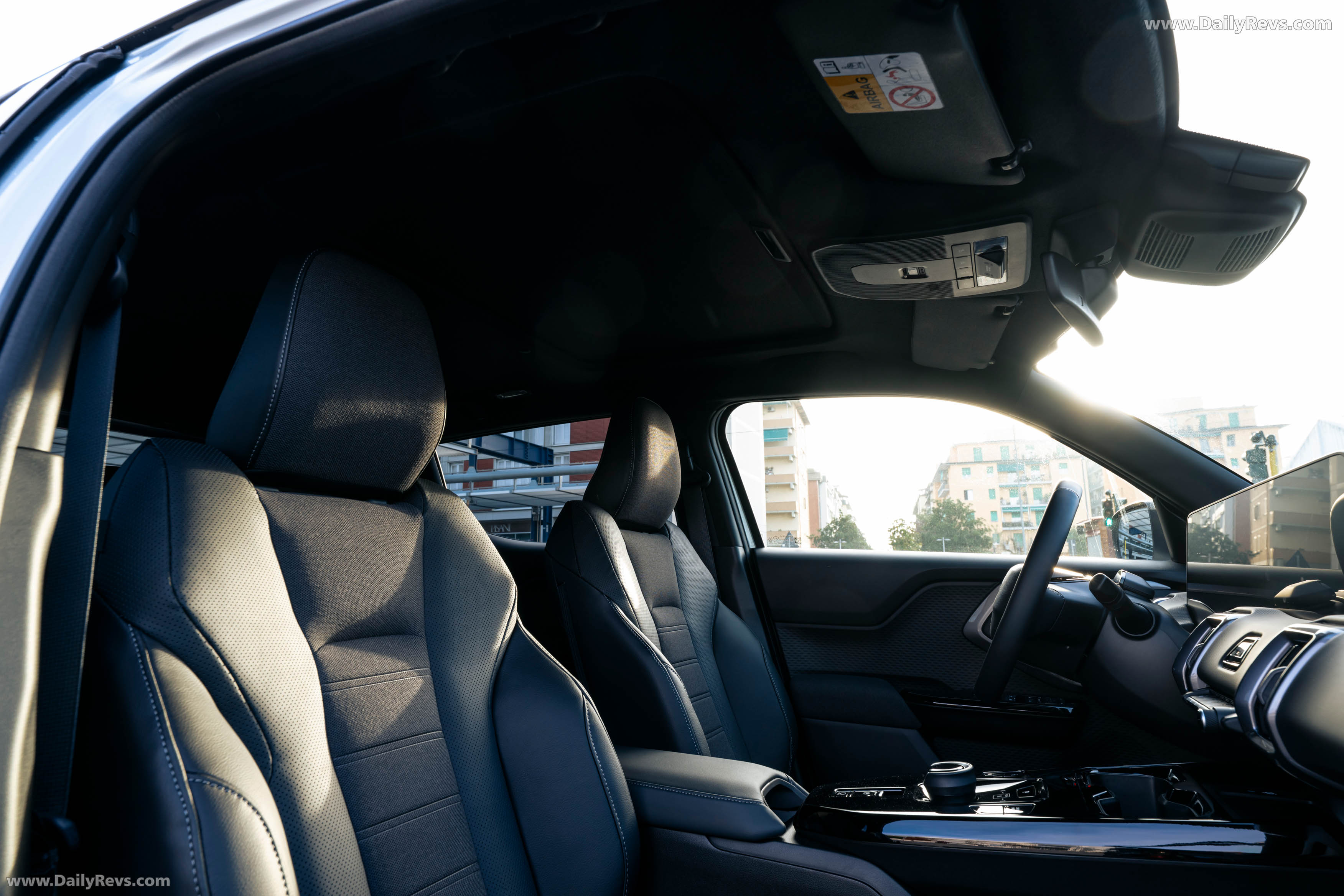
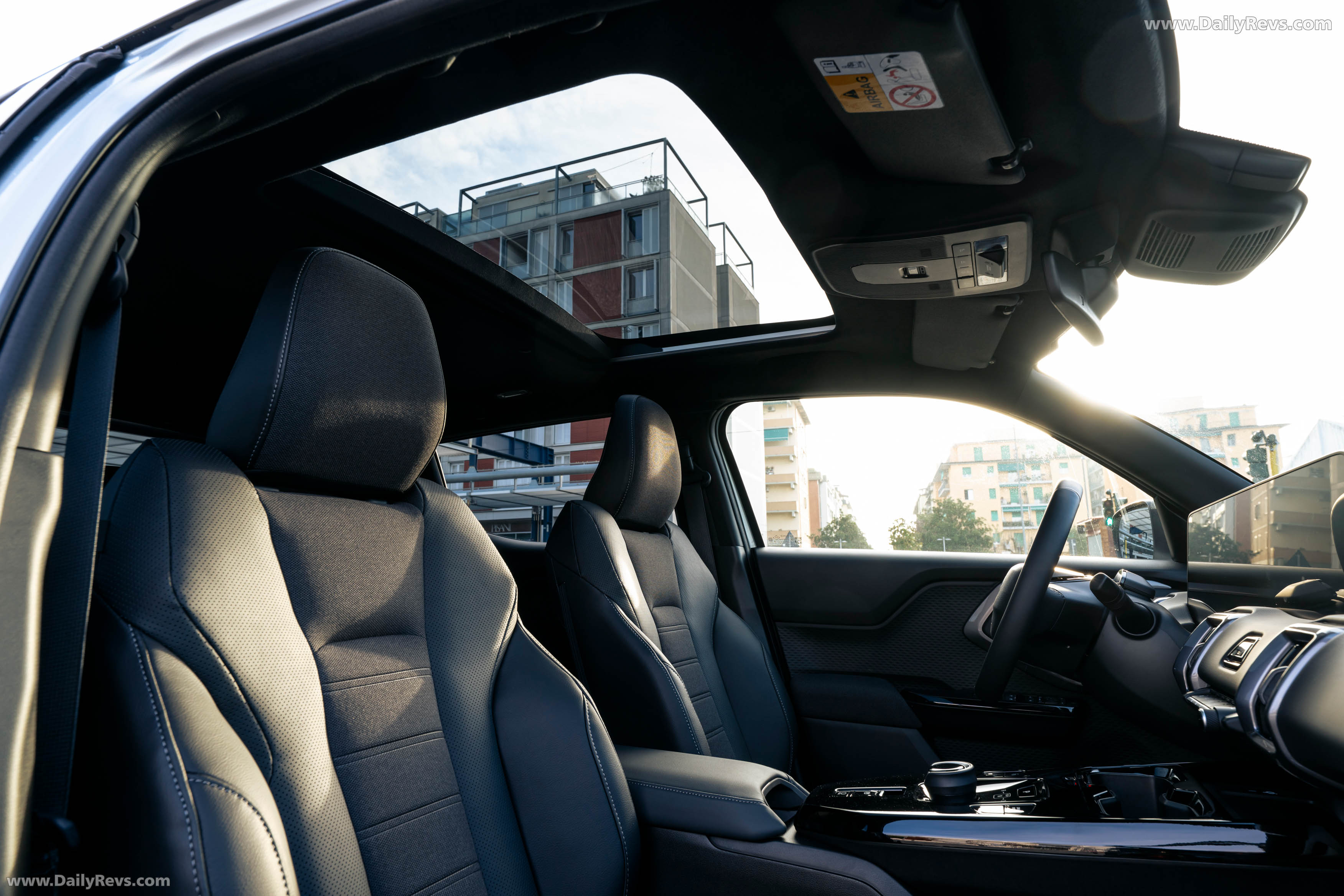
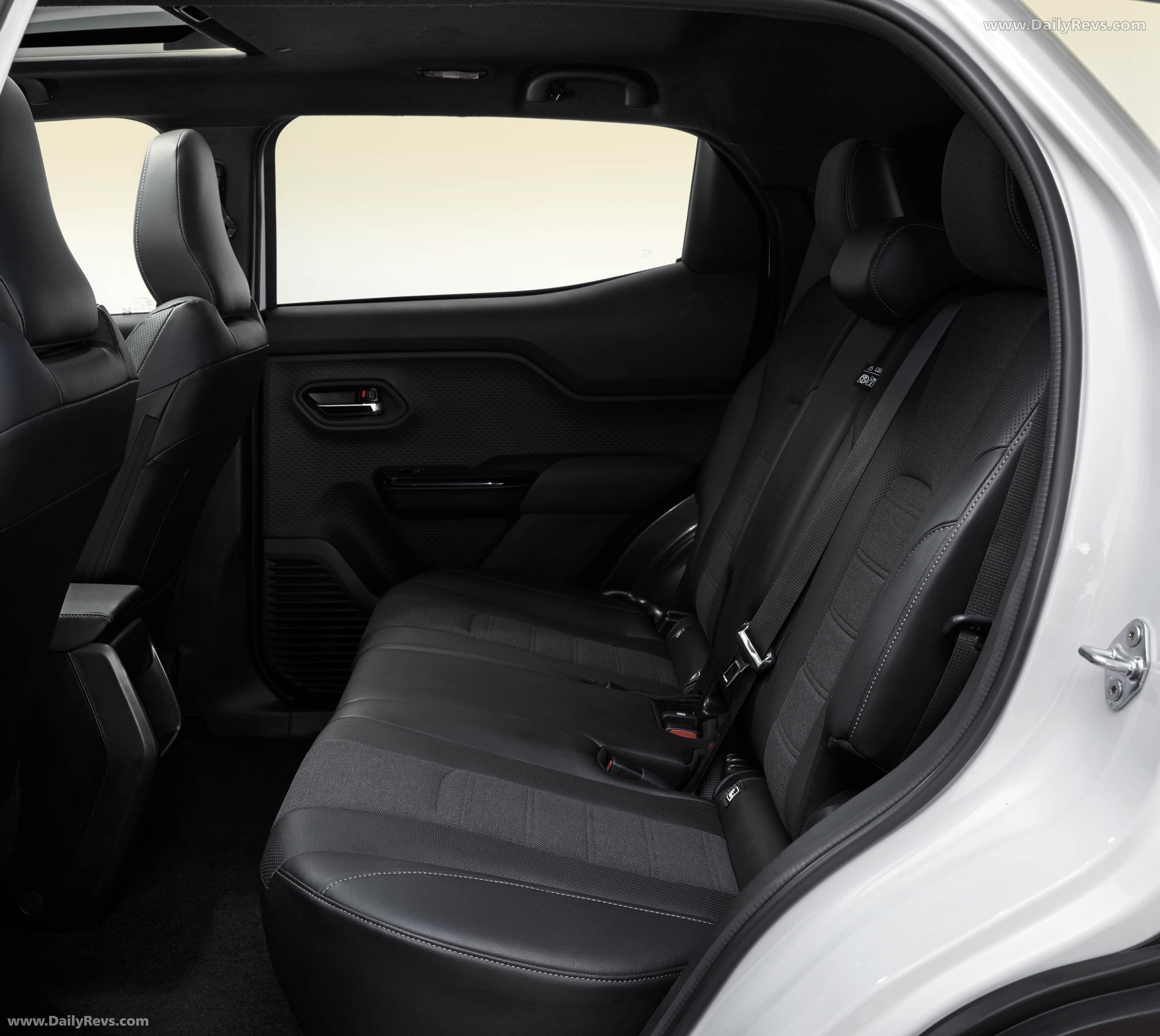
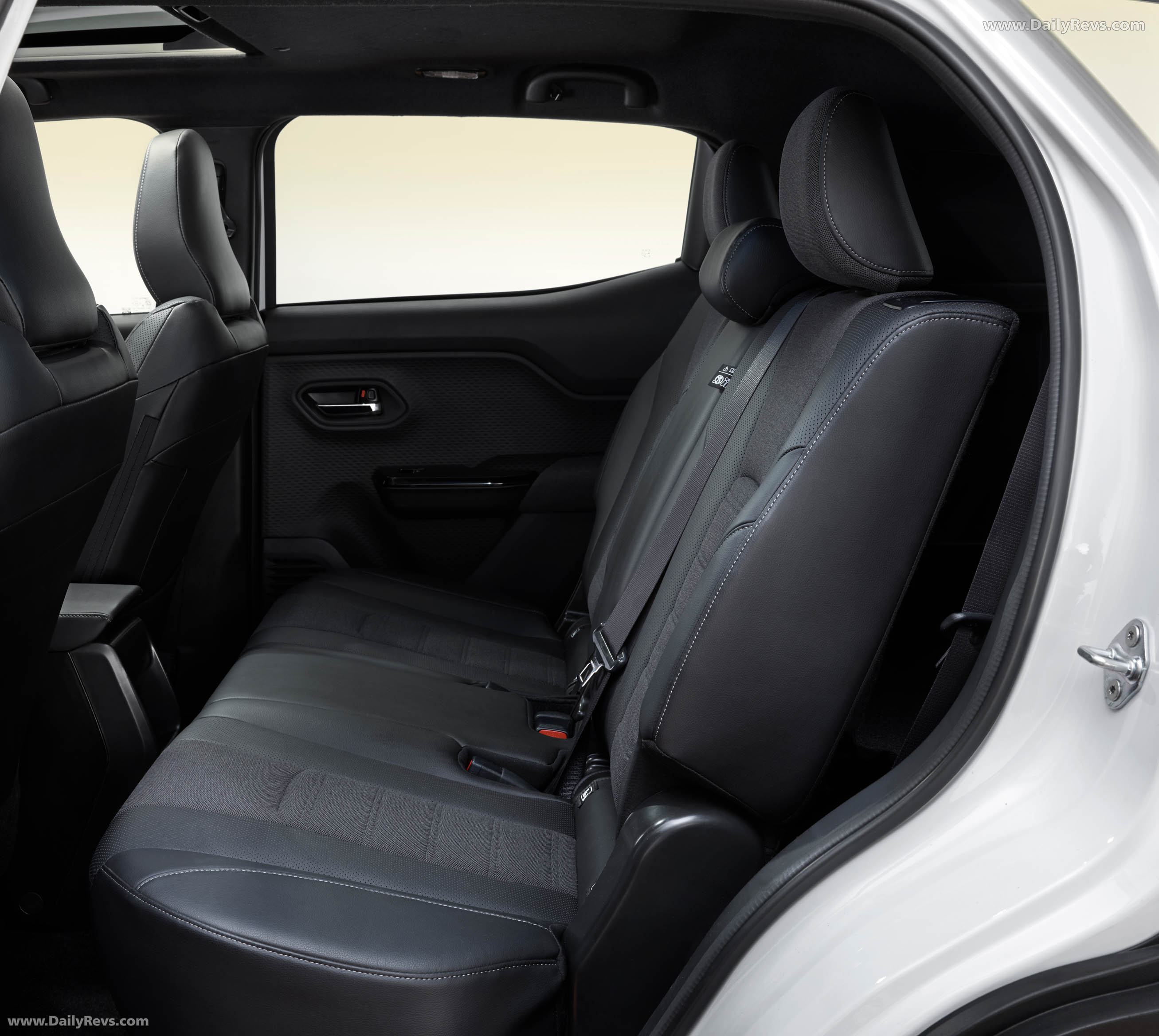
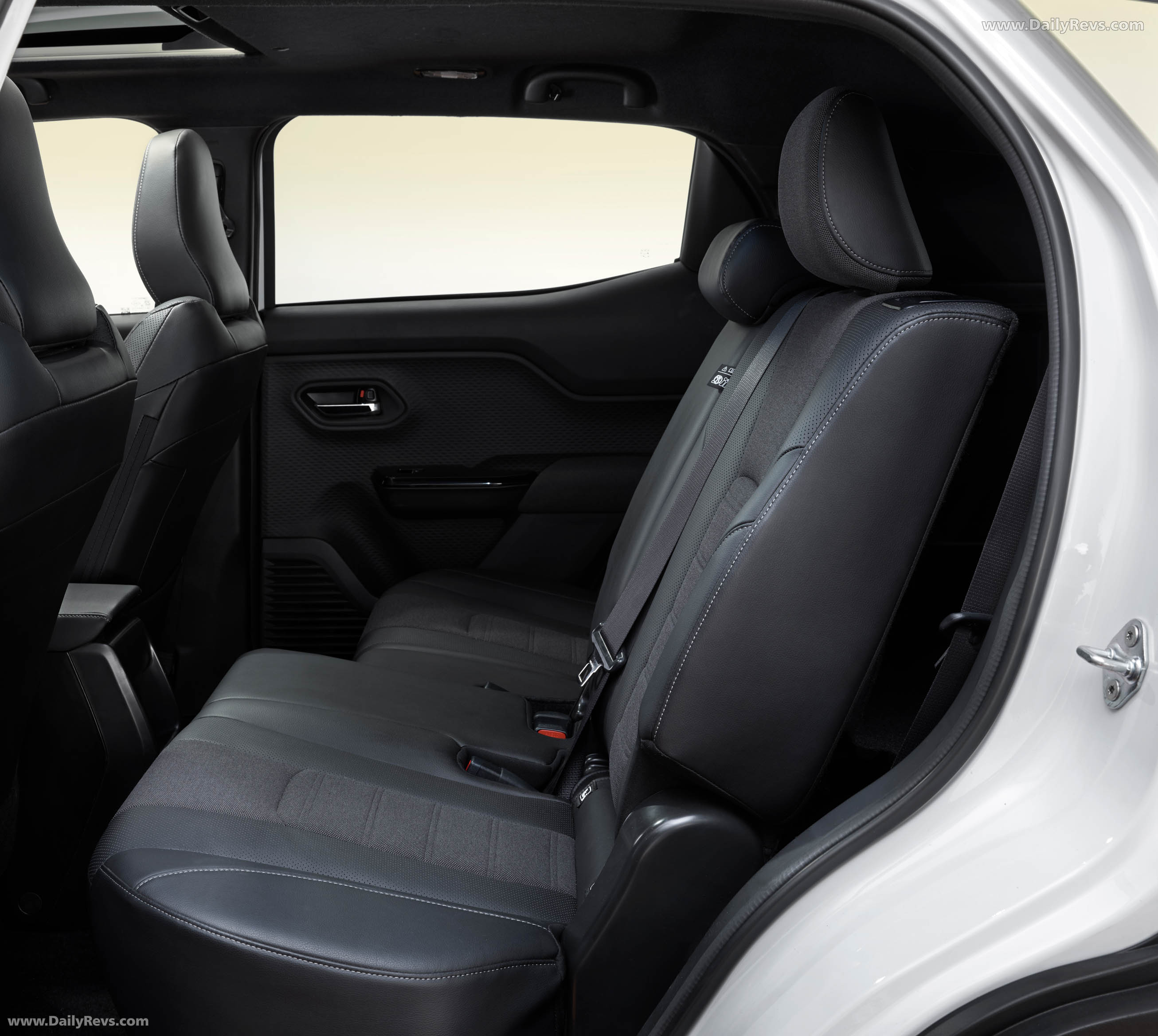
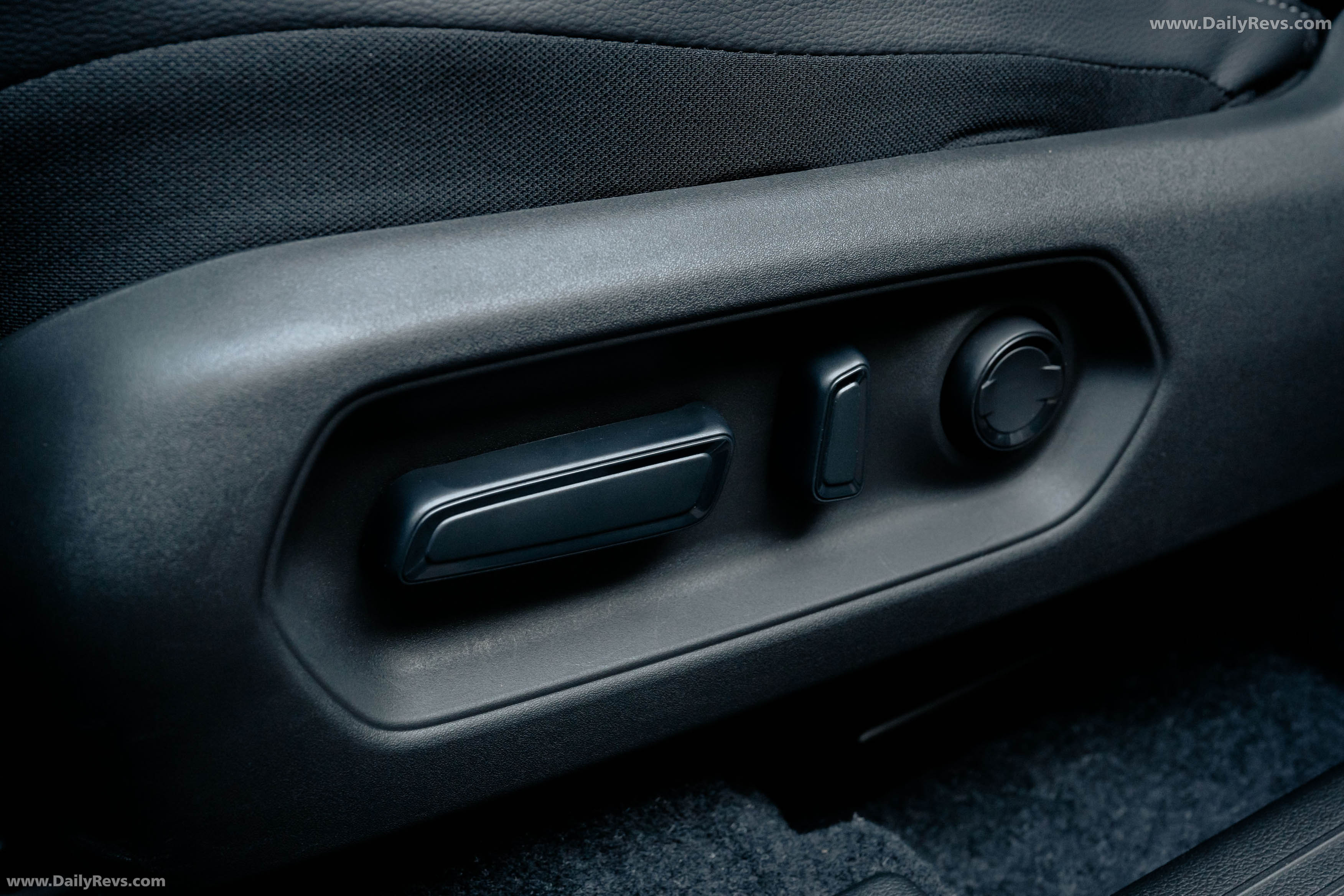
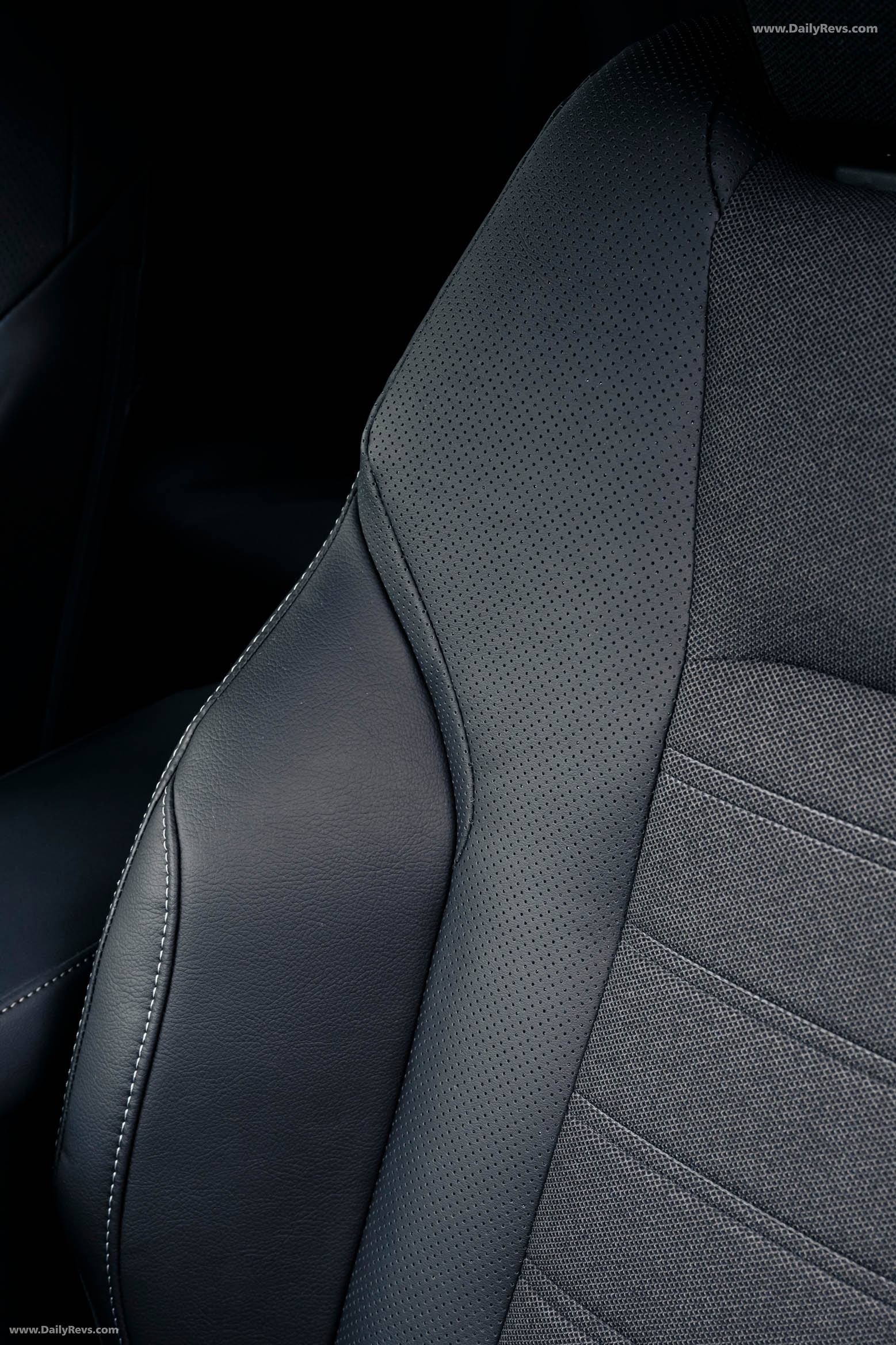
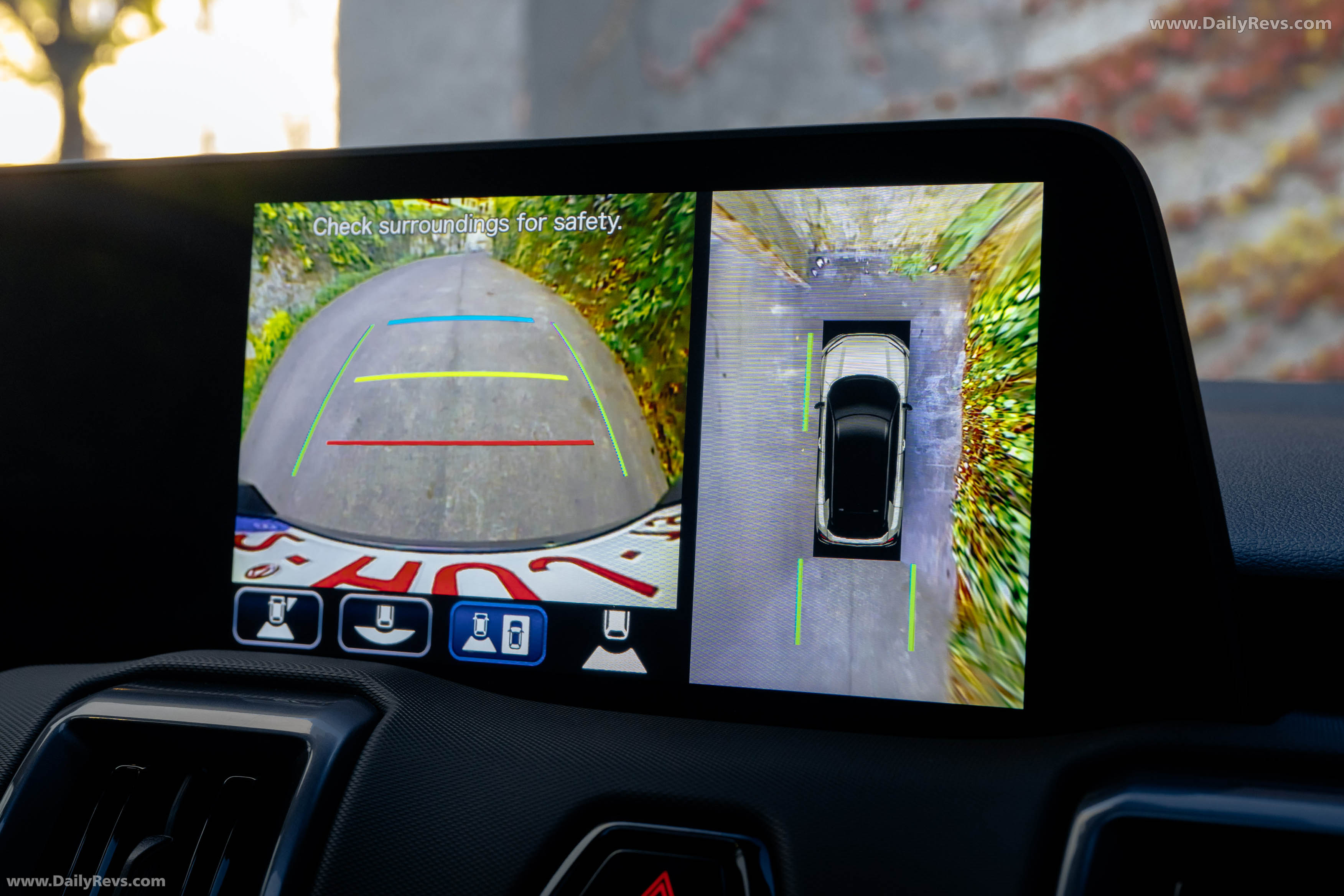
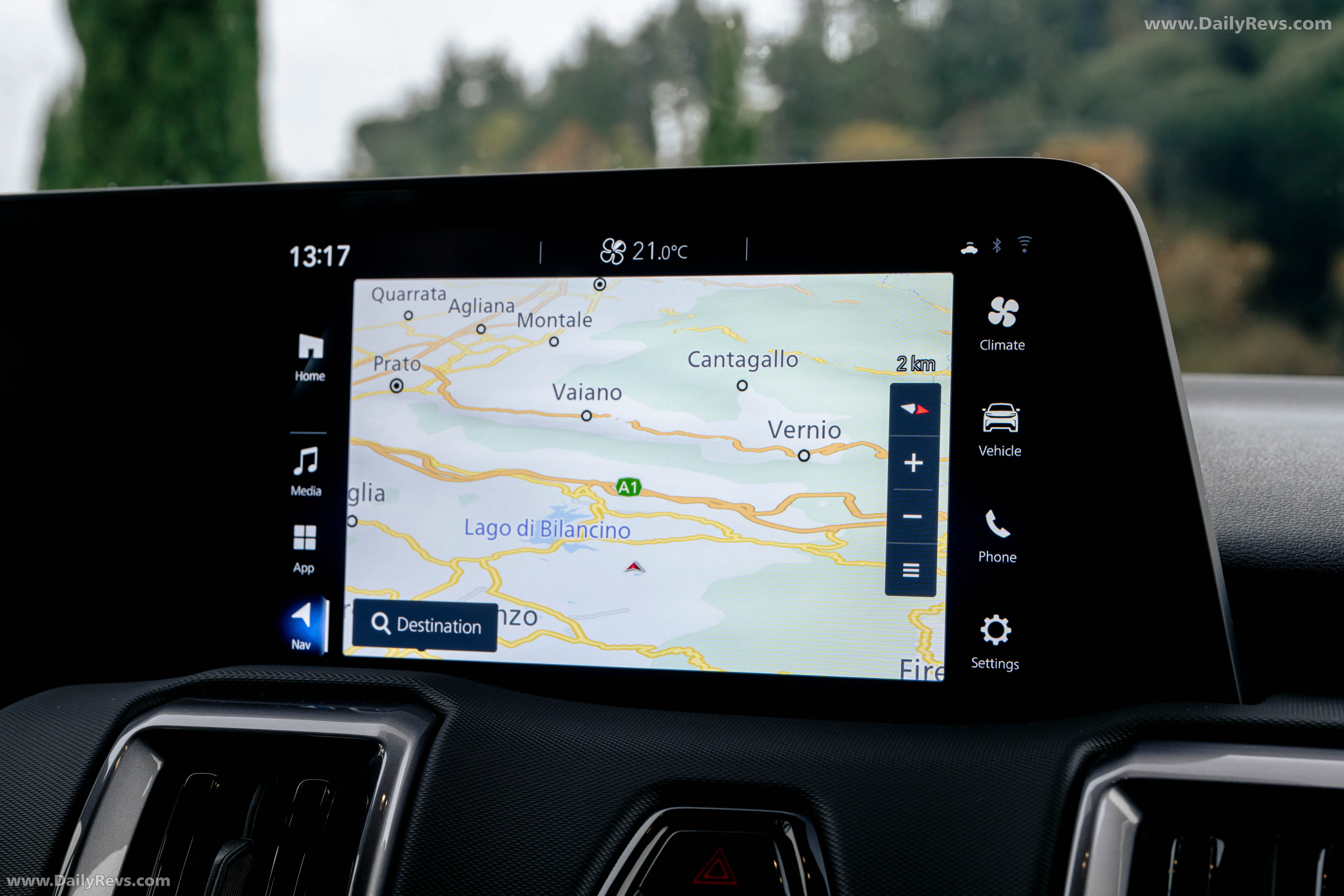
Inside, the long wheelbase pays dividends. The cabin feels open, with a low instrument panel and strong horizontal lines enhancing the sense of width.A sliding rear seat system allows passenger or cargo priorities to shift easily, with maximum luggage capacity reaching 566 litres when seats are folded. The digital interface combines a 10.25-inch driver display with a 10.1-inch central touchscreen, supporting wireless smartphone integration and Toyota’s MyToyota app for remote functions such as charging management and climate pre-conditioning. Material choices lean practical, with fabric and animal-free trim options depending on grade.
Positioning in Relation to the Market and Segment
Toyota's growing lineup of electric SUVs includes the Urban Cruiser AWD, a little substitute with complete all-wheel drive capability, following larger models like the bZ4X. Customers who demand EV economy without compromising year-round usability are satisfied, especially in areas with unpredictable weather. Toyota's focus on battery longevity, interior versatility, and AWD traction creates a unique, practical identity rather than just a design-led one when compared to competitors like electric B-SUVs from Hyundai, Jeep, and Peugeot.