







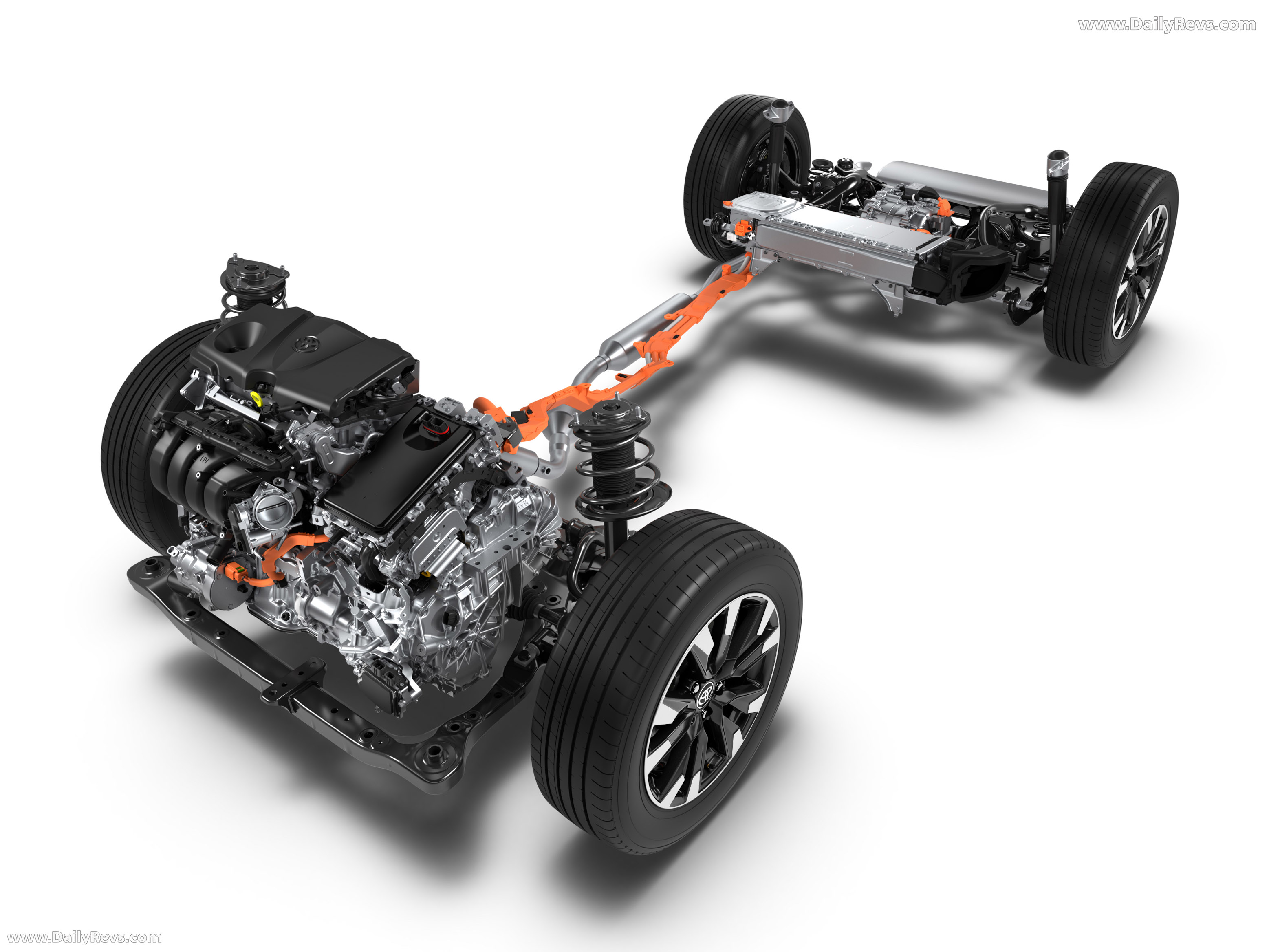
2026 Toyota RAV4 HEV Japanese Version
By Lorenzo Bianchi December 18, 2025
The sixth-generation RAV4 HEV introduces a new hybrid system producing up to 177 kW with E-Four electric AWD.
Design evolves toward a more upright, planted SUV stance while keeping familiar RAV4 proportions.
Toyota’s Arene platform marks the RAV4 as the brand’s starting point for software-defined vehicles.
Design and Proportions of the Vehicle
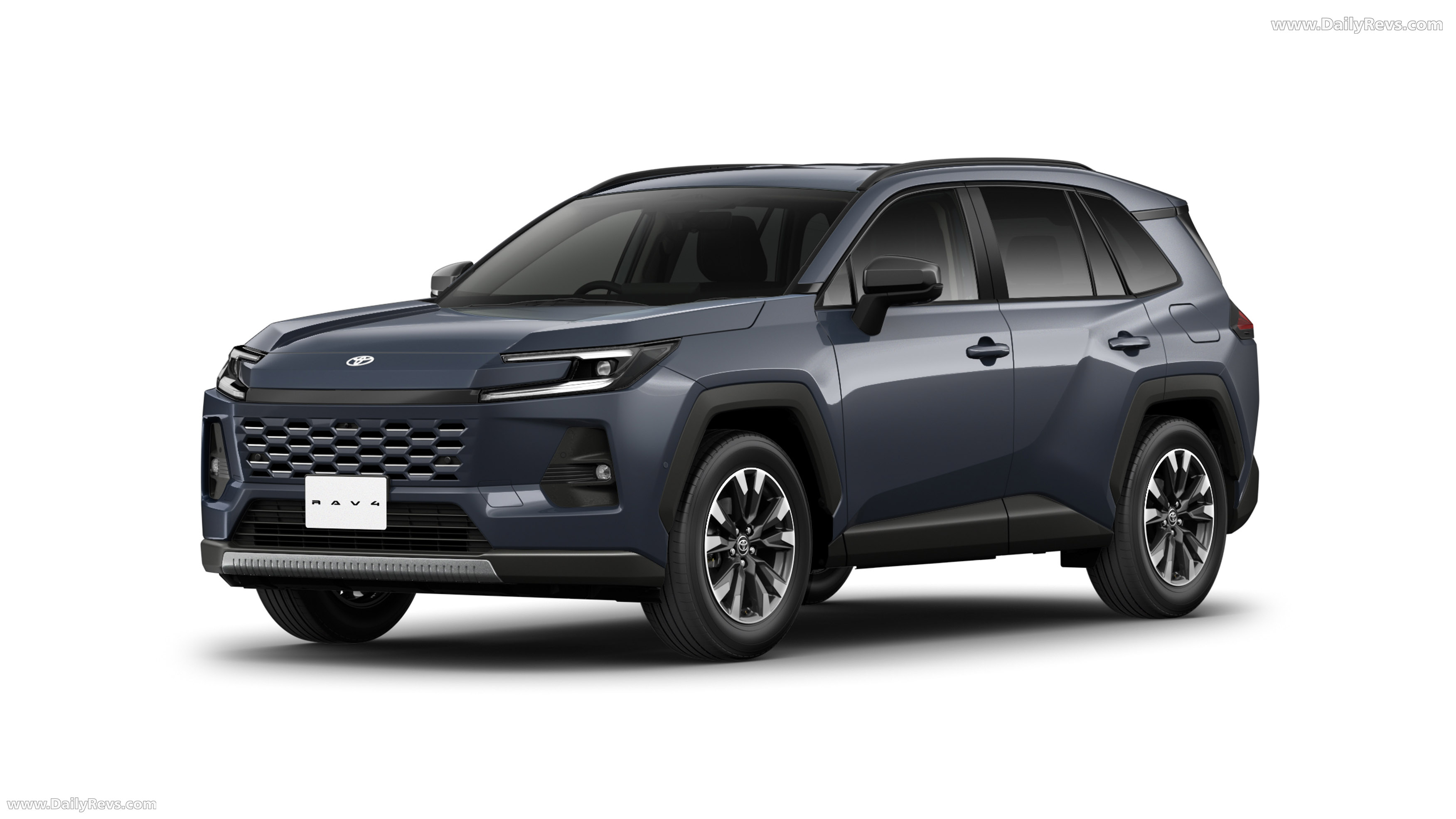
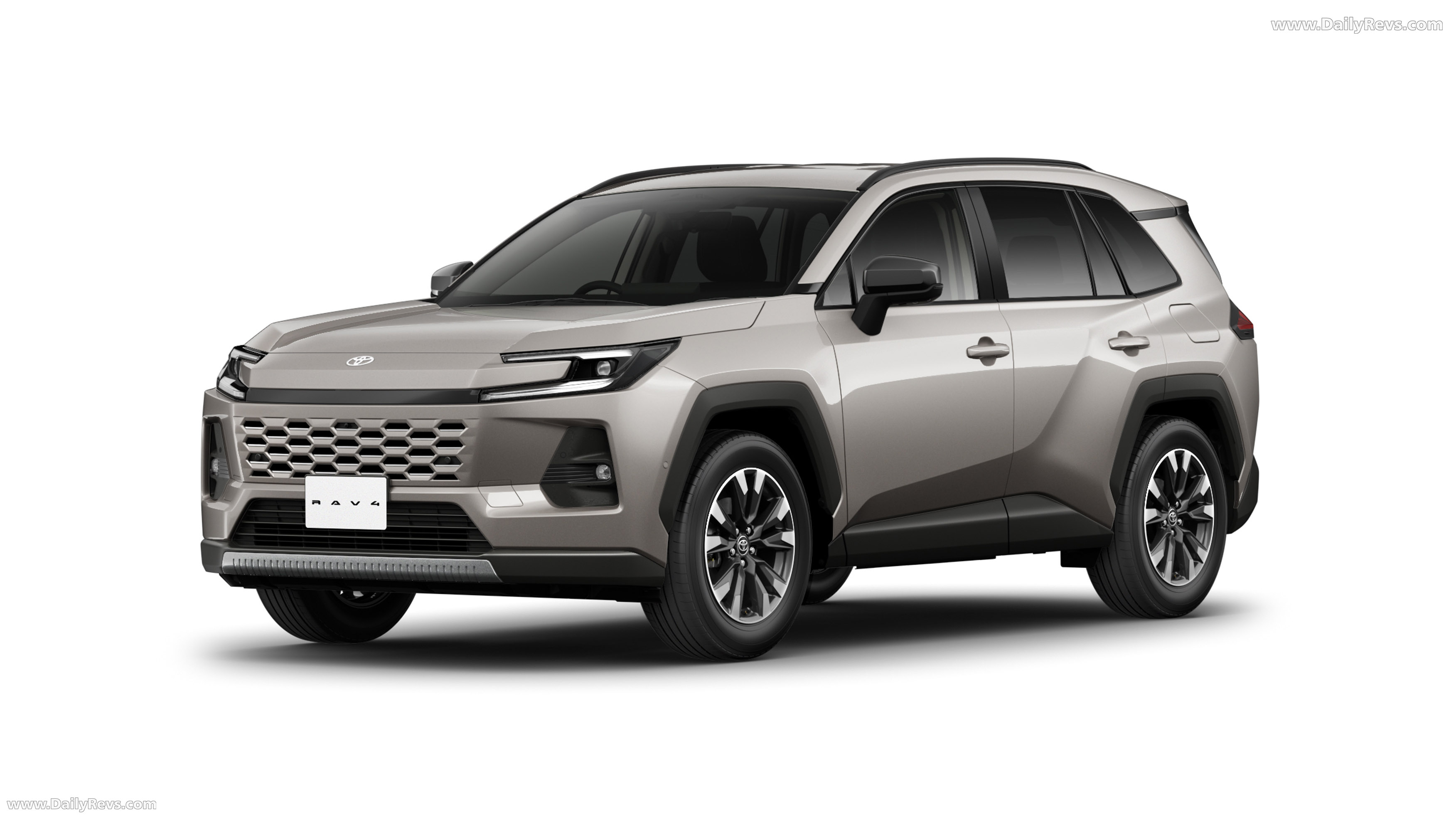
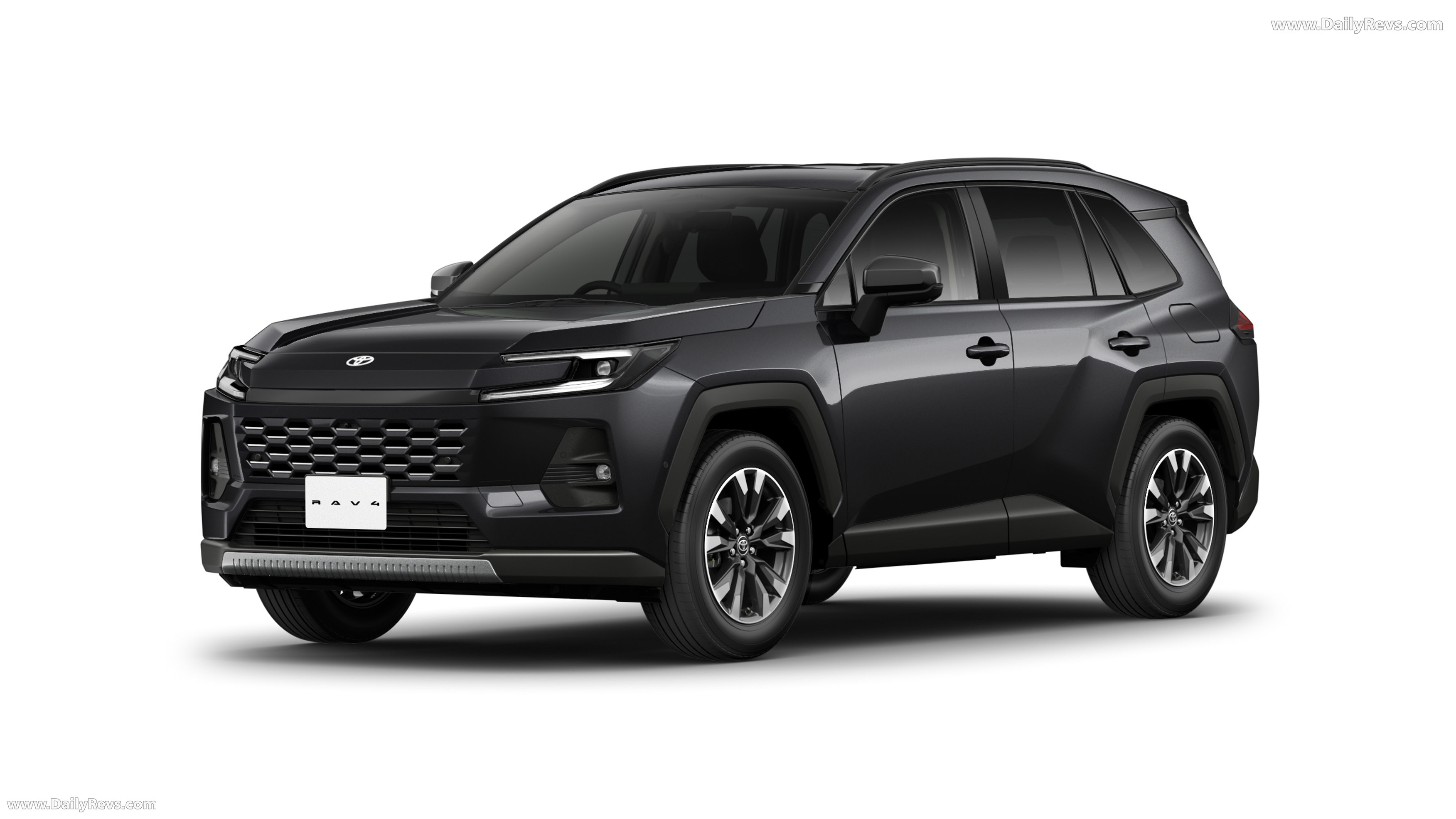
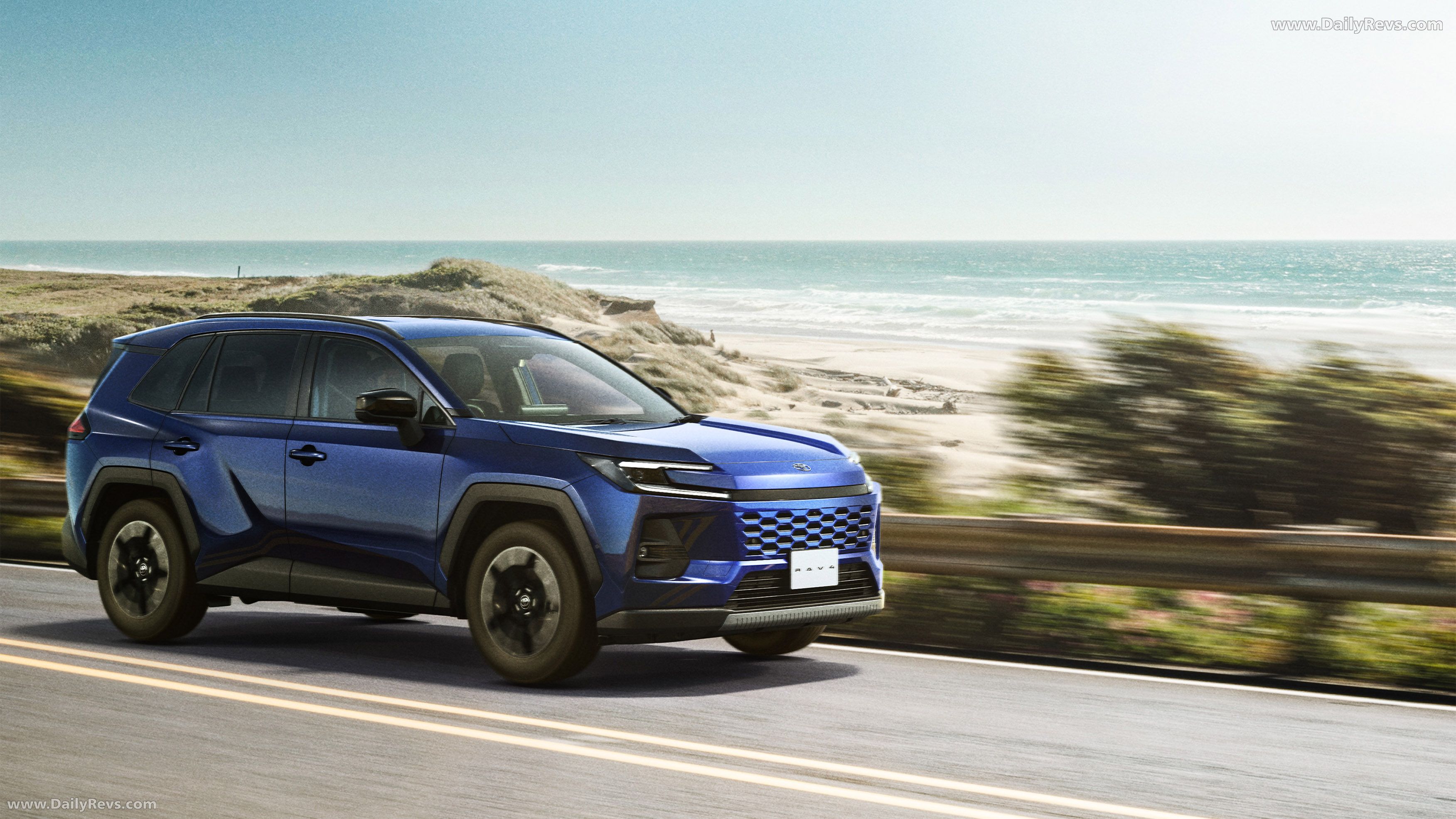
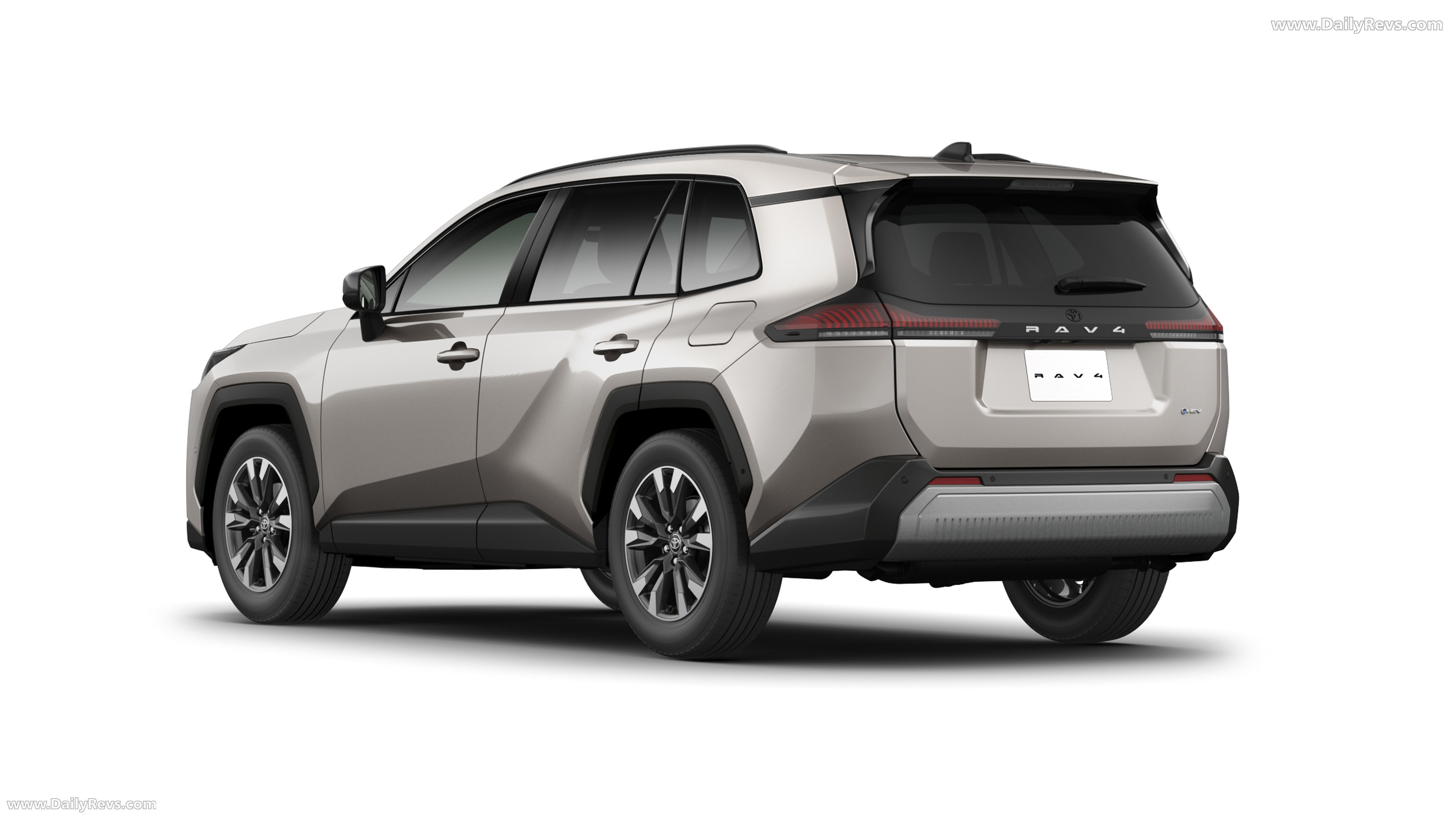
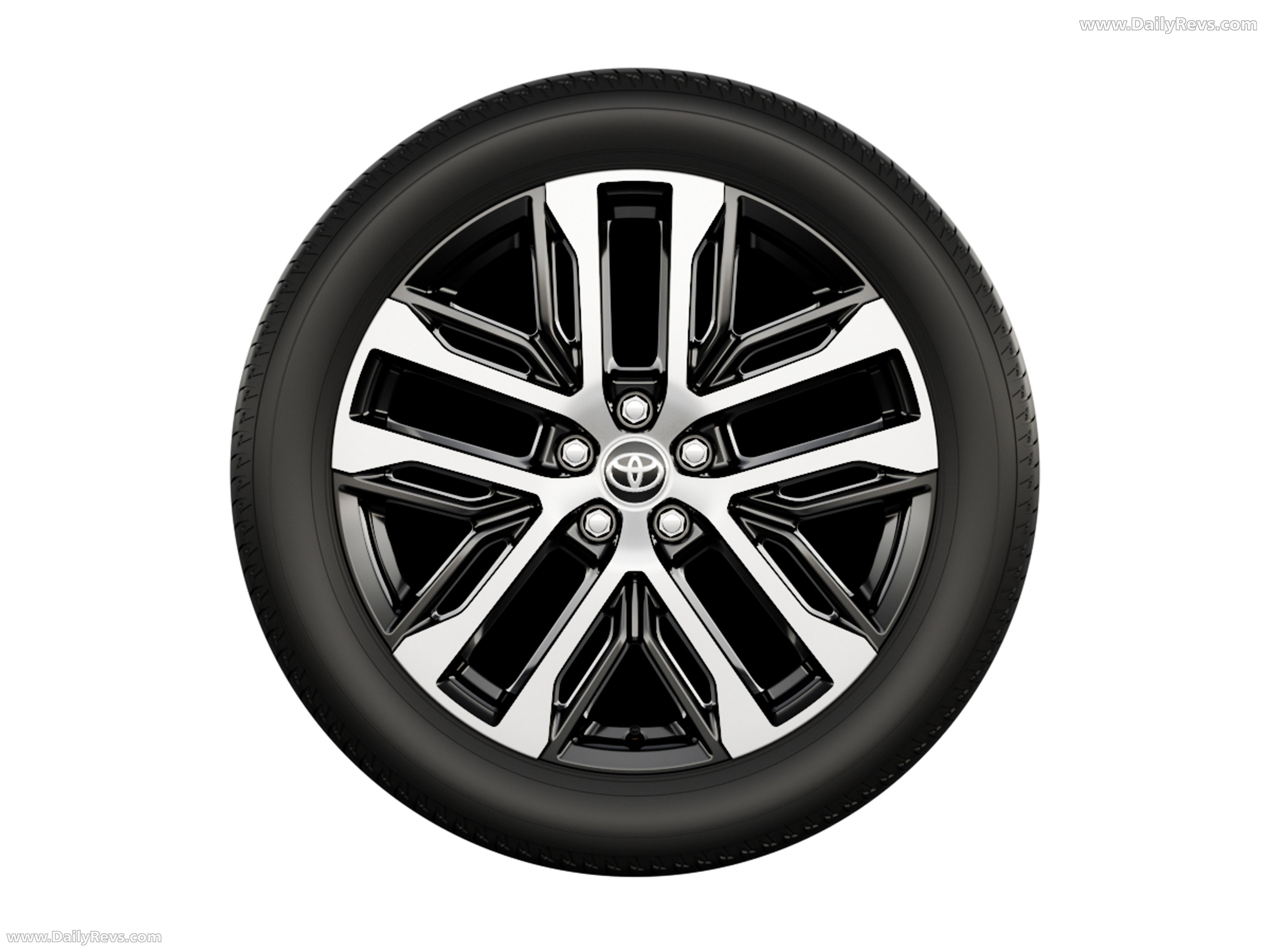
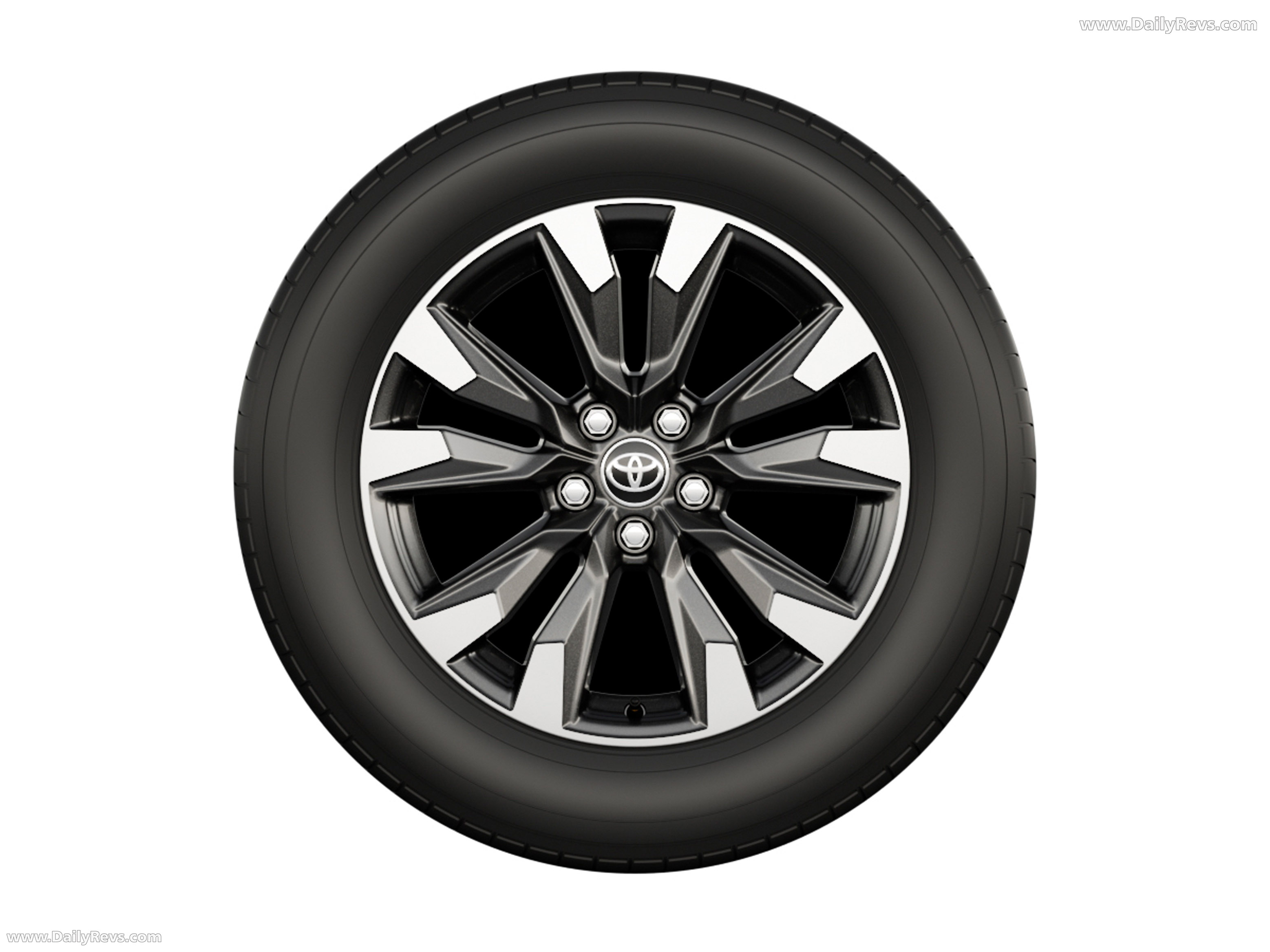
The 2026 Toyota RAV4 HEV Japanese Version represents a clear generational shift, though Toyota has been careful not to abandon the RAV4’s visual identity. Overall dimensions remain compact by class standards, preserving the model’s everyday usability, but the stance has changed. Larger-diameter wheels, squarer shoulders, and a higher nose give the new RAV4 a more assertive posture.
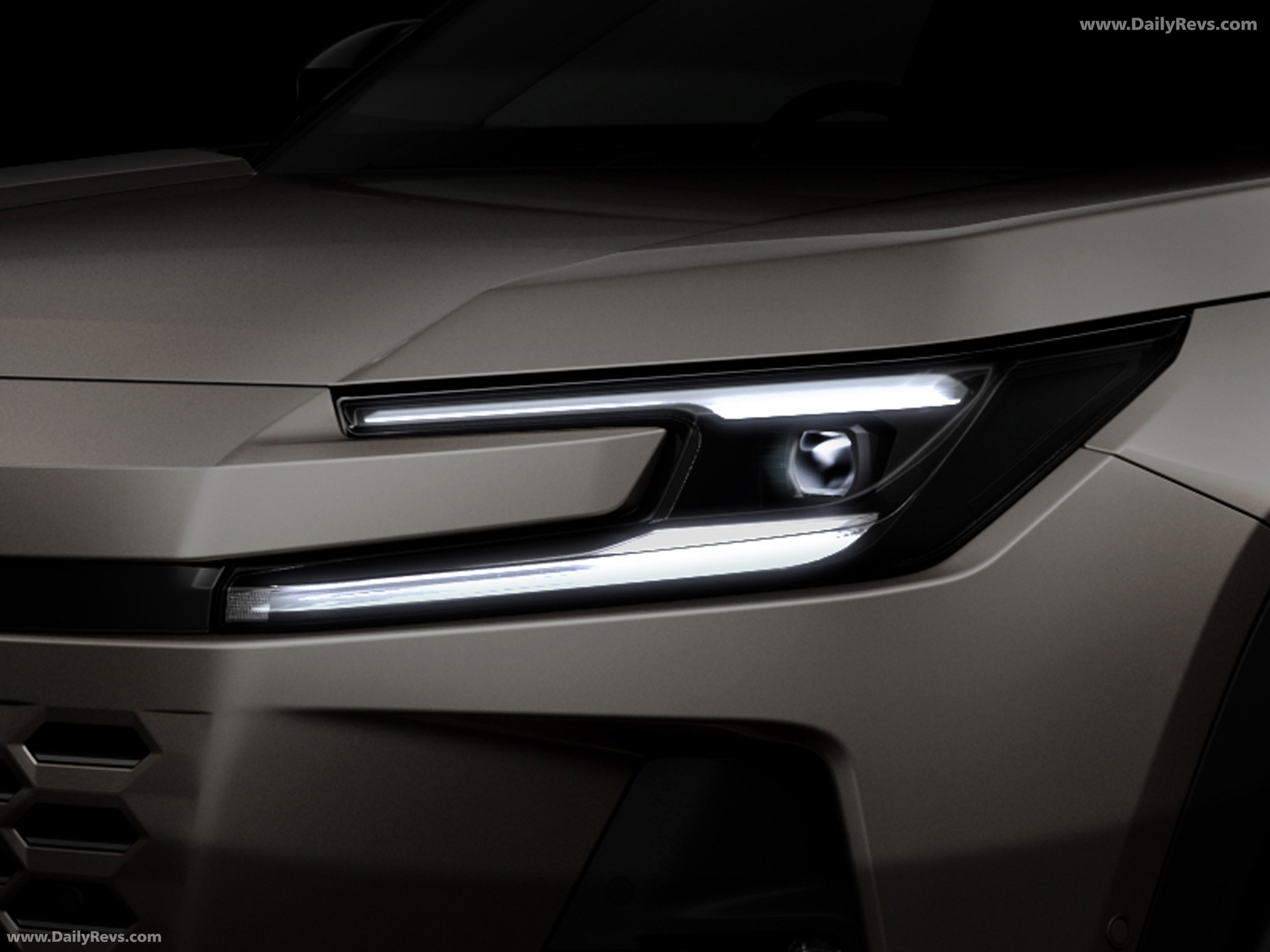
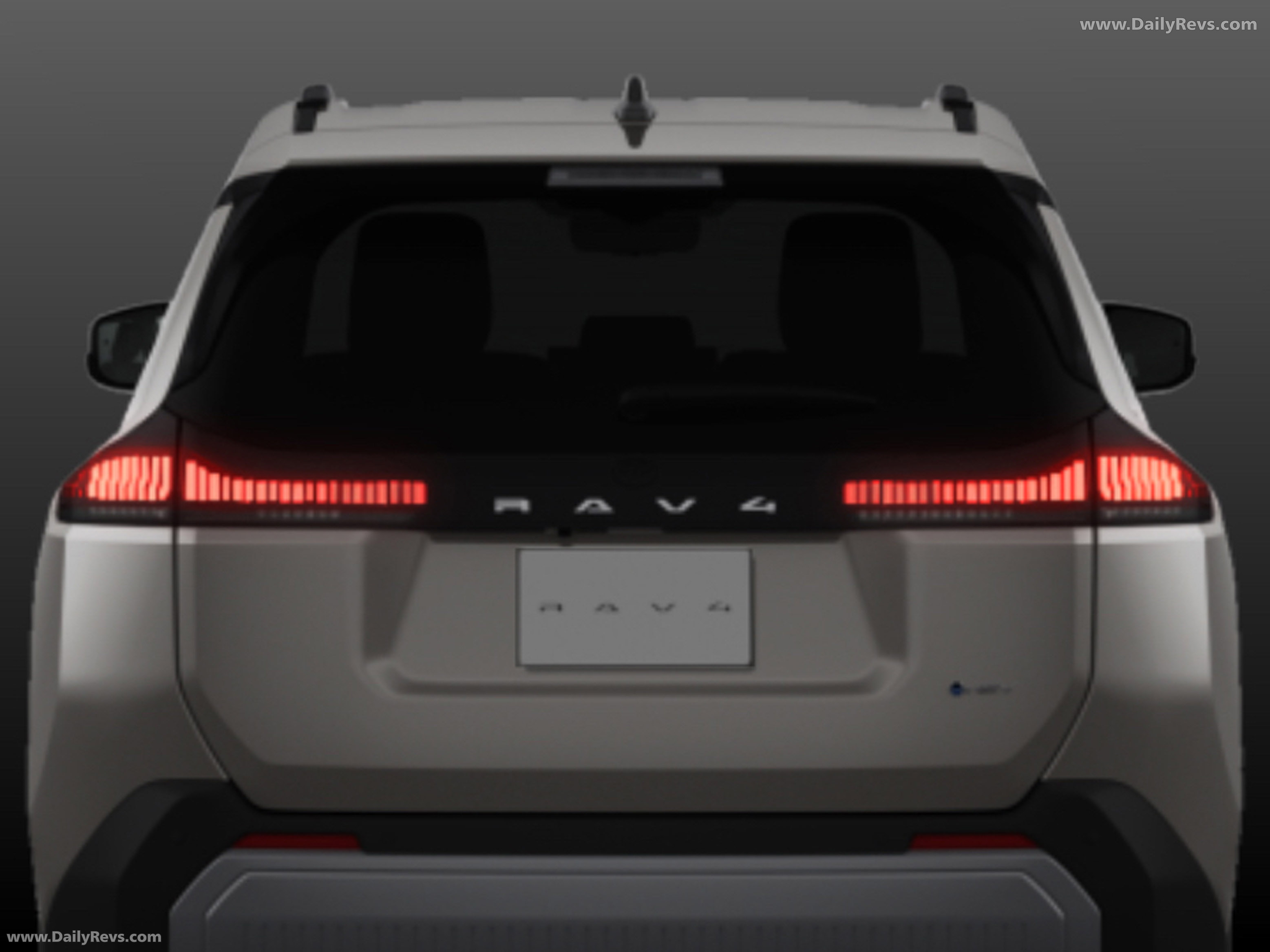
Toyota’s designers describe the exterior around three themes: Big Foot, Lift-up, and Utility. In practice, this translates to pronounced wheel arches, a visibly higher beltline, and flatter body surfaces. While Adventure models tend to have chunkier details and darker cladding, the Z grade has a more sophisticated appearance with body-colored bumpers and a mesh-style grille. Toyota has typically done a good job of striking a balance between toughness and exaggeration in the design of the RAV4.
Performance and Powertrain Overview
At the core of the Japanese-market RAV4 HEV is a new-generation hybrid system built around a 2.5-liter inline four-cylinder engine. Combined system output is rated at 177 kW, or approximately 240 horsepower, placing it firmly among the stronger offerings in the hybrid midsize SUV segment.
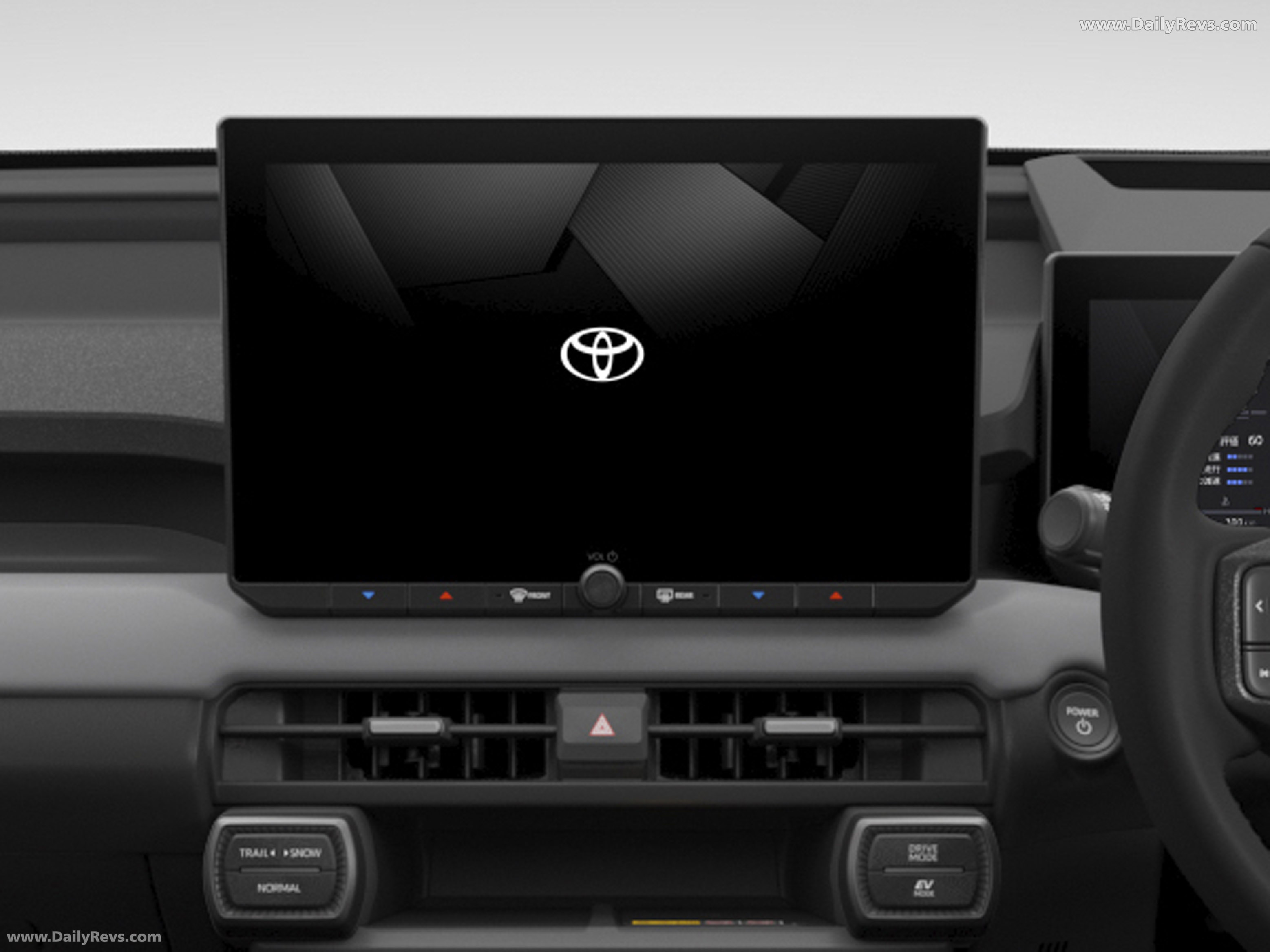
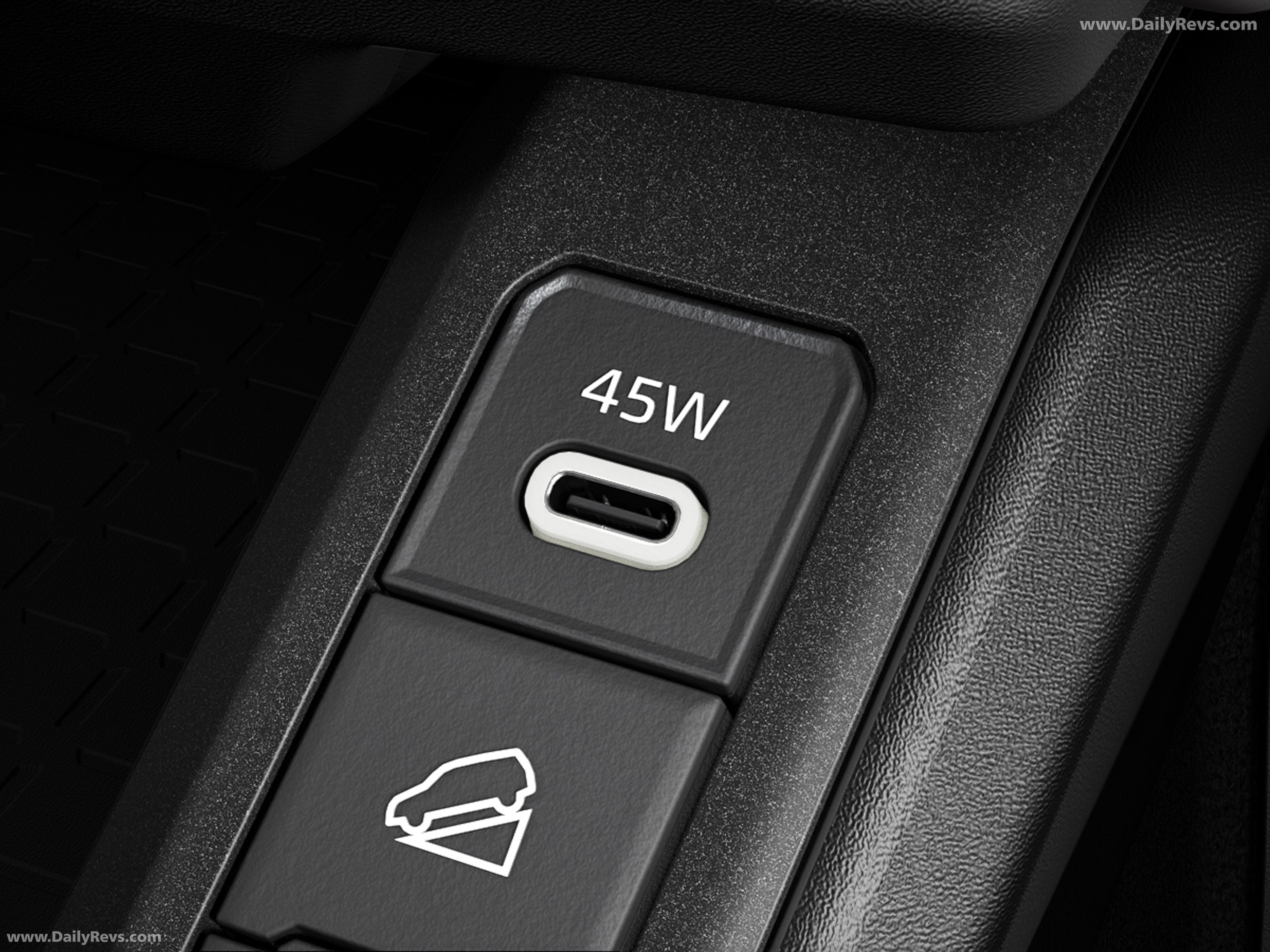
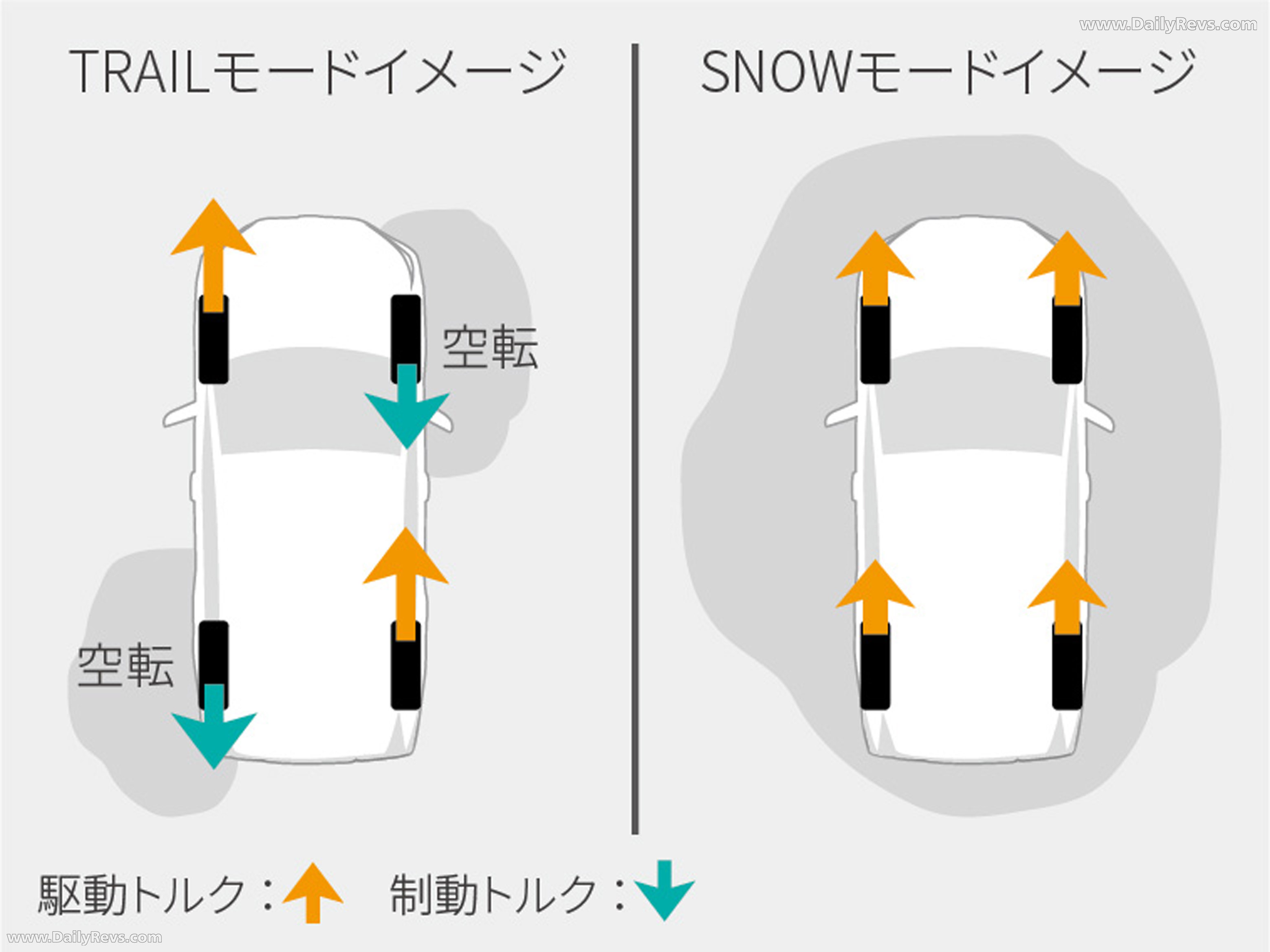
Power is distributed through Toyota’s E-Four electric all-wheel-drive system, capable of varying torque between the front and rear axles from fully front-driven to a rear-biased split when conditions demand it. By stopping spinning wheels and rerouting torque, the TRAIL and SNOW driving modes provide additional stability on slick or loose ground. Toyota also reports that new shock absorbers and platform upgrades have improved ride comfort, suggesting a more stable on-road personality.
Key Features and Interior Impression
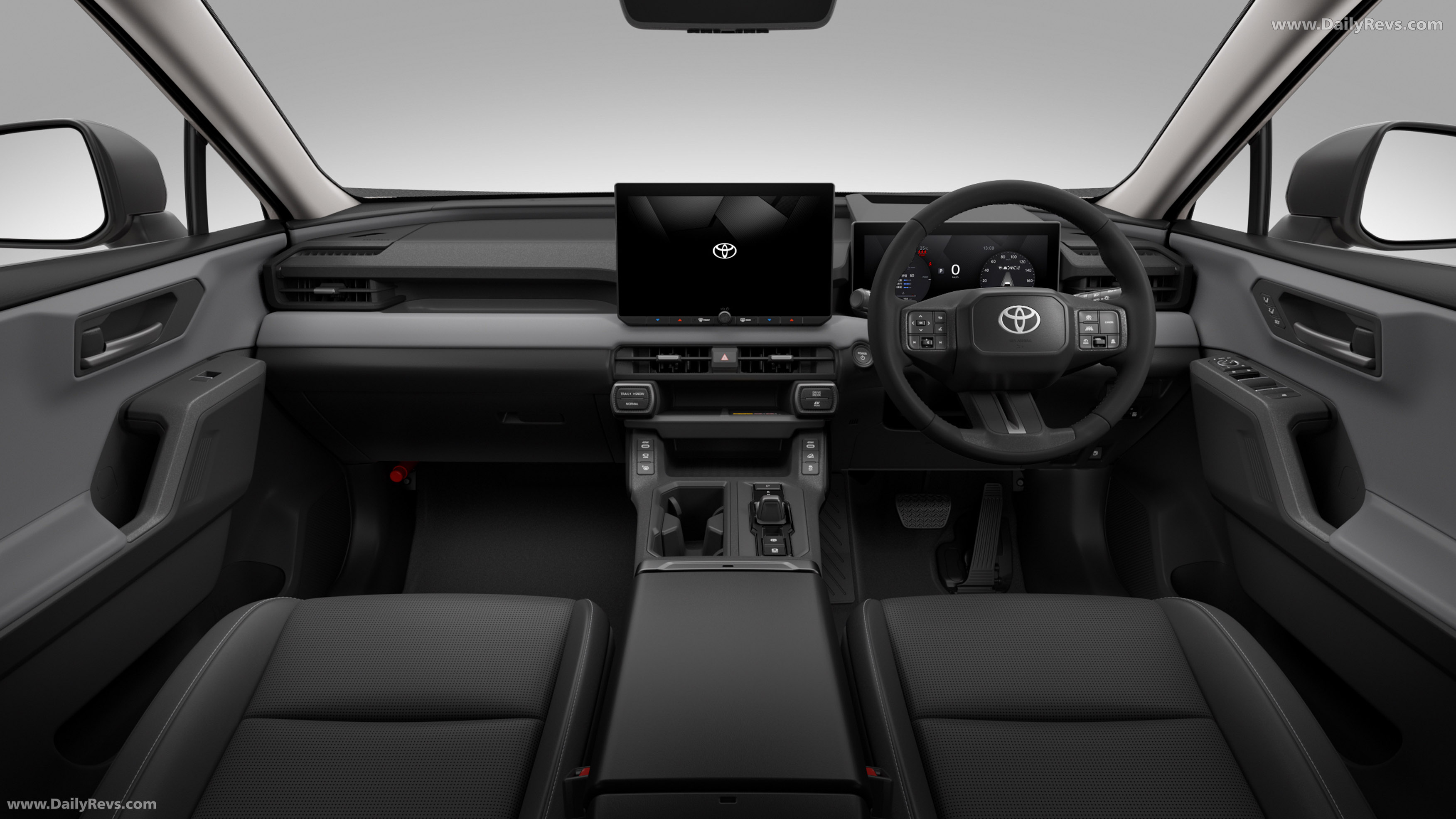
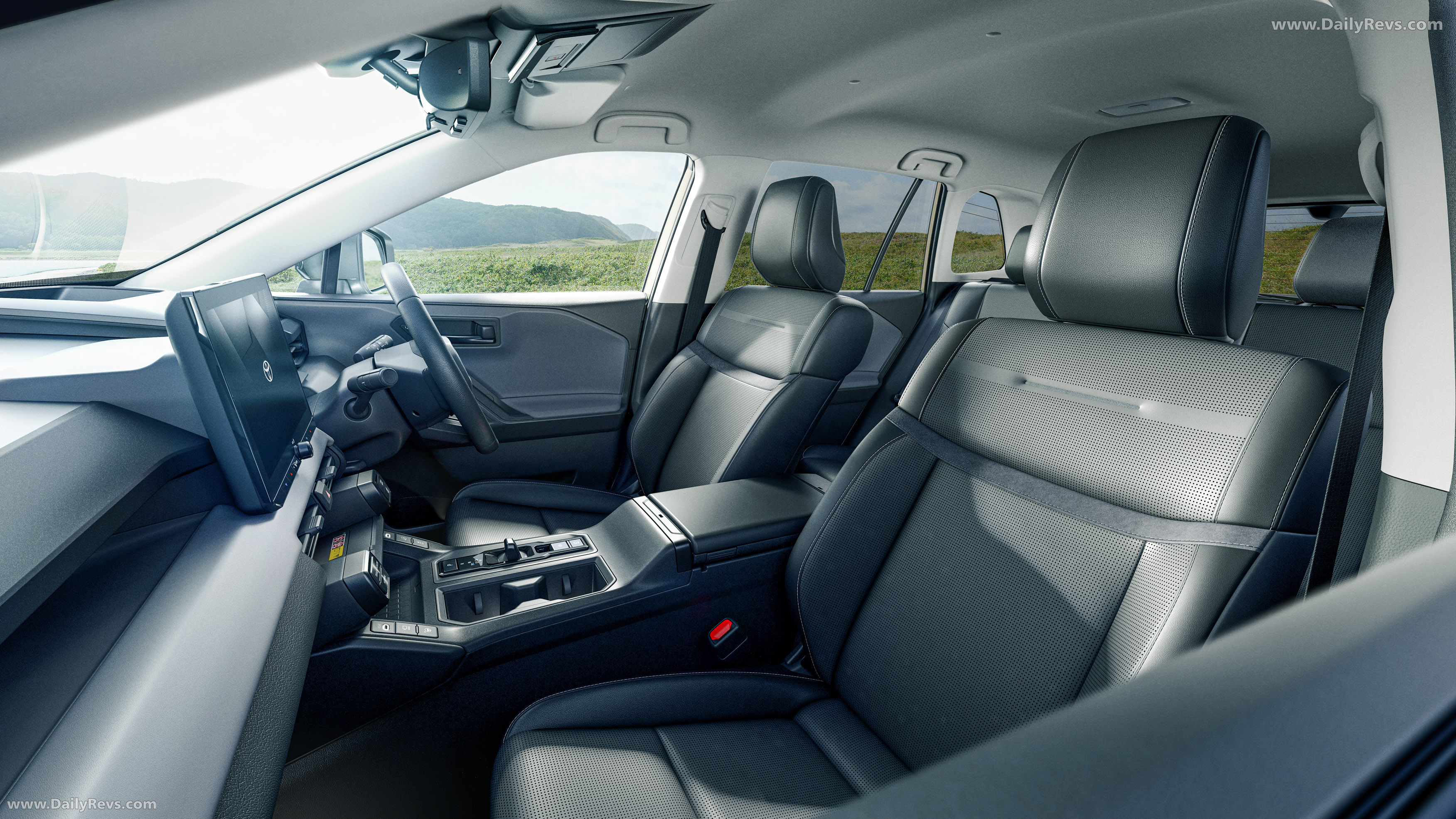
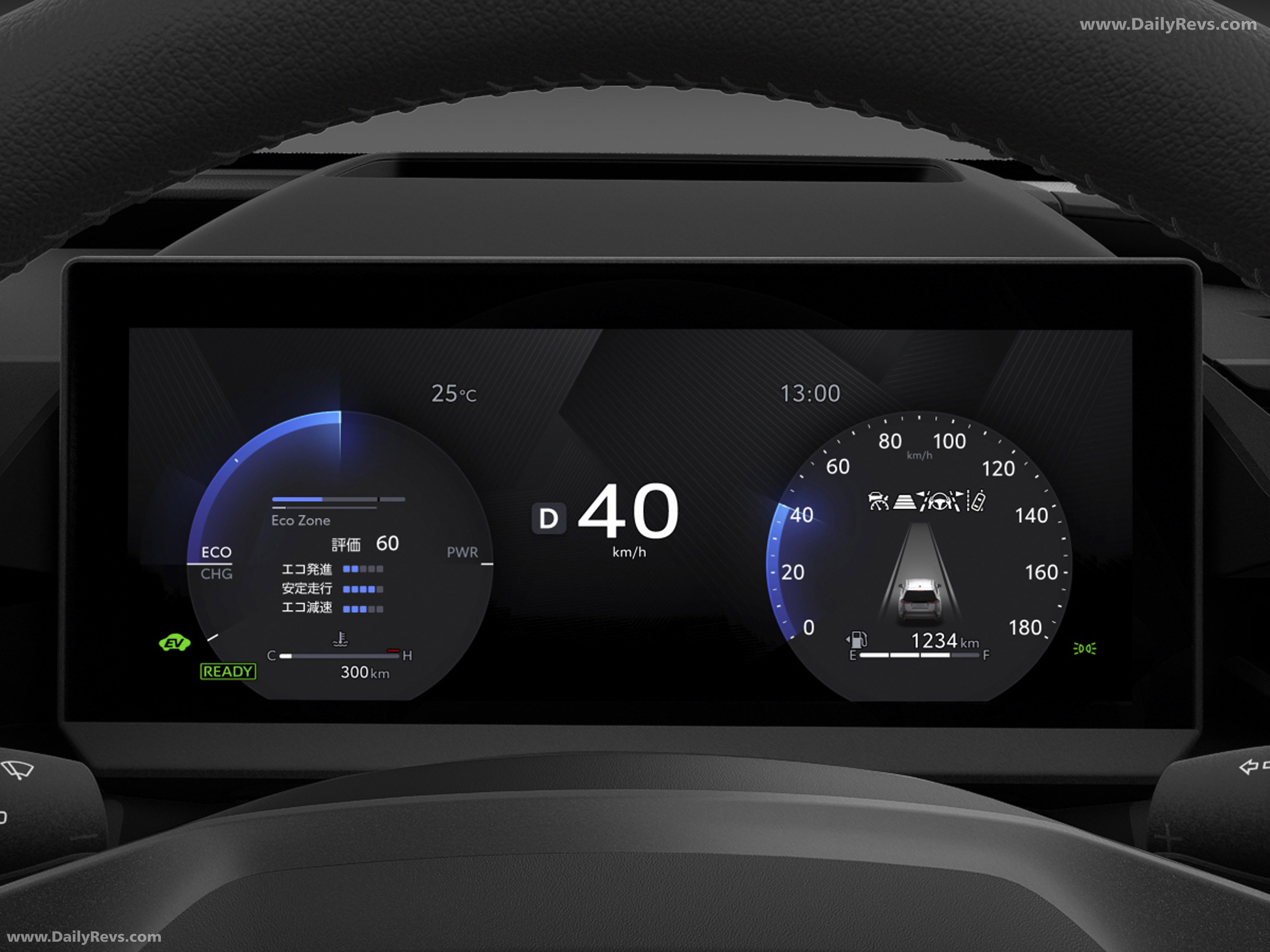
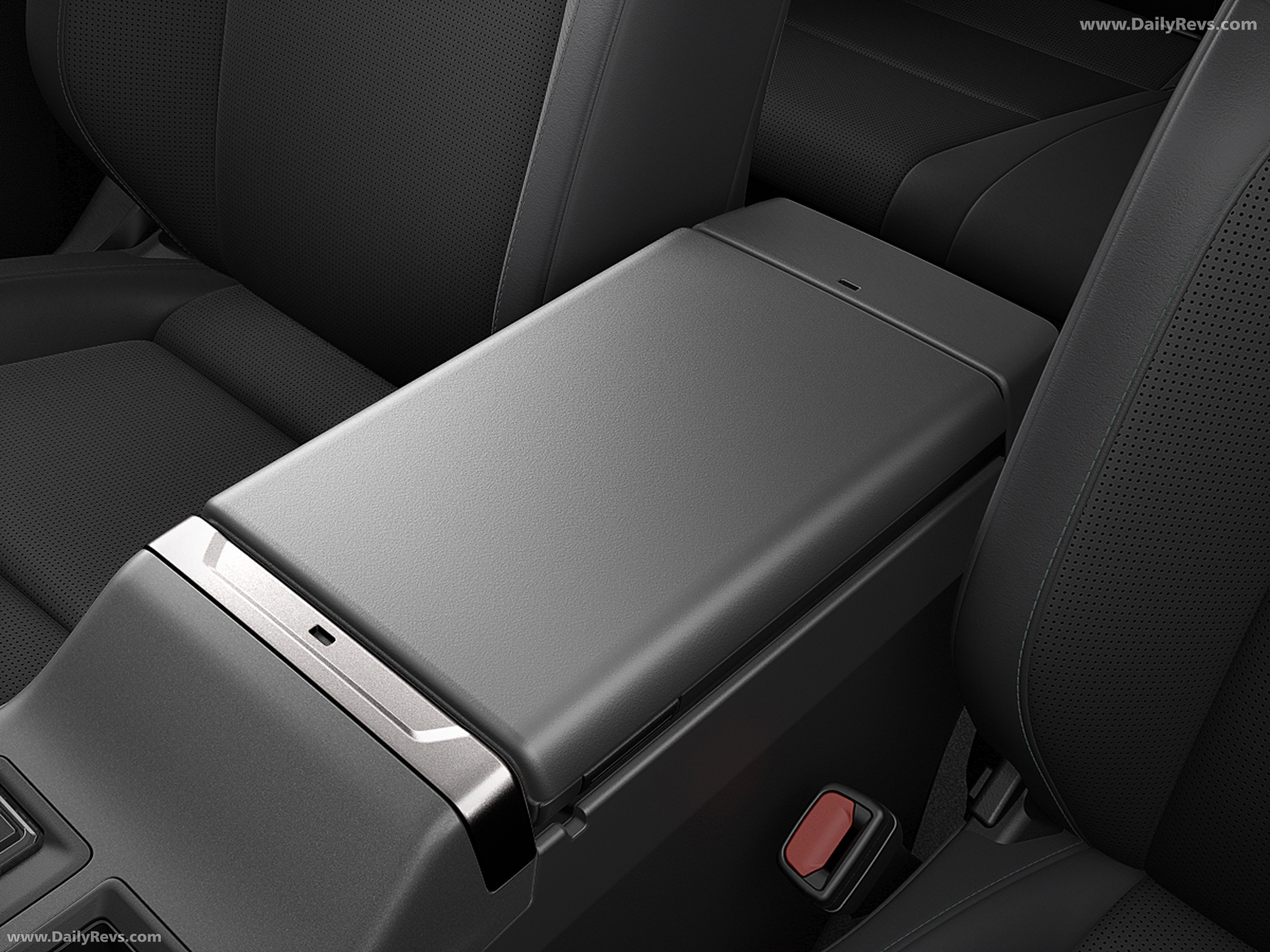
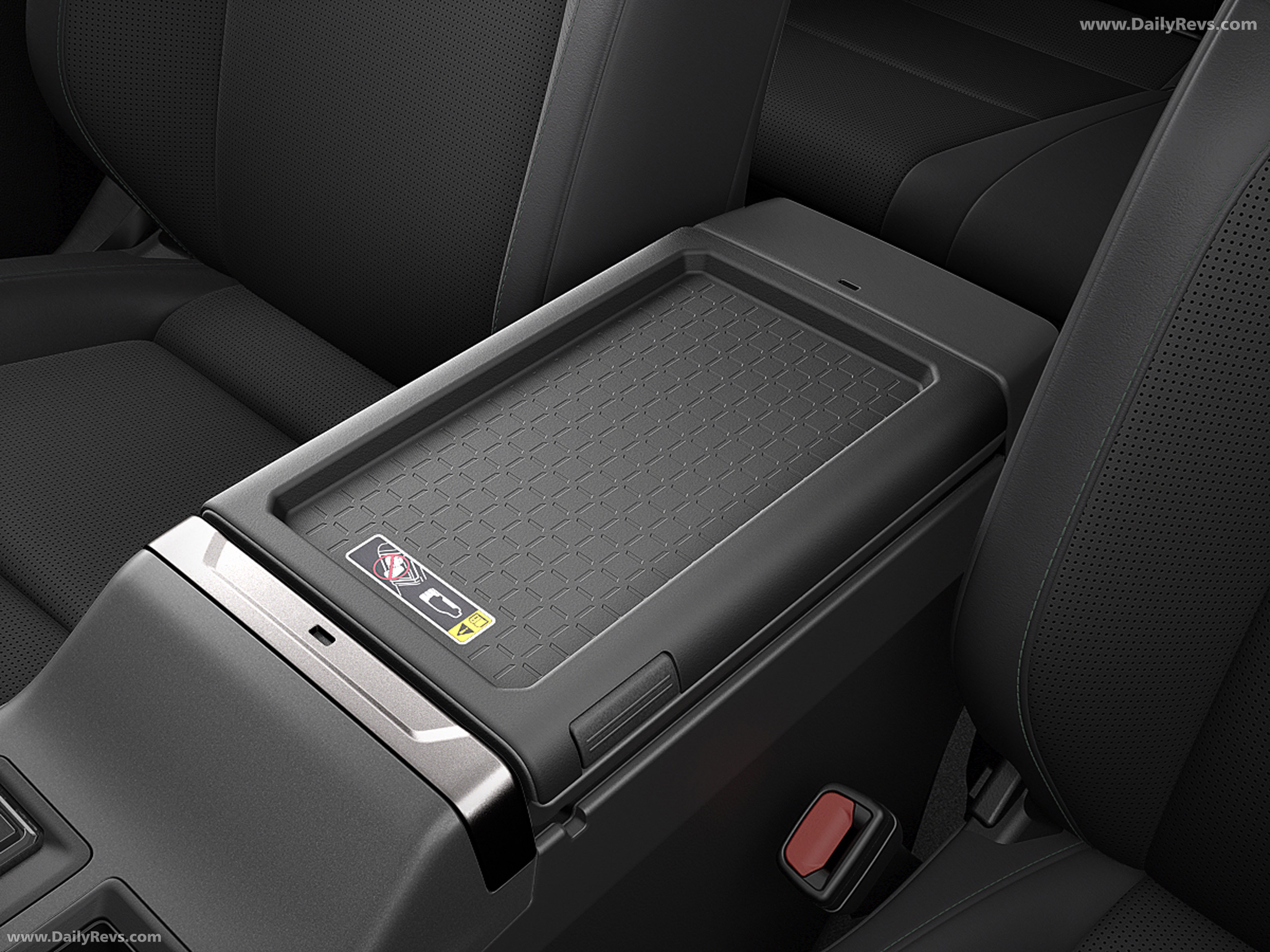
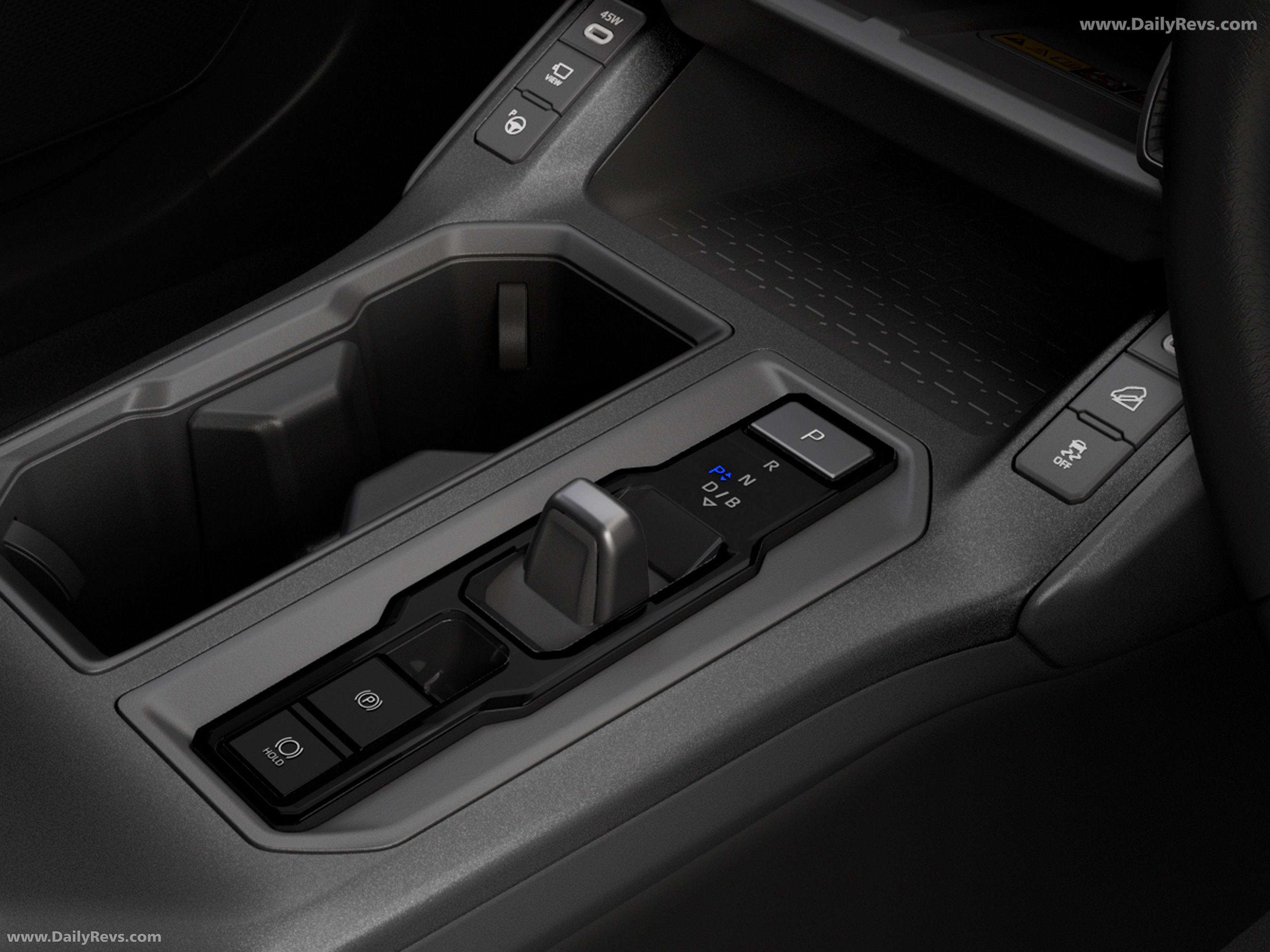
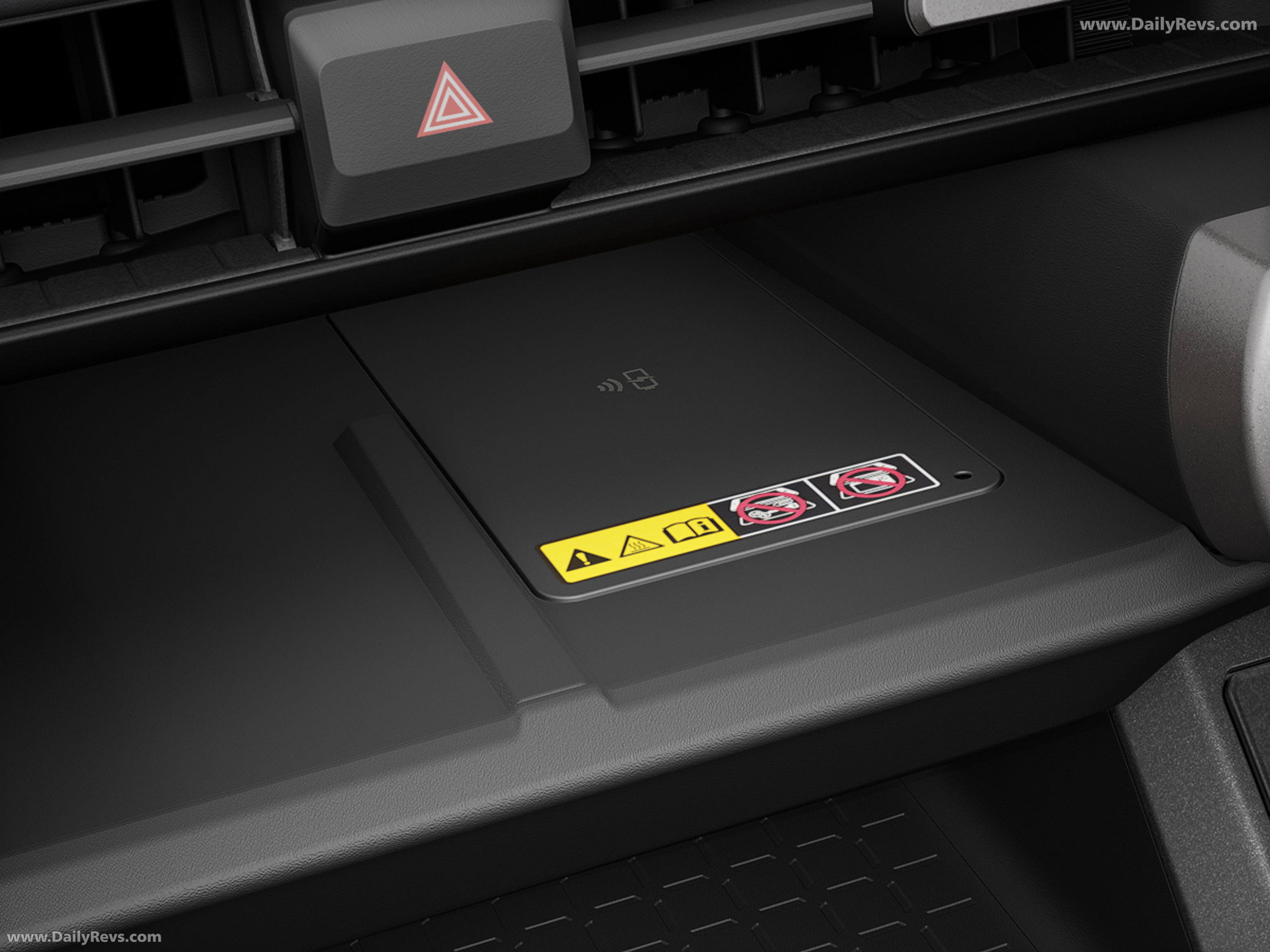
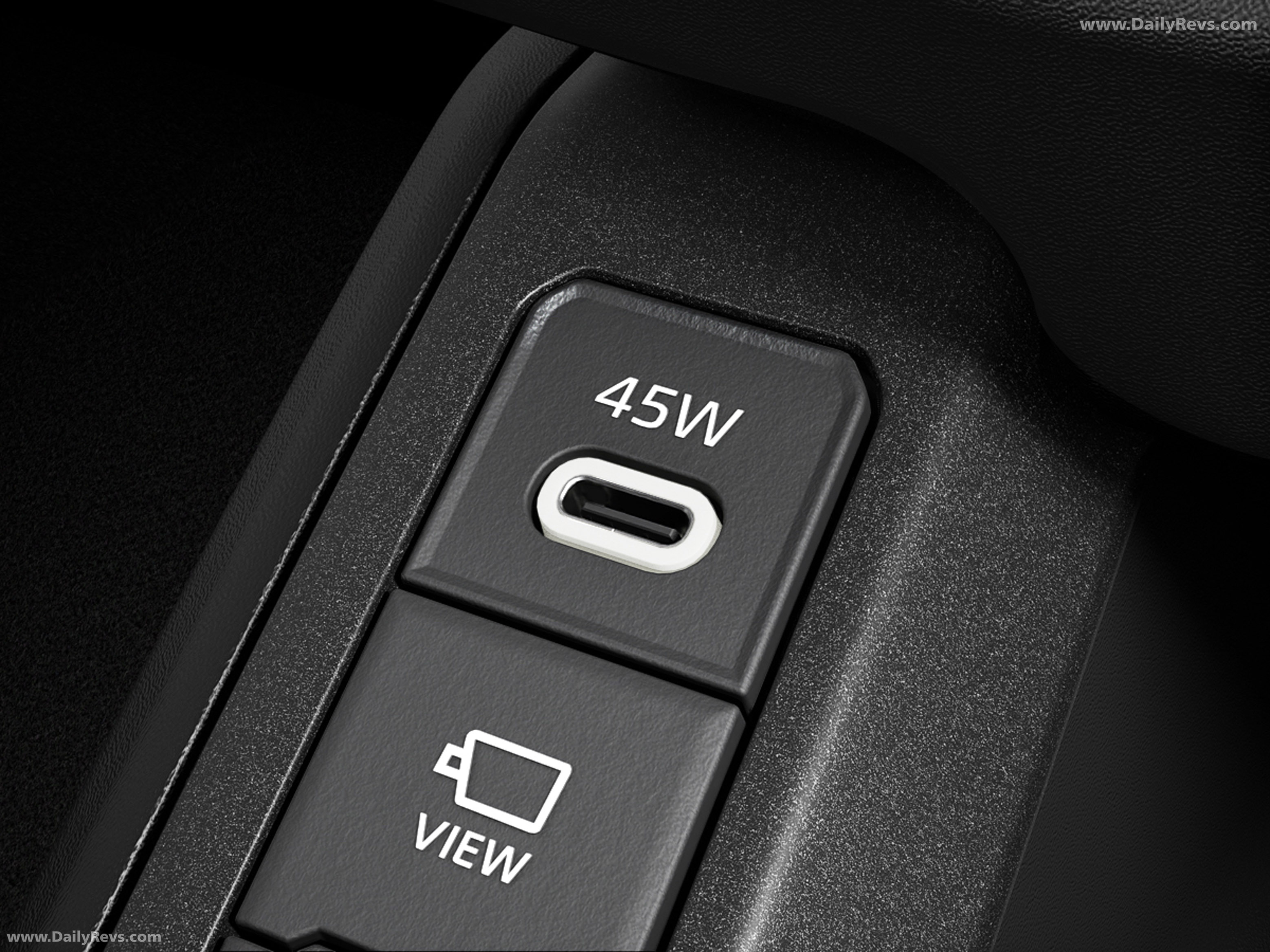
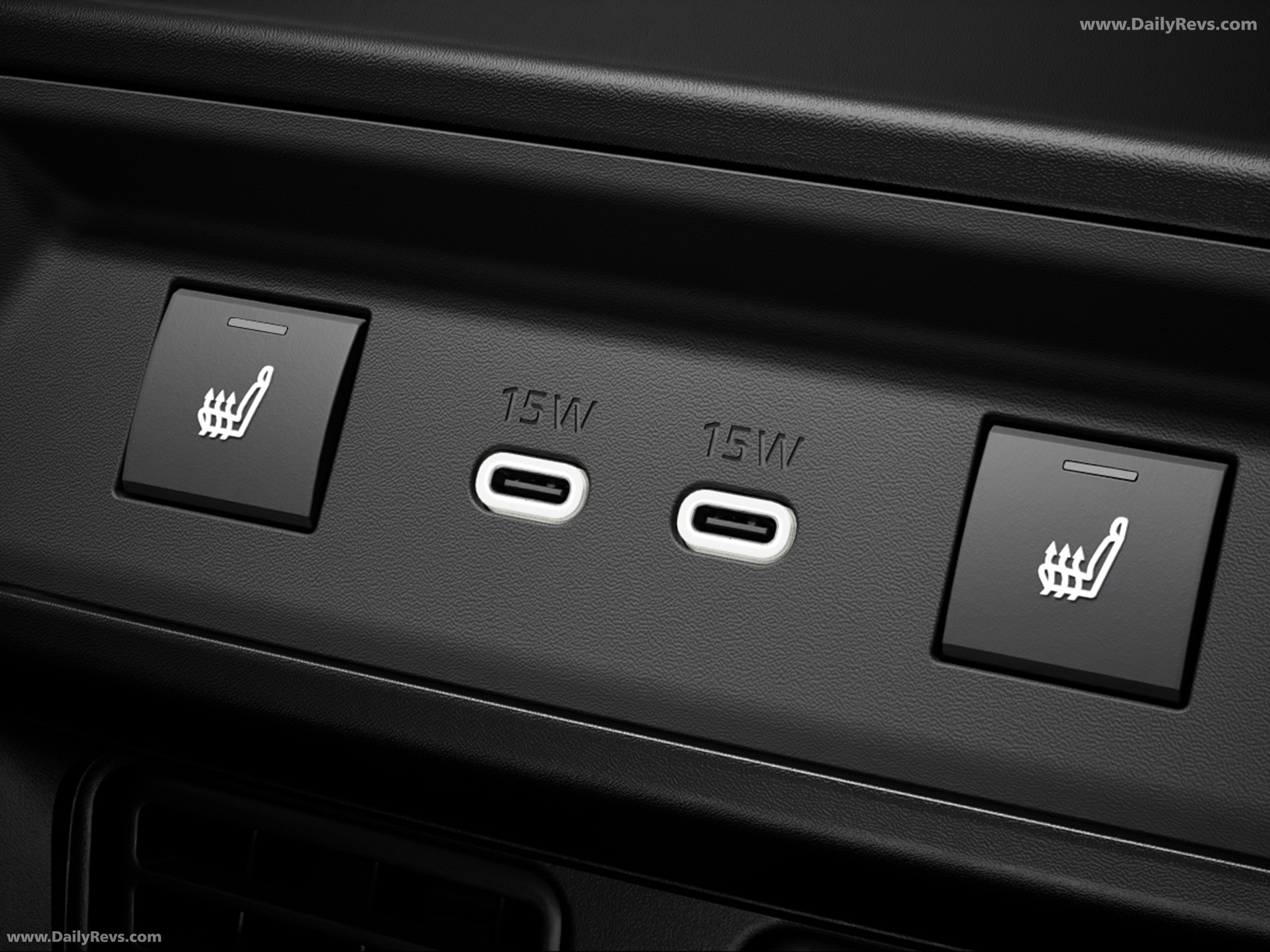
Inside, the new RAV4 adopts an island-style cockpit layout that groups displays, controls, and shift functions to reduce eye and hand movement. A horizontal instrument panel reinforces the SUV’s width, while usability takes precedence over visual flourish.
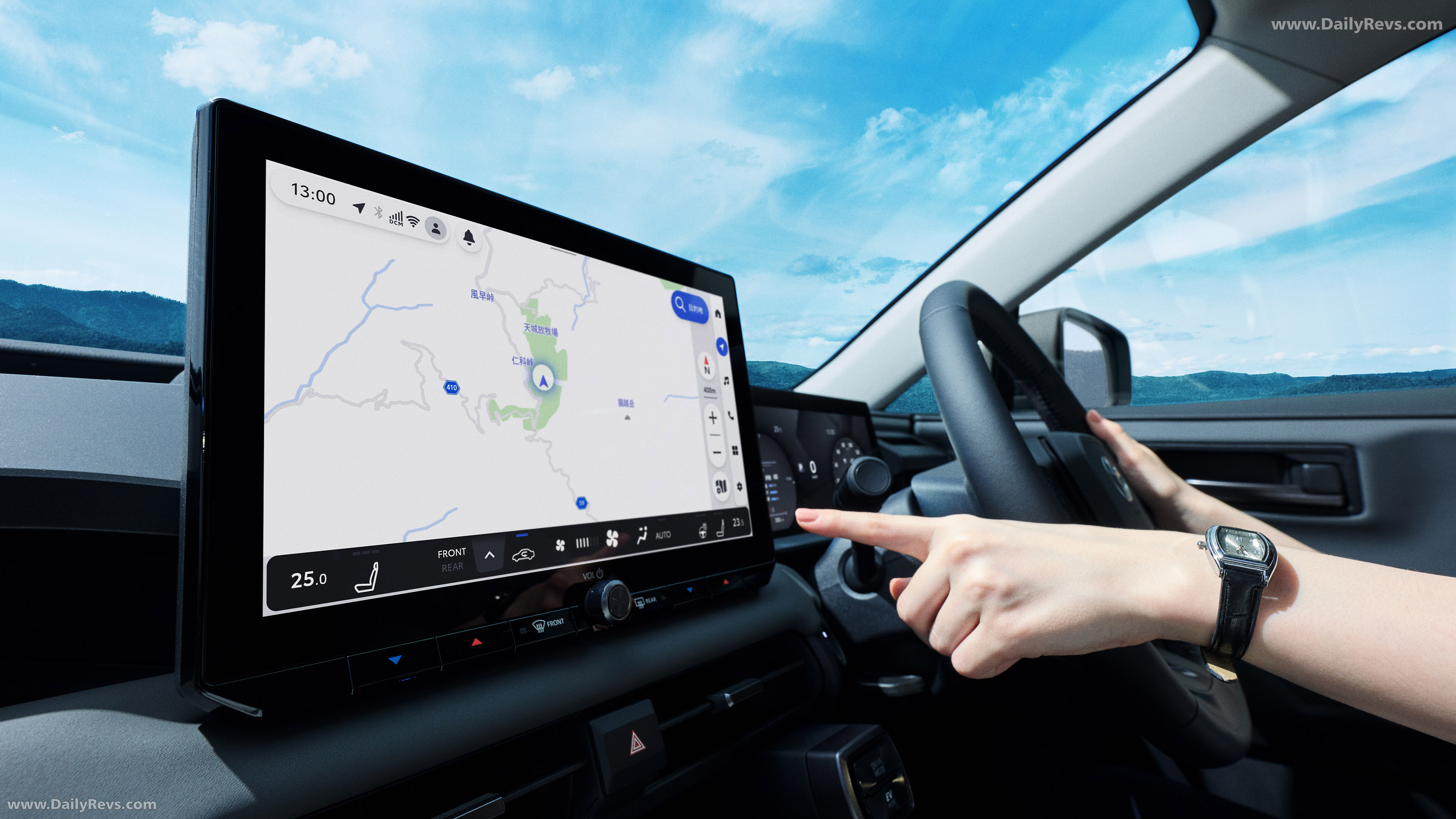
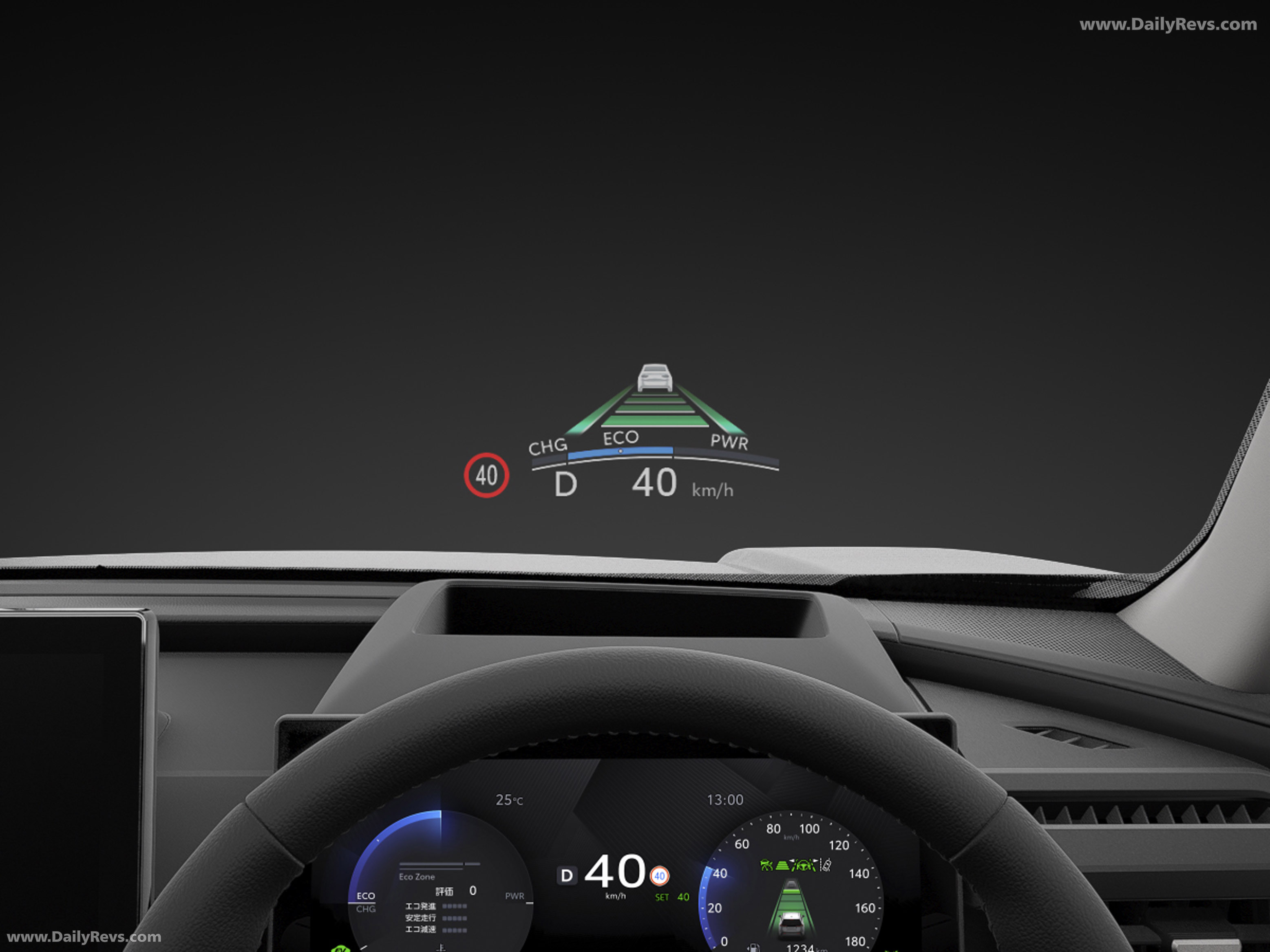
Several firsts appear here. A color head-up display uses an angled projection to improve readability, and Toyota’s new Electro-Shiftmatic system replaces conventional shift levers with a single-direction electronic control cluster. The center infotainment display grows to 12.9 inches across all grades, paired with faster voice recognition that responds in roughly one second.
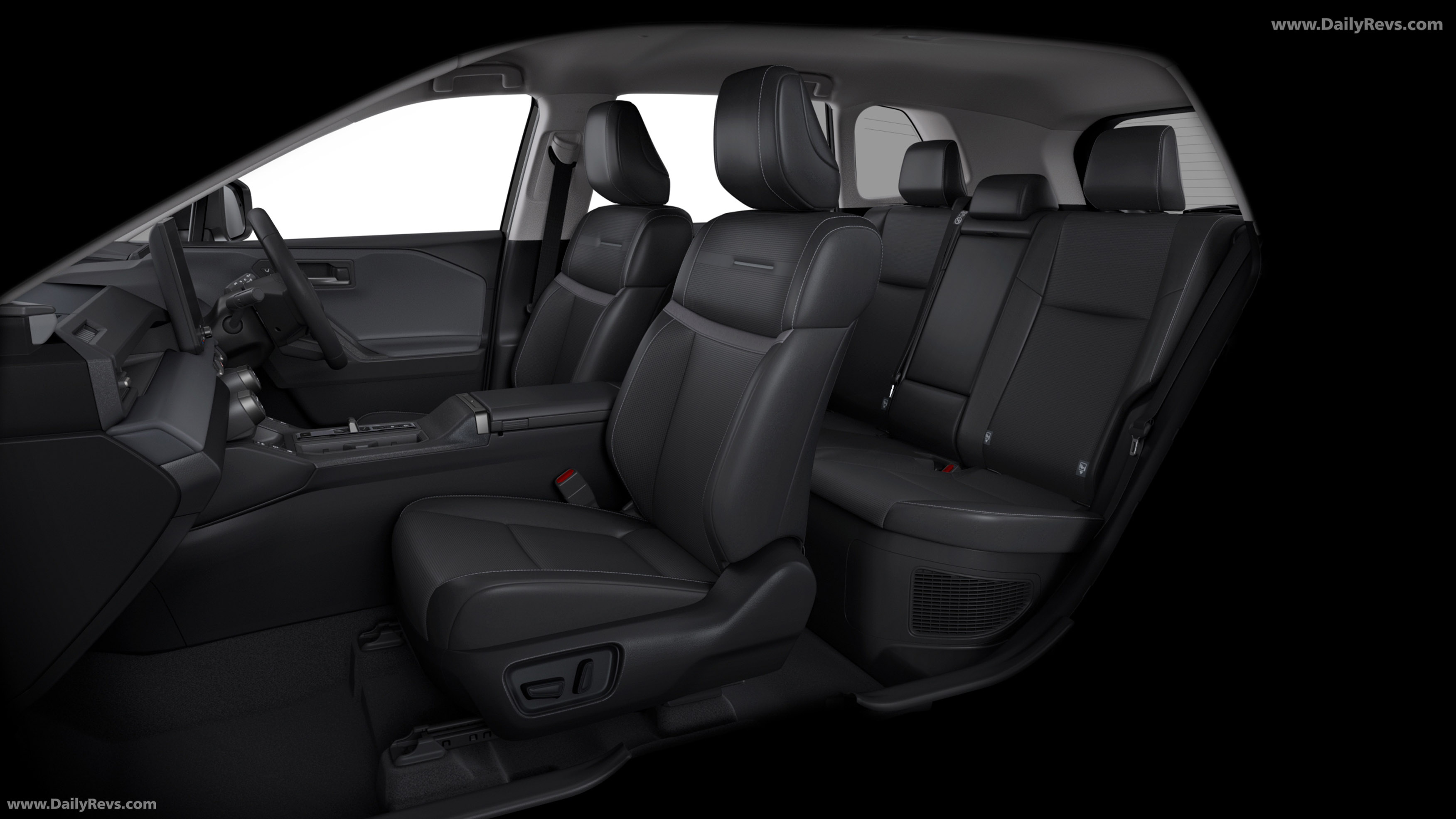
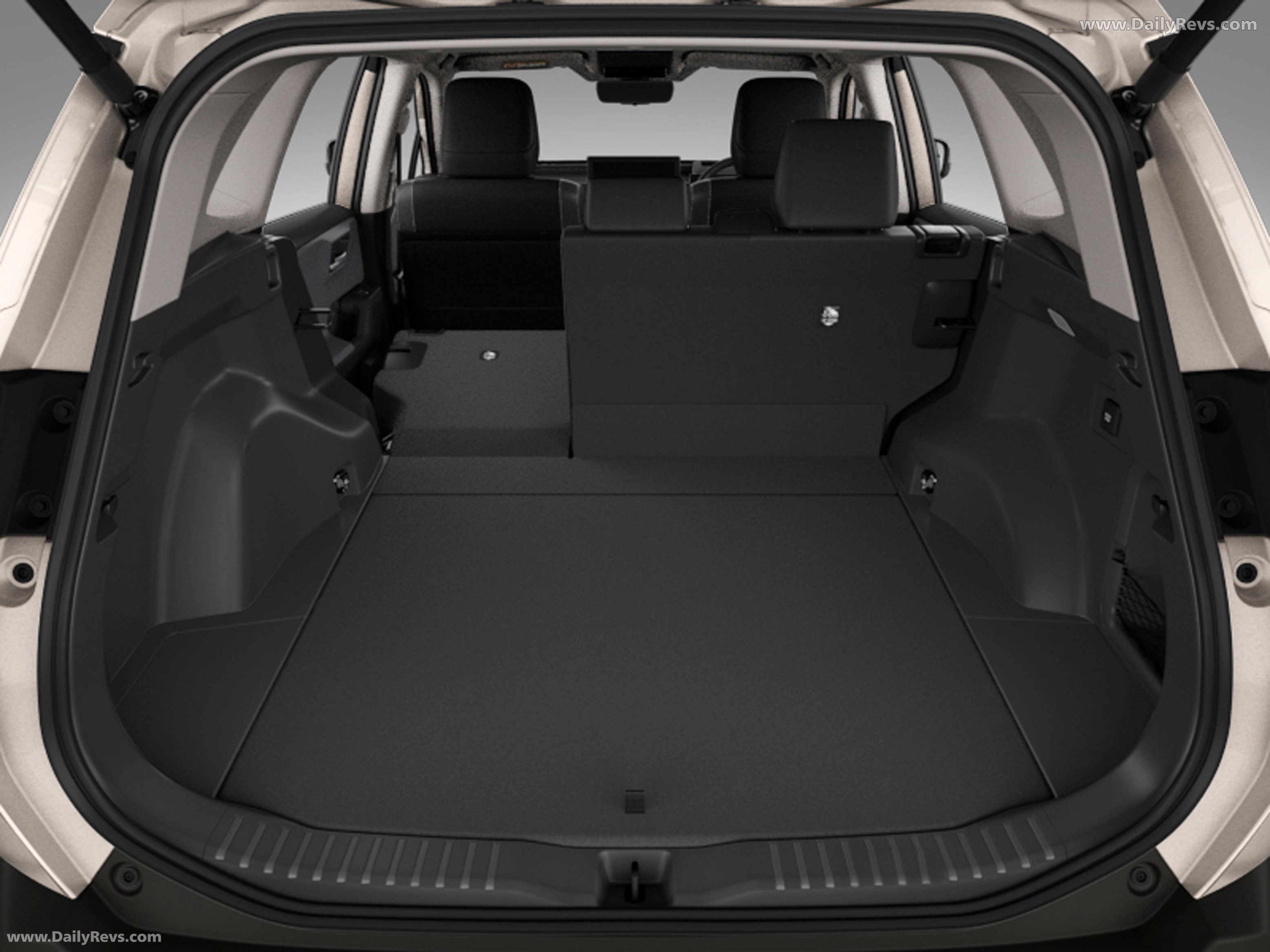
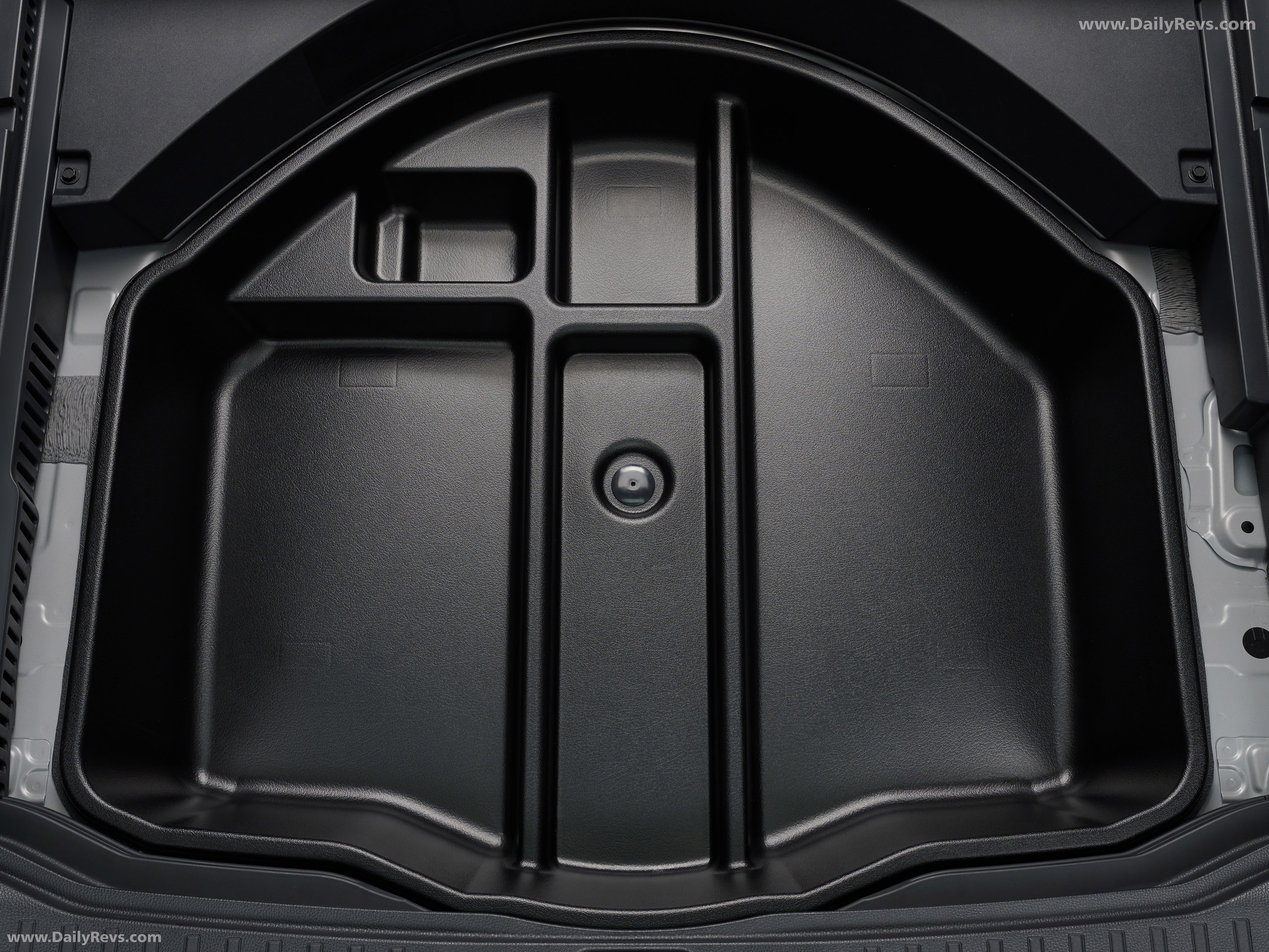
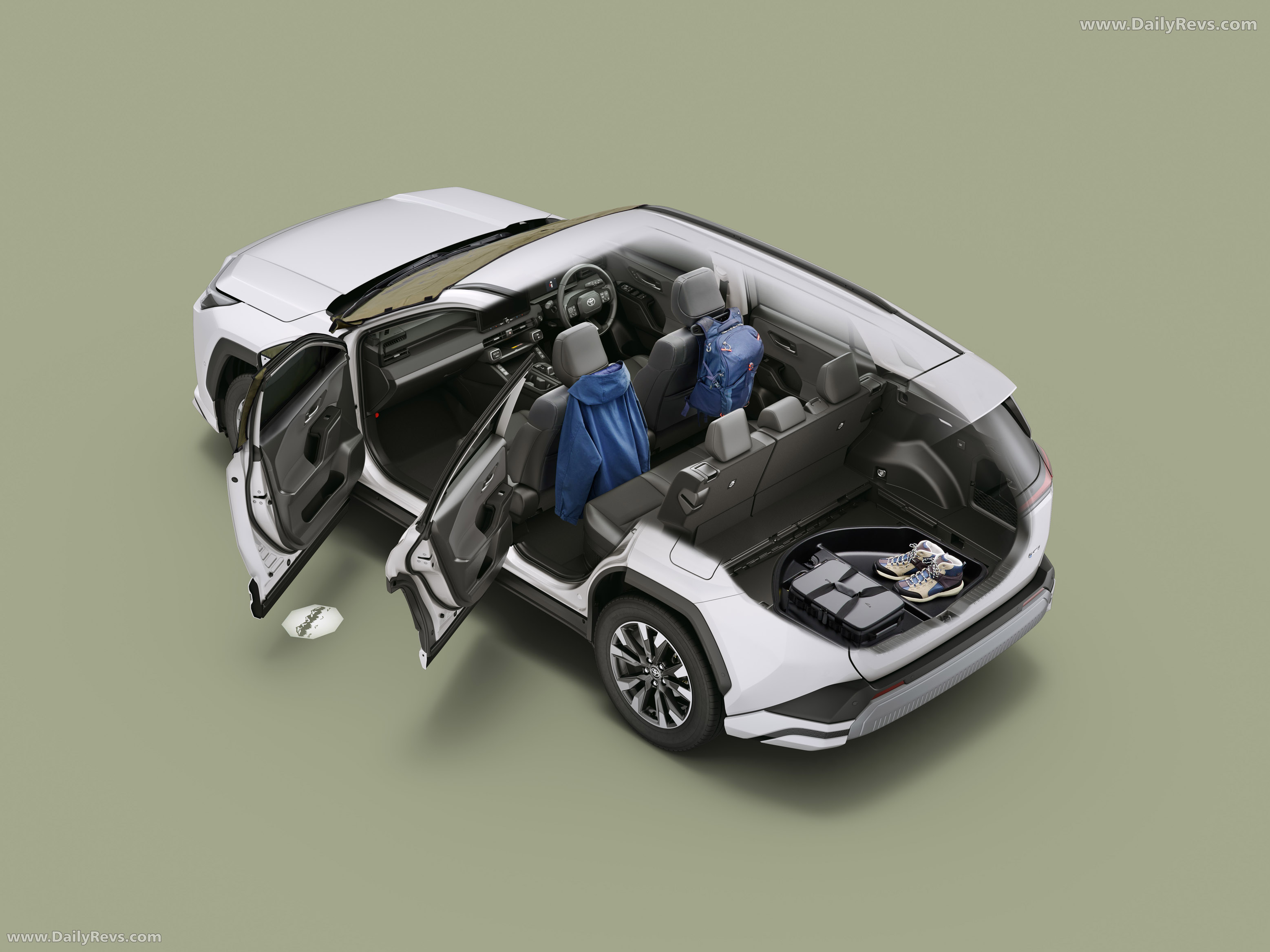
Cargo practicality also improves. Luggage capacity expands to 749 liters, and the load floor becomes flatter when rear seats are folded, a small but meaningful improvement for daily use.
Positioning in the Market and Segment Context
The foundation of Toyota's domestic SUV portfolio is the 2026 Toyota RAV4 HEV Japanese Version, which aims to sell 3,000 hybrid vehicles per month. It is priced competitively with other electrified midsize SUVs in Japan, starting at about ¥4.5 million.
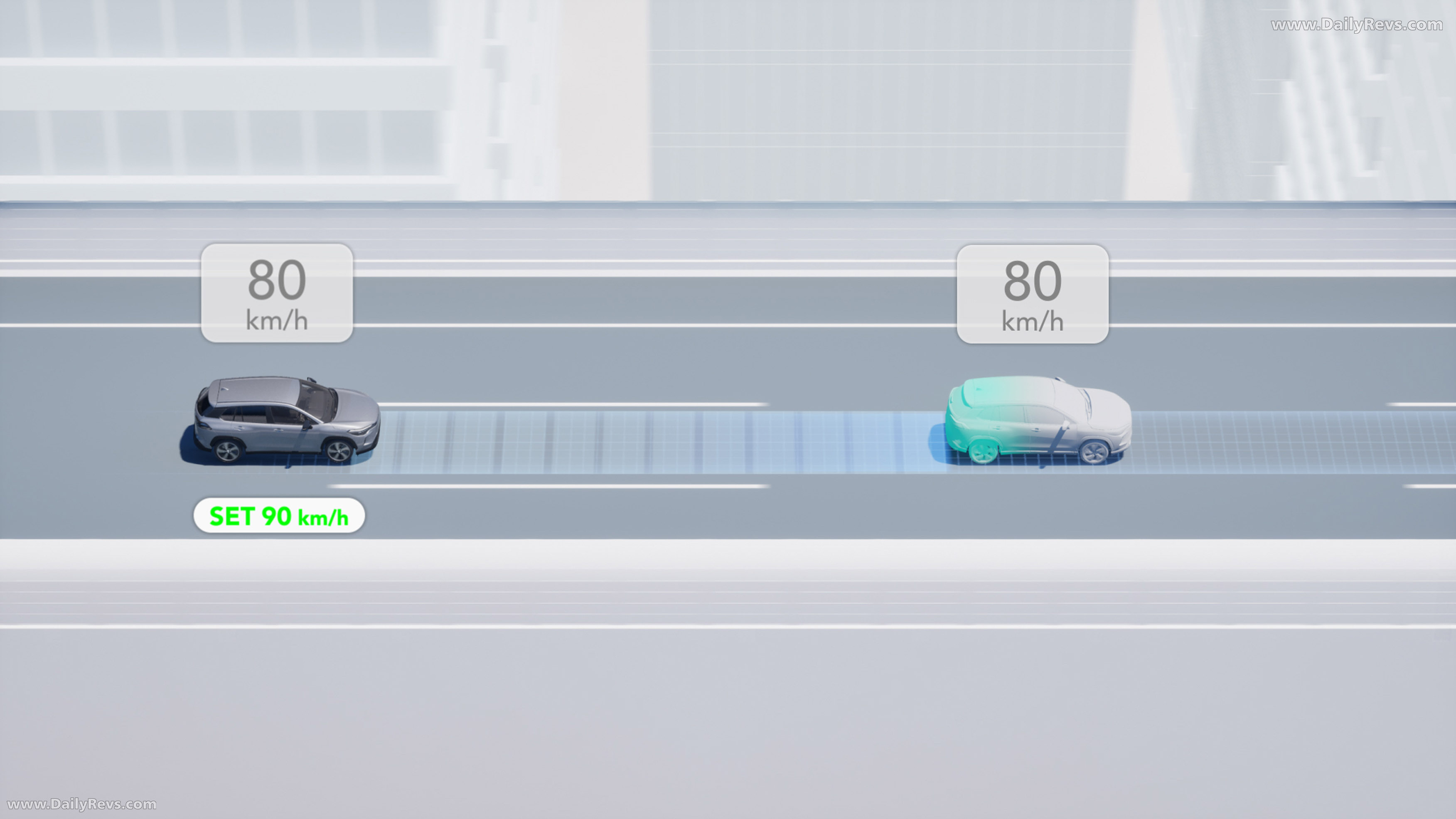
More importantly, this RAV4 marks Toyota’s first real step into software-defined vehicles through the Arene development platform. Over-the-air updates, evolving safety systems, and future feature expansion are central to its long-term role. In a segment increasingly crowded with hybrid options, Toyota is betting that intelligence, usability, and drivetrain maturity will continue to define the RAV4’s appeal.